

The 200,000-Mile Question Is Not Going Away
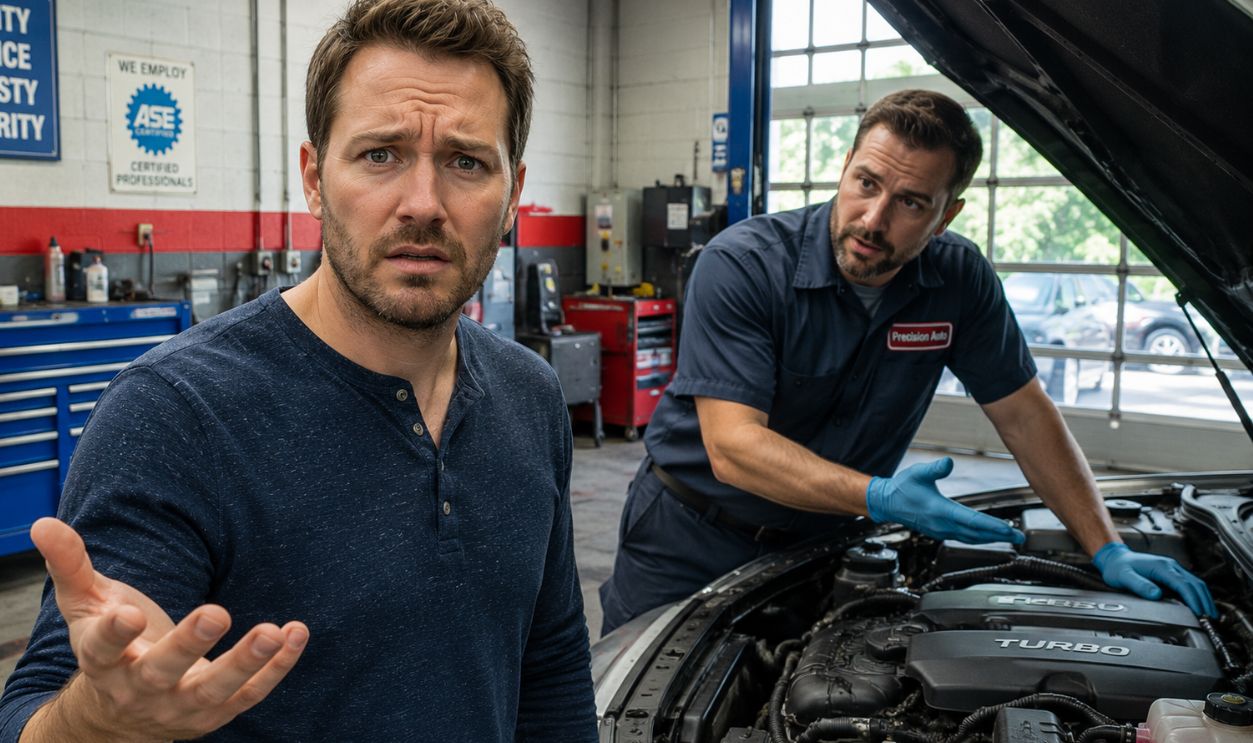
If your mechanic says modern turbo engines will never make it to 200,000 miles, he is tapping into one of the biggest debates in the car world. Smaller turbocharged engines now power everything from family crossovers to half-ton trucks. The real issue isn't whether downsizing adds stress. It's whether modern engineering and proper maintenance can handle that stress over the long haul.
Why Carmakers Started Shrinking Engines
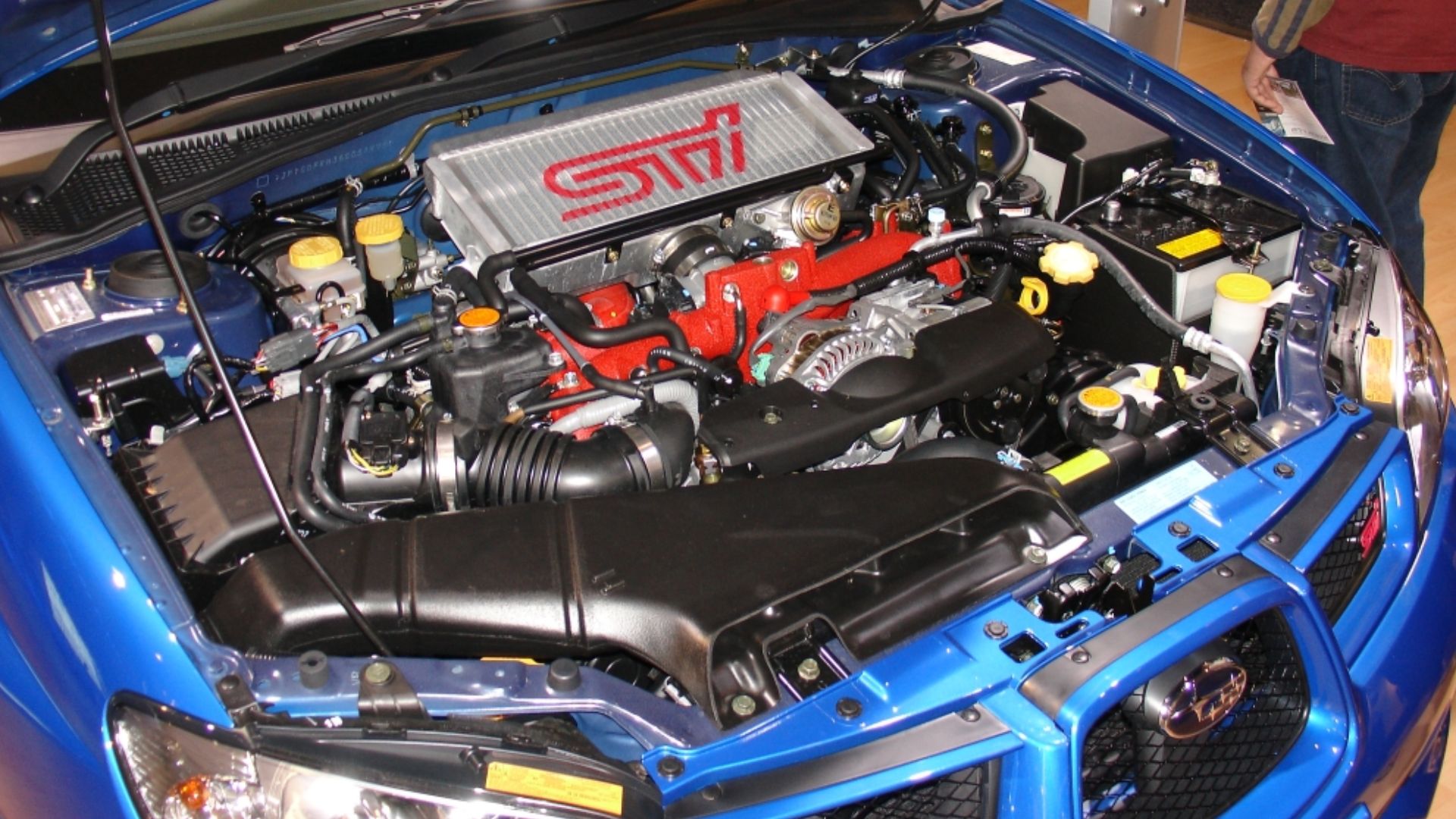
The move toward smaller turbo engines picked up speed in the late 2000s and early 2010s as automakers chased better fuel economy and lower emissions. A turbo lets a small engine make power closer to a bigger one by forcing more air into the cylinders. The idea was simple: cut weight, improve efficiency, and still give drivers enough power for everyday use.
 Ric man at English Wikipedia, Wikimedia Commons
Ford Helped Make Downsizing Mainstream
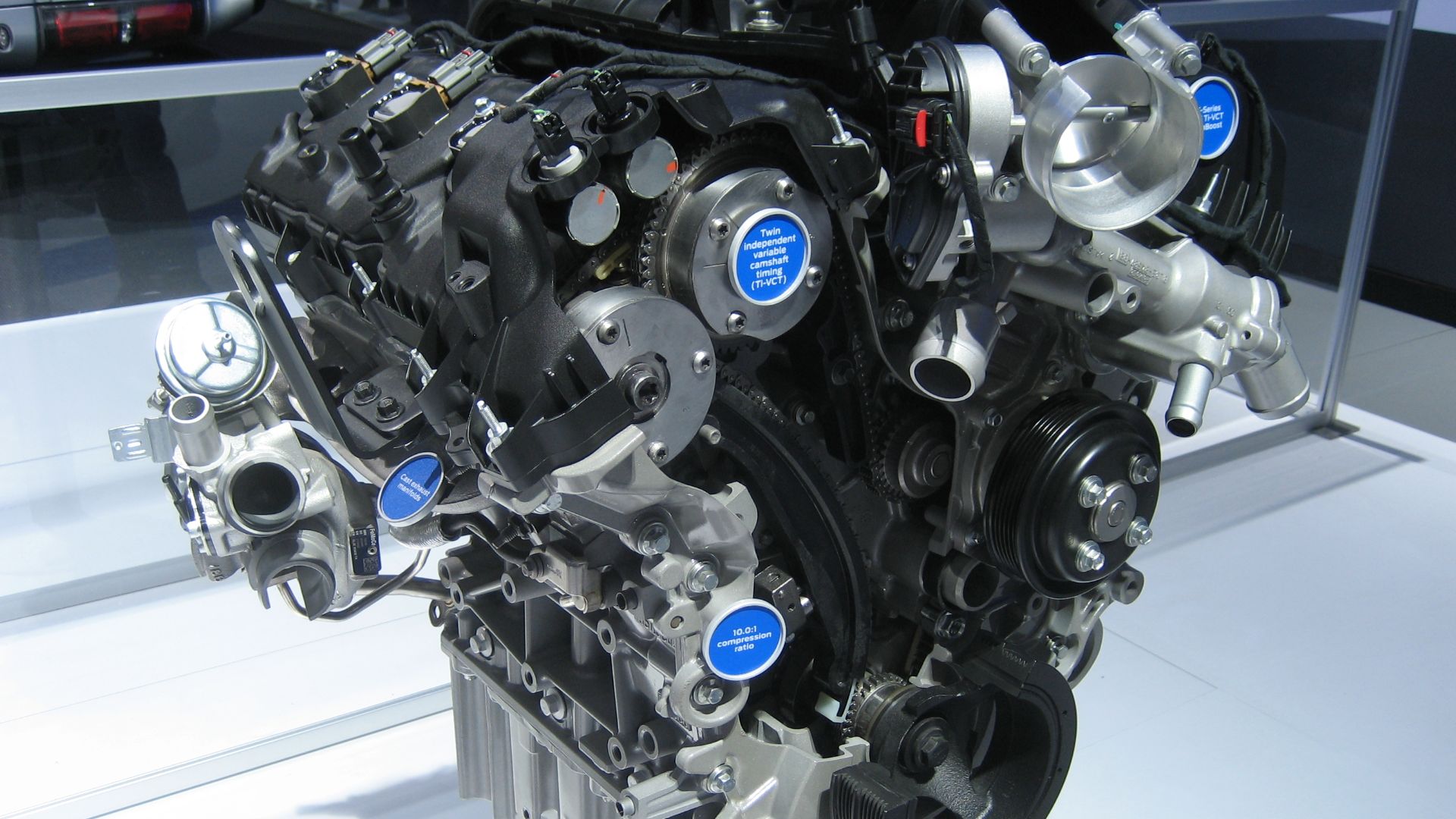
Ford’s EcoBoost launch was one of the clearest signs that downsizing had gone mainstream. The company introduced EcoBoost in 2009 and quickly spread it across sedans, SUVs, and pickups. That was a big shift, because Ford was asking regular buyers to trust turbocharging in vehicles that had long used naturally aspirated engines.
 Dana60Cummins, Wikimedia Commons
Turbocharging Itself Is Not New
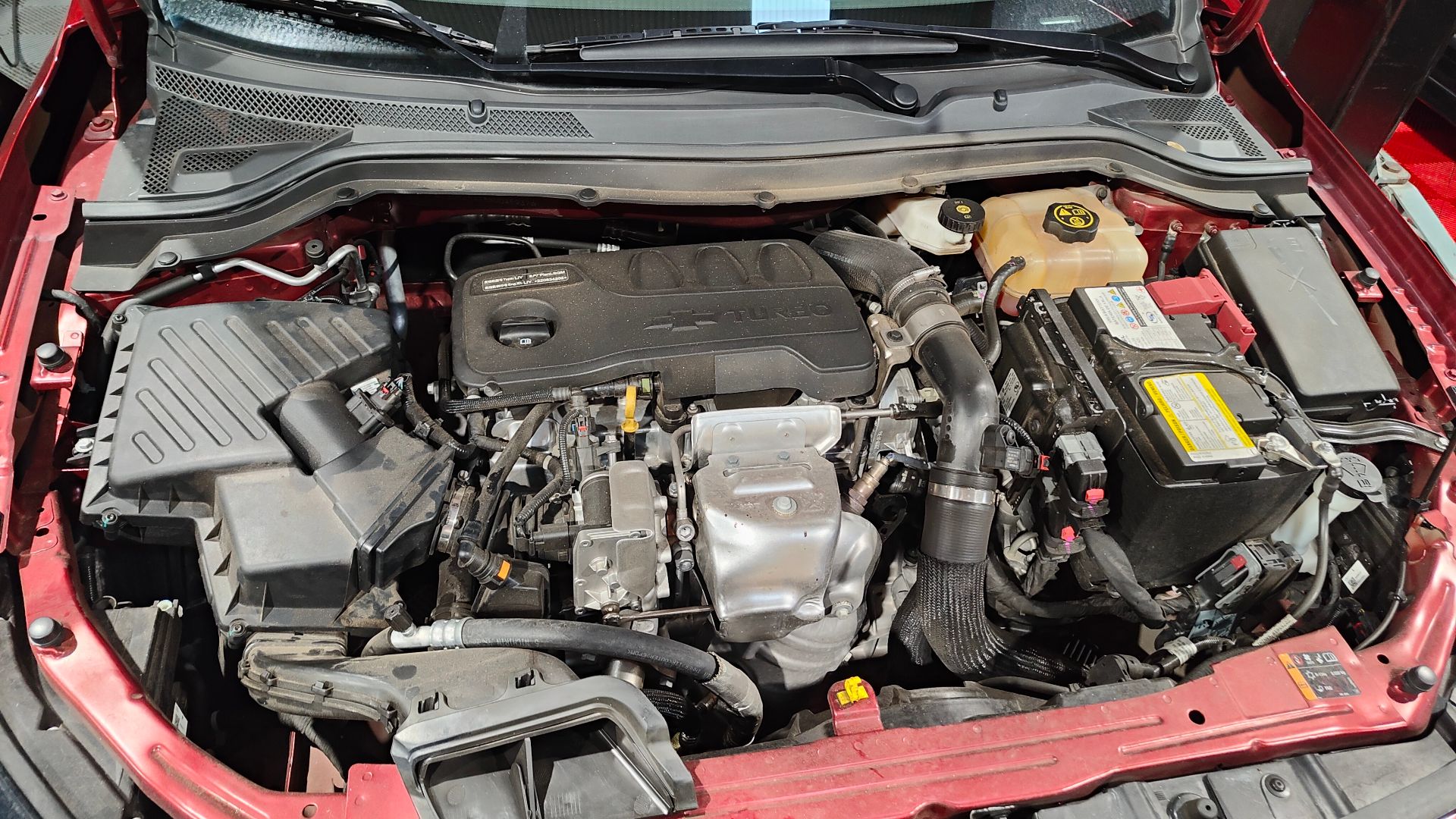
Turbo engines may sound like a modern trend, but the technology has been around for a long time. Passenger cars used turbocharging in earlier decades, and diesel engines relied on forced induction long before today’s small gas engines became common. What changed was not the turbo itself, but how many everyday vehicles started using one.
Why Mechanics Worry About Longevity
Your mechanic’s concern usually comes down to one thing. A smaller turbo engine often has to work harder to deliver the same performance as a bigger naturally aspirated one. That means more heat, higher cylinder pressures, more parts, and tighter packaging. Over a very long ownership period, all of that can raise the stakes.

Heat Is The Real Villain
Turbochargers live in a punishing environment because they use hot exhaust gases to spin at extremely high speeds. That makes the oil and cooling systems more important than ever. If maintenance slips, heat can speed up oil breakdown, sludge, and wear in both the turbo and the engine.

Consumer Reports Found A Nuanced Answer
One of the better reality checks came from Consumer Reports, which looked at owner data on engines and transmissions. In 2023, Consumer Reports said newer turbocharged engines appeared to be about as reliable as naturally aspirated engines in the vehicles it studied. That does not mean every turbo engine is trouble-free, but it does weaken the blanket claim that turbocharging automatically leads to a short life.

That Same Study Came With An Important Warning
Consumer Reports also noted that hybrids and naturally aspirated powertrains can still have an advantage in simplicity. Simplicity matters because fewer parts often means fewer things to break over time. So while turbo engines may not be doomed, they also do not get a free pass just because newer data looks better than old shop talk.
Some Turbo Engines Have Earned Bad Reputations
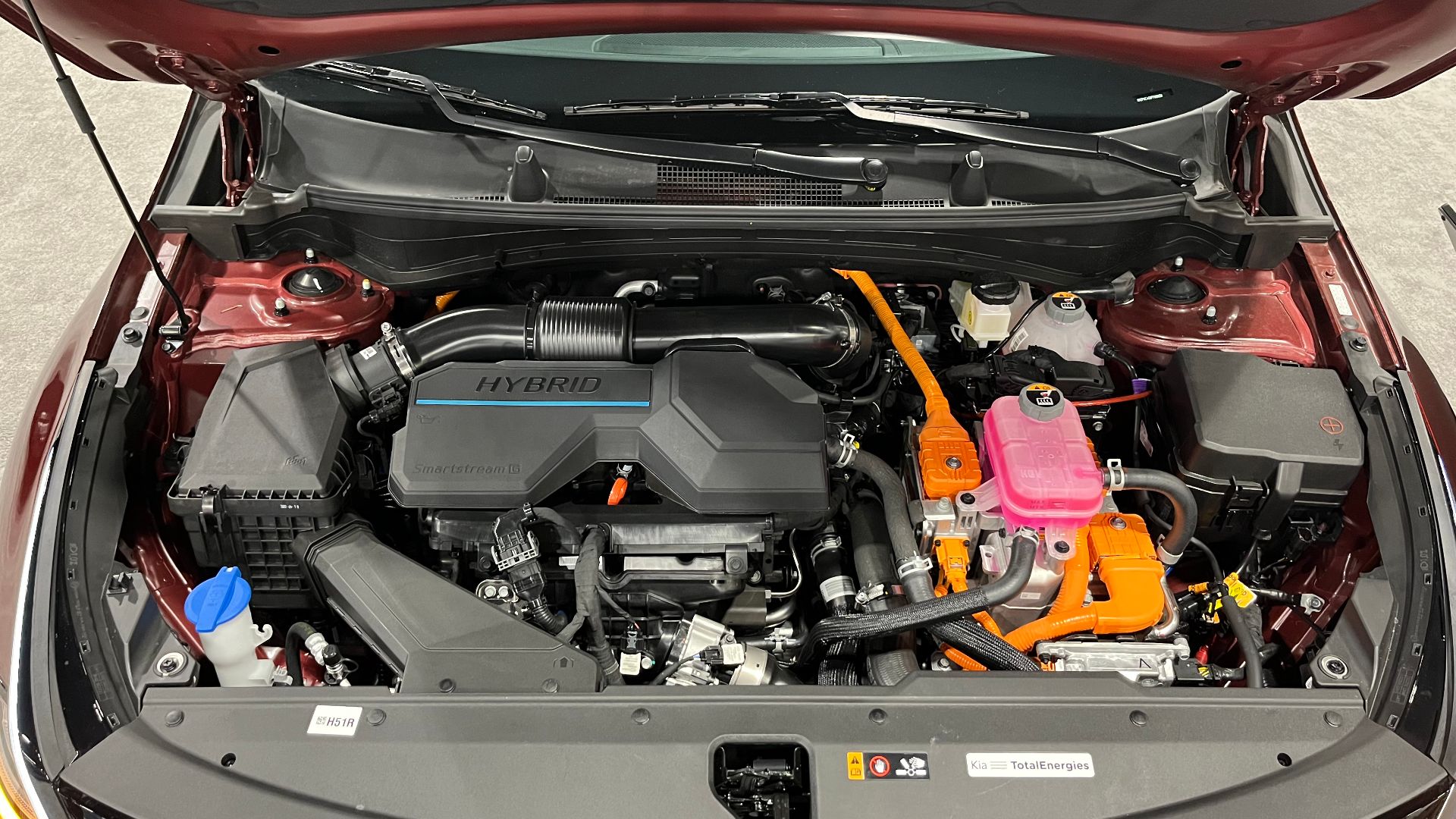
Skeptics are not making things up. Some downsized turbo engines have had very public problems. Ford’s 1.6-liter and 2.0-liter EcoBoost engines were tied to recalls and investigations involving coolant intrusion and fire risks in certain vehicles. Cases like that gave owners and technicians a clear reminder that extra complexity can create expensive failures.
Ford’s Bronco Sport And Escape Cases Kept The Debate Alive
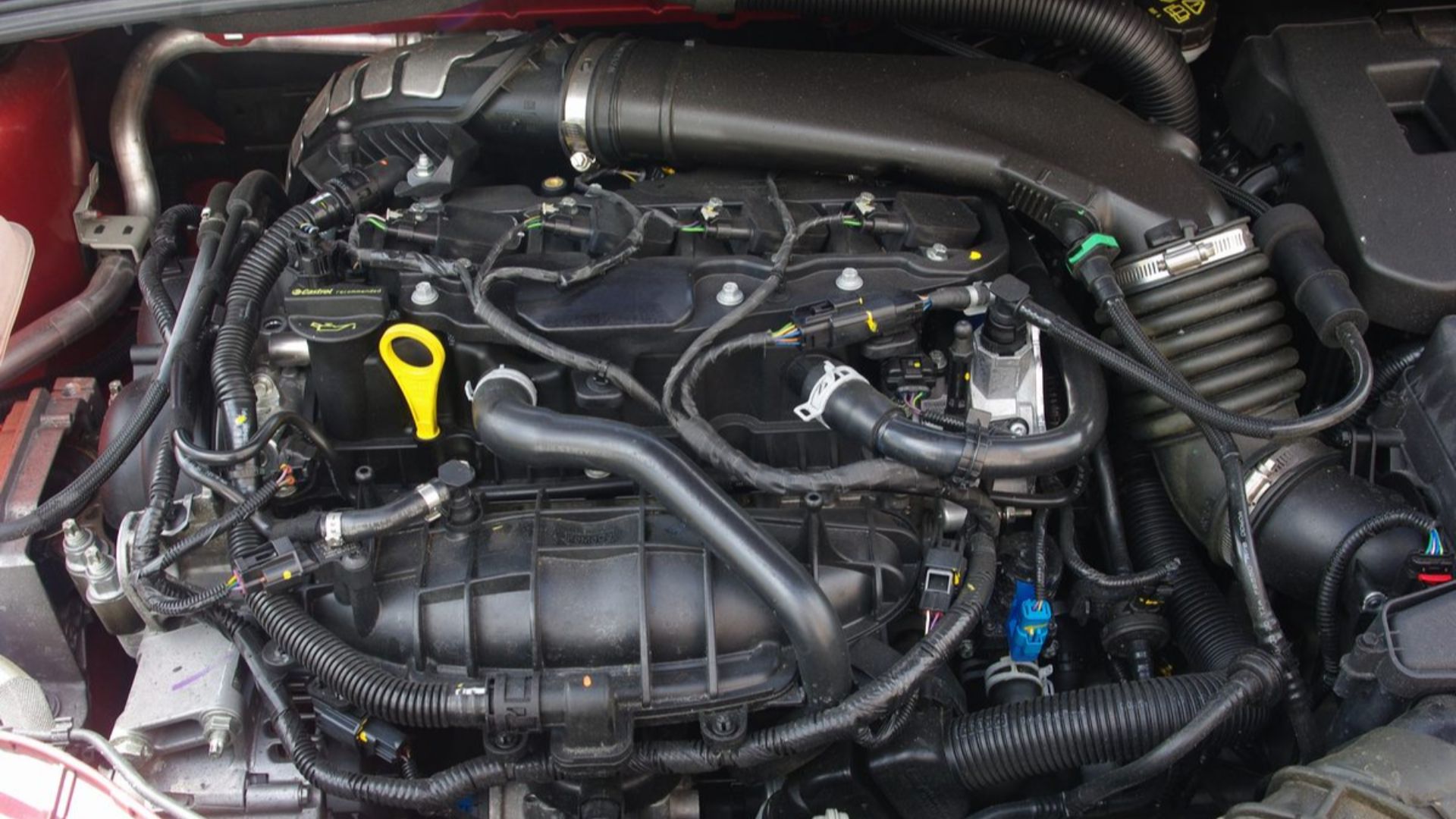
In 2022, Ford recalled certain Bronco Sport and Escape models with the 1.5-liter engine because a cracked fuel injector could leak fuel and increase the risk of fire. That was not proof that all small turbo engines are unreliable, but it did show how tightly packed modern drivetrains can turn one failed part into a serious safety problem. When stories like that stack up, mechanics naturally get wary.

Honda Also Faced Turbo Growing Pains
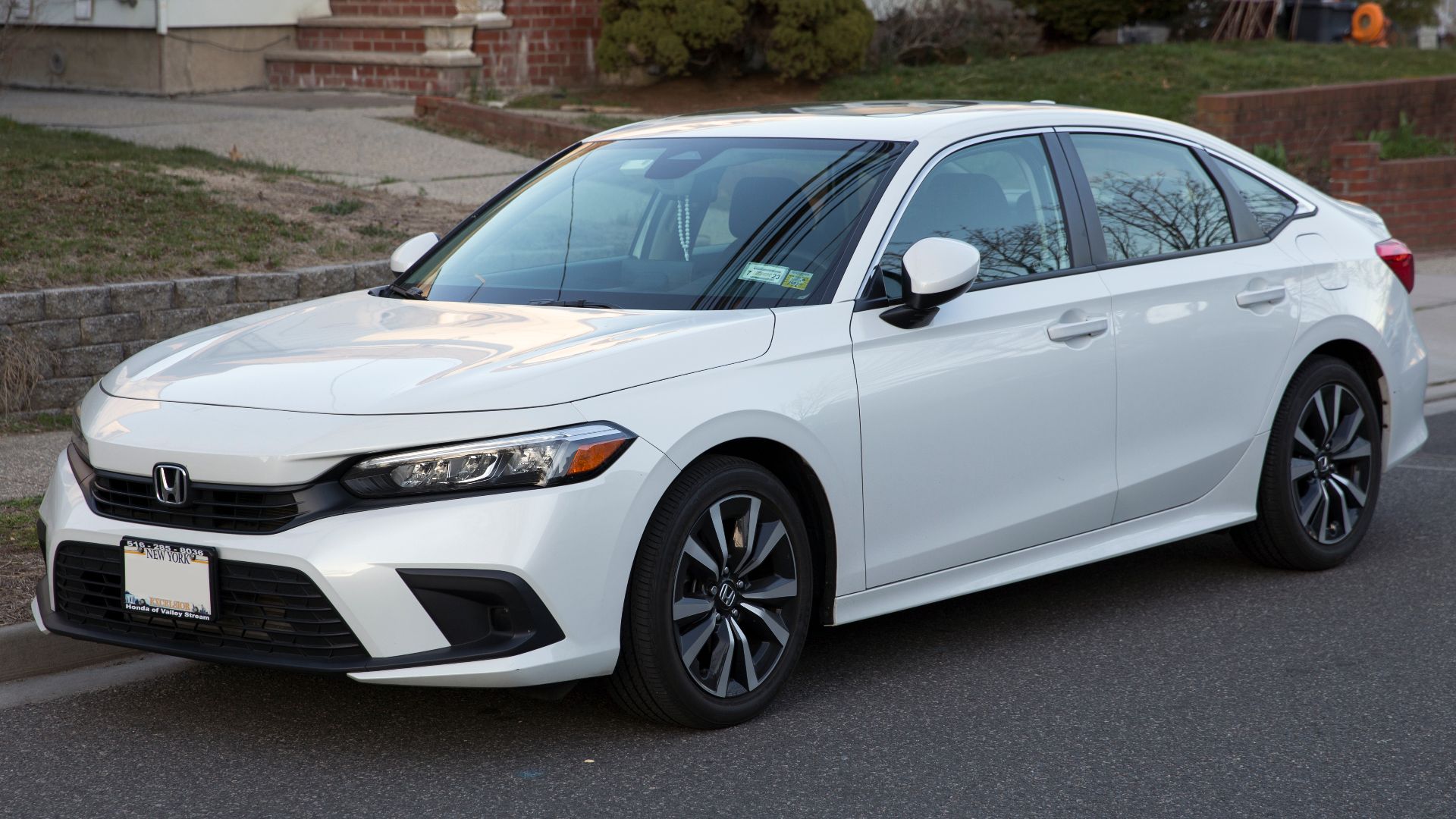
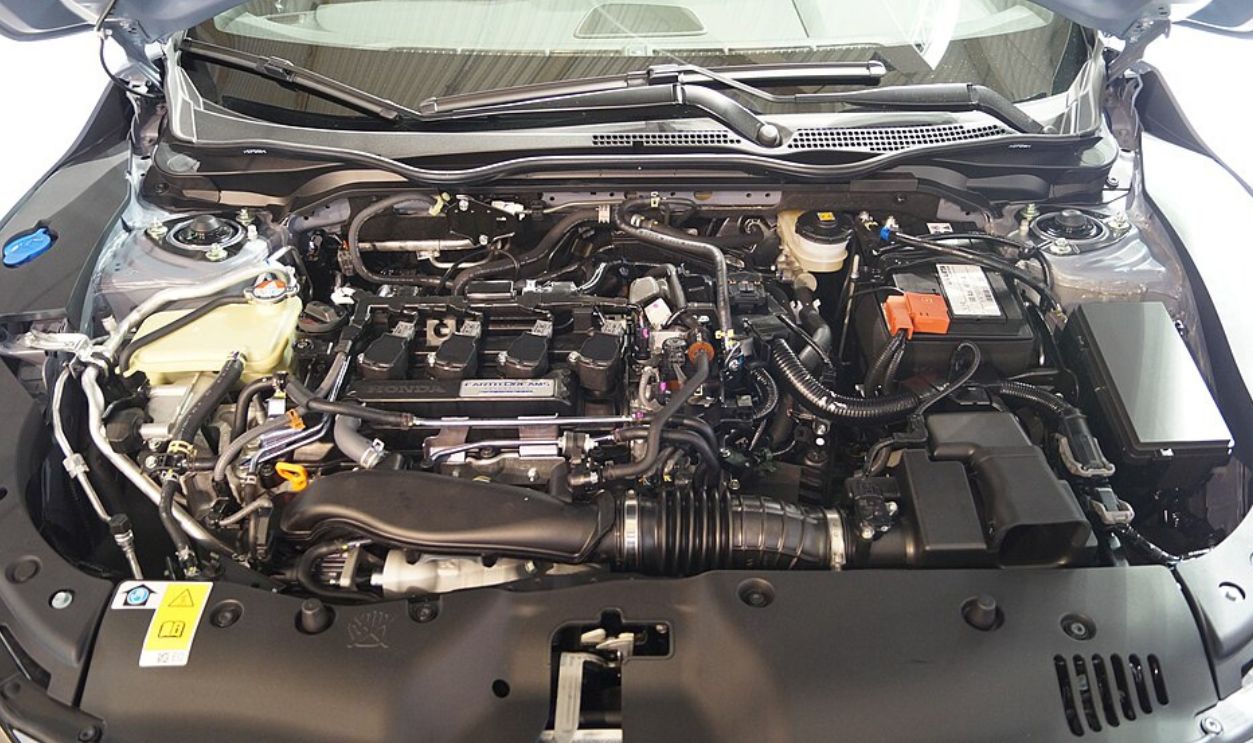
Honda’s 1.5-liter turbo drew owner complaints about fuel dilution, especially in cold weather and short-trip driving. Honda responded with software updates and other measures for affected vehicles. The issue got extra attention because Honda had built such a strong reputation with durable naturally aspirated engines.
 Mr.choppers, Wikimedia Commons
Small Engines Can Suffer From LSPI
One technical issue tied to modern turbocharged gas engines is low-speed pre-ignition, usually shortened to LSPI. This abnormal combustion event can happen in boosted direct-injection engines under certain conditions and can damage pistons or connecting rods. Oil makers and automakers took it seriously enough that newer engine oil standards added testing aimed at LSPI protection.

GM Helped Push Better Oil Standards
General Motors was one of the companies that publicly talked about LSPI and the need for updated oil formulas. The industry response became more formal when the API SP and ILSAC GF-6 oil standards arrived in 2020 with LSPI protection as a major focus. It is a good example of how downsizing created new risks, but also how engineers adapted instead of just accepting them.
 LightField Studios, Shutterstock
Direct Injection Adds Benefits And Baggage
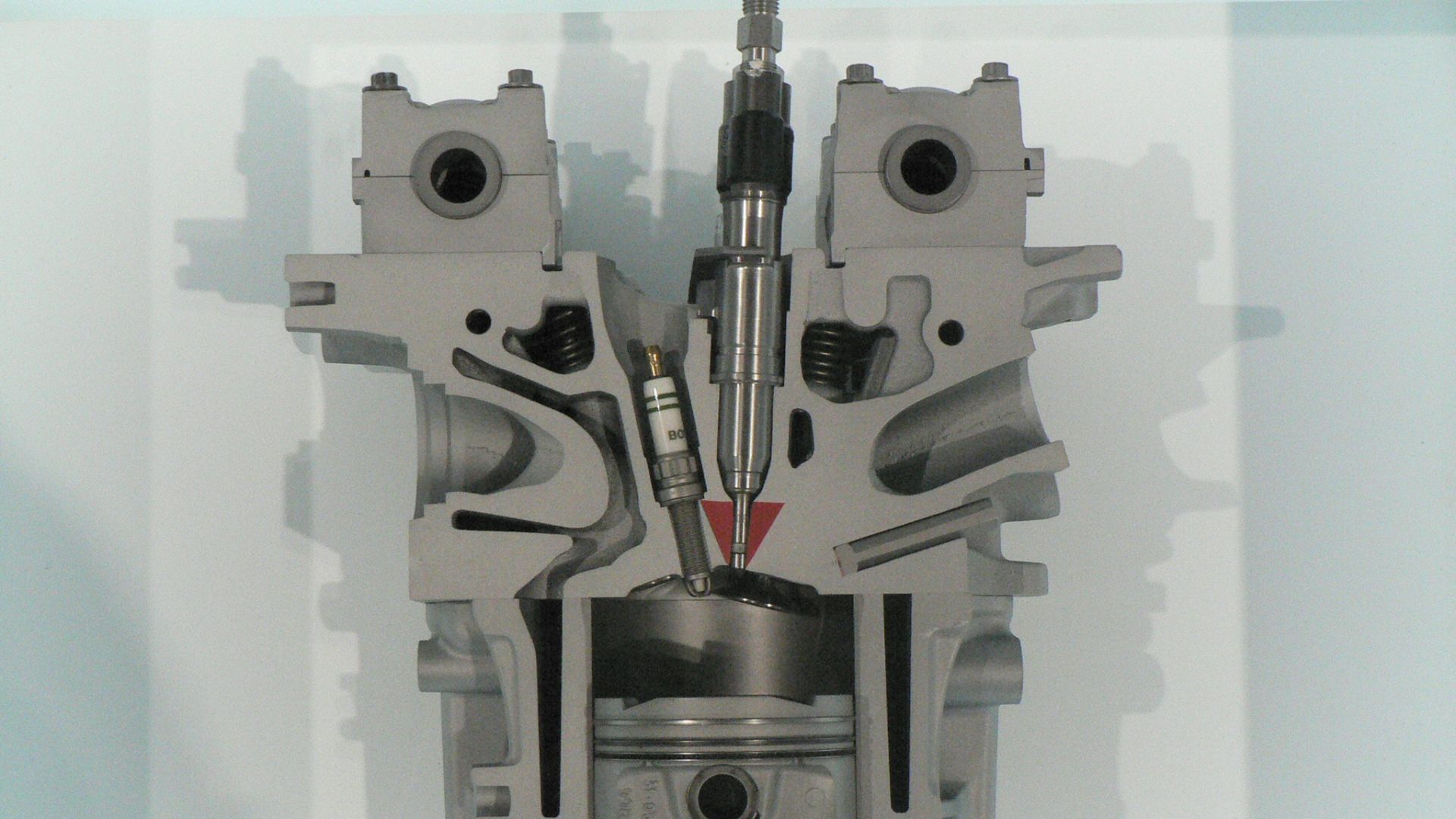
Many downsized turbo engines also use direct fuel injection, which helps with power and efficiency. But direct injection can also contribute to carbon buildup on intake valves because fuel no longer washes over the backs of the valves the way it does in port-injected engines. That does not guarantee failure, but it is one more design and maintenance issue older naturally aspirated engines often handled more gracefully.
 Ton1~commonswiki, Wikimedia Commons
Toyota Took A More Cautious Path
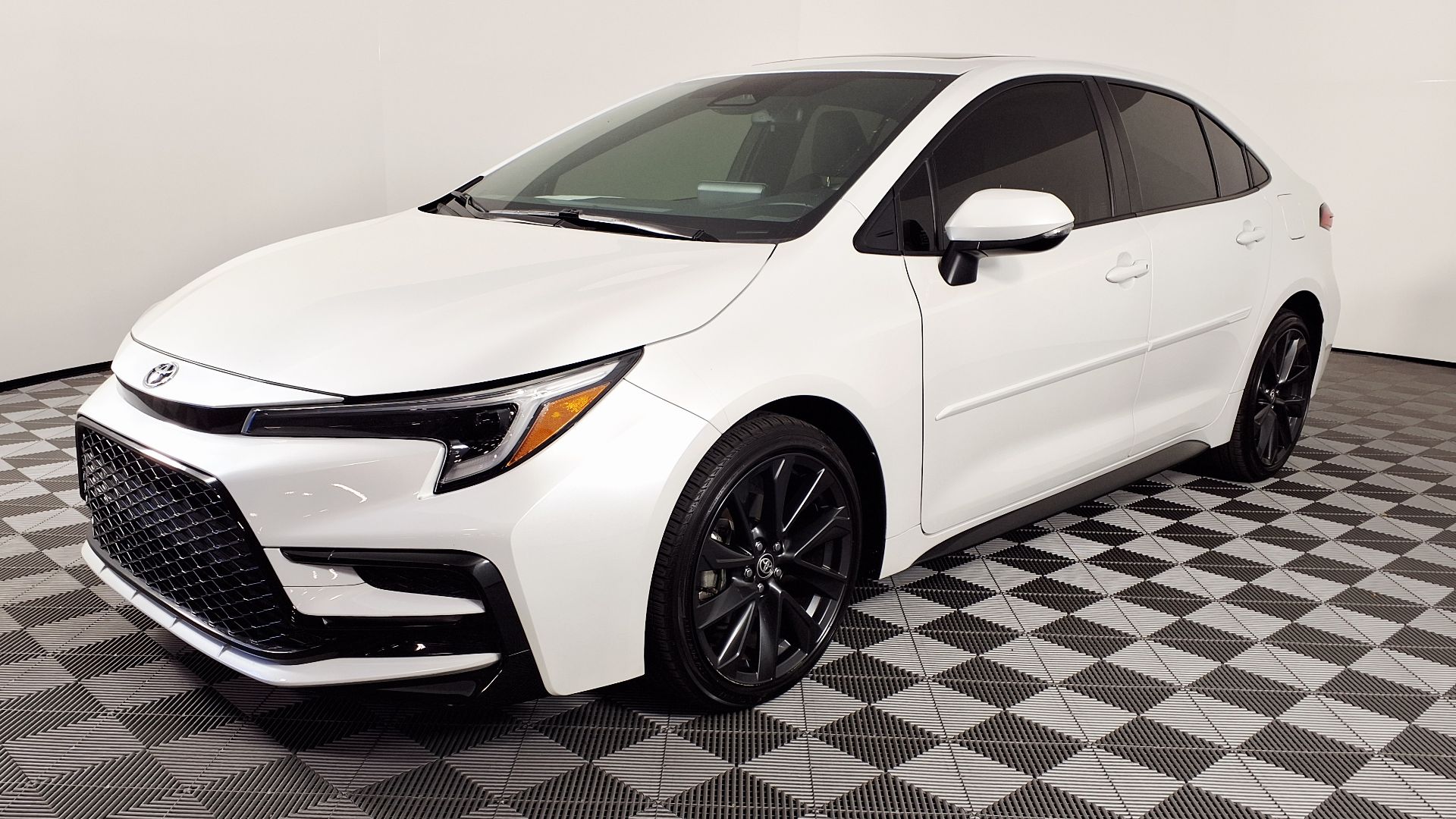
Toyota did not avoid turbocharging completely, but it generally moved more carefully than some rivals and leaned heavily on hybrids. That matters because Toyota’s reputation for long-term durability was built in part on conservative engineering. In recent years, Toyota has used turbo engines in several models, but its broader strategy still suggests efficiency can come from electrification and careful tuning, not only from extreme downsizing.
Hybrids Complicate The Comparison
If you are only asking whether a turbo engine can reach 200,000 miles, you may be missing the bigger shift in the market. Many automakers now hit efficiency goals with hybrid systems that let engines work less in city driving. In real use, that can reduce stress on the gas engine compared with a small turbo that has to keep making torque from a small displacement base.

Maintenance Matters More Than Ever
The strongest argument against the mechanic’s blanket warning is that many modern turbo engines do last a long time when owners stay on top of maintenance. Oil quality, oil change intervals, proper warm-up before heavy load, and cooling system health all matter. Ignore those basics, and a turbo engine is usually less forgiving than the old naturally aspirated engines people still praise for taking abuse.

Oil Changes Are Not The Place To Get Cheap
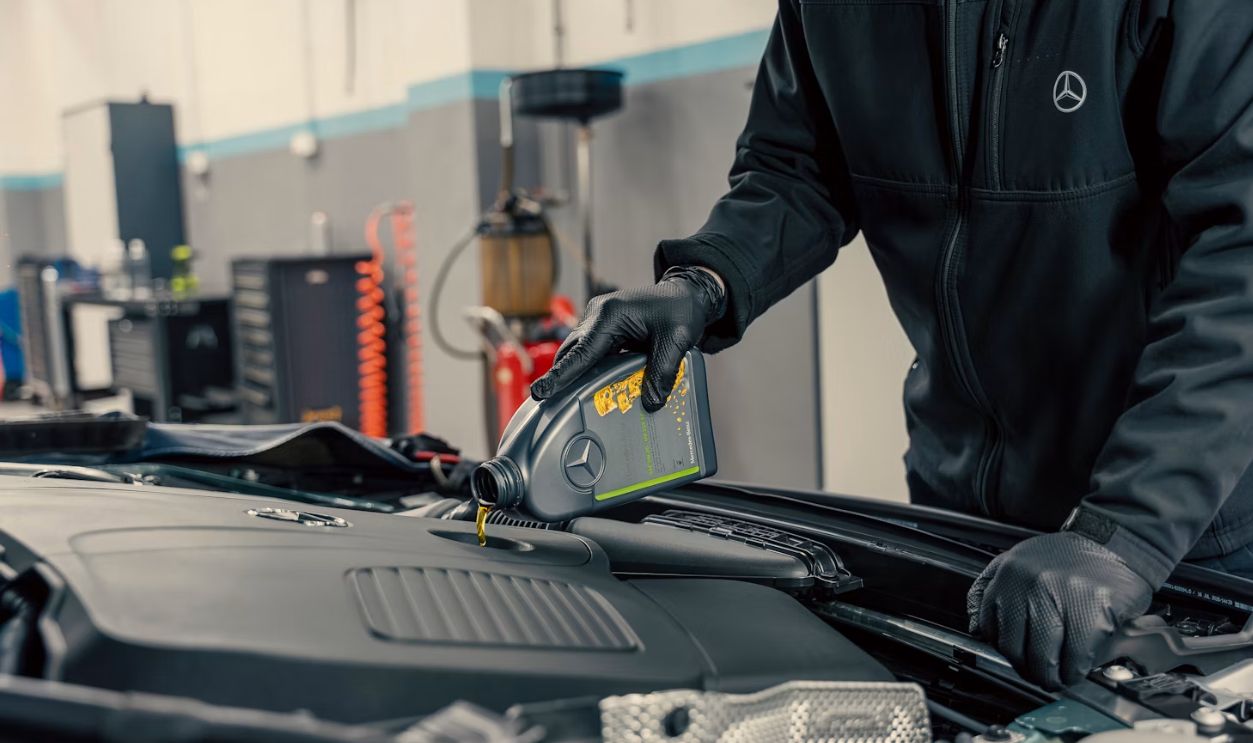
Turbochargers depend on clean oil that meets the right factory spec because their bearings spin at extremely high speed and deal with intense heat. Using the wrong viscosity or stretching oil changes too far can turn a healthy engine into a repair bill. When owners follow the manual closely, the reliability story is usually much better than the worst horror stories online.
Driving Style Changes The Outcome
A downsized turbo engine driven by a calm highway commuter may live a very different life from the same engine used in stop-and-go traffic with constant hard acceleration. Frequent short trips can also be rough on oil and can worsen issues like fuel dilution in some designs. Asking whether turbo engines last is a bit like asking whether tires last. A lot depends on how they are used.

Not Every Turbo Engine Is Pushed To The Edge
One reason this debate gets messy is that turbocharged engines vary a lot in how hard they are tuned. Some are lightly boosted and built with healthy margins. Others chase big torque from tiny displacement. The more aggressive the tune and the tighter the packaging, the less room there may be for neglect or factory flaws.
 Jakub flyz1 Maciejewski, CC BY-SA 3.0, Wikimedia Commons
Heavy Vehicles Raise The Stakes
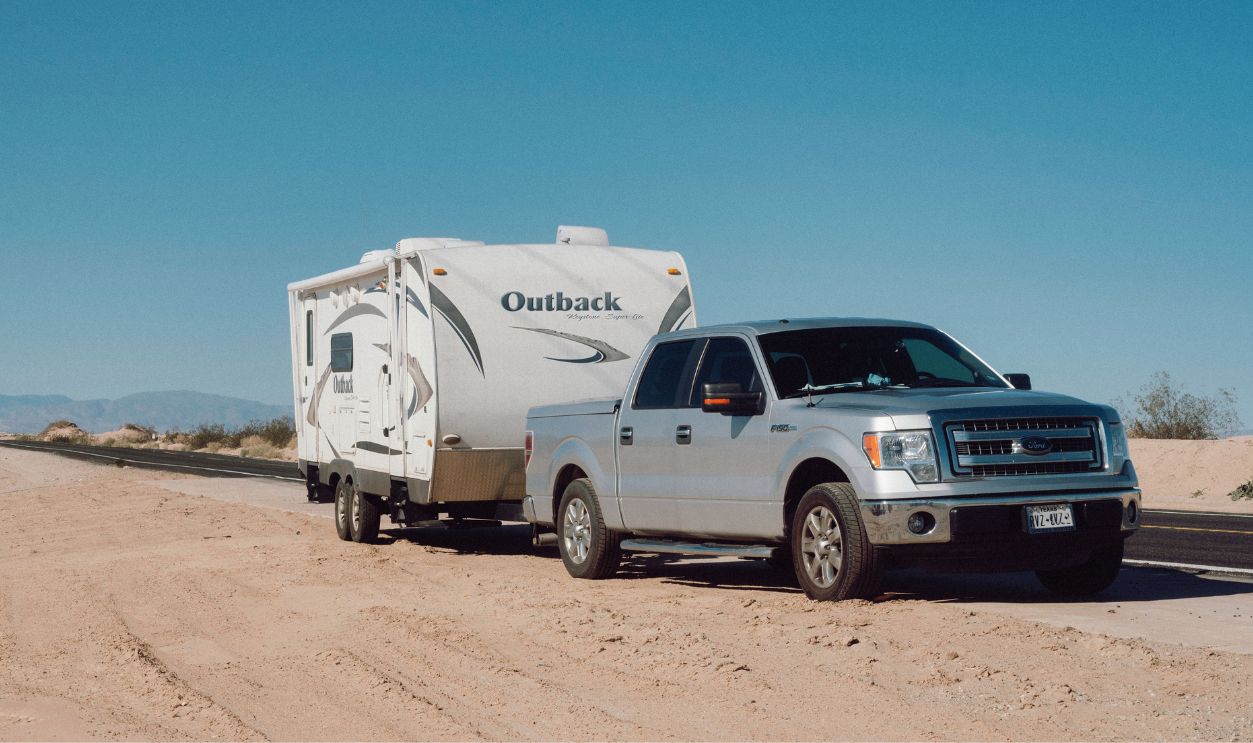
Downsizing can look more questionable in larger SUVs and trucks than in compact cars. Moving a heavy vehicle asks more from a small engine, especially when towing, climbing mountains, or driving in high heat. That does not automatically doom a small turbo engine in a truck or SUV, but it can make the 200,000-mile goal harder to reach than it would be in a lighter vehicle.
There Is Evidence Turbos Can Go The Distance
Plenty of owners have already shown that modern turbo engines can rack up serious mileage. The harder part is separating strong designs from weak ones, and careful owners from neglectful ones. High-mileage examples prove that 200,000 miles is possible. They do not prove every downsized engine will get there just as easily.

The Old Naturally Aspirated Benchmark Still Matters
The mechanic’s argument sticks around for a reason. Older naturally aspirated engines often earned reputations for surviving neglect. Lower output per liter, less heat, and fewer parts made many of them surprisingly tolerant of missed maintenance. Modern turbo engines can be durable, but they usually demand stricter upkeep and tighter engineering.

So Is Downsizing Sacrificing Reliability
The honest answer is sometimes, but not always. Downsizing does add complexity and heat, and there have been real cases where manufacturers got the balance wrong. But newer data, including the Consumer Reports findings, suggests turbo engines as a group are not automatically too fragile for long-term ownership.

The Better Question Is Which Engine
Instead of asking whether all modern turbo engines are bad, ask which specific engine family has a solid track record. Reliability is often decided at the model and engine-code level, not by one broad technology label. A well-designed 2.0-liter turbo may outlast a flawed naturally aspirated engine, and the reverse can also be true.

What Buyers Should Check Before Signing
Look for technical service bulletins, recalls, owner complaint trends, and long-term road tests before you buy. Check whether the engine has a history of coolant intrusion, fuel dilution, turbo failure, or carbon buildup. Also pay attention to whether the manufacturer requires premium fuel or unusually strict maintenance, because those costs shape the real ownership experience.

How To Improve Your Odds Of Reaching 200,000 Miles
Use the exact oil spec the manufacturer calls for and do not casually stretch change intervals. Let the engine get up to temperature before repeated hard acceleration, and stay on top of cooling system service and spark plugs. If the vehicle has software updates or recall work available, get them done quickly, because modern engines rely heavily on proper calibration.

The Bottom Line For Worried Owners
Your mechanic is right to be cautious, but wrong if he says modern turbo engines simply cannot make it to 200,000 miles. Downsizing can hurt reliability when engineers push too far or owners skip maintenance, but it does not doom every engine from the start. The smart way to look at it is the least dramatic one: judge the specific engine, follow the maintenance schedule, and treat big power from small displacement like the tradeoff it is.





.jpg)