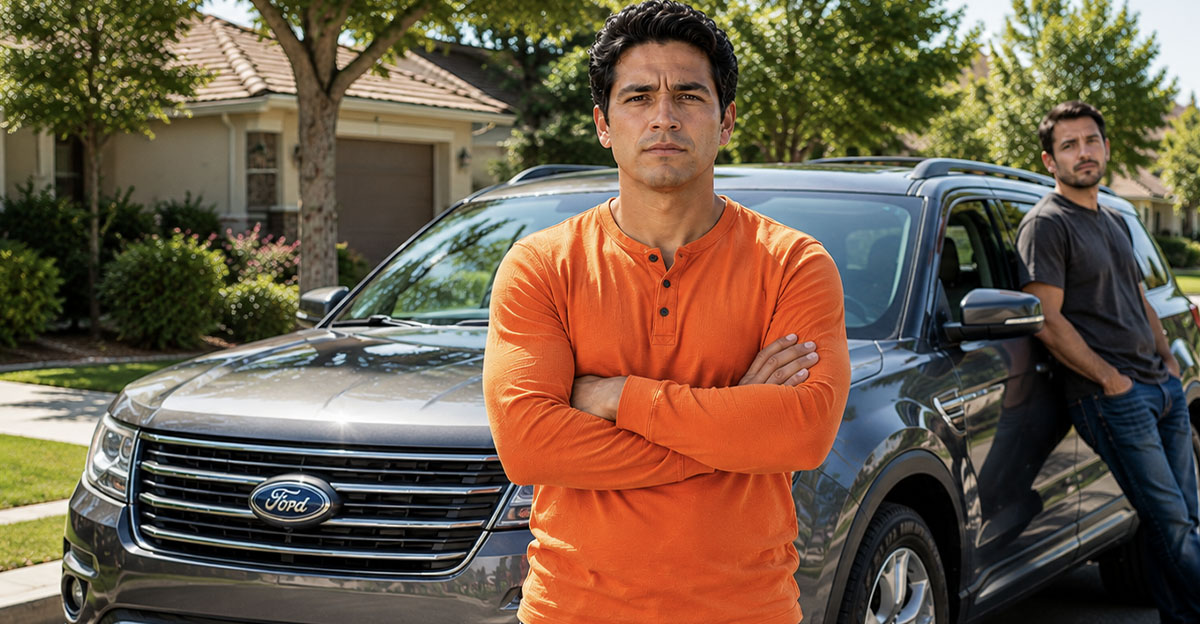
The Deal Seemed Simple, Then The Title Complicated Everything.
Buying a used car from a private seller can be a great way to save money. But sometimes everything comes to a halt when the seller admits they don't actually have the title because the vehicle still has a loan on it. That doesn't necessarily mean the deal is over. Many financed vehicles are sold every day, but you'll need to proceed carefully to make sure ownership transfers properly and your money is protected.
Why The Seller Doesn't Have The Title
When a vehicle is financed, the lender often holds the title or records a lien against it until the loan is paid off. Depending on the state or province, the physical title may remain with the lender, or the owner may have a title showing the lender's lien. Either way, the seller usually can't transfer clear ownership until that lien is satisfied.

A Lien Means Someone Else Has A Legal Interest
A lien gives the lender legal rights to the vehicle until the loan has been repaid. Even if the seller has made years of payments, the financing company still has an ownership interest. That's why buyers should never assume the seller can simply sign the vehicle over immediately.

Don't Assume It's A Scam
Hearing that the seller doesn't have the title can sound alarming, but it's actually very common. Millions of drivers still owe money on their vehicles when they decide to sell them. The important question isn't whether there's a loan. It's whether the sale is handled properly.

Ask About The Loan Early
Before agreeing on a purchase price, ask whether there's an outstanding loan. If there is, ask which lender holds the lien and approximately how much remains to be paid. Honest sellers are usually upfront about this information because they'll need your cooperation to complete the sale anyway.

Request A Payoff Amount
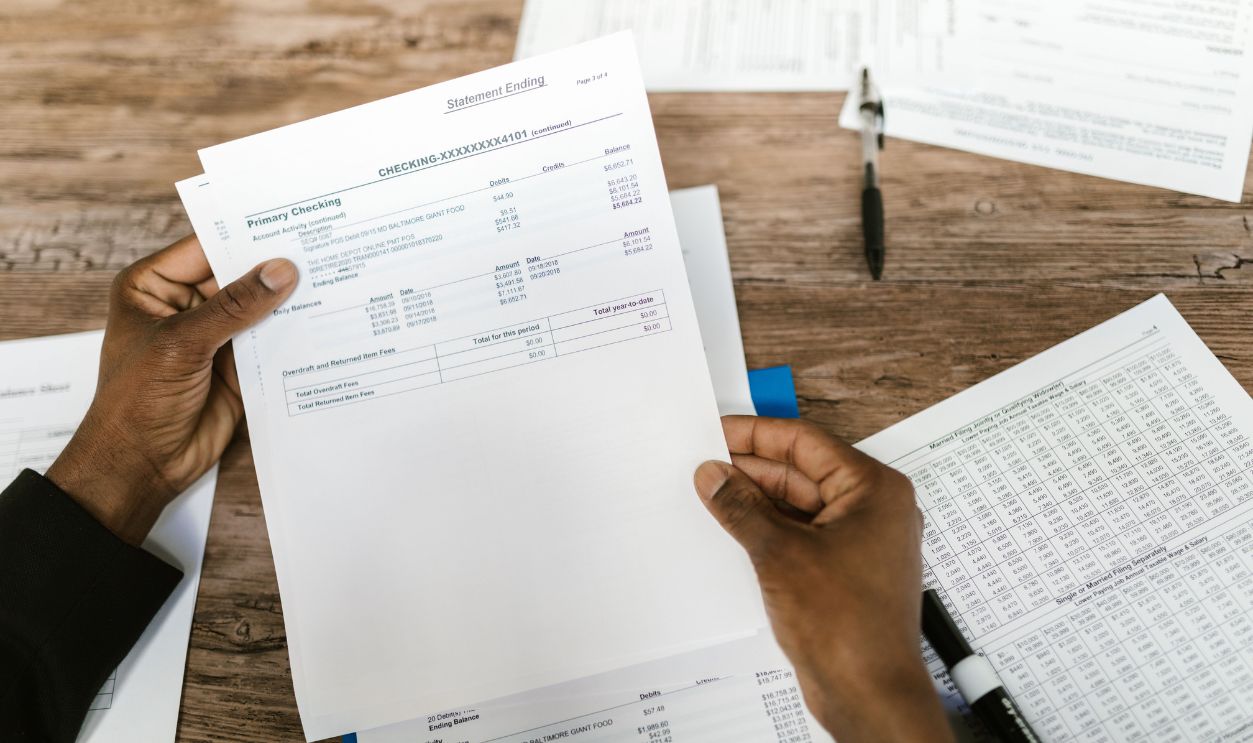
The lender can provide the seller with an official payoff statement showing exactly how much is needed to satisfy the loan by a certain date. This document is much more reliable than simply accepting the seller's estimate. Payoff amounts can change slightly because of daily interest charges.
Verify The Information
Don't rely solely on verbal assurances. Ask to see the payoff statement or, if appropriate, participate in a call with the lender while the seller authorizes them to discuss the loan. Confirming the balance directly reduces the risk of unpleasant surprises later.

The Lender Usually Needs To Be Paid First
In many transactions, some or all of the purchase price goes directly to the financing company. Once the loan is paid in full, the lender releases its lien and begins the title transfer process. This protects both the lender and the buyer by ensuring the outstanding debt is actually satisfied.
Sometimes The Sale Happens At The Bank
One of the safest ways to complete the transaction is to meet at the lender's local branch if one is available. The buyer can pay the loan directly, the seller receives any remaining proceeds, and everyone receives documentation showing the loan has been paid. It also gives both parties an opportunity to ask questions before finalizing the sale.

The Seller May Need To Cover The Difference
If the outstanding loan balance is higher than the agreed sale price, the seller has what's commonly called negative equity. In that situation, they'll usually need to pay the remaining balance themselves before the lender releases the title. As the buyer, you shouldn't become responsible for covering someone else's unpaid loan unless you've intentionally agreed to do so.
Title Processing Takes Time
Even after the loan is paid, the title may not become available immediately. Depending on the lender and local motor vehicle agency, releasing the lien and issuing a clear title can take anywhere from a few days to several weeks. Understanding that timeline ahead of time helps prevent unnecessary anxiety.

Get Everything In Writing
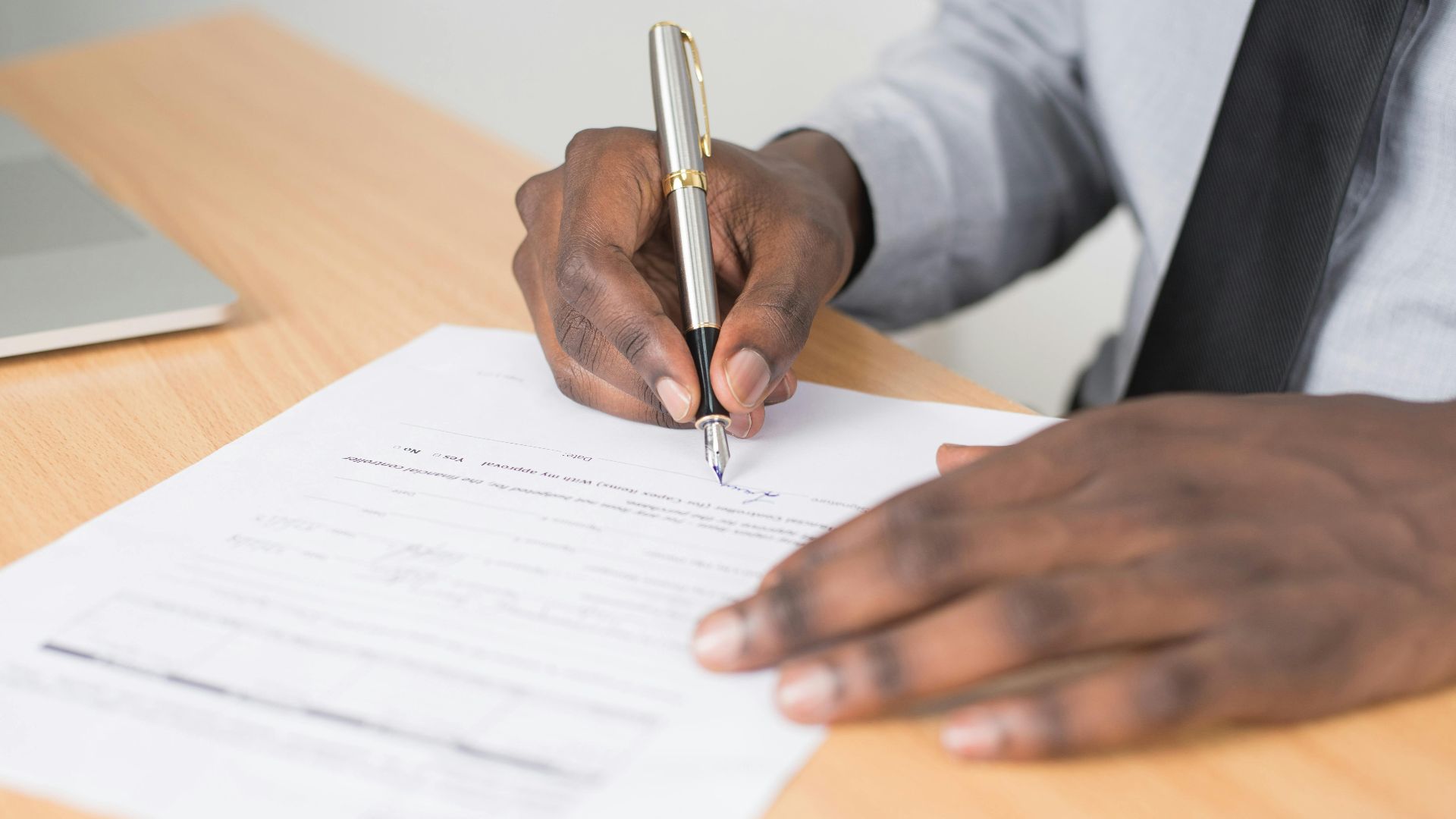
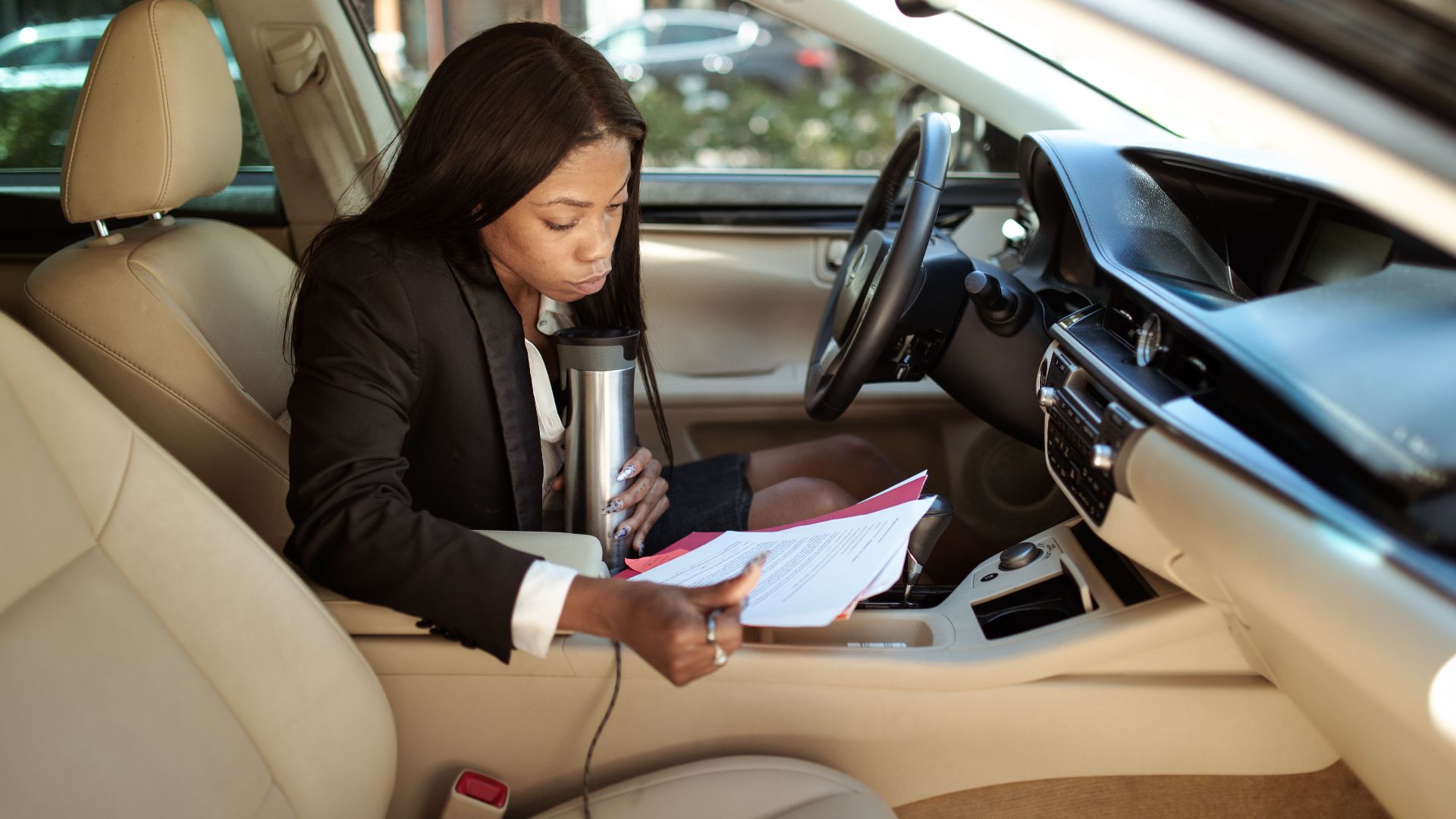
Keep copies of the bill of sale, payoff documentation, payment receipts, communications with the lender, and any written agreements between you and the seller. Good records can make resolving future questions much easier if delays or misunderstandings occur.

Don't Pay Cash Without Documentation
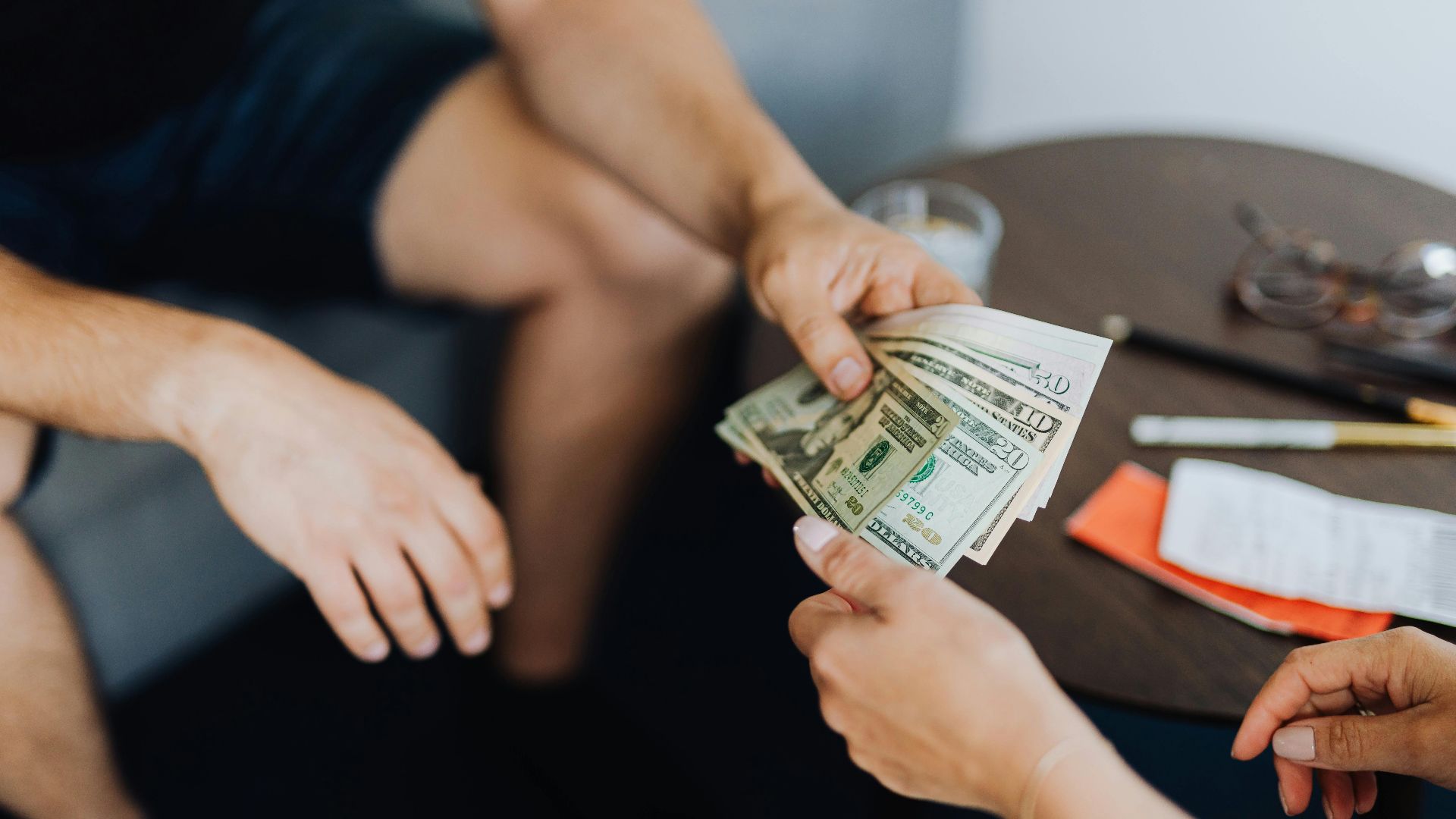
Handing over a large amount of cash before the title situation is resolved creates unnecessary risk. If you do make any payment, obtain detailed receipts showing where the money went and what it was intended to accomplish. Traceable payment methods often provide greater protection.
Escrow Services Can Add Protection
For higher-value transactions, some buyers and sellers choose to use an escrow service. The escrow company holds the buyer's funds until agreed-upon conditions, such as the lender releasing the lien, have been satisfied. Although escrow services charge a fee, many buyers consider the added security worthwhile.
Beware Of Pressure To Move Quickly
If a seller insists that everything must happen immediately or discourages you from verifying the loan information, treat that as a warning sign. Legitimate sellers generally understand that buyers want to confirm the title situation before transferring thousands of dollars.

Check For Additional Liens
An auto loan isn't the only possible lien. Depending on the circumstances, vehicles may also be subject to court judgments, mechanic's liens, or other legal claims. Running a vehicle history report and checking title records where available can help identify unexpected issues before you buy.

Verify The VIN
Before completing the purchase, confirm that the vehicle identification number on the car matches the paperwork provided by the seller and lender. Any discrepancy deserves immediate clarification before money changes hands.
Understand Your State Or Province's Rules
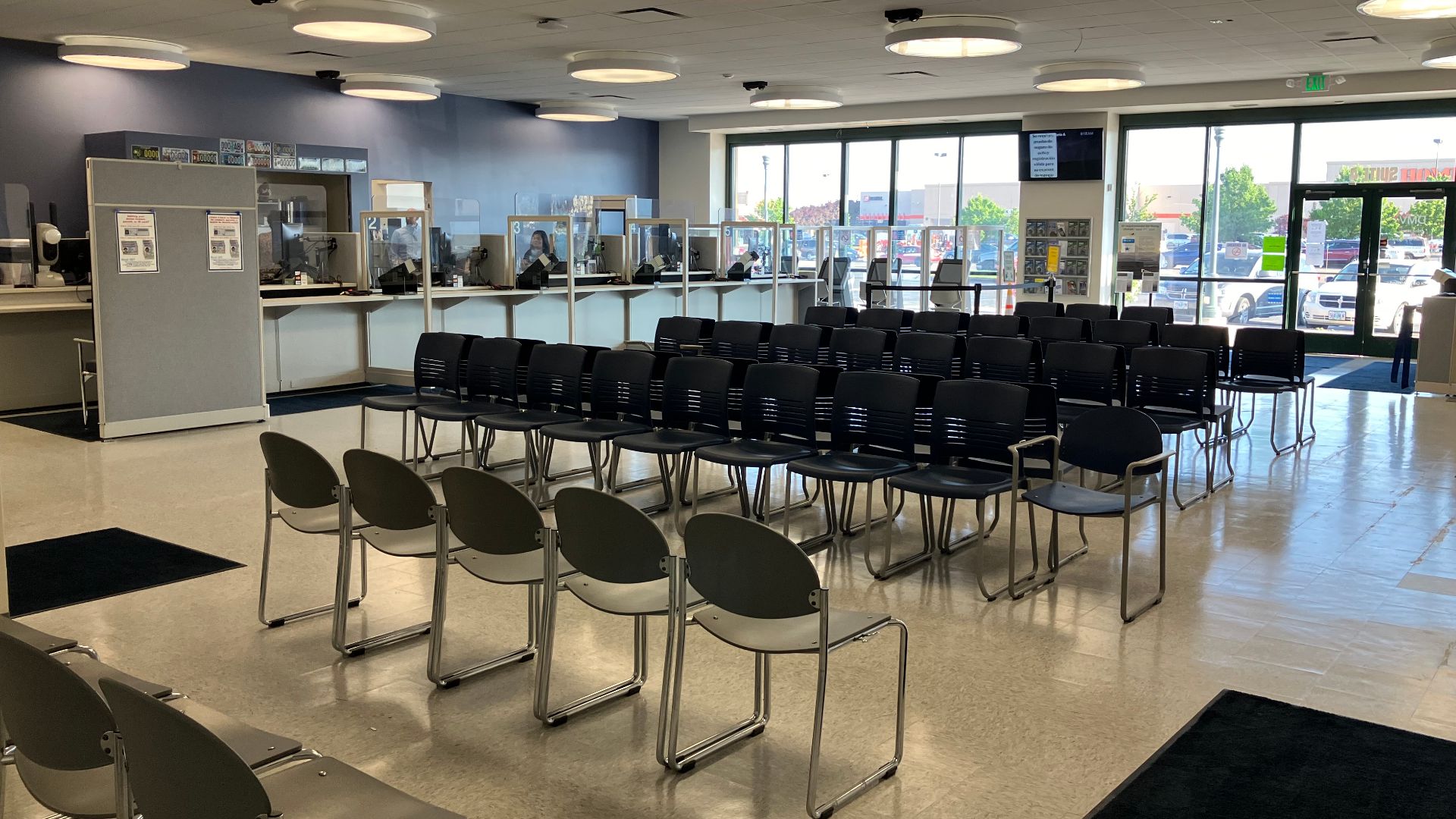
Title transfer procedures vary depending on where you live. Some jurisdictions issue electronic titles, while others still rely on paper documents. Some lenders release liens electronically, while others mail physical paperwork. Checking your local motor vehicle agency's requirements can help you understand exactly what to expect.
Insurance Should Wait Until The Purchase Is Complete
You'll eventually need to insure the vehicle, but timing matters. Coordinate the effective date of your insurance coverage with the actual ownership transfer so there isn't any confusion about who is responsible for the vehicle at different stages of the transaction.

Don't Drive Away Without The Right Documents
Depending on your local laws, you may need a signed title, temporary registration, temporary permit, or other paperwork before legally driving the vehicle home. Make sure you understand exactly what documentation is required before taking possession.
Financing Through Your Own Lender Can Simplify Things
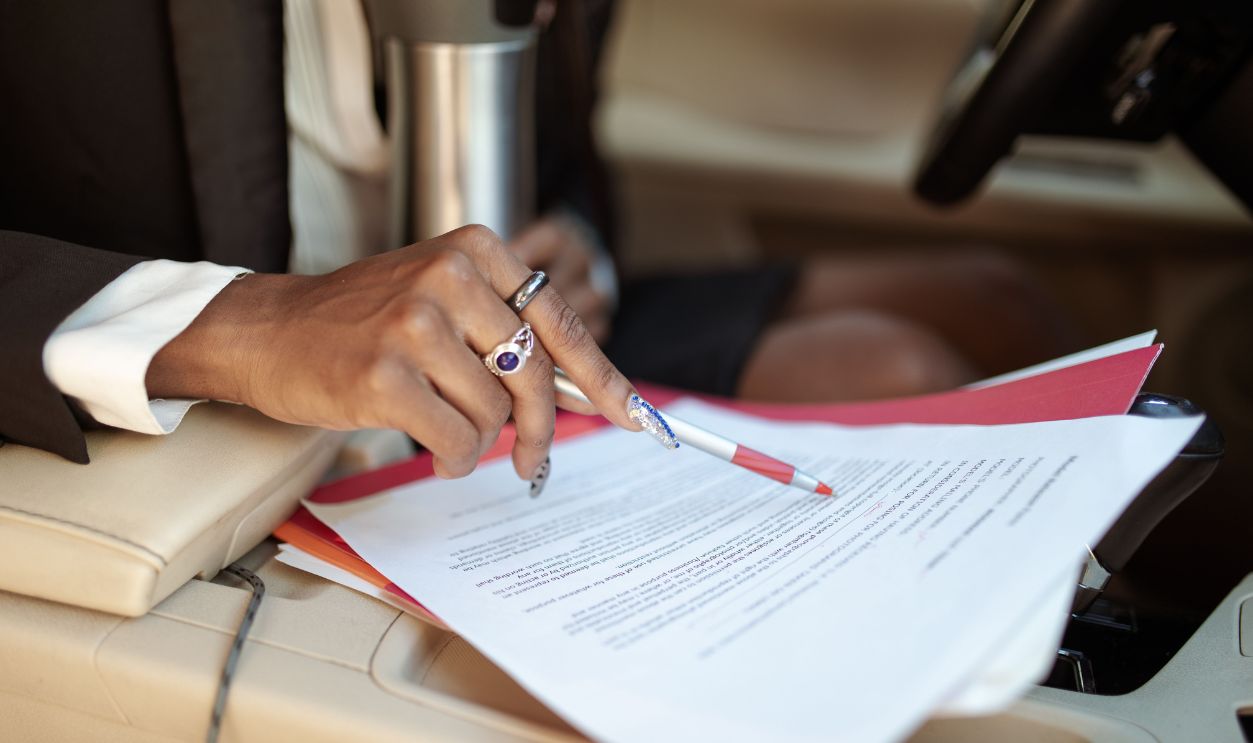
If you're borrowing money to buy the vehicle, your own bank or credit union may be familiar with transactions involving existing liens. They may even help coordinate payment with the seller's lender. Asking about this process before finalizing the deal can make everything run more smoothly.
If Something Feels Wrong, Walk Away
Most private sales involving financed vehicles are completed without problems, but not every deal is worth pursuing. If the seller refuses to provide payoff information, can't explain the title process, or gives inconsistent answers, it's usually safer to keep shopping. There will always be other vehicles available.

Patience Often Pays Off
Buying a vehicle with an outstanding loan usually requires a little more paperwork and coordination than buying one with a clear title. That extra effort can feel frustrating, but it's often a normal part of the process rather than a sign that anything is wrong. Rushing simply because everyone wants the deal finished rarely leads to better outcomes.
A Financed Car Can Still Be A Good Purchase
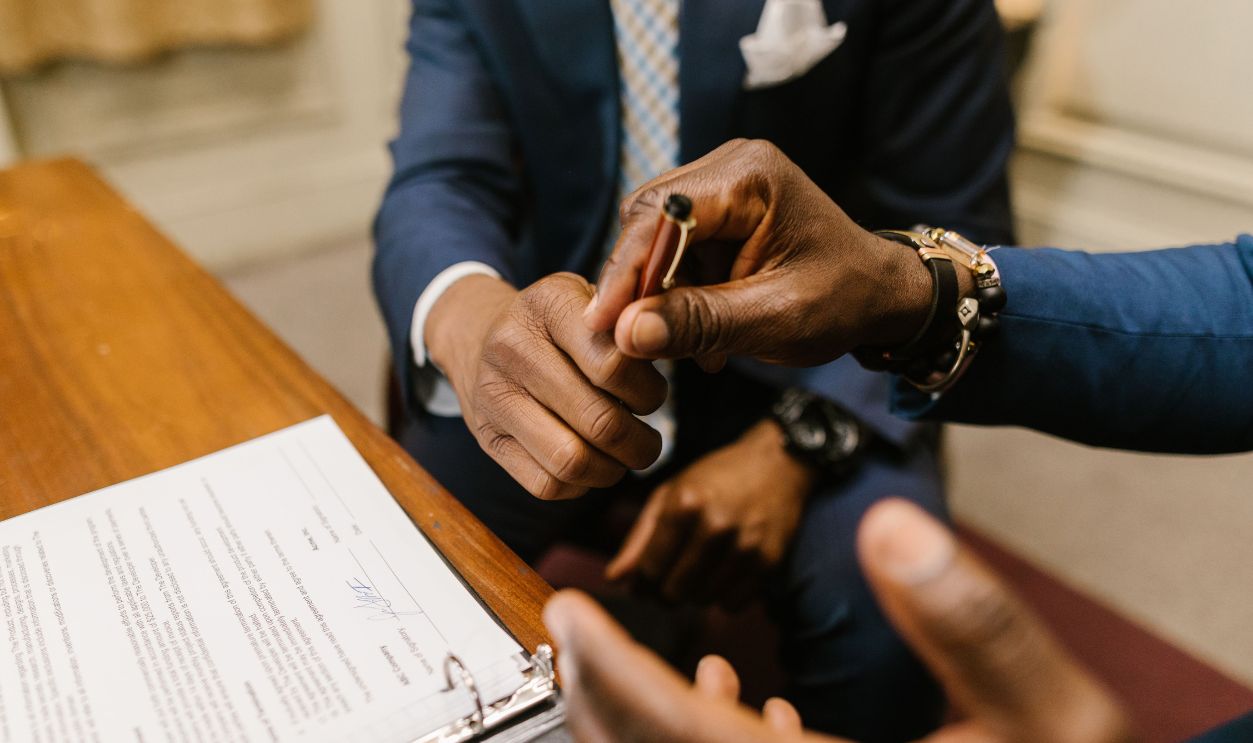
If the financing company still controls the title, don't assume you have to abandon the purchase. Plenty of privately owned vehicles are sold before their loans are fully repaid. The key is making sure the lien is properly satisfied, the title is transferred legally, and every step is documented along the way. With a little patience, careful verification, and clear communication, you can often complete the purchase confidently while protecting both your money and your future ownership of the vehicle.

You May Also Like: