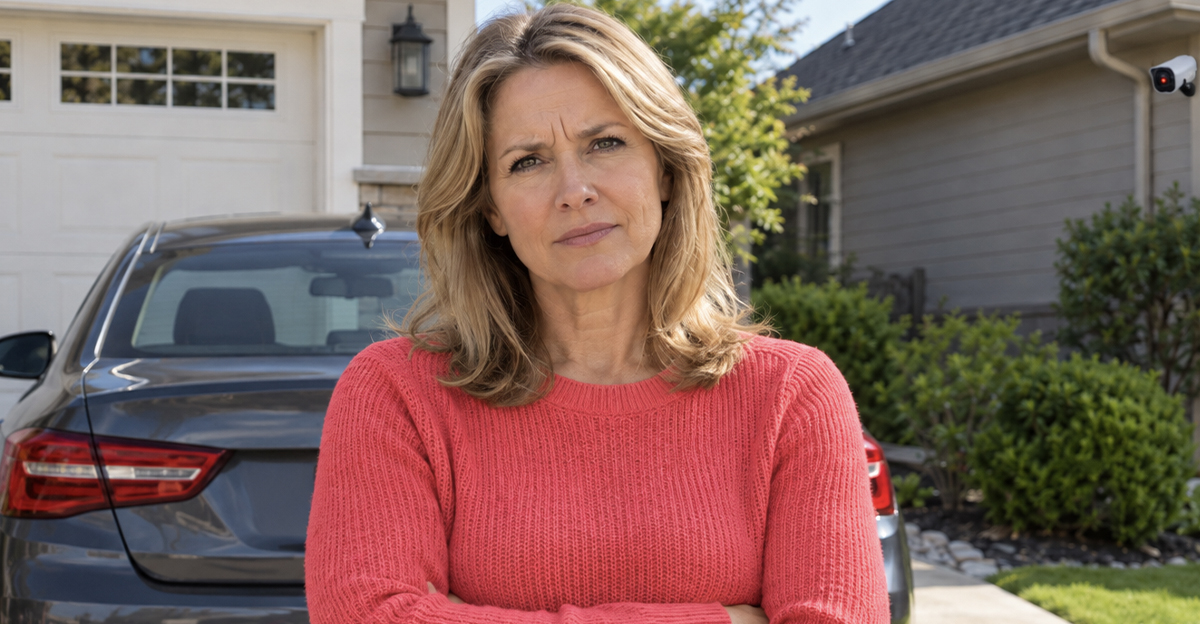
That Little Light Can Feel Surprisingly Personal
It’s one thing to know that doorbells and security cameras are everywhere. It’s another to watch a neighbor’s camera apparently react every time you pull into your own driveway. At that point, it’s hard not to wonder exactly what it can see, what it might be recording, and whether the line between ordinary home security and something more intrusive has already been crossed.
Your Driveway Usually Isn’t Completely Private
A driveway visible from the street generally carries a much weaker expectation of privacy than the inside of a home or a secluded backyard. If a passerby can easily see you park from the sidewalk, a neighbor’s camera capturing the same general view may be legally permissible. But that doesn’t mean a neighbor has unlimited freedom to monitor everything happening on your property, especially if the camera reaches into areas where you’ve taken reasonable steps to create privacy.
The Camera Can Capture Some Of Your Property
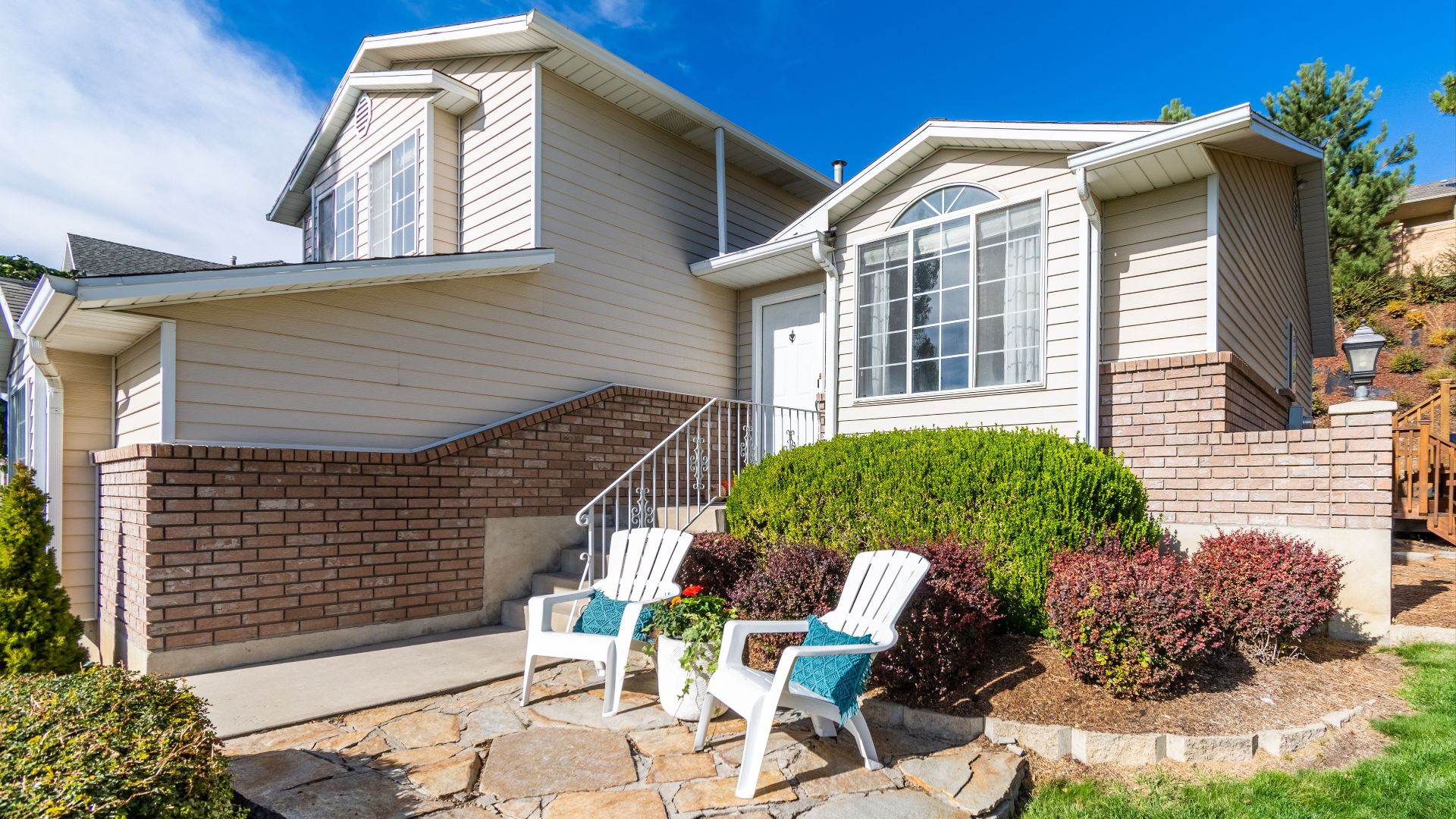
Property lines don’t create an invisible wall that cameras are forbidden to cross. A homeowner can position a security camera to protect a driveway, porch, gate, or vehicle even if part of the neighboring property appears in the background. The fact that your car or front yard appears in the frame therefore doesn’t, by itself, establish an invasion of privacy.
What The Camera Is Actually Aimed At Matters
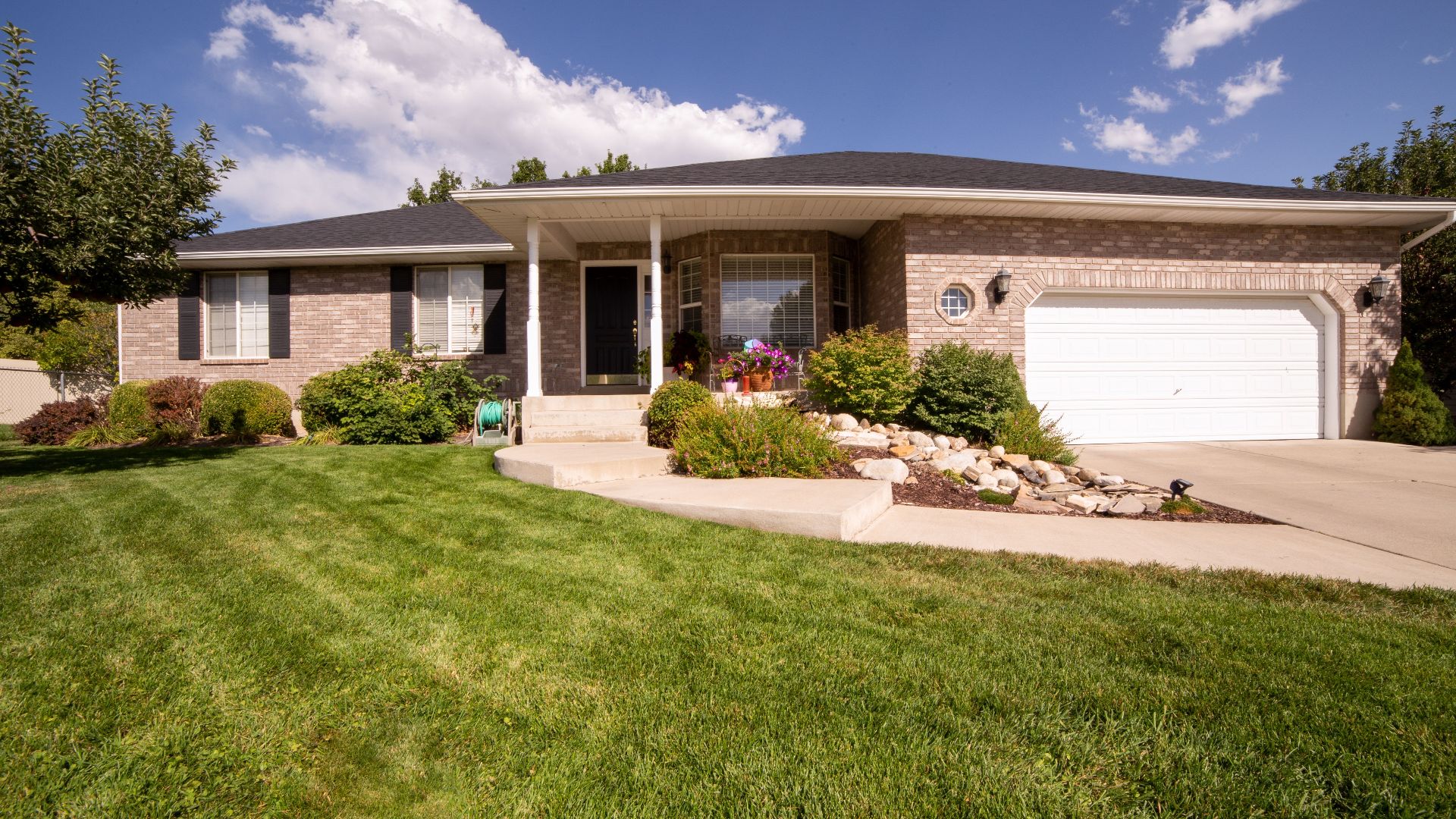
There’s a major difference between a wide-angle camera covering someone’s own front entrance while catching part of your driveway and a camera deliberately aimed into your bedroom window. Courts considering privacy claims look at circumstances such as the area being observed, how visible it normally is, and how intrusive the surveillance is. Camera placement can turn an ordinary security measure into a much more questionable one.
Front Yards Are Different From Fenced Backyards
Someone standing on the street can usually see an open front yard, so claiming complete privacy there can be difficult. A fenced backyard screened from neighbors and the public is different. Courts in some states have recognized that repeatedly using a camera to see over a privacy fence can raise an intrusion-upon-seclusion claim even when occasional glimpses might otherwise be possible.
Windows Can Change The Situation Quickly
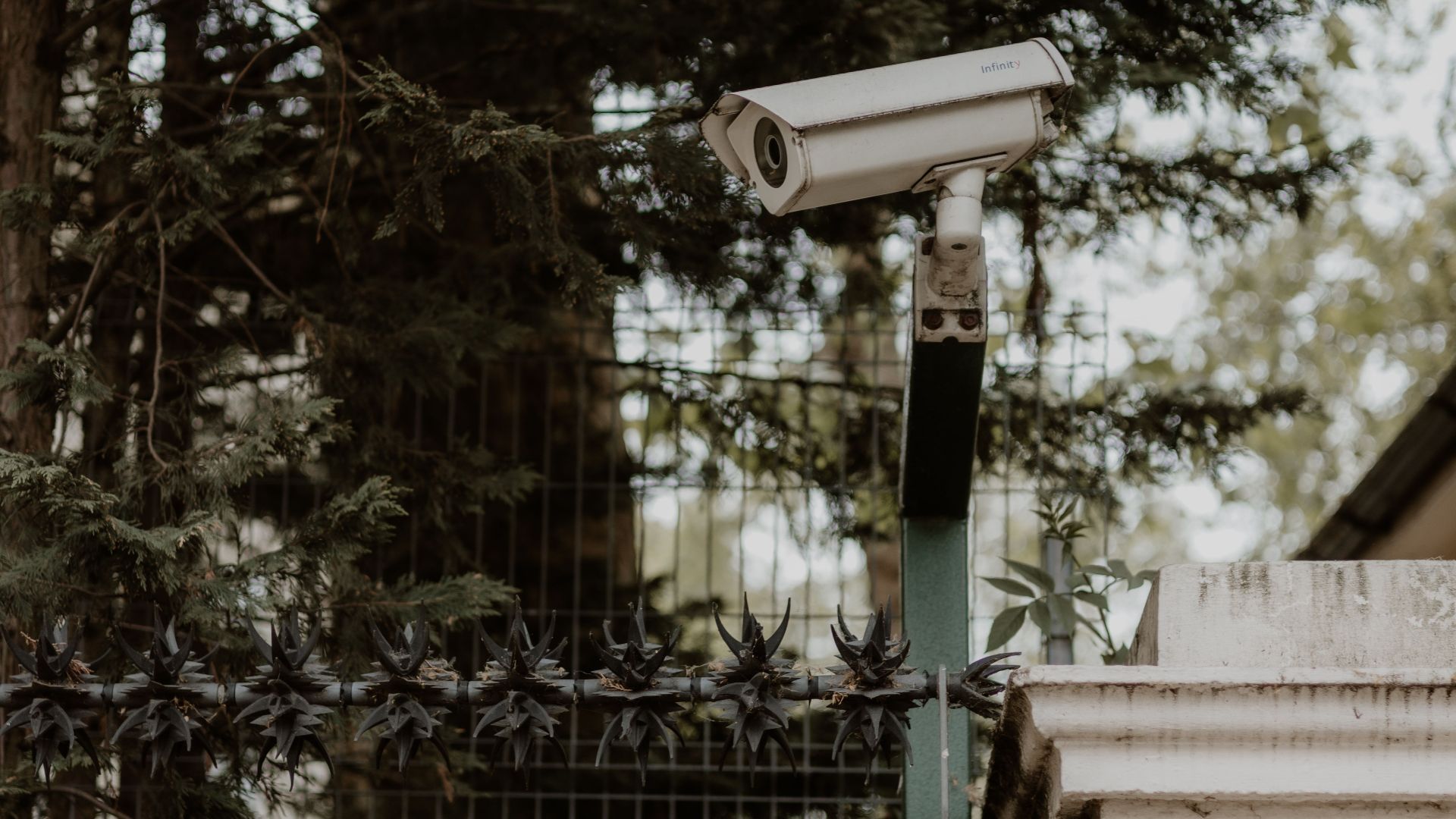
A camera that incidentally captures the outside of your house is one thing. A lens positioned so it can consistently see into bedrooms, bathrooms, or other private interior spaces is much more concerning. Privacy protections are generally strongest where people have taken reasonable measures to shield themselves from public observation, and deliberate surveillance through those barriers may create problems.
Zoom And Height Can Matter Too
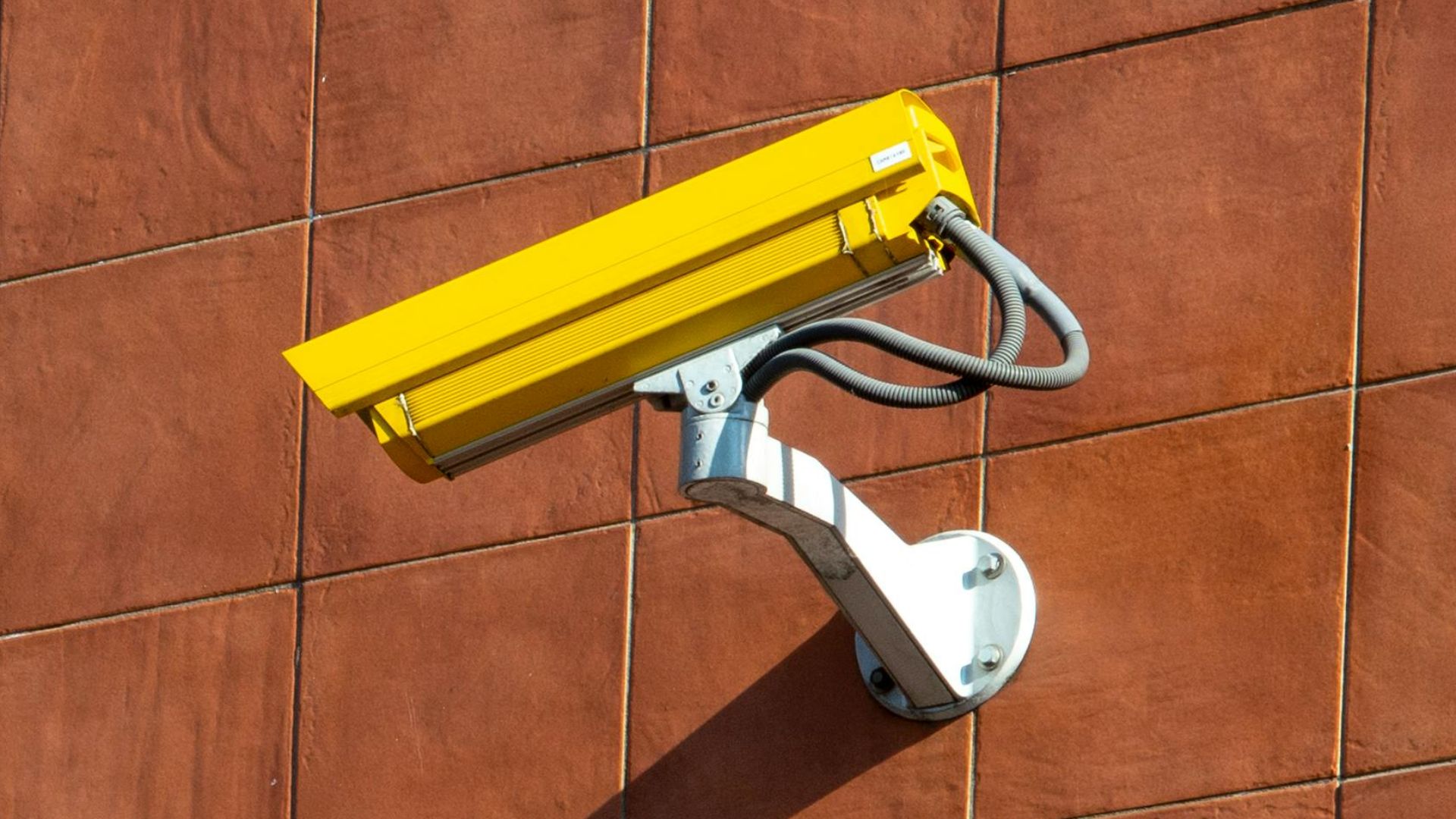
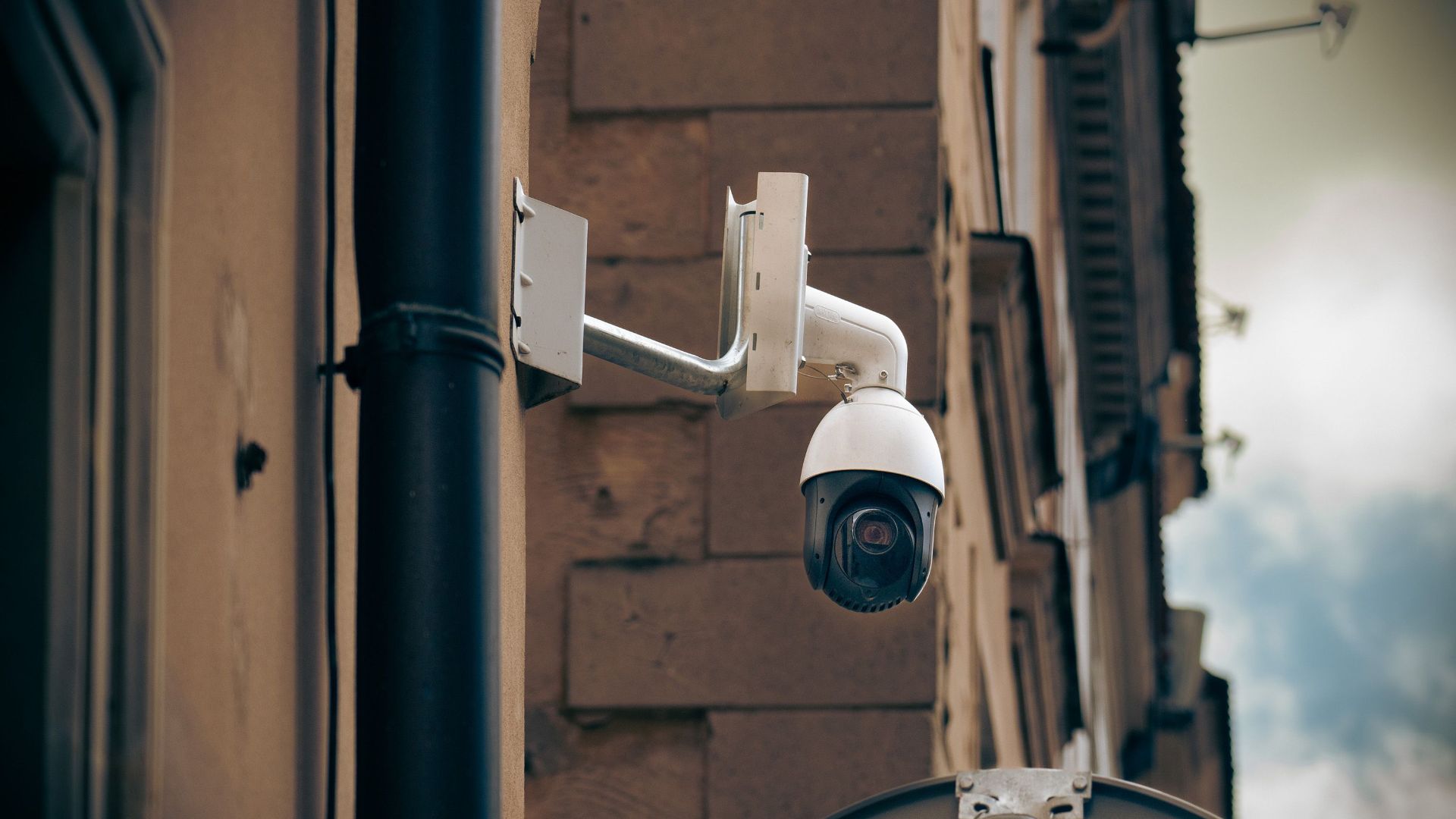
A camera mounted unusually high or equipped with zoom capabilities may see something an ordinary person standing next door couldn’t. That can become important when evaluating whether someone is simply observing a visible area or deliberately overcoming fences, screens, landscaping, or distance to monitor private activity. The technology doesn’t automatically make the surveillance unlawful, but it can change the privacy analysis.
The Motion Light Doesn’t Prove He’s Watching Live
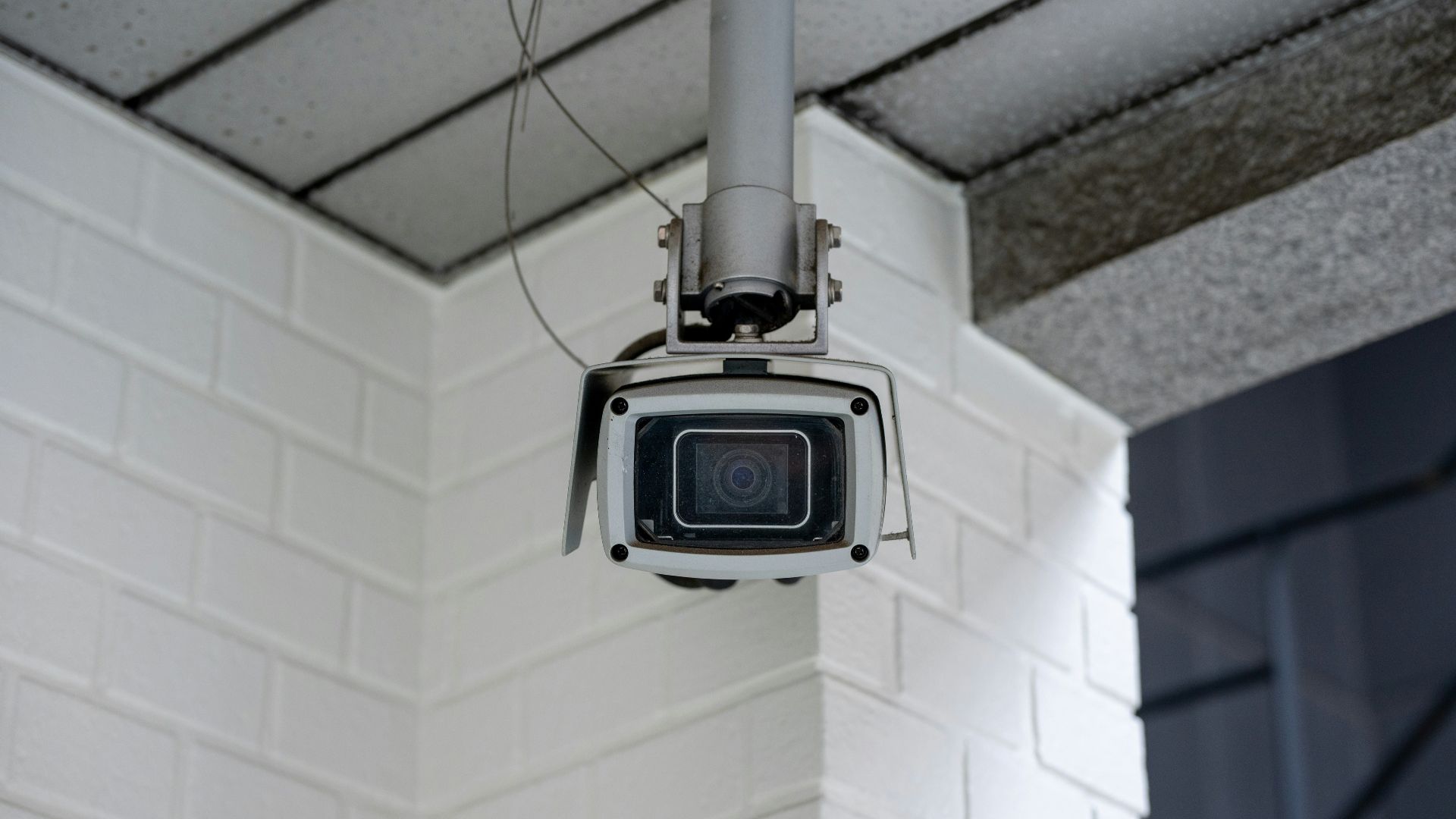
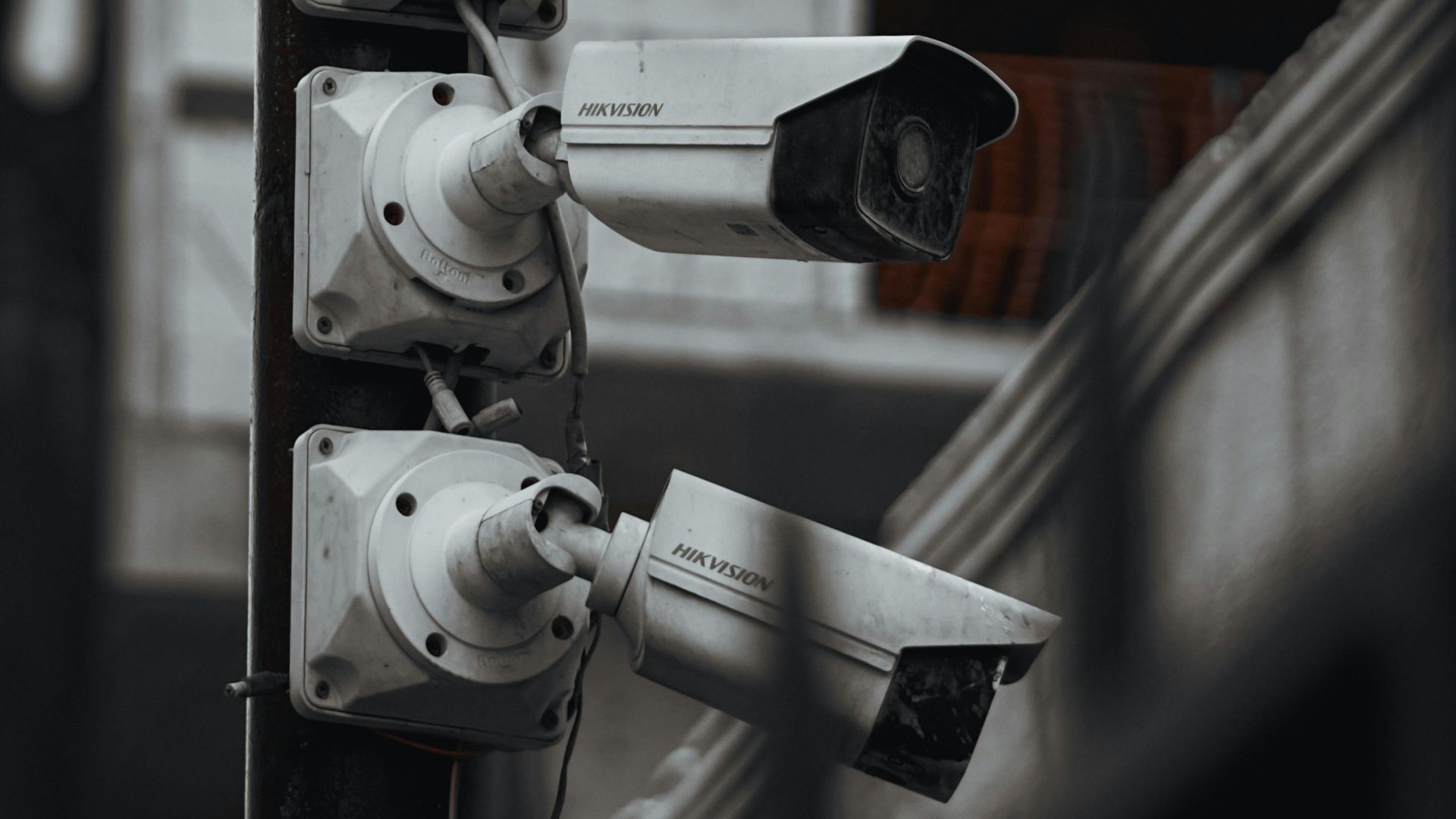
That small light may indicate motion detection, night vision, an active recording, or simply some other feature of the camera. Many home security systems begin recording automatically when movement enters a detection zone. Seeing the light turn on whenever you arrive therefore doesn’t necessarily mean the neighbor is sitting inside manually activating the camera every time your car pulls in.

Motion Detection Can Easily Spill Across Property Lines
Wide-angle cameras can trigger on cars, people, headlights, pets, and movement well beyond the property they’re primarily intended to protect. Your driveway may simply sit inside the system’s motion zone. That doesn’t make the situation less annoying, but it’s worth establishing whether you’re dealing with intentional surveillance before turning a technical problem into a major neighbor dispute.
Audio Recording Is A Separate Issue
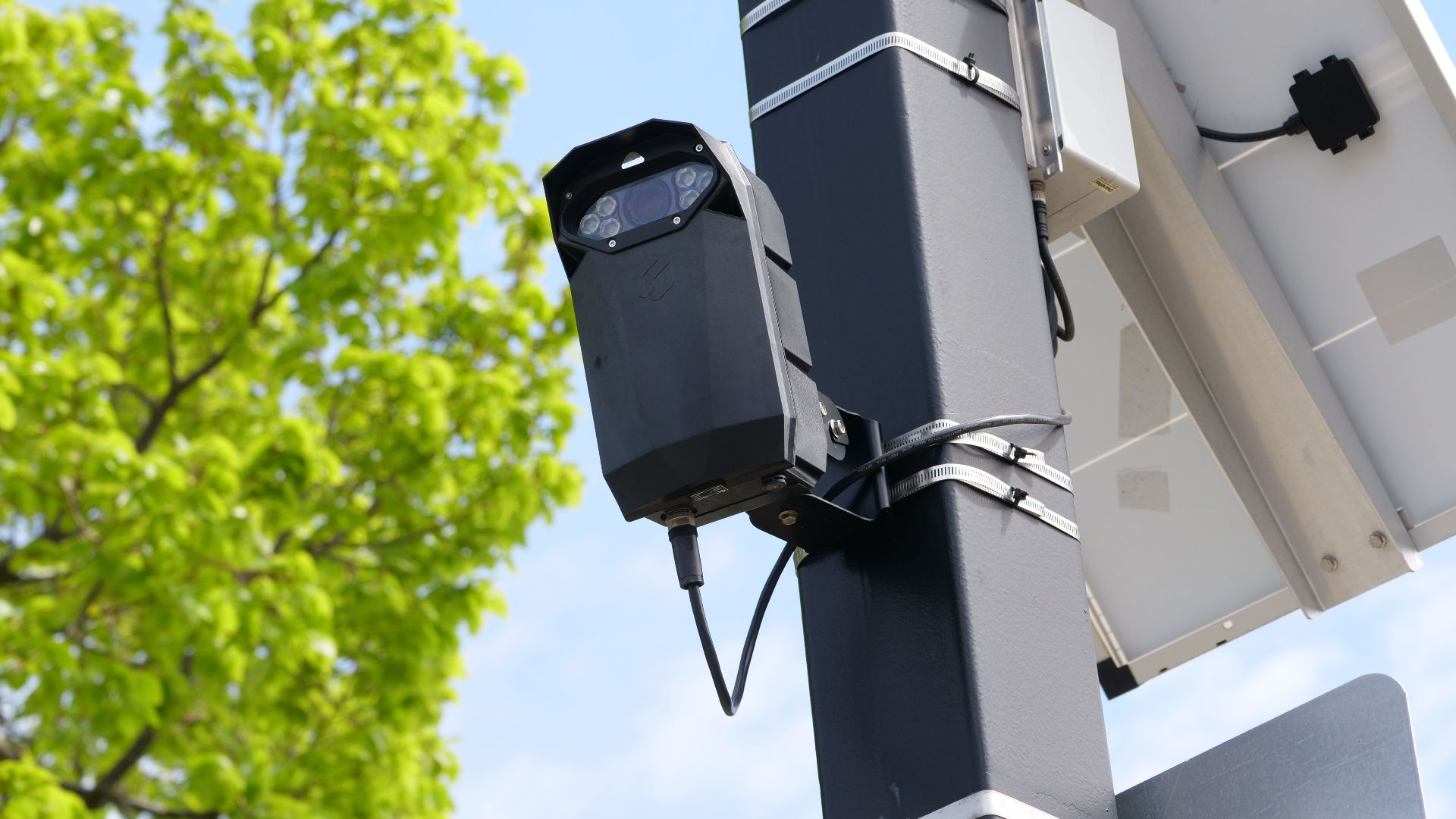
A camera that records silent video presents a different judicial question from one that also captures conversations. Federal wiretap law generally permits recording a conversation when at least one party consents, but states can impose stricter requirements. A neighbor who isn’t participating in your private driveway conversation may face a different set of rules from someone merely capturing images of your parked car.
Some States Require Everyone's Consent
Recording laws differ substantially across the country. The Reporters Committee for Freedom of the Press identifies a group of states that generally impose all-party consent requirements in important recording situations, including states such as California, Florida, Massachusetts, Pennsylvania, and Washington. The exact rules and exceptions vary, so you shouldn’t assume that a legal video recording automatically makes its audio legal too.
 Dmitry Kalinovsky, Shutterstock
A Microphone Can Reach Farther Than You Expect
Modern outdoor cameras can sometimes pick up conversations occurring beyond the immediate doorway or driveway they’re monitoring. If you’re worried about being recorded while talking on your own property, find out whether the device has audio capability. A camera that can merely see your driveway may be less legally significant than one continuously capturing conversations occurring in an area where you reasonably expected them to remain private.
 M.O. Stevens, Wikimedia Commons
State Law Can Offer More Protection Than Federal Law
There isn’t one simple national rule saying how far a neighbor’s residential camera can point. States regulate surveillance through combinations of recording statutes, privacy torts, anti-voyeurism laws, harassment laws, and property rules. New York, for example, specifically gives residential owners and tenants a civil remedy in certain circumstances involving intentional video surveillance of backyard recreational activities intended to harass, annoy, alarm, or threaten.
 Tyler A. McNeil, Wikimedia Commons
Intrusion Upon Seclusion May Apply
Many states recognize some version of the civil privacy claim commonly called intrusion upon seclusion. Generally, it involves an intentional invasion of something genuinely private in a manner that would be highly offensive to a reasonable person. Electronic surveillance can qualify. A camera incidentally catching your driveway is a much harder case than persistent surveillance of a secluded patio, bedroom, or fenced backyard.
 Tyler A. McNeil, Wikimedia Commons
Intent Can Make A Difference
Context matters when deciding whether ordinary security recording has crossed a line. Suppose the camera suddenly appeared after an ugly dispute, follows your movements, and is aimed primarily at your property rather than anything belonging to the neighbor. Those facts look different from a standard doorbell camera that has captured the same broad field of view for years. Save evidence that helps establish the bigger pattern.
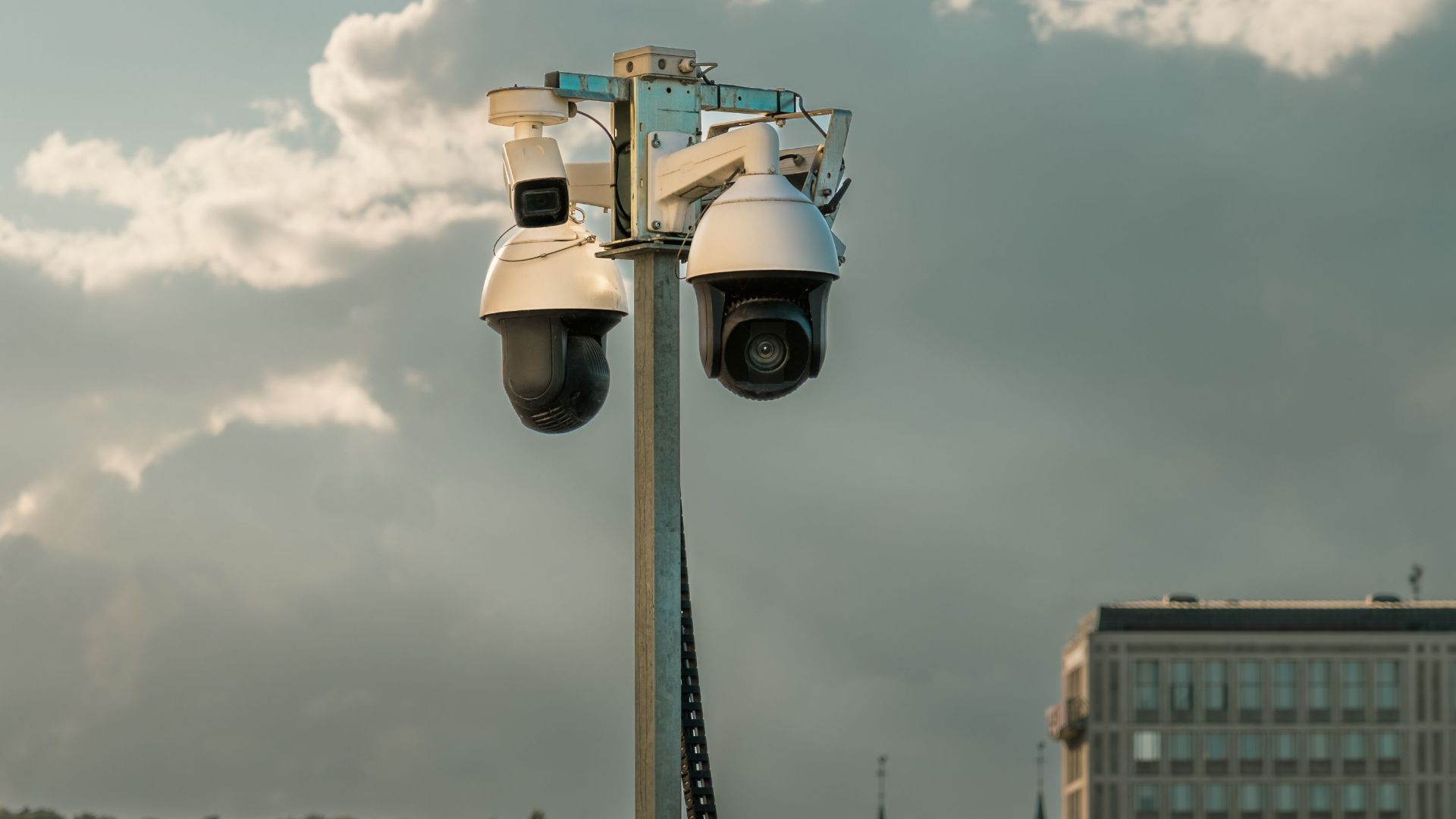
Start By Figuring Out What It Can Actually See
Stand on your own property and look at the camera’s position rather than guessing from the light alone. Photograph its location and angle from places you’re lawfully allowed to be. Note whether fences, windows, or other private areas appear to be directly in its line of sight. You may not know the exact field of view, but documenting the setup gives you something concrete to work with.
Look For A Pattern Rather Than One Trigger
Keep a simple record for several days if the behavior is bothering you. Does the light activate when anyone walks down the street, when the neighbor arrives home, or only when you enter your property? Does the camera physically pan toward you? Does its position change after particular events? A consistent pattern can help distinguish an ordinary motion detector from surveillance specifically targeting you.

Ask About Privacy Zones
Many modern camera systems let owners exclude sections of the image from recording or motion detection. A neighbor who genuinely wants to monitor a side gate may be able to block out your driveway or windows without losing useful security coverage. You don’t need to start by arguing about constitutional rights. A practical request to mask your property may solve the entire problem.

A Calm Conversation May Get You Further
If relations are reasonably civil, explain exactly what you noticed and why it makes you uncomfortable. Avoid opening with an accusation that the neighbor is committing a chargeable offense when you don’t yet know what the device records. Ask whether your driveway is in the camera’s view and whether its angle or privacy settings can be adjusted. Plenty of camera disputes begin with assumptions that could have been resolved in five minutes.
 Supavadee butradee, Shutterstock
Put A Reasonable Request In Writing If Necessary
If a conversation doesn’t work, a short written request can create a useful record. Describe the camera, the area you believe it monitors, and the adjustment you’re requesting. Keep the tone factual. If the dispute eventually involves an HOA, mediator, attorney, or court, a calm request to stop recording a private area generally looks much better than months of escalating arguments across the fence.

Check HOA And Local Rules Too
State privacy law isn’t necessarily the only relevant authority. Homeowners associations, condominium associations, landlords, and municipalities may have rules governing exterior equipment, camera placement, alterations, or nuisance behavior. An installation can potentially break those rules even when the basic act of owning a security camera is okay.
Don't Try To Disable The Camera Yourself
Avoid lasers, paint, projectiles, signal jammers, physical obstruction placed on the neighbor’s property, or attempts to hack the device. Damaging or interfering with someone else’s equipment can create a new dispute in which you’re suddenly defending your own conduct. Document what’s happening and use lawful privacy measures on your side of the property instead.
You Can Increase Privacy Without Starting A Fight In Court
Fencing, privacy screens, curtains, blinds, landscaping, and careful placement of outdoor structures can reduce what neighboring cameras can see. That doesn’t mean you should have to hide on your own property, particularly if surveillance is genuinely intrusive. But when the disputed view is technically lawful, making the space less visible may be faster and cheaper than trying to force a neighbor to reposition a camera.

Serious Surveillance Can Justify Legal Advice
A camera aimed through a bedroom window, raised specifically to see over a privacy fence, repeatedly repositioned to follow you, or apparently being used as part of harassment deserves more attention than an ordinary doorbell camera catching your driveway. Save photographs, messages, dates, and other evidence and speak with a local privacy or property attorney. Depending on state law, possible remedies can include damages or a court order restricting the surveillance.
The Driveway May Be Fair Game, But That Doesn't Mean Everything Is
If your driveway is plainly visible from the street, there’s a good chance a neighbor can lawfully capture at least some of it with an ordinary security camera. That answer becomes far less comfortable once the camera reaches into genuinely private areas, records protected conversations, or appears deliberately designed to overcome privacy barriers. Instead of focusing solely on the blinking light, figure out what’s being recorded, whether audio is involved, and what your state considers a reasonable expectation of privacy.
You May Also Like: