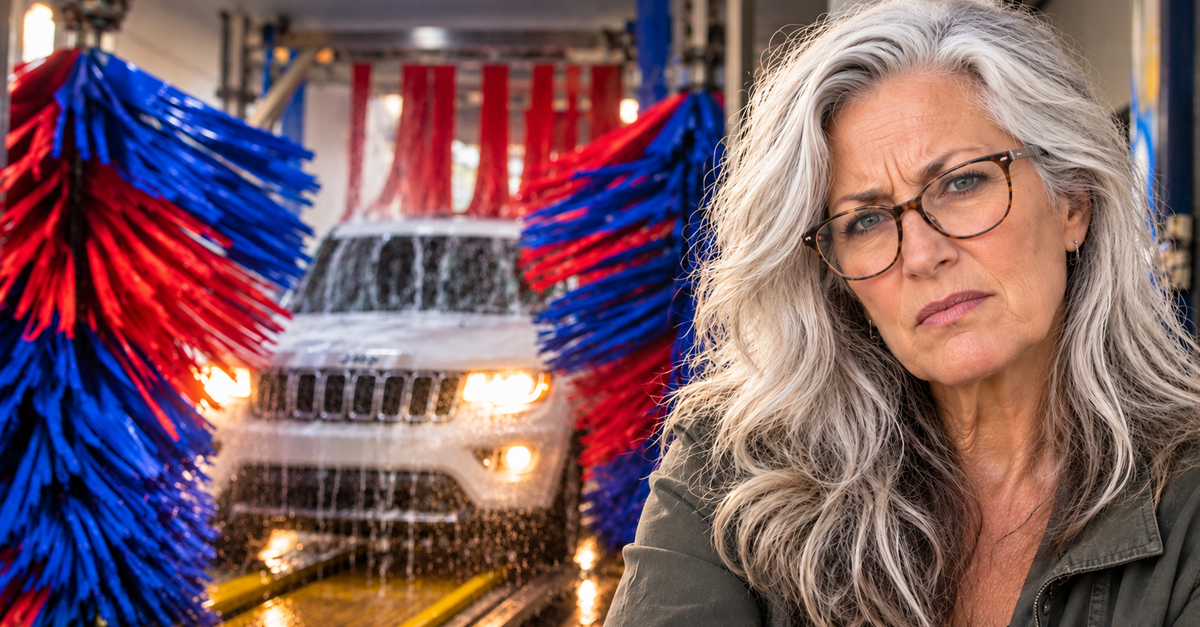
A Simple Car Wash Turned Into An Expensive Problem
You pull into an automatic car wash with a perfectly good car, only to come out with a deep scratch, broken mirror, or damaged bumper. When you demand answers, the owner points to a sign saying they're not responsible for damage. Now you're facing hundreds, possibly thousands, in repairs, and the business refuses to pay.
But can a simple sign really let a car wash off the hook?
That Sign Isn't The Final Word
Car wash operators often display signs warning customers that they're not responsible for certain types of damage. However, posting a disclaimer doesn't automatically eliminate the business's legal responsibilities. Whether the sign actually protects the owner depends on its wording, the circumstances of the damage, and the laws in your state.
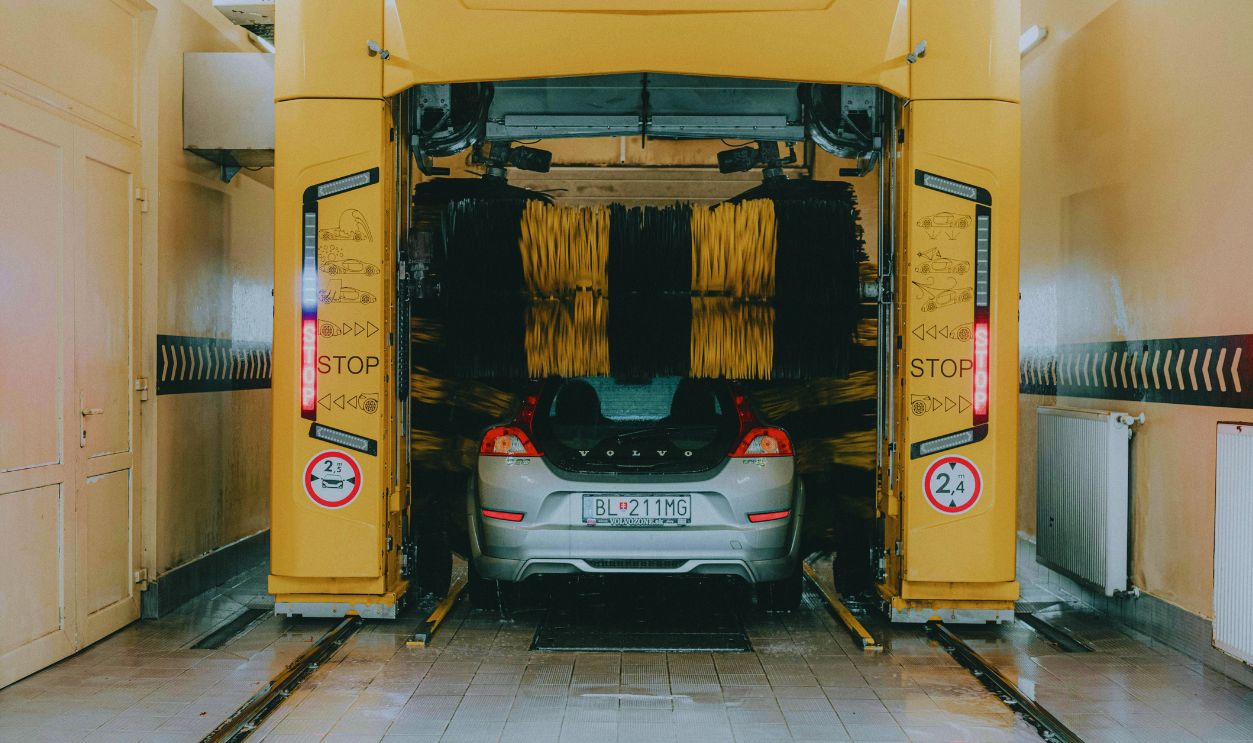 Helena Jankovicova Kovacova, Pexels
Sometimes Those Signs Really Do Work
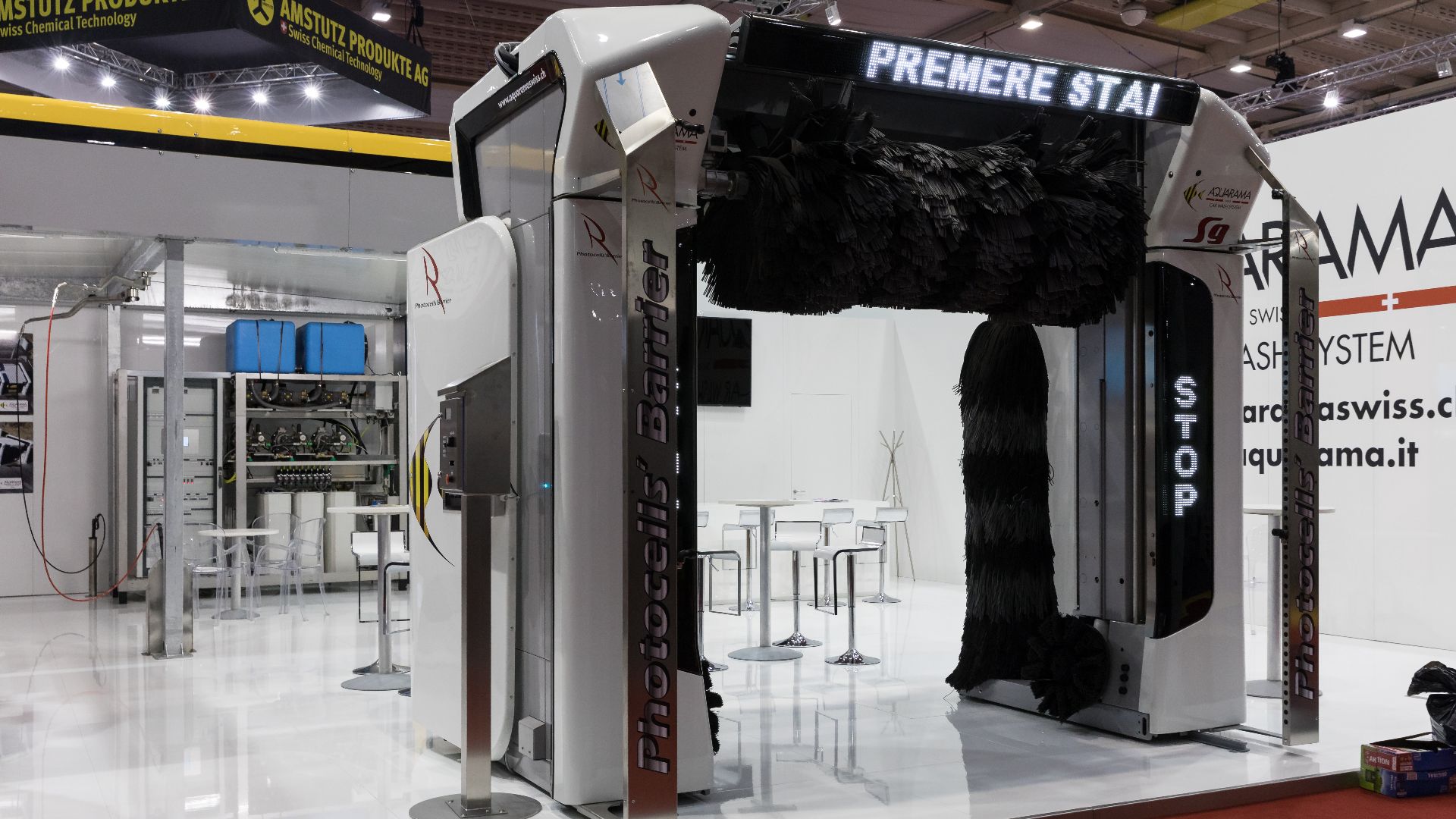
Although disclaimers aren't automatically enforceable, some can legally limit a business's liability. Courts may recognize agreements that clearly explain which risks customers are accepting. In certain states, a properly written disclaimer can even limit liability for ordinary negligence, although there are important legal restrictions.
 Matti Blume, Wikimedia Commons
You Might Have Agreed Without Signing
You might assume a disclaimer can't apply unless you physically signed an agreement. Unfortunately, that's not necessarily true, because businesses sometimes rely on posted notices, receipts, or other terms customers encounter before accepting a service. Whether those terms create an enforceable agreement depends on applicable law and whether customers received adequate notice.
The Fine Print Could Change Everything
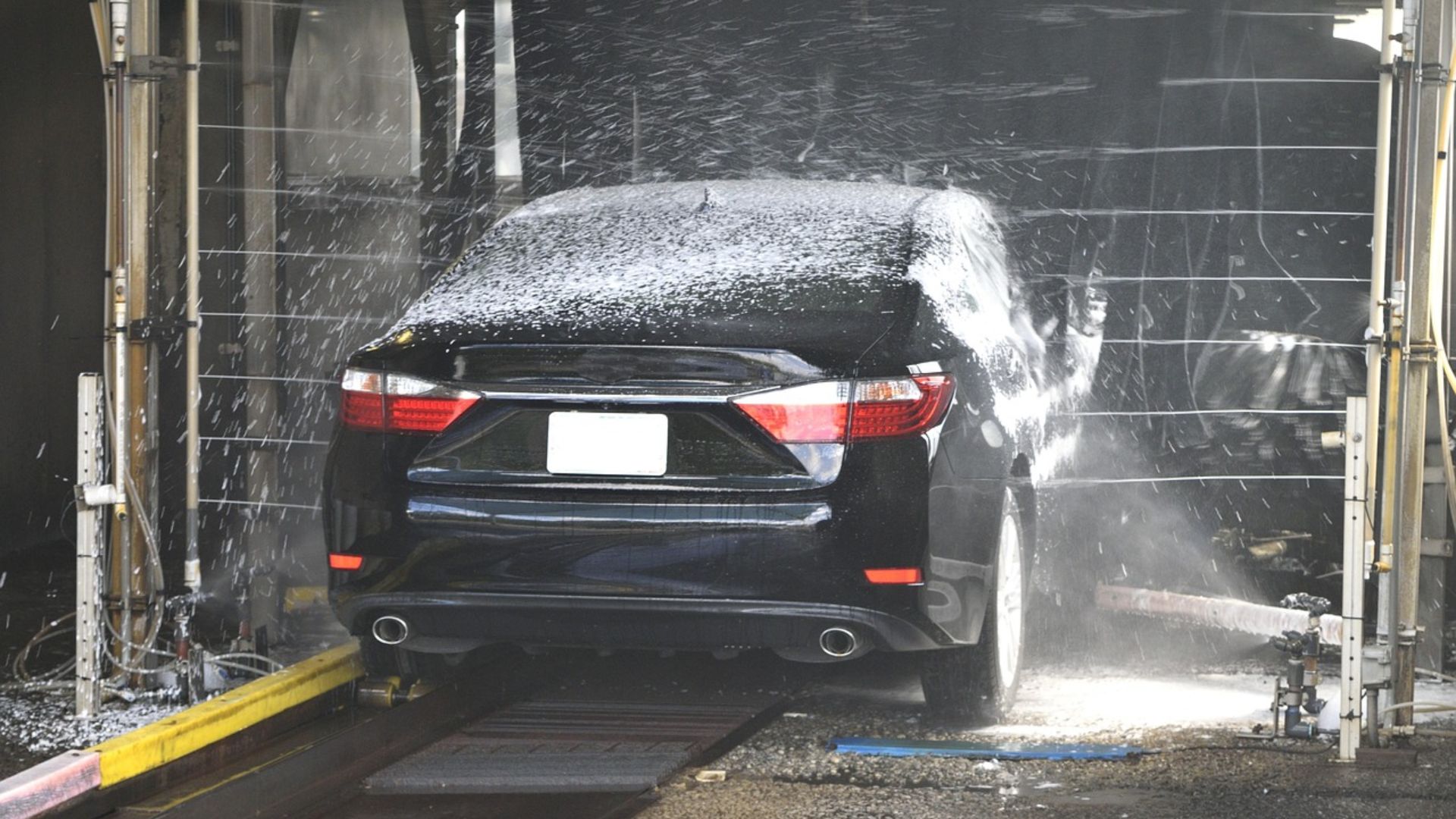
A sign warning about loose antennas is different from one attempting to eliminate responsibility for every possible accident. Courts may examine whether the language clearly covers the damage and whether the customer had a reasonable opportunity to see it. Vague wording, poorly displayed notices, or overly broad disclaimers can make the business's position weaker.
Car Washes Still Have Responsibilities
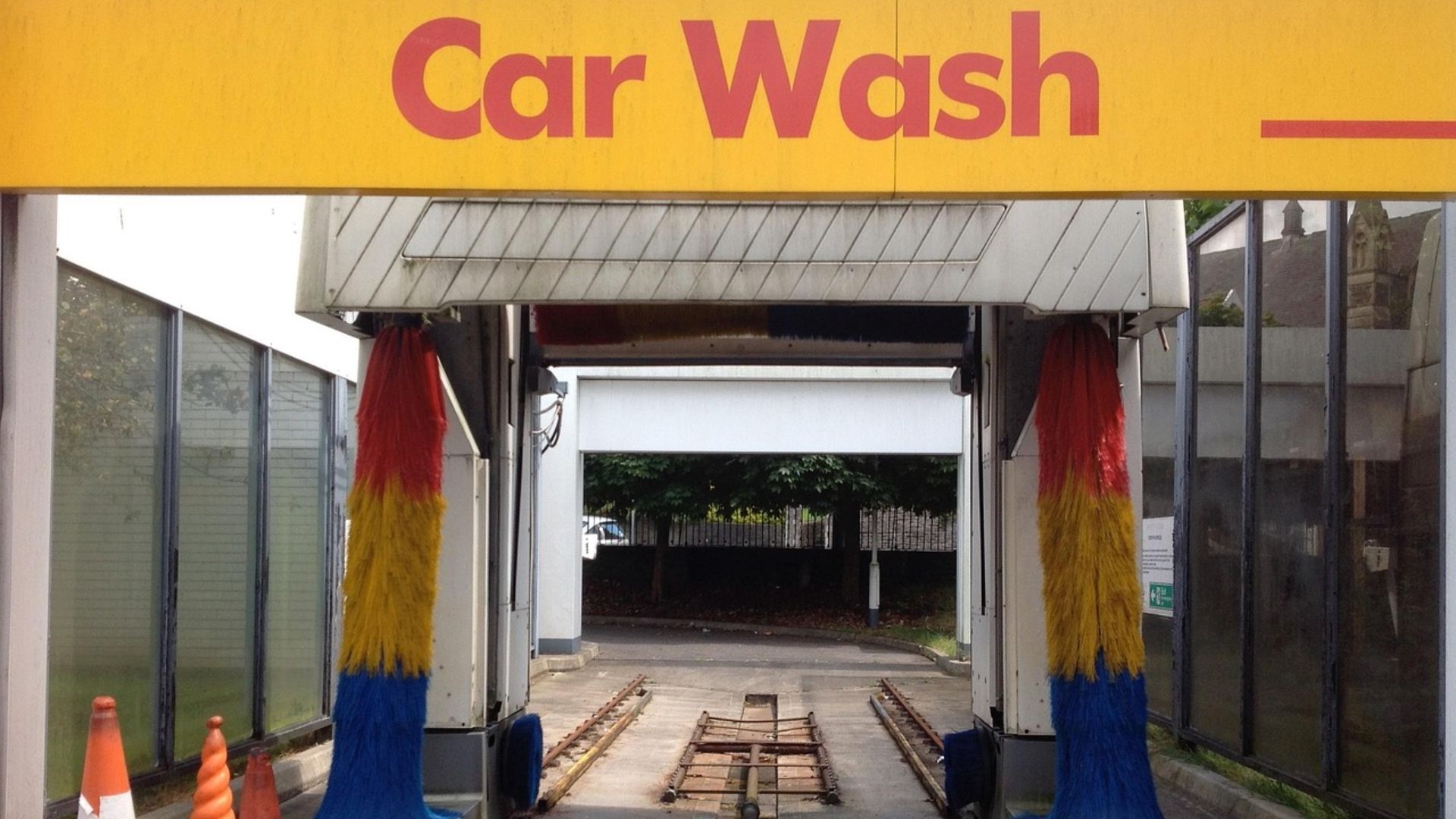
Businesses generally have a duty to exercise reasonable care when their actions could damage customers' property. Georgia's Attorney General's Consumer Protection Division specifically recognizes this responsibility when a vehicle is entrusted to a car wash operator. However, that arrangement doesn't necessarily apply to every self-service wash, and valid agreements may sometimes limit liability.
Negligence Can Change The Situation
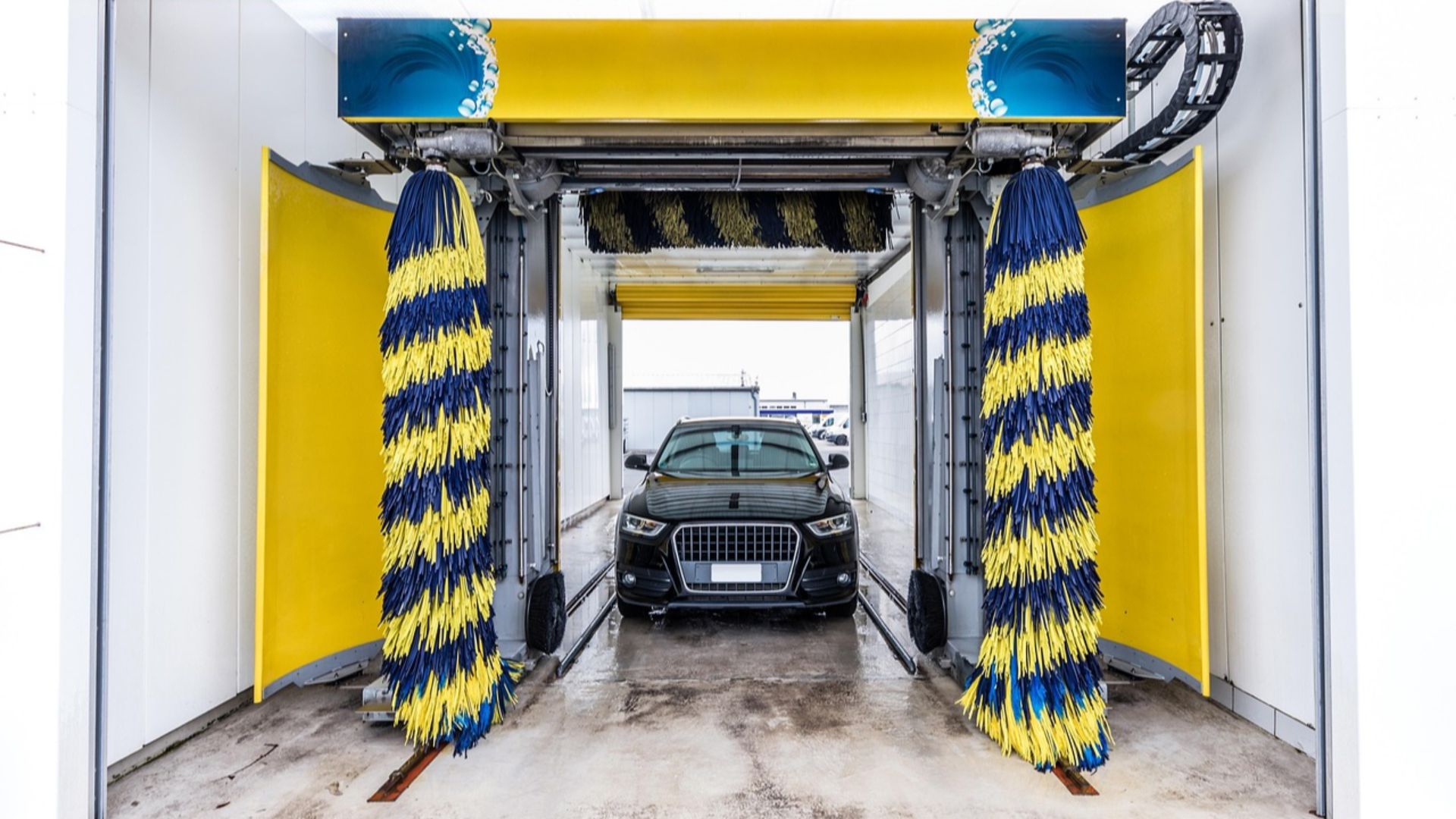
Suppose the equipment strikes your vehicle because the business failed to maintain it properly. That could support a negligence claim, especially if the problem was foreseeable or preventable. A valid disclaimer may still protect an operator against some ordinary negligence claims, but courts often treat gross negligence or intentional misconduct differently.
What If The Equipment Was Faulty?
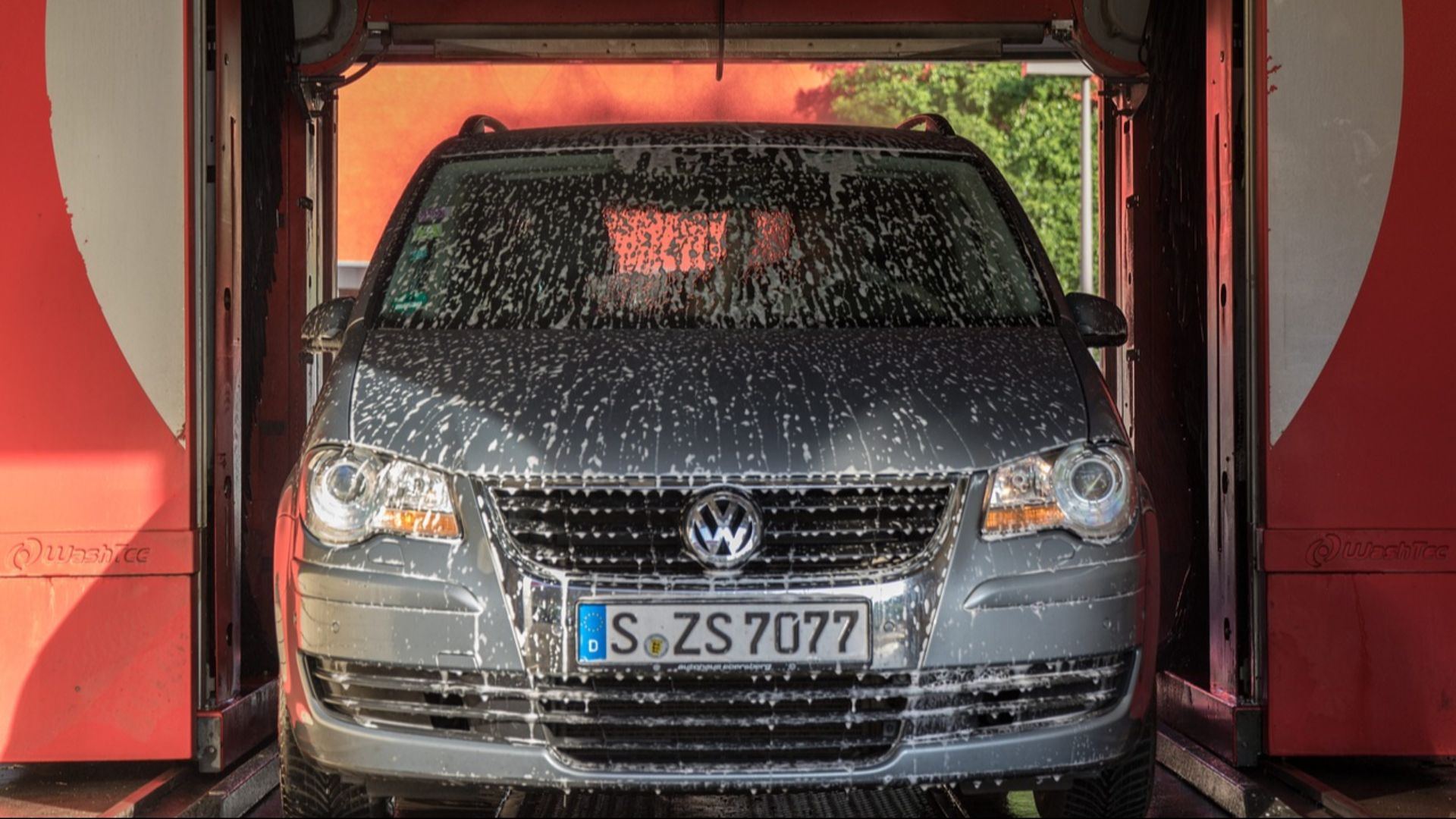
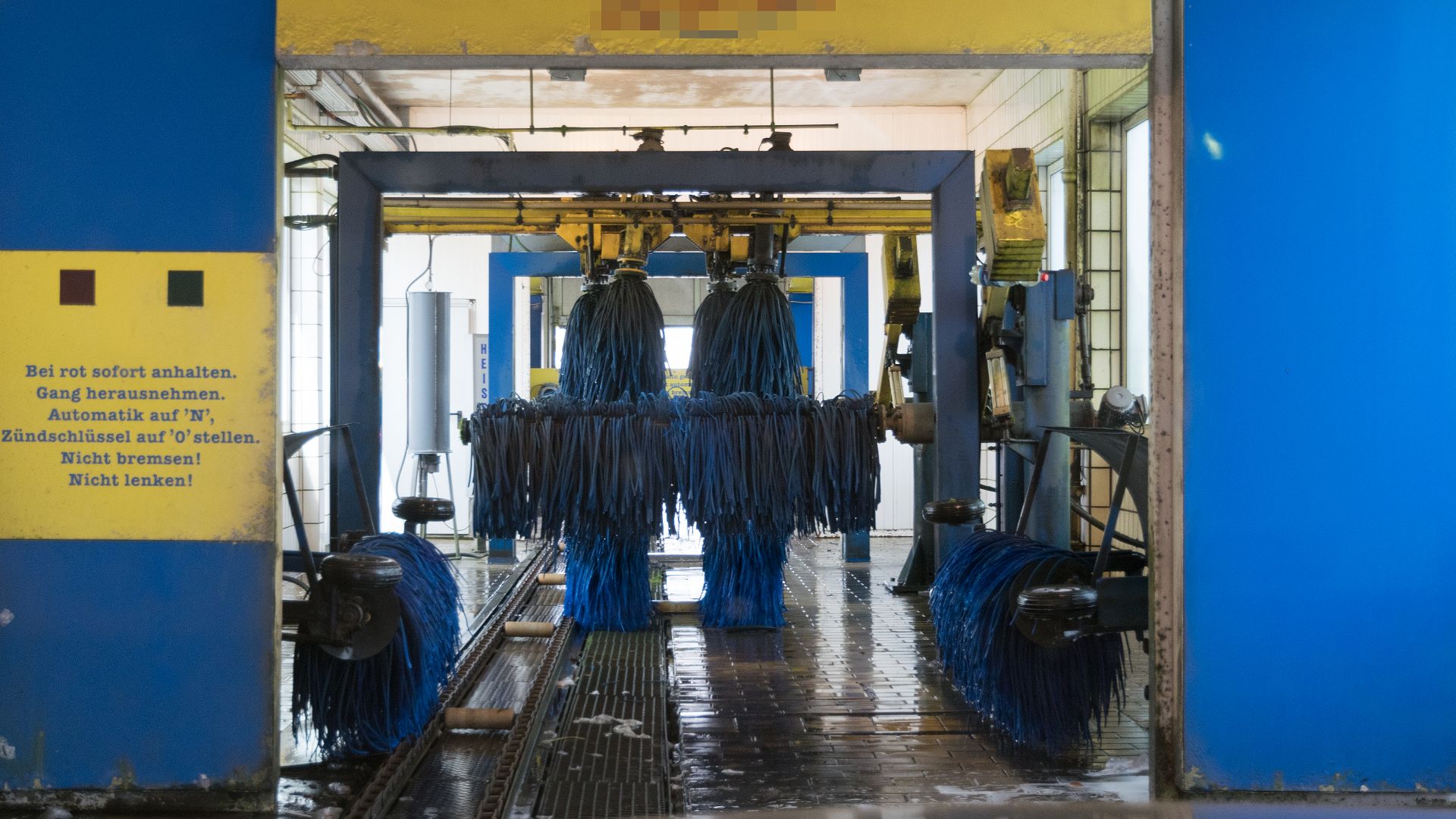
Automatic car washes use moving brushes, conveyor systems, and other machinery that can damage vehicles when something goes wrong. Auto insurer identify malfunctioning equipment, poor maintenance, and dirty brushes as potential causes of damage. If the machinery was responsible, maintenance records and evidence of the malfunction could become important to your claim.
Employees Can Make Expensive Mistakes
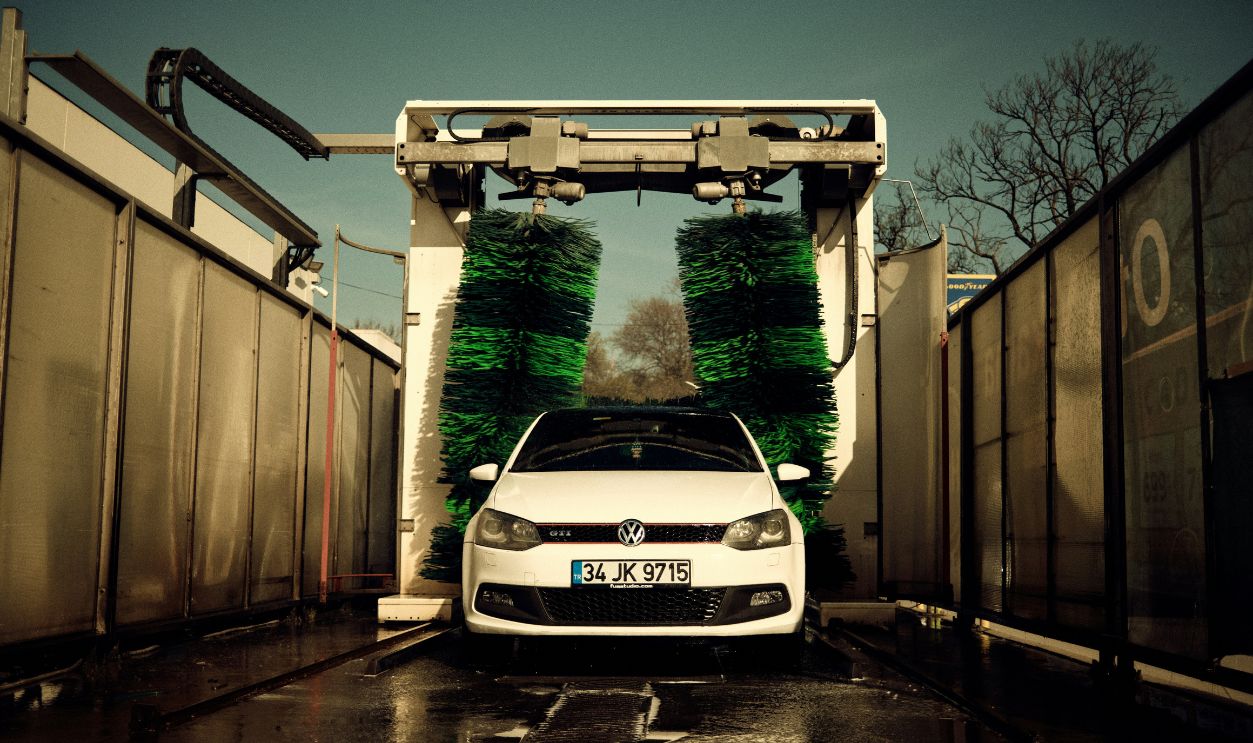
Sometimes the machinery works correctly, but an employee makes a mistake that causes damage. An attendant might give incorrect instructions or fail to follow established safety procedures. Auto insurers identify failures to follow safety protocols as a possible basis for holding the operator responsible, depending on what happened.
Pre-Existing Damage Makes Things Complicated
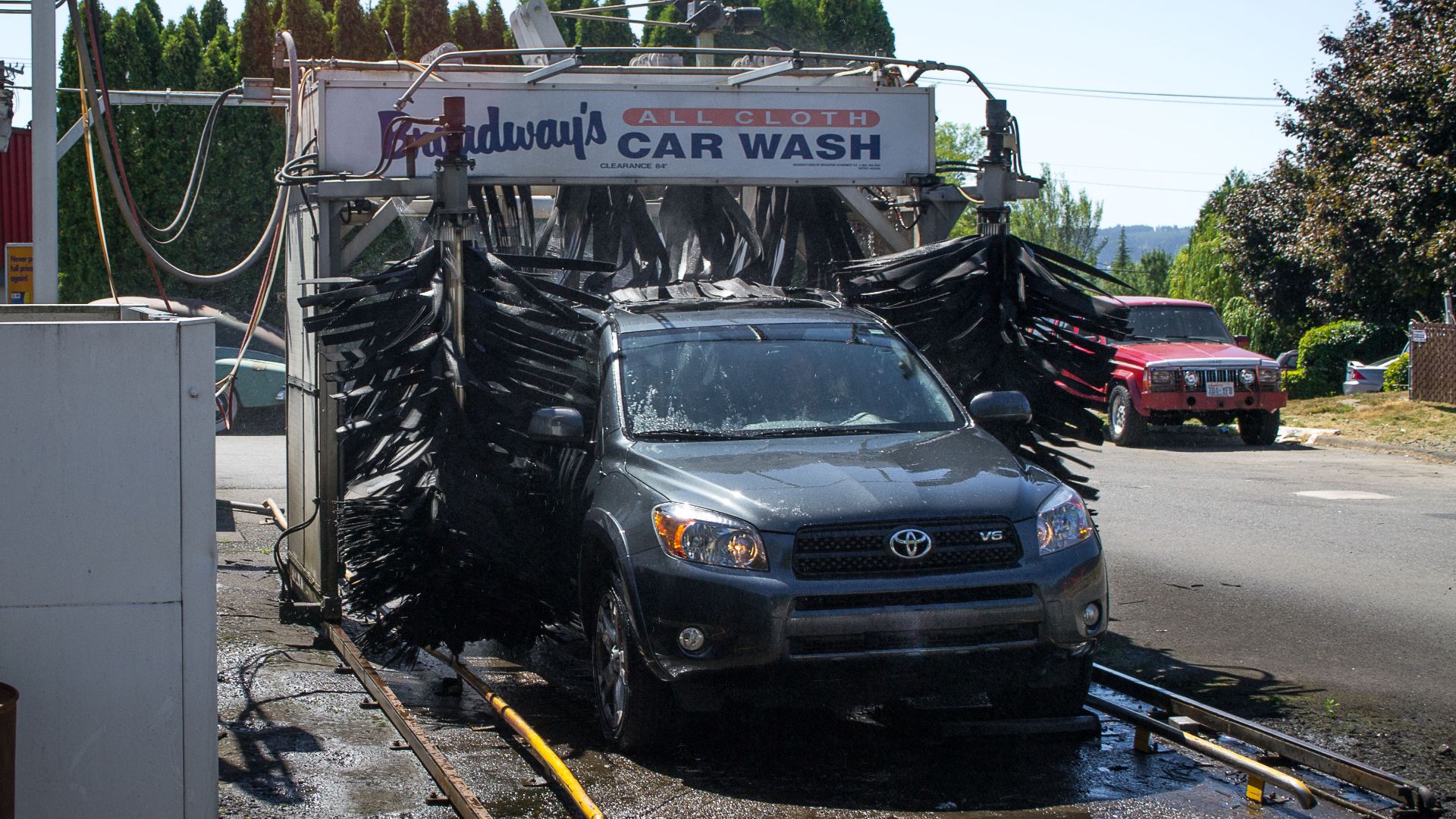
Imagine entering the wash with a cracked windshield, loose trim, or a previously damaged mirror. If that component breaks during an otherwise properly functioning wash, the business may argue that the vehicle's condition caused the damage. Establishing whether the wash caused a new problem or merely exposed an existing one can be crucial.
Aftermarket Accessories Are Another Problem
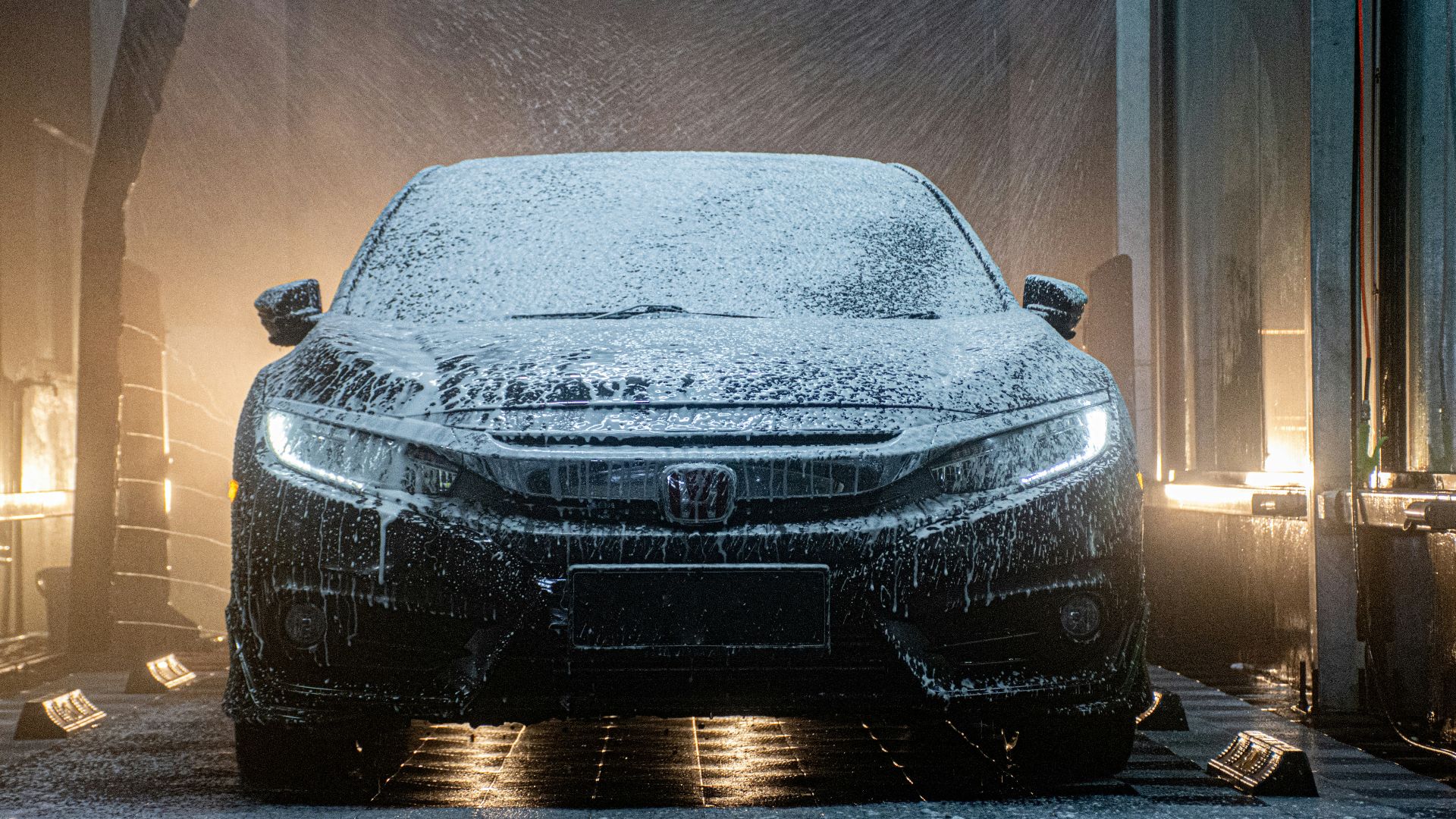
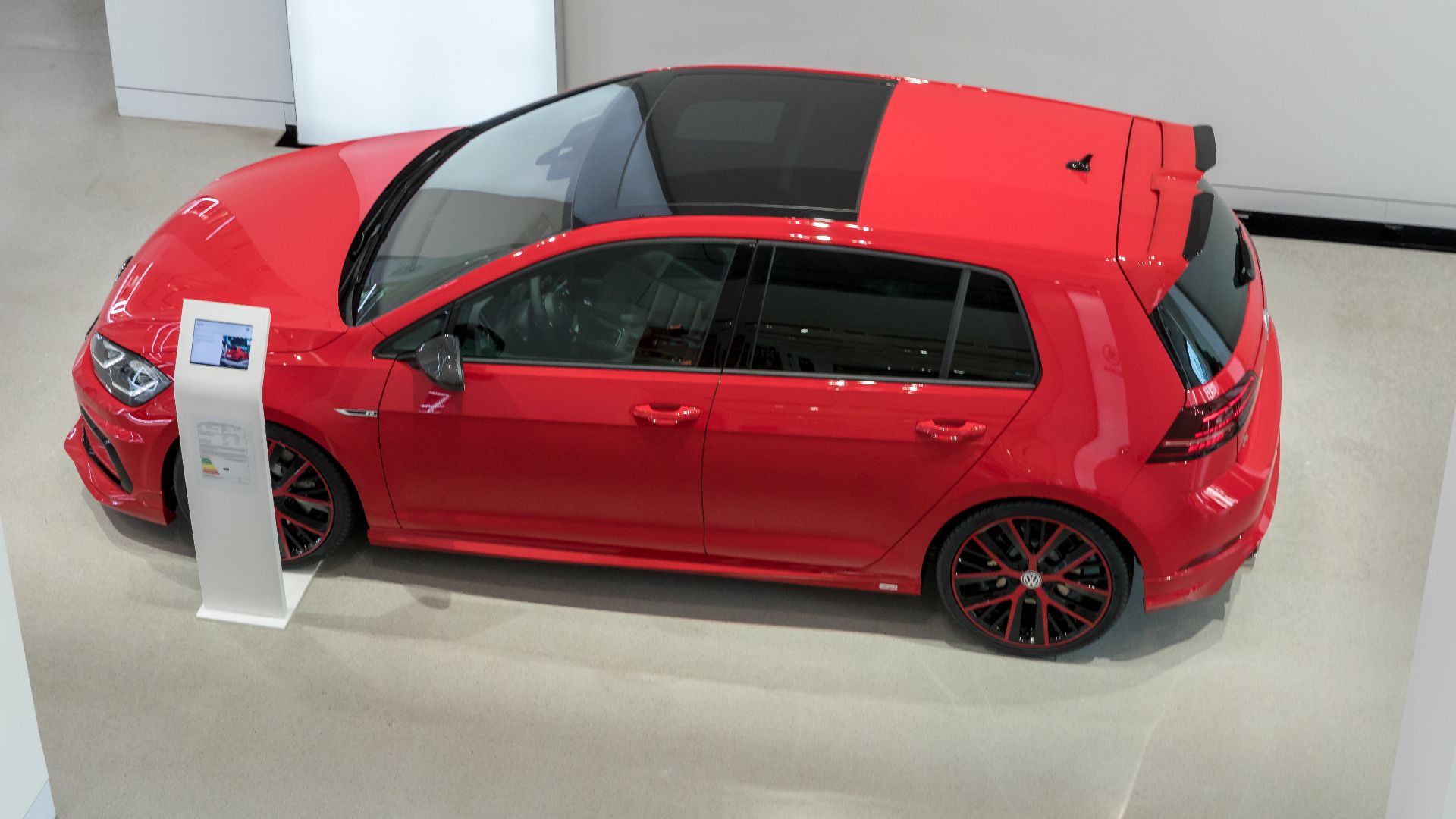
Roof racks, custom spoilers, antennas, and other exterior accessories can create additional risks in automatic washes. Some businesses specifically warn customers about these components because they may interfere with the equipment. If an accessory gets damaged, its condition, installation, and the warnings provided may all affect who is responsible.
 Matti Blume, Wikimedia Commons
Ignoring Instructions Can Cost You
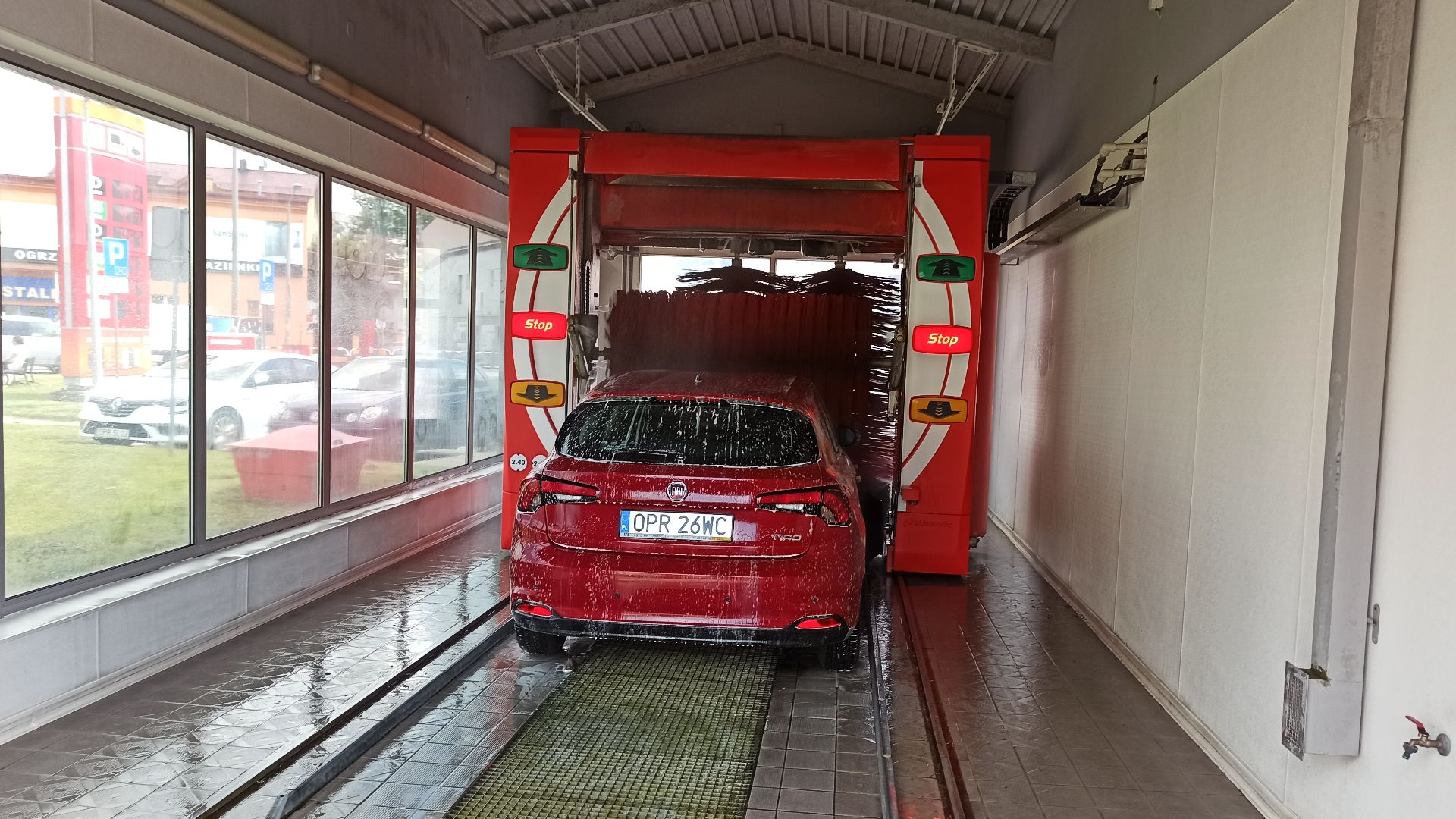
Drivers also have responsibilities when using an automatic car wash. Conveyor systems may require you to shift into neutral, release the brakes, and avoid steering until the wash is finished. If you ignore clearly communicated instructions and cause damage, the operator may have a strong argument that the accident was your responsibility.
What If Another Car Hits Yours?
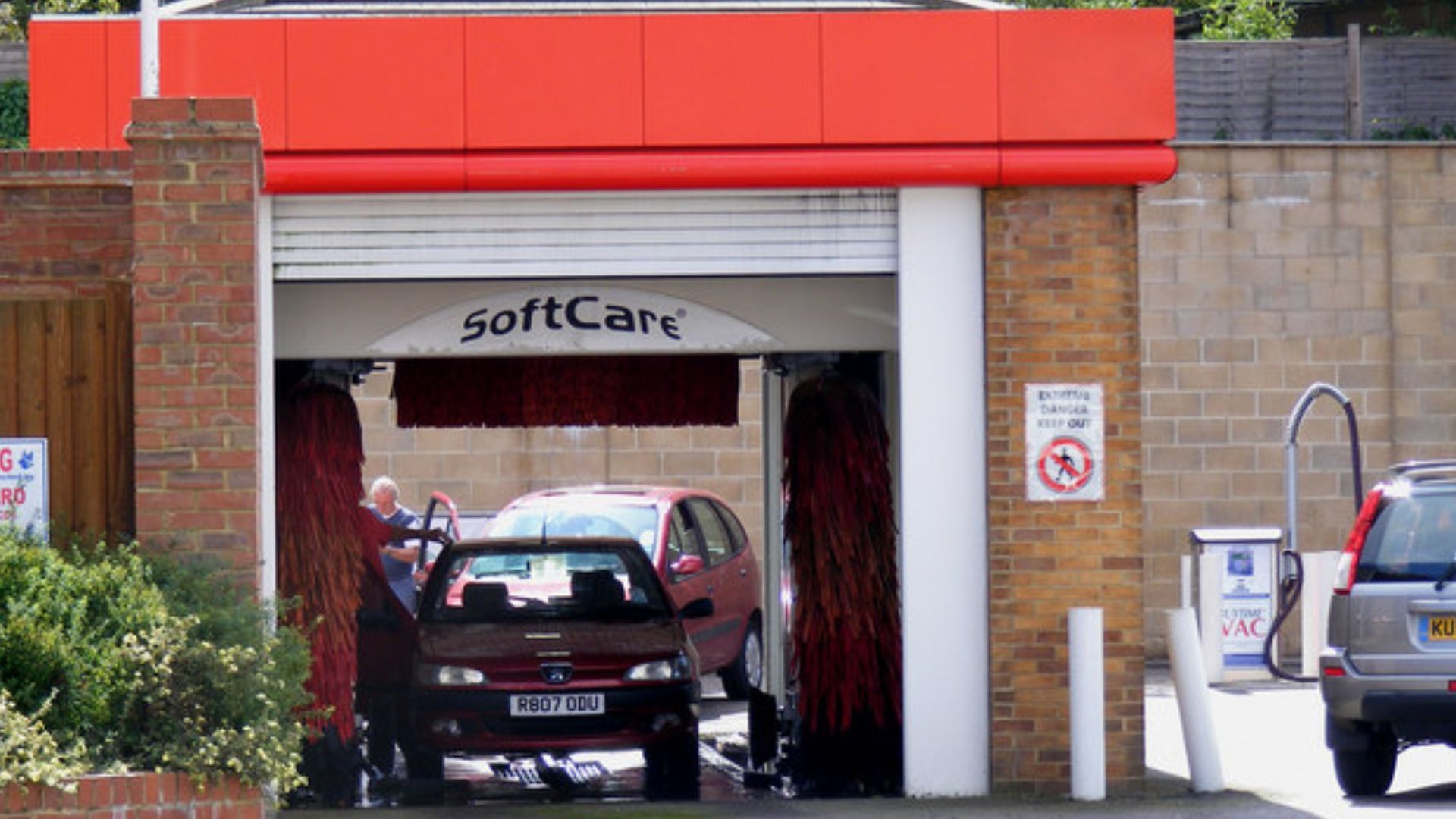
Imagine the vehicle behind yours rolls forward unexpectedly and strikes your bumper inside the wash. Responsibility could fall on the other driver, the car wash, or potentially both, depending on what caused the collision. Evidence showing whether someone ignored instructions or whether the conveyor malfunctioned would help determine what happened.
 David Sands, Wikimedia Commons
Both Sides Could Share The Blame
Sometimes the driver and the car wash both contribute to an accident. Many states use comparative negligence rules that reduce compensation according to each party's share of responsibility, although the details vary. Other states have stricter rules that can prevent recovery when the customer contributed to the damage, making local law especially important.
Check Your Car Before Leaving
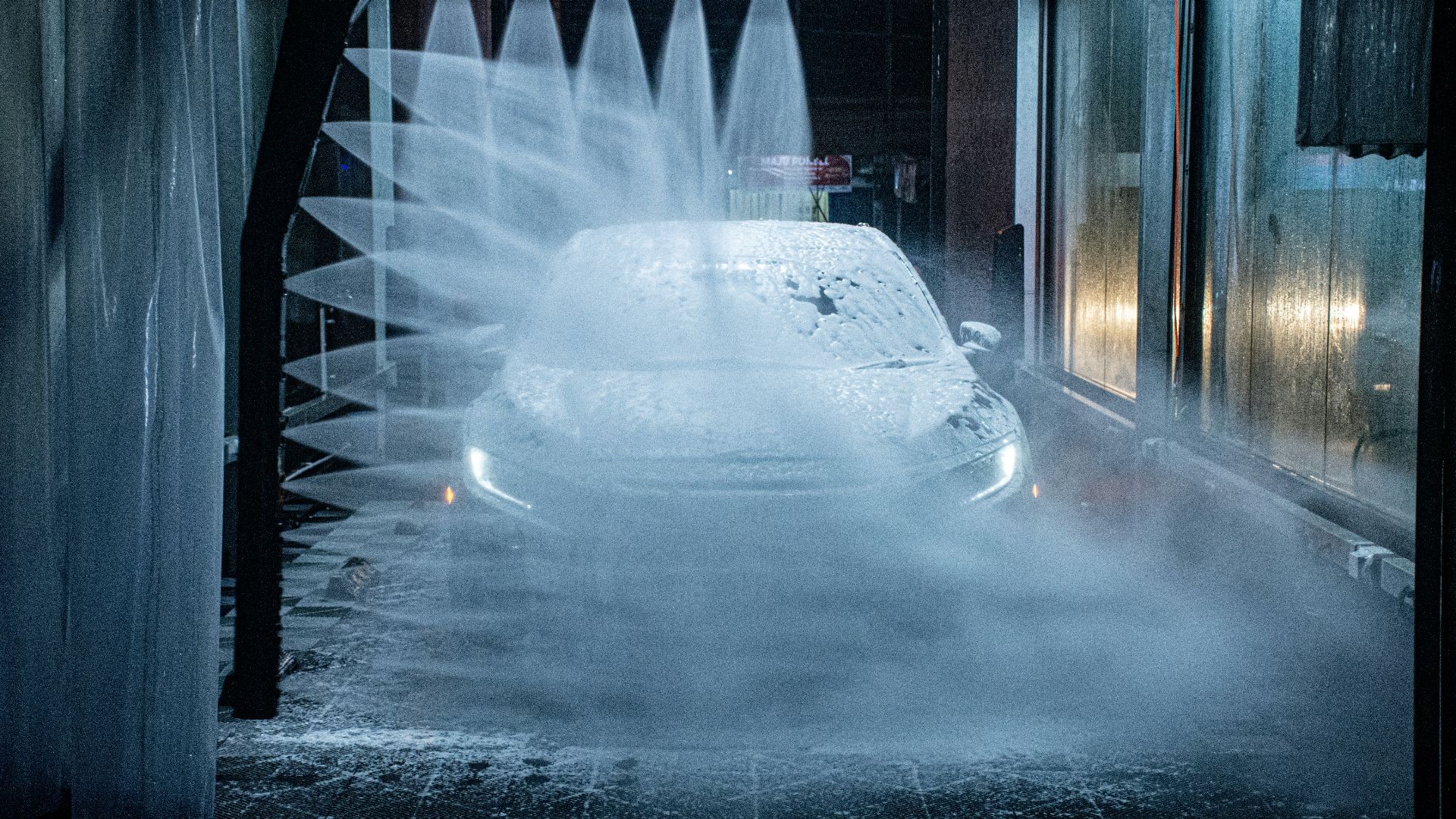
If something feels or sounds wrong during the wash, inspect your vehicle as soon as it's safe to do so. Look for fresh scratches, dents, cracked lights, loose trim, and damage around the mirrors or bumpers. Report anything suspicious to the manager immediately, preferably before leaving the property, and ask to complete an incident report.
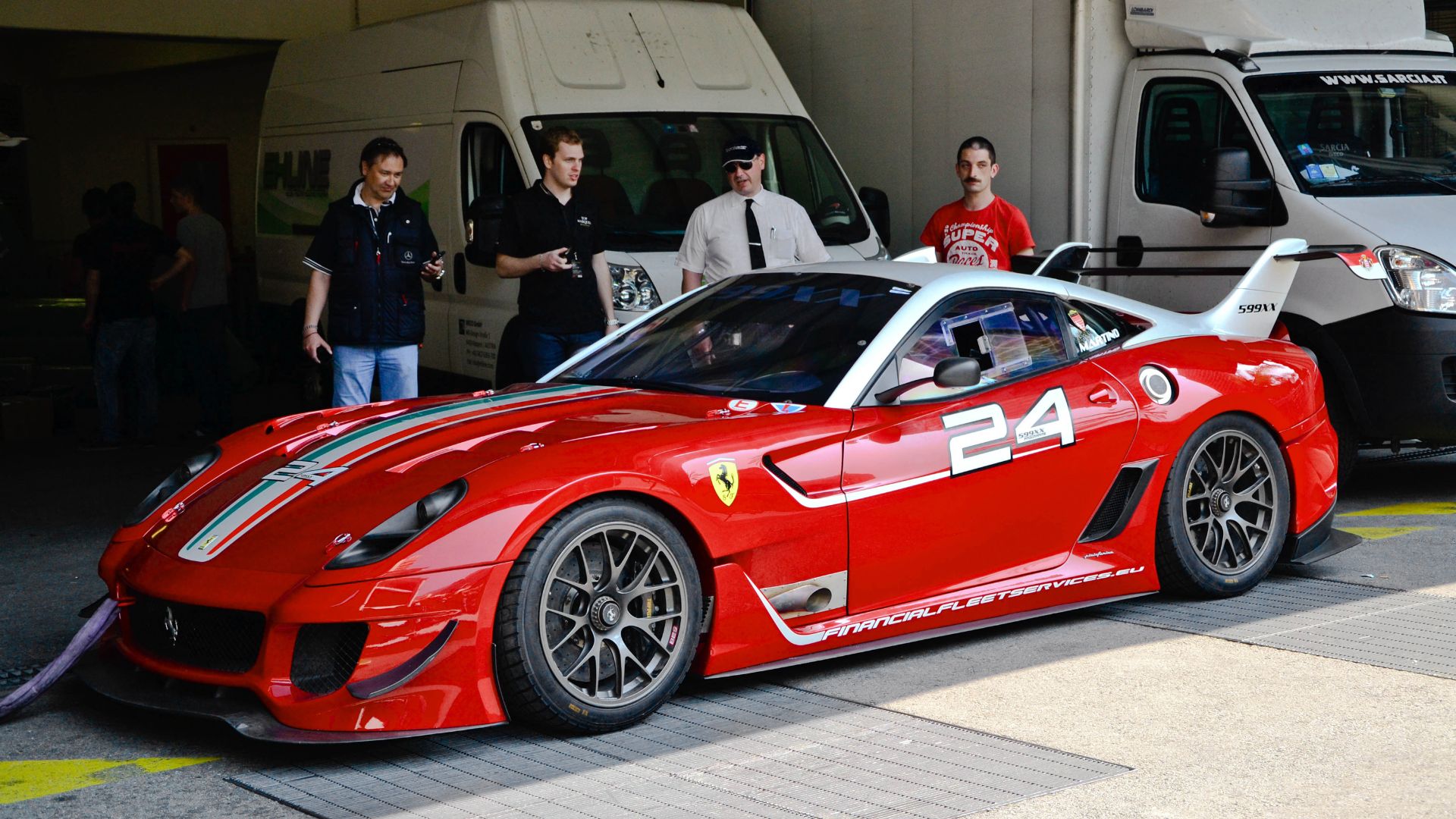 Alexandre Prévot from Nancy, France, Wikimedia Commons
Take Pictures Before Anything Changes
Photographs can become some of your strongest evidence if the business disputes your complaint. Take clear pictures of the damage from several angles, including wider shots showing its location on the vehicle. Photograph any relevant warning signs and retain the original images so you have a record of what you observed.
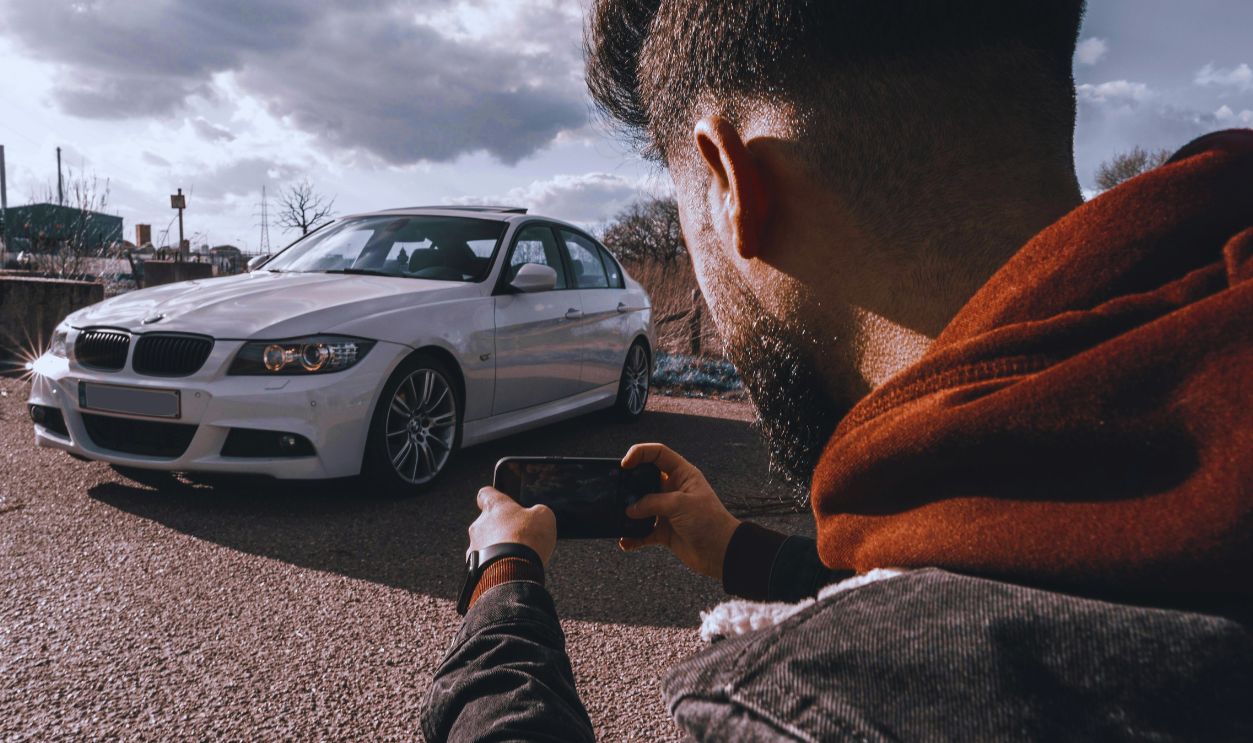
Keep That Car Wash Receipt
A receipt might seem insignificant compared with a damaged bumper, but it helps establish when you used the service. Save your receipt, payment confirmation, or other transaction record alongside your incident report. These documents can help support your timeline if the owner later questions whether your vehicle was damaged at that location.

Previous Photos Could Save Your Claim
One of the biggest challenges may be proving that the damage wasn't already there. Recent photographs showing your car's condition before the wash can help establish that a scratch or broken component is new. Service records, inspection reports, and other dated documentation may also support your account.
The Security Cameras Might Have Answers
Many car washes use surveillance cameras, and footage could help reveal what happened inside the tunnel. Sam's Car Wash, for example, identifies surveillance footage as information it may review when investigating damage claims. Ask the manager to preserve relevant recordings promptly, but remember that requesting footage doesn't automatically give you the right to receive it immediately.
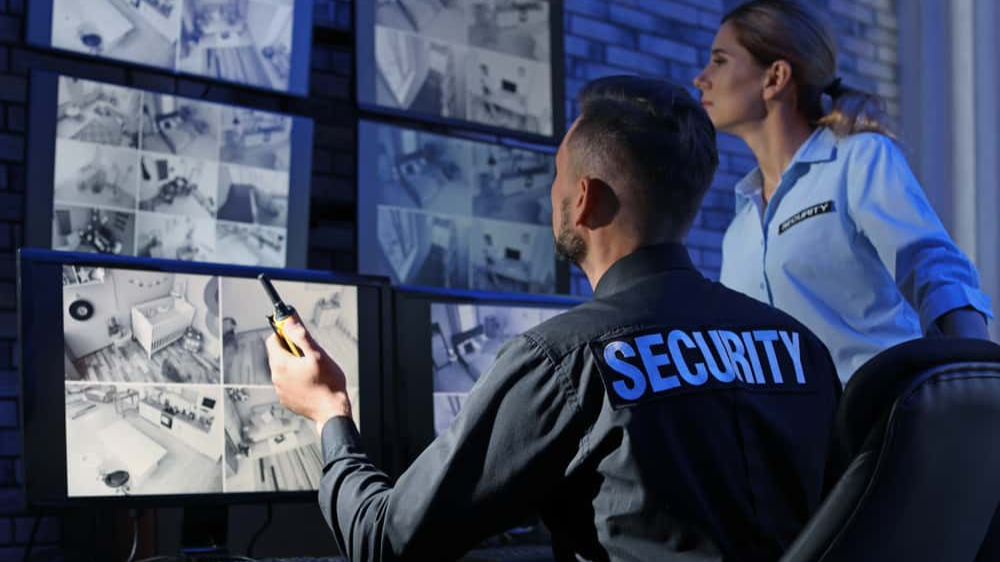
Get A Proper Repair Estimate
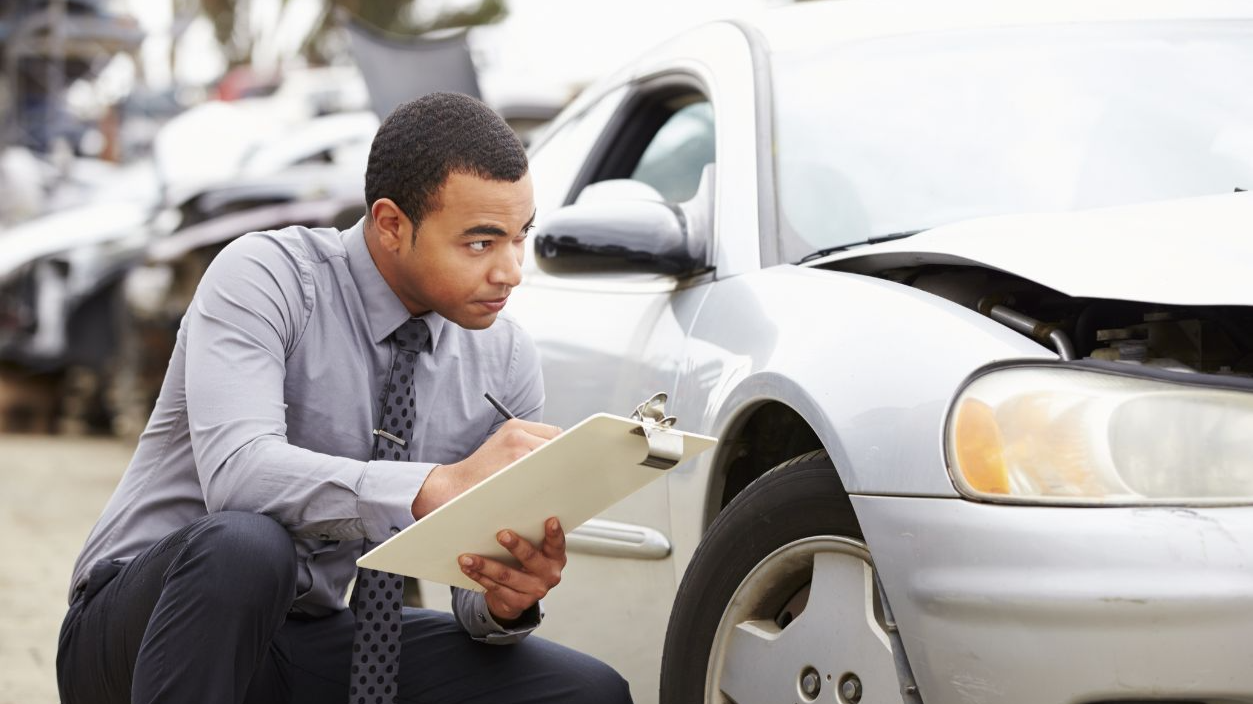
Once you've documented the damage, have a reputable repair shop assess the vehicle. A written estimate can establish the likely cost of repairs and help support a request for compensation. If the shop identifies evidence suggesting how the damage occurred, ask whether it can include those observations in writing.
The Owner's Insurance Might Cover It
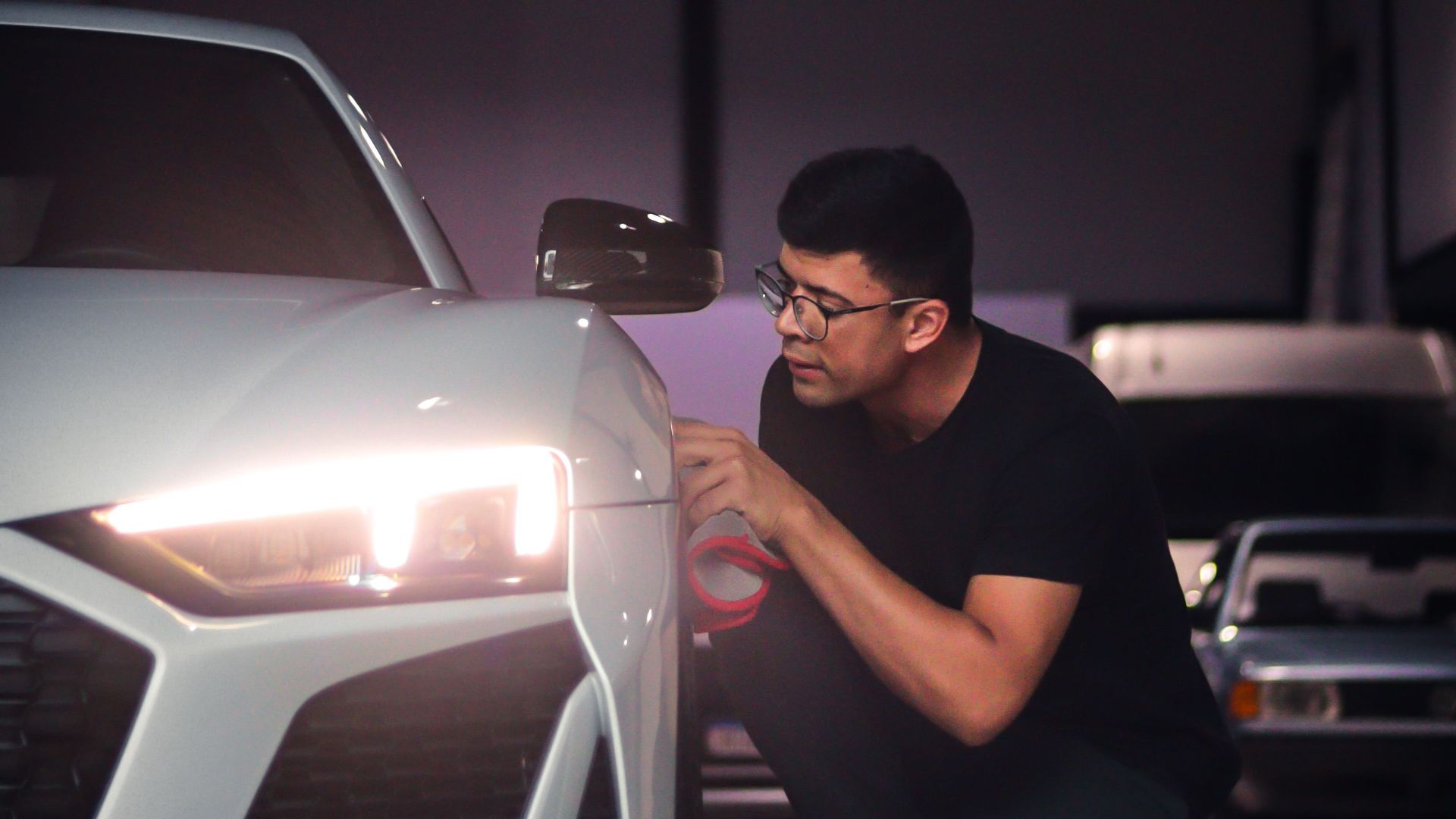
Car wash businesses may carry liability insurance that covers vehicle damage for which they're legally responsible. If you believe the equipment or employees caused the problem, ask management how to submit a claim through the business's insurer. The insurer may review photographs, statements, repair estimates, and other evidence before deciding whether to pay.
Your Own Insurance Could Also Help
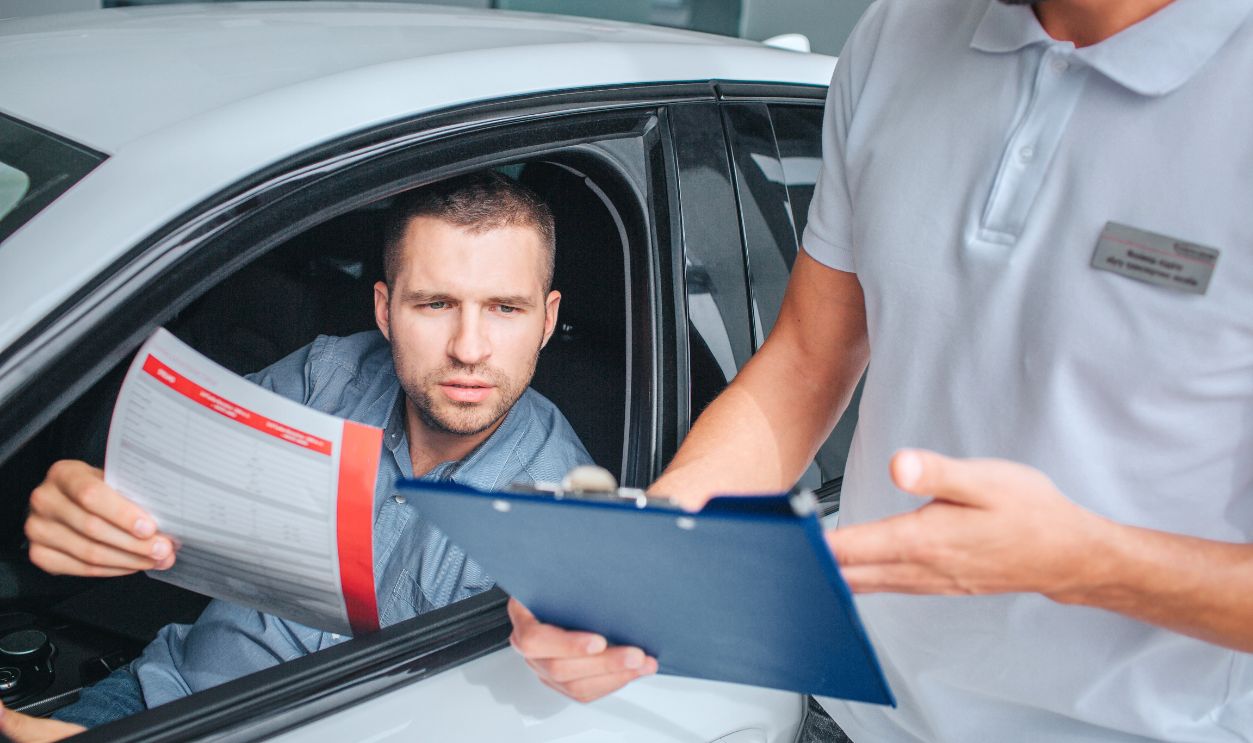
If the business refuses responsibility, your auto insurance may provide another route to getting the repairs covered. Depending on how the damage occurred, comprehensive or collision coverage could apply. Both types of coverage may cover car wash damage, although the exact circumstances and policy terms determine eligibility.
 Monkey Business Images, Shutterstock
But Don't Forget Your Deductible
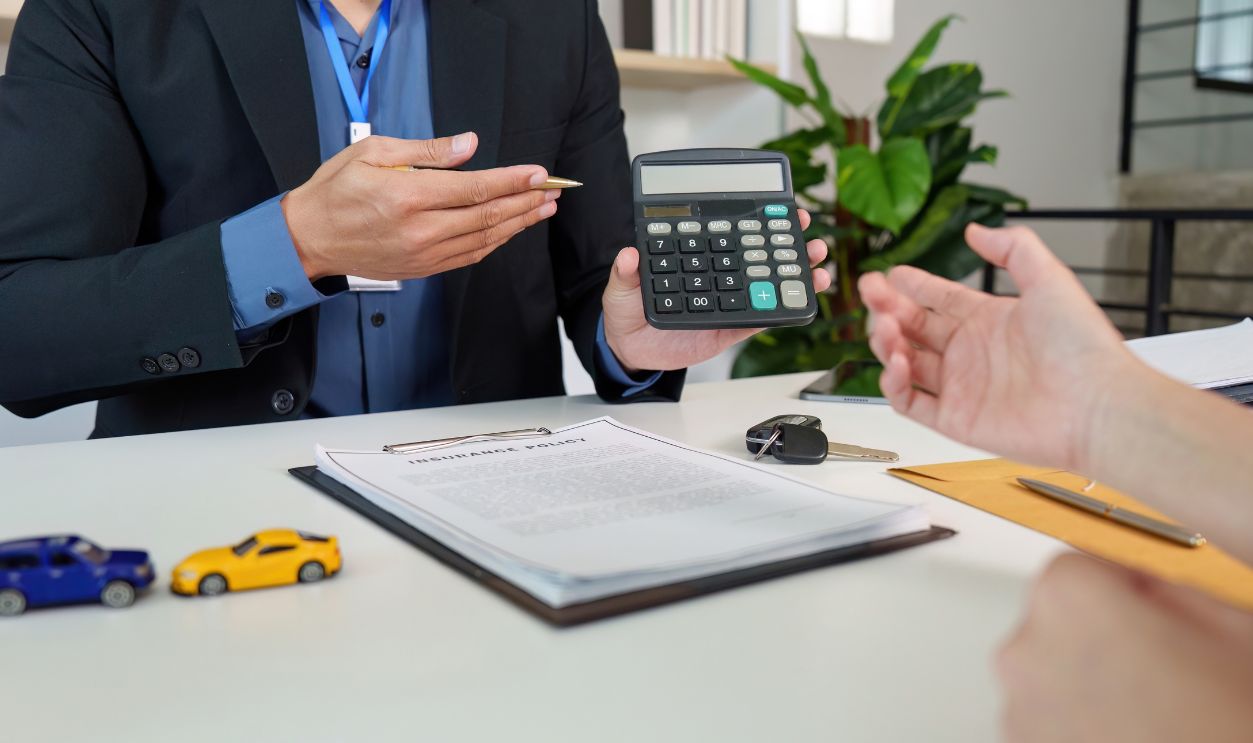
Filing an insurance claim doesn't necessarily mean every dollar of damage will be covered. If your repair bill is close to your deductible, you might receive very little reimbursement. Before proceeding, compare the repair estimate with your coverage and ask your insurer whether a claim could affect your future costs.
What If The Owner Refuses To Pay?
An initial rejection doesn't necessarily mean your claim is finished. Ask the manager to explain the decision in writing, particularly if the business is relying on a liability disclaimer. You can then challenge the explanation with your photographs, repair estimate, and evidence showing why you believe the wash caused the damage.

Be Careful About Accepting A Settlement
A business might offer a partial reimbursement or another form of compensation to resolve the dispute. Before agreeing, determine whether the offer adequately covers the damage and whether accepting it requires releasing future claims. A quick settlement may be convenient, but it could prevent you from recovering additional money if the agreement is legally binding.

Put Your Demand In Writing
If conversations with management aren't getting anywhere, consider sending a formal written request for compensation. Explain when the damage occurred, why you believe the business was responsible, and how much the repairs are expected to cost. Include copies of relevant documentation and request a response by a reasonable deadline so there's a clear record of your efforts.

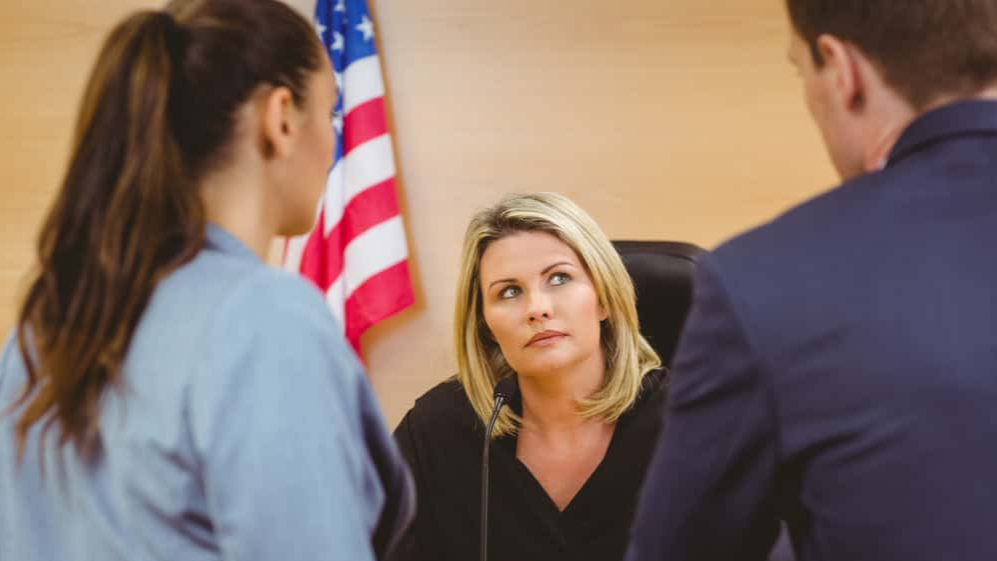
Small Claims Court Could Be Your Next Stop
When a business refuses to resolve a legitimate damage claim, small claims court may offer a relatively accessible option. Rules and maximum claim amounts differ by state, so check the requirements in your jurisdiction before filing. You'll need evidence establishing the operator's responsibility and the amount of your loss, which is why photographs, receipts, and repair estimates matter.
You Can Reduce The Risk Next Time
Before entering an automatic car wash, check the posted damage policy and make sure your vehicle is suitable for the equipment. Secure loose accessories, follow the attendant's instructions, and understand how to disable vehicle features that could interfere with the conveyor. If the business's policies are unclear or your vehicle has vulnerable components, choosing another washing method may be safer.
The Bottom Line: Know Your Rights
A car wash's liability sign can sometimes protect the owner, but it doesn't automatically excuse every damaged bumper, broken mirror, or equipment malfunction. What matters is whether the disclaimer is enforceable, what caused the damage, and who was legally responsible. If your car comes out damaged, document everything, question the owner's explanation, and explore your options before accepting an expensive repair bill.
You May Also Like:
Drivers Still Miss Front Bench Seats, So Why Did Automakers Abandon Them?