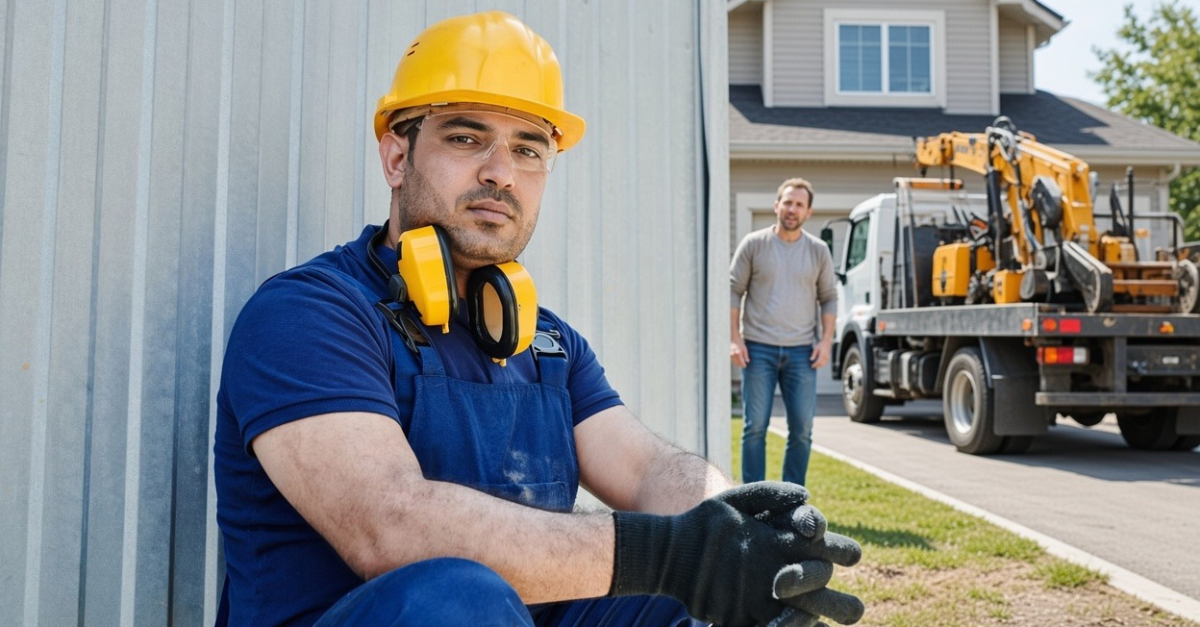
The Work Truck Problem Gets Old Fast
When a neighbor's contractor keeps boxing in your car, your driveway starts to feel like part of the jobsite. The worst part is when they move the truck every time you complain, then do it again the next day. Is that enough to have them towed? It's possible, but that is going to depend on exactly where the truck is parked and what your local laws.
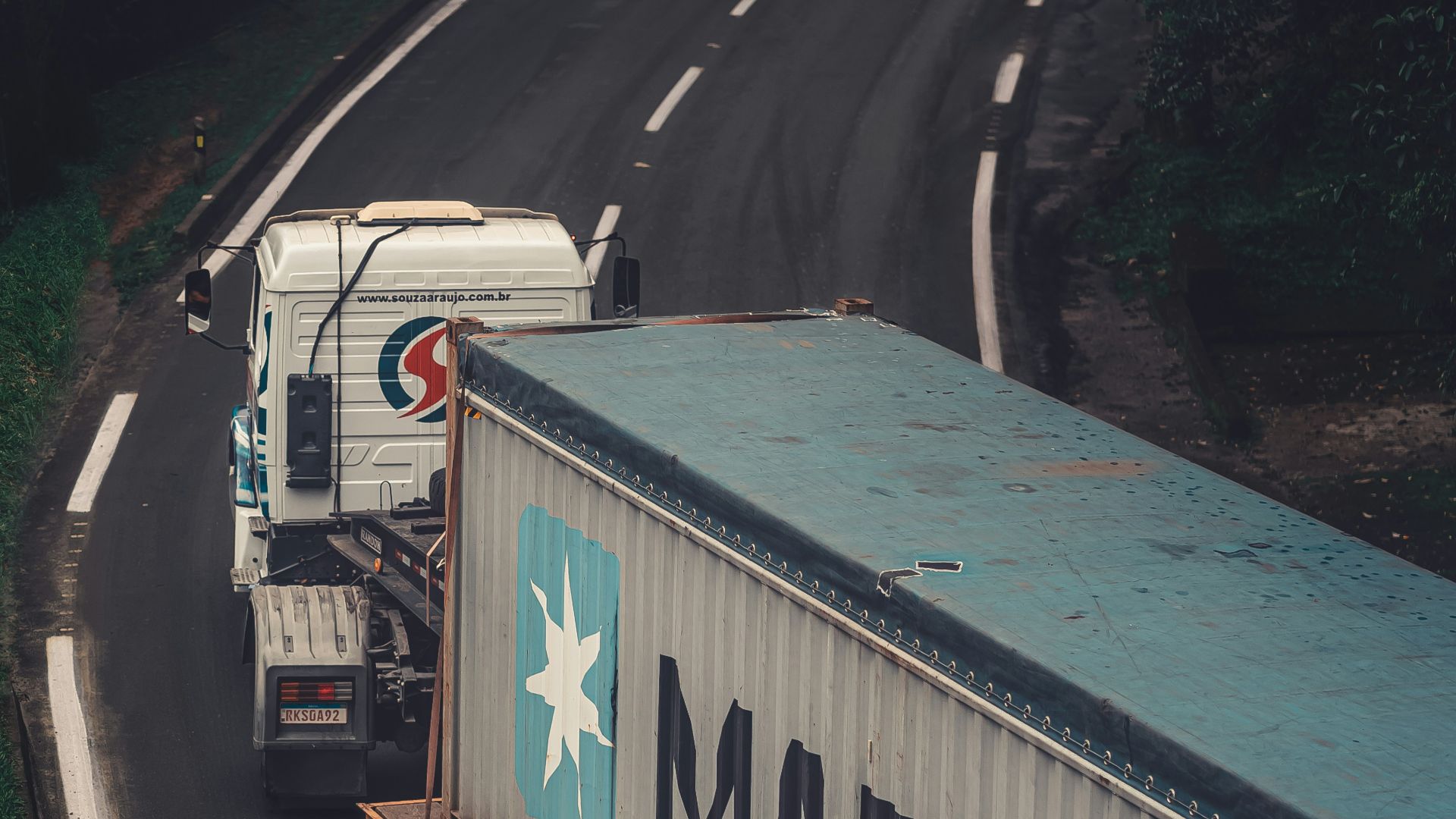
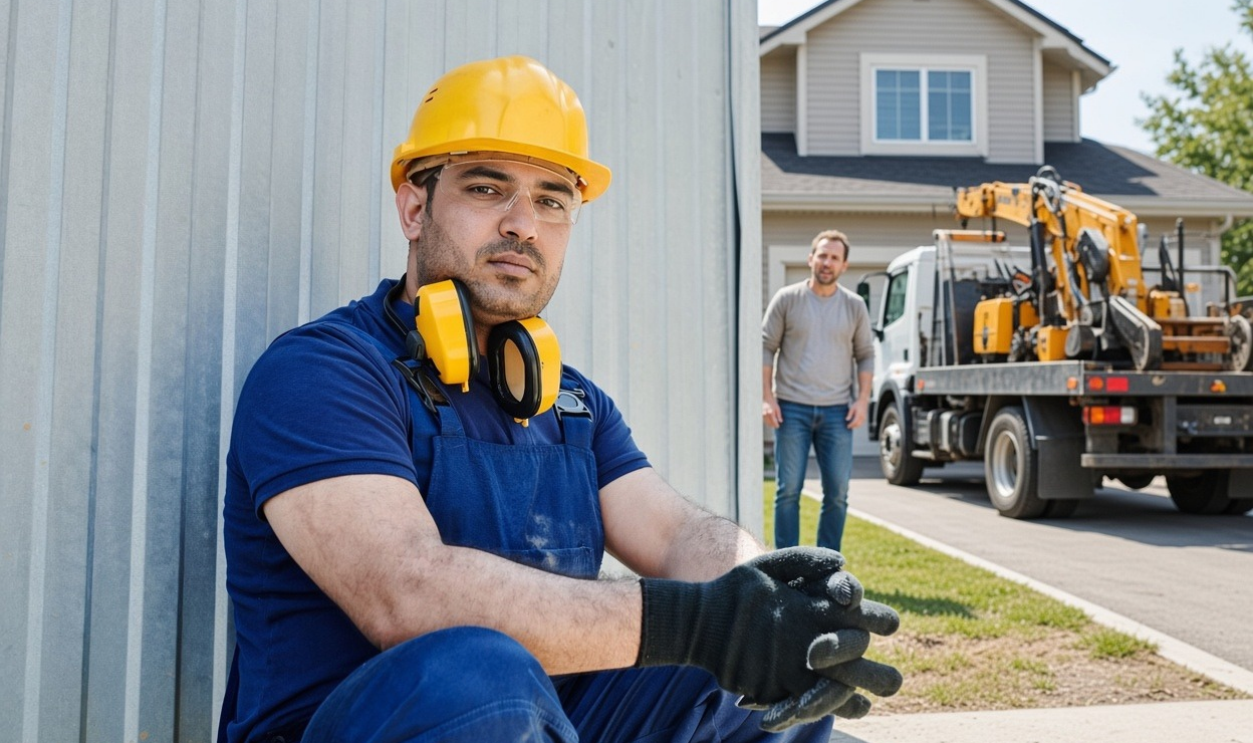 Mikael Blomkvist, Pexels, Modified
Start With The Main Question
The first thing that matters is location. A work truck blocking your car from your private driveway is a different legal issue than a truck parked on a public street in front of your driveway. Towing rules often depend on that difference, along with who owns the property and whether police or parking enforcement has to step in first.
Private Property Changes Things
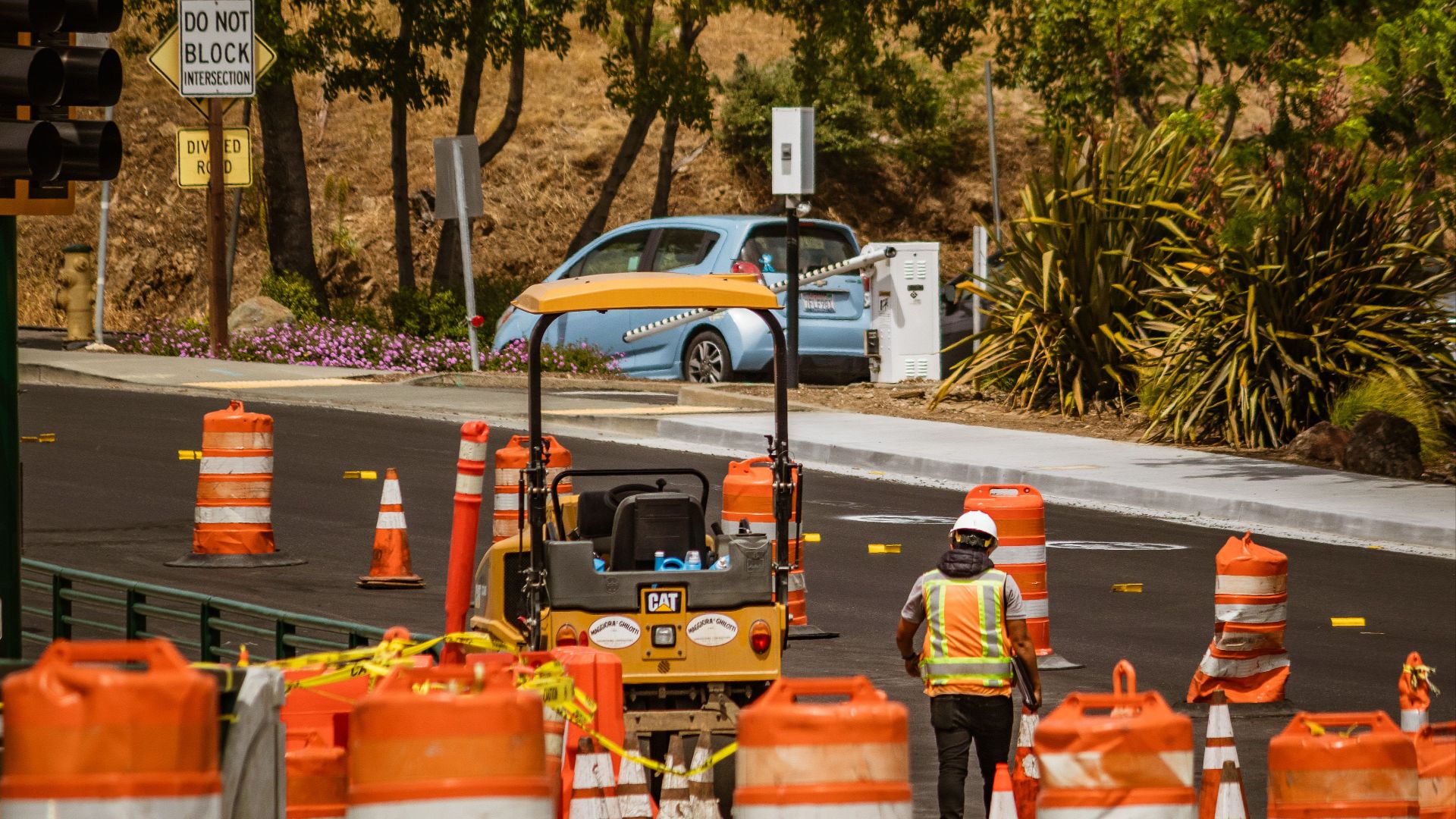
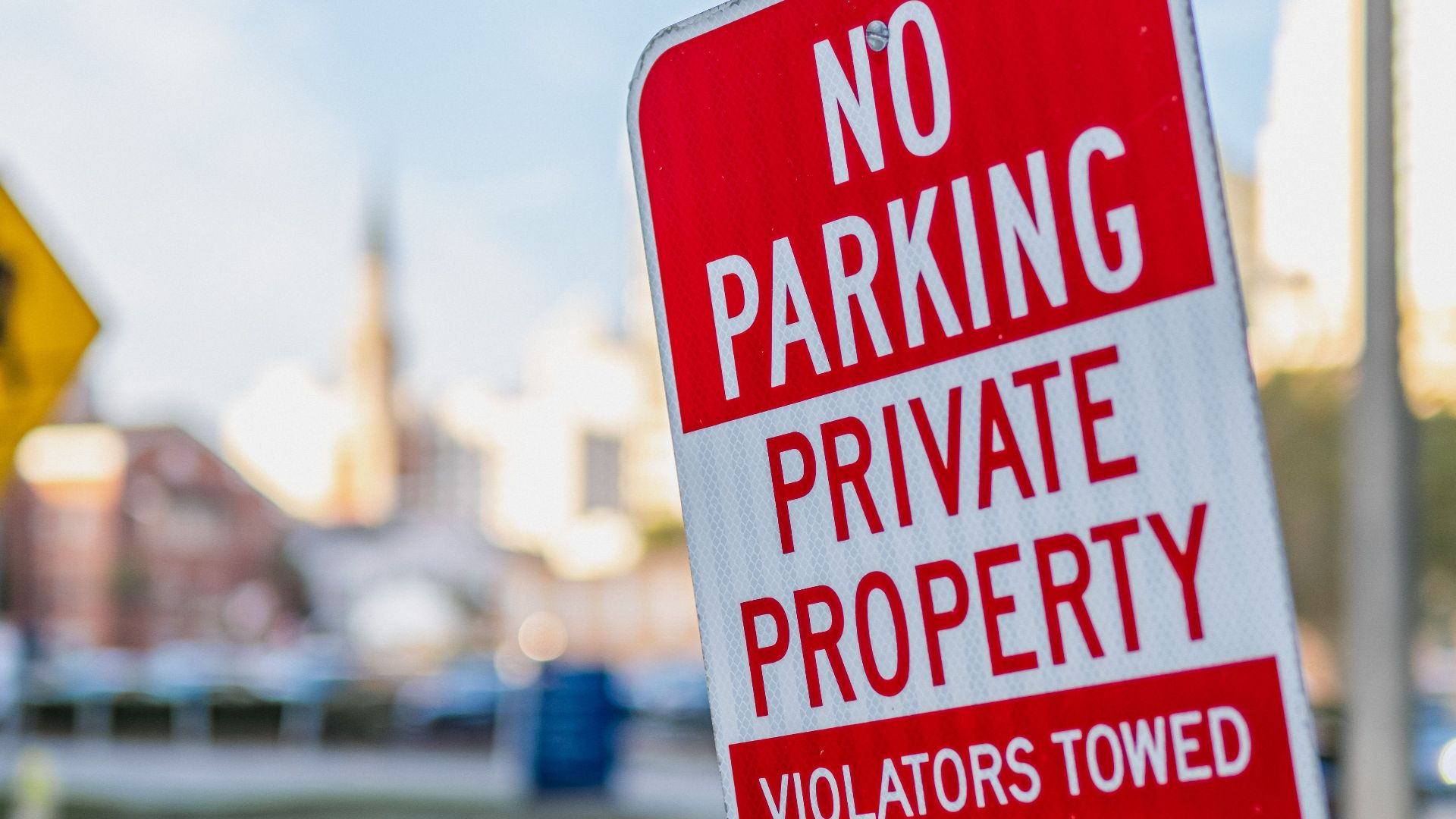
If the contractor's truck is actually on your property without permission, you may have more room to act. State towing laws often let the owner or lawful occupant of private property authorize the tow of an unauthorized vehicle. But those laws are usually very specific, and they may require posted signs, written approval, or a direct link to a licensed towing company.
A Public Street Is A Different Battle
If the truck is on a public street but blocking your driveway, you usually cannot just order a private tow yourself. In many cities and states, that is treated as a parking violation handled by police, parking enforcement, or another local agency. So the truck may be towable, but the city may be the one that has to start the process.
California Shows How Detailed This Can Get
California is a good example because its towing rules are detailed and often cited. Under California Vehicle Code section 22658, private-property towing is allowed only in certain situations, including rules about who can approve the tow and when. California also has a separate rule for vehicles blocking a private driveway, and that difference matters if the contractor is on the street instead of on your land.
What California Says About Blocked Driveways
California Vehicle Code section 22500(e) says a person cannot stop or park in front of a public or private driveway. That makes blocking a driveway a parking violation when the vehicle is on a public street. But a parking violation does not always mean you can skip local enforcement and call a tow on a vehicle you do not control.
 Pi.1415926535, Wikimedia Commons
Los Angeles Adds Another Layer
The Los Angeles Department of Transportation says a vehicle can be cited and towed if it blocks a driveway, with some exceptions for the resident's own vehicle. That is a clear example of a city treating driveway blocking as an enforcement issue. It also shows why your first call may need to be to parking enforcement instead of the closest tow yard.
New York City Handles It In A Similar Way
New York City's 311 guidance says you can report a vehicle blocking a driveway on a public street. The city treats it as illegal parking that can lead to enforcement action. Again, that does not mean a private resident gets full authority to tow a vehicle parked on a public roadway.
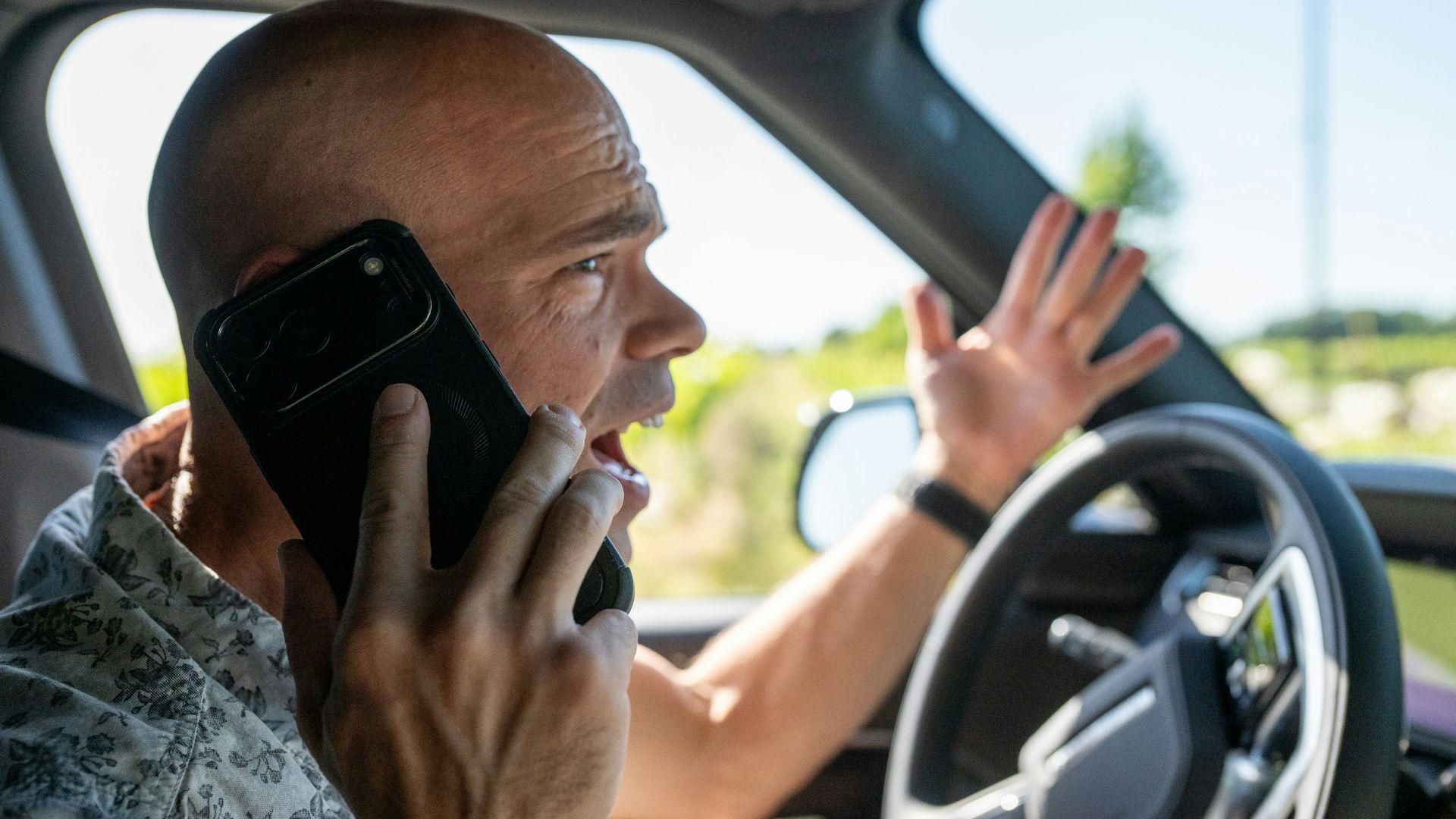
Texas Regulates This Too
Texas law is another reminder that private-property towing is tightly regulated. The Texas Occupations Code lays out rules for nonconsent tows and gives property owners some authority, but only within legal limits. If the contractor is on a public street instead of your property, city enforcement may still be the proper route.
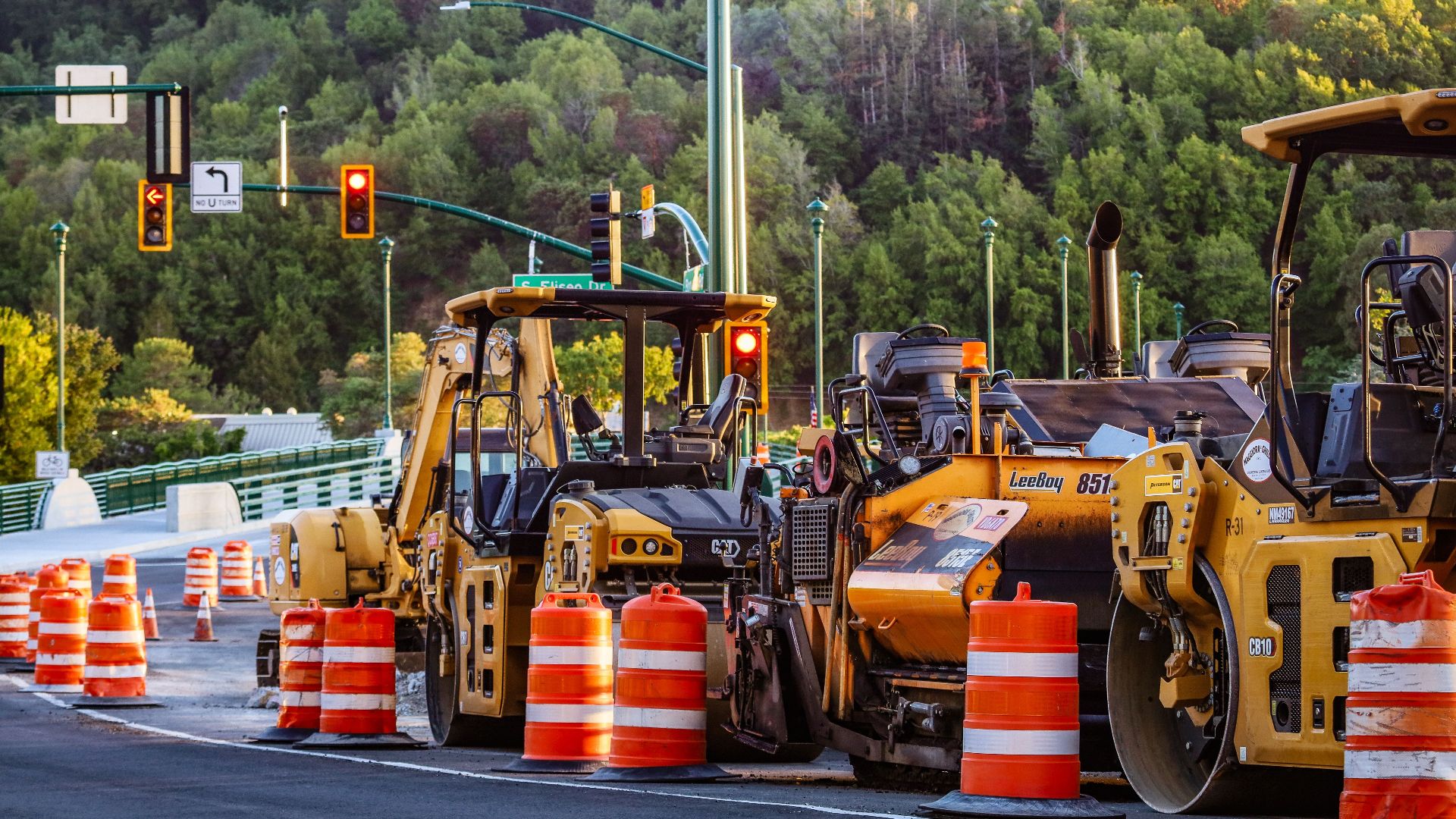
If They Move When You Complain, Does That Help Them?
Not really. If a contractor only moves the truck after you ask, that may help them avoid a tow or ticket right then, but it does not make the conduct legal. Repeated blocking can still create a record of ongoing interference, especially if you keep track of dates, times, photos, and each time you asked them to move.
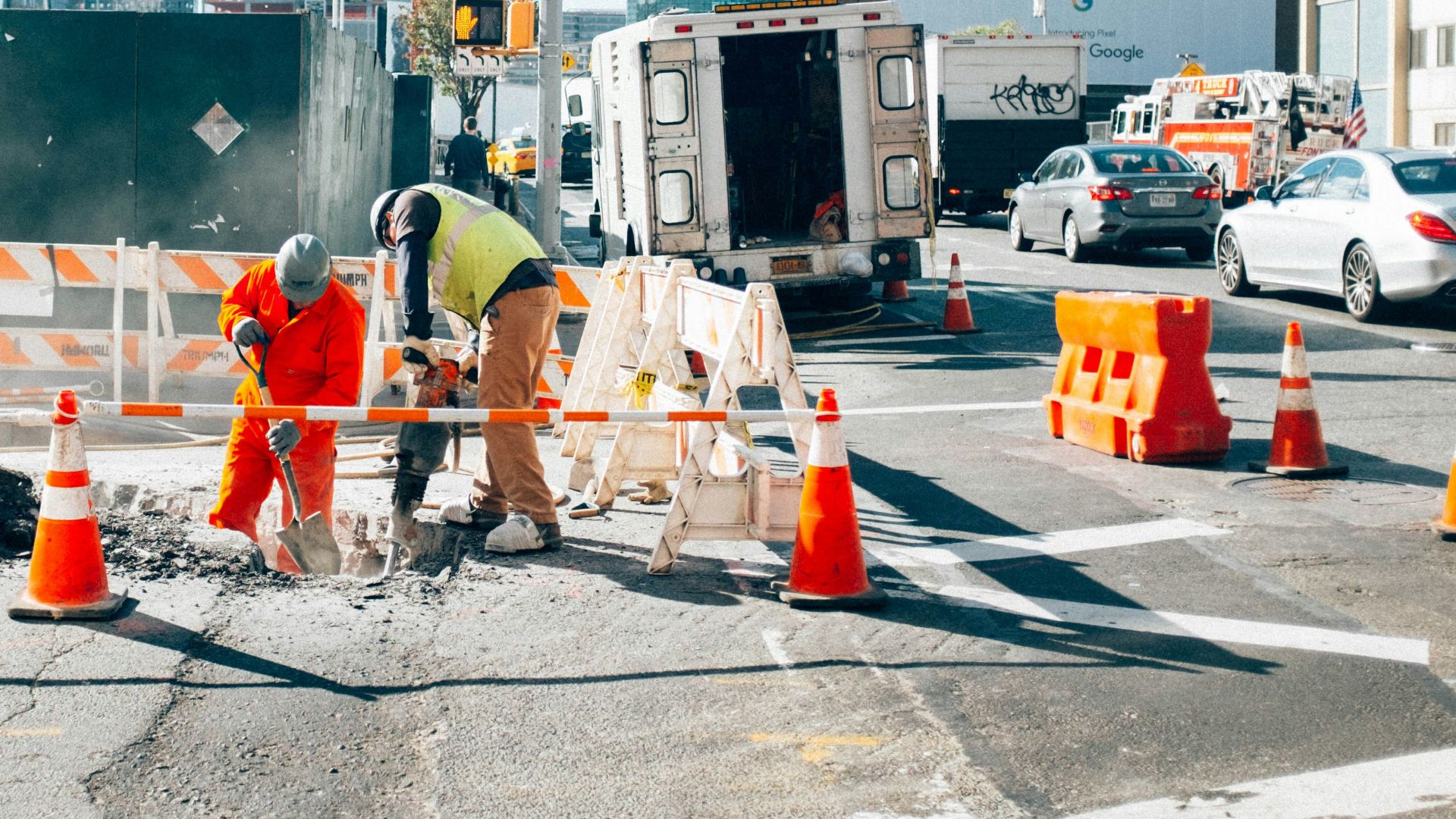
The Pattern Matters More Than One Bad Day
One accidental blockage is frustrating. A repeated pattern starts to look more like a nuisance, a parking issue, or even trespass depending on where the truck is parked. That history can matter when you talk to code enforcement, police, a homeowners association, property management, or eventually a lawyer.
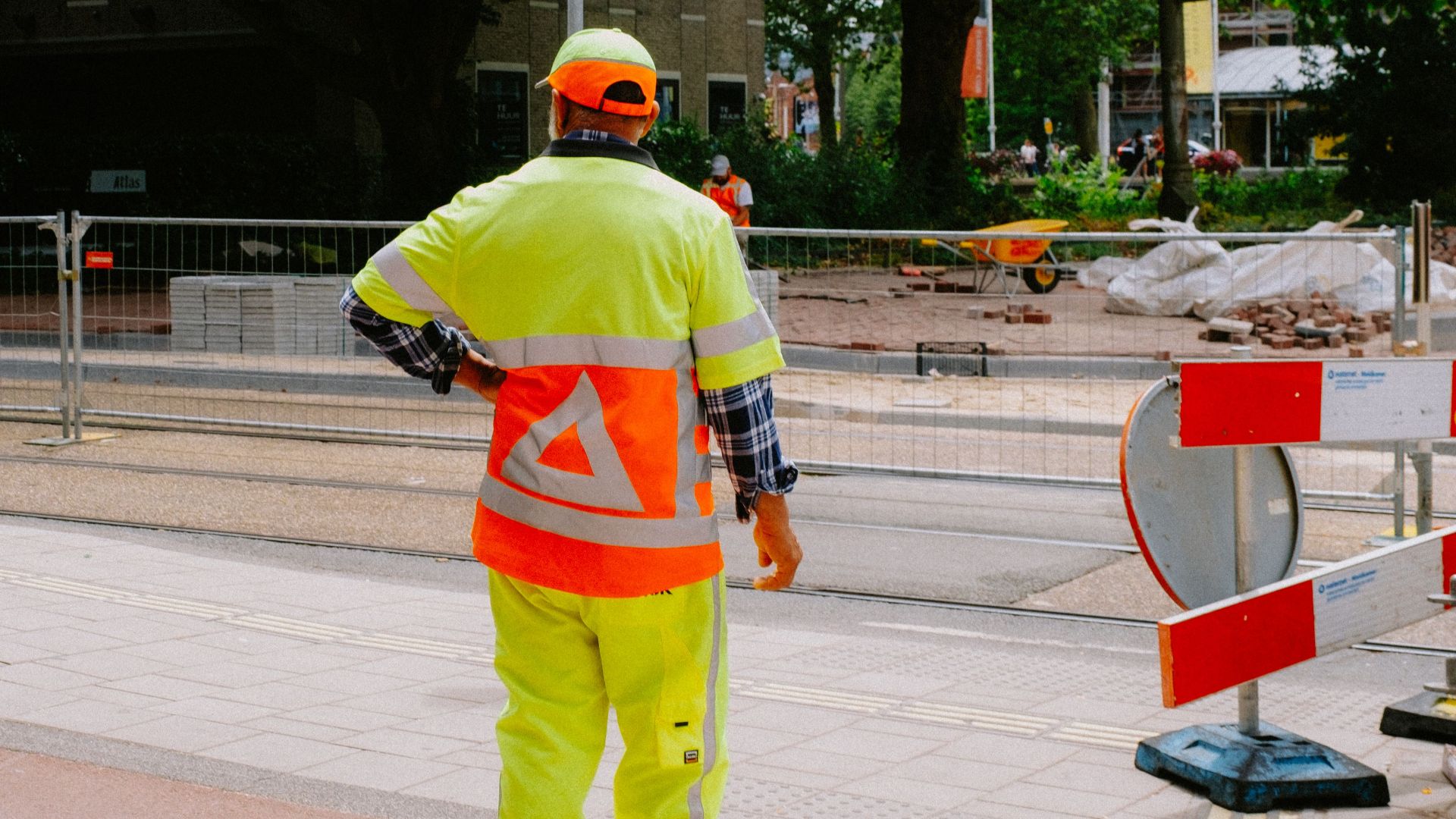
Photos Help A Lot
Before you even think about towing, start building a solid record. Take timestamped photos showing the truck, your blocked vehicle, the truck's position on the street or driveway, the license plate, and any company markings. If the truck moves before an officer gets there, those photos can still help show this is not a one-time mix-up.

Video Can Show The Full Problem
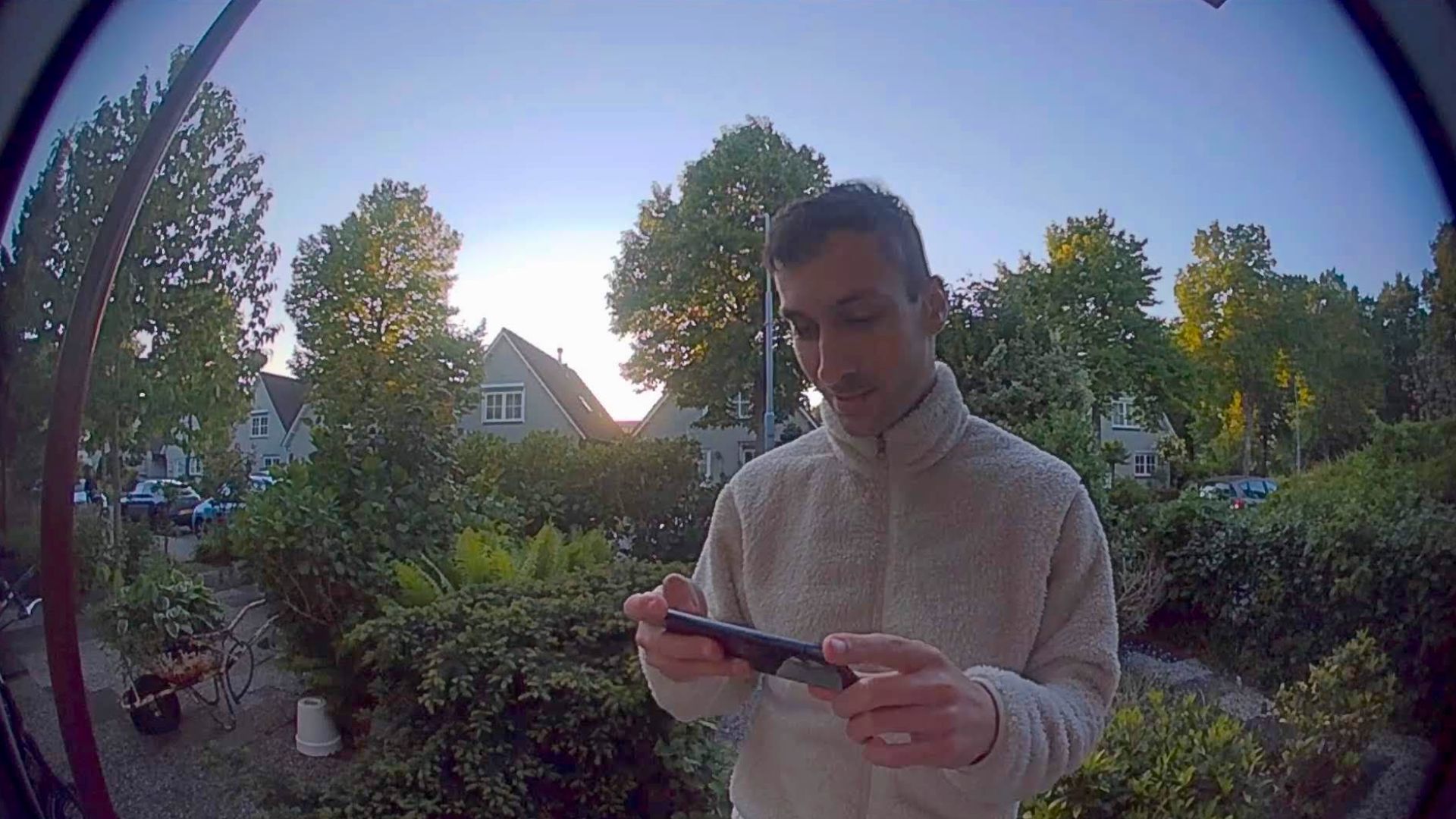
If it keeps happening, short phone videos or doorbell camera footage can be even more useful than photos. They can show that your car really was trapped and that you had to wait for the contractor to move. That can matter if the contractor later says you blew the whole thing out of proportion.
Talk To The Neighbor Before It Gets Bigger
In a lot of cases, the neighbor who hired the contractor can fix this faster than a legal threat will. Keep it calm and specific. Tell them the trucks have blocked your vehicle on certain dates and ask them to tell the crew not to park there again.

Talk To The Contractor Too
It also makes sense to speak directly with the site supervisor or the company office. Contractors often have different workers coming and going, and the message may not be reaching the right person. A short written complaint by text or email gives you proof that the company was told about the problem.

Ask For A Real Fix
Do not just say, “Stop doing this.” Offer a practical solution. Ask them to use a loading spot somewhere else, set out cones within the neighbor's property line if that is legal, or pick one contact person who can move trucks right away when needed.
Know When To Call Local Enforcement
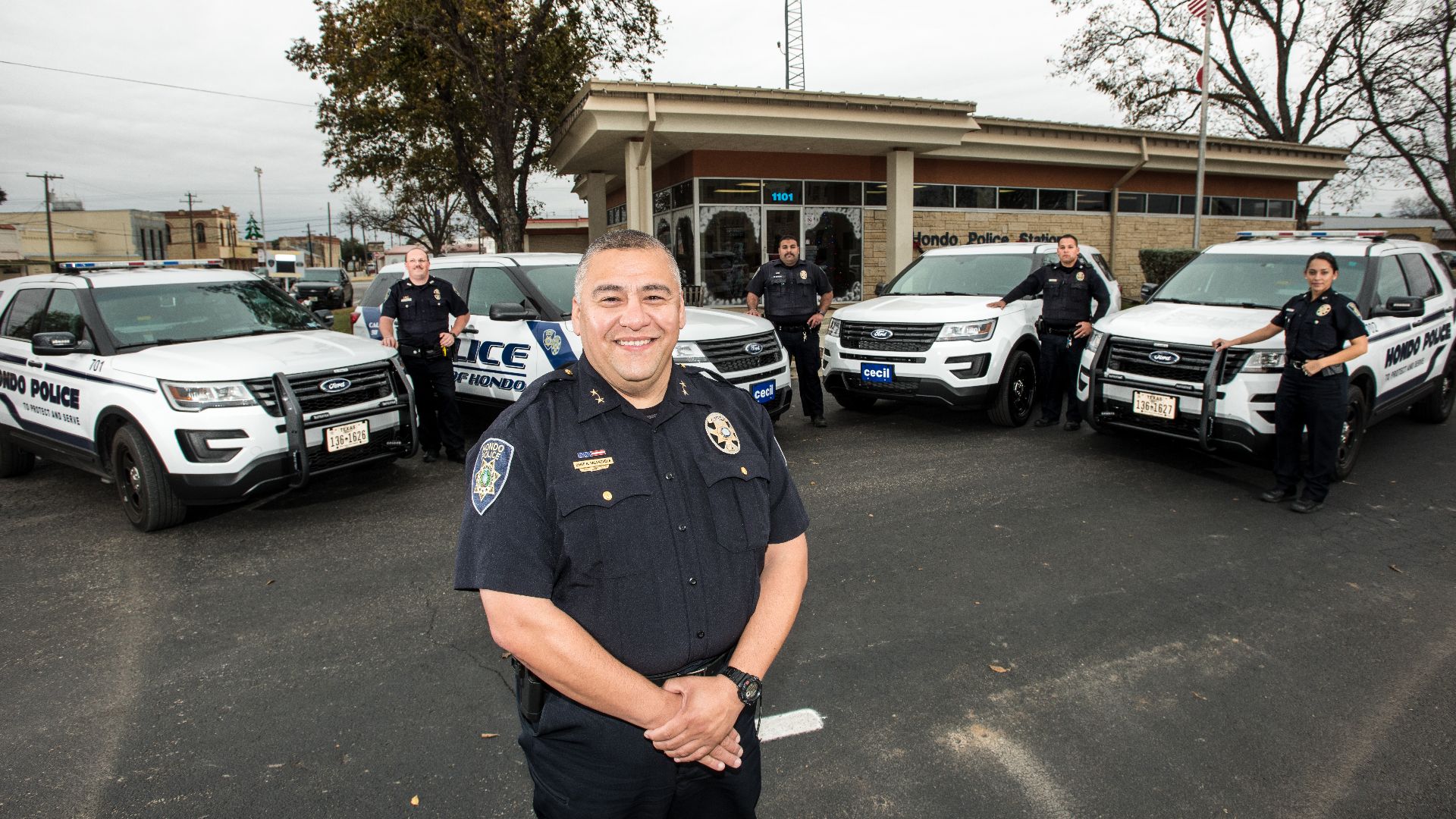
If the truck is on a public street and blocking your driveway, contact the local agency that handles parking violations. In some places that is the police. In others, it is parking enforcement or 311. Ask whether they can issue a ticket, order a tow, or create a record of repeat complaints tied to that address or contractor.
If The Truck Is On Your Driveway, Slow Down
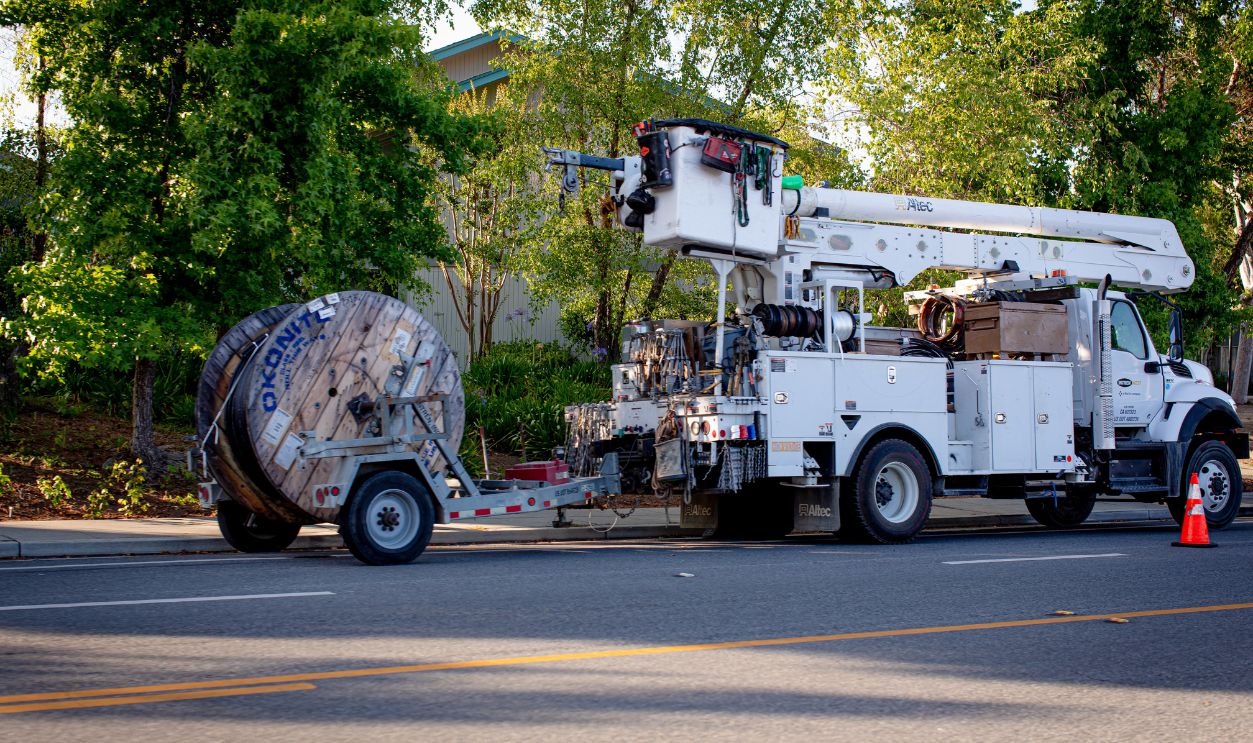
A truck parked on your actual driveway without permission may seem like an easy tow, but this is where people get into trouble. Some states have very specific rules for towing from private property. Calling a tow company without the legal right to do it could create a new dispute with the tow company, the contractor, or both.
Check State Towing Rules First
This is where the details really matter. States often regulate signs, notice requirements, written authorization, and who can request removal from private property. So the right answer in Phoenix may be very different from the right answer in Brooklyn or Sacramento.
Apartment And HOA Rules Matter Too
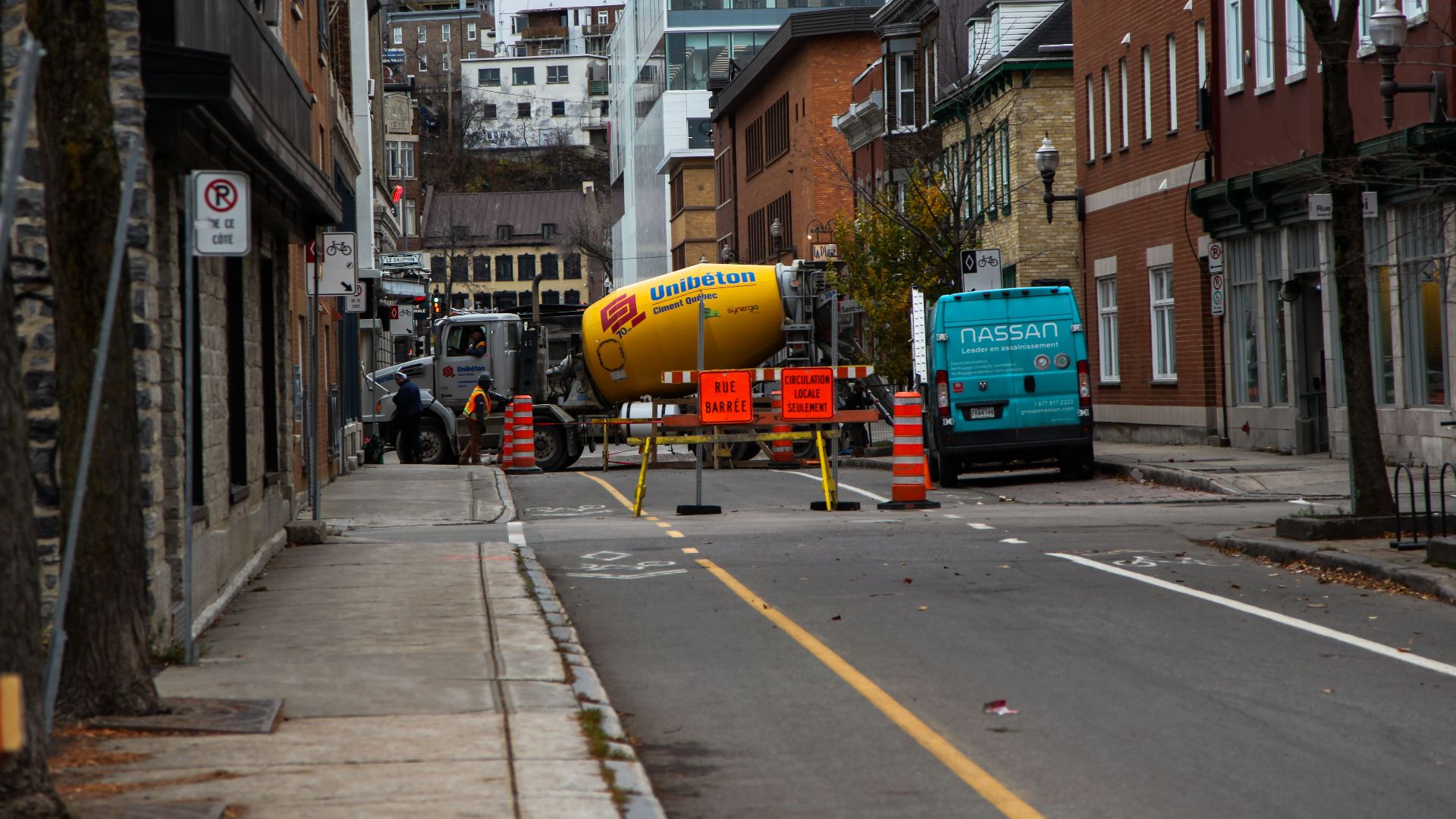
If you live in a condo, apartment, or HOA community, the property owner or association may control towing authority. Many people assume they can order a tow from a shared driveway or private lane when only management can do that. Check the lease, community rules, or parking policy before making the call.
Do Not Block Them Back
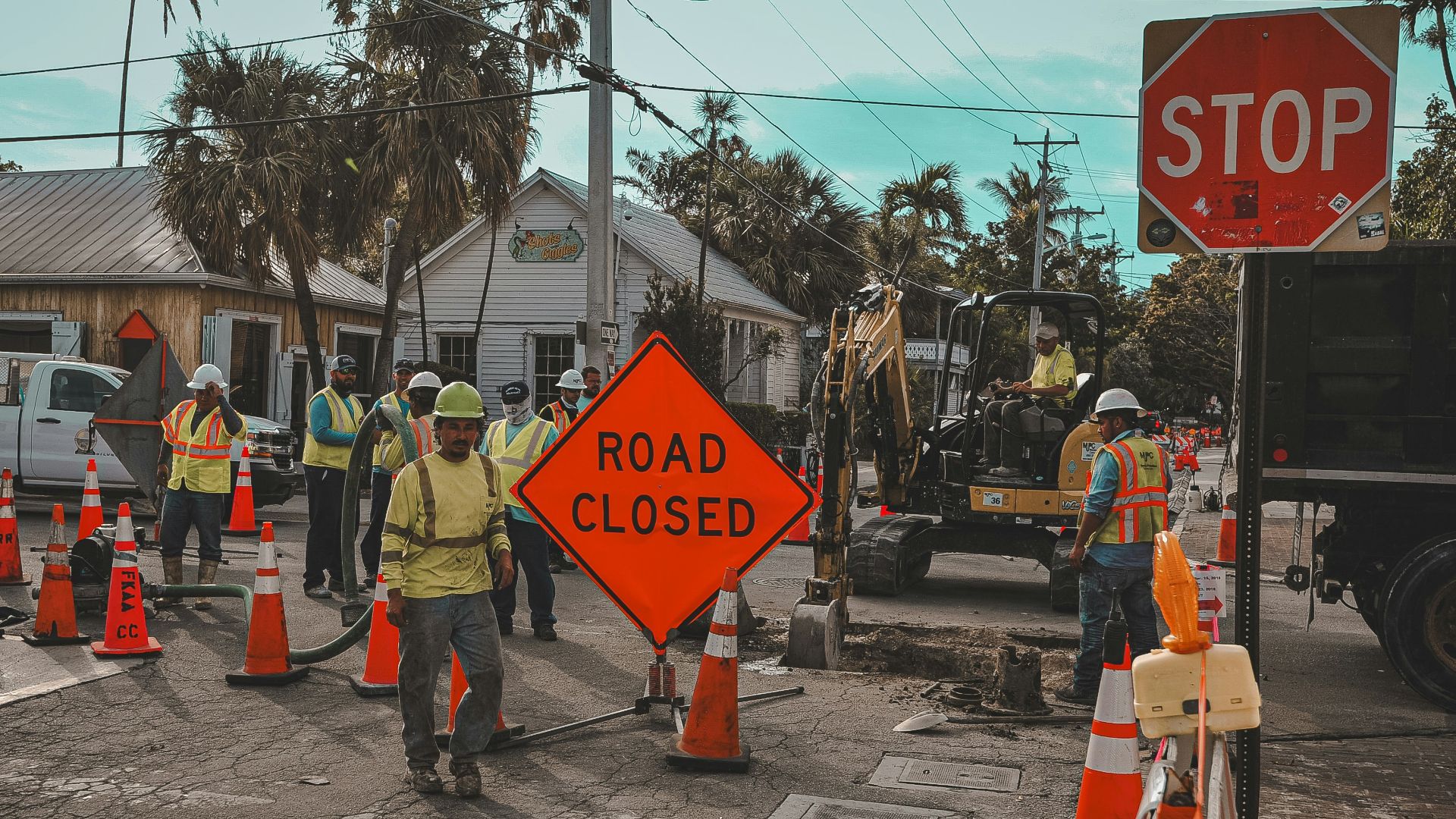
It may be tempting to trap the contractor's truck the way they trapped your car. That can go sideways fast and may cause legal trouble for you too. Stick to documentation and the official channels that apply where you live.
Do Not Touch The Vehicle
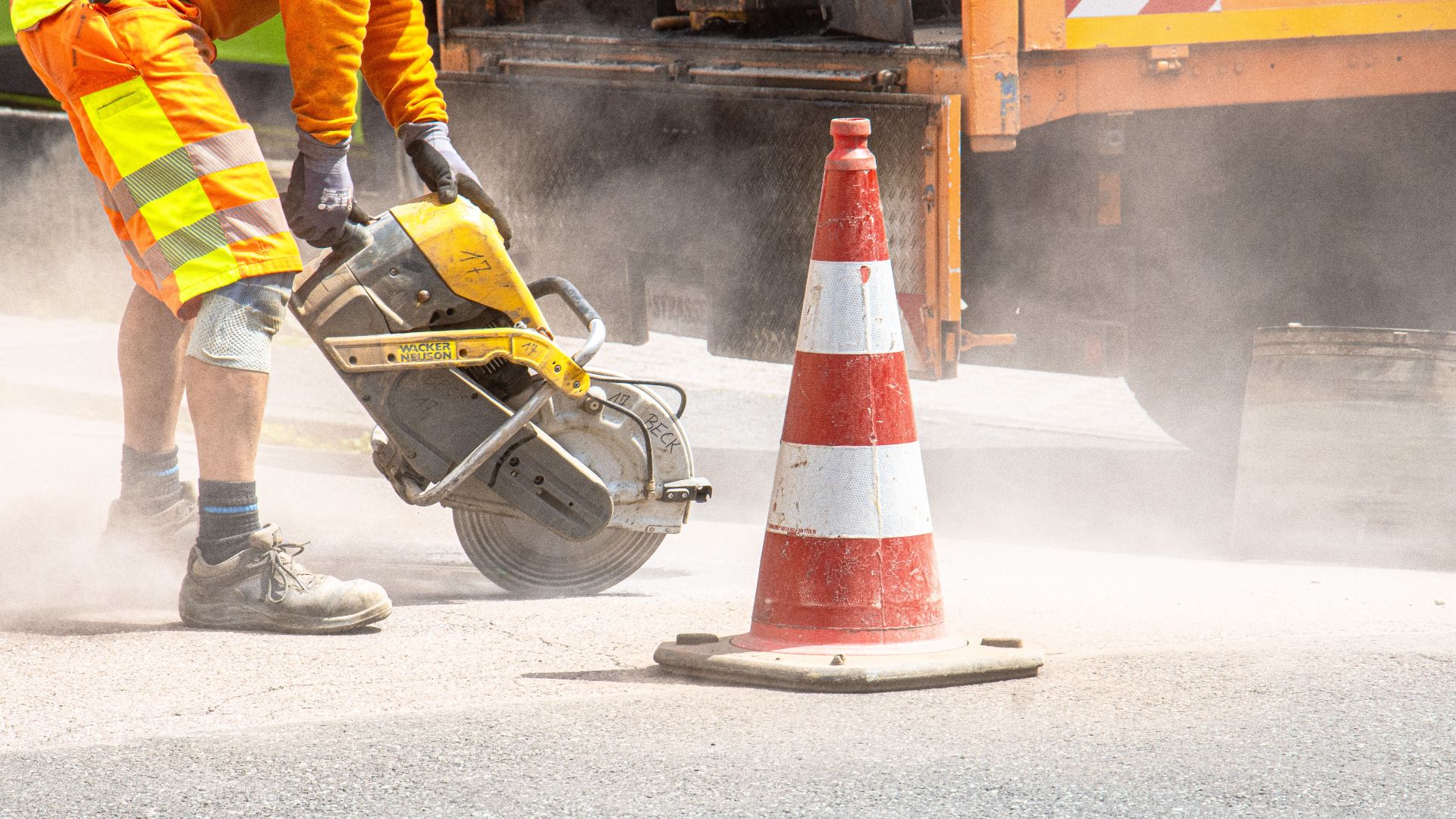
Leave the truck alone. Do not put objects around it, let air out of the tires, or try to move it yourself unless there is a true emergency and the law clearly allows it. Self-help can turn a parking dispute into a property damage claim.
Repeated Blocking Can Support A Stronger Complaint
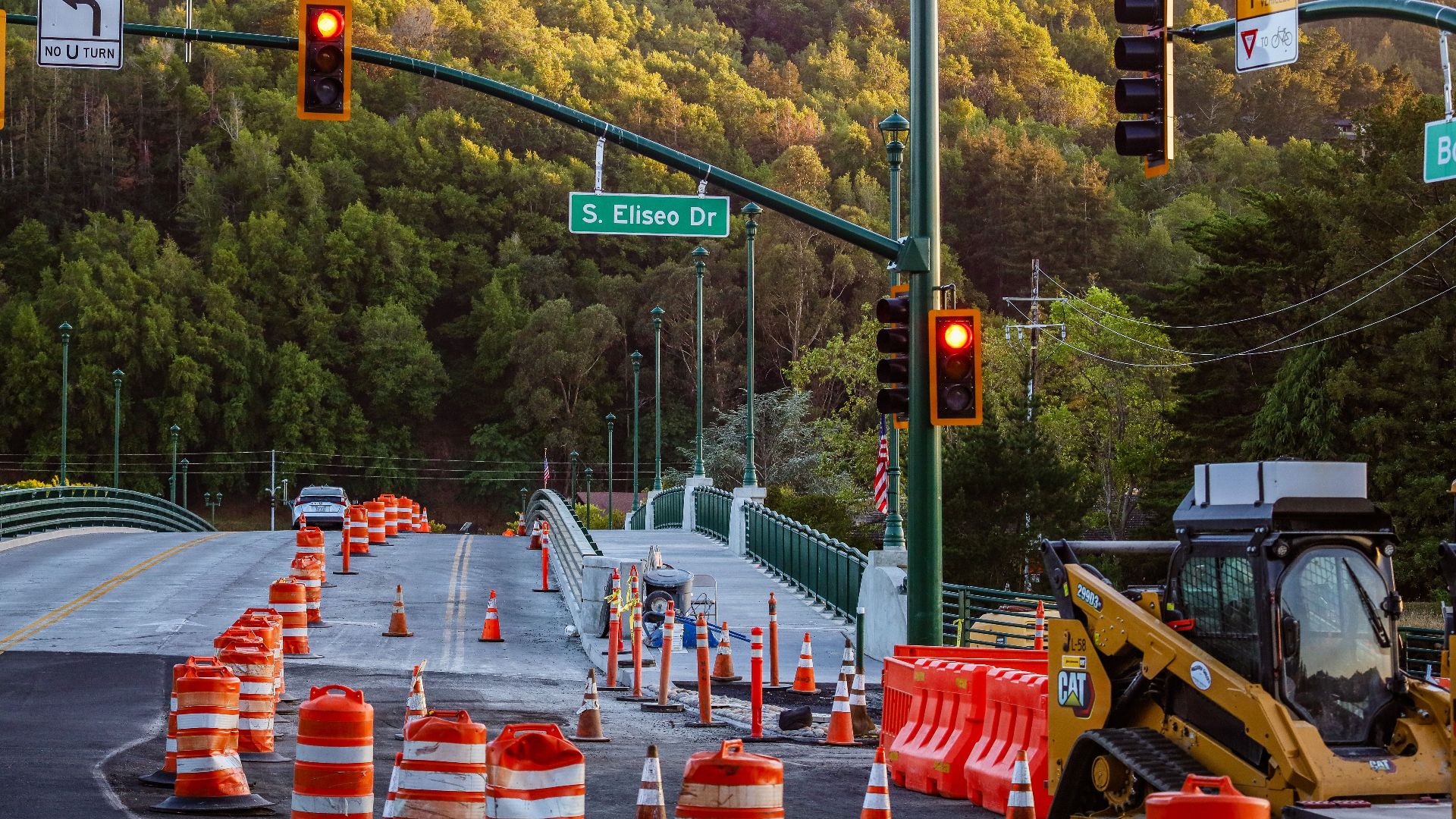
If local enforcement keeps showing up after the truck is gone, your records still matter. Ask whether repeated incidents can be sent to a supervisor, neighborhood services, code enforcement, or a community policing officer. A chronic problem often gets more attention than a one-off complaint.

Small Claims Could Become An Option
If the blocking causes real losses, like rideshare costs, missed medical appointments, or towing fees you had to pay for your own car, it may be worth asking a local attorney about your options. In some cases, small claims court can make sense. That depends on your state's rules and on whether you can prove the damage.
 TommyStockProject, Shutterstock
Emergency Access Is The Big Red Line
If the blocked car issue interferes with emergency access or traps someone who needs urgent medical care, do not treat it like a routine parking headache. Call emergency services or local law enforcement right away. At that point, the issue is no longer just inconvenience. It is safety.

So Can You Have Them Towed?
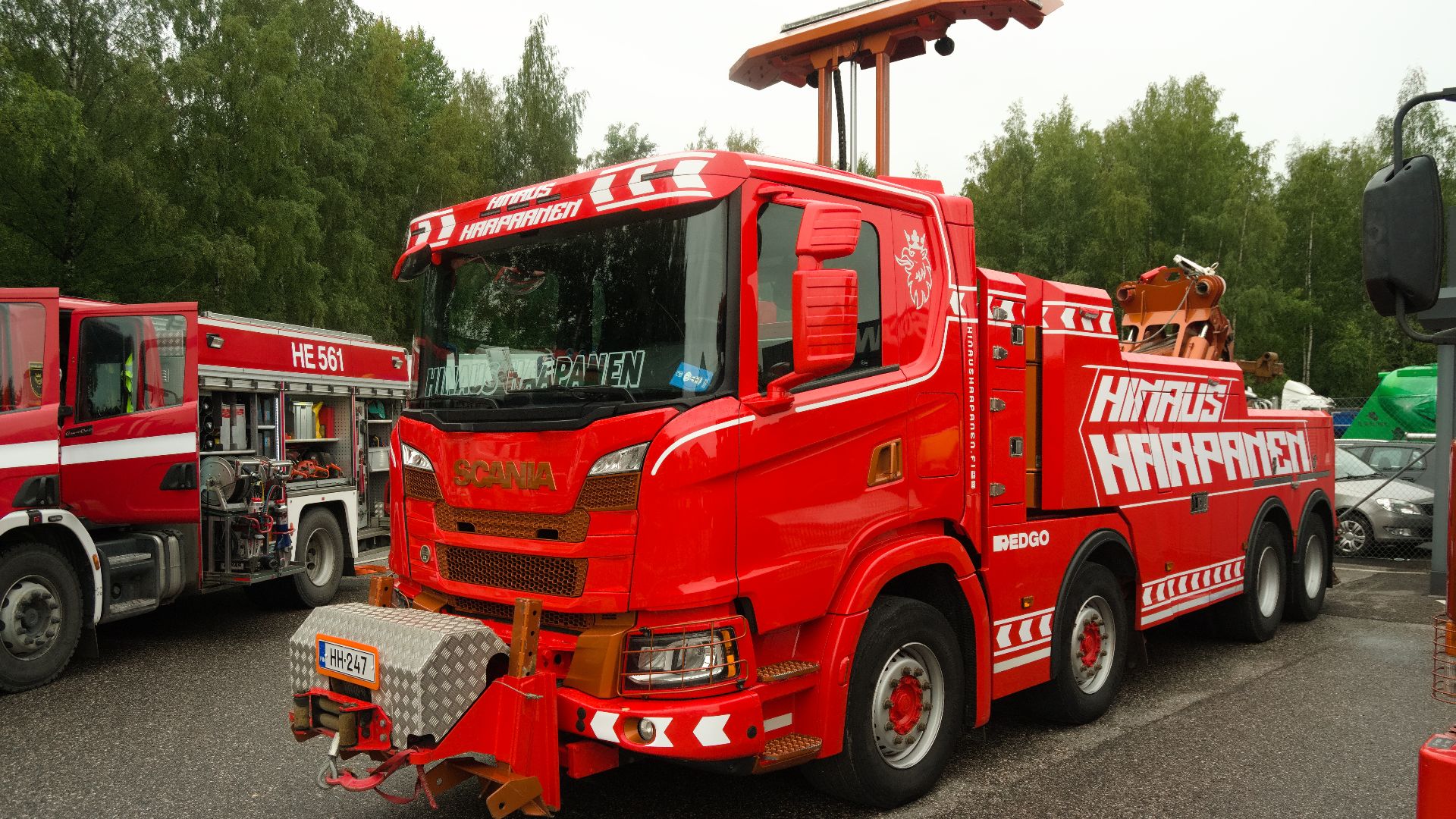
Sometimes, yes, but not just because you are fed up and not just because they only move when you complain. If the truck is on your private property, towing may be possible under state rules that govern private-property impounds. If the truck is on a public street blocking your driveway, the safer answer is usually to report it through the city or police and let authorized enforcement handle the tow.
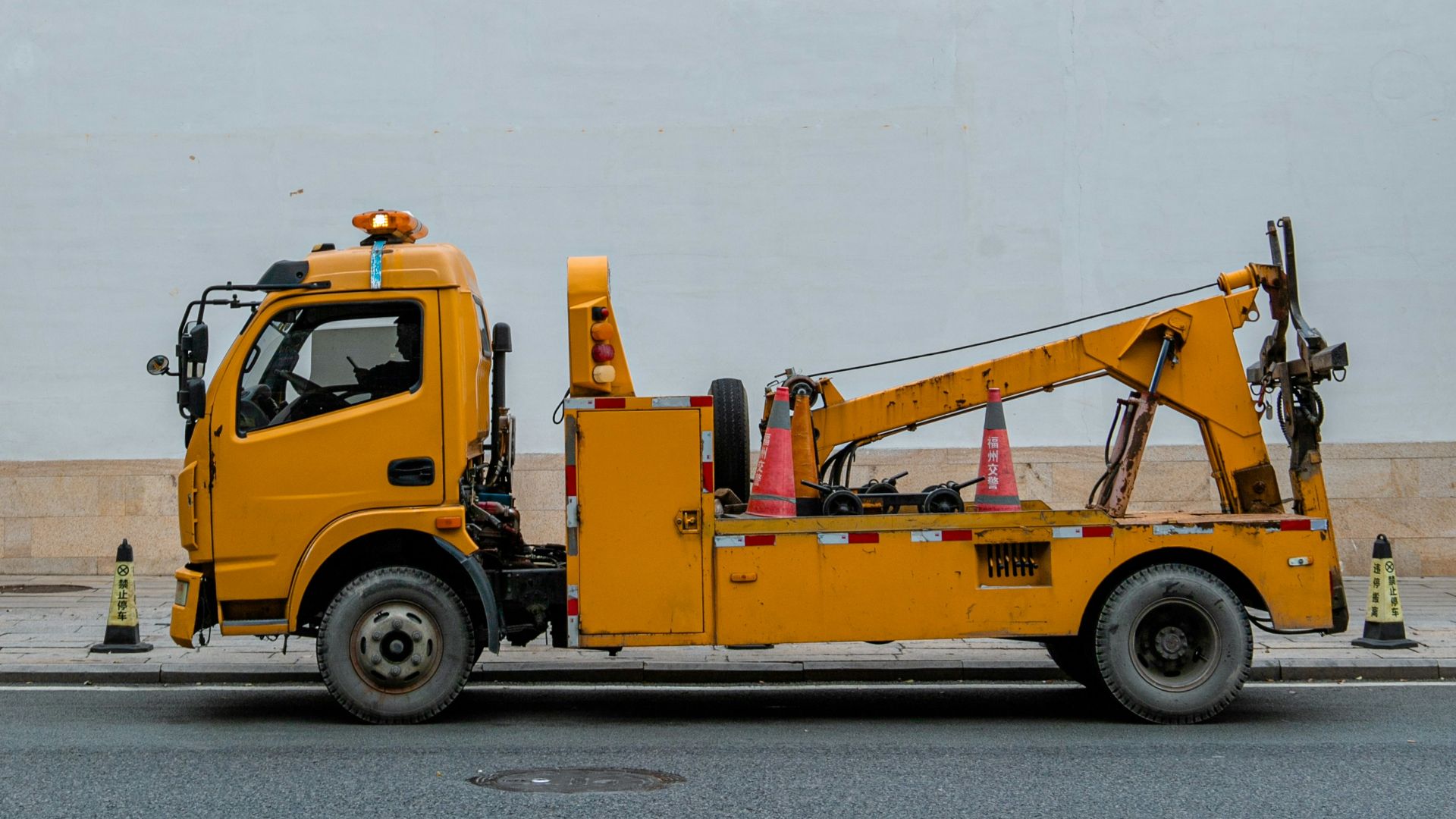
 Antti Leppänen, Wikimedia Commons
The Smart Move Is Usually The Least Dramatic One
The fantasy version of this ends with one phone call and the truck getting hauled away for good. Real life is usually messier. The best path is often to document everything, warn the neighbor and contractor in writing, and use the exact enforcement process your city and state require.
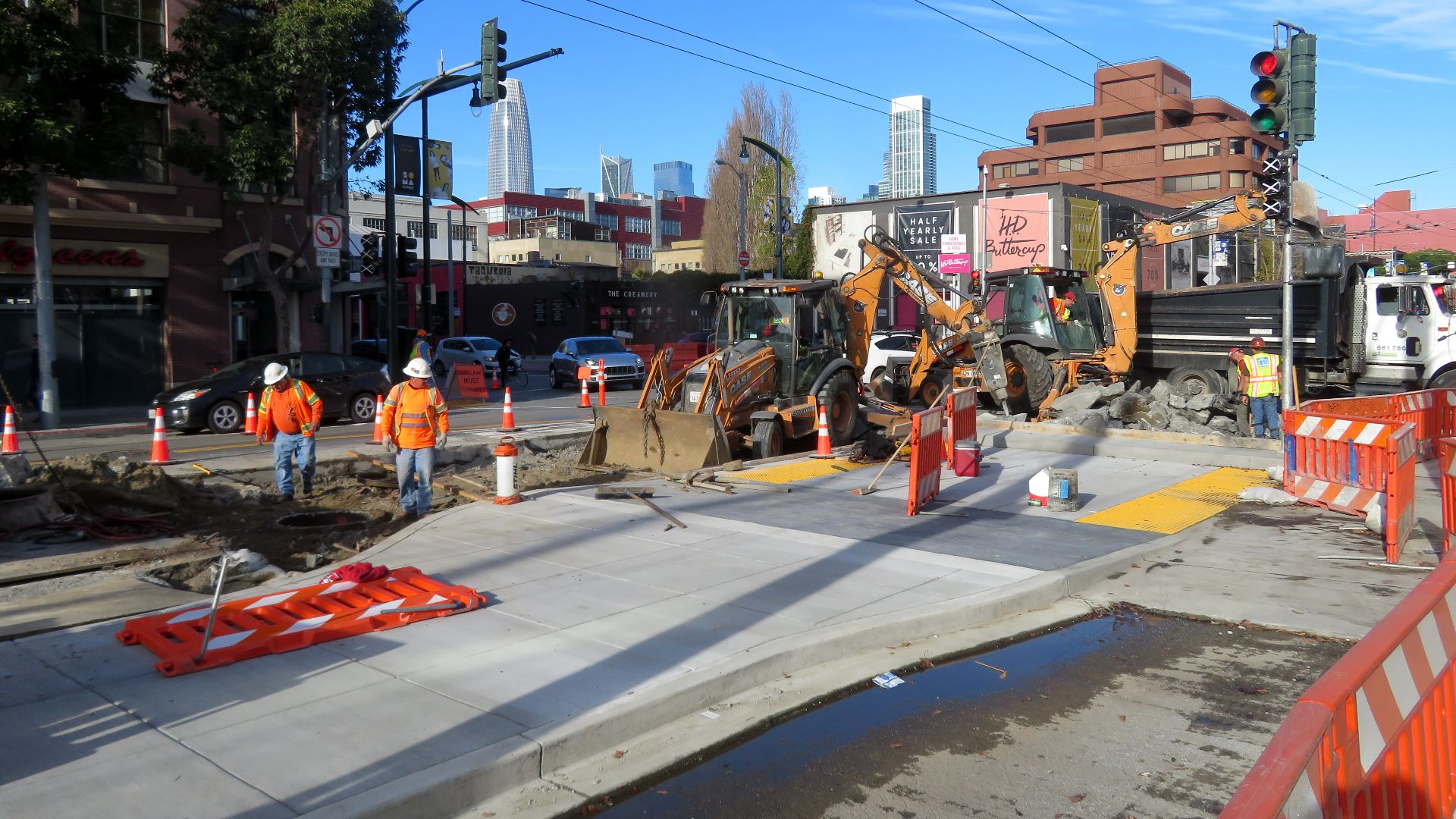
 SounderBruce, Wikimedia Commons