You'd Think The Case Is Simple, But It's Not
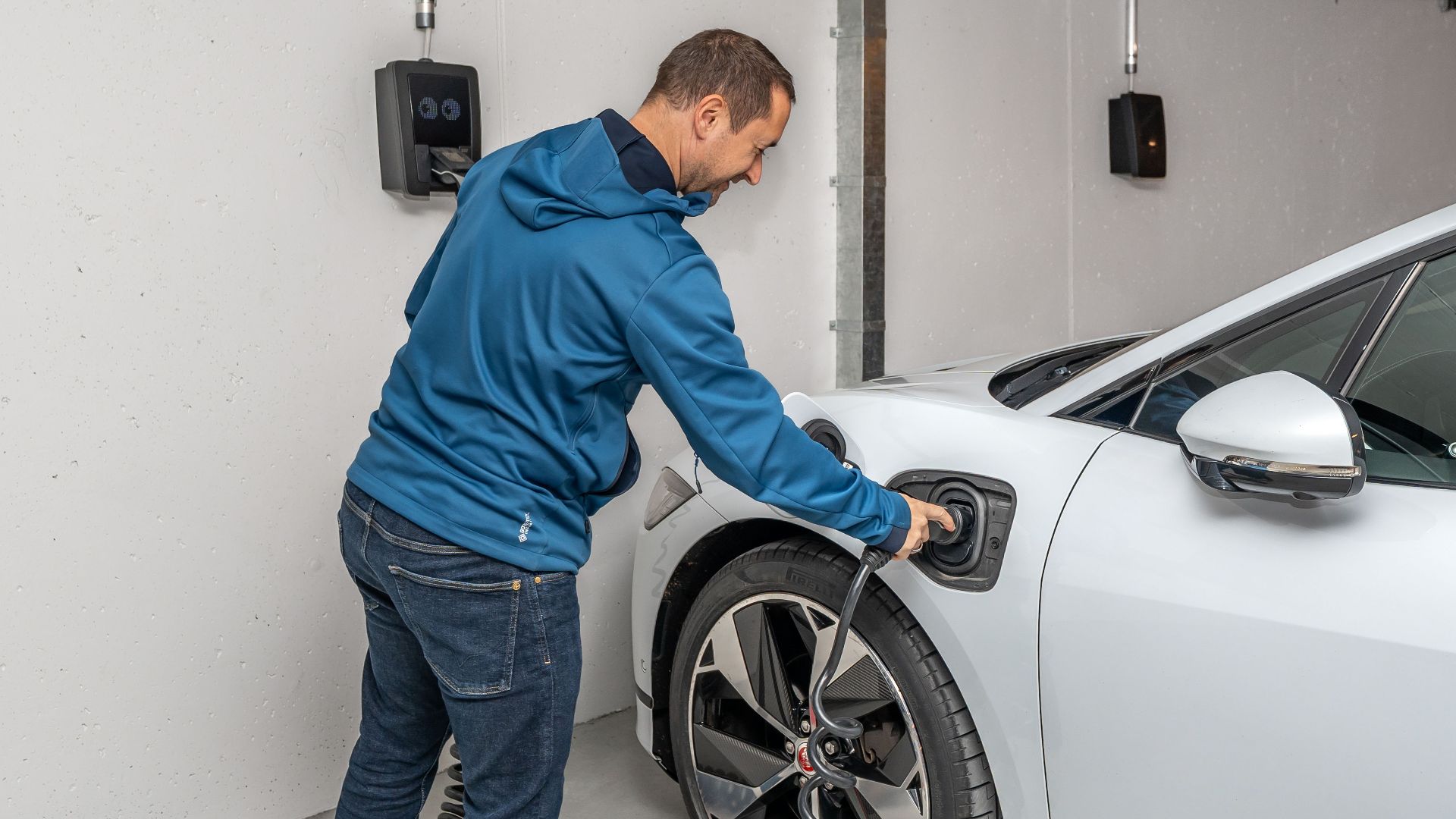
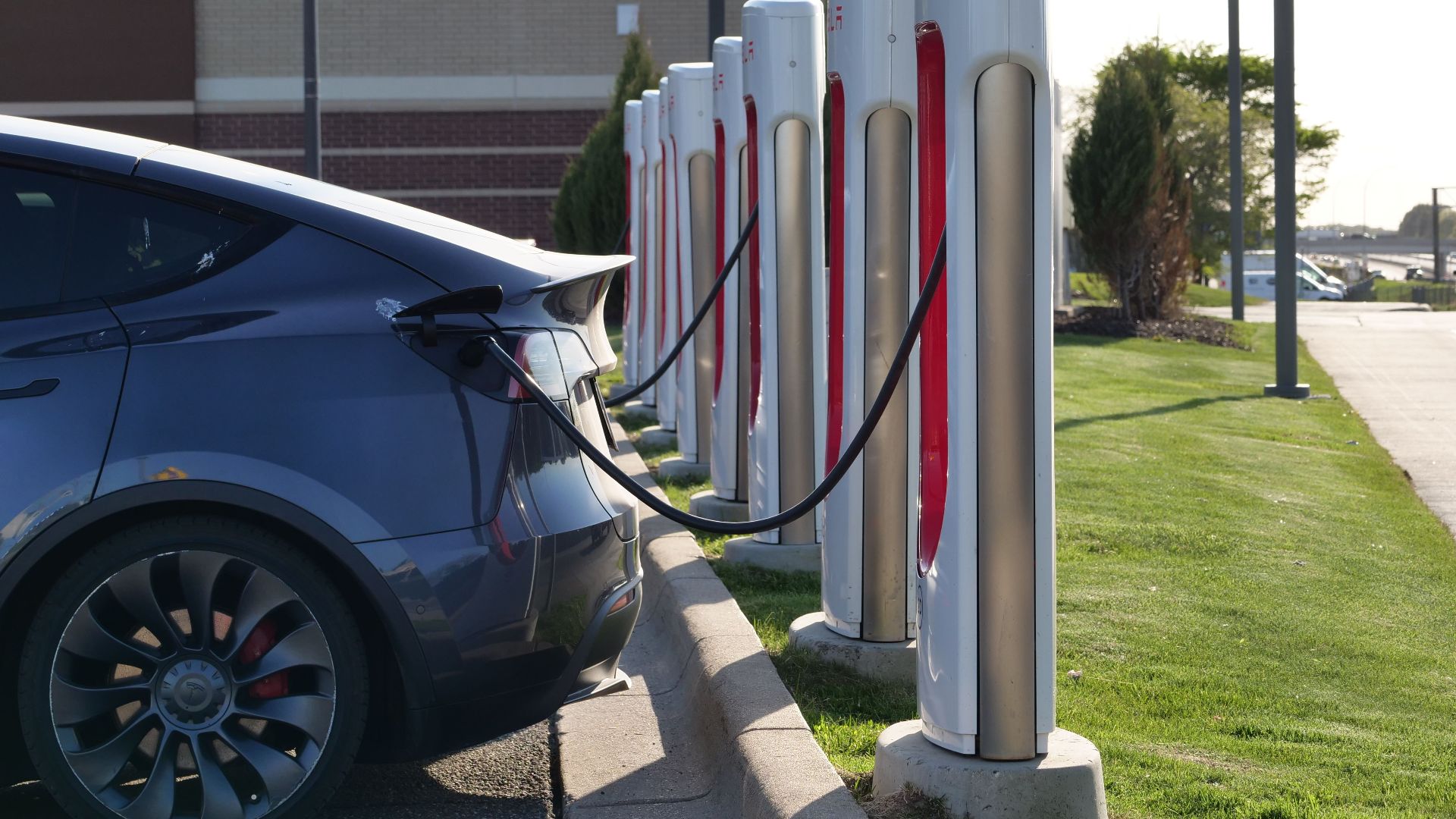
Could your neighbor really have a case against you if you unplug their EV? Well, almost anywhere you live, he can certainly report the incident, but whether he has a viable criminal or civil case depends on local law and what you actually did. But some states do specifically prohibit tampering with another person’s vehicle.
Touching Property Is Not Usually Theft
Unplugging a charging cord is not the same thing as stealing or cable. Still, criminal law can reach conduct short of theft when a state has a vehicle-tampering statute. Minnesota, for example, makes intentional tampering with a motor vehicle without the owner’s permission a misdemeanor.

California Uses Broad Tampering Language Too
California law also prohibits willfully injuring or tampering with a vehicle, its contents, or its parts without the owner’s consent. That does not mean every unplugging incident produces a charge. It does mean that assuming “no damage, no problem” can be risky.

Damage Raises The Stakes Quickly
If you cracked a charge port, damaged a locking mechanism, or harmed the cable, the situation becomes more serious. Criminal-mischief laws commonly focus on intentional or knowing damage to someone else’s property. Indiana’s current statute, for example, expressly criminalizes such damage without consent.
Civil Liability Is A Separate Question
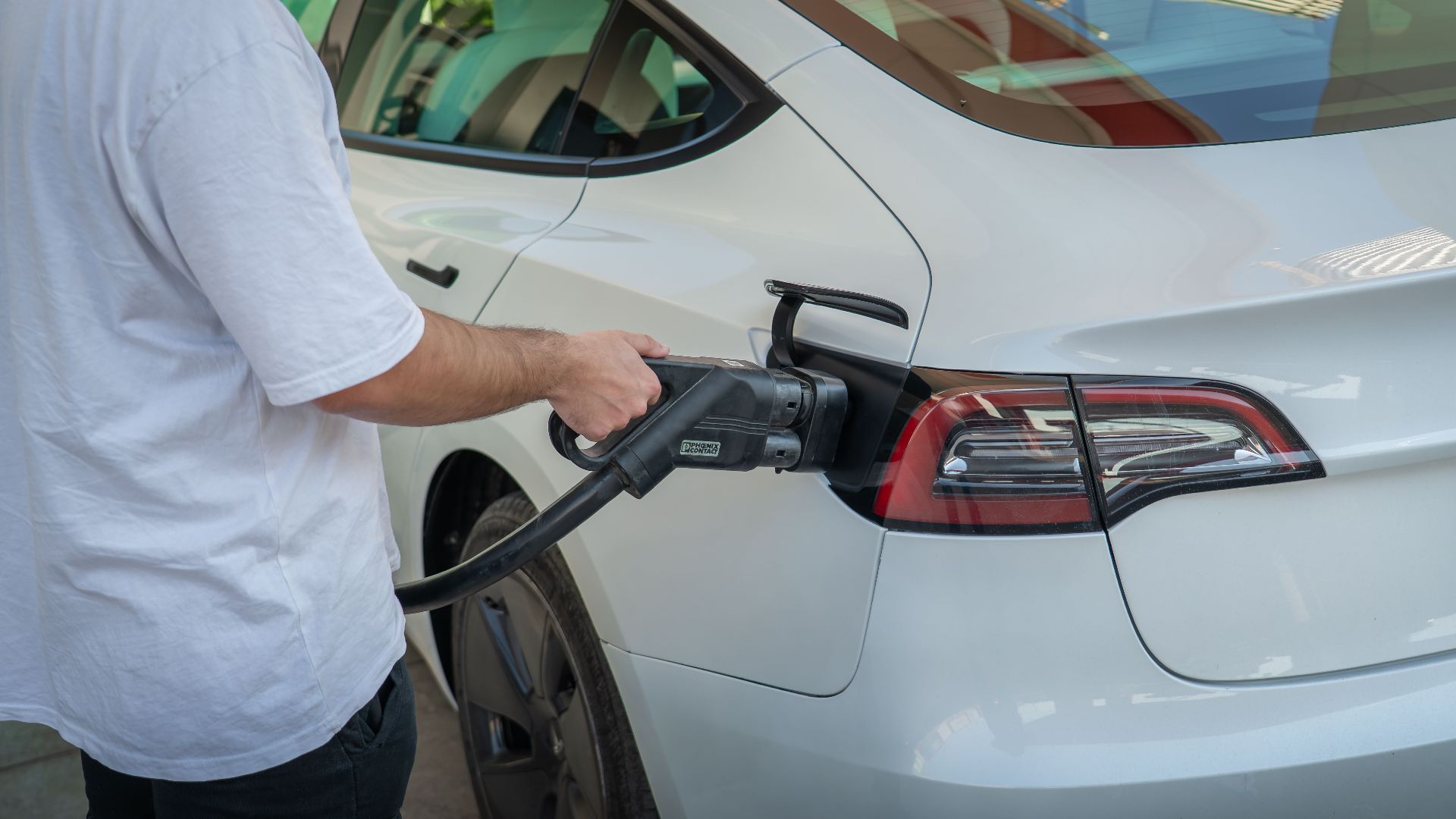
Even when police do not pursue a criminal charge, damaged property can create a civil dispute. Property torts can cover unlawful interference with another person’s personal property, and actual damage matters. A repair bill can therefore become more important than the argument that started everything.
The Cord Blocking Your Car Still Matters
A charging cable stretched where people or vehicles need to pass is not a trivial concern. Federal accessibility guidance says charging cables should not block accessible routes and recommends cable management that prevents slack from accumulating. So the neighbor may also have created a genuine access or safety problem.

But Obstruction Does Not Automatically Grant Permission
The fact that a cable is inconveniently placed does not automatically give you legal authority to disconnect another vehicle. A safer approach is to document the obstruction and ask the owner to move it. If that fails, use the property manager, charger operator, or appropriate local authority.

Where This Happened Changes Everything
A cord crossing a private driveway is different from a connector at a public charging station or a shared apartment garage. Ownership, parking rules, lease terms, and local ordinances can all matter. Before anyone claims a clear legal right, the exact location needs to be identified.

Public Charging Spaces Have Their Own Rules
States increasingly regulate designated EV charging spaces. California, for example, bars vehicles from occupying designated charging stalls unless connected for charging and prohibits blocking access to those stalls. Those rules govern use of the space, however, not a blanket right for strangers to unplug cars.
Charging Etiquette Is Clearer Than The Law
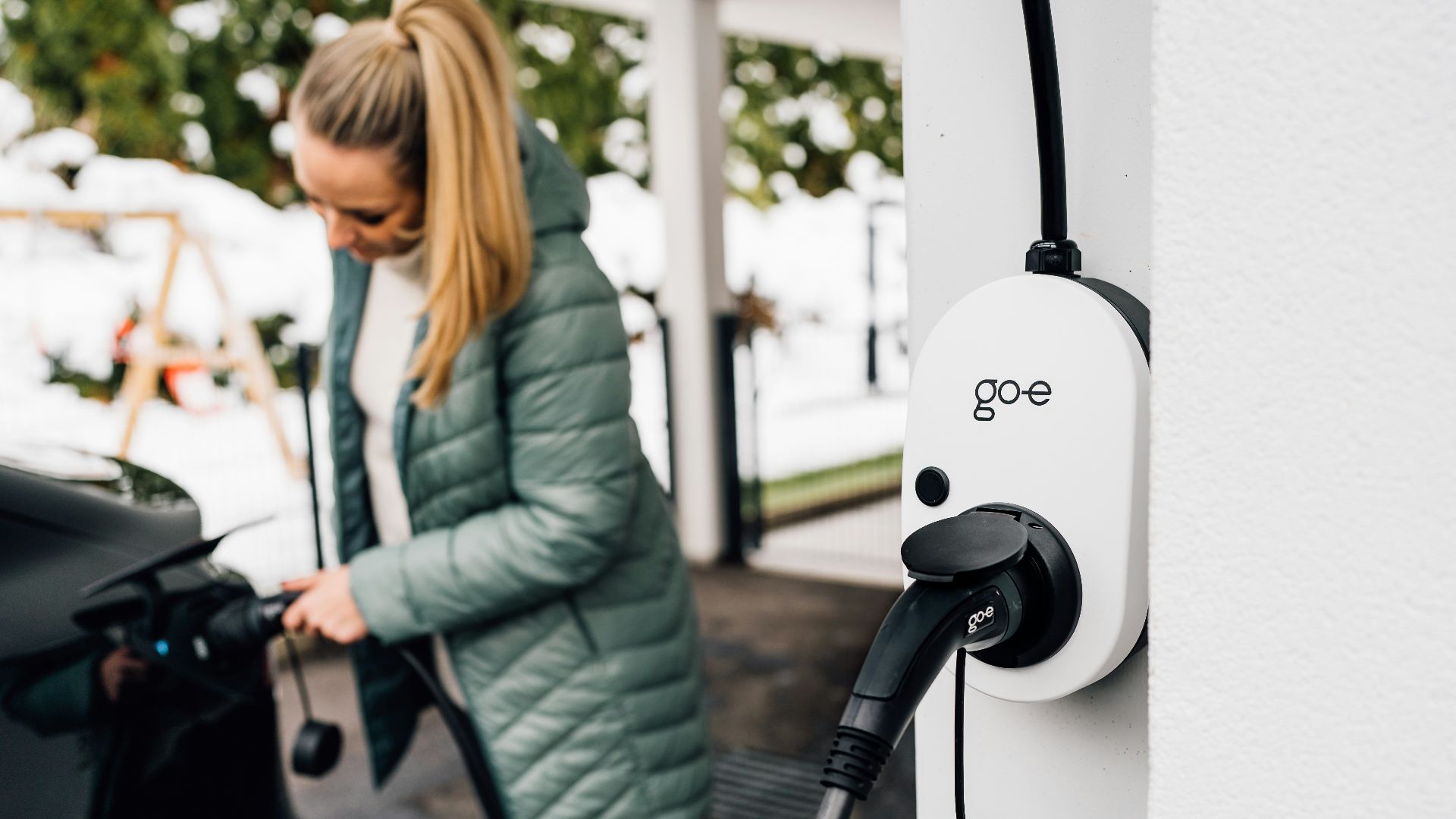
Even where a statute does not expressly address unplugging, mainstream charging guidance is consistent. CAA advises drivers never to unplug another EV without the owner’s permission. AAA similarly recommends leaving another vehicle connected unless the driver has clearly authorized removal of the plug.
A Finished Charge Is Not Automatic Permission
Some drivers assume a completed charging session makes the connector fair game. EVgo still generally recommends that drivers not remove a connector from another unattended vehicle, even after charging has finished. Waiting for the owner or finding another charger avoids unnecessary conflict and potential damage.
Some Cars Lock The Connector In Place
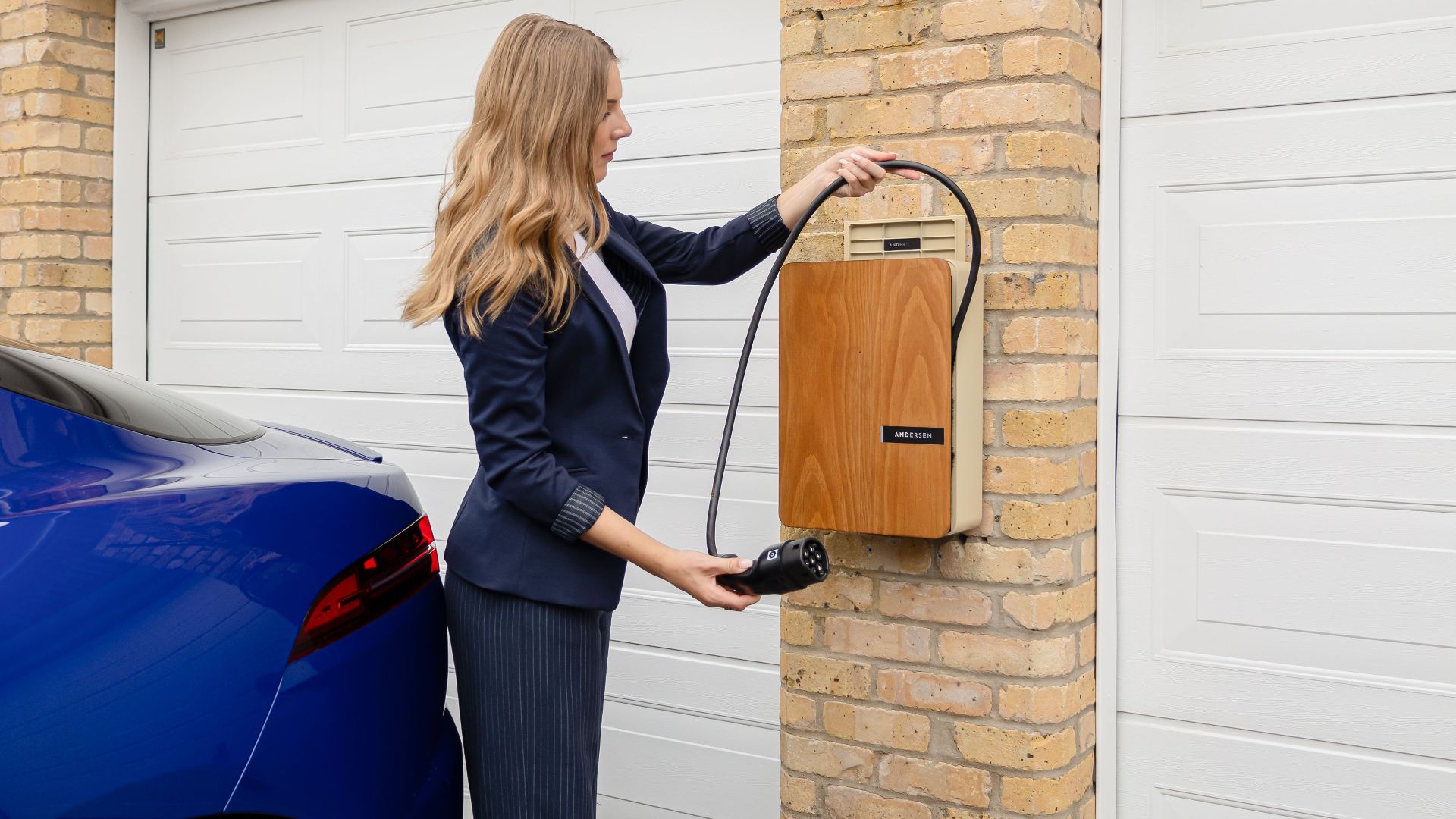
Many EVs can secure the charging connector while the vehicle is locked, which is one reason pulling on a plug can go badly. ChargePoint notes that some vehicles must be unlocked before the connector can be removed. That makes force especially unwise when the car is not yours.
Never Force A Stubborn Connector
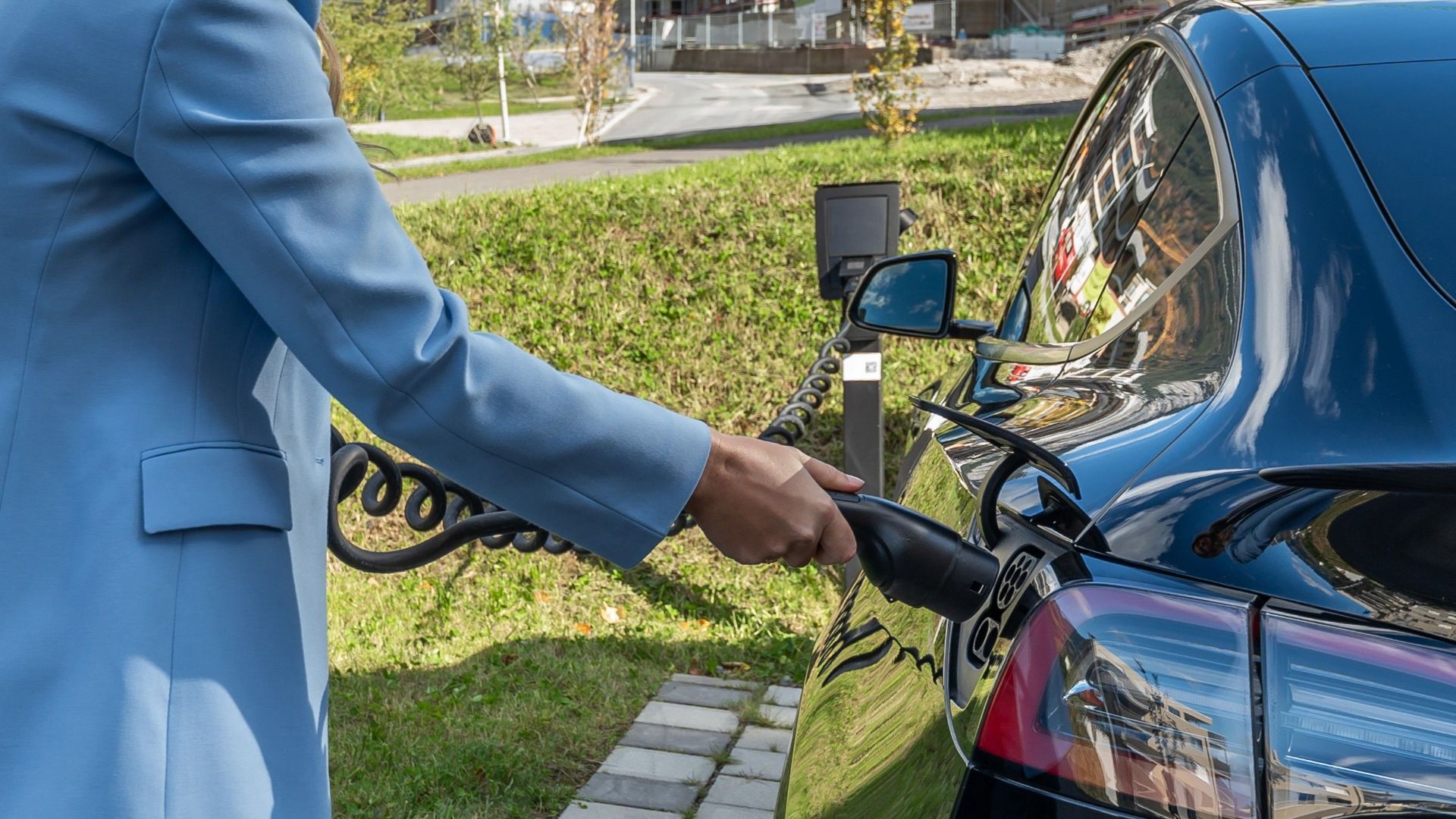
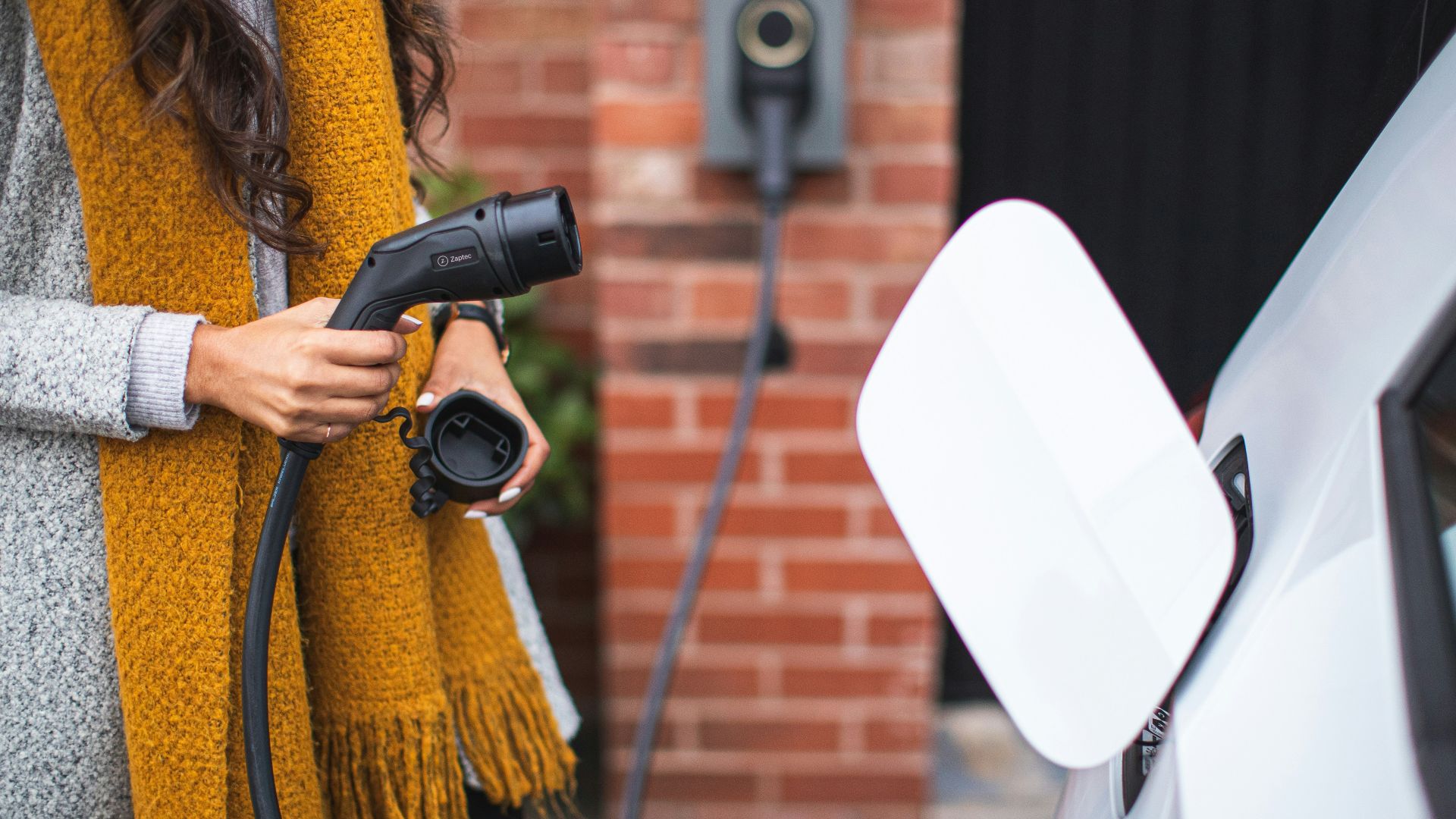
If a connector will not release easily, stop. ChargePoint specifically warns users never to force a connector because doing so can damage the port or cable. A locked or stuck plug is a strong signal that the owner, charging provider, or vehicle controls should handle the disconnect.

Unplugging Can End The Charging Session
Disconnecting an EV is not always a harmless pause. BC Hydro explains that if a vehicle is unplugged during a charging session, the driver may need to reconnect it and start a new session. That interruption can matter if the owner was depending on a particular amount of range.
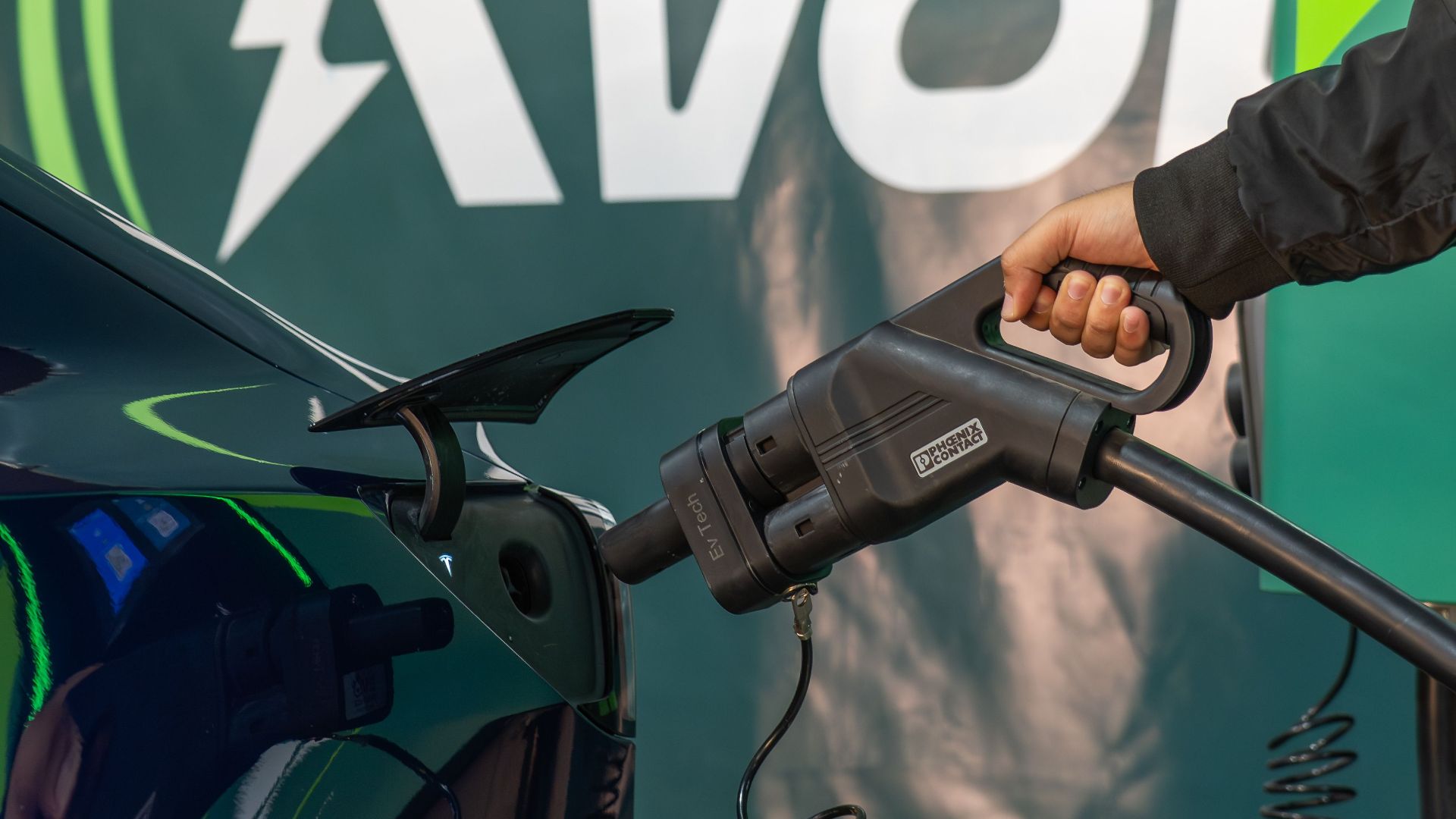
Document The Obstruction Before Acting
If a cable is physically preventing you from leaving, take clear photos showing your car, the cord, the charging vehicle, and the surrounding space. This creates a neutral record of the problem. Avoid touching the neighbor’s vehicle while documenting the scene, and note the time.
Ask The Neighbor To Fix It First
The cleanest first move is usually direct contact. Tell the neighbor the cable is blocking your vehicle and ask them to reroute it or disconnect it themselves. That gives the owner control over the equipment and makes it harder for the dispute to become an argument about tampering.

Use The Property Manager In Shared Parking
In an apartment, condominium, or shared lot, involve whoever controls the parking area. Some states expressly permit residential associations to impose reasonable restrictions around EV charging, and owners may be responsible for charger maintenance or resulting damage. Written building rules can resolve repeated cord-placement disputes.

Use The Charging Operator At Public Stations
At a public charger, the network operator is often the best first call when equipment or another vehicle is creating a problem. EVgo and BC Hydro both direct users toward support channels for charging issues. That keeps you from experimenting with equipment you do not own.
Police Are An Option, Not The First Tool
If your car is genuinely trapped and the owner will not respond, a local non-emergency police line may be appropriate. Explain the obstruction without exaggerating or demanding an arrest. The goal should be restoring access safely, not escalating a neighbor dispute into retaliation.

An Immediate Hazard Is Different
If the cable creates an immediate danger to a person, the facts become more urgent. Legal necessity doctrines can sometimes justify interference with property to prevent a more serious harm, but the requirements are narrow and jurisdiction-specific. Mere inconvenience should not be treated like an emergency.
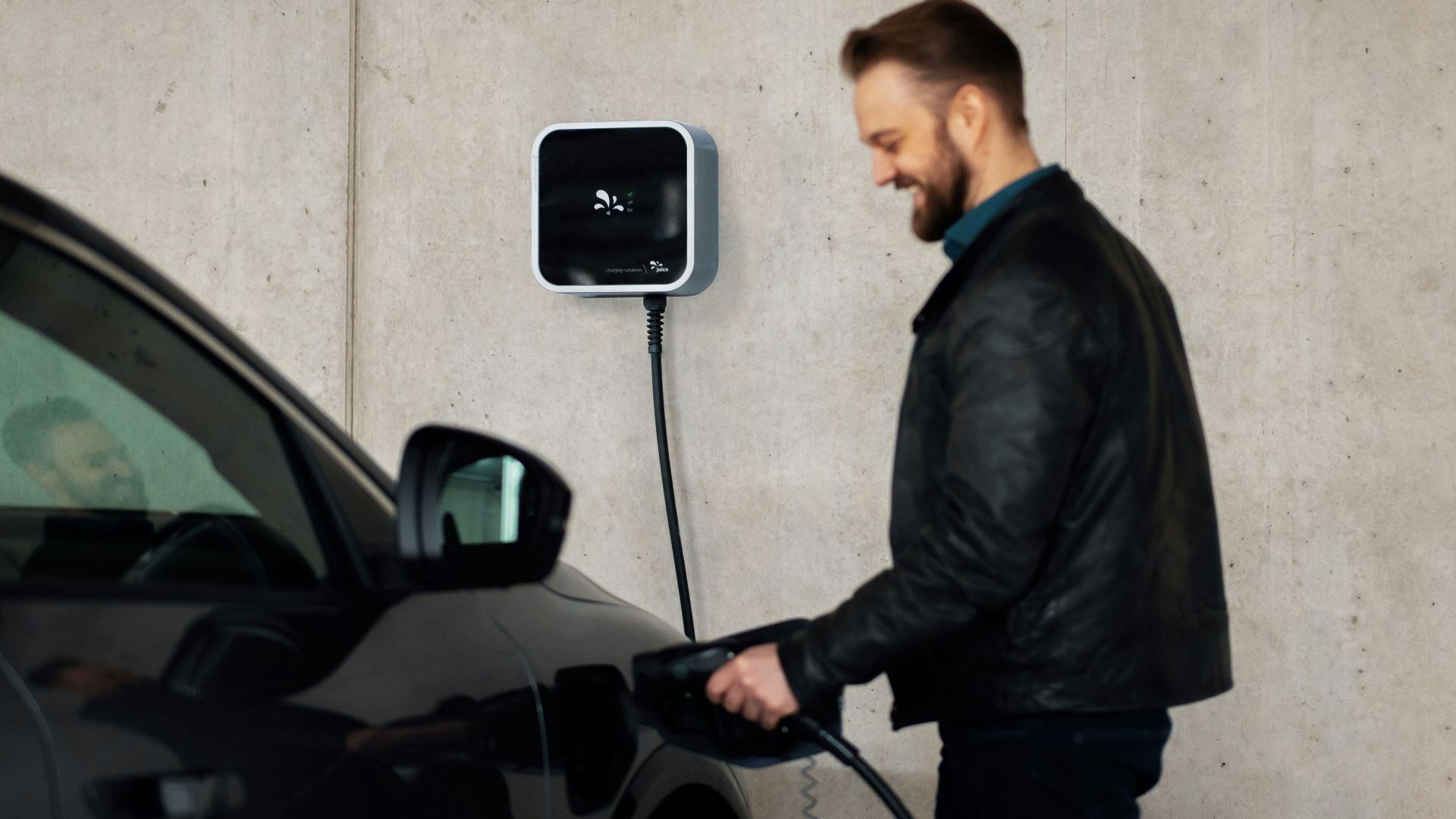
Do Not Move Or Enter The Neighbor’s Car
Unplugging a connector is already legally sensitive in some states, but entering or moving the neighbor’s vehicle creates much greater risk. Minnesota’s motor-vehicle tampering statute expressly covers entering into or onto a vehicle without permission. Keep the dispute limited to access and the cable.
Do Not Retaliate By Repeatedly Unplugging
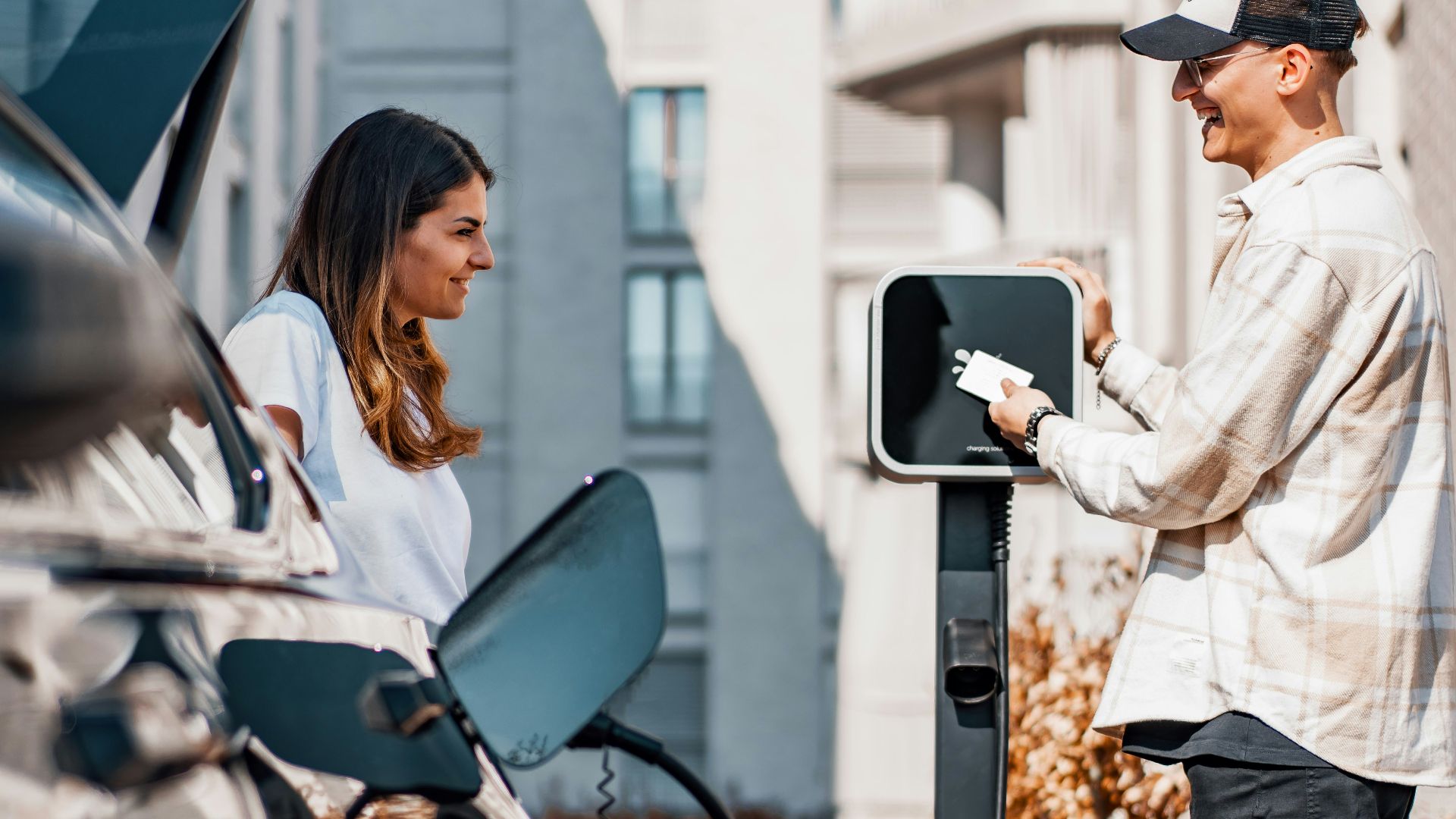
Once the neighbor has objected, repeating the conduct becomes harder to describe as an innocent misunderstanding. Charging guidance already advises against unplugging another person’s EV without permission. Repeated interference also creates a clearer factual record that could matter if the dispute reaches police or court.
If You Already Unplugged It, Preserve Evidence
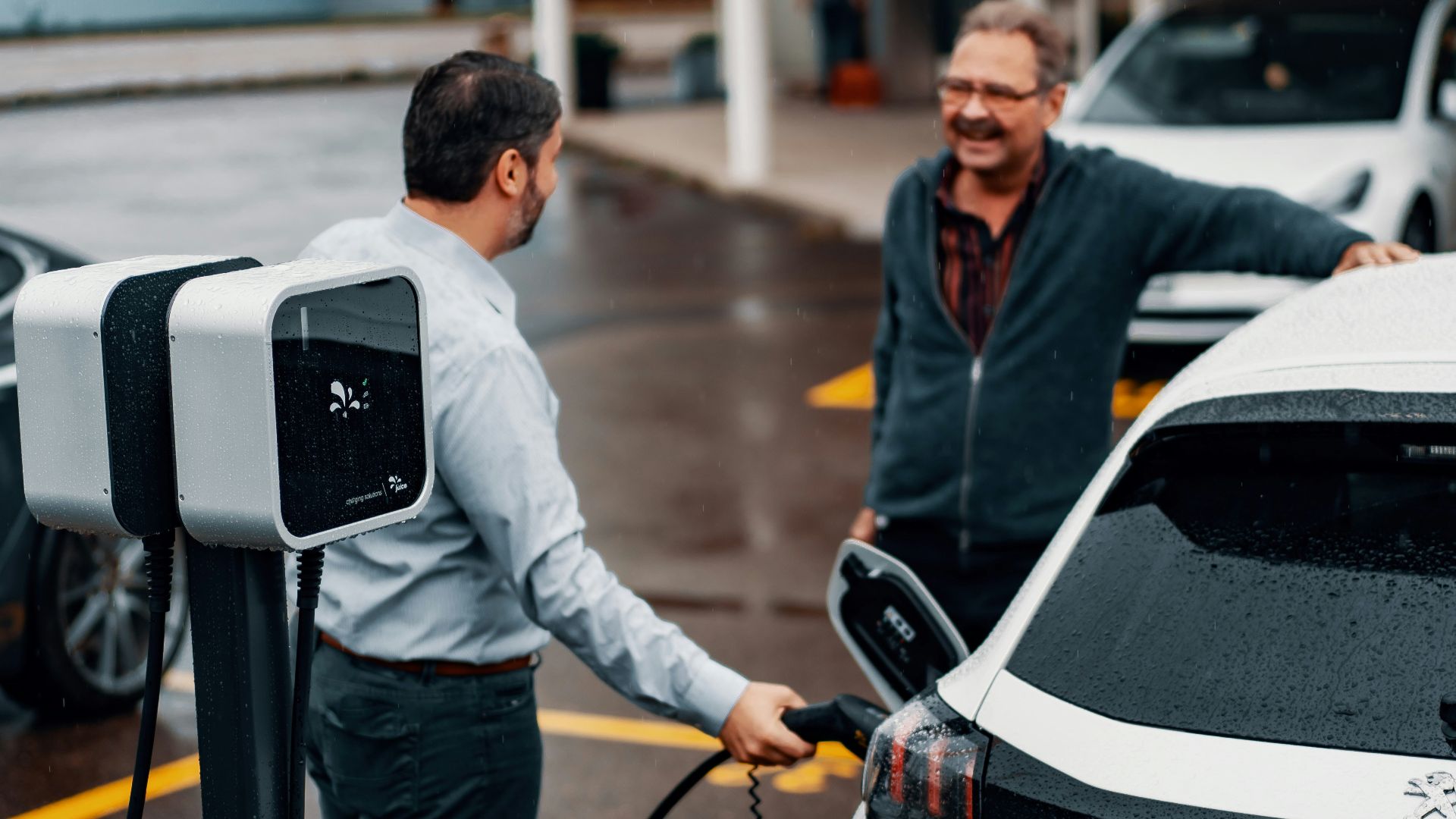
If the incident has already happened, save any photos, messages, security-camera footage, or charging-app notifications that show what occurred. Do not delete an angry exchange or recreate the scene. A contemporaneous record can help establish whether there was obstruction, force, damage, or permission.
If Police Contact You, Stick To Facts
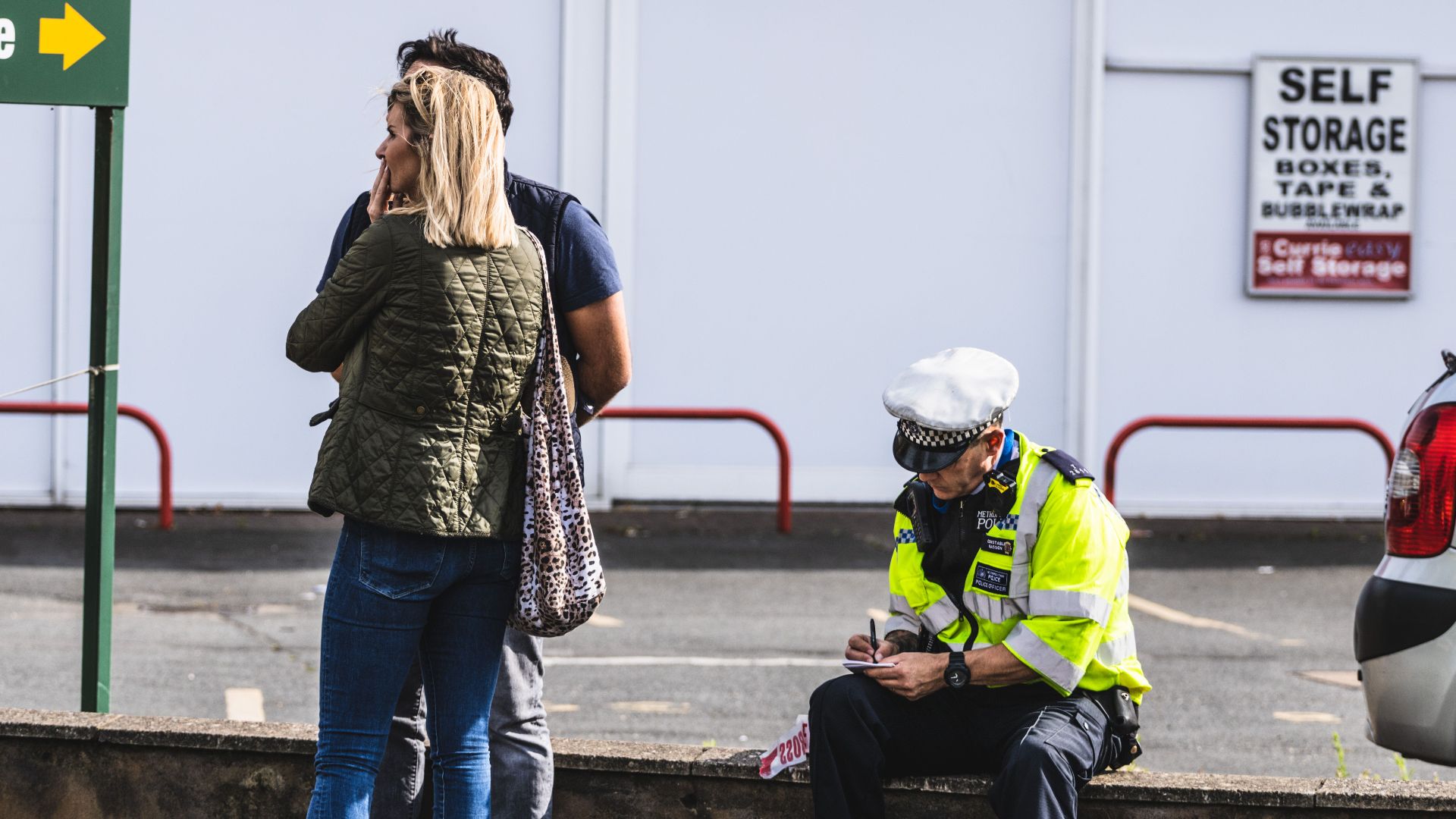
If an officer follows up, describe exactly where the cord was, why you believed it blocked your car, and precisely what you touched. Do not guess about damage or make legal conclusions. Because tampering statutes vary, a local lawyer is the right person for jurisdiction-specific advice.
If Damage Is Alleged, Ask What Was Damaged
A claim becomes easier to evaluate when the owner identifies a specific broken component and a repair cost. Charge ports and connectors can be damaged by force, and charging providers warn against forced removal. If there is a real repair invoice, consider getting local legal or insurance advice promptly.
Prevent The Same Fight From Happening Again
For a recurring home-charging setup, the practical fix is better cable routing, parking alignment, or cable management. Federal accessibility guidance specifically recommends preventing cable slack from obstructing routes. A simple written agreement between neighbors can also establish where the cord may run and who moves it.
So, Would Your Neighbor Have A Case?
Possibly, especially in a state with a broad vehicle-tampering law or if anything was damaged. If you simply disconnected a removable plug to clear a real obstruction, caused no damage, and used no force, risk may be lower but is not zero. Next time, document and escalate instead of unplugging.
 Supavadee butradee, Shutterstock
You May Also Like:
Anyone Remember These Classic Celebrity Cars From The 1950s?