The Last Payment Was Supposed To Be The Finish Line
You finally paid off your car loan, but months later, the lender still hasn't released the title. That's more than an annoying paperwork problem. Depending on your state, you have specific rights and several ways to get things moving.
 PhotoGraph-ic, Shutterstock Images
Why The Lender Is Still On Your Title
When you finance a vehicle, the lender typically holds a lien against it until the debt is satisfied. That lien appears in state motor vehicle records. Paying off the loan should trigger its release, but the paperwork doesn't always happen automatically.

There Isn't One Nationwide Deadline
Here's where things get complicated: every state handles vehicle titles differently. Some impose specific deadlines on lenders, while others have different processing requirements. Before demanding immediate action, check the rules in the state where your vehicle is titled.

Texas Gives Lenders Ten Days
Texas requires lienholders to release a vehicle lien within 10 days after receiving payment. For electronic titles, lenders coordinate directly with the state. If months have passed, that deadline gives Texas drivers a particularly strong reason to demand an explanation.
 Michael Barera, Wikimedia Commons
Virginia Has A Similar Requirement
Virginia requires lenders to notify borrowers within 10 days after loan payoff and send the title showing the lien has been satisfied. Electronic releases generally trigger a new title automatically. Virginia DMV advises contacting the agency if it hasn't arrived.
 Bruce Emmerling, Wikimedia Commons
First, Confirm Your Loan Is Actually Closed
Before escalating the situation, verify that your lender considers the account completely paid. Check your final statement and payment history. A payment that appears sufficient to you might not match the amount required to close the loan.

Your Payoff Amount Might Have Been Different
The Consumer Financial Protection Bureau explains that an auto loan's payoff amount can differ from its outstanding balance. Interest calculations and unpaid charges can affect the total. Ask your lender for a detailed explanation if it claims money remains outstanding.

Gather Your Payment Records
Pull together your final payment confirmation, loan statements, account number, and vehicle identification number (VIN). Keep copies of correspondence with the lender, too. These records will help establish when you paid and support any complaint you eventually submit.
Ask For A Paid-In-Full Confirmation
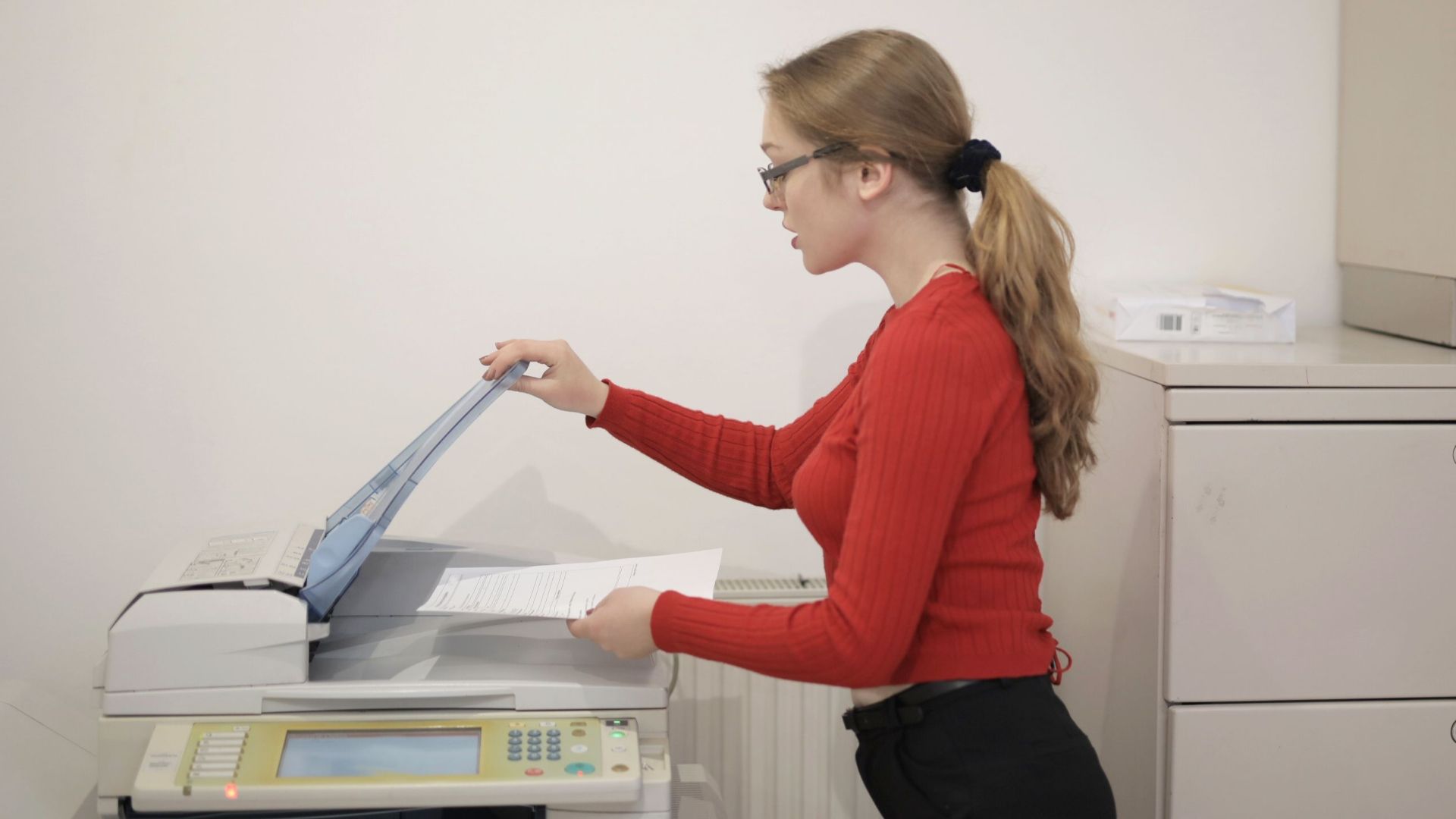
Contact your lender and request written confirmation that the account has been satisfied. Make sure the document identifies your loan and vehicle. This establishes whether the disagreement concerns the actual payoff or simply the lender's failure to release its lien.

Find Out Whether The Lien Was Released
Here's an important distinction: releasing a lien and mailing a paper title aren't necessarily the same event. Ask whether the lender has completed the required release. If it has, the remaining delay might involve the state's title-processing system.

Your Title Might Be Electronic
Many states use electronic lien and title systems instead of maintaining physical documents. California, Texas, and Virginia all have electronic programs. Participating lenders transmit lien releases directly to motor vehicle agencies, which then update their records and issue titles as required.
 Fernanda da Silva Lopes, Pexels
Florida Doesn't Always Mail Paper Titles
Florida provides an interesting example. After a lien is satisfied, the state's electronic title can remain electronic until the owner requests printing. So a missing envelope doesn't necessarily indicate trouble. Check the lien status before assuming something went wrong.

Paper Titles Work Differently
With traditional paper titles, lenders may need to sign or otherwise document the release before returning the certificate. Virginia explains that borrowers receiving these titles must request a substitute title to remove the lien from state records. Don't overlook that additional step.

Request The Correct Release Document
If the lender hasn't provided one, specifically request a lien release. New York accepts certain endorsed lien notices or appropriately signed lender letters identifying the vehicle and confirming satisfaction. Other states have their own requirements, so obtain documentation your DMV will accept.

Original Documents Can Make A Difference
Don't assume an emailed scan will satisfy your DMV. New York requires original lien releases for certain title updates, while Texas also restricts photocopies in relevant applications. Ask about signatures, original documents, and submission requirements before sending anything to the state.

Check The Address On Your Vehicle Record
Your title may have been issued but mailed somewhere unexpected. Electronic lien programs often send replacement titles to the address recorded by the state. Confirm your mailing address with the DMV, especially if you moved while making payments.

Contact The DMV Directly
Don't rely entirely on what the lender says. Contact the motor vehicle agency where your car is titled and ask whether its records still show an outstanding lien. Some states provide online title-status checks, making this investigation considerably easier.

Request The Lender's Submission Date
If your lender insists the release was completed, ask when it submitted the information and whether the transaction was accepted. Those details can help the DMV investigate. An assertion that everything was handled isn't nearly as useful as a documented transaction.

Find Out Whether A Title Was Already Mailed
Ask the DMV whether it issued a new title and where it was sent. This helps distinguish a missing document from an unreleased lien. If the title was lost in transit, ask about obtaining a replacement rather than restarting everything.

State Processing Times Can Add Delays
Even after a lender releases its interest, the state may need additional processing time. California, for example, publishes estimated title-processing periods. However, a delay lasting several months deserves investigation rather than an assumption that ordinary processing is responsible.

Put Your Request In Writing
If phone calls haven't worked, send a written request to the lender's customer-service or complaints department. Include your payoff date, account details, and requested resolution. Keep proof of delivery and copies of everything you submit for future reference.

Escalate Beyond The First Representative
When routine customer service cannot resolve the issue, request review by a supervisor or the department responsible for vehicle titles. Explain your earlier attempts and provide supporting records. Ask for written confirmation of the specific actions being taken.
What If Your Lender Changed Names?
The institution listed on your title might have merged, been acquired, or changed its name. California DMV maintains a financial institution locator addressing this situation. Virginia also directs owners toward state agencies that can help identify successor institutions.

A Closed Lender Doesn't Mean You're Stuck
Virginia provides an alternative process when a lender is no longer operating. Owners may need evidence of payoff, a notarized statement, and proof of unsuccessful contact attempts. Requirements differ elsewhere, so ask your state agency about its procedures.

Don't Assume A Duplicate Title Solves Everything
A replacement title doesn't automatically eliminate an outstanding lien. Texas specifically requires an original lien release when a satisfied lien remains recorded. Before paying for replacement paperwork, confirm whether you need the lender's release or merely another copy.

Selling Your Car Could Become Complicated
An unresolved lien can interfere with transferring a vehicle to another owner. New York allows sellers to provide their existing title together with the original lien release. If you're planning a sale, resolve the documentation issue before promising a transfer date.

You Can File A Consumer Complaint
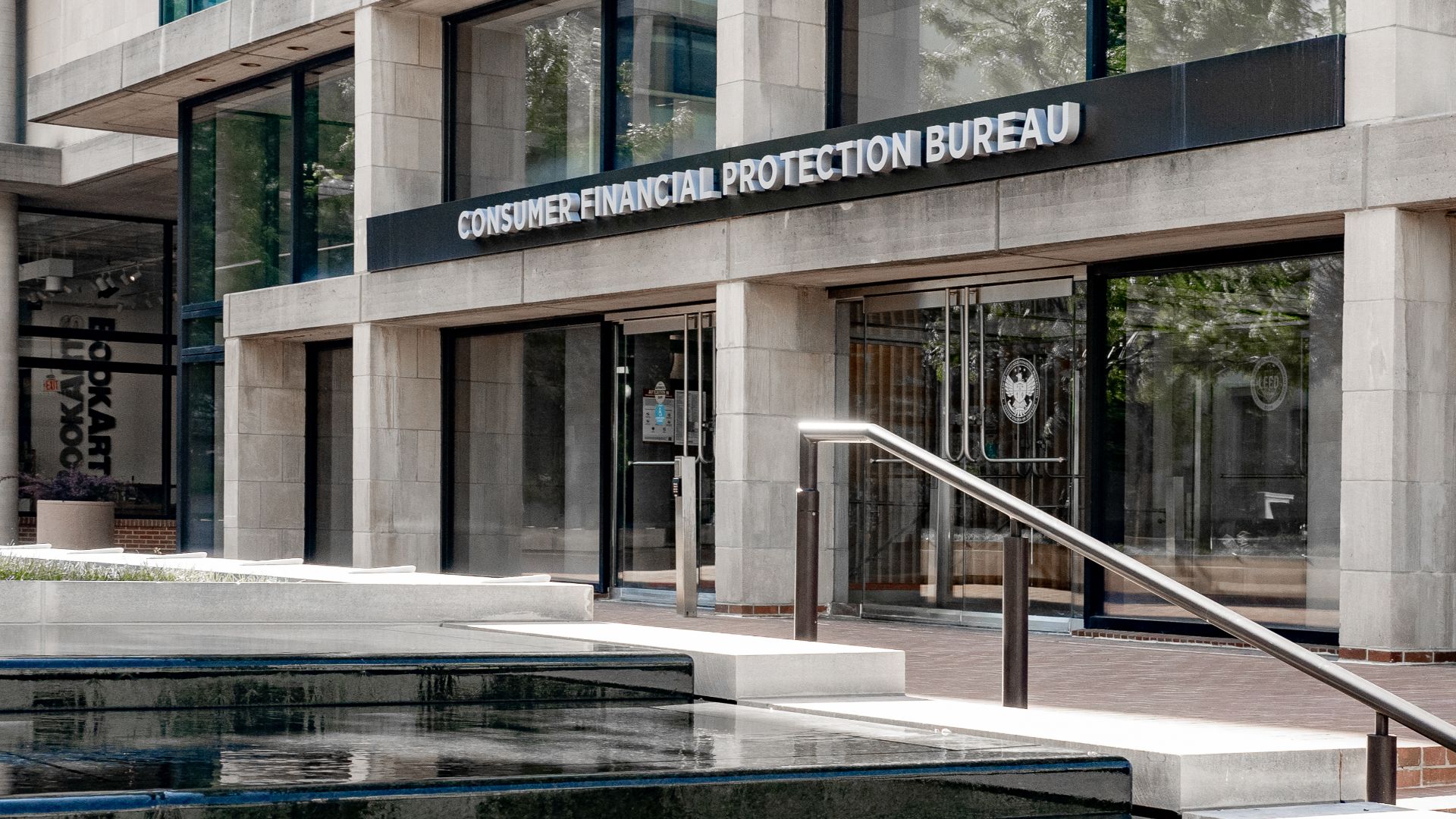
The Consumer Financial Protection Bureau accepts complaints involving auto lenders. It generally sends complaints to companies for responses, usually within 15 days, with additional time available for complicated cases. Your state's attorney general may also accept complaints about unresolved problems.
 ajay_suresh, Wikimedia Commons
Final Thoughts: Don't Let The Paperwork Linger
Months without a title release warrant action. Verify your payoff, check state records, request the correct documents, and escalate unresolved delays. The essential goal isn't simply receiving an envelope. It's ensuring the lender's claim has actually been cleared.

You May Also Like:
My extended warranty won’t cover a known defect. Isn’t that what extended warranties are for?