The Failed Smog Test Surprise
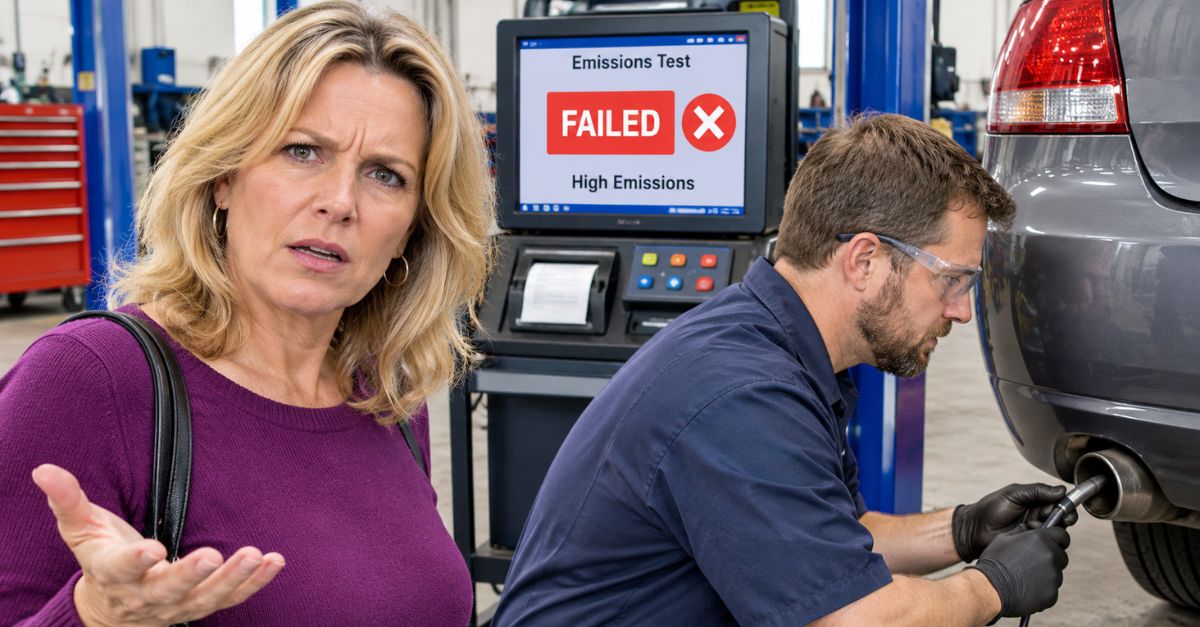
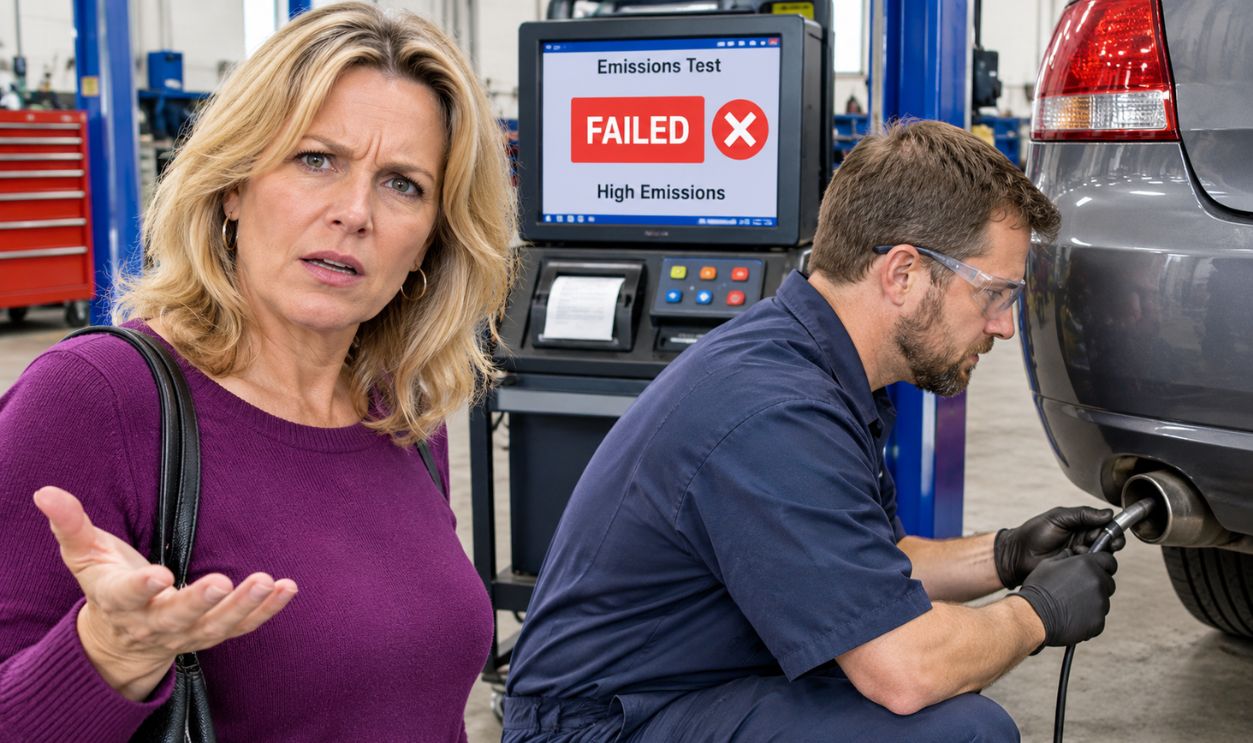
Your son installs a louder exhaust, the car sounds better, and then the emissions station hands back a failure sheet. That happens all the time in states that inspect emissions equipment or onboard diagnostics. The hard part is that an exhaust mod can turn into a legal and expensive problem fast, especially if the new parts are not approved for street use.
Who Usually Pays
In most cases, the vehicle owner pays to make the car legal again. Emissions compliance follows the car, not the person who installed the part. If the car cannot pass the required test, the owner usually has to cover diagnosis, replacement parts, and retest fees unless someone else clearly caused the problem and can be held responsible.

Start With The Owner On The Title
The first point is simple. The person who owns the vehicle is usually responsible for keeping it legal for registration and road use. State emissions programs are built around that rule, and repair shops do not automatically become responsible just because they installed a part the customer asked for.

Federal Law Is Not Friendly To Tampering
The U.S. Environmental Protection Agency treats emissions tampering as a serious issue under the Clean Air Act. The EPA says it is illegal for any person to remove or disable emissions-control devices, and that includes many modifications that affect catalytic converters, oxygen sensors, or onboard emissions systems. That is why an aftermarket exhaust can go from simple sound upgrade to illegal tampering if it interferes with emissions compliance.

Catalytic Converters Are The Big Flash Point
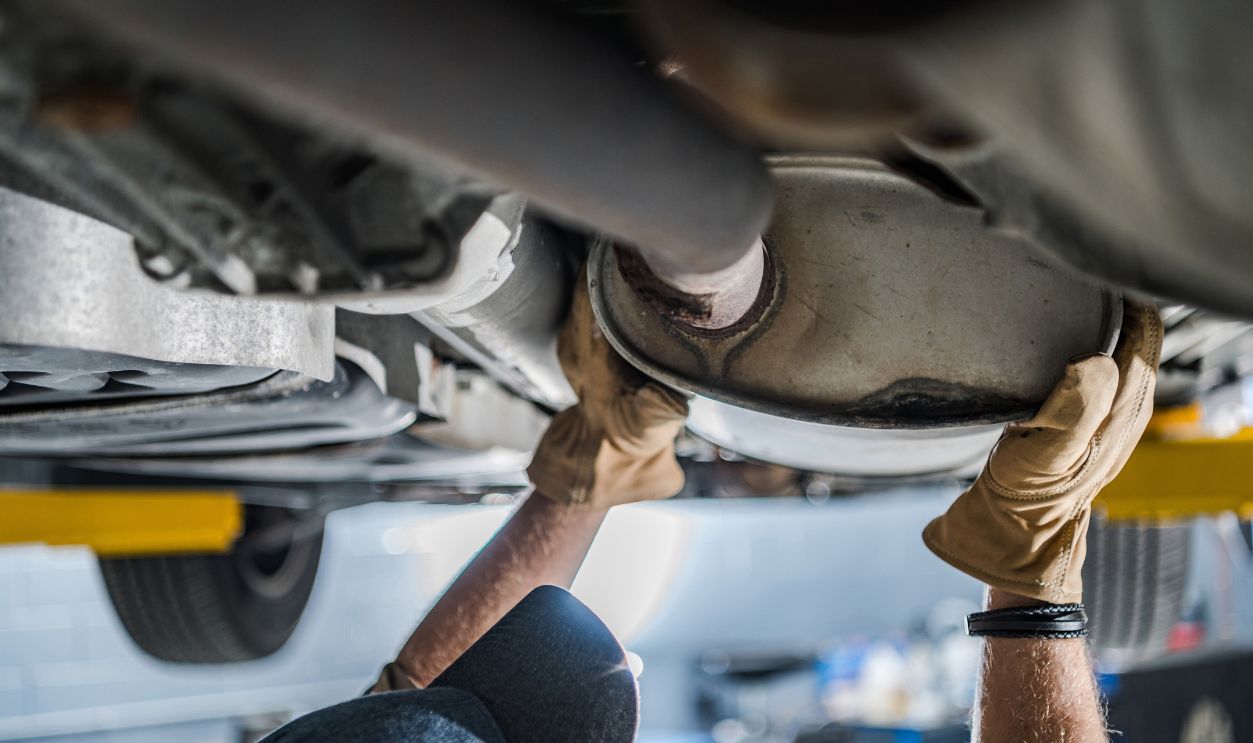
The biggest and most expensive trouble usually starts when an exhaust job changes or removes the catalytic converter setup. The EPA is clear that catalytic converters cannot just be deleted for street use, and replacement converters have to meet specific rules. If your son's exhaust install included a test pipe, a cat-delete section, or the wrong replacement converter, the car was set up to fail.
CARB Approval Can Make Or Break Legality
In California and in states that follow California emissions rules, legality often comes down to whether a part has a California Air Resources Board Executive Order number. CARB uses Executive Orders to identify parts that have been reviewed and found not to increase emissions for approved applications. If the exhaust or related hardware does not have that approval where it is required, a smog technician may fail the vehicle even if it runs fine.
 California Air Resources Board, Wikimedia Commons
California Made This Especially Clear
California's smog rules have long focused on both tailpipe emissions and visual inspection of required components, depending on the vehicle and test type. BAR and CARB materials make it clear that aftermarket parts affecting emissions must be exempted or otherwise legal for use. So a part can be sold online, look perfectly legit, and still not be legal on a street-driven car in California.
OBD-II Can Rat Out A Bad Exhaust Install
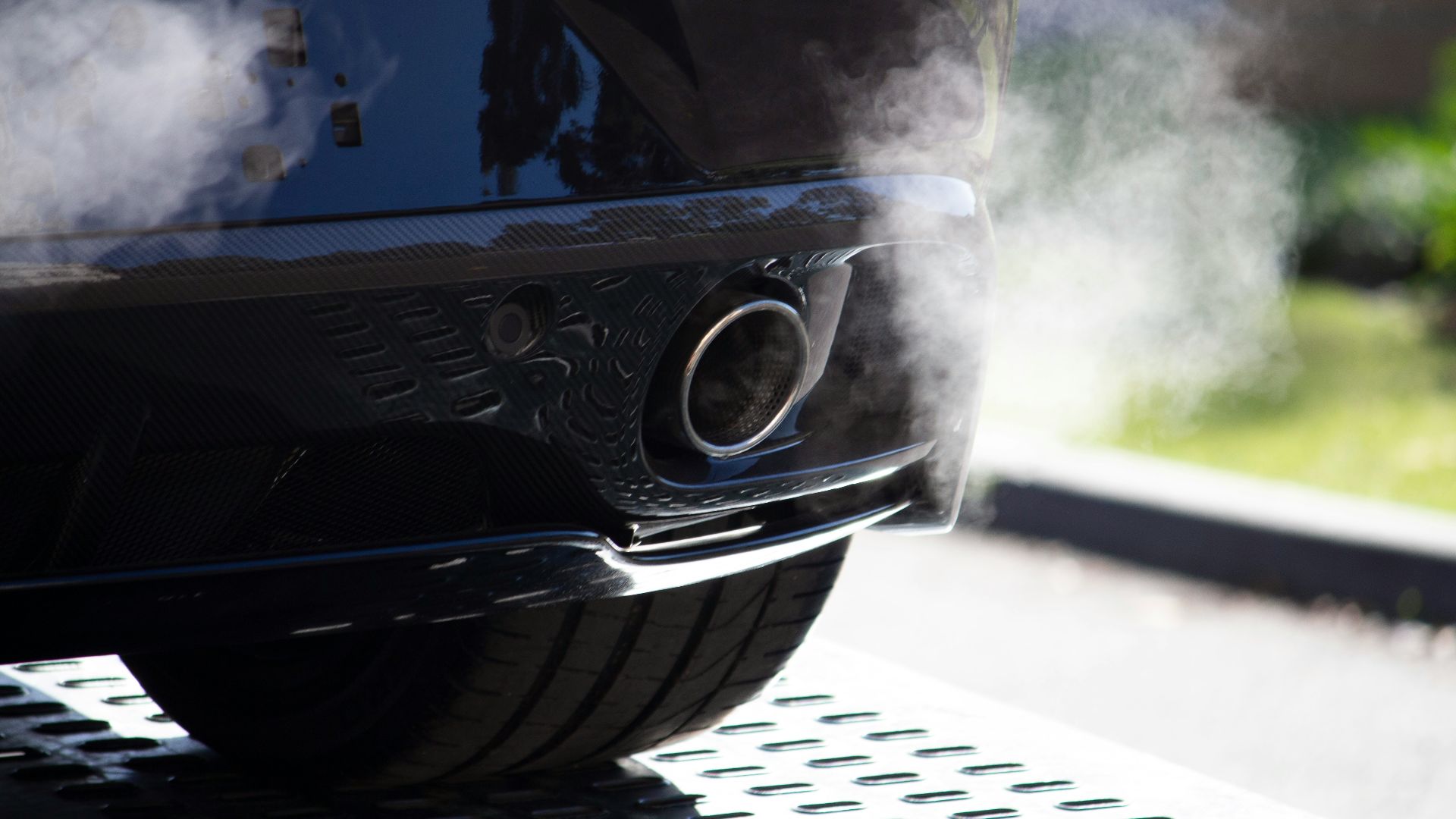
For many 1996 and newer vehicles, the test station is also checking the car's computer. OBD-II emissions inspections look at readiness monitors and diagnostic trouble codes, and exhaust changes that trigger catalyst-efficiency or oxygen-sensor faults can mean an instant fail. Even if the tailpipe is clean enough, the onboard system may still tell inspectors something is wrong.
What The Repair Invoice Matters For
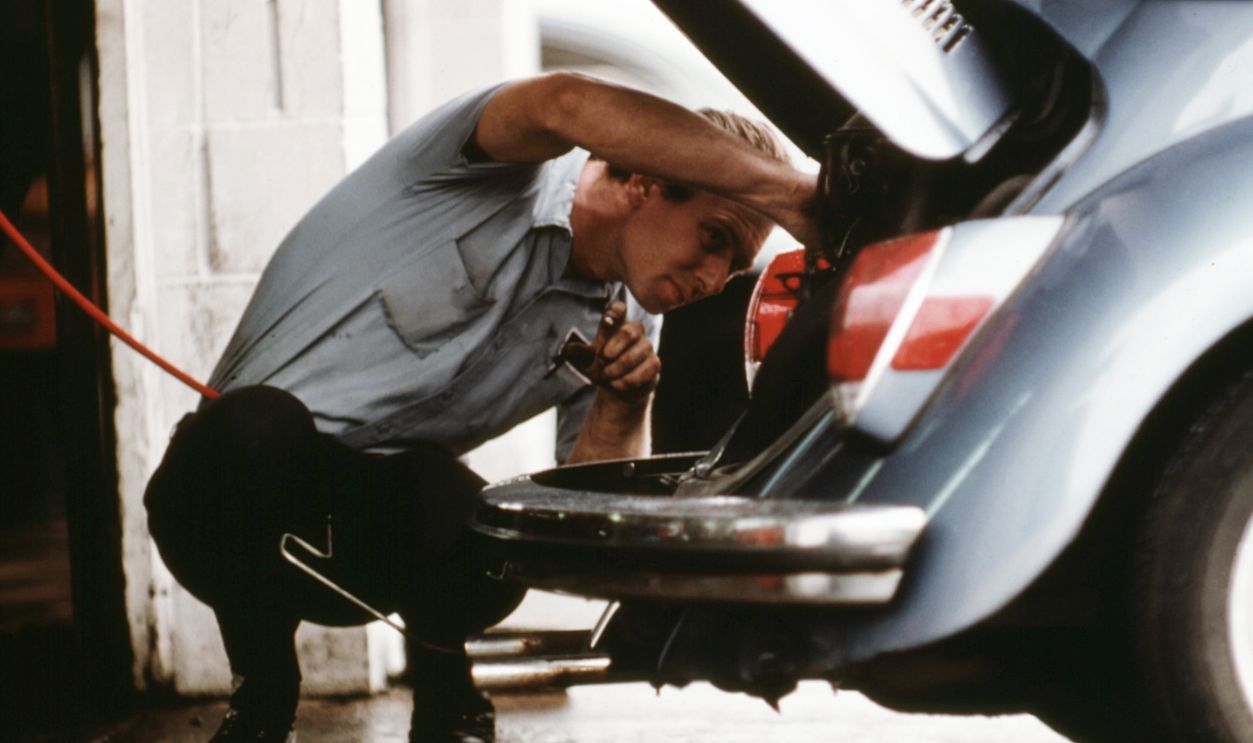
If a shop supplied and installed the exhaust, the invoice matters a lot. It can show exactly what parts were sold, whether they were described as off-road only, and whether the shop presented them as legal for your vehicle. That paperwork can make the difference between just paying the bill yourself and having a strong argument that the installer misrepresented the job.

If Your Son Installed It Himself
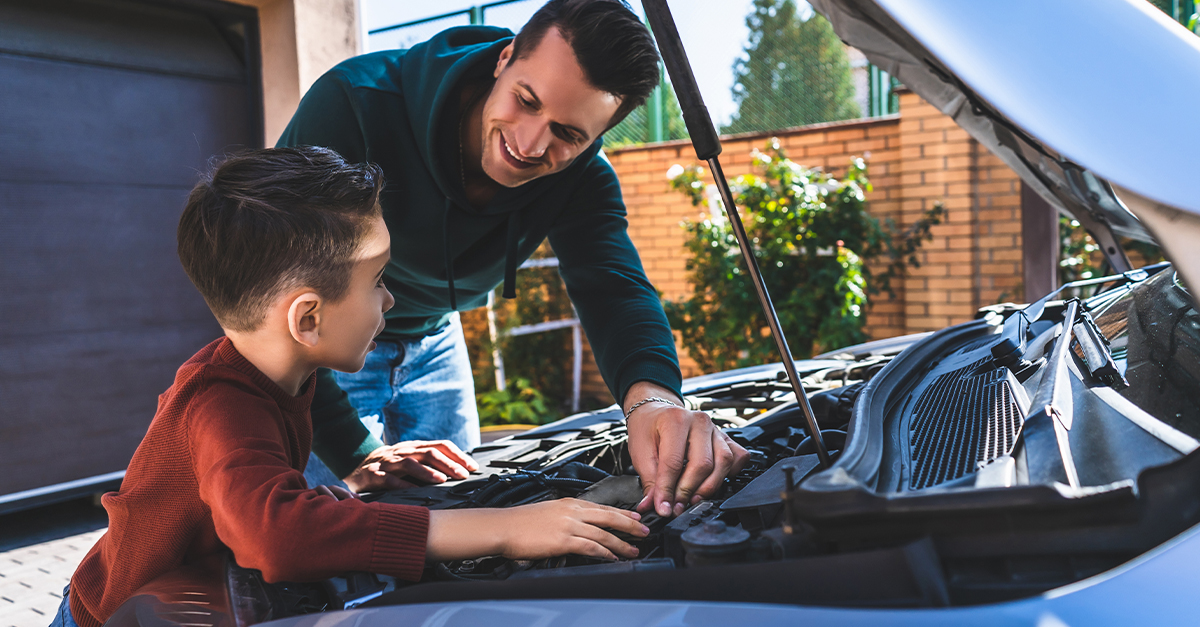
If your son bought the exhaust and installed it in the driveway, there is usually no real question about who pays. The owner of the car generally has to pay to undo the problem and restore emissions compliance. You can still try to return parts that were advertised the wrong way, but the state will not waive the repair requirement because the modification was a DIY job.
If A Shop Installed It
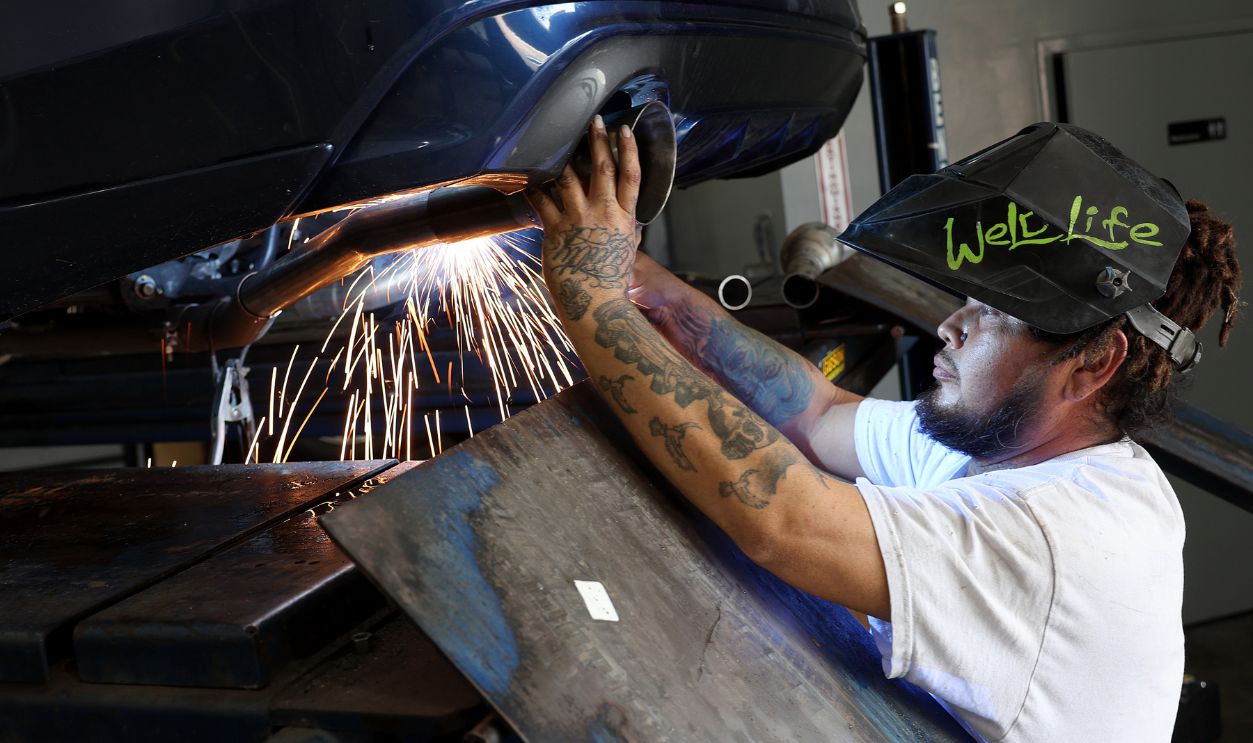
A shop may owe something if it installed parts that were not legal for the vehicle while telling you they were street legal or safe for inspection. That turns into a consumer dispute, not an automatic emissions rule. If the shop clearly labeled the parts as racing or off-road only and you approved the work anyway, the chances of making the shop pay drop fast.
The Advertising Language Is A Huge Clue
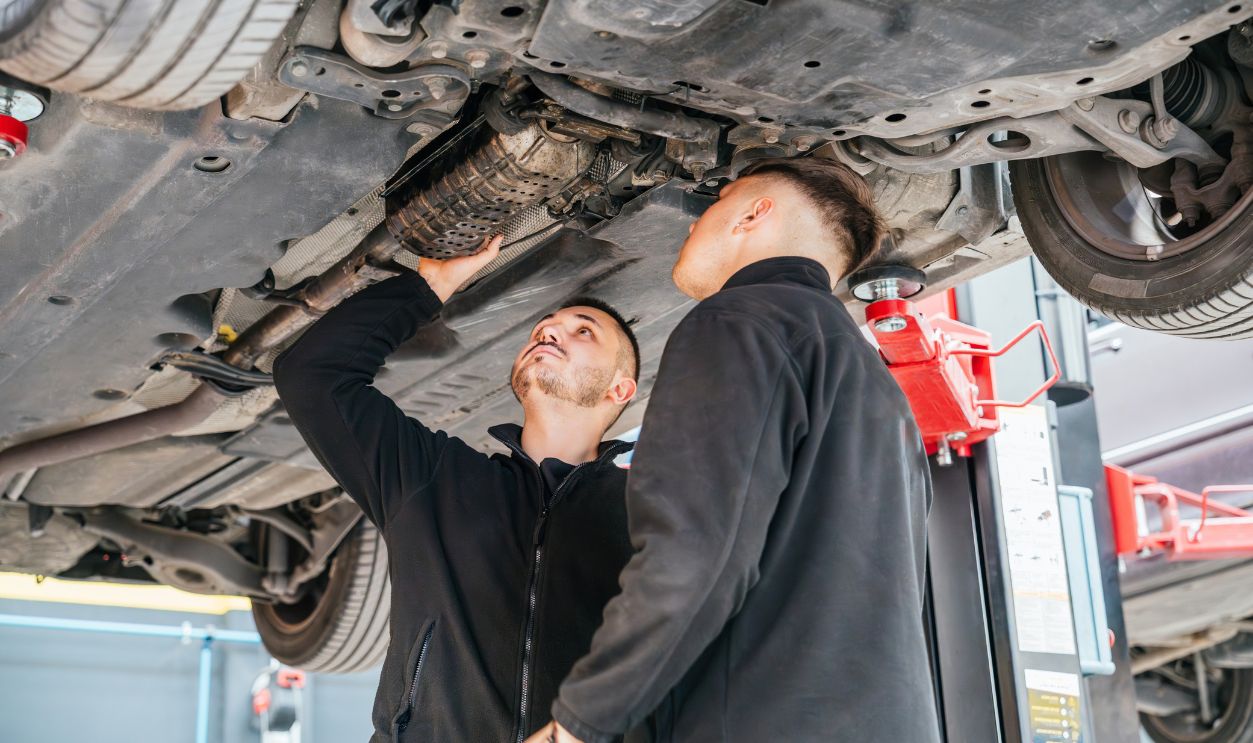
Many aftermarket parts sellers use phrases like off-road use only, competition use only, or not legal for sale or use in California on pollution-controlled vehicles. Those words matter. If that language appeared on the product page, packaging, or invoice, it may be very hard to argue that someone else should pay to put the car back to stock or to a legal equivalent.
 https://kaboompics.com/, Pexels
The FTC Used A Broad Warning In 2021
In 2021, the Federal Trade Commission sent notices to more than 1,100 businesses about potentially unlawful warranty practices. The agency reminded companies that they cannot void warranties just because aftermarket parts are used. That does not mean every aftermarket exhaust is legal for emissions purposes. It only means a manufacturer cannot automatically deny warranty coverage without showing the modification caused the problem.
 G. Edward Johnson, Wikimedia Commons
Warranty Coverage Is Not The Same As Emissions Legality
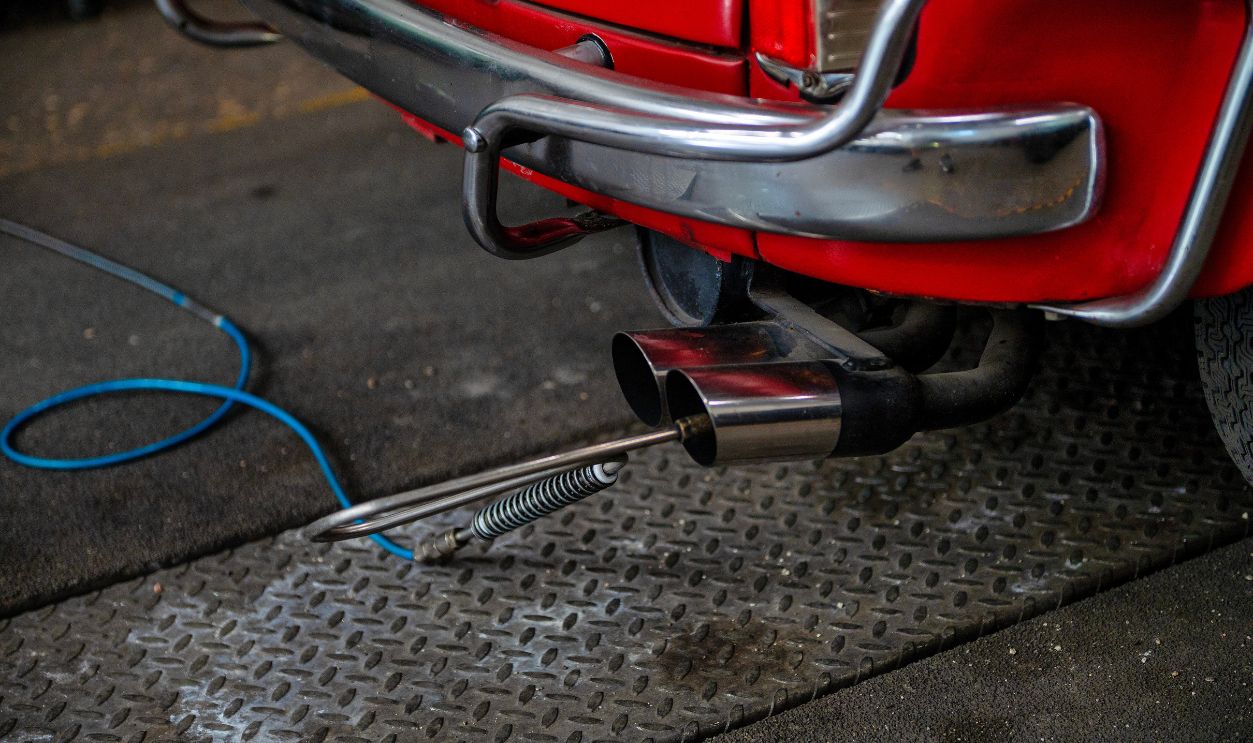
This is where a lot of owners get tripped up. A part can be fine from a warranty angle in one situation and still fail an emissions inspection if it changes regulated equipment or triggers OBD faults. At the smog station, the question is not whether your son was allowed to modify the car. The question is whether the modified car still follows the law.
 Lorenzo Dottorini, Shutterstock
State Rules Decide The Testing Process
Not every state runs emissions checks the same way, and some counties do not test at all. The EPA keeps a state-by-state overview showing that inspection and maintenance programs vary a lot in both scope and method. So before spending money, confirm exactly what your state checks, because the fix for a visual fail may be different from the fix for an OBD fail.

What Inspectors Usually Look For
Depending on the state, inspectors may check for diagnostic trouble codes, readiness monitors, catalytic converter presence, visible tampering, smoke, or tailpipe output. California's BAR materials are especially direct about required emissions components and legal aftermarket parts. Other states may rely more on OBD data, but any setup that deletes or disables core emissions hardware can still sink the test.
 picture alliance, Getty Images
How To Figure Out Why It Failed
Read the failure report before buying anything. It should tell you whether the issue was a visual inspection problem, a missing or noncompliant catalytic converter, a readiness monitor problem, or a check engine light tied to catalyst or oxygen sensor performance. That one sheet can keep you from wasting money on the wrong repair.

The Cheapest Fix Is Not Always The Right One
Owners often chase shortcuts like spacers, tune changes, or quick resets to make warning lights disappear. That can backfire because emissions inspections are designed to catch incomplete readiness monitors and obvious tampering. In real terms, the safest route is usually restoring the legal exhaust setup or installing a compliant replacement approved for the car.
Tunes Can Make The Situation Worse
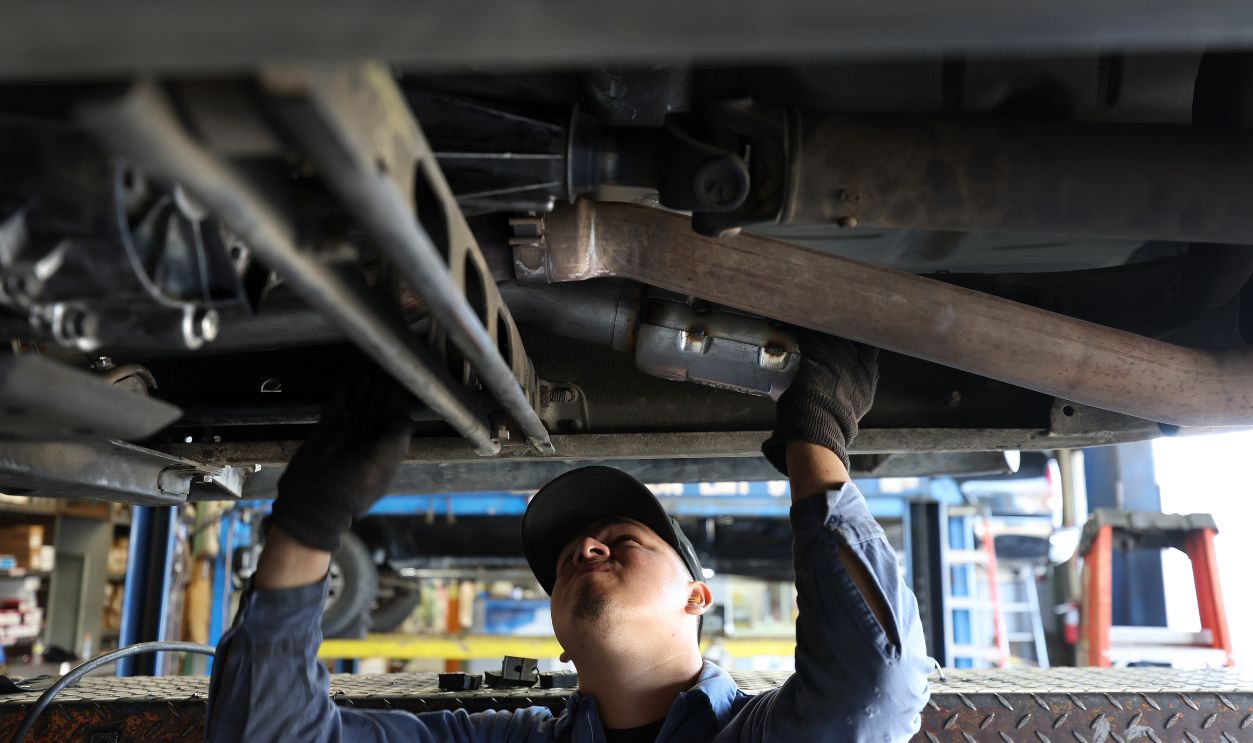
If the exhaust install was paired with software that disables catalyst monitoring or hides diagnostic codes, the legal risk gets worse. The EPA has taken a hard line against defeat devices and tampering products, including software that bypasses emissions controls. If that happened here, the right fix may require both hardware changes and a return to a legal factory-style calibration.
Ask Whether The Part Was Certified For Your Exact Vehicle
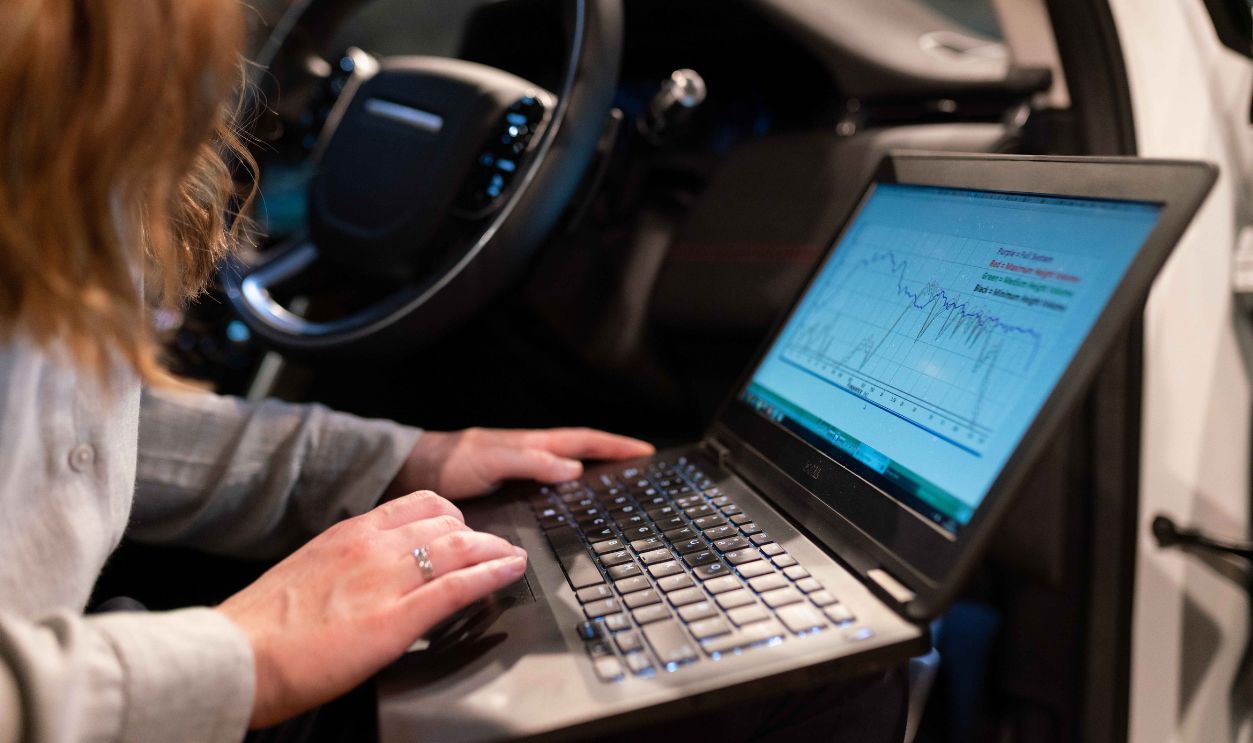
One of the biggest mistakes is assuming a universal or brand-name exhaust must be legal. For emissions-sensitive parts, approval often depends on the exact year, make, model, engine, and sometimes drivetrain. A part that is fine on one version of a car may be illegal on another, so the paperwork has to match the exact vehicle.

When The Seller Might Owe A Refund
If the product was advertised as 50-state legal or emissions compliant for your exact car and that claim turns out to be false, you may have a stronger case against the seller. Save screenshots, listings, invoices, and packaging. Those details matter if you ask for a refund, dispute the charge, or file a consumer complaint.

When The Installer Might Share The Cost
If a professional installer recommended the parts, assured you the car would still pass, and then fitted something that plainly could not qualify, that may open the door to a negotiated fix. Sometimes shops will help with labor or swap the system for a compliant one to keep the customer happy. But unless local law says otherwise, you usually still need proof that the shop made a bad claim or did the job improperly.
 Sergei Gontsarov, Shutterstock
Parents And Adult Children Complicate The Money Question
If the car is titled to you but your son modified it, the state still sees your vehicle failing your inspection requirement. Whether your son pays you back is a family issue, not an emissions-law issue. Put simply, the DMV wants the car fixed and does not care whether the money comes from you, your son, or both.

What To Do Before Paying For Repairs
First, get the written reason for the emissions failure. Second, identify every exhaust and tuning part now on the car, including brand, model number, and any CARB Executive Order number or EPA compliance language. Third, contact the seller or installer with that paperwork and ask directly whether the part was presented as legal for your vehicle and whether they will help cover the cost of fixing it.

How To Make It Legal Again
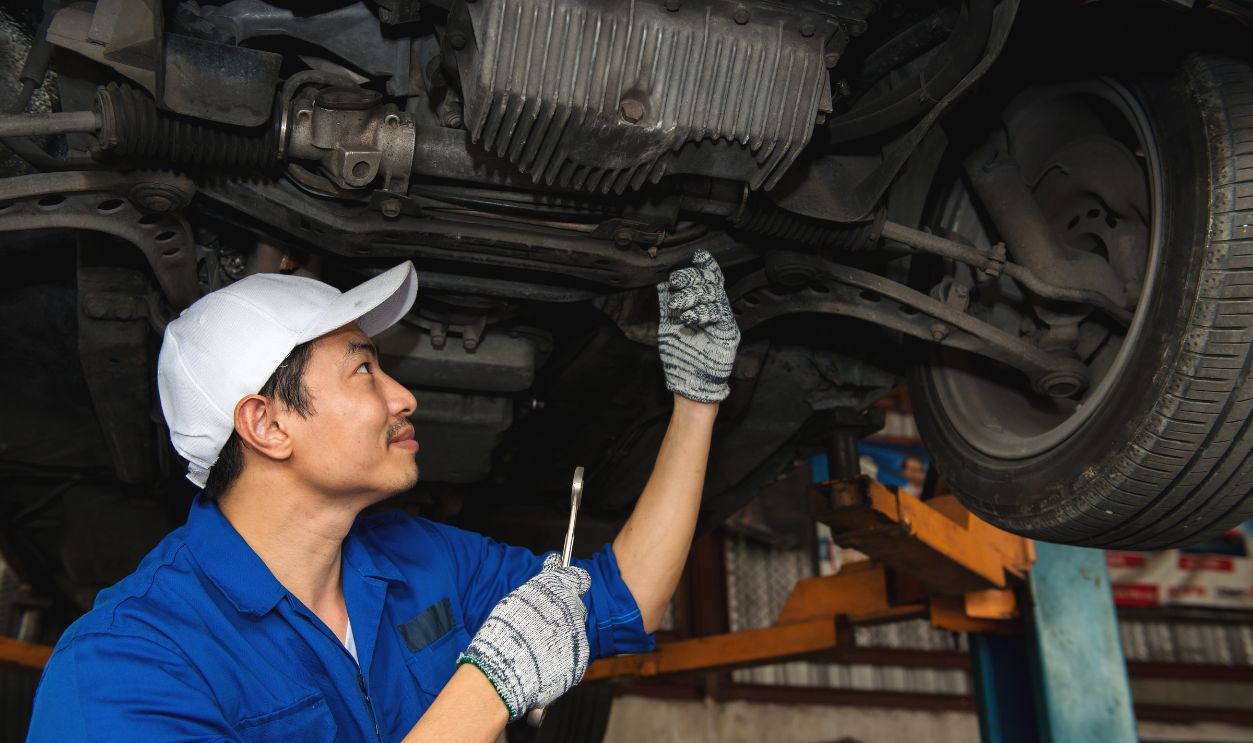
The cleanest fix is usually to reinstall the original exhaust components or replace the noncompliant section with a legal part. If the catalytic converter was changed, make sure any replacement meets federal or California requirements for your location and vehicle application. After the repair, complete the required drive cycle so the readiness monitors can set before the retest.
The Bottom Line On Who Pays
If your son installed an exhaust and the car now fails emissions, the owner almost always pays first to make the vehicle legal again. You may be able to recover money from the seller or installer if the part was misrepresented or installed improperly, but that is a separate dispute and depends on proof. The fastest path is to fix the car the right way, keep every receipt, and then decide whether someone else should reimburse you.