Winter Exposes Every Weakness.
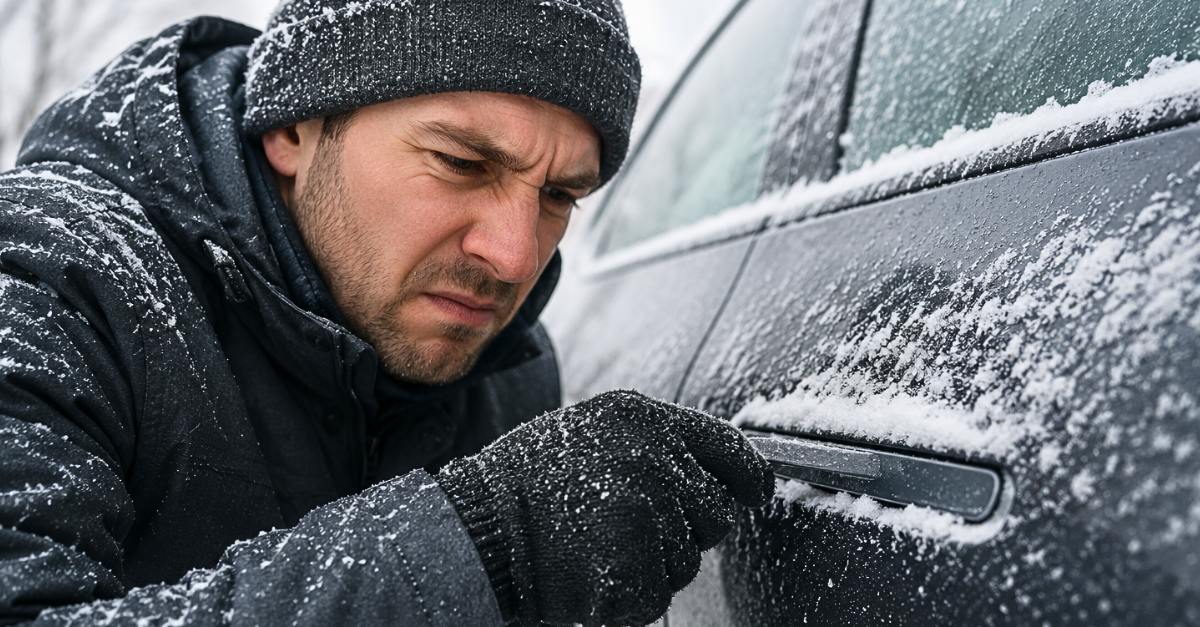
Flush door handles can improve a vehicle’s appearance and aerodynamics, but ice can turn that sleek design into a frustrating barrier between you and the driver’s seat. Whether they are practical in cold climates depends heavily on the mechanism, the manufacturer’s winter preparation, and how much maintenance an owner is willing to accept.
The Problem Is More Than Bad Luck
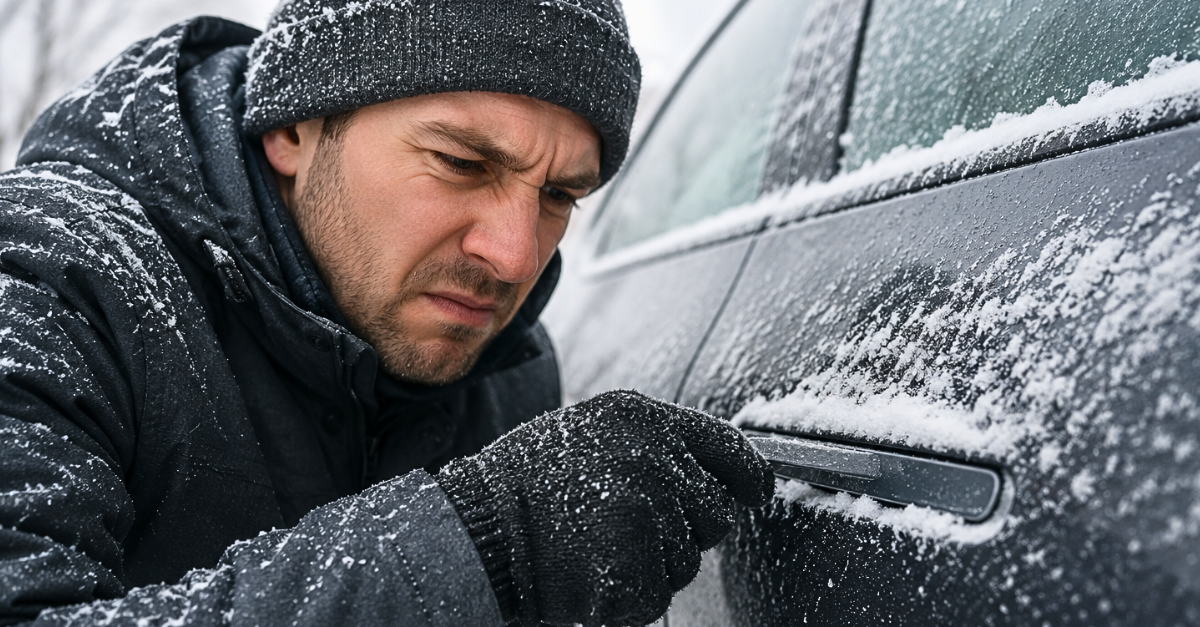
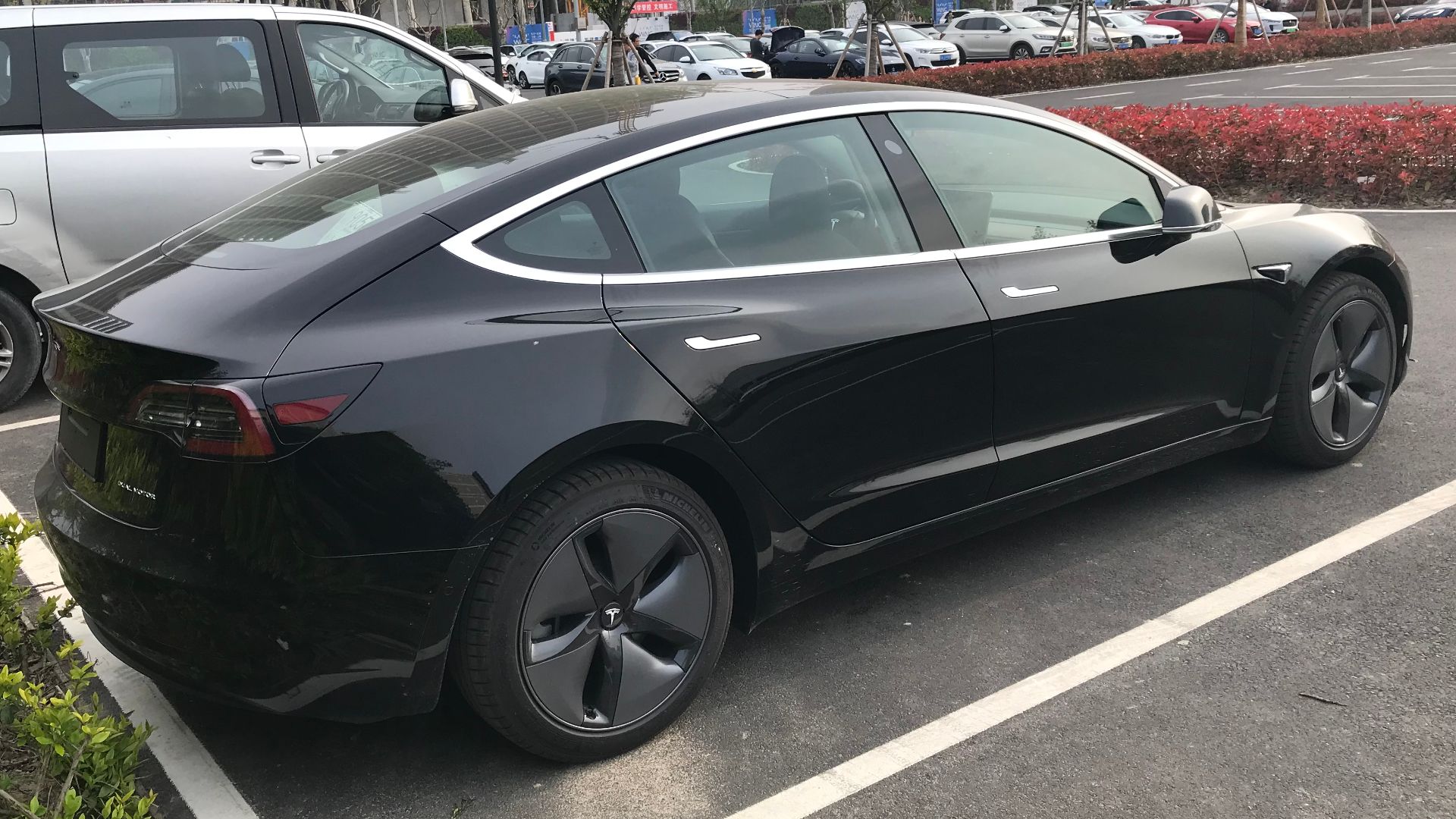
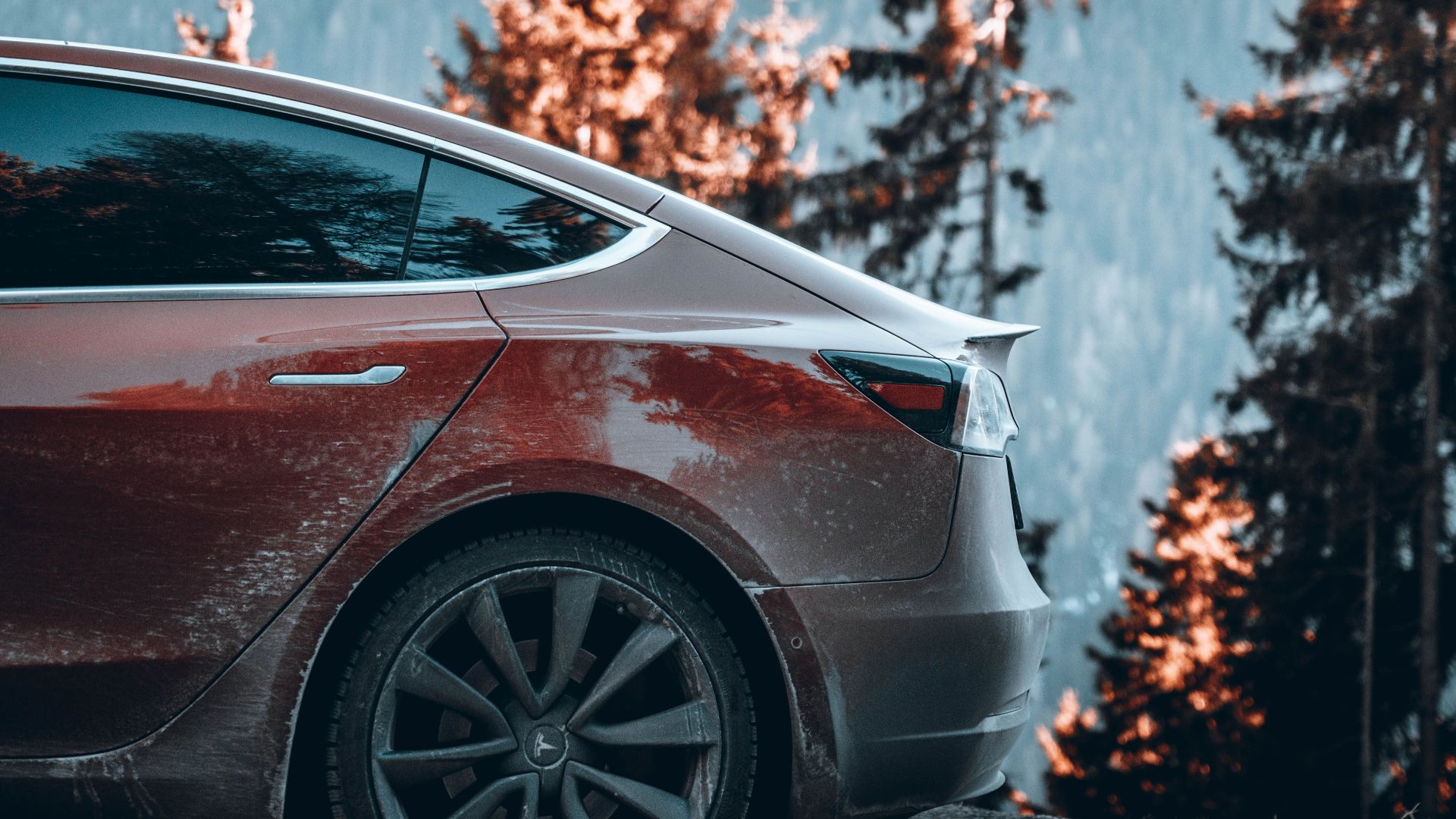
A flush handle sits level with the vehicle’s body instead of providing a permanently exposed grip. That clean design leaves narrow gaps where water can collect before temperatures fall below freezing. Tesla’s own winter guidance acknowledges that severe ice buildup can prevent a flush handle from operating normally.
 Jengtingchen, Wikimedia Commons
Not Every Flush Handle Works The Same Way
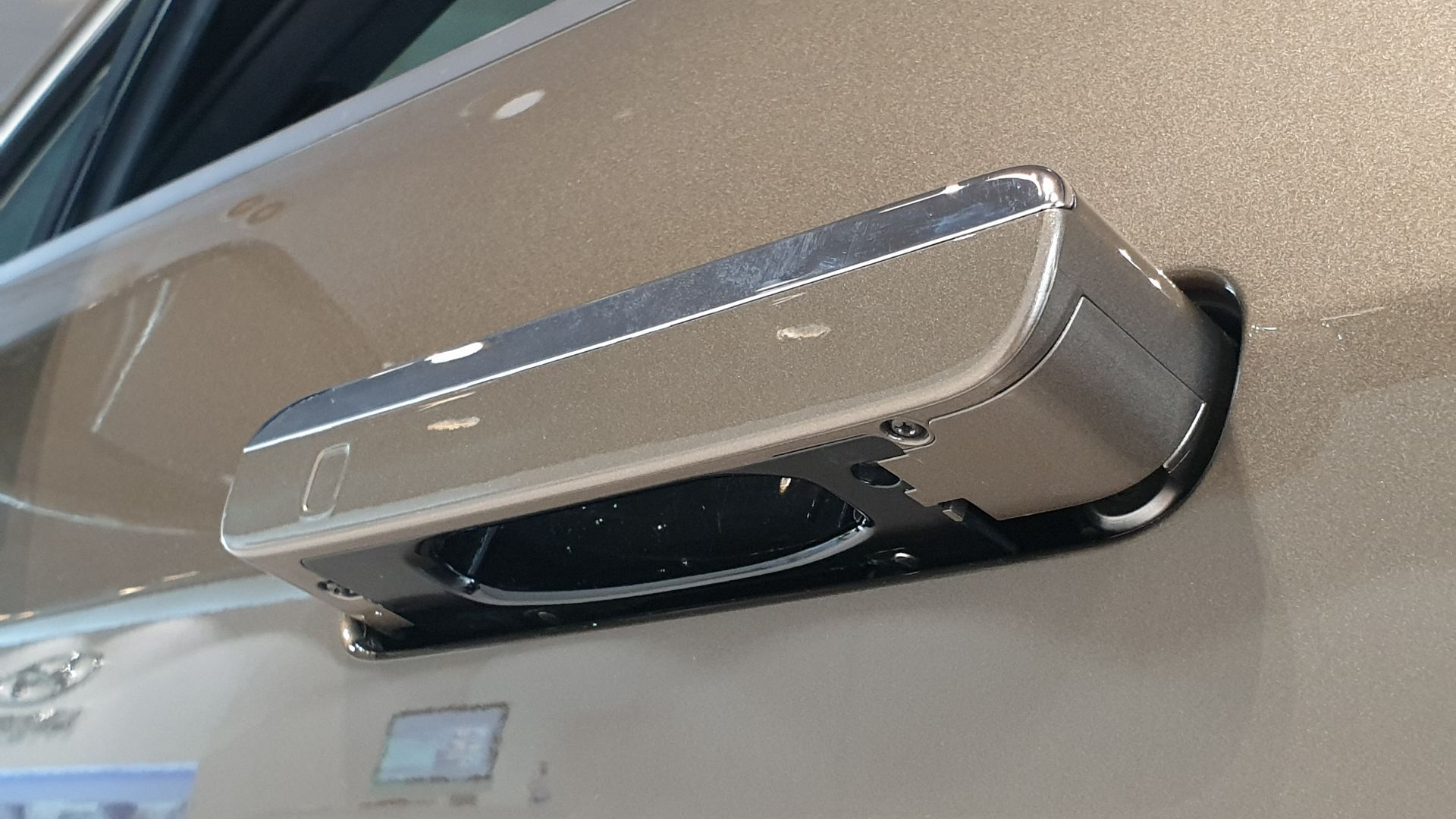
Some flush handles are mechanically operated, meaning the driver presses one end and pulls the other. Others contain electric motors that extend the handle when the vehicle detects a key, phone, or touch command. Automotive supplier Huf also offers fixed flush designs that use touch-sensitive or inductive controls without presenting a conventional protruding lever.
 Damian B Oh, Wikimedia Commons
Designers Are Chasing Cleaner Airflow
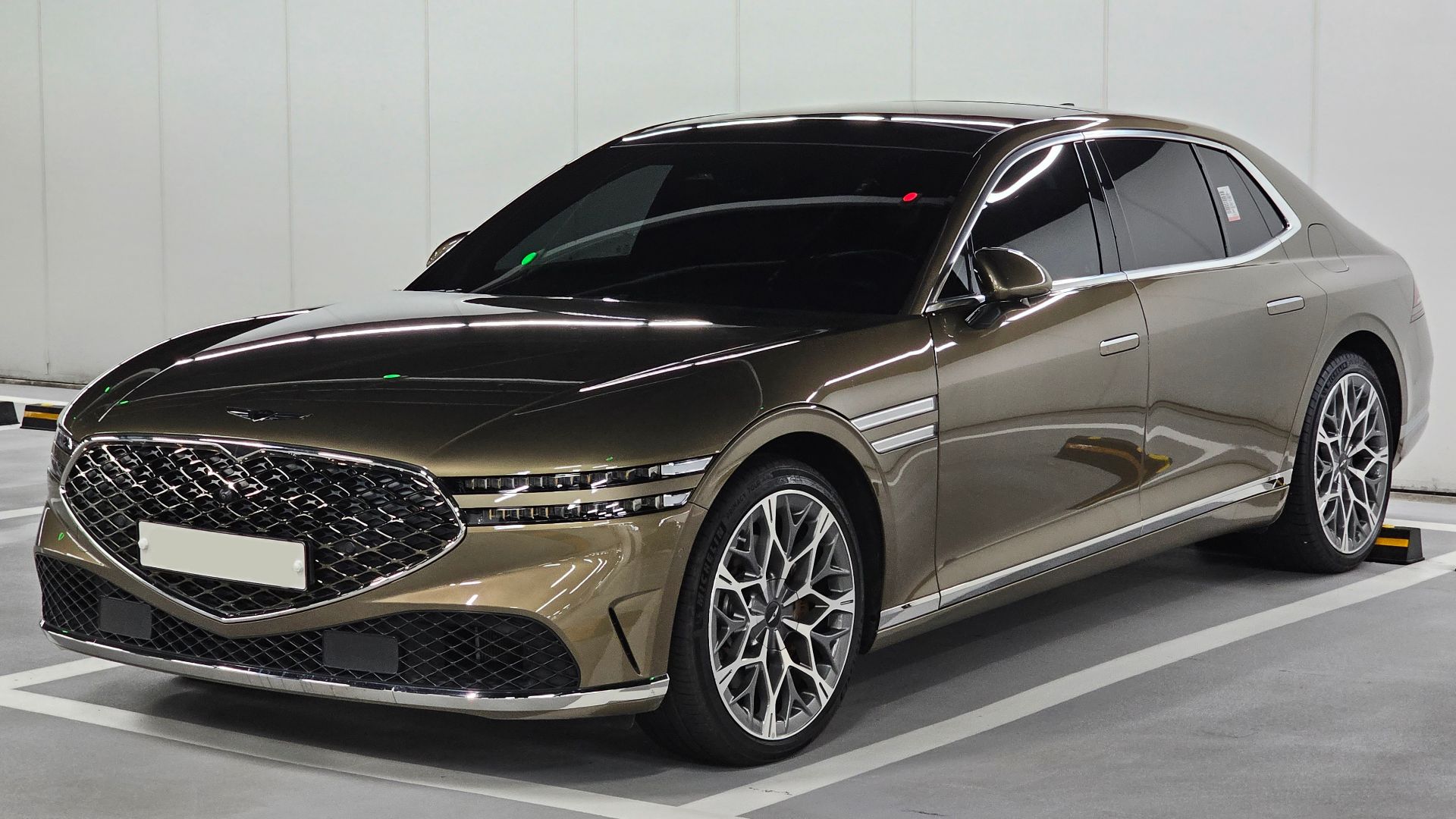
Protruding mirrors, trim pieces, wheels, and handles can disturb airflow around a moving vehicle. Flush handles help designers create smoother body surfaces, which is particularly attractive on electric vehicles that must conserve battery energy. Manufacturers also use them because they support the minimalist appearance associated with many premium and electric models.
 Damian B Oh, Wikimedia Commons
One Handle Cannot Transform Efficiency
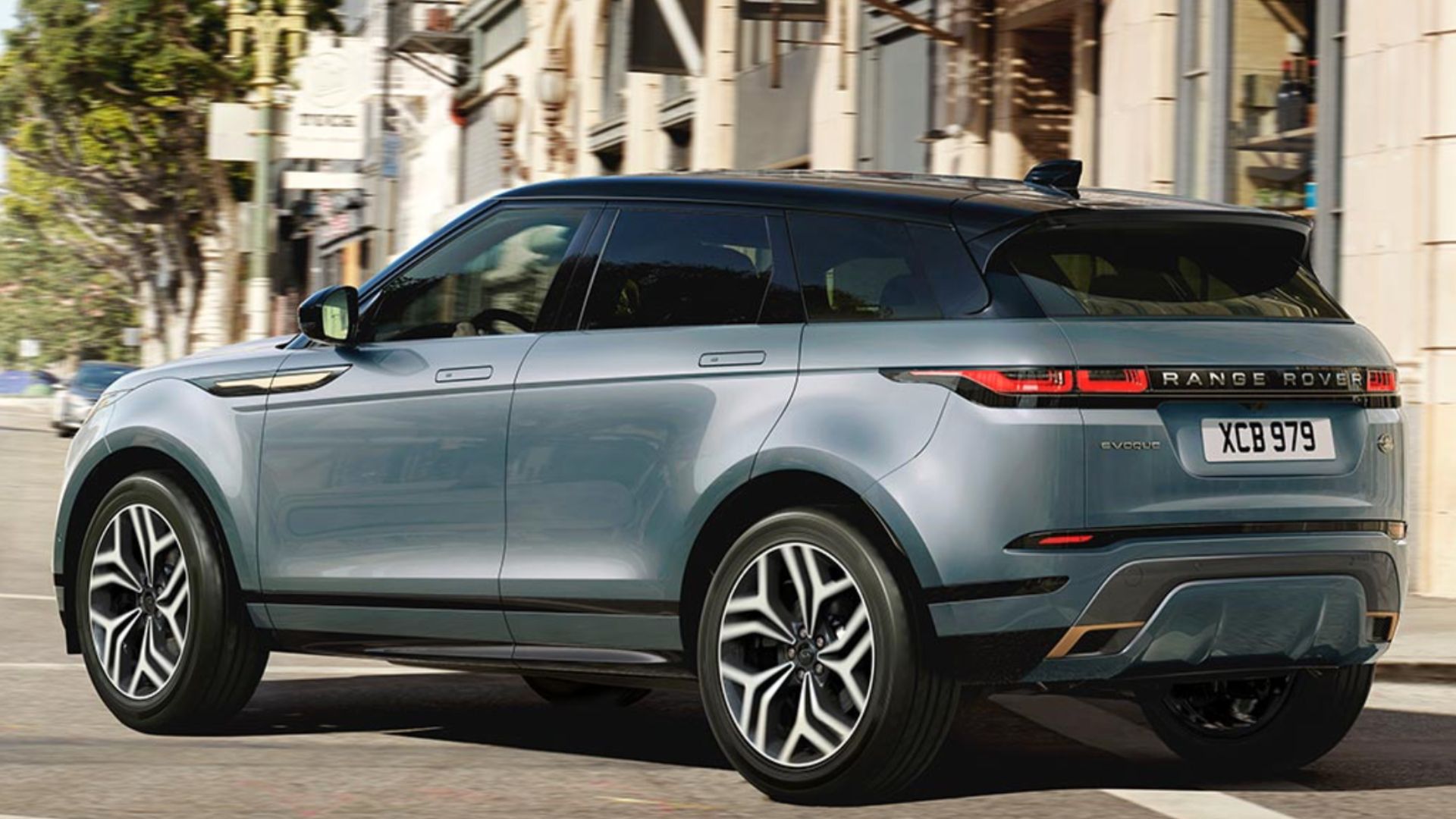
A flush handle may contribute to lower aerodynamic drag, but it is only one part of a much larger design effort. Vehicle shape, ride height, underbody panels, wheels, tires, and cooling openings all affect aerodynamic efficiency. The practical benefit of the handle alone must therefore be weighed against added mechanical complexity and winter inconvenience.
 WalkingBoots11, Wikimedia Commons
Winter Creates The Perfect Failure Cycle
The most troublesome conditions often involve precipitation followed by a rapid temperature drop. Water can enter the small space around the handle, remain there after the vehicle is parked, and freeze around the moving components. AAA identifies moisture, freezing temperatures, and wind as the combination that commonly freezes vehicle doors and locks.
Freezing Rain Can Be Worse Than Snow
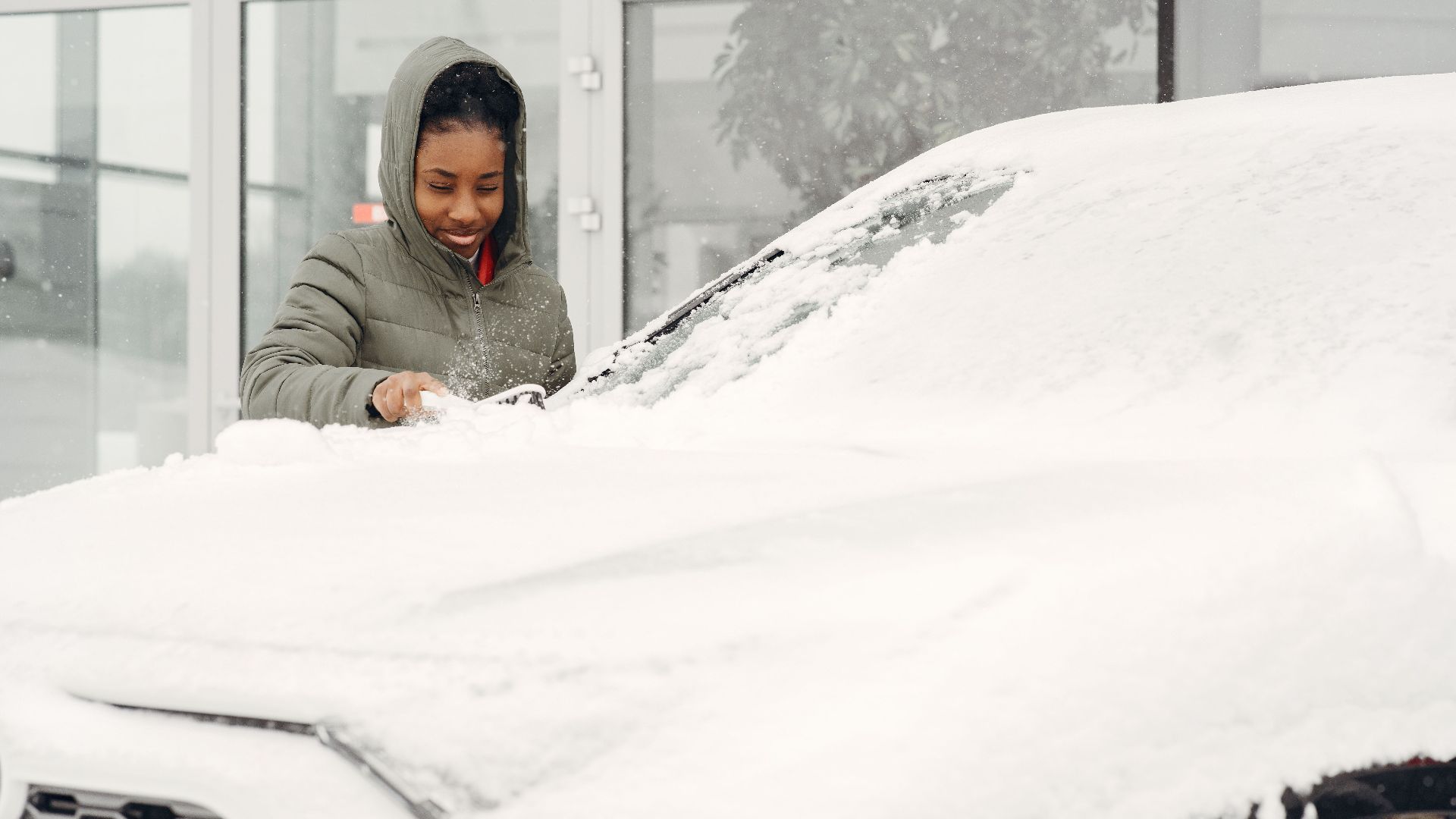
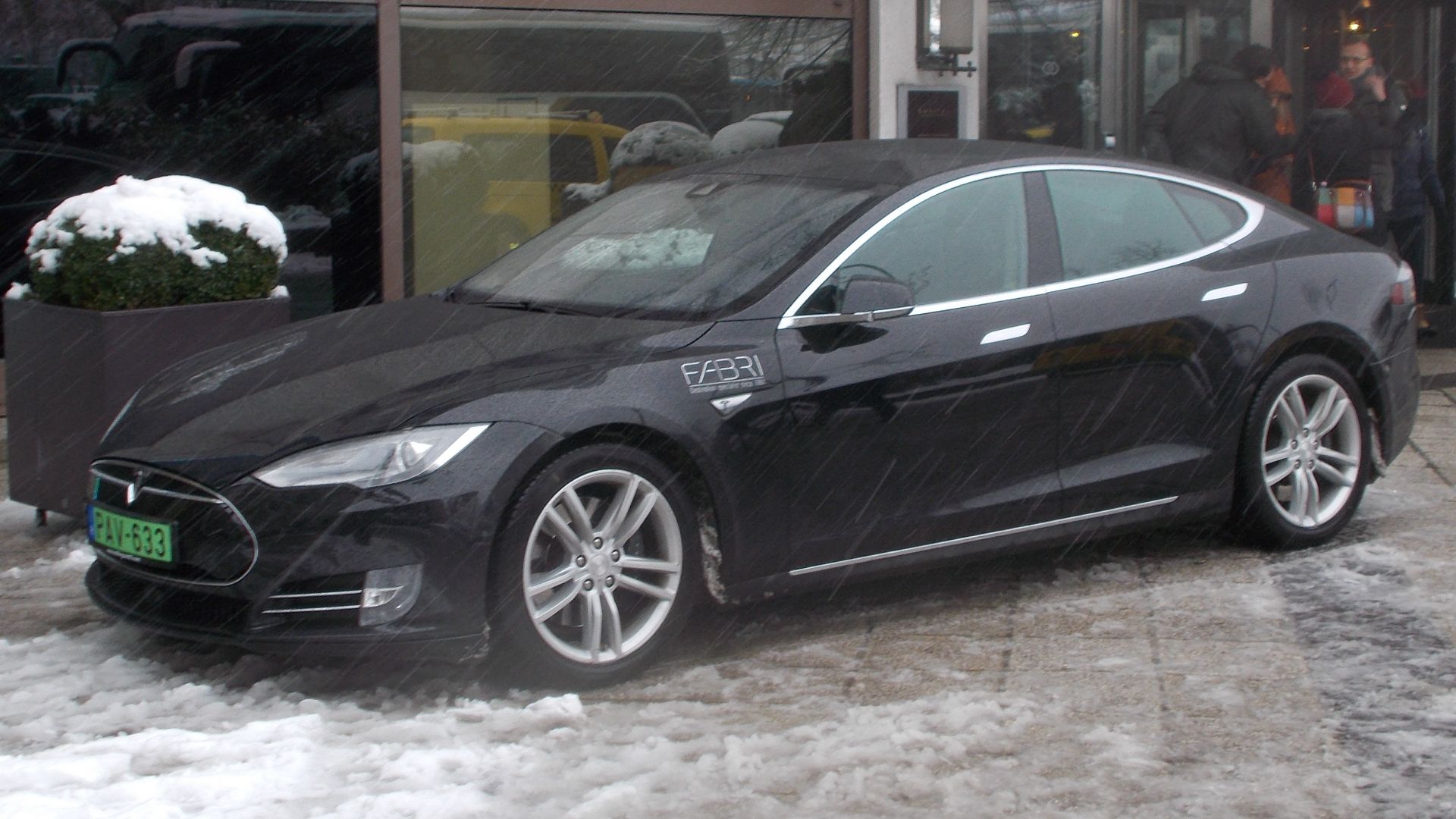
Dry snow may brush away without entering the handle mechanism. Freezing rain and wet snow can coat the entire door with water that later hardens into a continuous layer of ice. A handle that must pivot or extend through that layer may remain trapped even when the vehicle has successfully unlocked.
 Globetrotter19, Wikimedia Commons
The Handle Might Not Be The Only Problem
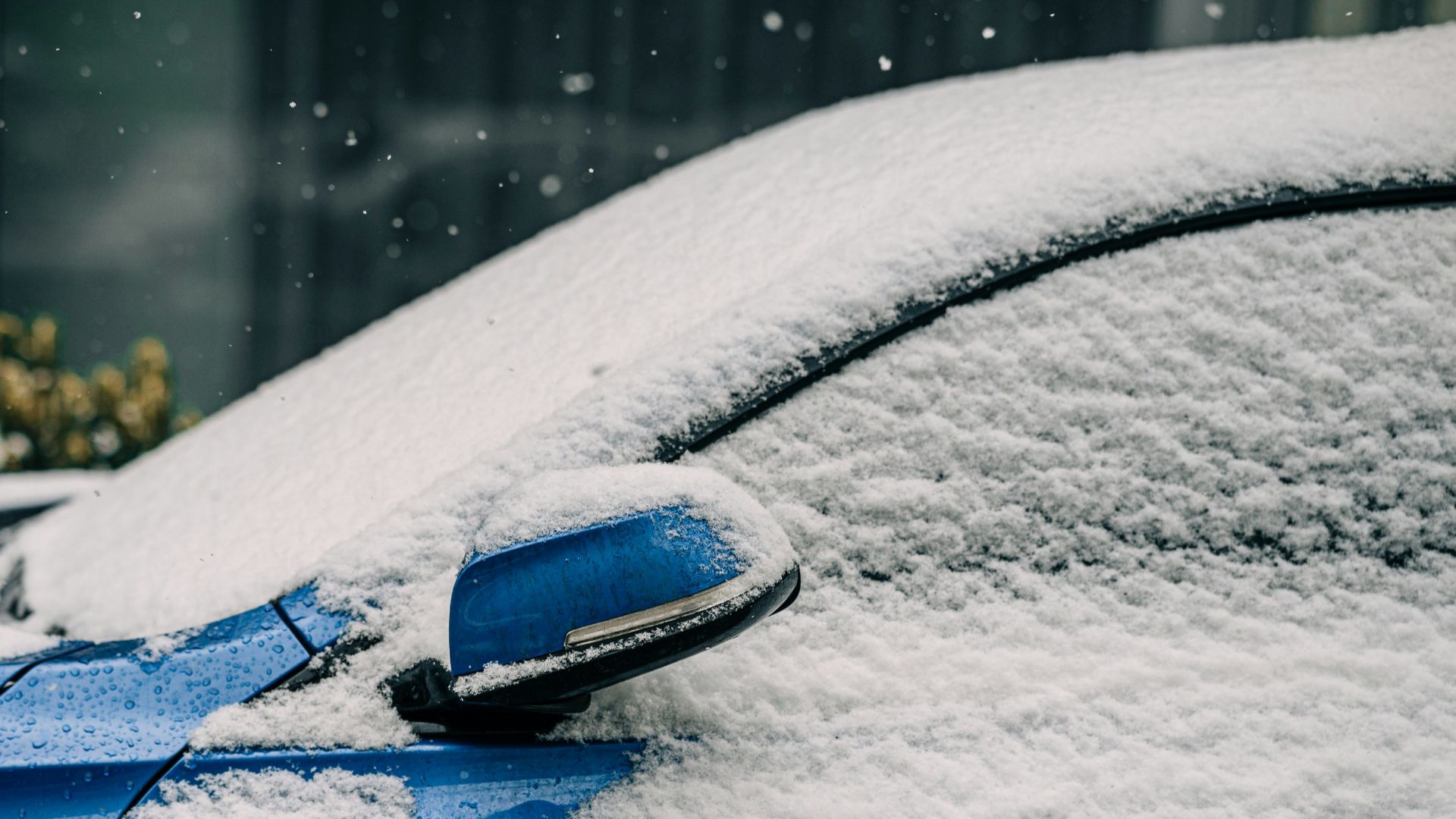
Drivers sometimes assume the handle has failed when the door itself is frozen to the body. Moisture can freeze along the rubber weatherstripping and hold the door shut after the latch releases. A functioning handle may therefore move normally while the frozen seal still prevents entry.
Frameless Windows Add Another Complication
Many vehicles with flush handles also use frameless side windows that lower slightly before the door opens. Ice can prevent the glass from completing that movement, increasing the risk of damage if the door is forced. Tesla alters the window position in cold conditions on some models to reduce the likelihood of the glass freezing against the trim.
Manufacturers Know This Can Happen
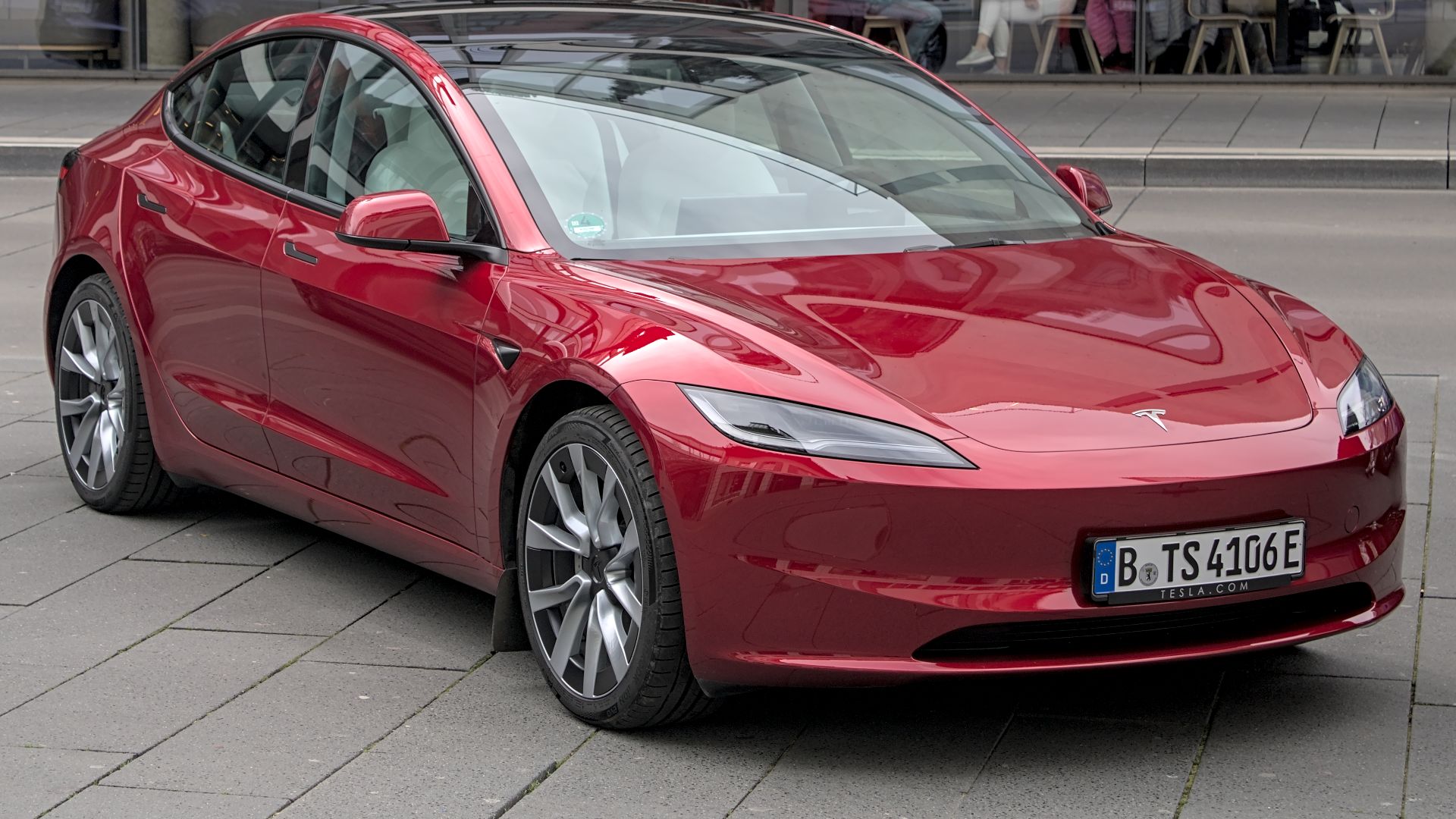
Tesla’s Model 3 manual explicitly states that ice buildup inside the handle can prevent it from opening. The company publishes separate instructions explaining how to remove ice and how to lubricate particular handle components. The existence of those instructions shows that freezing is a recognized operating condition rather than an entirely unexpected malfunction.
 Alexander-93, Wikimedia Commons
Tesla Recommends A Firm But Controlled Approach
For affected Model 3 handles, Tesla instructs owners to use the bottom of a fist to bump around the perimeter of the handle. The purpose is to crack the ice without striking the painted surface with a hard object. Tesla warns owners to remove jewelry first and avoid using excessive force.
 Phillip Pessar, Wikimedia Commons
Metal Tools Can Make Things Much Worse
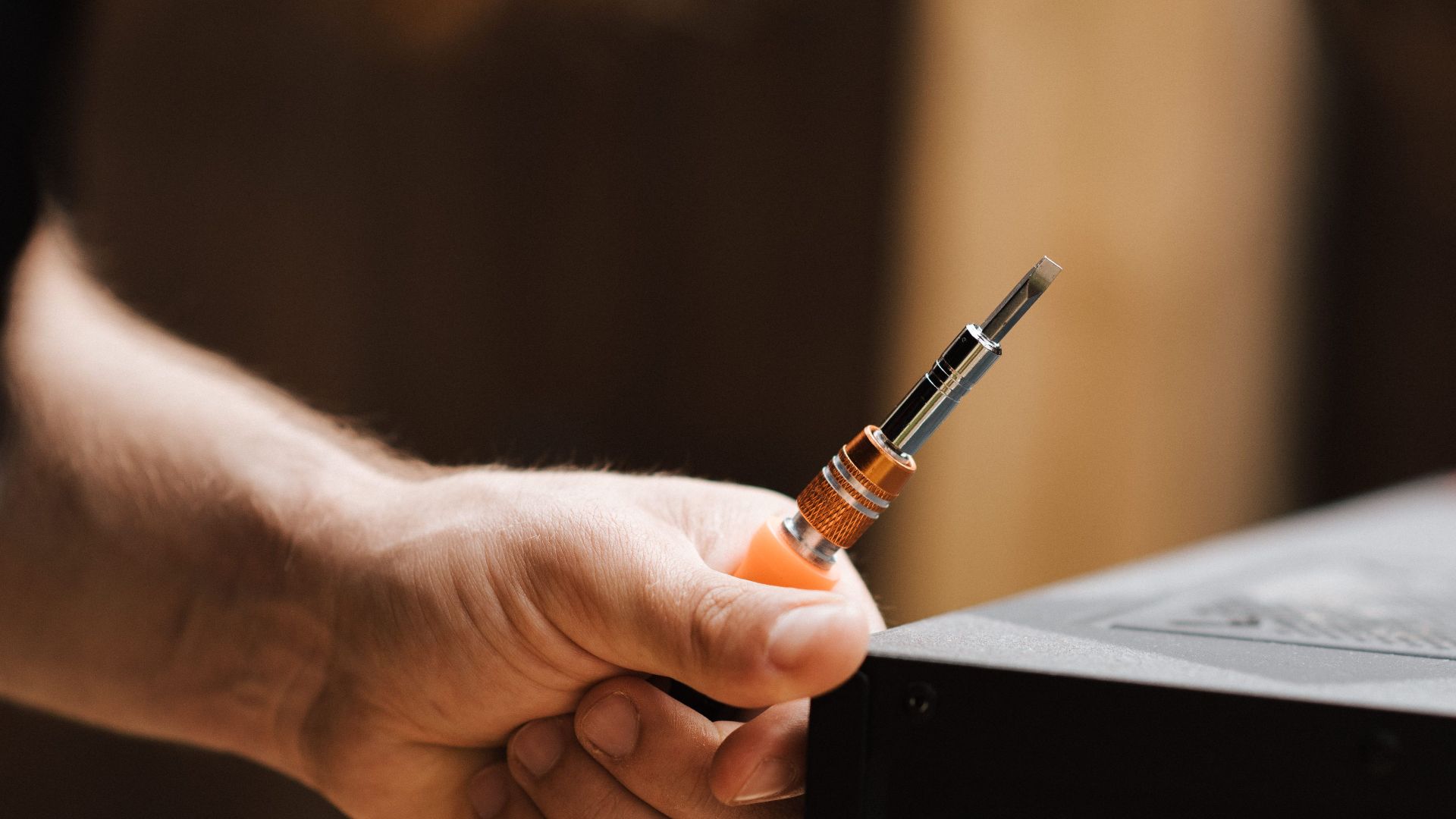
A screwdriver, scraper, or pry bar might break the ice, but it can also scratch paint, deform trim, or damage the mechanism beneath the handle. Tesla specifically advises owners not to use tools when freeing an iced handle. AAA similarly recommends gradual thawing techniques rather than aggressive attempts to force frozen doors open.
An App May Provide Another Way Inside
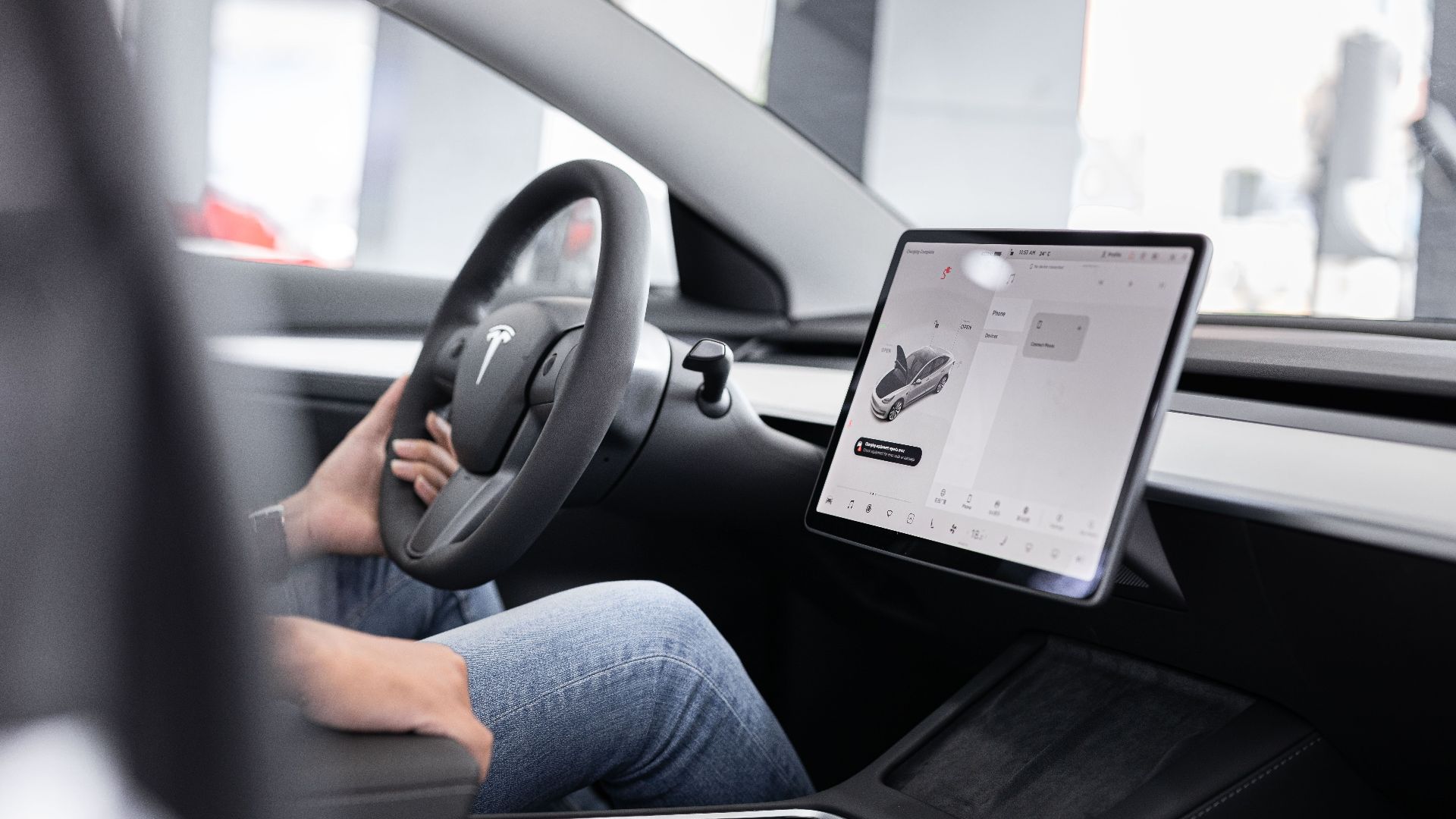
Tesla allows owners of compatible vehicles to add an Unlatch Door command to the mobile application. When the owner is close to the vehicle, the command can release and pop the driver’s door without requiring the exterior handle to move normally. This can help when the handle is iced over, although it may not overcome a door seal that is frozen solid.

Preheating Helps Before You Reach The Car
Remote climate systems can warm the cabin, windows, and surrounding door structure before departure. Tesla’s Defrost Car setting is designed to melt snow, ice, and frost from areas including the windows and mirrors. Preheating may loosen ice around the handles, but its effectiveness depends on temperature, ice thickness, heating time, and where the vehicle is parked.
Ford Uses A Different Exterior Solution
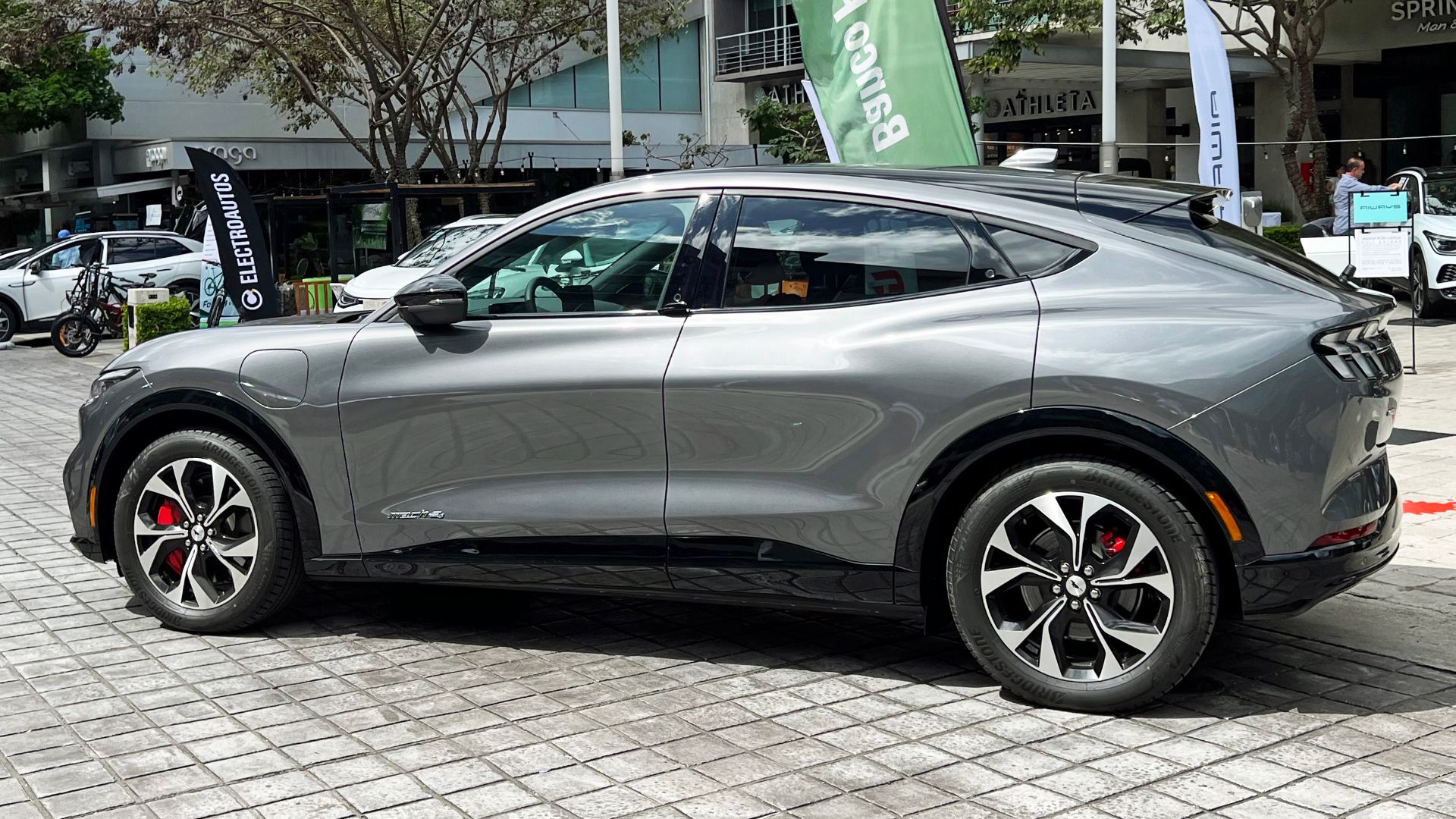
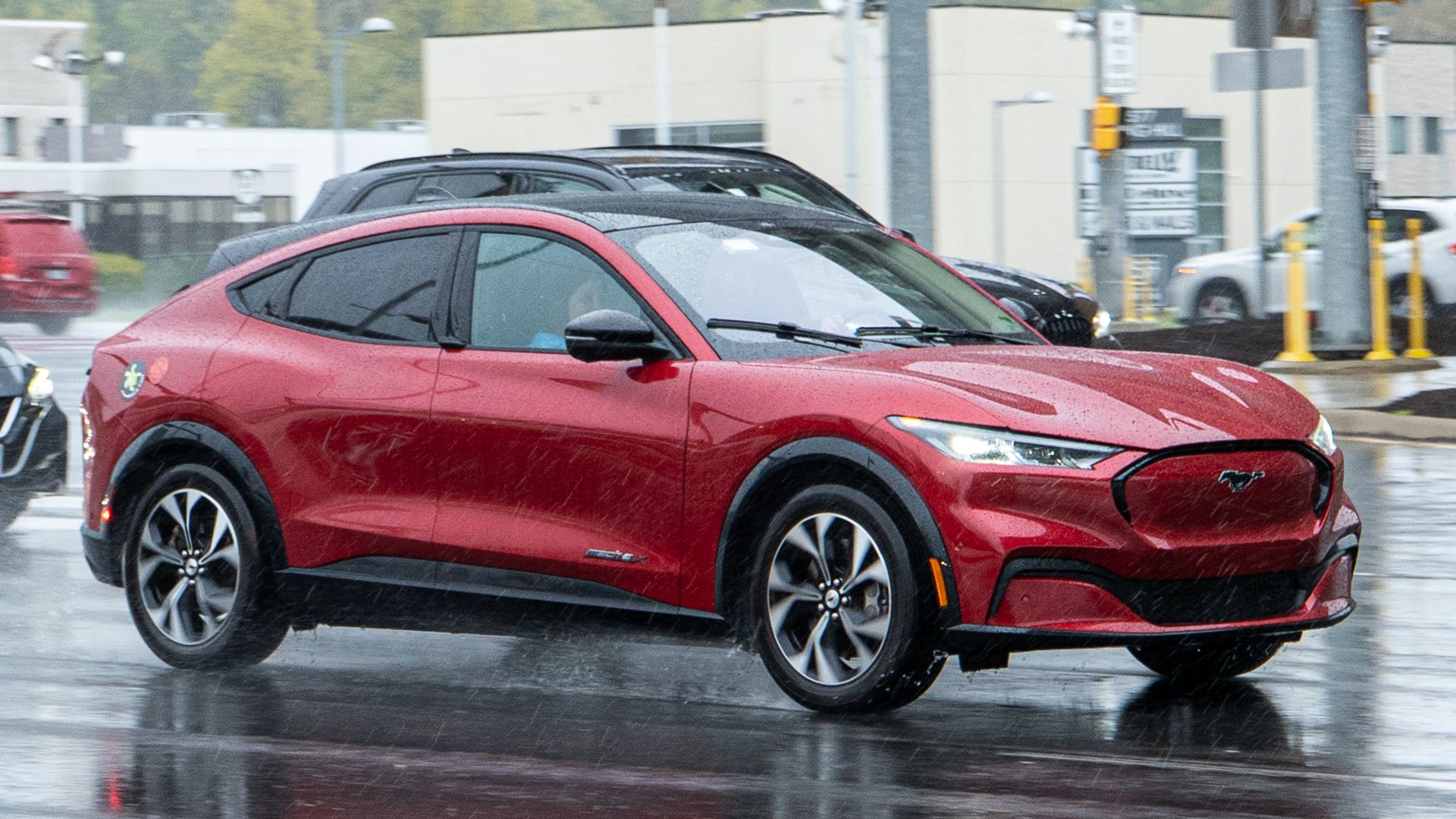
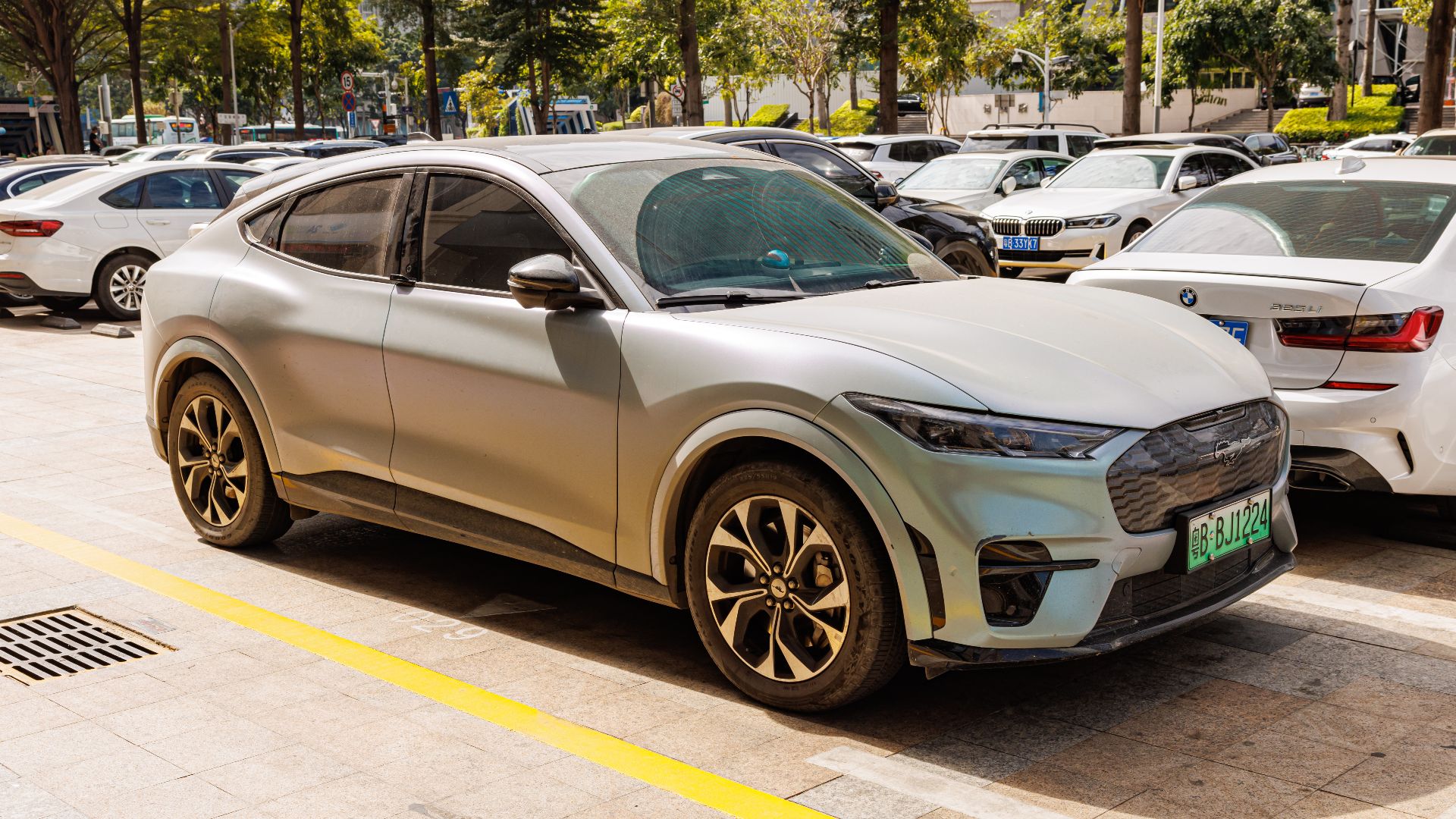
The Mustang Mach-E does not rely on a conventional extending lever at the front doors. Ford’s E-Latch system uses an illuminated button that electronically releases the door and allows it to pop outward slightly. A small fixed grip beneath the button then helps the driver pull the front door open, reducing the number of large moving exterior parts.
 Mariordo (Mario Roberto Duran Ortiz), Wikimedia Commons
Electronic Releases Still Depend On Power
A button-operated door may avoid a frozen pivoting handle, but it introduces reliance on sensors, wiring, latches, and the low-voltage electrical system. Ford’s emergency response information emphasizes using powered functions before the 12-volt supply is disconnected when rescuers need vehicle access. A smooth exterior design does not eliminate the need for reliable backup access.
 OWS Photography, Wikimedia Commons
Some Cars Preserve A Mechanical Key Option
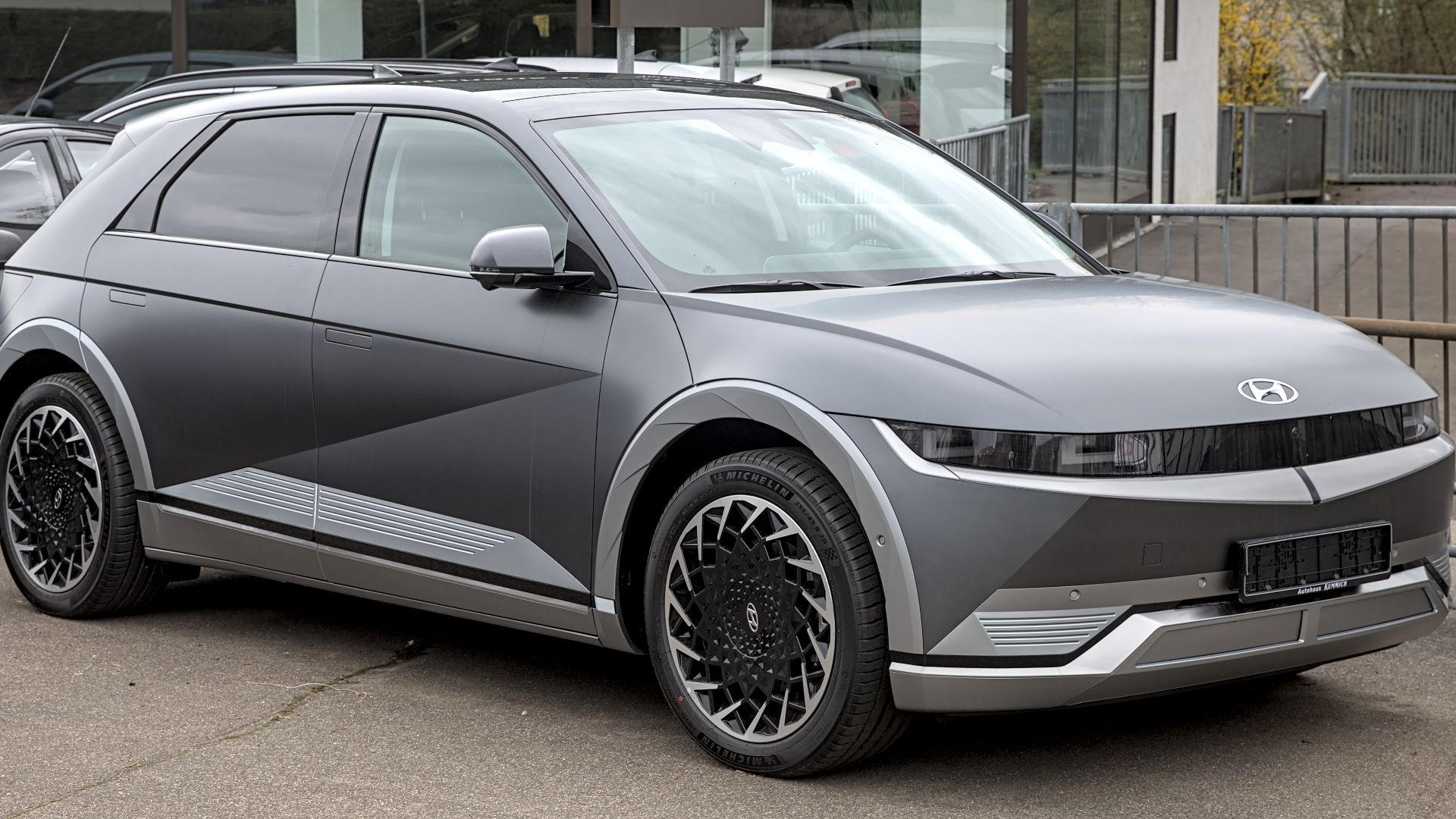
Smart entry systems often conceal a physical key or key cylinder beneath exterior trim. Hyundai owner guidance describes using a mechanical key to remove a cover on certain outside door handles. The exact procedure varies by model, making the owner’s manual more useful than general instructions found online.
 Alexander-93, Wikimedia Commons
The Owner’s Manual Is Essential Reading
The correct ice-removal method for one handle may damage another design. A powered presenting handle, a push-pivot handle, and an electronic door button have different operating limits and backup procedures. Drivers should locate the winter, keyless-entry, no-power, and emergency-door sections in their vehicle’s manual before freezing weather arrives.

Loss Of Low-Voltage Power Raises Bigger Questions
Electronic latches generally rely on the vehicle’s low-voltage electrical system even when the main propulsion battery still contains energy. If that smaller system fails, exterior electronic entry may stop working. This is a separate problem from ice, but cold temperatures can make access failures more serious because occupants or children may need to be reached quickly.
 Dinkun Chen, Wikimedia Commons
Federal Investigators Have Examined Exterior Access
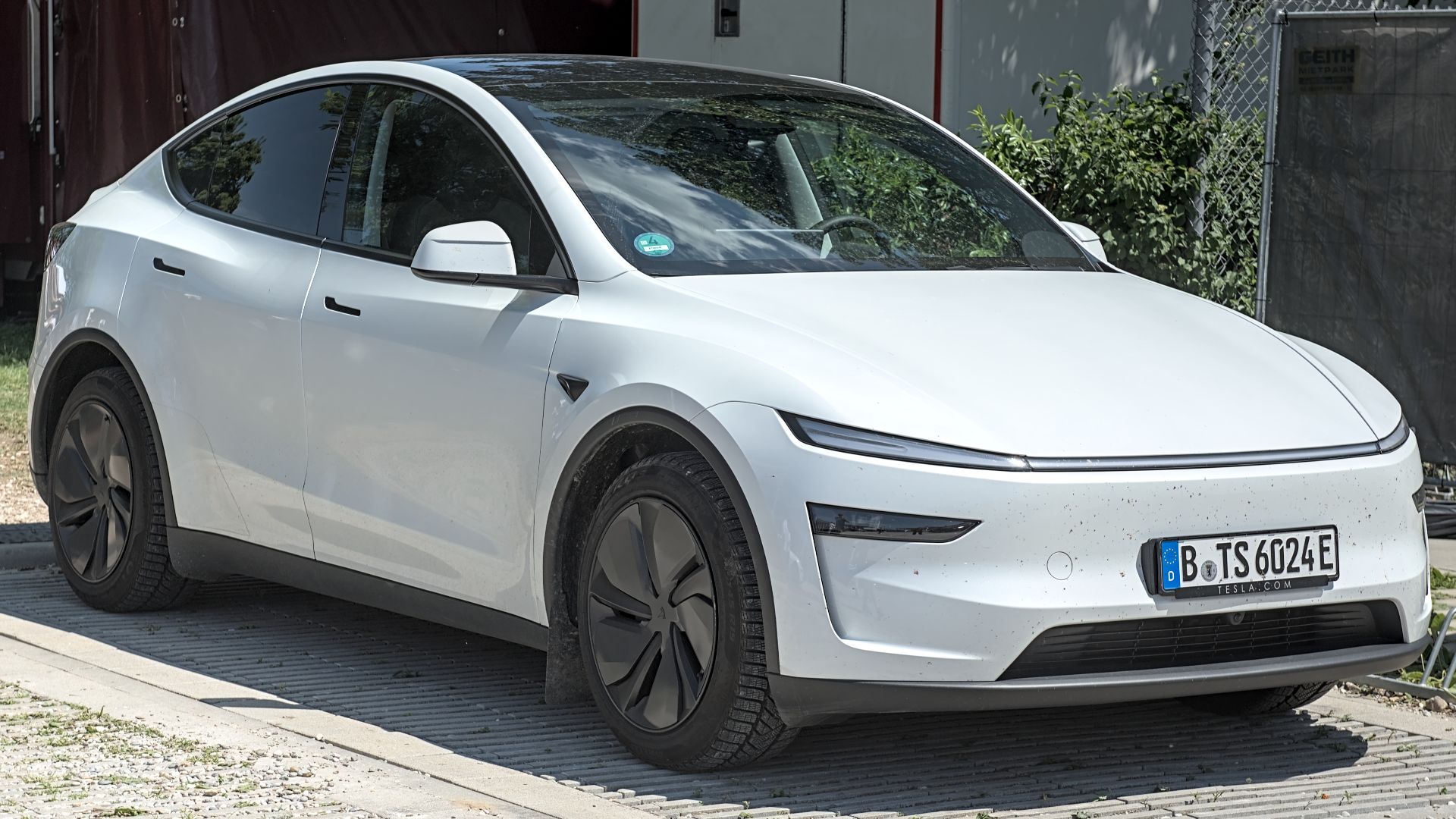
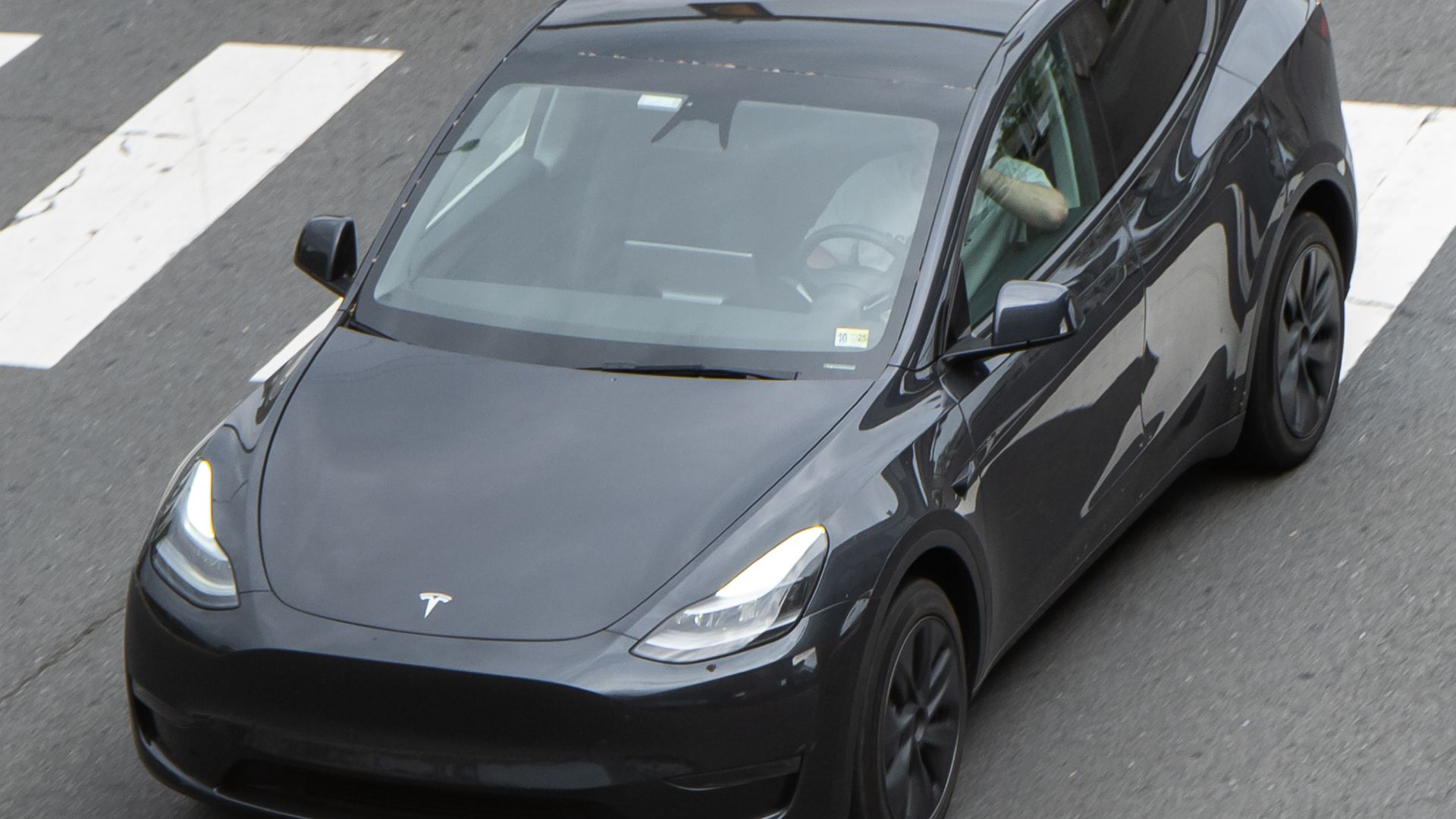
In September 2025, the National Highway Traffic Safety Administration opened a preliminary evaluation concerning electronic door-lock operation on certain Tesla Model Y vehicles. The investigation focused on reports in which exterior door access was unavailable after a loss of low-voltage power. NHTSA noted that there was no manual way to open the investigated doors from outside under those circumstances.
 Alexander Migl, Wikimedia Commons
Interior Emergency Releases Matter Too
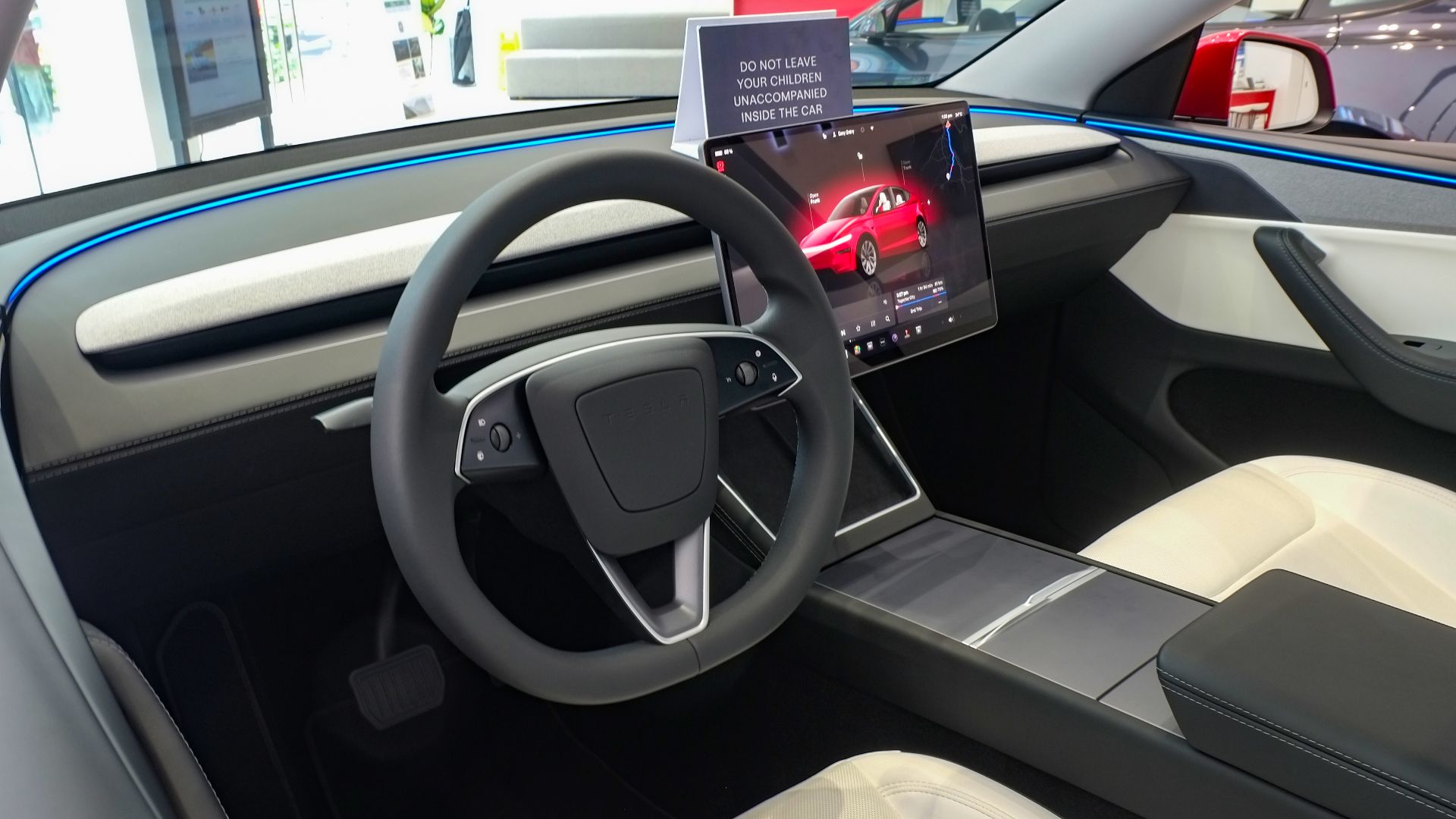
Tesla equips Model Y front doors with manual interior releases for situations in which the vehicle has no power. Its manual cautions that using the release while power remains available can prevent the frameless window from lowering automatically and may damage the glass or trim. Rear-door release procedures can differ depending on the vehicle’s configuration.
 Ethan Llamas, Wikimedia Commons
Passengers Should Learn The Exit Procedure
An emergency release is only valuable when occupants know where it is and can operate it. NHTSA’s investigation documents observed that manual interior releases might not be readily known to owners. Anyone regularly carrying children, older adults, or passengers unfamiliar with the vehicle should explain the emergency exit procedure before it is needed.
 OWS Photography, Wikimedia Commons
Prevention Starts With Removing Moisture
AAA recommends reducing the moisture that allows locks and doors to freeze in the first place. Owners can clear accumulated snow, dry wet door edges, and inspect weatherstripping before a major temperature drop. Keeping the handle area clean also prevents packed road salt and slush from occupying the gaps around moving components.
Lubricants Must Match Manufacturer Guidance
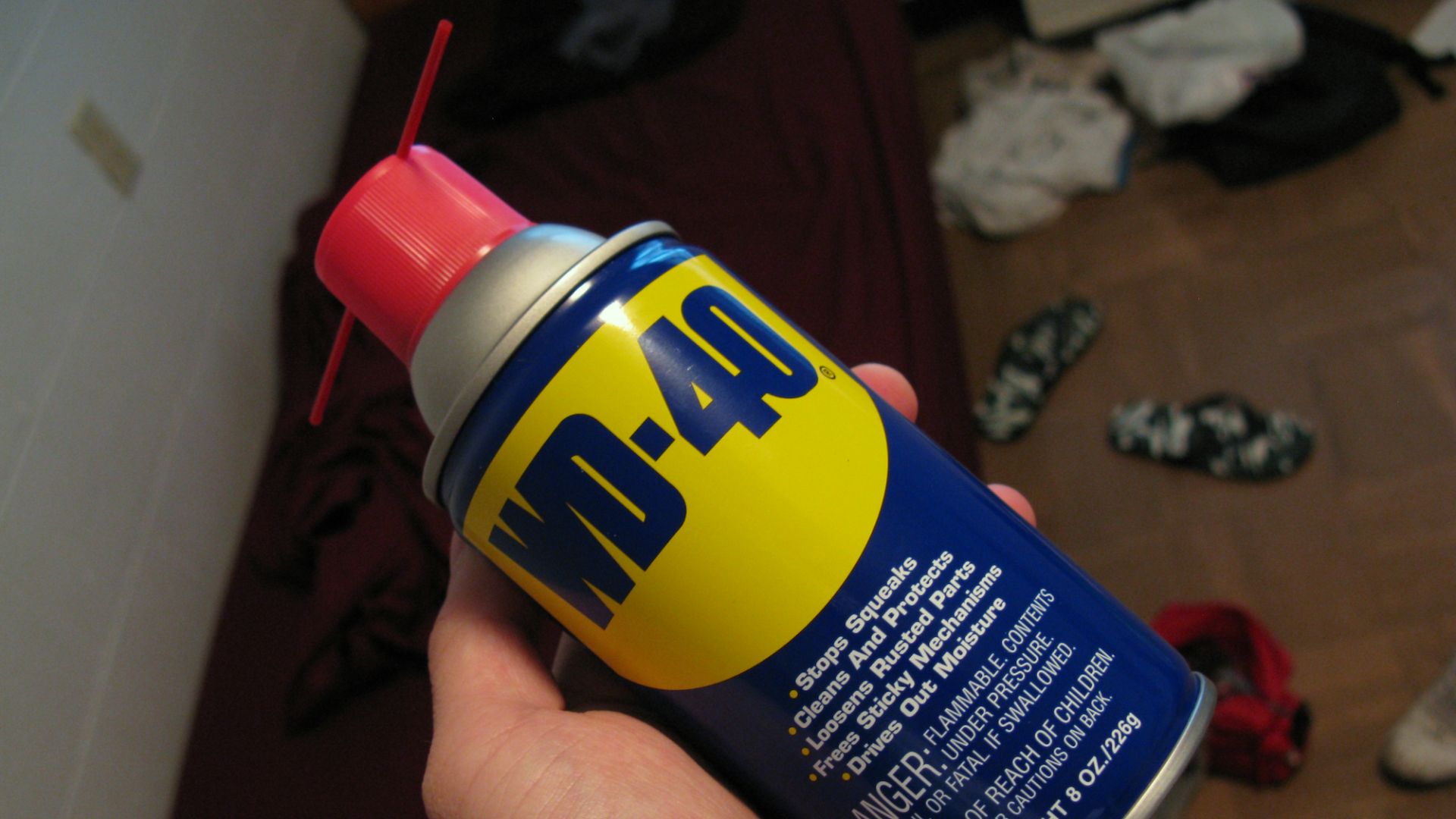
Tesla recommends applying WD-40 to specified pivot pins on certain Model 3 handles as a preventive measure. That does not mean the same product should be sprayed into every retractable or electronic handle. Owners should use only the lubricant, treatment, and application points approved for their exact model.
Covered Parking Makes A Noticeable Difference
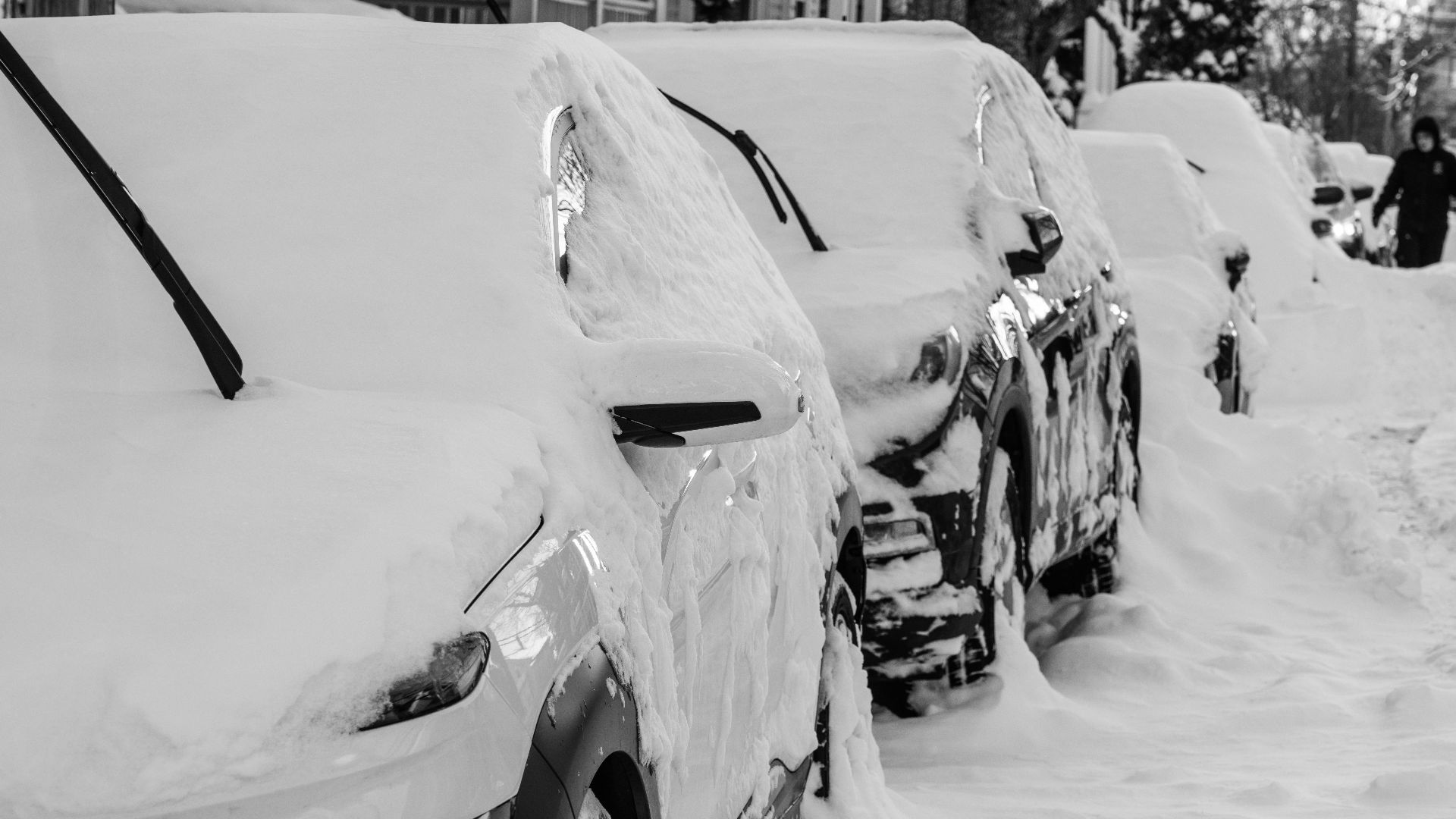
A garage, carport, or well-positioned vehicle cover can reduce the amount of freezing rain and wet snow that reaches the handles. Parking in sunlight may also help existing ice soften naturally later in the day. These measures do not change the design, but they reduce how often the mechanism must fight through frozen precipitation.

A Frozen Handle Should Be Thawed Patiently
Begin with the manufacturer’s specific instructions, then use cabin preconditioning or a commercial automotive lock deicer when appropriate. AAA advises against pouring hot water onto a frozen vehicle because the water can refreeze and create another problem. Sudden heat can also be risky around very cold automotive glass.
Repeated Failures Deserve A Service Visit
An occasional frozen door after an ice storm does not necessarily indicate a defective component. Persistent sticking in relatively mild conditions could point to damaged seals, drainage problems, poor handle alignment, or a failing actuator. Photos, videos, temperatures, and weather details can help a dealership understand a problem that disappears after the vehicle warms up.
Practicality Depends On Your Winter Reality
Flush handles can work in cold regions, especially when the vehicle has effective preconditioning, a usable backup method, and clear manufacturer instructions. They are less convenient for drivers who park outdoors through frequent freeze-thaw cycles and expect every exterior component to operate without preparation. In a harsh climate, a simple exposed mechanical handle remains easier to understand, easier to grip, and generally less dependent on electronics.

The Sleek Look Comes With A Trade-Off
Flush handles are not automatically impractical, but they shift some responsibility from the hardware to the owner. Drivers may need to preheat the vehicle, remove ice carefully, maintain the mechanism, and memorize backup entry procedures. For someone already fighting the handles every winter, that aerodynamic styling benefit may no longer feel worth the trouble.

You May Also Like: