The Fear Sounds Familiar
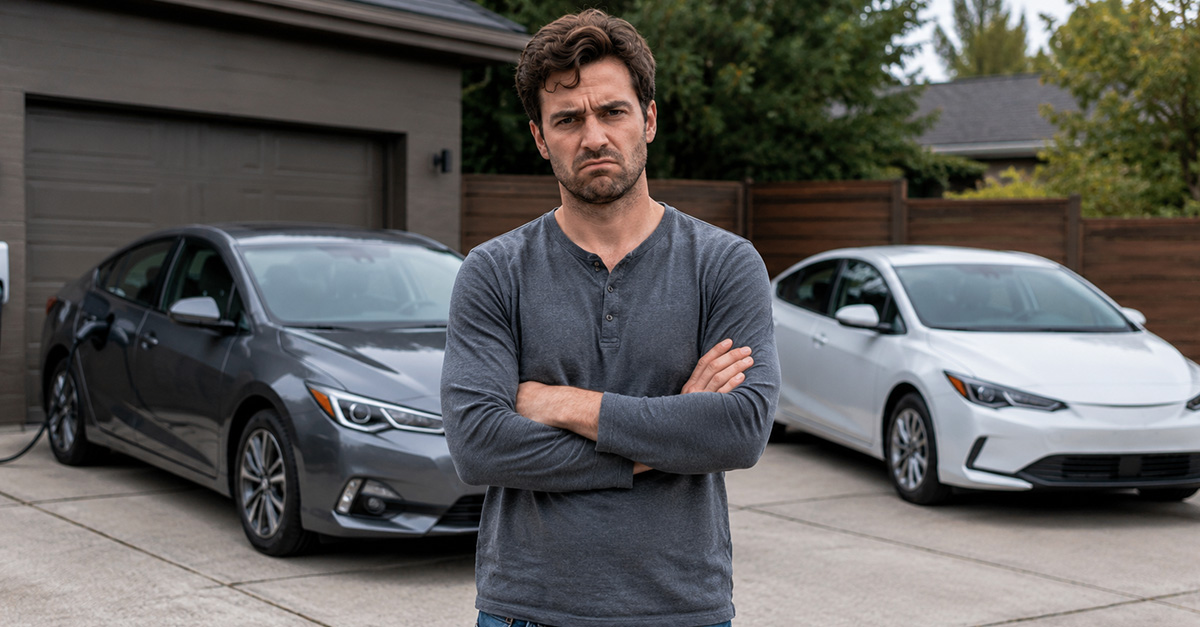
If you have ever shopped for an EV, you have probably heard this warning: a miracle battery is right around the corner, so buying now is a bad move. It is a catchy claim, but the history of battery development tells a more measured story.

Battery Breakthroughs Rarely Arrive Overnight
Battery technology does improve, but usually in steps, not giant leaps that wipe out what came before. The modern lithium-ion battery grew out of key work by M. Stanley Whittingham in the 1970s, John B. Goodenough in the 1980s, and Akira Yoshino in 1985. Their work was so important that they shared the 2019 Nobel Prize in Chemistry.
 National Cancer Institute, Unsplash
The Core EV Battery Is Already A Mature Idea
Sony commercialized the first lithium-ion batteries in 1991, and that says a lot. The chemistry behind today’s EV market is not some brand-new experiment. It has been refined for decades, with steady gains in cost, safety, and performance before it became the foundation of mass-market electric cars.
What Actually Changes Year To Year
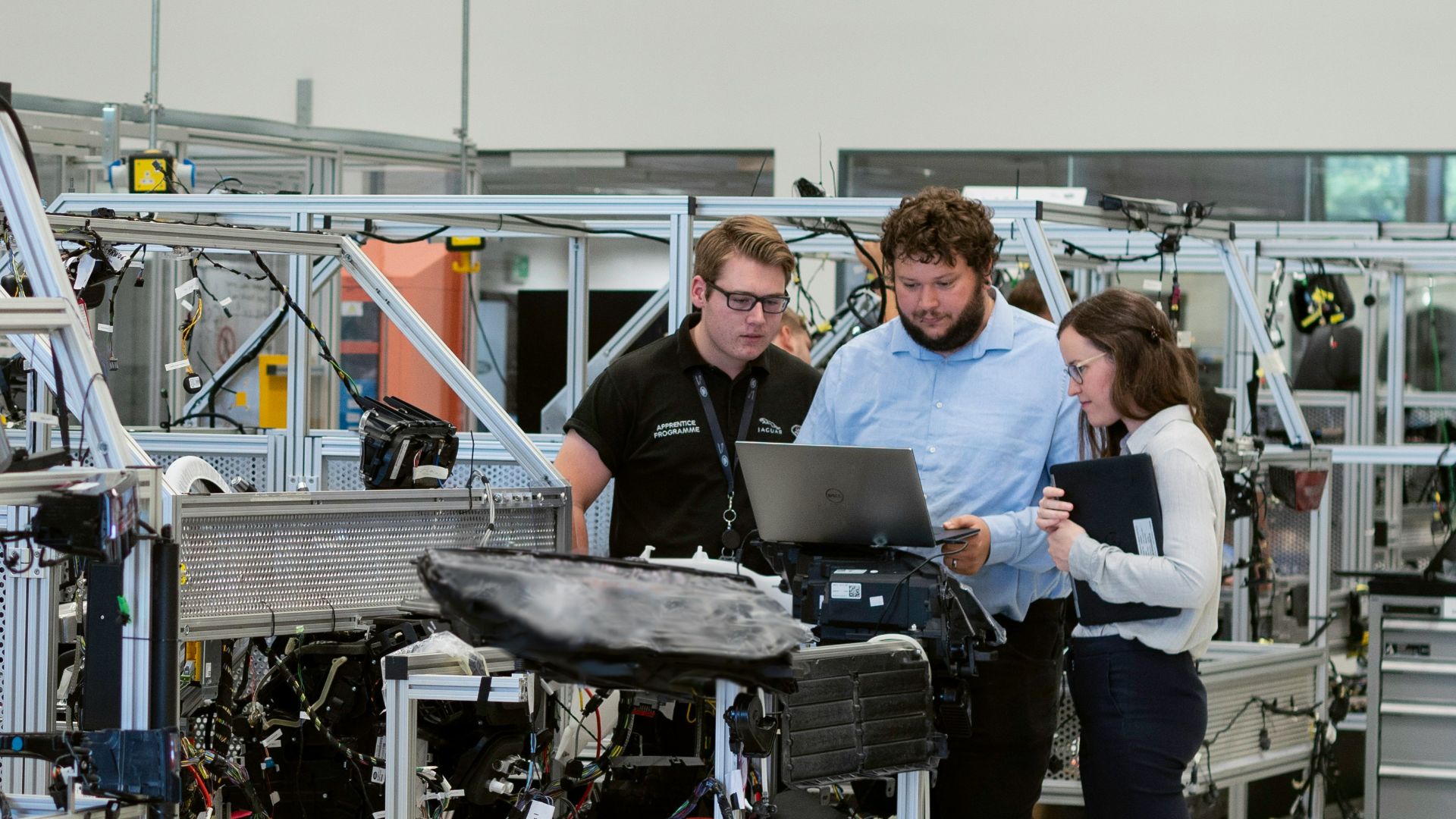
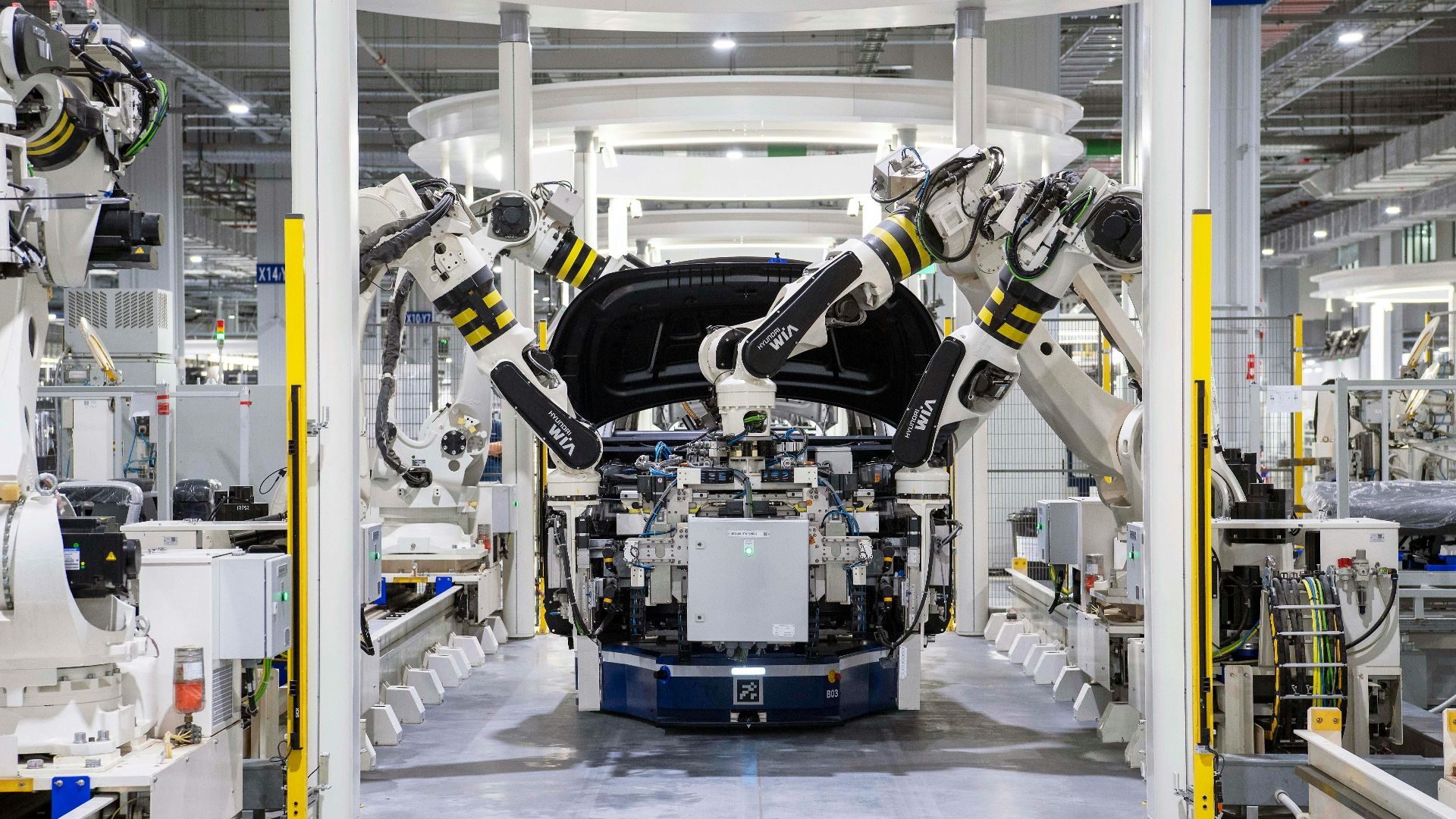
Most EV progress comes from better cell design, packaging, software, charging performance, and manufacturing scale. The story is less about one magic invention and more about thousands of engineering improvements. That matters because it means your new EV is less likely to become instantly outdated than critics like to claim.
Energy Density Keeps Improving, But Gradually
The U.S. Department of Energy has tracked steady gains in battery pack energy and steady drops in cost over time. That is good news for future buyers, but it is not proof that current EVs are about to become worthless. Cars bought a few years ago still drive, charge, and handle everyday needs even as newer models improve.
Cost Declines Are Real
BloombergNEF reported that average lithium-ion battery pack prices fell to $139 per kilowatt-hour in 2023, down sharply from where they were a decade earlier. That long-term decline is one reason EVs have become more competitive. It is also a reminder that battery progress often shows up first in lower prices, not overnight sci-fi jumps in range.
The Big Price Story Cut Both Ways In 2024
In 2024, BloombergNEF said average battery pack prices dropped again to $115 per kilowatt-hour. That can help make newer EVs cheaper, but depreciation is not driven by batteries alone. Incentives, brand image, charging access, and used-car demand often matter just as much.

Solid-State Is The Headliner Everyone Talks About
When people say today’s EVs will soon be worthless, they are usually thinking of solid-state batteries. These batteries replace the liquid electrolyte in conventional lithium-ion cells with a solid material. Researchers and automakers have chased the idea for years because it could improve energy density and safety.
But Solid-State Has Been “Coming Soon” For A While
Toyota has talked publicly about solid-state battery development for years, and plenty of other companies have too. But mass production at automotive scale is still hard. The technology is promising, but “promising” is not the same thing as “widely available in affordable cars.”
What Toyota Actually Said
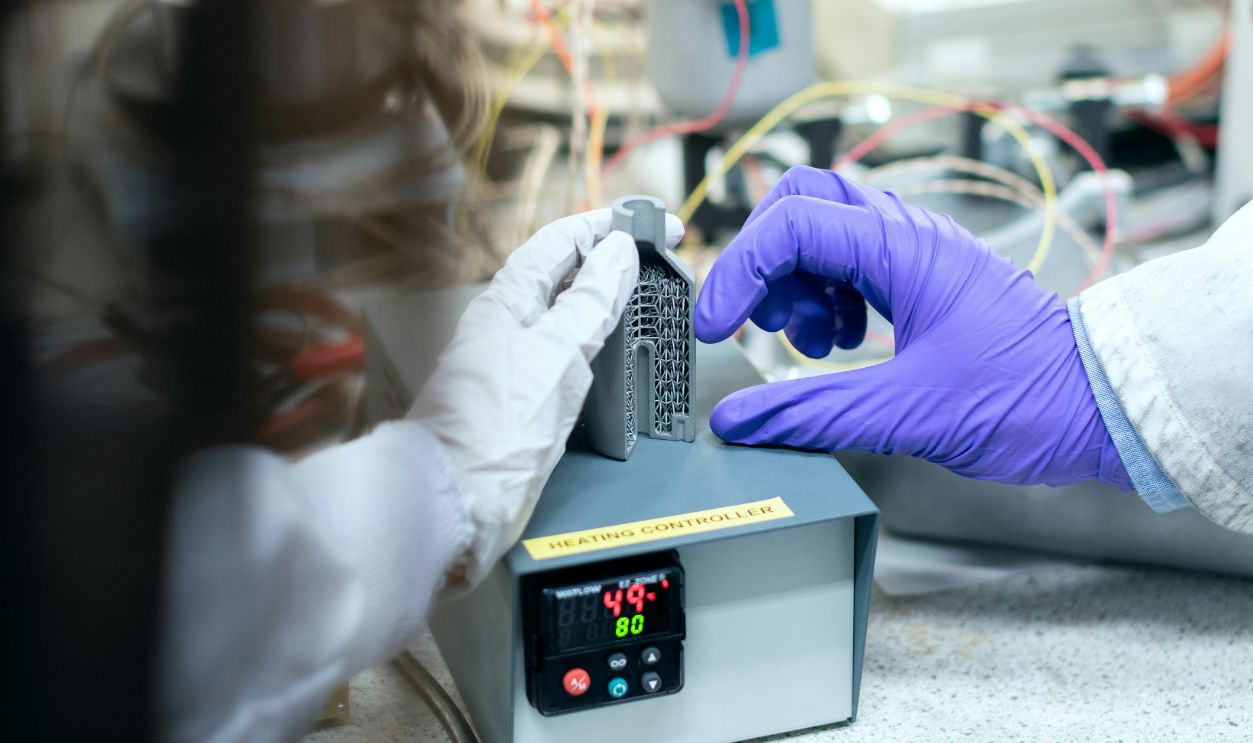
In June 2023, Toyota said it had made a technological breakthrough tied to solid-state batteries and planned to commercialize next-generation batteries later in the decade. That is important, but it does not mean millions of cheap solid-state EVs are arriving next year. Automaker timelines are best read as targets, not guarantees.

Nissan Put A Date On Its Own Plans
Nissan has said it aims to launch an EV with all-solid-state batteries by fiscal year 2028. That is a concrete goal from a major automaker, and it shows the industry is serious. It also shows the timeline is measured in years, not months.

QuantumScape Helps Explain The Hype
QuantumScape has become one of the best-known names in solid-state battery research. The company has published performance claims and shipped prototype cells to automotive partners for testing. Even so, testing and mass adoption are two very different stages.
 Oak Ridge National Laboratory, Wikimedia Commons
The Science Is Real, The Scale-Up Is The Hard Part
The U.S. Department of Energy says solid-state batteries could offer higher energy density and better safety, but it also points to manufacturing and interface challenges. That is the reality check. A battery can work in a lab or on a pilot line long before it is affordable, durable, and easy to build by the millions.

LFP Already Changed The EV Market
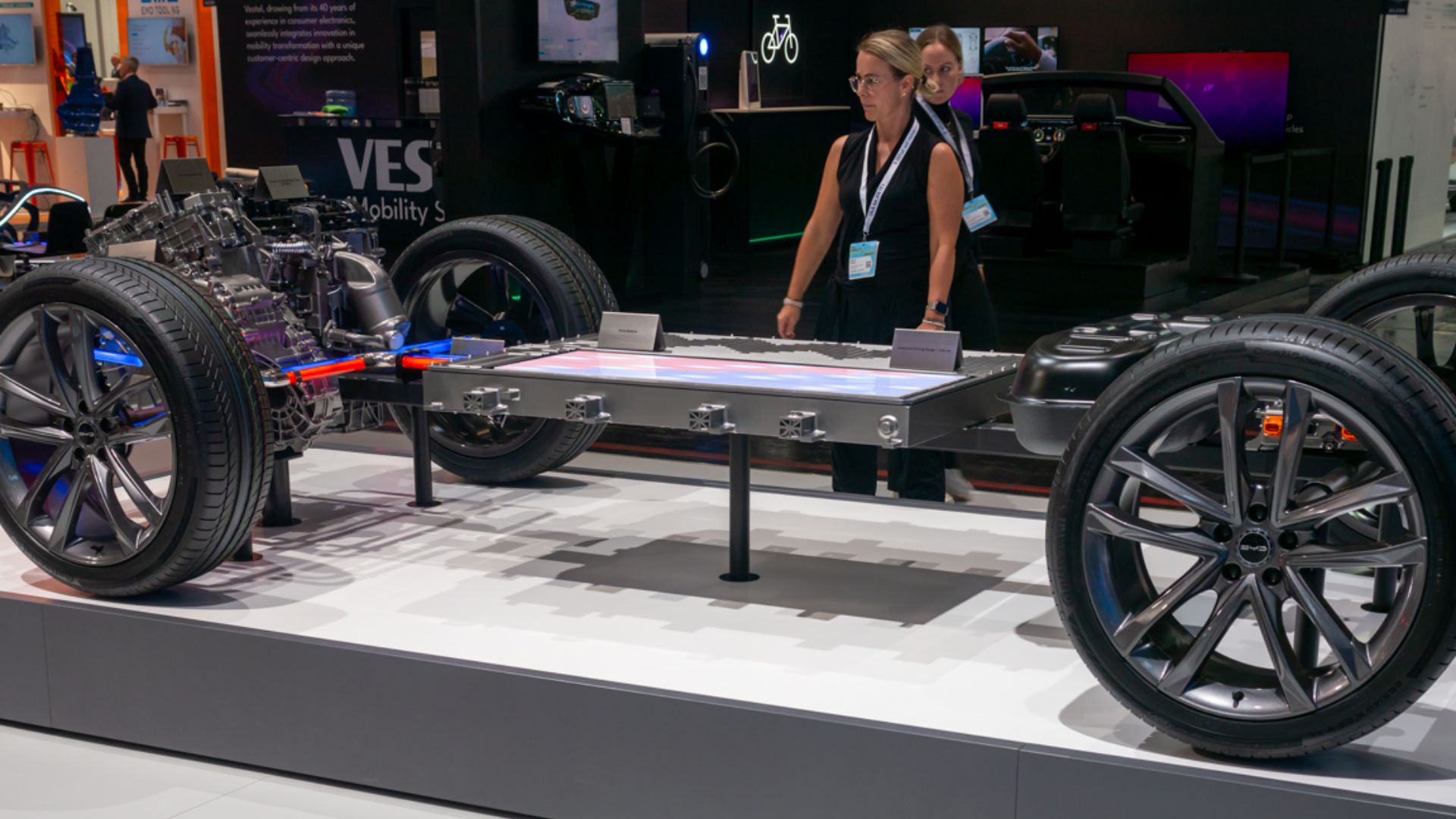
One battery shift is happening right now, and it is not some distant future idea. Lithium iron phosphate, or LFP, has gained market share because it is usually cheaper and avoids nickel and cobalt. Tesla and Ford are among the automakers that have publicly embraced LFP in parts of their EV lineups.
 Matti Blume, Wikimedia Commons
That Shift Did Not Make Older EVs Worthless
LFP changed the cost and durability equation for many vehicles, especially entry-level and standard-range models. But it did not suddenly make EVs with nickel-based chemistries useless. It simply gave buyers a different tradeoff between cost, range, and performance.
Range Gains Are Getting Harder To Notice In Daily Life
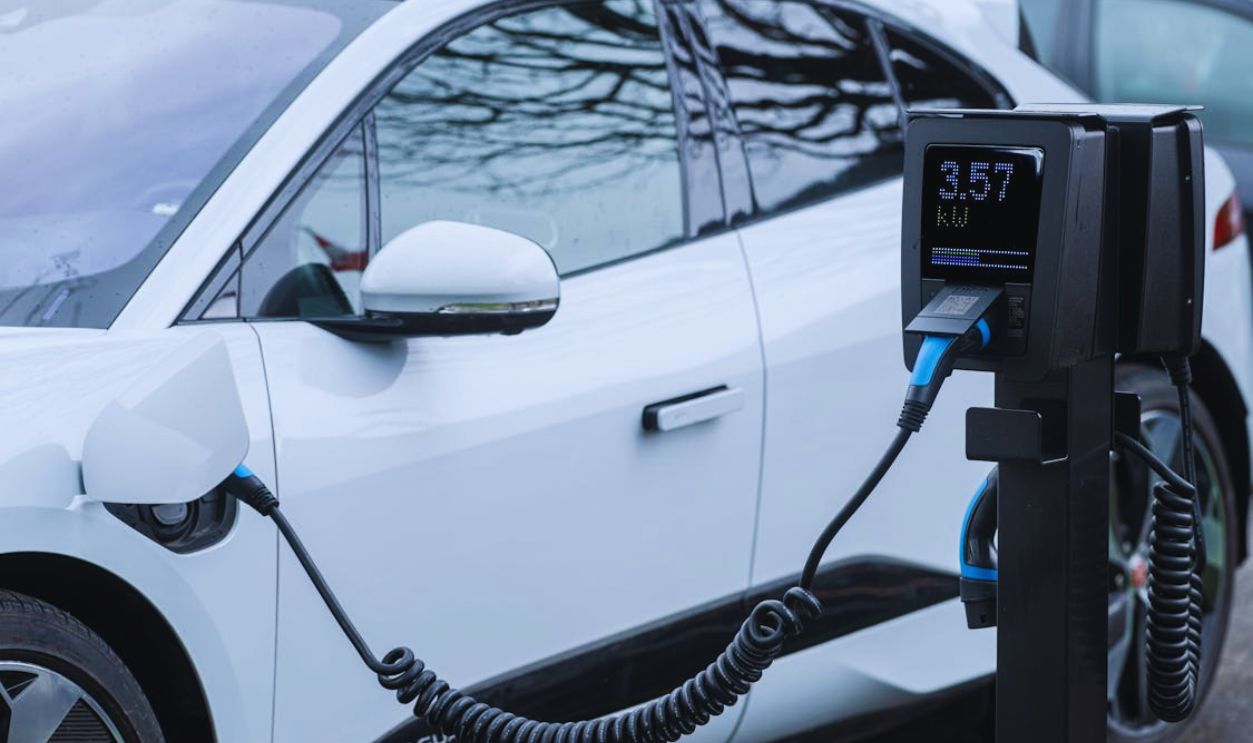
For many drivers, the difference between 260 miles and 320 miles matters less than home charging, road-trip charging speed, and winter performance. Once an EV can easily cover your daily routine, extra range starts to matter less. That limits how much a future battery leap would change the real-world value of a current car.

Charging Networks Matter More Than Lab Headlines
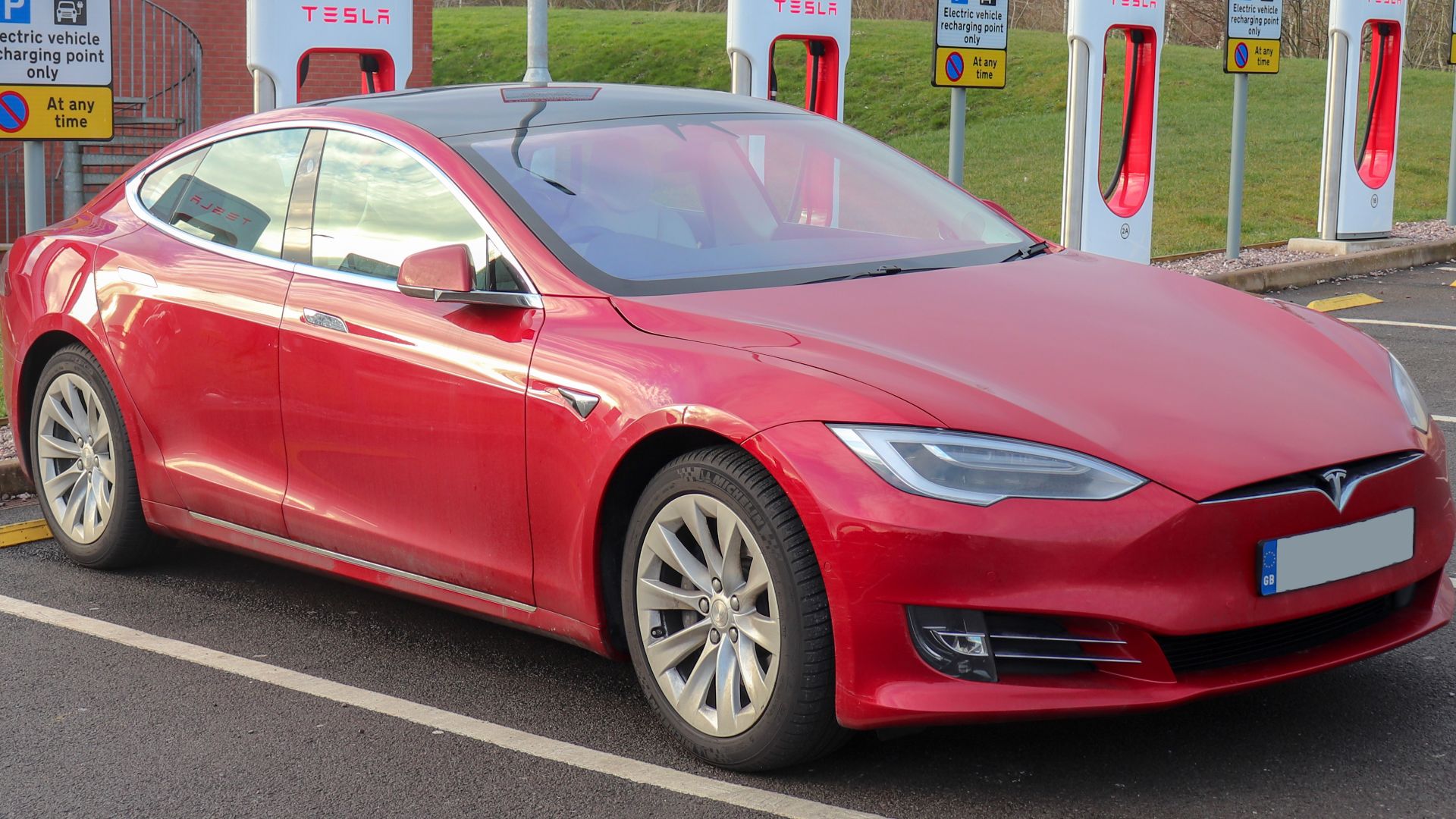
A good EV with easy charging access can be more useful than a theoretically better EV with weak charging support. That is one reason Tesla’s Supercharger network has mattered so much in the U.S. For many owners, the charging experience shapes daily satisfaction more directly than the chemistry inside the battery pack.
Software And Thermal Management Also Protect Value
Modern EVs are not just batteries on wheels. Battery management software, cooling systems, and charging controls all affect long-term health and usability. A well-engineered EV sold today can age better than a future model with flashier chemistry but rough execution.
Battery Degradation Is Usually Less Dramatic Than Critics Claim
Real-world data does not support the idea that EV batteries quickly become useless. Studies and fleet data generally show gradual degradation, not sudden collapse, especially outside very high-mileage edge cases. That means today’s EVs are usually more durable than many skeptics assume.
 Coolomon Tetris (also known as CoolT), Wikimedia Commons
What The Data Says About Long-Term Health
Geotab reported in 2024 that EV batteries in its dataset degraded by about 1.8 percent per year on average. Results vary by climate, charging habits, and vehicle design, but the broad picture is reassuring. Most owners are not watching their battery disappear at anything close to the rate fearmongers suggest.
 Fortunate4now, Wikimedia Commons
Used EV Values Depend On More Than Battery Chemistry
Resale value is shaped by tax credits, price cuts on new vehicles, interest rates, brand reputation, and overall used-car demand. Tesla price cuts in particular have shown how fast values can move for reasons that have nothing to do with a scientific breakthrough. In other words, battery chemistry often gets blamed for what is really basic market economics.
 order_242 from Chile, Wikimedia Commons
There Is A Real Risk, But It Is Not “Worthless”
Yes, buying any car before a better version comes out means accepting some risk of obsolescence. EVs are no different. But “less competitive than newer models” is very different from “worthless,” and that second claim does not hold up.
Think About Phones, Then Think About Cars
People often talk about EVs as if they will age like smartphones. Cars do not work that way. A five-year-old vehicle can still be a very capable commuter, family hauler, or second car, even if the latest version charges faster or goes farther.
Timing The Market Usually Backfires
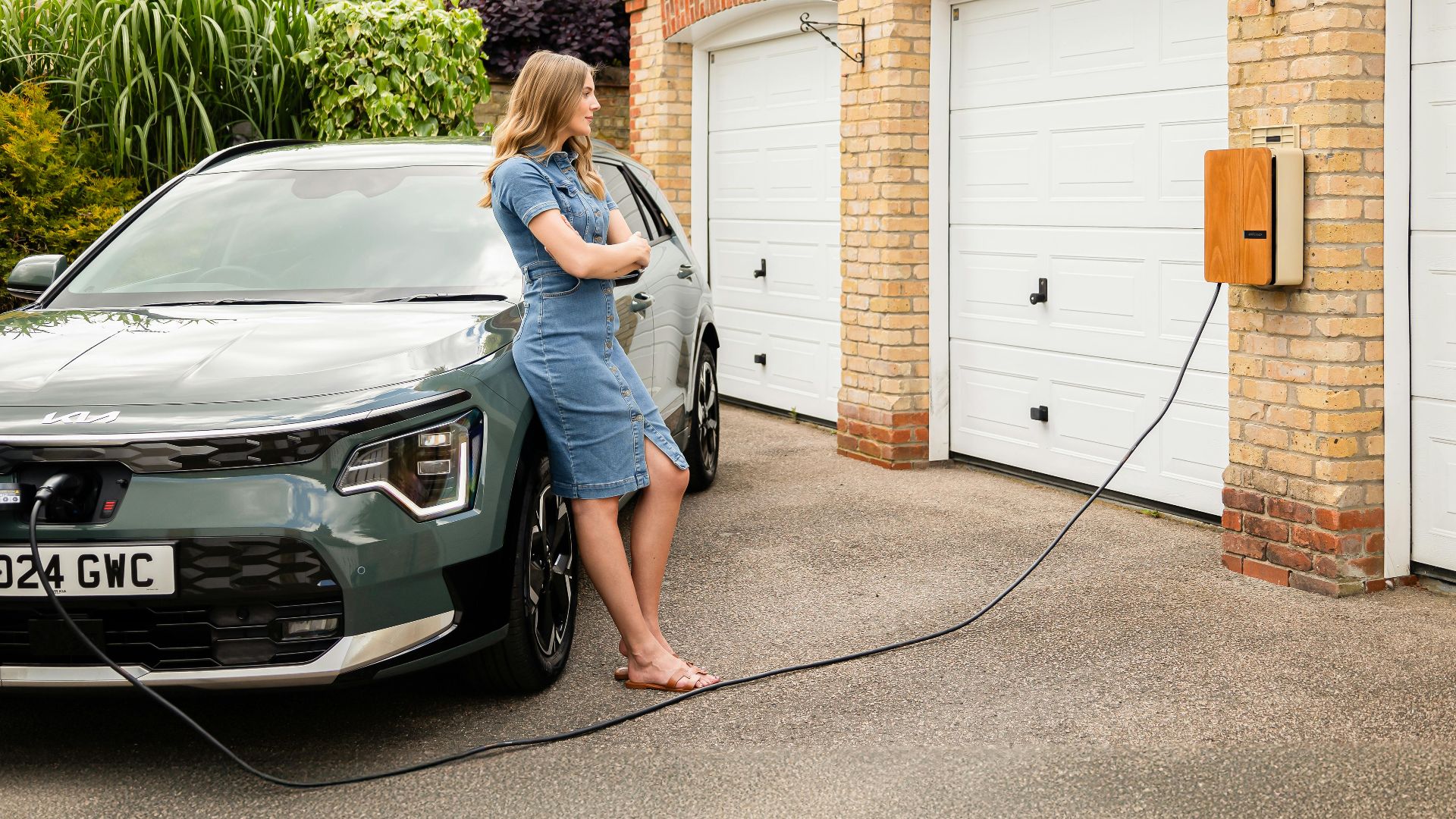
If you keep waiting for the next battery revolution, you may spend years on the sidelines. In the meantime, you give up fuel savings, the convenience of home charging, and lower maintenance costs. The future always looks tempting, but transportation is a right-now problem.
The Better Question Is Simpler
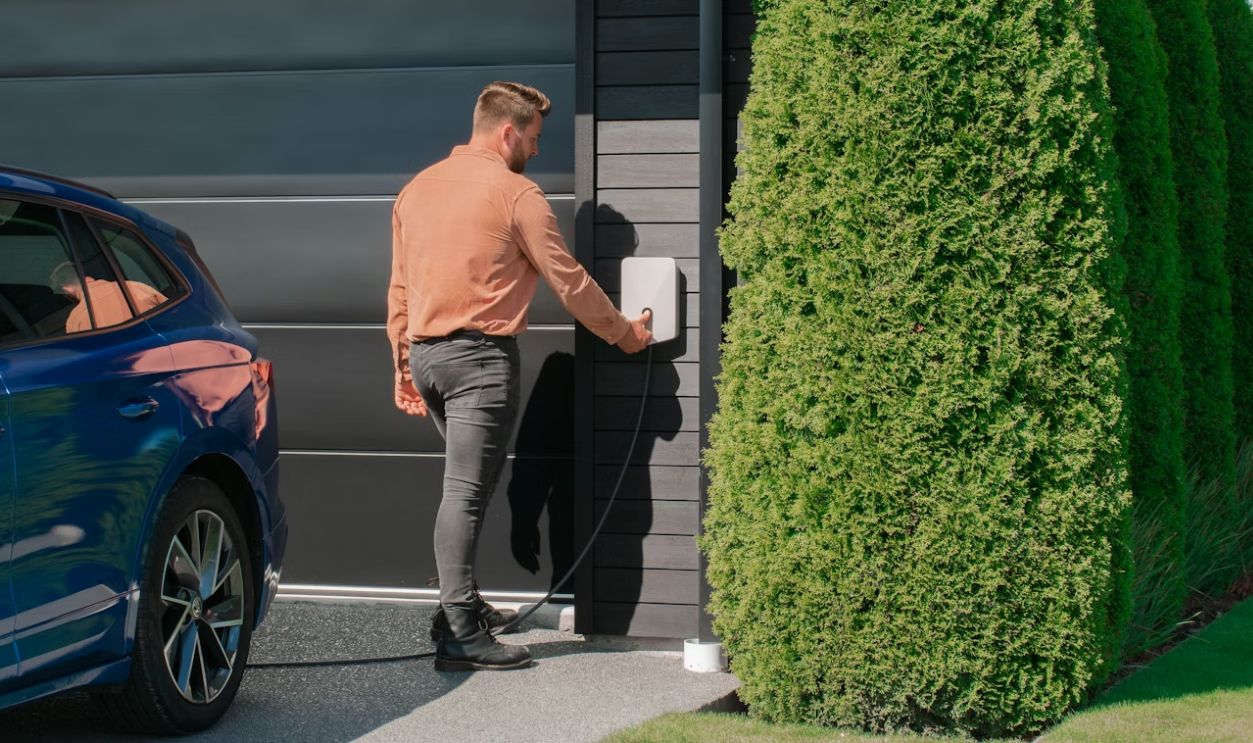
Do today’s EVs fit your driving life, your charging setup, and your budget right now? That matters more than whether some future battery chemistry might look better on paper. A car is a tool, and the best tool is the one that solves your actual problem.
Who Should Probably Wait
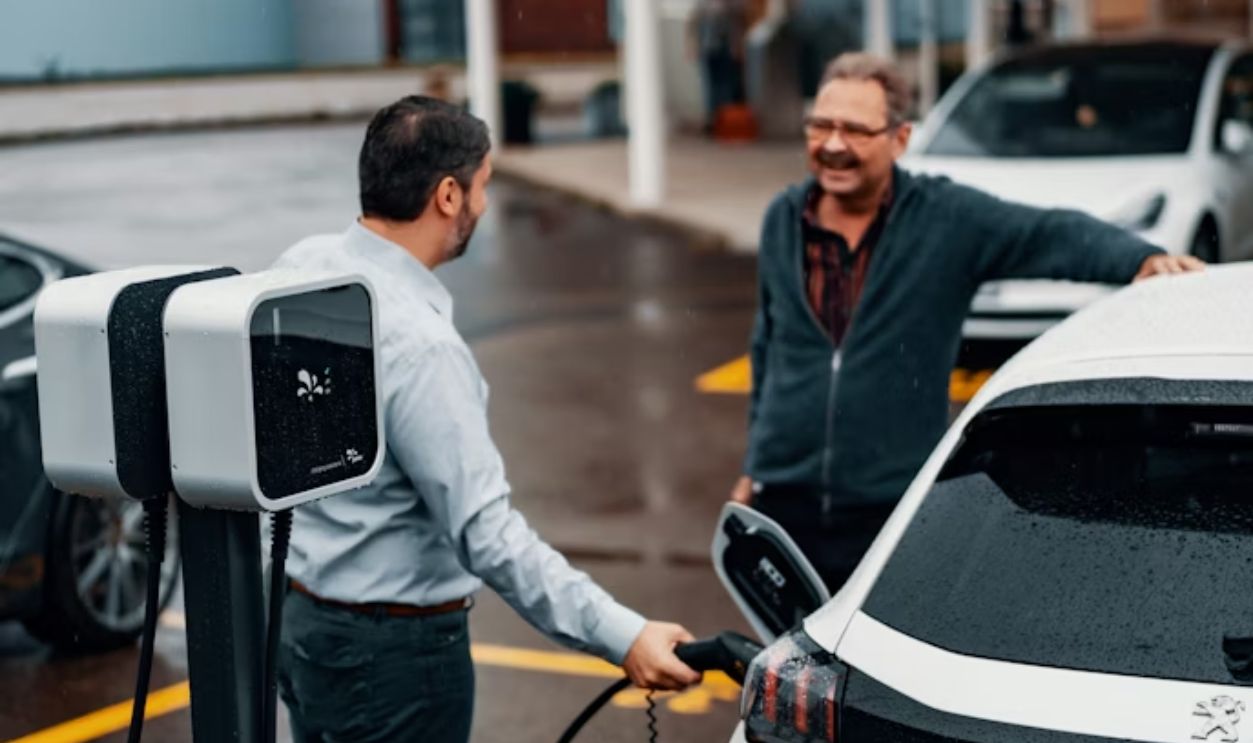
If you tow long distances often, take frequent road trips through charging deserts, or care most about value retention, waiting can make sense. The market is still changing fast, and better options are coming. But that is a practical reason to wait, not proof that current EVs are a bad buy.
Who Can Buy With Confidence
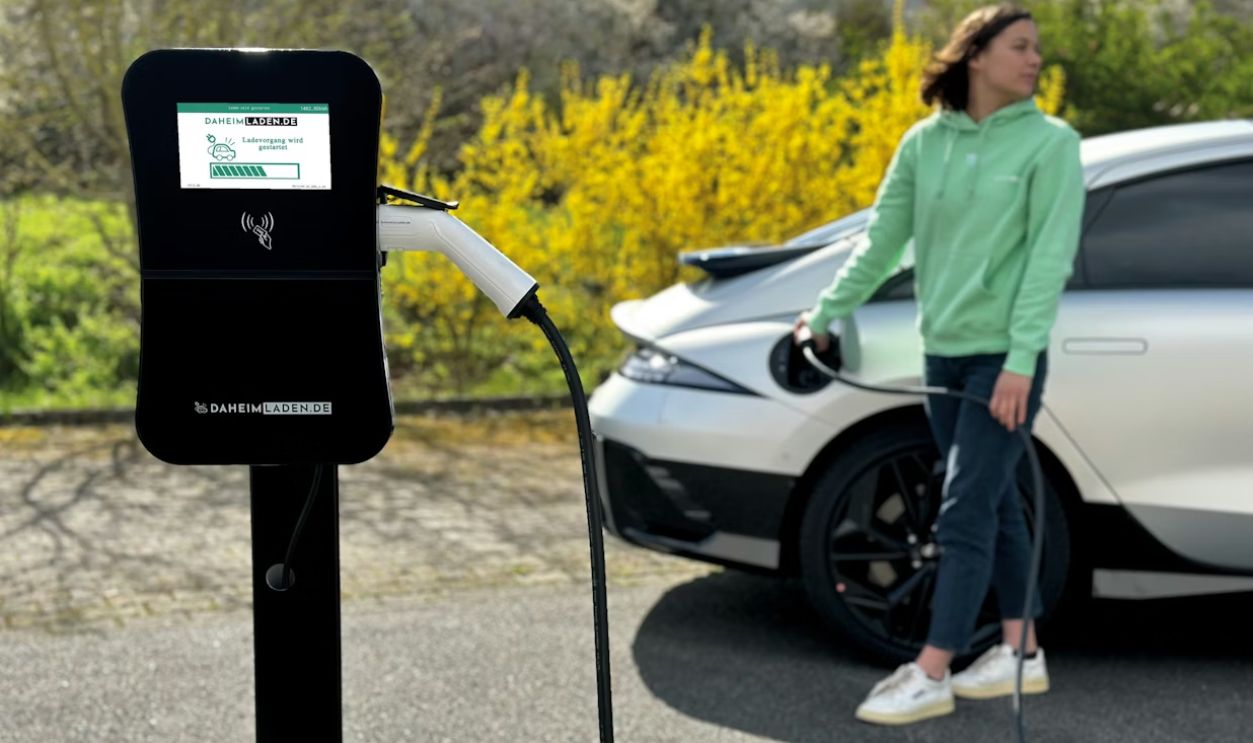
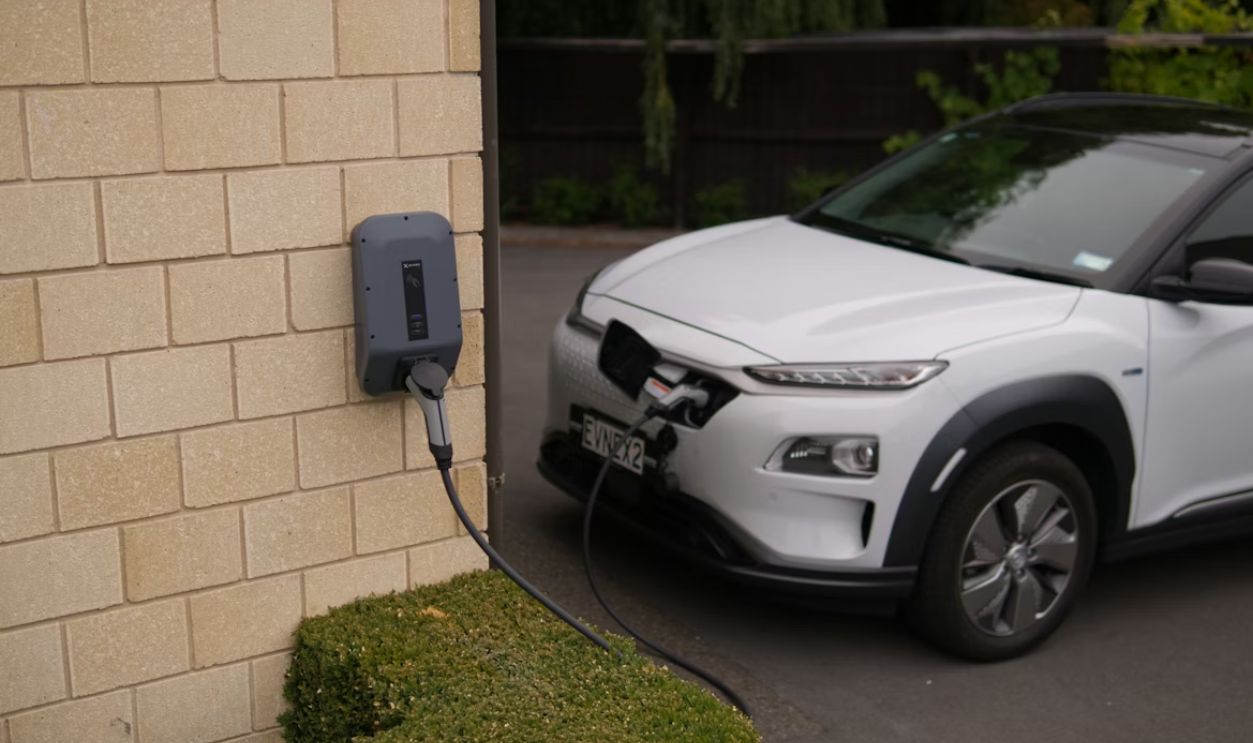
If you can charge at home, mostly drive predictable daily routes, and plan to keep the vehicle for several years, buying an EV now can be a perfectly sensible move. The core technology is established, battery health data is encouraging, and near-term improvements are likely to be gradual. That is not a recipe for instant worthlessness.
The Bottom Line On Your Coworker’s Warning
Your coworker is right about one thing: battery technology will keep getting better. But history, industry timelines, and real-world battery data all suggest those gains will roll out gradually and unevenly, not in one dramatic moment that turns today’s EVs into junk. Buying an EV right now is not foolish if the vehicle already fits your needs and the numbers make sense.