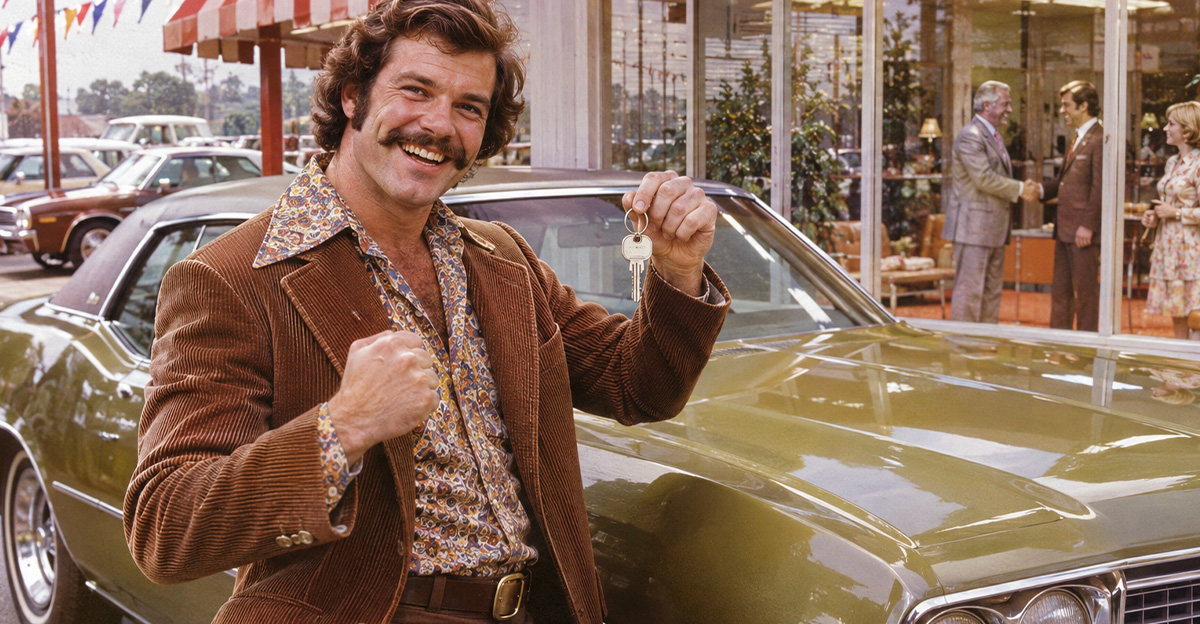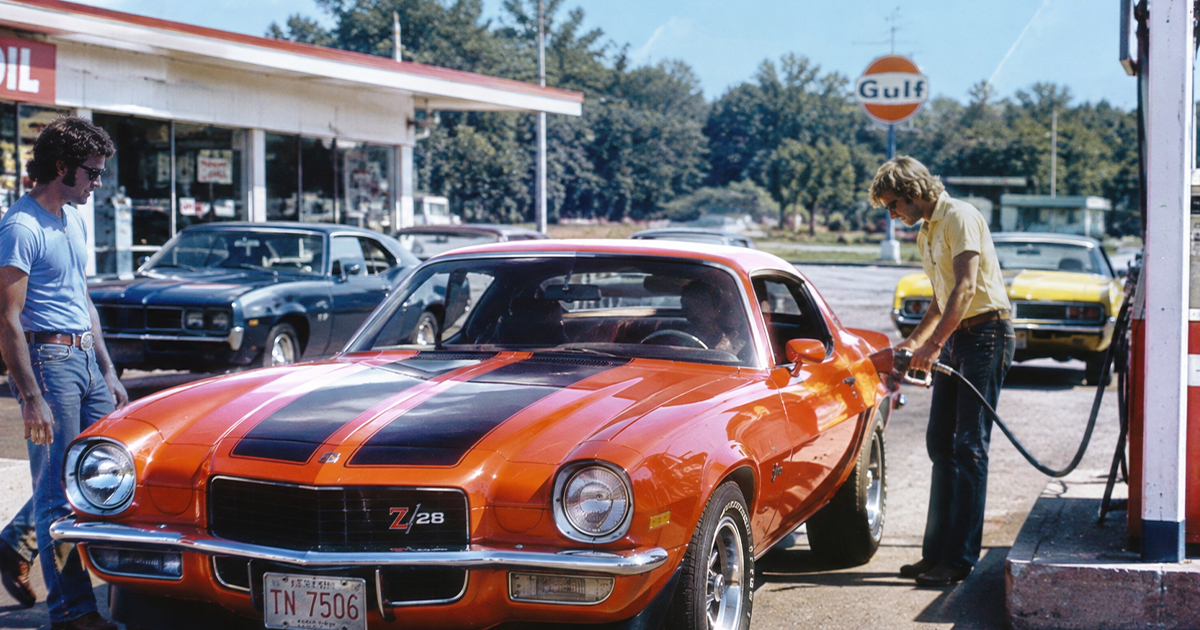
Low Mileage Can Create A False Sense Of Security
A classic that travels only 1,000 miles a year sounds like it should need almost no maintenance. Unfortunately, age keeps working even when the odometer doesn't. Fluids absorb moisture, rubber hardens, fuel deteriorates, tires age, and corrosion develops while the car sits. Many of the most expensive classic-car failures happen not because something wore out from driving, but because nobody thought it needed attention.
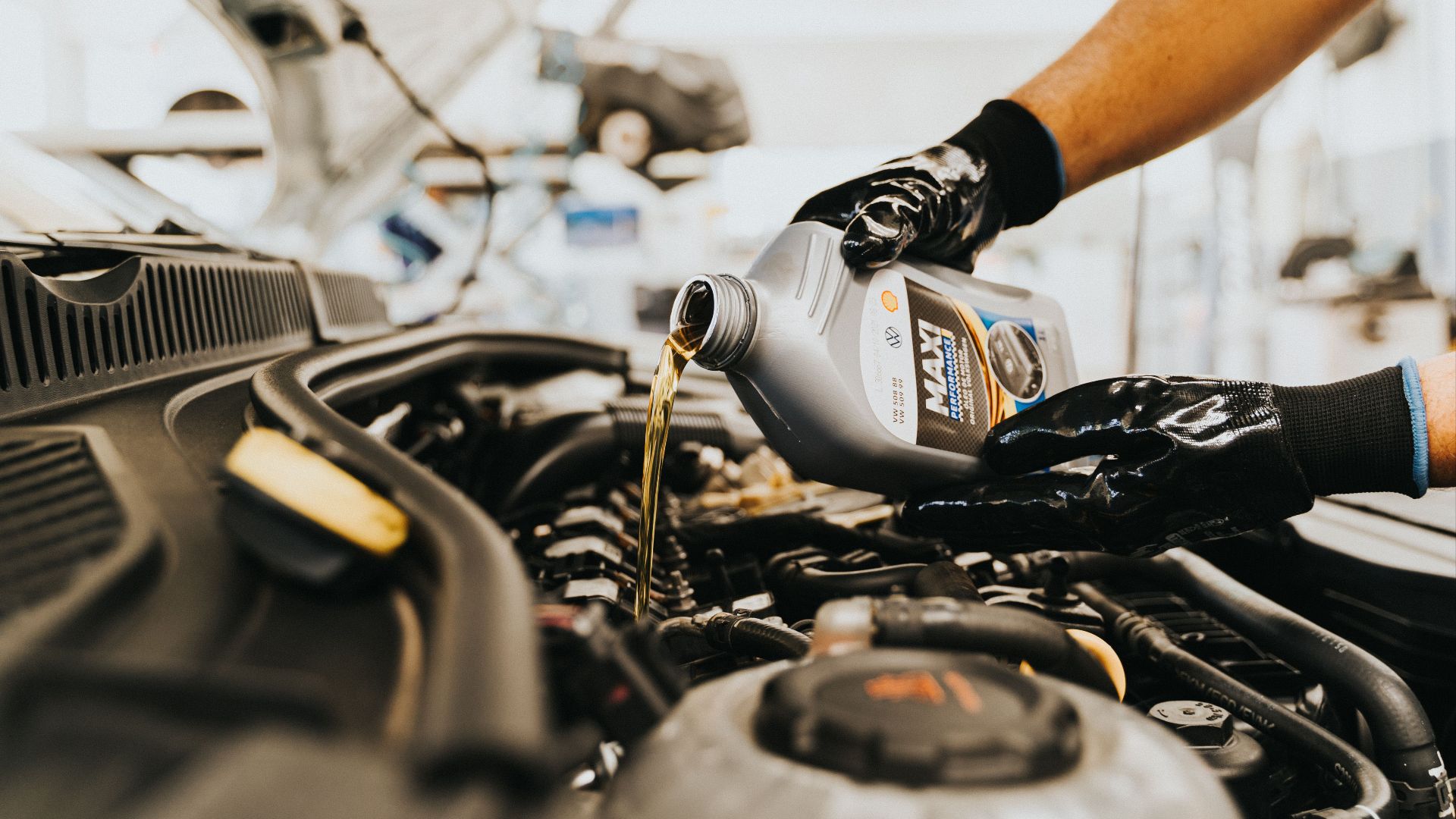
Leaving Old Engine Oil In The Car For Years
Oil-change schedules shouldn't be based entirely on mileage when a car spends most of its life parked. Combustion byproducts, moisture, and contaminants can remain in old oil even if you've driven only a few hundred miles. Hagerty and Consumer Reports both recommend keeping fluids fresh on seldom-driven vehicles. Follow the car's service guidance and change oil based on time when appropriate rather than waiting to accumulate thousands of miles.
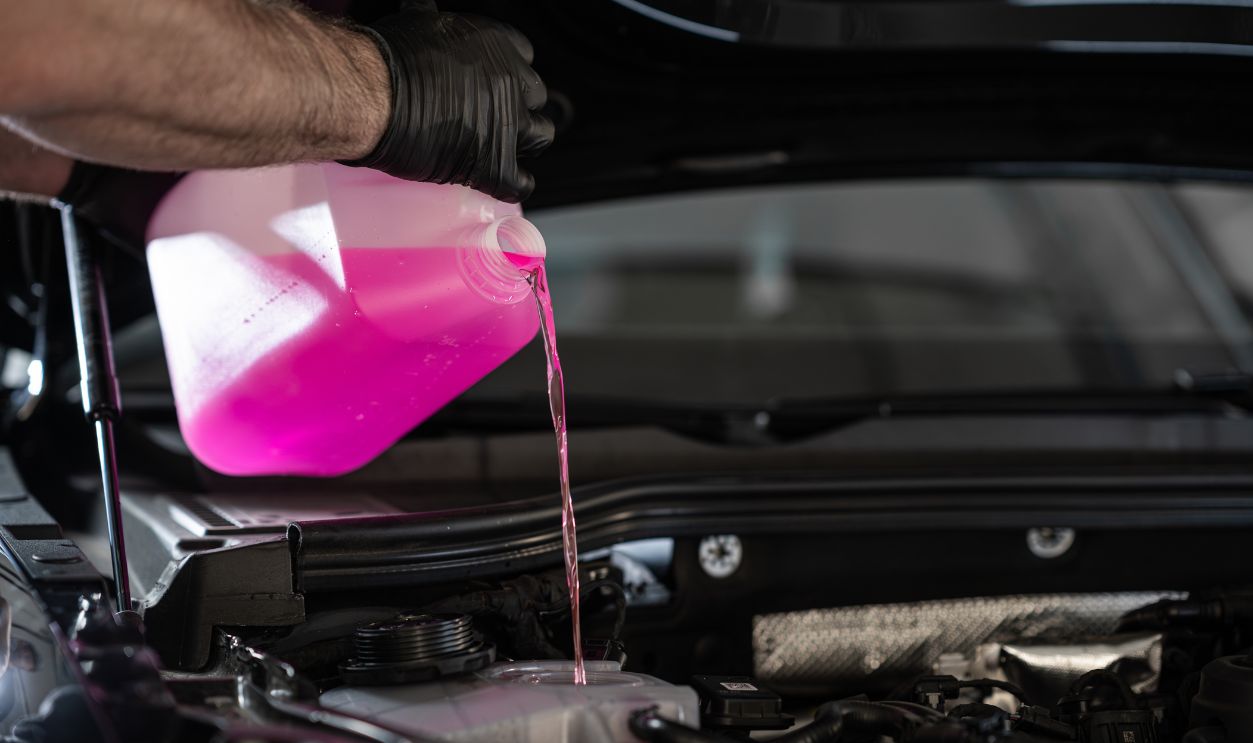
Forgetting That Coolant Does More Than Prevent Freezing
Coolant also contains additives that help protect radiators, water pumps, cylinder heads, and engine blocks from corrosion. Those additives don't last forever. Ancient coolant can leave rust, scale, and deposits throughout a classic's cooling system, eventually contributing to overheating or expensive internal damage. Check coolant condition and strength periodically rather than assuming a full radiator means a healthy cooling system.
 WATCH_MEDIA_HOUSE, Shutterstock
Ignoring Brake Fluid Because The Brakes Still Work
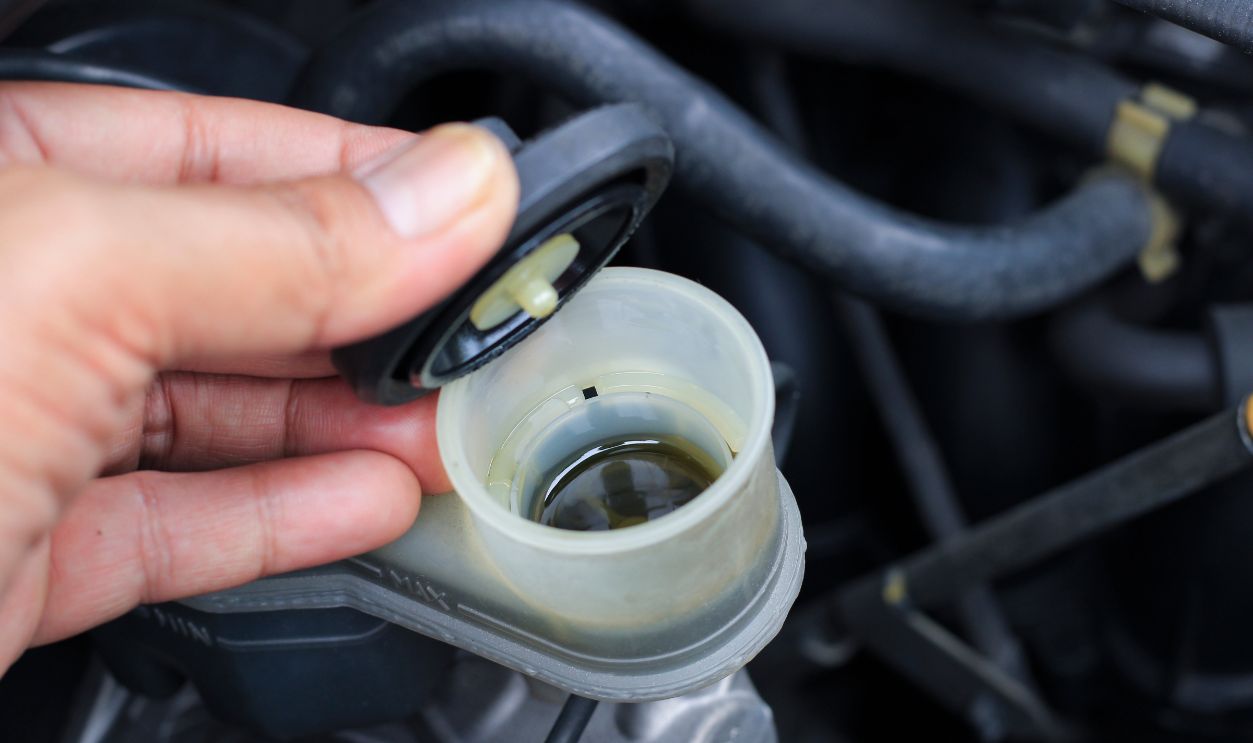
Brake fluid can absorb moisture over time, particularly in systems that haven't been serviced for years. That moisture can encourage internal corrosion in master cylinders, calipers, wheel cylinders, and steel components. A neglected hydraulic system may work perfectly until a seized component or leak appears. On an older car, periodic brake-fluid inspection and replacement can be much cheaper than rebuilding everything the contaminated fluid touched.
 ANECEPTIUS BAMBANG SUTOPO, Shutterstock
Overlooking Old Rubber Brake Hoses
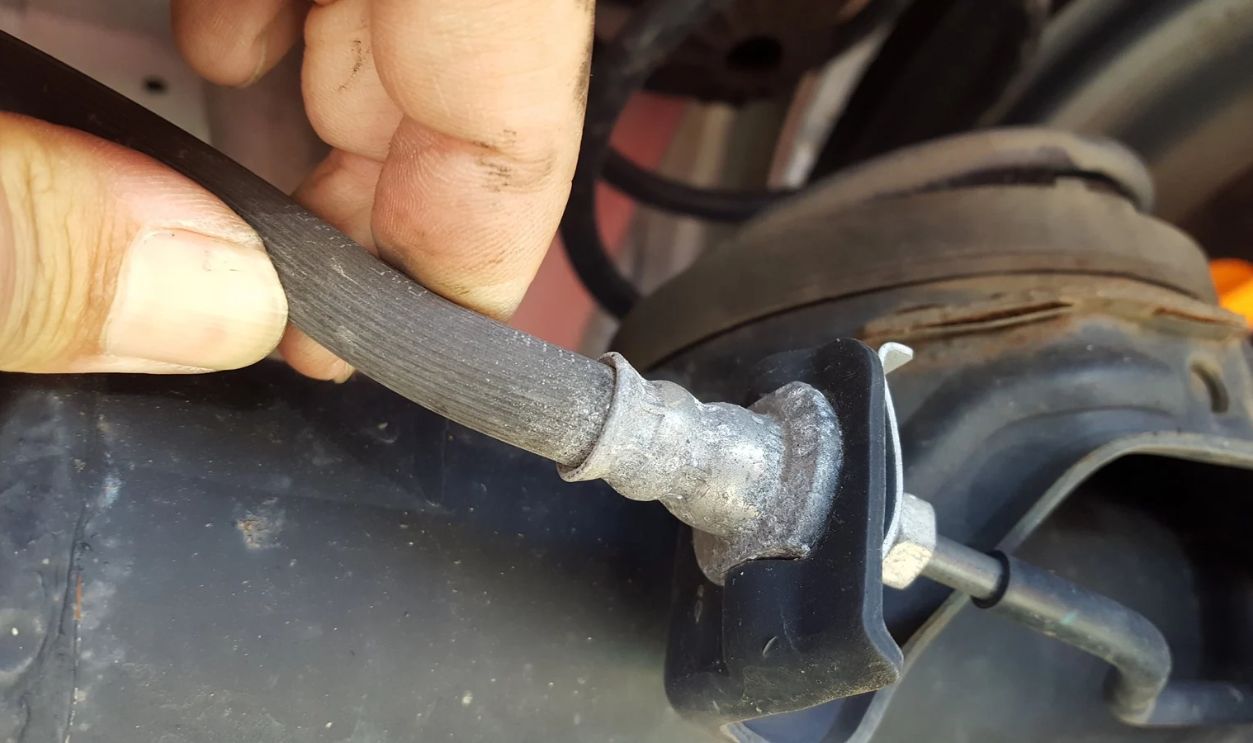
A flexible brake hose can look acceptable externally while deteriorating inside. Aging rubber may crack, swell, restrict fluid flow, or weaken enough to fail under pressure. Classics can retain hoses far longer than their designers ever expected. If you don't know when they were replaced, have them inspected rather than waiting for a soft pedal, dragging brake, or visible leak to announce the problem.
 dutyal research motor team, Flickr
Letting Fuel Hoses Become A Fire Hazard
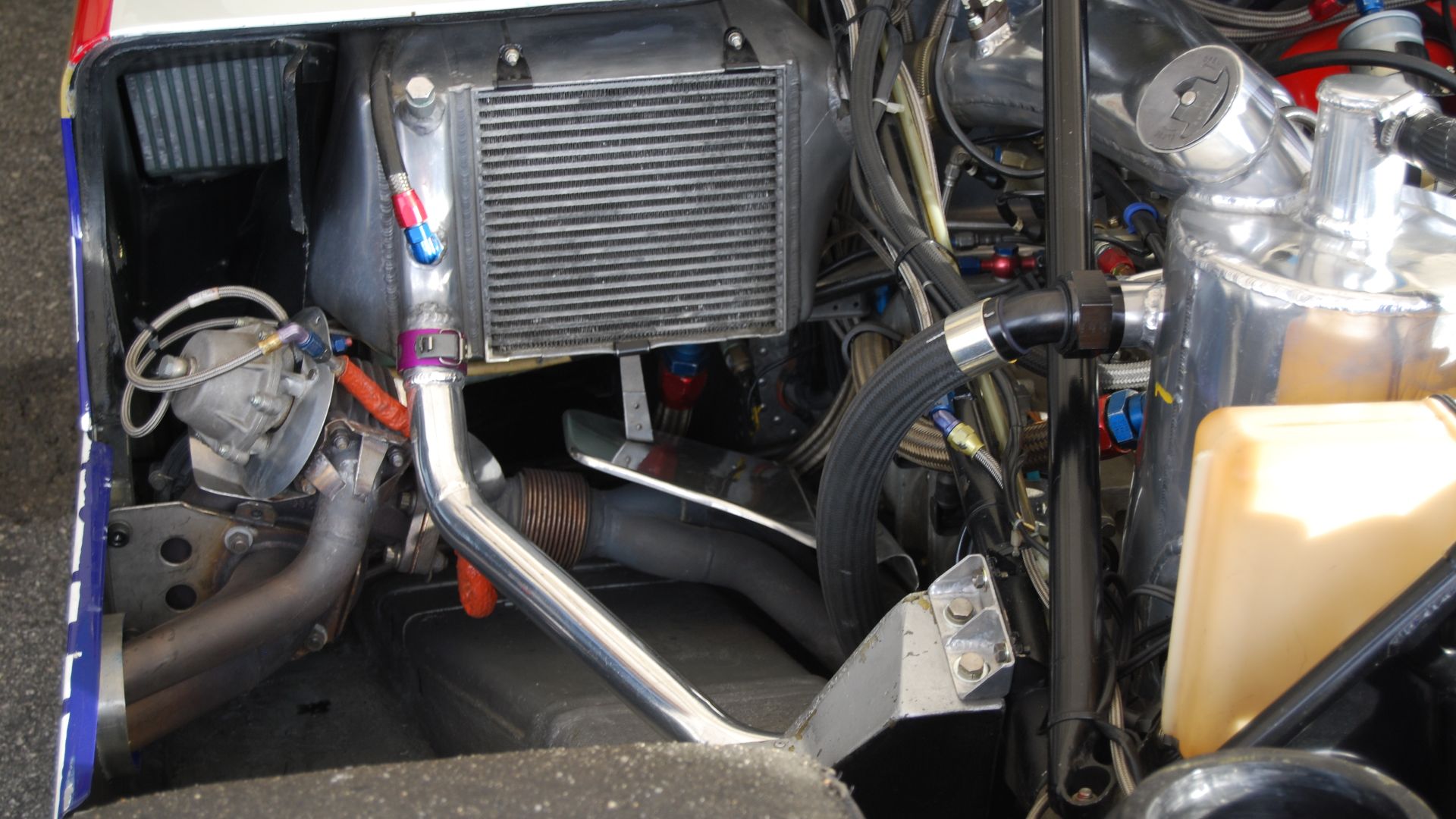
Old fuel hose deserves the same attention. Heat, age, modern fuel blends, and decades of engine-bay exposure can leave rubber brittle or cracked. A small fuel leak near a carburetor, exhaust manifold, or ignition source can become far more serious than a drivability problem. Inspect hoses, clamps, connections, and fuel-pump lines carefully, particularly on a car that still contains unknown decades-old rubber.
 Bill Abbott, Wikimedia Commons
Leaving Old Gasoline Sitting In The Fuel System
Gasoline doesn't improve while a classic sits. Over long storage periods it can oxidize and leave deposits, while certain fuel blends can create additional moisture concerns. Carburetor bowls, small passages, pumps, tanks, and lines can all suffer. If a car is being stored for an extended period, use an appropriate storage strategy rather than assuming last summer's fuel will remain unchanged indefinitely.

Never Checking The Fuel Tank Itself
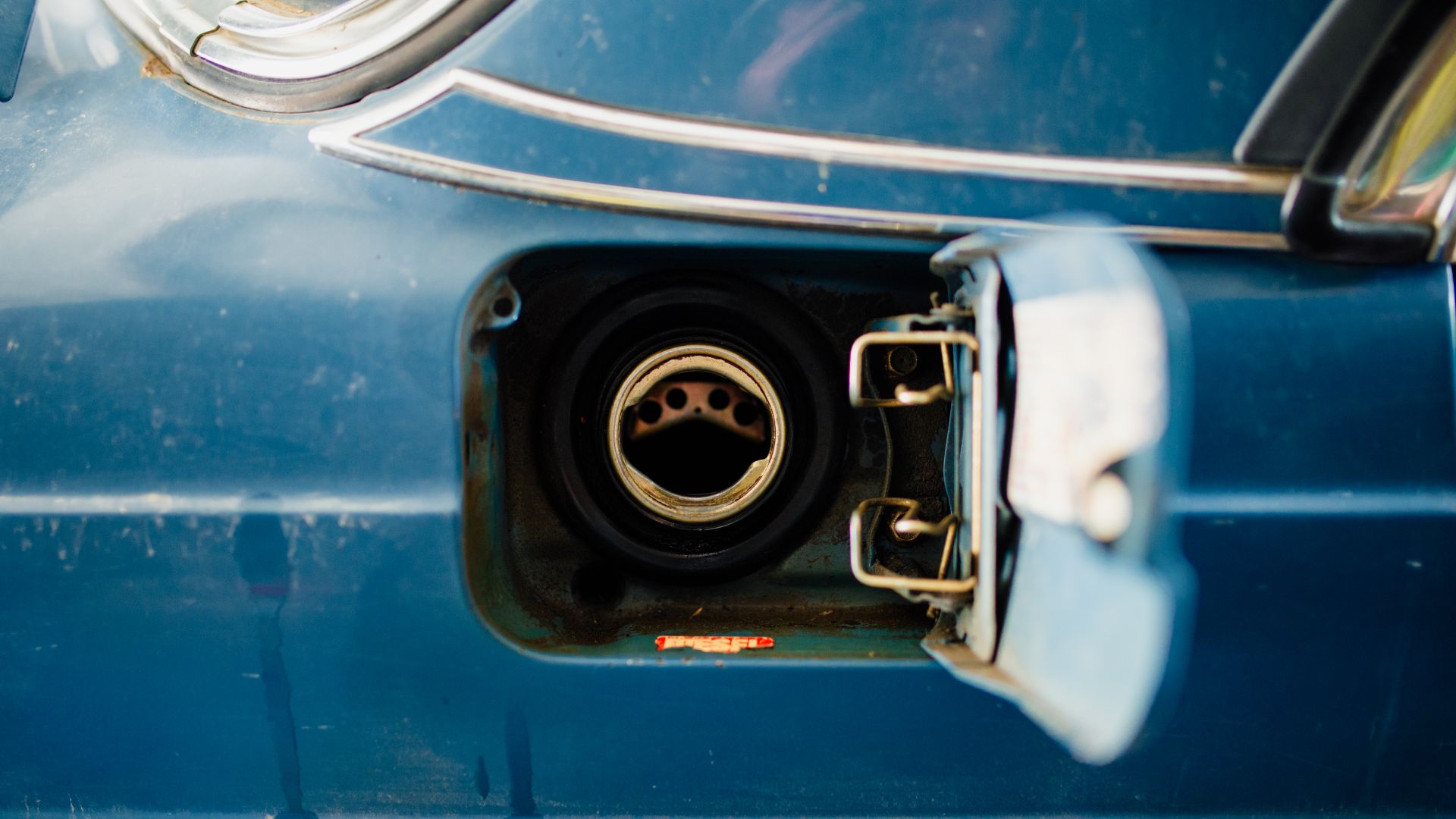
Owners often rebuild a carburetor repeatedly without asking what's feeding it. Older steel tanks can develop internal rust, sediment, and contamination that continually travel downstream toward filters, pumps, and carburetors. If filters keep filling with debris or fuel repeatedly turns dirty, inspect the tank and pickup instead of treating each clogged component as an unrelated problem.
 Nenad Stojkovic , Wikimedia Commons
Forgetting About Transmission And Differential Fluid
Engine oil gets most of the attention, but manual transmissions, automatic transmissions, differentials, and transfer cases also depend on lubricants that can deteriorate or become contaminated. Some classics have gone decades without anyone checking them. Look for leaks and follow the manufacturer's service guidance. Replacing old lubricant is considerably cheaper than rebuilding a noisy gearbox or damaged differential.
Skipping Chassis Lubrication
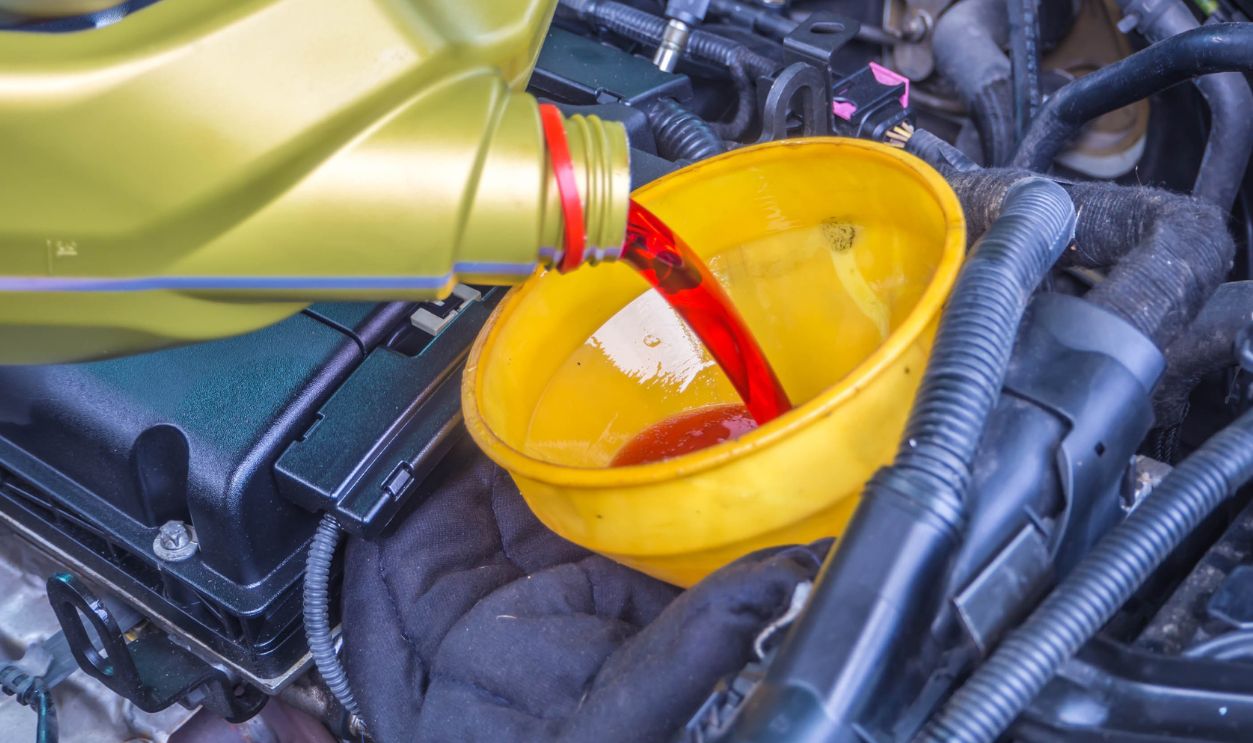
Many older vehicles have grease fittings that disappeared from later automotive designs. Steering joints, suspension components, driveshaft fittings, and other moving parts may require periodic lubrication that a quick modern oil-change service never touches. If those fittings run dry, wear can accelerate dramatically. Find the factory lubrication chart for your car and determine which points still need attention.
Ignoring Wheel Bearings Until They Make Noise
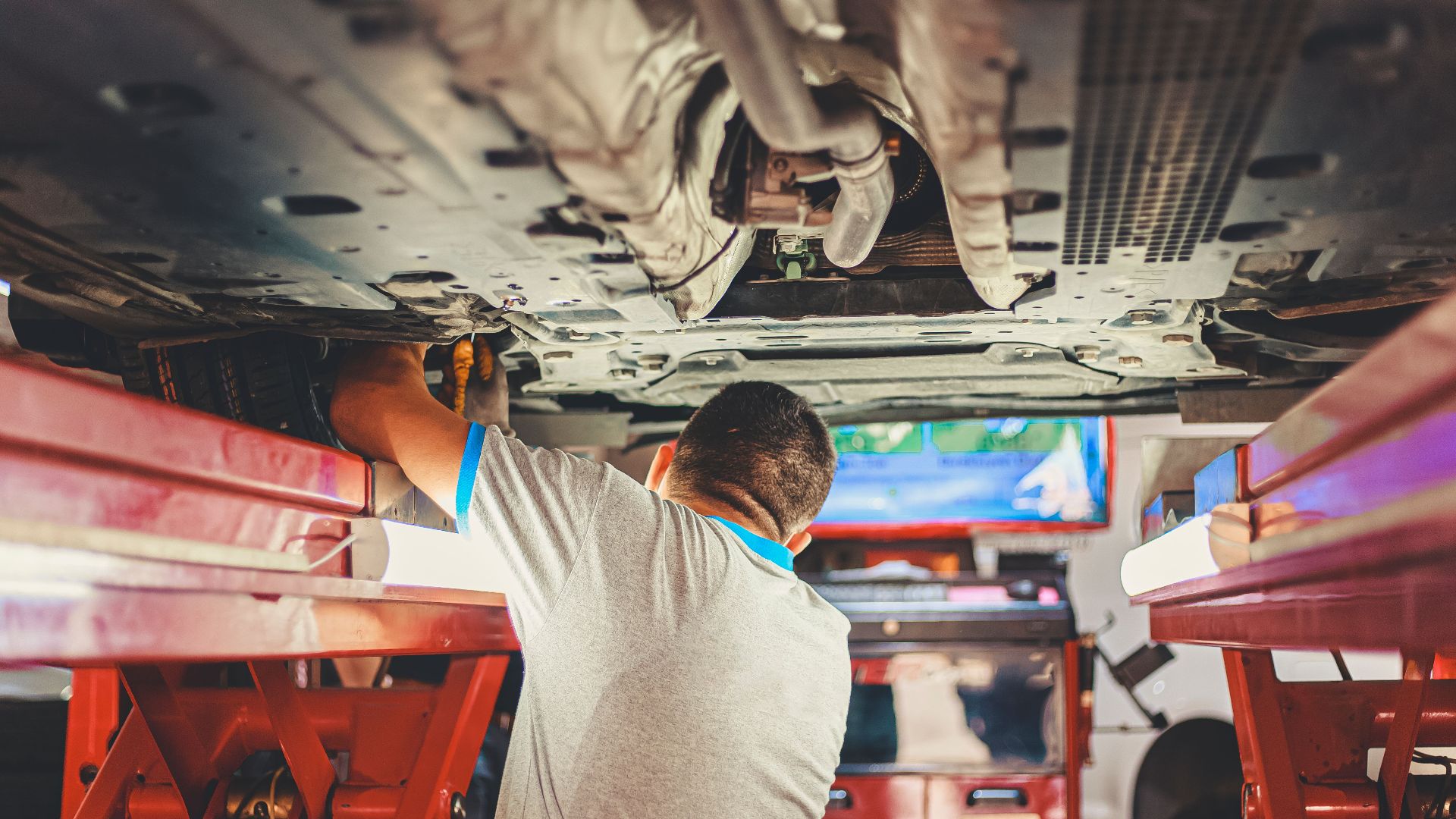
Wheel bearings can contain grease that's nearly as old as the car itself. Depending on the design, they may require periodic inspection, adjustment, cleaning, and repacking. A bearing doesn't have to announce itself with a dramatic howl before deterioration begins. Excess play, dried grease, contamination, or improper adjustment can eventually damage hubs, spindles, and other expensive components.
Waiting For Belts To Actually Break
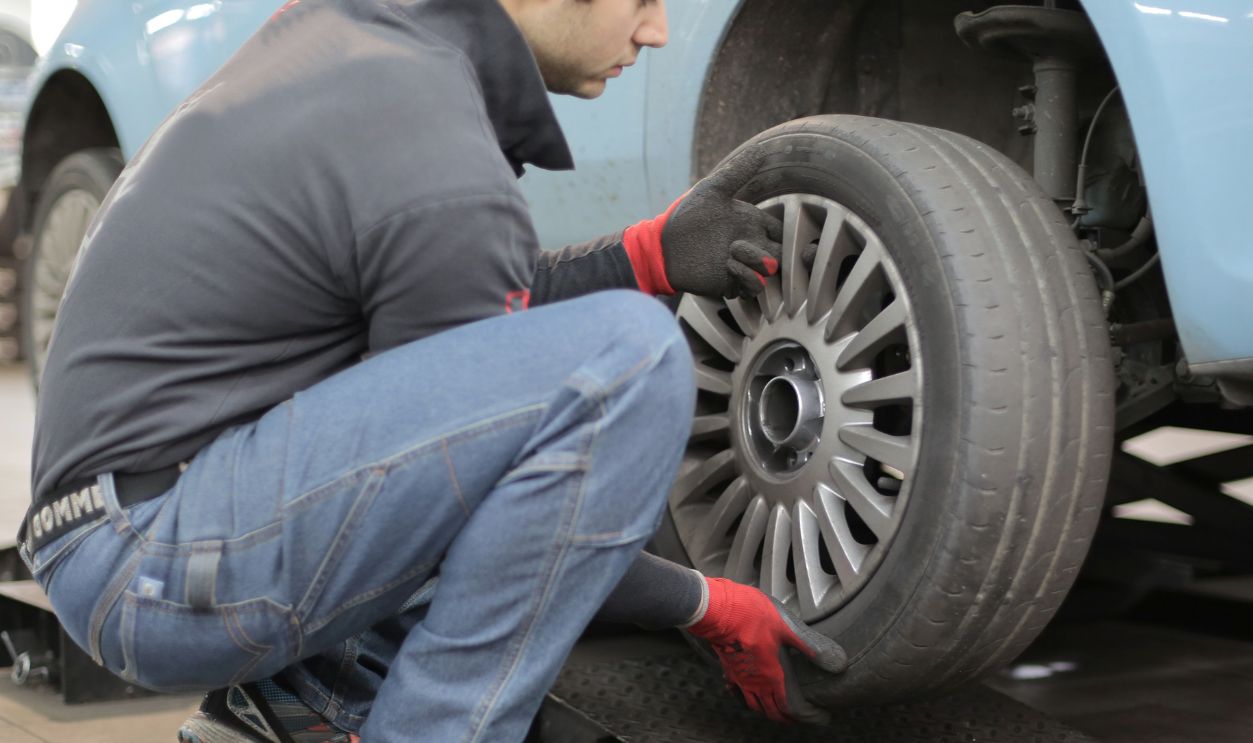
Low mileage doesn't preserve rubber forever. Accessory belts can harden, glaze, crack, or lose tension simply through age and temperature cycling. A failed alternator belt may leave you stranded, while a belt that also drives a water pump can quickly turn into an overheating problem. Inspect old belts regularly and replace questionable ones before a $20 component creates a much larger repair.
Treating Cooling Hoses Like Lifetime Parts
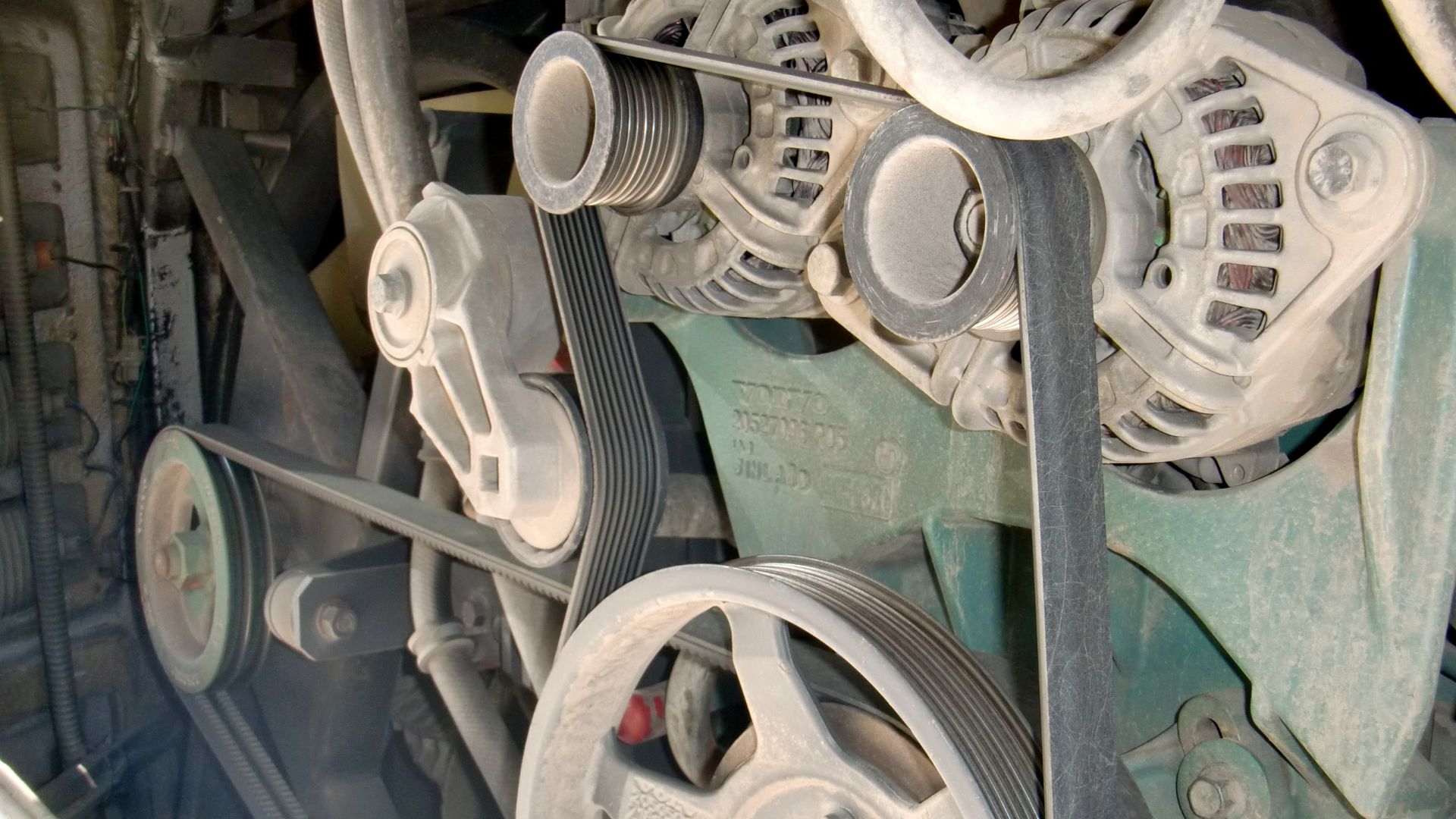
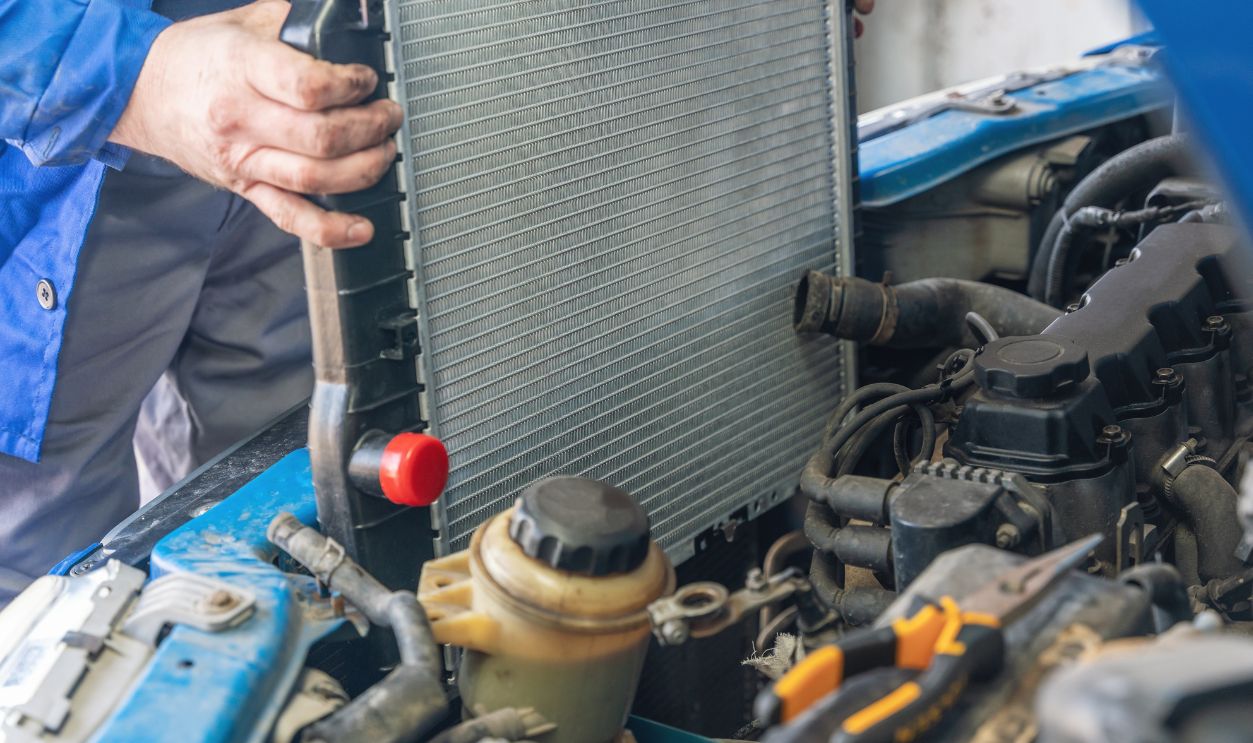
Radiator and heater hoses live through years of heat, pressure, coolant exposure, and storage. They can become hard, swollen, cracked, or weak from the inside. Check connections and squeeze accessible hoses when the engine is cold, looking for obvious deterioration. A hose that bursts on the highway can empty the cooling system quickly enough to threaten an otherwise healthy engine.
 Afanasiev Andrii, Shutterstock
Letting The Battery Slowly Die Between Drives
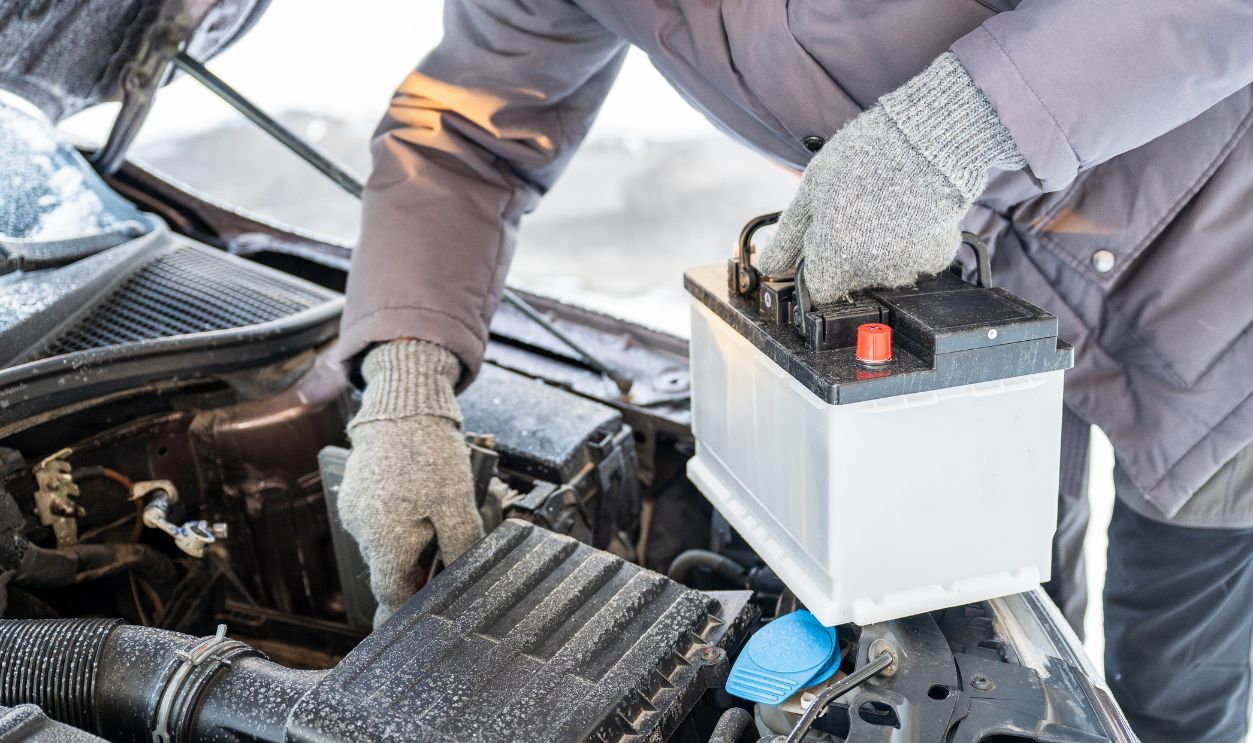
A classic parked for months can gradually discharge its battery, especially if the car has a clock, alarm, radio memory, or small electrical drain. Repeatedly allowing a conventional starting battery to become deeply discharged can shorten its life. A compatible smart maintainer can keep the battery charged during extended downtime without relying on occasional desperate jump-starts.
Forgetting To Clean Grounds And Battery Connections
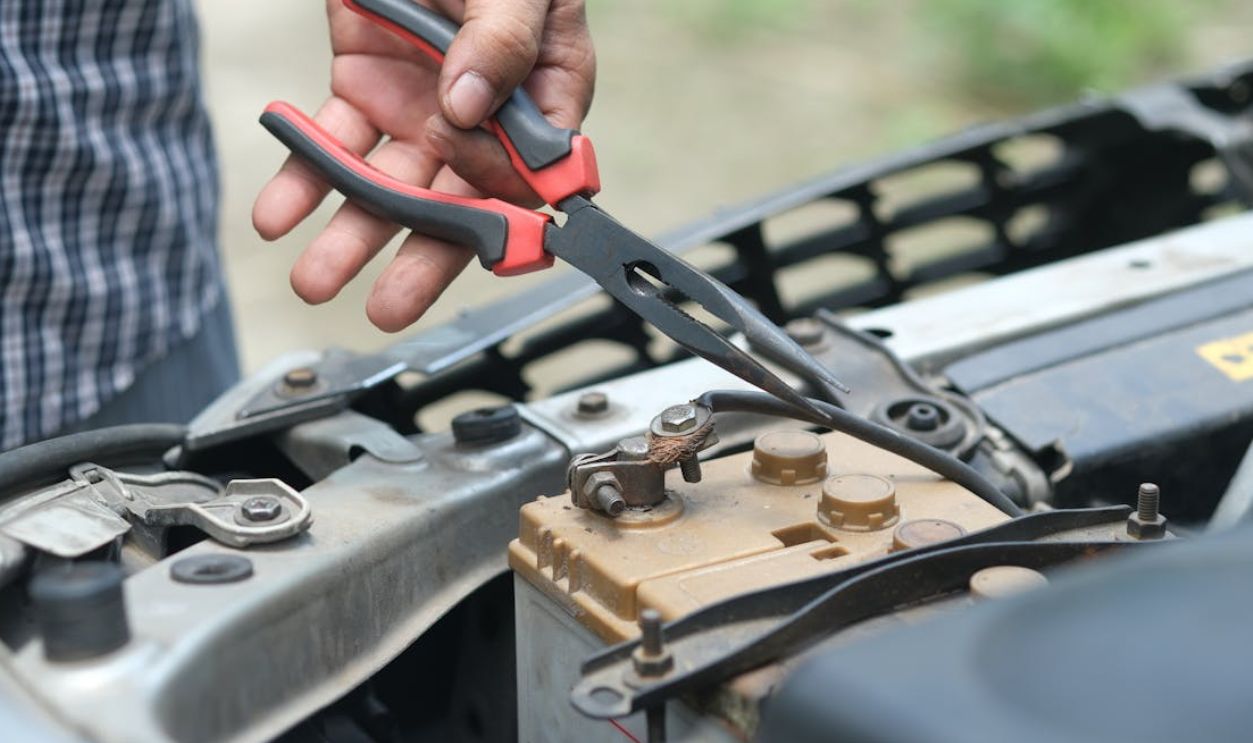
Old electrical systems can develop strange symptoms from something as simple as corrosion. Battery terminals, engine grounds, body grounds, starter connections, and charging-system cables can accumulate resistance after decades of exposure. Before replacing expensive generators, alternators, starters, or gauges, inspect and clean the basic connections that allow current to travel through the car properly.
Judging Tires Only By Their Tread
Collector cars create a particular tire problem because they often cover so few miles that tread can look nearly new long after the rubber has aged. NHTSA specifically identifies collector cars and other low-mileage vehicles as being at risk from tire aging. Check the DOT manufacturing date as well as cracks, bulges, pressure, and tread. A beautiful 15-year-old tire is still an old tire.

Forgetting The Spare Is Aging Too
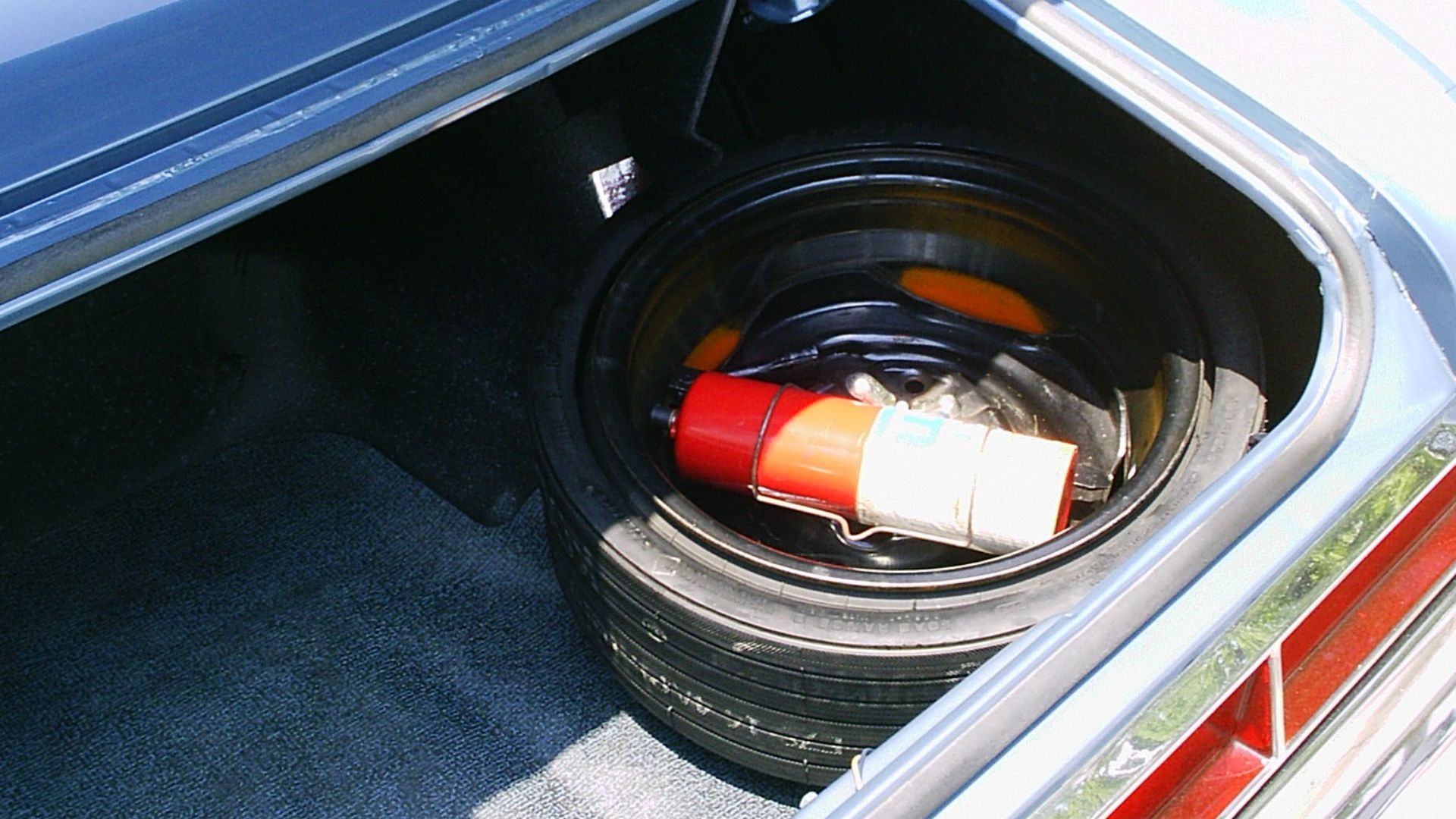
The spare may have spent decades untouched in a dark trunk, which can make it look impressively fresh. That doesn't mean you'd want to depend on it at highway speed. NHTSA warns that spare tires age as well. Check its manufacturing date, pressure, condition, and compatibility before discovering during a roadside emergency that your backup tire belongs in a museum.
Leaving The Parking Brake Applied For Months
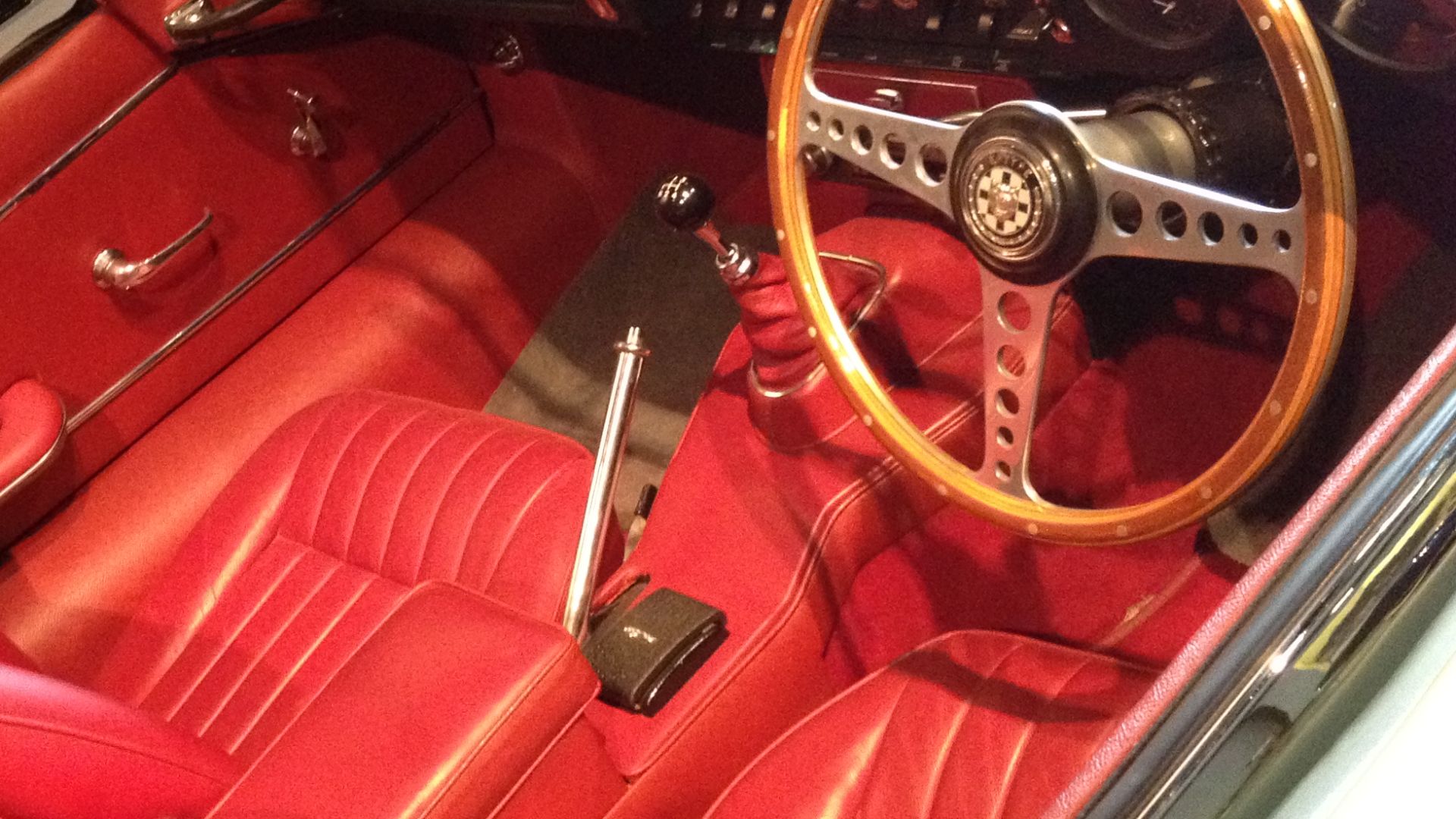
Applying the parking brake is automatic when you park, but long-term storage can be different. Cables, shoes, or pads can seize after remaining clamped in place for months, particularly where moisture is present. Classic Motorsports recommends leaving the parking brake off during winter storage. Secure the vehicle properly with the transmission and suitable wheel chocks instead.
 Iwao from Tokyo, Japan, Wikimedia Commons
Ignoring Rodent Prevention
A warm, quiet classic can look like luxury housing to mice. Rodents can destroy upholstery, fill ventilation systems with nests, contaminate interiors, and chew electrical wiring that may already be difficult to replace. Consumer Reports specifically warns that stored cars remain vulnerable even inside garages. Check storage areas regularly rather than discovering the damage when driving season returns.

Letting Body Drain Holes Plug Up
Classic bodies often rely on small drains in doors, rocker areas, cowls, convertible structures, and other cavities to let water escape. Dirt and debris can block them, leaving moisture trapped against metal from the inside. The paint may look perfect while corrosion develops where you can't see it. Learn where the factory drains are and make sure they're able to do their job.
Ignoring Aging Weatherstripping
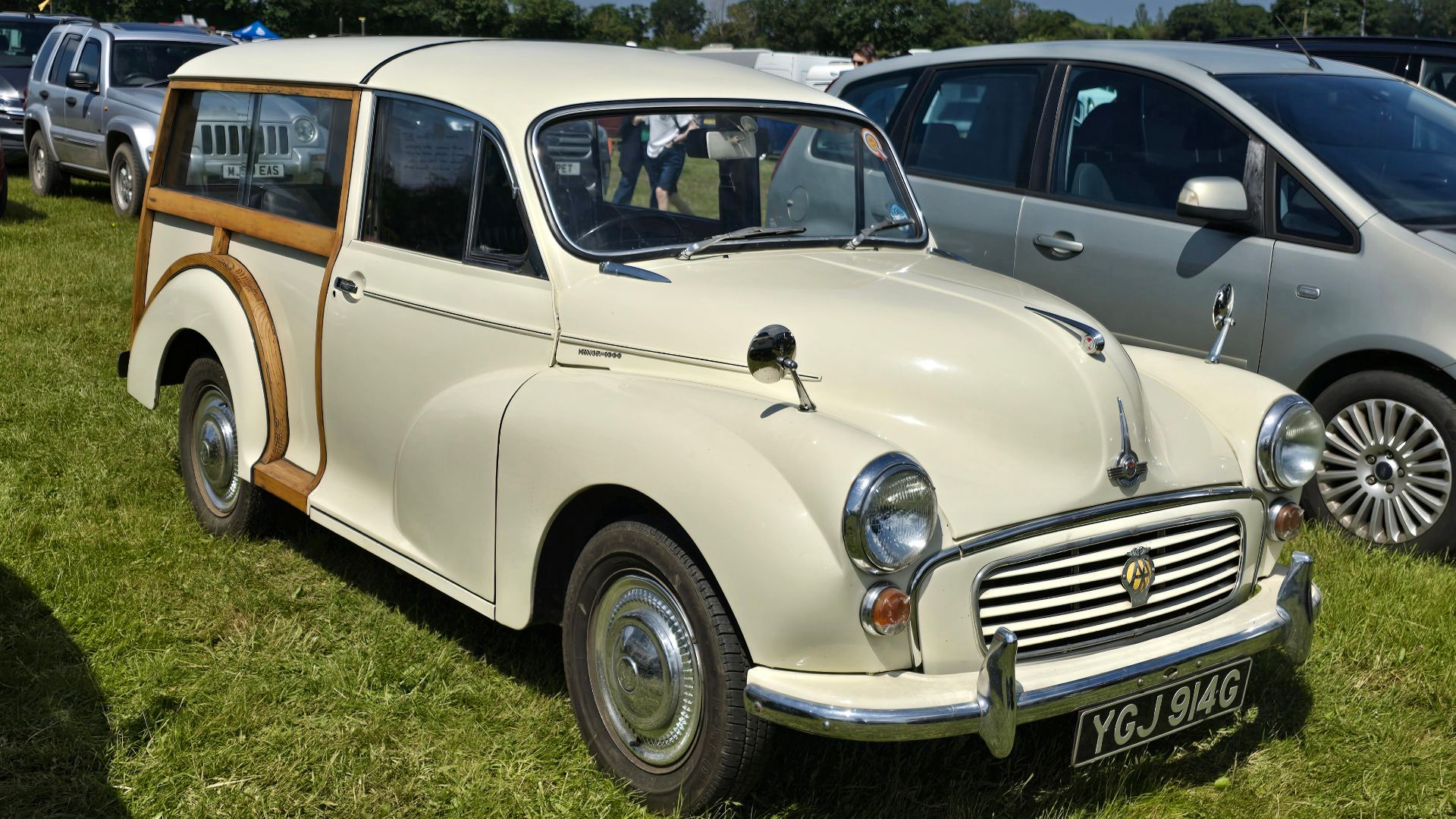
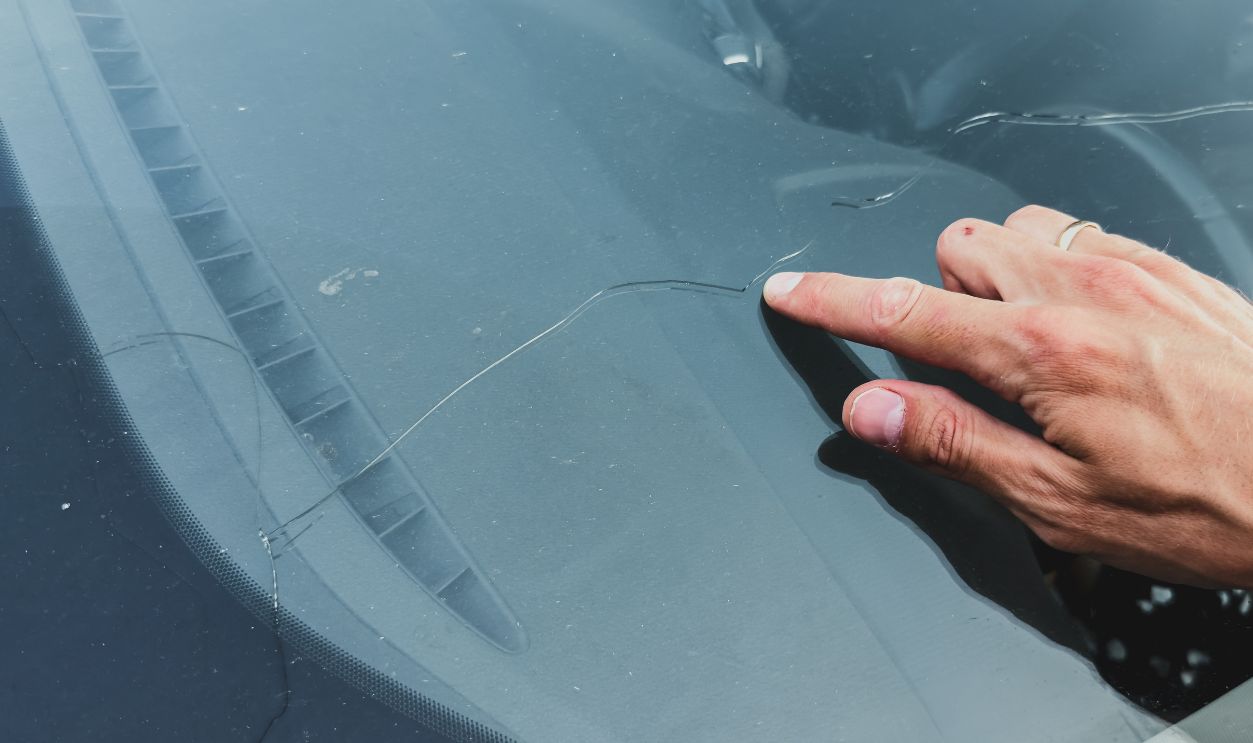
Cracked door, trunk, windshield, and convertible-top seals aren't merely cosmetic problems. Water that sneaks past them can soak carpets, rust floors, damage wiring, stain upholstery, and encourage mold. Pay particular attention after washing the car or driving in rain. Finding damp carpet early is much better than discovering that a tiny leak has spent years quietly eating the floorpan.
 Evgeniia Primavera, Shutterstock
Forgetting Points, Timing, And Old-School Ignition Maintenance
Many classics still have ignition systems that require attention modern drivers never think about. Breaker points wear, distributor components deteriorate, ignition timing changes, and vacuum or mechanical advance mechanisms can stick. Poor ignition can create hard starting, weak performance, overheating, or excessive fuel consumption. If your classic retains its original-style system, maintain it according to its own era rather than a modern-car schedule.
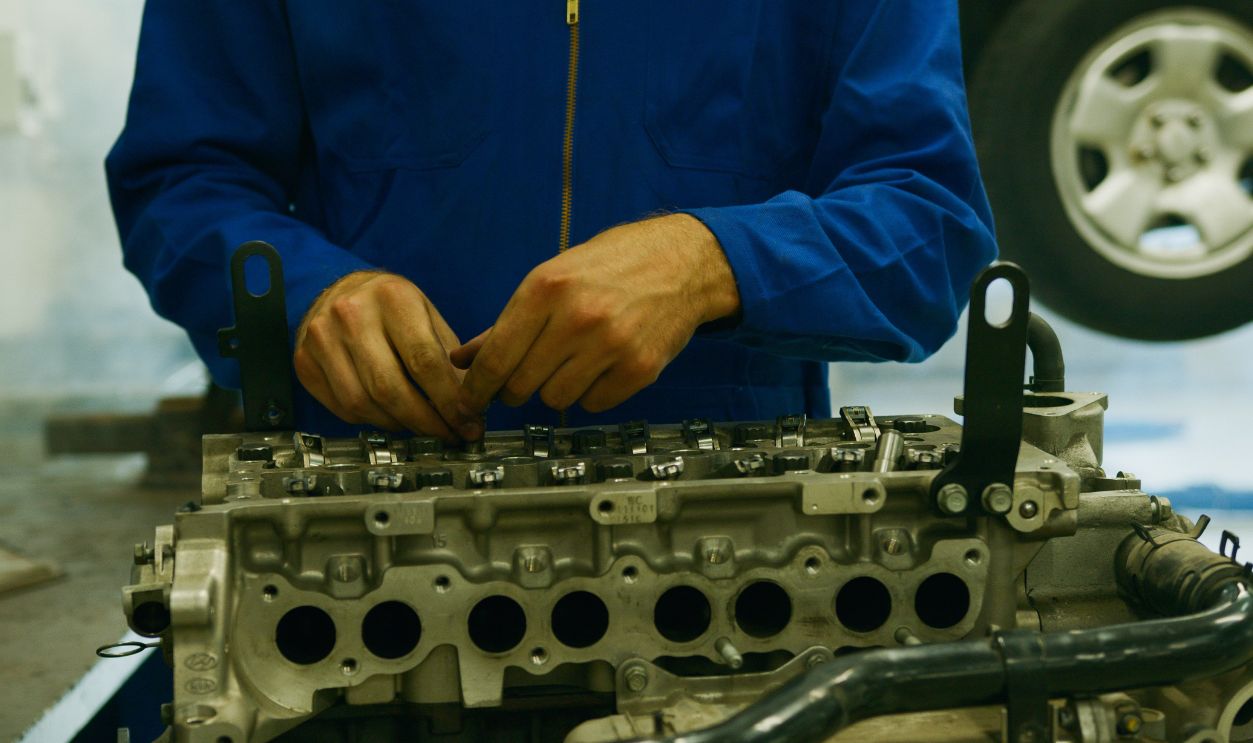
Ignoring Valve Adjustment On Engines That Require It
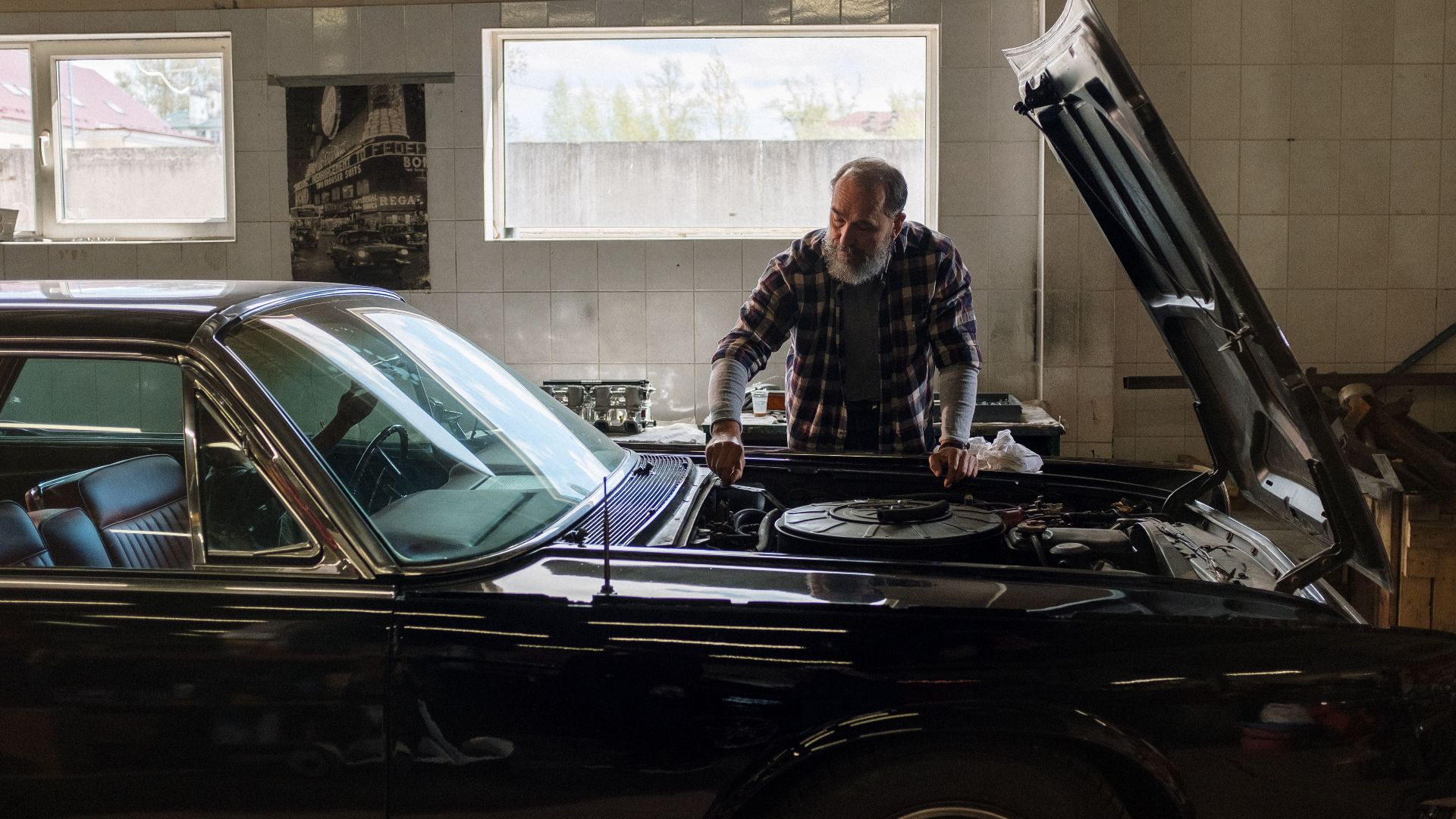
Some classic engines use solid lifters or other valvetrain designs requiring periodic valve-clearance adjustment. Let the clearance move far enough out of specification and performance can suffer, valves may not seat correctly, and expensive damage can eventually result. Not every old engine needs regular valve adjustment, which is exactly why checking the service manual for your specific engine matters.
Starting The Car Occasionally Without Actually Driving It
Starting a stored classic for five minutes and shutting it back off can feel like responsible maintenance, but repeated short idling may never thoroughly warm the engine, exhaust, transmission, differential, brakes, or tires. Consumer Reports recommends actually driving seldom-used cars periodically when practical so their systems reach operating temperature. If the car is properly stored for the season, follow a deliberate storage plan instead of repeatedly giving it brief cold starts.

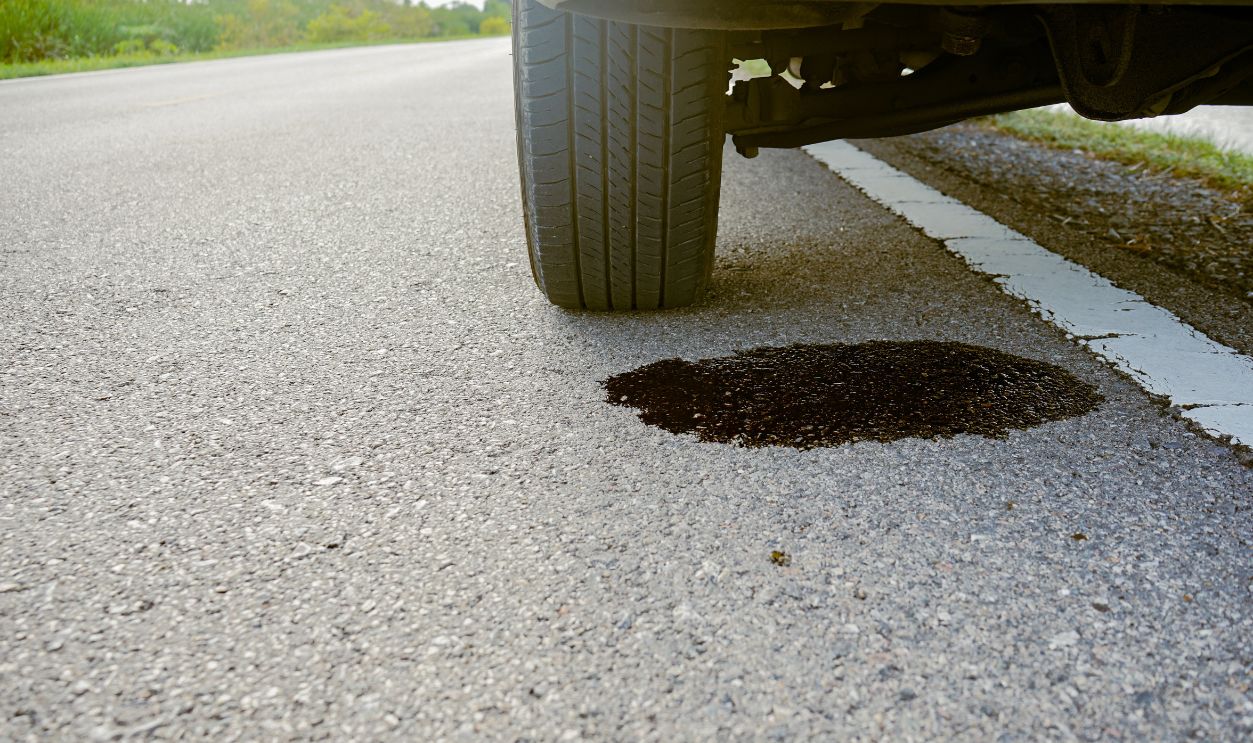
Ignoring Tiny Leaks Because “Old Cars Just Leak”
A few drops on the garage floor can become so normal that owners stop paying attention. But a new leak may be the first sign of a failing seal, hose, wheel cylinder, water pump, transmission gasket, or fuel-system problem. MotorTrend recommends placing cardboard beneath stored vehicles partly because it makes developing leaks easier to spot and helps reveal where they're coming from.
 Mr.Anuwat Rumrod, Shutterstock
Classic Cars Reward Maintenance More Than Neglect
Most healthy classics don't suddenly destroy themselves without warning. They deteriorate a little at a time while old coolant corrodes something, a dry fitting wears out, a hose hardens, moisture enters the brakes, or a tiny leak goes unnoticed. The best defense is knowing the maintenance requirements from the car's own era, keeping records, and inspecting it regularly even when it barely gets driven. A low-mileage classic still needs attention. It just tends to need a different kind of attention than the daily driver parked beside it.
You May Also Like:
Car Repairs And Maintenance That Mechanics Used To Perform Regularly—But Now Almost Never Do
Car Repair And Maintenance Tools That Aren't Necessary—But Make Things A Whole Lot Easier