The Quiet Problem Under Your Hood
If your mechanic says the engine mounts are worn but the car still feels mostly fine, it is easy to put that repair off. That is understandable. Bad mounts do not always cause big shaking right away. But these parts do an important job. They hold the engine and transmission in place and help keep vibration and movement from spreading through the rest of the car.

What Engine Mounts Actually Do
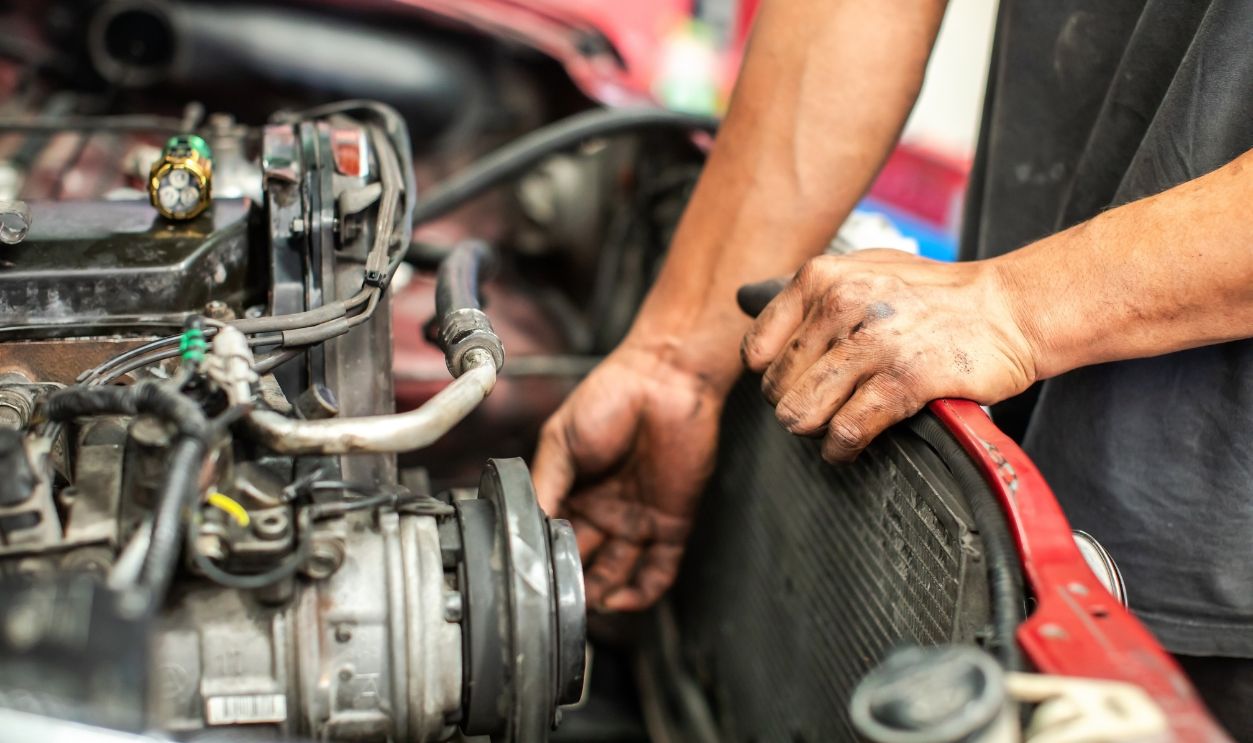
Engine mounts secure the powertrain to the chassis or subframe. Most modern mounts use metal brackets with rubber, and some also use hydraulic fluid chambers to soak up motion. They are working every time the engine starts, idles, accelerates, shifts, and shuts down.
 koonsiri boonnak, Shutterstock
Why You May Barely Notice Anything Yet
A mount can be worn without being completely shot. Rubber can crack, flatten, or start separating little by little, so the extra vibration may be hard to notice at first. In many cars, the other mounts can also hide the problem for a while by taking on more of the load.

The Problem Often Starts Small
Early signs are easy to brush off. You might hear a light clunk when shifting into drive or reverse, feel a little more buzz at idle, or notice a slight thump when you lift off the throttle. Those are clues that the engine may be moving more than it should.

Why Mechanics Flag Mounts Before They Totally Fail
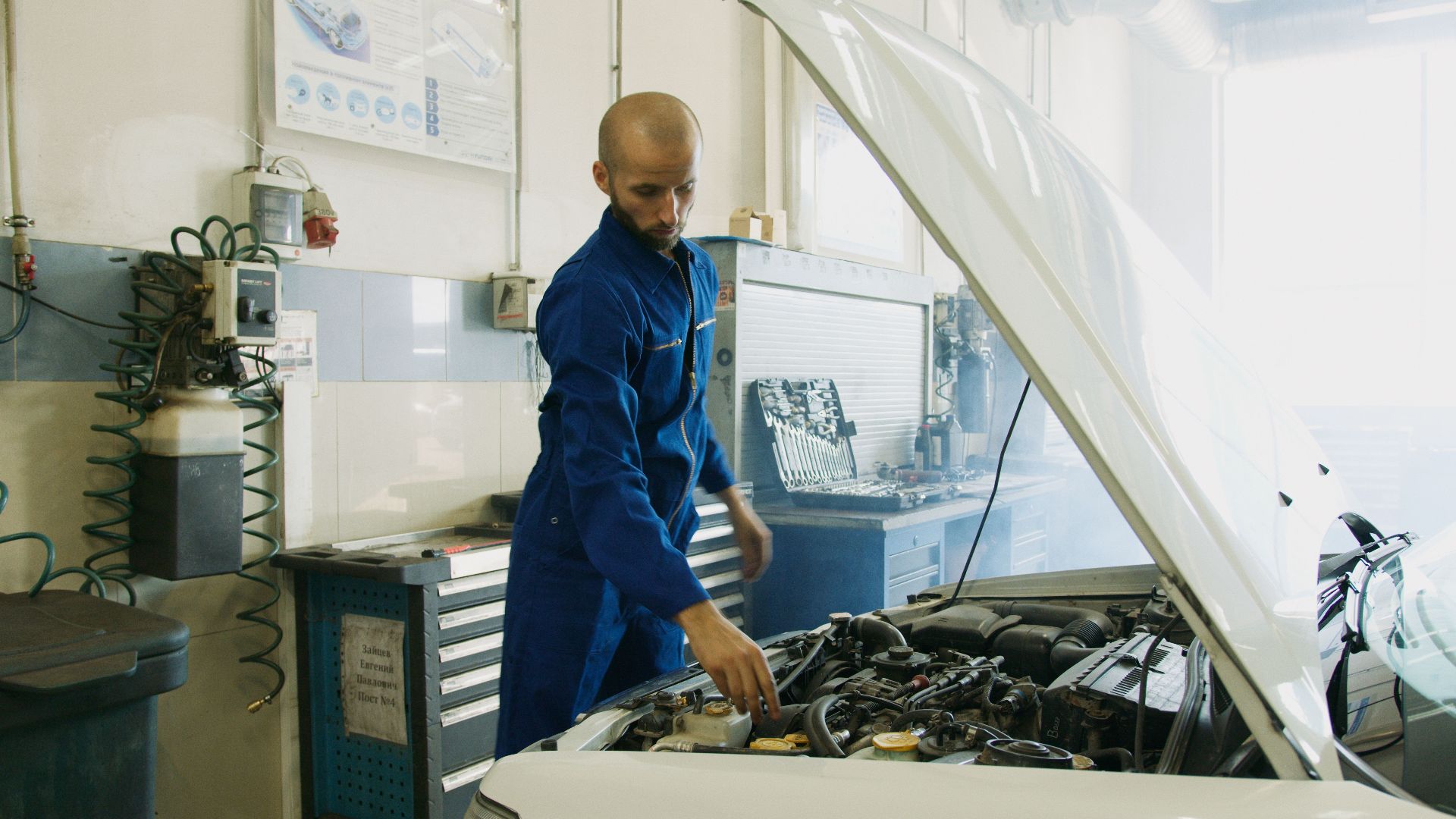
Technicians are not just listening for vibration. They also look for collapsed rubber, fluid leaking from hydraulic mounts, torn rubber-to-metal bonding, and too much engine movement. If a mount is already split or leaking, it has already lost some of its ability to control the engine.
Rubber And Hydraulic Mounts Wear Out Differently
A basic rubber mount usually wears out from heat, oil contamination, and constant loading over time. A hydraulic mount can also lose its damping ability if the fluid leaks out. That can make the engine feel rougher even if the mount still looks okay at a quick glance.
Heat And Oil Are Big Enemies
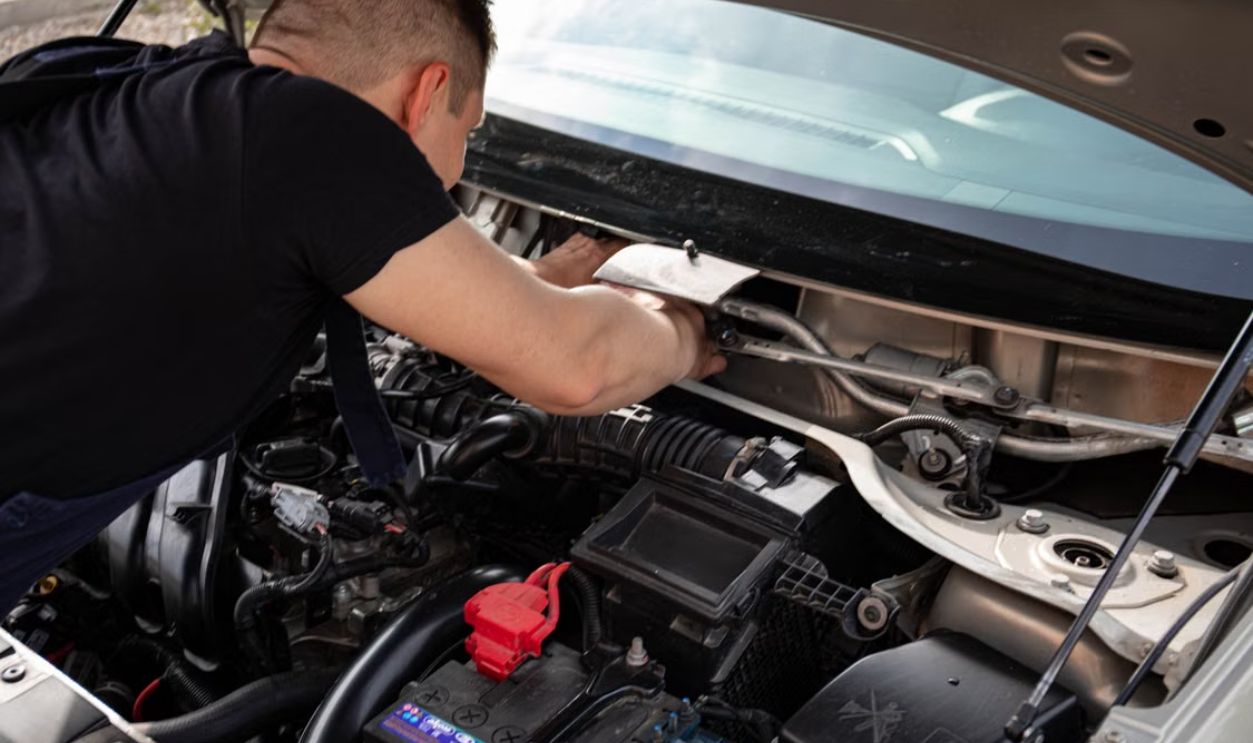
The area around an engine is tough on parts, and mounts sit right in the middle of it. Heat speeds up rubber aging, and oil leaks can soften and damage rubber over time. That is one reason even a small oil leak can help wear mounts out sooner than expected.
 Mr.Anuwat Rumrod, Shutterstock
Ignoring Them Can Mean More Engine Movement
The biggest risk usually is not that the engine will suddenly drop out of place. The more common problem is too much movement under acceleration, braking, and gear changes. That extra motion can put stress on other parts that were designed for much tighter control.

Hoses And Wiring Can Pay The Price
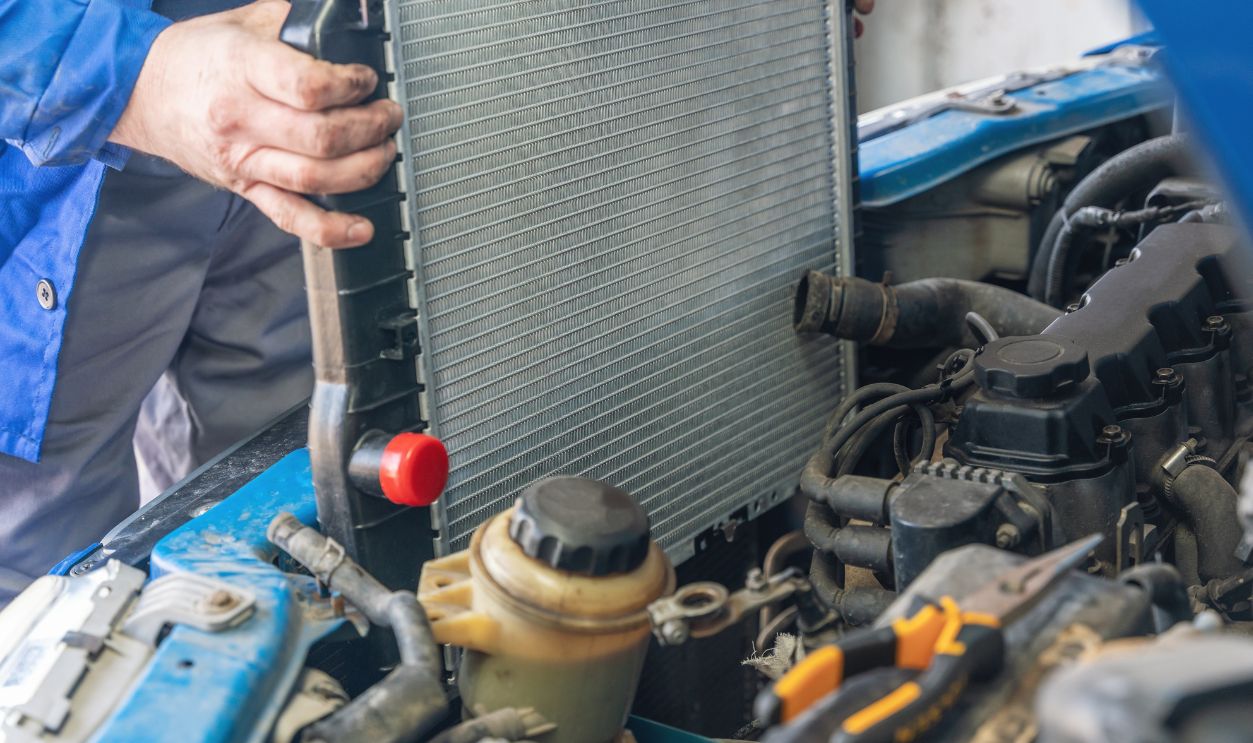
When the powertrain moves more than normal, connected parts get pulled and flexed again and again. Radiator hoses, heater hoses, intake ducts, wiring connectors, and ground straps can all take extra stress. Those follow-up problems can be harder to track down than the worn mount that started it.
 Afanasiev Andrii, Shutterstock
Exhaust Parts Can Start Complaining
The exhaust system is especially sensitive because part of it moves with the engine while the rest is attached to the body. Too much engine movement can strain flex pipes, flanges, and hangers. Over time, that can lead to leaks, rattles, or broken supports that cost more than replacing the mount would have.

The Transmission Can Feel It Too
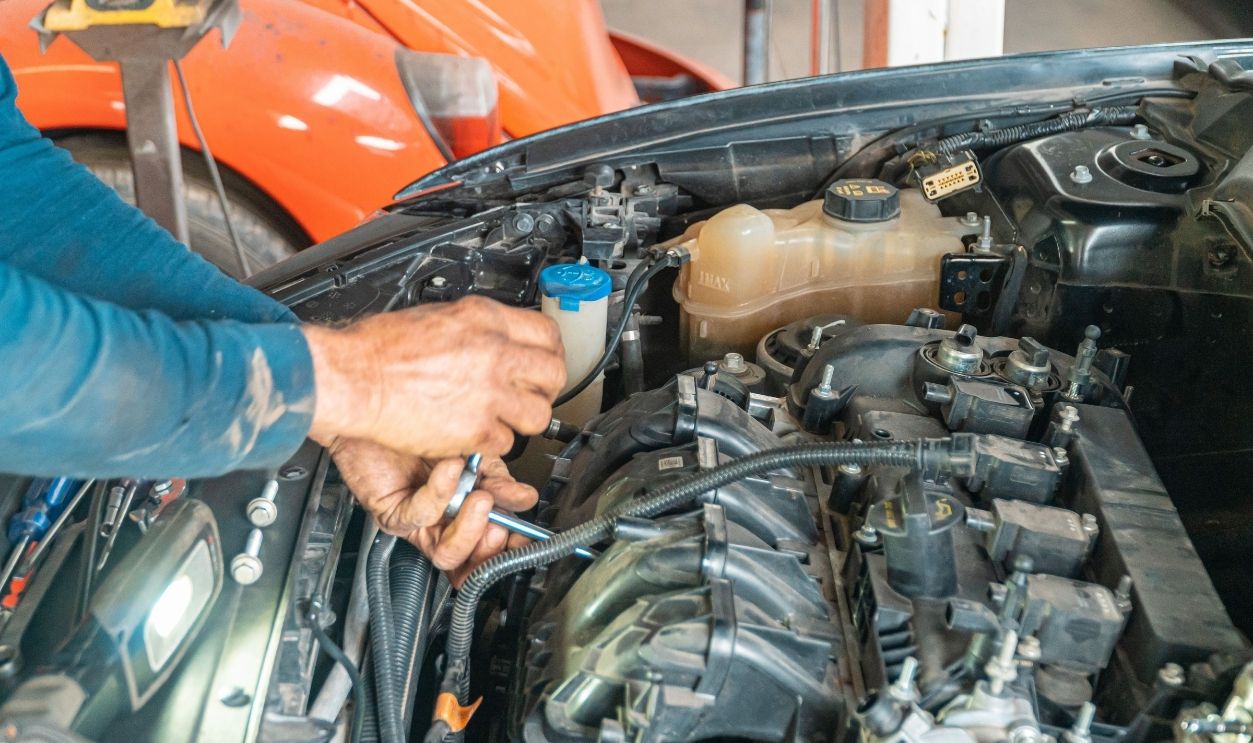
On many vehicles, the engine and transmission mounts work together. If one mount weakens, the others often have to carry more load than they were designed for. That can lead to harsher shifting feel, drivetrain lash, or faster wear in the rest of the mounting system.
 Jose Ricardo Barraza Morachis, Pexels
You Might Hear Clunks Before You Feel Shakes
Many drivers expect worn mounts to show up first as obvious vibration in the cabin. Sometimes the earlier clue is a dull clunk during acceleration, deceleration, or when shifting between drive and reverse. That happens because the engine is rocking farther than normal.

Idle Vibration Is Not The Only Symptom
A lot of people think bad mounts always turn a smooth idle into a massage chair. That can happen, but it is only one version of the problem. Some worn mounts show up more clearly during cold starts, quick stabs of the throttle, or when the air conditioning compressor adds load at idle.

Hydraulic Mounts Can Fail Quietly
Hydraulic mounts are made to block certain vibration frequencies especially well. When they leak or lose their internal damping, the change can happen slowly instead of all at once. You may get used to the extra vibration without realizing how much smoothness the car has lost.
Why Some Cars Hide The Issue Better Than Others
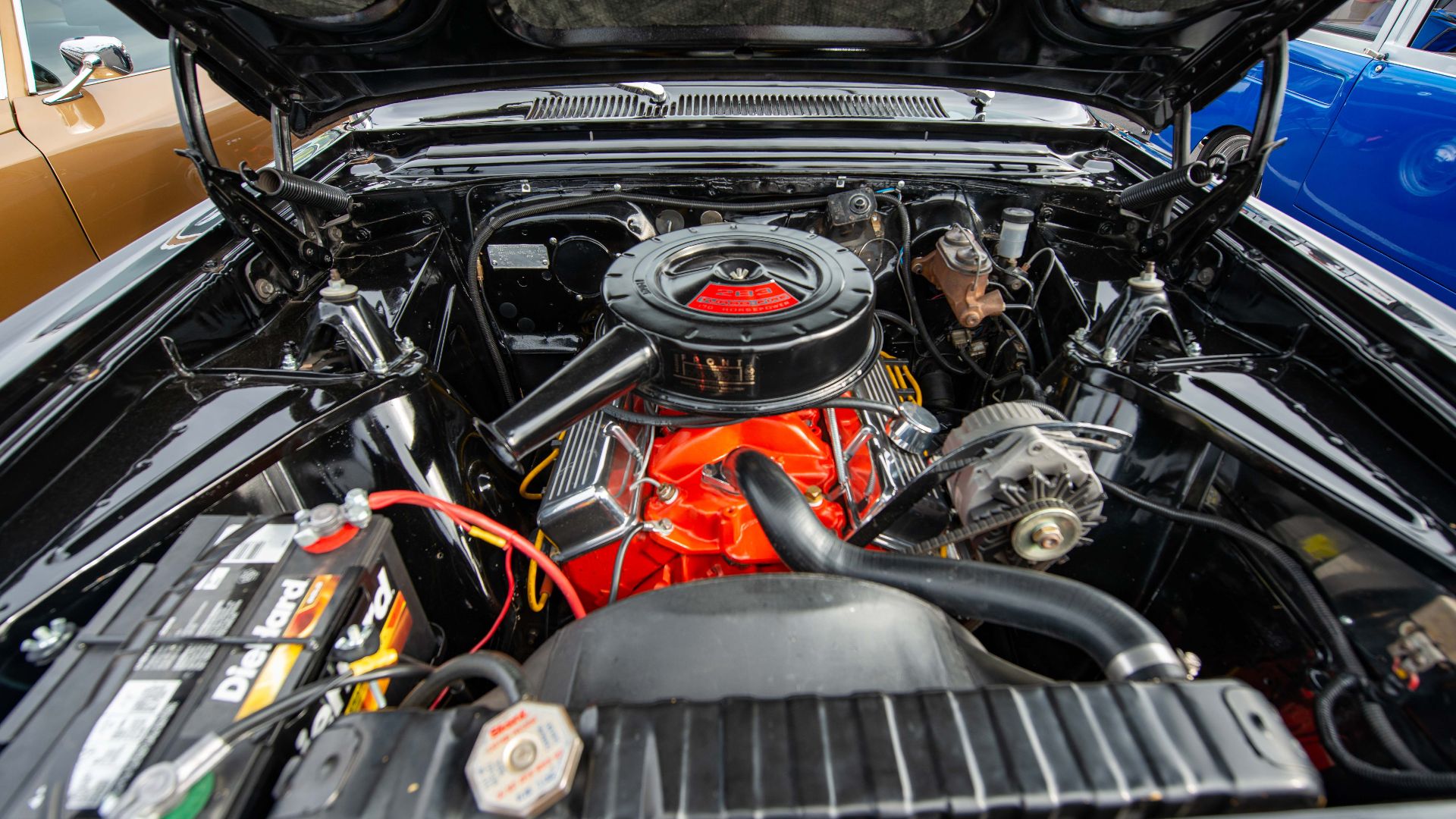
Vehicle design makes a big difference. A smooth engine, a heavy subframe, a quiet cabin, or several mounts can hide the symptoms for quite a while. That does not mean the bad mount is harmless. It just means the rest of the car is covering for it.

Hard Acceleration Makes Weak Mounts More Obvious
Engine torque tries to twist the powertrain against its mounts. Under harder acceleration, that twisting force goes up, which is why worn mounts often act up more under load than they do at a stoplight. In severe cases, a technician may even be able to see that movement during a careful inspection while the car is power-braked.
 Parkin Srihawong, Shutterstock
Manual And Automatic Cars Show It Differently
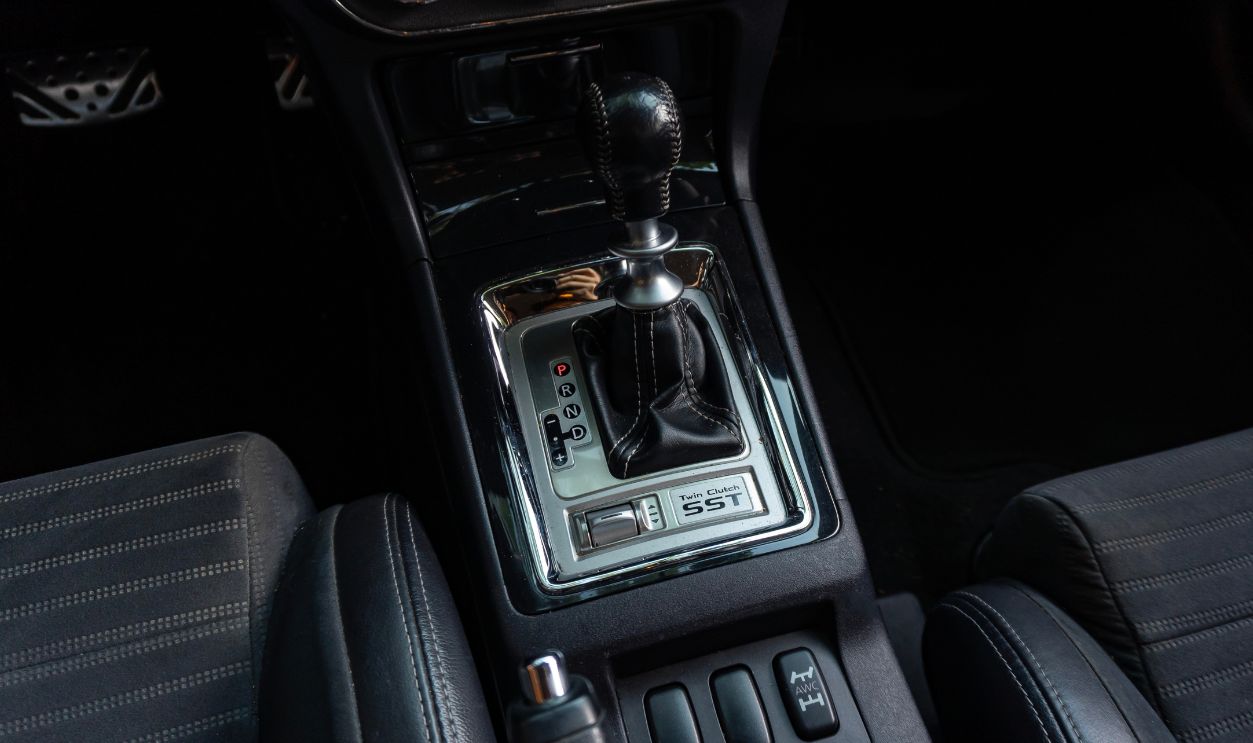
On a manual car, bad mounts may show up as driveline shudder, vague shift feel, or extra engine movement during clutch takeup. On an automatic, you may notice a heavier thunk when selecting drive or reverse. The cause is the same either way: the powertrain is moving too freely.
The Steering And Chassis Can Pick Up Extra Harshness
Mounts do more than support weight. They are also part of the vehicle's noise, vibration, and harshness tuning, often called NVH. When they wear out, vibration can make its way into the steering wheel, floor, seat, and dash even if the engine itself still runs just fine.

Can A Worn Mount Become A Safety Issue
Most of the time, worn mounts are more of a mechanical and comfort problem than an immediate emergency. But if a mount becomes badly torn or separates, engine movement can get severe enough to damage nearby parts or create unpredictable driveline behavior. That is why waiting for a mount to fully fail is usually the expensive choice, not the smart one.
 Hryshchyshen Serhii, Shutterstock
The Severity Depends On How Worn They Are
There is a big difference between minor cracking and a mount that has collapsed or leaked out its fluid. If a technician says the mounts are only starting to wear, you may have some time to plan the repair. If they are torn, leaking, or allowing obvious movement, waiting gets much riskier.
Ask Your Mechanic These Questions
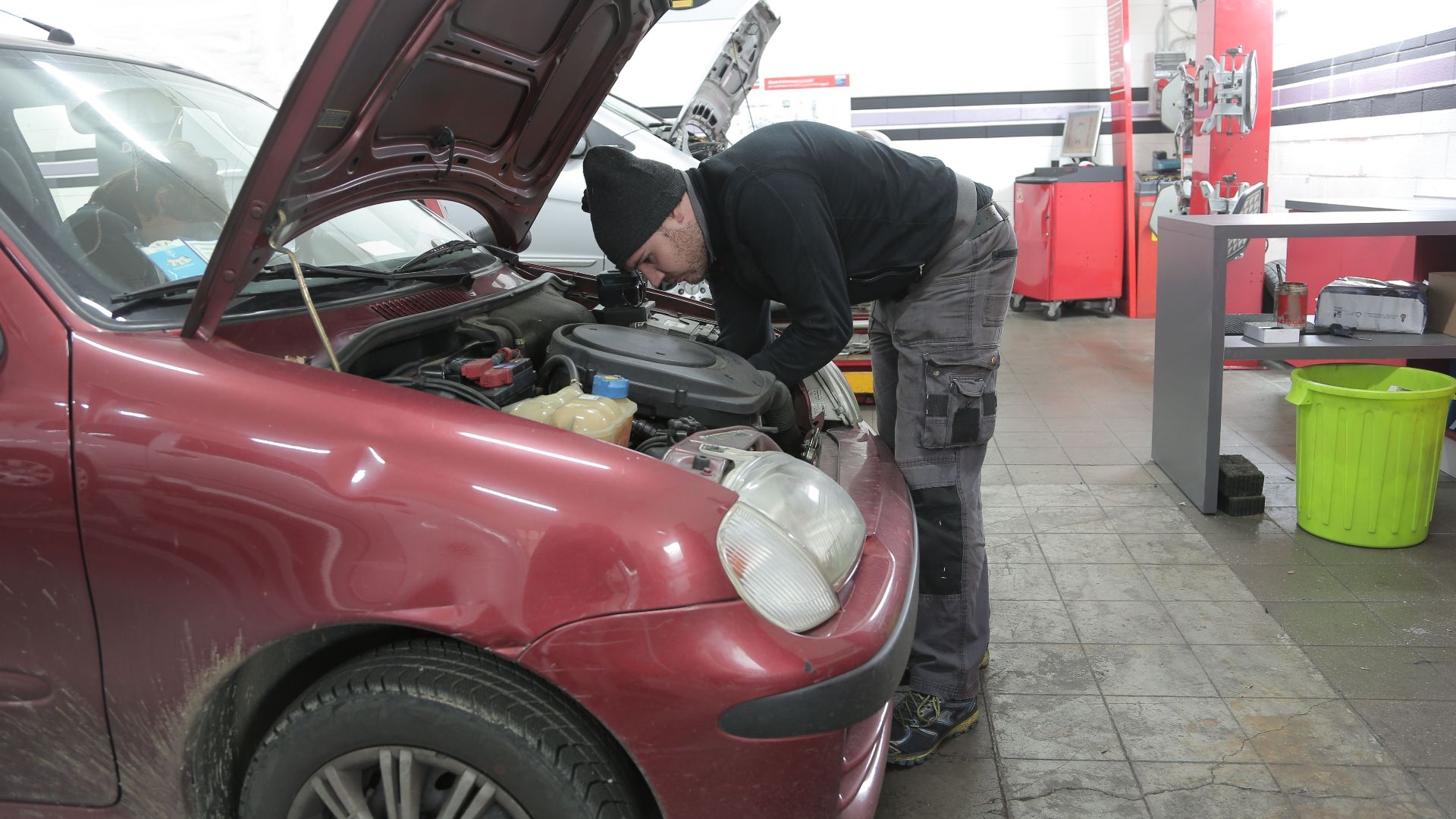
Start by asking how bad the wear really is and whether the mount is cracked, collapsed, or leaking. Ask if the engine is moving too much and whether any nearby hoses, wiring, or exhaust parts are already at risk. It also helps to ask whether this is mainly a comfort issue for now or whether signs of secondary damage have already started.

Get Specific About Which Mount Is Bad
Most vehicles have several mounts, and they do not all handle the same loads or fail the same way. A front torque mount, side engine mount, or transmission mount can create different symptoms and different levels of urgency. Knowing exactly which one is worn makes it easier to understand what could happen if you wait.

It Is Worth Looking For Related Problems
If an engine mount is worn, it is smart to check for oil leaks, damaged exhaust flex sections, torn intake tubing, and stressed coolant hoses. The mount may be the main problem, but nearby issues can speed up its wear or make the symptoms worse. Fixing the root cause can help the replacement mount last longer.
Replacing One Mount Versus Several
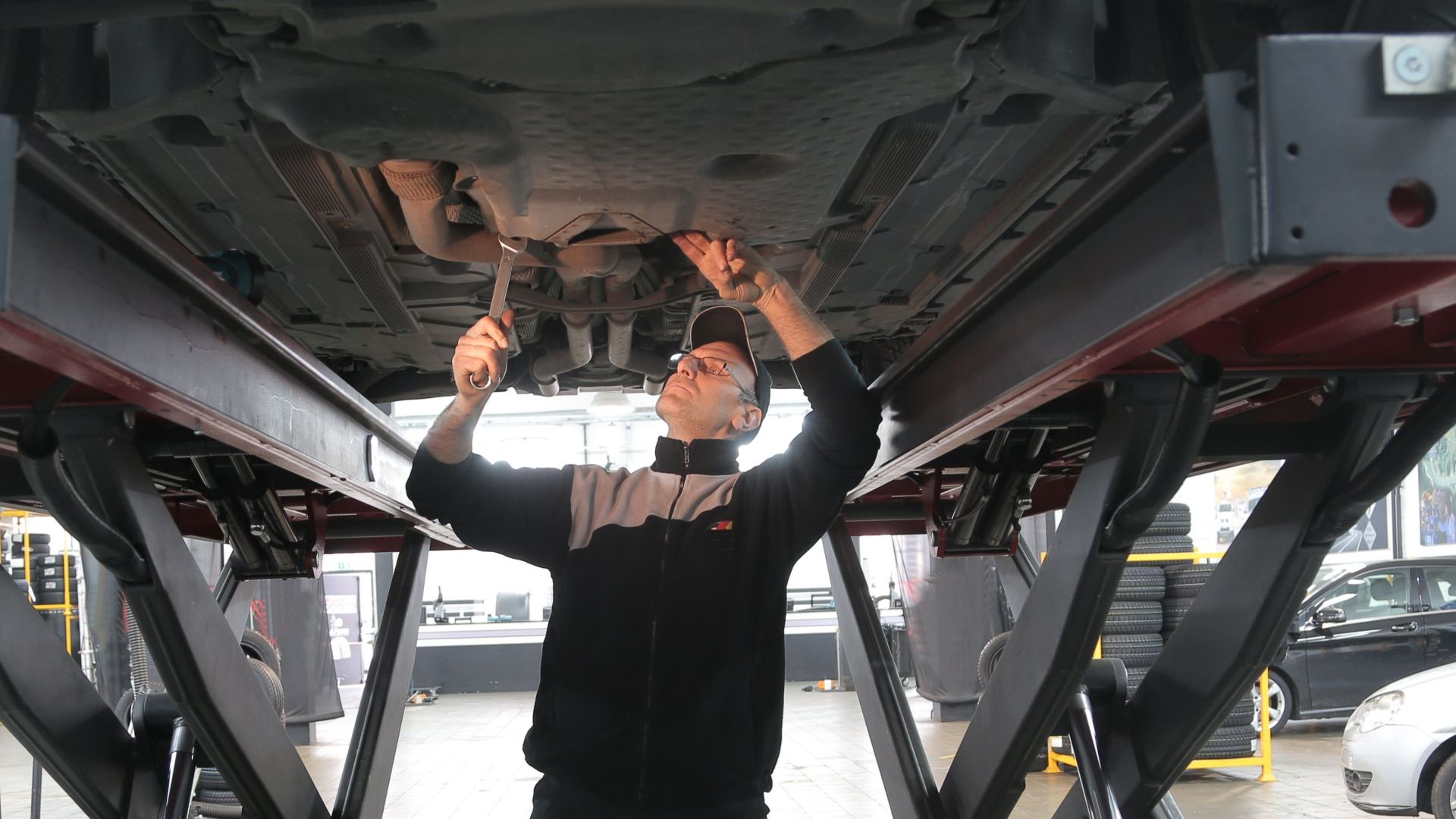
Sometimes only one mount has clearly failed, and replacing just that one makes sense. In other cases, especially on older vehicles, several mounts may be the same age and not far behind. A good shop should explain whether the recommendation is based on confirmed wear or just convenience because of overlapping labor.

How Long Can You Really Wait
There is no one-size-fits-all timeline because wear level, driving style, and vehicle design all matter. A mildly worn mount may buy you some time, while a collapsed or leaking mount should move much higher on the repair list. If the symptoms are getting worse or new noises show up, that is a sign the problem is moving forward.

What Happens If You Ignore Them Too Long
At first, you may get away with a few noises and a rougher feel. Over time, though, extra movement can damage hoses, stress wiring, create exhaust problems, and wear out nearby mounts faster. In other words, the repair you delayed can slowly pull more parts into the bill.

The Smart Bottom Line
If you barely notice any vibration, worn engine mounts probably are not a drop-everything emergency today. But they are not cosmetic either. Their whole job is to control powertrain movement and protect the rest of the vehicle from it. The smart move is to find out how worn they are, ask what secondary damage could happen on your specific car, and fix them before a modest repair turns into a bigger drivetrain problem.