The Recall Couldn't Have Picked A Worse Time
Your car lease is almost finished, but there's one problem: your vehicle has an outstanding safety recall, and the replacement parts are nowhere to be found. You've been waiting for months, and now your return deadline is approaching. Fortunately, you have several options worth exploring.
 Dragana Gordic, Shutterstock Images
Your Lease Clock Keeps Ticking
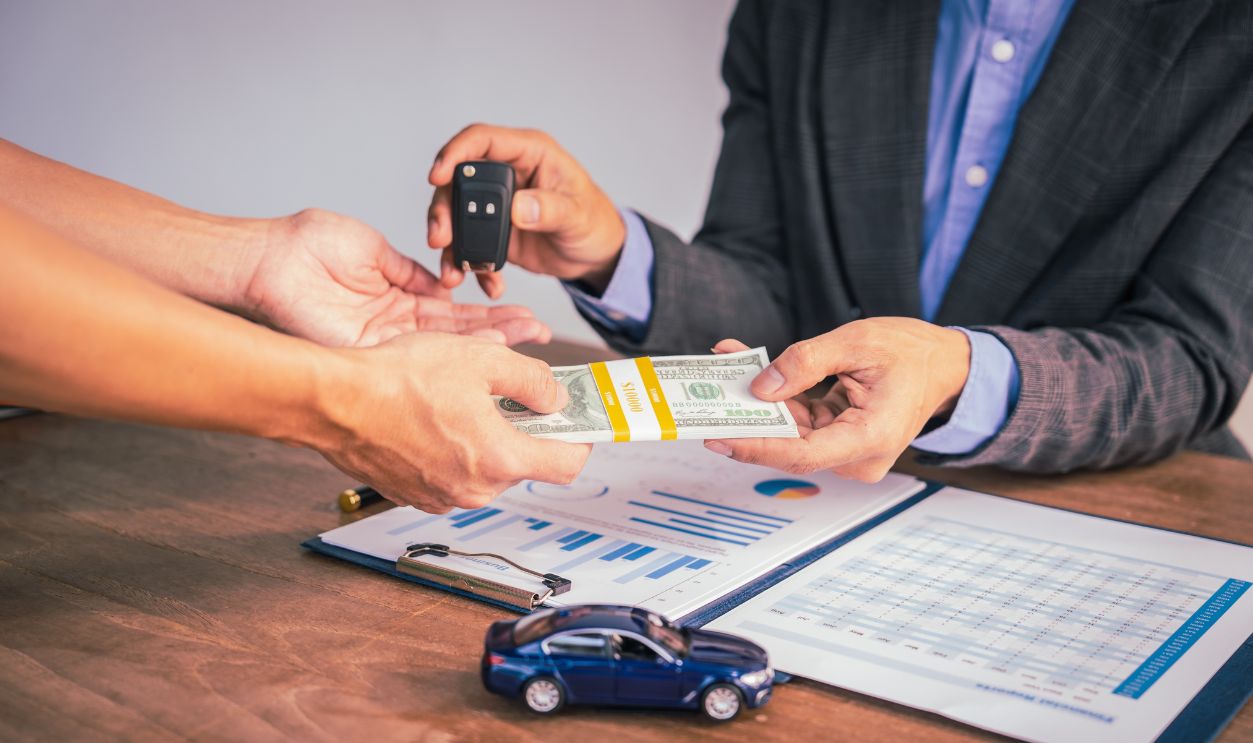
Here's the frustrating reality: an outstanding recall generally doesn't automatically extend your lease. Your agreement still has an expiration date, even when the manufacturer cannot complete the repair. Unless your leasing company agrees otherwise, your original contractual obligations remain in place.
 R Photography Background, Shutterstock
Start With The Contract
Before contacting anyone, find your original lease agreement. Look for sections covering maturity dates, extensions, vehicle returns, maintenance responsibilities, and early termination. These provisions establish your obligations and help you identify what accommodations you can request before the deadline arrives.

Check The Recall By VIN
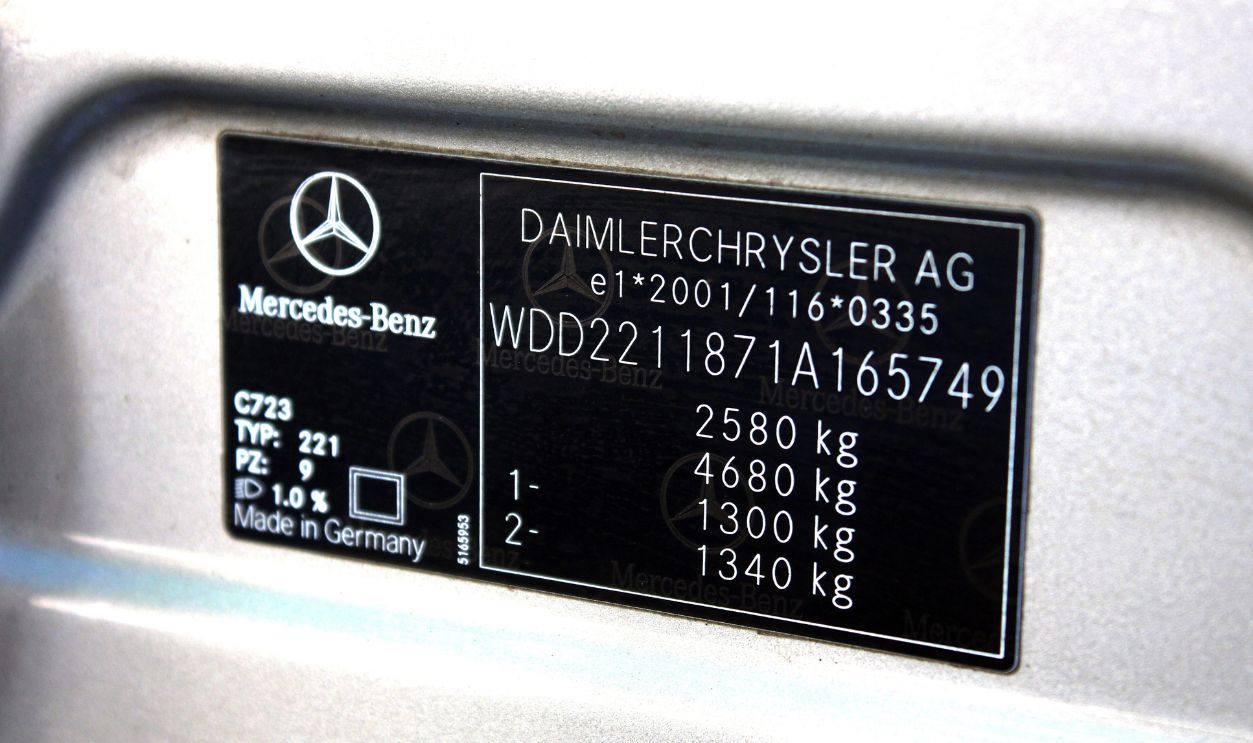
Visit the National Highway Traffic Safety Administration's recall lookup and enter your vehicle identification number. This identifies outstanding safety recalls associated with your vehicle. Confirm the recall number and affected components so you can discuss the precise problem with your dealership and manufacturer.
Read The Driving Warning Carefully
Not every recall requires you to stop driving immediately. However, some manufacturers issue explicit instructions against operating certain affected vehicles. Follow those warnings rather than assuming your car remains safe until replacement parts arrive, especially when the manufacturer recommends alternative transportation.

A Notice Isn't Always A Fix
Manufacturers sometimes announce recalls before replacement parts or final repair procedures are available. Federal rules allow interim notifications while companies develop remedies. These notices can provide temporary safety instructions, but receiving one doesn't mean the repair is ready or the problem has disappeared.
Find Out What's Holding The Repair Up
Ask your dealership whether the replacement components have been ordered and whether an estimated arrival date exists. Also establish whether your vehicle is physically waiting at the dealership. Request confirmation of the recall's current status rather than relying on repeated verbal assurances.

Build A Paper Trail
Collect your recall notification, dealership service records, repair orders, and previous communications. Record when you first requested the repair and every subsequent update. This documentation can support requests for lease accommodations, alternative transportation, or further review of the manufacturer's handling of the recall.

Call The Company That Holds The Lease
Your dealership and leasing company may be different organizations. Contact the financial institution listed on your agreement and explain that your lease expires before the recall can be completed. Ask specifically how it handles vehicles with unresolved manufacturer safety recalls.

Request A Short Extension
One possible solution is extending your existing lease while the manufacturer obtains the parts. Federal consumer leasing rules recognize agreed extensions of existing contracts. However, whether an extension is available depends on your leasing company, your agreement, and any applicable eligibility requirements.

GM Has A Published Extension Policy
GM Financial currently allows qualifying lease customers to continue their leases for one additional month under its published policy. Regular payments remain required, and the original mileage allowance doesn't automatically increase. This illustrates why checking your particular lender's rules matters.
 TheWxResearcher, Wikimedia Commons
Other Lenders Can Say No
Not every leasing company offers the same flexibility. Stellantis Financial Services, for example, states that extensions may be available in certain circumstances but aren't guaranteed. Ask whether your recall situation qualifies for special consideration and request written confirmation of any arrangement.
 Korawat photo shoot, Shutterstock
Watch Your Mileage Allowance
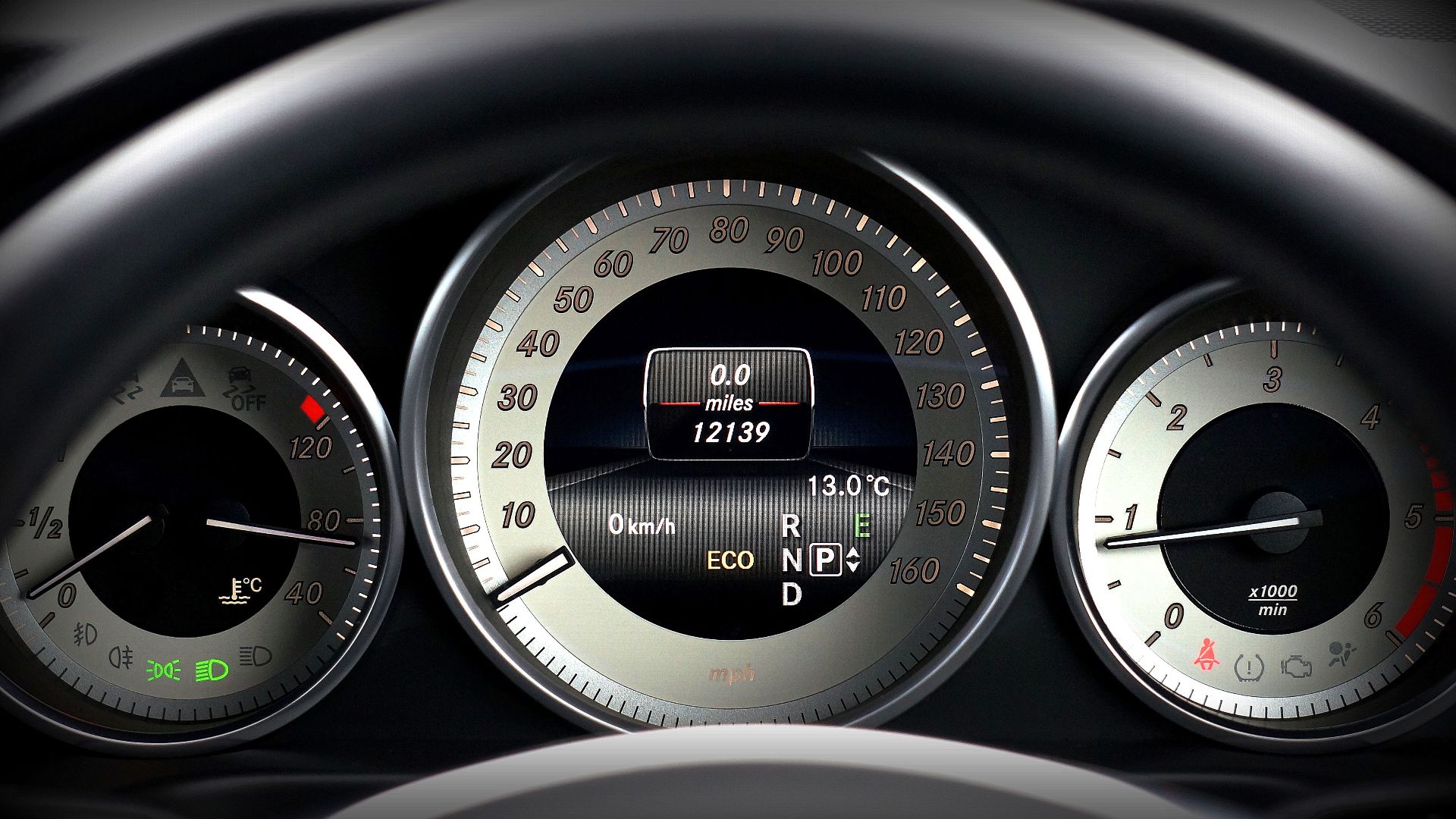
An extension doesn't necessarily provide additional mileage. GM Financial specifically says its standard one-month extension leaves the original mileage allowance unchanged. Before accepting extra months, confirm whether additional driving could create excess-mileage charges and whether any additional allowance is available.
Don't Stop Paying On Your Own
Making payments on a vehicle awaiting repairs can feel unreasonable. Nevertheless, an unresolved recall doesn't automatically suspend your lease payments. Stopping payments without an agreement could create overdue balances and additional consequences under your contract, so contact your lessor first.
 https://kaboompics.com/, Pexels
Payment Relief Must Be Agreed Upon
If the delay creates financial hardship, ask your leasing company about temporary payment accommodations. The Consumer Financial Protection Bureau recommends contacting lessors promptly when payment difficulties arise. It also advises getting any revised arrangement in writing to prevent misunderstandings.

Ask For A Loaner
Your dealership or manufacturer might provide a temporary replacement vehicle while recall parts remain unavailable. NHTSA notes that manufacturers and dealers generally aren't required to provide loaners. Still, it's worth asking, particularly when a recall warning prevents you from safely using your vehicle.

Get Rental Approval Before Spending
If a loaner isn't available, request authorization for a rental car. Ask the manufacturer whether it will cover any rental costs and for how long. Obtain the approval conditions before booking, since reimbursement policies can vary and shouldn't be assumed.

You May Be Able To Return It
An outstanding recall doesn't necessarily mean you must keep the vehicle past your lease expiration. Standard lease-end options generally include returning the vehicle or purchasing it. Ask your leasing company whether it will accept the car with the recall unresolved.

A Service Visit Isn't A Lease Return
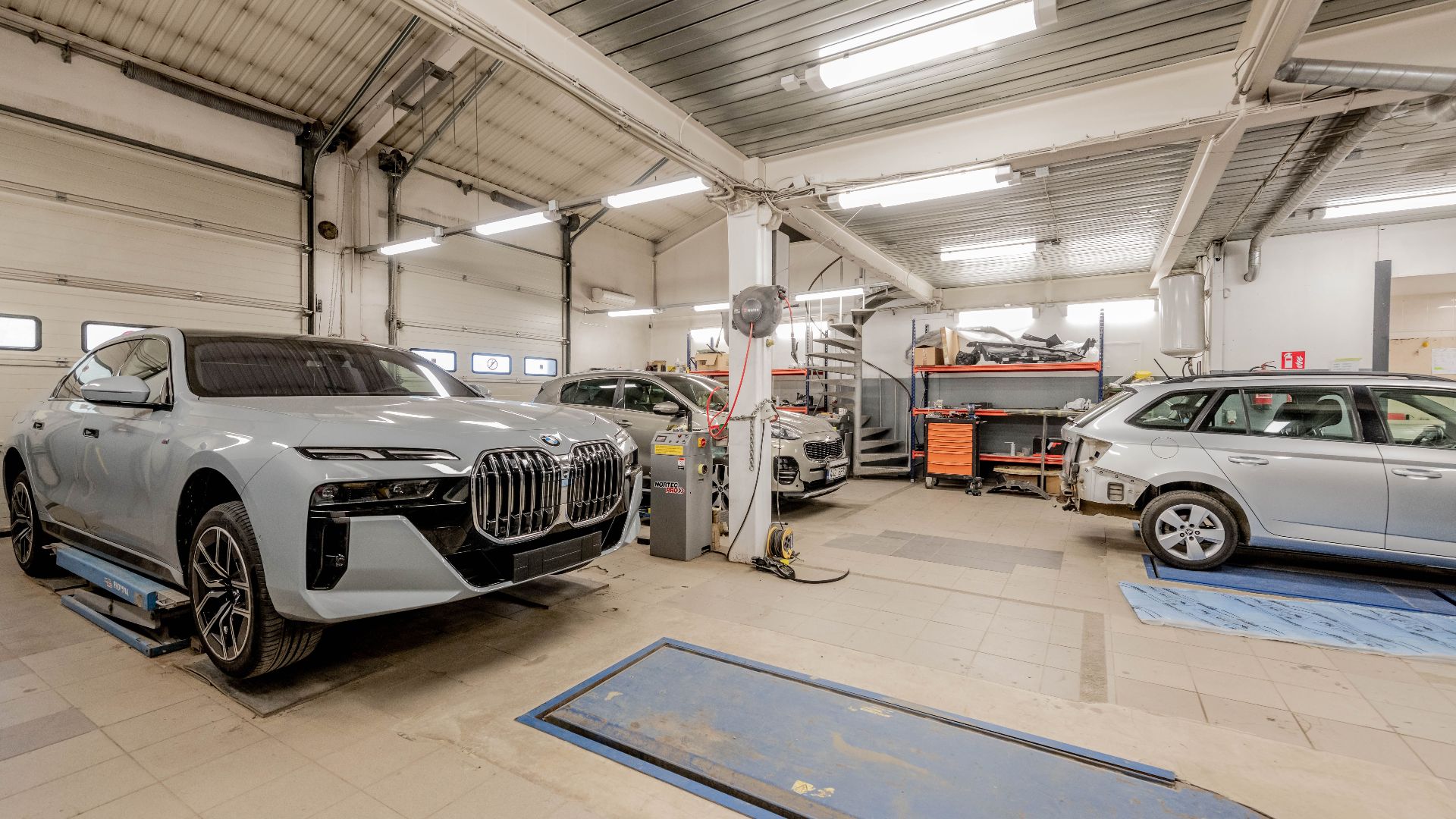
Be careful if your vehicle is already sitting at the dealership awaiting repairs. Having it in the service department doesn't necessarily complete the lease-return process. Confirm that the financial institution has authorized the return and that the dealership can formally process it.
Use An Authorized Return Location
Follow your leasing company's return instructions rather than leaving the vehicle at an unfamiliar dealership. Toyota Financial Services, for example, distinguishes authorized dealership returns from unauthorized third-party drop-offs. Returning your vehicle incorrectly could leave you responsible for continuing contractual obligations.

If It Cannot Move, Discuss Towing
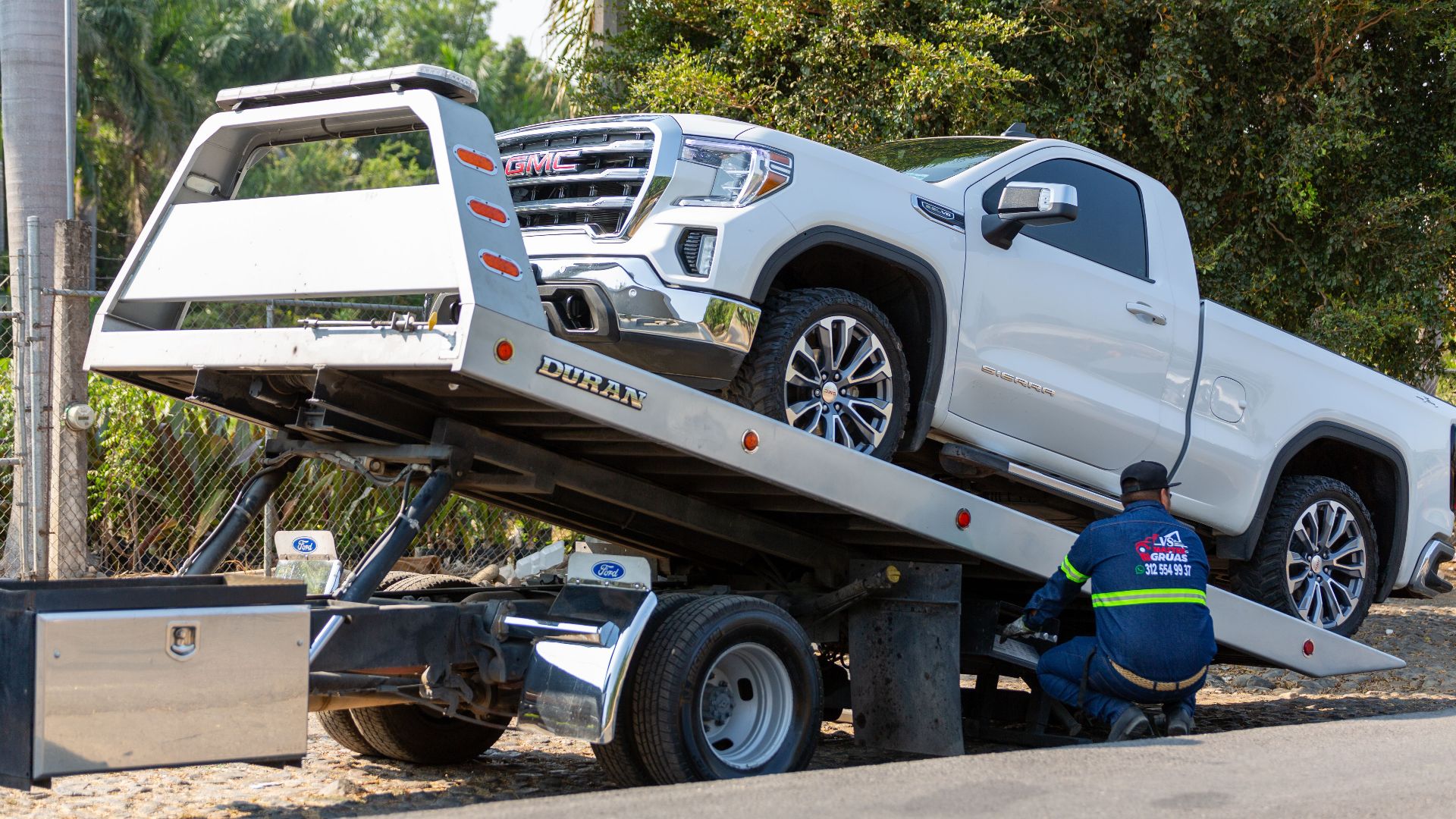
A vehicle subject to a serious driving restriction presents an additional challenge. Contact the manufacturer and leasing company before arranging transportation. Ask where the vehicle should be delivered, who will coordinate towing, and whether transportation costs will be covered.
Get Proof Of The Return
Once the vehicle has been formally returned, obtain documentation showing the return date and recorded mileage. GM Financial describes providing a check-in receipt and odometer statement. Keep these records in case questions arise about when your lease ended.

Don't Skip The Condition Inspection
Recall problems and ordinary vehicle condition charges are different matters. Leasing companies may still inspect for excess wear, missing equipment, and other contractual obligations. Arrange any available pre-return inspection and document the vehicle's condition before transferring possession.

Expect A Final Bill
Returning the vehicle doesn't necessarily mean your balance becomes zero. Toyota Financial Services lists possible end-of-term charges including excess mileage, wear, disposition fees, and unpaid payments. Review your final statement carefully and challenge charges you believe are incorrect.

Buying It May Be An Option
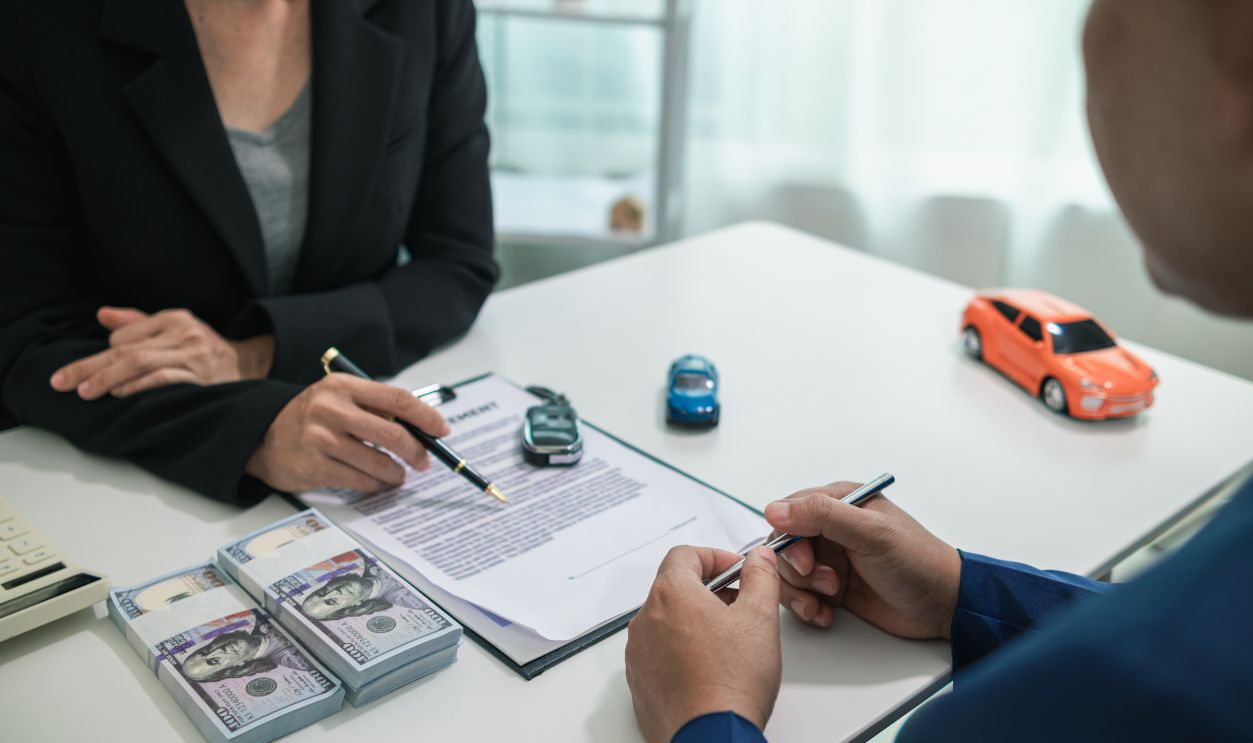
If you otherwise like the vehicle, purchasing it at lease-end may be worth considering. Request the contractual buyout price and compare it with the vehicle's condition and market value. Remember that buying doesn't instantly resolve an outstanding recall.
 Korawat photo shoot, Shutterstock
Early Termination Is Another Story
You might prefer returning the vehicle before the scheduled expiration date. However, early termination can create substantial additional costs under your agreement. The CFPB specifically warns that consumers generally cannot simply return leased vehicles early and walk away from remaining obligations.
 LightField Studios, Shutterstock
Escalate The Recall Delay
If your dealership cannot provide meaningful updates, contact the vehicle manufacturer directly. Explain how long the remedy has been unavailable and how the delay affects your approaching lease expiration. Request a case number and ask about transportation assistance or possible accommodations.

Two Different Complaints, Two Different Agencies
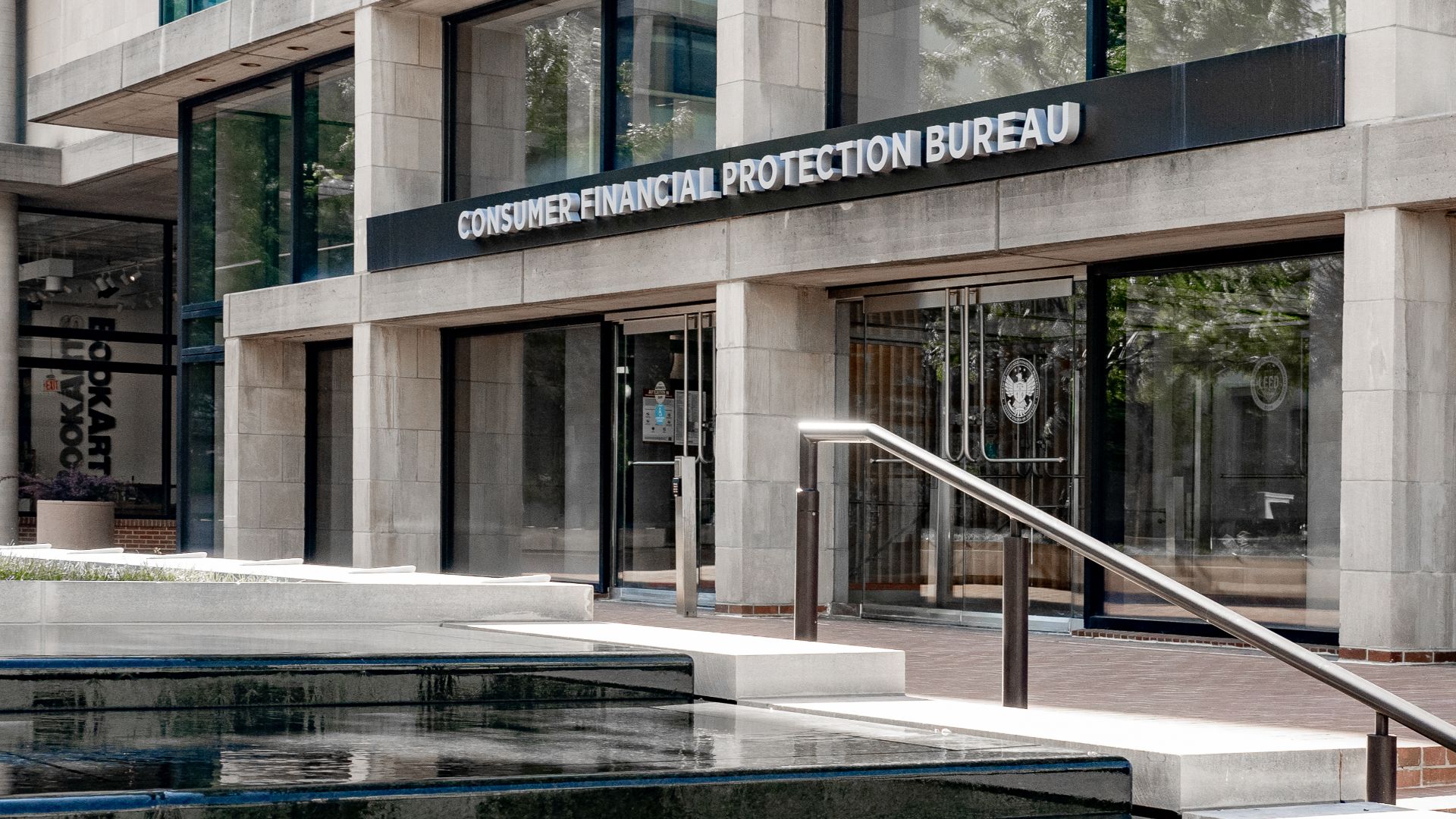
For unresolved recall safety concerns, NHTSA accepts vehicle safety complaints. For disputes involving a leasing company's handling of your account, the CFPB accepts complaints concerning vehicle leases. Identify which organization is responsible for your particular issue before escalating.
 ajay_suresh, Wikimedia Commons
Check State Protections And Make A Plan
Some states extend lemon-law protections to qualifying leased vehicles, although eligibility varies considerably. BBB AUTO LINE offers dispute resolution for eligible manufacturer-related problems. Your immediate priority, however, is obtaining written instructions from your leasing company before your current lease expires.

You May Also Like: