Why This Keeps Happening
You arrive for what you were planning as a quick oil change, but suddenly the technician is recommending that you replace the cabin air filter for the second time this year. You may feel pressured or unsure if this is even really needed. This article helps you understand what the cabin air filter does, how often it should be replaced, and how to handle these repeated recommendations.

What A Cabin Air Filter Actually Does
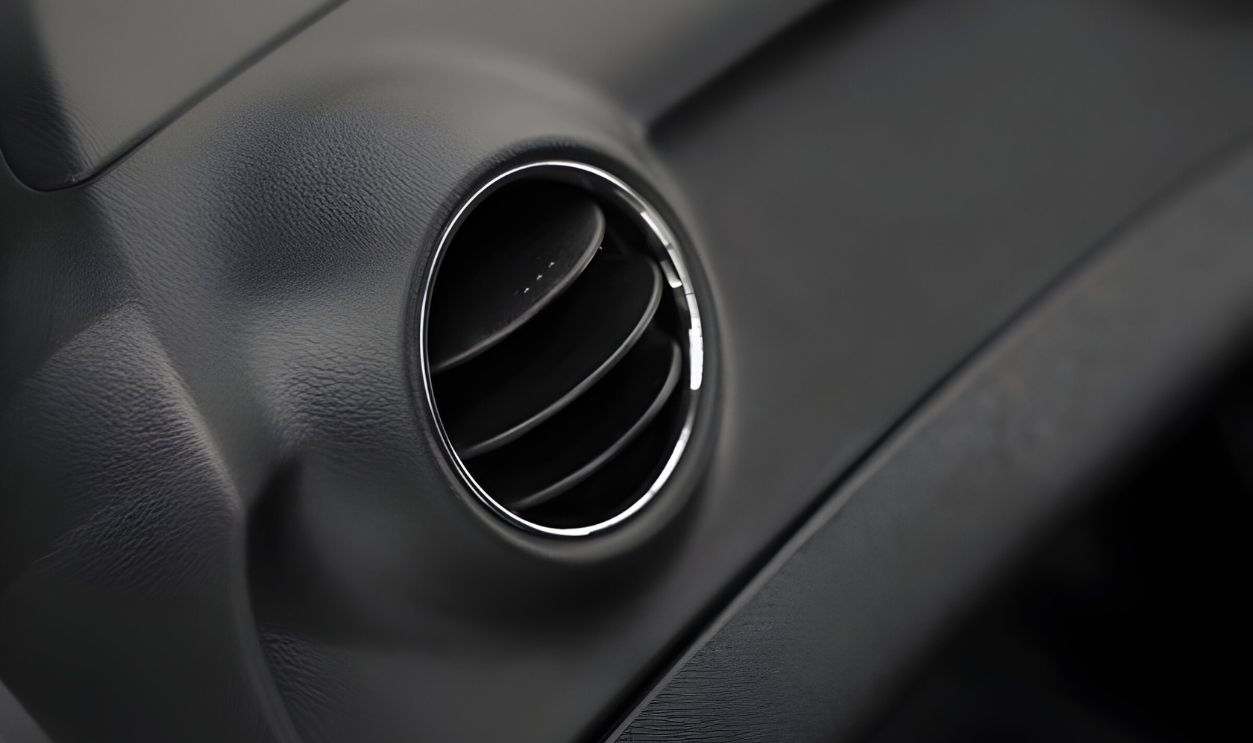
Your cabin air filter cleans the air entering your vehicle’s heating, ventilation, and air conditioning system. It blocks dust, pollen, pollution, and even mold spores from blowing into your car’s interior. It’s an important comfort-and-health component, especially if you do a lot of driving in heavy traffic or have allergies.
Why Shops Mention It During Oil Changes
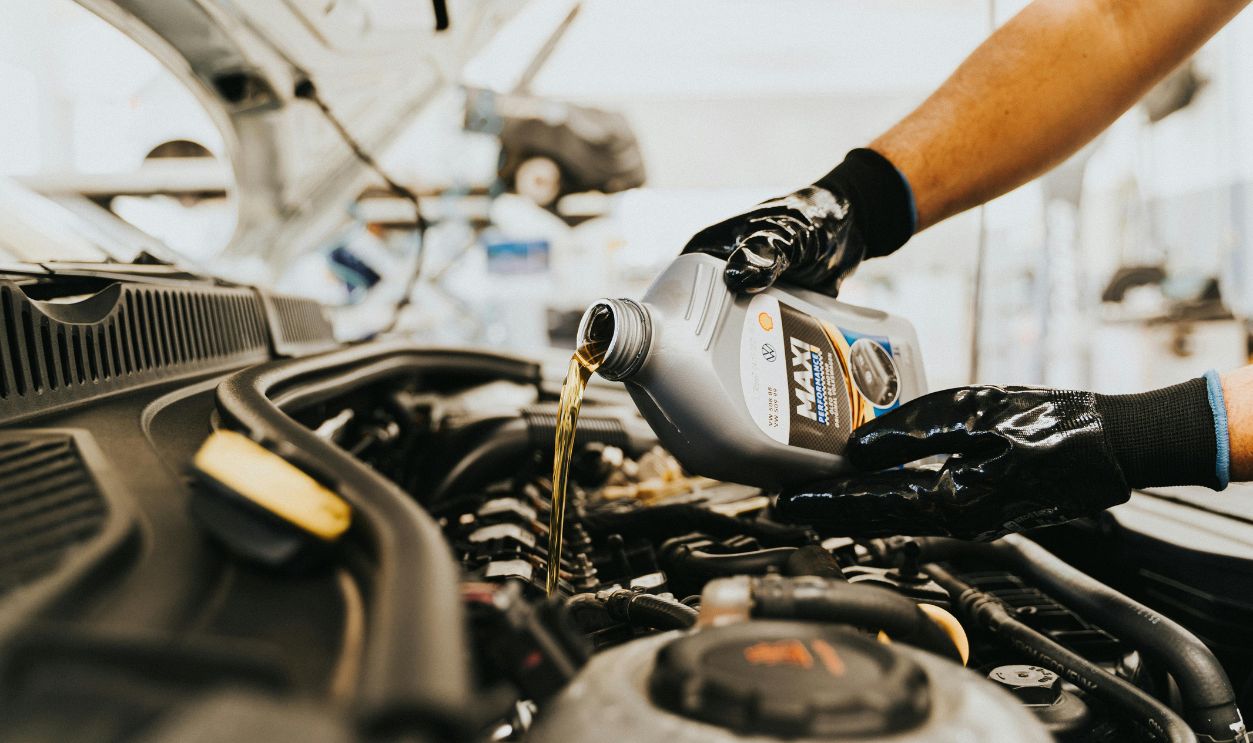
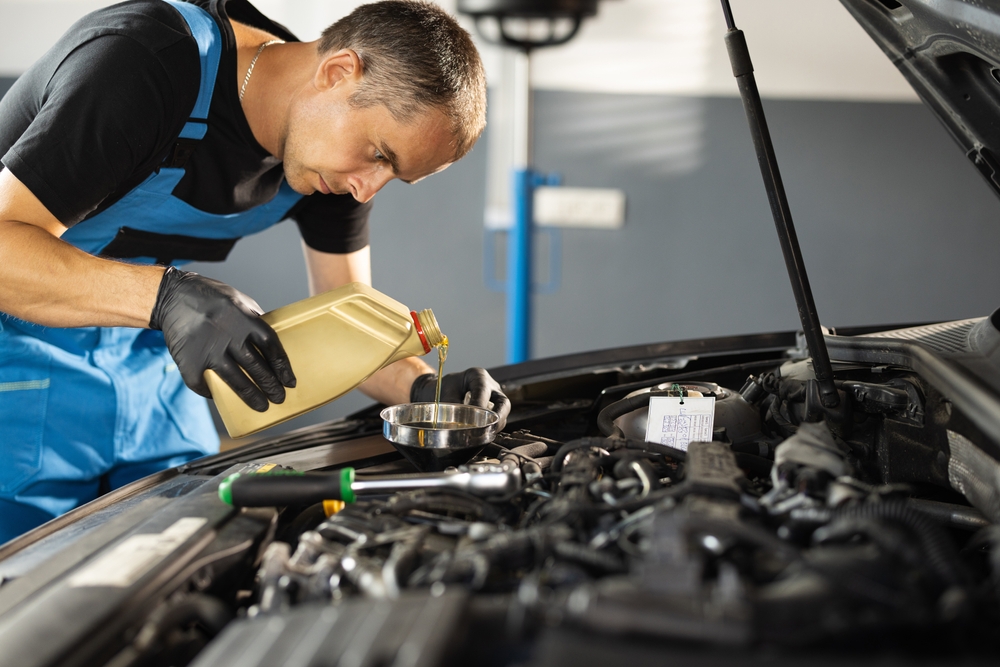
Oil changes follow a consistent schedule, so a lot of shops use these visits to suggest other maintenance. Replacing the cabin air filter is quick, cheap, and often profitable for the shop, so they will often recommend it. But that doesn’t necessarily mean it’s actually needed at that moment.
Typical Replacement Intervals
A lot of manufacturers recommend replacing the cabin air filter every twelve to eighteen months or about fifteen to thirty thousand miles, depending on the conditions. If you’re not sure, check your owner’s manual. It gives the most accurate timing for your specific vehicle and climate.

Signs The Filter Is Due For Replacement
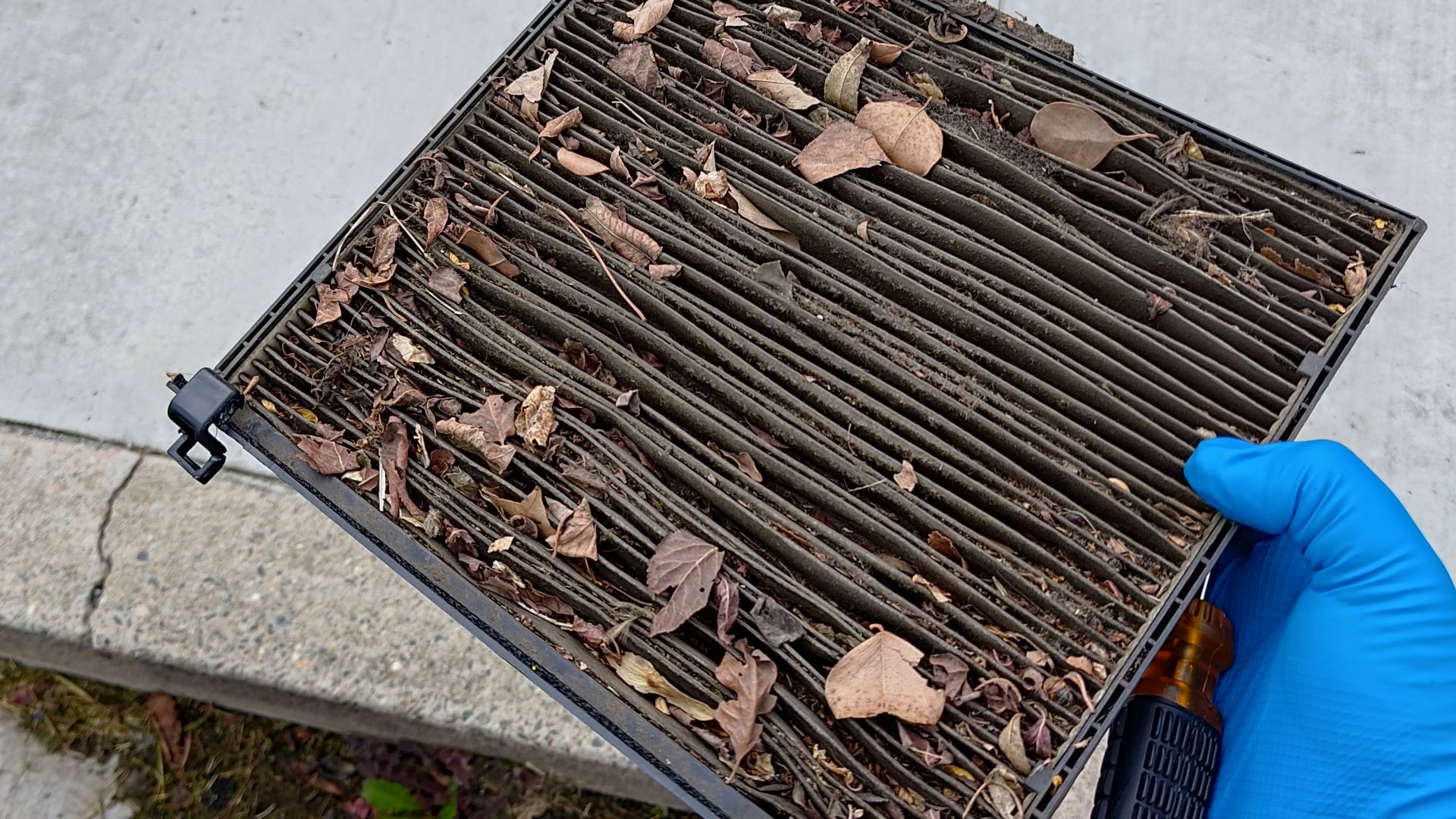
If your airflow feels weak, the cabin smells musty, or you notice more dust on interior surfaces, your filter may indeed be dirty or clogged. The air conditioner working harder than normal can also signal that the filter needs attention. These symptoms are indicators that the replacement may be worth it.

Environmental Factors
If you drive mostly in cities through heavy traffic, polluted areas, dusty rural roads, or if wildfire smoke is frequently an issue, your filter could get dirty far faster than average. In those cases, replacing it more frequently keeps the air inside your car cleaner and protects your HVAC system from strain.

A Dirty Filter Affects Comfort
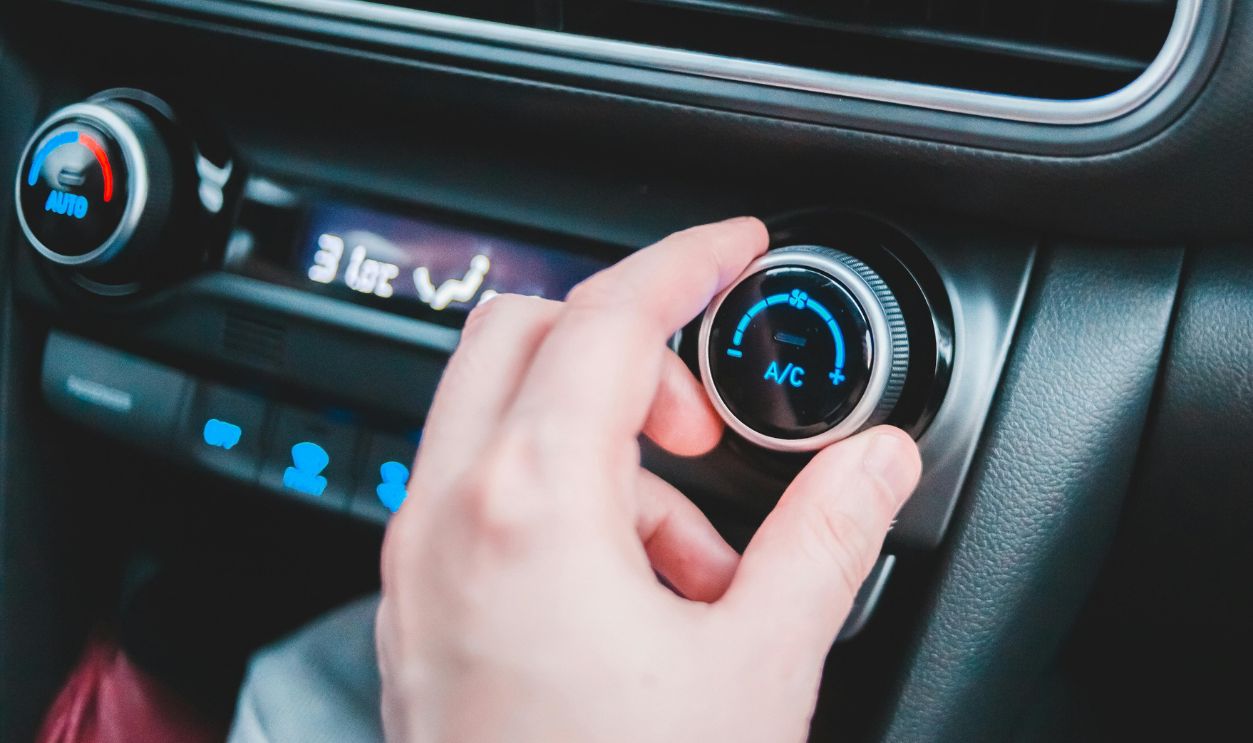
A worn-out cabin air filter can cut down on the airflow from your vents, making the AC feel weak on hot days and slowing down defogging in winter. Breathing in dusty air can also aggravate allergies or asthma. Replacing the filter gives you better airflow and can make driving a lot more comfortable.
It Can Affect Safety
Clear vision matters more than anything. If your filter is all clogged up, it could trap moisture and reduce your defroster efficiency. That’s not just inconvenient, but can be dangerous in bad weather. Making sure the cabin filter is clean helps keep your windows clear and your HVAC system functioning at its best.

What It Costs To Replace One
Shops typically charge between $30 and $60 for a cabin air filter replacement, but some dealerships charge more than this. The filter itself often costs less than $20 online. If your shop is quoting a higher price, consider avoiding the markup and purchasing and replacing the cabin air filter yourself.
You Can Easily Replace It Yourself
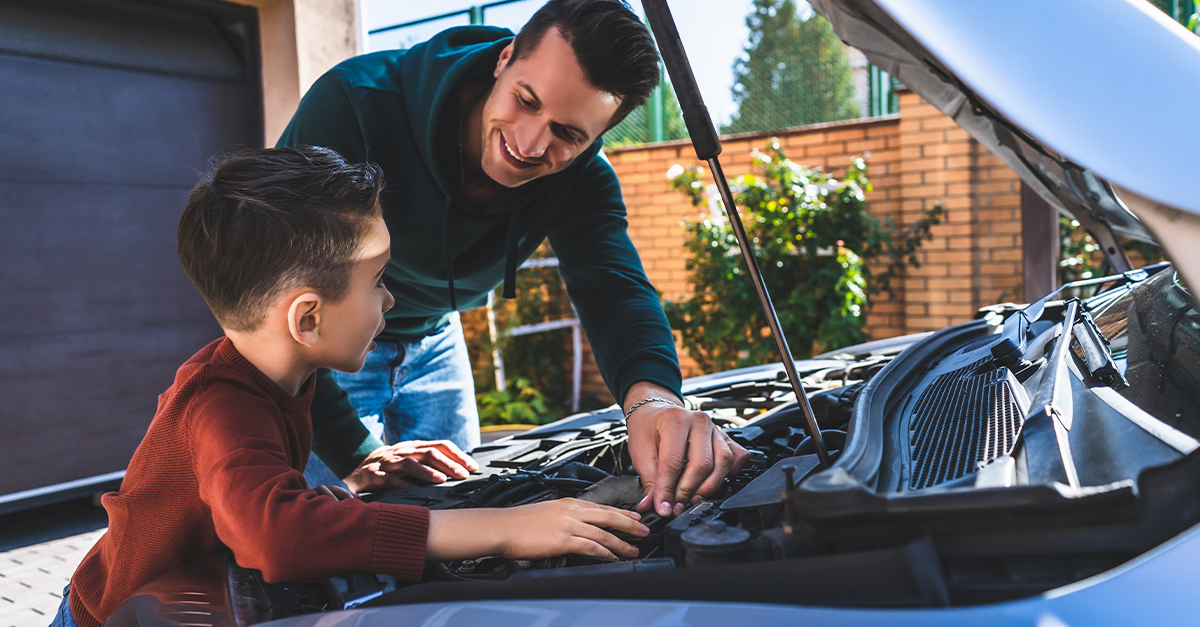
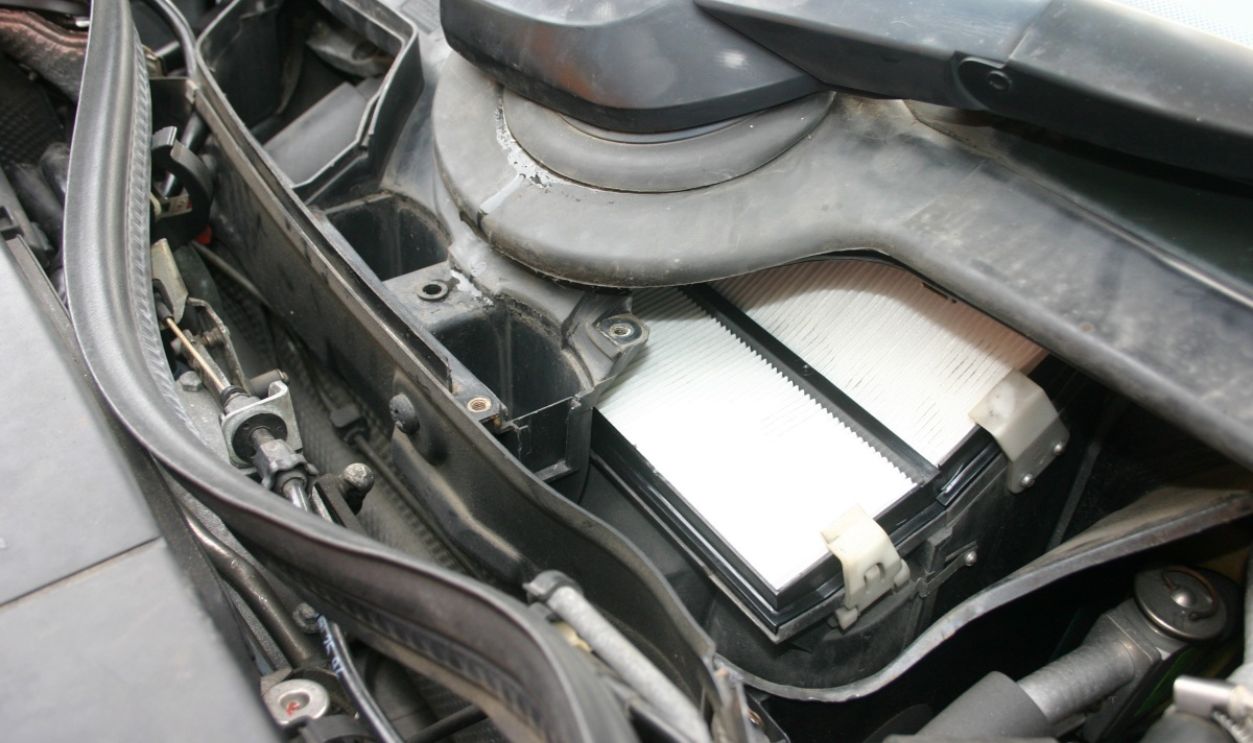
In most vehicles, swapping the filter is extremely easy. It usually only takes just a few minutes by removing the glove box or opening a small housing under the dashboard. If you’re comfortable with basic DIY, you can save yourself some money by buying the filter and installing it yourself.
 Cavanman, CC BY-SA 3.0, Wikimedia Commons
Ask To See The Filter First
Before you say yes to a replacement, ask to see the filter they’re recommending you replace. If it looks clean or only a little bit dusty, you may want to wait. A visibly clogged or dark gray filter is a good sign that the technician’s recommendation is timely and helpful.
 UnifiedFunctionality, Wikimedia Commons
Don’t Replace Too Frequently
Some shops push a cabin air filter replacement on every single visit whether the filter needs replacement or not. If you visit often for oil changes, that’s probably unnecessary. Stick to the mileage or time interval listed in your owner’s manual unless you notice symptoms or your environment is conducive to more frequent changes.
There Are Two Different Filters
Don’t confuse the cabin air filter with the engine air filter. The engine version protects the engine, while the cabin version protects passengers. Both filters are important but they wear differently. Make sure you know which one the guys are talking about when they bring up a replacement.

Upgraded Filters
You can choose filters with activated carbon or HEPA-style media for extra protection against odors, smoke, and very fine particles. These are more expensive but could be worthwhile if you have allergies or you’re constantly driving in polluted or smoky regions.

A Dirty Filter Works Harder
A clogged cabin air filter forces the blower motor to push harder to move air through the vents. This leads to increased wear and energy usage inside the vehicle. Keeping the filter clean helps maintain HVAC efficiency and could prolong component life.

Check It Yourself
Even if you aren’t replacing it yourself, you can easily open the housing and examine the filter for yourself. Getting into the habit of doing this every six months gives you control over the decision and it means you’re unlikely to overpay for unnecessary replacements.

Dealerships Vs Independent Shops
Dealerships often charge more for parts and labor, while independent shops tend to be more flexible. The important thing is to confirm that the filter really needs to be changed, regardless of who’s doing it. Trustworthy shops won’t keep trying to upsell you if you decline.
A Small Investment In Health And Comfort
Breathing cleaner air might not seem like the most urgent issue, but over time, lower-quality air can contribute to headaches, allergies, or fatigue while driving. A fresh filter means that you and your passengers will be breathing cleaner air, and that can make the ride more pleasant.

How To Confidently Say “Not This Time”
You are in control. If you recently replaced the filter or don’t see a need yet, just politely decline. Mention your owner’s manual intervals or ask them to note the condition on the service report so you can track it yourself next time.
Necessary, But Not Every Visit
Replacing your cabin air filter is important, but it doesn’t need to be done as often as some shops suggest. Stick with your owner’s manual, take into consideration the driving conditions, and ask to see the filter if you’re not sure. That way, you’ll protect your wallet while maintaining a clean, safe, and comfortable ride.

You May Also Like:
My check engine light went off by itself. Should I still take it in?
My dealership voided my warranty because I changed my own oil. Seriously, can they do this?
Don't Make These Car Maintenance Mistakes, They'll Cost You Thousands