The Camera Feels Less Like A Convenience Than A Requirement
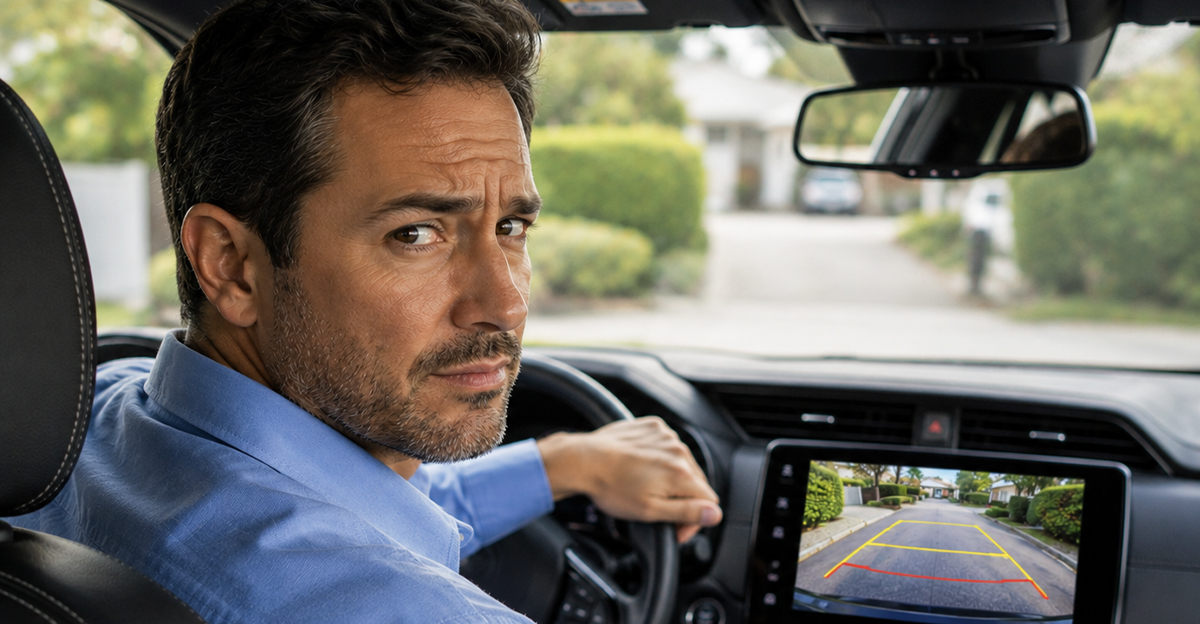
The rear window is narrow, the roof pillars are thick, and the head restraints block what little glass remains. The backup camera provides a clear view, but one blank screen suddenly makes the car feel almost impossible to reverse. Cameras have made backing safer, yet their success may also have allowed automakers to treat direct rear visibility as less important than it once was.
Rear Visibility Has Been Shrinking
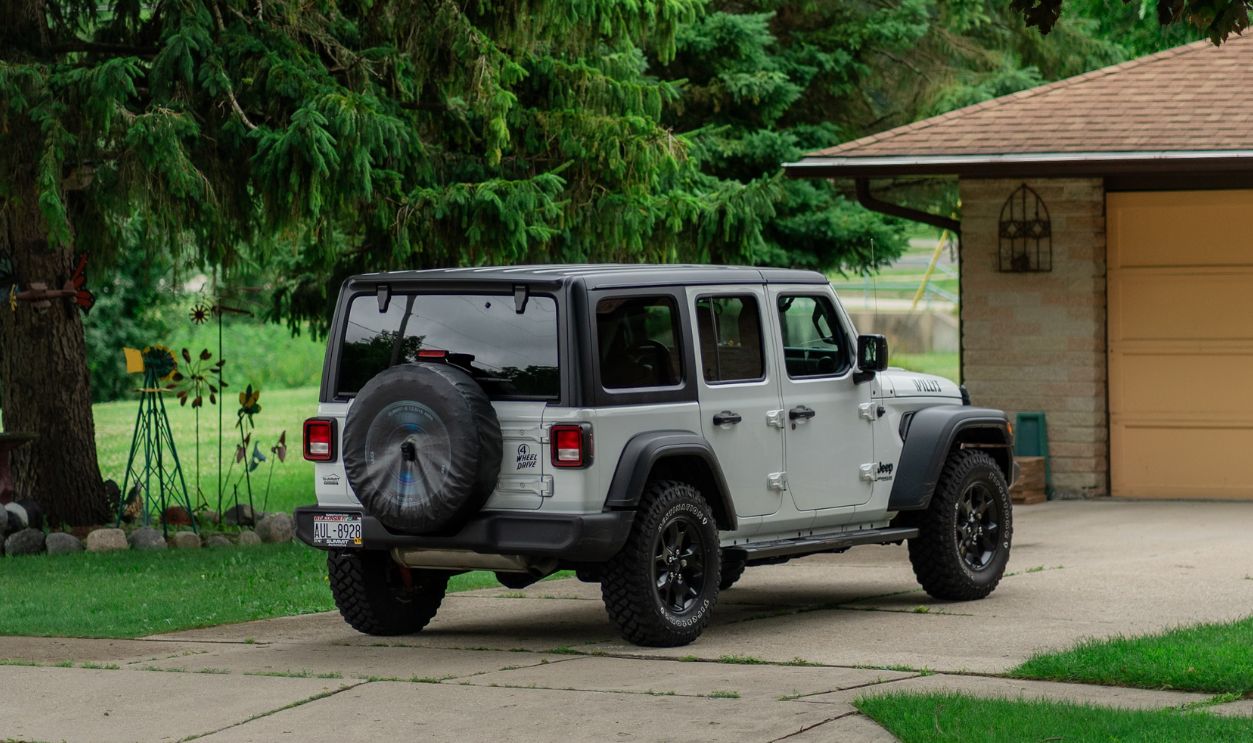
Many modern vehicles have high beltlines, sloping roofs, large rear pillars, small windows, and prominent spoilers. These features can improve styling, aerodynamics, structural strength, and rollover protection, but they may also make it harder to see behind the vehicle. Consumer Reports has criticized the growing blind zones created by small rear windows and thick roof pillars for years.
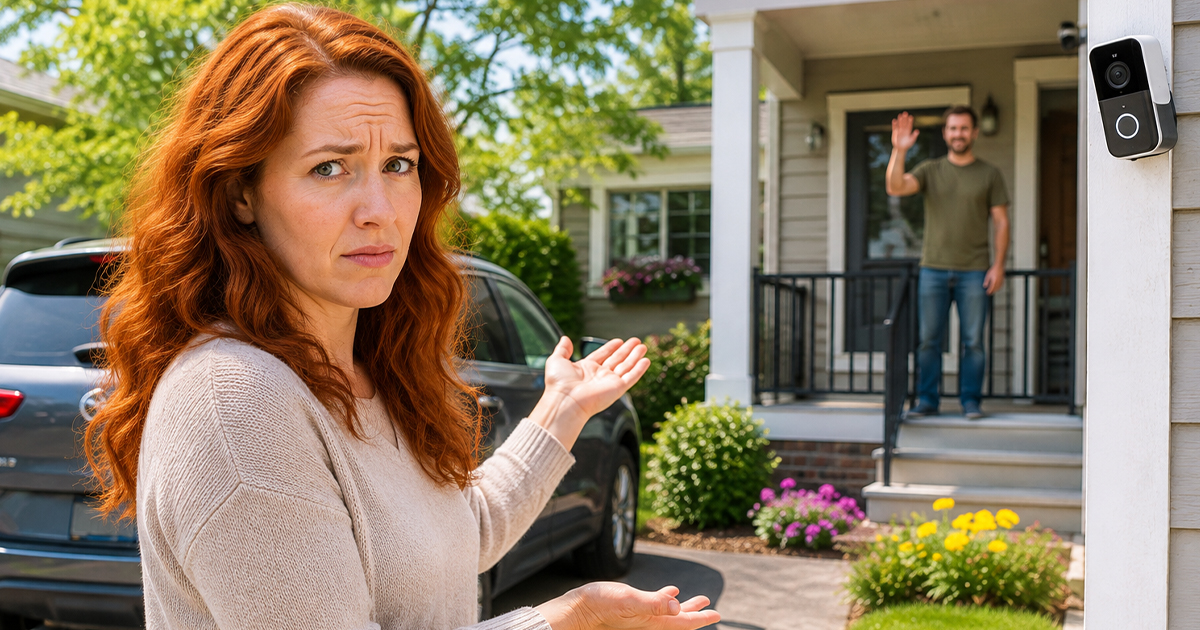
 LightField Studios, Shutterstock
Cameras Didn’t Create The Blind-Zone Problem
Every vehicle has an area immediately behind it that the driver cannot see directly. The size varies with the vehicle’s height, window design, pillars, seats, and the driver’s position. Larger SUVs and trucks can hide surprisingly large objects, including children, when they are close to the rear bumper.
The Federal Government Eventually Stepped In
The United States finalized a rear-visibility rule in 2014 after years of concern about backover deaths and injuries. It required qualifying new passenger vehicles manufactured on or after May 1, 2018, to provide a rearview image meeting federal standards. The rule covers passenger cars and many trucks, SUVs, buses, and low-speed vehicles weighing no more than 10,000 pounds.
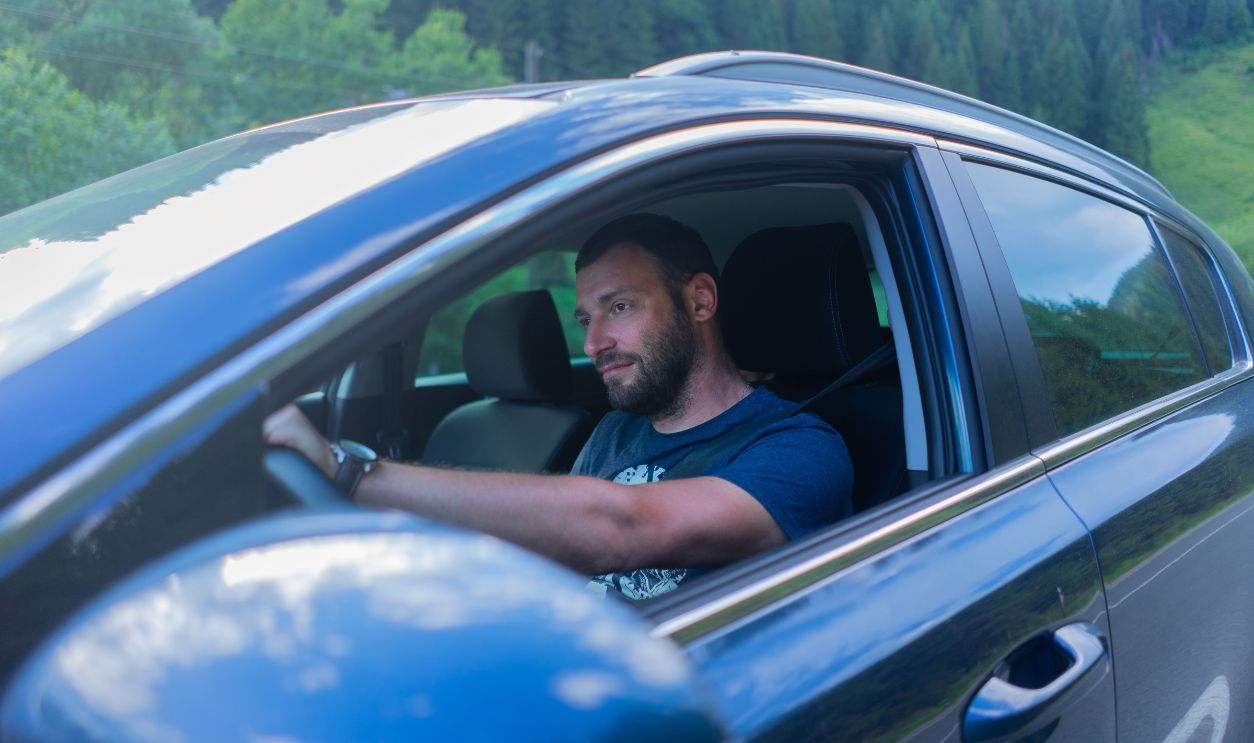
That’s Why Cameras Became Standard
Before the federal requirement, backup cameras were often optional or reserved for expensive trim levels. The mandate turned them into standard safety equipment on new light vehicles rather than an upgrade families had to purchase. This greatly expanded access to a technology designed to reveal an area that mirrors and rear windows may not show.
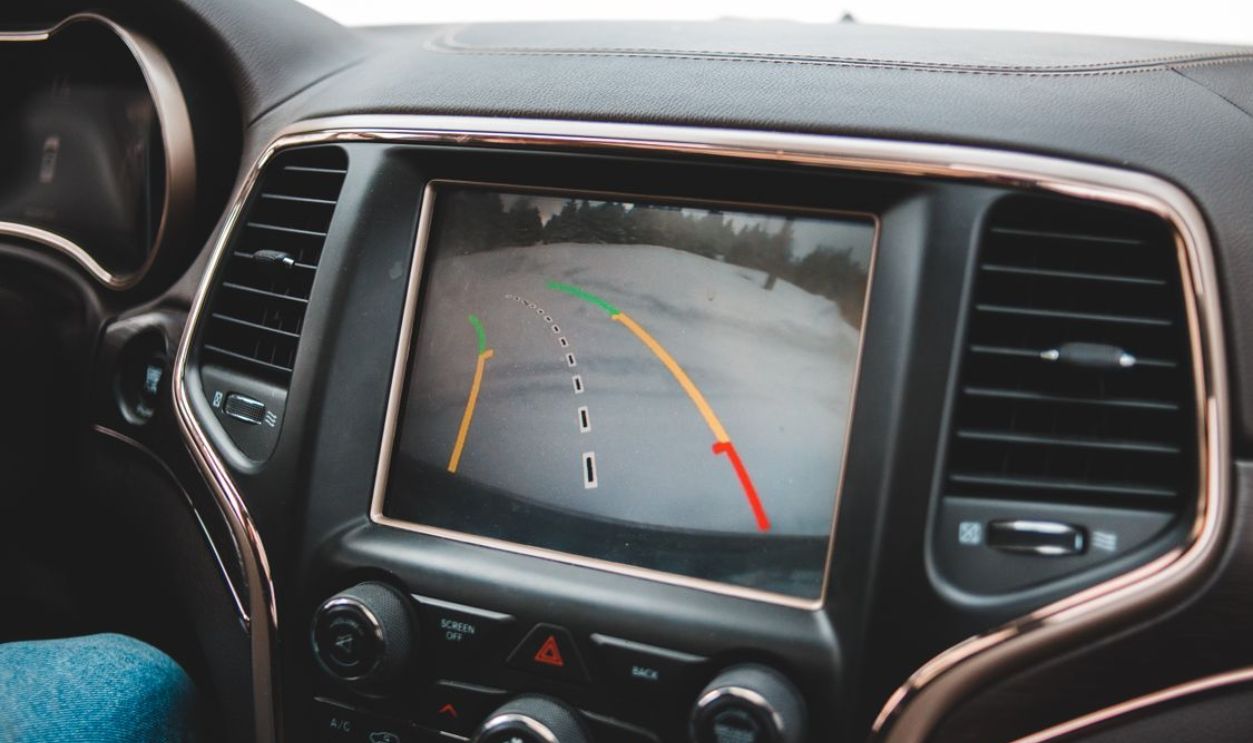
The Rule Doesn’t Require A Large Rear Window
Federal rear-visibility standards require the camera system to show a specified area behind the vehicle, but they don’t force manufacturers to design generous rear glass. A vehicle can therefore satisfy the rule while still having poor direct visibility. That creates a legitimate concern that cameras may compensate for, rather than discourage, increasingly restrictive body designs.
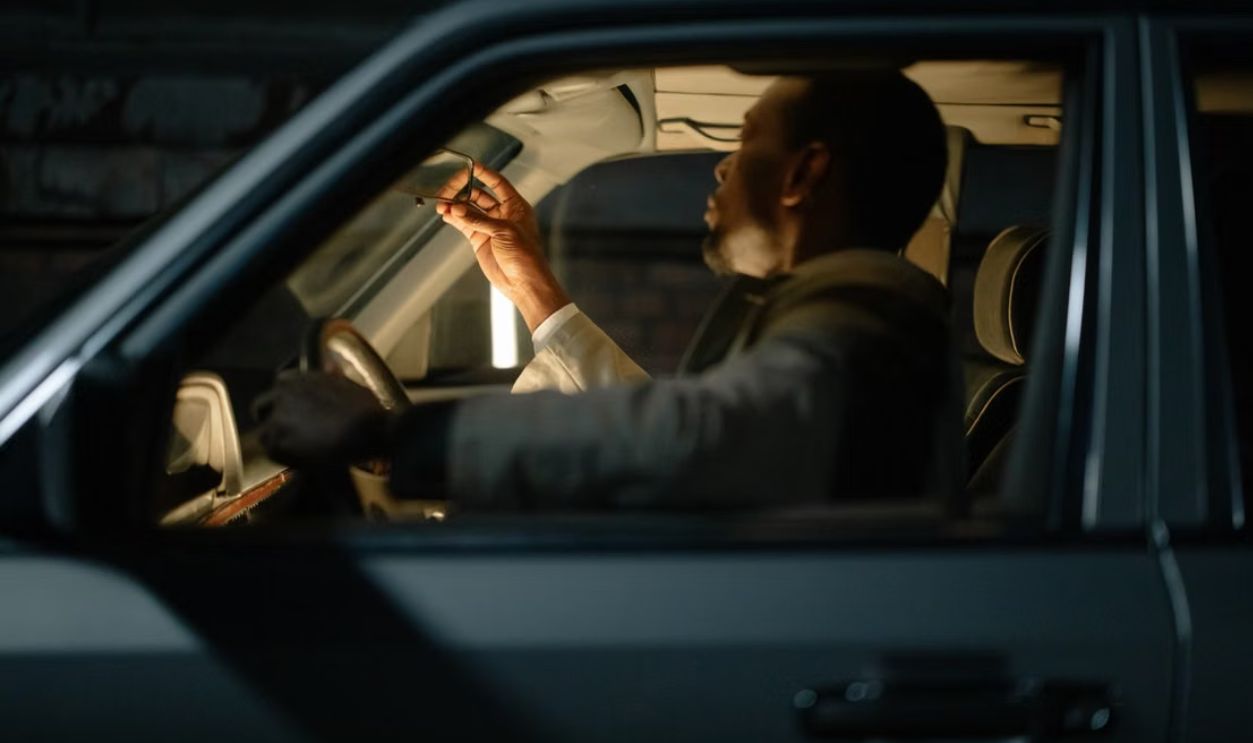
Automakers Have Several Reasons For Small Windows
A sharply sloped roof can reduce aerodynamic drag and create a sportier profile. Thick pillars and smaller openings may help manufacturers meet structural, noise, packaging, and styling goals. Unfortunately, a design that looks sleek from the outside can leave the driver staring through a narrow slot from behind the wheel.
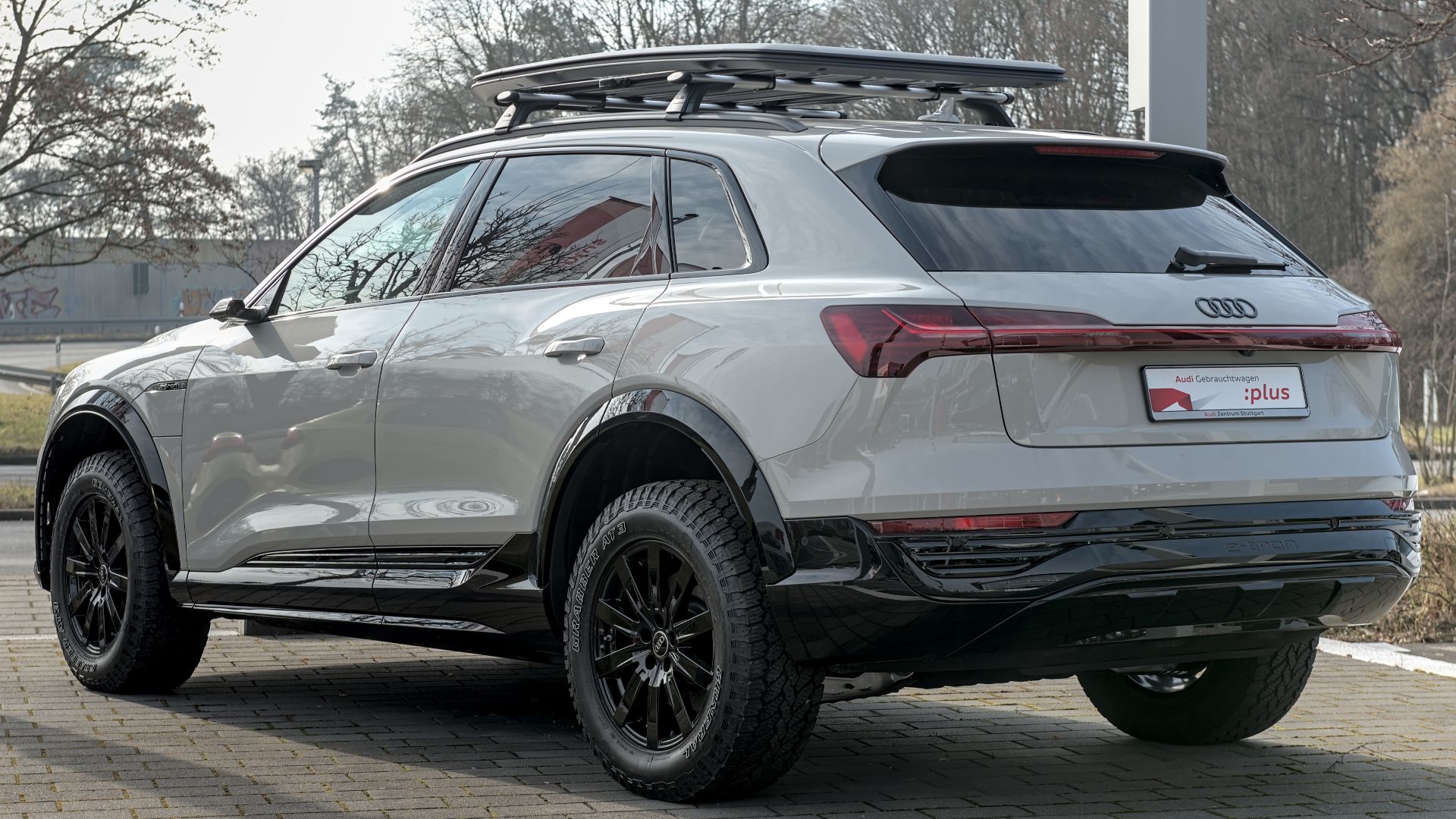 Alexander Migl, Wikimedia Commons
Rear Cameras Really Do Expand The View
A camera mounted near the back of the vehicle can show a broader area than the driver can see through the rear window or mirrors. This is particularly useful for spotting a low object close to the bumper. IIHS notes that rearview cameras project a substantially larger field behind the vehicle than direct viewing alone.
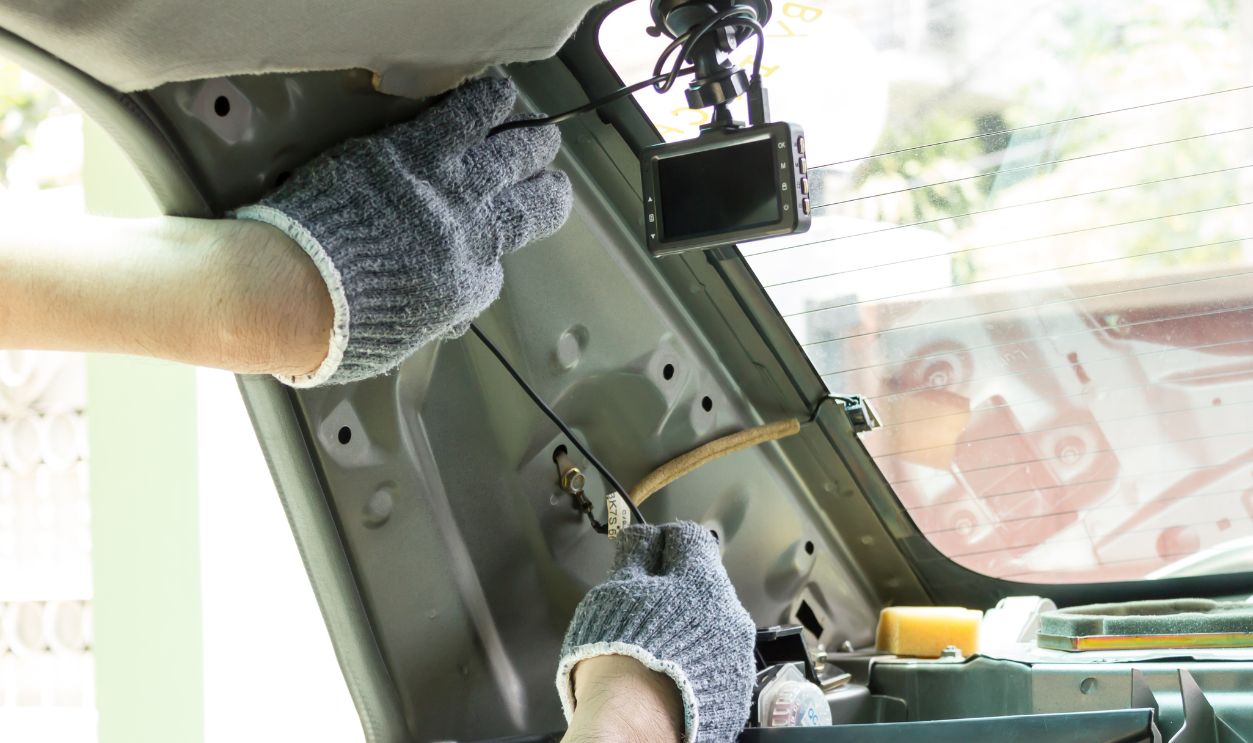
They Also Reduce Backing Crashes
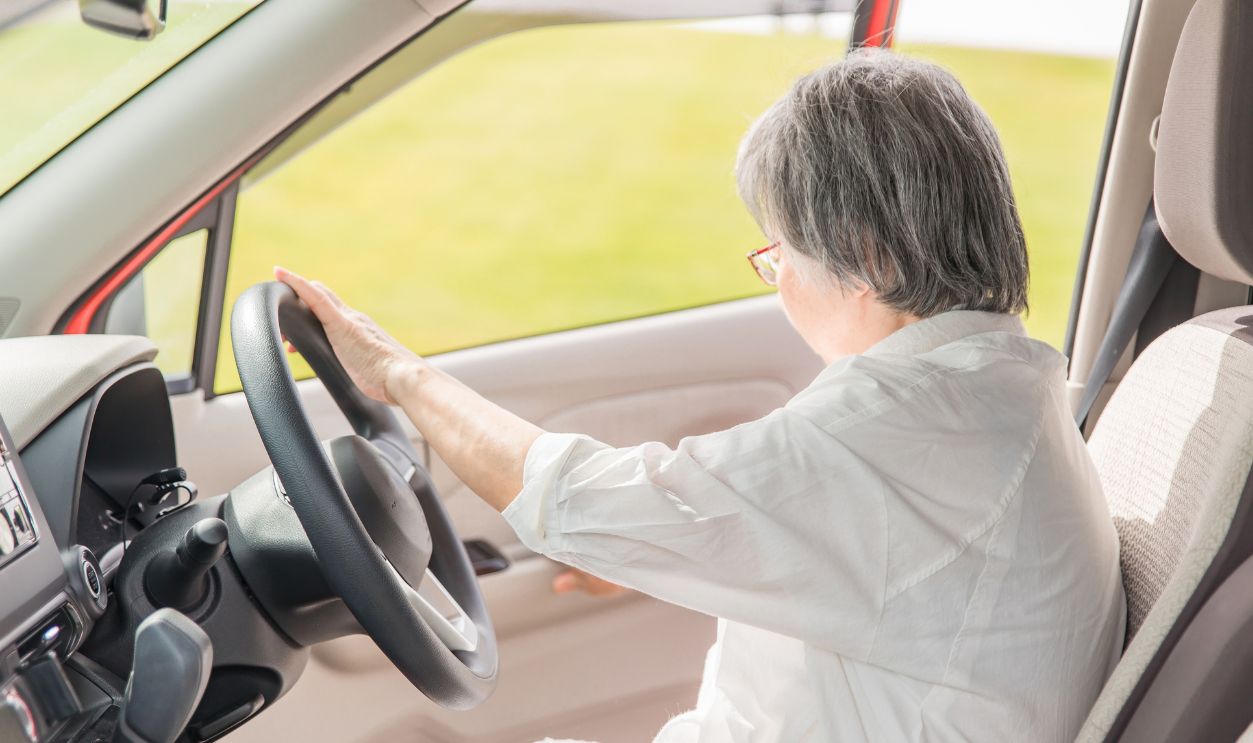
An IIHS analysis found that rearview cameras reduced police-reported backing crashes by approximately 16 percent. The benefit was greater among drivers age 70 and older, who may have more difficulty turning to look behind them. The reduction is meaningful, although it also shows that cameras do not eliminate the problem.
A Camera Can’t Prevent What The Driver Doesn’t Notice
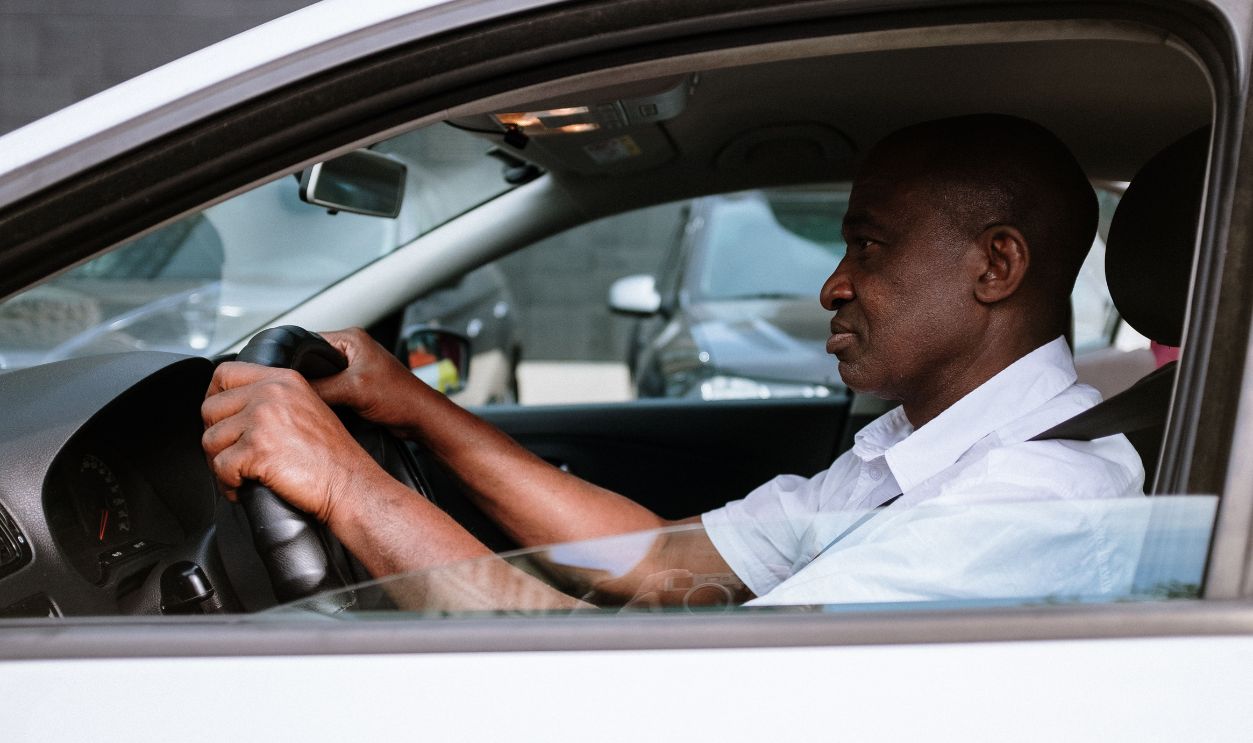
Simply placing an object on the screen does not guarantee that the driver will see it or react. The driver may be checking a mirror, turning the wheel, watching another vehicle, or reversing before the display fully attracts their attention. Cameras improve available information, but they cannot force someone to process it.
The Lens Has Its Own Blind Spots
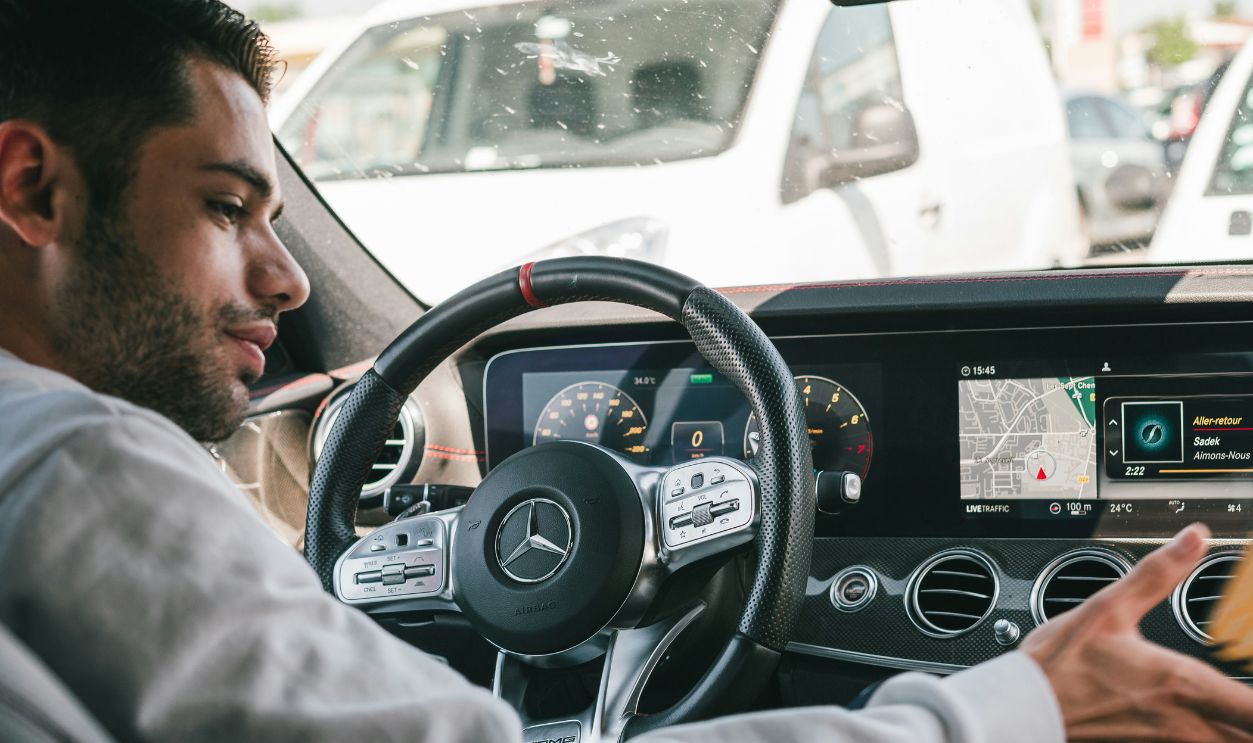
A backup camera usually provides a wide-angle view, but it may not show everything beside the vehicle or immediately beneath the bumper. A low object, bicycle, curb, approaching pedestrian, or car crossing from the side may enter the vehicle’s path outside the most obvious part of the image. That is why safety guidance recommends checking the surroundings rather than treating the display as the only view.
Wide-Angle Images Distort Distance
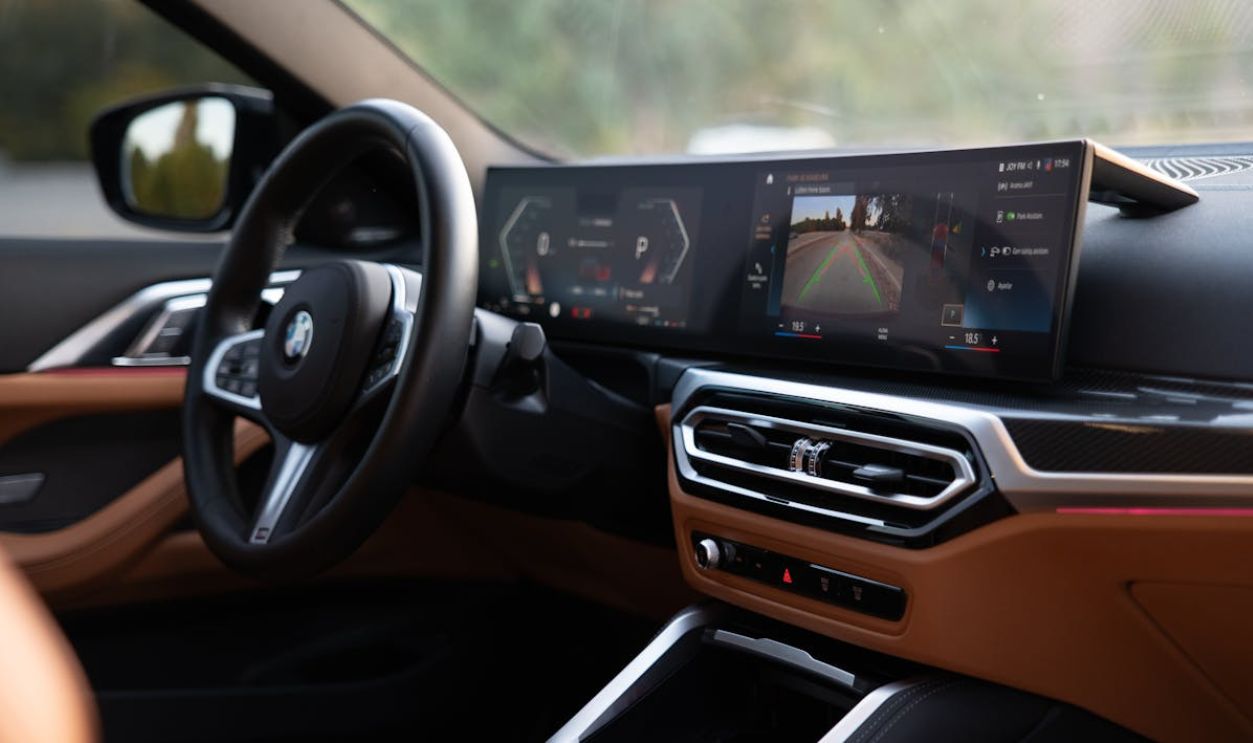
Backup-camera images are often intentionally wide, which can make objects look farther away than they really are. The screen may also be small enough that a pedestrian or post appears insignificant until the vehicle gets close. Drivers need time to learn how their specific camera represents distance and movement.
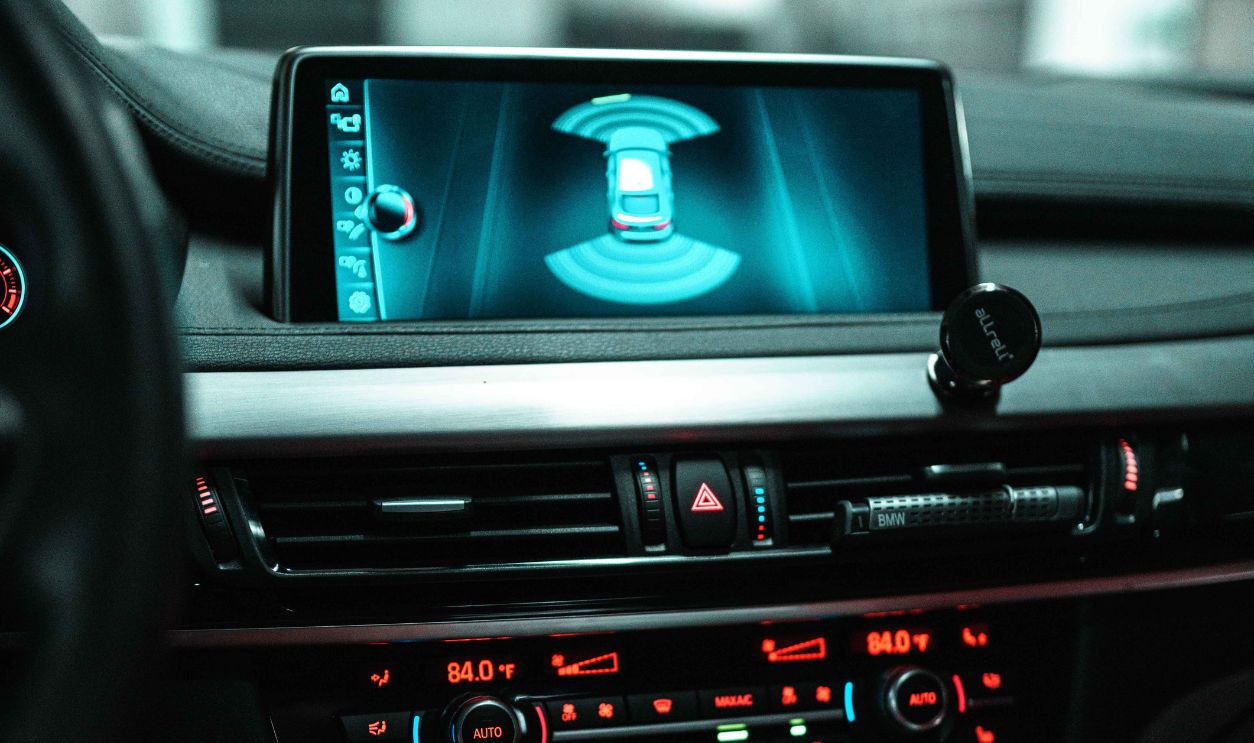
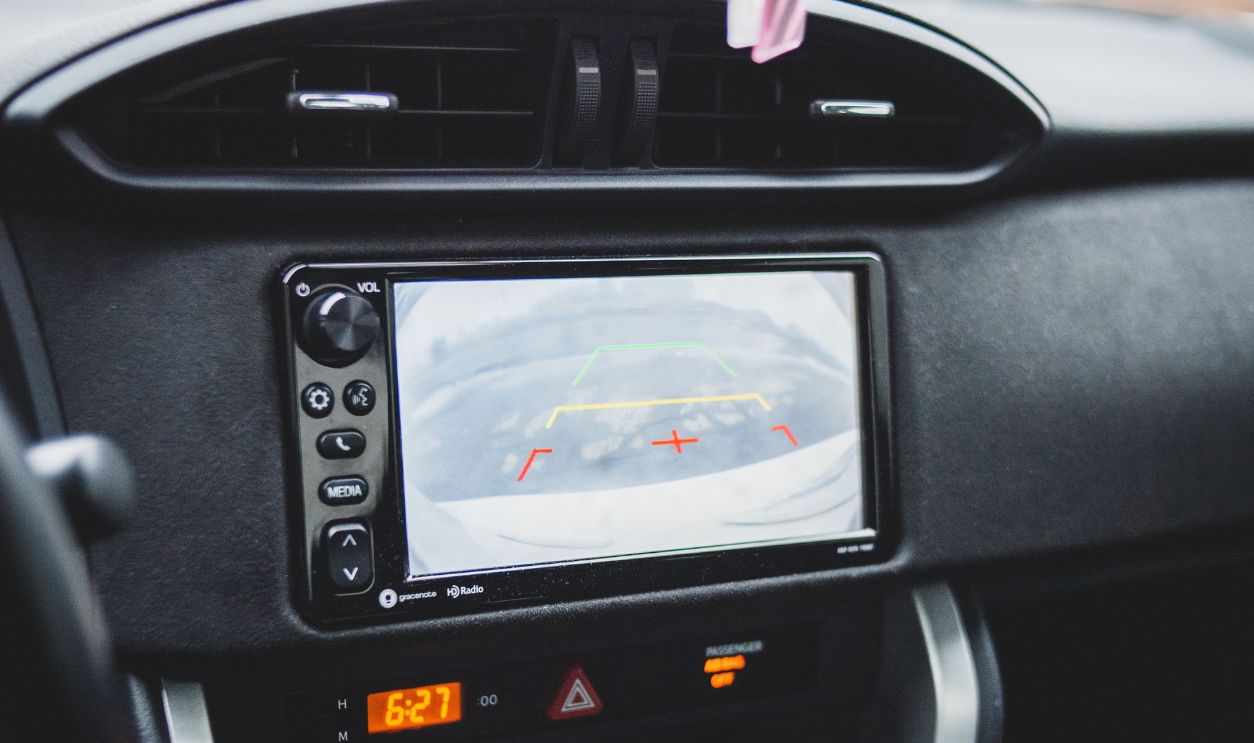
Parking Lines Aren’t Physical Barriers
The coloured guidelines on the screen are visual estimates, not sensors that guarantee clearance. Some move with the steering wheel, while others remain fixed. Their accuracy can depend on proper camera alignment, tire size, vehicle loading, and whether the ground is level.
Mirrors Still Provide Essential Information
The side mirrors show areas the camera may miss, particularly near the rear corners and along the sides of the vehicle. The interior mirror can show traffic approaching from directly behind while there is still a clear view through the cabin. Consumer Reports advises drivers to combine the display with mirrors, windows, and a direct look behind.

Start With A Walk-Around
Before entering the vehicle, look behind and around it whenever there could be children, pets, toys, bicycles, shopping carts, posts, or low obstacles nearby. A walk-around provides information no screen can guarantee after the car starts moving. This is particularly important in driveways and busy parking areas.

Adjust The Seat Before The Mirrors
Sit in the normal driving position with the seat, steering wheel, and head restraint properly adjusted. Then set the mirrors. If the seat moves later, the mirror angles may no longer cover the intended areas.
Use The Interior Mirror For The Direct Rear View
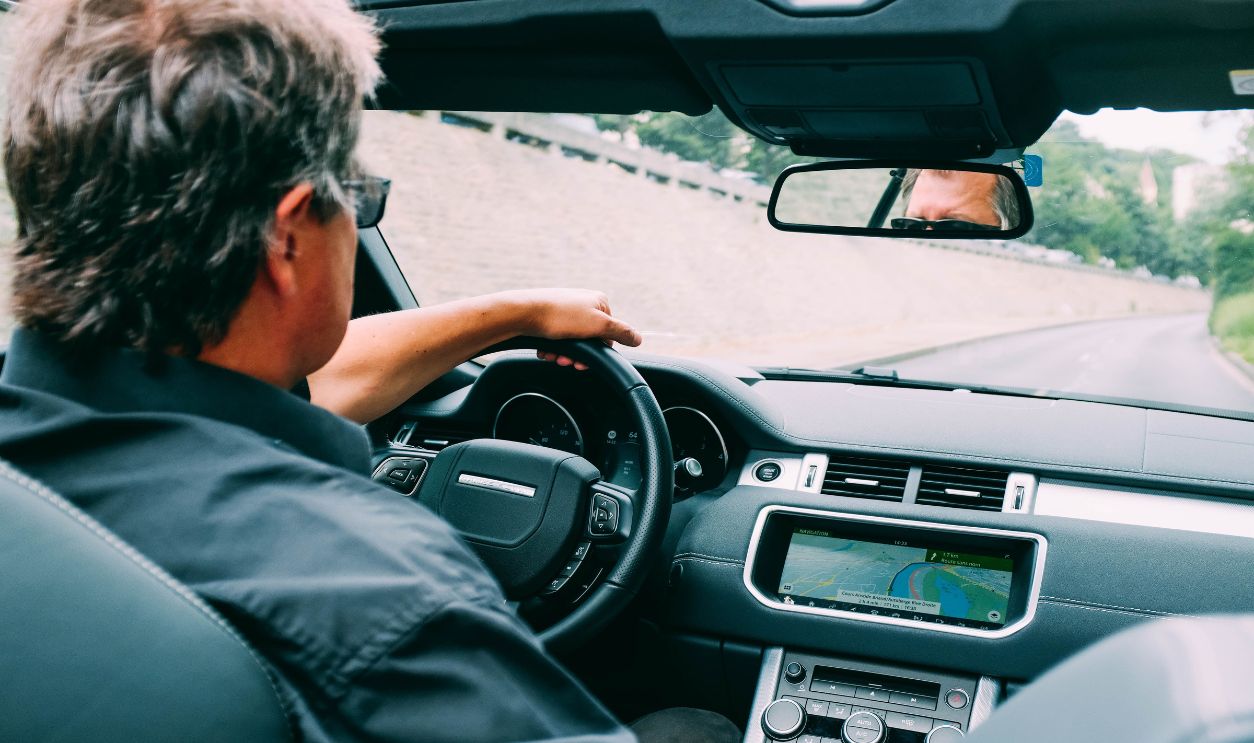
When the vehicle has usable rear glass, the interior mirror should show the centre of the road behind rather than the ceiling or back seat. Lower unused rear head restraints if the manufacturer permits it and they obstruct the view. Never remove required restraints or adjust occupied ones solely to improve visibility.
Aim The Side Mirrors Farther Out
Many drivers position each side mirror so a large portion of their own vehicle remains visible. Moving them farther outward can reduce overlap with the interior mirror and expose more of the areas beside the car. Car and Driver recommends setting the outside mirrors so their coverage begins near where the interior mirror’s view ends.
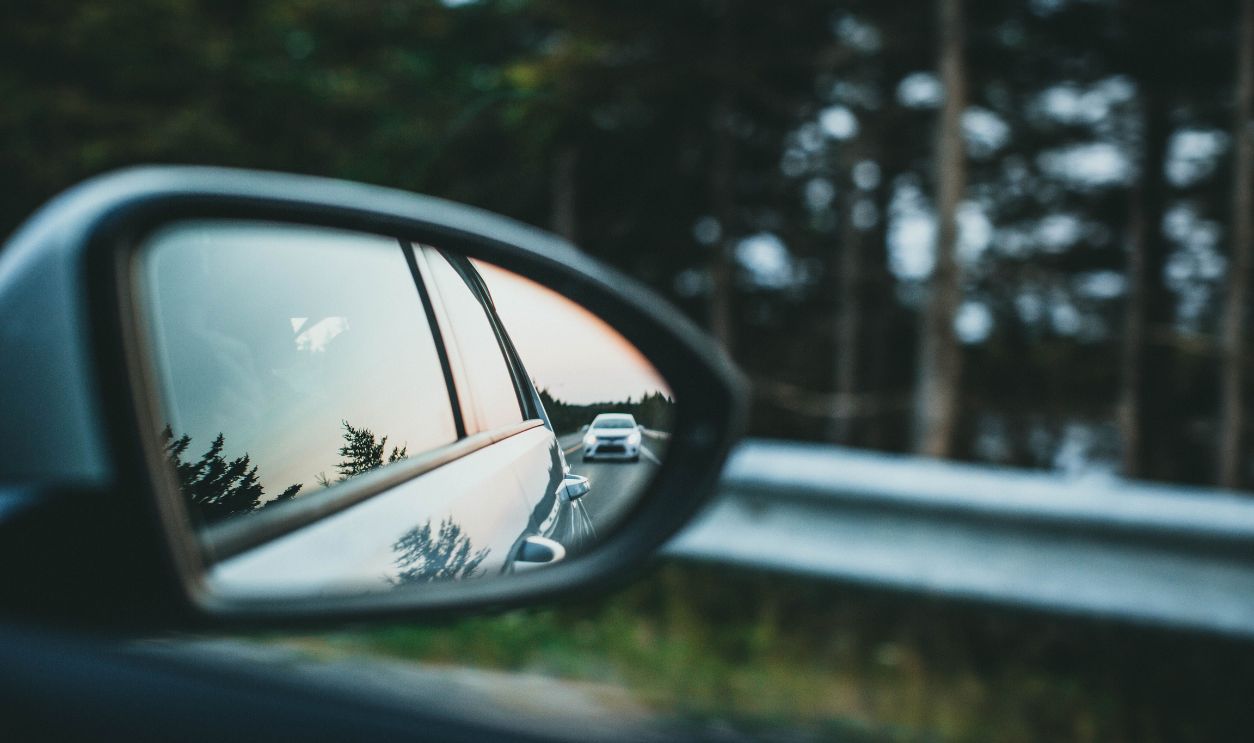
Use A Repeating Scan
Before moving, check the camera, left mirror, right mirror, rear window, and surroundings. Continue moving your eyes among those views while reversing rather than staring at one location. A safe scan changes with the situation, especially when backing across a sidewalk or out of a parking space.
 Bits and Splits, Adobe Stock Images
Reverse Slowly Enough To Stop
The slower the vehicle moves, the more time the driver has to understand an alert, detect movement, and brake. Keep a foot positioned to stop and avoid unnecessary accelerator input. A camera’s wide field is less useful when the car is moving too quickly for the driver to respond.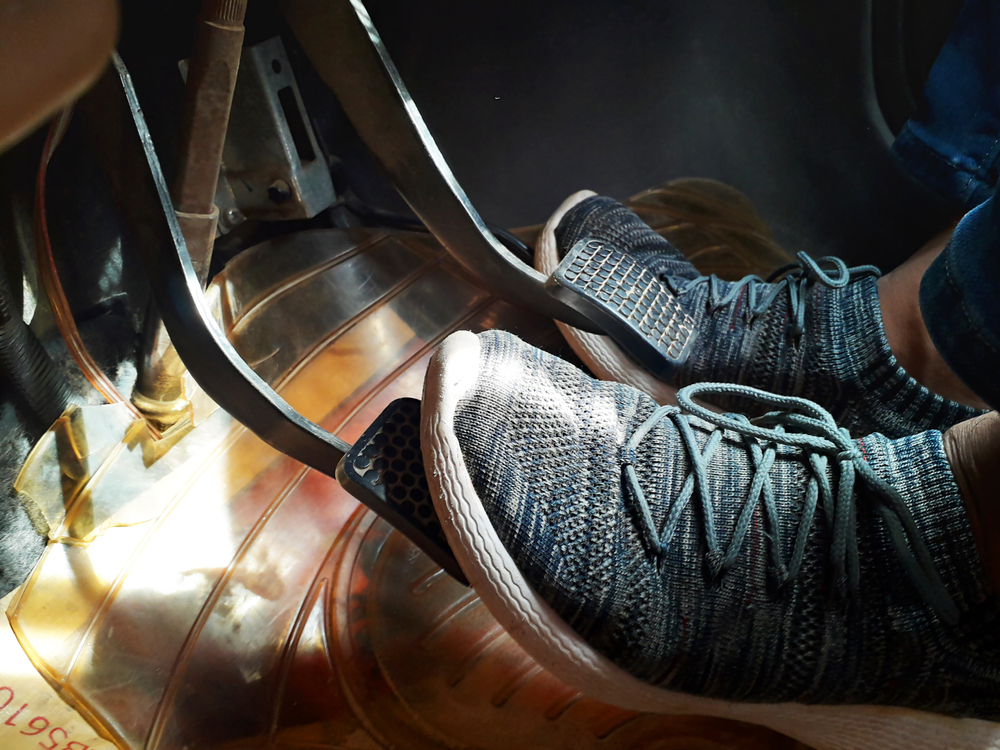 Click with AJ, Shutterstock
Rear Cross-Traffic Alert Adds Another Layer
Rear cross-traffic alert uses sensors to warn about vehicles, pedestrians, or other movement approaching from the sides. This can be especially useful when adjacent parked vehicles block the driver’s view. IIHS research found lower crash rates in relevant two-vehicle backing collisions among vehicles equipped with the technology.
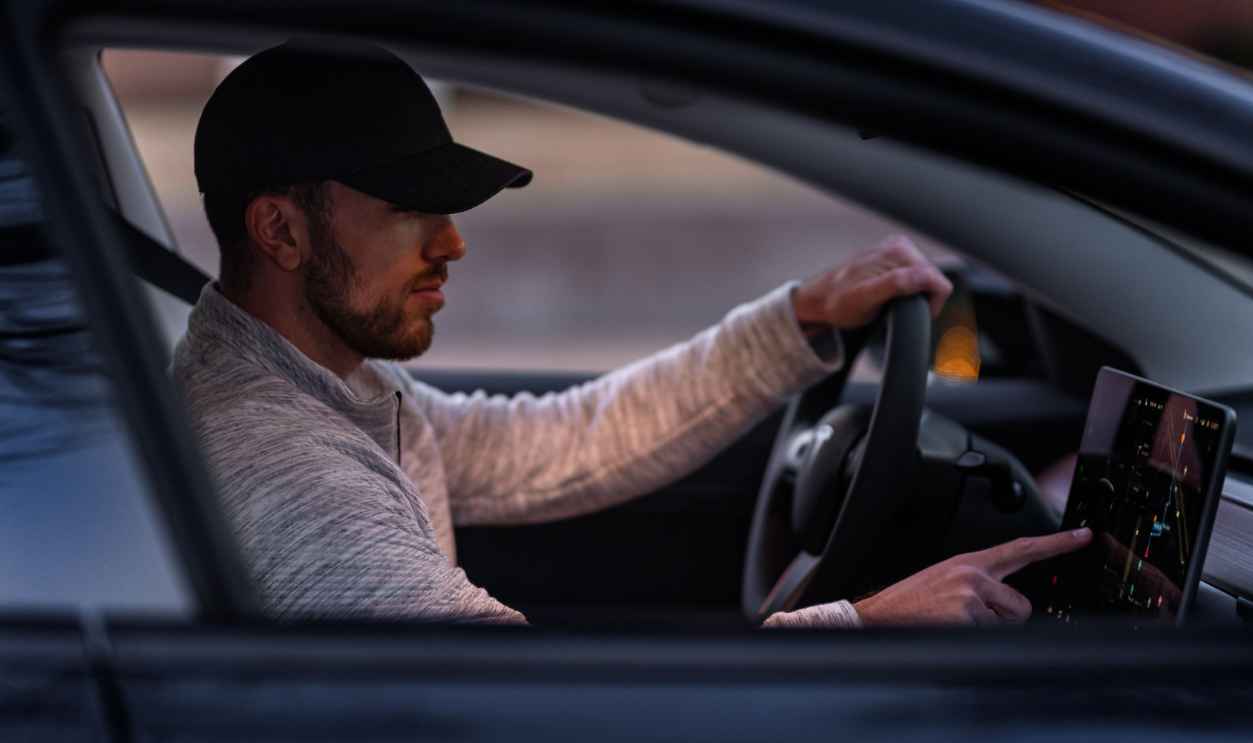
Rear Automatic Braking Can Go Further
Some vehicles can brake automatically when they detect an obstacle while reversing. IIHS found that a combination of a camera, parking sensors, and rear automatic braking produced much larger crash reductions than a camera alone in the vehicles studied. Rear automatic braking should still be treated as a last line of defence, not permission to reverse without looking.
Weather Can Make The Screen Nearly Useless
Rain, snow, road salt, mud, condensation, darkness, and direct sunlight can obscure or wash out the image. Some cameras remain relatively clean because of their location or a built-in washer, while others become covered quickly. Cars.com testing and reporting found that bad weather remains a common weakness for these systems.
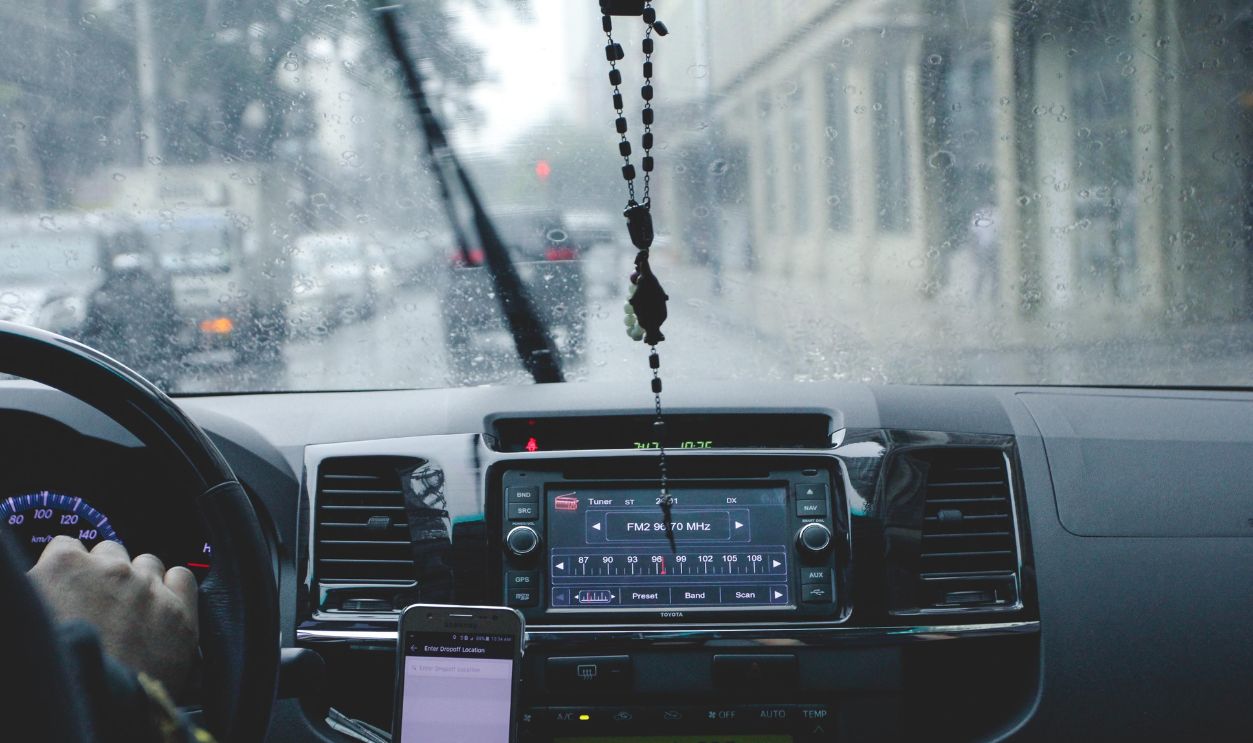
Keep The Lens Clean And Treat Failures Seriously
Check the camera lens whenever cleaning the windows or refuelling. Use an appropriate soft cloth and avoid scratching it. If the image becomes blank, delayed, badly distorted, or intermittent, check for recalls and arrange a repair rather than simply accepting the malfunction.

Test Direct Visibility Before Buying
During a test drive, don’t evaluate visibility only while the camera is working perfectly. Sit normally, check the rear window and mirrors, and imagine backing up in heavy rain with the lens covered. A car with strong direct visibility remains easier to operate when technology is unavailable.
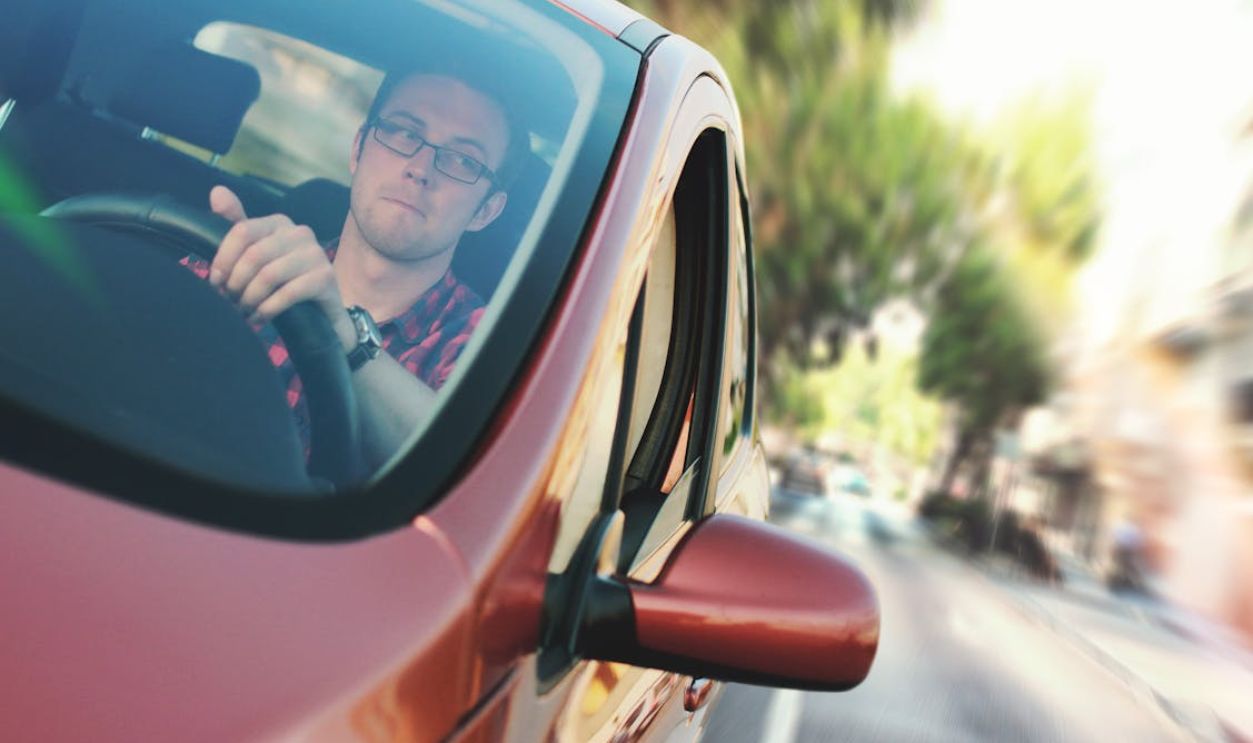
Cameras Should Compensate For Blind Zones, Not Excuse Them
Mandatory backup cameras have prevented crashes and exposed areas that drivers could never see through mirrors alone. The concern is that manufacturers may now feel freer to design vehicles whose basic rear visibility is unnecessarily poor. The safest approach is not to reject the camera or depend on it exclusively. Walk around the vehicle, adjust the mirrors properly, scan every available view, reverse slowly, and keep the system clean and functional. A screen is an excellent extra set of eyes, but it should not be the only one.

You May Also Like: