The First Car Fight A Lot of Families End Up Having
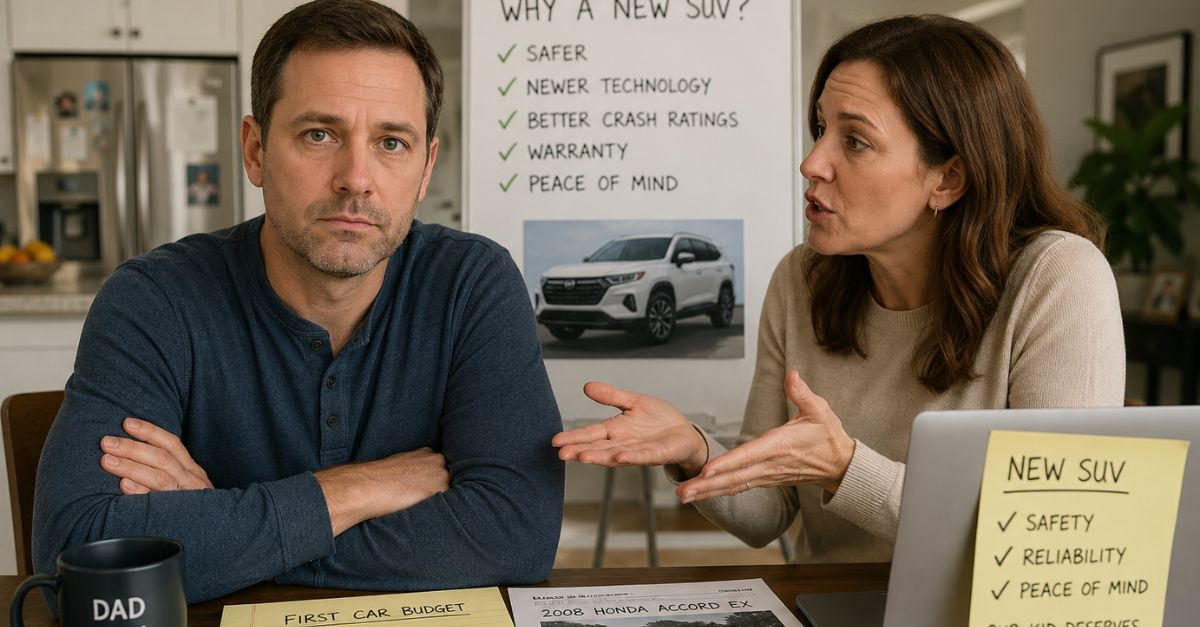
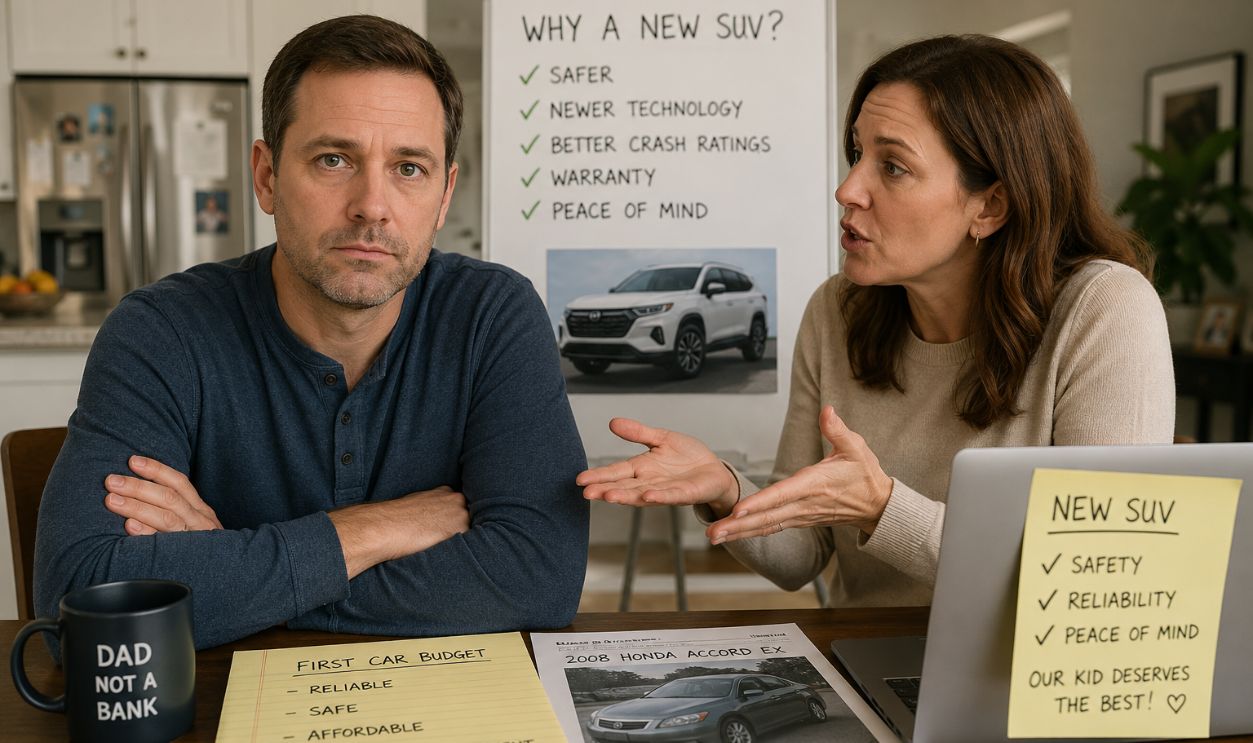
One parent says a cheap used car is good enough for a teenager. The other says the kid needs a newer SUV because the roads feel more dangerous now, and modern used cars aren't as reliable anymore. The truth is that both reactions come from a real concern, but the data shows it is not as simple as either of you think.
Why This Debate Feels So Charged Now
Parents are not overreacting. Motor vehicle crashes are still a leading cause of death for U.S. teens, and the Centers for Disease Control and Prevention says six teens ages 13 to 19 died every day in 2022 from crash injuries. That alone is enough to make any parent think hard about what their teen should drive.
Teen Drivers Really Are Riskier Behind The Wheel
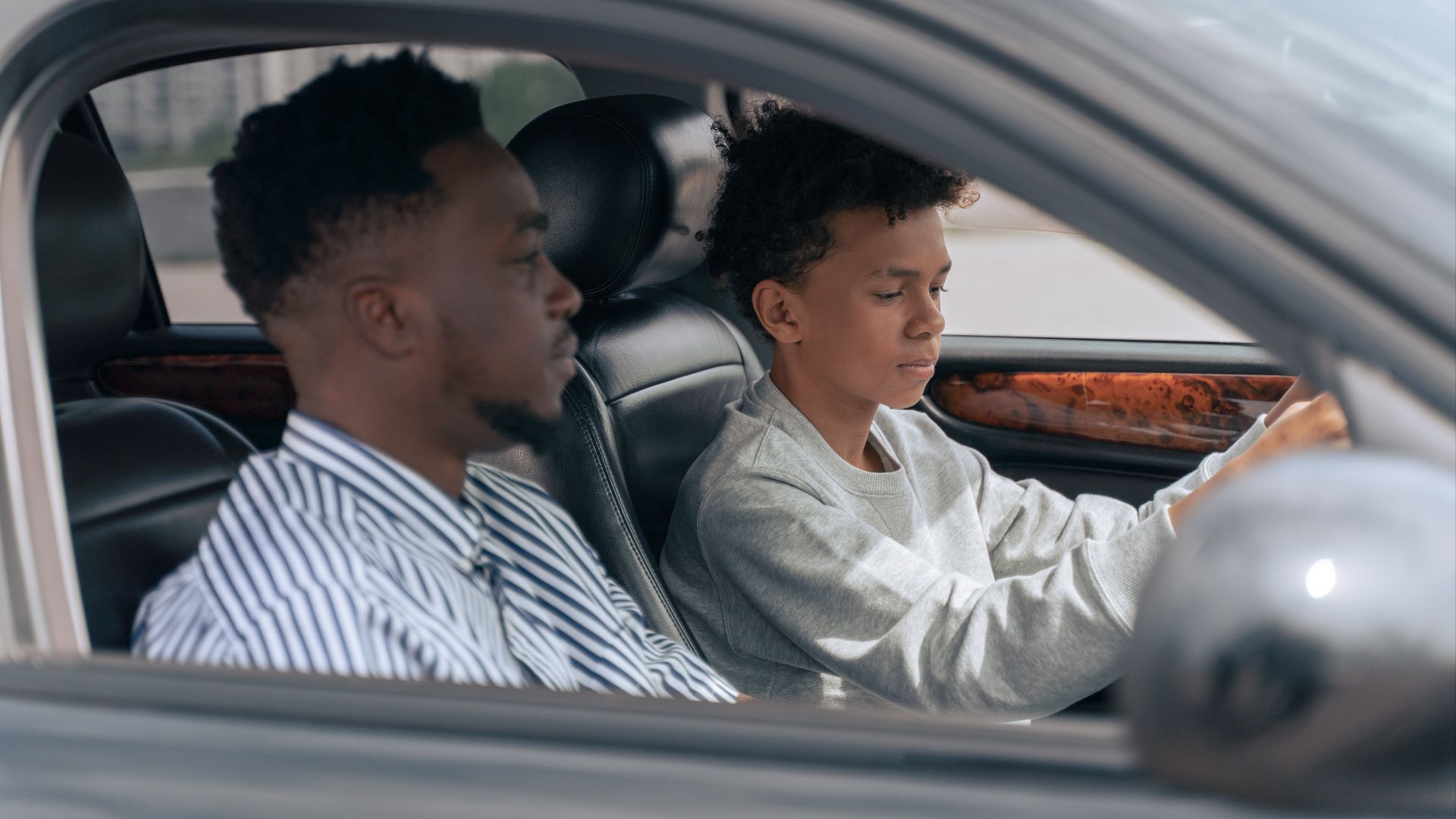
The Insurance Institute for Highway Safety has long found that crash rates per mile driven are much higher for teens than for adults. The reasons are familiar but important: inexperience, speeding, nighttime driving, and carrying other teen passengers. That means the safety conversation has to start with the driver, not just the car.
Newer Cars Really Have Gotten Safer
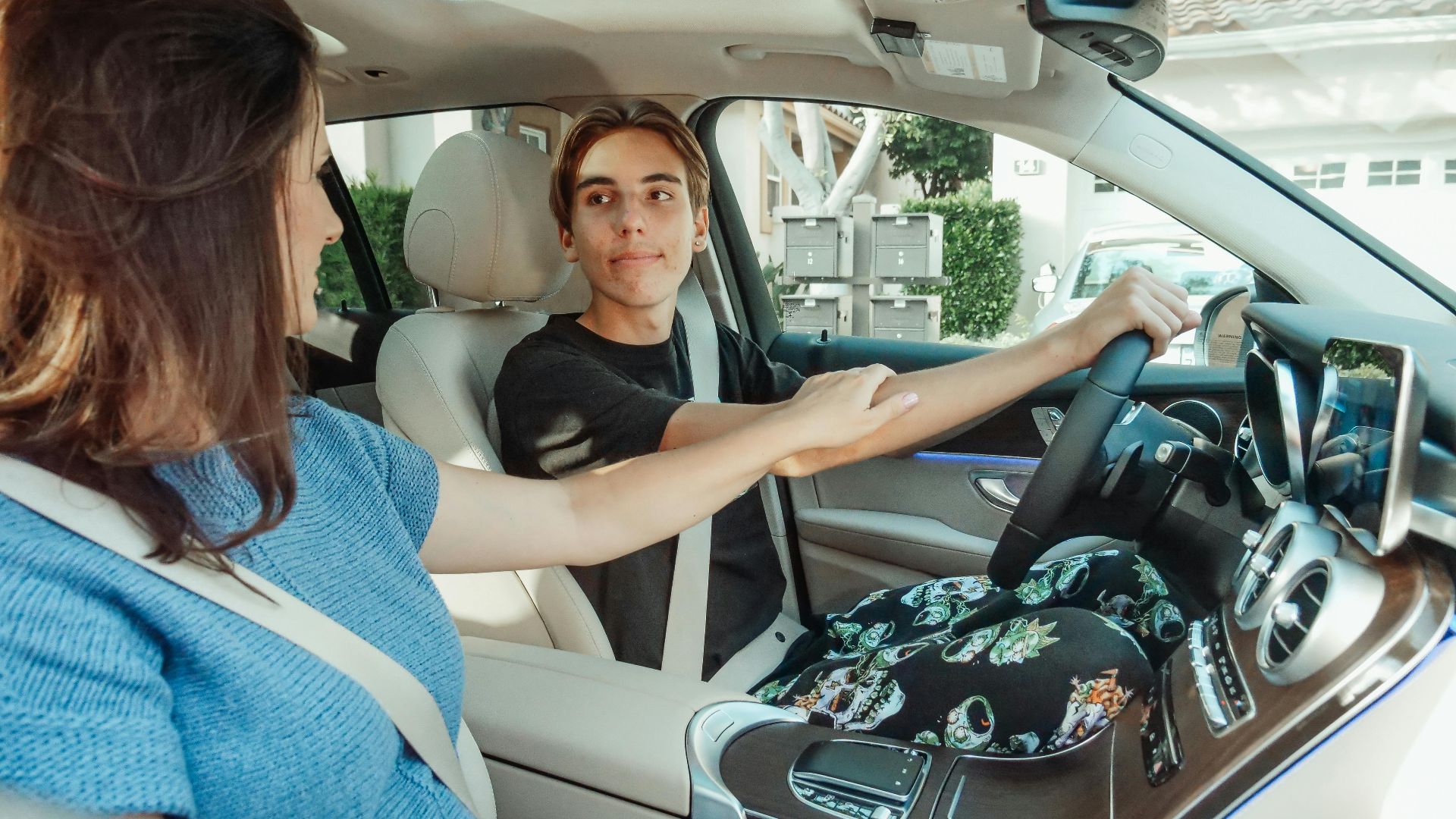
The case for newer vehicles is not just marketing. Crash structures, airbags, seat belt systems, and electronic stability control have all improved over time. The National Highway Traffic Safety Administration and IIHS both show that many major safety advances became more common in the 2000s and 2010s, so a very old bargain car can leave a teen at a real disadvantage in a crash.

The Biggest Game Changer Was Electronic Stability Control
One of the most important safety breakthroughs was electronic stability control, or ESC. NHTSA has called it one of the most effective safety technologies ever developed, especially for preventing loss-of-control and rollover crashes. Federal rules required ESC on new passenger vehicles starting with the 2012 model year, which makes that date especially important when shopping used.
Why That Matters So Much For Teen Drivers
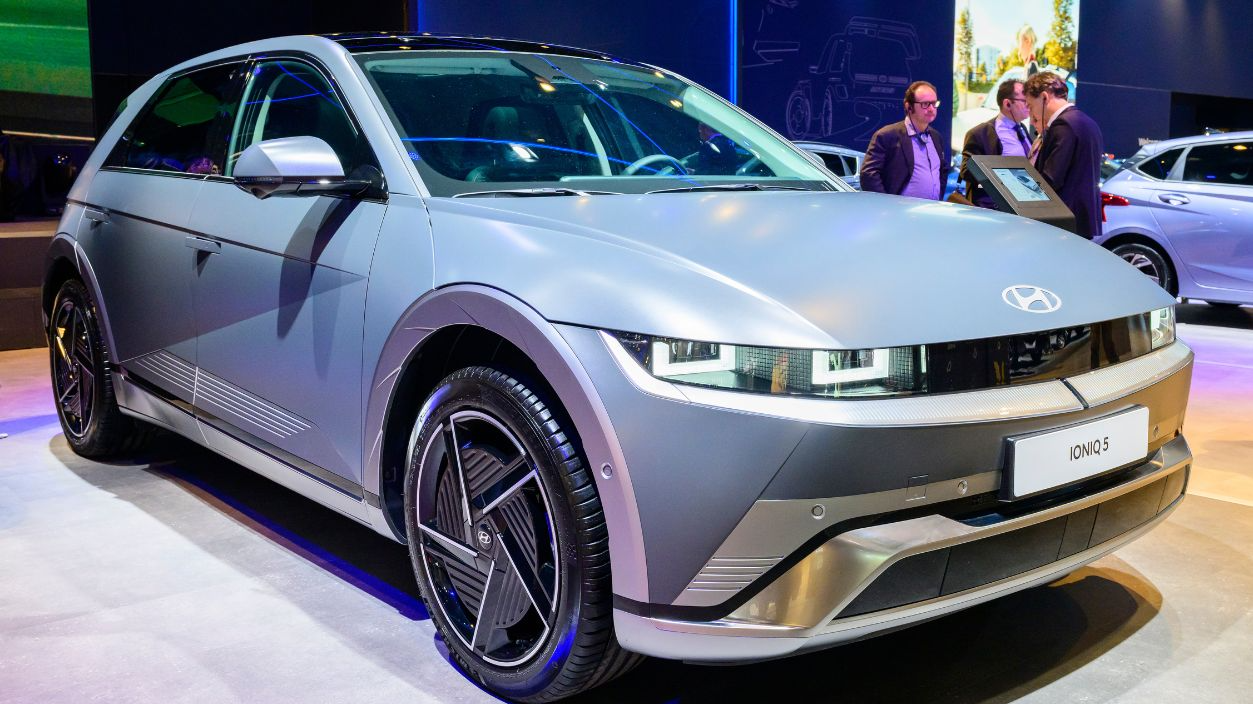
Teenagers are overrepresented in exactly the kinds of crashes ESC can help prevent. Losing control in a curve, overcorrecting, or making a panicked move are common mistakes for inexperienced drivers. That means a used car with ESC can be a smarter safety buy than a bigger used SUV without it.
Bigger Usually Helps, But Only To A Point
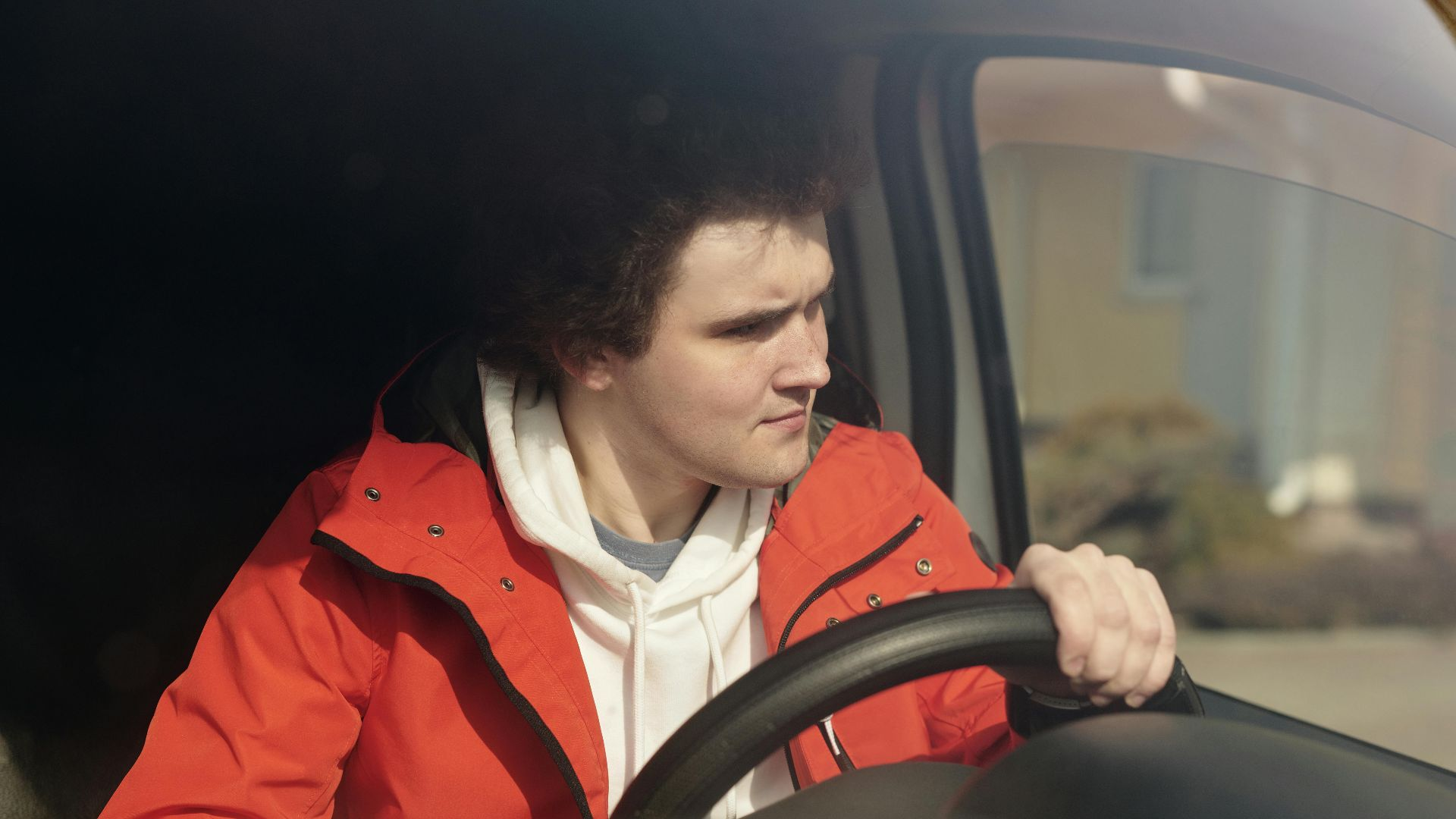
Crash physics still matter. IIHS says that, all else equal, larger and heavier vehicles usually protect occupants better than smaller, lighter ones. But that does not mean every SUV is automatically the safest choice, especially if it has weak crash-test results, a higher rollover risk, or missing safety features.
A Cheap First Car Is Not Automatically A Bad Decision
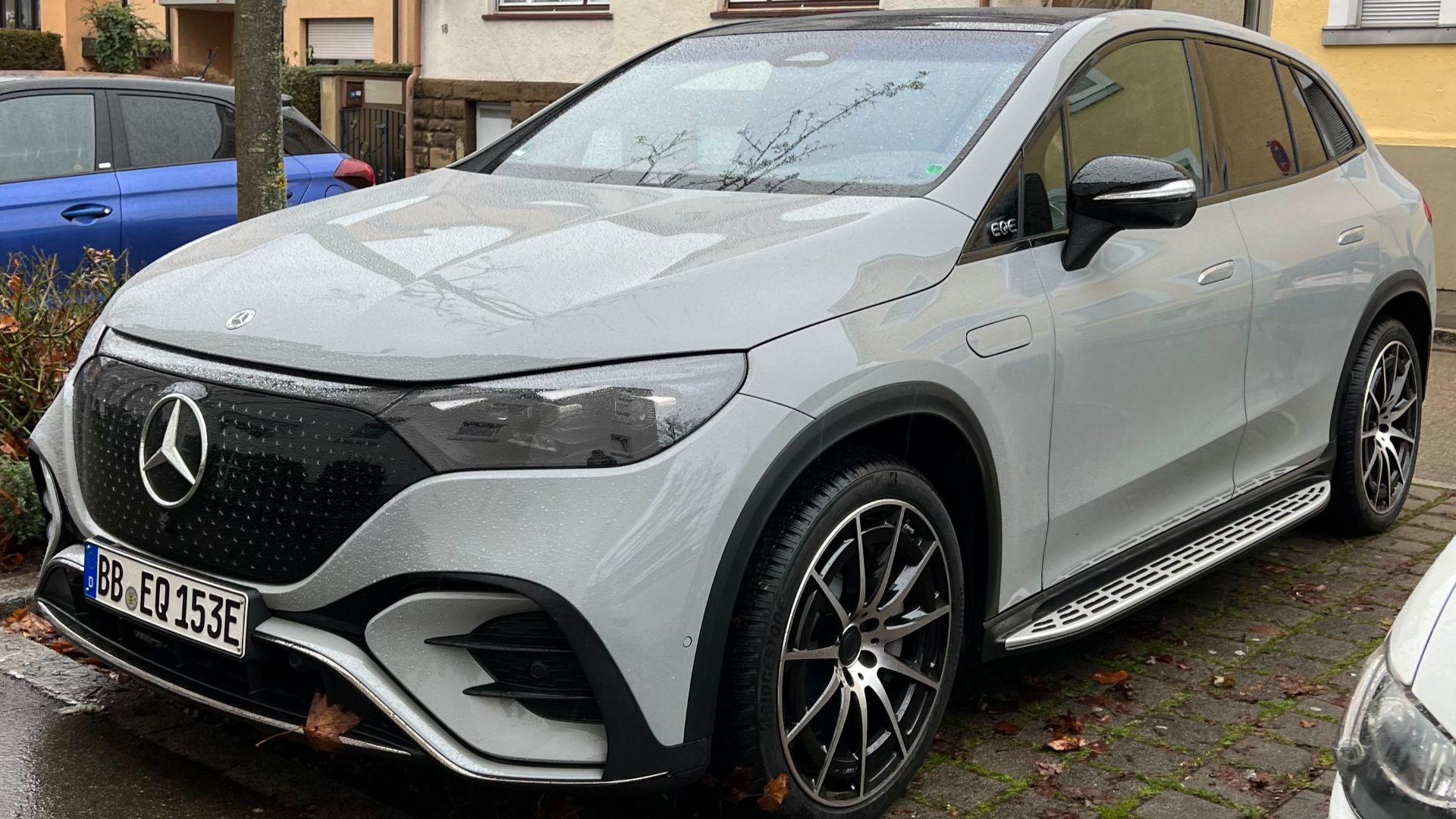
Buying a low-cost first car is not irresponsible by itself. What matters is why it is cheap. There is a big difference between a modest older car with solid safety marks and a cheap vehicle that is structurally outdated, badly rated, or missing major safety equipment. A carefully chosen used car can be much safer than a random older SUV bought just because it sits high.

Why Experts Warn Families Away From The Tiniest Cars
IIHS and Consumer Reports have both pushed families toward midsize cars, larger small cars, and safer small SUVs for teens rather than the very smallest, cheapest vehicles. Tiny cars leave less room to absorb crash forces. That can matter a lot in real-world wrecks involving larger vehicles.

The Best Value Is Often Used, Not Brand-New
This is where the argument gets more interesting. A brand-new SUV may be an excellent vehicle, but it is not the only responsible option. A used vehicle from the last several model years with strong crash ratings, ESC, side curtain airbags, and good reliability can deliver a lot of the same safety benefits without the massive price tag.

IIHS Built A Teen Car List For This Exact Problem
IIHS and Consumer Reports publish yearly recommendations for safe, affordable vehicles for teens. Their lists focus on vehicles with above-average reliability, good crash-test scores, and standard electronic stability control. In recent years, they have repeatedly shown that the right used car can be a better family choice than an older or poorly rated SUV.
What Safety Experts Actually Say To Avoid
They do not just warn against old cars. They also say to avoid high-horsepower vehicles, minicars, and models with a reputation for risky driving or poor safety performance. The goal is twofold: lower the odds of a crash and improve the odds of surviving one. That is different from simply buying the newest vehicle you can afford.
Driver-Assistance Features Help, But They Are Not Magic
Automatic emergency braking, lane departure warnings, and blind spot monitoring can help, and IIHS has found strong evidence that some of these features reduce certain kinds of crashes. But they are backup systems, not replacements for judgment. With teen drivers especially, overconfidence can wipe out some of the benefit.
Automatic Emergency Braking Has Become A Major Plus
IIHS and the Highway Loss Data Institute have reported meaningful drops in front-to-rear crashes for vehicles equipped with front crash prevention systems. Those findings helped push wider adoption through the 2010s and early 2020s. If your budget allows it, a used car with proven automatic emergency braking is a real advantage.
New SUVs Come With Their Own Downsides
A taller vehicle can make parents feel better, but not every SUV is ideal for a new driver. Larger vehicles can be harder to maneuver, harder to park, and more expensive to repair after even small mistakes. Some also have more power than a teenager needs, which is not a safety advantage.

The Money Side Matters More Than People Admit
A brand-new SUV usually means a higher purchase price, higher insurance premiums, and faster depreciation. For many families, that same money could cover a safer used car, better tires, a professional driving course, and stronger liability coverage. In practical terms, that package may improve safety more than spending everything on a new vehicle.

Insurance Can Change The Whole Math
Teen drivers are expensive to insure because their crash risk is high. Insurers often charge more for newer and more valuable vehicles, and sporty trims can push rates even higher. Before making a choice, families should get quotes on several realistic options, because a vehicle that looks smart on paper can become painful once the premiums show up.

Tires Matter More Than A Lot Of Parents Think
A modest used car on fresh, high-quality tires can be safer than a more expensive vehicle riding on worn-out or cheap rubber. Tires affect braking, wet-road grip, and emergency handling every single day. It is not glamorous, but it is one of the most important safety checks when buying a first car.

The Best First Car Should Be Easy To Drive Well
The best teen car is one that encourages calm, predictable driving. Good visibility, manageable size, simple controls, and non-sporty acceleration all help. A vehicle that feels awkward, intimidating, or tempting to show off in can create problems no crash rating can fix.

Used Does Not Have To Mean Ancient
There is a huge difference between a 2004 bargain beater and a well-rated 2018 sedan. Model year matters because safety standards and equipment changed a lot over time. Families who target newer used vehicles often end up with the best mix of affordability and modern protection.
What To Check On The Spec Sheet
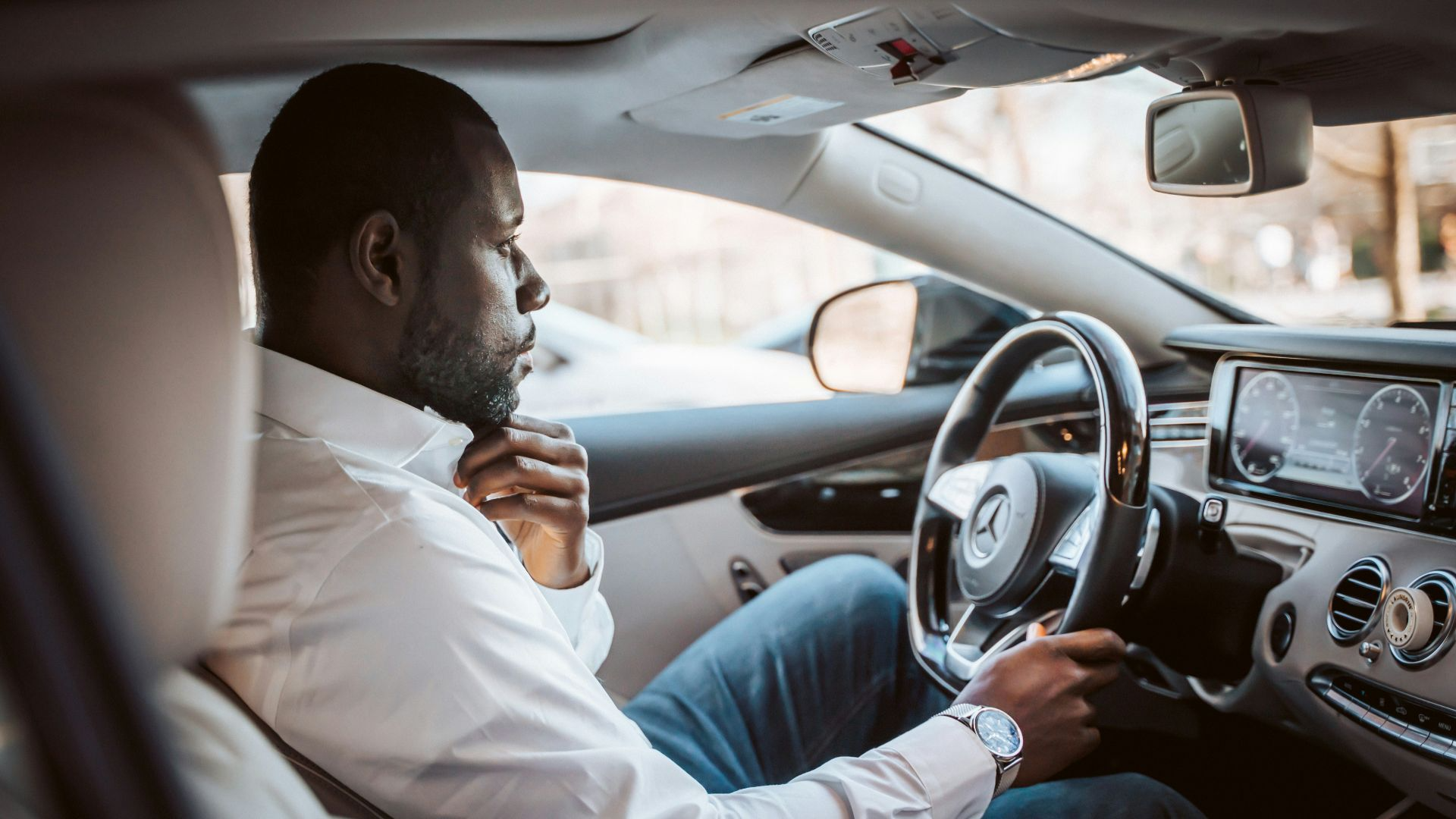
Start with electronic stability control, side curtain airbags, and strong IIHS or NHTSA crash-test ratings. Then look for anti-lock brakes, head restraints with good whiplash scores, and, if possible, automatic emergency braking. These are real, verifiable safety features, not sales fluff.

Crash Ratings Need A Little Context
Do not compare ratings across very different eras as if they mean the same thing. IIHS and NHTSA testing has changed over time, and newer tests can be tougher. The smart move is to check how a specific vehicle performed in the tests used for its model year and whether key safety equipment was standard or optional.

Reliability Is Part Of Safety Too
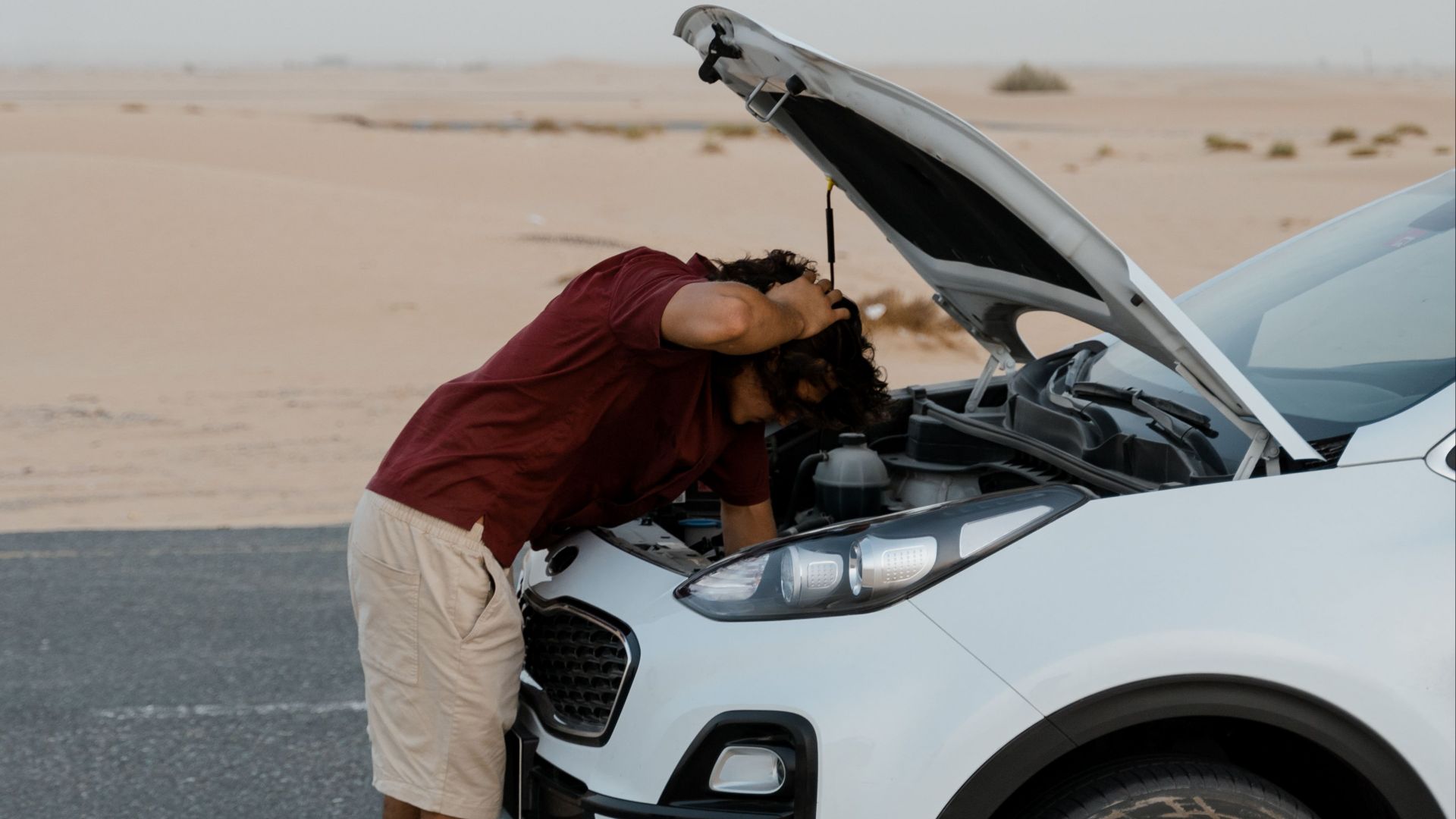
A car that breaks down, chews through tires, or spends months waiting for repairs is not helping your teen stay safe. That is one reason IIHS works with Consumer Reports on teen vehicle recommendations. Dependability matters because the safety features you paid for do not help much if the car is always in the shop.
The Most Important Safety Feature Is Still The Driver
CDC and IIHS data both point to the same familiar dangers: speeding, distraction, nighttime driving, and extra teen passengers. States with strong graduated driver licensing systems have shown reductions in teen crashes, which underlines the big point here. Rules, supervision, and practice matter at least as much as whether the vehicle is brand-new.

Set The Rules Before The Keys Change Hands
Experts regularly recommend limits on passengers, nighttime driving, phone use, and high-speed roads during the first months of solo driving. A parent-teen driving agreement may sound stiff, but it creates clear expectations. That can do more for safety than arguing for weeks about crossover versus sedan.
So Is Buying A Cheap First Car Irresponsible Today
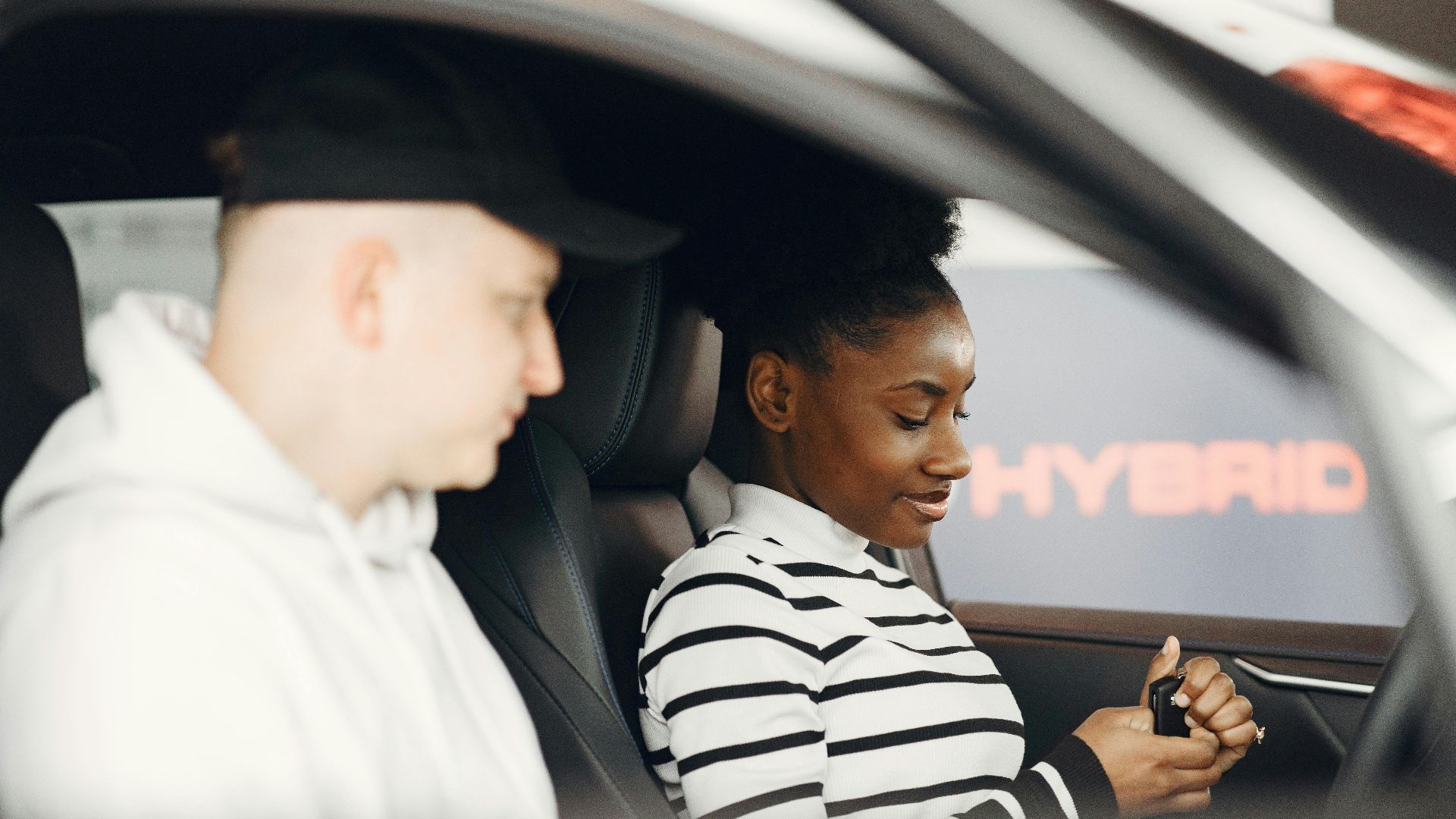
No, not if cheap means carefully chosen instead of scraped from the bottom of the market. The irresponsible move is buying based on fear, image, or price alone while ignoring crash ratings, ESC, airbags, tire condition, and insurance costs. A sensible used vehicle with modern safety features can absolutely be a responsible first car in 2026.

The Smarter Middle Ground
If one parent wants maximum safety and the other wants to stay sane on budget, there is a practical compromise. Look for a used midsize sedan or small SUV with standard ESC, strong crash-test scores, good reliability, and, if possible, automatic emergency braking. That approach respects the data, the budget, and the very real nerves that come with sending a teenager out on the road.