An Old Disagreement
You’ve heard this argument more than once at family dinners and in group chats. Your friend assumes that driving a car with an automatic transmission is safer because both hands can stay planted on the steering wheel. Your dad says manual transmissions demand engagement and prevent distraction. You’re stuck wondering whether safety comes from mechanical simplicity or driver involvement. The truth is a little more complicated.

The Automatic Argument
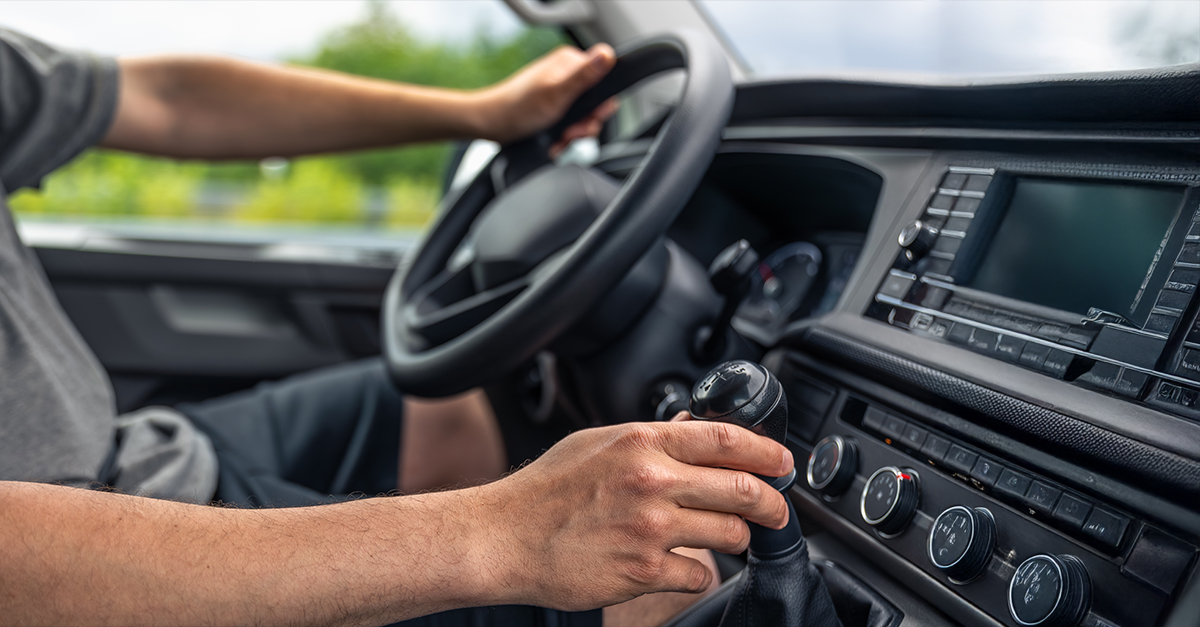
Your friend’s basic reasoning centers on physical control. With an automatic, you rarely remove a hand from the wheel to shift. That means more consistent steering stability, especially during sudden maneuvers. In theory, fewer physical tasks reduce the potential for driver error in more demanding traffic situations.

Manual Engagement
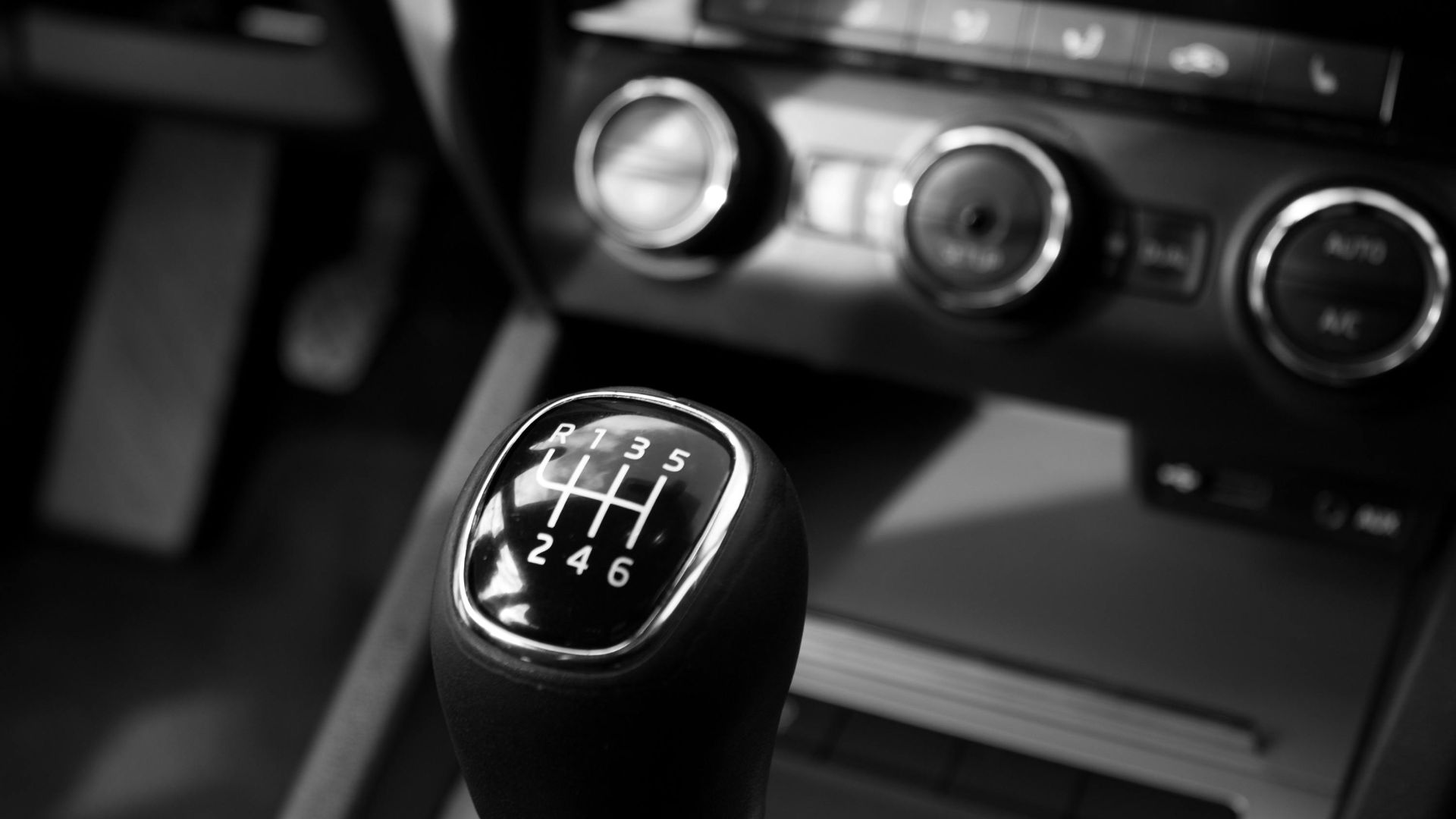
Your dad’s opinion centers more around the driver’s mental involvement. A manual transmission requires clutch control, gear selection, and anticipation. Because you are actively shifting, you are compelled to stay more mentally connected to speed, engine load, and road conditions. That involvement reduces passive driving habits.
Reaction Time Considerations
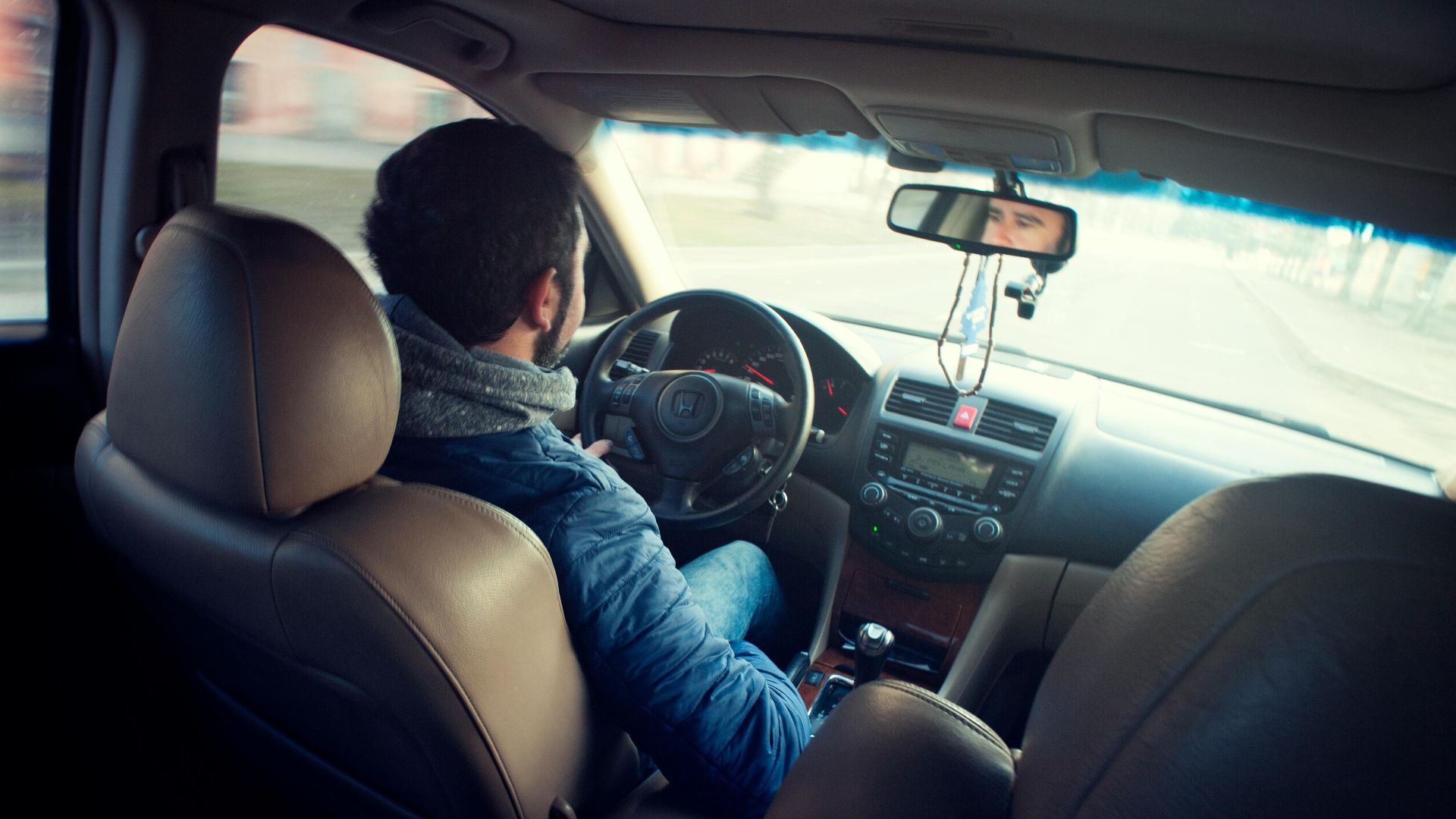
Automatics generally reduce your workload in heavy traffic. With fewer tasks, your brain can focus completely on steering, braking, and surrounding hazards. In stop-and-go driving, that greater simplicity often translates into smoother vehicle control.
Cognitive Load And Attention
Manual drivers often argue that shifting prevents boredom. When your hands and feet are engaged, there is less of a chance for you to get distracted. However, modern distractions like smartphones impact both transmission types equally.
Hands-On-Wheel Data
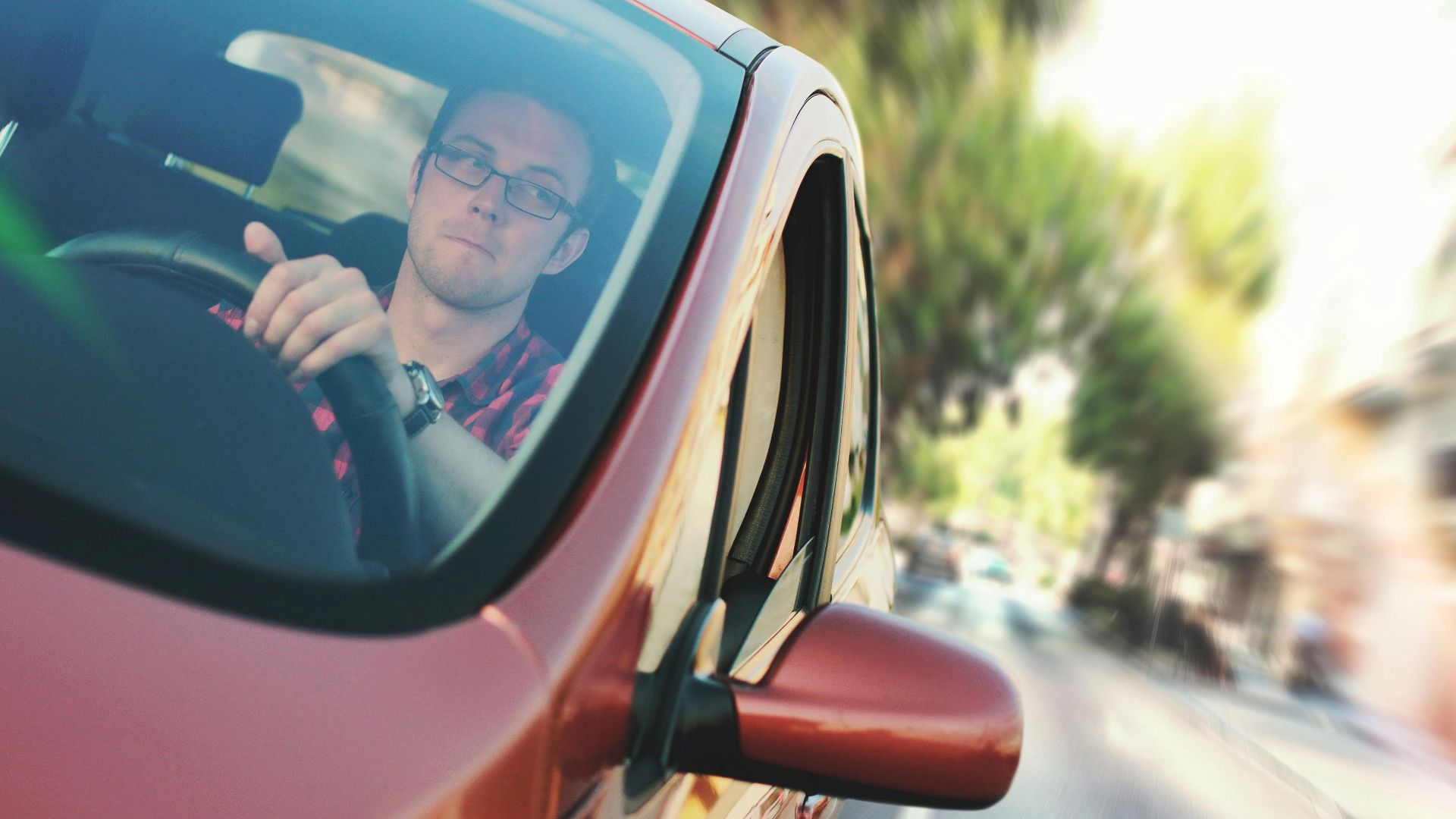
Safety agencies typically recommend keeping both hands on the wheel whenever possible. While a manual driver has to briefly remove one hand during shifts, experienced drivers complete gear changes quickly without any loss of control.

Stalling And Panic Situations
Manual vehicles introduce stall risk, especially for inexperienced drivers. A stalled engine in an intersection can generate a dangerous situation. Automatics remove this variable entirely, simplifying urgent maneuvers for novice drivers.
Highway Driving Differences
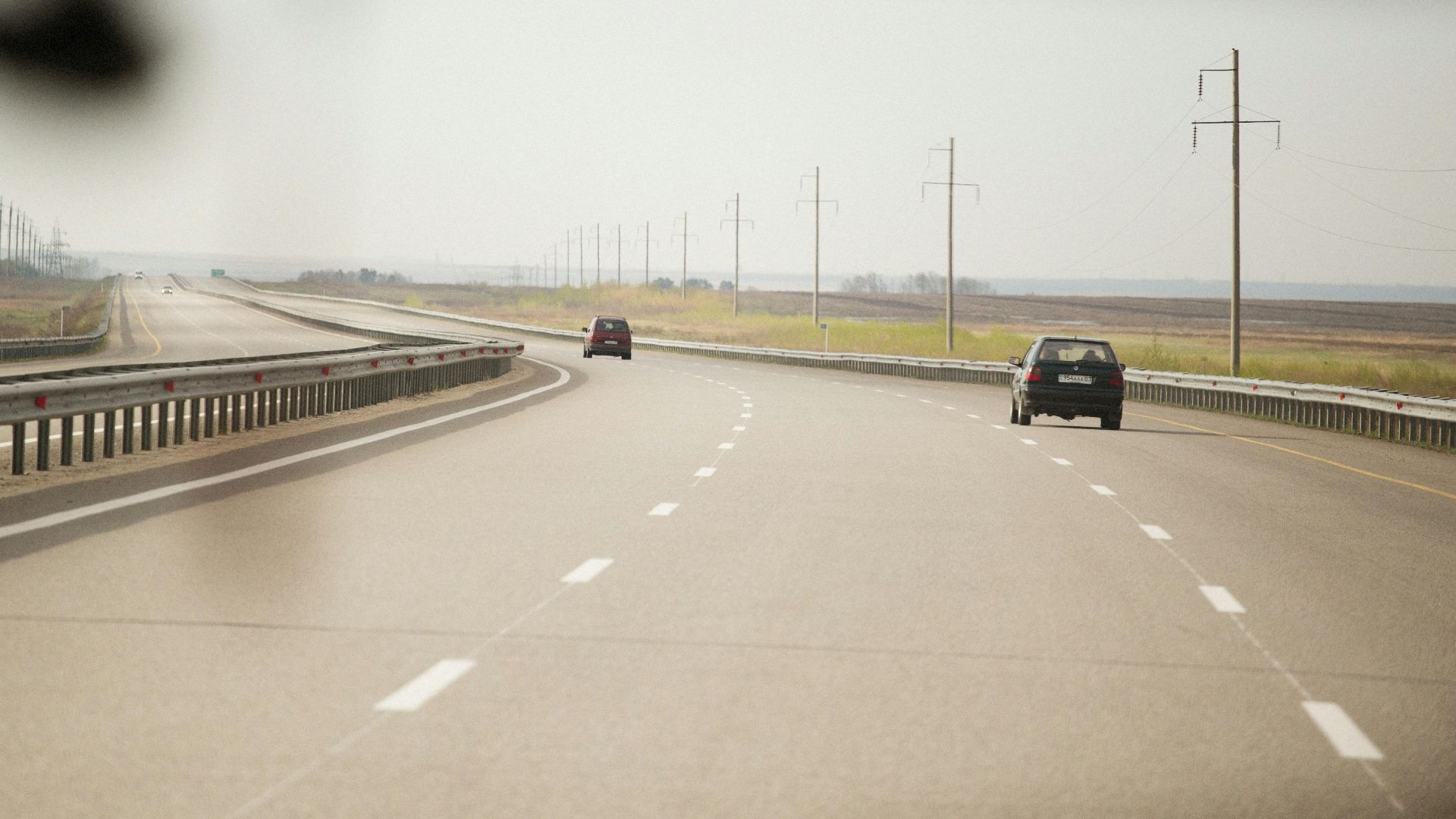
At highway speeds, the transmission type doesn’t really matter much. Once cruising in top gear, manual drivers no longer shift frequently. In those conditions, steering behavior and defensive awareness carry far more importance than transmission choice.
Urban Traffic Reality
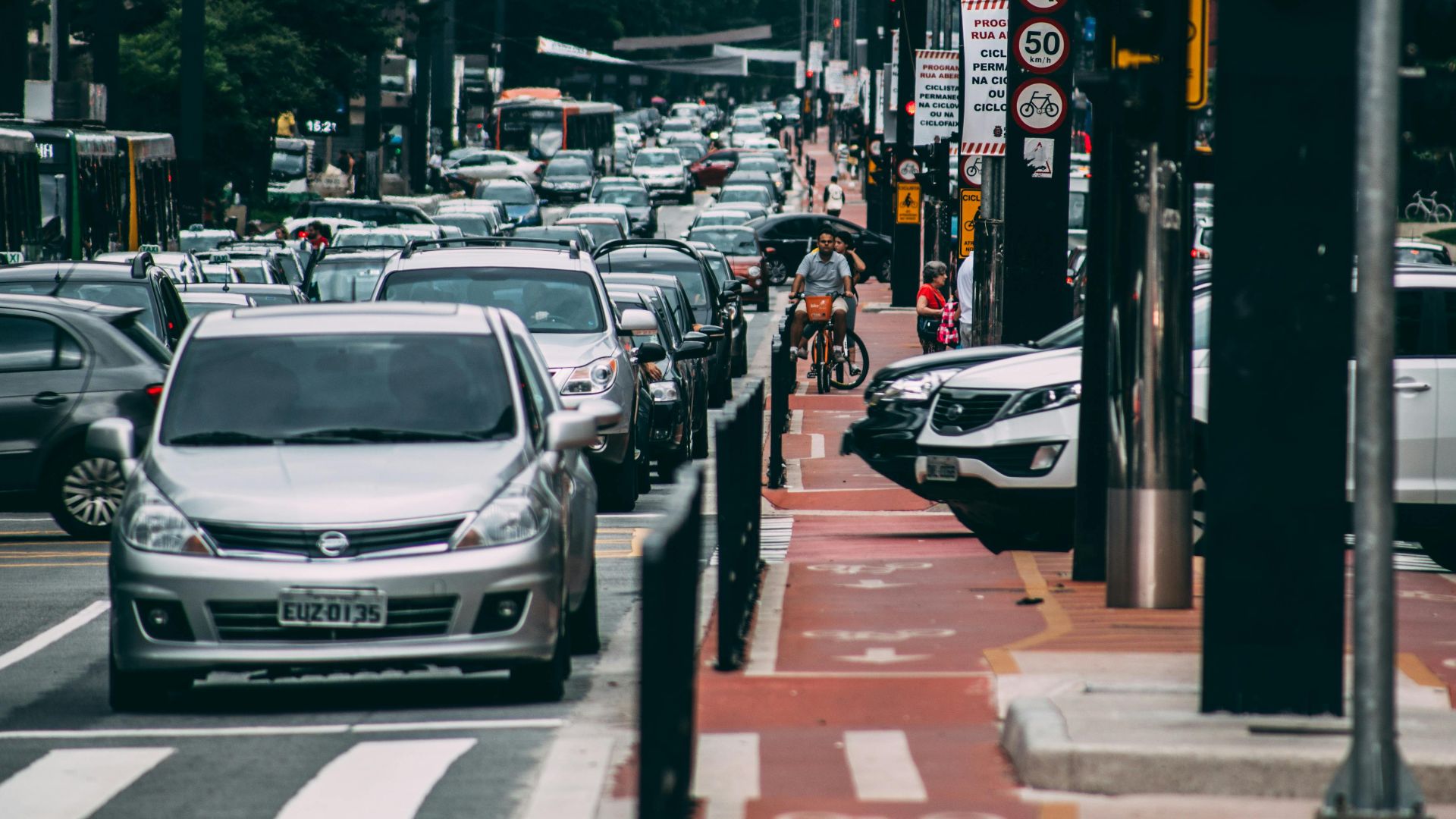
In dense city conditions, automatics reduce fatigue. Constant clutch usage in heavy stop-and-go traffic can distract less experienced drivers. Fatigue increases mistakes, so in purely urban settings, automatics may offer some slight practical safety advantages.

Driver Skill Is The Real Variable
Transmission safety depends more on the person than the transmission. A skilled manual driver may operate more attentively than a distracted automatic driver. But a careless driver in any vehicle can create risk.
Advanced Driver Assistance Systems
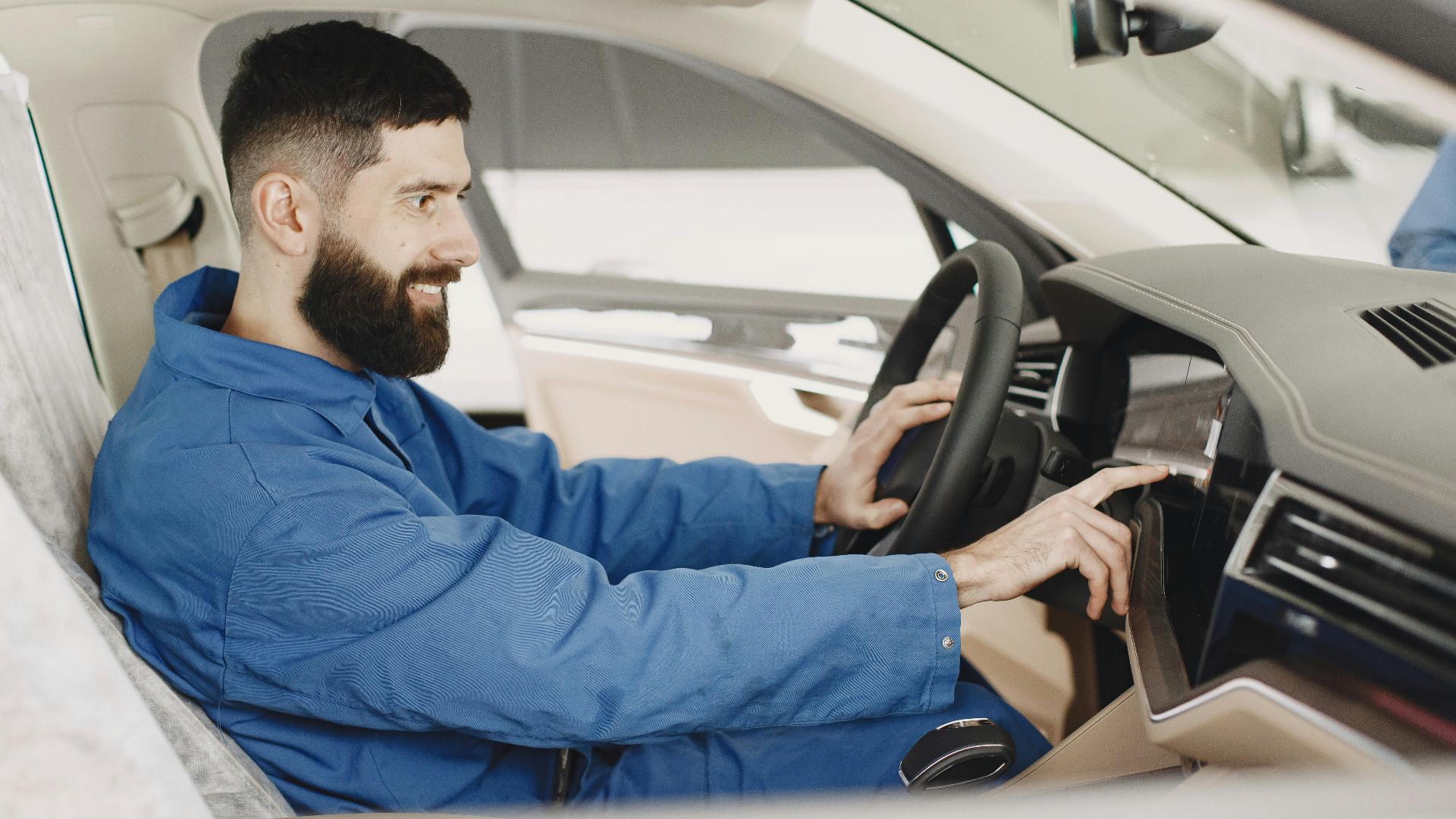
Modern safety systems like automatic emergency braking and lane-keeping assist are almost universally paired with automatics. These technologies contribute significantly to safety statistics, often making the entire manual vs automatic debate somewhat redundant.
Insurance Industry Trends
Insurance data tends to reflect overall crash rates rather than separating out transmission factors alone. With automatics now dominating sales in North America, reliable statistical comparisons have become more difficult. Exposure and driver demographics complicate making any simple conclusions about safety superiority.

Fatigue Over Long Distances
On long road trips, reducing repetitive physical effort can maintain your alertness. Automatics minimize task repetition, potentially supporting sustained focus during extended highway travel.
Younger Drivers And Learning Curves
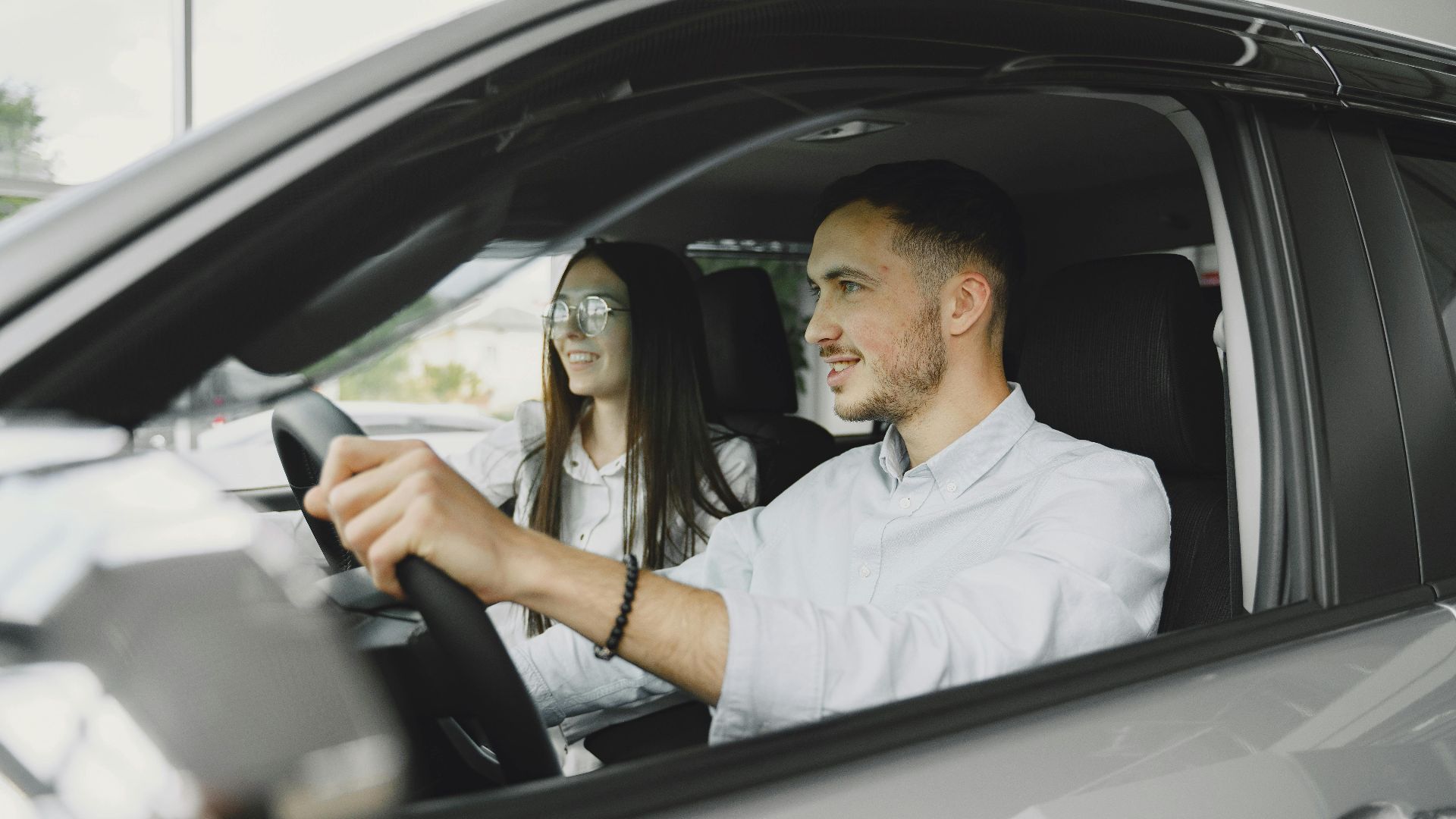
Manual transmissions require a little more concentration and skill development. In experienced hands, that can sharpen driving awareness. In inexperienced hands, however, juggling clutch work with traffic can increase anxiety and mistakes.

Emergency Maneuvers
Quick evasive actions rely primarily on steering and braking. Transmission type plays very little role in split-second avoidance scenarios. Proper training and over-all situational awareness matter far more than gear selection.
Engine Braking Control
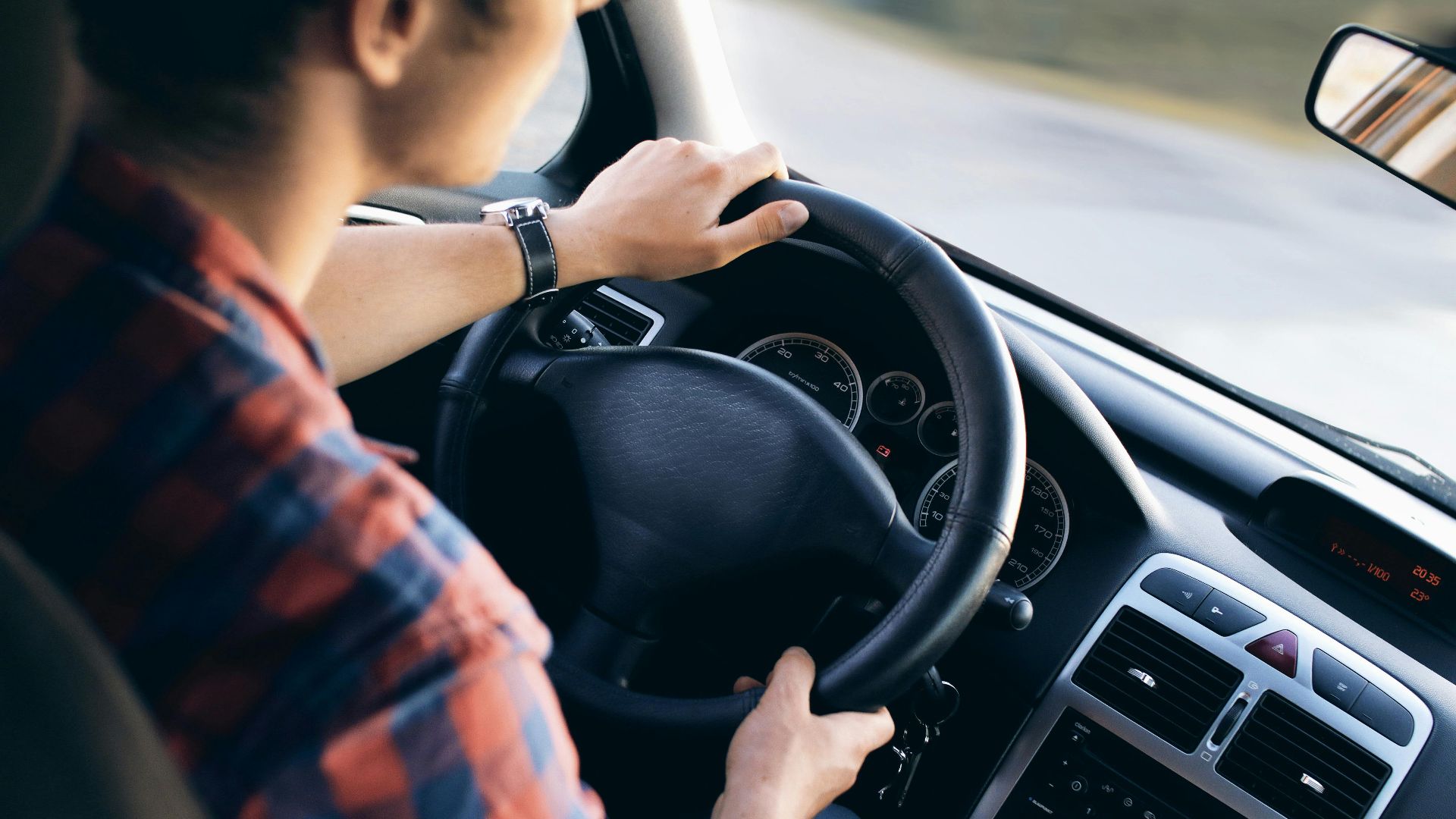
Manual drivers sometimes point to greater engine braking control. Downshifting on descents can offer you a smoother deceleration. Still, modern automatics also provide manual shift modes or adaptive gearing that approximate similar control.
Distraction Is Always The Biggest Threat
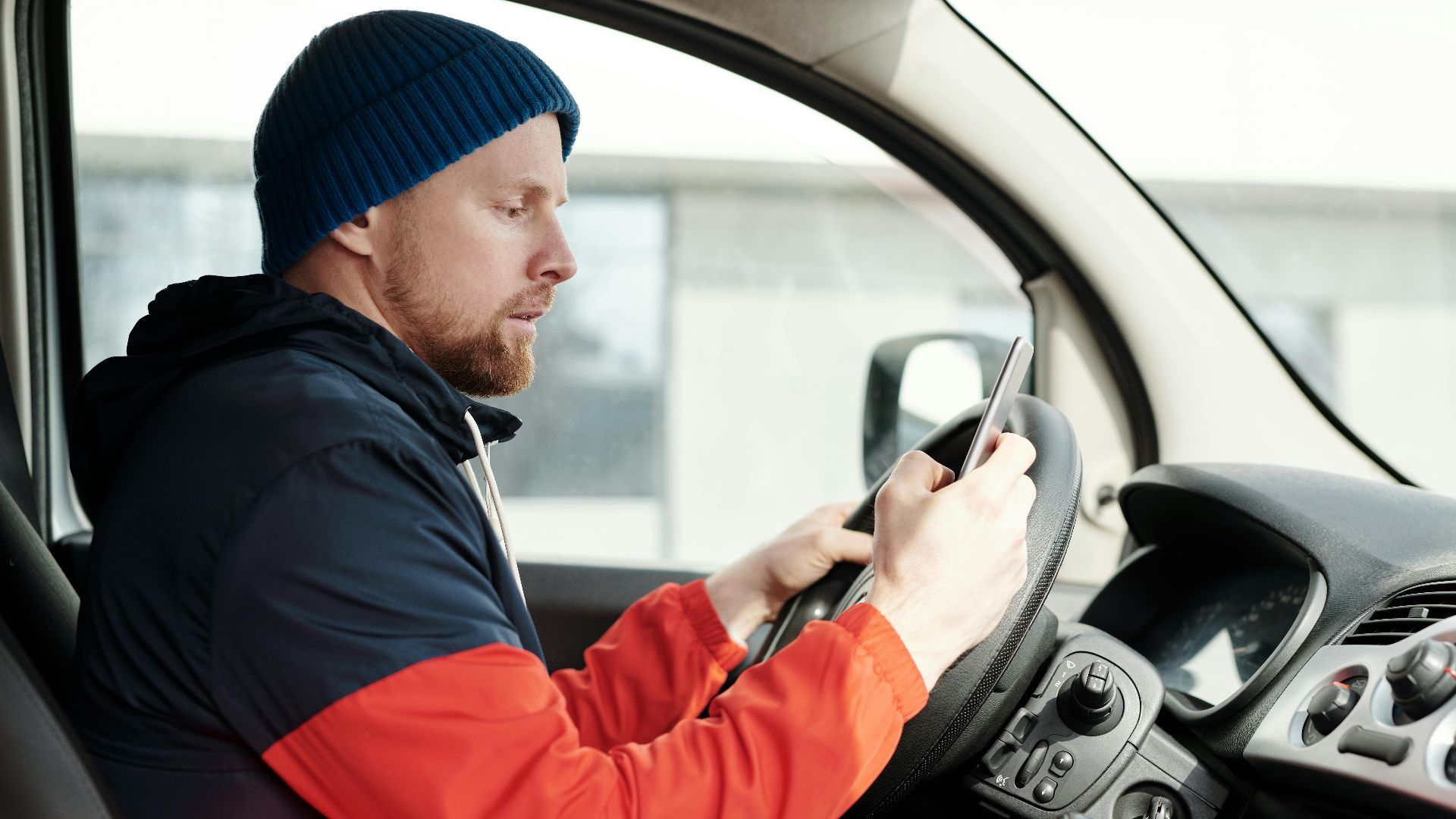
Whether automatic or manual, distraction from phones is still one of the leading crash contributors. Transmission debates often overshadow the much larger safety issue of inattentive driving, no matter what transmission car you’re driving.
Modern Manual Scarcity
Manual transmissions are getting increasingly rare in North America in response to reduced demand. Automakers are now focusing on safety development of their automatic platforms. That market reality influences testing, engineering focus, and long-term design improvements.
Practical Safety Summary
If you’re choosing a car based purely on safety, ergonomics and technology integration, you’ll probably favor getting an automatic. However, attentiveness and experience still outweigh all mechanical differences in real-world driving environments.

Final Perspective
Your friend highlights physical simplicity. Your dad emphasizes mental engagement. Both contain truth. The safest choice ultimately depends on your own skill, focus, and driving habits. No transmission can substitute for responsible, attentive behavior behind the wheel.
You May Also Like: