Why Your Car Suddenly Brakes In A Garage
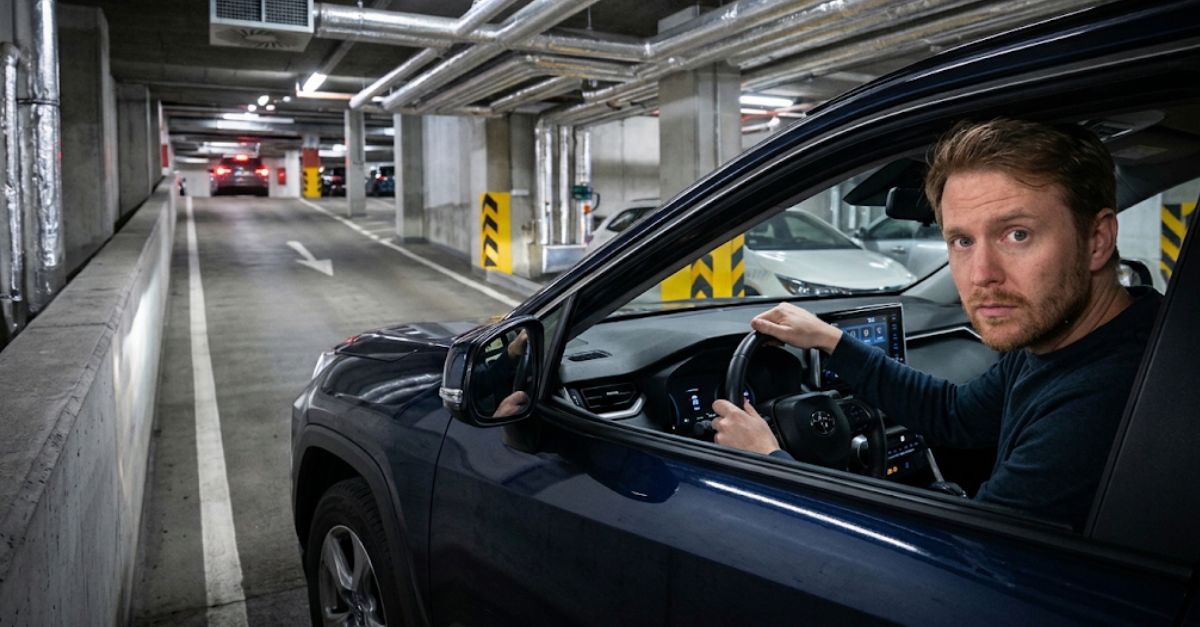
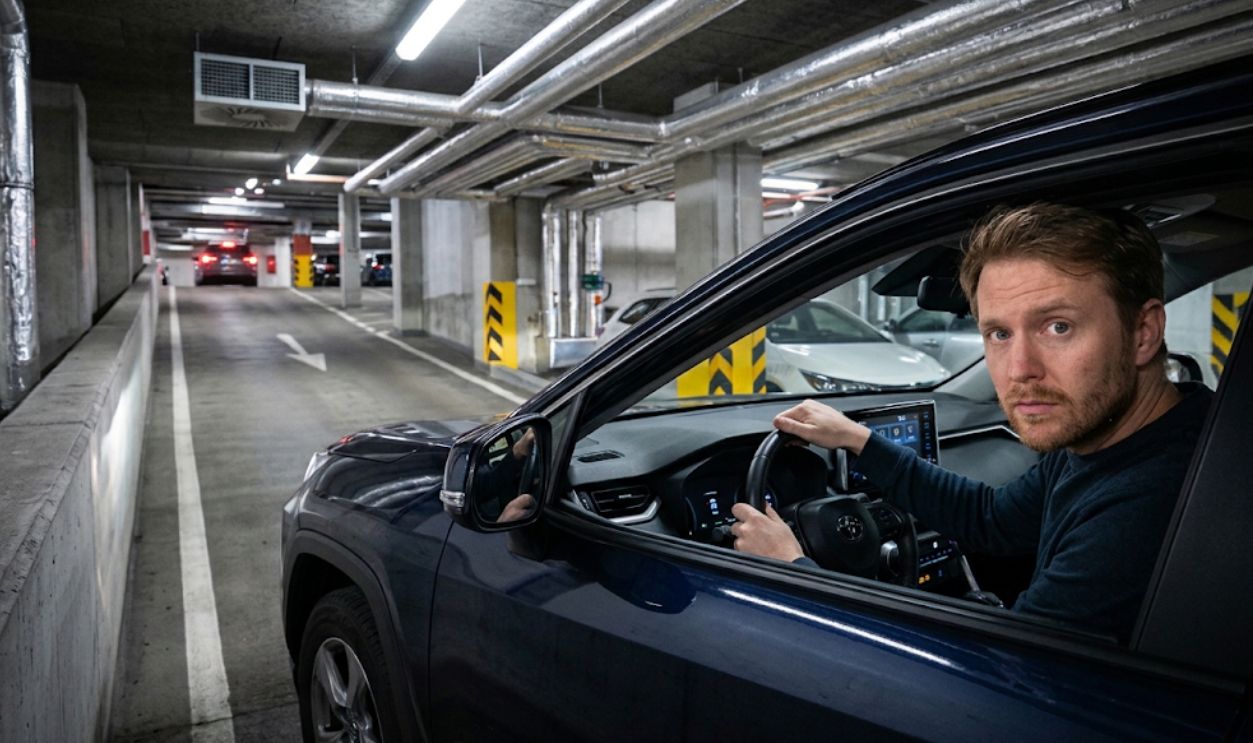
Automatic emergency braking and low-speed parking sensors can react to tight walls, steep ramps, cross traffic, shiny pipes, or cars that pop into view around blind corners. These systems are built to play it safe, which helps on the road but can get annoying in a concrete maze.
You can usually turn automatic braking off, but there are real drawbacks to consider before you do it.
This Is A Very Common Complaint Lately
Automakers, safety regulators, and drivers have all documented cases where automatic braking kicks in unexpectedly at low speeds. Consumer Reports noted in 2024 that false positives can happen with crash-avoidance tech, even though the systems still do a lot of good. The Insurance Institute for Highway Safety has said the same basic thing: these features reduce crashes, but they are not perfect.

How We Got Here
Modern automatic emergency braking grew out of earlier collision-warning systems and became a major safety push in the 2010s. In 2016, IIHS and the National Highway Traffic Safety Administration highlighted a voluntary commitment by 20 automakers to make AEB standard on most new vehicles by 2022. That move helped put some form of automatic braking in millions more cars, including models with low-speed systems that can be sensitive in garages.

Why Automakers Tune These Systems Conservatively
Manufacturers would rather have the car warn you or brake too early than miss a real obstacle. That approach became even more important as crash-avoidance systems spread across the industry in the 2010s and 2020s. The thinking is simple: a few annoying interventions are better than one missed pedestrian or one low-speed crash.
What The Safety Data Actually Shows
There is a reason these systems keep spreading despite driver frustration. IIHS research published in 2023 found that front crash prevention systems substantially reduce police-reported rear-end crashes and injury crashes. So the same kind of tech that can get jumpy in a garage is also preventing real wrecks out on the road.

What System Is Usually Causing It
In a parking garage, the trigger often is not just full-speed forward automatic emergency braking. It may be parking support brake, rear automatic braking, cross-traffic automatic braking, or obstacle detection tied to ultrasonic sensors, cameras, or radar. The exact name changes from brand to brand, which is why your owner’s manual matters more here than the badge on the hood.
The Garage Is Basically A Stress Test
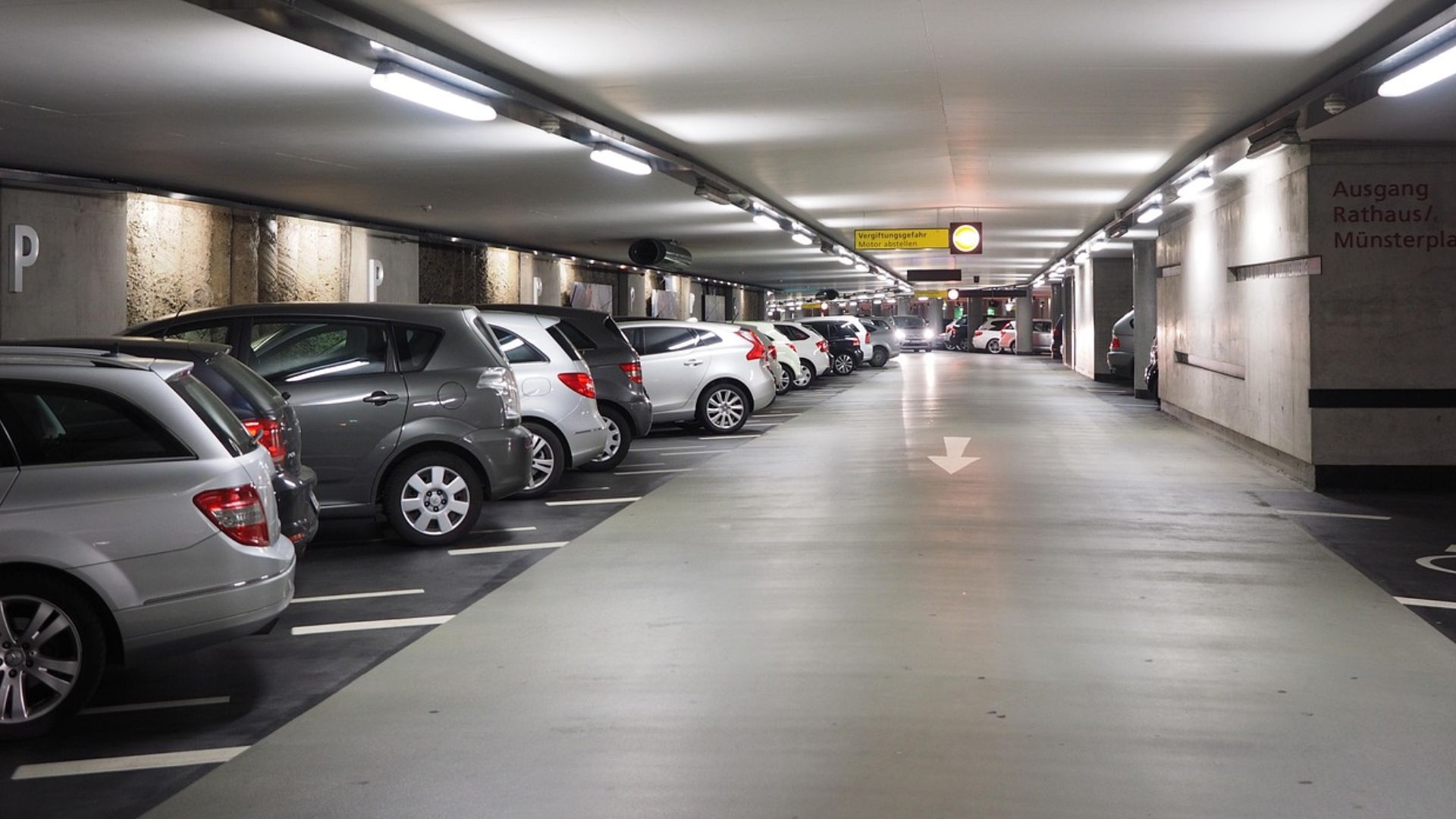
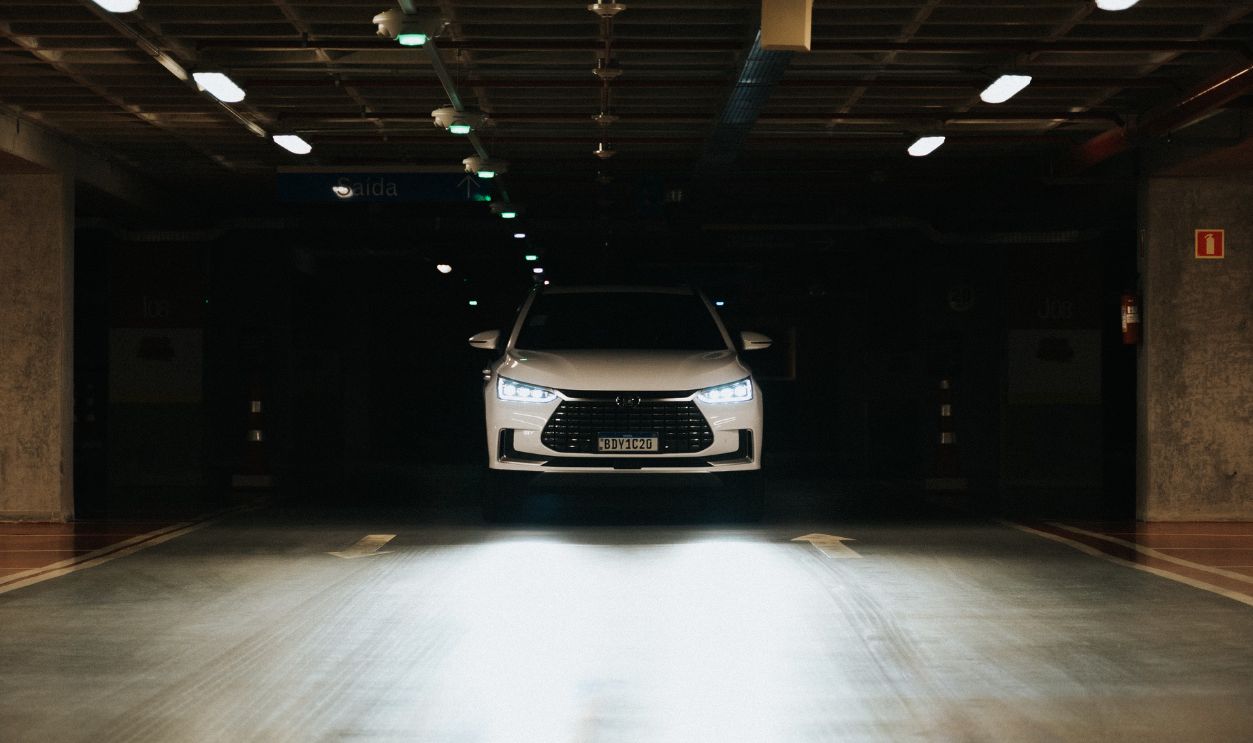
Parking garages pack together almost everything driver-assistance systems struggle with. Light changes quickly, sight lines are short, concrete pillars sit close to the lane, and metal surfaces can throw off strange reflections. Add a steep ramp or a sharp turn, and the car may decide a crash is more likely than it really is.
False Activations Do Not Automatically Mean The System Is Broken
A sudden stop can feel like a malfunction, but it may still be normal behavior within the system’s limits. NHTSA says driver-assistance features have constraints tied to speed, weather, lighting, road layout, and sensor visibility. A garage can hit several of those limits at once, especially when your car is squeezing through narrow lanes.

Can You Safely Turn It Off
The short answer is yes, in many cars you can temporarily disable certain automatic braking or parking-assist braking features while maneuvering in a garage. The better answer is that you should do it only if your manual allows it, only for that low-speed situation, and only if you are fully paying attention. Turn it back on once you are out of the spot that keeps setting it off.

Temporary Is The Key Word
Most automakers do not want these features left off for good, and many cars automatically turn them back on the next time you restart the vehicle. That is on purpose. Safety agencies and researchers consistently see automatic braking as a net positive, so shutting it off forever just to avoid one irritating garage is usually a bad trade.

Check The Name Before You Tap Anything
One reason drivers get confused is that the button may not say automatic emergency braking. It may be labeled parking support brake, intelligent clearance sonar, rear cross traffic brake, front assist, active safety brake, or something close to that. If you switch off the wrong setting, you might leave the real trigger on or disable more protection than you meant to.

Read The Owner’s Manual, Not The Forum Guesswork
The manual will tell you whether your model allows a temporary shutoff, where to find the menu, and what happens when you turn the feature off. It should also explain whether the setting resets when you restart the car. That matters because two vehicles from the same brand can behave very differently depending on the year, trim, and sensor package.

Some Brands Explicitly Mention Tight Spaces
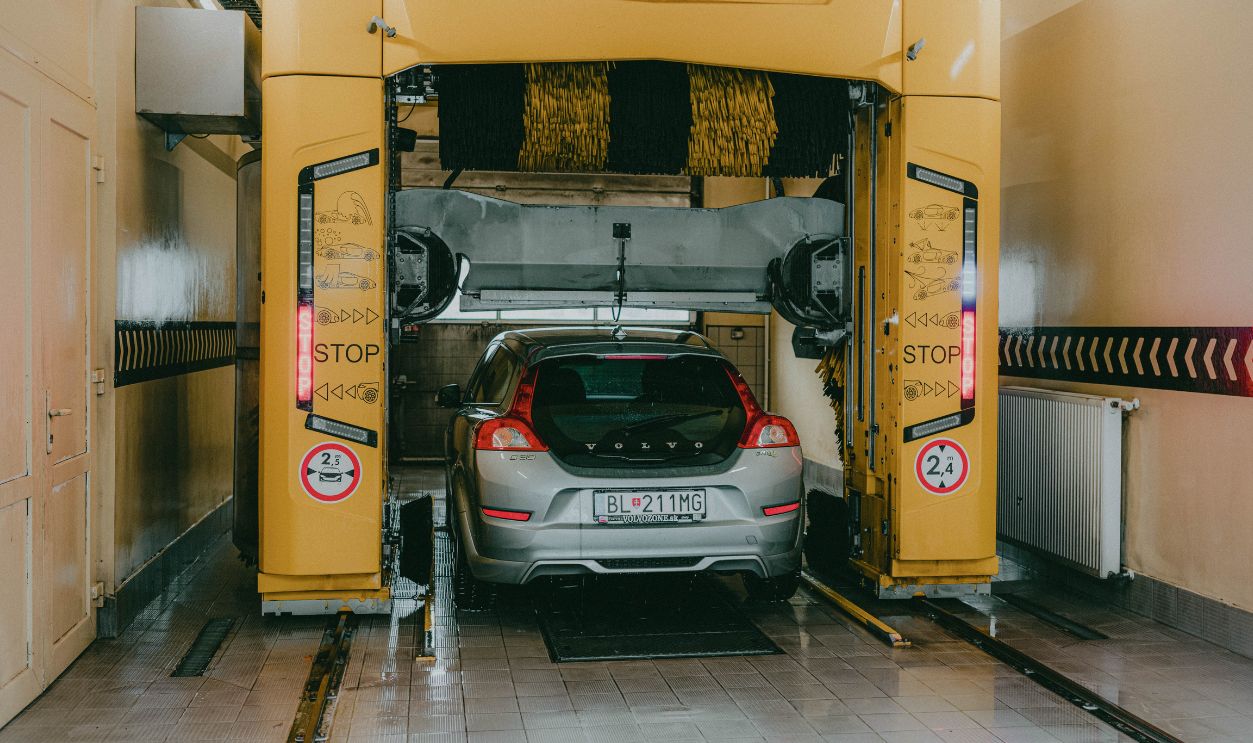
Several automakers warn in their manuals that parking-support braking can activate in garages, car washes, or near fences and steep slopes. Toyota, for example, describes Parking Support Brake and notes conditions in which the system may operate or should be turned off, including some low-speed maneuvering situations. Subaru gives similar warnings for Reverse Automatic Braking and related EyeSight functions in certain environments.

Car Wash Rules Often Apply To Garages Too
If your manual says to disable pre-collision braking or parking-assist braking in an automatic car wash, that is a clue. The same basic logic can apply in some parking structures because close objects surround the car and move through the sensor field in unusual ways. The setting is different, but the sensor confusion can be very similar.
 Helena Jankovicova Kovacova, Pexels
Watch For Dirt, Snow, Or Damage
Before deciding the feature is useless, check the obvious stuff. Cameras, radar covers, and ultrasonic sensors can be blocked by dirt, slush, road salt, bumper stickers, or minor bumper damage. NHTSA and automakers both warn that blocked sensors can make safety systems unavailable or unpredictable.

Calibration Matters More Than Many Drivers Realize
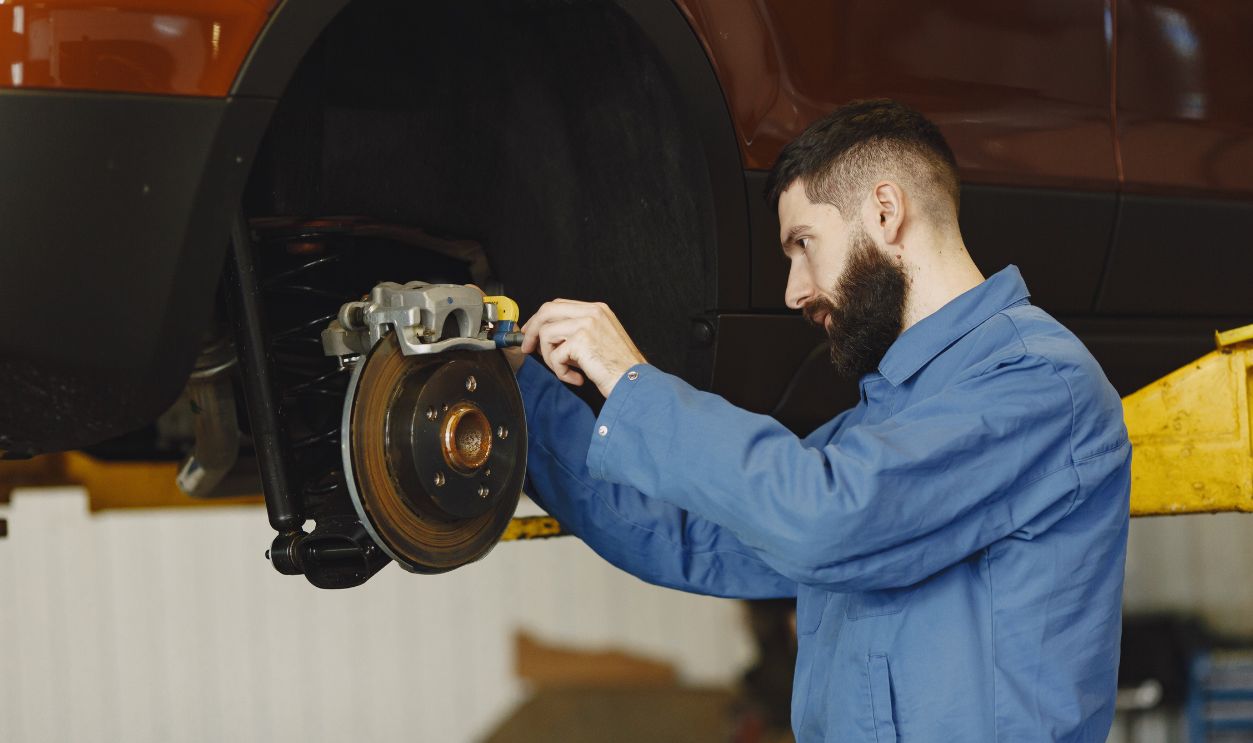
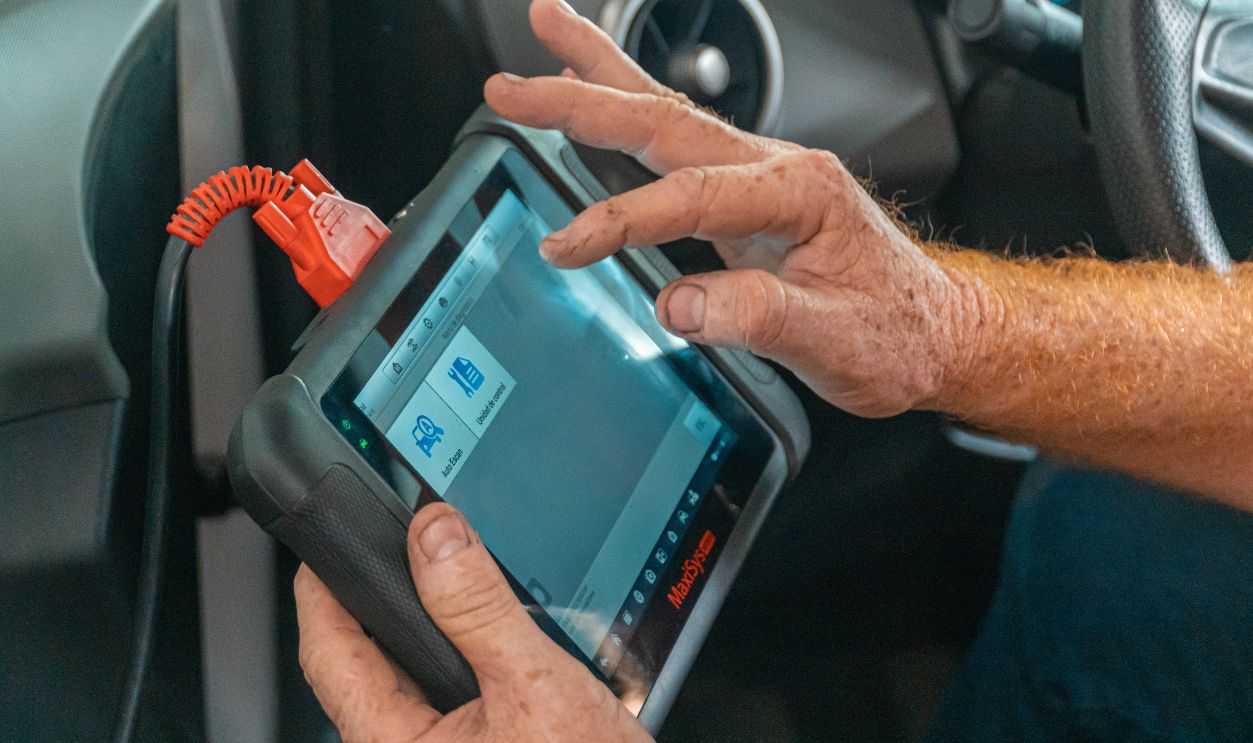
If you recently had body work, a windshield replacement, alignment work, or bumper repairs, sensor calibration could be the issue. Cameras and radar often need precise aiming after repairs. A sensor that is even a little off can make a smart system act dumb, and a garage may be the first place you notice it.
 Jose Ricardo Barraza Morachis, Pexels
Software Can Change The Car’s Behavior
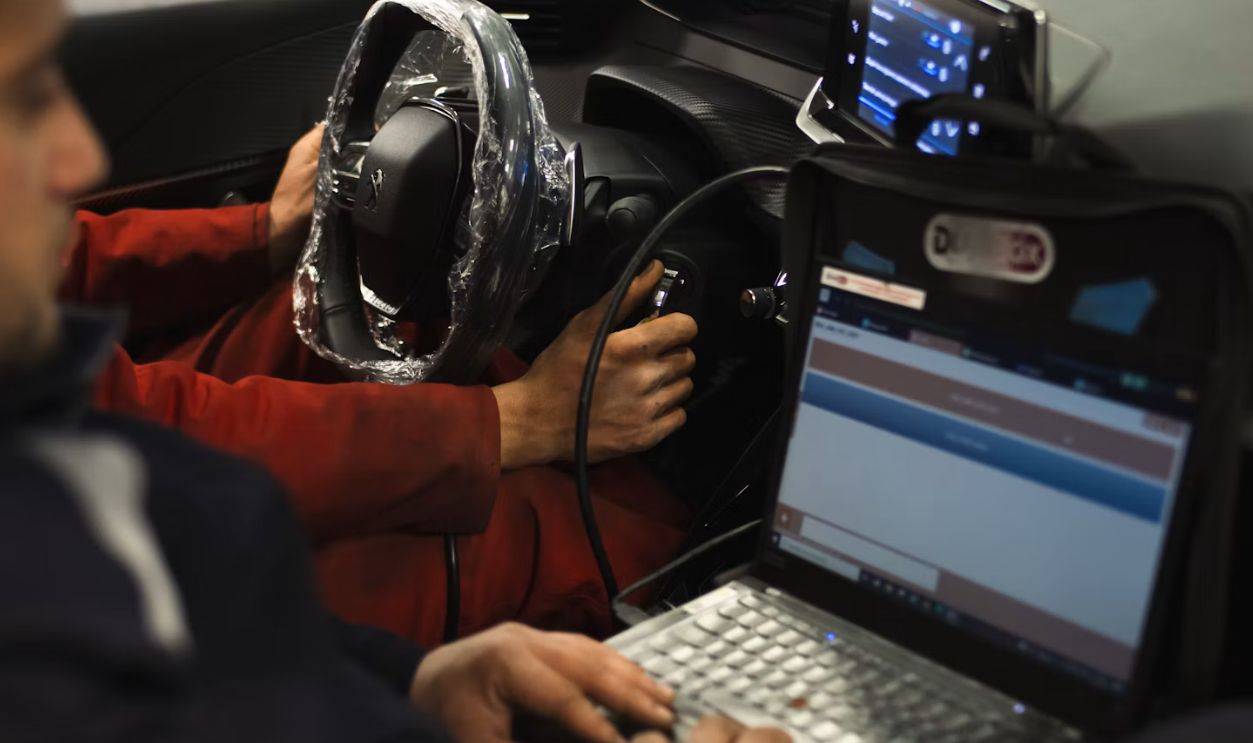
Automakers sometimes release software updates and technical service information for driver-assistance features. A dealer may be able to check whether your vehicle needs calibration, updated module software, or has a known service bulletin related to false braking. This is especially worth asking about if the behavior started suddenly and was not there when the car was new.

When Turning It Off Is Reasonable
If the system keeps slamming on the brakes in the same garage and your manual provides a temporary off switch, disabling it just for that maneuver can make sense. Do it before you enter the tight area, drive slowly, and keep your foot ready on the brake. Then turn the feature back on once you are back in normal driving conditions.

When You Should Not Turn It Off
You should not disable it and forget about it for everyday street driving. You also should not use shutoff as a substitute for fixing a dirty sensor, collision damage, or a warning light on the dash. If the car is braking unexpectedly in normal road conditions, that is a service problem, not just a garage annoyance.
There Is A Difference Between Safe And Risk Free
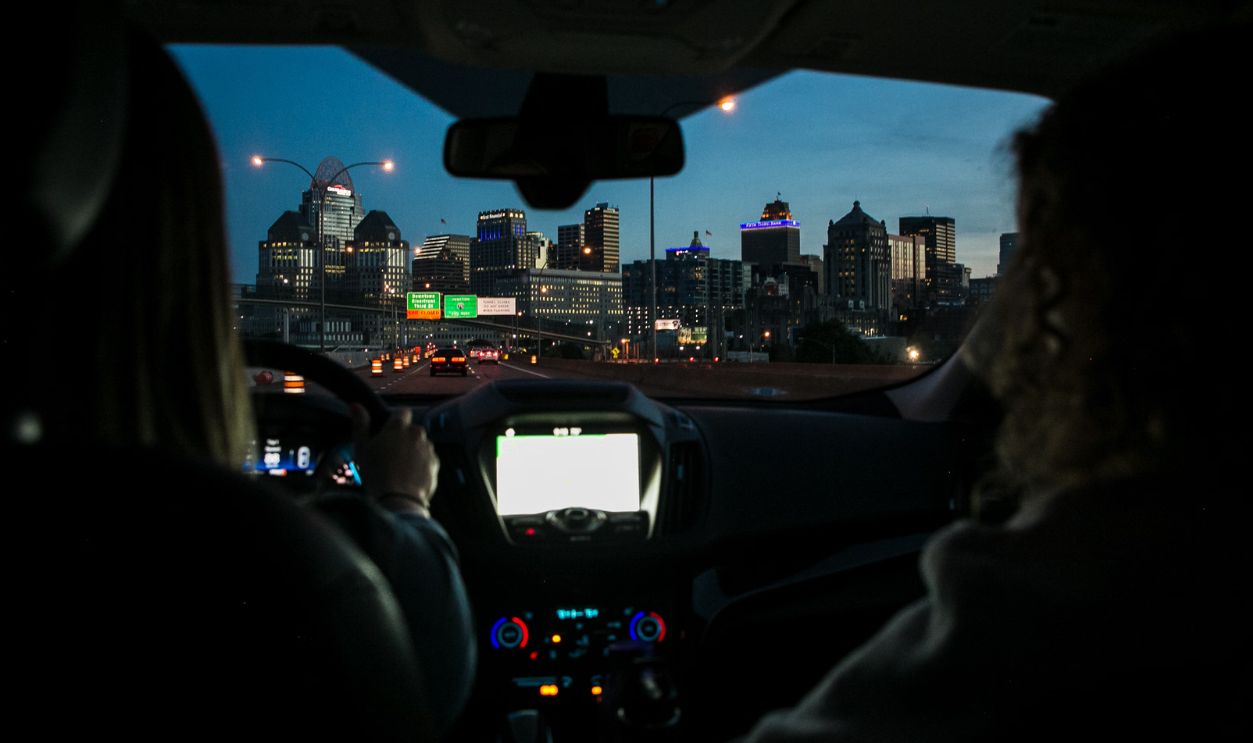
Turning the feature off in a known trouble spot can be safe if you are moving slowly and paying close attention. It is not risk free, because now the full job is back on you. In a dim garage with kids, carts, and pedestrians appearing out of nowhere, that extra layer of braking can still matter.
Use A Better Technique Before You Use The Off Switch
Sometimes a small change in how you enter the garage helps. Slow down earlier, center the car in the lane, leave more room around pillars, and avoid creeping too close to walls before turning. Cleaner angles and a little more time can reduce surprise braking.

Know The Limits Of Camera-Only Systems
Some vehicles rely heavily on cameras for certain low-speed functions, while others mix cameras with radar and ultrasonic sensors. Camera-heavy setups can be more sensitive to low light, glare, shadows, and sudden exposure changes, all of which are common in parking structures. That does not make them bad, but it helps explain why one model stays calm in a garage while another gets nervous.

Know The Limits Of Ultrasonic Sensors Too
Ultrasonic sensors are great at spotting close-range obstacles, but they are not magic. Curbs, angled walls, narrow posts, and uneven surfaces can create readings that the system interprets cautiously. In plain English, a weird echo can turn into an unwanted brake event.
If It Happens Often, Document It
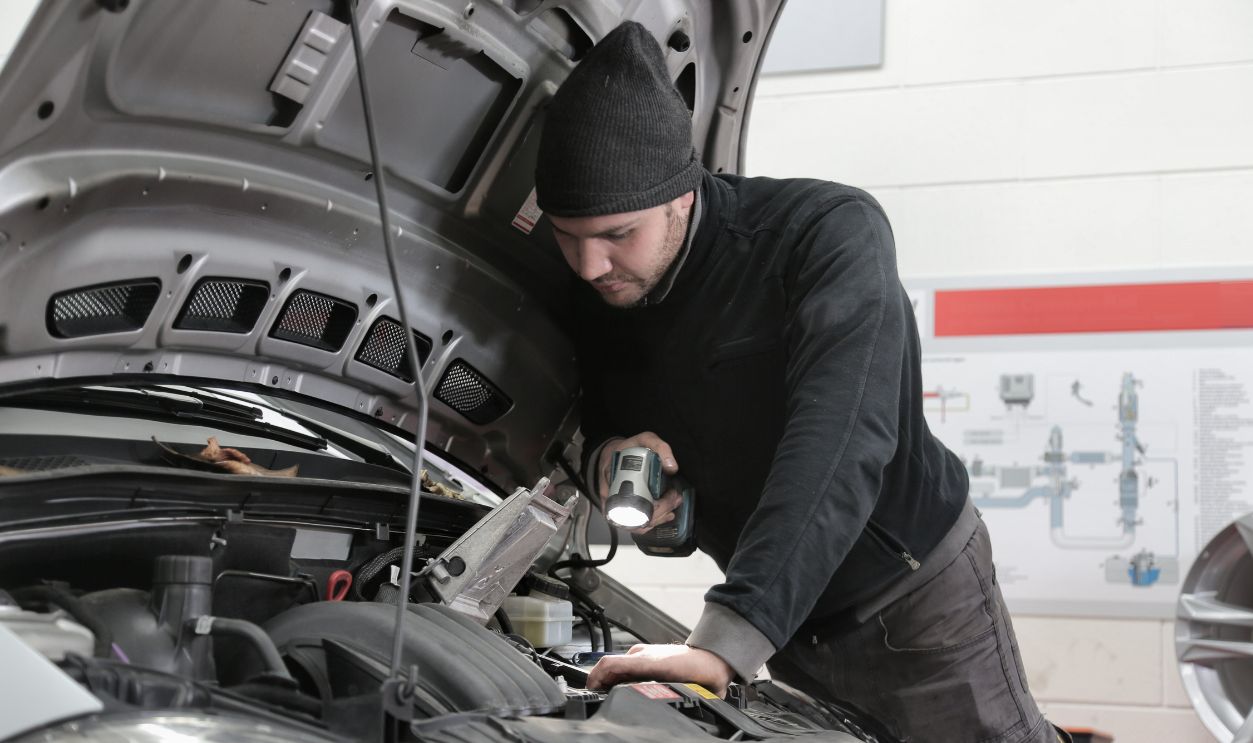
Make note of where it happens, whether you were going forward or backward, your rough speed, the weather, and whether the sensors were clean. If possible, have a passenger record any dashboard messages the next time it happens. Specific details can help a dealer figure out whether the vehicle is acting normally or needs to be checked.

Warning Lights Change The Equation
If you see an AEB, collision-warning, parking-assist, or sensor error message, do not brush it off. That is the point where this stops looking like a simple false alarm issue. A system fault means the car should be inspected before you rely on the feature or keep switching it on and off.

What Safety Experts Would Probably Tell You
Groups like IIHS support these systems because the crash-reduction benefits are real and measurable. NHTSA also treats AEB as an important part of modern crash avoidance while warning drivers about its limits. The balanced takeaway is to use the technology, understand where it struggles, and disable it only in specific cases where the manufacturer says that is appropriate.

The Bottom Line For Frustrated Garage Drivers
Yes, you can often safely turn off garage-triggered automatic braking for a specific low-speed maneuver if your owner’s manual allows it. No, you should not permanently disable it just because it is overly cautious in one awkward place. If the system is suddenly worse than before, or starts triggering outside garages, get the sensors, calibration, and software checked.