When Driving Became An Escape
The 1960s produced some of the most memorable convertibles ever built. American manufacturers offered everything from affordable pony cars to enormous luxury cruisers, while European brands sold elegant roadsters built for winding roads. These were the cars that appeared in movies, advertisements, vacation photos, and countless daydreams.
Chevrolet Corvette
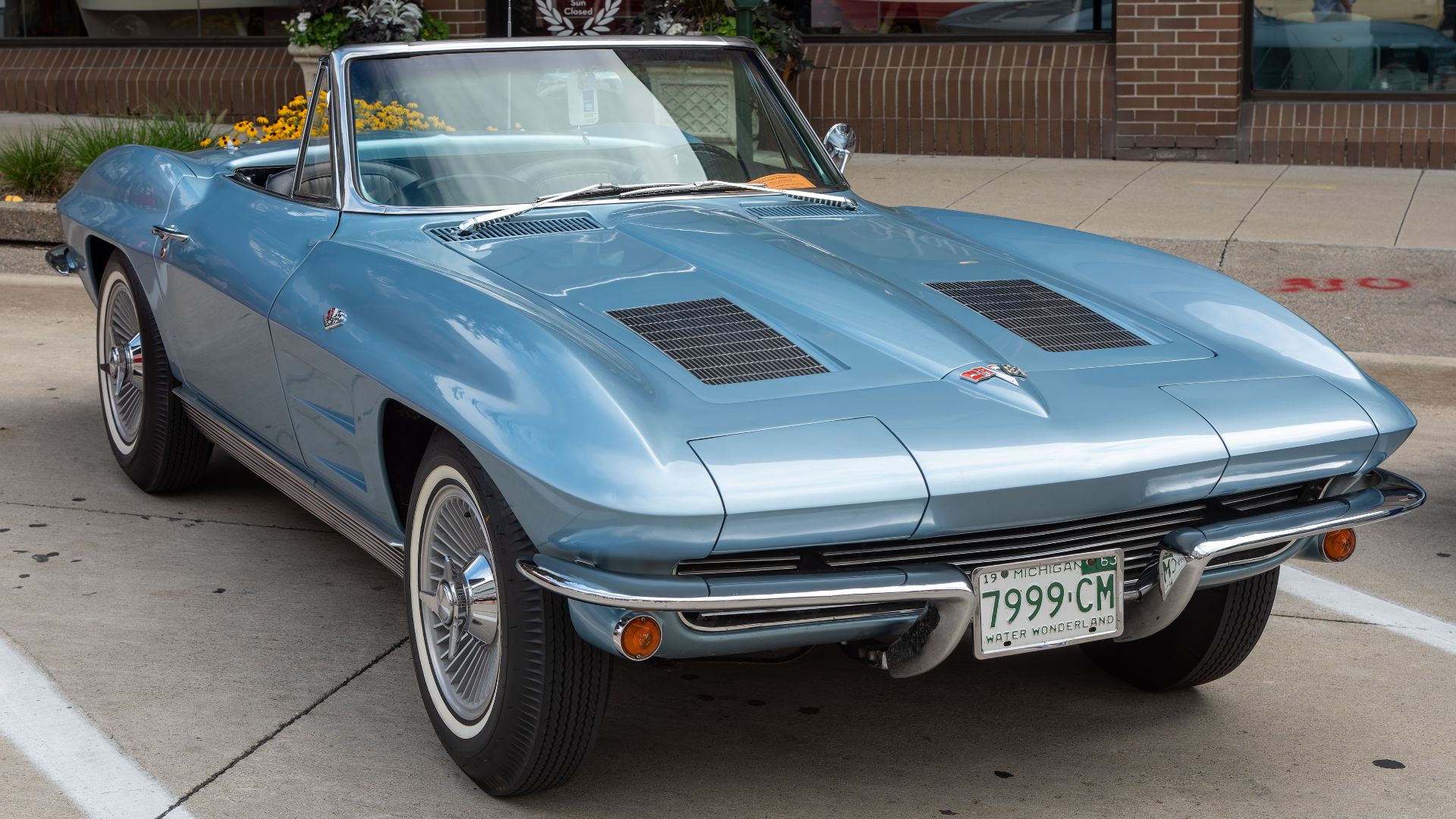
Few convertibles represented American ambition quite like the Corvette. The model entered the 1960s with V8 power and dramatic styling before gaining an independent rear suspension and a completely redesigned body for 1963. Buyers could choose increasingly powerful engines as the decade continued, turning the Corvette into both a glamorous cruiser and a serious performance car.
 Mustang Joe, Wikimedia Commons
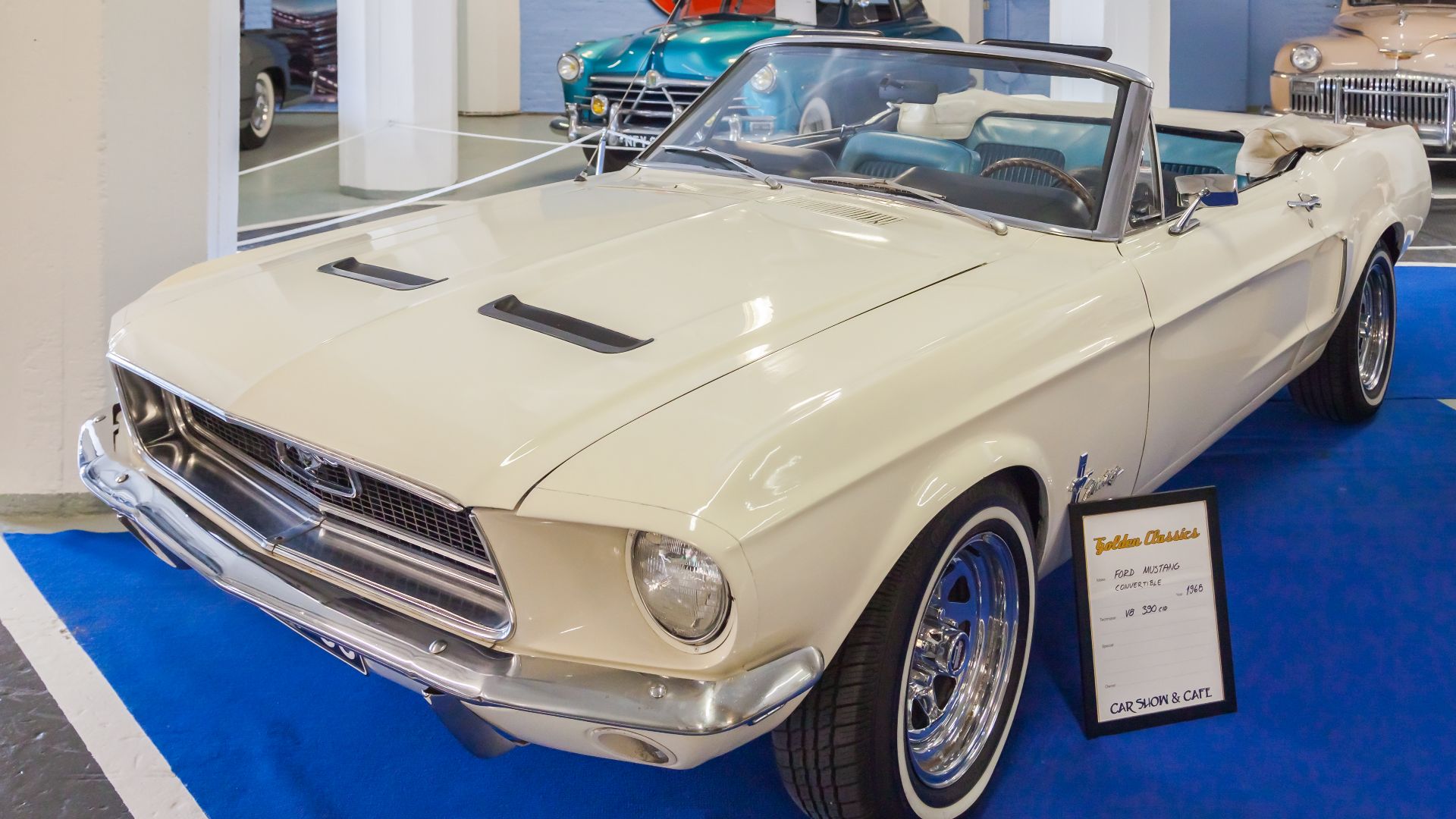
Ford Mustang
The Mustang became an immediate sensation after its public debut at the 1964 New York World’s Fair. Its convertible body, long hood, compact dimensions, and enormous selection of options made sporty driving feel attainable. Appearances in movies such as Goldfinger and Thunderball only strengthened its reputation as one of the decade’s most desirable cars.
 Diego Delso, Wikimedia Commons
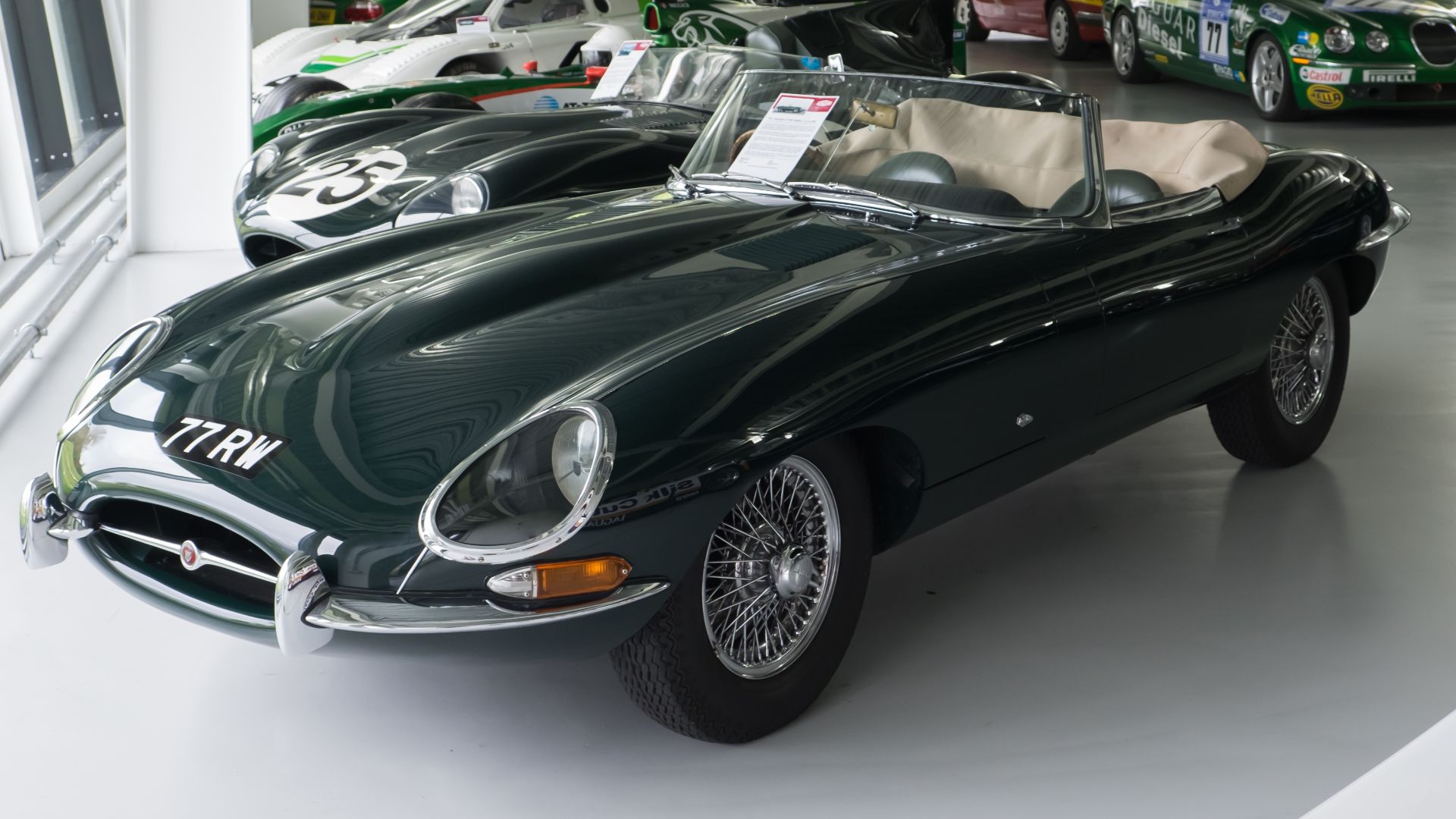
Jaguar E-Type
The Jaguar E-Type looked unlike almost anything else on the road when it arrived in 1961. Its long hood, flowing bodywork, independent rear suspension, and strong six-cylinder engine gave it genuine performance beneath the glamorous shape. The roadster quickly became one of the defining automotive status symbols of the decade.
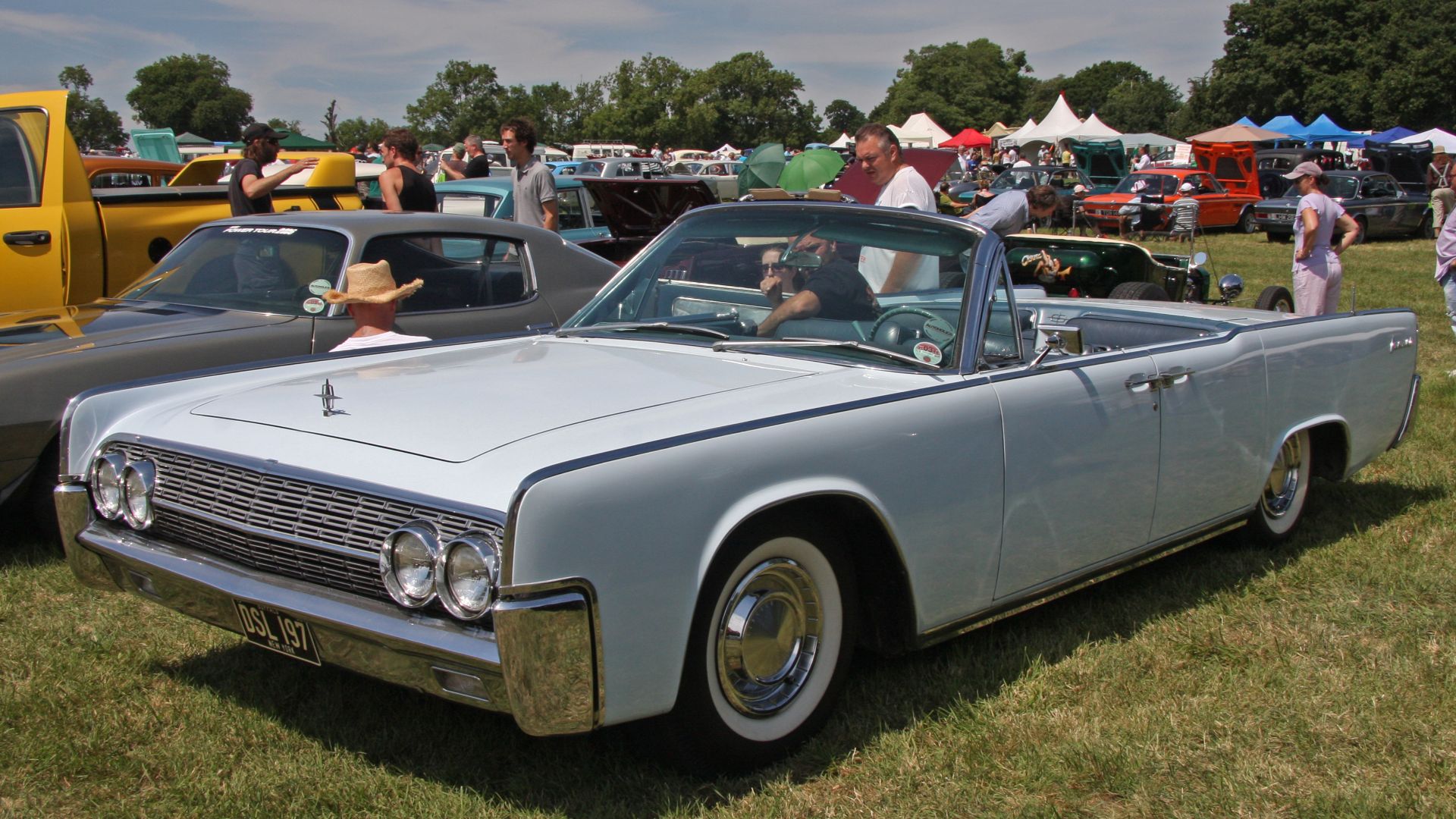
Lincoln Continental
The Lincoln Continental convertible turned open-air driving into a formal occasion. It combined a power-operated roof with four doors, restrained styling, and distinctive center-opening rear doors. Its size, complexity, and polished appearance made it a favorite among celebrities, politicians, and buyers who wanted to make an entrance.
 Brian Snelson from Hockley, Essex, England, Wikimedia Commons
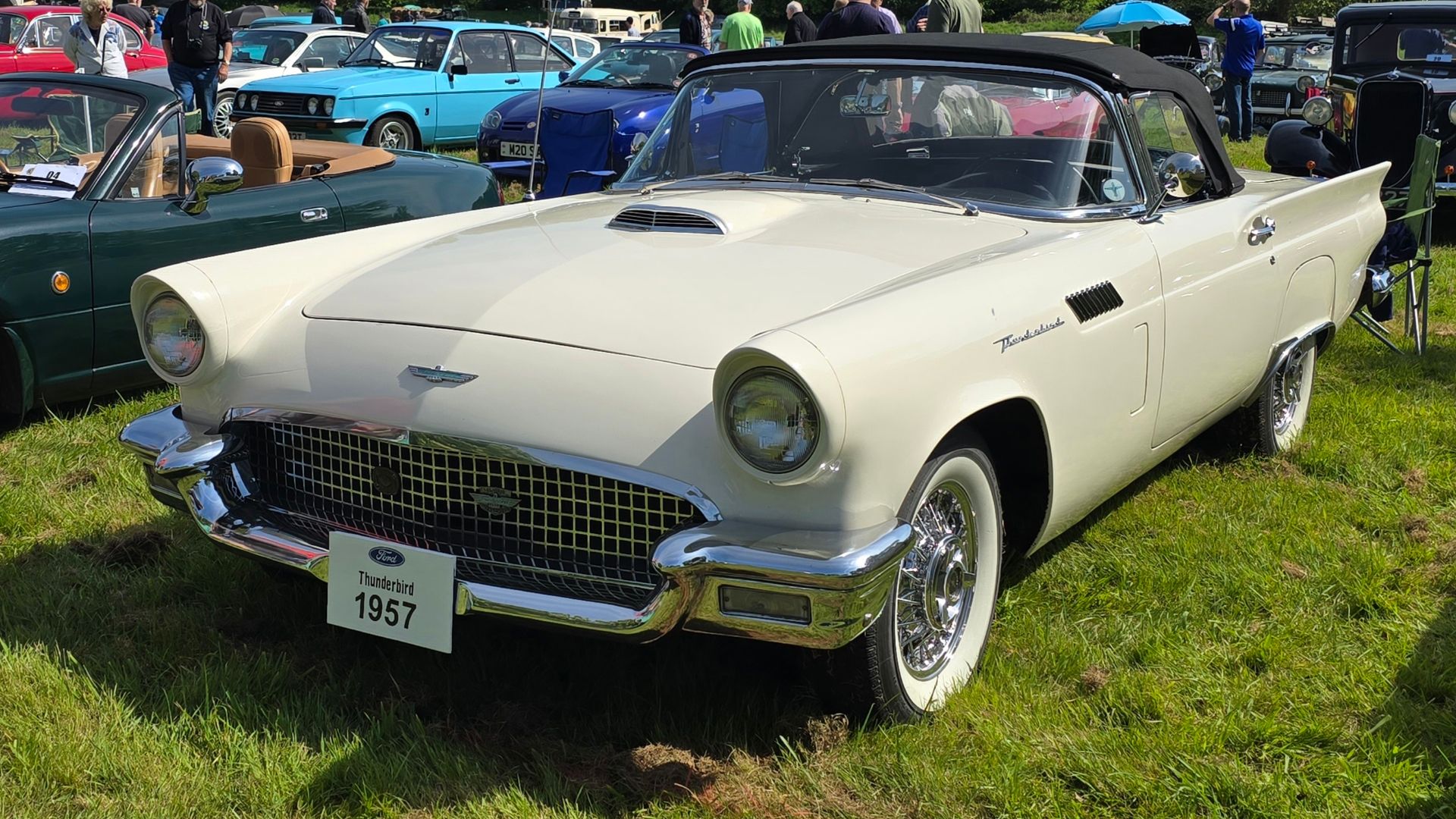
Ford Thunderbird
By the 1960s, the Thunderbird had evolved from a compact two-seat roadster into a larger personal luxury car. The convertible emphasized comfort, visual drama, and futuristic interior details rather than lightweight sports-car handling. For buyers who wanted glamour without sacrificing space, the Thunderbird was difficult to ignore.
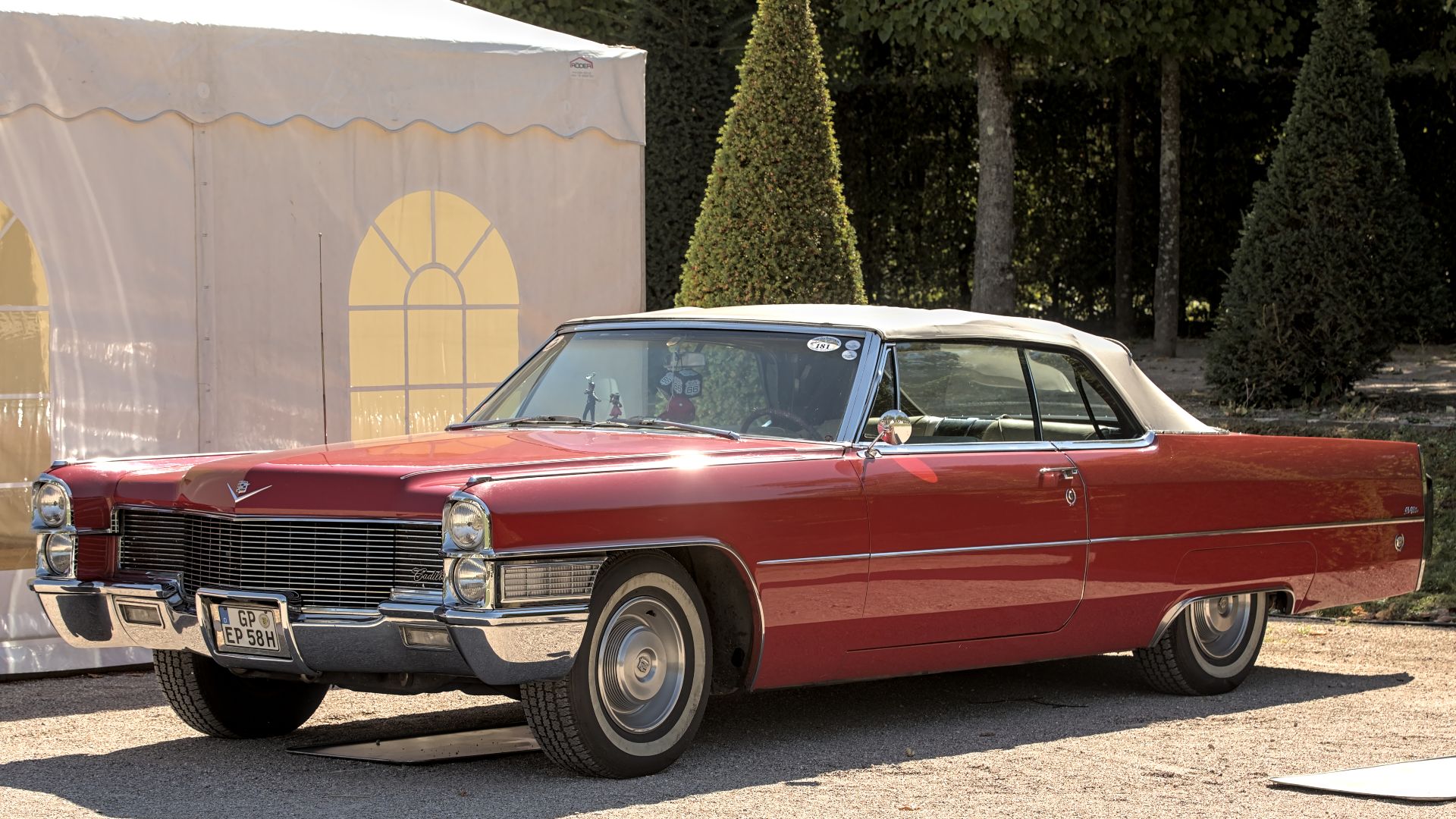
Cadillac DeVille
A Cadillac convertible was one of the clearest signs that its owner had arrived. The DeVille offered generous dimensions, powerful V8 engines, elaborate chrome detailing, and a cabin designed for effortless cruising. Driving one with the roof lowered made even an ordinary trip feel like a parade.
 Alexander Migl, Wikimedia Commons
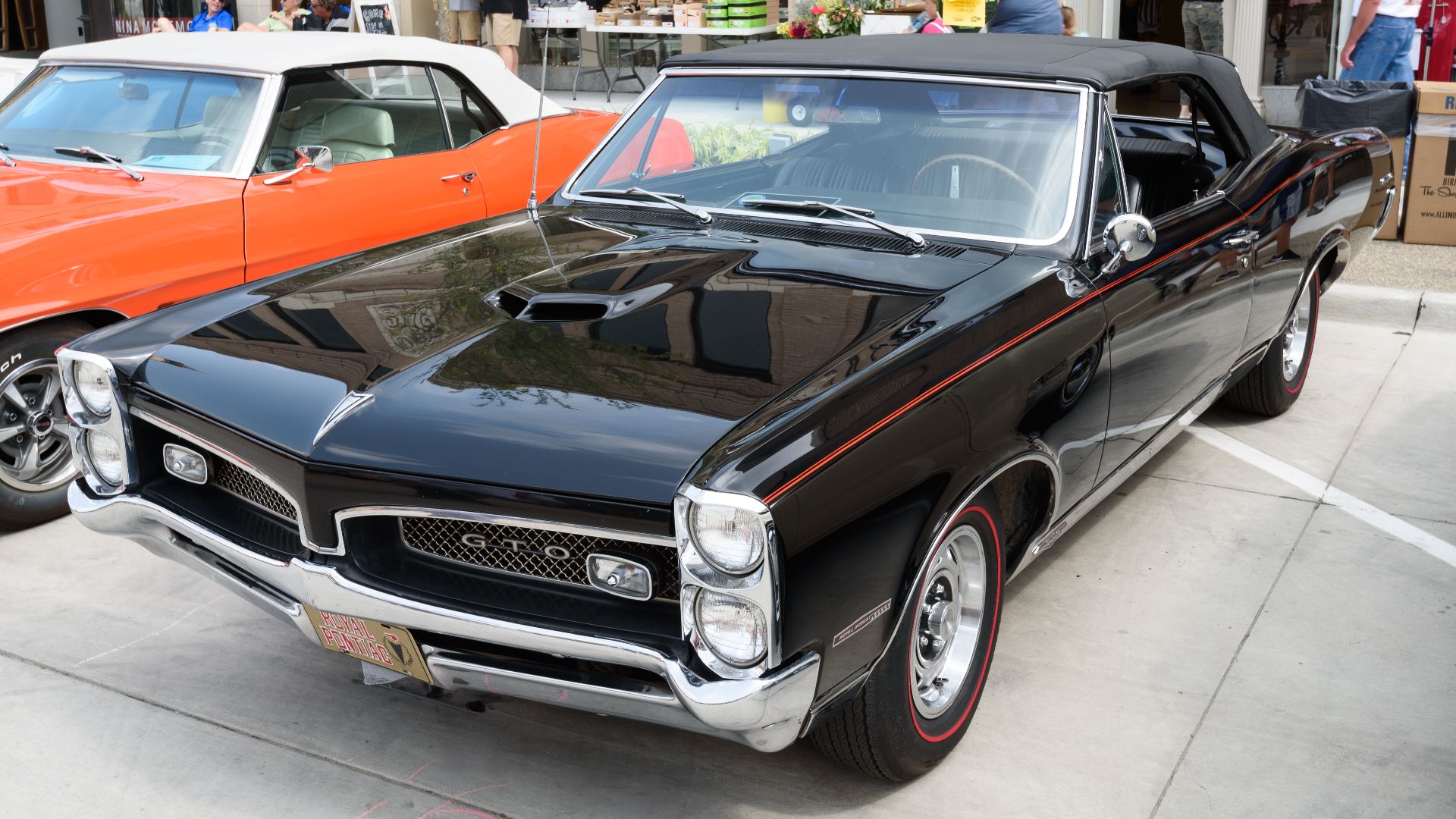
Pontiac GTO
The Pontiac GTO helped establish the muscle-car formula when it appeared for 1964. Although the coupe receives much of the attention today, Pontiac also offered a convertible for buyers who wanted V8 performance with the roof down. It combined youthful styling, strong acceleration, and enough space to bring friends along.
 Mustang Joe, Wikimedia Commons
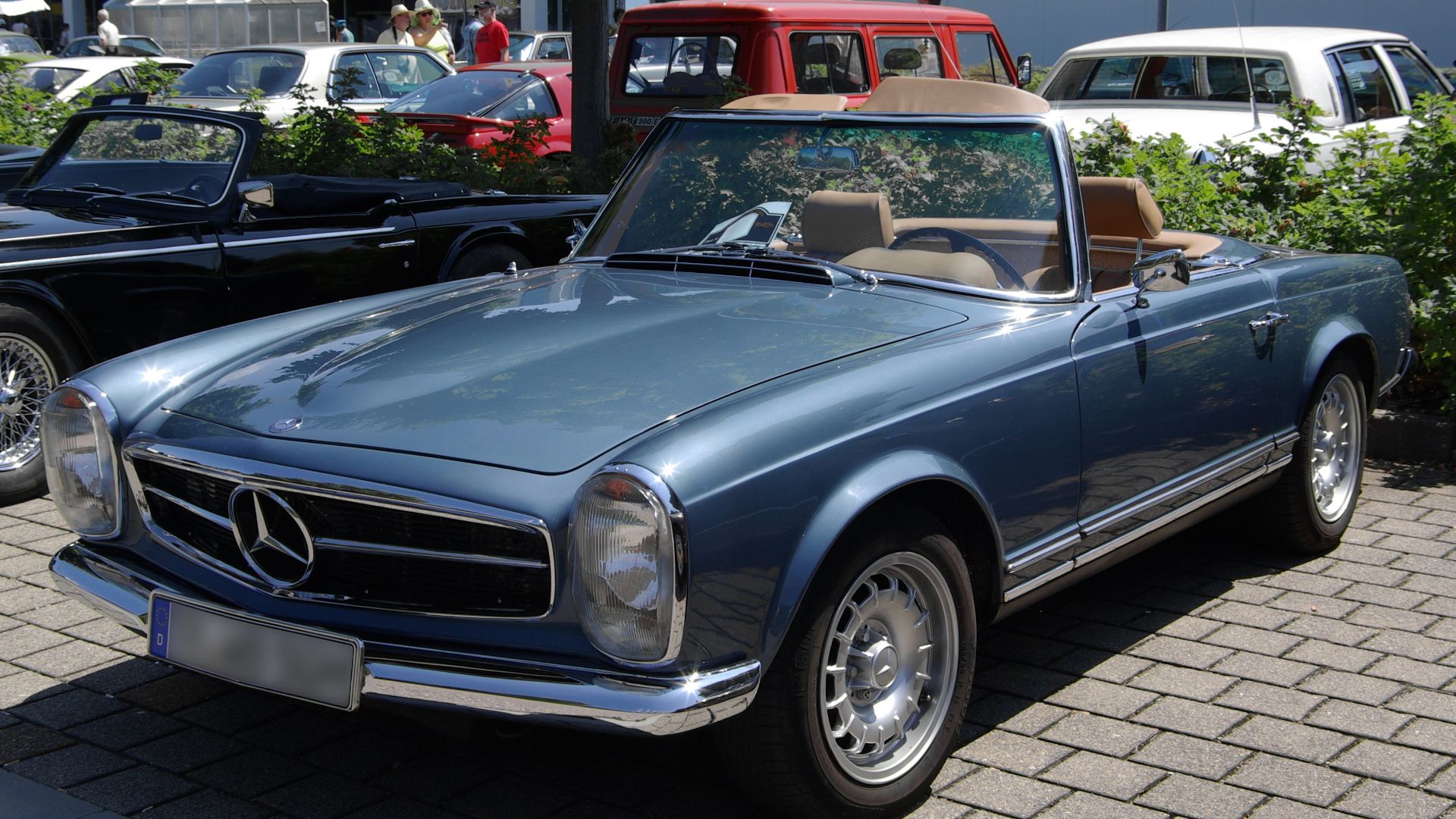
Mercedes-Benz 230 SL
Mercedes-Benz introduced the 230 SL at the Geneva Motor Show in March 1963. The sophisticated two-seat roadster blended performance, comfort, and improved safety in a way that few rivals could match. Its optional concave hardtop inspired the enduring “Pagoda” nickname, although the car looked equally elegant with the roof folded away.
 Berthold Werner, Wikimedia Commons
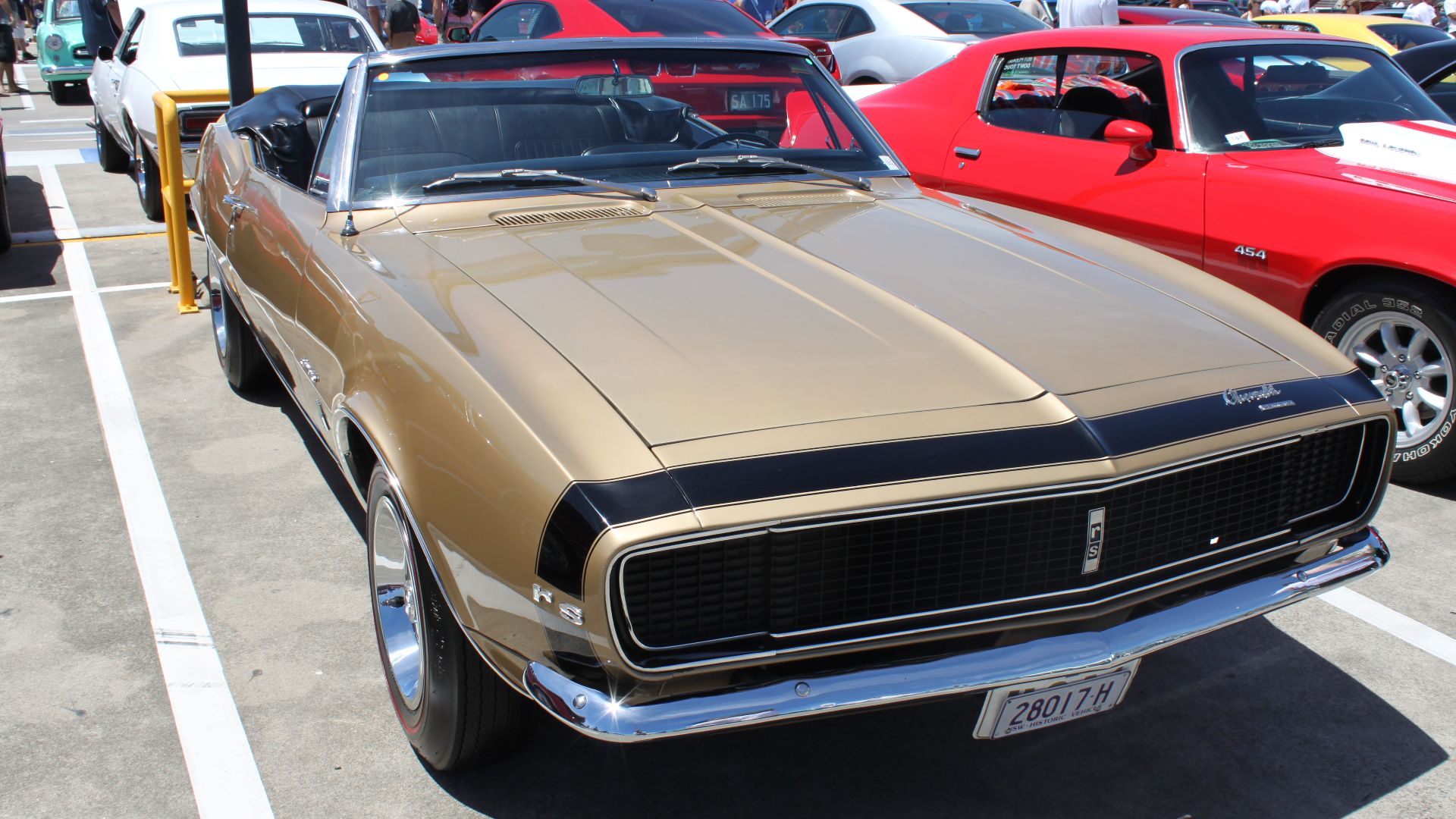
Chevrolet Camaro
Chevrolet responded to the Mustang with the Camaro for 1967, and a convertible was available from the beginning. Buyers could order anything from a relatively mild six-cylinder model to a powerful V8 version with serious performance credentials. By 1969, the Camaro’s aggressive shape and growing racing reputation had made it a dream car for a new generation.
 Jeremy from Sydney, Australia, Wikimedia Commons
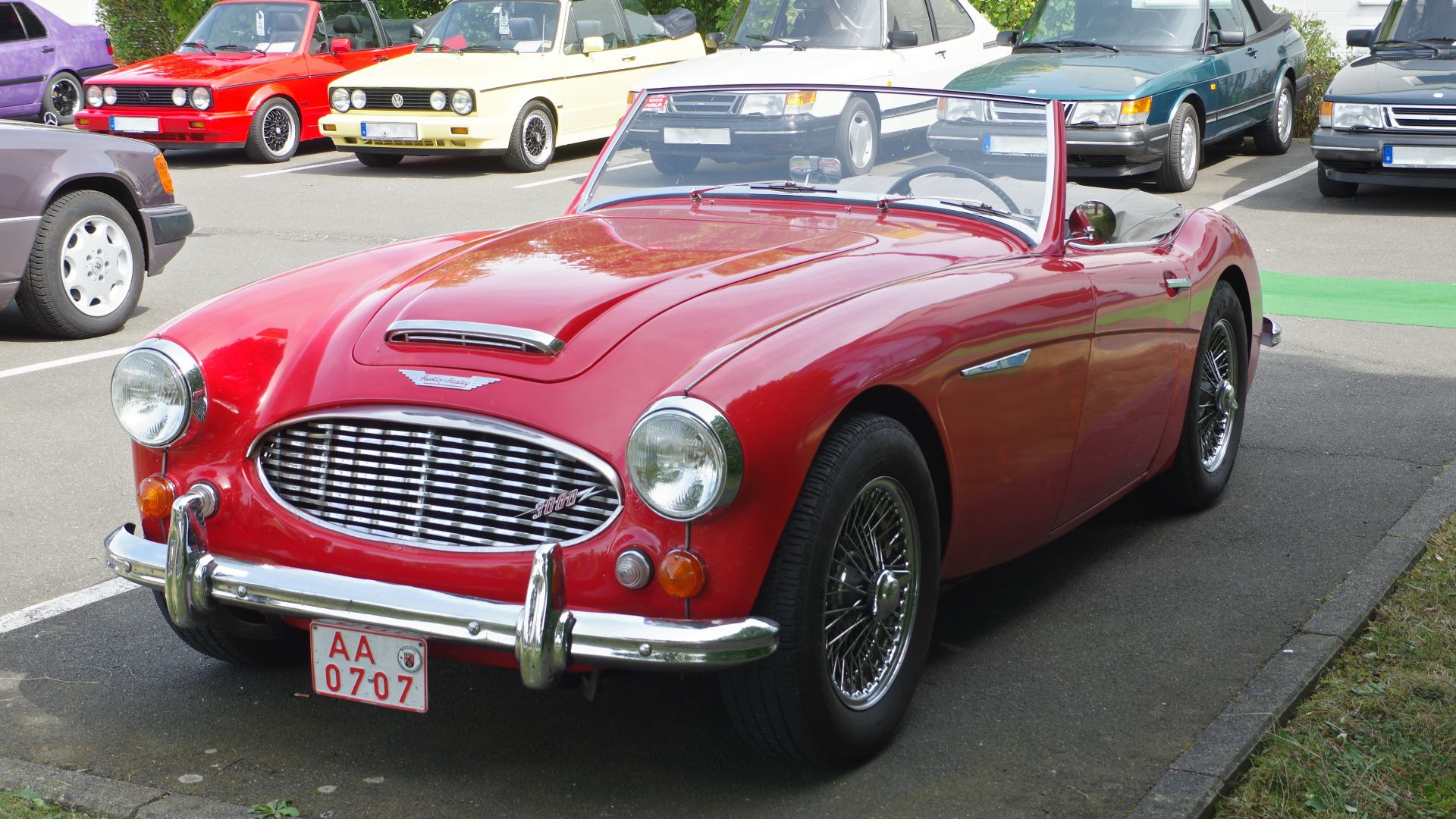
Austin-Healey 3000
The Austin-Healey 3000 offered more muscle than many of the smaller British roadsters surrounding it. Its six-cylinder engine, long hood, compact cabin, and unmistakable exhaust note gave it a tougher personality than an MG or Triumph. The final Mark III versions also added enough comfort and refinement to make longer journeys more appealing.
 Berthold Werner, Wikimedia Commons
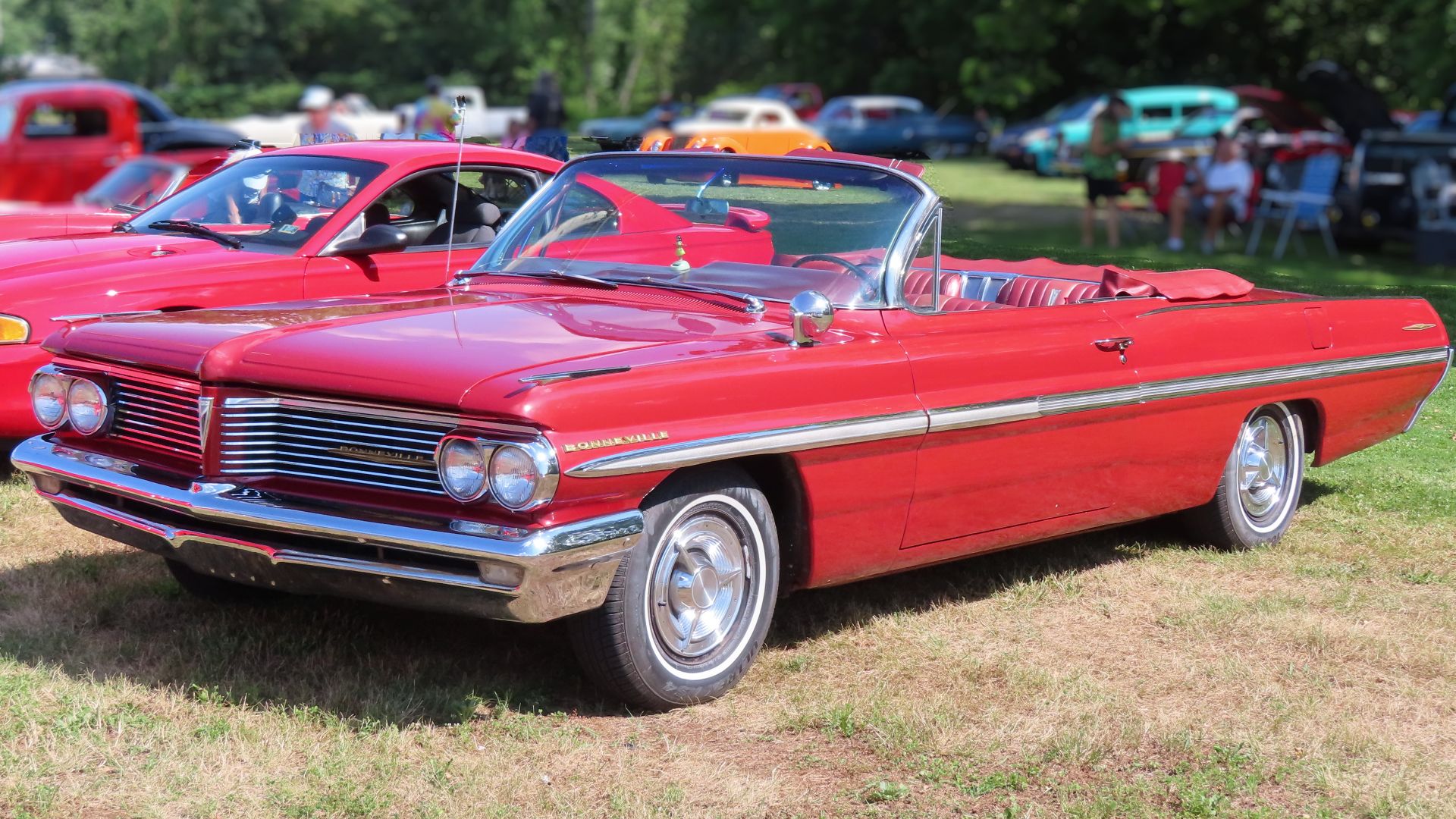
Pontiac Bonneville
The Bonneville convertible proved that a dream car did not need to be small. It offered broad seating, powerful V8 engines, dramatic styling, and enough road presence to dominate a beach boulevard. For many families, it was both a luxury car and the ultimate summer vacation machine.
 MercurySable99, Wikimedia Commons
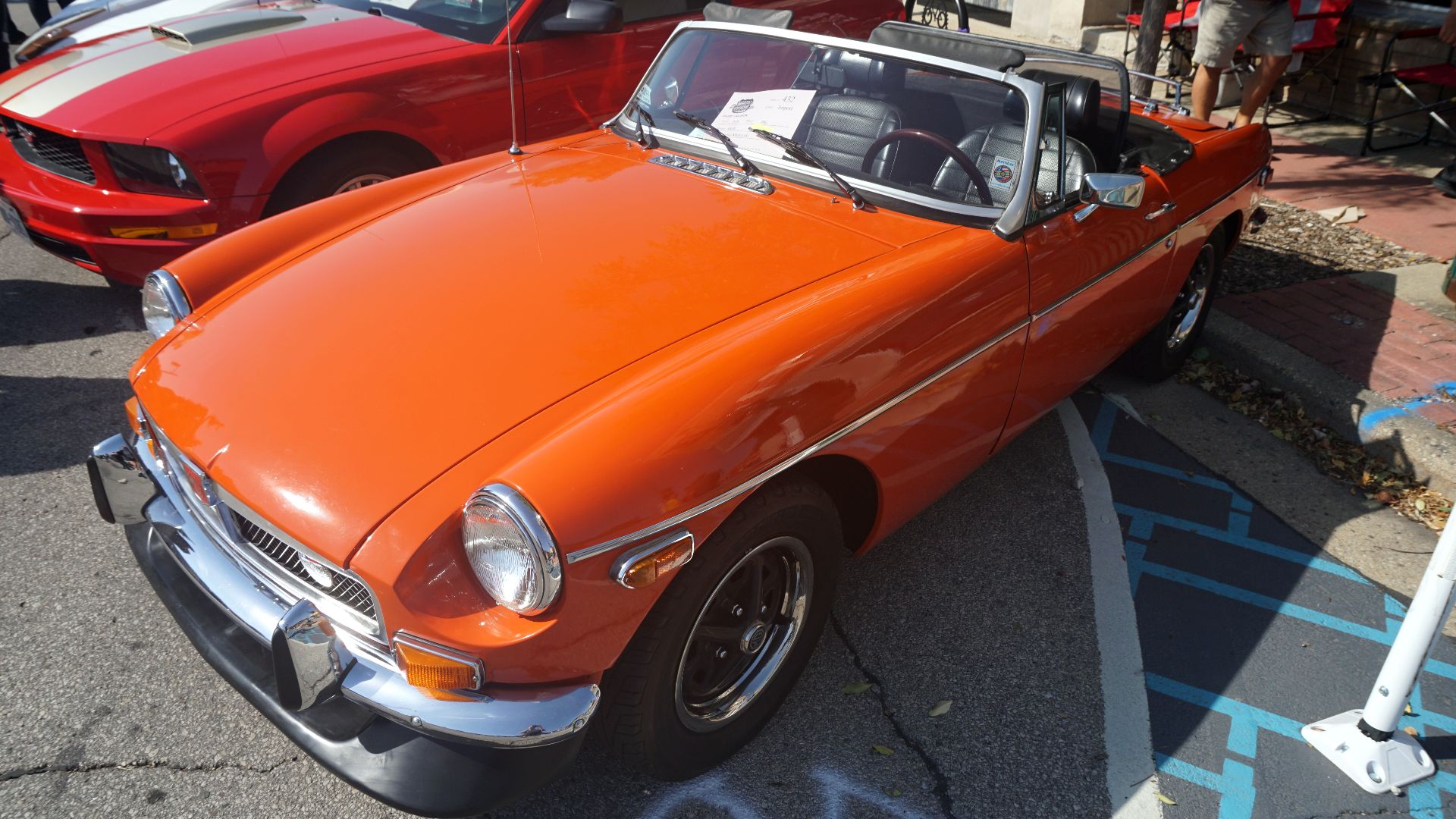
MGB
The MGB arrived in 1962 and quickly became a major success, especially in the United States. It was affordable, attractive, enjoyable to drive, and considerably easier to live with than many exotic European machines. The early cars’ chrome-ringed gauges, toggle switches, and optional wire wheels gave buyers plenty of traditional British charm.
 Michael Barera, Wikimedia Commons
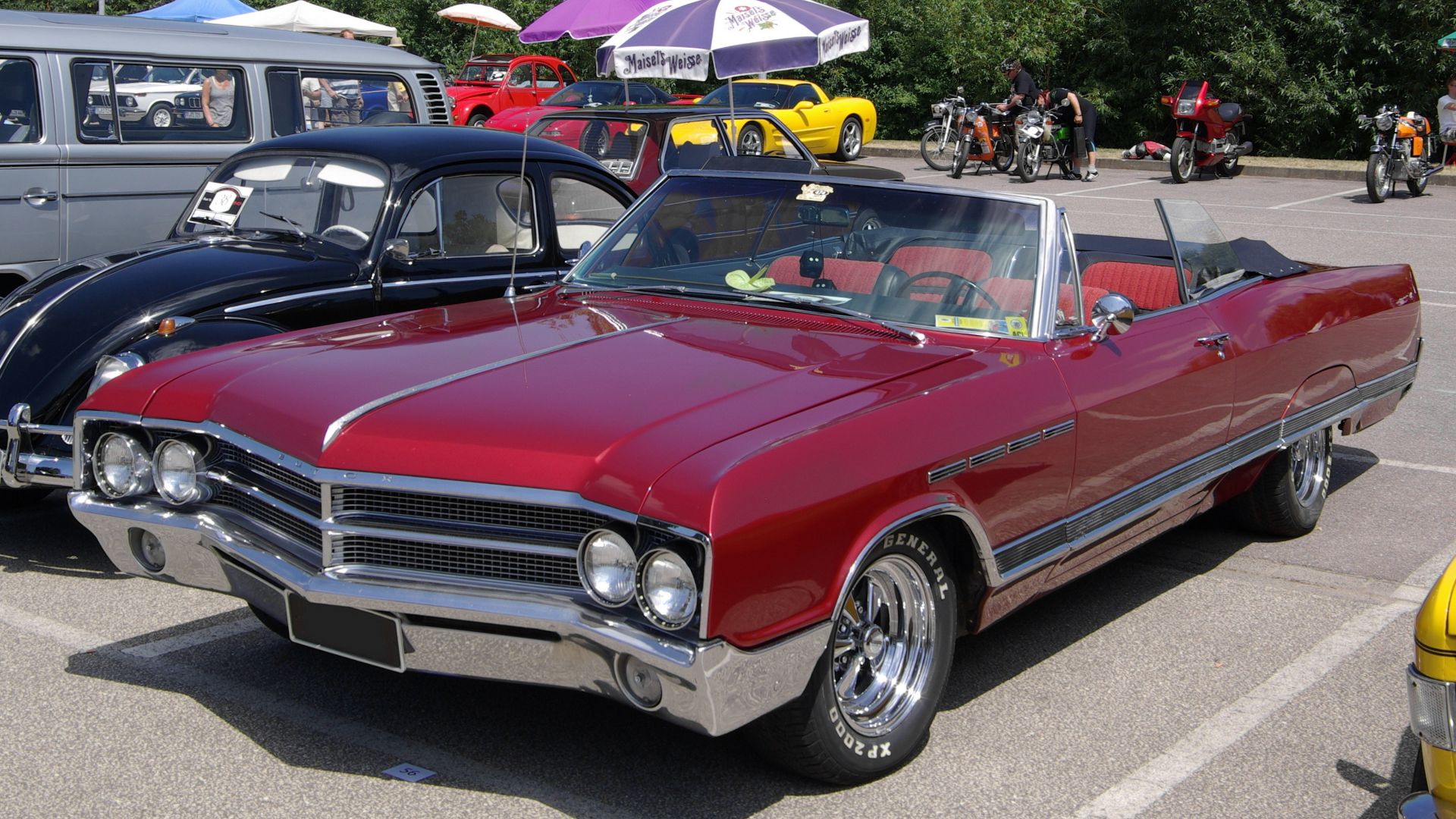
Buick Electra 225
The Buick Electra 225 convertible was built for drivers who believed bigger was better. Its name referred to its imposing 225-inch length when the model was introduced, and later examples remained enormous by modern standards. With smooth V8 power and a spacious interior, it delivered relaxed open-air travel on a grand scale.
 Berthold Werner, Wikimedia Commons
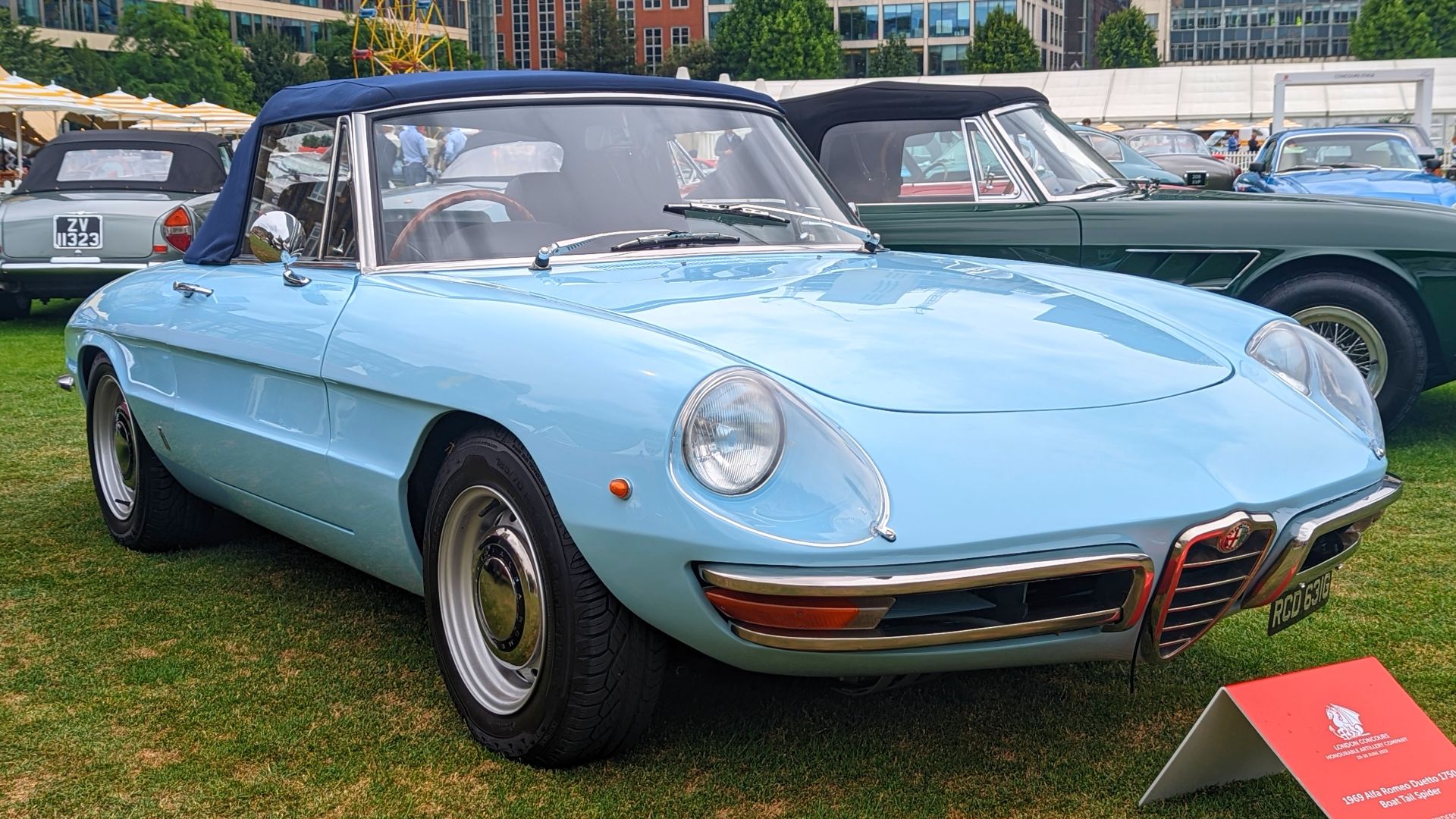
Alfa Romeo Spider
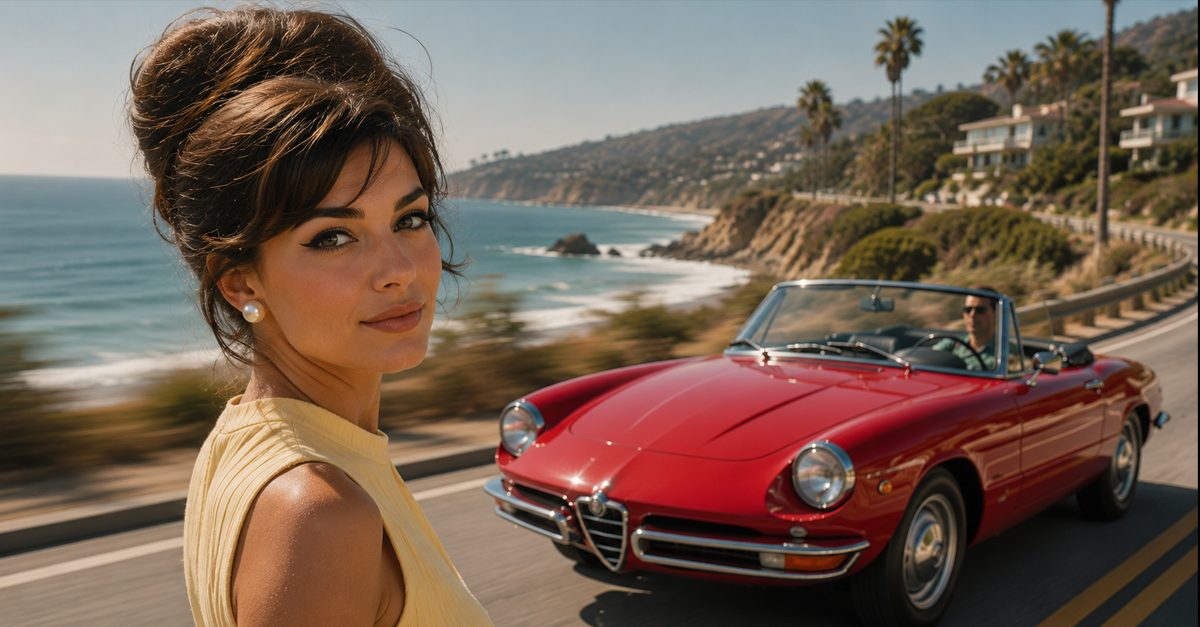
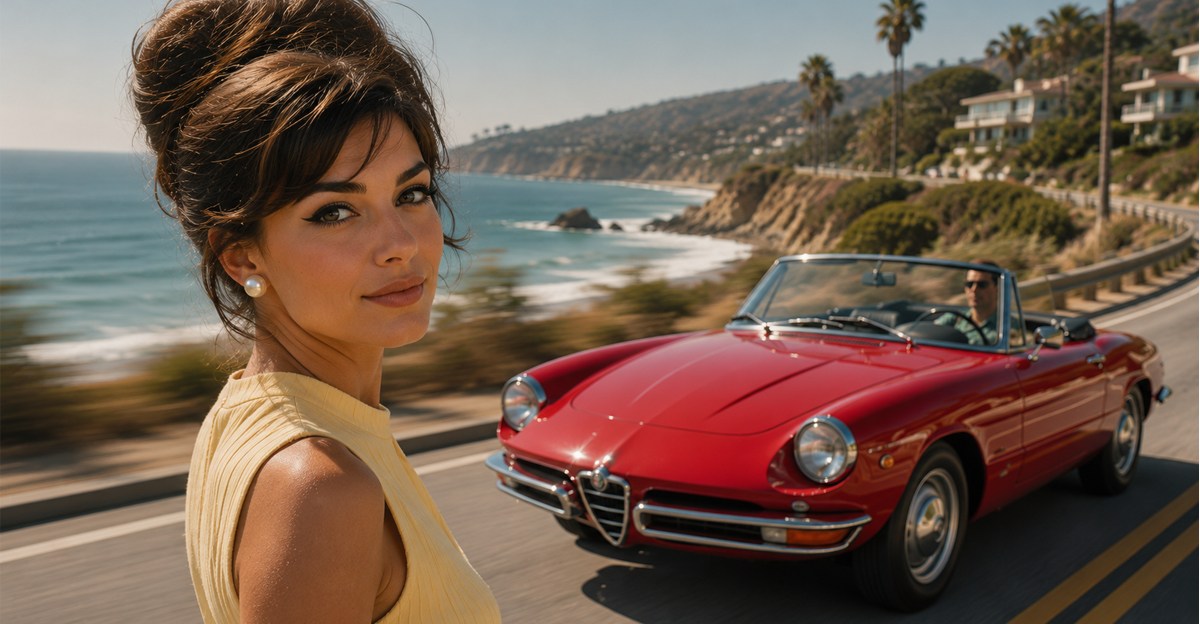
Alfa Romeo introduced its new Spider in 1966 as a modern replacement for its aging Giulietta-based roadsters. Pininfarina created a sleek body with a distinctive rounded tail, while Alfa supplied responsive handling and a lively twin-cam engine. Its appearance in The Graduate soon helped turn it into an international symbol of youthful sophistication.
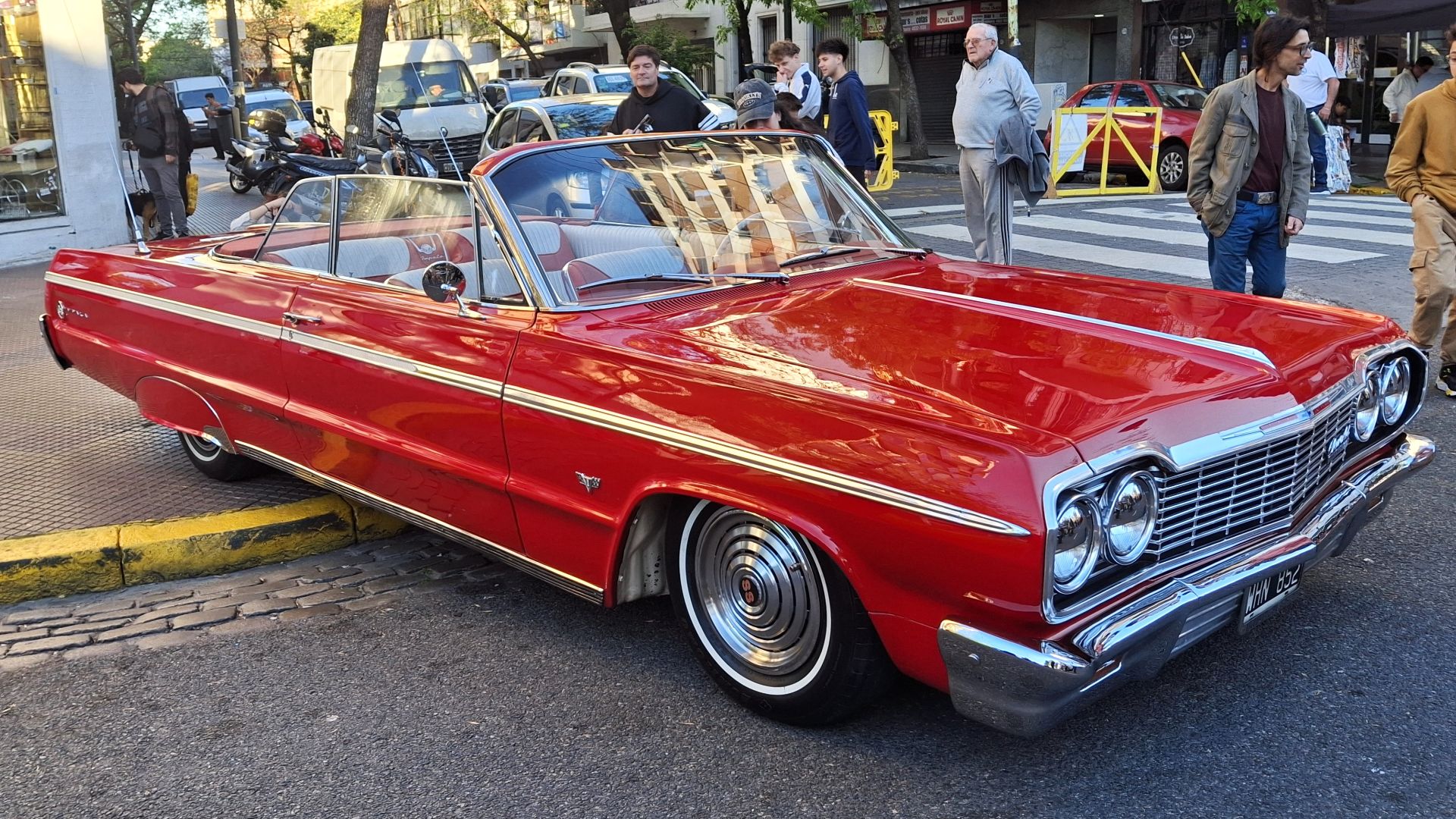
Chevrolet Impala
The Impala convertible brought open-air motoring to Chevrolet’s full-size lineup. It could serve as a comfortable family car, a stylish boulevard cruiser, or a surprisingly quick performer when ordered with one of Chevrolet’s larger V8 engines. Its familiar name and accessible positioning made the convertible dream possible for more buyers.
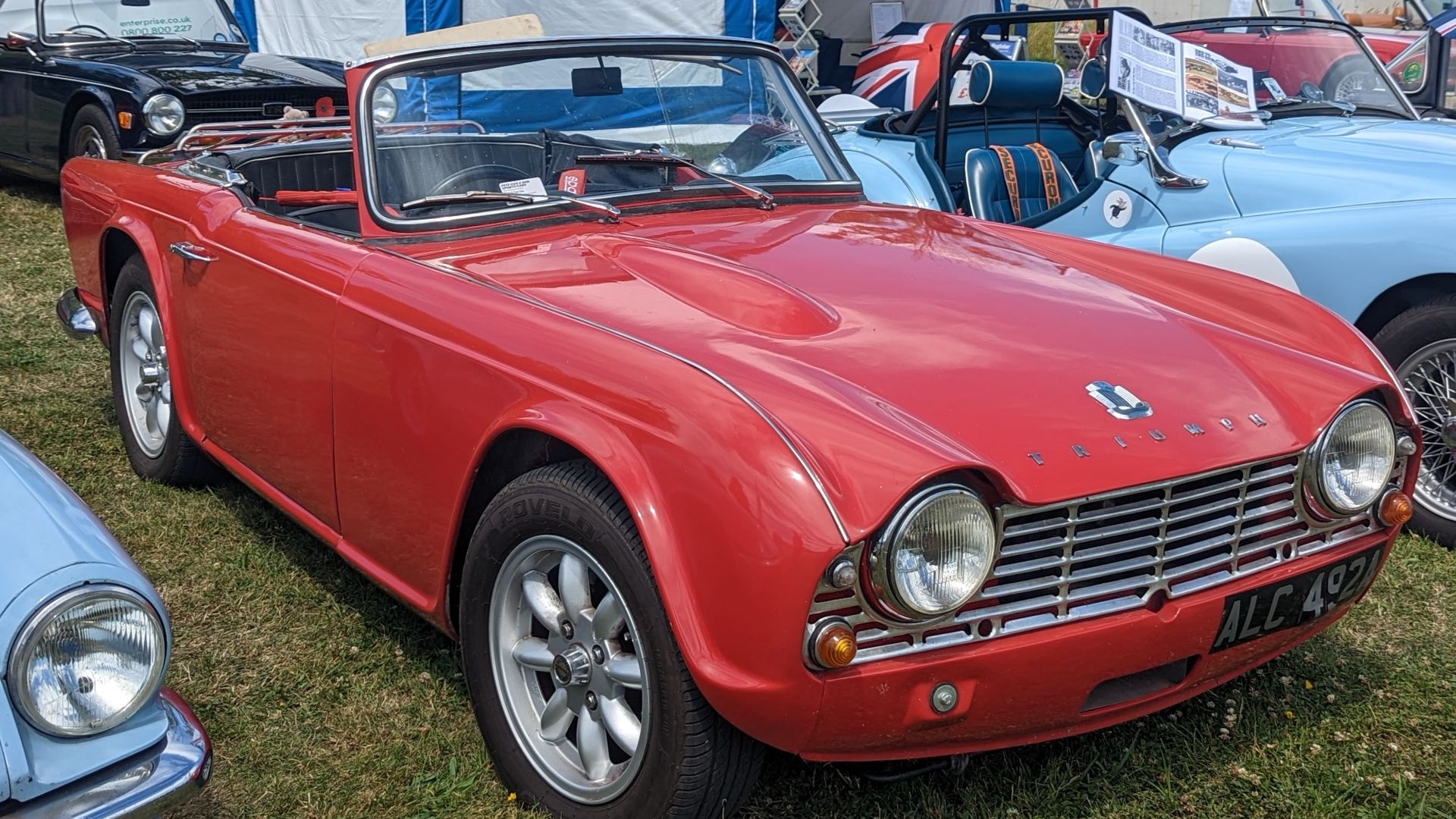
Triumph TR4
The Triumph TR4 modernized the traditional British roadster when it arrived in 1961. Its Michelotti-designed body looked crisp and contemporary, while features such as roll-up windows made it more practical than many earlier sports cars. It remained simple and engaging enough to satisfy drivers who wanted an authentic open-road experience.
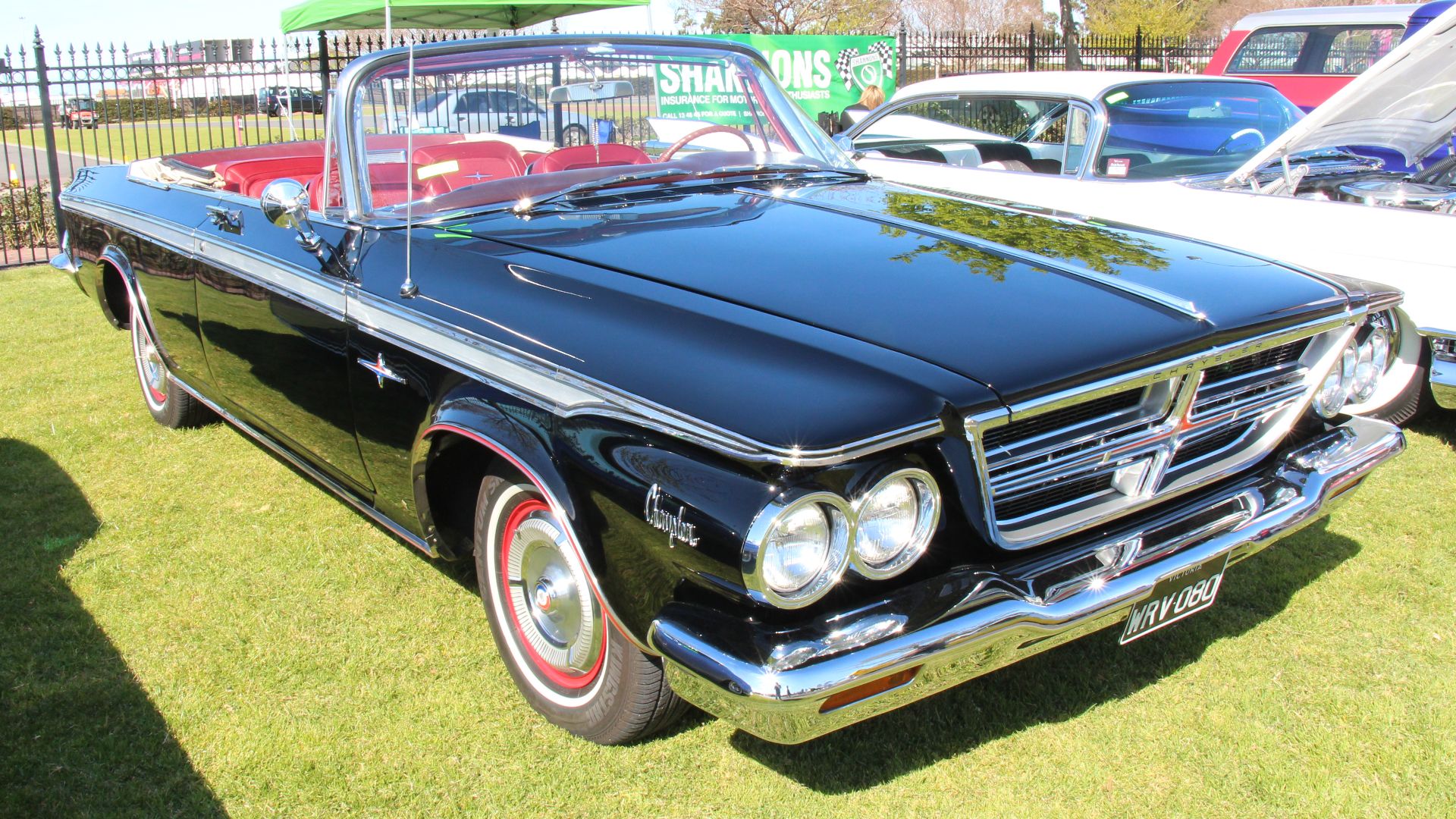
Chrysler 300
The Chrysler 300 convertible combined size, power, and understated authority. By the middle of the decade, it had become a luxurious open car with broad proportions and effortless highway performance. It was less flamboyant than some rivals, which gave it a confident appeal that has aged remarkably well.
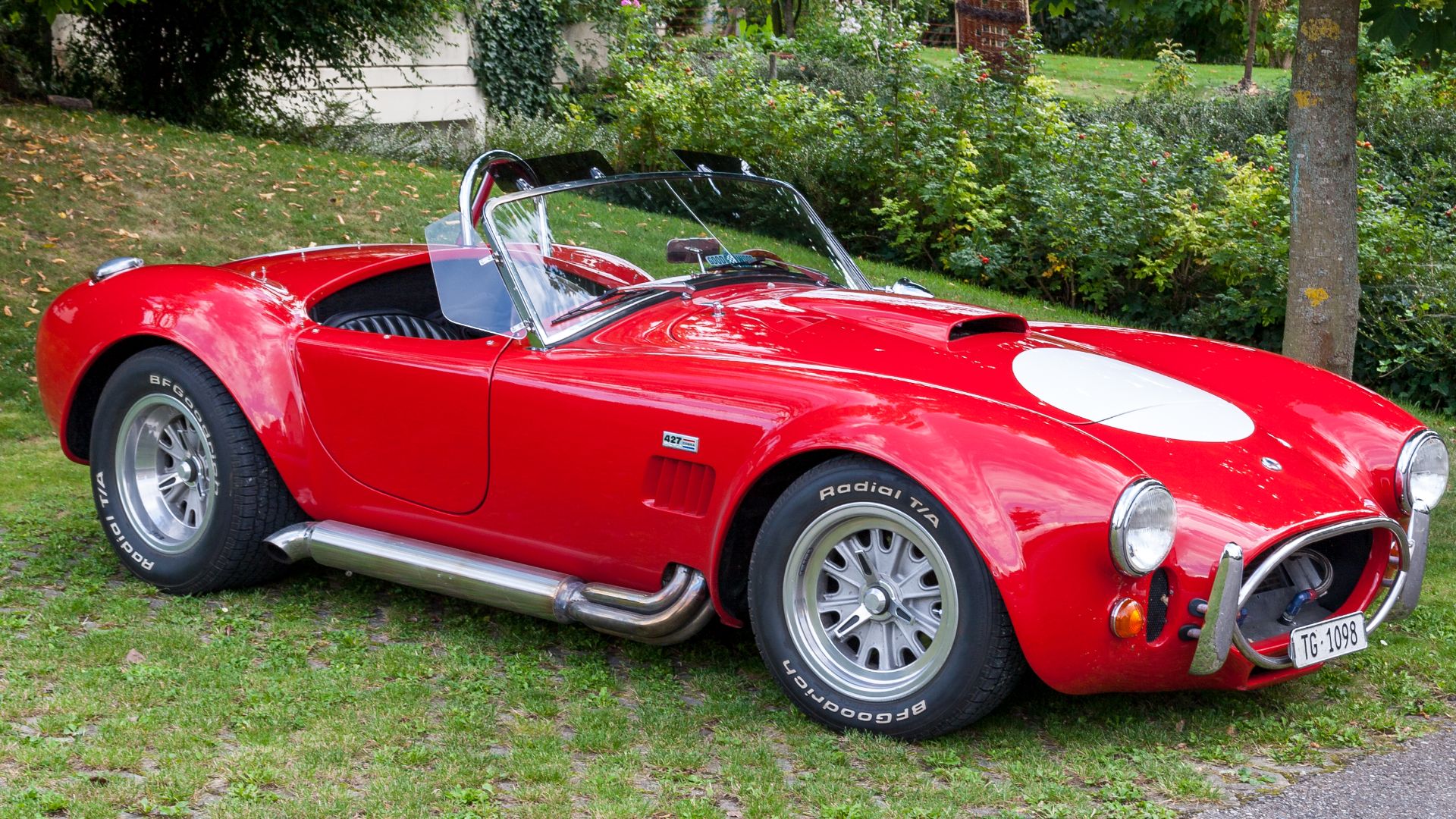
AC Cobra
The Cobra was created by combining a lightweight British roadster body with American Ford V8 power. Carroll Shelby’s creation delivered acceleration and excitement that few street cars could approach during the 1960s. Its flared body, side exhausts, and enormous performance eventually made it one of the most copied and valuable sports cars ever produced.
 JoachimKohler-HB, Wikimedia Commons
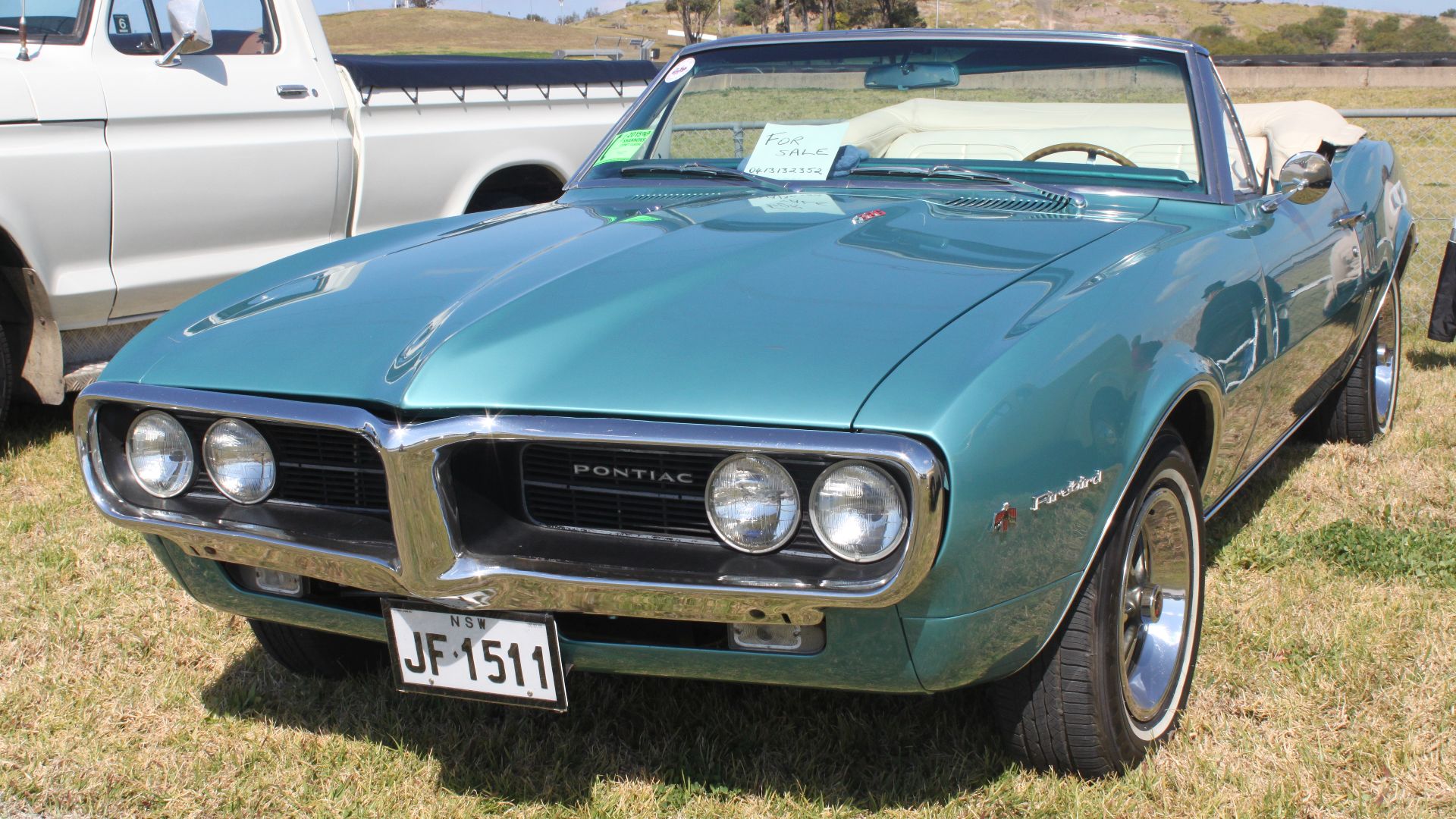
Pontiac Firebird
Pontiac introduced the Firebird for 1967 using the same basic platform as the Chevrolet Camaro. Pontiac gave it distinctive styling and a broad engine lineup that ranged from economical six-cylinder power to muscular V8 performance. The convertible offered a slightly more sophisticated alternative for buyers who wanted something beyond a Mustang or Camaro.
 Jeremy from Sydney, Australia, Wikimedia Commons
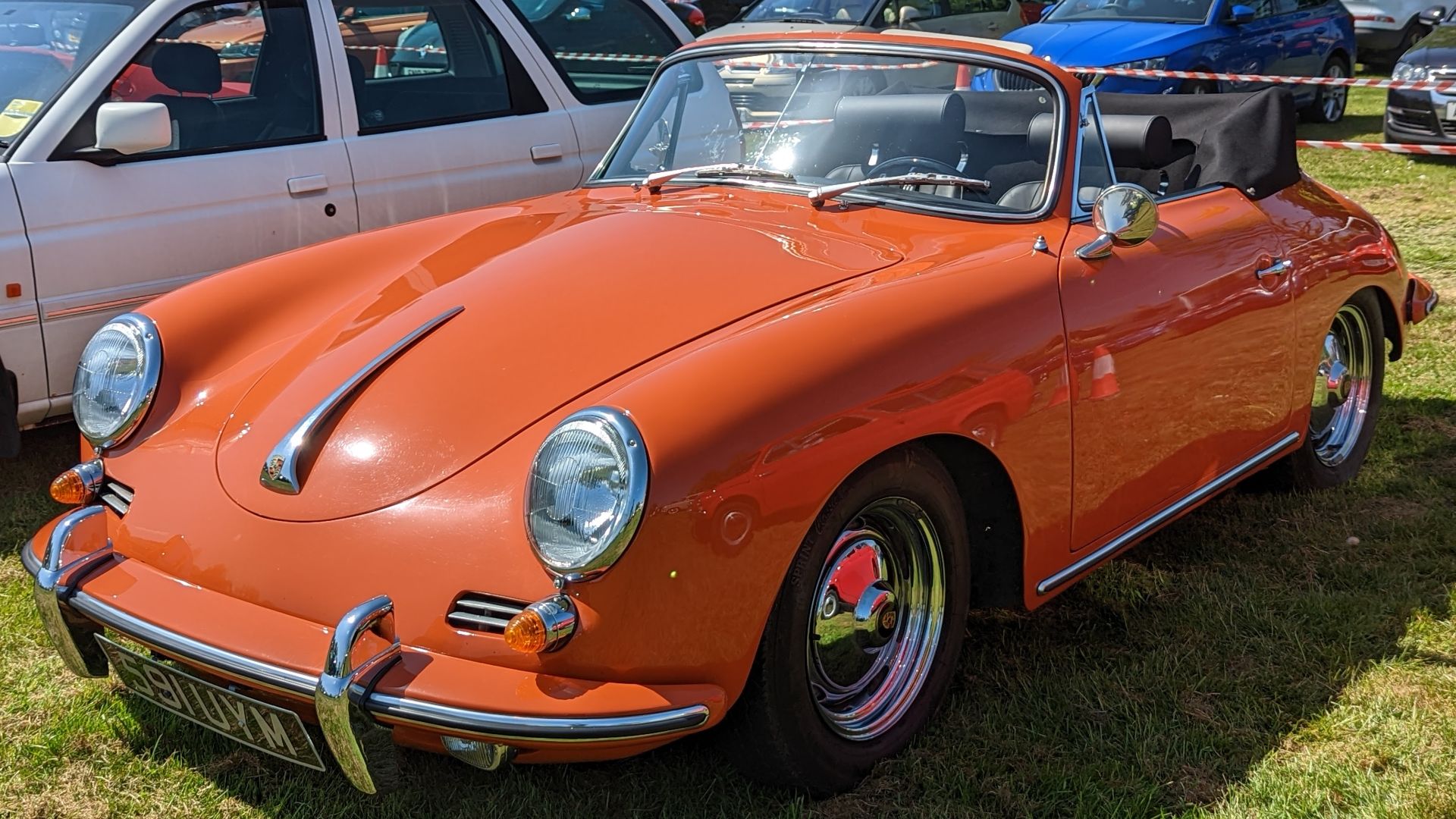
Porsche 356 Cabriolet
The Porsche 356 Cabriolet offered a very different kind of performance from the big American convertibles. Its modest dimensions, light weight, rear-mounted engine, and precise handling rewarded drivers who valued balance over brute force. Production continued into the middle of the decade before the 356 gave way to the newer 911 family.
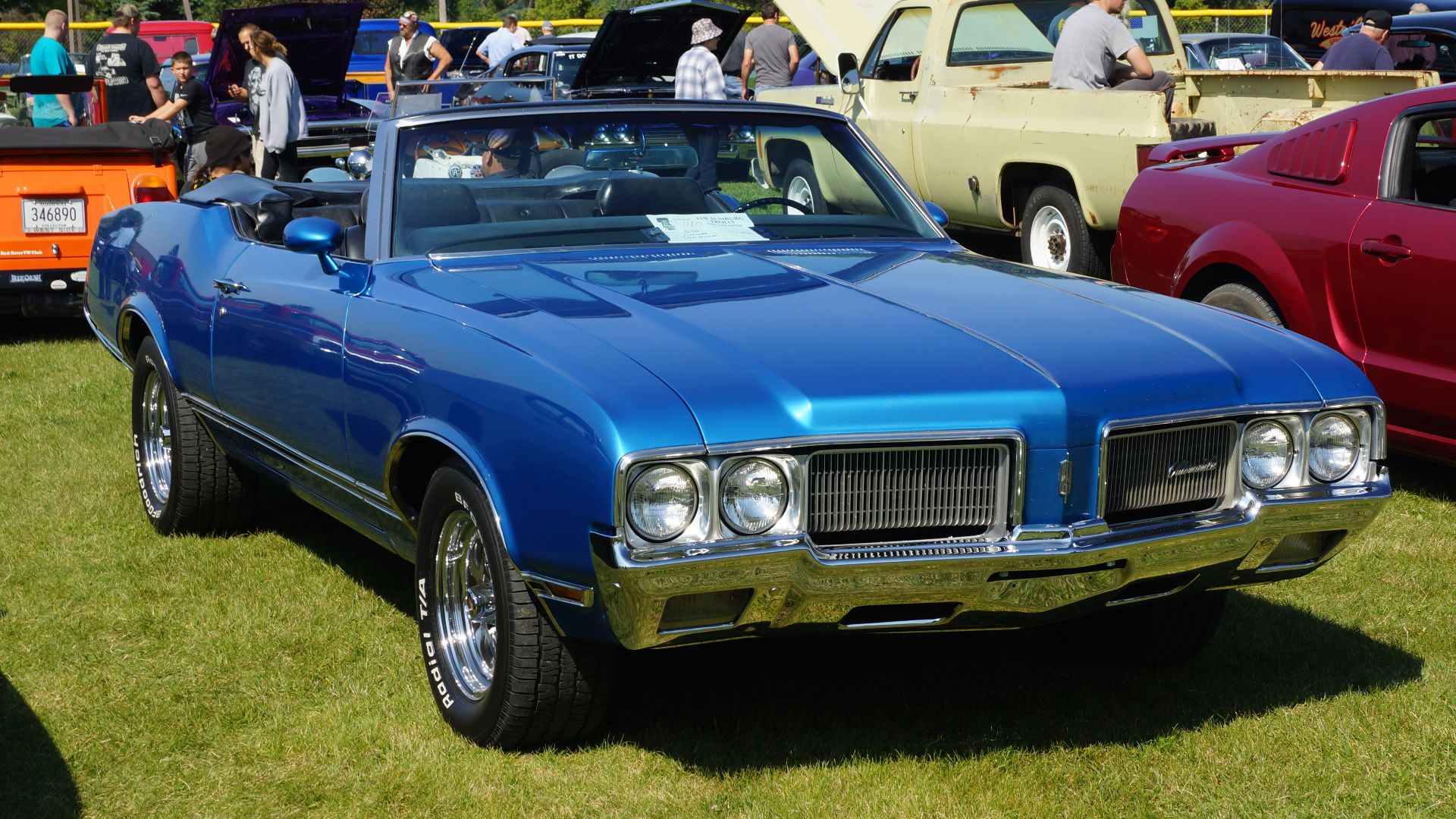
Oldsmobile 4-4-2
Oldsmobile’s 4-4-2 began as a performance package before becoming a separate model for 1968. Convertible versions paired strong V8 engines with a more mature appearance than some competing muscle cars. It appealed to drivers who wanted speed but still expected comfort, quality, and an upscale interior.
 Greg Gjerdingen from Willmar, USA, Wikimedia Commons
Fiat 124 Sport Spider
The Fiat 124 Sport Spider made its debut in 1966 with elegant Pininfarina styling. It used much of the mechanical foundation of the Fiat 124 sedan but wrapped it in a low, balanced body designed specifically for open-air driving. Its combination of Italian design, manageable performance, and attainable pricing gave it broad international appeal.
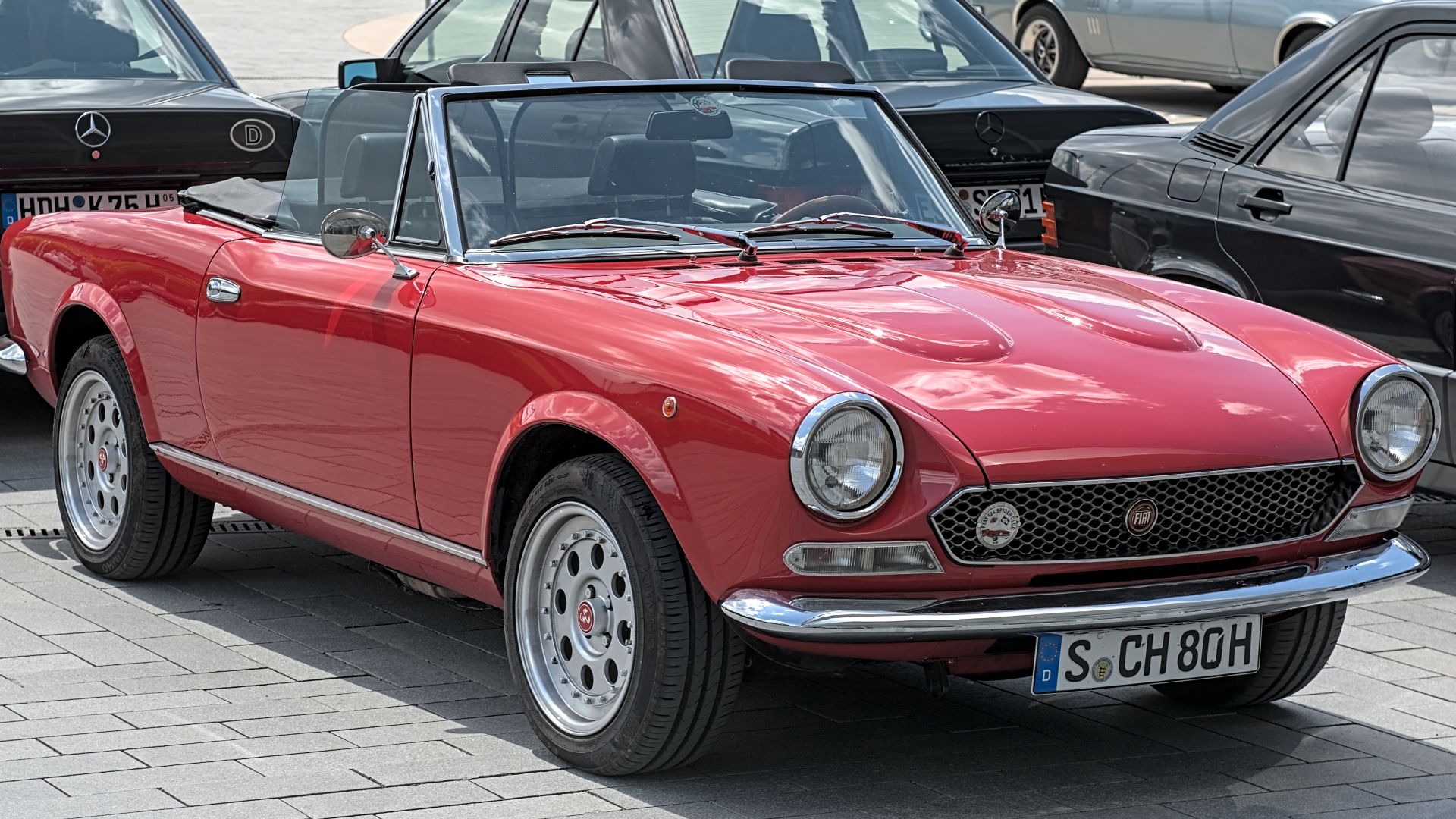 Alexander Migl, Wikimedia Commons
Plymouth Barracuda
Plymouth introduced the Barracuda shortly before the Mustang arrived, making it one of the earliest compact sporty cars of the era. A convertible joined the lineup for 1967, when the second generation adopted more muscular styling and a wider selection of engines. It never matched the Mustang’s sales, but its relative rarity now makes it especially interesting.
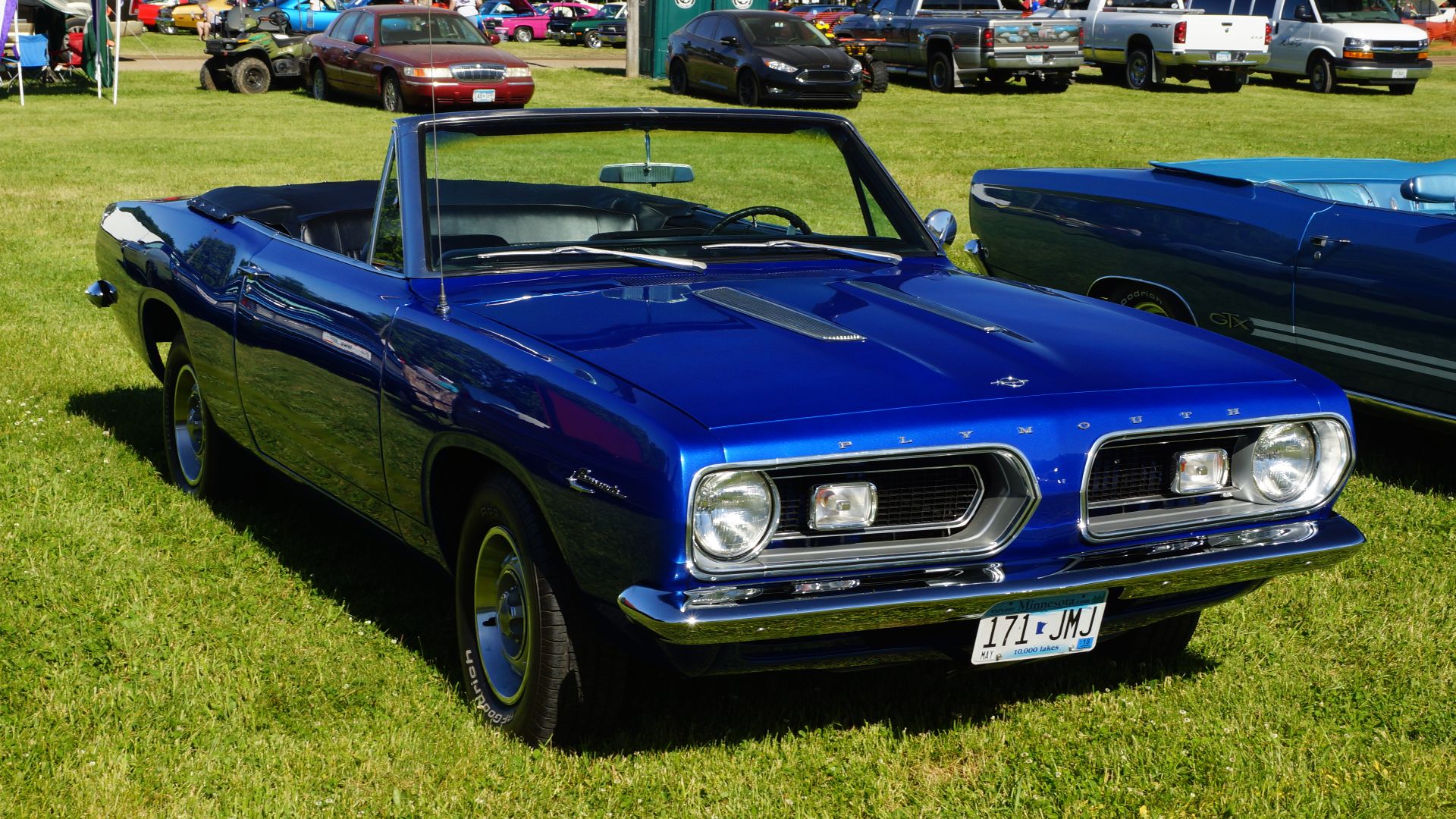 Greg Gjerdingen from Willmar, USA, Wikimedia Commons
Sunbeam Alpine
The Sunbeam Alpine offered a gentler version of the British sports-car experience. It was not as sharp or aggressive as an MGB or Triumph, but its comfortable ride and relaxed road manners made it easy to enjoy. Its tidy proportions also helped it become a popular and attainable choice among American roadster buyers.
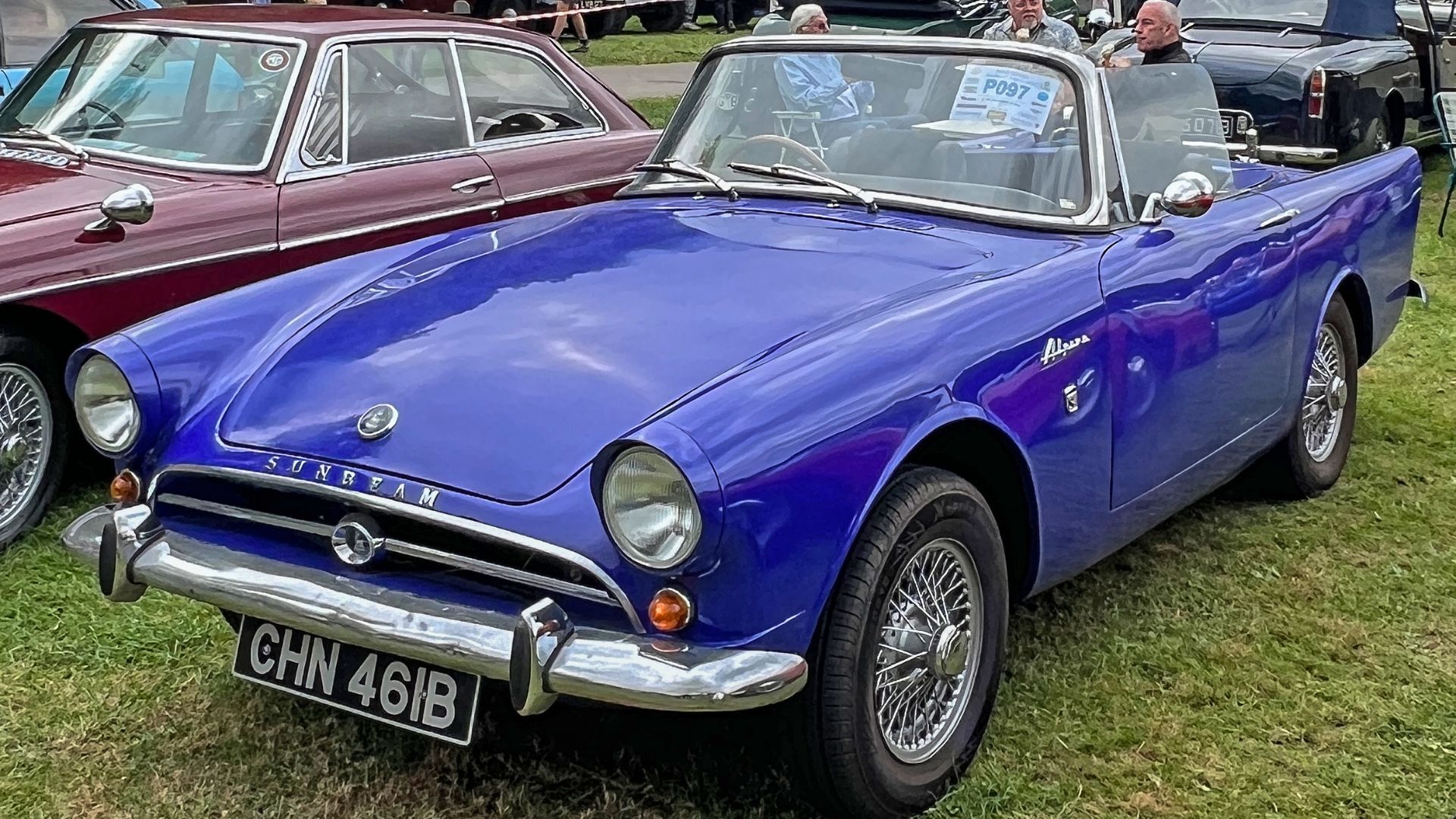
Dodge Dart GT
The Dodge Dart GT convertible gave buyers a sporty appearance without requiring an enormous budget. Depending on the year and options, it could be ordered with economical six-cylinder power or one of Dodge’s livelier V8 engines. Its manageable dimensions made it a more practical everyday choice than many full-size convertibles.
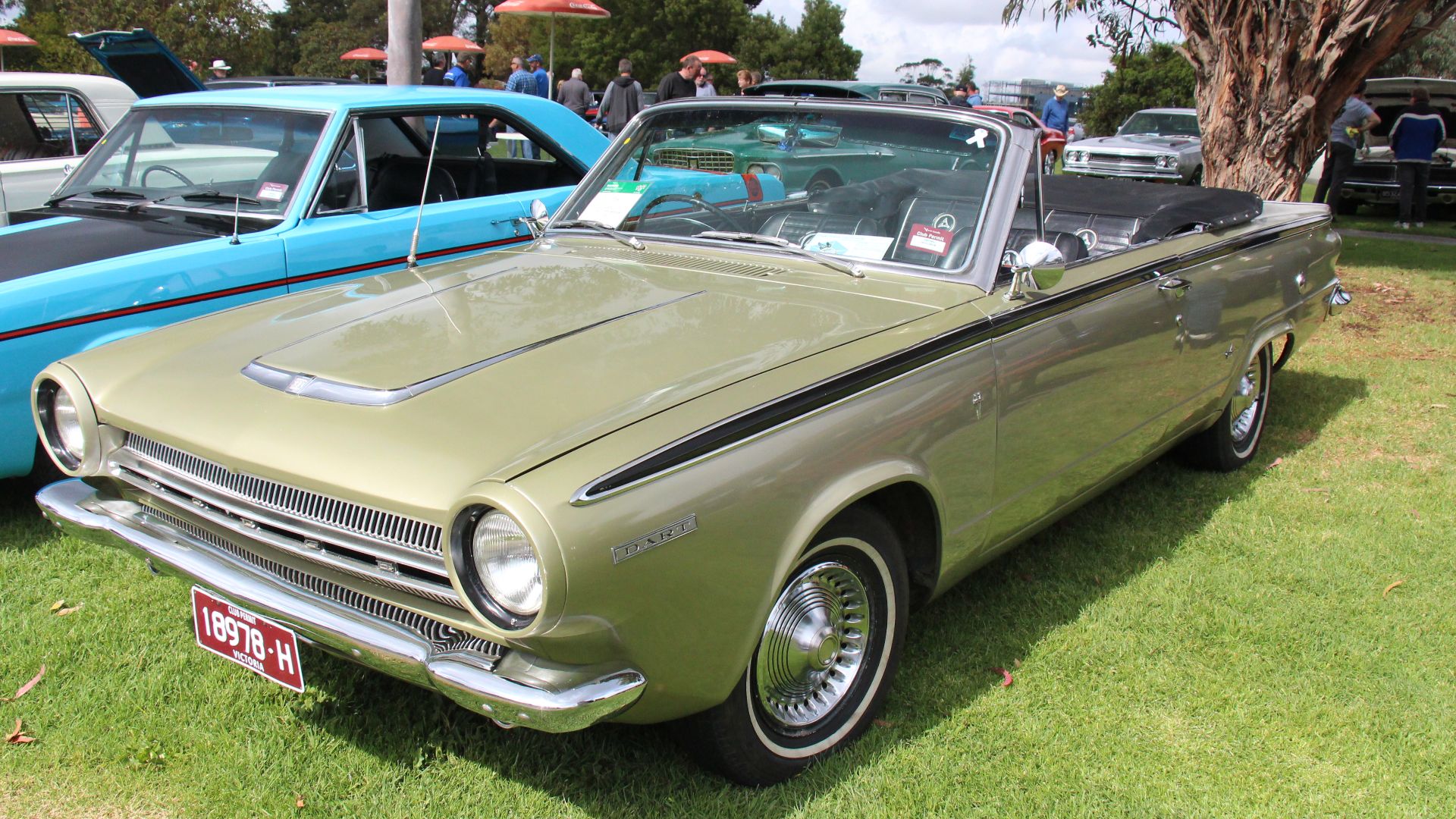
Cadillac Eldorado
The Eldorado entered a bold new era for 1967 with front-wheel drive, sharp styling, and a massive V8 engine. It was offered only as a hardtop during that generation, but earlier 1960s Eldorado Biarritz convertibles remained among Cadillac’s most prestigious open cars. Their lavish detailing and limited production placed them near the top of the American luxury-car hierarchy.
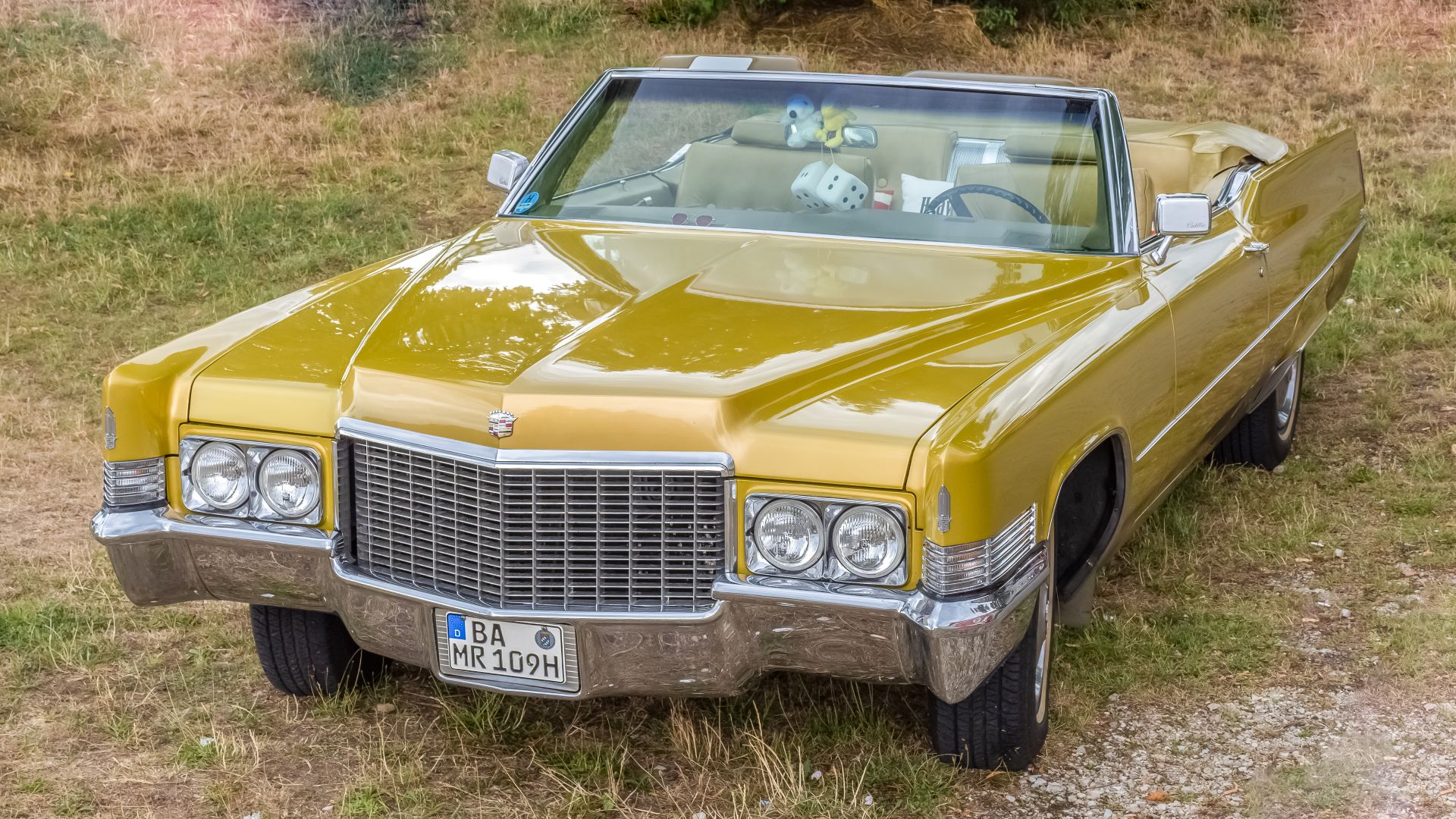
Sunbeam Tiger
The Sunbeam Tiger followed the same basic idea as the Cobra, although in a more restrained package. It placed a Ford V8 inside the compact body of the Sunbeam Alpine, creating an unexpectedly quick roadster. The Tiger looked almost polite at a glance, which made its performance even more surprising.
The Dream Never Completely Disappeared
The convertible market changed dramatically after the 1960s as safety concerns, insurance costs, and shifting consumer tastes affected demand. Yet these cars never lost their ability to make people stop and stare. Whether someone dreamed of a Mustang, an E-Type, a Continental, or a simple MGB, the appeal came from the same promise of freedom beneath an open sky.
You May Also Like:
Cars From The 1960s That No One Remembers—Seriously, Do You Remember Even 5 Of These Vehicles?
Forgotten convertibles that were pure 1980s optimism, but that they'd never make today