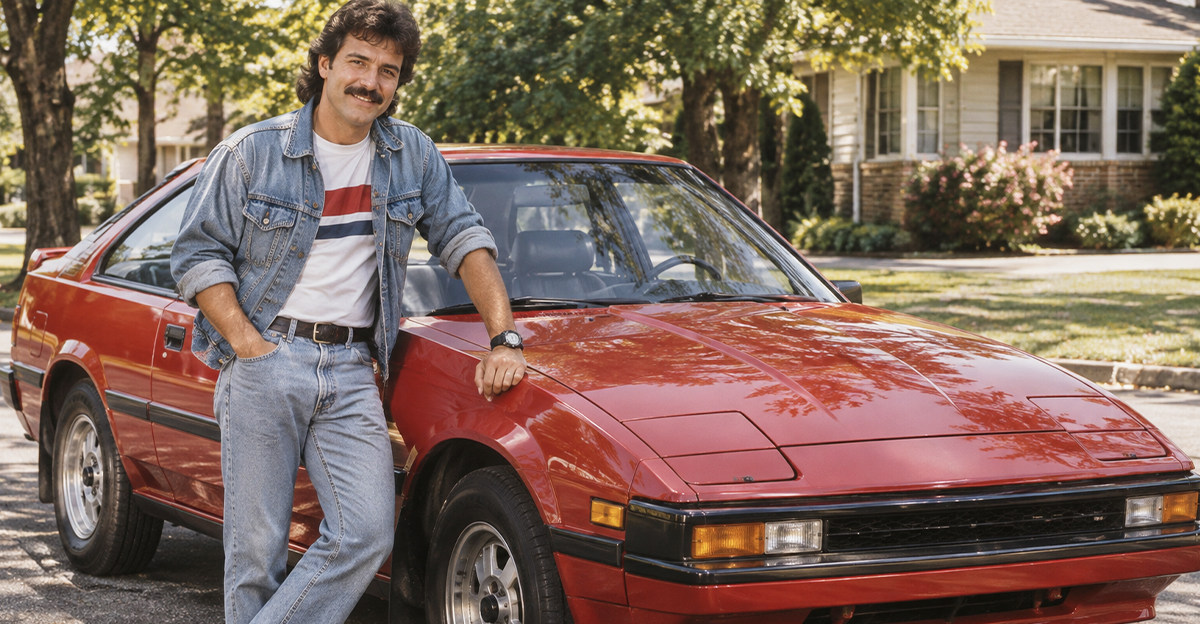
The Drivetrain Revolution Happened Quietly
Today, front-wheel drive is ordinary, and all-wheel drive can be ordered on everything from economy cars to family crossovers. That wasn’t always the case. During the 1980s, Japanese automakers flooded America with compact, efficient cars that normalized front-drive layouts while experimenting with four-wheel drive and other clever traction technology. The road to today’s AWD-heavy market ran straight through cars like these.
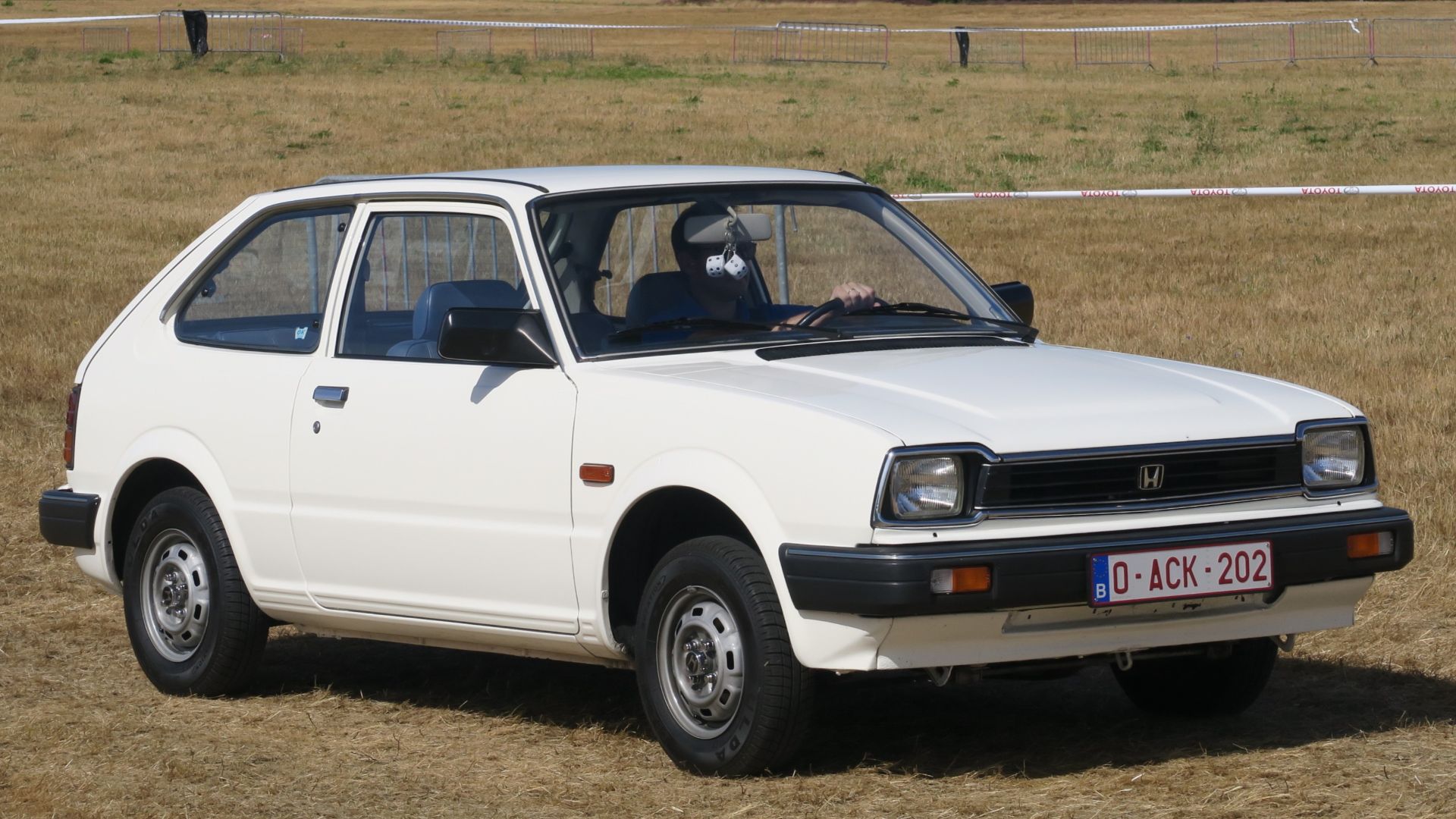
Honda Civic (1980–1989)
The Civic entered the 1980s already committed to front-wheel drive, but the decade transformed it from a tiny economy car into one of America’s most important compacts. Honda used the layout to create impressive interior space inside a small footprint, while keeping weight and fuel consumption down. By the late 1980s, Civics could be practical commuters, sporty Si models, or even four-wheel-drive wagons, showing just how flexible the basic formula could be.
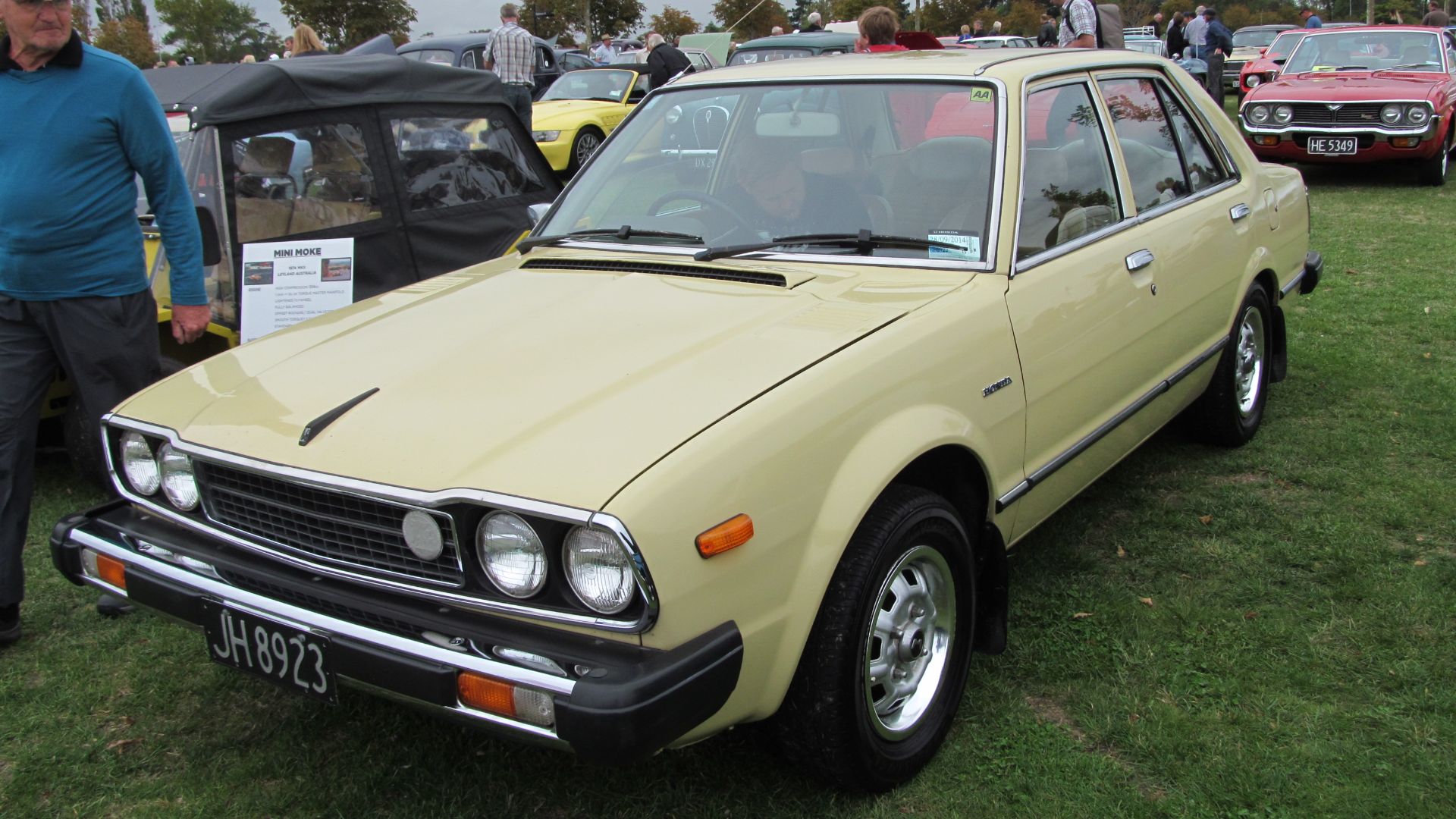
Honda Accord (1980–1989)
The Accord helped convince Americans that front-wheel drive wasn’t limited to little economy cars. It grew into a comfortable, refined family sedan while retaining the packaging advantages of its front-drive layout. The bigger milestone came in 1982, when Accord production began in Marysville, Ohio, making it the first Japanese-brand automobile built in the United States. Suddenly, Honda wasn’t merely an import competitor. It was part of the American automotive industry.
 Riley from Christchurch, New Zealand, Wikimedia Commons
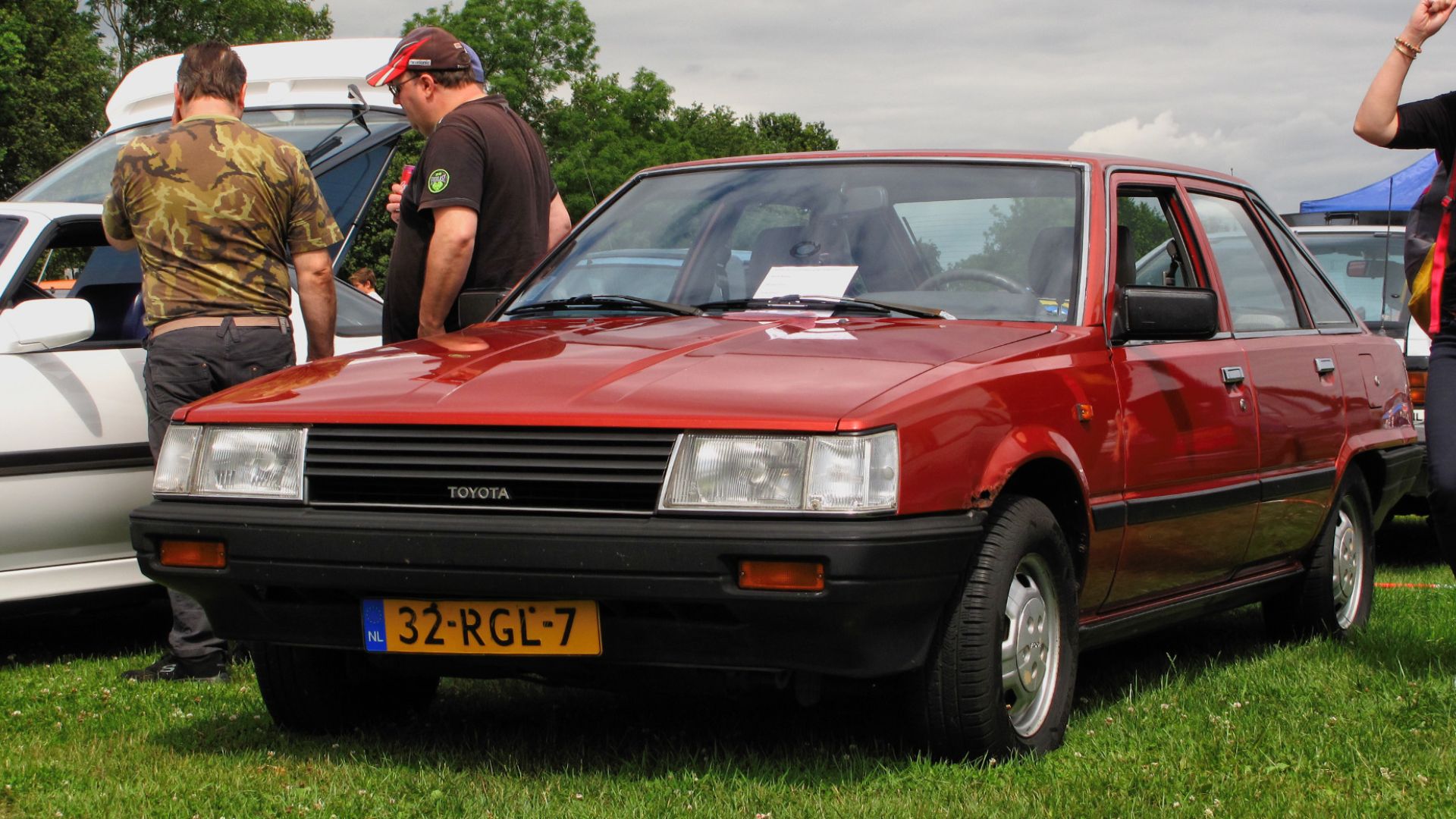
Toyota Camry (1983–1989)
The Camry arrived in America at exactly the right moment. Its front-wheel-drive layout created a roomy cabin without requiring a large exterior, while Toyota’s growing reputation for durability made it an increasingly convincing alternative to Detroit’s family sedans. Nothing about the Camry seemed radical after a while, and that was arguably its greatest achievement. It made the front-drive Japanese family car feel completely normal.
 Rutger van der Maar, Wikimedia Commons
Toyota Corolla (1984–1989)
Toyota made one of the biggest changes in Corolla history when the fifth generation shifted its mainstream family models from rear-wheel drive to front-wheel drive. That opened up more passenger room and brought the Corolla directly in line with the direction small cars were heading globally. Sportier coupes initially retained rear-drive hardware, but ordinary Corolla buyers increasingly experienced the model as a practical front-drive compact. The transition proved hugely successful.
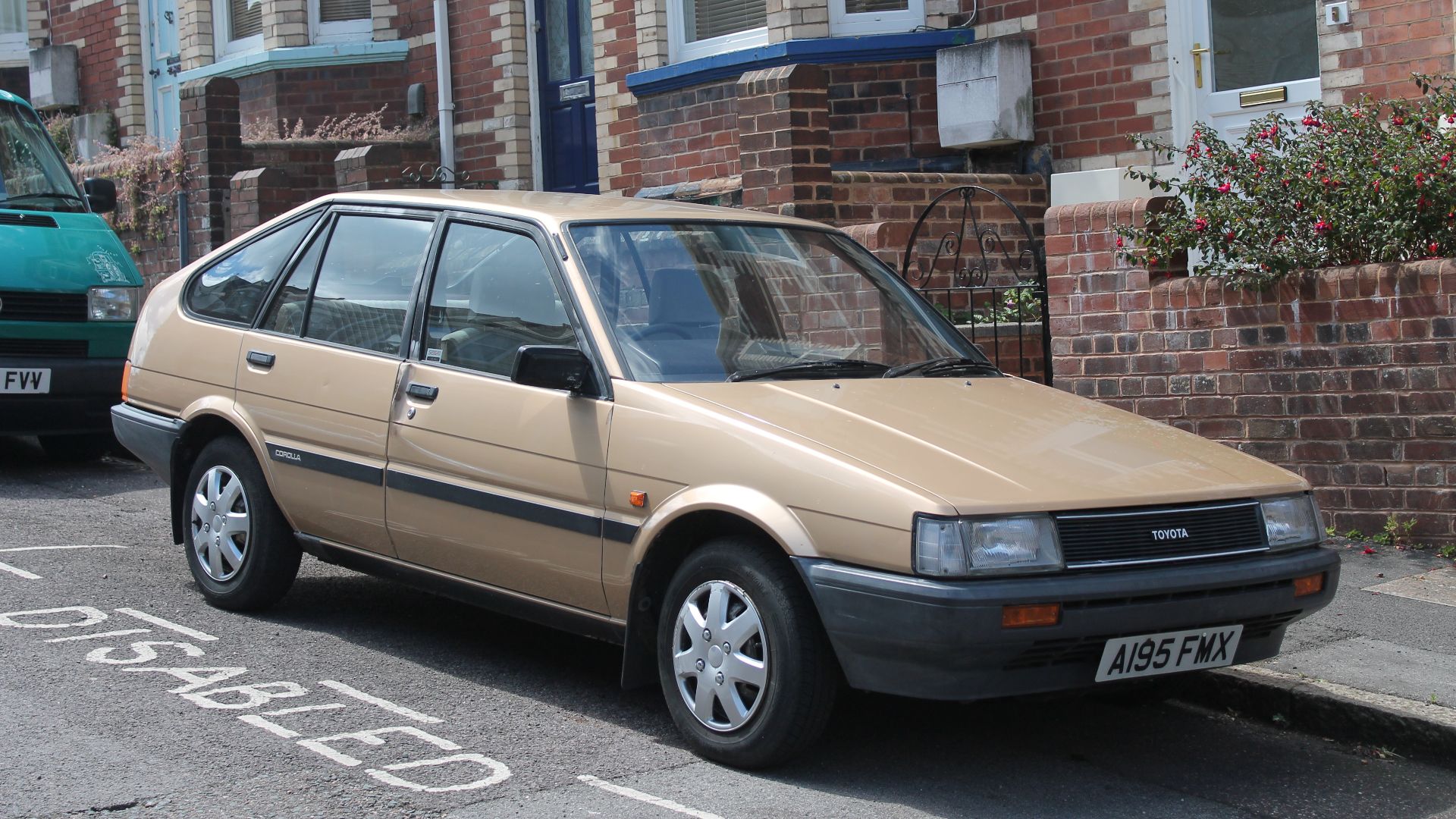 Charlie from United Kingdom, Wikimedia Commons
Mazda 626 (1983–1989)
Mazda transformed the 626 from a rear-drive car into a front-drive rival to the Accord and Camry during the early 1980s. That change improved space efficiency and gave Mazda a much more competitive mainstream family car. The company didn’t stop there. By the end of the decade, turbocharged engines and even sophisticated four-wheel-steering technology were appearing on 626 variants, showing how quickly once-basic front-drive platforms were becoming technologically ambitious.
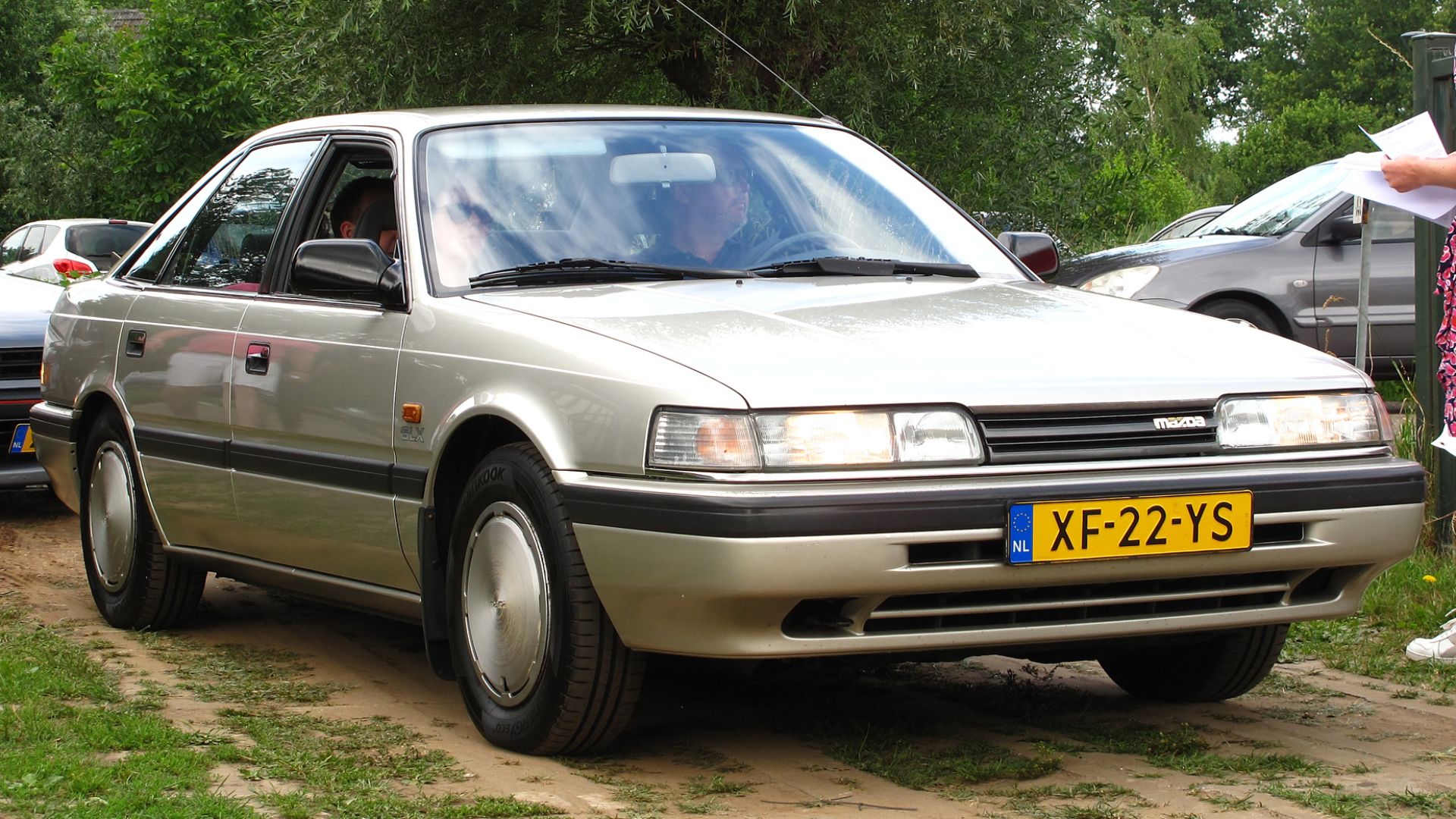 Rutger van der Maar, Wikimedia Commons
Acura Integra (1986–1989)
When Honda created Acura, it didn’t abandon front-wheel drive to imitate traditional European luxury cars. The original Integra used front-wheel drive, a rev-happy twin-cam four-cylinder, and a practical hatchback body to create something distinctly different. It quickly earned a reputation as one of the more entertaining front-drive cars available. Acura was proving that a premium badge and enthusiast appeal didn’t require a conventional rear-drive layout.
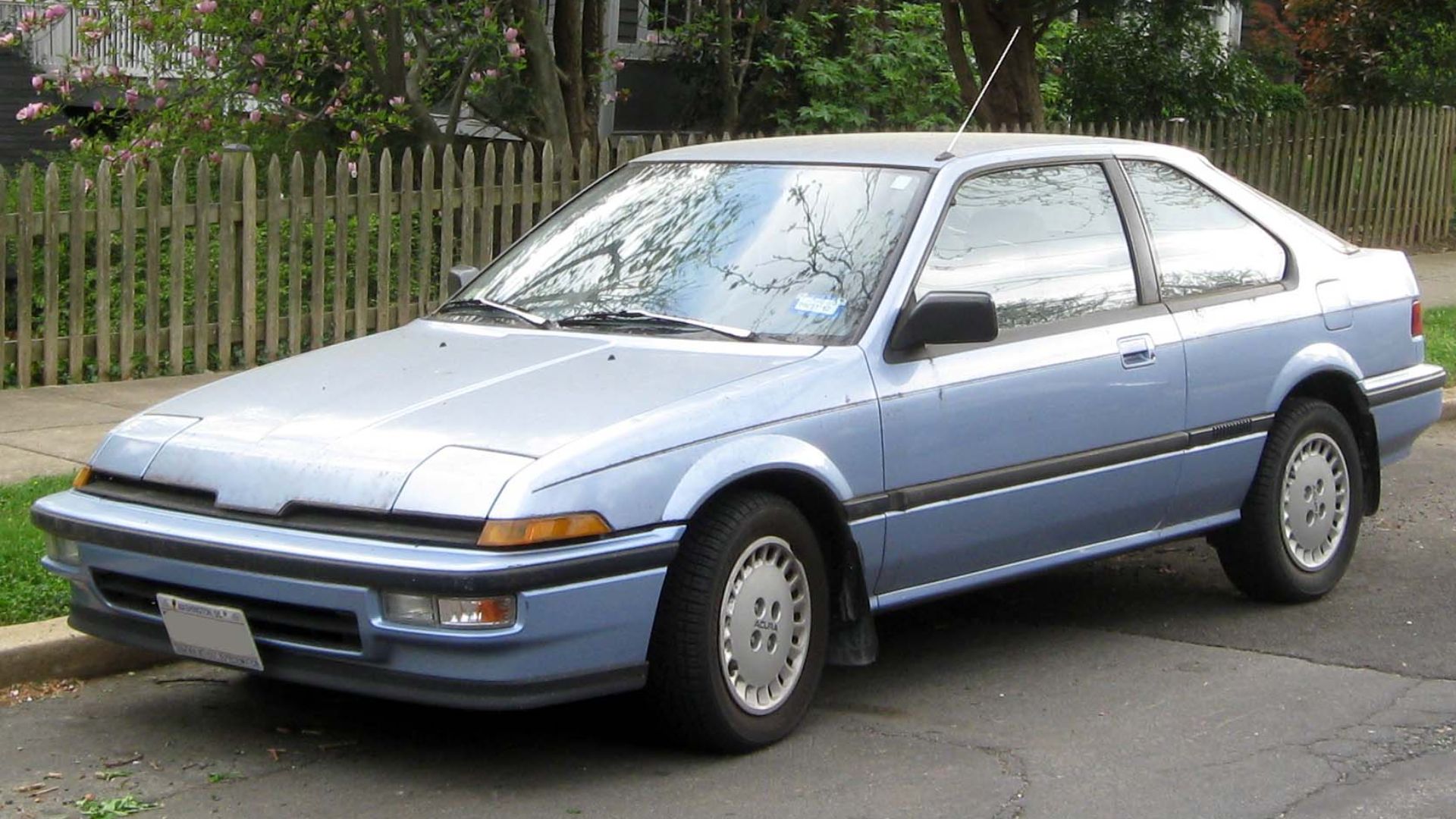
Acura Legend (1986–1989)
The Legend pushed the idea even further. Honda mounted its V6 transversely and sent power to the front wheels, creating an upscale sedan that ignored the rear-drive formula still associated with many luxury cars. The layout provided useful cabin space while the V6 supplied the smoothness buyers expected from a premium model. Its success helped establish Acura almost immediately and made front-wheel-drive luxury far easier for American buyers to accept.
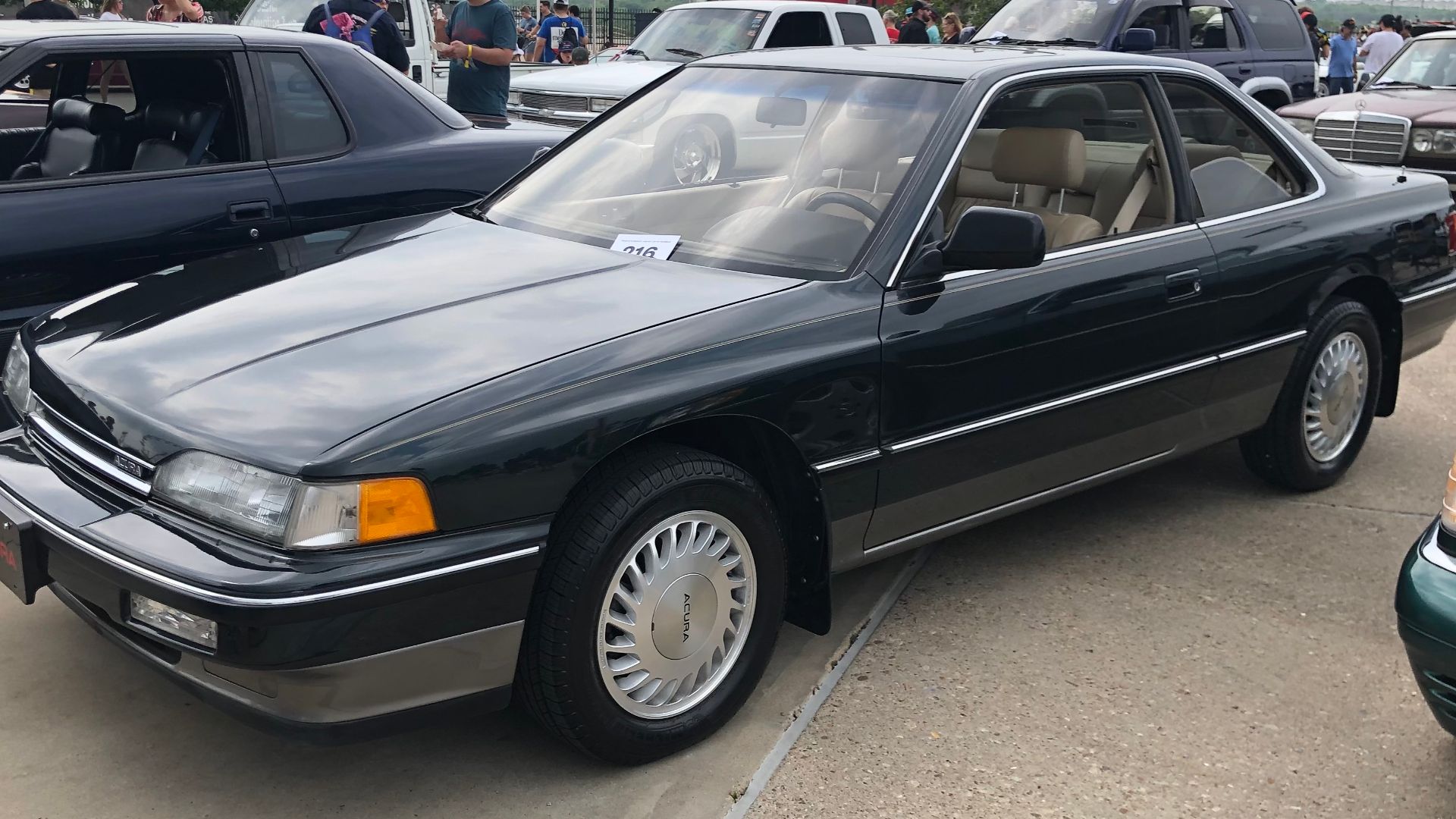
Nissan Sentra (1982–1989)
The Sentra replaced Nissan’s rear-wheel-drive Datsun 210 with something far more modern. Its transverse engine and front-wheel-drive layout freed up cabin space while improving fuel economy, helping Nissan compete directly with the rapidly advancing Civic and Corolla. The earliest Sentras weren’t especially exciting, but they represented a fundamental change in Nissan’s American small-car strategy. Front-wheel drive was becoming the default rather than an experiment.
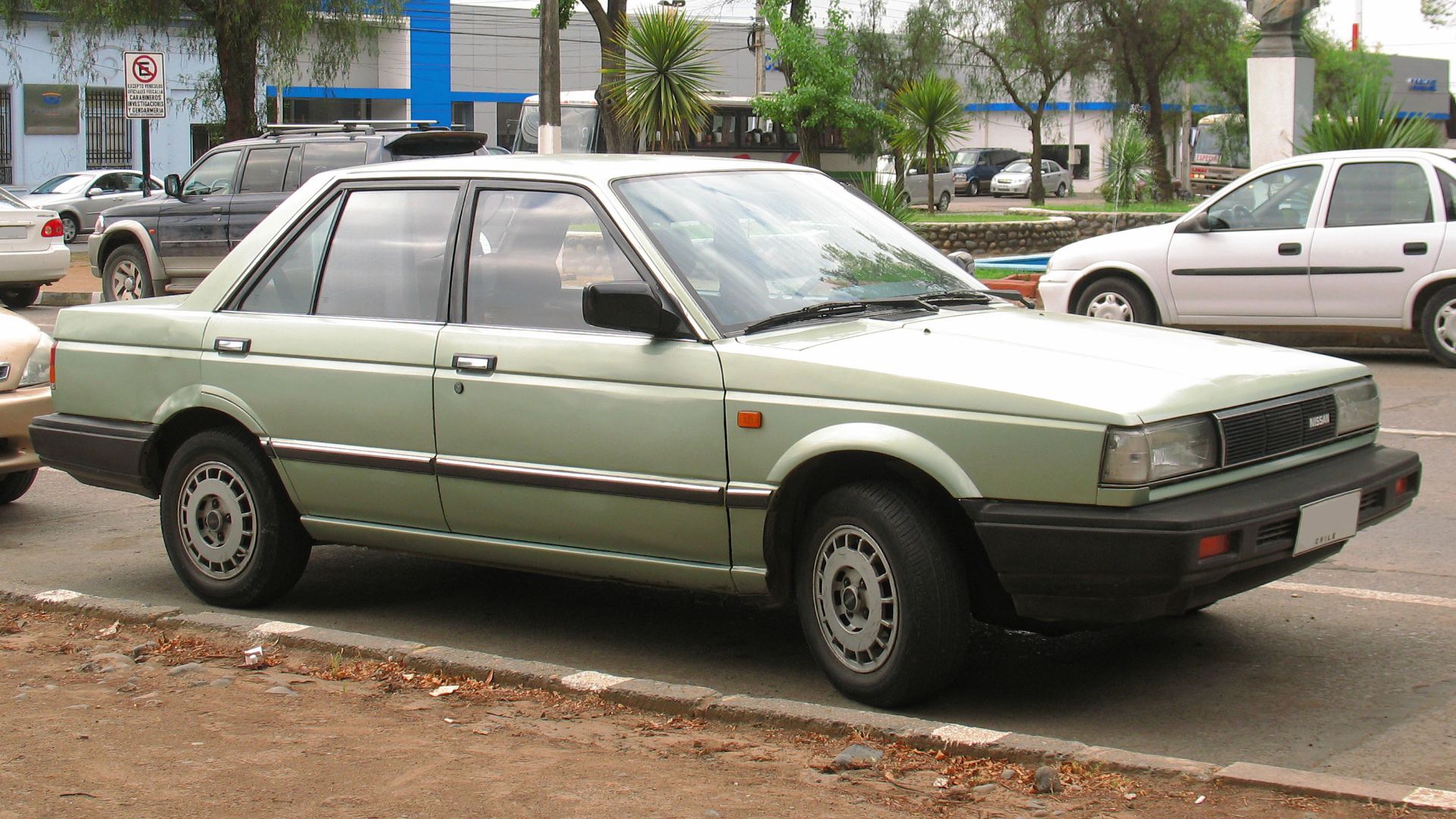 order_242 from Chile, Wikimedia Commons
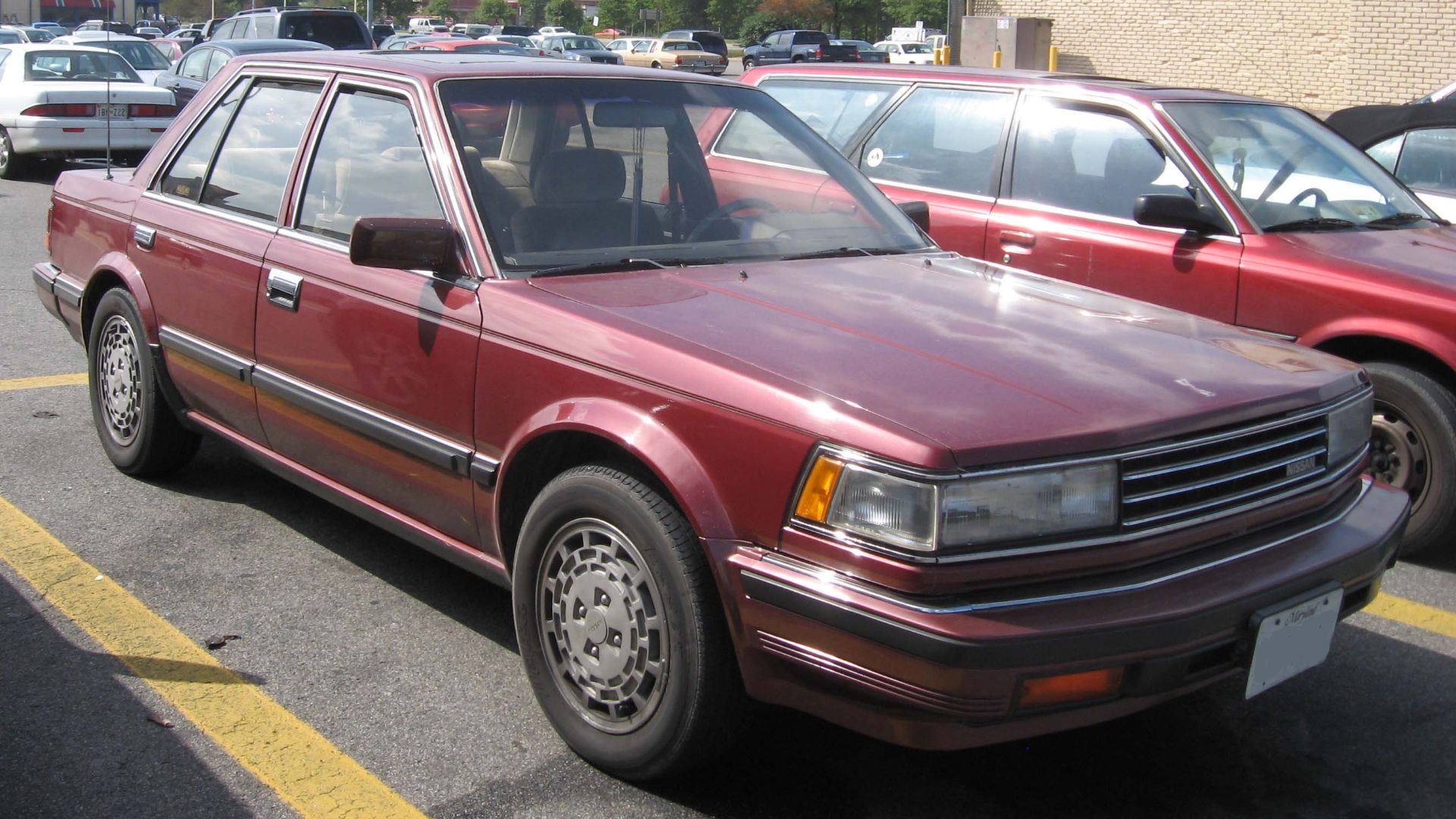
Nissan Maxima (1985–1989)
The Maxima underwent an even more dramatic transformation for 1985. Nissan replaced its old rear-wheel-drive, inline-six arrangement with a transverse V6 driving the front wheels. That gave the Maxima a more space-efficient layout while preserving the smooth six-cylinder performance that separated it from smaller economy cars. It helped establish the formula Nissan would later market aggressively as its “four-door sports car” identity.
Mitsubishi Mirage (1985–1989)
The Mirage gave Mitsubishi a direct competitor for America’s growing field of Japanese front-drive compacts. Hatchbacks and sedans handled ordinary commuting duty, but turbocharged versions proved Mitsubishi couldn’t resist adding some fun. Its engineering also spread beyond Mitsubishi showrooms through partnerships with Chrysler. That meant Americans could encounter variations of the same basic Japanese front-drive thinking under several different badges, accelerating how quickly the layout became familiar.
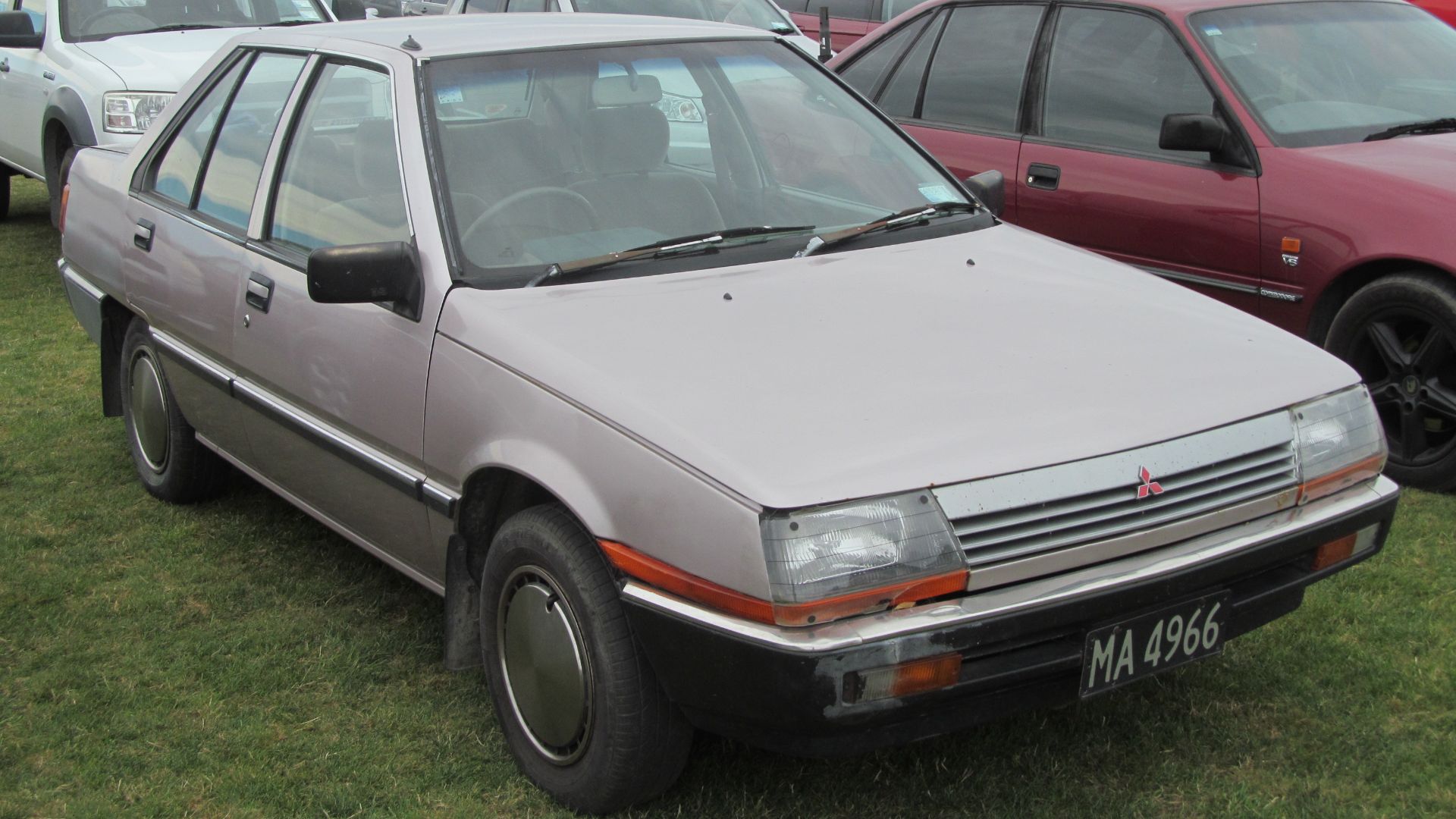 Riley from Christchurch, New Zealand, Wikimedia Commons
Nissan Stanza (1982–1989)
The Stanza was Nissan’s practical answer to cars like the Accord and Camry. Its front-wheel-drive layout let Nissan provide a roomy interior without dramatically increasing the car’s exterior dimensions, while four-cylinder engines kept fuel costs reasonable. The Stanza never became as culturally significant as some rivals, but Japanese cars like it helped teach American families that their next midsize sedan didn’t need a driveshaft running to the rear wheels.
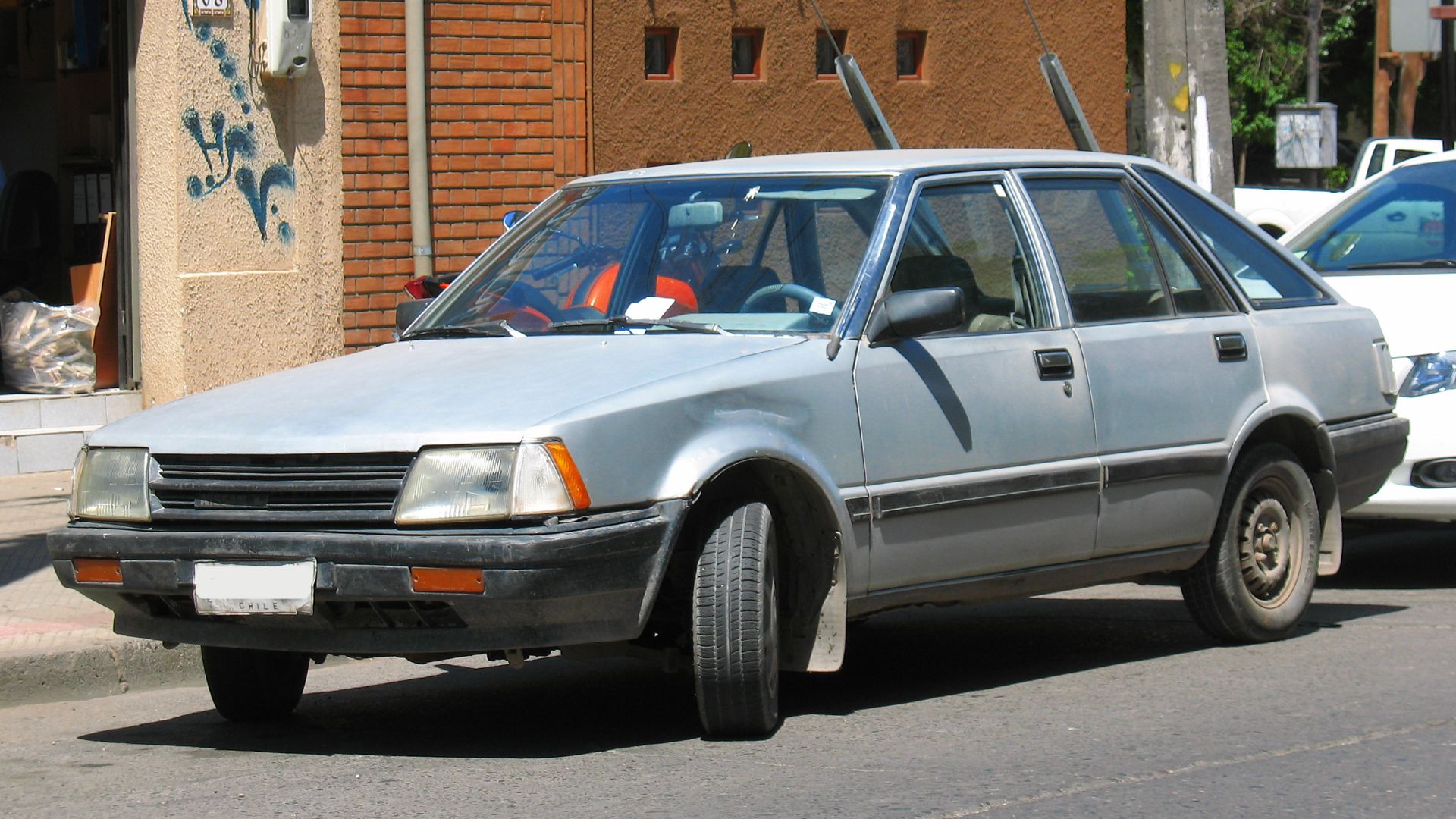 order_242 from Chile, Wikimedia Commons
Honda Prelude (1983–1989)
The Prelude showed that front-wheel drive could work in a car designed around driving enjoyment rather than basic transportation. Its low seating position, tidy dimensions, and responsive handling gave Honda a genuine sporty coupe. Then things got even stranger. Late-1980s Preludes could be ordered with four-wheel steering, allowing the rear wheels to participate in cornering and maneuvering long before that technology became fashionable on modern performance and luxury cars.
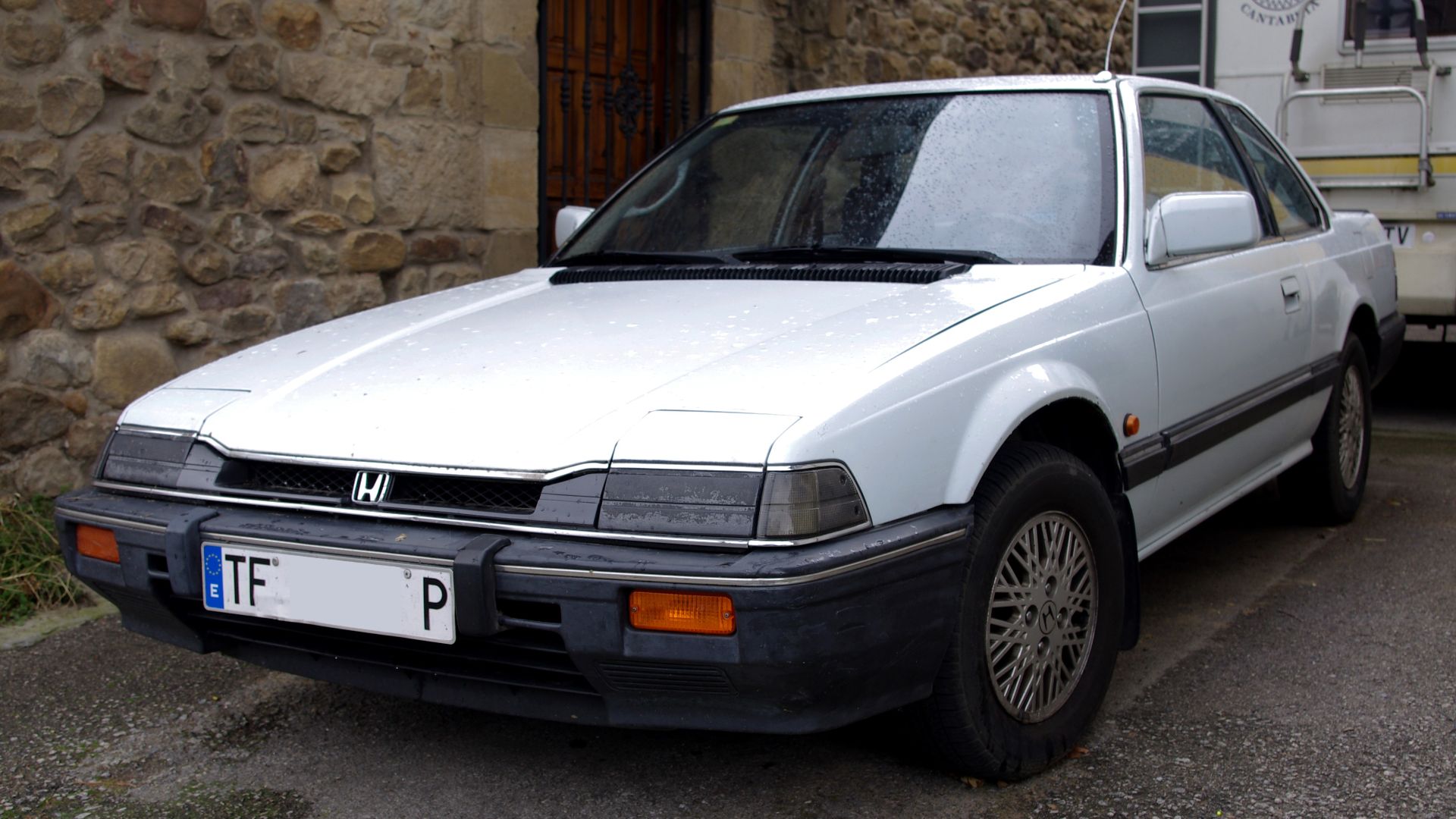 Spanish Coches, Wikimedia Commons
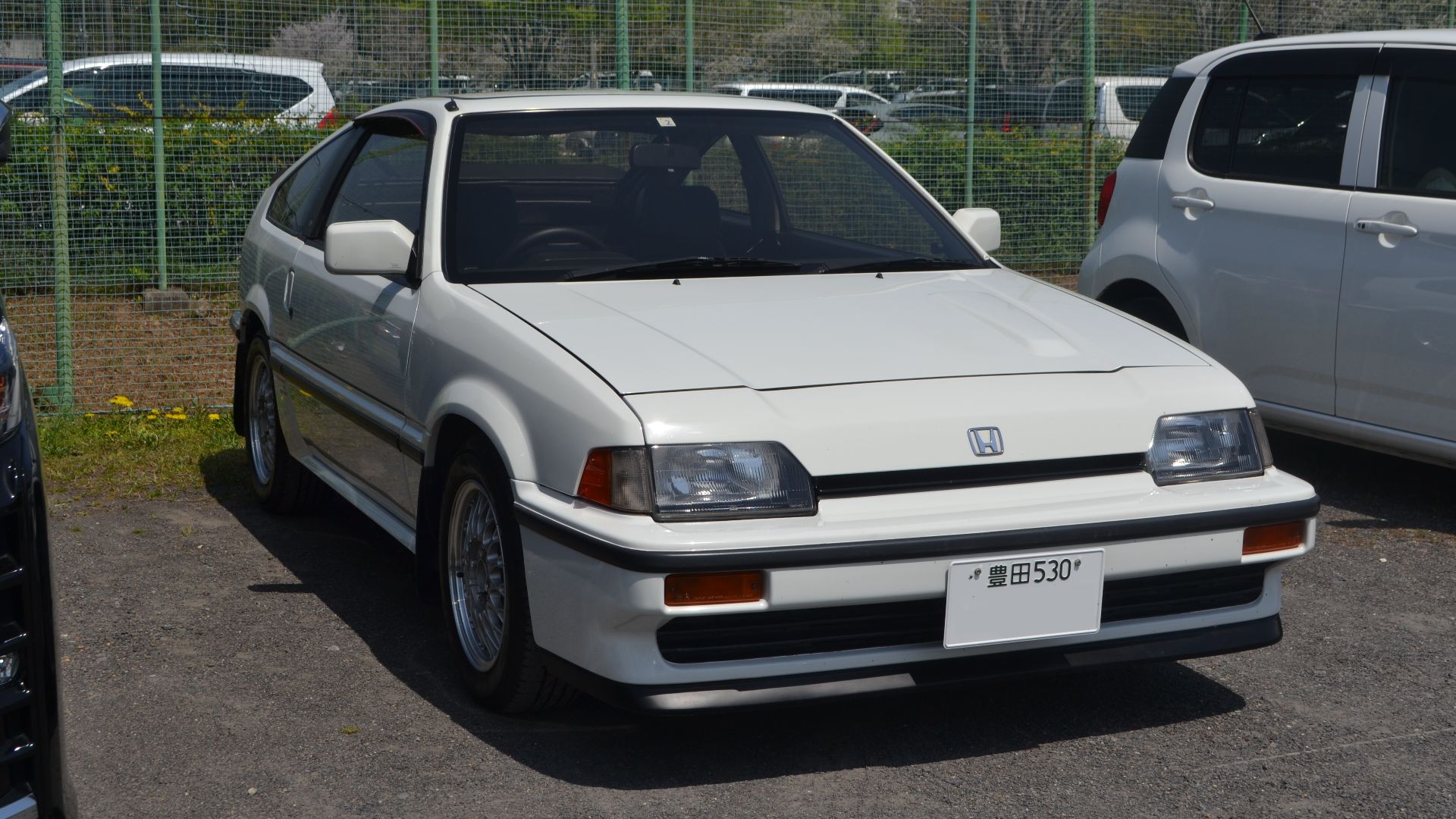
Honda CRX (1984–1989)
The CRX made front-wheel drive feel almost minimalist. Honda paired a tiny two-seat hatchback body with low weight, excellent fuel economy, and surprisingly entertaining handling. The Si added fuel injection and a sportier suspension without turning the car into something complicated or expensive. It proved enthusiasts didn’t necessarily need rear-wheel drive or huge horsepower to have fun, a lesson hot hatches and sporty compacts would repeat for decades.
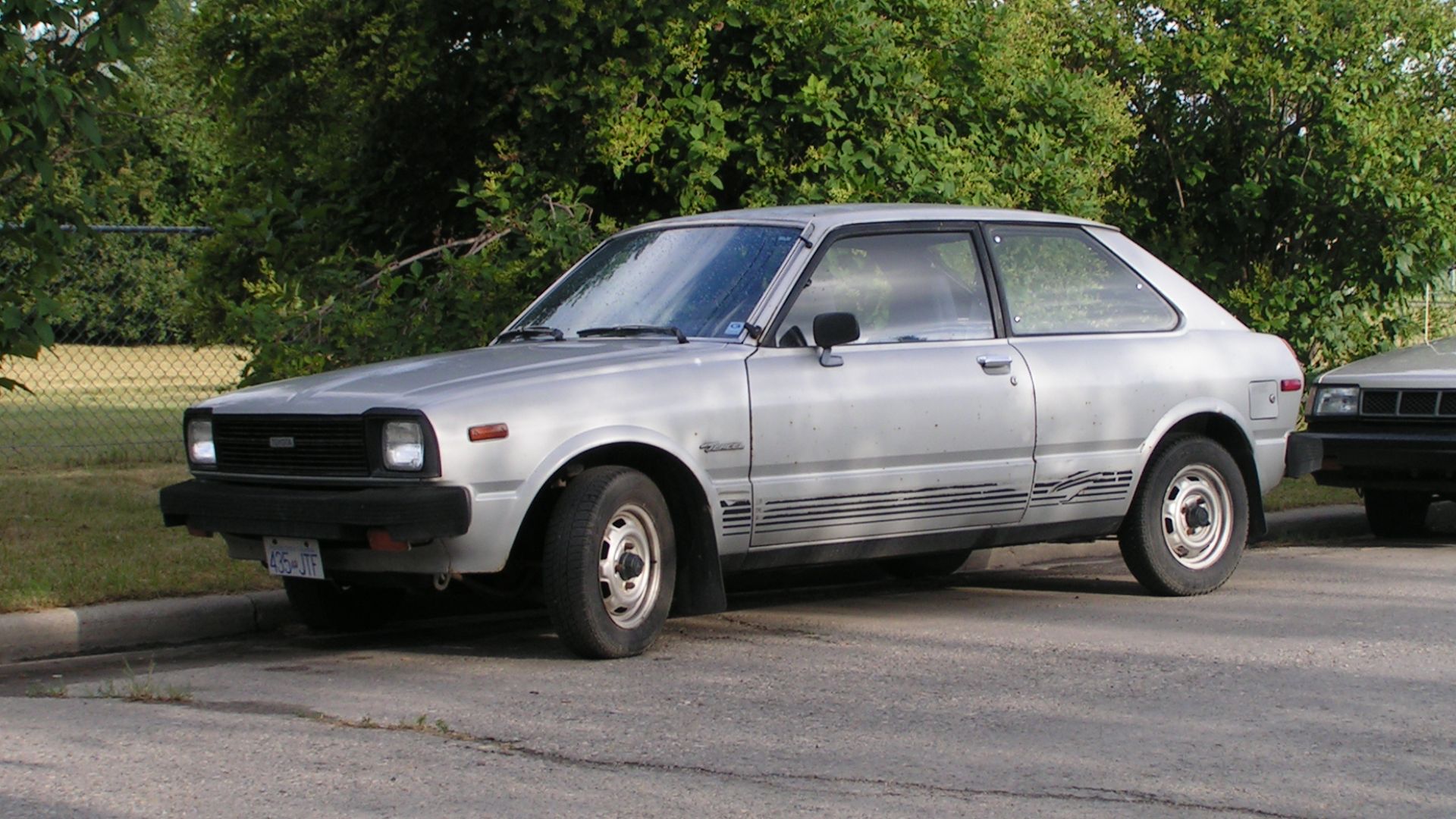
Toyota Tercel (1980–1989)
The Tercel was Toyota’s front-wheel-drive pioneer. It was the company’s first production model developed around the layout, giving Toyota valuable experience before front-wheel drive spread throughout much of its passenger-car lineup. The little Tercel wasn’t flashy, but its efficient packaging and economical engines fit perfectly with American buyers still thinking about fuel costs. Later versions also demonstrated Toyota’s willingness to experiment with four-wheel-drive small cars.
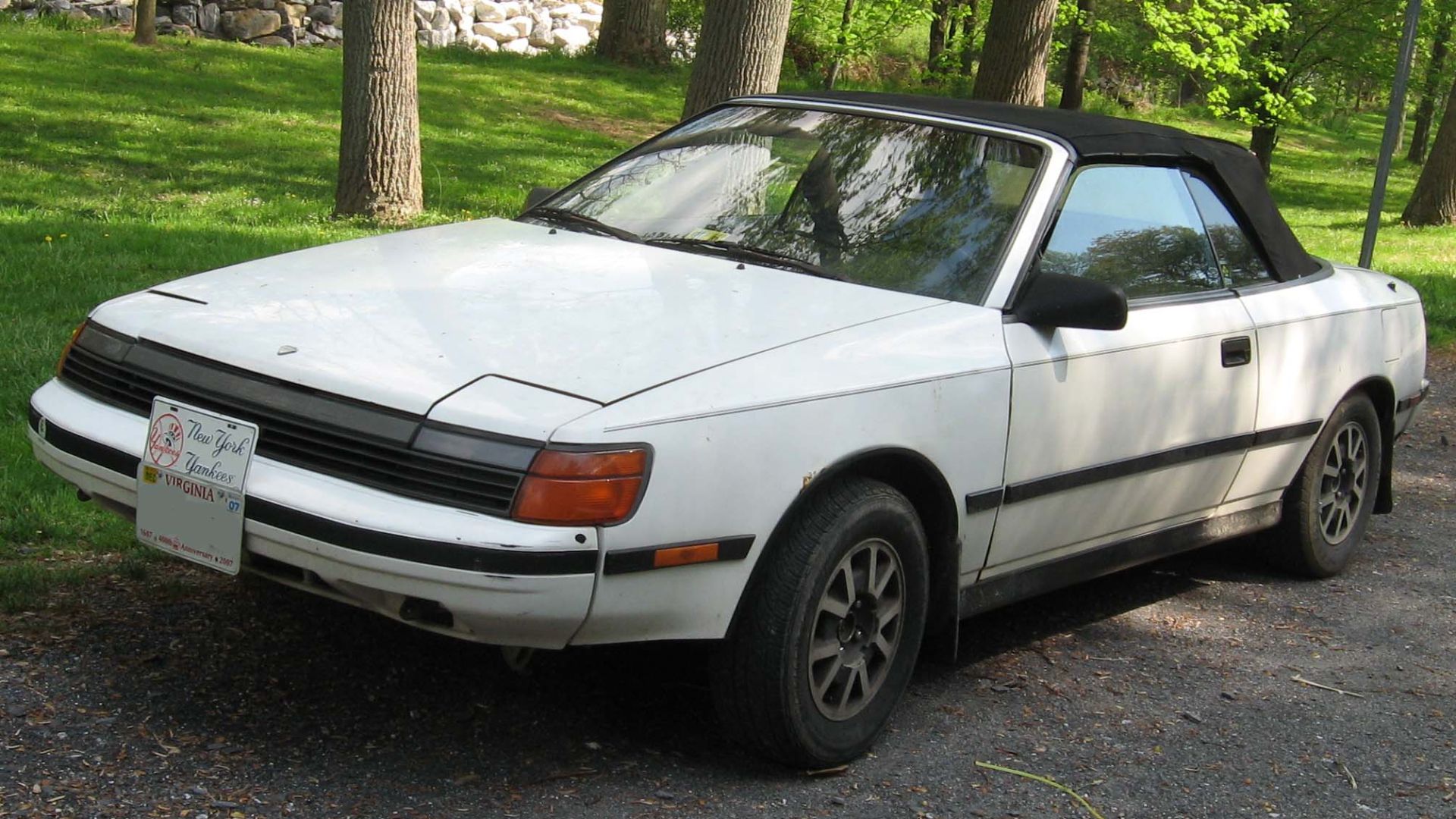
Toyota Celica (1986–1989)
For years, the Celica had been a conventional rear-wheel-drive sporty coupe. Then the fourth generation arrived with front-wheel drive, a dramatic change that showed how thoroughly the industry was moving toward the layout. Toyota didn’t abandon performance, either. The Celica All-Trac Turbo added four-wheel drive and turbocharged power, bringing rally-inspired traction technology into American showrooms well before AWD performance cars became commonplace.
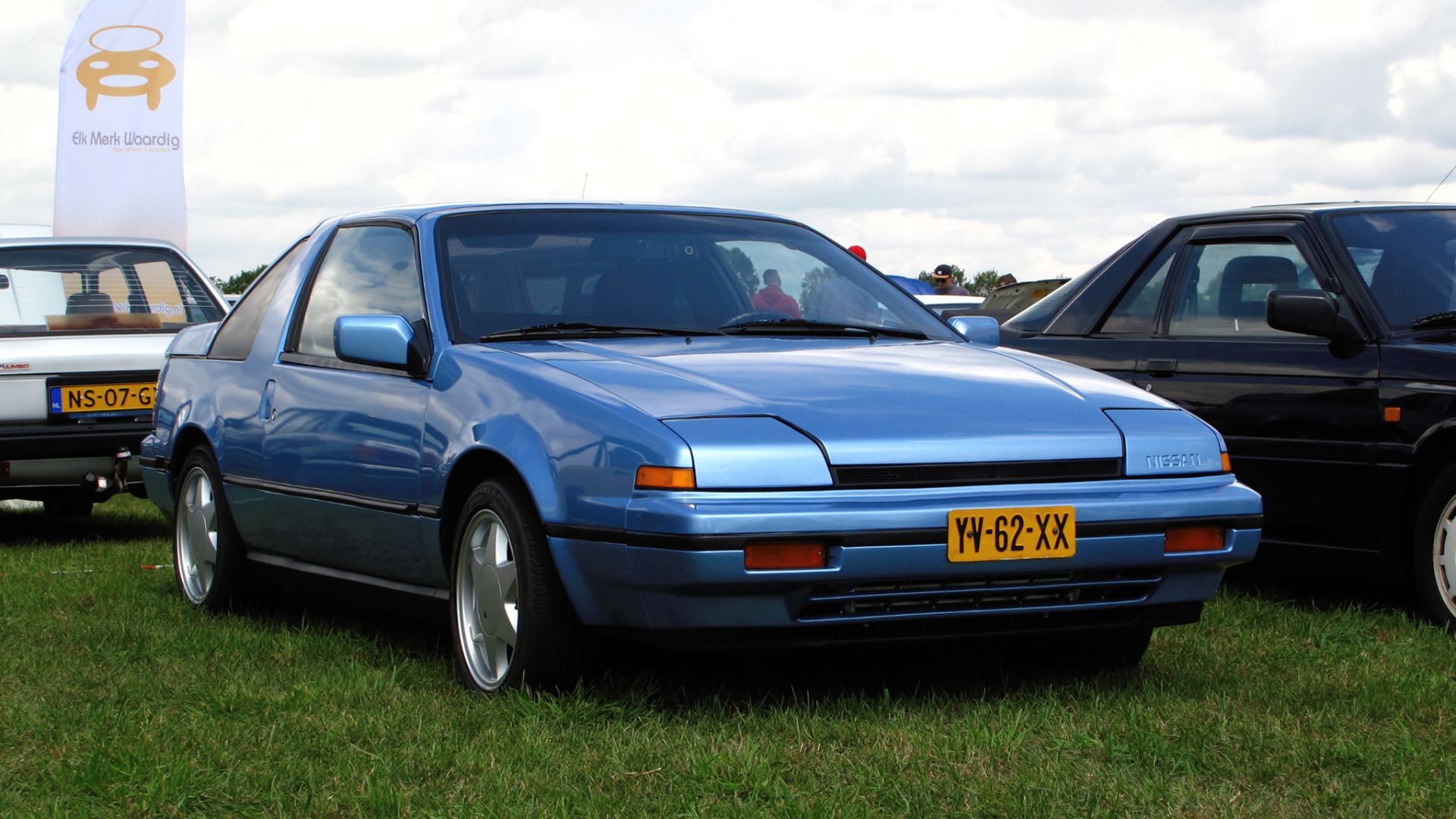
Nissan Pulsar NX (1987–1989)
The Pulsar NX wrapped completely conventional front-drive mechanicals in one of the decade’s least conventional bodies. Buyers could remove its roof panels, and Nissan’s optional SportBak transformed the rear into something resembling a tiny shooting brake. Underneath all that weirdness sat a straightforward transverse-engine, front-wheel-drive layout. That contrast captured the era perfectly: automakers could experiment wildly with styling because the basic front-drive architecture had become so dependable.
 Rutger van der Maar, Wikimedia Commons
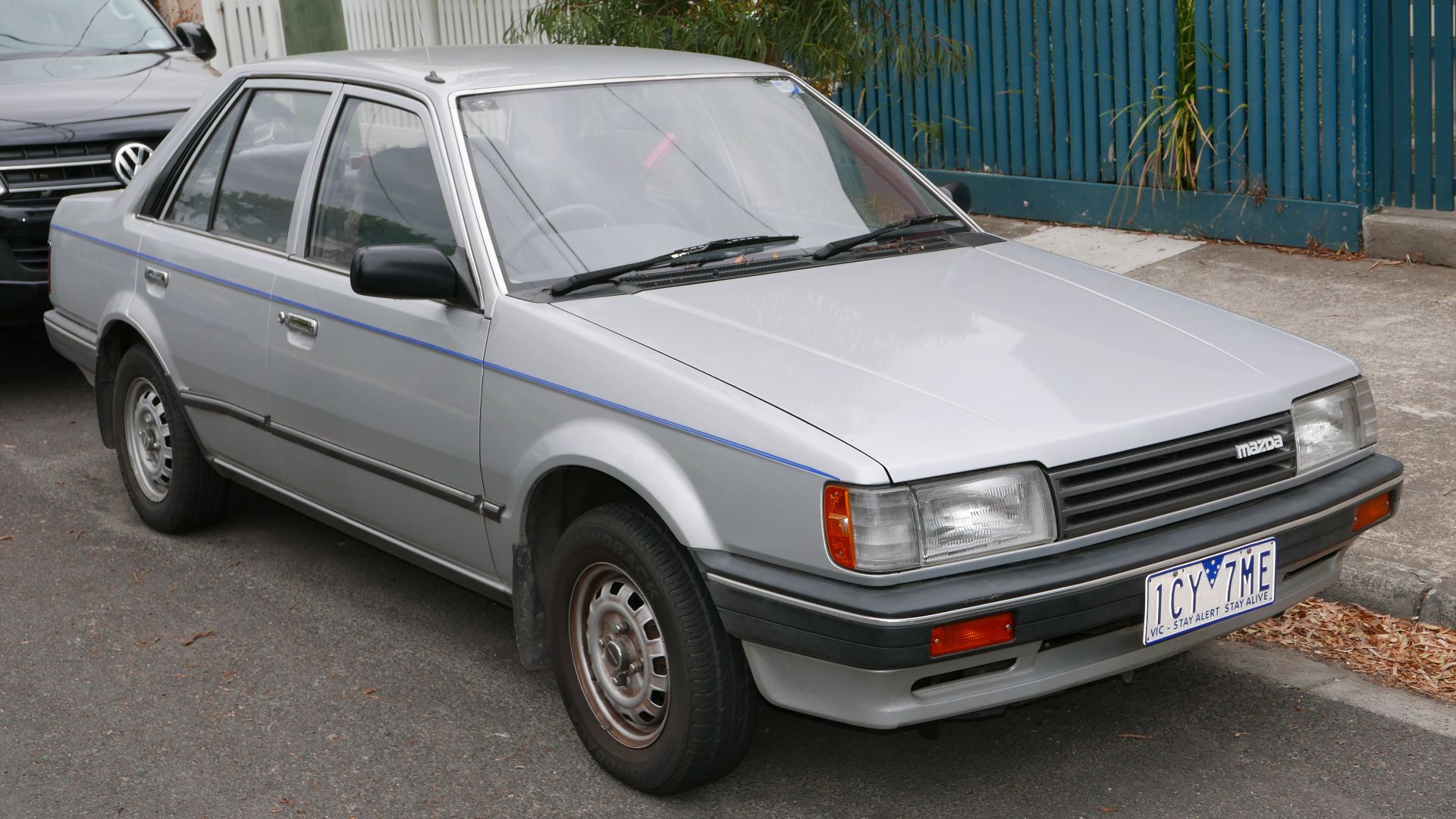
Mazda 323 (1986–1989)
The 323 was Mazda’s conventional compact most of the time, but certain versions hinted strongly at where performance cars were heading. Standard models used front-wheel drive, while Mazda also offered four-wheel-drive variants, including turbocharged versions with serious rally influence. The combination of compact dimensions, turbo power, and driven wheels at both ends looked exotic in the 1980s. A decade or two later, that formula would feel almost familiar.
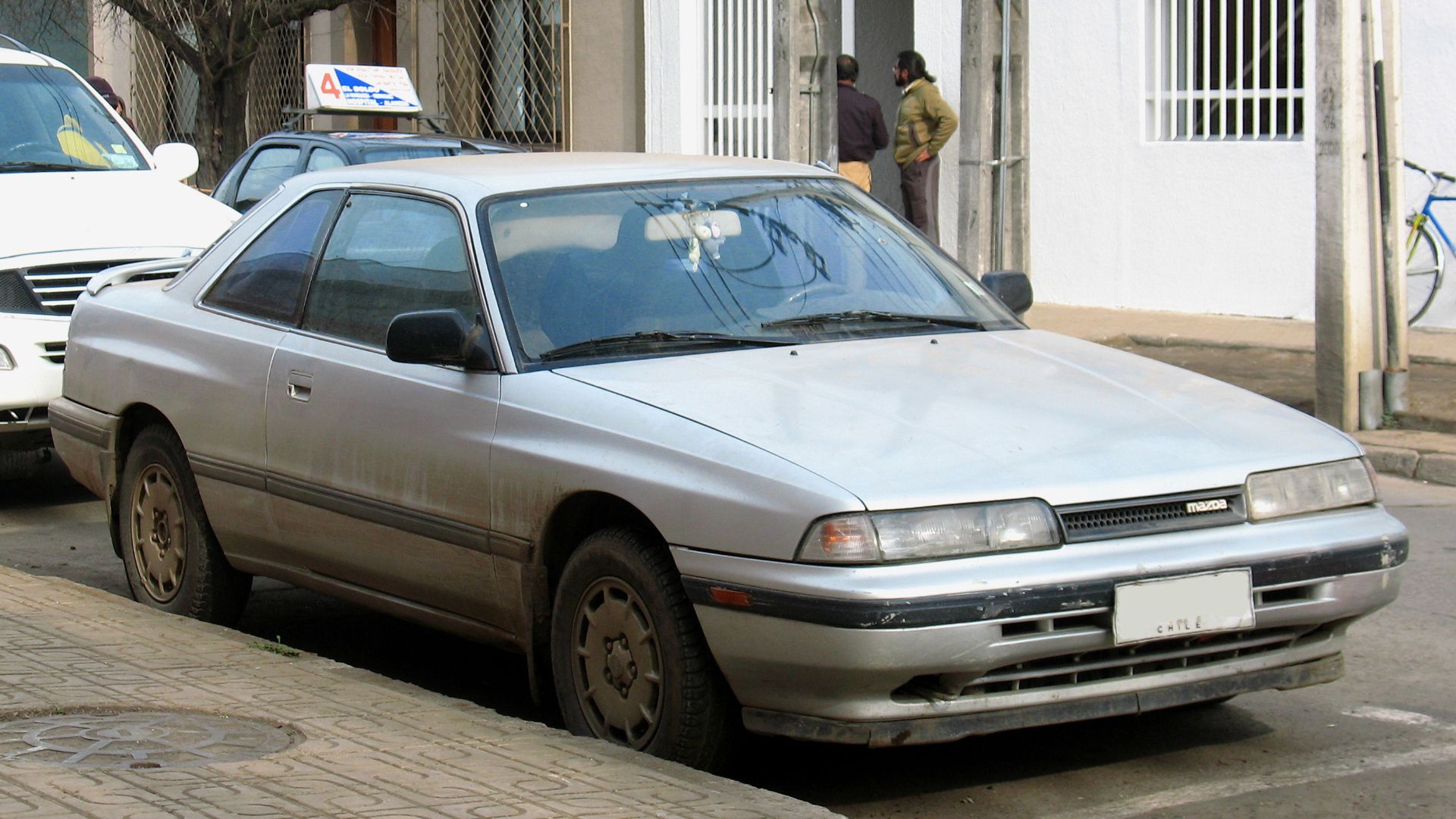
Mazda MX-6 (1988–1989)
The MX-6 took the Mazda 626’s front-drive foundation and gave it a sleeker coupe body. Available turbocharged versions made the car considerably quicker than its family-sedan relatives, while the underlying layout remained practical and efficient. It was an early example of something manufacturers still do constantly: build a sporty car from mainstream front-drive architecture without making buyers accept the compromises of a dedicated sports-car platform.
 RL GNZLZ from Chile, Wikimedia Commons
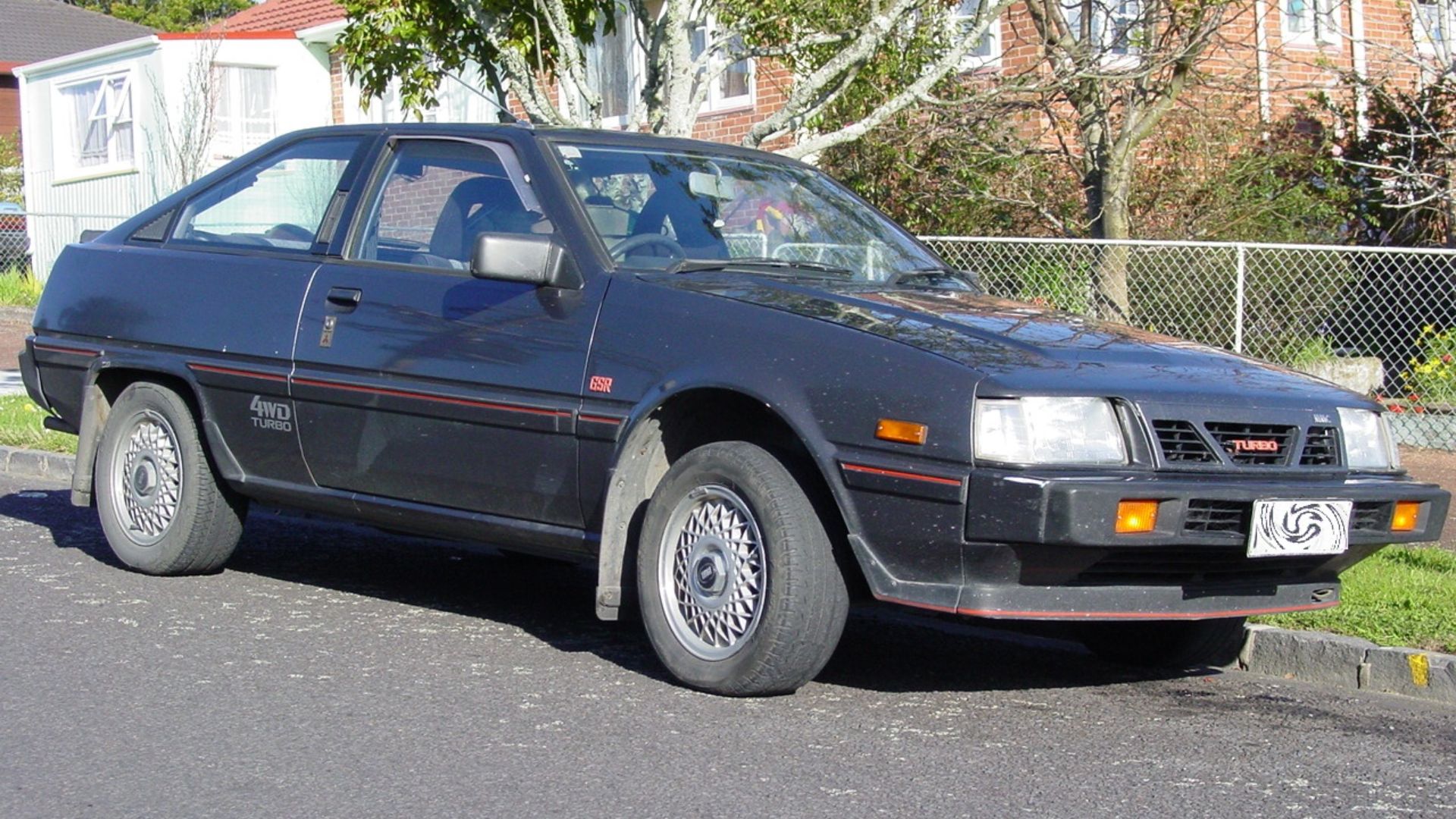
Mitsubishi Cordia (1983–1988)
The Cordia looked considerably more exotic than its basic architecture suggested. Its angular hatchback body, digital-era styling, and available turbocharged engine gave Mitsubishi a sporty image, yet the car retained a front-wheel-drive layout suitable for everyday use. It never achieved the popularity of a Prelude or Celica, but it showed how rapidly Japanese manufacturers were learning to make front-drive cars feel aspirational instead of purely economical.
 Afterburner33, Wikimedia Commons
Subaru Justy (1987–1989)
The Justy was tiny even by 1980s standards, but it packed an unusual amount of drivetrain experimentation into that little body. Front-wheel drive was available, while Subaru also offered an on-demand four-wheel-drive system, extending the company’s long-running interest in putting 4WD into ordinary passenger cars. Late in the decade, the Justy could even be ordered with an electronically controlled continuously variable transmission. Small car, very big ideas.
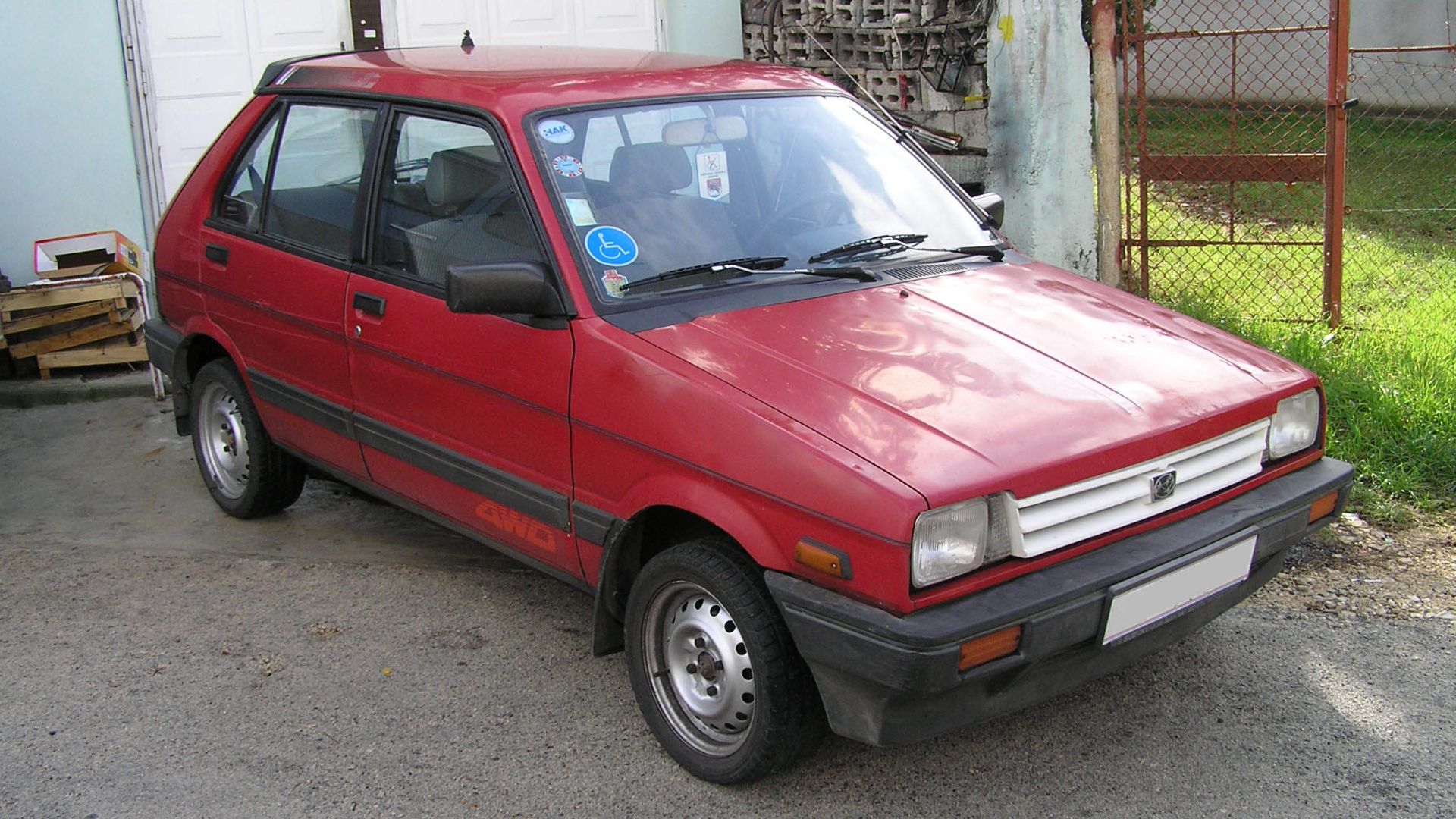 User:Quadmachine The original uploader was Quadmachine at English Wikipedia., Wikimedia Commons
You May Also Like:
The Most Underrated Japanese Sports Cars Ever Made
The Best Classic Japanese Cars Of The '70s & 80s'
These Japanese Cars Were Everywhere In The 1990s—Now You Almost Never See Them