
So You Want A Red Honda Civic
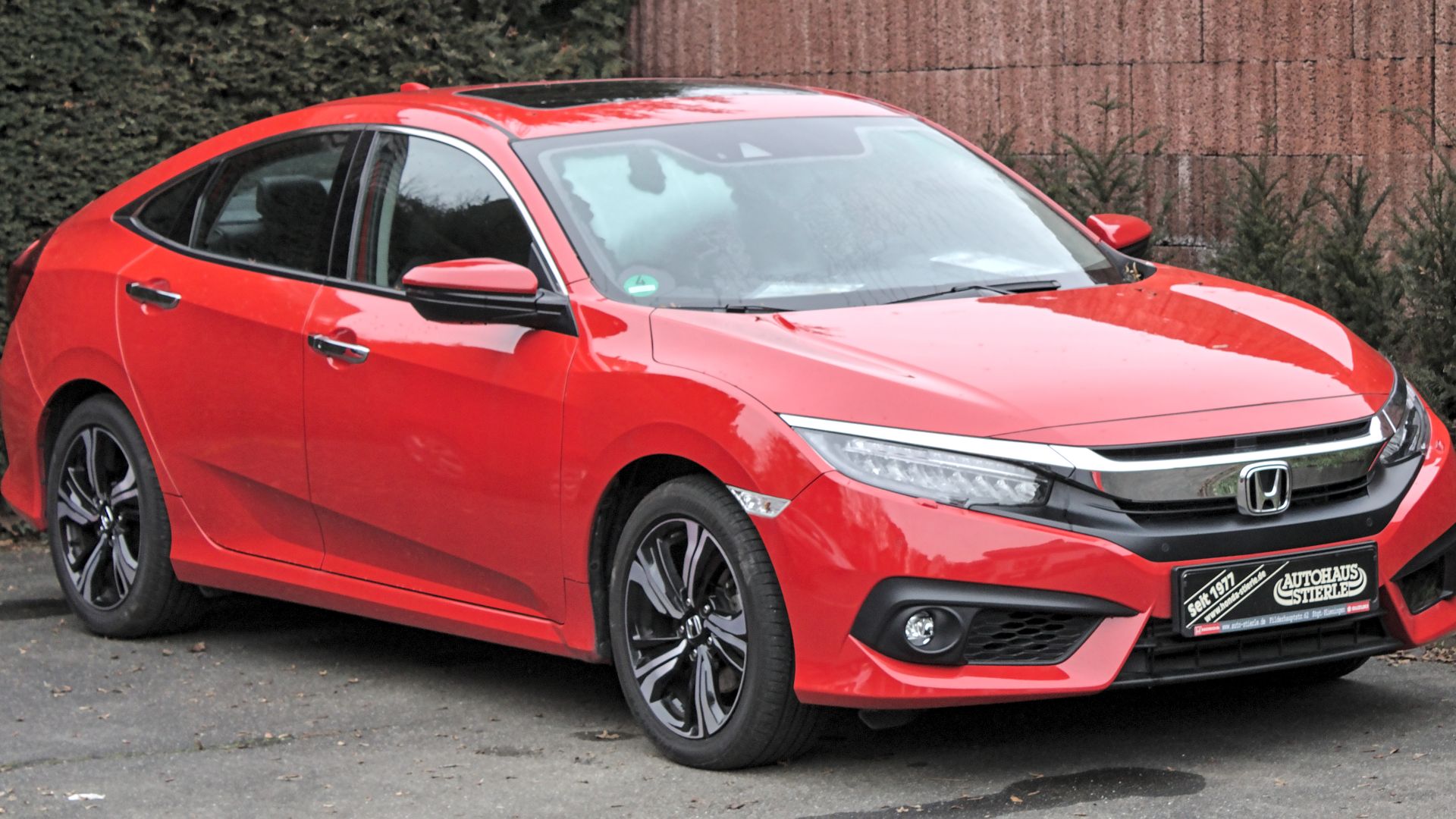
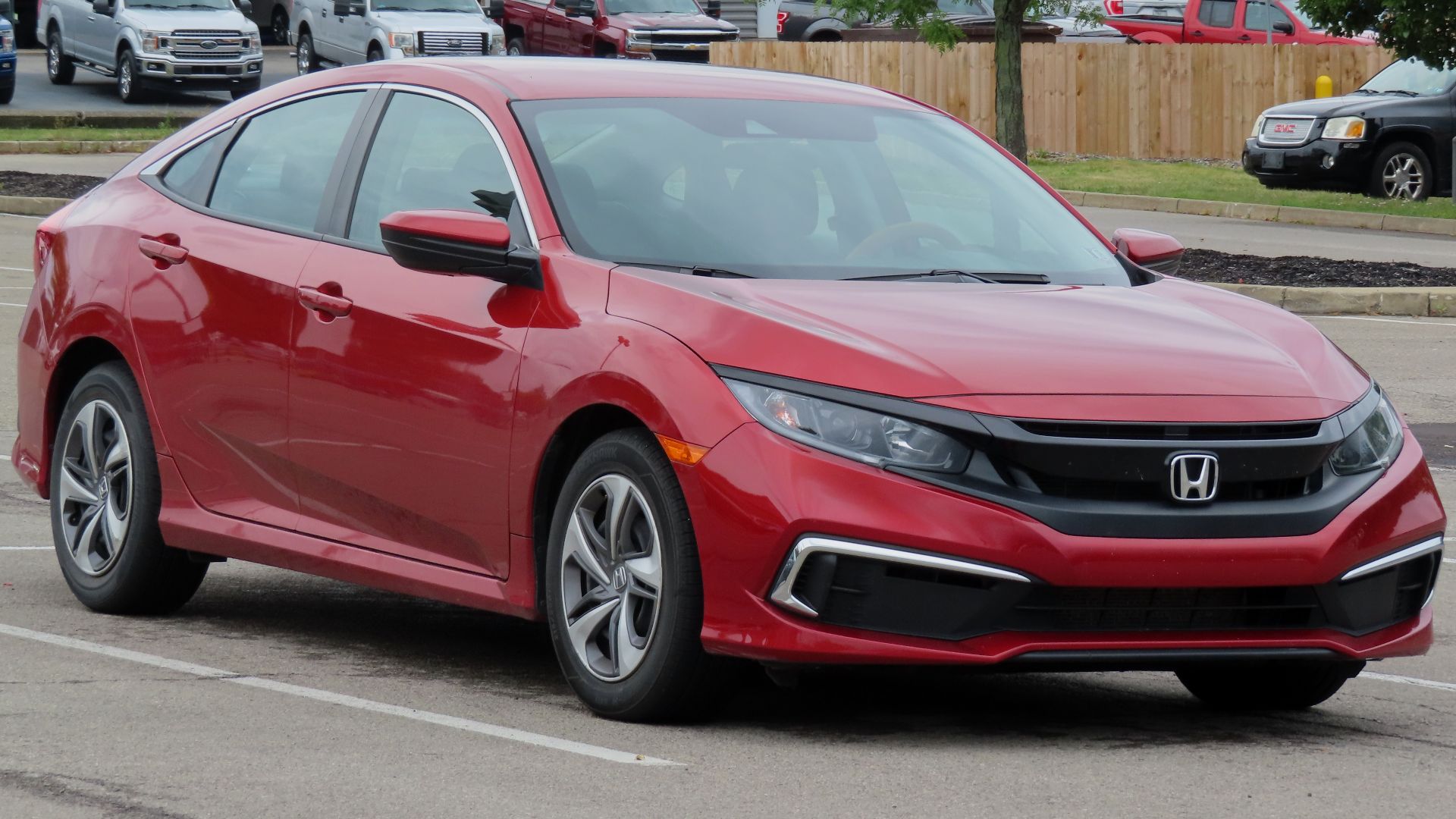
You’ve got it all planned out: your first car, your first taste of freedom, your first carefully curated Spotify playlist blasting through the speakers of a shiny red Honda Civic. It’s practical, reliable, and just sporty enough to make you feel cool pulling into the school parking lot. Then your dad drops a bombshell: “Hope you’re ready to pay more for insurance. It’s red.” Wait—what? Since when does color cost money?

The Myth That Won’t Die
The idea that red cars cost more to insure is one of those automotive legends that refuses to fade away. It’s right up there with “premium gas makes every car faster” and “you have to warm up your car for 10 minutes in winter.” People swear it’s true. They’ve heard it from friends, coworkers, or their uncle who “knows a guy” in insurance. But is there any actual truth to it?
 Alexander Migl, Wikimedia Commons
Where Did This Idea Even Come From?
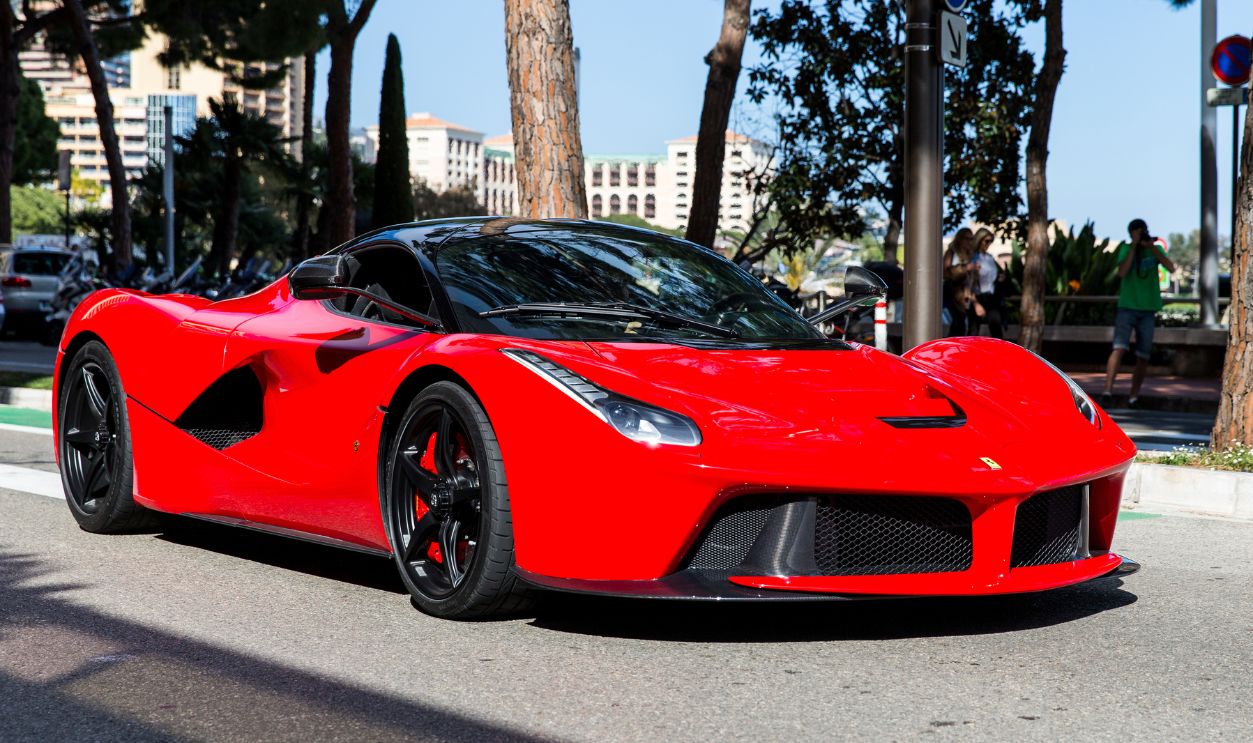
The myth probably started because red cars are often associated with sports cars. Ferraris are red. Corvettes look fantastic in red. Lamborghinis in bright red scream “ticket me.” Somewhere along the way, people connected the dots incorrectly: fast cars get higher insurance rates, lots of fast cars are red, therefore red must mean higher insurance. Logical? Sort of. Accurate? Not really.
What Insurance Companies Actually Care About
Here’s the reality: insurance companies don’t sit around judging your paint color. They care about risk. Specifically, how likely you are to file a claim and how expensive that claim might be. That means they’re looking at factors like your age, driving record, location, the car’s make and model, repair costs, theft rates, and even your credit score in some states.

Yes, They Know Your Car’s Color—But…
When you fill out insurance paperwork, you might notice that color isn’t even listed as a required field. That’s because insurers don’t use it to calculate premiums. They care about the Vehicle Identification Number (VIN), which tells them the exact trim, engine, and safety features of your Honda Civic. The VIN doesn’t encode paint color as a rating factor.

Why Your Age Matters More Than Your Paint
If this is your first car, chances are you’re young. And statistically speaking, young drivers file more claims. It’s not personal; it’s math. Drivers under 25 are involved in more accidents on average, so they’re considered higher risk. That’s going to affect your insurance bill a whole lot more than whether your Civic is red, blue, or neon green.

The Honda Civic Factor
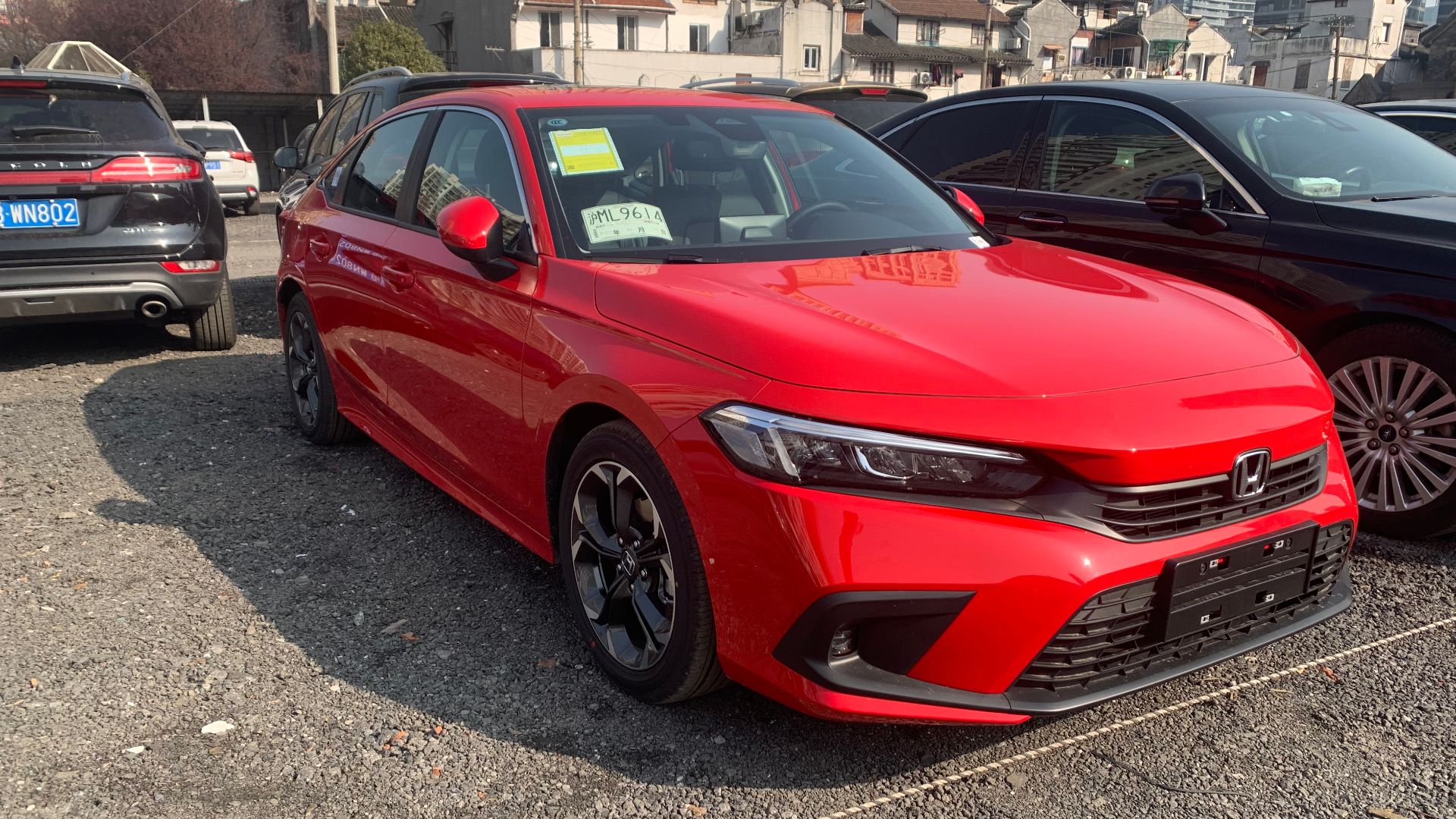
Here’s some good news: a Honda Civic is generally a smart insurance choice. It’s not a high-end luxury car. It’s not a 500-horsepower sports coupe. It’s a practical, widely driven compact sedan with solid safety ratings and reasonable repair costs. All of that works in your favor when insurers calculate your premium.
 Elizbeth smith, Wikimedia Commons
Sports Cars Versus Sedans
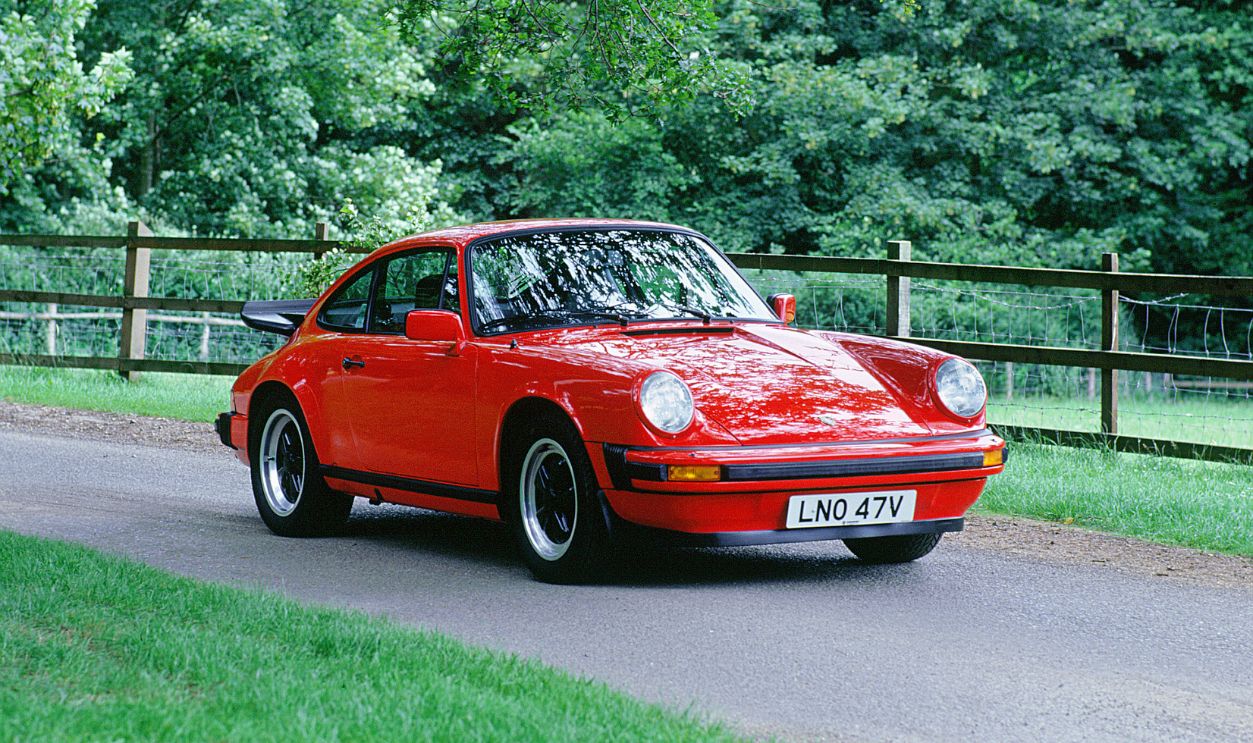
Let’s clear something up. If you were buying a red Porsche 911, your insurance would absolutely be higher. But that’s because it’s a Porsche 911—not because it’s red. High-performance vehicles cost more to repair and are statistically driven faster and harder. Your Civic, even in bright red, doesn’t fall into that category.
The Speeding Ticket Assumption
Some people argue that red cars get pulled over more, which supposedly leads to higher insurance rates. But studies haven’t consistently backed that up. Police officers don’t have a secret vendetta against red paint. They’re looking for speeding, reckless driving, and traffic violations—not scanning the rainbow for premium hikes.
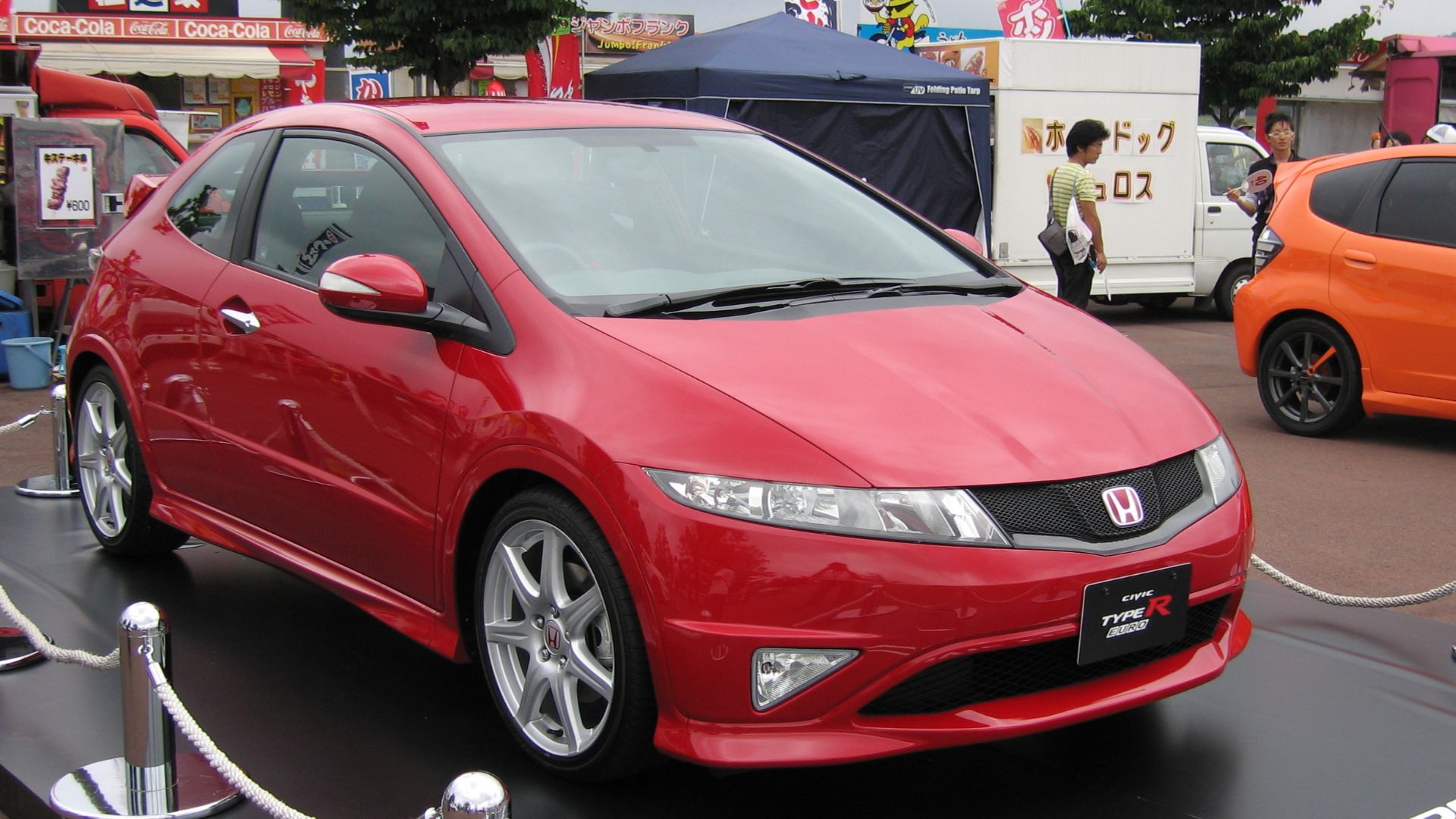 NSX GT-1 96, Wikimedia Commons
Visibility And Safety Myths
There’s also the argument that red cars are more visible and therefore safer—or somehow more accident-prone. Again, there’s no solid data showing red cars crash more often. Accident rates are influenced by driver behavior, road conditions, and traffic patterns, not by whether your car resembles a cherry.
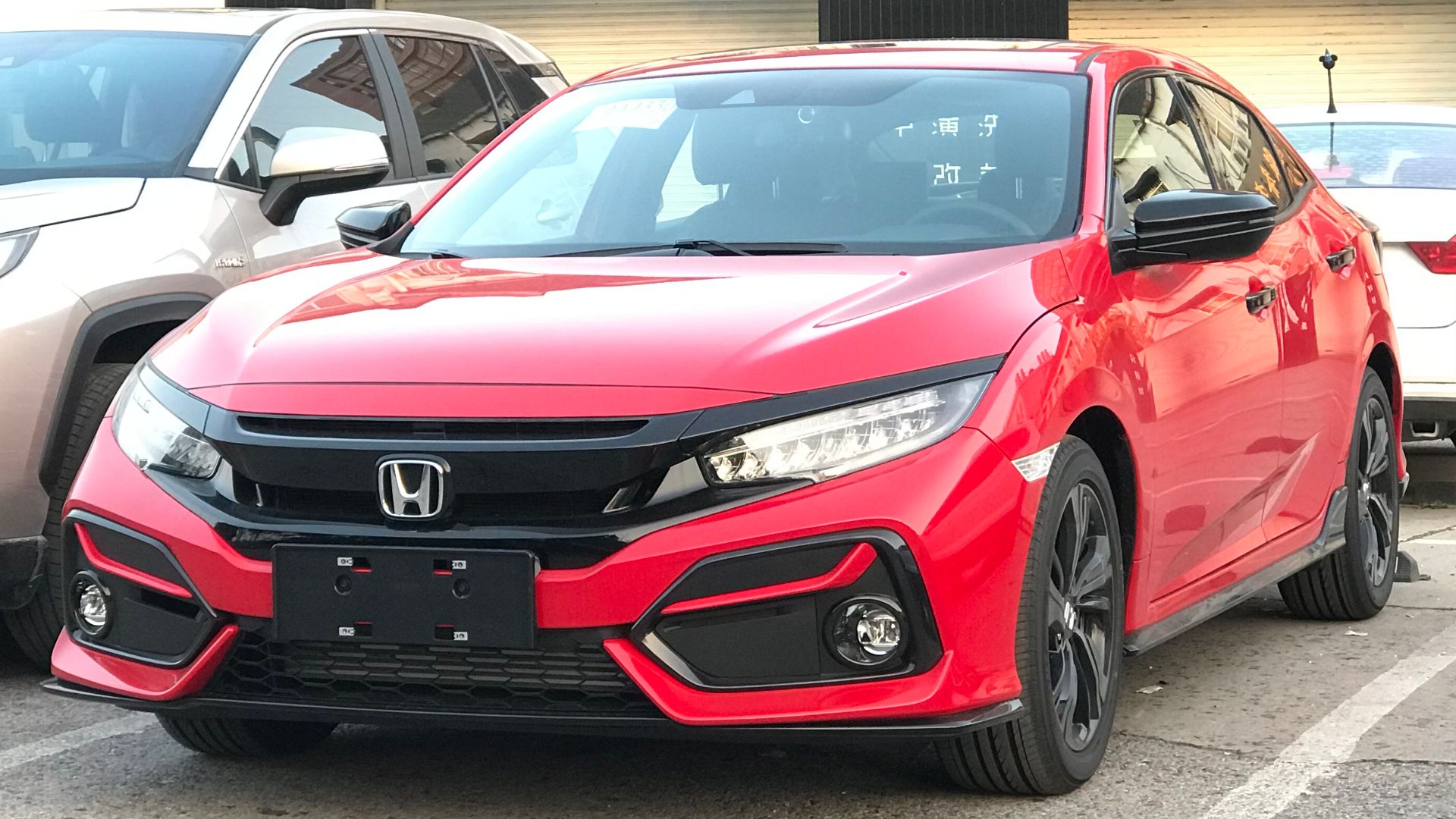 Jengtingchen, Wikimedia Commons
How Premiums Are Really Calculated
Insurance pricing is based on massive data models. Actuaries analyze millions of claims to determine what combinations of factors predict risk. Your ZIP code matters because accident and theft rates vary by area. Your driving history matters because past behavior predicts future behavior. Your annual mileage matters because more time on the road equals more exposure to risk.
 Skrypnykov Dmytro, Shutterstock
Your ZIP Code Is A Bigger Deal
Live in a busy city with lots of traffic and car theft? Expect higher rates. Live in a quiet suburb with low accident frequency? That helps. Two identical red Honda Civics parked in different ZIP codes can have drastically different premiums. That difference has nothing to do with color and everything to do with statistics.

The Repair Cost Equation
Insurers also care about how much it costs to fix your car. Hondas are popular, which means parts are widely available and relatively affordable. That’s good news. If you scrape a bumper or need a new headlight, it won’t cost as much as repairing a luxury European import. Lower repair costs can mean lower insurance rates.

Theft Rates And Popular Models
Ironically, being popular can be a double-edged sword. Honda Civics have historically been among the most stolen cars in America. Why? Because there are so many of them, and parts are easy to resell. If theft rates are high in your area, that could bump up your comprehensive coverage cost. Again, nothing to do with red paint
.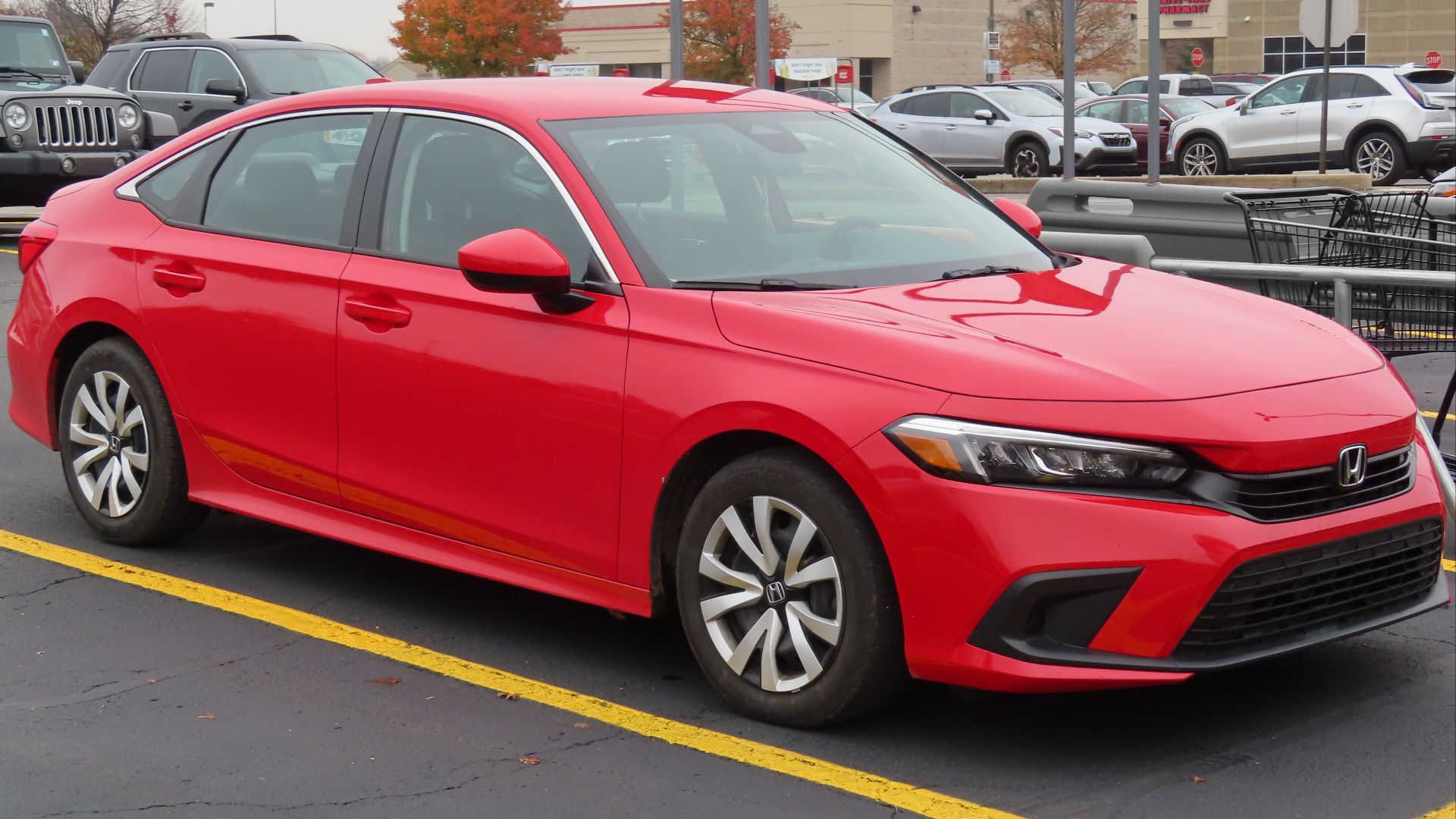 MercurySable99, Wikimedia Commons
Liability Versus Full Coverage
Your dad might also be reacting to the idea of full coverage. If your Civic is newer or financed, you’ll likely need collision and comprehensive coverage. That costs more than basic liability. The color doesn’t trigger that requirement—your lender does. It’s about protecting the car’s value, not its shade.

The Power Of A Clean Driving Record
Want to really lower your insurance costs? Keep your record spotless. No speeding tickets, no at-fault accidents, no texting while driving. Over time, a clean record can significantly reduce your premiums. That’s something you control. The color of your car? Not so much.

Good Student Discounts Are Real
If you’re in high school or college and maintain good grades, many insurers offer a good student discount. It sounds random, but statistically, students with higher GPAs tend to file fewer claims. That discount can make a noticeable dent in your bill—far more than choosing a different paint color ever would.

Defensive Driving Courses Help
Another way to lower costs is by completing a defensive driving course. These programs teach hazard awareness and safe driving techniques, and insurers often reward that effort with a discount. It shows you’re serious about reducing risk, which is exactly what insurance companies like to see.

The Multi-Car Policy Trick
Here’s where your dad might actually help you out. If you’re added to your parents’ policy instead of getting your own, it’s often cheaper. Multi-car and multi-driver discounts can soften the blow of those higher teen-driver rates. It’s not glamorous, but it’s financially smart.

Credit Scores And Premiums
In many states, insurers use credit-based insurance scores to help determine rates. It’s controversial, but statistically, credit behavior correlates with claim frequency. Building good credit over time can help lower your premiums. Again, this has nothing to do with your Civic’s red exterior.
 LIGHTFIELD STUDIOS, Adobe Stock
The Psychology Of Red
So why does this myth persist? Because red is bold. It feels fast. It grabs attention. There’s a psychological association between red and excitement, speed, even aggression. It’s easy to assume insurers think the same way. But insurance pricing isn’t about vibes—it’s about verified data.
What Insurers Don’t Ask
If color truly affected rates, you’d see it front and center on every insurance application. “Please select: Red (expensive), Blue (reasonable), Beige (practically free).” That’s not how it works. In fact, many insurers don’t even record color as a rating variable because it has no proven statistical impact.

Real Reasons Your First Premium Might Sting
Let’s be honest: your first insurance bill might still be high. New driver. Limited experience. Higher statistical risk. That part is real. But blaming the red paint is like blaming your sneakers for how fast you run. The cost comes from who’s behind the wheel, not the color on the hood.

How To Shop Smart
The best move you can make is to shop around. Different insurers weigh risk factors slightly differently. Get multiple quotes. Ask about discounts. Adjust deductibles to find a balance between monthly cost and out-of-pocket risk. Being proactive can save you hundreds of dollars a year.

Should You Pick A Different Color?
If you love the red Honda Civic, buy the red Honda Civic. Don’t settle for silver out of fear. You’re going to live with this car every day. Enjoy it. Smile when you see it in the driveway. Insurance companies won’t punish you for choosing a color with personality.

The Conversation With Dad
When your dad says, “Red cars cost more to insure,” he’s not trying to crush your dreams. He’s probably repeating something he heard decades ago. Insurance has changed dramatically since then. Data modeling is far more precise. Today’s premiums are driven by analytics, not automotive superstition.

Freedom, Responsibility, And Reality
Getting your first car is a milestone. It’s independence wrapped in sheet metal and four wheels. With that freedom comes responsibility—safe driving, budgeting for gas and insurance, and understanding how the system works. The more you know, the less intimidating that insurance bill feels.

The Bottom Line On Red Cars
So, how is it legal for insurers to charge more for a red car? Simple: they don’t. There’s no secret “scarlet surcharge.” Your insurance rate is based on measurable risk factors like age, driving history, location, and vehicle type. If your premium is high, it’s not because your Honda Civic is red—it’s because you’re new to the road. Drive smart, shop wisely, and enjoy every mile of that bright red freedom machine.
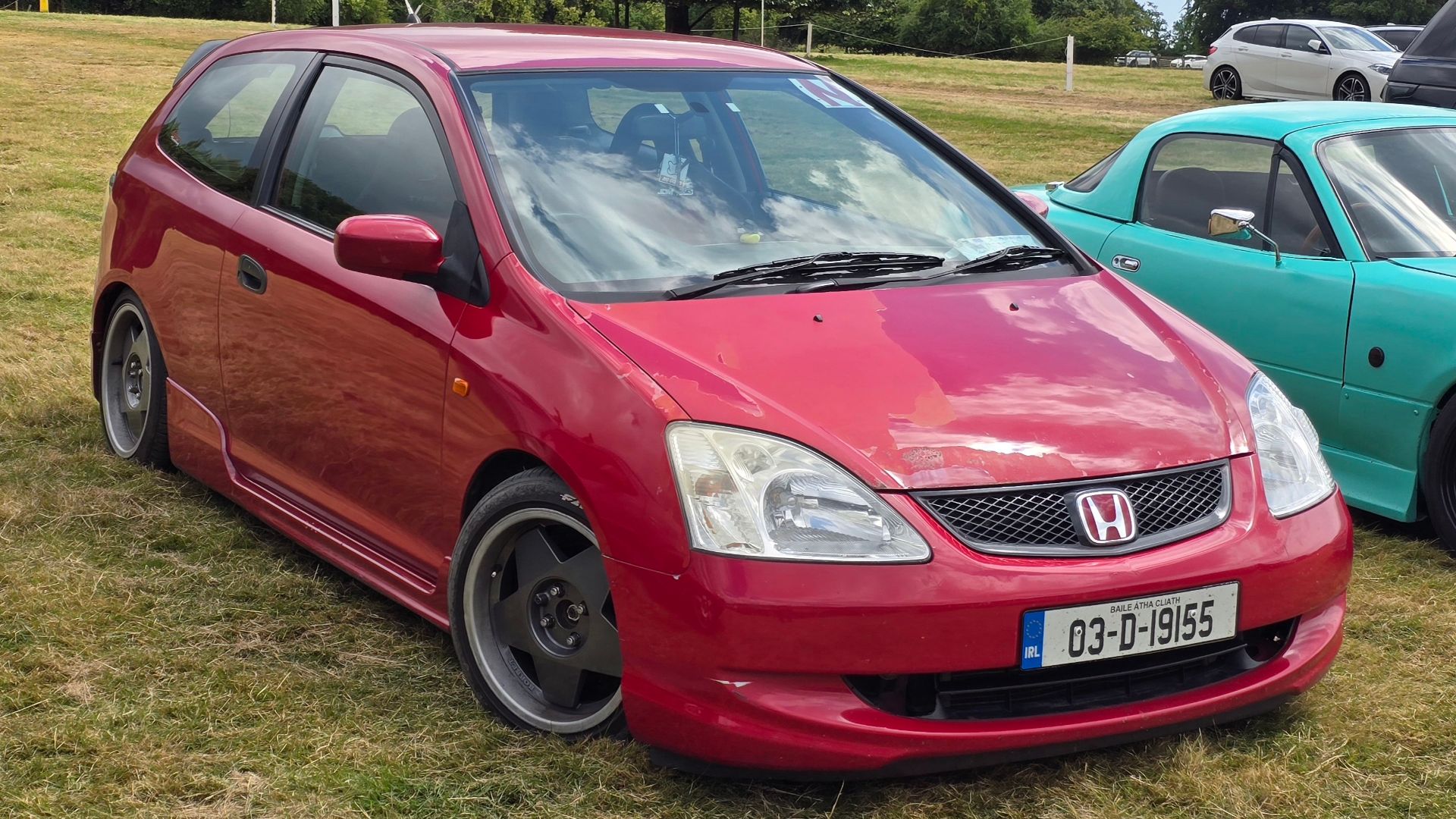
 MercurySable99, Wikimedia Commons
You May Also Like:
New Car Models Baby Boomers Can’t Stand