Champagne Style, Used-Car Money
The 1970s gave us some seriously stylish luxury cars. Back then, many of these looked expensive, exotic, or just out of reach. Today, a surprising number of them can still be bought for the price of a modern family crossover.
Triumph TR6
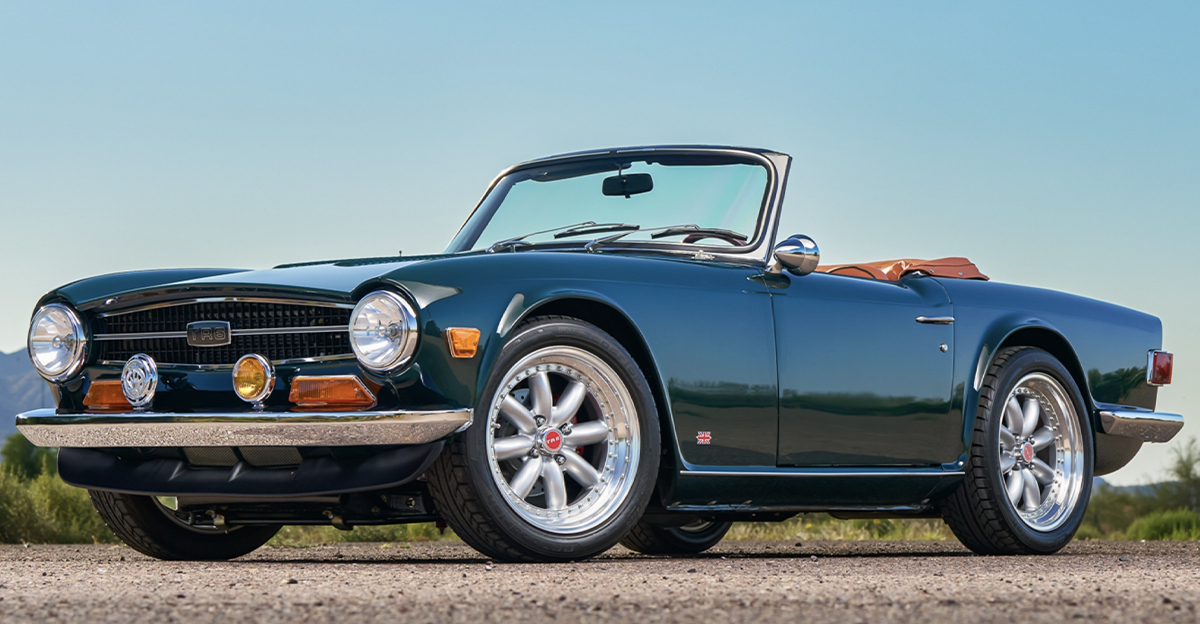
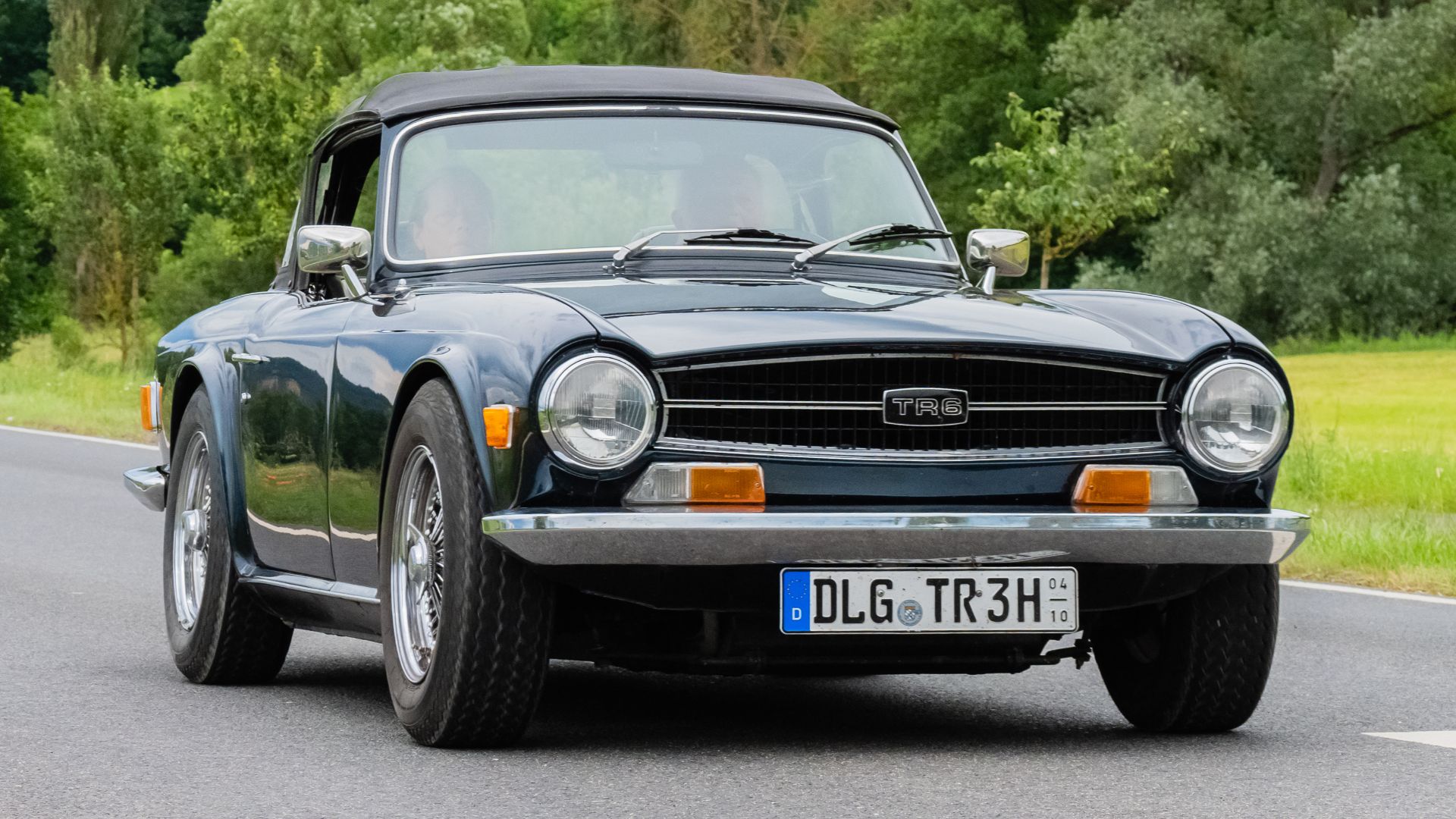
The Triumph TR6 had the kind of simple British roadster charm that still works perfectly today. With its long hood, squared-off Karmann styling, inline-six engine, and low seating position, it looked like a proper rich-person weekend toy in the 1970s. Today, nice drivers often land around $18,000–$30,000, with Classic.com showing a market benchmark around $20,000 for the base TR6. That’s not pocket change, but for chrome-bumper sports-car drama, it still feels pretty reasonable.
Mercury Cougar
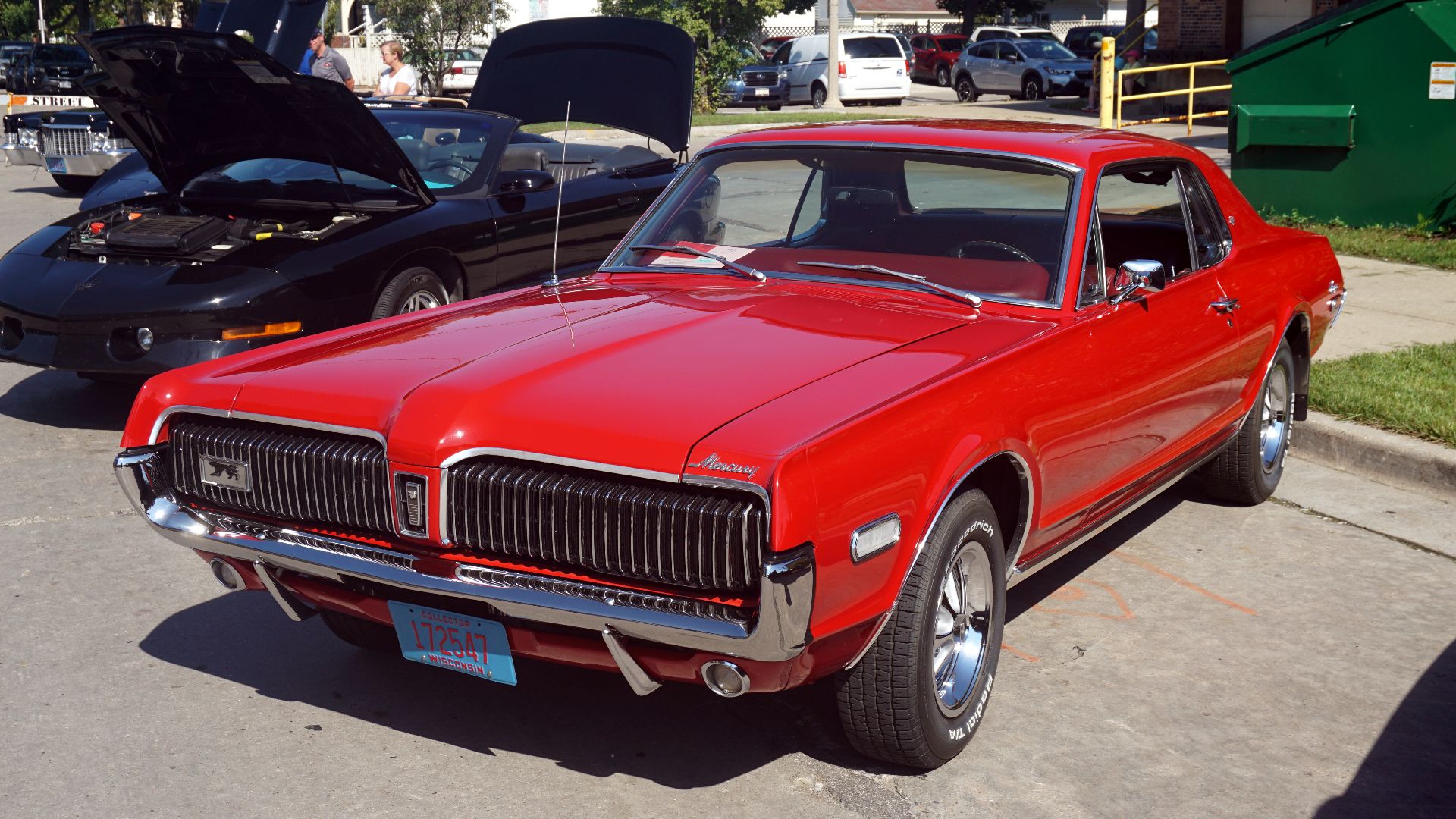
The Mercury Cougar was basically the Mustang’s more polished cousin, and that made it feel a little more grown-up when new. By the 1970s, it leaned harder into personal-luxury style, with longer proportions, plush interiors, and a more relaxed attitude. Good examples can vary wildly, but many 1970s Cougars still sit in the $15,000–$35,000 range, depending on trim and condition. It’s got muscle-era flavor without always carrying Mustang-level pricing.
 Michael Barera, Wikimedia Commons
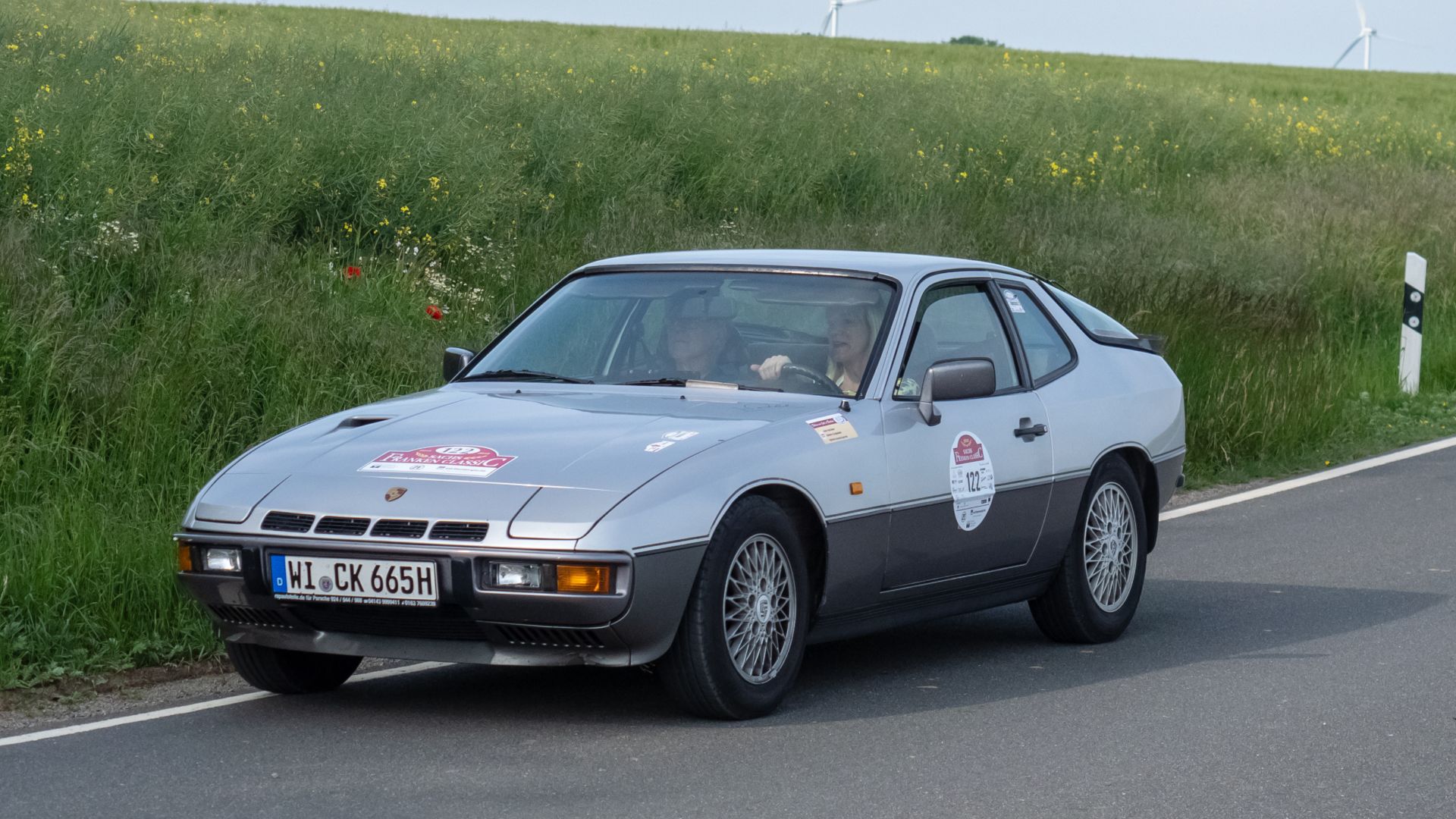
Porsche 924
The Porsche 924 was once dismissed as the “cheap Porsche,” but that insult has aged into a selling point. It had front-engine balance, a practical hatchback body, crisp handling, and just enough Porsche badge appeal to look expensive in the driveway. Classic.com puts the 924 market benchmark around $10,400, which is almost funny for something wearing a Porsche crest. It’s not fast by modern standards, but it’s light, usable, and way more charming than its old reputation suggests.
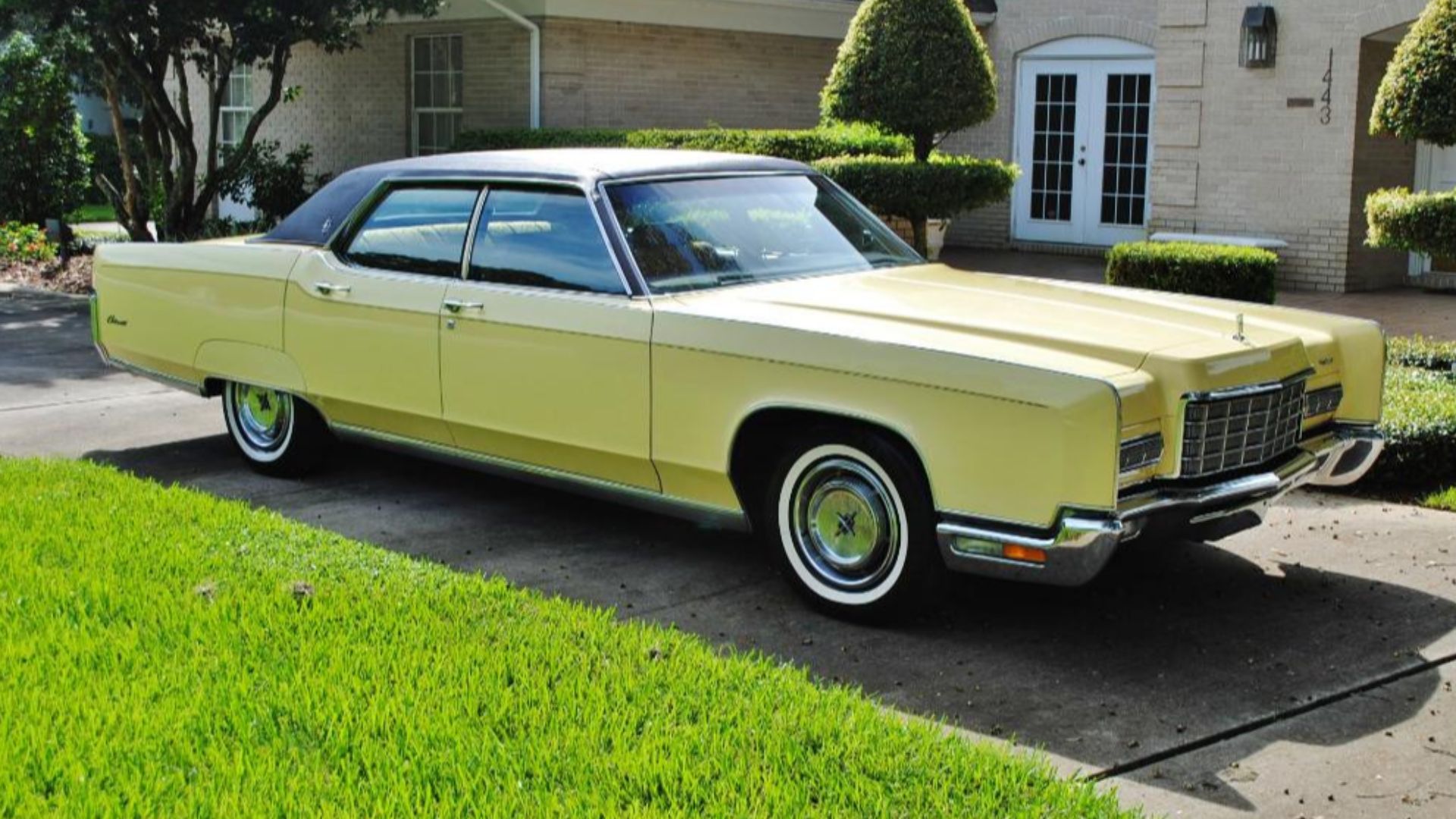
Lincoln Continental
The 1970s Lincoln Continental was pure American excess. It was enormous, formal, soft-riding, and loaded with the kind of presence modern luxury cars try very hard to recreate. These cars once looked like CEO transportation, but many driver-quality examples remain surprisingly approachable today. Depending on year and body style, expect anything from around $12,000–$35,000, with some cleaner early-1970s examples climbing higher. It’s a lot of car for the money, in every possible sense.
 That Hartford Guy, Wikimedia Commons
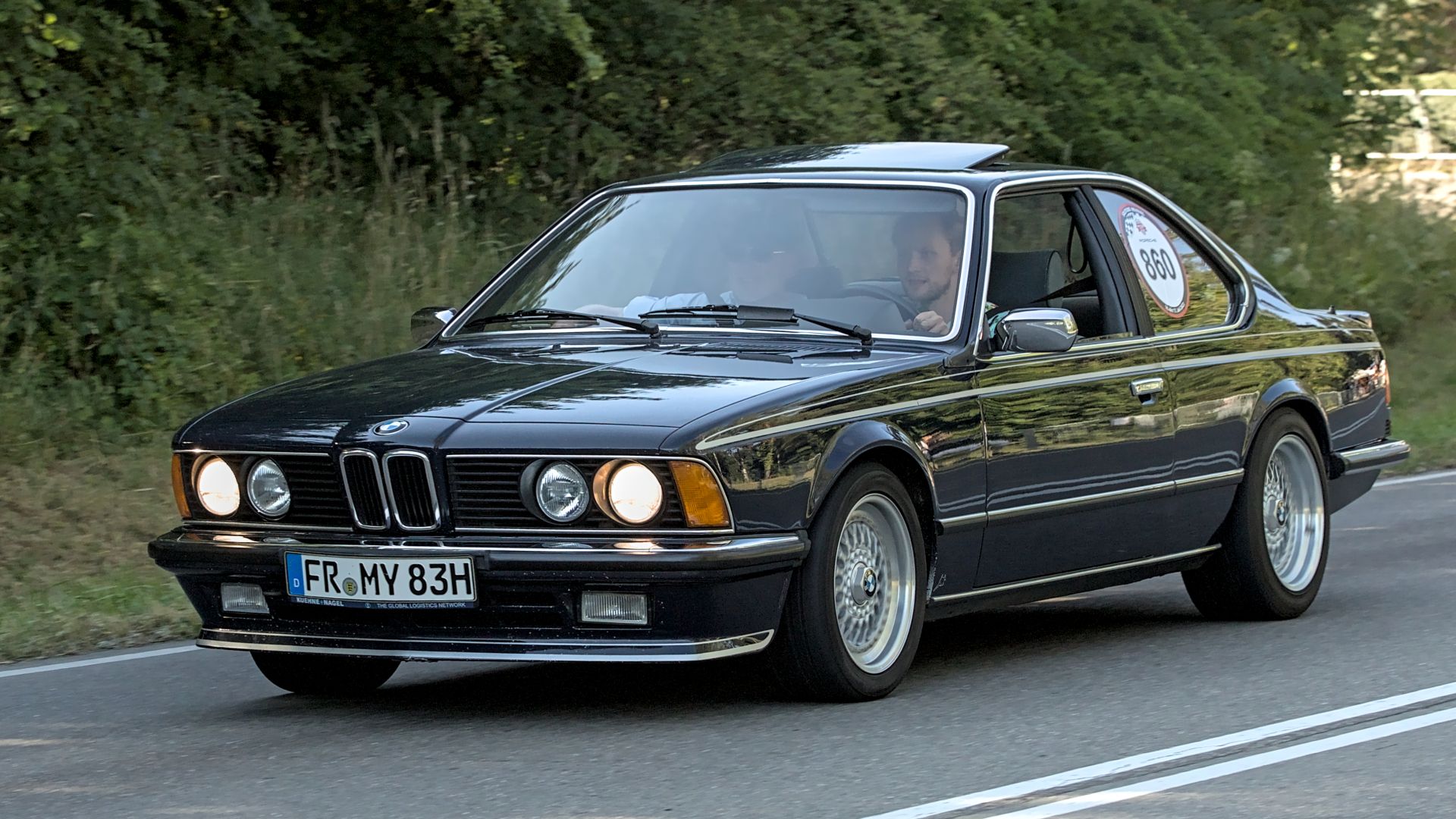
BMW 630/633CSi
The first BMW 6 Series looked expensive then, and honestly, it still does now. The E24 coupe had elegant shark-nose styling, a refined inline-six, and a cabin that felt properly premium without being flashy. The 630CSi and 633CSi don’t usually bring M6 money, which makes them much more realistic buys. Clean cars often fall around $20,000–$35,000, with Classic.com showing the broader E24 market benchmark in the mid-$20,000 range.
 Alexander Migl, Wikimedia Commons
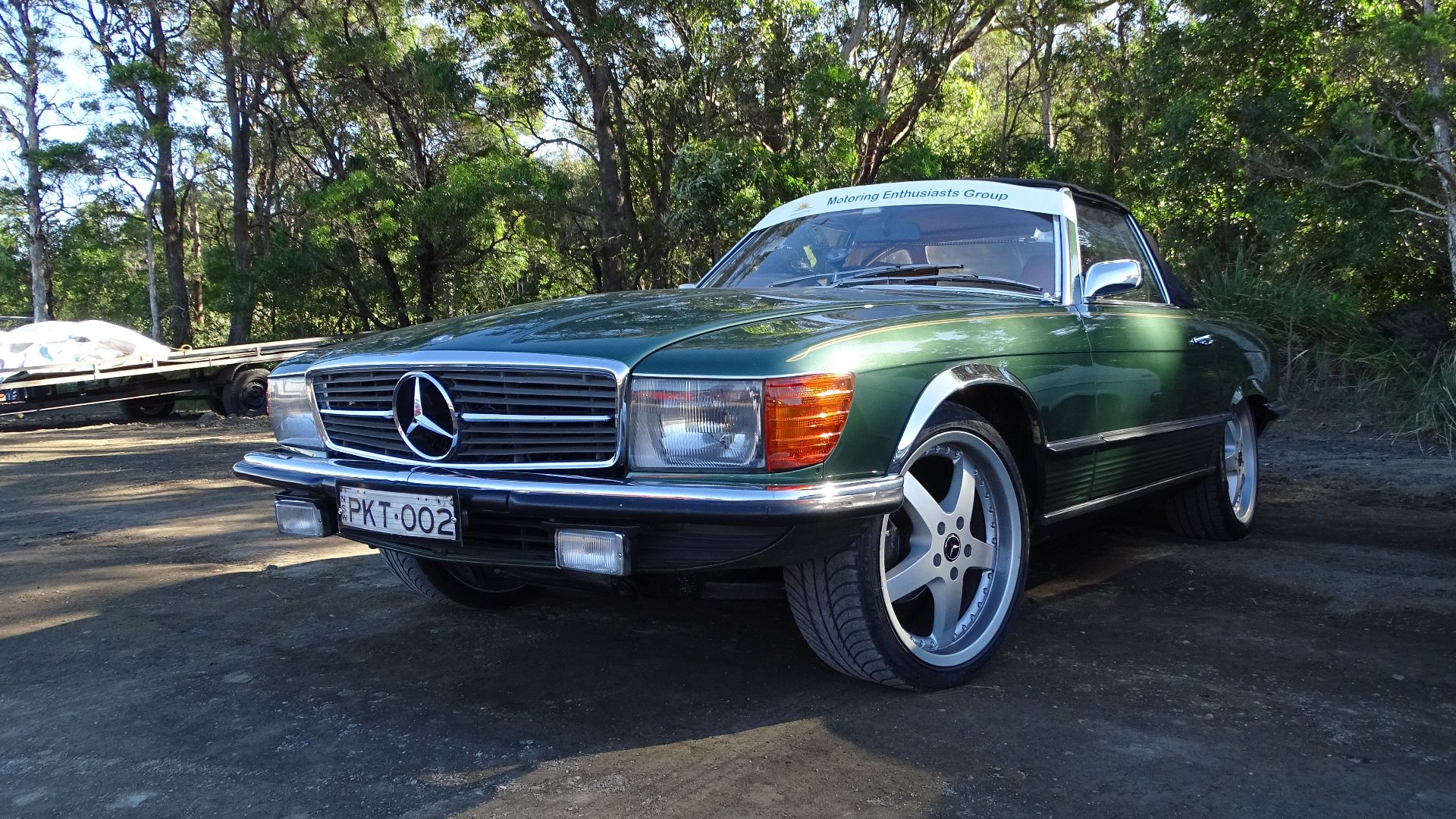
Mercedes-Benz 450SL
The Mercedes 450SL was one of the ultimate 1970s “you’ve made it” cars. It had a V8, a removable hardtop, timeless R107 styling, and the kind of solidity that made it feel expensive before you even turned the key. Prices can be all over the place, but many usable examples sit around $15,000–$30,000, while exceptional low-mileage cars can go much higher. Classic.com’s current for-sale benchmark around $15,000 shows how accessible these can still be if you shop carefully.
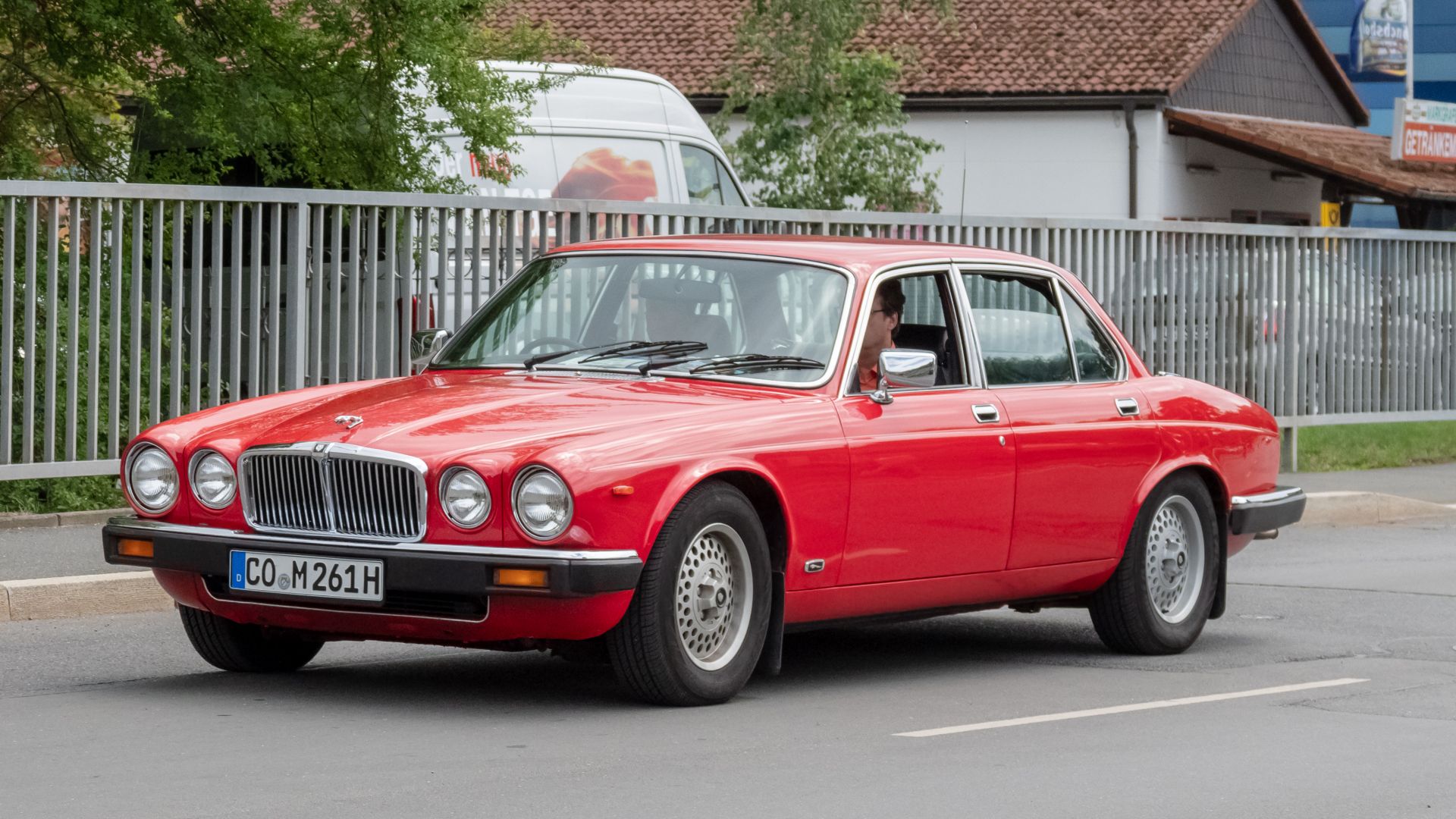
Jaguar XJ12
The Jaguar XJ12 was the kind of car that made ordinary sedans look like office furniture. It had graceful lines, a lavish cabin, and a V12 engine, which still sounds wildly exotic today. The catch, of course, is that old V12 Jaguars can demand serious patience and maintenance money. That’s why many examples remain surprisingly affordable, often around $10,000–$25,000 for usable cars. It’s one of the cheapest ways to say “I own a V12,” but it’s not the cheapest way to keep one happy.
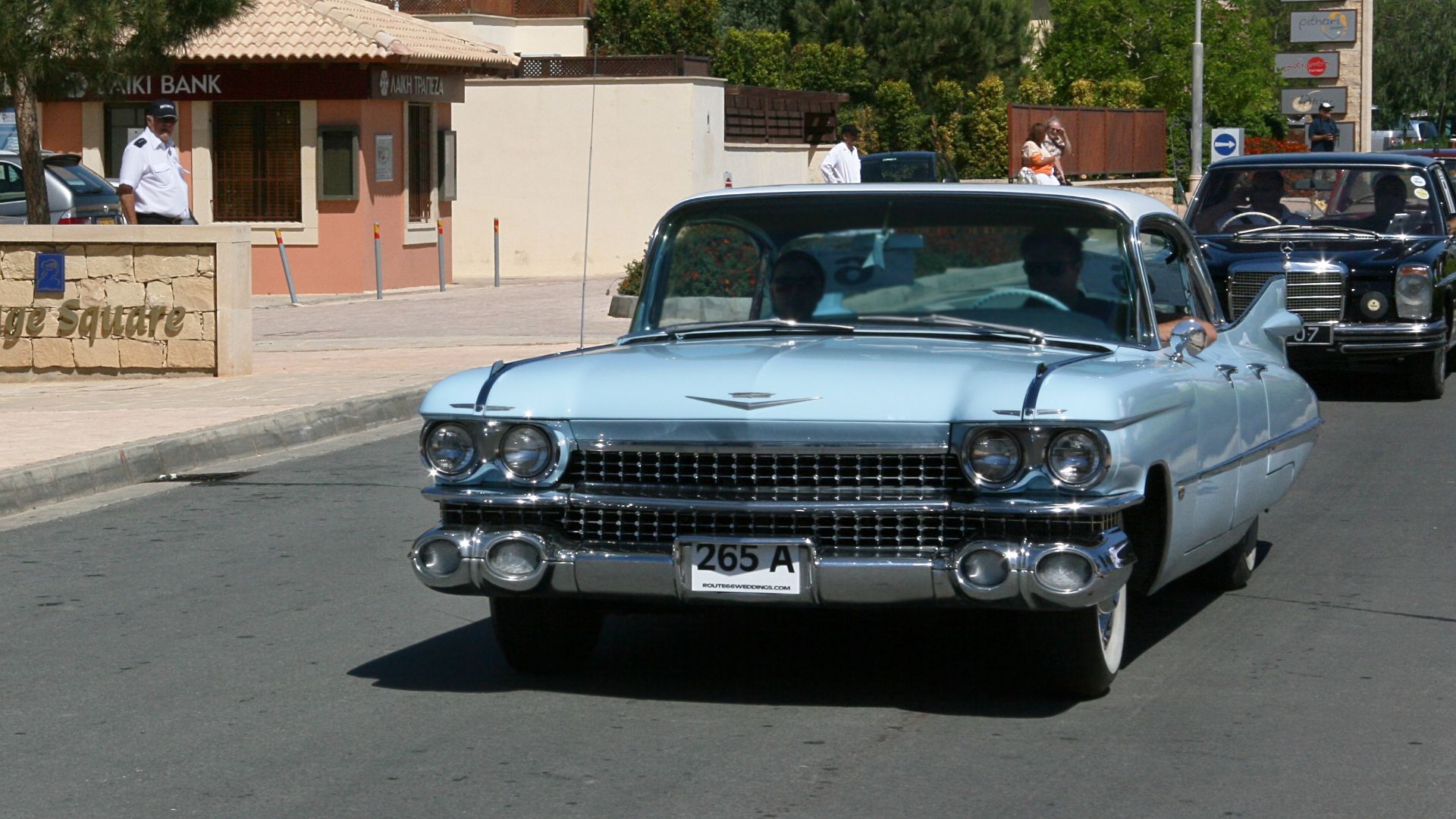
Cadillac Coupe De Ville
The Cadillac Coupe De Ville was peak 1970s American luxury: huge doors, plush seats, soft suspension, and enough sheet metal to feel like its own zip code. Back then, it projected success without needing to be sporty or subtle. Today, driver-quality cars can still be found around $12,000–$25,000, while especially clean examples stretch higher. It’s not a corner-carver, but if you want presence per dollar, few cars deliver like a big old Cadillac coupe.
 Anna Anichkova, Wikimedia Commons
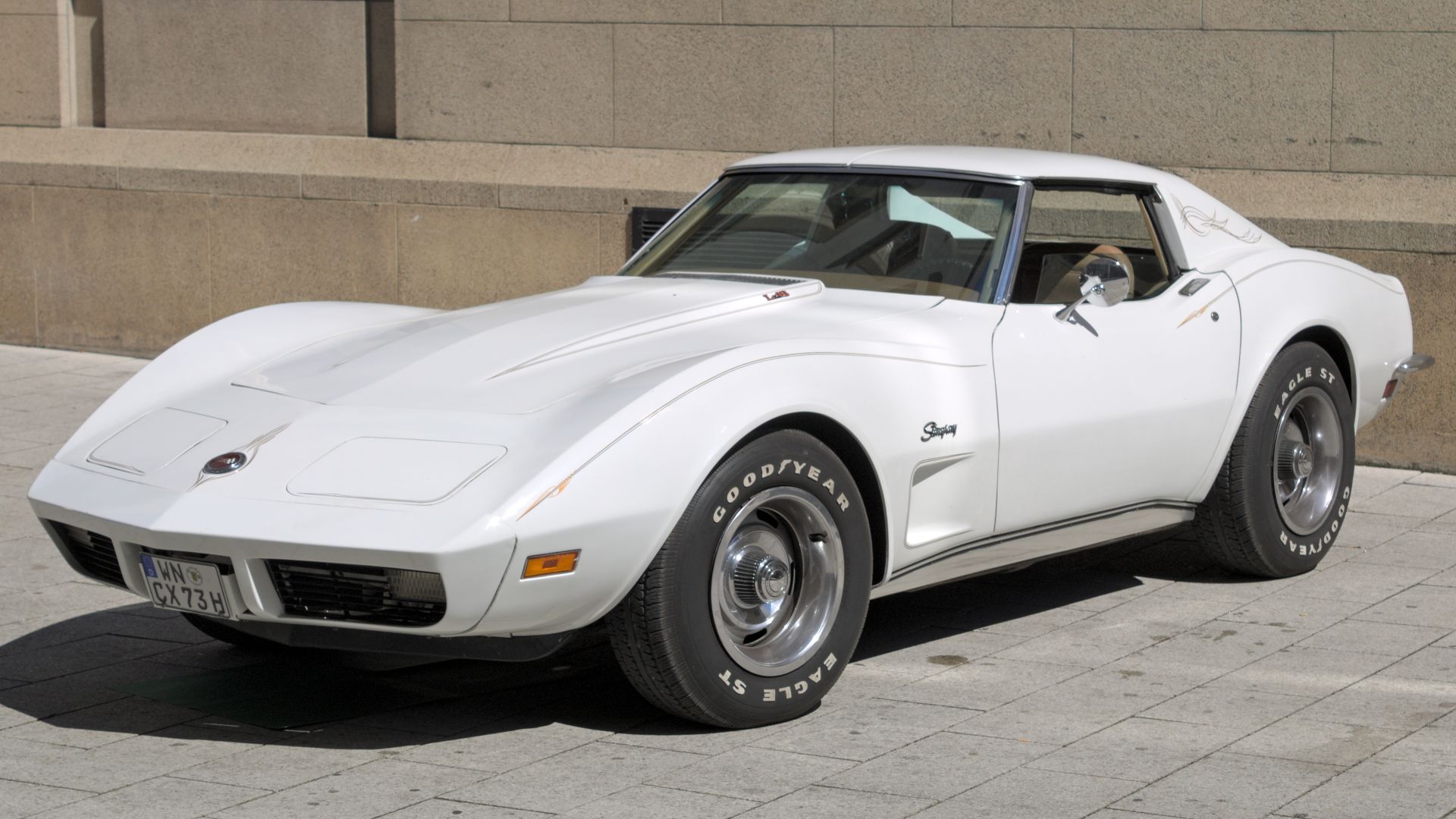
Chevrolet Corvette (C3)
The C3 Corvette looked like a rolling concept car when it arrived, and even slower late-1970s versions still had major curb appeal. The long hood, Coke-bottle curves, removable roof panels, and low stance made it feel exotic compared with most American cars. Today, many driver-quality C3s sit around $18,000–$35,000, depending heavily on year, engine, and condition. It’s still one of the most affordable ways into classic Corvette ownership.
 Alexander Migl, Wikimedia Commons
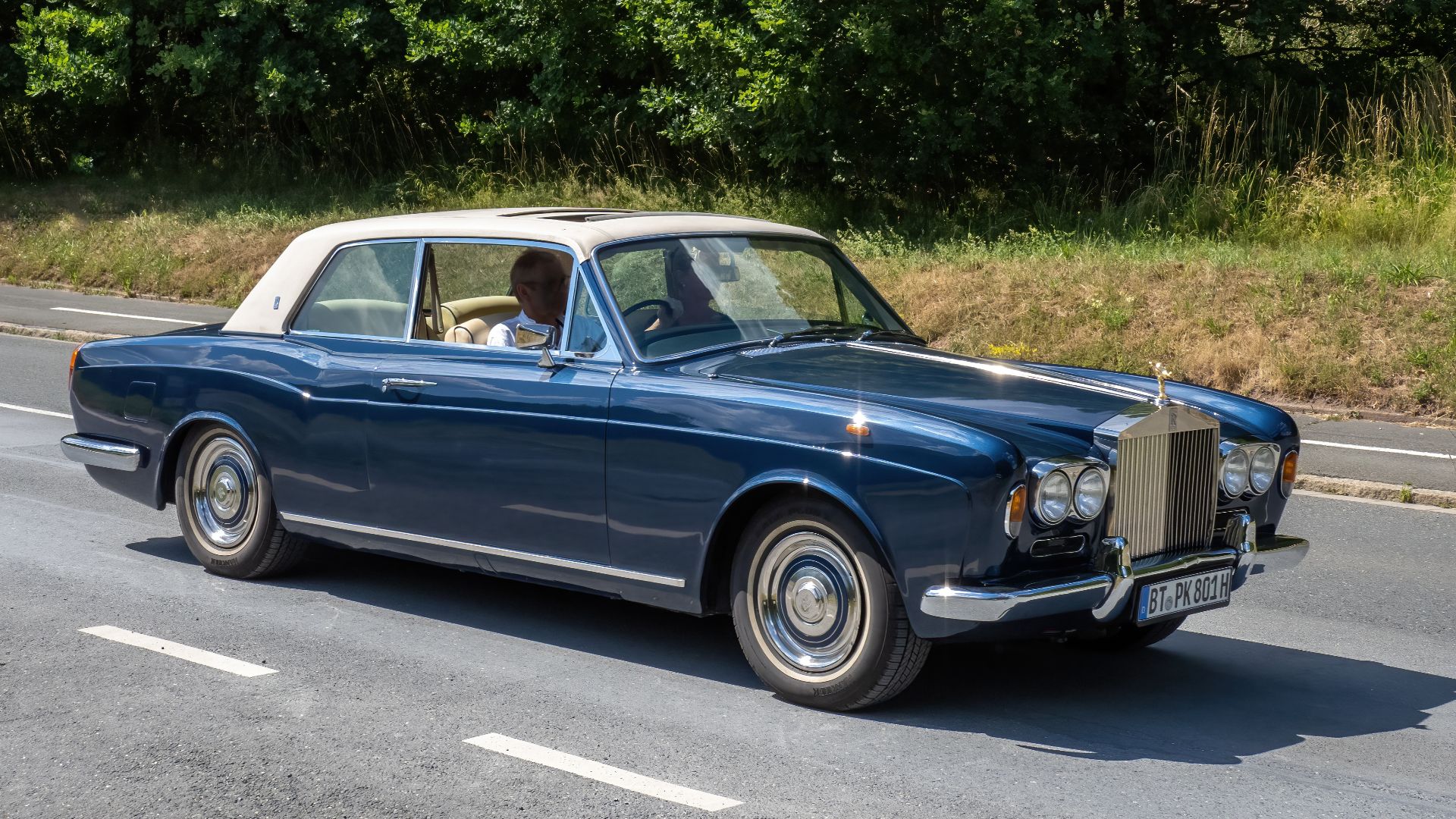
Rolls-Royce Silver Shadow
The Rolls-Royce Silver Shadow might be the best example of a car that looked impossibly expensive then but can seem suspiciously affordable now. It brought hand-built British luxury, a smooth V8, hydraulic self-leveling suspension, and the kind of badge presence few cars can match. Classic.com lists the Silver Shadow market benchmark around $16,000, which sounds wild until you remember maintenance can cost like a Rolls. The purchase price may be a steal, but ownership definitely isn’t economy-class.
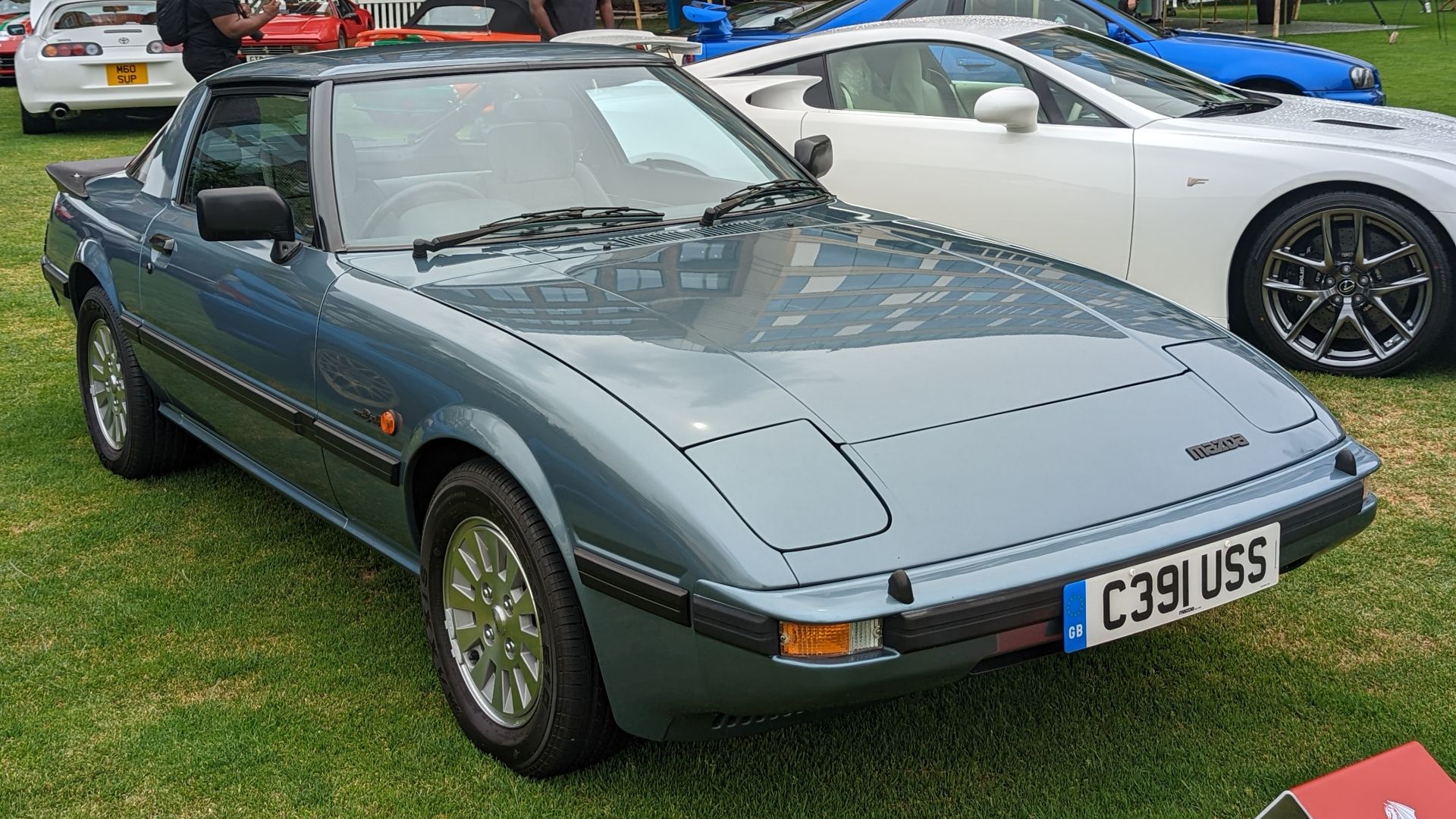
Mazda RX-7
The first-generation Mazda RX-7 didn’t shout luxury, but it absolutely looked special in the late 1970s. With its low coupe body, pop-up headlights, light weight, and rotary engine, it had a sleek, expensive-looking sports-car vibe without the European price tag. Many early RX-7s still trade around $10,000–$20,000, though clean, original examples are getting harder to ignore. It’s simple, distinctive, and still one of the coolest affordable Japanese classics.
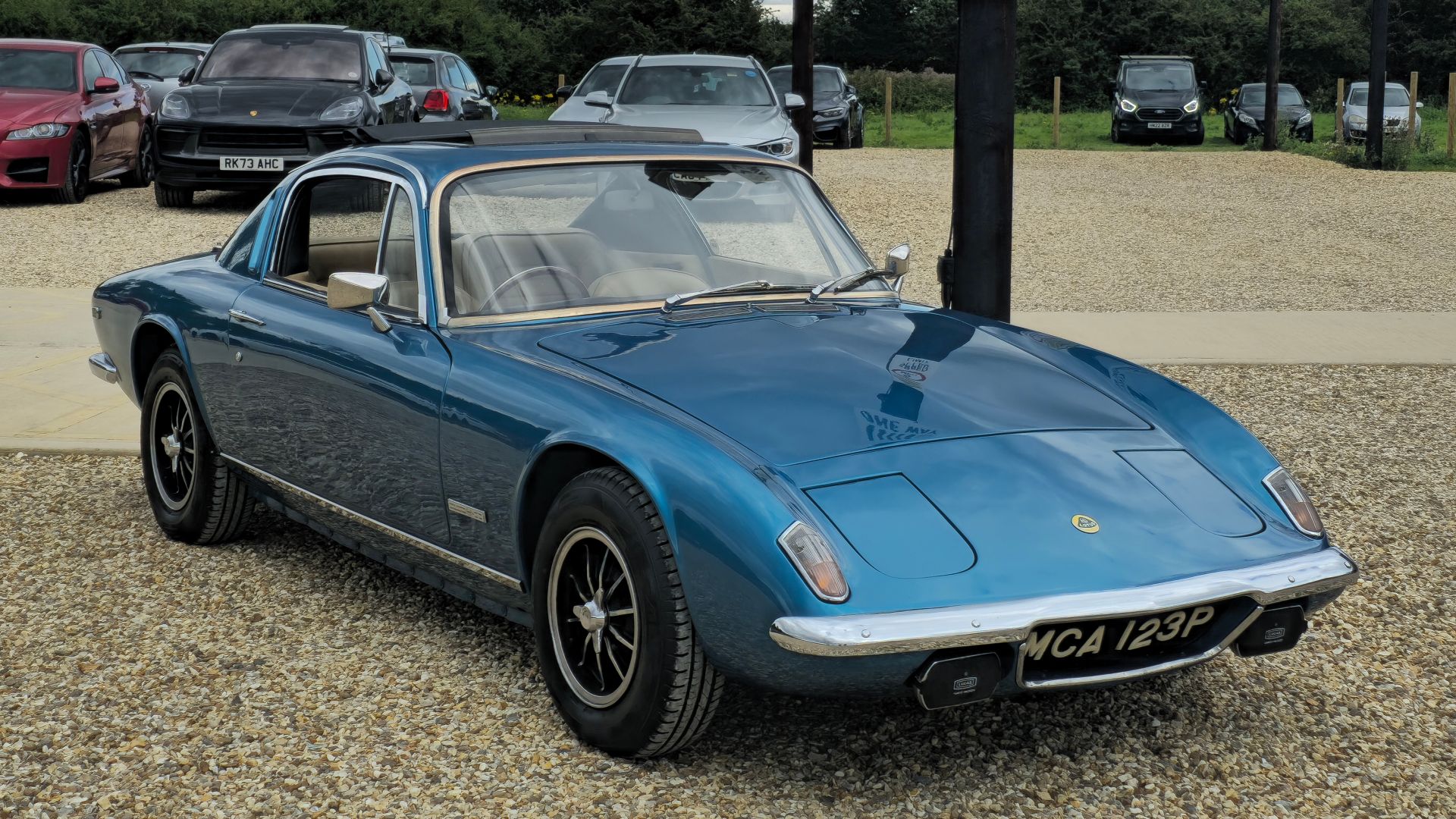
Lotus Elan +2
The Lotus Elan +2 gave buyers delicate styling and real Lotus handling in a slightly more grown-up package. It had a tiny footprint, a lightweight body, a twin-cam four-cylinder, and enough rear-seat space to pretend it was practical. Today, usable examples often sit around $25,000–$45,000, though the nicest cars can cost far more. Classic.com notes a huge top-end sale for a restored Elan Plus 2S 130, which shows how wide the market can be.
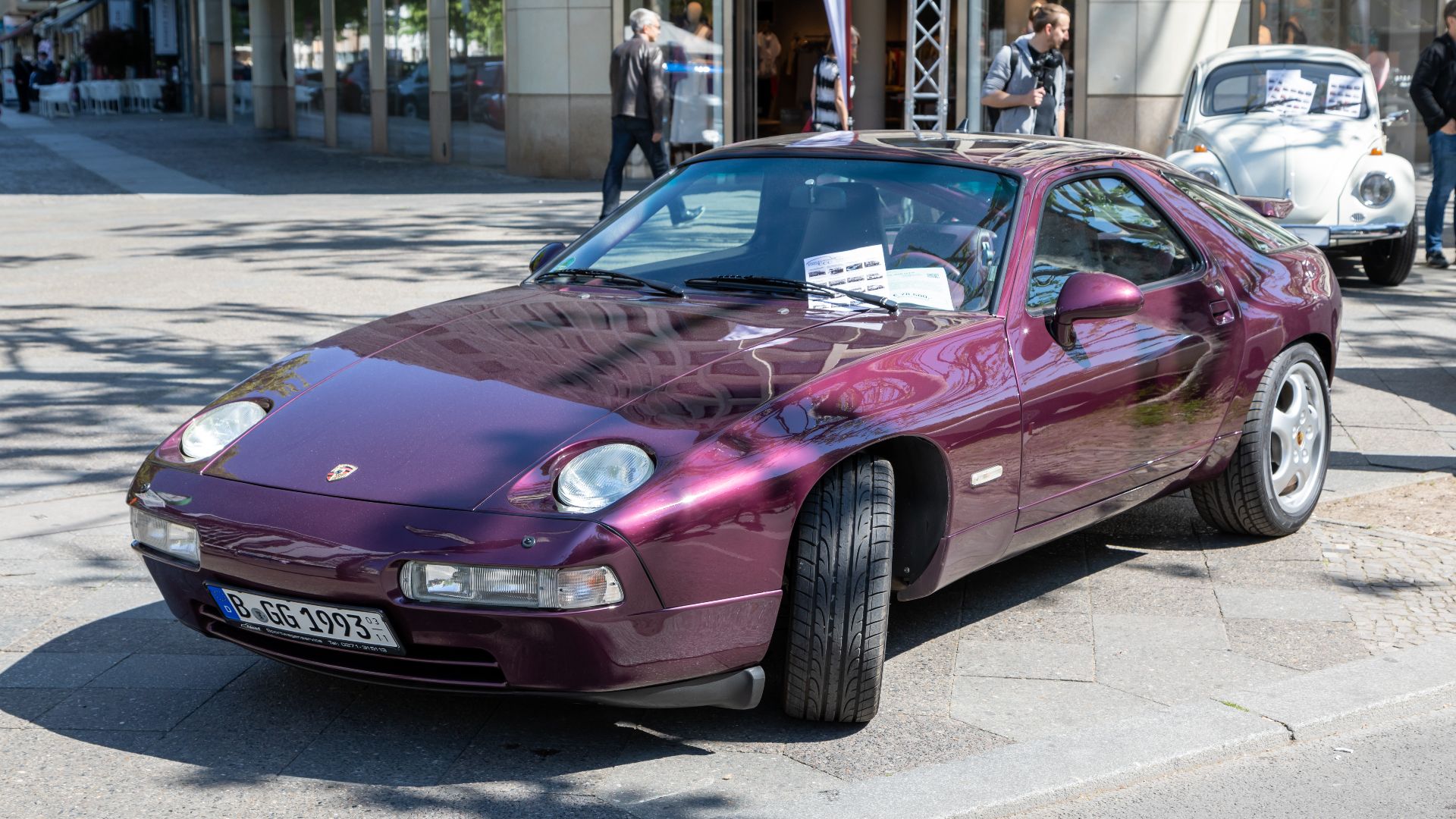
Porsche 928
The Porsche 928 was meant to be the future of Porsche. It had a front-mounted V8, transaxle balance, sleek grand-touring styling, and technology that felt seriously upscale in the late 1970s. For years, buyers ignored them because they weren’t 911s, but that’s exactly why they stayed attainable. Classic.com shows the 928 market benchmark around $12,600 overall, though manuals and cleaner cars can be far more expensive. It still feels like a luxury spaceship for used-car money.
 Matti Blume, Wikimedia Commons
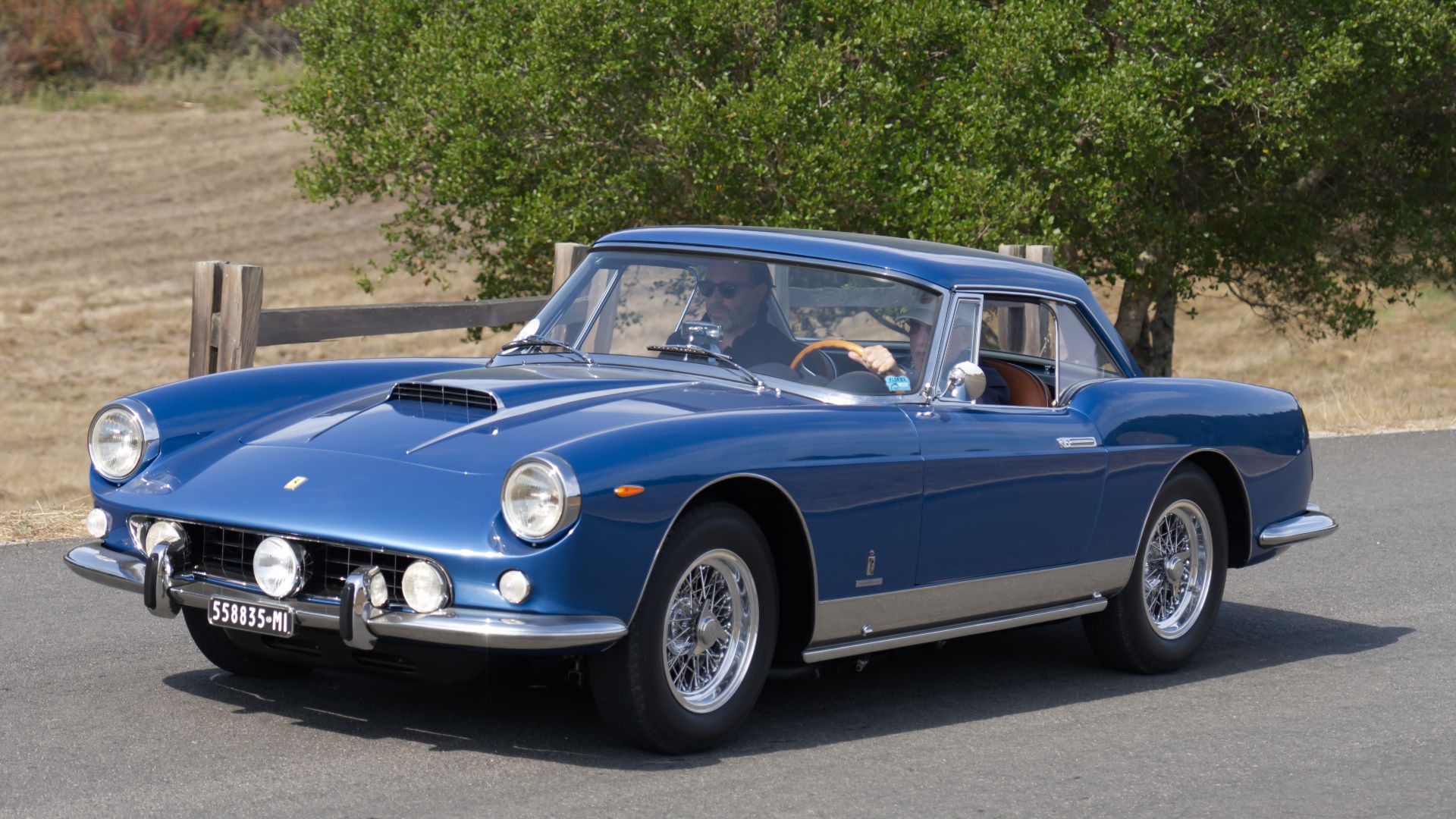
Ferrari 400
The Ferrari 400 is one of the cheapest ways into a classic front-engine V12 Ferrari, which sounds almost fake. It was a sophisticated grand tourer with Pininfarina styling, available automatic transmission, and a more understated personality than Ferrari’s sharper sports cars. Prices vary hugely, but many 400/400i/412 cars are still cheaper than more glamorous Ferraris, with Classic & Sports Car noting examples in the roughly £20,000–£70,000 range. Classic.com shows manual 400s can sit much higher, proving the transmission matters a lot here.
 Guy Churchward, Wikimedia Commons
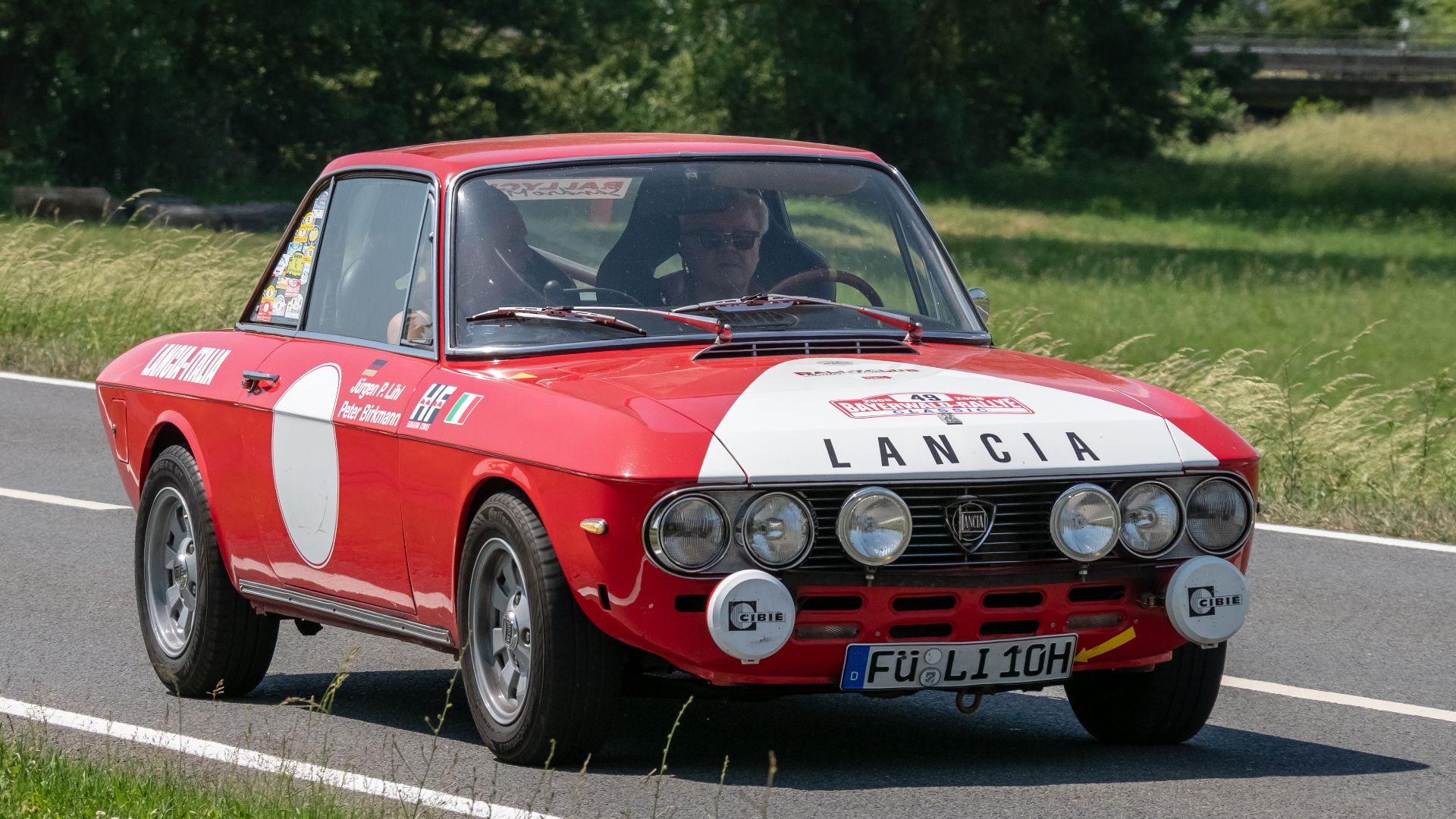
Lancia Fulvia Coupé
The Lancia Fulvia Coupé looks far more expensive than it usually is. It’s elegant, compact, beautifully detailed, and powered by a narrow-angle V4 that gives it real engineering charm. The Fulvia also has rally credibility, which makes its relatively modest market position feel even stranger. Many good cars still sit around $20,000–$35,000, with Classic.com showing Series I coupe benchmarks in the mid-$20,000 range. For Italian style with real pedigree, that’s still tempting.
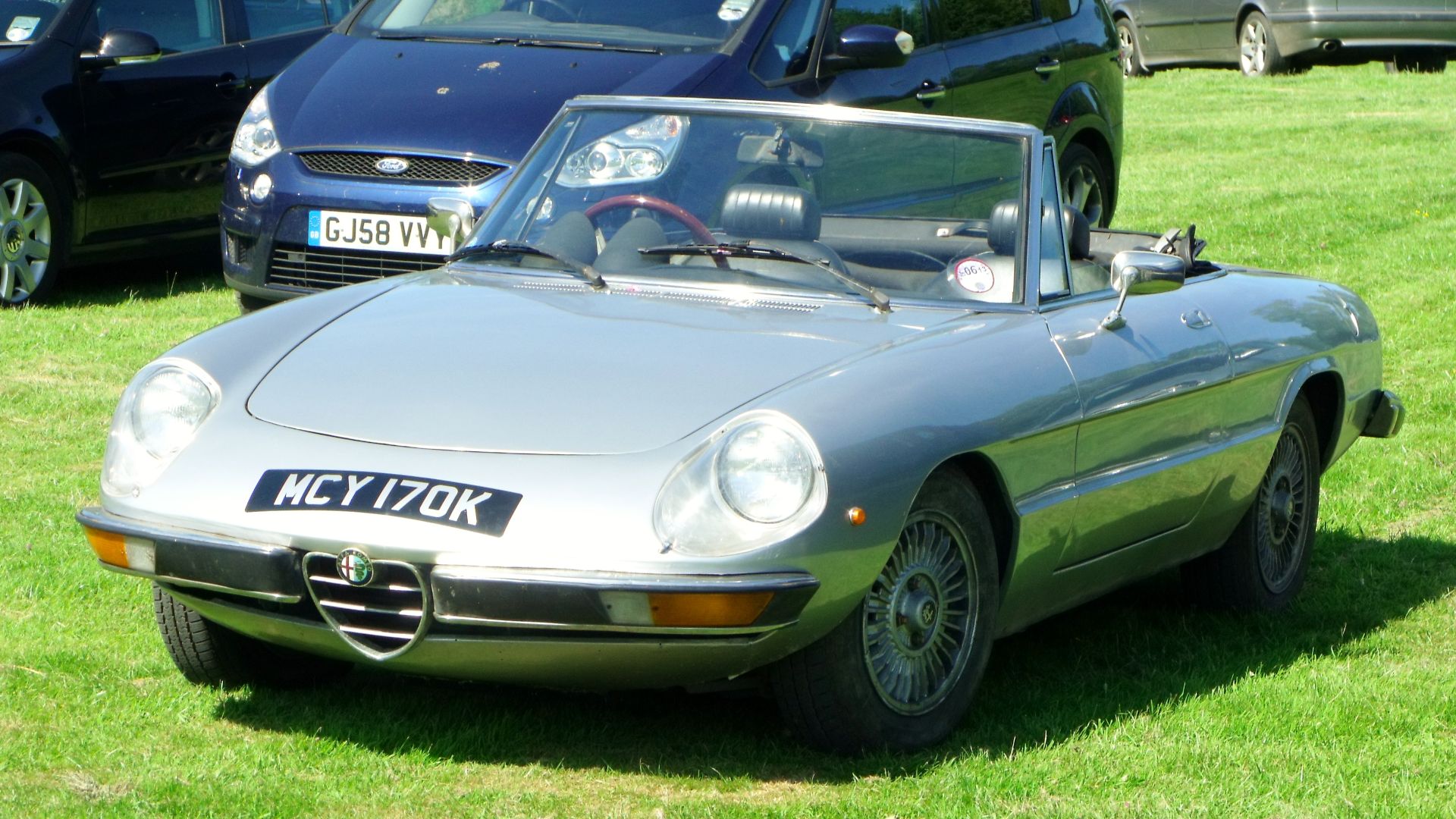
Alfa Romeo Spider S2
The Series 2 Alfa Romeo Spider had that perfect mix of romance and accessibility. It kept the classic Pininfarina roadster shape but added the chopped Kamm tail that made it feel very 1970s. With a lively twin-cam engine, simple cabin, and open-air personality, it looked like a dream car without needing exotic money. Driver-quality examples often sit around $12,000–$25,000, while excellent cars climb higher. It’s classy, usable, and still cheaper than many less interesting classics.
 grassrootsgroundswell, Wikimedia Commons
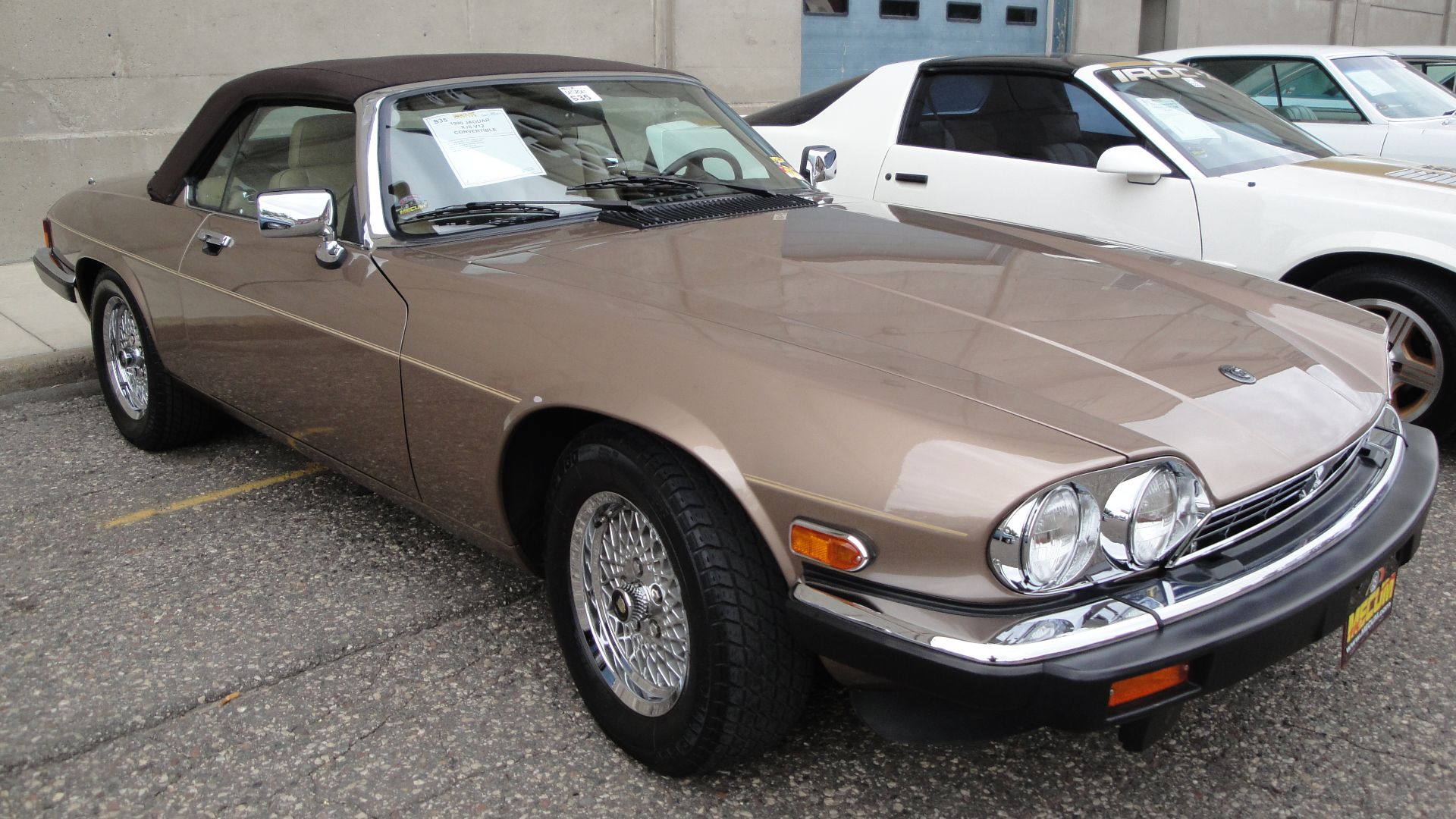
Jaguar XJS
The Jaguar XJS had an impossible job: follow the E-Type. That hurt its reputation for years, but taken on its own, it’s a sleek, dramatic grand tourer with real luxury appeal. Early V12 cars looked expensive, felt expensive, and came with the kind of maintenance reputation that kept values low. Classic.com shows the Series I XJS benchmark around $14,600, which makes it one of the more affordable classic V12 GTs around.
 Greg Gjerdingen from Willmar, USA, Wikimedia Commons
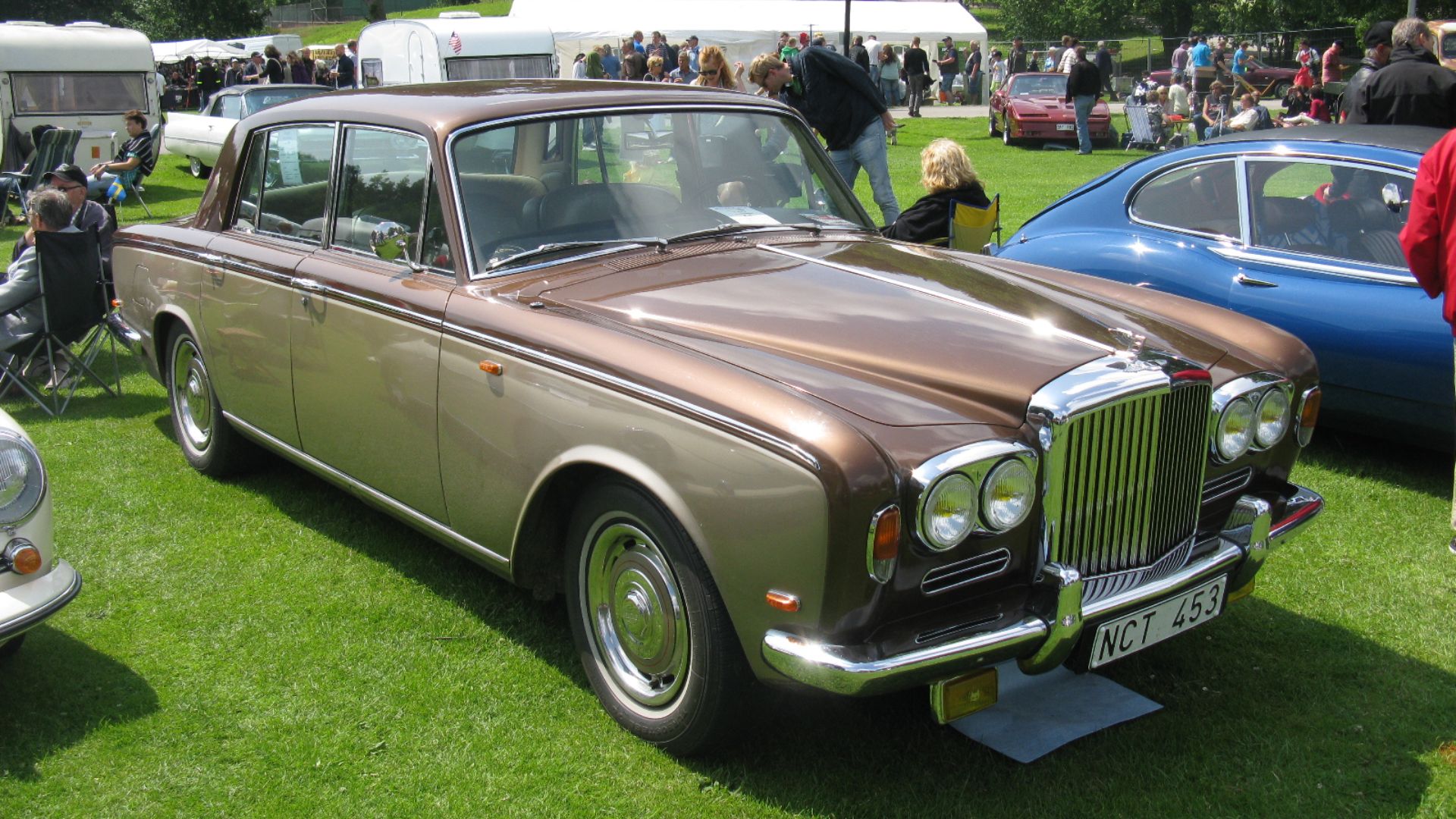
Bentley T1
The Bentley T1 was closely related to the Rolls-Royce Silver Shadow, which means it offered serious old-world luxury in a slightly less obvious package. It had elegant styling, a quiet V8, and the sort of cabin that made ordinary luxury cars feel thin. Because it doesn’t have the same name recognition as its Rolls sibling, values can be surprisingly approachable. Many cars fall around $15,000–$30,000, though condition matters massively. Buy-in can be low, but upkeep still belongs to the country-club tax bracket.
BMW E21 323i
The BMW E21 323i was a small luxury sport sedan before that formula became everywhere. It had clean styling, rear-wheel drive, a lively inline-six, and a more premium feel than most compact cars of the era. Today, it’s not as famous as later 3 Series models, which keeps it relatively attainable. Classic.com shows the E21 323i benchmark around $21,800, making it a sharp-looking classic BMW that hasn’t completely escaped into collector-only pricing.
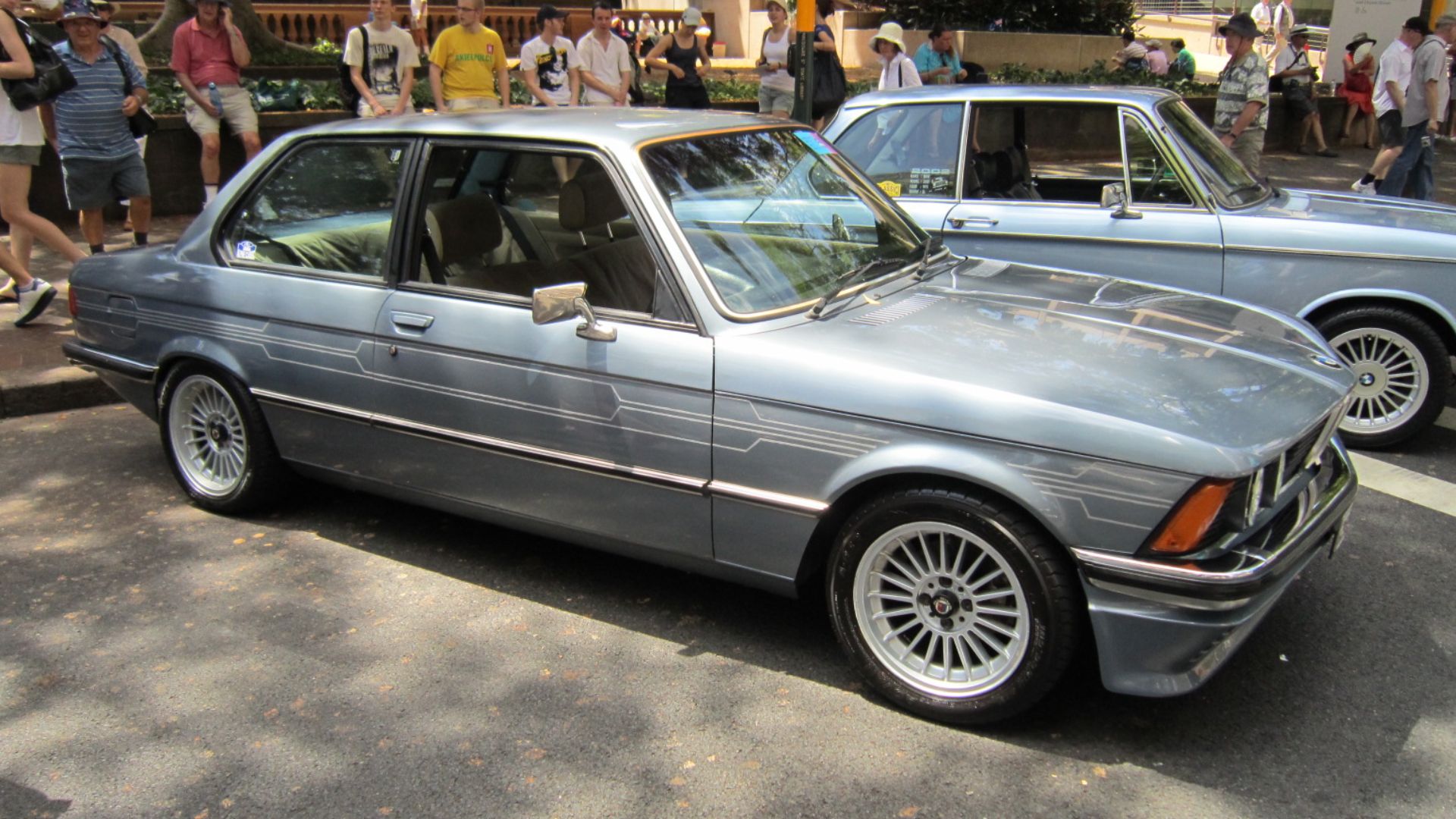 Jeremy from Sydney, Australia, Wikimedia Commons
Fiat Dino Coupé
The Fiat Dino Coupé might be the best “wait, this costs how much?” car on the list. It has gorgeous Bertone styling and a Ferrari-derived V6, yet it still sits miles below actual Ferrari Dino money. Classic.com shows Fiat Dino 2.4 Coupé benchmarks around $39,600, while the earlier 2.0 Coupé sits around $43,900. That’s not cheap in normal-car terms, but for Italian grand-touring style with Ferrari engine DNA, it still feels like a loophole.
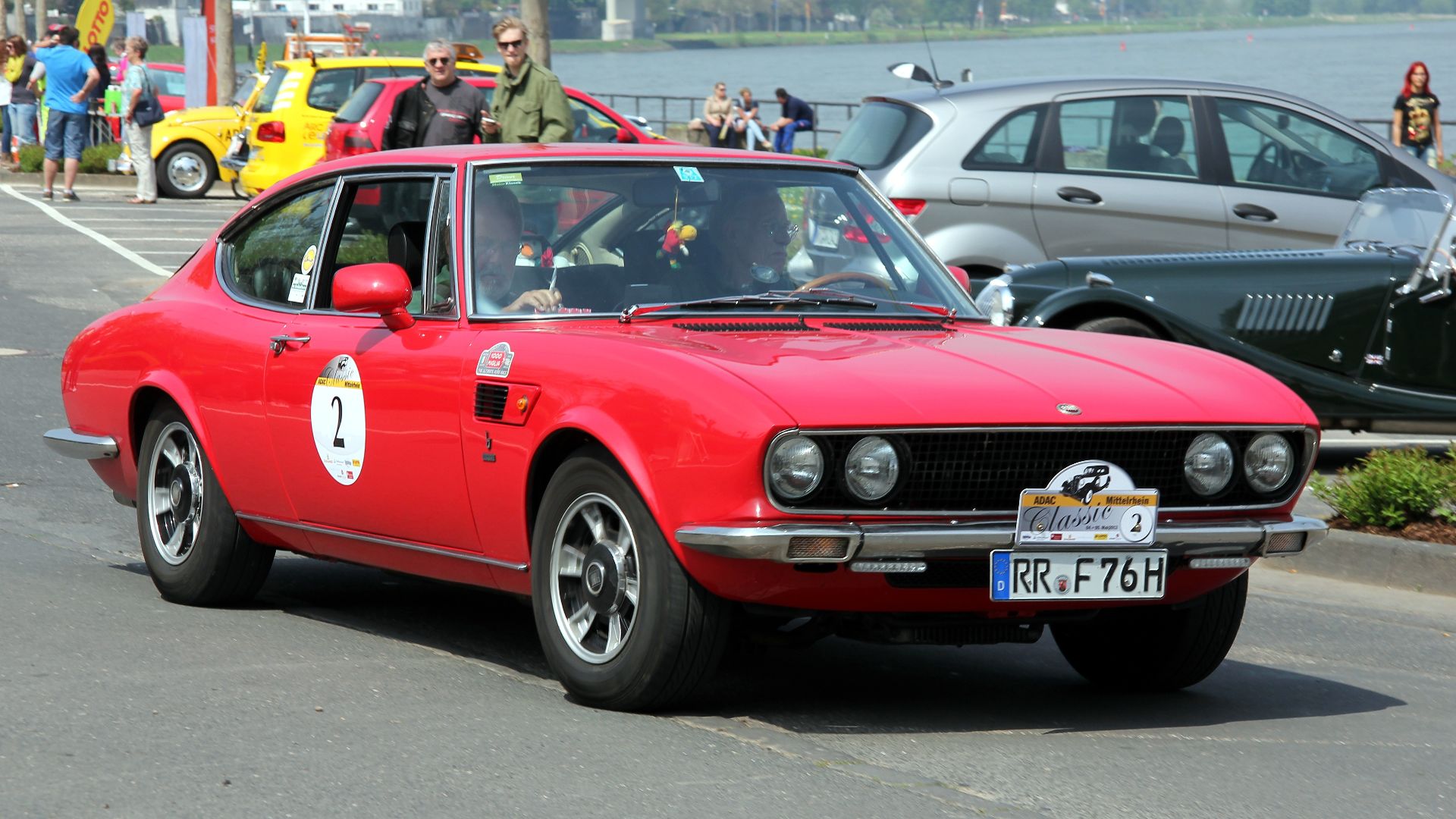 Lothar Spurzem, Wikimedia Commons
You May Also Like:
Cars From The Early 2000s That Were Everywhere, Then Vanished Fast
Forgotten Sports Sedans That Deserve More Respect Than They Get
Classic Pickup Trucks That Were Made For Work, Not Showing Off—Did Your Dad Ever Drive One?