
When Your Car Needs Two Parking Spots
When bigger meant better, Detroit's automotive giants created some of the most spectacular land yachts ever to grace American highways. These steel behemoths were something you could never miss, even if you wanted to.
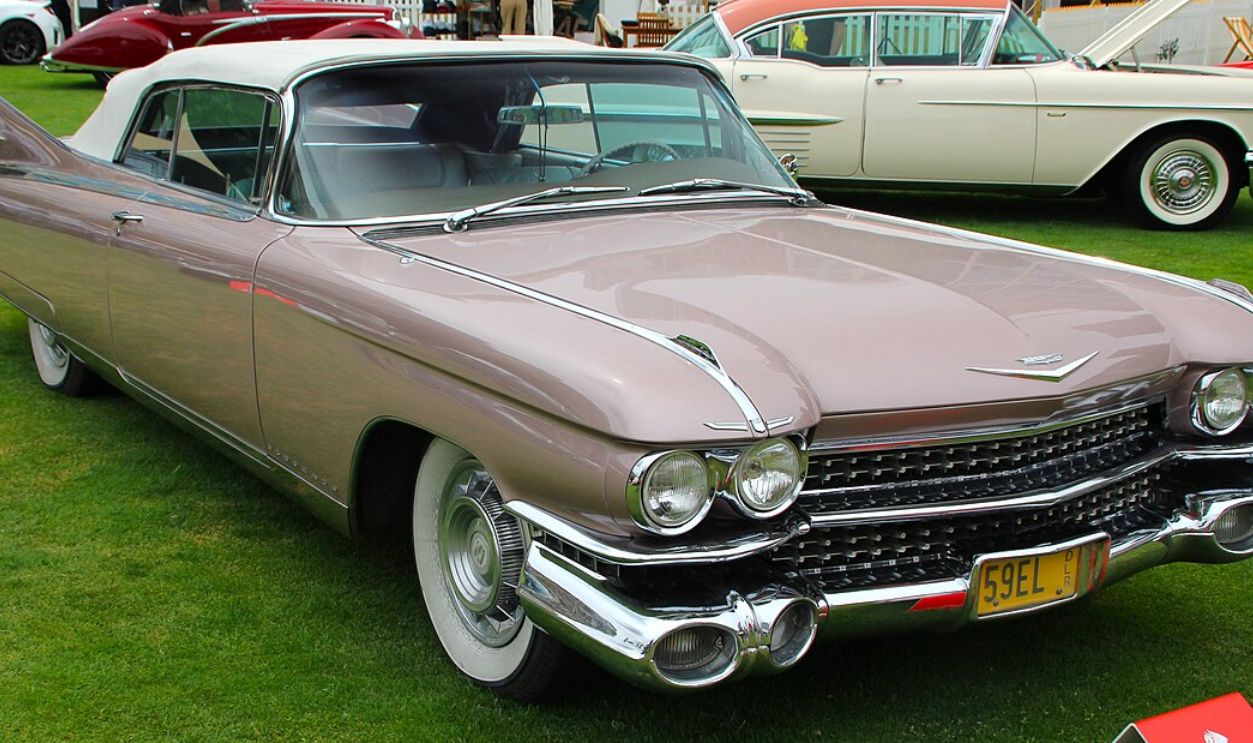
Cadillac Eldorado Biarritz (1959)
Starting us strong is the '59 Cadillac Eldorado Biarritz, with its unmistakable rocket-inspired tail fins reaching a staggering 45 inches high—the tallest in automotive history. At 225 inches long, this 5,000-pound beauty packed a 345-horsepower V8 engine. Its designers drew inspiration from the Space Race.
 MrWalkr, CC BY-SA 4.0, Wikimedia Commons
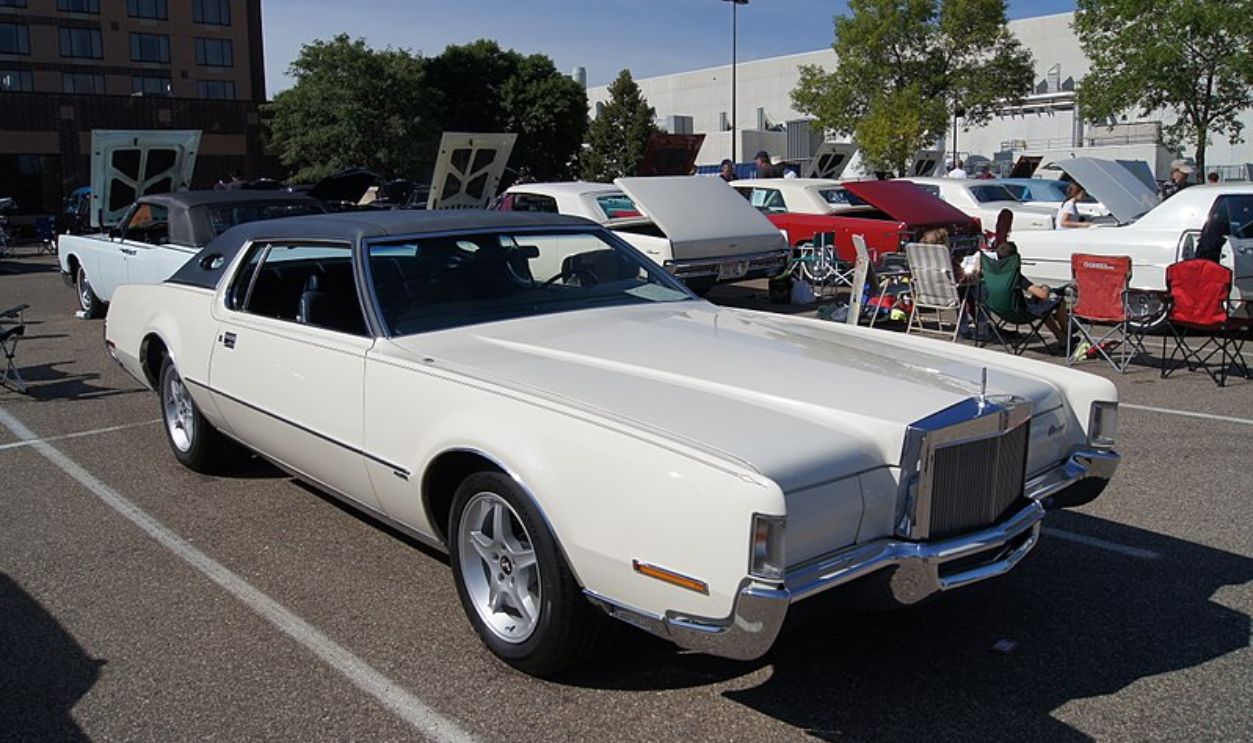
Lincoln Continental Mark IV (1972)
Stretching 228.1 inches—longer than many modern SUVs—the Mark IV personifies exclusive luxury. This 5,400-pound cruiser featured an optional vinyl roof and a distinctive "opera window" in the C-pillar. Sales hit 48,591 units in 1972, proving Americans' appetite for massive luxury cars remained strong.
 Greg Gjerdingen, CC BY-2.0, Wikimedia Commons
Chrysler New Yorker Brougham (1976)
Talk about a living room on wheels! At 232.7 inches long, this 4,800-pound giant offered sofa-like seating for six adults. The 440-cubic-inch V8 drank gas like a sailor on shore leave, and it managed around 10–11 mpg in the city. Despite the fuel crisis, Chrysler sold 36,884 units that year.
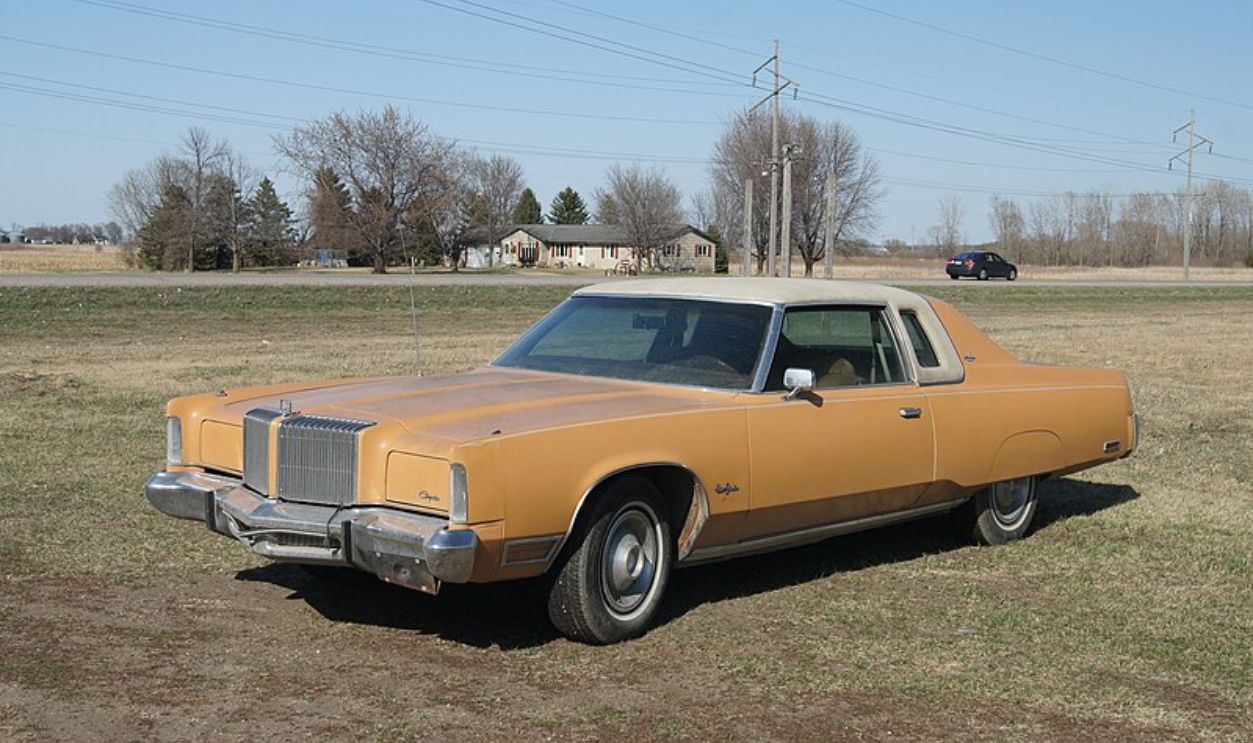 Greg Gjerdingen, CC BY-2.0, Wikimedia Commons
Pontiac Bonneville (1959)
With its "Wide-Track" stance and dramatic split grille, the 220.7-inch Bonneville cruiser turned heads everywhere. The optional Tri-Power 389 V8 produced 315 horsepower, and it pushed this 4,700-pound beauty to 60 mph in 7.9 seconds. Those distinctive twin-streak side trim pieces soon became a Pontiac trademark.
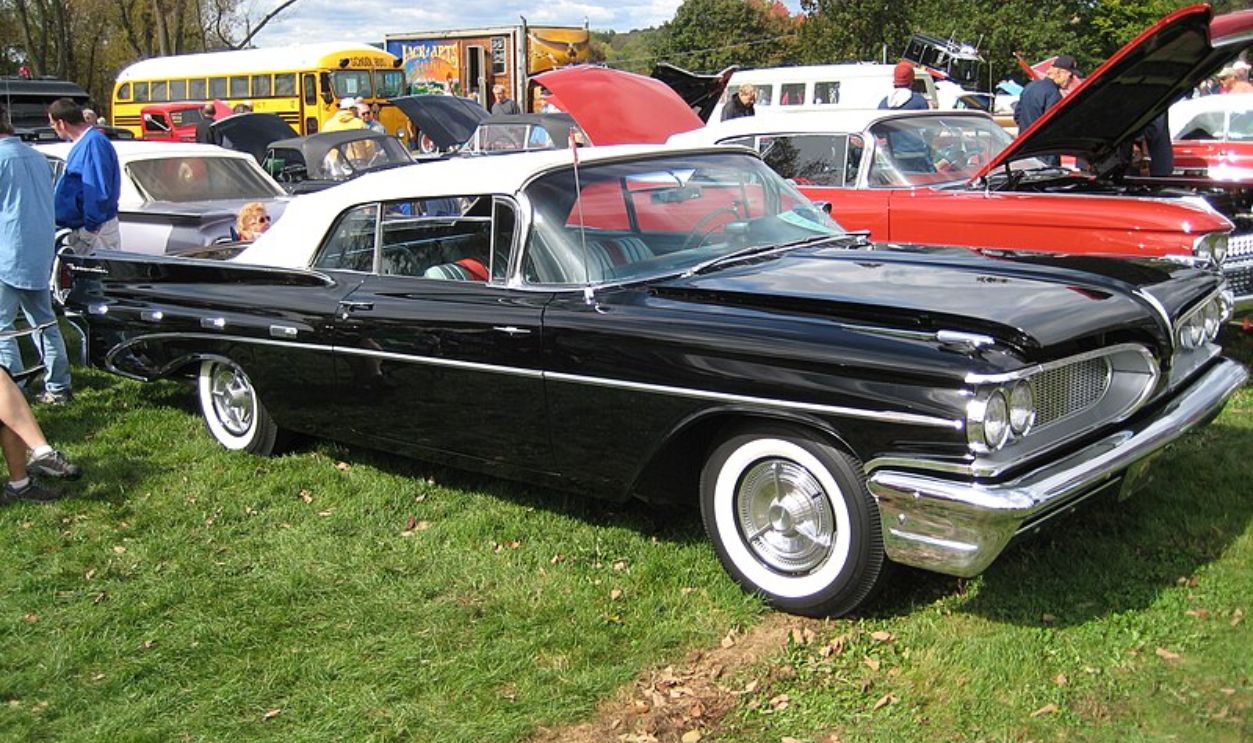 JOHN LLOYD, CC BY 2.0, Wikimedia Commons
Buick Electra 225 (1975)
They called it "deuce and a quarter" for good reason because this land yacht stretched 233.7 inches from bumper to bumper. The plush interior featured enough legroom for NBA players, while the 455 V8 provided smooth power. Fuel economy? Let's just say gas station attendants knew owners by name.
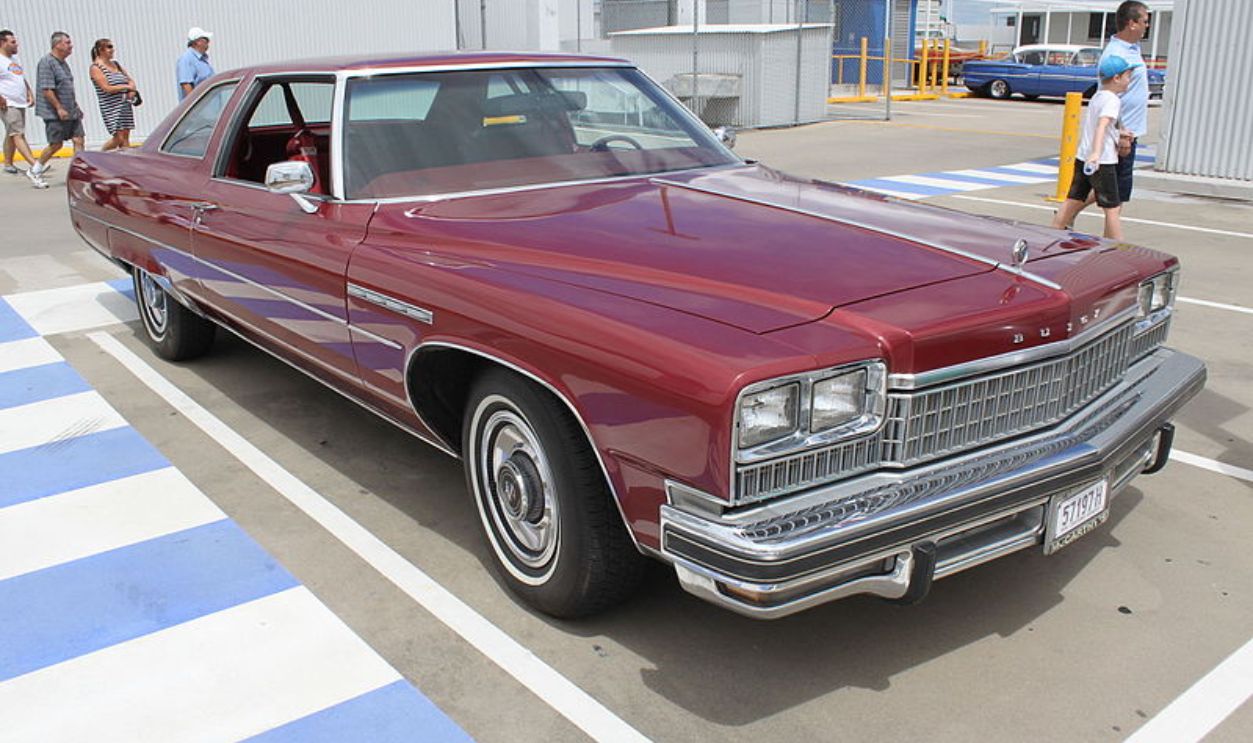 Jeremy, CC BY 2.0, Wikimedia Commons
Imperial LeBaron (1957)
Chrysler's ultra-luxury brand created the LeBaron 235.3-inch masterpiece with chrome and steel. The "Flight-Sweep" deck lid and free-standing tail lamps set it apart from lesser luxury cars. Its Hemi V8 produced 325 horsepower, perfect for effortless interstate cruising.
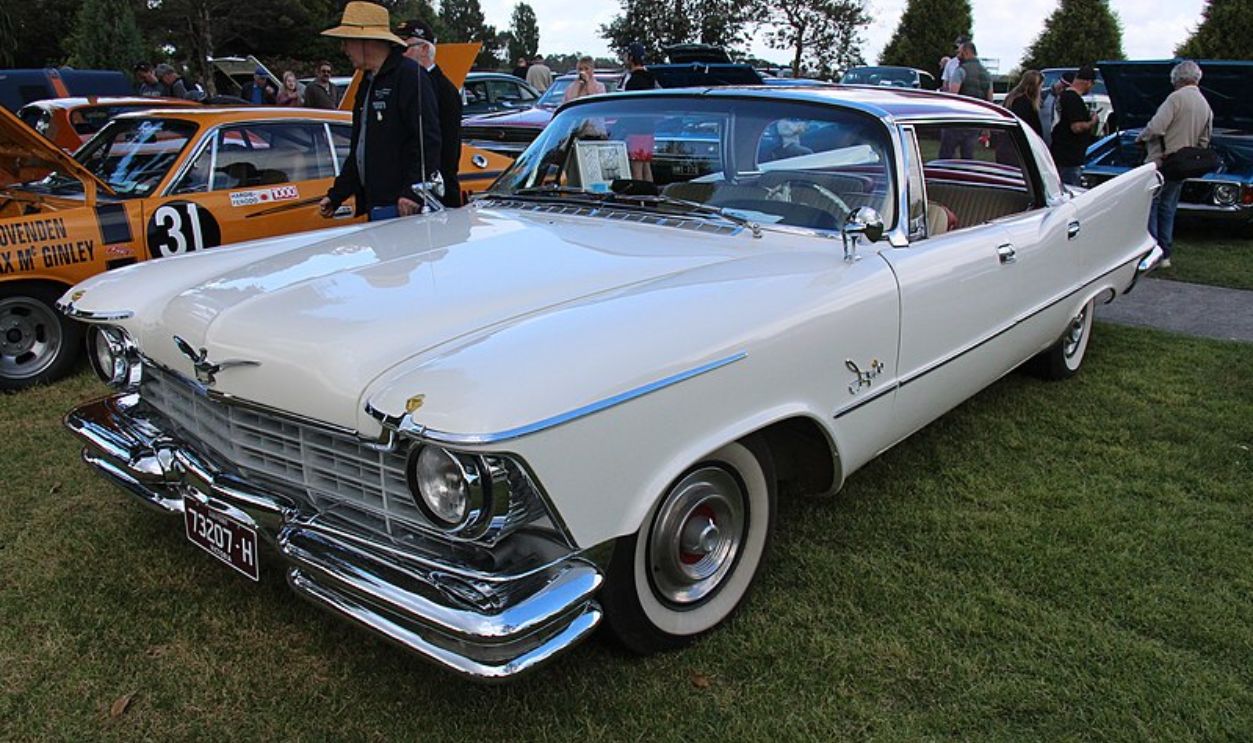 Sicnag, CC BY 2.0, Wikimedia Commons
Mercury Park Lane (1959)
This chrome-laden beauty stretched 226.5 inches and wore enough brightwork to blind onlookers. The 430-cubic-inch V8 made 345 horsepower, moving this 4,700-pound cruiser with authority. Mercury sold just 12,593 units, and hence, the ones that survived are highly sought-after today.
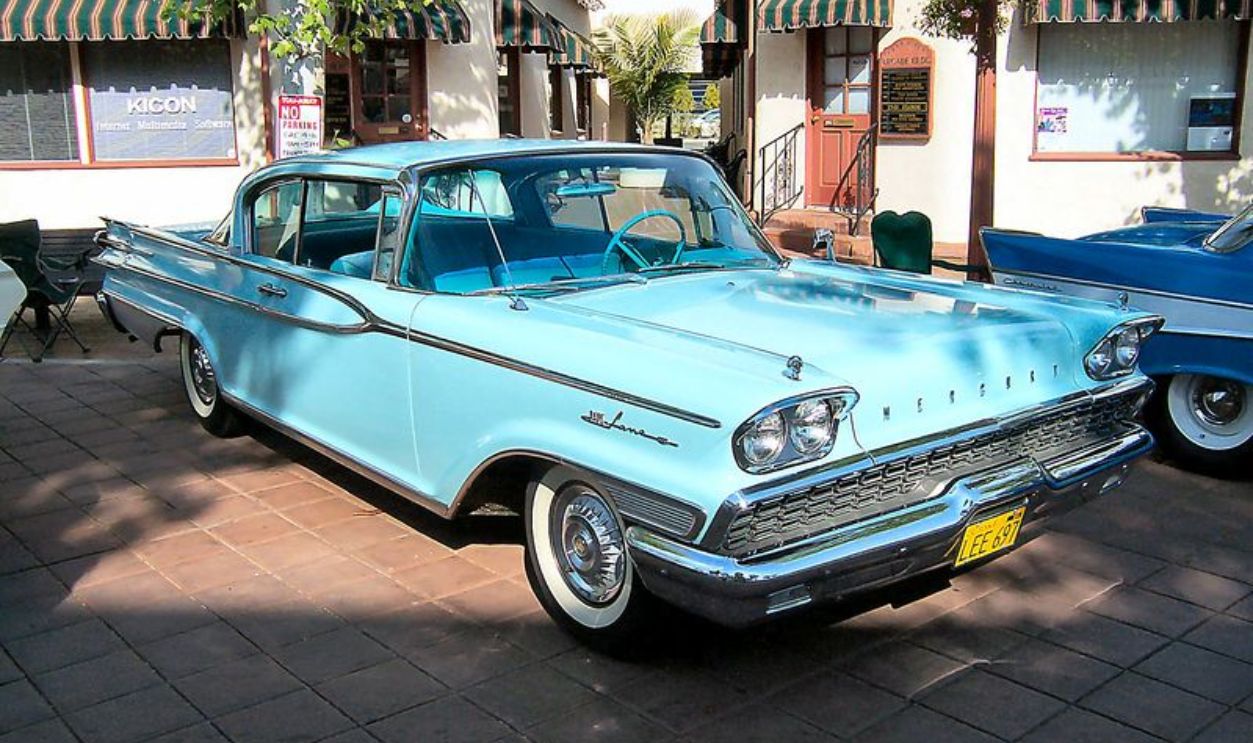 Morven, CC BY SA-3.0, Wikimedia Commons
Oldsmobile Ninety-Eight (1974)
At 232.2 inches long, this luxurious liner represented a peak full-size Oldsmobile. The Rocket 455 V8 delivered silky-smooth power through a velvet-shift transmission. Fun fact: The "98" badging used real 24-karat gold electroplate, showing General Motor's attention to luxury details.
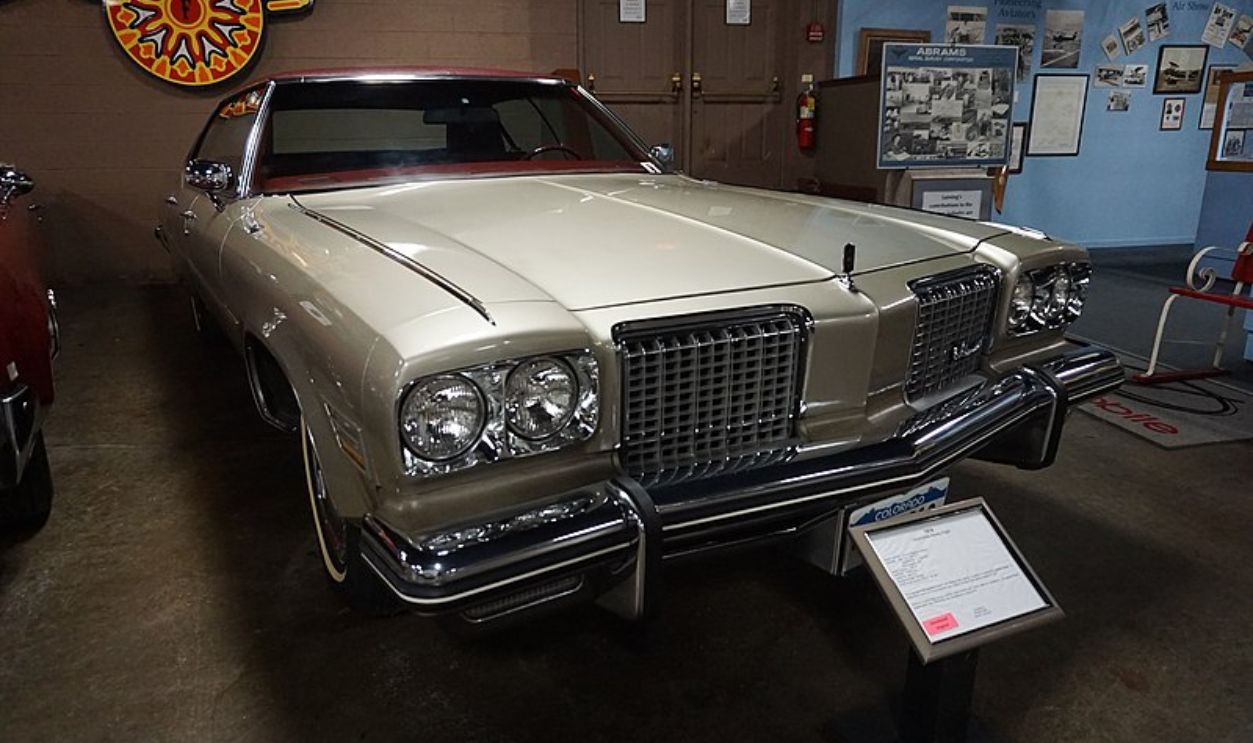 Michael Barera, CC BY-SA 4.0, Wikimedia Commons
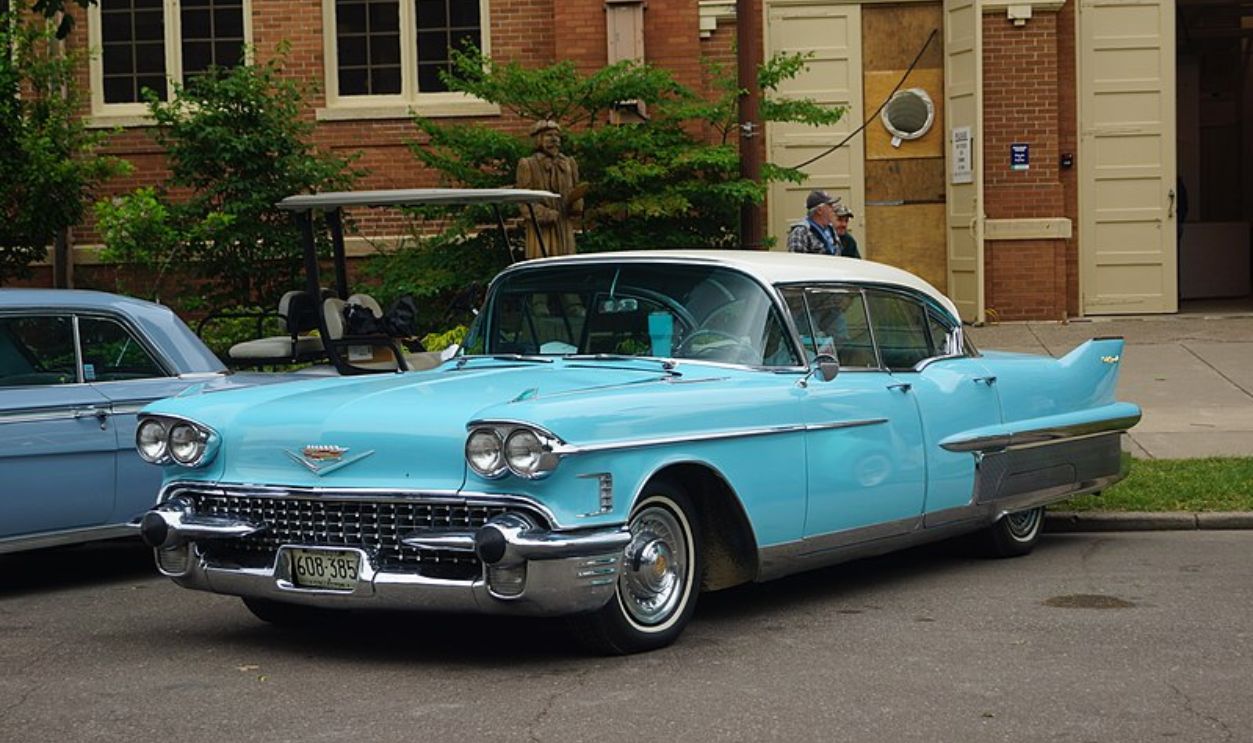
Lincoln Continental (1958)
This 229-inch behemoth featured the largest trunk ever fitted to a production car. Its distinctive reverse-slanted "Breezeway" rear window actually rolled down. Loaded with 5,200 pounds of American steel, this beauty required 130 feet to stop from 60 mph.
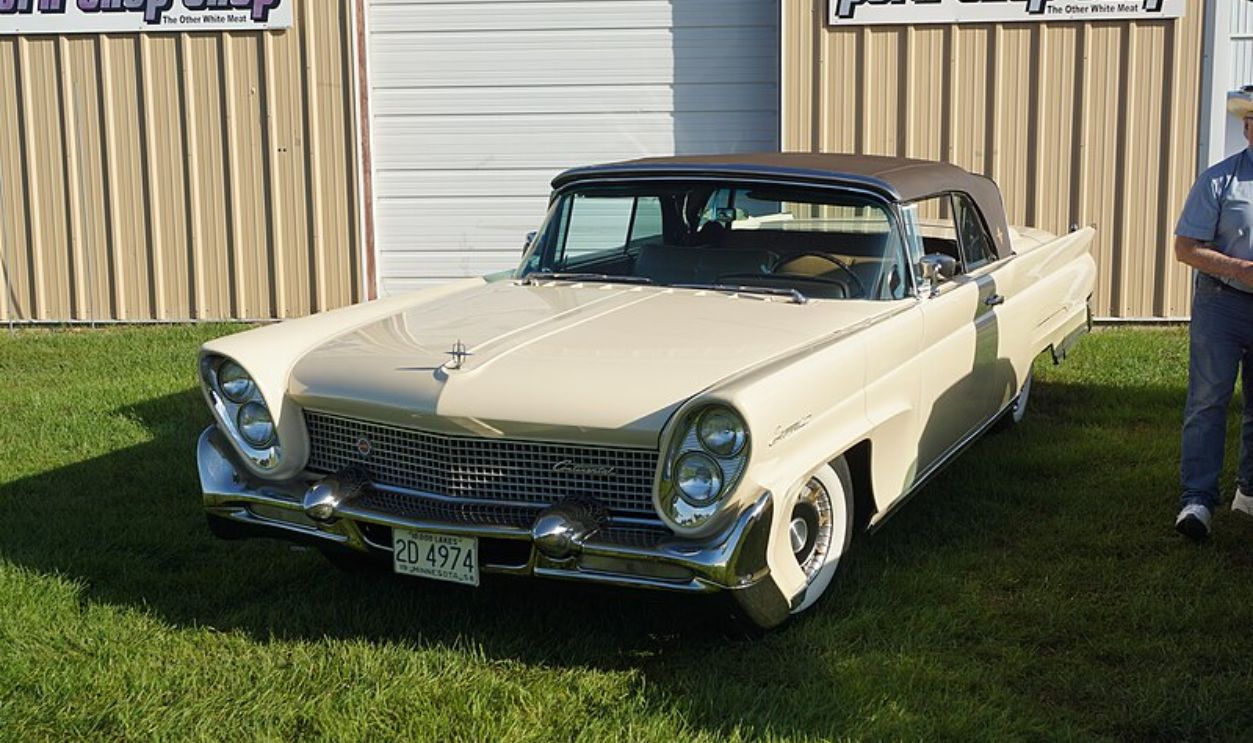 Greg Gjerdingen, CC BY 2.0, Wikimedia Commons
Cadillac Fleetwood Sixty Special (1960)
Standing 225.3 inches long, the Cadillac became a status symbol that rode on a massive 133-inch wheelbase. The interior used genuine Scottish leather and real walnut trim. Each car required multiple hours of hand-finishing in Cadillac's special Fleetwood assembly area.
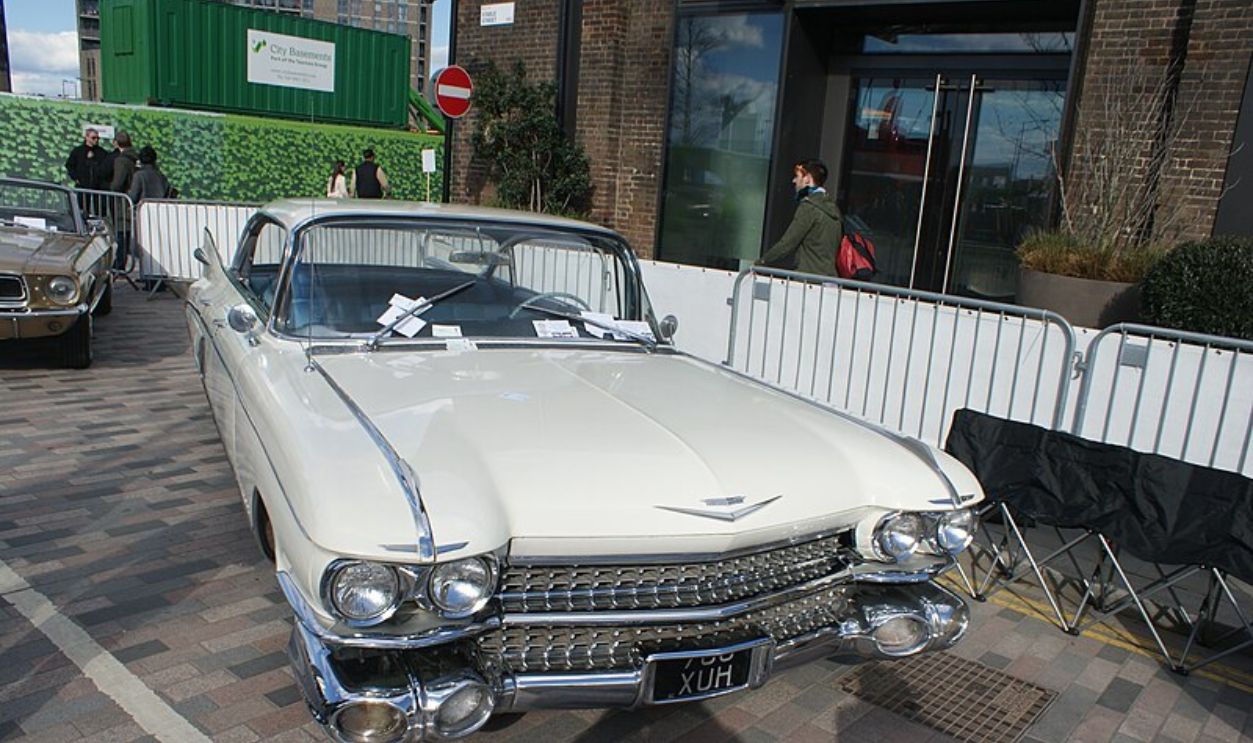 Robert Lamb, CC BY-SA 2.0, Wikimedia Commons
Hudson Hornet (1957)
The last of Hudson's giants measured 220.9 inches and featured a "Step-Down" design for a lower center of gravity. Twin-H Power dual carburetors helped the inline-six produce 175 horsepower. NASCAR teams loved its handling—it won 27 races in 1952 alone.
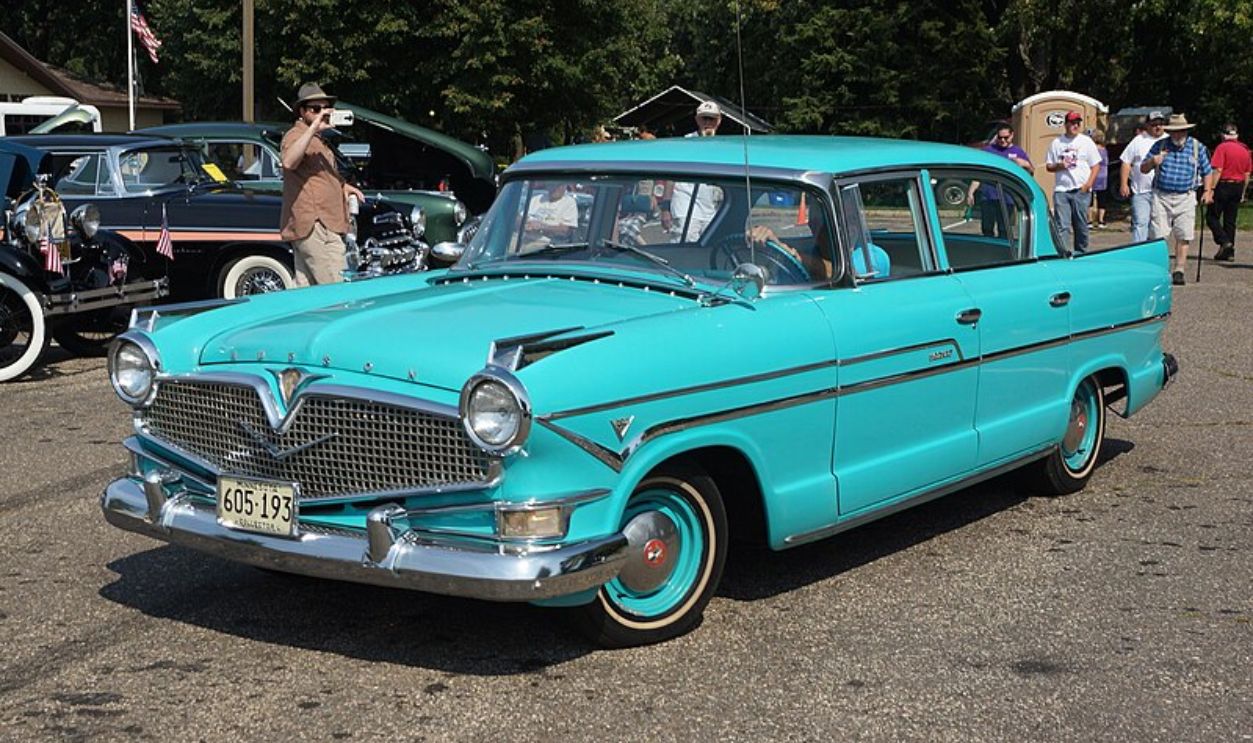 Greg Gjerdingen, CC BY 2.0, Wikimedia Commons
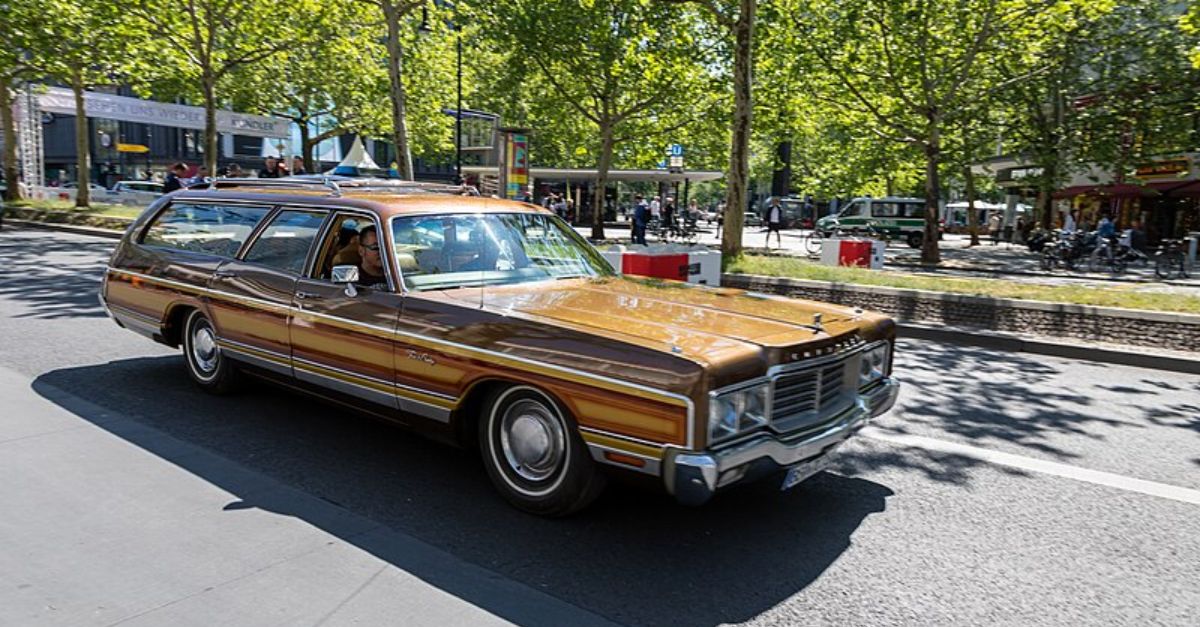
Chrysler Town & Country (1973)
Chrysler Town & Country, a 225.7-inch wagon, could seat nine people with its rear-facing third row. Then it had an optional 440 V8 that helped move soccer teams and groceries with equal ease. Those signature woodgrain panels required special maintenance twice yearly to maintain their luster.
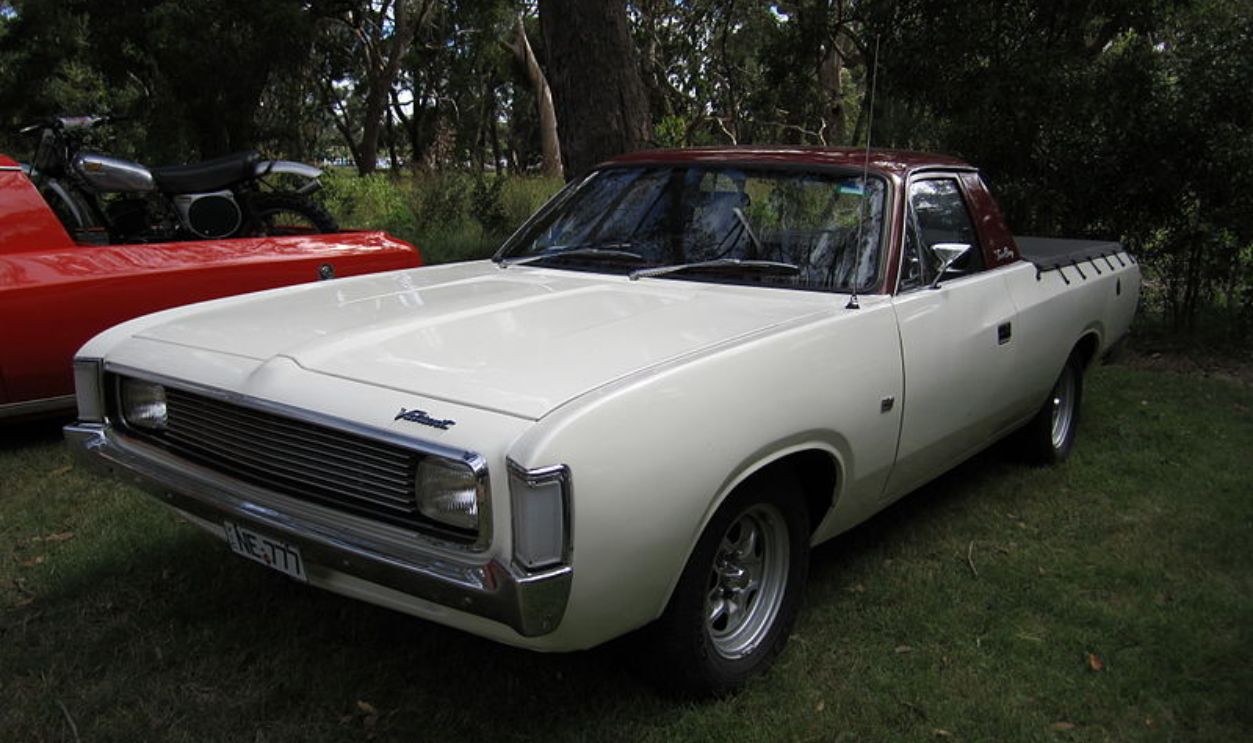 Sicnag, CC BY 2.0, Wikimedia Commons
Dodge Monaco (1974)
This 230.8-inch police favorite packed enough trunk space to hide three poker tables. The legendary 440 Magnum V8 made it the choice for law enforcement nationwide. TV's Adam-12 used one. For this reason, it instantly became America's most recognized patrol car.
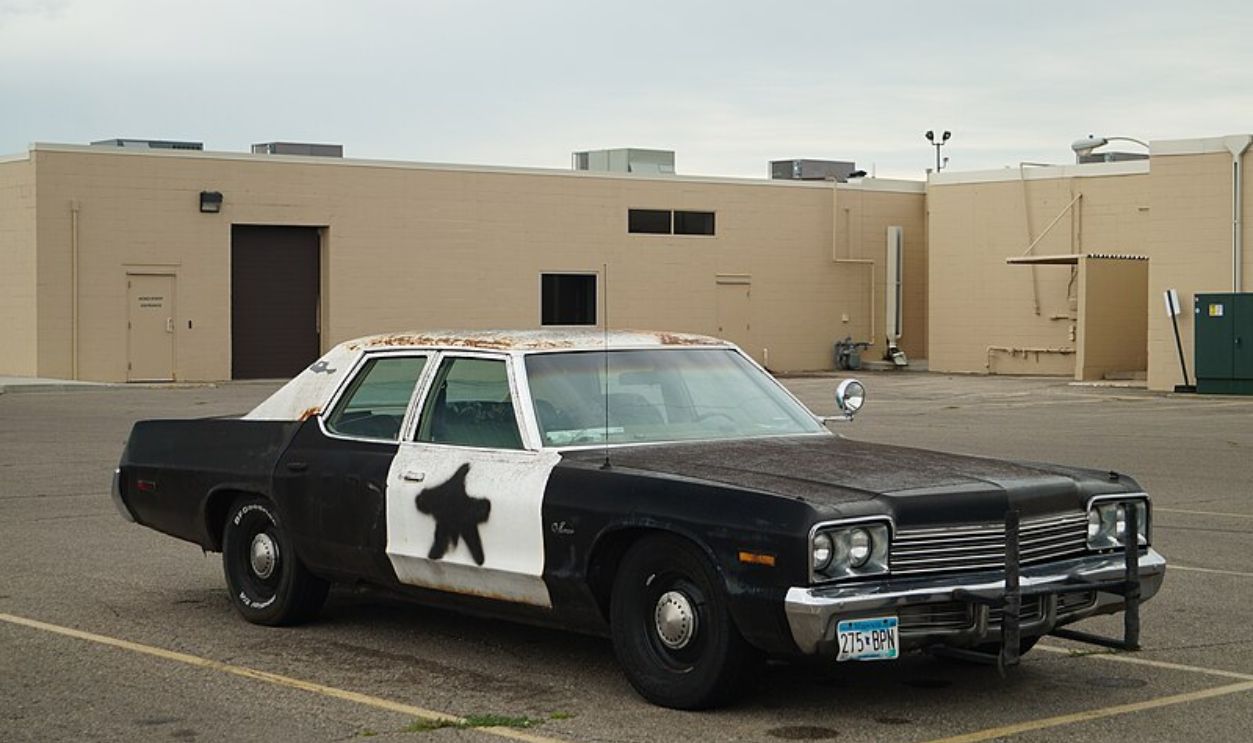 Greg Gjerdingen, CC BY 2.0, Wikimedia Commons
Mercury Marquis (1969)
Rolling in at 229 inches, the Mercury Marquis is a luxury liner featuring hidden headlamps and a 429 V8. The "Twin-Comfort" front seats could be adjusted in 12 different ways. Mercury's unique "Panel-Ray" instrument cluster used fiber optics for gauge illumination—high tech for 1969!
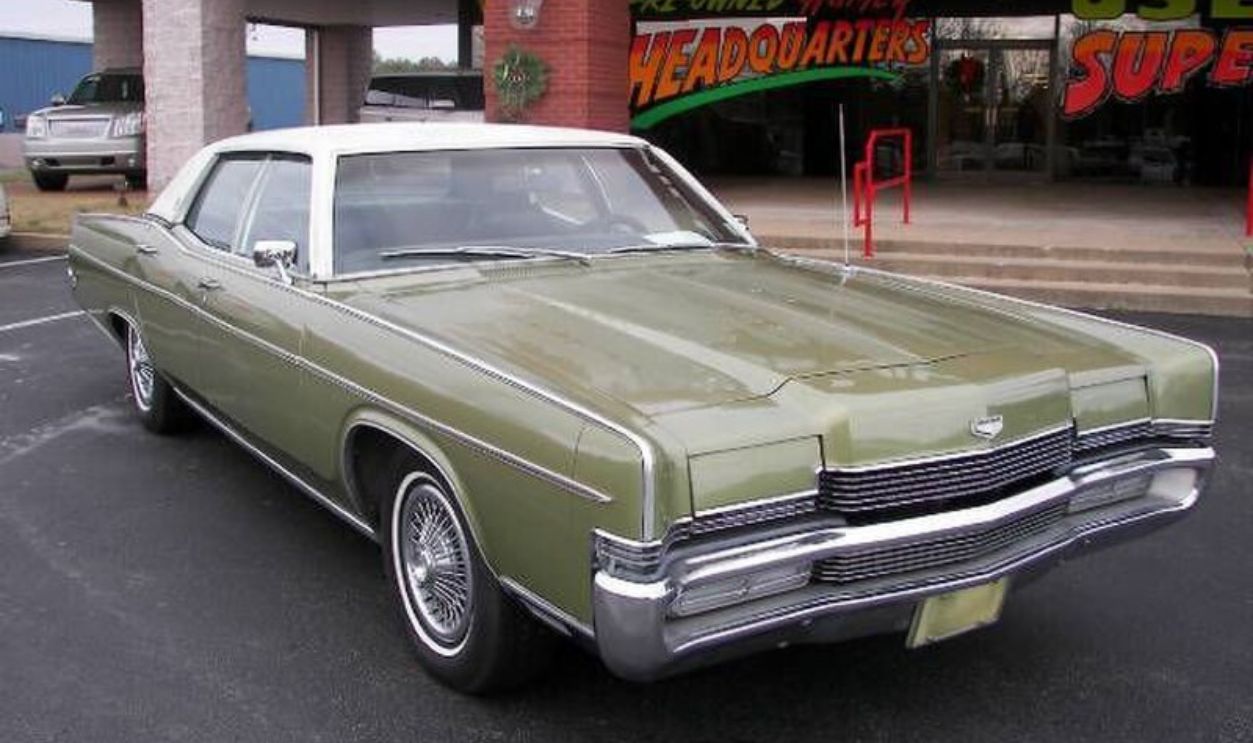 That Hartford Guy, CC BY-SA 2.0, Wikimedia Commons
Plymouth Fury VIP (1967)
This 221.3-inch ride offered "Visual Impact Performance", hence the VIP name. Its optional 440 Super Commando V8 generated a whopping horsepower of 375. Interesting (and odd) twist: Every VIP came with a factory-issued umbrella stored in a special door compartment.
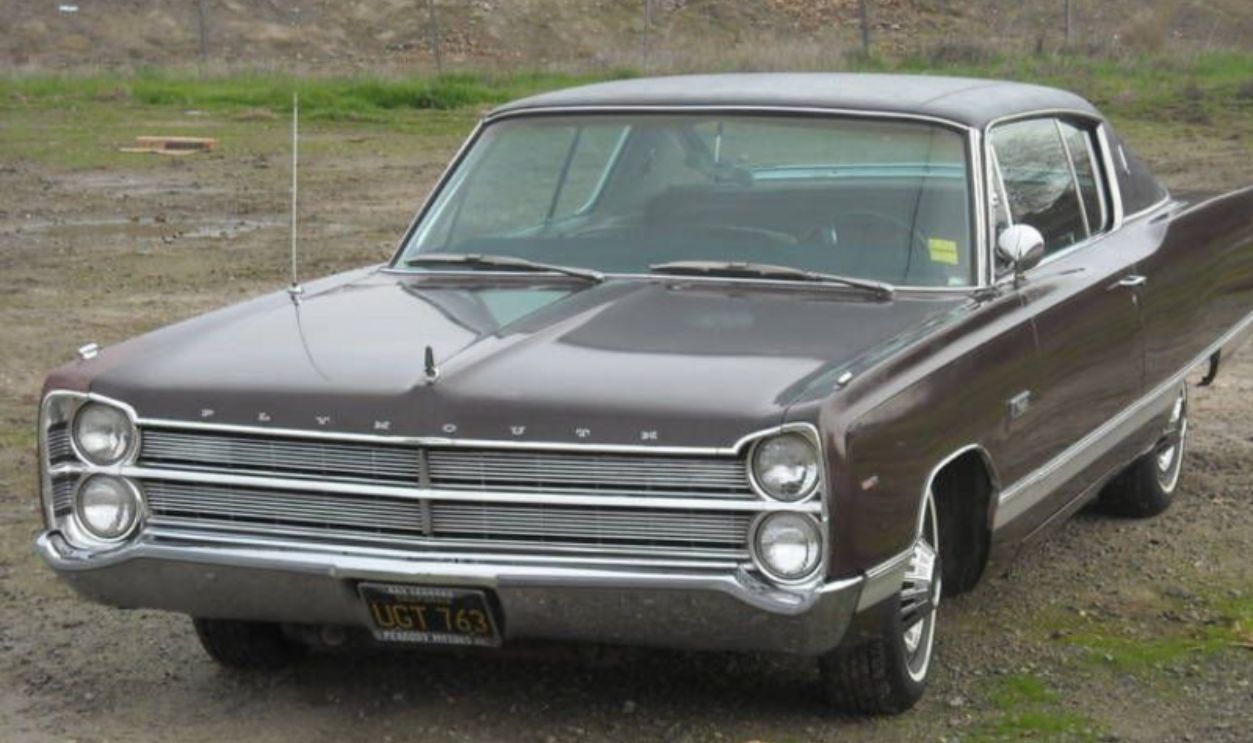 Cruiserville, CC BY-SA 3.0, Wikimedia Commons
Buick Roadmaster (1976)
The last of the really big Buicks stretched 233.7 inches, longer than today's Chevrolet Suburban. The Roadmaster 455 V8 could move this 5,000-pound giant, outputting 205 horsepower. Its trunk could swallow eight full-size golf bags with room to spare.
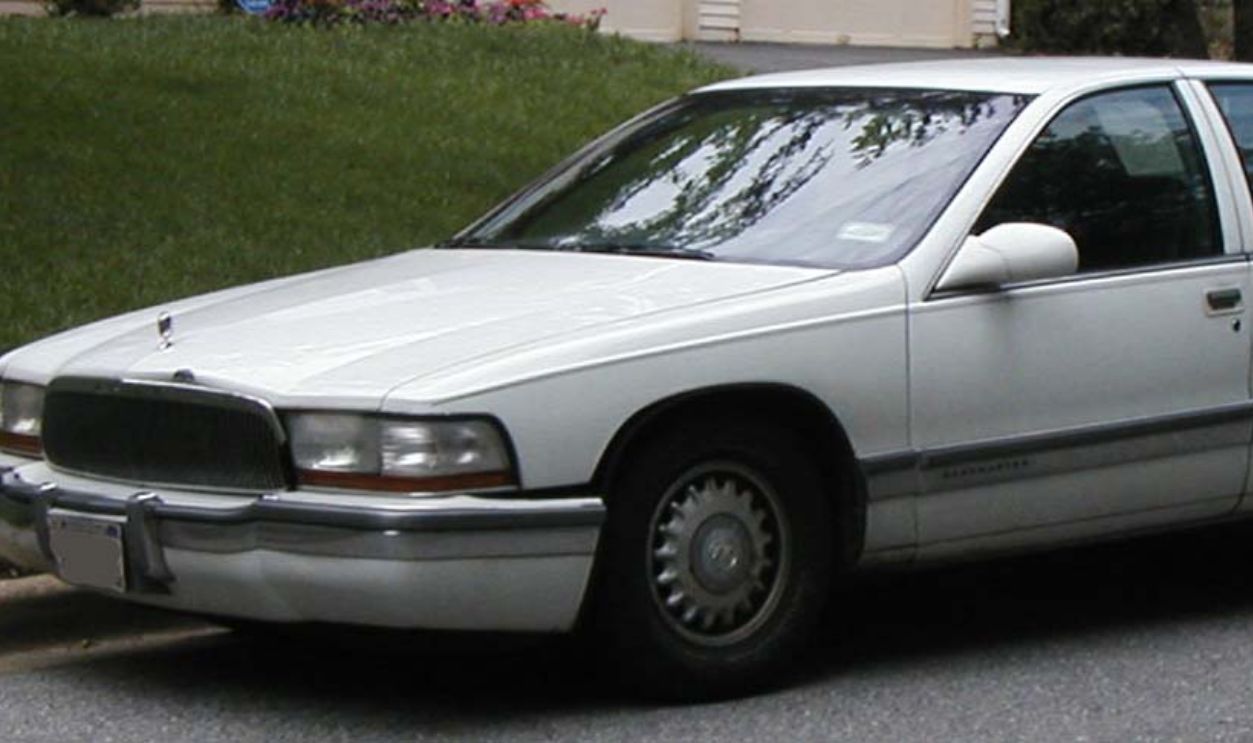 IFCAR, Public domain, Wikimedia Commons
Ford LTD Country Squire (1975)
At 225.7 inches, this wagon could carry a 4x8 sheet of plywood with the tailgate enclosed. Yup. And then it had the "Magic Doorgate" that could swing sideways or fold down. Those signature woodgrain panels weren't real wood; they used special vinyl that lasted 10 years.
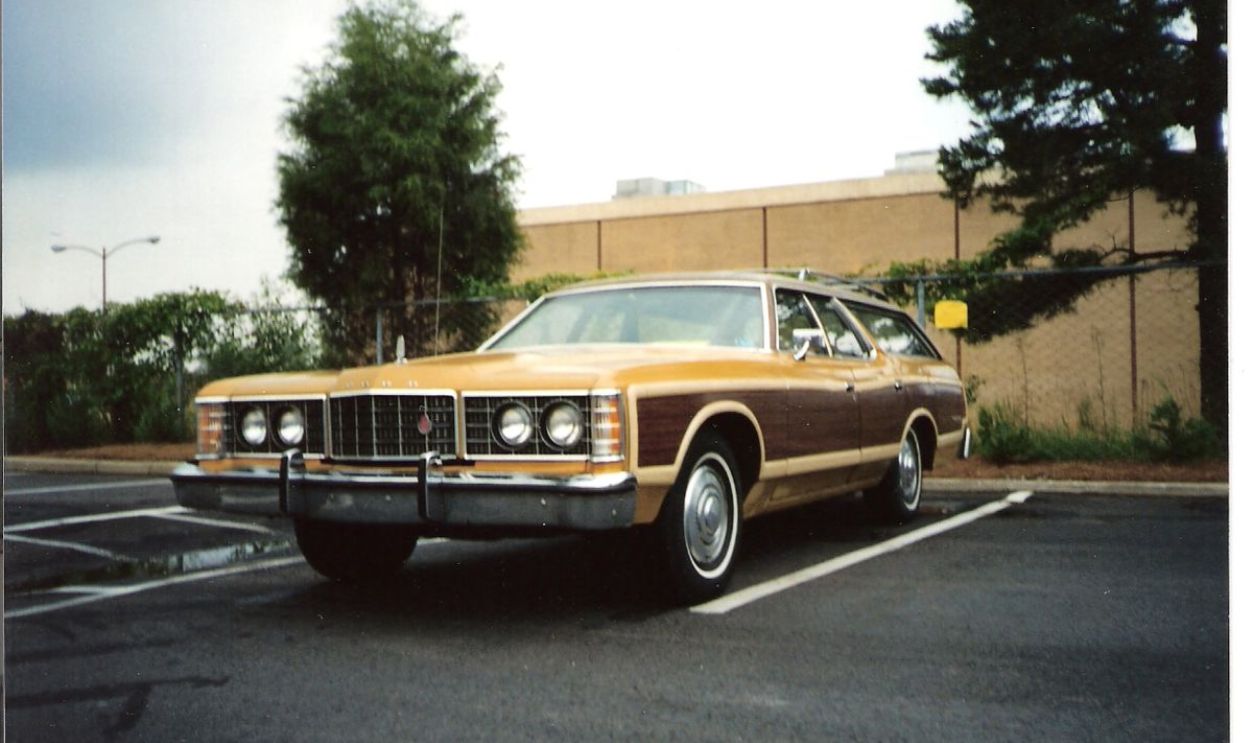 Josephew, CC BY-SA 3.0, Wikimedia Commons
Pontiac Grand Safari (1976)
Pontiac Grand Safari was a 231.3-inch wagon weighing nearly 5,000–5,300 pounds, which makes it the heaviest Pontiac ever built. The unique two-piece "Clamshell" tailgate disappeared into the floor. This ride had a 455 cubic-inch V8 powertrain in a 3-speed TH-400 automatic transmission.
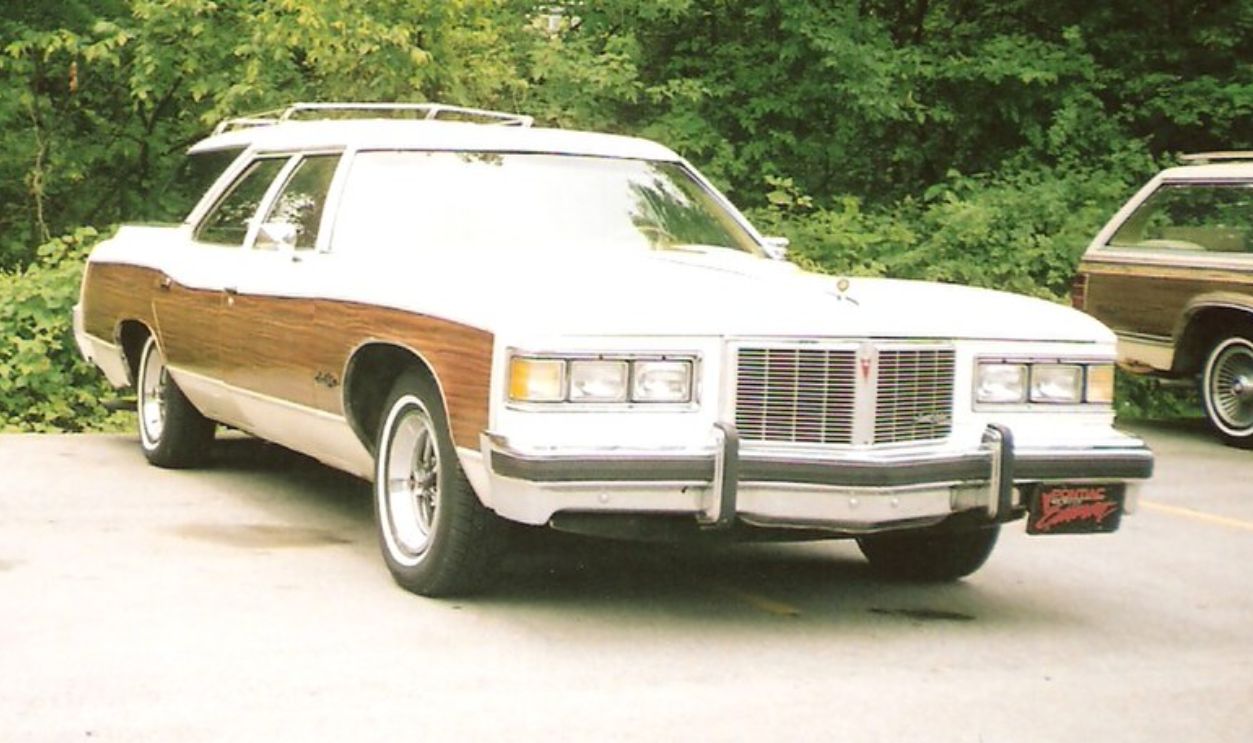 Josephew, CC BY-SA 3.0, Wikimedia Commons
Buick Limited (1958)
The ultimate chrome king, the Buick Limited, stretched 227.5 inches and dripped with brightwork. Famous for its "Fashion-Aire Dynastar" grille using 160 chrome squares. Engineers needed special tools just to align all the chrome bits—taking multiple hours per car!
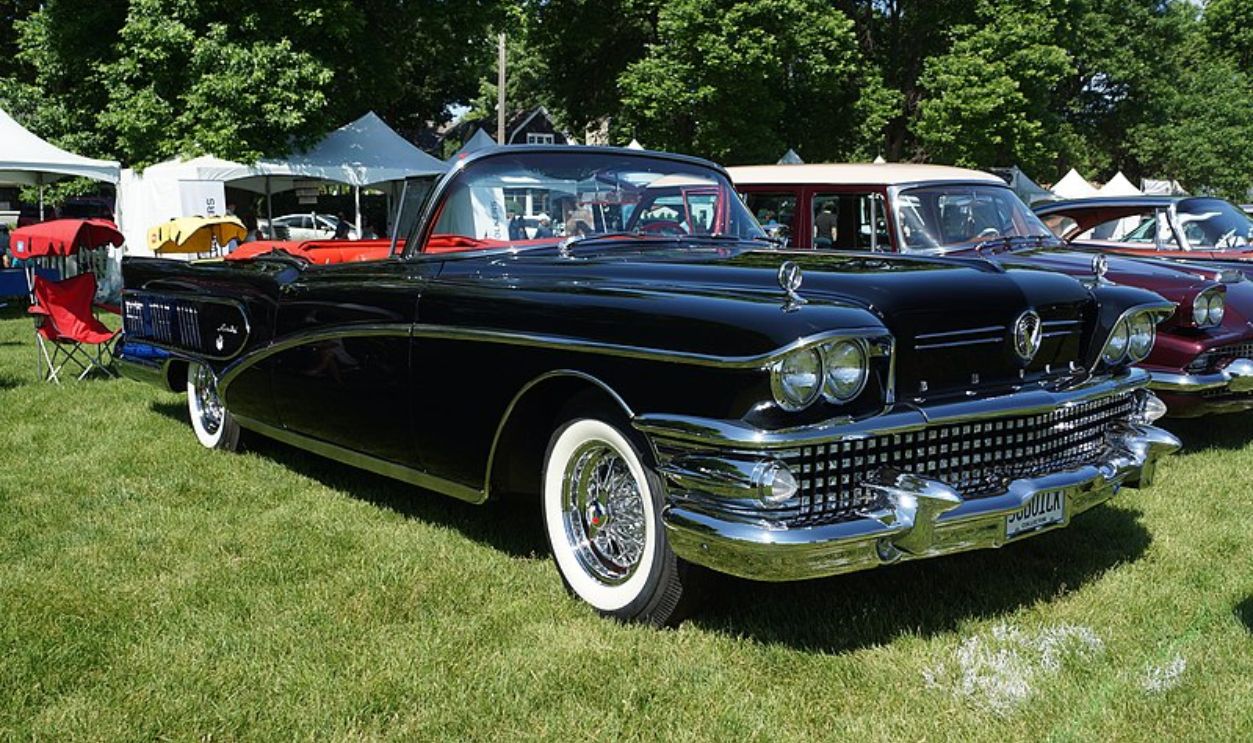 Greg Gjerdingen, CC BY 2.0, Wikimedia Commons
Chevrolet Impala (1958)
The 1958 Chevrolet Impala debuted as a standalone model, and it became the flair of 1950s automotive design. At 209.1 inches, this land yacht featured a low-slung silhouette, sweeping tail fins, and triple taillights. Its 348-cubic-inch V8 delivered either 250 hp or 280 hp.
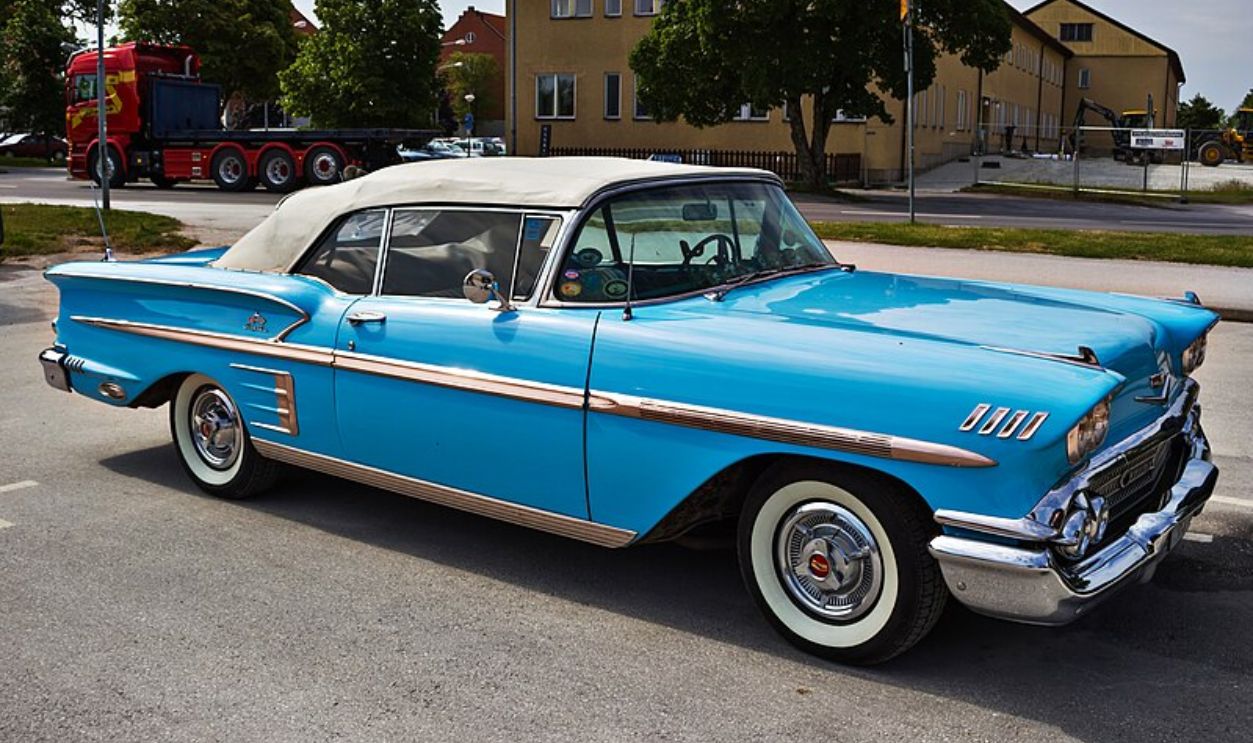 Bene Riobó, CC BY-SA 4.0, Wikimedia Commons
.jpg)

.jpg)
.jpg)
.jpg)
.jpg)

.jpg)
.jpg)

.jpg)

_(36413727495).jpg)


.jpg)
