
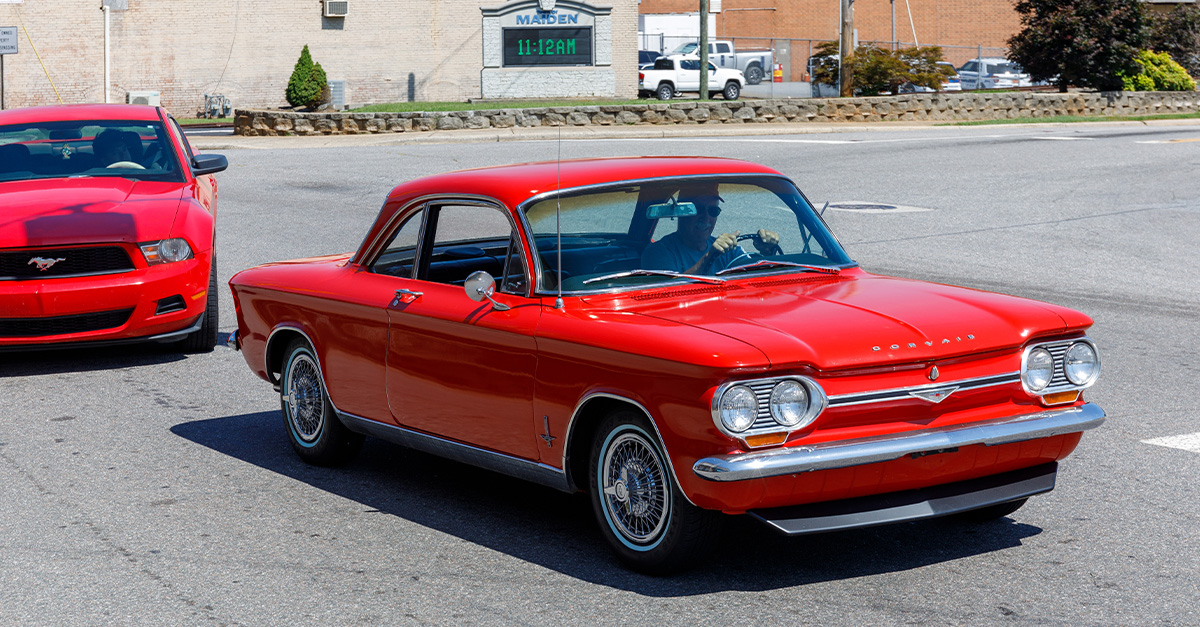
The Greatest Automotive Rivalry In American History?
Few rivalries in American history are as loud, proud, and deeply personal as Chevrolet vs. Ford. Over more than a century, these two giants have gone toe-to-toe in showrooms, racetracks, drag strips, and engineering labs to one-up the other in speed, style, innovation, and bragging rights.
This is the story of when Chevy and Ford looked each other in the eye and said, “Watch this.”
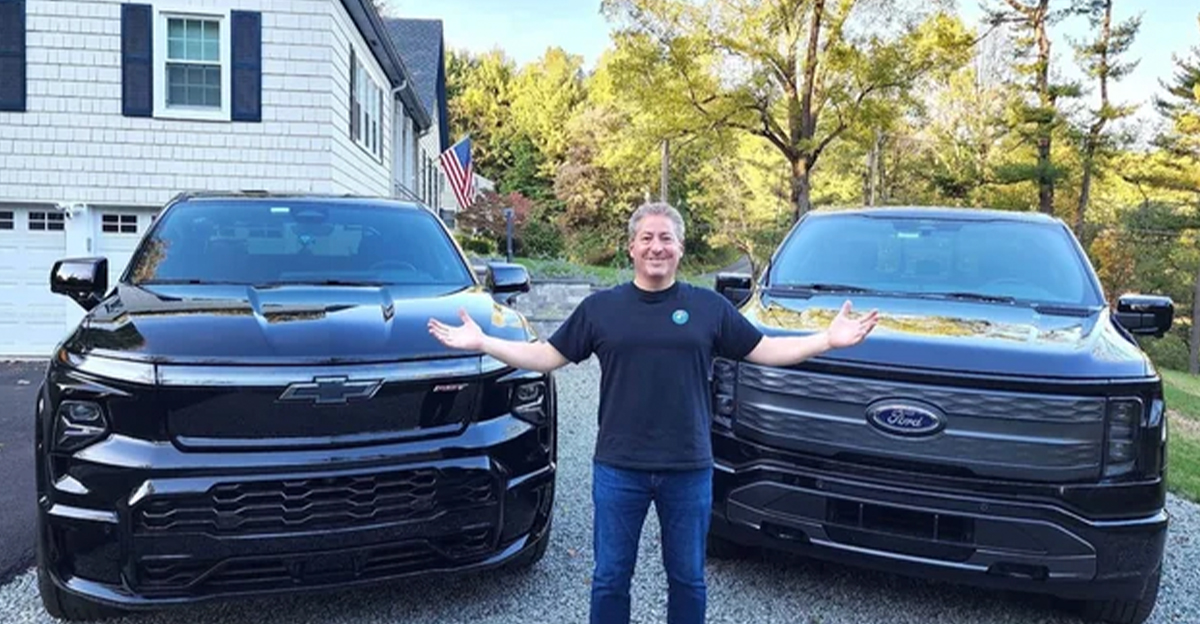
The Birth Of The Rivalry
Before muscle cars, before NASCAR dominance, before horsepower wars, there was Henry Ford and William C. Durant. Ford focused on affordability and mass production, while Chevrolet leaned into performance and style early on. The Model T vs. the early Chevrolets set the tone: efficiency versus excitement. The lines were drawn, and America picked sides.
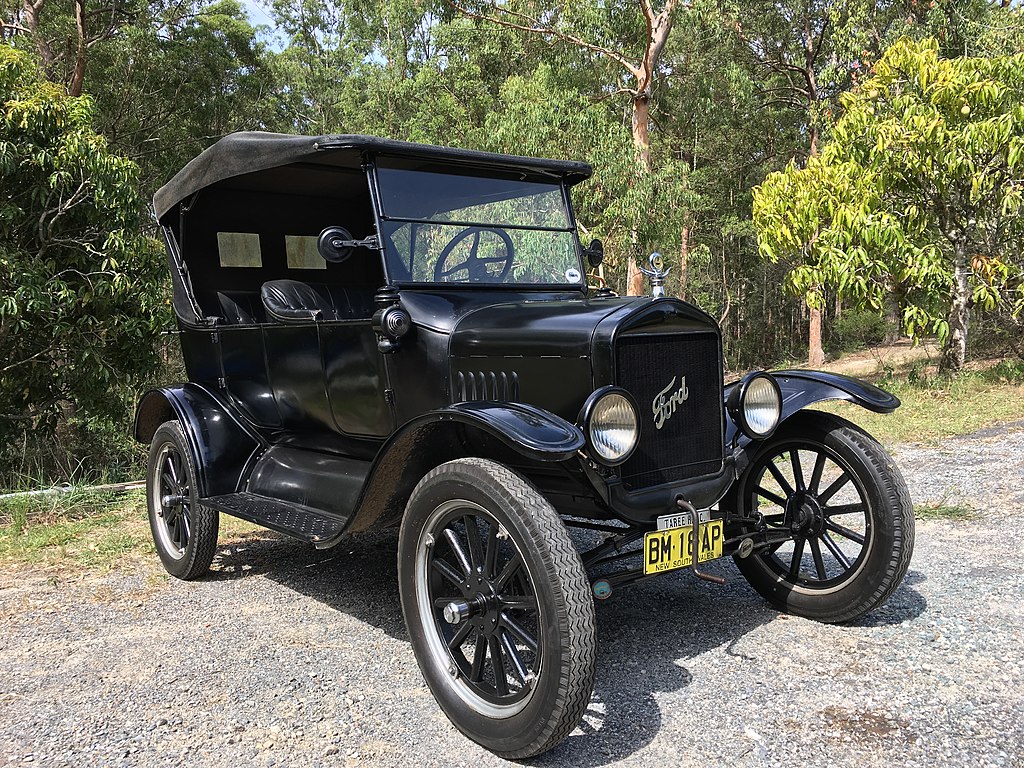 ModelTMitch, CC BY-SA 4.0, Wikimedia Commons
Small-Block Vs. Windsor V8
Chevrolet’s small-block V8, introduced in 1955, became an instant legend—compact, powerful, and endlessly adaptable. Ford answered with its Windsor V8 family, proving it could match Chevy cube for cube. This engine rivalry defined hot rodding for decades and still fuels arguments at car shows today.
 Jared.annis, Wikimedia Commons
Camaro Vs. Mustang
When Ford launched the Mustang in 1964, it created the pony car segment overnight. Chevrolet didn’t panic—it retaliated. The Camaro arrived in 1967, leaner and more aggressive, aimed squarely at Mustang buyers. From that moment on, no rivalry has been more direct, more emotional, or more relentlessly competitive.
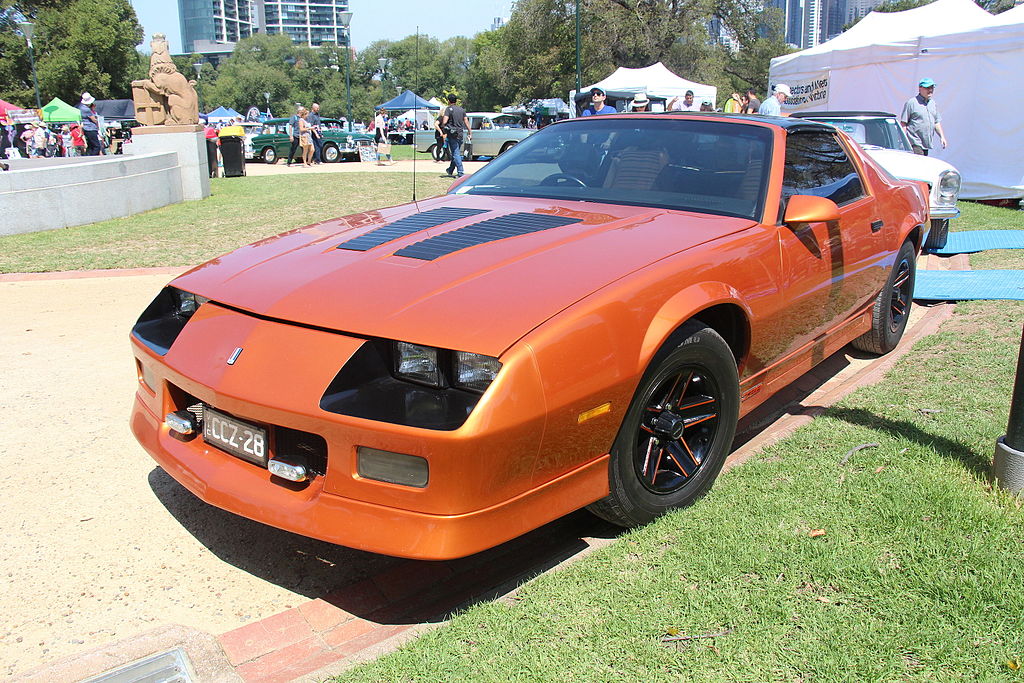 Sicnag, CC BY 2.0, Wikimedia Commons
Impala Vs. Galaxie
In the 1960s, full-size sedans were America’s status symbols. Chevrolet’s Impala and Ford’s Galaxie battled for family driveways and NASCAR supremacy alike. Comfort, power, and prestige mattered—and both brands pushed big engines and bold designs to win suburban hearts.
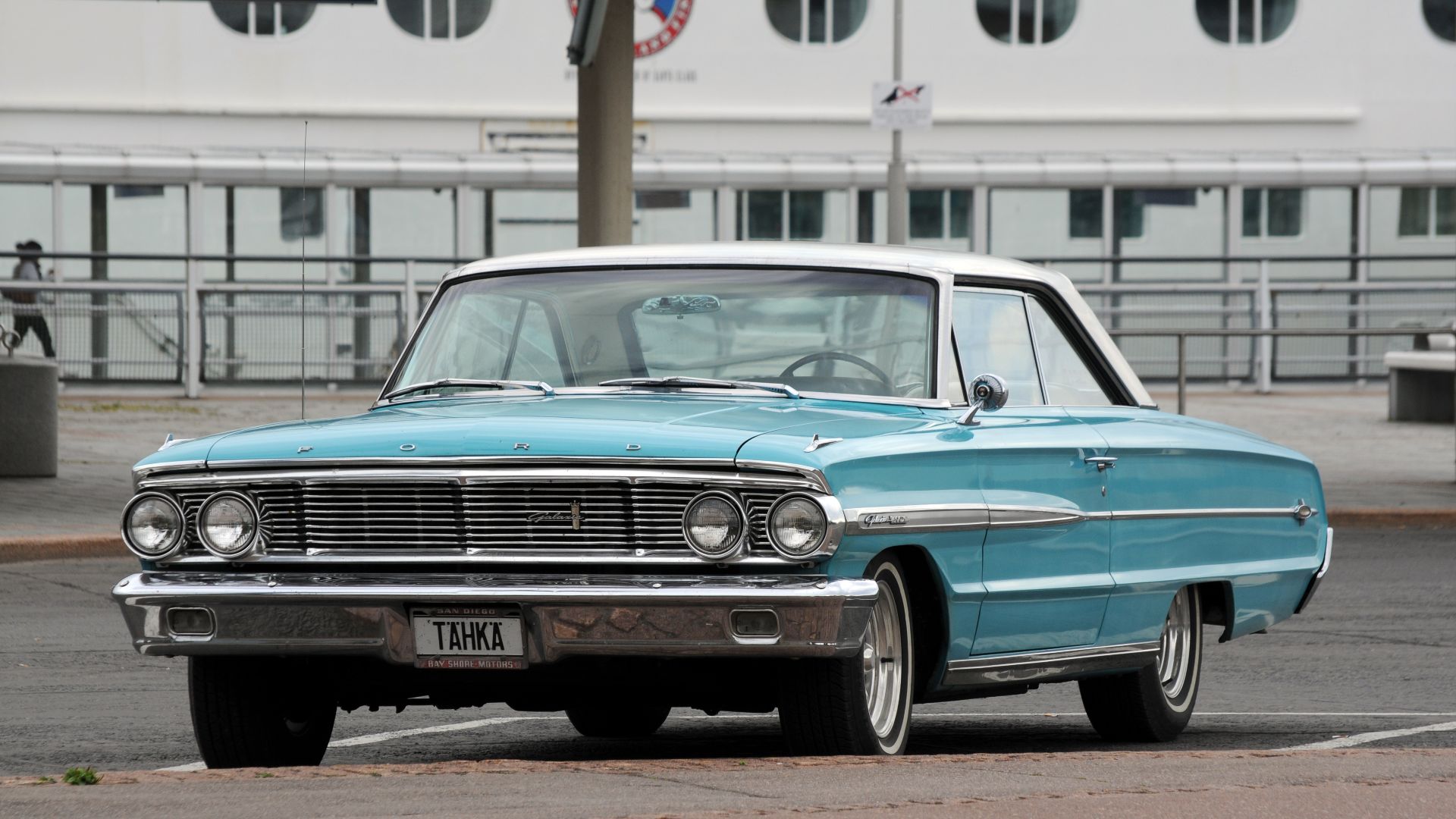 Ralf Roletschek (talk) - Fahrradtechnik auf fahrradmonteur.de, Wikimedia Commons
Corvette Vs. Thunderbird
The Corvette debuted in 1953 as America’s sports car. Ford initially answered with the Thunderbird—but took it in a more luxurious direction. While Chevy doubled down on performance, Ford pivoted. The split showed how differently each brand interpreted “sporty,” and it shaped their futures.
 Reinhold Möller, CC BY-SA 4.0, Wikimedia Commons
Big-Block Muscle Wars
The late 1960s unleashed pure madness. Chevy rolled out the 396, 427, and later the 454. Ford countered with the 428 Cobra Jet and 429 Super Cobra Jet. Horsepower ratings were conservative, egos were not, and quarter-mile times became dinner-table ammunition.
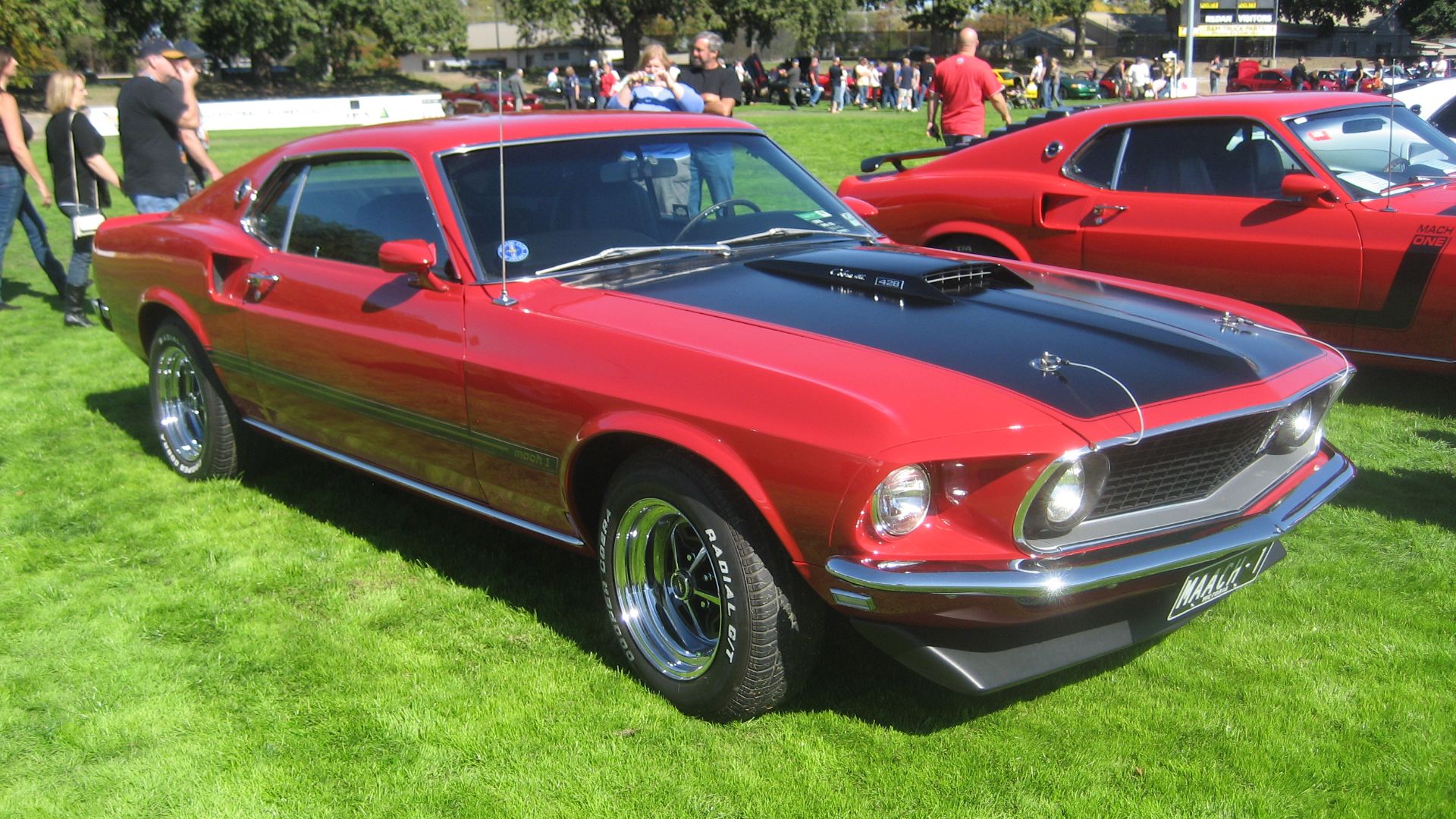
COPO Camaro Vs. Boss 429 Mustang
Chevrolet’s secretive COPO Camaros were built to dominate drag strips. Ford responded with the exotic Boss 429 Mustang, designed to homologate its NASCAR engine. Neither car was practical. That wasn’t the point. These were factory-built middle fingers aimed across Detroit.
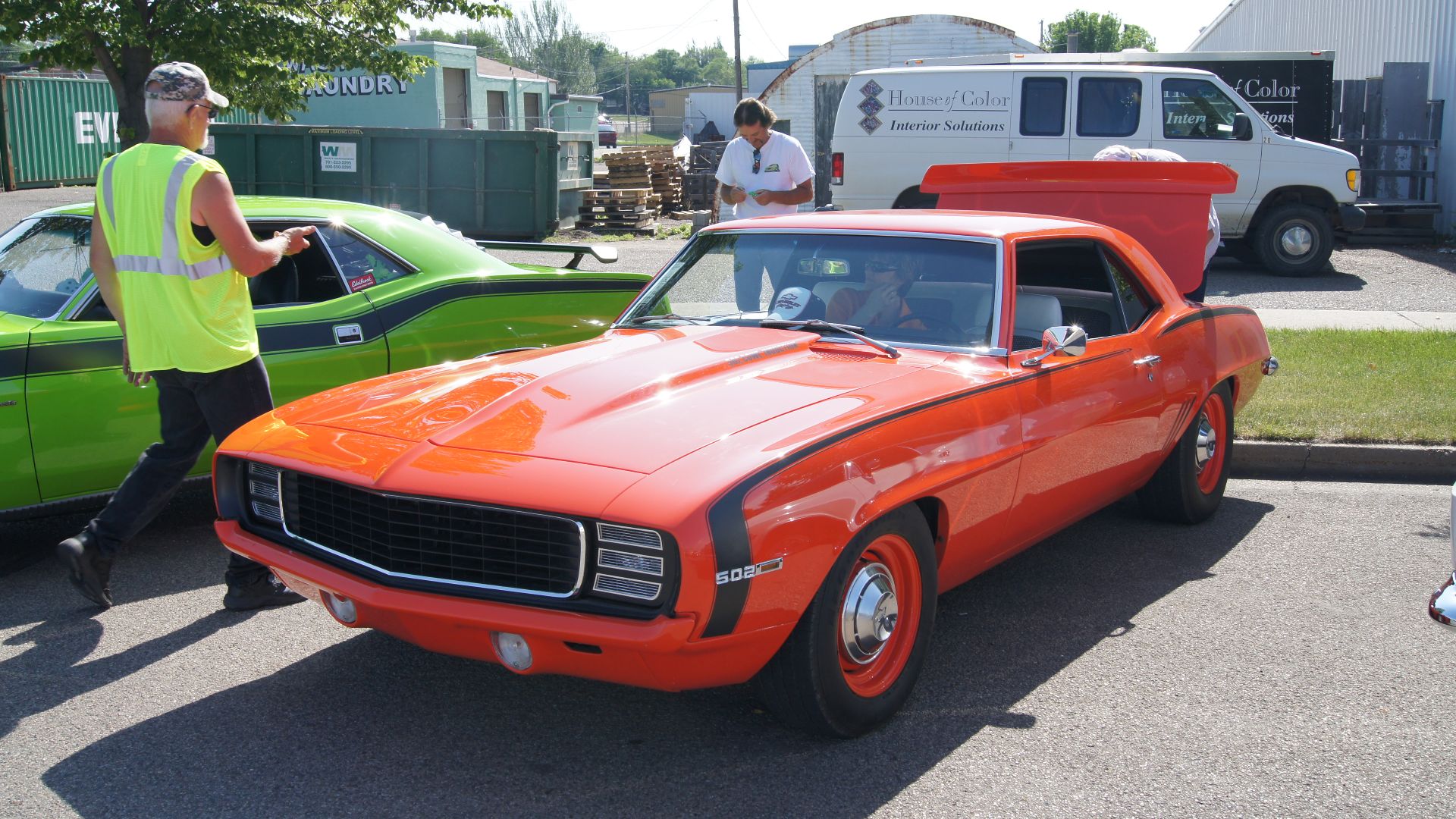 Greg Gjerdingen from Willmar, USA, Wikimedia Commons
Trans-Am: Z/28 Vs. Boss 302
Racing improves the breed, and nowhere was that clearer than Trans-Am. The Camaro Z/28 and Mustang Boss 302 were engineered specifically to win on Sunday and sell on Monday. Handling mattered more than brute force, and the rivalry reached surgical levels of precision.
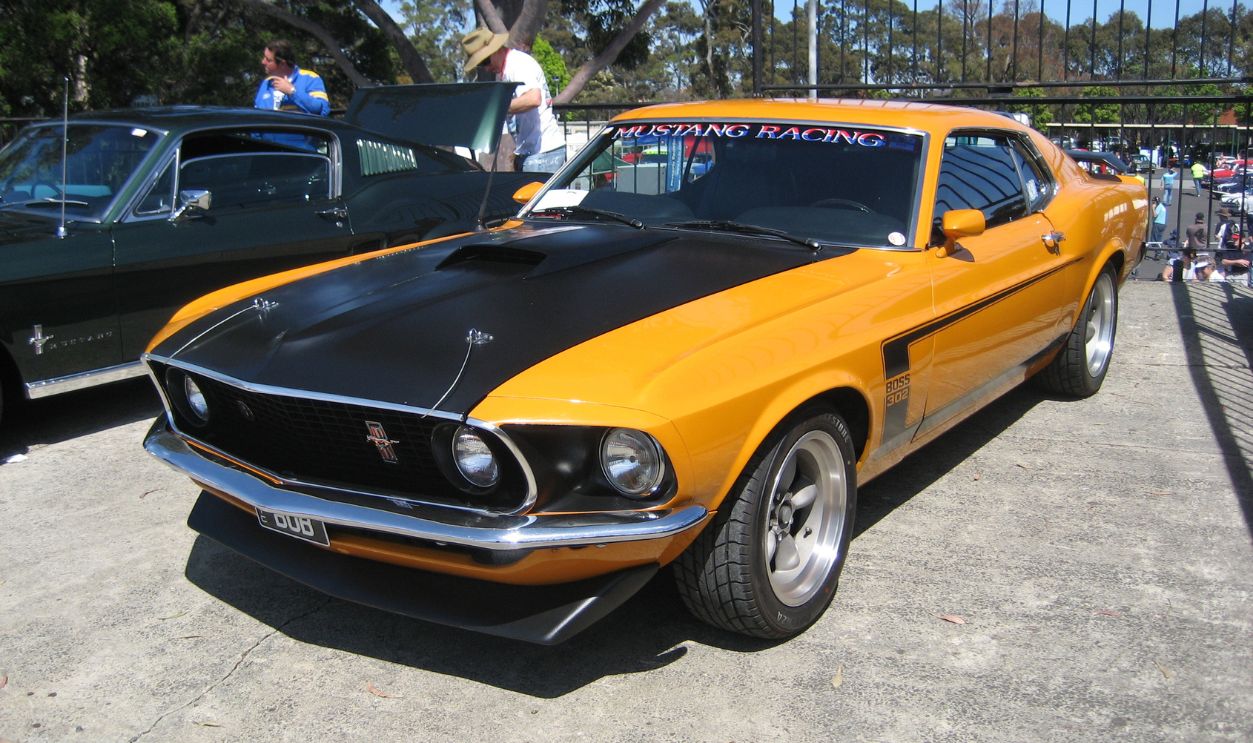 Sicnag, CC BY 2.0, Wikimedia Commons
Pickup Pride: C/K Vs. F-Series
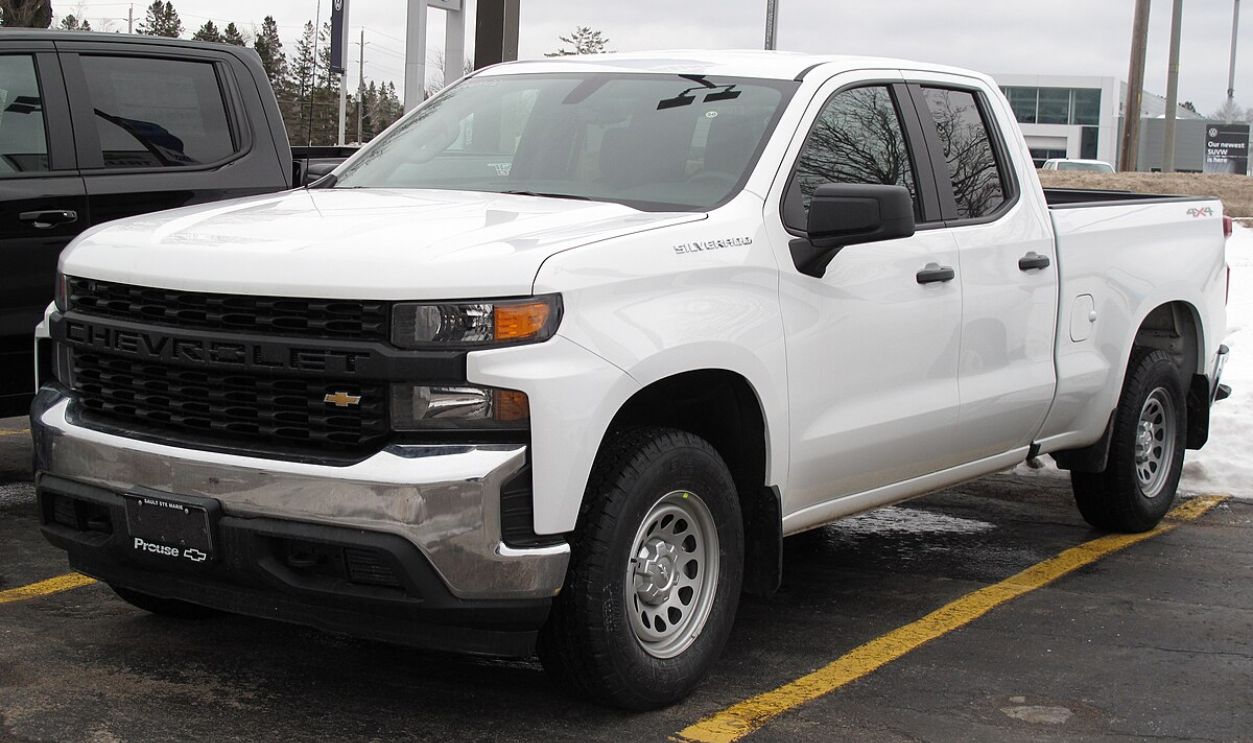
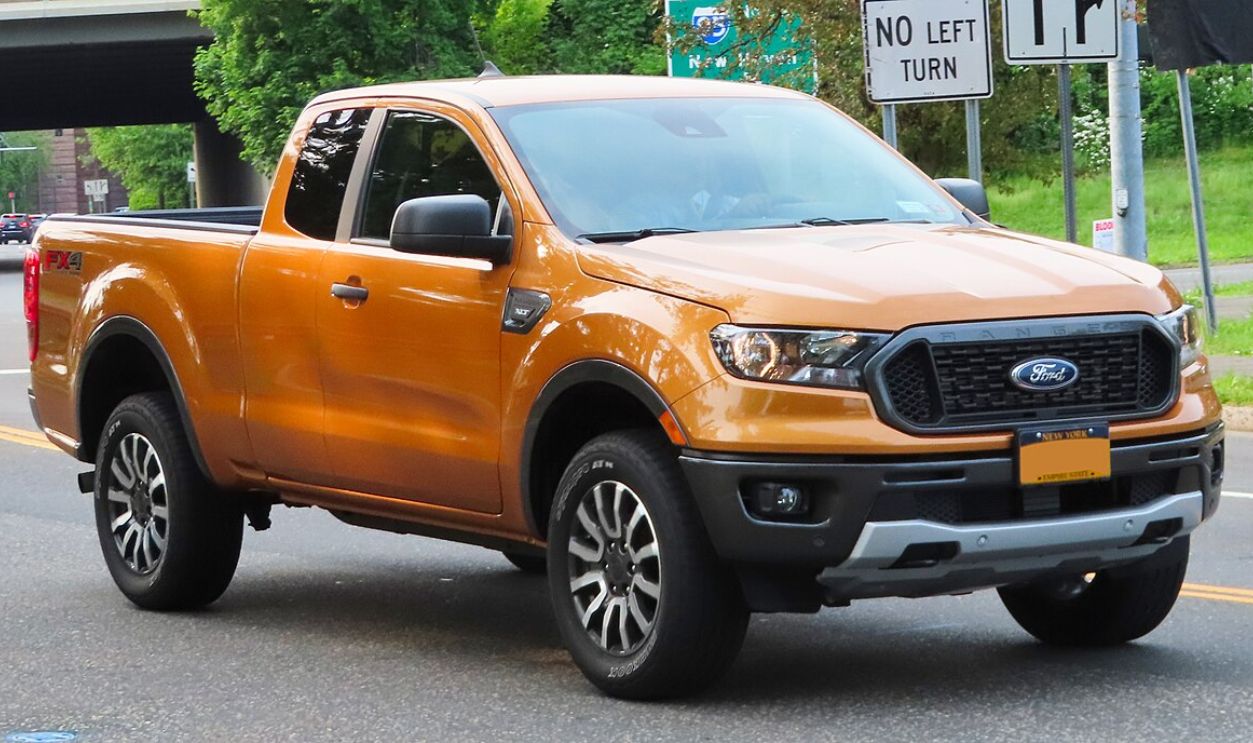
America’s best-selling vehicle rivalry didn’t happen overnight. Chevy’s C/K trucks fought Ford’s F-Series for decades over durability, power, and work ethic. Ford eventually pulled ahead in sales—but Chevy owners will happily tell you numbers don’t tell the whole story.
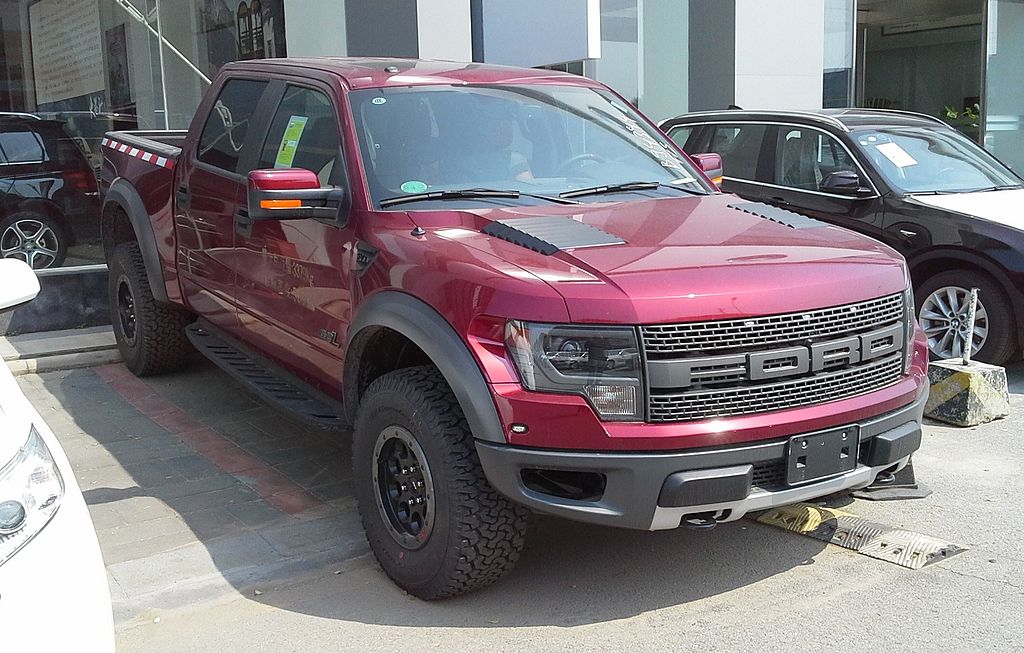 Navigator84, CC BY-SA 4.0, Wikimedia Commons
Diesel Truck Wars
When heavy-duty trucks went diesel, the gloves came off. Ford teamed with Navistar for Power Stroke engines, while Chevy partnered with Duramax and Allison transmissions. Torque numbers skyrocketed, tow ratings climbed, and brand loyalty hardened like cured steel.
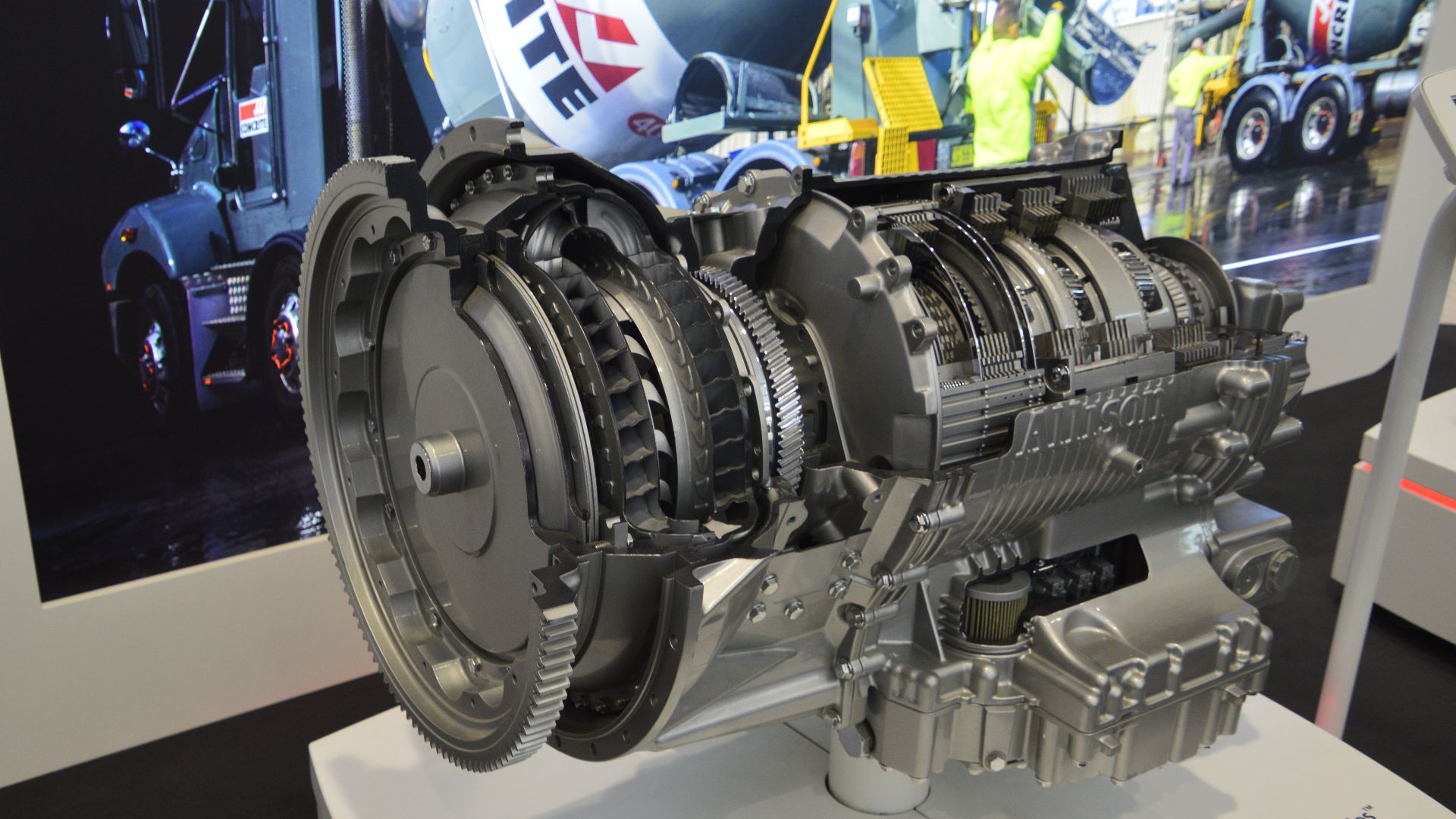
NASCAR Supremacy
From the 1960s through today, Chevy and Ford have fought tooth-and-nail in NASCAR. Manufacturer championships became corporate trophies. Fans didn’t just root for drivers—they rooted for engines, body shapes, and badge pride at 200 mph.
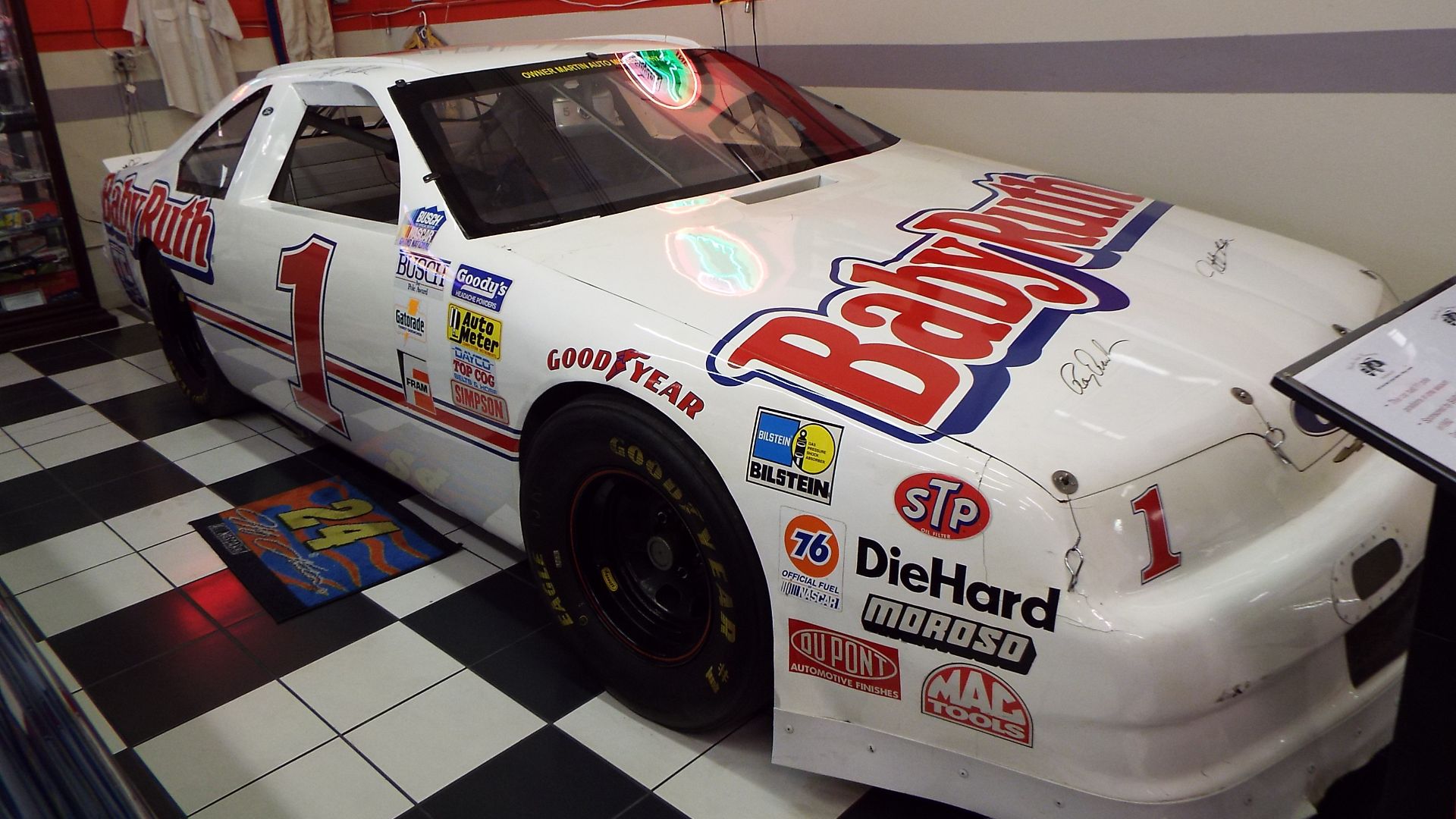 Marine 69-71, Wikimedia Commons
Aerodynamics In The 1980s
Fuel economy rules forced innovation. Ford leaned into slippery designs like the Thunderbird and Taurus. Chevrolet countered with wind-cheating Camaros and the radical Lumina. Style became science, and every decimal point of drag coefficient mattered.
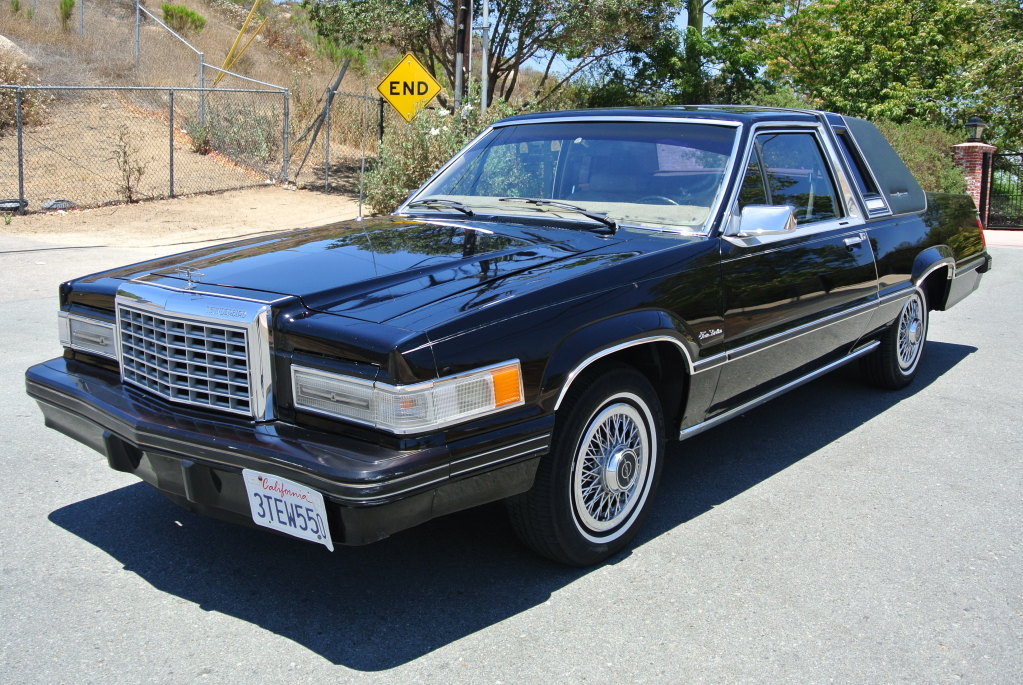 That Hartford Guy, CC BY-SA 2.0, Wikimedia Commons
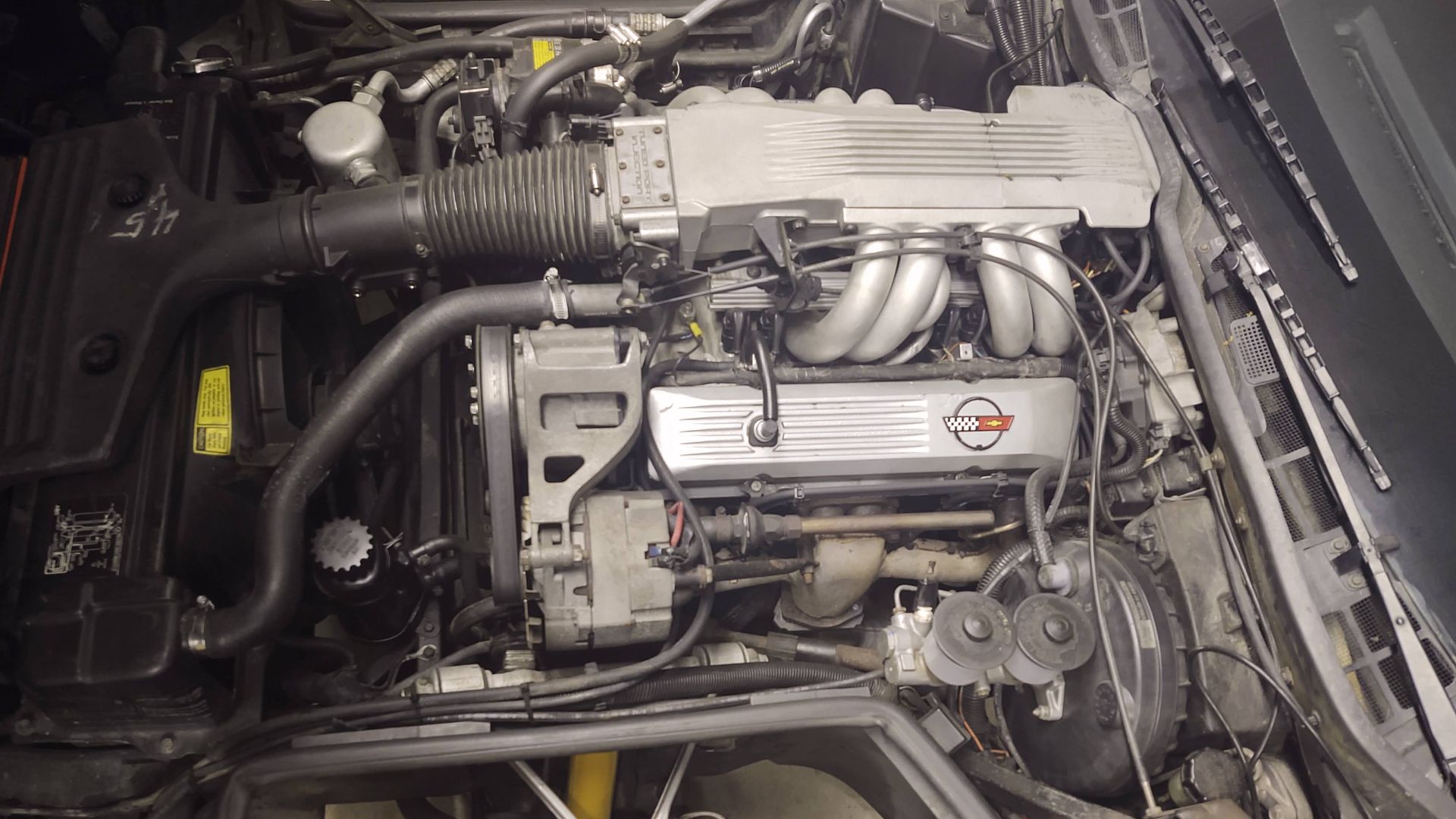
The Fuel Injection Arms Race
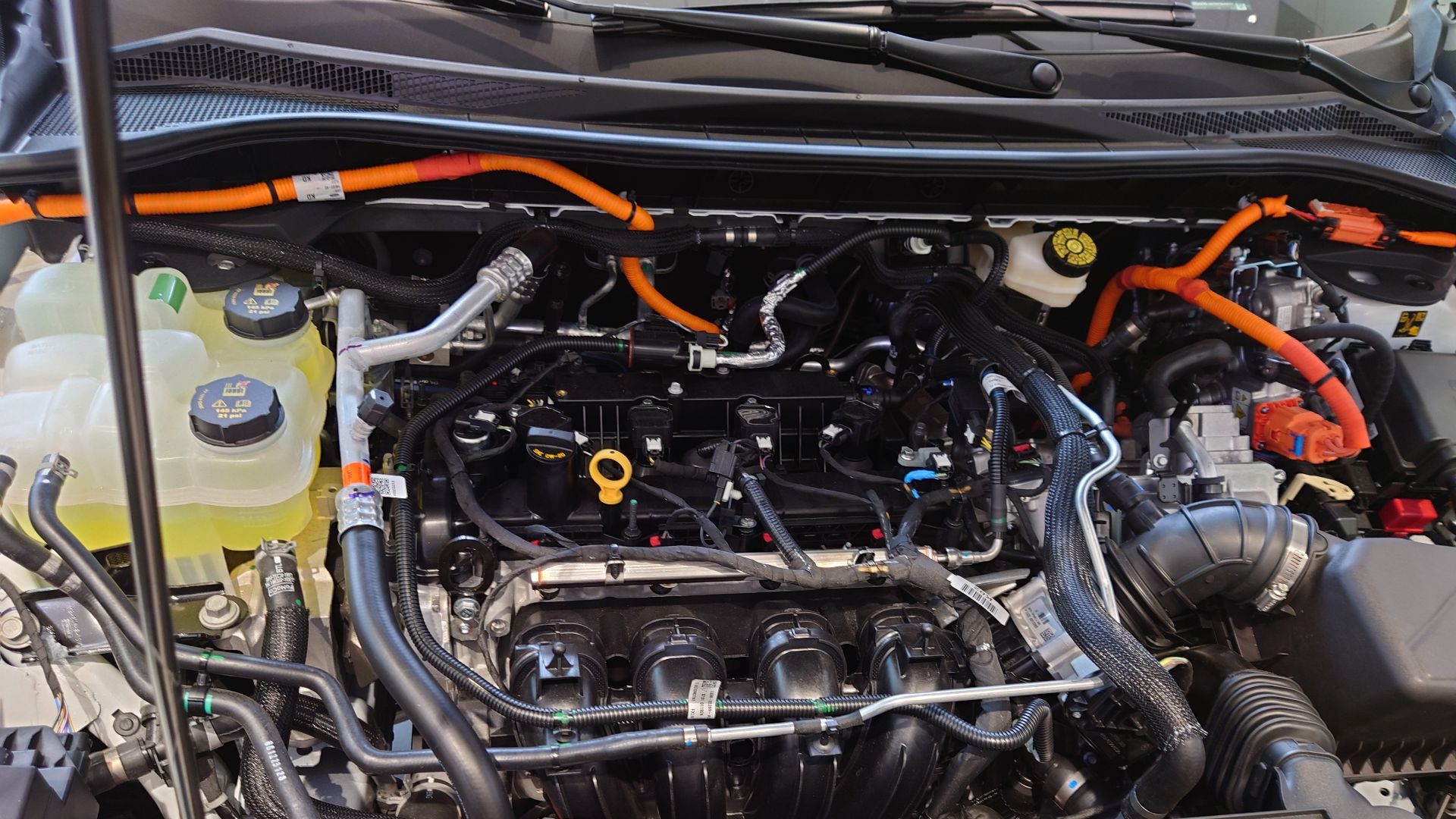
As carburetors faded, electronic fuel injection became the next battlefield. Chevy refined throttle-body and port injection systems, while Ford pushed its EEC computer tech. Reliability, efficiency, and drivability all improved—but neither side would admit the other did it better.
Supercharger Showdown
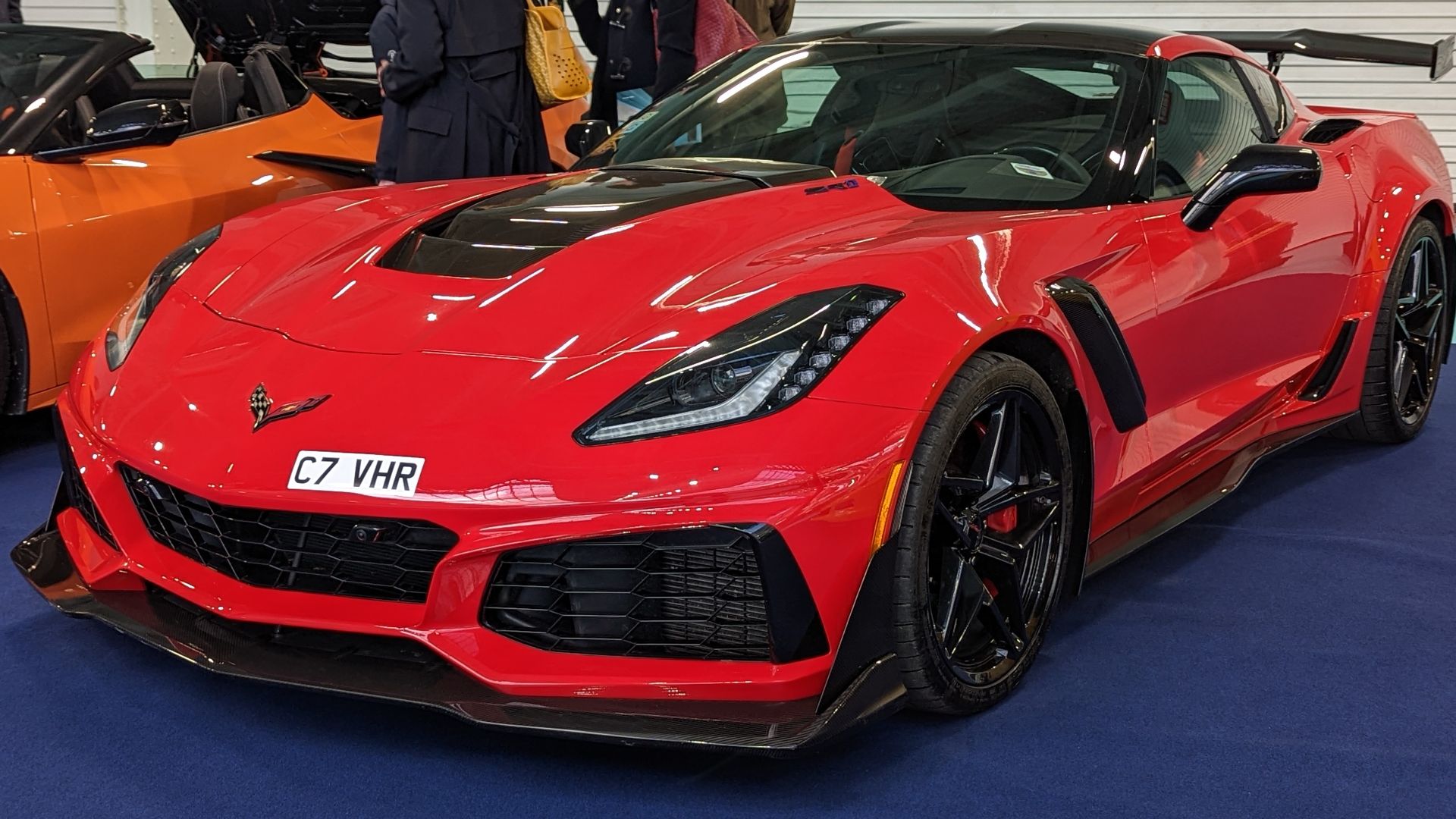
Chevrolet unleashed supercharged monsters like the Corvette ZR1 and Camaro ZL1. Ford answered with SVT, giving the world the supercharged Mustang Cobra and later the GT500. Boost pressure became a badge of honor, and dyno charts replaced spec sheets.
Aluminum Vs. Steel Trucks
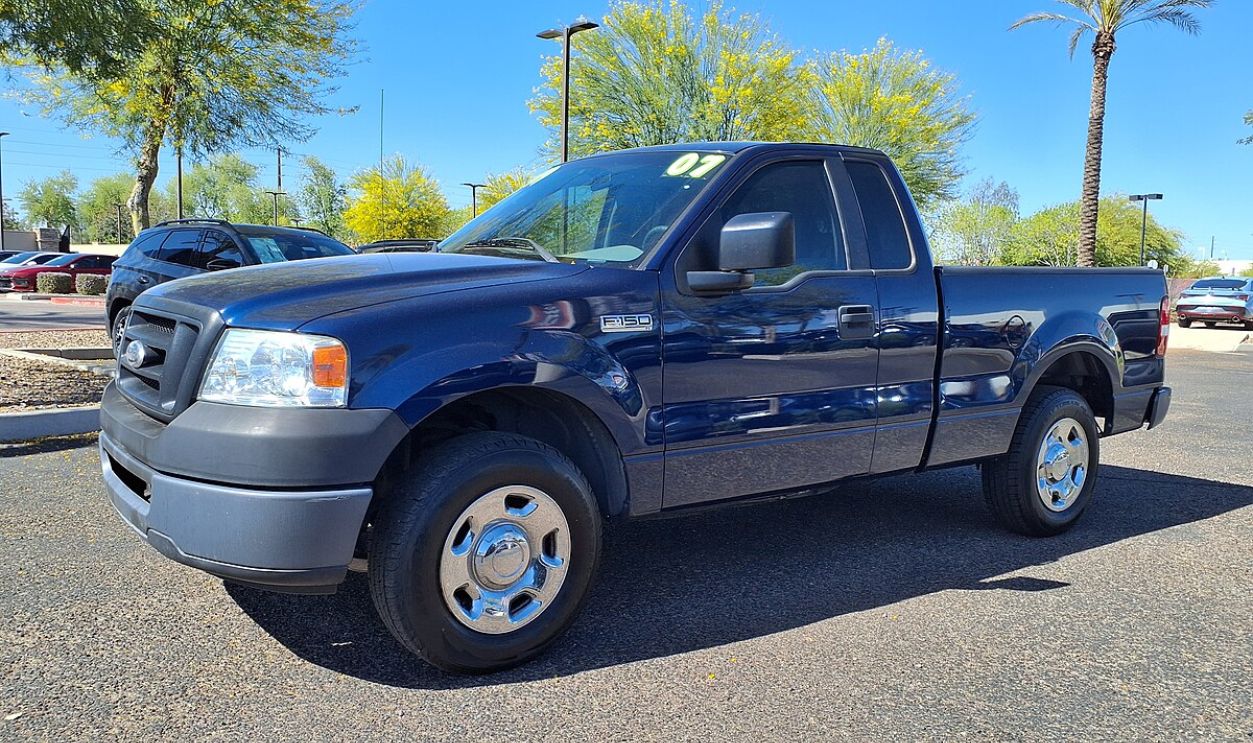
Ford shocked the industry by switching the F-150 to an aluminum body in 2015. Chevy mocked it—then responded with smarter steel, lighter frames, and later mixed-material designs. It was a philosophical war: radical change versus calculated evolution.
The Mid-Engine Shockwave
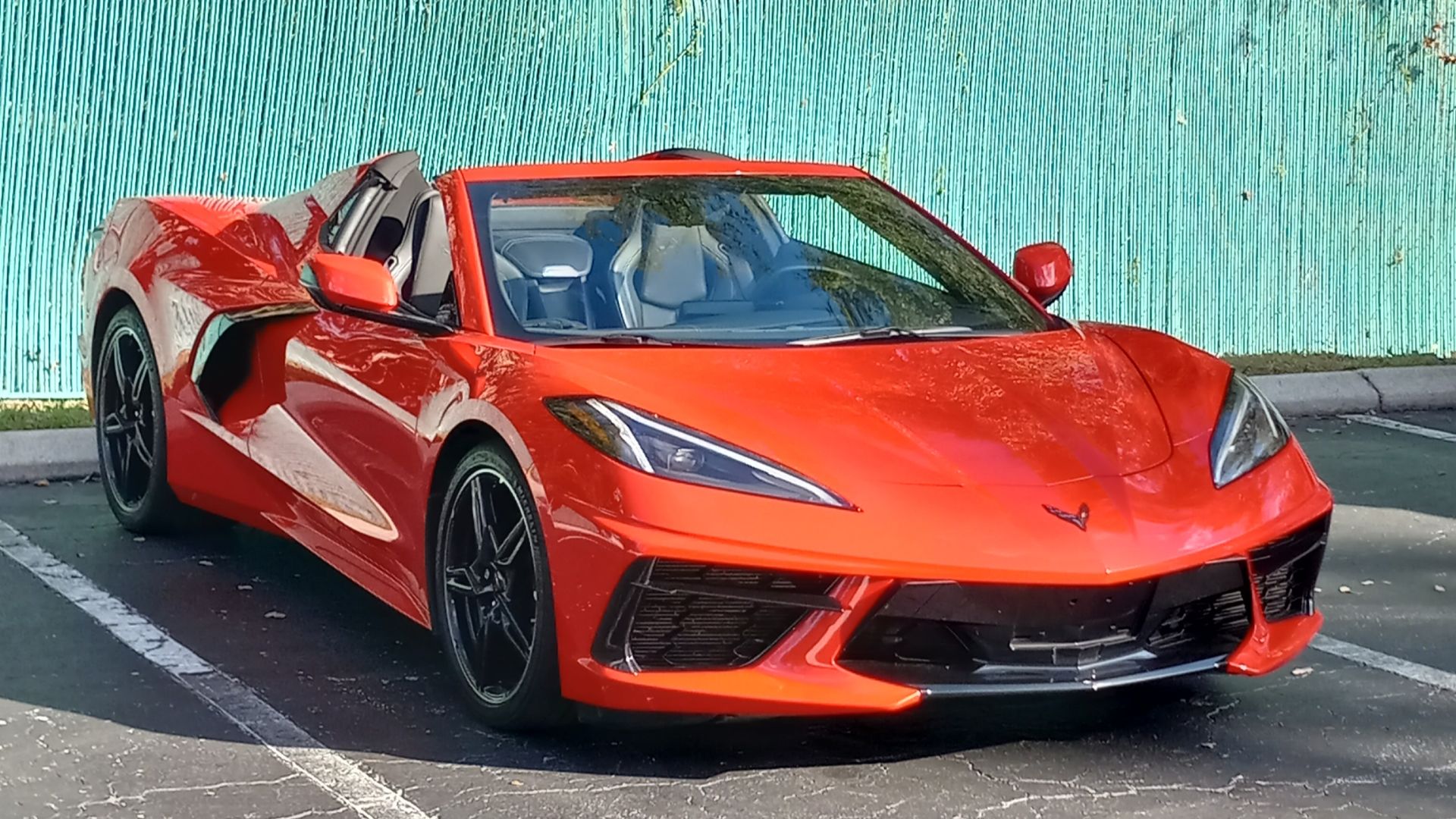
Chevrolet dropped a bomb with the mid-engine C8 Corvette, delivering supercar layout at a “reasonable” price. Ford’s answer wasn’t a Corvette fighter—it was the GT. Different philosophies, same message: We can build world-class performance.
 WaddlesJP13, Wikimedia Commons
Hot Hatch Humiliation
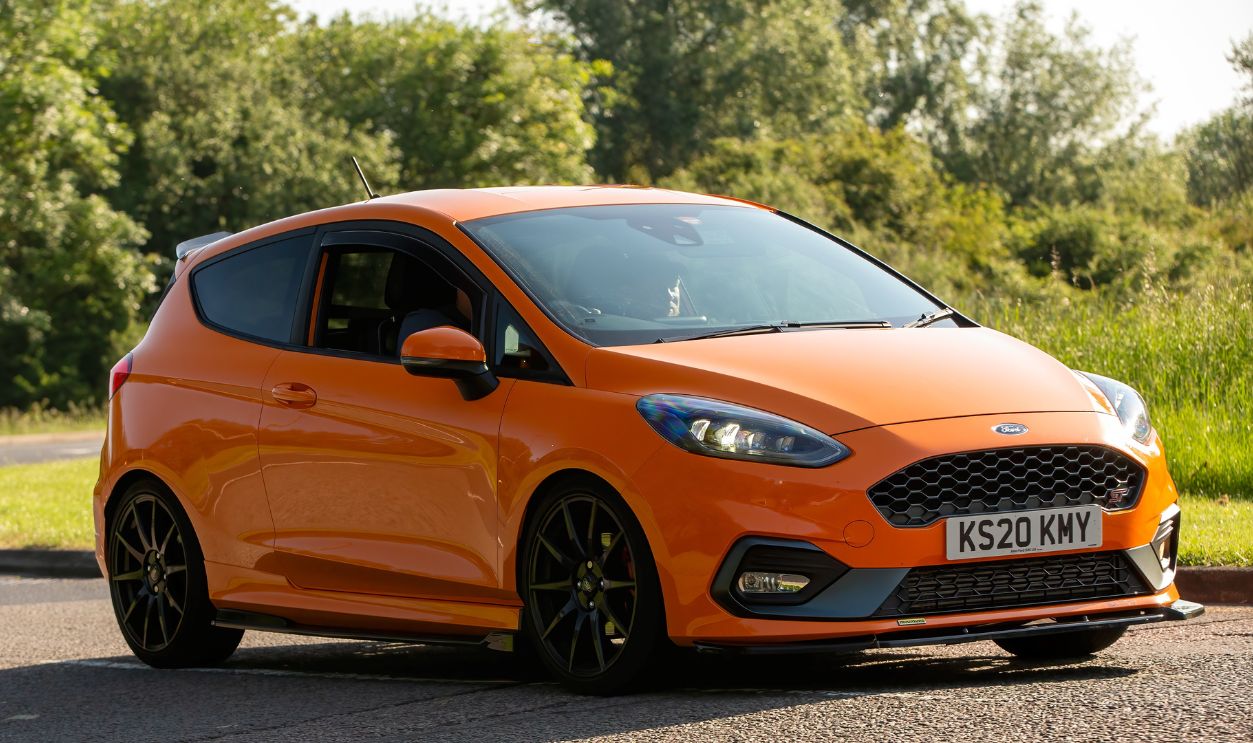
Chevy tried with the Cruze SS and Sonic RS. Ford dominated with the Fiesta ST and Focus RS. For once, Ford clearly landed the punch—but Chevy fans still argue the fight isn’t over.
Electric Futures Begin
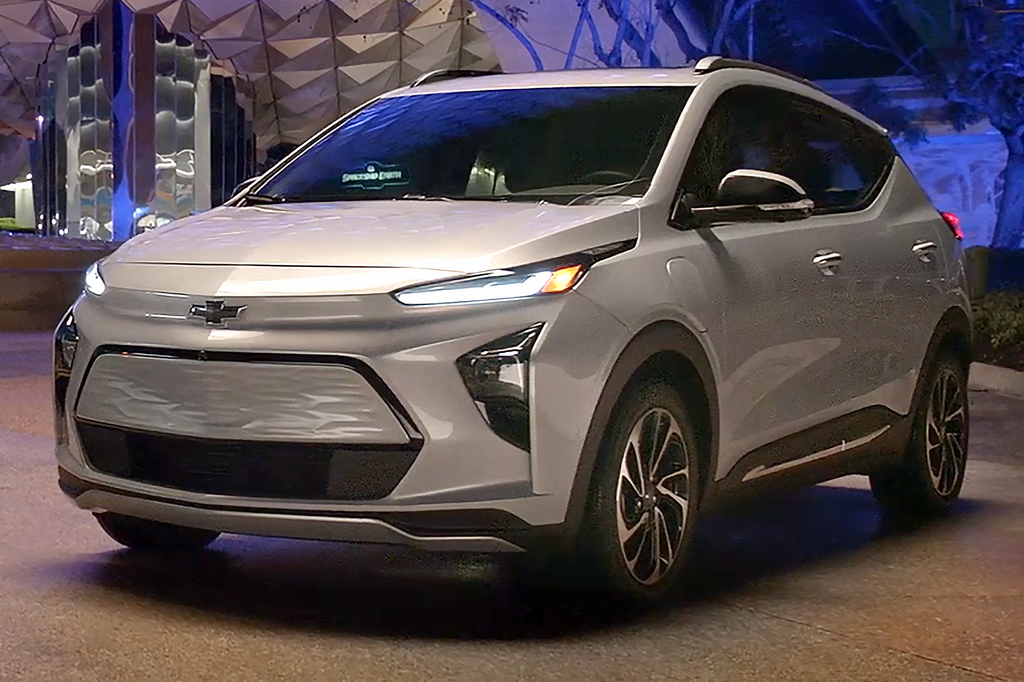
Chevrolet struck first with the Bolt EV, beating Ford to a mass-market long-range electric. Ford responded with the Mustang Mach-E, proving EVs could still have attitude. The rivalry didn’t go silent—it just went electric.
 ChevroletCanada, CC BY 3.0, Wikimedia Commons
Performance Sedans: SS Vs. SHO
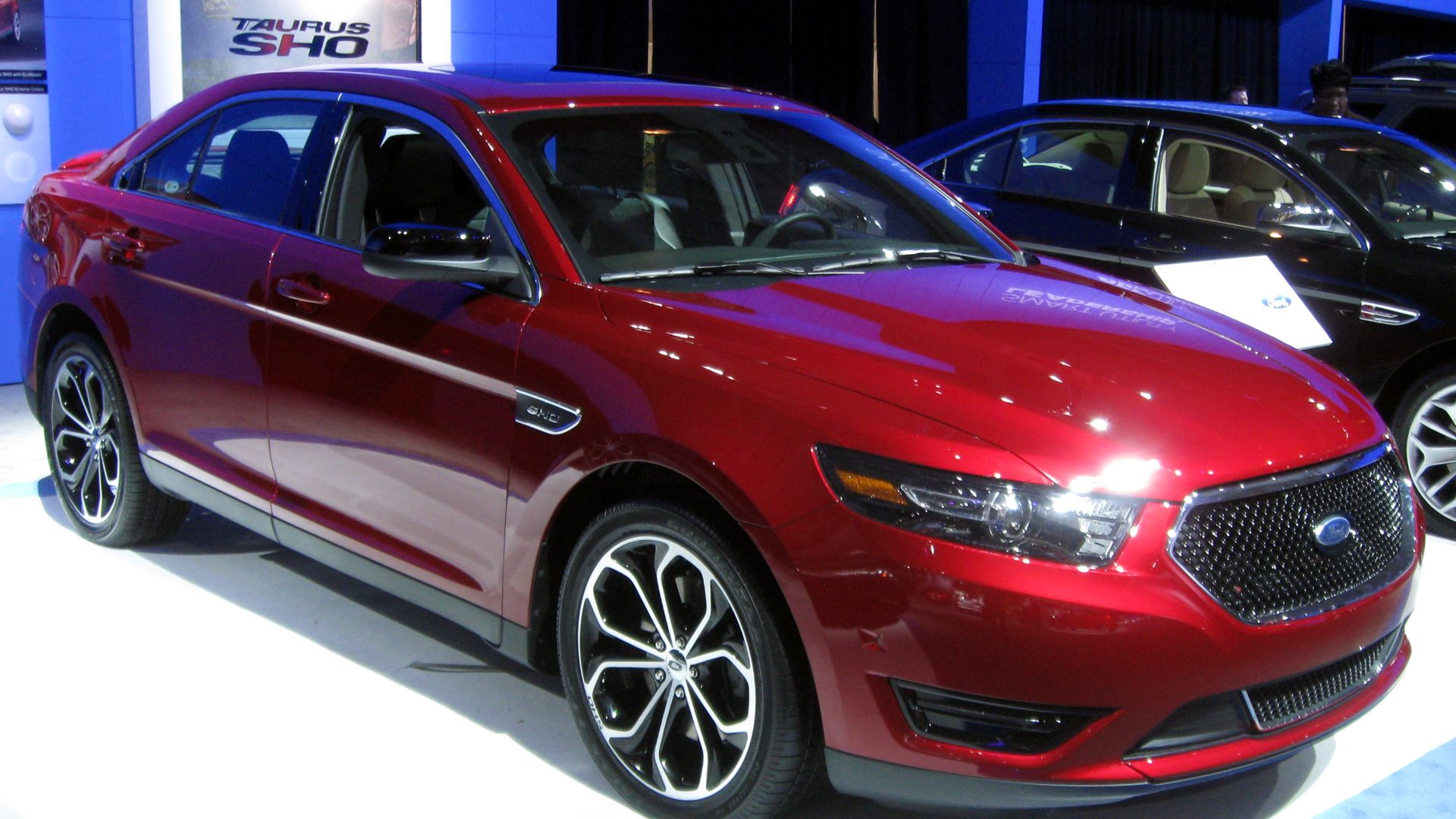
Chevy’s rear-drive SS sedan went head-to-head with Ford’s turbocharged Taurus SHO. One chased purist performance, the other embraced tech-forward speed. Neither sold well—but both became cult favorites.
Technology Inside The Cabin
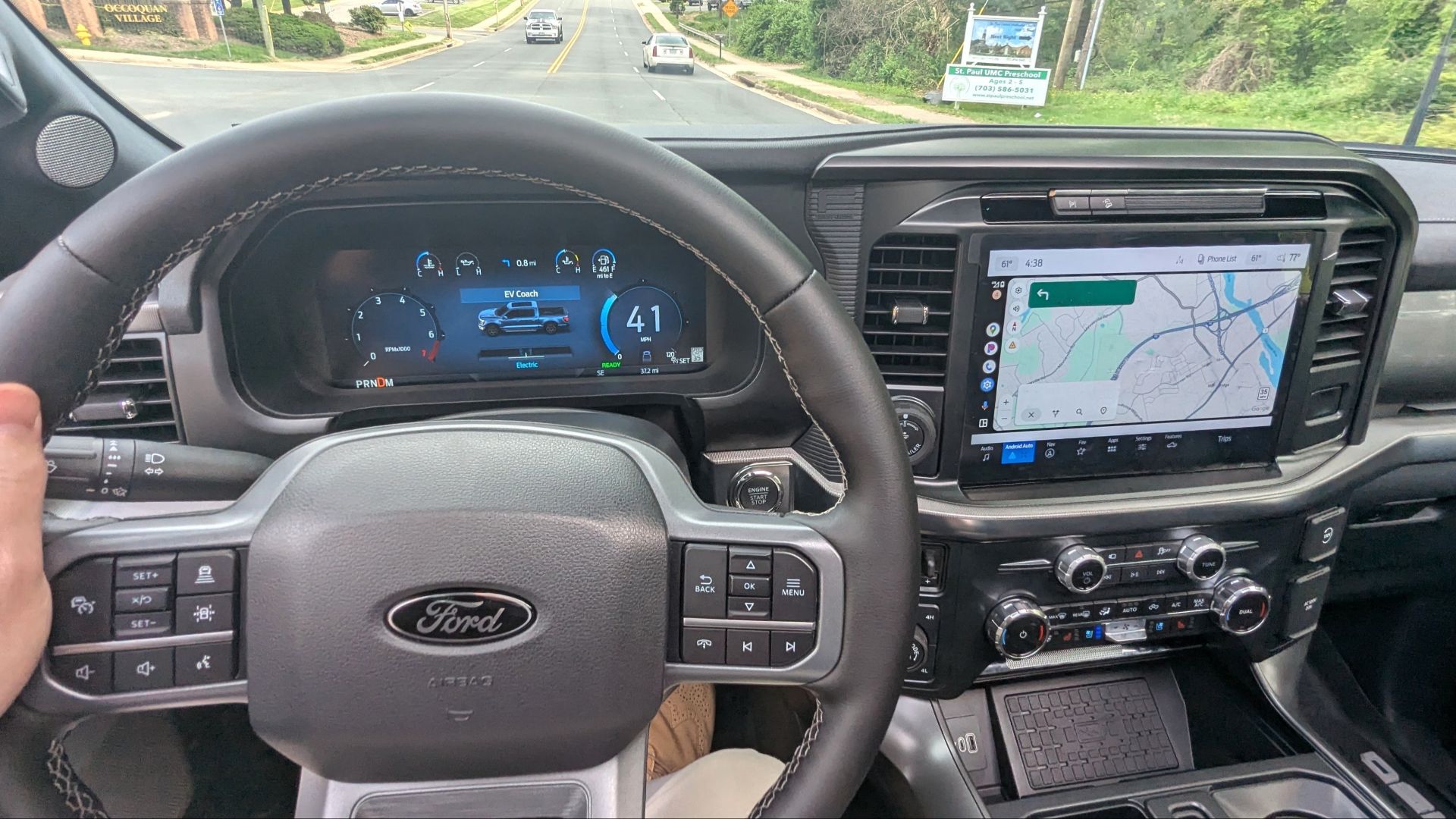
Ford pushed SYNC infotainment early, sometimes painfully so. Chevrolet refined MyLink and Super Cruise, eventually offering hands-free highway driving. Screens, software, and sensors became as important as horsepower.
 User:McChizzle, Wikimedia Commons
Off-Road Warriors: ZR2 Vs. Raptor
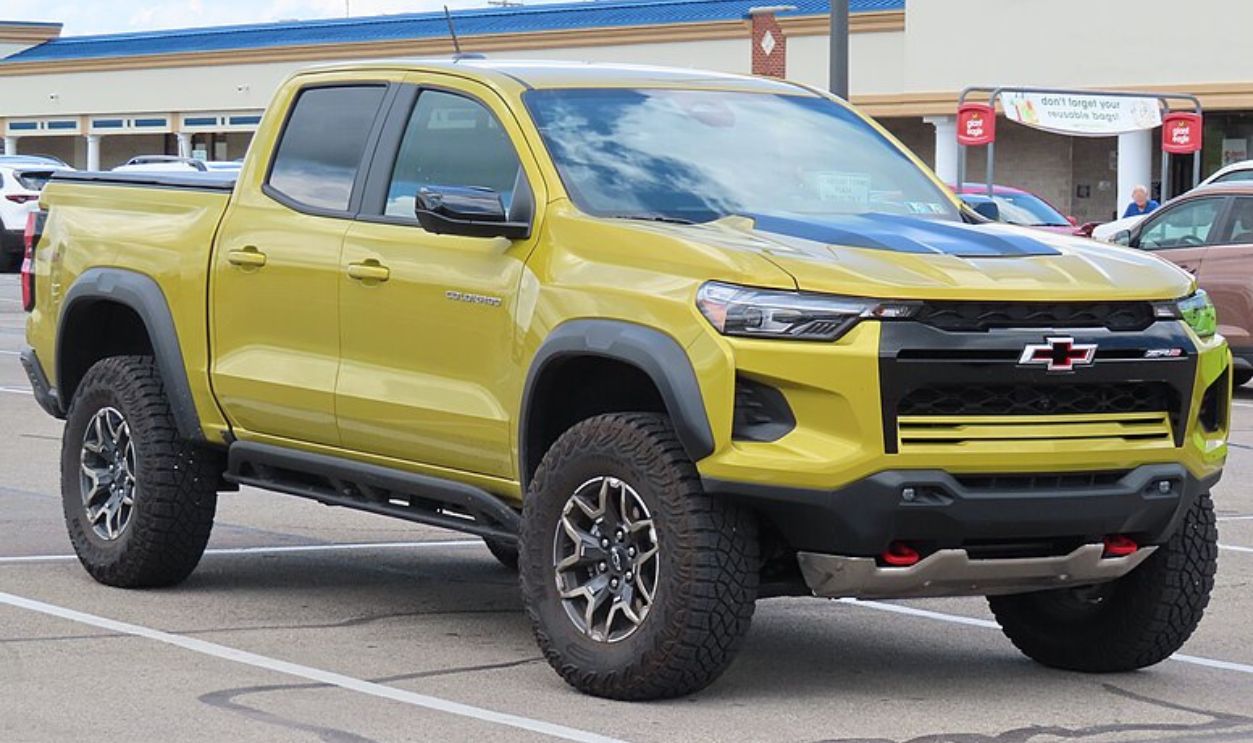
Chevy’s Colorado ZR2 took a technical, rock-crawling approach. Ford’s F-150 Raptor went big, wide, and fast. Two wildly different philosophies, both wildly effective. Desert runs or mountain trails—pick your fighter.
 MercurySable99, CC BY-SA 4.0, Wikimedia Commons
Drag Strip Domination
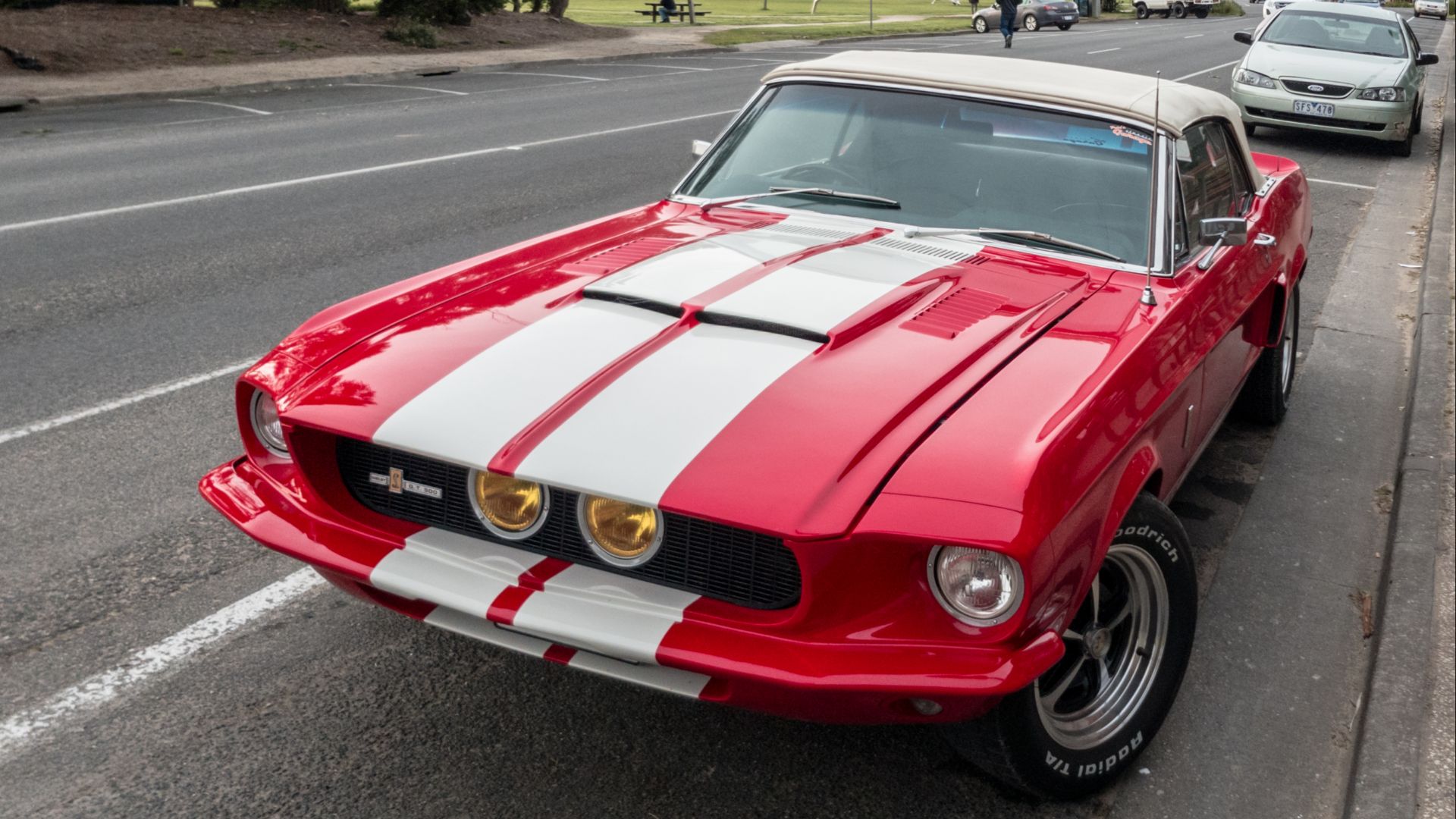
From factory drag packages to modern 10-second cars, both brands have chased straight-line glory. Camaro ZL1 1LE vs. Mustang Shelby GT500 isn’t just a spec-sheet fight—it’s a statement of intent.
 Dietmar Rabich, Wikimedia Commons
Police Car Contracts
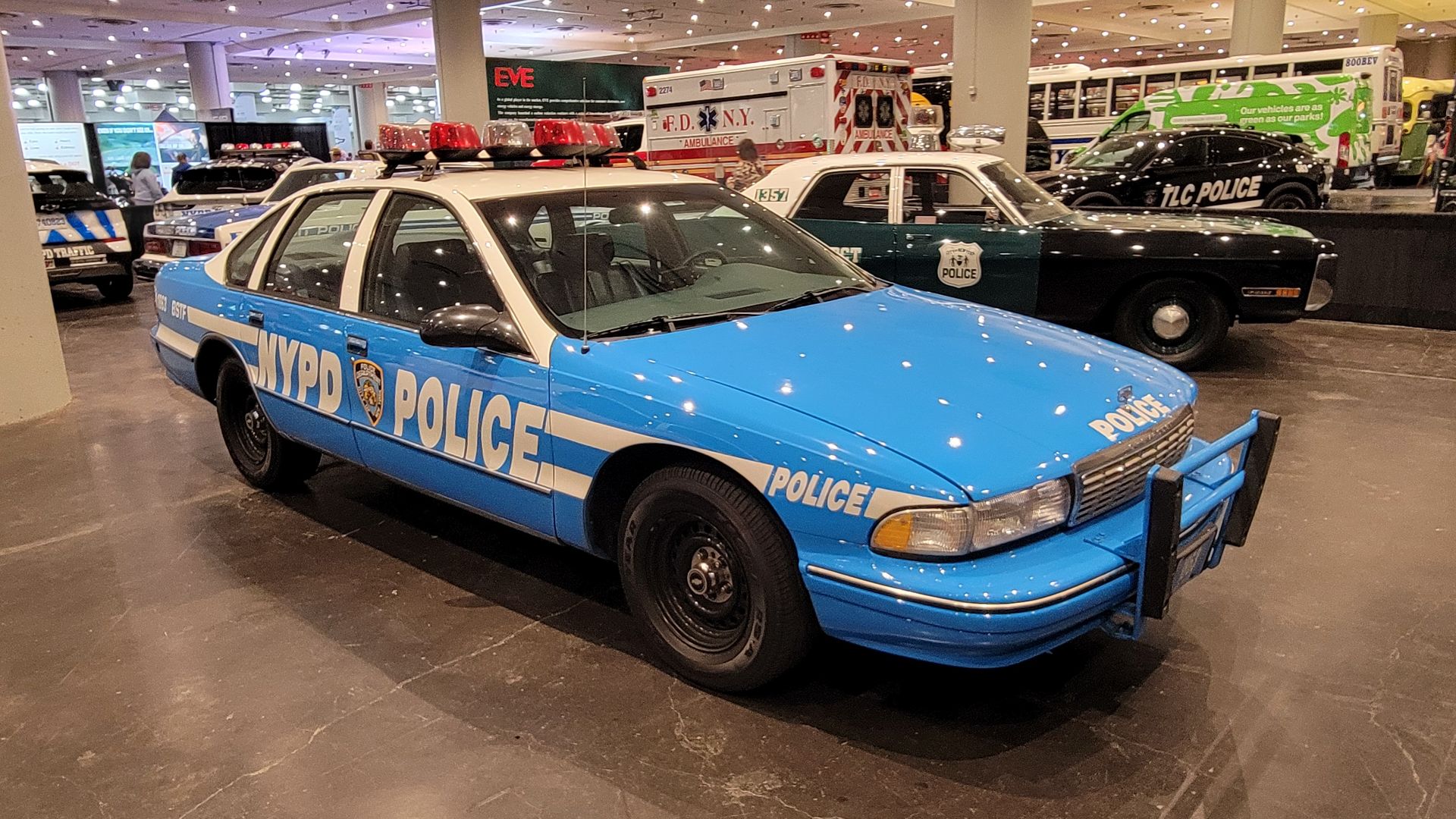
Fleet sales matter. Chevrolet’s Caprice and Tahoe squared off against Ford’s Crown Victoria and Explorer. Winning police contracts meant visibility, credibility, and massive volume. This was rivalry measured in flashing lights.
 Charles from Port Chester, New York, Wikimedia Commons
Racing Into The Future
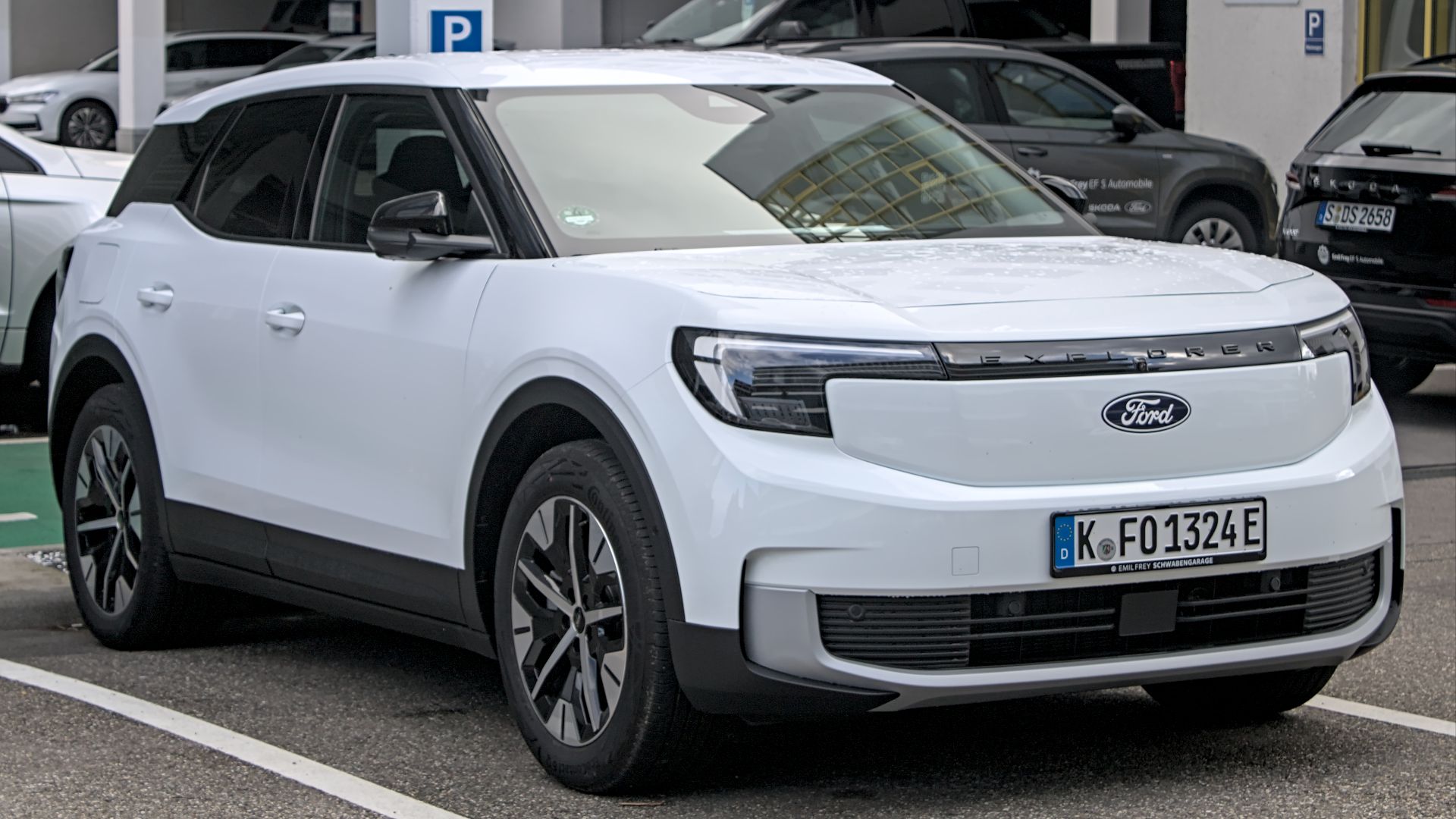
Hybrid tech, electrification, and advanced materials are the new battlegrounds. Chevy’s Ultium platform and Ford’s performance EV plans suggest the rivalry is far from cooling off. It’s just changing shape.
 Alexander-93, Wikimedia Commons
Why This Rivalry Will Never Die
Chevrolet and Ford don’t just compete—they define each other. Every innovation, every bold move, every risky bet is made with one eye on the other guy. And as long as Americans care about cars, speed, and identity, this rivalry will keep roaring.
 Elise240SX, CC BY-SA 4.0, Wikimedia Commons
Choose Your Side
You don’t have to love both. In fact, most fans don’t. Whether you bleed Bowtie or swear by the Blue Oval, one thing is certain: Chevrolet vs. Ford made the automotive world louder, faster, and infinitely more interesting. And honestly? We wouldn’t have it any other way.
 Kevauto, CC BY-SA 4.0, Wikimedia Commons
You May Also Like:
Classic Muscle Cars That Should Come Back To Replace What's On Today's Roads
Everyone Said These 80s Cars Were Dated, But Now They're Worth A Fortune

.jpg)


_front_view.png)


