The One That Refused To Stay Gone
For eight years, Mike searched for another version of the car he had once driven. The hunt stretched on so long that finding the right one began to look increasingly unlikely. Until his wife made sure the car came home.
It Began With A Brand-New ’Cuda
In 1971, Mike Bezick bought a brand-new Plymouth ’Cuda 340. This was not a car he discovered decades later and convinced himself he had always wanted. He experienced it when it was new, loud and sitting in a Plymouth showroom waiting for somebody to make a wonderfully irresponsible decision.
Then Life Pulled Him Away
Mike eventually got married, responsibilities grew and the Plymouth was parked. One year turned into several, and the car slowly became a project waiting for the right moment. Every car person already knows how dangerous the words “I’ll get to it someday” can be.
He Had Not Actually Sold It
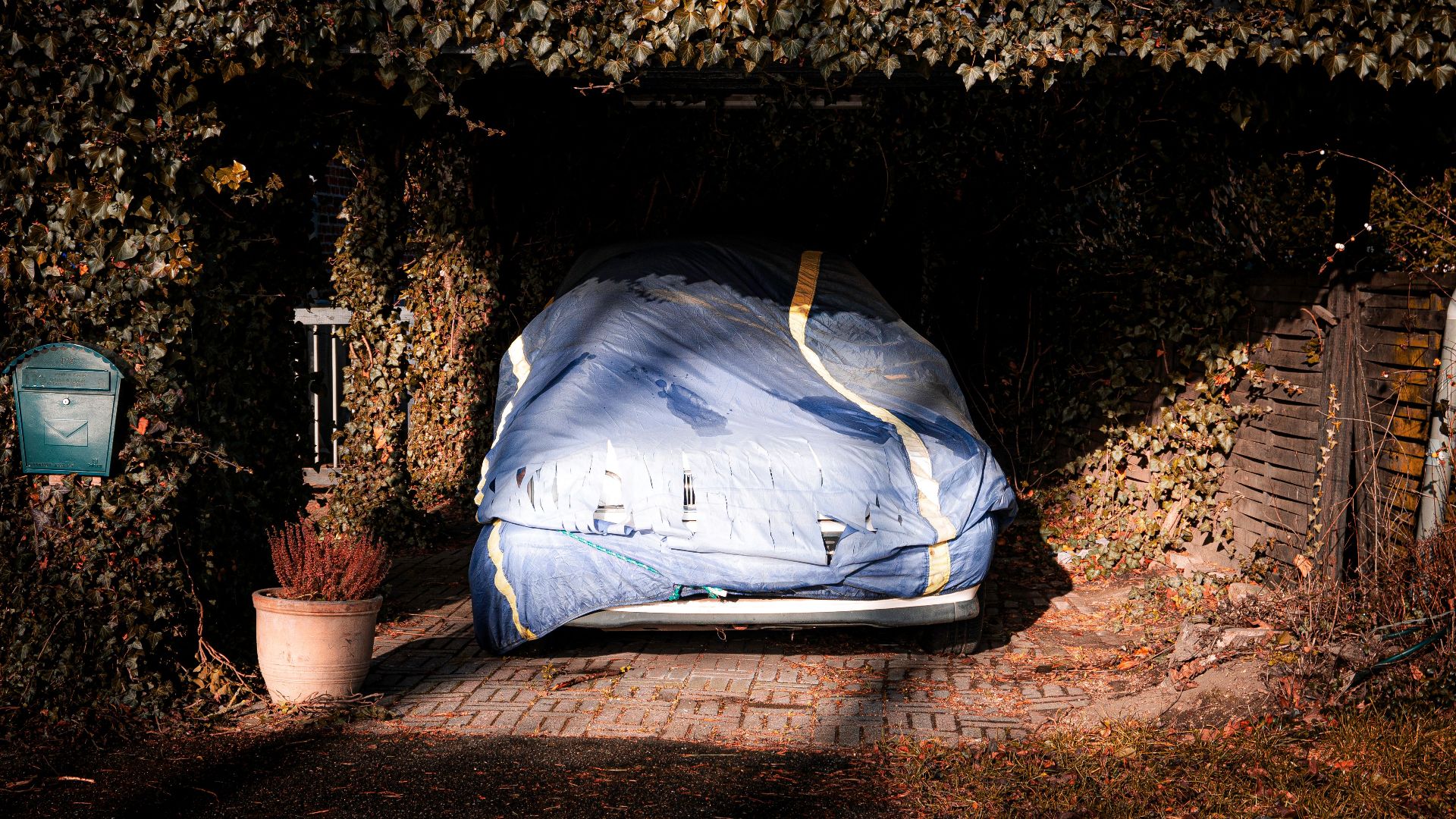
Here is the unusual part: Mike’s original ’Cuda was still his. He had not traded it away or watched another owner disappear down the road. But after years sitting unused, it was no longer giving him the experience of owning and driving the car he had bought new.
Someday Finally Arrived
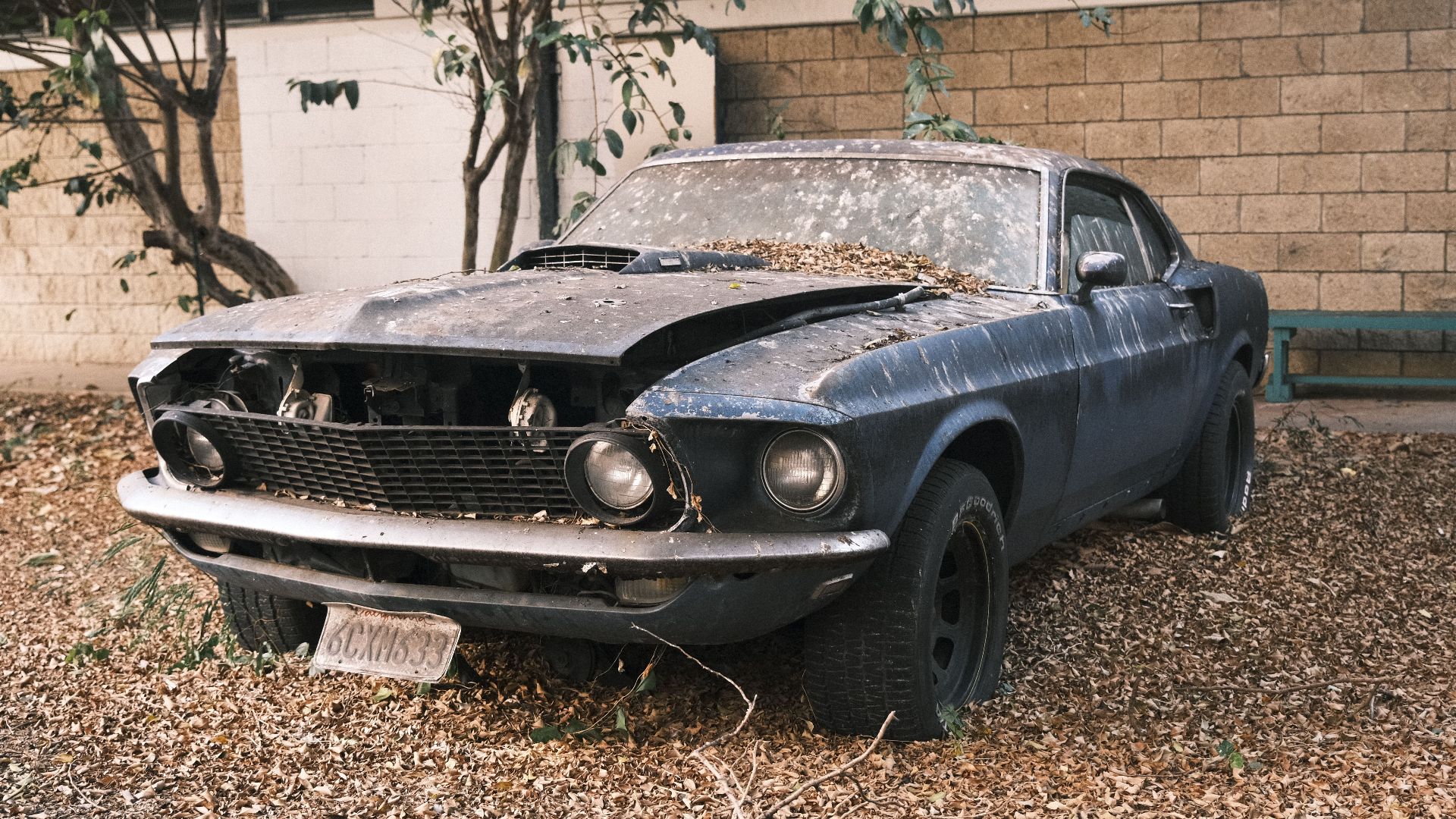
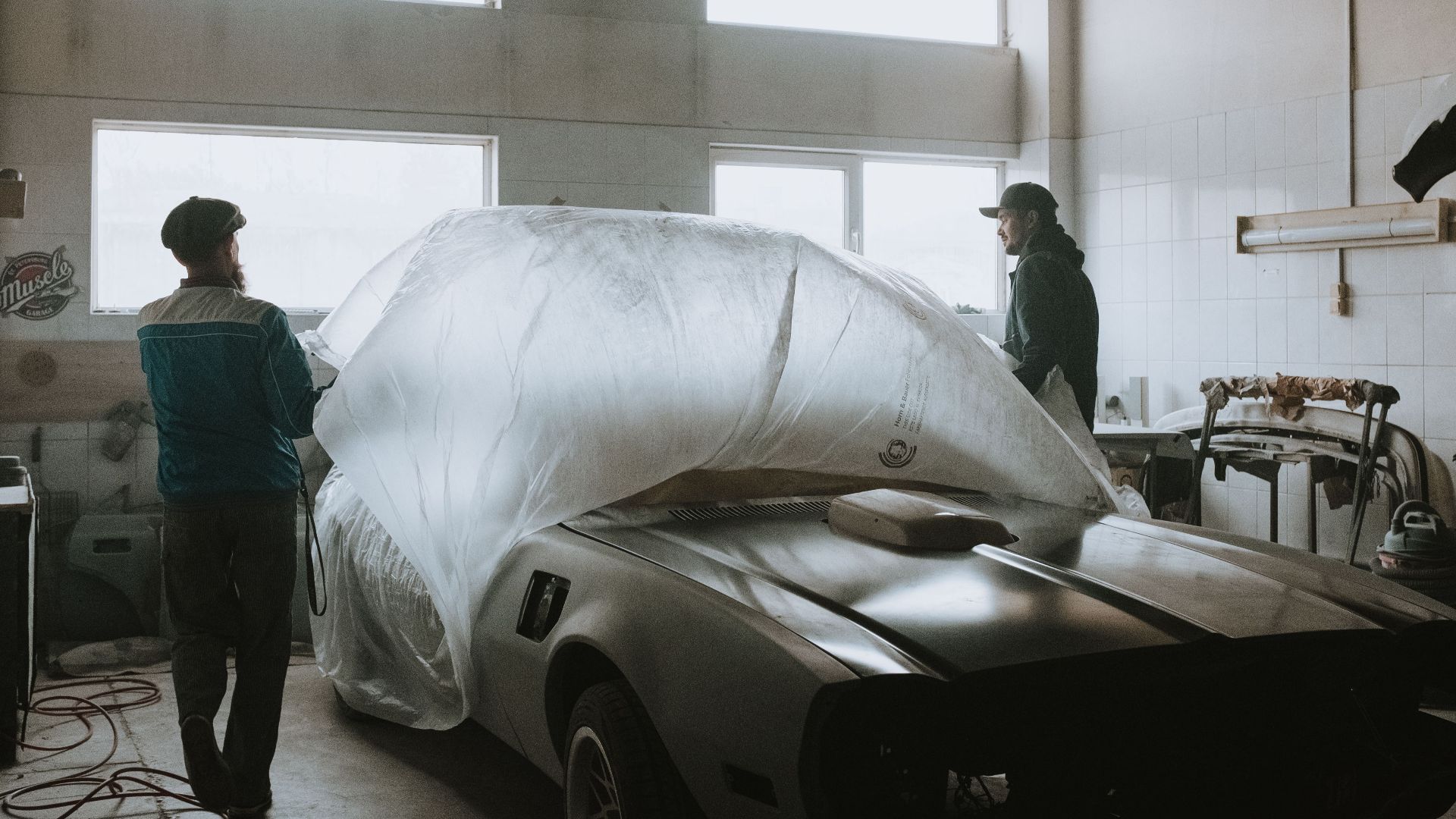
By 1985, Mike decided it was time to do something about the Plymouth. Unfortunately, bringing a long-parked muscle car back to life rarely involves changing the oil, adding fresh gas and driving into the sunset. Restoring the original ’Cuda properly would require a serious amount of work.
His Wife Suggested Plan B
Mike’s wife looked at the project ahead and offered what sounded like a much easier solution: instead of rebuilding the old one, why not buy another 1971 ’Cuda? It was the sort of suggestion most car enthusiasts would love to hear from their spouse. Mike knew there was just one problem.
 MercurySable99, Wikimedia Commons
Not Just Any Barracuda Would Do
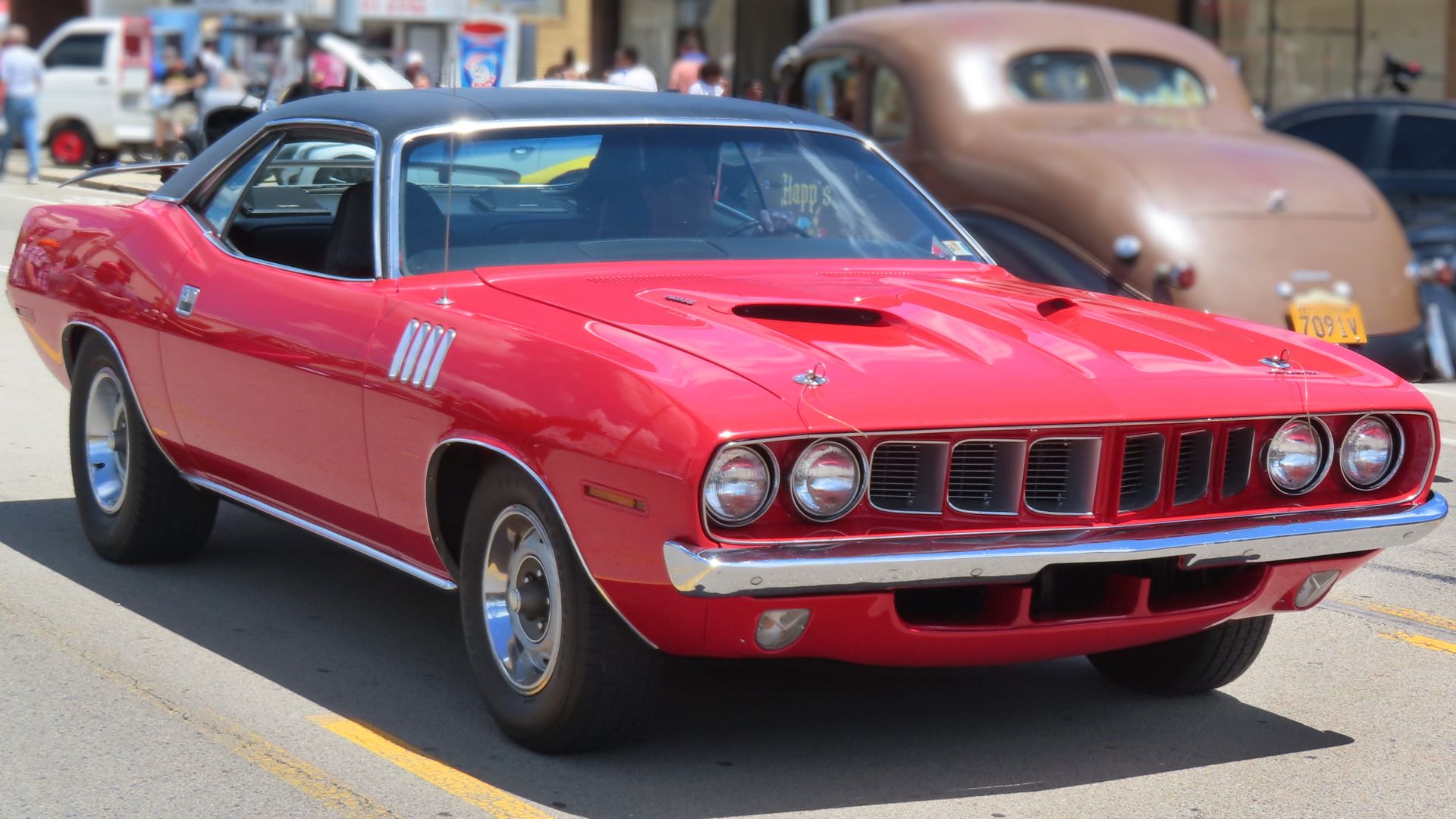
Mike was not looking for any Plymouth with a Barracuda badge and a fresh coat of paint. He wanted another 1971 ’Cuda 340—the same year and engine combination as his original car. Even by the mid-80s, finding a suitable example was not something that happened overnight.
The Search Lasted Eight Years
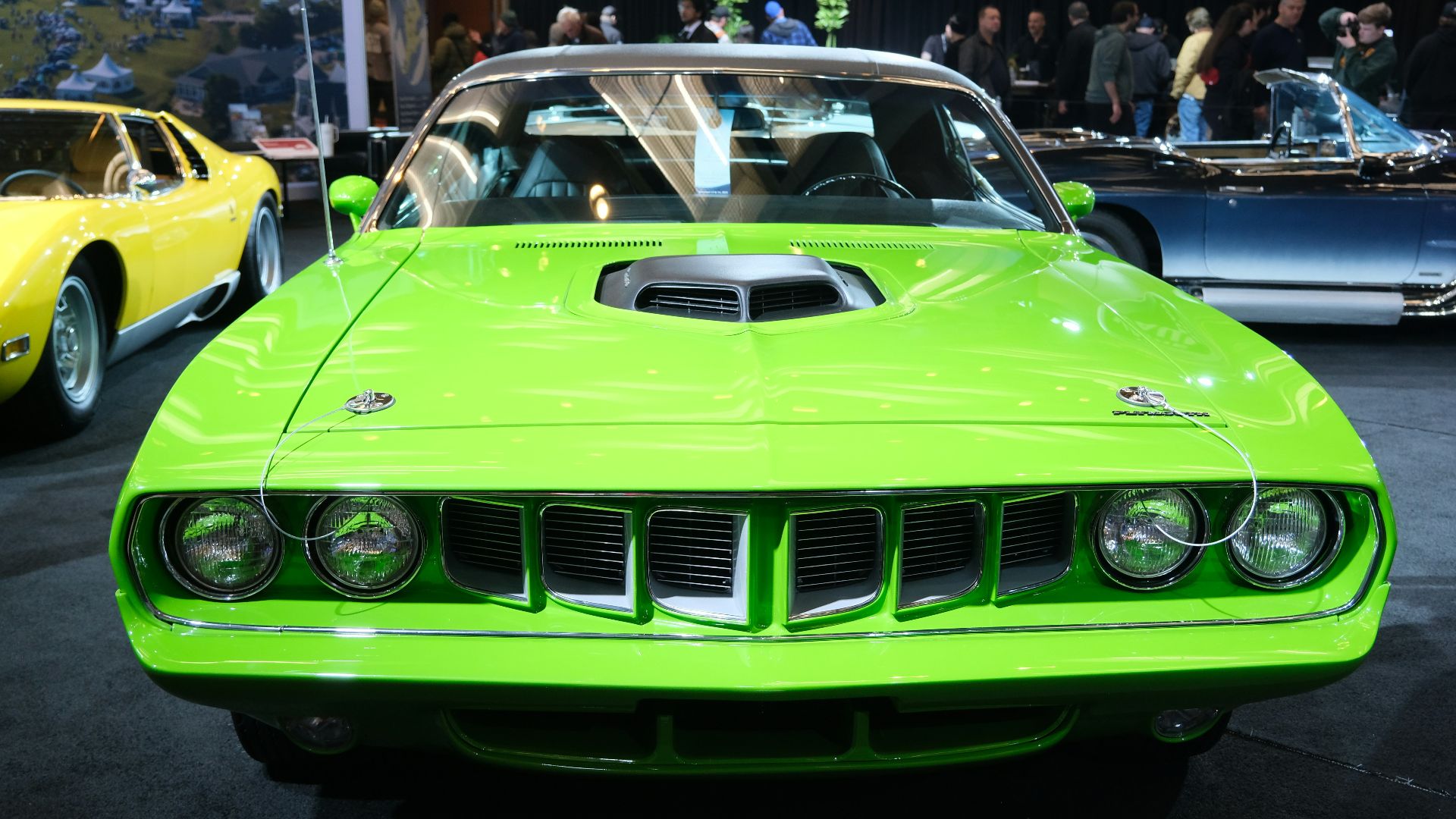
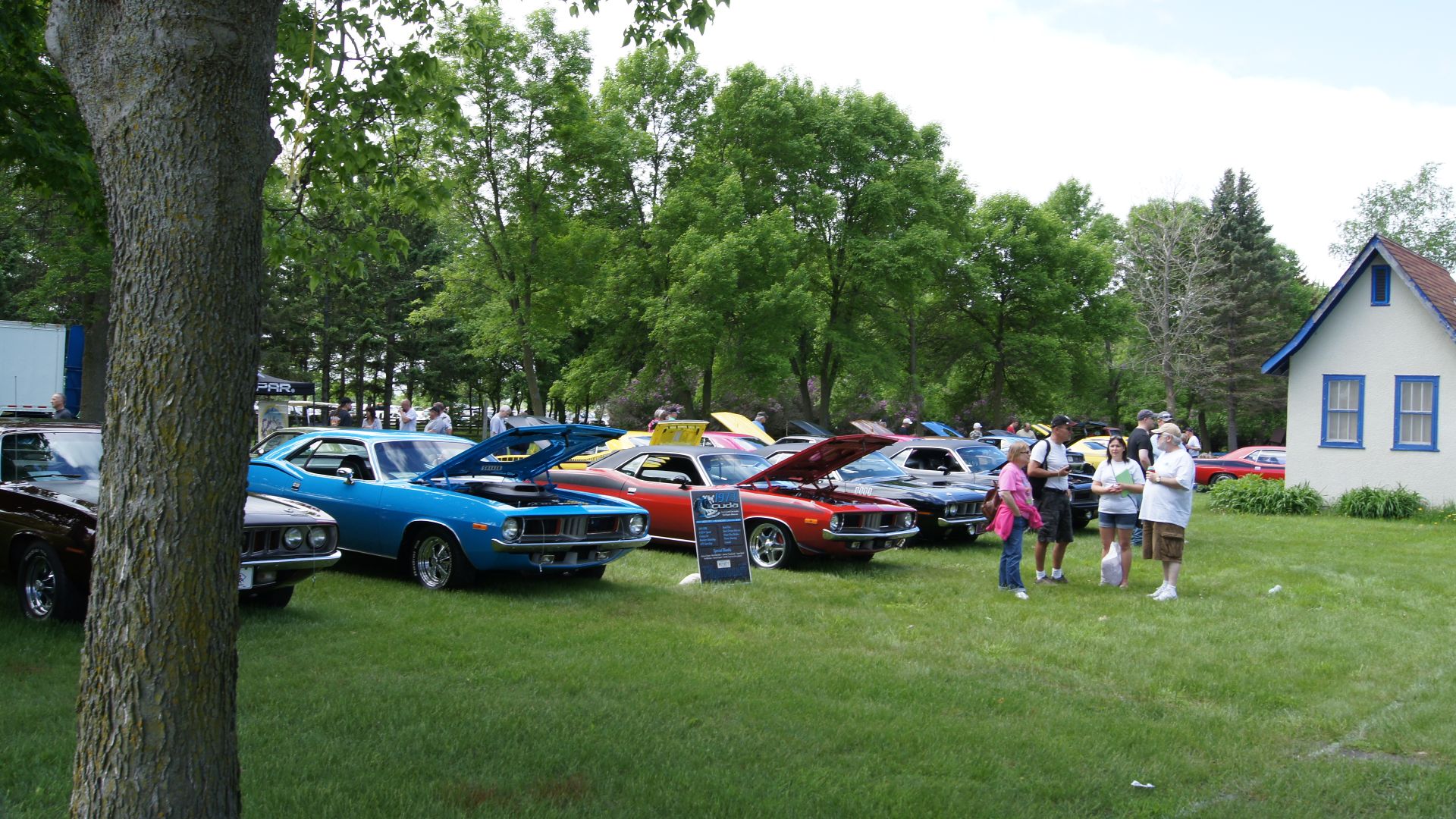
Mike and his wife kept looking, but the right car remained out of reach. The supposedly easier alternative to restoring his original Plymouth slowly became an eight-year search. They did not abandon the idea, and eventually the hunt led them to one of the country’s biggest Chrysler gatherings.
 Greg Gjerdingen from Willmar, USA, Wikimedia Commons
Then Came Carlisle
In the early 90s, Mike and his wife attended a major Chrysler gathering in Carlisle, Pennsylvania. Surrounded by rows of Mopars, parts vendors and people who could identify an engine from three parking lots away, the long search finally reached its ending.
 Jacob Frey 4A, Wikimedia Commons
It Was Difficult To Miss
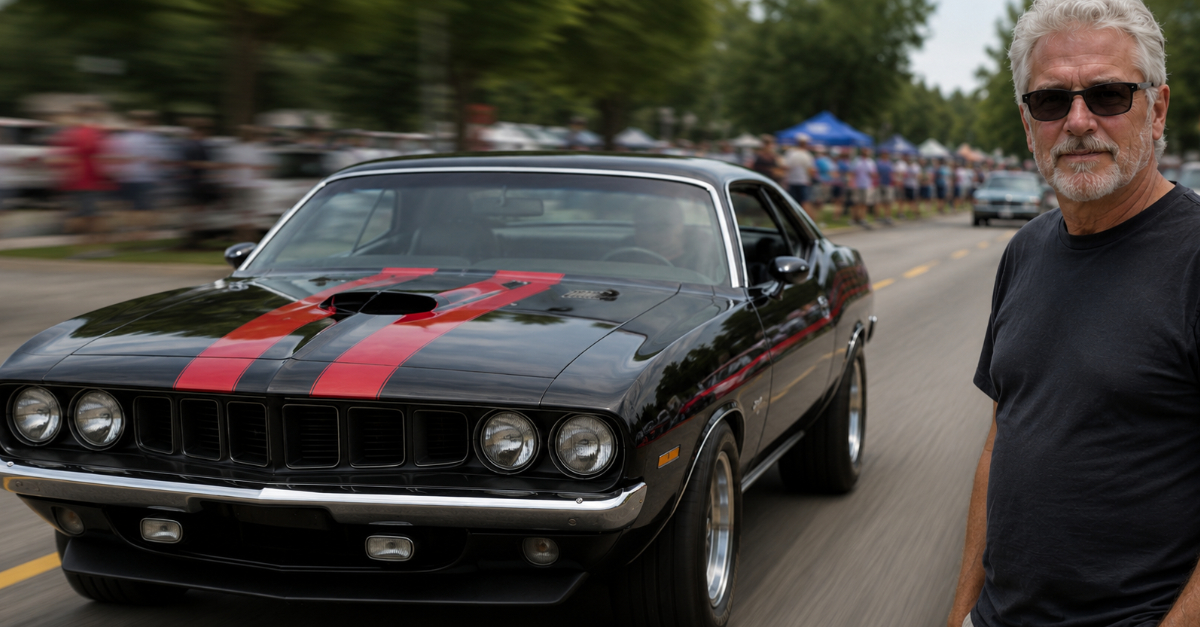
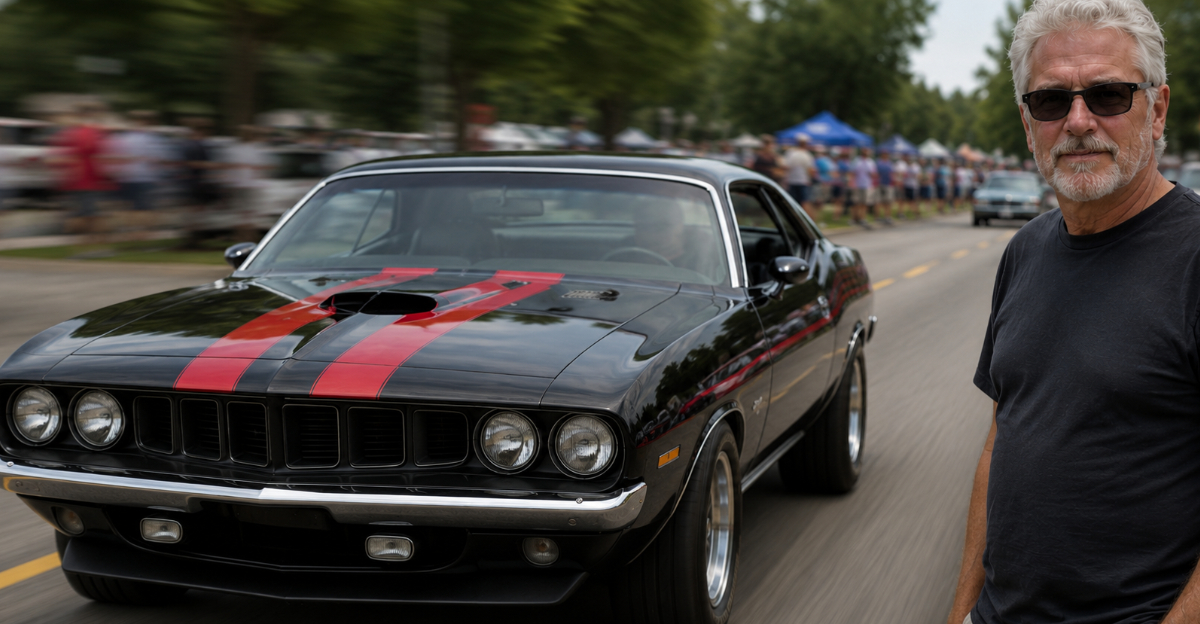
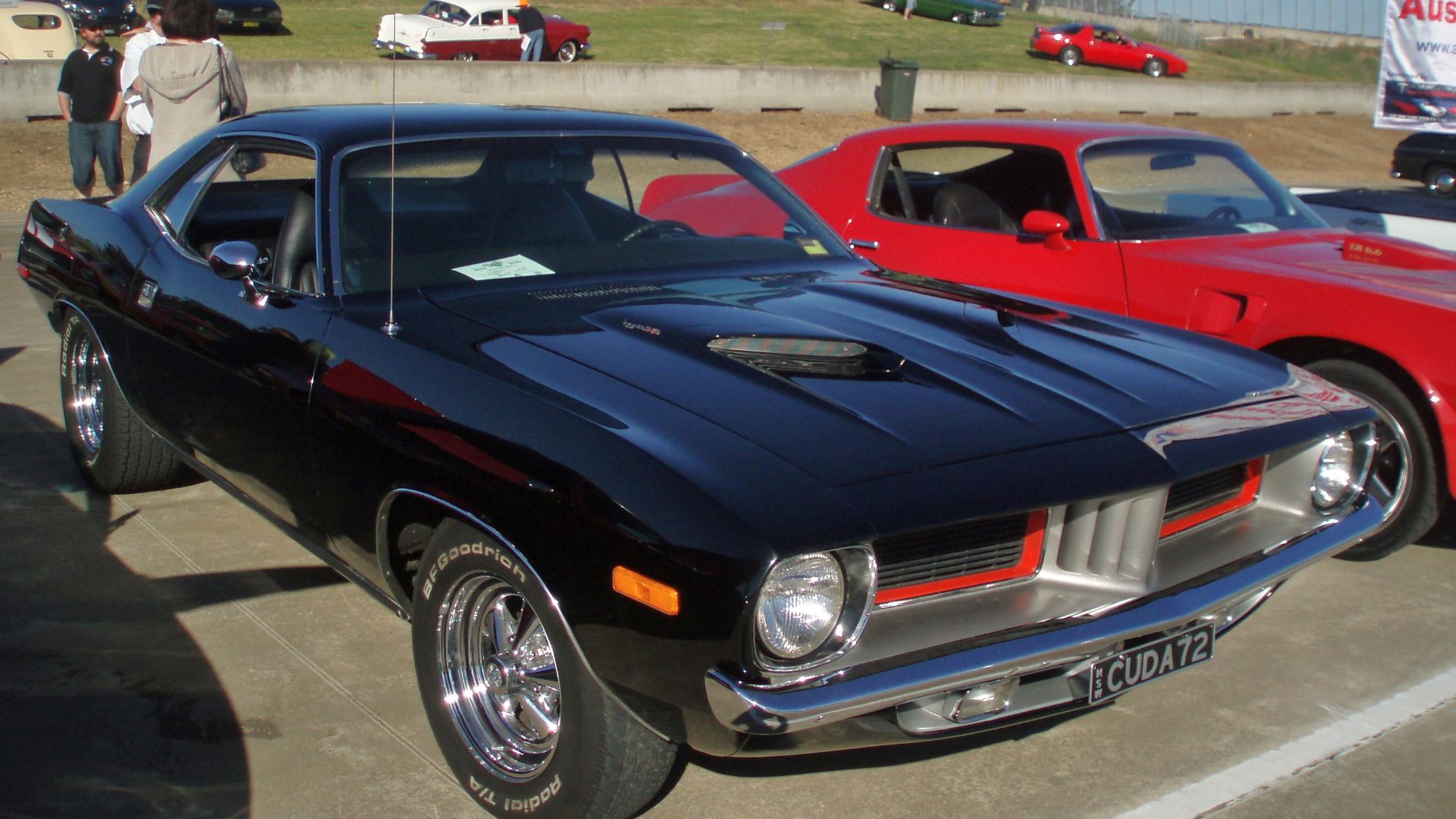
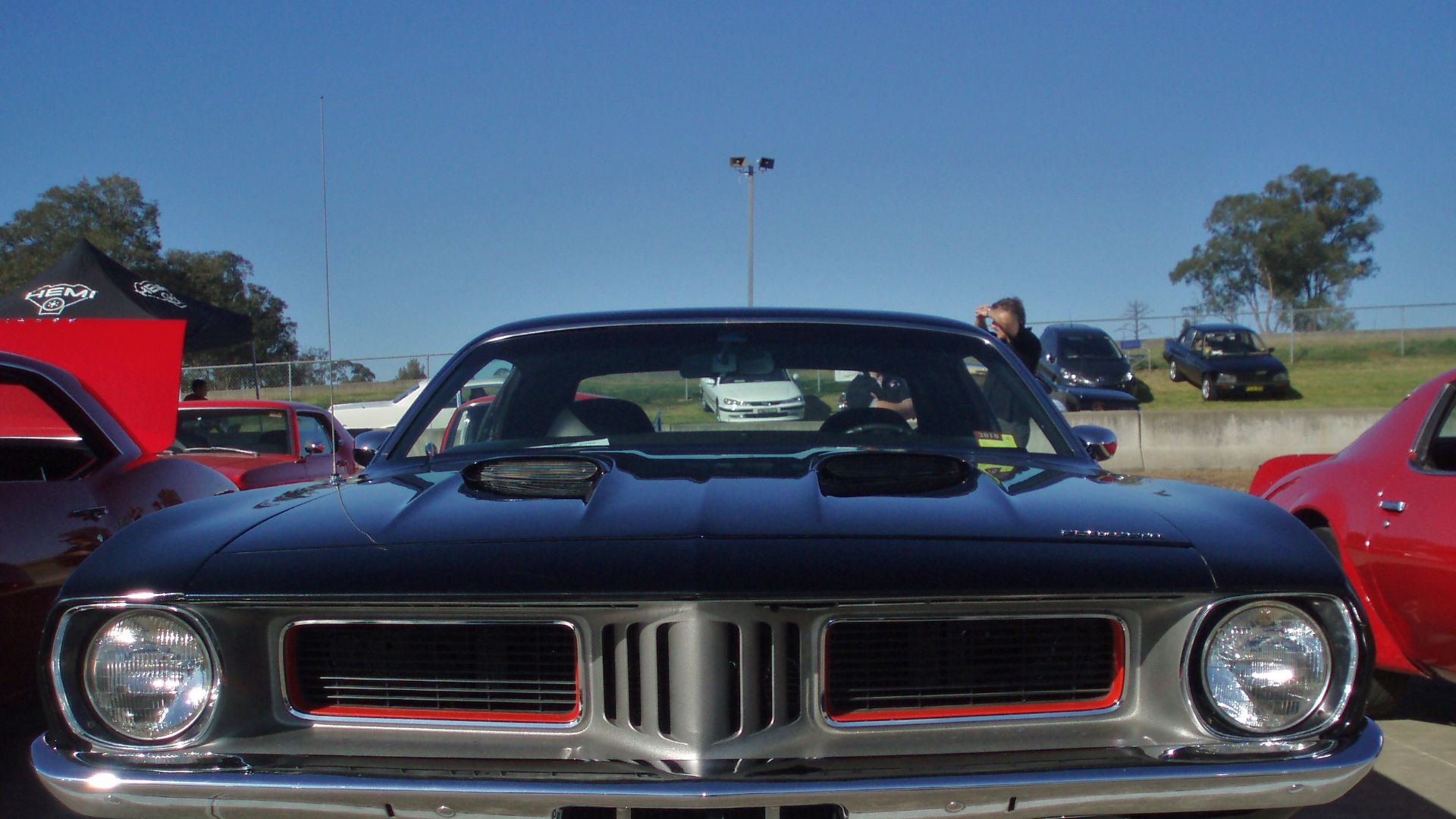
The car was a black 1971 ’Cuda 340 wearing enormous red billboard graphics along its rear quarters. It looked aggressive even while parked, with the four-headlight front end and unmistakable shape that made the 1971 Barracuda one of Plymouth’s most dramatic designs.
His Wife Bought It
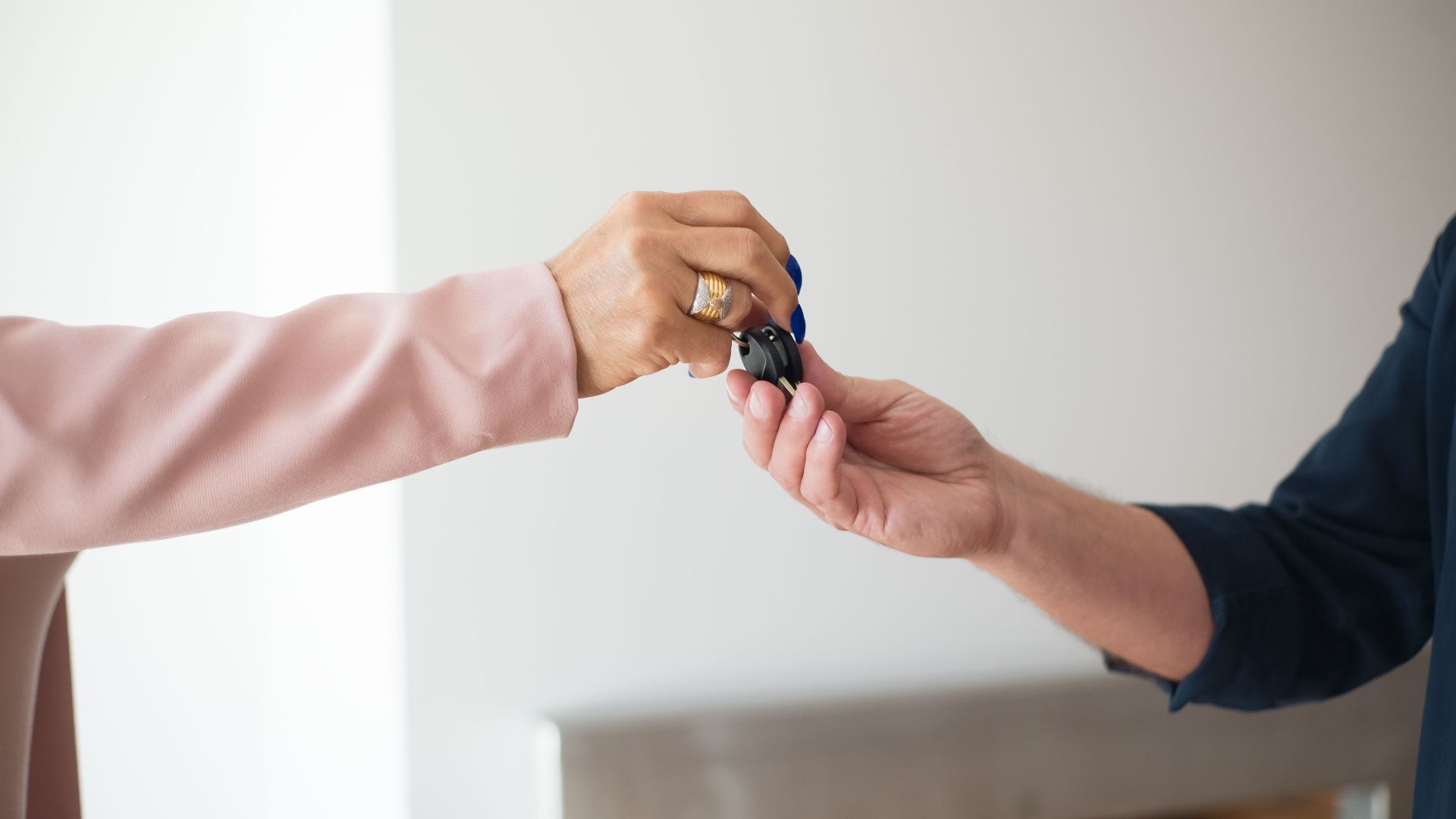
After eight years of searching, Mike’s wife purchased the black ’Cuda for him. What had begun as her practical suggestion to avoid a difficult restoration had somehow ended with another muscle car coming home. As consolation prizes go, this one was considerably better than a gift card.
The 340 Was The Sweet Spot
The ’Cuda 340 did not carry the headline-grabbing 426 Hemi or 440 Six-Barrel, but that was part of its appeal. The lighter 340 gave the car better balance while still producing a factory-rated 275 gross horsepower. It offered serious performance without placing the weight of a small moon over the front wheels.
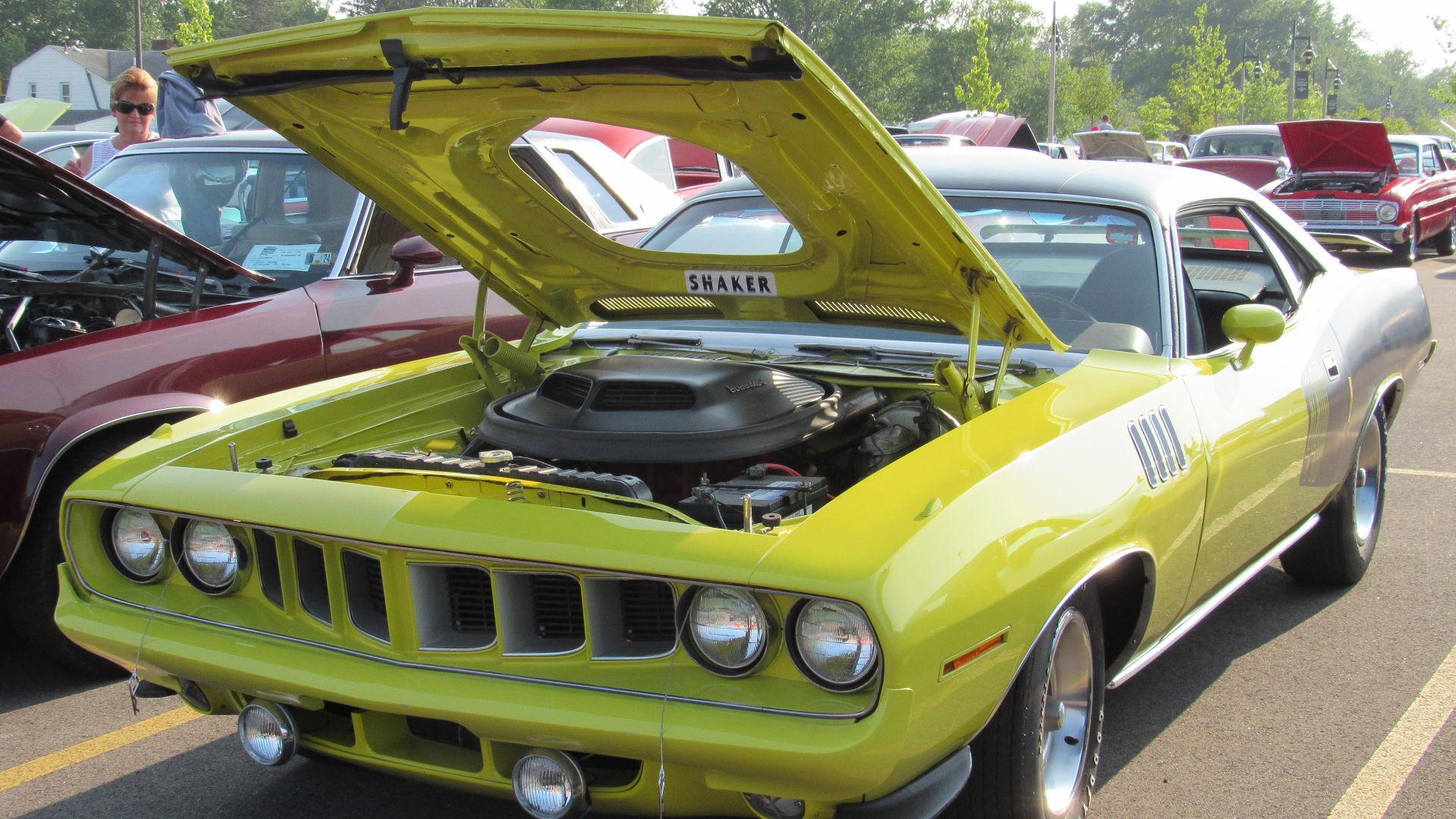 Captainpisslord, Wikimedia Commons
It Was Plenty Quick
During a 1971 test, Hot Rod recorded a four-speed ’Cuda 340 running the quarter-mile in 14.18 seconds at slightly more than 100 mph. That was serious performance for the period, especially from a car that could also handle corners and survive a road trip without punishing everyone inside.
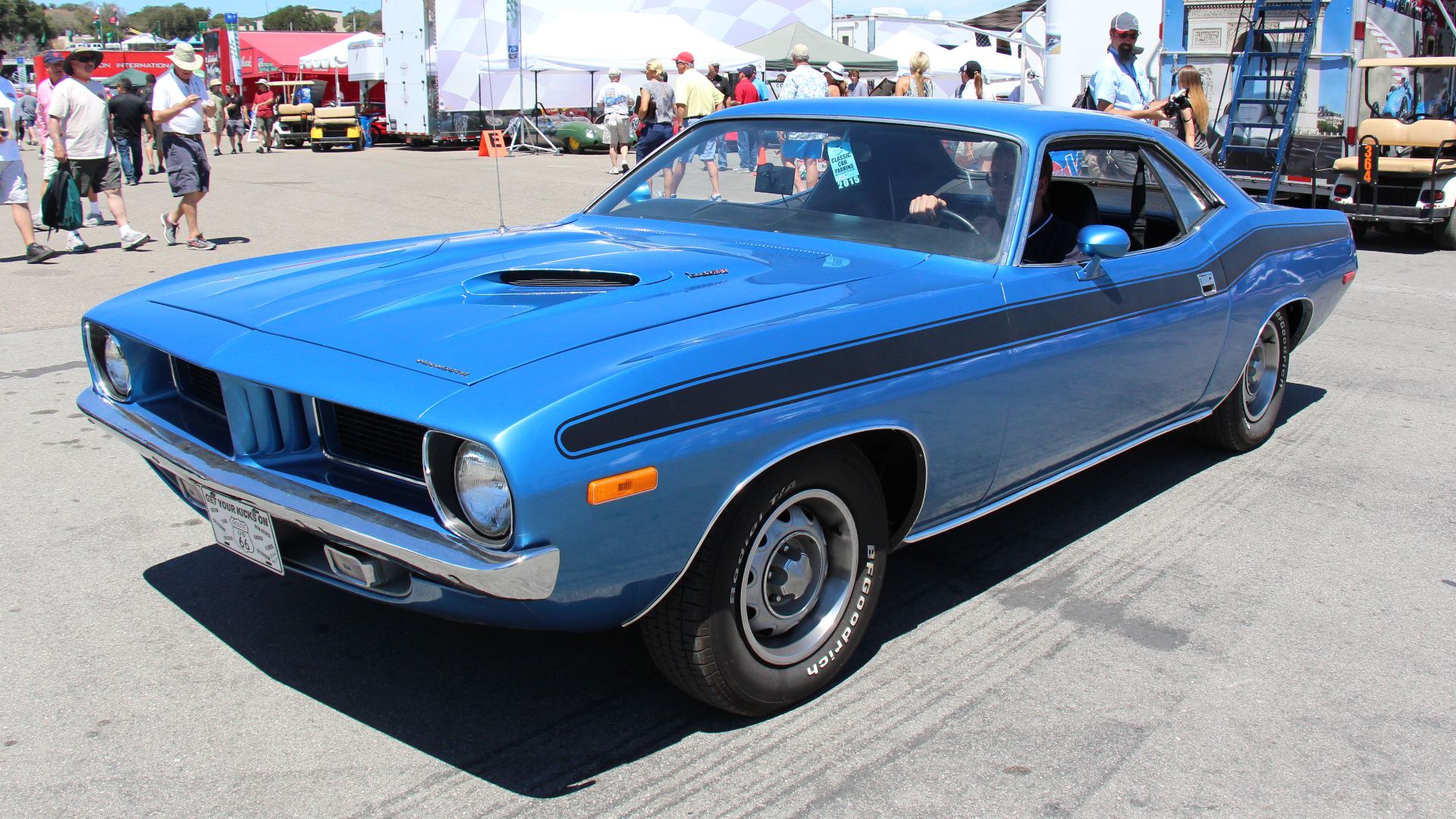
The 1971 Look Lasted One Year
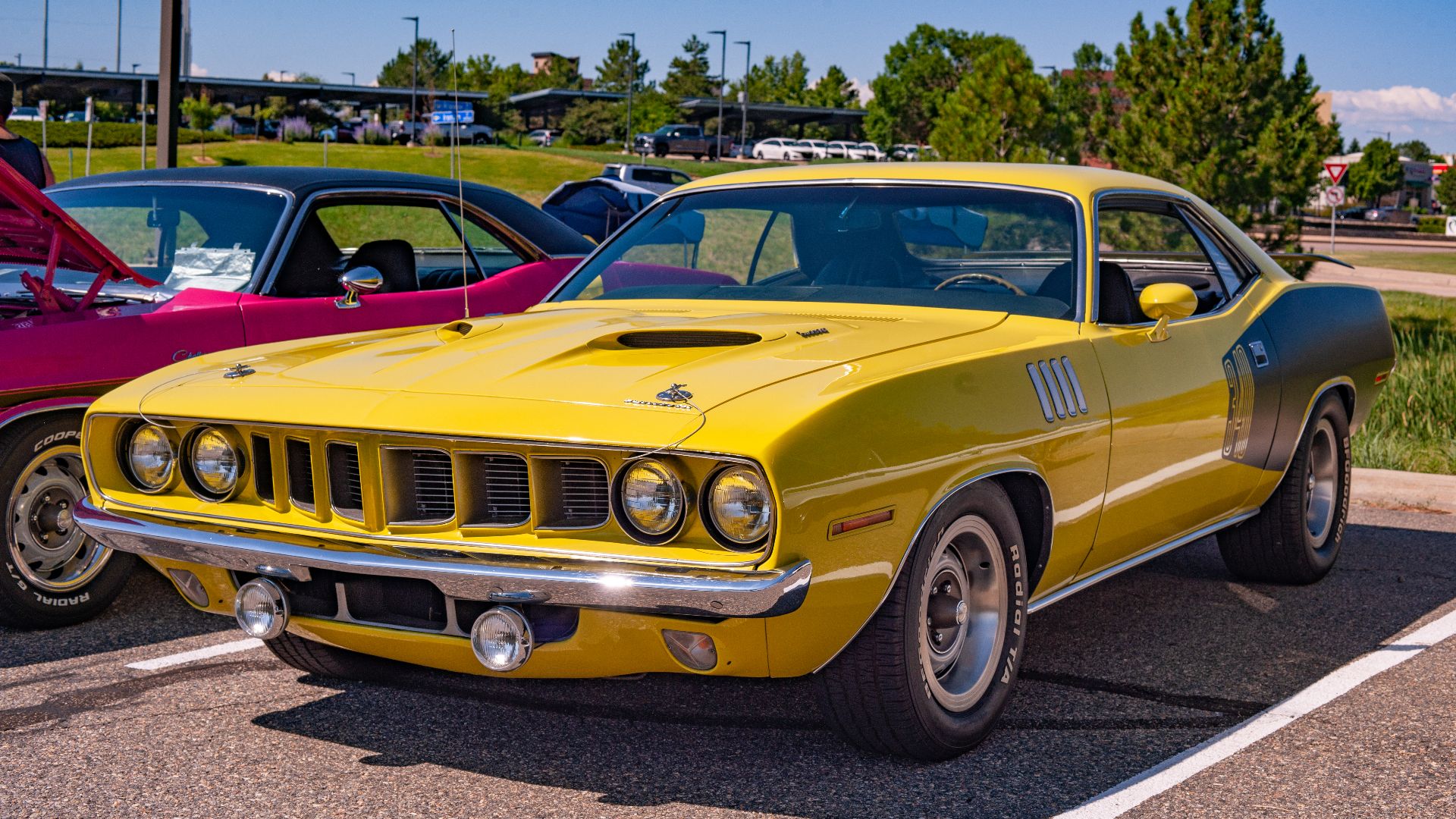
The 1971 Barracuda received its distinctive four-headlight nose, fender gills and available billboard graphics. It was also the final year for the Barracuda convertible and the last year buyers could order the 426 Hemi or 440 Six-Barrel. Those details would eventually make it one of the most collectible Barracudas.
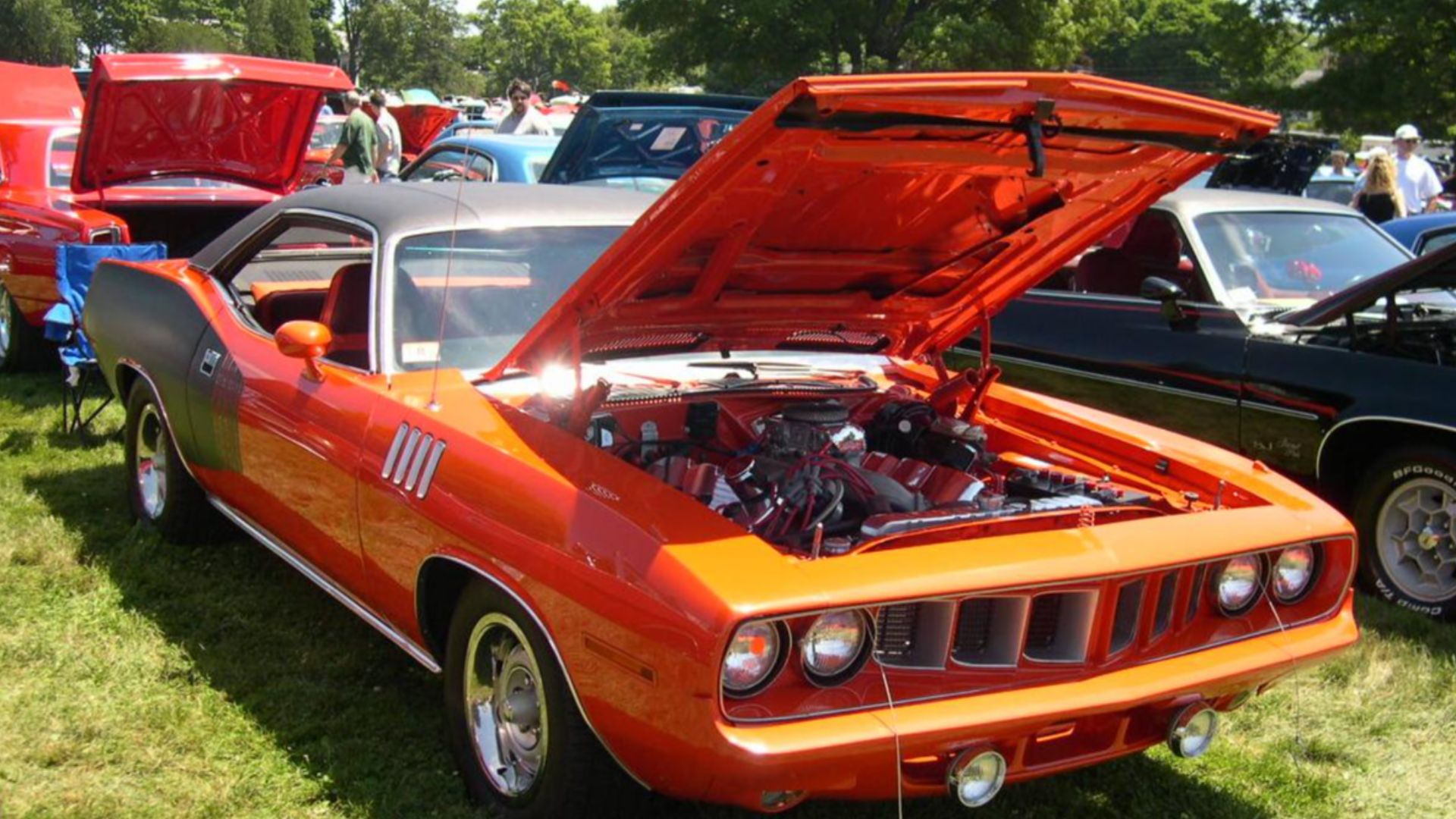
It Became Her Car Too
The ’Cuda may have been purchased for Mike, but his wife loved it as well. The couple took it on road trips and built decades of memories around the car. It was no longer simply an alternative to restoring the original. It had developed an entirely separate history within the family.
Their Children Grew Up Around It
For the Bezick children, the black Plymouth was part of family life. It was there for drives, trips and years of memories with their parents. The ’Cuda became less like a possession and more like a loud sibling that lived in the garage and occasionally demanded expensive parts.
The First ’Cuda Never Disappeared
Meanwhile, Mike’s original 1971 ’Cuda remained parked. The car that had started the entire story was never completely forgotten, and it would eventually become important again. Rather than restoring it exactly as it had been, Mike and his son Mikey found another way to bring pieces of it back to life.
Mikey Had Grown Up With The Car
Mikey had known the black ’Cuda for most of his life. It was there throughout his childhood, family road trips and years spent around his parents. By the time the Plymouth came fully into his care, it was not simply his father’s muscle car. It was a piece of family history.
Then Everything Changed
Mike’s wife passed away in 2024. The black ’Cuda carried decades of memories from the road trips and years they had shared, and the newer account of the family’s story says being around it became emotionally difficult for Mike after her passing.

Mikey Took Over Completely
After his mother’s passing, Mikey took over the car’s care completely. The ’Cuda remained safely within the family, but it would not simply sit beneath a cover. Mike and Mikey would soon combine the two cars in a way that brought the story full circle.
The Two ’Cudas Became One
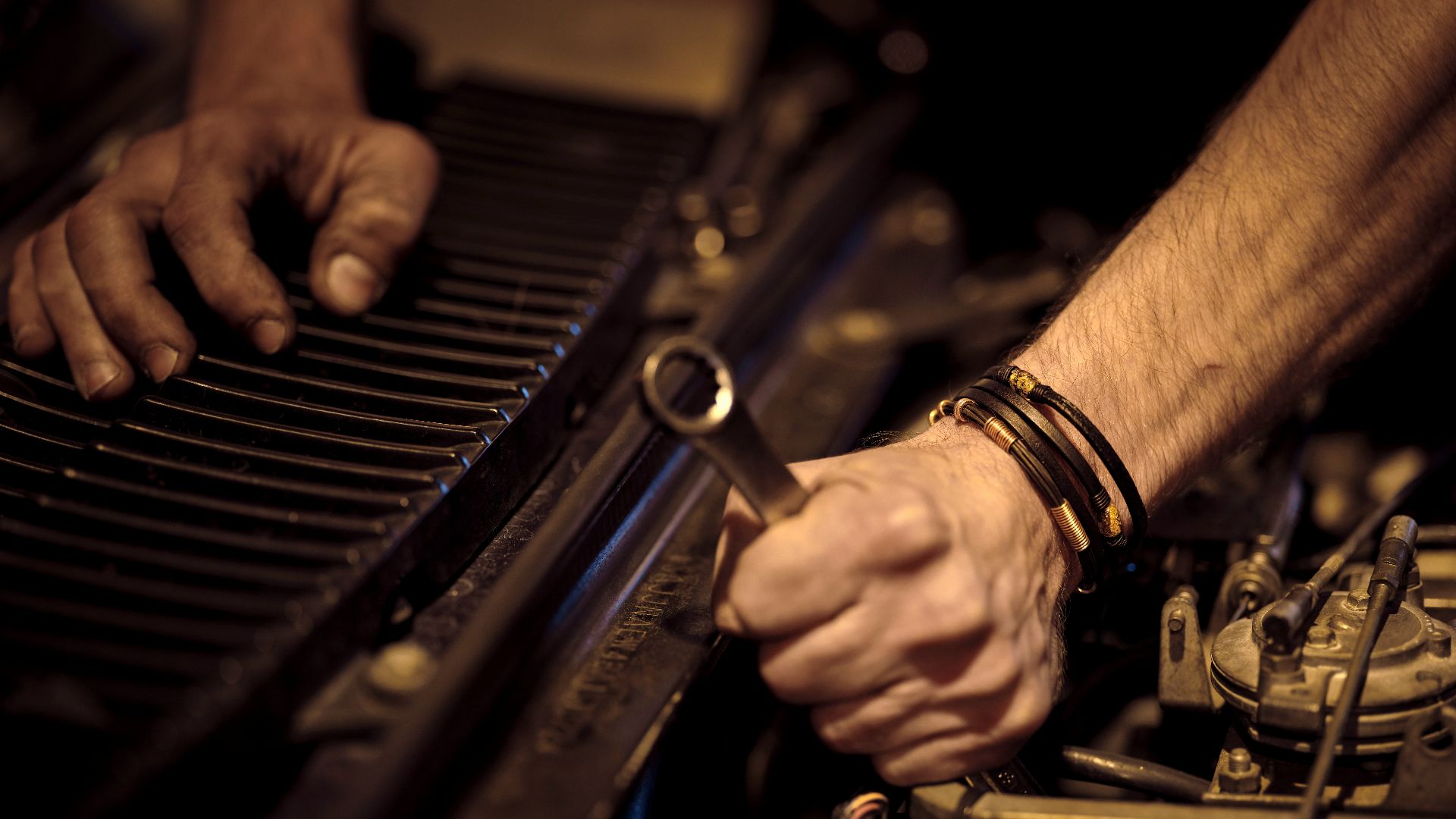
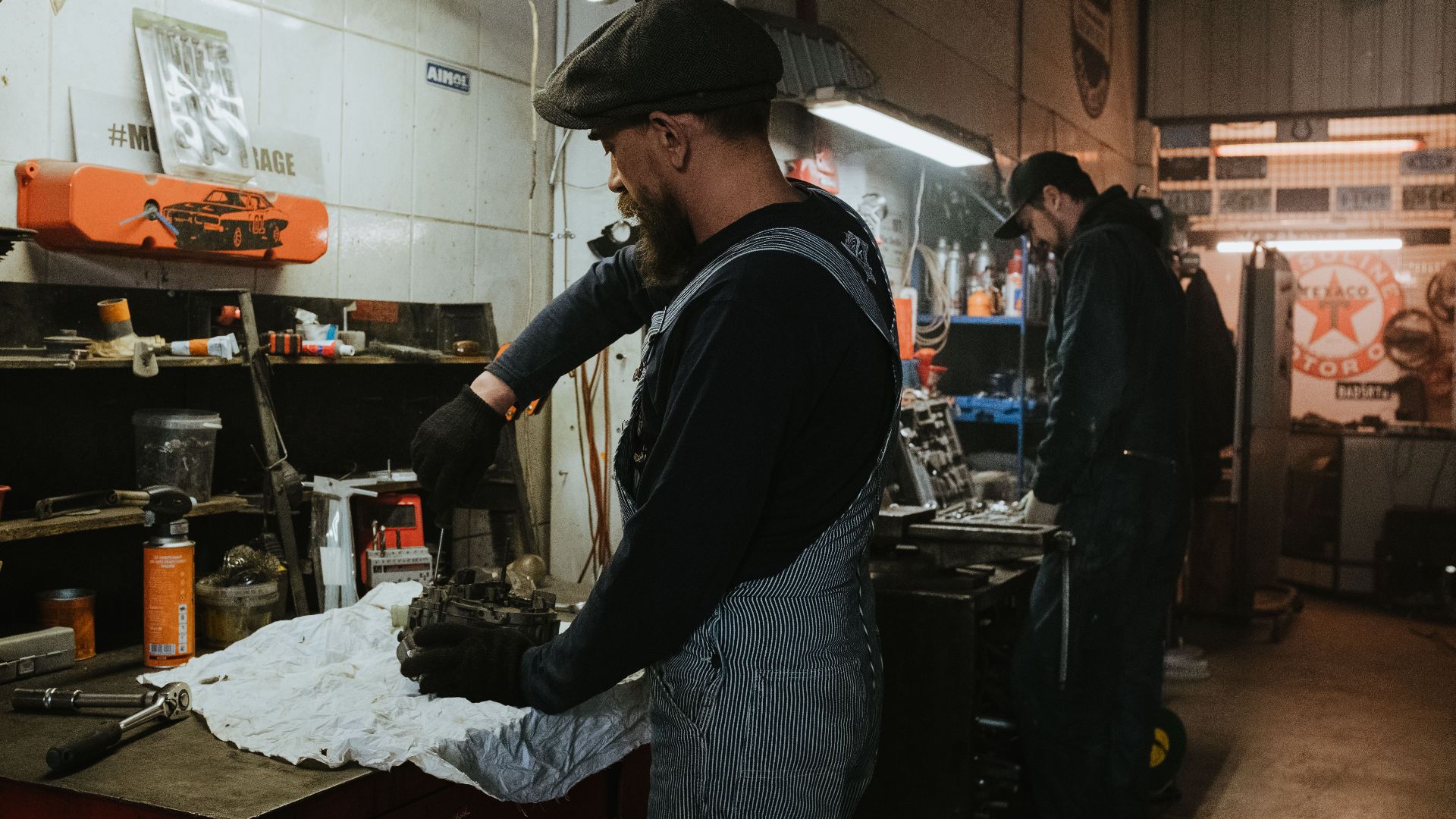
Mike and Mikey removed the 340 engine from the original parked car and installed it in the black ’Cuda. They also transferred its Rallye dashboard and 3.91 rear gears. After decades apart, major pieces of the car Mike bought new were finally travelling inside the one his wife had helped bring home.
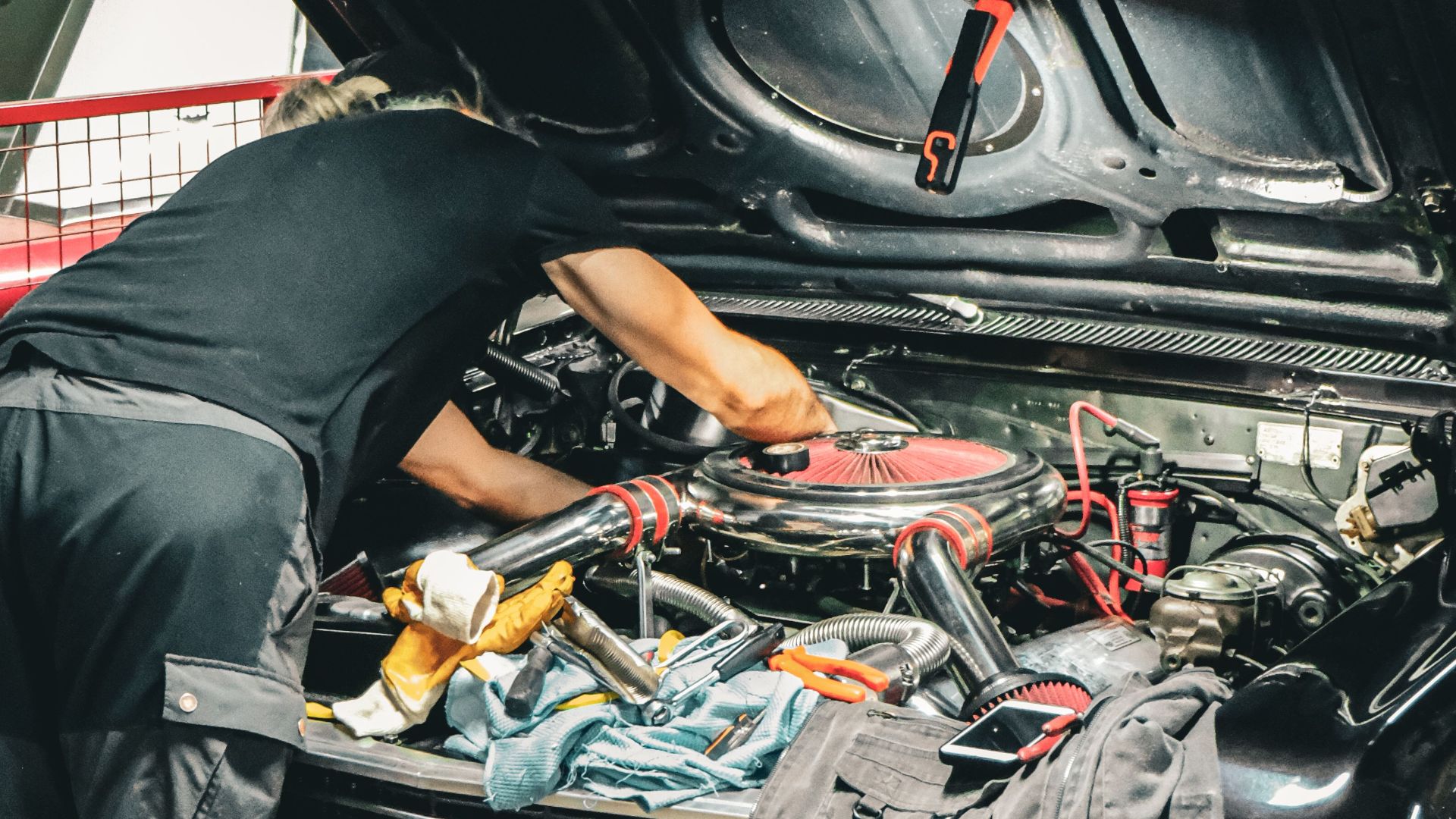
The Old 340 Came Back Angry
The original engine was sent to noted Mopar builder Ray Barton, who increased its displacement from 340 to 416 cubic inches. Mikey added Holley Sniper electronic fuel injection, a TTI exhaust and electronic cutouts. The finished engine was no longer anything close to a stock 275-horsepower 340.
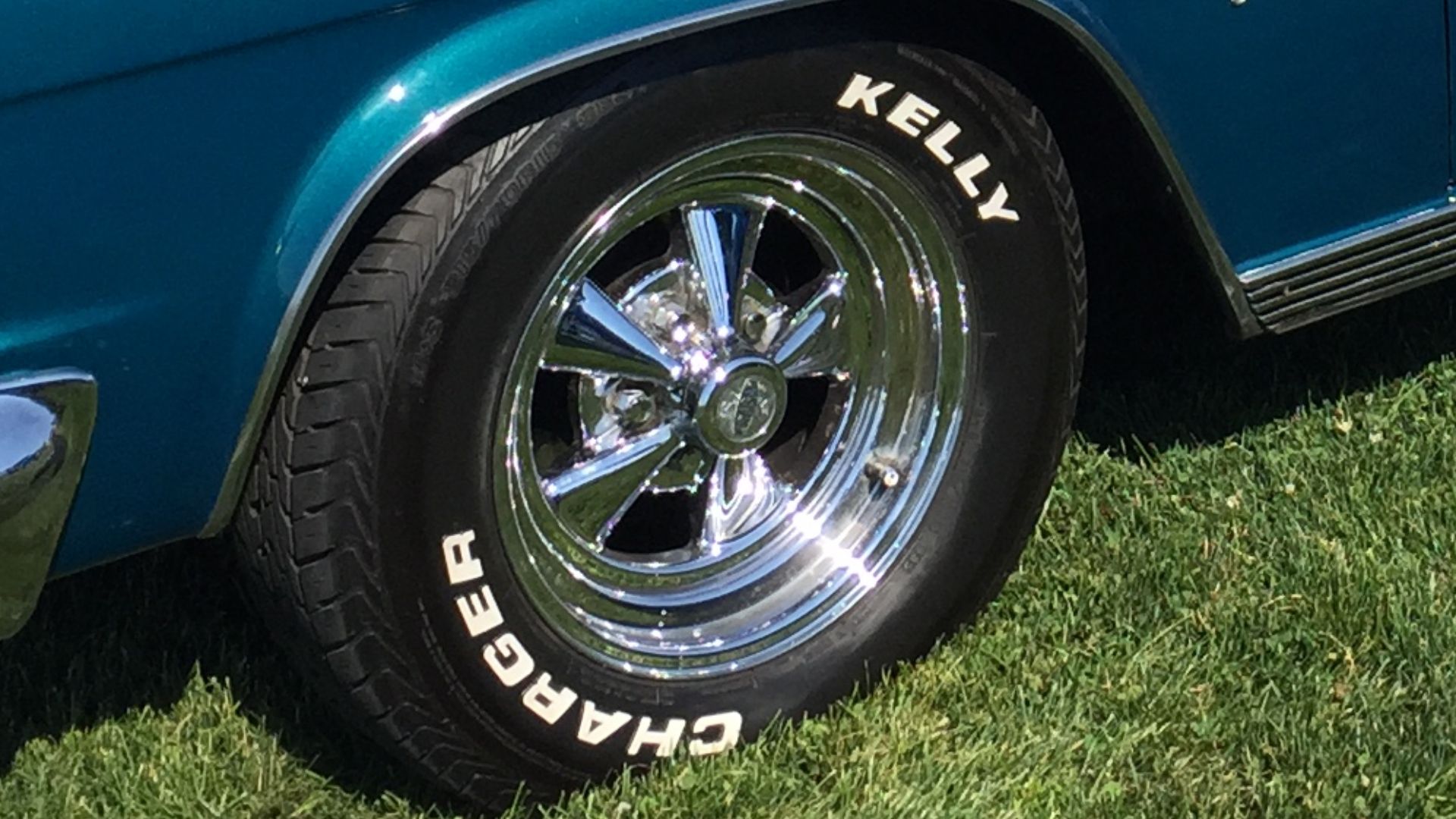
Even The Old Wheels Returned
Mike had purchased a set of five-spoke Cragar wheels new in 1971. Mikey restored those same wheels and installed them on the black car. The second ’Cuda now carried the original car’s engine, dashboard, gearing and wheels—a mechanical family scrapbook that could still make plenty of noise.
Mike Found Another Project
After Mikey assumed full care of the 1971 ’Cuda, Mike focused on a 1969 Barracuda Formula S. The family’s story says working on the older Plymouth helped Mike cope following his wife’s passing, while the car connected to their life together remained close within the family.
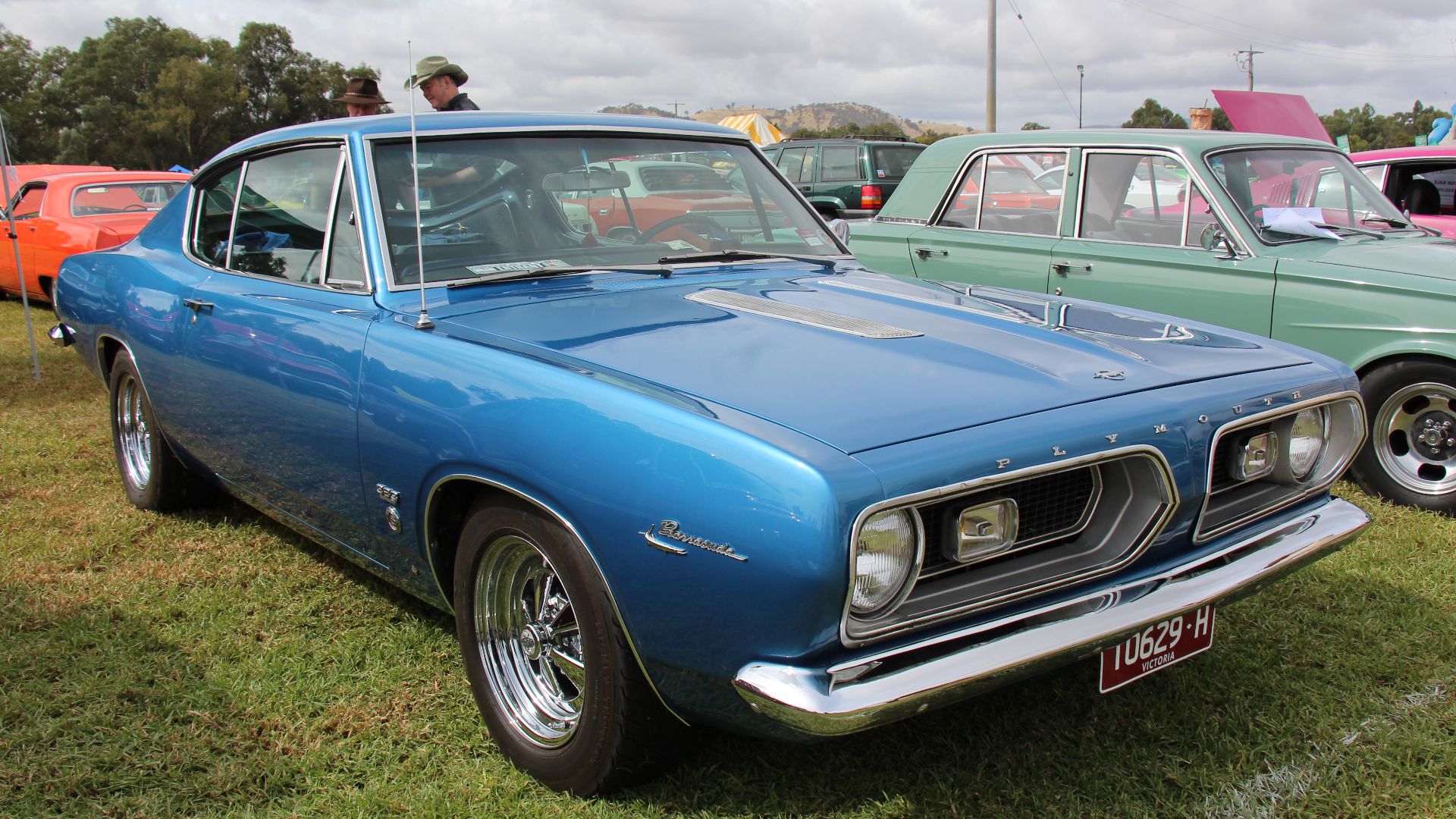
The Next Owners Are Already Waiting
Mikey’s two daughters are now growing up around the cars just as he did. The family plans for the younger daughter to eventually receive the black 1971 ’Cuda, while her older sister is expected to inherit Mike’s 1969 Barracuda Formula S. Apparently, ordinary first cars were never seriously considered.
Eight Years Bought Them Decades
Mike and his wife began searching for another version of the 1971 ’Cuda 340 he had once driven. Eight years later, she helped bring one home.
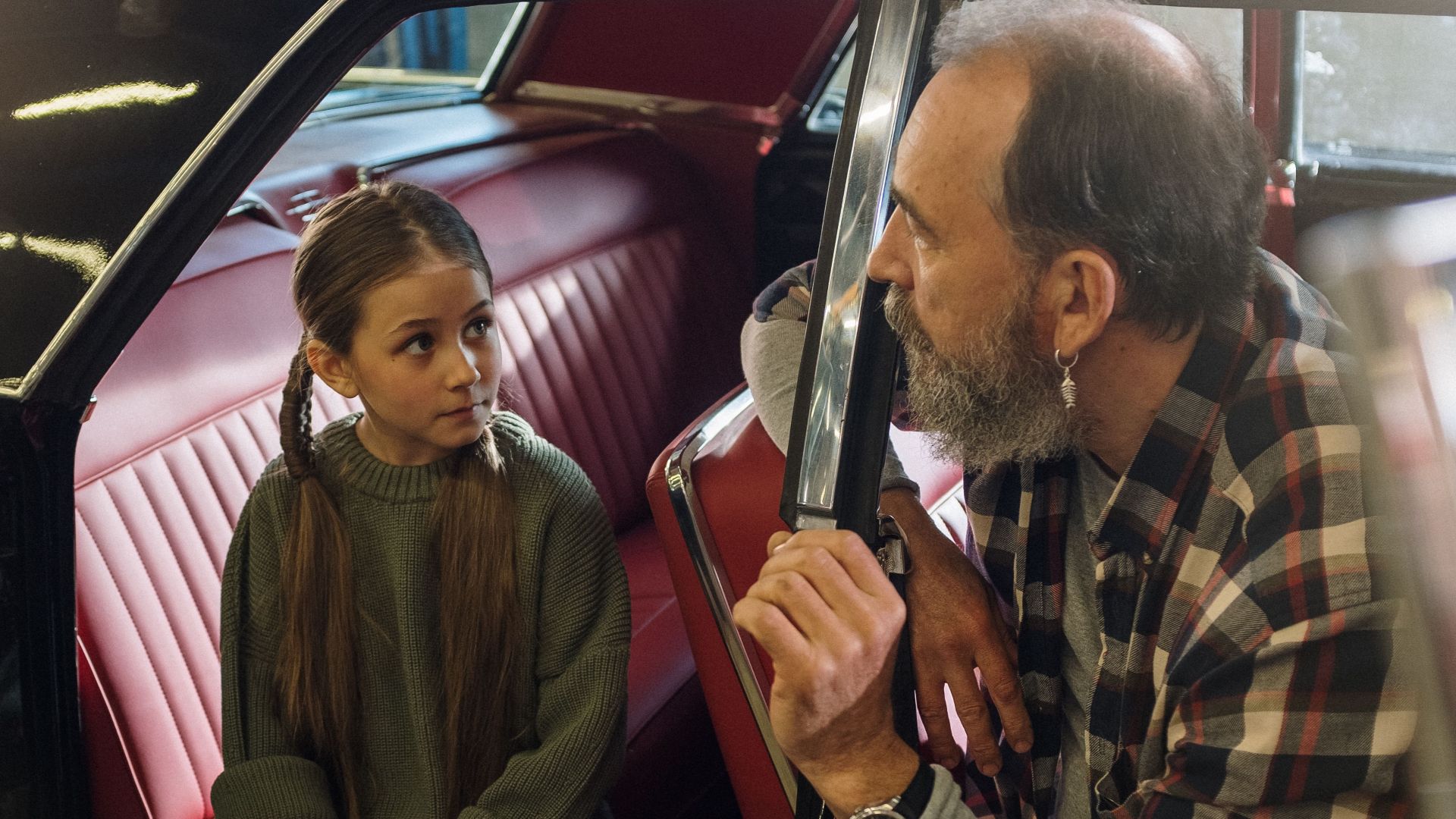
It became their road-trip car, their children’s childhood memory, their son’s responsibility and, someday, their granddaughters’ inheritance. What began as an alternative to restoring the original Plymouth became a family story stretching across three generations.
You Might Also Like:
Before SUVs, These Minivans From The 80s And 90s Defined American Family Life