When The Cheap Used Car Became The One Everyone Wanted
Some cars were obvious collectibles from day one. Others spent years sitting in used-car lots, getting modified by teenagers, or being treated like inexpensive weekend toys before people finally realized how special they were. That second group is often more interesting. These cars once looked like they were just affordable alternatives, but their engines, handling, rarity, or sheer personality slowly turned them into enthusiast favorites.
1993–1995 Mazda RX-7
The third-generation RX-7 went from underappreciated Japanese sports car to full-blown modern classic. Its sequentially twin-turbocharged rotary engine made 255 horsepower in US trim, while its low weight and beautifully balanced chassis gave it the kind of handling normally associated with much pricier exotics. Car and Driver praised the FD generation as a pure sports car from the start. The catch is maintenance, because neglected rotary engines can turn a bargain RX-7 into a very expensive project.
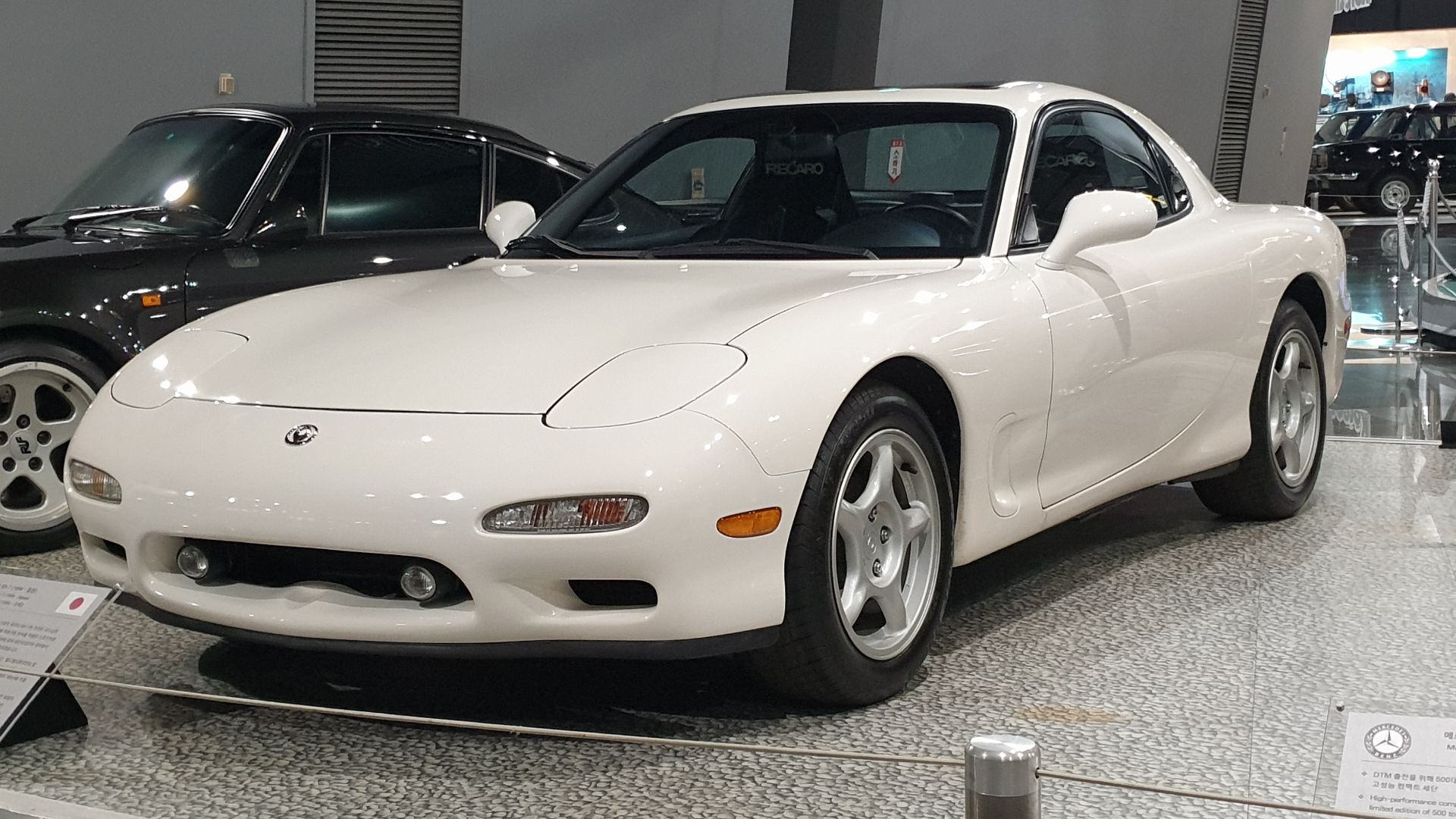 Damian B Oh, Wikimedia Commons
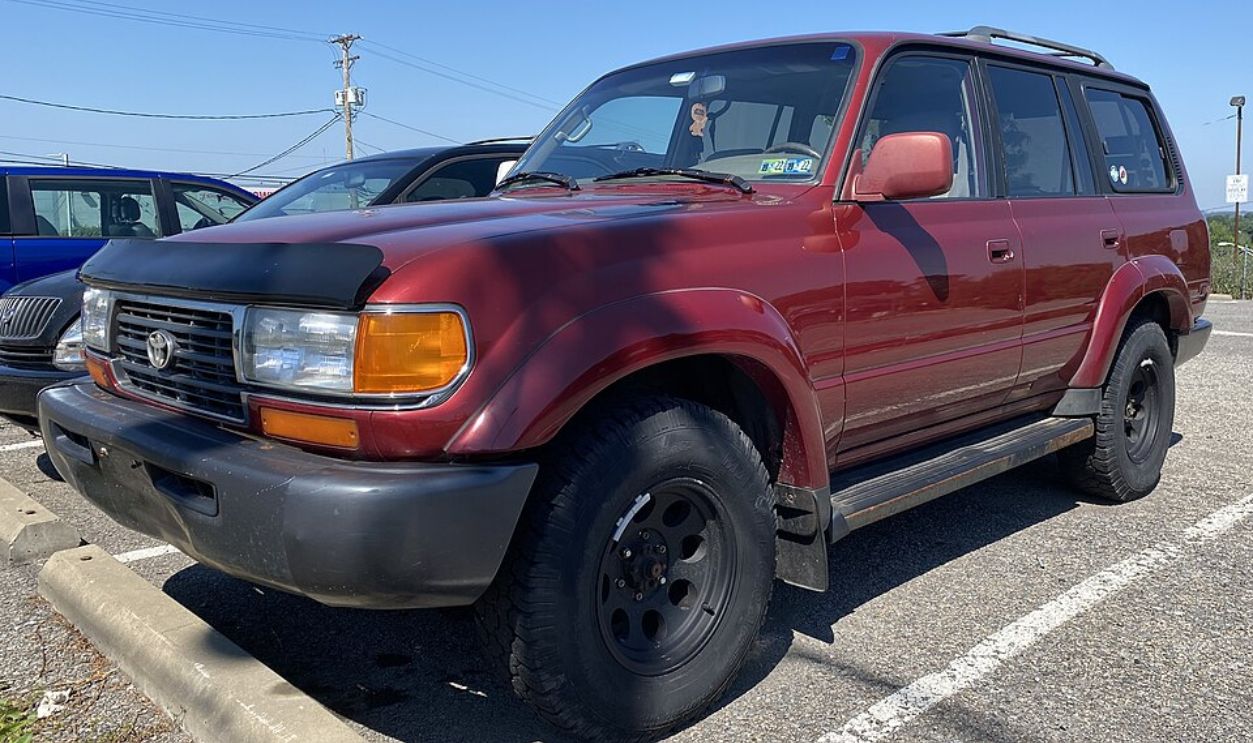
1993–1997 Toyota Land Cruiser
The FZJ80 Land Cruiser used to be just an old Toyota SUV. Then everyone realized old Toyota SUVs were practically their own collector category. This generation combined solid axles, a tough 4.5-liter inline-six, available locking differentials, and just enough luxury to work as a family vehicle. It’s still slow and thirsty, but that almost doesn’t matter anymore. The combination of genuine off-road ability and Toyota durability made clean examples increasingly desirable.
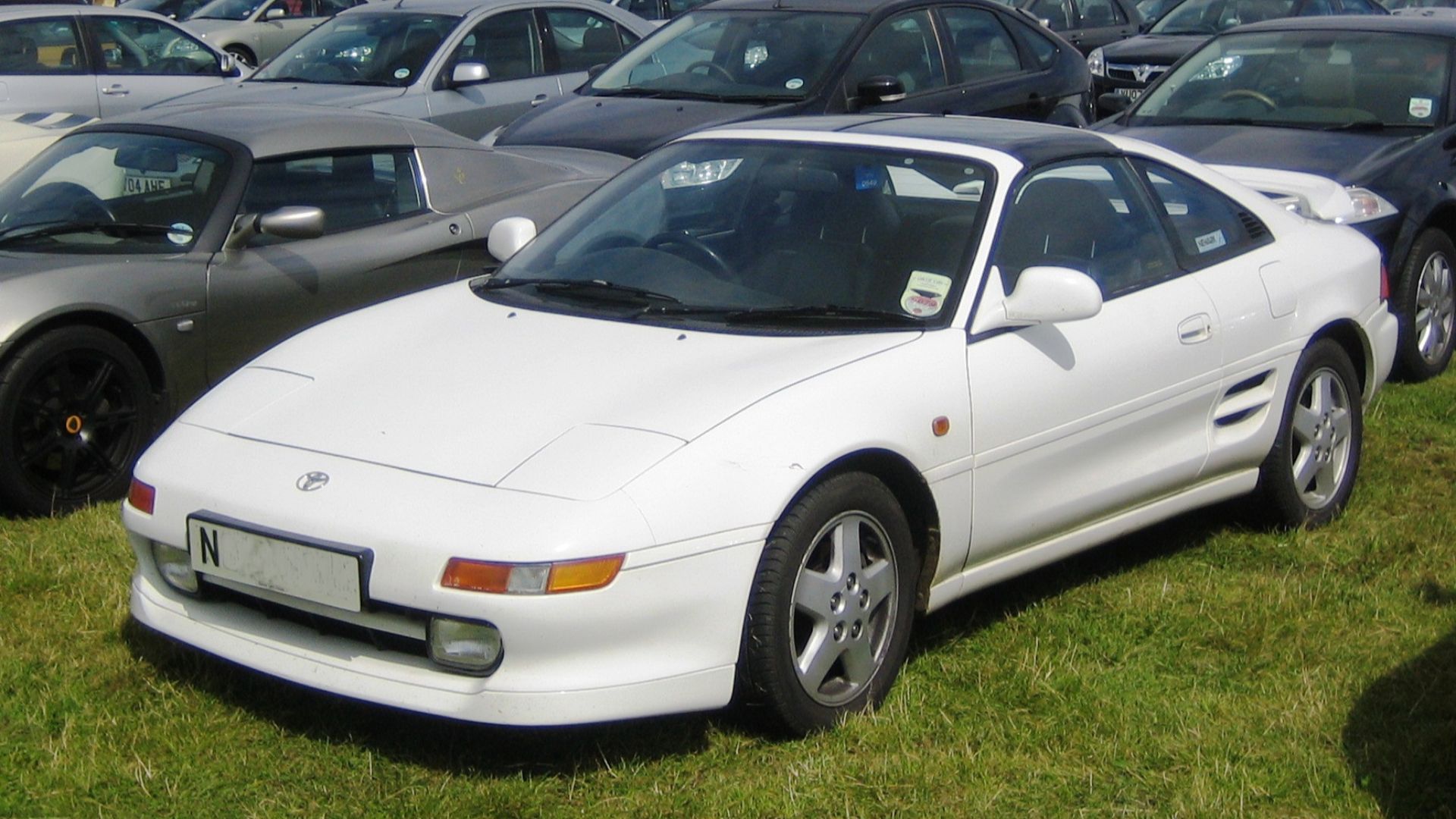
1991–1995 Toyota MR2 Turbo
The second-generation MR2 Turbo gave ordinary buyers a layout that looked downright exotic: mid-mounted engine, rear-wheel drive, pop-up headlights, and two seats. Its turbocharged 2.0-liter 3S-GTE also responded extremely well to tuning, which meant many were modified hard and driven even harder. That makes clean survivors especially interesting now. Later 1993–1995 cars are particularly appealing thanks to Toyota’s chassis revisions and the fact that nice unmodified examples are becoming genuinely difficult to find.
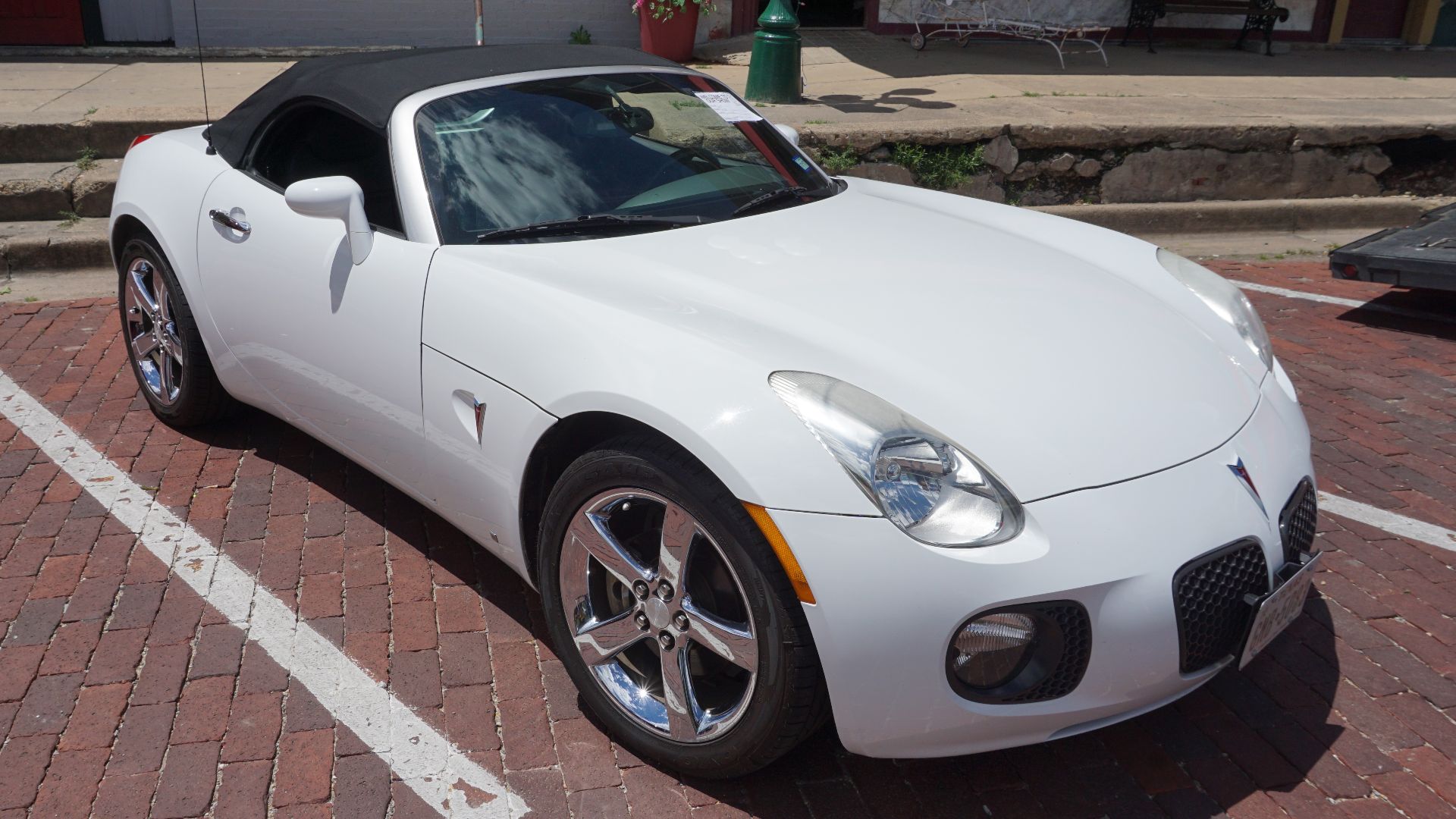
2006-2009 Pontiac Solstice
The Solstice looked like a concept car but somehow reached showrooms with most of the drama intact. Its base 2.4-liter four-cylinder only made 177 horsepower, so straight-line speed wasn’t really the attraction. Instead, buyers got rear-wheel drive, a genuinely stiff chassis, sharp steering, and dramatic roadster proportions at around $20,000 when new. The later turbocharged GXP gets more attention, but the original Solstice deserves credit for proving early-2000s GM could still build something playful and completely unexpected.
 Michael Barera, Wikimedia Commons
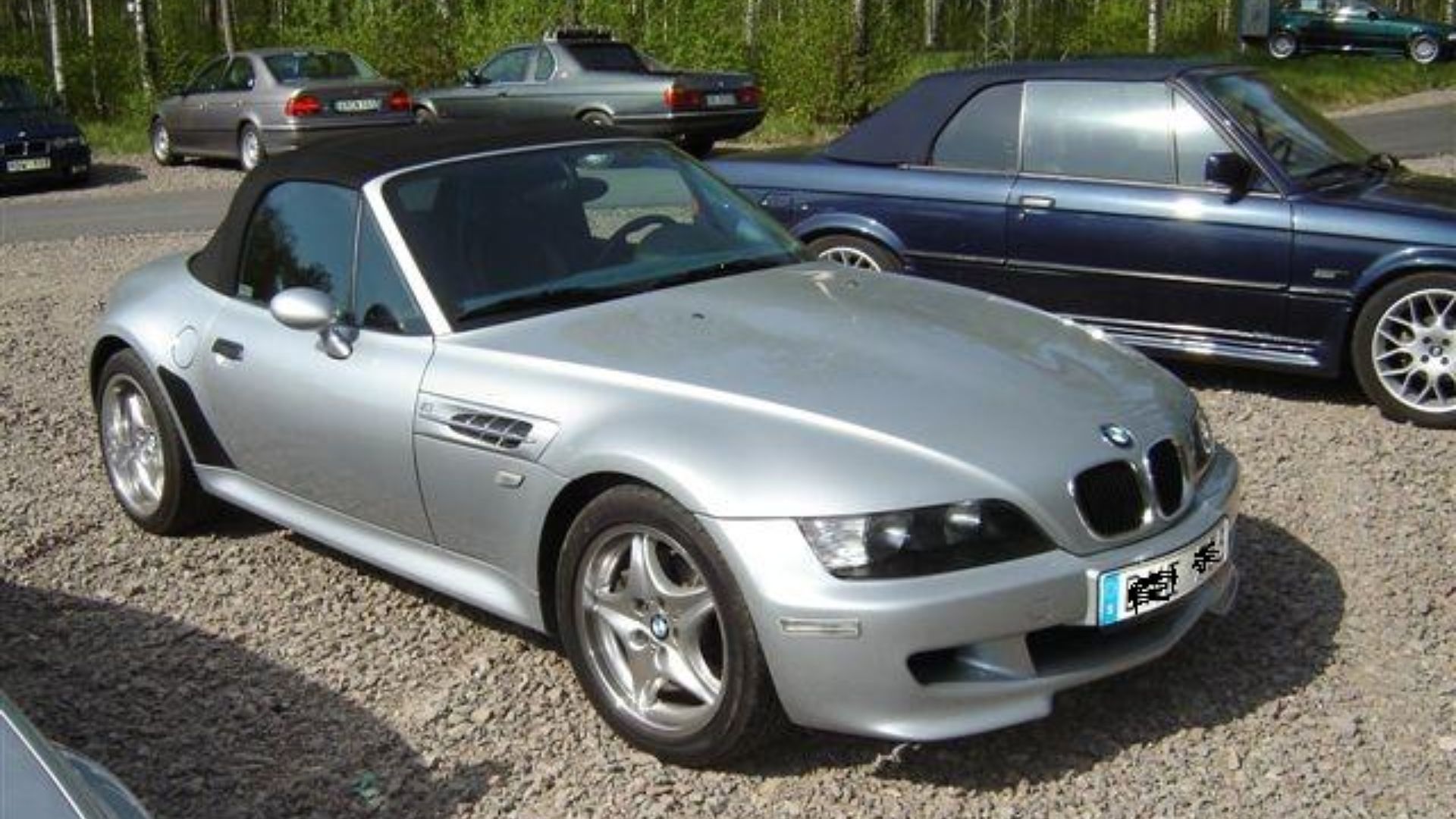
2001–2002 BMW M Roadster
For years, the BMW M Coupe got all the collector attention while the closely related M Roadster remained relatively attainable. The secret is finding one of the later cars fitted with BMW’s S54 inline-six. That engine produced 315 horsepower, used individual throttle bodies, and revved to around 8,000 rpm. Combine that with a tiny Z3-based roadster body and rear-wheel drive, and you get something far more serious than its cheerful looks suggest.
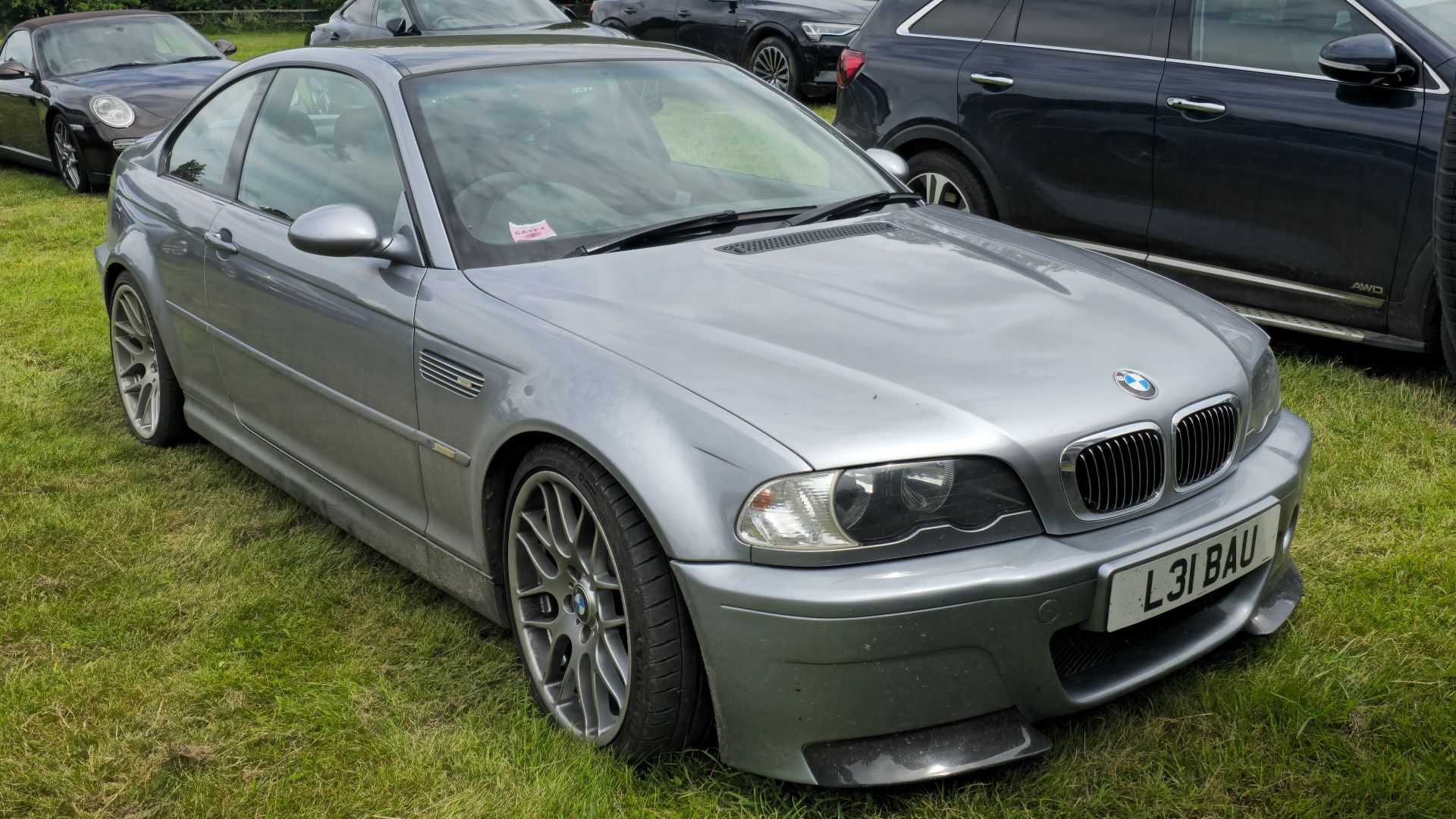
2001–2006 BMW M3
The E46 M3 spent years as simply the used M3 everyone wanted, but it’s now firmly entering modern-classic territory. Its naturally aspirated 3.2-liter S54 inline-six produced 333 horsepower and screamed all the way toward an 8,000-rpm redline. More importantly, buyers could get it with a proper six-speed manual. It has enough comfort for daily use, but the steering, engine, chassis balance, and relatively analog personality make it feel increasingly special beside newer performance cars.
1995–2001 Acura Integra GS-R
Everyone talks about the Integra Type R, but the GS-R was the attainable version people actually drove every day. Its 1.8-liter VTEC four-cylinder made 170 horsepower and loved revs, while the lightweight chassis made that modest number feel much more exciting than it sounds today. You could even get one as a sedan. The biggest challenge now isn’t deciding whether a GS-R is cool. It’s finding one that hasn’t been modified, stolen, rusted, or thoroughly abused.
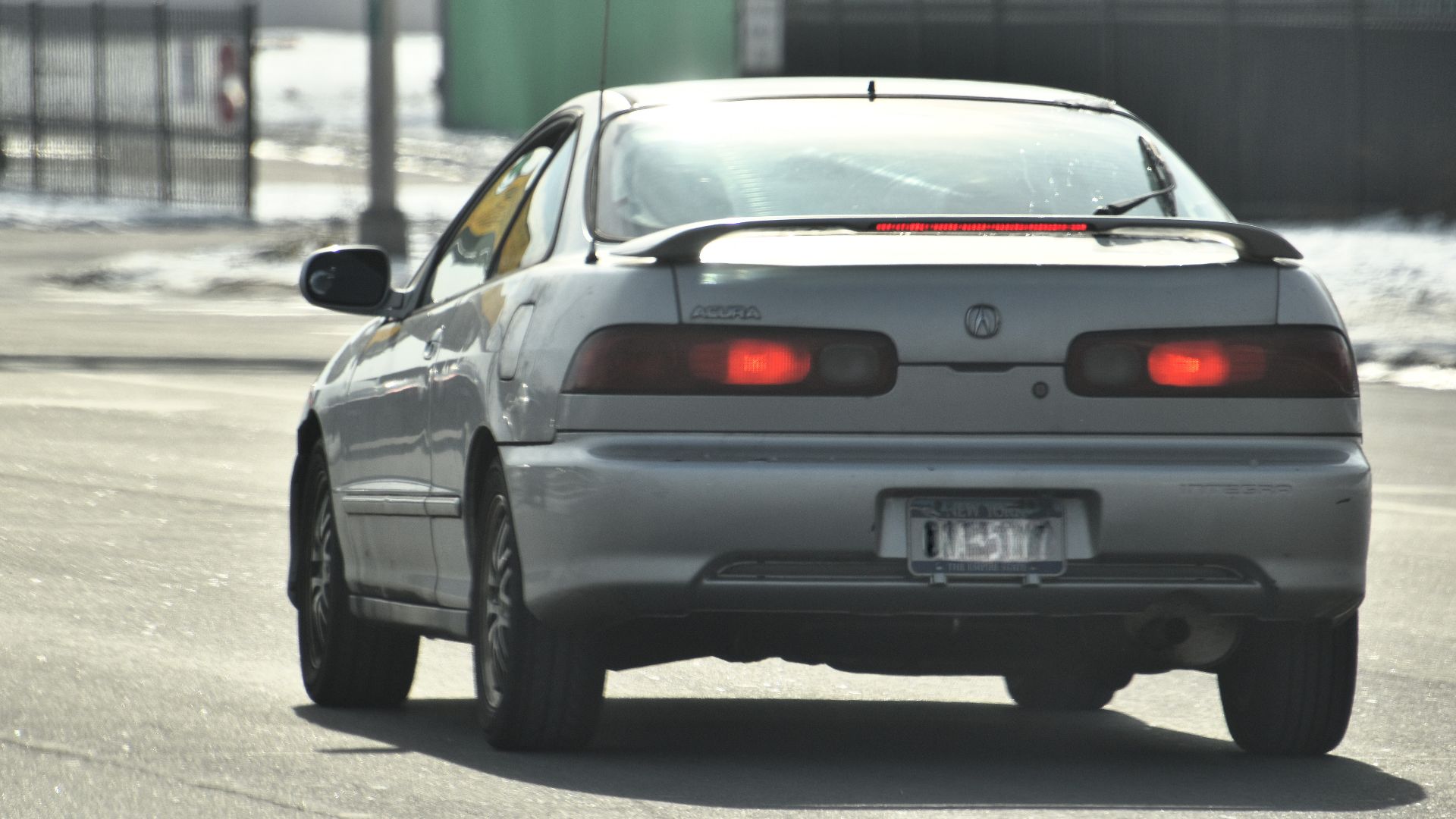 Charles from Port Chester, New York, Wikimedia Commons
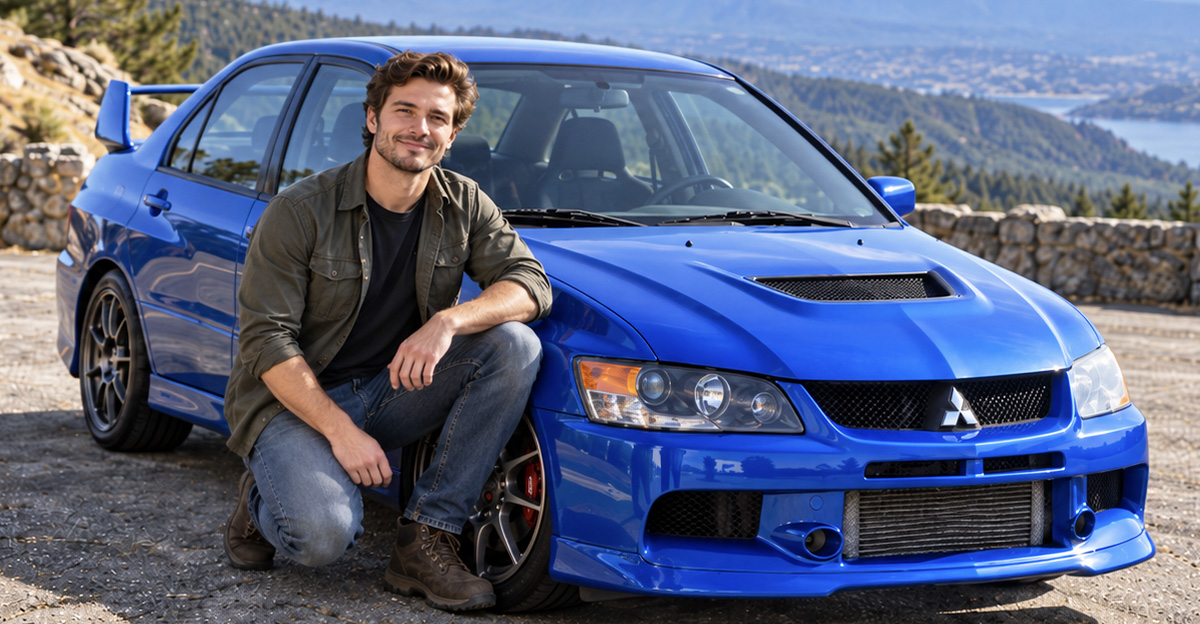
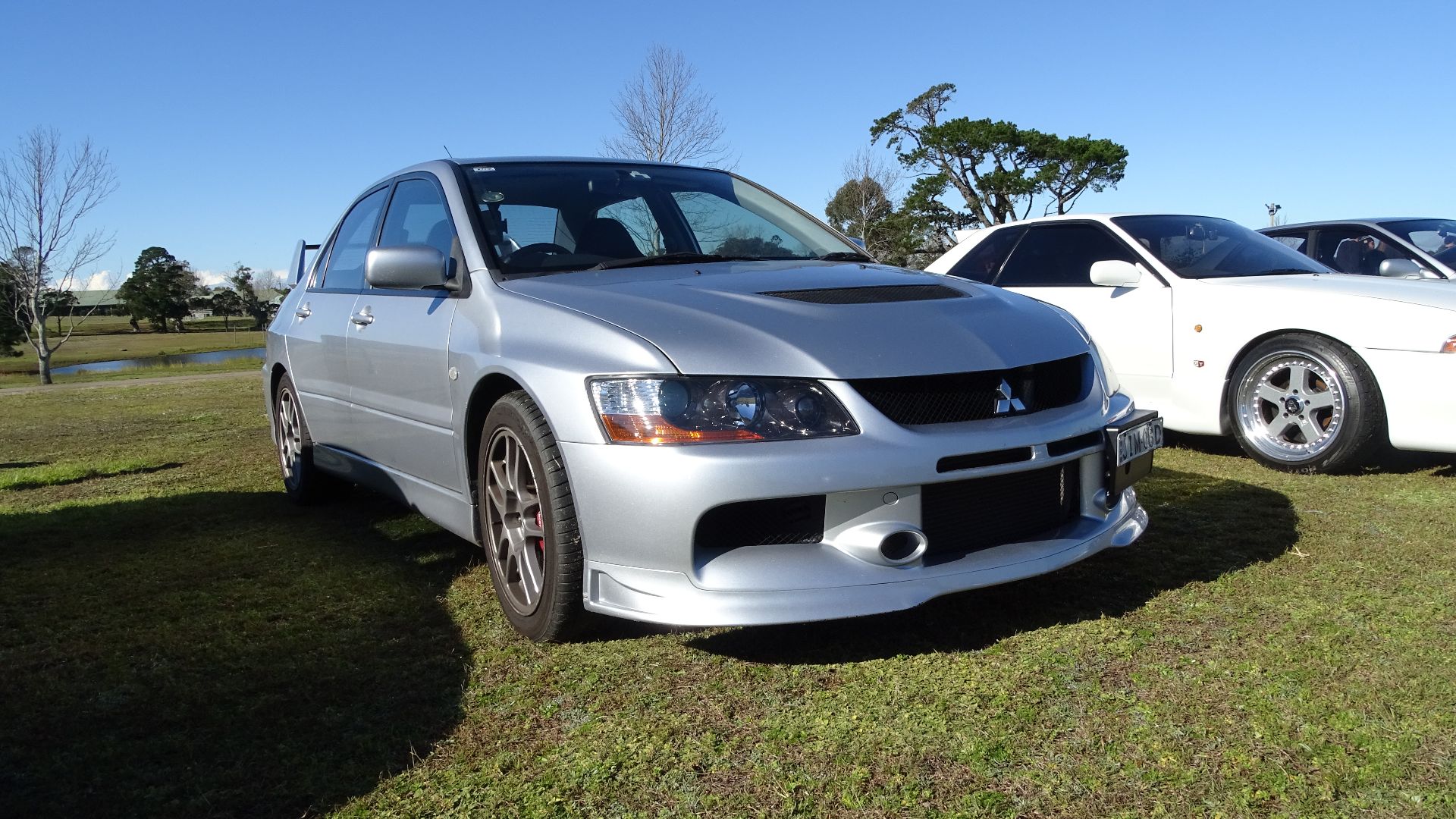
2005-2007 Mitsubishi Lancer Evolution IX
The Evo IX might be one of the best examples of a performance car enthusiasts didn’t appreciate enough while it was still relatively cheap. Its turbocharged 4G63 four-cylinder gained Mitsubishi’s MIVEC variable valve timing, while the all-wheel-drive chassis delivered outrageous grip and razor-sharp responses. Many were modified almost immediately, which makes stock examples especially desirable today. It still looks like an angry economy sedan with a giant wing, but underneath, it’s basically a rally car that learned some road manners.
2006–2008 Audi RS4
The B7 RS4 feels increasingly strange in the best possible way. Audi took a compact luxury sedan, installed a naturally aspirated 4.2-liter V8 making 420 horsepower, let it rev beyond 8,000 rpm, then paired it with a six-speed manual and Quattro all-wheel drive. There’s no turbo lag and no dual-clutch gearbox doing the work for you. It’s the sort of high-revving, manual, V8 sports sedan nobody seems interested in building anymore, which explains why enthusiasts have started taking it much more seriously.
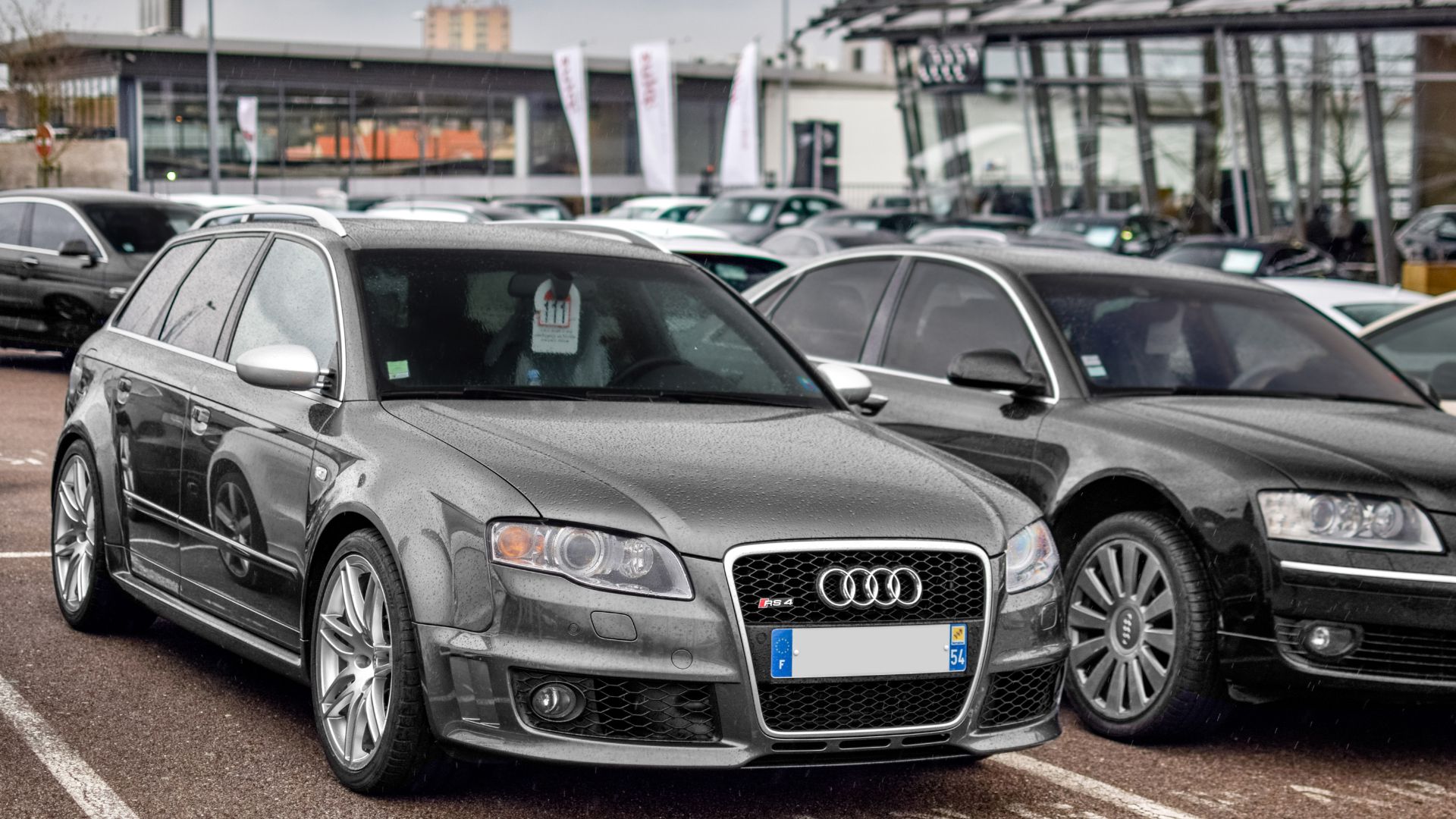 Alexandre Prévot from Nancy, France, Wikimedia Commons
1978–1986 Ford Bronco
Later classic Broncos spent years living in the shadow of the smaller 1966–1977 originals. That made them much cheaper, even though they offered V8 engines, removable rear roofs, proper truck-based construction, and plenty of old-school off-road personality. The 1978–1979 versions have especially rugged styling, while the 1980–1986 trucks are generally easier to get into. Once vintage SUVs became fashionable, these bigger Broncos suddenly stopped looking like cheap old trucks and started looking like collectibles.
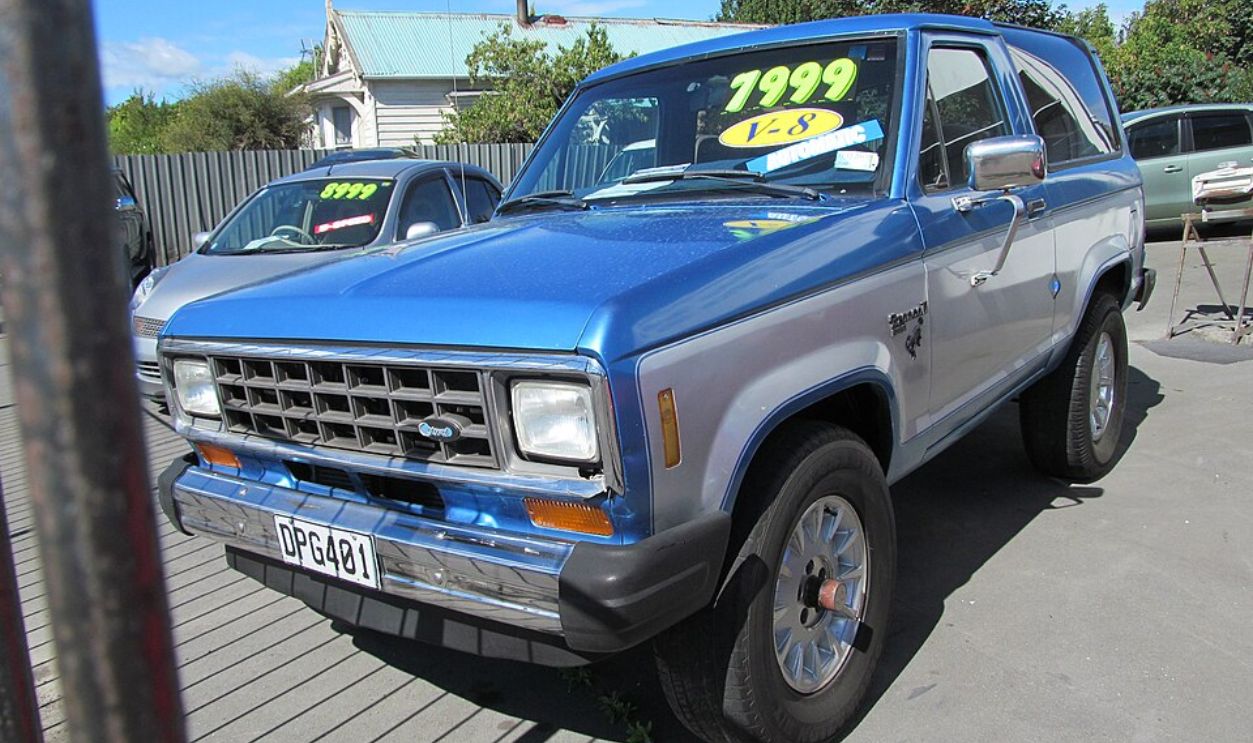 Riley from Christchurch, New Zealand, Wikimedia Commons
2004–2006 Jeep Wrangler Unlimited "LJ"
The LJ was basically the Wrangler that quietly fixed several Wrangler problems without becoming a four-door SUV. Jeep stretched the TJ’s wheelbase by 10 inches, added cargo room, improved the ride, and kept the classic two-door layout. Every LJ also received a Dana 44 rear axle, while Rubicon versions added serious off-road hardware at the front as well. They were only built for three model years, so what once looked like a slightly odd stretched Wrangler now feels like a sweet spot Jeep never really repeated.
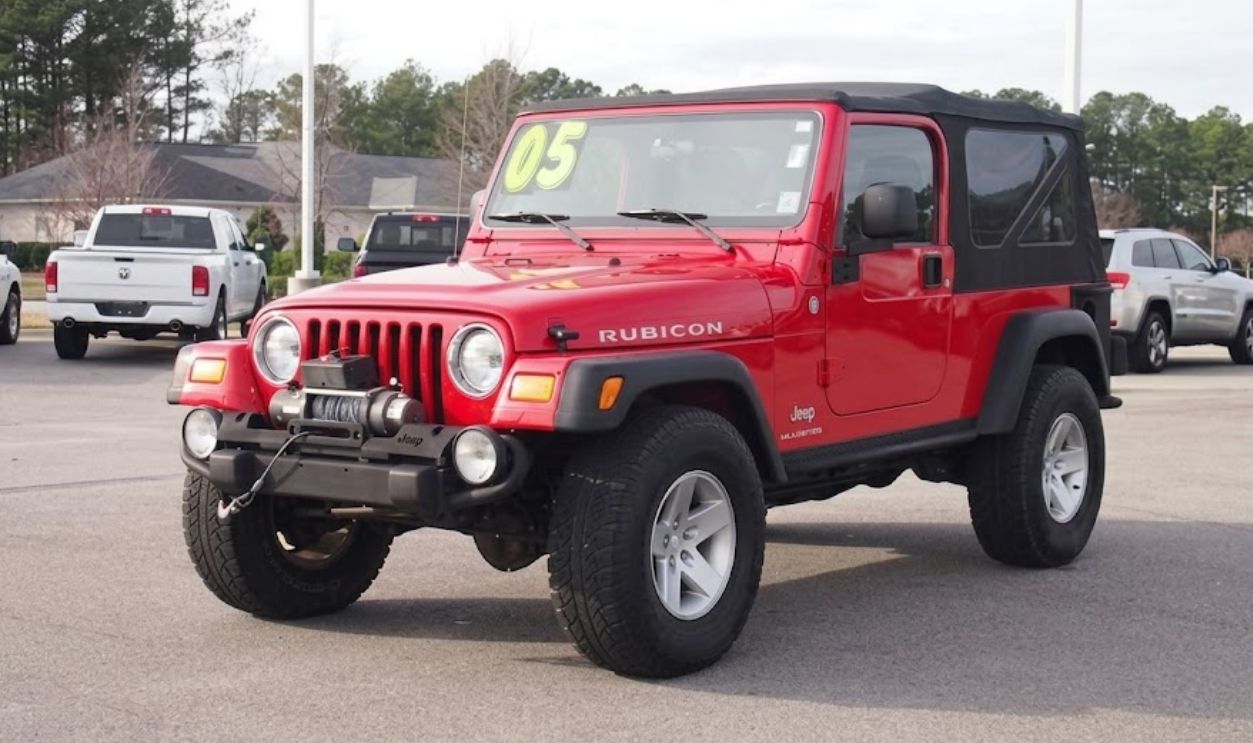 NoRagrets22, Wikimedia Commons
1991–1993 GMC Syclone And Typhoon
The Syclone and Typhoon seemed ridiculous before ridiculously fast SUVs and trucks became normal. GMC took humble compact-truck hardware, added a turbocharged 4.3-liter V6 making 280 horsepower, and sent the power through all four wheels. The Syclone could hit 60 mph in around 4.3 seconds in period testing, which was outrageous for 1991. The Typhoon applied essentially the same idea to an SUV. Thirty years later, they look less like gimmicks and more like the blueprint for an entire performance-truck industry.
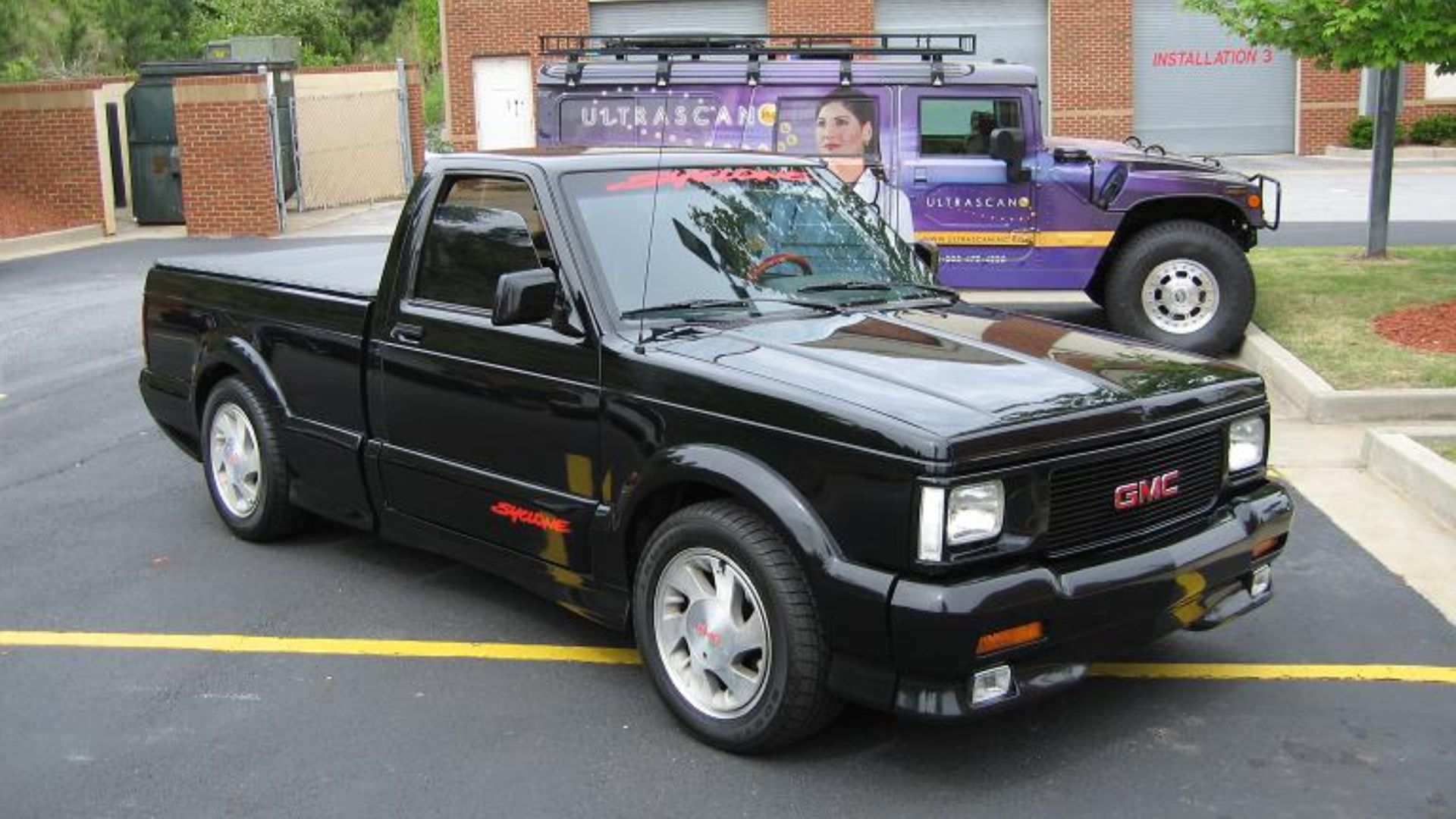 Willyson at English Wikipedia, Wikimedia Commons
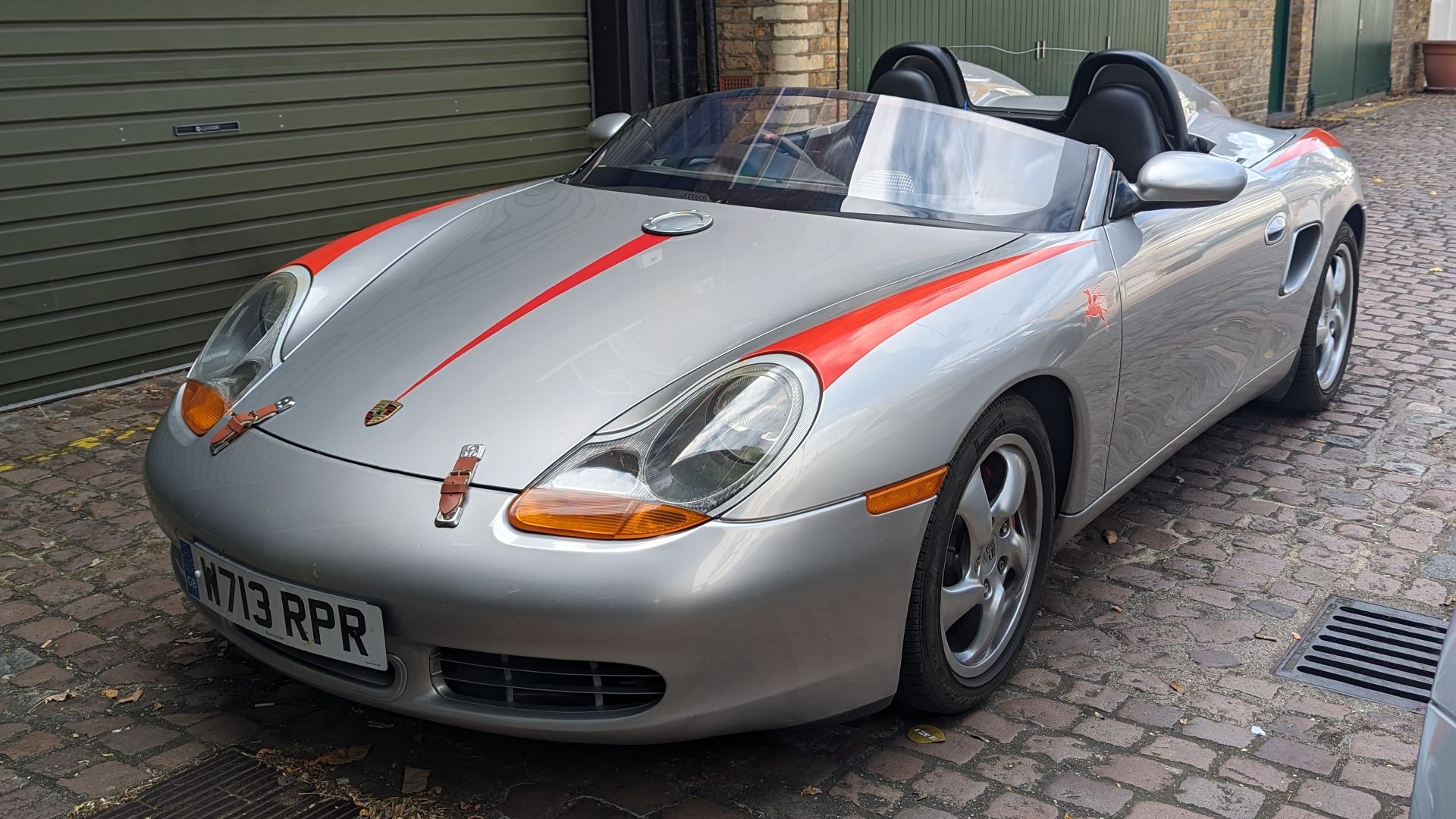
2000–2005 Porsche Boxster S
The original Boxster spent years being dismissed as the Porsche you bought when you couldn’t afford a 911. That reputation made early cars extremely cheap, which was great news for enthusiasts willing to ignore the jokes. The Boxster S added a larger 3.2-liter flat-six, 250 horsepower in its original form, and a six-speed manual to an already excellent mid-engine chassis. Maintenance history matters, particularly around well-known engine concerns, but dynamically, these are a lot of Porsche for the money.
1992–1995 Ford Taurus SHO
Nothing about a 1994 Taurus sounds collectible until you remember what SHO stands for. Manual versions used Ford’s famous Yamaha-developed 3.0-liter DOHC V6, while automatic cars got a 3.2-liter version; both were rated around 220 horsepower. Earlier testing showed just how serious the formula was, with the SHO beating genuine imported sports sedans and reaching speeds well beyond what anyone expected from a Taurus. It was the ultimate undercover performance sedan before that concept became fashionable.
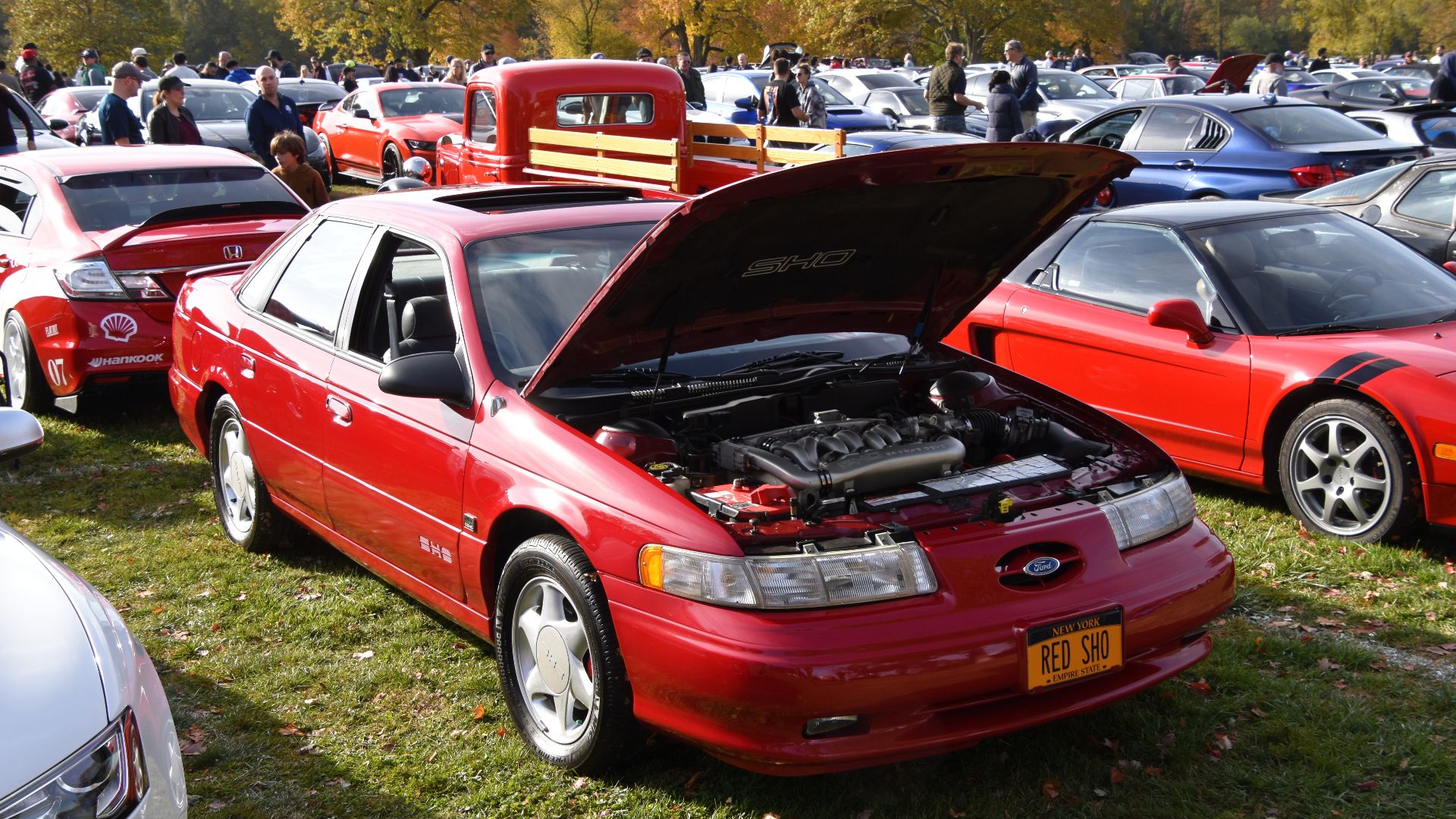 Charles from Port Chester, New York, Wikimedia Commons
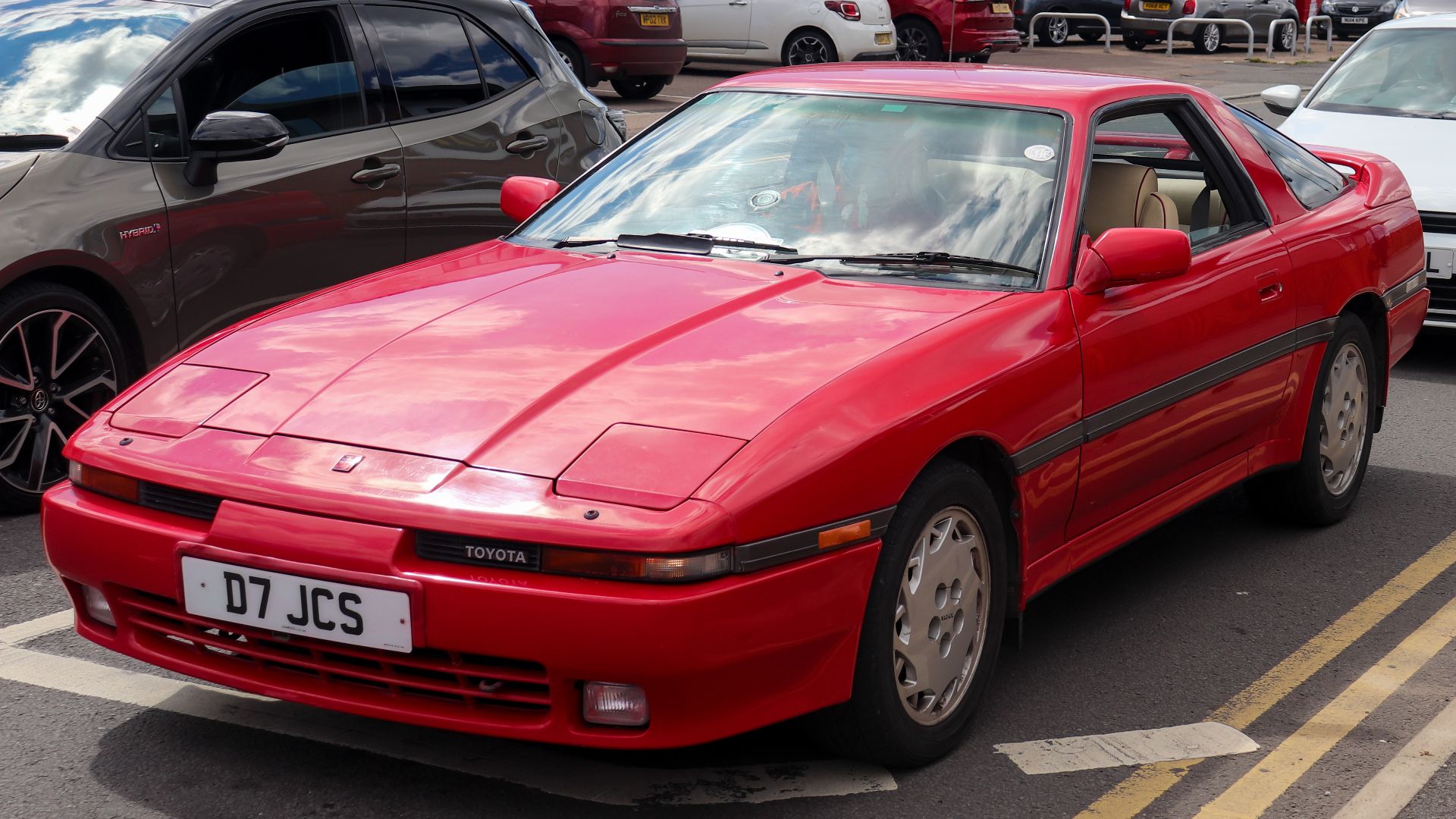
1986–1992 Toyota Supra
The MkIII Supra lived for years in the giant shadow cast by the later MkIV. That made it a bargain, especially considering how much hardware Toyota packed into it. Turbo versions used a 3.0-liter inline-six making around 230 horsepower and 246 lb-ft of torque, with rear-wheel drive, available limited-slip differential, and electronically adjustable suspension. Car and Driver recorded 0–60 mph in 6.4 seconds from an early Turbo, serious performance for its era. It’s finally being appreciated as more than “the Supra before the famous one.”
1999-2004 Ford Mustang
The New Edge Mustang spent years in an awkward spot: too new to be classic and too old to compete with much faster modern Mustangs. That’s exactly what made it affordable. GT versions brought a 4.6-liter V8 making around 260 horsepower, rear-wheel drive, and that unmistakable V8 soundtrack, while the 2003 lineup also included much hotter Mach 1 and supercharged SVT Cobra versions. Even the basic GT delivered cheap, honest muscle-car fun without much complication.
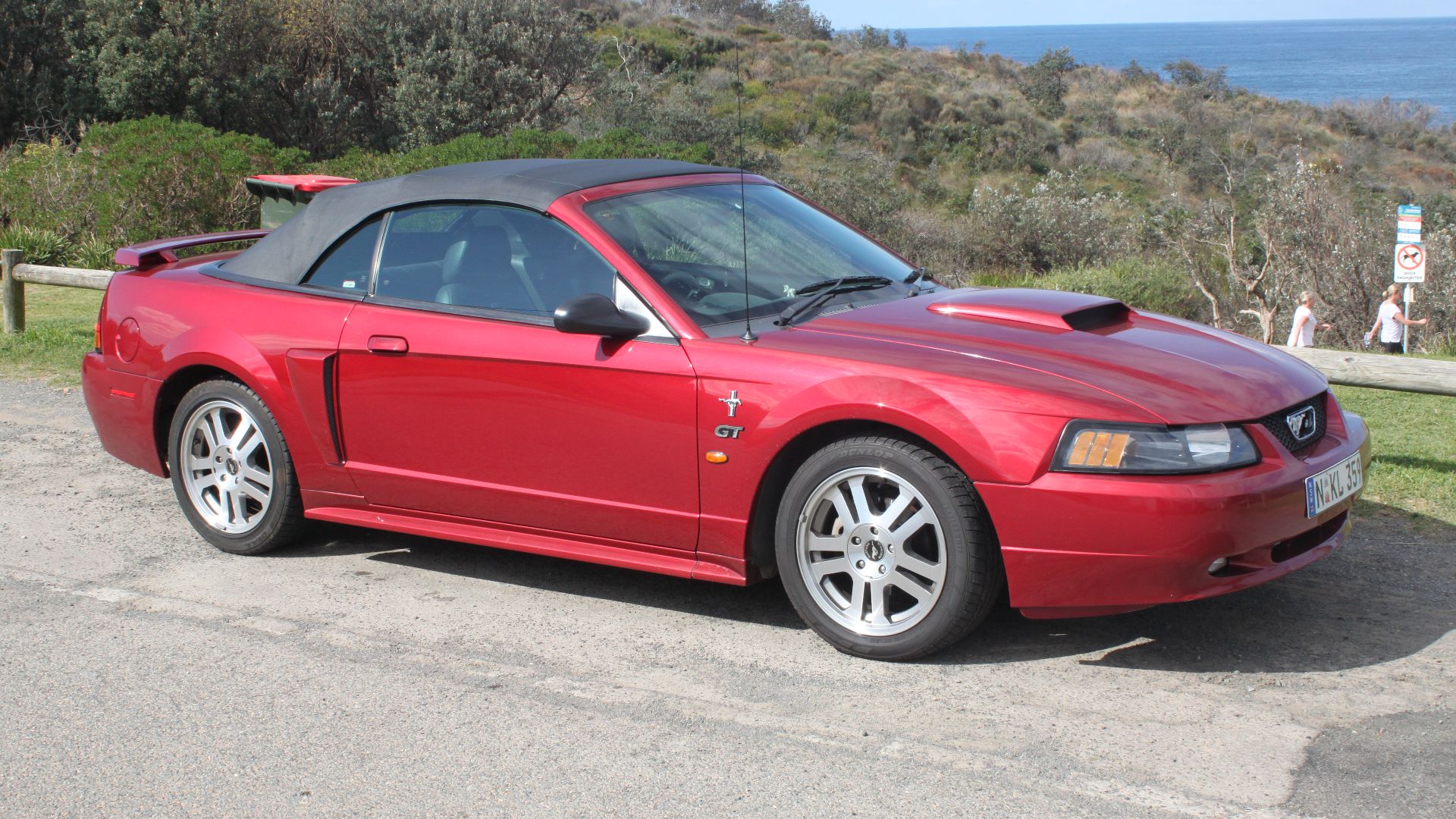 Jeremy from Sydney, Australia, Wikimedia Commons
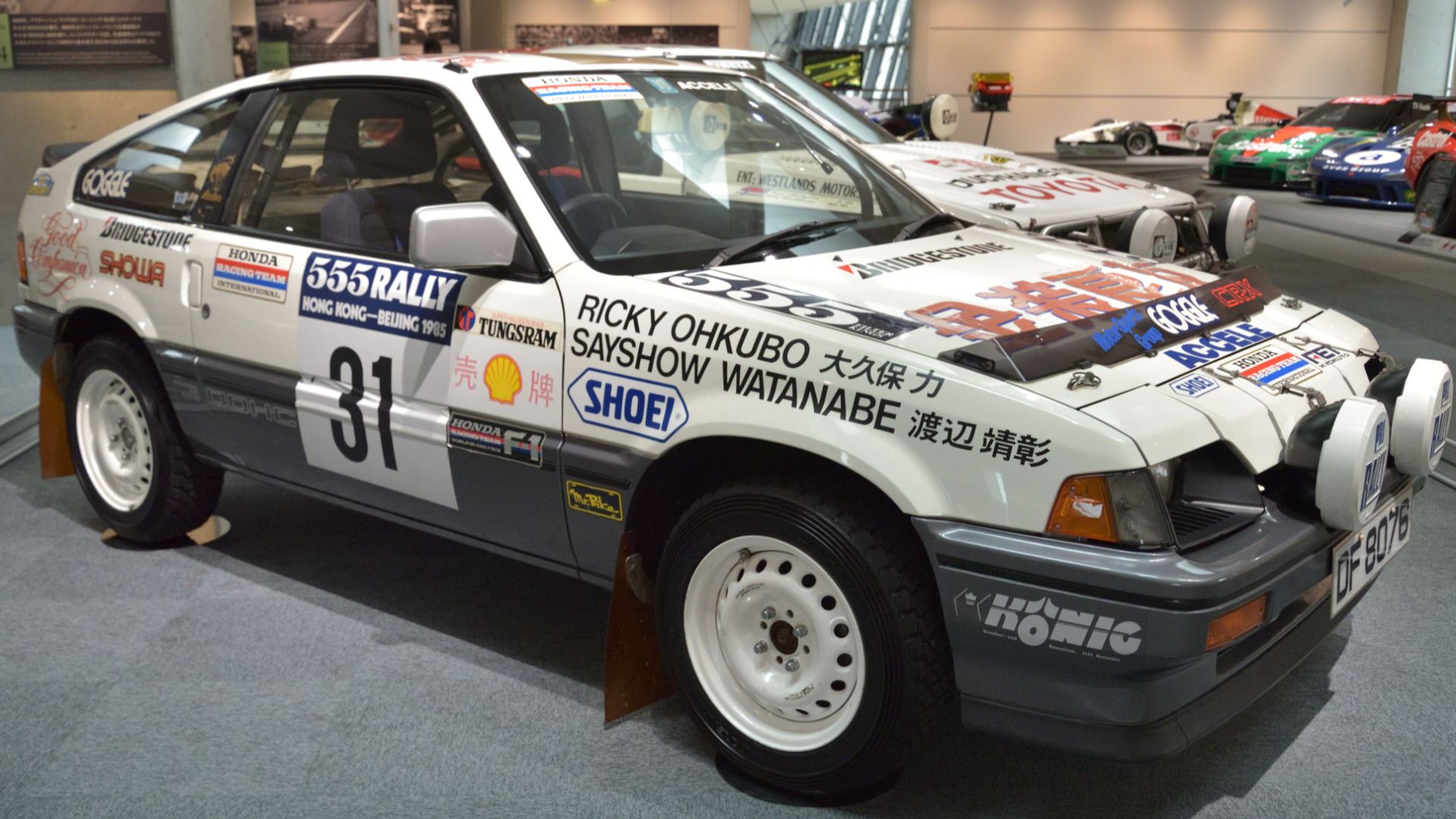
1988-1991 Honda CR-X Si
The CR-X Si proves horsepower numbers don’t mean much without context. Its 1.6-liter four-cylinder made only 105 horsepower, but the car was tiny, light, eager, and paired exclusively with a five-speed manual. Honda also gave the Si stiffer dampers and upgraded anti-roll bars compared with lesser CR-X models. For years these were simply cheap used Hondas, which meant many were modified or worn out. Now clean examples show exactly why lightweight Hondas developed such a fanatical following.
1990-1997 Mazda MX-5 Miata
The Miata has become such an obvious enthusiast favorite that it’s easy to forget how cheap first-generation cars once were. The formula was almost laughably simple: low weight, rear-wheel drive, a manual transmission, two seats, and enough power to have fun without immediately losing your license. That simplicity is exactly why people kept buying used ones for autocross, track days, or weekend drives. The problem now is that everyone else figured out the same thing.
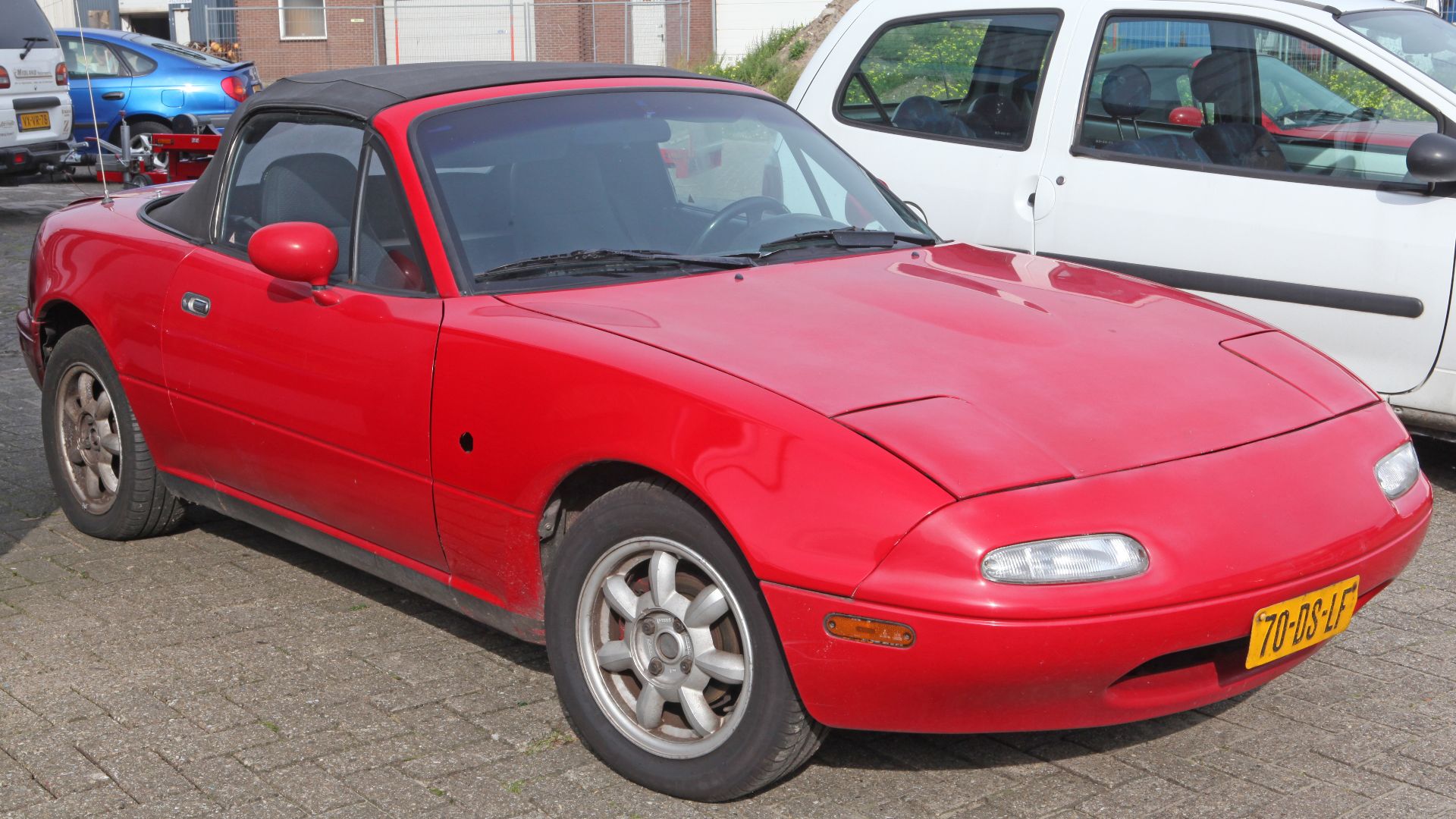 free photos & art, Wikimedia Commons
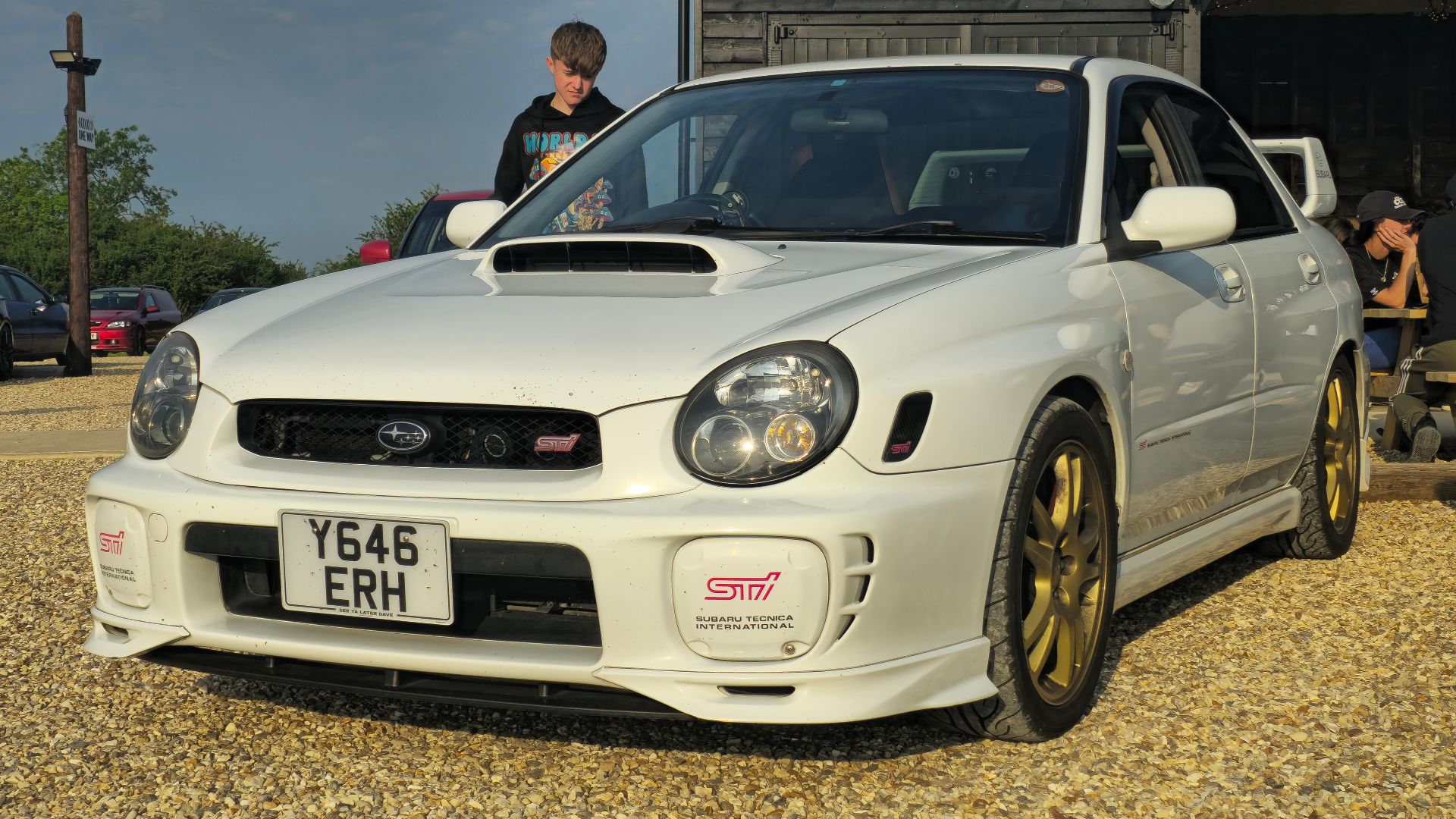
2002-2007 Subaru Impreza WRX
The 2002 WRX changed the American performance-car landscape almost overnight. Its turbocharged 2.0-liter flat-four made 227 horsepower, all-wheel drive put the power down in almost any weather, and Car and Driver recorded 0–60 mph times in the mid-five-second range. The weird “bugeye” styling only added personality. Used examples later became cheap enough to modify heavily, which means finding a clean survivor can be difficult. The ones that remain show why Americans spent years begging Subaru to bring the WRX here.
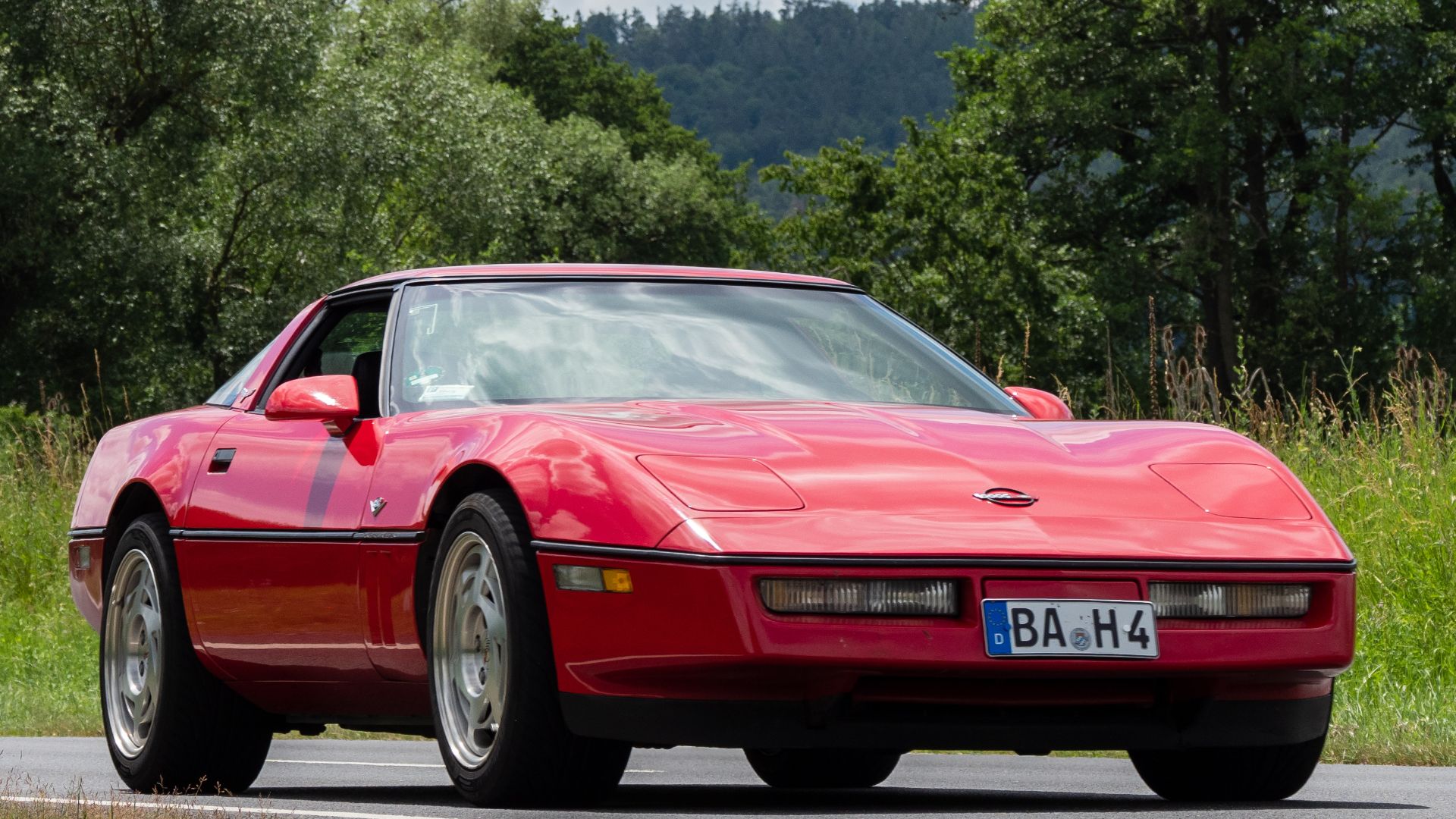
1984-1996 Chevrolet Corvette (C4)
The early C4 Corvette spent years being the Corvette generation enthusiasts loved to insult. The digital dashboard, square-taillight-era styling, and comparatively modest performance made it seem less desirable than older Stingrays or later C5s. But that reputation also made C4s incredibly affordable. Underneath, you still got a low-slung fiberglass sports car, V8 power, rear-wheel drive, and serious handling hardware for the era. As clean examples disappear, the C4’s combination of old-school Corvette character and attainable pricing looks better all the time.
You May Also Like:
Used Cars That Are Cheap To Buy Because Nobody Wants Them Anymore
Affordable Sports Cars From The 2000s That Used To Be Everywhere—But Are Getting Harder To Find