General Motors' Boldest Rides
General Motors has never been afraid to take risks, and throughout its history, it has produced some of the most unique—and controversial—cars on the road. One of those was all the way back in 1980.

Cadillac Seville Bustle Back
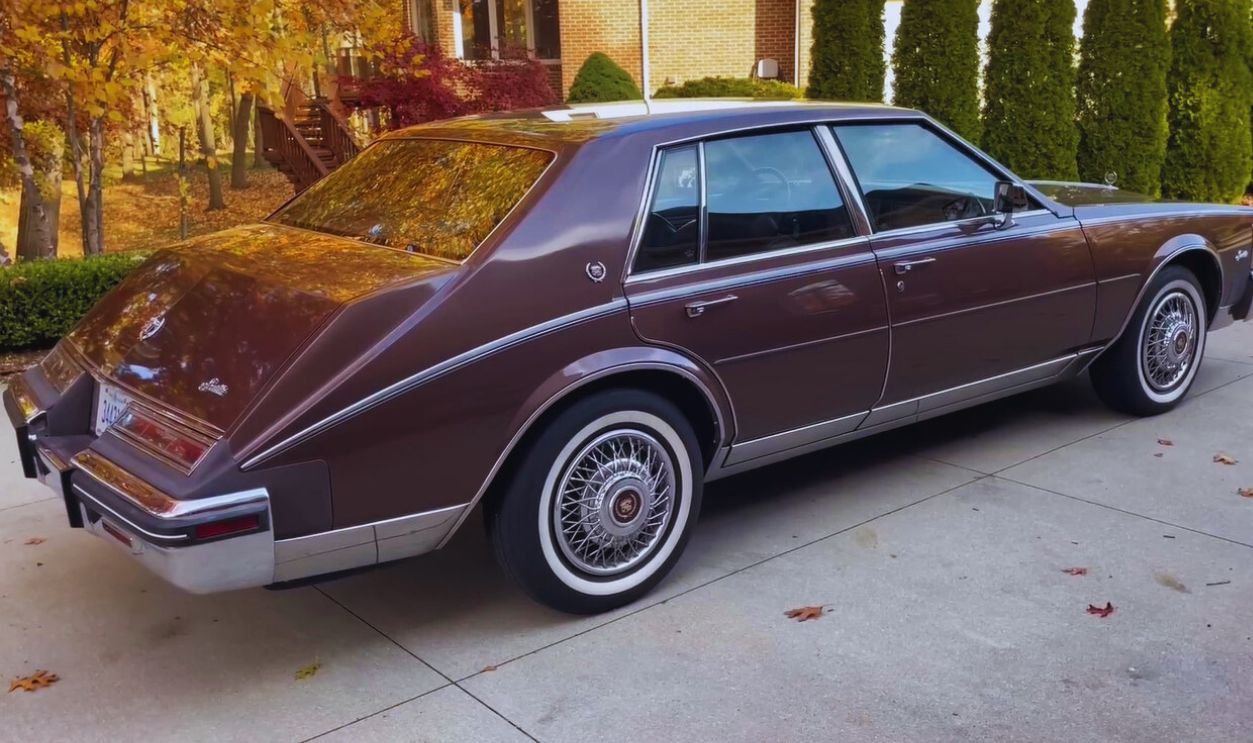
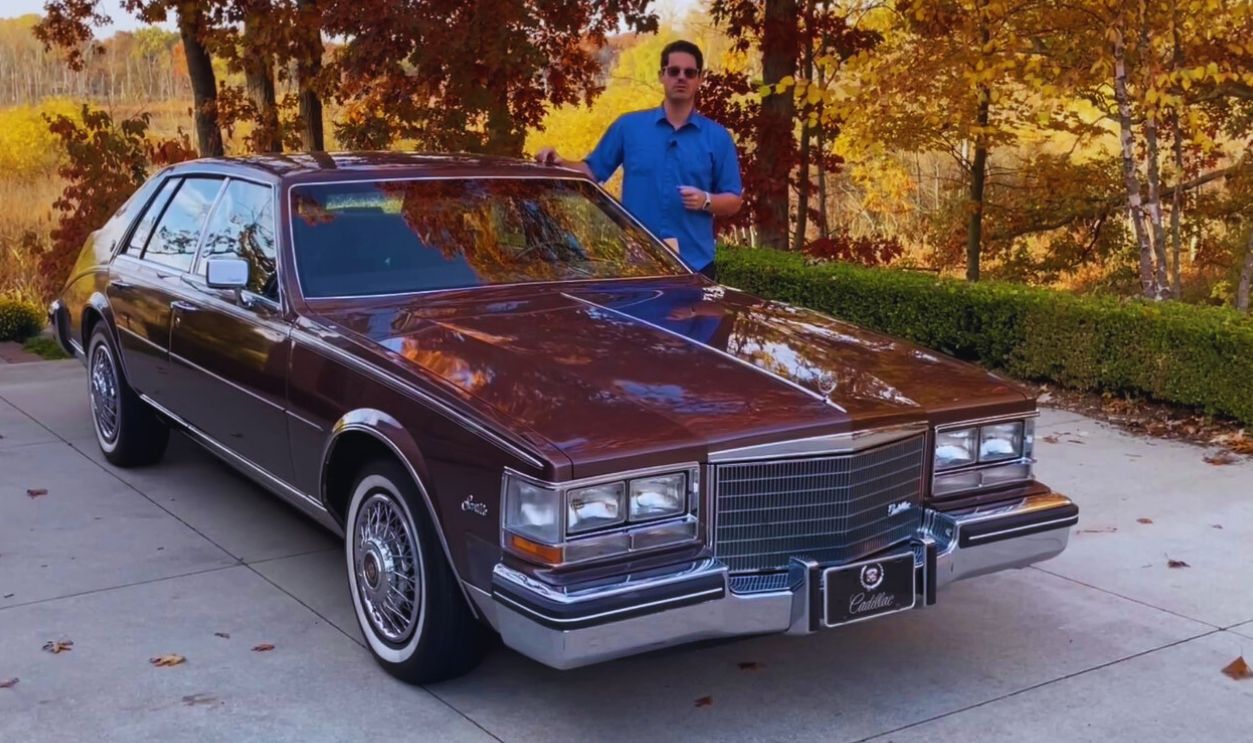
The Cadillac Seville received a dramatic redesign in 1980 that featured a distinctive bustle-back rear end. Moreover, it was inspired by classic luxury designs from the 30s. This styling choice was intended to evoke a more European feel, though it proved polarizing among traditional Cadillac buyers.
Cadillac Seville Bustle Back (Cont.)
Sharing its platform with the Eldorado, the Seville also adopted front-wheel drive. This marked a significant departure from the brand’s past. The Seville initially sold well, but mechanical issues—particularly with the V8-6-4 engine and Oldsmobile-sourced diesel V8—harmed its reputation over time.
Buick Century Aeroback
The Buick Century Aeroback debuted as one of GMC's moves towards downsizing during the late 1970s. Its aggressive slant-back styling was meant to be progressive but only served to confuse buyers. Although it looked like a hatchback, it was not nearly as useful as one, and this hindered disappointing sales.
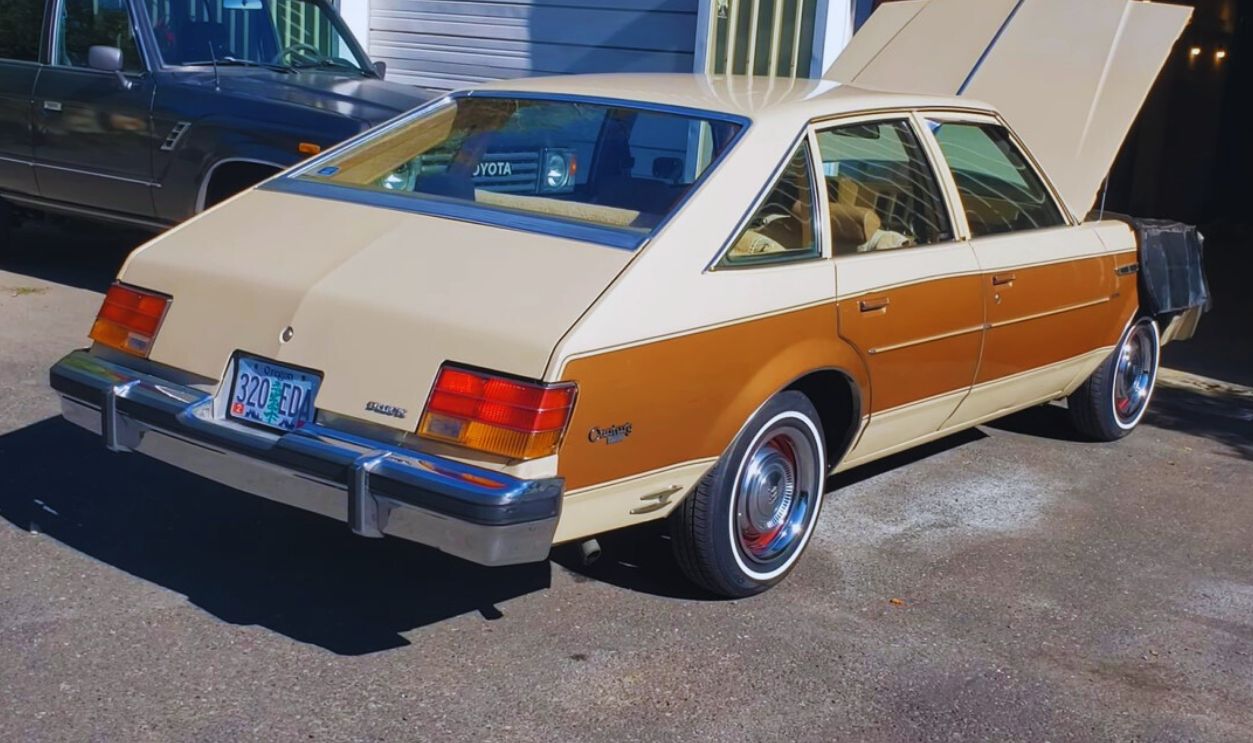 Big Beautiful Buick by 2stroketurbo
Buick Century Aeroback (Cont.)
Although it faltered at first, the Aeroback has earned some favor with vintage car buffs. It wasn’t globally thought of as a much-coveted classic collectible. The unusual appearance and comparative scarcity have turned it into an intriguing bit of GMC history. With limited production and distinctive styling, it is still noteworthy.
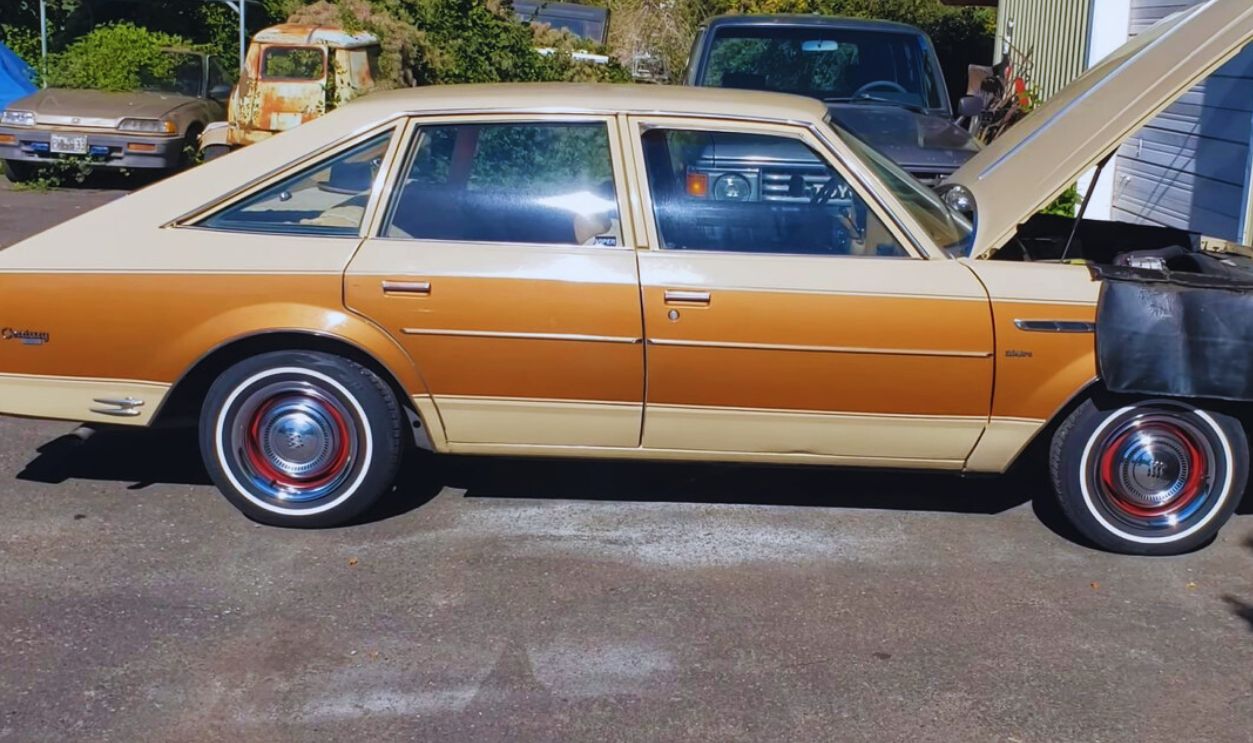 Big Beautiful Buick by 2stroketurbo
Chevrolet Corvair
The Chevrolet Corvair is most famous for its tainted history, thanks to Ralph Nader's Unsafe at Any Speed book. But the Corvair was also GMC's most experimental design. Coming out in 1960, the Corvair had a rear-mounted air-cooled engine—a radical shift from the norm of front-mounted engines.
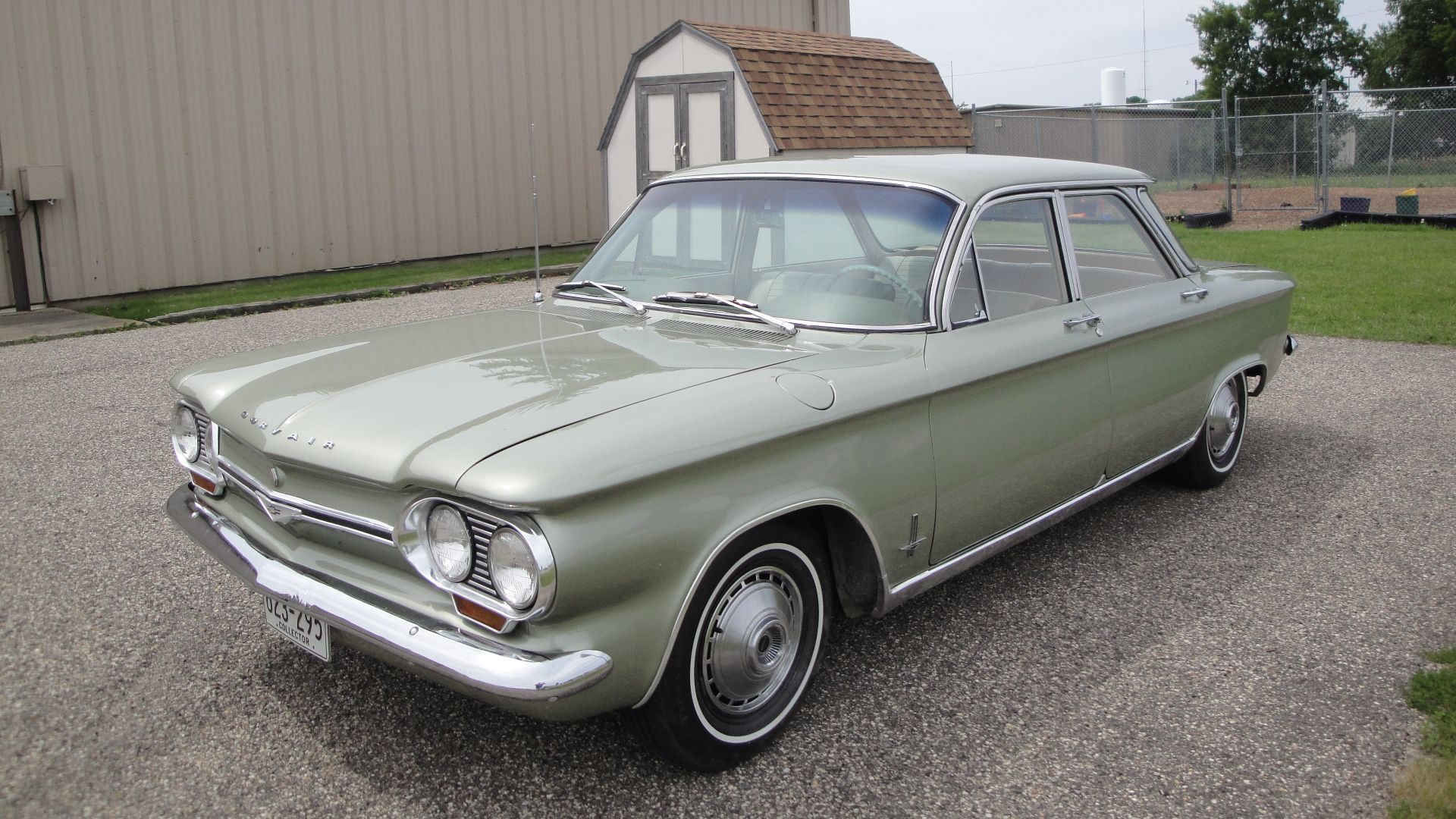 Greg Gjerdingen from Willmar, USA, Wikimedia Commons
Chevrolet Corvair (Cont.)
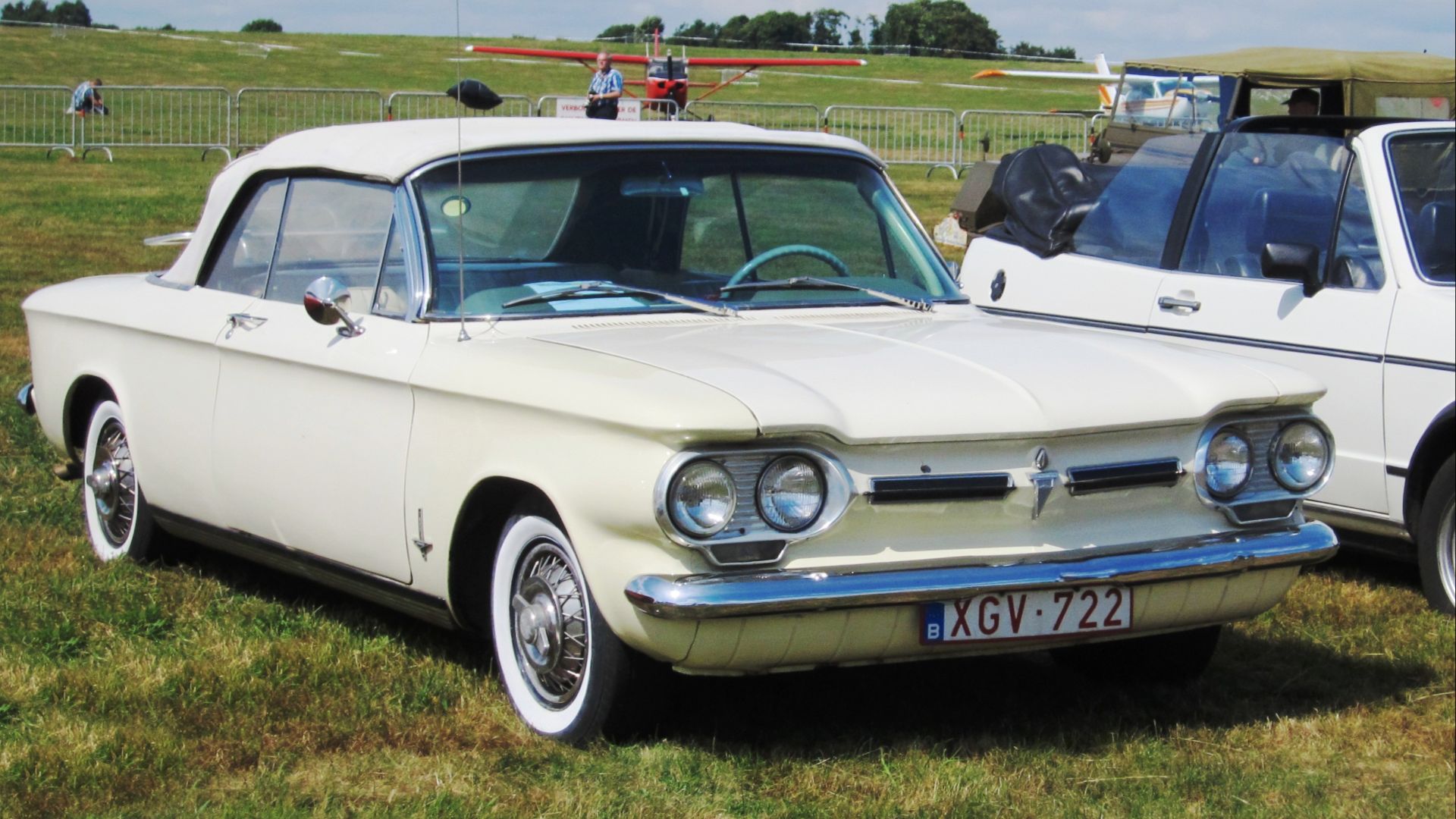
Early Corvairs had a swing-axle rear suspension, which could contribute to oversteer if improperly maintained. This led to safety concerns, though a later government study found the Corvair no more dangerous than other cars of its time. The 1965 model introduced a redesigned rear suspension that significantly improved handling.
Chevrolet Corvair (Cont.)
In spite of these problems, the Corvair was available in a range of body styles, such as a coupe, sedan, convertible, and even a specialized pickup. One of the Corvair 95 Rampside pickup’s unique features was its side door dropped down to the ground level for simplified loading.
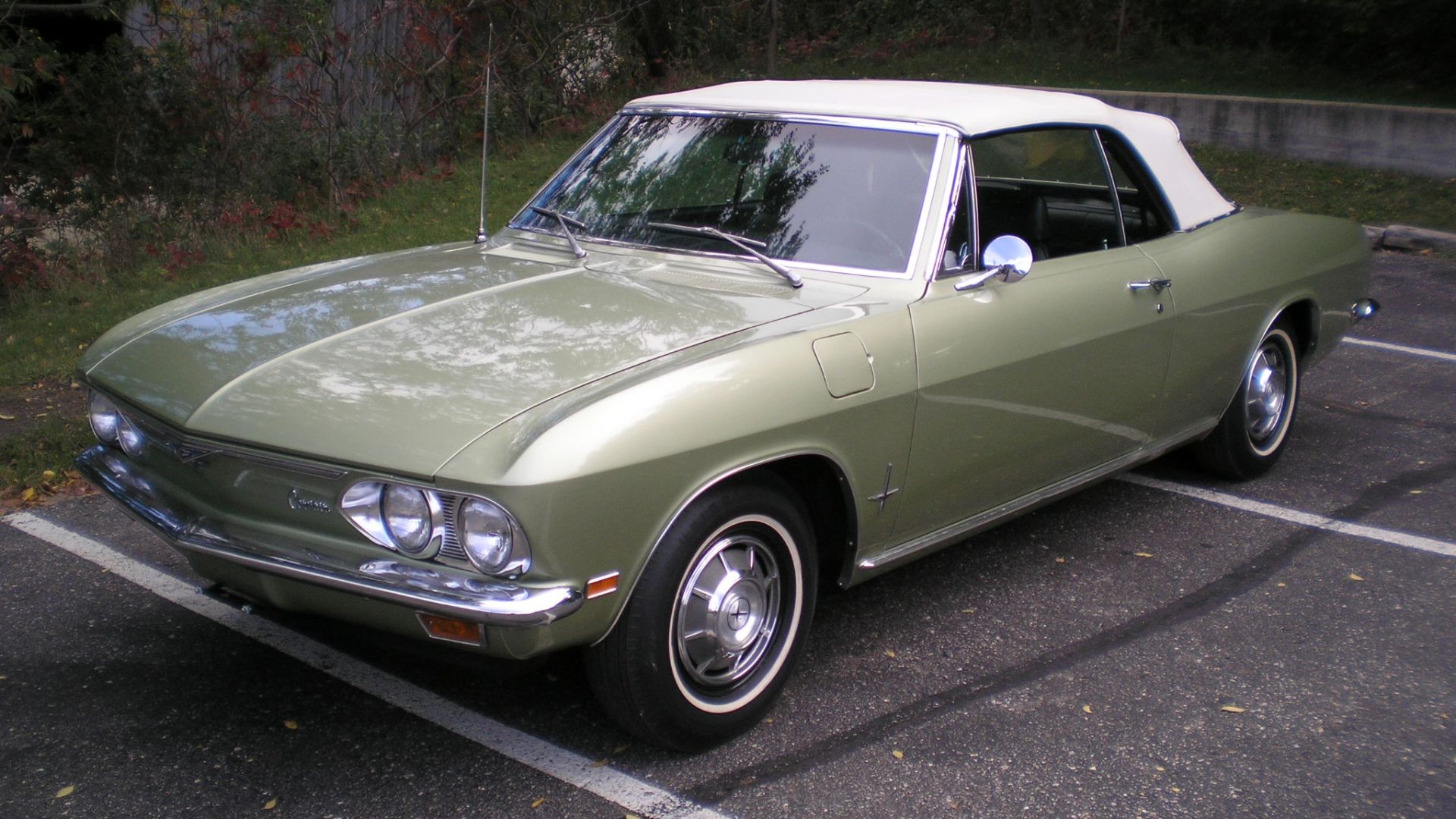 Vegavairbob (talk)Robert Spinello, Wikimedia Commons
GMC Envoy XUV
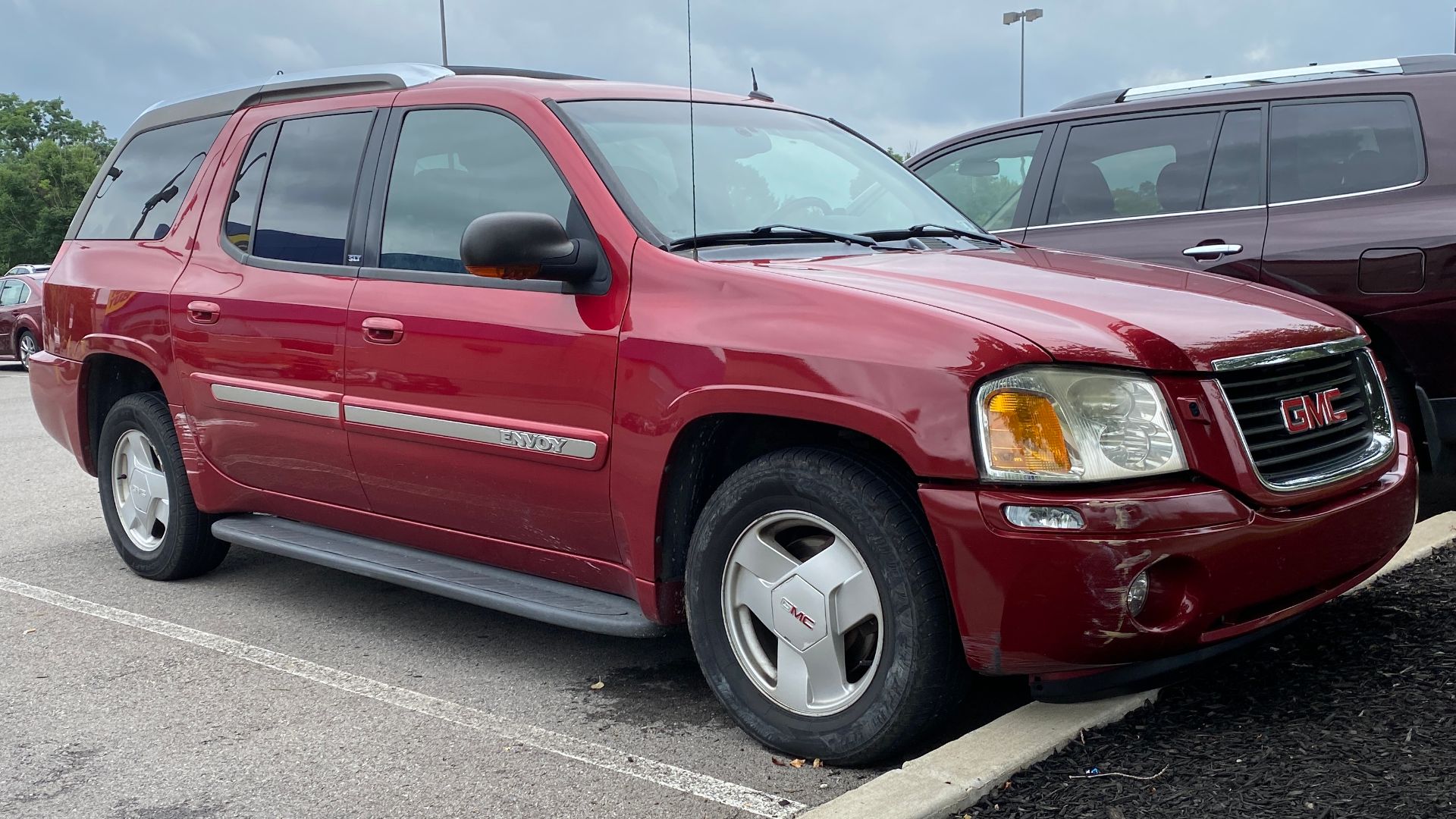
The GMC Envoy XUV was a daring attempt to bring innovation into the SUV segment in the early 2000s. Its unique feature was a sliding retractable roof, which provided an extremely flexible cargo area. But this came with added weight and mechanical complexity. This impacted costs and reliability in production.
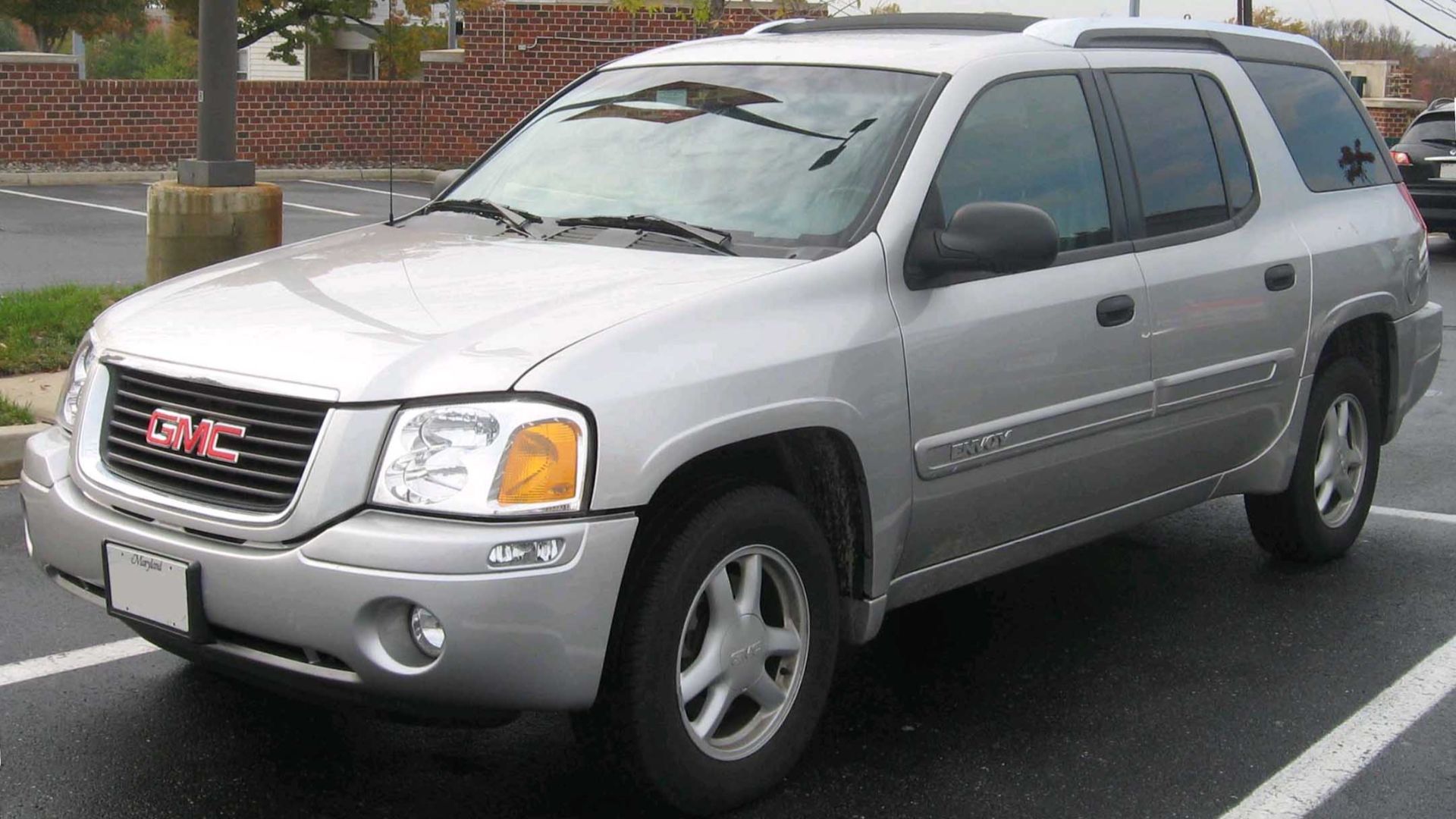
GMC Envoy XUV (Cont.)
Made for only two years, the Envoy XUV experienced weak sales. It sold only 12,000 vehicles in its initial year—far less than what GMC had anticipated. Its unique design and limited production make it a rare but unique find.
Chevrolet HHR
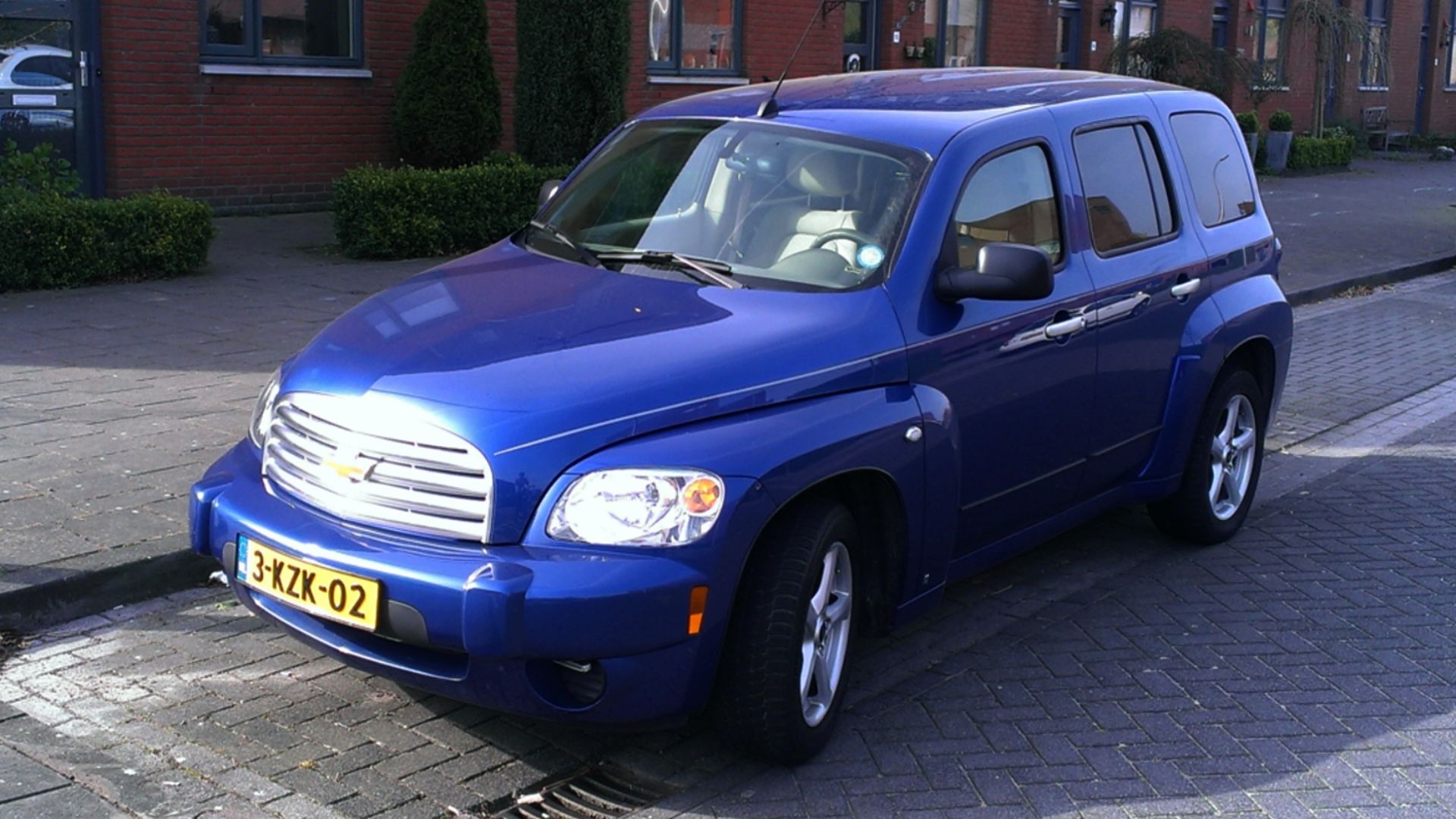
The Chevrolet HHR was GMC's answer to the retro design craze of the early 2000s. When it debuted in 2005 for the 2006 model year, it was often compared to the already popular PT Cruiser.
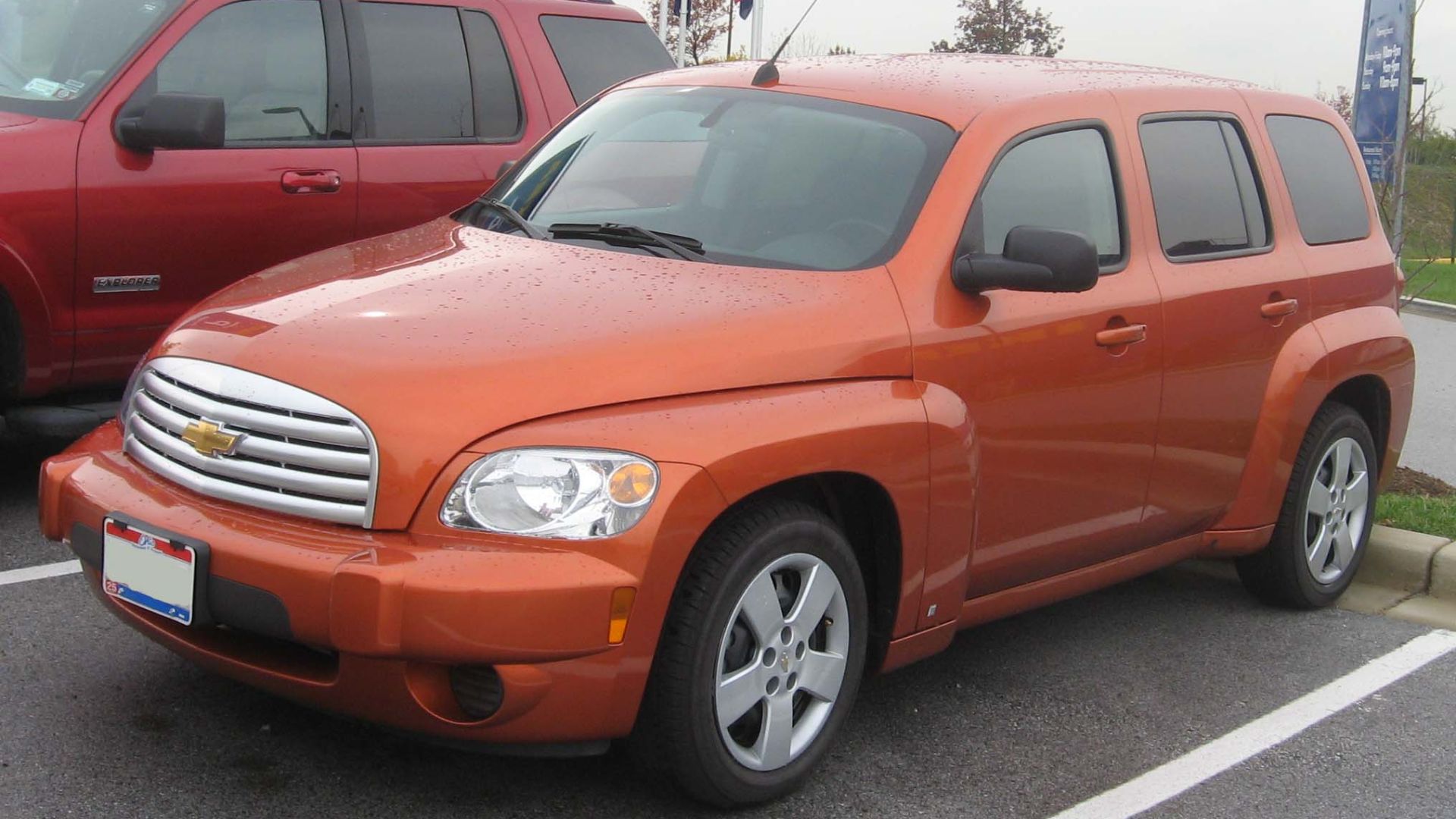
Chevrolet HHR (Cont.)
Designed by Bryan Nesbitt—the same mind behind the PT Cruiser—the HHR was inspired by the classic 1947 Chevy Suburban. The HHR was offered in multiple trims, including a performance-oriented SS version with a turbocharged 2.0L engine producing 260 horsepower.
Fourth Generation Chevy Caprice
Marked a bold departure from its predecessors, the fourth-generation Chevy Caprice abandoned the traditional boxy design for a more rounded, streamlined look. It was introduced in the 1991 model year and its styling was divisive. Some critics compared it to a "beached whale" or an "upside-down bathtub."
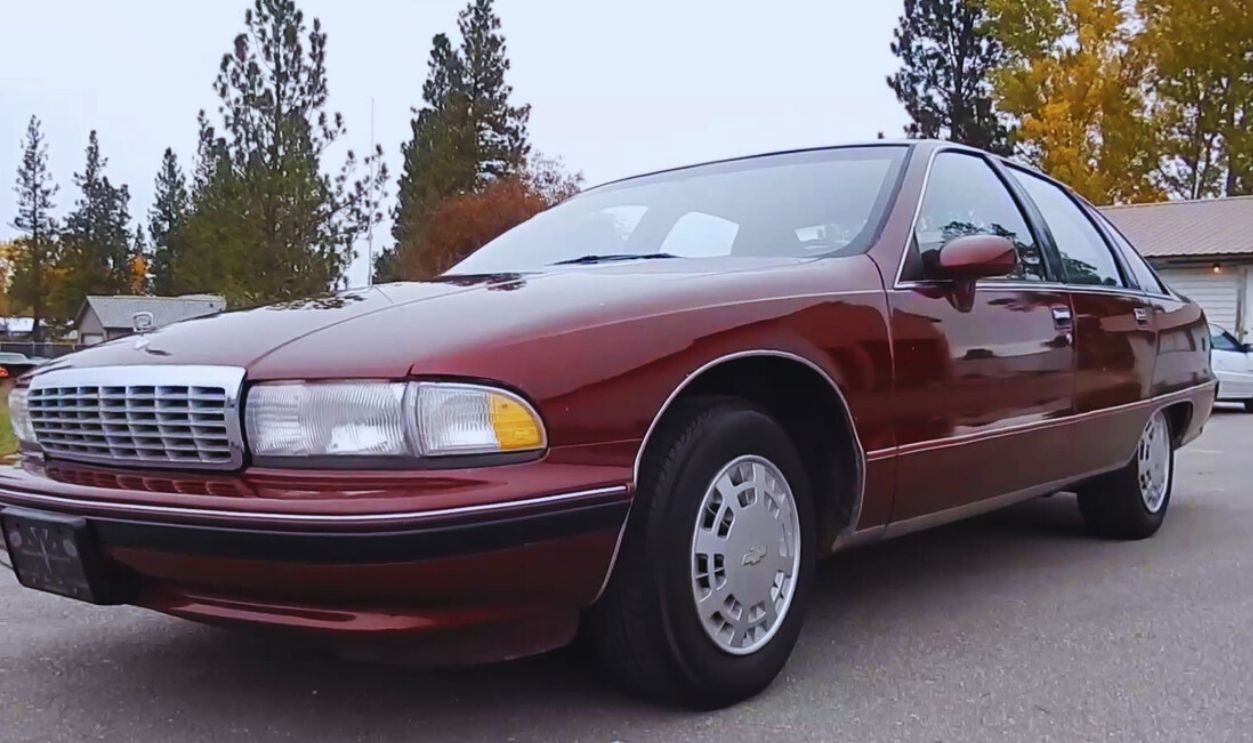 91 Chevrolet Caprice Sedan 4D V8 Exterior & Interior Review Video #1 by Cereal Marshmallows
Fourth Generation Chevy Caprice (Cont.)
Despite initial strong sales, exceeding 100,000 units annually from 1991 to 1993, consumer demand declined sharply after 1994. Fleet buyers, police, and taxis made up a growing share of sales. By 1996, production had fallen to around 27,000 units. This led GMC to discontinue the model.
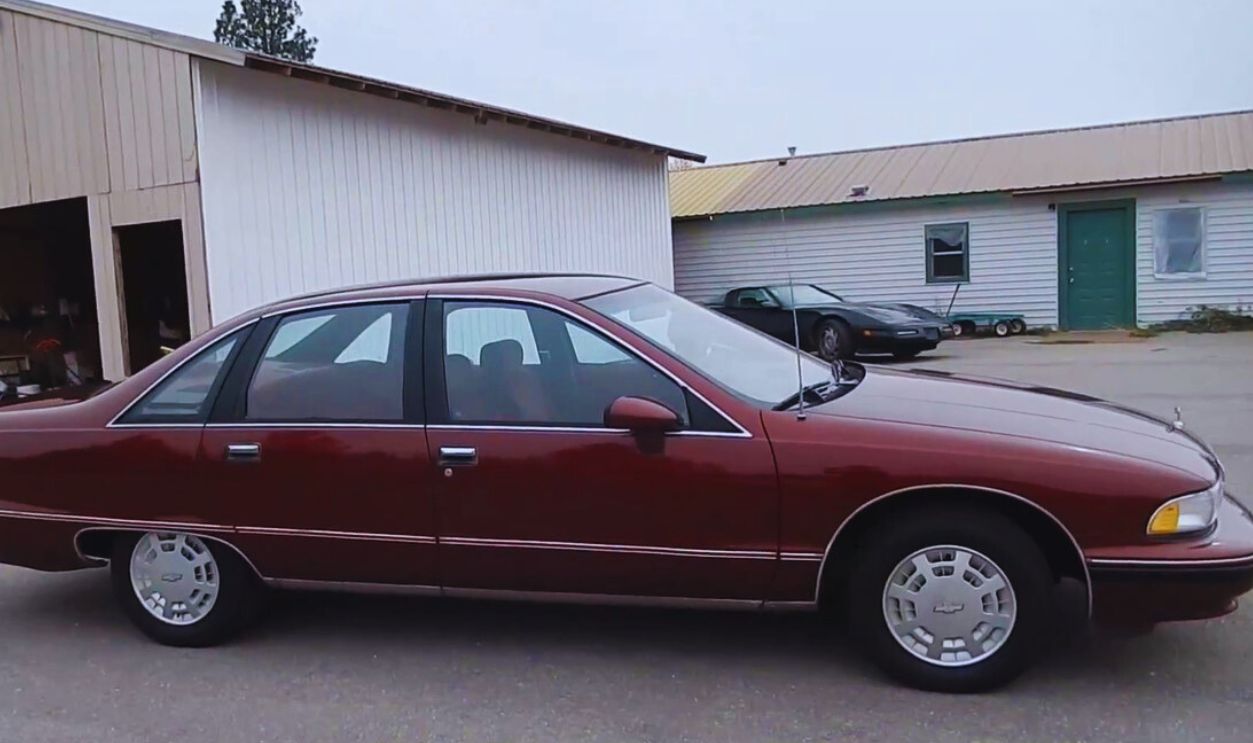 91 Chevrolet Caprice Sedan 4D V8 Exterior & Interior Review Video #1 by Cereal Marshmallows
Chevrolet SSR
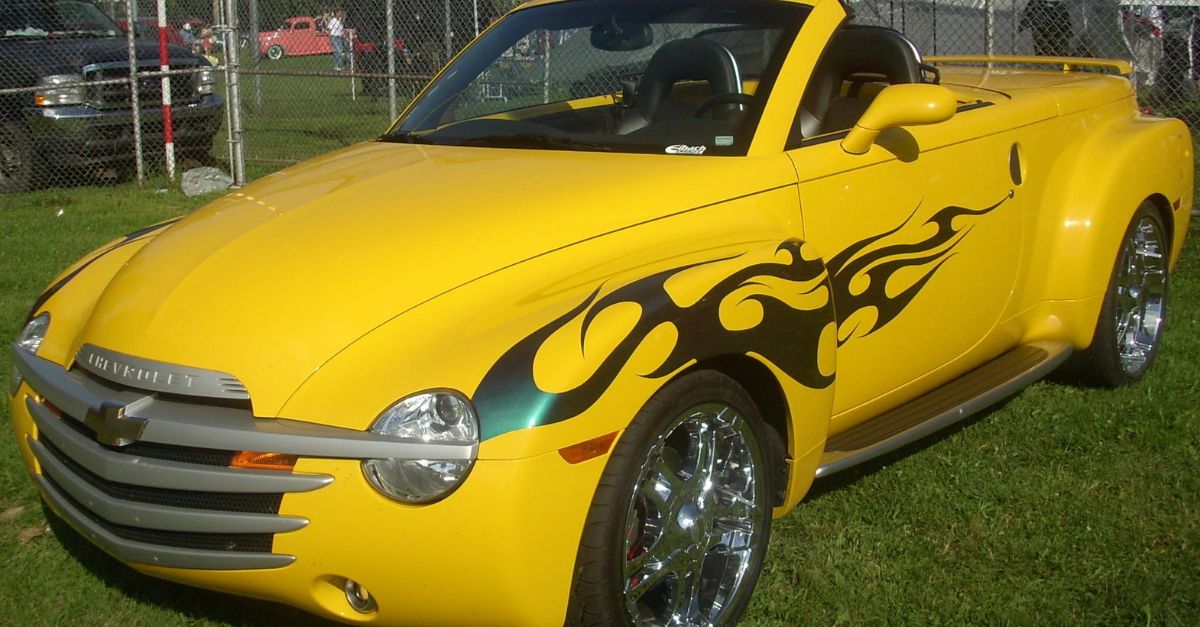
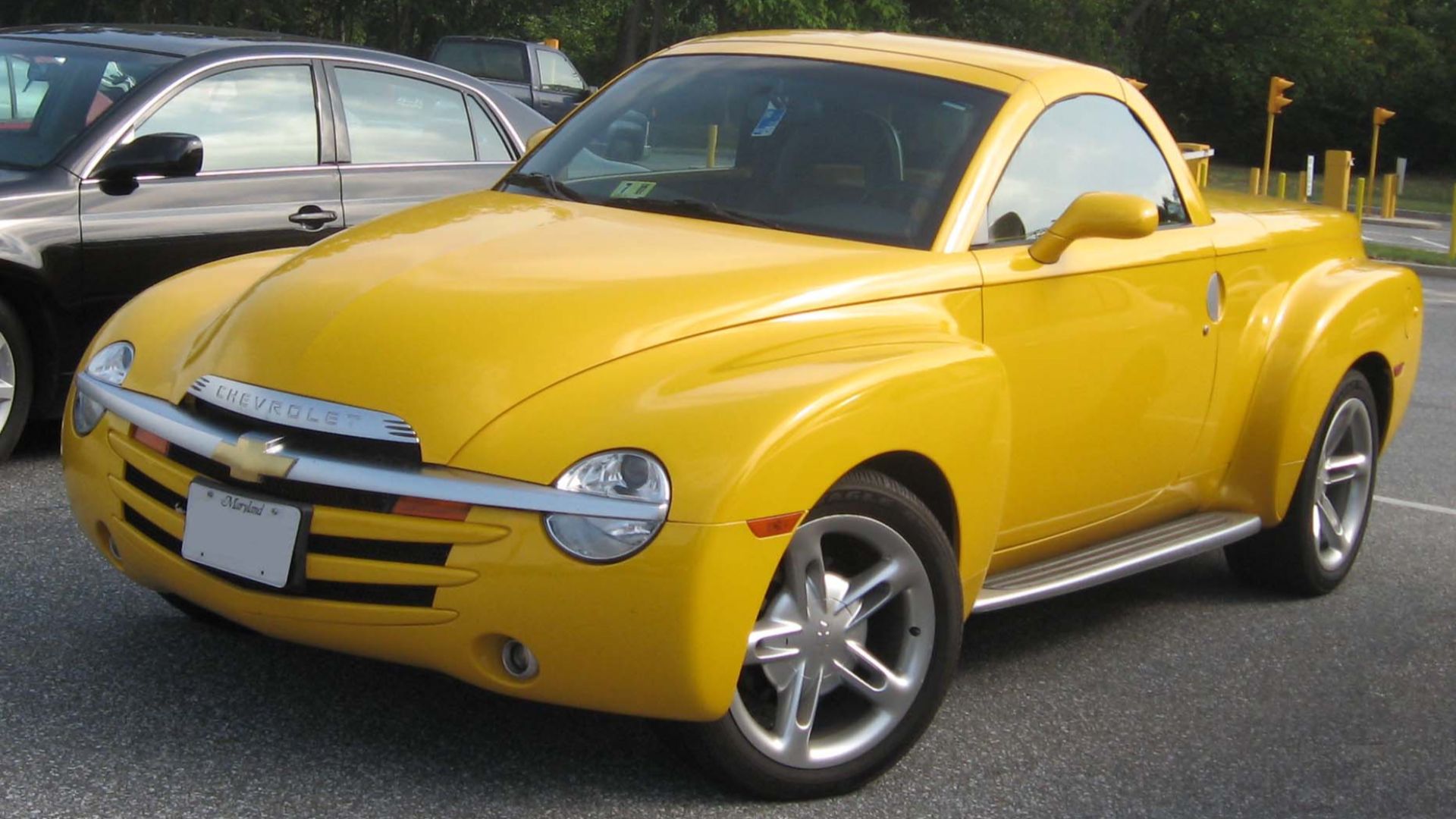
The Chevrolet SSR was GMC’s modern reinterpretation of the late-1940s and early-1950s Chevrolet pickup truck. It featured retro styling and a power retractable convertible top. Released in 2003, it blended elements of a truck and a sports car, though its limited cargo space and unusual identity led to mixed reception.
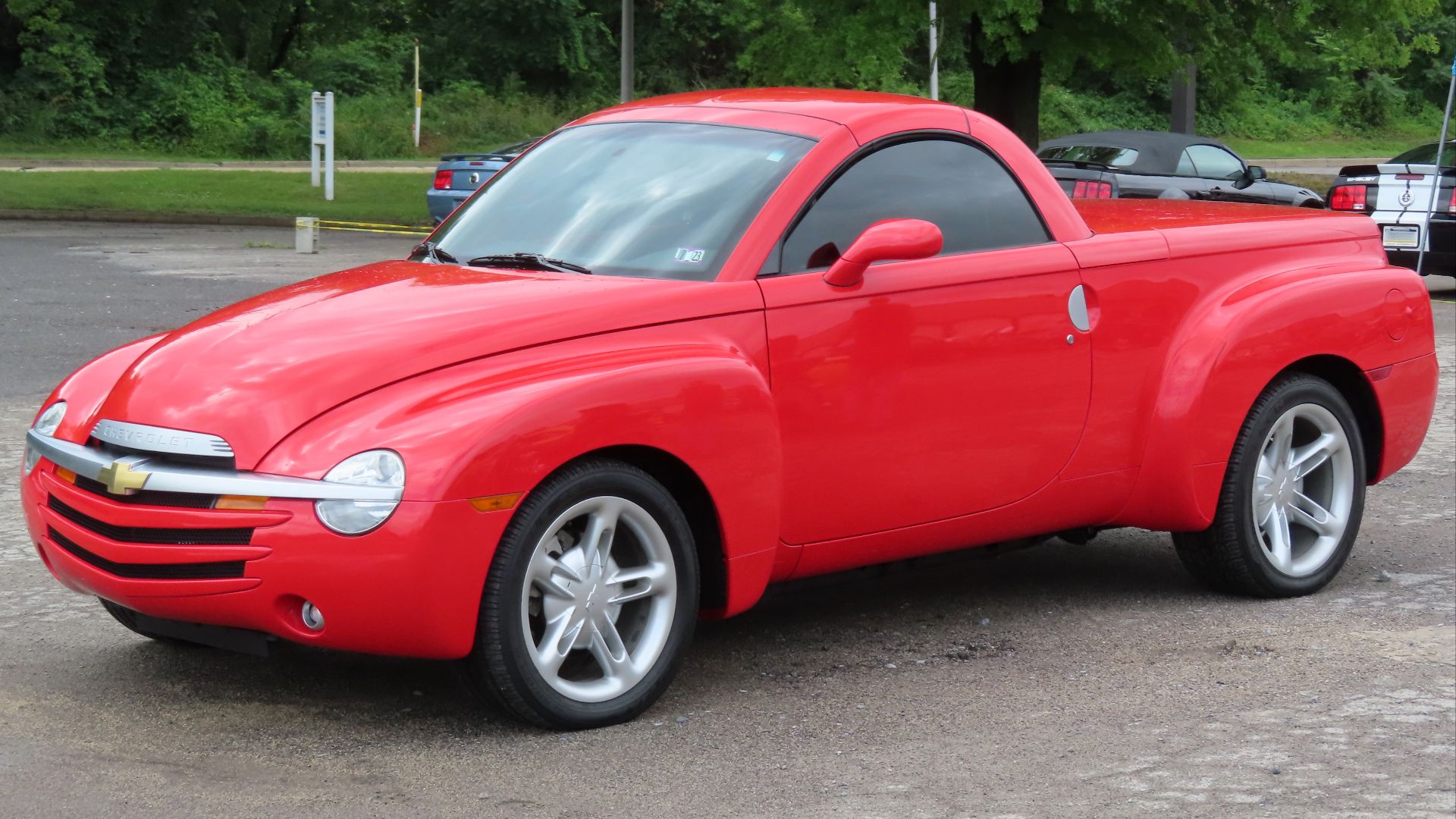 MercurySable99, Wikimedia Commons
Chevrolet SSR (Cont.)
Early on, the SSR's 5.3L V8 (300 hp) struggled with its hefty 4,700-lb curb weight. In 2005, though, Chevrolet switched to a 6.0L LS2 V8 motor that produced 390 hp to replace the SSR. Production halted in 2006 anyway.
Pontiac Aztek
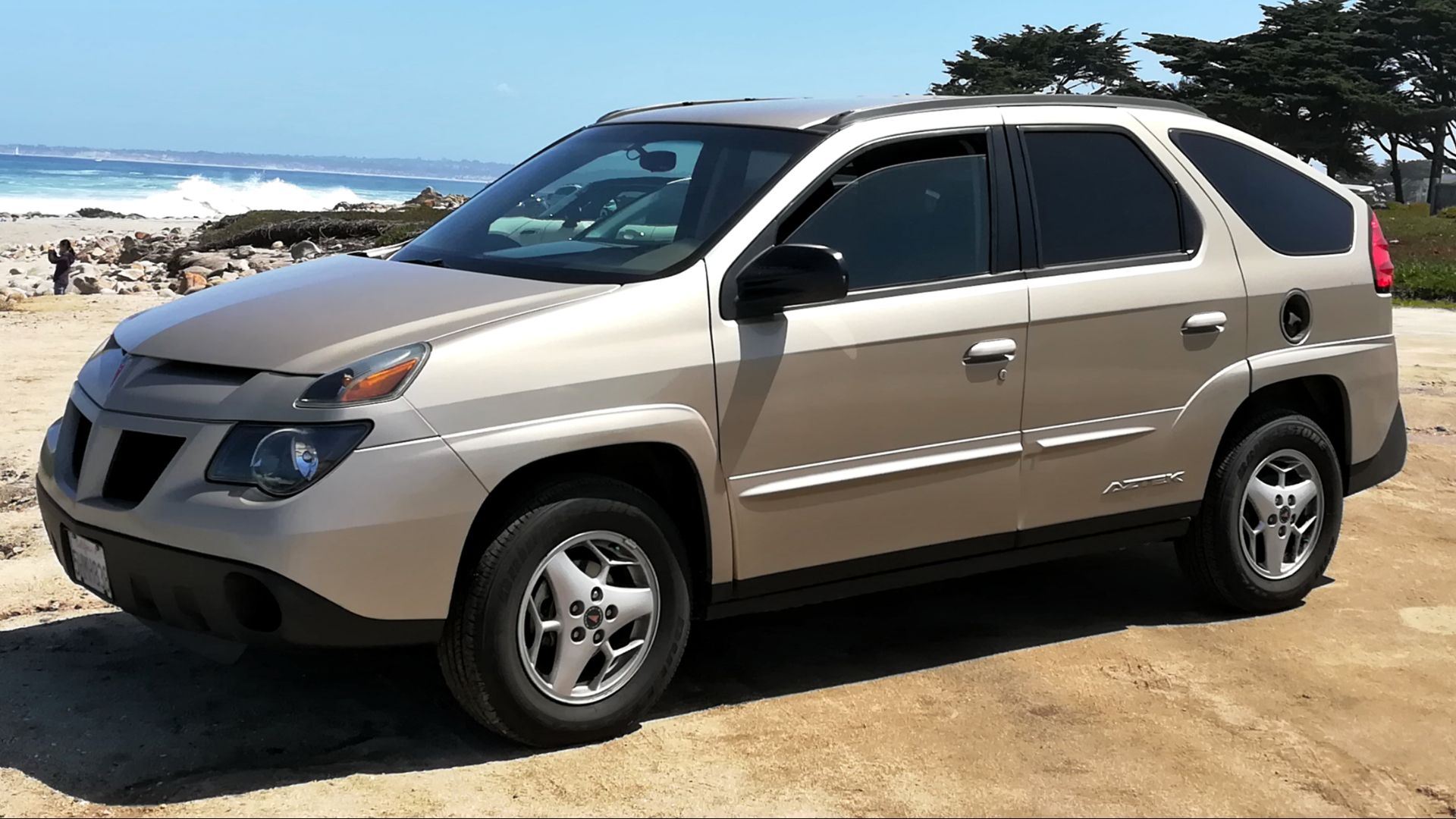
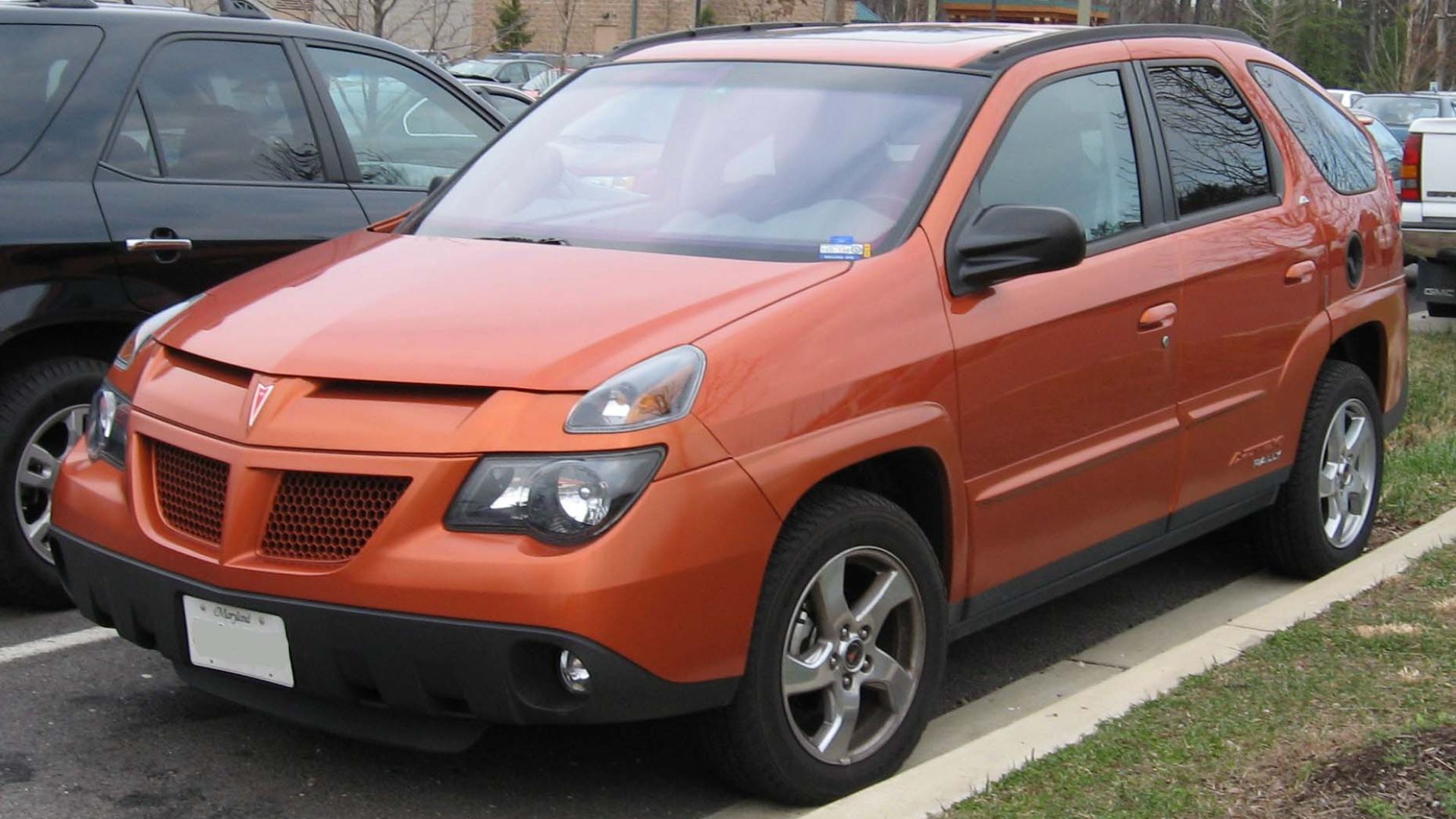
No list of unusual cars would be complete without the Pontiac Aztek. Introduced for the 2001 model year, it became infamous for its unconventional and widely criticized design. However, beneath its polarizing looks, the Aztek offered practical features. This included a built-in cooler and an optional tent attachment.
 Alexander Migl, Wikimedia Commons
Pontiac Aztek (Cont.)
Although sales were disappointing, the Aztek has since developed a cult following, partially thanks to its role in Breaking Bad. While still considered one of GMC’s most controversial designs, its distinctiveness has earned it a place among automotive oddities. This shows that design appreciation is truly subjective.
General Motors EV1
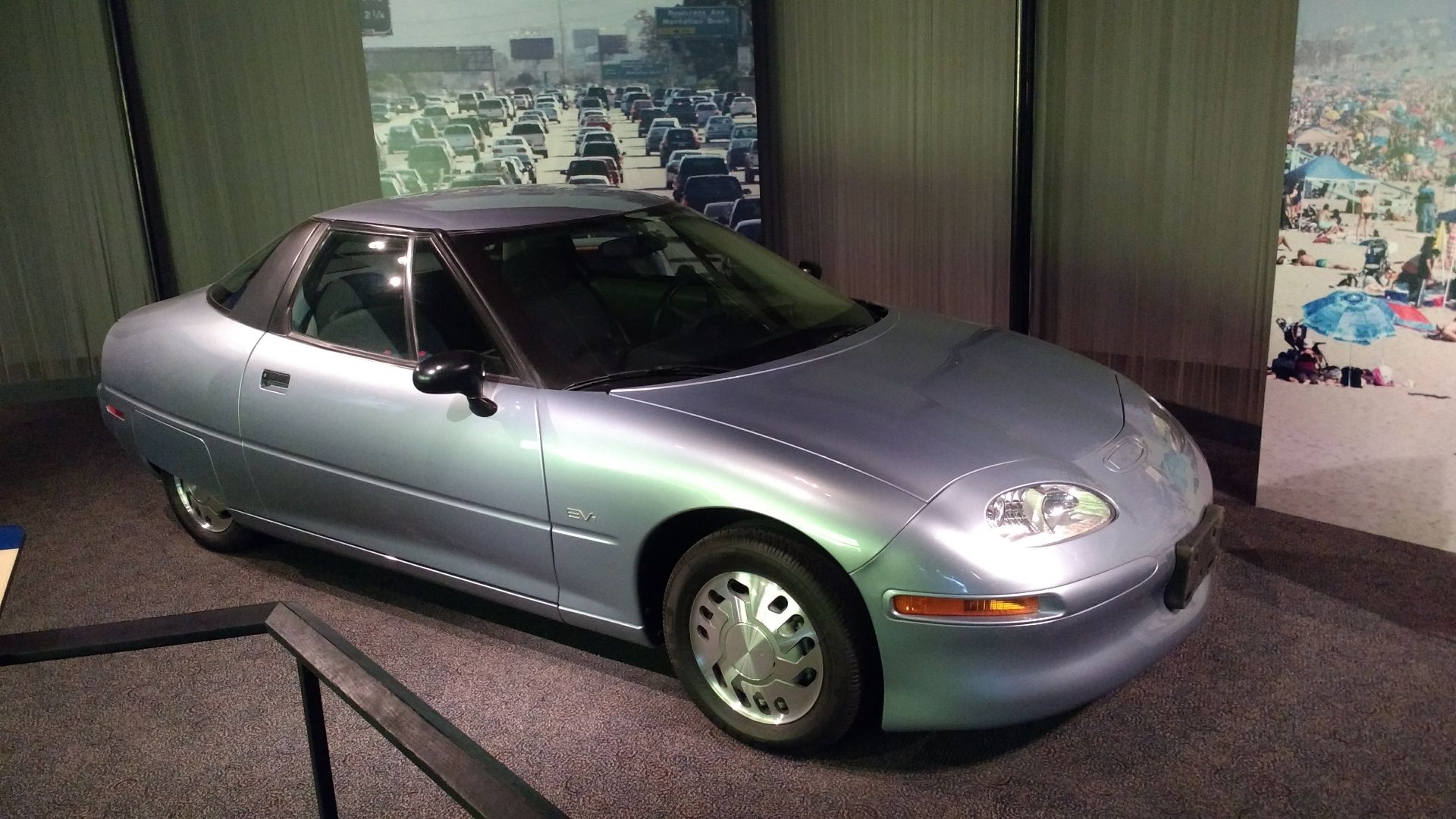
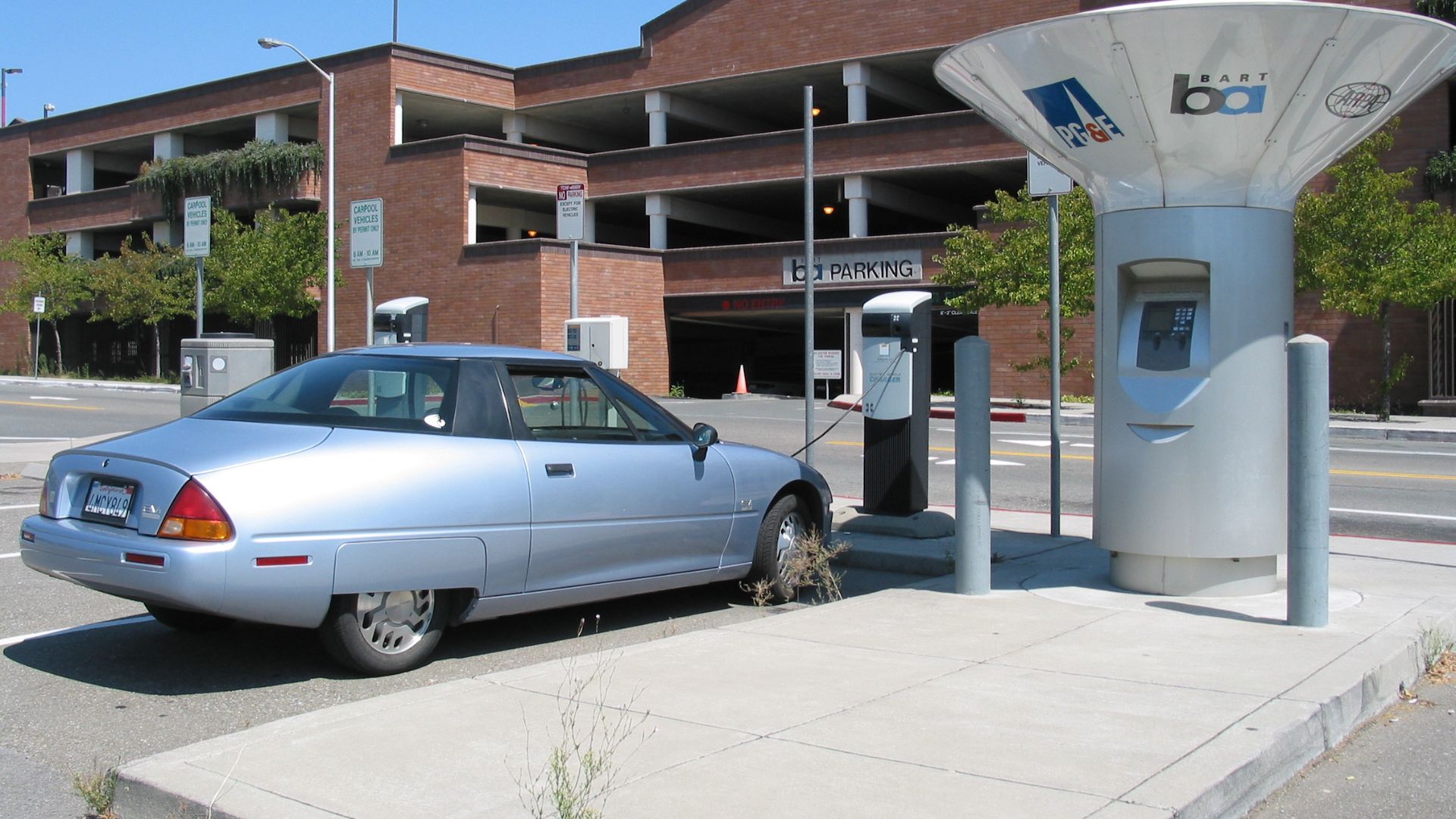
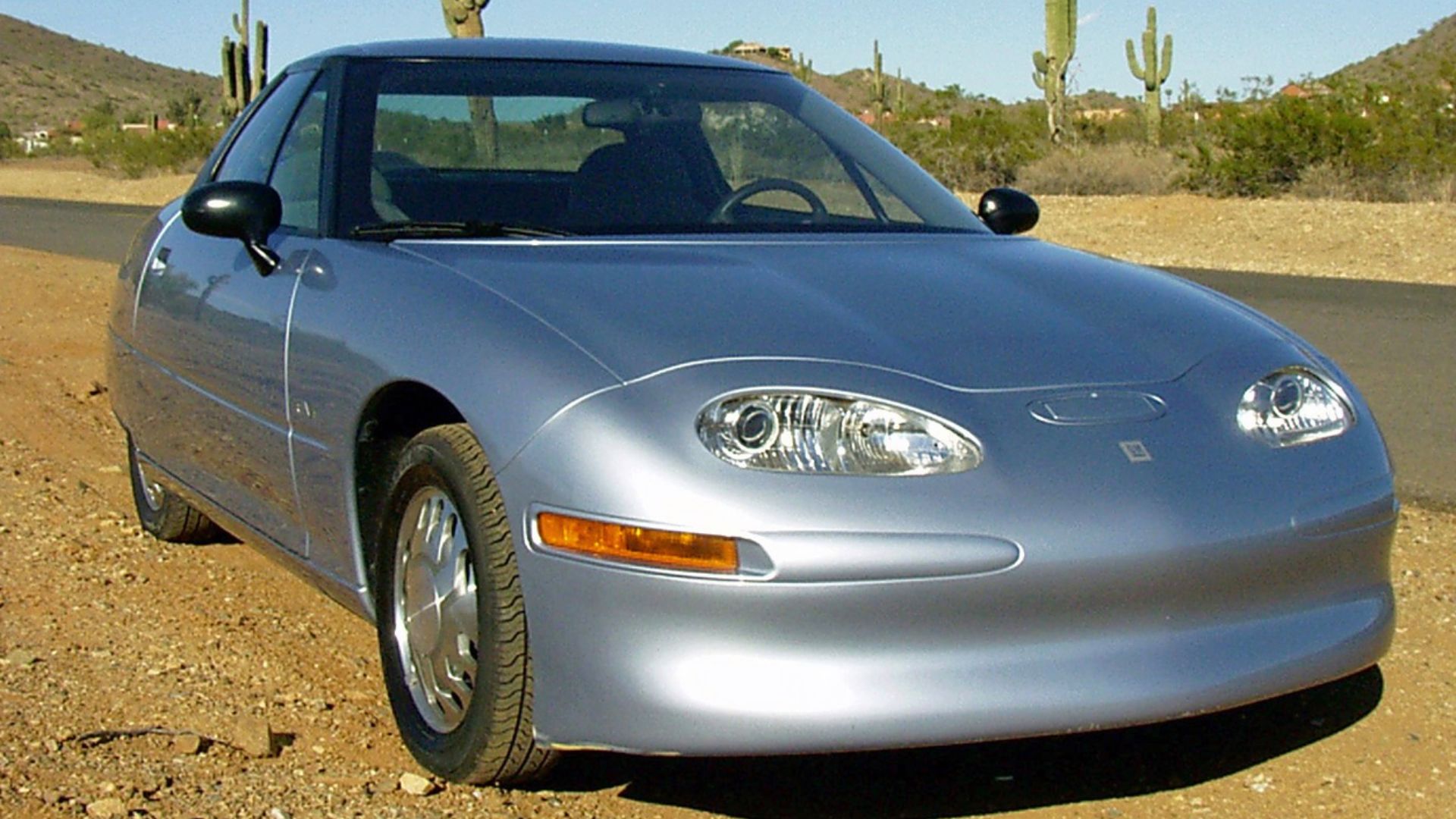
The General Motors EV1 is widely regarded as a trailblazer in electric vehicle history. Introduced in 1996, it was the first mass-produced electric car from a major automaker. However, it was only available for lease in select markets like California and Arizona.
 Ranged Ranger, Wikimedia Commons
General Motors EV1 (Cont.)
Based on GMC’s Impact concept, the EV1 featured advanced technology for its time. It had an ultra-aerodynamic design (drag coefficient of 0.19) and an electric range of 60 to 160 miles, depending on battery type.
General Motors EV1 (Cont.)
In spite of all its innovations, GMC never marketed the EV1 for sale and instead used a strict leasing strategy. Manufacturing ceased in 1999, and in 2003, most were recalled and destroyed by GMC. This infuriated environmentalists as well as automotive enthusiasts.
Dustbuster Vans
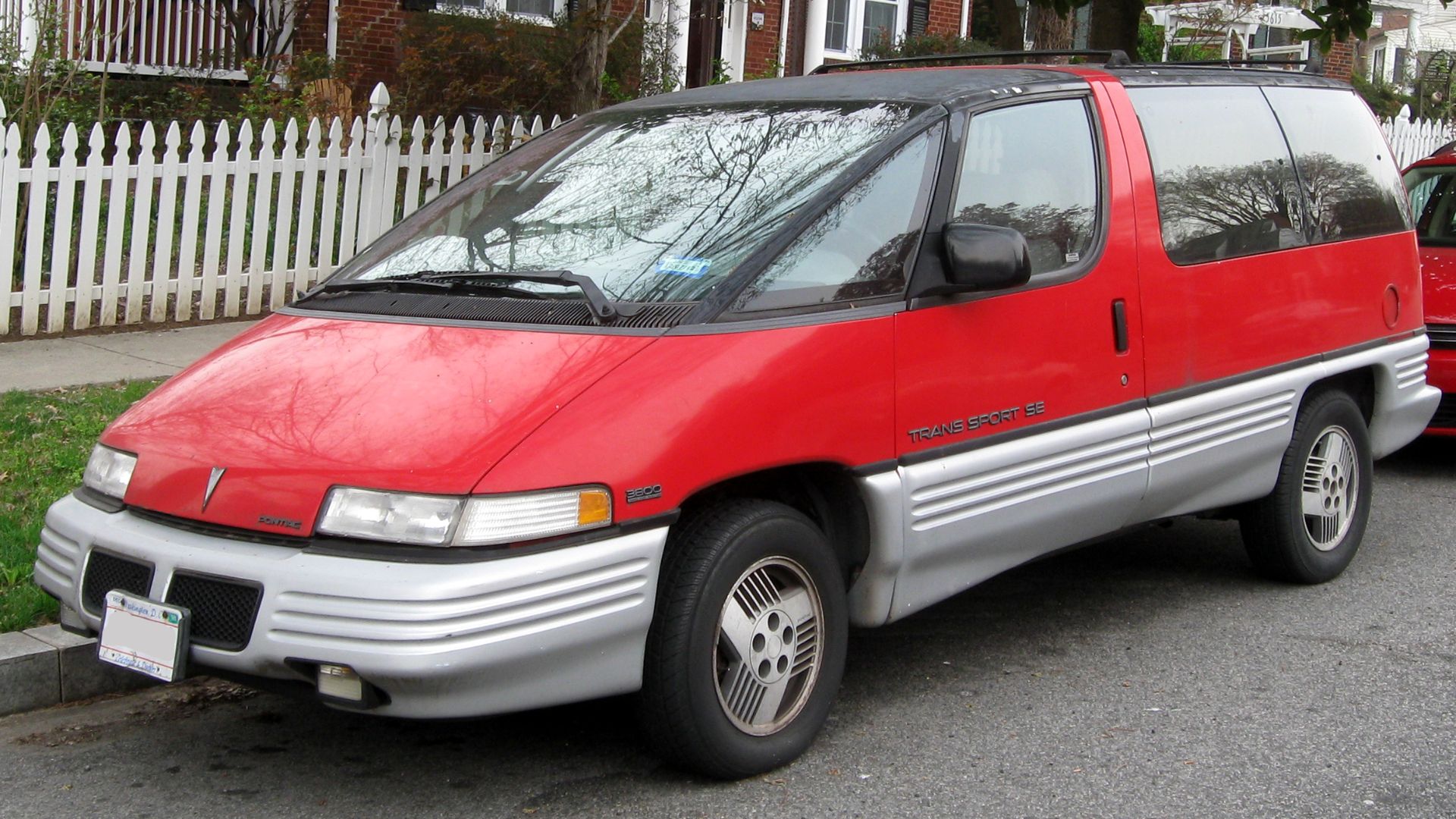
The Dustbuster Vans were GMC’s bold entry into the competitive minivan market of the early 1990s. With a futuristic design and plastic body panels, they stood out from the competition. However, their unconventional styling and practicality concerns resulted in mixed consumer reactions.

Dustbuster Vans (Cont.)
Though they fared poorly financially, the Dustbuster Vans are now a retro memory from their time. Their unique appearance and technological advancements—such as ample space and sliding doors—keep them a lasting memory in GMC's history of autos.
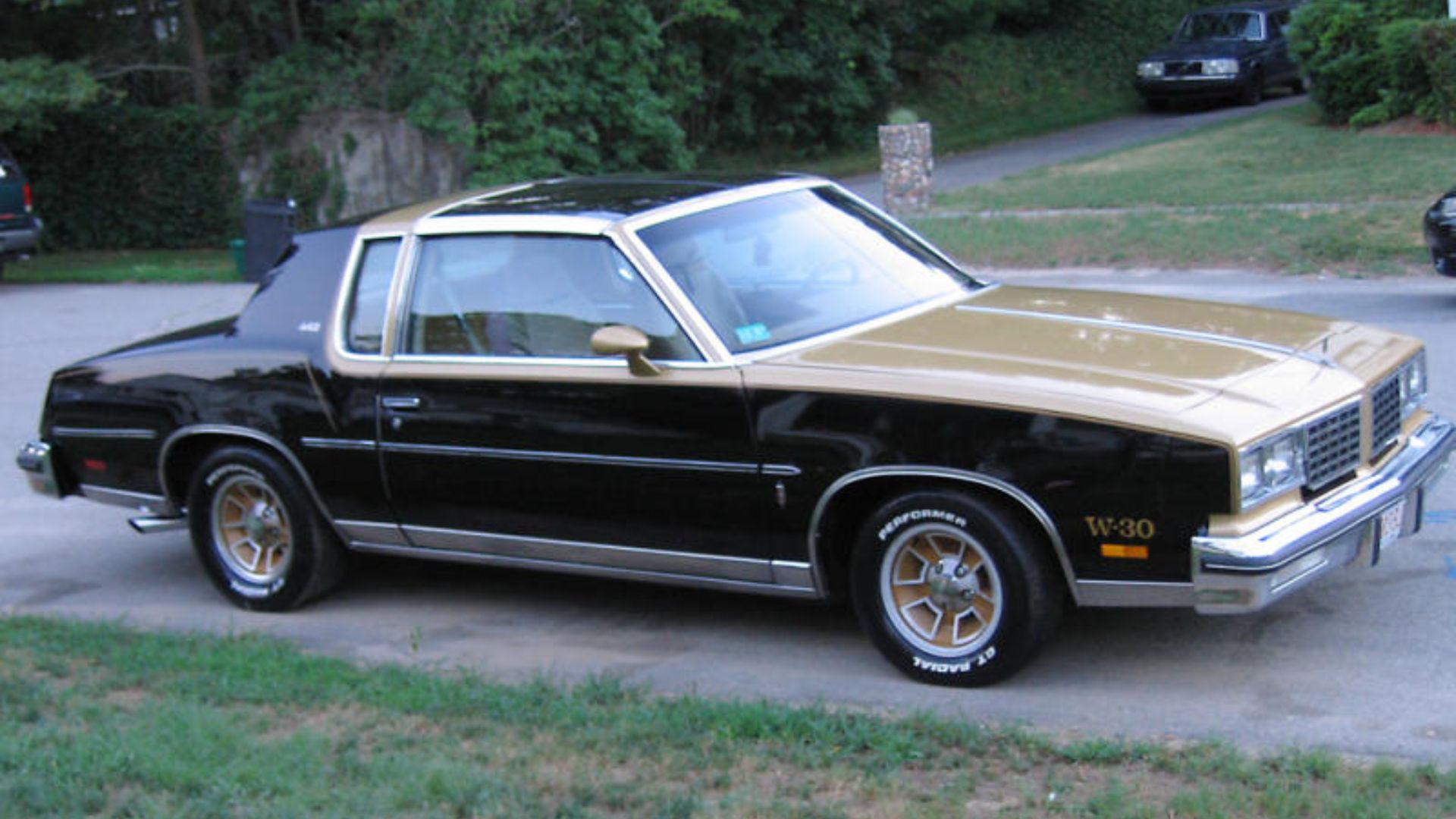
Oldsmobile 442
Although it had some minor performance enhancements, the Oldsmobile 442 did not have the brute power of its muscle car ancestors. Nevertheless, it was the best of Oldsmobile's performance offerings. In 1978, the 442 was available on the Cutlass platform, including the infamous slant-back Cutlass Salon.
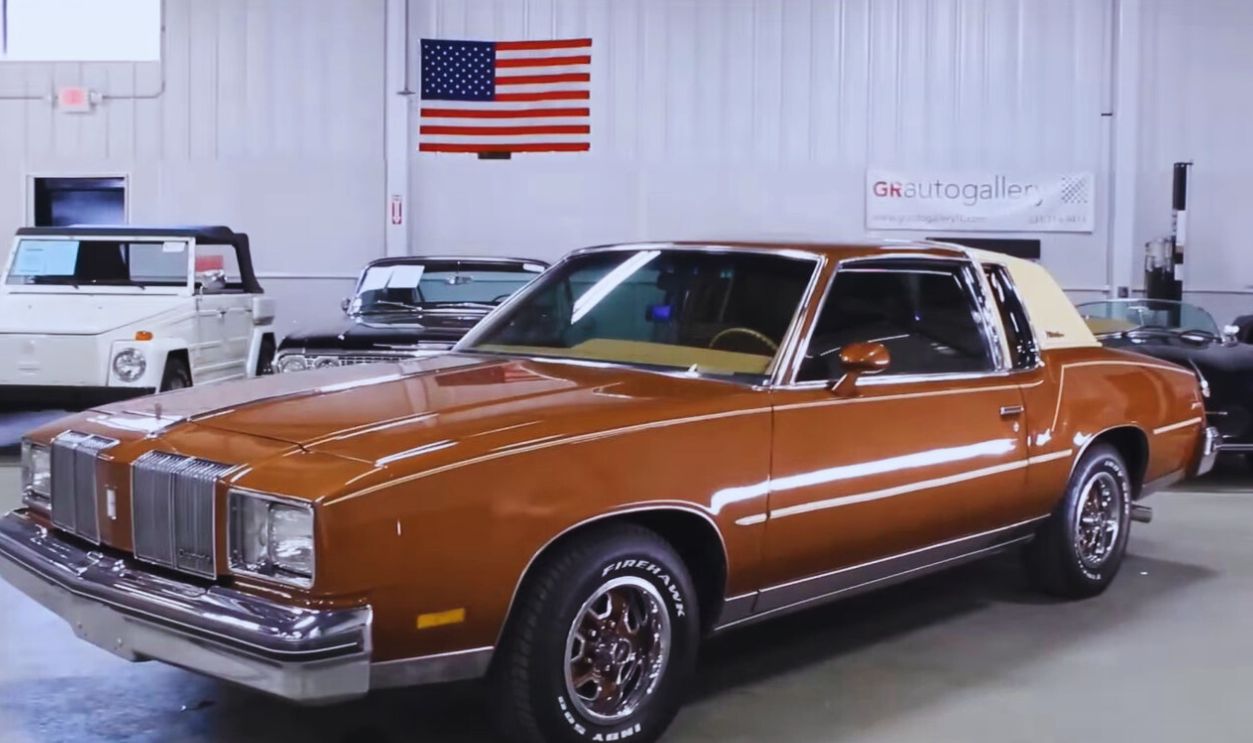 1978 Oldsmobile Cutlass by GR Auto Gallery
Oldsmobile 442 (Cont.)
The 1978 model became emblematic of the Malaise Era, a time when automakers were forced to prioritize emissions compliance over performance. Though it was no longer a true muscle car, it remains an odd footnote in GMC’s history that reflects the challenges of that era.
 HotRod Polk, Wikimedia Commons