
Power You Had To Experience
Some cars didn’t need hype because reality did the talking. Once keys turned and tires spun, expectations shifted as the drivers realized the paperwork barely hinted at what these machines could really do then.
 Greg Gjerdingen, CC BY 2.0, Wikimedia Commons, Modified
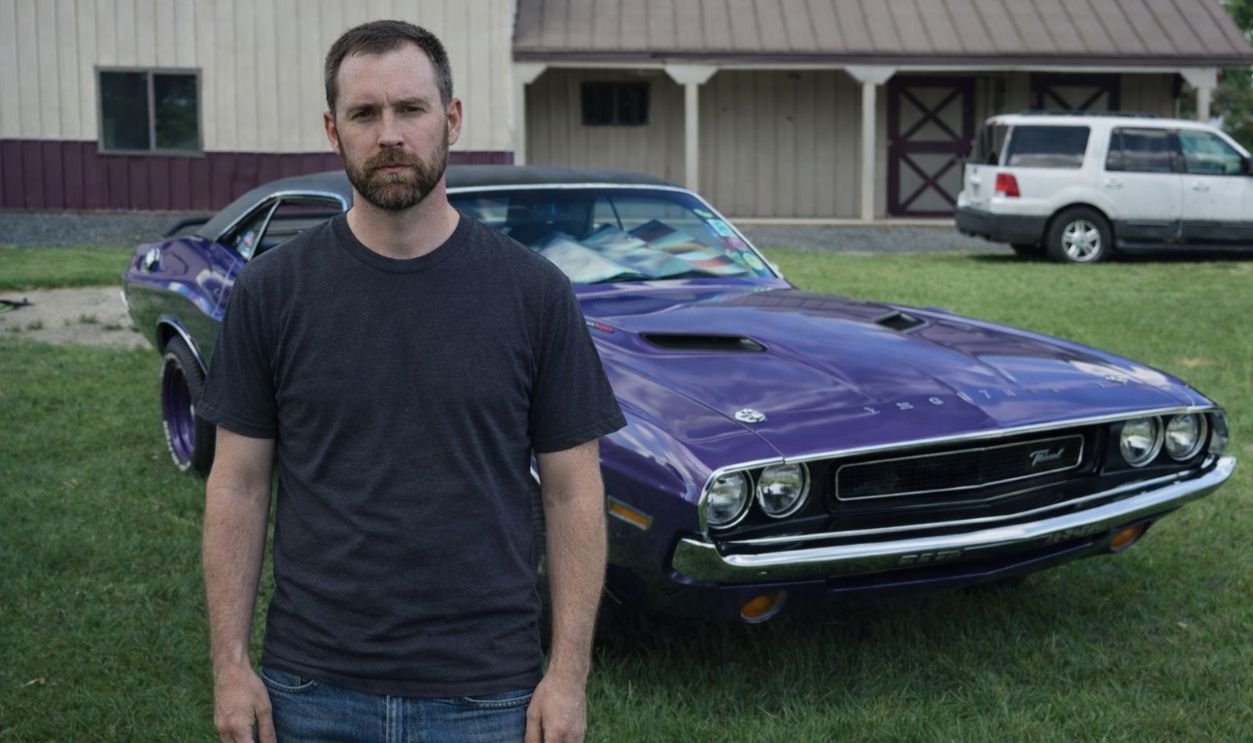
1970 Chevrolet Chevelle SS 454 LS6 (450 HP)
What made the LS6 special was how it was built, not how it was marketed. High compression and a solid-lifter cam let it breathe freely, while GM’s cautious rating hid the truth—dyno math and strip results revealed output around 480–500 HP at the crank.
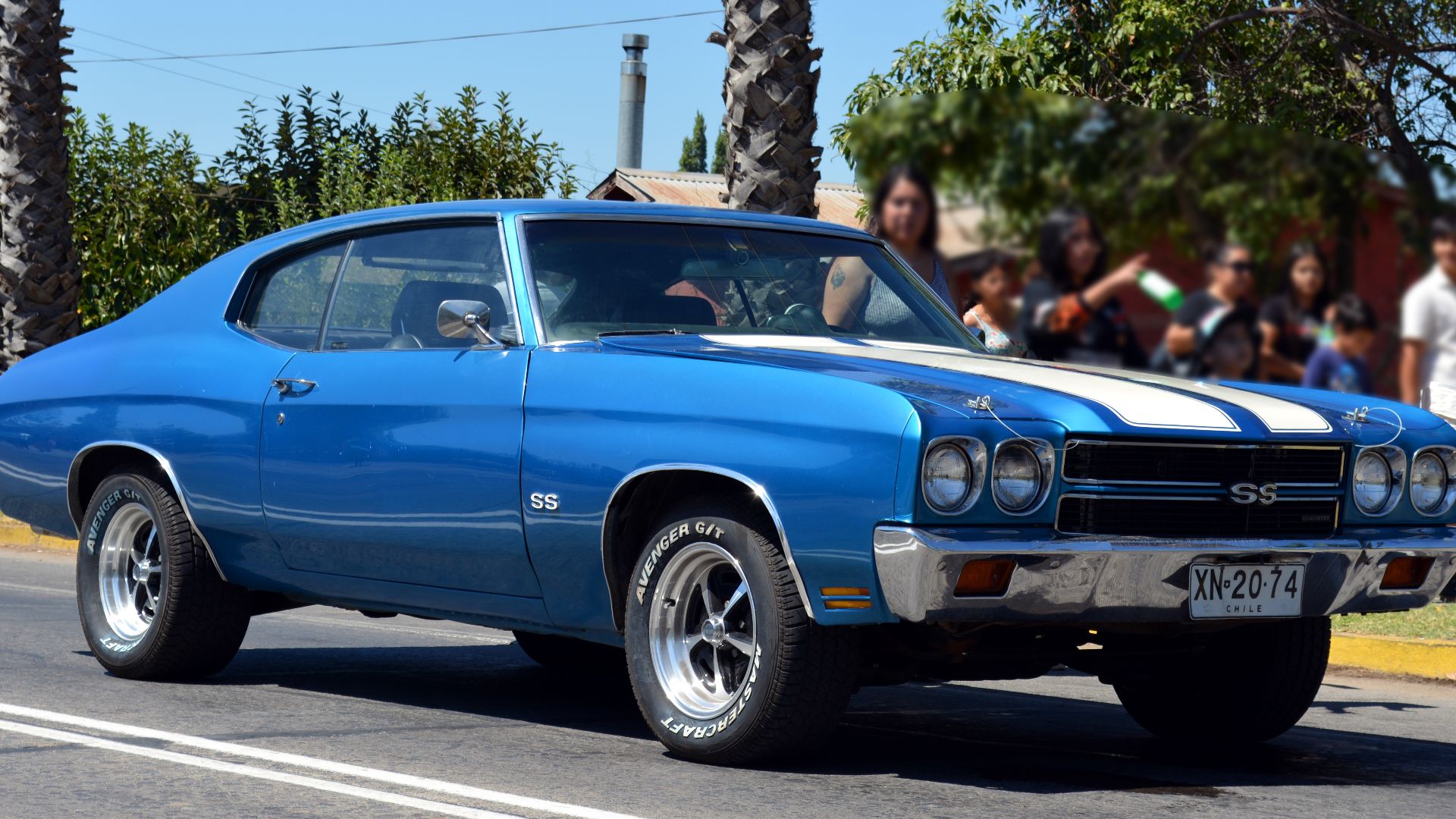
1969 Ford Mustang Boss 429 (375 HP)
Built to satisfy NASCAR rules, the Boss 429 arrived with massive heads and high-flow ports that hinted at far more potential than its paperwork suggested. Once tested outside factory constraints, output landed around 500–540 HP, which validated why Ford chose a conservative public rating.
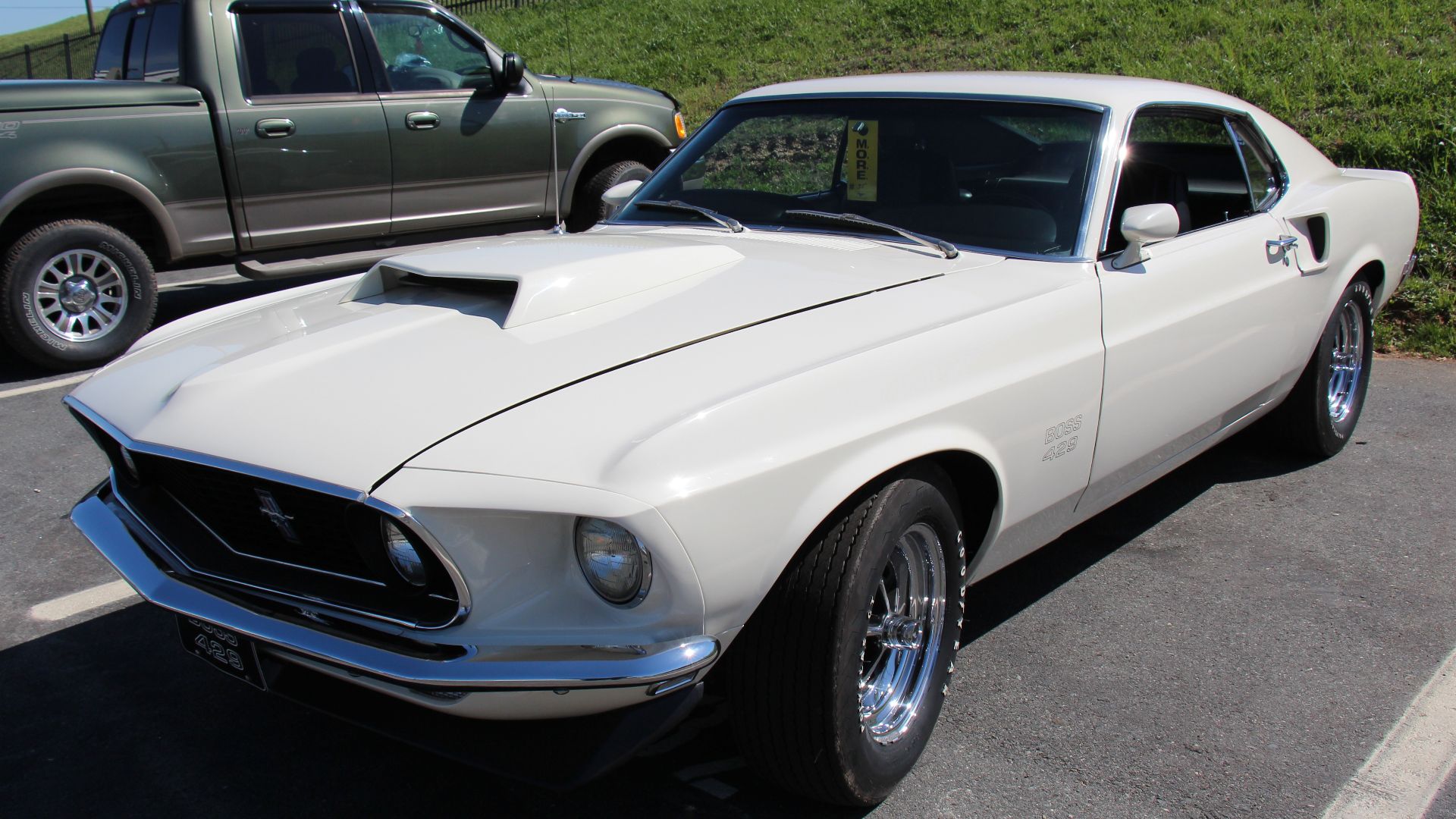
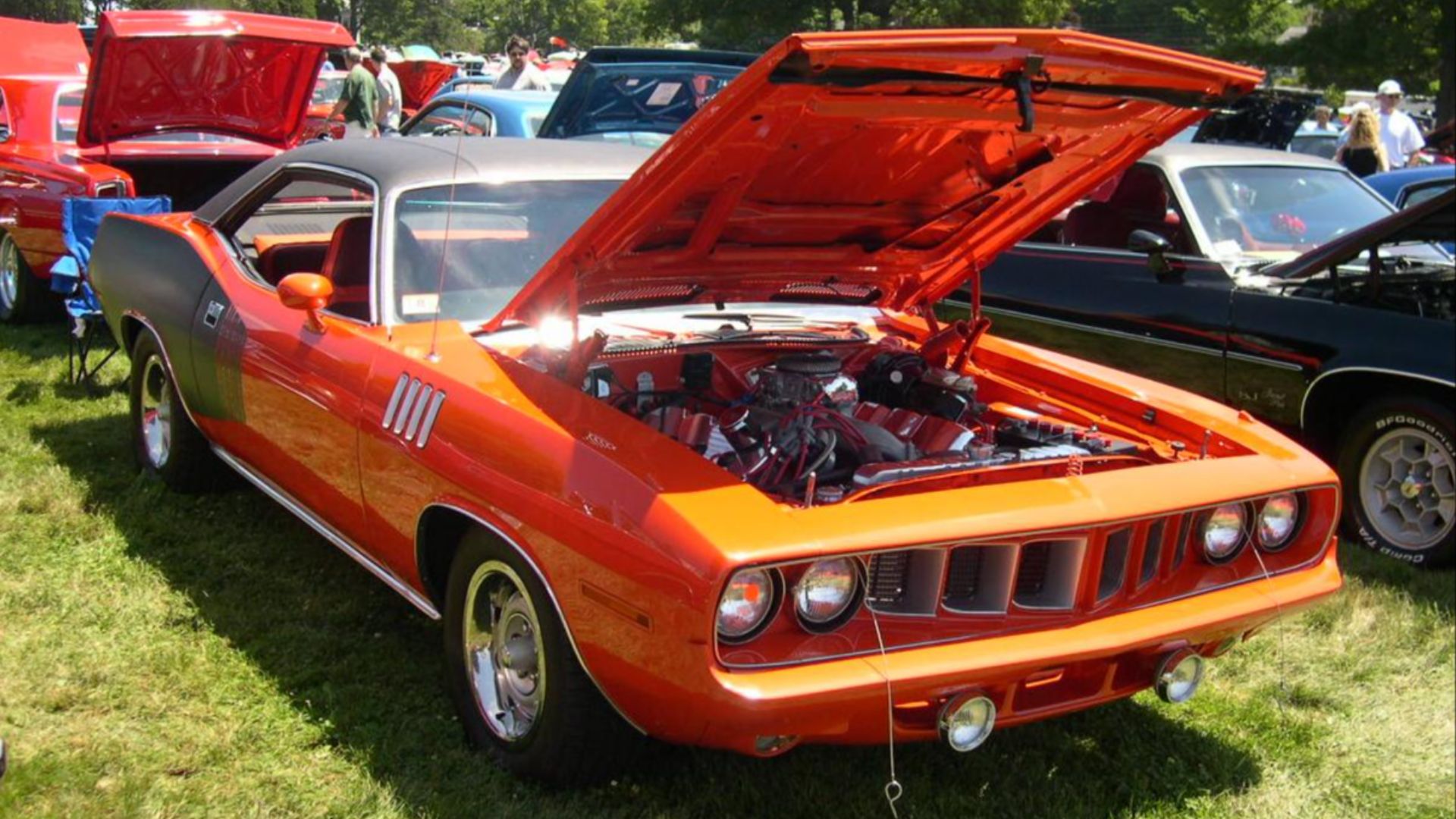
1971 Plymouth Hemi ’Cuda (425 HP)
The Hemi was built with racing in mind. This is why it was engineered with hemispherical combustion chambers and dual four-barrel carburetors. Real-world tests consistently pointed to 460–485 HP. It proved that the ambitious engine did the job better than expected.
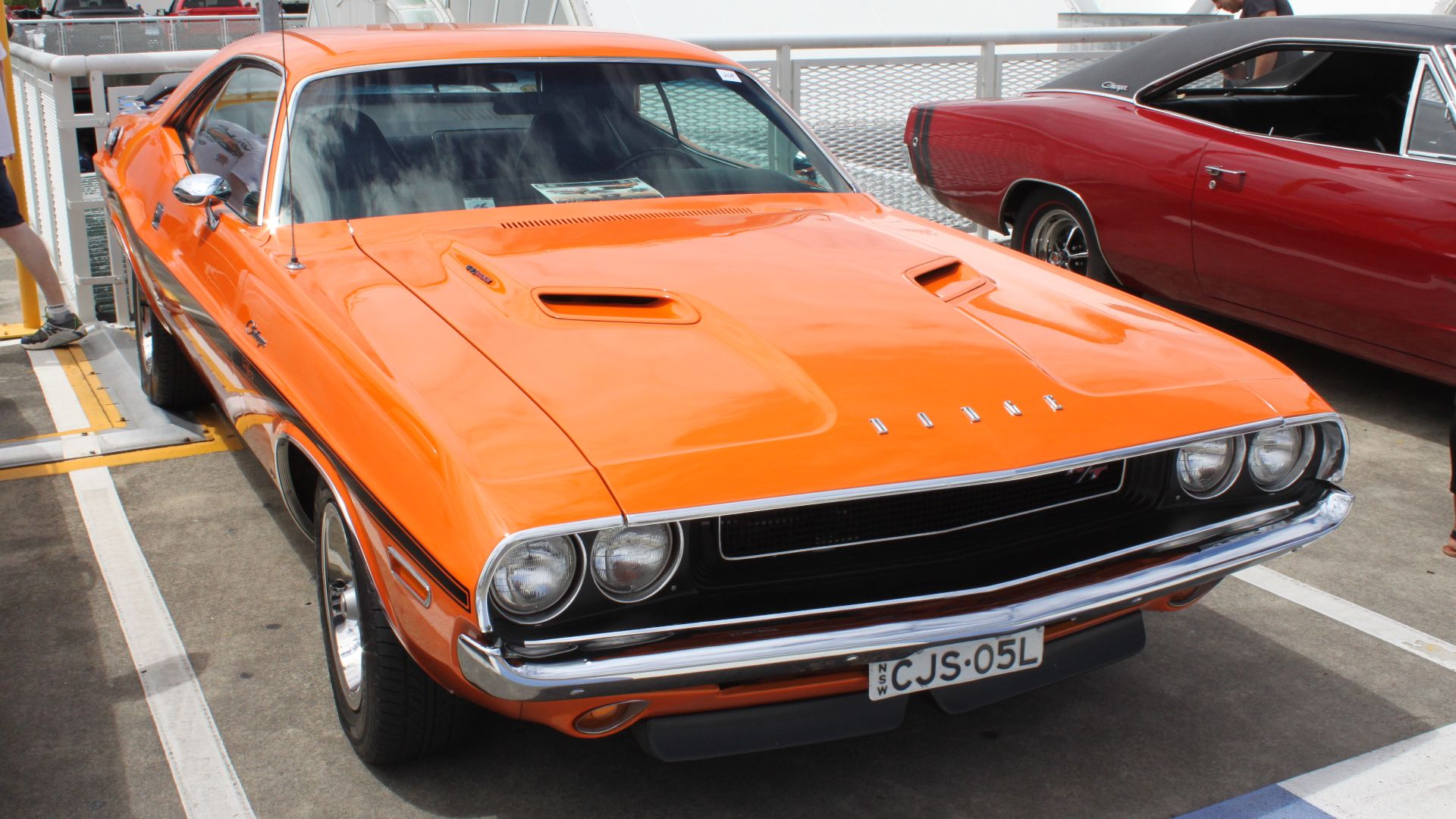
1970 Dodge Challenger R/T (425 HP)
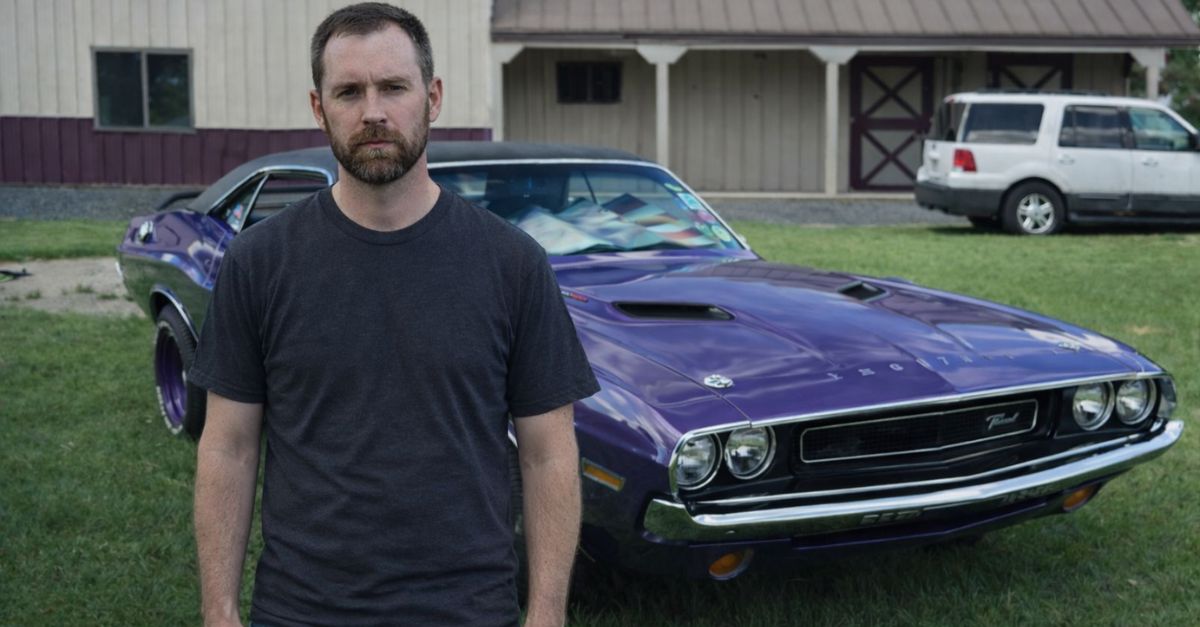
On paper, the Challenger R/T looked like pure showroom muscle, but magazine testers quickly noticed it running ahead of its claims. Heavy-duty internals tolerated aggressive tuning, and owner dyno sessions later revealed real-world output climbing into the 470–490 HP range at the crank.
 Jeremy from Sydney, Australia, Wikimedia Commons
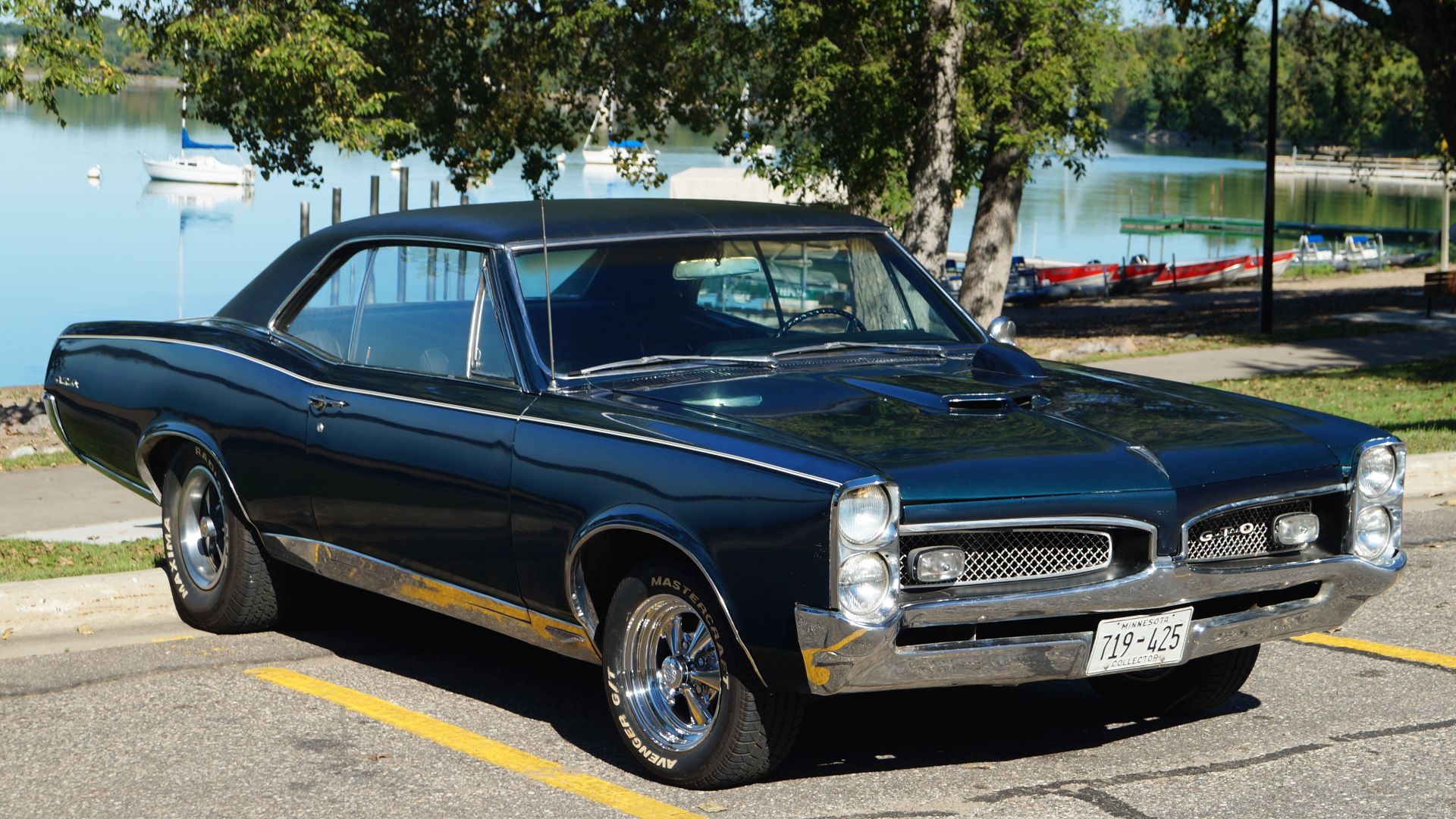
1967 Pontiac GTO (335–360 HP)
With corrected dyno figures later revealing 370–450 HP, Pontiac GTOs proved far stronger than originally advertised. Optional Ram Air hardware improved airflow and combustion to give these models a real-world performance edge.
 Greg Gjerdingen from Willmar, USA, Wikimedia Commons
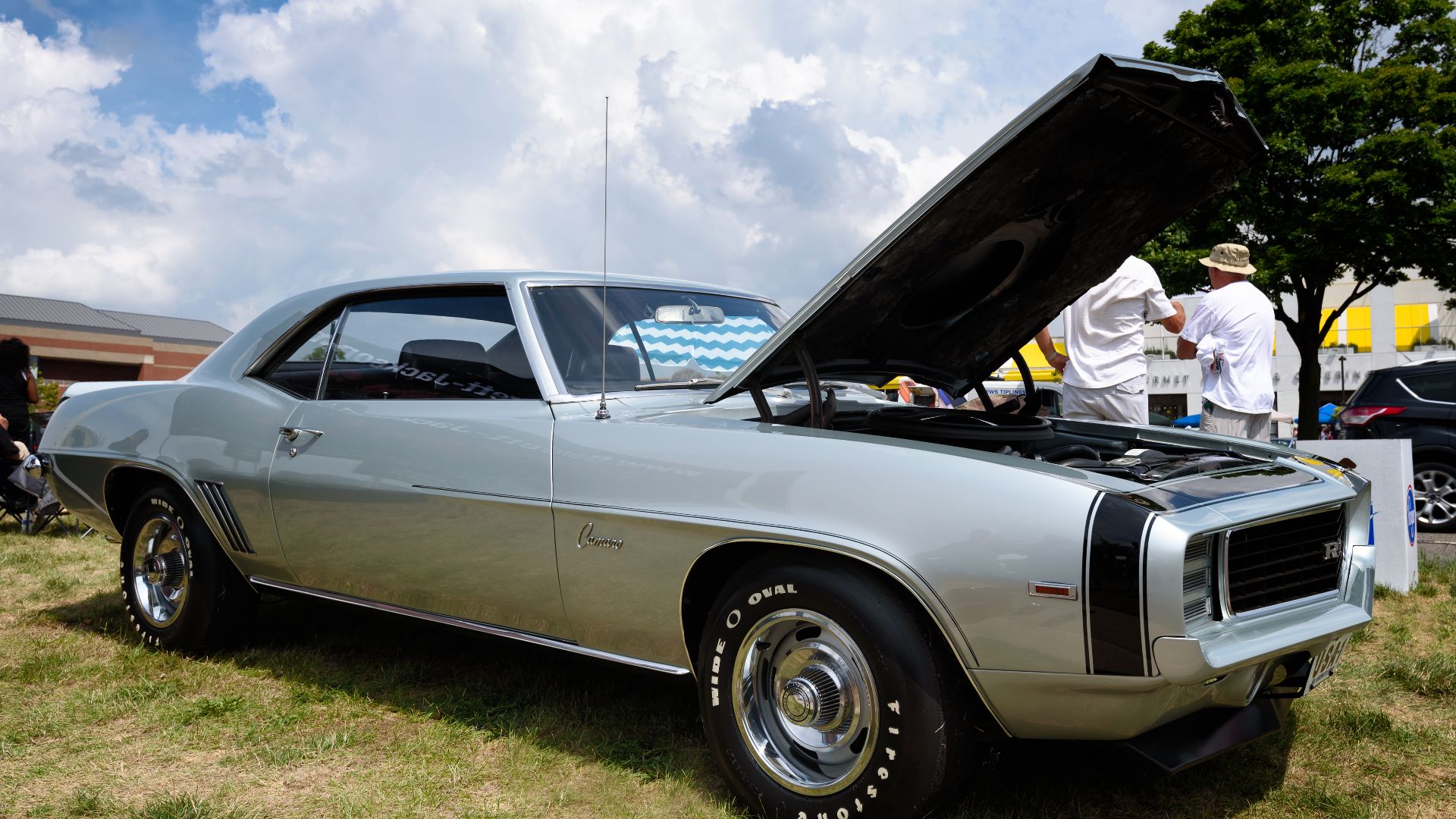
1969 Chevrolet Camaro ZL1 (430 HP)
Insurance math shaped the official number for this car. The lightweight aluminum 427 was built to survive racing abuse, and its durability allowed output to stretch beyond expectations to land in the 500–560 HP range. This made the Camaro considerably more serious than its paperwork ever suggested.
 Mustang Joe, Wikimedia Commons
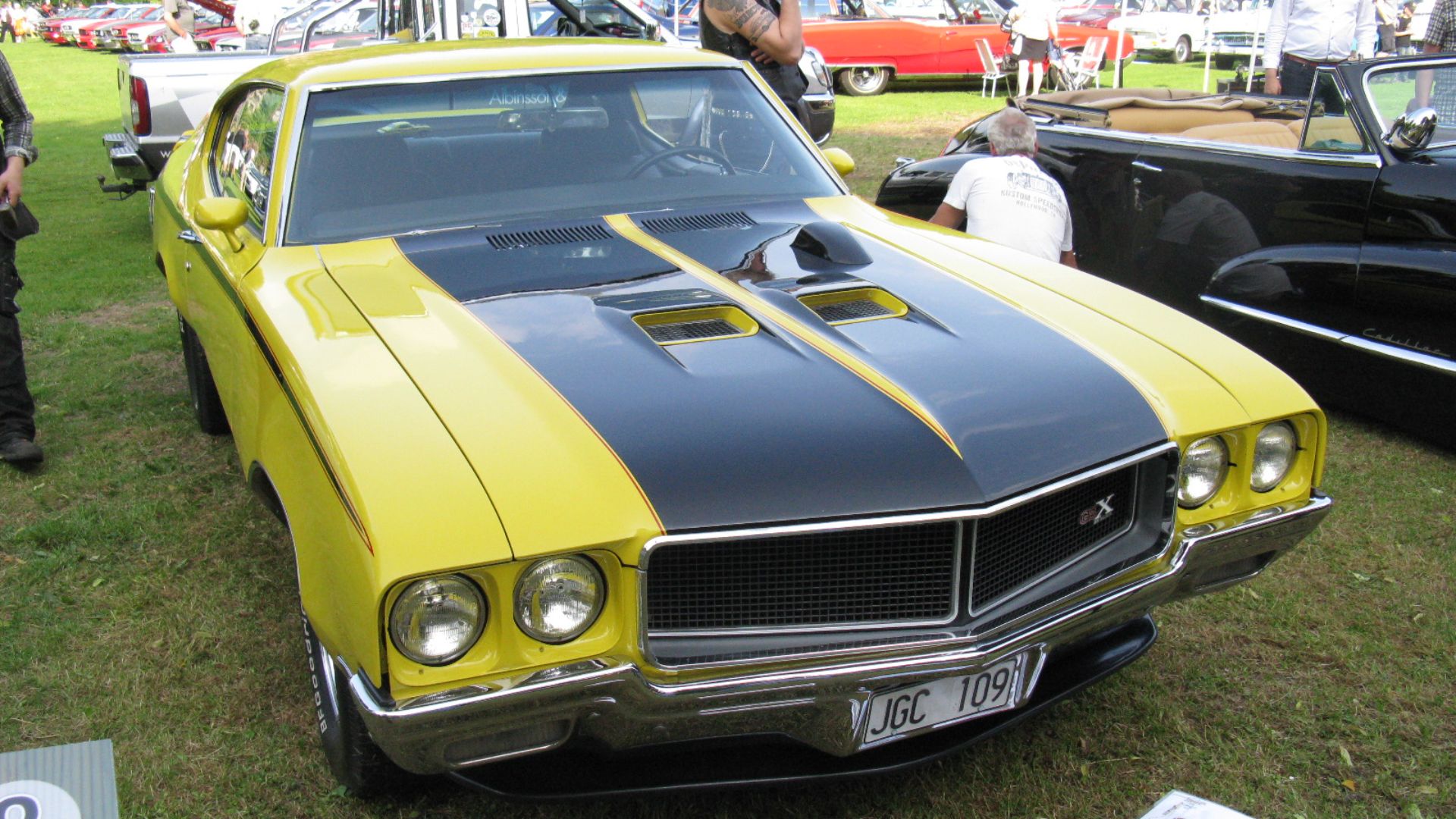
1970 Buick GSX Stage 1 455 (350 HP)
Torque did most of the talking here when the package effectively delivered closer to 400–420 HP. With over 500 lb-ft on tap and high-flow cylinder heads feeding that big 455, the GSX consistently behaved stronger than advertised.
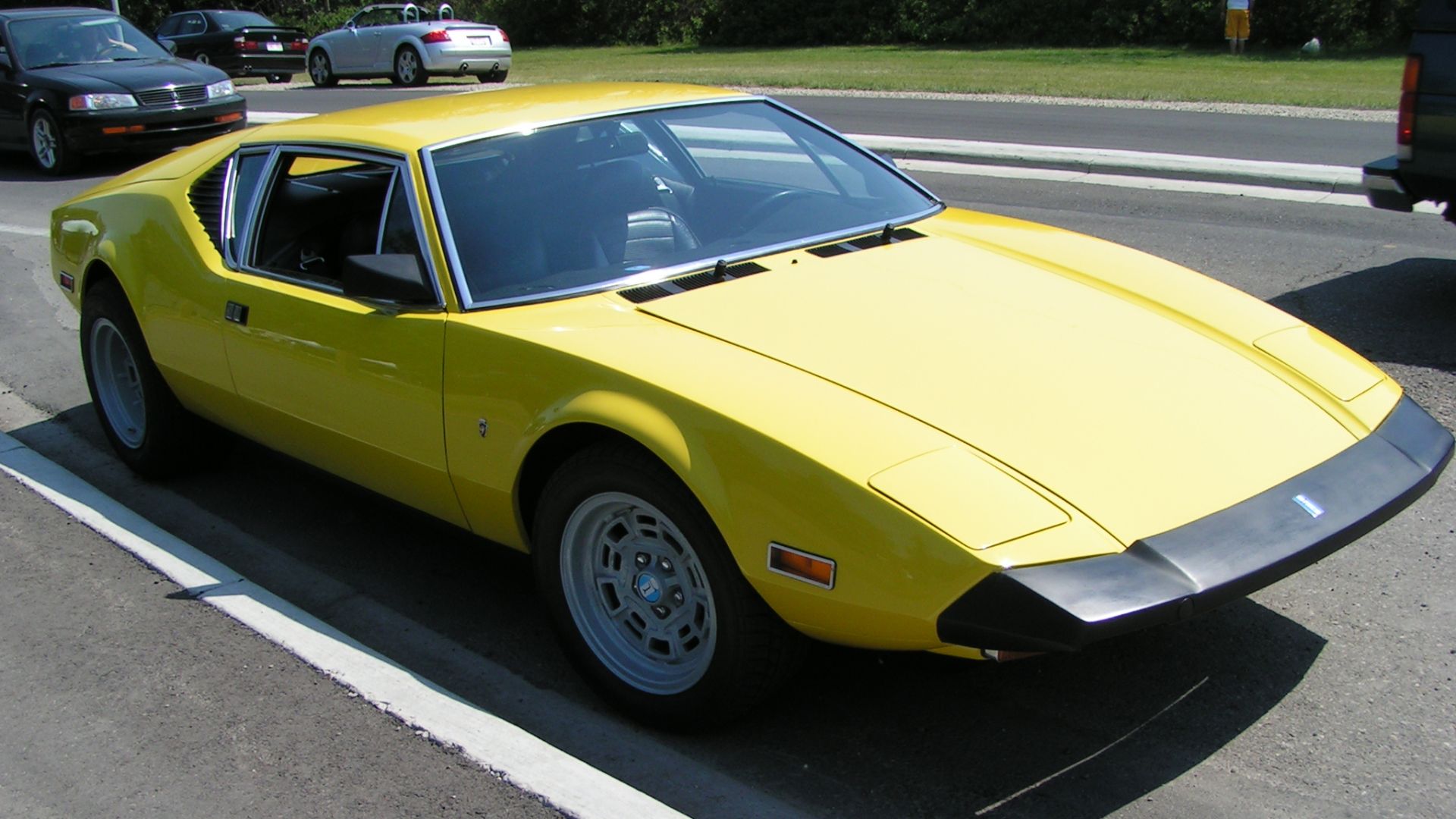
1973 DeTomaso Pantera (296–330 HP)
European paperwork played it safe, but the hardware didn’t. The Ford 351 Cleveland’s free-breathing design allowed output to stretch well beyond expectations, with many estimates landing around 300–350 HP. That extra muscle got highlighted when the test happened.
 dave_7 from Lethbridge, Canada, Wikimedia Commons
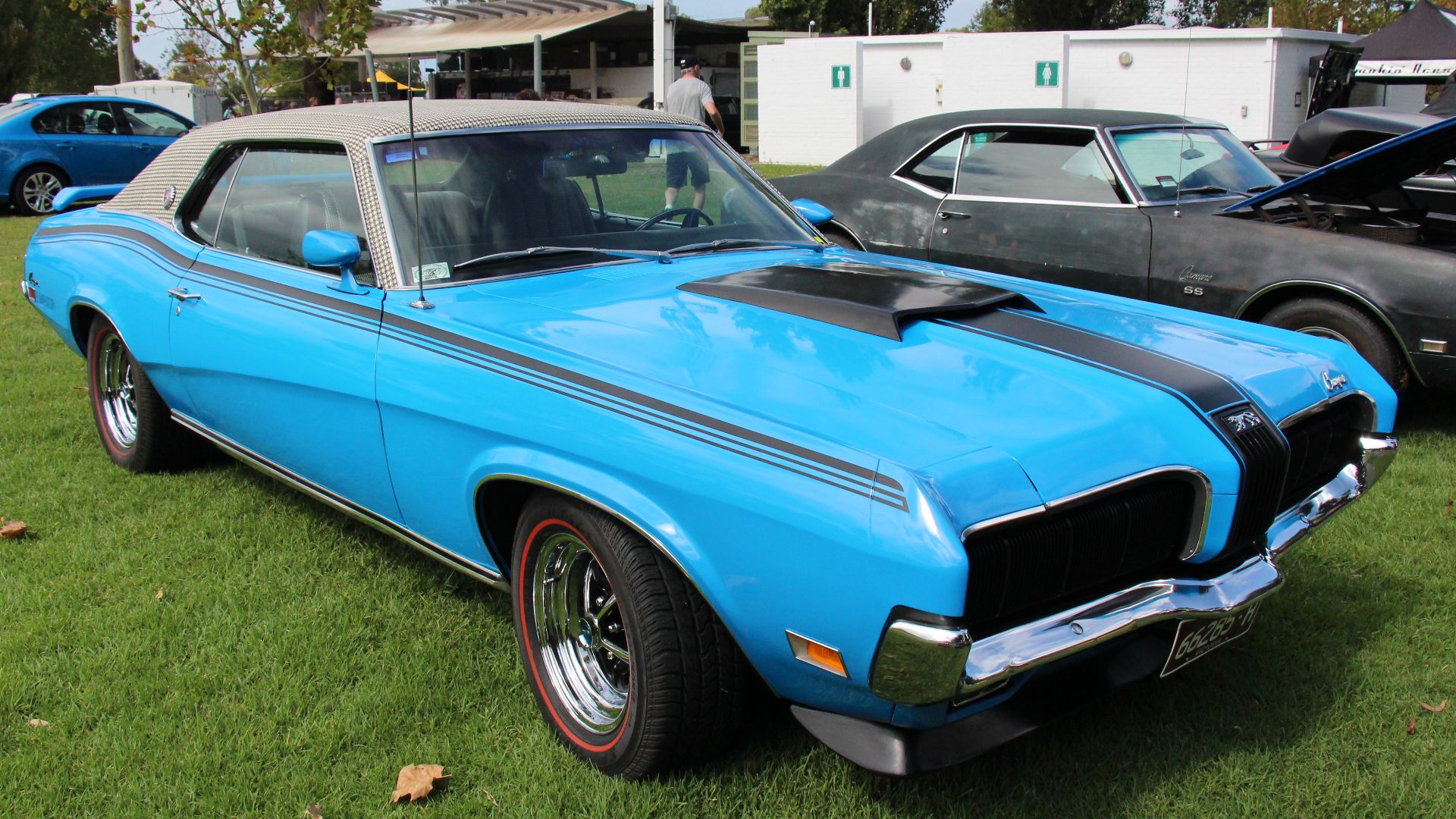
1970 Mercury Cougar Eliminator (300–335 HP)
Positioning mattered as much as performance here. With Boss 302 and 428 Cobra Jet hardware borrowed from Ford’s competition playbook, output quietly climbed higher than advertised. Corrected dyno figures commonly place these setups around 340–370 HP. Hence, the car ran stronger without stealing Mustang headlines.
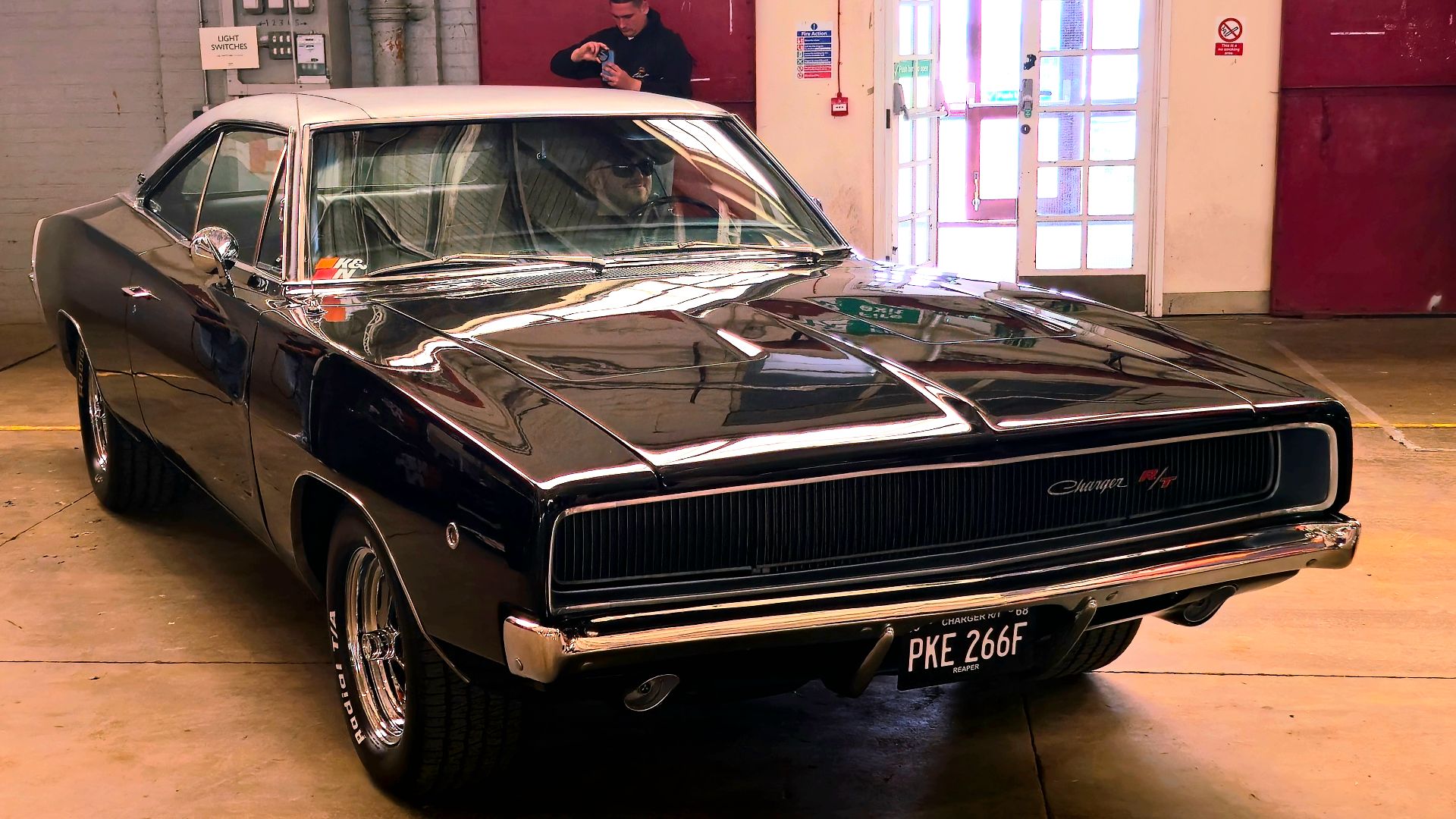
1968 Dodge Charger R/T (375–425 HP)
This was a case of 410 to 490 HP hardware outpacing paperwork. Chrysler’s tuning philosophy leaned heavily into torque and improved airflow, letting real-world output drift well beyond expectations—figures that ultimately backed up the Charger’s muscular reputation.
1966 Shelby GT350 (306 HP)
Put the GT350 on a circuit, and the brochure stopped mattering. Although Shelby listed 306 horsepower, real-world performance hinted at 330–350 horsepower thanks to aggressive tuning and chassis upgrades. Owners quickly realized this wasn’t just a faster Mustang—it was a purpose-built track machine.
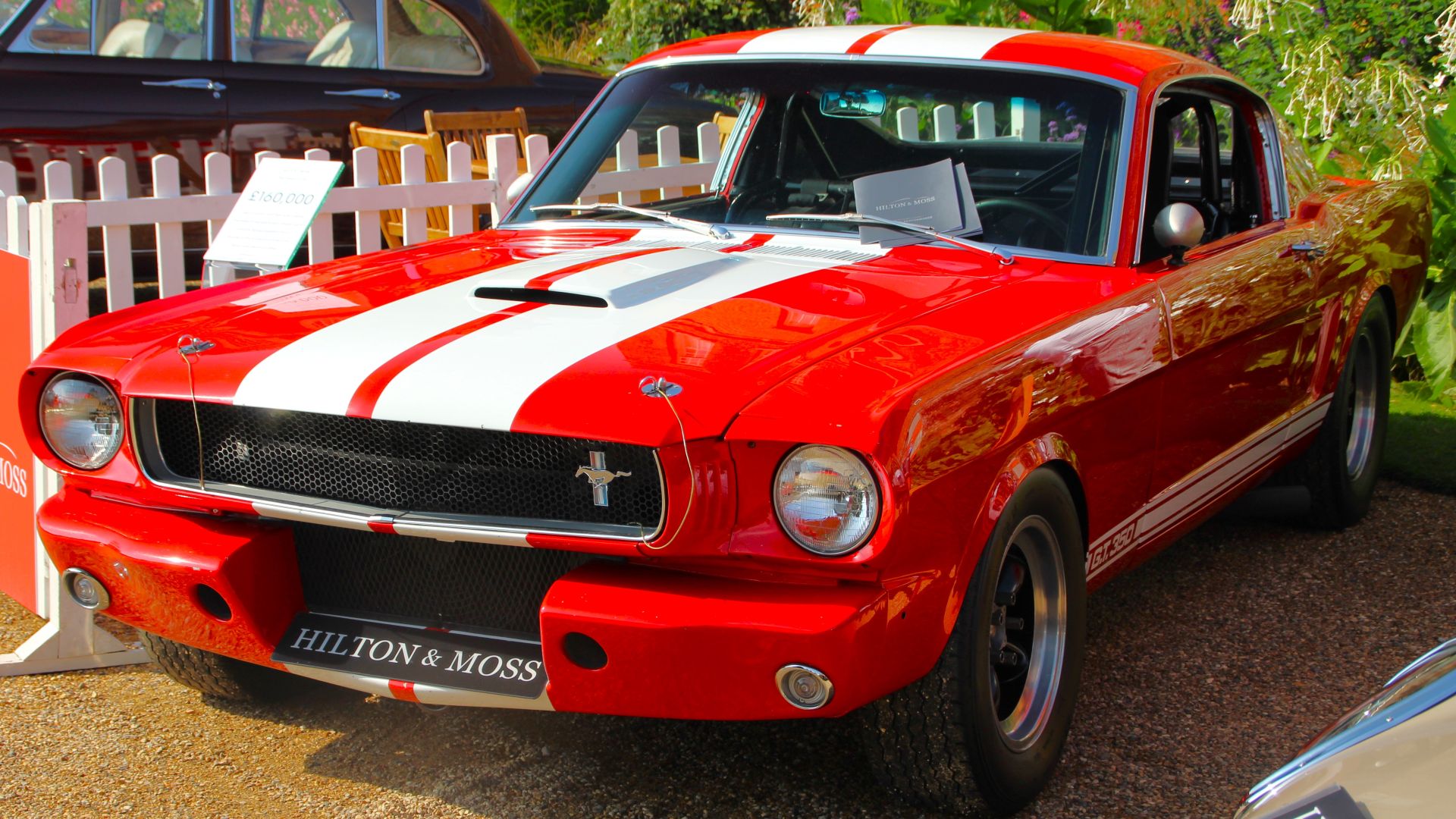
1971 Plymouth Road Runner 426 Hemi (425 HP)
Paper ratings stayed cautious, but the design told another story. Hemispherical chambers and dual four-barrels let airflow do the talking, which pushed output into the 470–490 HP range. That breathing advantage translated into harder launches and quicker runs.
 Greg Gjerdingen from Willmar, USA, Wikimedia Commons
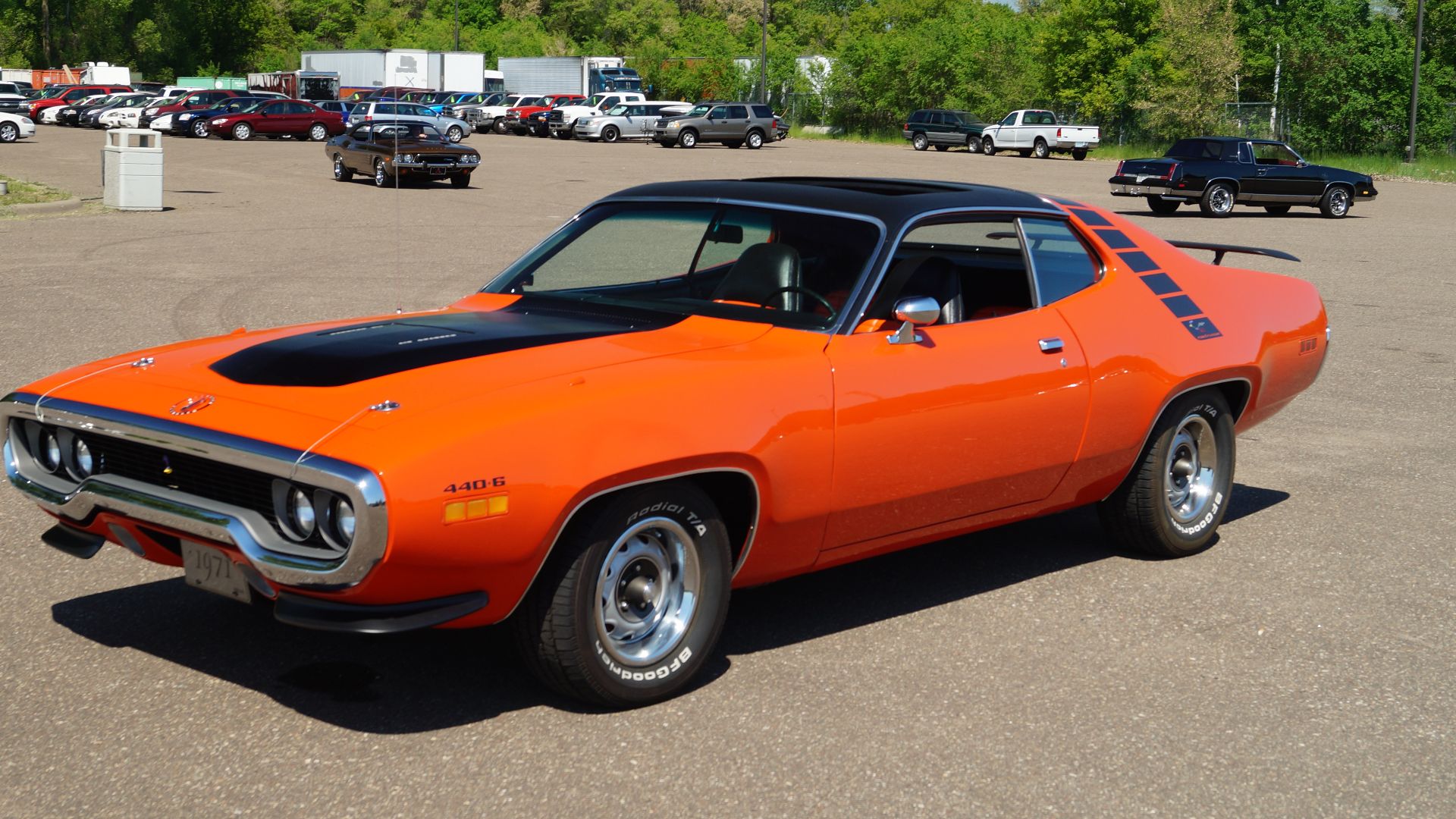
1964 Ford Thunderbolt 427 (425 HP)
Built to win races, not sell brochures, this factory drag special stripped away weight and comfort for one goal. The prepped 427 routinely delivered over 500 HP, with estimates up to 600 HP. Its quarter-mile dominance extended far beyond what a standard showroom spec sheet implied.
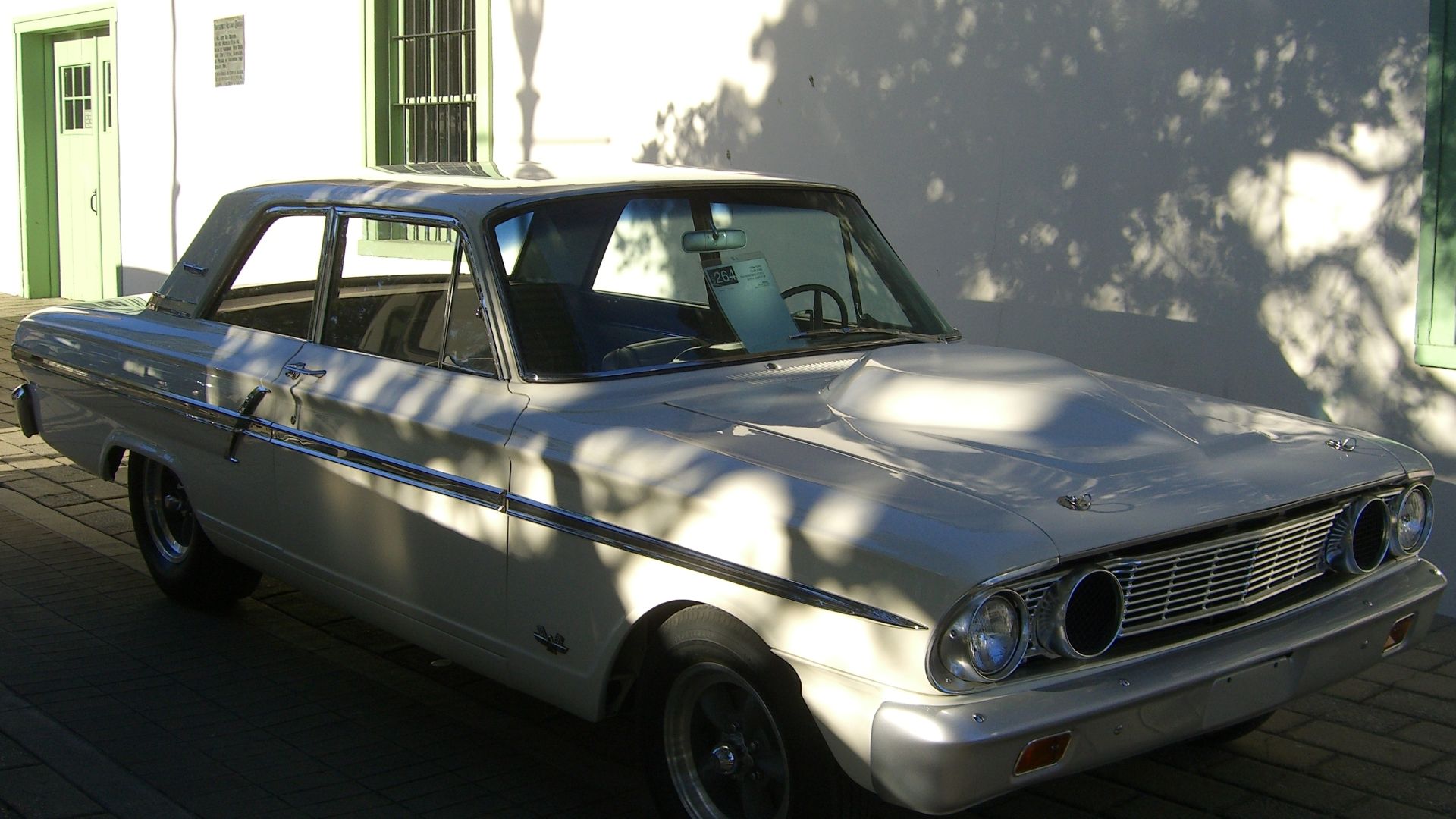
1968 Ford Mustang 428 Cobra Jet (335 HP)
Output quietly climbed into the 410–420 HP range, showing the Cobra Jet exceeded its official figures. Insurance politics shaped the paperwork, but a big‑bore carburetor and aggressive cam timing pushed considerably more air than advertised. This gave it a reputation for brutally quick straight‑line performance.
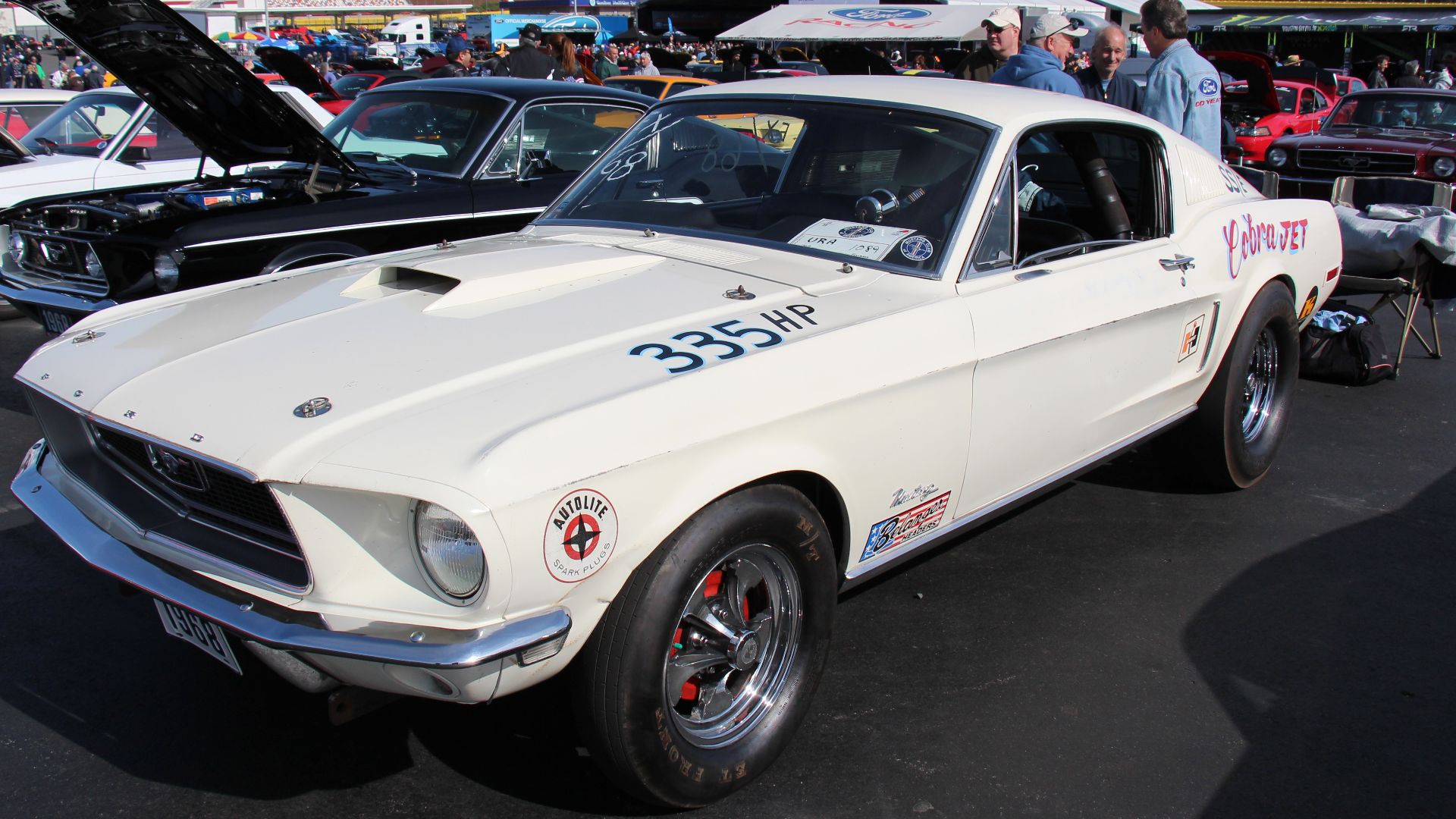
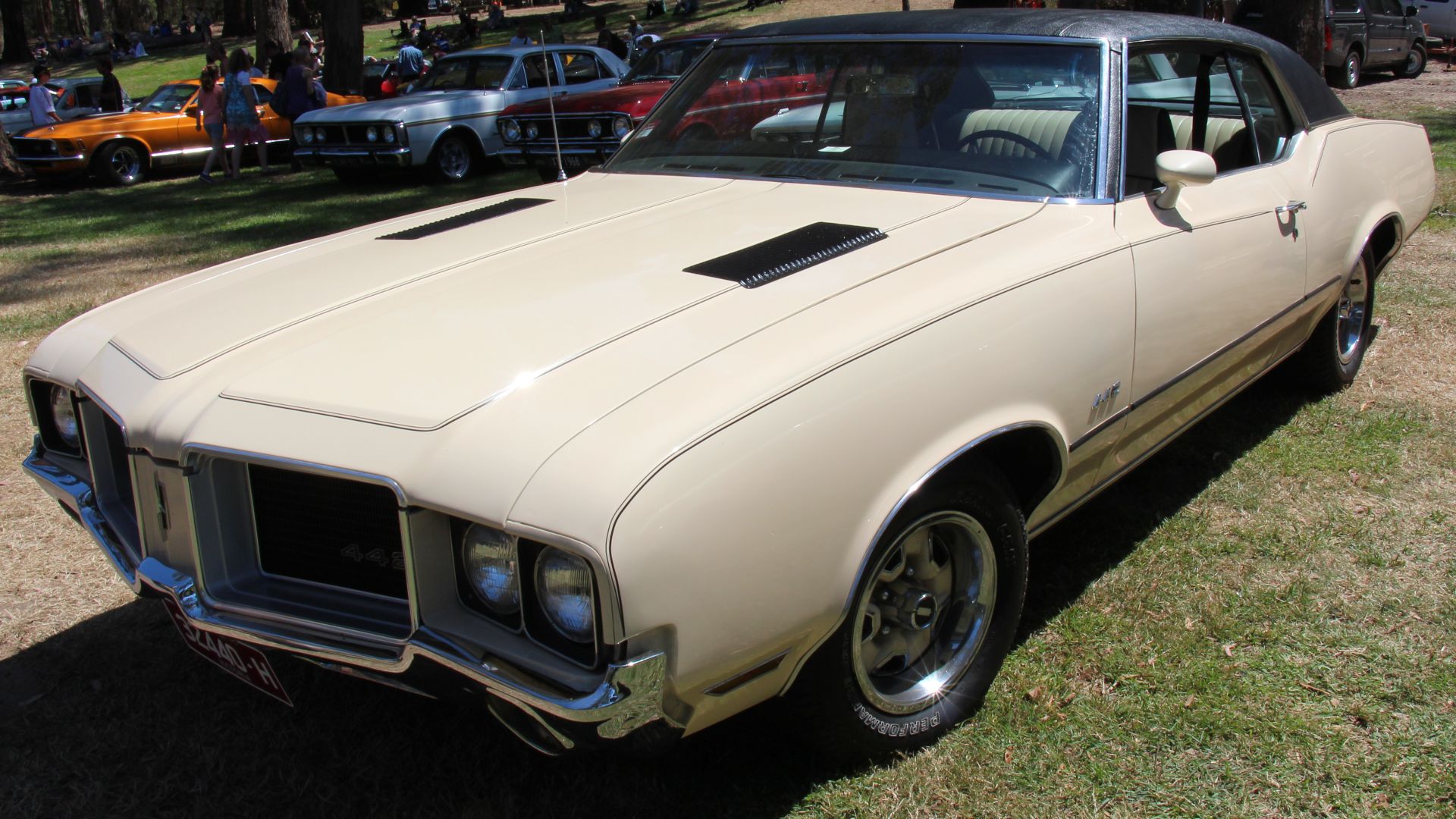
1970 Oldsmobile 442 W-30 455 (370 HP)
Oldsmobile engineered the W-30 to perform, then politely understated it. Compression and camshaft choices did the real work as the output drifted well beyond expectations. Most estimates place it comfortably in the 400–420 HP range to match how assertive the car felt on the road.
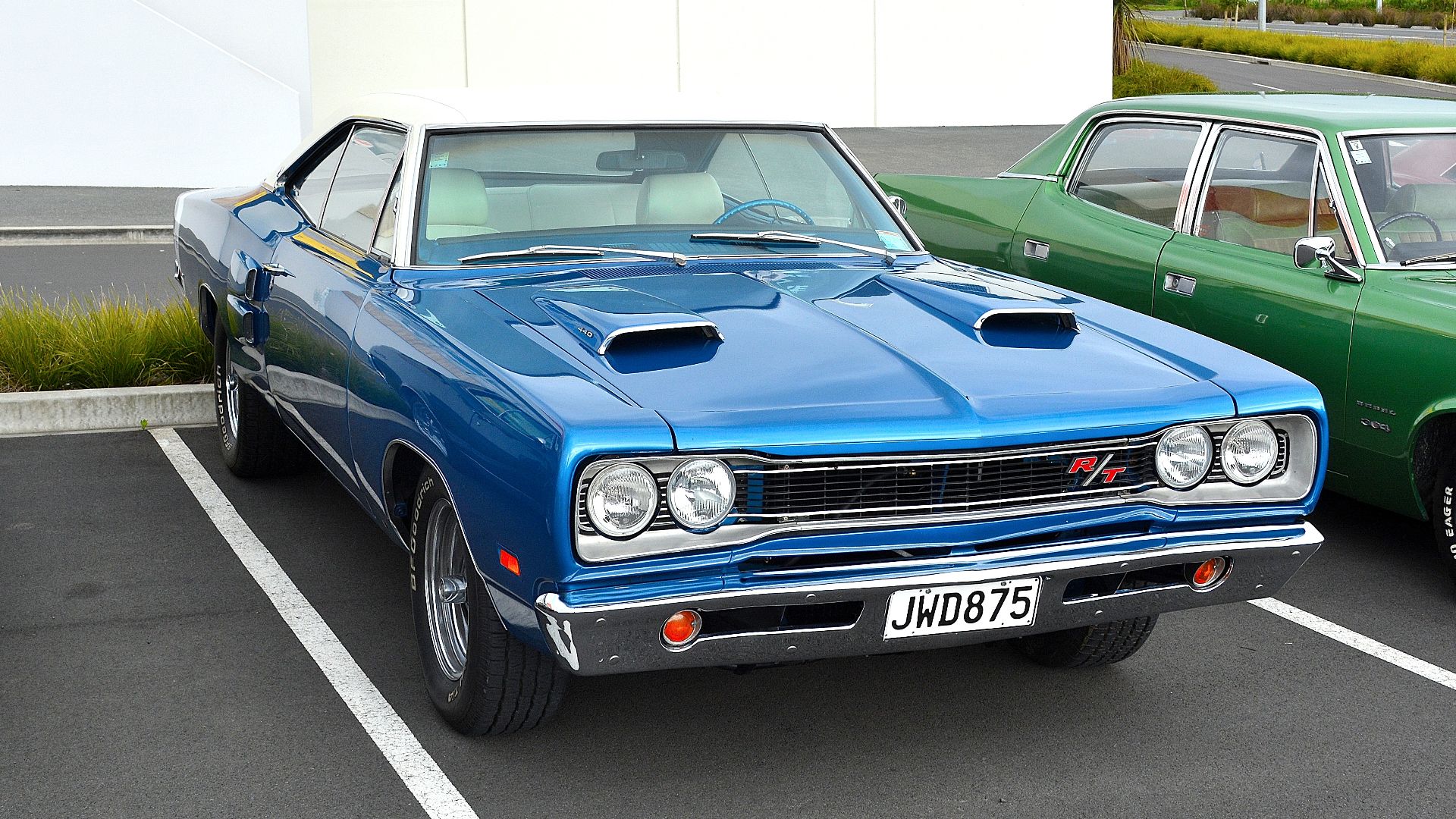
1969 Dodge Coronet R/T 426 Hemi (425 HP)
With Chrysler’s legendary hemispherical chambers and dual four-barrel feeding, exceptional airflow, the corrected output settled around 470–490 HP. That extra muscle showed up early, as the Coronet gathered speed faster than its paperwork suggested.
 GPS 56 from New Zealand, Wikimedia Commons
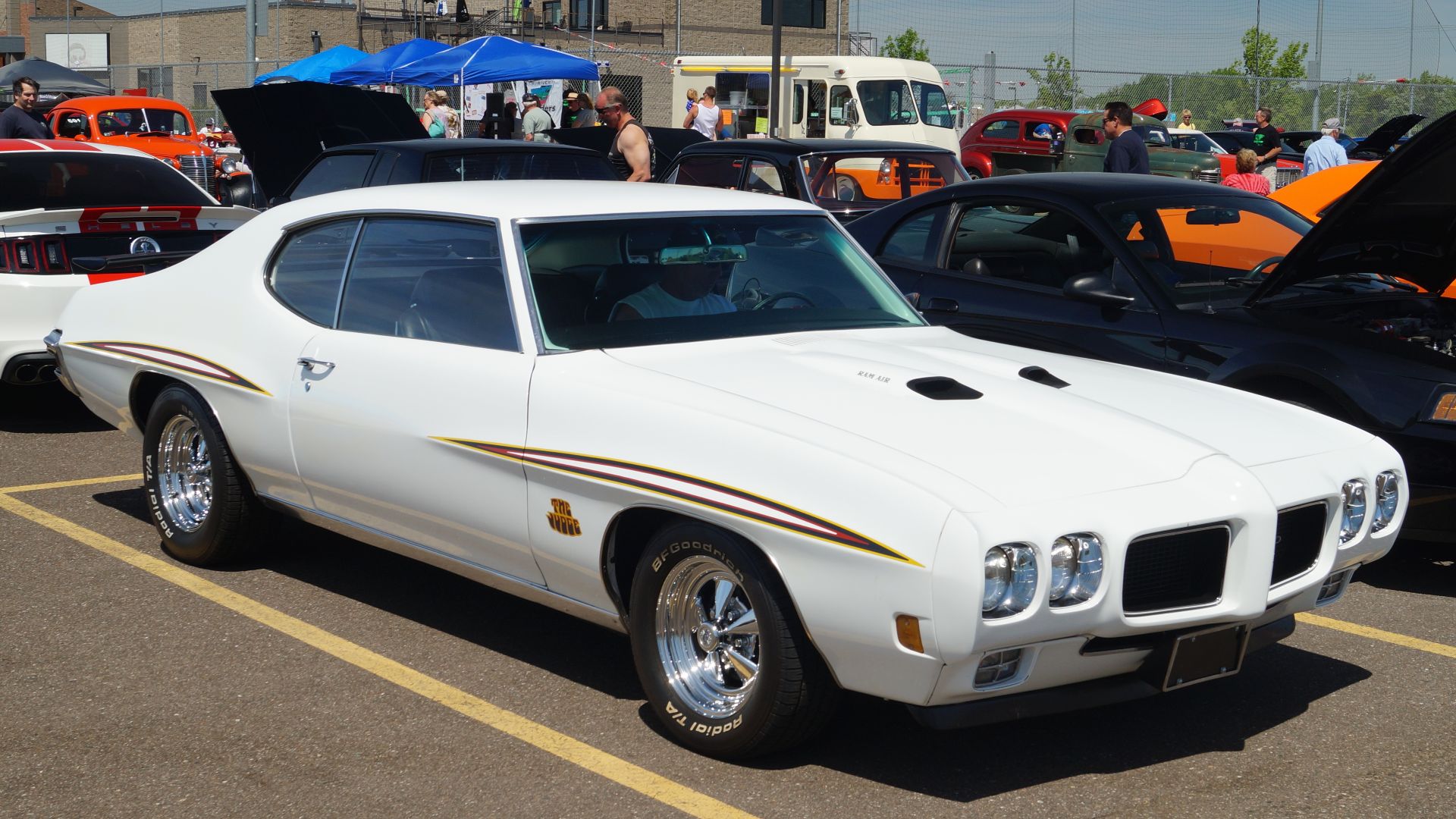
1970 Pontiac GTO Judge 455 HO (370 HP)
Corrected output ultimately landed around 400–420 HP and showed far more capability than Pontiac chose to print. Ram Air induction and high-flow cylinder heads shaped the car’s real-world performance, while the gap between rating and reality helped define the Judge’s harder-than-expected personality.
 Greg Gjerdingen from Willmar, USA, Wikimedia Commons
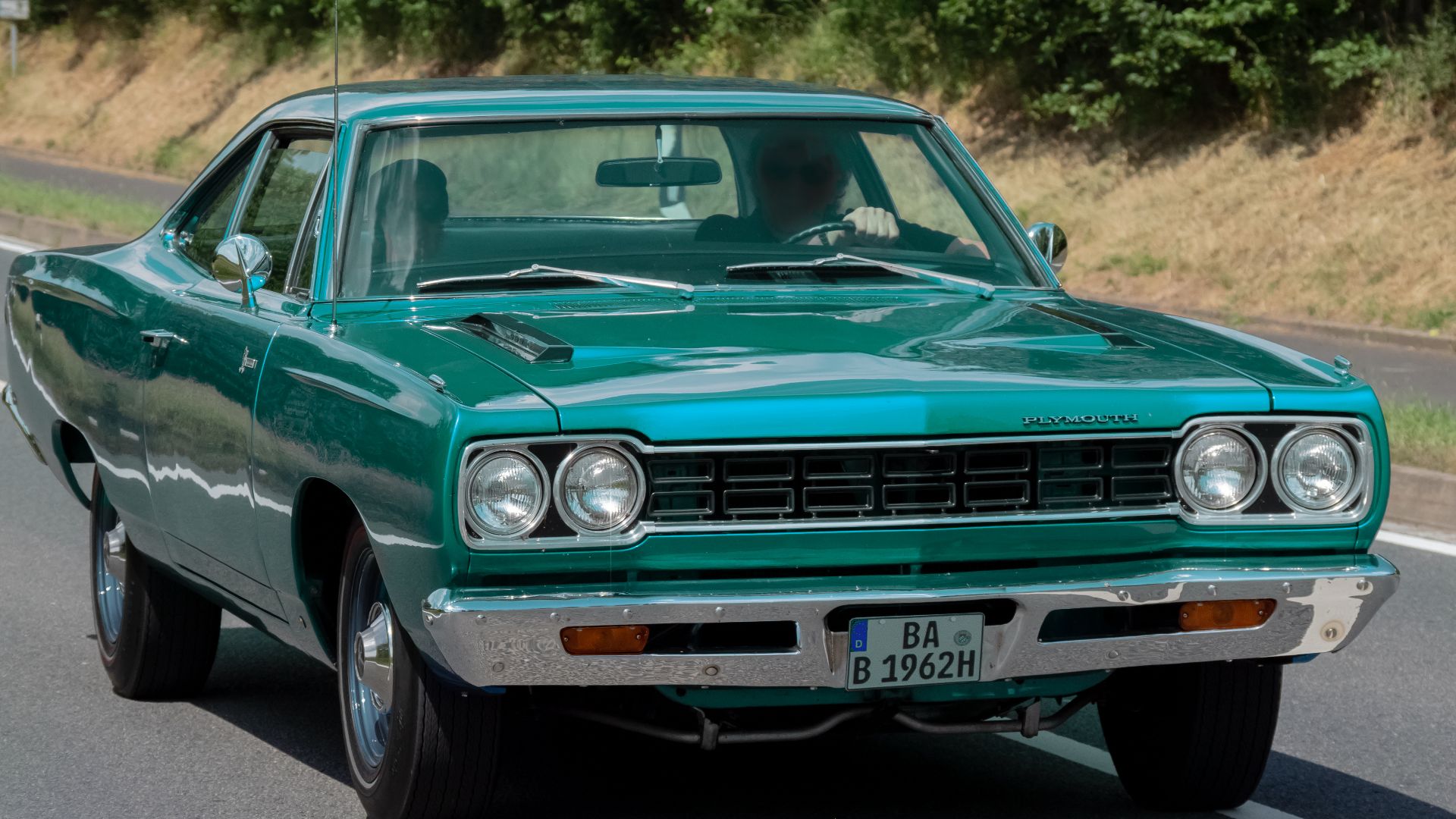
1969 Plymouth Road Runner 426 Hemi (425 HP)
Sharing the familiar Hemi rating didn’t mean familiar performance. Competition-derived internals gave this Road Runner a strong voice to settle around 470–490 HP. Chrysler’s restraint on paper kept regulators calm. The car delivered an unmistakably aggressive straight-line pace.
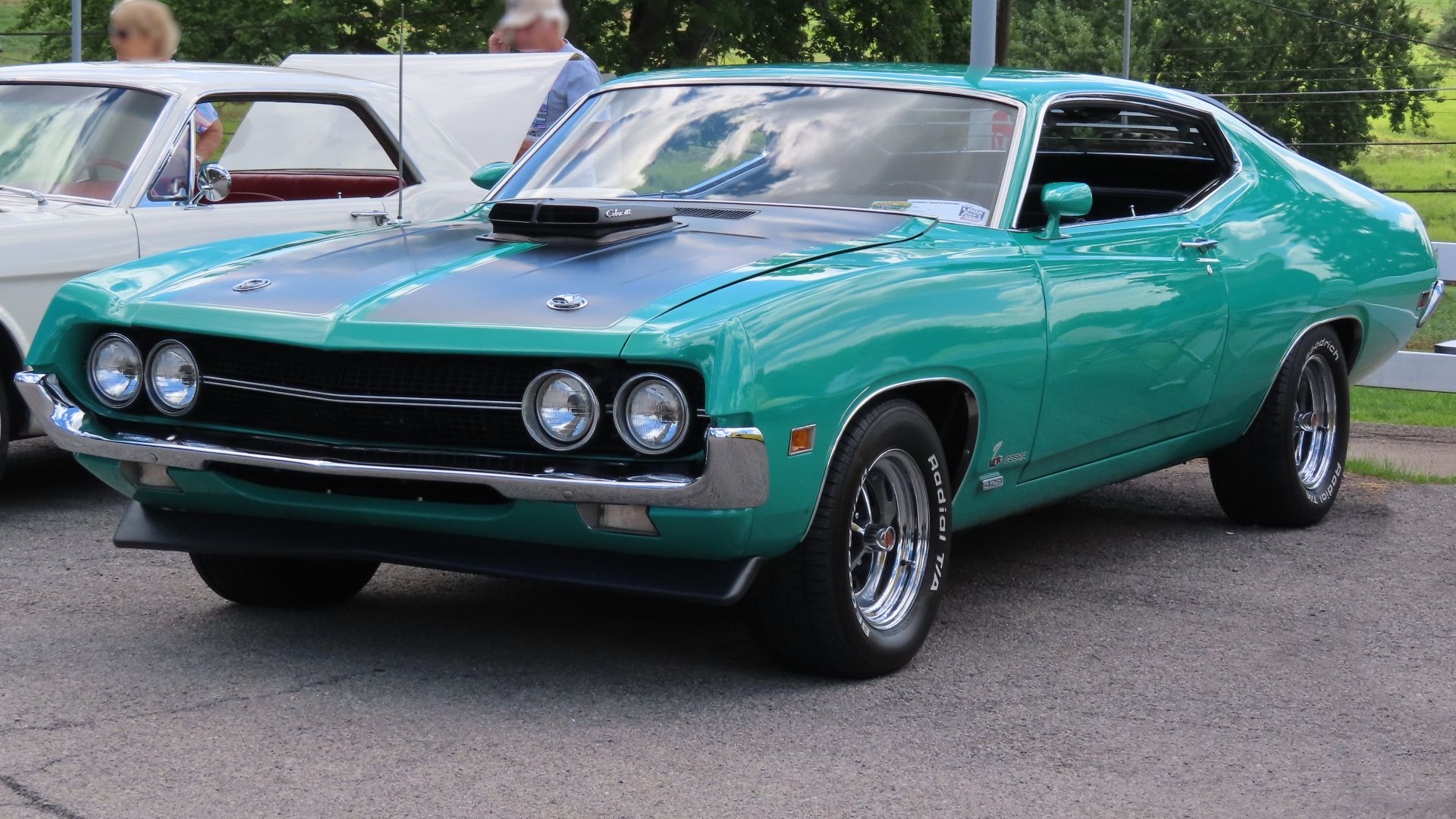
1970 Ford Torino Cobra 429 SCJ (375 HP)
Built with drag racing in mind, the Super Cobra Jet package emphasized durability and airflow over brochure bragging. Heavier internals and factory oil cooling allowed output to stretch well past expectations, with estimates commonly landing around 425–450 HP when pushed the way Ford quietly intended.
 MercurySable99, Wikimedia Commons
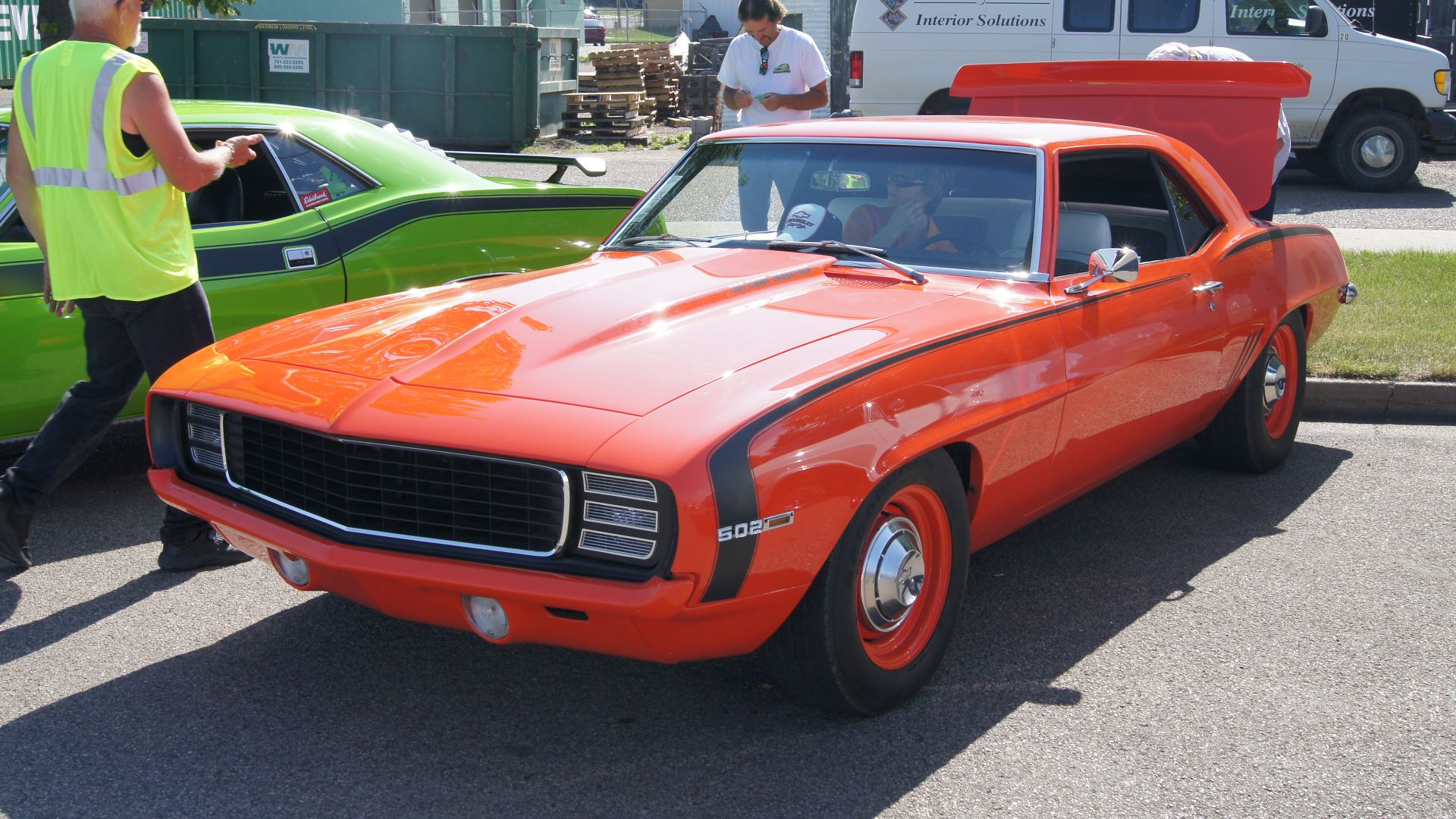
1969 Chevrolet Camaro COPO 427 L72 (425 HP)
The COPO ordering system allowed serious hardware to slip past marketing filters. A solid-lifter 427 built with high compression and aggressive cam timing routinely operated in the 450–475 HP range. It gave the Camaro a level of straight-line authority its official rating never hinted at.
 Greg Gjerdingen from Willmar, USA, Wikimedia Commons
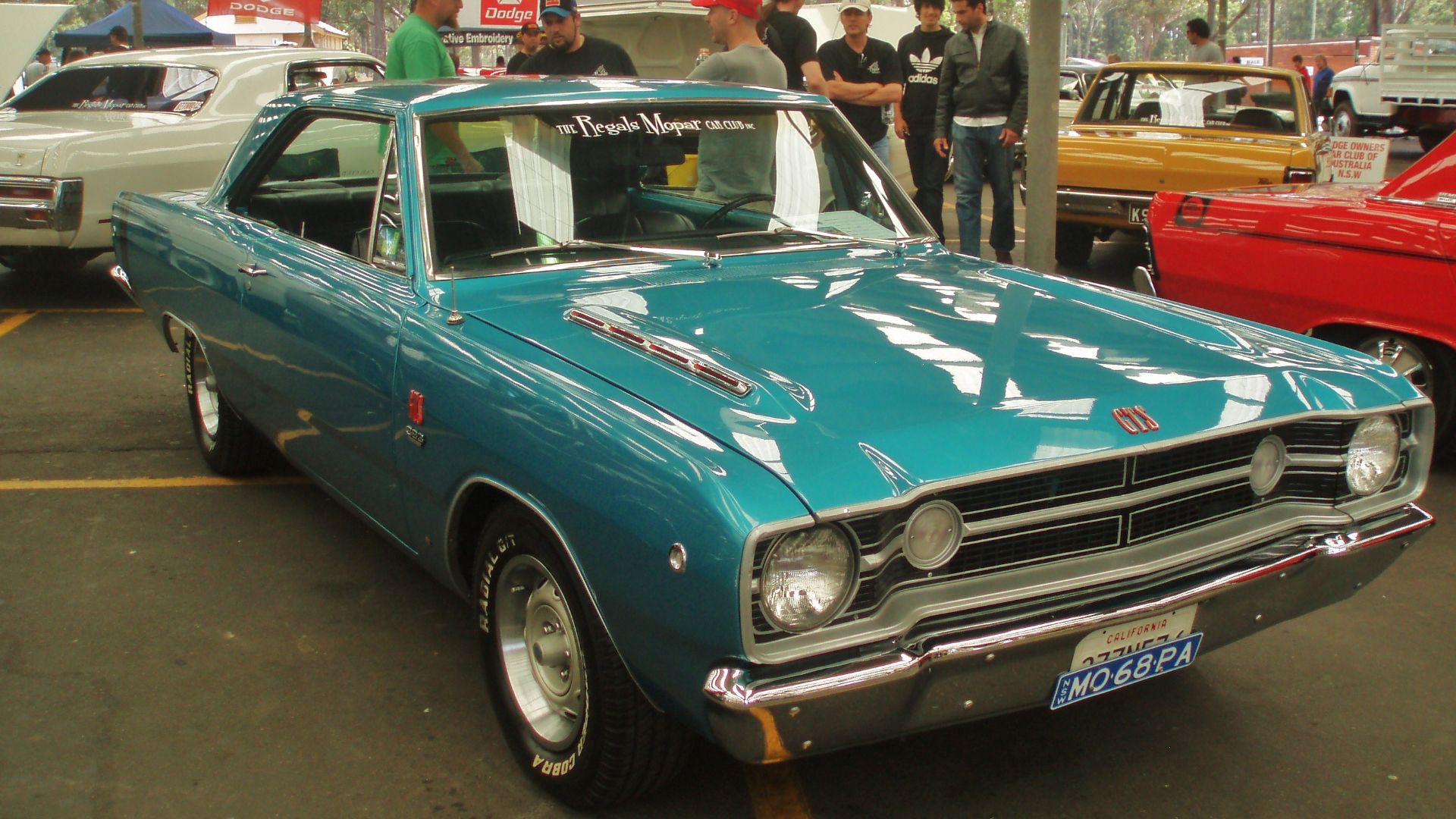
1968 Dodge Dart GTS 440 (375 HP)
A high-compression 440 Magnum stuffed into a lightweight Dart changed the balance instantly. Dodge kept expectations low, but the big carb and strong breathing told a different story. Dragstrip results aligned with output closer to 410–425 HP, and turned the GTS into a genuine factory sleeper.
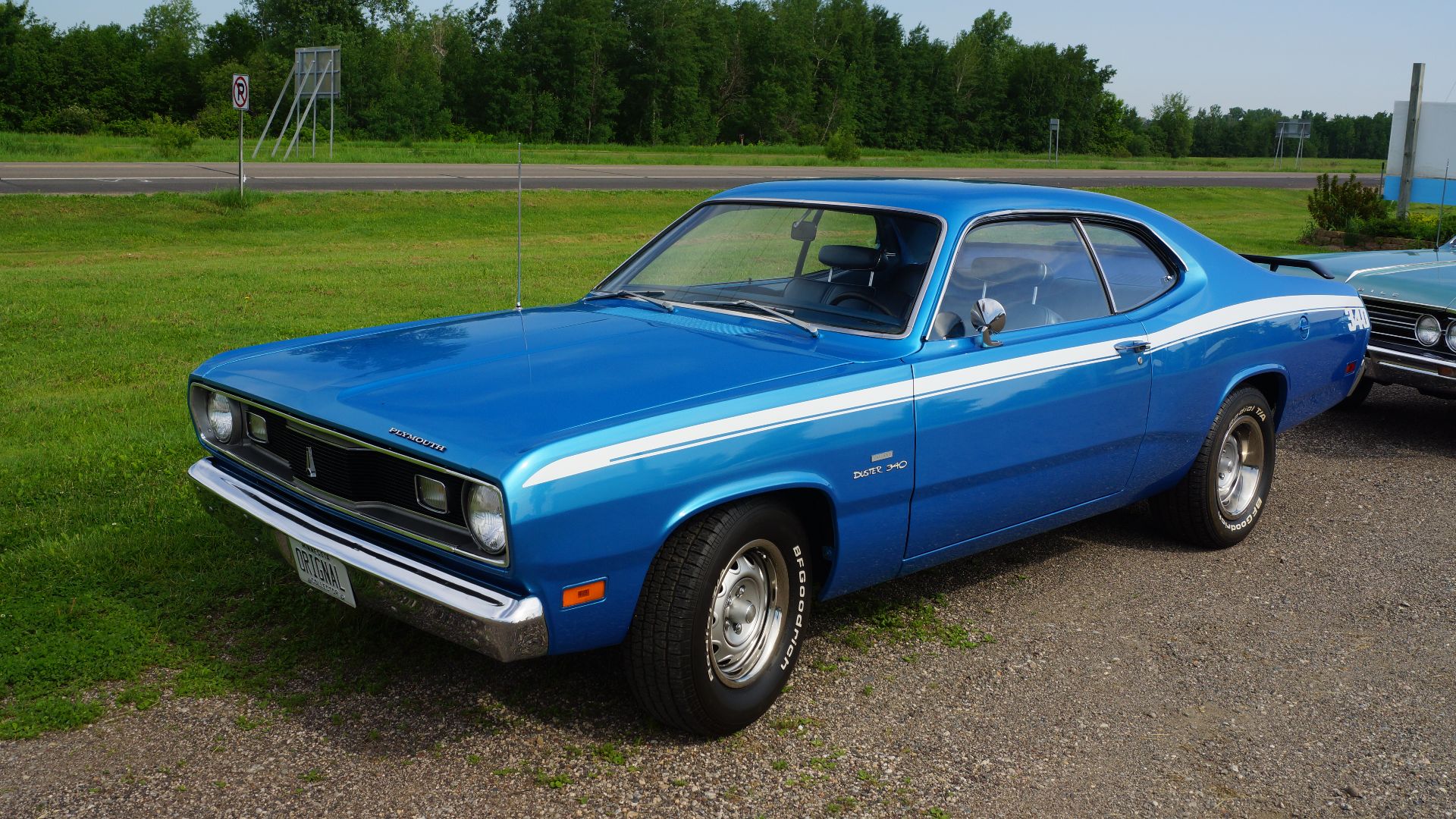
1970 Plymouth Duster 340 (275 HP)
Nothing about the Duster 340 looked extreme, and that was part of the surprise. Real-world testing showed stronger acceleration than advertised, thanks to its light footprint. Add a few simple tweaks, and it became clear this combo had far more to give.
 Greg Gjerdingen from Willmar, USA, Wikimedia Commons
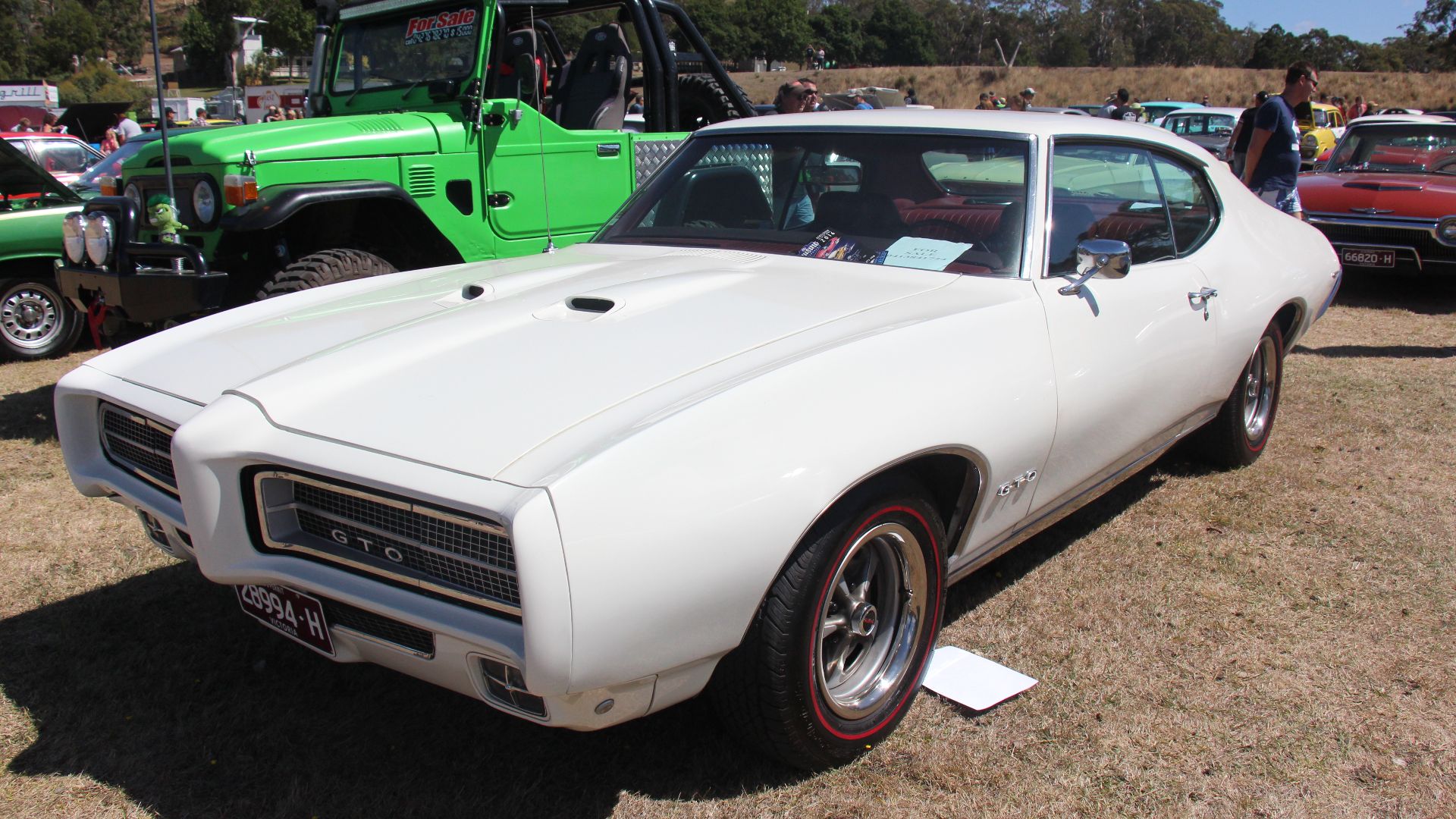
1969 Pontiac GTO Ram Air IV (370 HP)
Pontiac kept the Ram Air IV’s rating conservative, but the engine itself was stronger. Airflow upgrades gave it a harder pull off the line, and with limited production, the RA IV built a reputation for delivering performance beyond its published numbers.
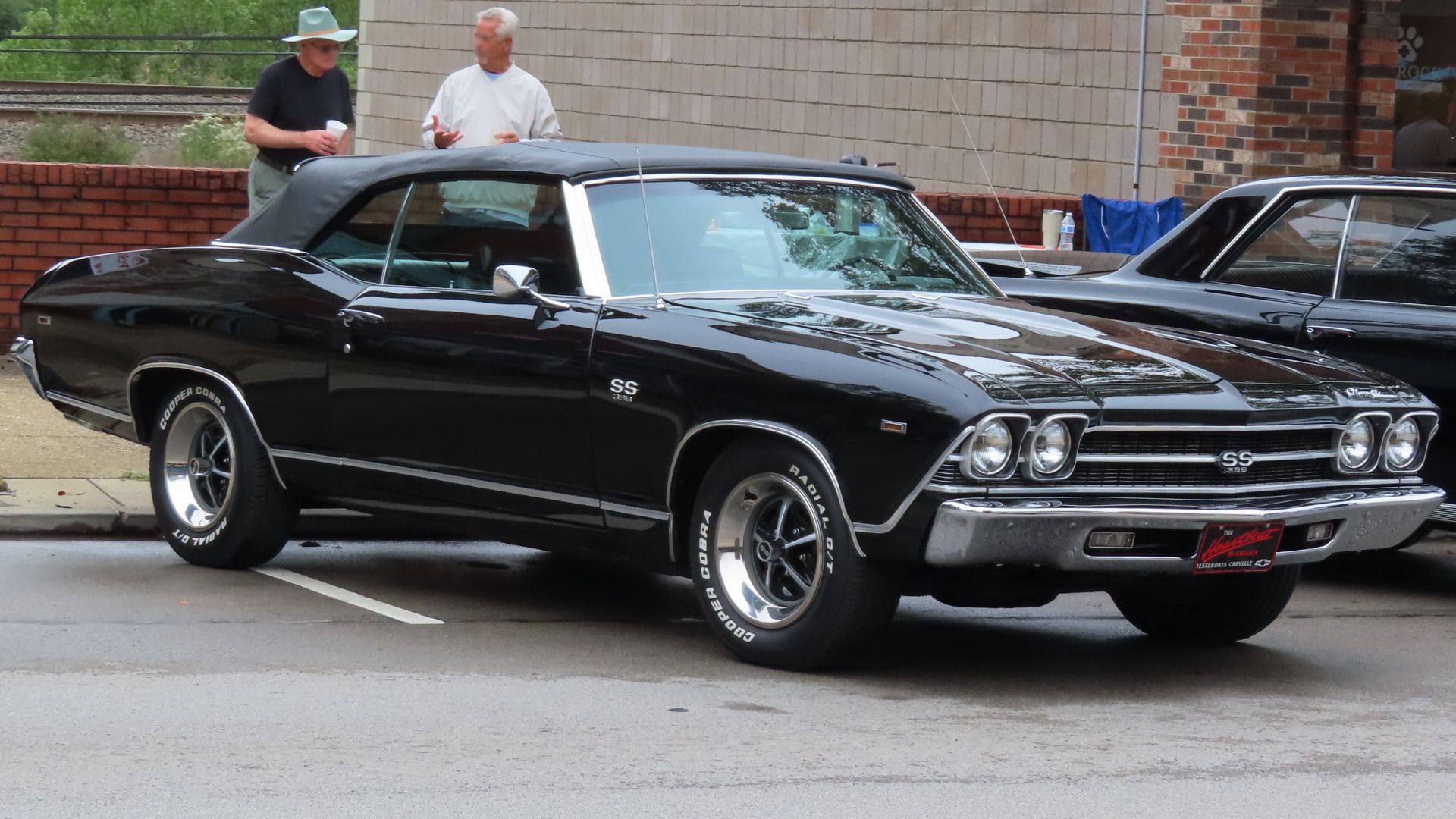
1969 Chevrolet Chevelle SS 396 (375 HP)
The L78 396 was built with racing intent, which hid behind a conservative number. High compression and aggressive factory tuning pushed effective output closer to the 400–425 HP range. This is why many SS 396 Chevelles ran stronger acceleration numbers than buyers expected from the brochure.
 MercurySable99, Wikimedia Commons
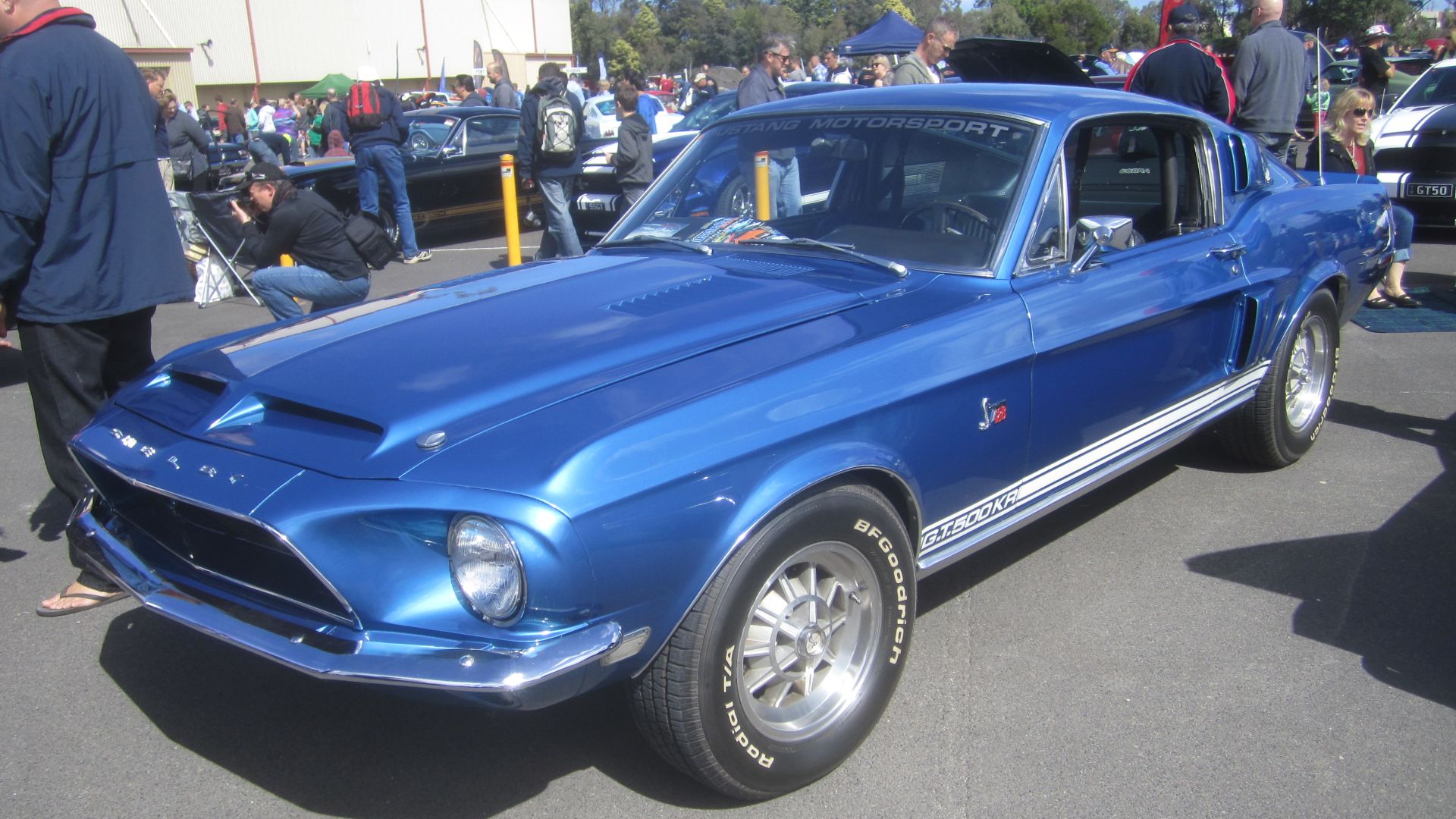
1968 Shelby GT500KR (335 HP)
Nicknamed “King of the Road,” this Shelby backed it up with substance. The revised 428 Cobra Jet, with improved breathing, delivered a real-world output of about 400–410 horsepower. That extra muscle made the KR genuinely dominant in straight-line runs.
.jpg)