

Staying Power
Introduced at the start of the 1960s, Chrysler’s Slant 6 engine earned an almost mythic reputation for its durability. Angled differently but engineered deliberately, it drove everything from family sedans to delivery vans. We trace why Chrysler built the Slant 6, what made it special, how it ran seemingly forever, and why the beloved motor eventually disappeared.
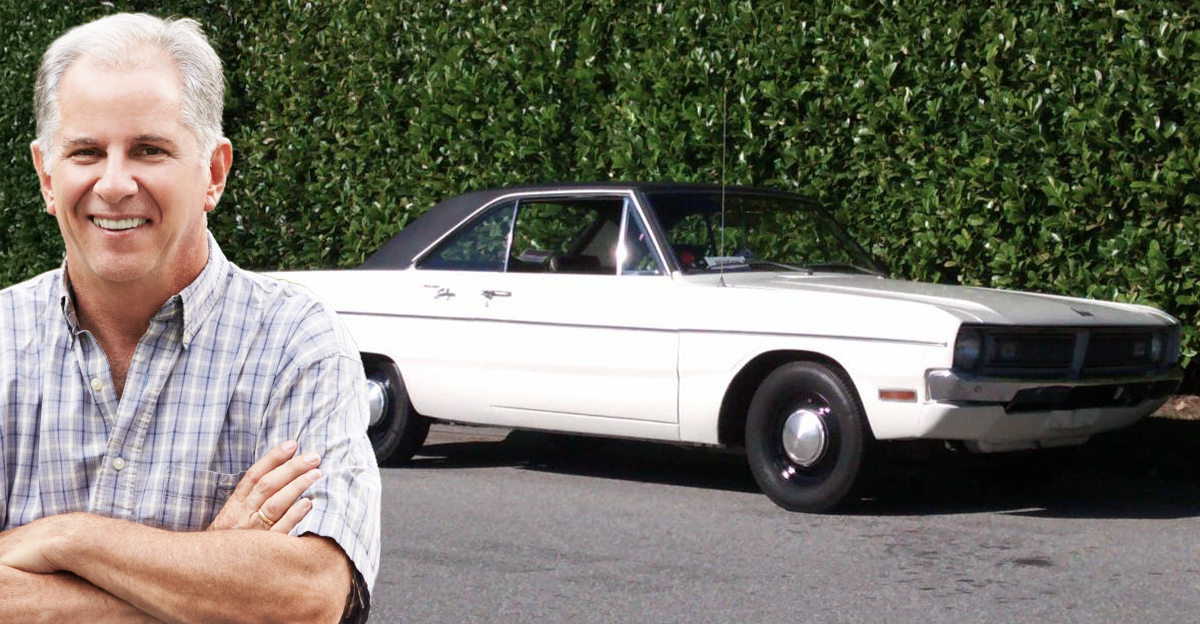
Chrysler’s Late 50s Dilemma
By the late 50s, Chrysler needed a modern, lightweight inline six to replace its aging flathead designs. V8s got the headlines, but six-cylinder engines still powered the majority of the entry-level cars back then. Chrysler wanted something compact, smooth, economical, and modern enough to compete with what Chev and Ford had on offer.
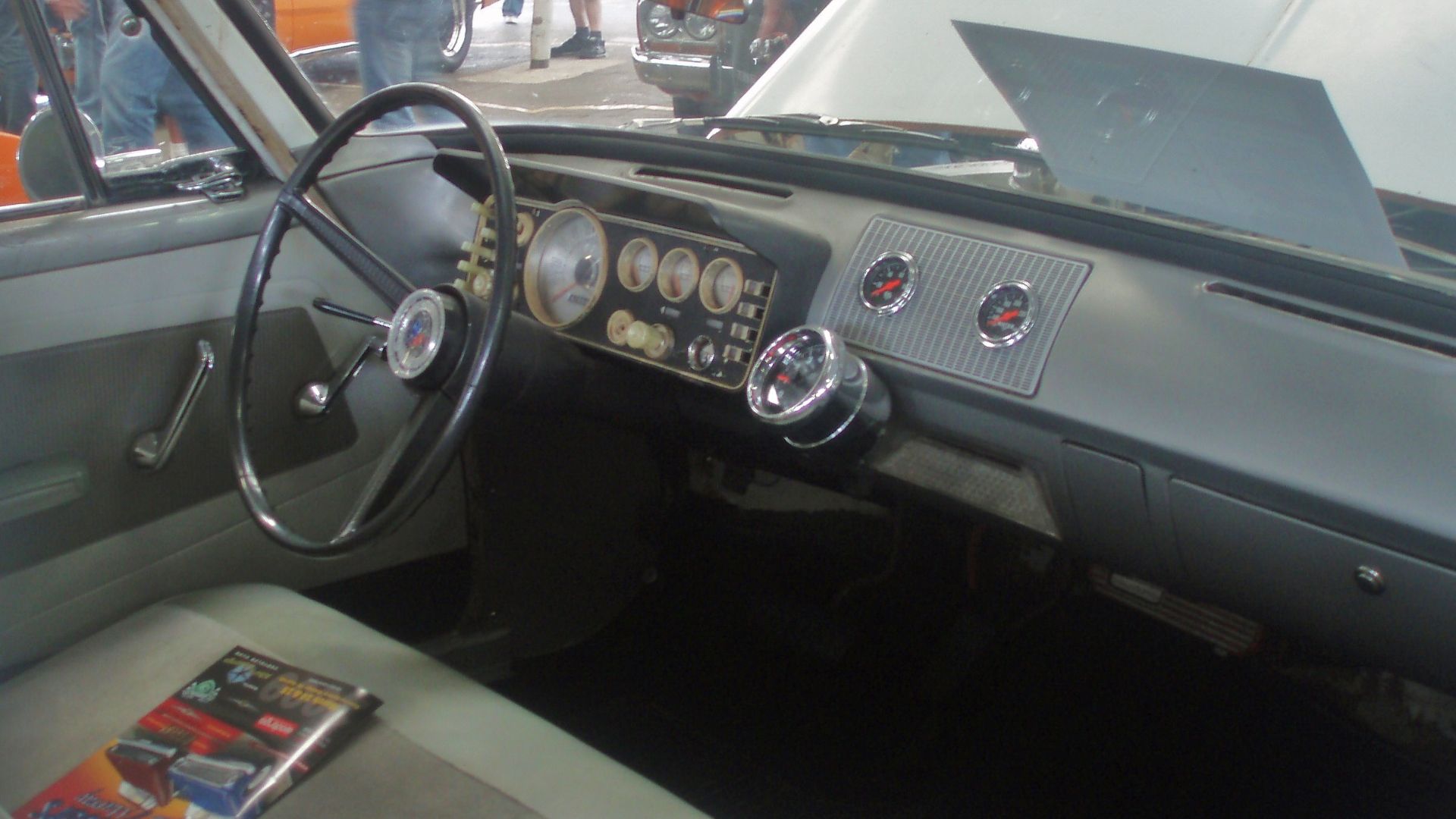
The Engine Was Tilted
The Slant 6 was literally mounted in the car tilted 30 degrees to the right. This odd angle allowed engineers to lower the engine height, enabling sleeker hood lines while still using long intake runners. The slanted layout improved the airflow, making the design a flexible and forward-thinking one for its time.
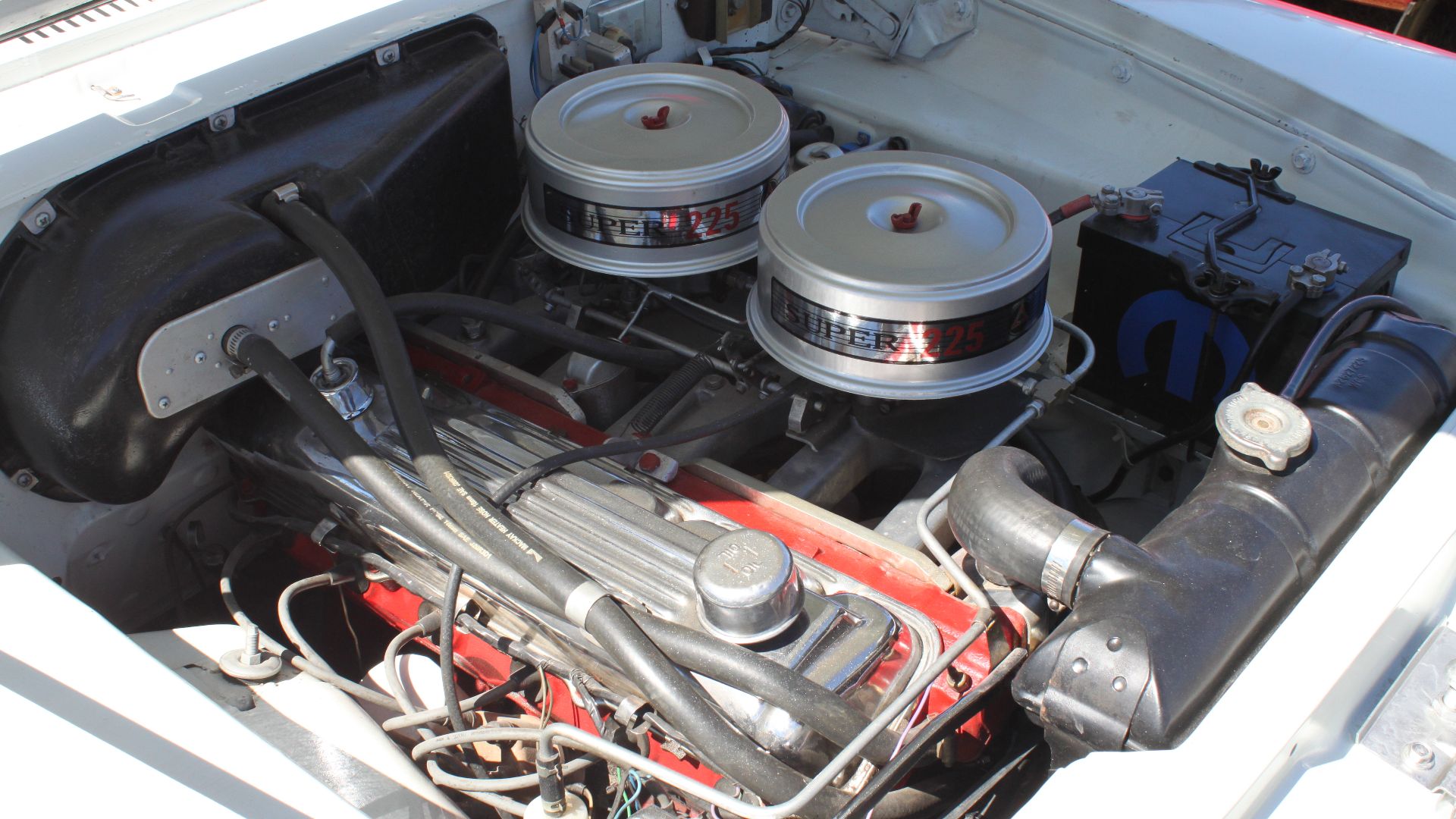 Jeremy from Sydney, Australia, Wikimedia Commons
Engineered From Scratch
Unlike many competitors who constantly modified existing engine blocks, Chrysler engineers designed the Slant 6 from scratch. The block, head, crankshaft, and internals were purpose-built for strength and longevity. This all-new approach allowed generous bearing surfaces, thick casting walls, and conservative stress tolerances all through the design.
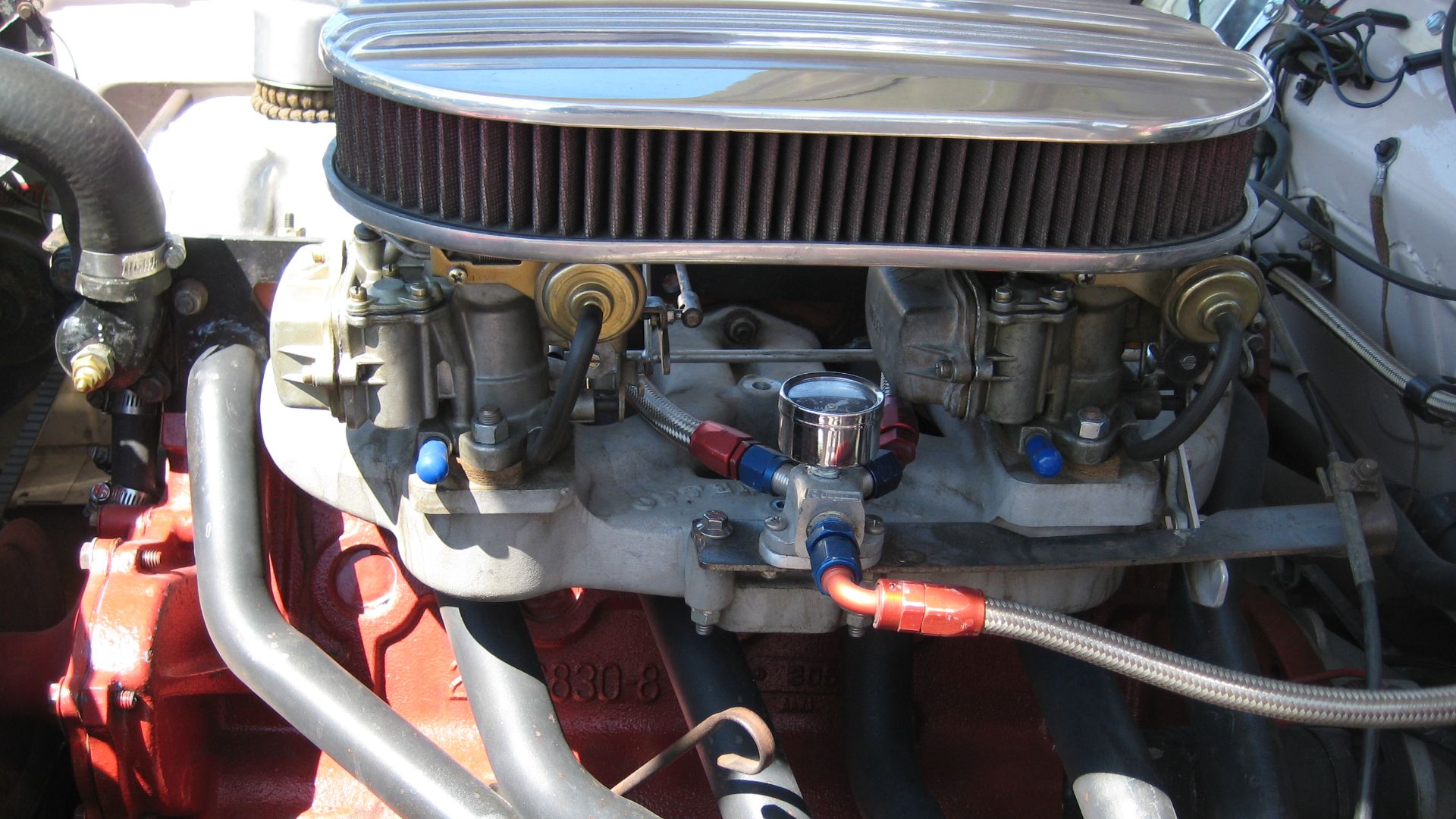 JOHN LLOYD from Concrete, Washington, United States, Wikimedia Commons
Cast Iron Built Like A Battleship
One reason Slant 6 engines lasted so long was sheer mass. The block was heavily overbuilt, with thick cylinder walls resistant to warping and cracking. This feature added weight, and dramatically reduced wear. Many engines survived abuse that would have wrecked lighter, more delicate designs.
Two Displacements, One Philosophy
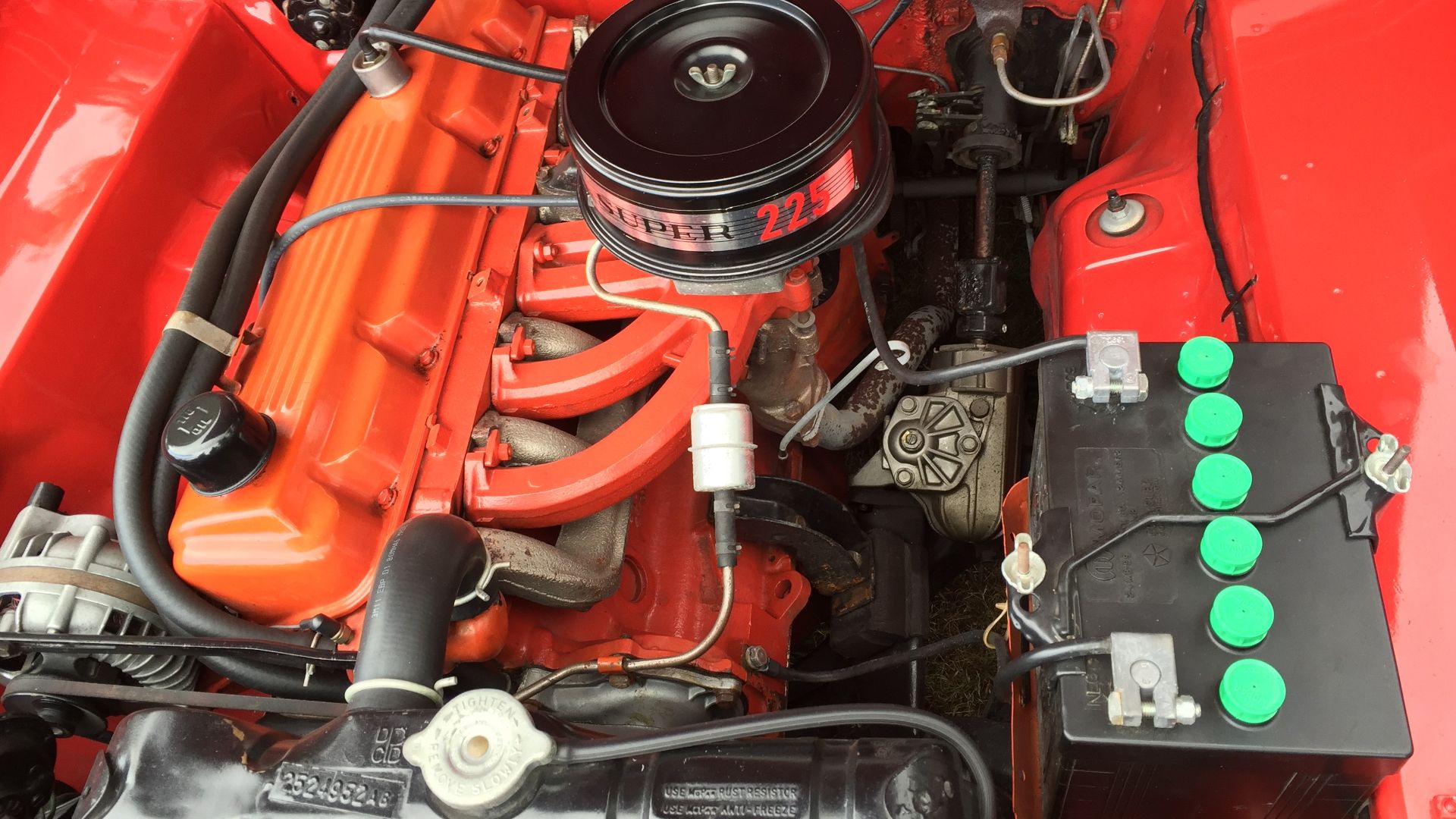
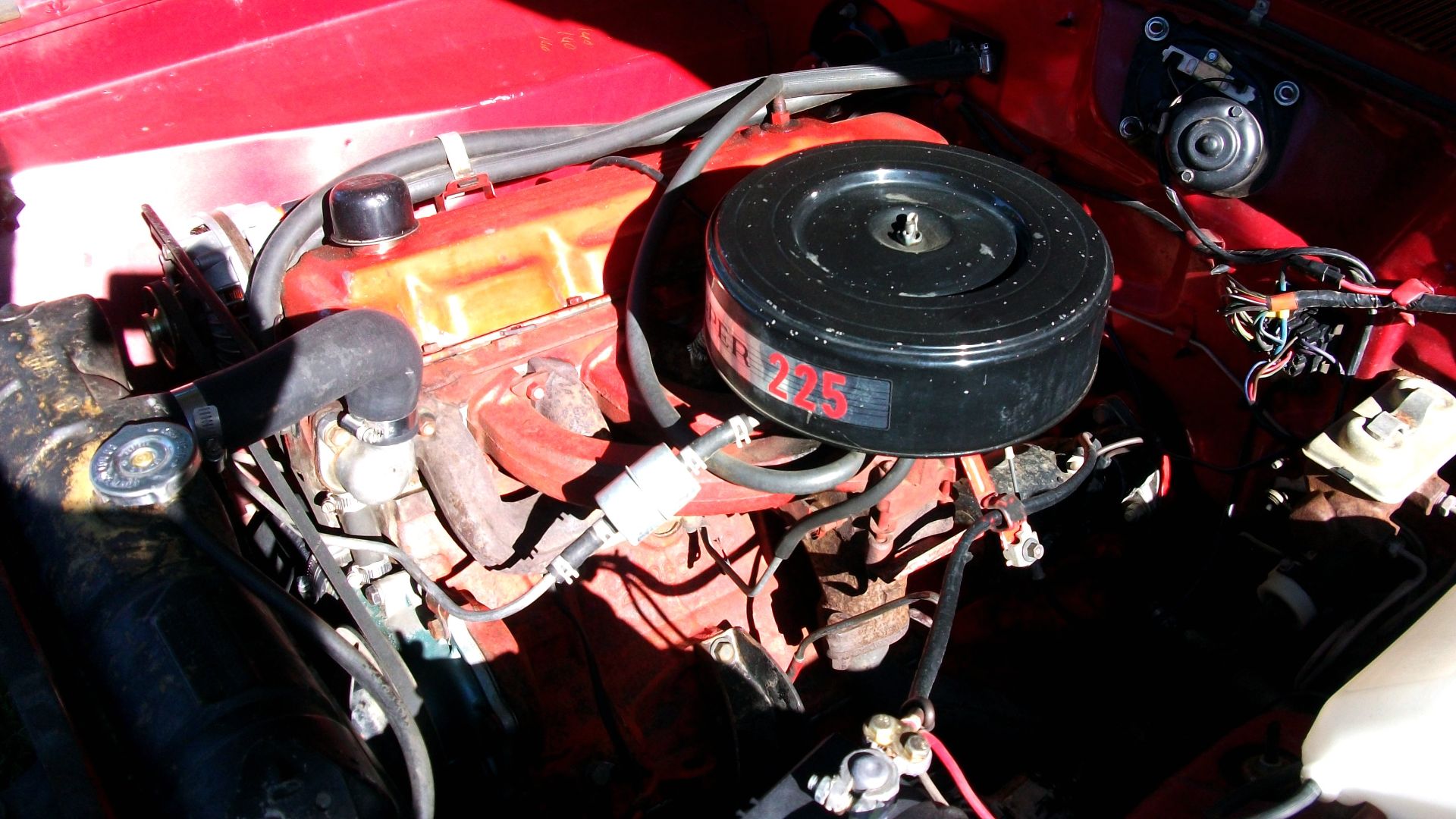
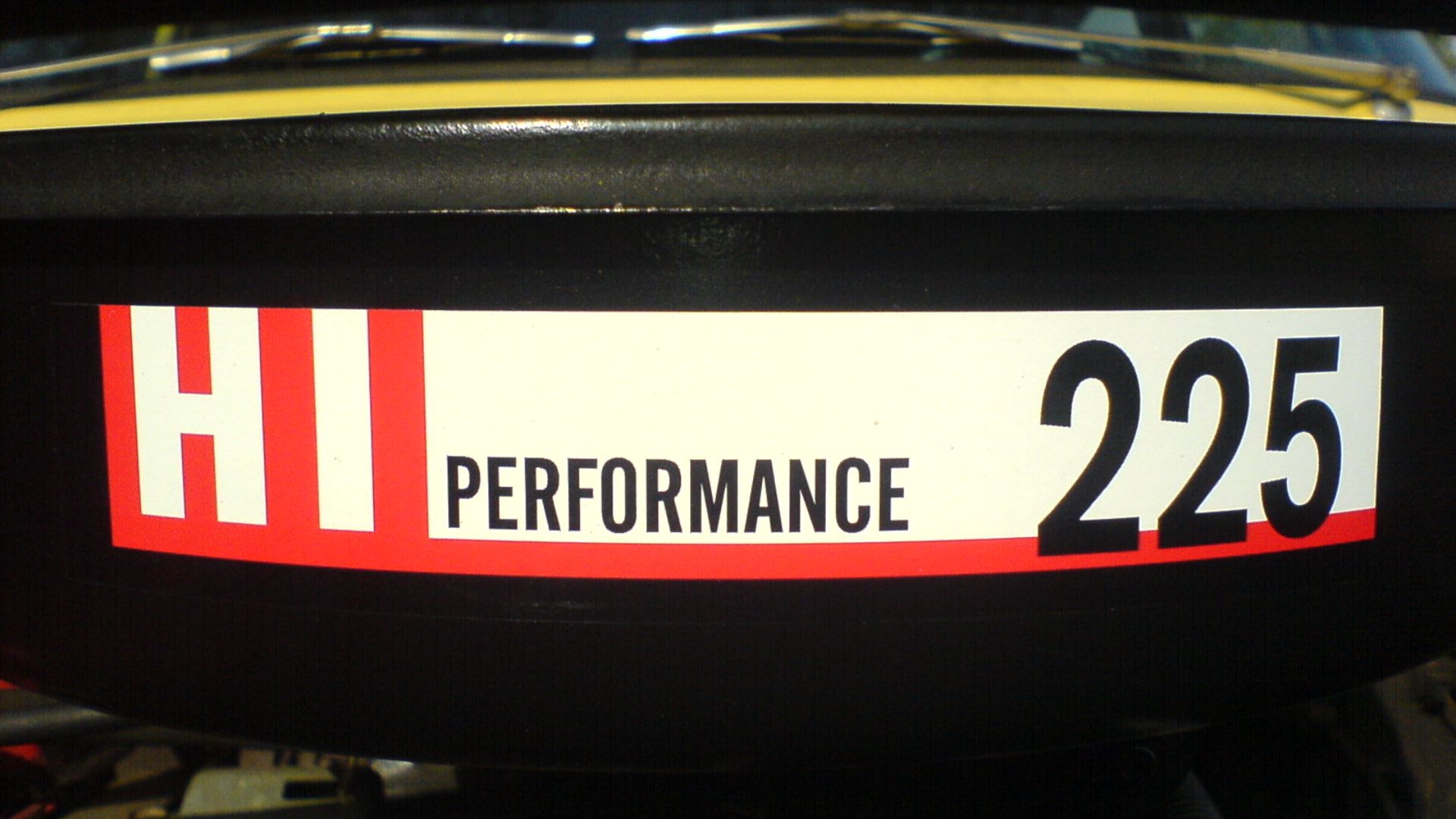
The Slant Six was offered primarily in 170- and 225-cubic-inch versions. The smaller engine put the focus on fuel efficiency, while the larger prioritized torque and drivability. Despite the two different sizes, both shared the same basic sturdy design, reinforcing Chrysler’s focus on durability over out-and-out performance.
 dave_7 from Lethbridge, Canada, Wikimedia Commons
Unusual Intake Manifold
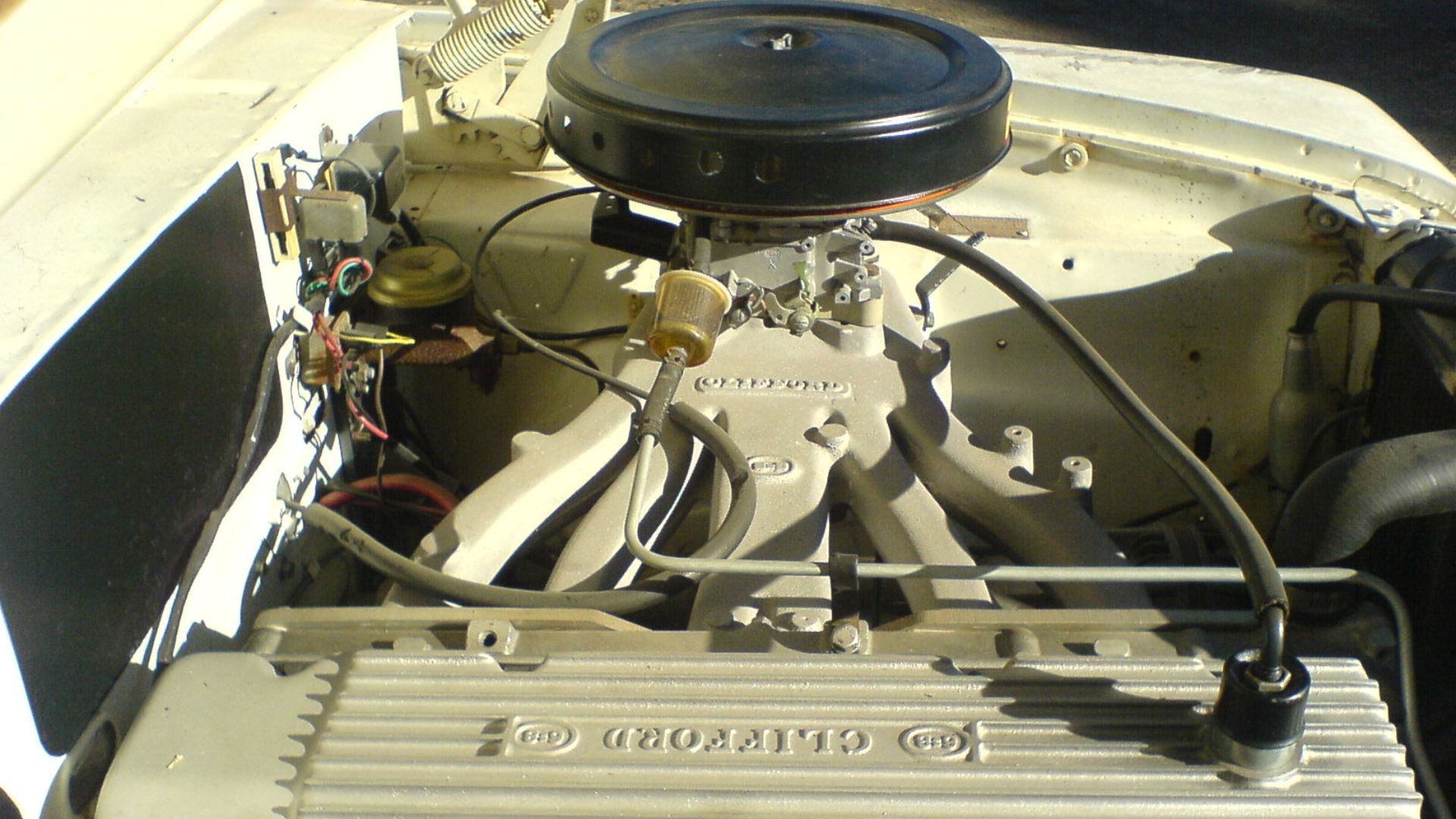
The slanted block allowed for long, gently curved intake runners, sometimes called a “bunch of bananas.” This form helped improve low-end torque and fuel mixing, ideal for daily driving. While the engine was never at all intended for high-revving performance, its torque curve made cars feel responsive and relaxed for day-to-day use.
 Brother Dave Thompson, Wikimedia Commons
Why They “Ran Forever”
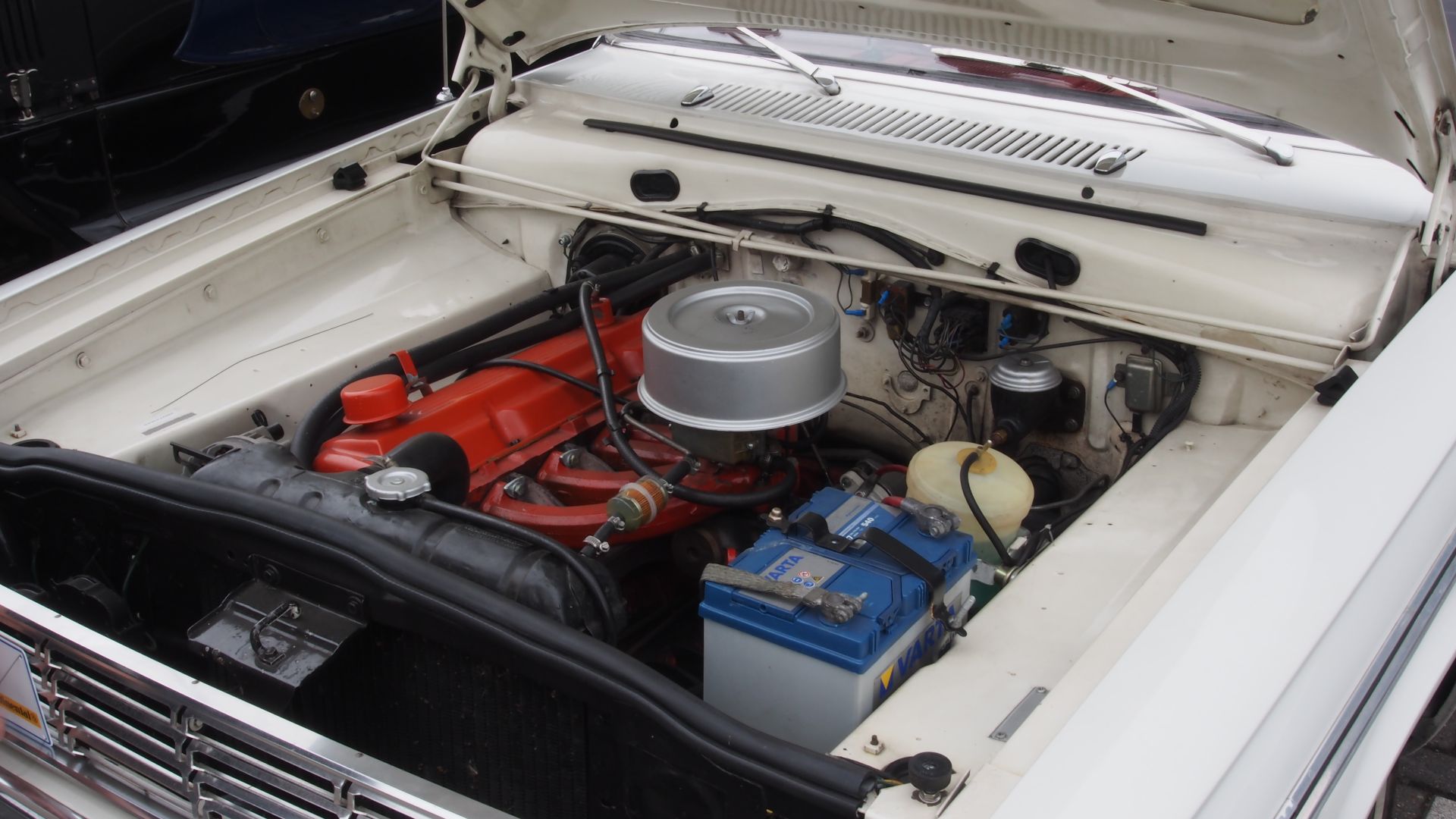
Low compression, conservative cam timing, robust cooling passages, and overbuilt internals meant these engines were rarely stressed. Even people who weren’t very diligent with maintenance failed to kill them. Stories abounded of Slant 6 cars surviving overheating, oil neglect, and hard commercial use with little internal damage.
 Alf van Beem, Wikimedia Commons
Favorite Of Fleet And Commercial Users
Taxi companies, delivery services, and government fleets loved the Slant 6 engine. Reliability was more important than horsepower, and downtime cost a bundle. These engines piled up astonishing mileage in harsh conditions, reinforcing their reputation as one of the most dependable powerplants of the 20th century.
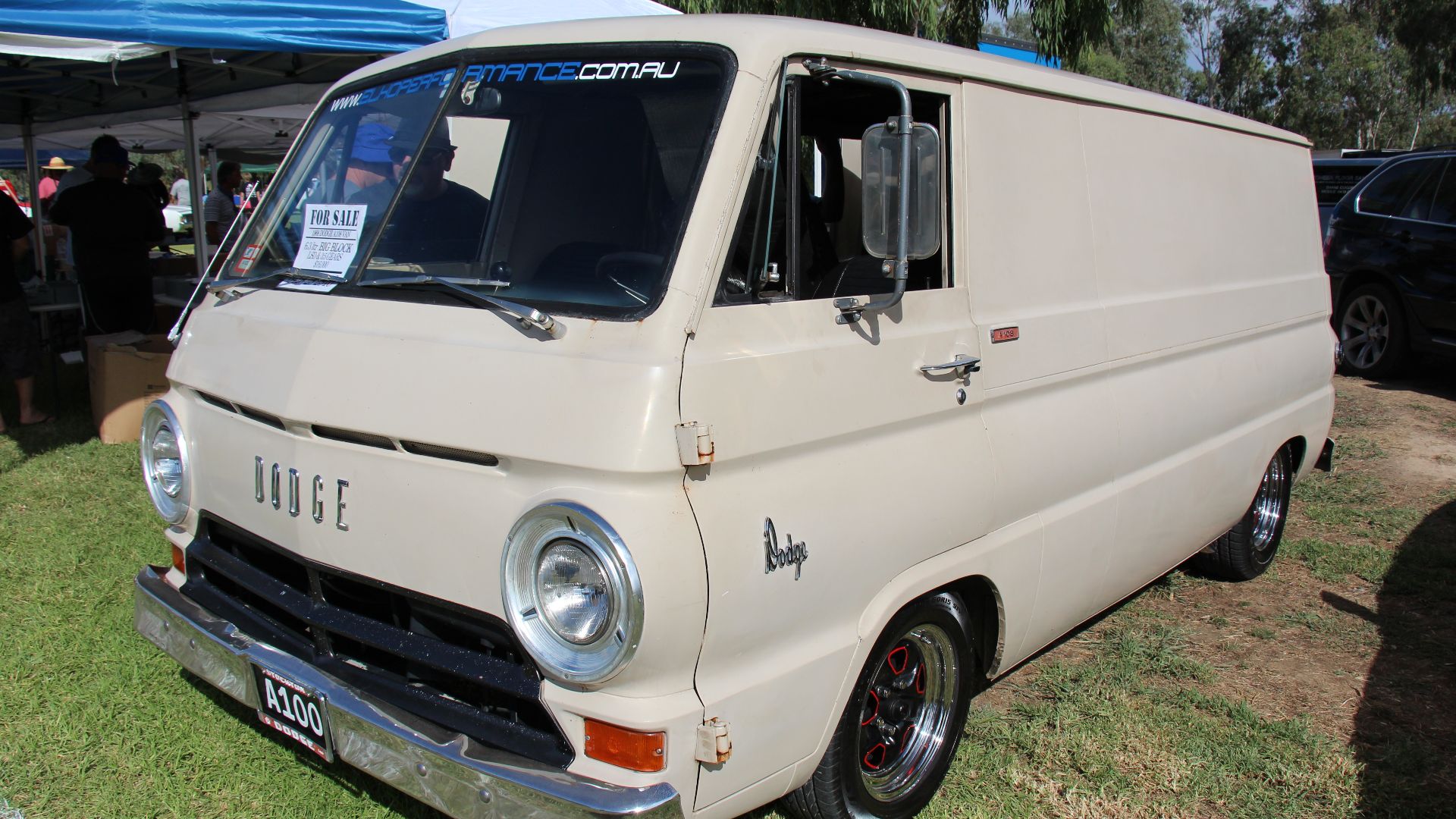
Fuel Economy
Compared to the big V8s of the era, the Slant 6 delivered respectable fuel economy while remaining relatively simple mechanically. Carbureted, easy to tune, and tolerant of low-octane fuel, it fit perfectly into an era when drivers were looking for affordable transportation without a lot of extra maintenance.
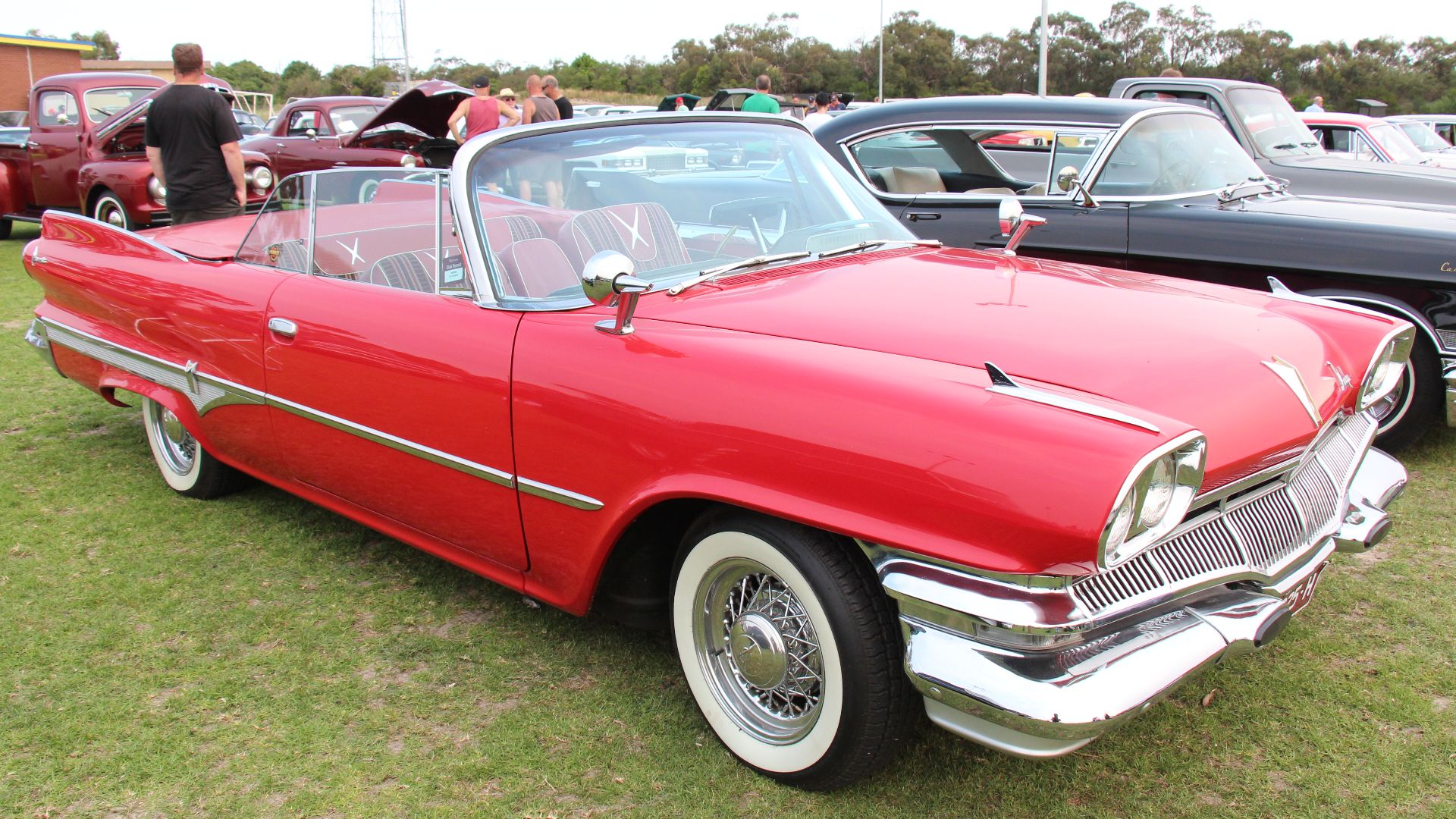
Models That Made It Famous
The Slant 6 became almost synonymous with the Dodge Darts, Plymouth Valiants, Barracudas, and many other compact and mid-size Mopar vehicles of the 60s and 70s. It also found a welcome home in station wagons, utility vehicles, and light trucks, proving to be a versatile motor across almost every product category Chrysler sold.
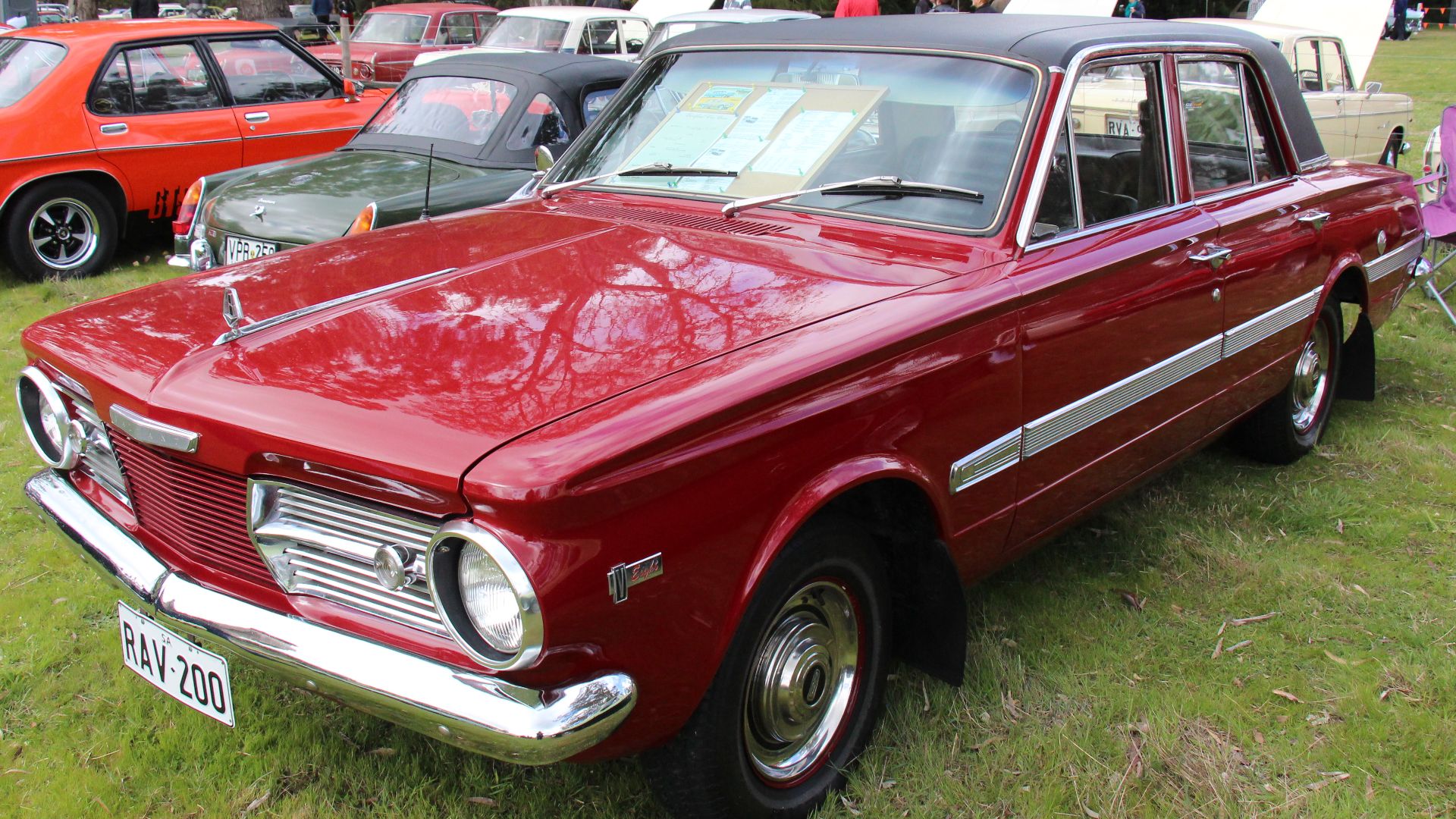
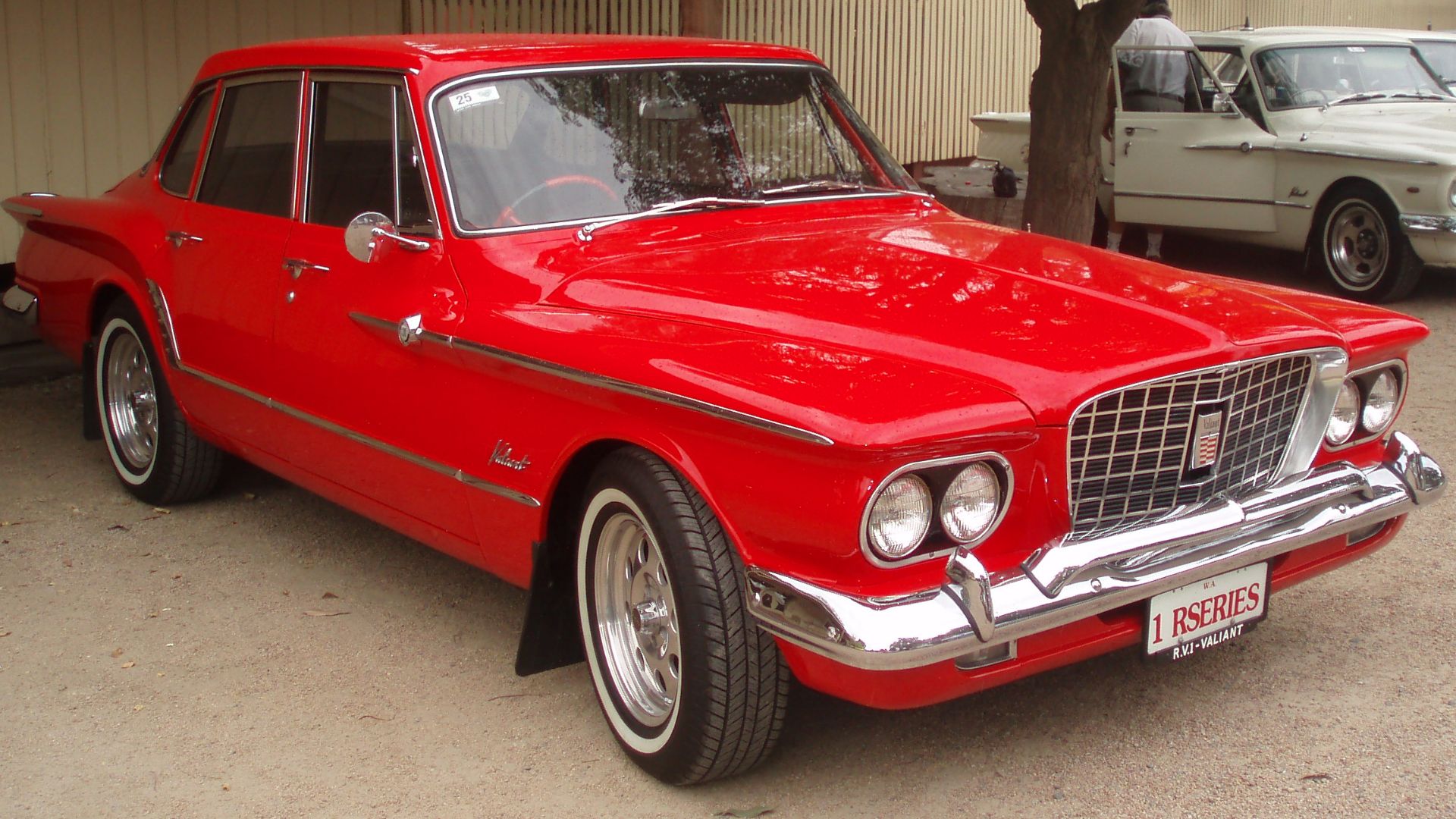
Dodge And Plymouth Compacts
Compact Mopars benefited greatly from the Slant 6’s balance of size and torque. Cars like the Valiant achieved an impressive mileage longevity, with many examples staying on the road decades longer than their competitors. Owners often replaced bodies around engines that simply refused to wear out.
Simple Maintenance, Simple Tools
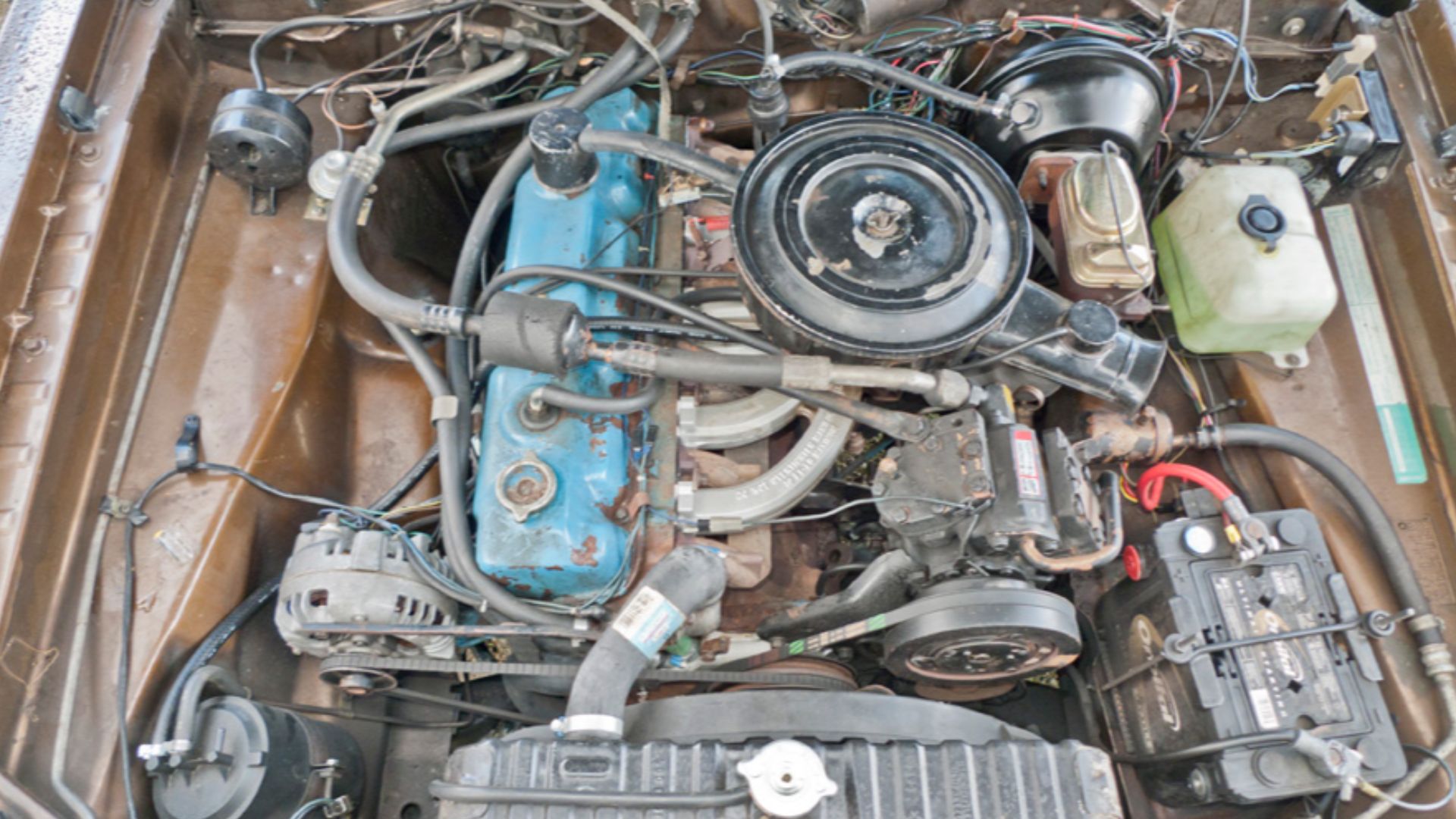
The engine’s simplicity made it easy to work on for home mechanics. Routine maintenance could be done with basic tools, and parts availability stayed strong for decades. This accessibility further cemented the Slant Six as a favorite for DIY enthusiasts and drivers looking to save a buck.
 Scheinwerfermann, Wikimedia Commons
Unusual Oil System Strength
Chrysler designed the oiling system generously, making sure that critical components received consistent lubrication. The main bearings were comparatively large, oil passages were robust, and oil starvation failures were rare. This design choice paid off as the engines aged and tolerances naturally loosened with all that accumulated mileage.
Performance Was Secondary
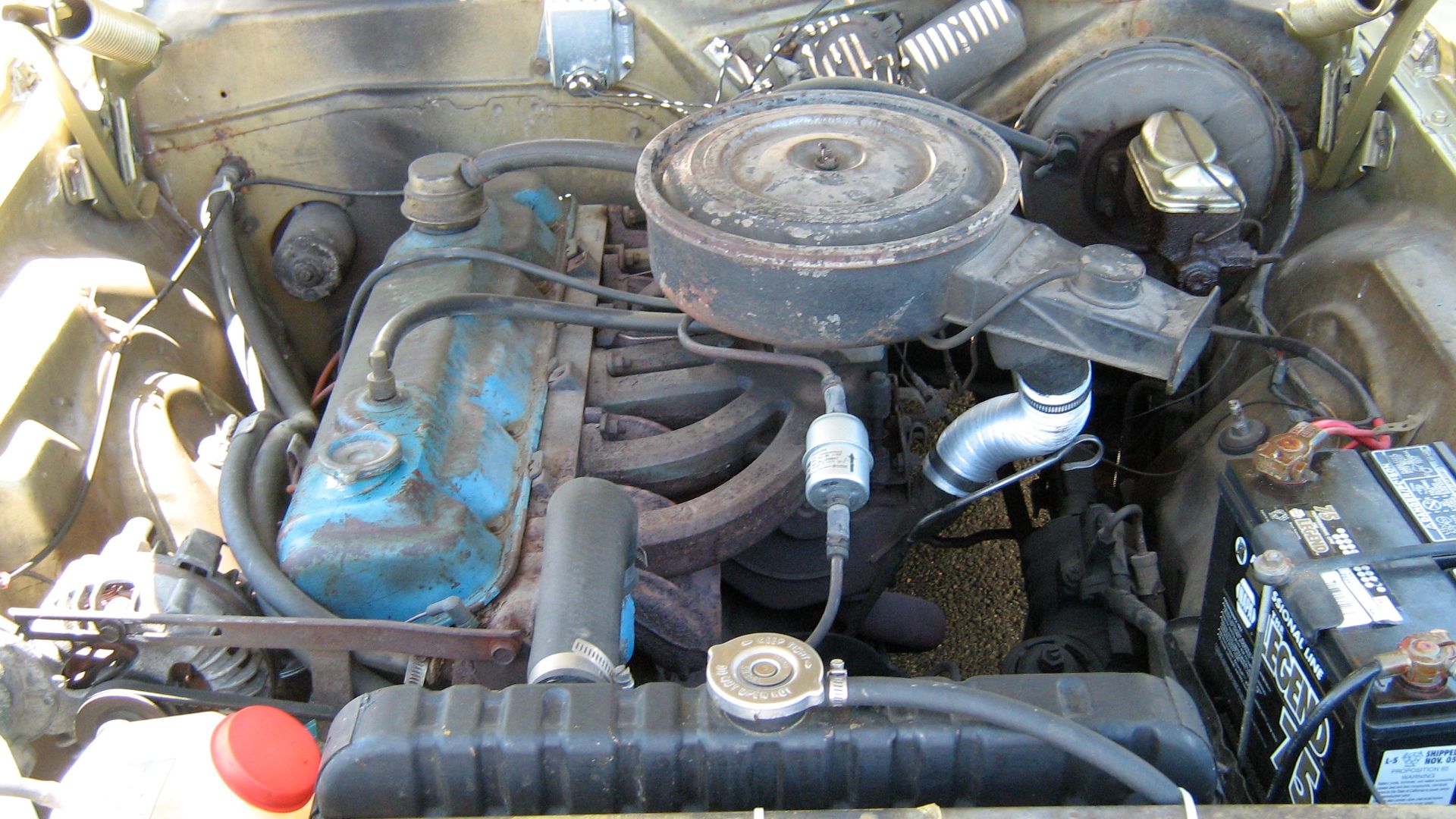
Stock Slant 6 engines weren’t fast. They weren’t meant to be. Acceleration was modest, and horsepower figures lagged behind rivals. But Chrysler emphasized the motor’s usability and lifespan. The tradeoff favored owners looking for reliability, smoothness, and low operating costs over racing-style performance.
 Dyno Tested at English Wikipedia, Wikimedia Commons
High-Performance And Racing Modifications
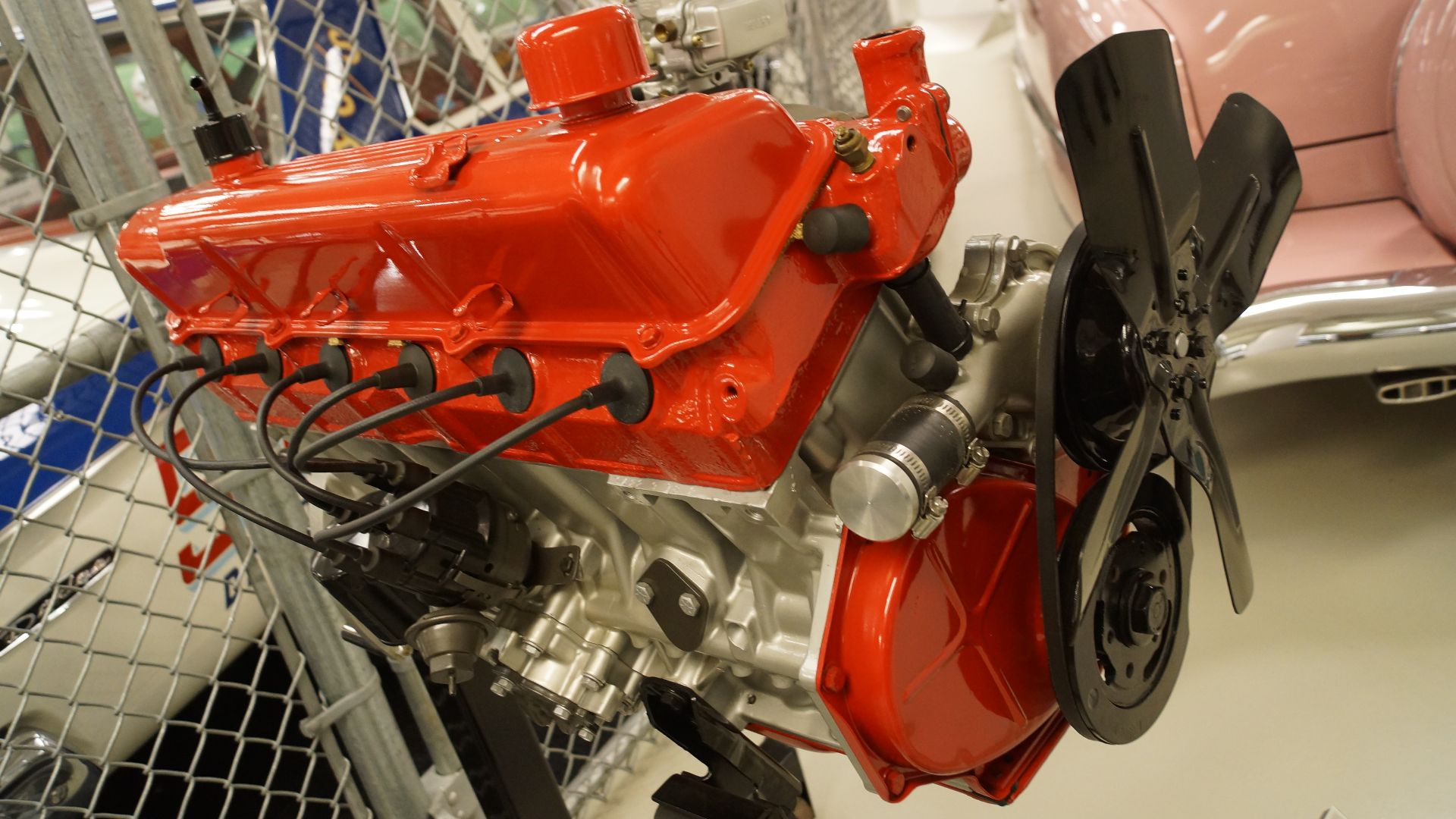
Despite modest stock output, racers found their own ways to unlock surprising power. High-compression heads, aggressive camshafts, triple carburetor setups, and improved exhaust manifolds could transform Slant 6 engines into respectable competition units, especially in drag racing and circle track classes.
 Greg Gjerdingen from Willmar, USA, Wikimedia Commons
The “Hyper-Pak” Legend
Chrysler’s factory Hyper-Pak option demonstrated the engine’s hidden potential. With tuned intake runners and improved breathing, Hyper-Pak Slant 6’s competed successfully in early 1960s motorsport events, proving the design could perform under the steady hand of racing engineers.
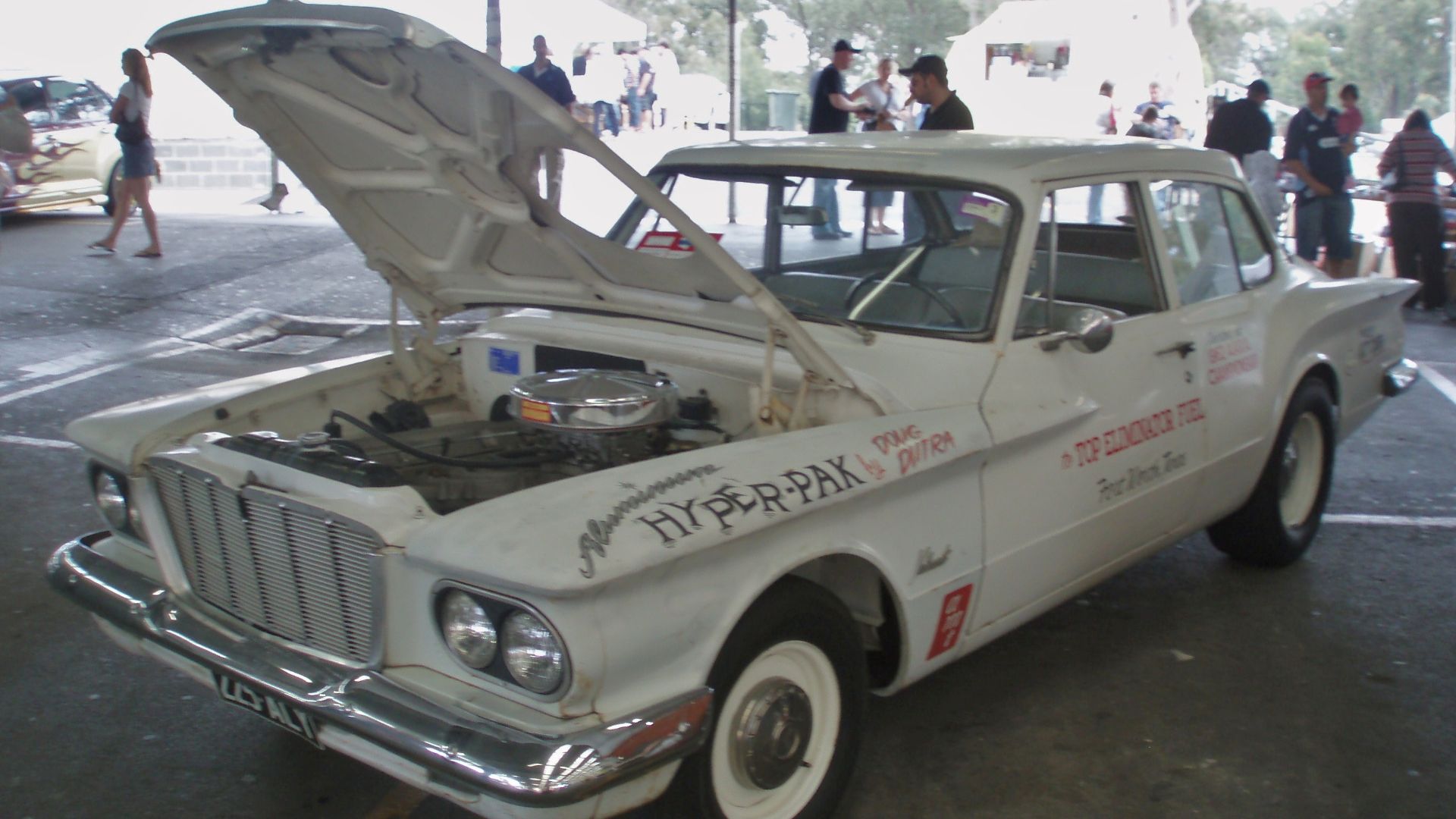
It Gained A Cult Following
Stories of engines lasting 300,000 or even 500,000 miles fueled near-legendary status for the Slant 6. Owners trusted them implicitly. Over time, the Slant 6 became something of a symbol of old-school American engineering values: simplicity, robustness, and mechanical honesty.
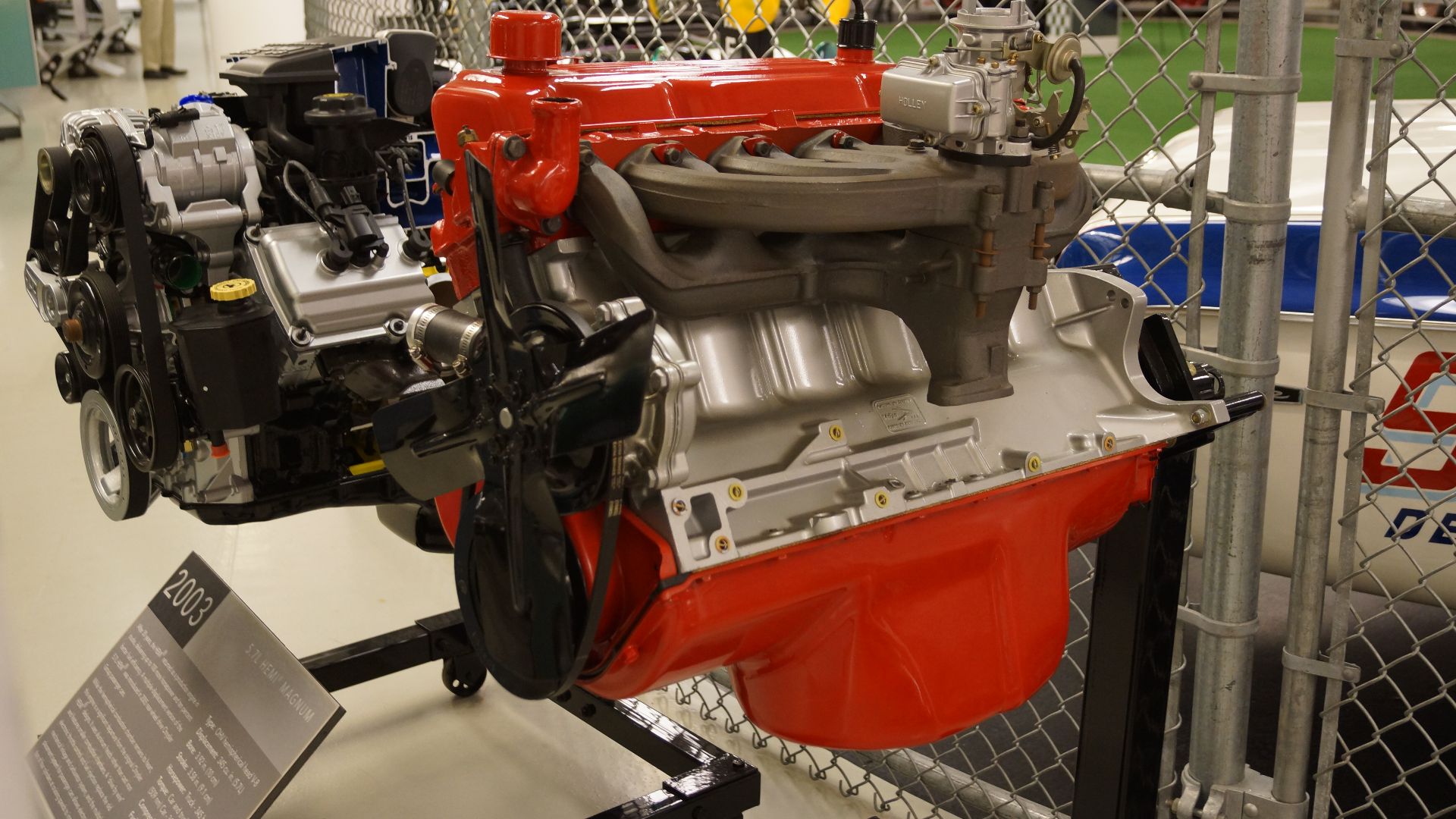 Greg Gjerdingen from Willmar, USA, Wikimedia Commons
Emissions And Changing Priorities
As emissions regulations tightened up in the 70s and 80s, carbureted inline sixes became quite a bit harder to modernize. Fuel injection and lighter materials were the wave of the future. The Slant 6’s heavy cast-iron design struggled mightily to adapt cost-effectively to the new regulatory demands.
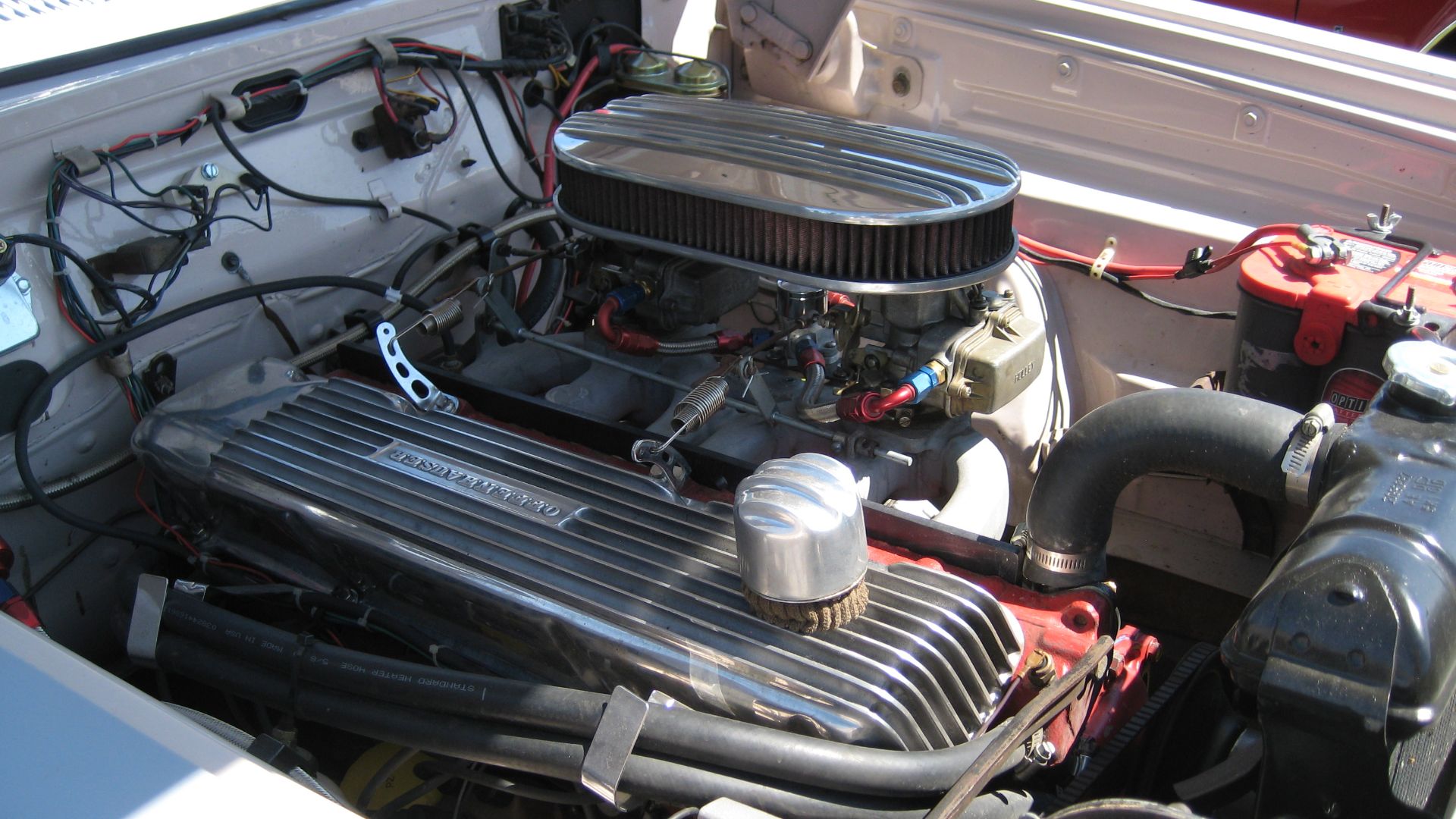 JOHN LLOYD from Concrete, Washington, United States, Wikimedia Commons
New Small V6 Engines
New compact V6 engines emerged offering smoother operation, and easier emissions compliance. They delivered more horsepower in smaller, lighter packages. As these engines matured, the business case for continuing with the Slant 6 started to slacken within Chrysler’s lineup.
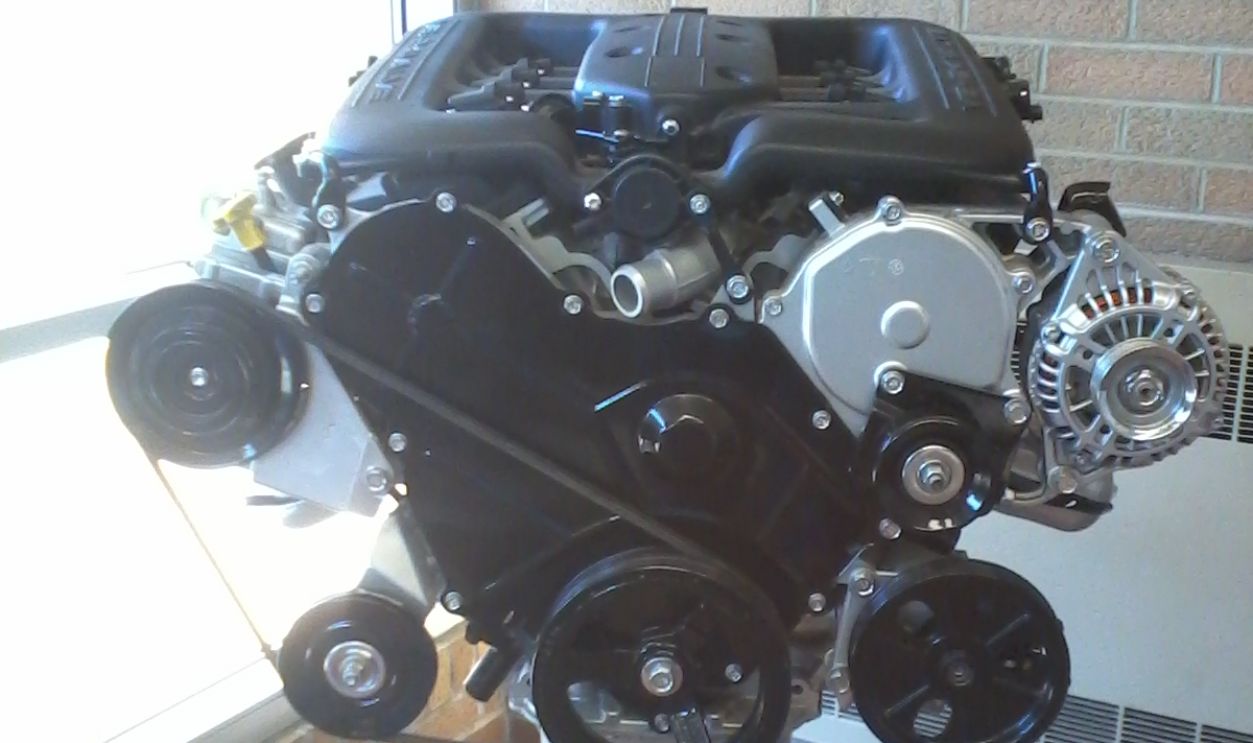
Production Winds Down
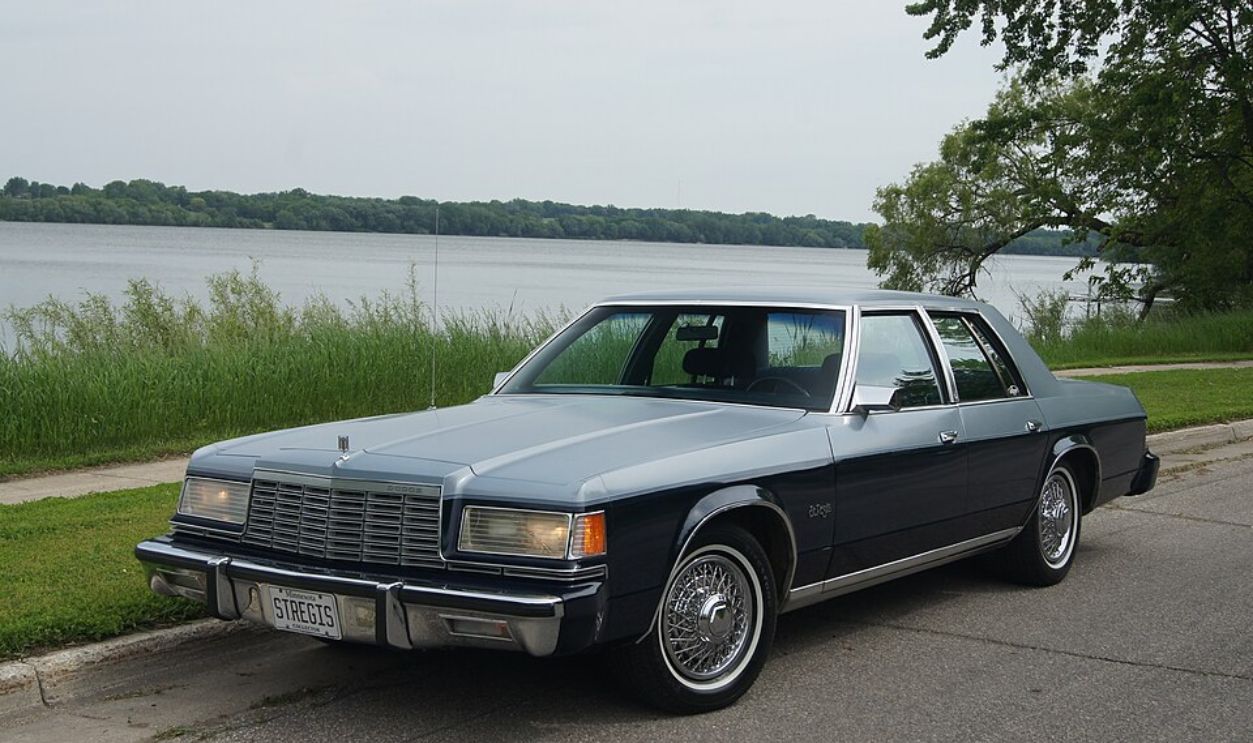
Production of the Slant 6 slowly tapered off through the 80s. While it was still respected, it was increasingly viewed as a thing of the past. The engine that once symbolized innovation had become a relic of an earlier engineering philosophy focused more on durability than optimization.
 Greg Gjerdingen, Wikimedia Commons
Lasting Legacy
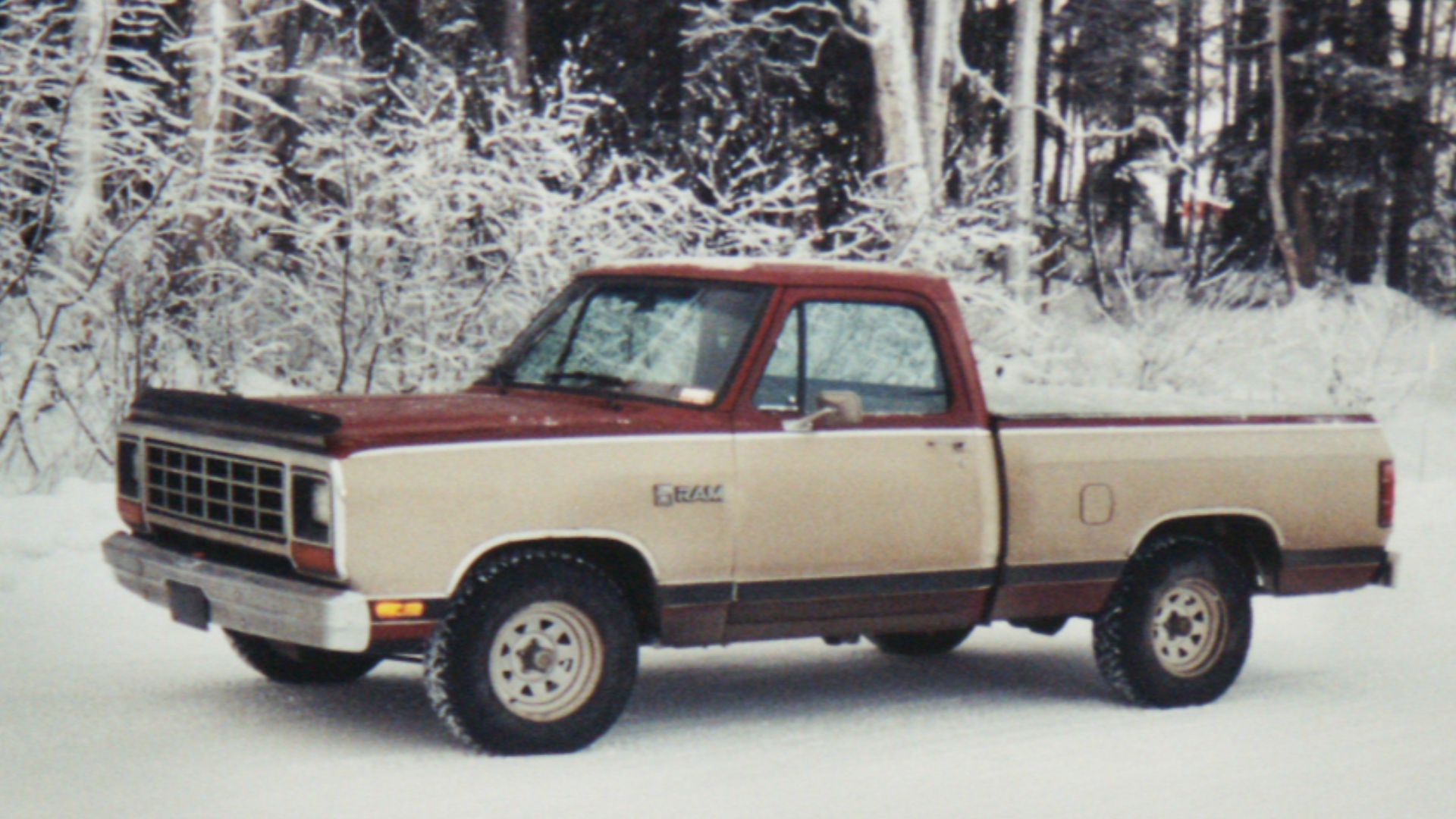
Few engines have inspired such a level of universal respect. The Slant 6’s reputation outlived its production by decades. Even today, mechanics and enthusiasts speak highly of this engine, often measuring modern engines against the durability benchmark set by the Slant 6 long ago.
 G.Goodwin Jr. & Snark, Wikimedia Commons
We Can Learn Something From It
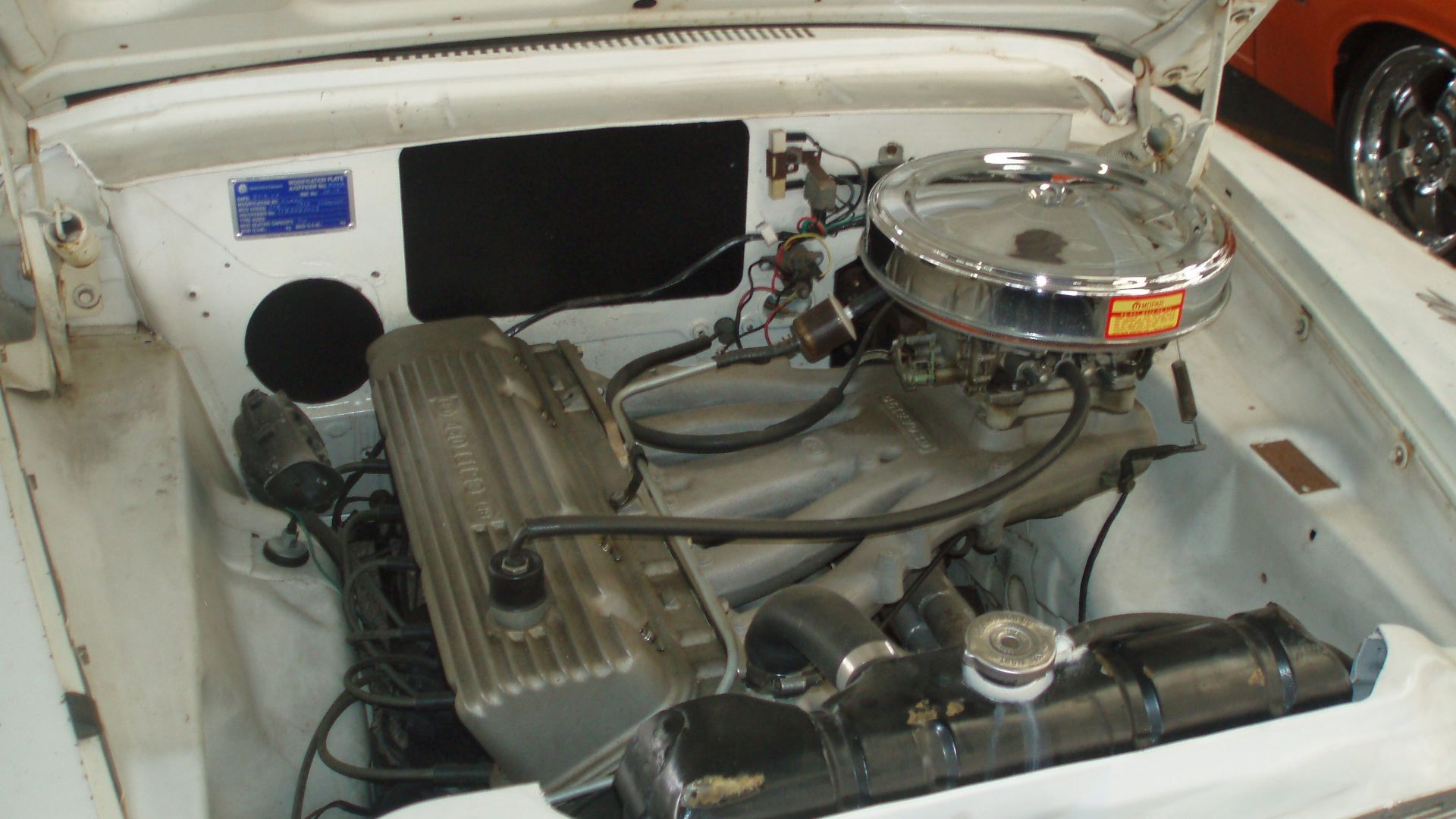
In an age of complex electronics and lightweight designs, the Slant 6 is a throwback to a simpler time when engines were built to endure neglect, abuse, and time itself. Its story is less about speed but a well-earned reputation for reliability.
Nothing Fancy
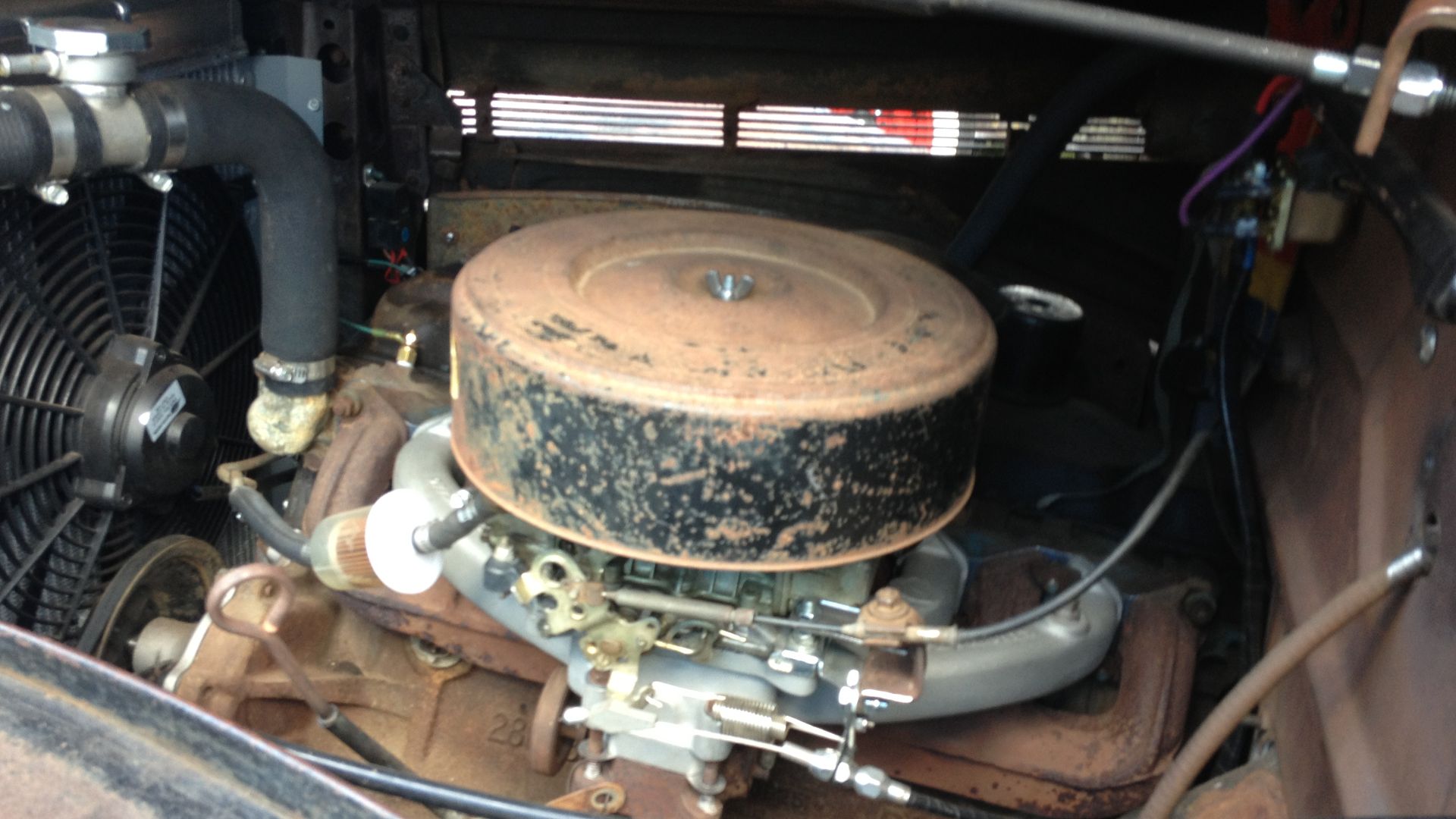
Chrysler’s Slant 6 was never glamorous, but it succeeded spectacularly at what it was designed to do. Designed thoughtfully, built conservatively, and trusted endlessly, it grew into one of the most durable engines ever produced. Its quiet legacy continues to shape how enthusiasts define reliability under the hood.
 dave_7 from Lethbridge, Canada, Wikimedia Commons
You May Also Like:
Only Baby Boomers Would Know What These Car Parts Are
Forgotten Names From The Golden Age Of Horsepower






.jpg)