Built To Last The Miles
A reliable car leaves its mark by performing well long after the initial shine fades, handling daily routes with calm consistency. Some brands excel at that balance of strength and endurance, earning loyalty through years of solid, predictable service.
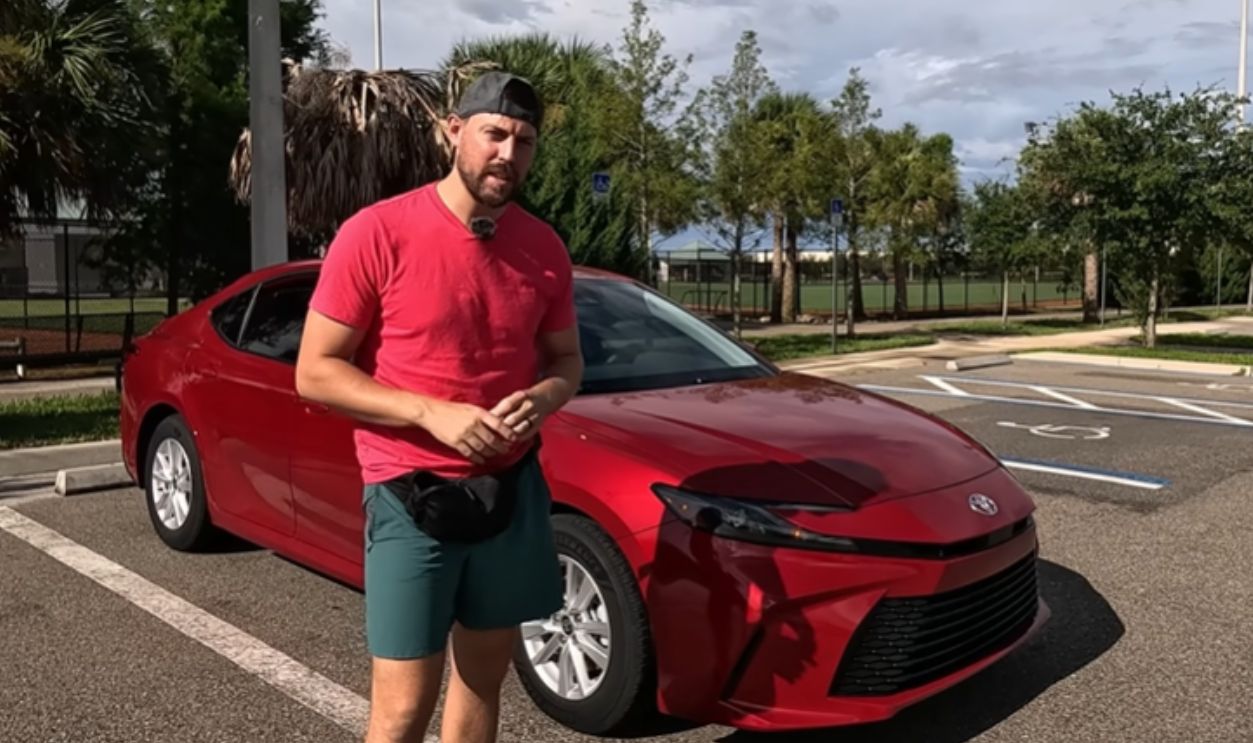
Toyota
Owners love telling stories about Toyotas that simply refuse to slow down, with Camry, Corolla, Hilux, and 4Runner engines stretching past 400k miles and occasionally climbing toward a million. Strong transmissions, slow-changing electronics, and a massive global parts network help most survive more than twenty years.
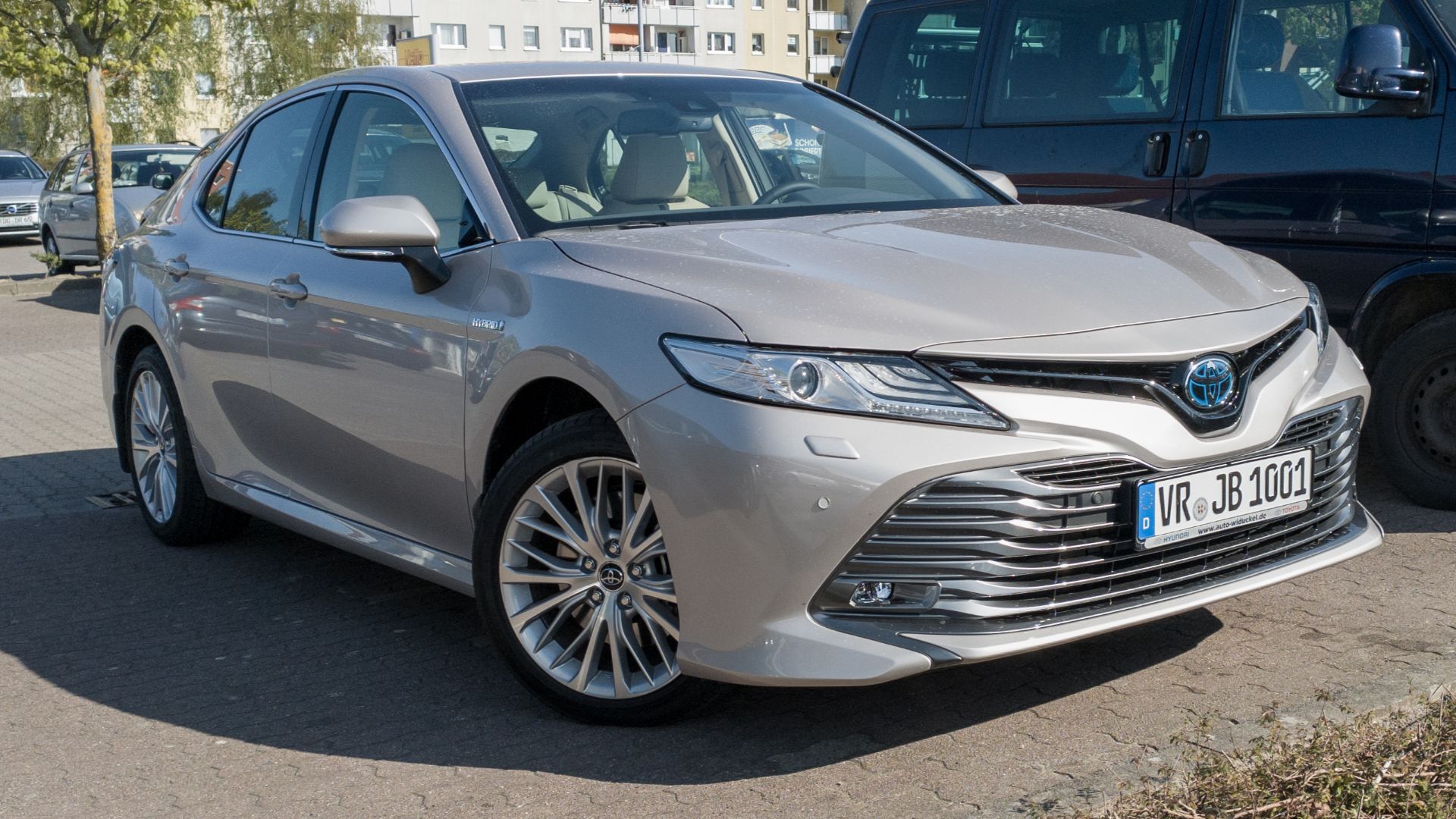 Matti Blume, Wikimedia Commons
Lexus
Quiet confidence defines a Lexus because the brand hides Toyota’s toughest drivetrains beneath a calmer ride, and those hybrid packs tend to run well past 300k miles. Long model cycles also keep trusted components in circulation, which explains why so many early LS400s still look fresh.
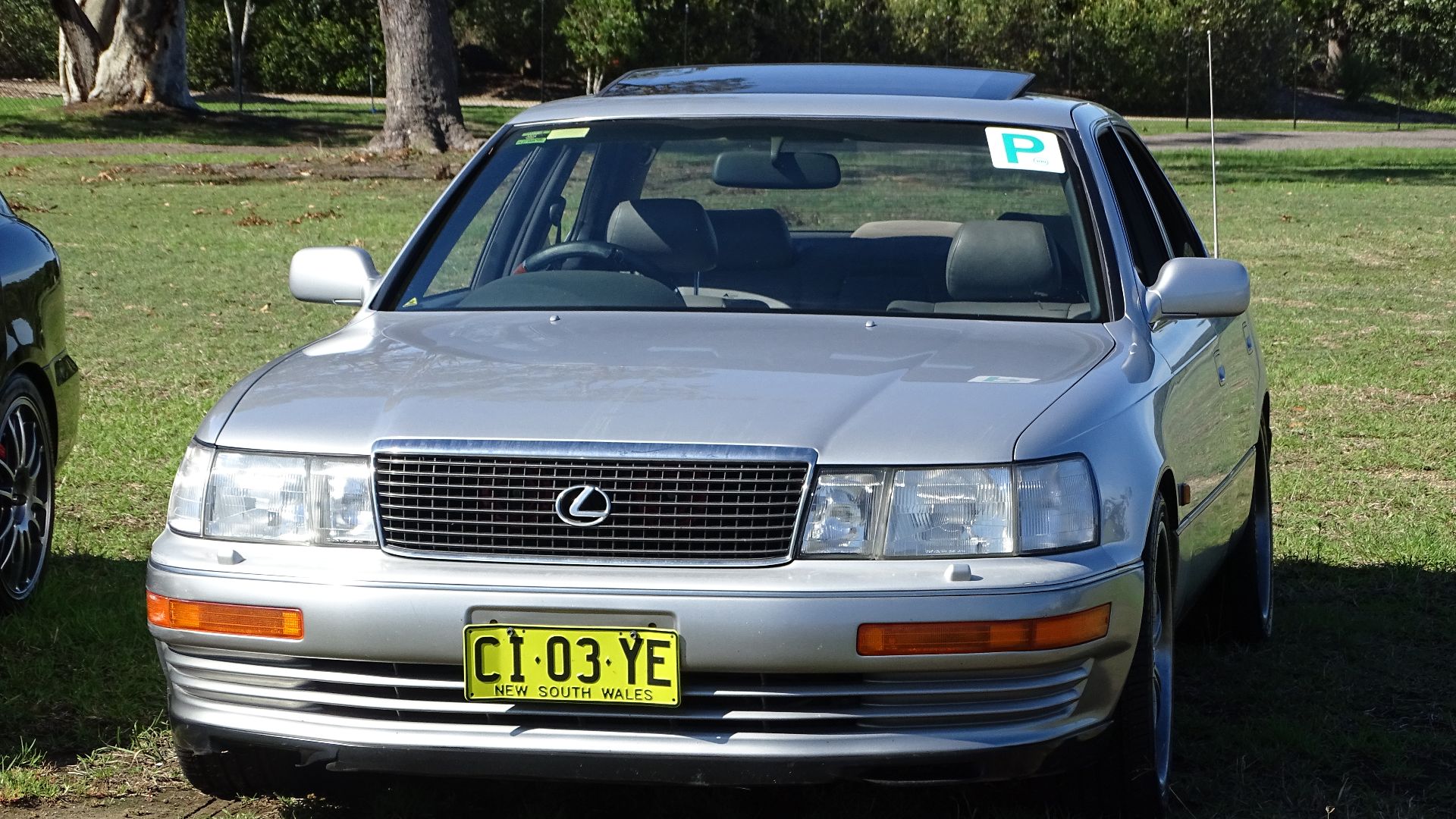
Honda
Plenty of shoppers stay loyal after seeing how easily Honda’s K-series and B-series engines reach 400k miles. Straightforward timing setups and minimal turbo involvement help Civic and Accord survivors keep showing up in high-mileage rankings, and families regularly pass these cars down without hesitation.
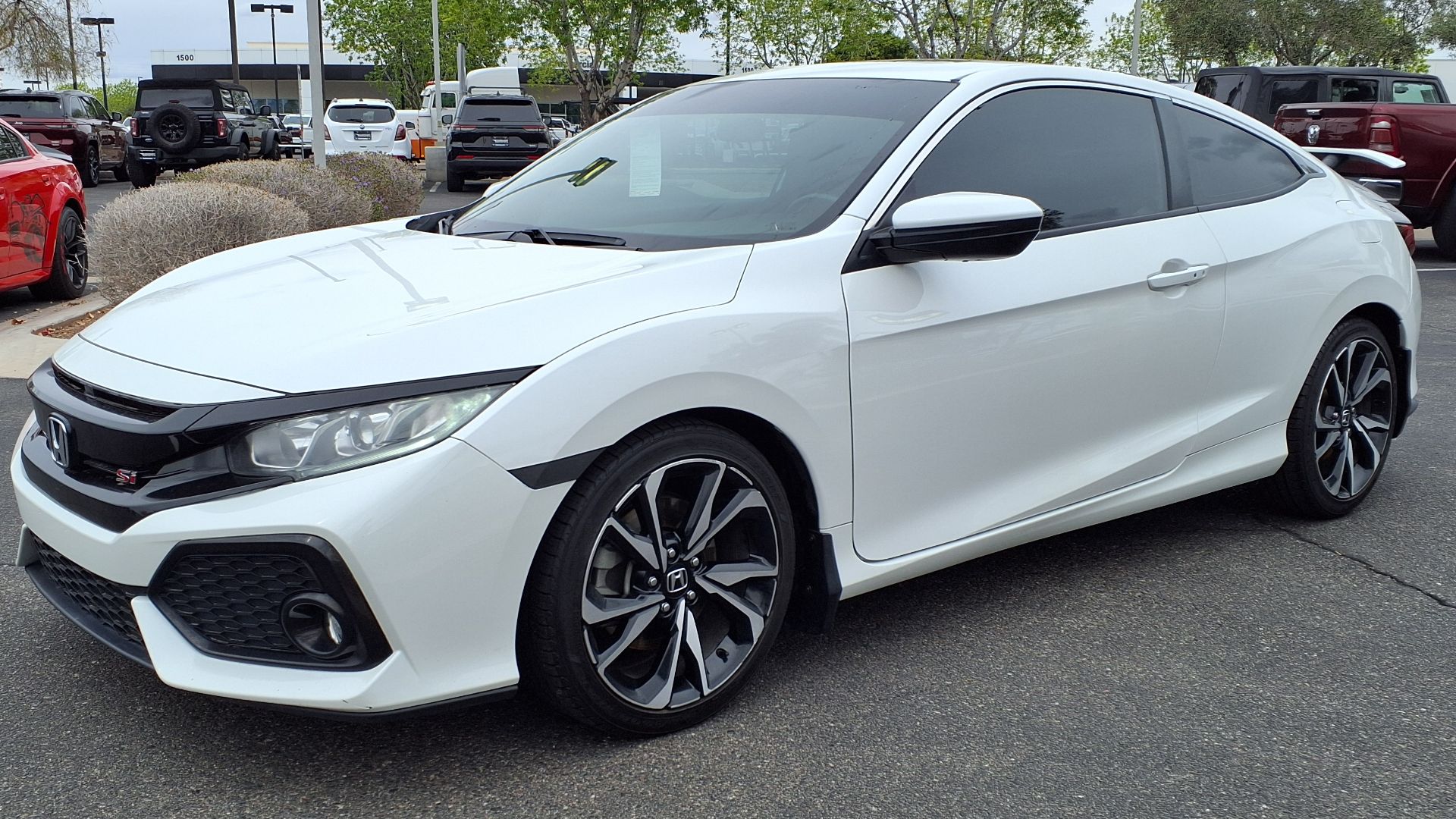
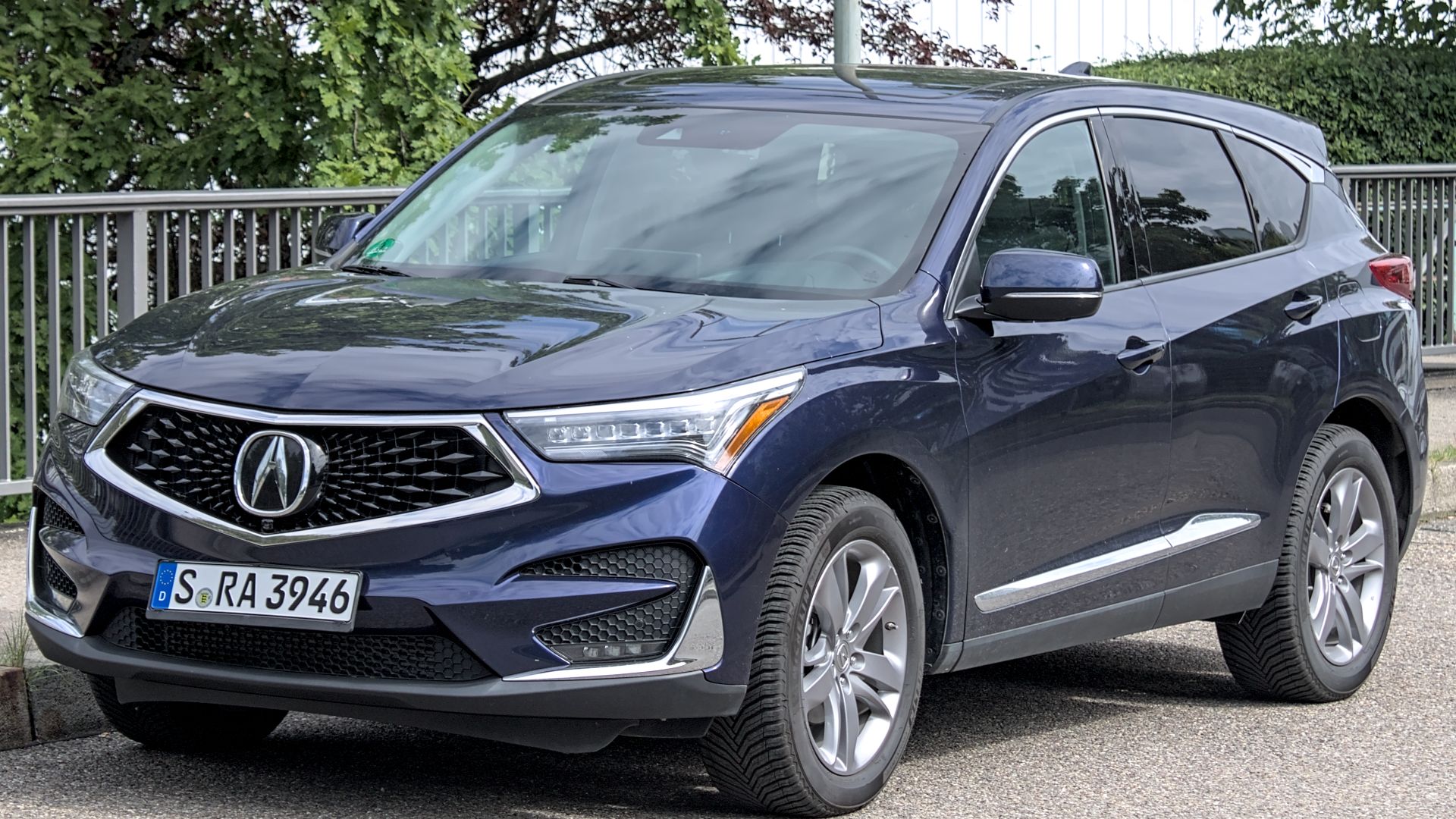
Acura
Acuras often feel like the polished cousins of Hondas, backed by the same stout drivetrains but supported with stronger rust protection and comfortable cabins. TL, MDX, and RDX owners regularly report 300k-mile odometer readings, and most early-2000s models remain impressively tight inside.
 Alexander-93, Wikimedia Commons
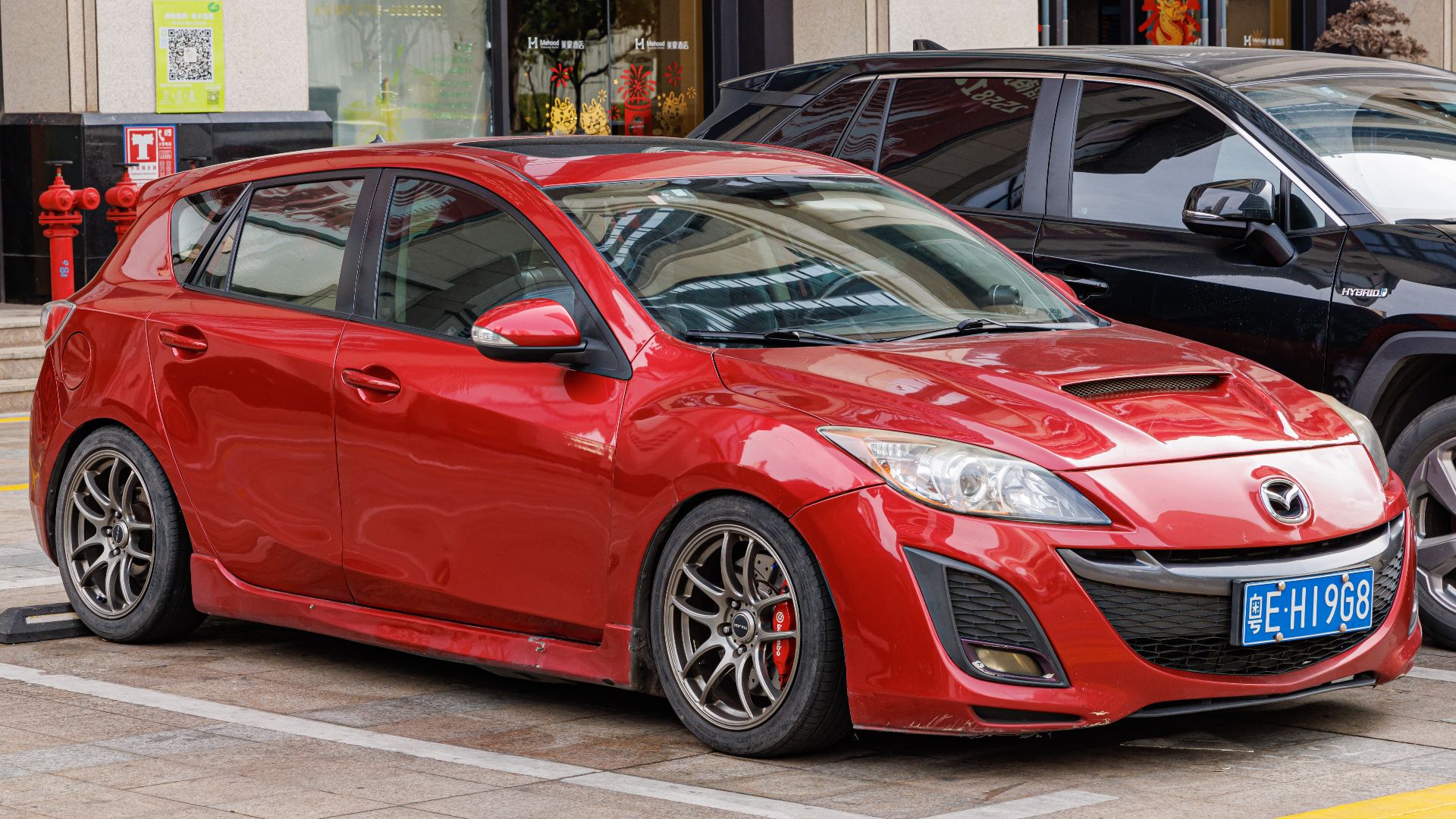
Mazda
Drivers who appreciate clean, uncomplicated engineering tend to admire Mazda, especially since many Skyactiv-G engines avoid turbos yet still push toward 300k miles. Post-2014 rustproofing finally solved an old issue, while simple manuals and electronics keep aging light, giving Mazda3 and CX-5 models real enthusiast appeal.
 Dinkun Chen, Wikimedia Commons
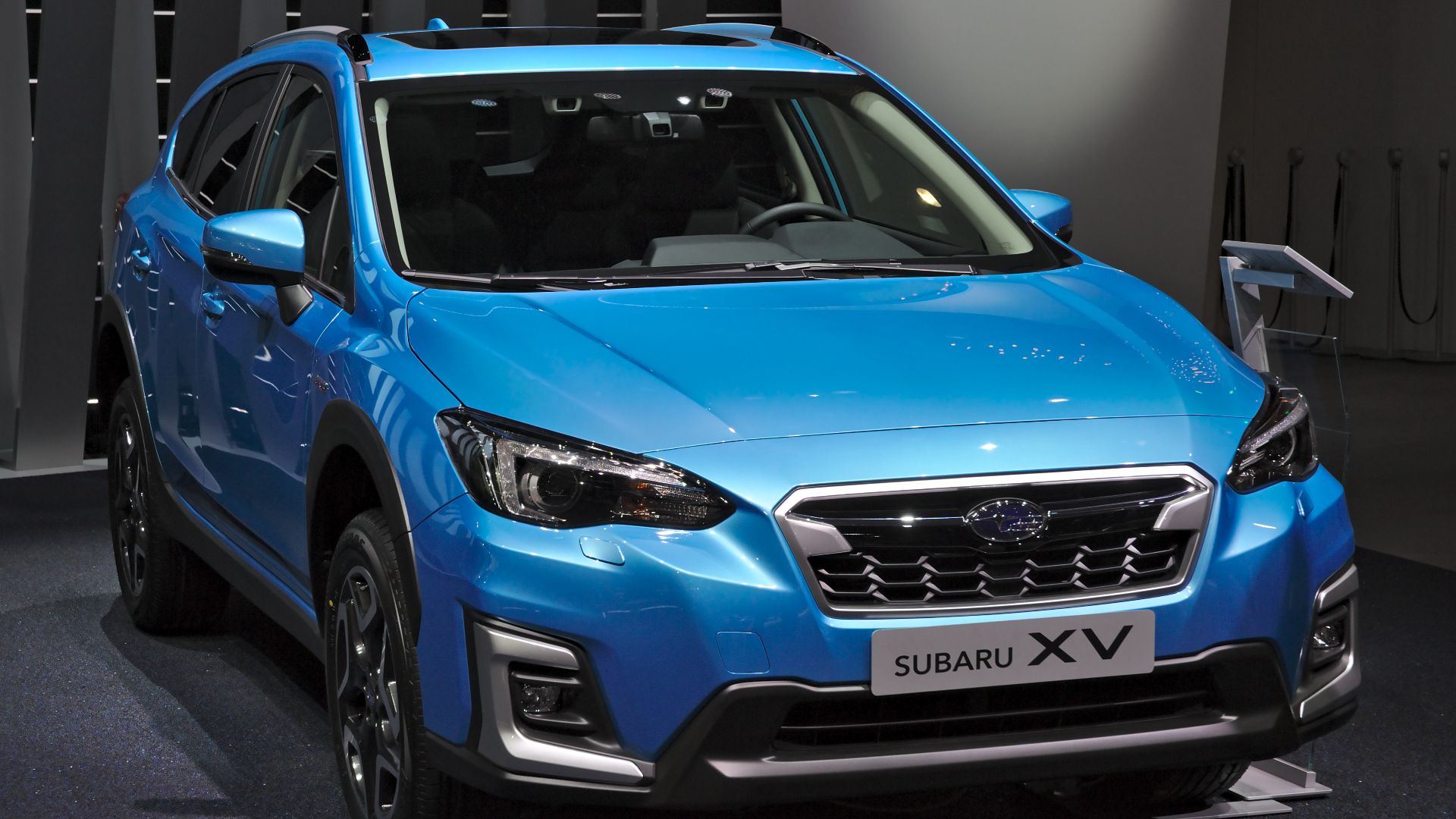
Subaru
Snow-state drivers rely on Subaru because the cars hold up when winters pile on, especially once FB and FA engines receive regular gasket care and push toward 300k miles. The symmetrical AWD system stays remarkably sturdy with clean oil, and high-mile Outbacks or Foresters remain common sightings.
 Alexander Migl, Wikimedia Commons
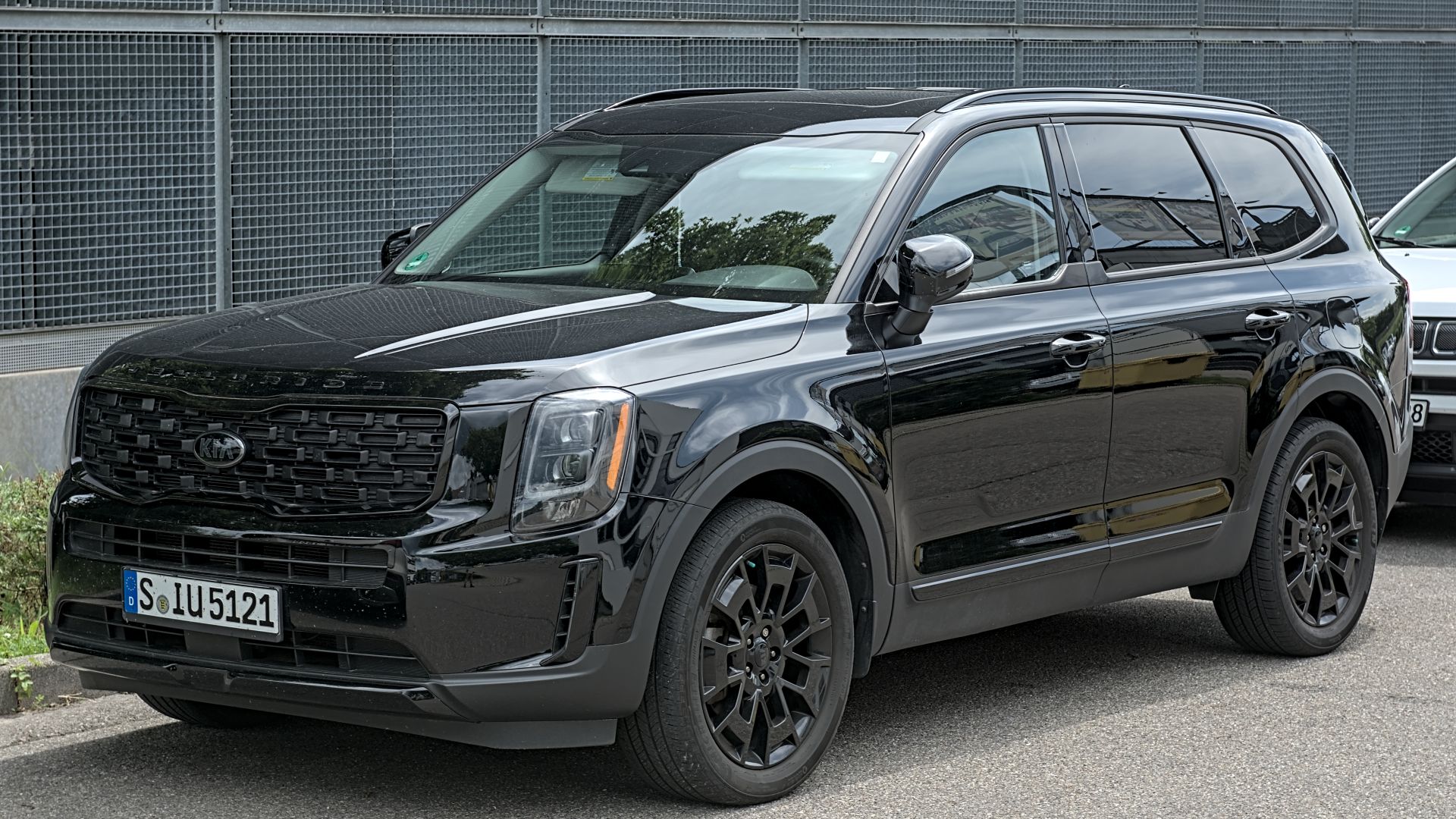
Kia
Plenty of skeptical owners changed their minds after discovering Kia honors its long warranty well past 200k miles, especially now that updated Theta II and Smartstream engines regularly reach 250k. Telluride, Sorento, and Sportage models score impressively in reliability rankings, and many still feel new at high mileage.
 Alexander Migl, Wikimedia Commons
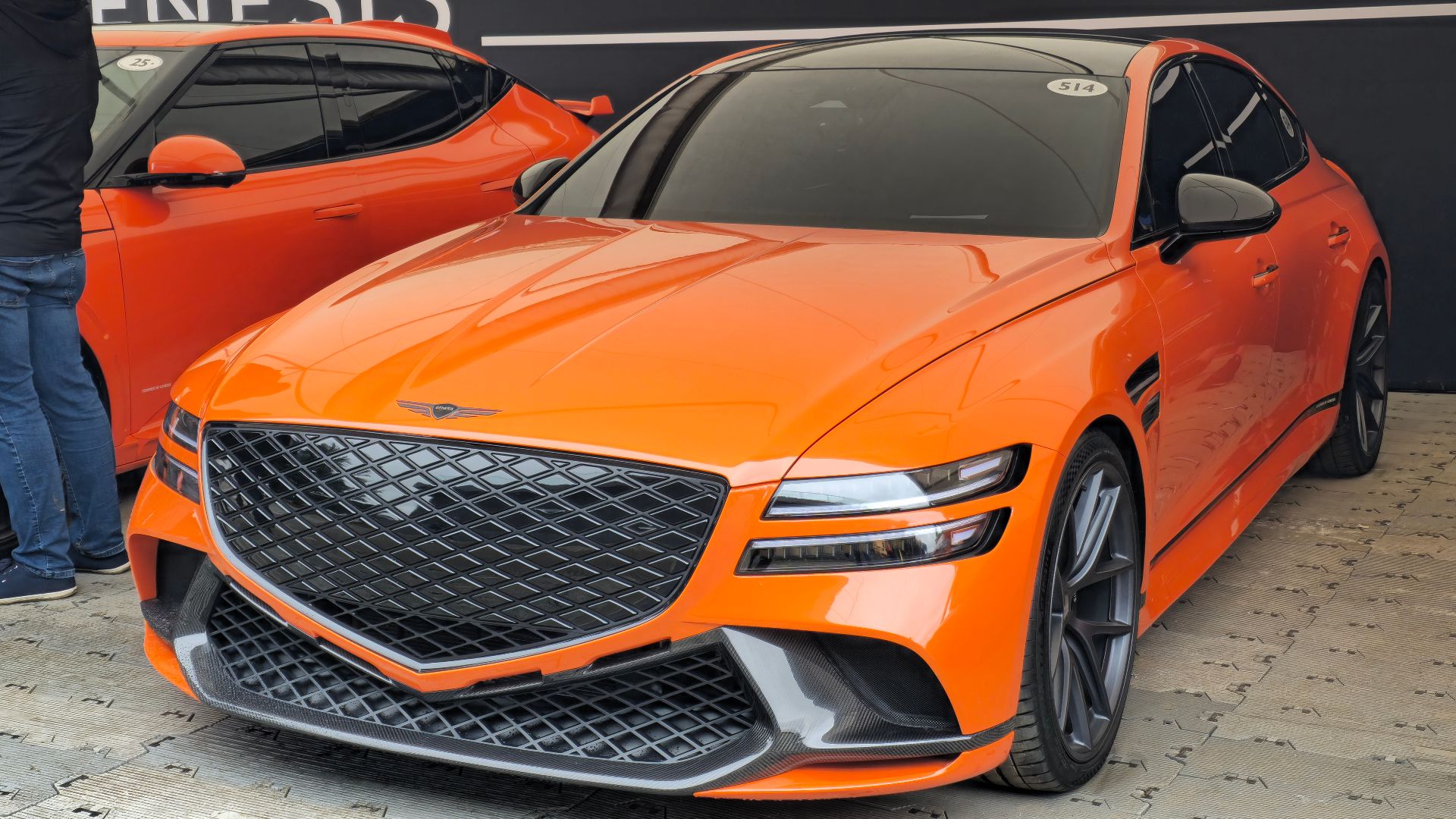
Genesis
Luxury buyers warm up to Genesis once they realize its calm ride hides the same dependable Hyundai and Kia powertrains underneath. Early G80 and GV70 owners already report 200k miles without major trouble, and the generous powertrain coverage supports an overbuilt chassis that still smells surprisingly new late in life.
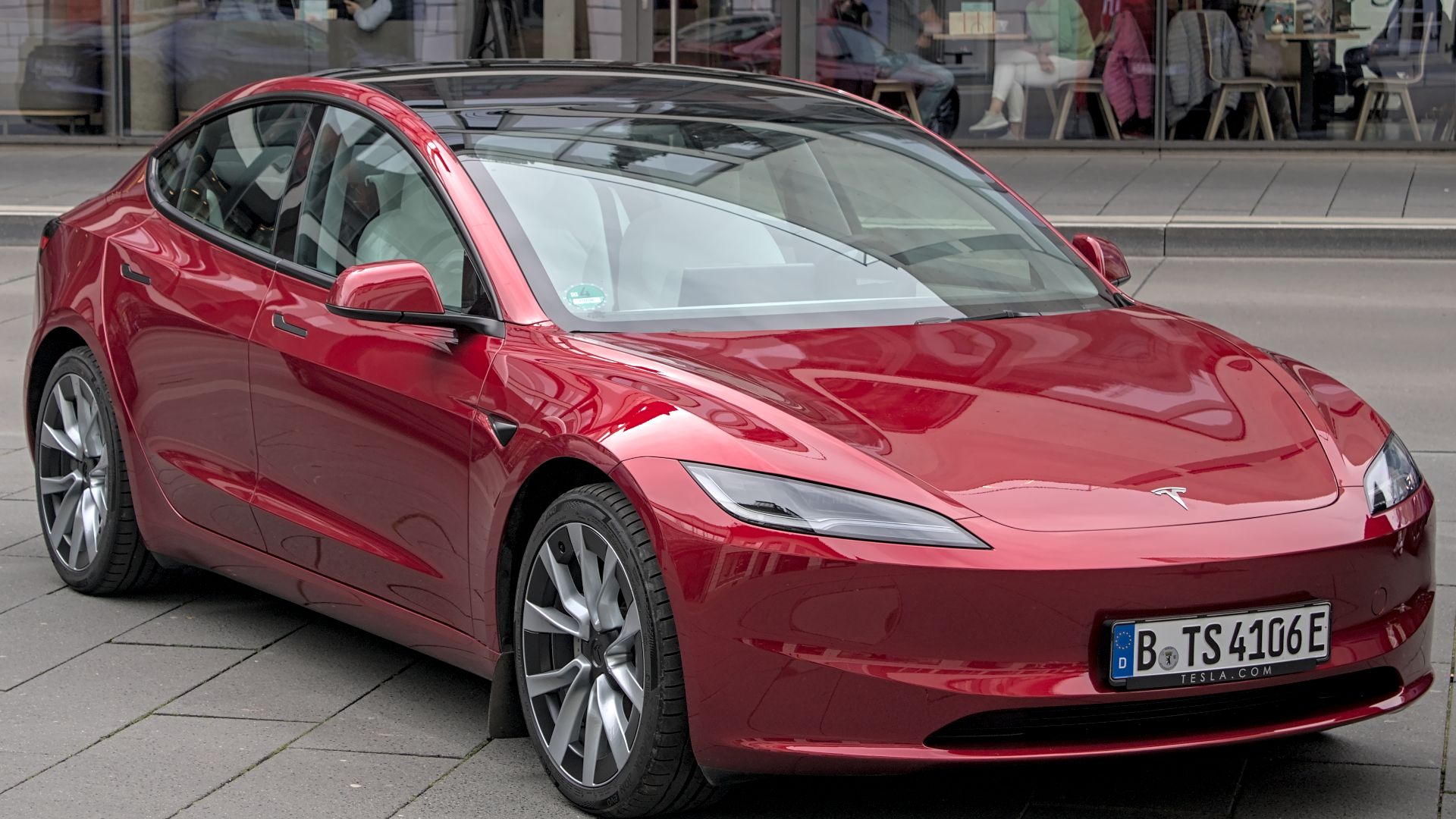
Tesla
Electric simplicity gives Tesla an unusual advantage since the cars skip oil systems and traditional transmissions entirely, leaving very little to wear out. Model 3 and Model Y battery packs commonly last between 300k and 500k miles with low degradation, and regenerative braking stretches pad life into six-figure territory.
 Alexander-93, Wikimedia Commons
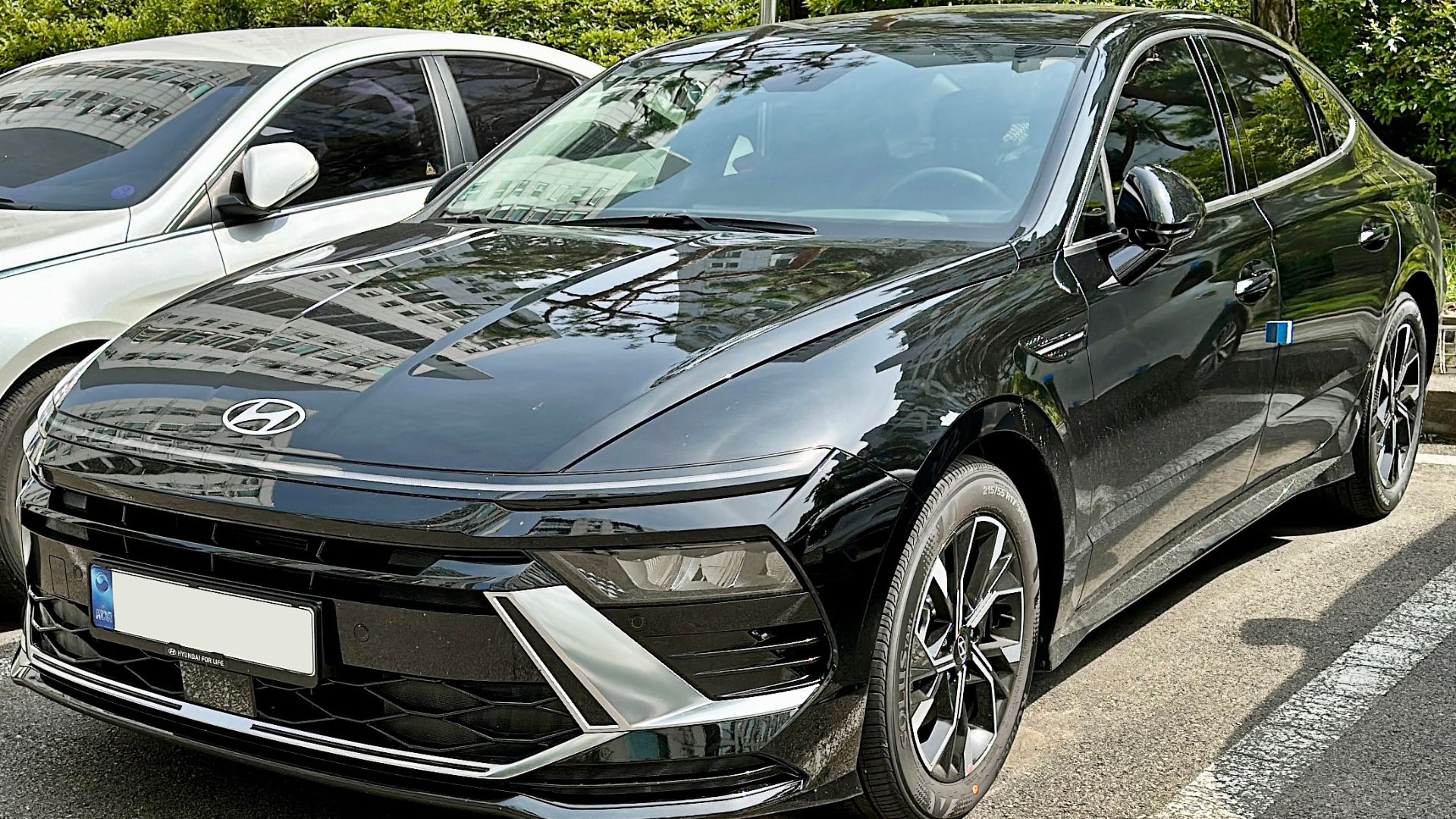
Hyundai
Taxi fleets around the world reveal how tough Hyundai has become, with Sonata, Tucson, and Palisade examples routinely clearing 250k miles. The brand uses the same sturdy drivetrains as Kia, yet often adds better rust protection, while Gamma and Lambda engines earn praise for inexpensive longevity.
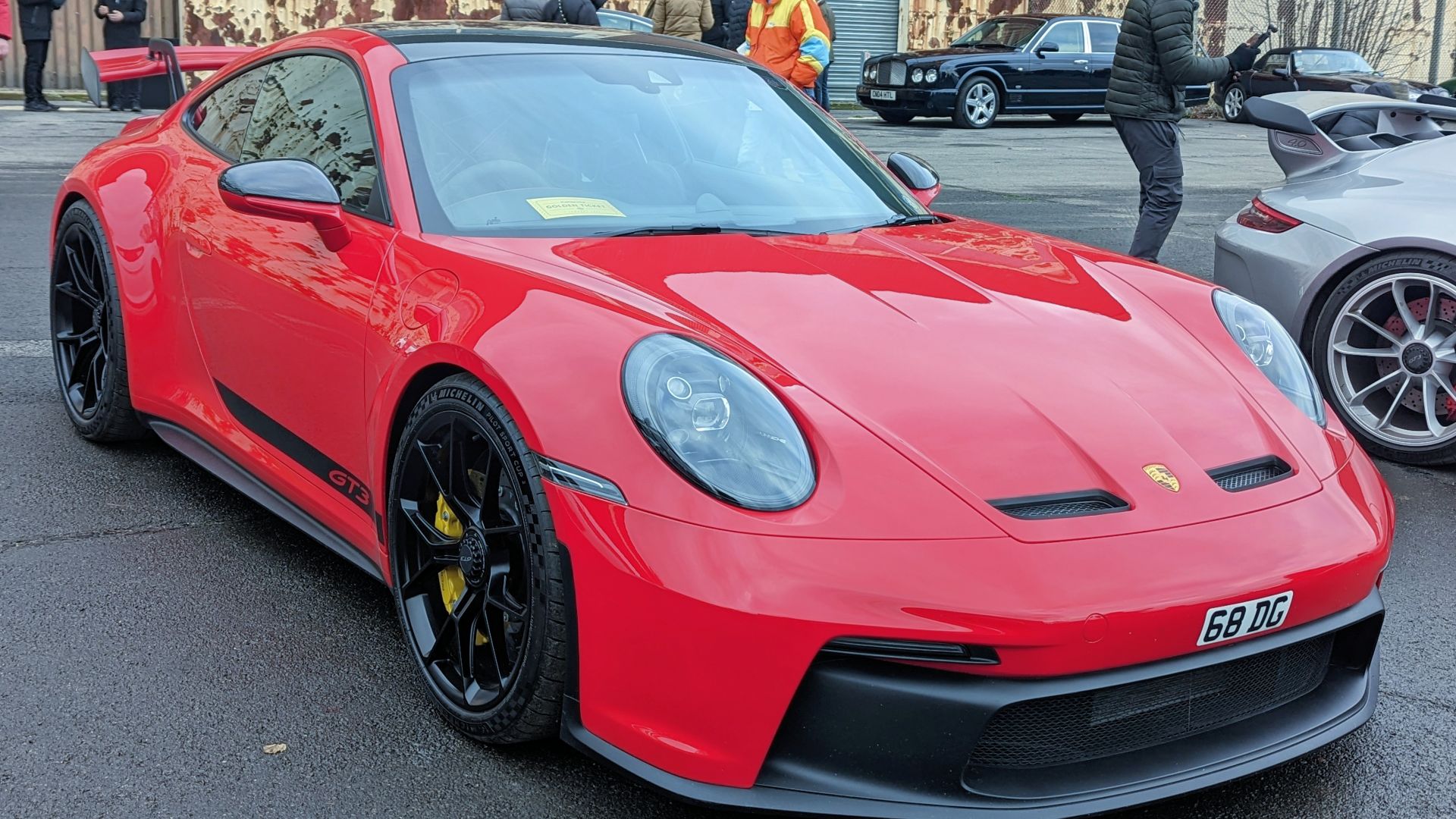
Porsche
Longtime fans admire how Porsche engines keep their composure well past high mileage, with both air-cooled and later Mezger designs regularly crossing 300k to 500k miles. Post-2009 models shed earlier IMS and RMS concerns, and meticulous owners help older 911s stay daily-drivable while gaining value.
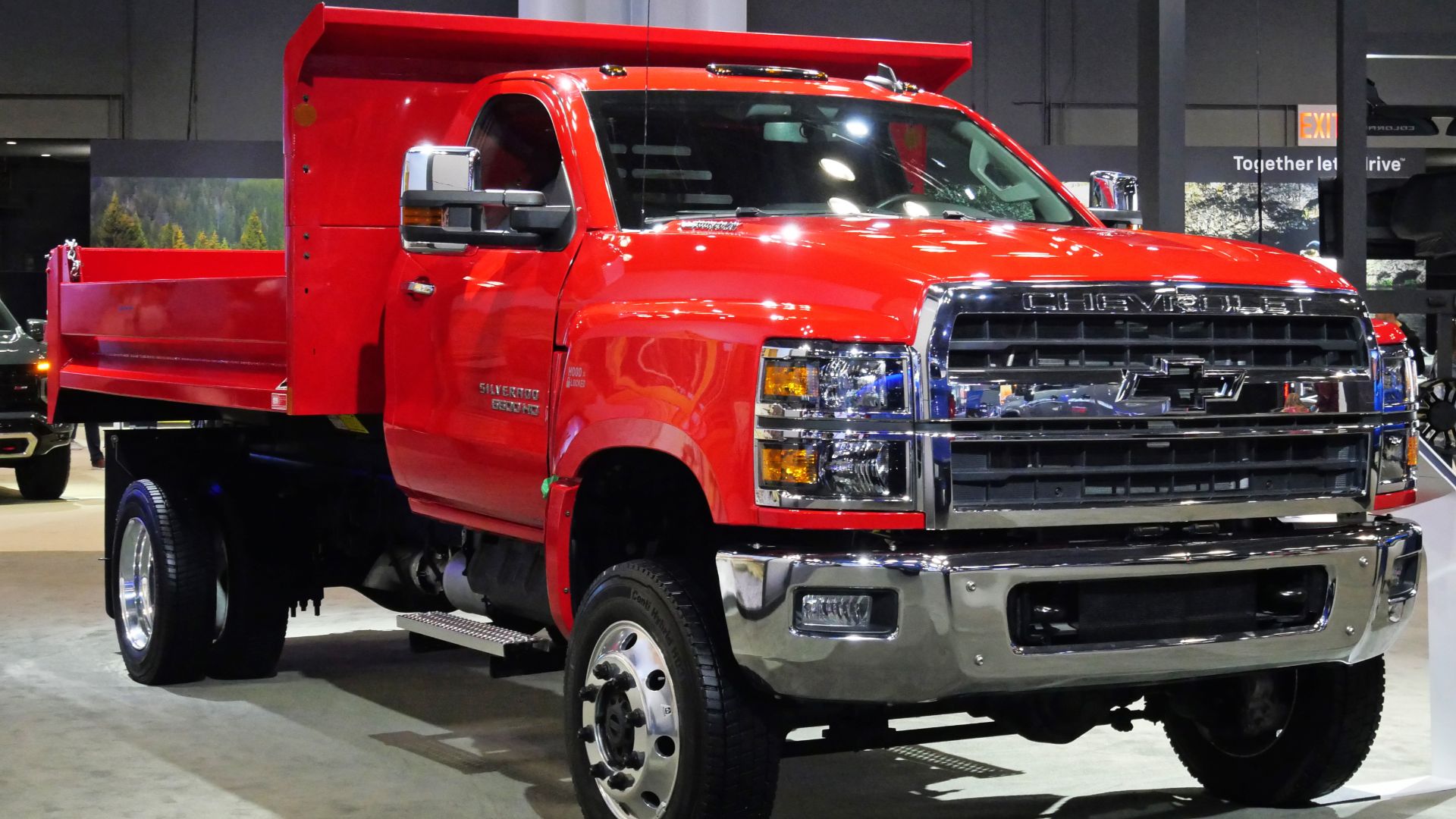
Chevrolet
Rural mechanics often point toward Chevrolet trucks whenever someone asks what survives tough work, mostly because the 5.3L and 6.2L V8s roll past 400k miles with ease. Their pushrod layout keeps service simple, parts cost less than many imports, and million-mile fleet Suburbans or Silverados appear regularly.
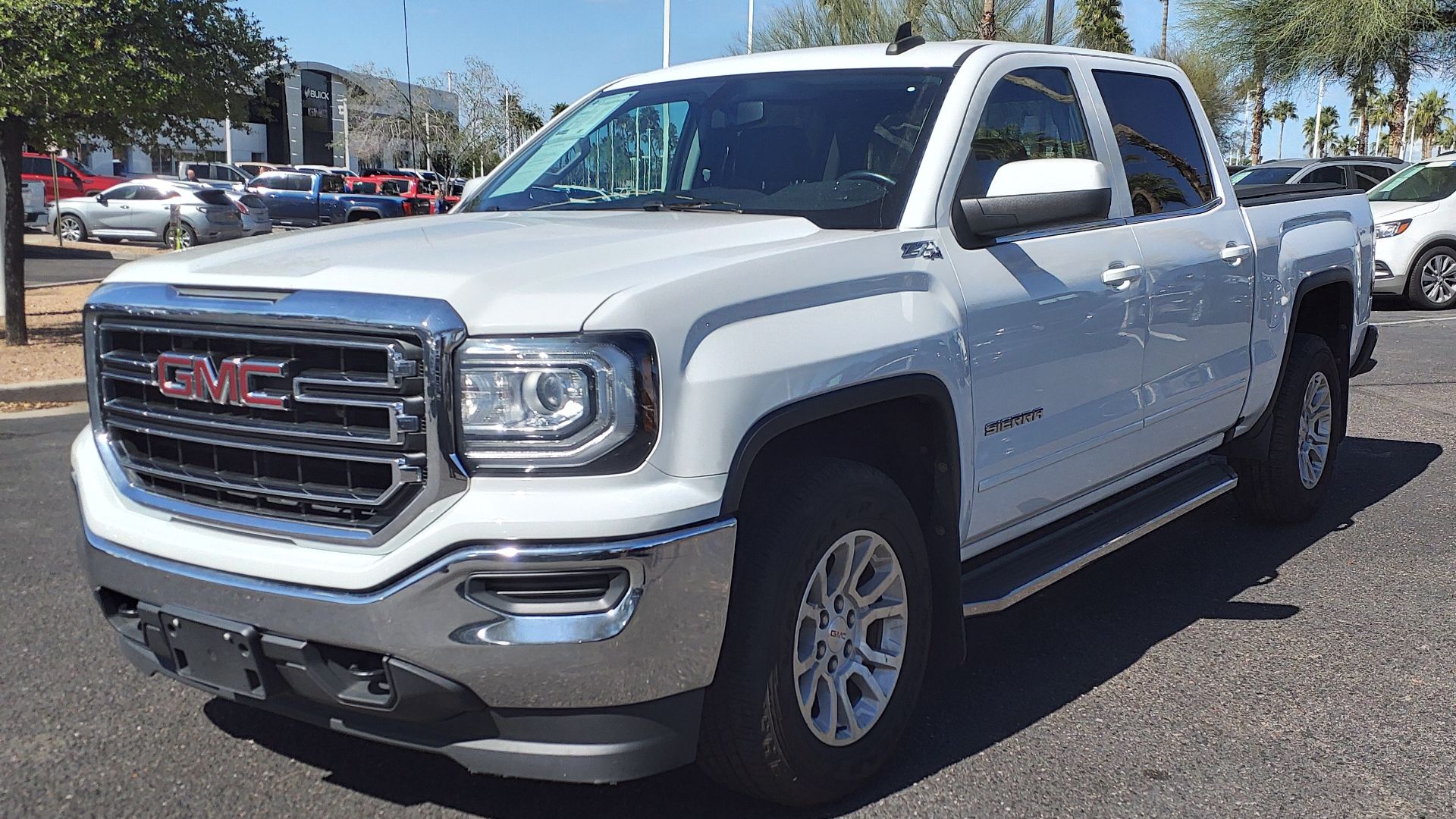
GMC
People who favor a refined work truck lean toward GMC since it shares Chevrolet’s mechanical backbone yet benefits from stronger rust protection. Sierra and Yukon XL models hold impressive fleet records, and Denali trims age gracefully thanks to greater factory attention that keeps them looking sharp past 300k miles.
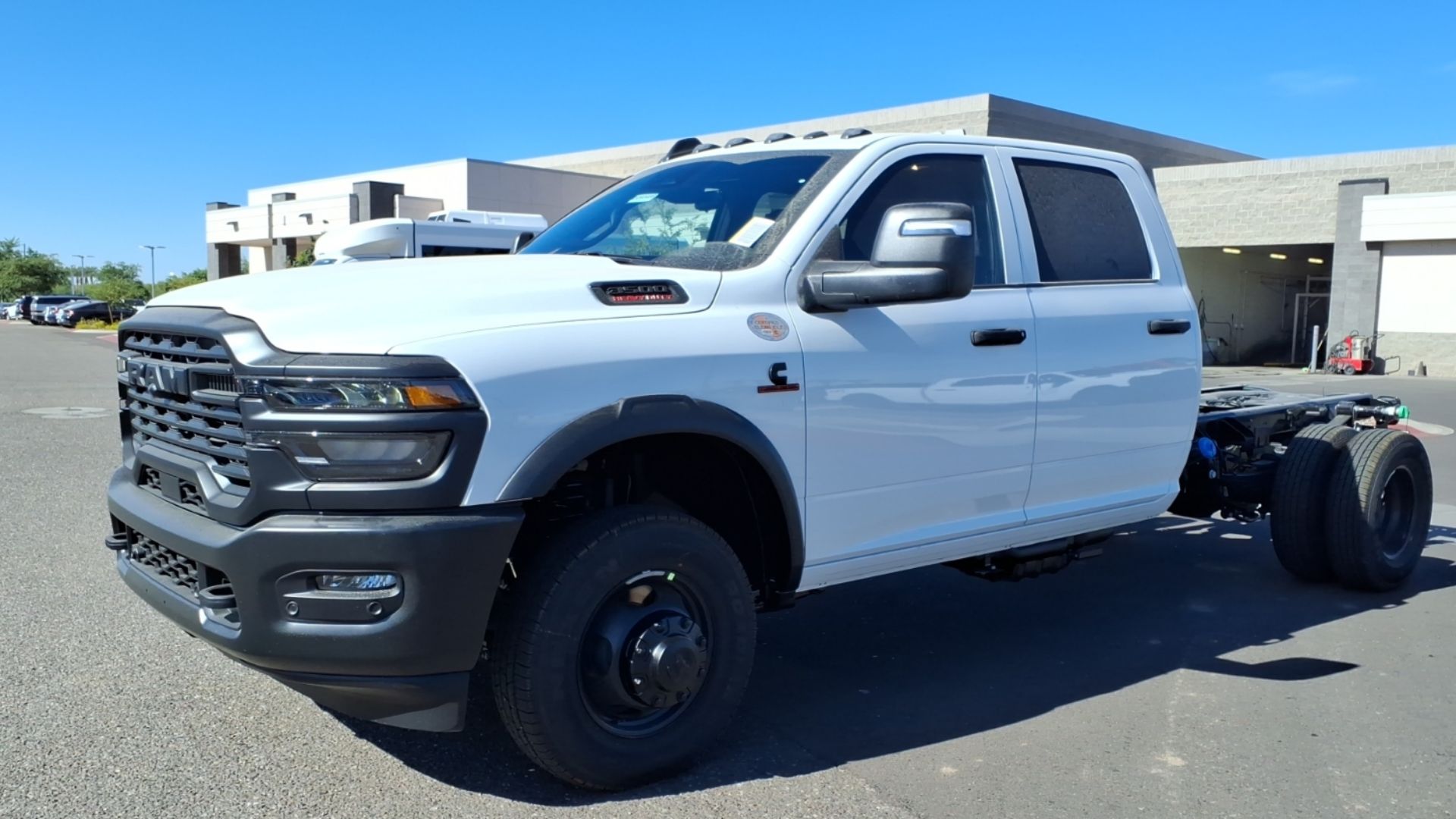
Ram
Heavy towing reveals why Ram earns loyalty, especially with the Cummins 6.7L engine continuing past 500k miles and sometimes breaking the million-mile mark under basic care. Even the 5.7L Hemi gas option stays strong past 300k, supported by frames and axles built for long-term hauling.
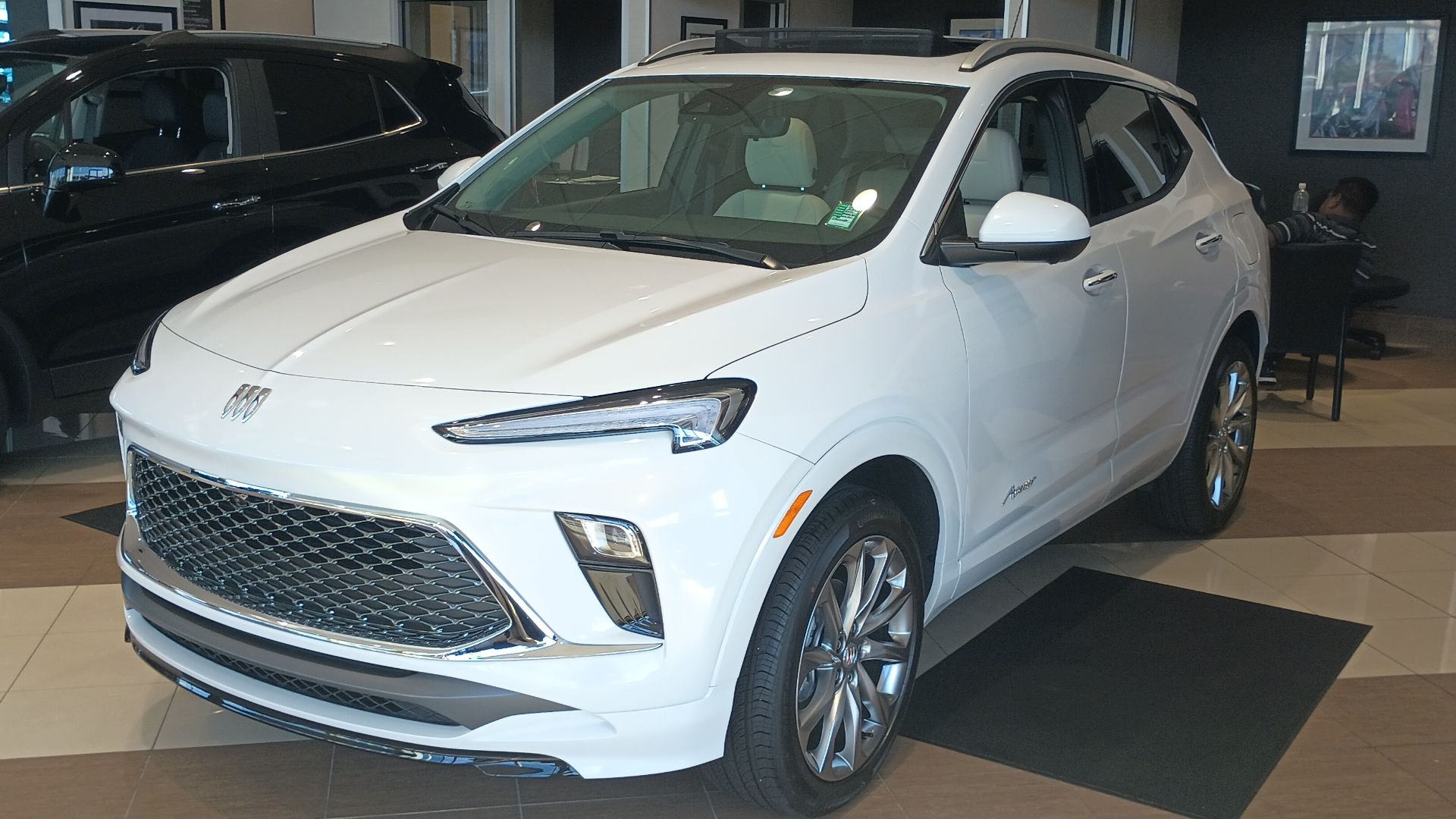
Buick
Drivers who prefer calm, low-stress motoring often gravitate toward Buick because its engines use relaxed, detuned versions of GM’s proven powertrains. Enclave, Encore GX, and Envision models perform well in long-term studies, and gentle driving styles help many linger far longer than their reputations suggest.
 deathpallie325, Wikimedia Commons
Cadillac
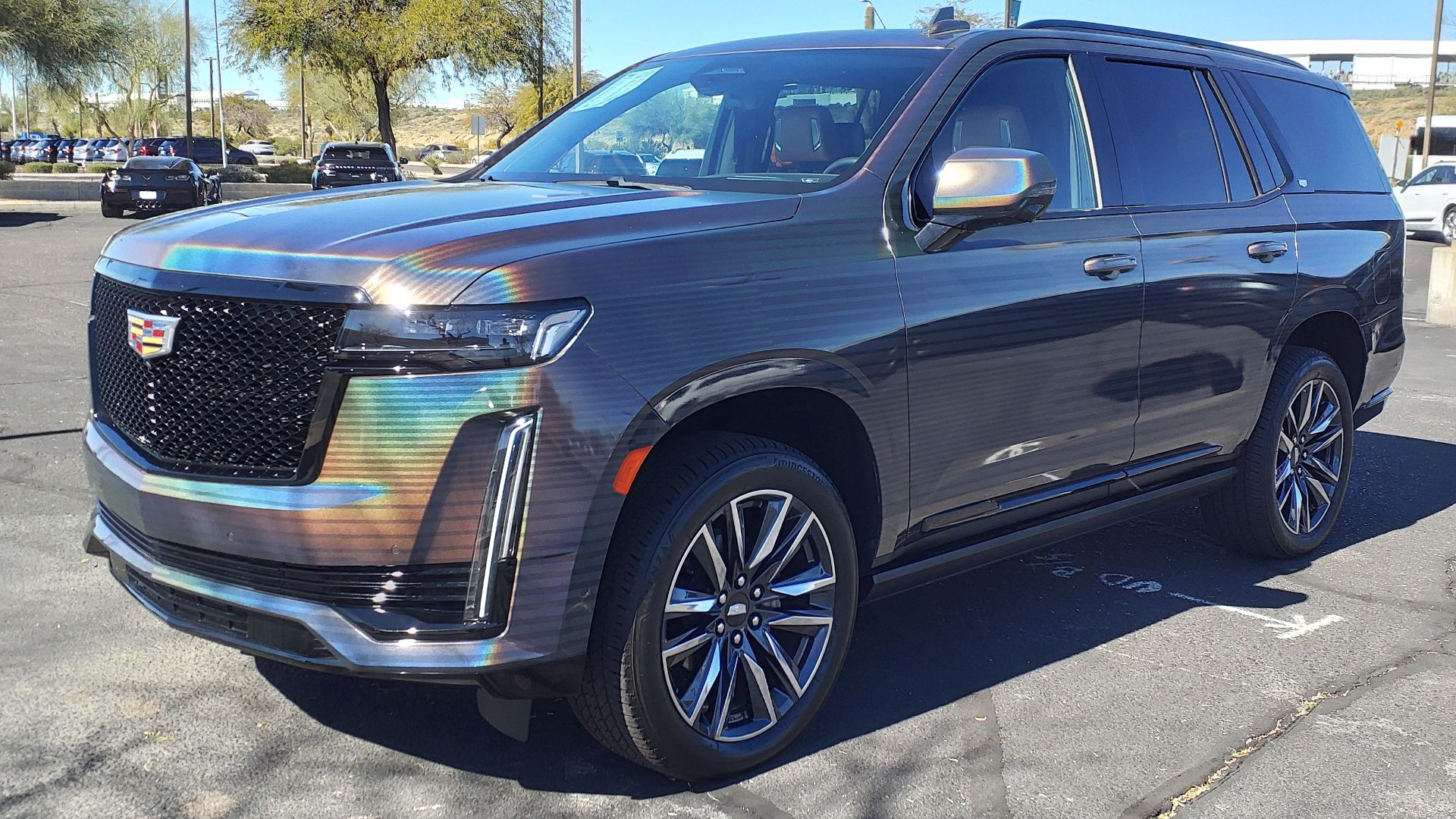
Plenty of shoppers forget that the Escalade shares its bones with GM’s truck lineup, which helps the model carry the same durability seen in Suburbans. Early results show the 3.0L diesel and Blackwing V8 pushing beyond 200k miles, and Super Cruise lightens driver strain enough to keep these big SUVs feeling surprisingly fresh at 250k.
Suzuki
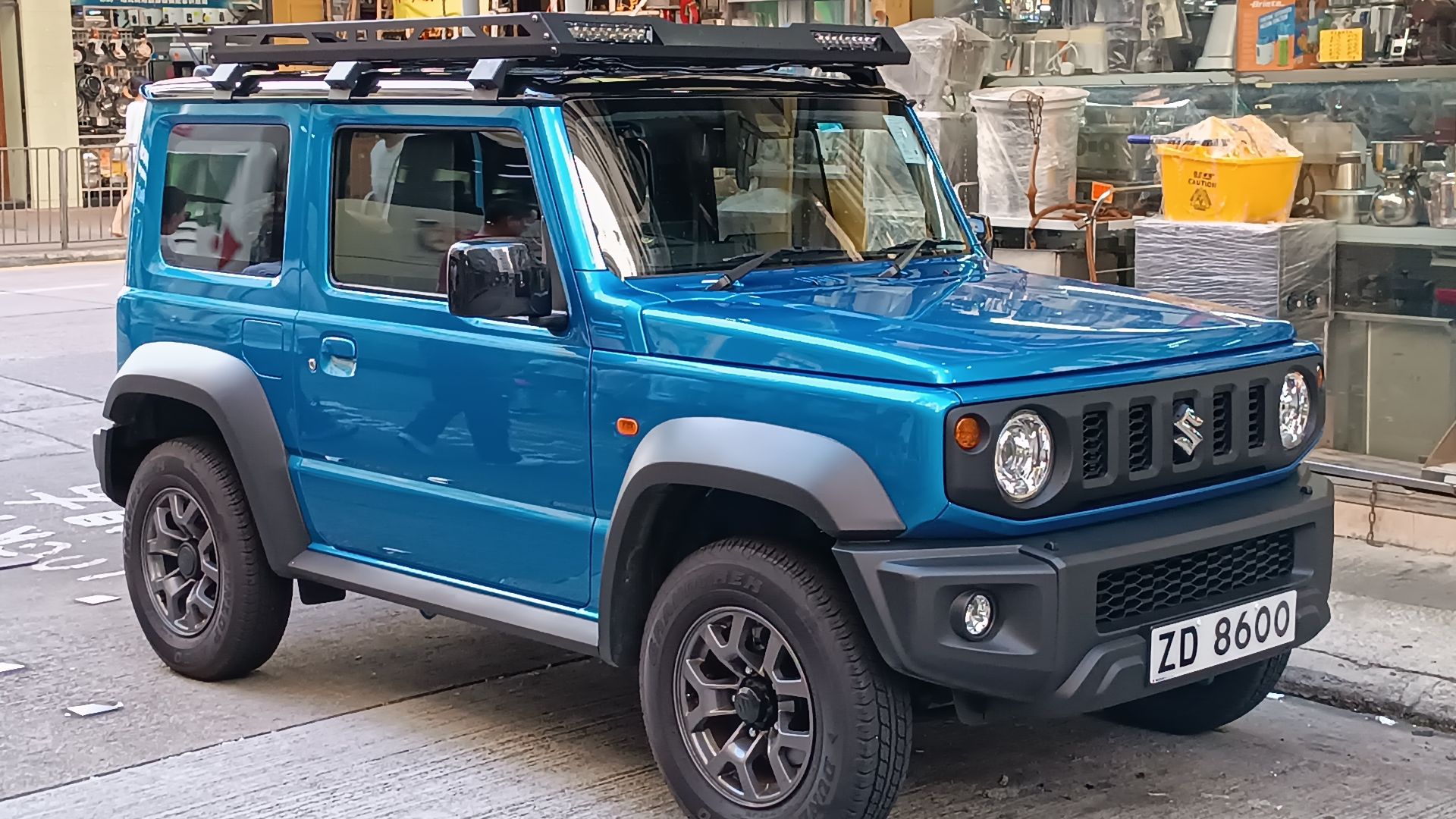
In many countries, a family’s most trusted car ends up being a Suzuki because the tiny engines and ladder-frame setups stay alive through rough roads and minimal upkeep. Jimny and Vitara models commonly last more than twenty years, helped by ultra-cheap parts available nearly everywhere.
 SUNWHEAIW Shengaou, Wikimedia Commons
Volvo
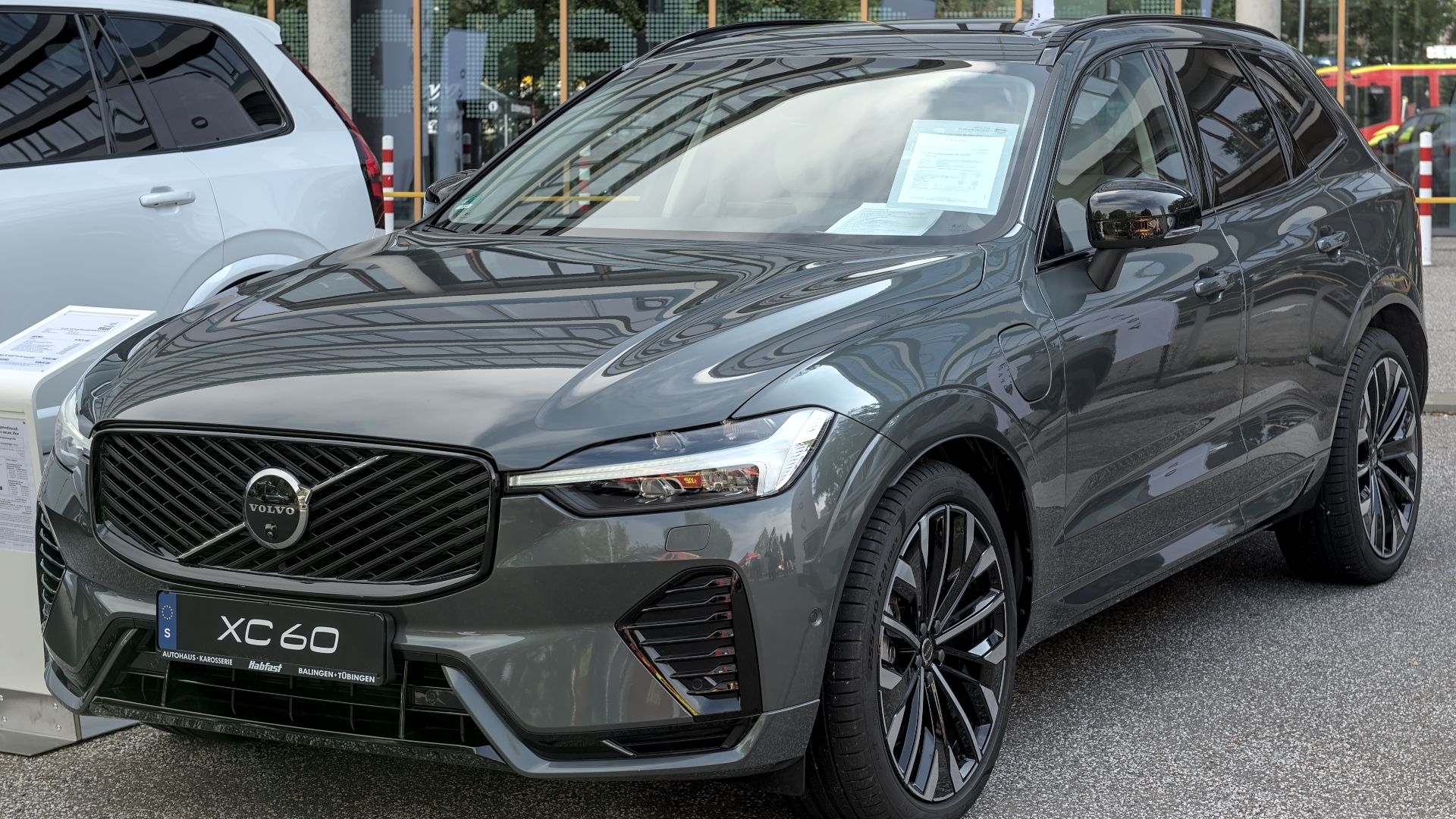
People who value longevity in a modern package appreciate how Volvo’s Drive-E engines and 8-speed automatics hold firm, with XC60 and XC90 hybrids already reaching 250k miles in Europe. Strong safety engineering preserves the body structure so well that newer models finally echo the old million-mile bricks.
 Alexander Migl, Wikimedia Commons
Lincoln
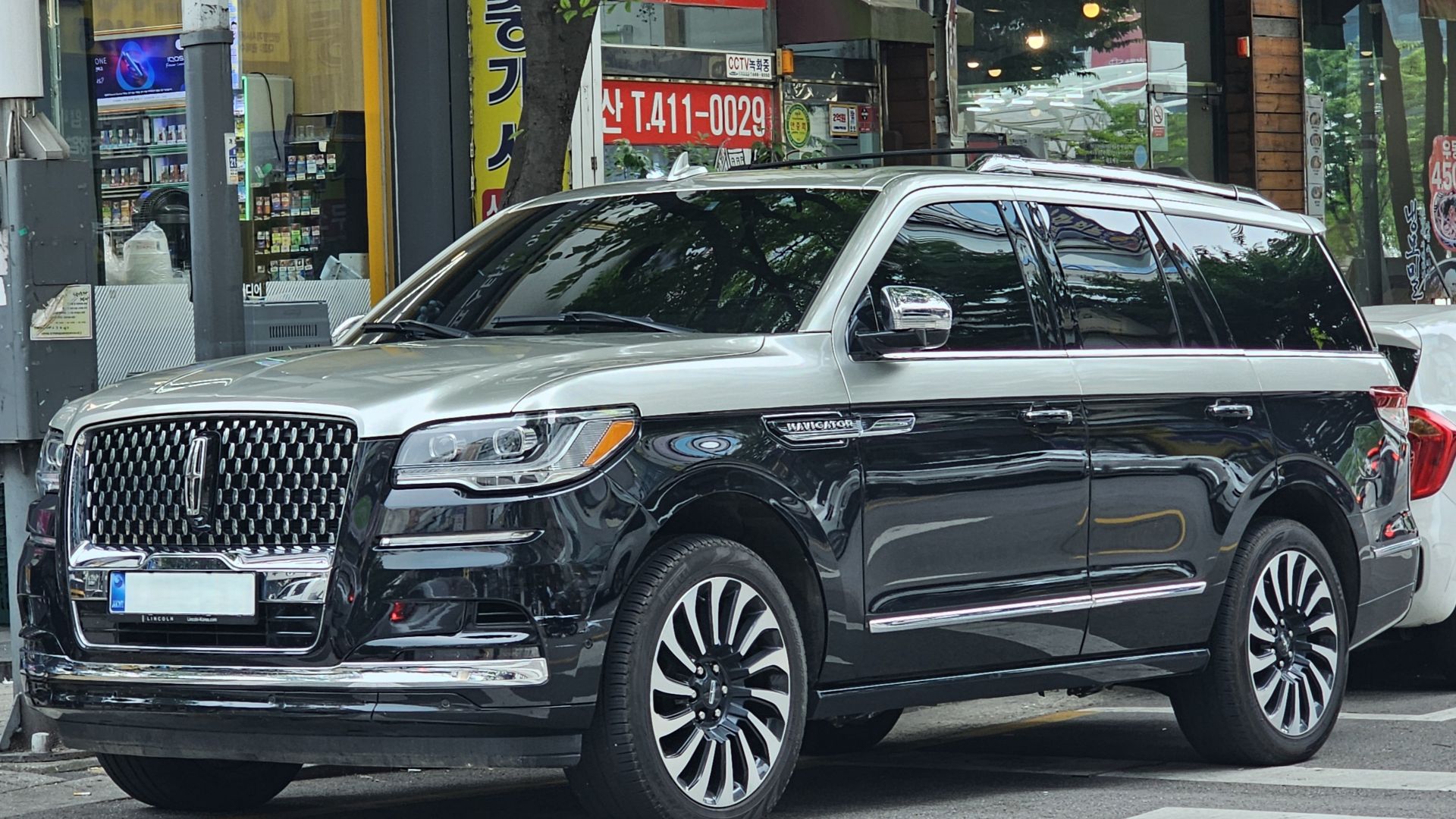
Anyone who enjoys a quiet drive usually warms to the Navigator, especially once they learn it shares the proven Expedition foundation. The EcoBoost V6 and 10-speed transmission already survive demanding F-150 duty past 300k miles, and the serene cabin encourages gentler habits that keep these SUVs looking new beyond 200k.
 Damian B Oh, Wikimedia Commons
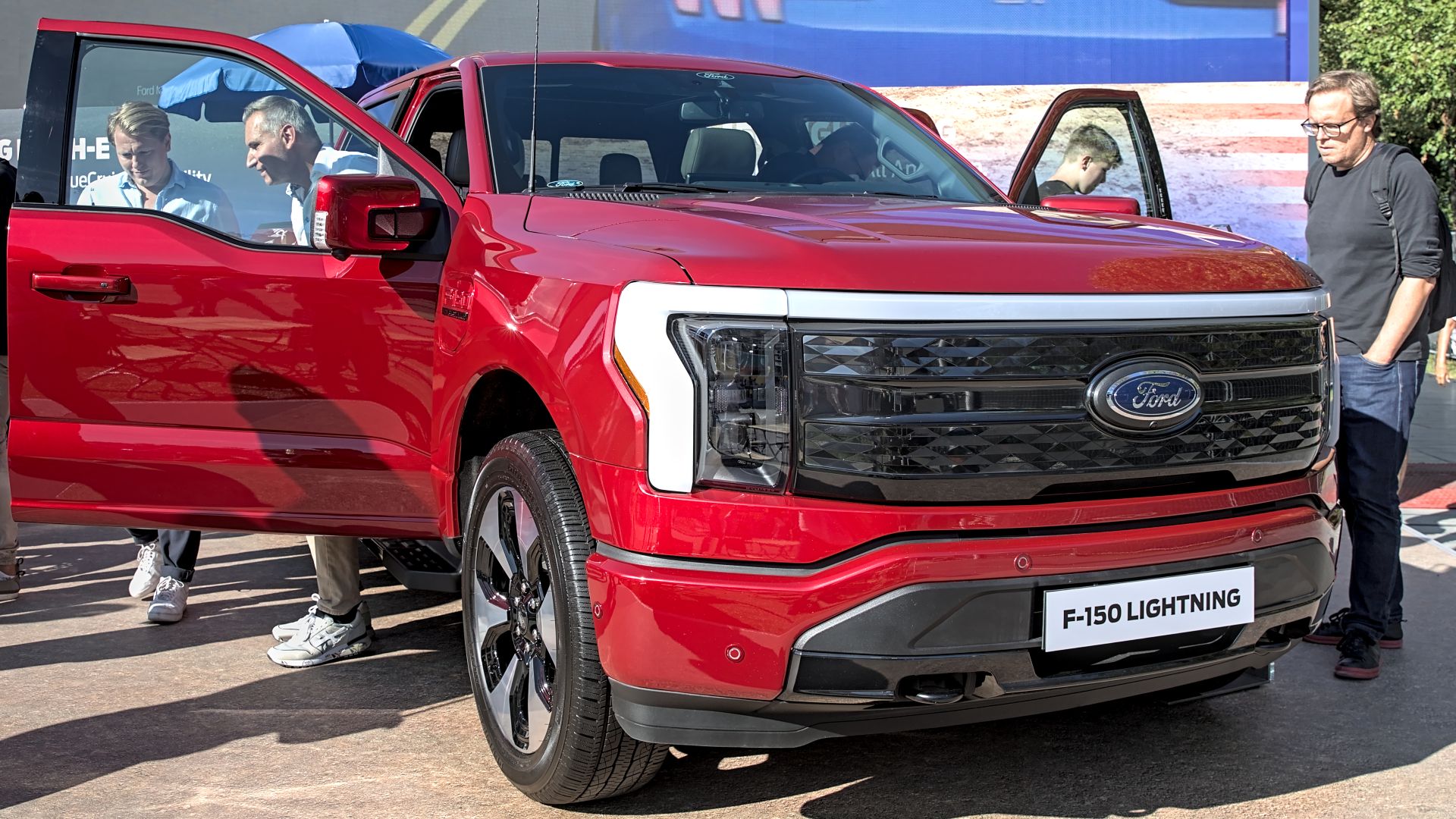
Ford
Work crews rely on Ford pickups because the F-150’s EcoBoost and 5.0L V8 consistently make it past 300k miles and often much farther. Aluminum body panels outlast early doubts, the 10-speed transmission proves sturdy, and the enormous parts network keeps million-mile examples on the road without drama.
 Alexander-93, Wikimedia Commons
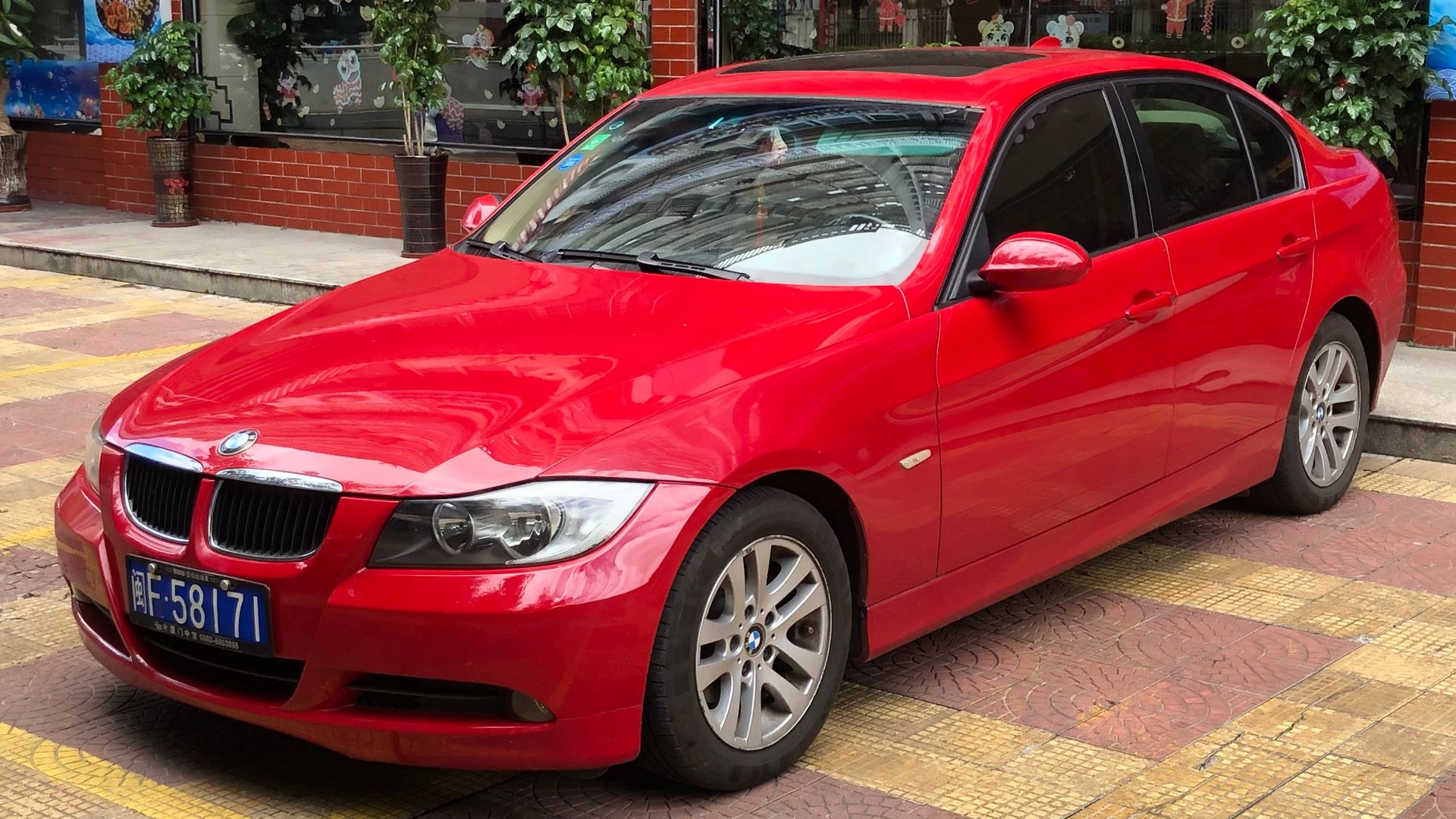
BMW
Ask long-time BMW owners why they stay loyal, and many point straight to engines like the B58 and N55, which keep running past 250k miles with steady oil care. Older E90 and E46 cars still handle daily use at 300k or even 400k because enthusiasts maintain them obsessively.
 JamesYoung8167, Wikimedia Commons
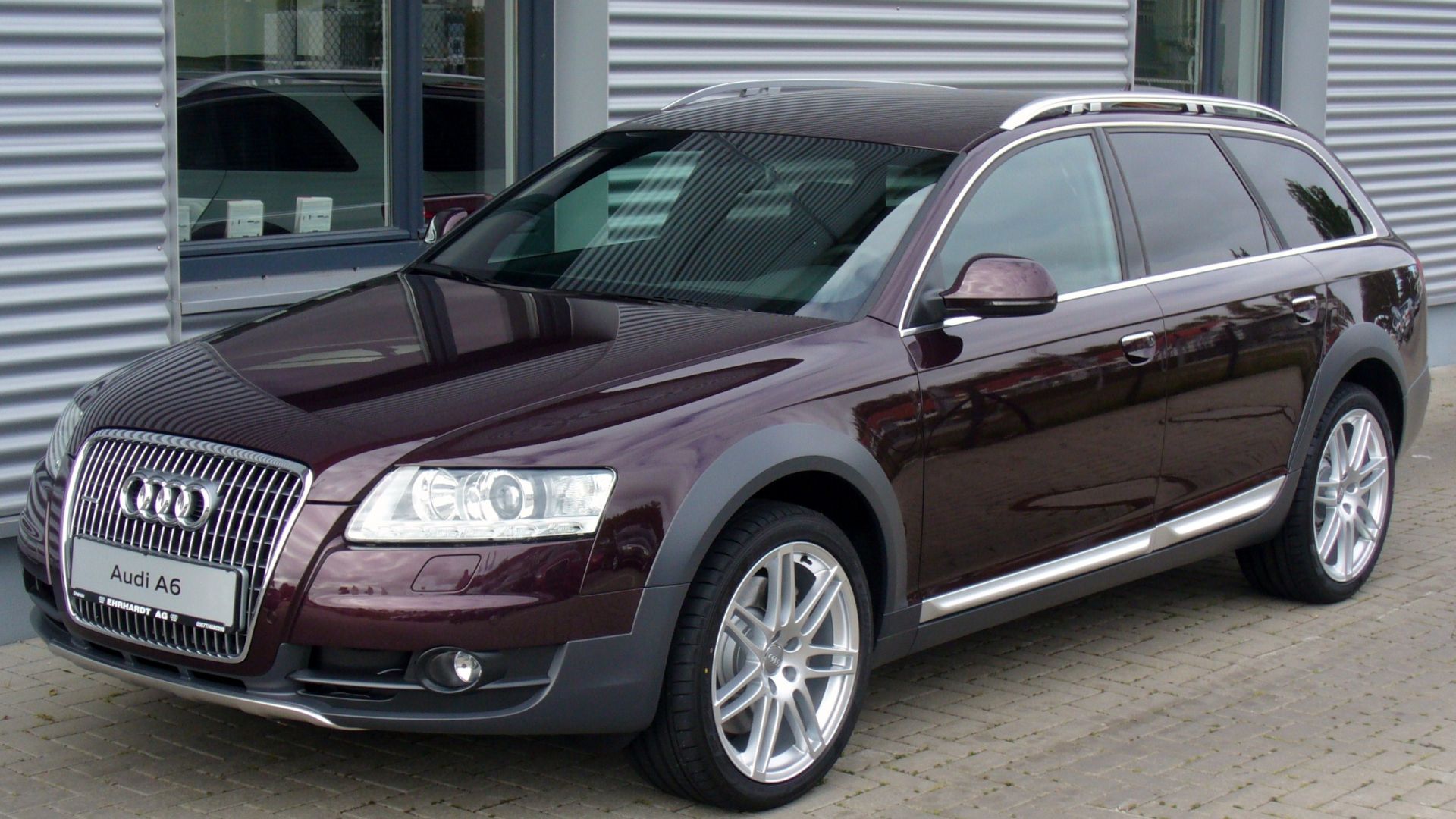
Audi
Plenty of drivers regained faith in Audi once the EA888 Gen 3 engine solved earlier oil troubles and began hitting 250k miles consistently. Strong Quattro systems rarely misbehave, aluminum bodywork resists rust, and European A6 taxis continue racking up mileage figures that pass the 500k mark.
 Thomas doerfer, Wikimedia Commons
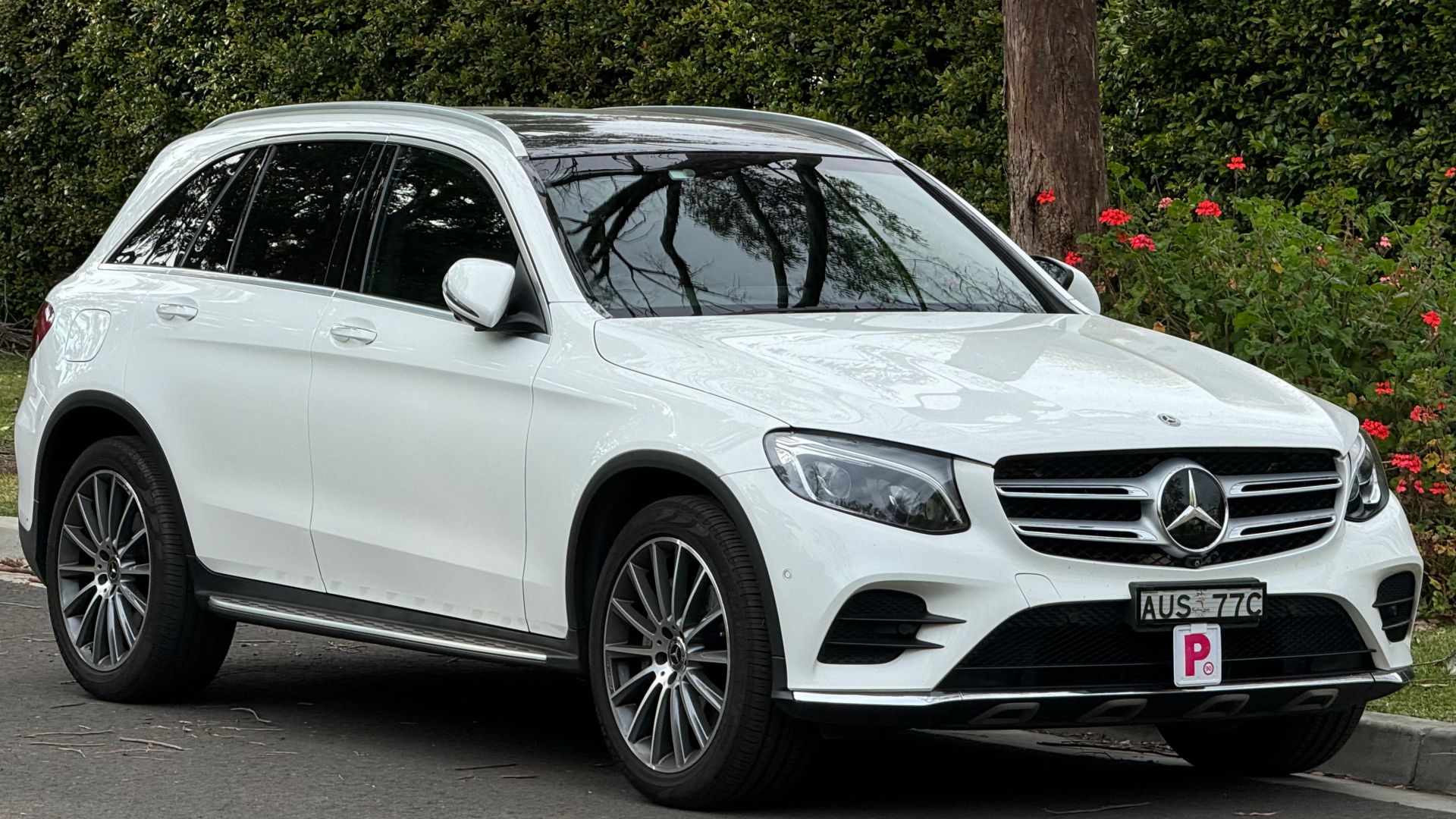
Mercedes-Benz
Taxi fleets around the world quietly prove what Mercedes engineering can handle, as OM651 and OM642 diesels plus the M276 V6 often exceed 400k miles. Older pre-2005 models still hold legendary status, and overbuilt switchgear keeps many feeling solid long after a million miles.
Mini
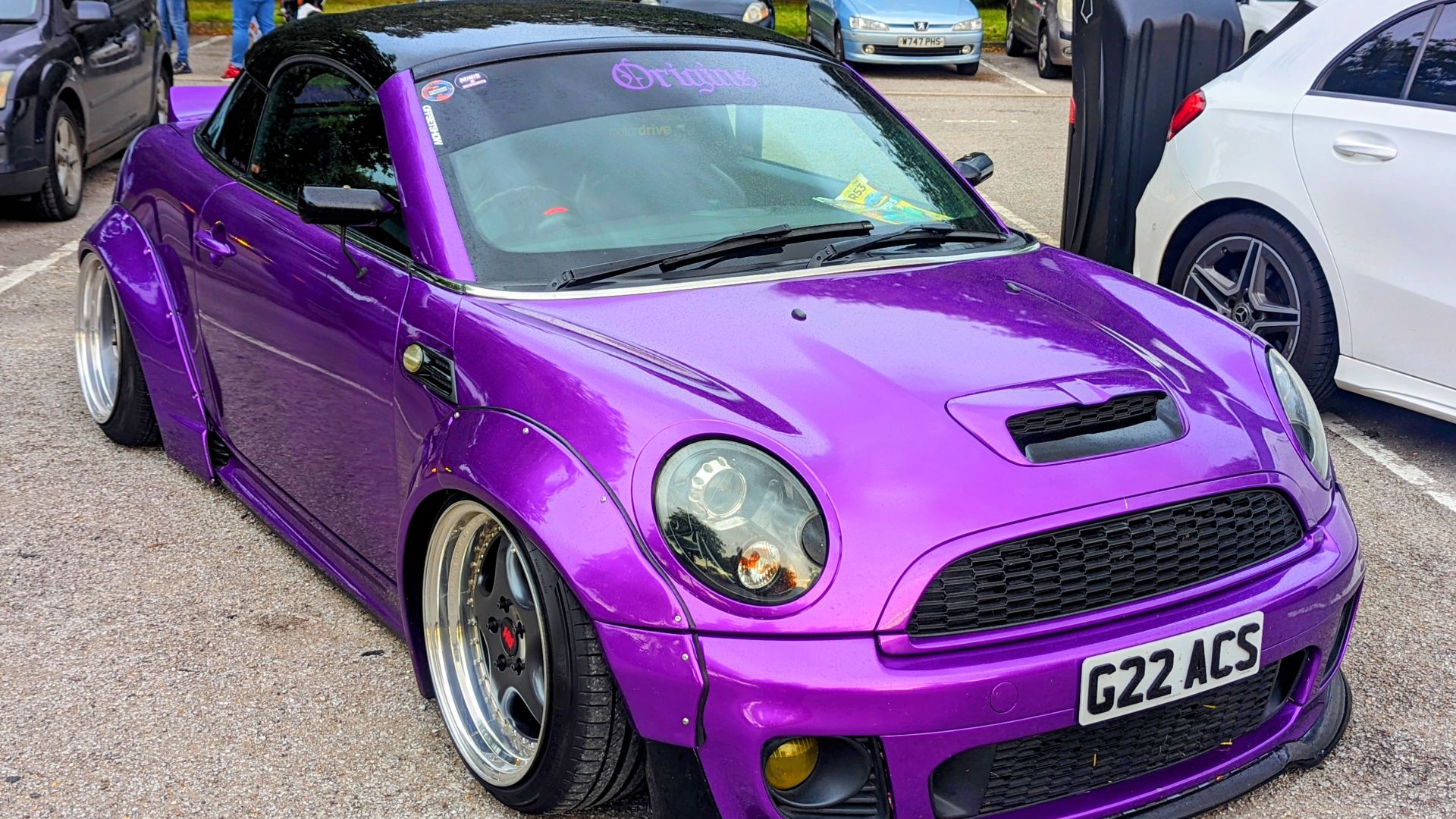
City drivers who want personality without reliability worries often end up in a Mini once they learn the newer B48 engine outperforms the old Prince design. The simple layout works well with BMW parts support, and recent models already appear past 200k miles while keeping their charm.
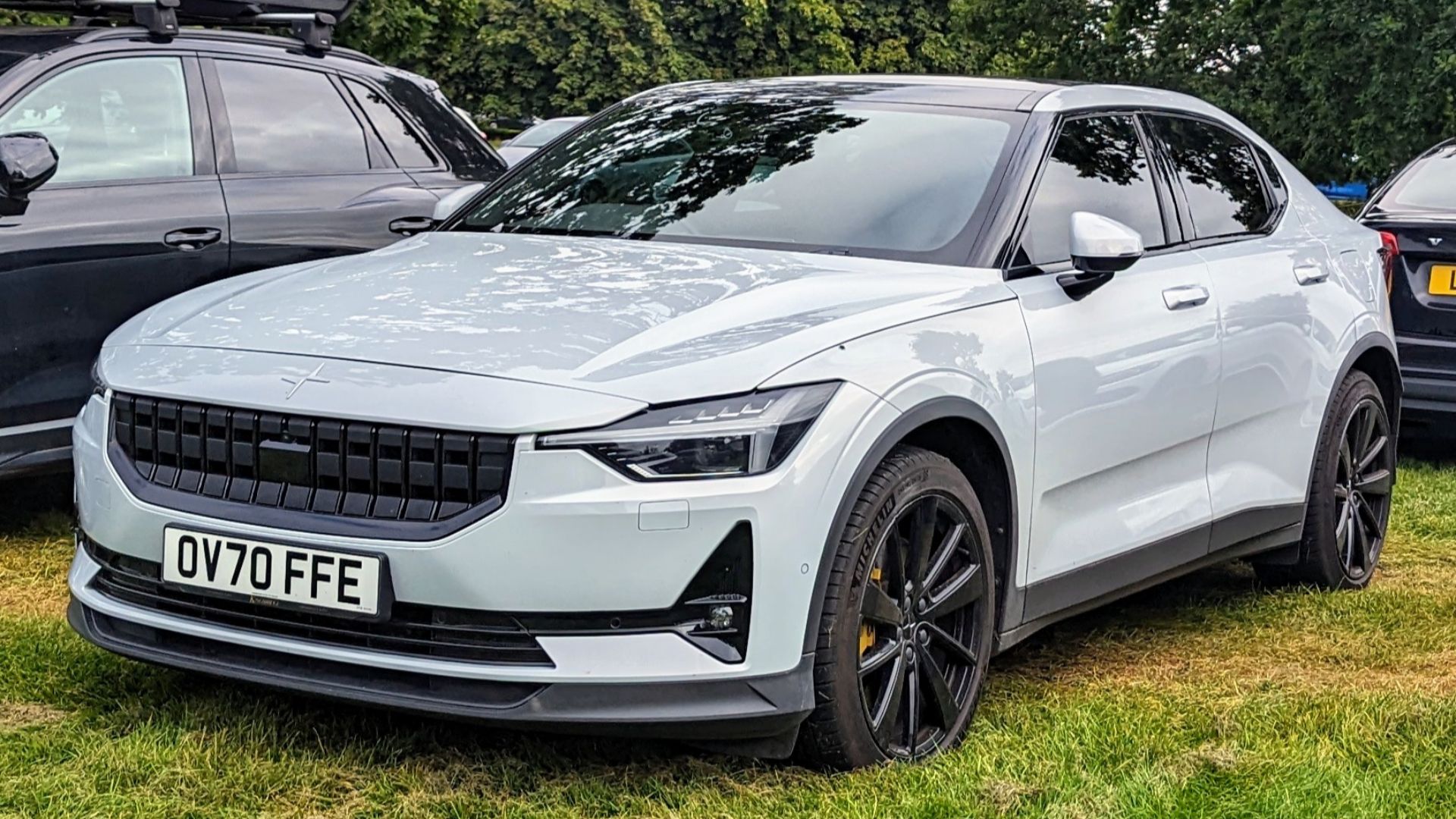
Polestar
Electric fans appreciate how Polestar piggybacks on Volvo’s sturdy SPA platform while using drivetrains with far fewer potential failure points than any gas car. Early Polestar 2 examples already sit near 250k miles with little battery fade, and the minimalist Scandinavian design ages with the same calm confidence.