
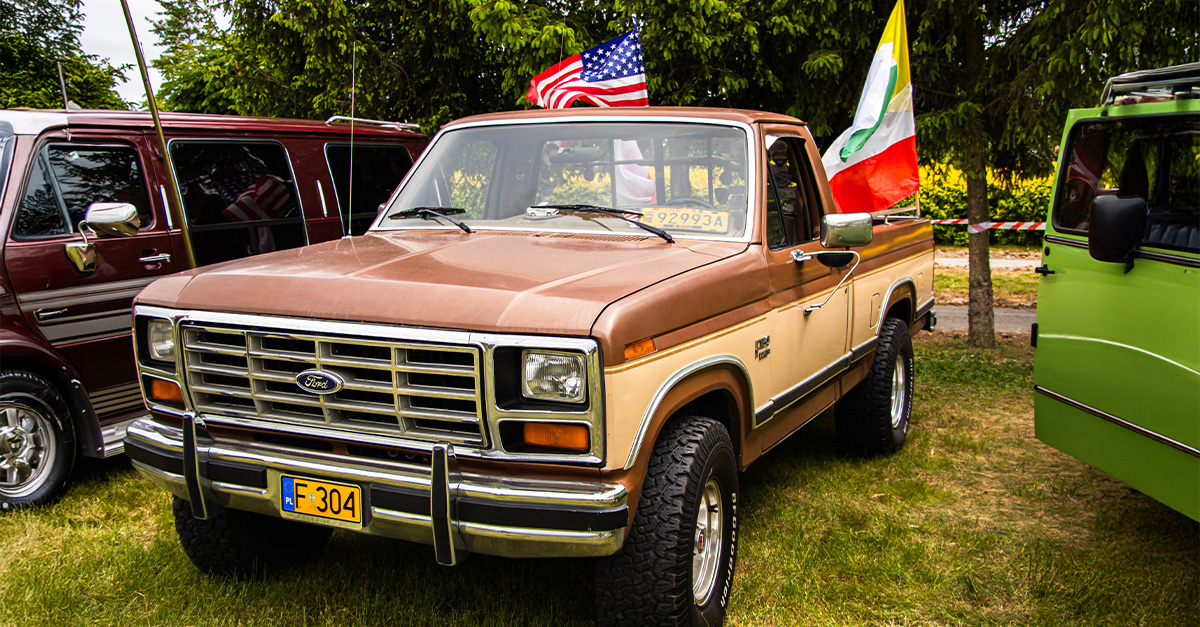
Why ’80s Movies And Cars Were Completely Inseparable
The 1980s didn’t just put cars in movies—they cast them. Vehicles weren’t background dressing; they were symbols of rebellion, success, danger, and freedom. If you watched enough ’80s films, certain cars felt unavoidable, popping up again and again across genres. Whether it was a teen comedy, action blockbuster, or sci-fi classic, these vehicles became cinematic shorthand. Here are the cars that truly felt like they were in every ’80s movie—each one immortalized by at least one unforgettable role.
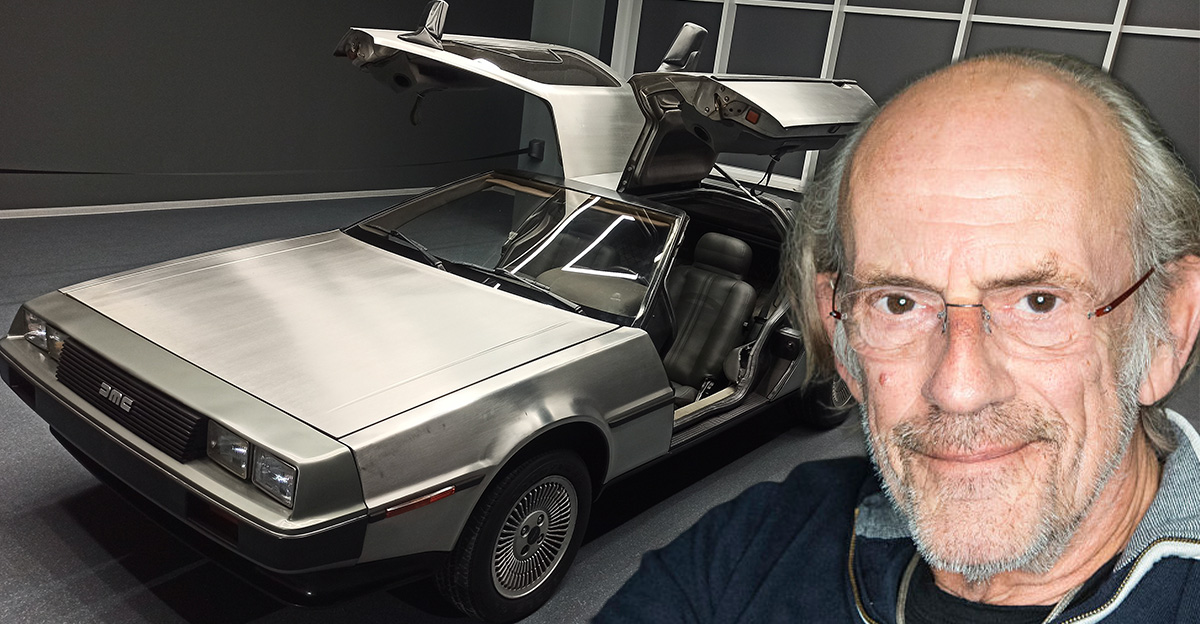
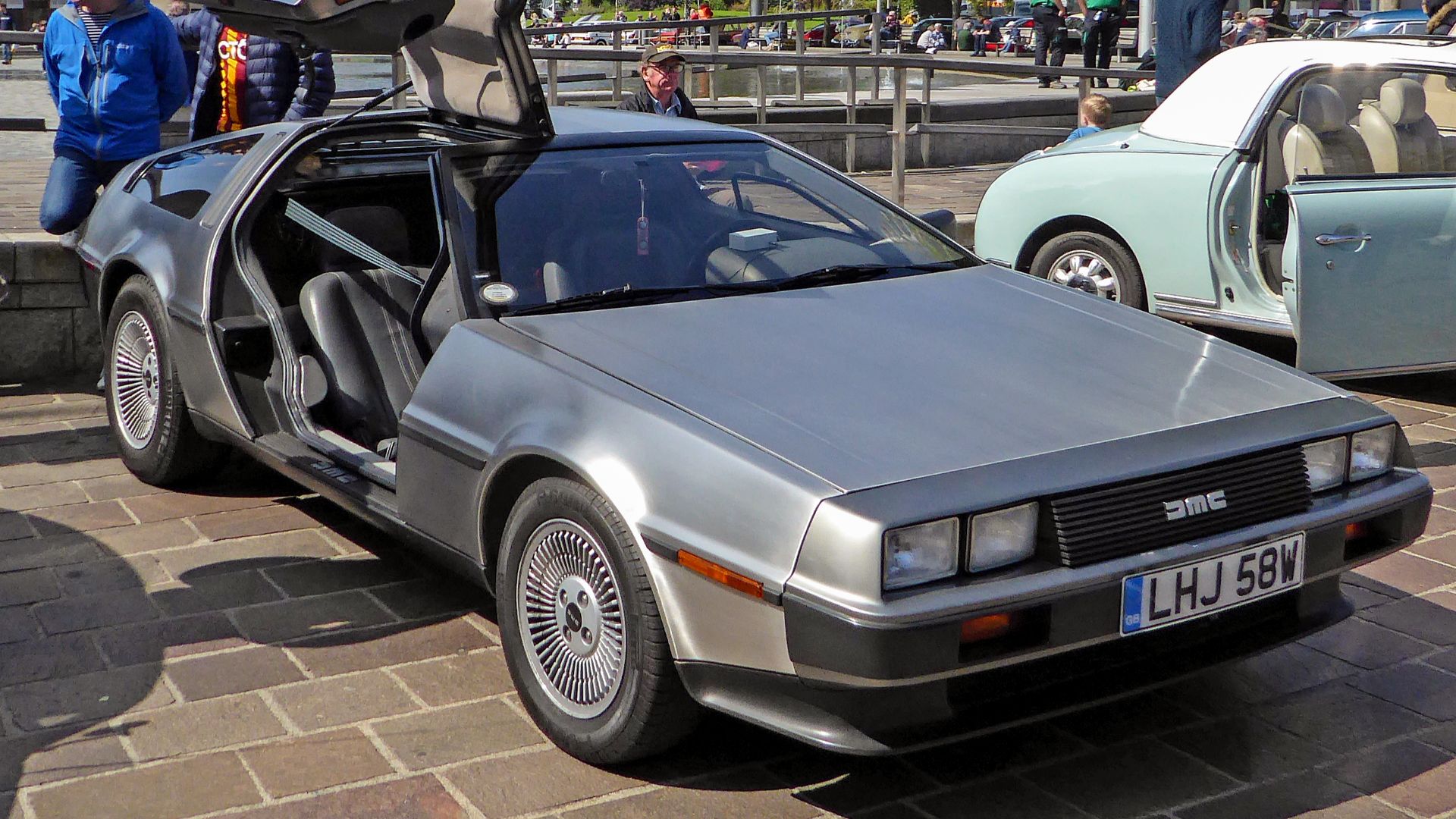
DeLorean DMC-12 – Back To The Future (1985)
No car defines the decade on film more than the DeLorean. As Doc Brown’s time machine in Back to the Future, it instantly became a pop-culture icon. Stainless steel, gullwing doors, and flux-capacitor glory made it feel futuristic even when parked. After 1985, every ’80s movie felt like it existed in a world where the DeLorean could show up at any moment.
Ford LTD Crown Victoria – Die Hard (1988)
If a movie needed a police response, the Ford LTD Crown Victoria was guaranteed screen time. In Die Hard, fleets of them swarm Nakatomi Plaza, lights flashing as chaos unfolds. This car defined the look of ’80s law enforcement on screen—and usually ended up smashed, flipped, or abandoned.
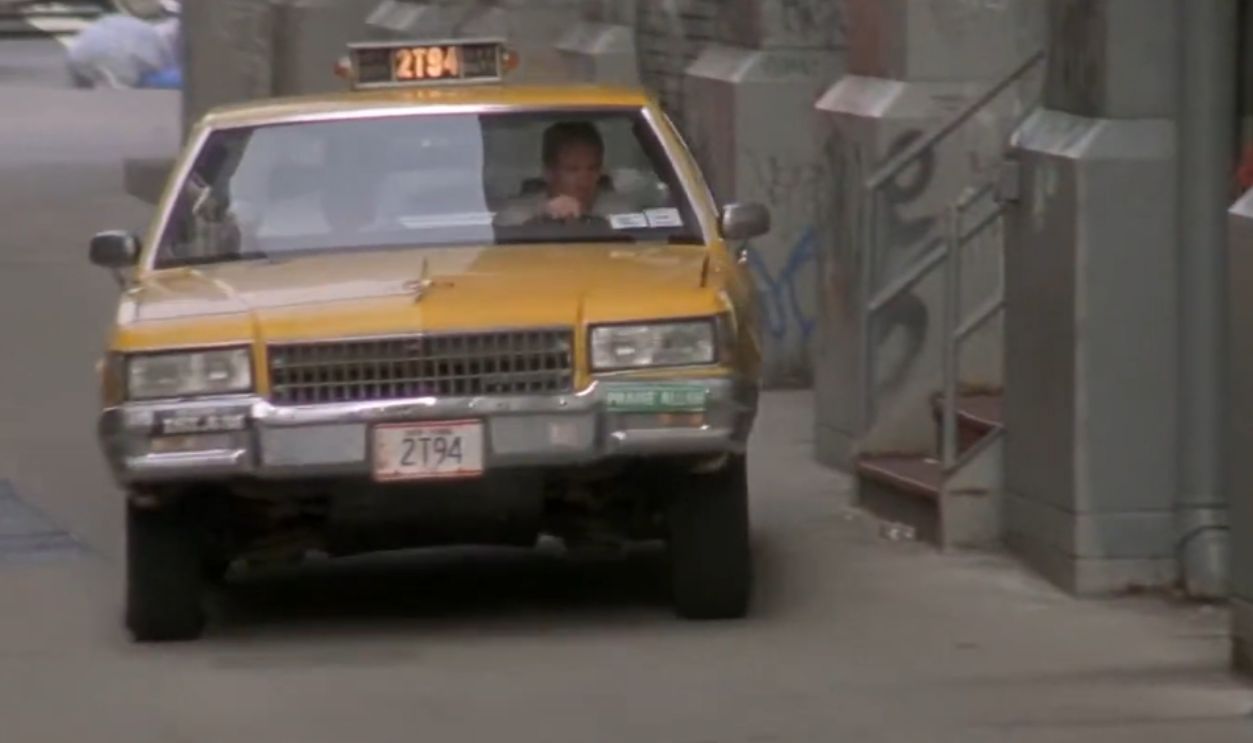 Screenshot from Die Hard, 20th Century Fox (1988)
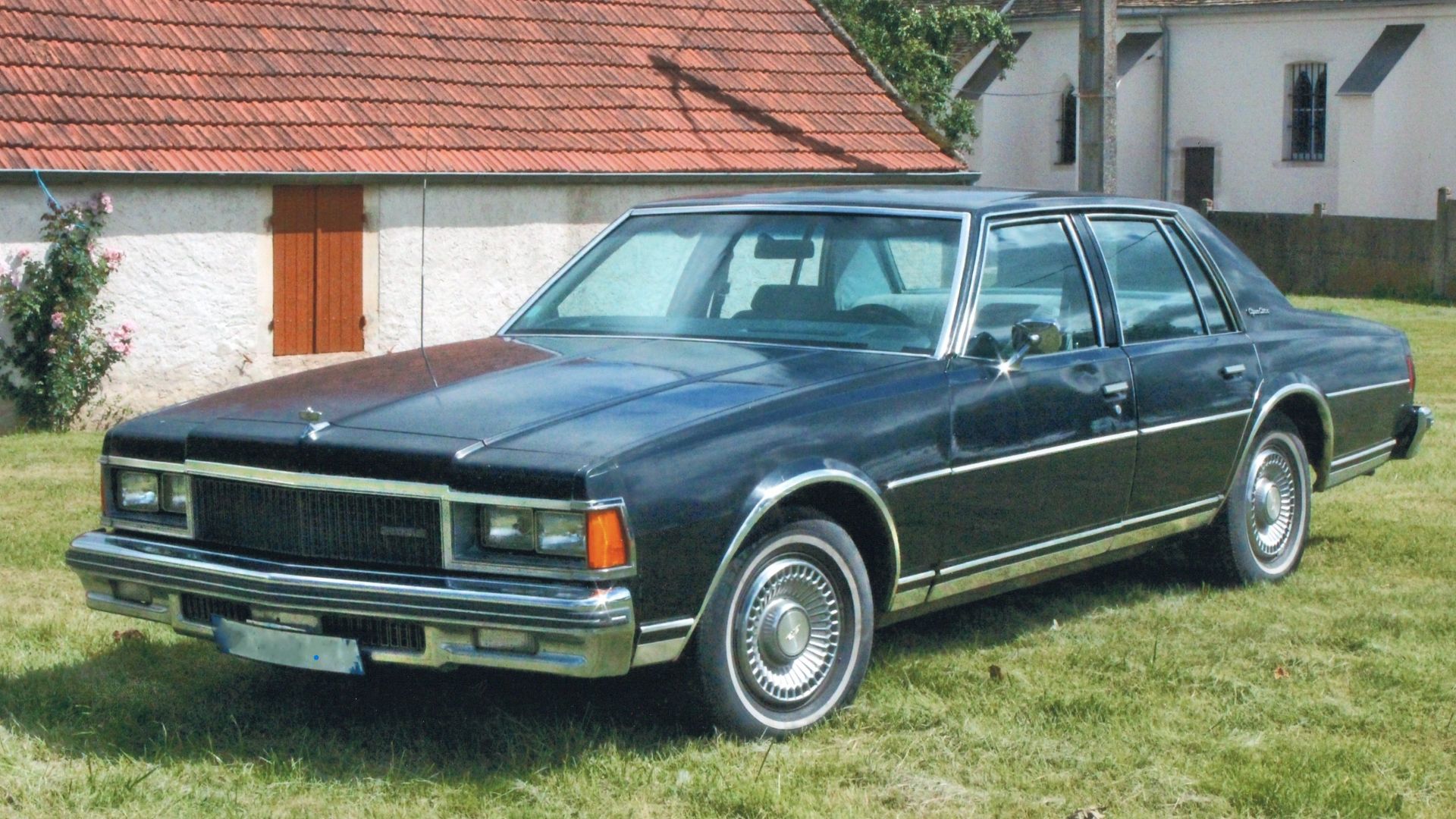
Chevrolet Caprice Classic – Beverly Hills Cop (1984)
Eddie Murphy’s Axel Foley might’ve been flashy, but the Caprice Classic anchored the film’s gritty Detroit-to-L.A. realism. Caprices dominated chase scenes in Beverly Hills Cop and countless other films, often driven by cops, criminals, or unlucky commuters caught in the crossfire.
 Lilian Tomasini, Wikimedia Commons
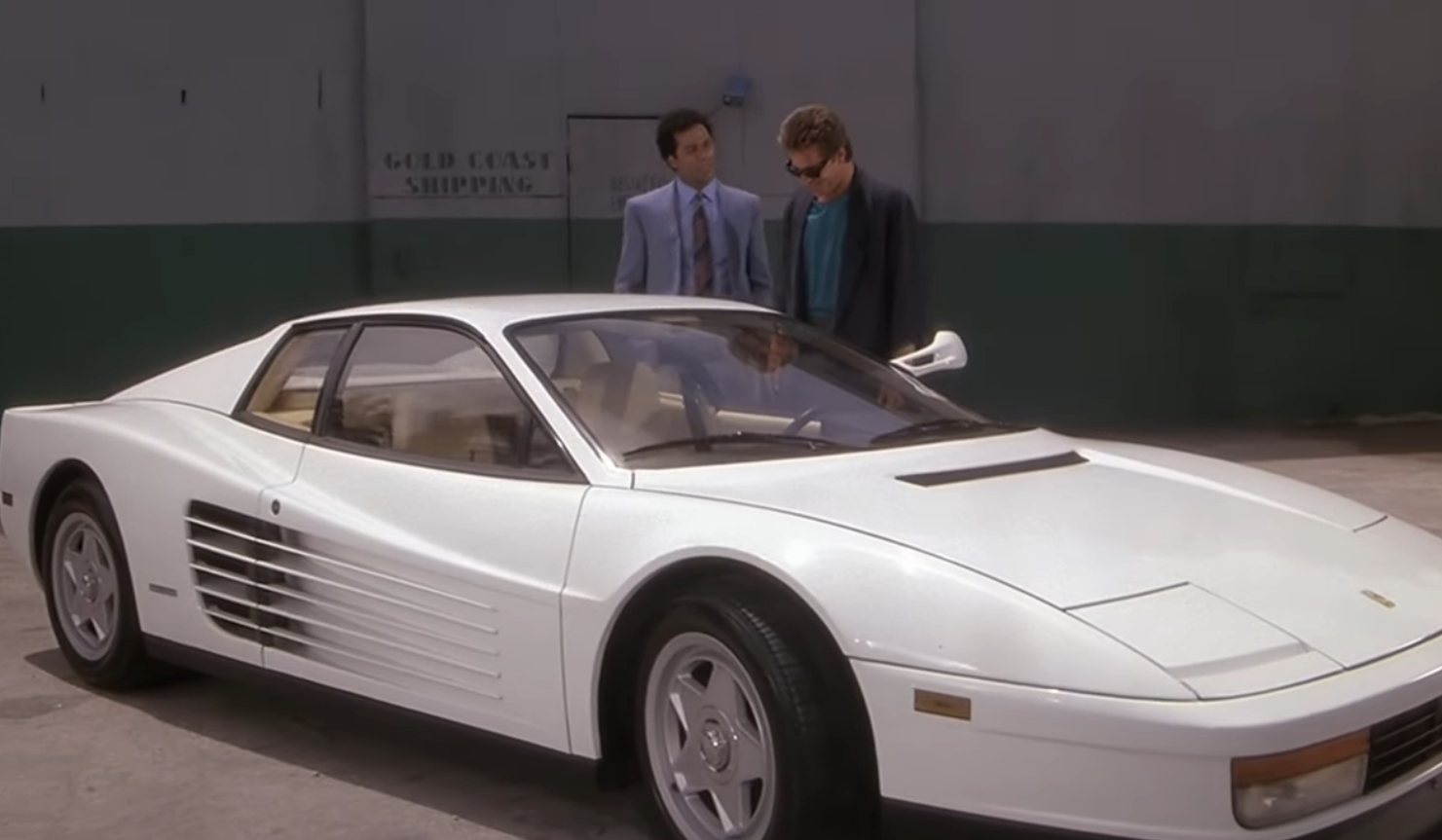
Ferrari Testarossa – Miami Vice (1984–1989)
While technically a TV show, Miami Vice influenced ’80s cinema so heavily that its cars spilled straight into movies. The white Ferrari Testarossa became the ultimate symbol of wealth and danger, influencing countless films that wanted instant luxury credibility.
 Screenshot from Miami Vice, NBC (1984-1989)
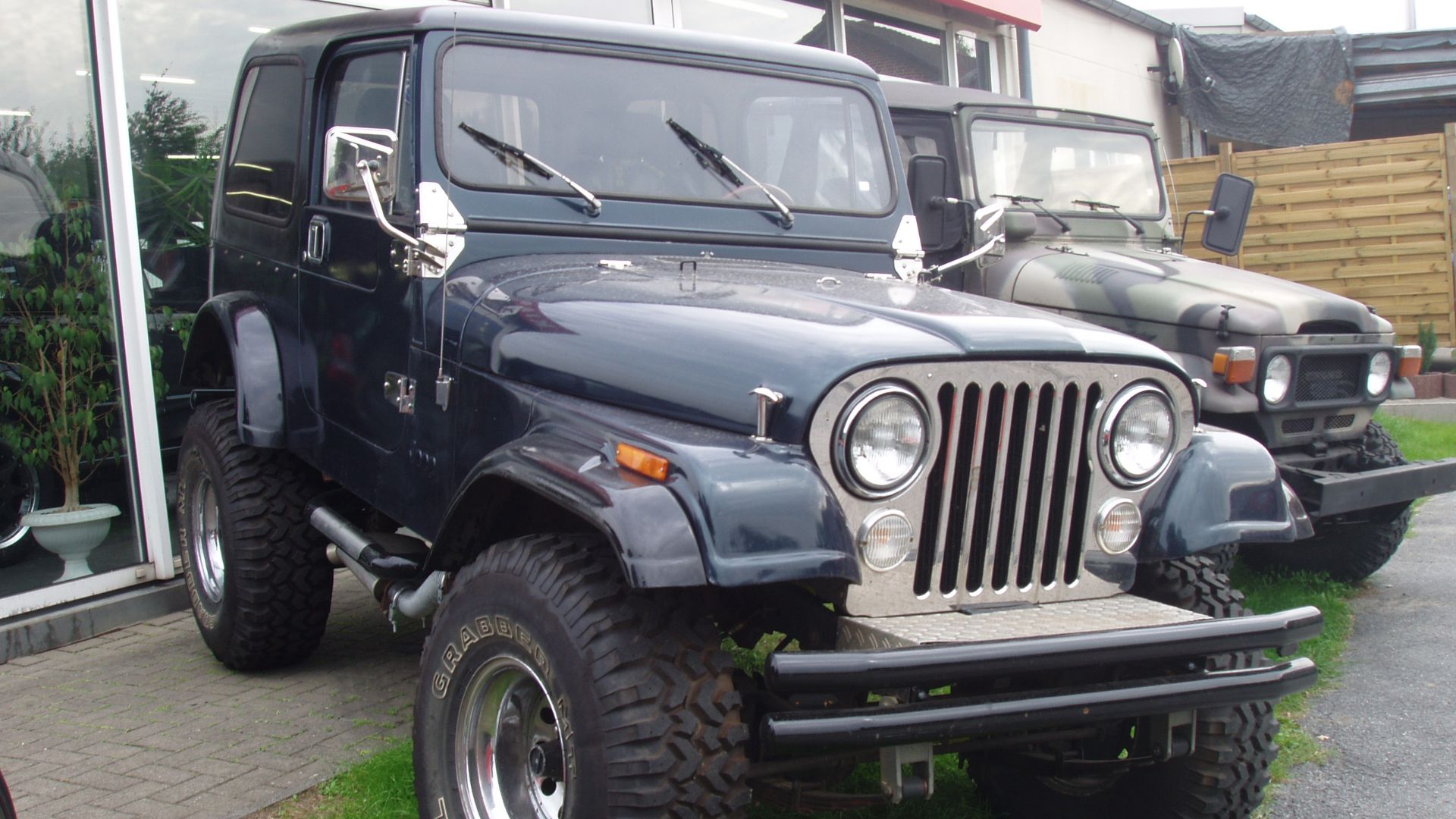
Jeep CJ-7 – Romancing The Stone (1984)
Adventure movies loved the Jeep CJ-7, and Romancing the Stone put it front and center. Whether bouncing through jungles or cruising beaches, the CJ-7 represented freedom and off-the-grid cool. It popped up everywhere from action films to teen road-trip comedies.
 Matthias Becker, Wikimedia Commons
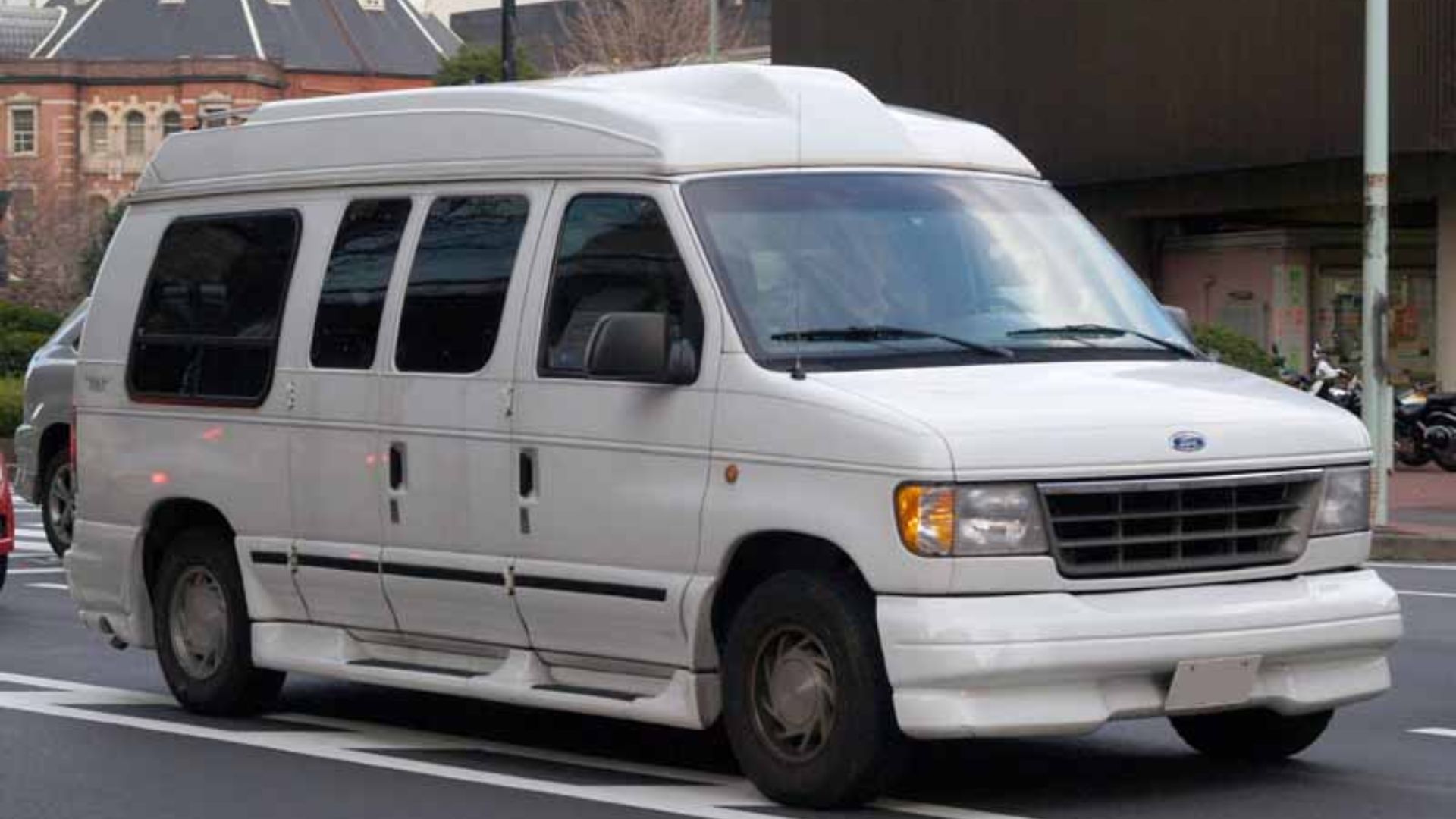
Ford Econoline Van – The Goonies (1985)
Every ’80s movie needed a van, and The Goonies showcased why. The Econoline was perfect for kids on the run, criminals in disguise, or bands hauling gear. Depending on context, it could feel either cozy or deeply suspicious.
Pontiac Firebird Trans Am – Smokey And The Bandit II (1980)
Though the original film debuted in the late ’70s, the Trans Am’s dominance bled straight into the ’80s. The screaming bird decal and aggressive styling made it a favorite for characters who wanted to be seen—and heard.
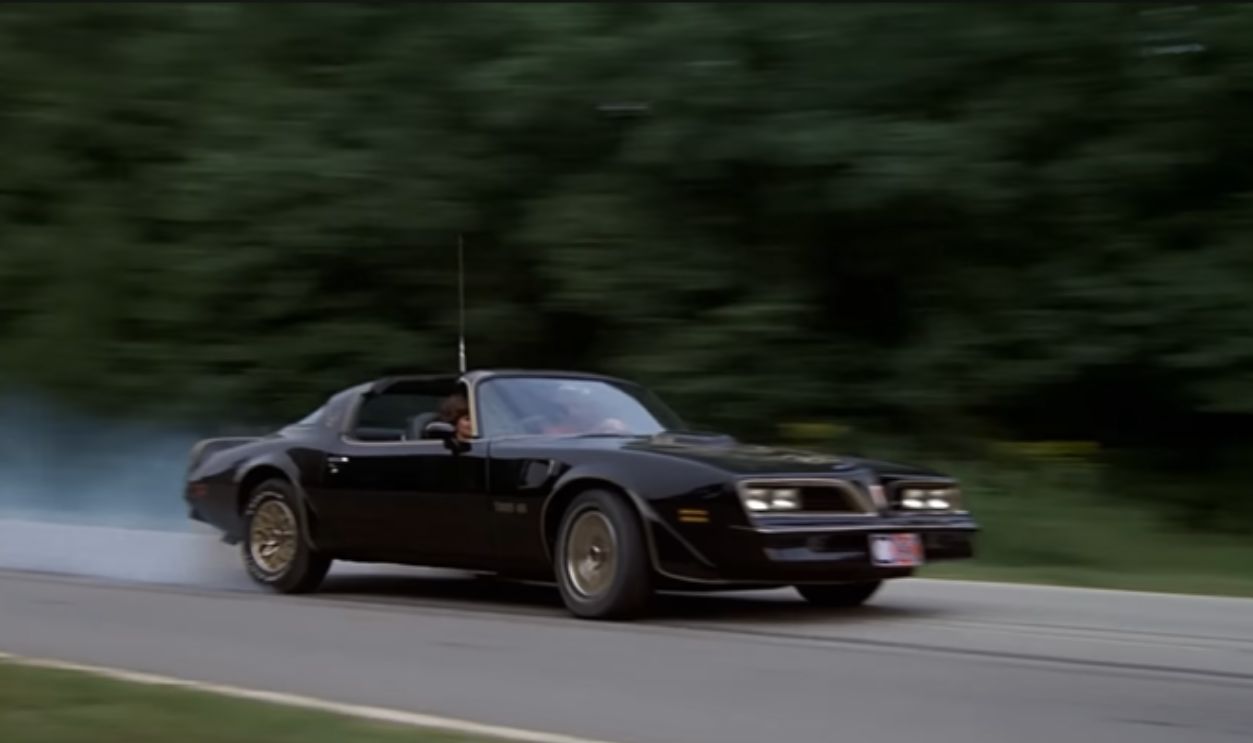 Screenshot from Smokey and the Bandit II, Universal Pictures (1980)
Chevrolet Camaro Z28 – Fast Times At Ridgemont High (1982)
The Camaro Z28 was pure teenage aspiration. In Fast Times, it symbolized cool, popularity, and questionable decision-making. Across the decade, Camaros were the car bullies drove, heroes raced, and teens dreamed about owning.
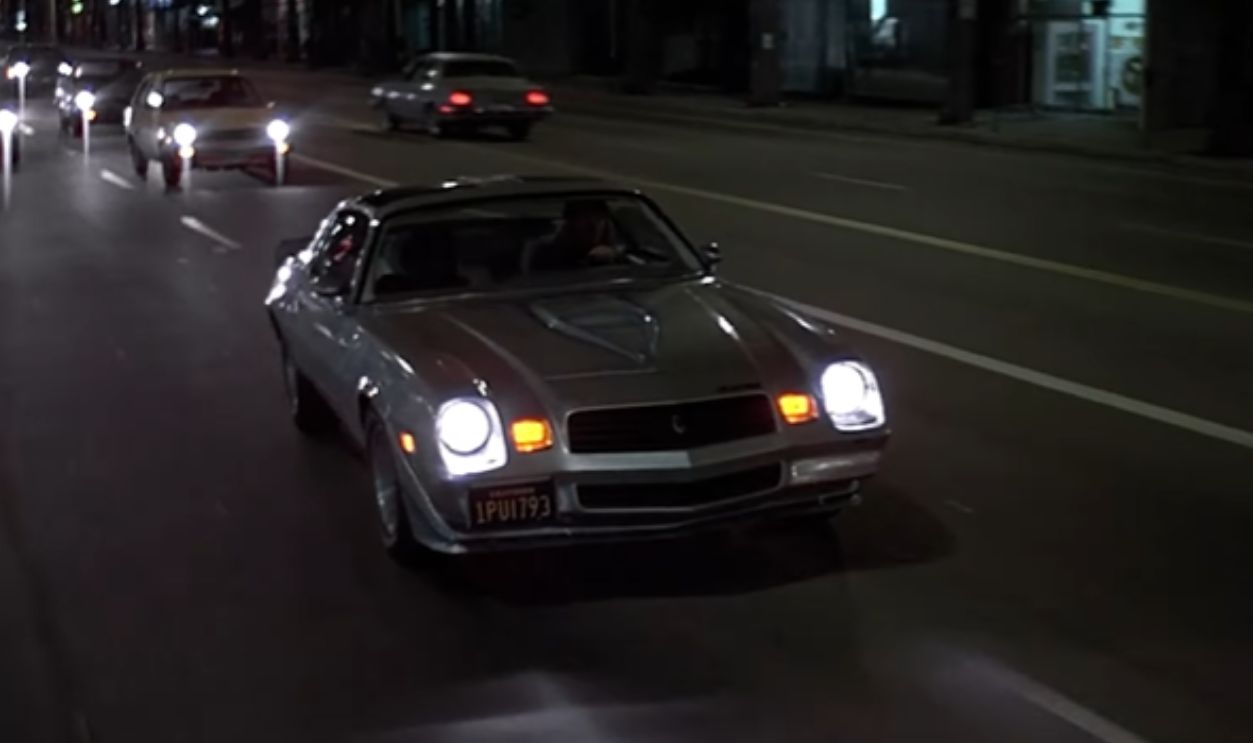 Screenshot from Fast Times at Ridgemont High, Universal Pictures (1982)
BMW E28 5 Series – Wall Street (1987)
Gordon Gekko didn’t do subtle, but he did do taste. The BMW 5 Series in Wall Street represented yuppie ambition and sharp-edged success. Throughout the ’80s, BMWs were the go-to cars for characters climbing the corporate ladder.
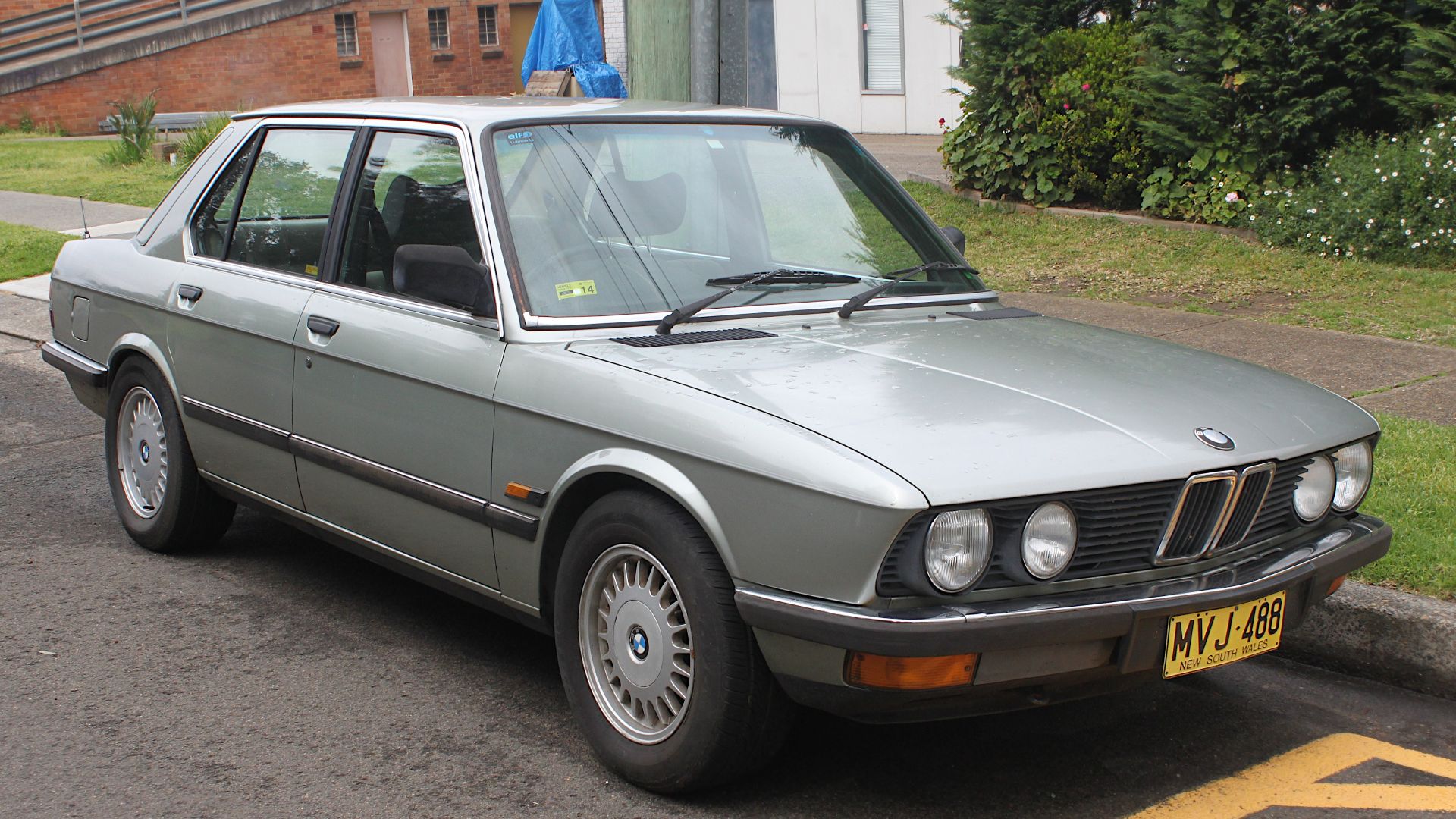 Jeremy from Sydney, Australia, Wikimedia Commons
Mercedes-Benz W123 – Scarface (1983)
In Scarface, Mercedes sedans became rolling status symbols. The W123 appeared as a marker of success, power, and danger. If a character drove one, they’d either “made it”—or were about to lose everything dramatically.
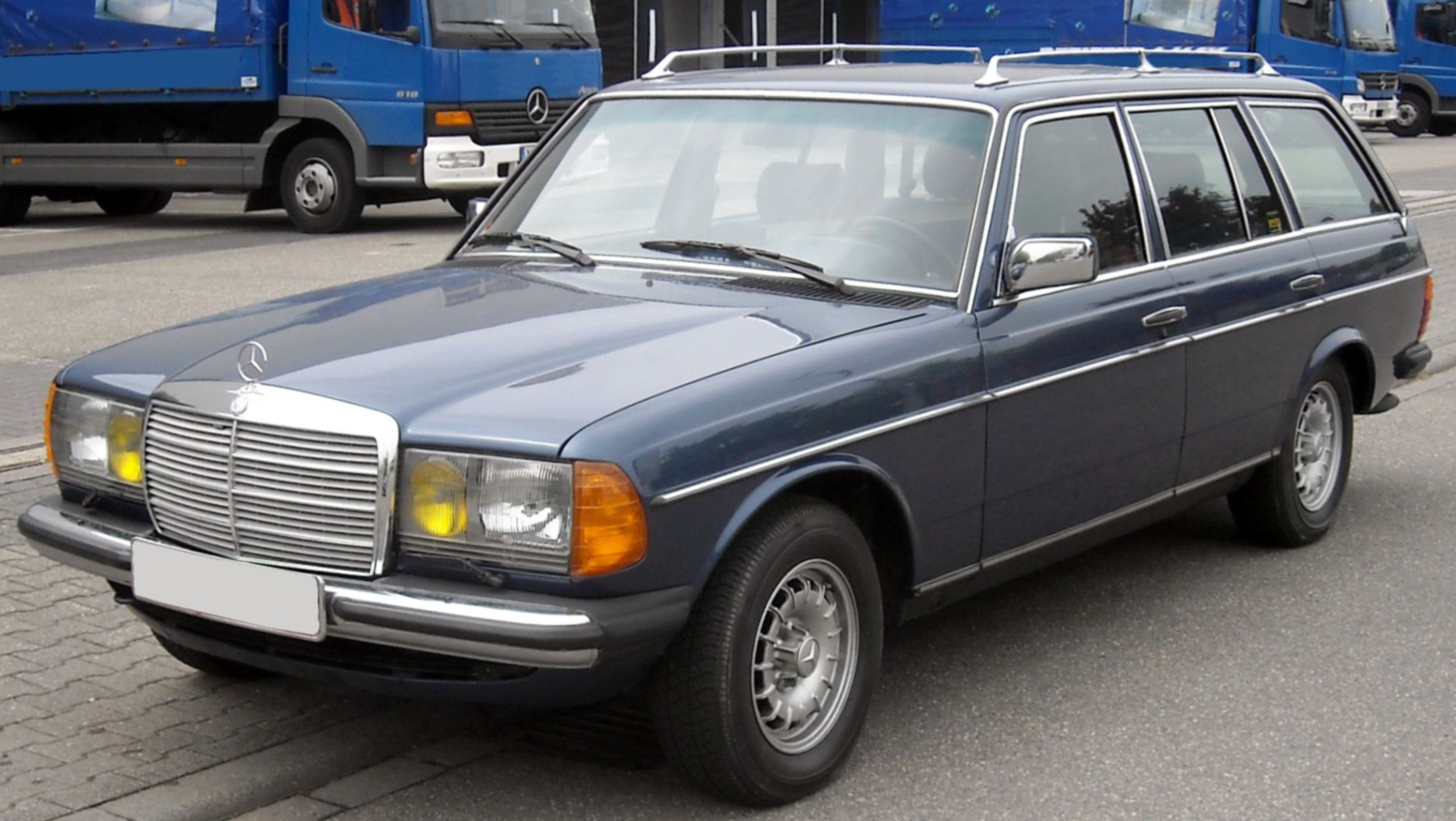 Rudolf Stricker, Wikimedia Commons
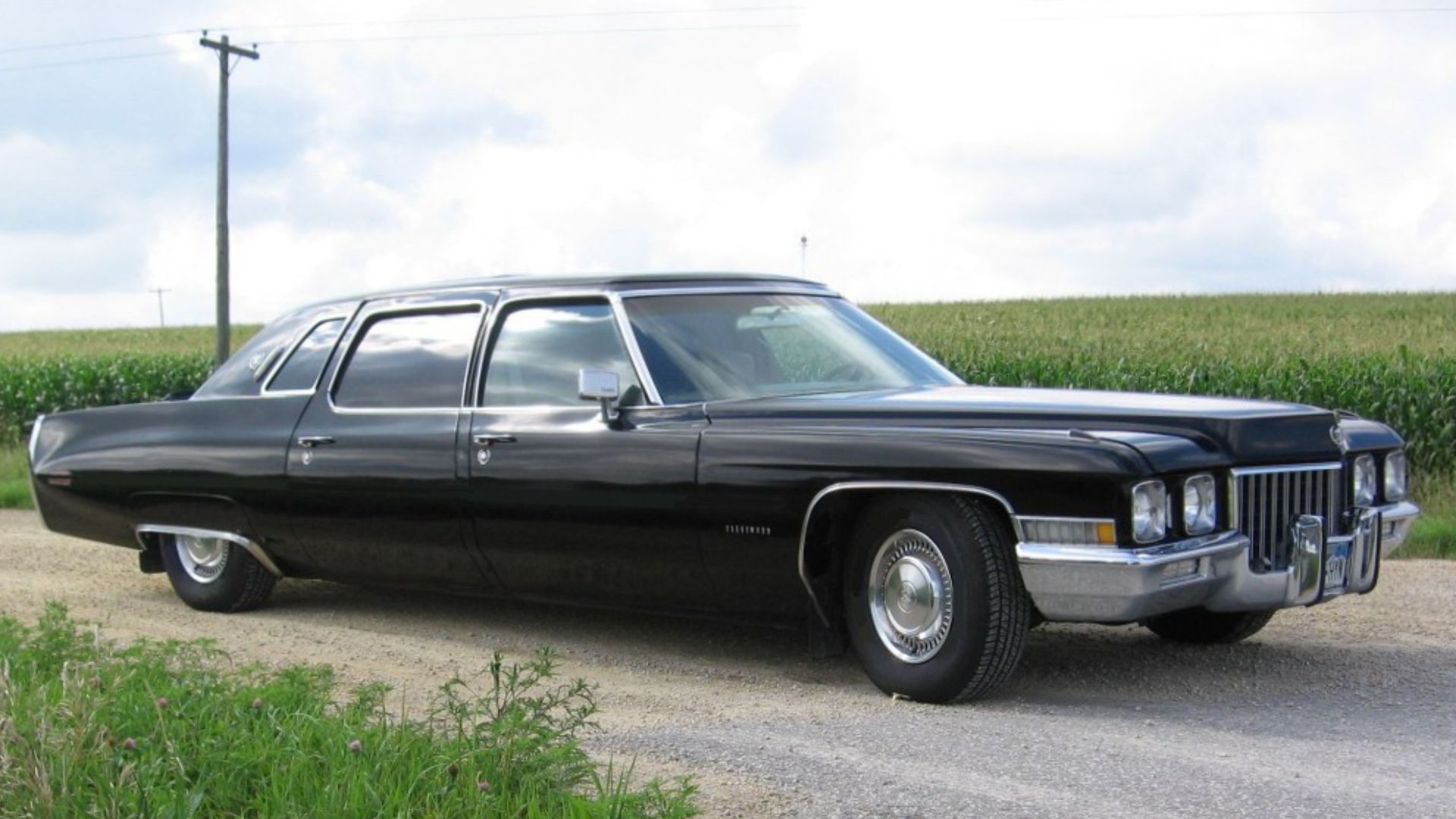
Cadillac Fleetwood – Coming To America (1988)
Luxury didn’t get more American than the Cadillac Fleetwood. In Coming to America, it embodied wealth, prestige, and old-school elegance. Throughout the decade, Cadillacs were reserved for royalty, mob bosses, and rich parents.
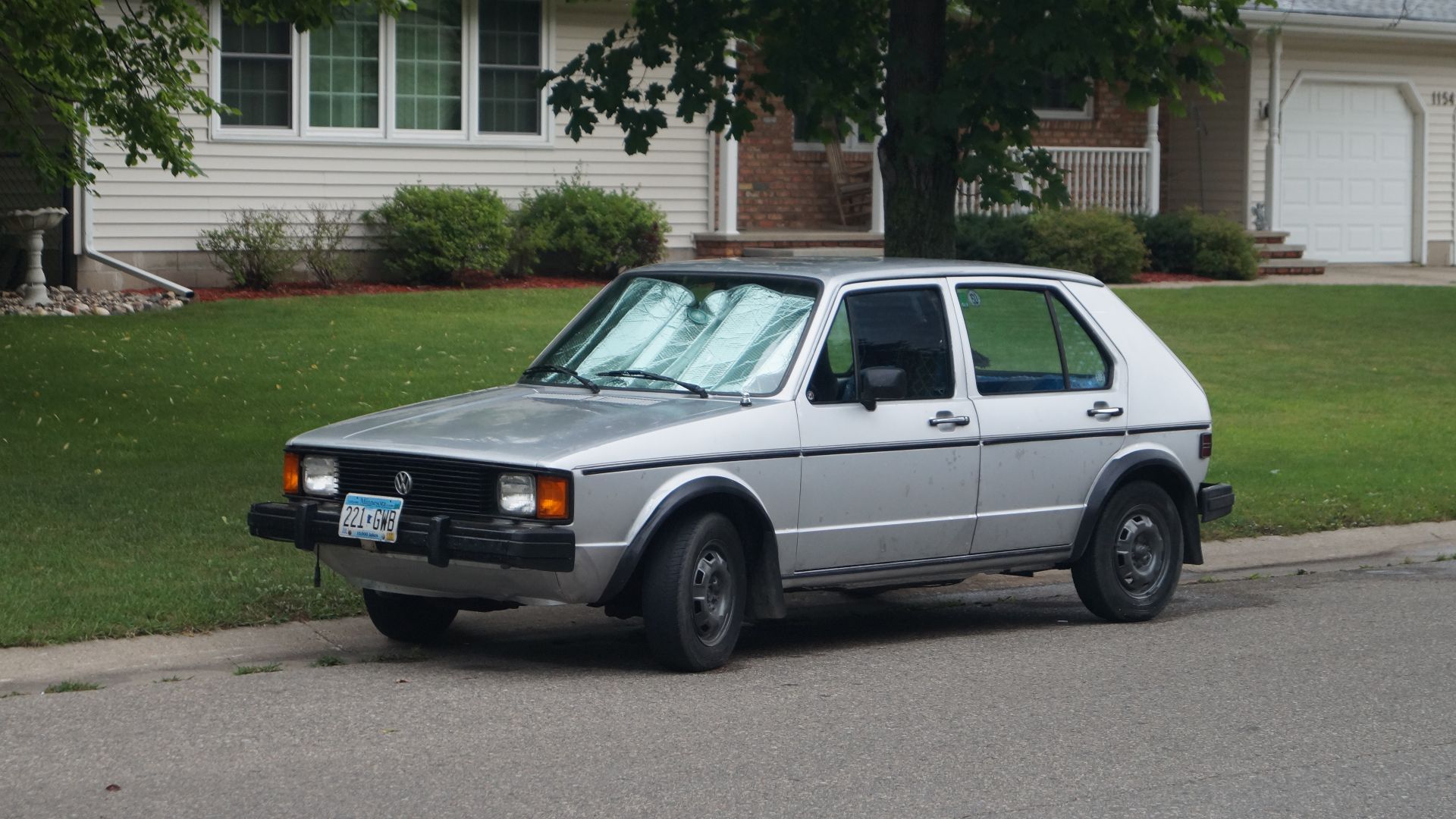
Volkswagen Rabbit – The Breakfast Club (1985)
Simple, relatable, and unpretentious, the VW Rabbit fit perfectly into The Breakfast Club. It symbolized everyday teenage life, grounding the movie’s emotional drama in reality. The Rabbit showed up constantly in coming-of-age films.
 Greg Gjerdingen from Willmar, USA, Wikimedia Commons
Toyota Corolla – Sixteen Candles (1984)
Blink and you’ll miss it—but Corollas were everywhere. In Sixteen Candles, it appears as part of the suburban landscape, reinforcing how realistic and relatable John Hughes movies felt. It was the silent workhorse of ’80s cinema.
 Screenshot from Sixteen Candles, Universal Pictures (1984)
Datsun 280ZX – Better Off Dead (1985)
The 280ZX fit perfectly into the quirky, offbeat tone of Better Off Dead. Japanese sports cars gained serious screen time in the ’80s, often signaling modernity, intelligence, or unconventional cool.
 Jeremy from Sydney, Australia, Wikimedia Commons
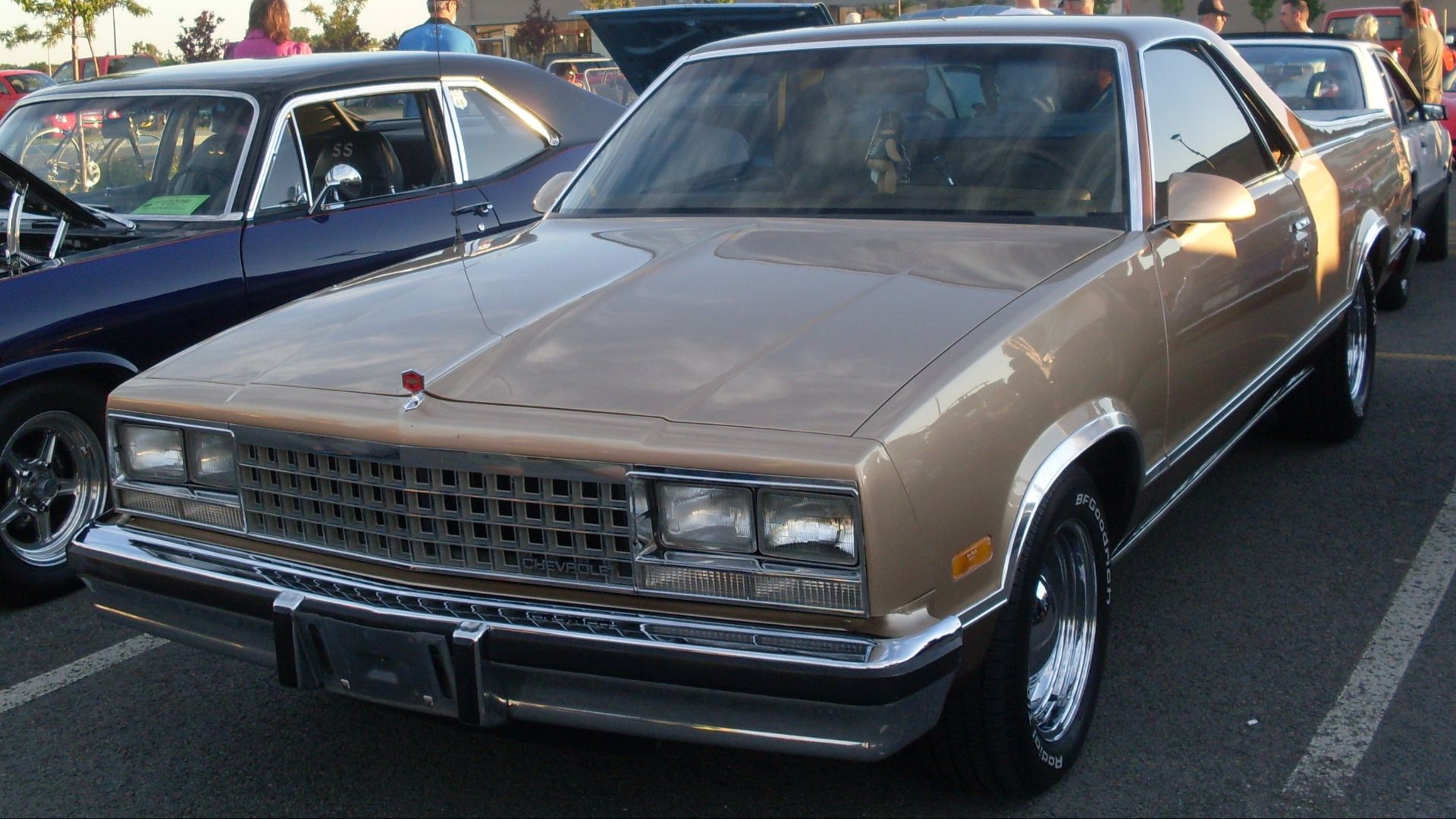
Chevrolet El Camino – Repo Man (1984)
Few cars matched the punk, anti-establishment energy of Repo Man like the El Camino. Half car, half truck, it was the ultimate symbol of not fitting in—making it a cult-classic movie staple.
Ford Mustang Fox Body – The Wraith (1986)
The Fox Body Mustang was fast, affordable, and everywhere. In The Wraith, it became something supernatural and intimidating. Across the decade, Mustangs dominated street-racing scenes and high school parking lots alike.
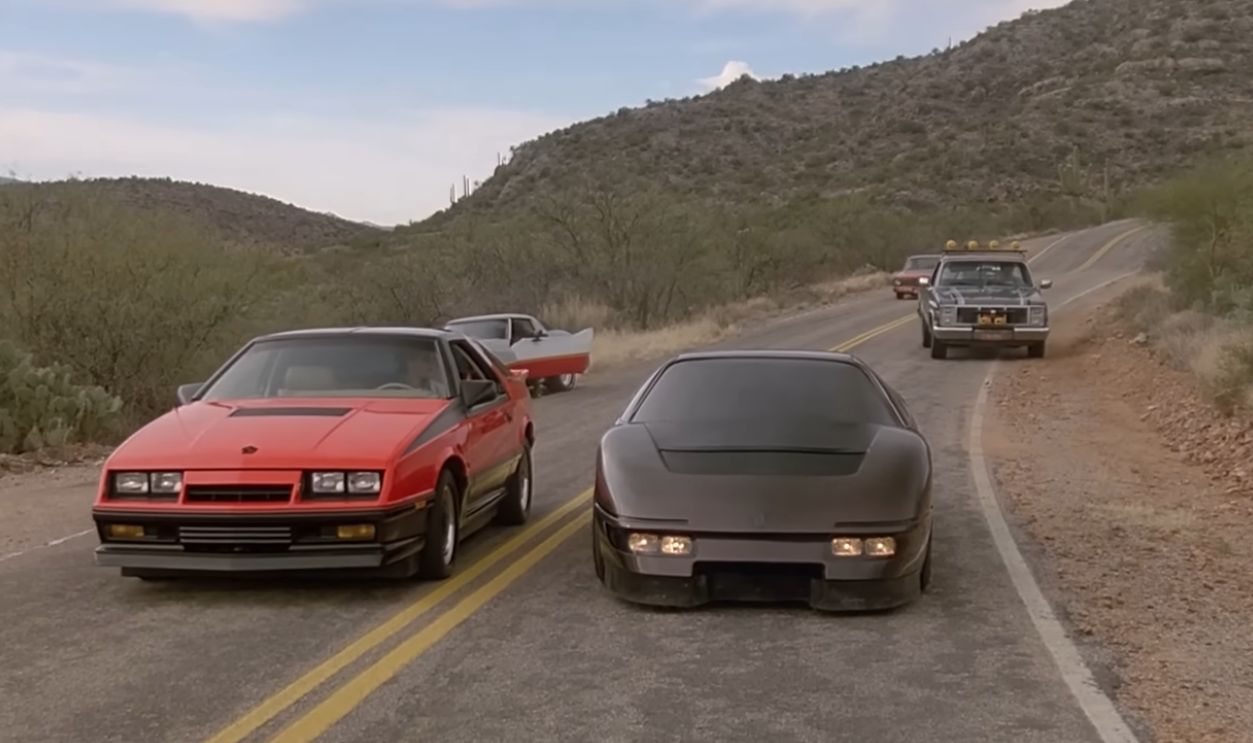 Screenshot from The Wraith, New Century Entertainment (1986)
Oldsmobile Cutlass Supreme – Adventures In Babysitting (1987)
The Cutlass Supreme showed up constantly in family-oriented ’80s films. In Adventures in Babysitting, it played the role of dependable chaos magnet—reliable enough to start, unlucky enough to get destroyed.
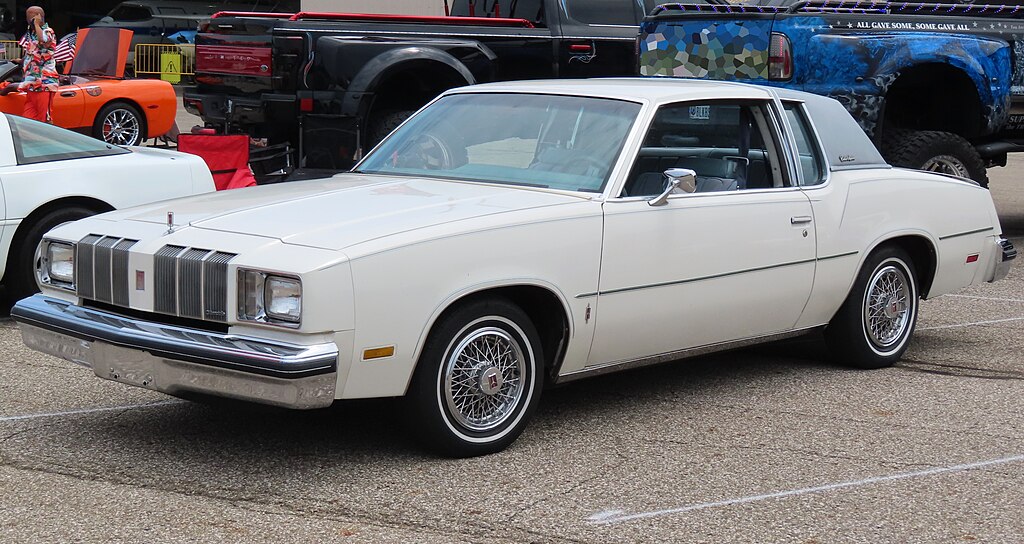 MercurySable99, CC BY-SA 4.0, Wikimedia Commons
Plymouth Reliant K-Car – Planes, Trains And Automobiles (1987)
The K-Car was the car you got when life got practical. In Planes, Trains and Automobiles, it symbolized adulthood and compromise—perfect for a movie about patience, frustration, and personal growth.
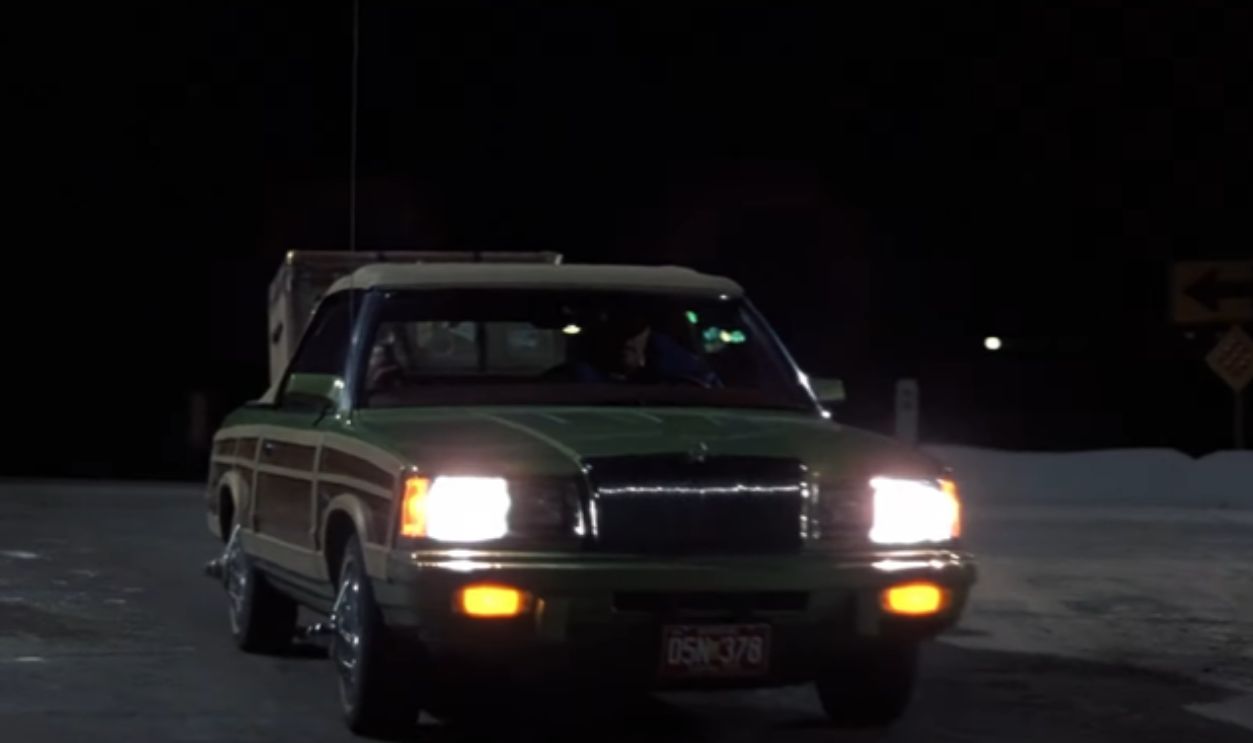 Screenshot from Planes, Trains and Automobiles, Paramount Pictures (1987)
Volvo 240 – Broadcast News (1987)
The Volvo 240 was cinematic shorthand for intelligence and responsibility. In Broadcast News, it reinforced character traits instantly. If someone drove a Volvo in the ’80s, they were thoughtful—and probably right.
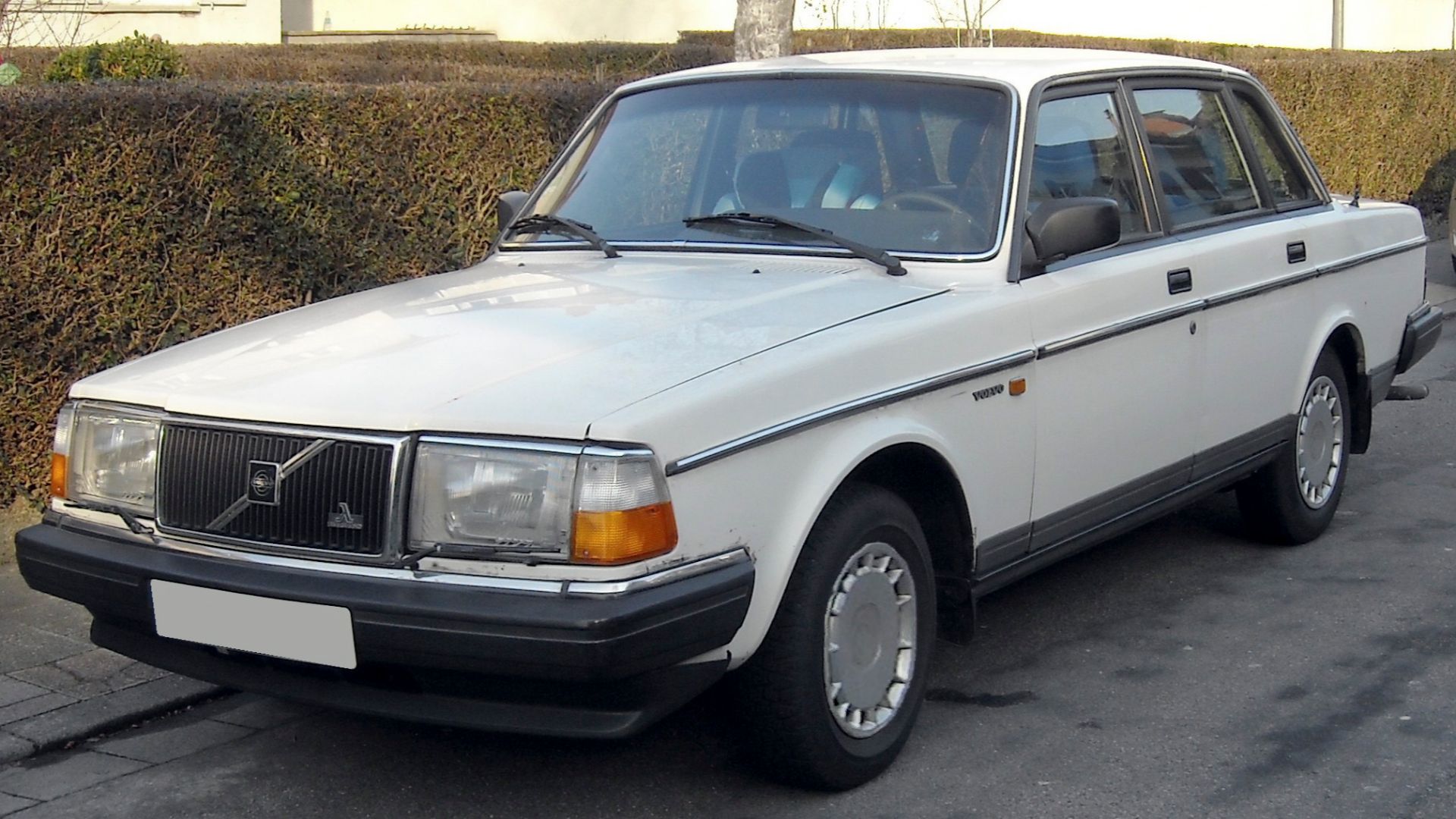 Rudolf Stricker, Wikimedia Commons
Chevrolet Suburban – The Terminator (1984)
The Suburban was the ultimate support vehicle. In The Terminator, it became part of the gritty urban backdrop, often used by law enforcement or shadowy organizations. If something big was about to happen, a Suburban was nearby.
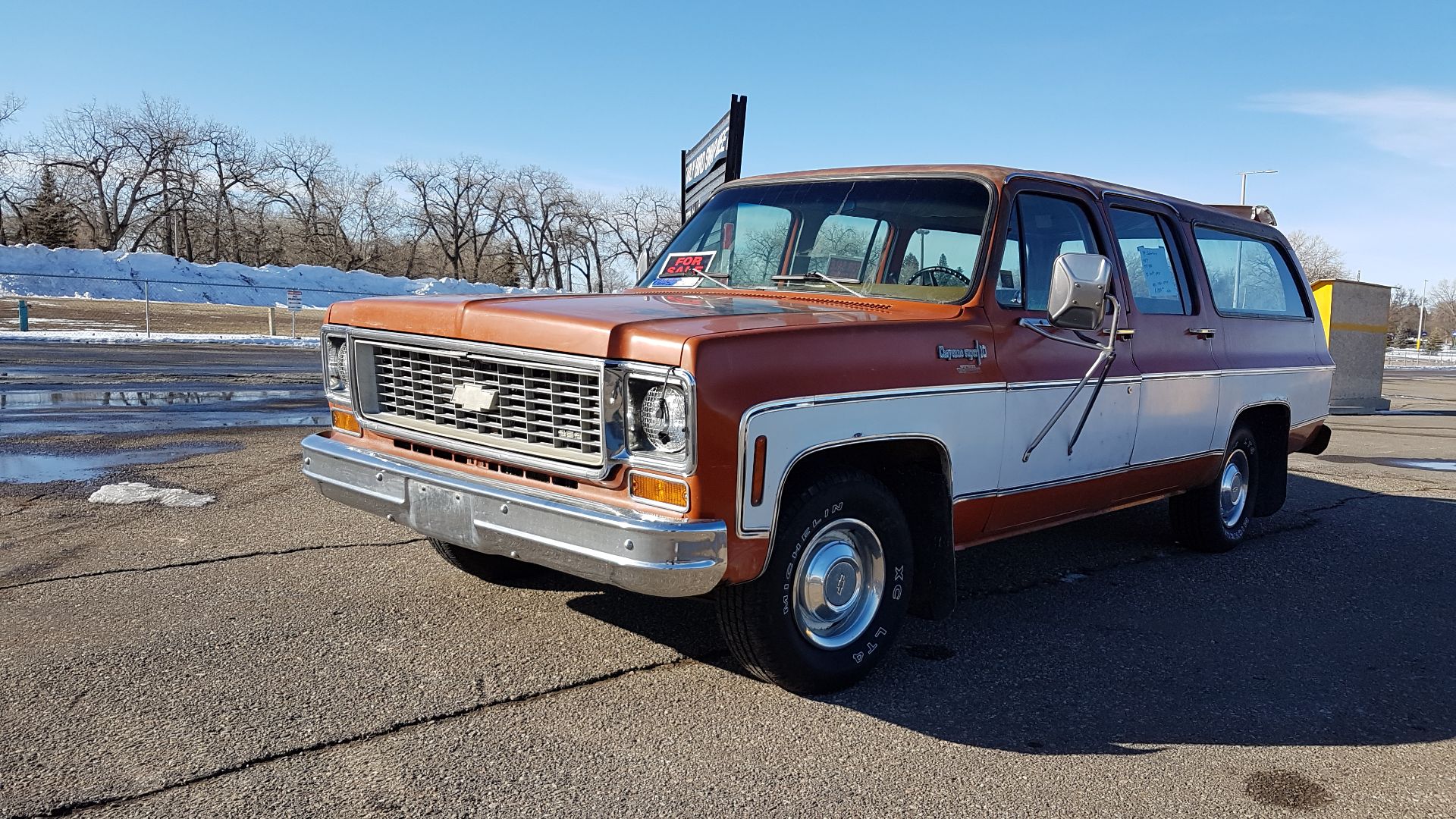 dave_7 from Canada, Wikimedia Commons
Lincoln Town Car – Trading Places (1983)
The Lincoln Town Car embodied corporate power and old money. In Trading Places, it visually reinforced wealth and class divide. Throughout the decade, it chauffeured executives and villains alike.
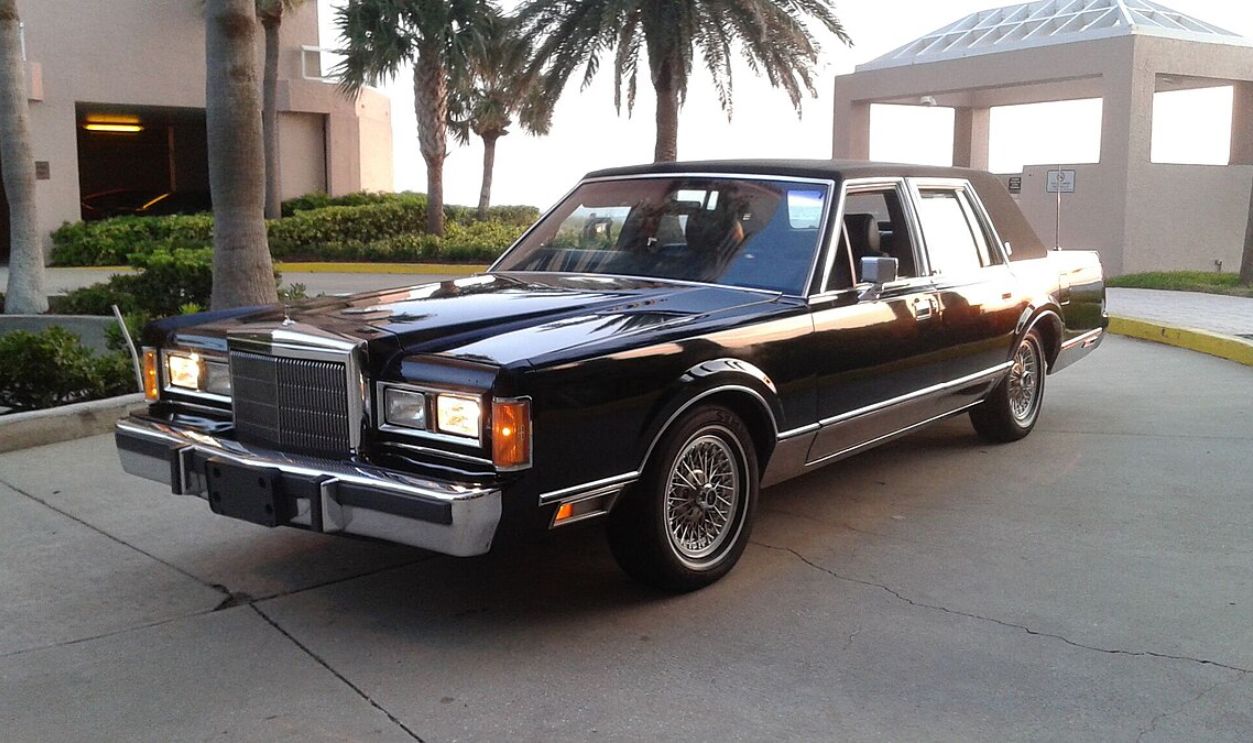 Michaelulrich17, CC BY-SA 4.0, Wikimedia Commons
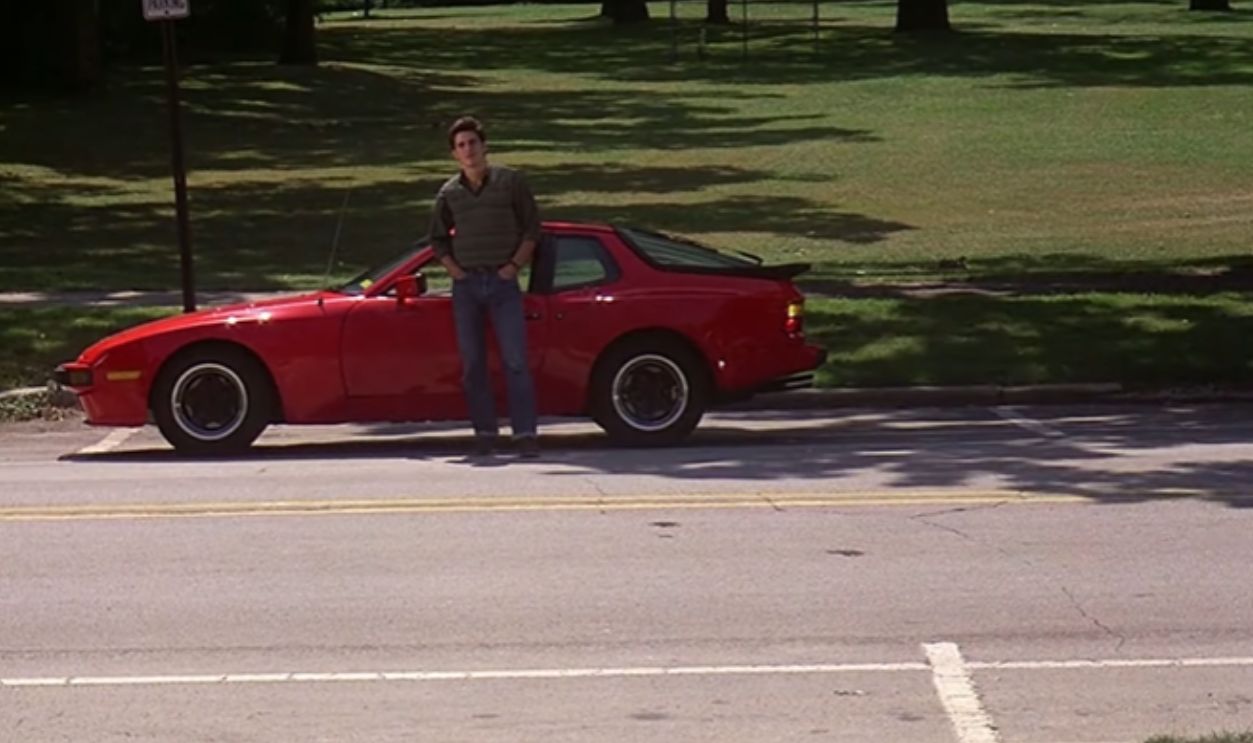
Porsche 944 – Risky Business (1983)
Nothing screamed upward mobility like a Porsche. In Risky Business, the 944 symbolized ambition, temptation, and consequences. Porsche appearances skyrocketed after this film.
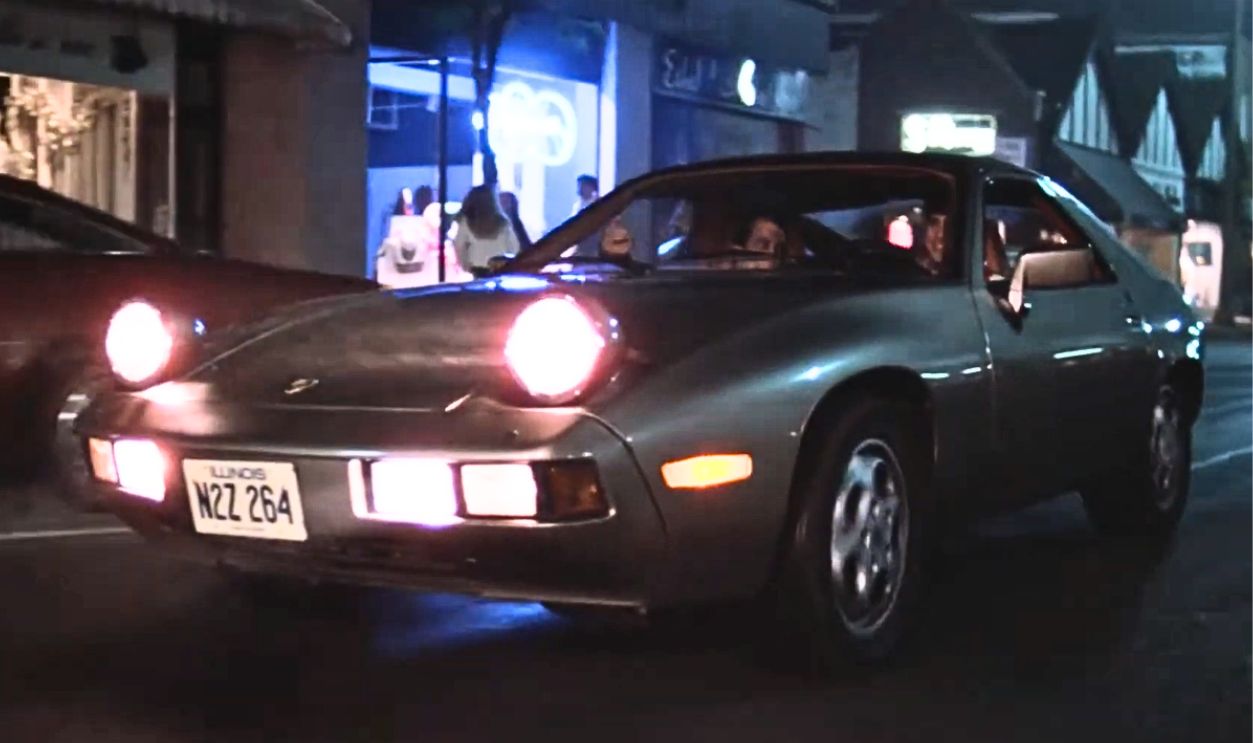 Screenshot from Risky Business, Warner Bros. (1983)
Honda Accord – Mr. Mom (1983)
The Honda Accord represented modern, sensible parenting. In Mr. Mom, it reflected changing American households. Accords quietly dominated background roles across the decade.
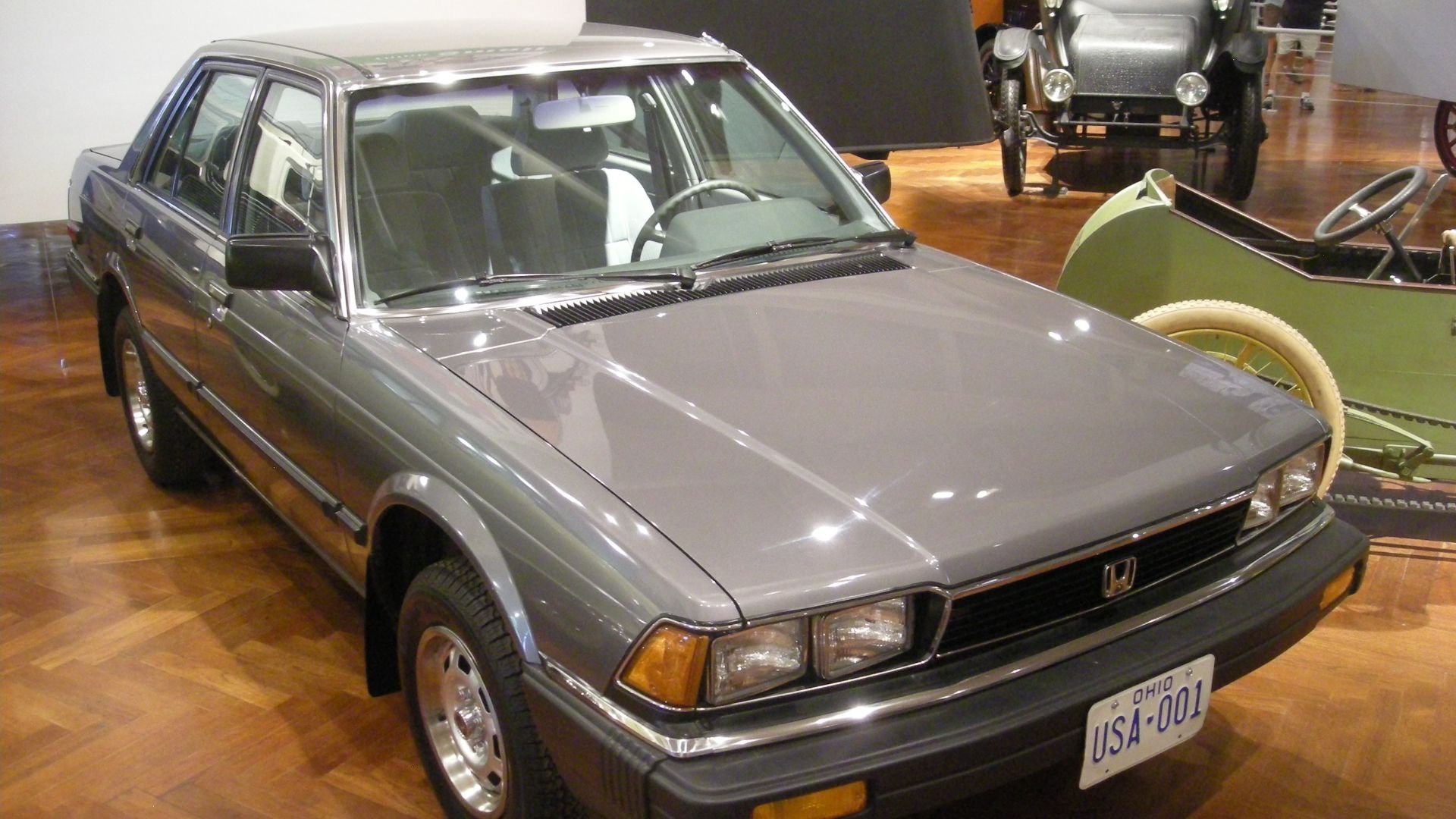 Michael Barera, Wikimedia Commons
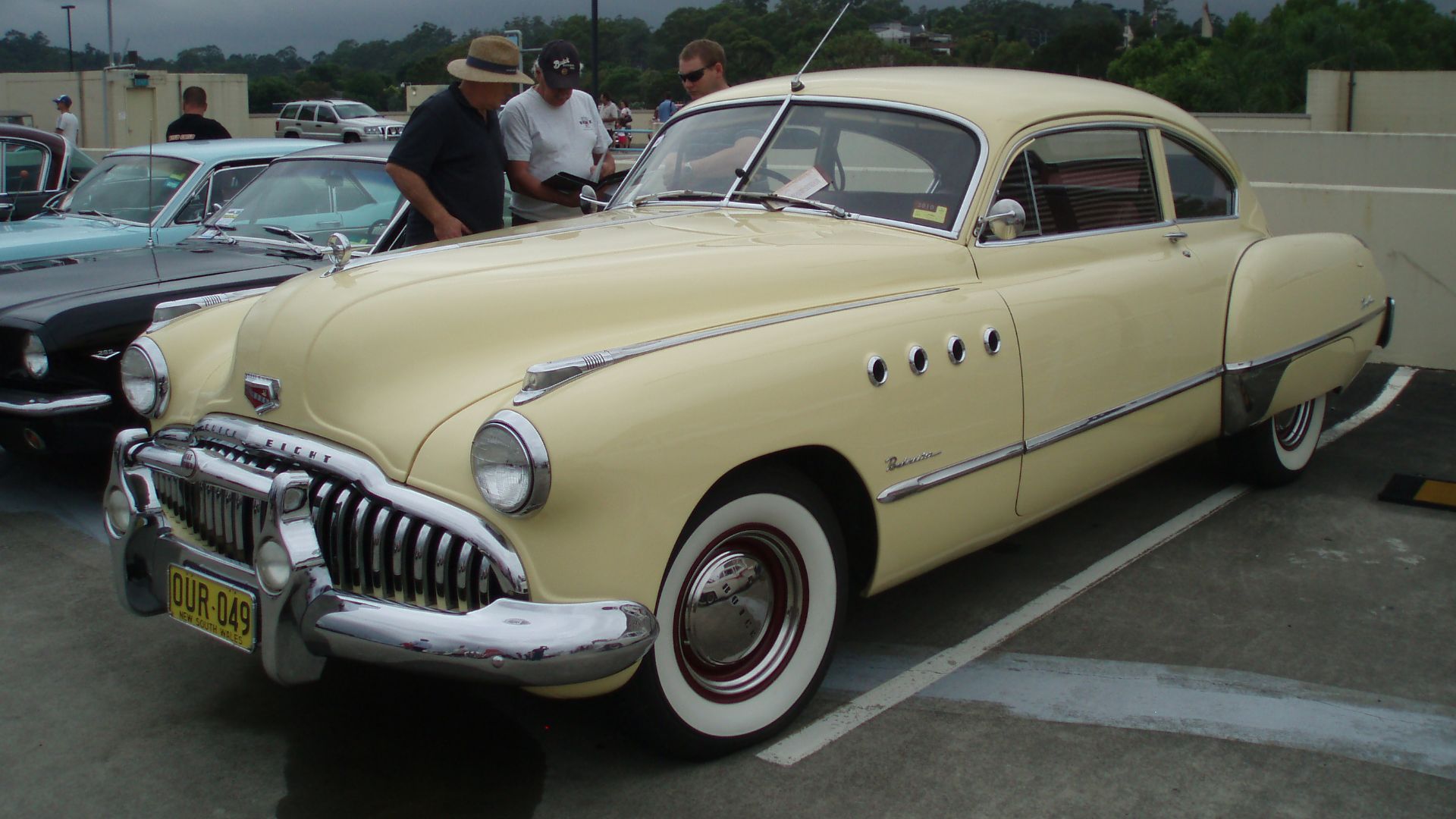
Buick Regal – Rain Man (1988)
The Buick Regal in Rain Man was understated, comfortable, and dependable—mirroring the film’s emotional road trip tone. Buicks were cinematic comfort food.
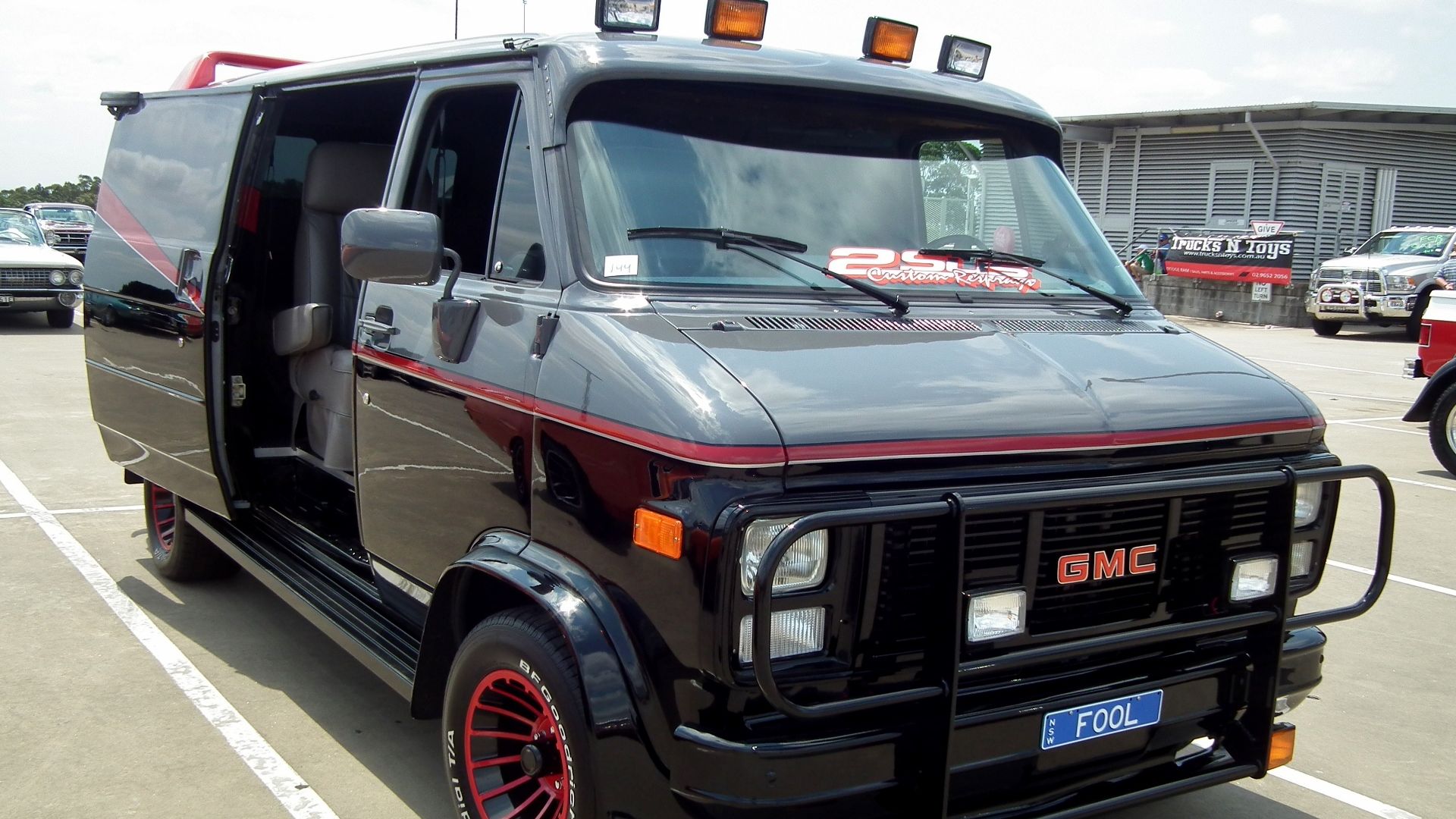
GMC Vandura – The A-Team (1983–1987)
Again blurring TV and film influence, the GMC Vandura defined the tough-but-fun van aesthetic. Countless movies copied its look, making it feel omnipresent in the ’80s.
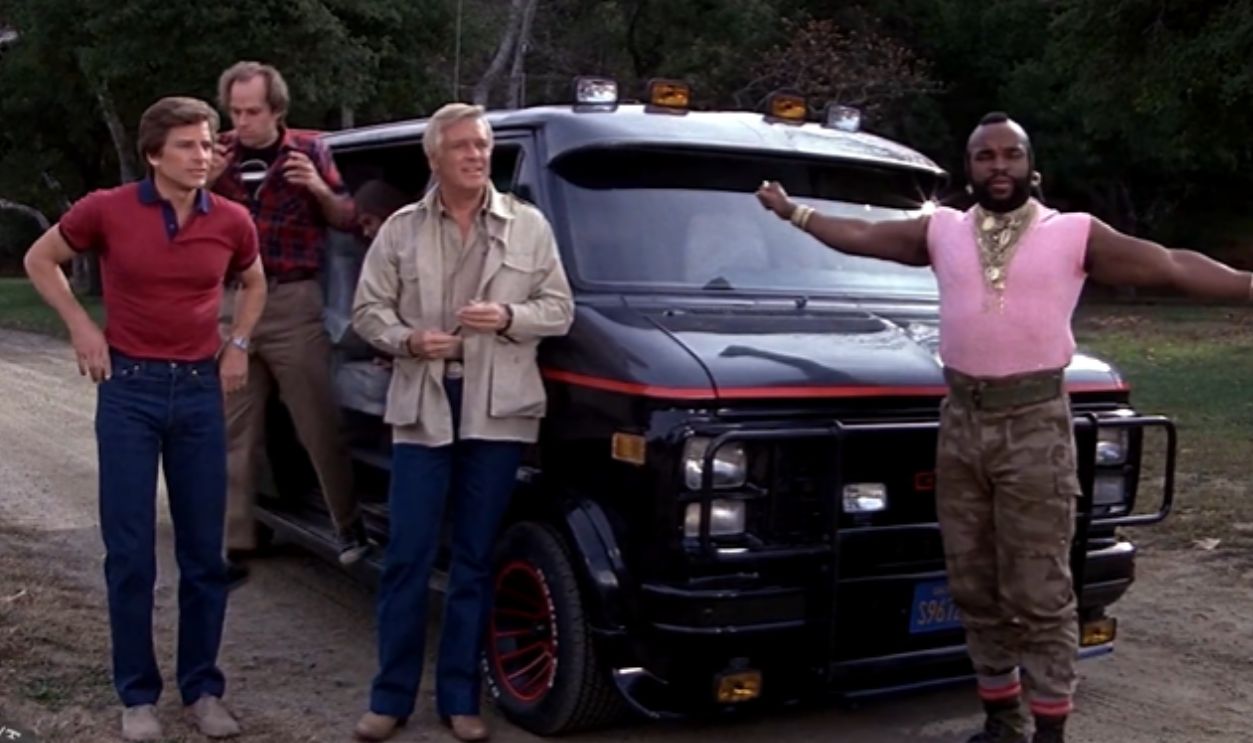 Screenshot from The A-Team, NBC Television (1983–1987)
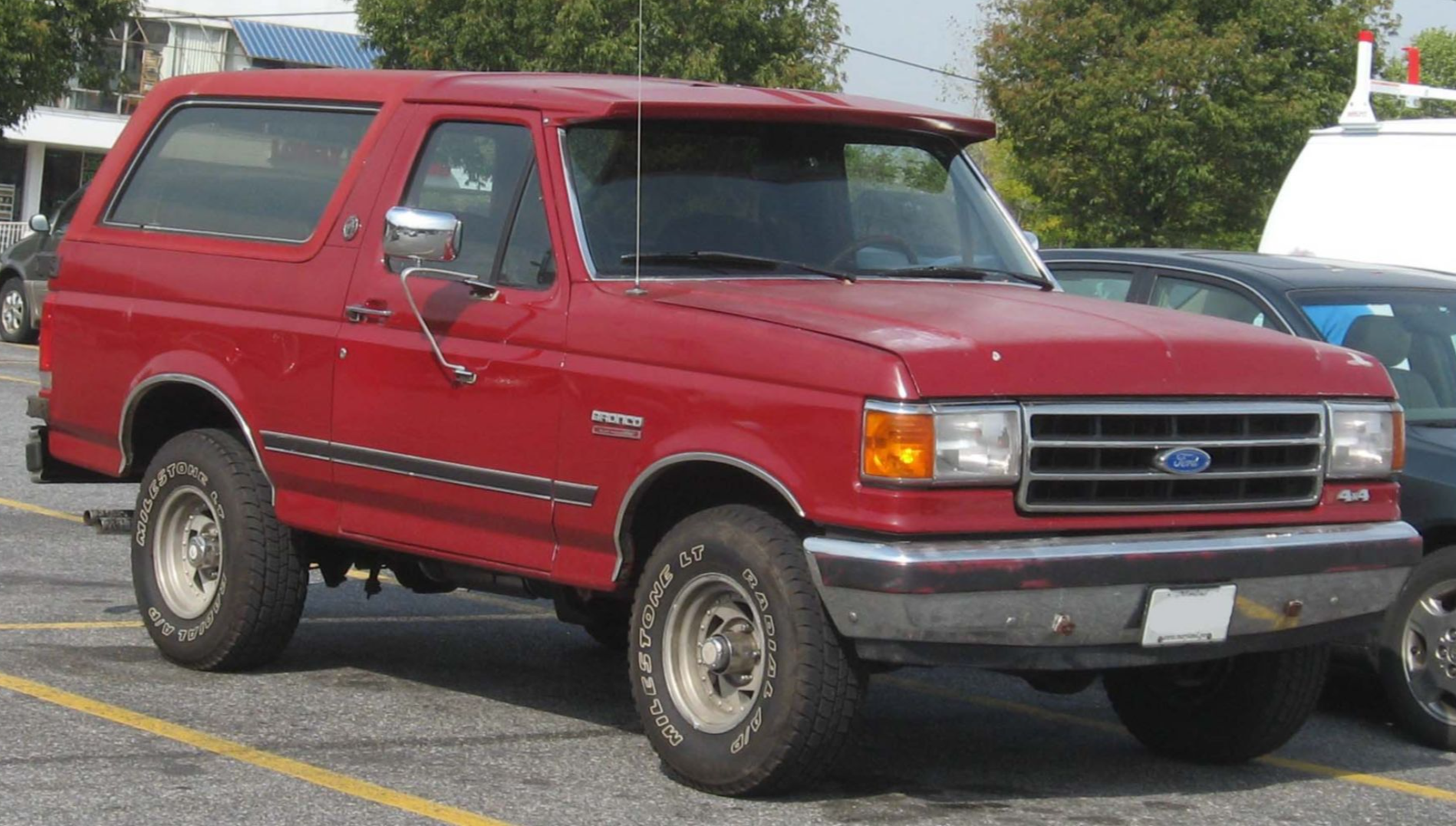
Ford Bronco – Red Dawn (1984)
The Bronco was rugged American muscle on wheels. In Red Dawn, it symbolized rebellion and survival. Broncos popped up constantly in action and adventure films.
Why ’80s Movie Cars Still Matter
Cars in ’80s movies weren’t just transportation—they were identity, aspiration, and storytelling tools. These vehicles told us who characters were before they said a word. That’s why they feel like they were in every ’80s movie. Because in a way, they were—and decades later, we’re still chasing their headlights.
.jpg)
