It Feels Ridiculous At First
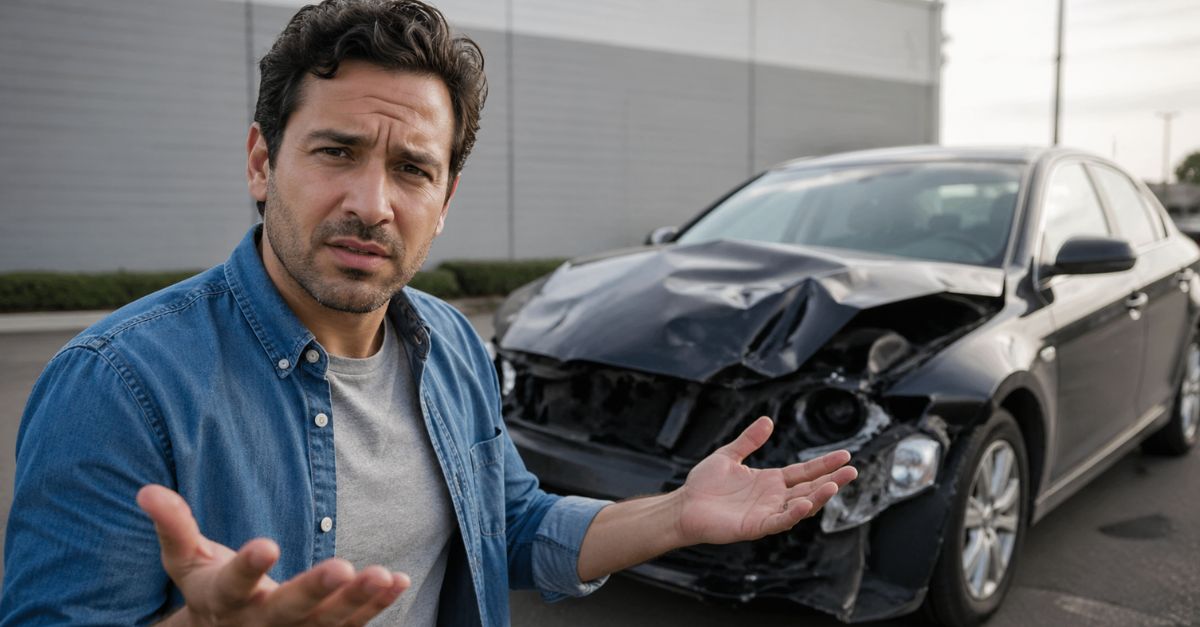
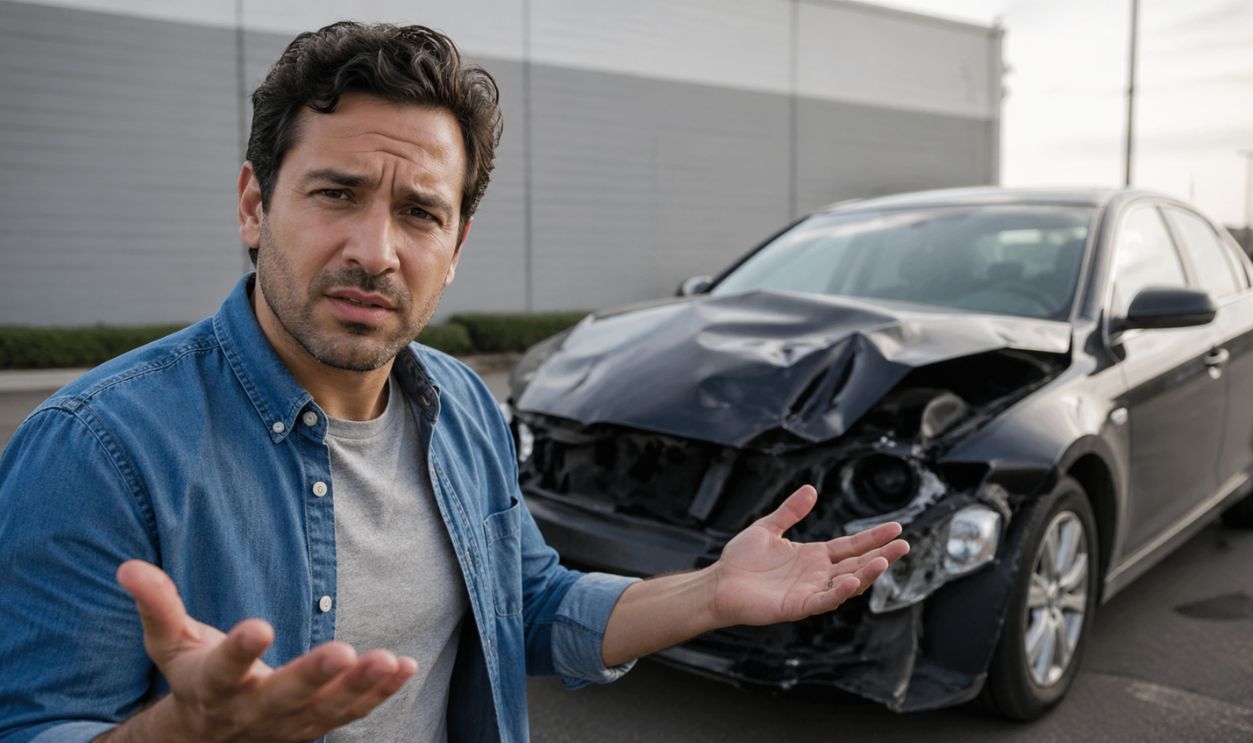
You look at your beloved car after a minor crash and assume it can be fixed no problem. Then the insurer says it wants to total it. It makes sense to be frustrated, but that call usually is not about how bad the damage looks. It's about math, state rules, and what it would really cost to put the car back on the road safely.
Totaled Does Not Always Mean Destroyed
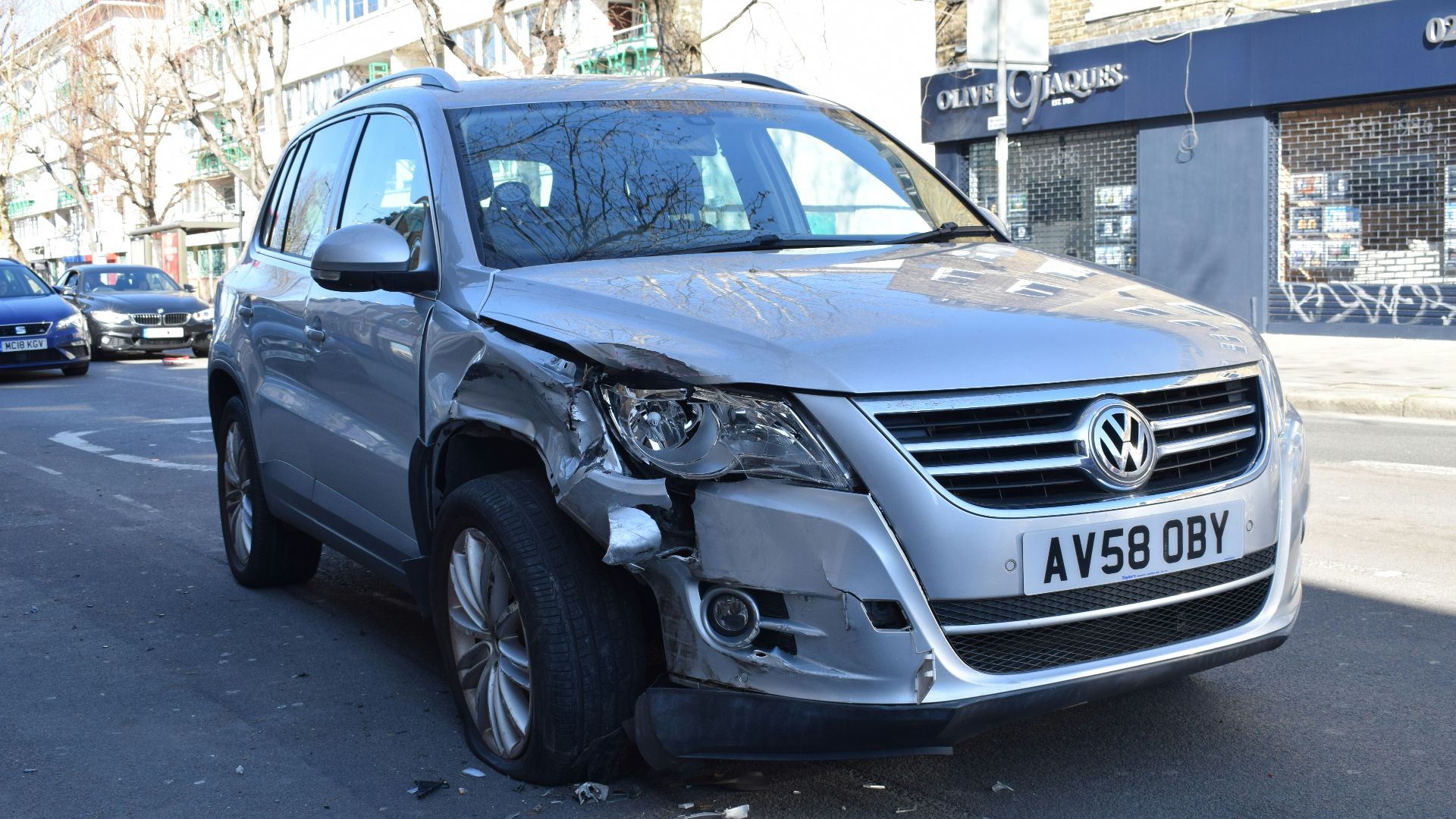
In insurance terms, a total loss usually means the car is too expensive to repair, not that it is completely wrecked. The Insurance Information Institute says insurers compare repair costs with the car’s value before the crash. If repairs and related costs get too close to that value, totaling the car can be the cheaper option. That is why a car with what looks like minor damage can still be written off.
The Core Formula Is Pretty Simple
Insurers usually start with the actual cash value of the car, often called ACV. That is the car’s market value right before the crash, based on age, mileage, condition, and local market data. Then they compare that number with the estimated repair cost and, in many cases, the salvage value. If the numbers do not make sense, the car gets totaled even if it still runs.

State Rules Can Force The Issue
This is where things get very specific. Many states use a total loss threshold, which is a legal percentage of the car’s value where it must be declared a total loss. The National Association of Insurance Commissioners notes that states use different systems, including fixed thresholds and total loss formulas. So the same accident could lead to a repair in one state and a total loss in another.

Some States Use A Percentage Threshold
In threshold states, the insurer compares repair costs to a set percentage of the car’s pre-crash value. The Insurance Information Institute says some states set that threshold as low as 60 percent, while others are much higher. That matters a lot for older cars with lower market value. A repair bill that seems manageable can cross the legal line fast.

Others Use A Total Loss Formula
Instead of a fixed percentage, some states use a total loss formula. Under that system, the insurer adds the repair cost to the salvage value, which is what the damaged car could still be sold for. If that total meets or exceeds the actual cash value, the car is considered a total loss. The NAIC describes this as one of the common methods used across the country.

Older Cars Are Hit Hardest
This is one of the biggest reasons a small crash can turn into a big insurance problem. A ten-year-old car may still be dependable, but its market value may be fairly low. A few thousand dollars in bodywork, paint, labor, and sensor repairs can wipe out that value quickly. The lower the ACV, the easier it is for the insurer’s math to end in a total loss.

Labor Rates Have Changed The Game
Repairing cars is expensive, and labor is a big reason why. Modern collision work can involve body techs, paint specialists, recalibration, and more complicated parts replacement. Even damage that looks cosmetic can come with many hours of billed labor. Those rising costs can turn a small hit into a total loss on paper.

Parts Prices Can Be Shocking
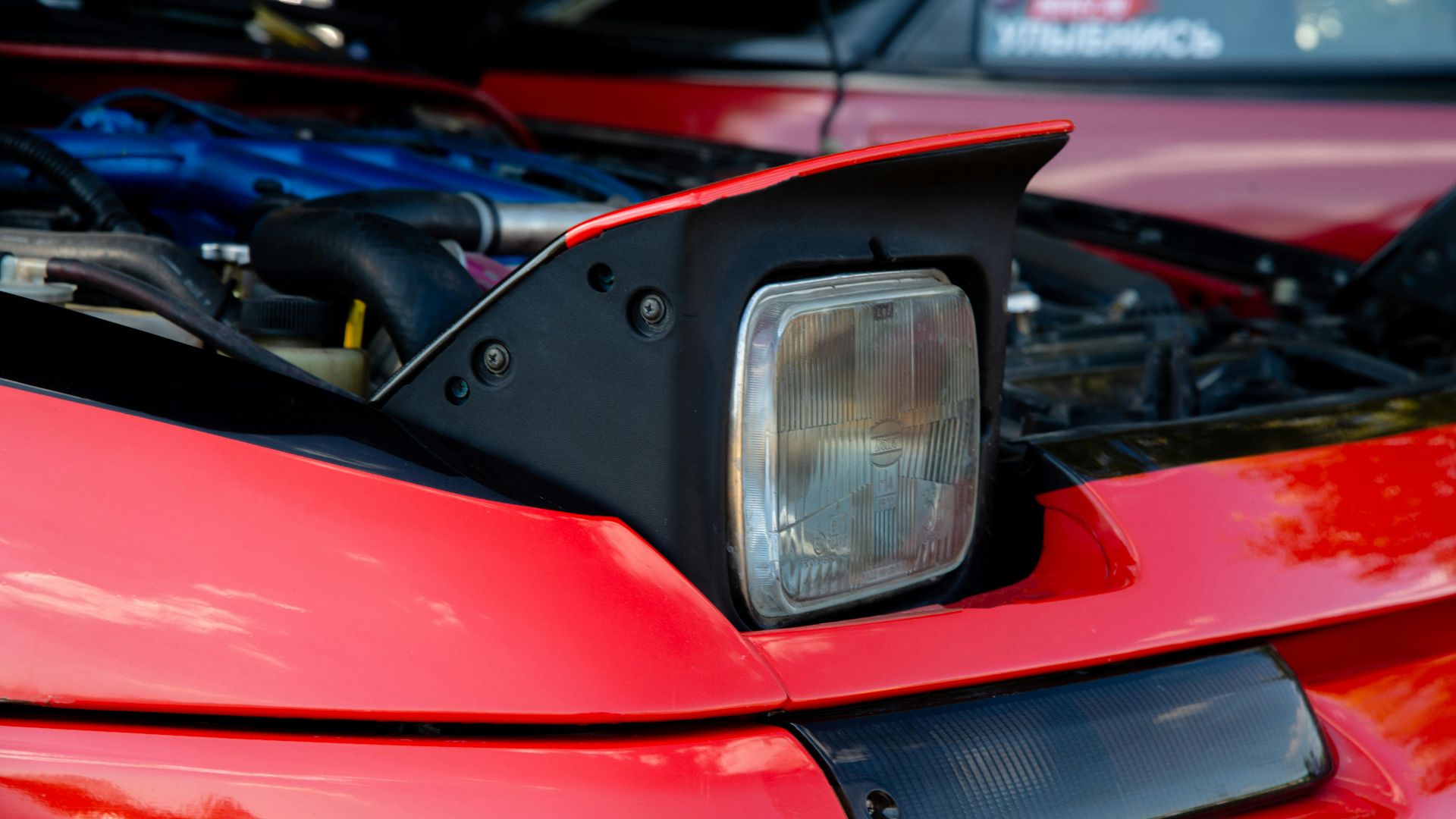
Bumpers, grilles, LED headlights, and factory sensors are expensive. A minor front-end crash can mean replacing parts that look simple from the outside but are packed with costly hardware. Consumer Reports has pointed out that advanced driver-assistance tech has pushed repair costs higher even in low-speed crashes. So a modest impact can produce a surprisingly high estimate.
Your Bumper Is Not Just A Bumper Anymore
Many newer cars hide radar units, cameras, parking sensors, and wiring behind exterior panels. After repairs, those systems may need to be calibrated so they work correctly again. The Insurance Institute for Highway Safety has warned that features meant to improve safety can also raise repair complexity and cost. So a cracked bumper cover may be only the start.
Hidden Damage Is A Huge Factor
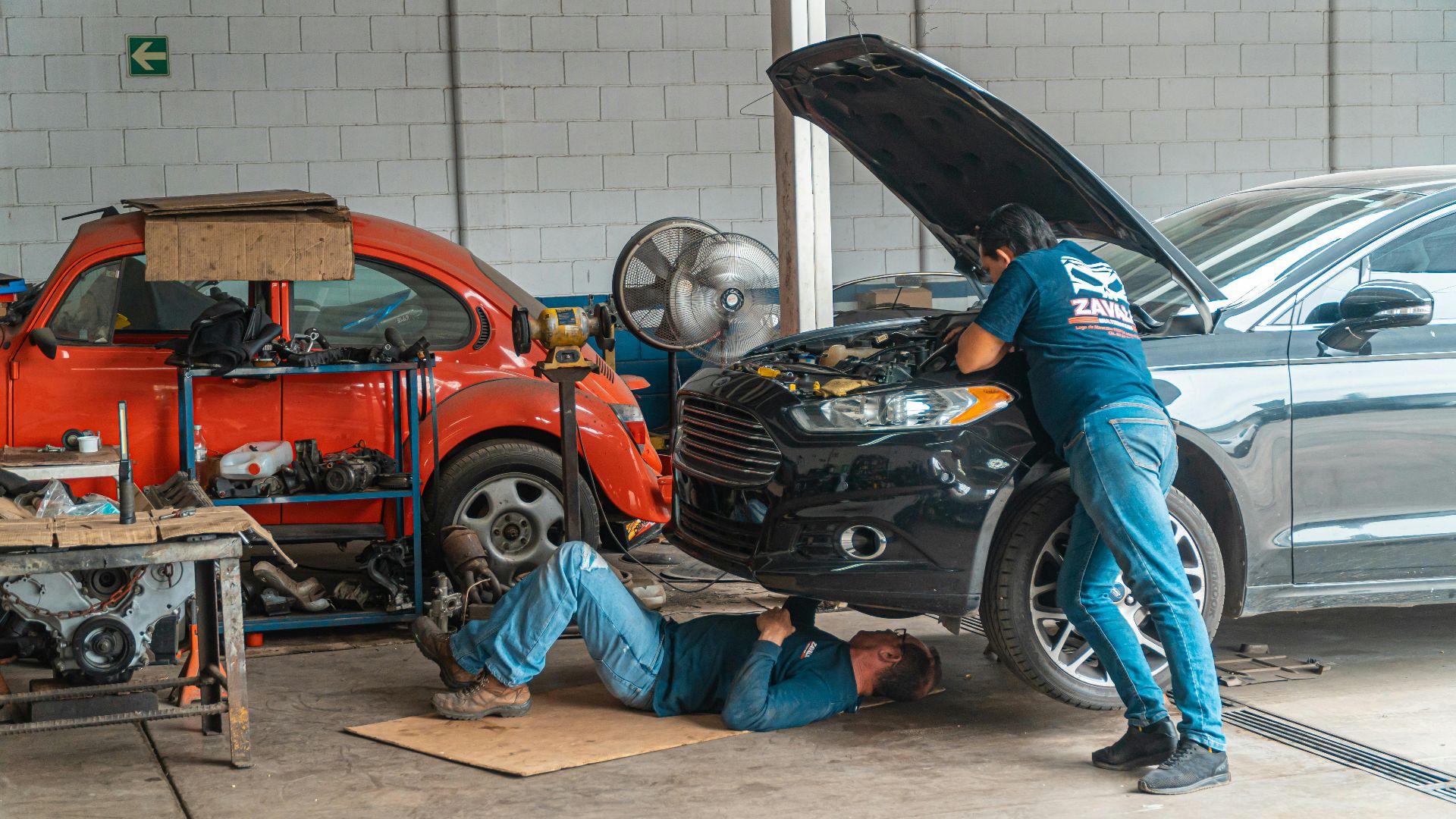
What you see in your driveway is often not the whole story. Shops often find more damage after they take things apart, especially behind bumpers, quarter panels, and front-end parts. Insurers know that, so they may look at an initial estimate and expect it to climb. A repair decision that looks close at first can easily swing to total loss once likely extra costs are added in.
 Jose Ricardo Barraza Morachis, Pexels
Frame Or Structural Concerns Change Everything
A car can look lightly damaged and still have serious structural problems underneath. If the impact reached reinforcement bars, crush zones, or frame-related parts, repairs can get more extensive and expensive very quickly. There is also a safety issue, because the car has to be restored to proper crash standards. Insurers tend to be cautious when structural damage is involved.
Airbags Can Blow Up The Estimate
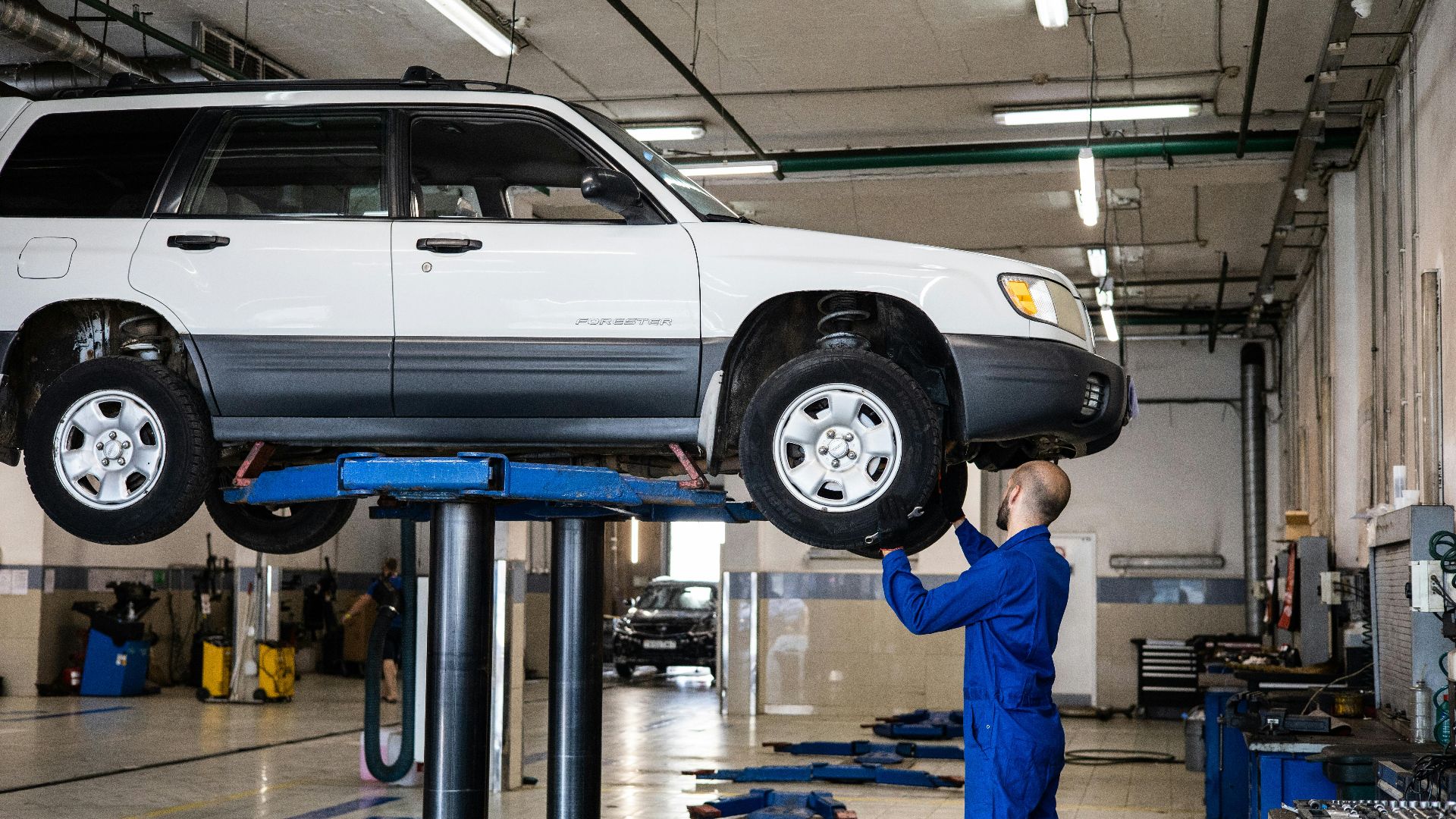
If airbags deploy, costs often jump fast. Replacing airbags can mean new modules, sensors, trim pieces, seat belt parts, and labor to reset or replace related systems. On an older car, that alone can make repairs too expensive to justify. Even when the outside damage looks mild, an airbag deployment can push the claim over the line.
 Shixart1985, Wikimedia Commons
The Rental Car Clock Is Also Ticking
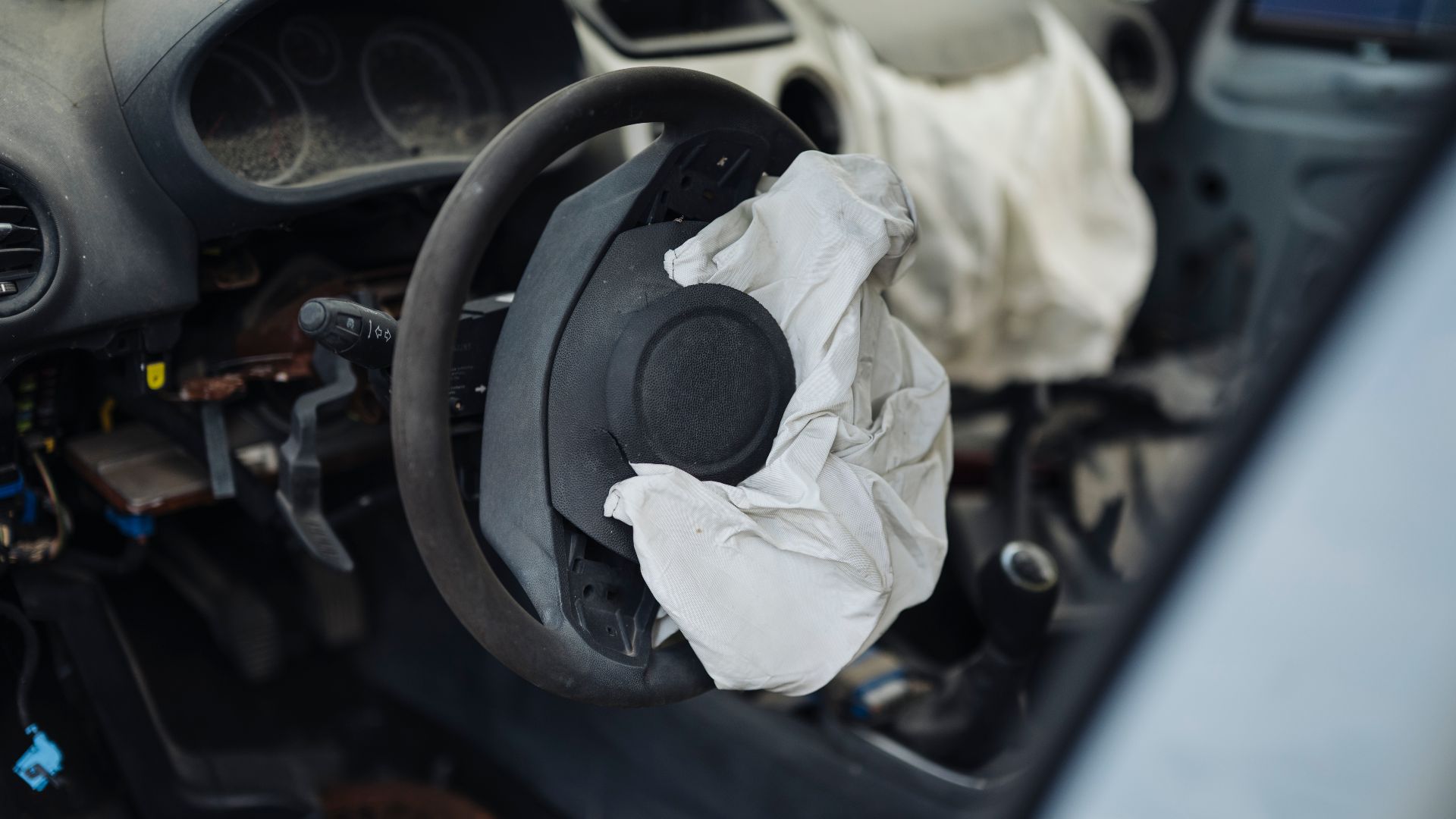
The insurer is not just looking at the body shop bill. It may also be looking at storage charges, towing, admin costs, and rental reimbursement while the car is in the shop. A repair that drags on for weeks because of parts delays can become more expensive than the estimate suggests. Those side costs can make totaling the car look like the smarter financial move.

Parts Delays Matter More Than You Think
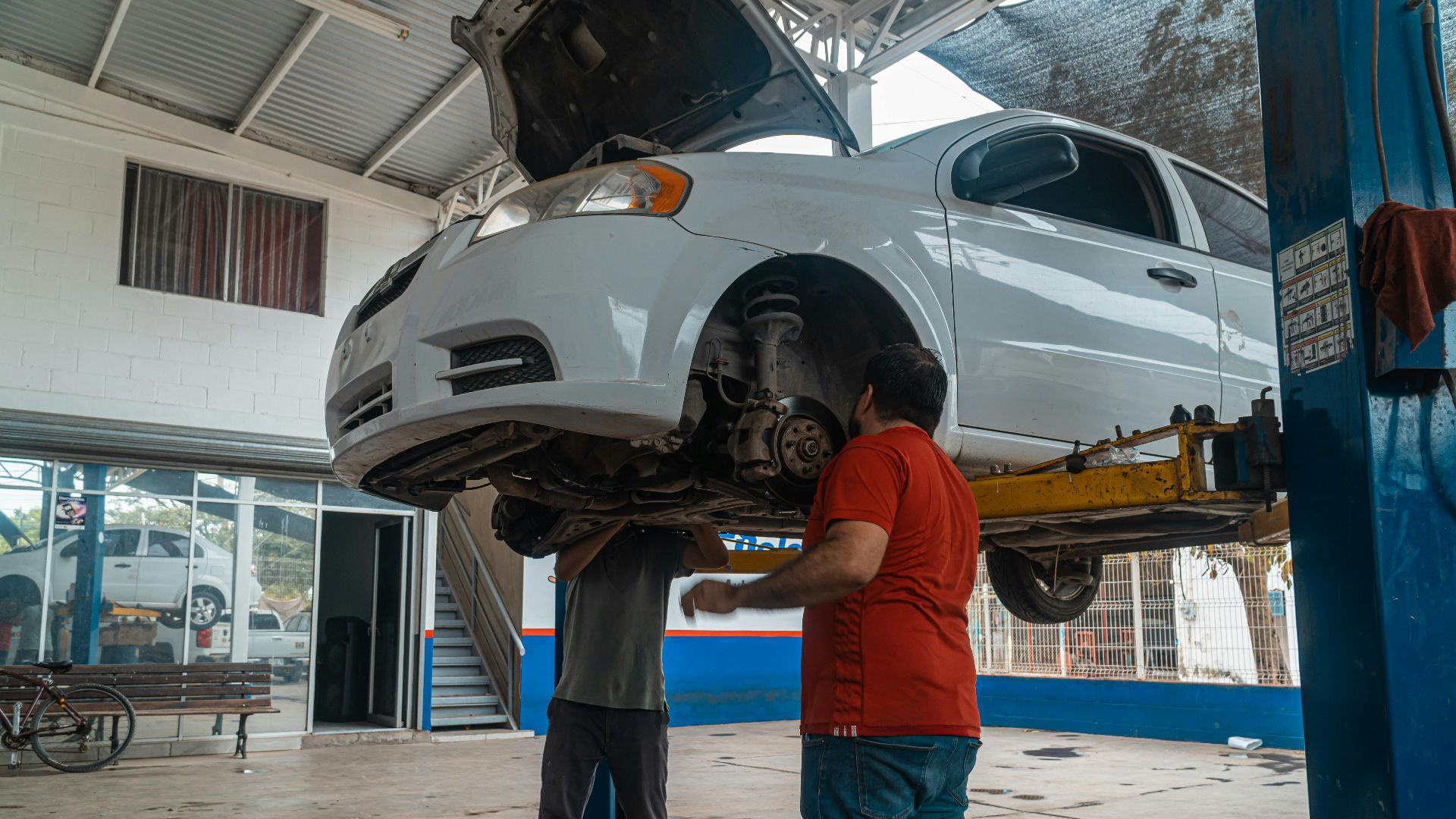
The availability of replacement parts can affect the insurer’s decision. If a needed sensor, lamp, or structural part is backordered, the car may sit in the shop while costs keep building. That delay can raise rental and storage charges and make the repair less predictable. In a close case, that uncertainty alone can push the insurer toward a total loss settlement.
 Jose Ricardo Barraza Morachis, Pexels
Salvage Value Can Make Totalling More Attractive
This is the part many drivers never see. A wrecked car still has value as salvage, whether it is sold to a dismantler, recycler, or rebuilder. If the insurer can recover a decent amount from the damaged car, the economics of totaling improve. That is one reason the company may reach a decision that feels harsher than the visible damage suggests.
Condition Before The Crash Matters Too
Actual cash value is not based on how much you love the car or how much money you have put into it unless that work clearly raised its market value. Insurers usually look at comparable local cars, mileage, options, prior damage, and overall condition. If your car had cosmetic wear, high miles, or an accident history, its ACV may be lower than you expect. That makes a total loss more likely.

Your Loan Balance Does Not Set The Value
This catches a lot of people off guard. If you owe more on the car than it is worth, the insurer still usually pays based on actual cash value, not the loan payoff amount. The Consumer Financial Protection Bureau warns borrowers about this gap and explains why gap coverage can matter. So a small crash can turn into a much bigger financial problem if the car is totaled while you are upside down on the loan.

Sentimental Value Is Real But Not Insured
Your insurer usually is not paying for memories, trust, or how hard it will be to replace a car you know well. Standard auto policies are built around market value and contract terms, not emotional value. That can make the total loss process feel cold and unfair. It also explains why the decision can feel disconnected from your real experience of the car.

You Can Challenge The Value
If the insurer says your car is totaled, you do not have to accept the first valuation without checking it closely. Ask for the valuation report and review the comparable cars, options, mileage adjustments, and condition notes. If something is wrong, point it out with documentation. Receipts, maintenance records, photos, and listings for similar local cars can all help.

You Can Also Ask About The Threshold Math
It is fair to ask the adjuster how the decision was made. Depending on your state, that may involve a total loss threshold percentage or a formula using repair cost and salvage value. Ask for the estimated repair amount, any added supplements, and the vehicle valuation used in the calculation. A calm, detailed conversation can show whether the insurer’s conclusion is solid or worth disputing.

Getting Your Own Repair Estimate Can Help
If you think the insurer is overstating the damage, an independent estimate from a reputable collision shop can give you another point of reference. It may not change the outcome, but it can help you figure out whether the insurer’s repair number is realistic. Just keep in mind that hidden damage often shows up after teardown. An outside estimate can still rise later.

Keeping The Car Is Sometimes An Option
In many cases, you can choose to keep a totaled vehicle. If you do, the insurer usually pays the settlement minus the salvage value, and the title may be branded under state law. The exact rules vary by state, and getting the car legally back on the road can involve inspections and paperwork. This route can make sense if the damage is light and you are comfortable with the tradeoffs.

A Salvage Title Changes The Future
Keeping a totaled car is not a free pass. A salvage or rebuilt title can lower resale value, make financing harder, and limit insurance options. Some insurers will restrict physical damage coverage on branded-title vehicles. Before you keep the car, make sure you understand the long-term consequences, not just the short-term payout.

Watch For Taxes And Fees In The Settlement
A total loss offer is not always just the car’s base value. Depending on state law and the details of the claim, sales tax, title fees, and registration fees may also be included. Review the breakdown carefully so you know what is being paid and what is not. If something seems missing, ask about your state’s rules.

The Fastest Path Is Not Always The Best One
Insurers often move quickly on total loss claims because they want to control costs and close the file. That speed can be convenient, but it can also pressure drivers into agreeing before they fully understand the numbers. Slow things down if you need to. You are allowed to ask questions, request documents, and compare the valuation with real local listings.

What To Do Right Now
Start by asking for the valuation report, the repair estimate, and the legal basis for the total loss decision in your state. Gather service records, photos, and examples of similar cars for sale near you. If you still disagree, escalate within the insurer and consider contacting your state insurance department for guidance. A minor accident can lead to a total loss, but you do not have to sort through it blindly.