When Bavaria Built A Quiet Giant
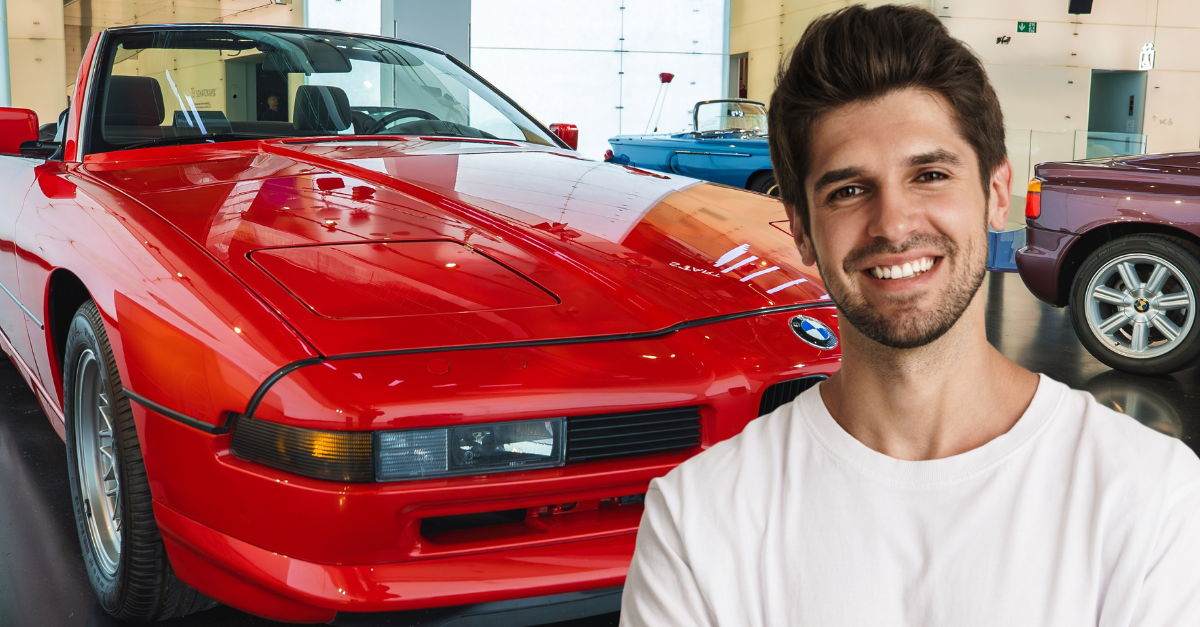
Before BMW turned the M badge into a global performance shorthand, it did something far more audacious. It built a V12-powered grand tourer so sleek and so technologically ambitious that people still struggle to believe it came from the same company known for sport sedans. The early-1990s BMW 850i wasn’t a replacement for anything—it was a statement piece.
It arrived as a flagship, a rolling lab experiment, and a design flex all at once. And somehow, despite all that ambition, it became the supercar BMW never bragged about.
A Flagship Above Everything Else
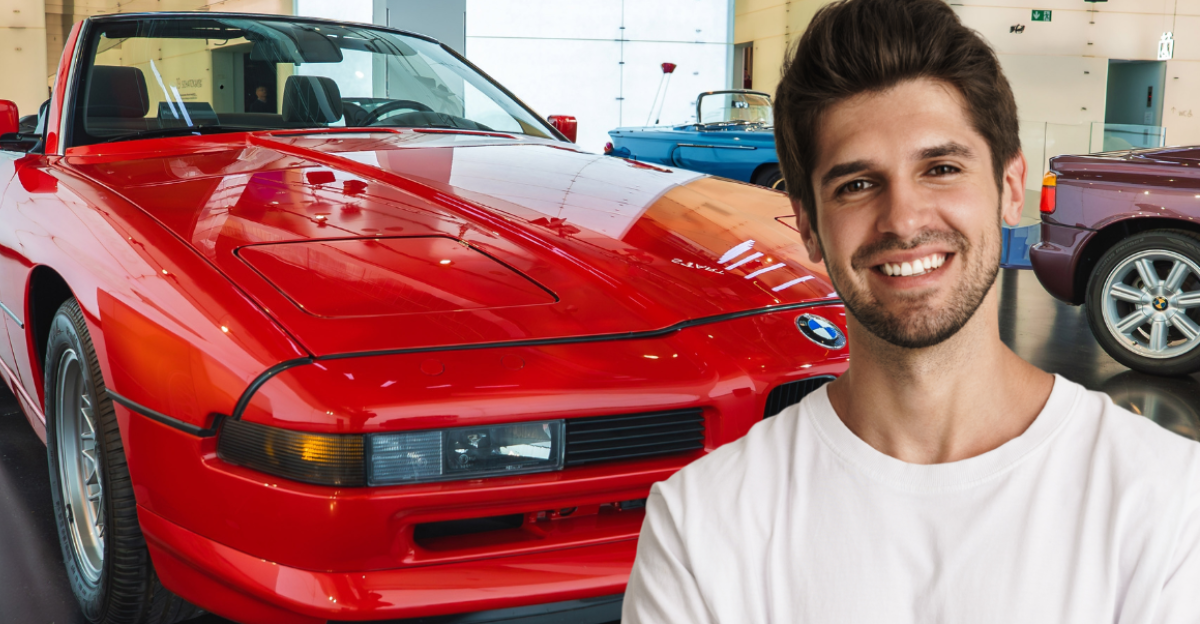
When the 8 Series debuted for the 1990 model year, it didn’t simply slide into the lineup—it towered over it. The 850i was positioned at the very top of BMW’s range, priced accordingly and engineered without apology. This wasn’t an evolution of the outgoing 6 Series. It was a clean-sheet grand tourer meant to compete with the best luxury performance coupes in the world.
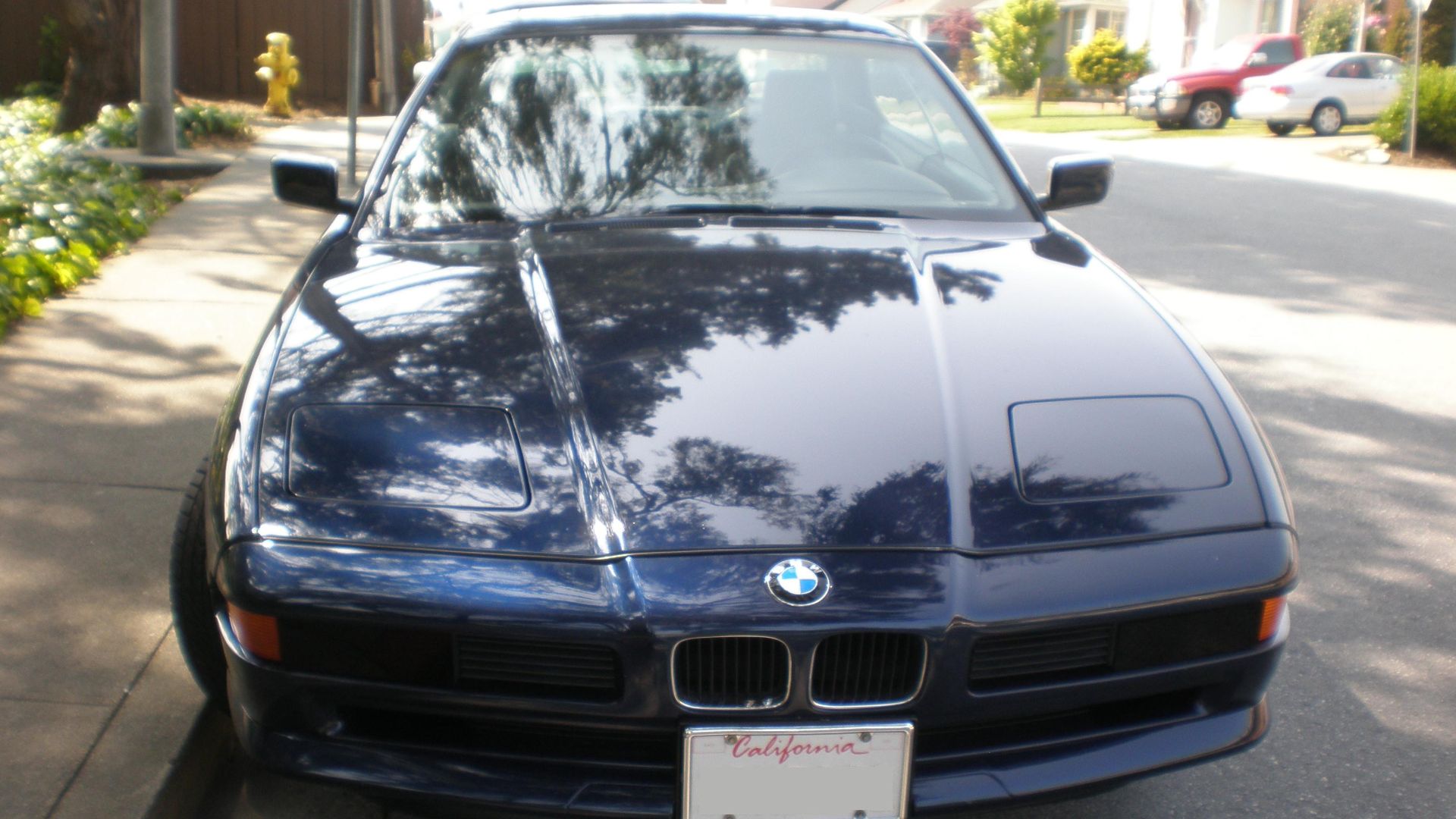 BrokenSphere, Wikimedia Commons
The E31 Code Name
Internally known as the E31, the 8 Series represented a new generation of BMW engineering. It was developed throughout the 1980s with a focus on advanced aerodynamics, structural rigidity, and high-speed stability. BMW invested heavily in its development, reportedly using computer-aided design tools that were cutting-edge for the era. The result was a car that felt more 2000 than 1990.
That Wedge-Shaped Silhouette
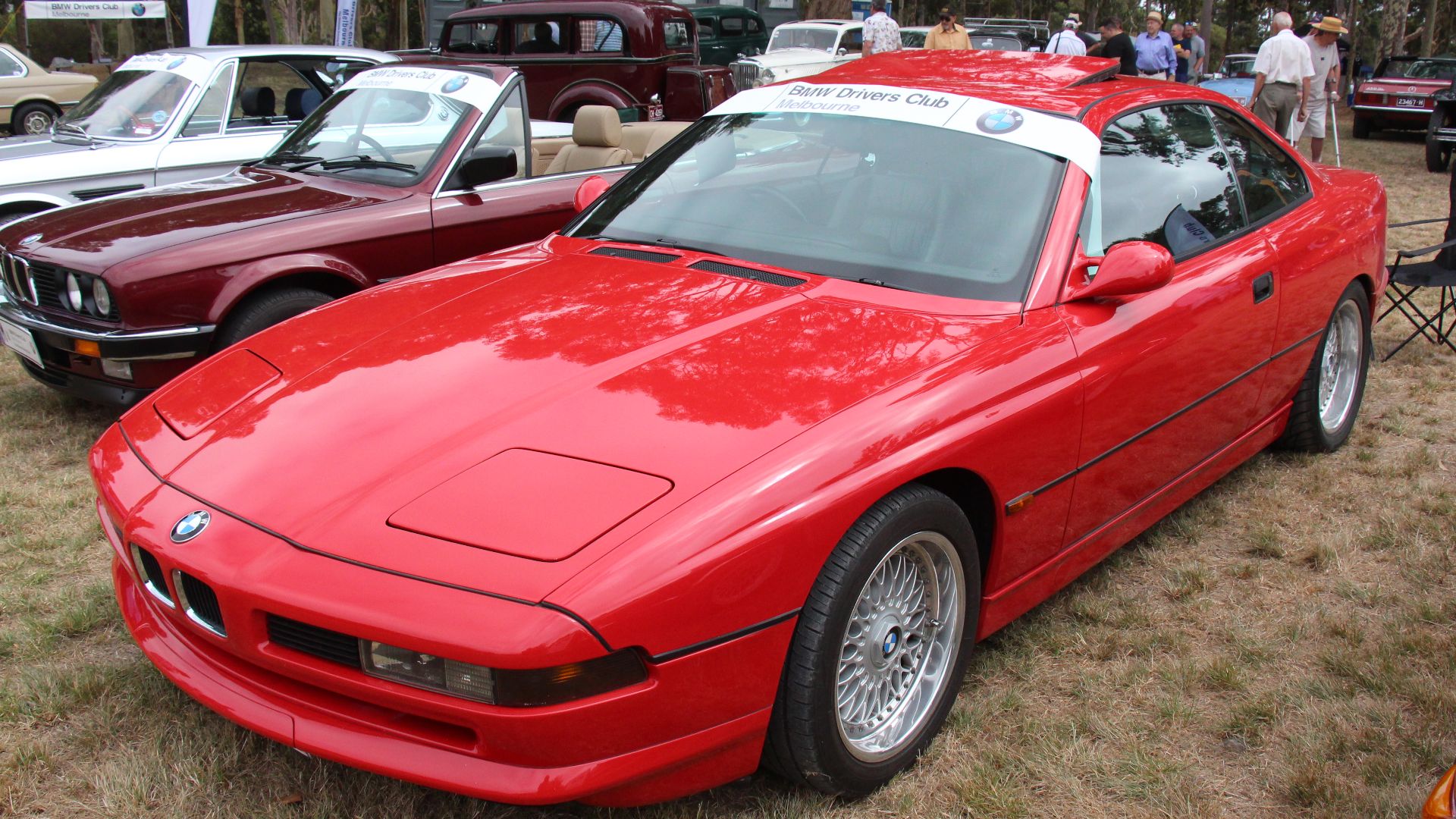
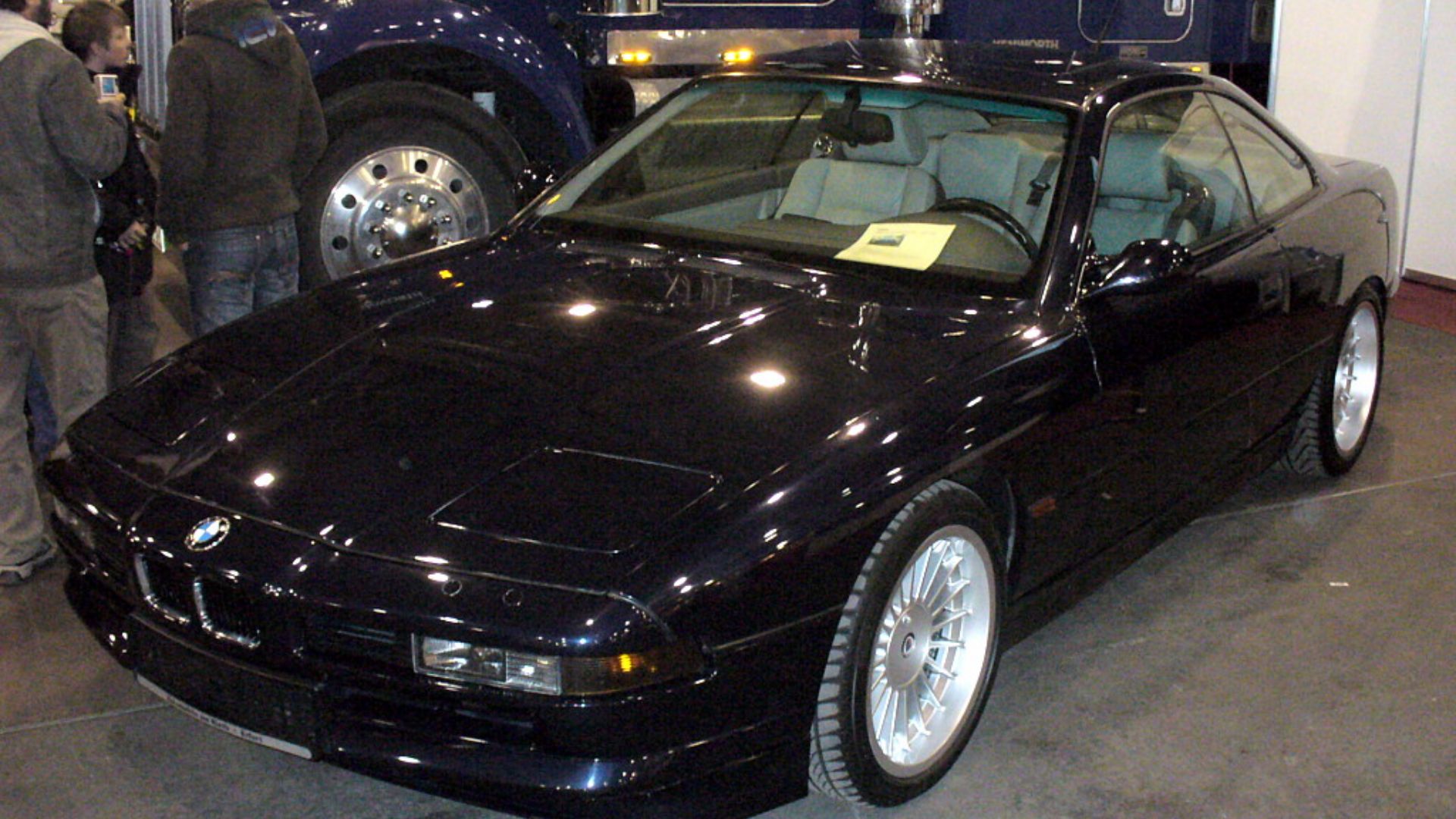
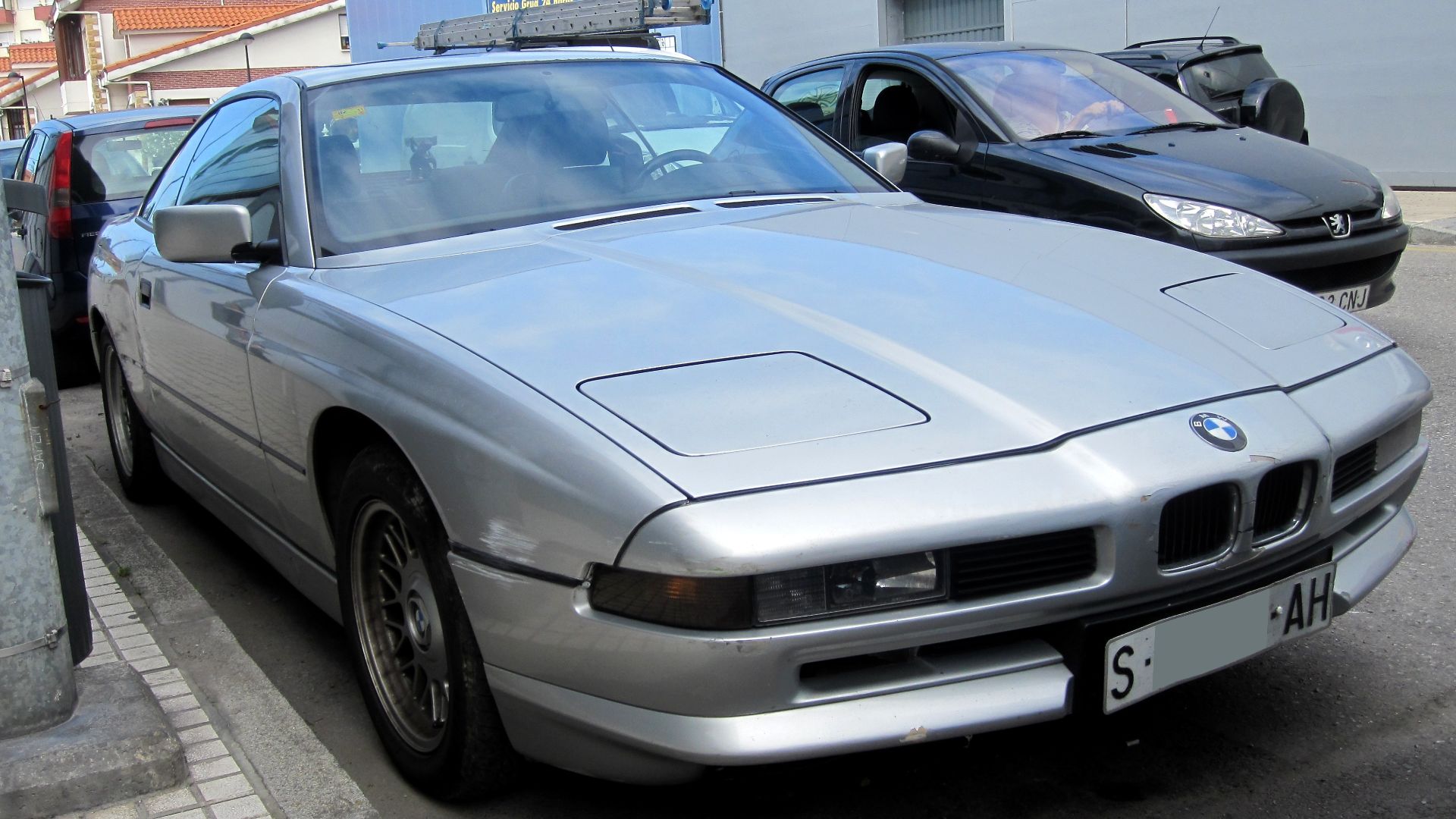
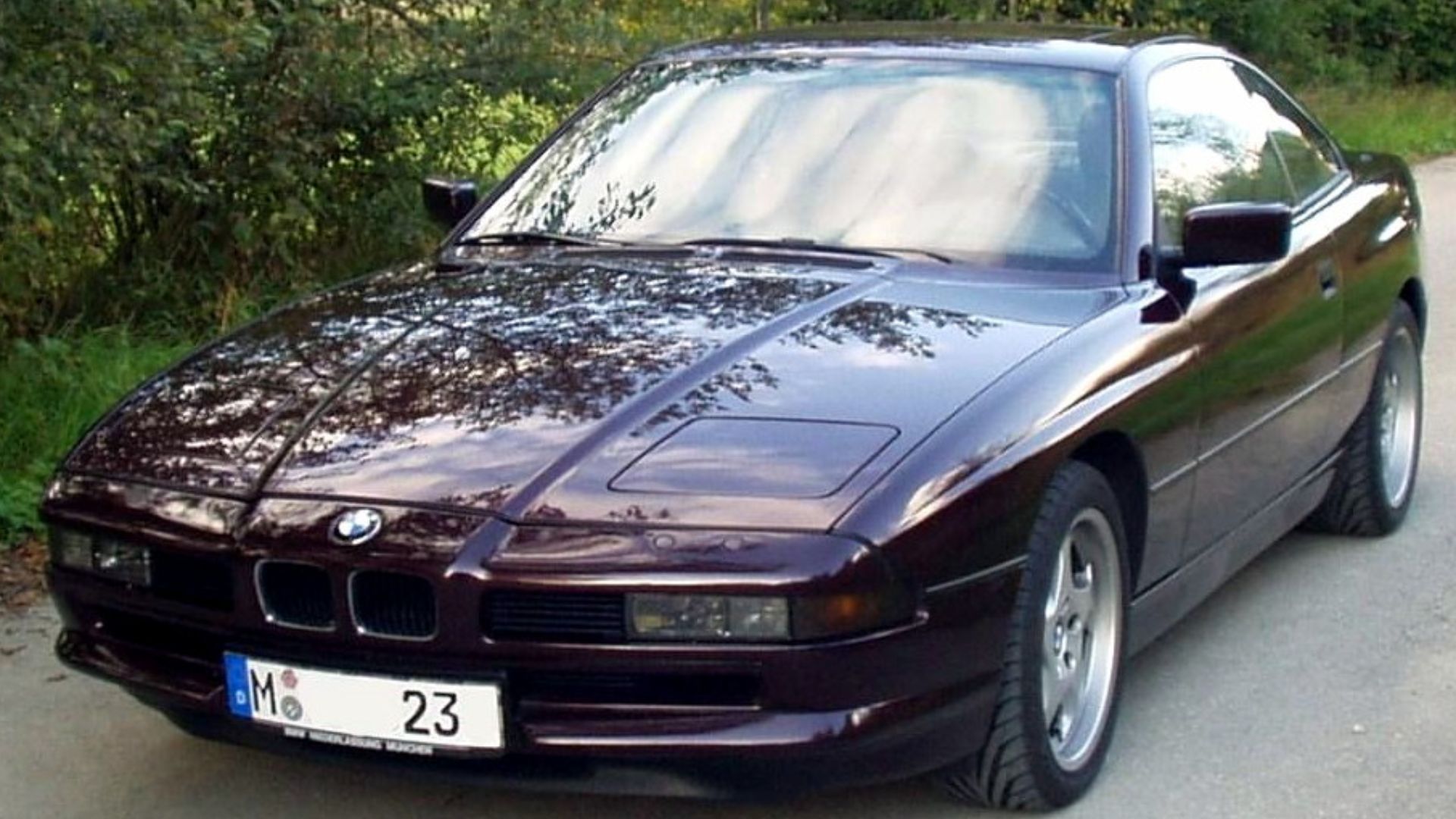
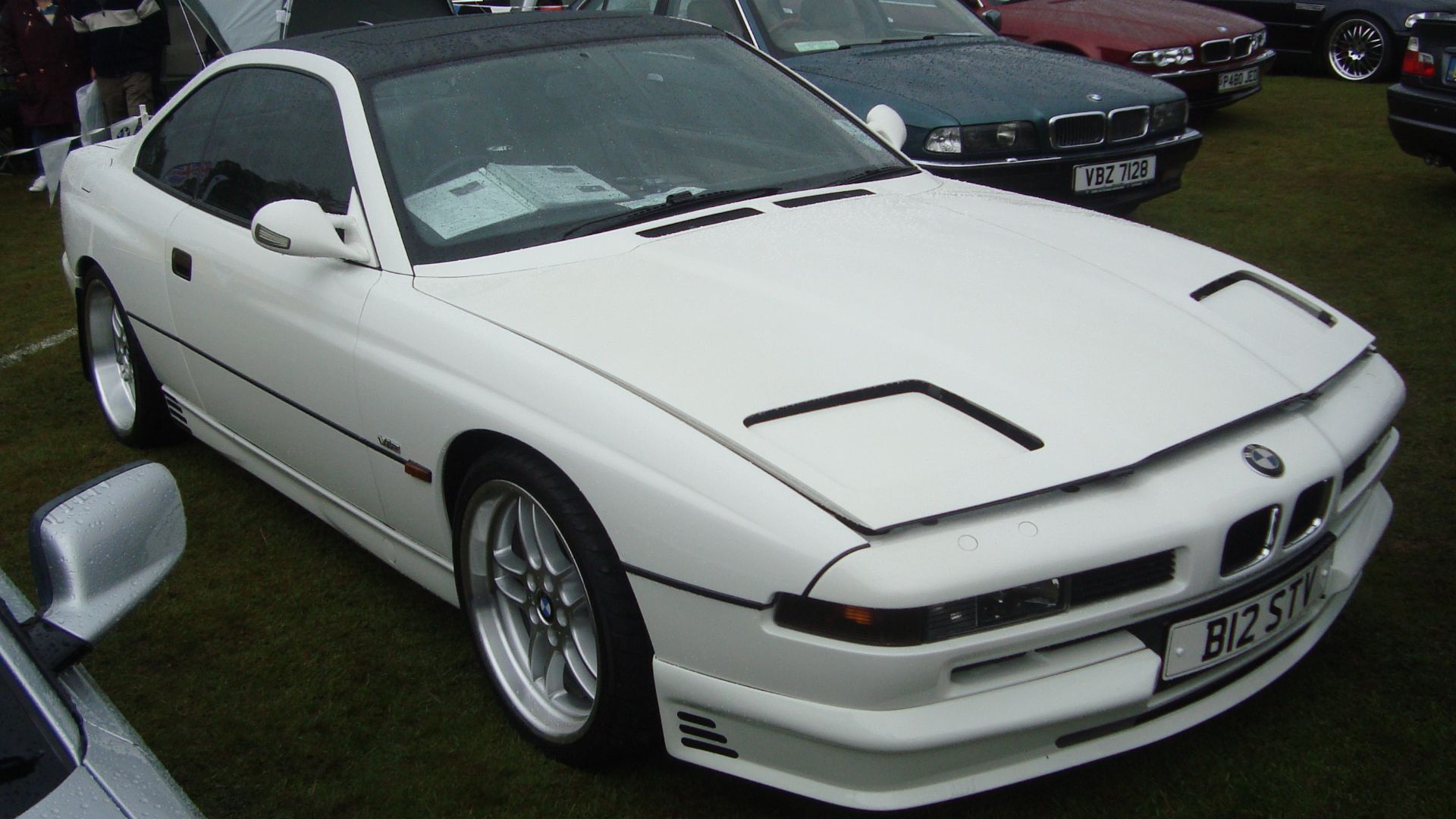
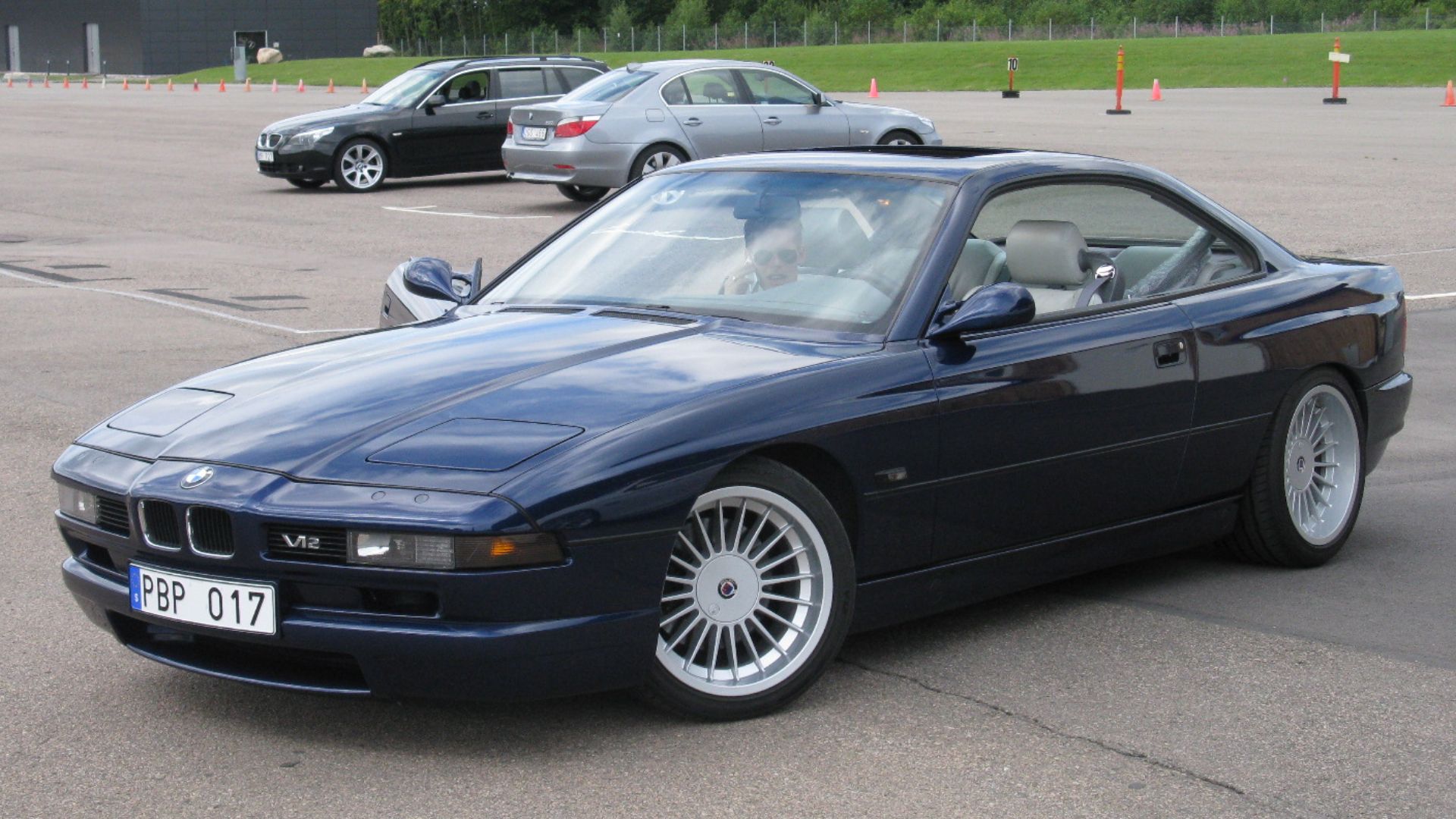
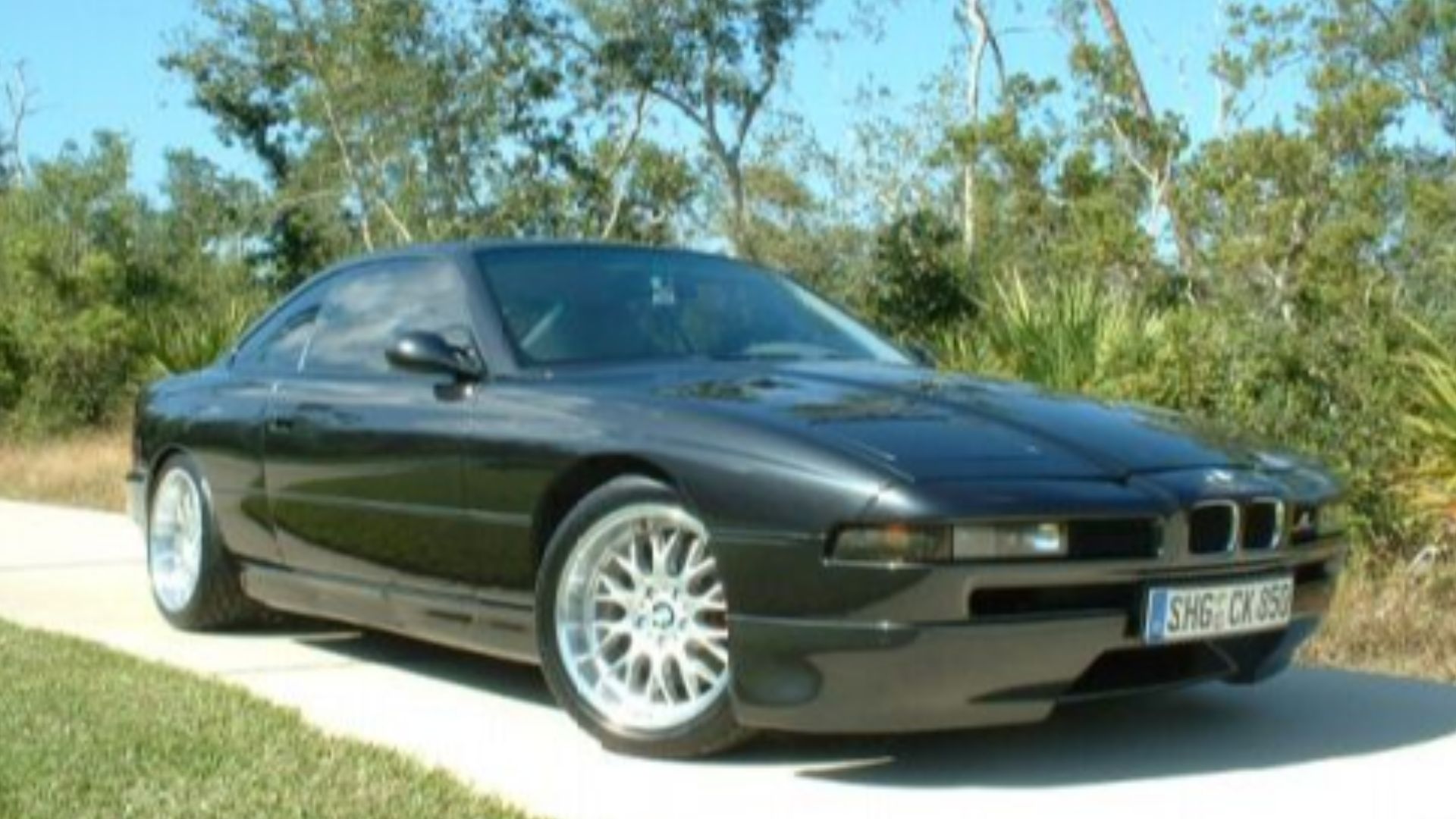
The design remains one of BMW’s boldest. Long hood, short rear deck, pillarless side glass, and a low-slung stance gave the 850i genuine presence. Its shape wasn’t decorative—it achieved a remarkably low drag coefficient for the time, helping stability and refinement at speed. Even today, the profile looks purposeful rather than nostalgic.
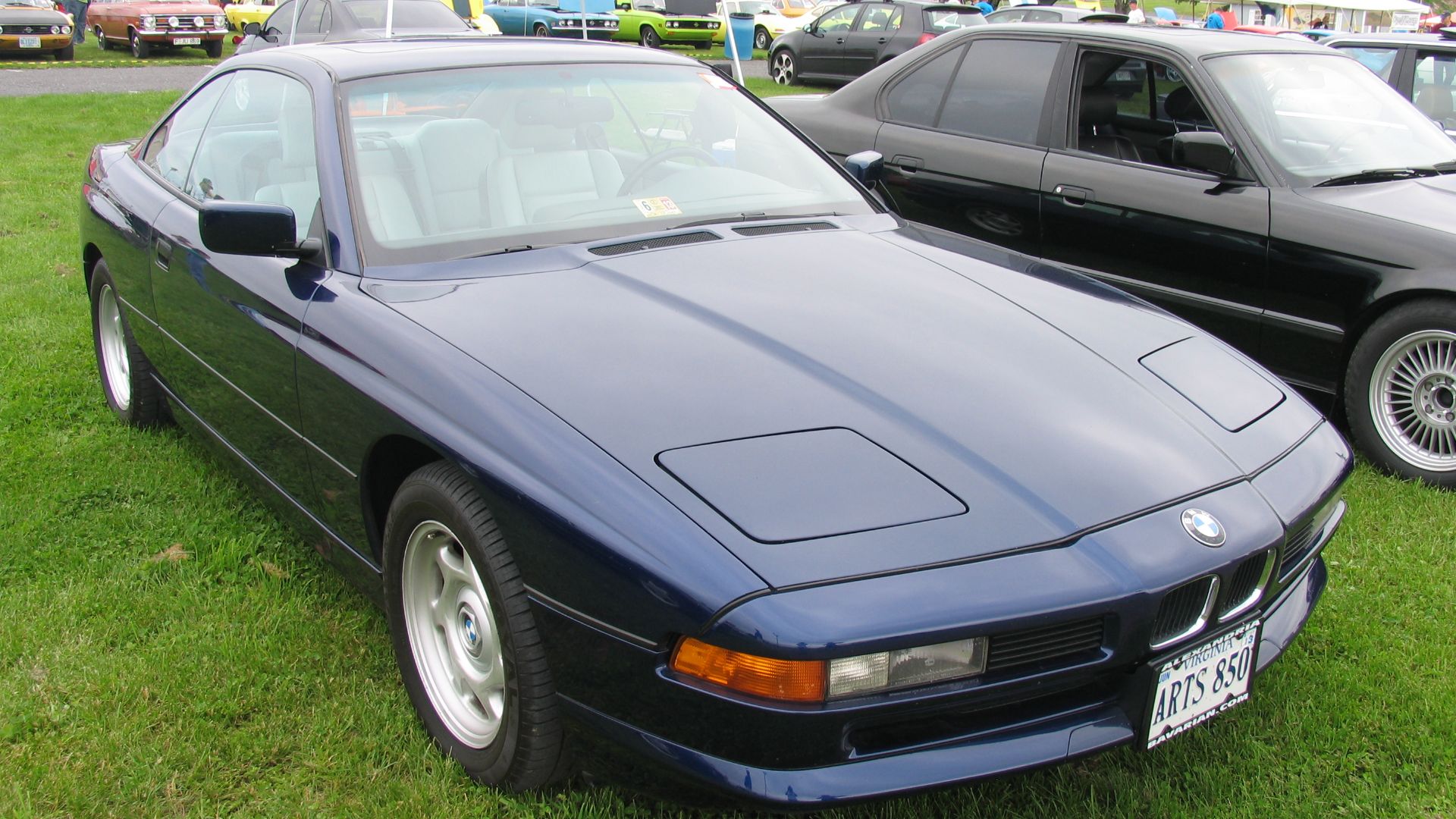 ilikewaffles11, Wikimedia Commons
Yes, It Had Pop-Up Headlights
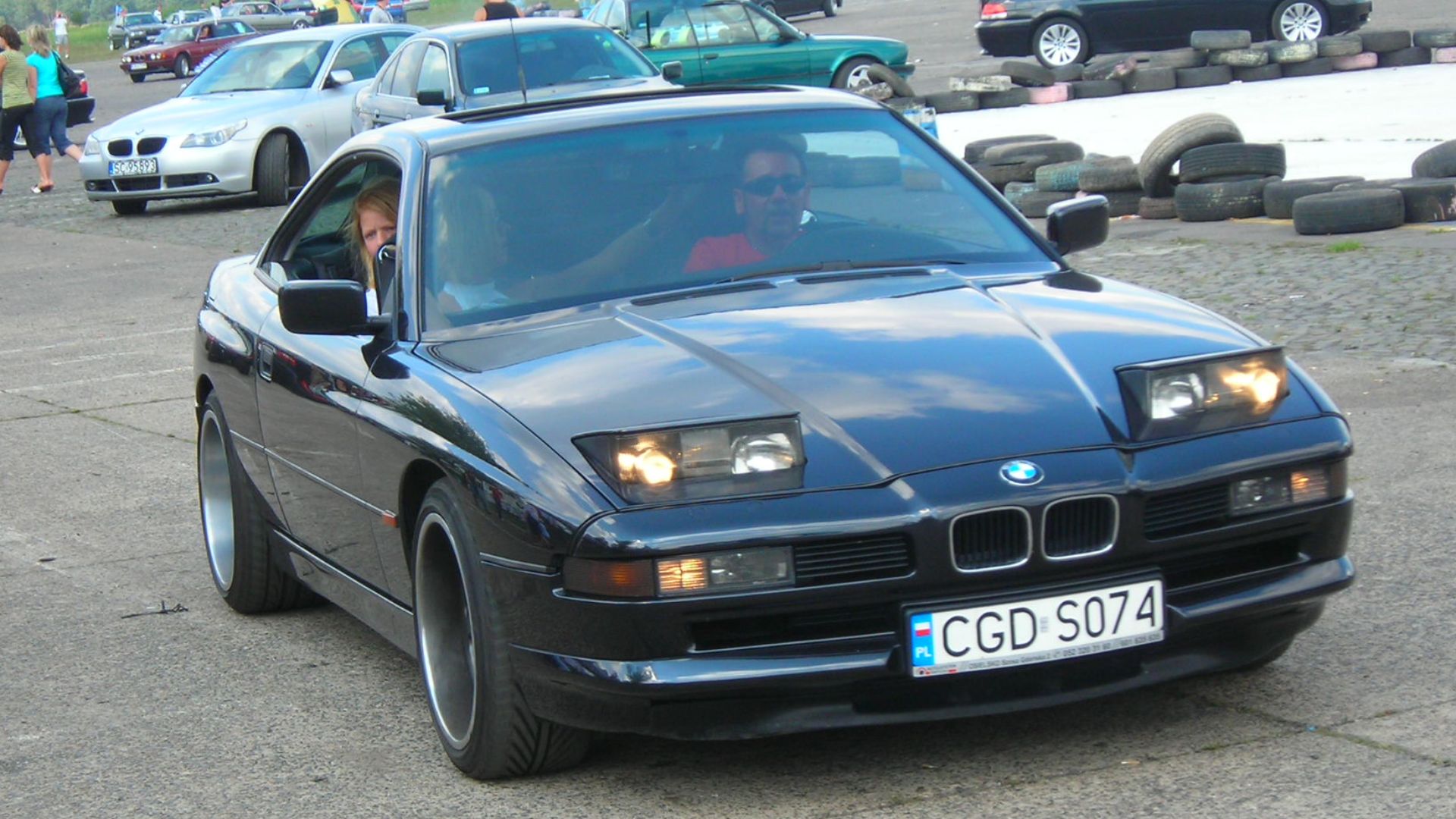
The 850i featured pop-up headlights, integrated seamlessly into its aerodynamic nose. When lowered, the front end looked smooth and uninterrupted. When raised, they gave the car a dose of 1990s drama. It was subtle enough to stay elegant—but theatrical enough to feel special.
The 5.0-Liter V12 Heart
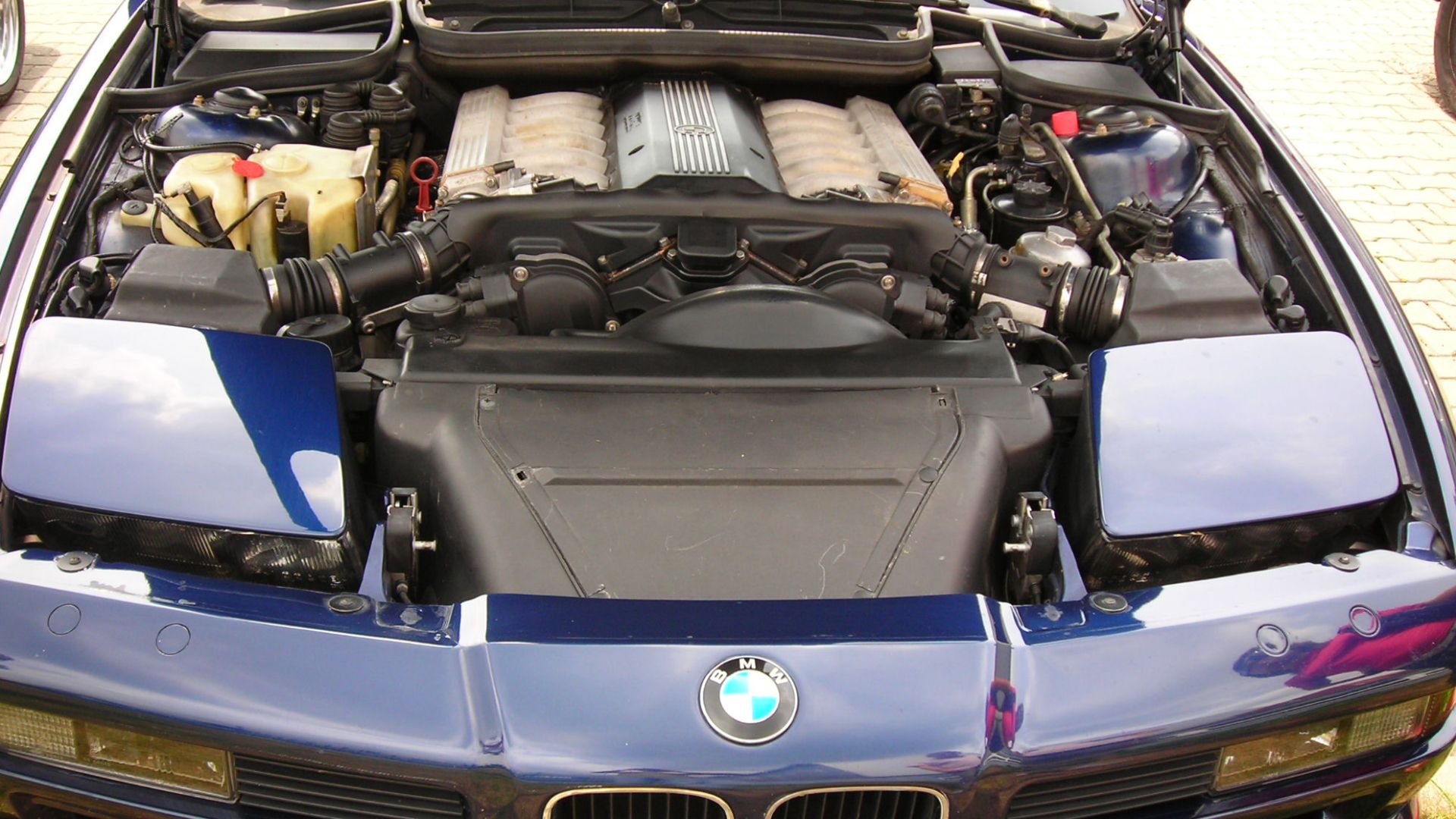
Under the hood lived BMW’s M70 5.0-liter V12. It produced roughly 296–300 horsepower and around 332 lb-ft of torque—serious figures for the early 90s. More importantly, it delivered that power with turbine-like smoothness. This wasn’t about explosive aggression. It was about refinement and relentless, effortless acceleration.
Power With Polish
The 850i wasn’t built to terrorize racetracks. It was engineered for high-speed composure and long-distance confidence. Its character leaned heavily toward grand touring, prioritizing stability and serenity over razor-edge handling theatrics. It could move quickly—but it preferred to do so with dignity.
 Thomas doerfer, Wikimedia Commons
Autobahn-Bred Stability
BMW engineered the 850i with Germany’s unrestricted highways in mind. At triple-digit speeds, the car felt planted and secure. The suspension setup balanced comfort with control, allowing the coupe to glide over long distances without sacrificing confidence. It was made to devour continents, not parking lots.
 Spanish Coches, Wikimedia Commons
A Technological Showcase
The E31 was packed with electronics that felt futuristic in 1990. It featured drive-by-wire throttle technology—rare at the time—as well as complex onboard systems managing everything from climate control to engine functions. This sophistication made the car impressive—and sometimes intimidating. When everything worked, it felt decades ahead. When it didn’t, it reminded owners just how ambitious it had been.
A Driver-Focused Interior
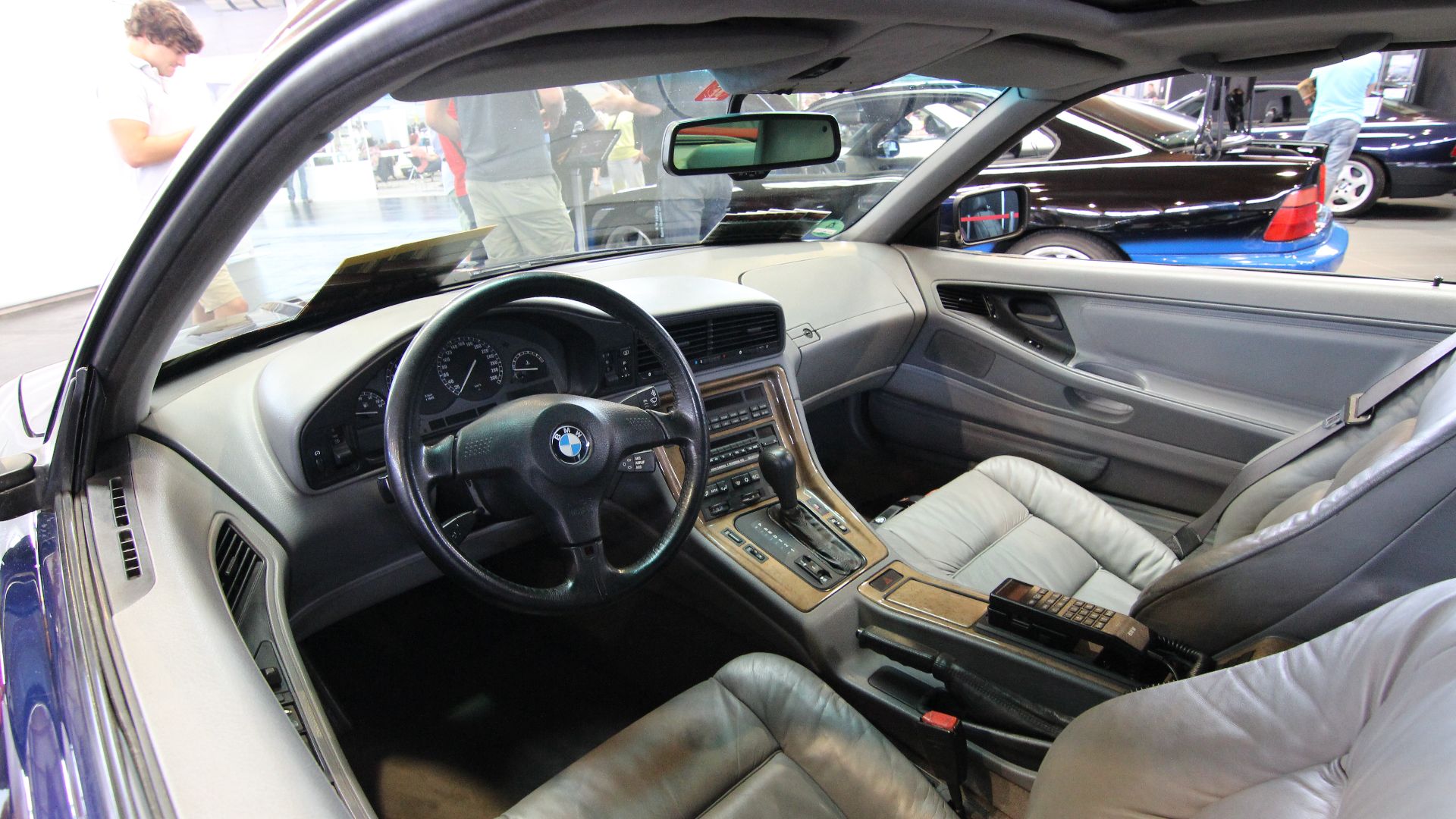
Inside, the cockpit angled toward the driver in classic BMW fashion. The center console wrapped subtly around the front seat, reinforcing that this was still a driver’s machine at heart. Leather upholstery, high-quality materials, and tight build tolerances reinforced its flagship status. It was luxurious without being flashy.
Automatic By Default, Manual By Legend
Most 850i models were paired with a four-speed automatic transmission, emphasizing its grand touring mission. However, a six-speed manual was offered in certain markets. That configuration—V12 and manual—has since become one of the most desirable combinations among collectors.
 Kieran White from Manchester, England, Wikimedia Commons
Not An M Car—By Design
Despite its performance credentials, the 850i was not an M model. BMW deliberately positioned it as a luxury performance coupe rather than a hardcore sports machine. That distinction mattered. The 850i wasn’t trying to be raw—it was trying to be refined.
The Rename To 850Ci
In 1993, BMW updated its naming structure and the 850i became the 850Ci. While the name changed, the core mission remained the same. Over time, updates refined the drivetrain and features, but the early 850i models remain distinct as the originals that launched the 8 Series legacy.
Expensive From Day One
When new, the 850i carried a premium price tag that placed it firmly in exotic territory. It wasn’t a bargain alternative to Italian machinery—it was priced as a technological flagship. That exclusivity limited sales, particularly in North America. It was admired—but not widely purchased.
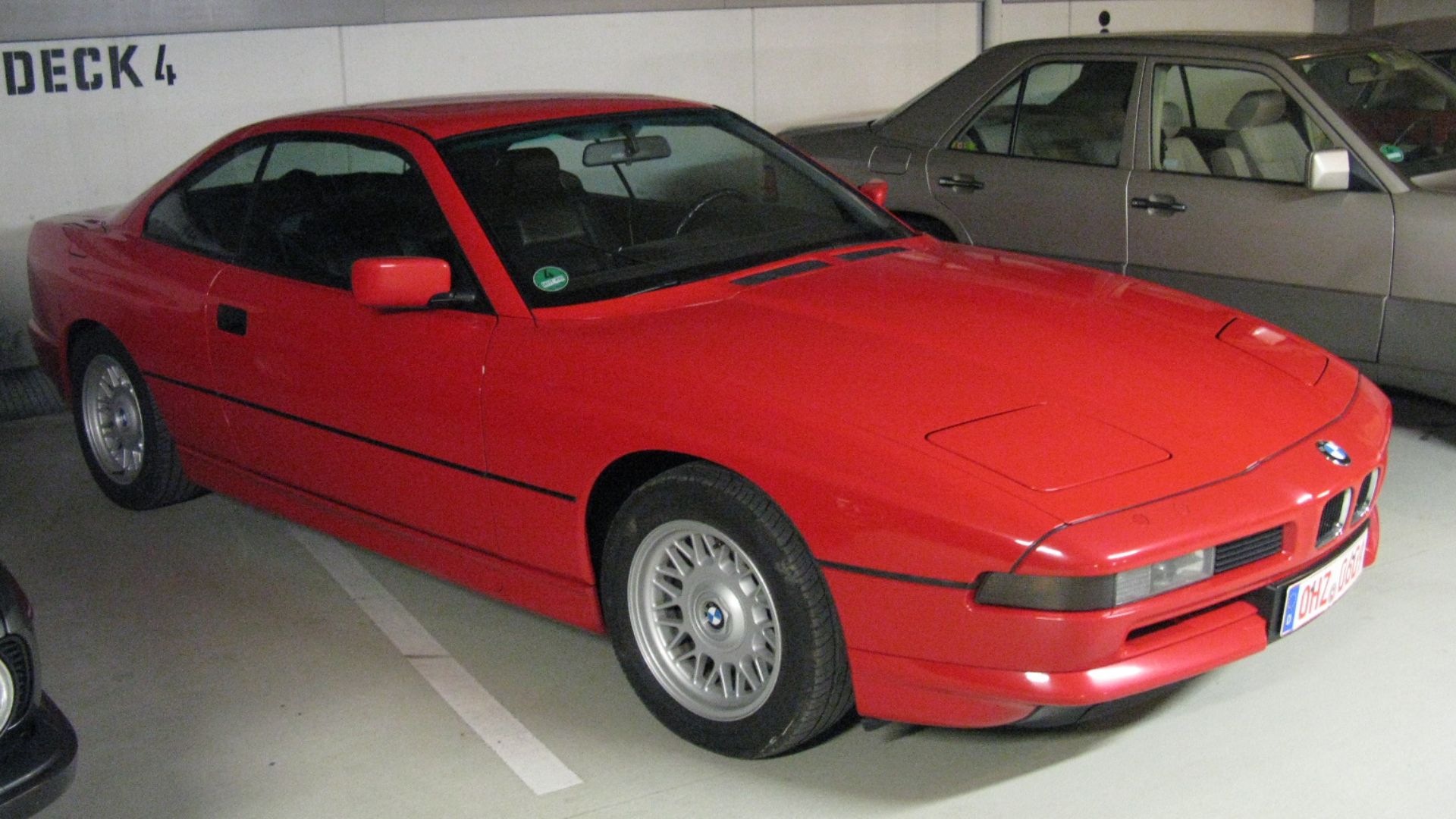
Sales That Fell Short
Despite its engineering brilliance, the 8 Series didn’t achieve blockbuster numbers. Economic conditions in the early 1990s didn’t help, and its high price narrowed the audience. In hindsight, that modest production volume adds to its mystique. What once felt like a slow seller now feels rare.
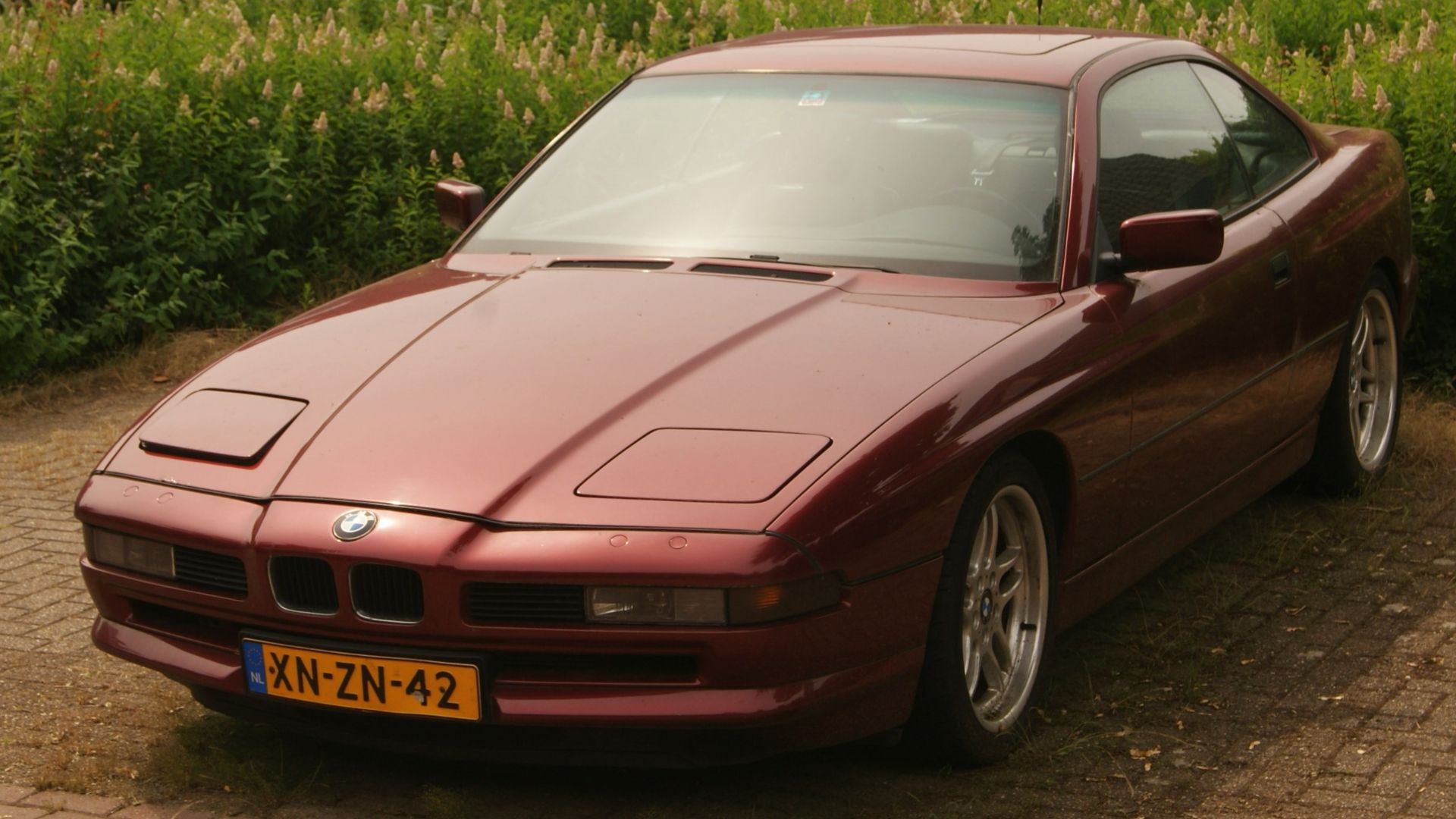 Niels de Wit from Lunteren, The Netherlands, Wikimedia Commons
More GT Than Supercar
At launch, the 850i wasn’t labeled a supercar by most contemporary standards. It lacked the raw edge and dramatic acceleration figures of Italian exotics. But it offered something different—a V12 grand tourer that blended performance with executive composure. In its own understated way, that was just as impressive.
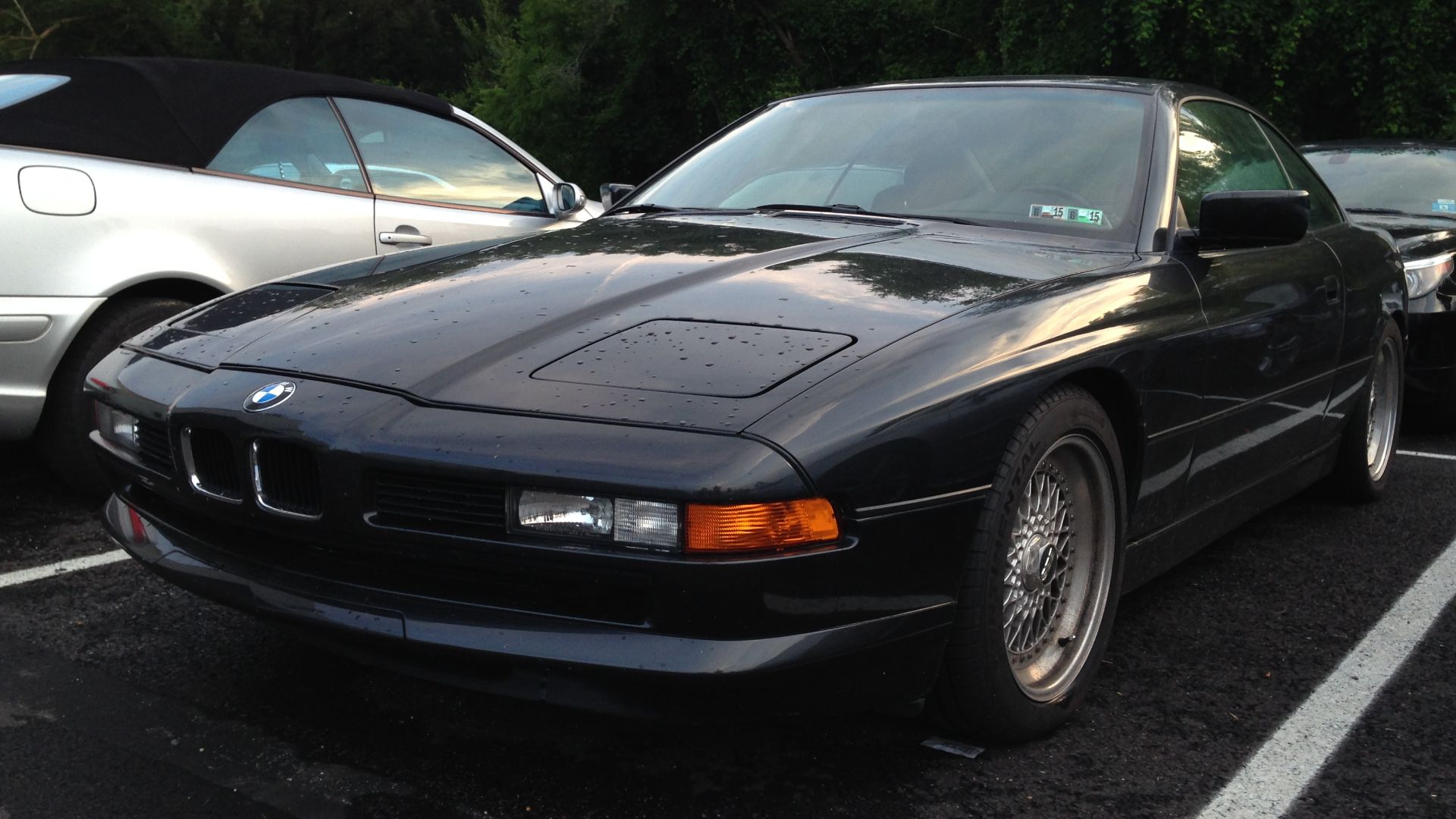 ilikewaffles11, Wikimedia Commons
Aerodynamics That Weren’t Cosmetic
BMW’s aerodynamic research paid dividends. The smooth underbody, carefully sculpted nose, and flush glass contributed to stability and efficiency. The 850i wasn’t styled to look fast. It was shaped to behave fast.
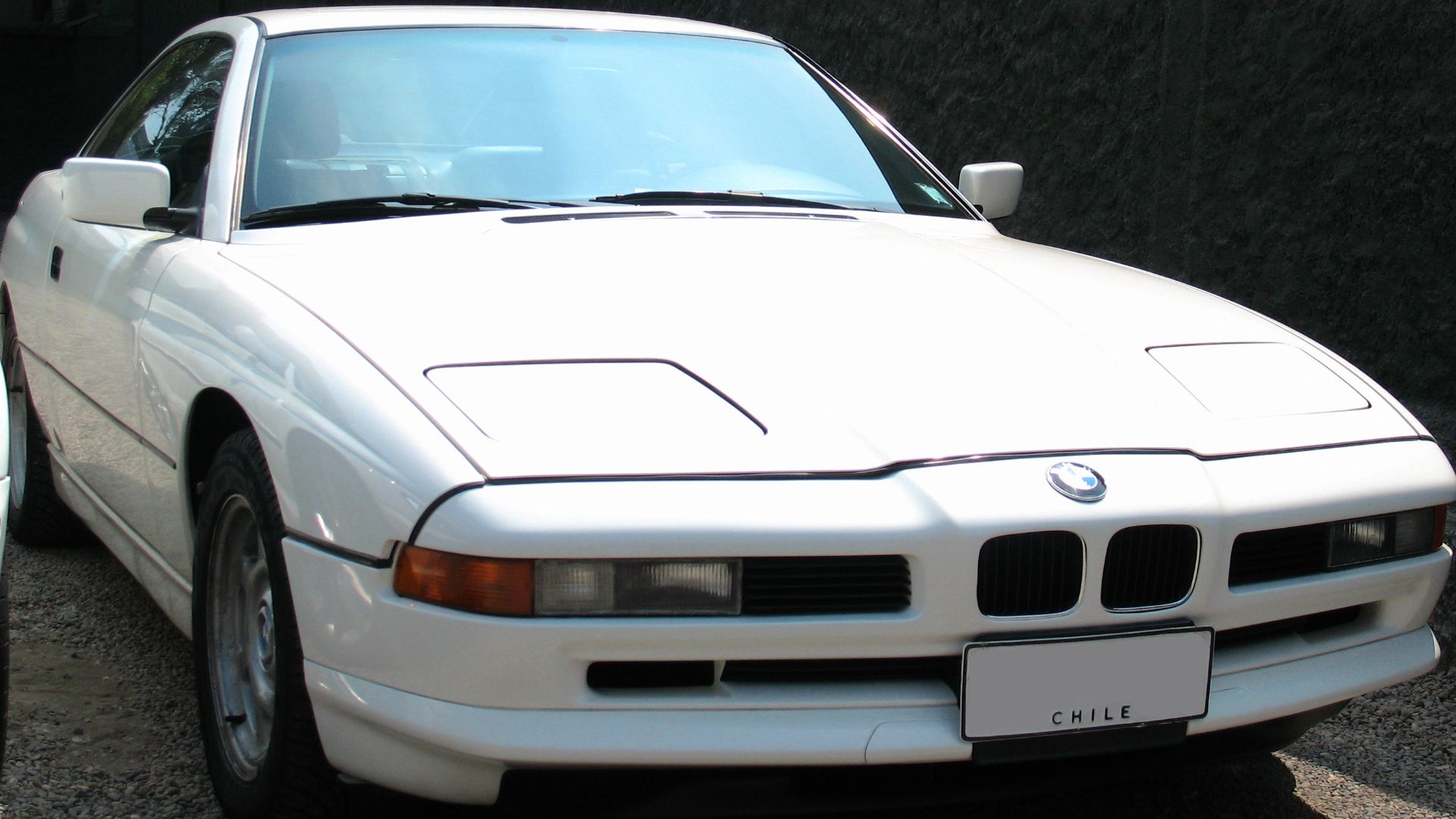 order_242 from Chile, Wikimedia Commons
Built For Distance
Few cars of its era balanced comfort and performance as seamlessly. Long highway journeys were its natural habitat. The ride remained composed, the cabin hushed, and the V12 barely strained. It made speed feel ordinary.
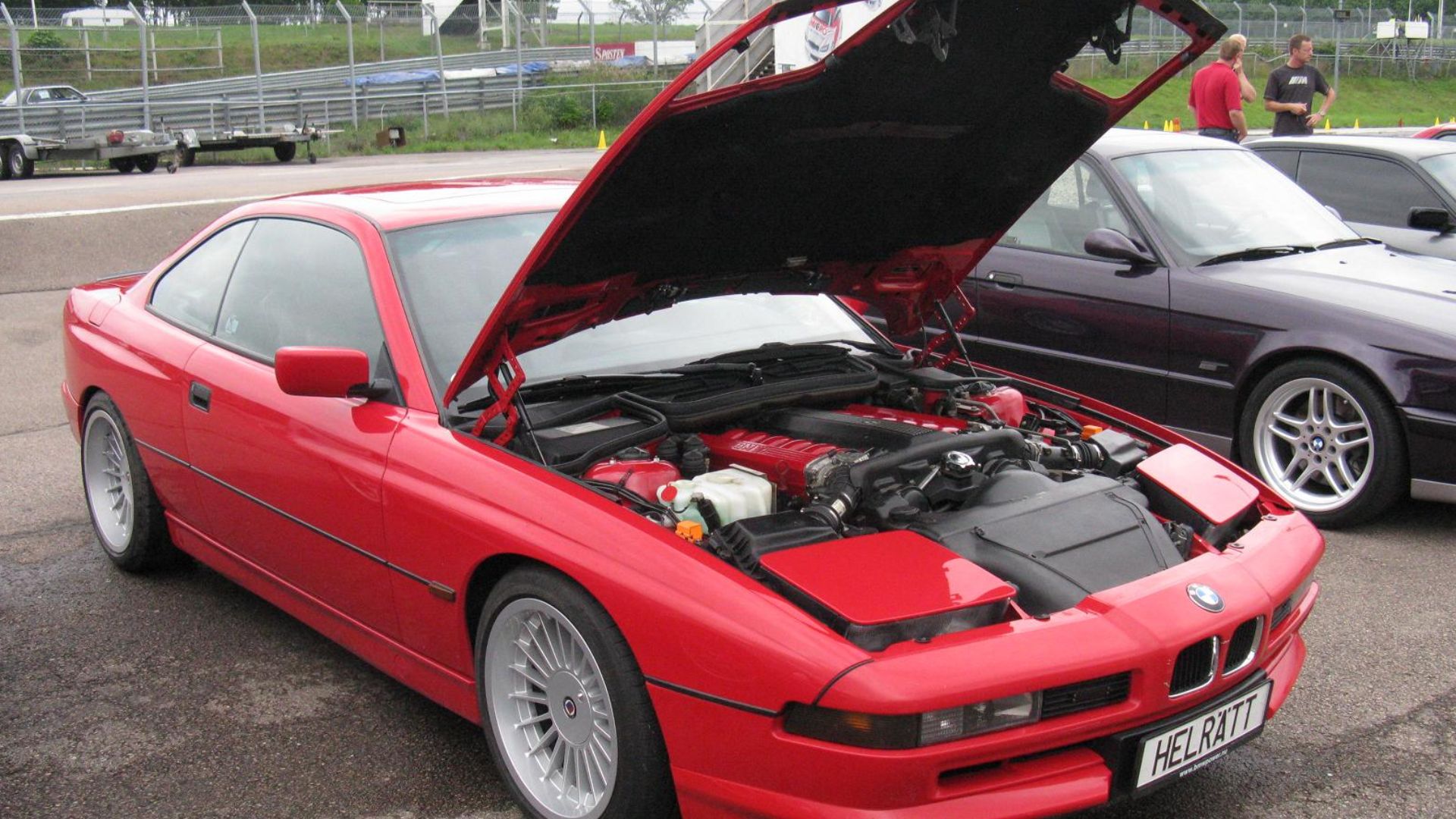
Engineering Ambition At Full Tilt
The E31 represented BMW at its most ambitious. It wasn’t constrained by minimalism or cost-cutting priorities. This was BMW proving it could build something extraordinary simply because it could. That confidence radiates from every panel.
 Alexander Migl, Wikimedia Commons
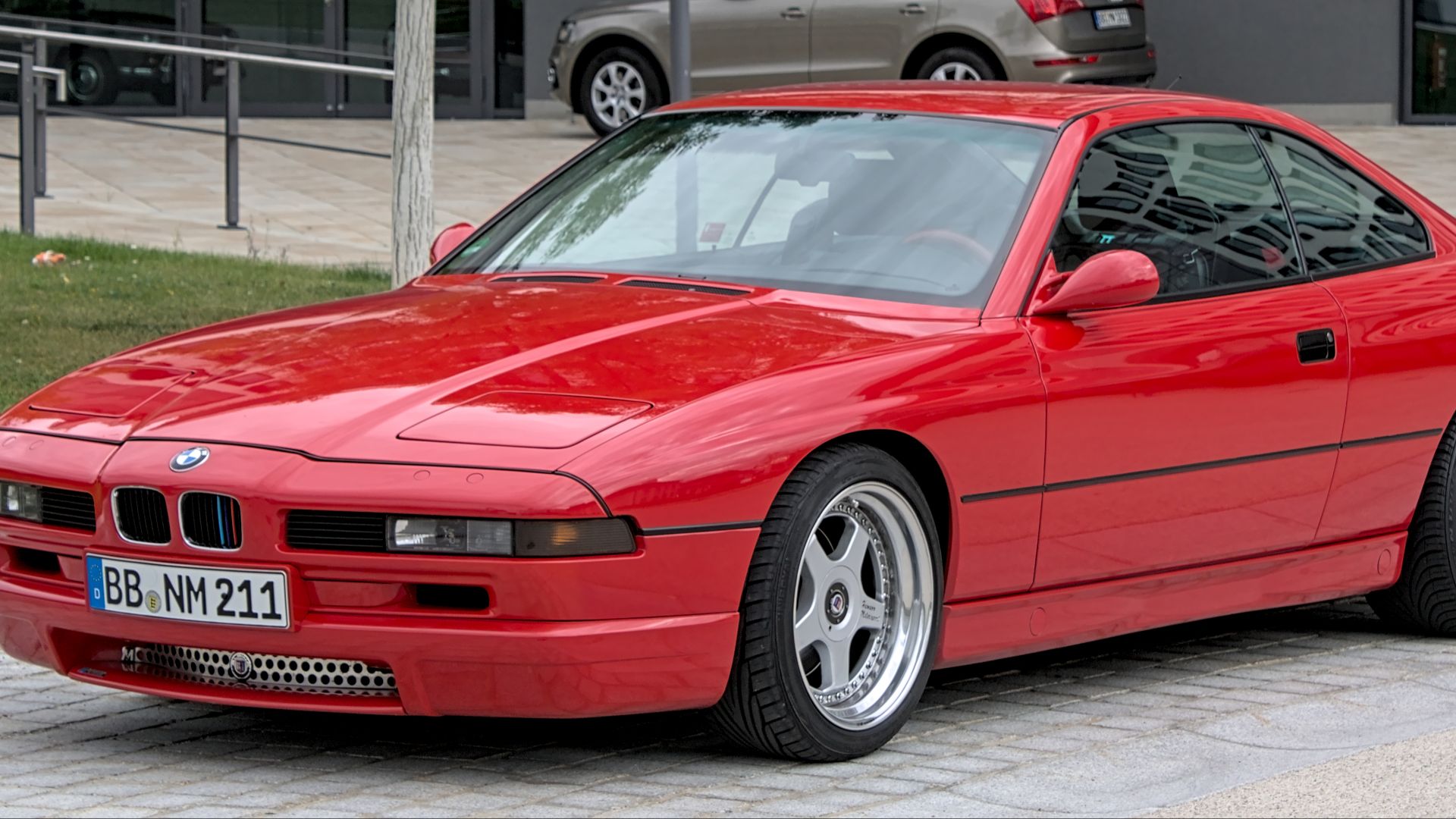
A Shape That Refused To Age
Unlike many 1990s performance cars, the 850i avoided excessive gimmicks. Its clean surfacing and restrained detailing allowed it to mature gracefully. Today, it looks less like a time capsule and more like a blueprint for modern grand tourers.
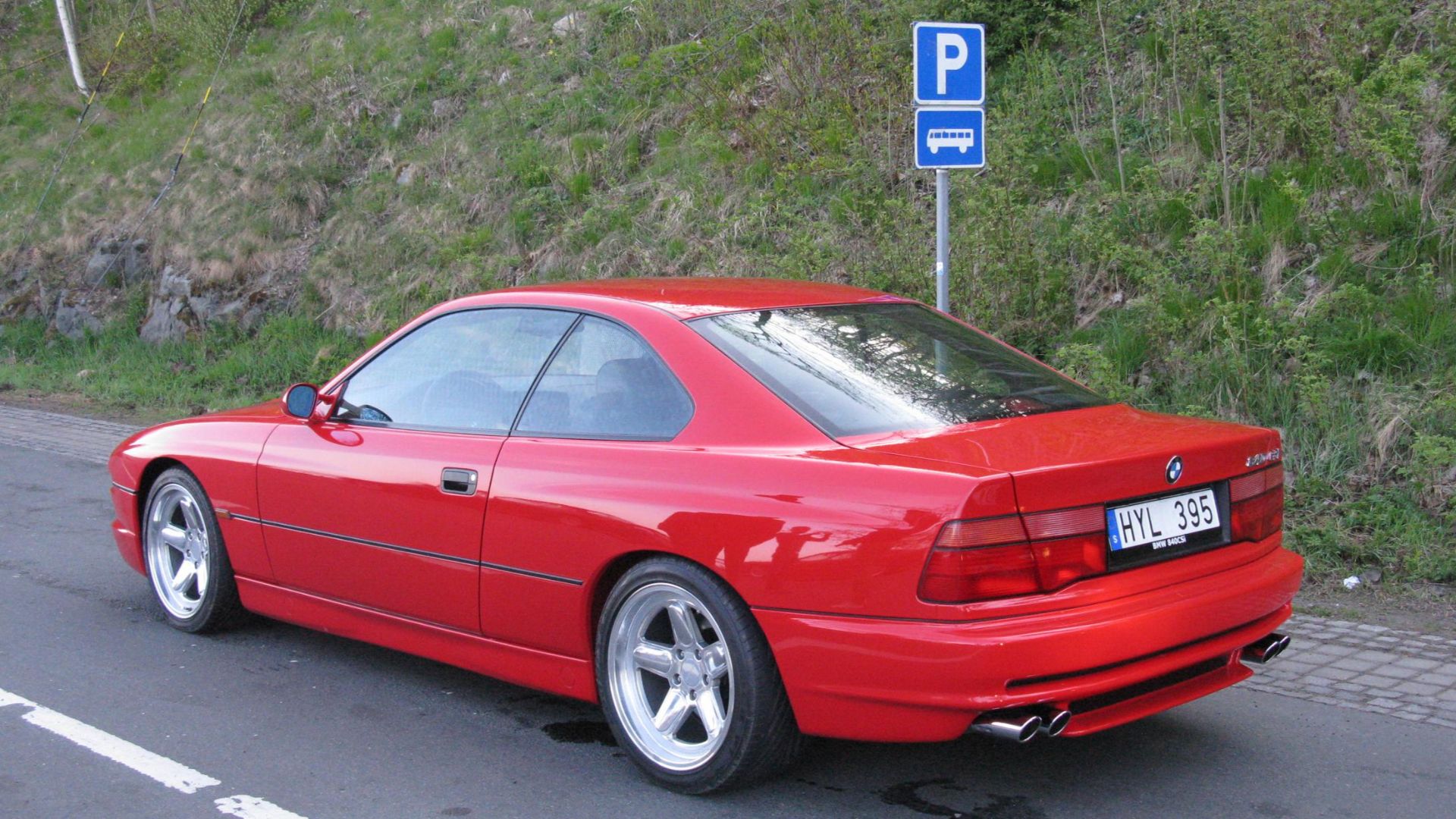
The Legacy It Quietly Built
The original 8 Series laid the groundwork for BMW’s future flagship coupes. When the nameplate returned years later, it carried the DNA of the E31. The modern 8 Series may be more powerful and more digital—but the original established the formula.
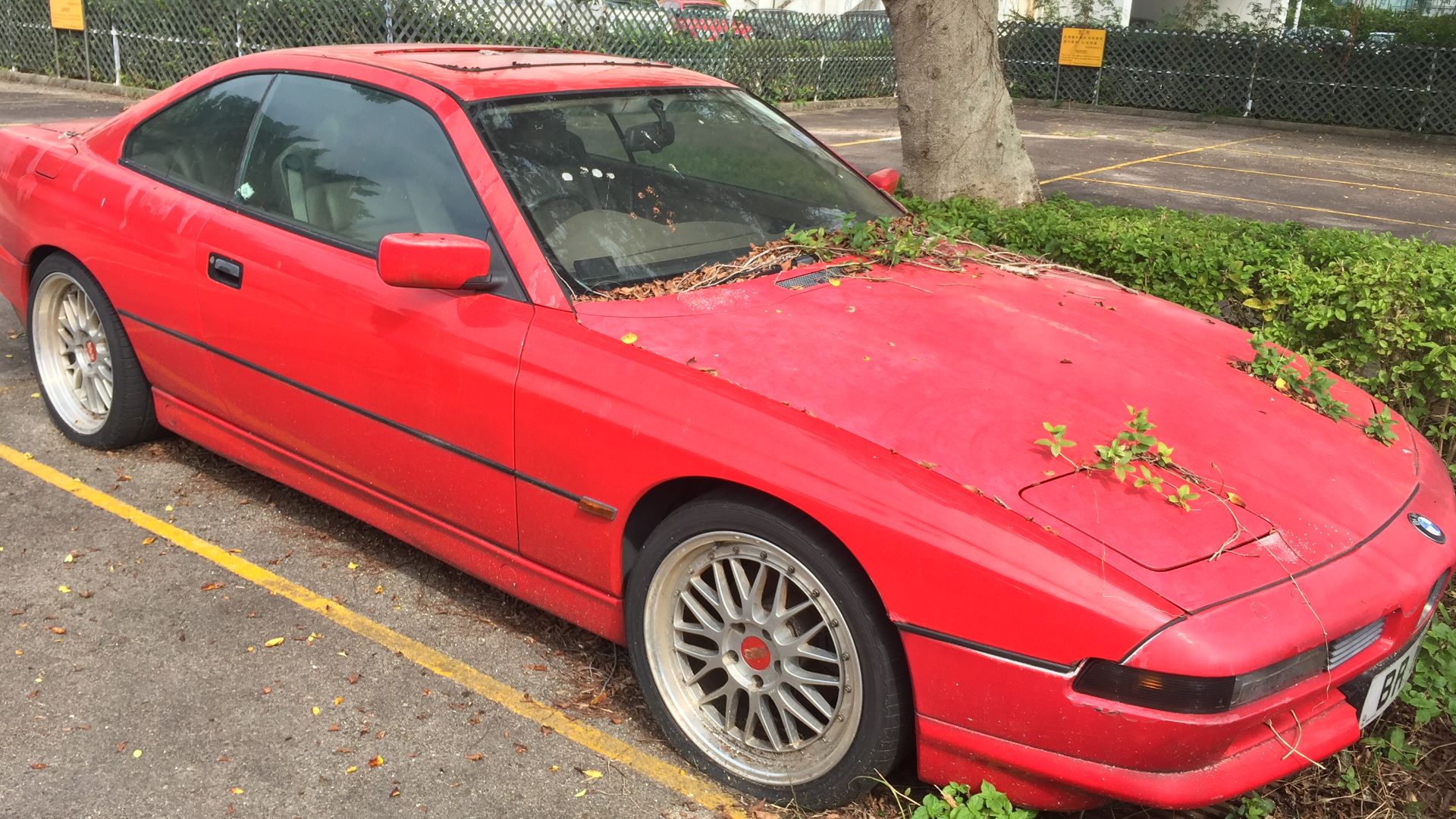 Jones028 from Hong Kong, Wikimedia Commons
The Supercar BMW Never Shouted About
The 850i never needed wild wings or racing stripes. It didn’t chase headlines. It didn’t beg for attention. With a 5.0-liter V12, advanced technology, and autobahn-bred composure, it quietly demonstrated that BMW could compete at the highest level of grand touring performance. It wasn’t the loudest machine of its era. But it may have been one of the boldest—hiding supercar presence beneath a calm Bavarian badge.
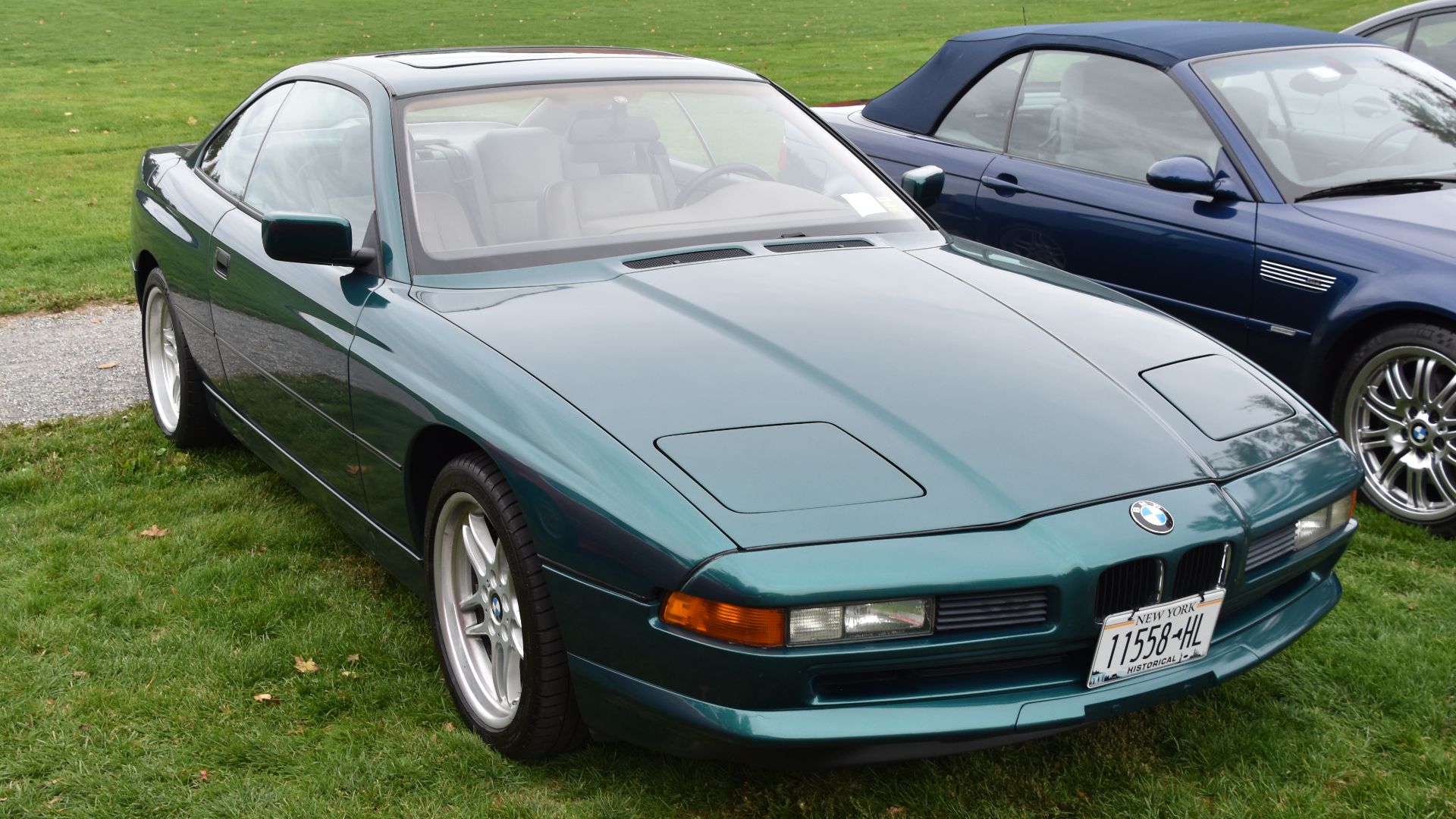 Charles from Port Chester, New York, Wikimedia Commons
You May also Like:
The Cadillac CTS-V Wagon Was The Ultimate Family Muscle Car
Classic Pickup Trucks Are Skyrocketing in Value—Here’s What’s Driving It
The Acura TSX Wagon: The Perfect Car That America Ignored
Source: 1