High-Mileage Survival Rules
Cars that rack up serious miles all have something in common. Taking care of overlooked parts and showing some mechanical respect makes the difference. Proper maintenance allows components to age smoothly, while neglect leads to untimely breakdowns.
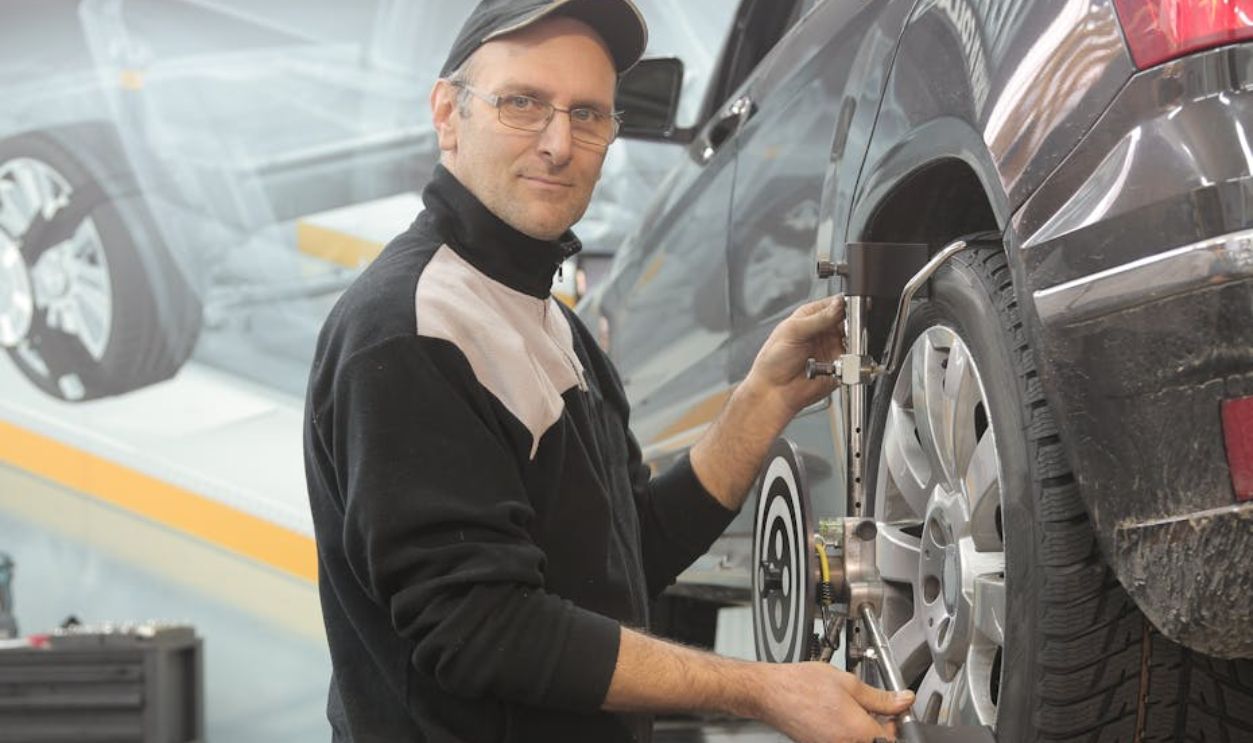
Use Synthetic Oil And Change Regularly
Short city trips are brutal on your oil. Switching to synthetic helps it handle heat without turning into sludge. Fresh oil at 10,000-mile intervals stops 70% of wear and keeps your motor running strong for years.
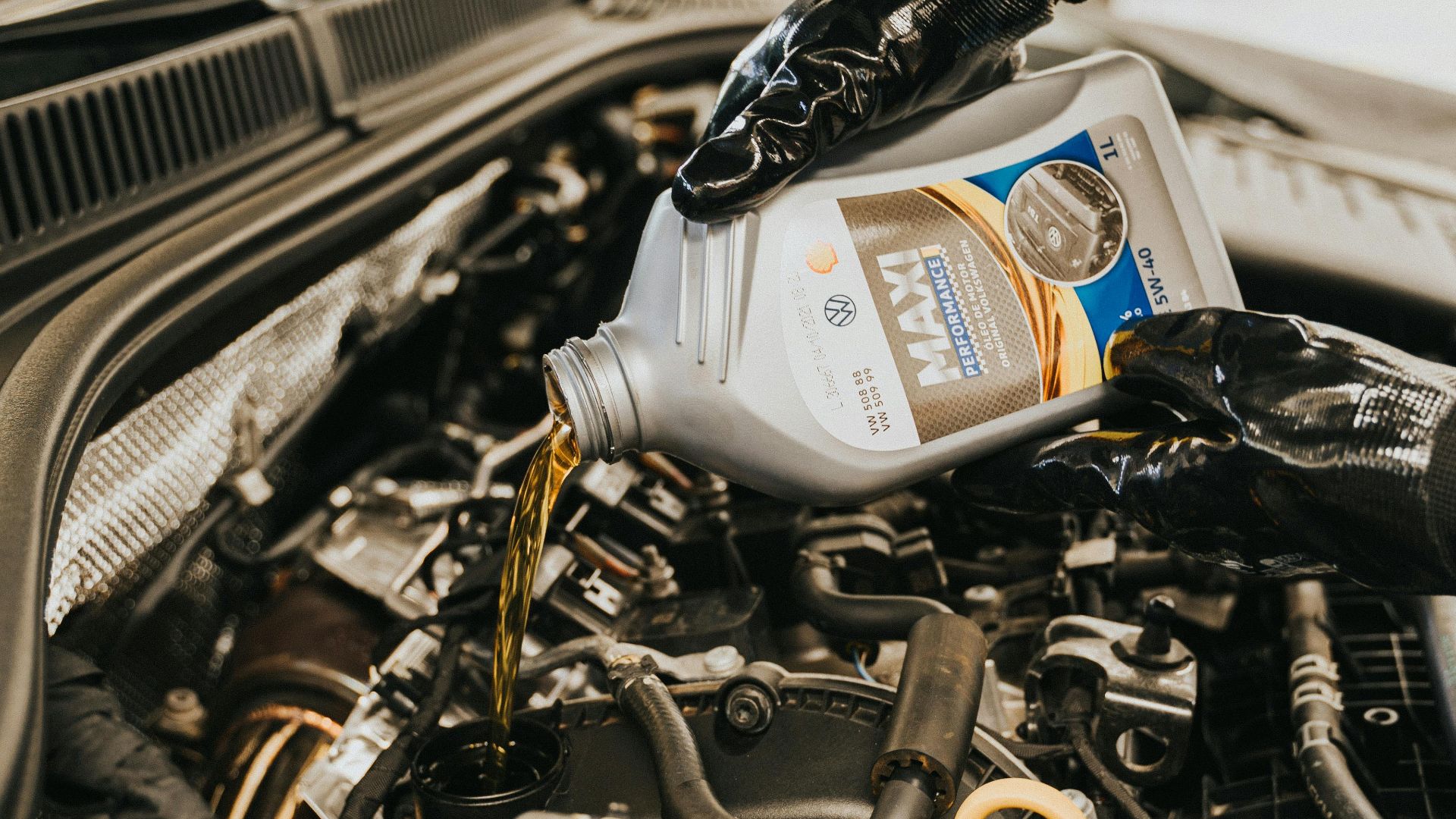
Replace Engine Air Filter Regularly
A dirty filter literally chokes your motor and tanks fuel economy by 10%. Swap it out between 12,000 and 30,000 miles to keep things breathing right. Clean airflow protects cylinders from grit and maintains combustion all the way to six figures.
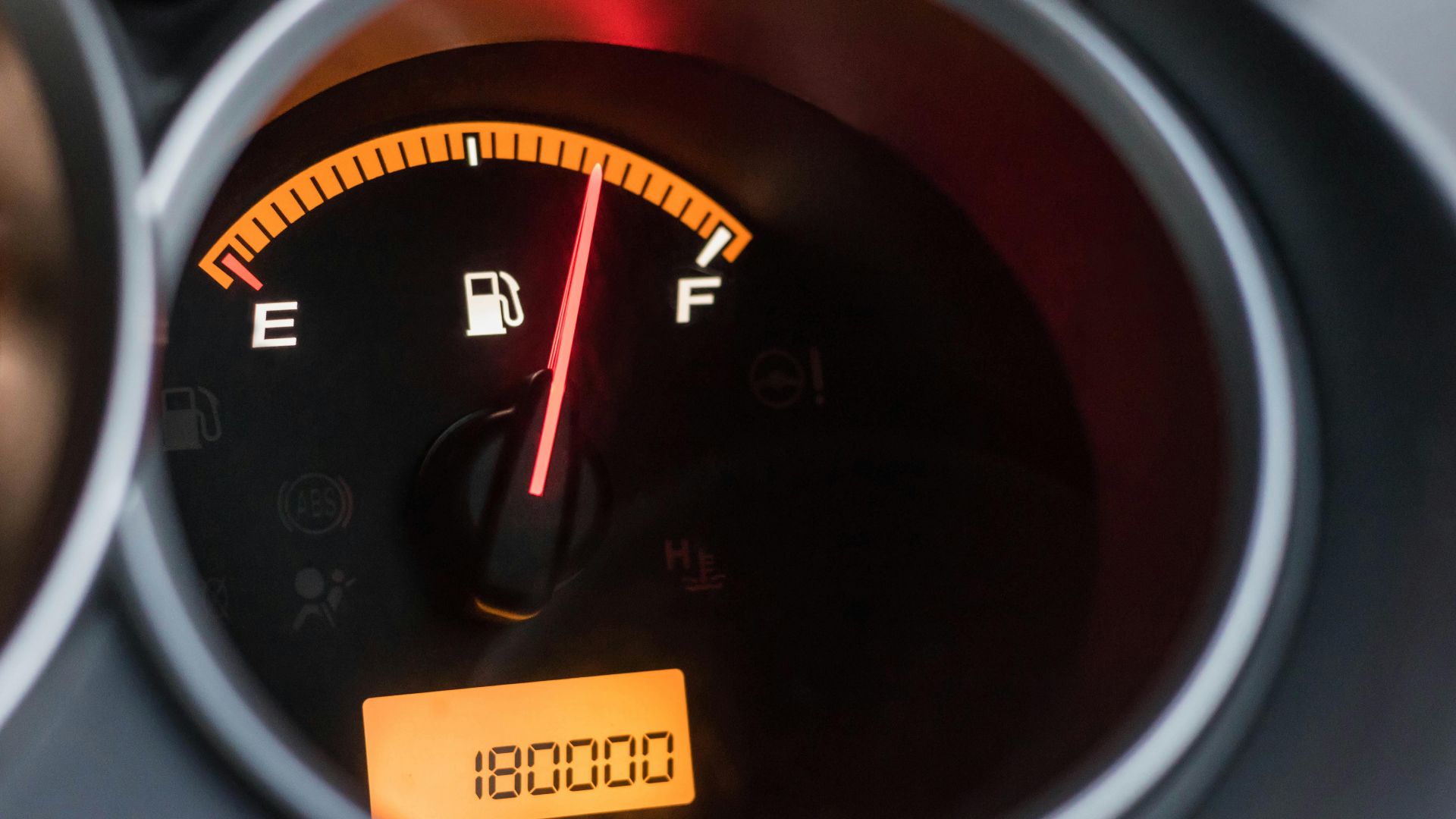
Keep Fuel Tank Above Quarter
Running low forces your pump to slurp up all that crud sitting at the bottom. That junk clogs filters and makes the pump overheat since fuel actually cools it. Stay above a quarter tank, and your pump will cruise past 150,000 miles.
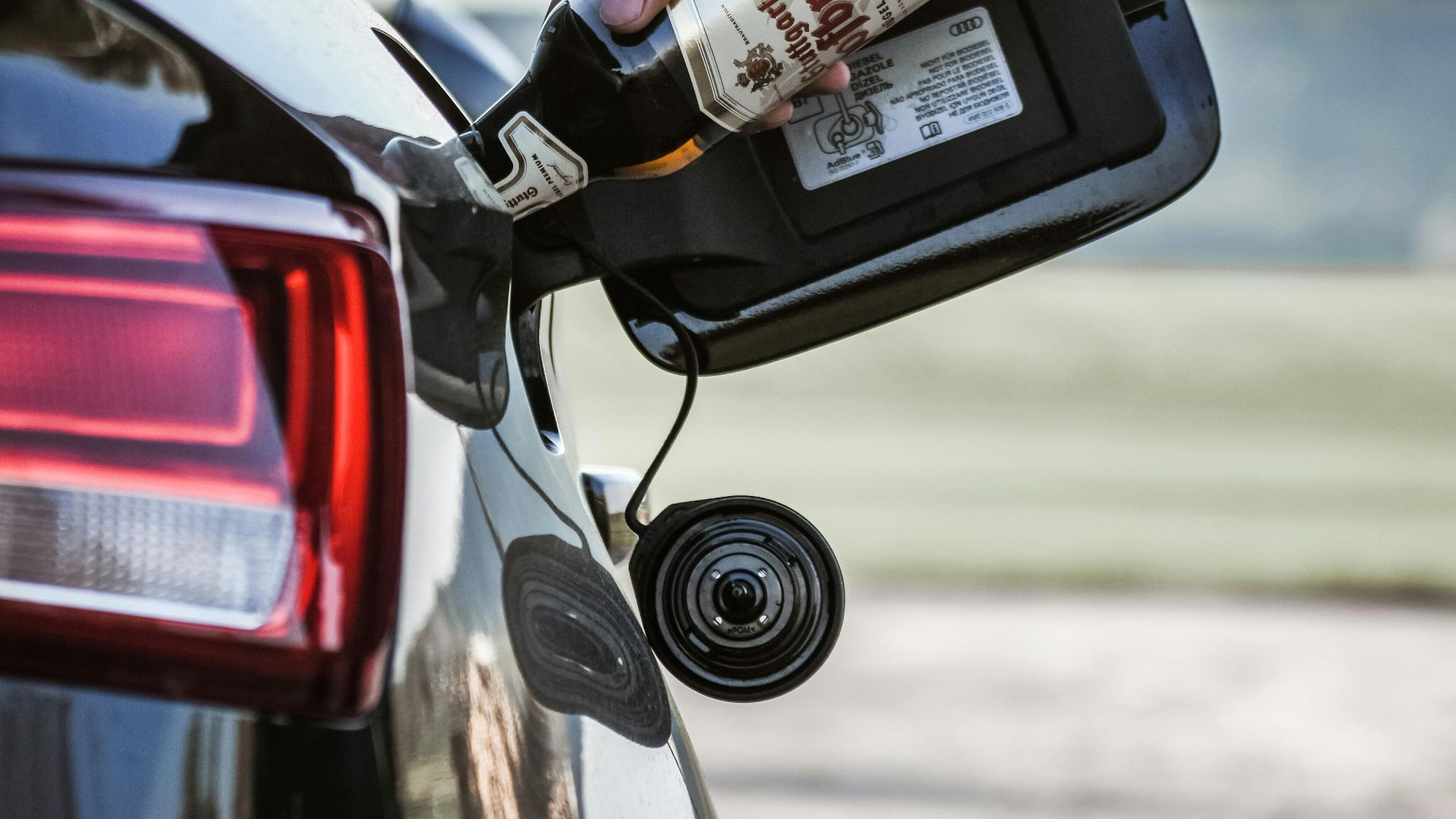
Add PEA Fuel Cleaner Regularly
Polyetheramine cuts through injector gunk way better than cheap additives. Toss some in at 10,000-mile intervals to knock out 97% of engine knock. It stops carbon from building up in modern direct-injection motors without expensive shop visits.
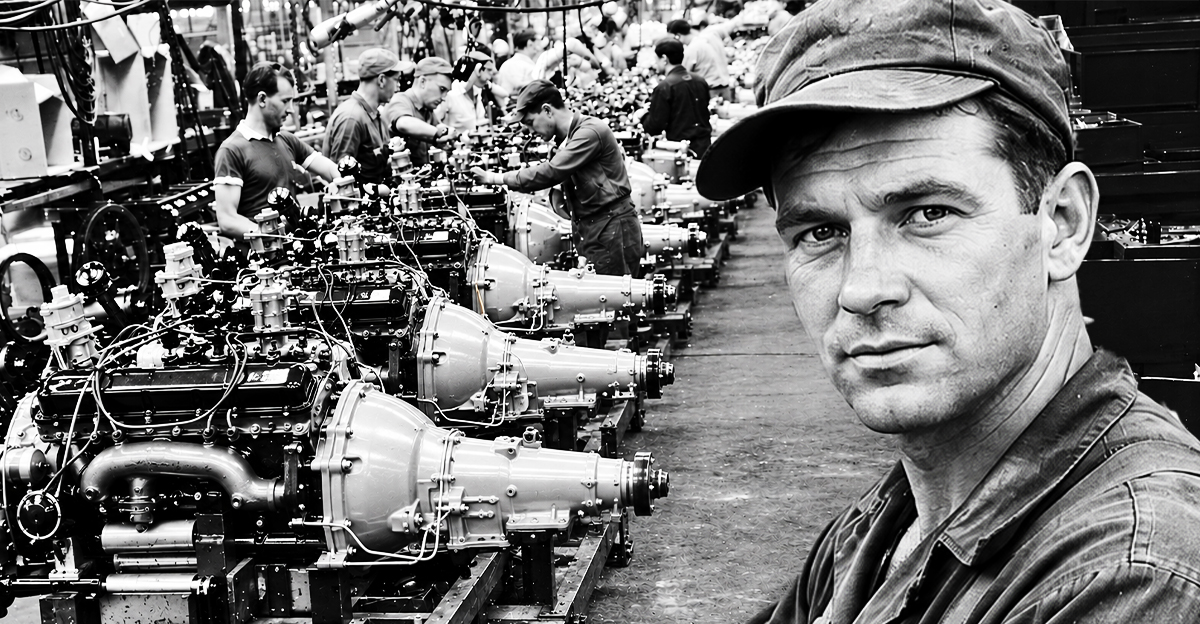
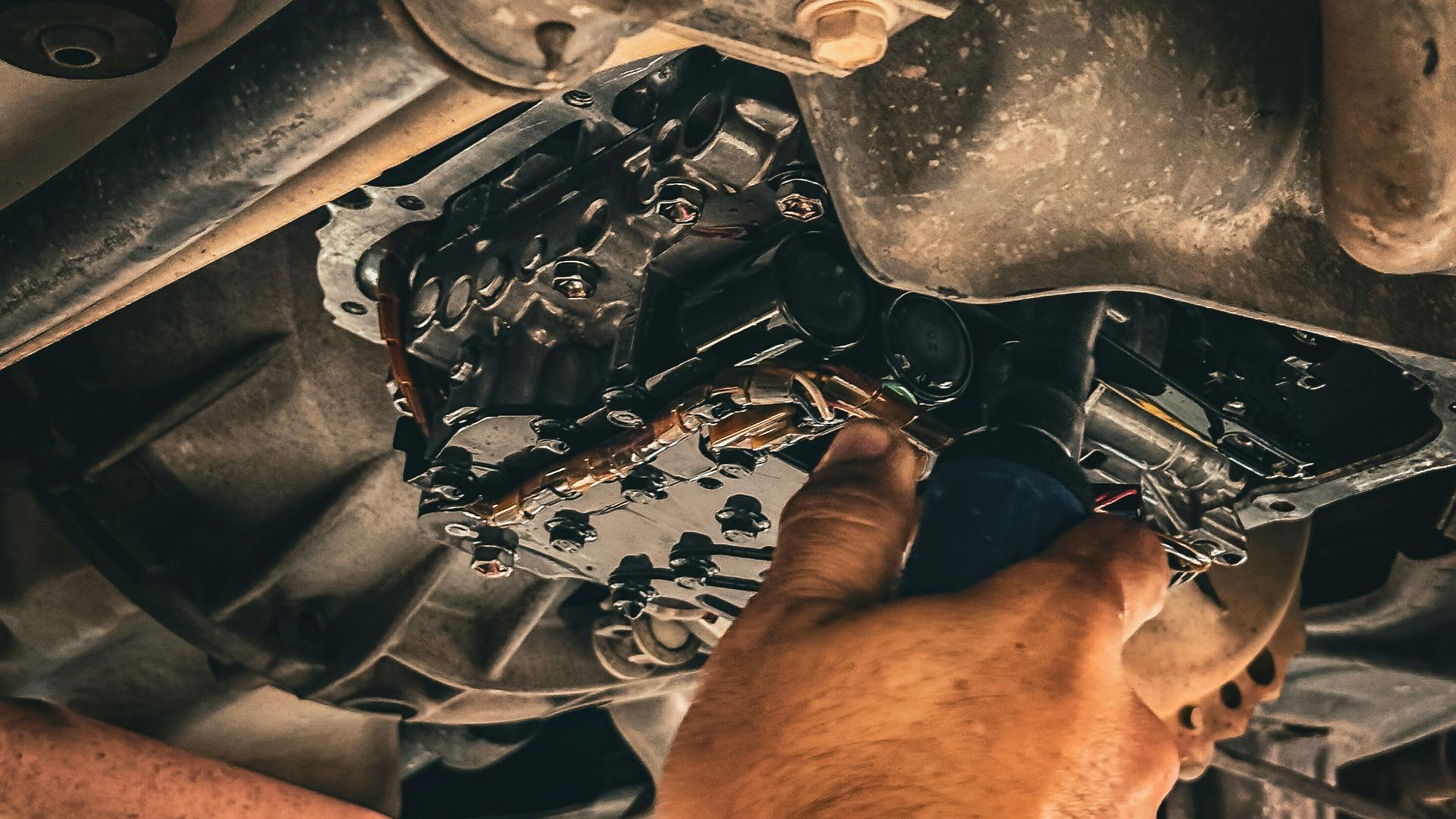
Change Transmission Fluid Consistently
That "lifetime fluid" marketing line? Total garbage that destroys transmissions early. Heat breaks it down and causes slippage that kills 20% of high-mileage gearboxes. Drain and fill between 30,000 and 60,000 miles to double its lifespan.
Apply Annual Rust Protection Undercarriage
Road salt will destroy your frame if you let it. Oil sprays like RustCheck push out moisture and stop rust for 12 to 18 months. One coat per year in snowy climates saves your frame from rotting out.
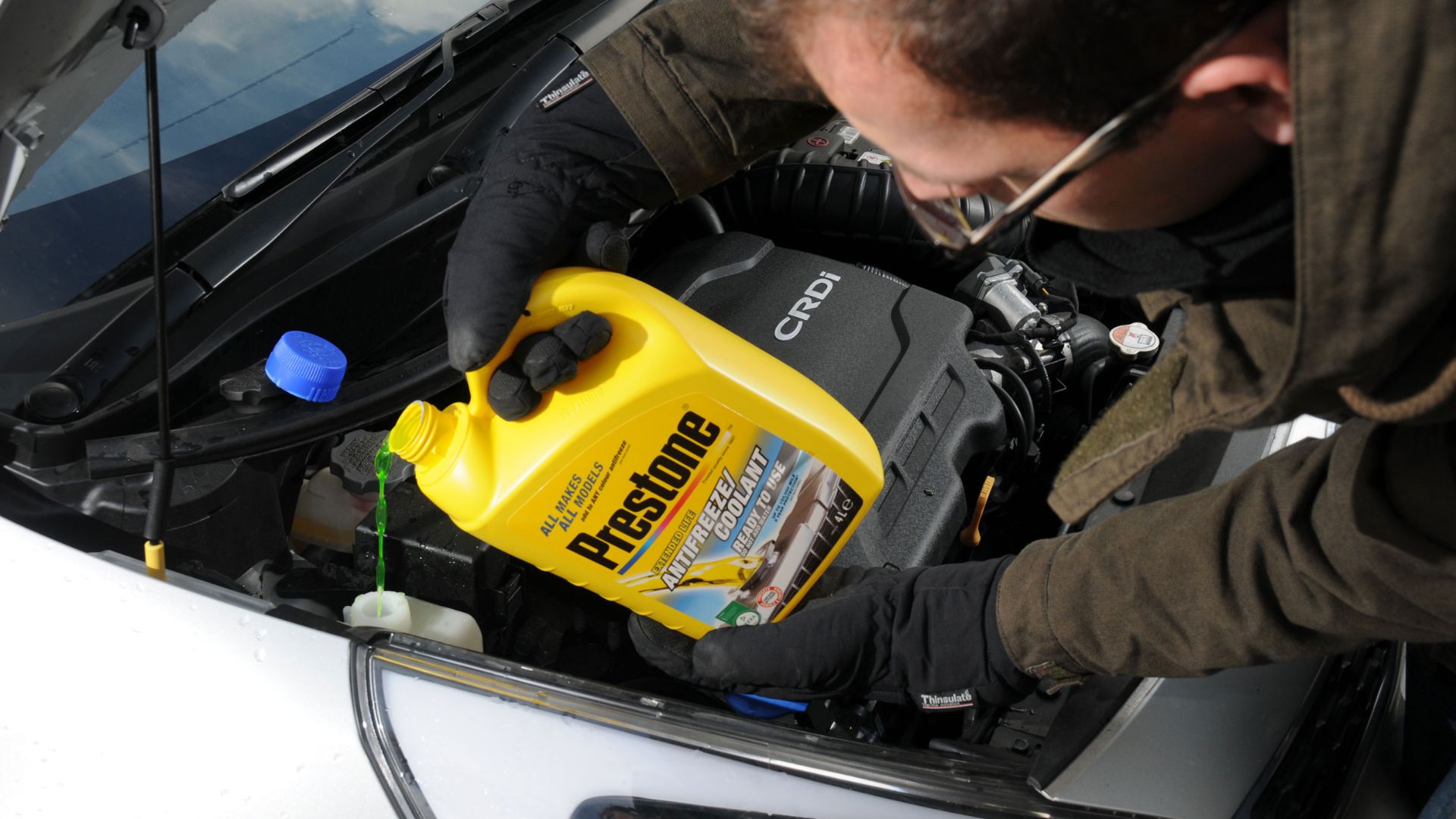
Flush And Replace Engine Coolant
Old coolant loses its rust-fighting power and actually turns acidic. That acid eats your radiator and engine block from the inside out. A flush at five-year intervals prevents overheating and corrosion that can wreck an otherwise healthy motor.
 Gasper12345, Wikimedia Commons
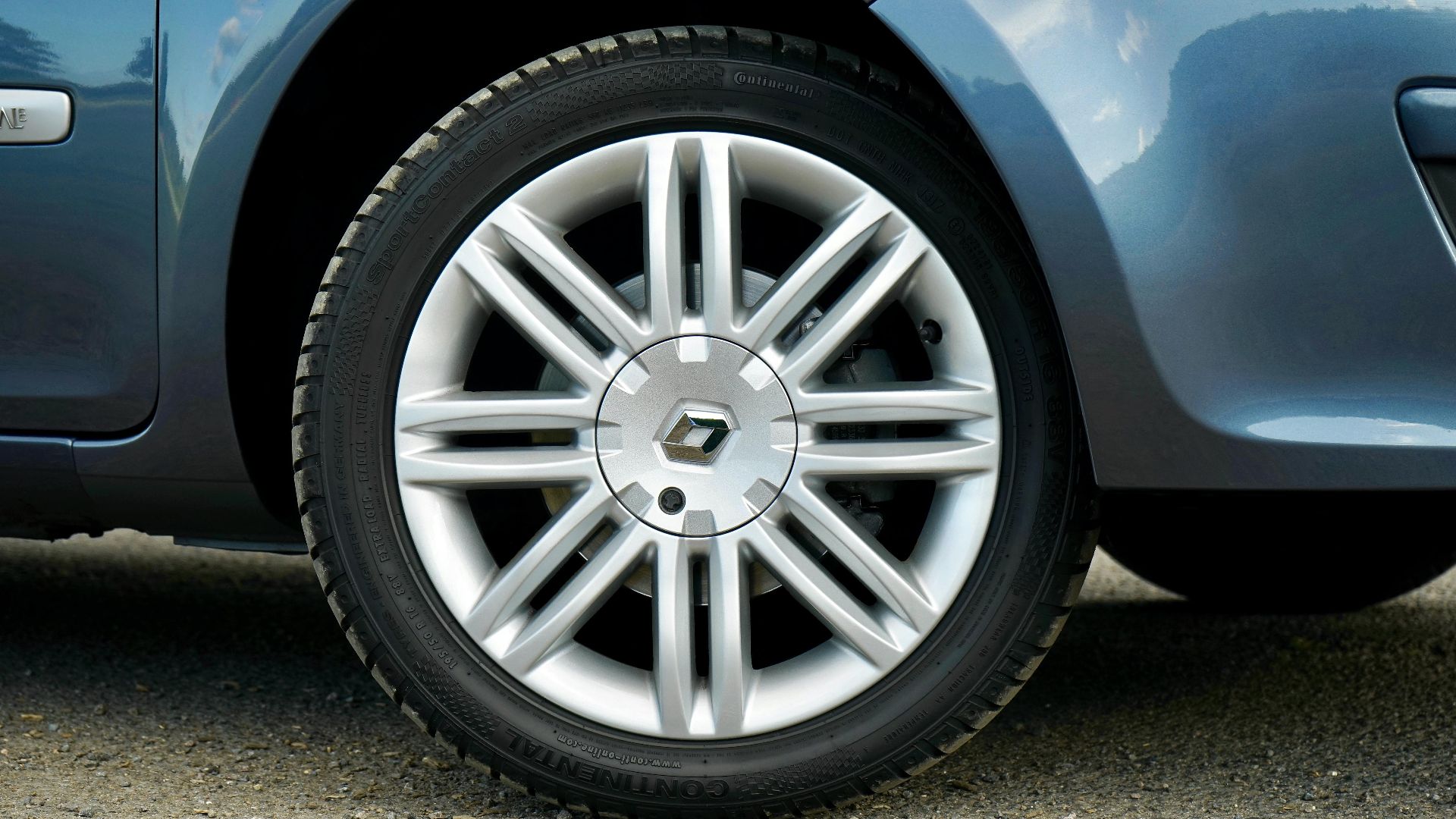
Rotate Tires Every Few Thousand
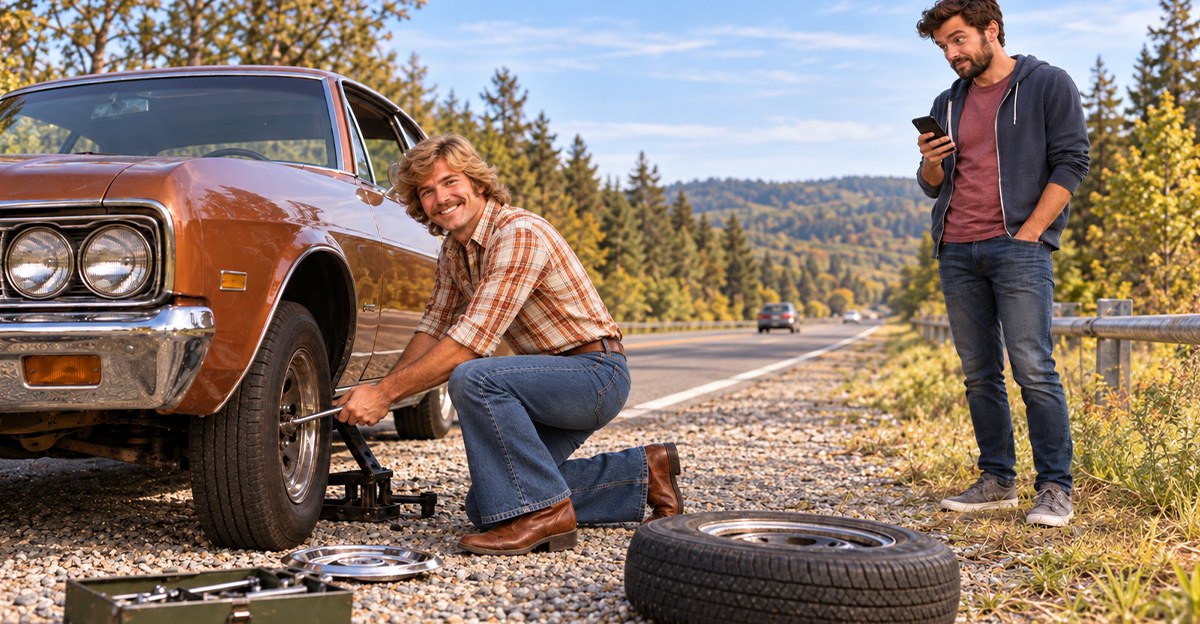
Uneven wear beats up your suspension and kills tires early. Swap them around at 5,000 to 7,500 miles following your car's pattern. Balanced tread extends tire life by nearly a third while protecting everything underneath.
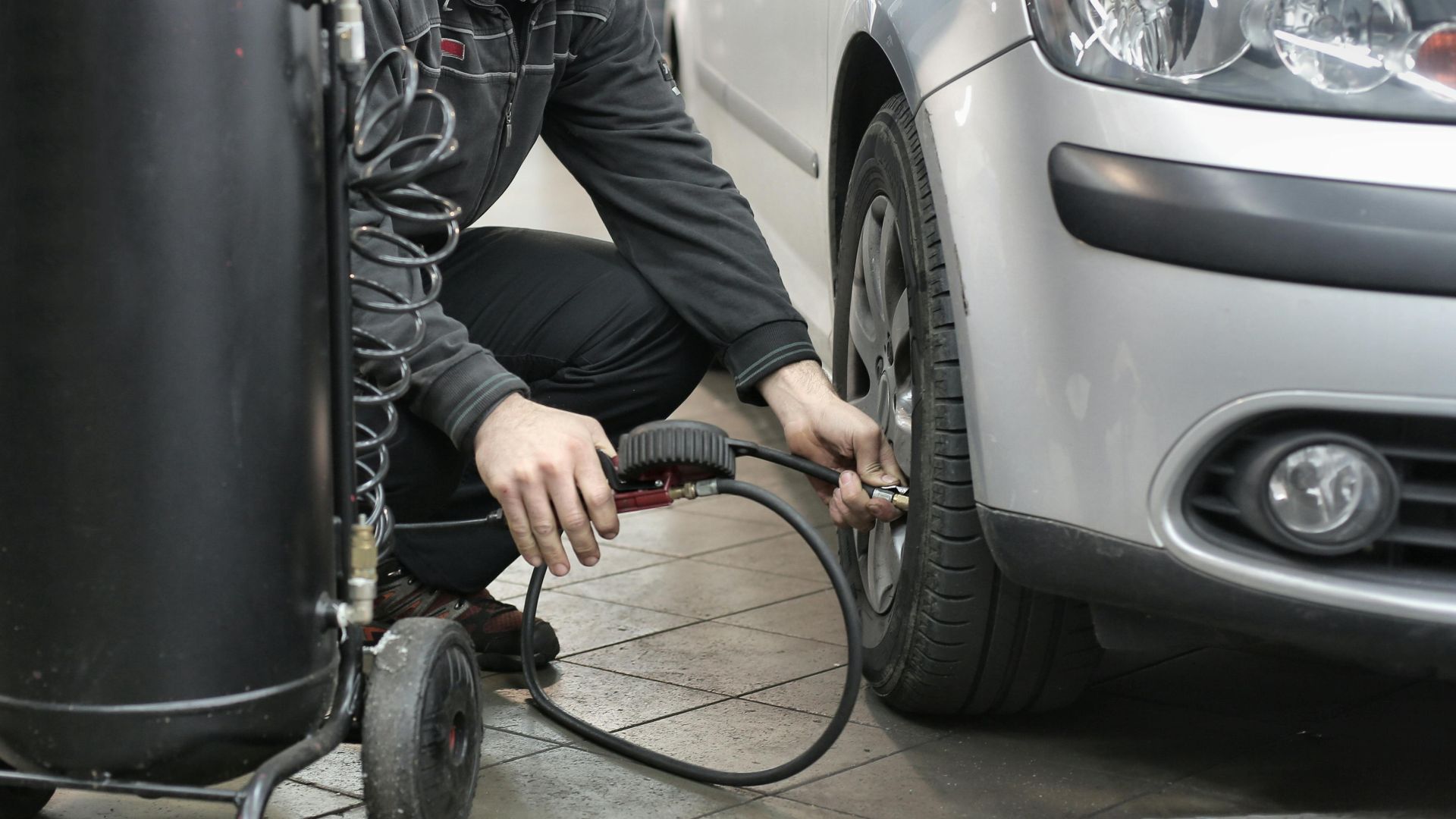
Check Tire Pressure Monthly Gauge
Low pressure creates extra heat and costs you 3 to 5% at the pump. It also hammers your suspension and risks blowouts on older cars. A quick monthly check with a decent gauge keeps wear even and parts healthy.
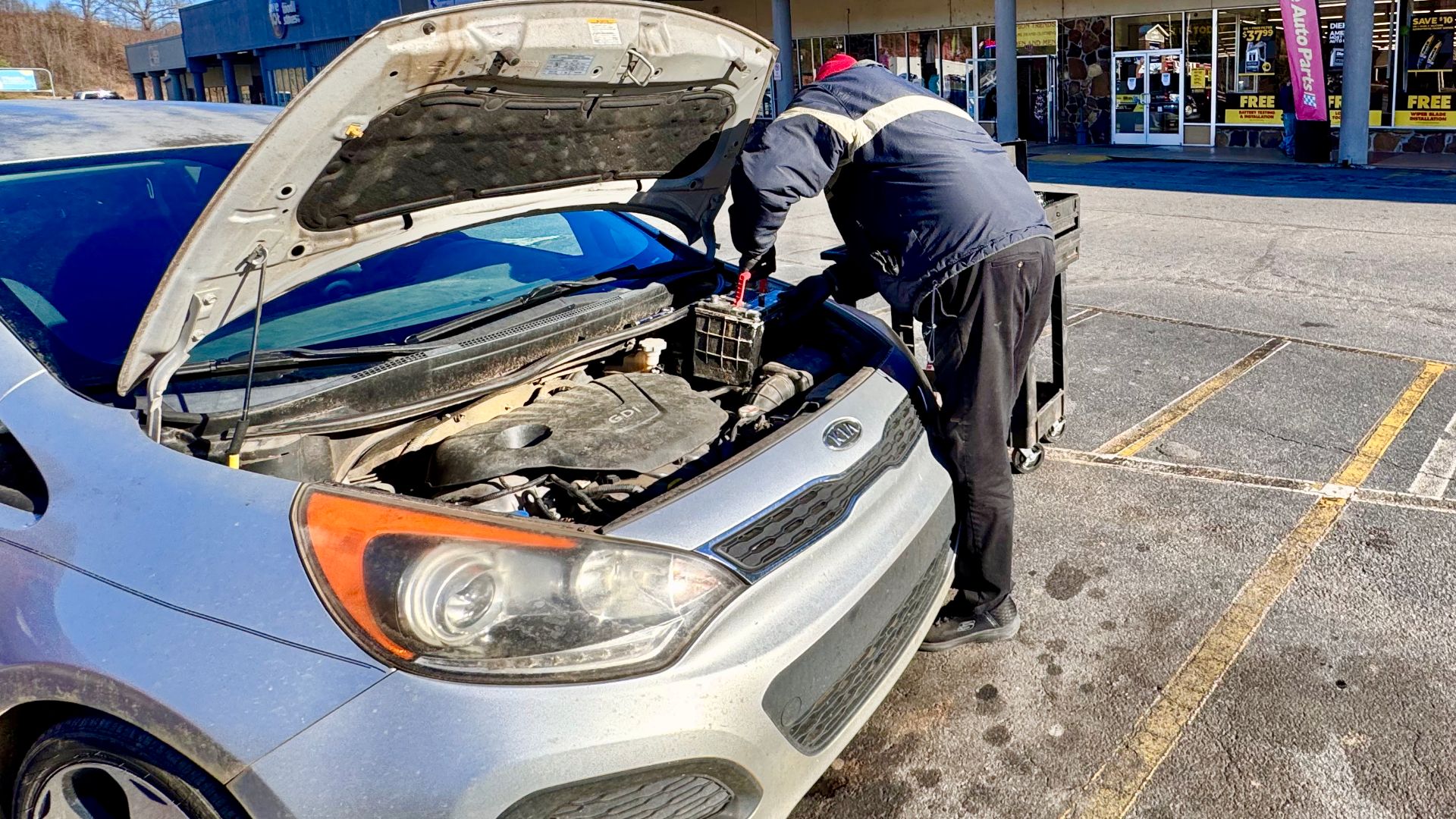
Replace Battery Every Few Years
Swap the battery between three and five years to protect your charging system from cascading electrical headaches. Extreme temperatures kill batteries faster than tests show, and waiting for complete failure leaves you stranded and beats up your alternator.
 Harrison Keely, Wikimedia Commons
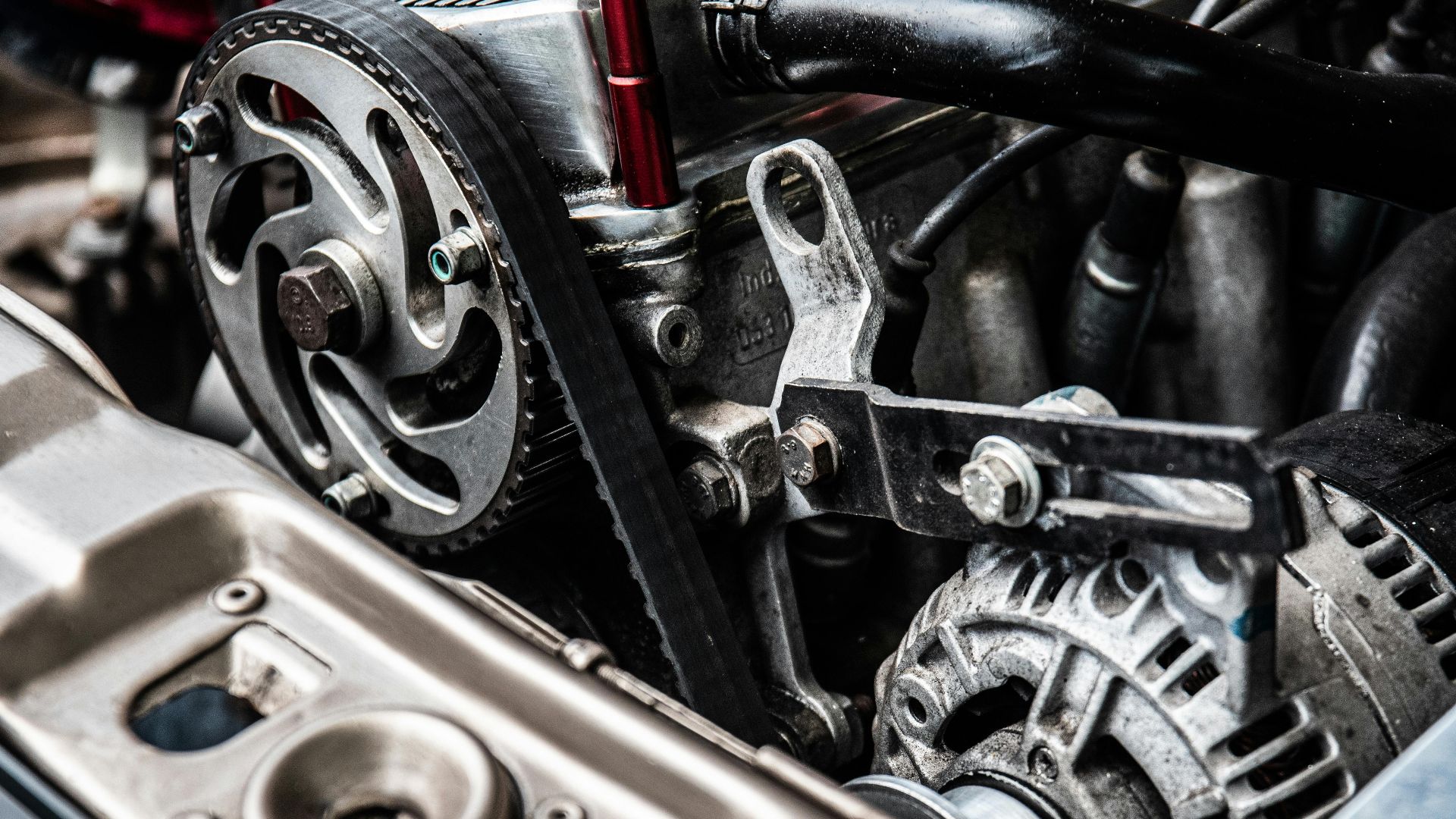
Inspect And Replace Belts And Hoses
Heat makes rubber crack faster as cars age. Look them over at 60,000 miles before they snap and leave you overheated on the roadside. Replacing them early maintains pressure and reduces strain that cuts engine life past 200,000 miles.
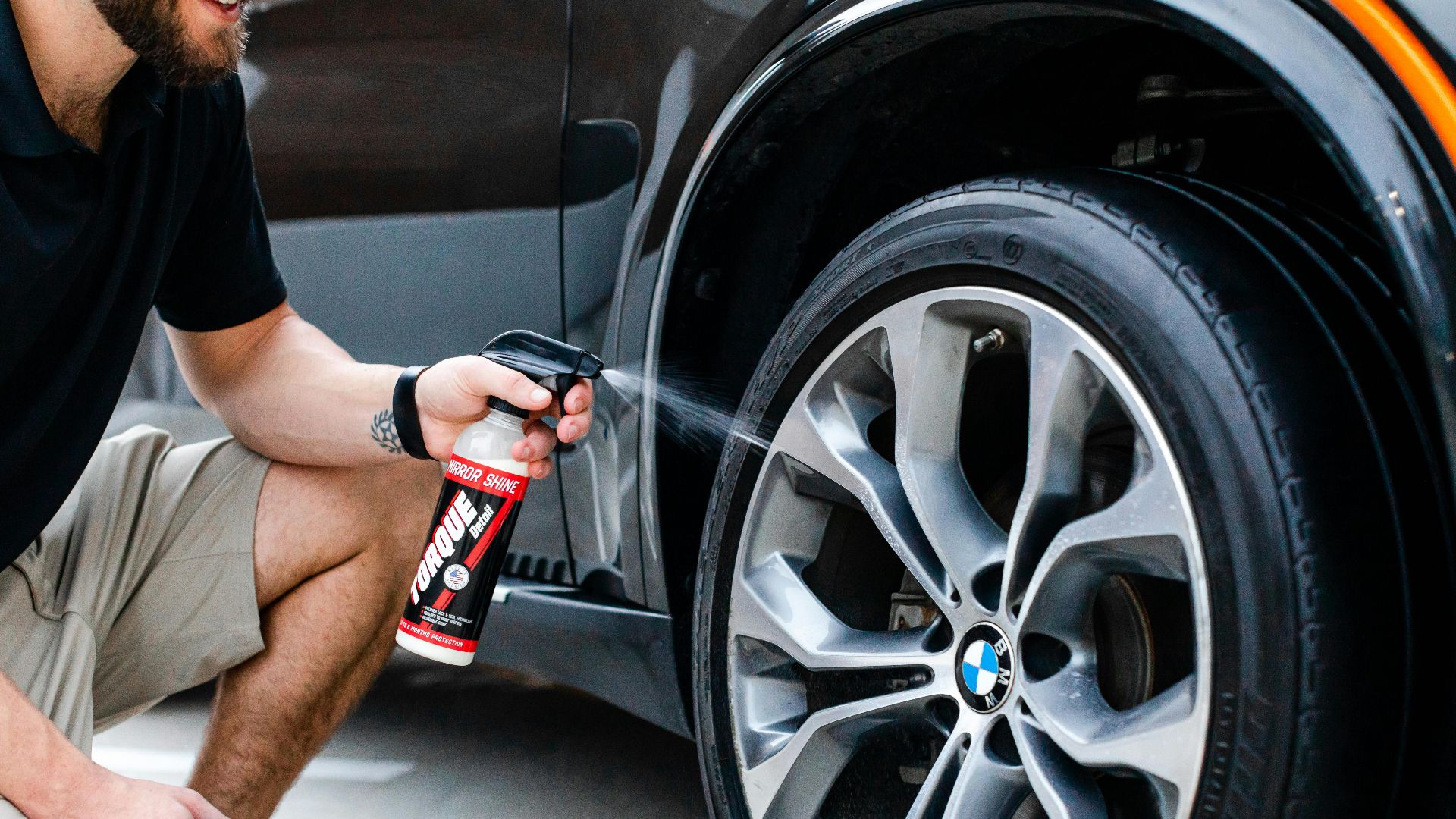
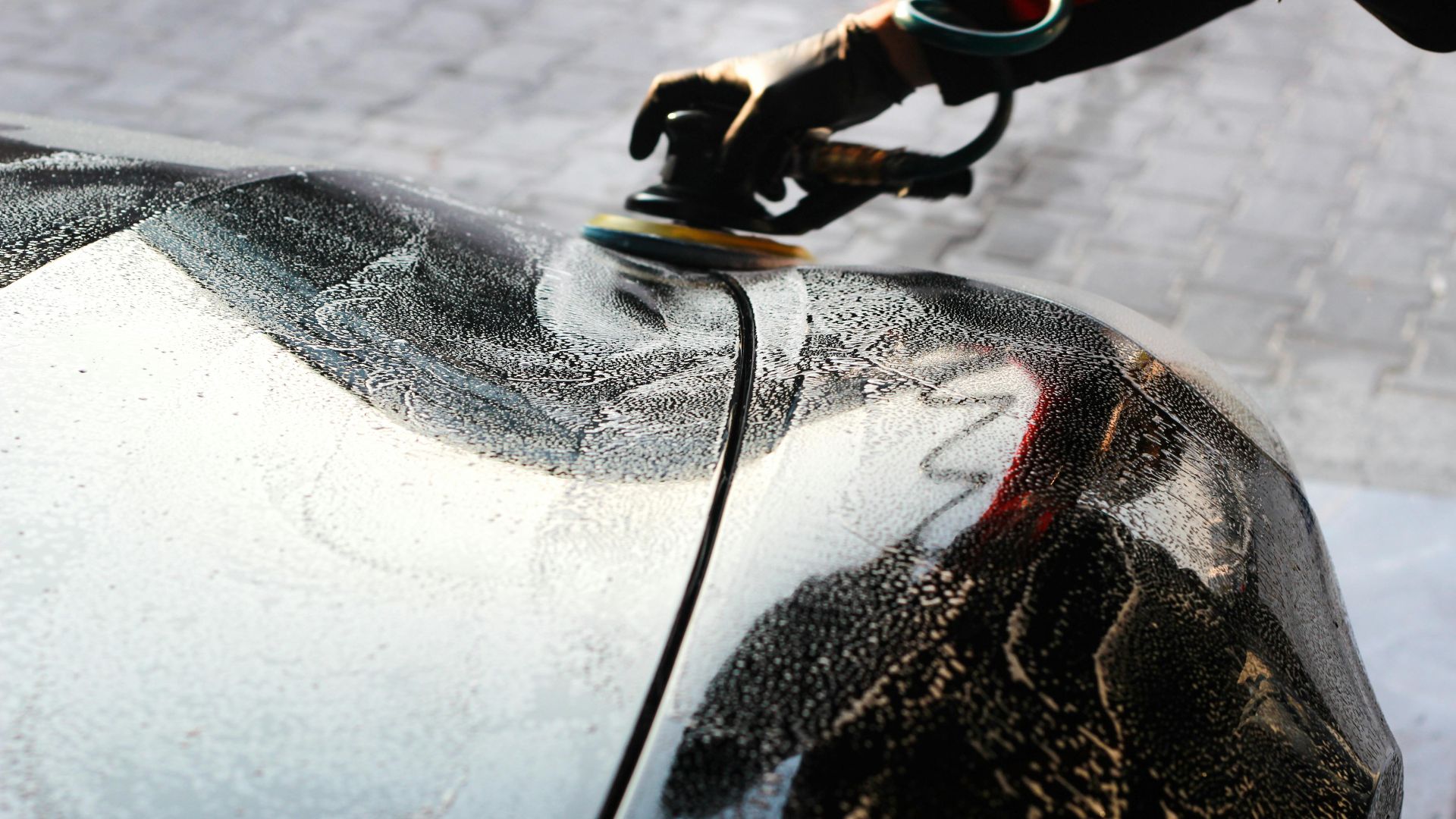
Wax The Exterior Every Three Months
Sun and grime attack your paint constantly when it's unprotected. A coat of wax quarterly blocks oxidation and stops rust from starting underneath. Your body panels stay solid, and resale value holds better at 300,000 miles.
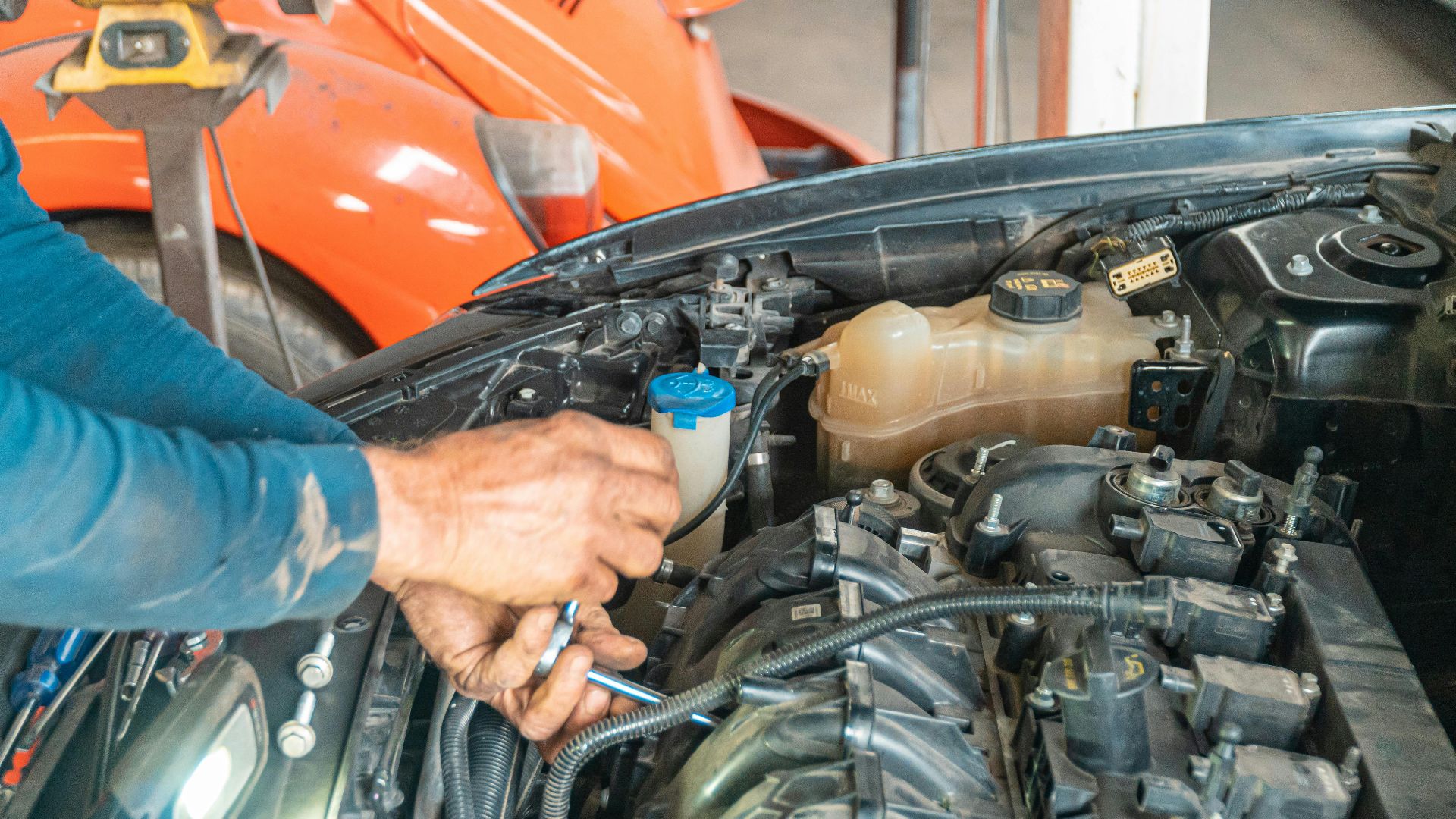
Check Brake Fluid Levels Quarterly
Brake fluid sucks up water over time and loses its punch. Look at levels four times a year to catch moisture before it corrodes calipers. Flush it out at two-year intervals for strong stops and long-lasting hydraulics.
 Jose Ricardo Barraza Morachis, Pexels
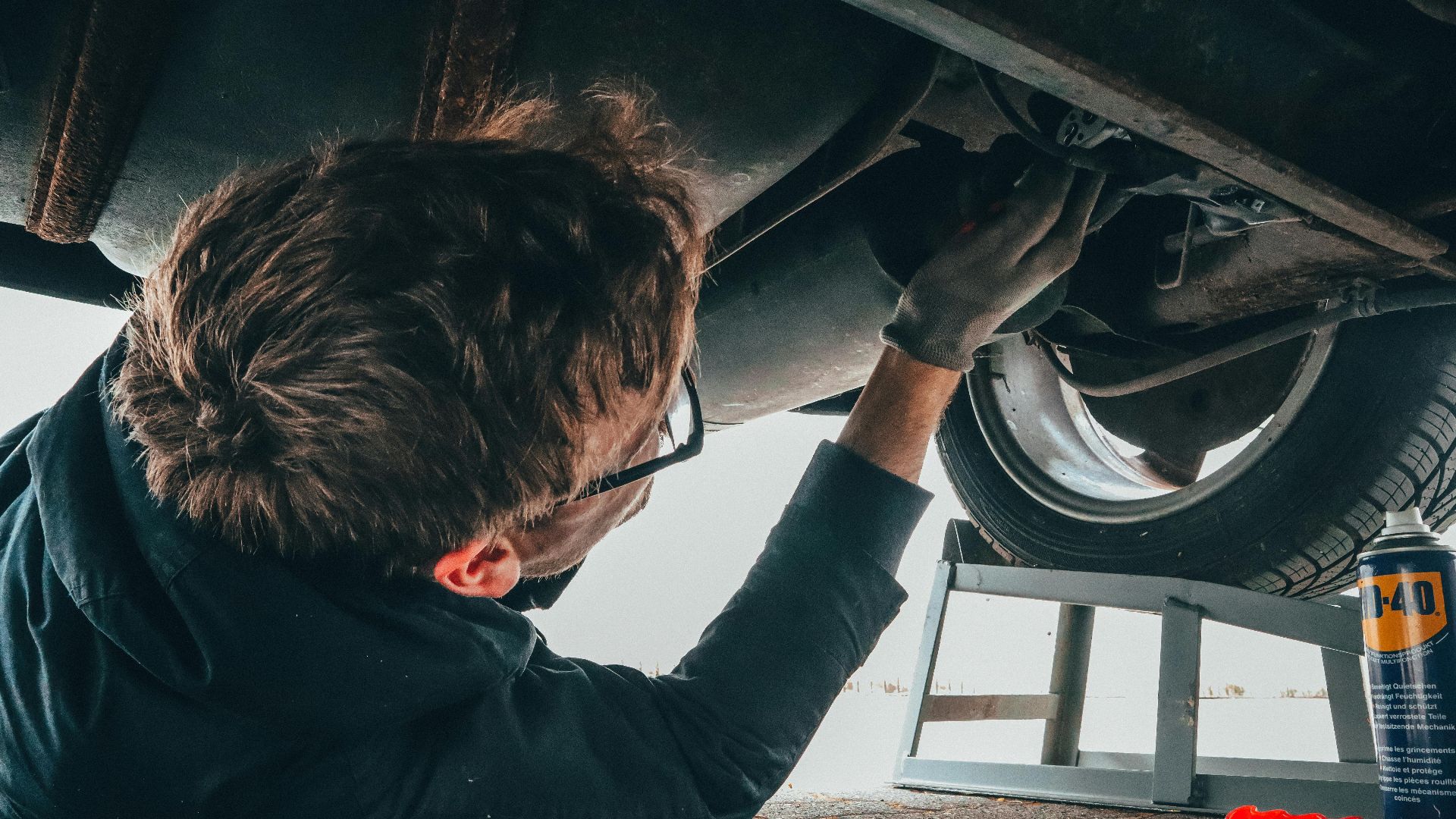
Immediately Detect Fix Fluid Leaks
Small drips snowball into big disasters when you ignore them. Low fluids seize engines, torch transmissions, and kill power steering pumps. Jump on repairs right away to prevent minor problems from turning into wallet-draining rebuilds.
Follow The Owner's Manual Maintenance Schedule
Engineers tested extensively to create those service schedules. Hit each interval to catch small stuff before it compounds. Sticking to the book prevents skipped items from combining into expensive failures down the road.

Accelerate Gently From Cold Starts
Cold oil is thick and takes time to reach all the important bits. Easy throttle prevents gasket stress and cuts friction damage during warm-up. Going gentle avoids blown head gaskets that plague motors past 150,000 miles.

Coast To Stops When Possible
Hard braking makes heat that eats pads and rotors fast. Planning stops ahead cuts brake wear in half compared to slamming them. Less heat means less suspension beating and smoother sailing all the way up.
Drive At Highway Speeds Monthly
Short trips never heat things up enough to boil off water contamination. Take a longer highway cruise once a month to flush out moisture and grime. High-speed running mimics fleet car conditions that help them last forever.

Warm Engine Before Hard Driving
Cold motors collect moisture in the oil that rusts things internally. Letting it warm properly flushes that water out and thins the oil for circulation. A few minutes of idle time prevents condensation damage to your block.

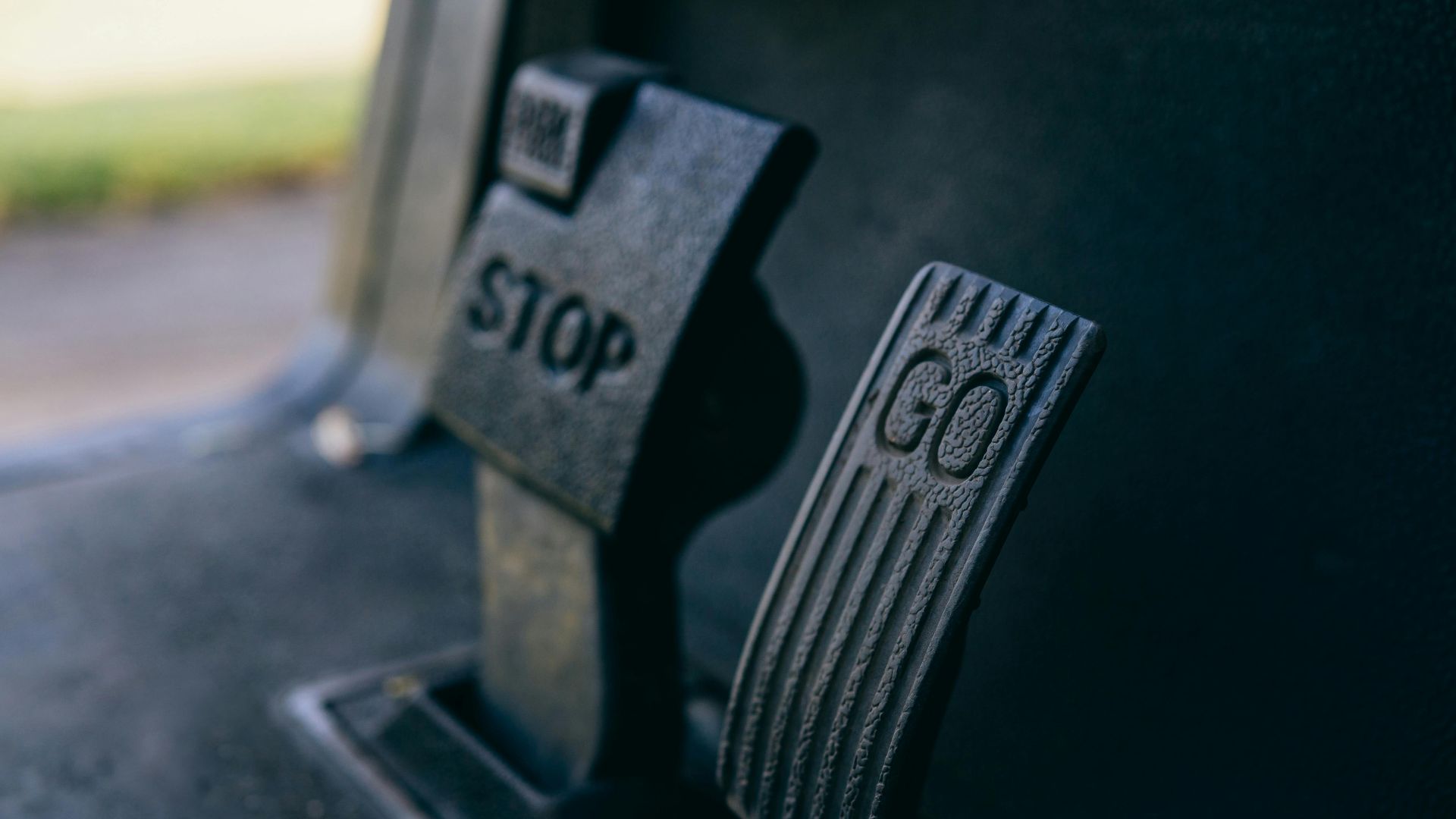
Engage The Parking Brake Every Time
If you rely only on the small transmission pawl, it wears out over time. Pull the parking brake each time to share the load and keep cables adjusted. Consistent use protects your gearbox and prevents rolling on hills.

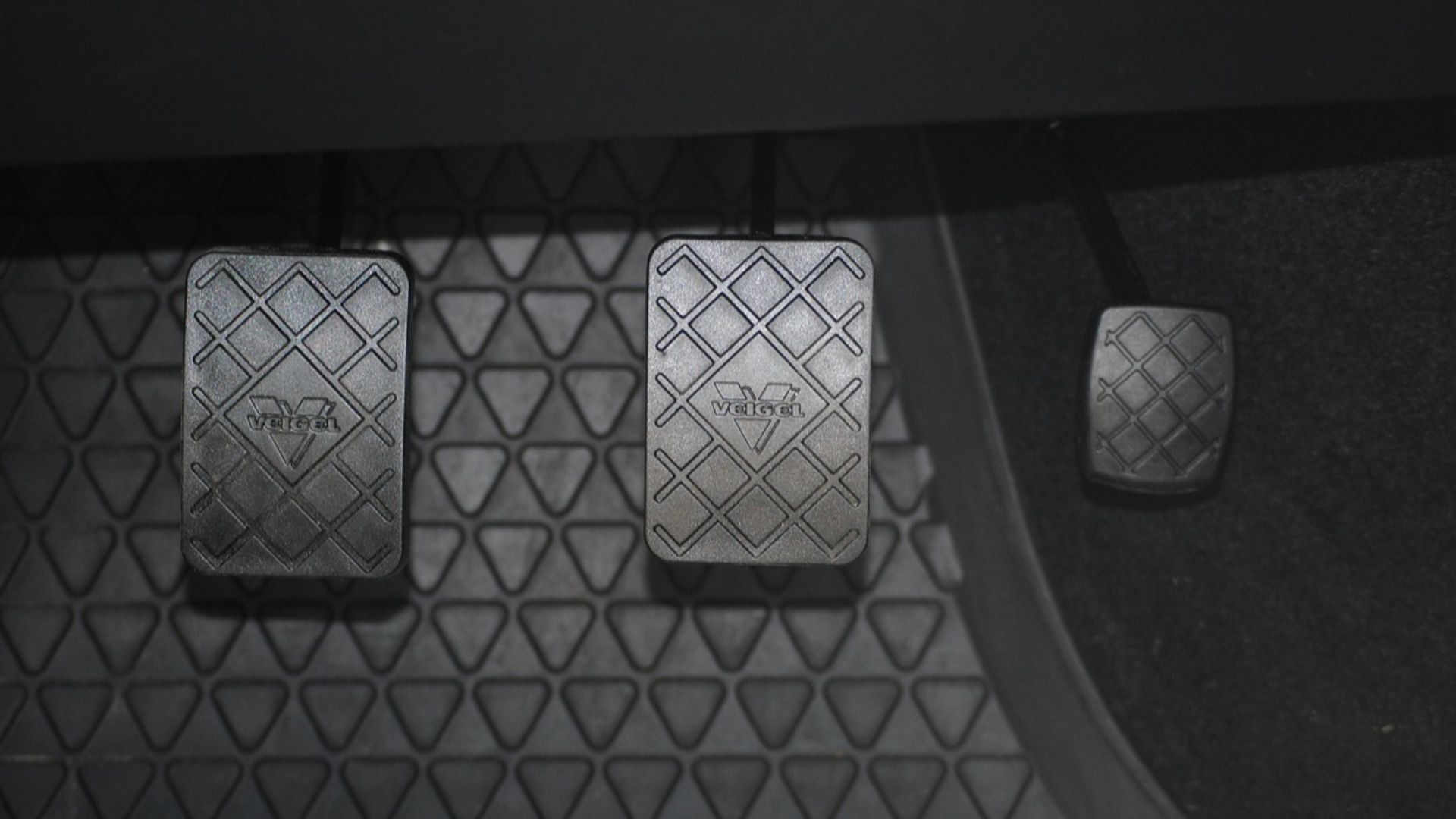
Ease Off Accelerator During Shifts
Full-throttle shifts slam transmission clutches harder than necessary. Lifting slightly during gear changes reduces torque spikes and internal wear. A gentle touch extends gearbox life by cutting forces that cause slippage.
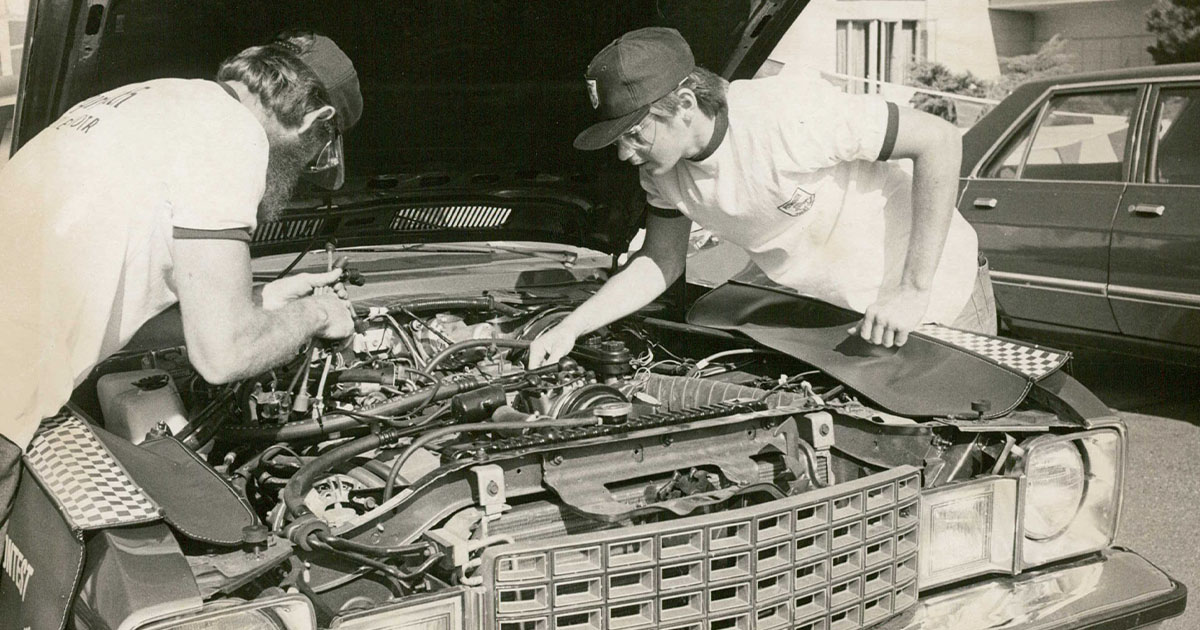
Plan Preventive Repairs Proactively
Planning replacements saves 30 to 50% versus emergency roadside fixes. Anticipate alternator and water pump wear before they strand you. This mindset stops cascading failures and keeps aging rides running instead of sitting.
Replace Power Steering Fluid Regularly
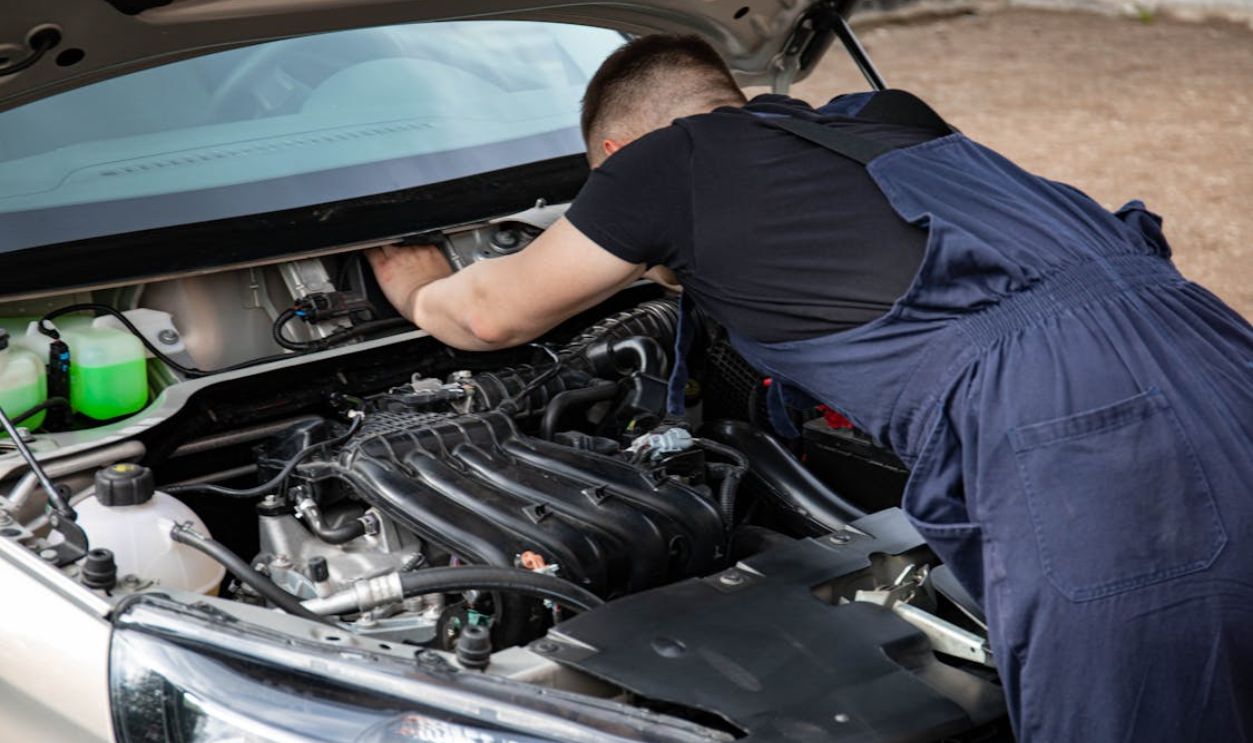
Old steering fluid breaks down and causes whining pumps and eventual failure. Flush it at 50,000-mile intervals to prevent seal and valve damage. Most people skip this one, but it maintains smooth handling for life.
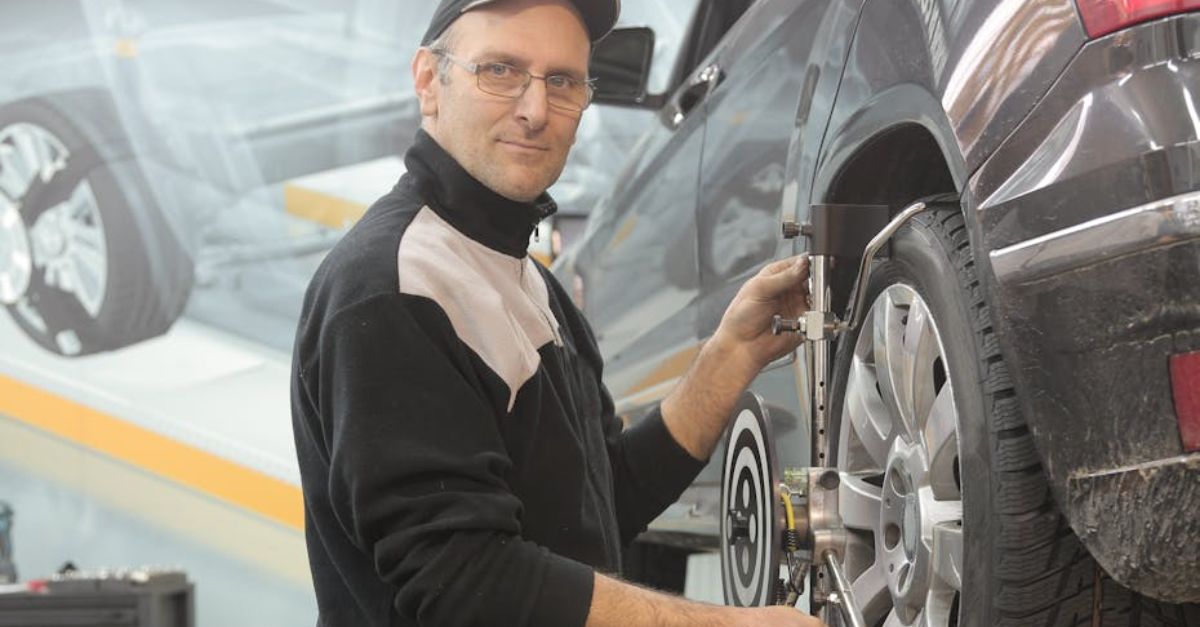
Get Wheel Alignments Annually
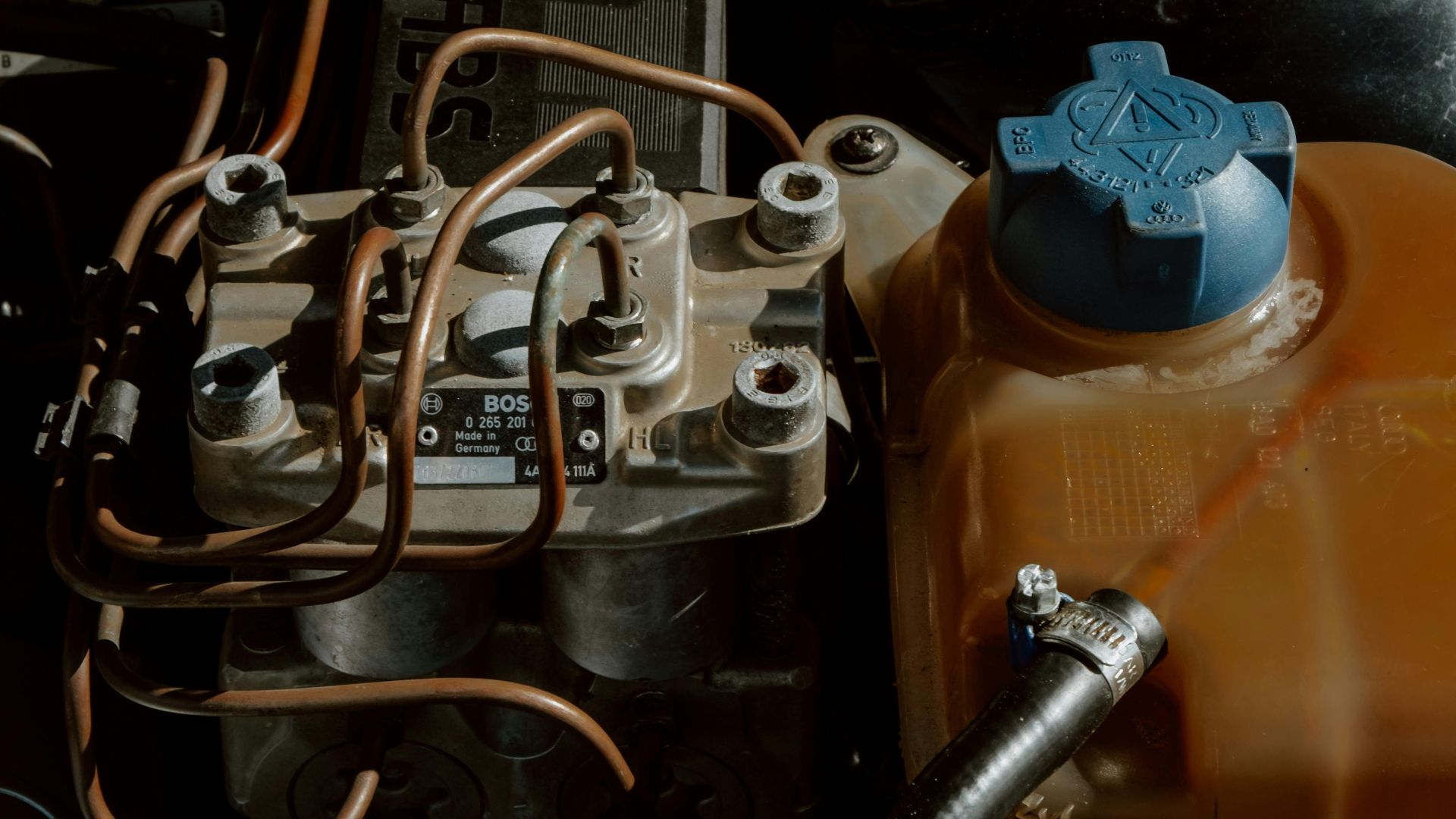
Bad angles chew tires unevenly and cost hundreds in early replacements. So, it’s important to check alignment once a year, especially after hitting big potholes or curbs. Proper angles ensure even contact and keep your car tracking straight to high mileage.
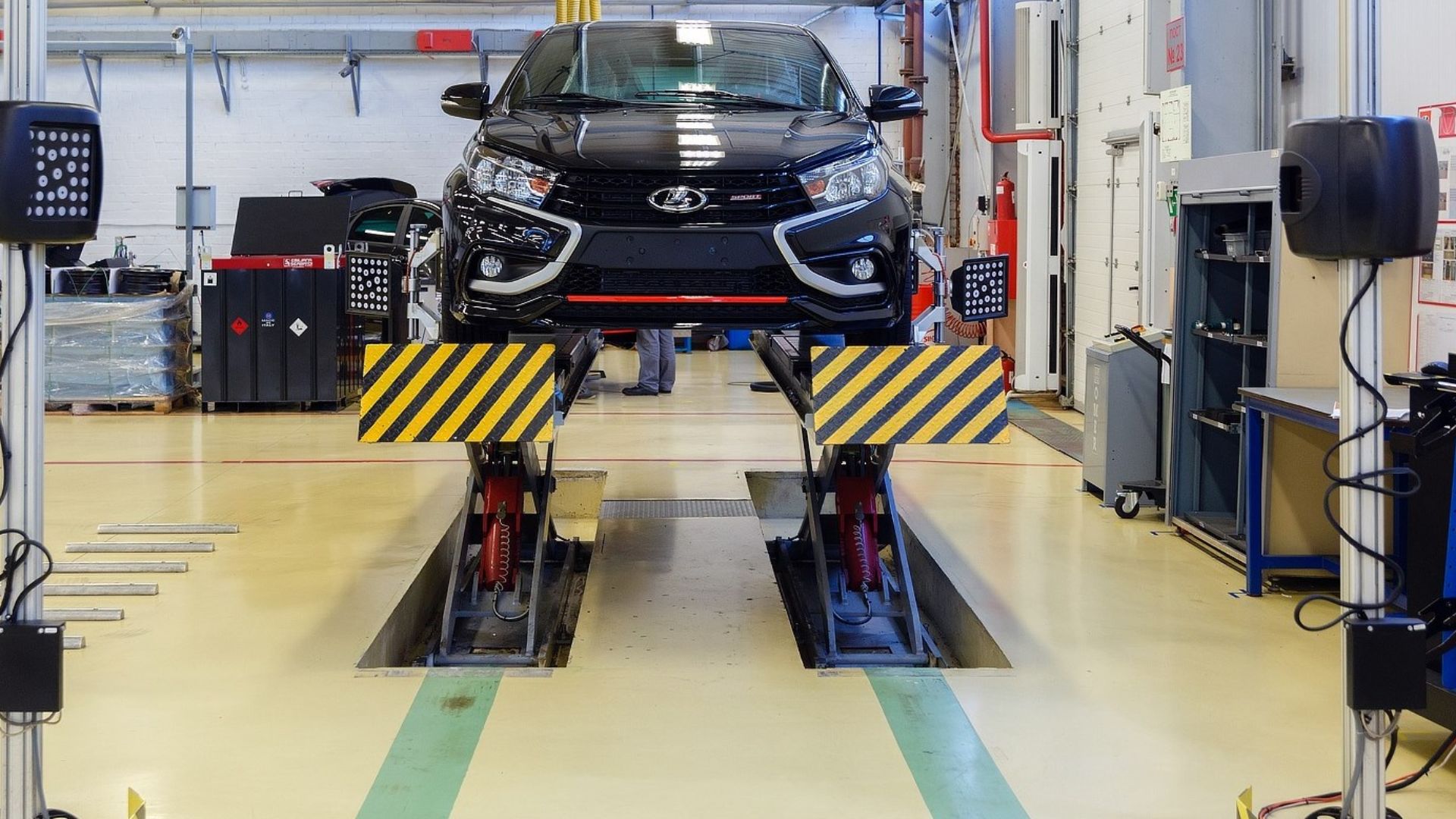 Dmitry Racer, Wikimedia Commons
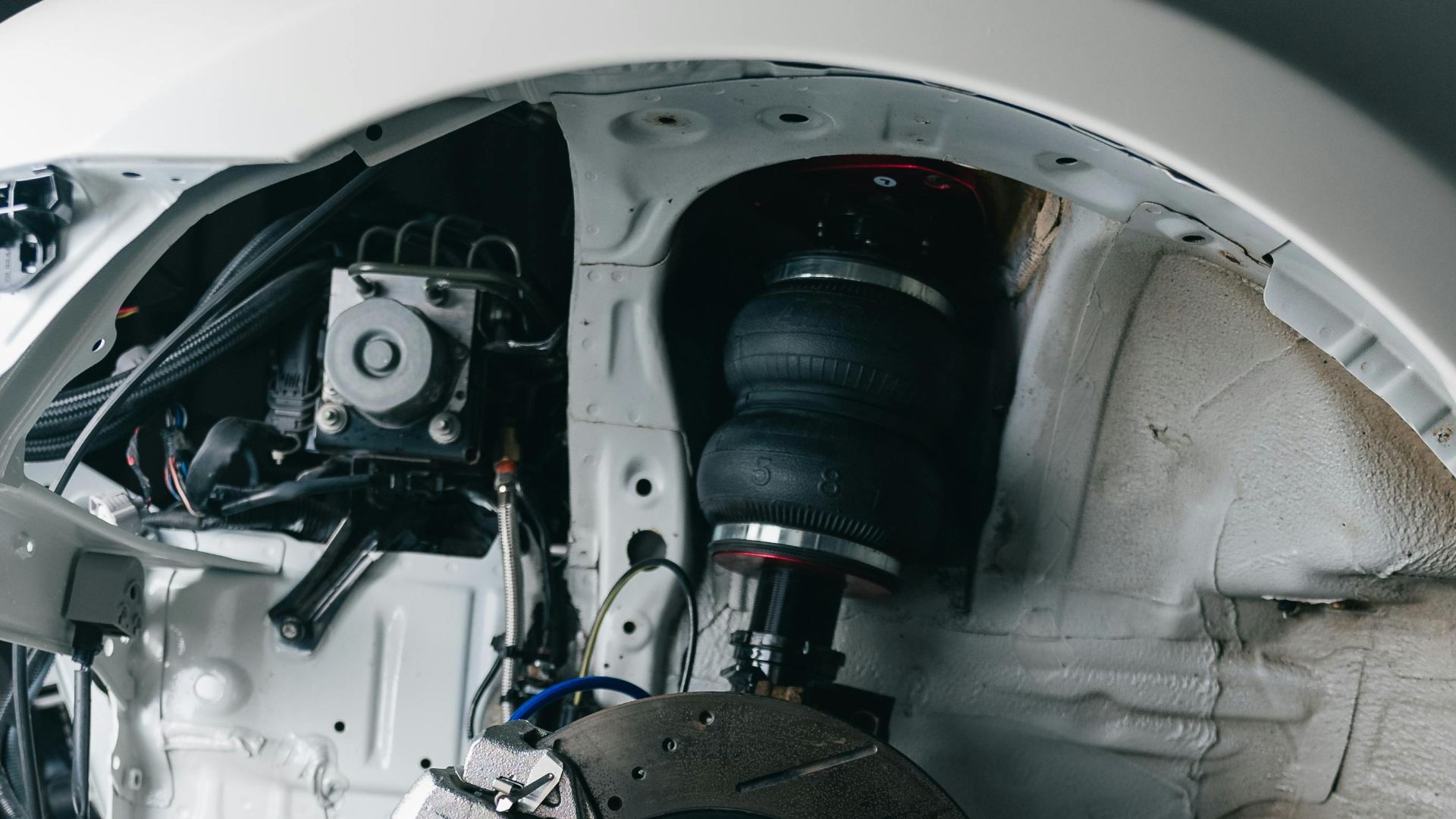
Maintain Suspension Components In Pairs
Replacing just one shock creates lopsided handling that chews through tires. Do them in pairs to keep things balanced and riding smoothly over bumpy roads. Matched wear reduces stress elsewhere and maintains stability all the way up.