Driving Economies
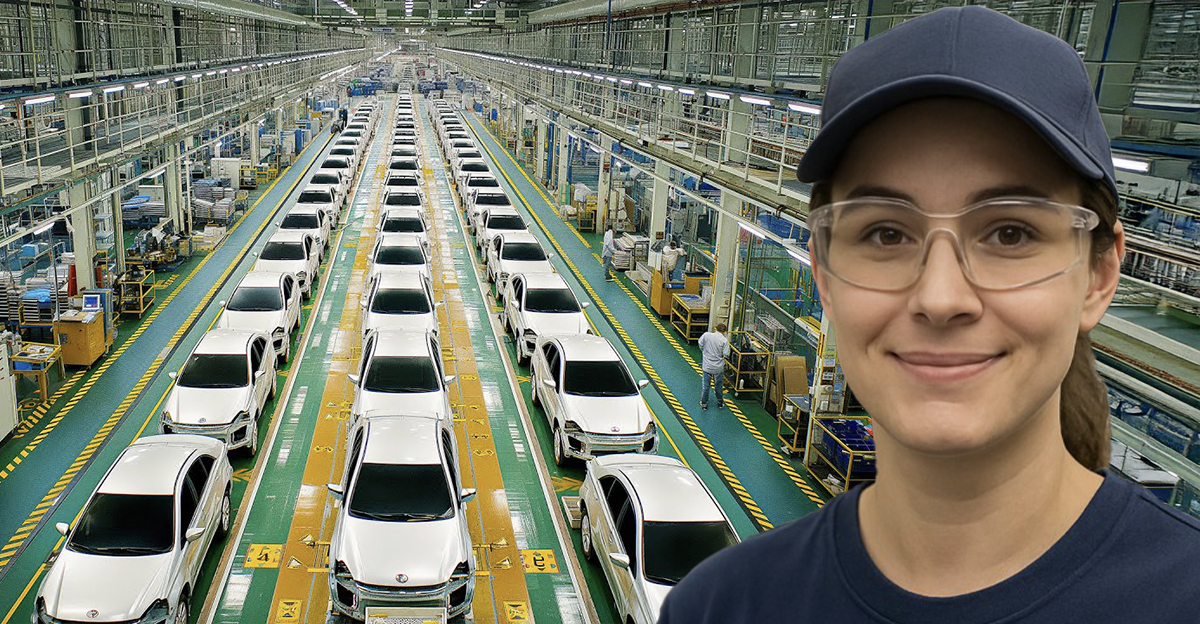
The world’s automotive plants are like miniature cities of steel. From vast complexes that stretch for miles to production lines churning out millions of vehicles, these plants are what fuel global car culture and a good part of the world economy as well. Today’s giants keep expanding, while the legendary plants of the past are a time capsule of the industry’s evolution.
Volkswagen Wolfsburg Plant
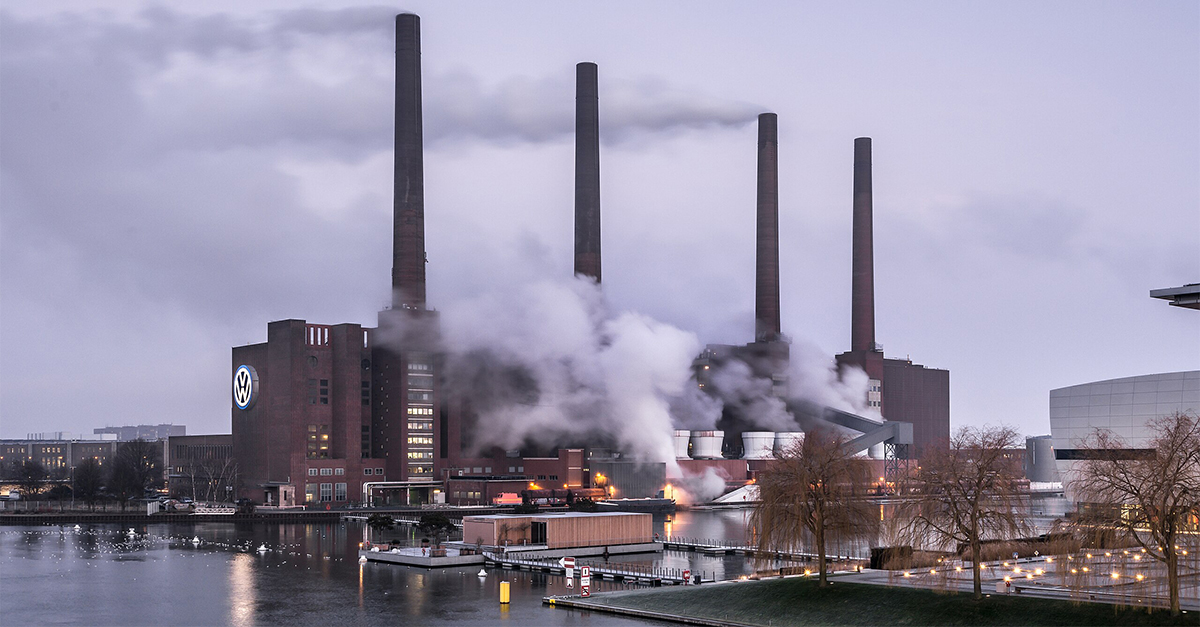
Located in Wolfsburg, Germany, Volkswagen’s Wolfsburg Plant is the largest automotive factory in the world by size. At over 70 million square feet, it cranks out hundreds of thousands of vehicles annually, including the Golf. This plant is pretty much a city within a city, complete with its own infrastructure.
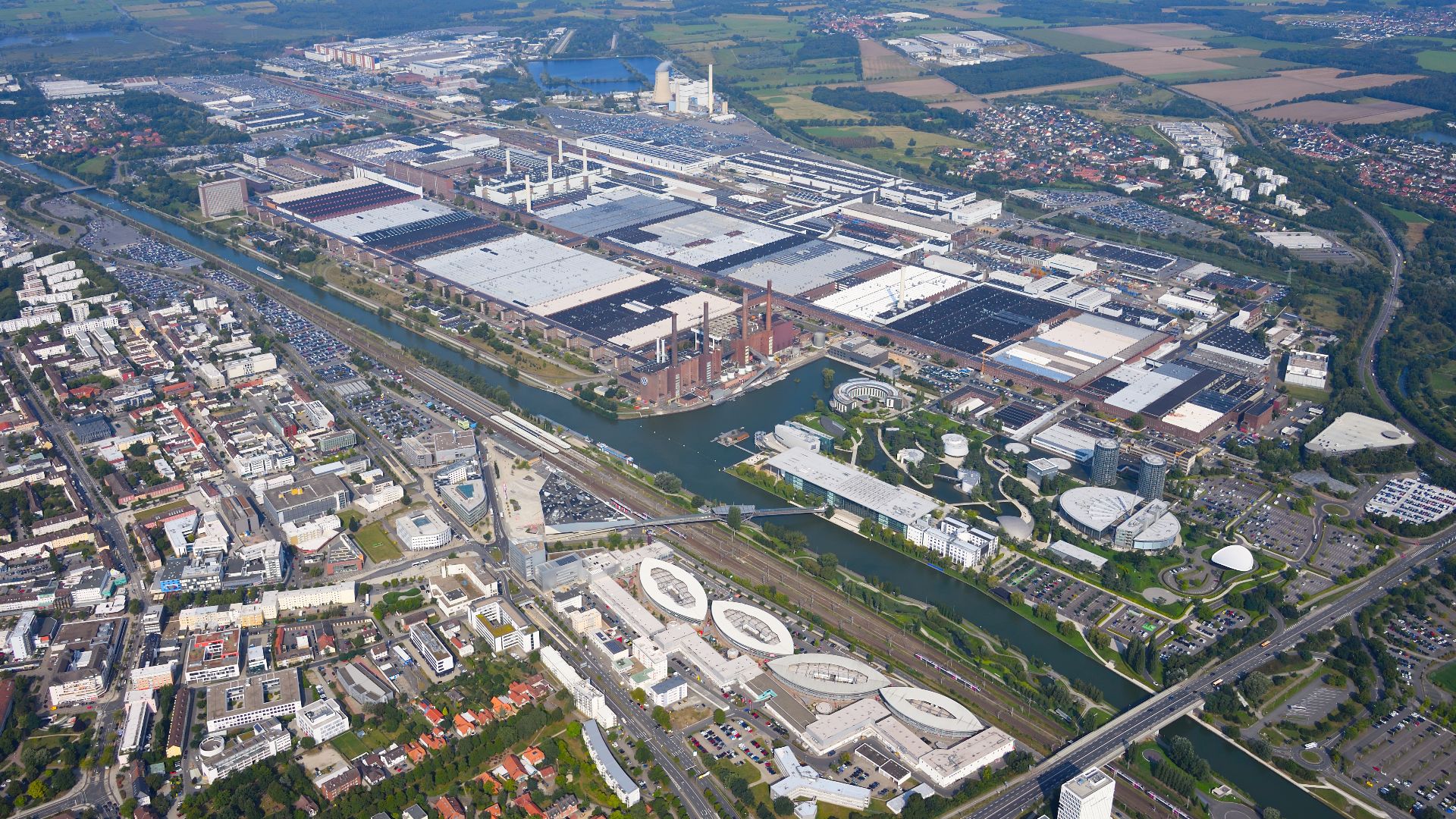 Carsten Steger, Wikimedia Commons
Hyundai Ulsan Complex
The Hyundai Ulsan complex in South Korea is the world’s largest auto manufacturing facility by production volume. It produces over 1.5 million vehicles annually across five plants, or one car every 12 seconds. At an area of 54 million square feet, it includes a hospital, fire station, and even a port to ship the cars around the world.

Toyota Motomachi Plant
Another Asian colossus is Toyota’s Motomachi Plant in Aichi Prefecture, Japan. Covering over 4.3 million square feet, it was at one time Toyota’s flagship production site. Known for producing iconic models such as the Crown and Supra, the plant is symbolic of Toyota’s meticulous production systems and aggressive innovation in lean manufacturing.
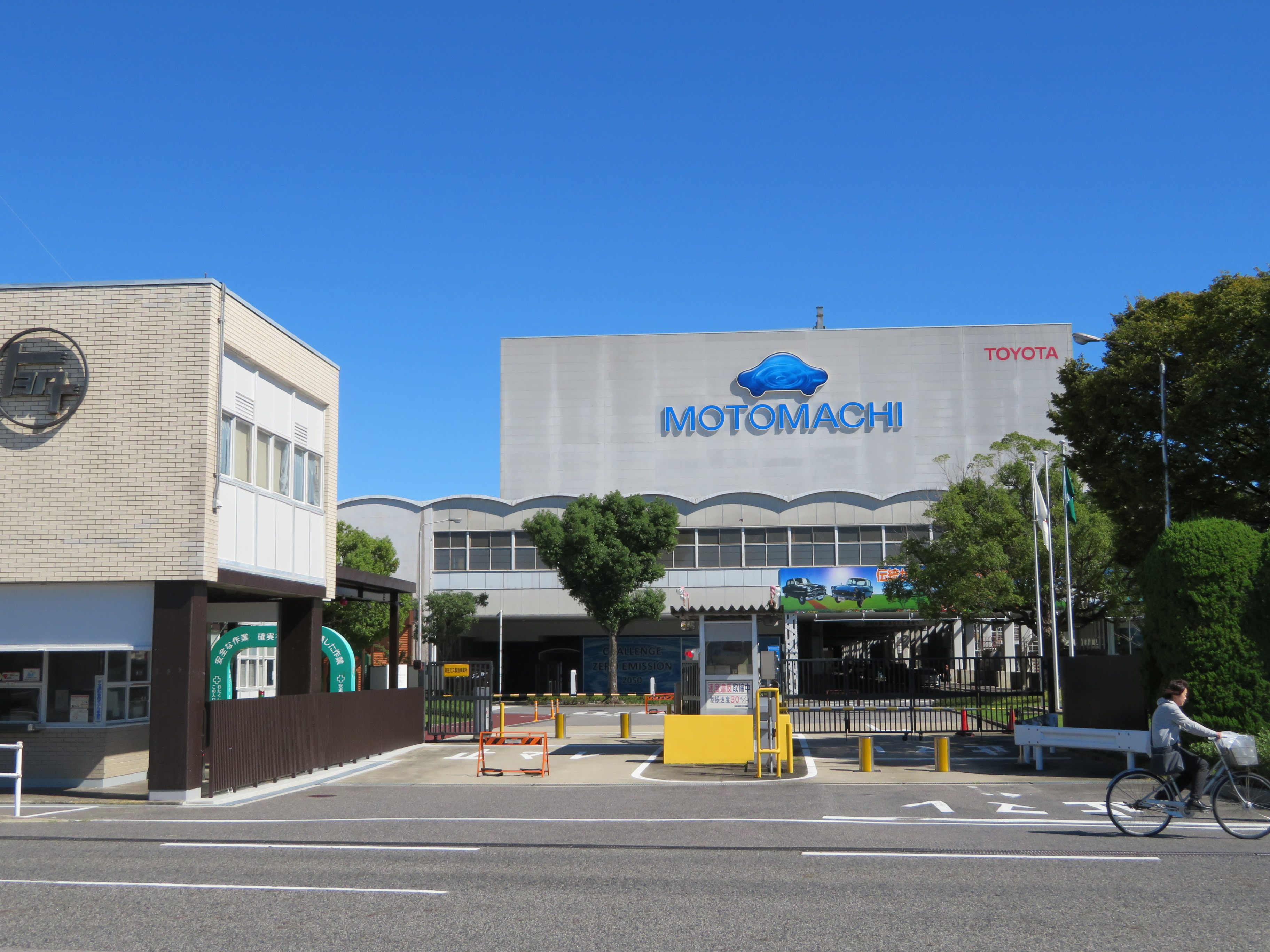 Evelyn-rose, Wikimedia Commons
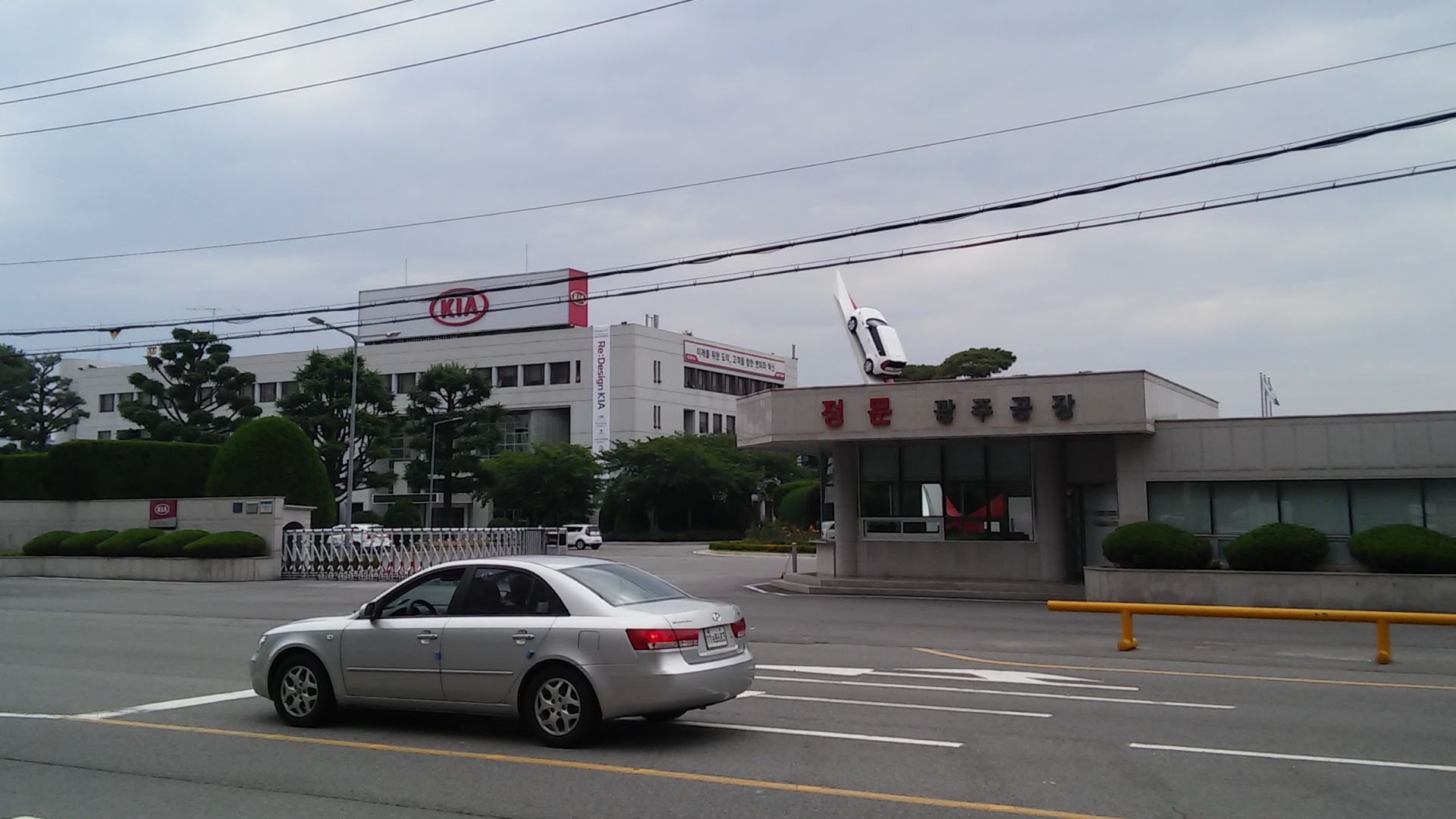
Kia Hwaseong Plant
The Kia Hwaseong Plant in South Korea occupies approximately 14 million square feet. It pushes out popular models like the K5 and Sorento. With today’s automation and strong export capacity, the facility is proof of Kia’s growing global presence in the automotive industry.
Ford Dearborn Rouge Complex
The Ford River Rouge Complex in Dearborn, Michigan was once the largest integrated factory in the world. At its peak, it covered 16 million square feet and employed over 100,000 workers. Though downsized today, it is the site of the Dearborn Truck Plant that produces Ford F-series pickups, and it remains a historic symbol of early American automotive industry strength.
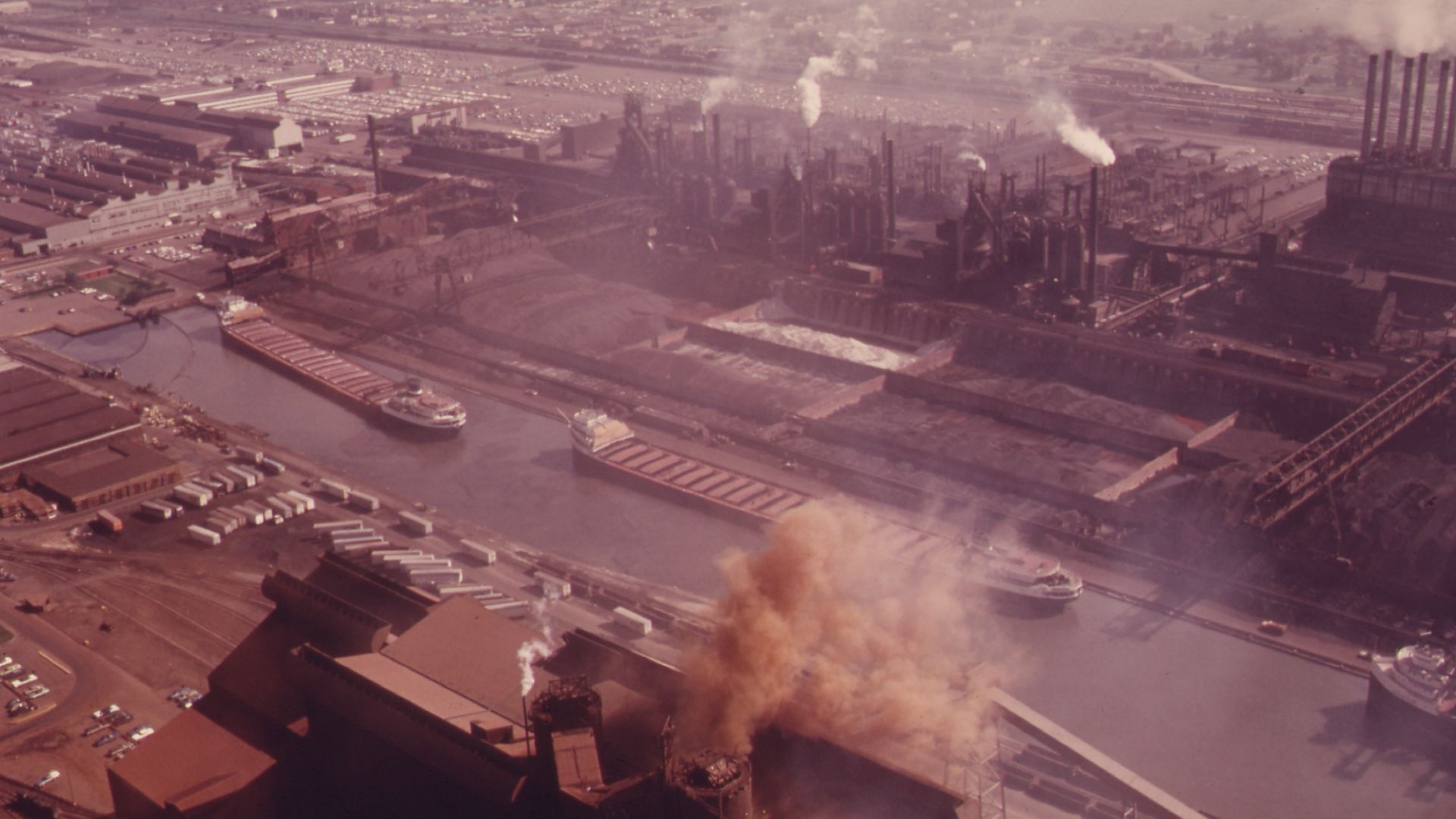
BMW Dingolfing Plant
BMW’s Dingolfing Plant in Germany is its largest production site, at an area of more than 13 million square feet. Producing luxury models such as the 7 Series and electric iX, it’s another modern blend of assembly tradition and sophisticated technology to deliver high-value vehicles.
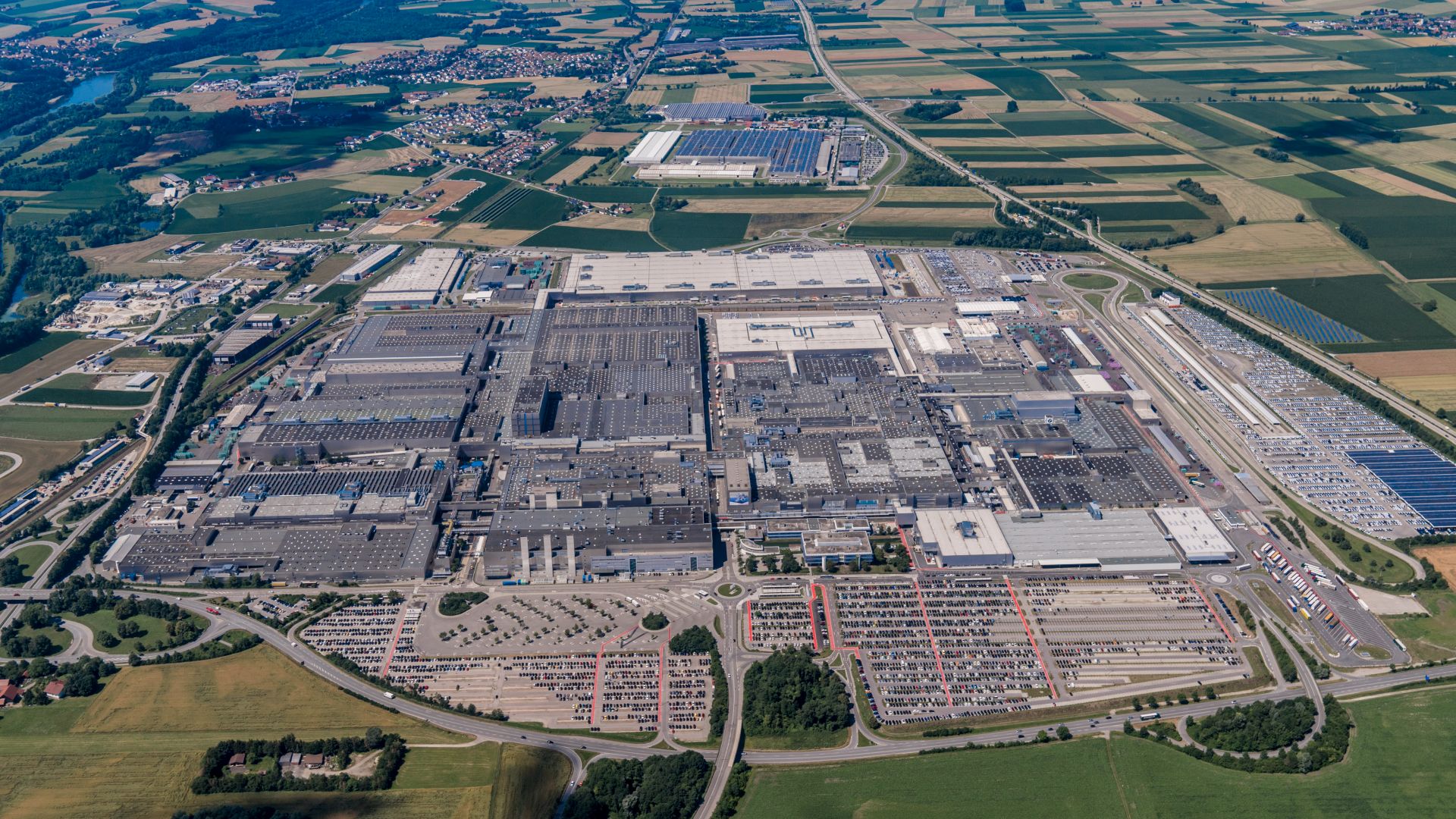 BMW Werk Dingolfing Öffentlichkeitsarbeit, Wikimedia Commons
General Motors Arlington Plant
GM’s Arlington Assembly in Texas occupies 4.25 million square feet. It specializes in large SUVs like the Chev Suburban, GMC Yukon, and Cadillac Escalade. This plant is a cornerstone of GM’s North American production and one of its most profitable facilities.

Nissan Oppama Plant
Nissan’s Oppama Plant in Japan produces vehicles such as the Leaf and Note. With an area of several million square feet, it emphasizes advanced automation and environmentally conscious processes. The plant is part of Nissan’s shift toward electric vehicle production while maintaining large-scale efficiency.
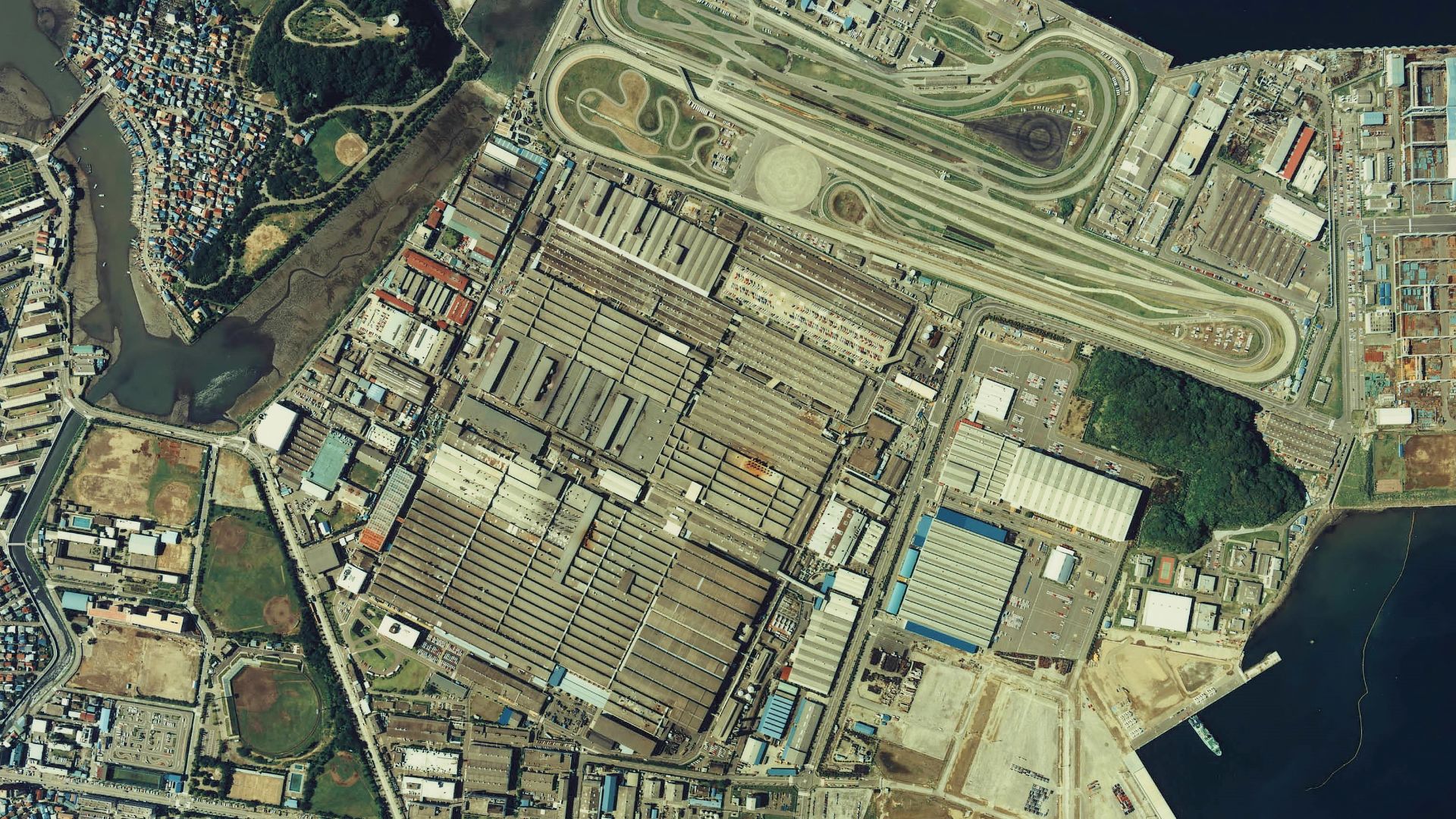 Ministry of Land, Infrastructure, Transport and Tourism, Wikimedia Commons
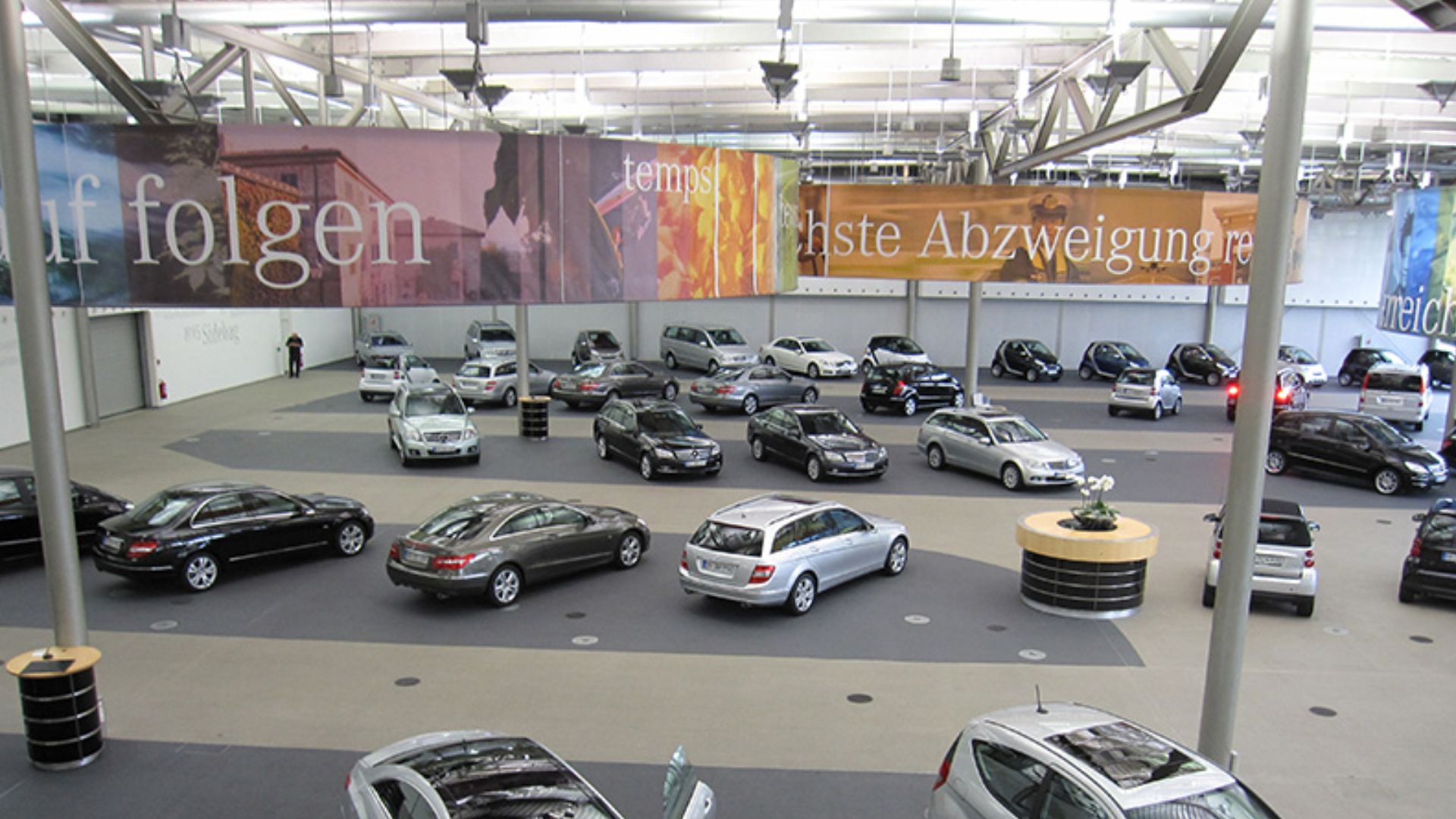
Mercedes-Benz Sindelfingen Plant
The Mercedes-Benz Sindelfingen Plant in Germany covers 7 million square feet. Here is where high-end models like the S-Class, E-Class, and Maybach are assembled. With a workforce up into the tens of thousands, it’s a major hub for engineering excellence and luxury automotive development.
 InSapphoWeTrust from Los Angeles, California, USA, Wikimedia Commons
Tesla Gigafactory Shanghai
Tesla’s Gigafactory in Shanghai, China, spans more than 9 million square feet and is still growing. It produces hundreds of thousands of Model 3 and Model Y vehicles annually. This facility is Tesla’s biggest export hub, showing the company’s rapid scaling ability from offshore.
 China News Service, Wikimedia Commons
Volkswagen Puebla Plant
Volkswagen’s Puebla Plant, 74 miles southeast of Mexico City, is one of the biggest car factories in North America. With more than 12 million square feet of space, it has produced pivotal models like the Beetle and Jetta. The plant is vital to VW’s North American operations.
 The Car Making World: VW MEXICO | Made in Germany, DW News
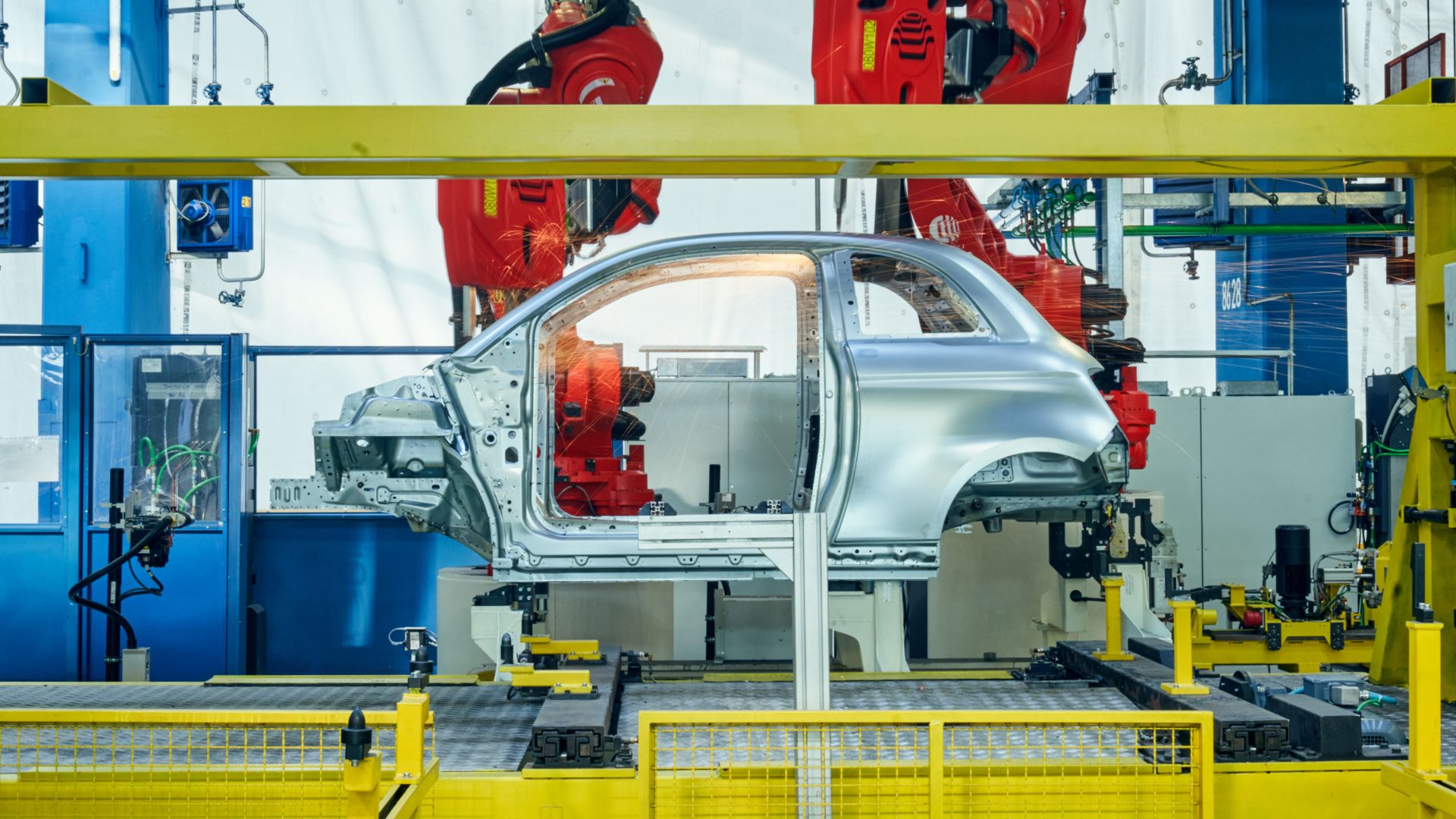
Fiat Mirafiori Plant
Located in Turin, Italy, the Fiat Mirafiori Plant was at one time Europe’s largest factory. It covered more than 18 million square feet at its peak. Though production has slowed, it’s still a symbol of Fiat’s major role in European automotive history and its industrial legacy.
Honda Marysville Plant
Honda’s Marysville Auto Plant in Ohio is one of the biggest in the U.S., at 8 million square feet. Marysville was the first Japanese car plant in America and it today produces Accord and Acura models. Its success had a major impact on how foreign automakers operated on North American soil.
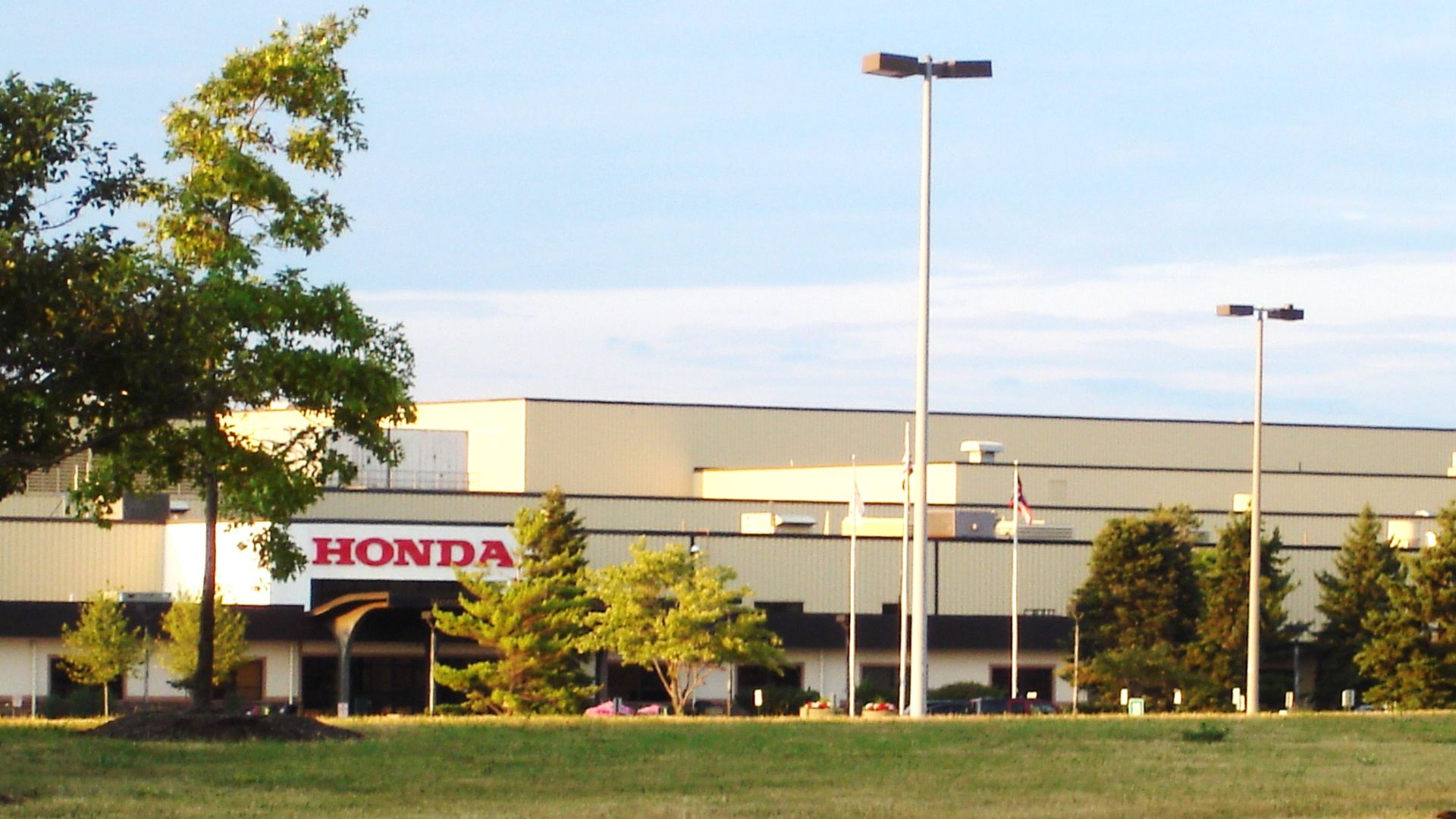 Wiki Historian N OH (talk), Wikimedia Commons
Renault Flins Plant
The Renault Flins Plant in France, spanning 5.7 million square feet, was once one of the biggest plants in Europe. In the past it produced millions of cars, but is now being restructured to focus on recycling and sustainable projects. It’s one way that older plants can adapt to meet modern needs.
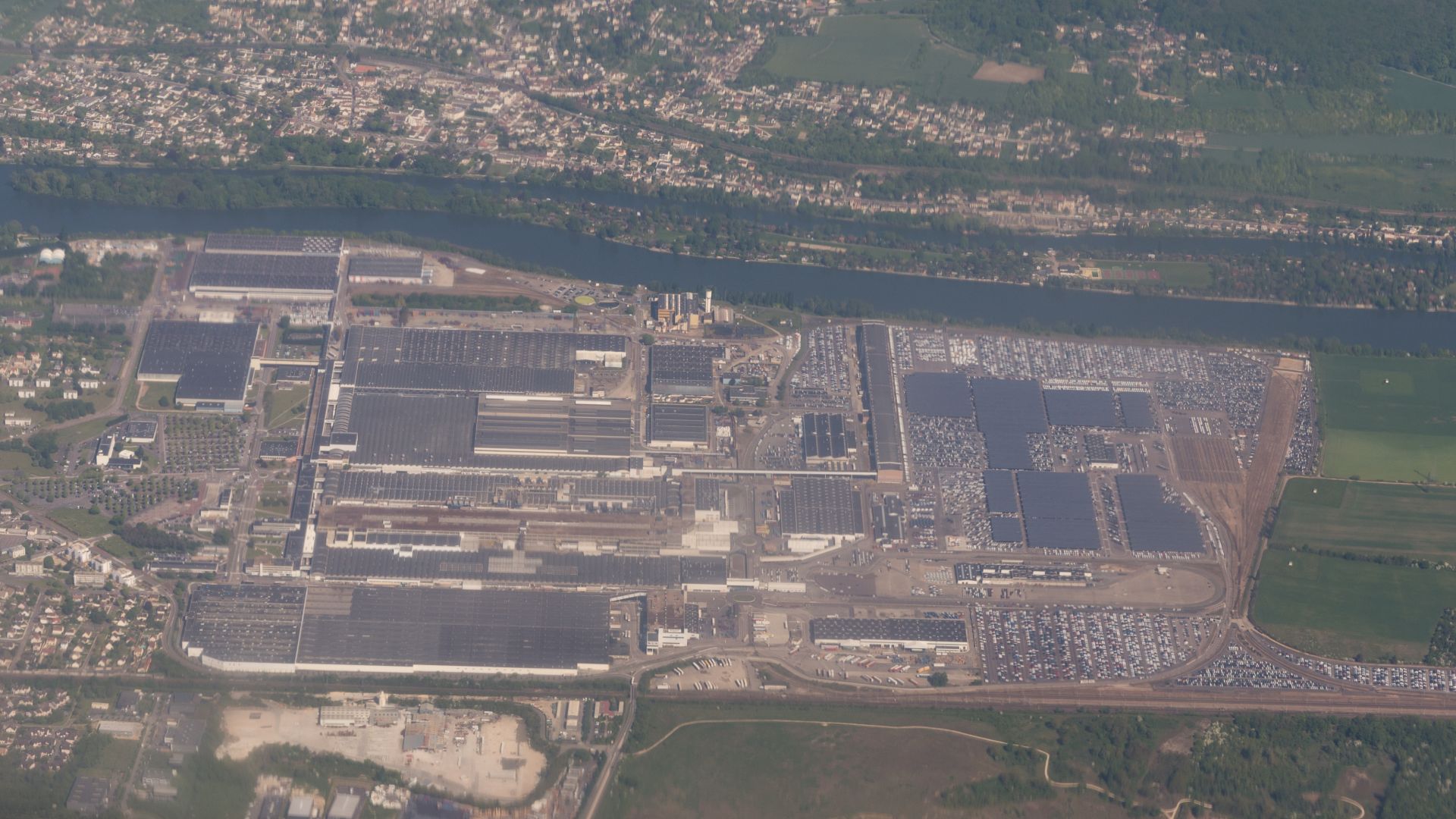
Peugeot Sochaux Plant
The Peugeot Sochaux Plant in France has been in production since 1912. Spanning millions of square feet, it has produced more than 20 million vehicles over its lifetime. It’s one of the most historic facilities in Europe.

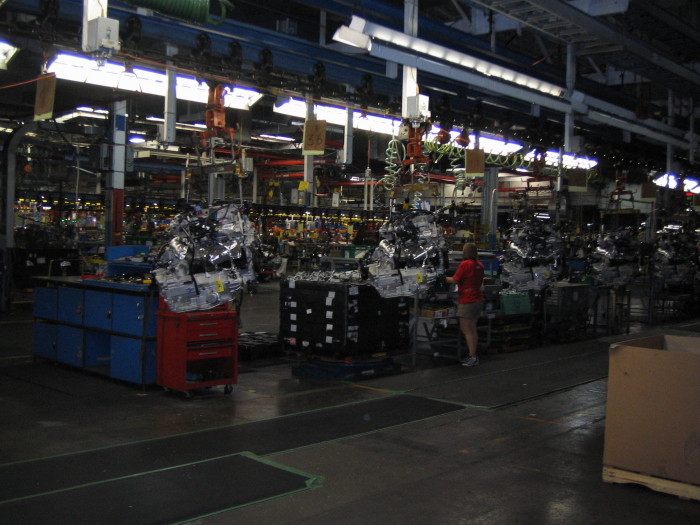
GM Oshawa
At 5.1 million square feet, the Oshawa plant was the biggest automotive factory in Canada, and at one time one of the largest in the world. Car production at Oshawa ceased in 2018, but the popularity of the Silverado HD pickup brought back some production in 2022.
 Robert T Bell from Oshawa, Canada, Wikimedia Commons
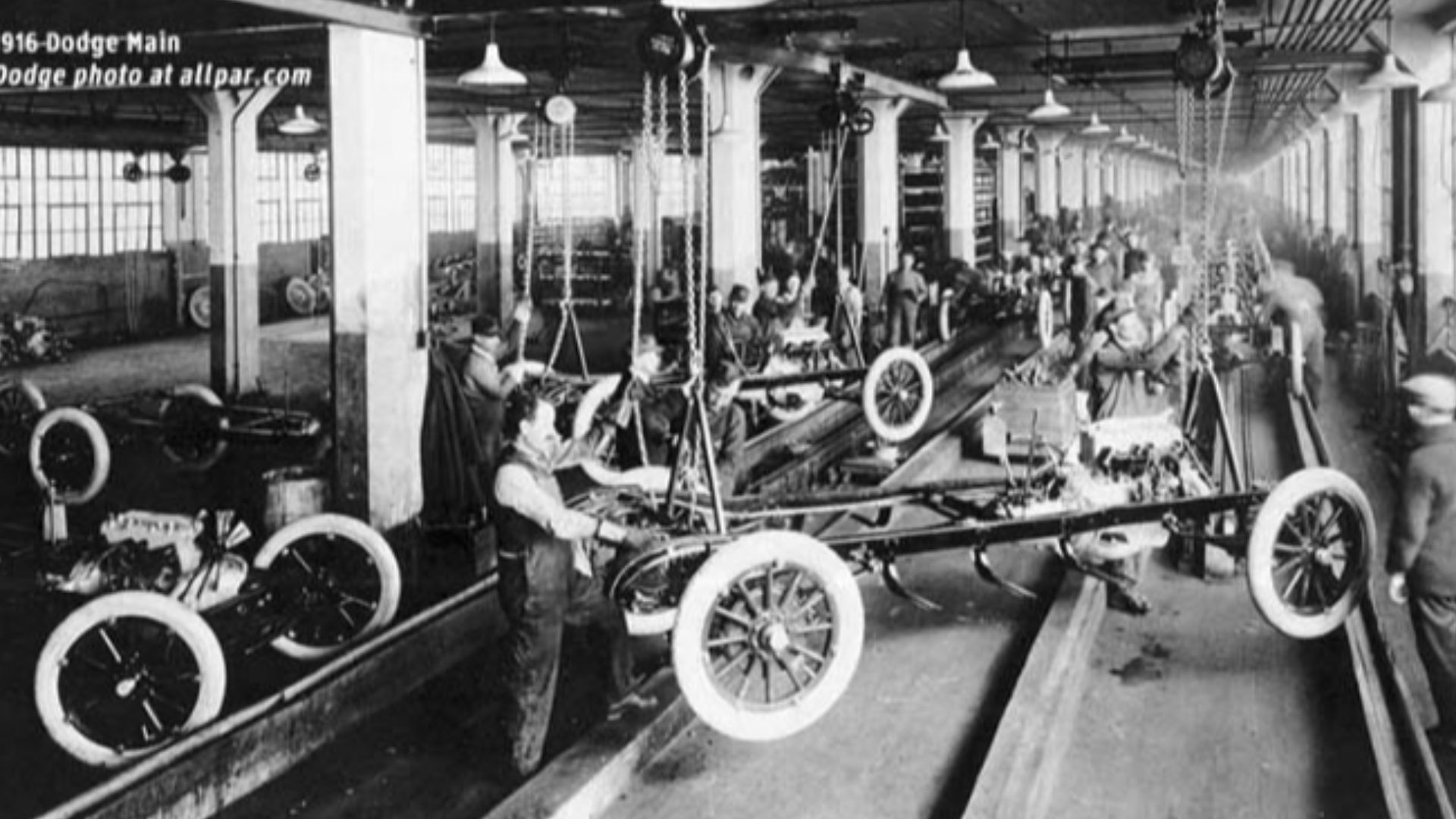
Historic Hamtramck, Michigan
This plant near downtown Detroit was the principal factory for Dodge from 1911–1980 before it was sold to GM in 1981 as part of Chrysler’s restructuring. The facility occupies 4.5 million square feet. As of 2021 the plant was producing GMC Hummer electric vehicles.
 Unknown author, Wikimedia Commons
Historic Willow Run Plant
The Willow Run Plant in Michigan was famous for producing B-24 bombers during World War II before being shifted over for car production by GM. At its peak, it was one of the biggest plants in the world, but it eventually closed in the 1990s.
 Ann Rosener, Wikimedia Commons
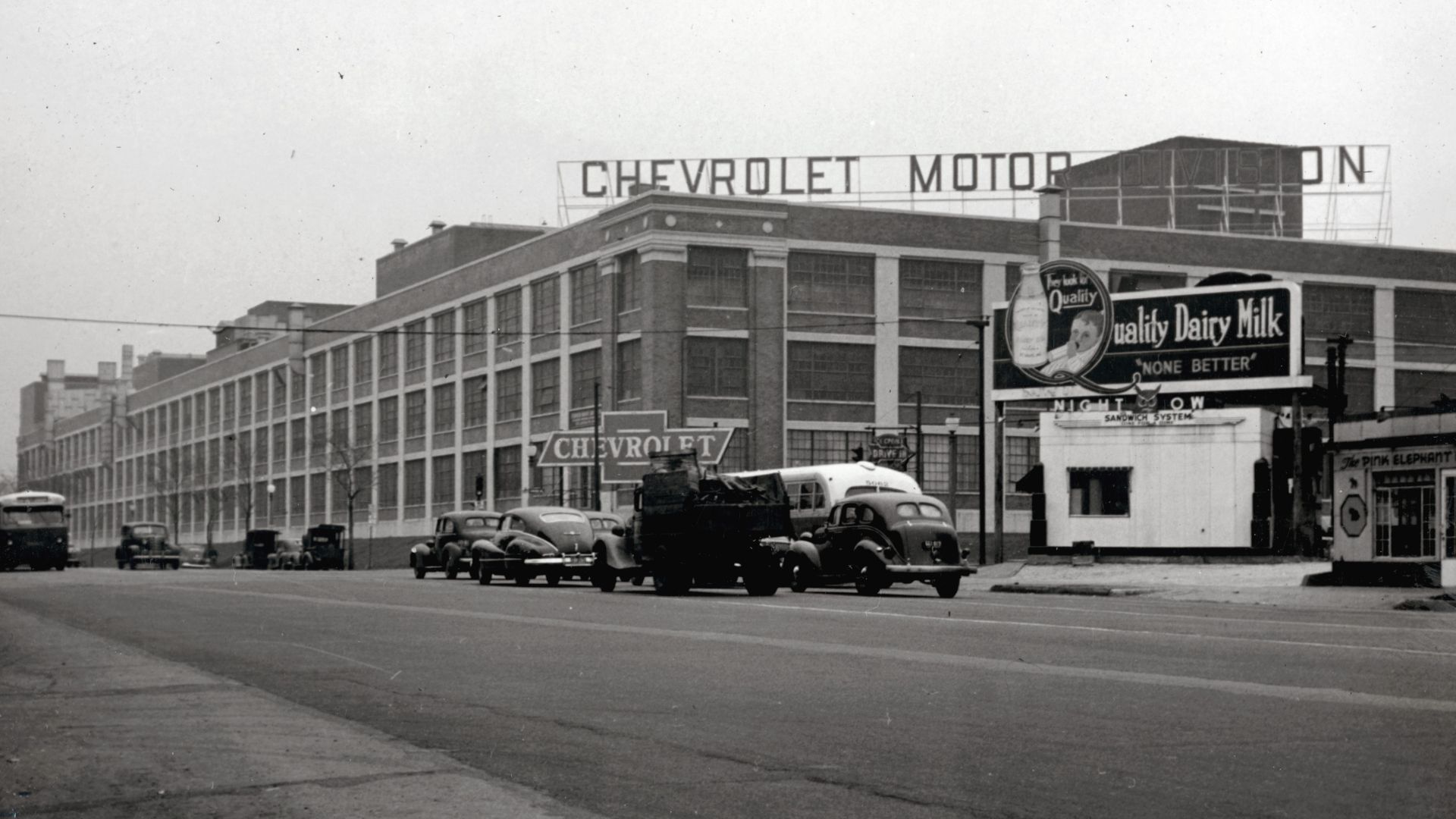
Historic St. Louis Assembly
General Motors’ St. Louis Assembly Plant was once one of the biggest in North America. Known for producing WWII amphibious vehicles and later the Chevrolet Corvette and trucks, it was in production for decades before it closed in 1987. The gaping hole left by its absence marked the end of an era in American automotive history as production was farmed out to newer and more cost-effective facilities
 Joseph Hampel, Wikimedia Commons
Comparing Size And Output
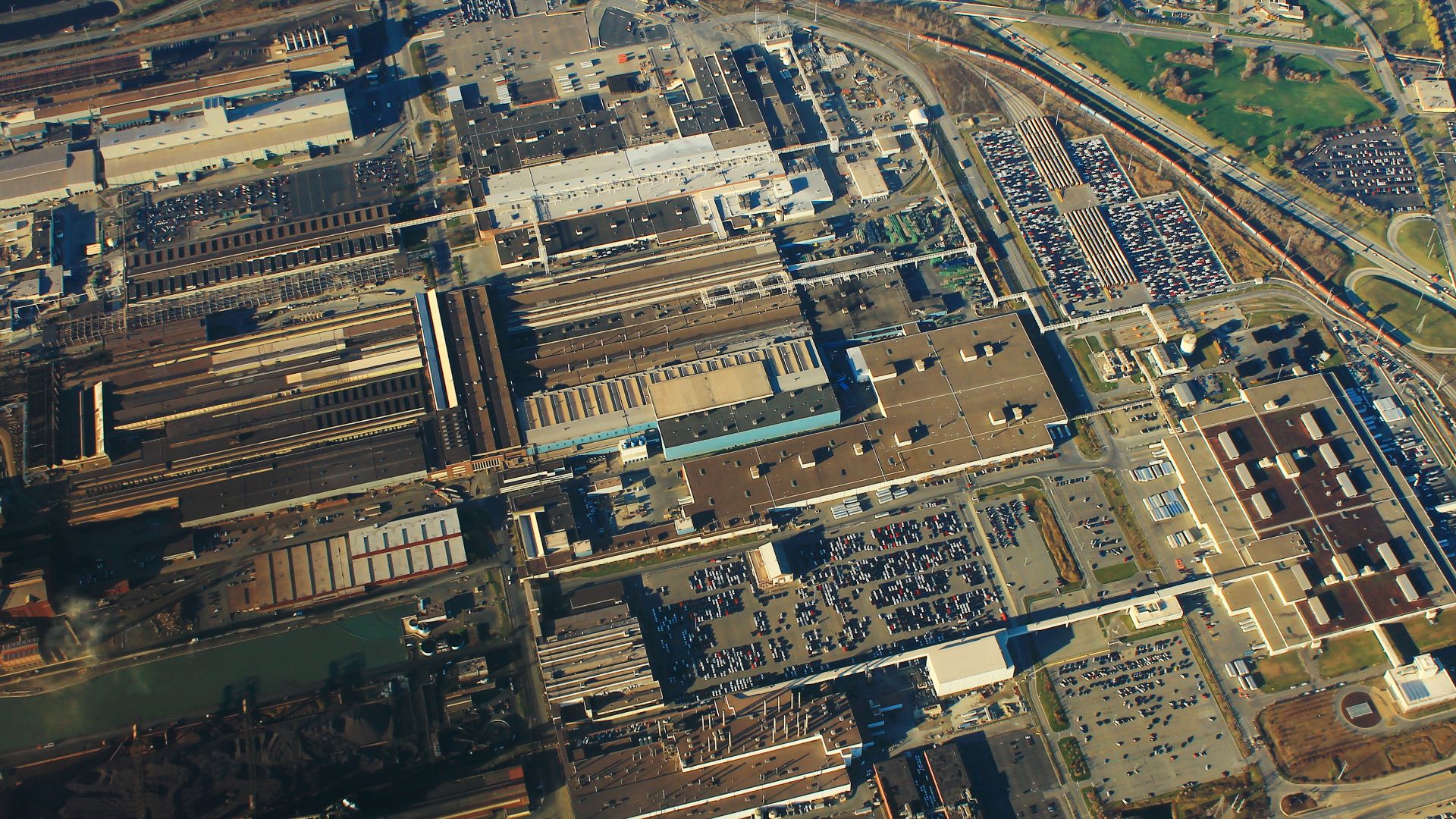
Plants like Wolfsburg and Ulsan are the biggest in the world in terms of size and production, but smaller plants can still have a major cultural impact along with the boost they bring to the local economy. The Rouge Complex and Willow Run helped shape American automotive history, while Tesla’s Gigafactories define the future. Together, they show the evolution of automotive scale.
 formulanone, Wikimedia Commons
Beating Hearts Of Production
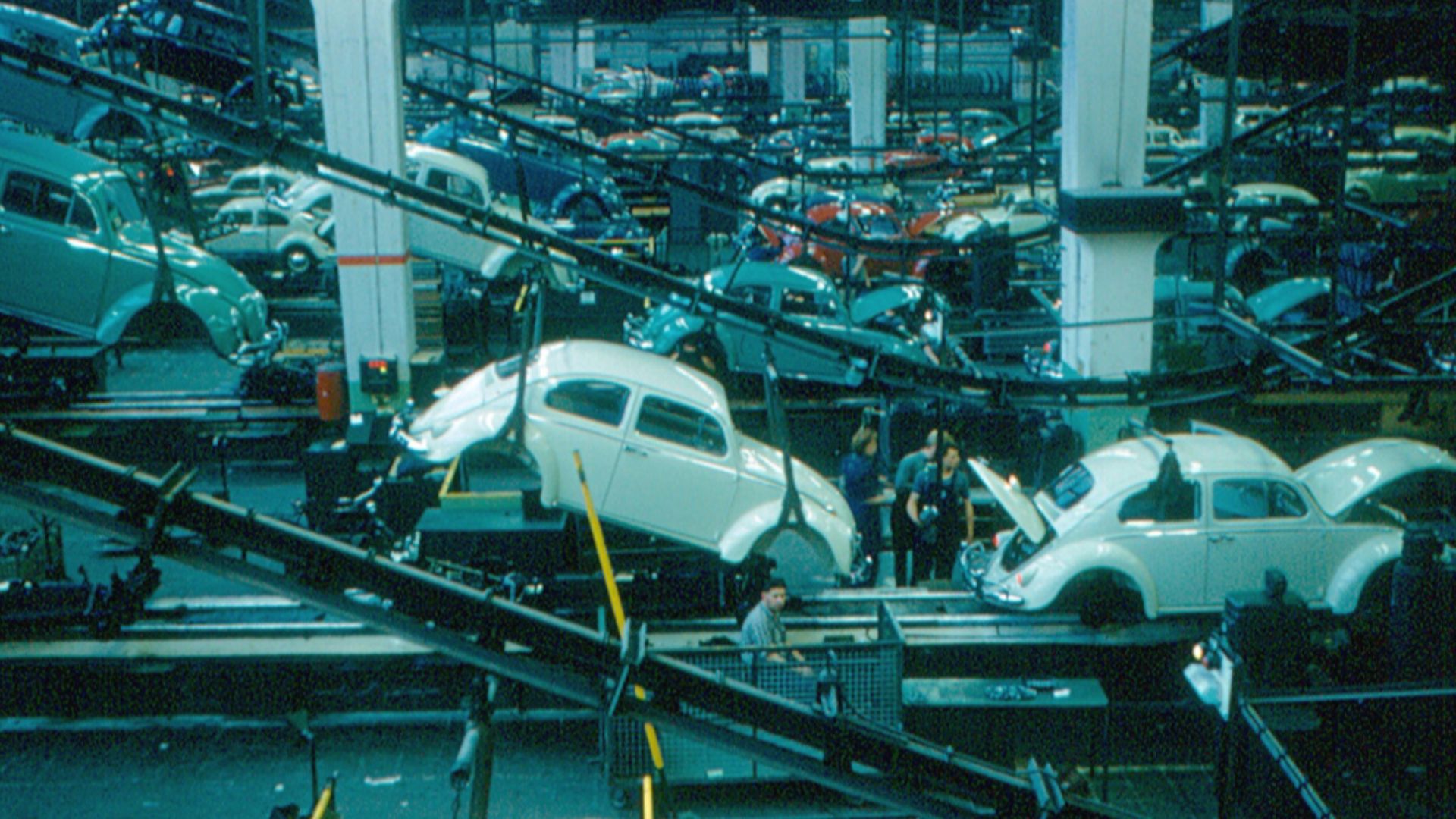
Automotive plants are a reflection of the vision and ambition of their makers. From Wolfsburg’s sprawling city-like layout to Ulsan’s record-setting output, these giants showcase the scale of the global car industry as an endeavor for those who think big and make things happen. The same is true for the closed plants of the past, reminding us all that even the biggest operations have to evolve, or else fade into history.
 Roger Wollstadt, Wikimedia Commons
You May Also Like:
How The Toyota Corolla Became The Best Selling Car Of All Time
The Best V8 Engines In Classic Car History