
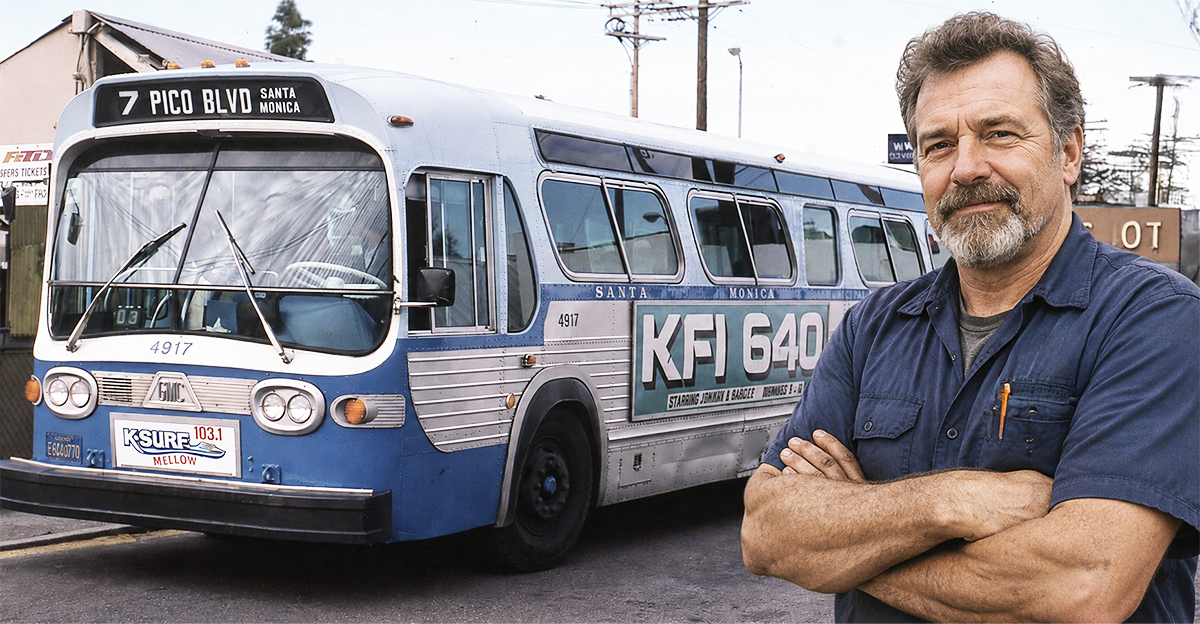
The Engine That Refused To Die
For much of the twentieth century, the distinctive sound of a Detroit Diesel 71 Series engine echoed across North America. Found in buses, trucks, military vehicles, boats, and industrial equipment, these rugged two-stroke diesels earned a reputation for durability, simplicity, and a unique exhaust note that people of a certain age can instantly recognize.
Detroit Diesel's Origins
Detroit Diesel traces its roots back to General Motors. During the 1930s, GM was looking to produce a lightweight, efficient diesel engine suitable for transportation applications. Under the leadership of engineer Charles Kettering, the company developed a family of engines that would become some of the most successful diesels ever produced.
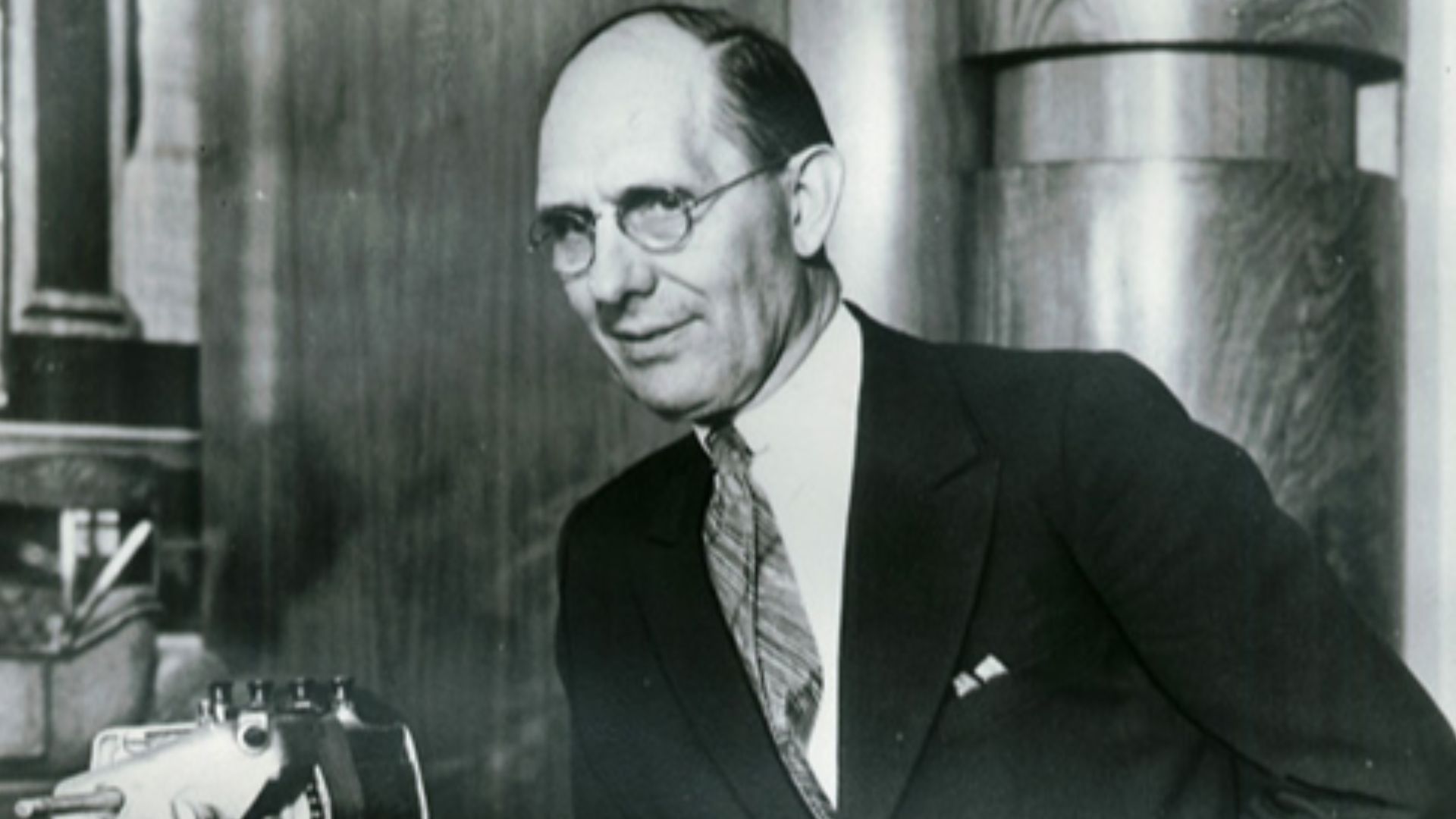 AEMoreira042281, Wikimedia Commons
The Birth Of The Series 71
Introduced in 1938, the Detroit Diesel Series 71 was designed around a modular concept. Each cylinder displaced approximately 71 cubic inches, giving the engine family its name. This approach gave engineers the ability to create engines with varying cylinder counts while sharing many common components.
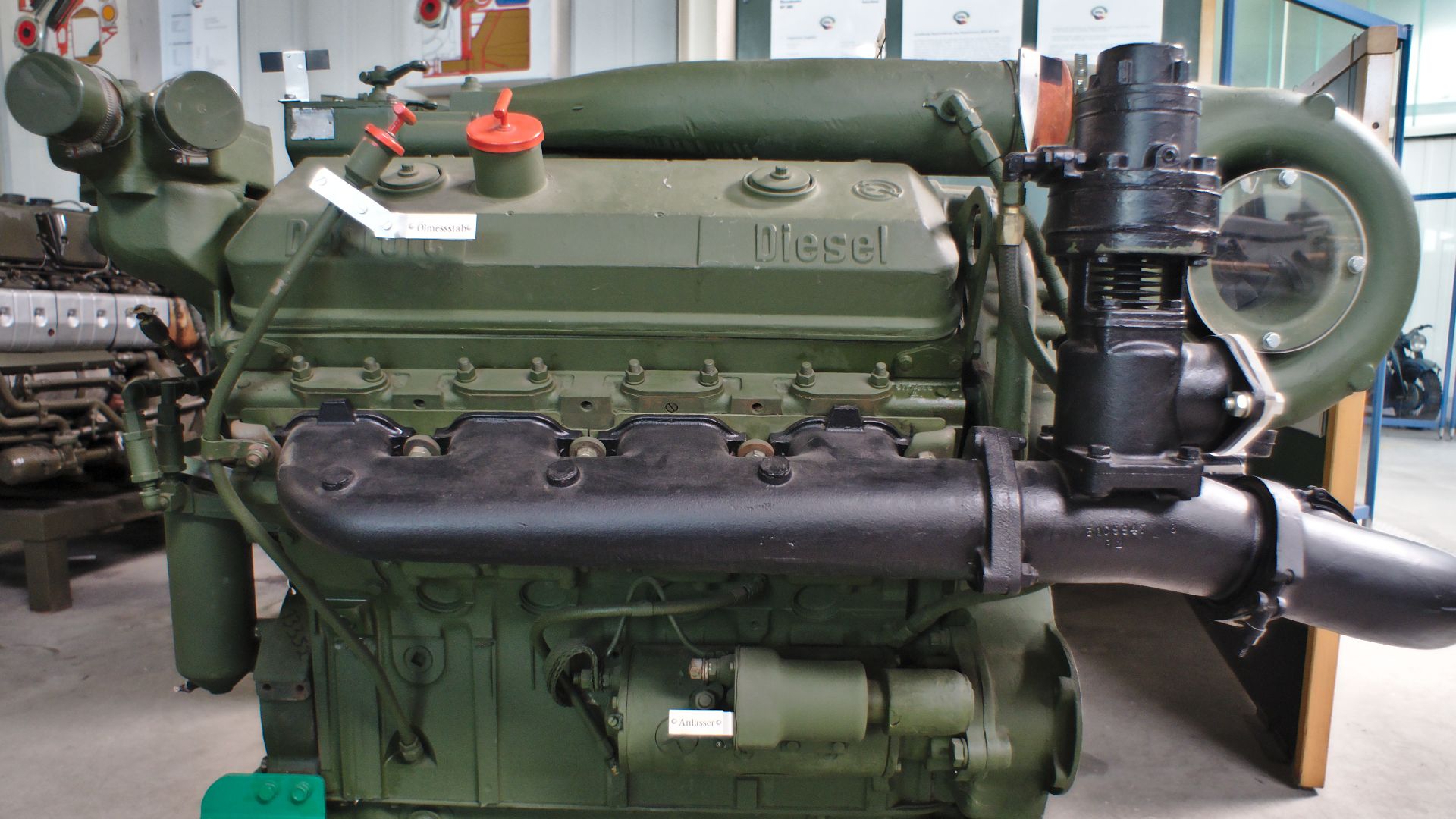 Thomas Vogt from Paderborn, Deutschland, Wikimedia Commons
A Family Of Engines
The Series 71 eventually appeared in several configurations. Buyers could choose inline engines such as the 2-71, 3-71, 4-71, and 6-71, along with V-type versions including the 6V71, 8V71, 12V71, and even 16V71. This flexibility helped the platform serve countless applications.
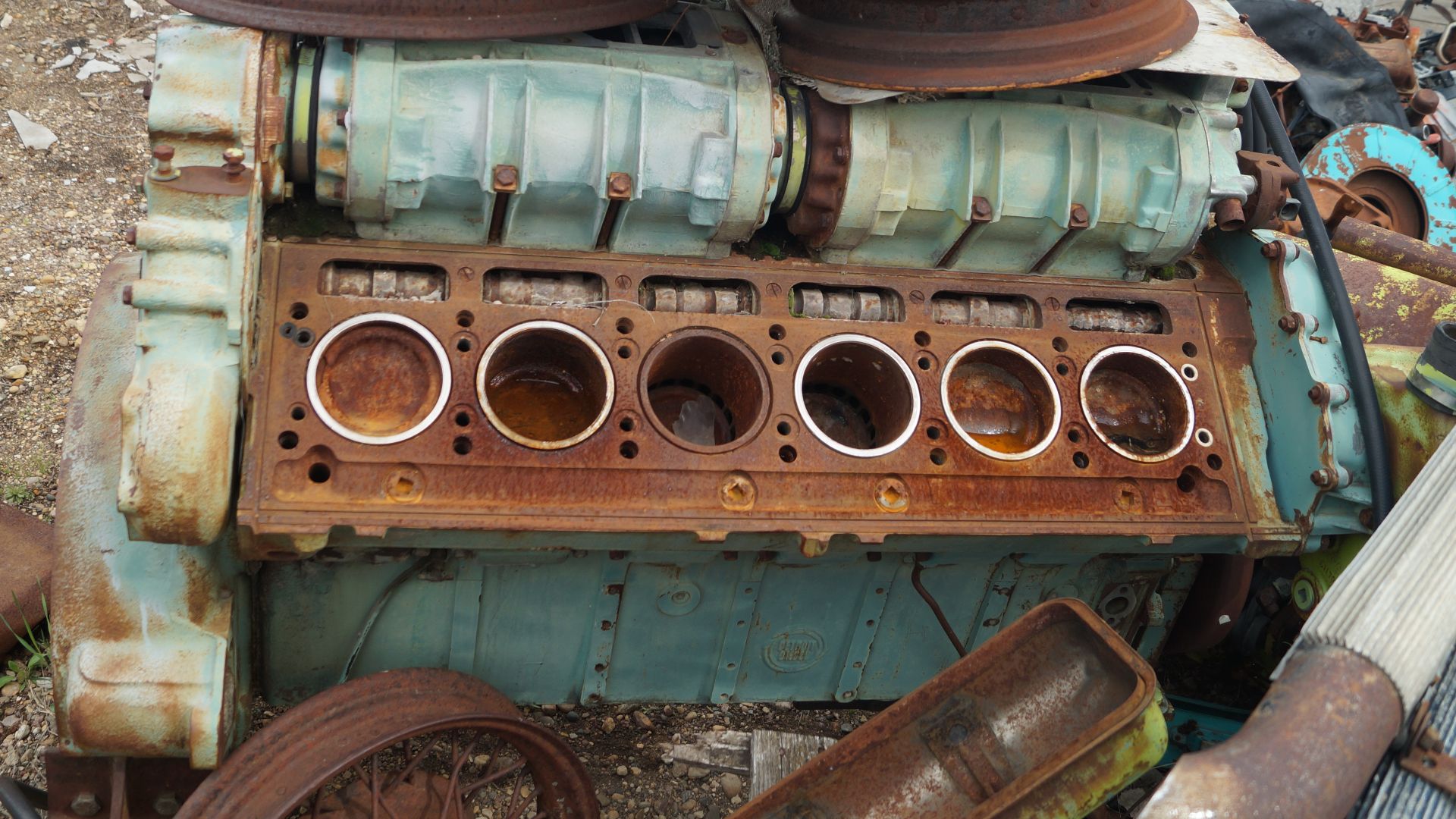 Greg Gjerdingen from Willmar, USA, Wikimedia Commons
Why Two-Stroke Diesel?
Unlike most modern truck engines, the Series 71 used a two-stroke diesel cycle. Every downward movement of the piston produced a power stroke. This allowed the engines to generate impressive power for their size while keeping to within a relatively compact package.
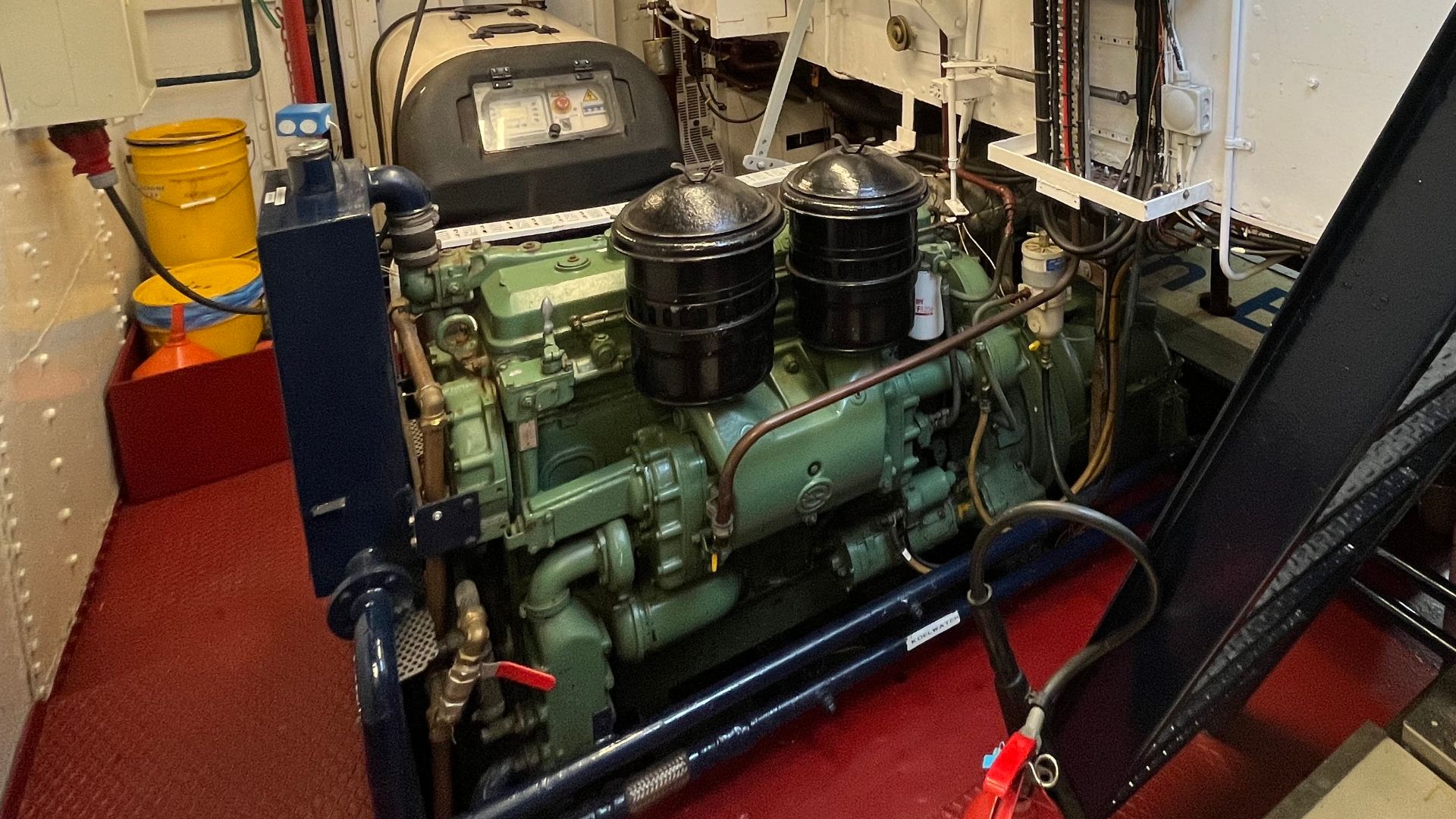
The Role Of The Roots Blower
A two-stroke diesel can’t operate without forced air scavenging. Detroit Diesel solved this challenge by fitting the engines with a Roots-type blower. The blower pushed fresh air into the cylinders while helping clear exhaust gases, making the two-stroke cycle practical for heavy-duty service.
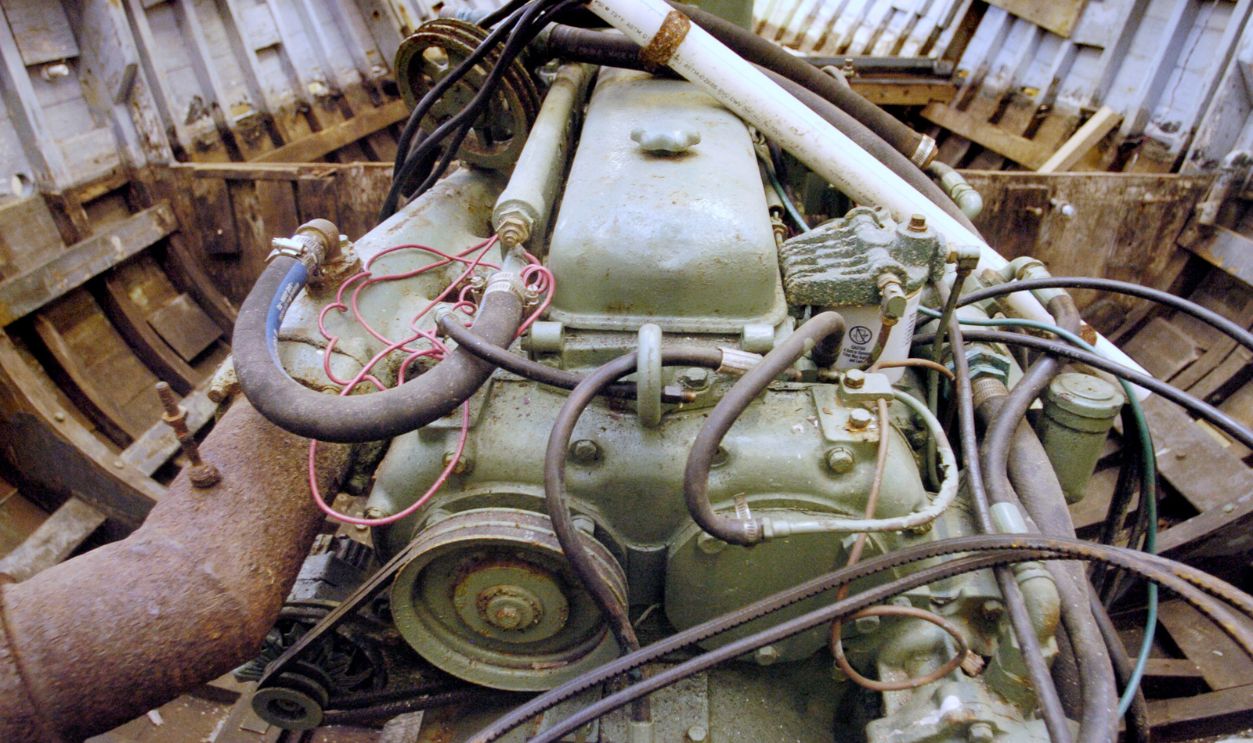 Portland Press Herald, Getty Images
Built For Reliability
The Series 71 quickly gained a reputation for ruggedness. Mechanics appreciated the straightforward design, while operators valued engines that could stand up to harsh working conditions. Many examples accumulated hundreds of thousands of miles with proper maintenance and periodic rebuilds.
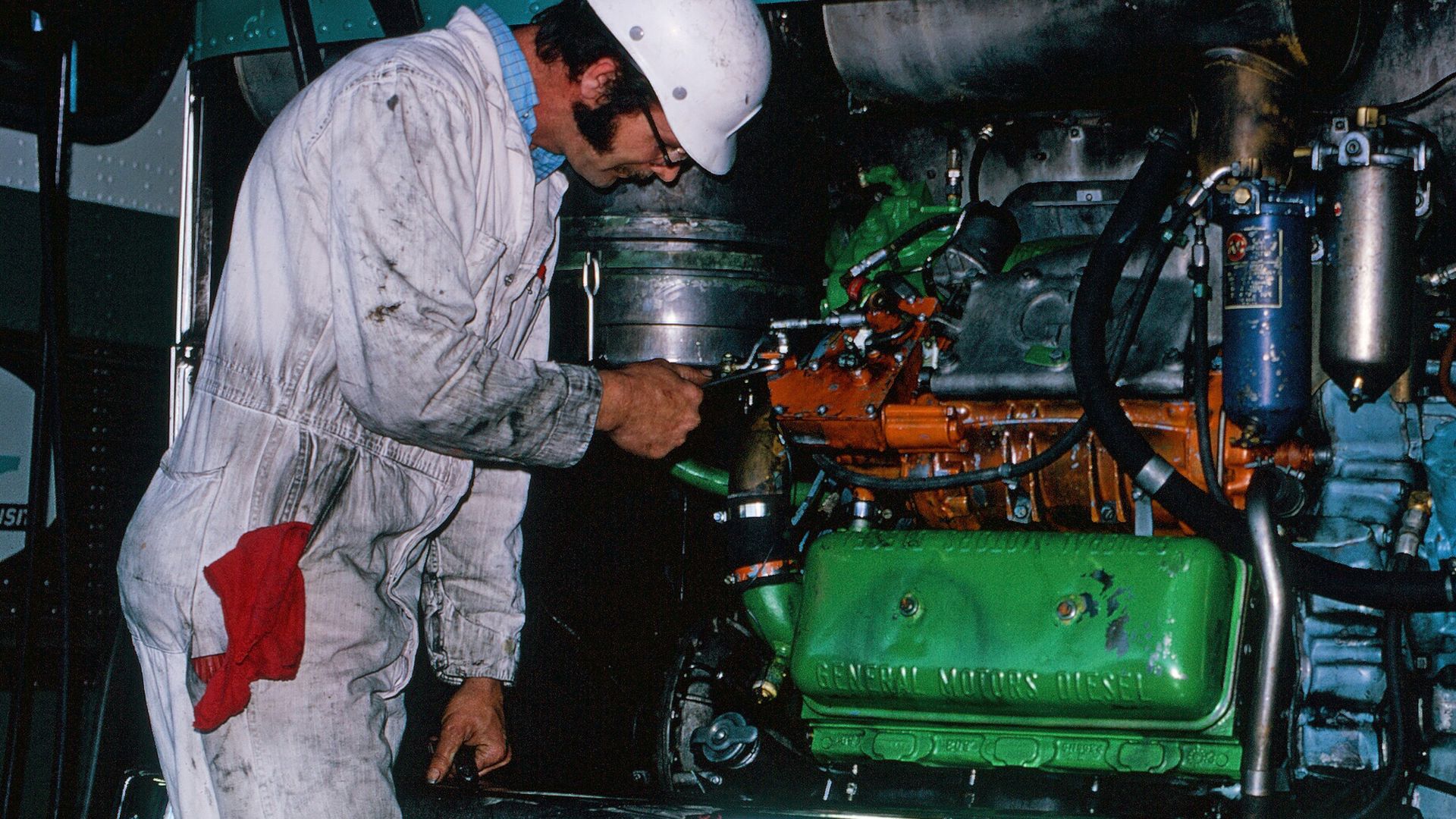 AC Transit from Oakland, CA, USA, Wikimedia Commons
Military Success During World War II
The Series 71 gained significant exposure during World War II. According to Detroit Diesel Corporation website figures, 193,000 of the engines were built during the war. They powered numerous military vehicles, landing craft, tanks, and generators. Wartime service demonstrated the engine family's durability and helped establish its reputation worldwide.
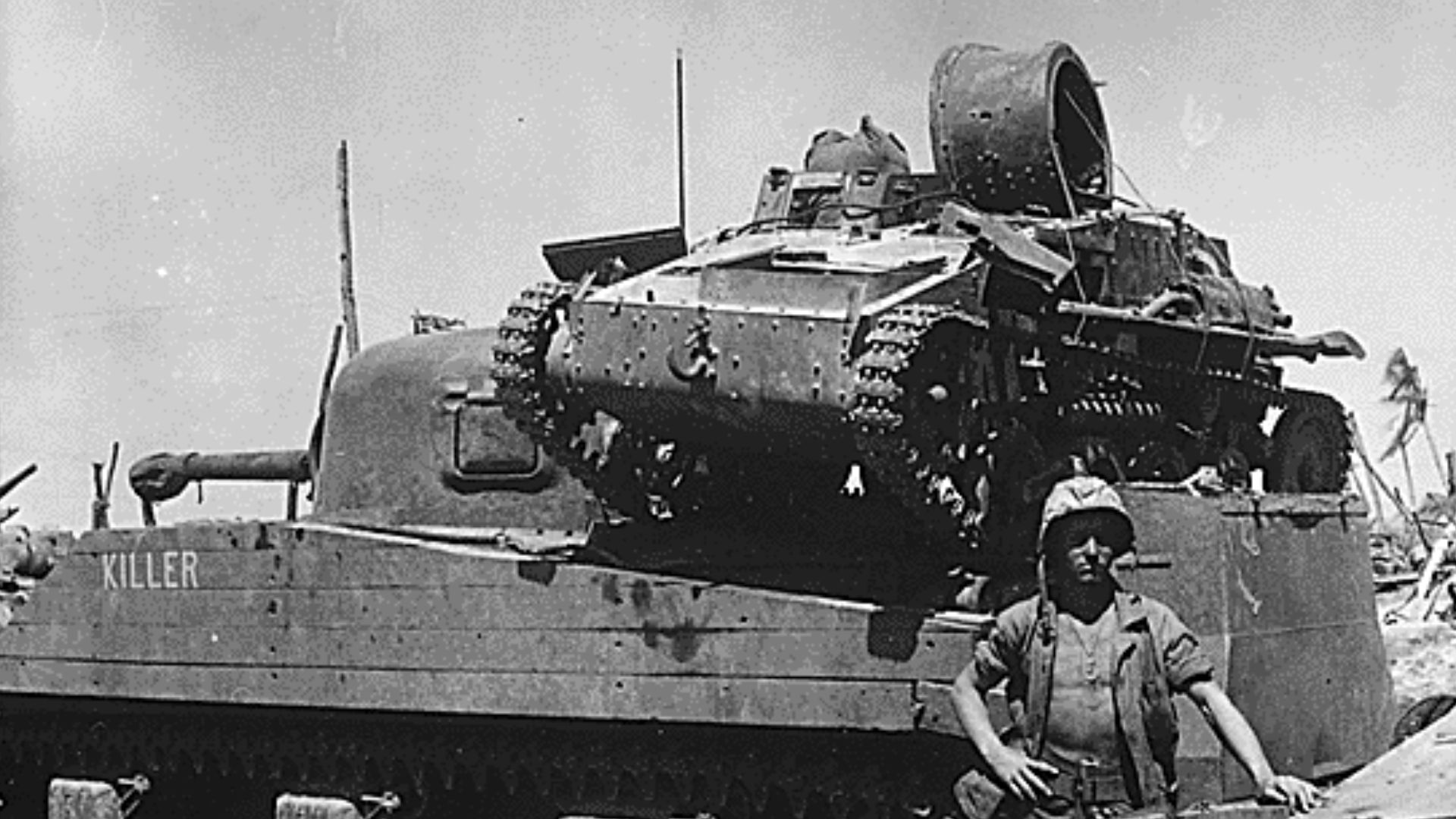 Photographer: Tennelly, Wikimedia Commons
America's Growing Bus Networks
After the war, public transportation systems expanded rapidly. Transit agencies needed reliable engines capable of handling stop-and-go service. The Series 71 became one of the dominant powerplants in city buses throughout North America for decades.
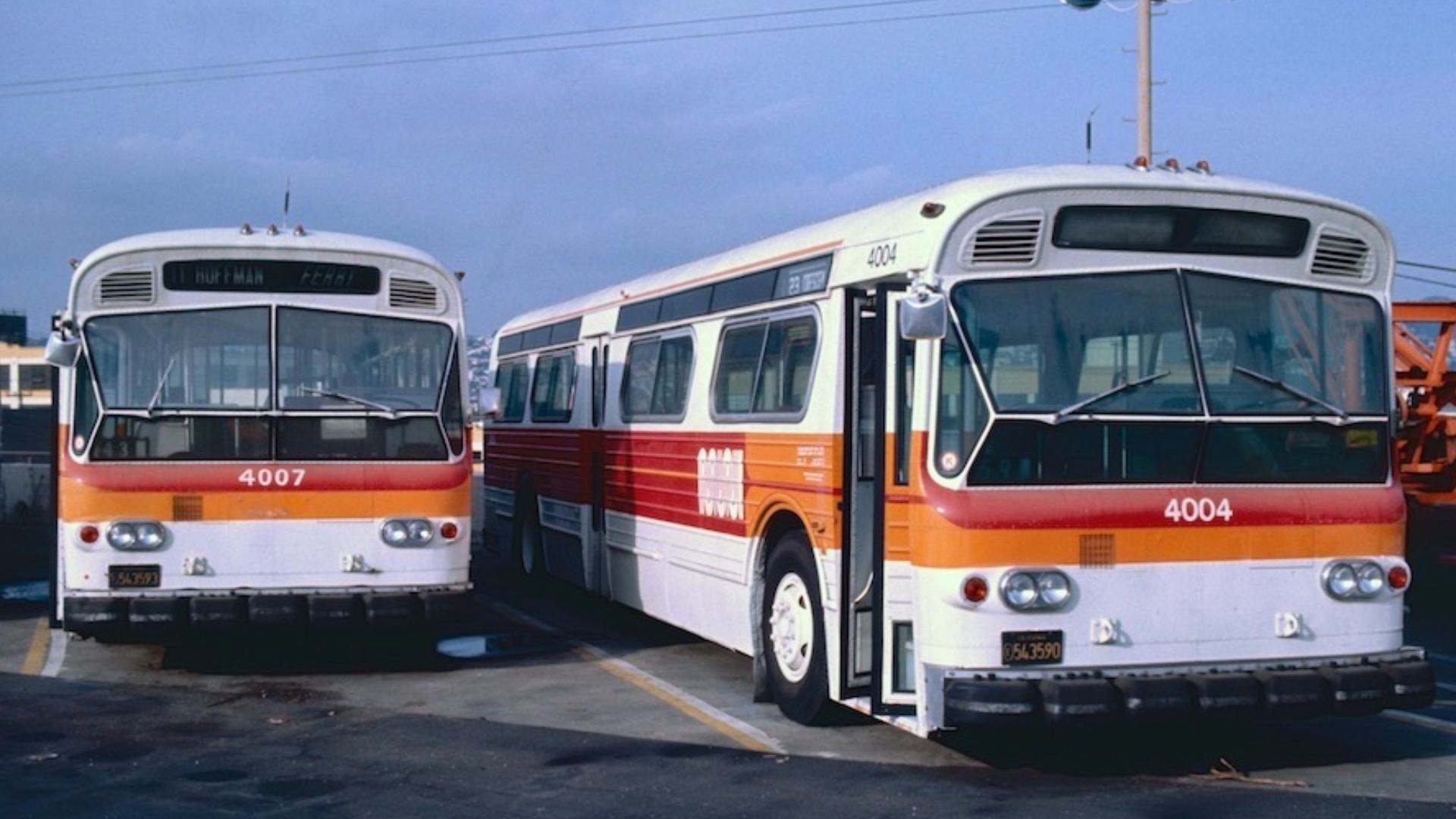 Steve Morgan, Wikimedia Commons
The GM Old-Look Bus
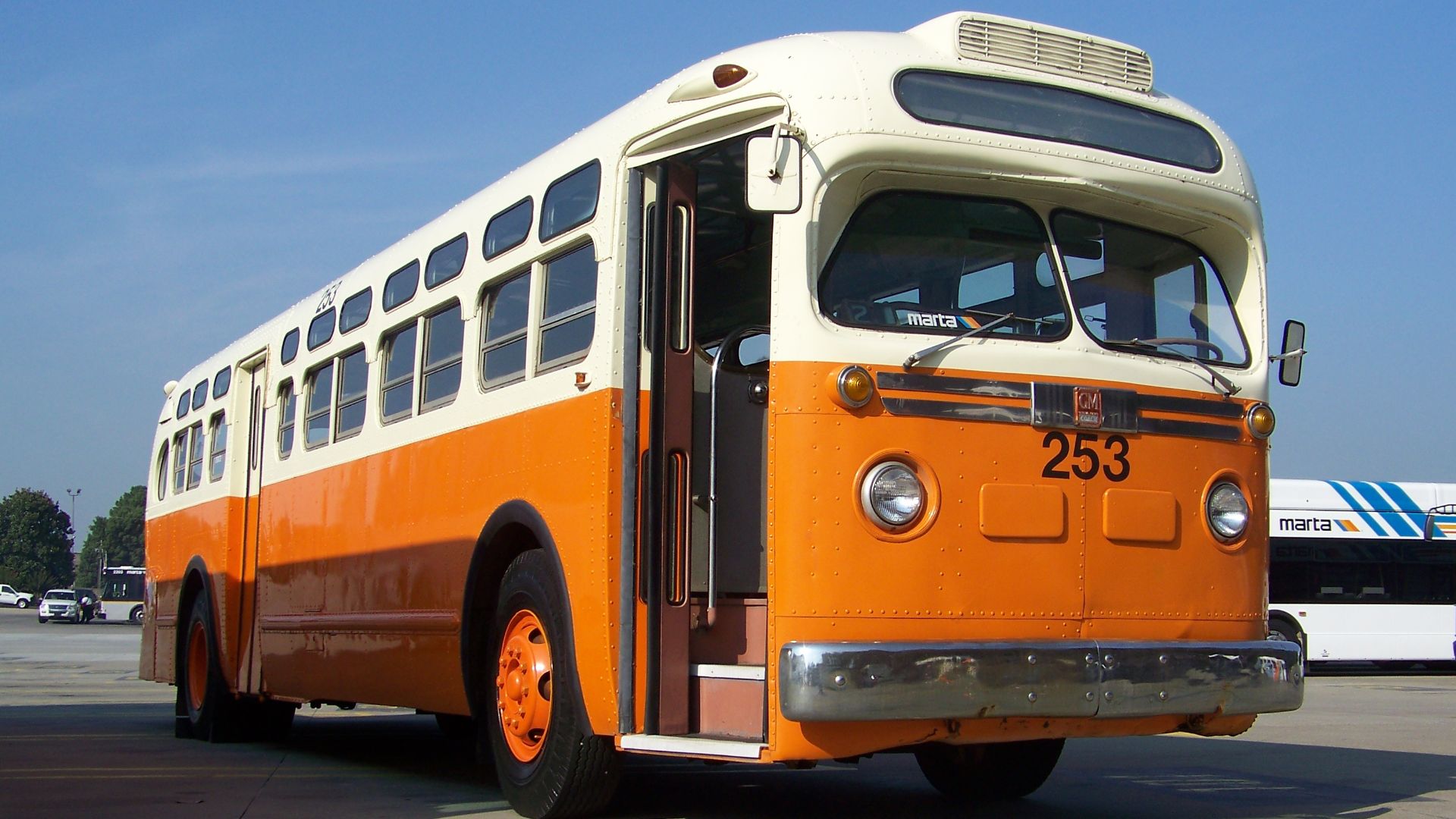
One of the earliest and most recognizable transit vehicles powered by Detroit Diesel engines was the GM Old-Look Transit Bus. Produced from the 1940s into the late 1950s, these buses commonly used Series 71 engines and became fixtures in cities across the continent.
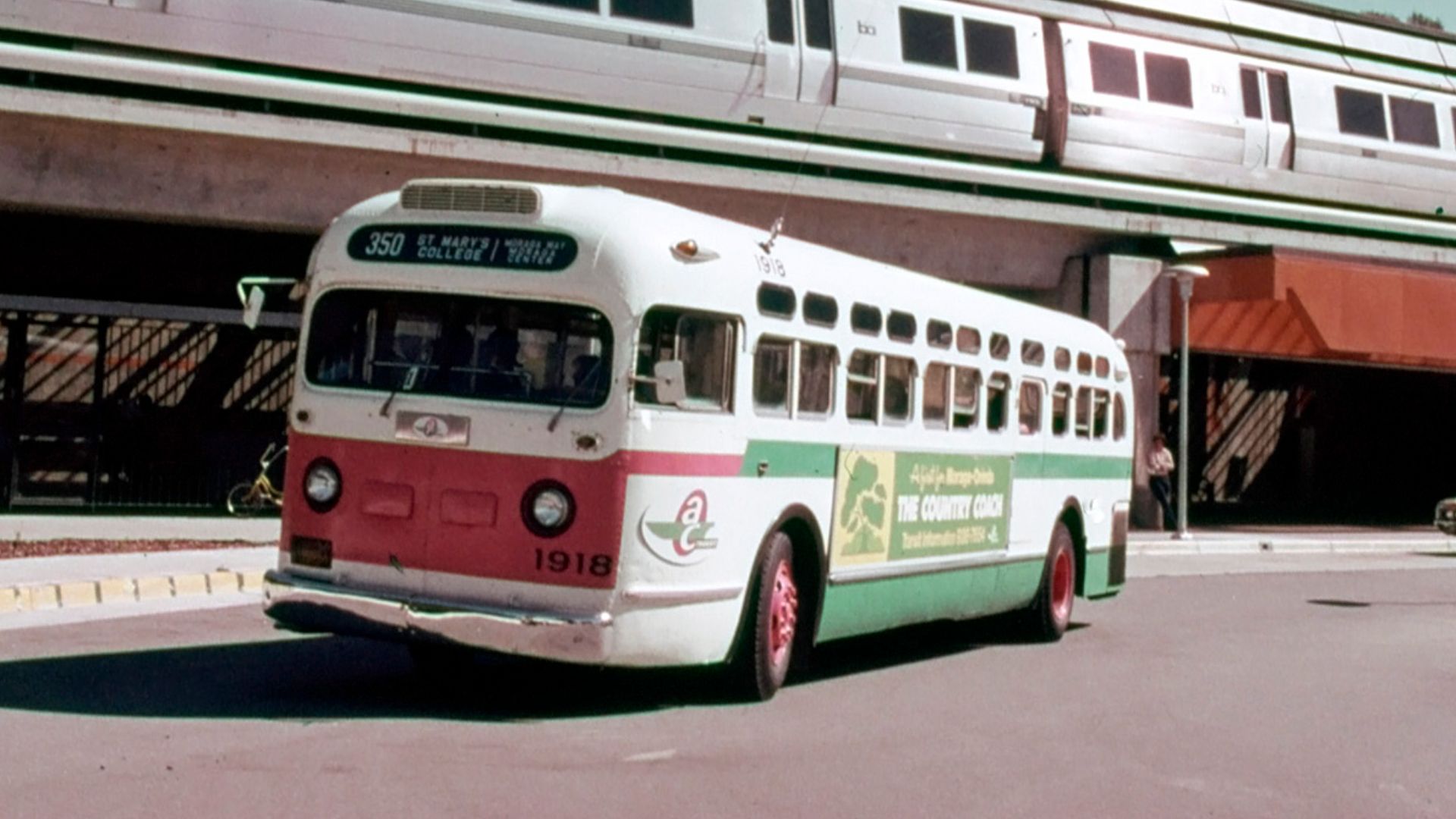 AC Transit from Oakland, CA, USA, Wikimedia Commons
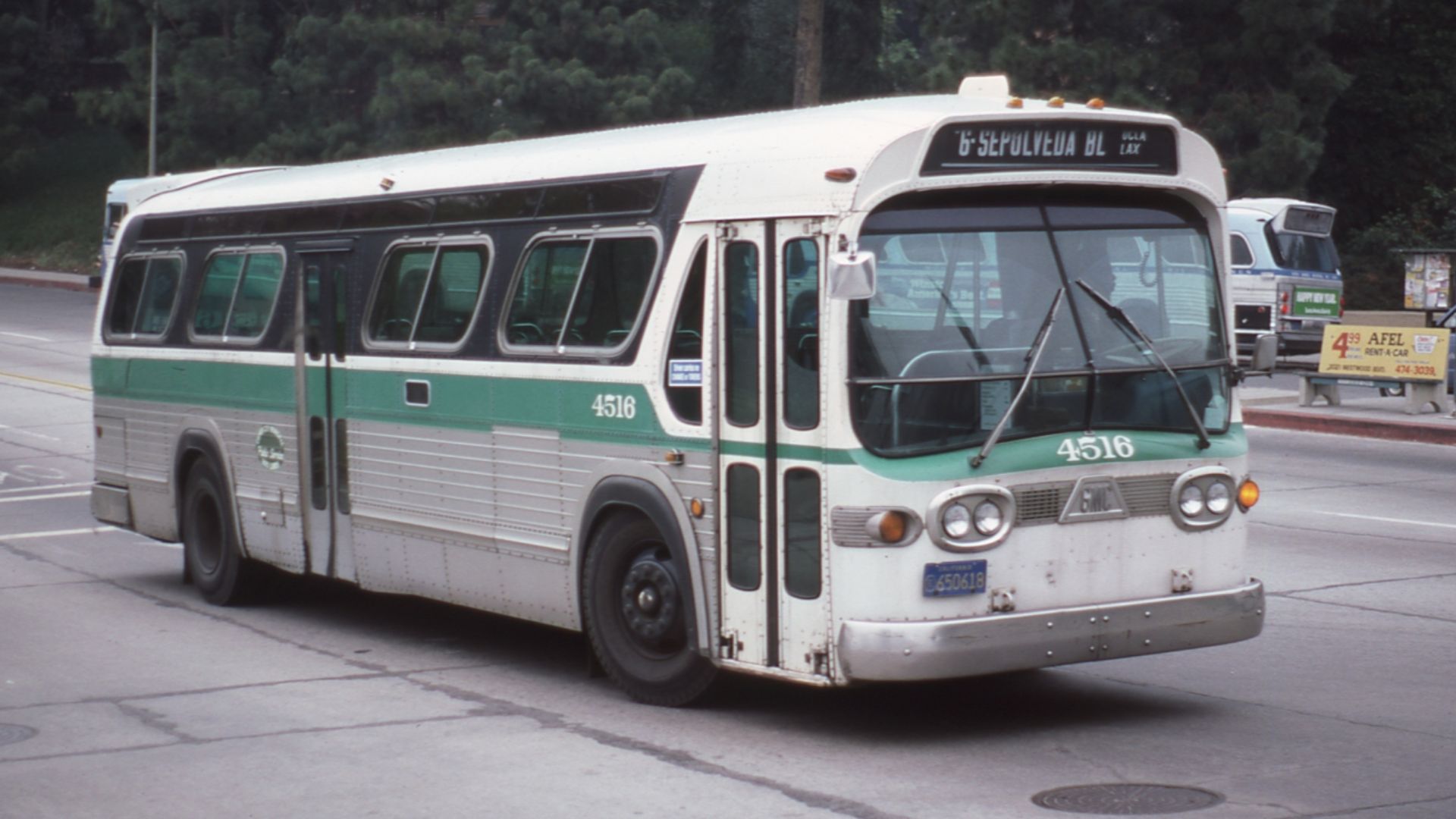
The Famous GM New Look Bus
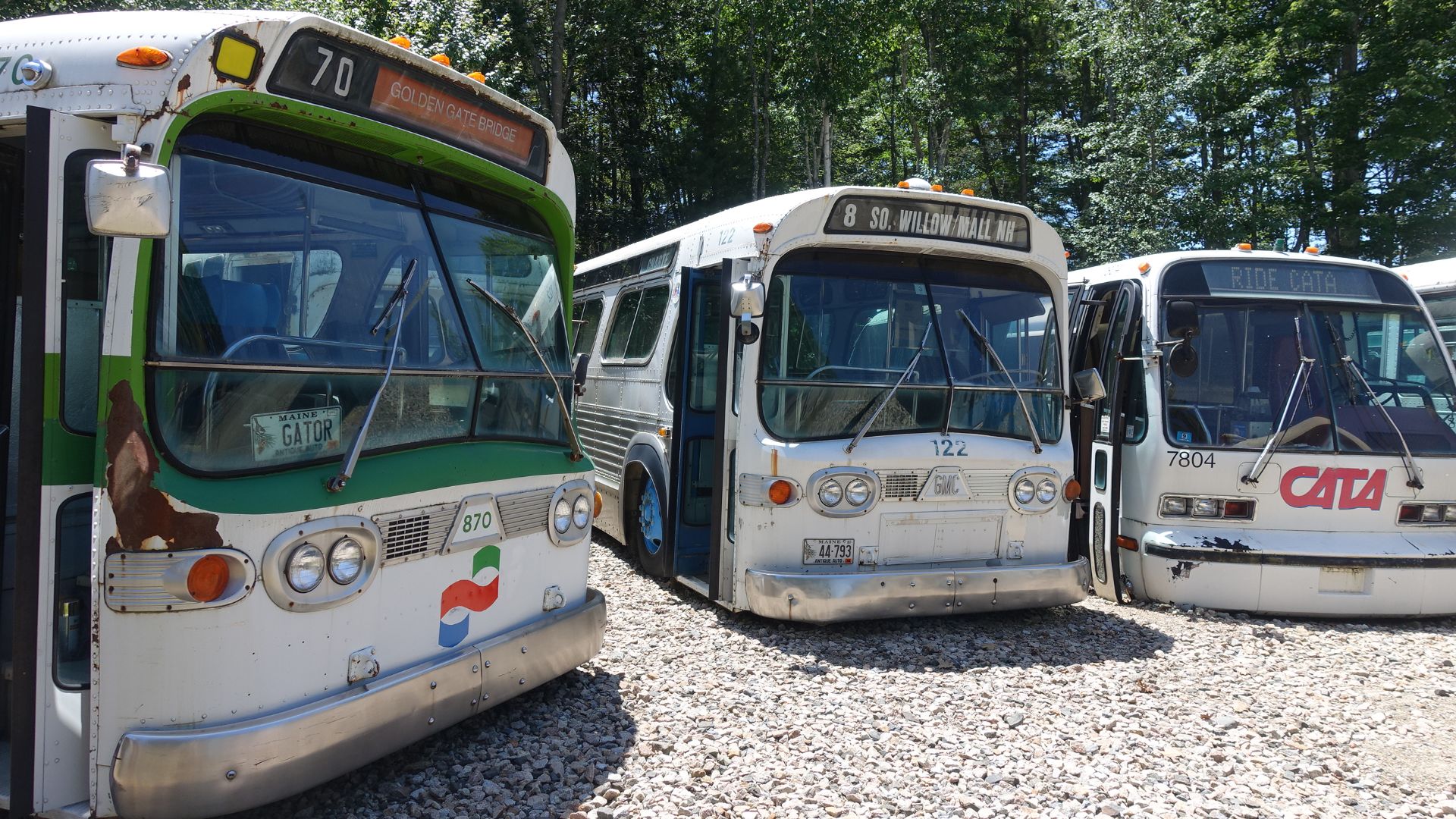
The iconic GM New Look Bus, often called the 'Fishbowl' because of its distinctive windshield, became one of the most famous transit buses ever built. Many examples relied on the 6V71 engine, whose sound became synonymous with urban transit. The bus was a common sight on city streets from the 60s right on through to well into the 90s in some places.
The MCI And GM Buffalo Coaches
Intercity travel also benefited from Detroit Diesel power. The GM Buffalo Bus and numerous Motor Coach Industries coaches frequently used larger V-series Detroit Diesel engines, giving travelers reliable transportation across thousands of miles of highway.
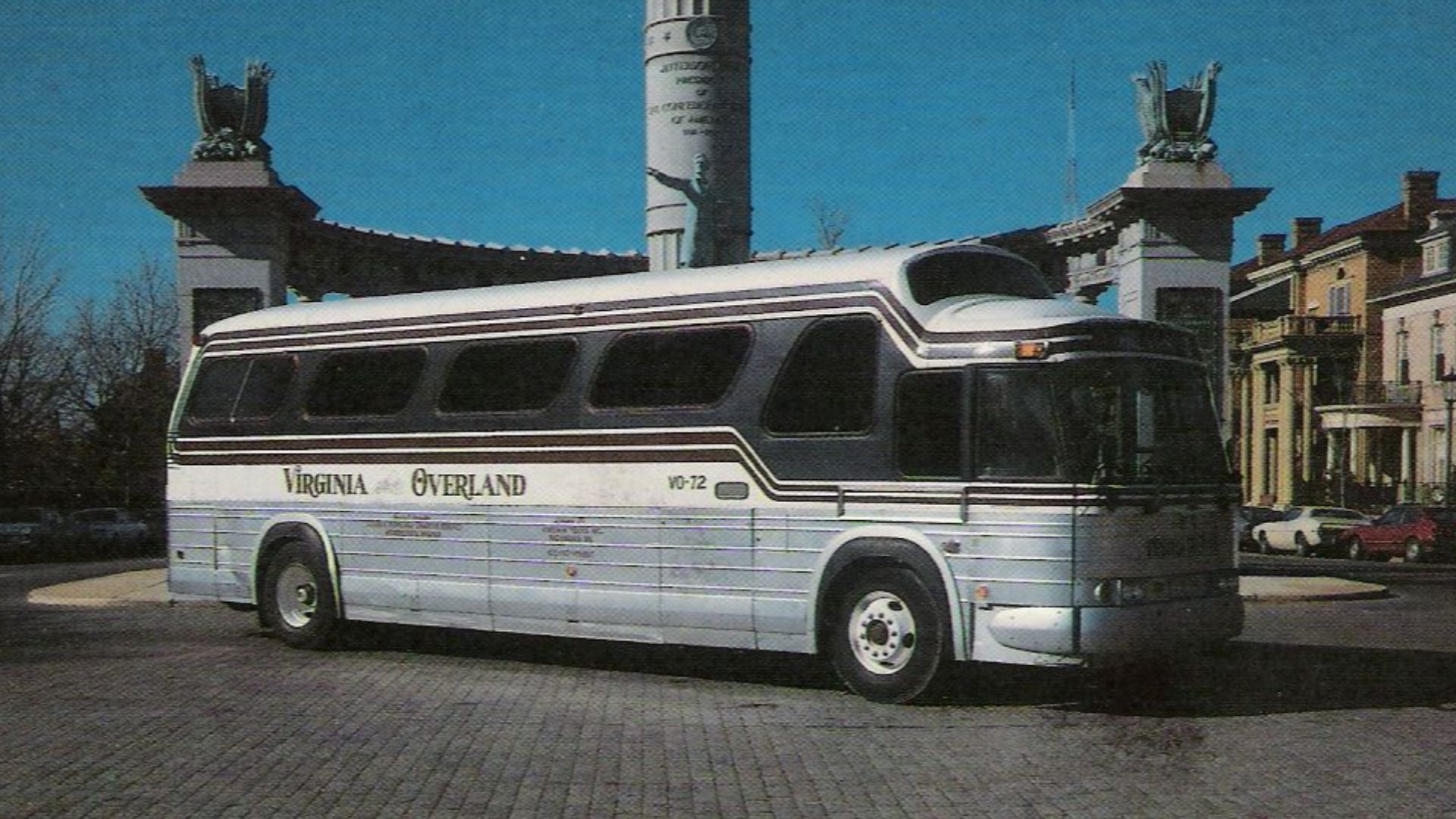 Vaoverland at English Wikipedia, Wikimedia Commons
The Classic Transit Bus
The Classic Transit Bus continued the Detroit Diesel tradition into the 1980s and 1990s. Many transit agencies appreciated the familiar engines and maintenance practices developed over decades of operating earlier GM bus models.
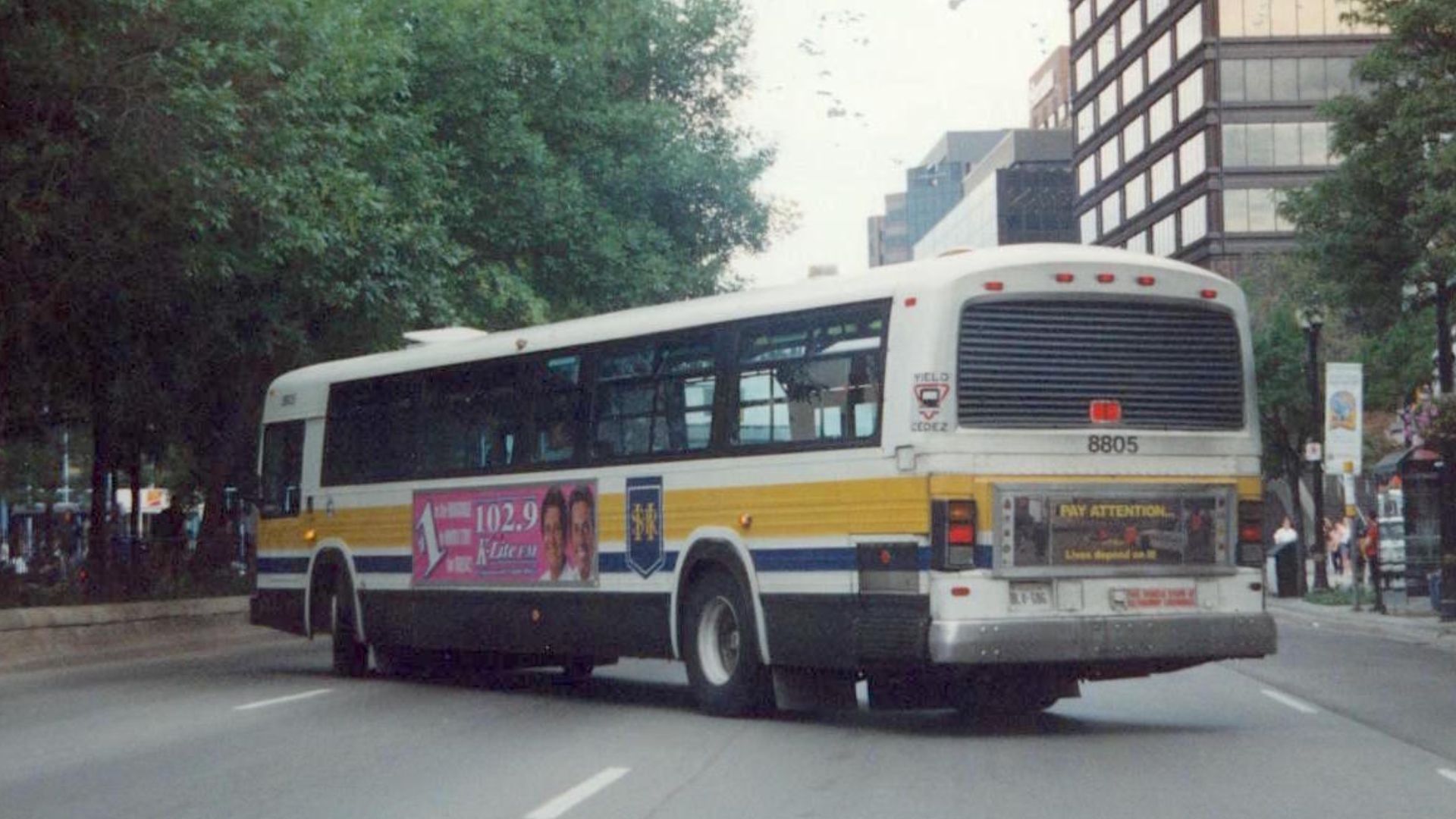 Frank Deanrdo, Wikimedia Commons
Dominating Heavy Trucks
Beyond buses, Series 71 engines found homes in countless heavy-duty trucks. Fleet operators valued engines that could be serviced almost anywhere. The 6-71 and 8V71 became particularly common in vocational trucks, dump trucks, and regional freight operations.
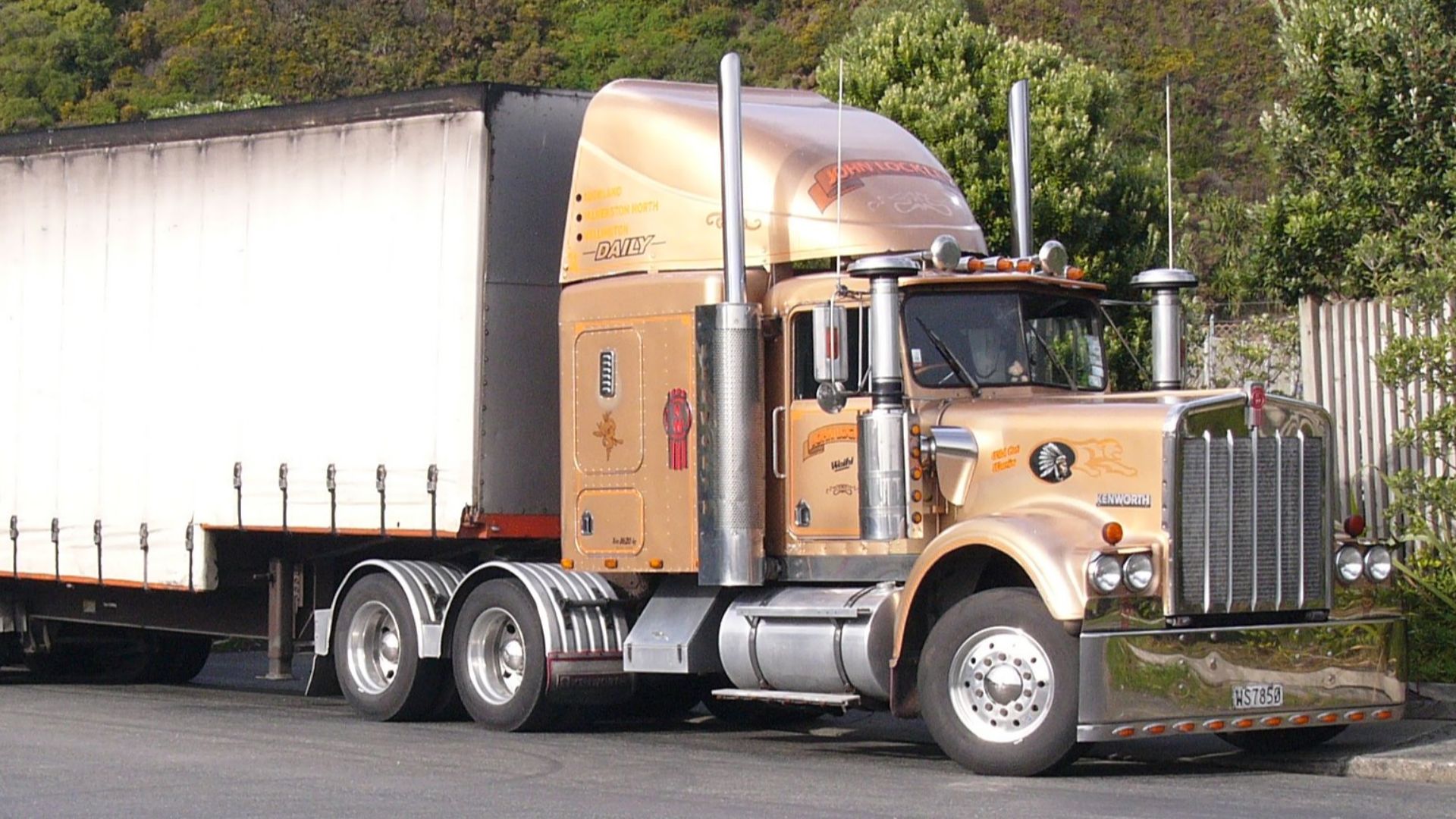 111 Emergency from New Zealand, Wikimedia Commons
The Rise Of The 6-71
Among all Series 71 variants, the inline 6-71 became perhaps the best known. Producing a combination of reliability, manageable size, and respectable power, the six-cylinder powered everything from trucks and buses to construction equipment and marine vessels.
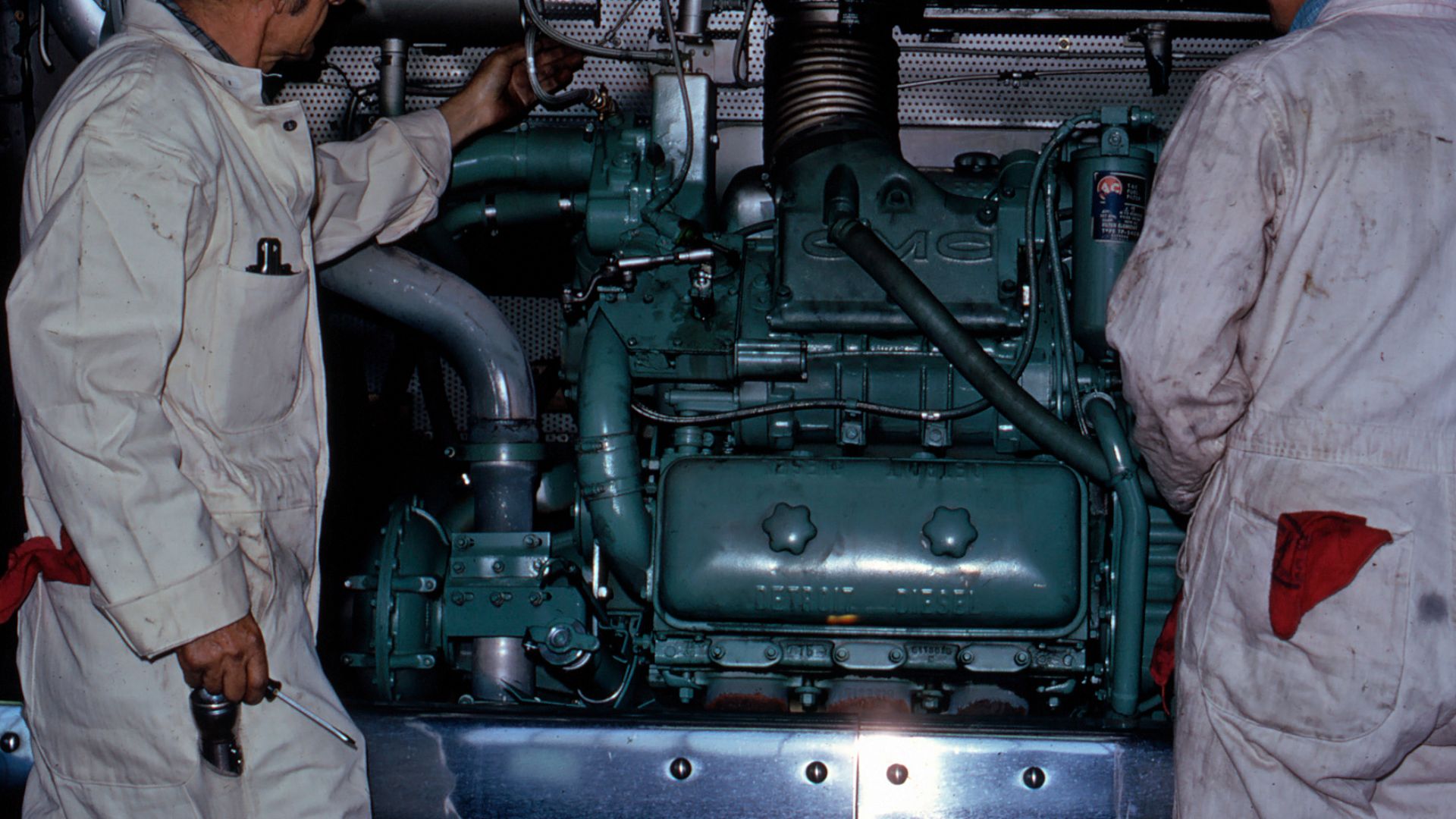 AC Transit from Oakland, CA, USA, Wikimedia Commons
Enter The V-Series
As transportation demands increased, Detroit Diesel expanded the lineup with V-type engines. Models such as the 6V71 and 8V71 provided greater horsepower while maintaining the proven architecture that operators had come to trust.
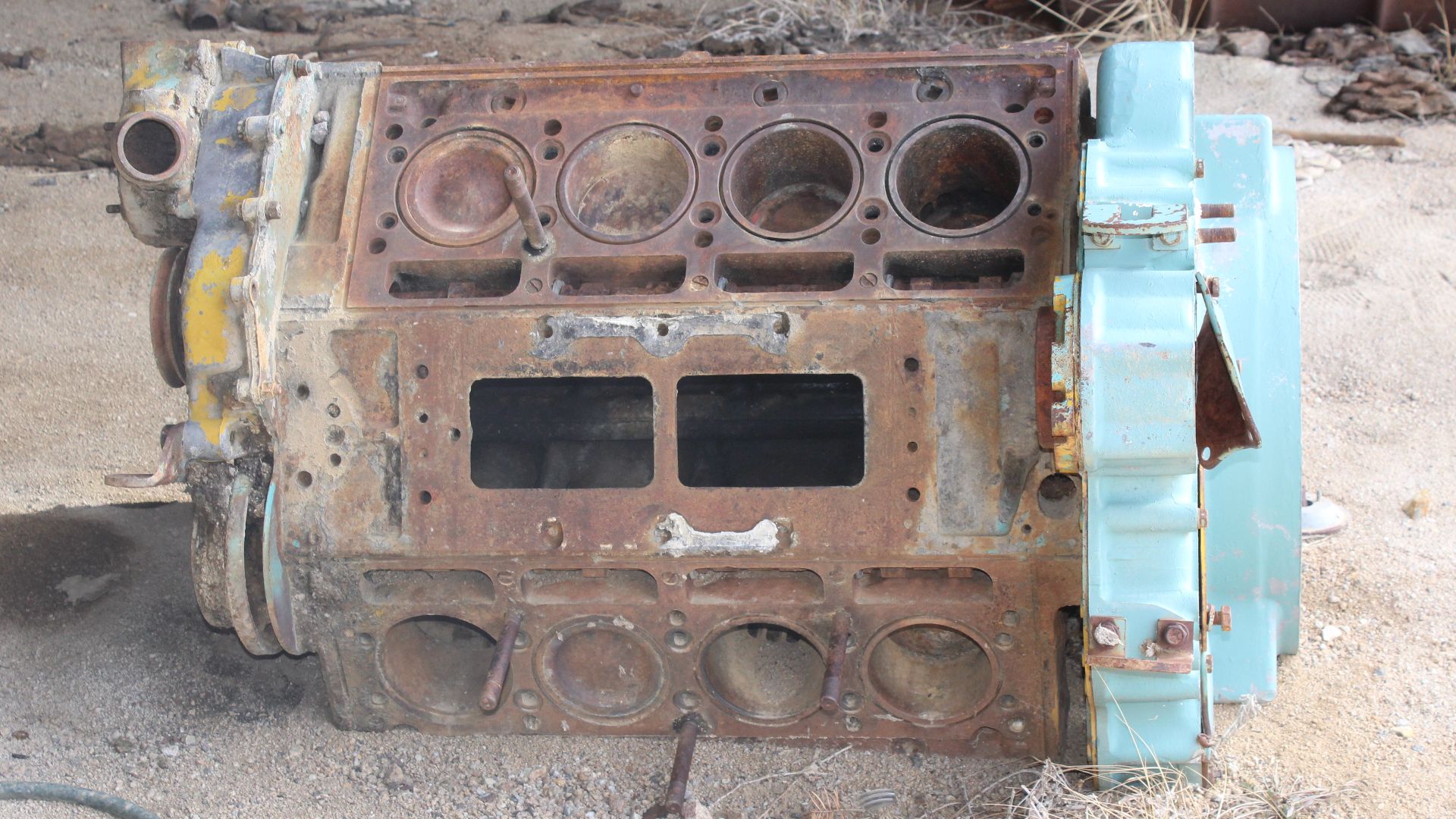 Mark Holloway from Anaconda, Montana, Wikimedia Commons
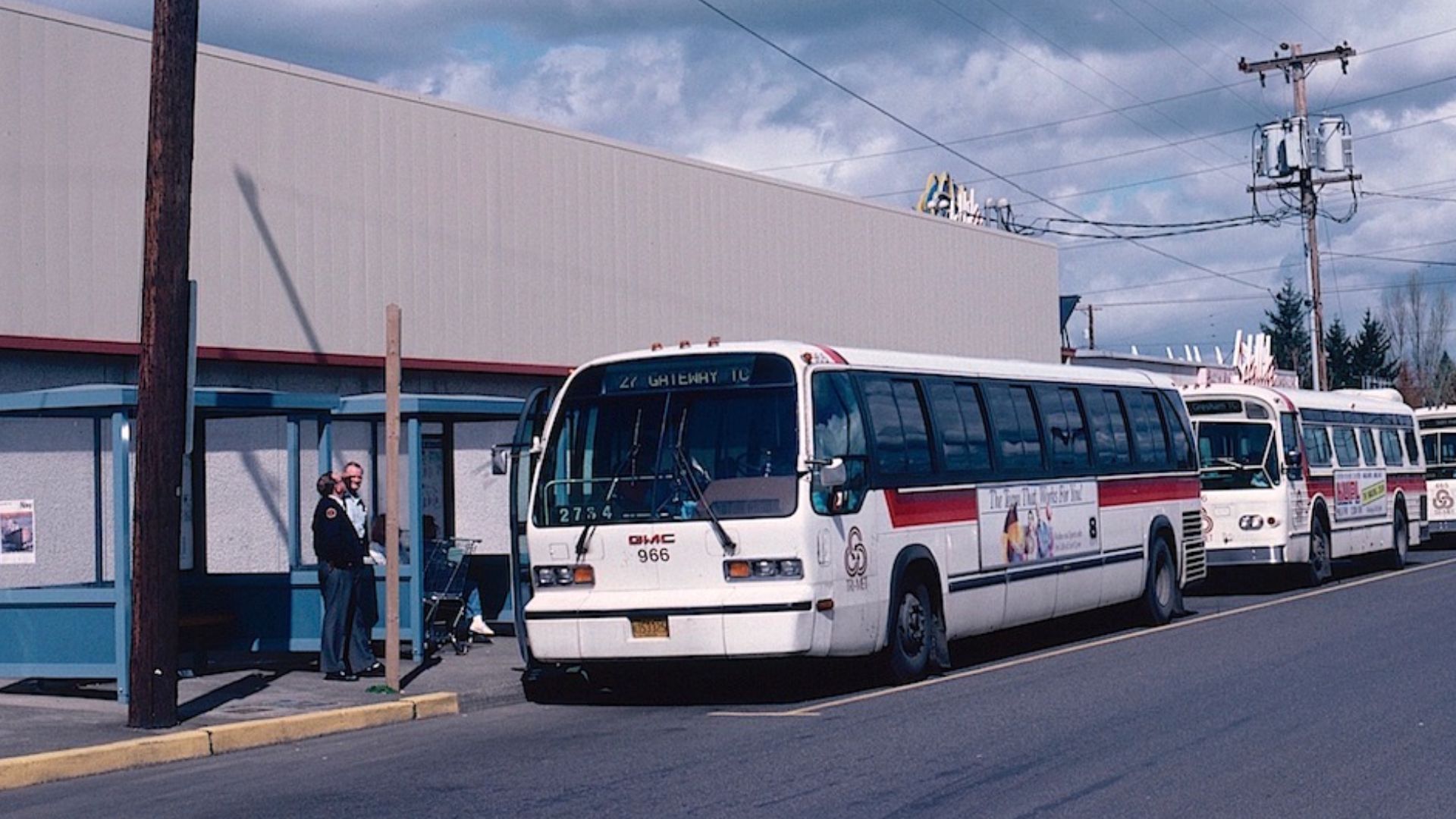
Why They Called It The Screaming Jimmy
The Detroit Diesel two-stroke earned the famous nickname 'Screaming Jimmy' because of its unmistakable sound. High engine speeds, blower whine, and rapid firing pulses combined to create an exhaust note unlike virtually any other diesel engine on the road.
 Steve Morgan, Wikimedia Commons
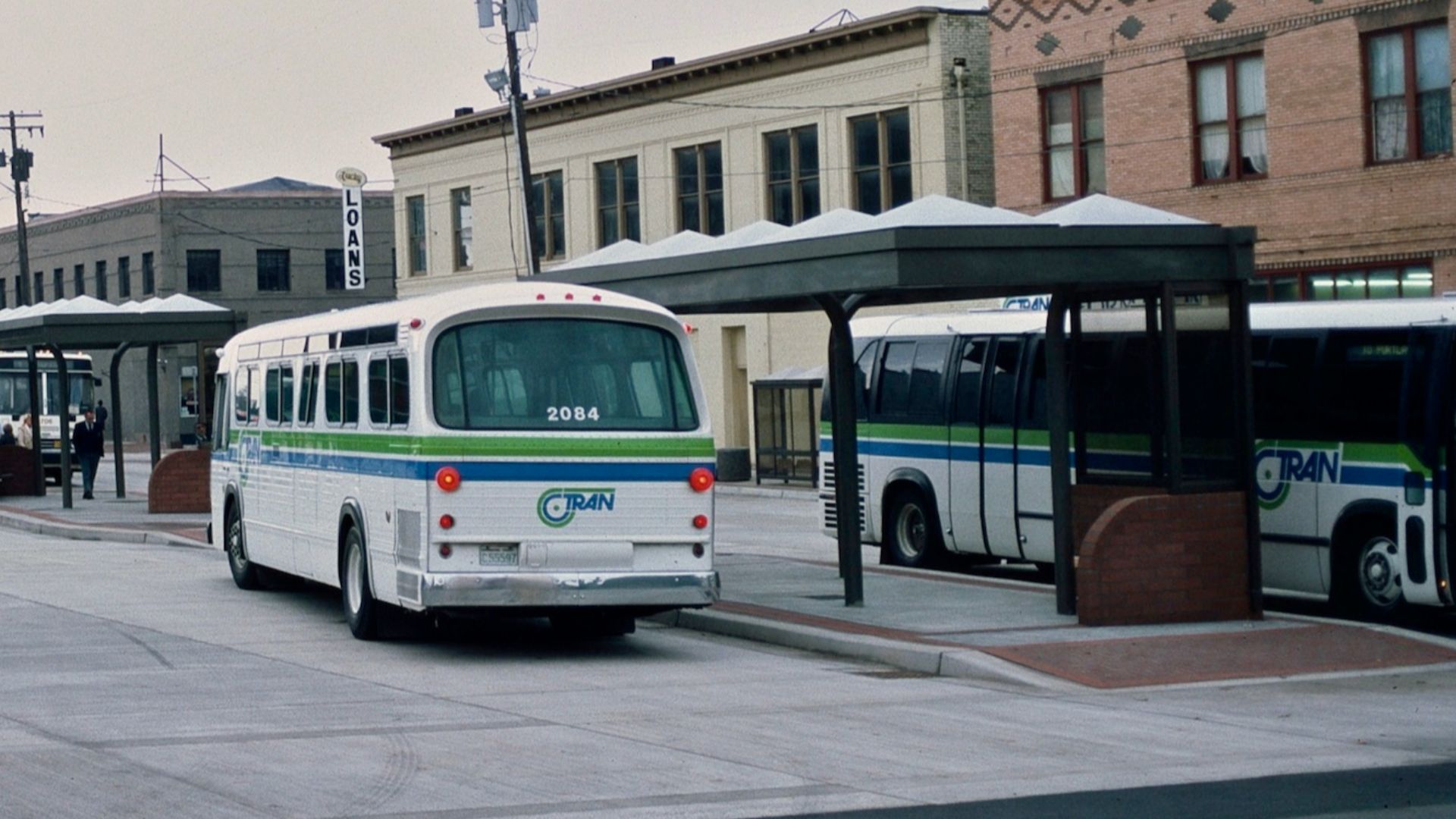
A Sound That Turned Heads
At full throttle, a heavily loaded Detroit Diesel could be heard from blocks away. The characteristic howl became part of the soundtrack of twentieth-century transportation. Enthusiasts still gather online to share recordings of classic Detroit-powered trucks and buses.
 Steve Morgan, Wikimedia Commons
Loved By Drivers And Mechanics
Many operators appreciated the engines' responsiveness. Compared with slower-revving four-stroke diesels of the era, Detroit engines felt lively and eager. Mechanics often praised the modular design, which simplified repairs and overhauls.

Challenges In A Changing Industry
By the 1970s and 1980s, emissions regulations and fuel economy concerns began favoring four-stroke diesel designs. While the Series 71 remained dependable, newer technologies gradually reduced its competitive advantages in commercial transportation markets.

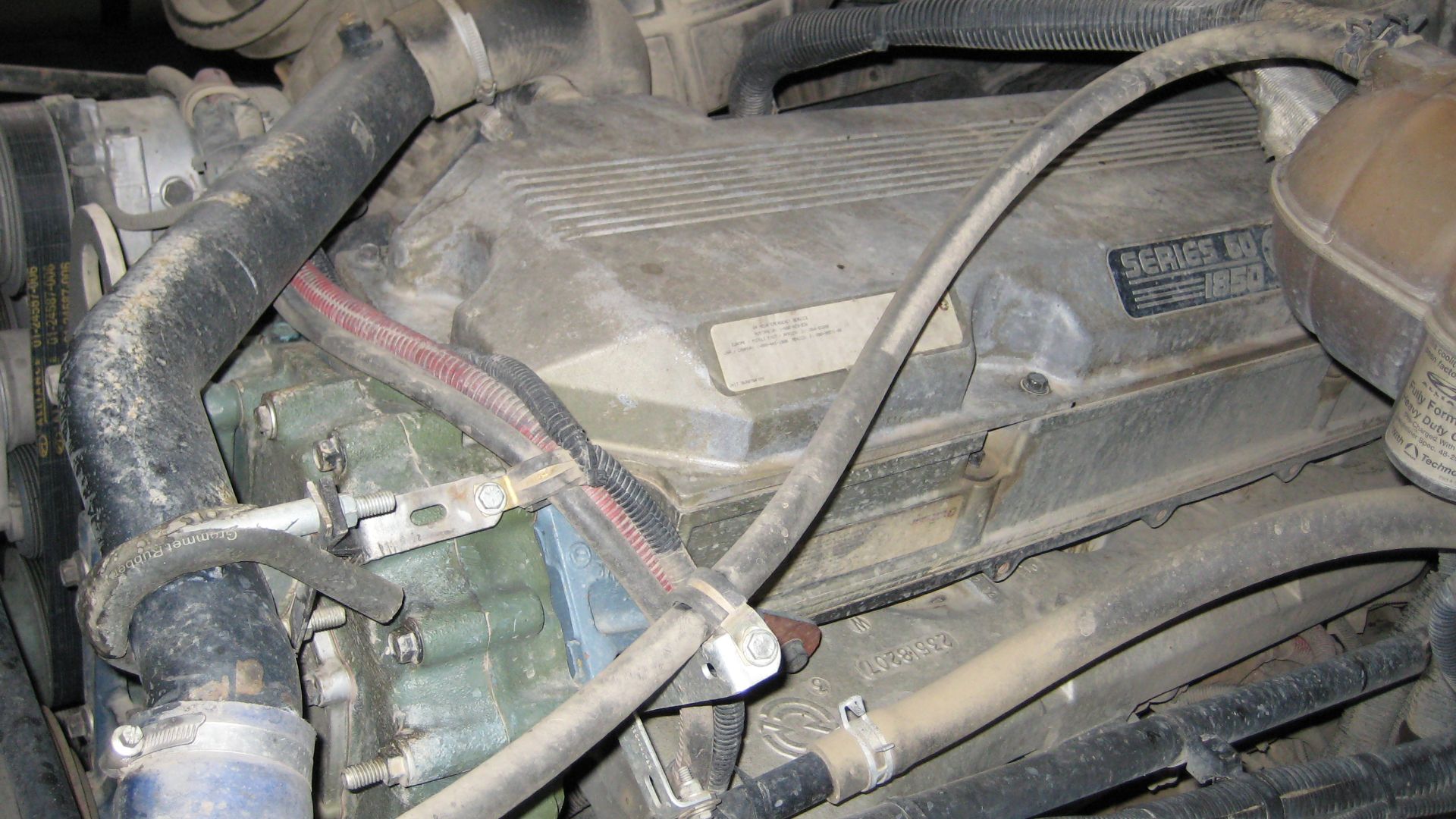
Detroit Diesel Evolves
The company eventually introduced newer engines, including the electronically controlled Series 50 and Series 60 families. These engines reflected changing industry priorities, emphasizing fuel efficiency, emissions compliance, and advanced electronic management systems.
 No machine-readable author provided. Panoha assumed (based on copyright claims)., Wikimedia Commons
General Motors Moves On
Detroit Diesel remained under GM ownership for decades before being sold in 1988. Ownership later passed through several corporate transitions before becoming part of Daimler Truck, where the Detroit Diesel name continues today.
 Alex3141592, Wikimedia Commons
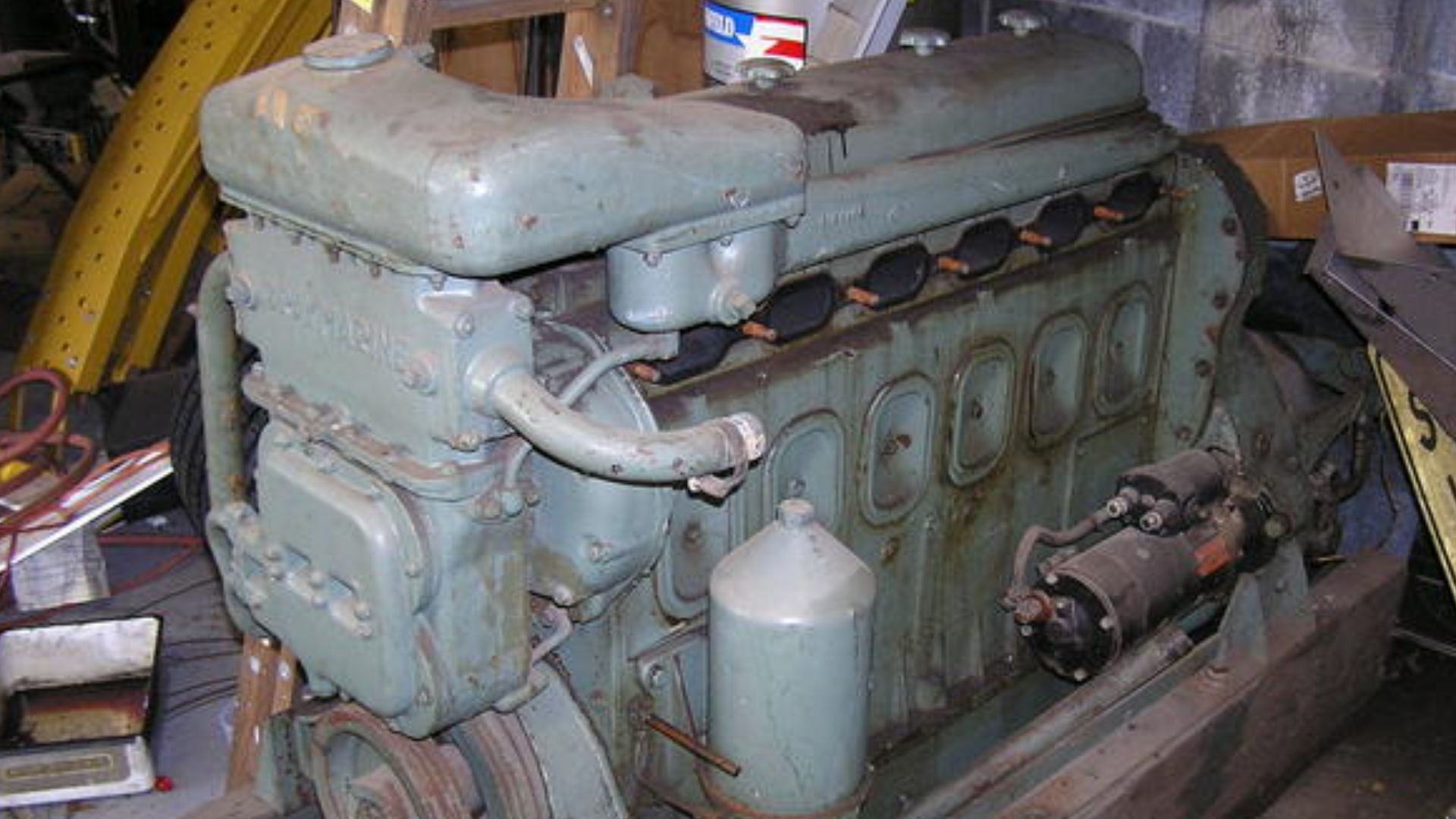
The Marine Legacy
Even as highway use declined, many Series 71 engines found second careers in marine applications. Their durability, simplicity, and parts availability made them popular among boat owners who valued proven mechanical designs over cutting-edge technology.
 Seanster1000, Wikimedia Commons
Collectors Keep Them Running
Today, enthusiasts restore and preserve Detroit-powered buses, trucks, military vehicles, and boats. Vintage transportation events frequently feature Series 71 engines, allowing new generations to experience the sights, smells, and sounds of these mechanical legends.
 Kristain Baty from Atlanta,GA, United States, Wikimedia Commons
The End Of An Era
Production of the classic two-stroke Detroit Diesel engines eventually came to an end, but their influence remained enormous. For decades, they powered the movement of people and goods throughout North America while establishing one of the most recognizable sounds in transportation history.
 Roller Coaster Philosophy, Wikimedia Commons
A Lasting Reputation
The Detroit Diesel 71 Series earned its place among the greatest engines ever built. Whether powering a city bus, a highway coach, a freight truck, or a military vehicle, the “Screaming Jimmy” proved its value time and time again.
 PvOberstein, Wikimedia Commons
You May Also Like:
The Most Overbuilt Engines Ever Made—And Why They’re Still Running Decades Later
Mechanics say Ford's Duratec engine may be one of the most bulletproof motors America ever produced.
Small Engines That Will Still Give You Shockingly Big Horsepower





.jpg)