The People’s Car With A Very Complicated Origin Story
Today, Volkswagen feels friendly and familiar. It’s the brand of the Beetle, the Microbus, and practical daily drivers like the Golf. But the company’s early history is far more serious—and far more complicated—than most people realize. In fact, during World War II, Volkswagen production was tied to prison labor, and some manufacturing took place in facilities connected to prisons. To understand how that happened, we need to go back to the very beginning.
A Big Idea In A Struggling Country
In the early 1930s, Germany was in rough shape. The economy had been hit hard, and most families couldn’t even dream of owning a car. Automobiles were expensive and rare. The idea of building a small, affordable car for ordinary working people sounded almost impossible—but also incredibly appealing.
The Birth Of The “People’s Car”
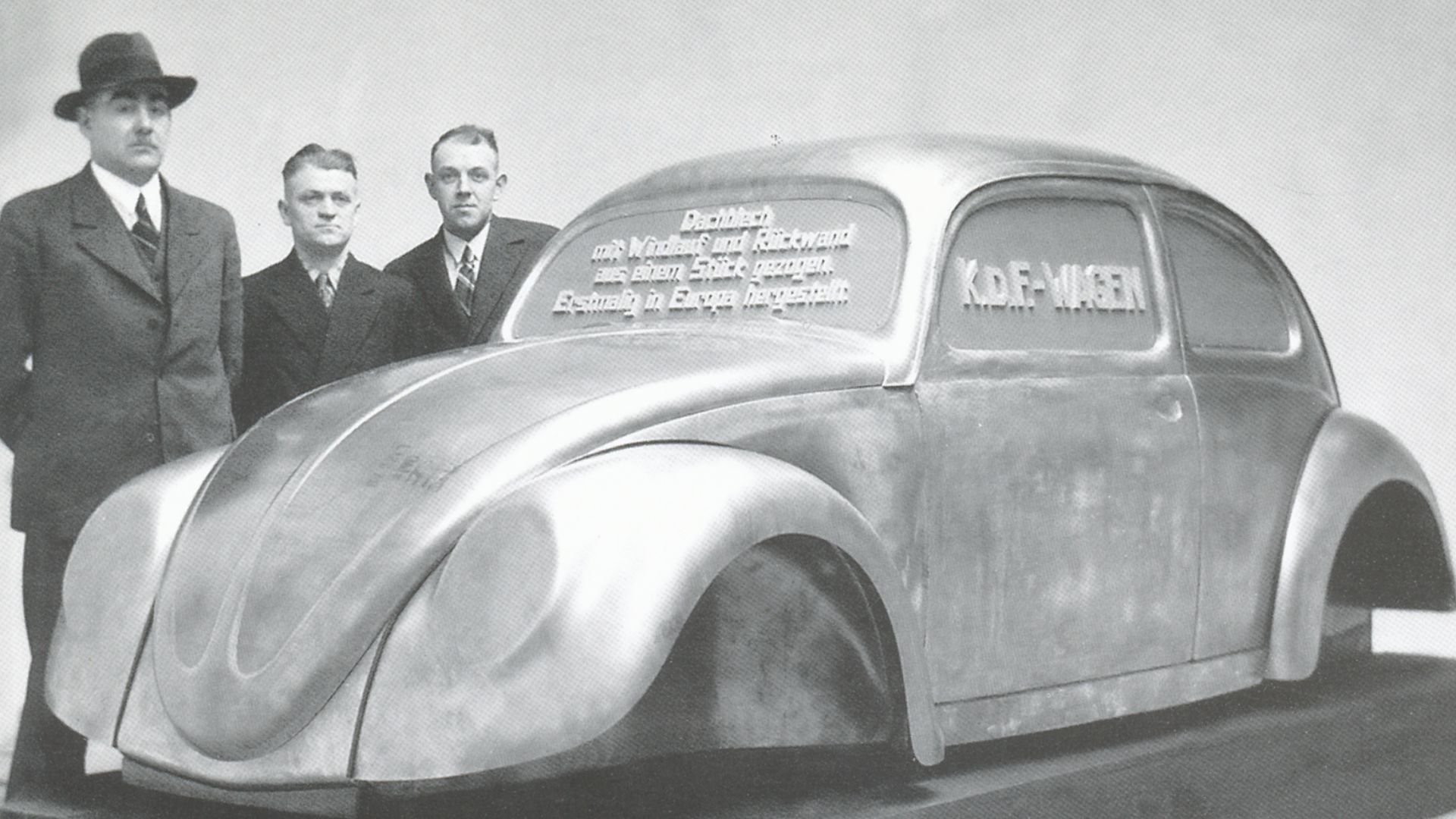
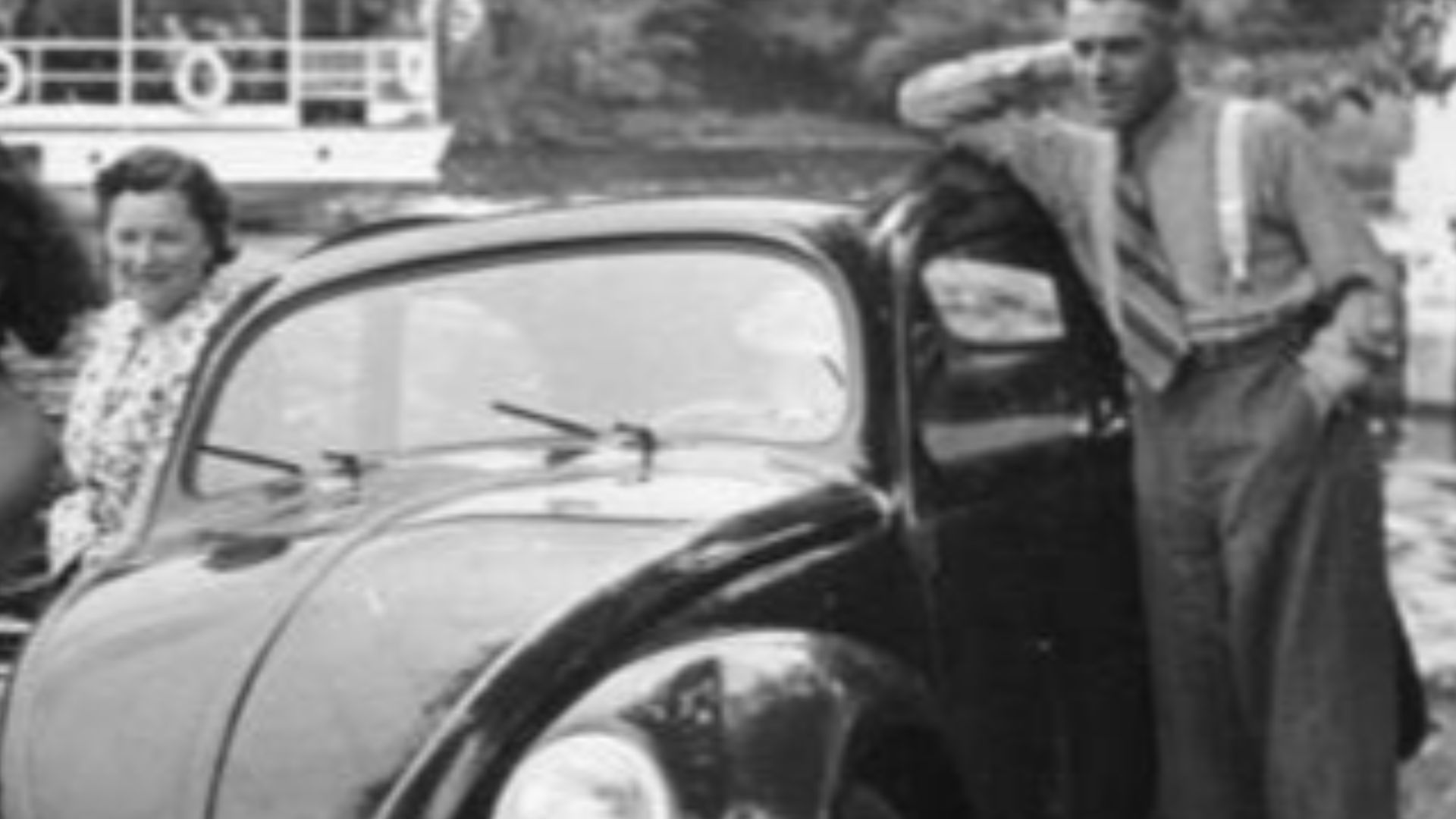
The plan was simple on paper: create a reliable, inexpensive car that a typical family could afford. It had to carry two adults and three kids, cruise comfortably on the new highways, and be easy to maintain. The German word for “people’s car” is Volkswagen—and that name would stick.
 UnknownUnknown , Wikimedia Commons
Ferdinand Porsche Gets The Job
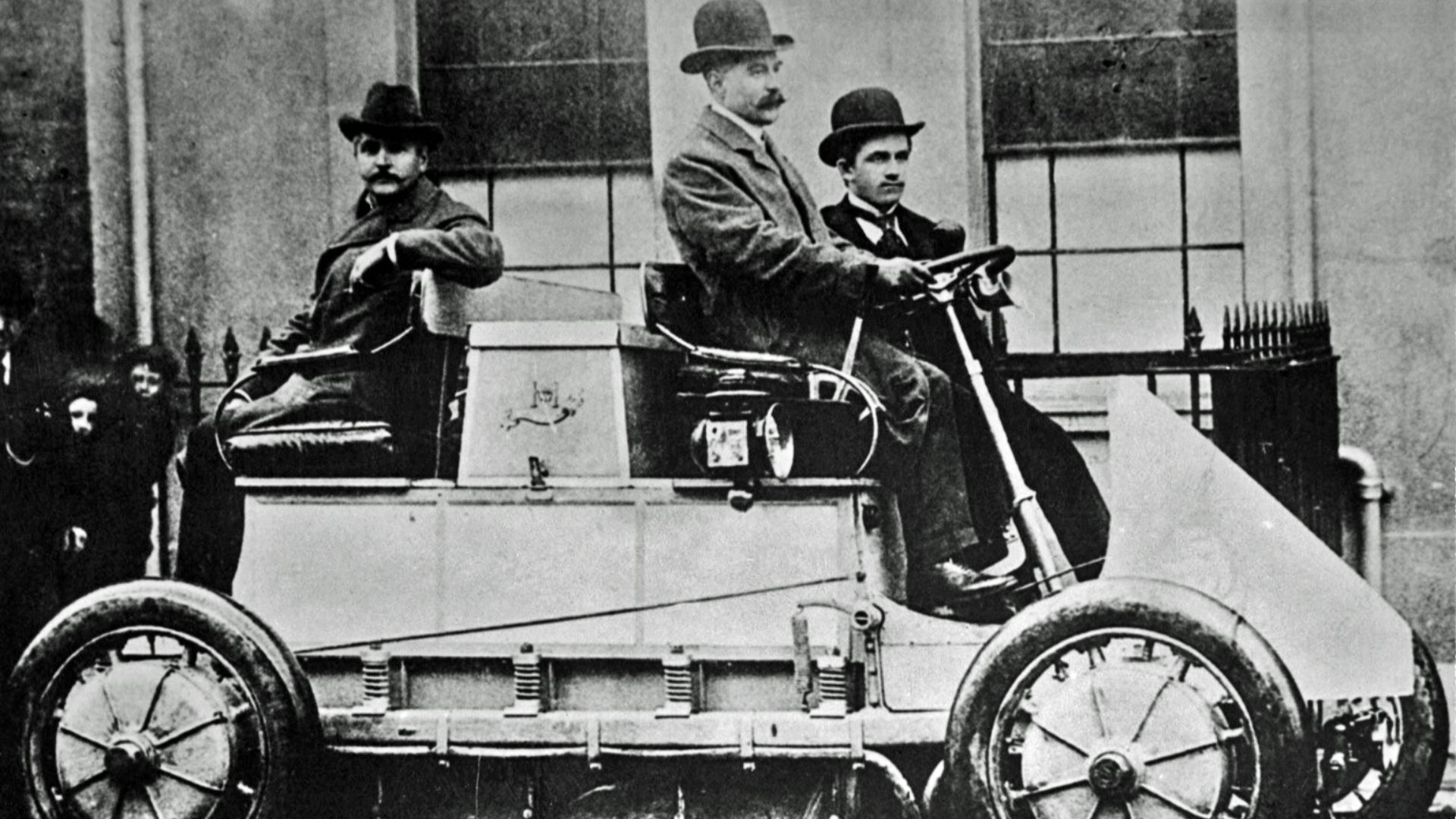
To design this new car, the government turned to engineer Ferdinand Porsche. He was talented, ambitious, and already respected in automotive circles. Porsche set out to design something practical and durable, and by the mid-1930s, his team had developed early versions of what would later become the Volkswagen Beetle.
 Unknown authorUnknown author, Wikimedia Commons
Politics Were Always Involved
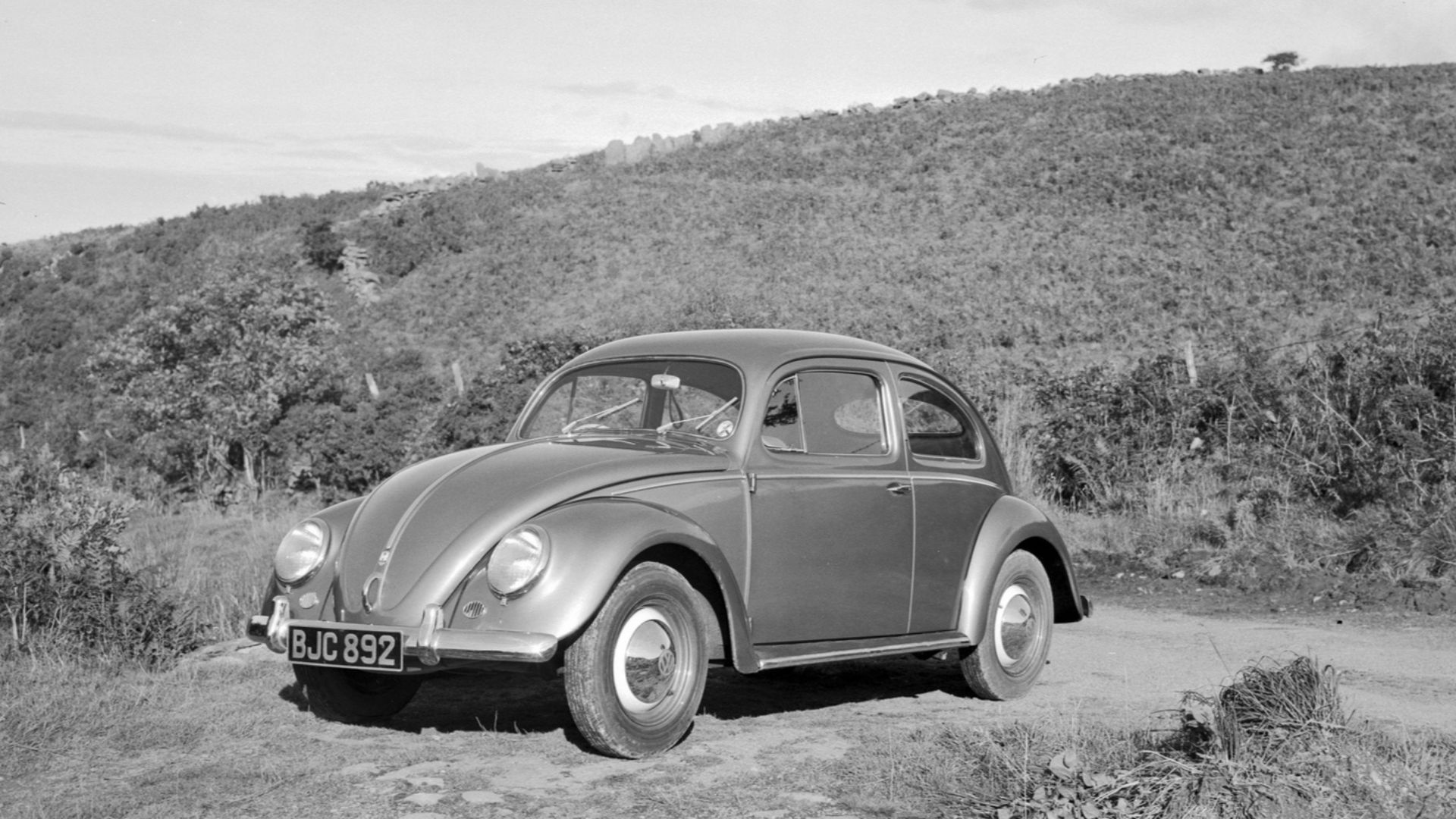
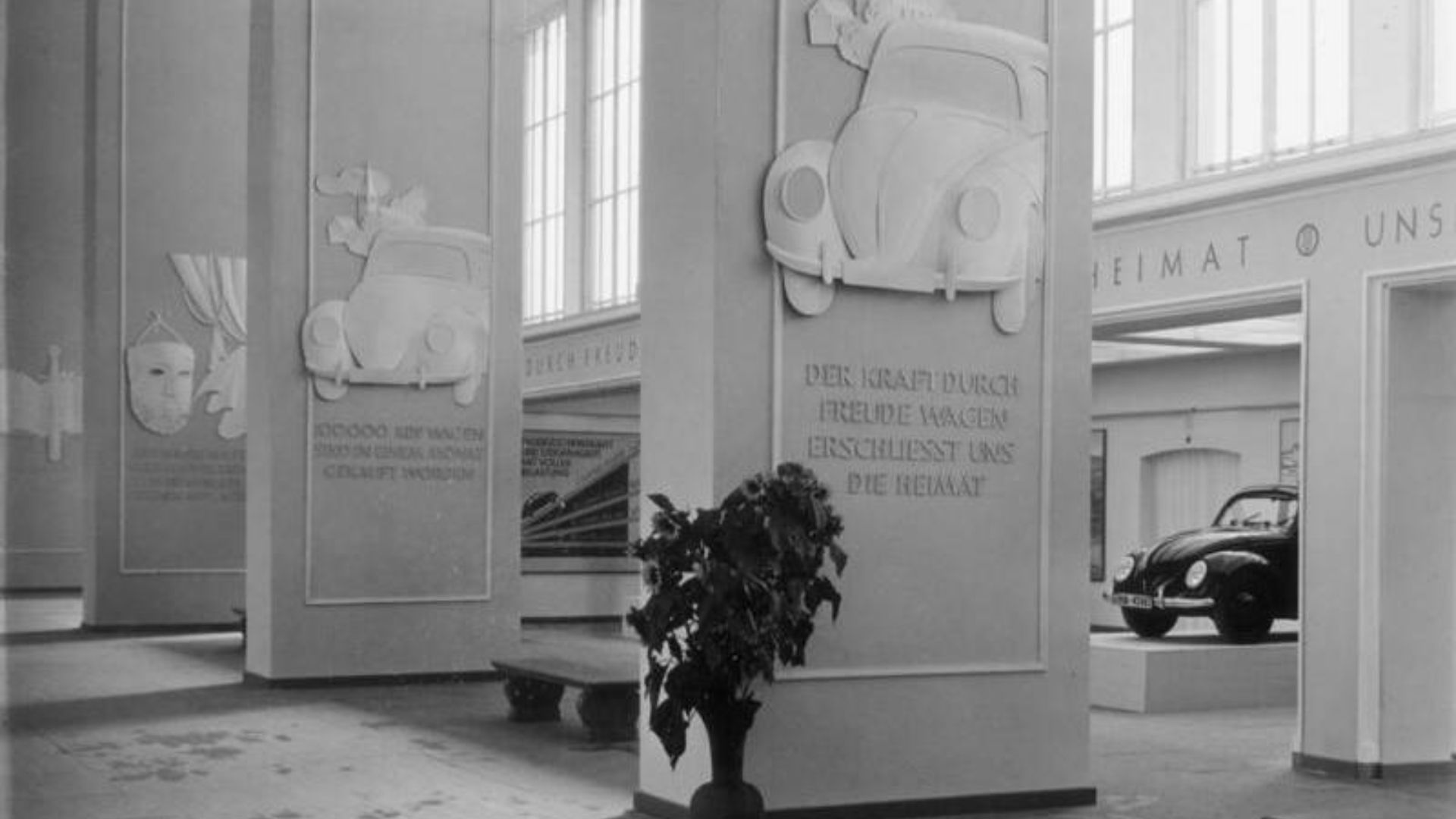
This wasn’t just a car project—it was political from the start. The German government promoted the car as a symbol of national pride and progress. The idea was that every hardworking citizen could someday own one. It sounded hopeful, but it was also tied closely to propaganda.
 Geoff Charles, Wikimedia Commons
Building A Massive New Factory
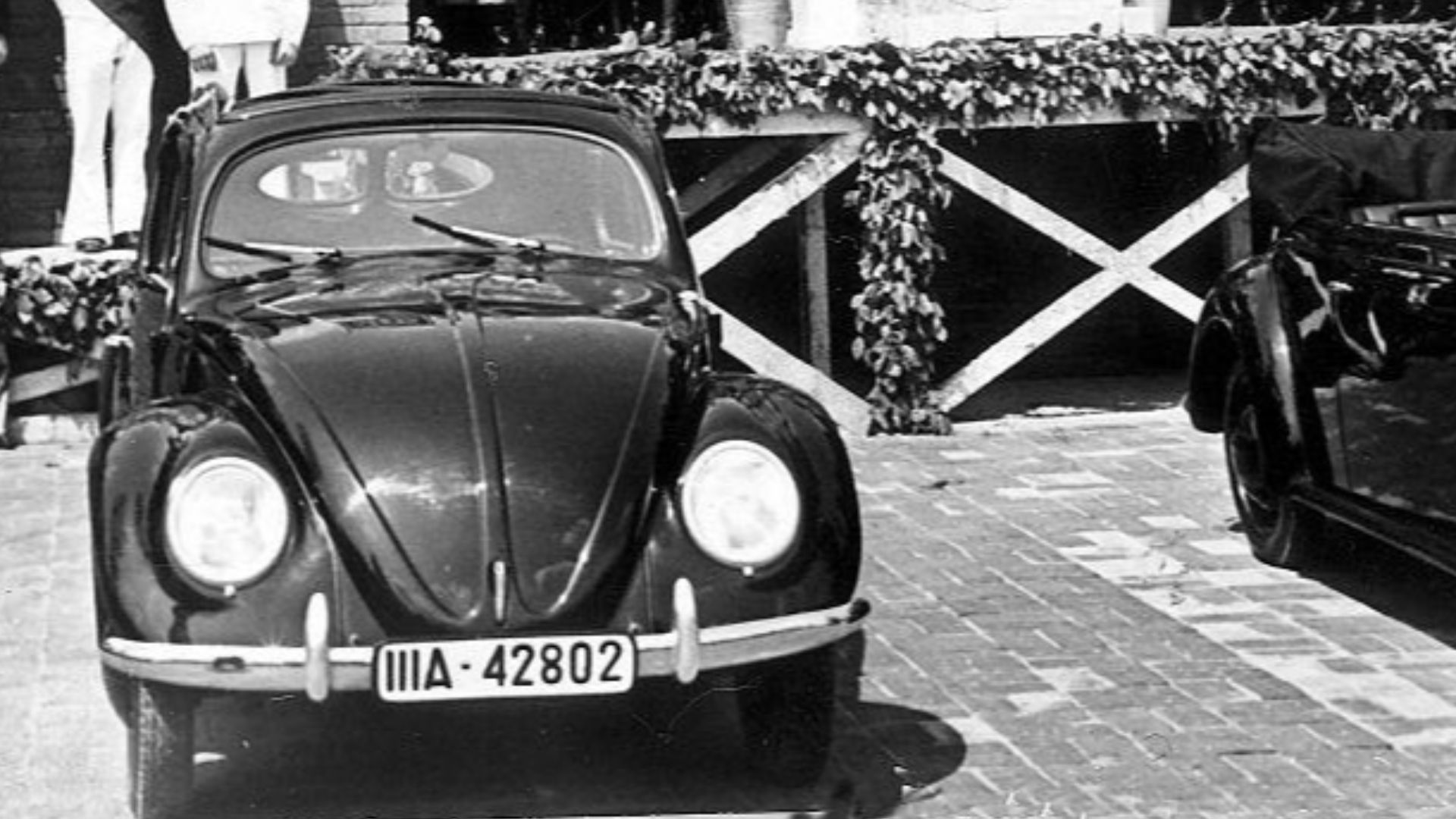
To produce the car in large numbers, a huge new factory was built in a brand-new town that would later be called Wolfsburg. The facility was modern and enormous for its time. It was designed to pump out cars for thousands of families across the country.
 Unknown authorUnknown author, Wikimedia Commons
The Savings Plan That Promised Mobility
Instead of paying for the car all at once, buyers joined a savings program. They purchased stamps and slowly worked their way toward ownership. Once they collected enough, they were supposed to receive their car. Many families signed up, believing their new Volkswagen was just a matter of time.
Then War Took Over
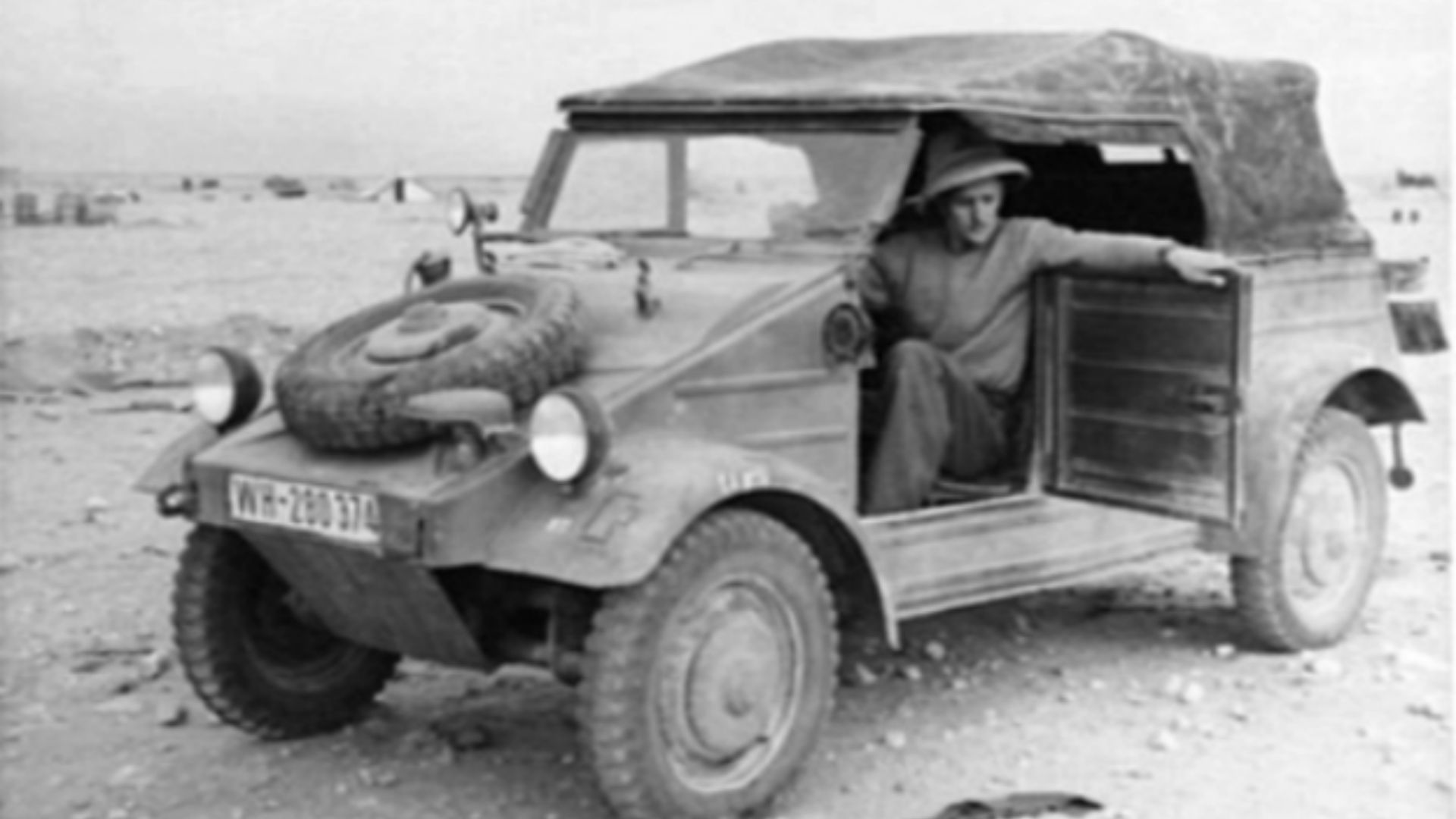
That time never came. When World War II began in 1939, everything changed. Civilian car production stopped almost immediately. Instead of building family cars, the factory shifted to military vehicles designed for soldiers and officers.
 Australian armed forces, Wikimedia Commons
A Factory Focused On The War Effort
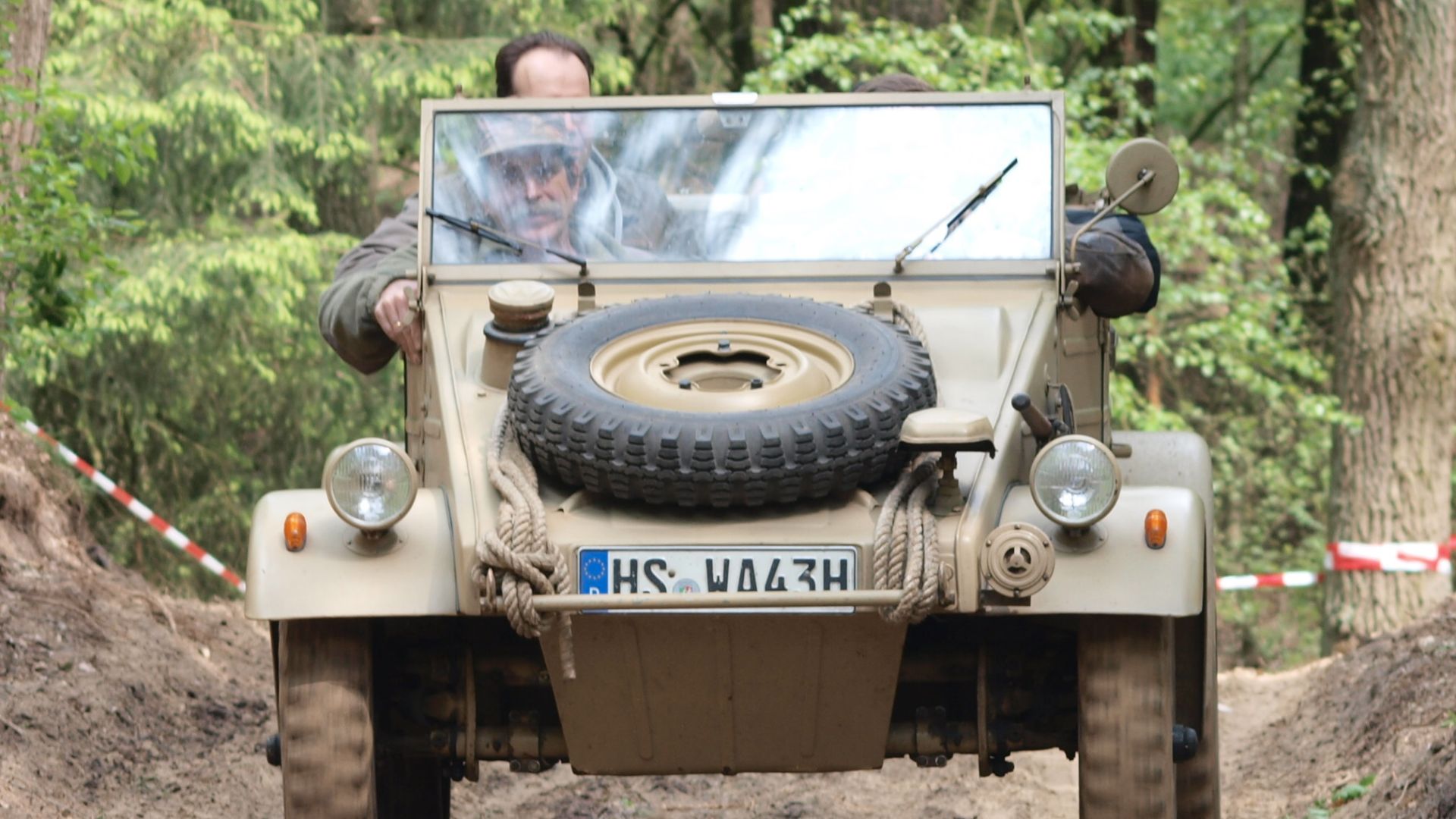
Volkswagen began producing vehicles like the Kübelwagen, a rugged military transport, and the amphibious Schwimmwagen. The dream of affordable family cars was pushed aside. The factory now served the needs of the war.
A Growing Labor Problem
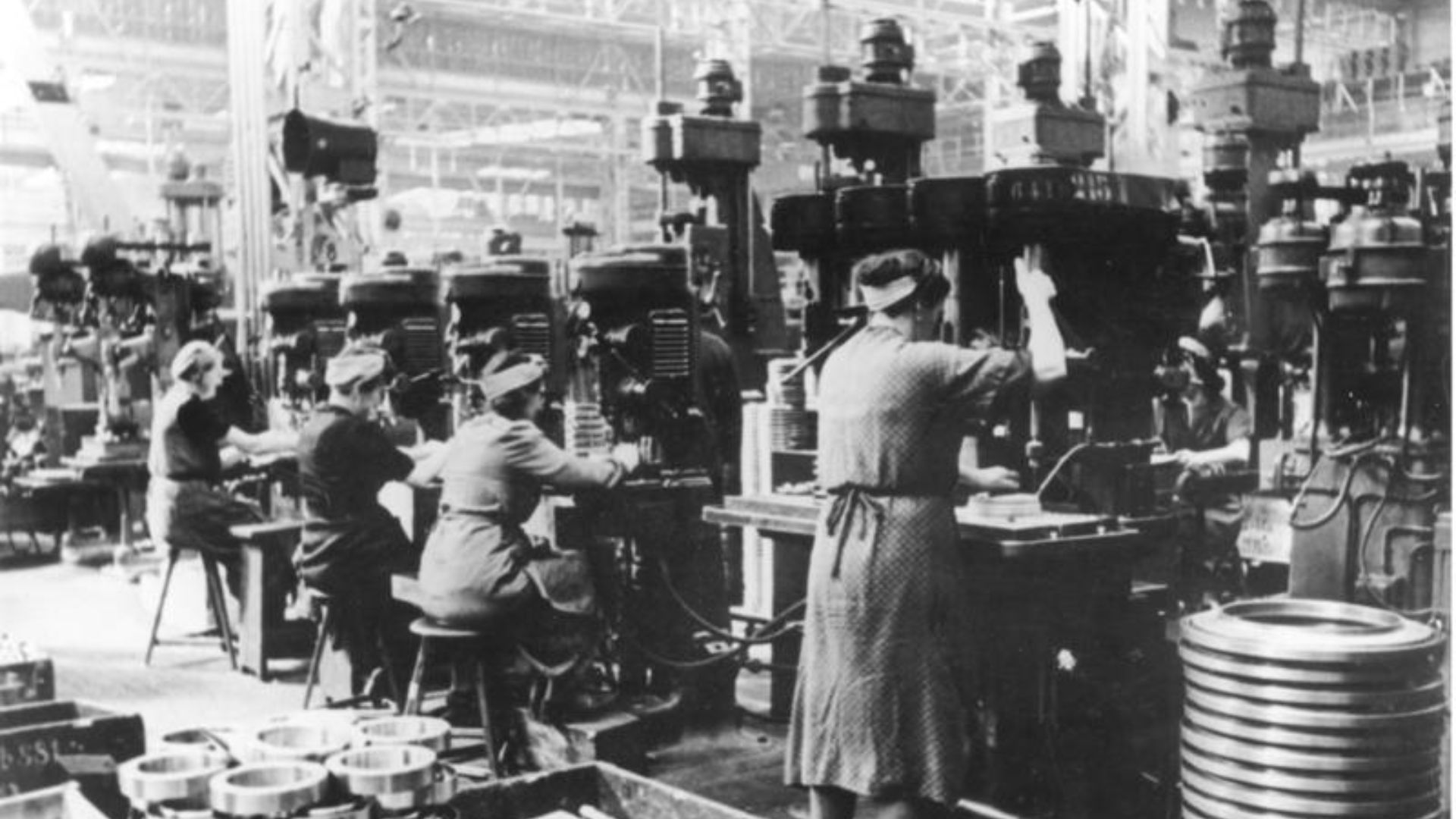
As the war dragged on, Germany faced a serious labor shortage. Millions of men were fighting on the front lines. Factories still needed workers, but there weren’t enough people available.
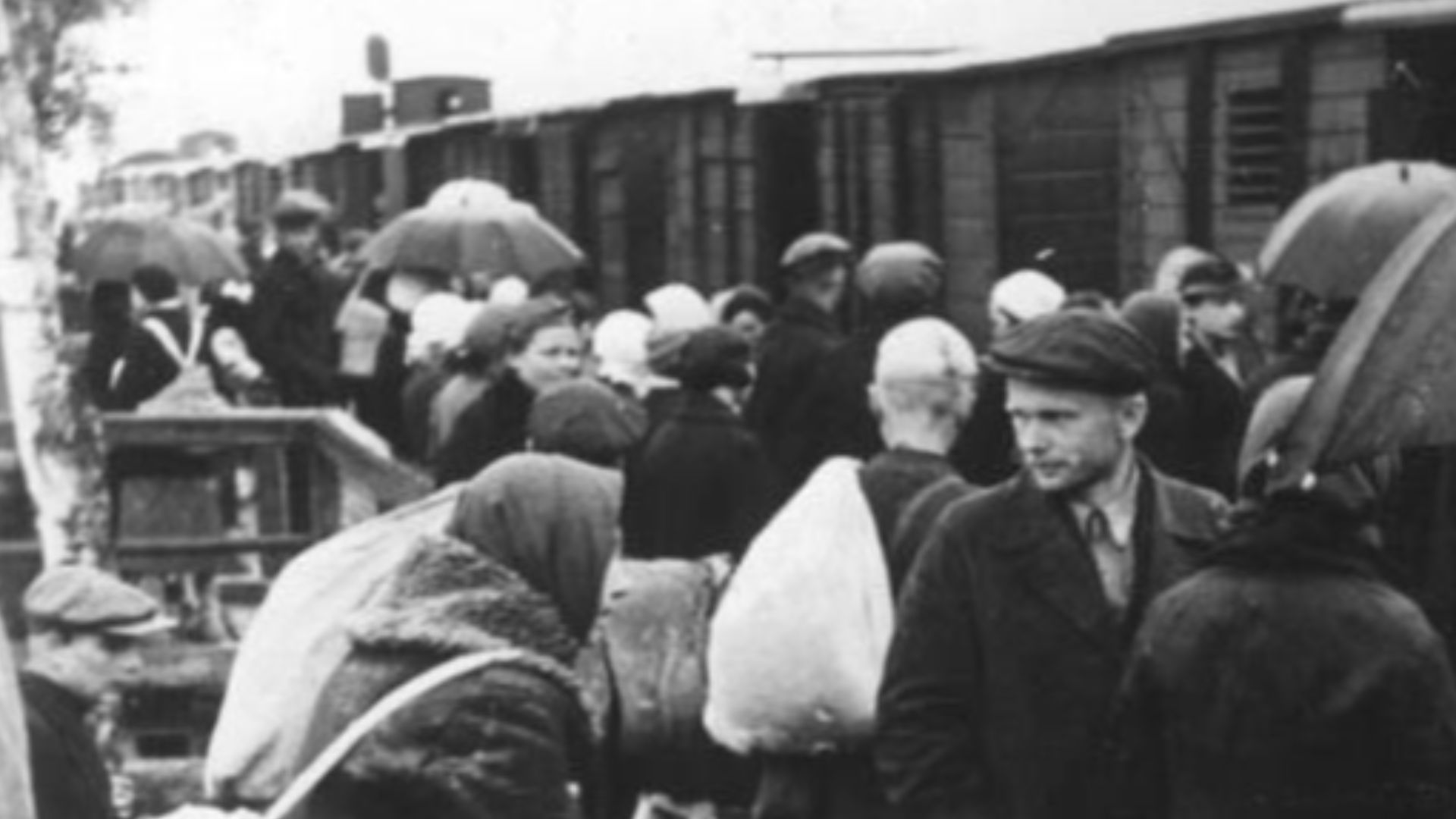
Turning To Forced Labor
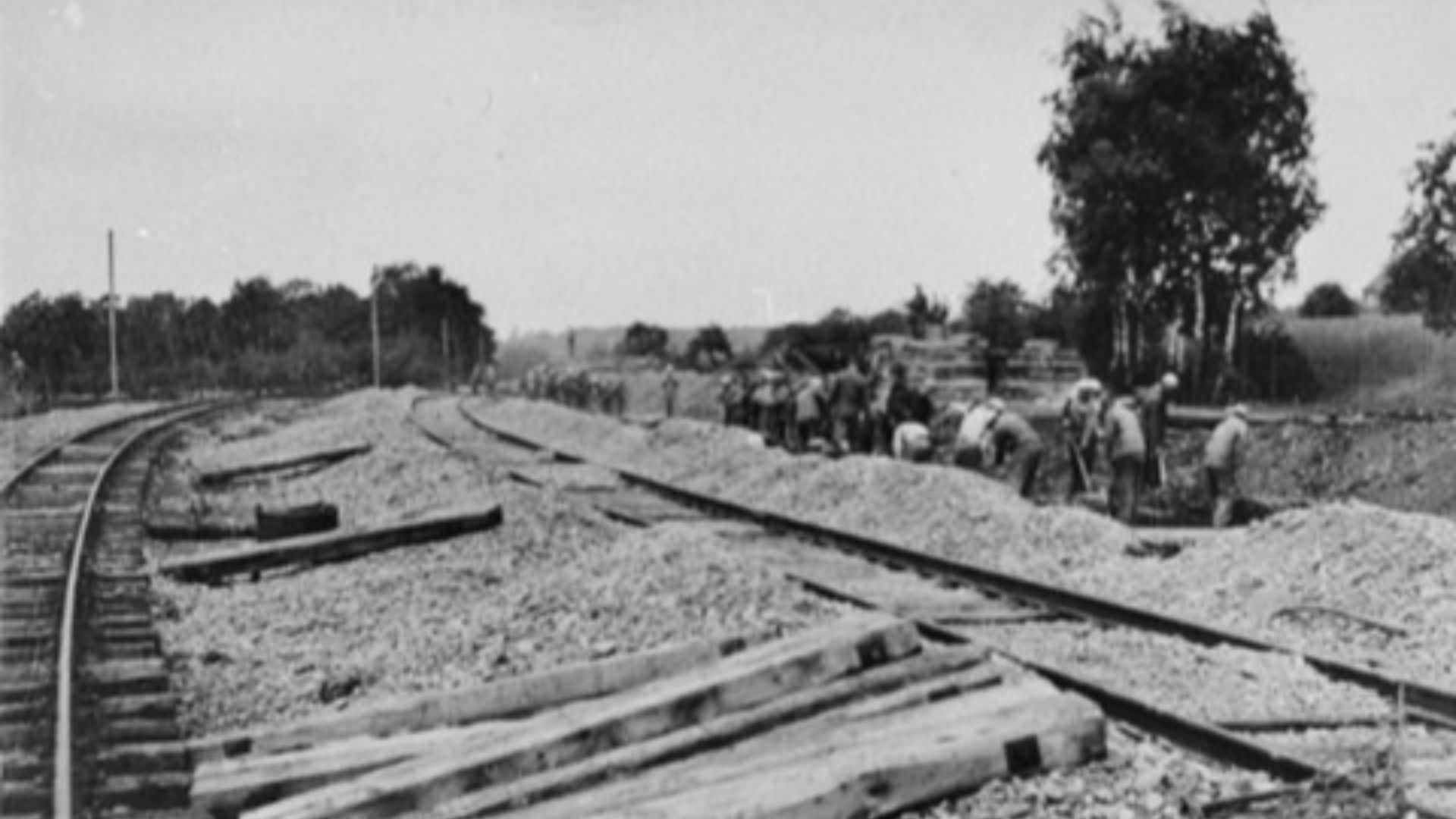
The government’s solution was grim and brutal. They began forcing people from occupied countries, as well as prisoners of war, to work in German factories. Volkswagen’s plant was one of many that relied on this labor. Conditions were harsh, and workers had little choice in the matter.
 Rabenberger, Wikimedia Commons
The Prison Connection
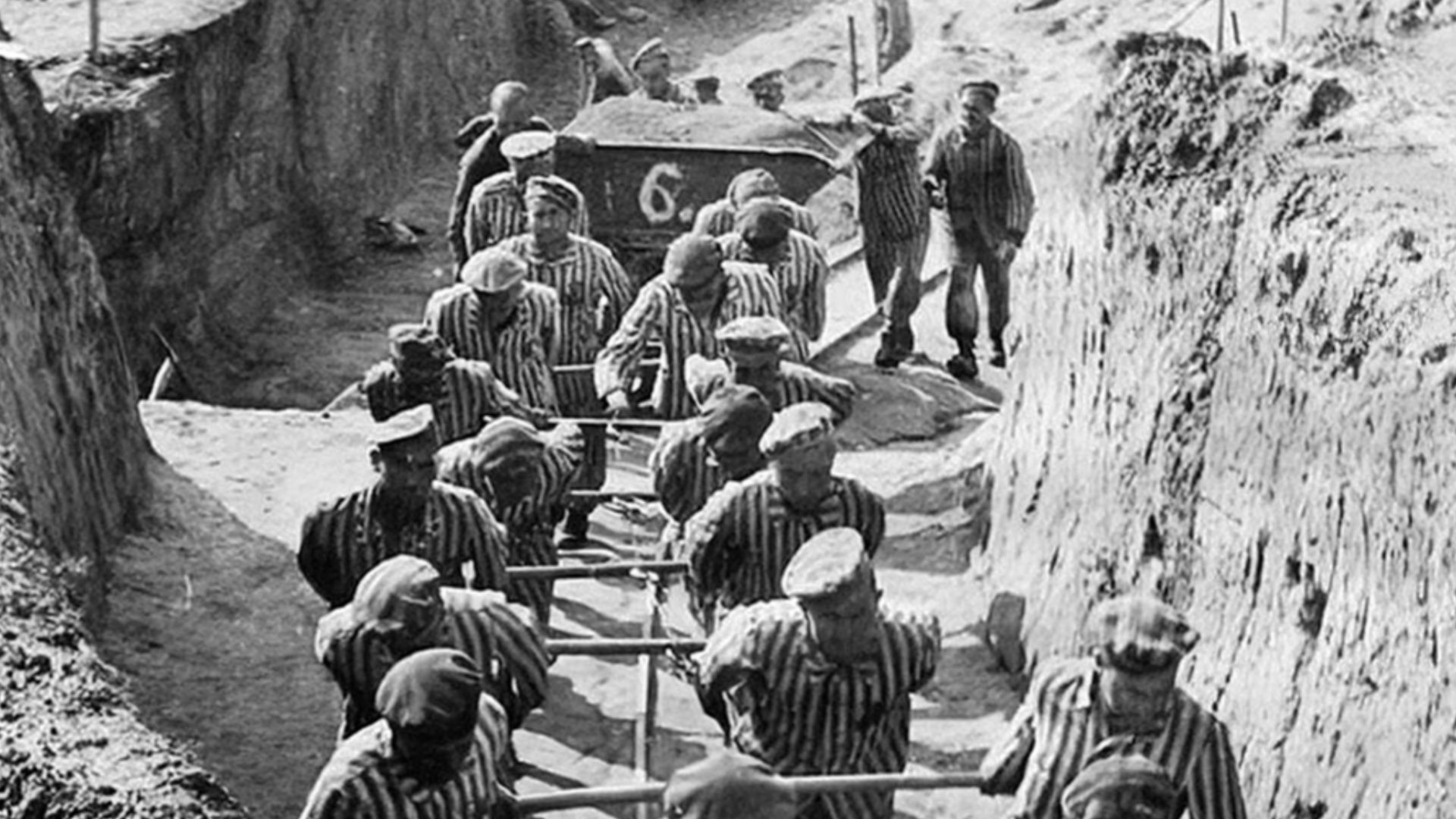
This is where the prison factory story comes in. As labor shortages worsened and bombing increased, production was moved and expanded into satellite facilities. Some of these operations were set up inside or directly connected to prisons and detention camps.
 Unknown authorUnknown author, Wikimedia Commons
Why A Prison Was Used
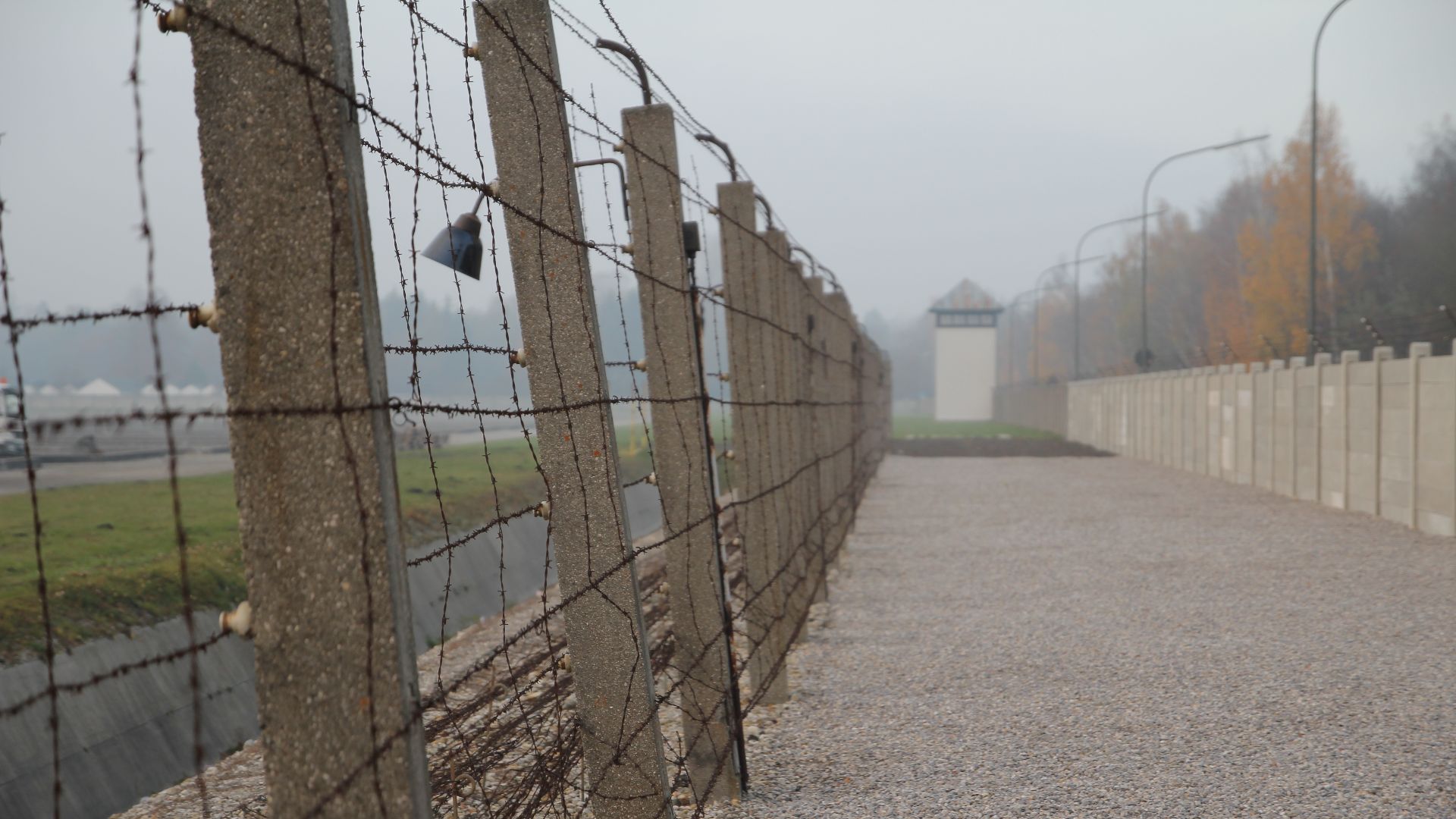
From a cold logistical point of view, prisons offered something the regime wanted: control. Prisoners were already confined and guarded. They could be forced to work, and escape was unlikely. It was an efficient—but deeply unethical—solution to a manpower problem.
 Jorg Padberg, Wikimedia Commons
Workshops Behind Locked Gates
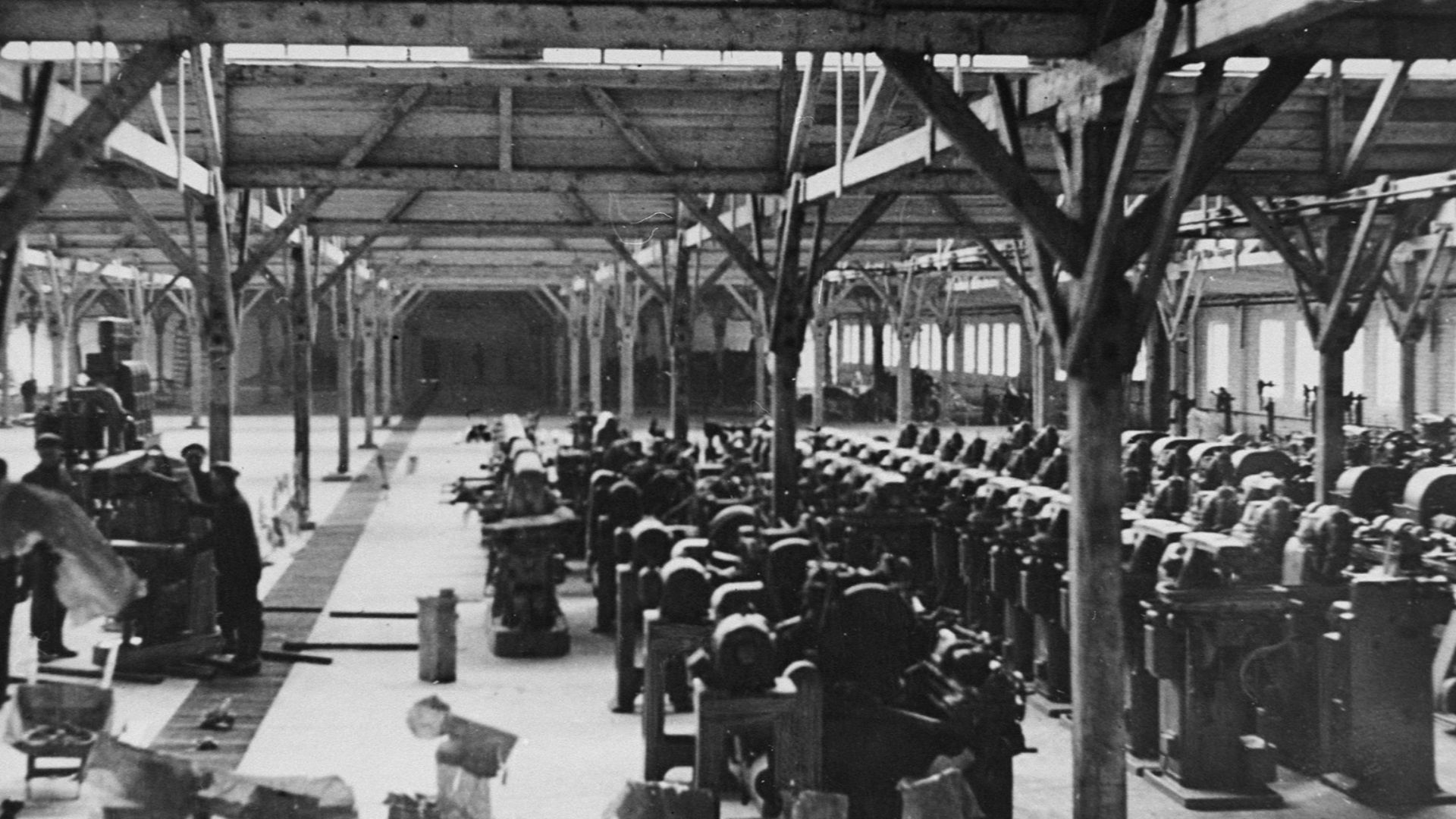
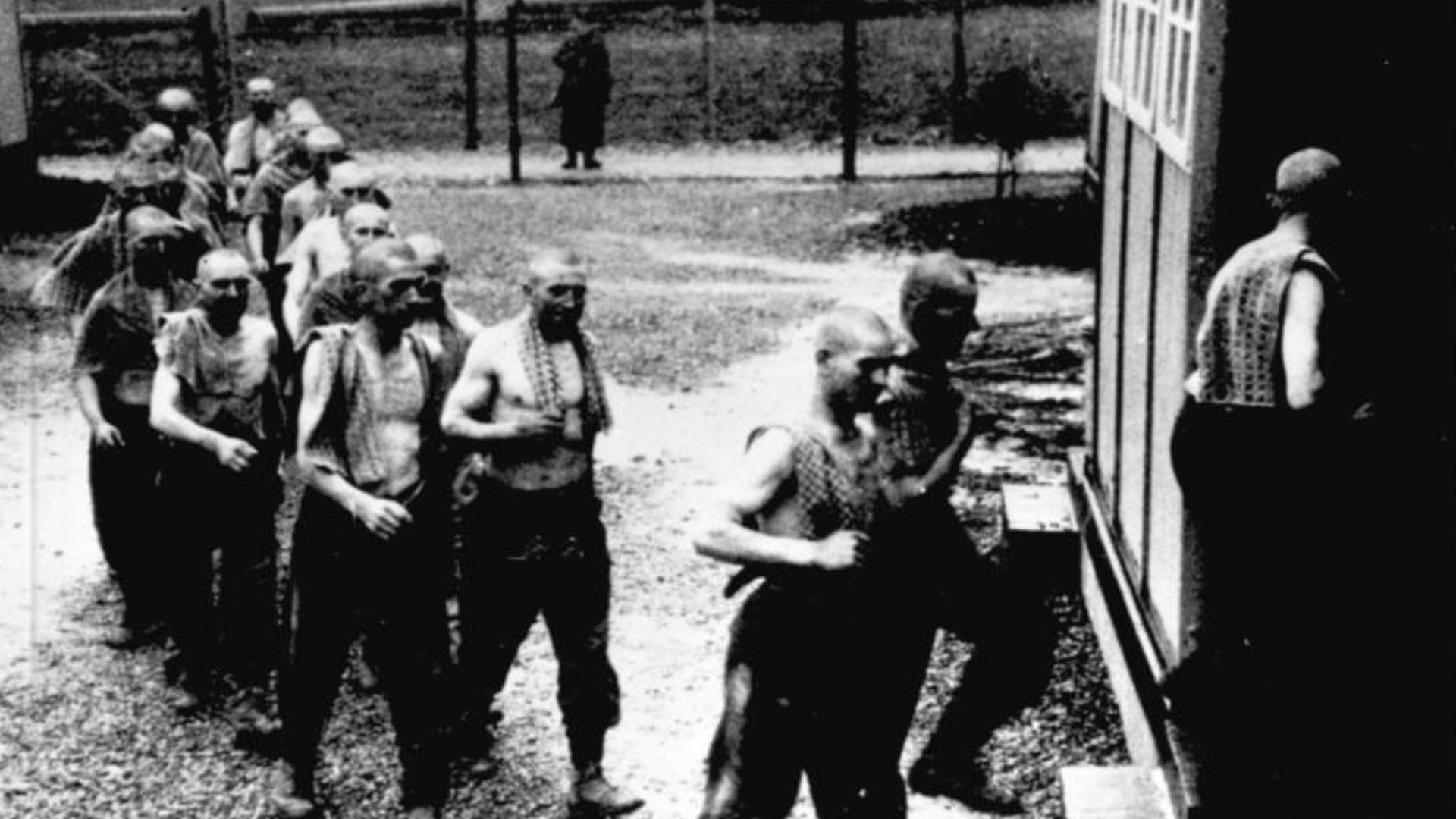
In some cases, inmates worked in workshops built inside prison grounds. They manufactured parts and components that were later assembled into military vehicles. Guards monitored production, and output was expected to meet strict demands.
Blurred Lines Between Factory And Prison
The difference between a prison and a factory began to disappear. Barbed wire, guards, and workstations existed side by side. Production continued, but it came at a heavy human cost.
 UnknownUnknown , Wikimedia Commons
The Human Toll
Many of the forced laborers suffered from hunger, exhaustion, and illness. Conditions were poor, and safety standards were minimal. Some workers did not survive. This is one of the darkest chapters in Volkswagen’s story.
The War Ends And The Factory Falls Silent
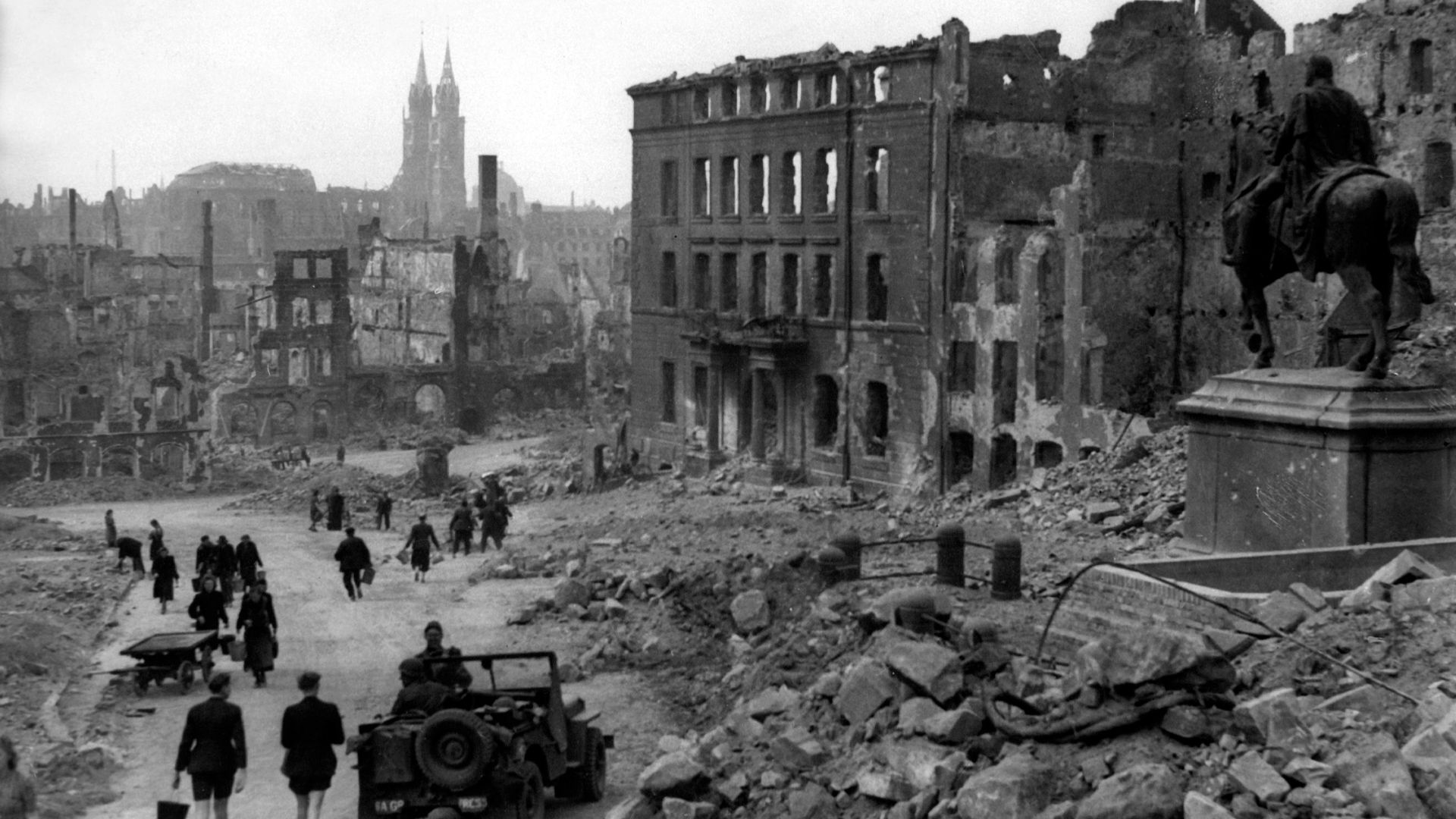
By 1945, Germany was devastated. The Volkswagen factory had been bombed heavily and was barely functioning. The original dream of a people’s car seemed completely dead.
 Keystone/Second Roberts Commission, Wikimedia Commons
An Unexpected Savior
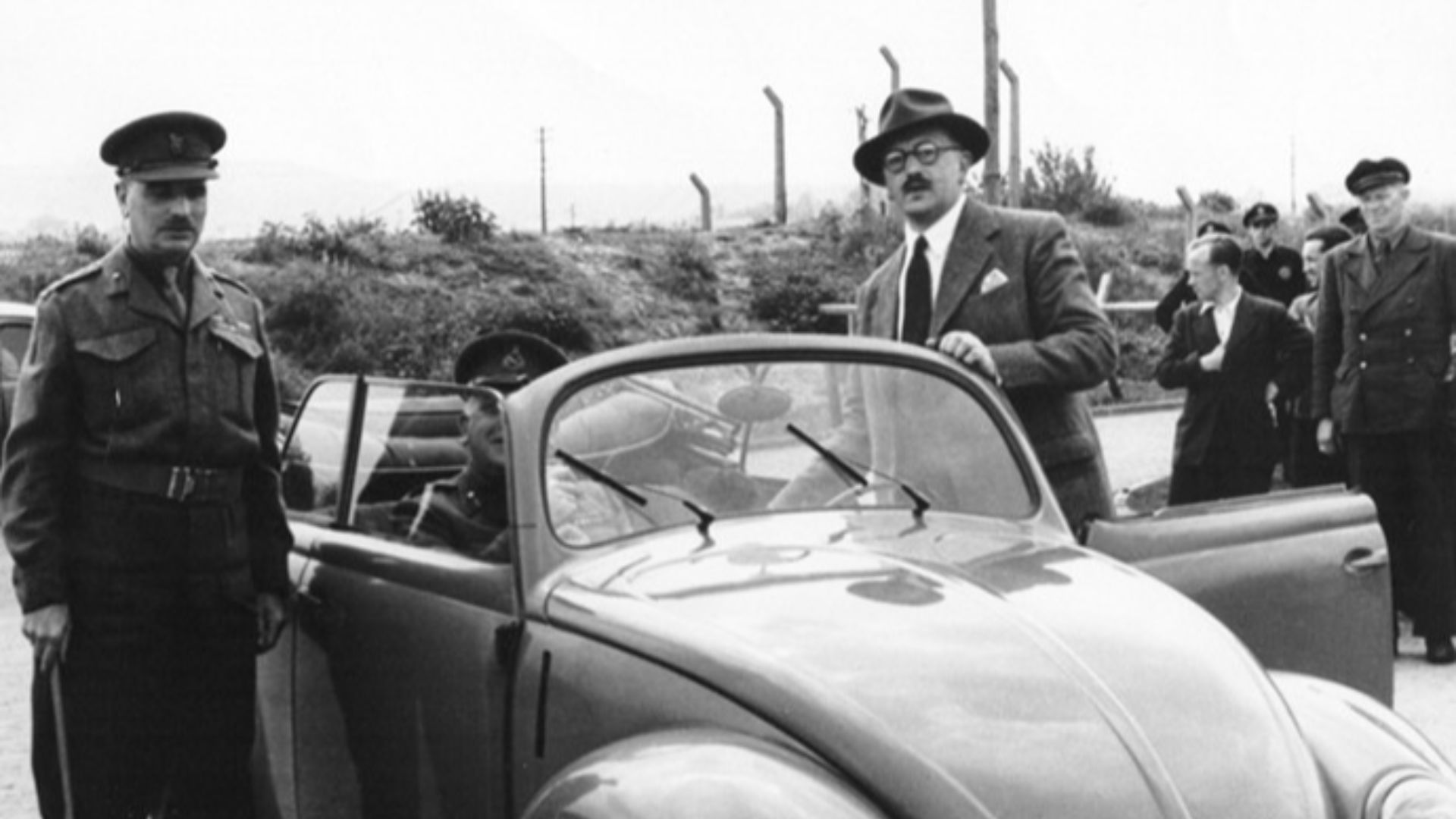
Surprisingly, help came from the British Army. Major Ivan Hirst was assigned to oversee the damaged factory. Instead of tearing it down, he saw potential in the Beetle design and decided to restart production.
 Ivan Hirst: the story of how he saved the VW Beetle - Heritage Parts Centre, Wikimedia Commons
A Second Chance For The Beetle
Under British control, the factory slowly began building cars again—this time for peaceful use. The same basic design that had been born in the 1930s was revived. The Beetle was back, but in a very different world.
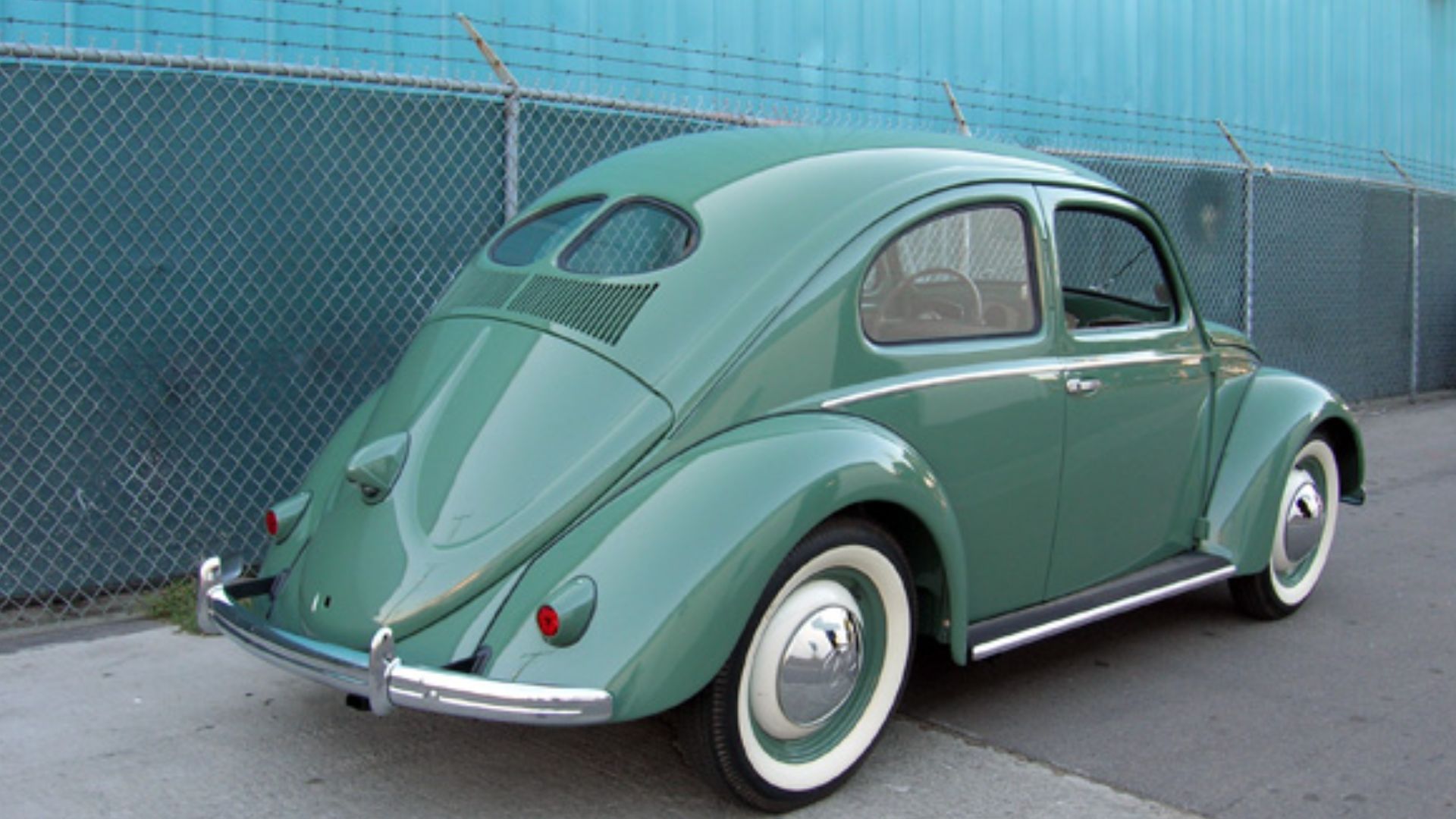 Pfan70 at English Wikipedia, Wikimedia Commons
Facing The Past Decades Later
For many years, Volkswagen focused on growth and expansion. But eventually, the company began to openly address its wartime history. Researchers were commissioned to study what had happened during those years.
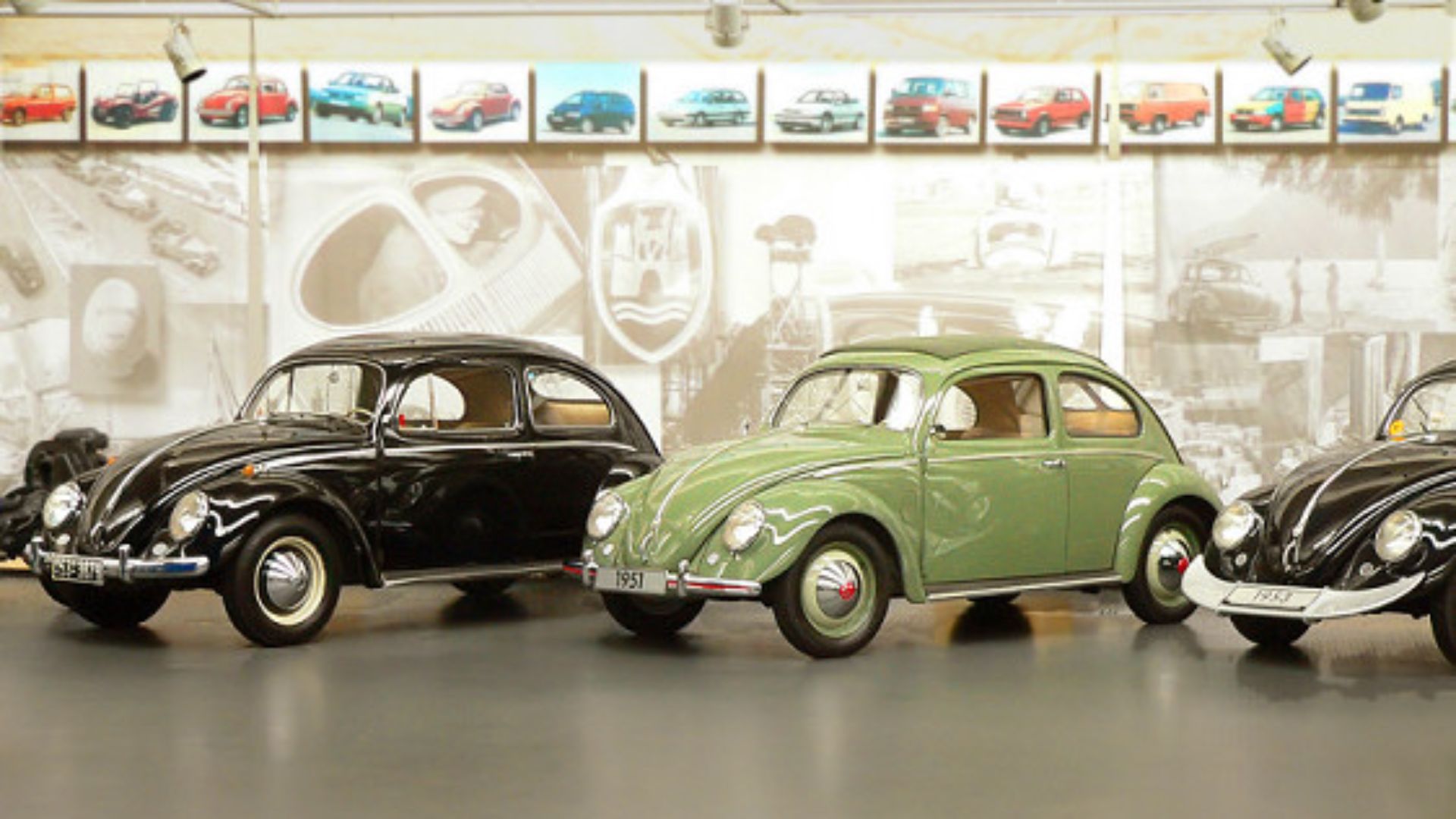 Axel Hindemith at German Wikipedia, Wikimedia Commons
Public Acknowledgment
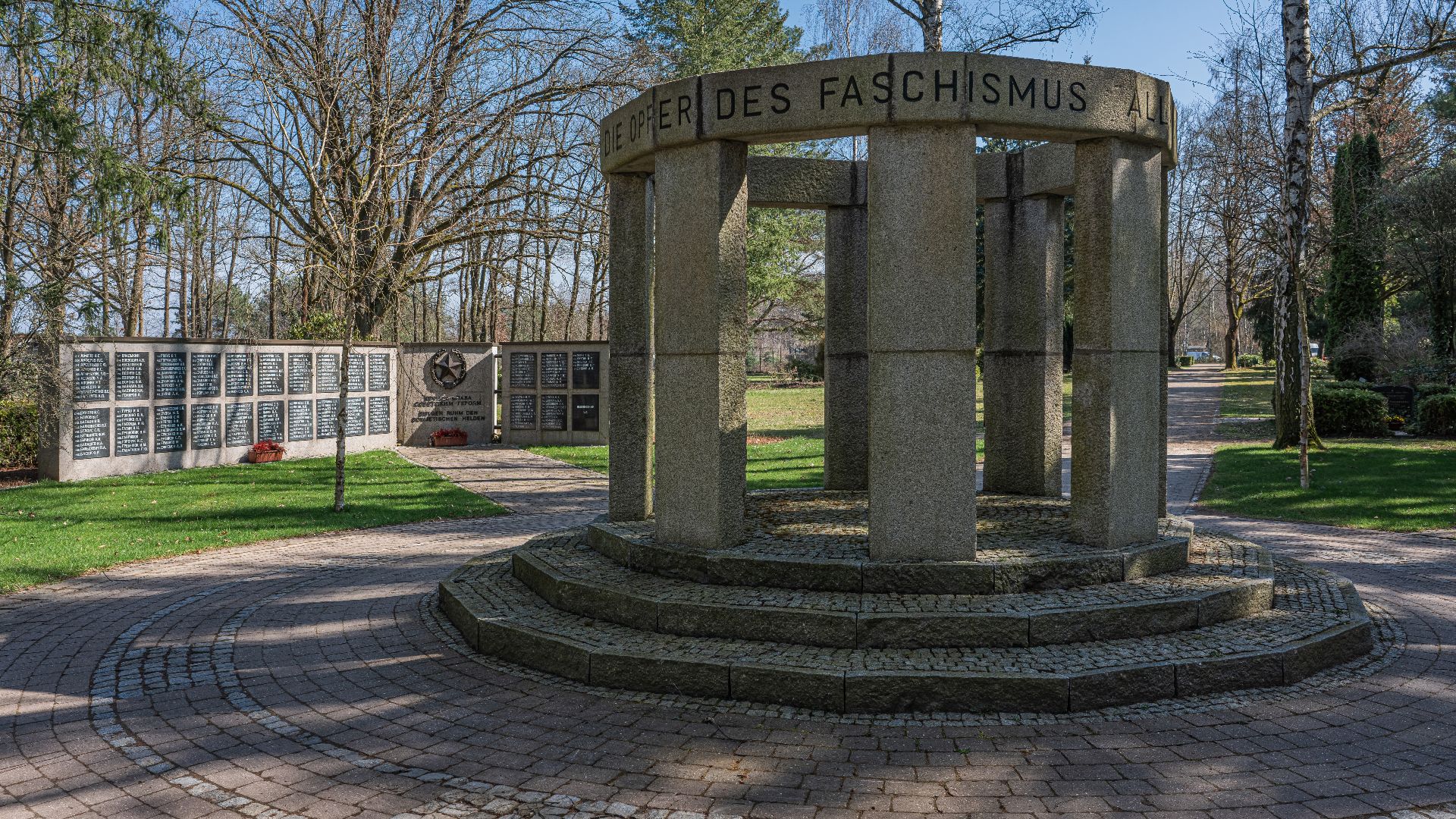
Volkswagen formally acknowledged its use of forced labor. The company expressed regret and contributed to compensation programs for surviving workers. It was an important, if long overdue, step.
Reinventing The Brand
By the 1960s, the Beetle had become a symbol of simplicity and fun. In the United States, it was even embraced by the counterculture movement. The irony was striking—a car with roots in wartime Germany became a symbol of peace and individuality.
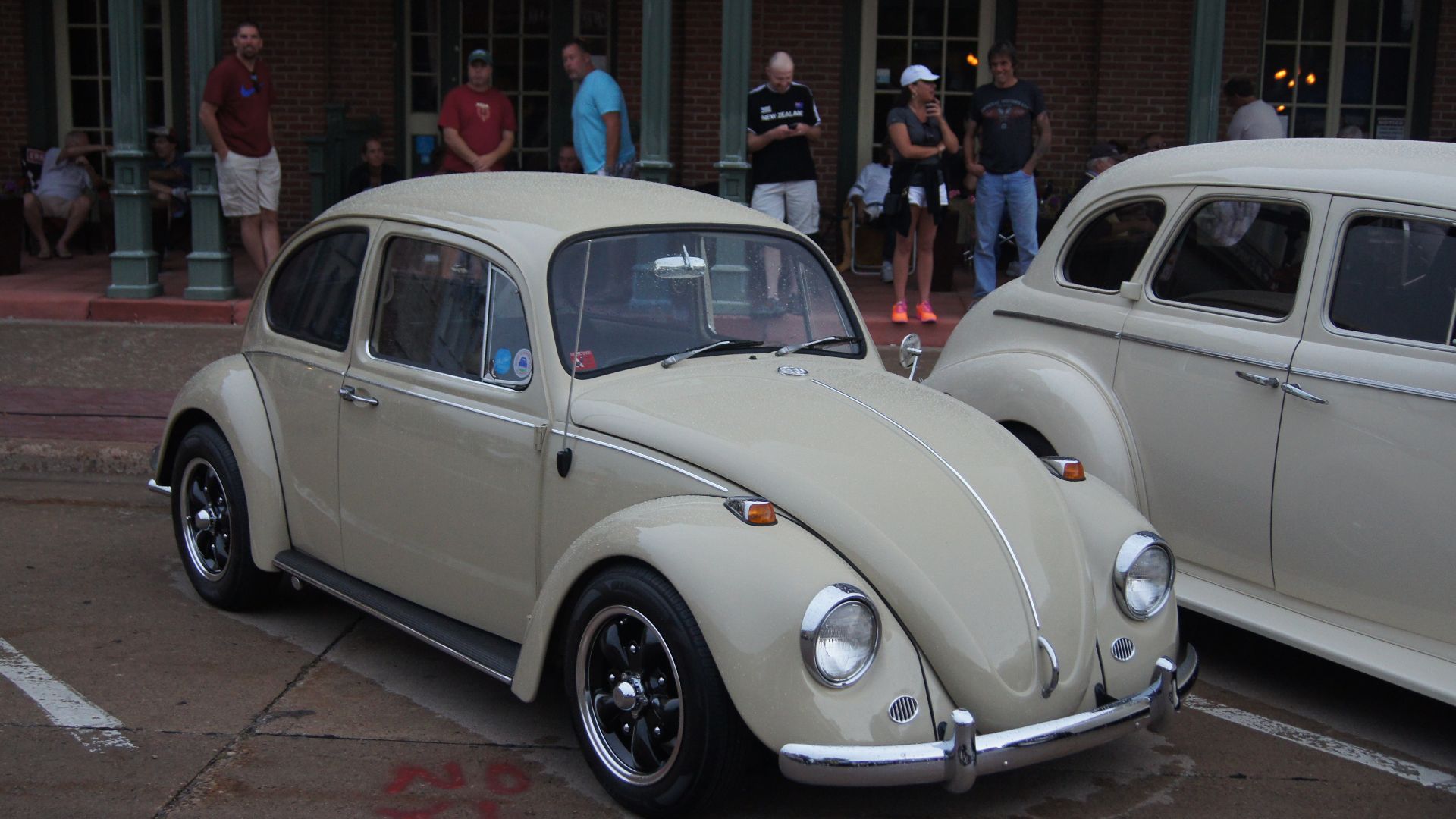 Greg Gjerdingen from Willmar, USA, Wikimedia Commons
Growing Into A Global Giant
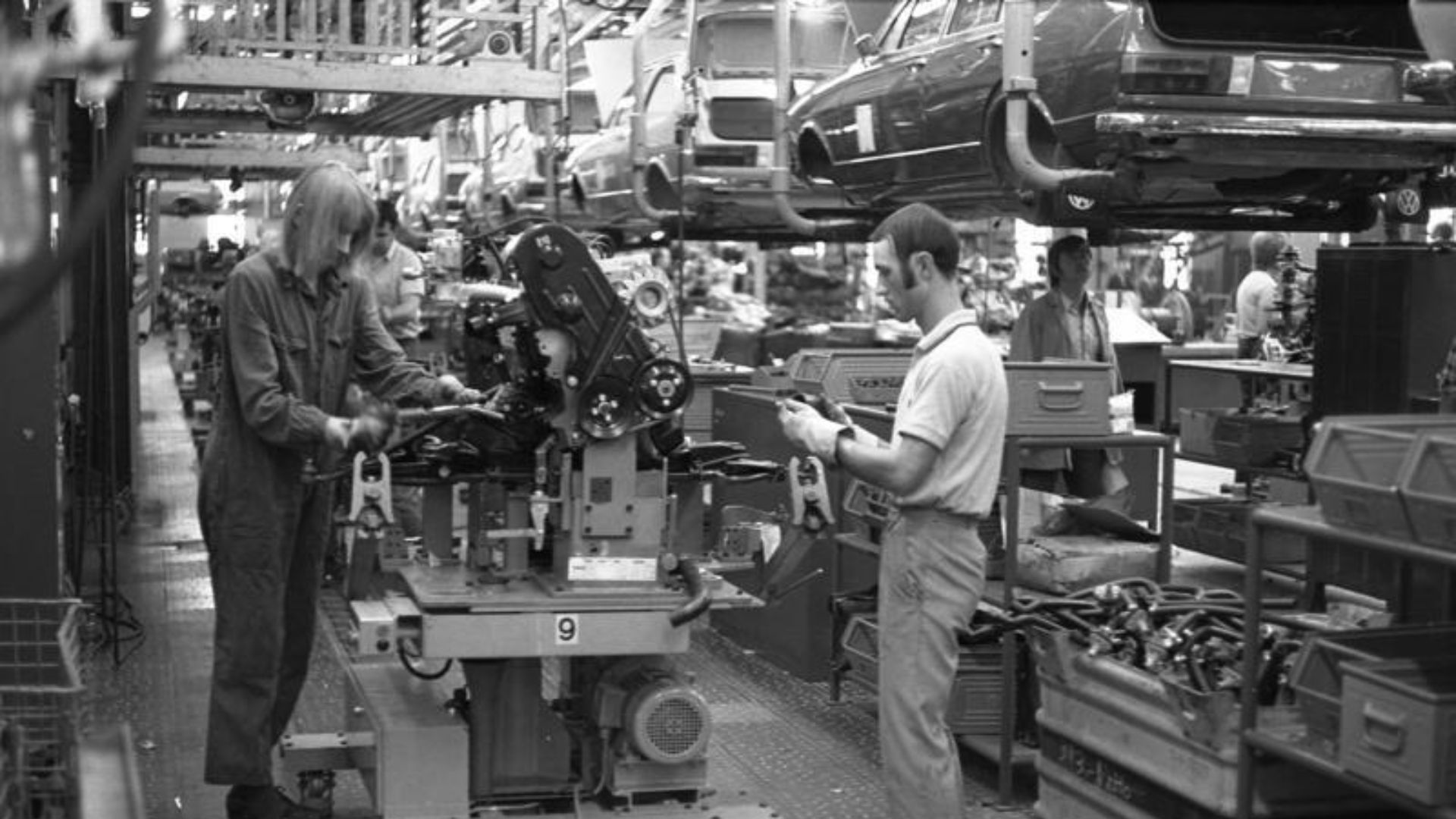
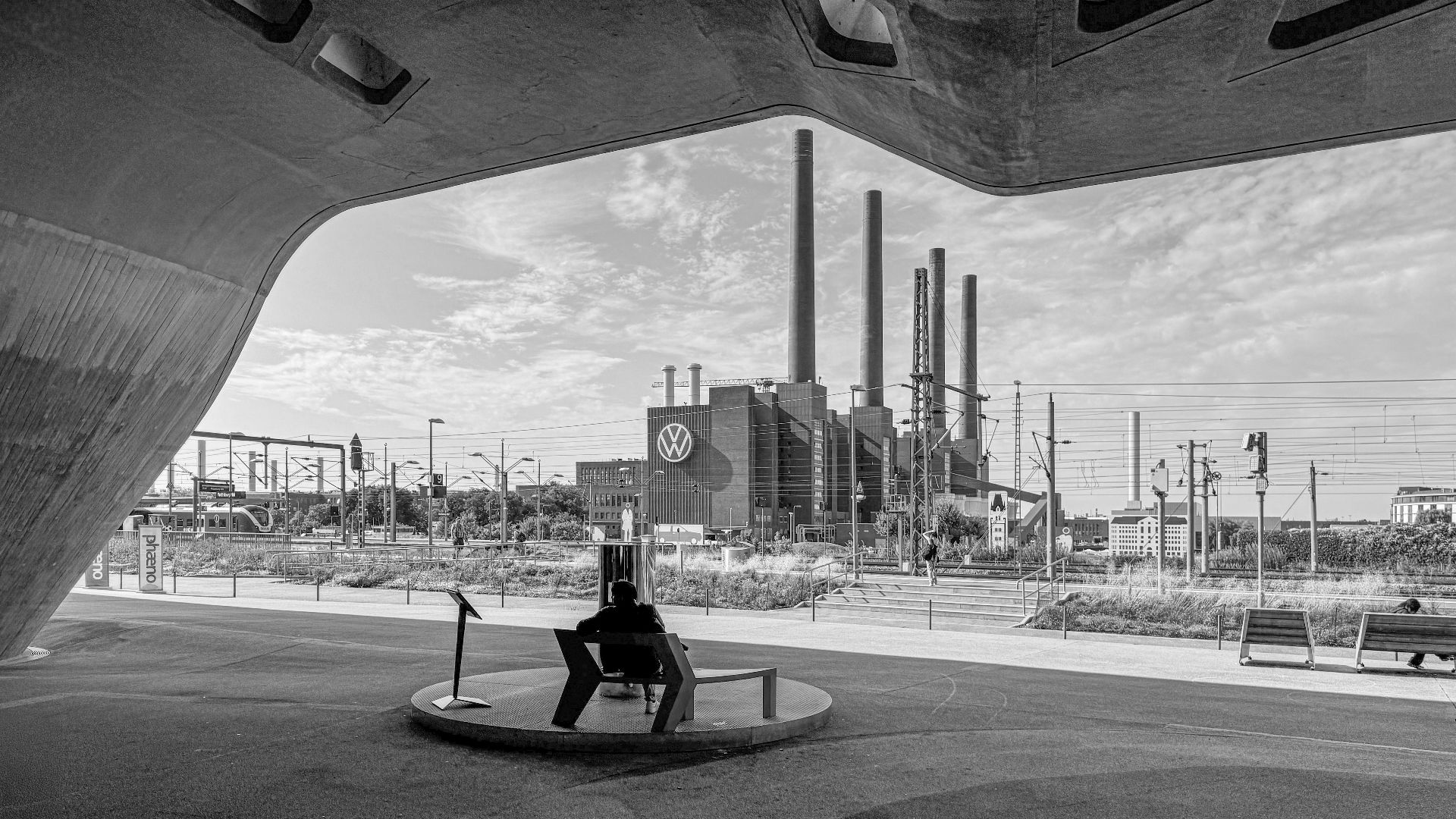
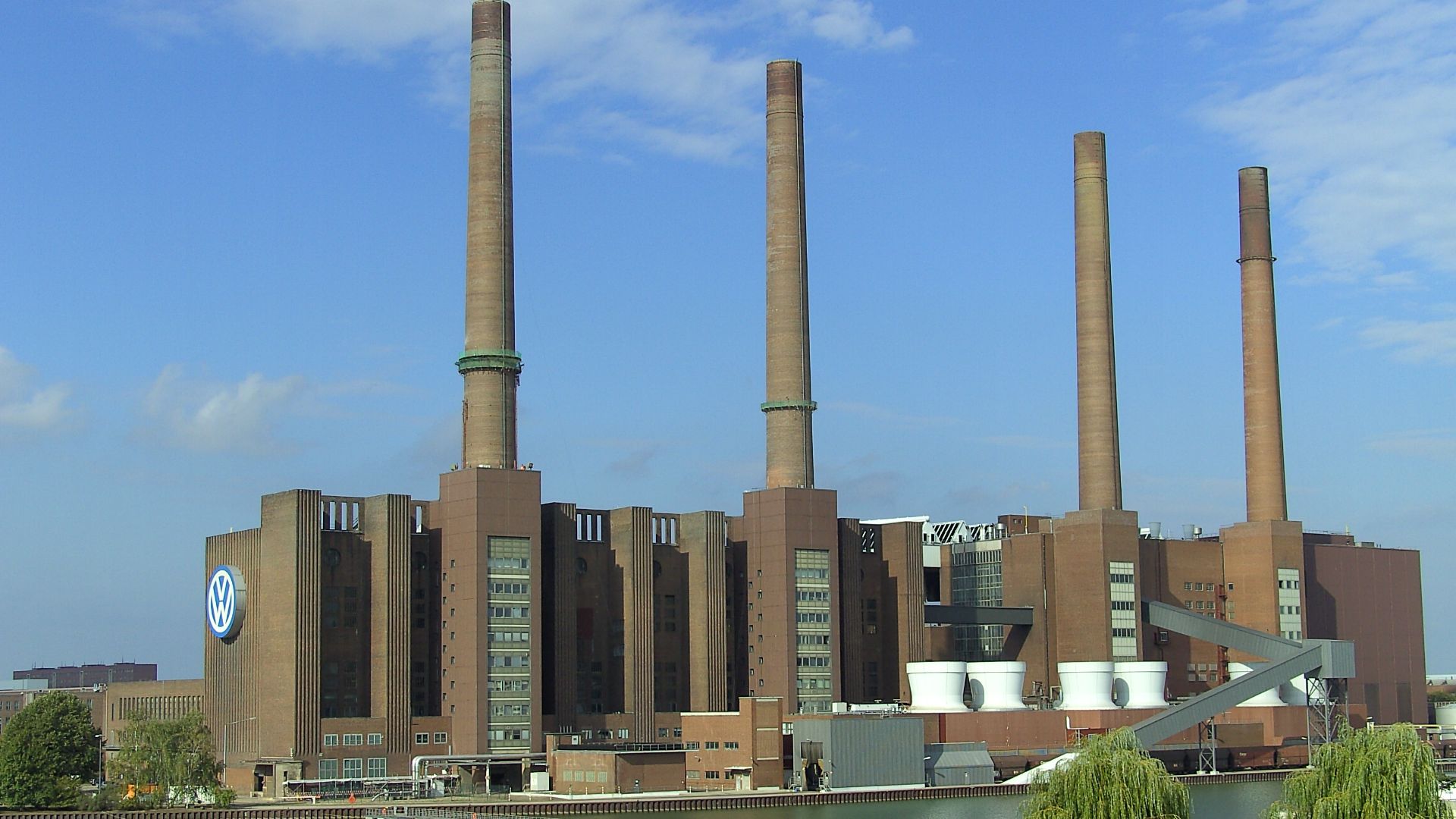
Over time, Volkswagen expanded into one of the world’s largest automakers. New models like the Golf and Passat helped define practical transportation for millions. The Wolfsburg plant became a symbol of industrial success.
 Lothar Schaack, Wikimedia Commons
Why This Story Still Matters
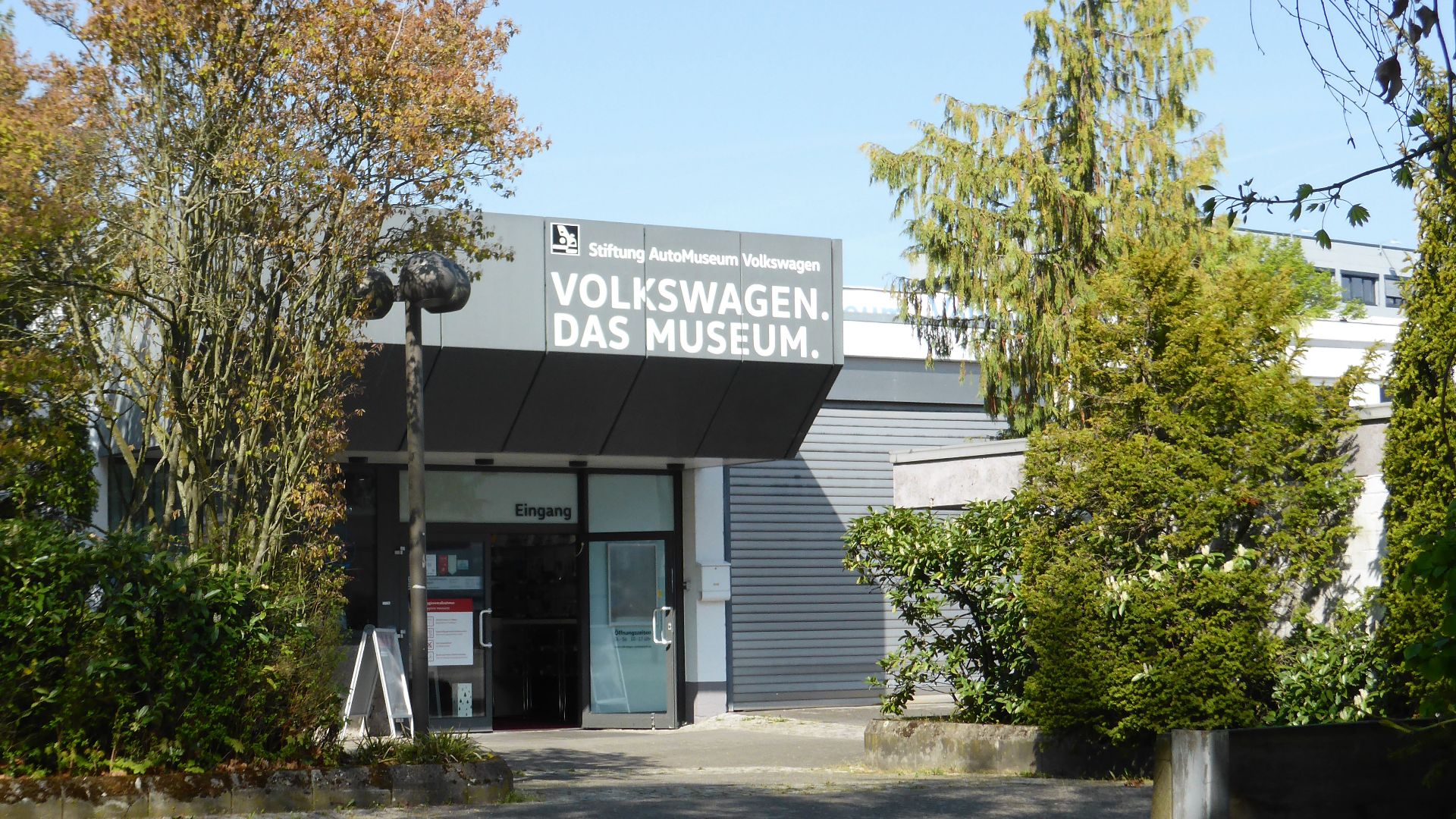
It’s tempting to focus only on the happy parts of automotive history—the cool designs, the engineering breakthroughs, the cultural impact. But history is rarely that simple. Volkswagen’s early years show how companies can be shaped by the times they live in.
Industry And Morality
The prison factory chapter reminds us that businesses do not operate in isolation. They are influenced by politics, leadership, and social conditions. When those forces go wrong, the results can be troubling.
 Marek Sliwecki, Wikimedia Commons
A Different Company Today
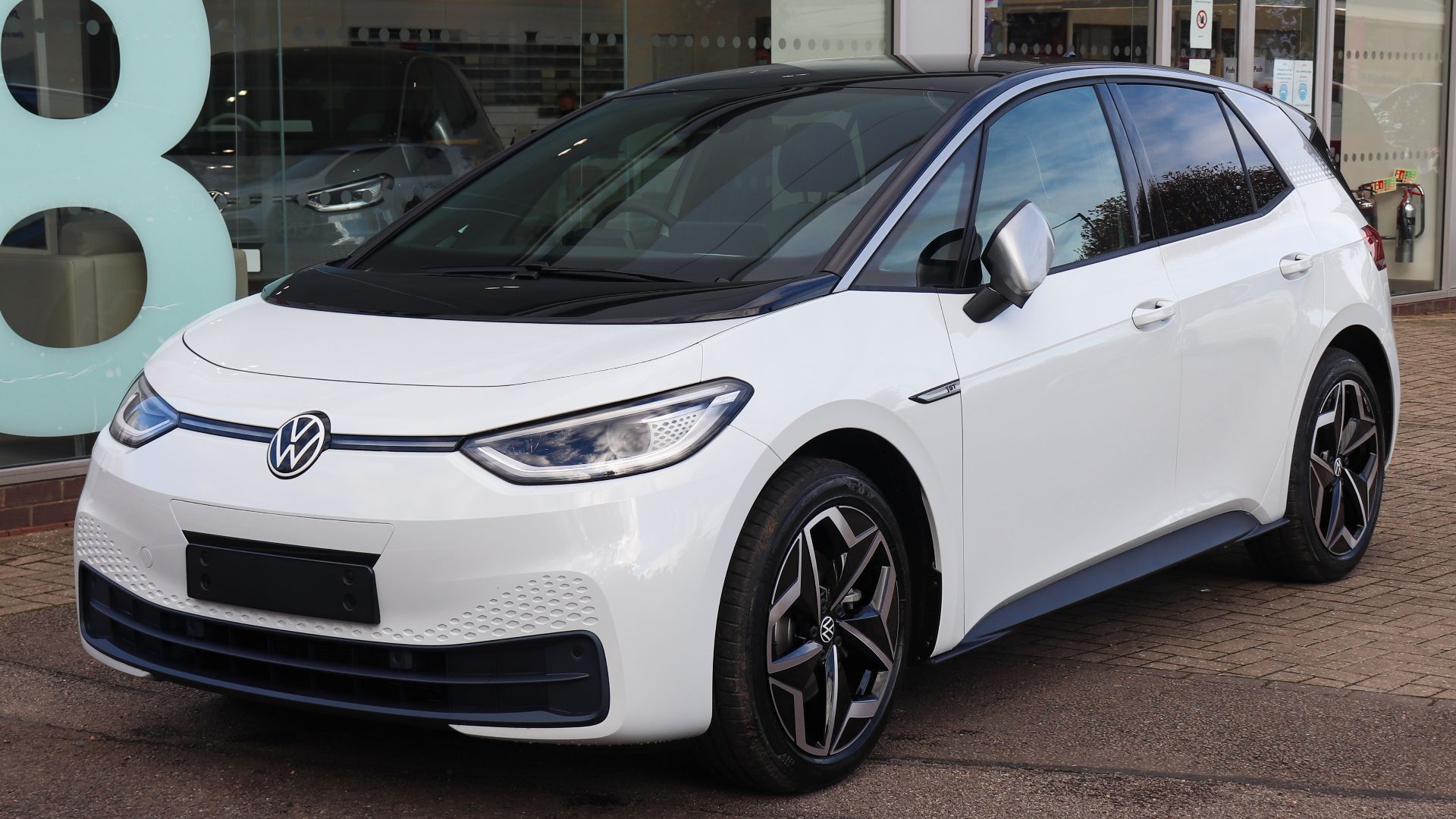
Modern Volkswagen is far removed from its wartime beginnings. It operates in a world of global oversight, corporate responsibility, and public accountability. But its early story still matters.
The Contrast Is Striking
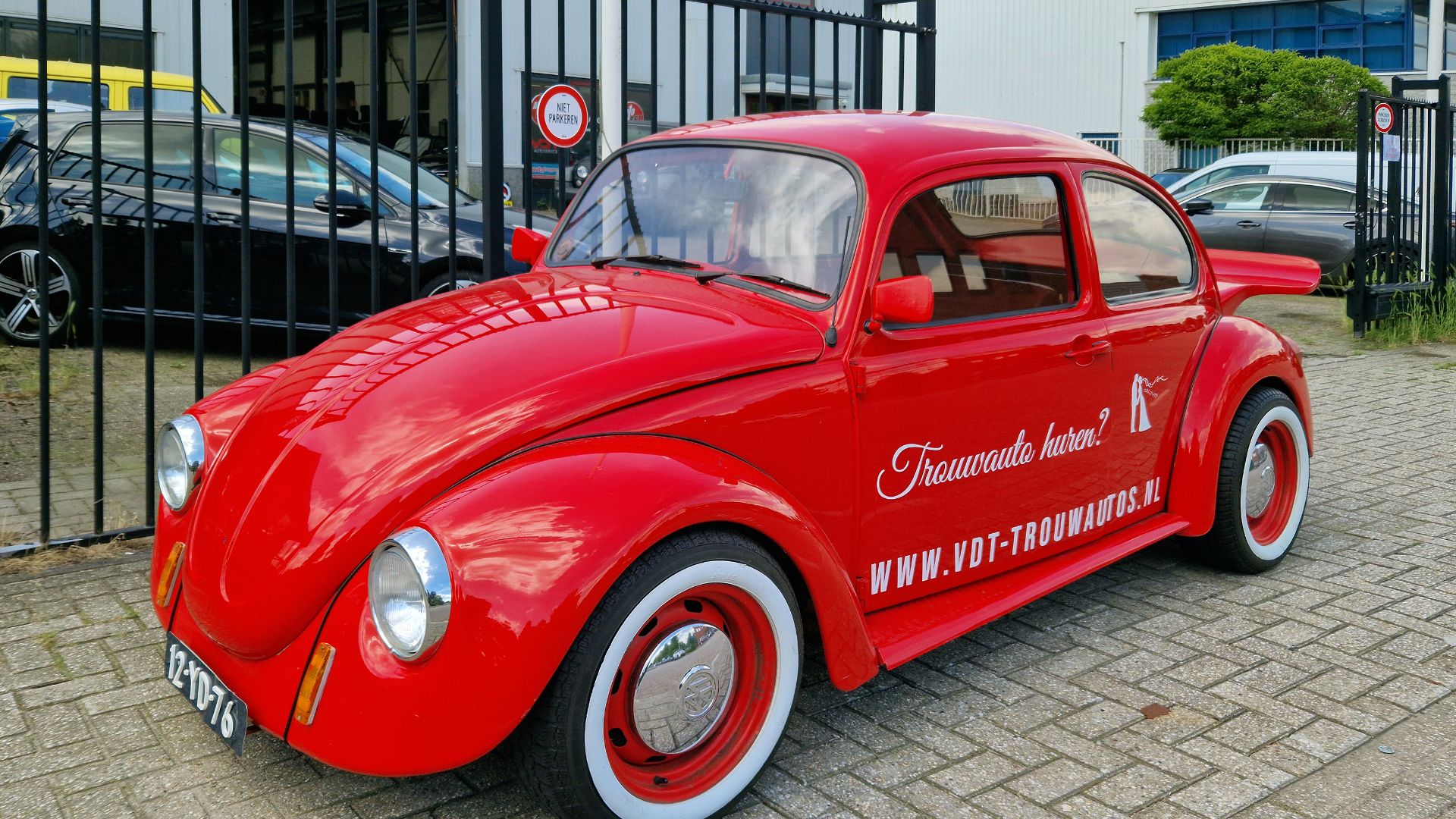
It’s hard to imagine the cheerful VW Bus or a classic Beetle and connect them to prison workshops and forced labor. Yet that contrast is exactly what makes Volkswagen’s history so powerful—and so important to understand.
 ReneeWrites, Wikimedia Commons
Remembering The Whole Journey
Volkswagen’s path from a politically driven project to a global automotive leader wasn’t smooth or simple. The fact that parts of its early production were tied to prisons is uncomfortable, but it’s part of the truth. And telling the full story—both the achievements and the mistakes—helps us better understand how the modern automotive world came to be.
 User:High Contrast, Wikimedia Commons
You May Also Like: