
Bulletproof or Overcomplicated?
You’re looking at a diesel truck. Your uncle swears diesel engines run forever. Your coworker says modern emissions systems turned them into expensive nightmares. Now you’re stuck wondering if you’re buying a legend — or a repair bill. So what actually changed with modern diesels? And are they still built to last?

First: Why Diesel Engines Got Their Reputation
Older diesel engines earned their “forever” reputation because they were overbuilt. Heavy internal components, lower RPM operation, and simple mechanical fuel systems meant fewer things to fail. Many ran 300,000–500,000 miles with proper maintenance.
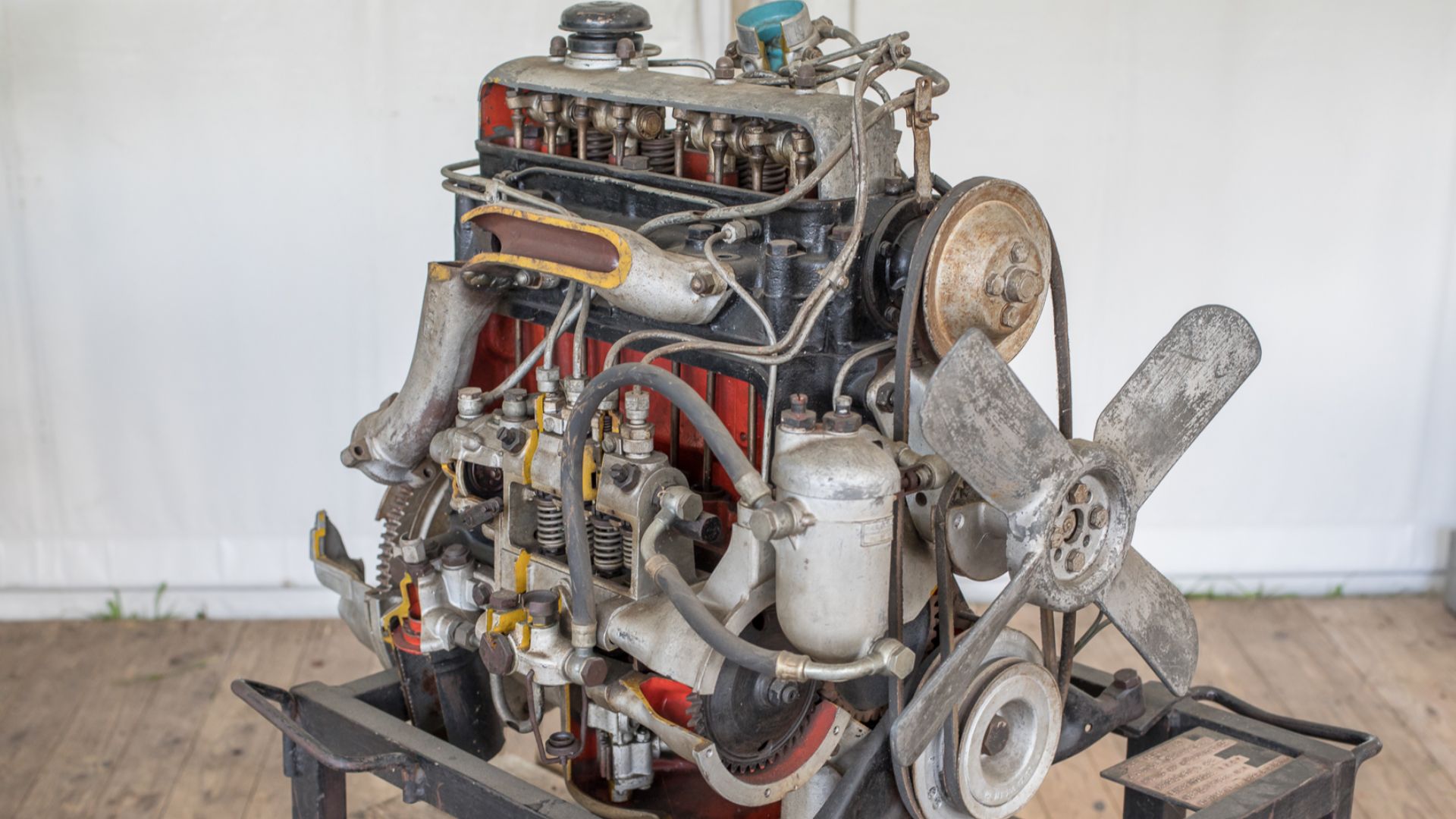 Johannes Maximilian, Wikimedia Commons
Diesel Engines Are Still Built Strong
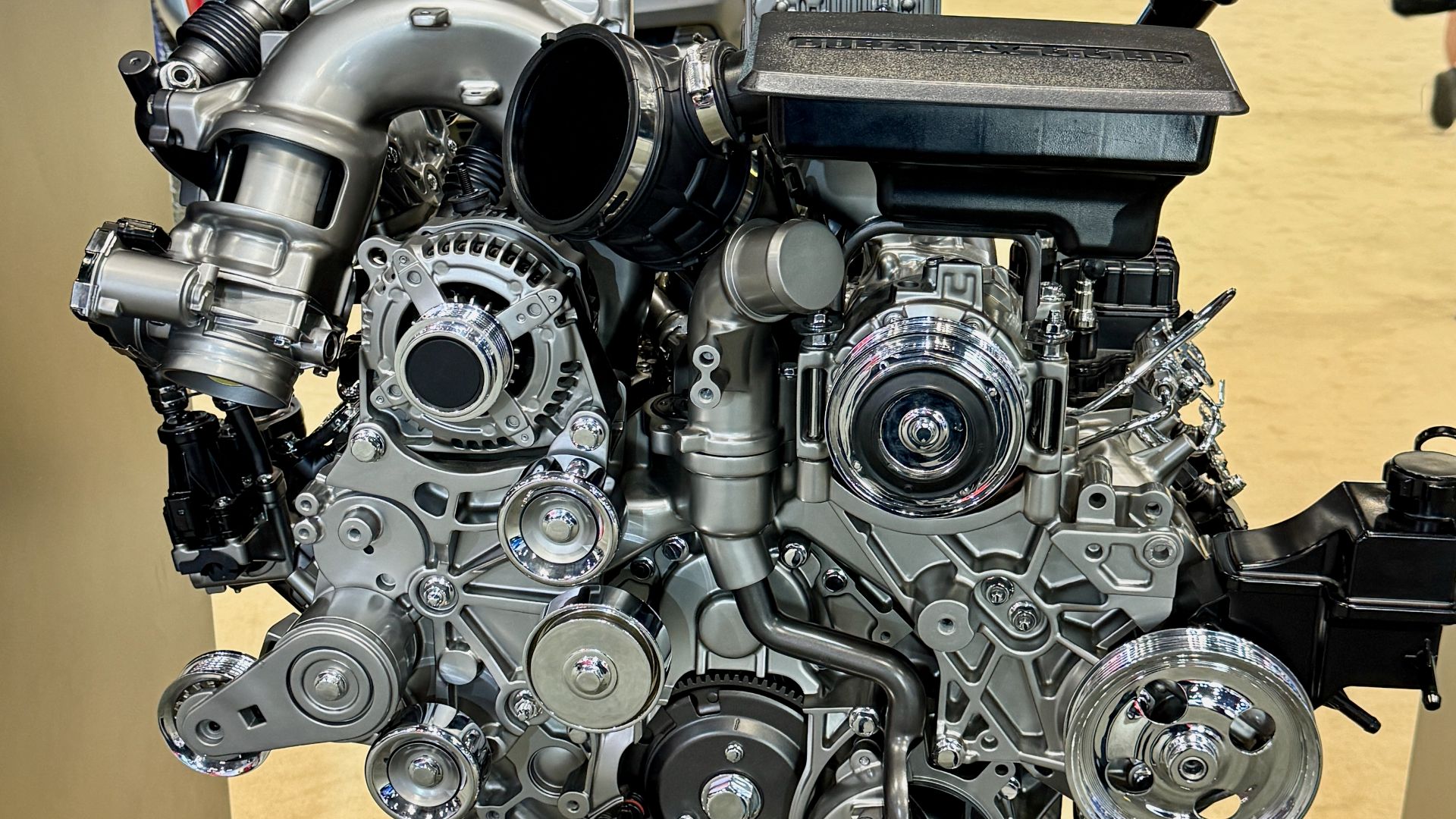
Modern diesel engines are still robust. Thick engine blocks, high compression ratios, and torque-focused design haven’t disappeared. The core engine architecture remains extremely durable.
So What Changed?
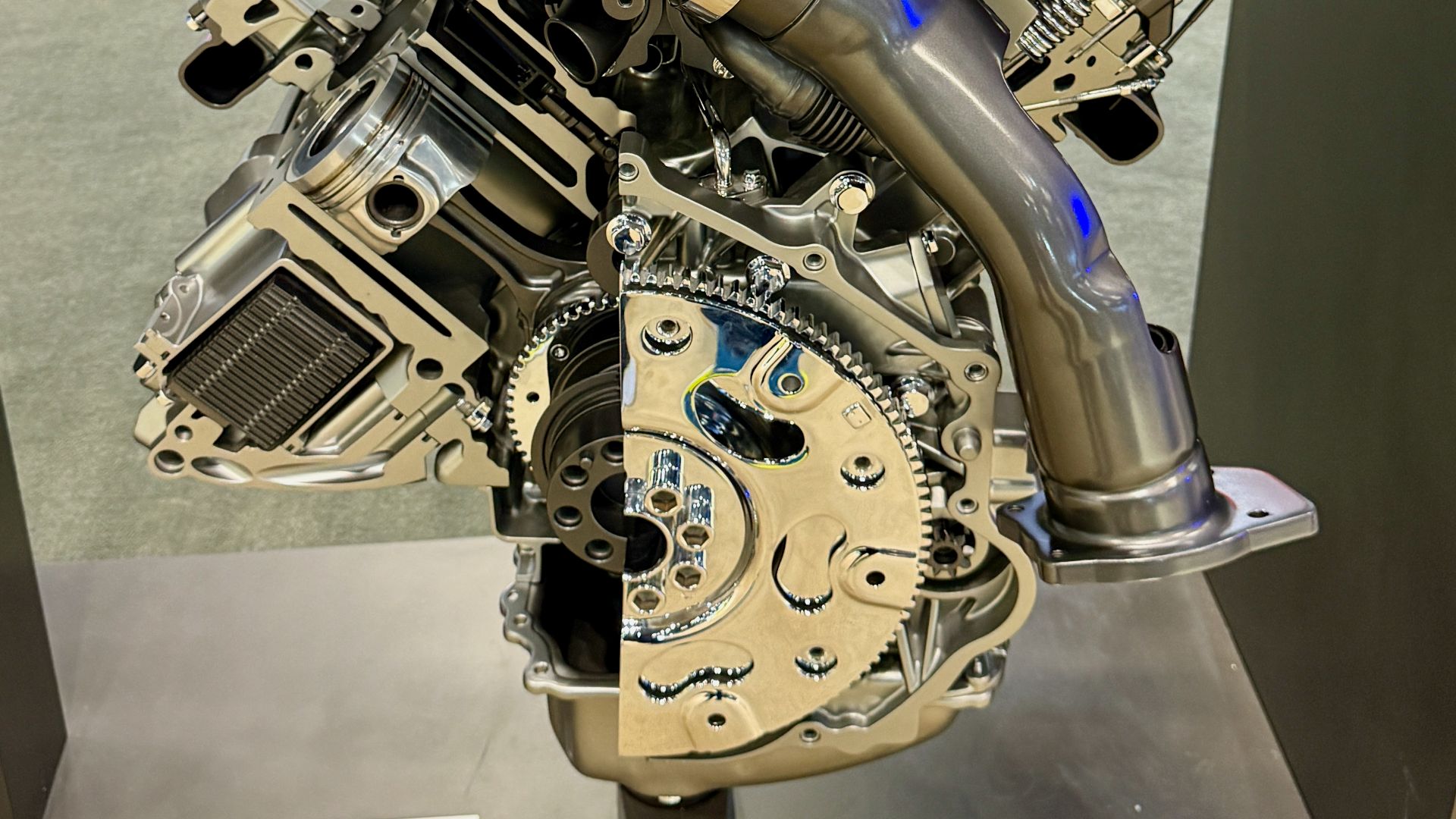
Emissions regulations. Starting in the mid-2000s (especially after 2007 in the US), diesel engines were required to dramatically reduce particulate matter and nitrogen oxides. That added complexity.
Enter the DPF
The Diesel Particulate Filter (DPF) captures soot from exhaust gases. It periodically “regenerates” by burning off buildup. When it works properly, you don’t notice it. When it doesn’t, it gets expensive.
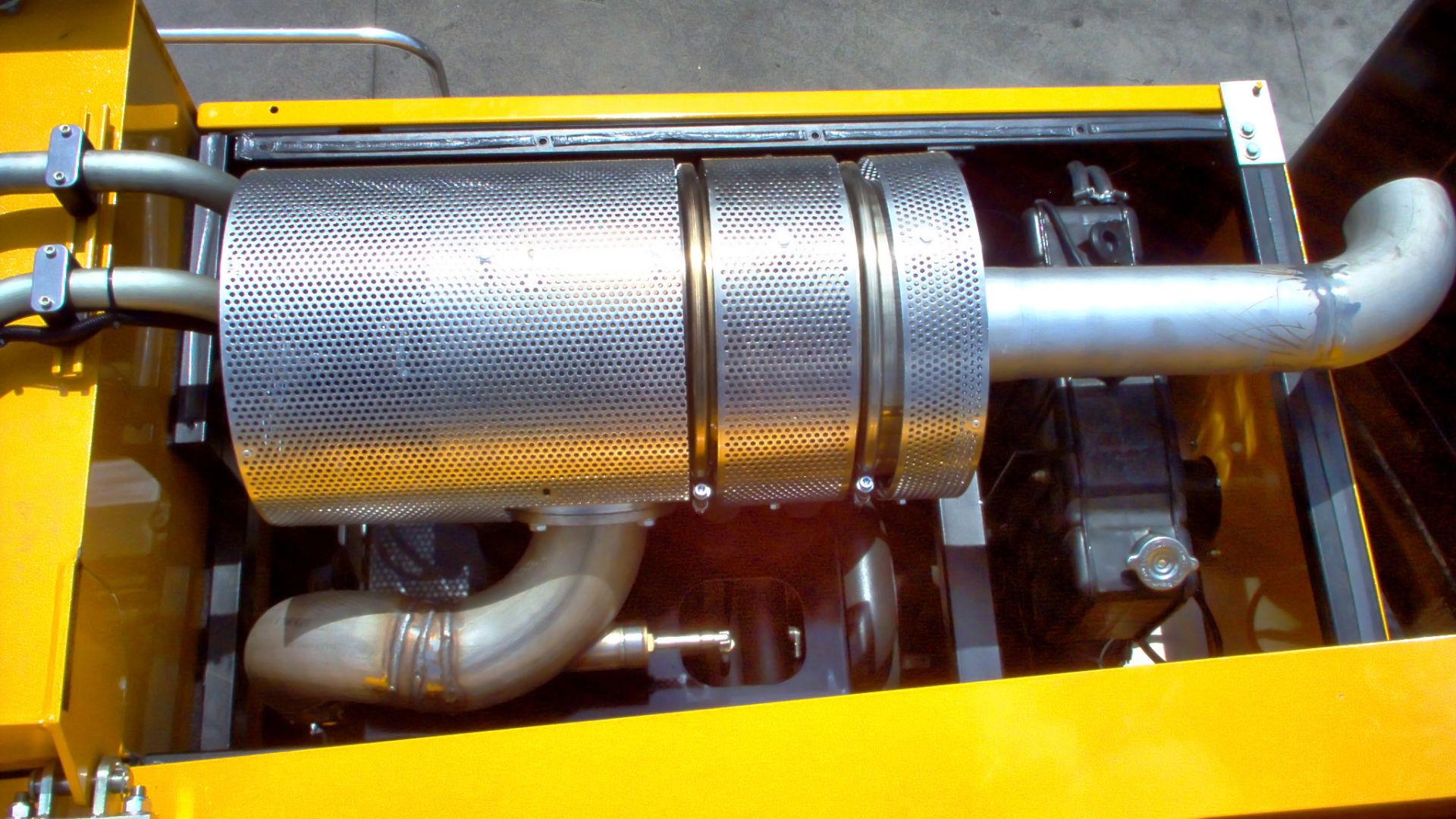 Marxandrade, Wikimedia Commons
And Then Came DEF
Diesel Exhaust Fluid (DEF) systems inject urea-based fluid to reduce emissions. It’s effective — but it adds sensors, heaters, pumps, and another fluid you must maintain.
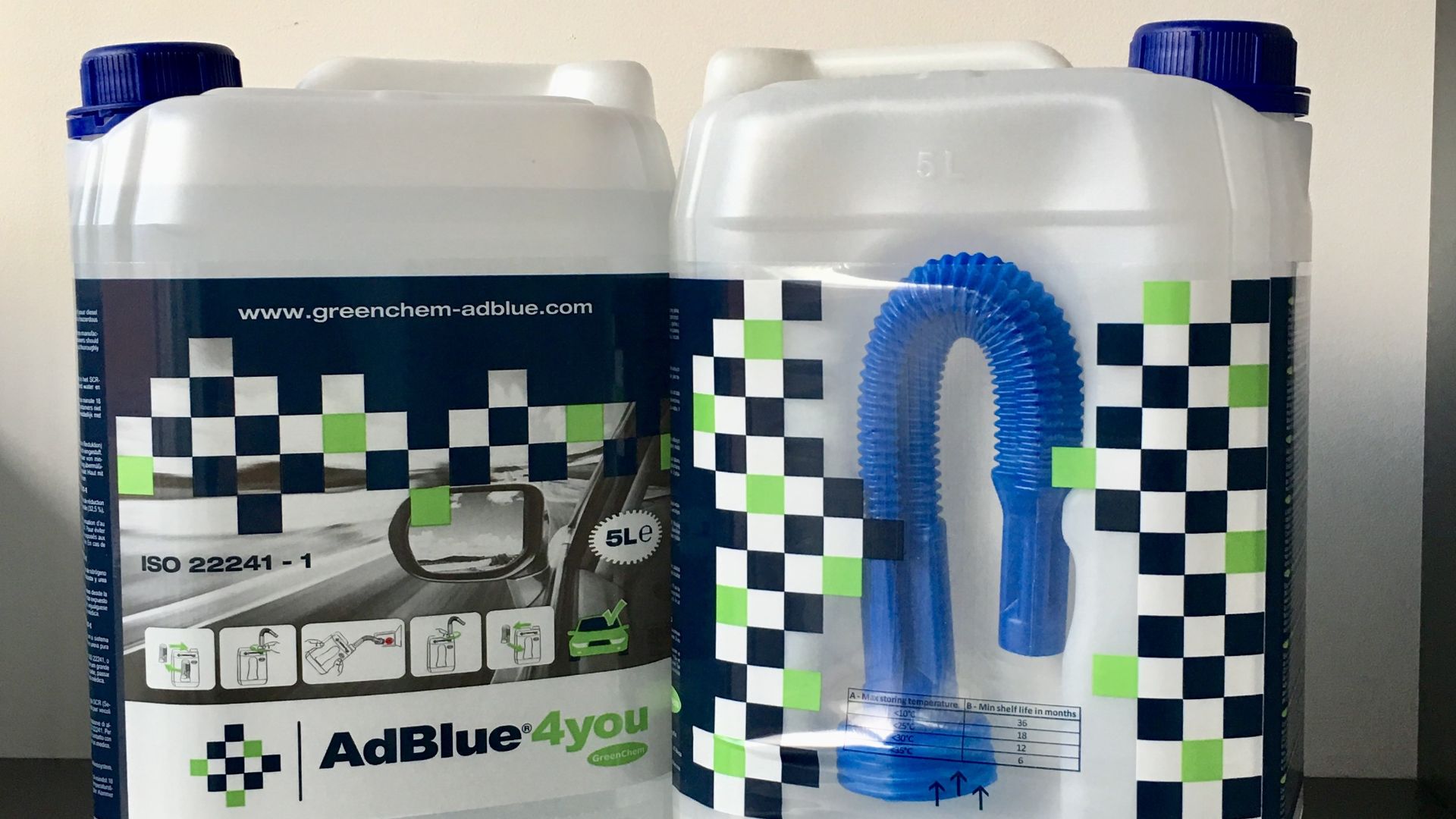 Greenchem adblue4you, Wikimedia Commons
More Sensors, More Risk
Modern diesels rely on dozens of sensors to monitor emissions performance. When one fails, it can trigger warning lights or even put the vehicle into reduced-power mode.
 DestinationFearFan, Wikimedia Commons
The Core Engine Isn’t the Problem
Here’s the key point: most long-term issues in modern diesels involve emissions components — not the engine block itself. The rotating assembly is often just as strong as ever.
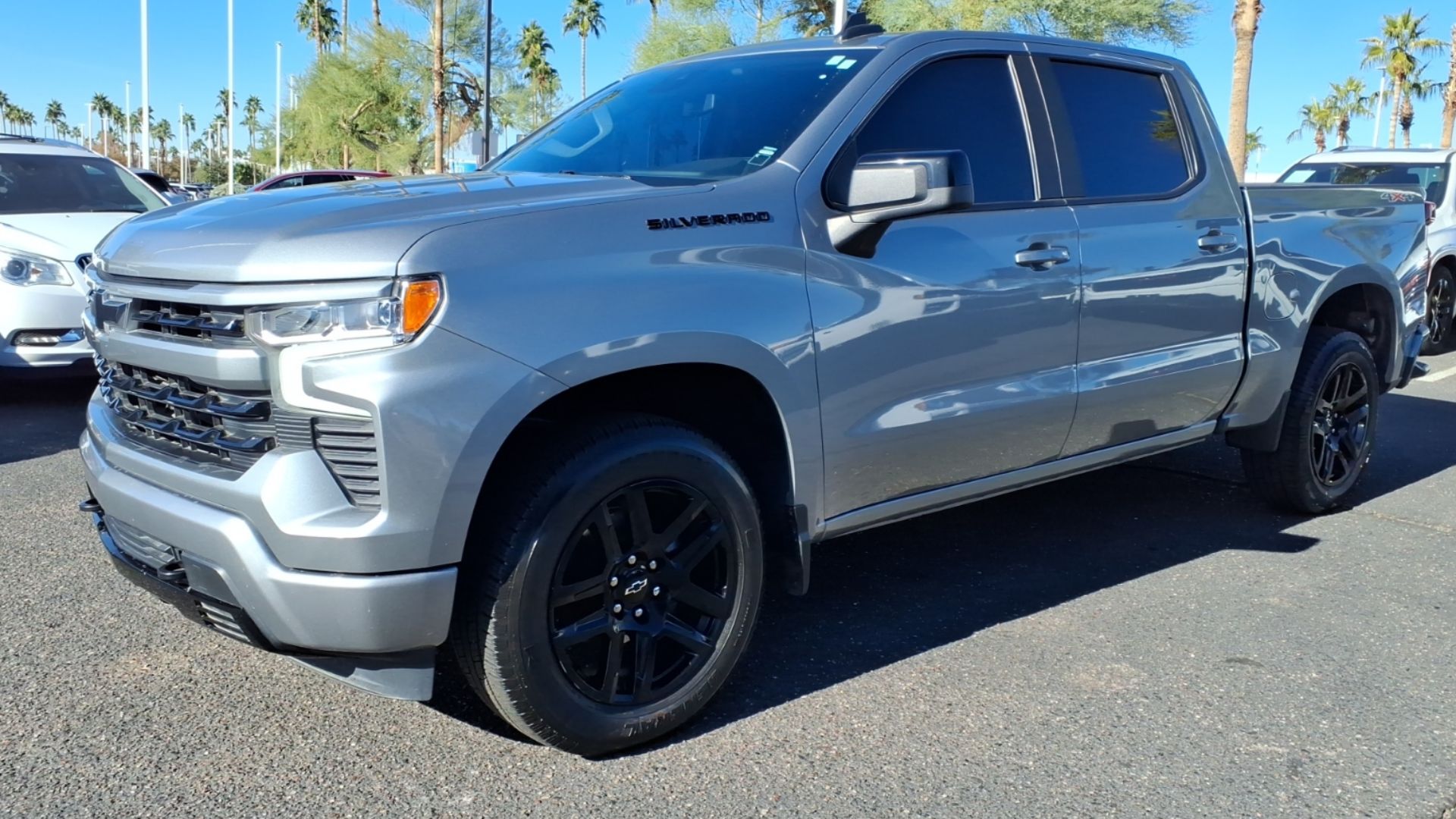
Driving Style Matters More Now
Modern diesels don’t love short trips. If you drive mostly short distances, the DPF may not reach proper regeneration temperatures. That’s where clogging problems start.
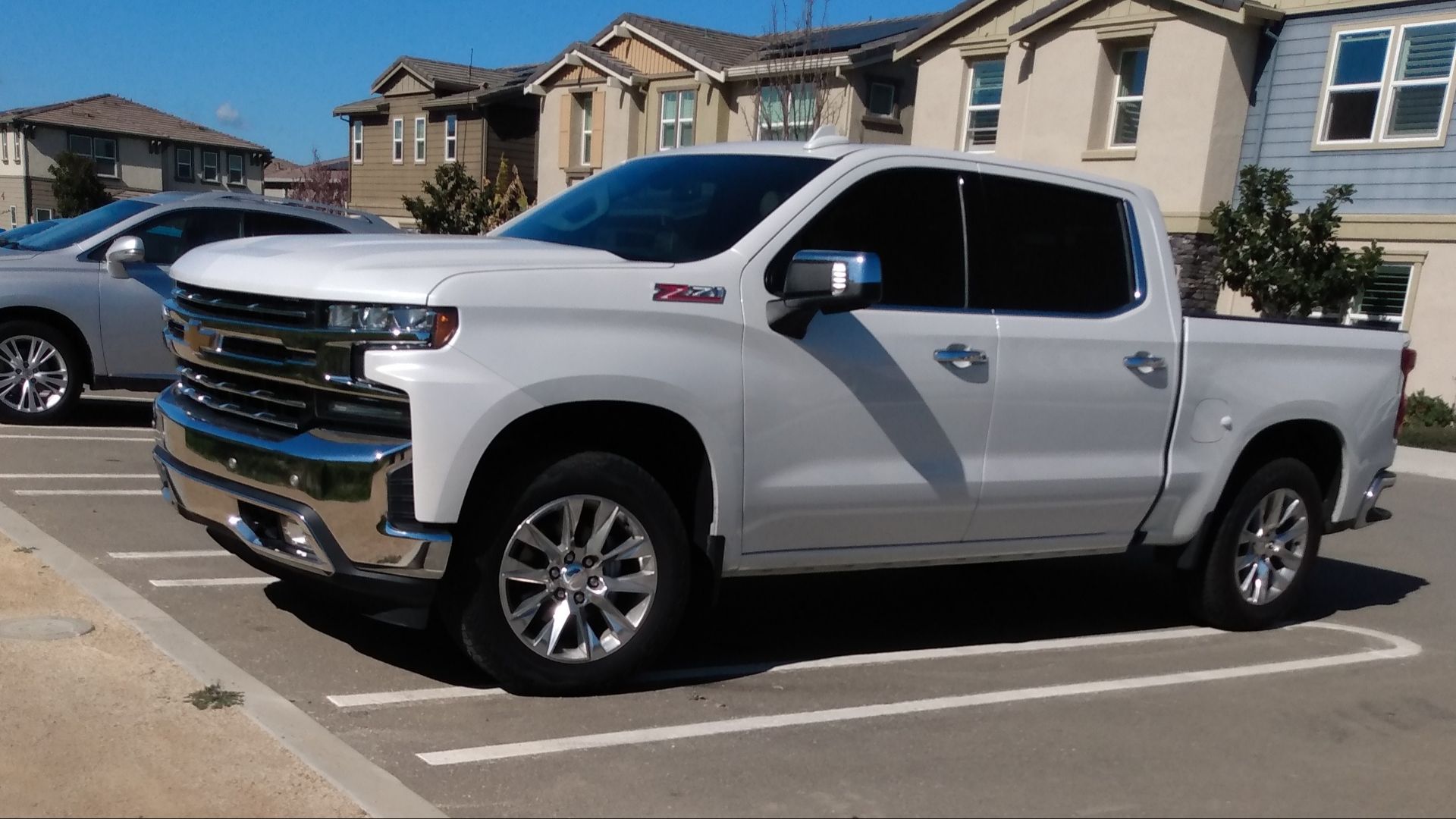 DestinationFearFan, Wikimedia Commons
Highway Drivers See Fewer Issues
If you regularly drive long distances at highway speeds, emissions systems tend to function properly. These engines are designed for sustained operating temperatures.
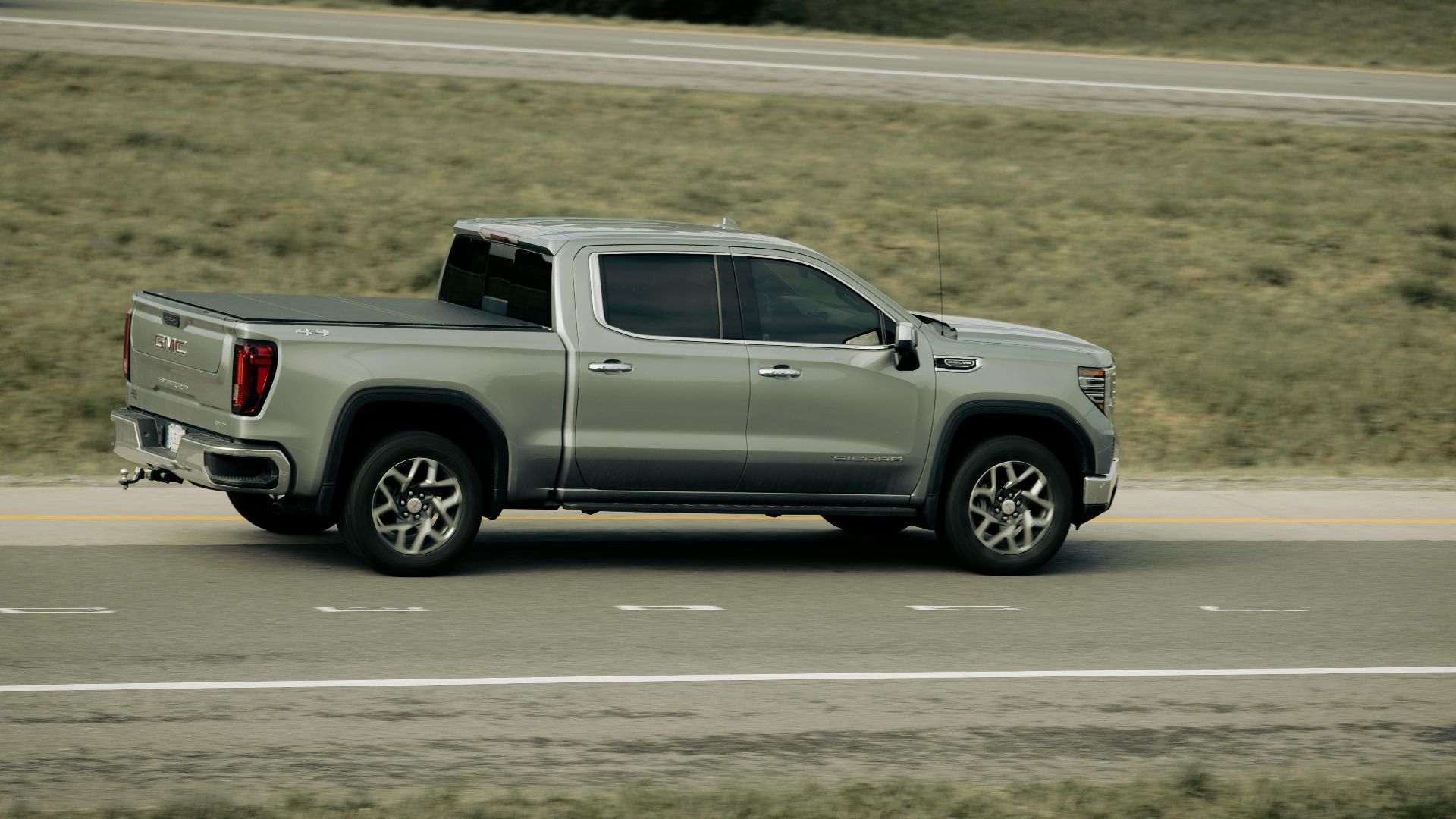
Maintenance Is Non-Negotiable
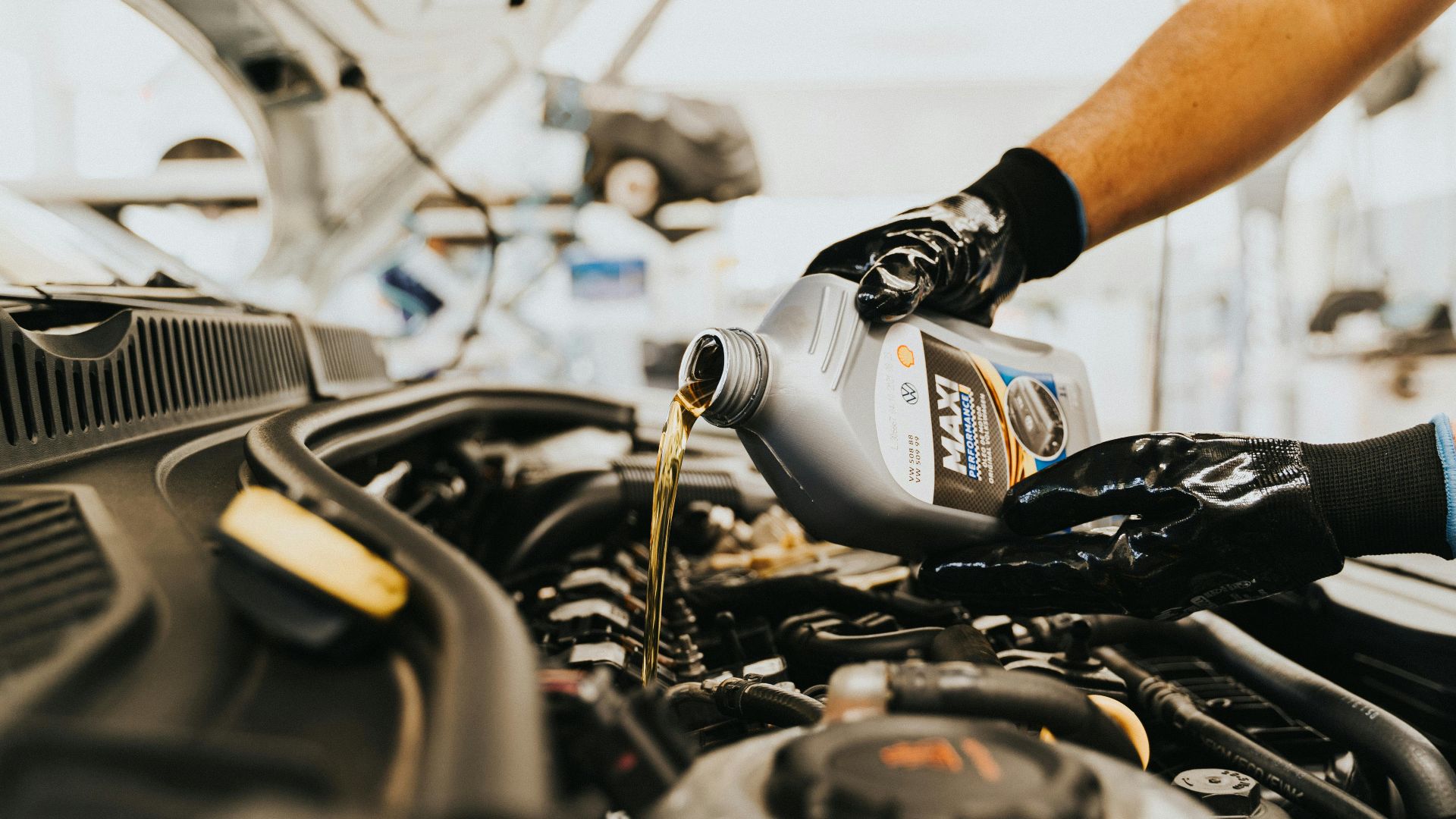
Skipping oil changes or ignoring warning lights is far riskier in a modern diesel than it was 30 years ago. Precision systems require consistent upkeep.
Repair Costs Are Higher
When something does fail, it can be expensive. DPF replacements, DEF system components, and related repairs can cost thousands.

Warranties Matter More Than Ever
If you’re buying new or certified with warranty coverage, modern diesel risks are much easier to manage. Out-of-warranty ownership requires a bigger repair budget cushion.

Fuel Efficiency Is Still Strong
Even with emissions systems, diesel engines remain more fuel-efficient under heavy loads than comparable gasoline engines. That’s why they’re still popular for towing.

Torque Is Why People Still Buy Them
Diesels produce massive low-end torque. For towing, hauling, and heavy-duty work, that advantage hasn’t changed.

Reliability Depends on Usage
A diesel used for frequent towing and highway driving may outperform a gas engine long-term. A diesel used for short city commutes may cause headaches.
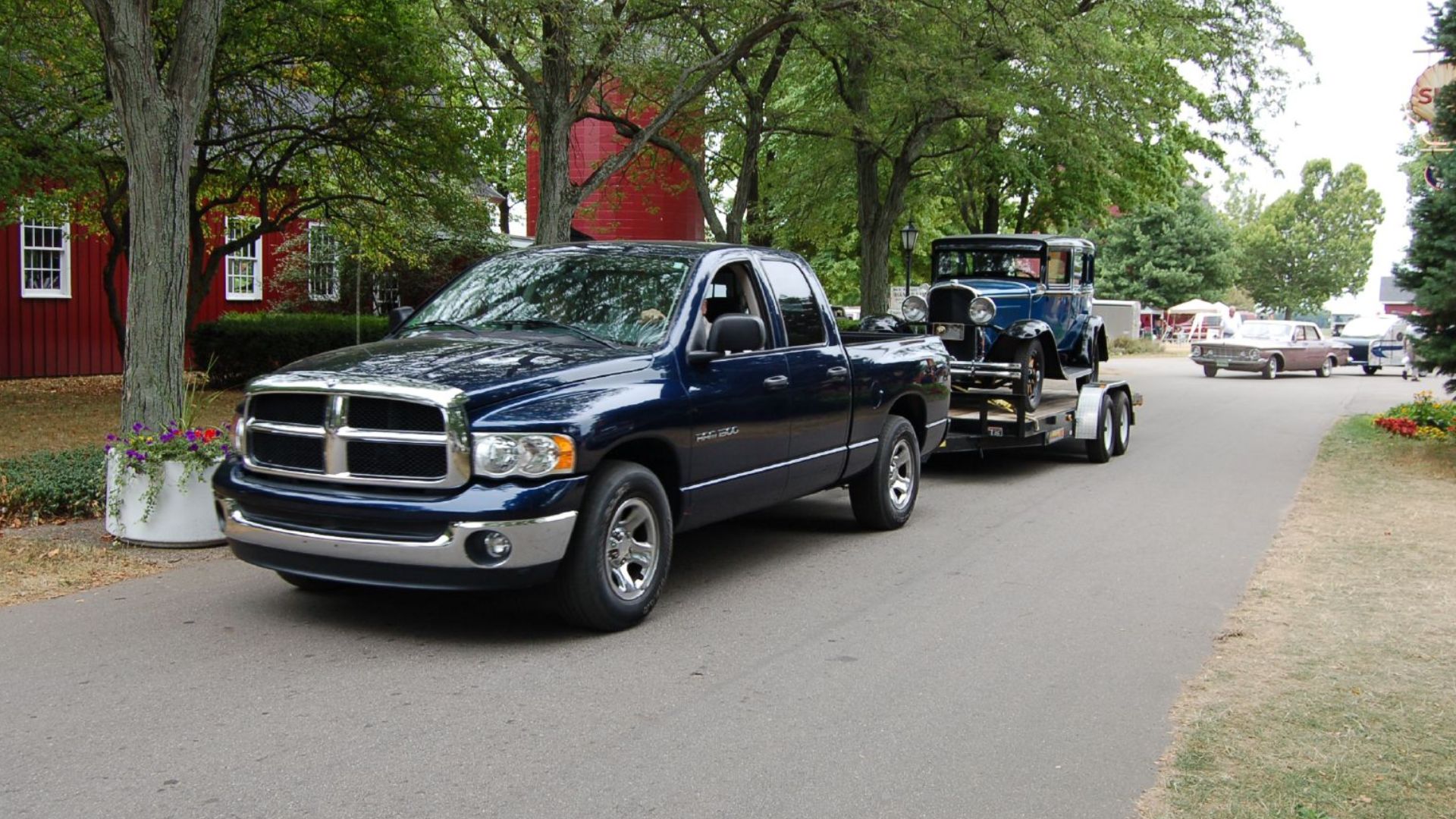 Joe Ross from Lansing, Michigan, Wikimedia Commons
The “Ruined” Claim Is Overstated
Modern emissions systems made diesels more complex — but not useless. Many run well past 200,000 miles when properly maintained.
The “Forever” Claim Is Also Overstated
No engine lasts forever. Older diesels lasted long partly because they were simple. Modern diesels trade simplicity for emissions compliance.
Gas Engines Got Better Too
Modern turbocharged gasoline engines have improved dramatically. In some cases, the longevity gap between gas and diesel is smaller than it used to be.
Deleting Emissions Systems Isn’t the Answer
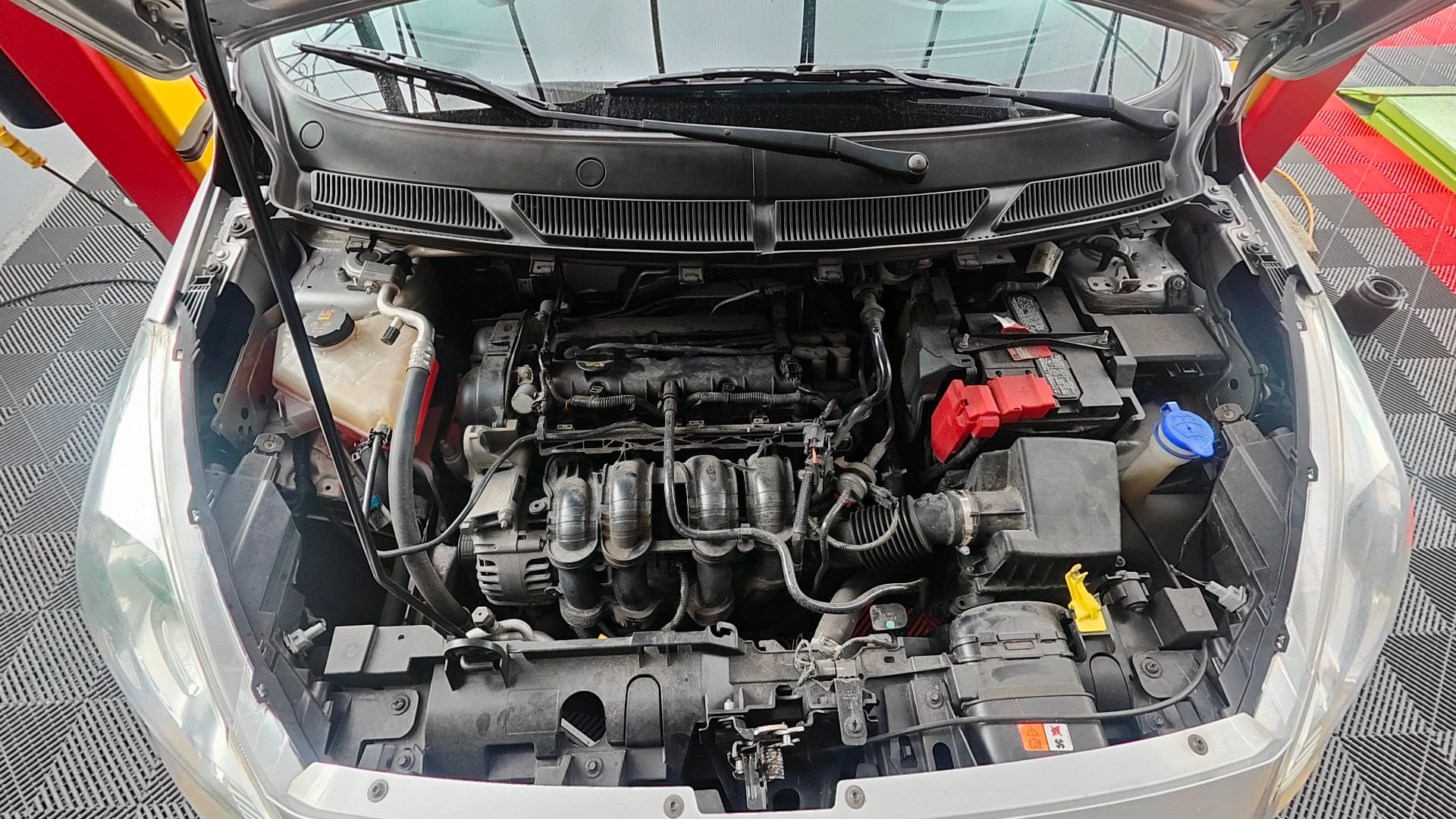
Some owners remove emissions equipment to avoid issues — but that’s illegal in both the U.S. and Canada and can create major legal and resale problems.
So Who’s Correct?
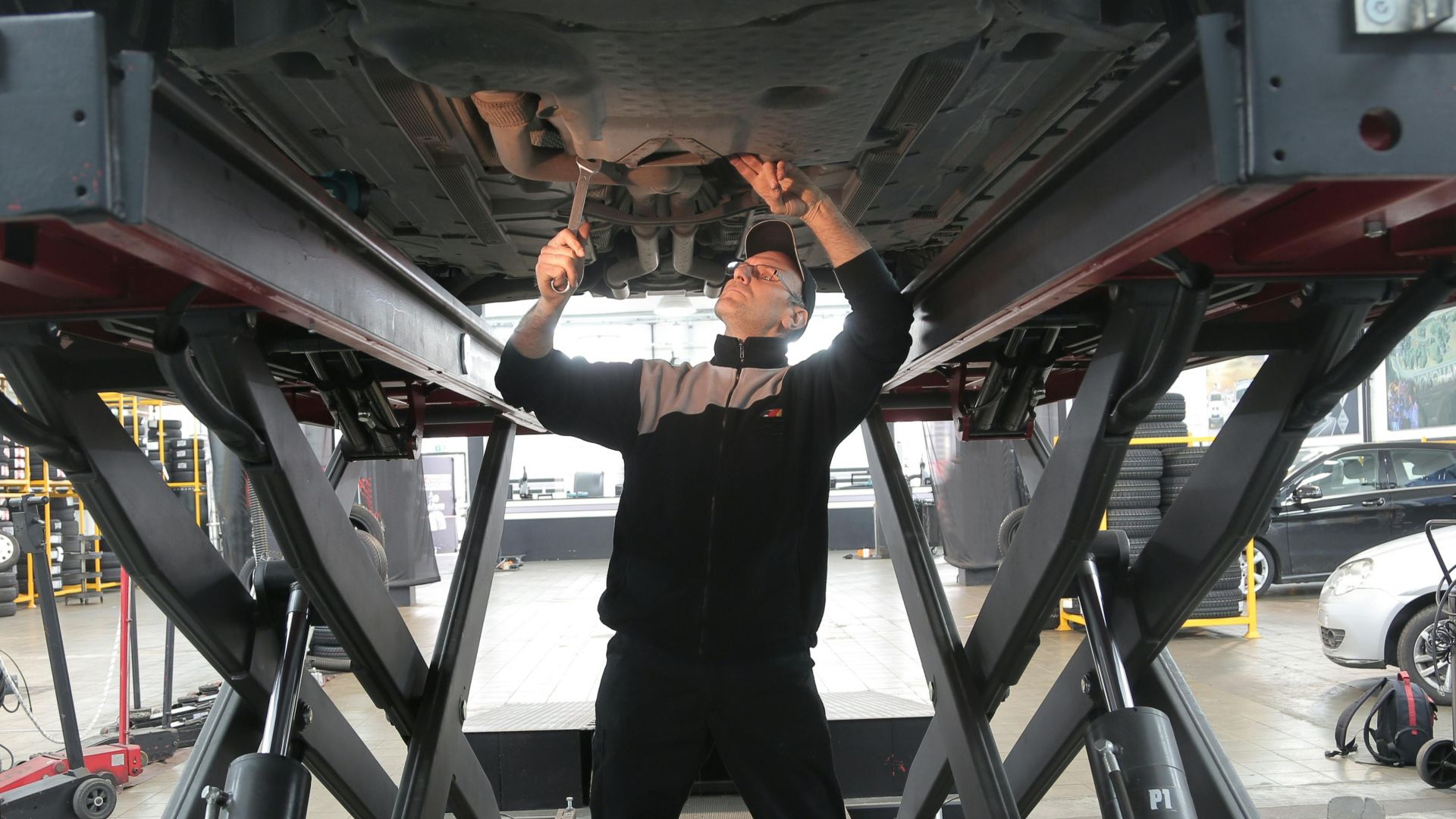
Your uncle is right that diesel engines are fundamentally durable. Your coworker is right that emissions systems added complexity and potential cost. Both are telling part of the story.
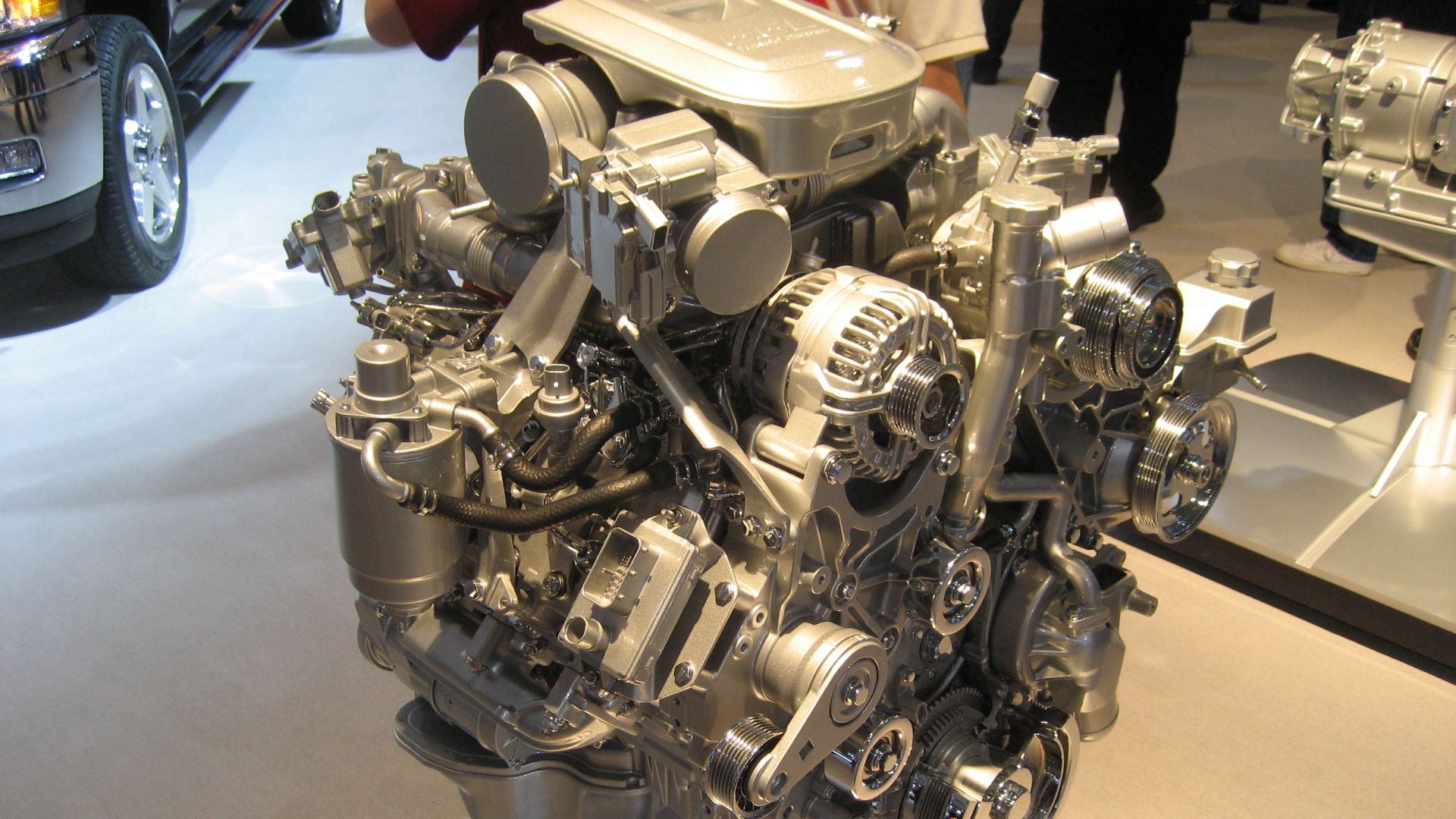 Dana60Cummins, Wikimedia Commons
Final Takeaway: It Depends on How You Use It
If you drive long distances, tow often, and maintain it carefully, a modern diesel can still be a long-lasting workhorse. If you mostly commute short city trips, it may not be the best choice. Modern diesels aren’t ruined — but they are more complicated. Choose based on your driving reality, not nostalgia.

You May Also Like: