When Detroit Called A Poet
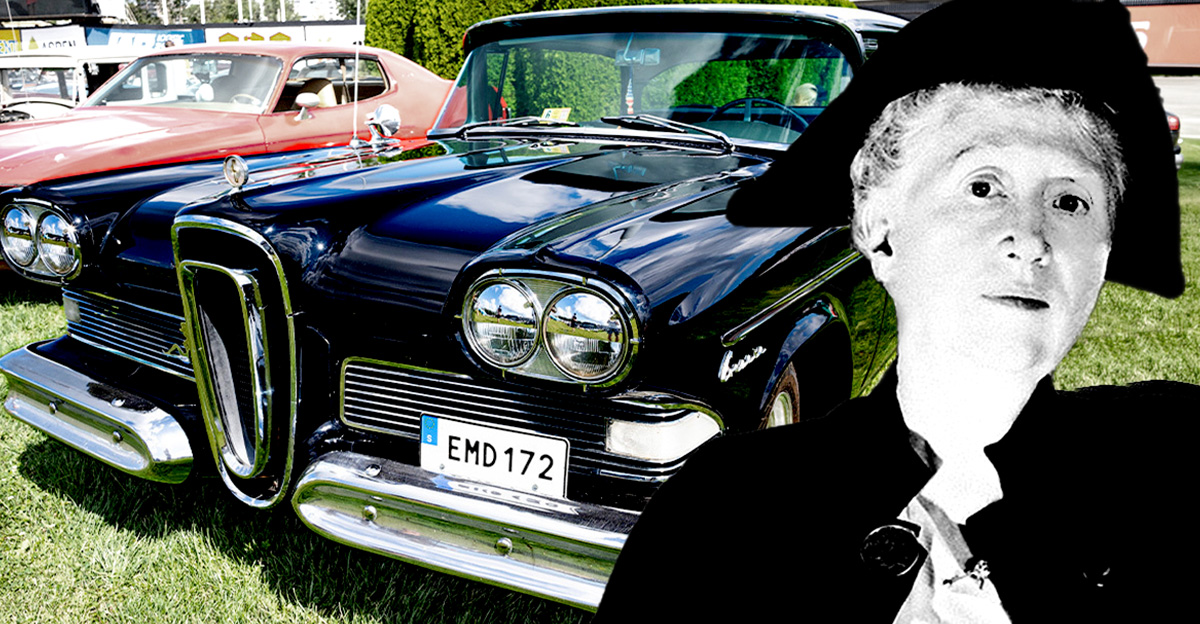
What happens when one of America's biggest automakers asks a famous poet to help sell cars? You get one of the strangest stories in automotive advertising. Long before the Mustang conquered American roads, Ford approached a celebrated writer whose ideas were anything but ordinary. Unfortunately, the company wasn't quite ready for them.
Ford Was Searching For Something Different
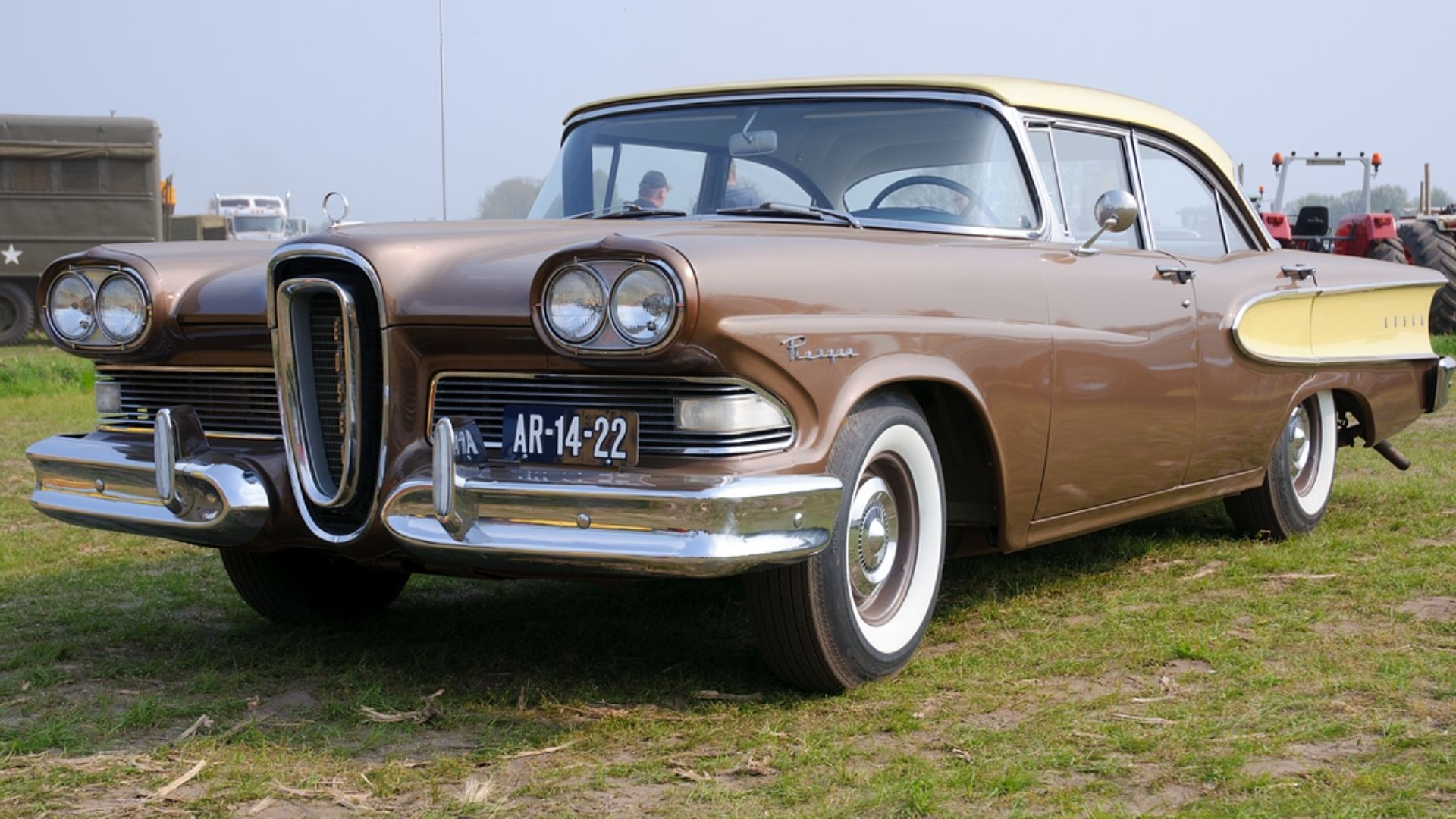
By the mid-1950s, Ford wanted to challenge General Motors with an entirely new automobile. Developing the vehicle required an enormous investment, but building it was only half the battle. Ford needed a name that sounded exciting, memorable, and sophisticated enough to convince Americans to visit their nearest dealership.
 Arend from Oosterhout, Netherlands, Wikimedia Commons
The Woman Behind The Words
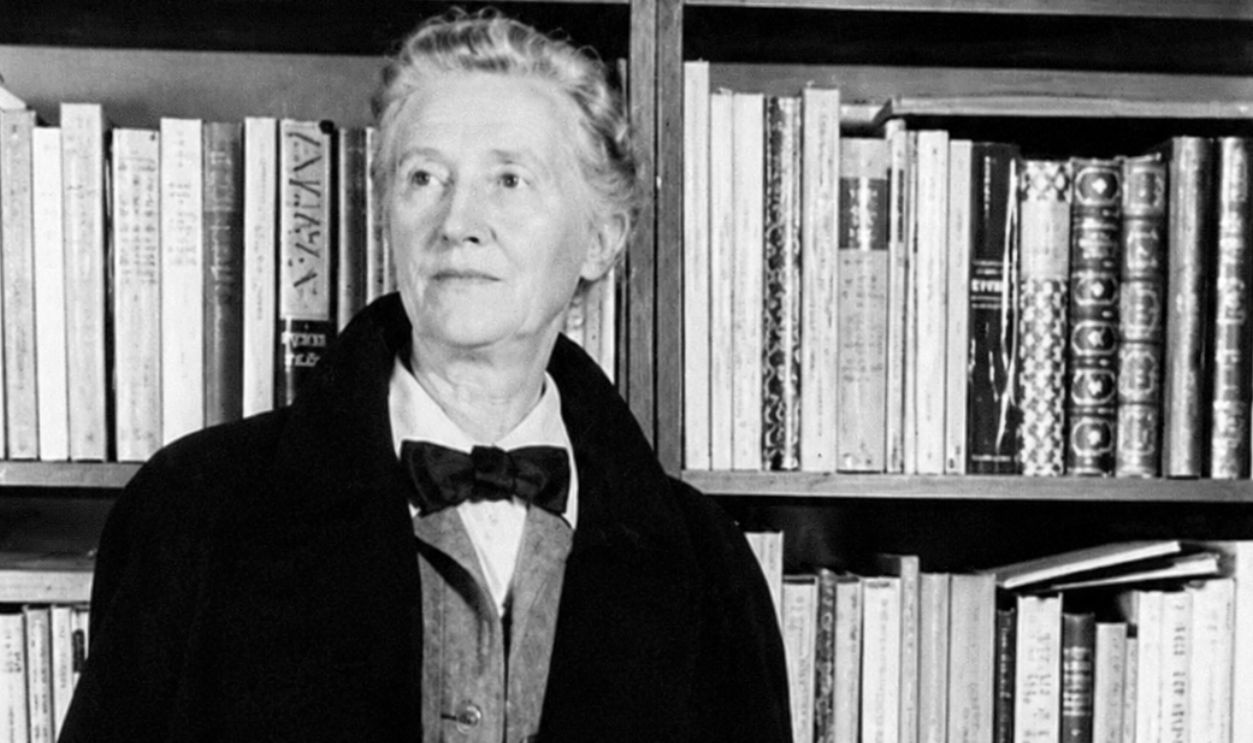
The woman Ford approached was Marianne Moore, one of America's most respected modernist poets. She had won the Pulitzer Prize for poetry in 1952 and was celebrated for her unusual language and remarkable imagination. Ford executives hoped those same talents could produce a name that ordinary advertising writers hadn't considered.
 Carl Van Vechten, Wikimedia Commons, Enhanced
An Unlikely Partnership Begins
In October 1955, Ford marketing executive Robert B. Young contacted Moore about naming the company's upcoming automobile. The request was unusual, to say the least. Here was an established literary figure being asked to help market a Detroit machine. But Ford believed creativity could deliver something its research departments couldn't.

Ford Wanted Another Thunderbird
The Thunderbird had already demonstrated the power of a memorable automotive name. Introduced for 1955, Ford's sporty two-seater combined attractive styling with a name that suggested speed and freedom. Executives wanted their upcoming model to create similar excitement, particularly among buyers who might otherwise consider something from Chevrolet or Pontiac.
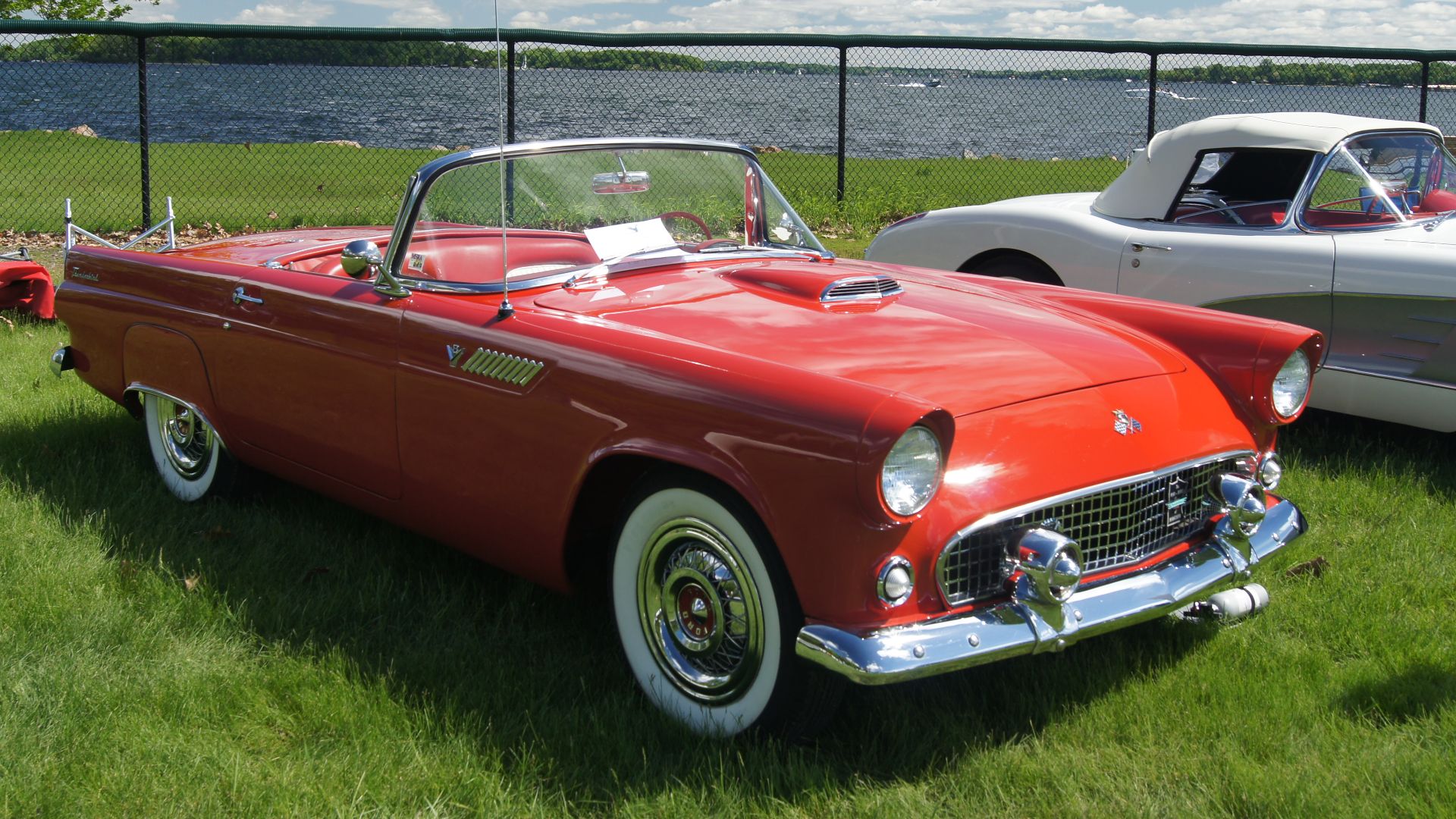 Greg Gjerdingen from Willmar, USA, Wikimedia Commons
Moore Had Some Unusual Suggestions
Ford invited Moore to let her imagination run wild, and she certainly obliged. Among her suggestions were names like Utopian Turtletop, Intelligent Bullet, and Mongoose Civique. They were creative, unexpected, and unlike anything appearing on American highways. Whether they would have looked good on a dealership sign was another question entirely.

Imagine Driving A Utopian Turtletop
Picture pulling into a 1960s gas station and proudly announcing that you drove a Utopian Turtletop. It sounds more like an experimental aircraft than a family automobile. Yet Moore's suggestions revealed something important about automotive branding: a memorable name should create an image before the customer even sees the vehicle.
 GPS 56 from New Zealand, Wikimedia Commons
Another Name Raised Eyebrows
One particularly memorable suggestion was Andante con Moto, a musical expression indicating a moderately paced movement with motion. It demonstrated Moore's artistic imagination, but it hardly suited Detroit's increasingly competitive automobile market. With horsepower and acceleration becoming major selling points, Ford needed something easier for drivers to remember.
Ford Didn't Choose Her Ideas
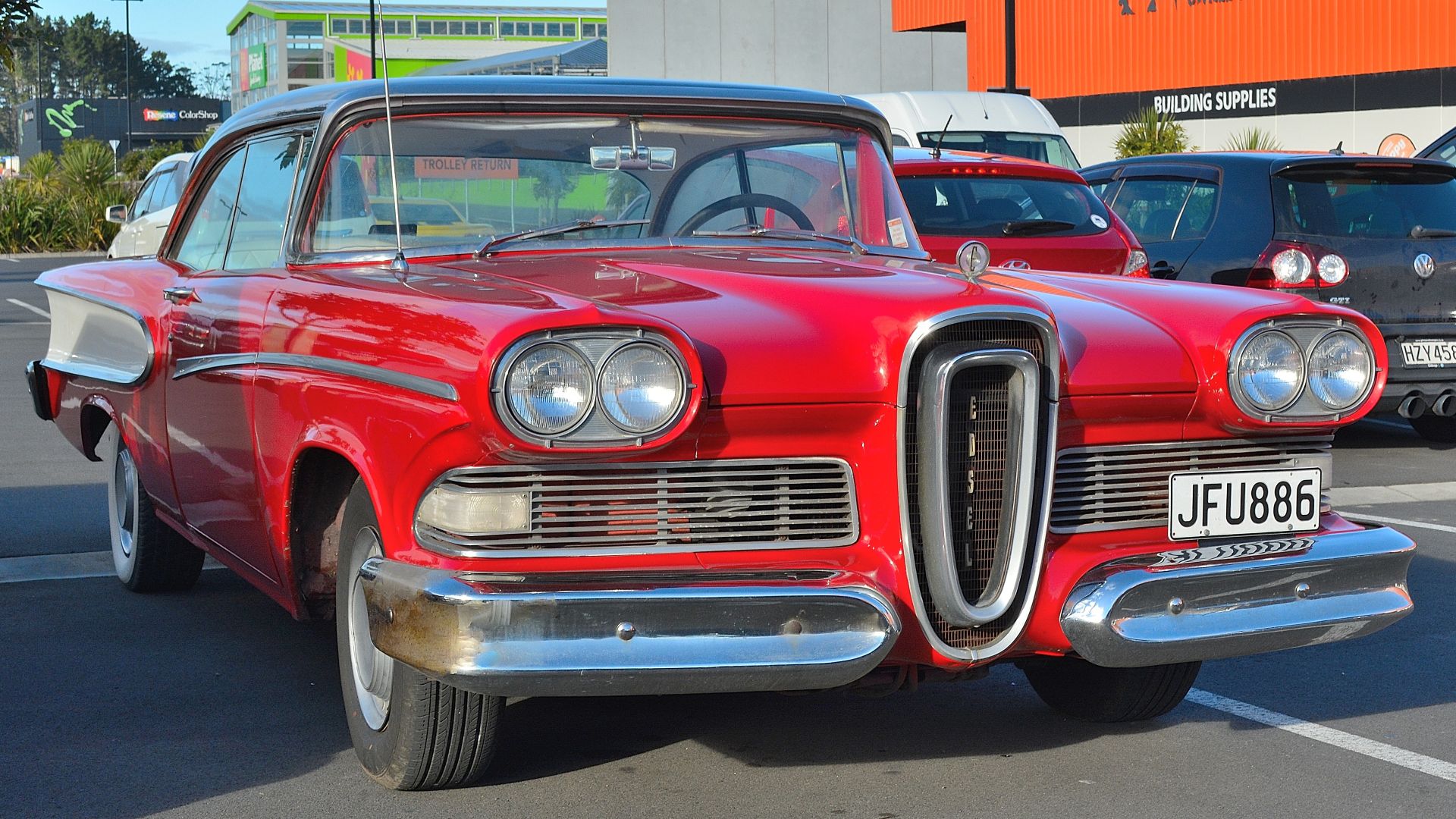
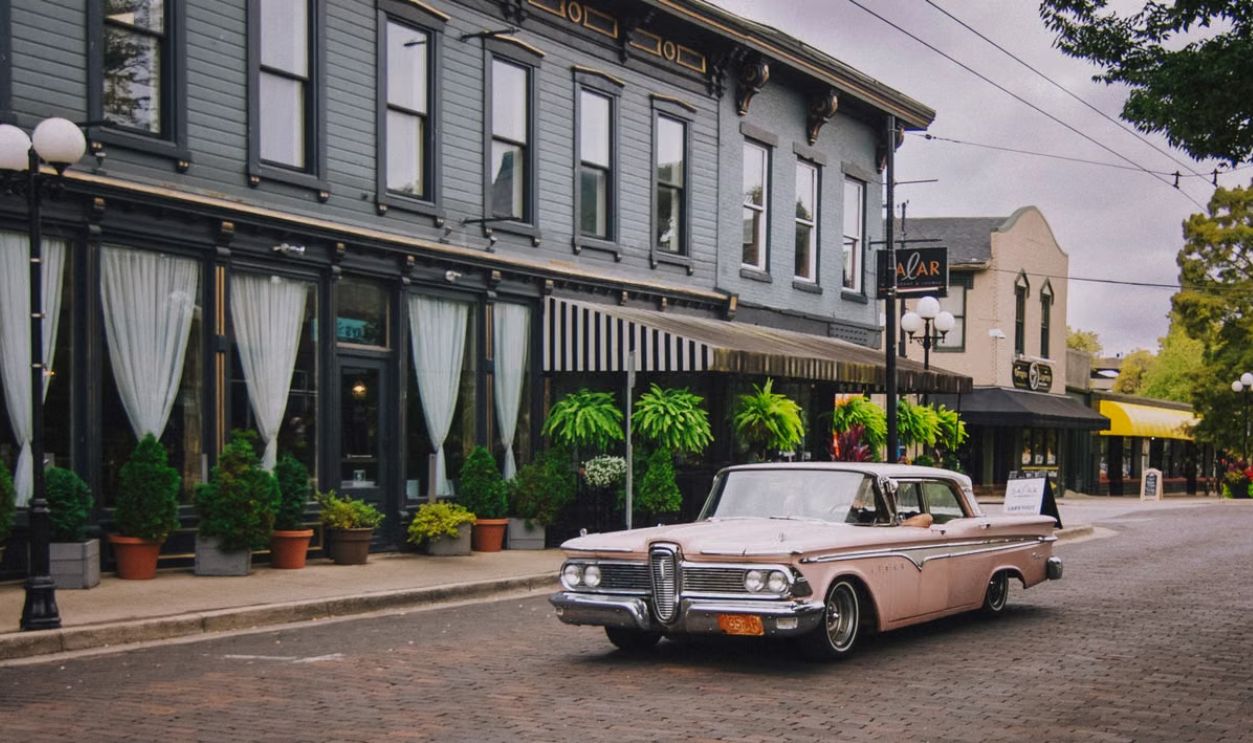
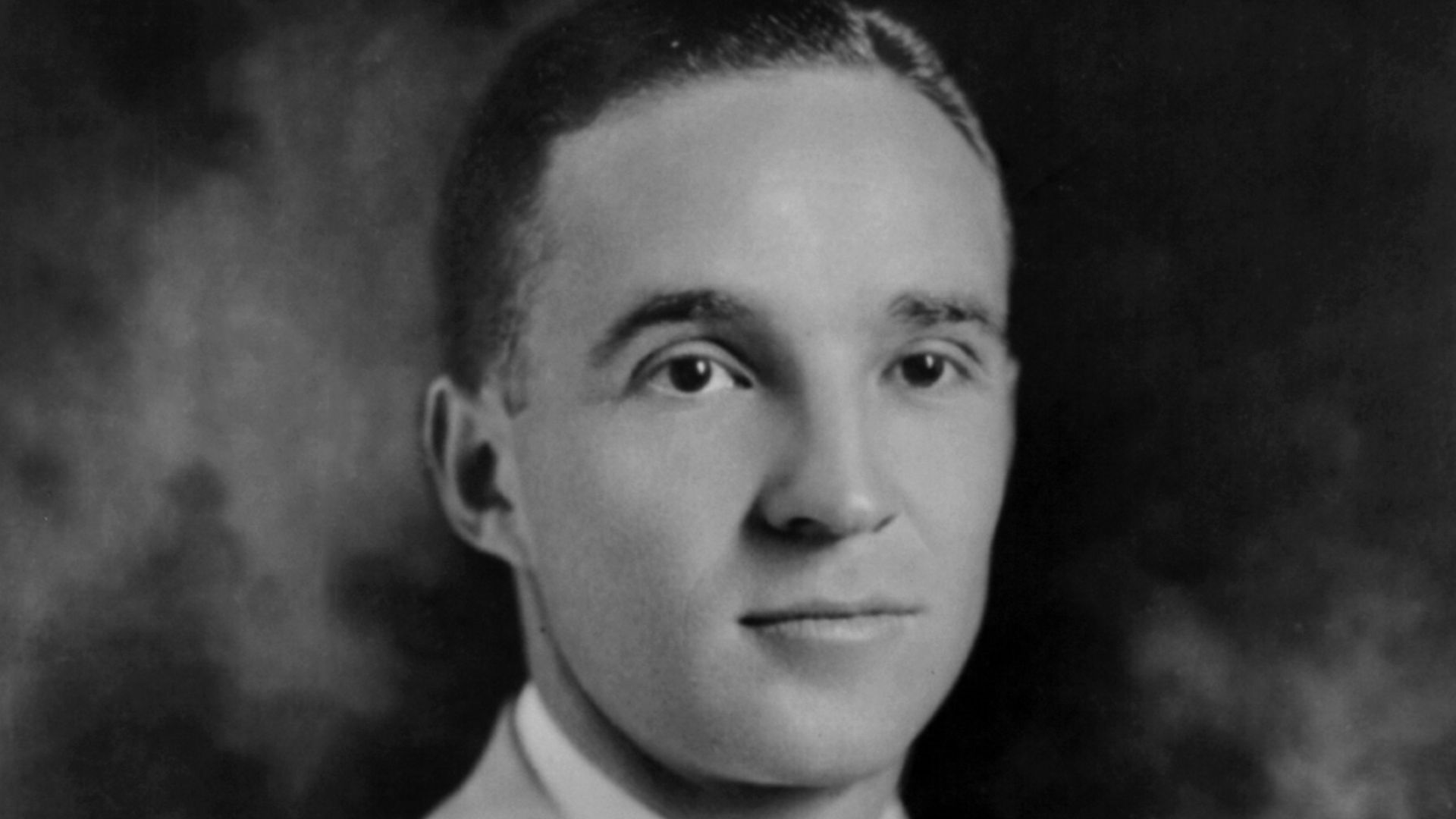
Despite Moore's considerable imagination, Ford ultimately rejected her proposed names. The new automobile would be called the Edsel, honoring Henry Ford's son. The decision gave the vehicle a family connection, although it lacked the adventurous personality of names like Thunderbird. Ford now had its name, but would Americans embrace the car?
 Frank Moore Studio, Wikimedia Commons
The Edsel Arrived With Enormous Expectations
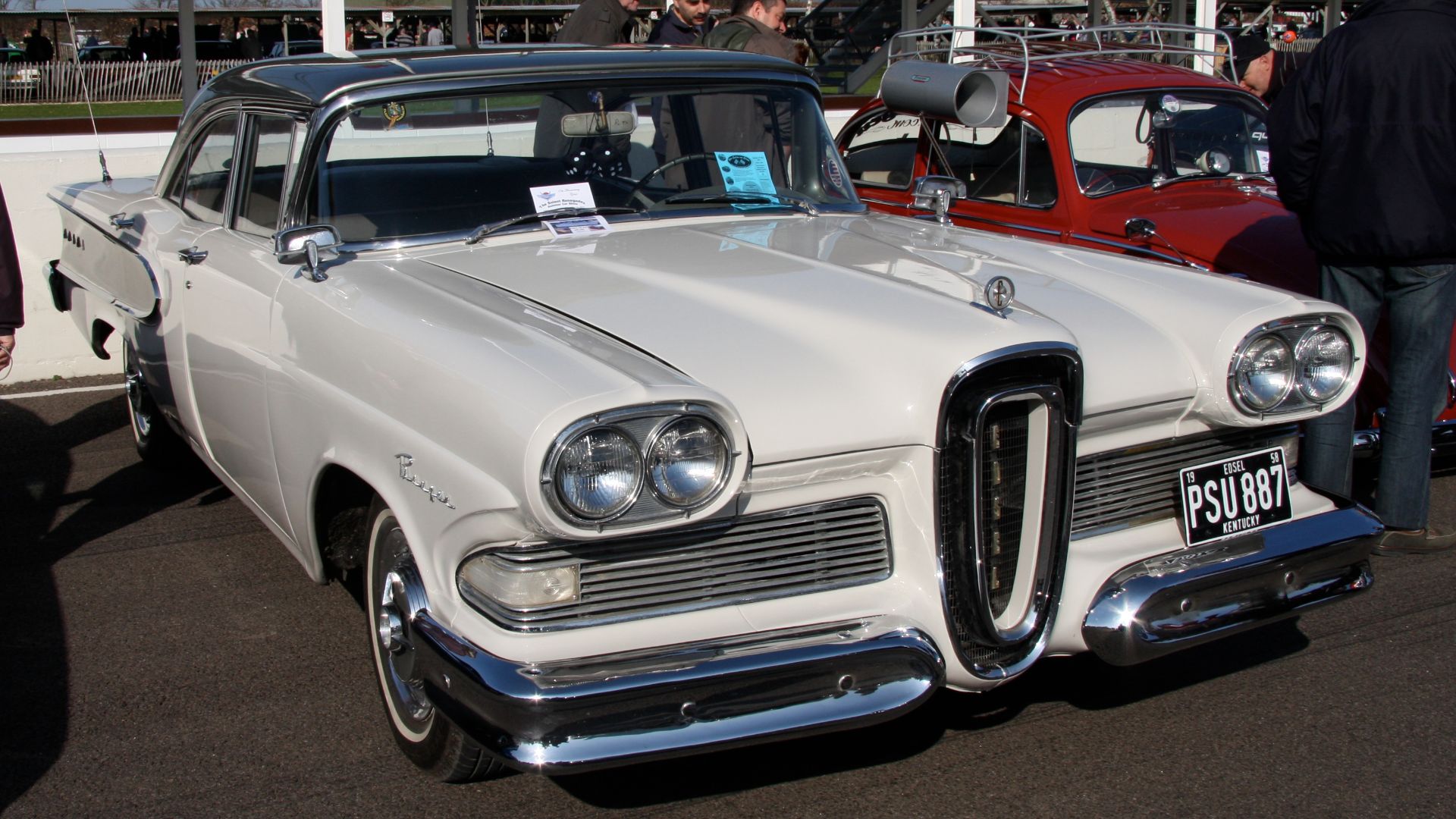
Ford unveiled the Edsel in September 1957 for the 1958 model year, accompanied by an ambitious advertising campaign. The company had spent years developing its new offering, and dealerships prepared for eager customers. Unfortunately, the public response was disappointing. The name wasn't the only problem, either.
 Brian Snelson, Wikimedia Commons
The Car That Couldn't Meet The Hype
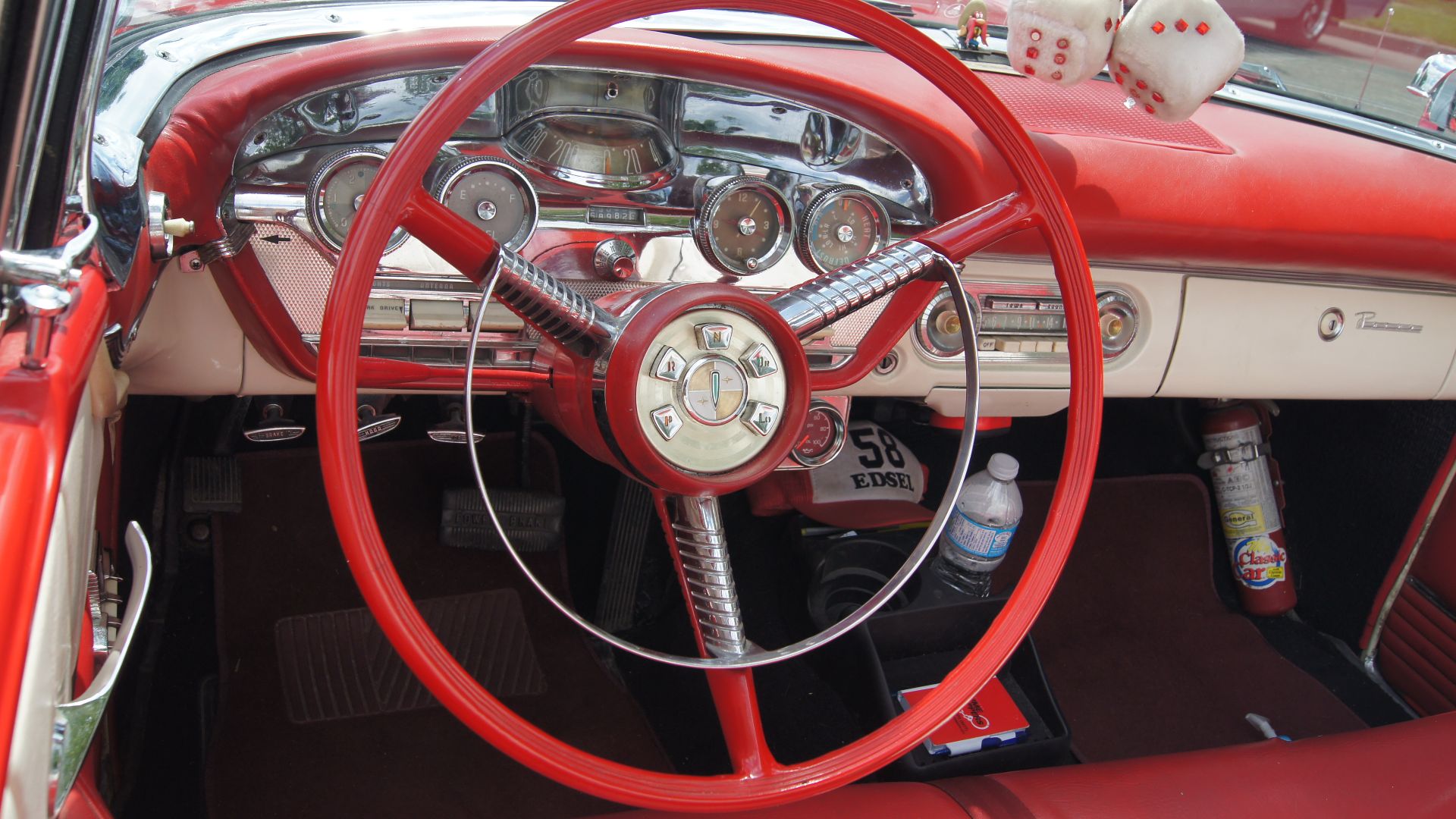
The Edsel's unusual front grille, controversial styling, and unfortunate timing helped undermine its chances. An economic recession made American buyers cautious about purchasing expensive new automobiles. Despite Ford's promotional efforts, sales fell short of expectations, turning what was supposed to be a triumph into an expensive embarrassment.
 Greg Gjerdingen from Willmar, USA, Wikimedia Commons
Ford Pulled The Plug
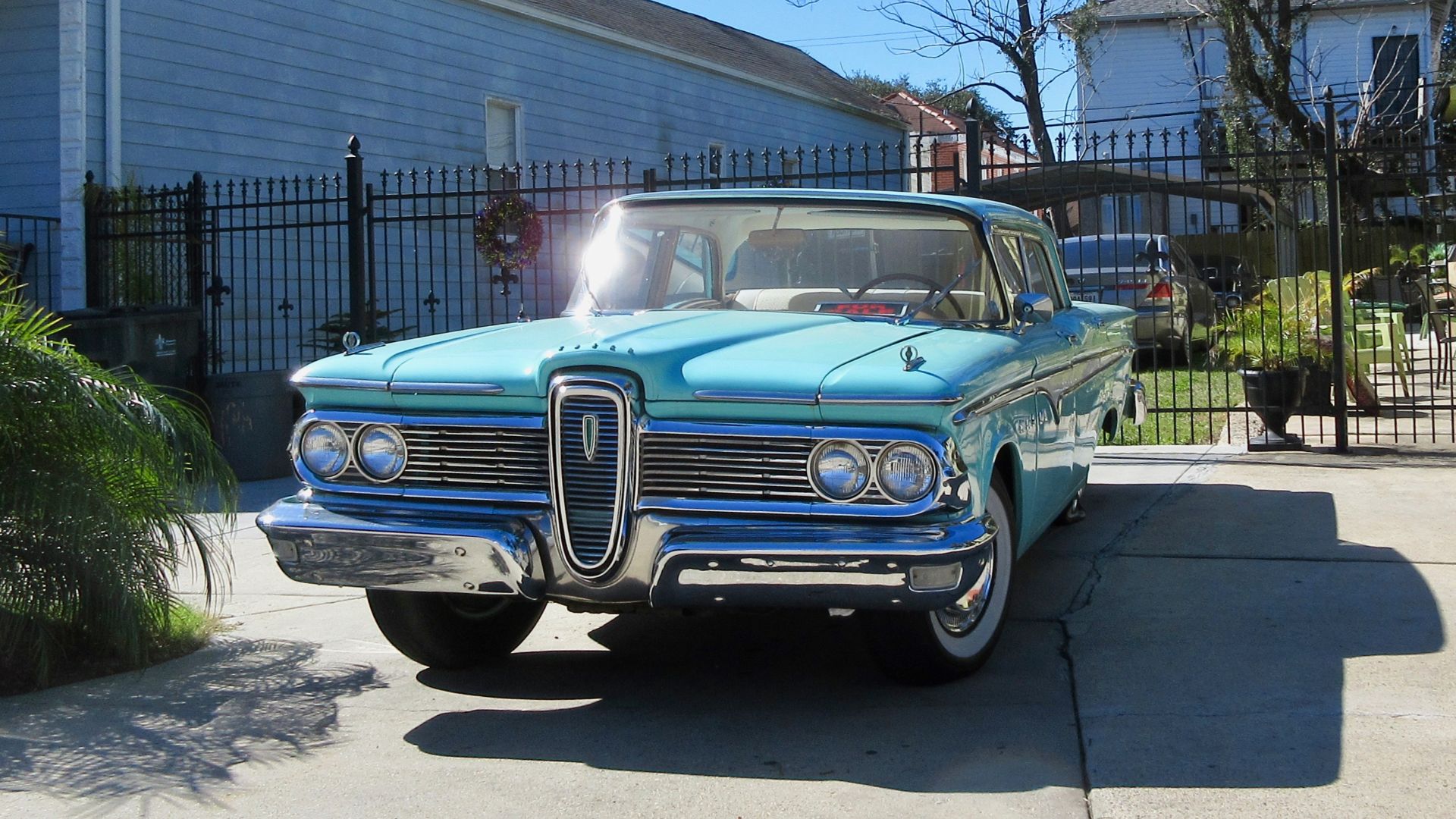
By November 1959, Ford had announced the end of Edsel production. The remaining 1960 models marked the end of the short-lived brand. Moore's proposed names were never used, and the Edsel became one of Detroit's most famous commercial failures. Nevertheless, Ford's experience demonstrated just how important marketing could be.
 Infrogmation, Wikimedia Commons
A New Decade Brought New Thinking
As the 1960s began, America's automobile market was changing. Younger drivers wanted cars that looked exciting without costing a fortune. Ford recognized the opportunity, introducing vehicles that combined affordability with personality. Instead of simply promoting comfortable transportation, the company increasingly emphasized excitement, freedom, performance, and the experience of driving.
 Greg Gjerdingen, Wikimedia Commons
The Falcon Helped Ford Find Its Feet
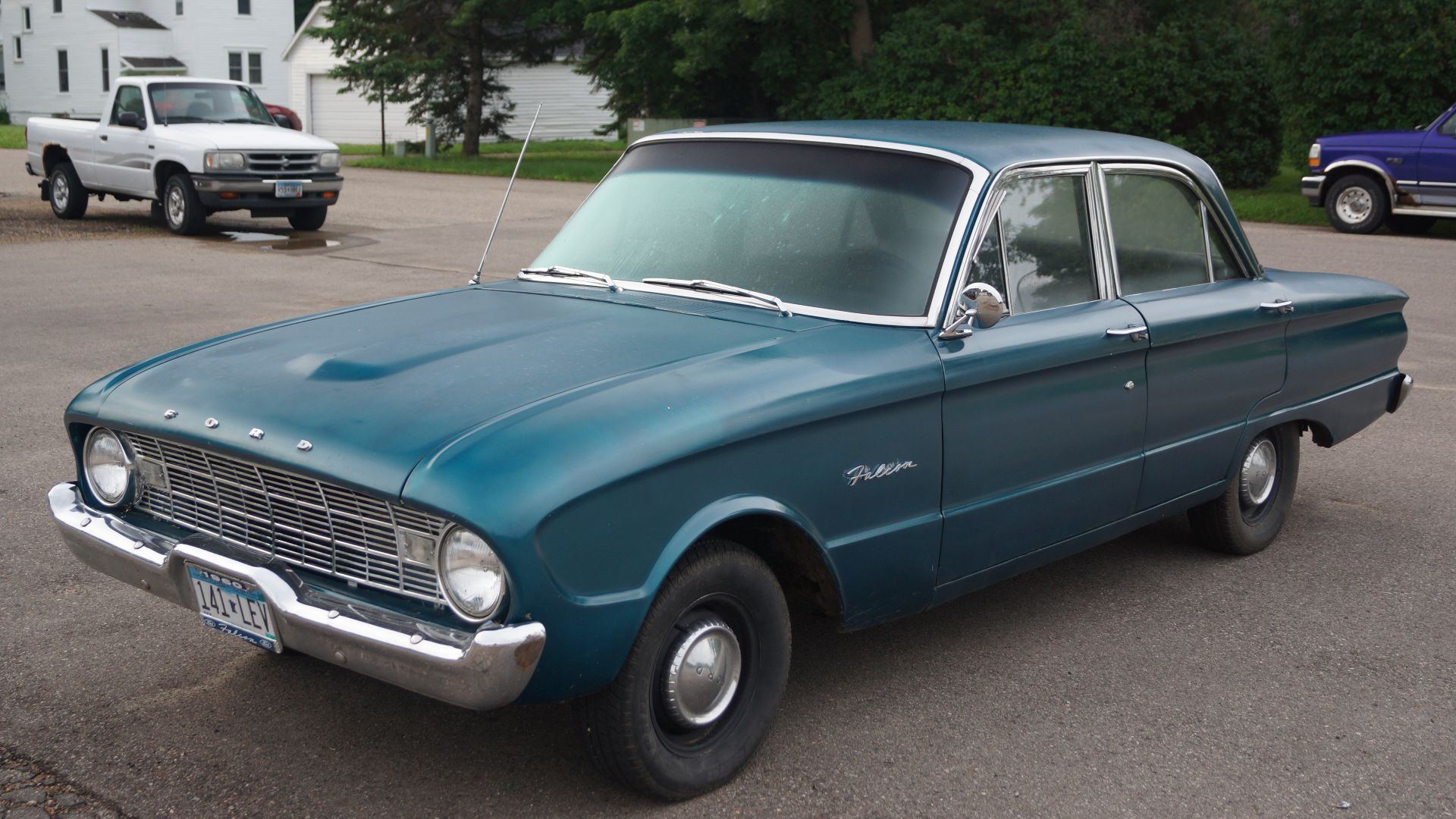
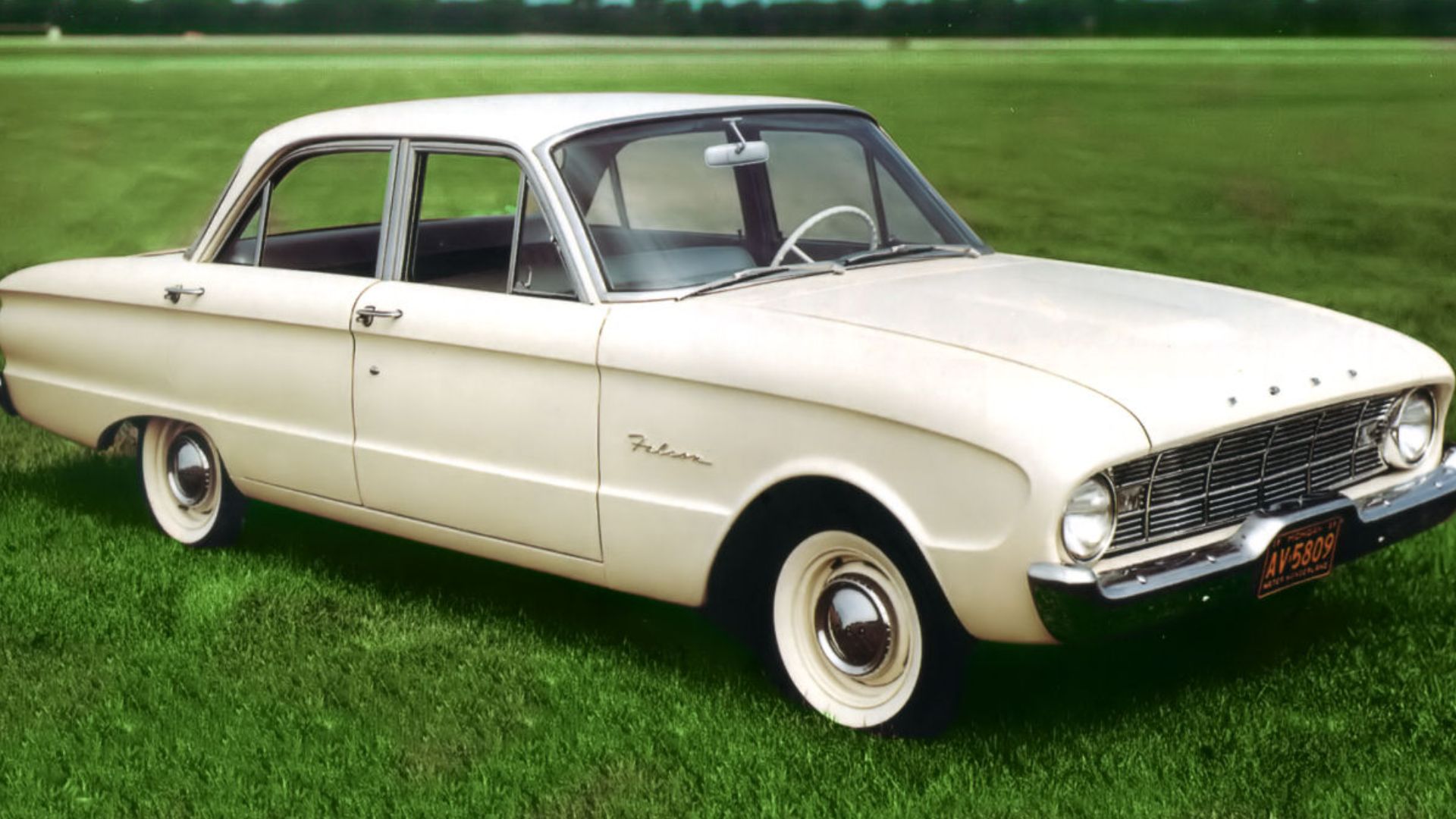
Introduced in 1959 for the 1960 model year, the compact Ford Falcon became a major success. Its advertising famously featured Charlie Brown and other characters from Charles Schulz's Peanuts comic strip. The campaign demonstrated how familiar, appealing personalities could help sell automobiles without relying exclusively on horsepower figures and technical specifications.
Ford's Advertising Was Getting More Creative
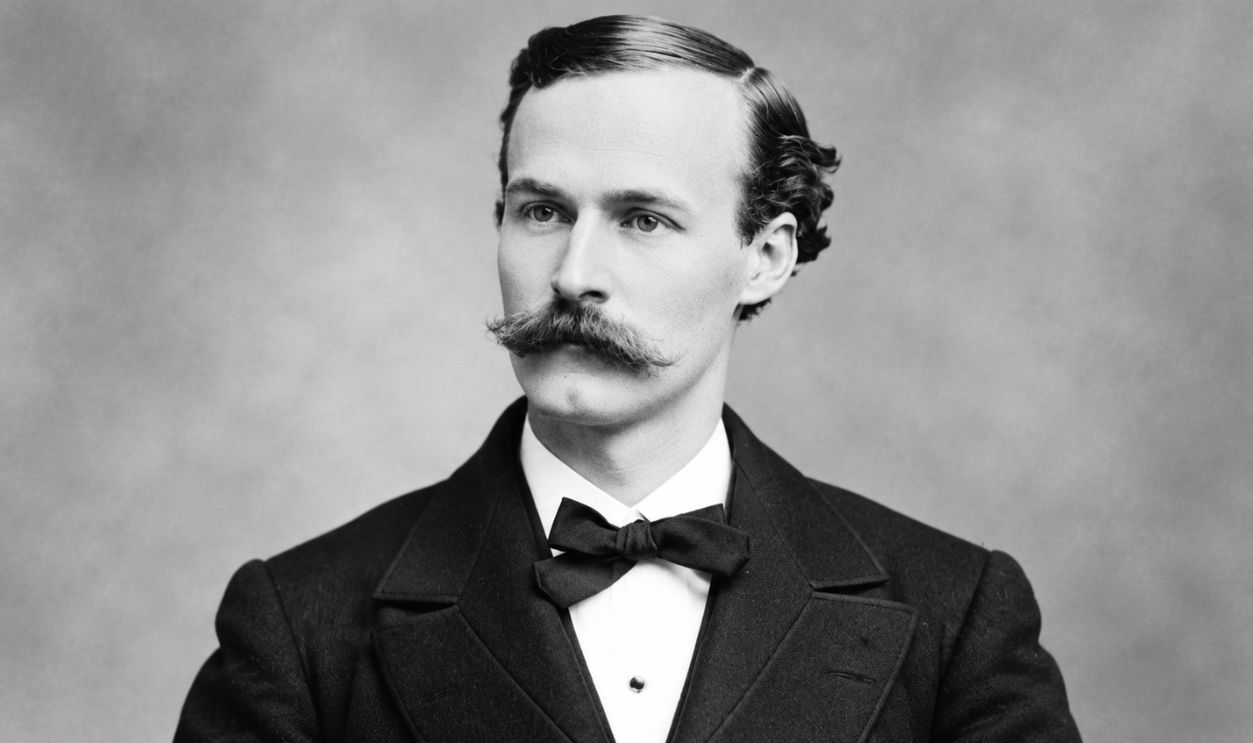
Ford's relationship with advertising agency J. Walter Thompson produced some of its most recognizable campaigns. The company increasingly understood that selling a car required more than listing its features. Americans wanted vehicles that reflected their personalities and ambitions. This approach would become especially important when Ford introduced its next automotive sensation.
 Junkyardsparkle, Wikimedia Commons, Modified
Racing Became Ford's New Obsession
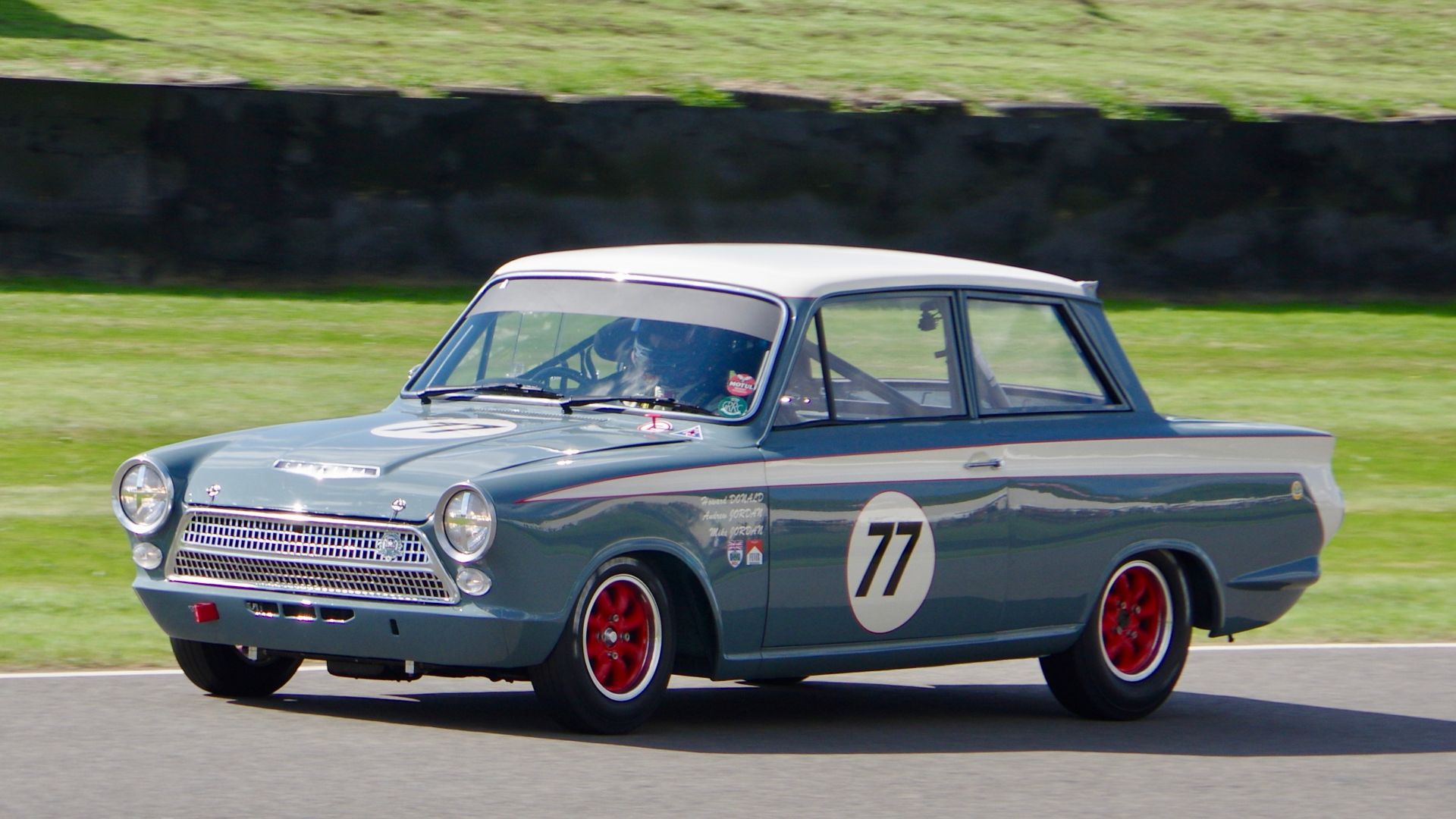
During the early 1960s, Ford launched its Total Performance initiative, supporting major motorsport programs and promoting high-performance automobiles. Racing wasn't merely entertainment. Success on the track helped make Ford's road cars more desirable. Victories at famous circuits offered publicity that ordinary advertisements couldn't possibly match.
 Dave Hamster, Wikimedia Commons
Le Mans Was The Ultimate Prize
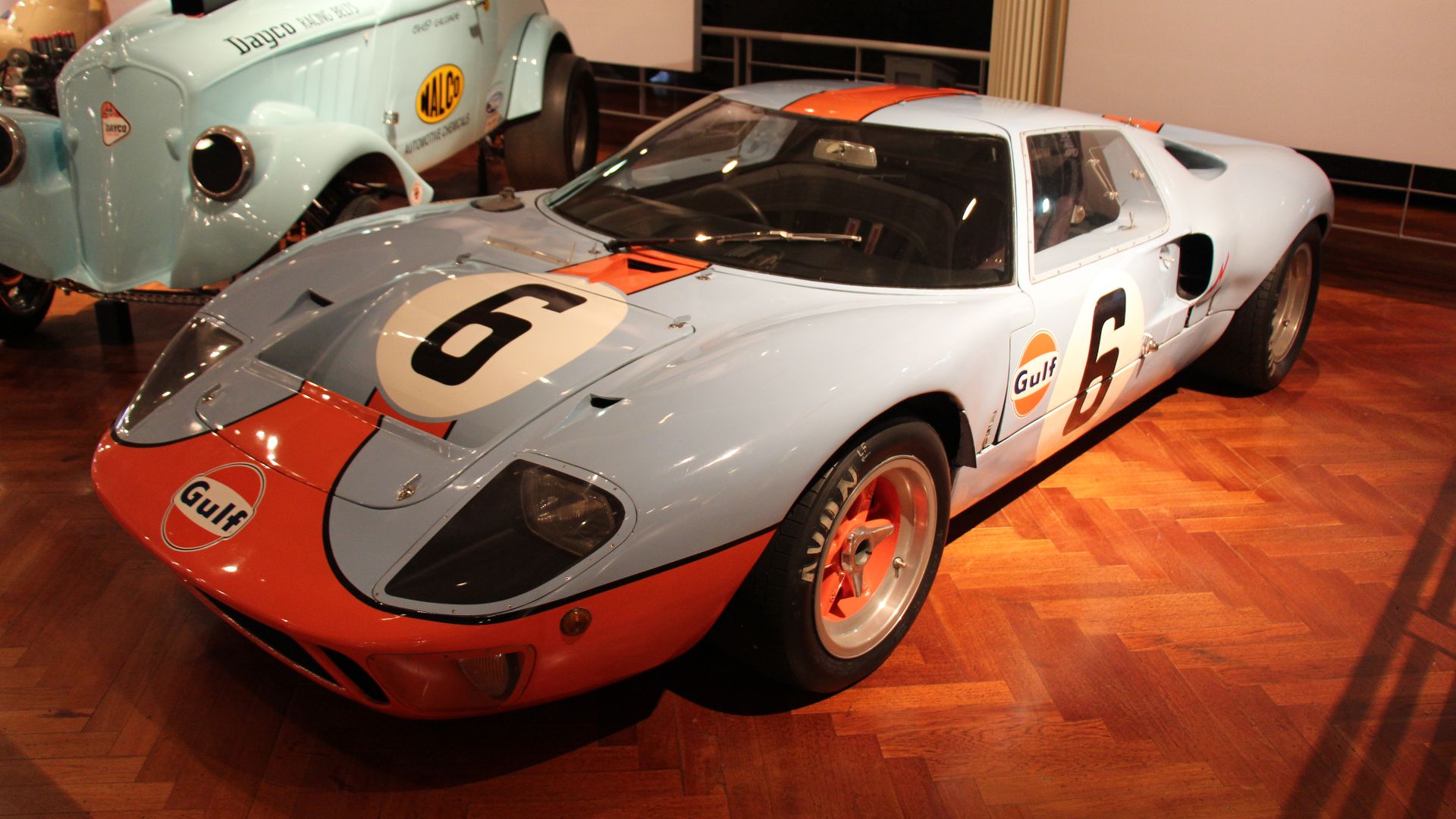
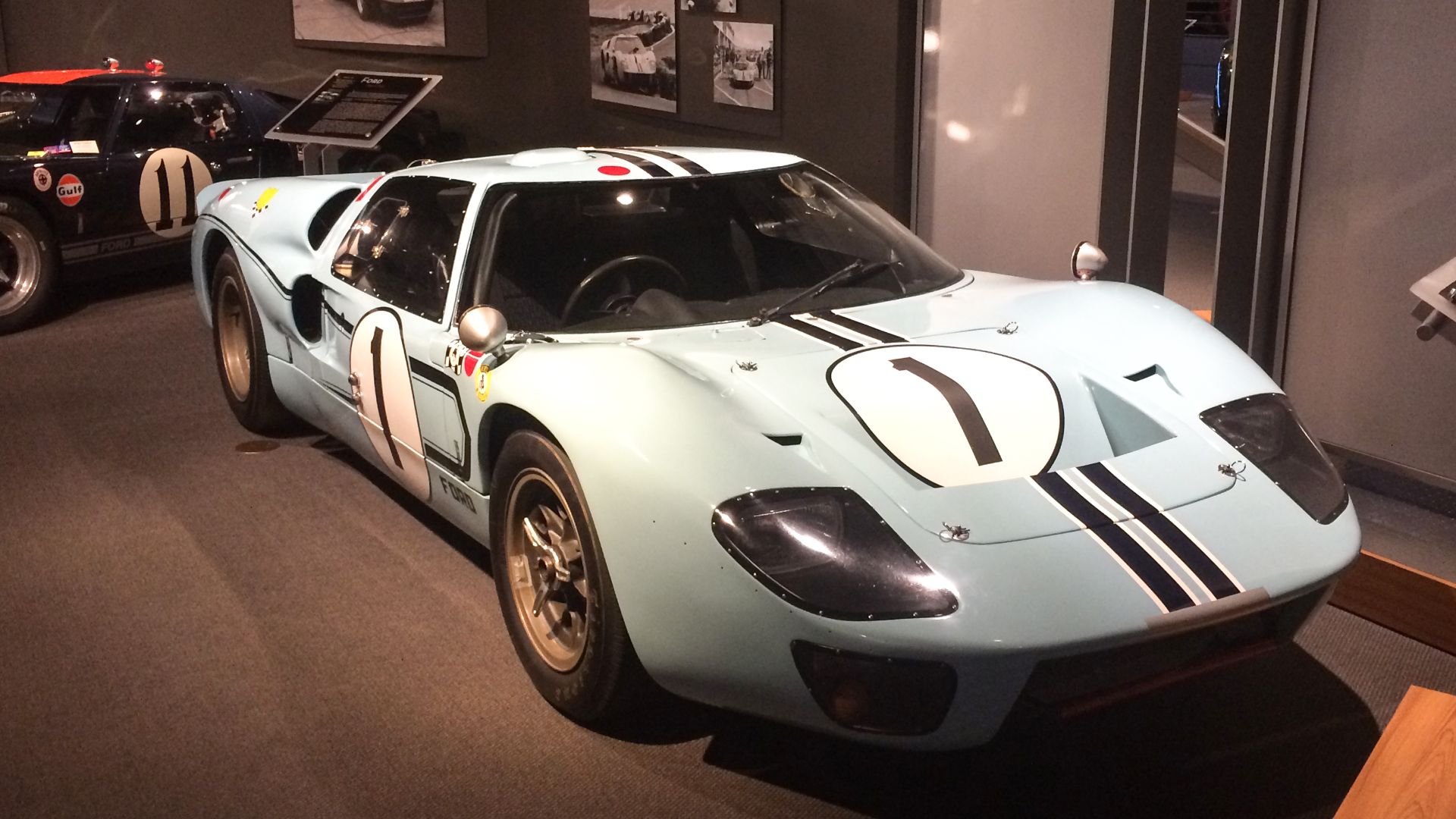
Ford's motorsport ambitions eventually brought it into direct competition with Ferrari at the 24 Hours of Le Mans. After a proposed acquisition of the Italian manufacturer collapsed in 1963, Ford pursued victory through its own racing program. The resulting GT40 would become one of endurance racing's most celebrated machines.
Ford Needed A Car For A New Generation
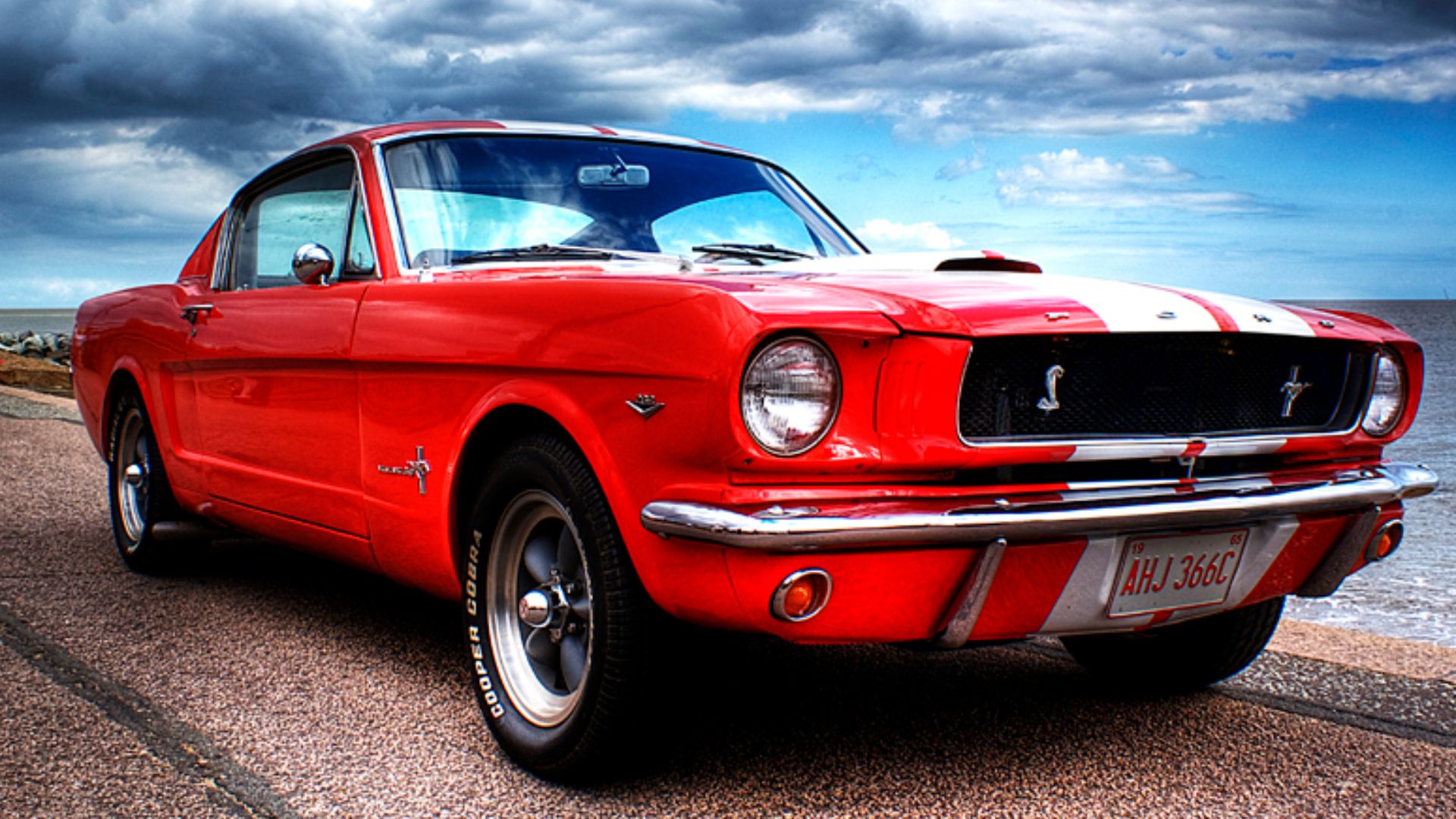
While engineers developed racing machinery, Ford executives were working on something equally important for ordinary motorists. Lee Iacocca and his colleagues recognized growing demand for an affordable, sporty car. Their answer would combine familiar Ford mechanical components with eye-catching styling and a long list of customization options.
 Steve Arnold, Wikimedia Commons
The Mustang Was Born
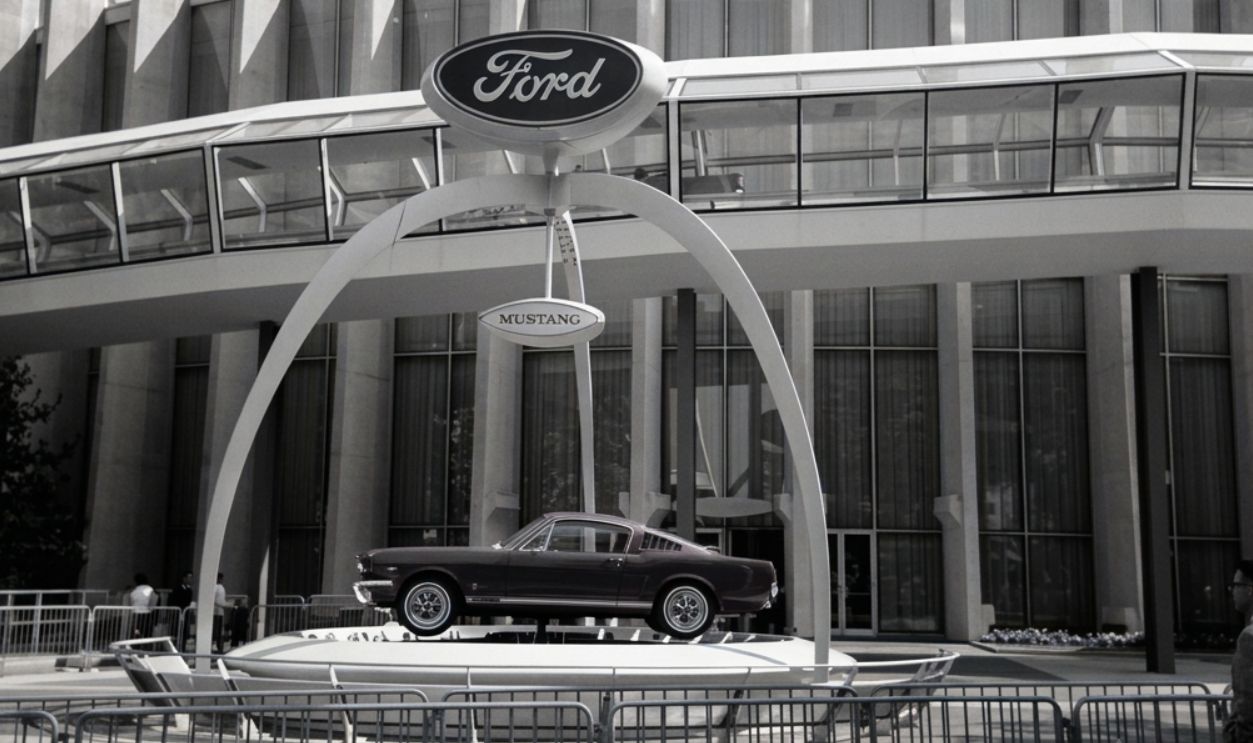
On April 17, 1964, the Ford Mustang made its public debut at the New York World's Fair. With its long hood, short rear deck, and affordable starting price, the Mustang offered something different. Ford had a winner on its hands, but its advertising would help turn that promising vehicle into a national phenomenon.
 Doug Coldwell, Wikimedia Commons, Enhanced
Ford Pulled Out Every Advertising Trick
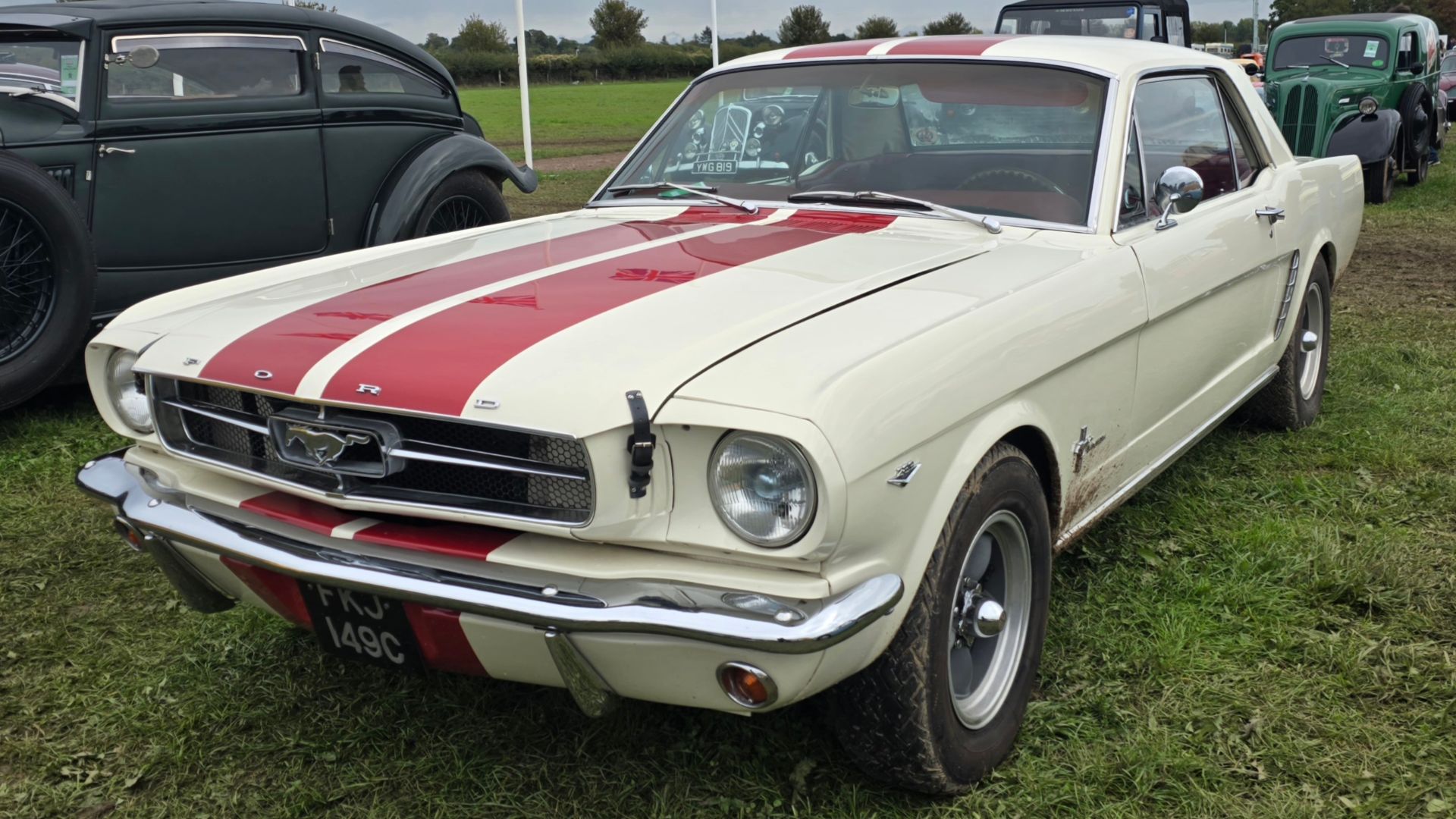
The Mustang's introduction was supported by an extraordinary promotional effort. Ford placed television commercials across all three major American networks, reaching millions of viewers. Newspaper advertisements appeared nationwide, while magazine promotions introduced readers to the attractive new automobile. It was an advertising blitz unlike most Americans had ever experienced.
The Message Was Surprisingly Simple
Rather than burying potential buyers under complicated engineering details, Ford emphasized the Mustang's styling, affordability, and excitement. Early advertisements presented it as a car that could transform an ordinary drive into something special. The approach was imaginative and emotional, much like the qualities Ford had once sought from Moore.
Americans Couldn't Get Enough
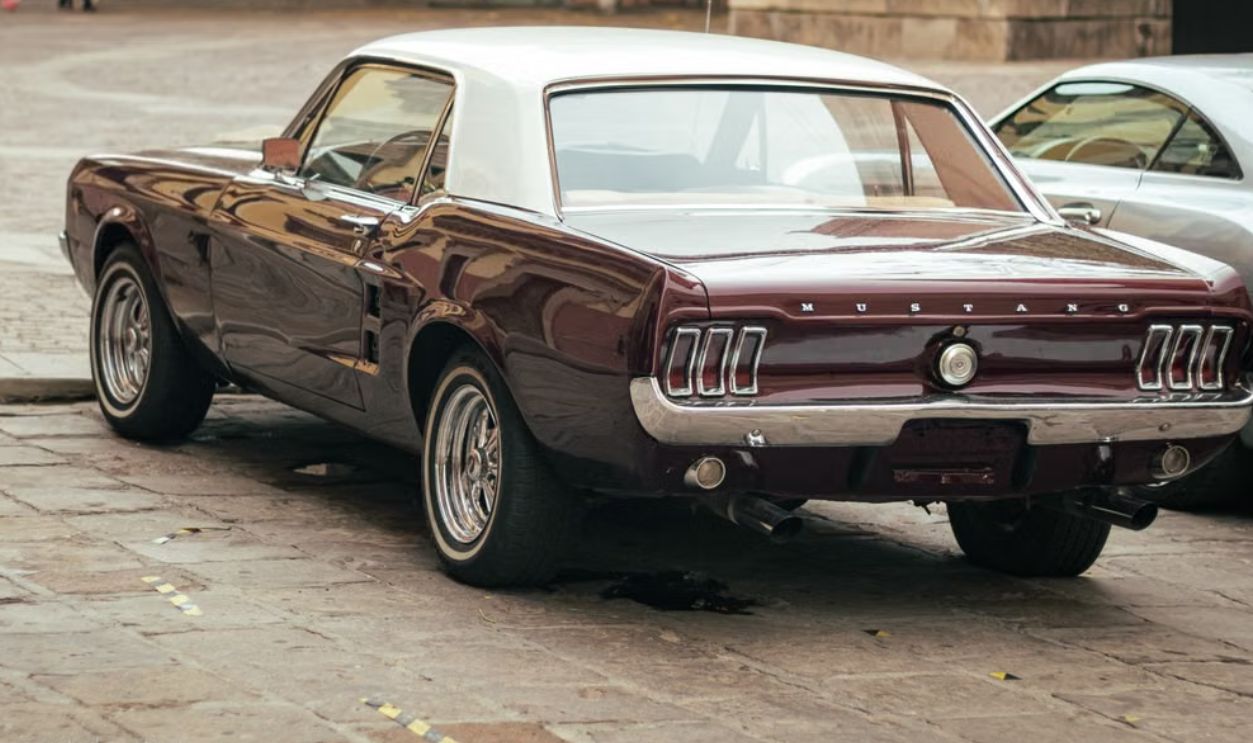
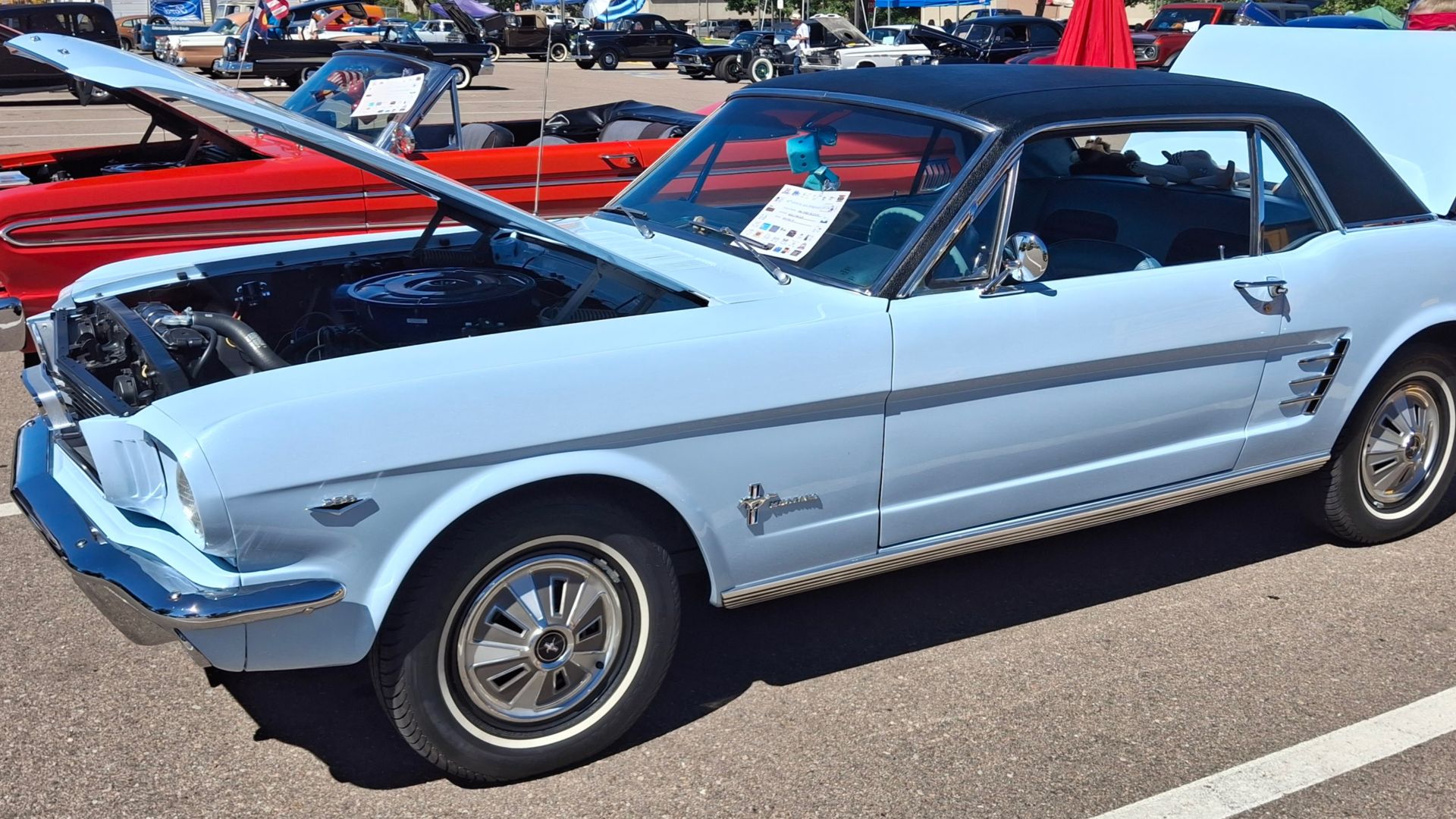
Ford sold 418,812 Mustangs during the car's first year, far exceeding the company's original projections. Dealerships struggled to accommodate the excitement surrounding the new model. By March 1966, Mustang sales had passed one million. The success demonstrated what happened when the right automobile met the right audience and an irresistible marketing campaign.
The Racing Victories Made It Even Better
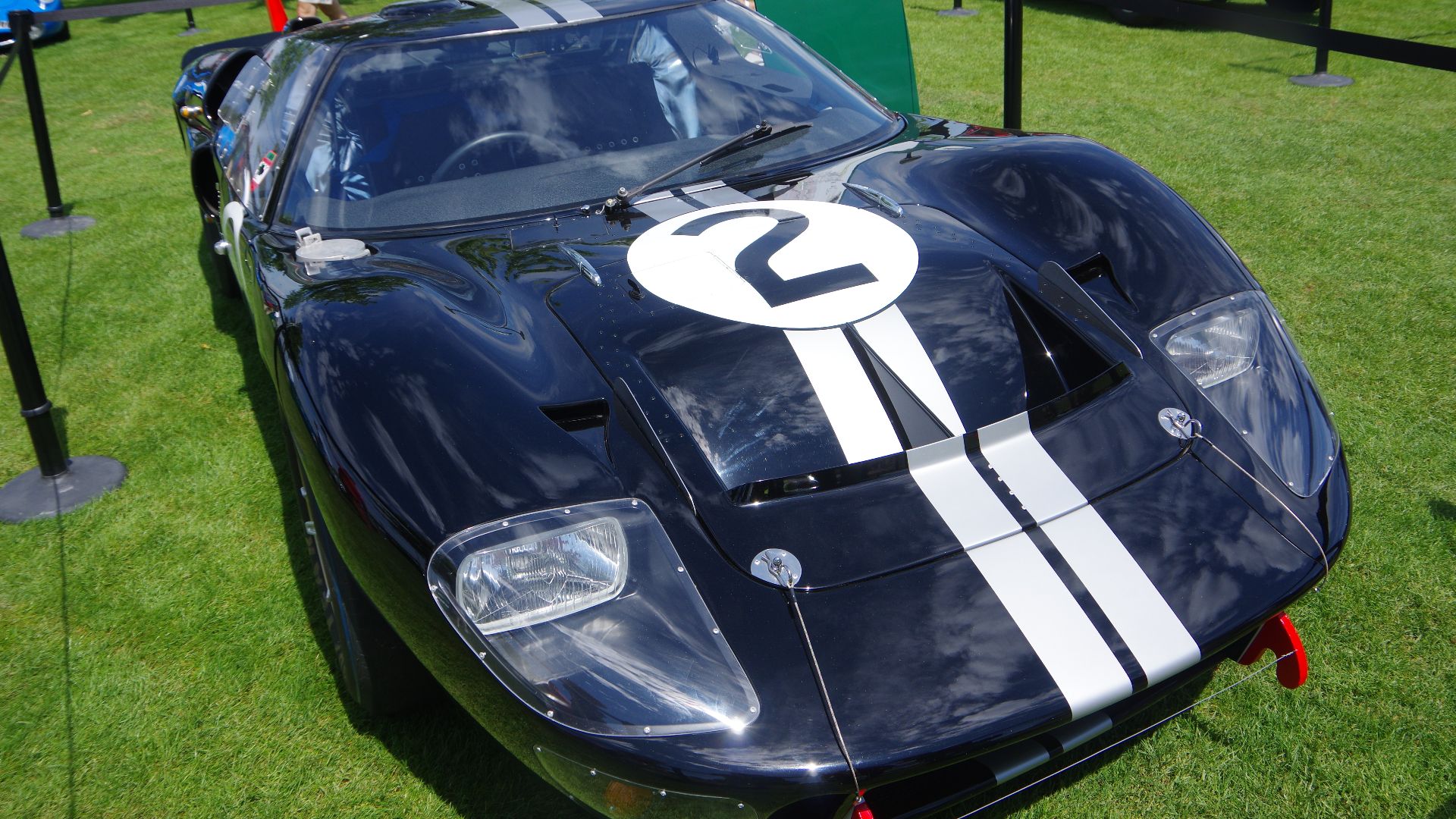
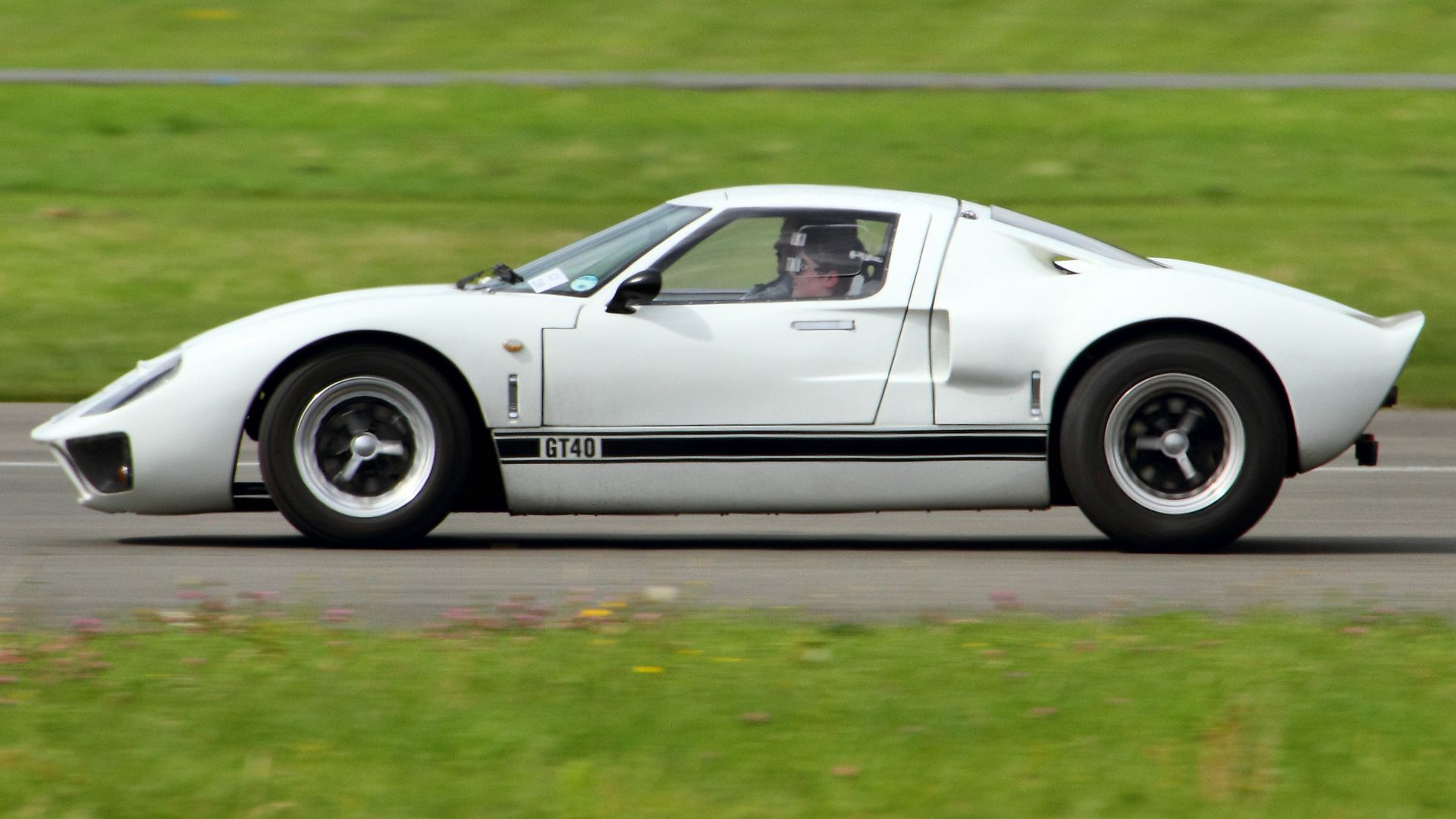
In June 1966, Ford achieved its long-awaited triumph at Le Mans, with the GT40 Mk II taking the top three finishing positions. Bruce McLaren and Chris Amon were credited with the victory. Ford-powered GT40s would win Le Mans four consecutive times between 1966 and 1969, strengthening the company's performance credentials.
 David Merrett from Daventry, England, Wikimedia Commons
Ford Had Finally Found Its Formula
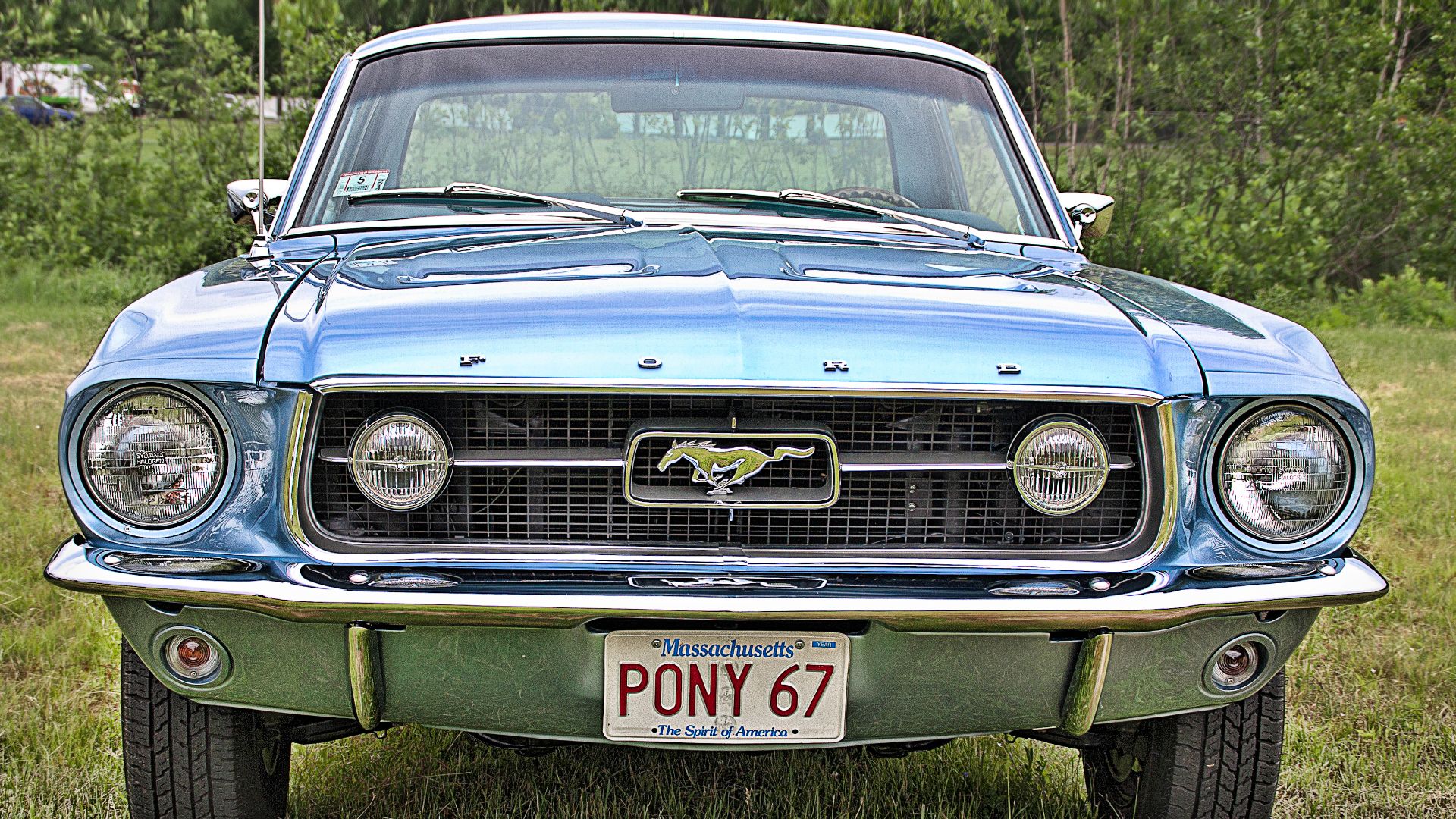
The Mustang and GT40 were very different vehicles, but their success stories shared an important idea. Ford wasn't simply selling transportation or winning races. It was building an identity around excitement, performance, and aspiration. Its advertising helped ordinary Americans feel connected to the thrilling world of motorsport.
 Airwolfhound, Wikimedia Commons
The Poet's Lesson Lived On
Marianne Moore never wrote Ford's celebrated Mustang advertisements, and her suggestions weren't responsible for the company's racing victories. Yet her unusual involvement illustrated an important principle: automotive marketing depends heavily on imagination. The best names and advertisements can make drivers feel something before they ever turn an ignition key.
 liz west from Boxborough, MA, USA, Wikimedia Commons
A Strange Story With A Lasting Legacy
Ford's journey from the Edsel to the Mustang and GT40 remains one of the most fascinating chapters in American automotive history. A celebrated poet couldn't save one ambitious project, but creative marketing helped launch another into legend. Sometimes a successful automobile needs more than a brilliant engine. It needs a story worth believing.
 Alan Raine from Cheshire, Wikimedia Commons
You May Also Like: