The Mercedes That Learned To Fly
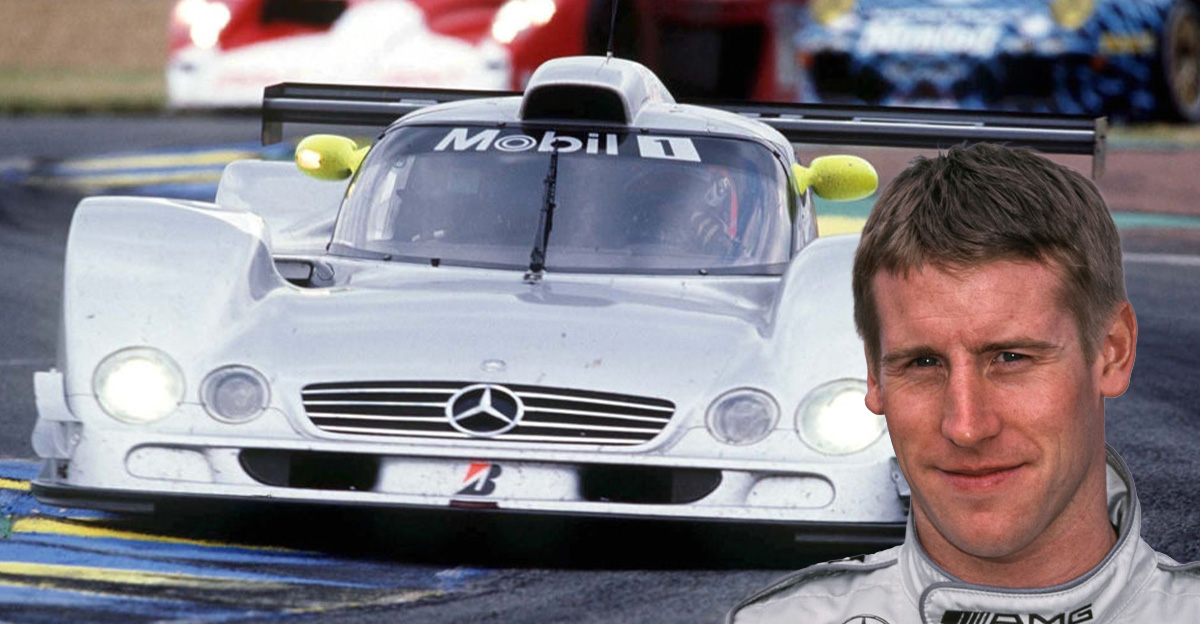
In 1999, Mercedes-Benz arrived at the 24 Hours of Le Mans with a sleek new race car and dreams of victory. Instead, the CLR became famous for something nobody expected: taking flight. Three terrifying crashes, including one broadcast live around the world, turned Mercedes' racing ambitions into an unforgettable motorsport nightmare.
Mercedes Had Something To Prove
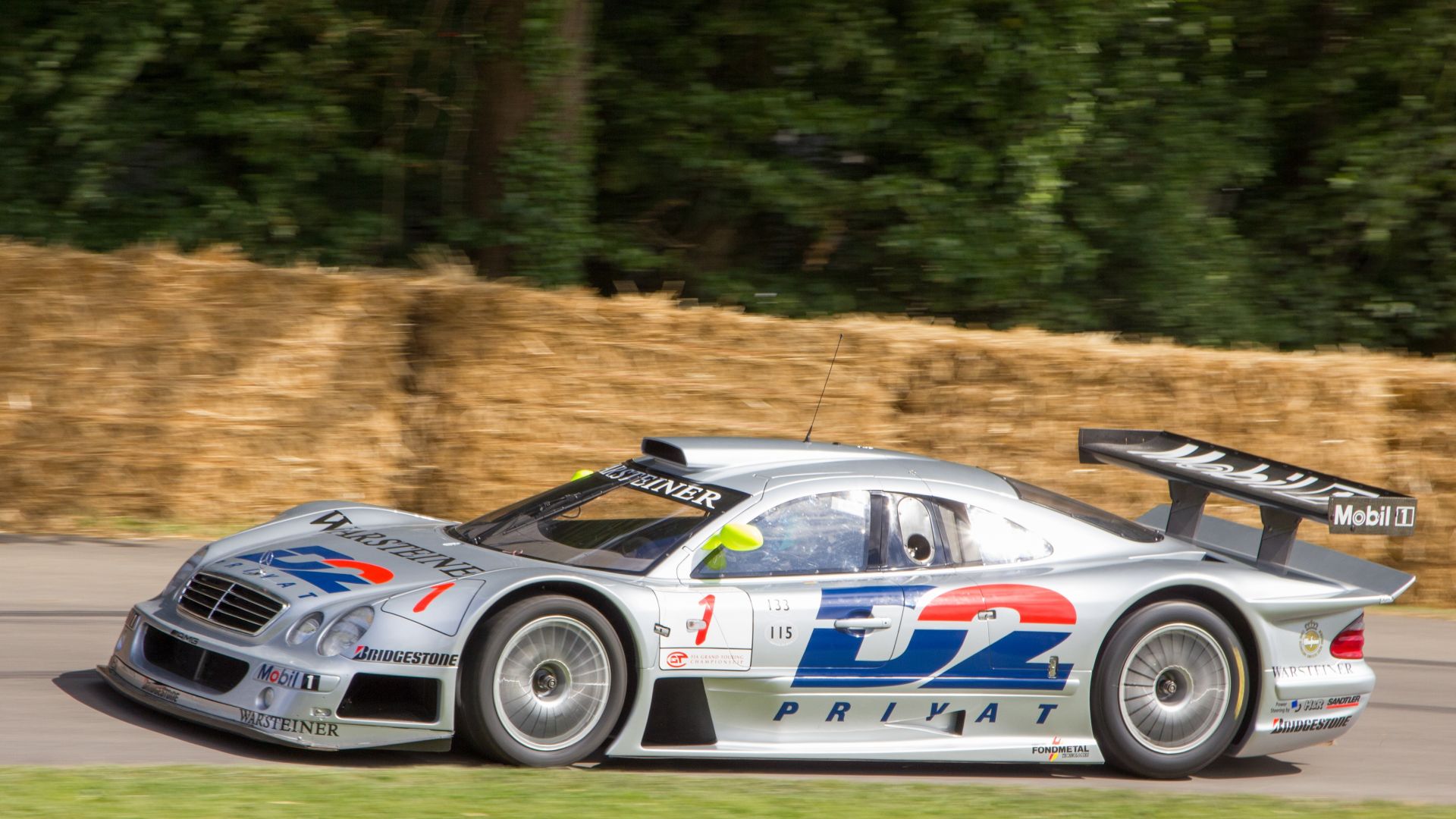
Mercedes wasn't exactly a newcomer to endurance racing. The German manufacturer had enjoyed tremendous success with its CLK GTR and CLK LM racers during the late 1990s. But Le Mans was another challenge entirely. For 1999, Mercedes wanted a machine specifically designed to conquer the world's most famous endurance race.
 Stephen Hynds, Wikimedia Commons
Enter The Mercedes CLR
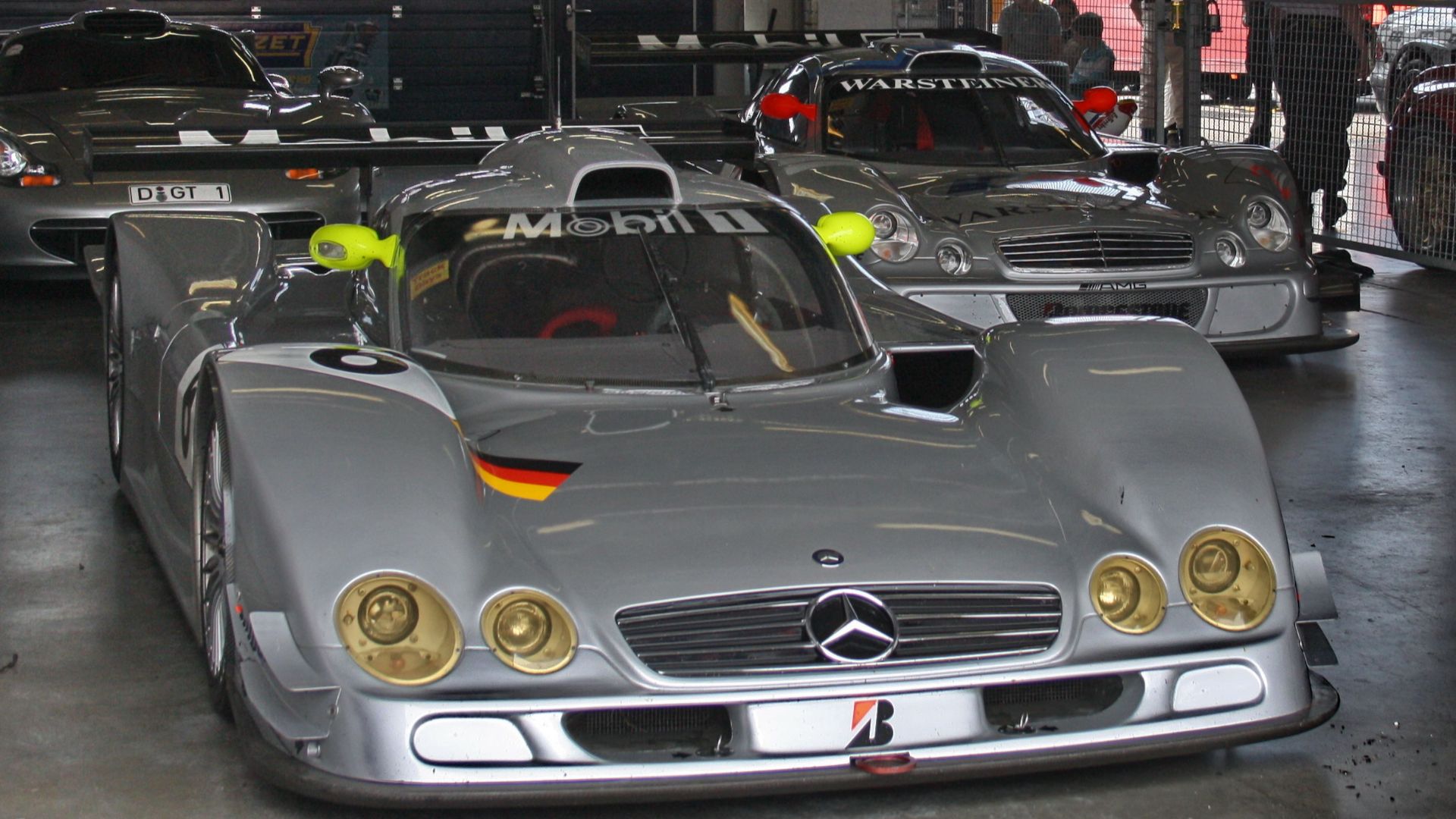
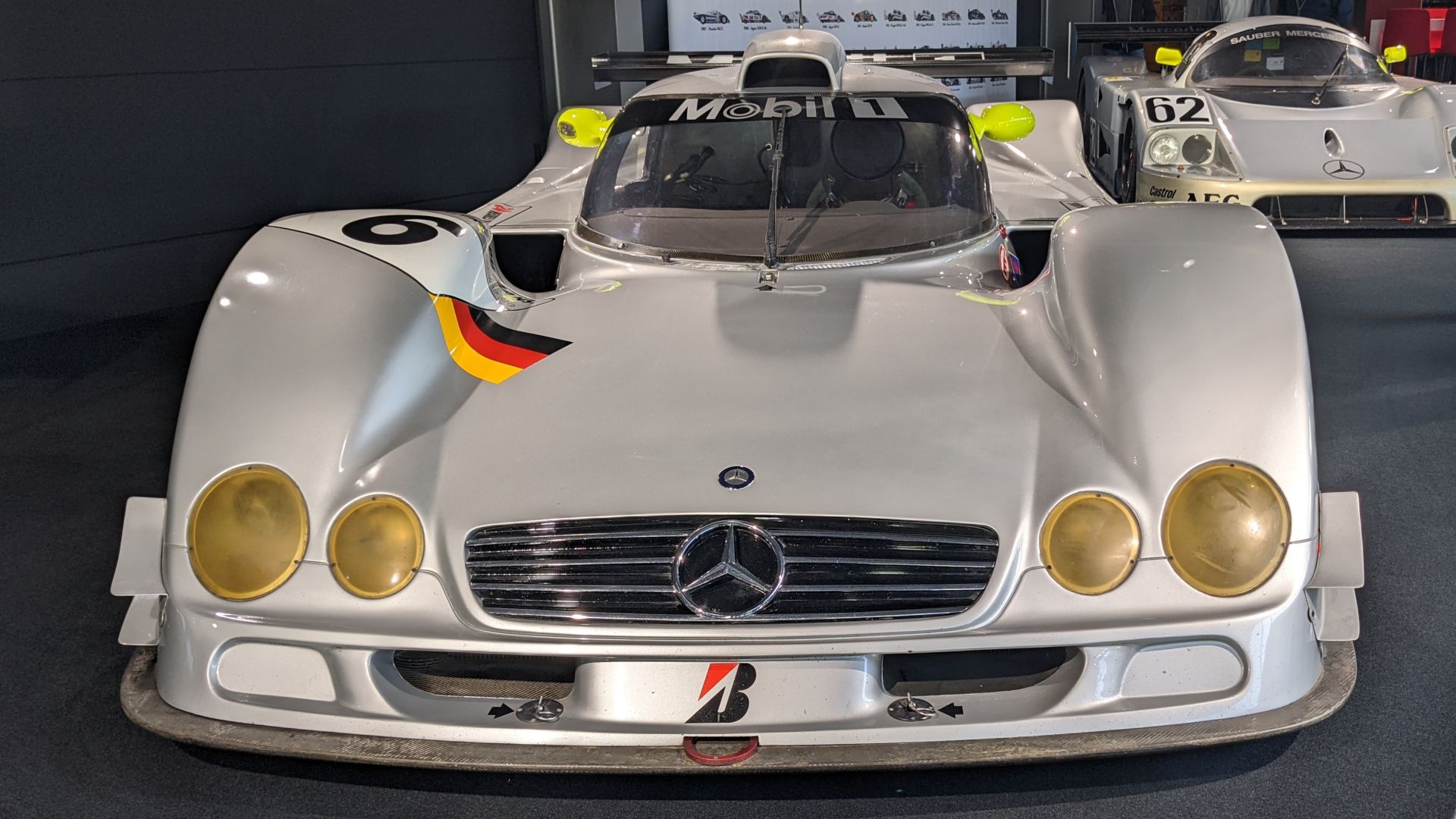
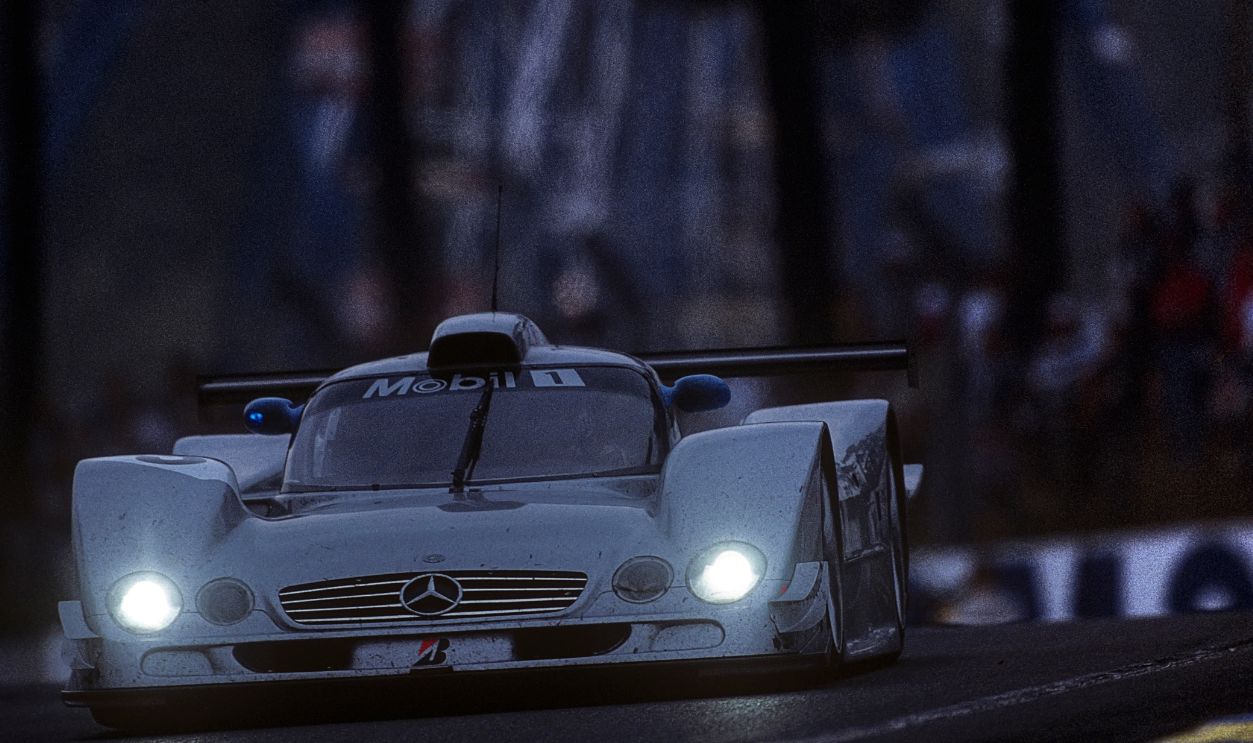
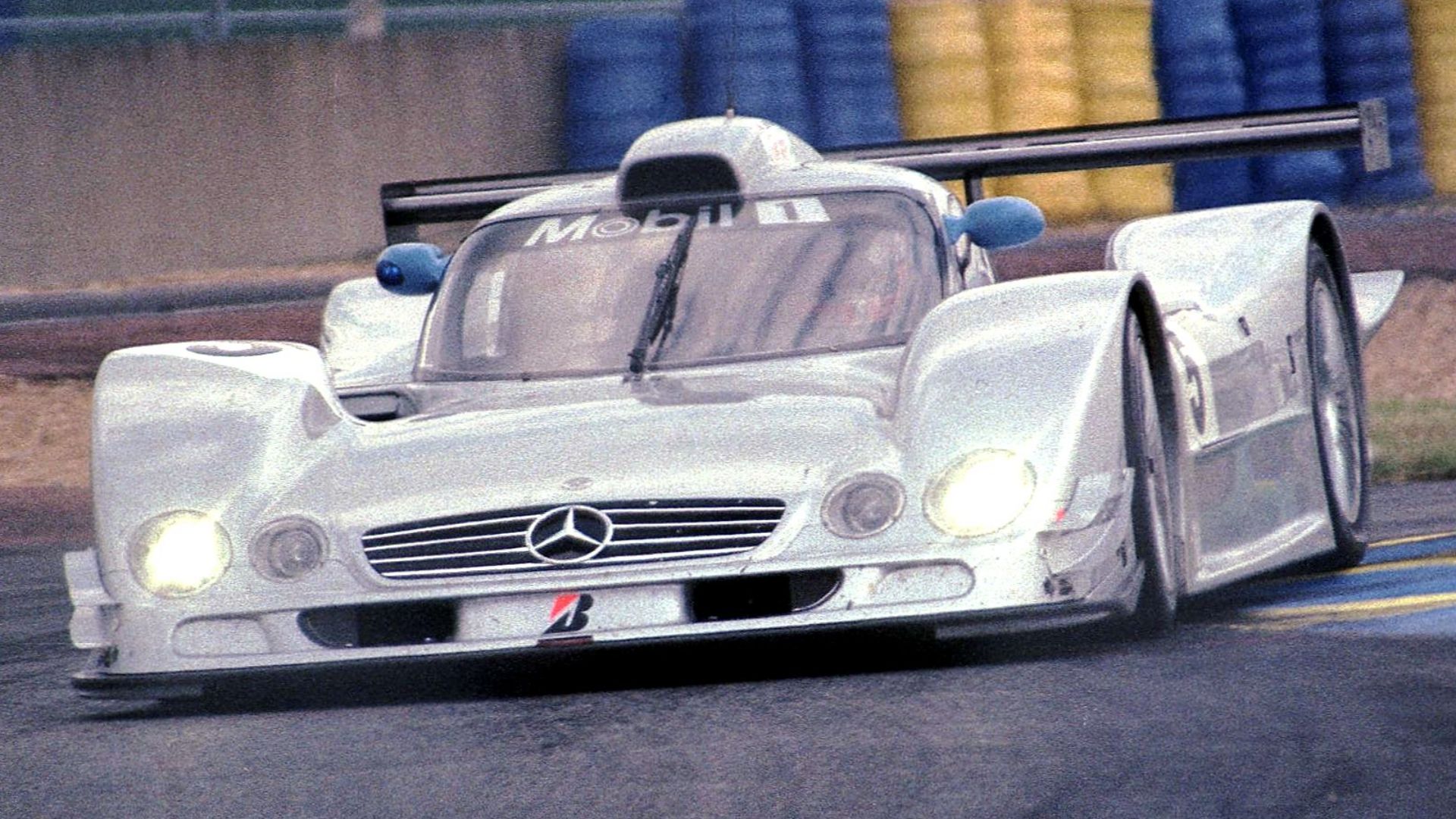
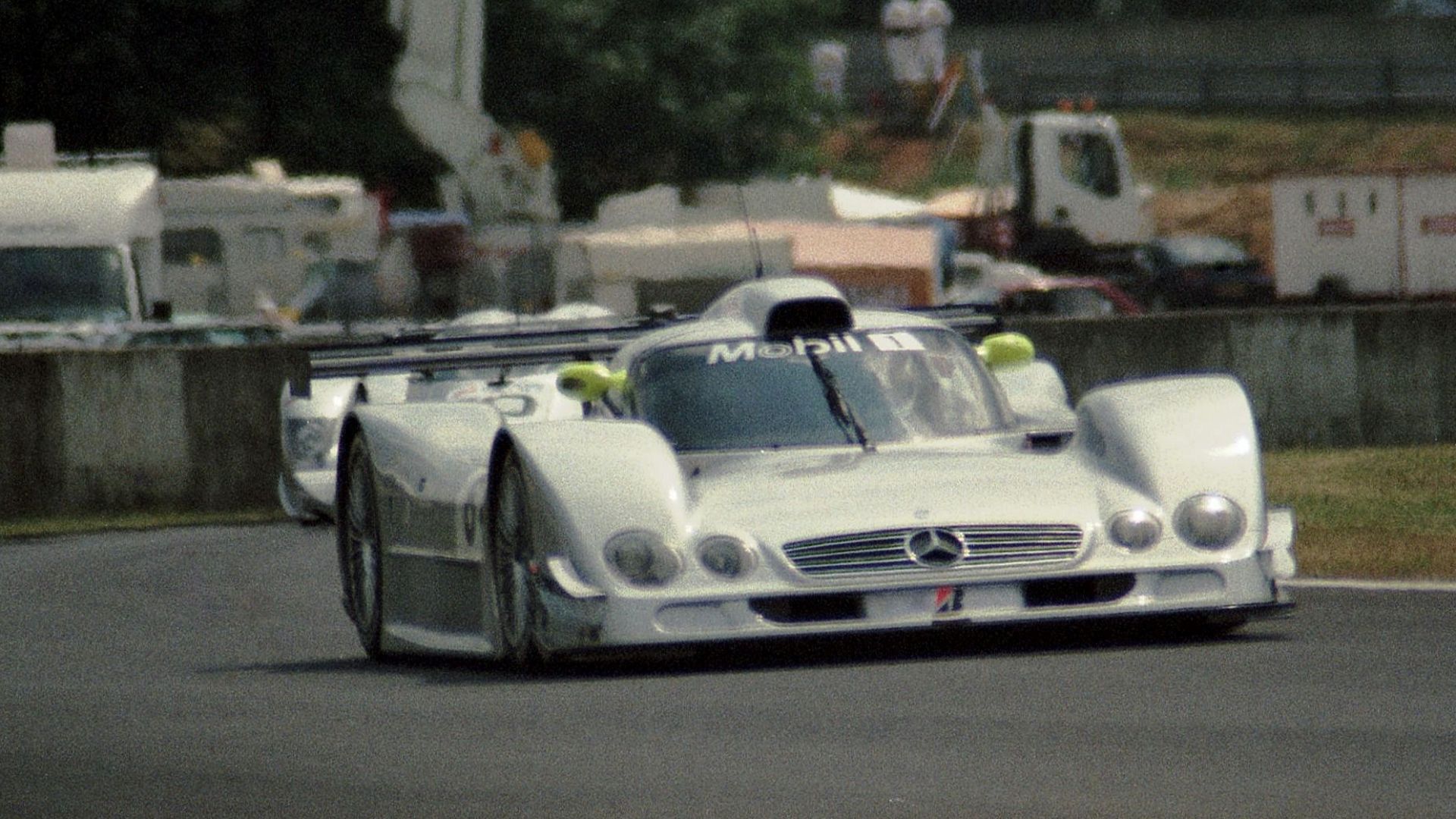
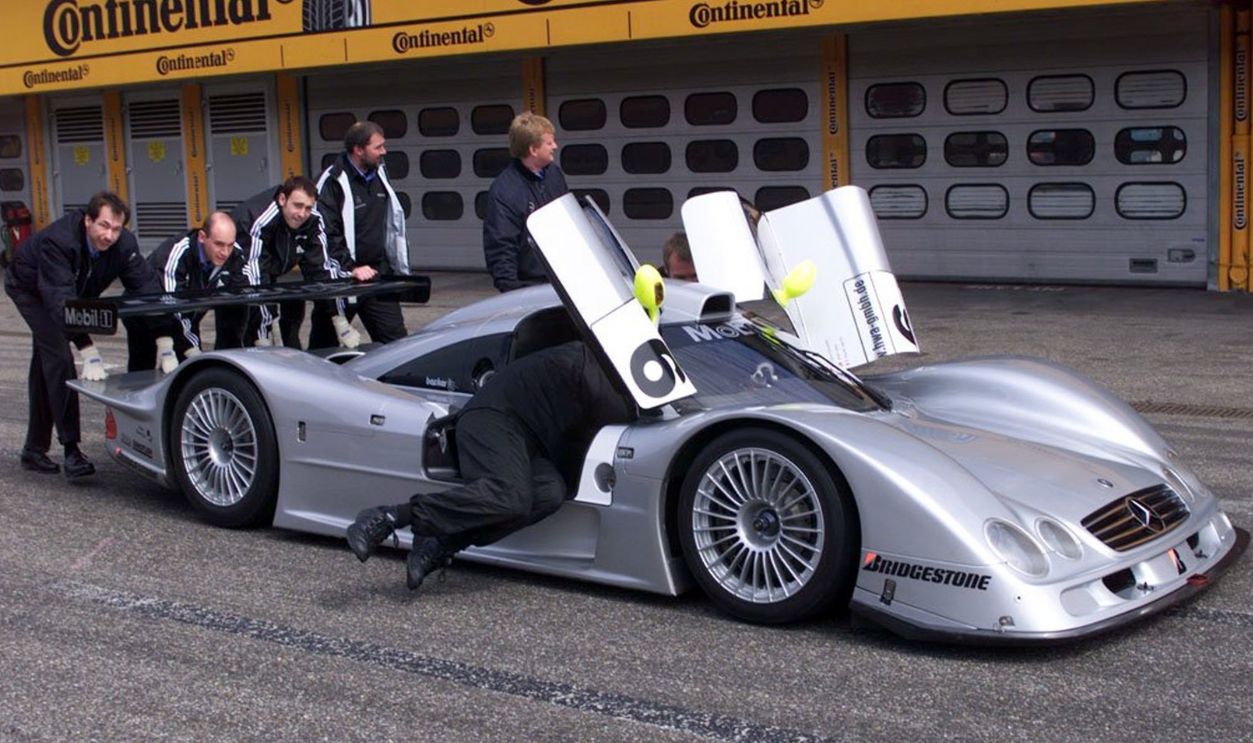
The Mercedes-Benz CLR looked like something from the future. Its extremely low body, long nose, and slippery shape were designed to cut through the air with minimal resistance. Underneath sat a powerful 5.7-liter V8 producing roughly 600 horsepower. Everything about the car suggested speed, sophistication, and serious engineering.
 Marc Oliver John from Wachtberg, Deutschland, Wikimedia Commons
Built For Incredible Speeds
At Le Mans, straight-line speed matters almost as much as cornering ability. Mercedes engineers designed the CLR to reach approximately 200MPH while maintaining enough aerodynamic grip through the circuit's faster sections. Unfortunately, the pursuit of reduced drag would help create a dangerous weakness that testing hadn't revealed.
 Thomas Vogt from Paderborn, Deutschland, Wikimedia Commons
The Competition Was Fierce
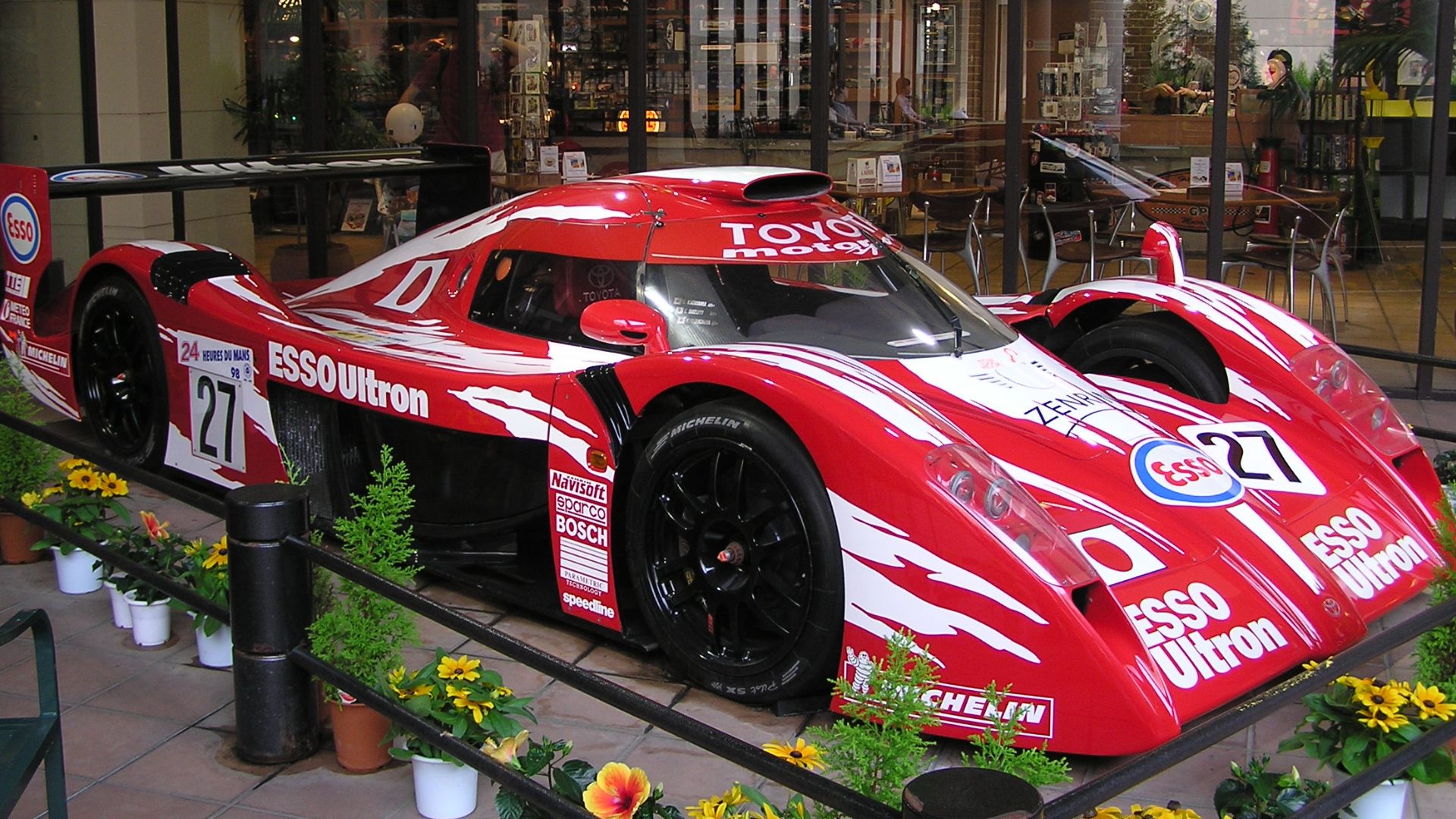
The 1999 Le Mans field was stacked with legendary manufacturers. Toyota brought its spectacular GT-One, BMW entered the V12 LMR, and Audi was making its Le Mans debut. Nissan and Panoz were also contenders. Mercedes faced serious competition, but nobody could have predicted what would happen before the race even began.
Trouble Was Already Brewing
During practice, signs emerged that the CLR wasn't behaving properly. Its front end appeared unsettled over certain high-speed sections, particularly where the track rose and fell. At racing speeds, even small changes in a car's attitude can dramatically affect airflow. Mercedes was about to discover just how dangerous those changes could become.
 Paul-Henri Cahier, Getty Images
Mark Webber's First Terrifying Flight
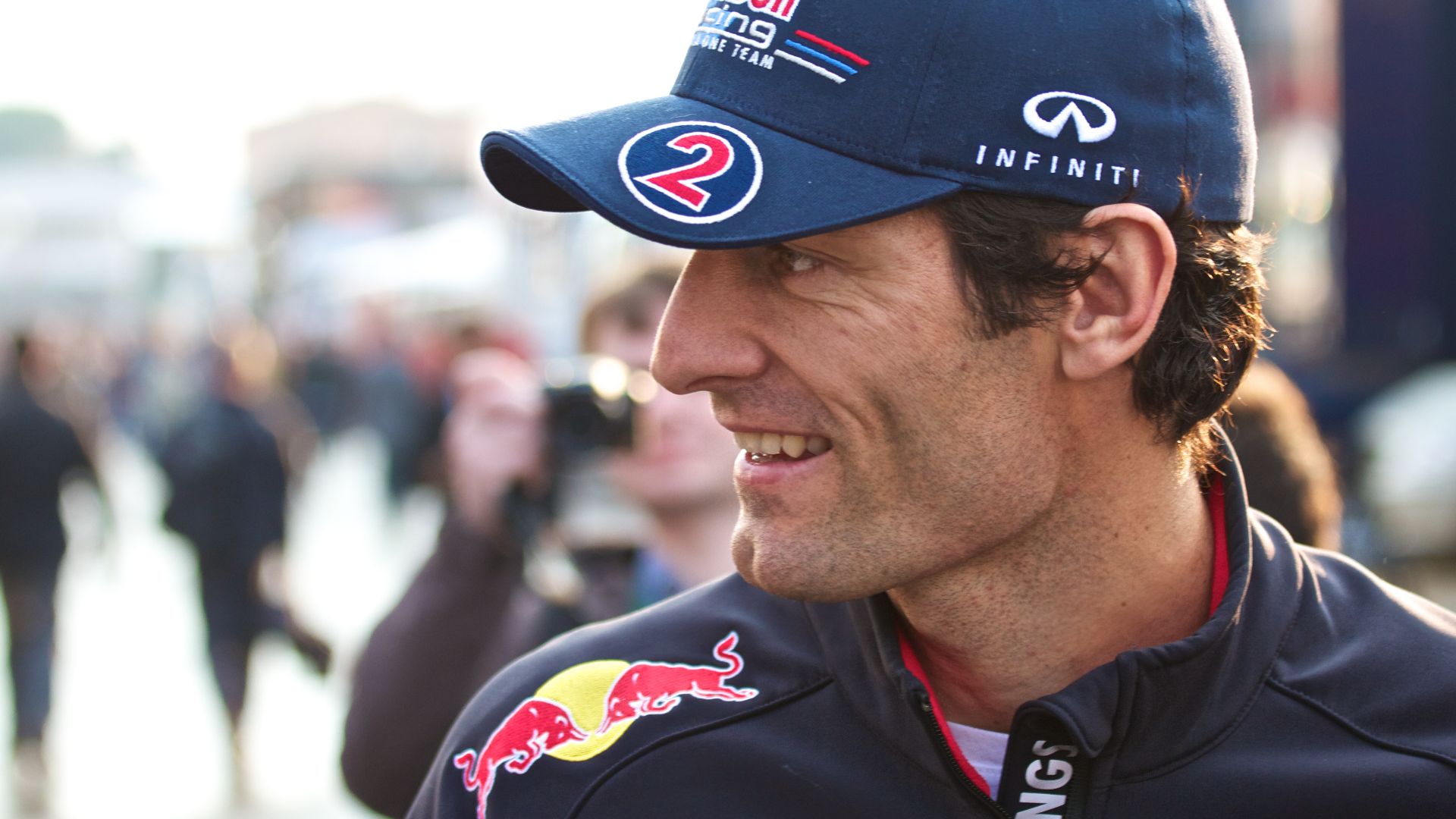
On Thursday, June 10, Australian driver Mark Webber experienced something few racers could imagine. His Mercedes suddenly lifted off the pavement near Indianapolis and flipped backward at tremendous speed. The car landed heavily, leaving a wrecked machine and a shaken team. Somehow, Webber escaped without serious injuries.
 Rich Jones from United Kingdom, Wikimedia Commons
Surely It Was Just A Freak Accident?
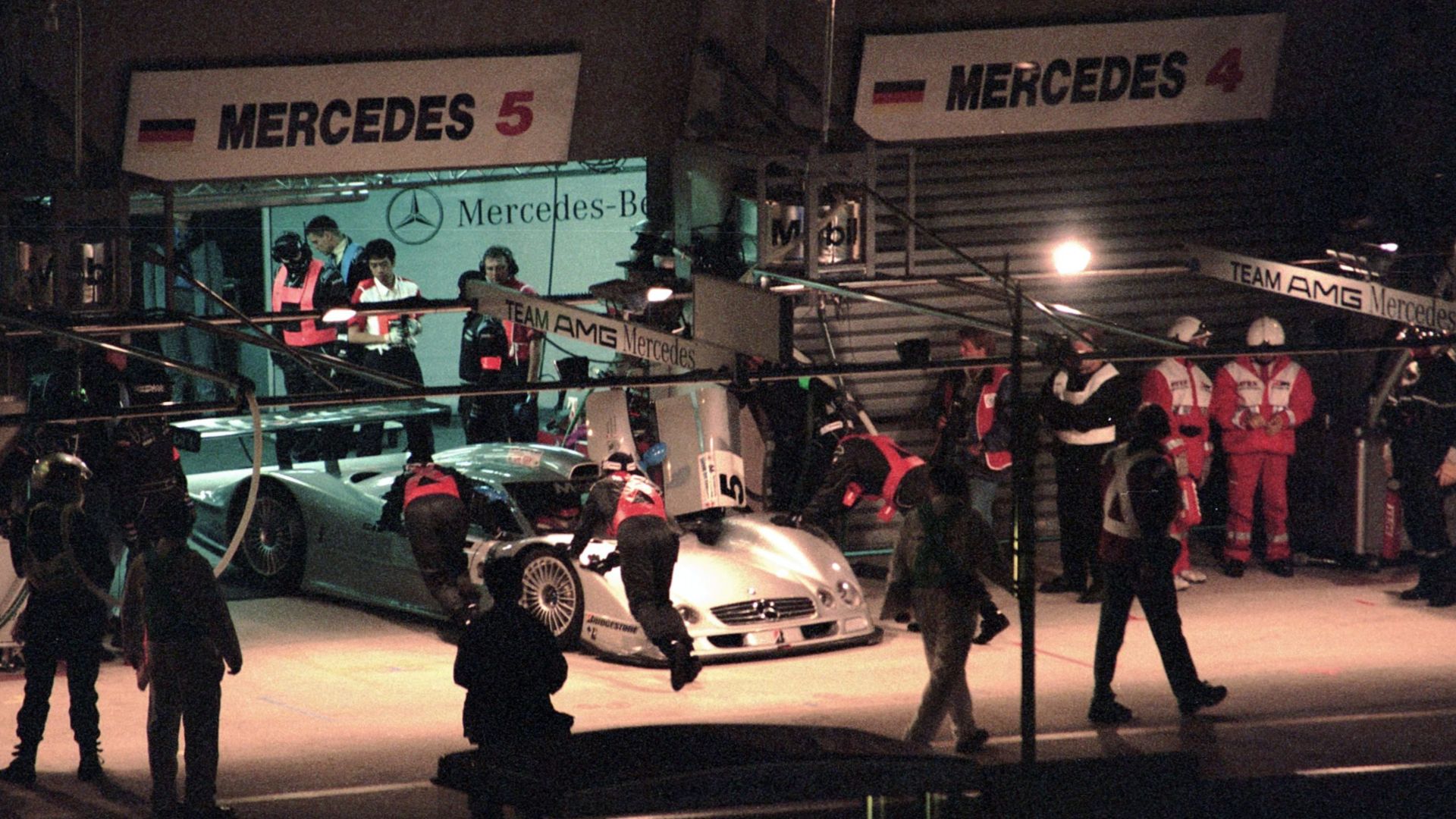
Mercedes engineers examined the damaged CLR and attempted to understand what had happened. Was it an unusual bump? An unfortunate combination of speed and airflow? The team rebuilt Webber's car and continued preparations. At the time, the full extent of the aerodynamic problem remained unclear, but the warning signs were impossible to ignore.
 Martin Lee from London, UK, Wikimedia Commons
The Second Flight Was Even More Alarming
During Saturday morning's warm-up, Webber's rebuilt Mercedes took off again, this time along the Mulsanne Straight. Once more, the car's nose rose before the entire machine flipped backward. Remarkably, Webber survived another violent accident. Two flights involving the same driver and car design could no longer be dismissed as coincidence.
 Martin Lee from London, UK, Wikimedia Commons
Mercedes Faced An Impossible Decision
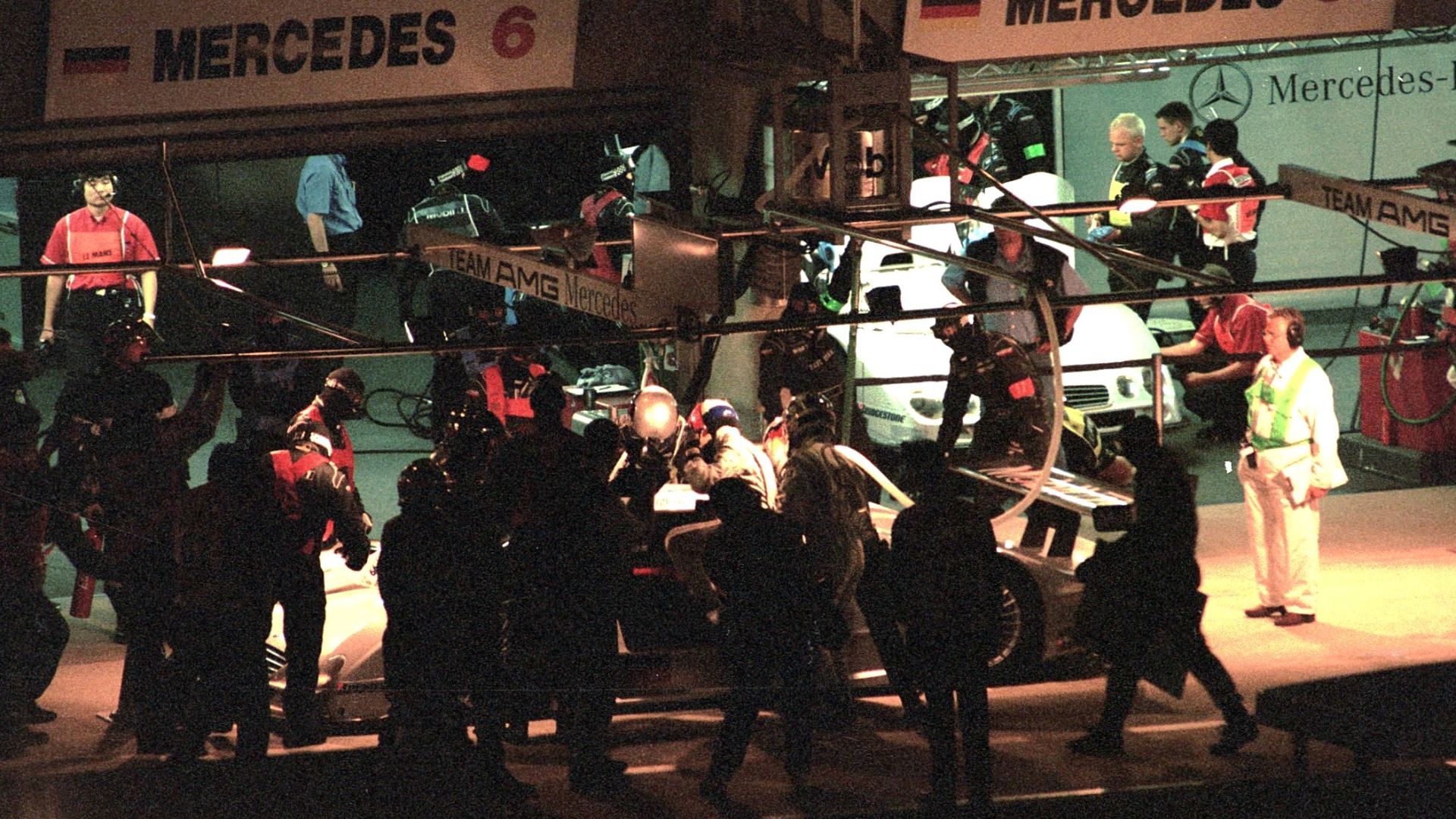
With the race approaching, Mercedes had to decide whether its remaining two CLRs should compete. Engineers examined the available data and modified the cars, adding aerodynamic measures intended to improve stability. Despite serious concerns, the team decided to race. It was a decision that would soon face intense scrutiny.
 Martin Lee from London, UK, Wikimedia Commons
The Race Finally Began
On Saturday, June 12, the 1999 24 Hours of Le Mans got underway. Mercedes continued with two CLRs, while Webber's badly damaged machine remained out of contention. Drivers Bernd Schneider and Peter Dumbreck were among those carrying the manufacturer's hopes. For a while, the remaining cars circulated without another dramatic incident.

Peter Dumbreck Takes The Wheel
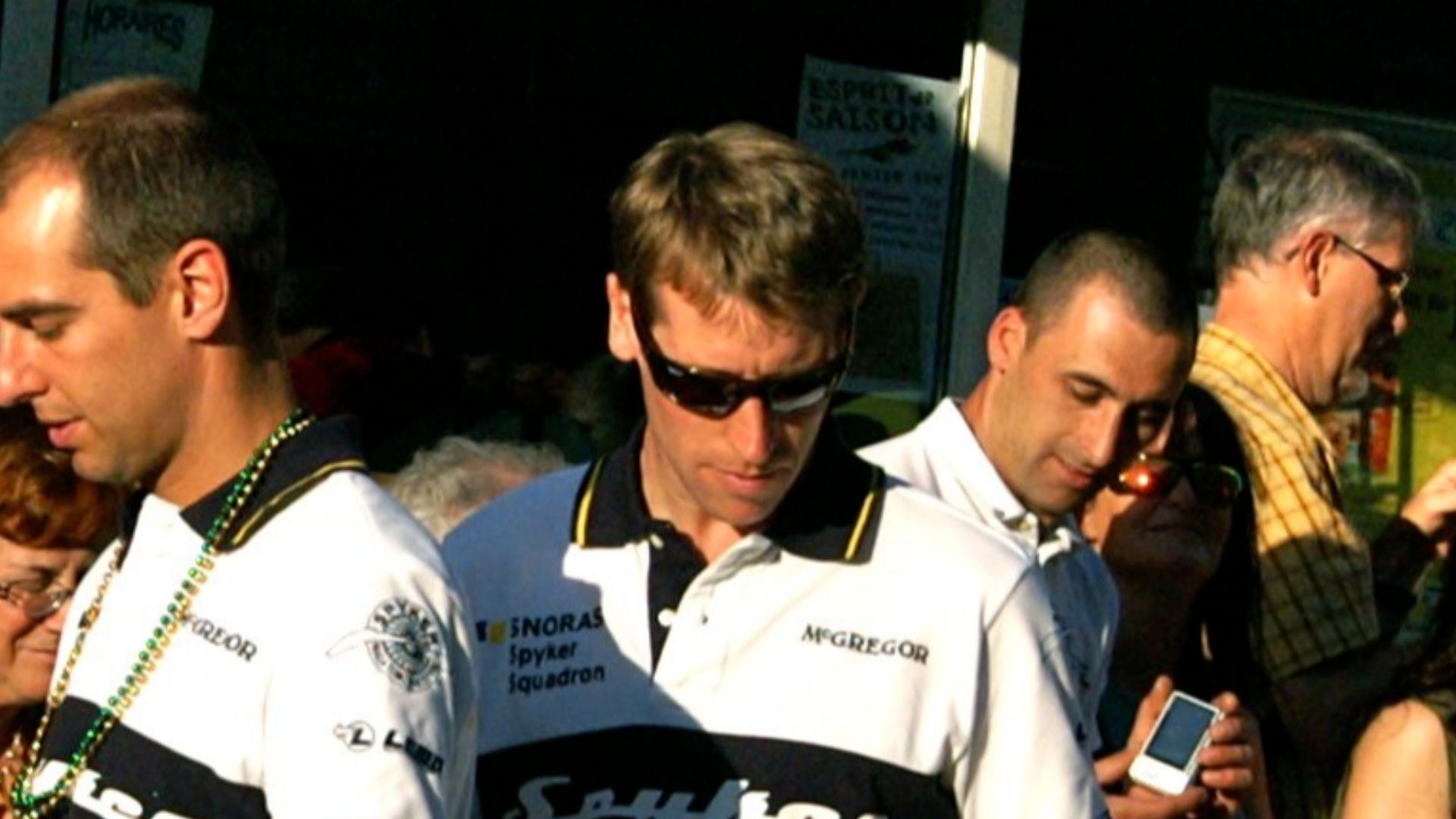
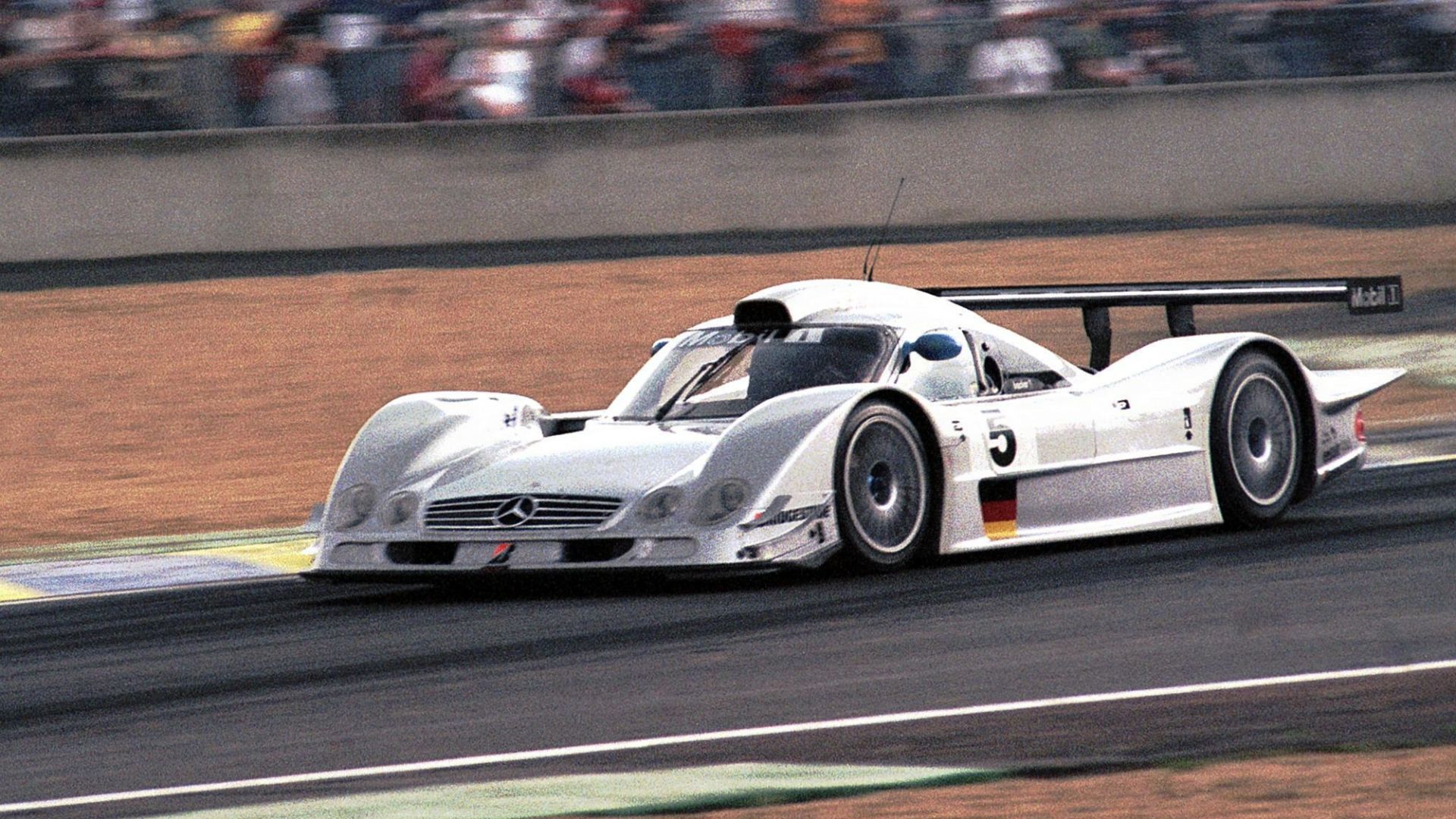
Scottish driver Peter Dumbreck was making his Le Mans debut with Mercedes. Just 25 years old, he had secured an opportunity many young racers could only dream about. Driving the number 5 CLR, Dumbreck was competing against some of the world's finest endurance racers. Then, approximately three hours into the race, everything changed.
 David Merrett from Daventry, England, Wikimedia Commons
A Normal Overtaking Maneuver Turns Terrifying
Approaching Indianapolis, Dumbreck was following another car at high speed. As his Mercedes climbed a slight rise, its aerodynamic balance suddenly changed. The front end lifted, and the CLR became airborne. There was no collision required to send the Mercedes skyward. The car's own aerodynamic instability was enough.
 Martin Lee from London, UK, Wikimedia Commons
The Mercedes Launches Into The Sky
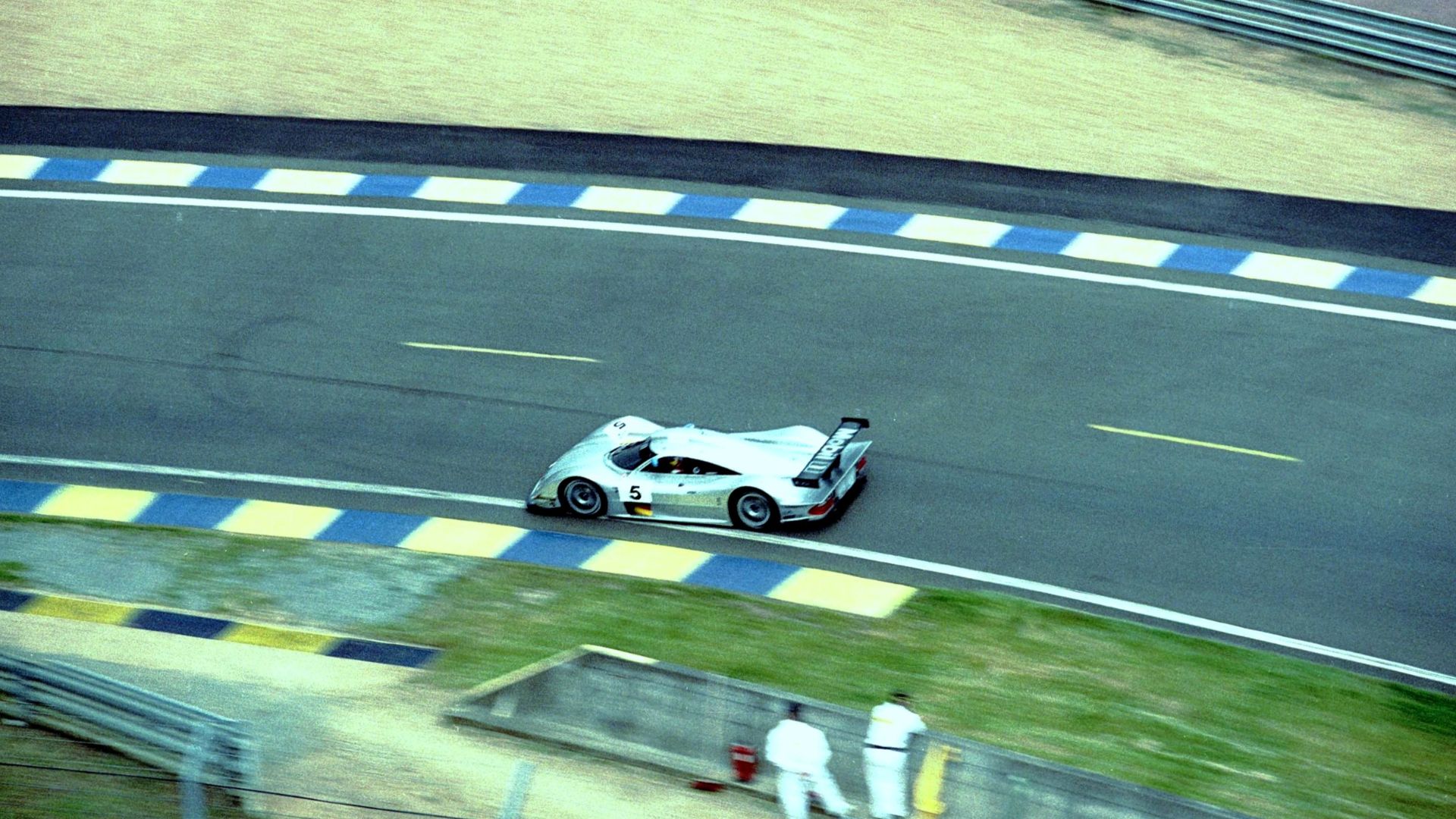
What happened next became one of Le Mans' most extraordinary television moments. Dumbreck's silver Mercedes rose into the air and somersaulted backward, clearing the trackside barriers. The spectacular sequence looked almost impossible for a race car traveling at such speed. Viewers watched helplessly as the CLR disappeared toward the trees.
 Martin Lee from London, UK, Wikimedia Commons
The Car Disappeared Into The Trees
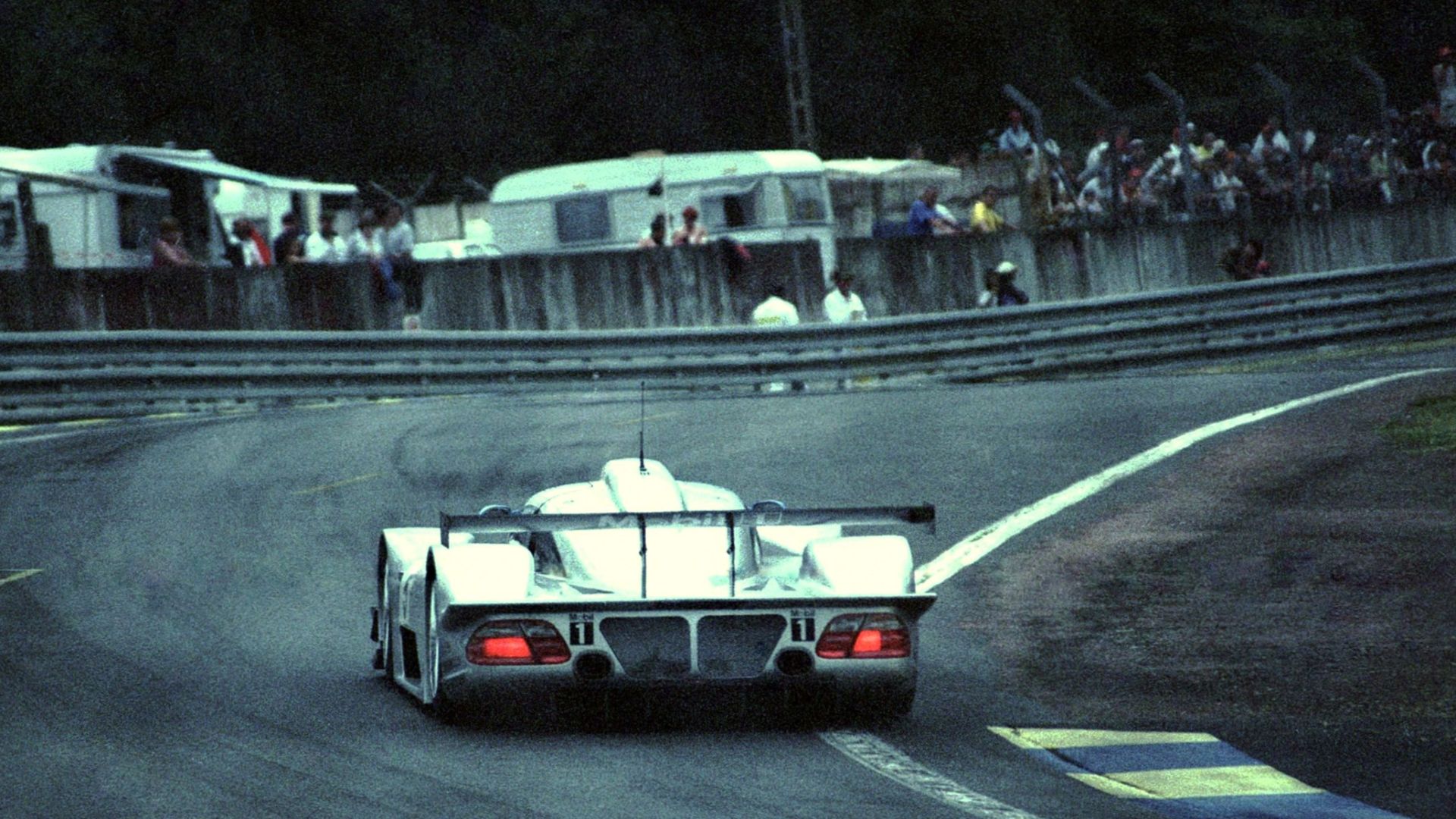
After clearing the barriers, Dumbreck's Mercedes crashed into a wooded area beside the circuit. The car tumbled through the air before coming to rest upright. Nobody knew whether the young driver had survived. Given the violence of the accident, spectators and television viewers feared the worst.
 Martin Lee from London, UK, Wikimedia Commons
A Miraculous Escape
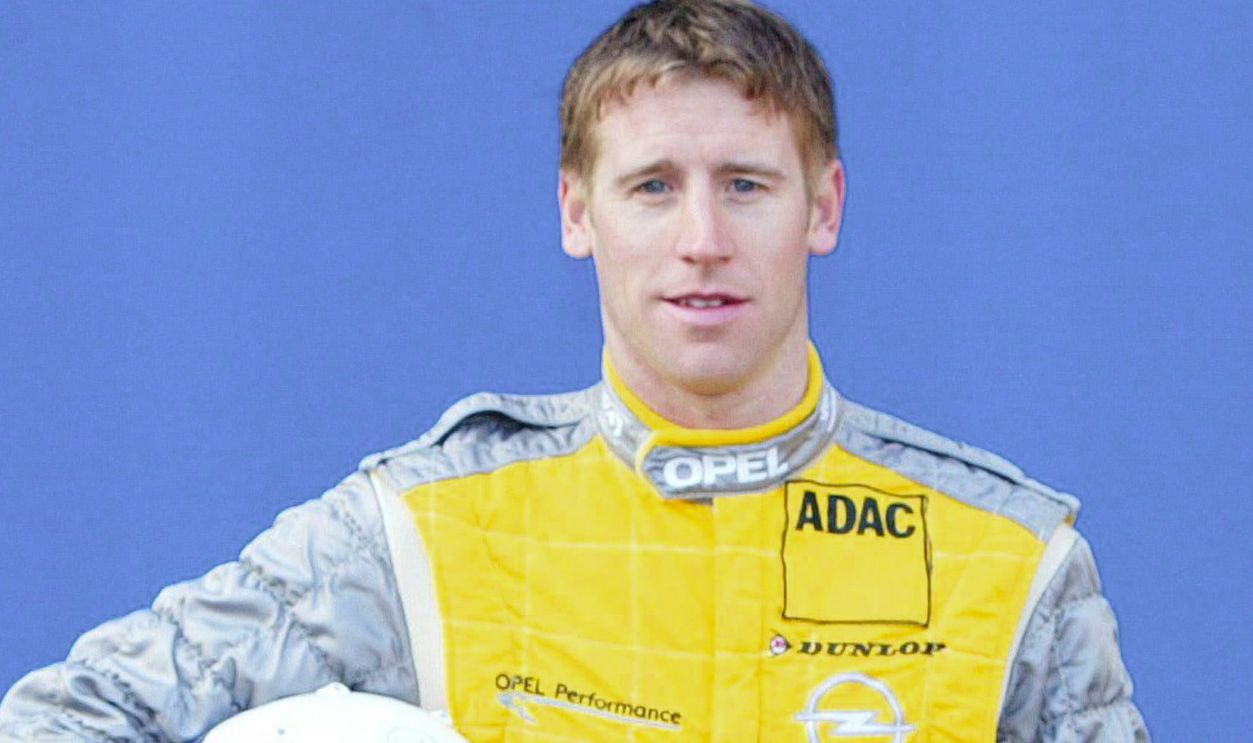
Against extraordinary odds, Dumbreck survived with relatively minor injuries. Emergency crews reached the wreckage and helped him from the destroyed Mercedes. The car's survival cell had protected him during the horrifying flight. Even more remarkably, no spectators or marshals were injured. Le Mans had narrowly escaped a major tragedy.
Mercedes Pulls The Plug
Mercedes motorsport boss Norbert Haug faced a decision that could no longer be postponed. Following Dumbreck's accident, the team immediately withdrew its final remaining CLR. The German manufacturer's entire Le Mans campaign was over after just a few hours. Three airborne crashes had ended one of racing's most ambitious projects.

What Made The CLR So Dangerous?
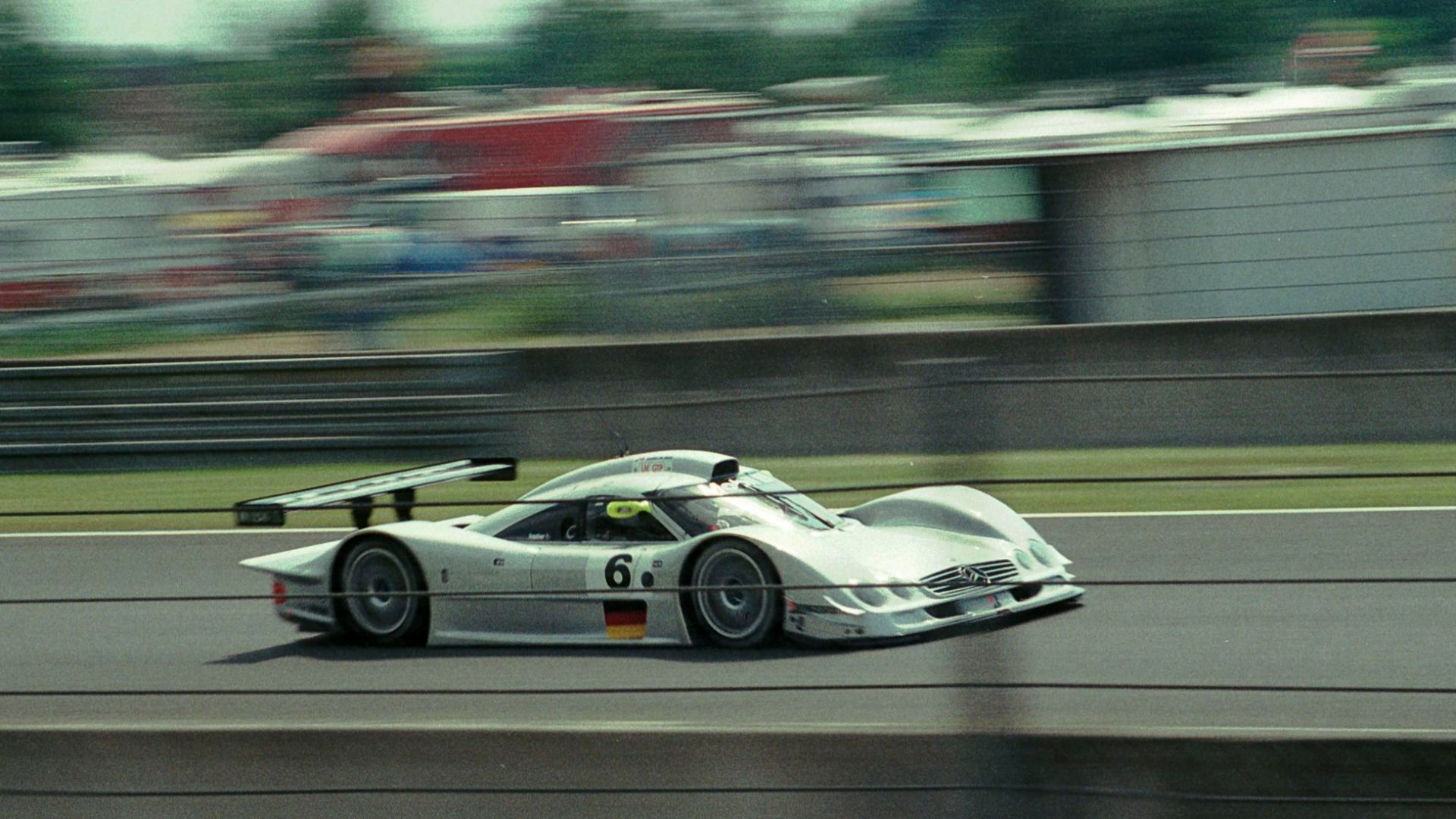
The problem came down to aerodynamics. Race cars are designed to generate downforce, pushing them against the pavement. But under certain conditions, the CLR's shape could produce the opposite effect. Instead of keeping the Mercedes planted, the airflow could lift its nose and send the car airborne.
 Martin Lee from London, UK, Wikimedia Commons
A Design That Worked Against Itself
The CLR featured unusually long front and rear overhangs combined with a relatively short wheelbase. This arrangement helped reduce aerodynamic drag but increased sensitivity to changes in pitch. When the car's nose rose over a crest, airflow underneath could produce enough lift to overwhelm its downforce.
 Martin Lee from London, UK, Wikimedia Commons
The Slipstream Made Things Worse
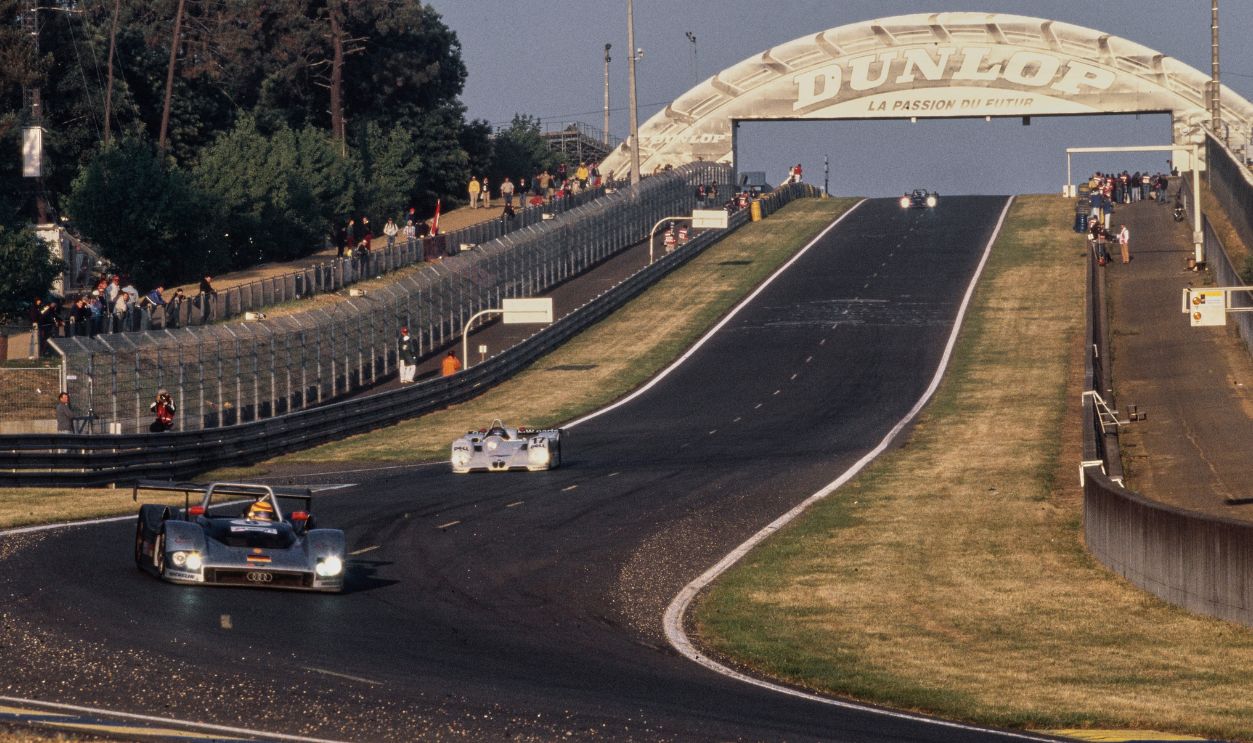
Following another race car can reduce air resistance, helping a driver gain speed. Unfortunately, it also changes the airflow reaching the following vehicle. For the CLR, this disturbed air could contribute to its aerodynamic instability. Combined with the circuit's rises and bumps, the conditions could become extremely dangerous.
Why Didn't Testing Reveal The Problem?
Mercedes had completed thousands of miles of testing before arriving at Le Mans. Unfortunately, those tests hadn't reproduced the exact conditions that caused the accidents. The combination of extreme speed, track elevation changes, and disturbed airflow exposed weaknesses that conventional testing had failed to uncover.
 picture alliance, Getty Images
Le Mans Had Seen Flying Cars Before
The CLR wasn't the first prototype to experience such an accident. During the 1998 Petit Le Mans race at Road Atlanta, Yannick Dalmas flipped his Porsche 911 GT1 after cresting a hill. The incident demonstrated that aerodynamic lift wasn't exclusively Mercedes' problem. Other manufacturers had also pushed design boundaries.
 Eric HOUDAS, Wikimedia Commons
The Crash That Changed The Rules
Following the CLR accidents, racing authorities introduced aerodynamic restrictions aimed at preventing similar incidents. Changes included shorter front overhangs and measures to reduce pressure buildup around the front wheel arches. These modifications helped make future Le Mans prototypes less vulnerable to dangerous changes in airflow.
Even The Circuit Needed Changes
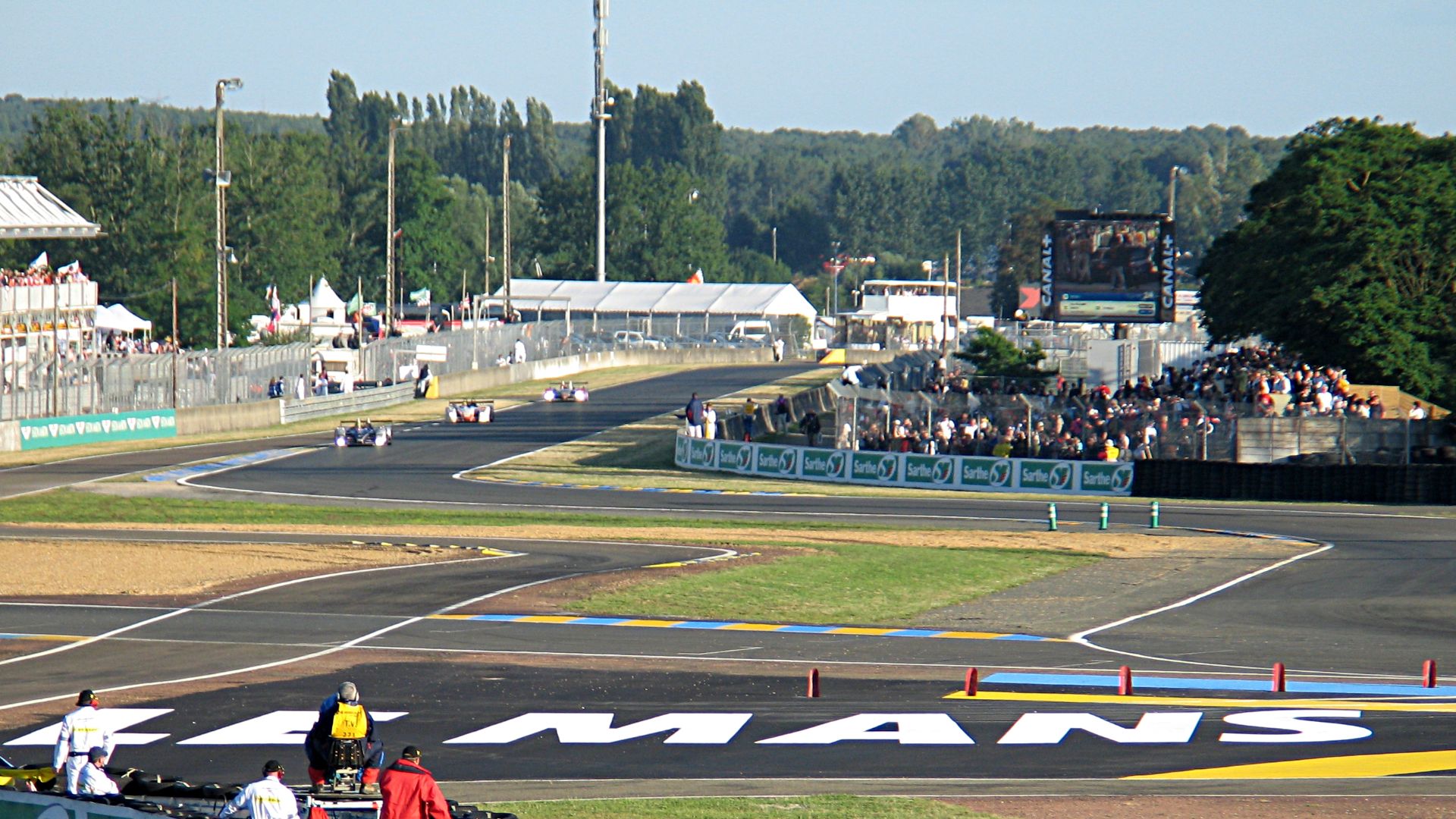
The problem wasn't limited to the cars themselves. Officials also addressed sections of the Le Mans circuit where elevation changes could contribute to aerodynamic instability. The approach toward Indianapolis was modified to reduce the risk. The message was clear: preventing another CLR-style accident required improvements to both machinery and track.
 Mike Roberts from London, United Kingdom, Wikimedia Commons
Mercedes Walked Away From Le Mans
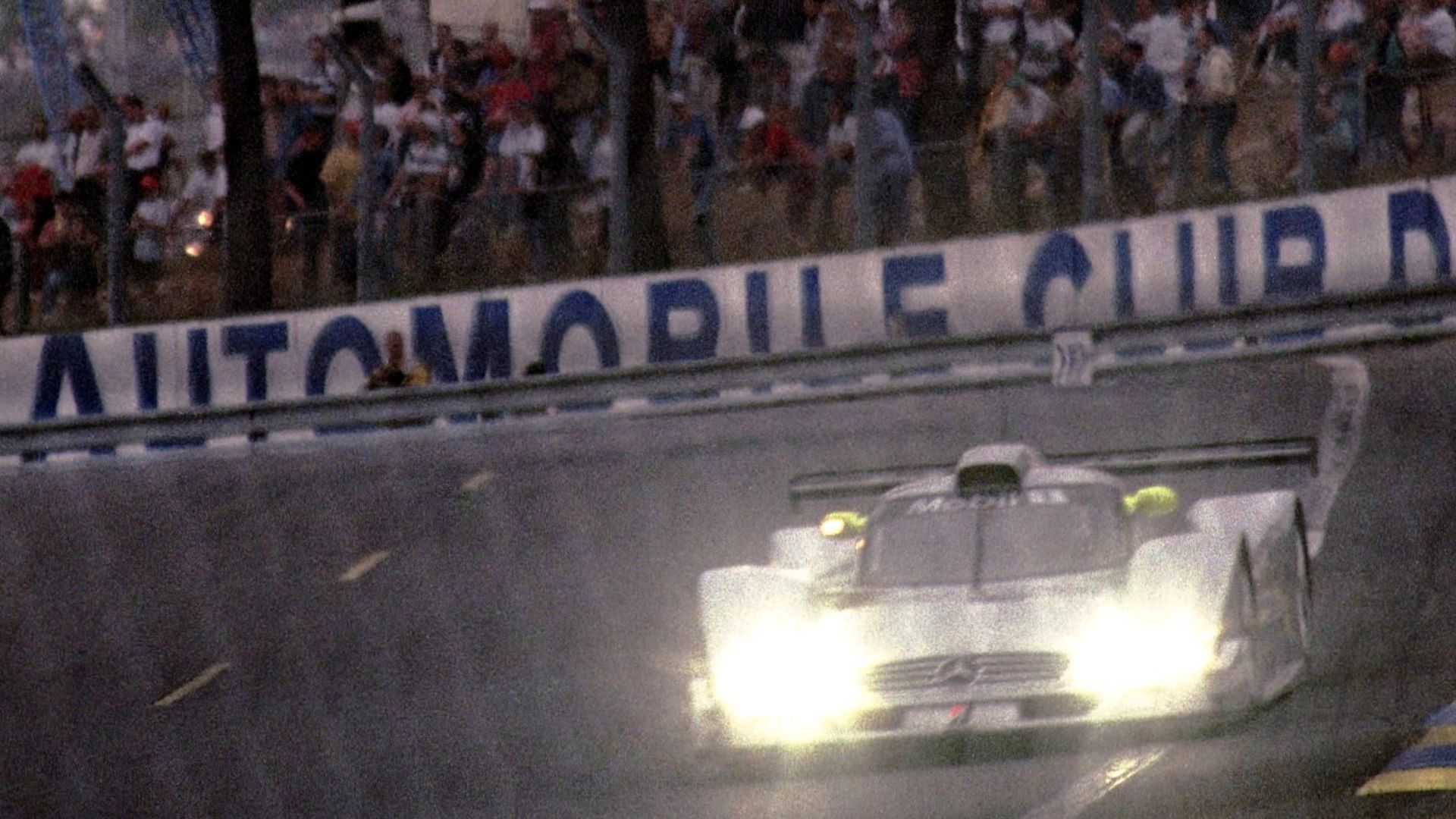
After the 1999 disaster, Mercedes abandoned its CLR racing program. The manufacturer also stepped away from competing for overall victory at Le Mans, concentrating its motorsport efforts elsewhere. For a company with such a proud racing heritage, the departure was significant. The CLR had become a painful chapter in its history.
 Martin Lee from London, UK, Wikimedia Commons
Mark Webber Eventually Returned
Webber's two CLR accidents didn't end his racing ambitions. He went on to enjoy a successful Formula One career, winning nine Grands Prix. In 2014, he returned to endurance racing with Porsche, eventually winning the 2015 World Endurance Drivers' Championship. His remarkable career showed that the Mercedes crashes hadn't defeated him.
 Gerardo Lazzari, Wikimedia Commons
The Race Car Nobody Will Forget
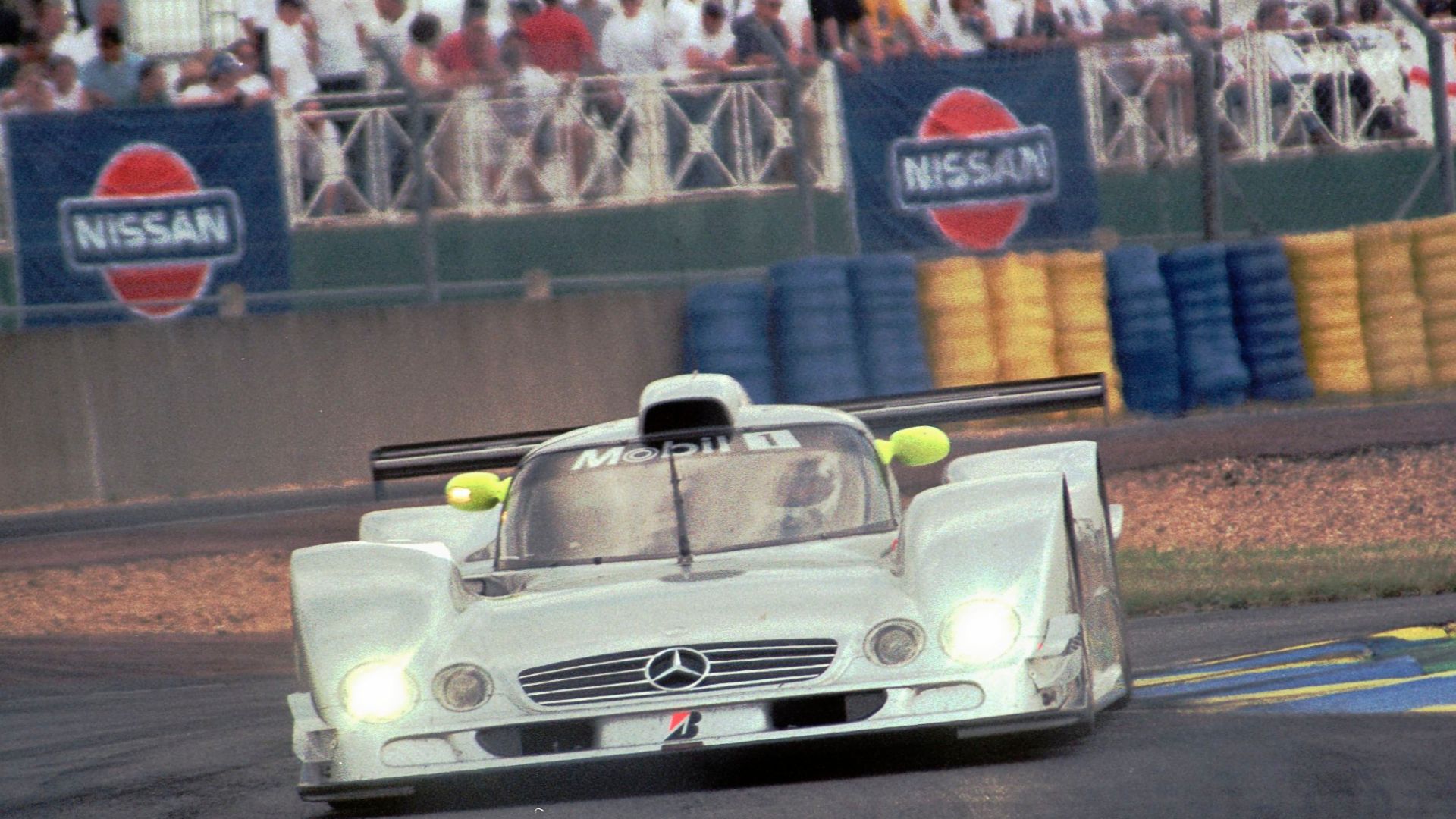
More than a quarter-century later, the Mercedes CLR remains one of motorsport's most unforgettable machines. Its spectacular flights demonstrated how dangerous aerodynamic instability could become at racing speeds. Thankfully, all three accidents ended without fatalities. The CLR never won Le Mans, but its failure helped shape a safer future for endurance racing.
 Martin Lee from London, UK, Wikimedia Commons
You May Also Like:
How Your Daily Commute Could Be Affecting Your Mental And Physical Health
Things 70s Parents Allowed Kids To Do In Cars That Would Shock Today’s Parents
My car’s ADAS sensor failed after a car wash. Are these modern safety systems just too delicate for real life?