Before Superspeedways, There Was Sand
Long before Daytona became synonymous with superspeedways and pack racing, NASCAR’s earliest competitive events took place in a setting few fans today can imagine: a racetrack stitched together from a hard-packed Atlantic beach and a coastal highway. Drivers competed on sand, grapefruit-sized ruts, and asphalt, high speeds mingling with high tides. It was gritty, unpredictable racing, and it helped give birth to the stock car sport we know today.
A Track Unlike Any Other
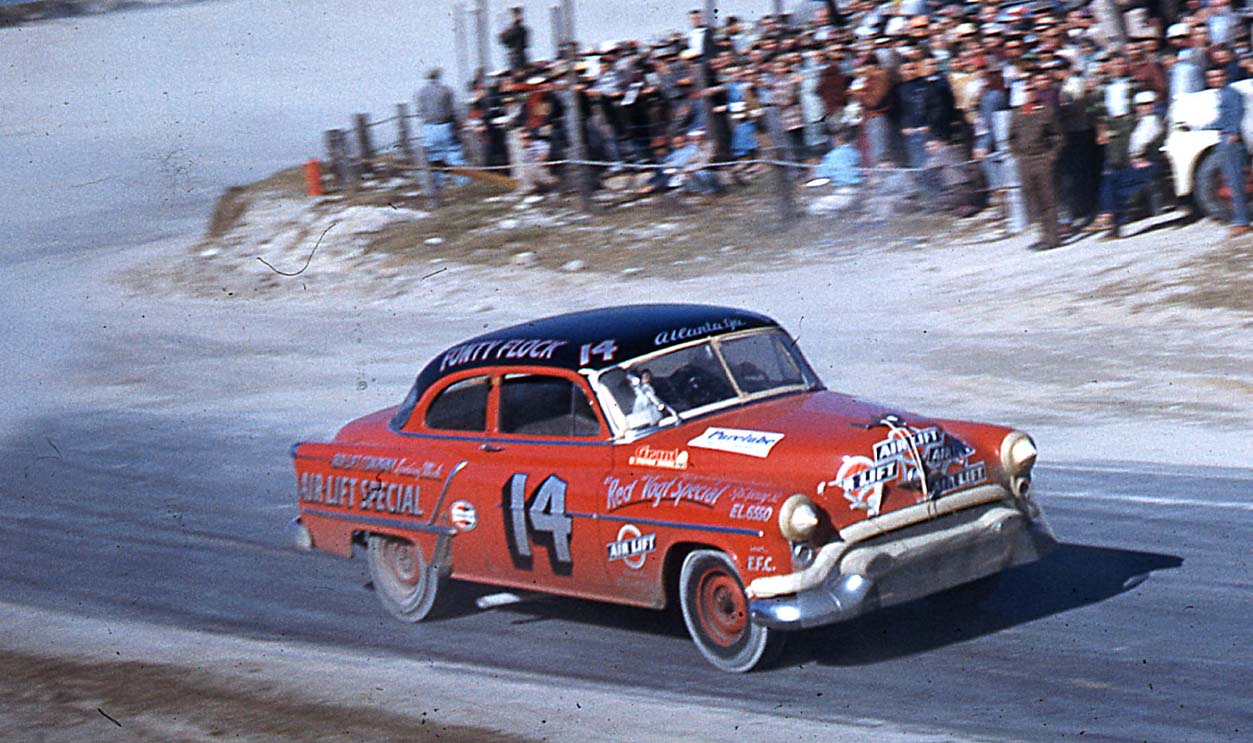
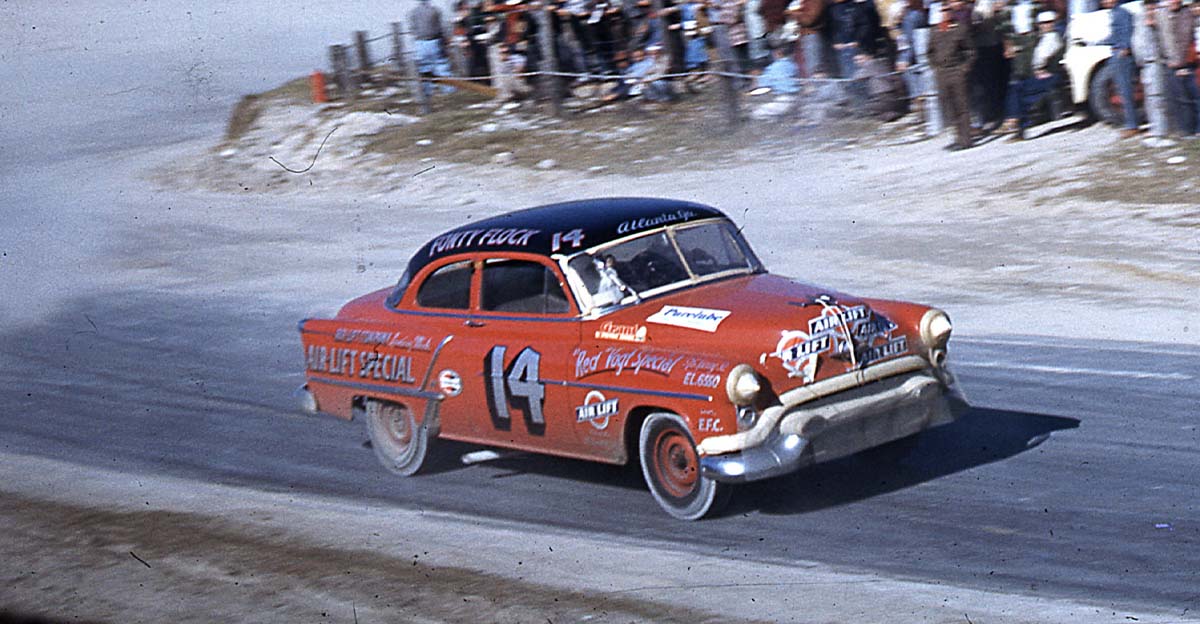
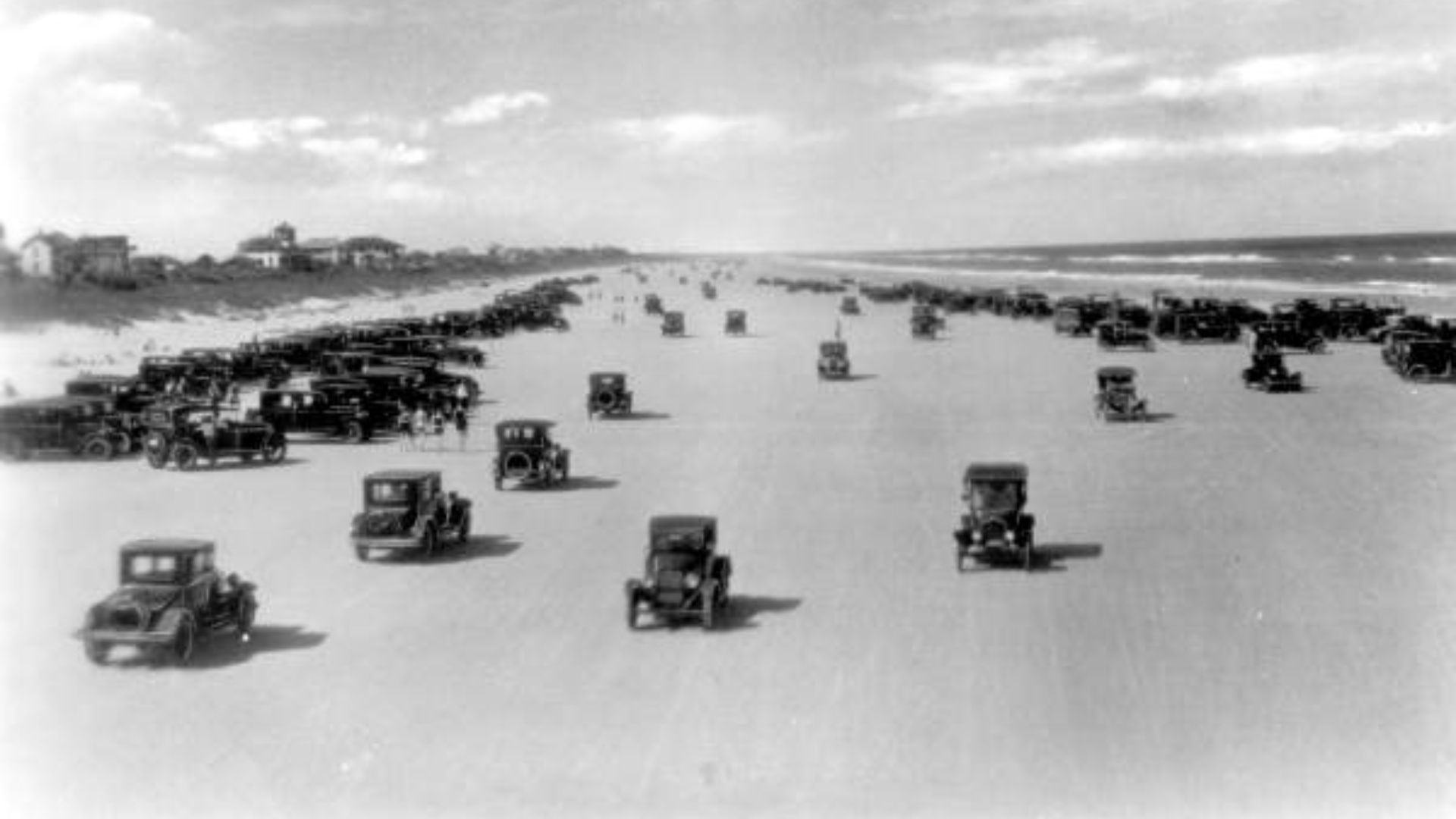
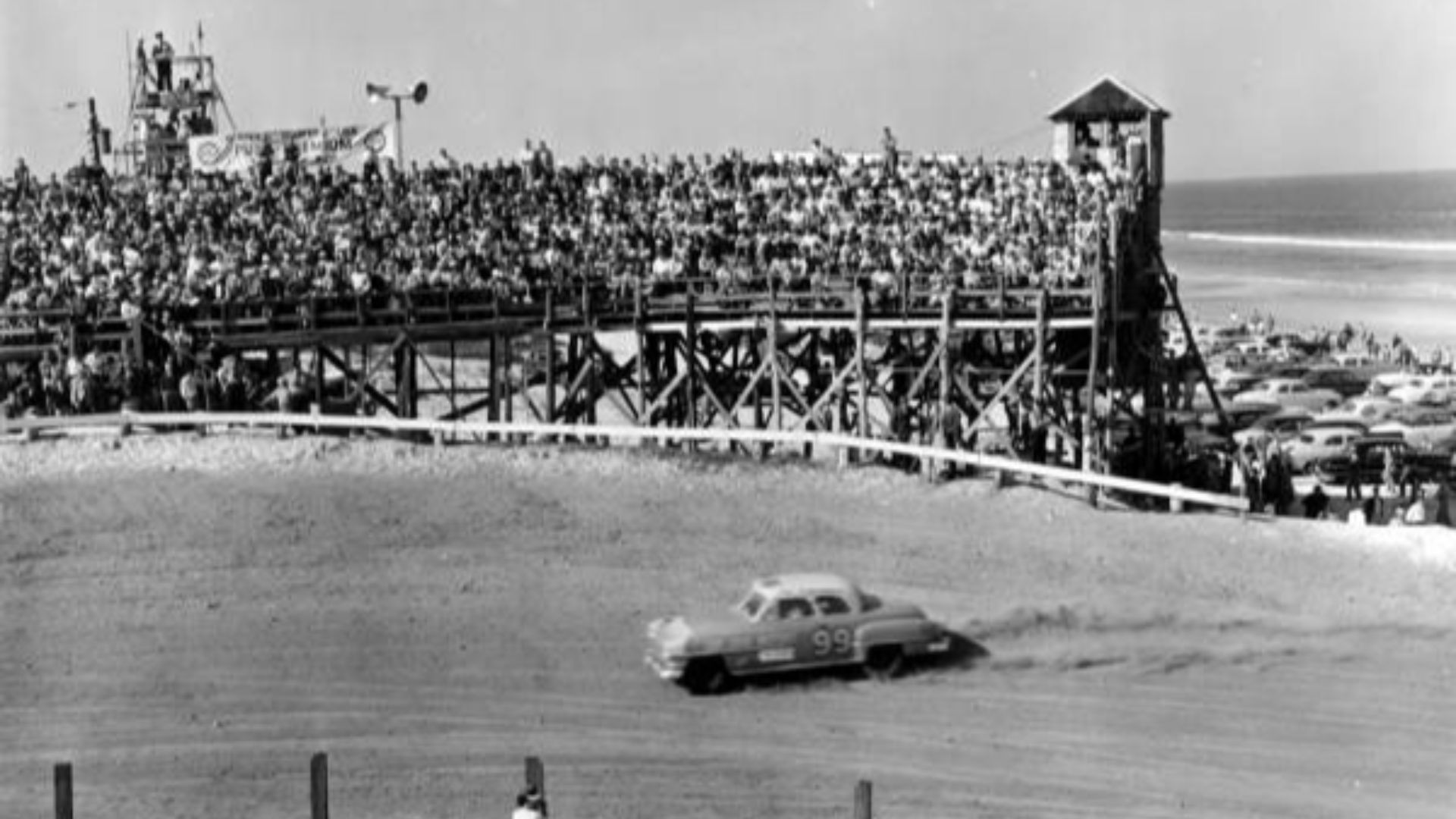
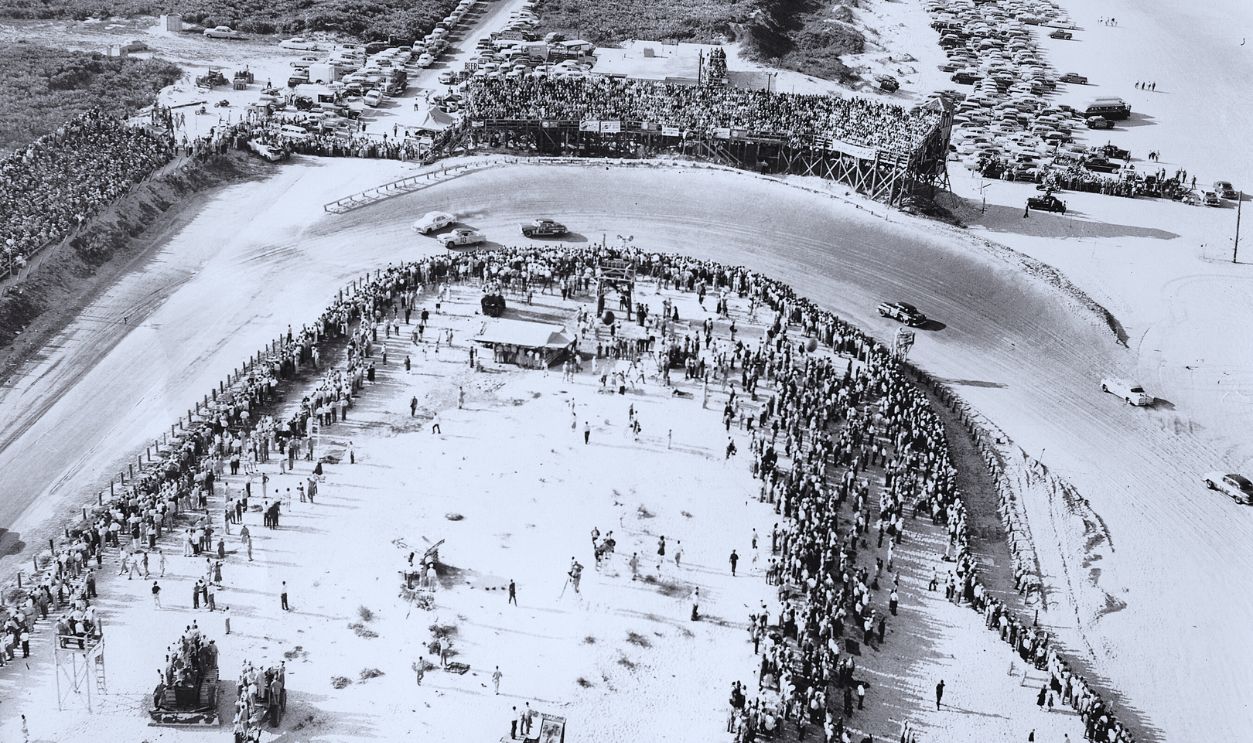
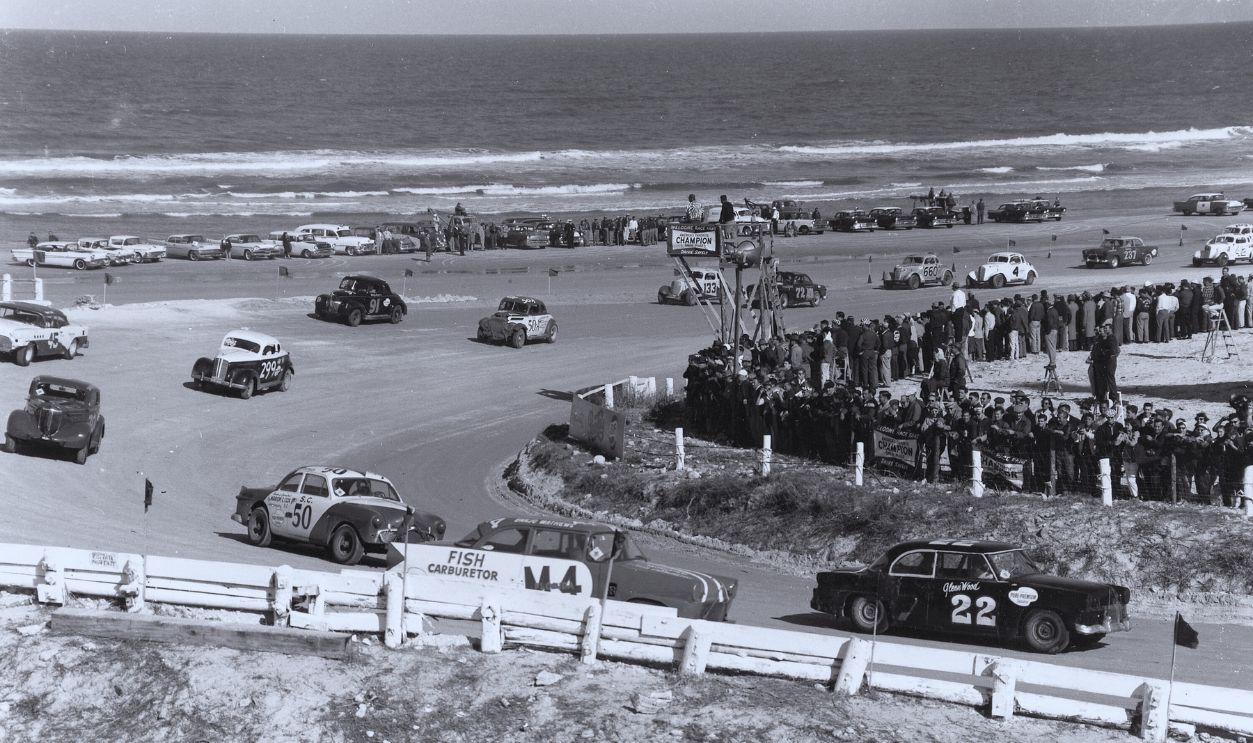
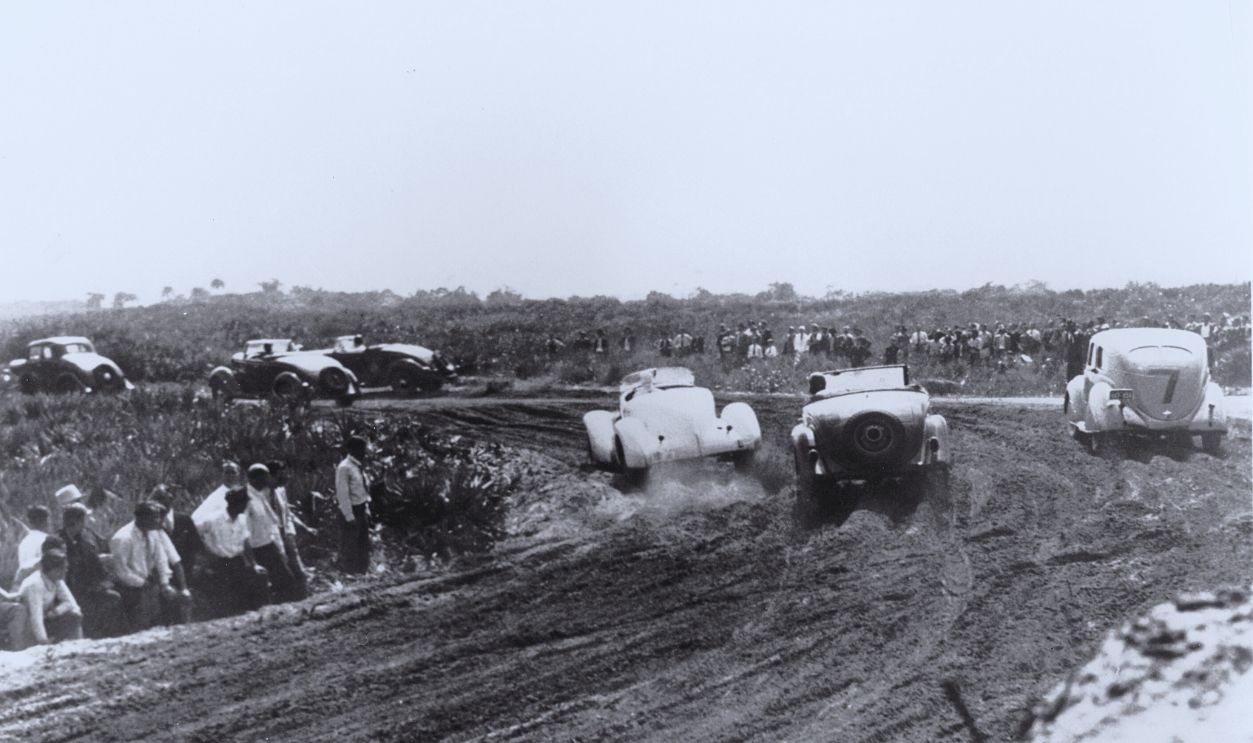
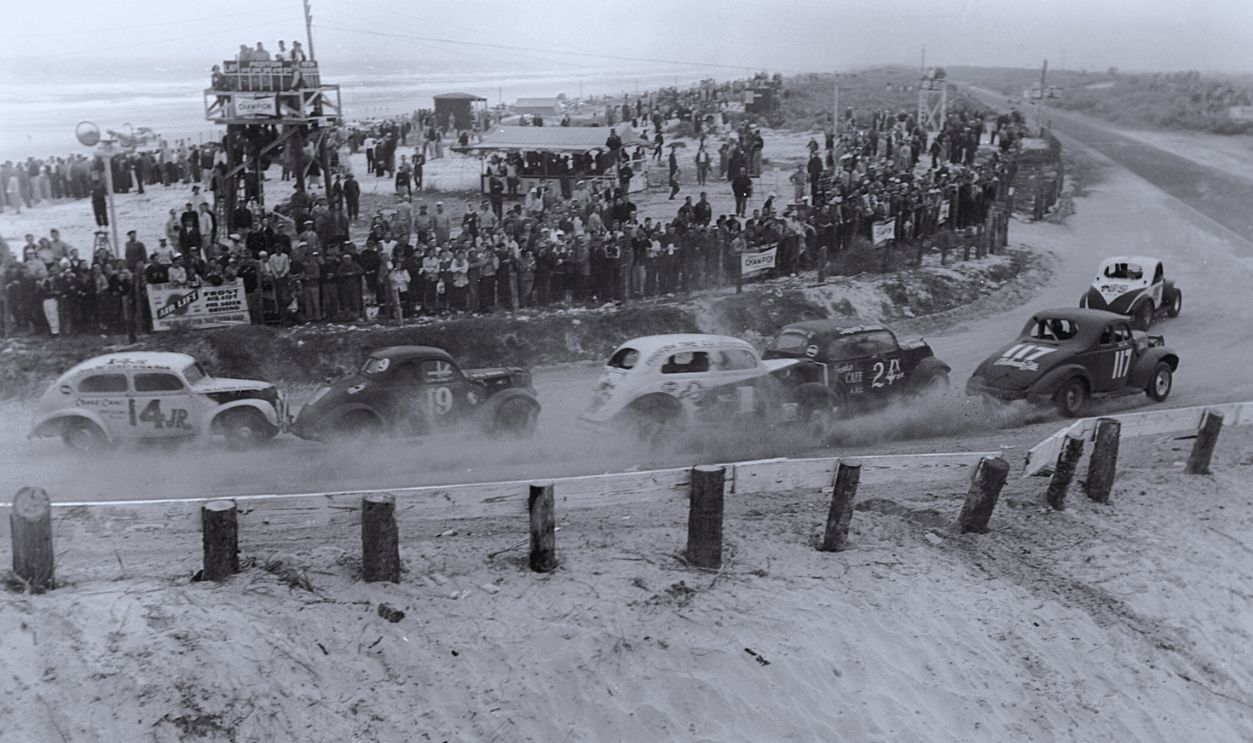
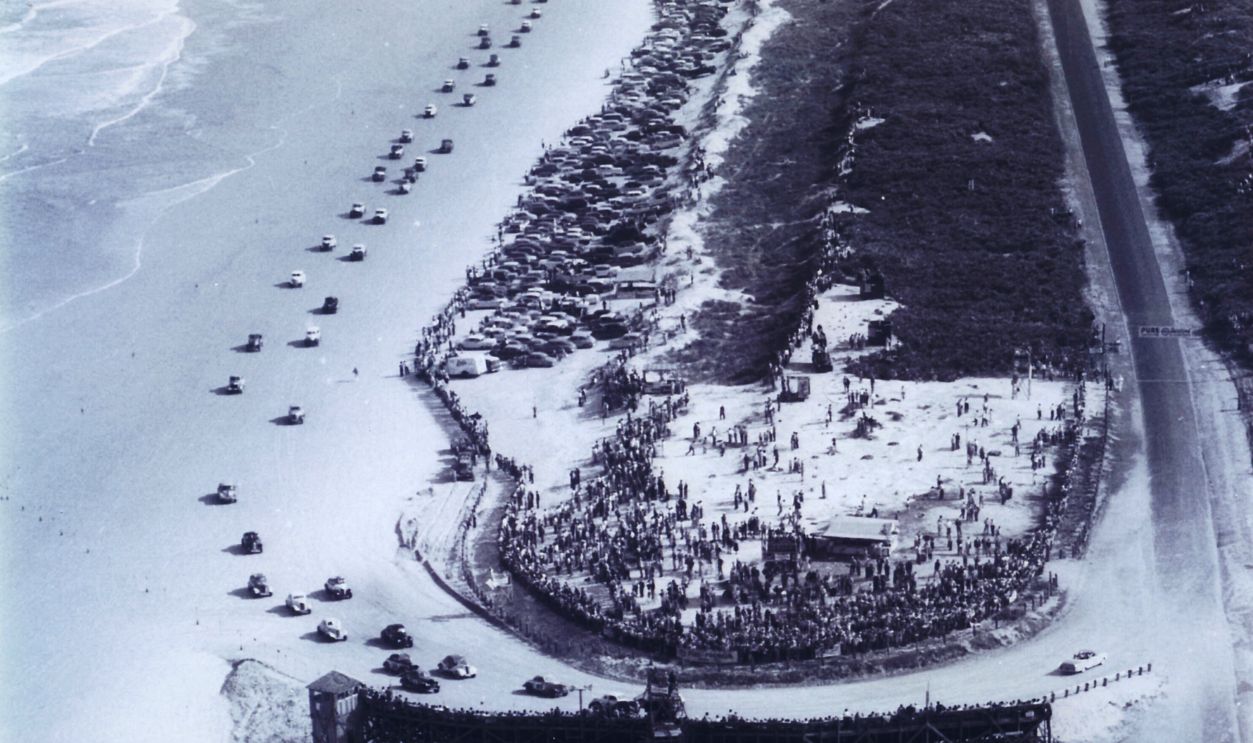
The Daytona Beach and Road Course wound along the shoreline of Daytona Beach and back onto the paved State Road A1A in what might have looked like a giant lollipop layout: beach sand served as one straightaway, asphalt the other, linked by rutted, sandy turns. Early versions were about 3.2 miles long, later expanded to over 4 miles. Races were run on all-surface layouts that challenged both driver skill and mechanical endurance.
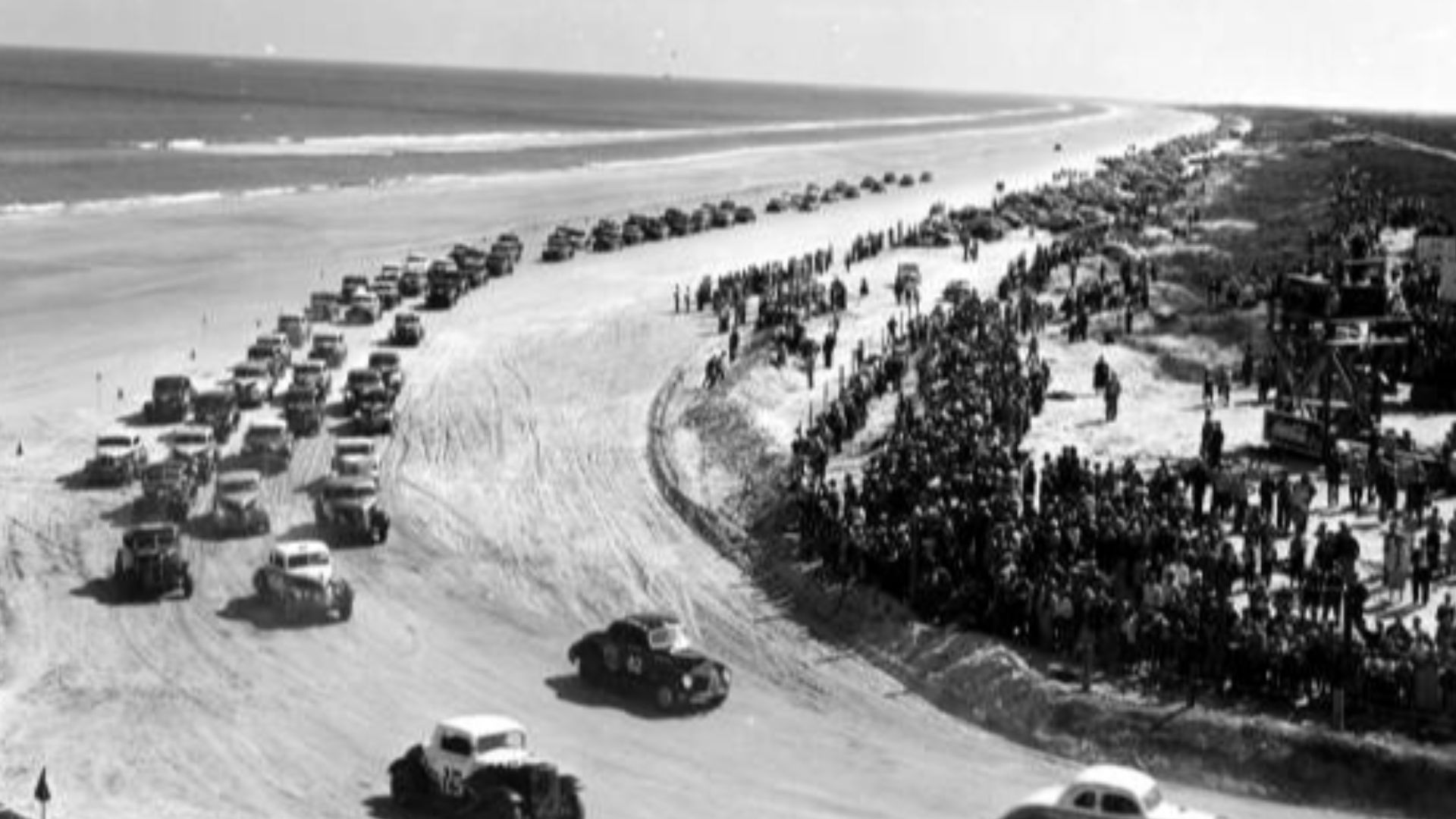 Florida Memory, Wikimedia Commons
Beach Racing’s Early Roots
Racing on the wide, hard-packed sands of Daytona Beach actually predates NASCAR by decades. In the early 1900s, the flat sands drew land speed record attempts and informal racing among wealthy car enthusiasts looking to push machines at speed. Fifteen world land speed records were set on the beach portion between 1905 and the mid-1930s, making it a birthplace of early American motorsport.
 Florida Memory, Wikimedia Commons
From Informal Runs To Organized Competition
By the 1930s, racing on the beach and adjacent roads had evolved into organized contests. A hybrid course combining pavement and sand was devised to allow laps over multiple miles rather than straight speed runs. Daytona’s sandy turns and roadway stretches became known to local fans and itinerant racers alike, paving the way for more structured events that resembled the early stock car contests of the South.
Bill France Sr’s Role In Early Racing
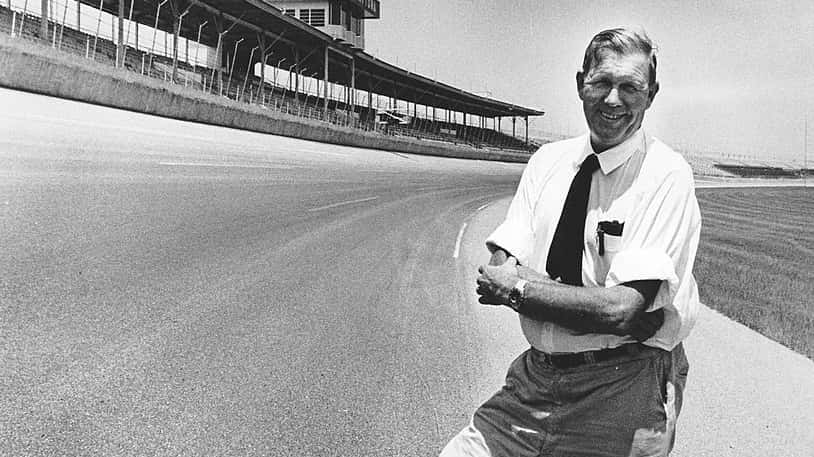
A local racing promoter and former competitor, Bill France Sr saw the potential in these informal events. Racing on Daytona Beach drew crowds and whetted appetites for organized competition. France began promoting events on the beach-road course in the late 1930s and through the 1940s, building momentum for stock car racing as a spectator sport. This was before NASCAR’s official founding, but races on the beach helped bring drivers, fans, and organizers together.
The Founding Of NASCAR Near The Beach
In December 1947, discussions at the Ebony Bar of Daytona’s Streamline Hotel led to the formation of the National Association for Stock Car Auto Racing in February 1948. That moment formally structured the sport that had grown from disparate regional races. Not long after, the beach-road course hosted some of the very first NASCAR-sanctioned events, placing Daytona Beach on the map for stock car performance.
The First NASCAR Races On The Beach
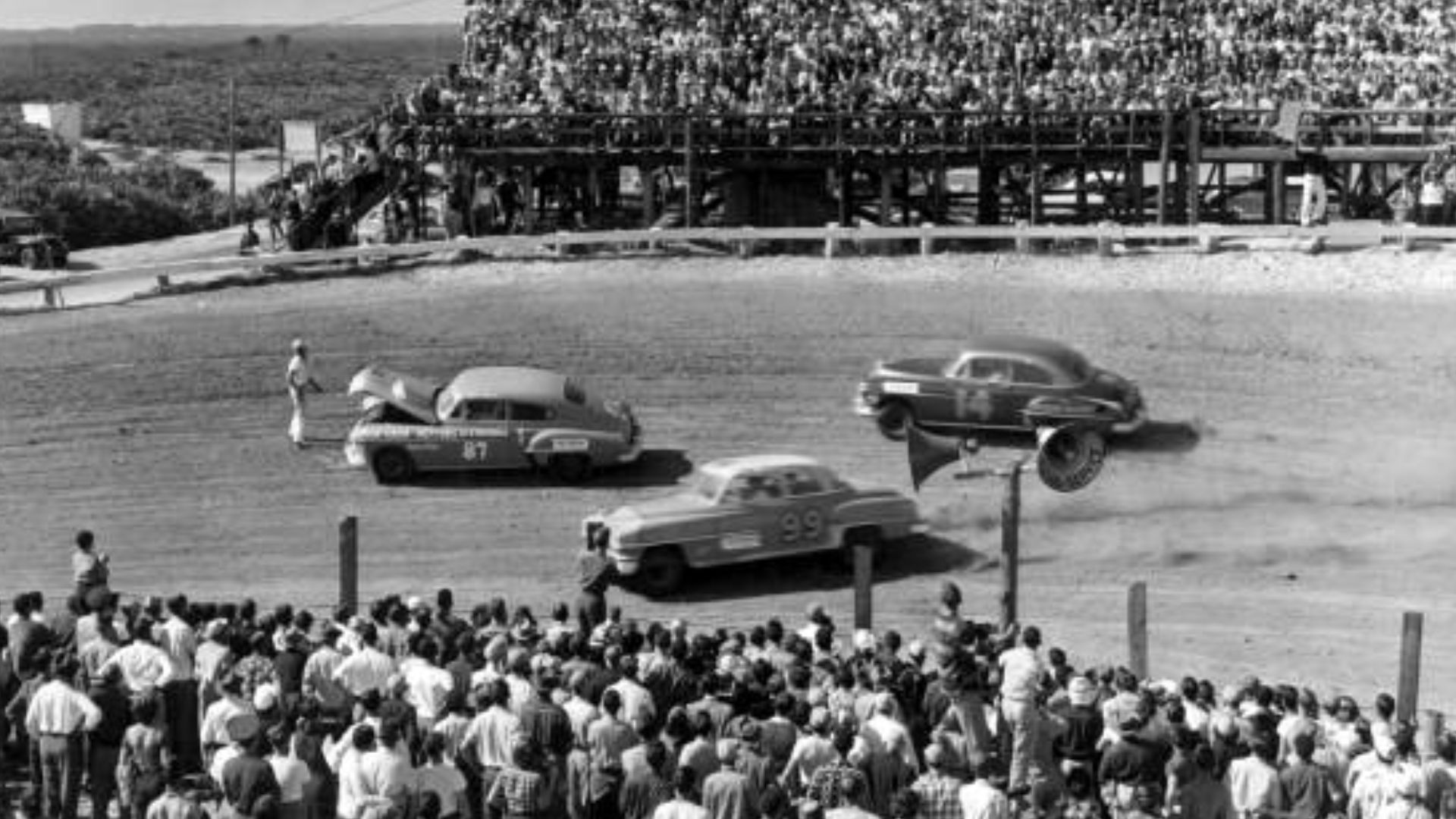
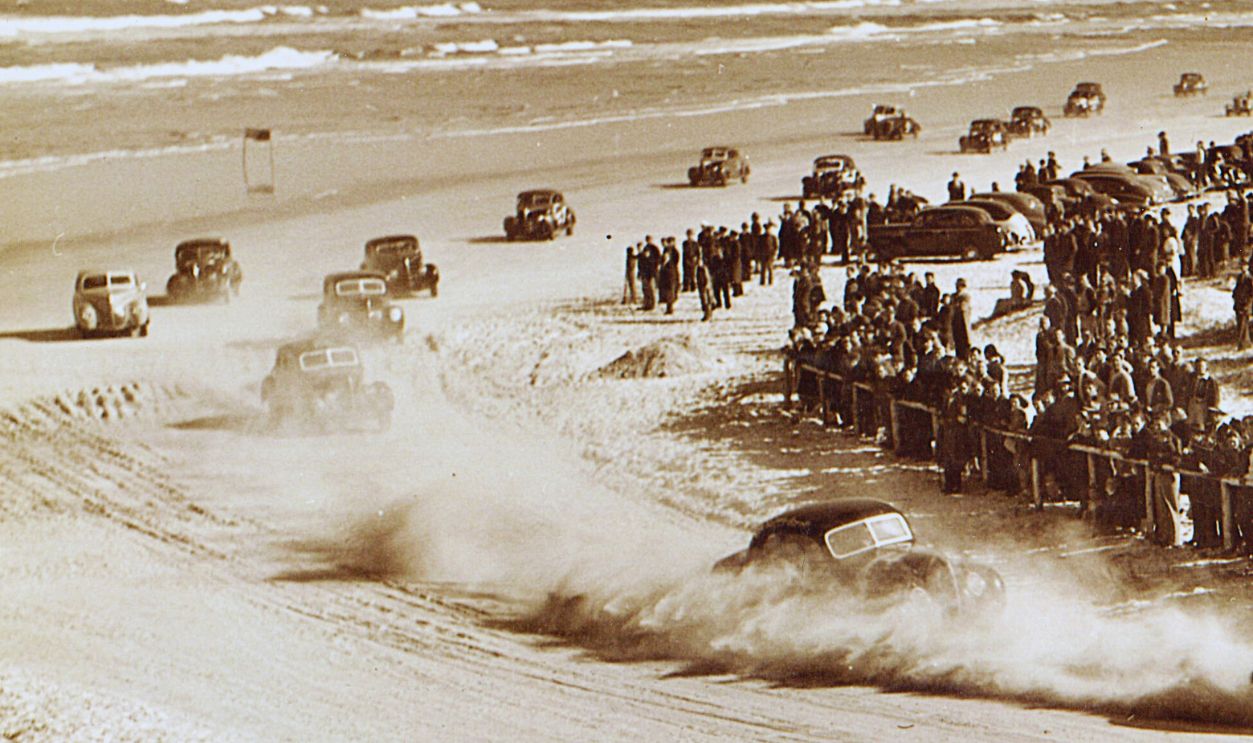
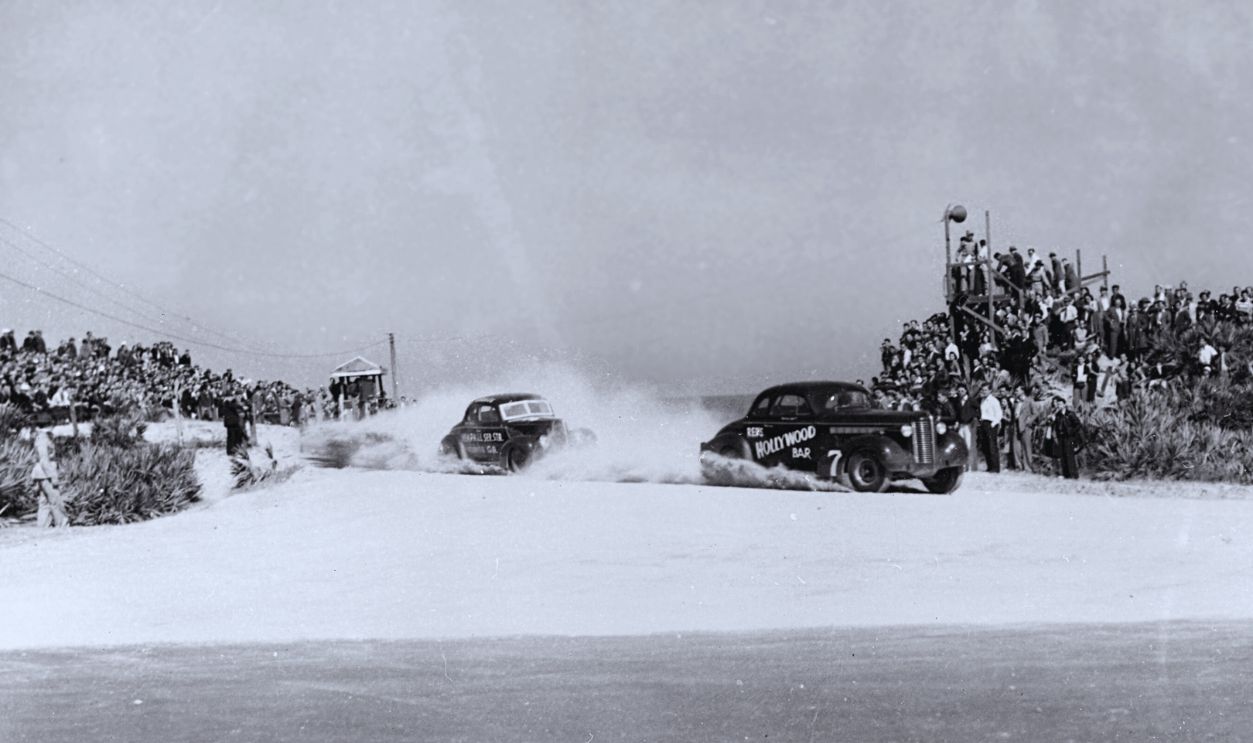
The Daytona Beach course hosted NASCAR’s earliest Strictly Stock and Modified races starting in 1948. These races drew competitors from across the Southeast who brought heavily modified production cars to tackle the challenging blend of sand and asphalt. The unpredictable shift between surfaces kept drivers alert and crowds entertained despite the rough conditions.
 Florida Memory, Wikimedia Commons
Thrills And Challenges Of Beach Racing
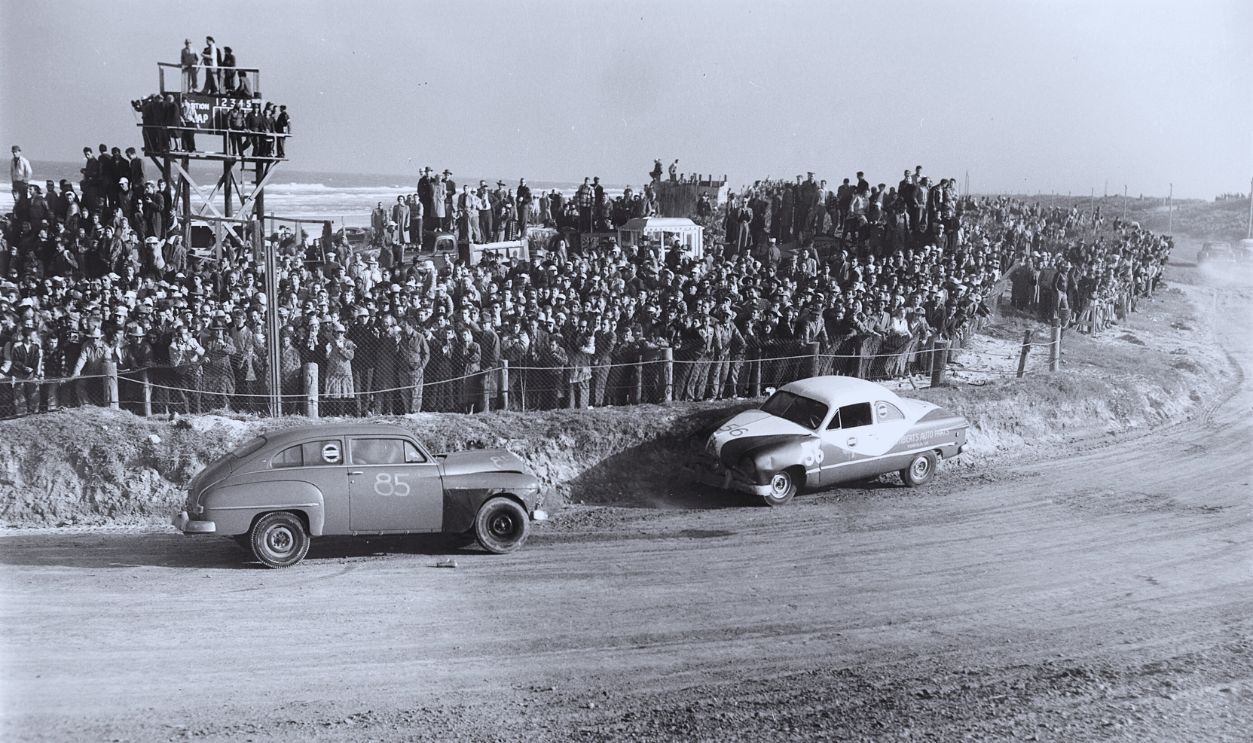
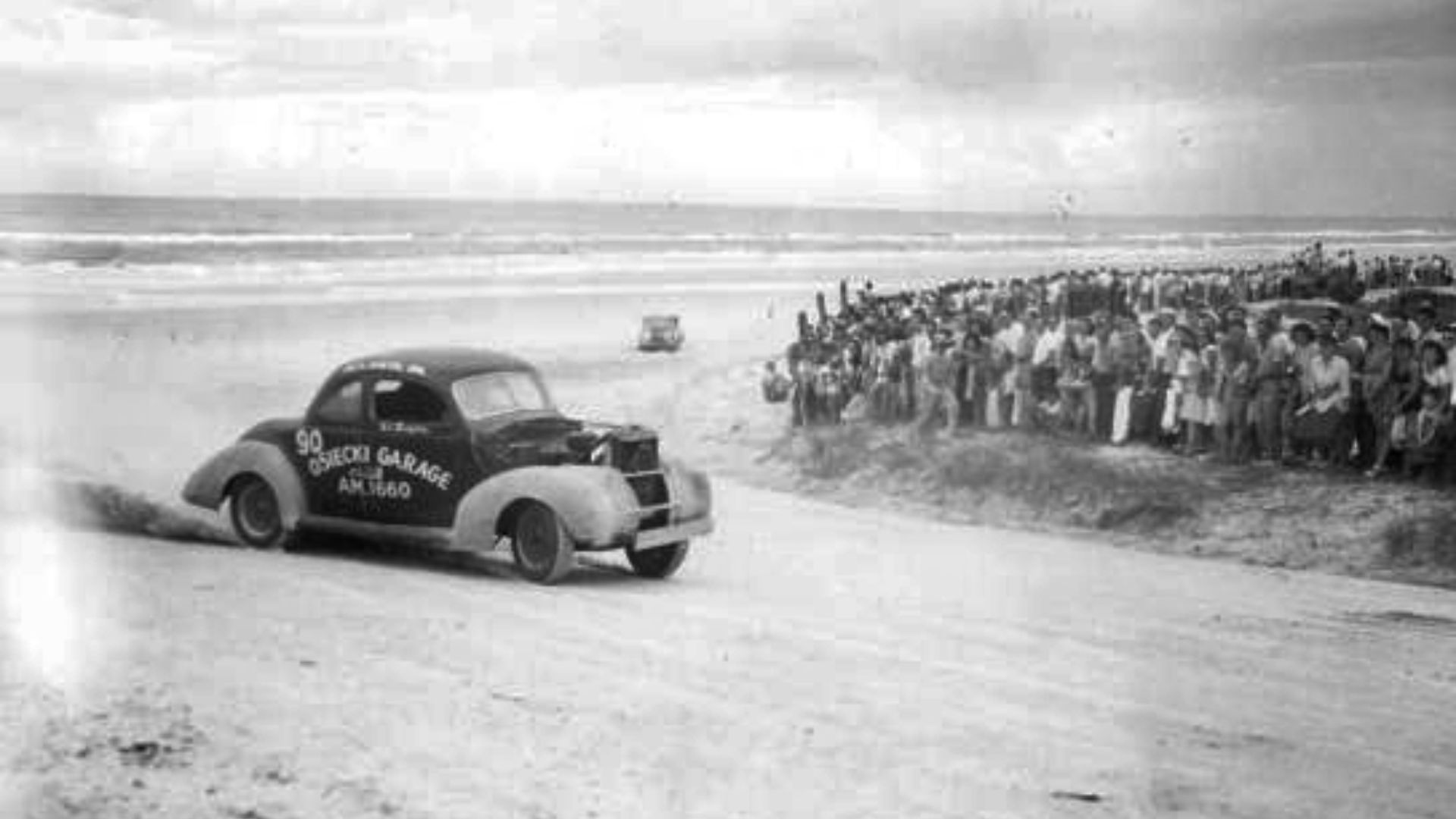
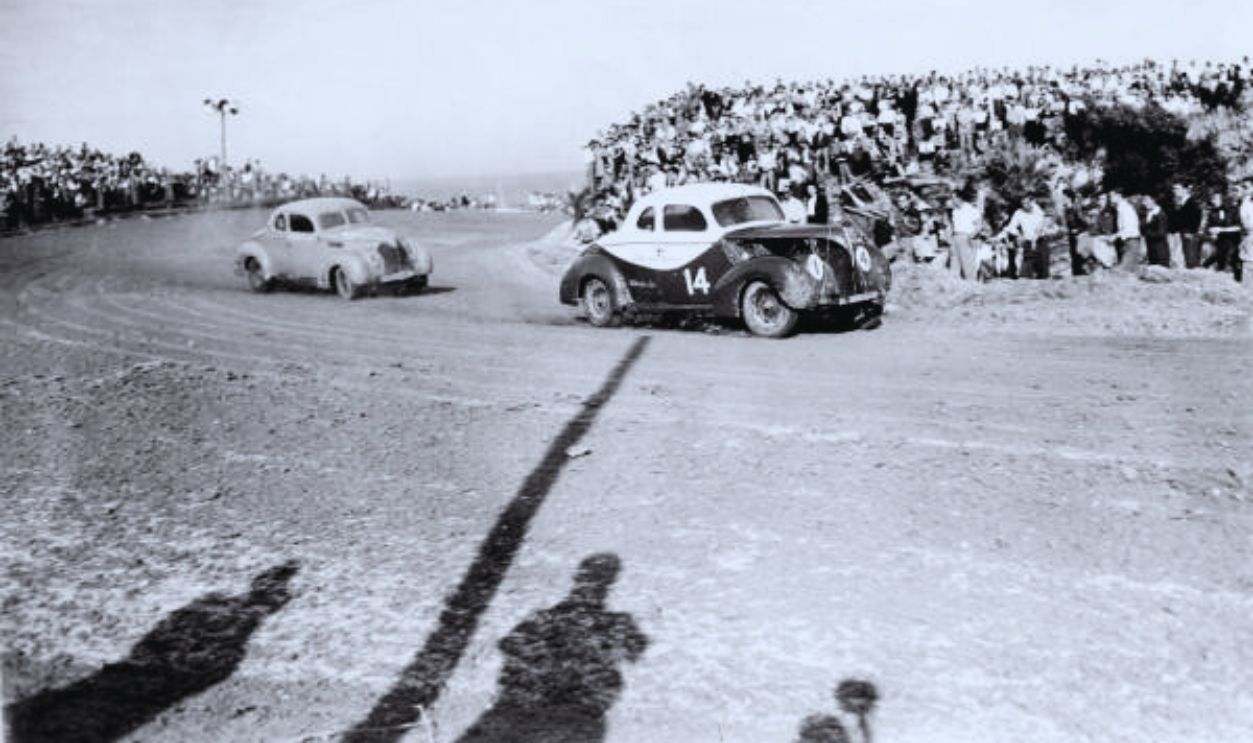
Racing on a sand surface meant constantly changing grip levels, shifting tides, and deep ruts that evolved with each lap. High tide could shorten races; sandy turns swallowed cars or slowed contenders; spectators often lined the dunes just a few feet from the action. It was spectacular, improvised, and perilous by modern standards. All in all, a true spectacle of grit and horsepower.
 Florida Memory, Wikimedia Commons
Legendary Winners And Moments
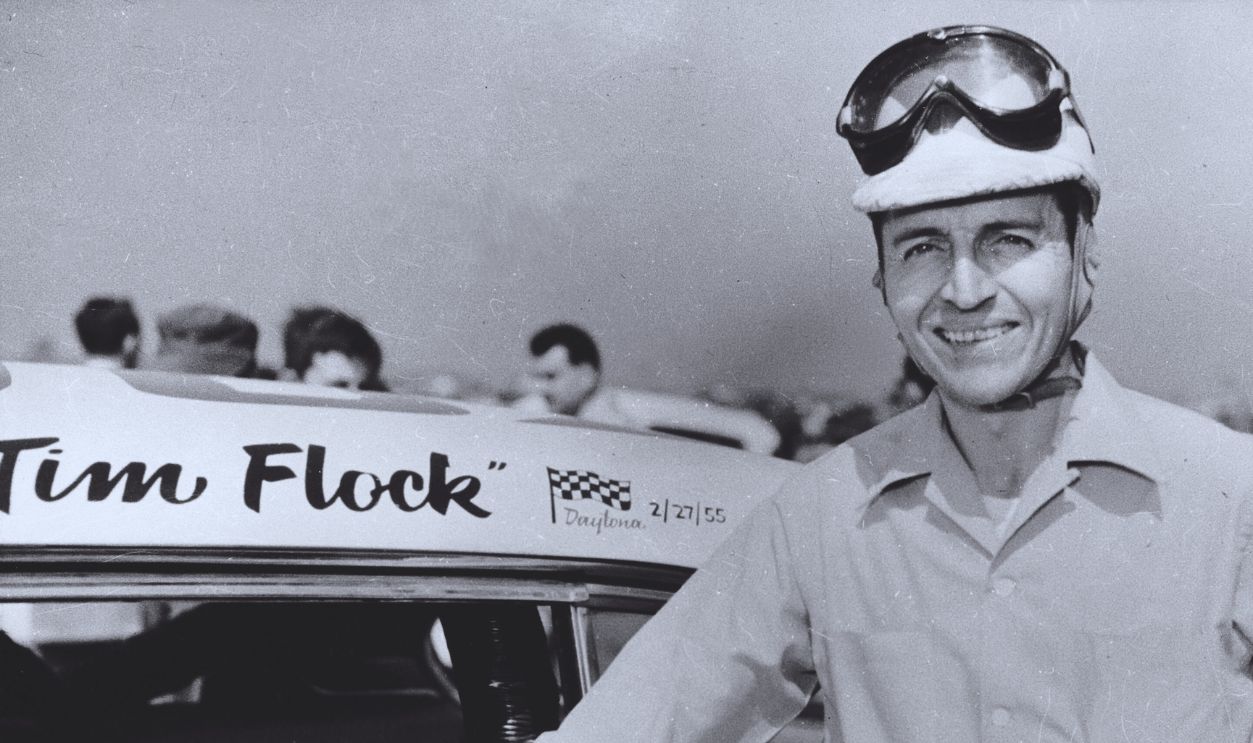
Over the course of a decade, some of NASCAR’s early stars thrived on the course. Drivers like Tim Flock and Marshall Teague scored multiple wins on the beach, often in punishing conditions that would have grounded other vehicles. These races helped establish reputations and fan favorites long before the Daytona 500 era.
Fans Came For The Weather And The Racing
Part of the beach racing draw was its locale. Daytona’s sun, surf, and speed made it a winter destination for vacationers and racing enthusiasts alike. Massive crowds turned out to watch stock cars battle on a twisting beach and road layout, often spending hours on sand dunes to see the spectacle.
 Florida Memory, Wikimedia Commons
Urban Growth Made Things Harder
As Daytona Beach developed after World War II, beachfront traffic grew, hotels rose, and beachfront real estate became more valuable. The course that once snaked through wide open sands was increasingly hemmed in by buildings, tourists, and local residents. Holding multi-mile races under these conditions became more complicated each year.
Safety Concerns Escalated
In addition to crowded beaches and nearby development, safety became a growing issue. Cars racing at speed near hotel entrances, beachgoers, and shifting sand surfaces created unpredictable hazards. Managing these conditions became more challenging for organizers, and the limitations of a beach layout became clear, especially when compared with the controlled environment of a purpose-built facility.
The Push For A Permanent Track
By the early 1950s, Bill France Sr and other organizers realized that stock car racing needed a dedicated permanent venue to grow. Beach racing was exciting but limited by tide, sand quality, and public access issues. France proposed constructing a dedicated superspeedway near Daytona’s airport, preparing for larger crowds and safer operations more suited to a national racing series.
 Florida Memory, Wikimedia Commons
Daytona International Speedway Takes Shape
After securing support from the City of Daytona Beach and Volusia County, construction of what would become Daytona International Speedway began in 1957. The plan was to create a banked 2.5-mile tri-oval circuit that would allow higher speeds, better spectator sightlines, and organized pit operations. All of that was far beyond what the beach-road course could offer.
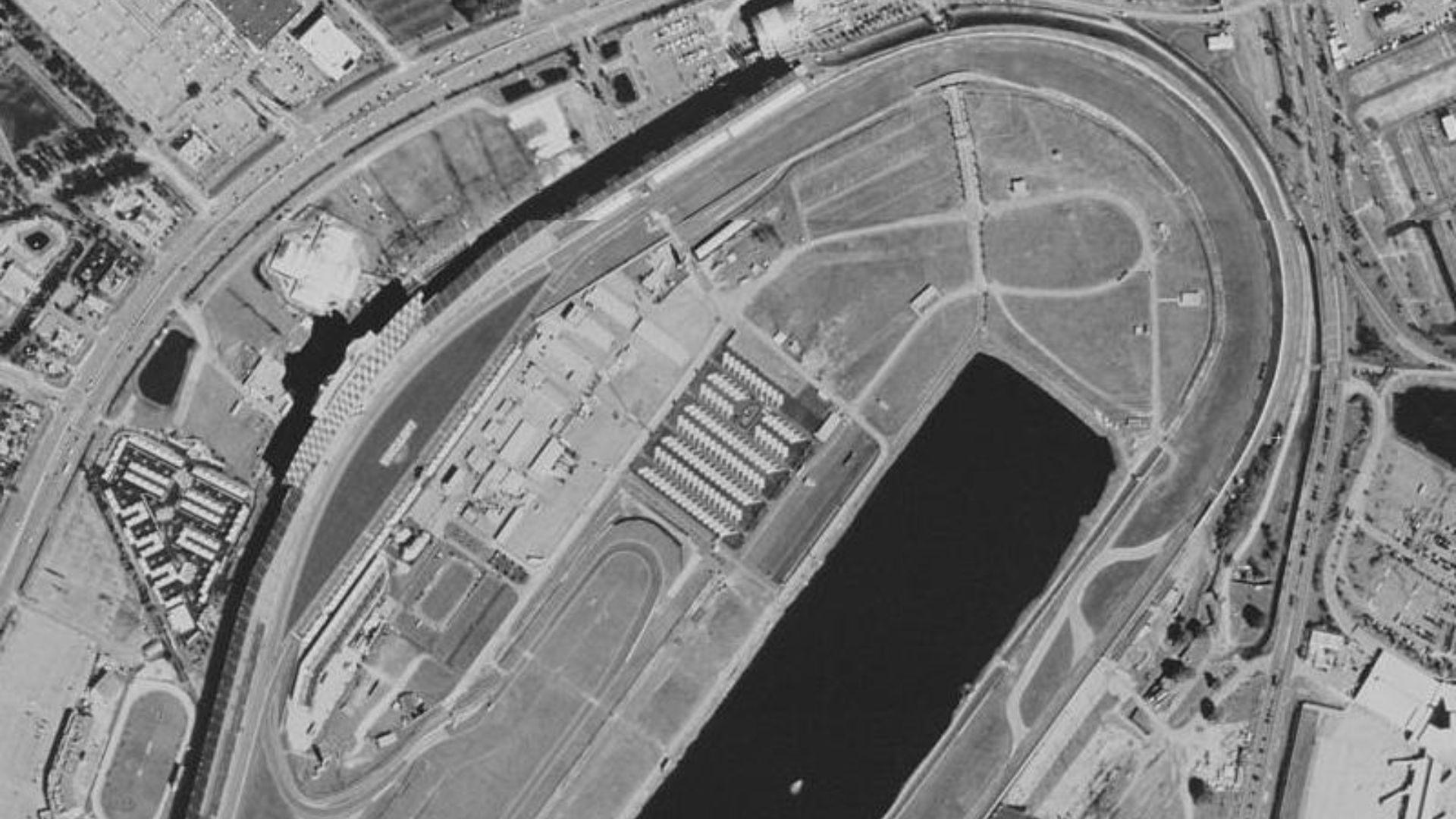 United States Geological Survey (USGS), Wikimedia Commons
The Final Beach Race In 1958
The Daytona Beach and Road Course hosted its last auto racing event in 1958. This marked the end of an era where stock cars battled on sand and asphalt in a hybrid layout. Within a year, the new Daytona International Speedway opened and welcomed the inaugural Daytona 500 in 1959, shifting the spotlight from beach battles to high-speed asphalt competition.
Speedweek Moves Inland
With the Daytona 500 and other events now held at the speedway, Speedweek traditions that began on the beach found a new home on the paved tri-oval. Motorcycle races, land speed attempts, and other competitions once tied to the sands gradually moved inland as well—a sign of the sport’s shifting priorities and growing professionalism.
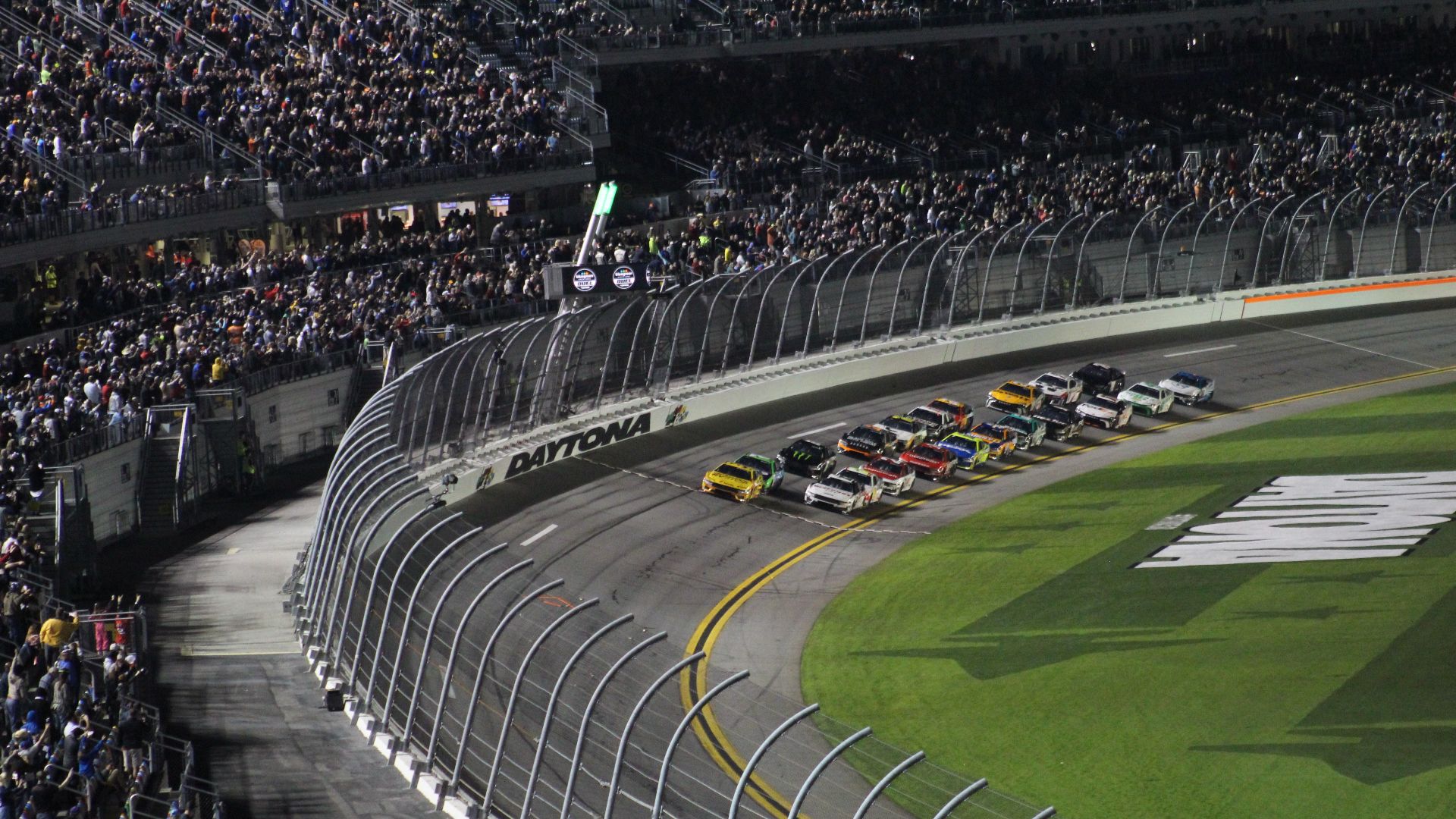 Zach Catanzareti Photo, Wikimedia Commons
How The Speedway Changed NASCAR Forever
The move from beach to speedway wasn’t just about surface. It represented NASCAR’s shift from regional spectacle to national sport. The Daytona 500 became the crown jewel of the season, attracting tens of thousands of paying spectators and national attention, something the informal beach crowds could never fully capture.
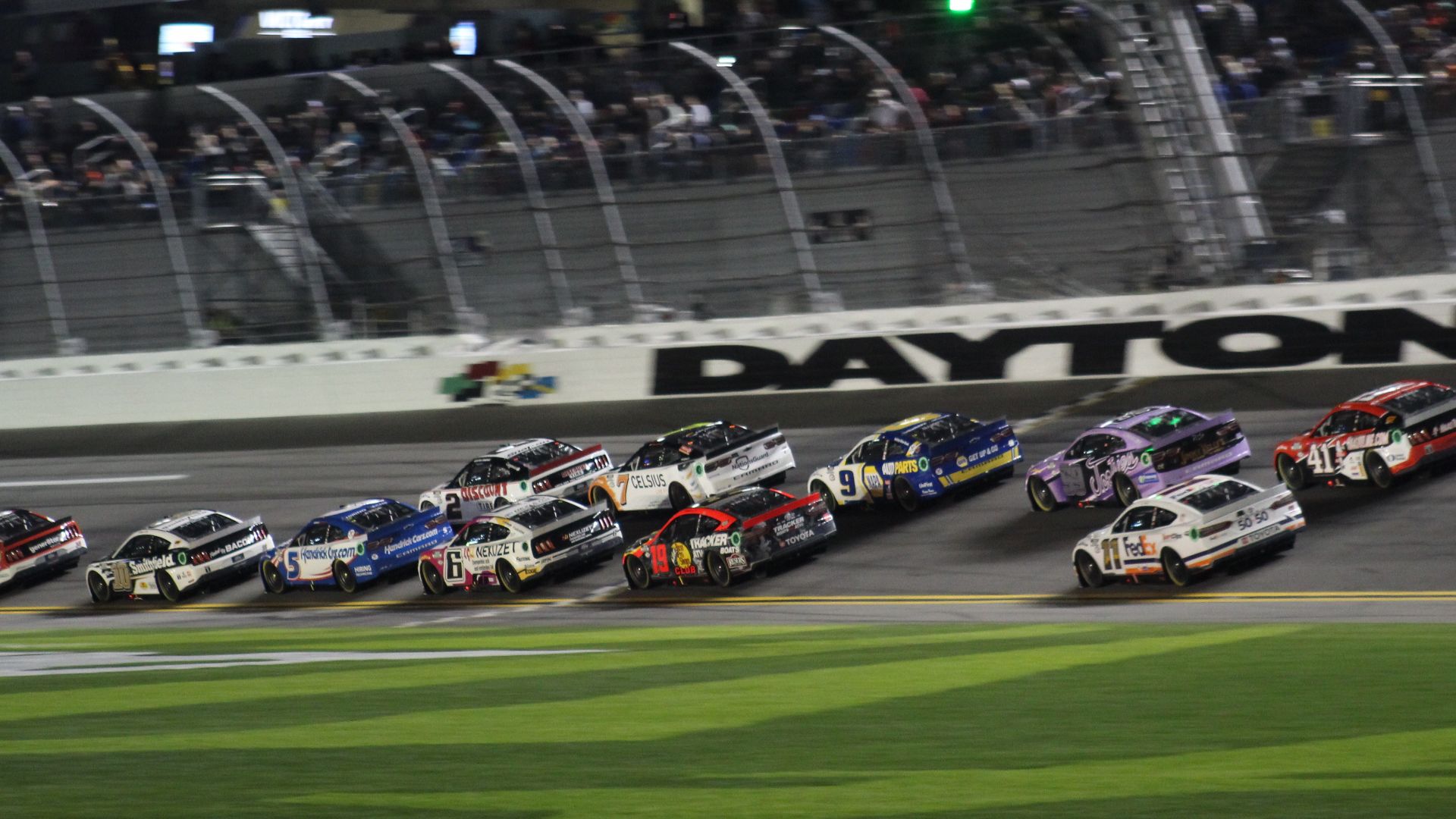 Zach Catanzareti Photo, Wikimedia Commons
Weather And Sand Changes Made Racing Harder
Beyond crowd and safety issues, the beach itself could be unpredictable. Hurricanes, tides, and shifting sands constantly altered conditions. In recent decades, storms and erosion have erased many physical remnants of the old course, underscoring how temporary a sand-based racetrack really was.
The Beach Era Lives In Memory
Though it ended in the late 1950s, racing on the Daytona Beach course remains a cherished chapter in NASCAR lore. Vintage photos of cars blasting down packed sand are treasured by fans and historians alike, evoking a time when ingenuity and driver skill mattered as much as horsepower and speed.
The Legacy Of The Sands
Even without active racing on the sand, the legacy of the beach-road course lives on. Daytona’s place in motorsport history as a birthplace of speed and stock car organization is celebrated every February, when fans gather not just for racing on asphalt, but to honor how it all began: on sand and surf.
You May Also Like:
Inside NASCAR’s Strangest Scandal: Spingate