The Pickup That Beat Ferrari
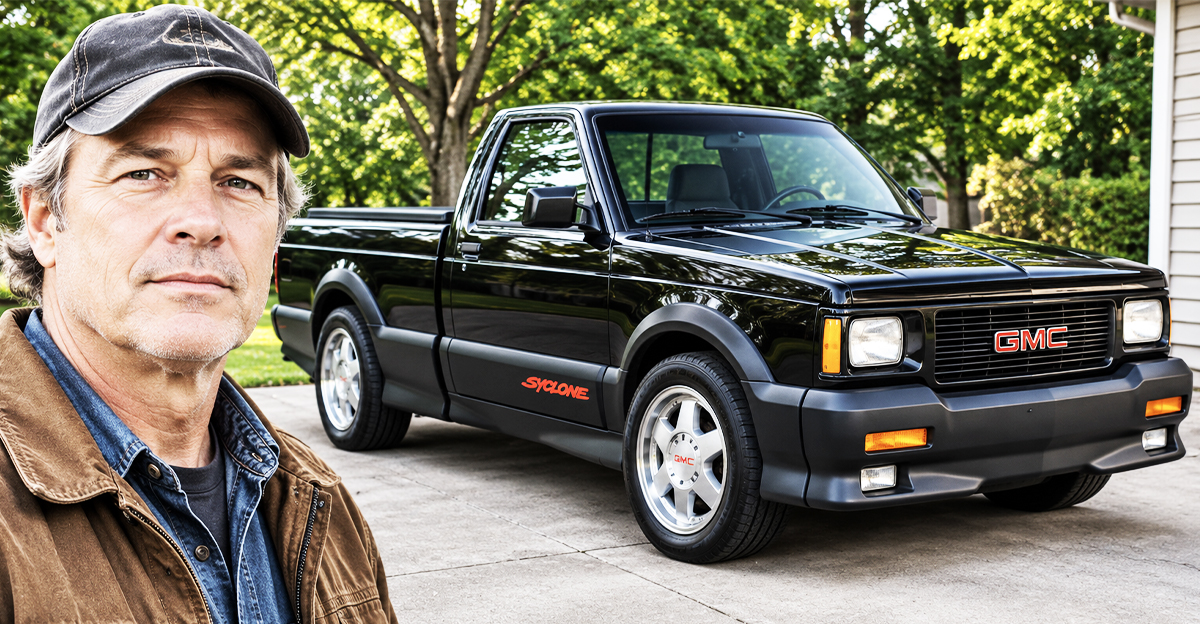
In 1991, Car and Driver staged one of the strangest automotive showdowns imaginable: a GMC pickup truck against a Ferrari 348ts. The Ferrari cost more than four times as much, but the little GMC won the quarter-mile race. It was called the Syclone, and it was one of the quickest vehicles Detroit had ever produced. Yet despite its astonishing performance, the Syclone disappeared almost as quickly as it arrived.
GMC Wanted Something Different
During the 1980s, GMC was better known for dependable trucks than breathtaking performance. But project manager Kim Neilsen believed the division needed something exciting to distinguish itself from Chevrolet. Inspired partly by the success of Buick's turbocharged Grand National, GMC began exploring the possibility of a high-performance compact pickup. By 1987, designers were sketching what would eventually become the Syclone.
Turning A Sonoma Into A Supercar
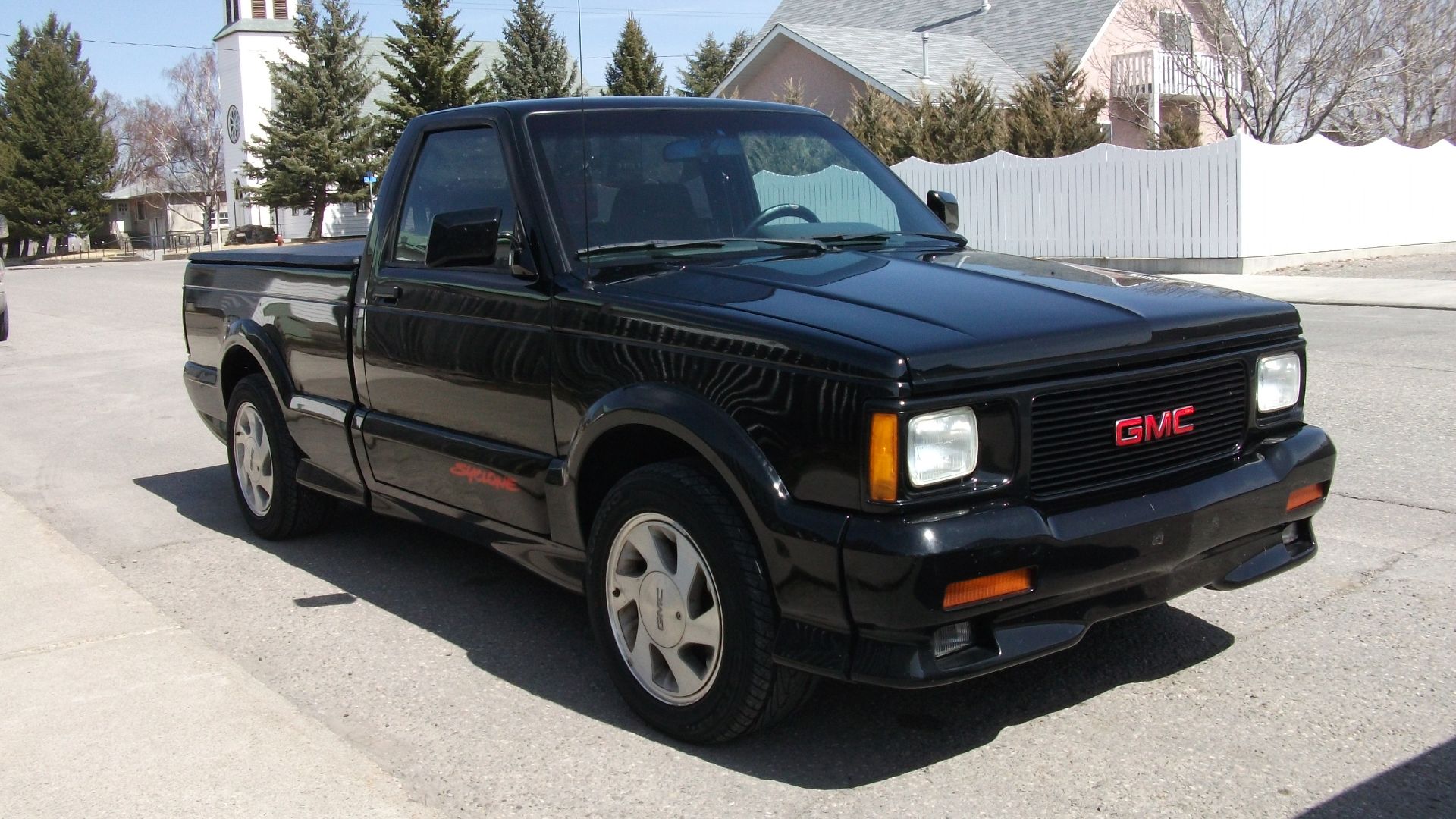
The Syclone was based on GMC's compact Sonoma pickup, but developing it required considerable engineering. GMC partnered with Michigan-based Production Automotive Services, a specialist company experienced in building unusual performance vehicles. The trucks began life at GM's Shreveport, Louisiana, plant before receiving specialized components and finishing work. The result looked like a lowered, blacked-out pickup, but beneath its relatively ordinary bodywork was something extraordinary.
A Turbocharged V6 Monster
Under the hood sat a turbocharged and intercooled 4.3-liter V6 producing an officially rated 280 horsepower and 350 lb-ft of torque. Power flowed through a four-speed automatic transmission to a full-time all-wheel-drive system, distributing approximately 65 percent of the torque to the rear wheels. Combined with a lowered suspension and wide performance tires, the drivetrain gave the Syclone remarkable traction. Unlike many powerful rear-wheel-drive cars, it could launch aggressively without wasting much time spinning its tires.
The Ferrari Showdown
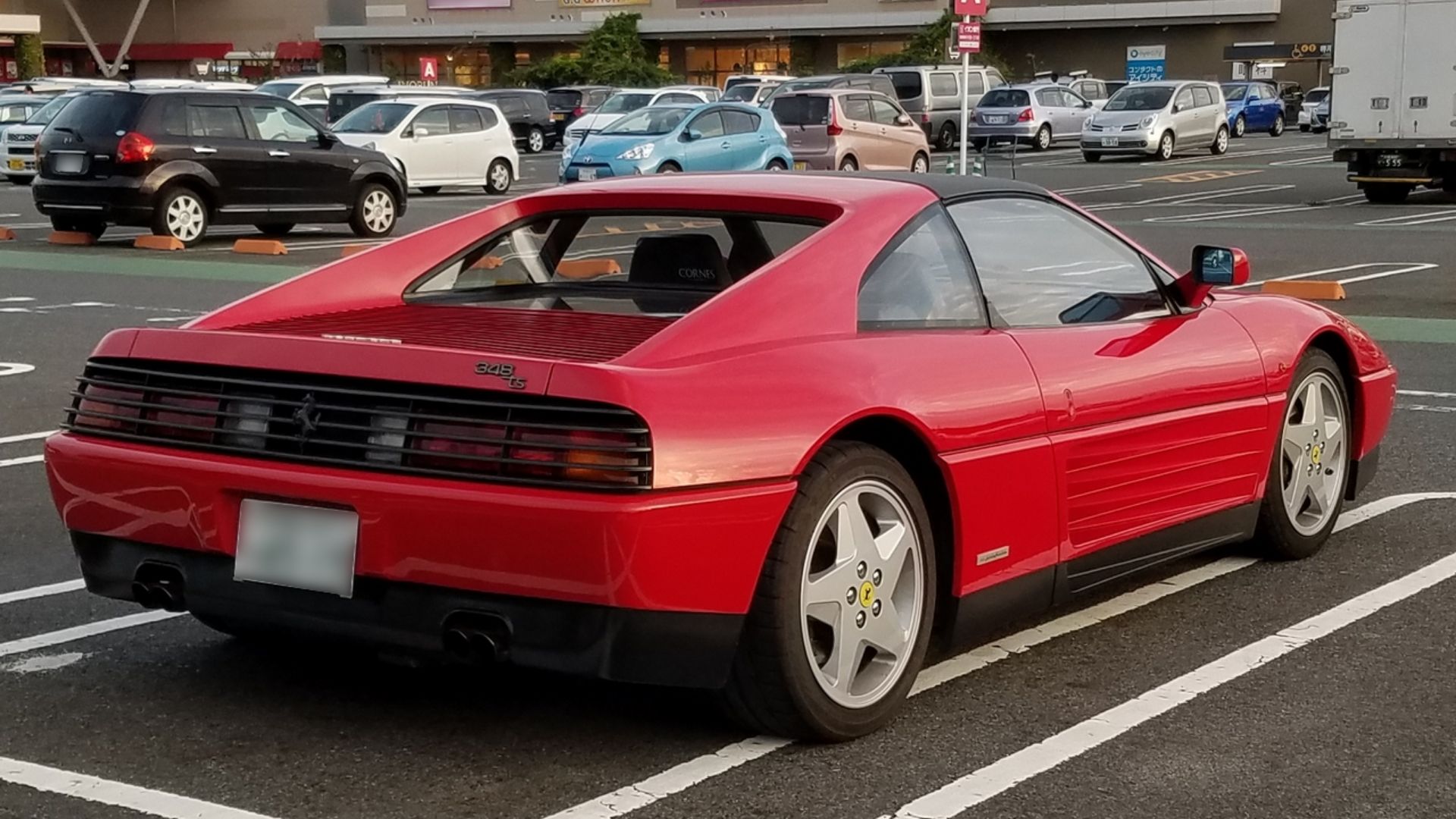
In September 1991, Car and Driver compared the Syclone against a Ferrari 348ts. The GMC accelerated from zero to 60 mph in 5.3 seconds, compared with 6.0 seconds for the Ferrari. It also completed the quarter-mile in 14.1 seconds against the Ferrari's 14.5. However, the Italian sports car was considerably faster at higher speeds, eventually overtaking the aerodynamically disadvantaged pickup. The Syclone wasn't a better all-around sports car, but its straight-line acceleration was sensational.
 Toyotacoronaexsaloon, Wikimedia Commons
Performance Came At A Price
The Syclone's astonishing speed came with serious compromises. Its payload capacity was limited to just 500 pounds, and owners were warned against off-road driving. Towing capability was also severely restricted. In other words, this was a pickup that couldn't perform a lot of the ordinary pickup duties people normally expect. With a base price of approximately $26,000, it was also expensive for a compact truck in 1991. Buyers could purchase a conventional pickup for considerably less, while performance enthusiasts had numerous sports cars to choose from.
The Wrong Truck At The Wrong Time
The Syclone arrived during the American recession of 1990–1991, when buyers were getting more cautious about expensive specialty vehicles. Its unusual combination of blistering acceleration and limited practicality made it difficult to market. Although the truck attracted enormous publicity, some examples remained unsold at dealerships into 1992. GMC had considered continuing production with additional exterior colors and minor improvements, but those plans were abandoned. The Syclone's spectacular performance hadn't translated into enough sustained demand.

Gone After Just One Year
GMC produced just 2,995 Syclones for the 1991 model year, all finished in black. Three additional pilot vehicles were built for a proposed 1992 version, but regular production never resumed. However, GMC wasn't finished experimenting. In 1992, it introduced the Typhoon, an SUV based on the GMC Jimmy that used much of the Syclone's turbocharged drivetrain. Although slightly slower, the Typhoon offered additional seating and enclosed cargo space. It survived through the 1993 model year, outlasting the pickup that inspired it.
A Legend That Refused To Die
The Syclone's short production run ultimately helped make it a collector's item. Its unusual engineering, limited numbers, and famous Ferrari victory ensured that enthusiasts never forgot it. More importantly, the Syclone demonstrated that a pickup could deliver genuine sports-car performance decades before today's high-powered trucks became commonplace. GMC may have struggled to sell the Syclone when it was new, but its reputation has only grown. The little black pickup that embarrassed a Ferrari remains one of Detroit's most remarkable automotive experiments.
You May Also Like:
The Coolest 80s & 90s Pickup Trucks
Legendary Pickup Trucks From The 90s That Still Turn Heads
Pickup Trucks From The 1990s That Drivers Still Refuse To Give Up