
When Car Names Had Personality
There was a time when American showrooms were filled with Hornets, Pacers, Gremlins, and cars called things like the Golden Hawk. Some were engineering breakthroughs, while others became famous for entirely different reasons. These forgotten nameplates will take you back to an unforgettable era of driving.
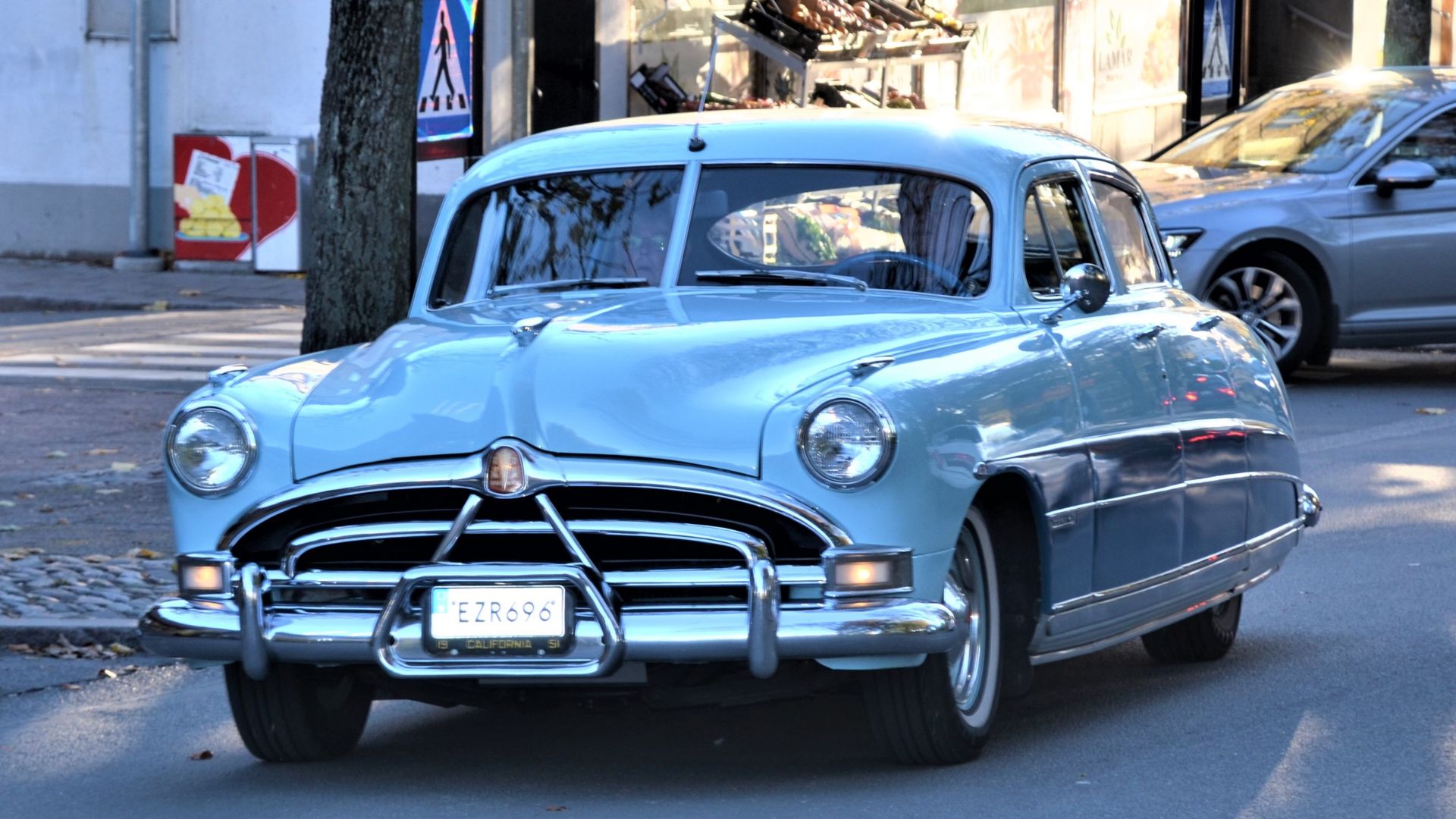
Hudson Hornet: The Stock Car Superstar
Long before stock car racing became a high-tech business, the Hudson Hornet dominated NASCAR tracks. Introduced in 1951, it combined a powerful straight-six engine with a low-slung design. Its remarkable racing success made Hudson a formidable competitor despite the company's relatively small size.
 Bengt Oberger, Wikimedia Commons
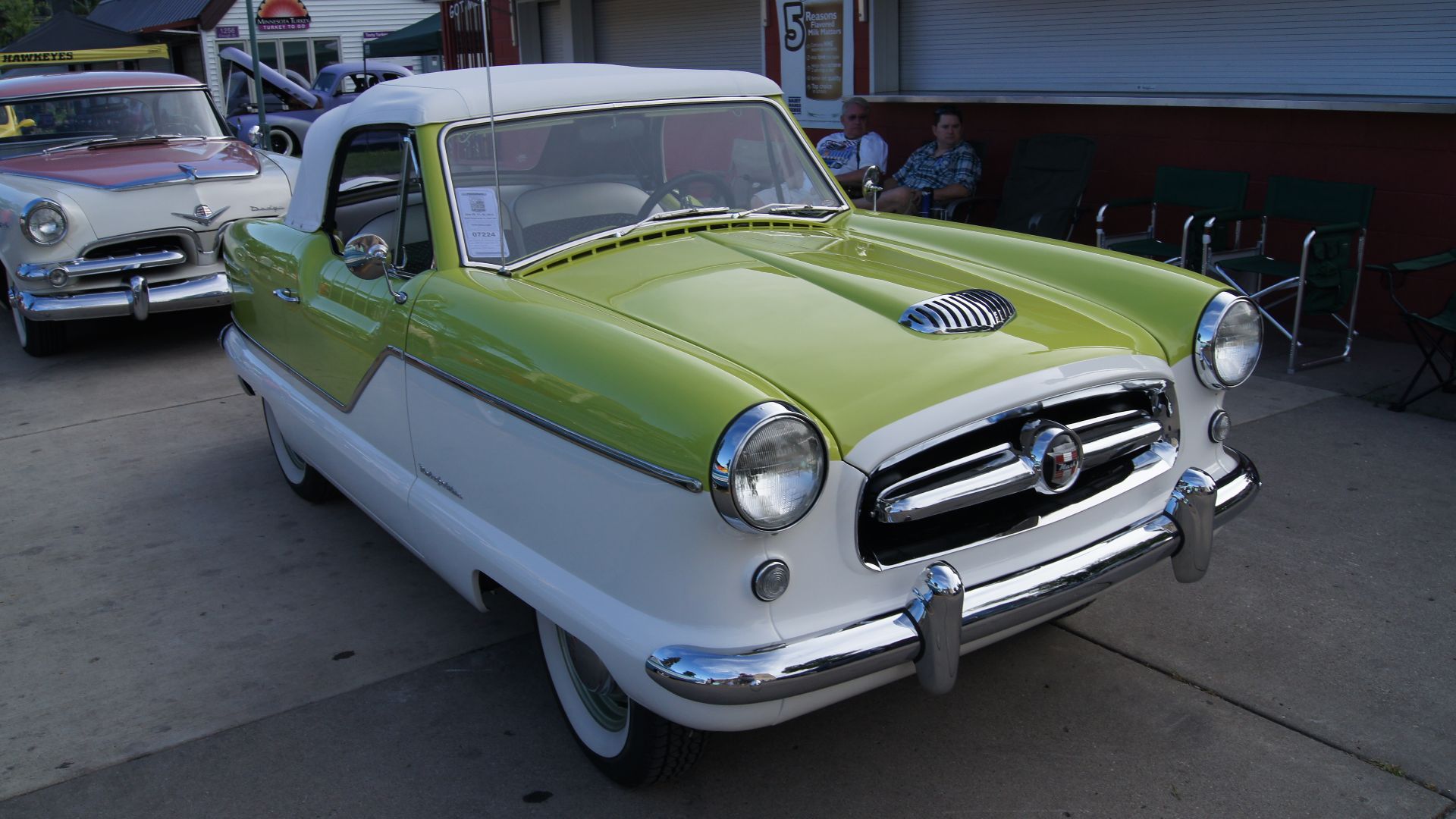
Nash Metropolitan: The Tiny American Oddball
The Nash Metropolitan looked almost comically small beside the enormous American sedans of the 1950s. Introduced in 1954, it was designed for American buyers but manufactured in England by Austin. Its cheerful styling, compact proportions, and convertible option made it an unusual sight on American roads.
 Greg Gjerdingen from Willmar, USA, Wikimedia Commons
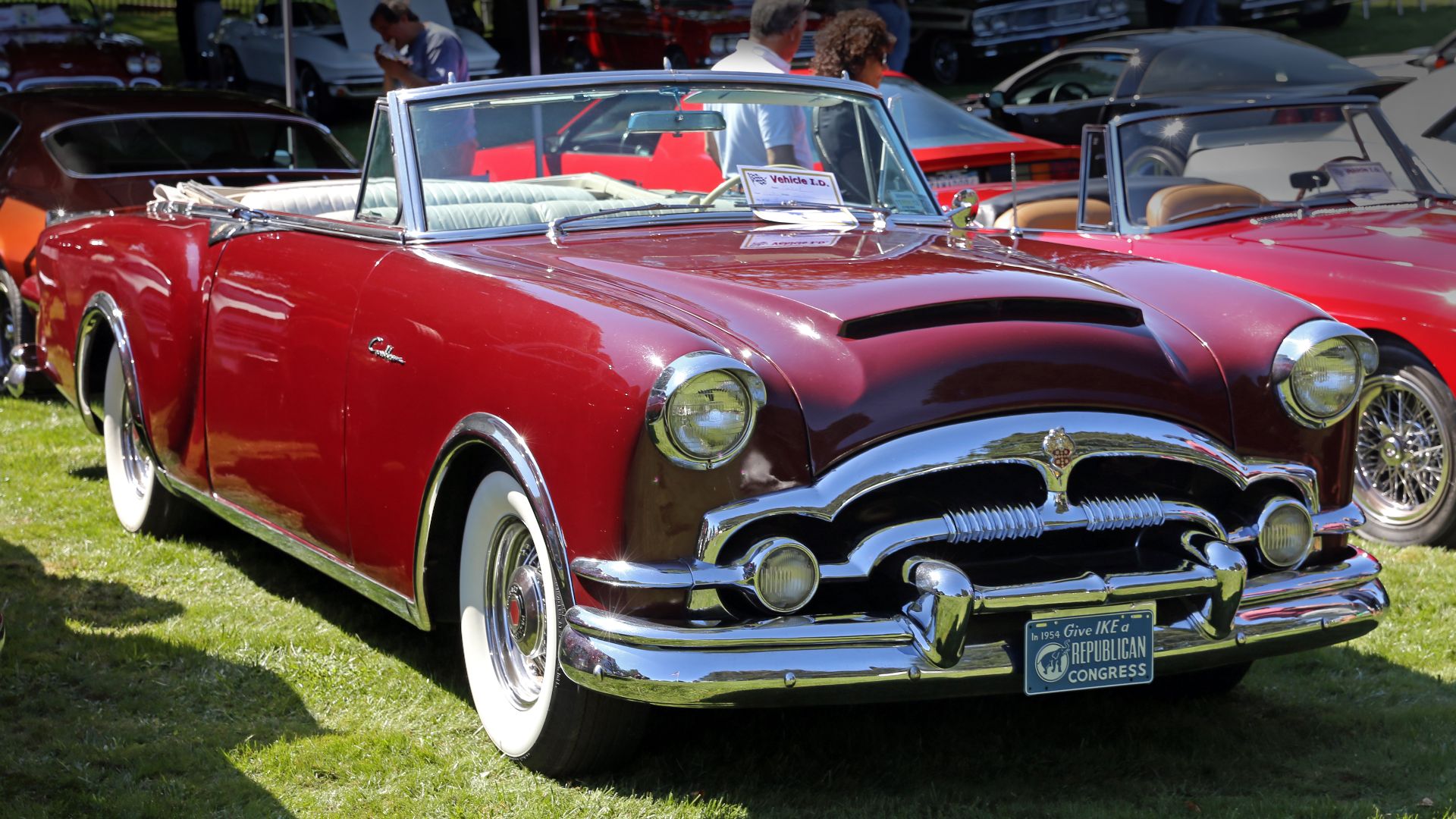
Packard Caribbean: Luxury Before Cadillac Took Over
Packard introduced the Caribbean convertible in 1953 as an upscale model inspired by its Pan American show car. Its distinctive styling and prestigious name reflected Packard's ambitions in the luxury market. Unfortunately, the company's remaining years as an independent automaker were already numbered.
 Mr.choppers, Wikimedia Commons
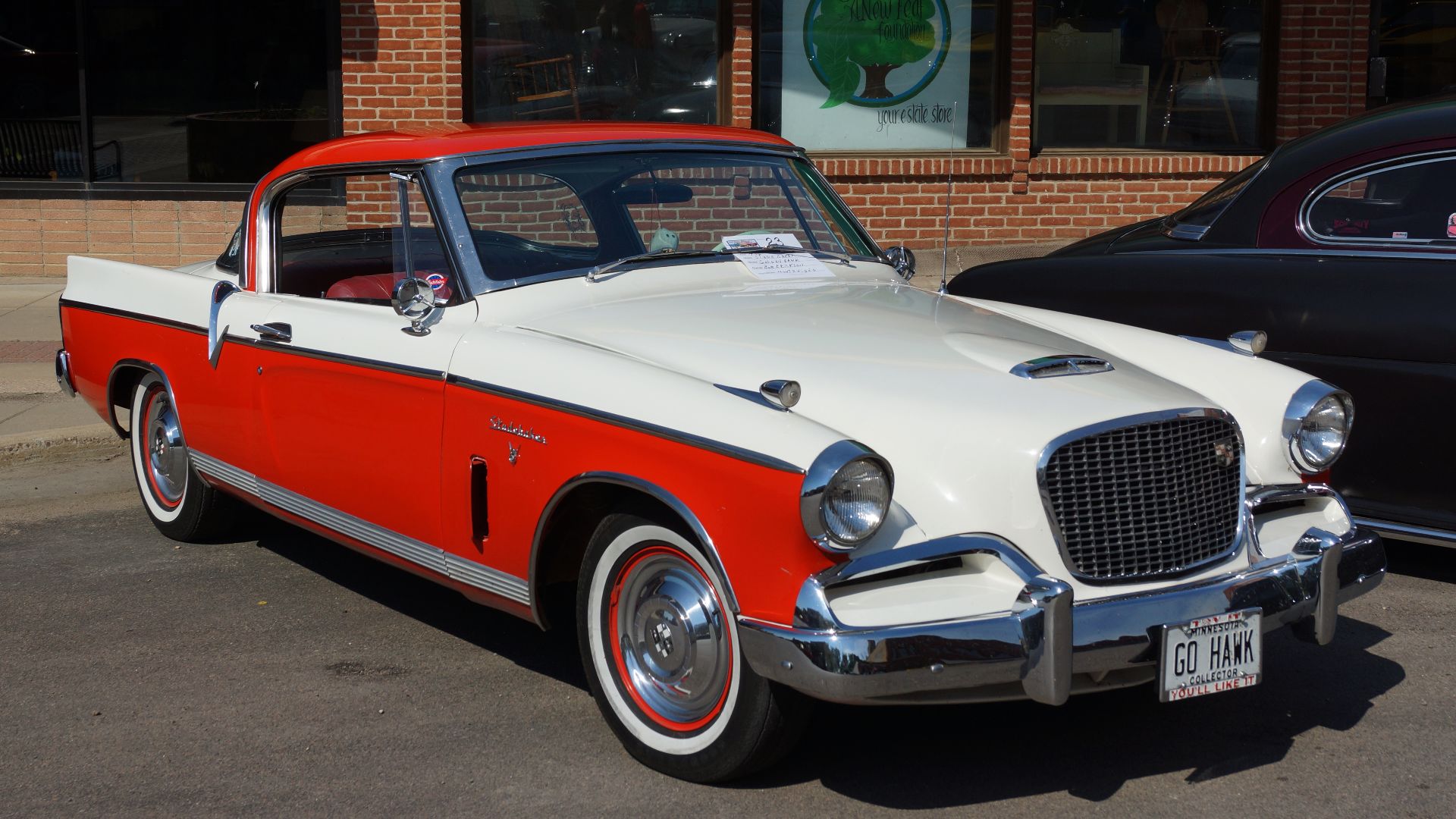
Studebaker Golden Hawk: The Muscle Car Before Muscle Cars
The 1956 Studebaker Golden Hawk combined elegant coupe styling with considerable V8 power. Its Packard-built 352-cubic-inch engine produced 275 horsepower, an impressive figure for the period. Fiberglass tailfins completed the dramatic appearance of one of Studebaker's most memorable performance cars.
 Greg Gjerdingen from Willmar, USA, Wikimedia Commons
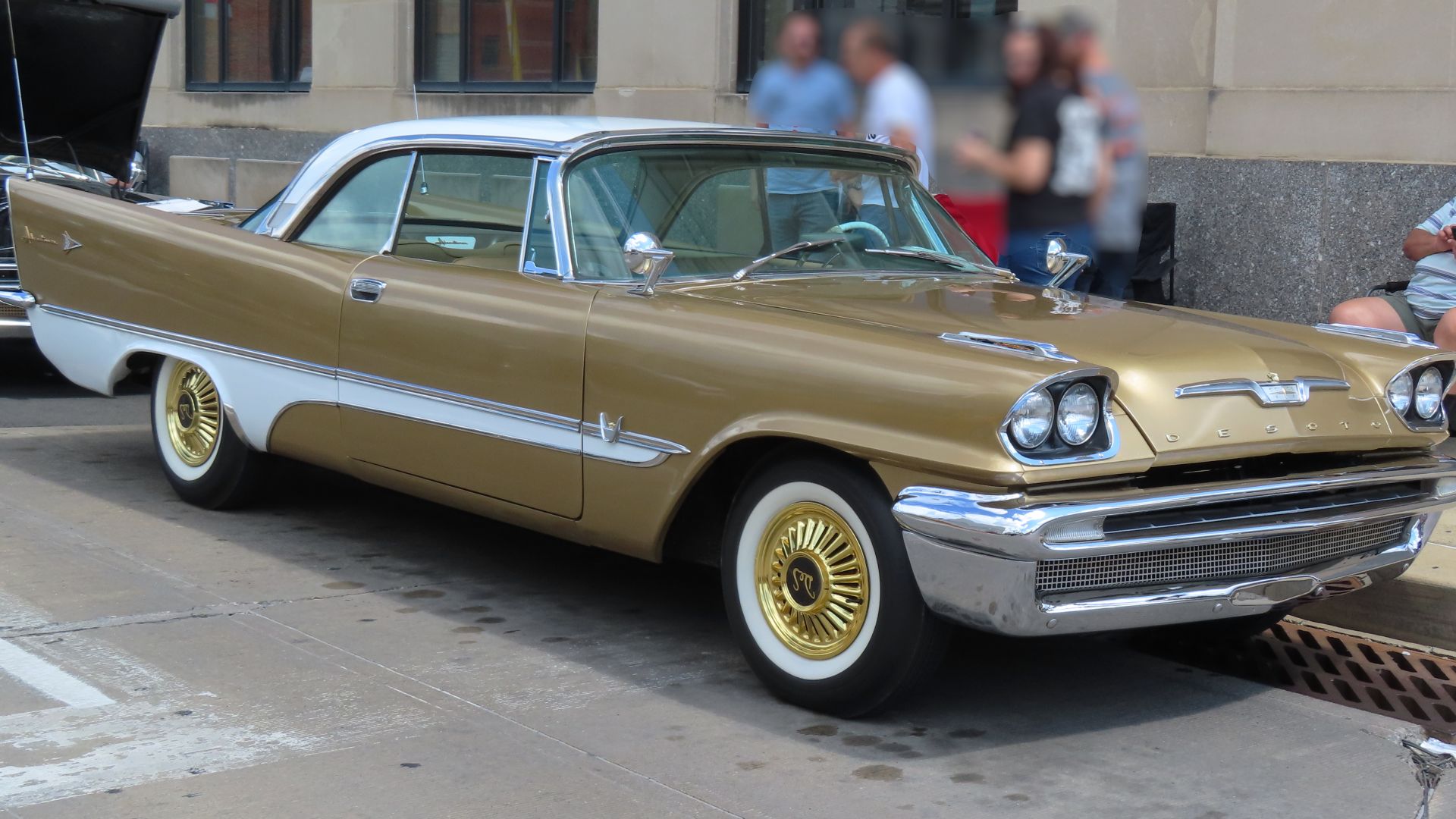
DeSoto Adventurer: Fins And Serious Horsepower
The 1957 DeSoto Adventurer captured the extravagant spirit of American automotive styling. Its towering tailfins accompanied a 345-cubic-inch Hemi V8 producing 345 horsepower. DeSoto also introduced an Adventurer convertible that year, making an already distinctive luxury performance car even more attention-grabbing.
 MercurySable99, Wikimedia Commons
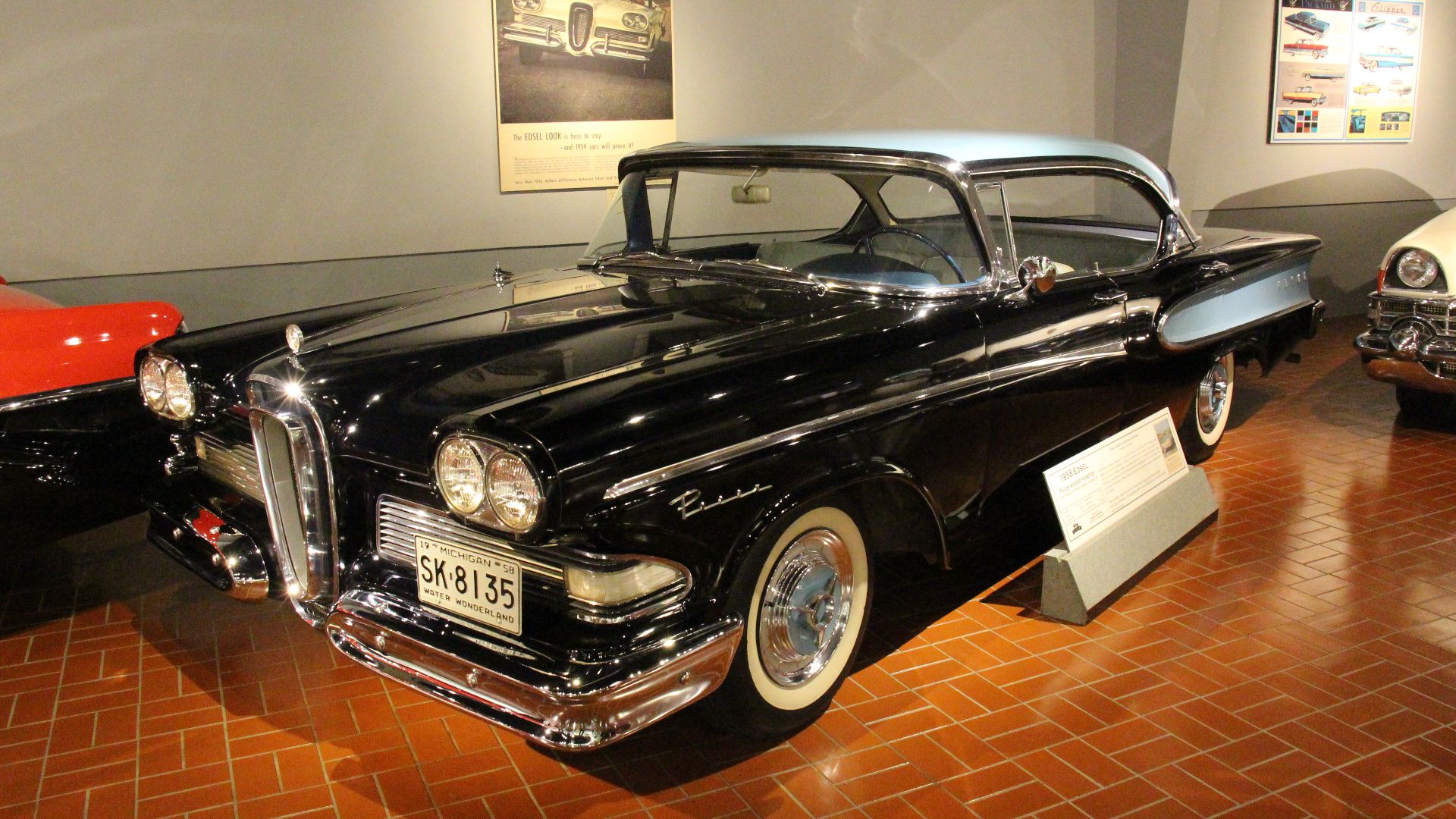
Edsel Pacer: The Car That Became A Cautionary Tale
Ford introduced the Edsel brand for 1958 with models including the Pacer. Its unusual vertical grille made the cars instantly recognizable, but the ambitious launch never delivered the sales Ford expected. The entire Edsel experiment ended after a short run that barely reached the 1960 model year.
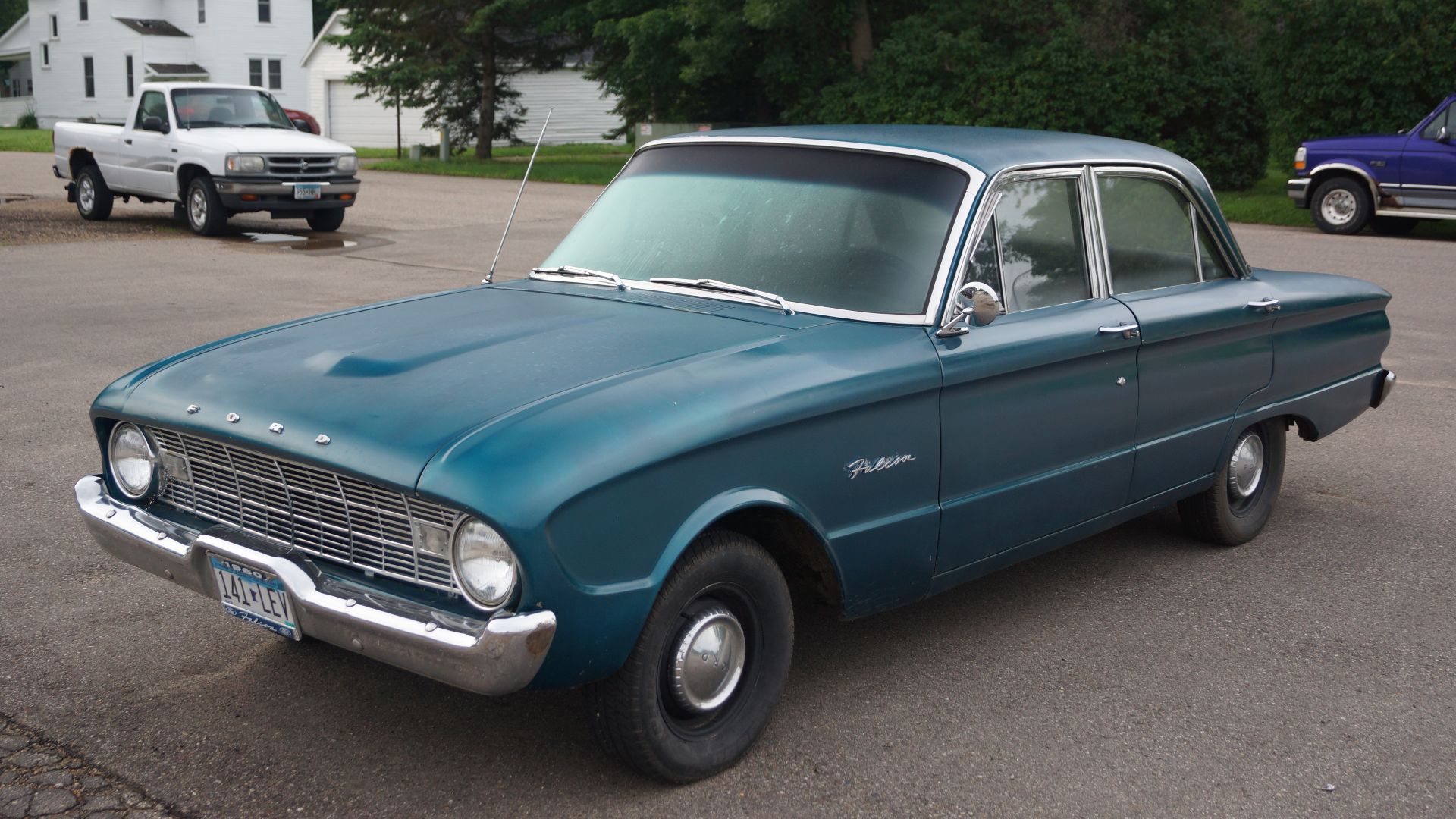
Ford Falcon: The Compact With Cartoon Connections
The Ford Falcon arrived for the 1960 model year as an economical alternative to Detroit's larger cars. Ford promoted the compact using characters from Charles Schulz's Peanuts comic strip, including Charlie Brown. The campaign helped give this sensible little automobile an unexpectedly friendly public image.
 Greg Gjerdingen, Wikimedia Commons
Mercury Comet: The Edsel That Got A Second Chance
The Mercury Comet had an unusual beginning because Ford originally planned it as a compact Edsel. When the Edsel brand disappeared, the proposed car survived under a different identity. The Comet reached buyers in 1960, outliving the ill-fated division that had inspired its development.
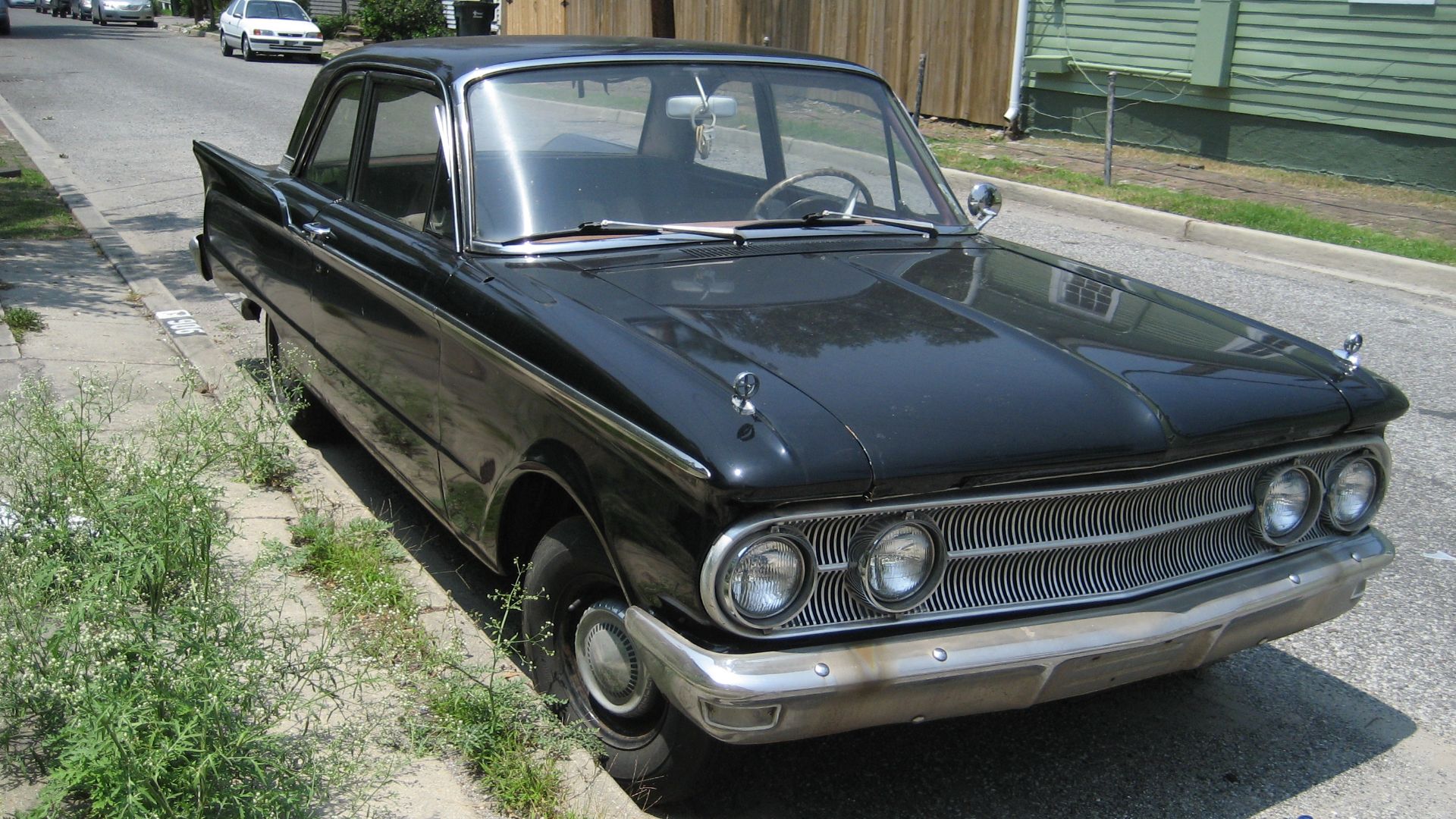 Infrogmation, New Orleans, Wikimedia Commons
Chevrolet Corvair: The Car With Its Engine In Back
The Chevrolet Corvair was unlike almost anything else coming from Detroit in 1960. Instead of a conventional front-mounted engine, it used a rear-mounted, air-cooled six-cylinder powerplant. The Corvair eventually became central to an influential national debate over automotive safety before production ended in 1969.
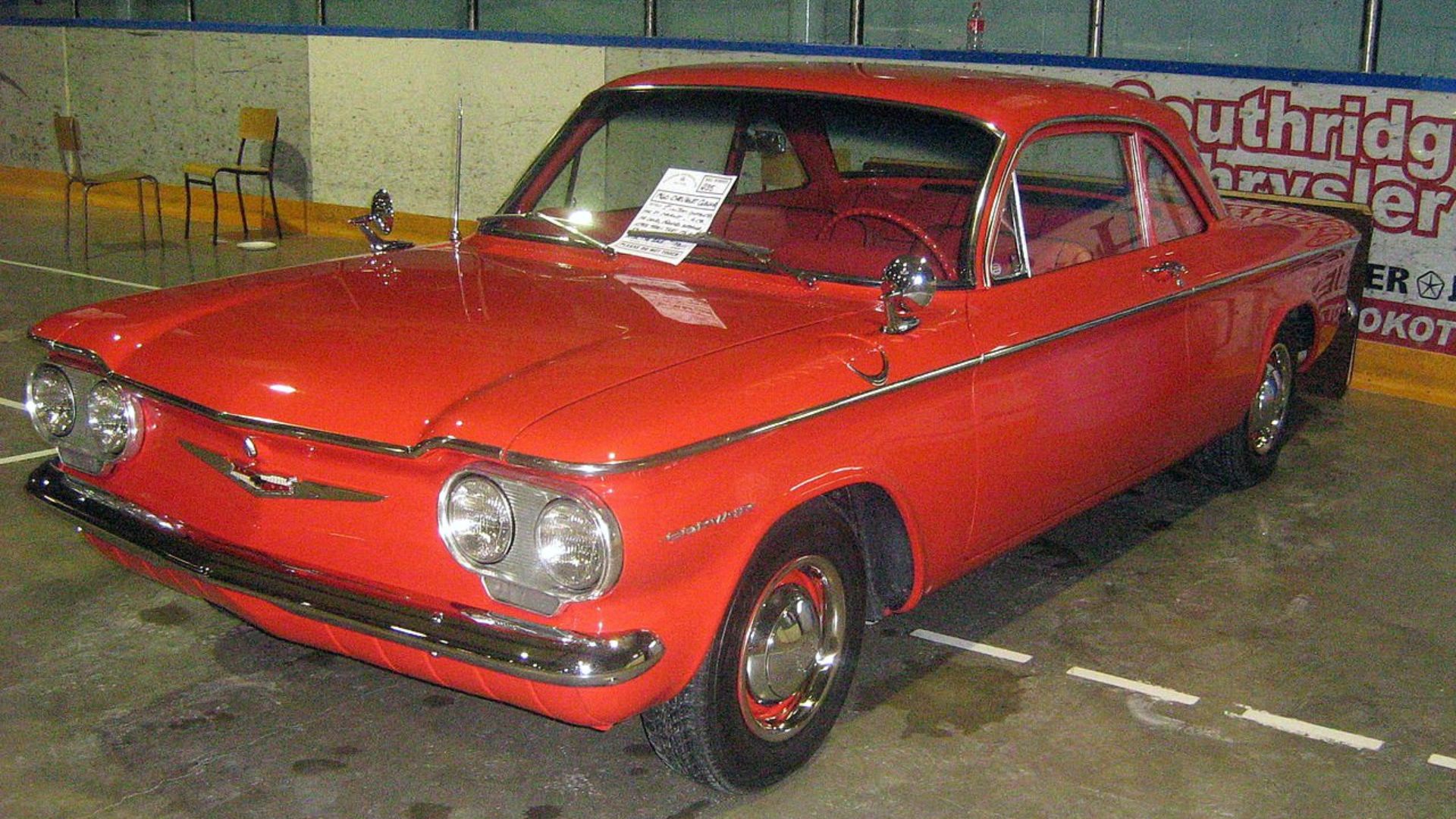 dave_7 from Lethbridge, Canada, Wikimedia Commons
Oldsmobile Toronado: The Luxury Car That Broke The Rules
The 1966 Oldsmobile Toronado looked like a conventional long-hooded American luxury coupe, but its engineering was revolutionary. It drove its front wheels using a powerful V8 engine. The Toronado was America's first domestically produced front-wheel-drive passenger car since the Cord automobiles of the 1930s.
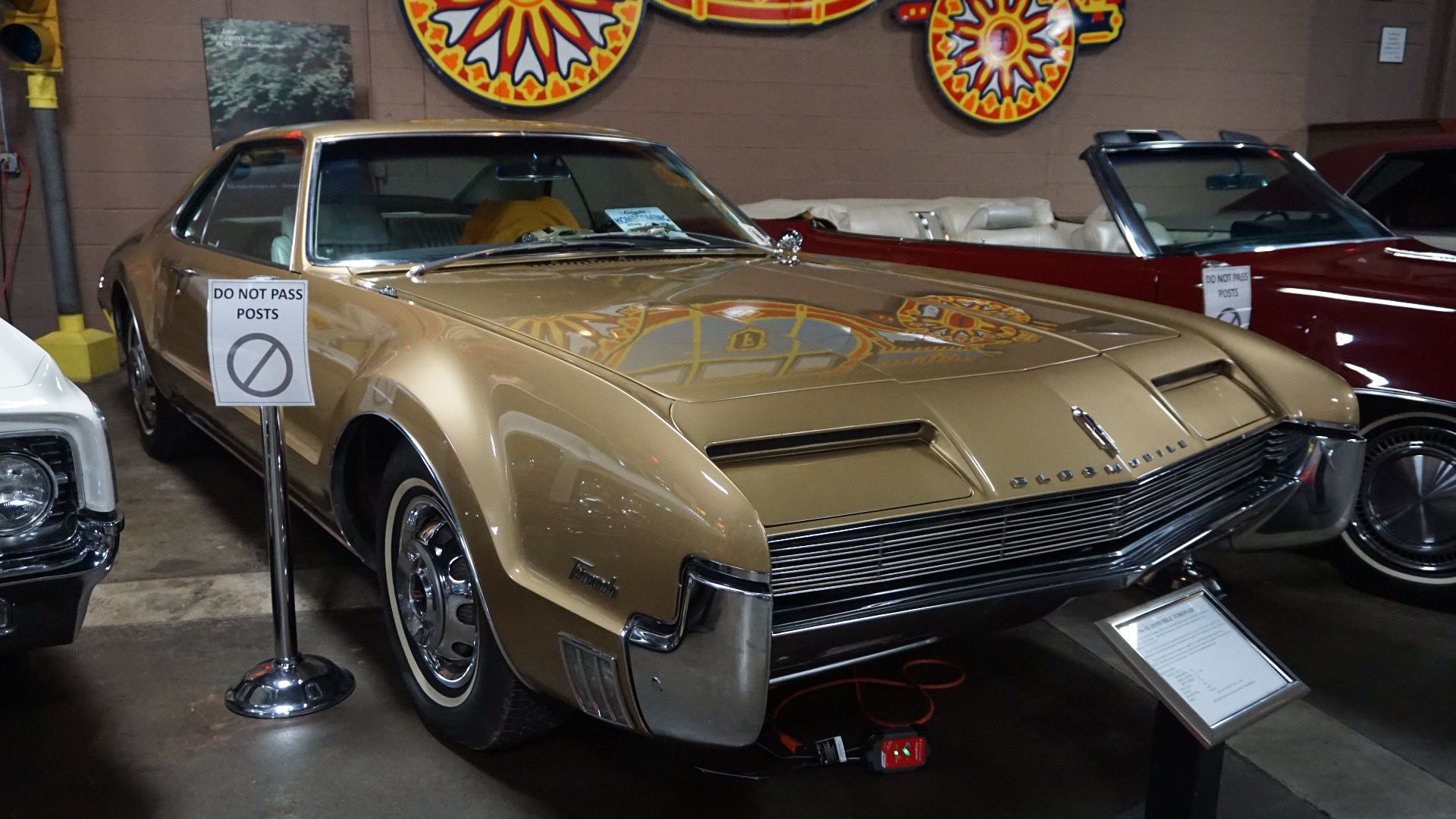 Michael Barera, Wikimedia Commons
Rambler Marlin: The Fastback Nobody Expected
American Motors introduced the Rambler Marlin in 1965 with an unusually long, sweeping fastback roof. The production car evolved from AMC's smaller Tarpon concept but was enlarged to provide additional passenger room. Its distinctive proportions separated it from more conventional intermediate coupes.
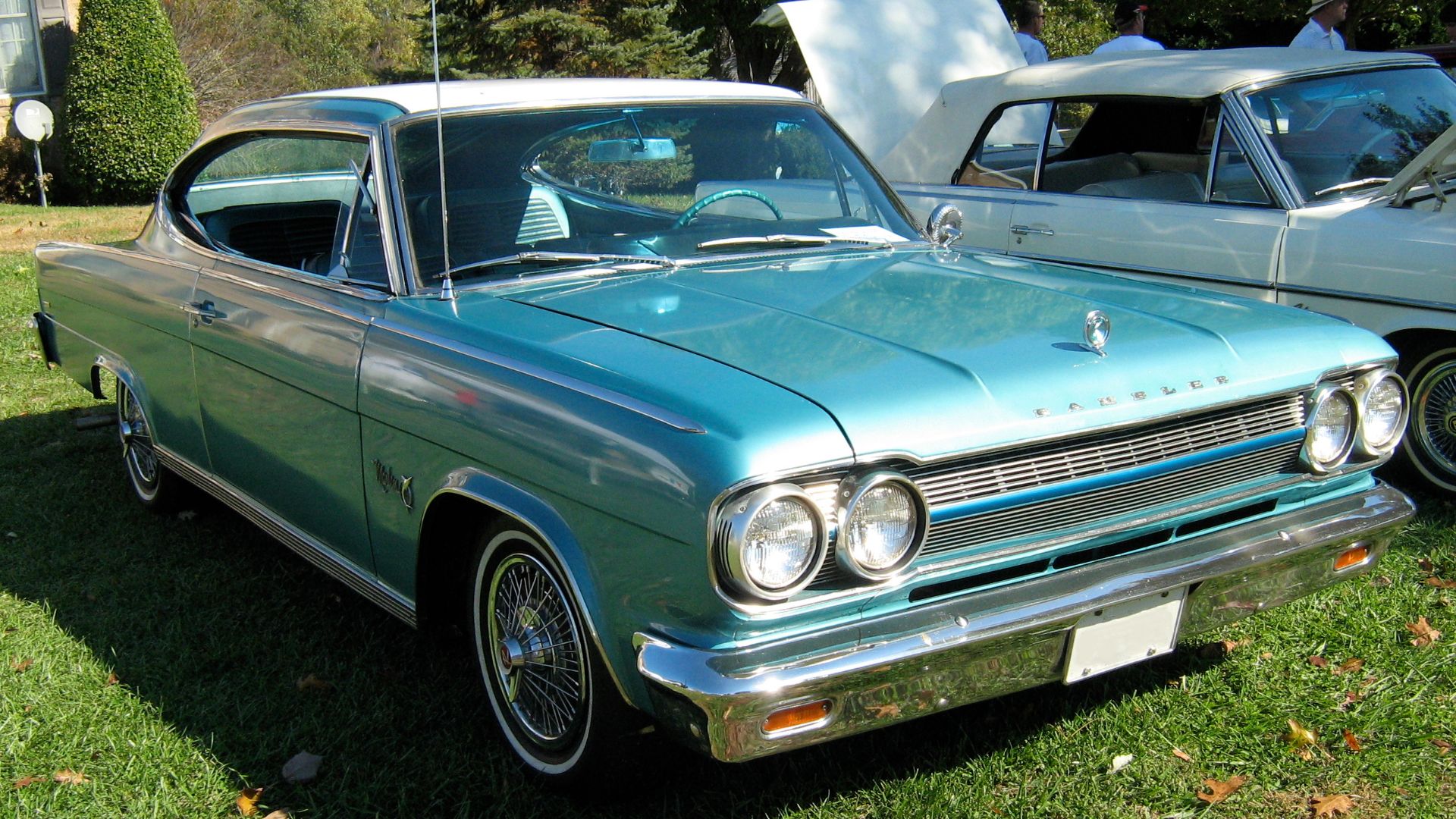
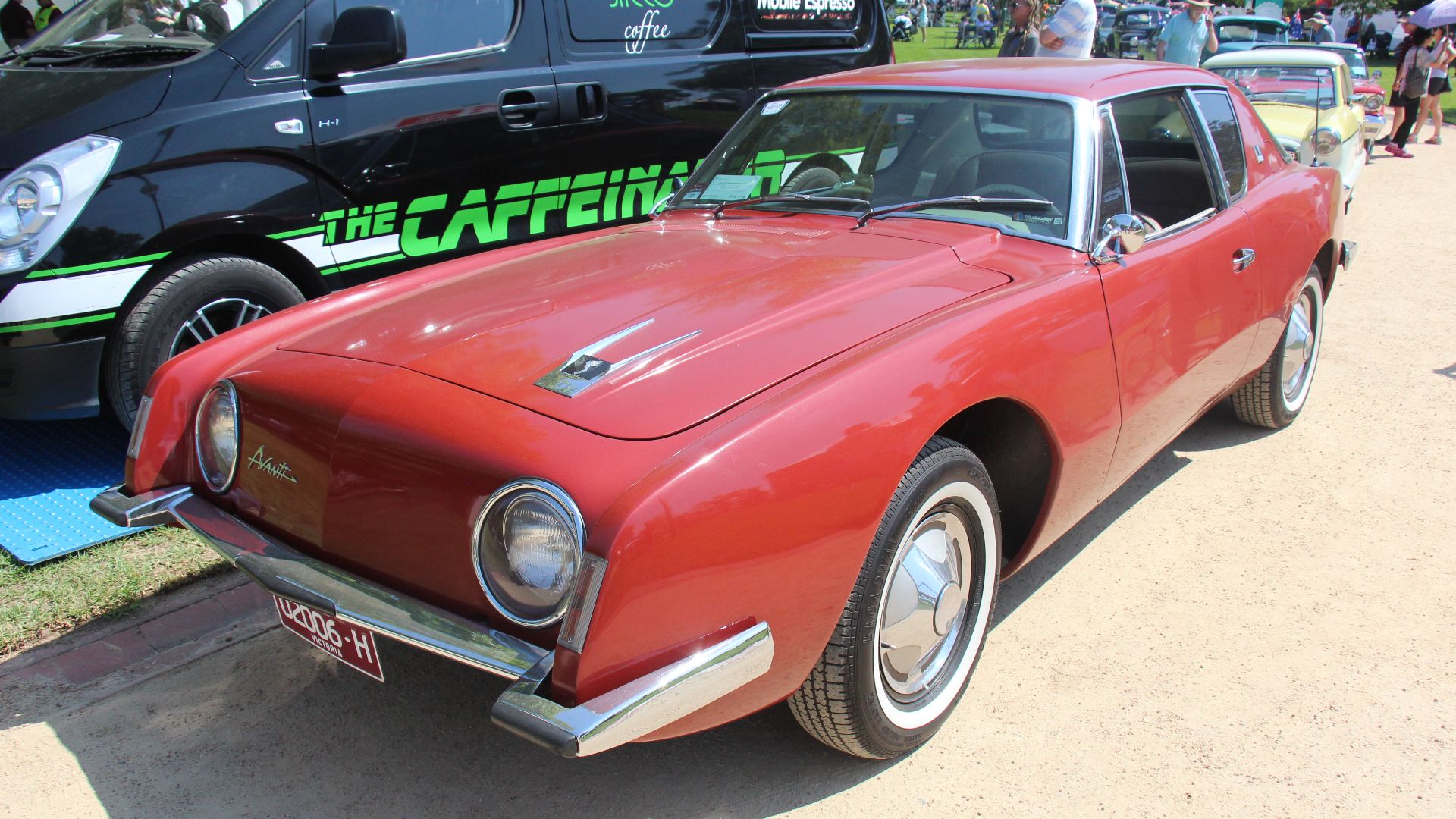
Studebaker Avanti: A Last Attempt At Reinvention
Studebaker commissioned celebrated designer Raymond Loewy to create a radical new sports coupe in 1961. Working under an extraordinarily tight deadline, his team developed the Avanti, which debuted in April 1962. The striking design represented Studebaker's attempt to revive its declining automotive business.
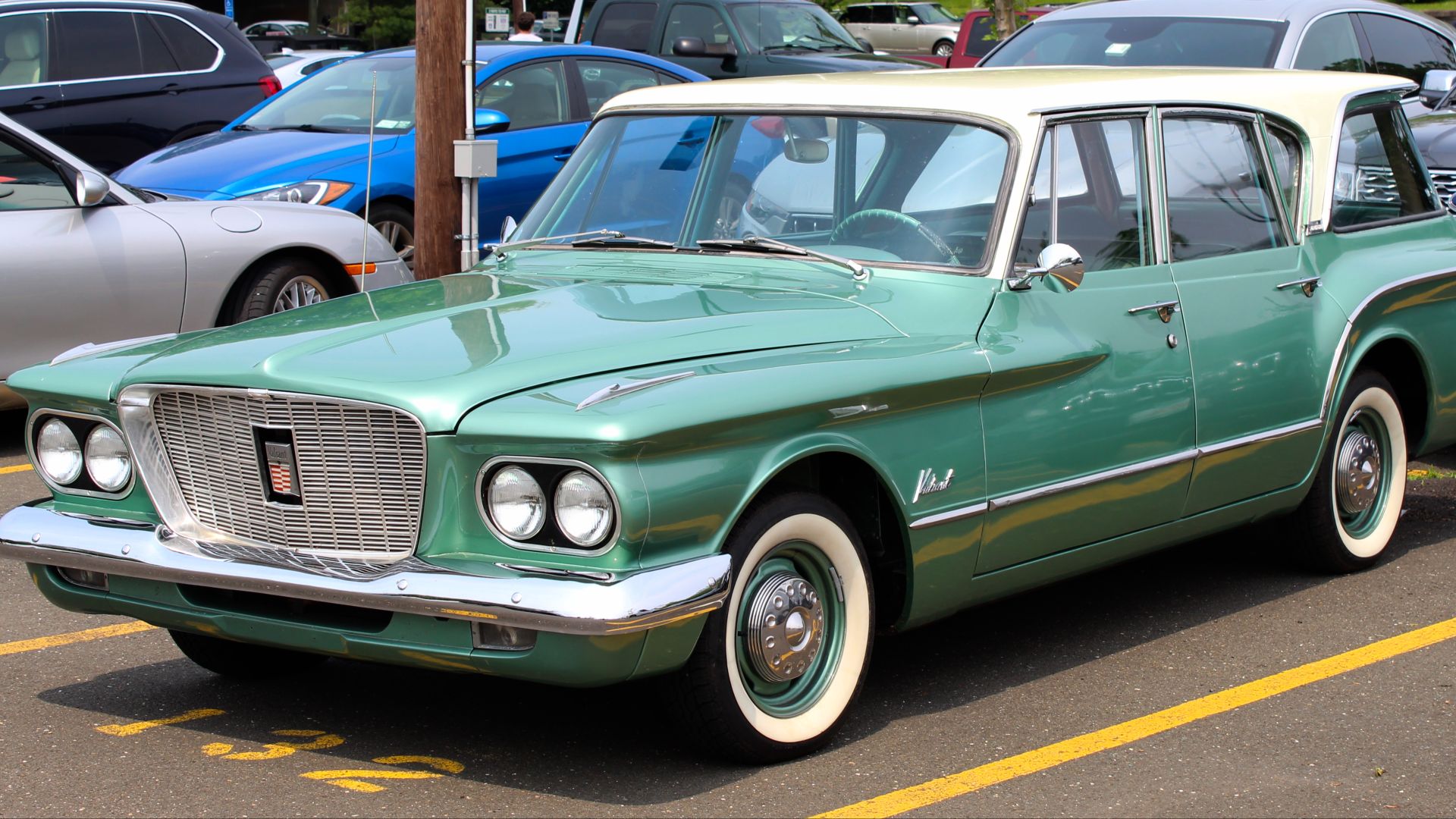
Plymouth Valiant: The Little Car With A Slanted Engine
The Valiant debuted for 1960 as a standalone Chrysler Corporation compact before becoming a Plymouth model in 1961. Its innovative Slant Six engine was mounted at an angle beneath the hood. The car also combined distinctive styling with practical features and a surprisingly roomy passenger compartment.
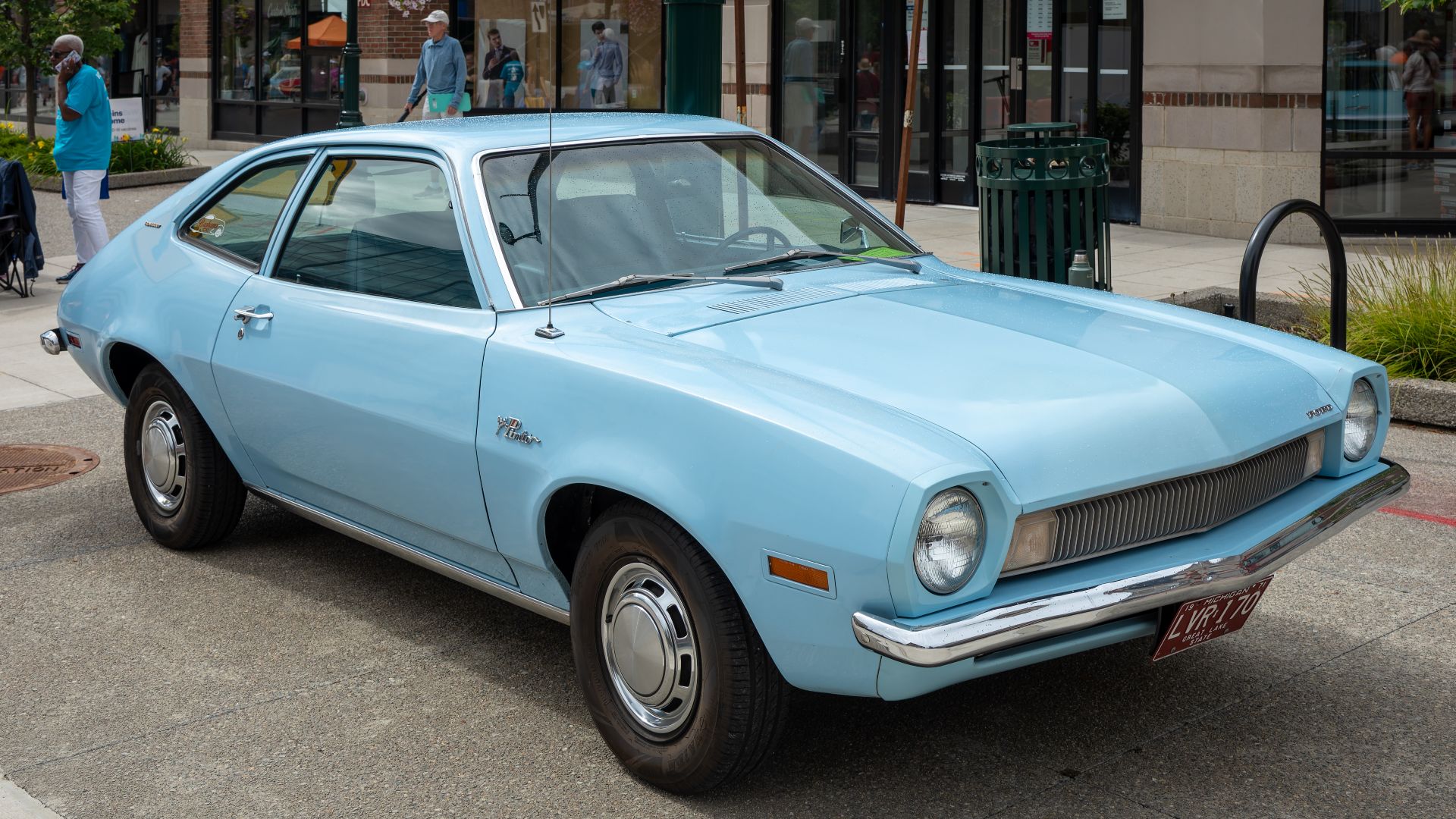
Ford Pinto: The Economy Car With A Troubled Legacy
Ford introduced the Pinto for 1971 to compete in America's increasingly important small-car market. Its inexpensive transportation appealed to buyers seeking alternatives to larger vehicles. However, serious concerns about fuel tank safety in rear-end collisions eventually led to a major recall and lasting controversy.
 Mustang Joe, Wikimedia Commons
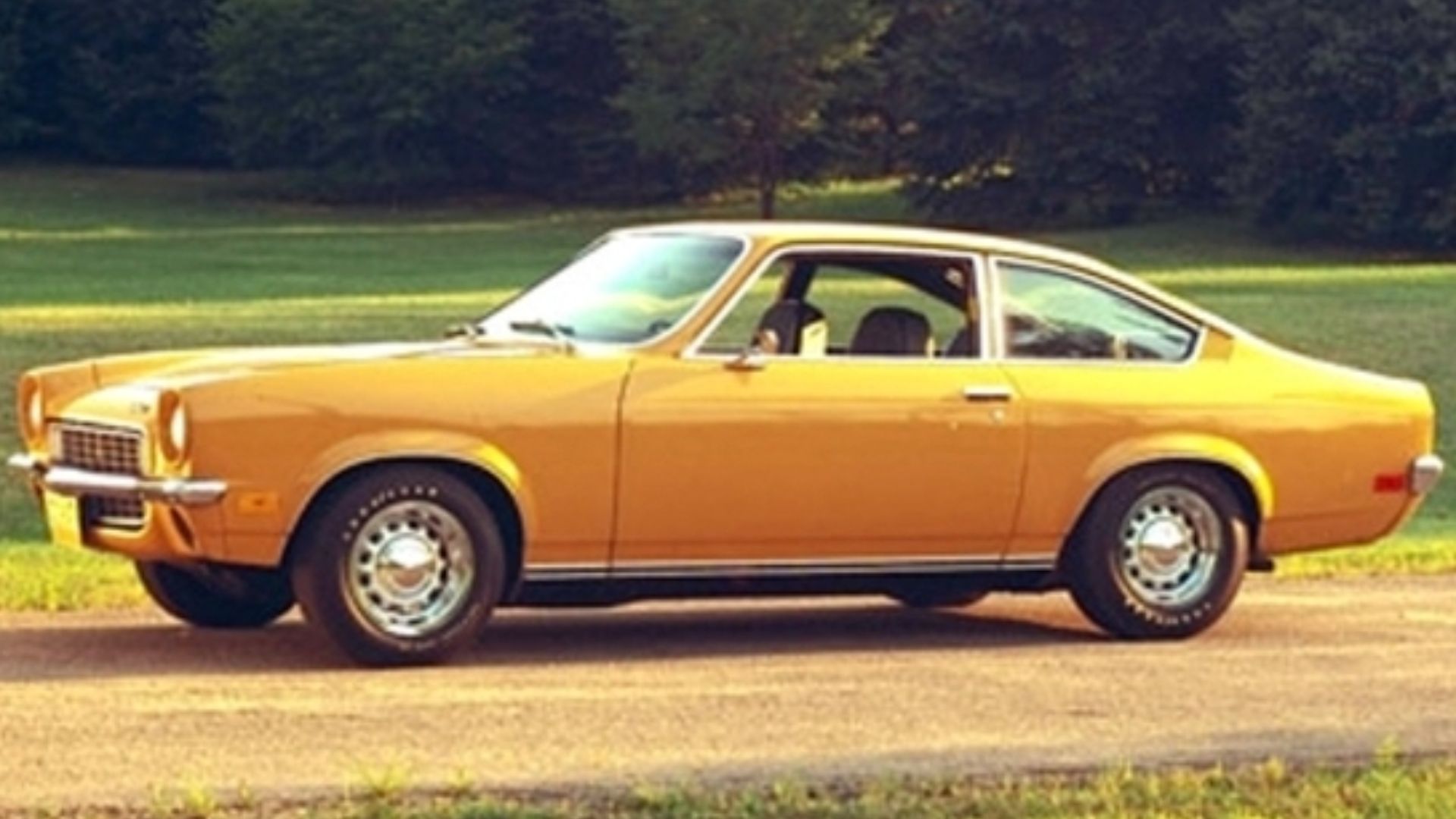
Chevrolet Vega: The Award Winner That Disappointed Owners
Chevrolet introduced the Vega for 1971 with ambitious engineering and manufacturing innovations. MotorTrend named it Car of the Year, praising its promising design and driving characteristics. Unfortunately, engine problems and premature rust damaged its reputation, despite improvements during its seven-year production run.
 Chevrolet pre-1978, Wikimedia Commons
AMC Gremlin: The Car With The Chopped-Off Rear End
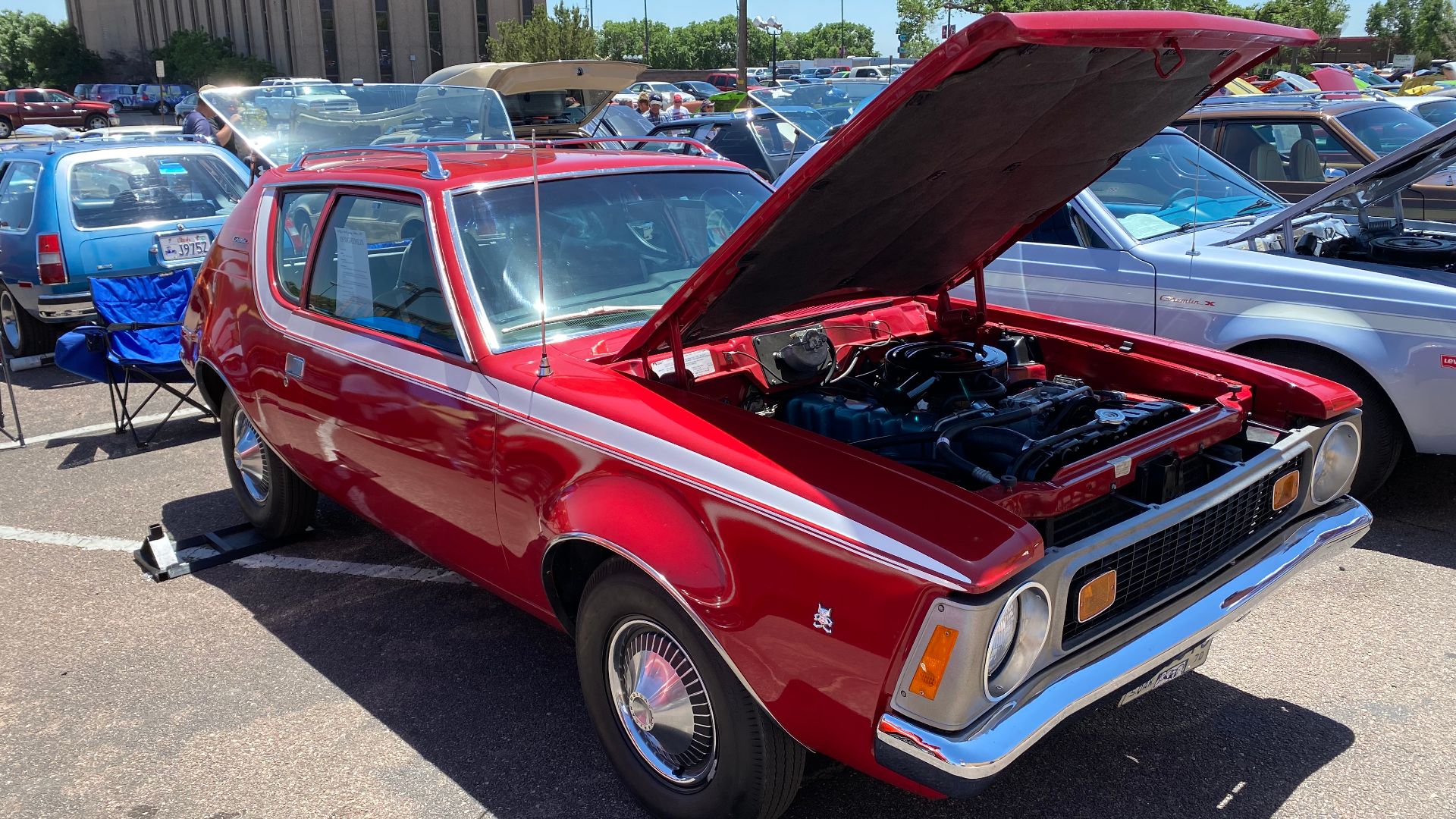
American Motors launched the Gremlin on April 1, 1970, with a silhouette unlike most competing economy cars. Based on the AMC Hornet, it featured a dramatically shortened rear section. Its unconventional appearance made the Gremlin one of the most recognizable American subcompacts of the decade.
Plymouth Duster: A Budget Car With Muscle
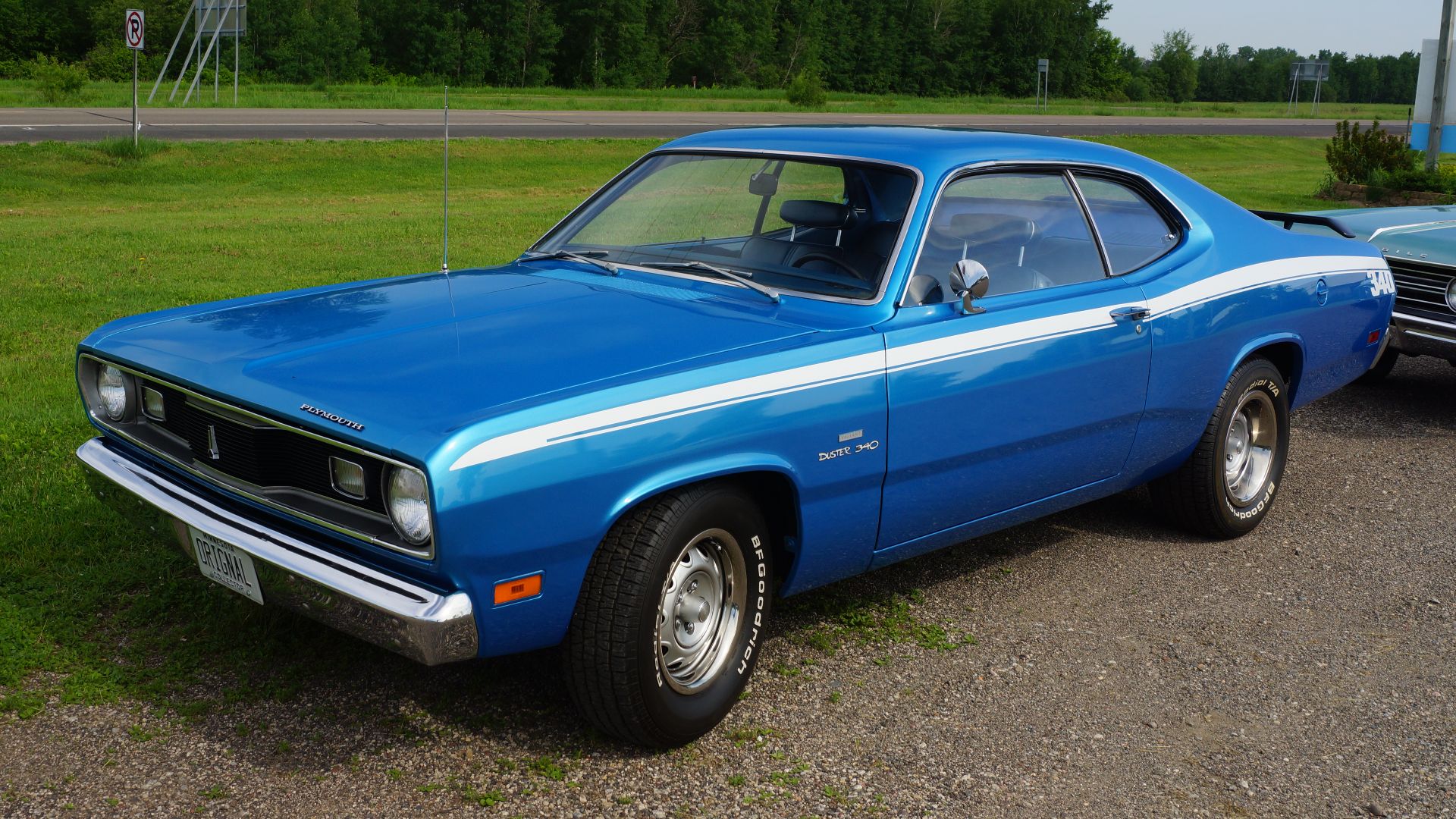
The Plymouth Duster arrived for 1970 as a sporty fastback developed from the practical Valiant. Buyers could choose economical six-cylinder power or a much stronger 340-cubic-inch V8. That combination helped give Plymouth an affordable performance car with styling distinct from its more ordinary compact relatives.
 Greg Gjerdingen from Willmar, USA, Wikimedia Commons
AMC Matador: The Coupe That Looked Like Nothing Else
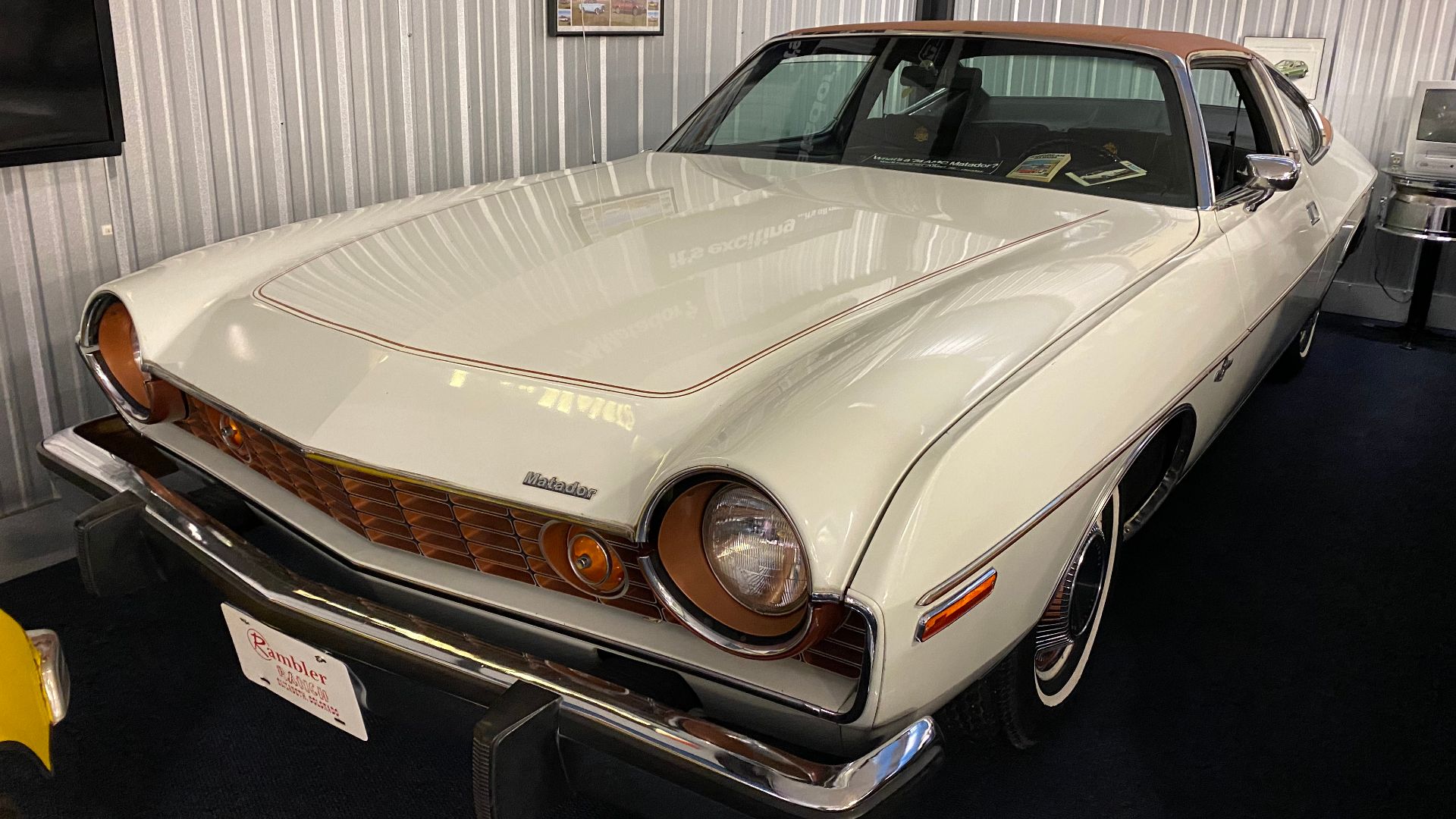
American Motors transformed the Matador lineup when it introduced a dramatically restyled coupe for 1974. Its sweeping bodywork looked strikingly different from the boxier Matador sedans and wagons. By 1977, buyers could even choose the upscale Barcelona II version of this unusual personal coupe.
AMC Pacer: The Famous Rolling Fishbowl
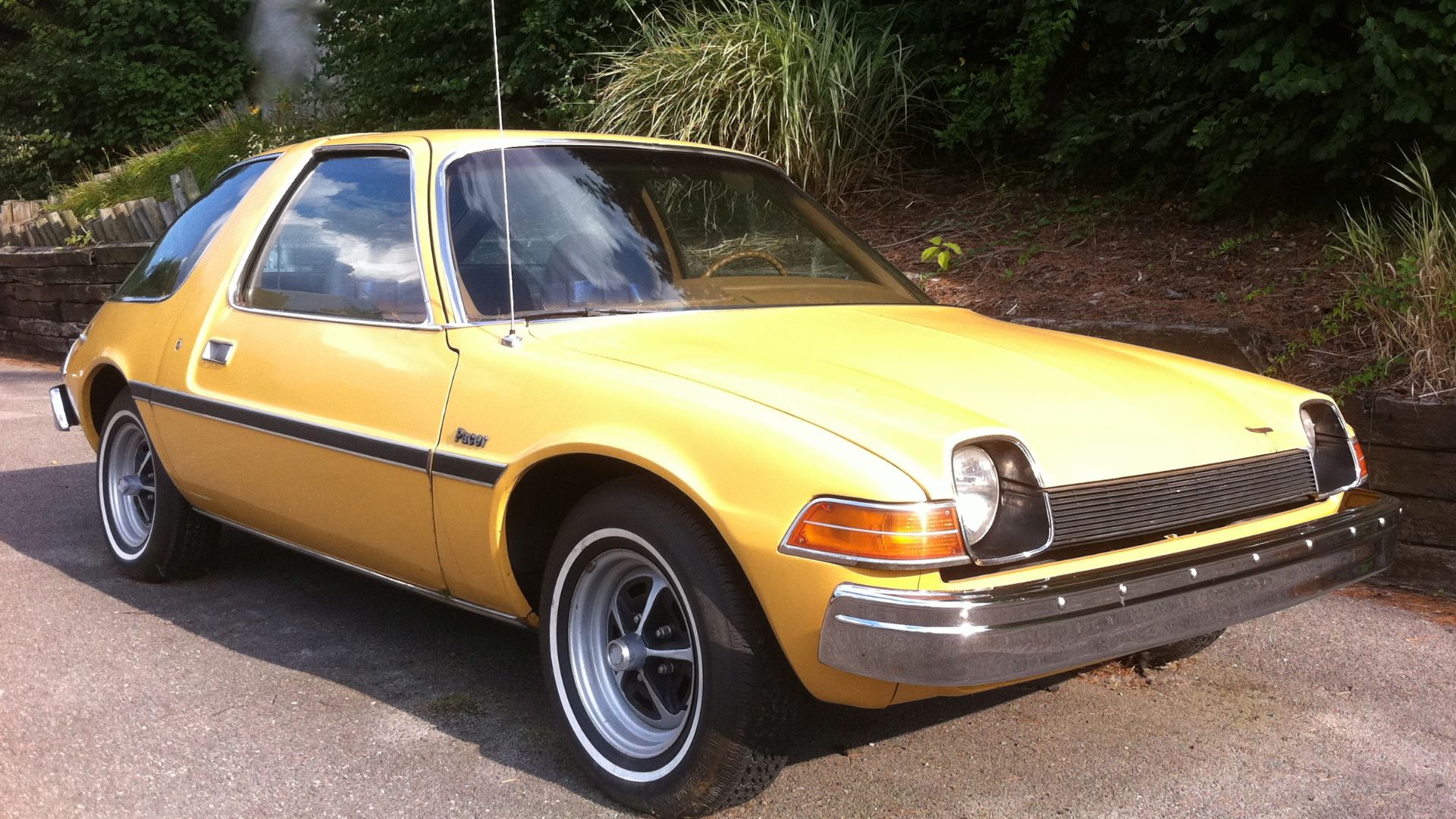
When the AMC Pacer arrived in 1975, its unusually wide body and enormous windows immediately attracted attention. Even the doors were different lengths, with a longer passenger-side door to improve rear-seat access. AMC later added a station wagon to the distinctive lineup.
Chrysler Cordoba: The Car With Corinthian Leather
The Chrysler Cordoba became a fixture of 1970s luxury-car advertising thanks to actor Ricardo Montalbán. His commercials famously promoted the car's Corinthian leather upholstery. Introduced for 1975, the two-door Cordoba offered buyers personal luxury styling in a more manageable package than Chrysler's full-size sedans.
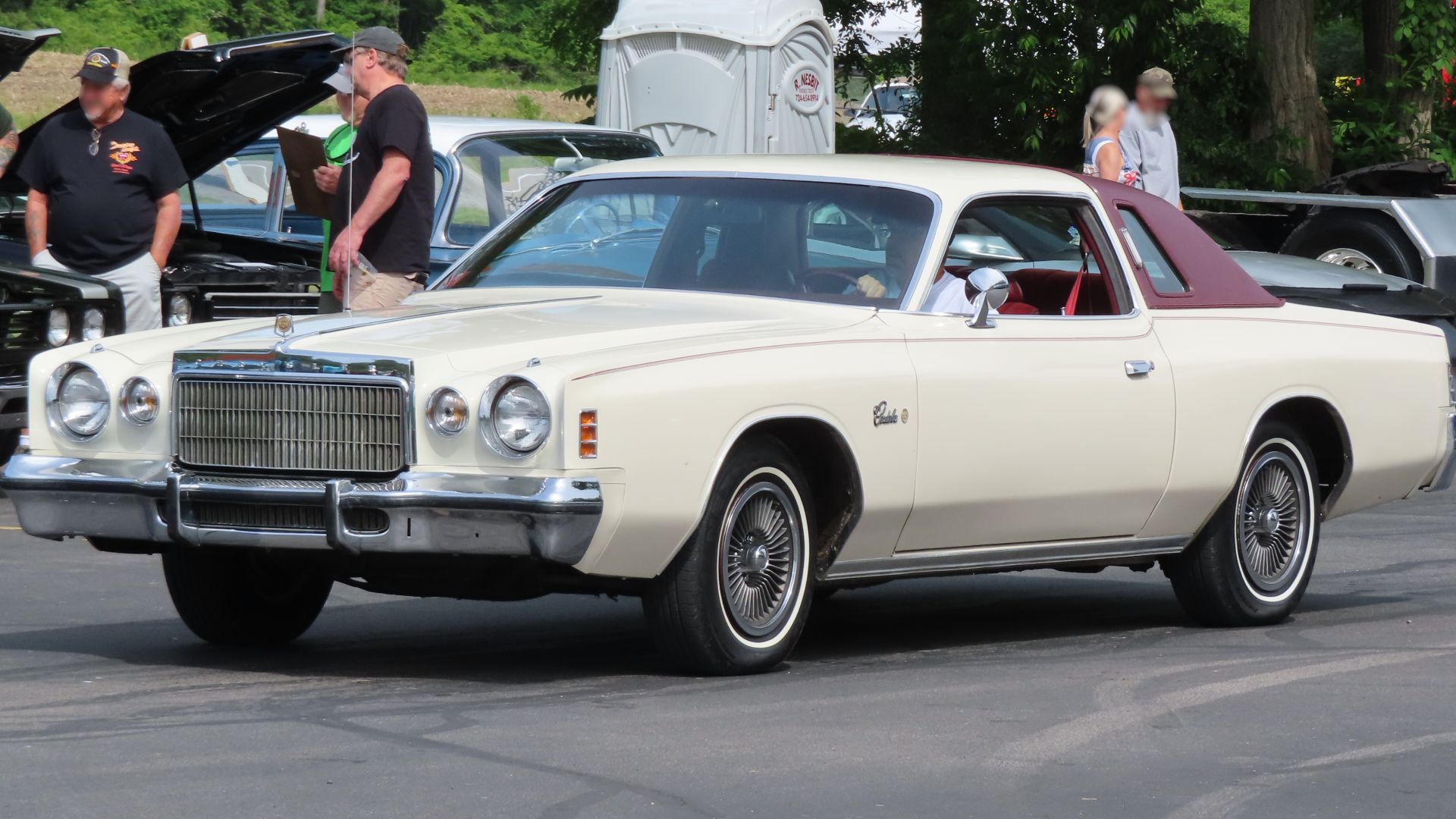 MercurySable99, Wikimedia Commons
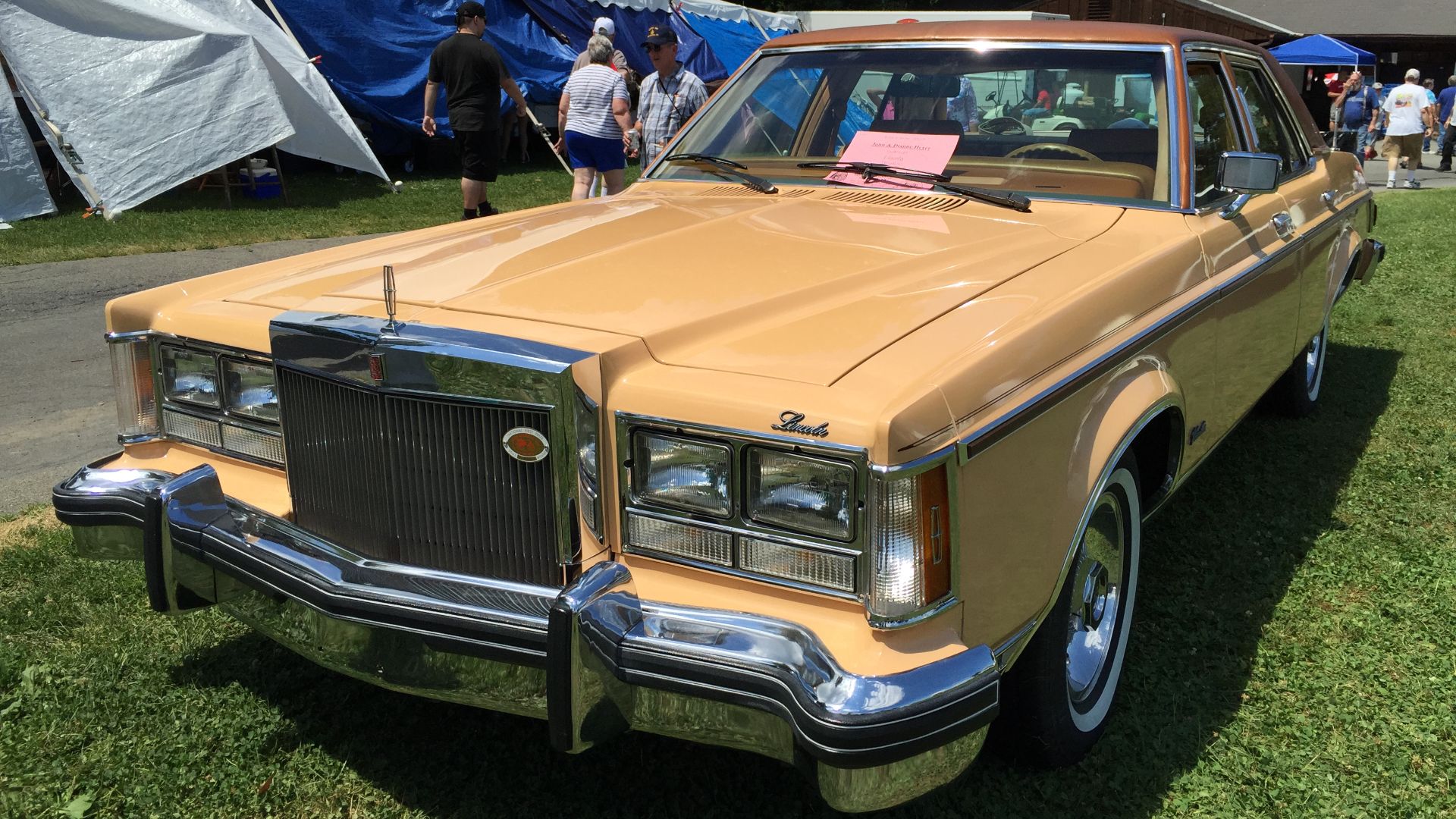
Lincoln Versailles: A Small Luxury Car With Big Ambitions
Lincoln introduced the Versailles in 1977 as its answer to Cadillac's successful Seville. Beneath its upscale appointments, the car shared much of its basic structure with the less expensive Ford Granada. Its premium price and familiar proportions made it a difficult sell.
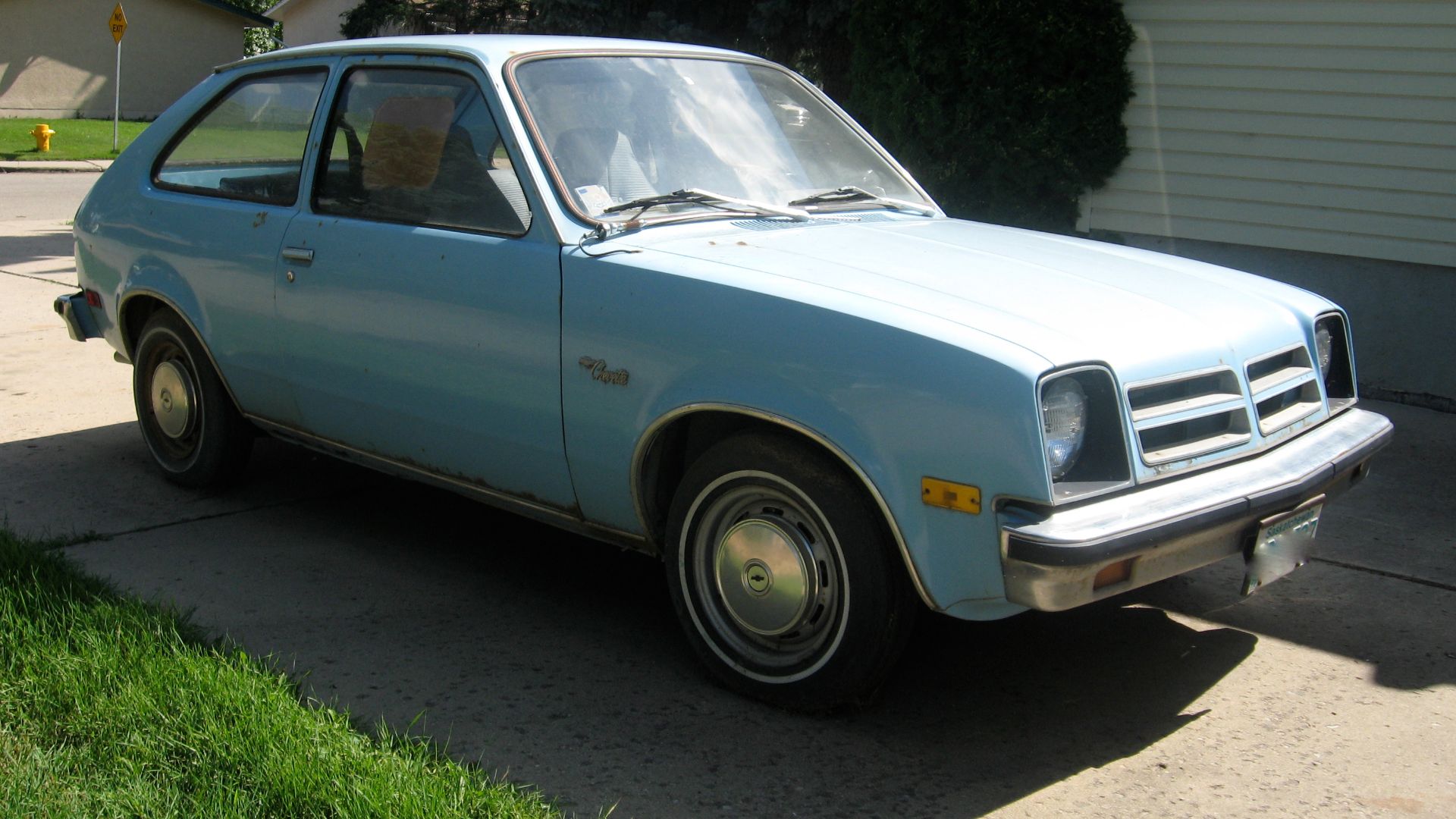
Chevrolet Chevette: America's Other Little Vette
Chevrolet introduced the Chevette for 1976 as an affordable, economical subcompact. The extremely basic Scooter version initially came without a rear seat, while better-equipped models offered additional comfort and trim. Chevrolet even sold a Woody Coupe package featuring decorative imitation woodgrain.
Mercury Bobcat: The Pinto's Forgotten Cousin
The Mercury Bobcat was closely related to the Ford Pinto but carried distinct Mercury styling and trim. Canadian buyers received it in 1974, ahead of its American introduction in 1975. The lineup included a Villager station wagon decorated with simulated woodgrain exterior panels.
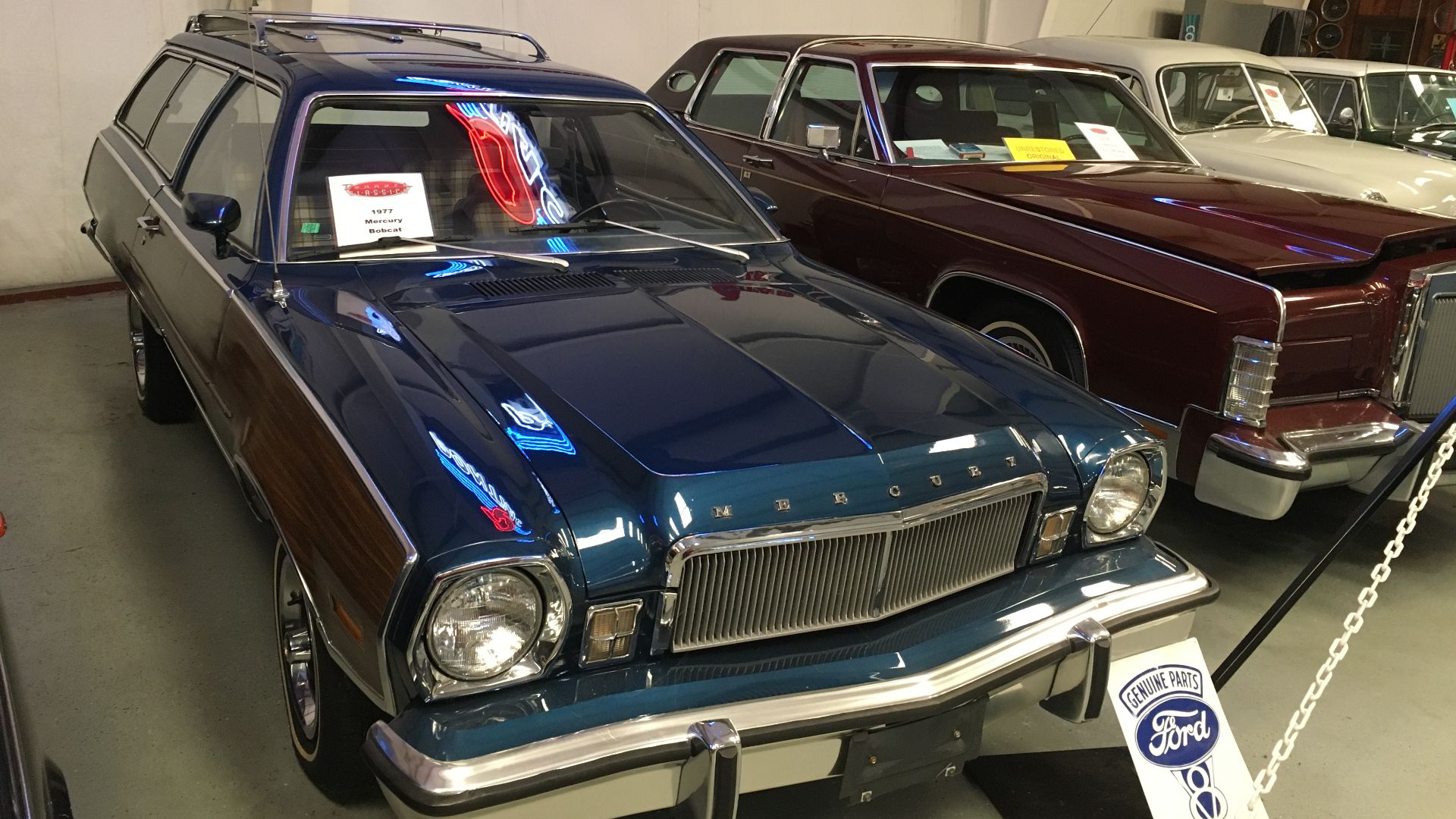 Wagon Master Johnson, Wikimedia Commons
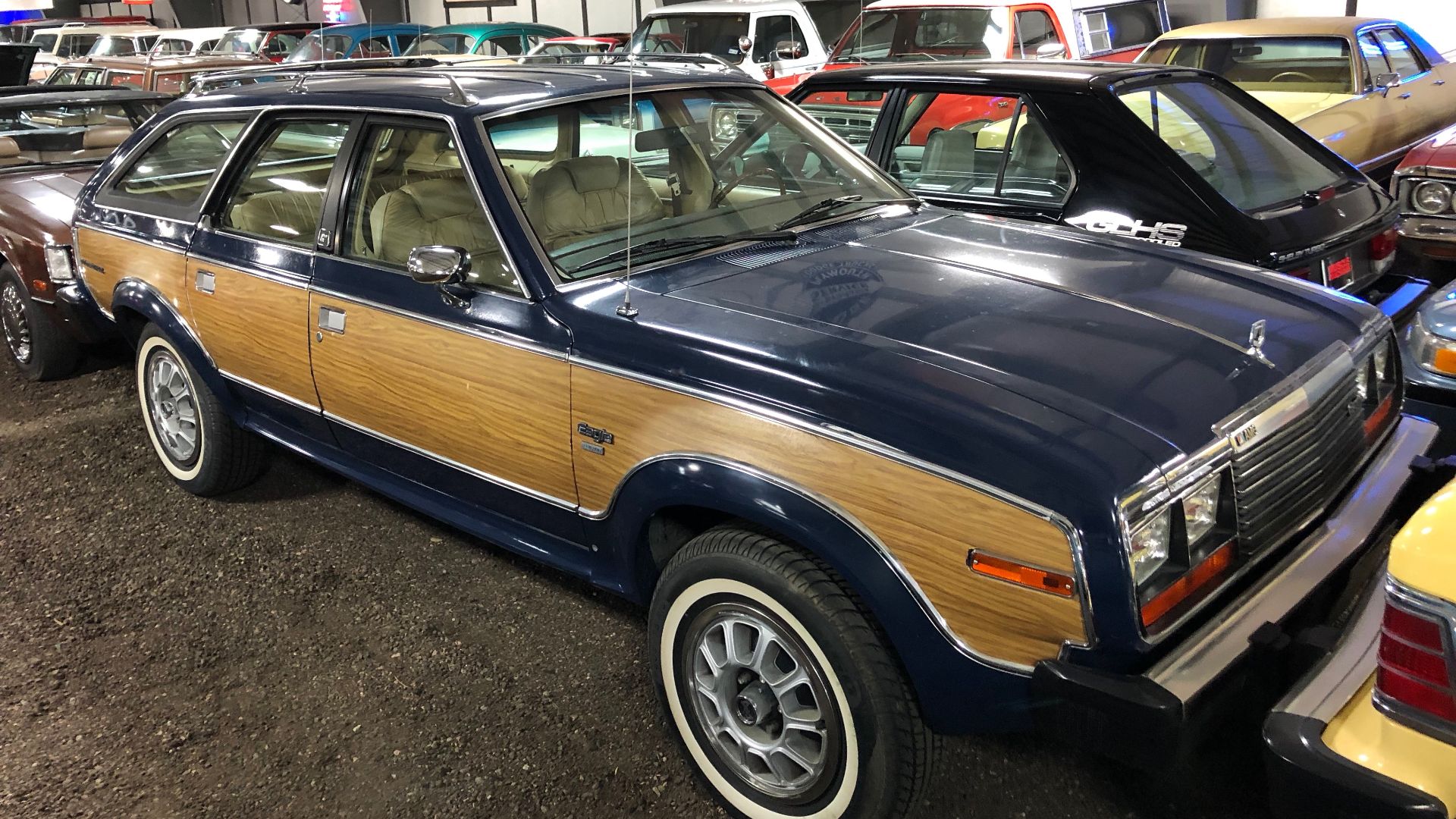
AMC Eagle: The Family Car That Went Off-Road
The AMC Eagle brought four-wheel-drive capability to a conventional passenger-car format for 1980. Engineers combined familiar American Motors car components with four-wheel-drive expertise associated with Jeep. The resulting vehicle offered a distinctive alternative to ordinary sedans and wagons, anticipating features of later crossovers.
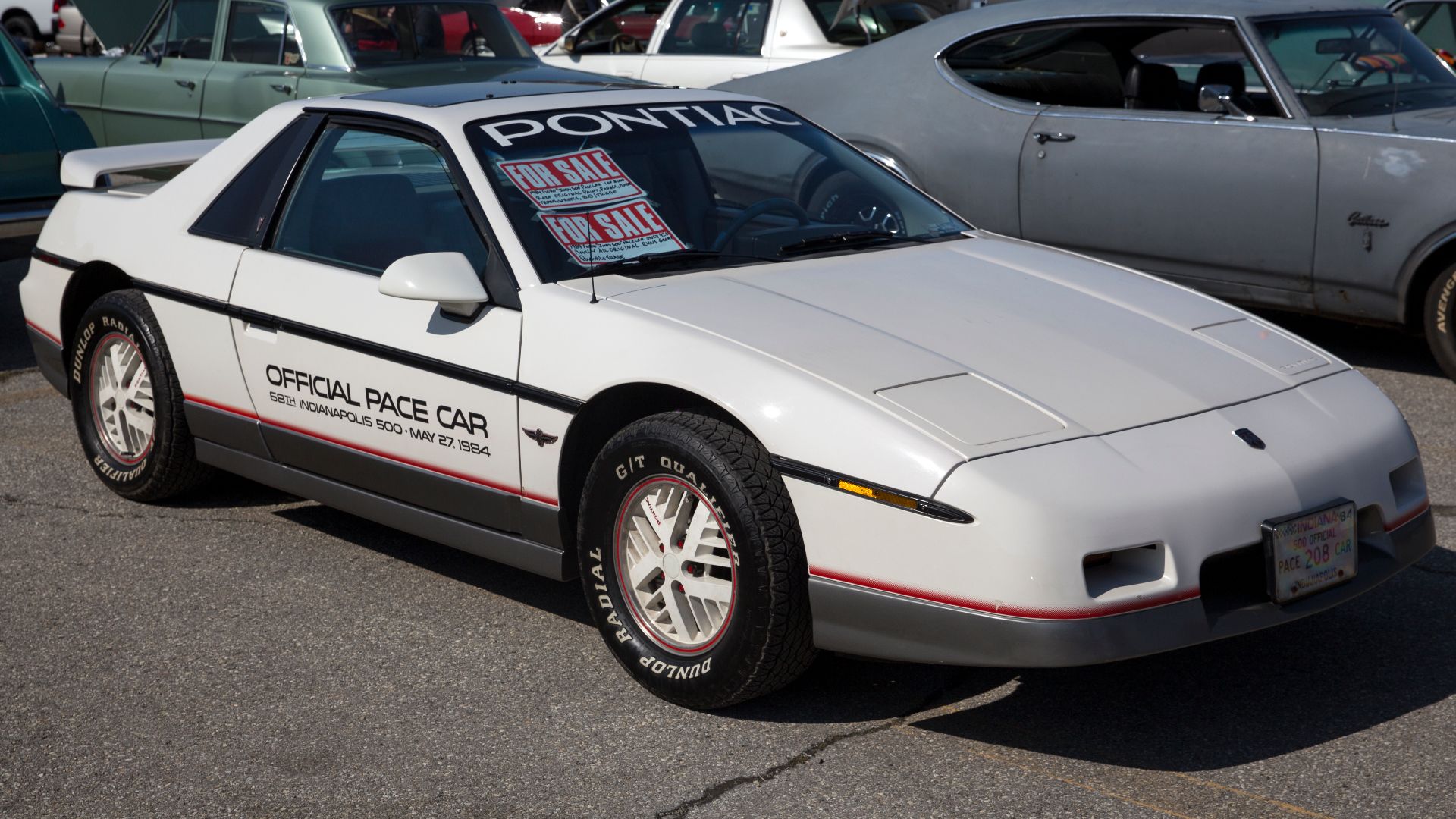
Pontiac Fiero: The Affordable Mid-Engine Experiment
Pontiac introduced the Fiero for 1984 as a two-seat car with its engine mounted behind the passengers. Early examples used a four-cylinder engine, while later versions offered V6 power and sportier styling. Despite significant development, Pontiac ended production after the 1988 model year.
 Mr.choppers, Wikimedia Commons
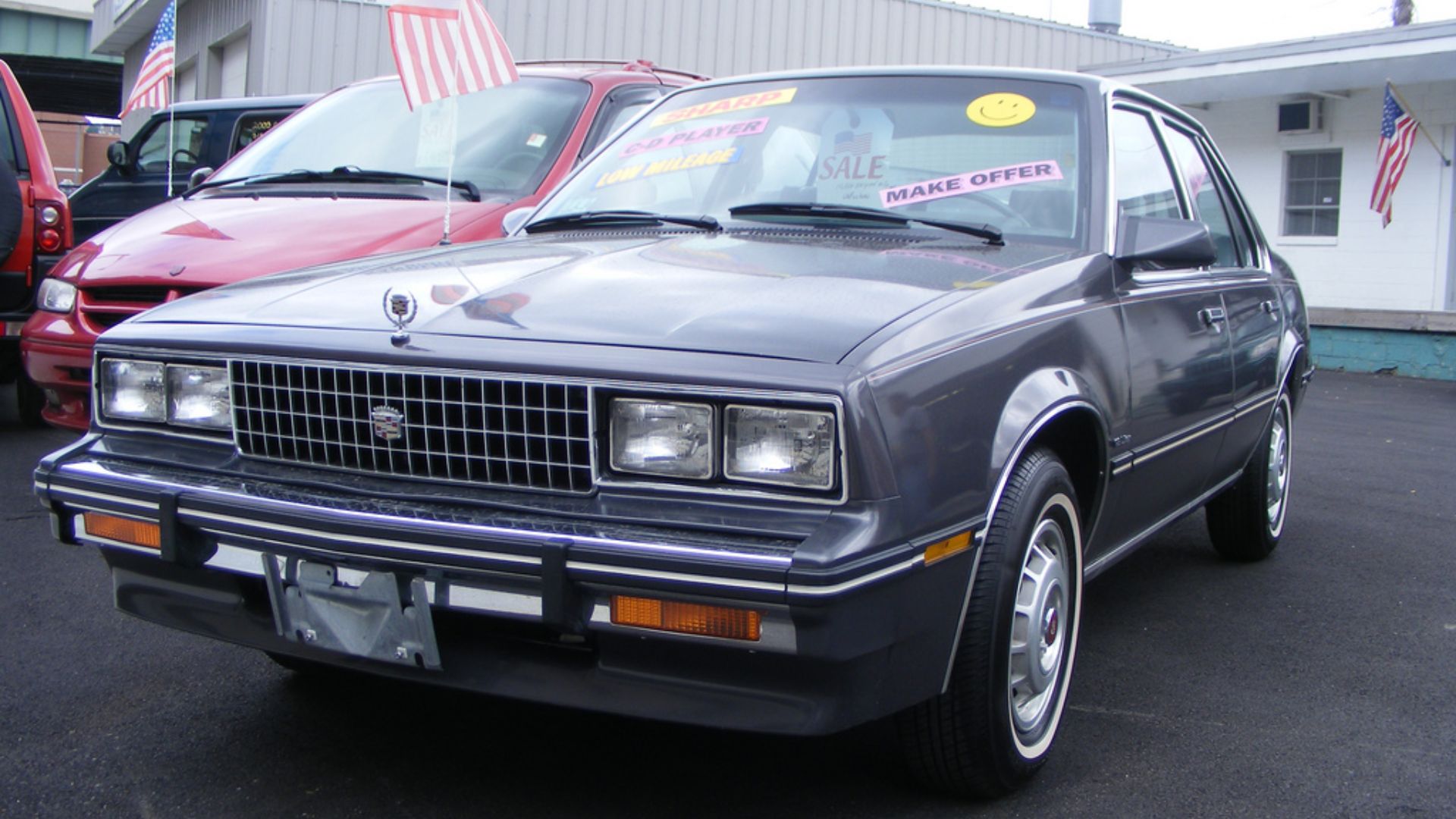
Cadillac Cimarron: The Luxury Car With Chevrolet Roots
Cadillac launched the Cimarron for 1982, attempting to attract buyers interested in smaller luxury cars. Unfortunately, its close relationship to the Chevrolet Cavalier was difficult to disguise. The original four-cylinder model struggled to establish the distinctive character buyers expected from Cadillac.
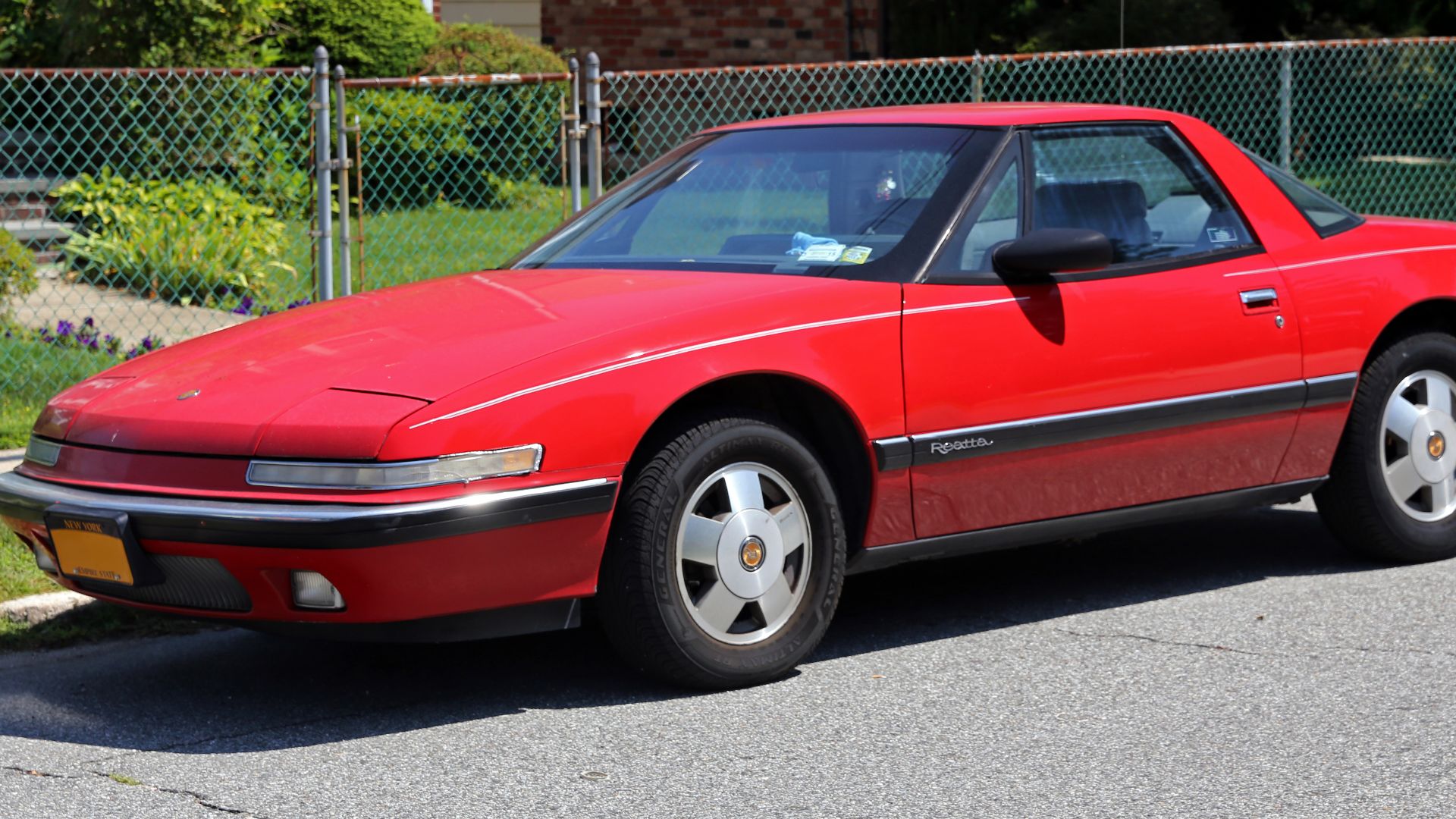
Buick Reatta: The Touchscreen Car Before Its Time
Buick introduced the Reatta in 1988 as a two-seat coupe featuring surprisingly advanced electronics. Its dashboard incorporated a touchscreen display that controlled various vehicle functions. A convertible eventually joined the lineup, but production ended in 1991 after a relatively short and specialized run.
 Mr.choppers, Wikimedia Commons
Subaru BRAT: The Pickup With Seats In The Bed
Subaru's BRAT combined the size of a compact car with four-wheel-drive capability and a small pickup bed. Its strangest feature was a pair of rear-facing outdoor jump seats. Those seats helped Subaru classify the imported vehicle as a passenger car for tariff purposes.
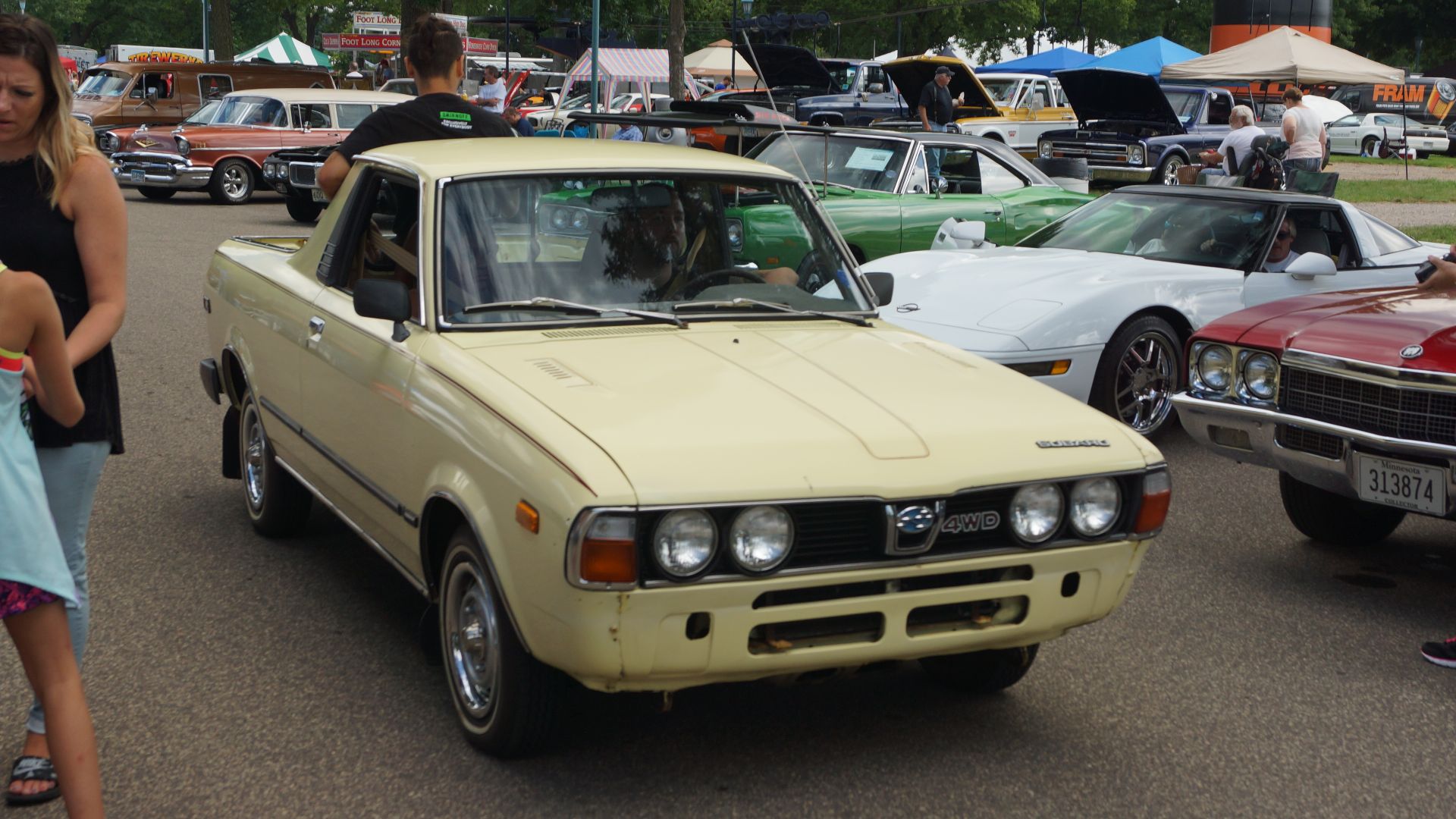 Greg Gjerdingen from Willmar, USA, Wikimedia Commons
Dodge Omni GLH: The Little Hatchback With Serious Speed
The ordinary Dodge Omni was hardly anyone's idea of an exotic performance car. Carroll Shelby helped change that with the GLH, whose initials stood for Goes Like Hell. Turbocharged versions followed, culminating in the limited-production 1986 GLHS with an impressive 175 horsepower.
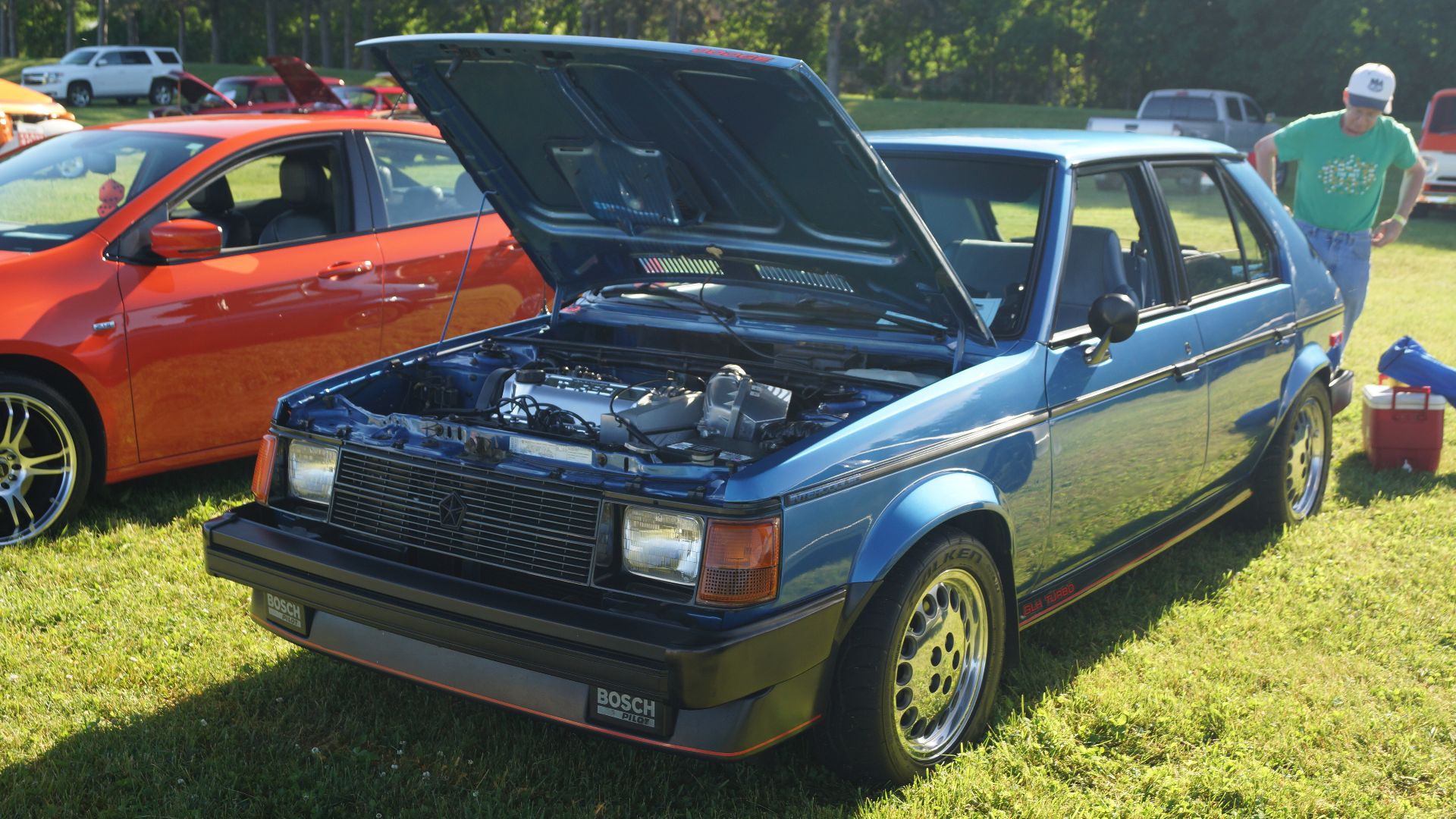 Greg Gjerdingen from Willmar, USA, Wikimedia Commons