The ’80s Pickups We Didn’t Appreciate Enough
The 1980s were packed with small, efficient, fun little pickups that seemed to disappear as trucks got bigger, heavier, and more expensive. But for many drivers, these compact workhorses delivered everything you needed without the bulk.
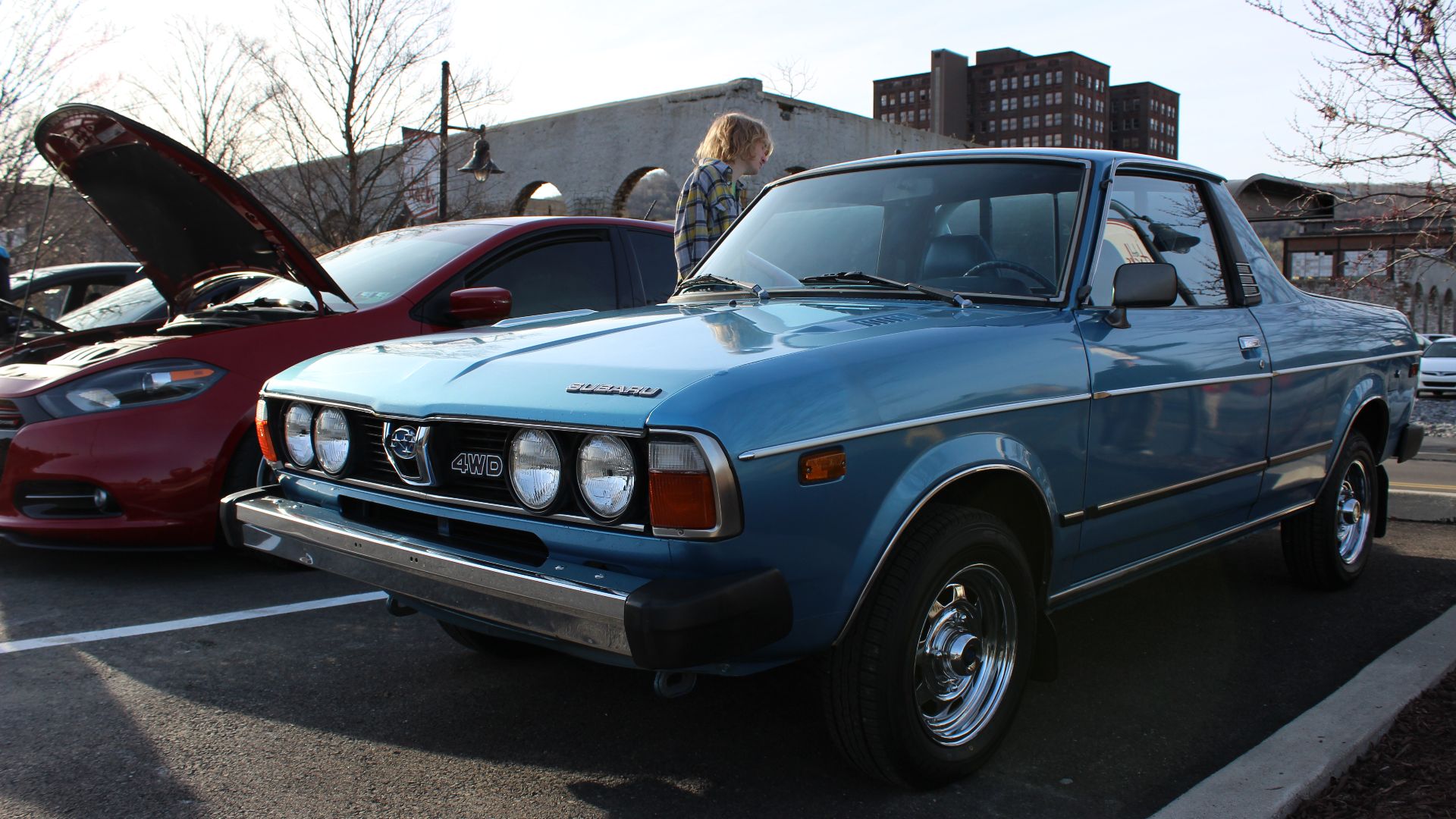
#20 – Subaru BRAT (1978–1987)
Part pickup, part quirky Subaru experiment, the BRAT brought AWD capability long before it was cool. Its 1.8L flat-four engine wasn’t fast, but it delivered reliability and practicality in a tiny package. Jump seats in the bed made it iconic and downright fun.
 Jacob Frey 4A, Wikimedia Commons
#19 – Volkswagen Rabbit Pickup (1979–1983)
This compact front-wheel-drive truck was based on the Rabbit hatchback and delivered incredible fuel economy with its 1.6L diesel engine. Light, efficient, and utilitarian, it was the small hauler college kids loved. Today, its uniqueness makes it an enthusiast favorite.
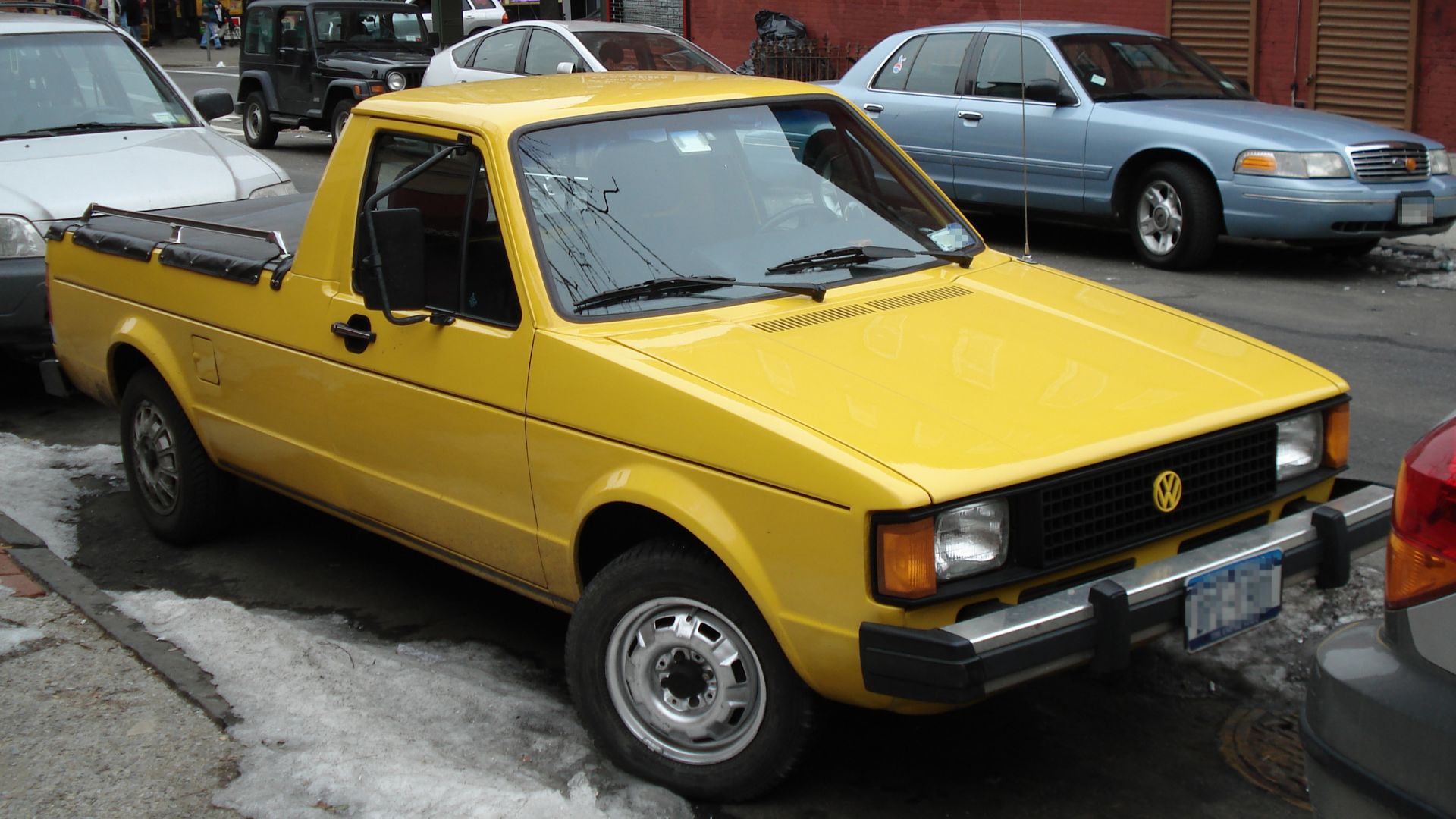 Jeffrey O. Gustafson at English Wikipedia, Wikimedia Commons
#18 – Mazda B2000 (1980–1985)
Mazda’s small trucks were known for smooth-shifting manuals and excellent fuel economy. The B2000’s 2.0L four-cylinder engine was durable and easy to maintain. Clean examples are rare today, but they remain beloved for their simplicity and charm.
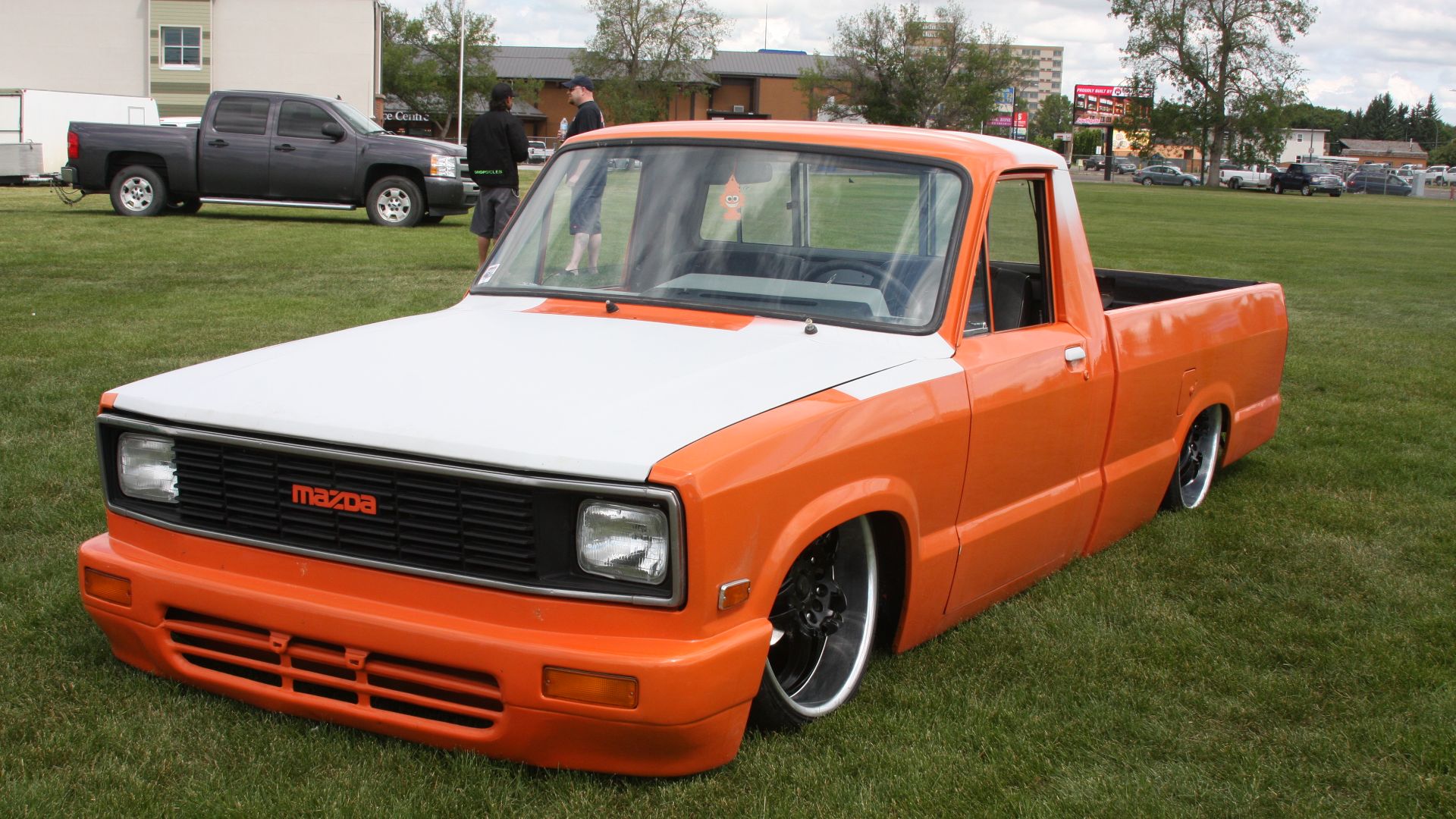 dave_7 from Lethbridge, Canada, Wikimedia Commons
#17 – Chevrolet LUV (1972–1982, popular through mid-’80s)
Though production ended early in the decade, the LUV lived on as a tough, lightweight pickup that refused to die. Its Isuzu-sourced engine delivered surprising longevity. LUV owners still brag about squeezing 30+ mpg out of these little machines.
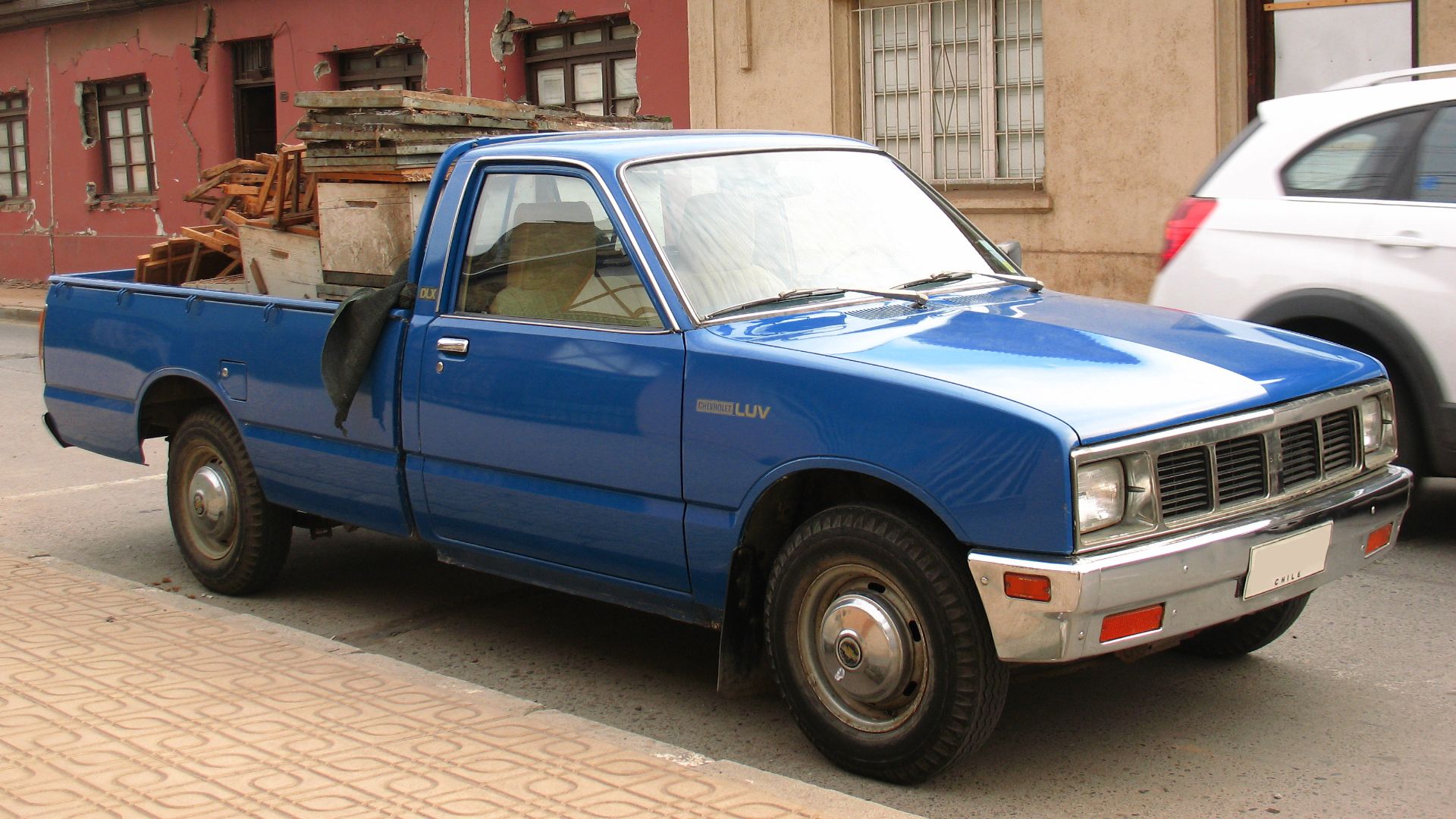 order_242 from Chile, Wikimedia Commons
#16 – Ford Courier (1972–1982, widely driven through the ’80s)
Before the Ranger existed, Americans got the Ford Courier—compact, affordable, and easy to wrench on. Its fuel-efficient 2.0L four-cylinder made it a favorite for commuters and small businesses. It paved the way for Ford’s later compact truck success.
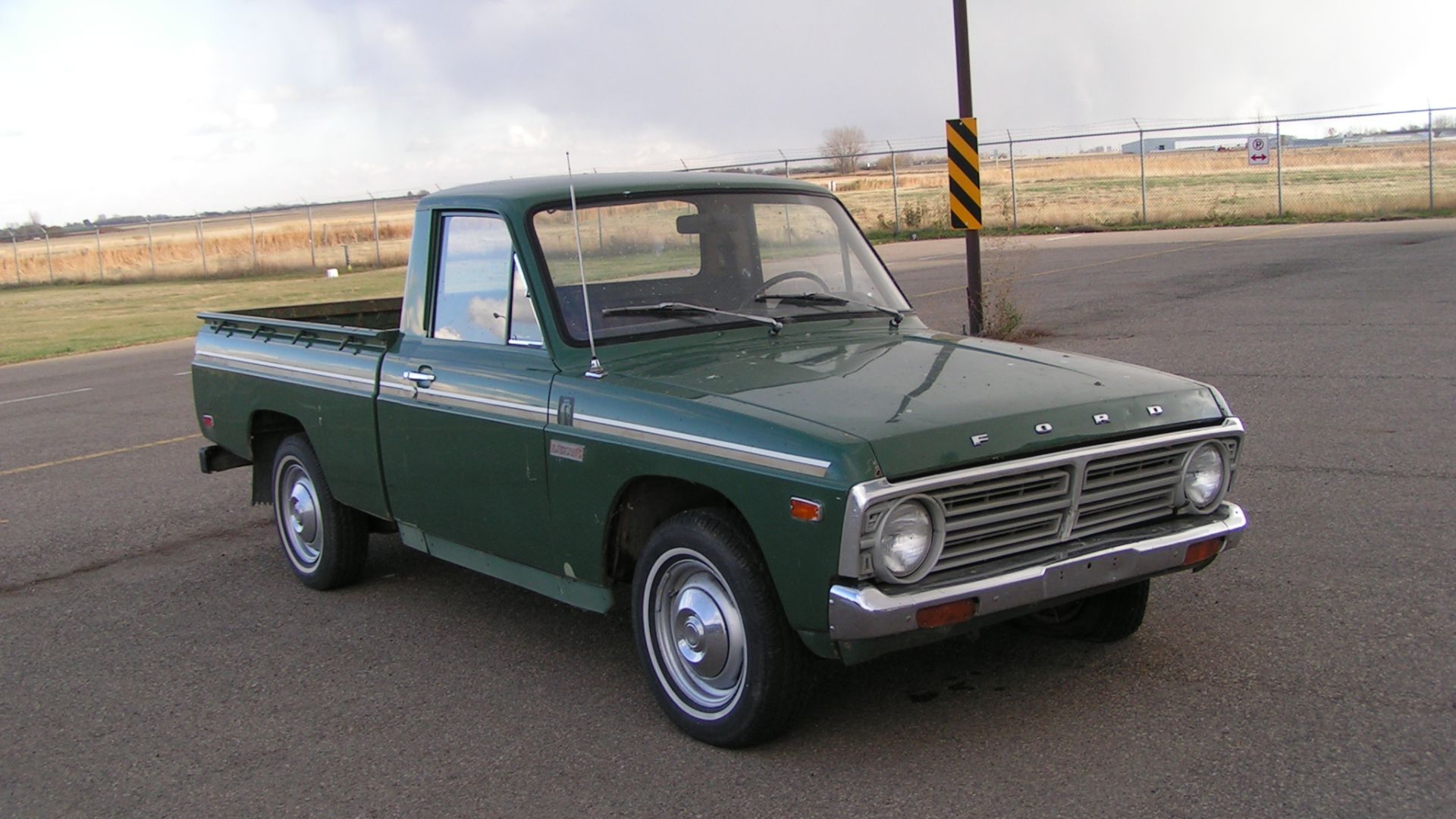 dave_7 from Lethbridge, Canada, Wikimedia Commons
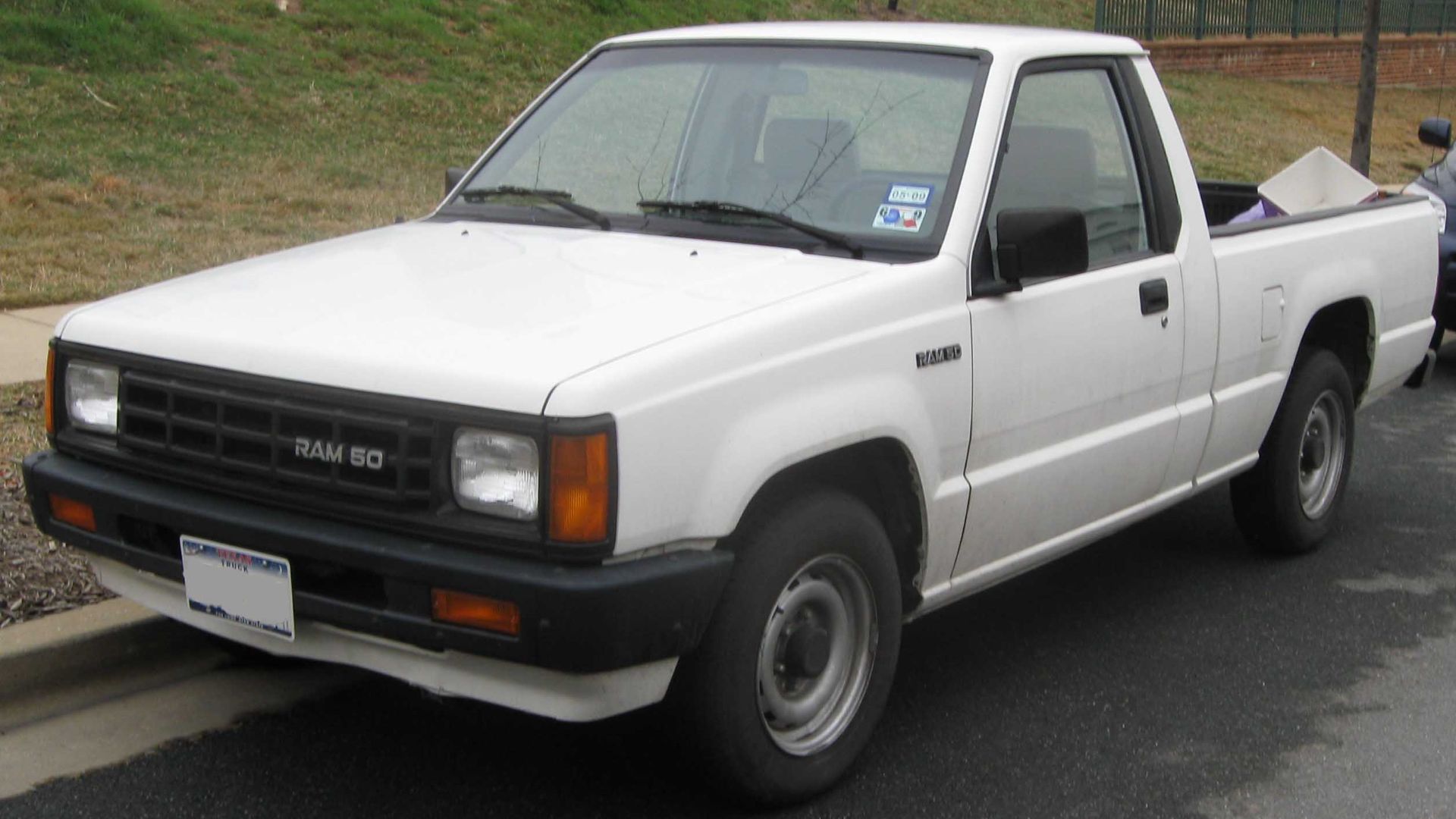
#15 – Dodge D50 / Plymouth Arrow Pickup (1979–1982; continued as Ram 50)
A Mitsubishi-designed compact pickup, the D50/Arrow was known for great fuel economy and sharp styling. Offered with a 2.6L four-cylinder engine and optional 4WD, it handled dirt roads better than most early imports.
#14 – Isuzu P’up (1981–1988)
Built to last forever, the Isuzu P’up (short for “pickup”) came with one of the most durable small diesel engines ever made. These trucks routinely cracked 300,000 miles. Simple, efficient, and unpretentious—everything a compact truck should be.
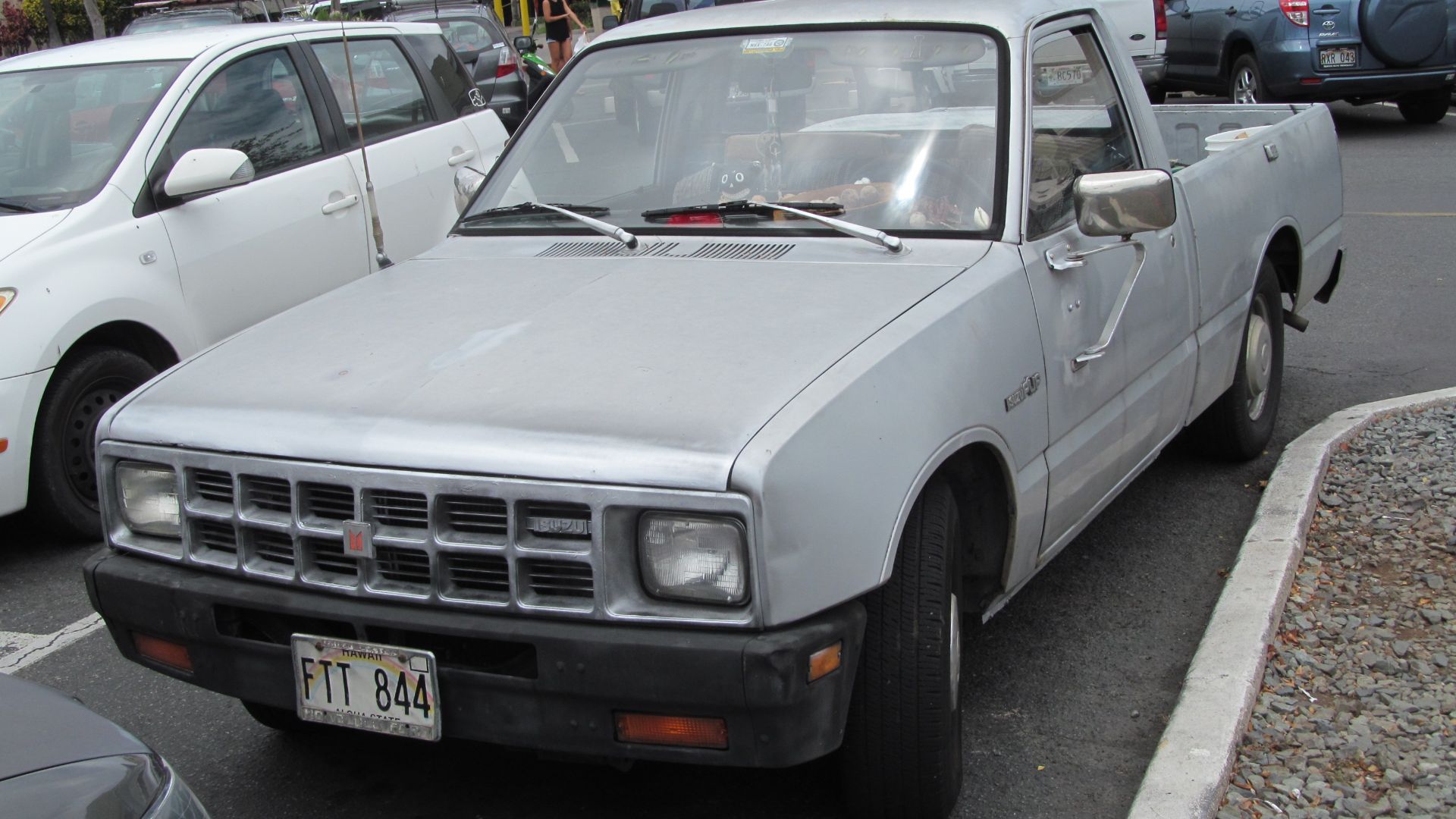 Riley from Christchurch, New Zealand, Wikimedia Commons
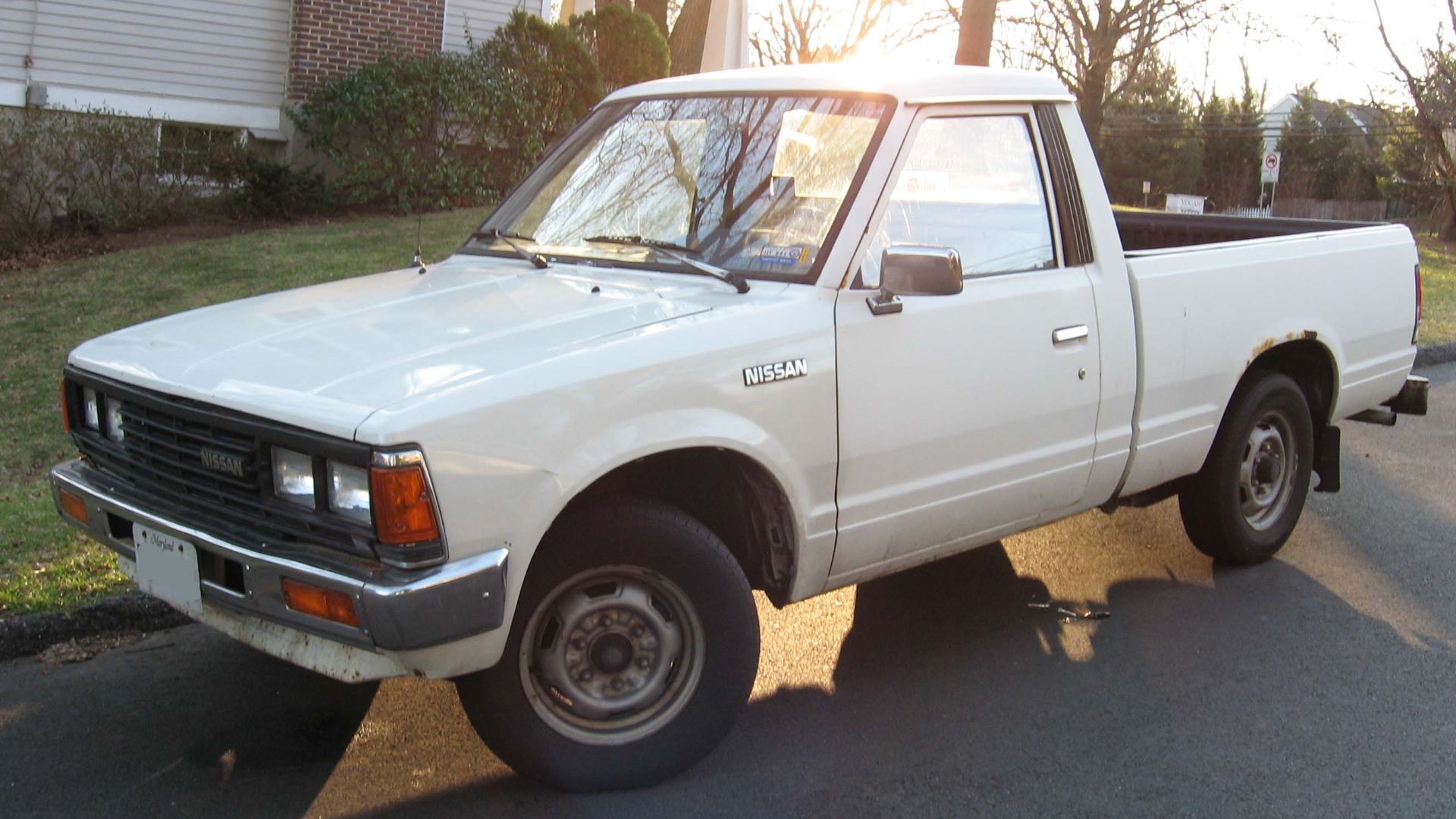
#13 – Nissan 720 (1980–1986)
The Nissan 720 offered a bulletproof Z-series four-cylinder engine, smooth manual gearbox, and excellent fuel economy. Its 4x4 models are especially sought after today for their rugged reliability and classic Japanese truck styling.
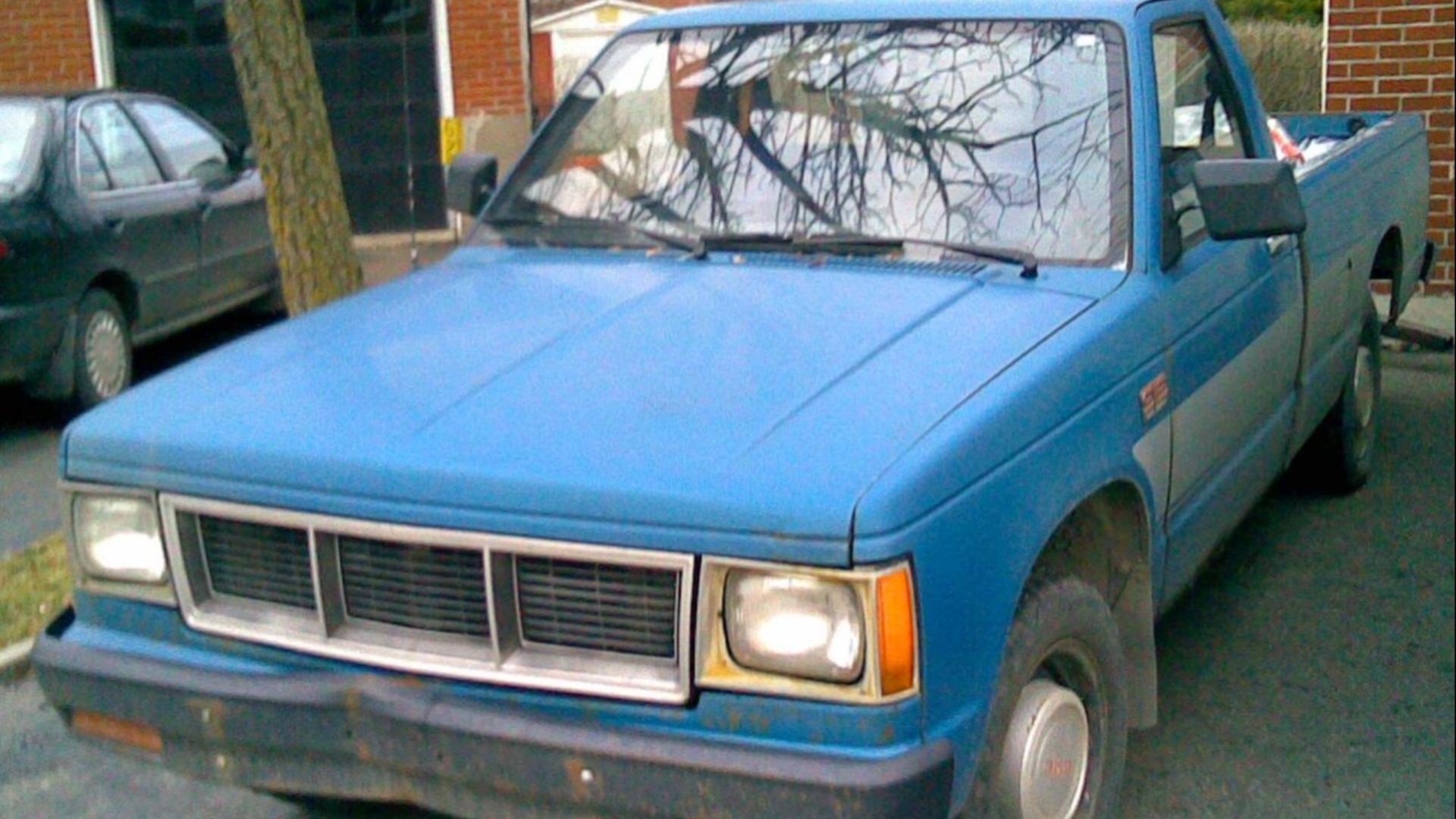
#12 – GMC S-15 (1982–1990)
The GMC sibling to the Chevrolet S-10 offered V6 power in a small package, plus optional 4WD. Comfortable interiors and practical beds helped it gain popularity among small-town tradespeople and weekend adventurers alike.
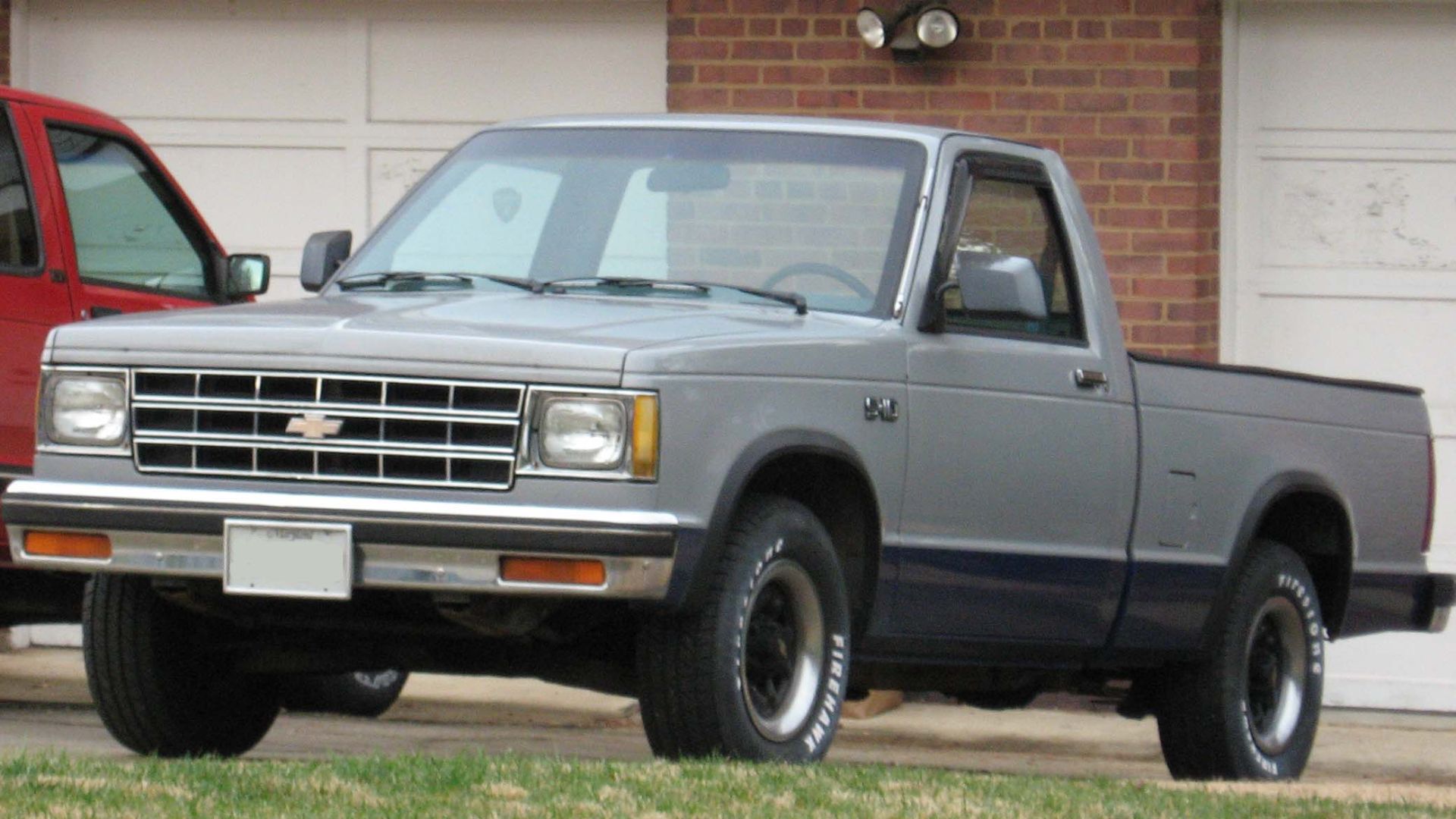
#11 – Chevrolet S-10 (1982–1993)
The S-10 became the compact truck blueprint. Its 2.8L and later 4.3L V6 engines brought serious power for the size, while its affordable price made it a best-seller. Today, it’s one of the most modified and restored compact trucks from the era.
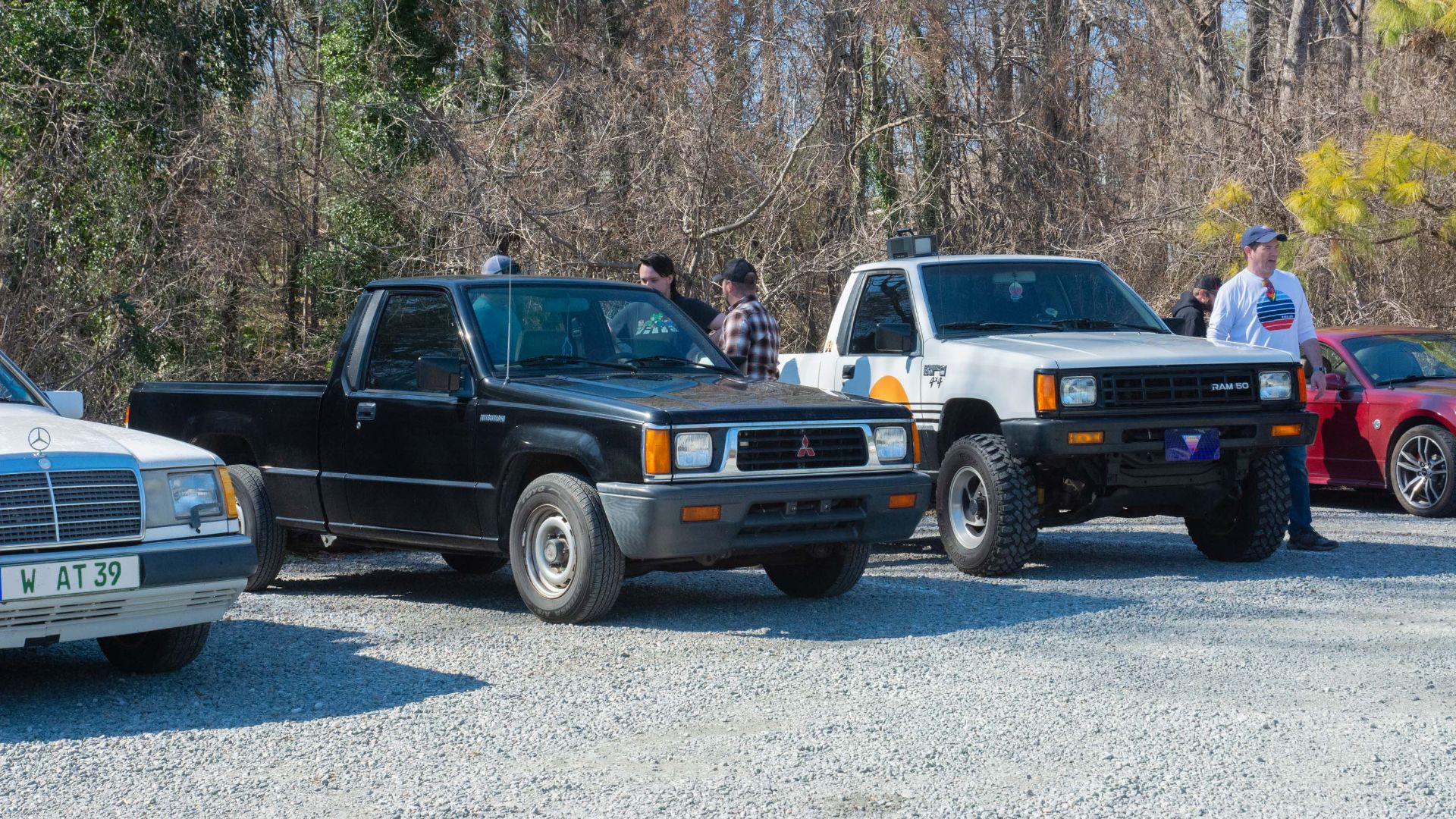
#10 – Mitsubishi Mighty Max (1983–1996)
The Mighty Max lived up to its name with incredible durability and lively four-cylinder engines. Affordable to buy and cheap to maintain, it was the perfect budget truck. Its sharp angles and 4WD capability make it a standout classic today.
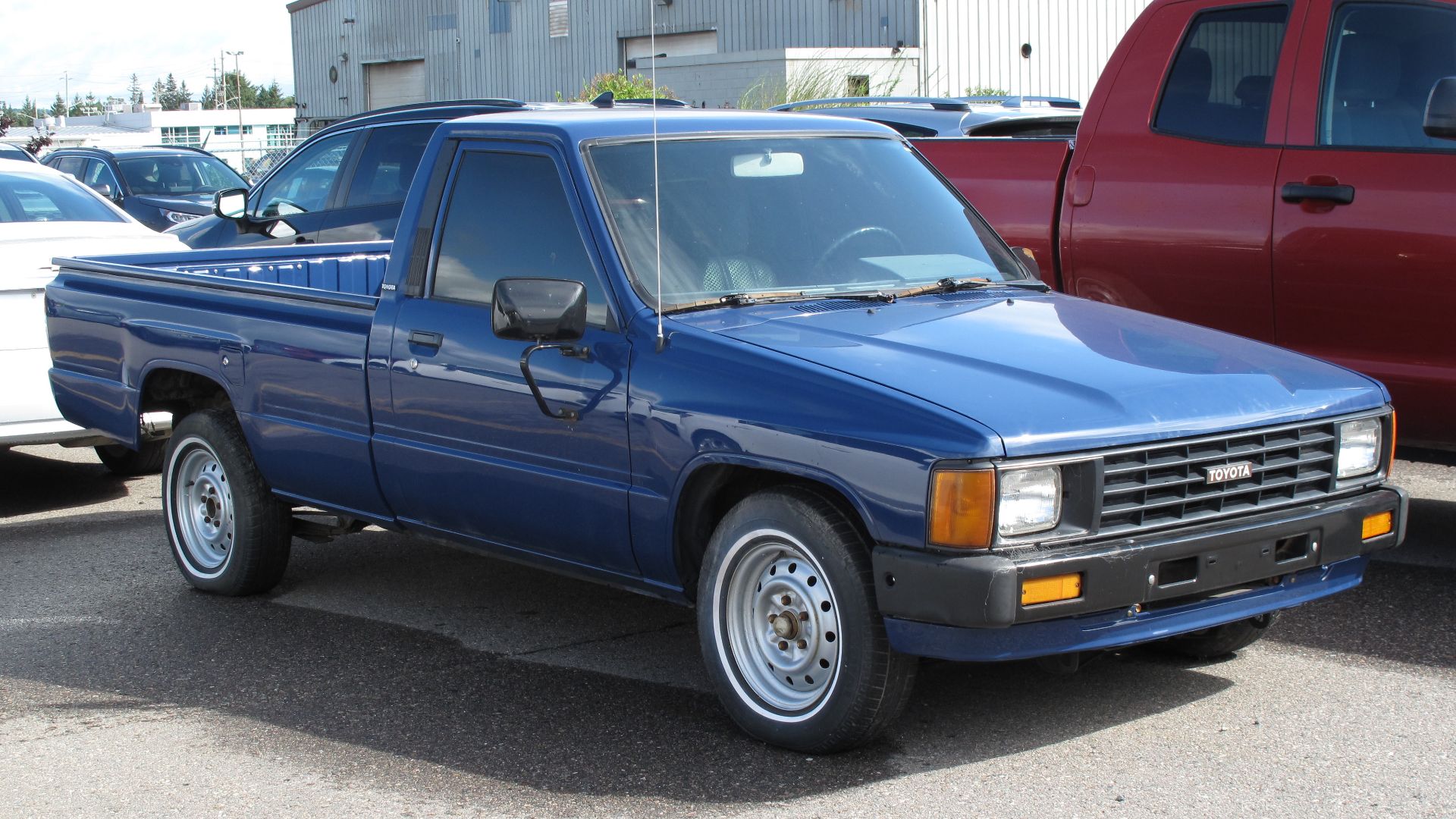
#9 – Toyota Pickup (1984–1995)
Before the Tacoma, there was simply “Toyota Pickup”—and it was unstoppable. Known for legendary reliability, this truck’s 22R and 22RE engines are nearly indestructible. Its simple design made it the go-to for farmers, adventurers, and off-road enthusiasts.
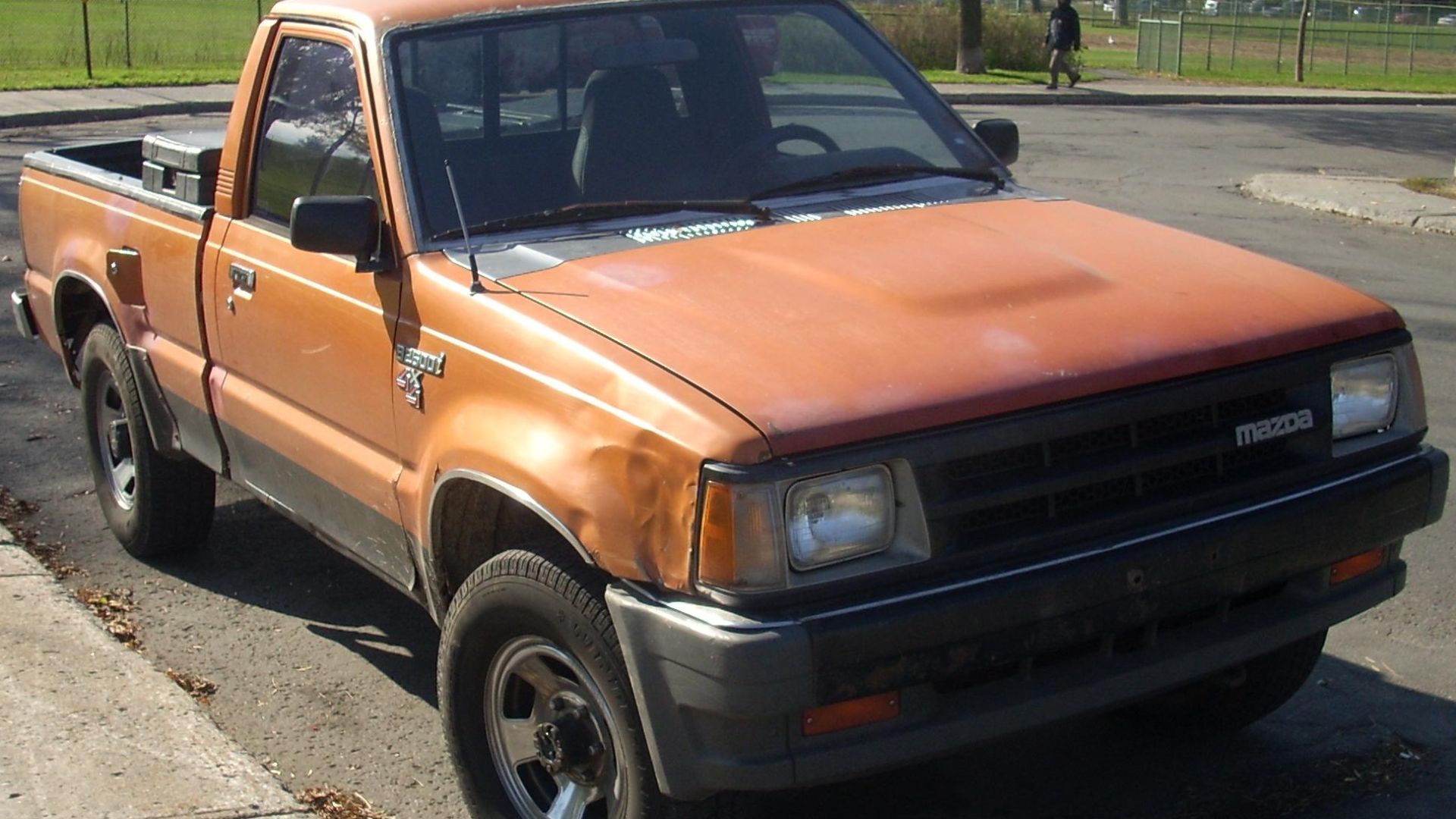
#8 – Mazda B2600 (1986–1993)
The B2600 offered more power than earlier Mazda trucks with its 2.6L inline-four. Its smooth ride and car-like handling made it ideal for daily driving. Many were used hard, which makes surviving examples especially desirable now.
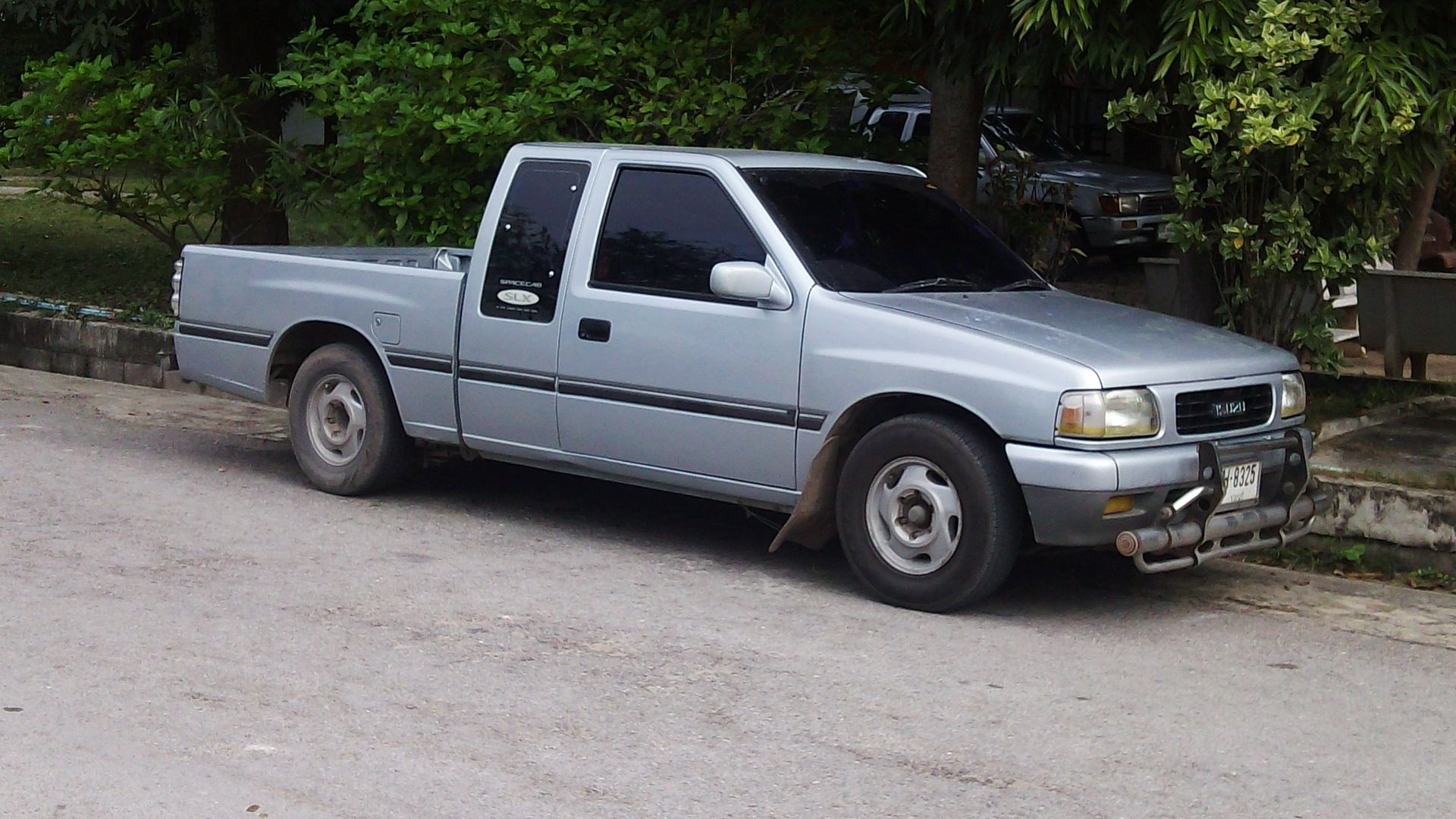
#7 – Isuzu SpaceCab (1983–1995)
This extended-cab version of the P’up offered extra interior room without sacrificing efficiency. Its long-lasting 2.3L four-cylinder engine and unique styling made it one of the coolest little trucks of the decade.
#6 – Nissan Hardbody (D21) (1986–1997)
Known for its boxy styling and nearly unbreakable drivetrain, the Hardbody became a small-truck icon. Its Z24 and KA24 engines were incredibly reliable, and its rugged 4WD models are still popular with off-roaders today.
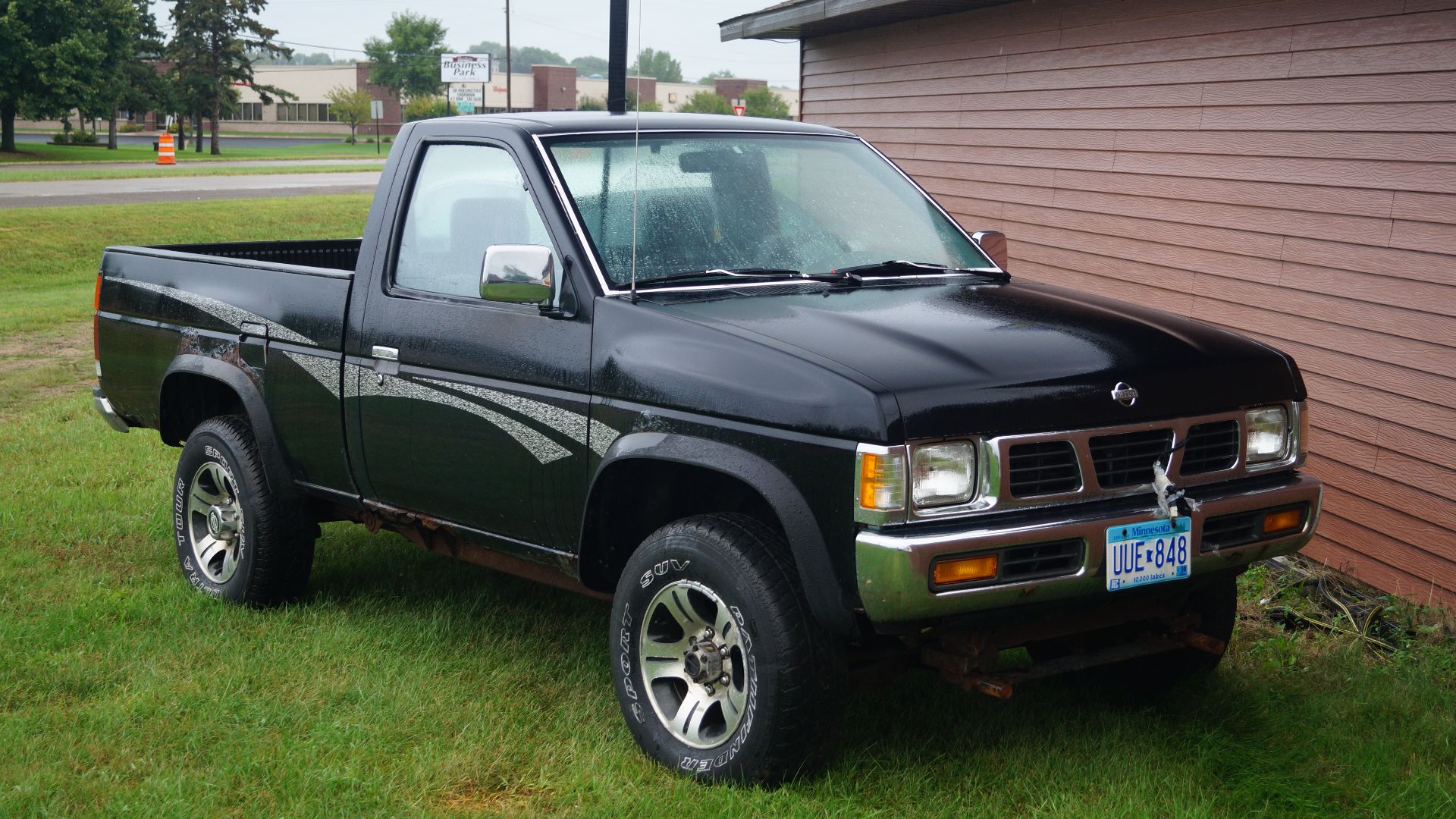 Greg Gjerdingen from Willmar, USA, Wikimedia Commons
#5 – Ford Ranger (1983–1992)
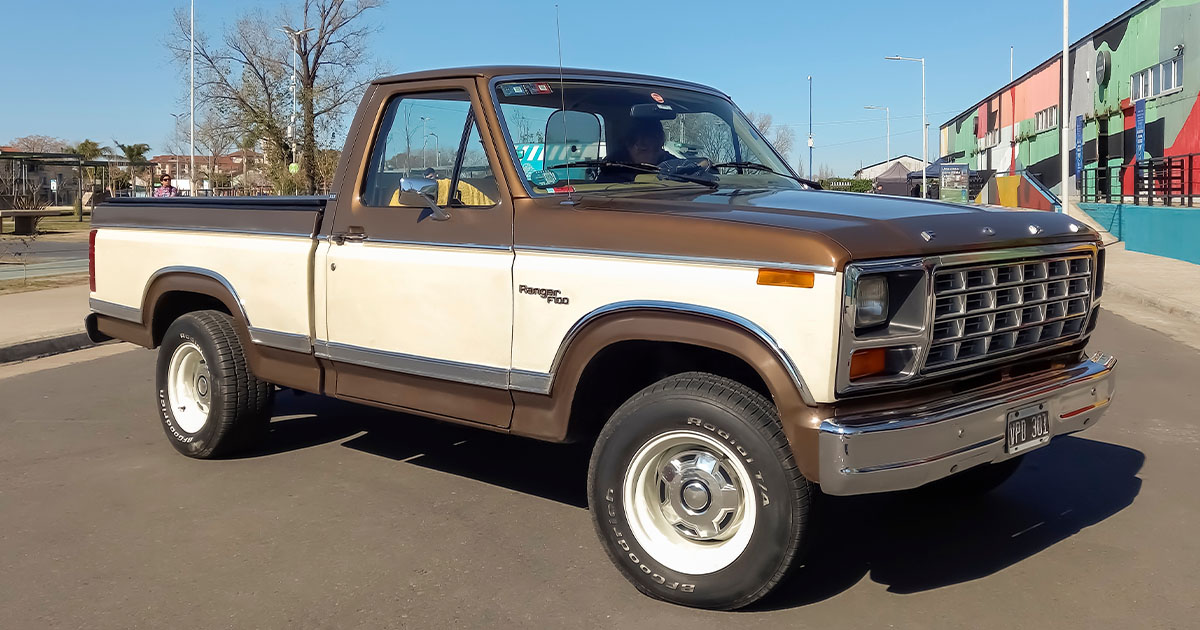
The Ranger took over where the Courier left off and quickly became America’s favorite compact truck. With strong 2.3L, 2.9L, and later 4.0L engines, plus available 4WD, it balanced capability and affordability better than any domestic rival.
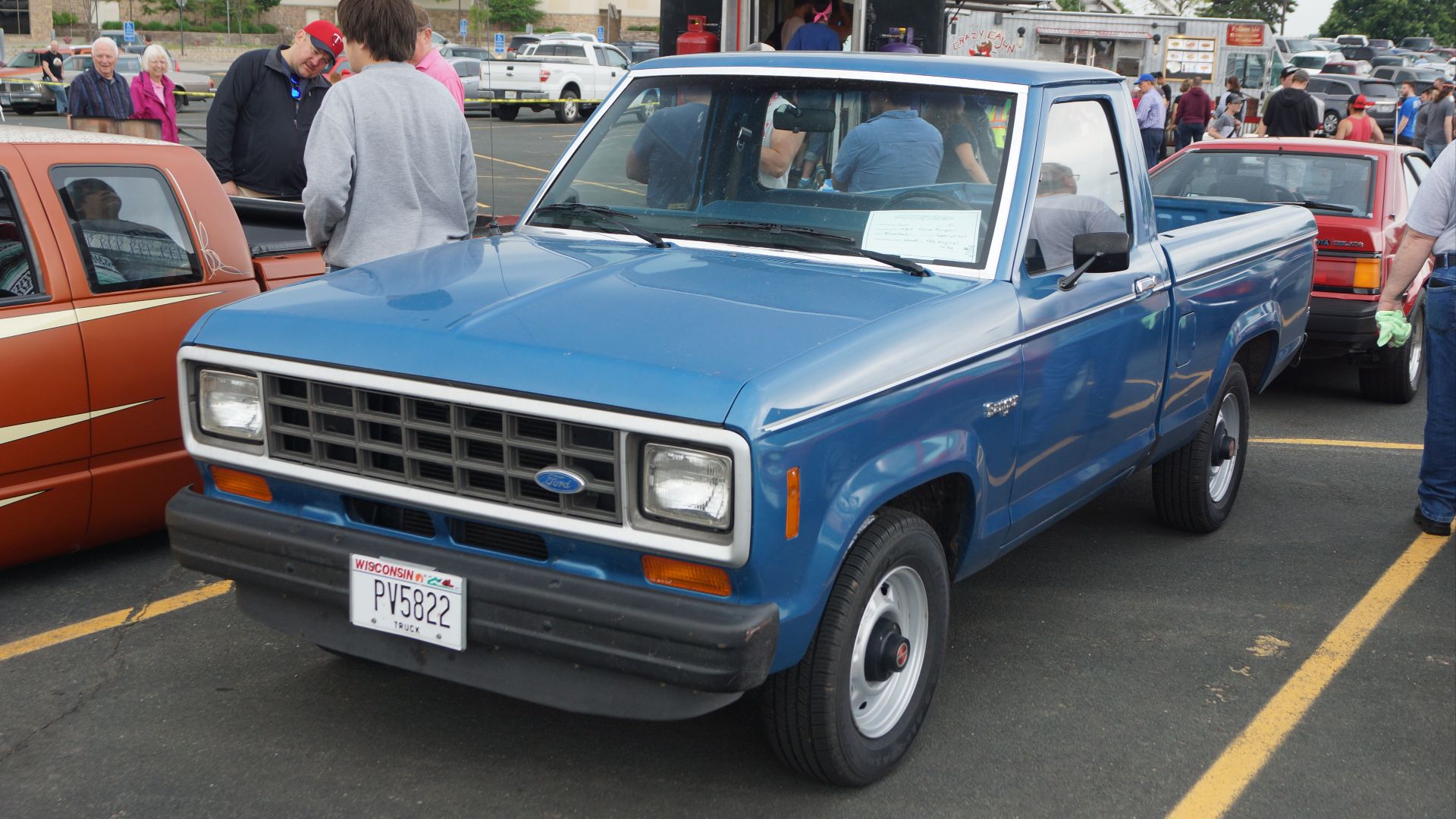 Greg Gjerdingen, Wikimedia Commons
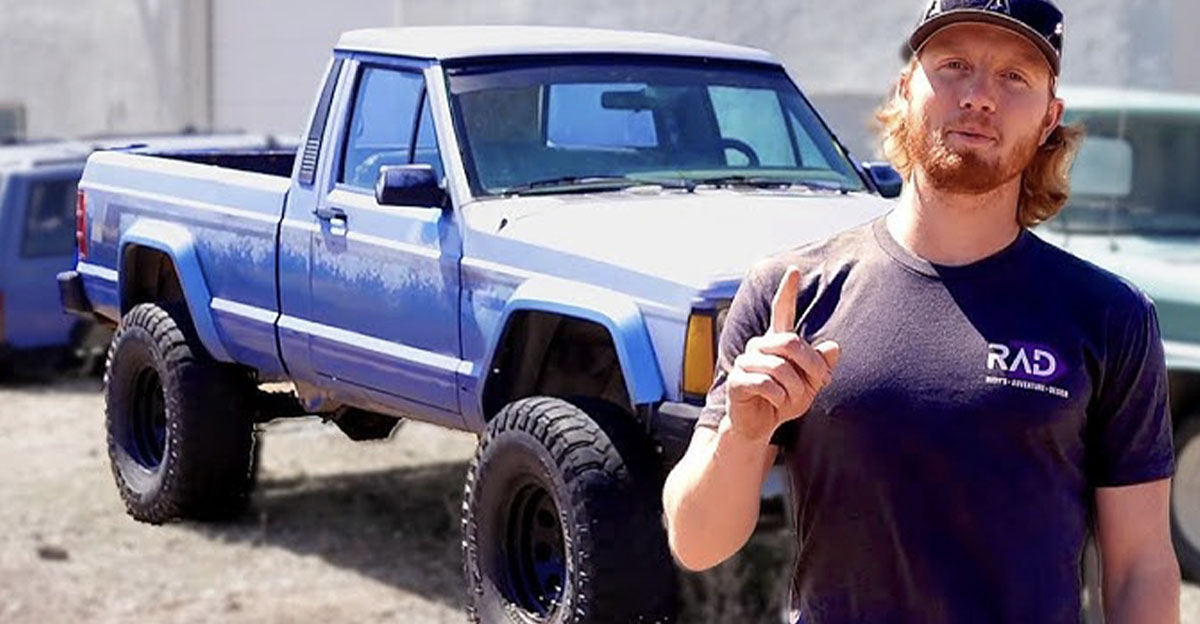
#4 – Jeep Comanche (1986–1992)
Part Cherokee, part pickup, and all attitude—the Comanche delivered Jeep capability in a compact package. Its legendary 4.0L inline-six is one of the greatest engines ever made. Today, it’s a cult favorite that fans want revived.
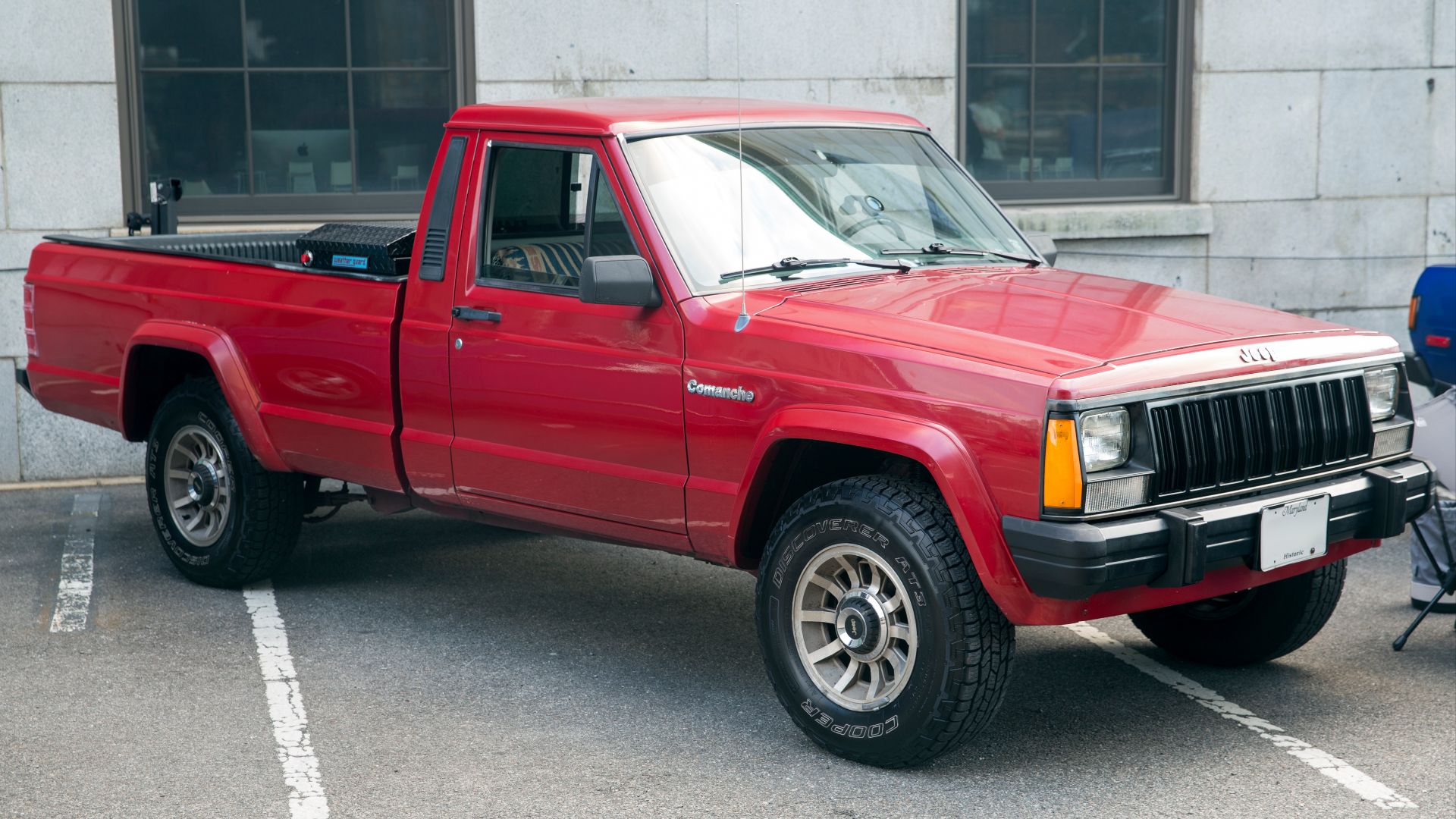 Mr.choppers, Wikimedia Commons
#3 – Suzuki Samurai Pickup (Global, 1980s; US variants existed)
Small, lightweight, and nearly unstoppable off-road, the Samurai pickup versions (sold in some markets and seen in modified form in the US) offered 4WD capability in the tiniest package imaginable. A true mountain-goat mini truck.
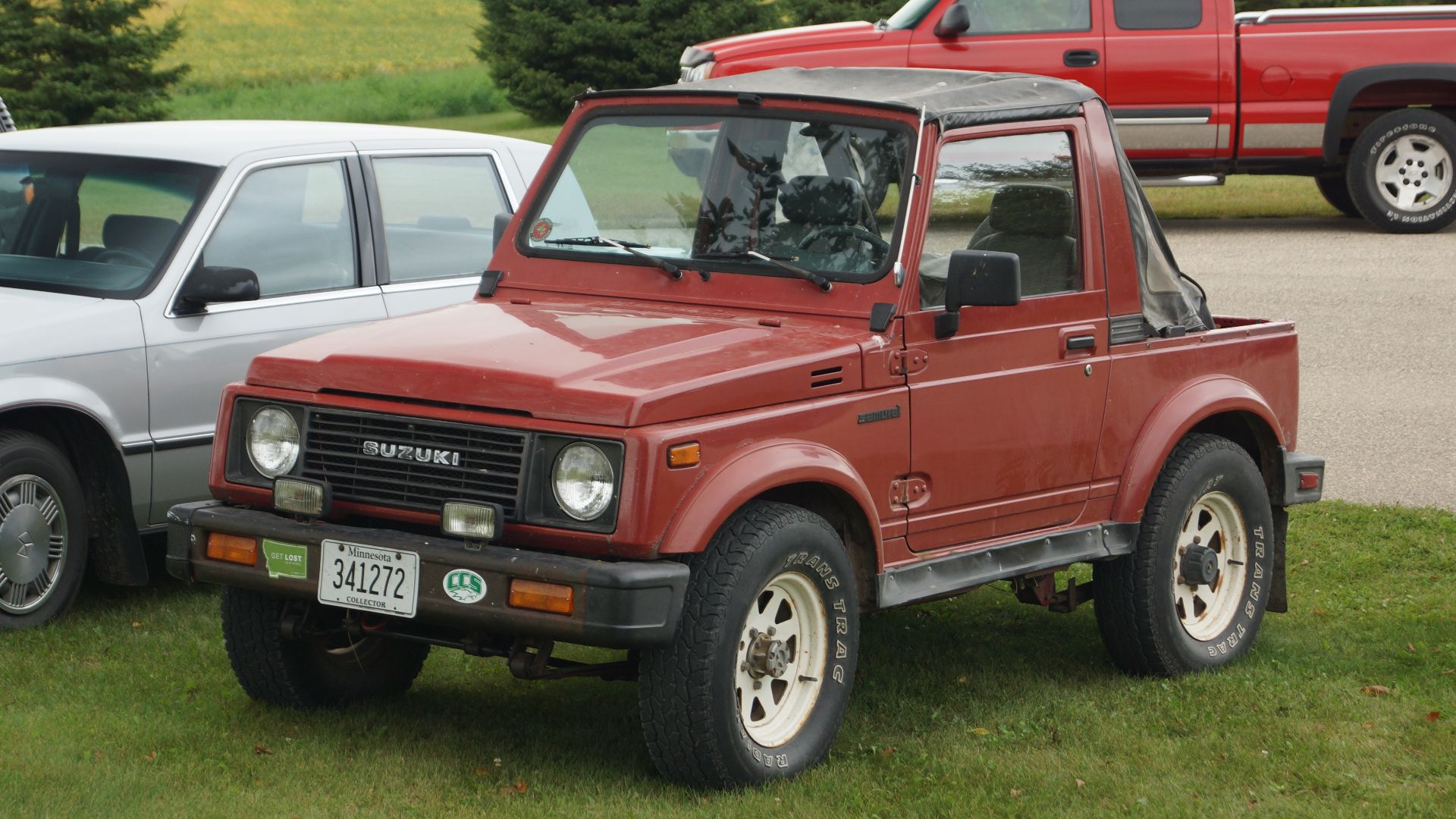 Greg Gjerdingen from Willmar, USA, Wikimedia Commons
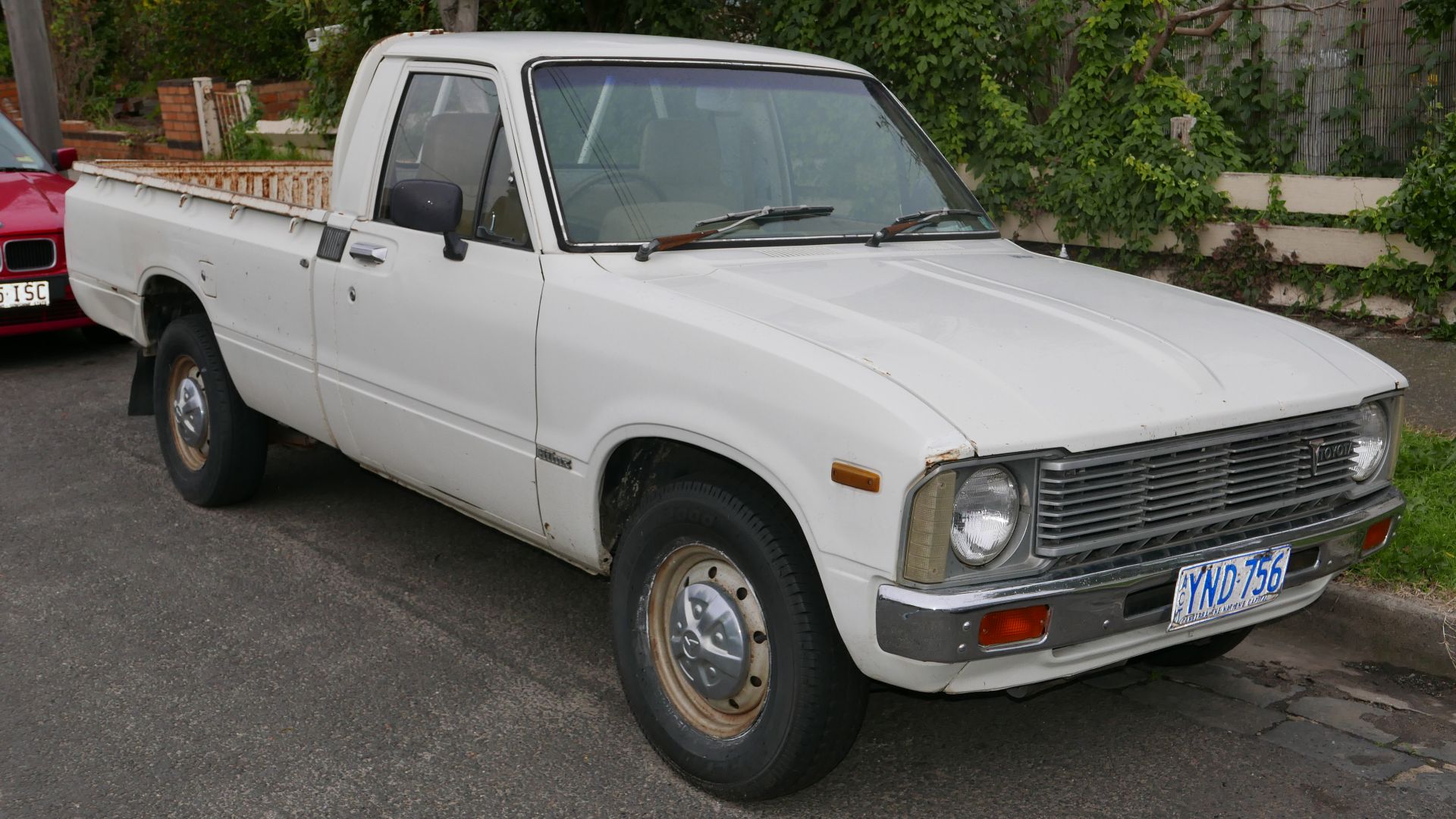
#2 – Toyota Hilux (Global, 1980s)
The truck famous for being almost impossible to kill. The Hilux diesel models of the ’80s earned global respect for their torquey engines, 4WD capability, and durability. It’s the compact truck that built Toyota’s rugged reputation.
#1 – Honda Acty Pickup (1981–Today, imported used)
A kei truck might seem like an odd #1, but the Acty represents everything people missed about compact trucks—small size, huge practicality, excellent fuel economy, and unmatched charm. Lightweight, agile, and beloved by enthusiasts today, the Acty proves that tiny trucks still have a place in America.
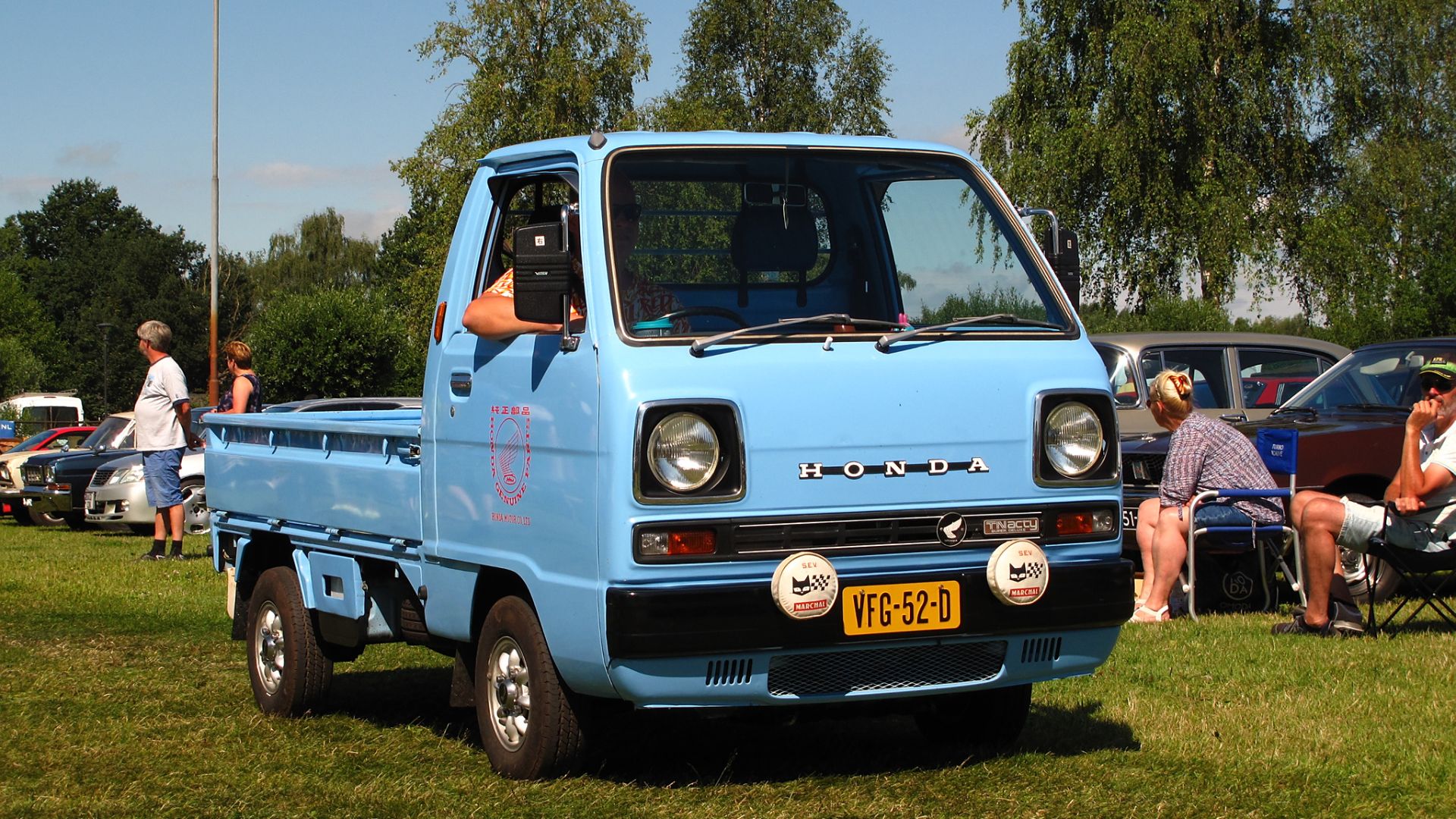 Rutger van der Maar, Wikimedia Commons
You May Also Like:
Pickup Trucks With The Worst Depreciation, According To Industry Experts
Why Pickup Trucks Are More Popular Than Ever
The Worst Pickup Trucks In The Last 20 Years, According To Industry Experts