The Futures We Almost Got
Concept cars are usually built to make people stare, but the best ones do more than that. They preview technology, shapes, and entire categories of vehicles that sometimes take decades to reach production.
America’s automakers have produced some especially wild examples, from jet-powered dream cars to detachable minivans and 1,000-hp luxury sedans. A few came surprisingly close to changing what ended up in American driveways.
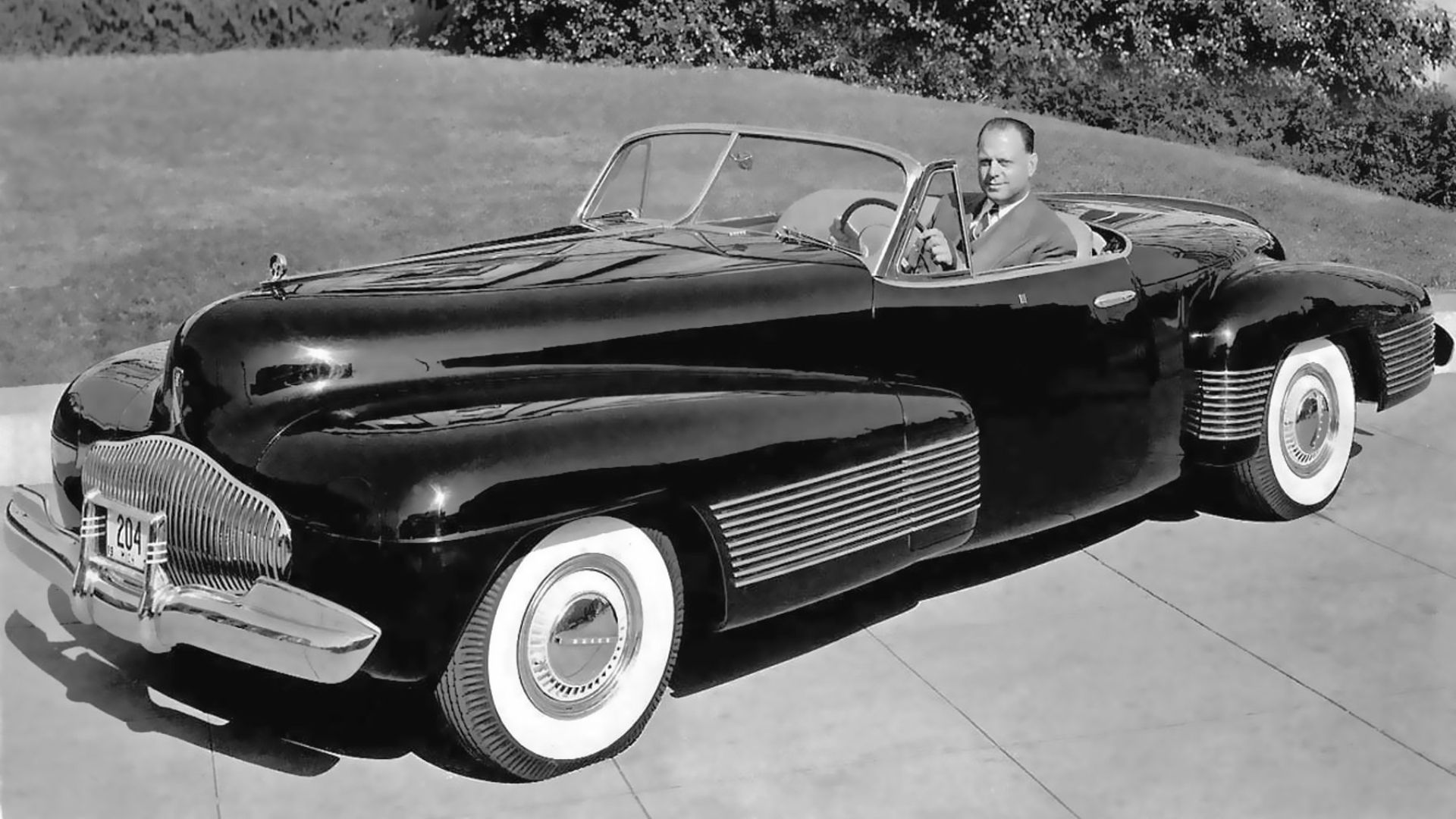
Buick Y-Job (1938)
The Buick Y-Job is where the modern concept-car story really begins. Created under legendary GM design chief Harley Earl, it had hidden power-operated headlights, flush door handles, electric windows, and a dramatically low body at a time when normal cars still looked upright and formal. Earl even used it as his personal car. More importantly, several of its ideas eventually filtered into production Buicks, proving a dream car could actually shape what customers bought.
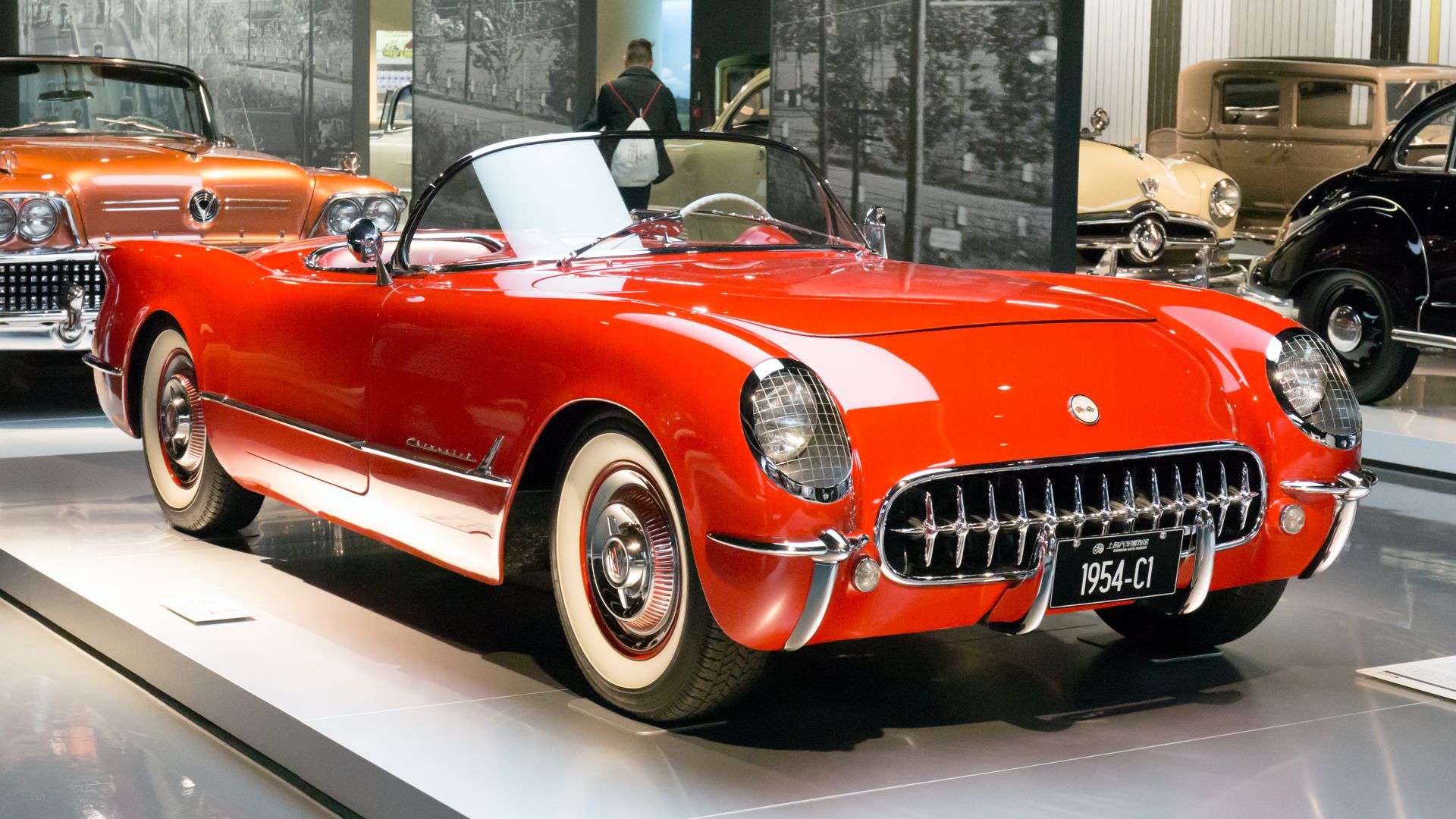
Chevrolet XP-122 (1952)
The XP-122 wasn’t just some forgotten styling experiment. It was effectively the prototype that became the original Corvette. Chevrolet used fiberglass because it was light, relatively easy to shape, and cheaper for low-volume tooling, while the mechanical pieces underneath came largely from GM’s existing parts bins. Its basic formula survived into the production 1953 Corvette, making this one concept that genuinely did change American roads.
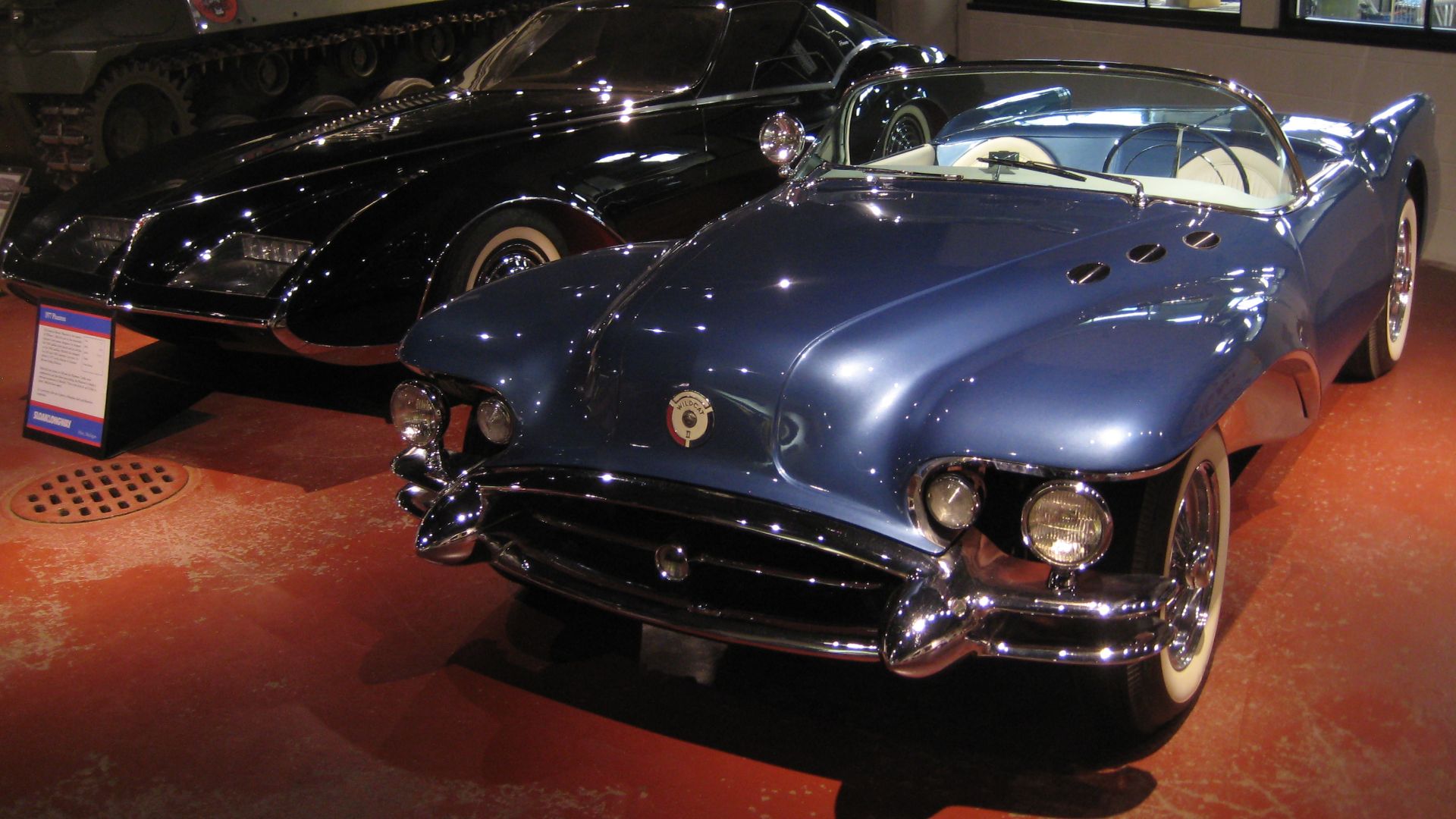
Buick Wildcat I (1953)
The first Buick Wildcat looked like a sports car from an alternate version of the 1950s. It had a fiberglass body, dramatically wrapped windshield, hydraulic convertible top, and Buick’s 5.3-liter V8 paired with Dynaflow automatic transmission. The show car leaned heavily into aviation-inspired styling, but some of its front-end themes soon appeared on production Buicks. It also helped establish the Wildcat name long before Buick used it on regular showroom cars.
 JOHN LLOYD from Concrete, Washington, United States, Wikimedia Commons
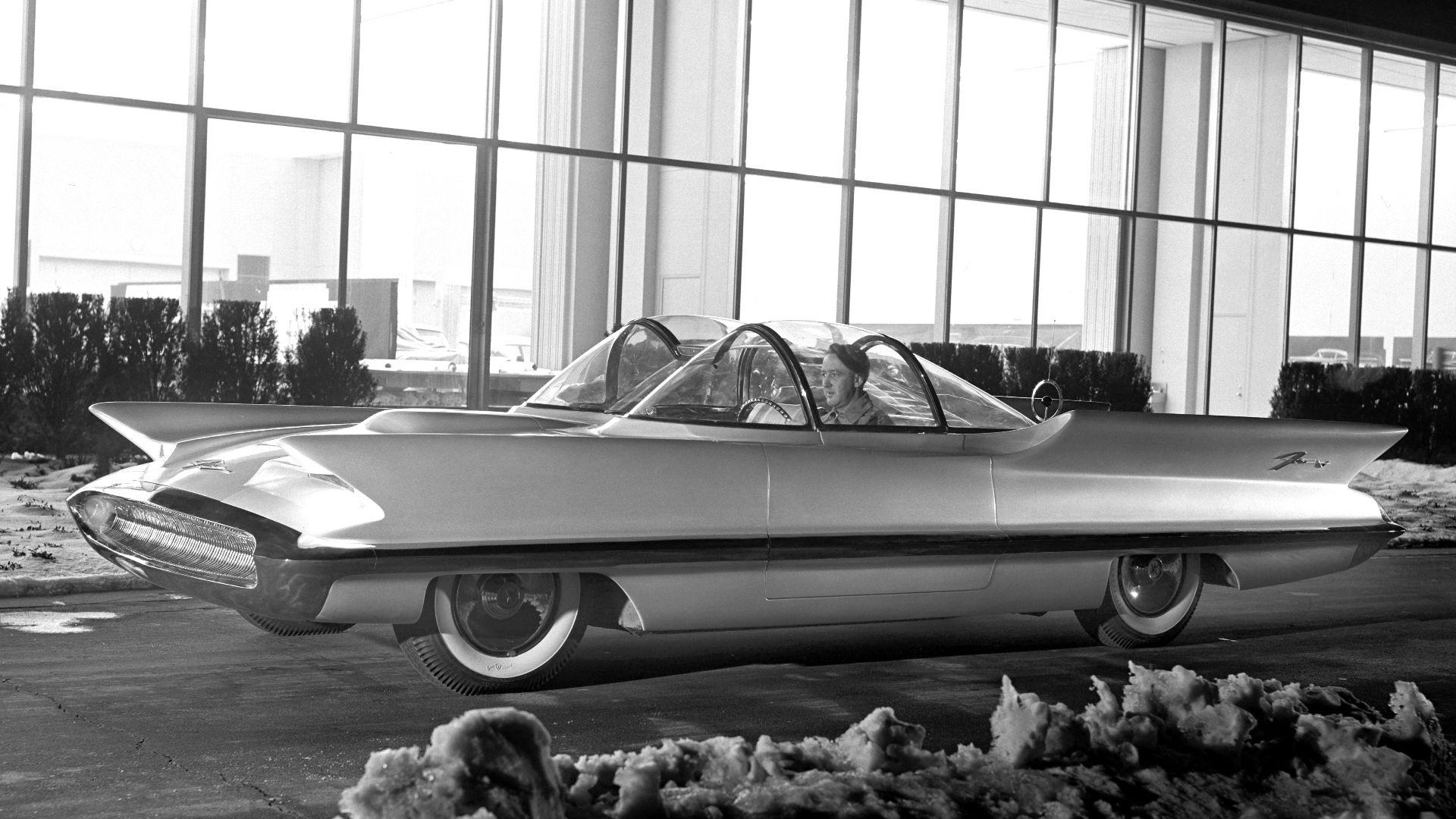
Lincoln Futura (1955)
Even people who don’t recognize the Lincoln Futura probably recognize what it became. Ford designers Bill Schmidt and John Najjar created the spectacular double-canopy concept, which was hand-built by Ghia and powered by a Lincoln V8. Some of its styling ideas later influenced production Ford and Lincoln models. Then George Barris converted the actual concept into the Batmobile for the 1966 Batman television series, giving one forgotten dream car an unexpectedly immortal second career.
 Ford Motor Company from USA, Wikimedia Commons
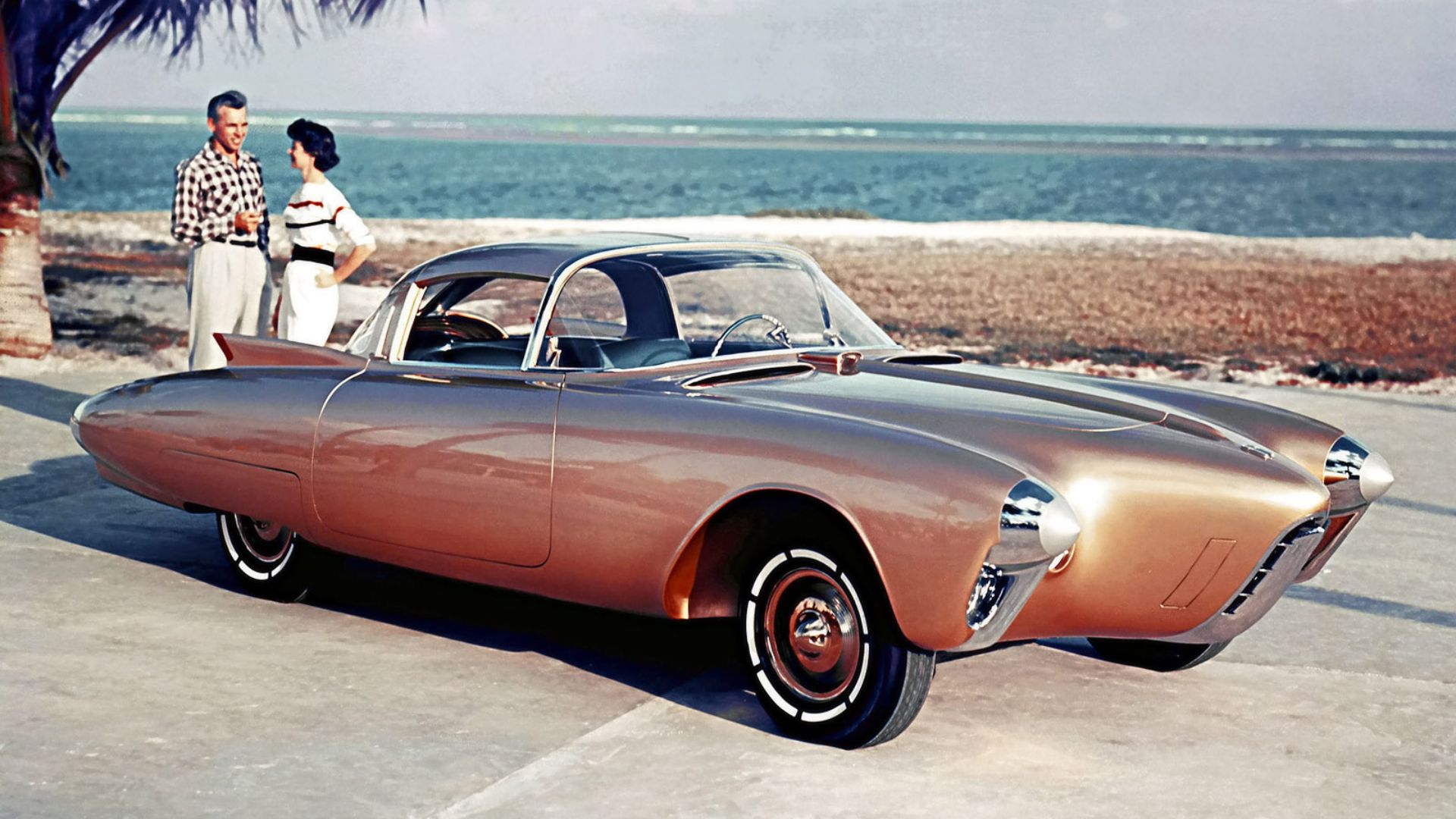
Oldsmobile Golden Rocket (1956)
The Golden Rocket looked like someone had taken the Space Race and turned it into a two-seat sports car. Its fiberglass body featured rocket-like fenders, a wraparound windshield, and a split rear window years before the famous 1963 Corvette used one. Even getting inside was futuristic: opening a door could raise part of the roof while the seat lifted and swiveled outward. Underneath all that theater sat a 275-hp Rocket V8.
 General Motors, Wikimedia Commons
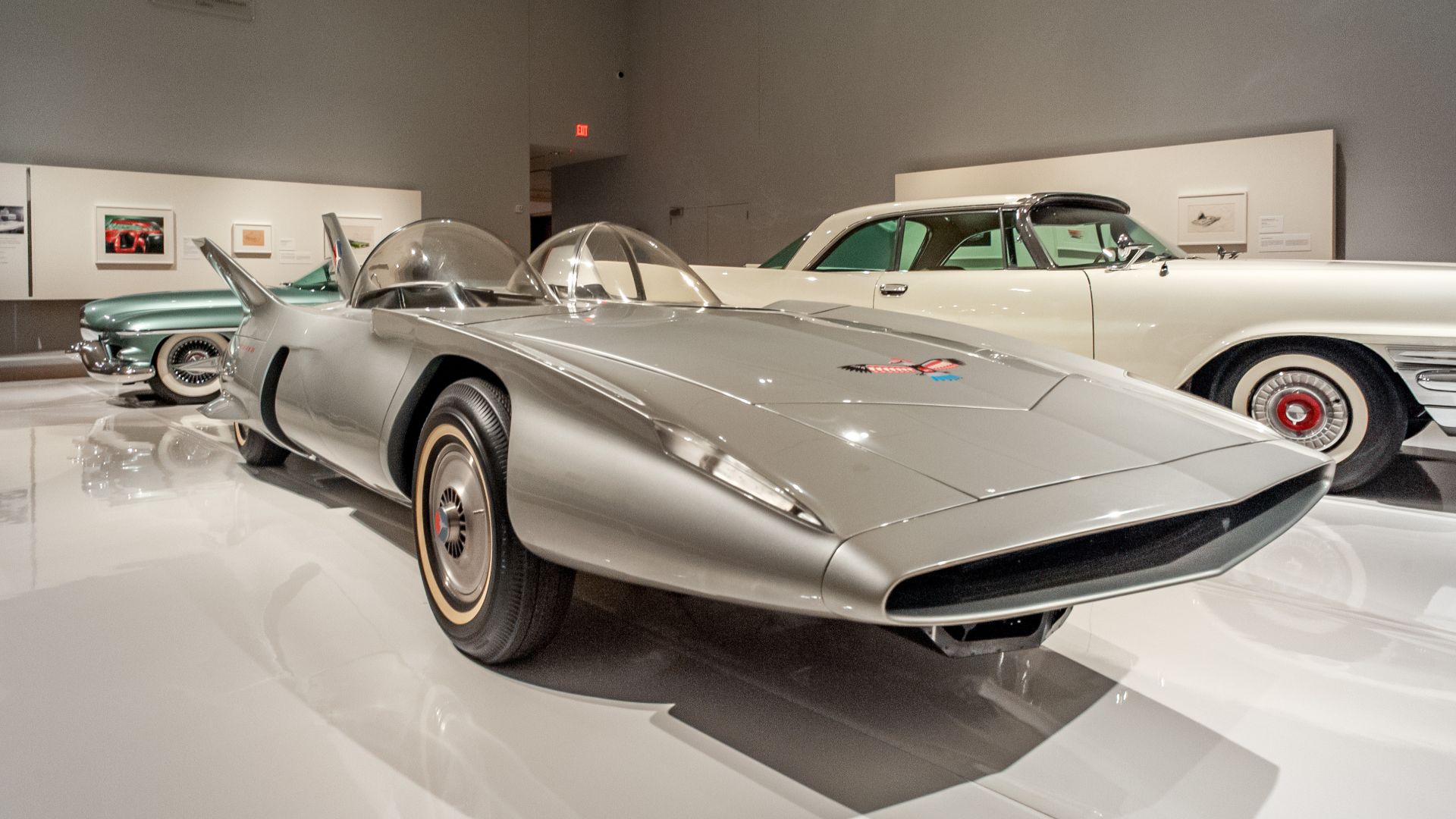
GM Firebird III (1959)
GM’s Firebird III was less car and more road-going jet experiment. A gas-turbine engine provided propulsion, while a separate gasoline engine powered accessories like the steering and air conditioning. Even stranger, the driver controlled it with a joystick rather than a conventional steering wheel. It also explored ideas such as anti-lock braking, cruise control, self-leveling suspension, and aerodynamic speed brakes. Decades later, several of those once-crazy ideas became completely normal automotive technology.
 Aaron Headly, Wikimedia Commons
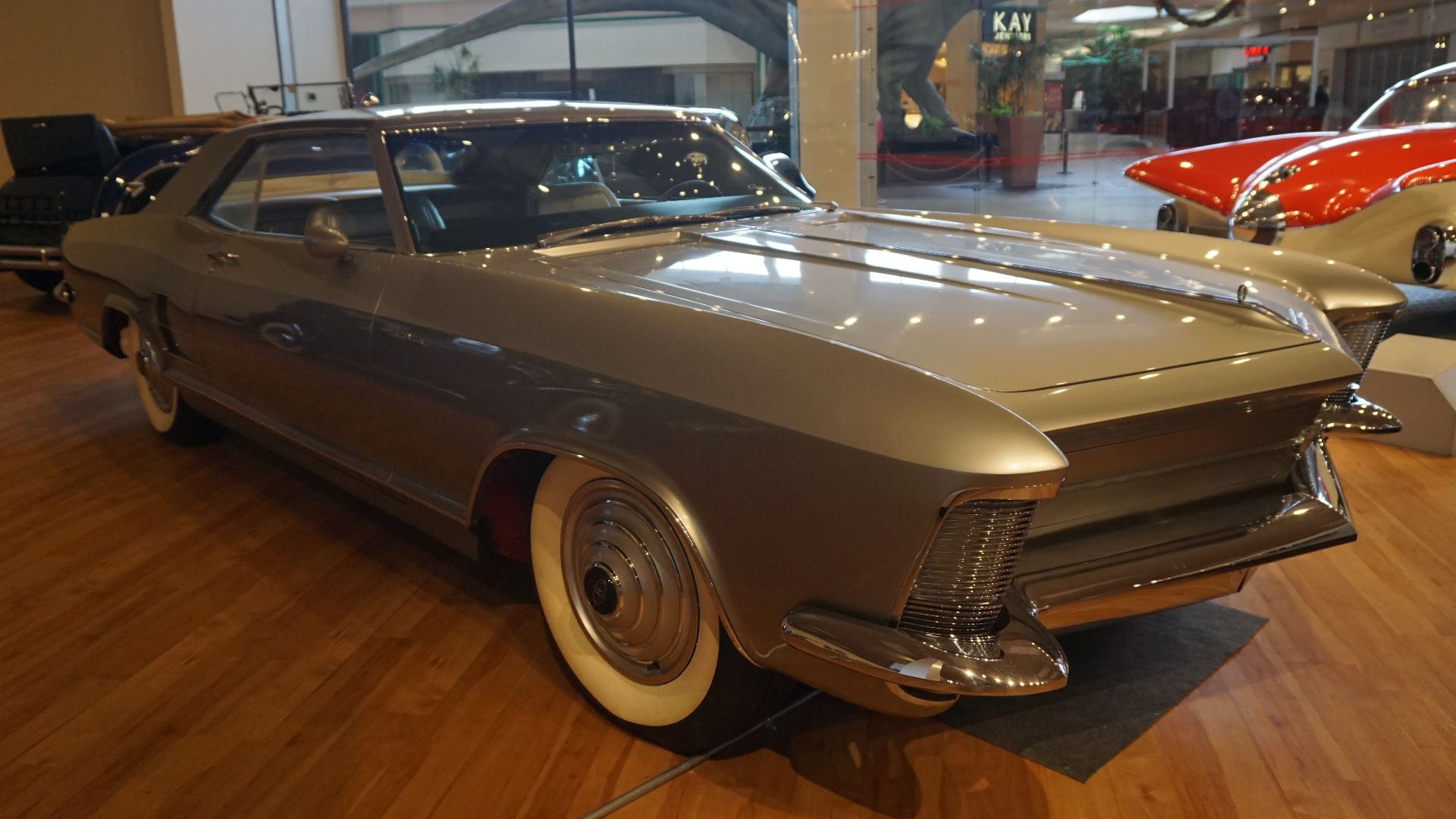
Buick Riviera Silver Arrow I (1963)
The Silver Arrow I wasn’t completely detached from reality because it grew from the production Riviera, but it showed just how far GM designer Bill Mitchell wanted American personal luxury to go. Mitchell reportedly blended inspiration from Rolls-Royce and Ferrari, then turned the Riviera into his own dramatic show car with an elaborate silver leather interior. The regular Riviera became an American design landmark anyway, but the Silver Arrow showed an even more glamorous path Buick might’ve followed.
 Michael Barera, Wikimedia Commons
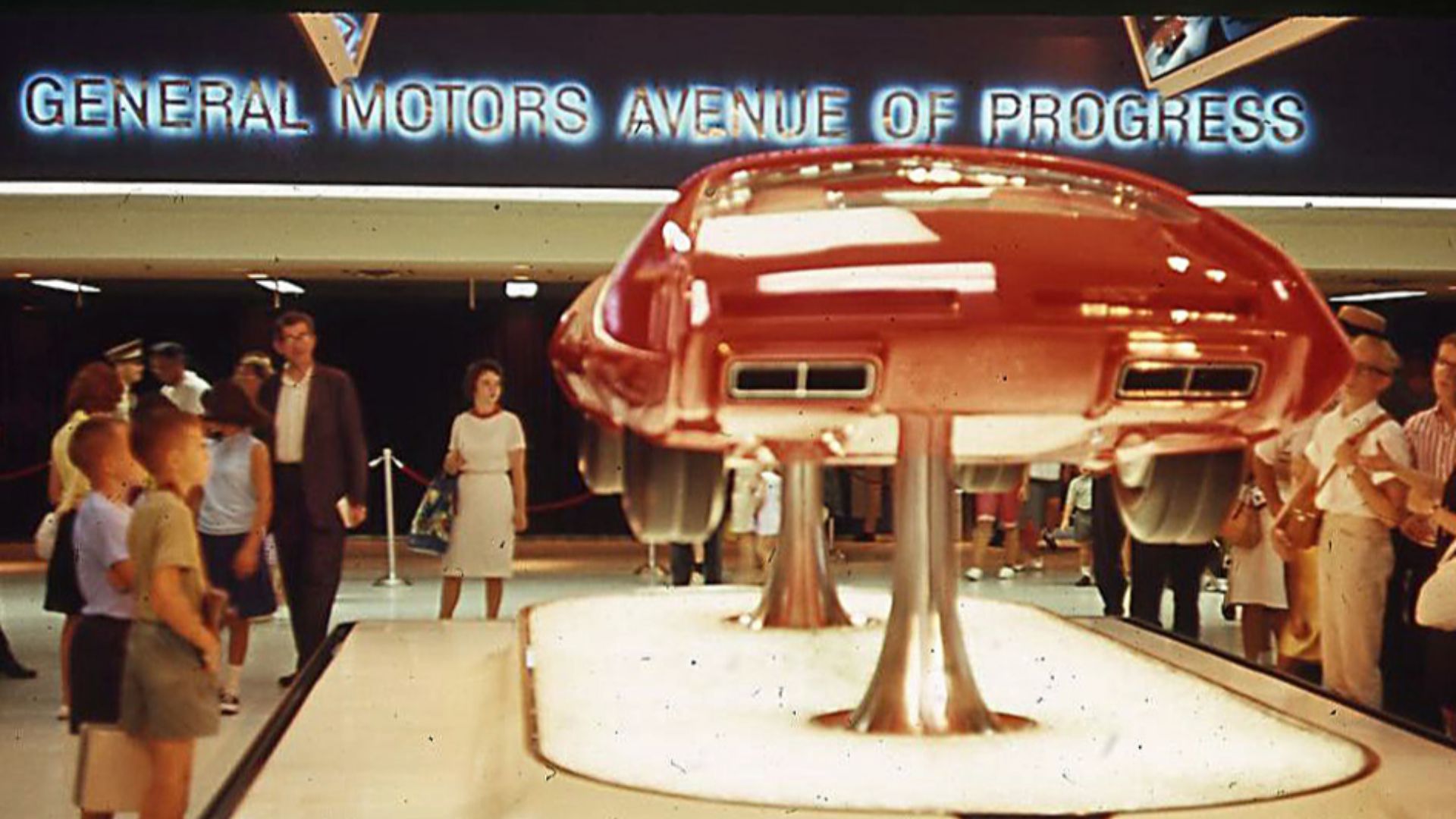
GM Runabout (1964)
The GM Runabout imagined city driving getting much stranger. This three-wheeler had a single front wheel capable of turning 180 degrees, which would’ve made squeezing into tiny parking spaces ridiculously easy. There was room for two adults and three children, plus two detachable shopping carts stored inside the vehicle. Even the steering wheel disappeared, replaced by dial-like controls. It feels bizarre now, but the focus on urban packaging and maneuverability was surprisingly forward-thinking.
 Don O'Brien, Wikimedia Commons
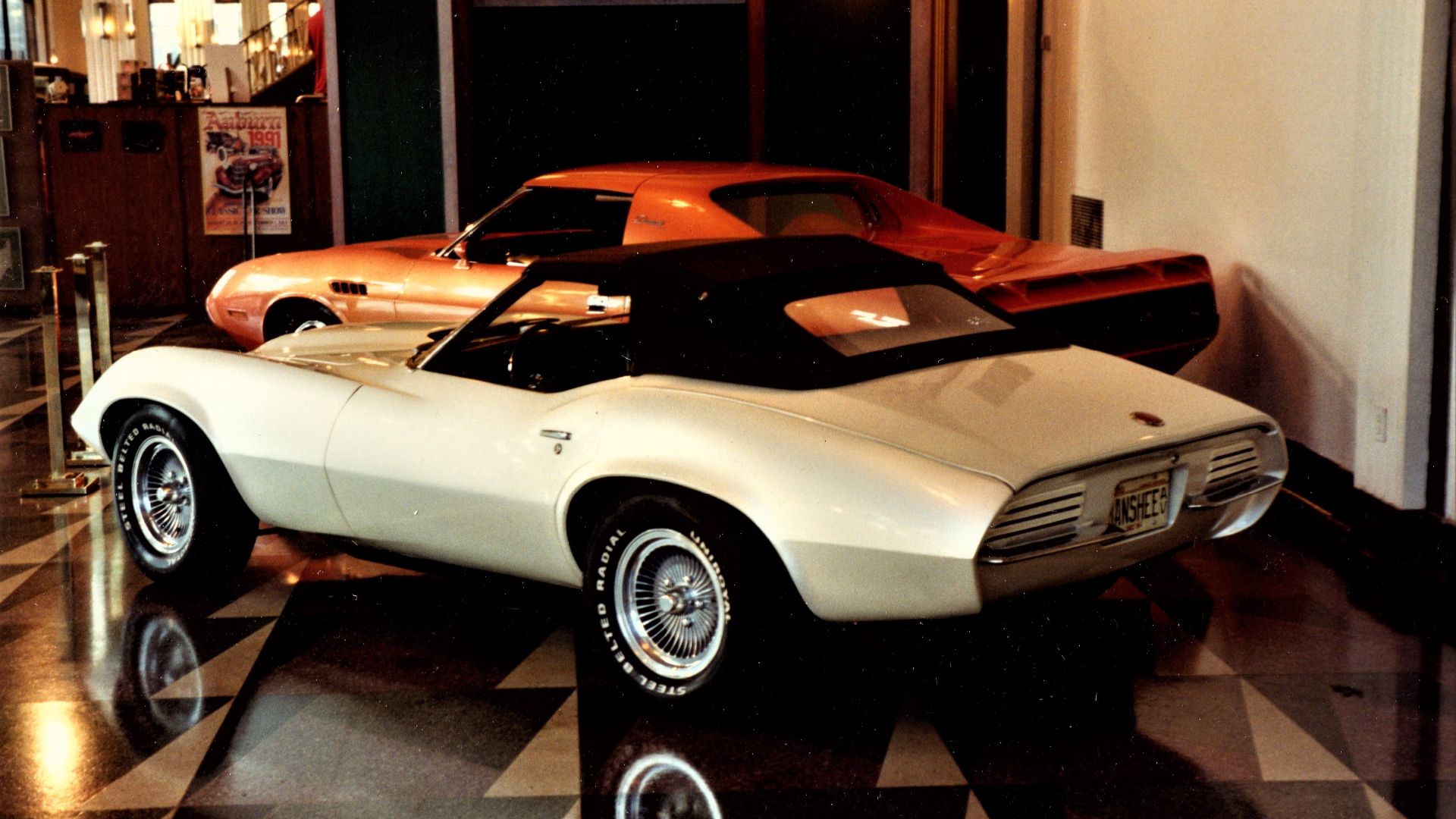
Pontiac Banshee XP-798 (1966)
Pontiac boss John DeLorean wanted the Banshee program to give Pontiac a proper sports car, but Chevrolet already had one of those. The earlier two-seat Banshee was viewed as too much of a Corvette threat, while the later XP-798 developed into a four-seat GT with a 6.9-liter V8 and independent suspension. It looked exotic, had clever hinged roof sections for easier entry, and suggested Pontiac could’ve had a legitimate Corvette-adjacent grand tourer decades before the Solstice arrived.
 Alden Jewell, Wikimedia Commons
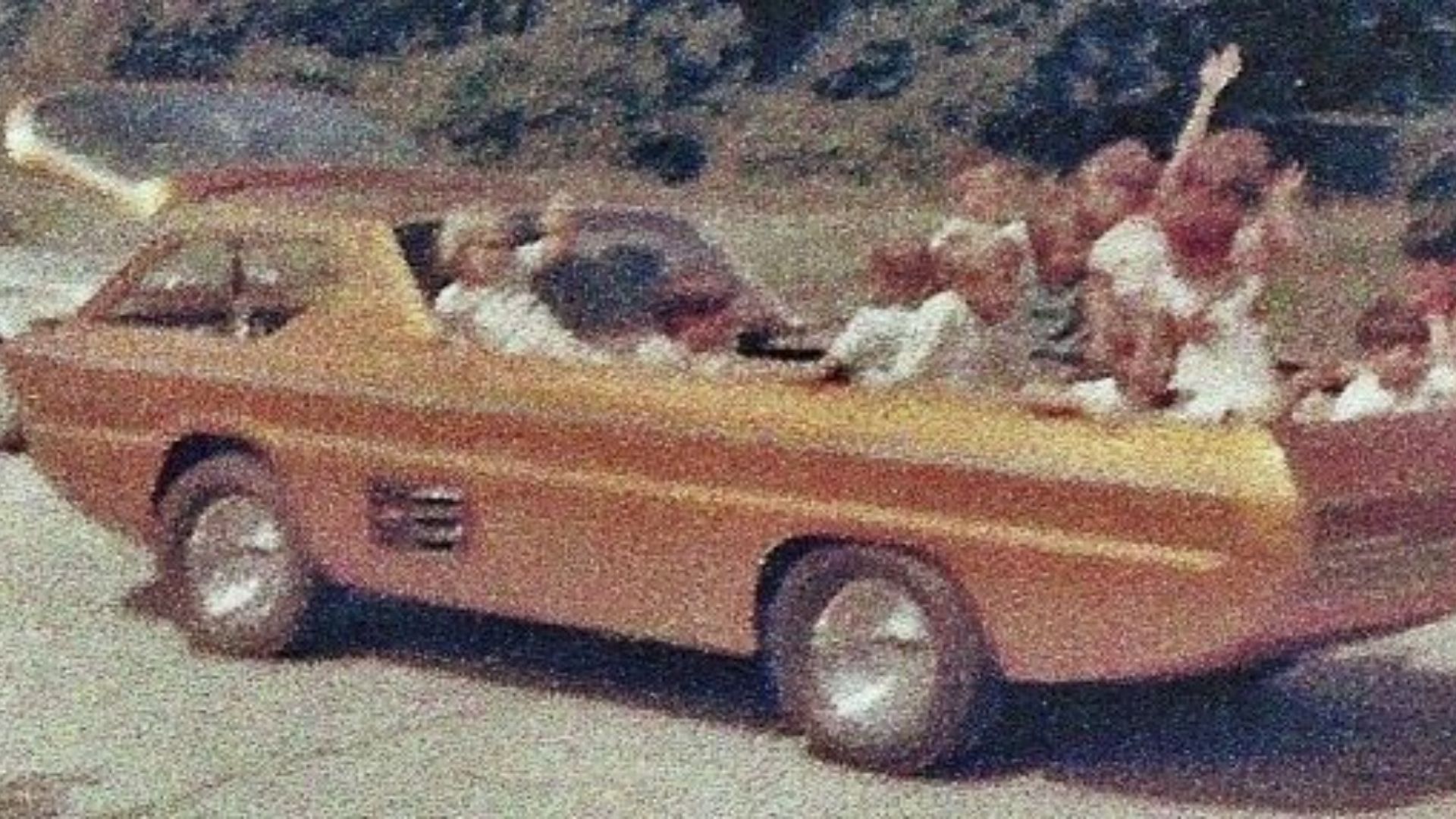
Dodge Deora (1967)
The Deora began with the humble Dodge A100 pickup and somehow ended up looking like a full-size Hot Wheels car. Designer Harry Bentley Bradley and builders Mike and Larry Alexander eliminated conventional doors entirely, making passengers enter through a front-opening windshield assembly. The Slant Six was pushed rearward, while the fuel tank and radiator moved into the bed. It won the Ridler Award and became one of Mattel’s original Hot Wheels, giving custom-truck culture an unusually futuristic hero.
 Bennojammin3, Wikimedia Commons
Chevrolet Aerovette / XP-882 (1970)
The year needs a small clarification here: Chevrolet showed the mid-engine XP-882 in 1970, while the evolved version didn’t actually receive the Aerovette name until 1976. Either way, the family of concepts came incredibly close to giving America a mid-engine Corvette decades early. Chevrolet experimented with V8s, rotary engines, aluminum construction, and dramatic wedge styling before ultimately deciding the existing Corvette was selling too well to justify the risk. The C8 eventually proved the basic idea had been right all along.
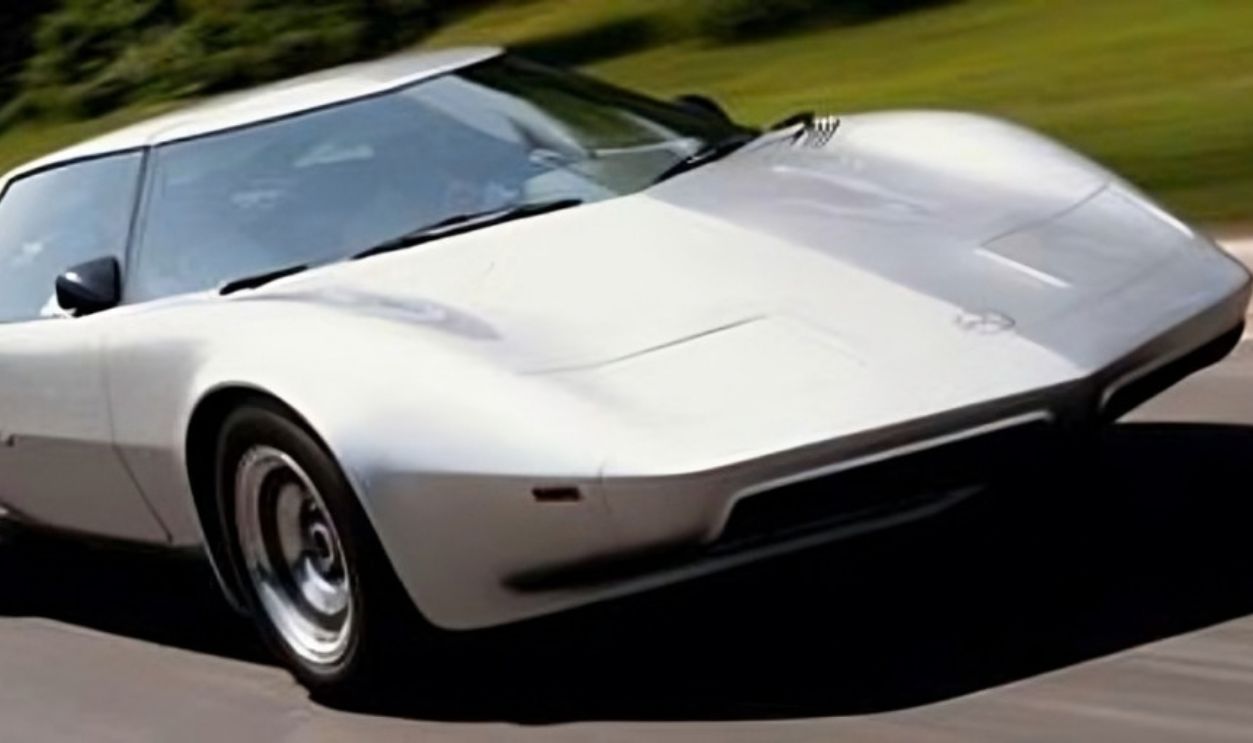 Chevrolet pre-1978, Wikimedia Commons
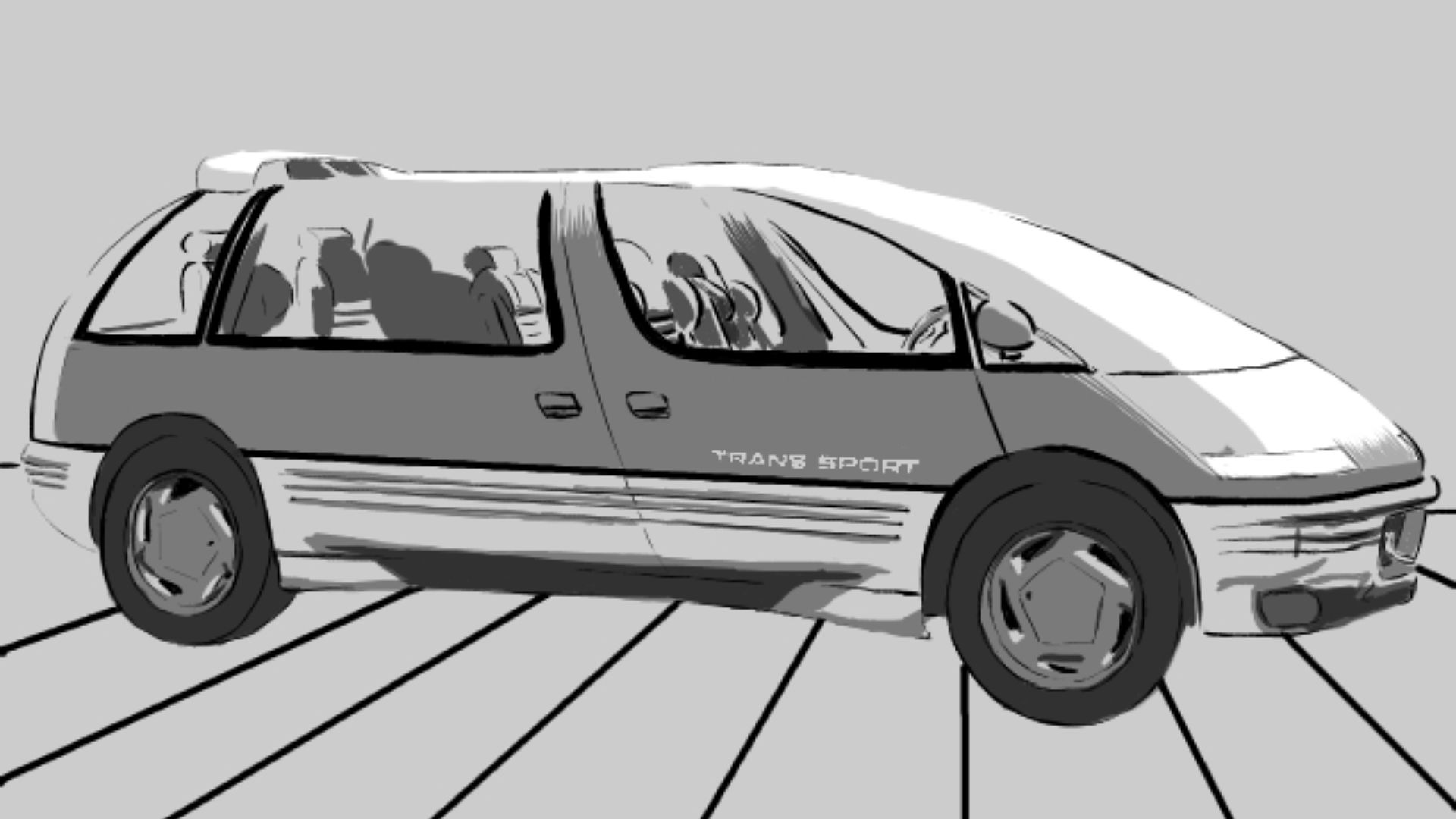
Pontiac Trans Sport (1986)
The production Pontiac Trans Sport was strange enough, but the concept was on another planet. It sat dramatically low, wore a giant glass canopy, used gullwing-style side access, and packed 17-inch wheels that looked enormous in 1986. Inside were electronic transmission controls, display screens, and systems that could provide navigation, weather, and travel information long before connected cars were normal. Pontiac did put the Trans Sport into production, but the showroom version was considerably less wild.
Chevrolet Corvette Indy (1986)
Long before the C8, Chevrolet kept experimenting with ways to put the Corvette’s engine behind the driver. The Corvette Indy may have been the most spectacular of those efforts. Its original concept used a mid-mounted 2.65-liter twin-turbo V8 related to a CART racing engine and reportedly produced about 600 horsepower. Chevrolet considered a more production-friendly version, but the projected cost killed the idea. America had to wait more than three decades for its mid-engine Corvette.
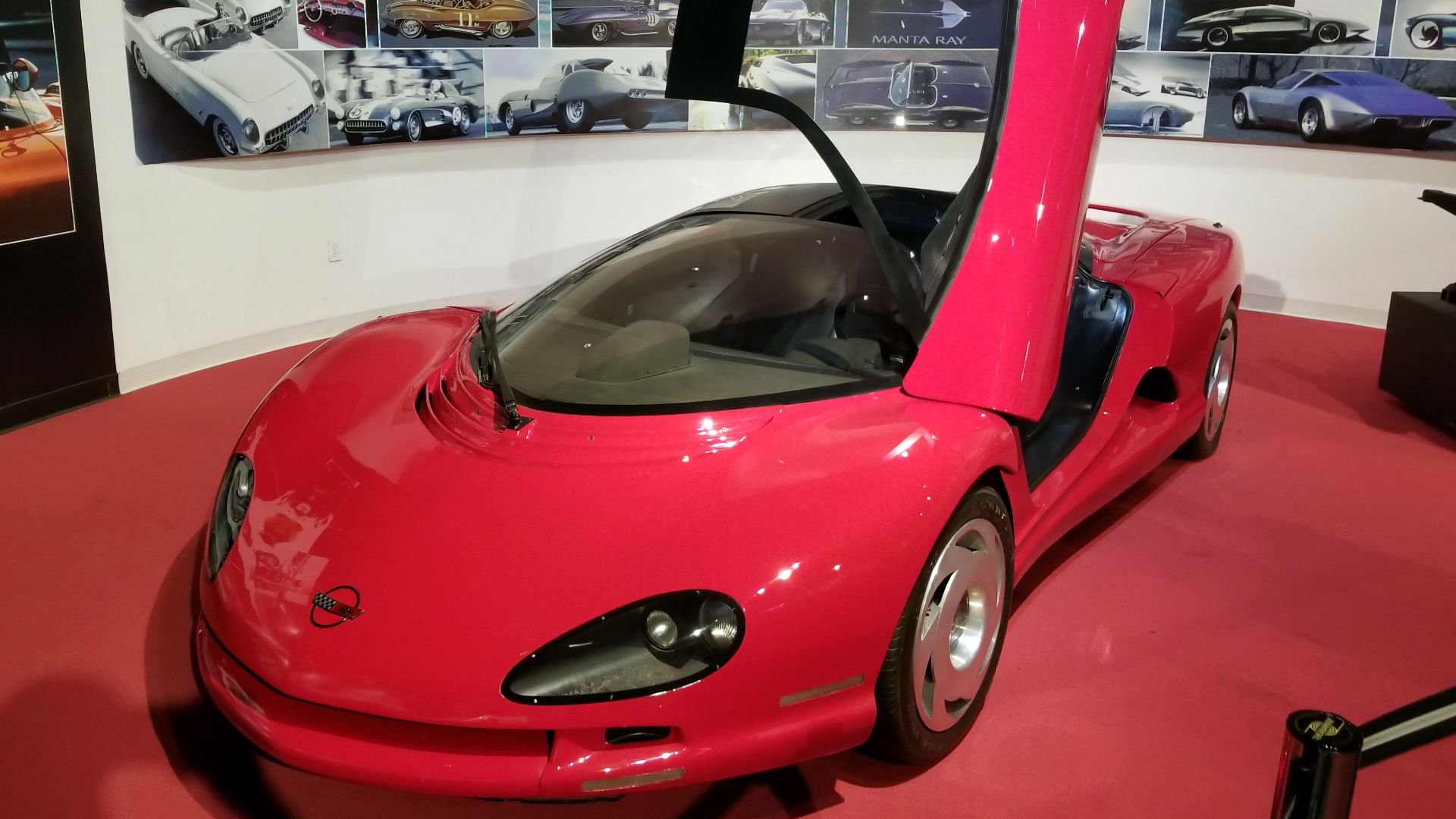 Cartwright80, Wikimedia Commons
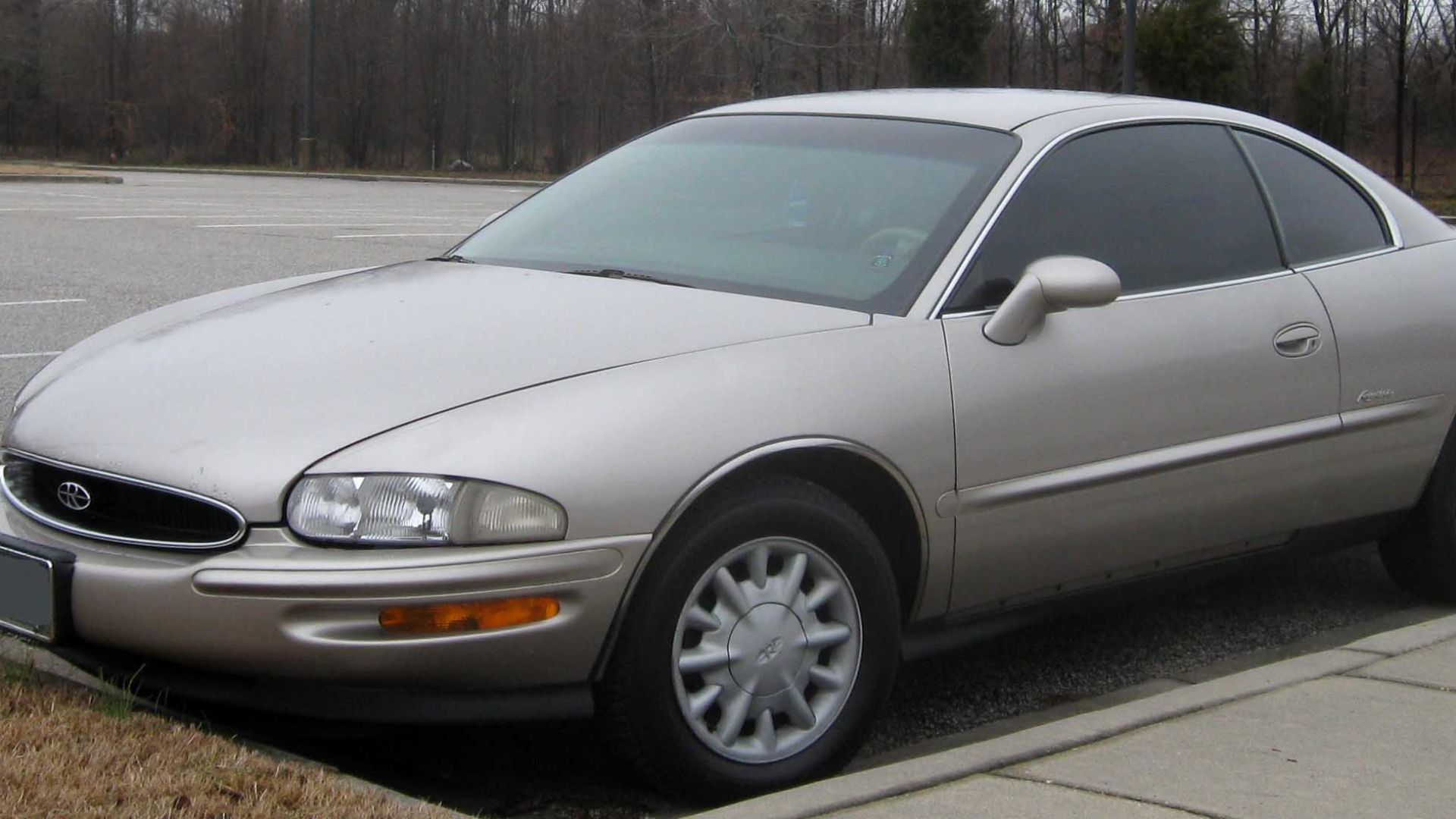
Buick Lucerne (1988)
The Lucerne concept is interesting precisely because it wasn’t completely insane. Buick gave the sleek coupe a 3.8-liter V6 and used it to demonstrate tech like keyless starting, a hands-free telephone, and memory settings for the seats, mirrors, and steering wheel. It never reached showrooms, but its smooth, flowing design helped point Buick toward the striking 1995 Riviera. Buick eventually reused the Lucerne name, although on a much more conventional sedan.
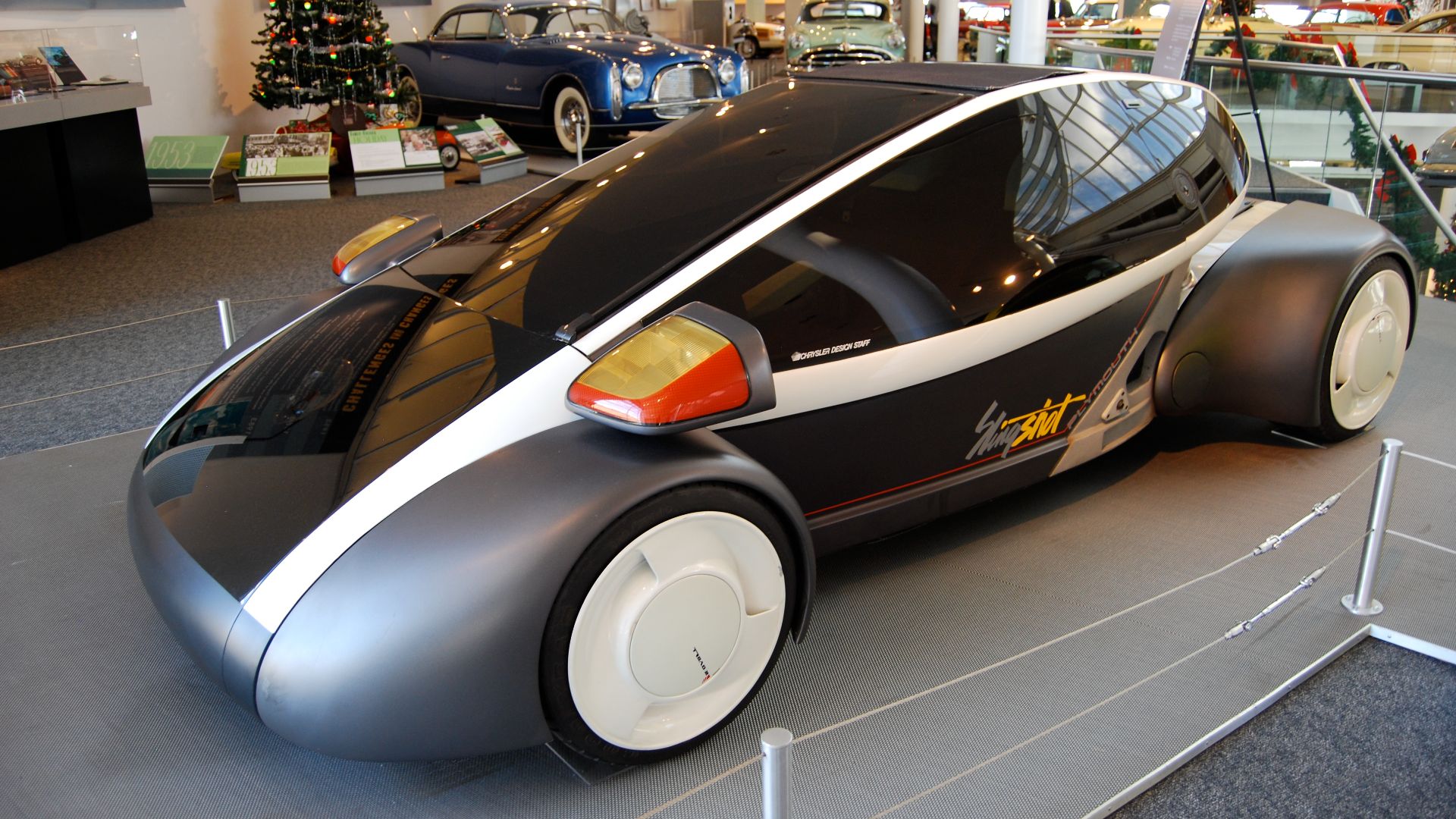
Plymouth Slingshot (1988)
Plymouth desperately needed some excitement by the late 1980s, and the Slingshot certainly delivered that visually. The low two-seater had a carbon-fiber structure, an upward-opening canopy instead of normal doors, digital instrumentation, and seats that raised to make getting inside easier. A mid-mounted 2.2-liter four-cylinder produced around 225 horsepower, which was substantial for such an experimental machine at the time. Nothing quite like it reached Plymouth dealers, which feels like a missed opportunity.
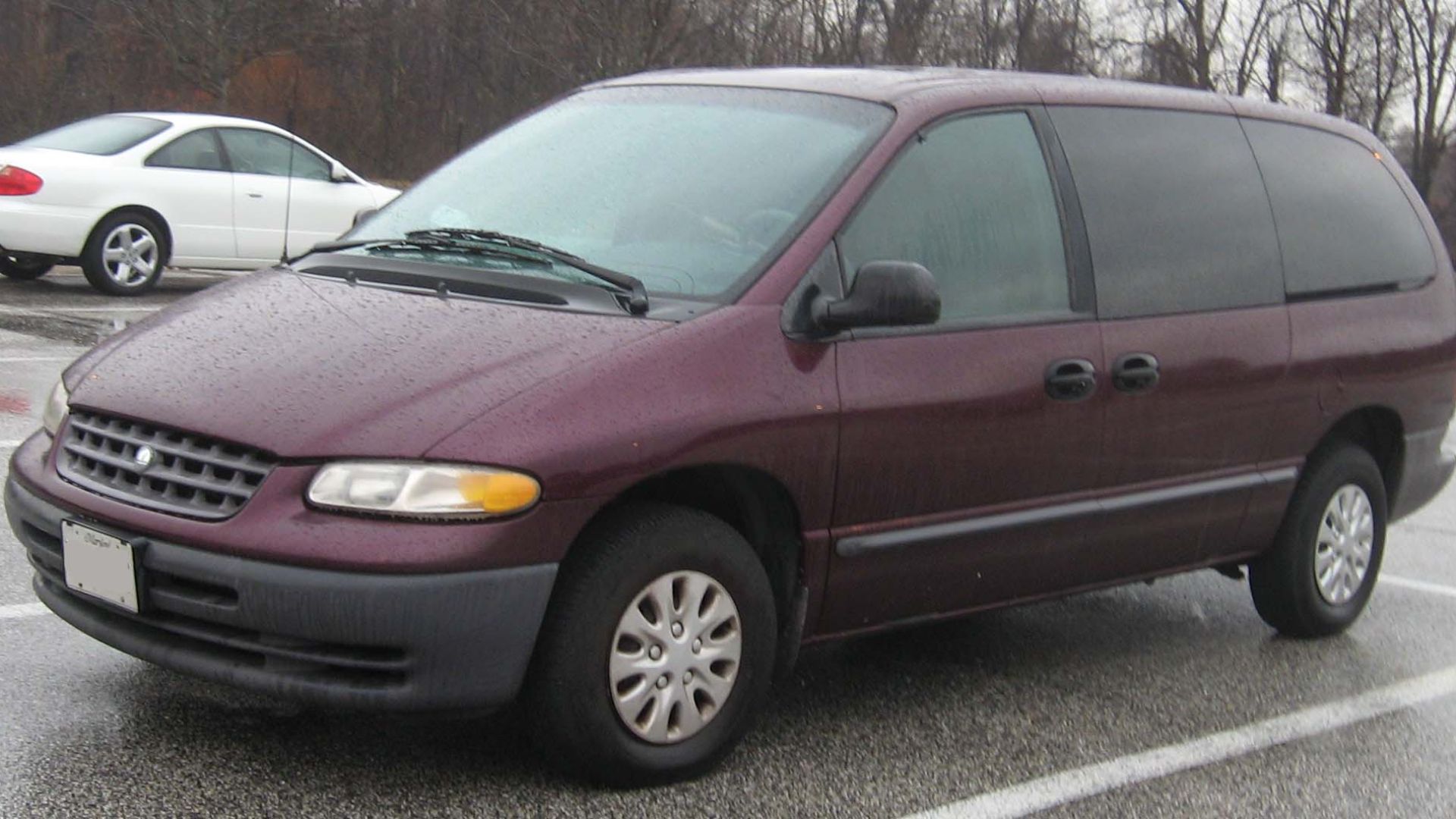
Plymouth Voyager III (1989)
This might be the strangest minivan idea Chrysler ever entertained. The Voyager III could literally split into two vehicles: a small front commuter section detached from the larger passenger module, turning a family hauler into a compact runabout when all that space wasn’t needed. Each section even had its own four-cylinder engine, with the powertrains able to work together when connected. It was incredibly complicated, but the basic idea of adapting vehicle size to the trip was genuinely clever.
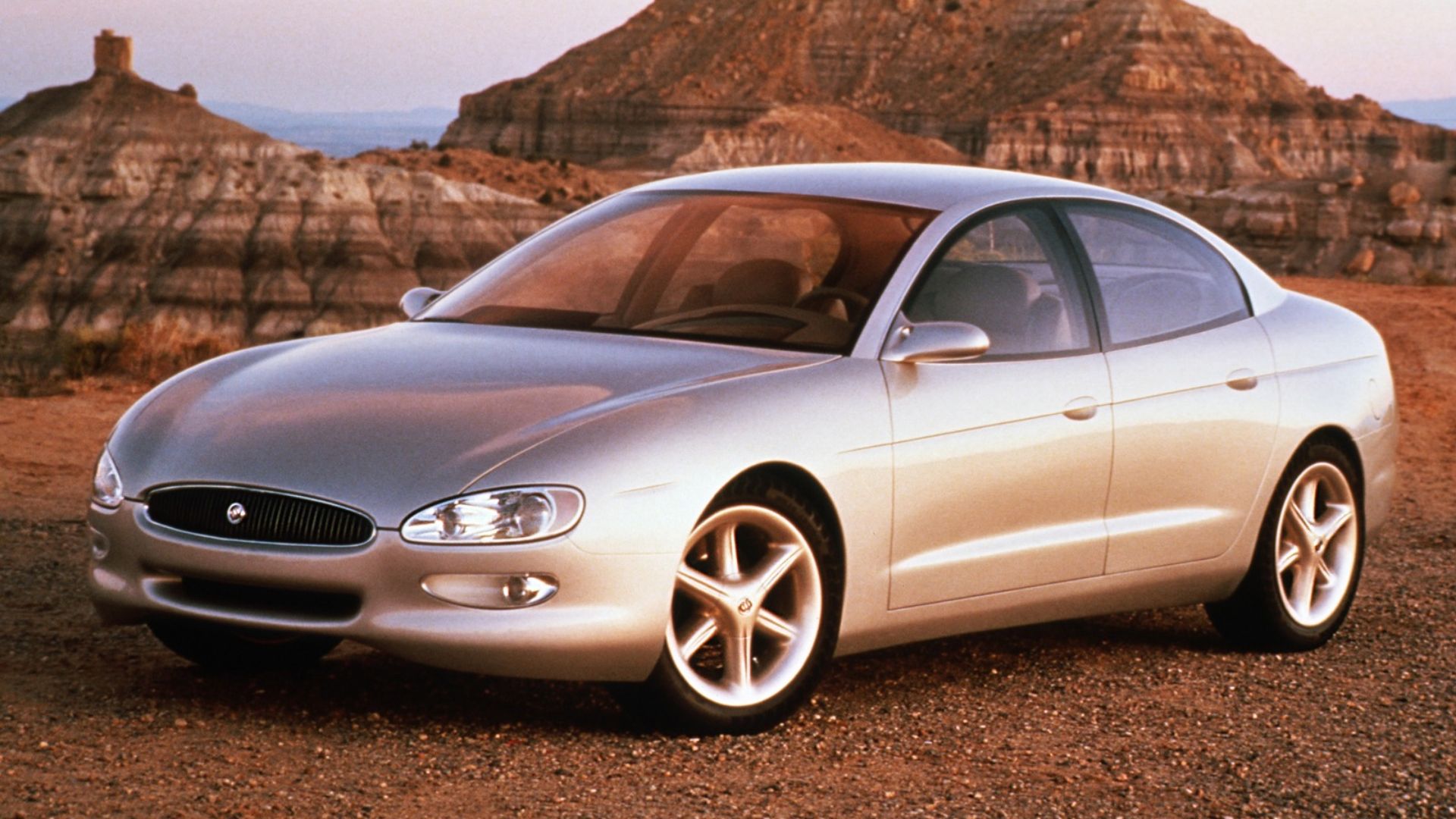
Buick XP2000 (1995)
The XP2000 could’ve changed Buick far more dramatically than its conservative styling suggested. Built in Australia by Holden, it explored the possibility of giving Buick a rear-wheel-drive sedan based on Commodore architecture. A 5.0-liter V8 provided power, while the cabin previewed keyless entry, a head-up display, voice recognition, navigation, lane-keeping assistance, and eight airbags. Financial concerns killed the program, leaving America without the V8 Holden-based Buick it nearly received years before the Pontiac G8.
 Buick (General Motors), Wikimedia Commons
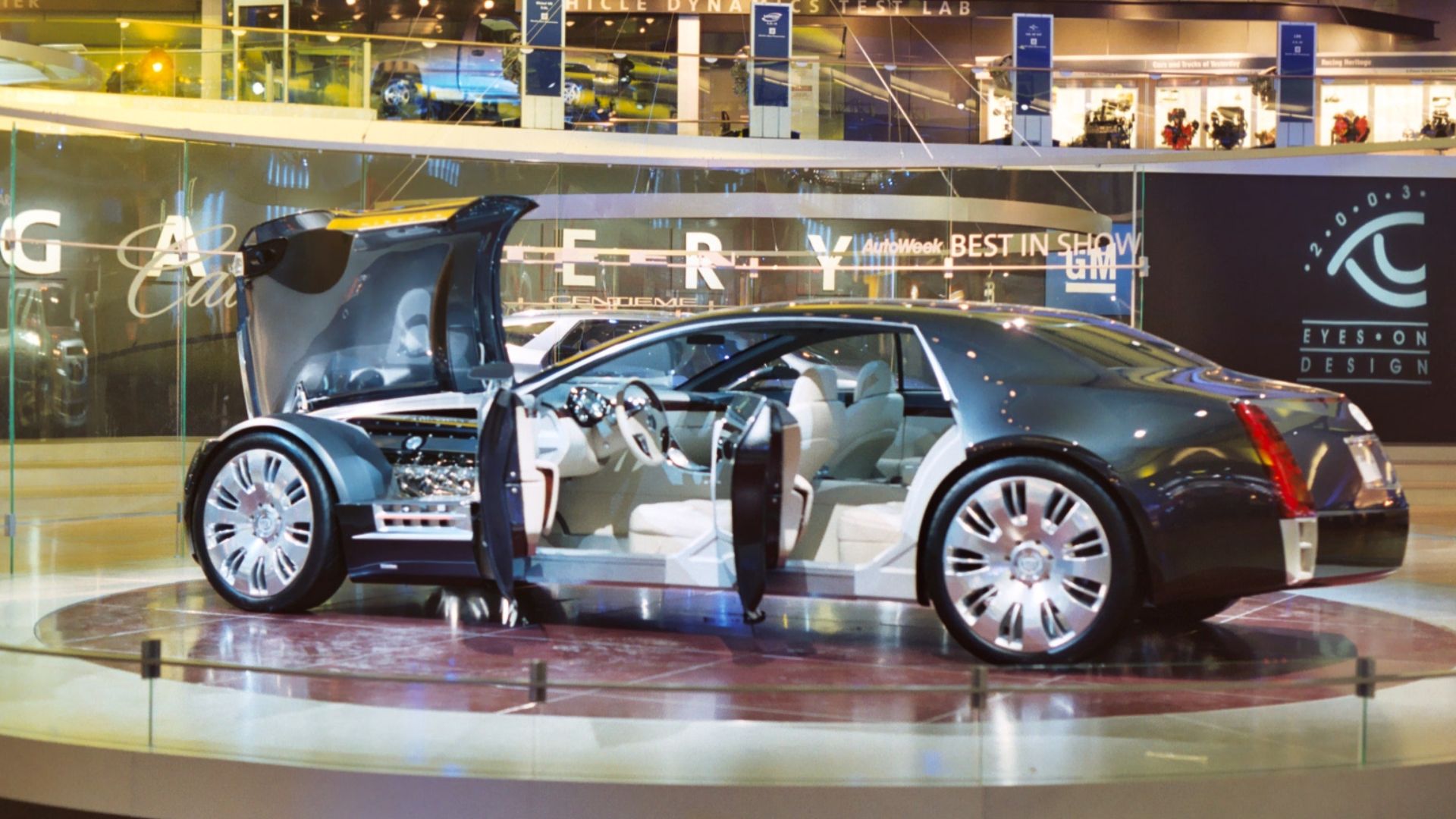
Cadillac Sixteen (2003)
The Cadillac Sixteen was what happened when GM decided subtlety had gone far enough. The enormous luxury sedan packed a purpose-built 13.6-liter V16 rated at roughly 1,000 horsepower and 1,000 lb-ft of torque. Its cabin mixed leather, wood, aluminum, silk carpeting, and even a Bvlgari clock. Production was never realistic at anything close to normal Cadillac volumes, but its proportions and crisp design themes helped reinforce Cadillac’s early-2000s transformation into a much bolder brand.
 Joe Ross from Lansing, Michigan, Wikimedia Commons
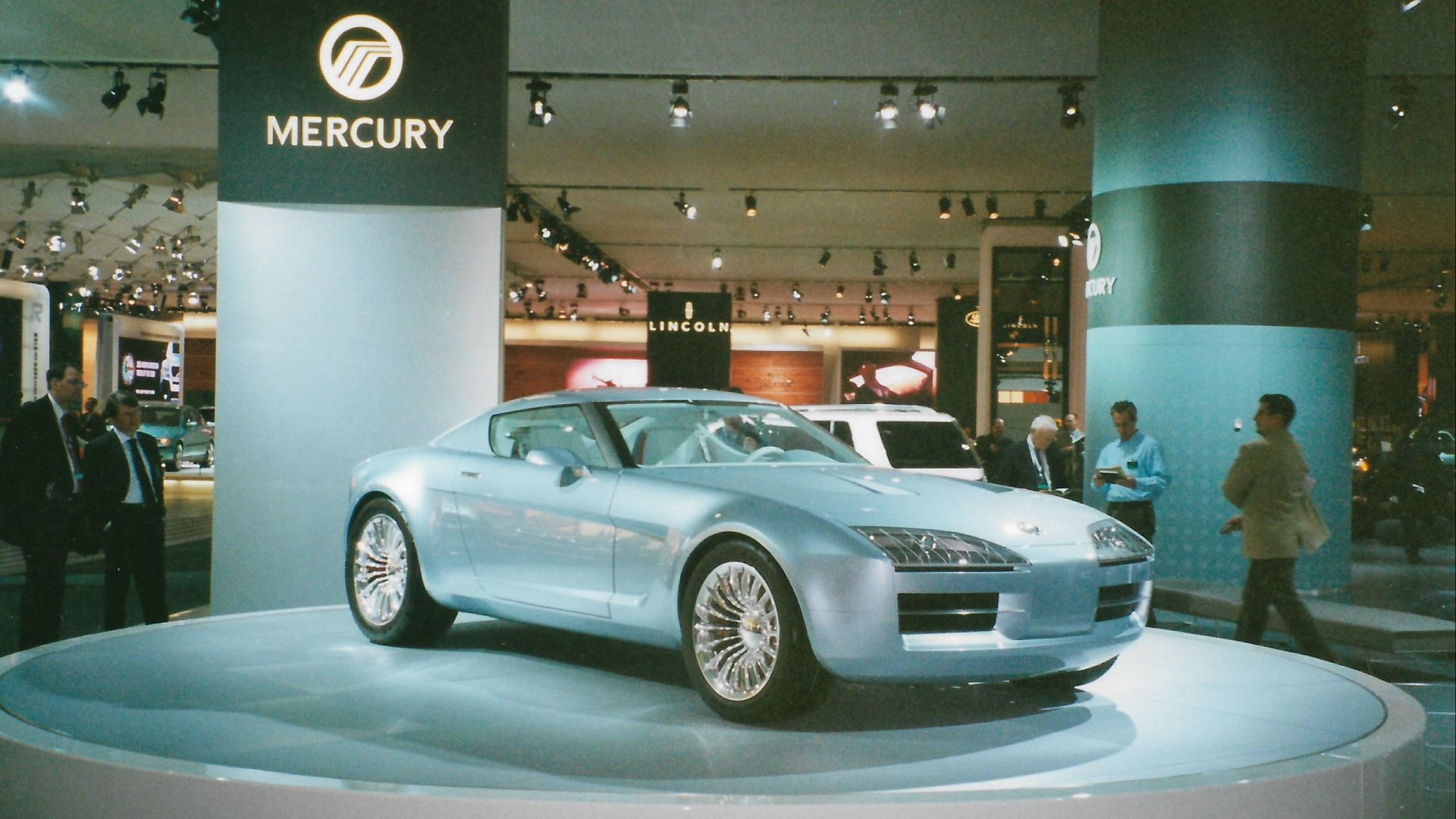
Mercury Messenger (2003)
The Mercury Messenger might’ve given the struggling brand exactly the kind of image car it desperately needed. It was a low, rear-drive two-seat coupe with a long hood, a proposed 4.6-liter V8, big wheels, and clean styling intended to establish a new Mercury design language. Ford never developed it beyond the show-car stage, and Mercury eventually disappeared altogether. Looking back, a Mustang-based performance coupe wearing this shape could’ve made the brand much harder to ignore.
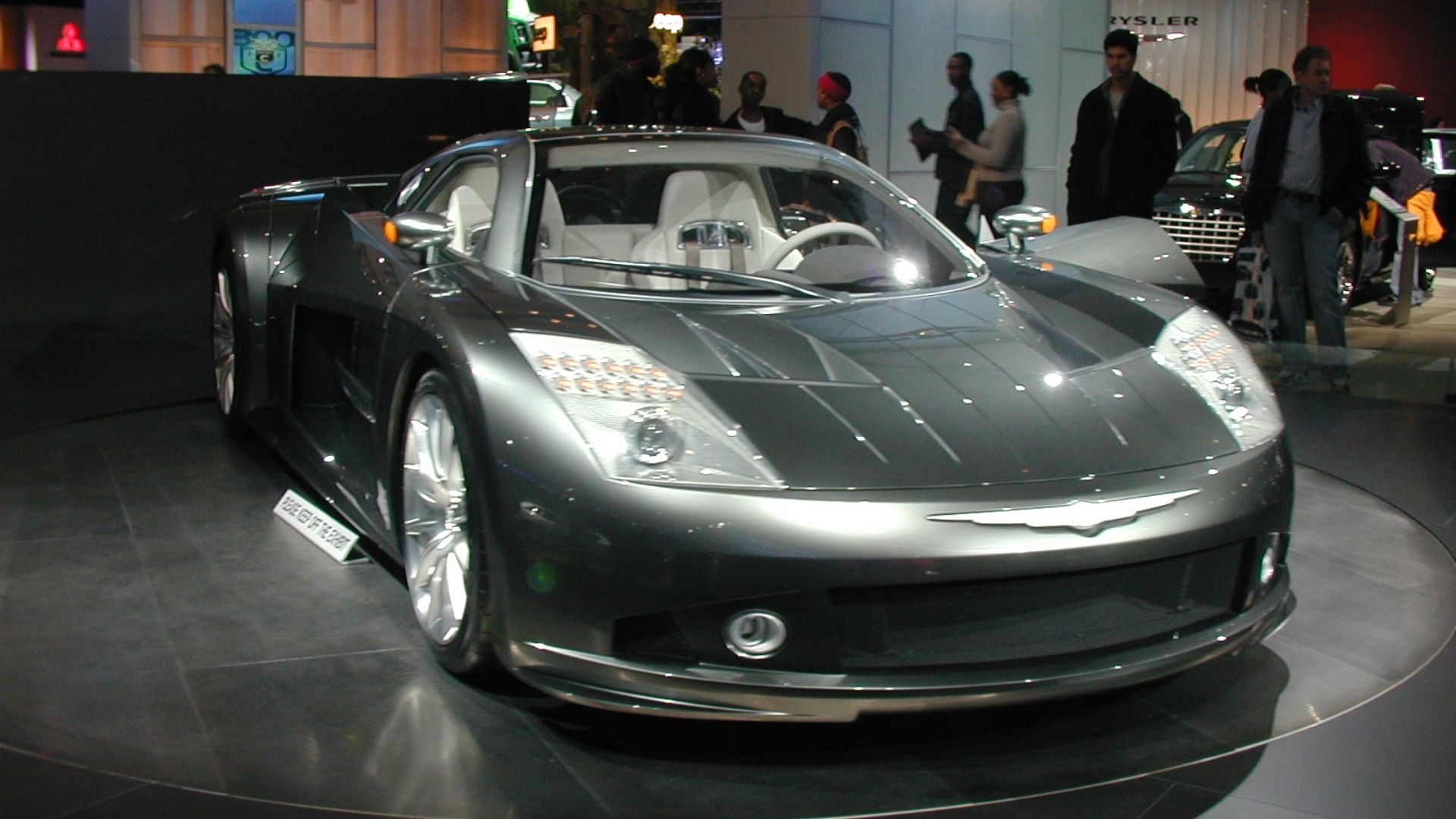
Chrysler ME Four-Twelve (2004)
The ME Four-Twelve was Chrysler briefly behaving like it wanted to fight Ferrari, Lamborghini, and everyone else at once. A 6.0-liter V12 received four turbochargers, producing a claimed 850 horsepower, while a carbon-fiber body and aluminum/carbon structure kept things appropriately exotic. Chrysler openly suggested production was possible, which made the concept even more exciting. It never happened, but for one brief moment Chrysler looked ready to build an American hypercar before that category really exploded.
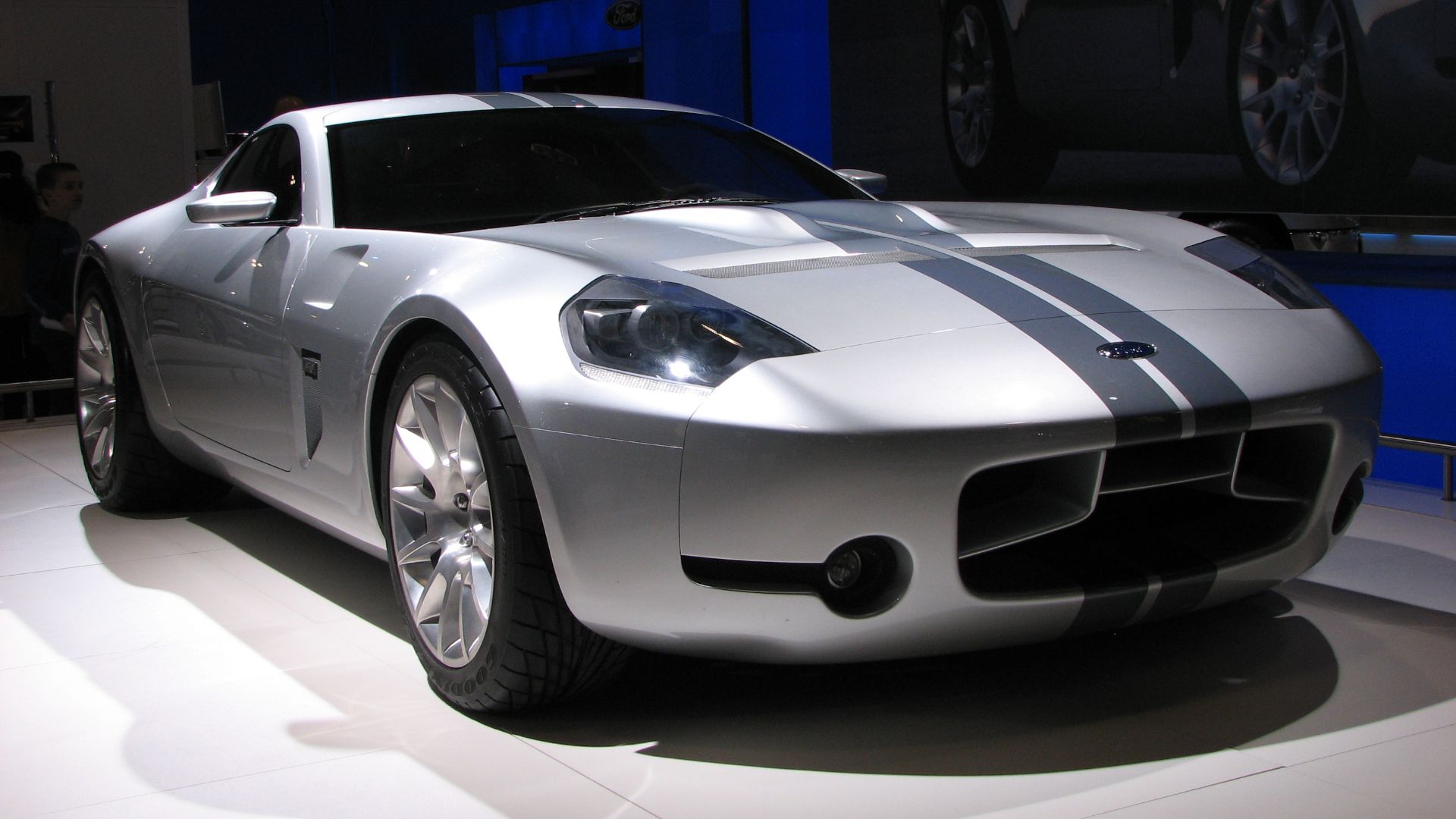
Ford Shelby GR-1 (2004)
The Shelby GR-1 appeared first as a design model in 2004, with a fully functional version following for 2005. Inspired by the Shelby Daytona Coupe, it combined classic proportions with a far more modern aluminum body and dramatic fastback shape. The running concept used a 6.4-liter V10 producing around 605 horsepower and borrowed heavily from Ford’s earlier Shelby Cobra concept. Ford had already proven it could build the GT, which made the GR-1’s failure to reach production especially painful.
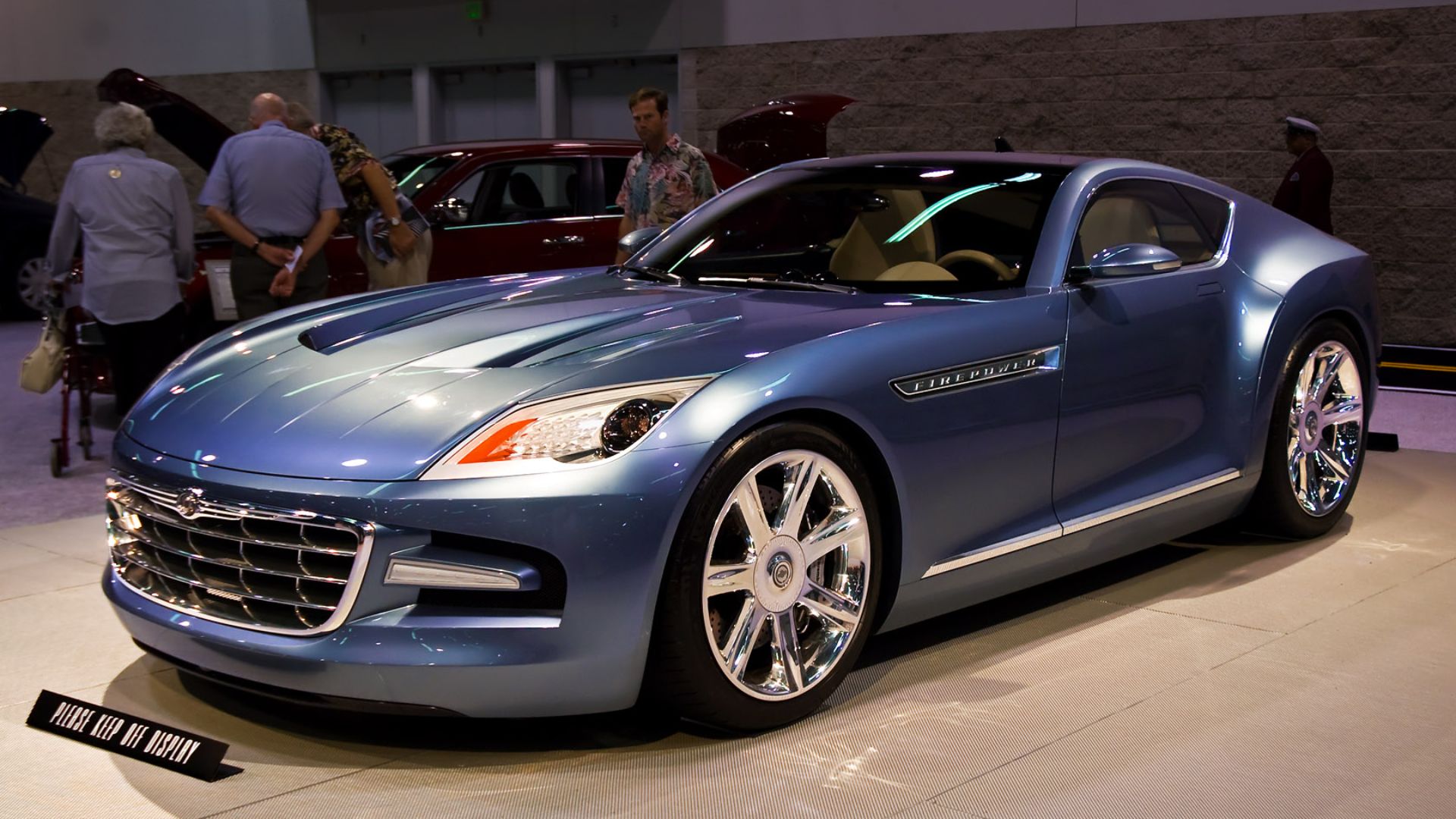
Chrysler Firepower (2005)
Unlike the ridiculous ME Four-Twelve, the Chrysler Firepower actually looked buildable. It used Dodge Viper underpinnings but swapped the V10 for Chrysler’s 425-hp 6.1-liter Hemi V8, creating a smoother, more luxurious grand tourer rather than another raw supercar. Car and Driver described the basic idea as something like an attainable Aston Martin rival. Unfortunately, Chrysler’s financial situation made the business case difficult, and one of the company’s most convincing modern concepts remained a one-off.
You May Also Like:
Cars That Could Have Redefined Muscle, If They Had Ever Been Made
The Wildest Concept Cars Of The 1980s
10 Awesome Cadillac Concept Cars That Didn't Make It To Production