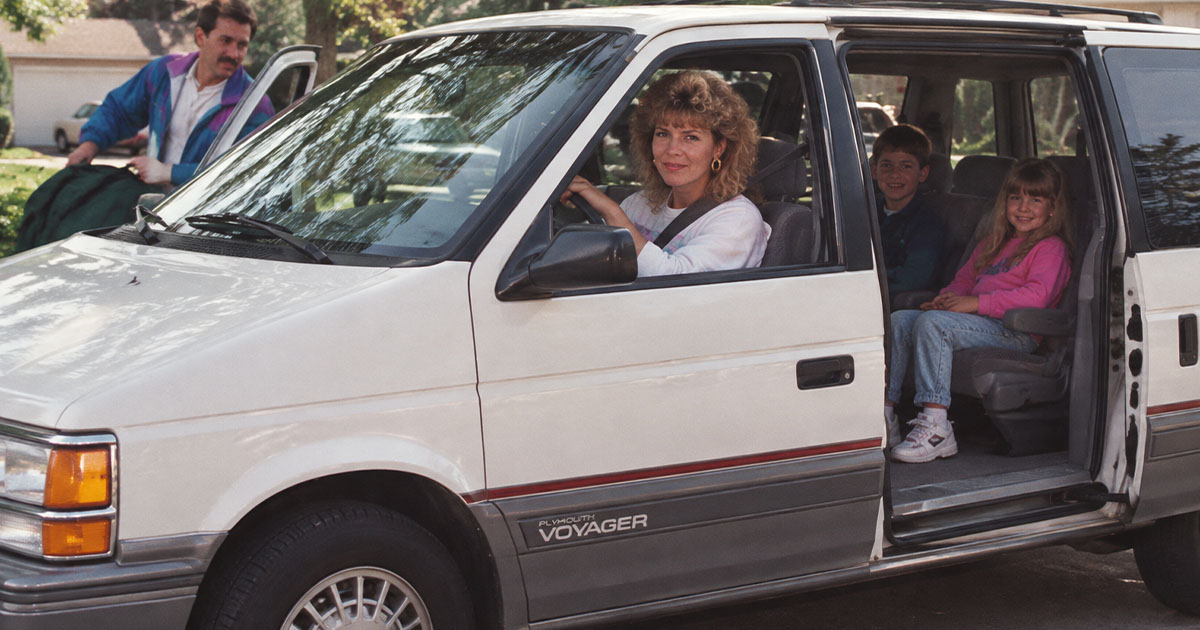
Remember When The Minivan Was King Of The Family Driveway?
Before three-row SUVs took over American driveways, the minivan was practically a family necessity. These rolling living rooms hauled Little League teams, survived cross-country vacations, and collected enough spilled juice boxes to last a lifetime. Some had fake woodgrain, others looked like spaceships, and nearly all had seats that weighed a ton.
Here are 20 unforgettable minivans from the 1990s, including a few oddballs you probably haven't seen in decades.
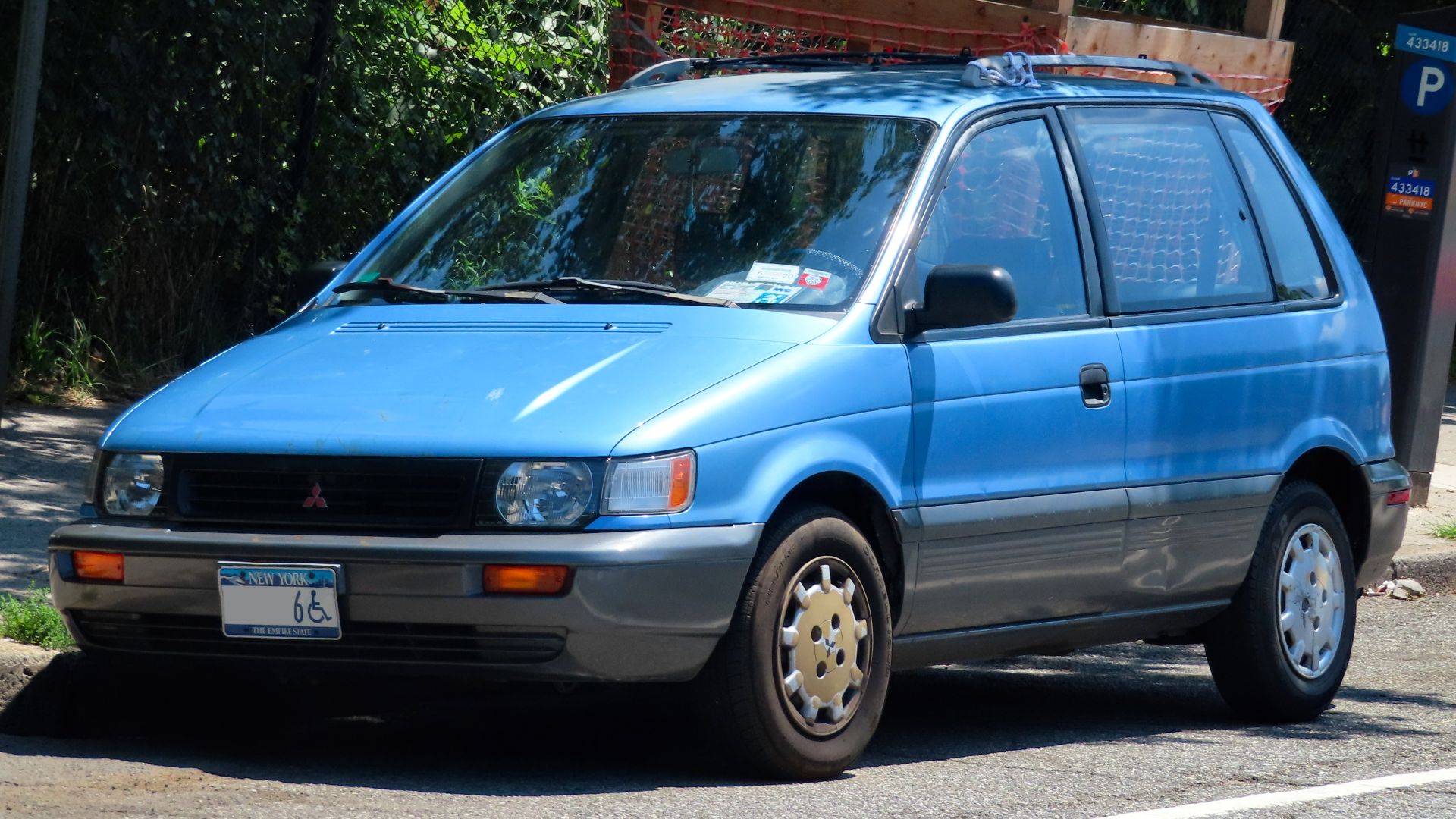
20. Mitsubishi Expo LRV (1992–1994)
The Mitsubishi Expo LRV was a tiny people mover with a surprisingly practical design. Its sliding side door, tall roof, and available all-wheel drive made it useful for small families. Powered by a 1.8-liter four-cylinder producing around 113 horsepower, it wasn't particularly fast. Still, its unusual proportions made it memorable.
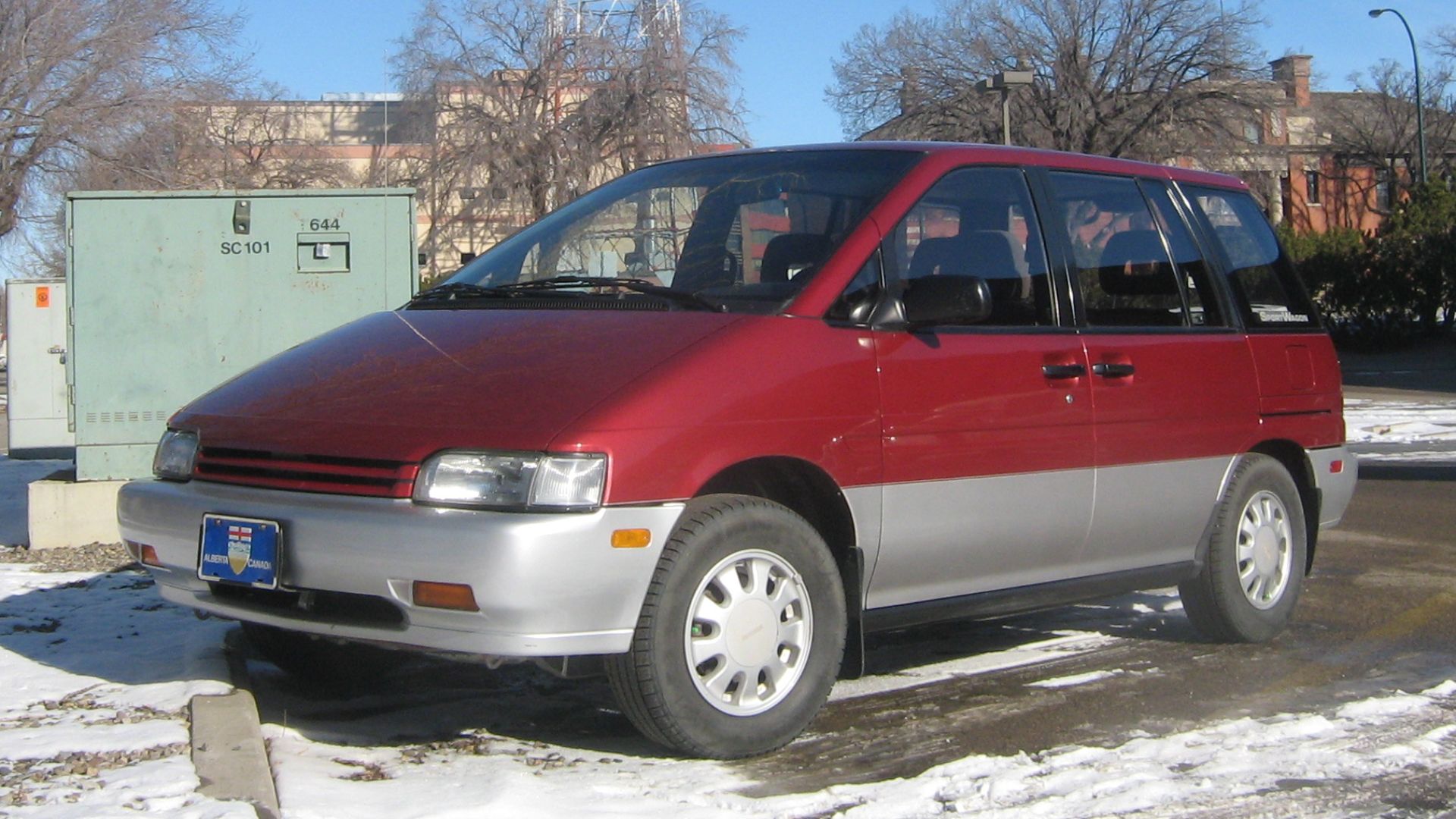
19. Nissan Axxess (1990)
The Nissan Axxess looked like somebody accidentally shrank a full-size minivan. With sliding doors on both sides, available four-wheel drive, and a 2.4-liter four-cylinder producing around 138 horsepower, it was surprisingly versatile. American buyers only got it for one model year, making it one of the rarest sights on this list.
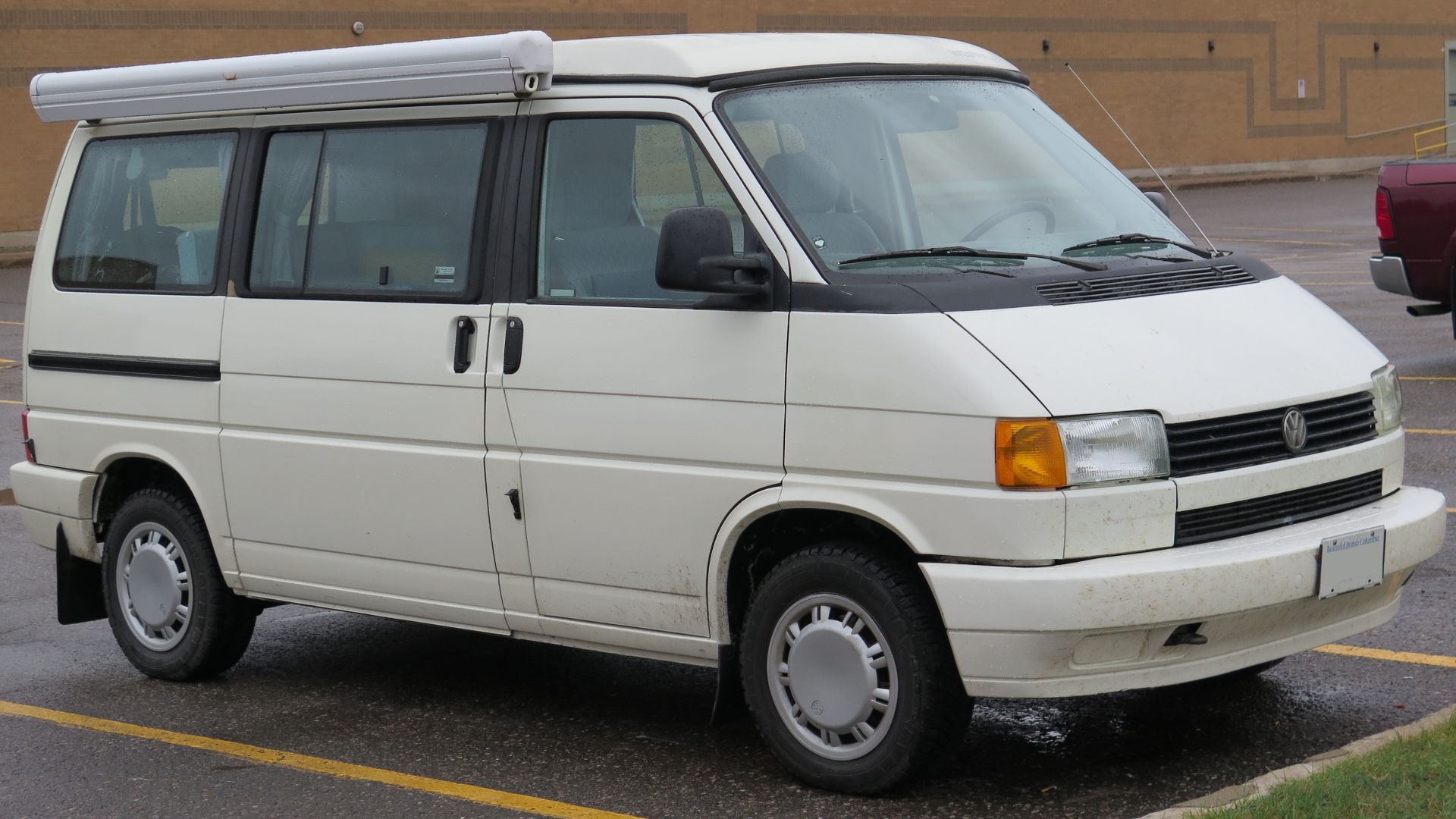
18. Volkswagen EuroVan (1993, 1999)
Volkswagen's EuroVan brought European practicality to American families. Unlike the old rear-engine Vanagon, it featured a front-mounted engine and front-wheel drive. The 1993 model used a 2.5-liter five-cylinder, while the 1999 version offered a 2.8-liter VR6. Its enormous interior made it perfect for families who packed everything except the kitchen sink.
17. Mazda MPV (1989–1998)
Mazda's original MPV was a strange cross between a minivan and an SUV. Instead of sliding doors, it featured conventional hinged rear doors, and buyers could get four-wheel drive. Its available 3.0-liter V6 produced around 155 horsepower. It was ideal for parents who wanted minivan practicality without admitting they'd bought a minivan.
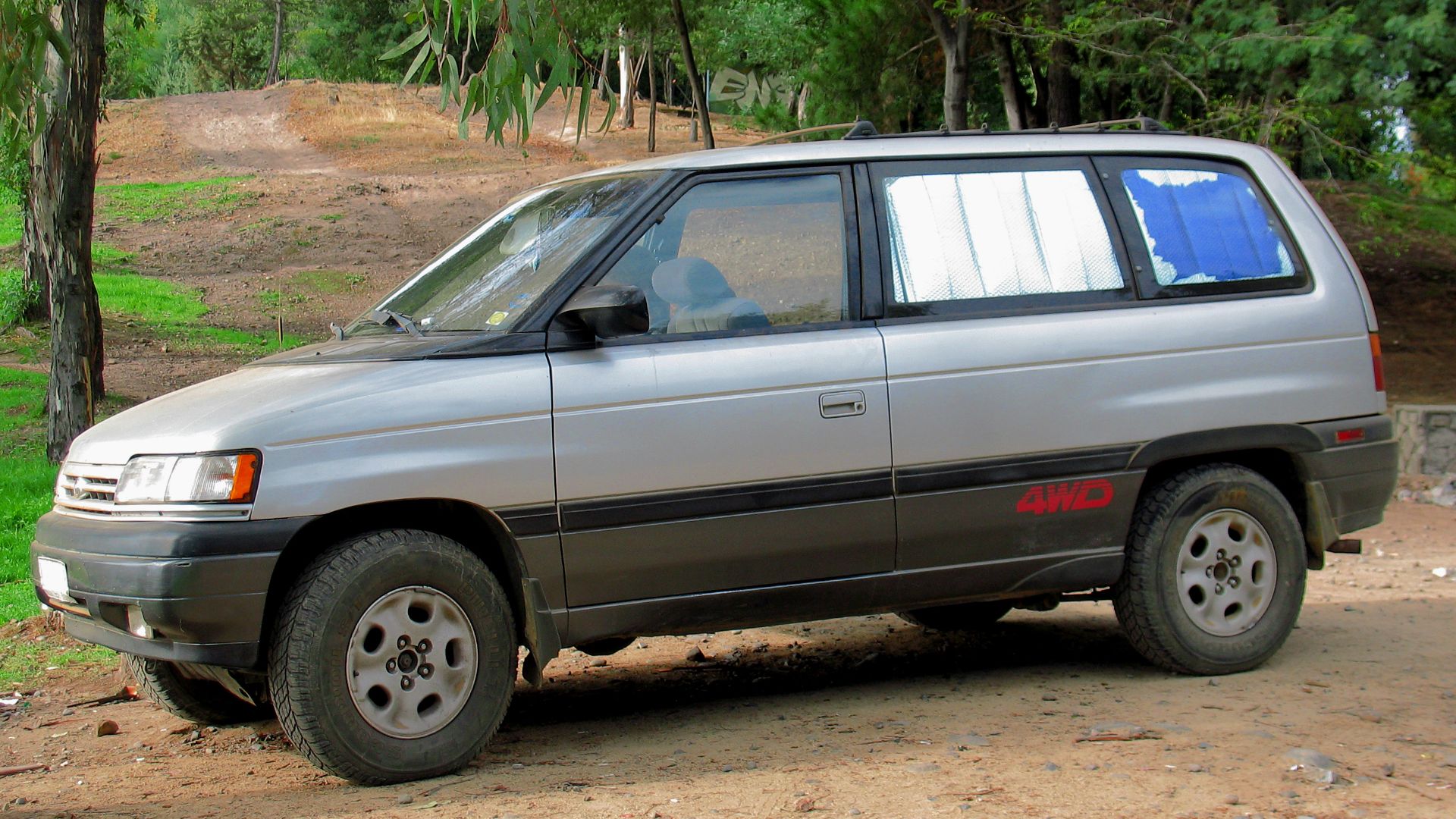 RL GNZLZ from Chile, Wikimedia Commons
16. GMC Safari (1990s)
The GMC Safari was essentially a smaller work van dressed for family duty. Its truck-based construction, rear-wheel drive, and available all-wheel drive made it tougher than many competitors. The familiar 4.3-liter V6 delivered useful torque. It wasn't particularly refined, but it could haul kids, camping gear, and practically everything in between.
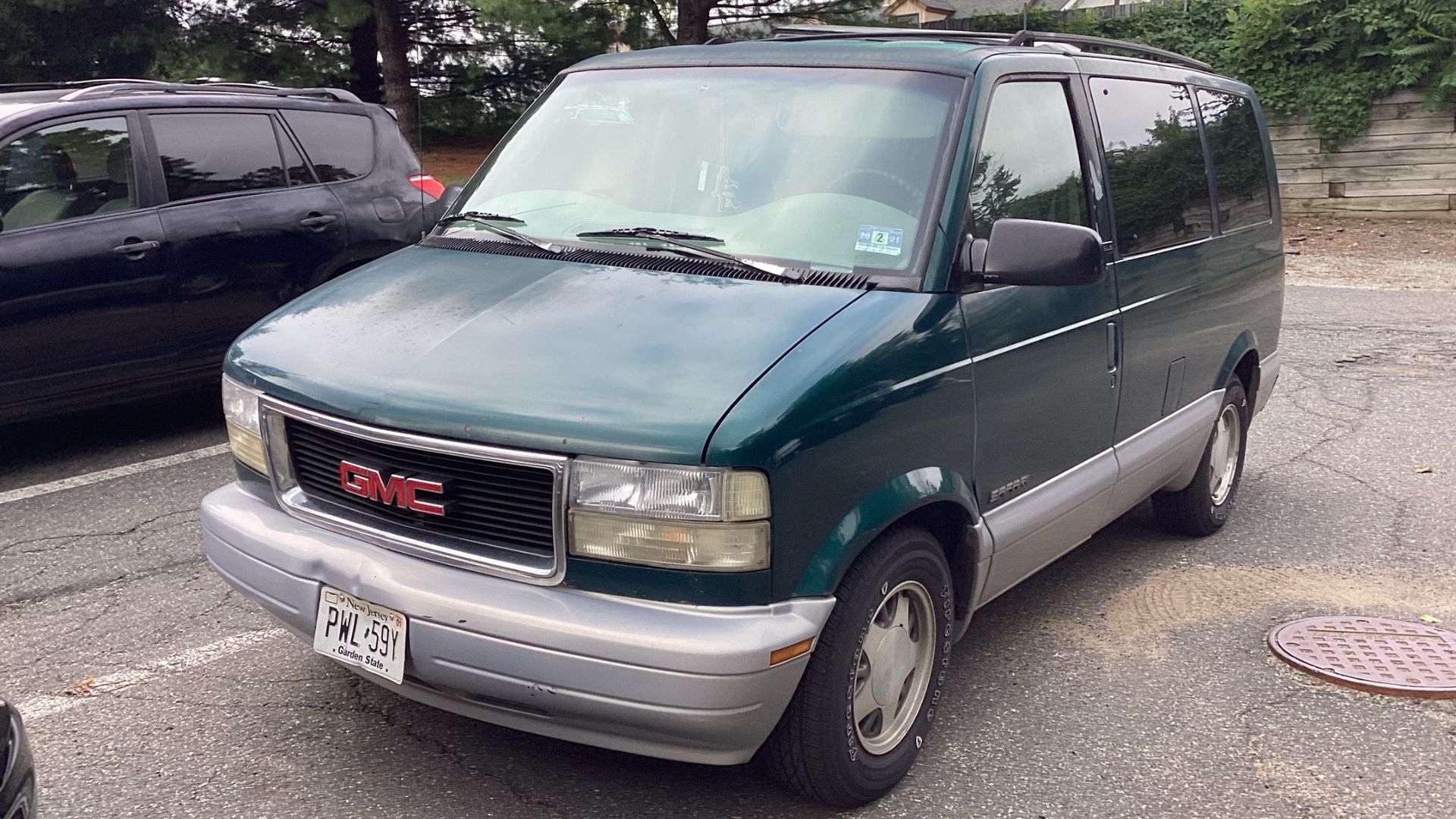 2000chevymontecarlo, Wikimedia Commons
15. Chevrolet Astro (1990s)
The Chevrolet Astro was the boxy family hauler that seemed to be everywhere. Its 4.3-liter V6, rear-wheel-drive layout, and available all-wheel drive made it unusually capable for a minivan. Some configurations could tow considerably more than typical front-wheel-drive competitors. It wasn't glamorous, but it was practically indestructible-looking.
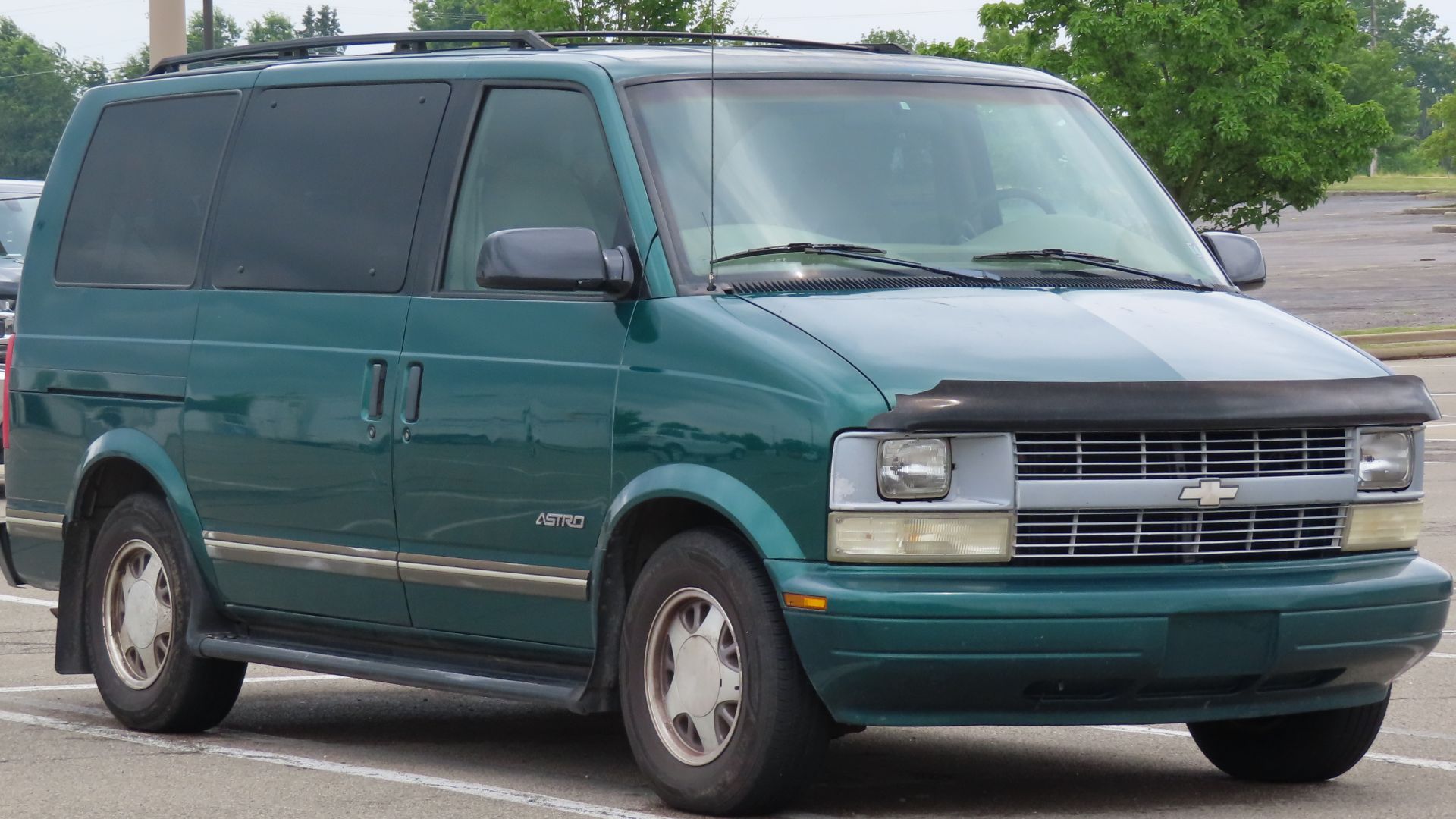 MercurySable99, Wikimedia Commons
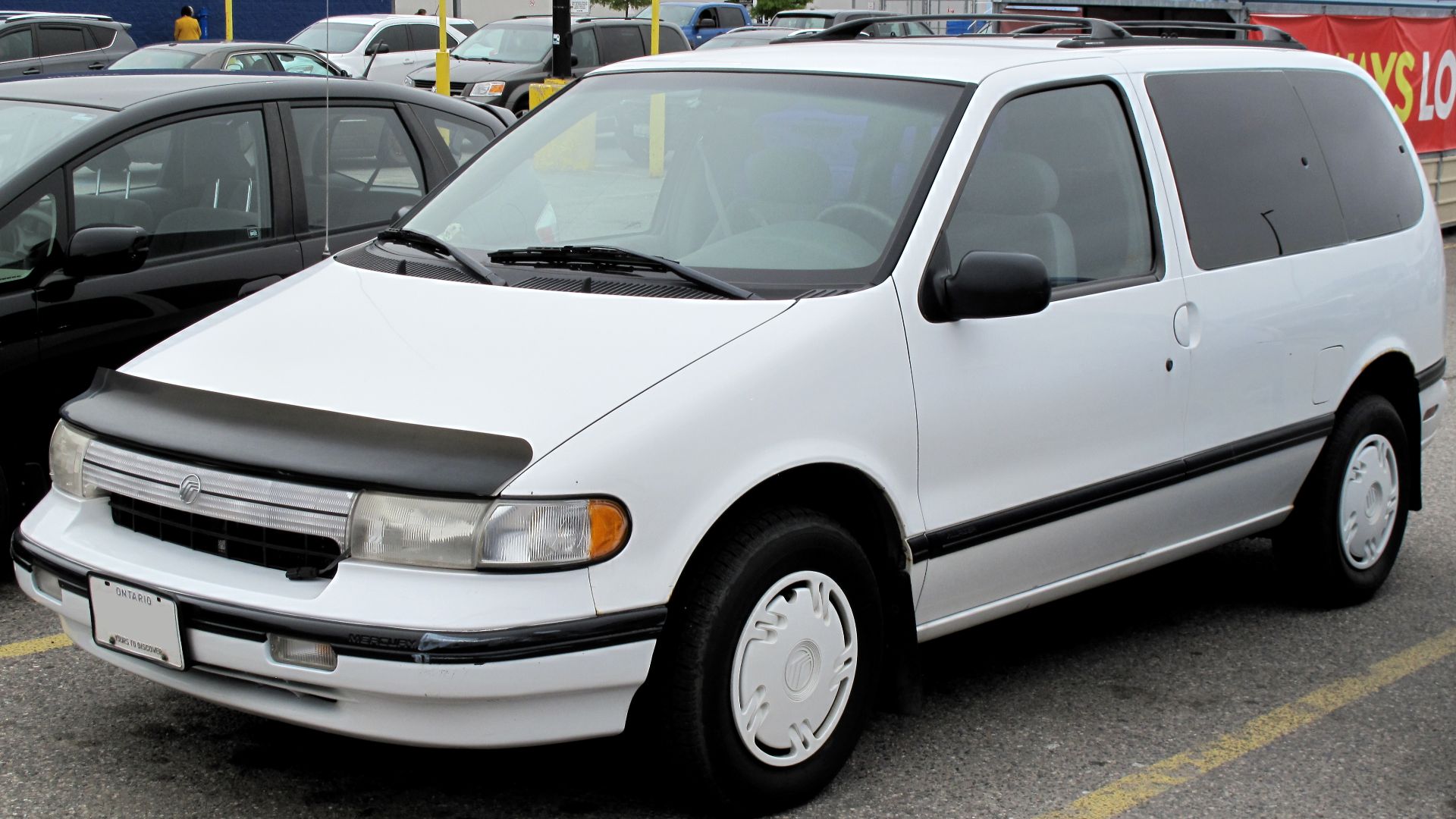
14. Mercury Villager (1993–1999)
The Mercury Villager brought a little style to suburban transportation. Developed alongside the Nissan Quest, it featured a 3.0-liter V6 producing 151 horsepower in its first generation. The memorable Nautica edition added two-tone paint and nautical-inspired trim. Apparently, somebody at Mercury thought family transportation needed a yacht-club membership.
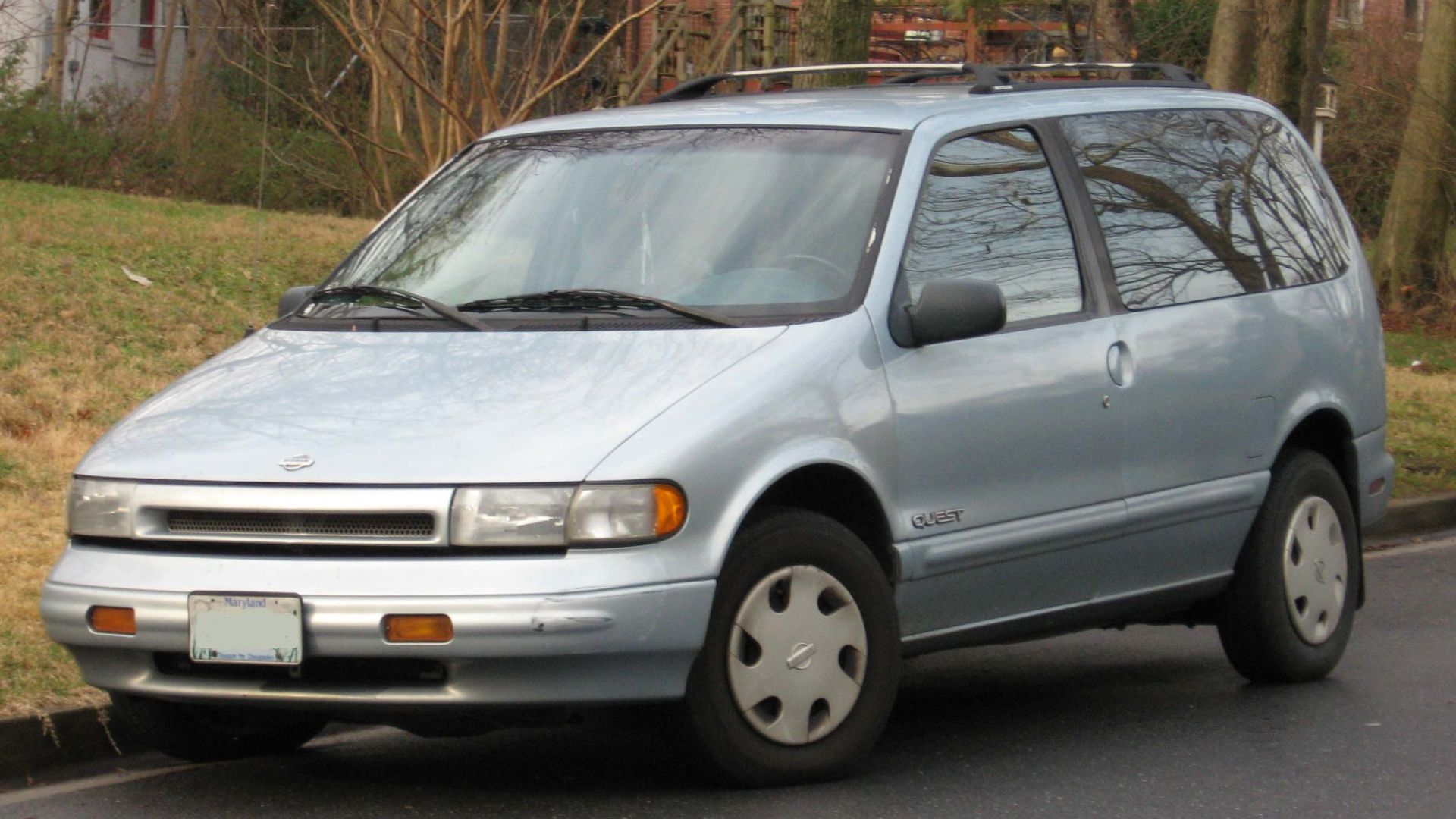
13. Nissan Quest (1993–1998)
The original Nissan Quest shared its basic design with the Mercury Villager but wore Nissan styling. Its 3.0-liter V6, front-wheel drive, and seven-passenger seating made it a practical family choice. The Quest wasn't particularly exciting, but it was comfortable, easy to drive, and capable of surviving endless school pickup lines.
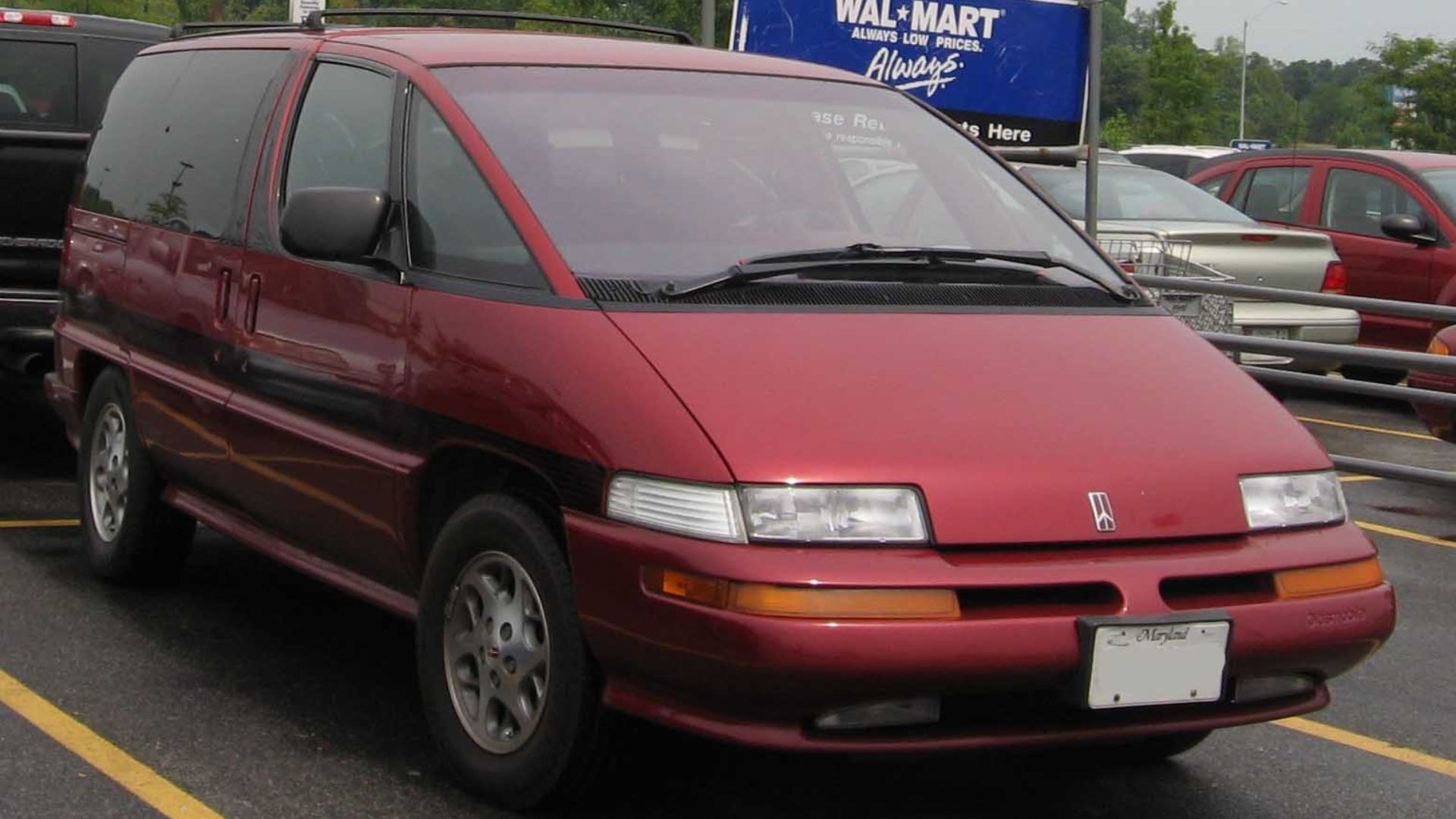
12. Oldsmobile Silhouette (1990–1996)
Oldsmobile's Silhouette looked like it had arrived from the future. Its dramatically sloped windshield, pointed nose, and composite body panels made it impossible to ignore. Available V6 engines provided decent performance, while the spacious interior accommodated seven passengers. It was a bold design, even if the enormous dashboard seemed to stretch halfway to the horizon.
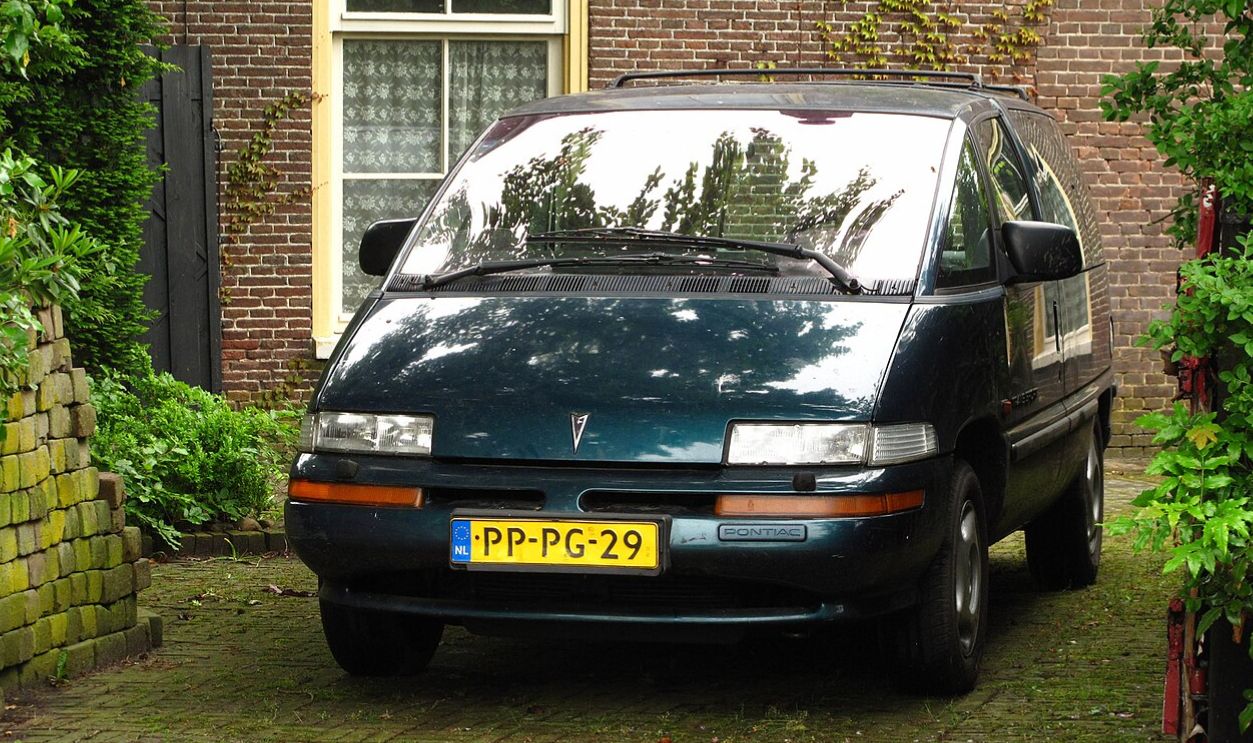
11. Pontiac Trans Sport (1990–1996)
Pontiac took the futuristic GM minivan design and gave it a sportier personality. The Trans Sport featured distinctive body cladding, available V6 power, and seating for seven. Its spaceship-like styling looked unlike anything else in the school parking lot. Unfortunately, it still drove like a family minivan, no matter how sporty Pontiac made it look.
 Rutger van der Maar, CC BY 2.0, Wikimedia Commons
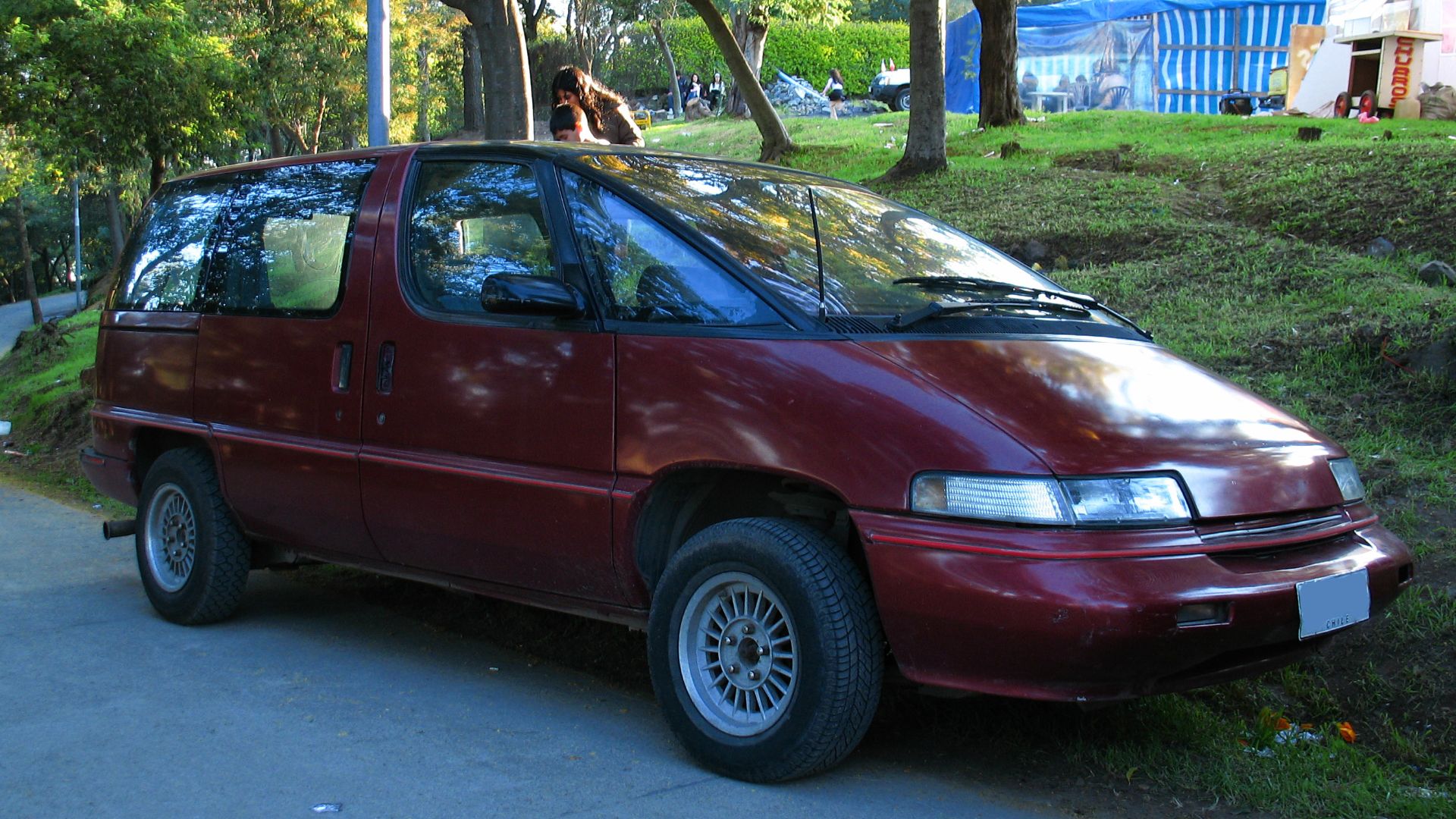
10. Chevrolet Lumina APV (1990–1996)
Few minivans were more recognizable than the Chevrolet Lumina APV. Its pointed nose and enormous windshield earned it the nickname "Dustbuster." Early versions featured a 3.1-liter V6, while later models offered a more powerful 3.8-liter engine. It looked strange then, and it looks even stranger now.
 order_242 from Chile, Wikimedia Commons
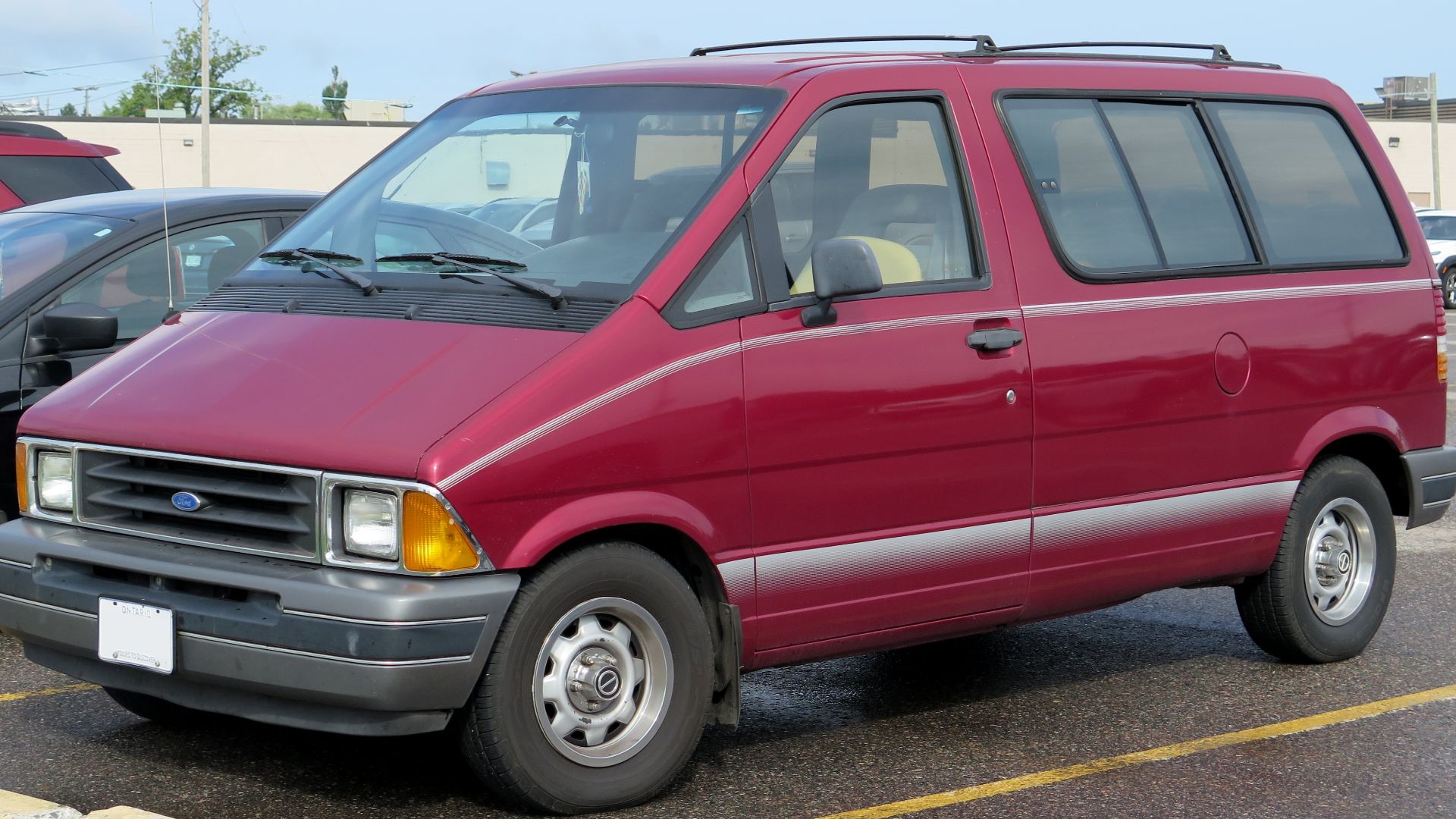
9. Ford Aerostar (1990s)
The Ford Aerostar was a familiar sight in American suburbs throughout the decade. Unlike many competitors, it used rear-wheel drive and offered all-wheel drive. Buyers could choose a 3.0-liter or 4.0-liter V6, while extended versions provided extra cargo room. The optional Eddie Bauer trim made it look ready for an adventure.
8. Pontiac Montana (1999)
The Pontiac Montana arrived as a standalone model for 1999 after previously being a Trans Sport trim package. Its 3.4-liter V6 produced 185 horsepower, while rugged-looking body cladding gave it an SUV-inspired appearance. Pontiac clearly wanted parents to feel adventurous, even when their destination was the grocery store.
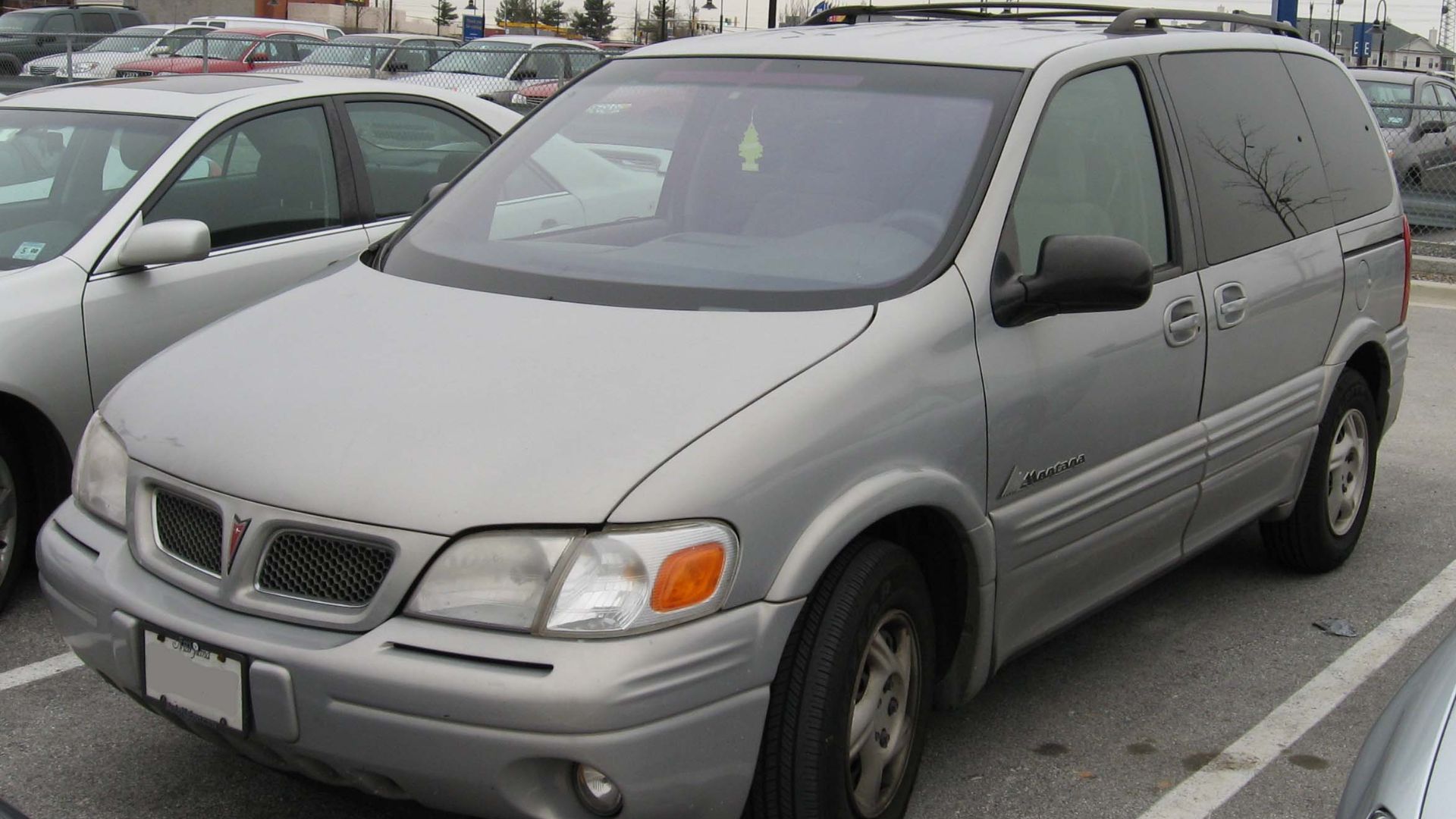
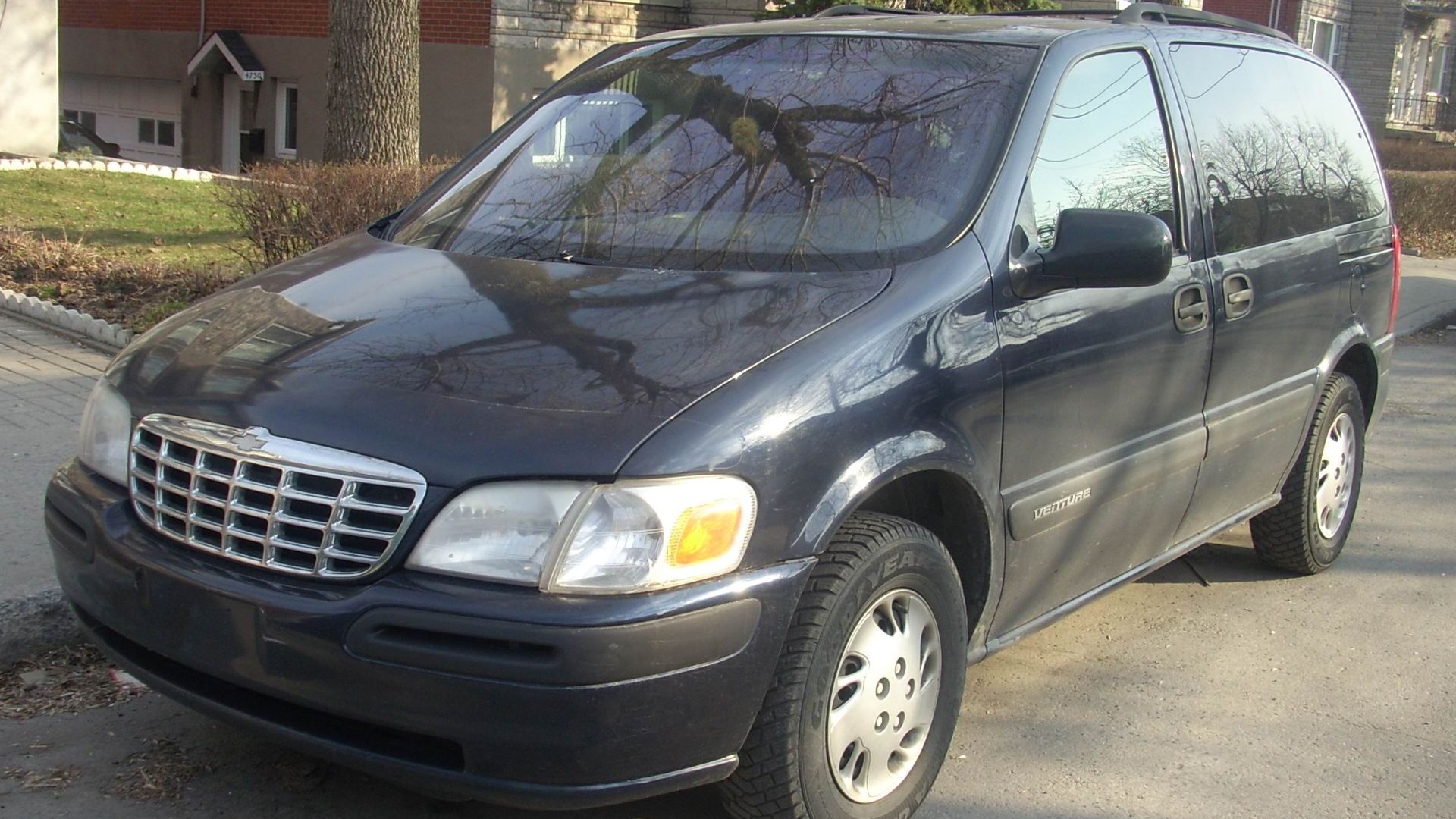
7. Chevrolet Venture (1997–1999)
Chevrolet replaced the unusual Lumina APV with the much more conventional Venture. Its 3.4-liter V6 produced 180 horsepower, while available dual sliding doors made family life easier. Extended-wheelbase versions offered additional room. It wasn't flashy, but it became exactly the sort of minivan you'd expect to see outside an elementary school.
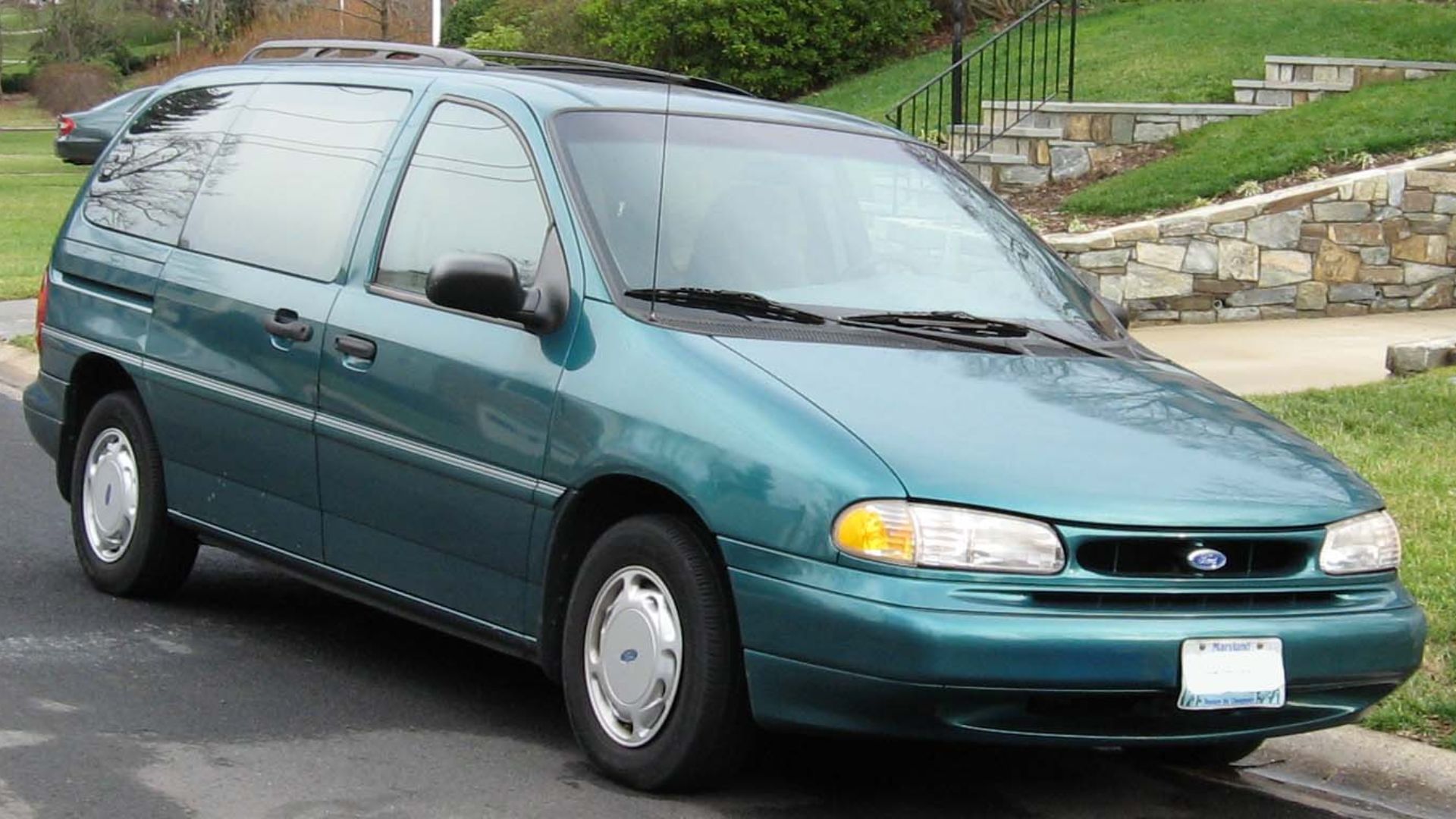
6. Ford Windstar (1995–1999)
The Windstar marked Ford's move toward front-wheel-drive minivans. Early models offered 3.0-liter and 3.8-liter V6 engines, while the redesigned 1999 version introduced available dual sliding doors. With rounded styling and a roomy cabin, it became a suburban staple. Chances are somebody in your neighborhood owned one.
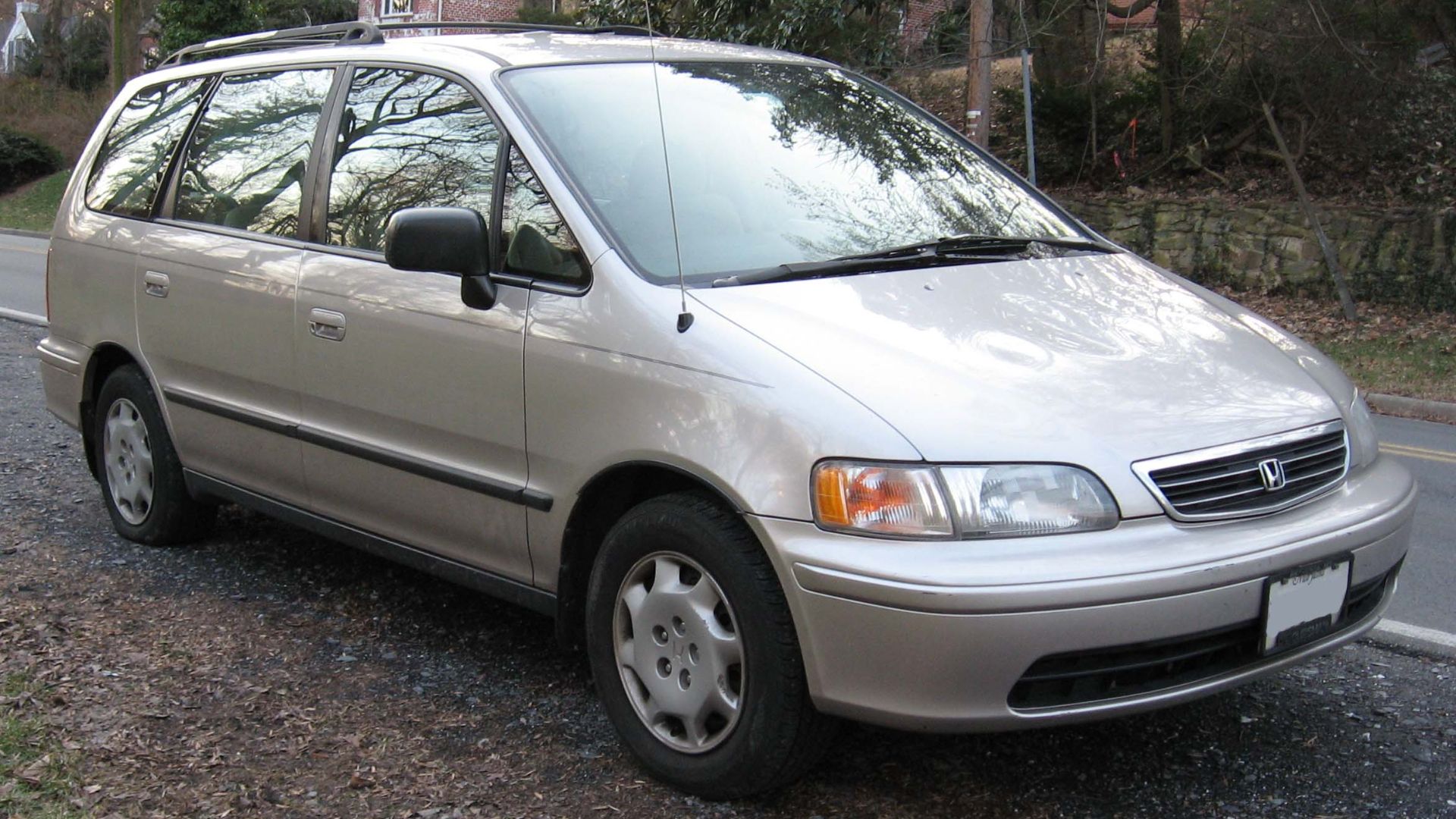
5. Honda Odyssey (1995–1999)
Honda's first Odyssey was unusual because it used conventional hinged rear doors rather than sliding doors. Its 2.2-liter four-cylinder initially produced 140 horsepower, while later models received a 2.3-liter engine. The 1999 redesign introduced a V6 and sliding doors, helping transform the Odyssey into a serious minivan competitor.
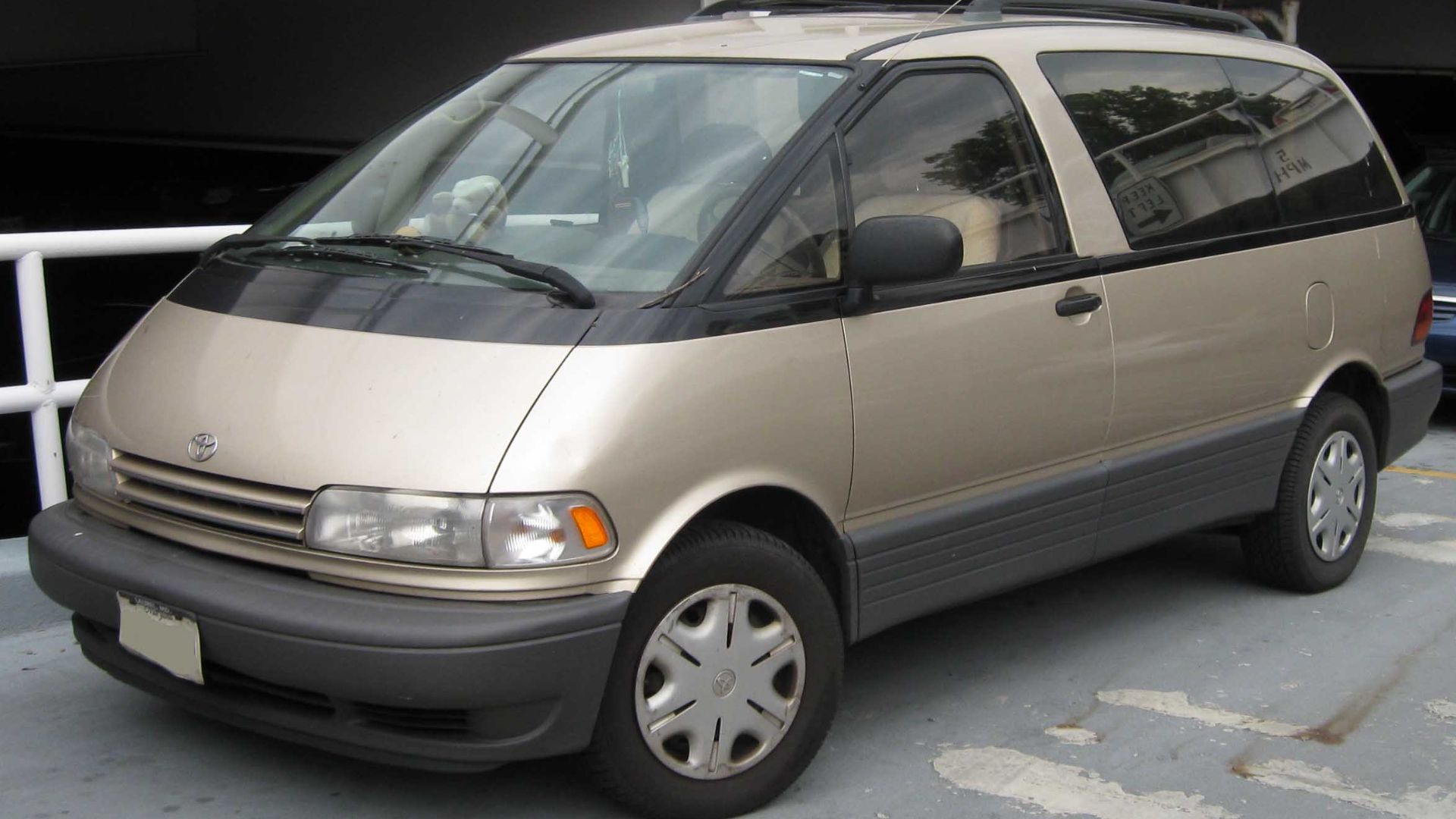
4. Toyota Previa (1991–1997)
The Toyota Previa looked like a giant egg rolling down the highway. Its mid-mounted 2.4-liter four-cylinder engine sat beneath the front seats, while available all-wheel drive added versatility. Later supercharged versions produced 161 horsepower. It was one of the strangest minivans of the decade, but its roomy cabin and unusual engineering made it unforgettable.
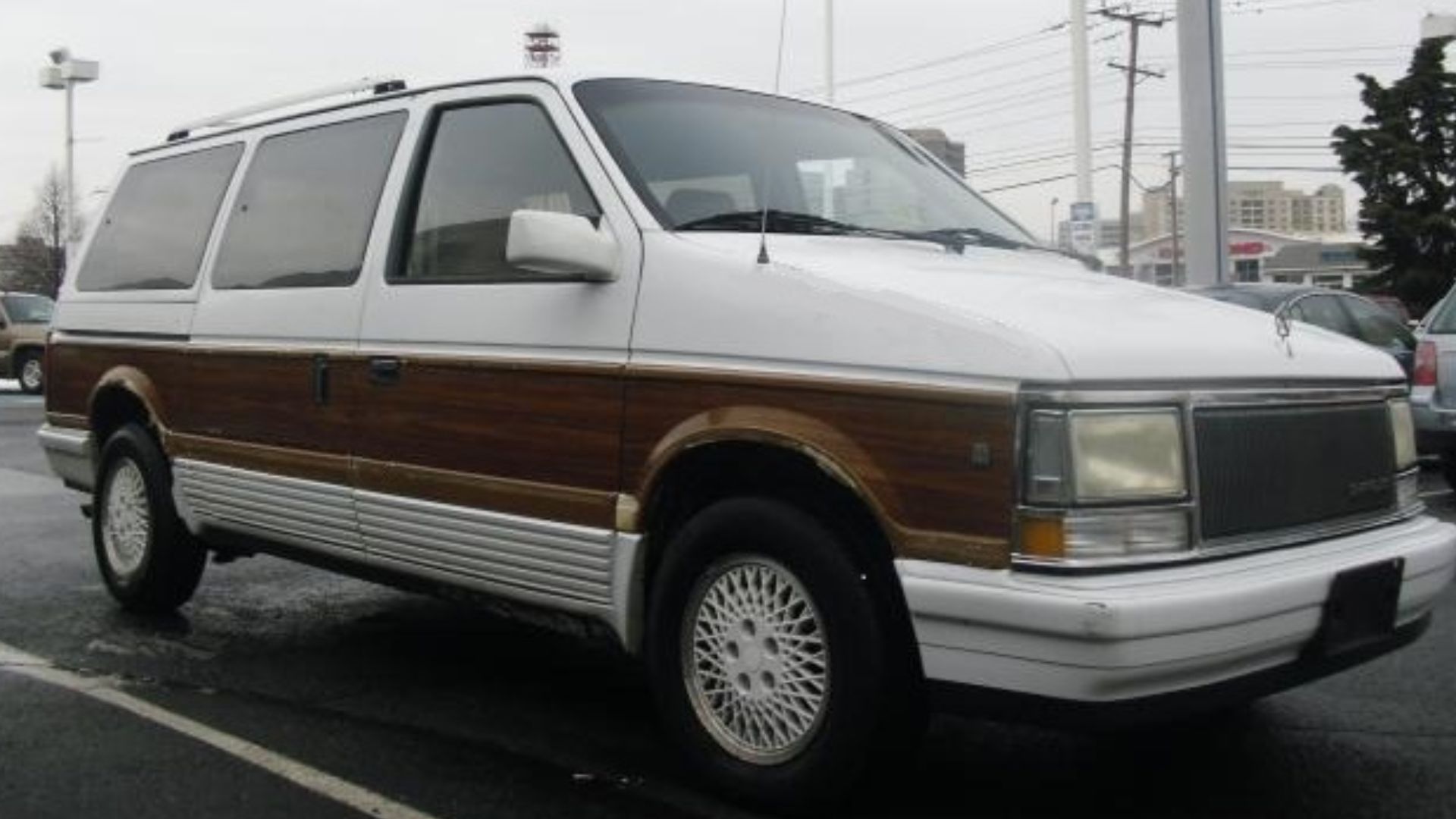
3. Chrysler Town & Country (1990–1999)
The Town & Country was the luxury choice for families who wanted something fancier than an ordinary minivan. Early models featured simulated woodgrain trim, while later versions offered leather seating, power accessories, and available dual sliding doors. Its V6 engines provided comfortable highway performance. Nothing said suburban success quite like a loaded Town & Country.
 GotAfastcar, Wikimedia Commons
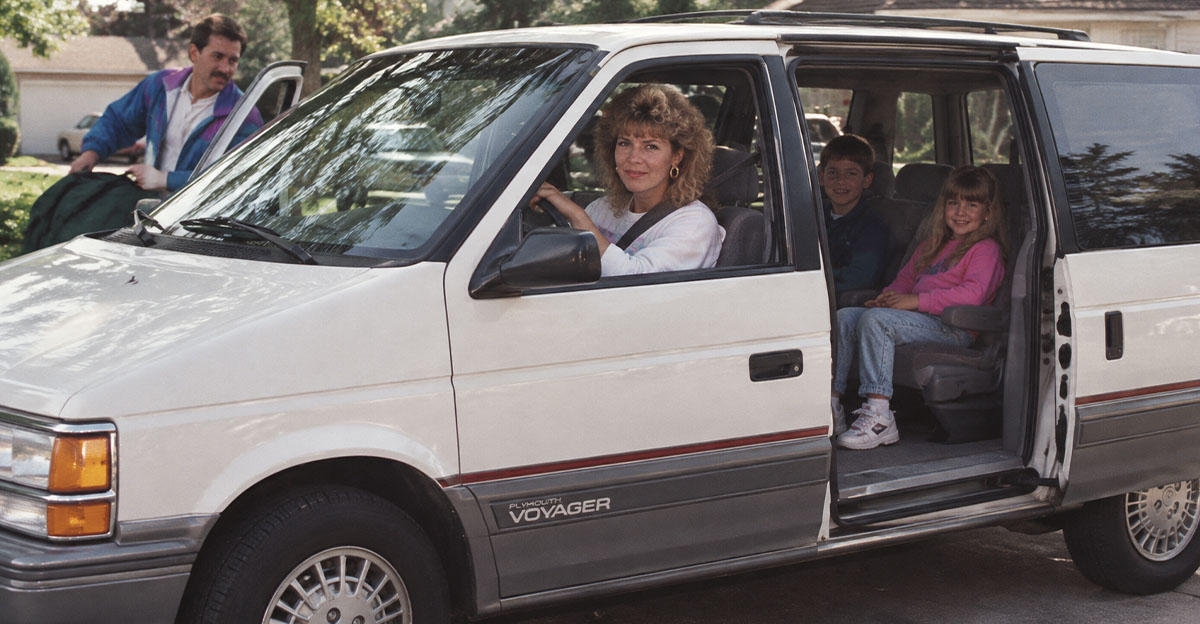
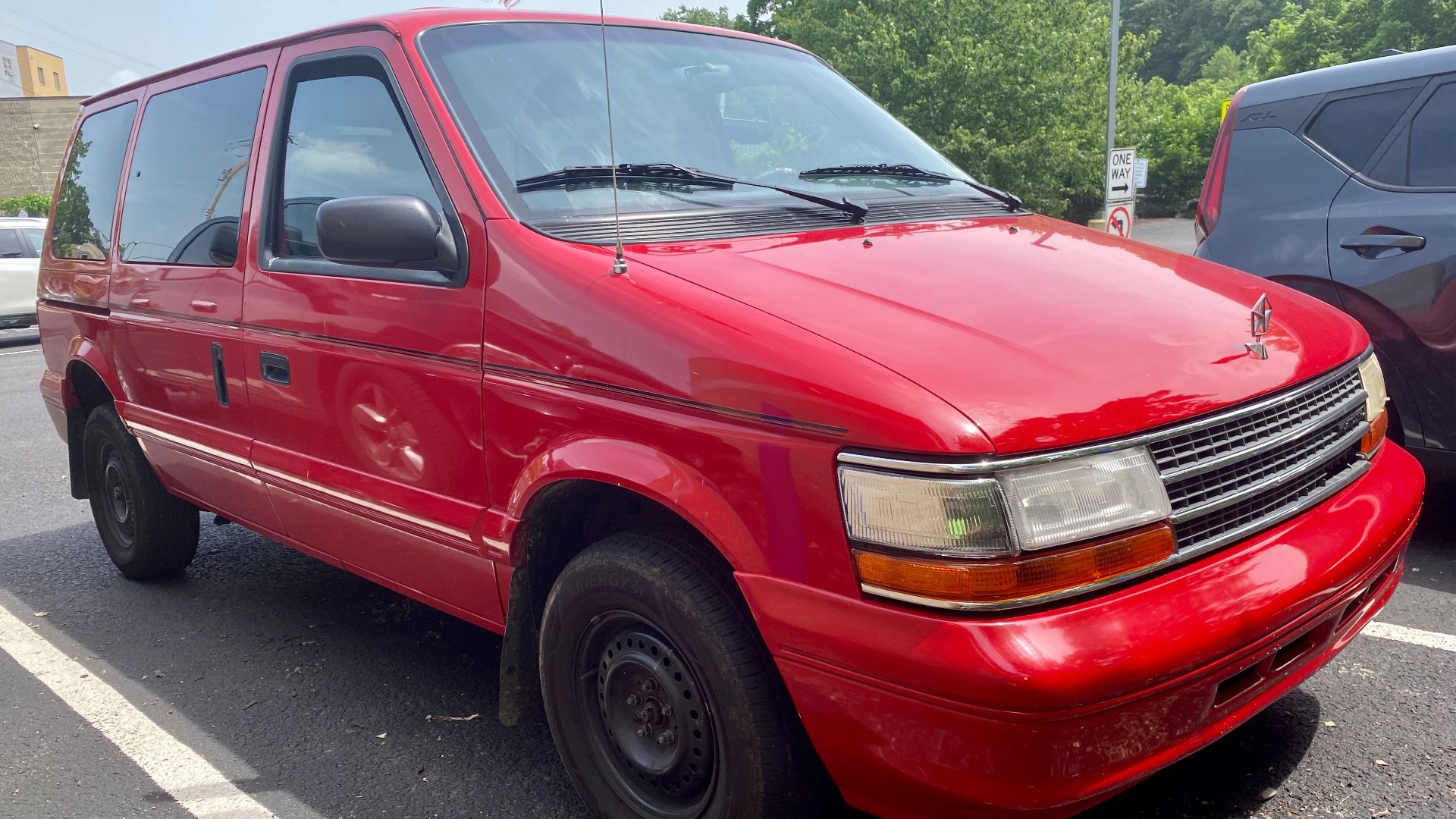
2. Plymouth Voyager (1990–1999)
The Plymouth Voyager was practically a member of the family in countless American households. Its sliding door, removable seating, and available V6 engines made it incredibly practical. The longer Grand Voyager offered additional cargo space. If you grew up in the 1990s, there's a good chance you spent a road trip arguing with your siblings in one.
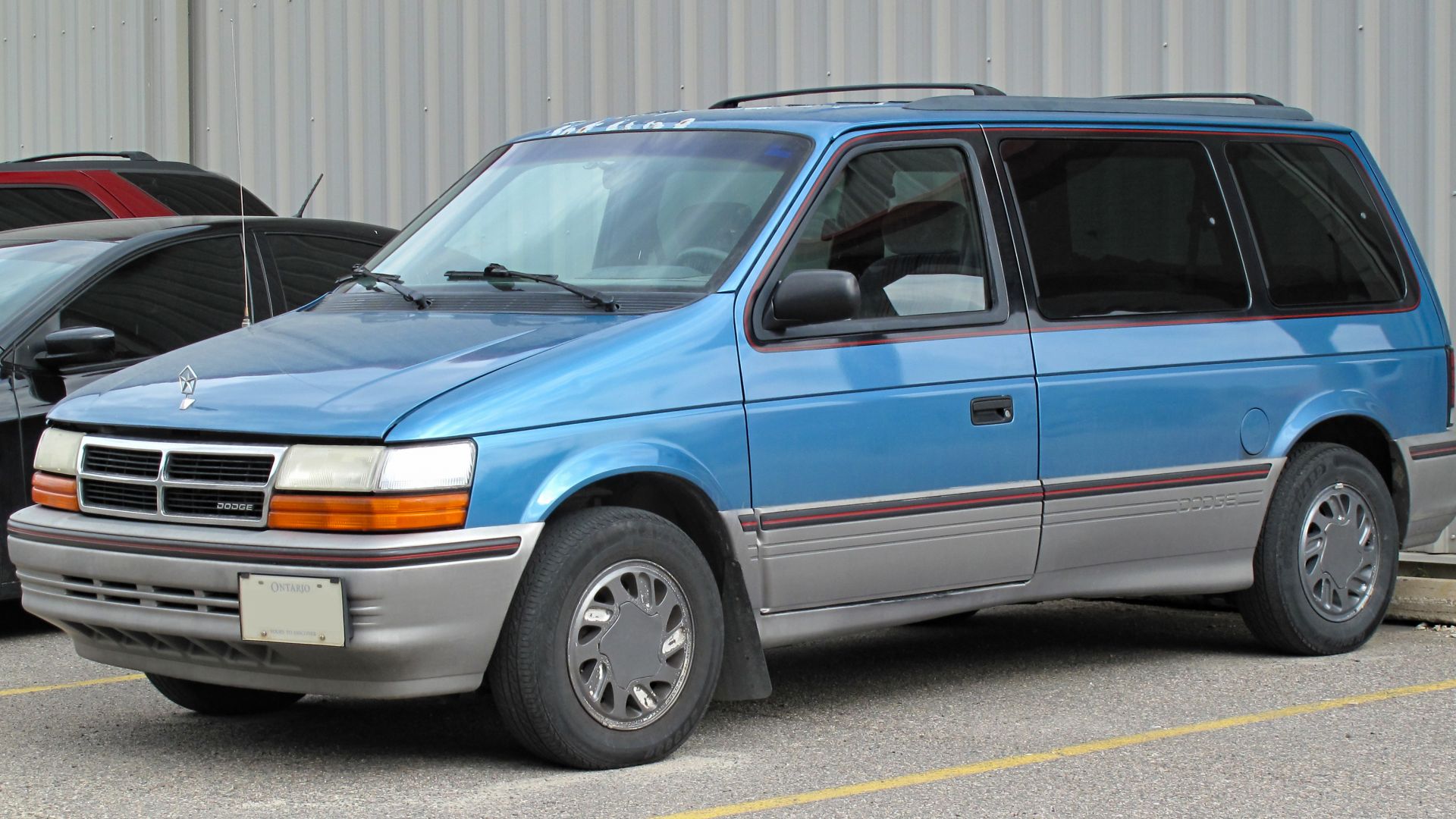
1. Dodge Caravan (1990–1999)
The Dodge Caravan was the undisputed symbol of 1990s family transportation. Available in standard and extended Grand Caravan versions, it offered seating for up to seven, practical sliding doors, and a choice of four-cylinder or V6 engines. The 1996 redesign introduced available dual sliding doors, making family loading easier than ever.
For millions of American families, the Caravan was where childhood memories happened. It carried baseball equipment, camping supplies, grocery bags, and enough forgotten French fries to feed a small army. It wasn't glamorous, but few vehicles captured the spirit of 1990s suburban life quite like it.
You May Also Like:
Car Brands That Break Down The Most—According To Mechanics
New Car Models Baby Boomers Can’t Stand
Studies Now Show That Advanced Driver-Assistance Systems (ADAS) May Be Doing More Harm Than Good