When Cars Had Personality
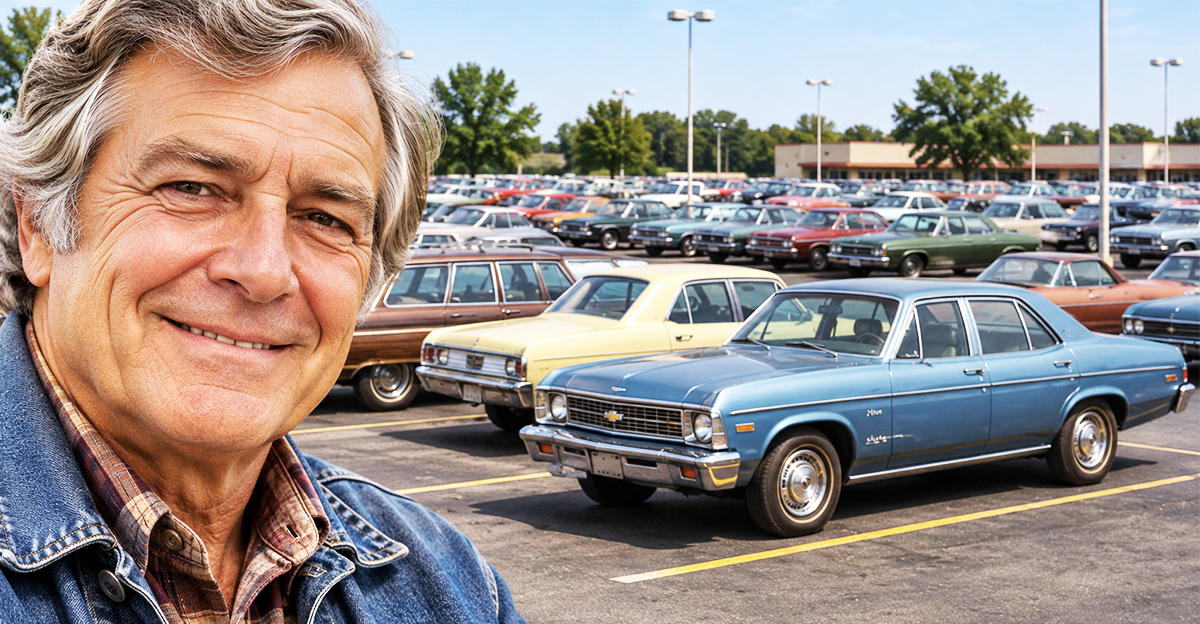
Ask a Baby Boomer what they miss about the cars they grew up with, and you'll probably get more than a few stories. Sure, today's vehicles are safer, cleaner, and more reliable, but something has been lost along the way. From bench seats and chrome bumpers to simple engines you could fix in your driveway, here are the things Boomers remember fondly about cars that just aren't the same anymore.
Bench Seats Up Front
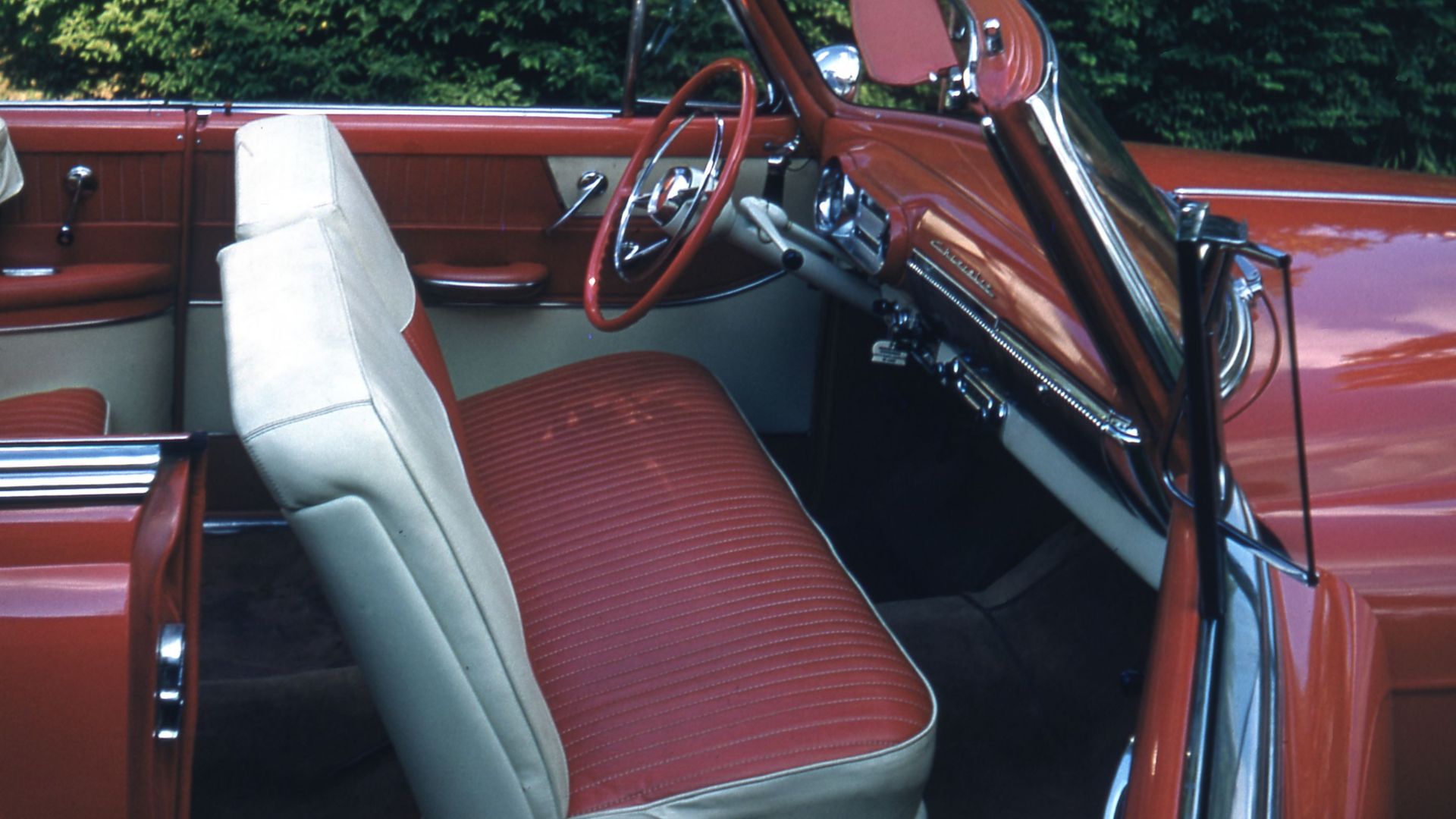
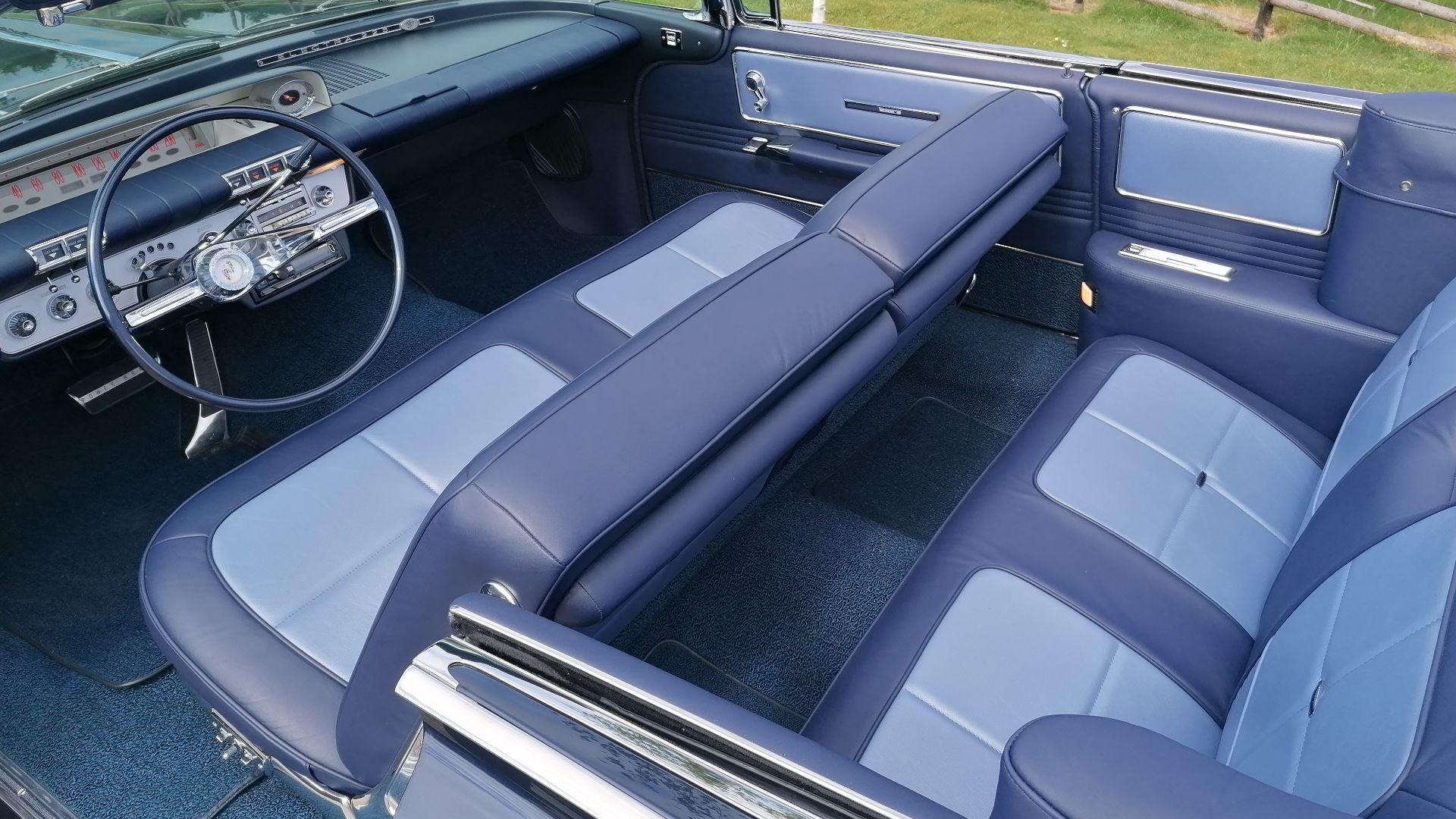
There was something wonderfully sociable about a big front bench seat. Three people could sit across the front, and couples could slide close together without a center console getting in the way. Bucket seats gradually took over, and today's individual seating arrangements have made that old-fashioned closeness a distant memory.
Cars You Could Fix Yourself
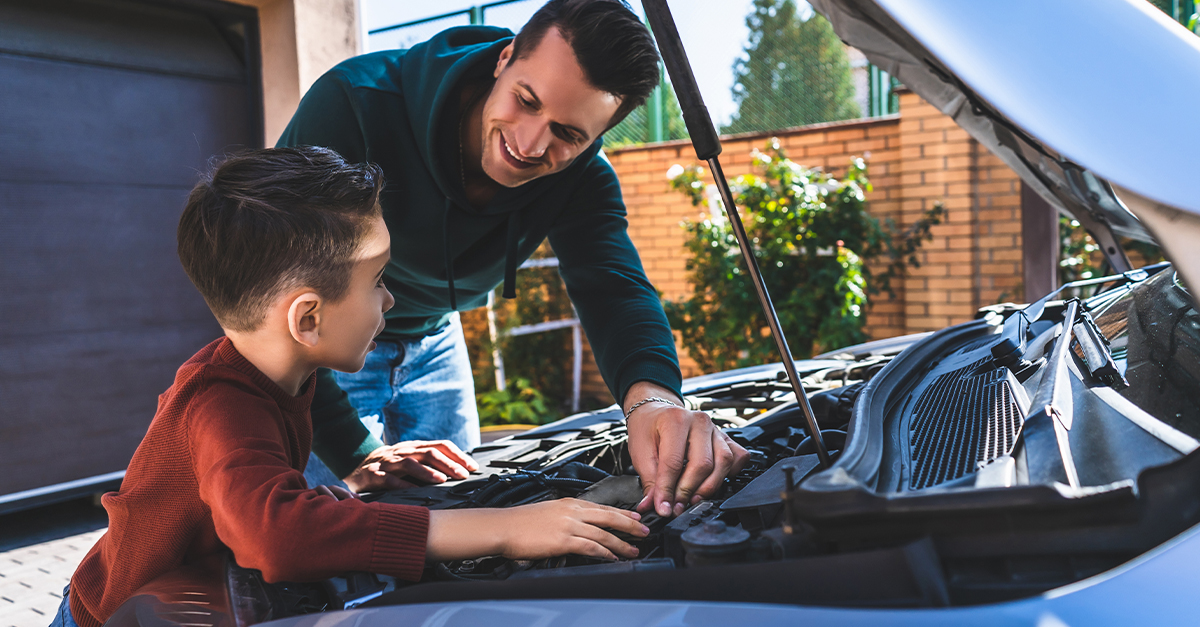
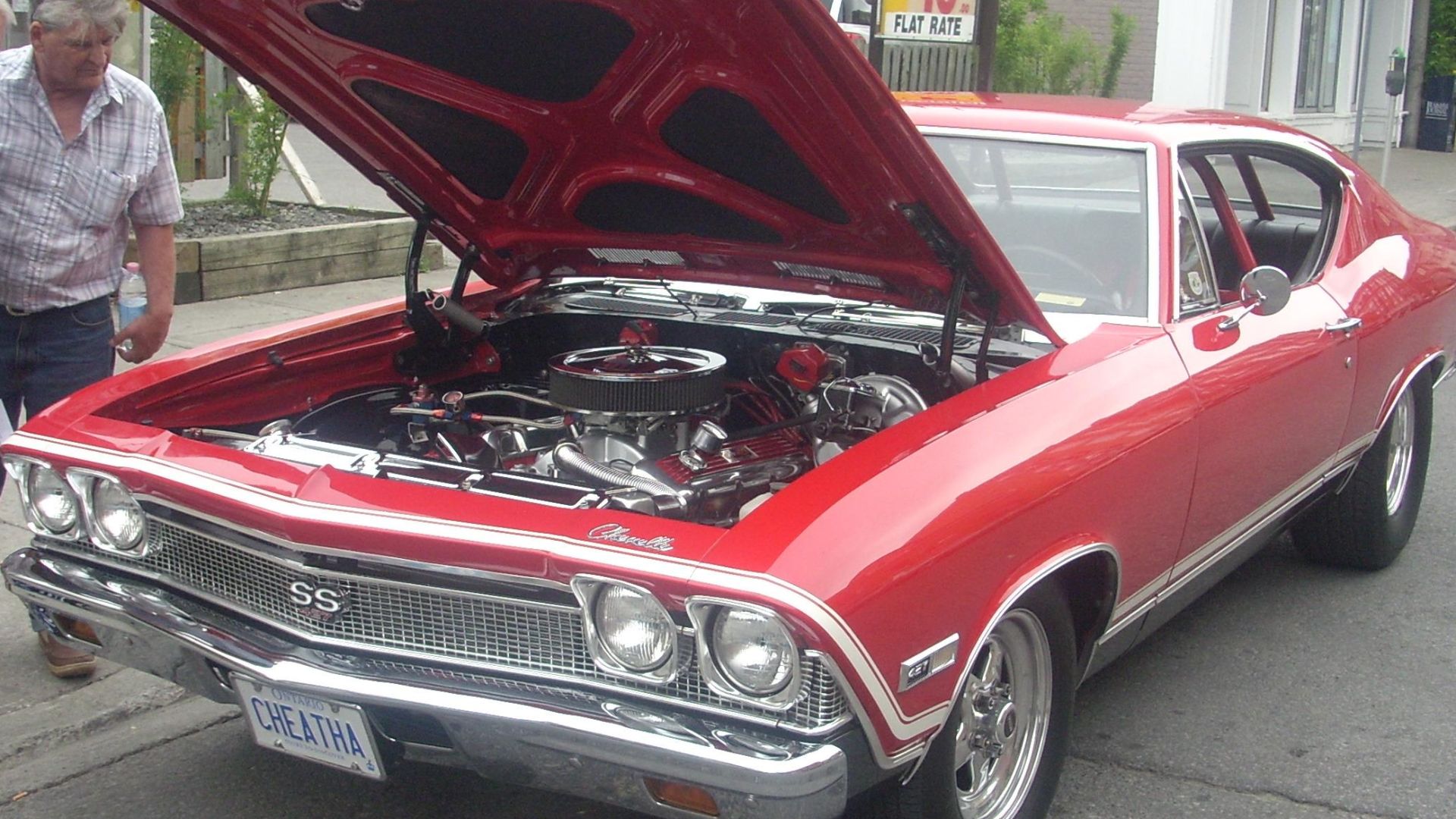
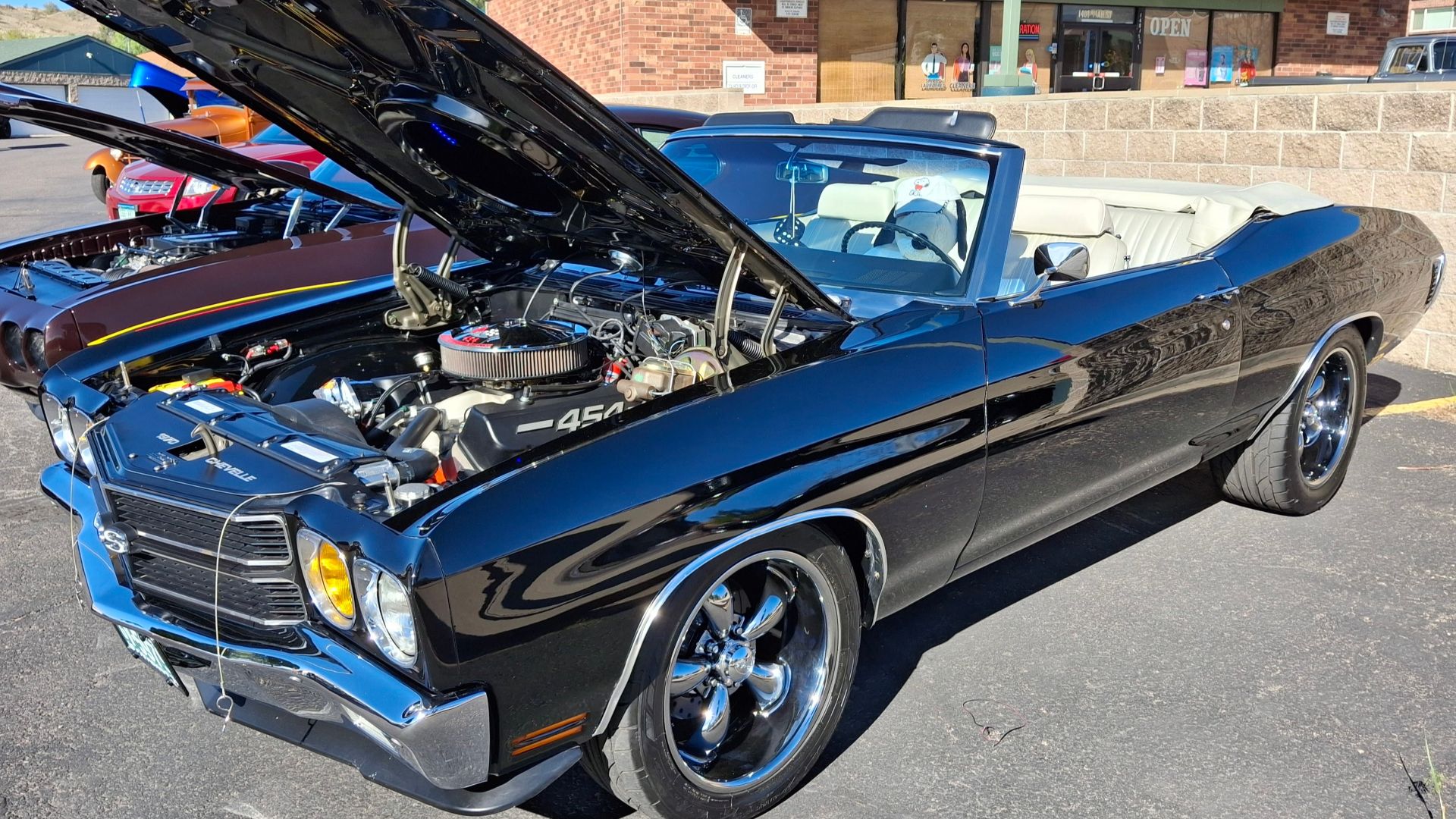
Pop the hood of a 1960s Chevrolet, and you could actually see most of the engine. Changing spark plugs, adjusting a carburetor, or replacing a fuel pump was often a driveway job. Modern cars are more reliable, but cramped engine compartments, electronics, and specialized diagnostic equipment have made many repairs considerably more complicated.
Colors That Actually Stood Out
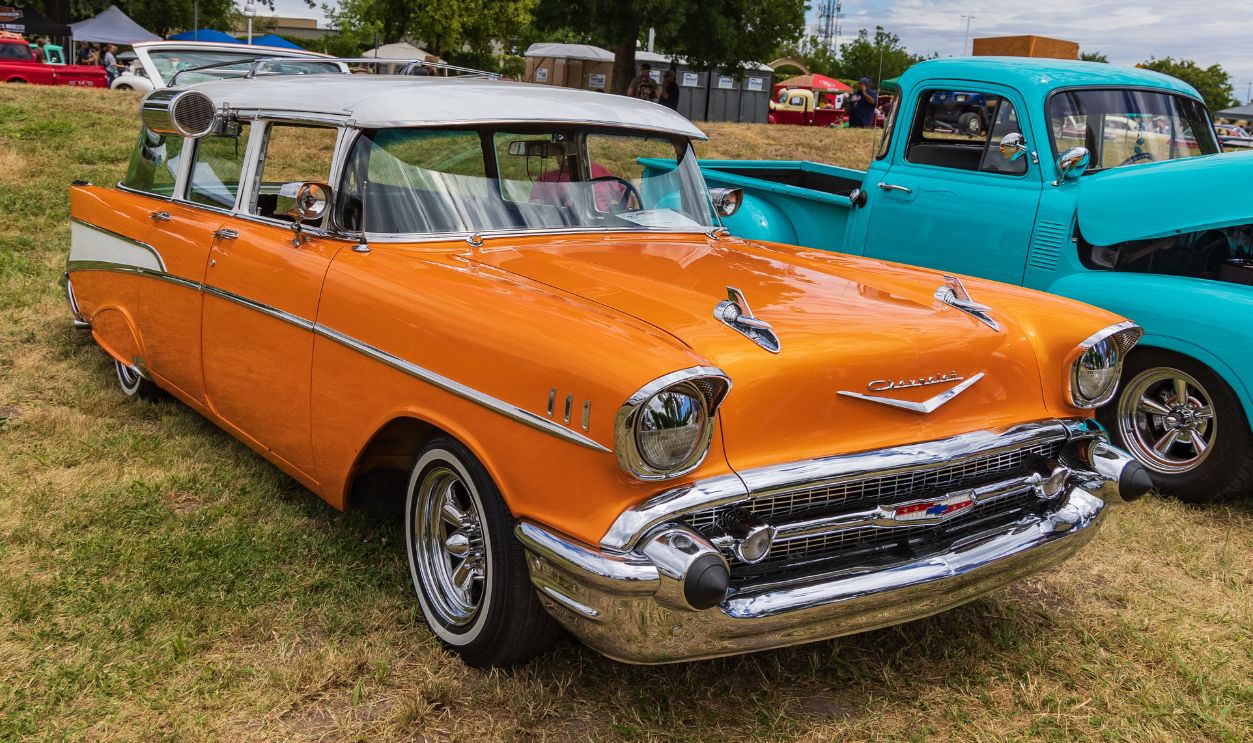
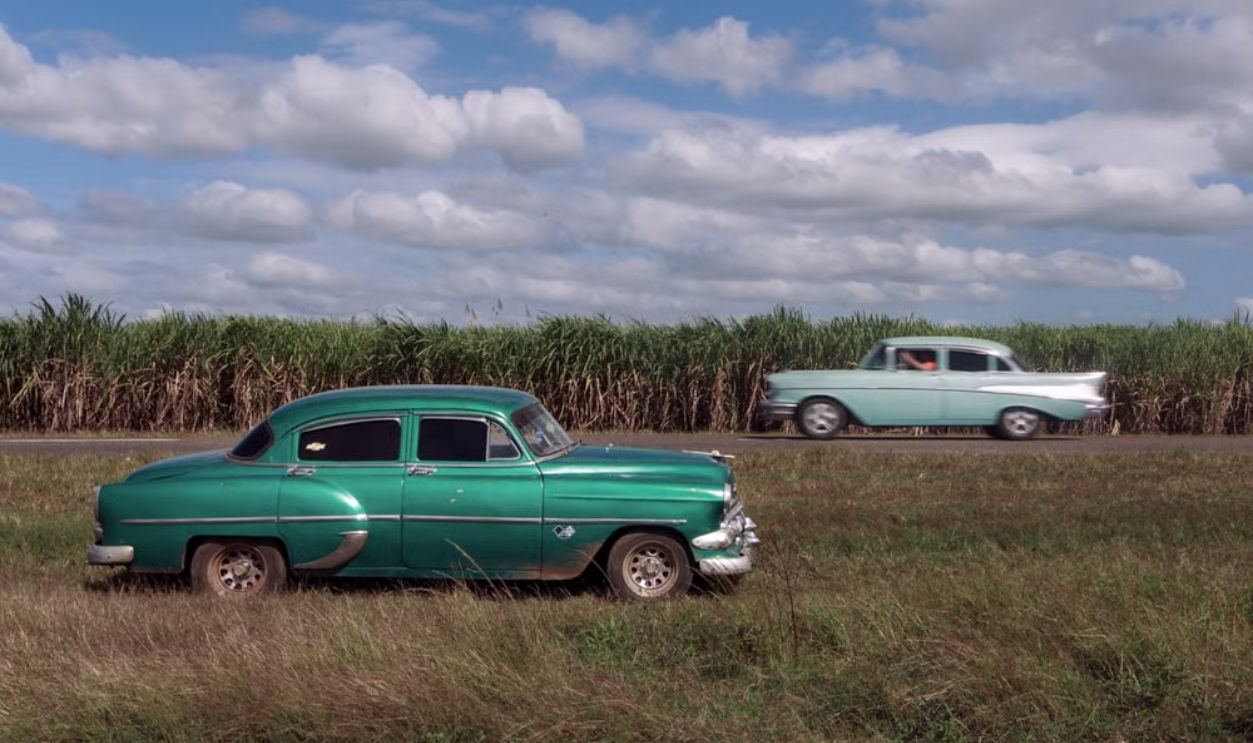
Remember when cars came in turquoise, bright yellow, copper, lavender, and seemingly every shade of green? American automakers once offered wonderfully adventurous paint palettes. Today's roads are dominated by white, black, gray, and silver vehicles, leaving Boomers wondering whatever happened to buying a car in a color that expressed a little personality.
Cars That Looked Different
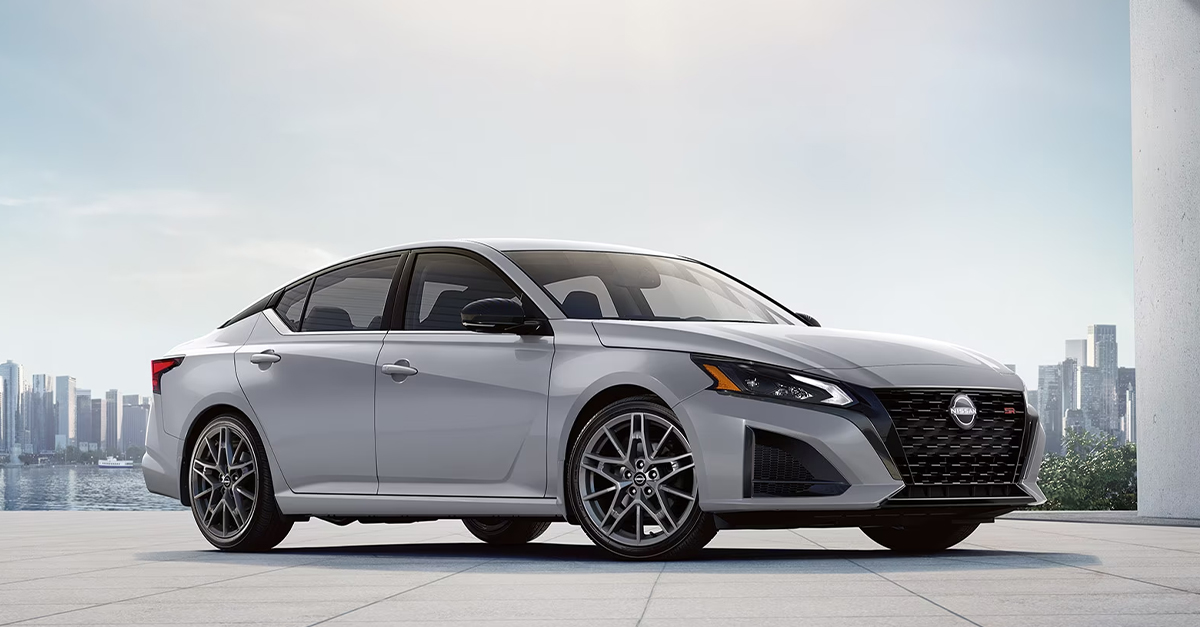
You could once identify a Chevrolet, Ford, or Plymouth coming down the street from a block away. Distinctive grilles, tailfins, rooflines, and chrome trim gave different makes their own identities. Modern aerodynamic requirements and shared design trends have made many vehicles look remarkably similar, especially in the increasingly crowded crossover market.
Real Buttons And Knobs
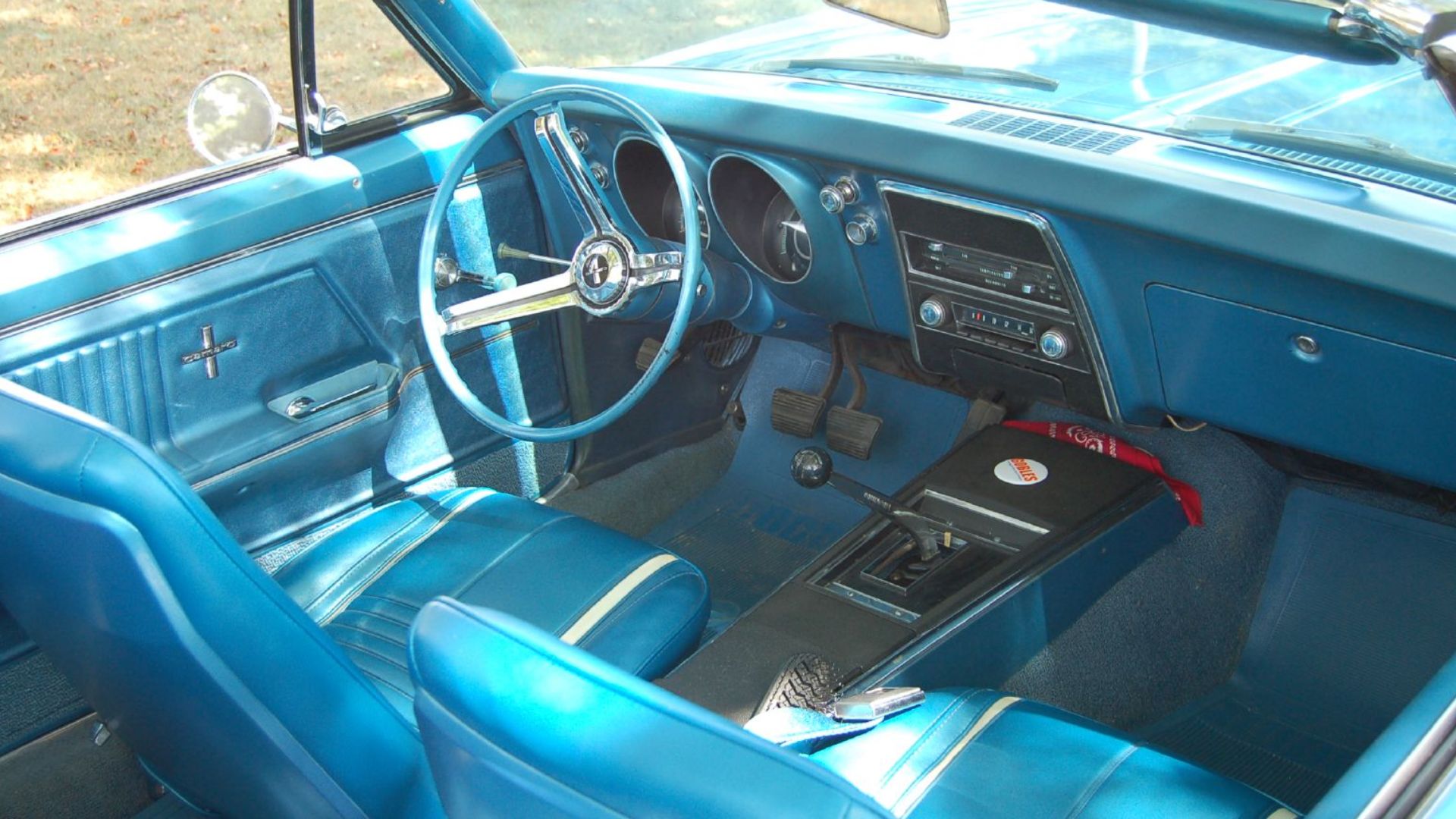
Turning up the heat once meant sliding a lever or twisting a knob without taking your eyes off the road. Today's touchscreen menus can make something as simple as adjusting the ventilation surprisingly distracting. Many Boomers miss physical controls that could be operated entirely by touch, especially when wearing gloves.
 Joe Ross from Lansing, Michigan, Wikimedia Commons
A Proper Column Shifter
The classic steering-column gear selector freed up floor space and made room for those enormous front bench seats. With a simple movement of your right hand, you could shift an automatic transmission into drive. Electronic buttons, rotary selectors, and console-mounted shifters have largely replaced this once-familiar piece of American automotive design.
Hood Ornaments With Character
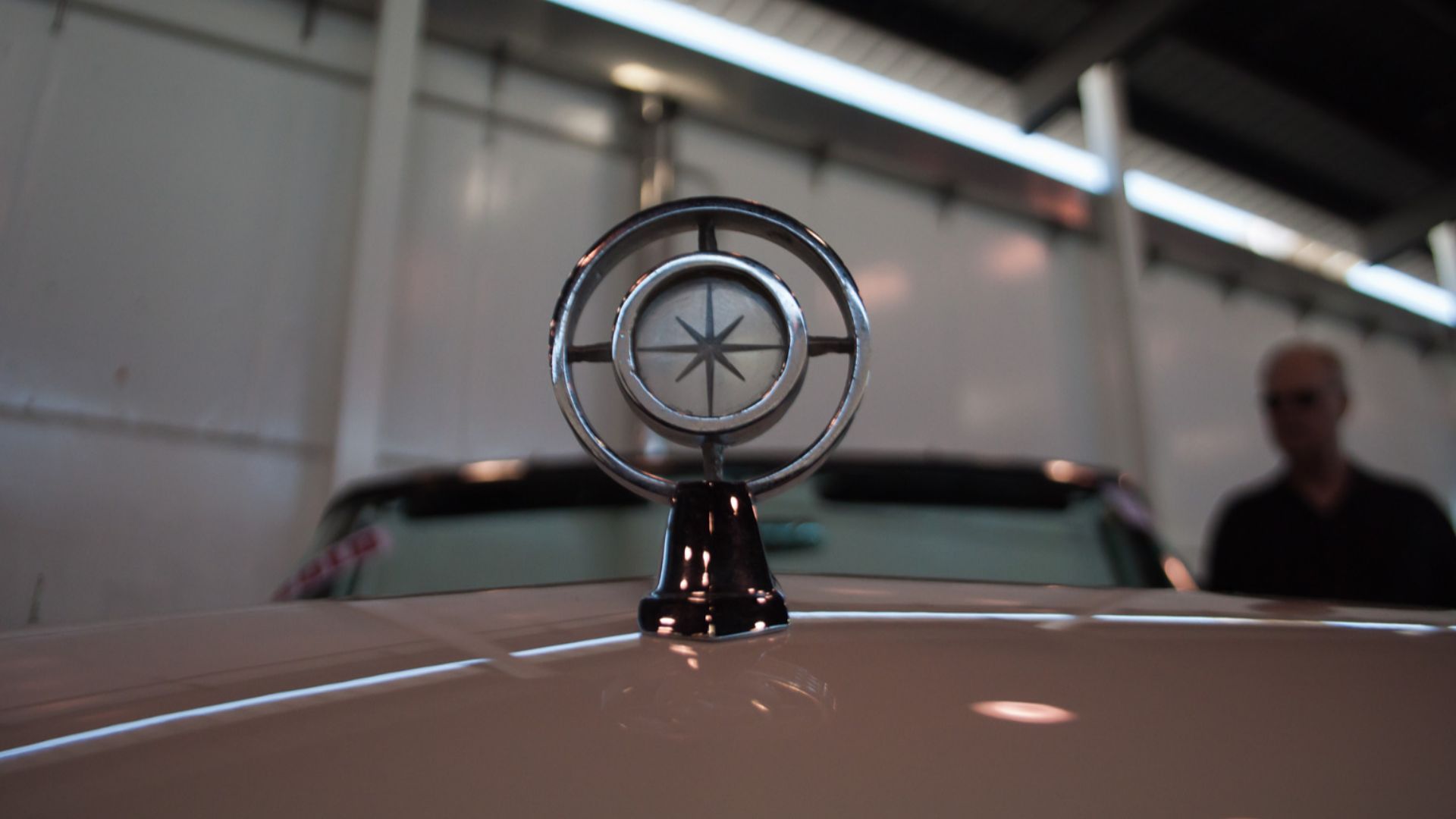
A Cadillac crest, Mercedes-Benz star, or elegant Lincoln ornament gave the front of a car a distinctive finishing touch. Some hood ornaments were practically miniature sculptures. Safety considerations, changing tastes, and aerodynamic design helped push these decorative details out of fashion, although a few luxury brands still preserve the tradition.
 skinnylawyer from Los Angeles, California, USA, Wikimedia Commons
Whitewall Tires And Chrome
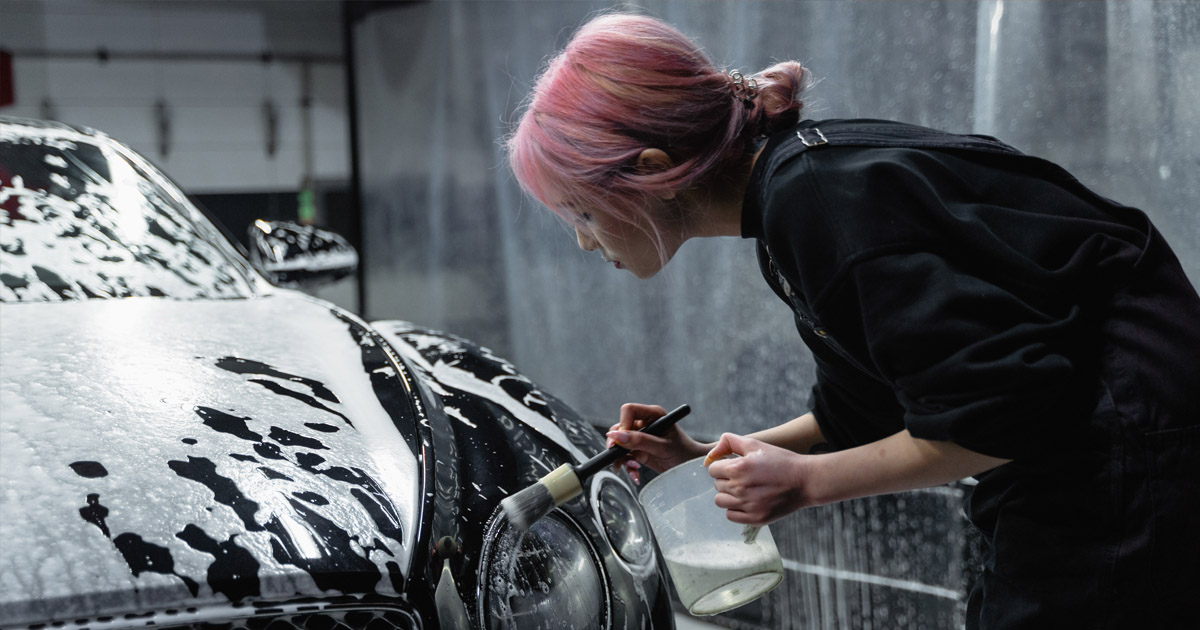
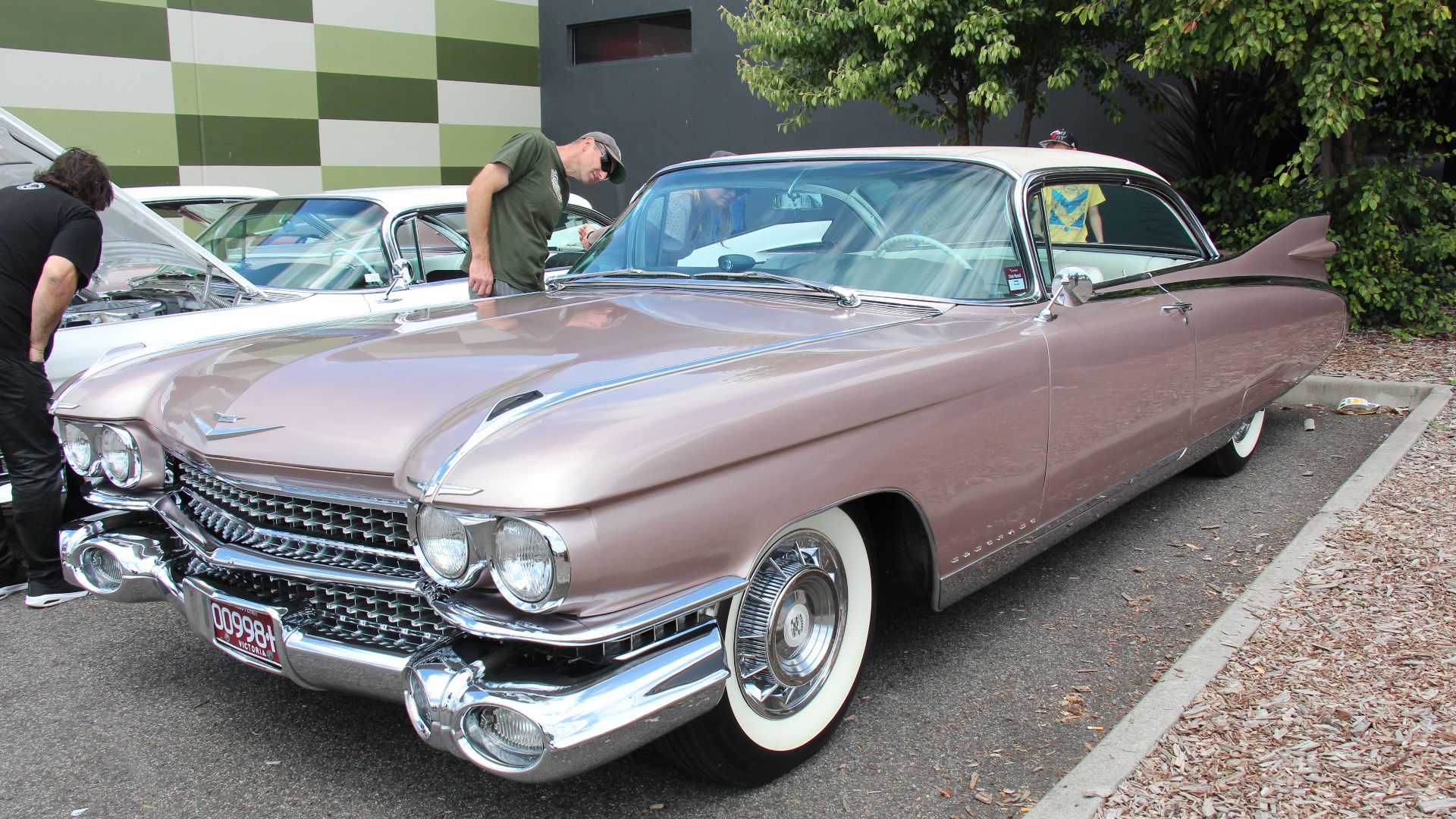
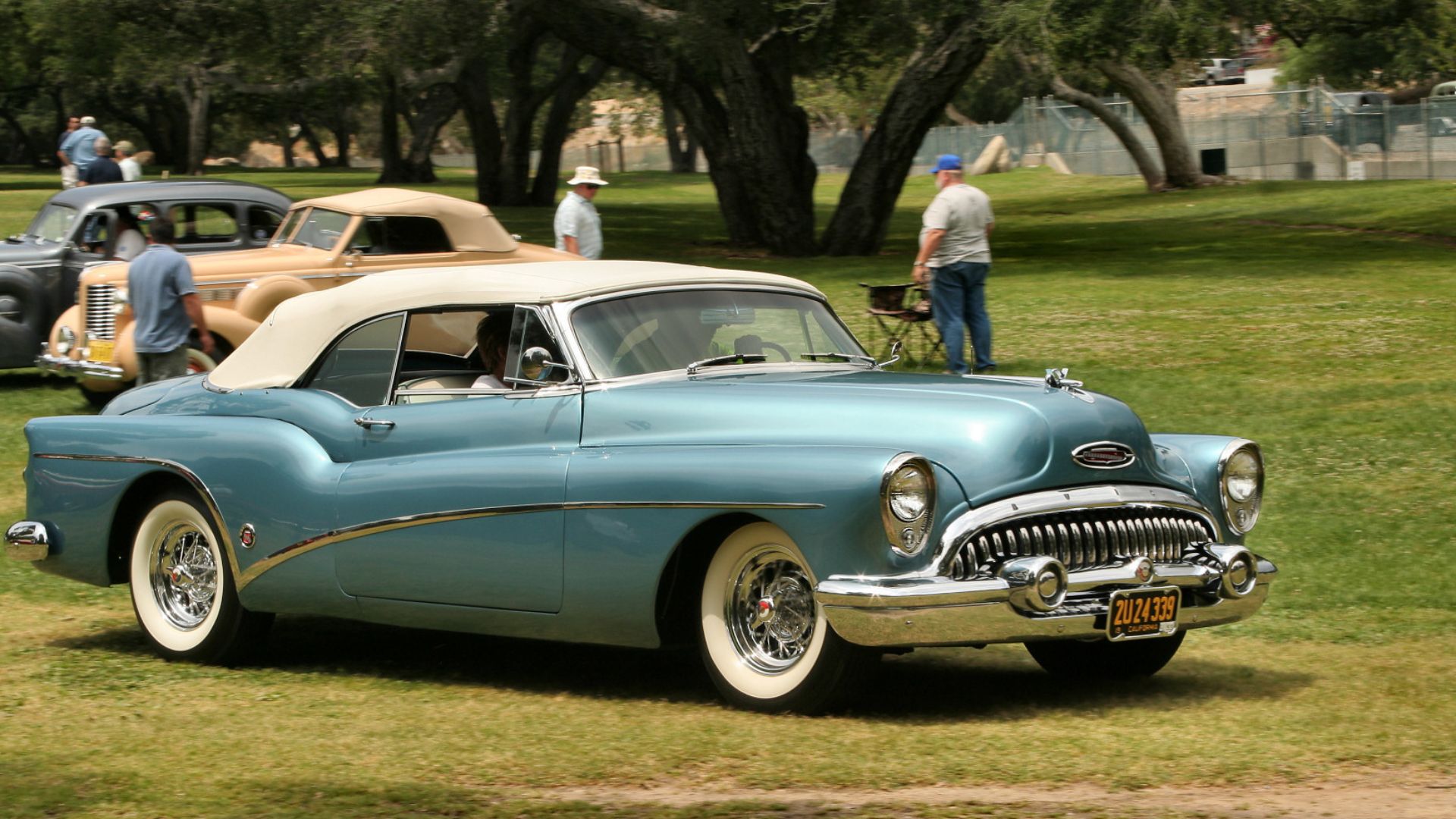
A fresh set of whitewall tires, gleaming hubcaps, and polished chrome trim could make even an ordinary family sedan look special. Washing the car on Saturday afternoon was almost a ritual. Modern blackwall tires, dark wheels, and body-colored trim may be easier to maintain, but they rarely deliver quite the same visual spectacle.
Full-Size Spare Tires
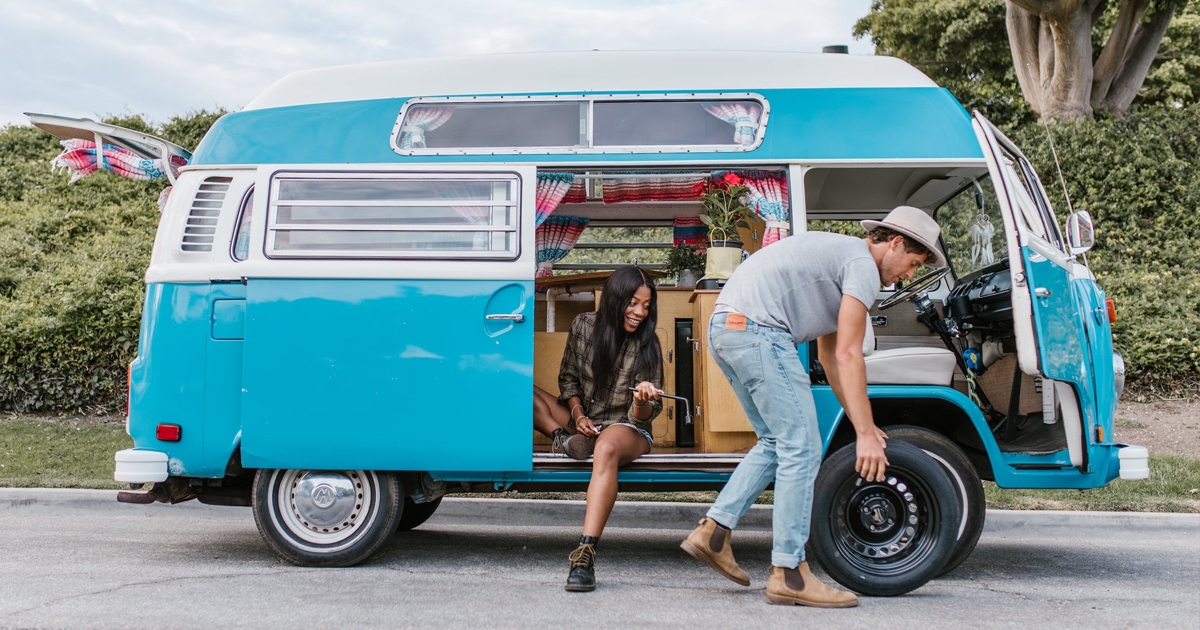
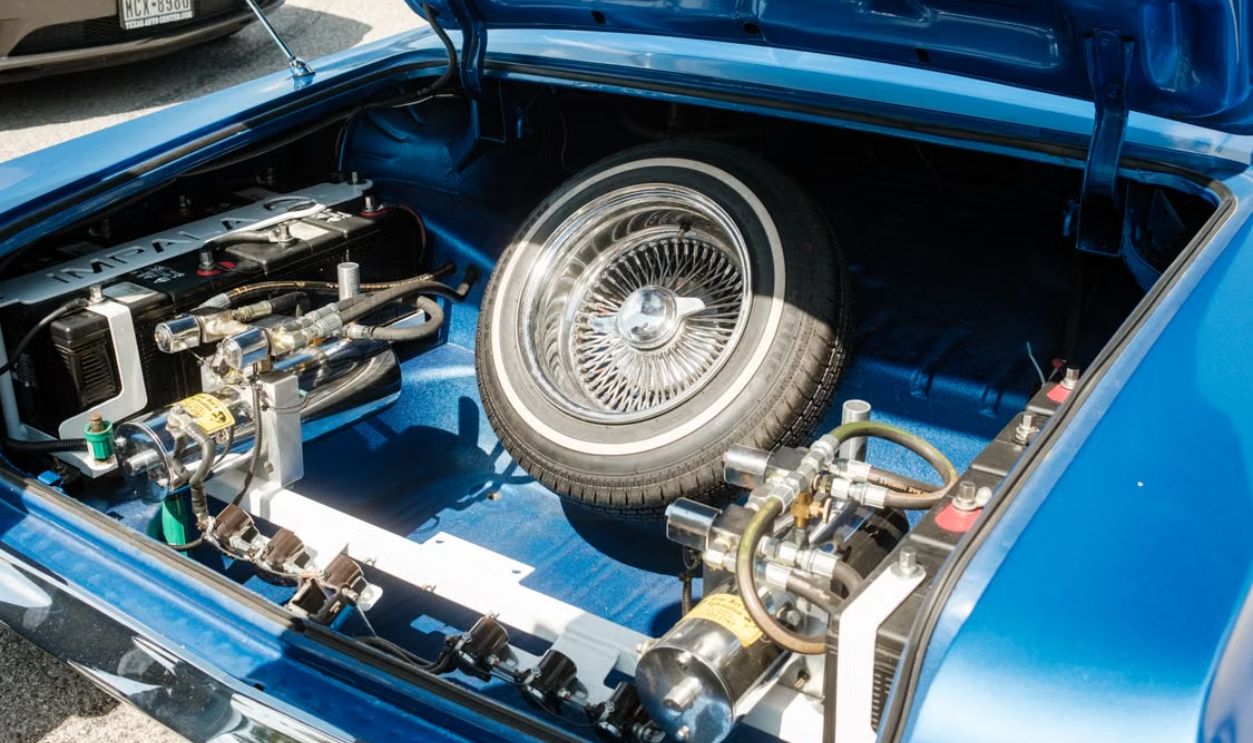
A flat tire once meant pulling a proper spare from the trunk, changing the wheel, and continuing your journey without worrying about a temporary spare's speed restrictions. Many modern cars have compact spares, tire repair kits, or run-flat tires instead. Boomers miss the reassurance of carrying a full-size replacement.
Instrument Panels With Needles
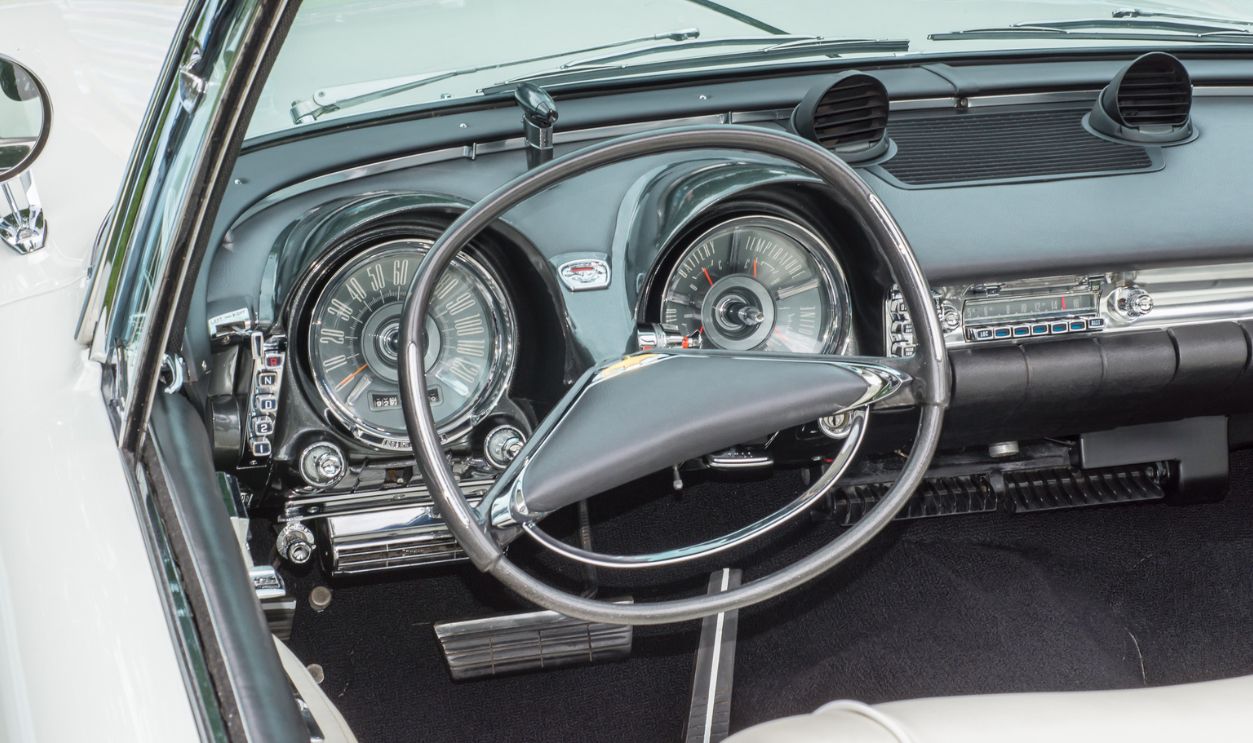
Large circular speedometers, sweeping needles, and illuminated analog gauges gave classic dashboards a mechanical charm. You could watch the fuel needle slowly fall and the temperature gauge climb on a hot day. Digital displays offer more information and flexibility, but they don't always capture the character of traditional instrumentation.
Big Windows And Thin Pillars
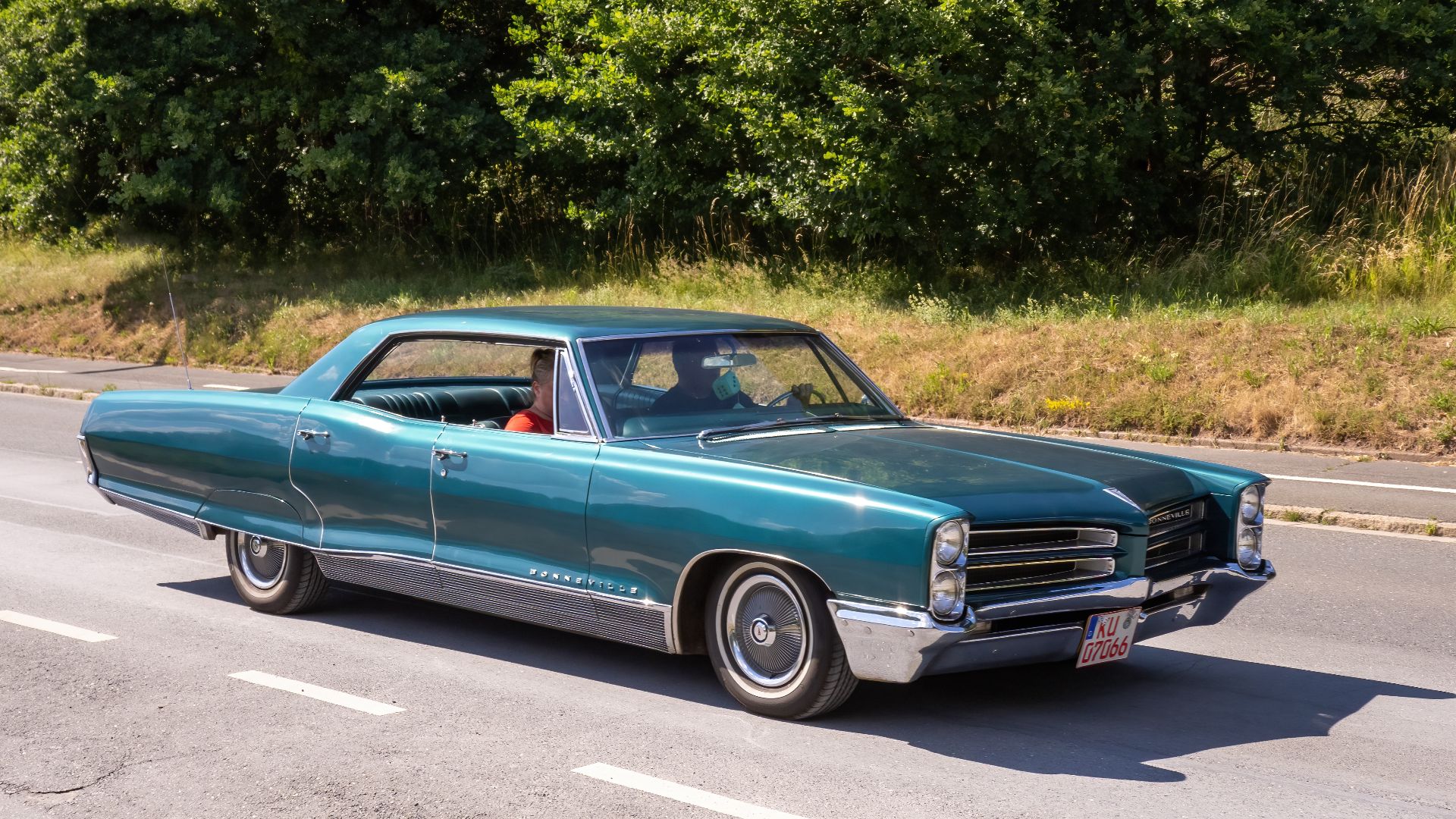
Older sedans often featured expansive glass areas and relatively slender roof pillars, making it easy to see the road and surrounding traffic. Modern crash-protection structures, airbags, and styling have contributed to thicker pillars and higher beltlines. Backup cameras help compensate, but many Boomers miss the airy visibility of their old cars.
Room To Stretch Out
A full-size American sedan could feel almost like a living room on wheels. Wide seats, generous shoulder room, and expansive rear legroom made long journeys comfortable. Modern vehicles can be spacious too, particularly large SUVs, but many mainstream cars have traded the sprawling proportions of traditional American sedans for compact packaging and high center consoles.
The Sound Of A V8
The deep rumble of an American V8 was part of the driving experience, whether you owned a muscle car or an ordinary family sedan. Modern turbocharged four-cylinder engines and electric powertrains offer impressive performance and efficiency, but some Boomers miss the unmistakable sound and feel of eight cylinders firing under the hood.
Keys You Actually Turned
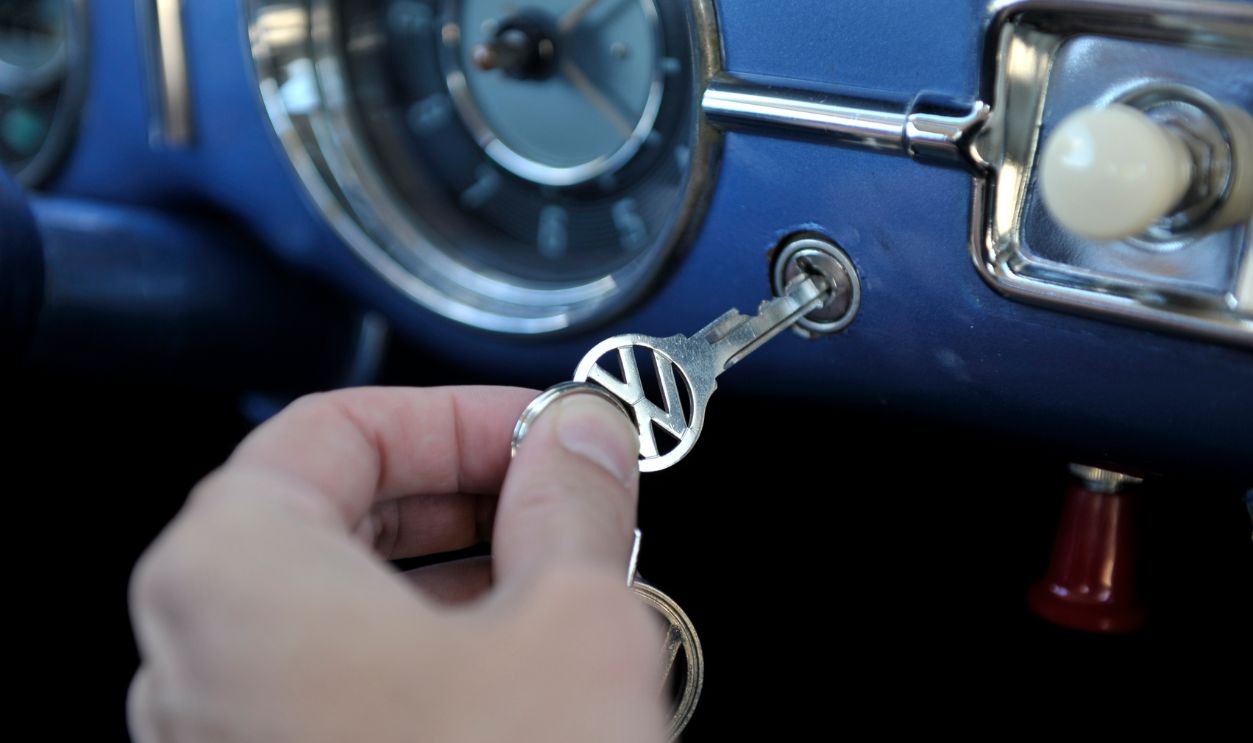
There was something satisfying about sliding a metal key into the ignition and twisting it until the engine caught. Push-button starting and proximity keys are convenient, but they remove a familiar little ritual. And when a modern key fob's battery dies, some drivers find themselves wishing for something simpler.
A Radio With Actual Buttons
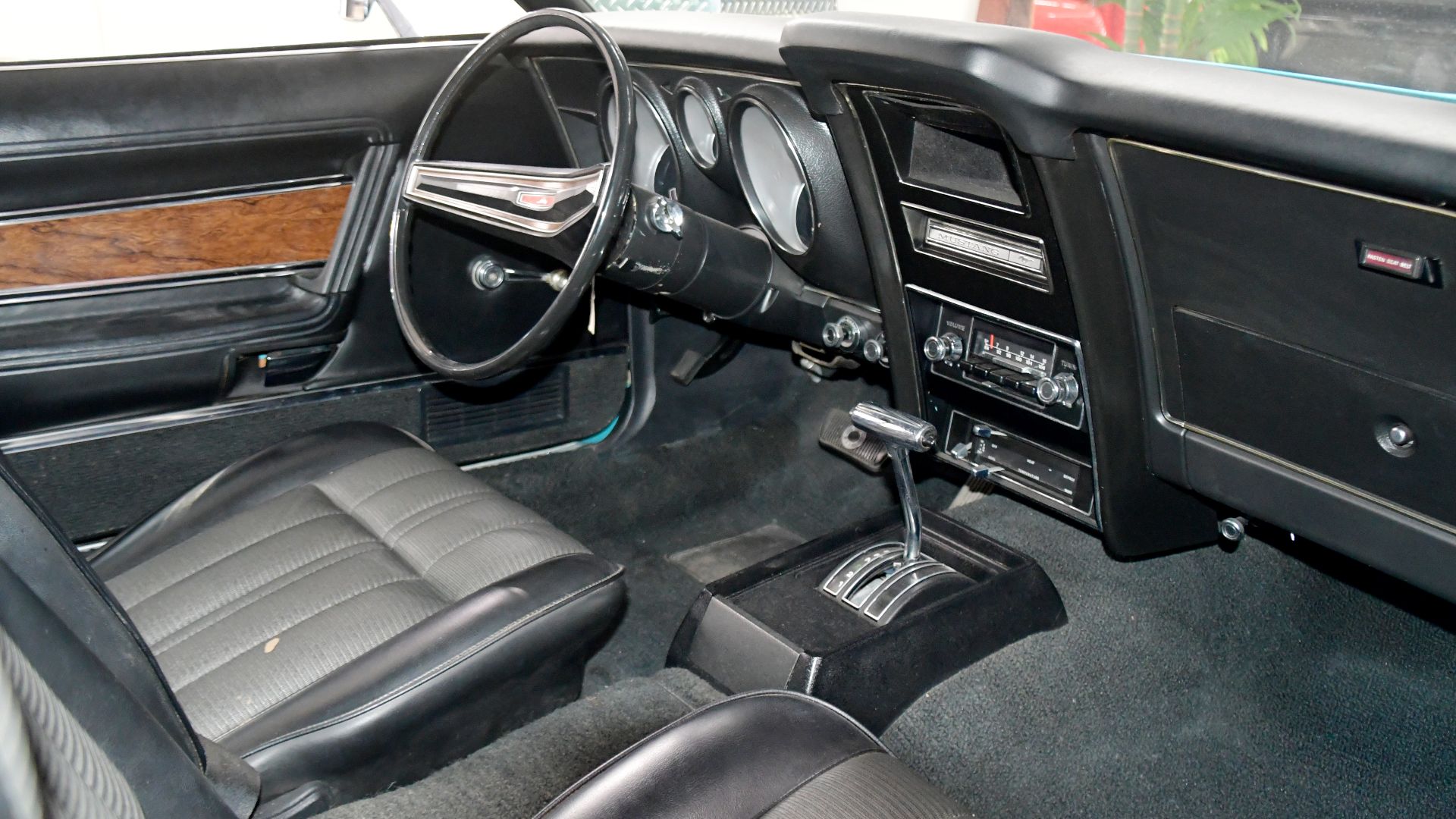
Remember pushing a preset button and hearing it click into place? Car radios once had large tuning knobs, mechanical presets, and straightforward controls. Today's elaborate infotainment systems can do almost everything, but many Boomers miss being able to change stations without navigating a touchscreen or dealing with a complicated menu.
 Eric Friedebach, Wikimedia Commons
The Feel Of Steering
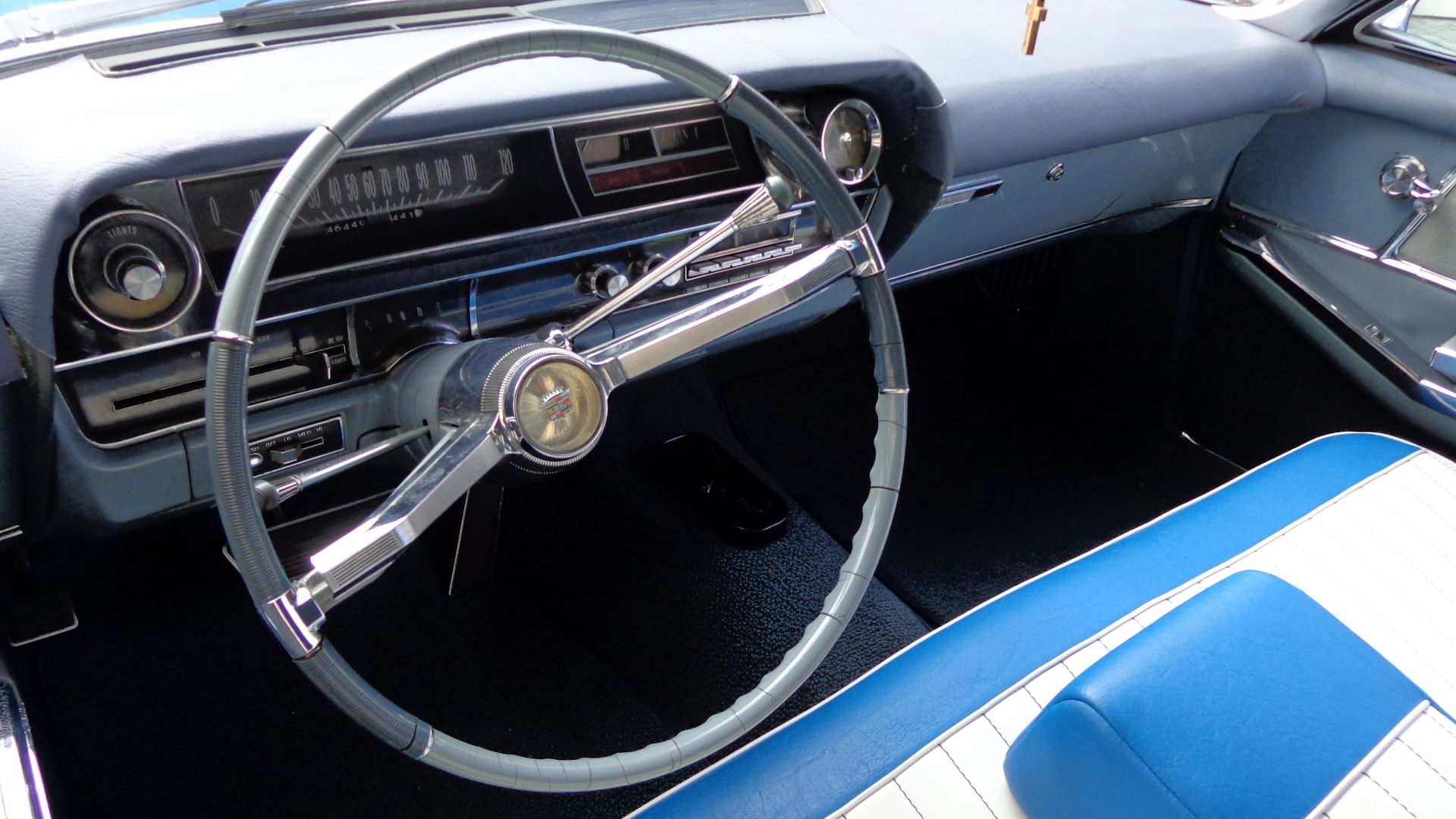
Older cars communicated their personalities through the steering wheel, whether it was the heavy effort of manual steering or the feather-light assistance of a big American luxury sedan. Modern electric power steering is more efficient and often more precise, but some drivers miss the distinctive feel of older hydraulic and mechanical systems.
 High Contrast, Wikimedia Commons
Tailfins And Wild Styling
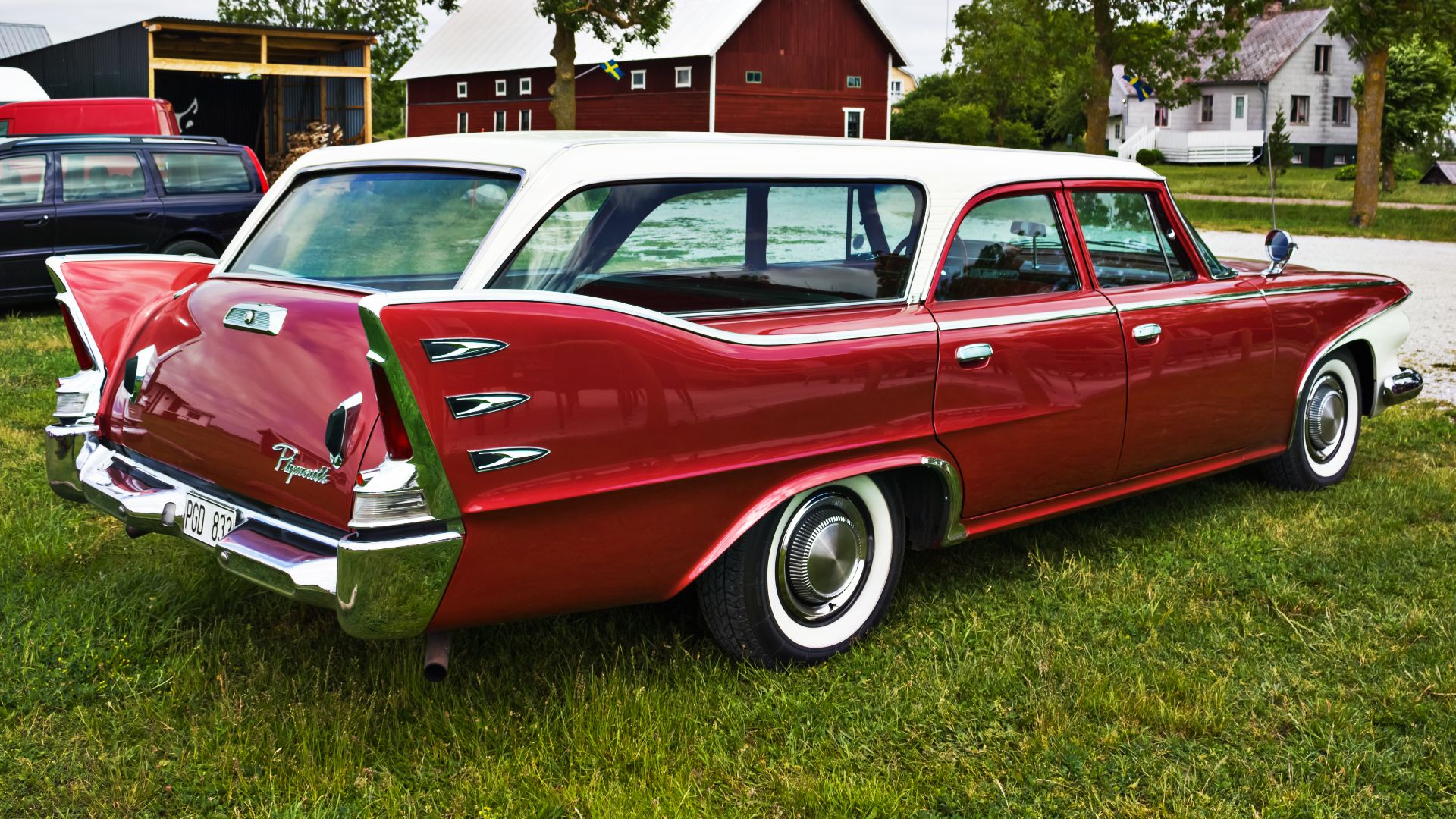
The 1950s and early 1960s produced some of the most outrageous automotive designs ever seen. Cadillac tailfins, dramatic two-tone paint, and extravagant taillights made cars rolling works of art. Modern styling is generally more restrained, leaving nostalgic Boomers longing for an era when designers seemed encouraged to take chances.
Cars Without Subscriptions
Buying a car once meant owning its features without worrying about monthly payments for software services. Today, some manufacturers charge subscriptions for connected navigation, remote services, and other capabilities. While these services can be useful, Boomers may reasonably wonder why a feature installed in a vehicle should sometimes require continuing payments.
Manual Transmissions Everywhere
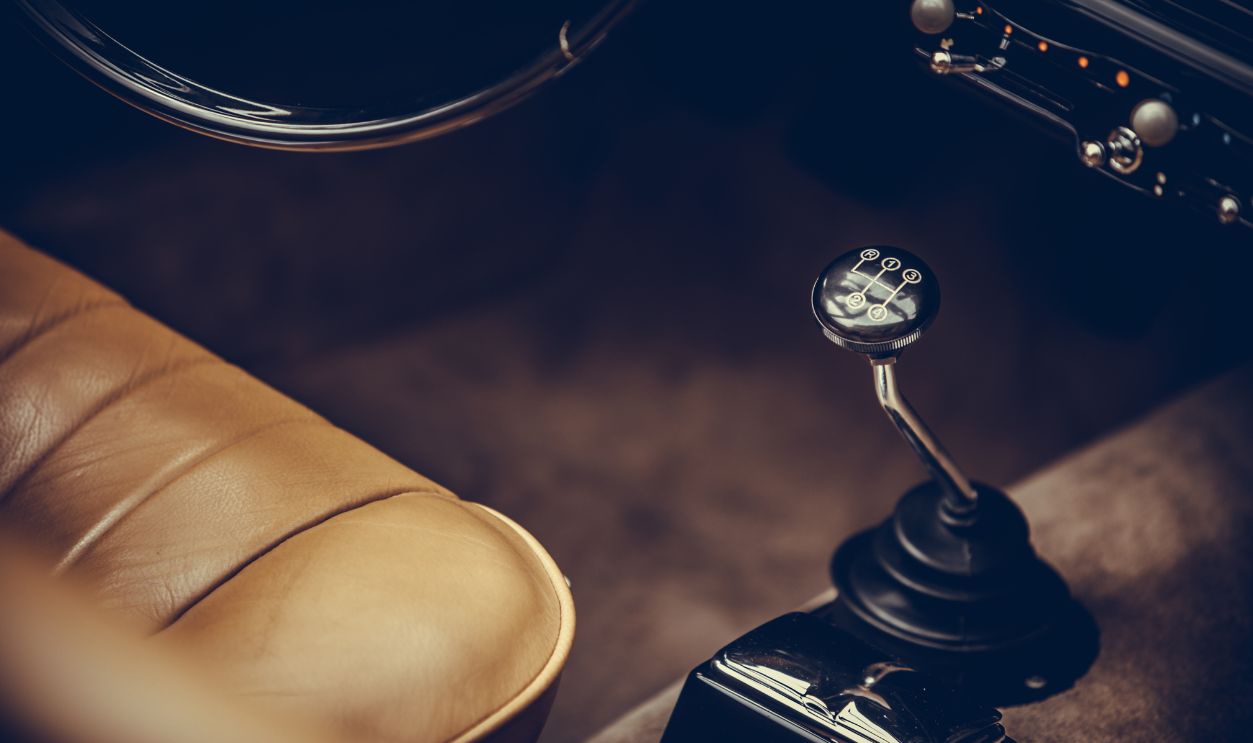
Learning to drive a standard was once practically a rite of passage. Three-speed column shifters, four-speed floor shifters, and clutch pedals gave drivers direct control over their vehicles. Manual transmissions survive in a handful of enthusiast models, but automatics now dominate American roads, leaving fewer opportunities to master the old skill.
Cars Without Constant Warnings
Modern vehicles can beep when you change lanes, approach another car, exceed a detected speed limit, or leave a door slightly open. Many warnings provide genuine safety benefits, but some Boomers miss the relative quiet of older dashboards. Back then, the car generally didn't have quite so much to say about your driving.
Station Wagons With Character
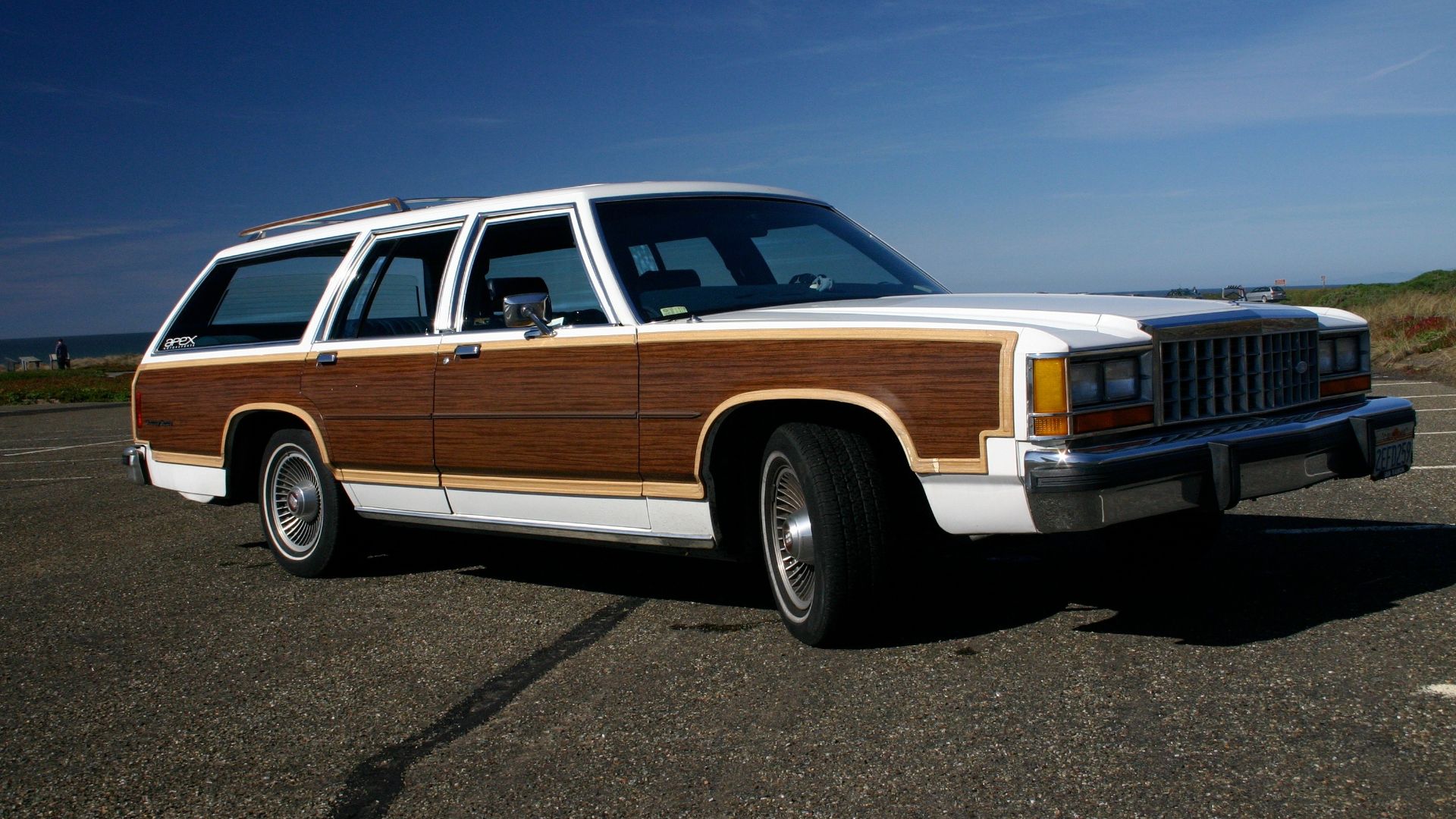
Before SUVs conquered American driveways, the family station wagon was king. Models like the Chevrolet Caprice Estate and Ford Country Squire offered enormous cargo areas, available third-row seating, and distinctive woodgrain trim. Modern crossovers are versatile, but they rarely capture the nostalgic appeal of a long, low American wagon.
 Sunstarfire, Wikimedia Commons
Simple Dashboard Designs
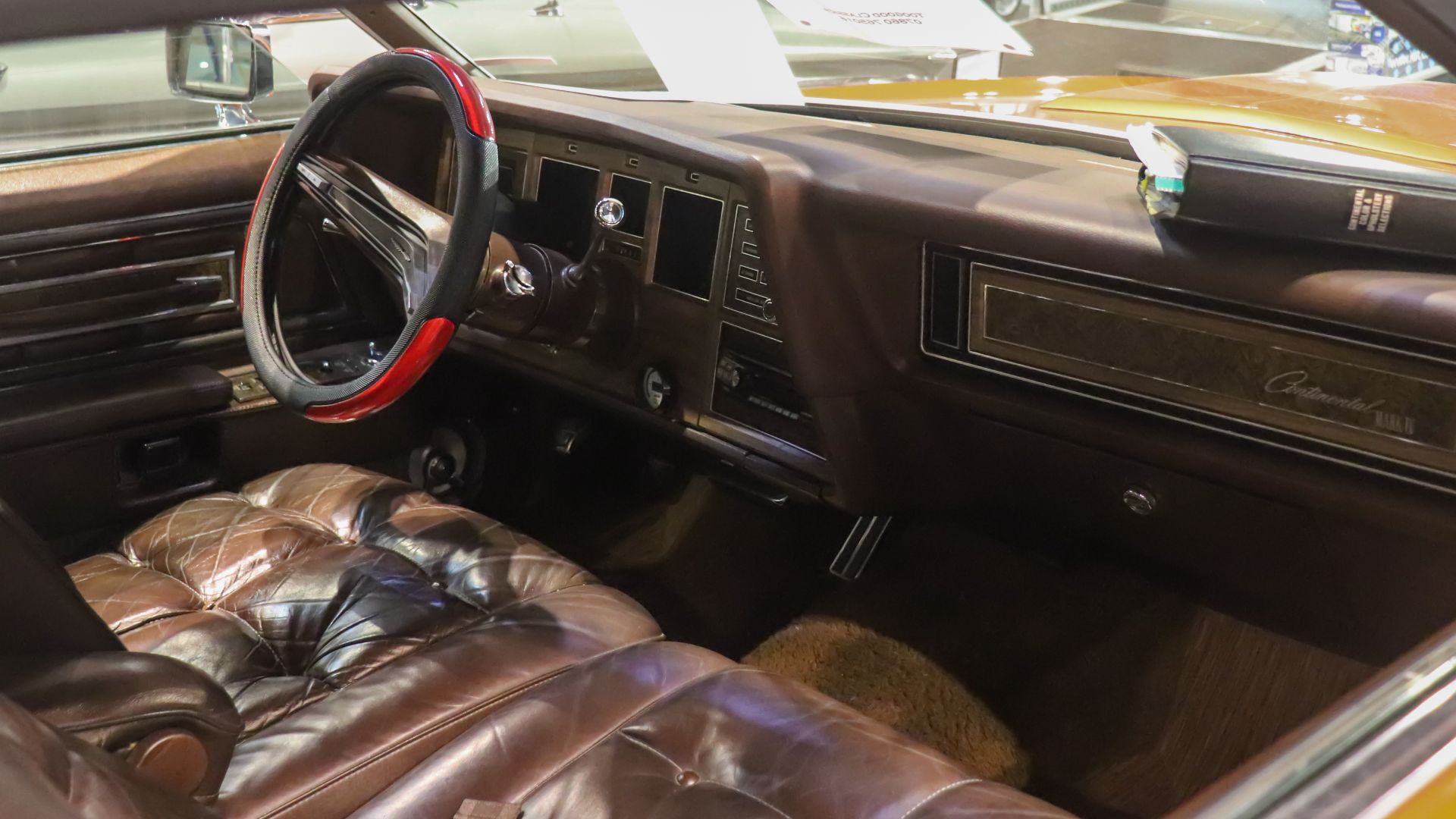
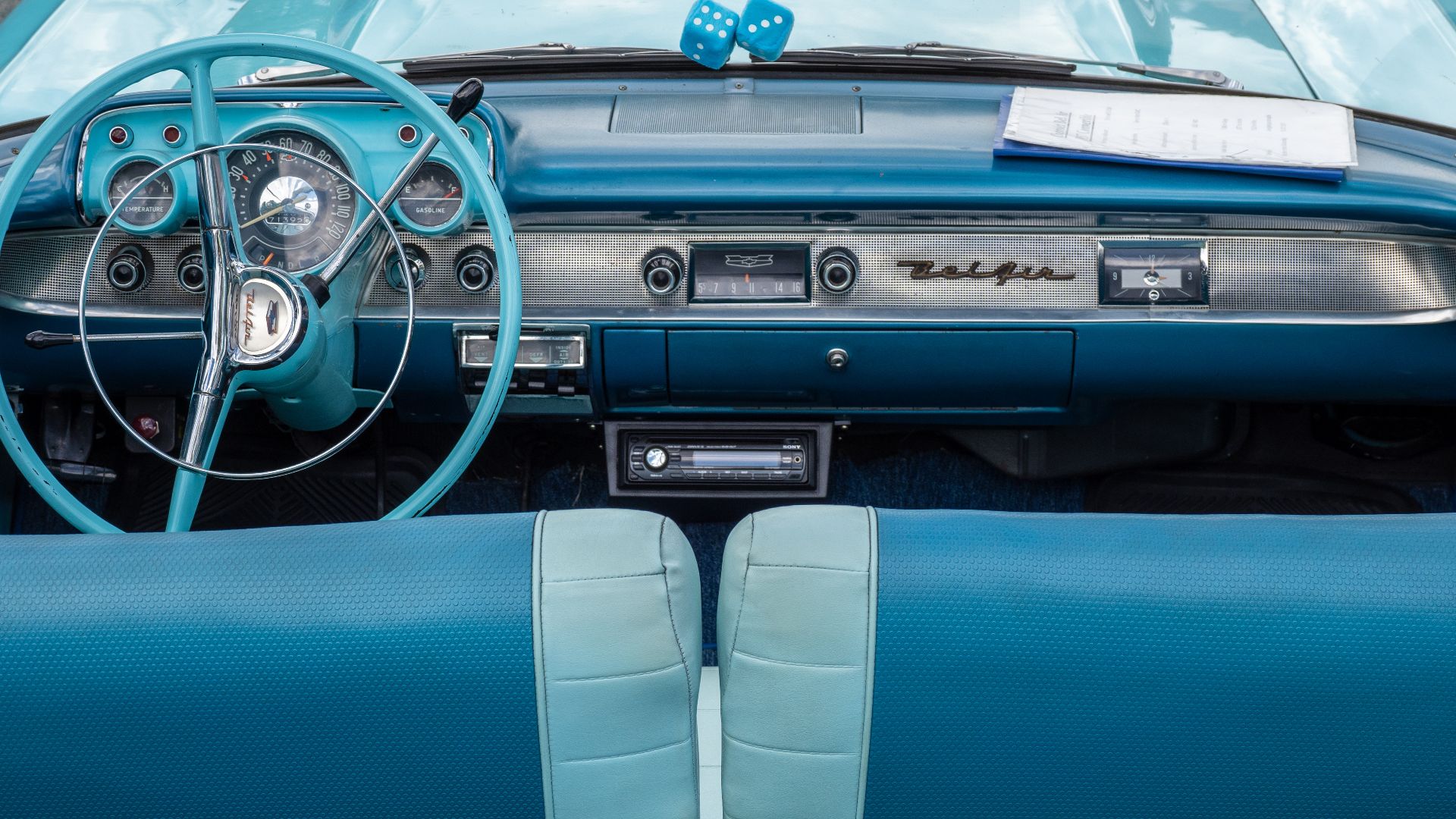
Older dashboards generally contained a speedometer, a few gauges, a radio, and basic climate controls. Today's cabins can feature multiple screens, configurable displays, and layers of electronic menus. The technology is impressive, but Boomers often miss climbing into a car and immediately knowing what every control does without consulting a manual.
Buying Cars Without Packages
There was a time when buyers could order a car with an extraordinary range of individual options, from engines and transmissions to upholstery, radios, and exterior trim. Modern manufacturers increasingly bundle equipment into packages and trim levels. That makes production simpler, but it can mean paying for features you never wanted.

Smaller Pickup Trucks
Remember when a basic pickup was a relatively modest work vehicle rather than a towering luxury machine? Older Ford Rangers, Chevrolet S-10s, and compact Japanese pickups were easy to park, maneuver, and load. Today's full-size trucks have grown substantially, and even many midsize models dwarf the little pickups Boomers once drove.
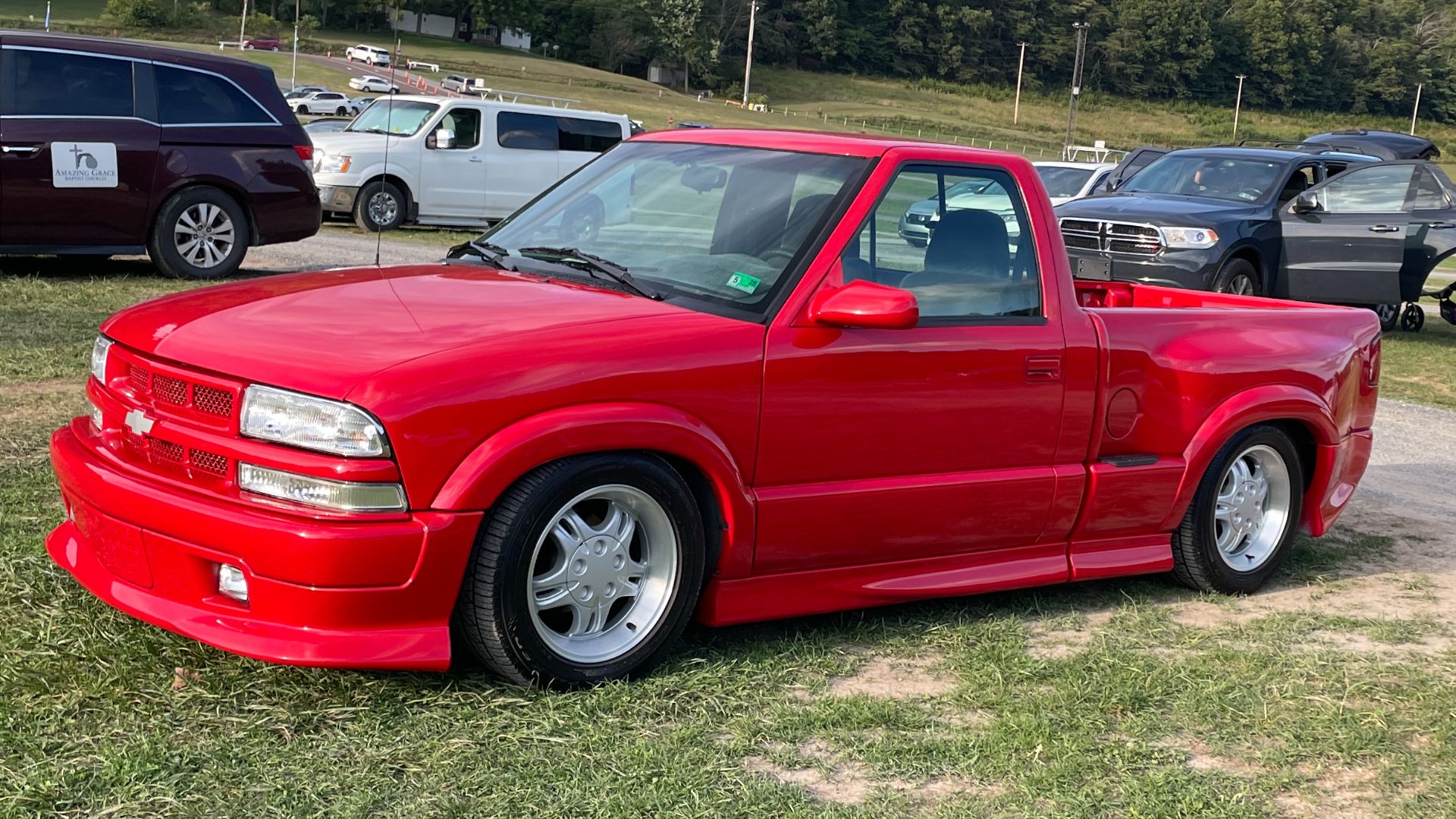 Deans Charbal, Wikimedia Commons
Driving Without Being Connected
An afternoon drive once meant escaping the telephone, the television, and almost everything else demanding your attention. There were no smartphone notifications, software updates, or connected services competing for your attention. Modern navigation and communication are undeniably convenient, but Boomers remember when getting behind the wheel meant truly getting away from it all.
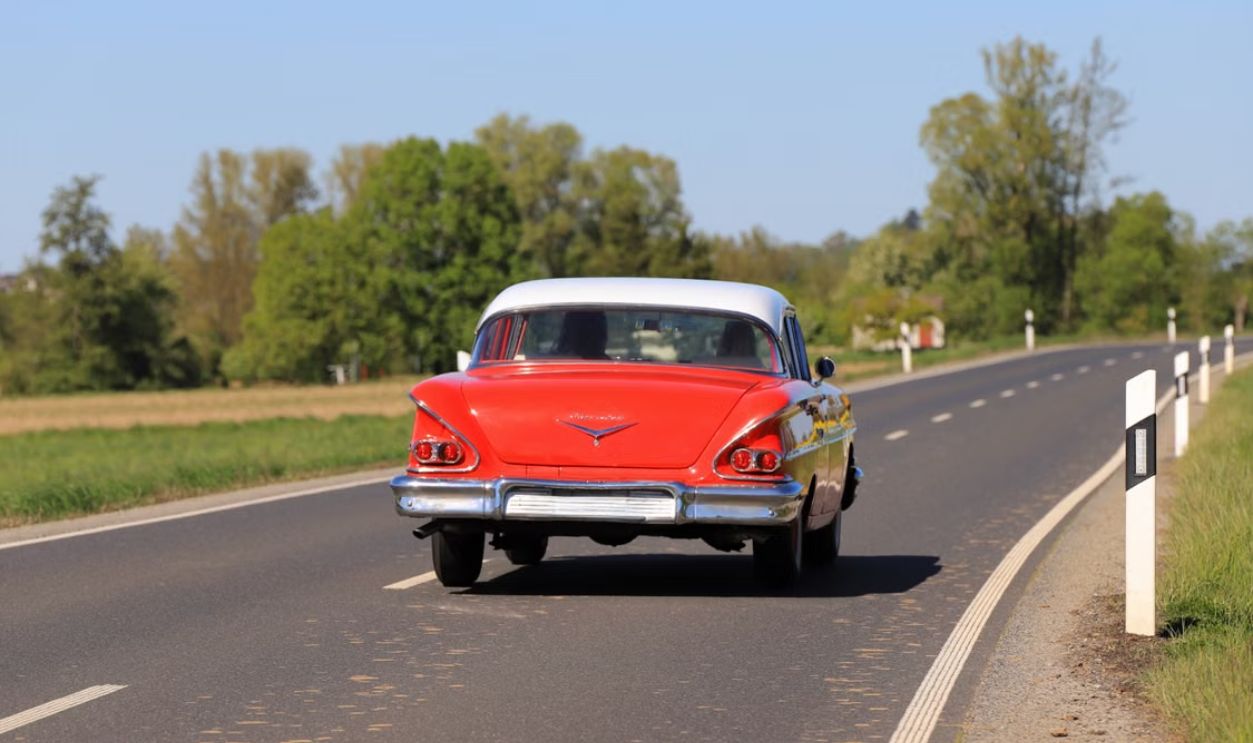
When Cars Felt Special
Perhaps what Boomers miss most isn't any single feature. It's the excitement of seeing next year's models unveiled, recognizing cars by their silhouettes, and dreaming about the one parked in the showroom. Modern vehicles are safer, more efficient, and often astonishingly capable, but nostalgia has a way of reminding us that driving used to feel like an occasion.
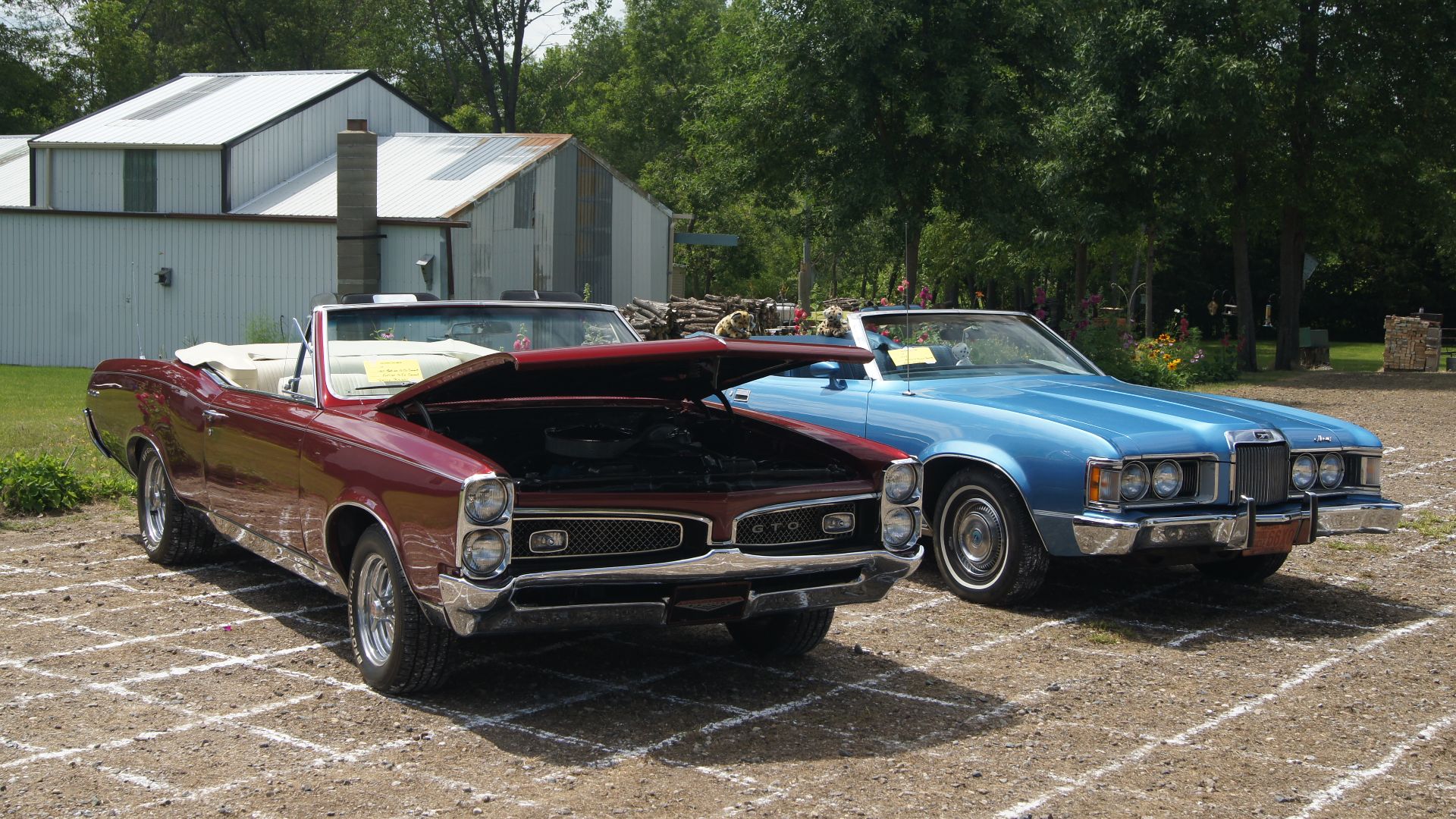 Greg Gjerdingen from Willmar, USA
You May Also Like:
Practical Car Maintenance Rituals From The 70s That Young Drivers Never Learn Anymore