
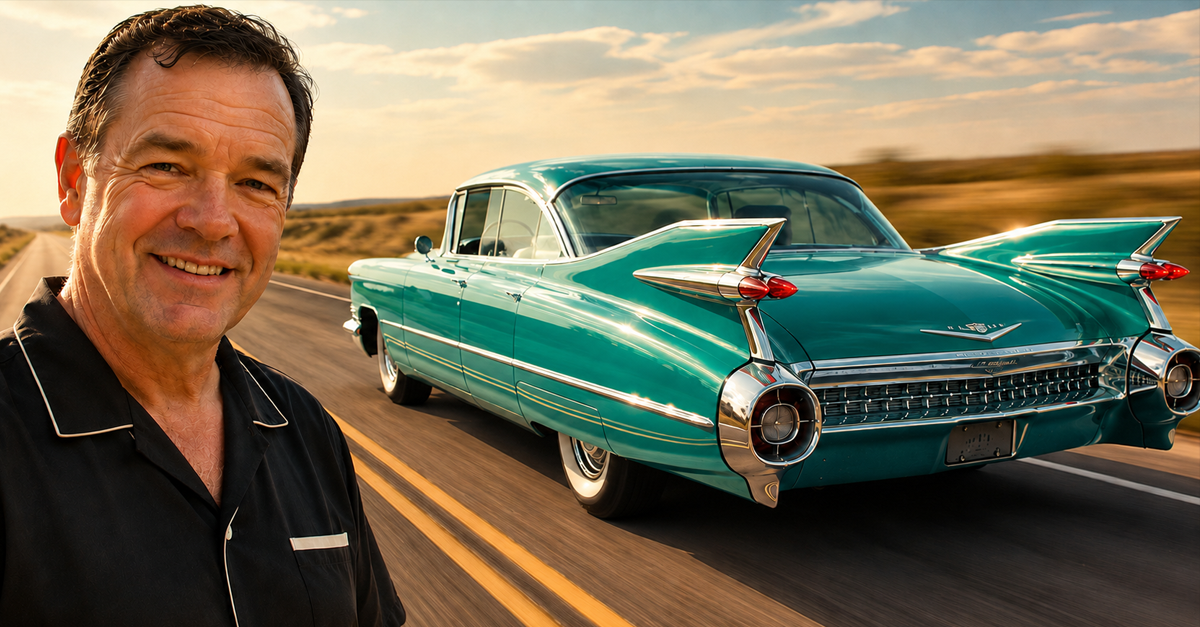
When Cars Started Reaching For The Sky
Tailfins became one of the defining automotive trends of the 1950s. What began as a relatively subtle aircraft-inspired detail quickly turned into an escalating competition involving chrome, bright colors, rocket-shaped lights, and increasingly improbable bodywork. By the end of the decade, some cars looked ready to leave the pavement entirely.
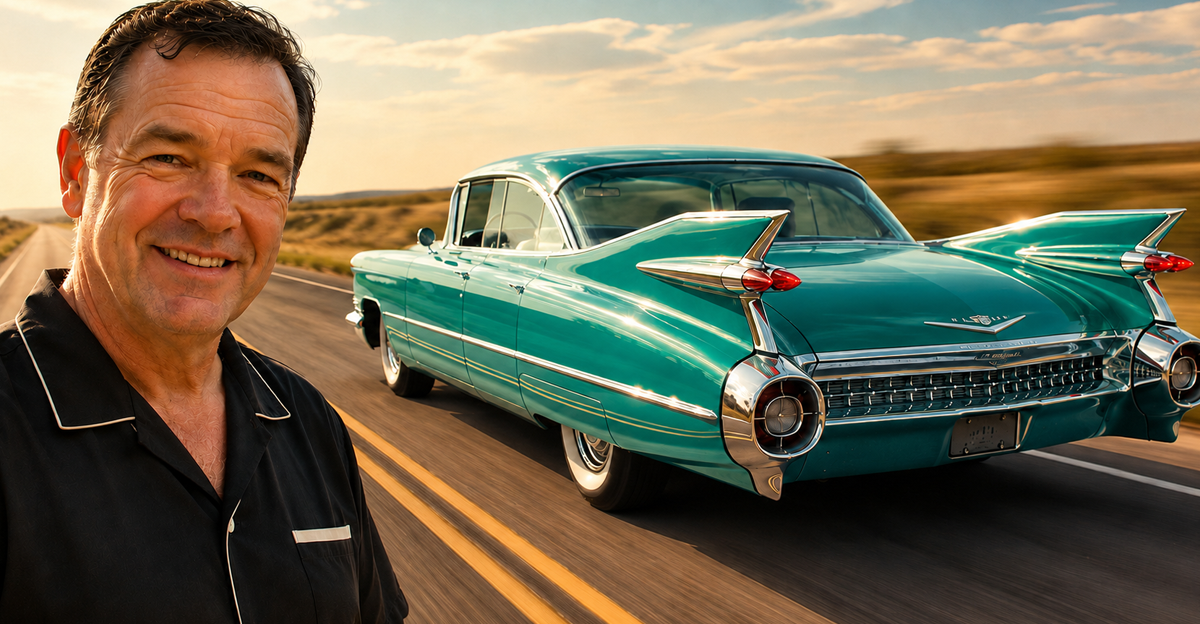
Detroit Entered A Styling Arms Race
General Motors introduced fins first, but Chrysler designer Virgil Exner pushed the idea much further with his dramatic Forward Look. Chrysler’s lower, longer 1957 models forced rival manufacturers to reconsider cars that suddenly appeared heavy and outdated. Within two years, almost every major American automaker was producing some version of the fin.
 Mr.choppers, Wikimedia Commons, modified
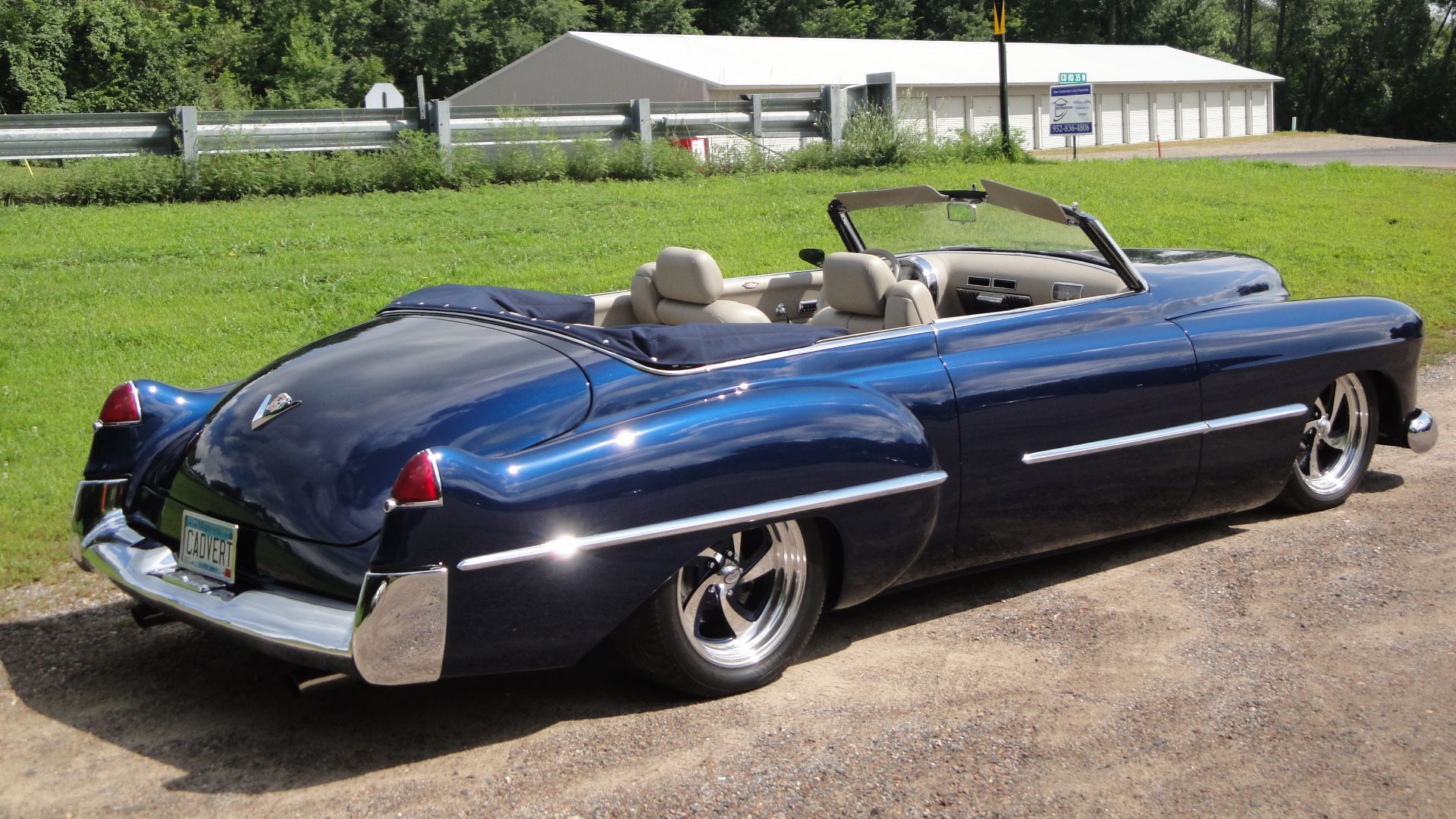
1948 Cadillac Series 62
The 1948 Cadillac Series 62 established the trend that defined the following decade. Its small rear fins were reportedly influenced by the twin-tail design of the Lockheed P-38 Lightning fighter aircraft. They looked restrained compared with later Cadillacs, yet they changed automotive styling for years to come.
 Greg Gjerdingen from Willmar, USA, Wikimedia Commons
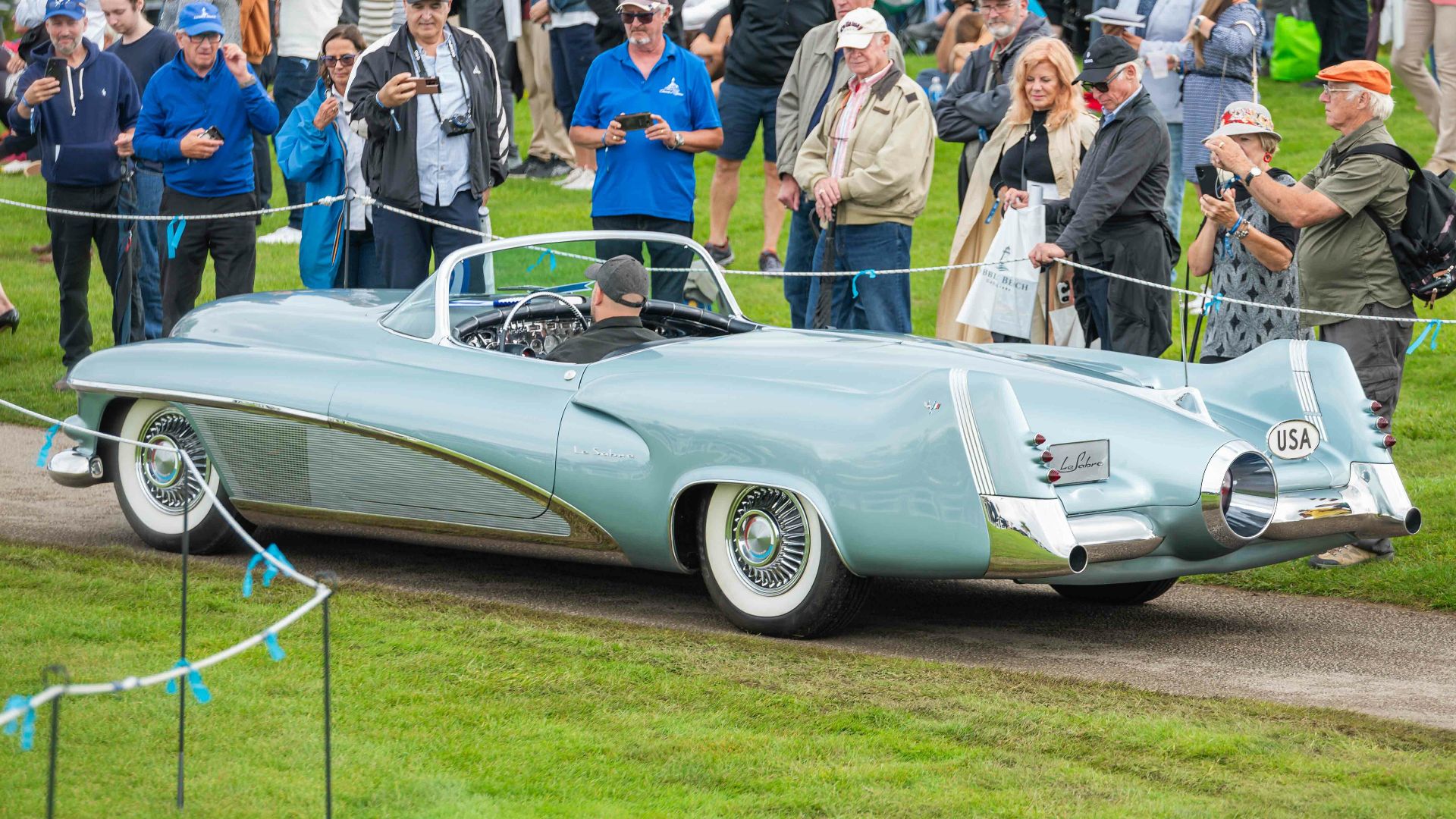
1951 Buick Le Sabre
The Buick Le Sabre concept turned an automobile into a rolling tribute to the jet age. Harley Earl’s creation featured high rear fins, a front end resembling a jet intake, electrically concealed headlights, heated seats, and built-in jacks. It never reached production, but its dramatic styling previewed where Detroit was heading.
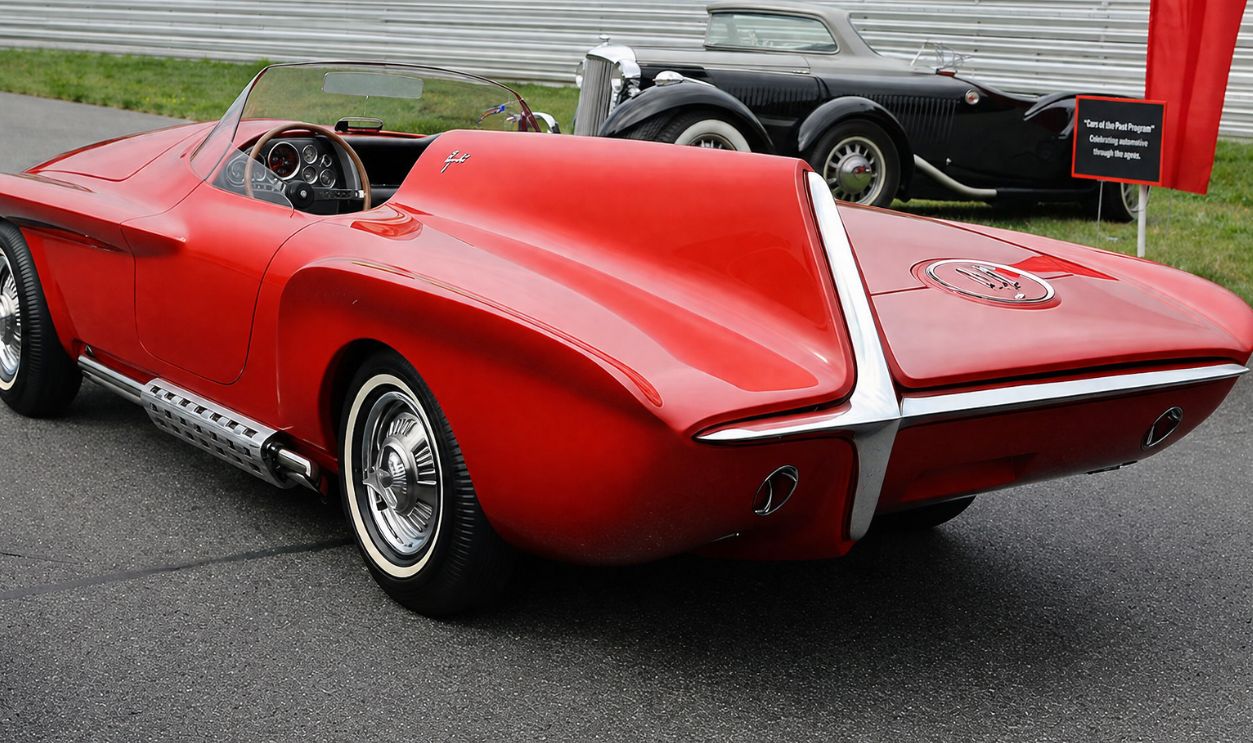
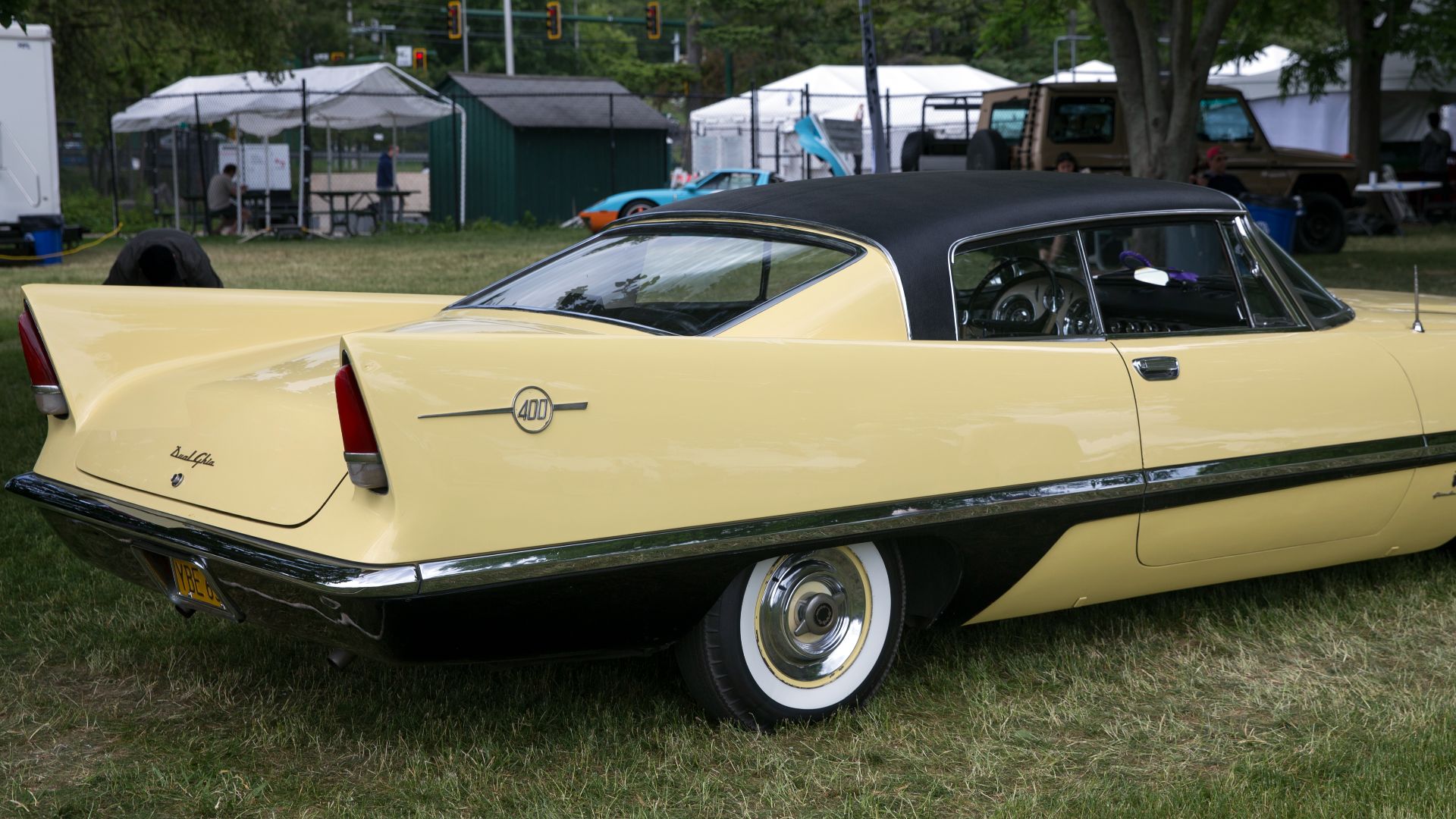
1956 Chrysler Dart
The Chrysler Dart concept showed that Virgil Exner intended to challenge General Motors on its own territory. Its body was created and wind-tunnel tested with Italian design house Ghia, producing enormous fins that were claimed to improve stability in crosswinds. The concept also influenced Chrysler’s production cars, including the finned 300C that followed.
 Mr.choppers, Wikimedia Commons
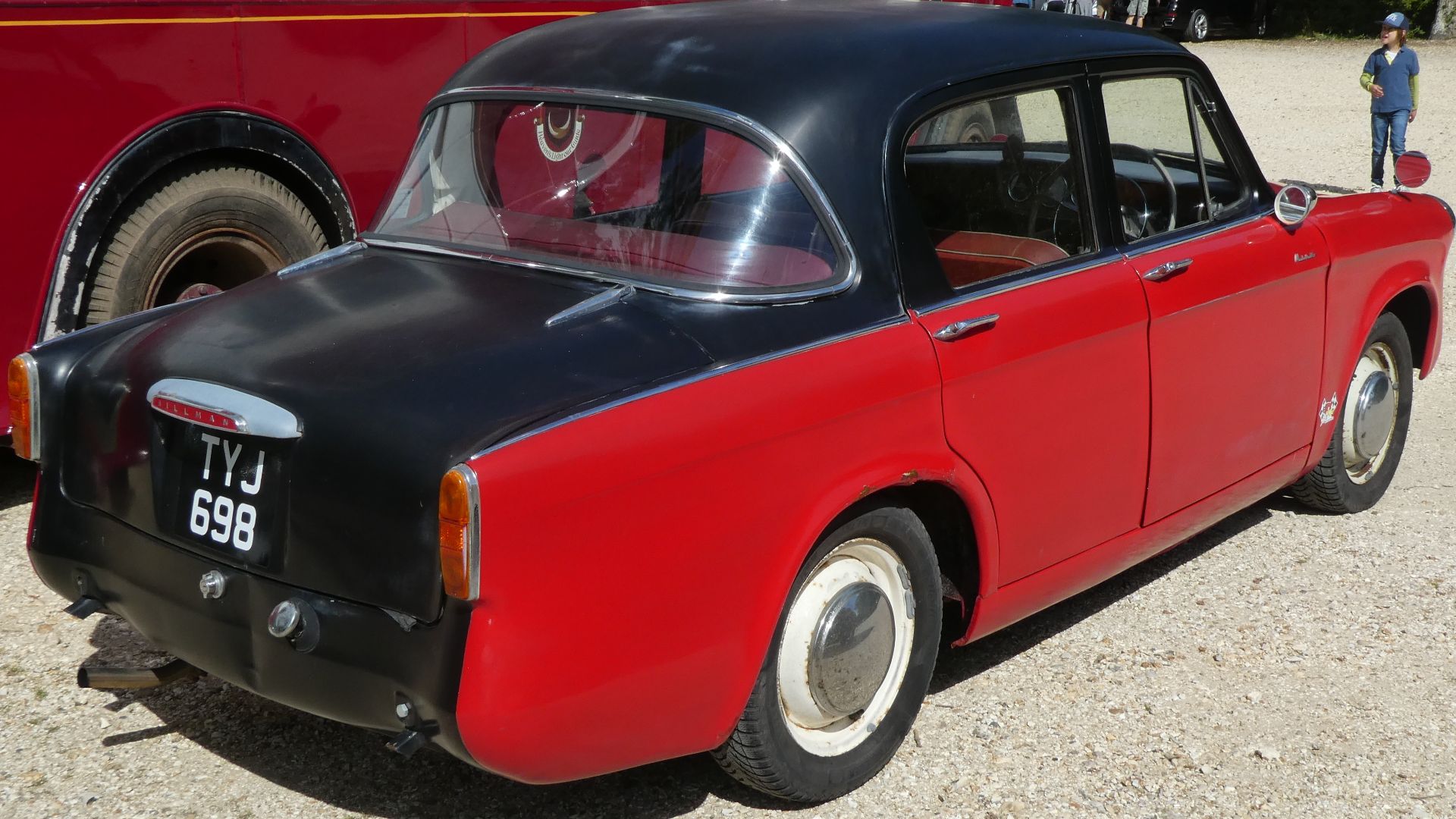
1956 Hillman Minx
Tailfins did not remain an exclusively American obsession. The 1956 Hillman Minx was styled with assistance from Raymond Loewy Studios and brought scaled-down American influences to a practical British family car. Its modest fins resembled raised wings rather than giant vertical blades, but they still gave the Minx an unmistakably transatlantic personality.
 Andrew Bone from Weymouth, England, Wikimedia Commons
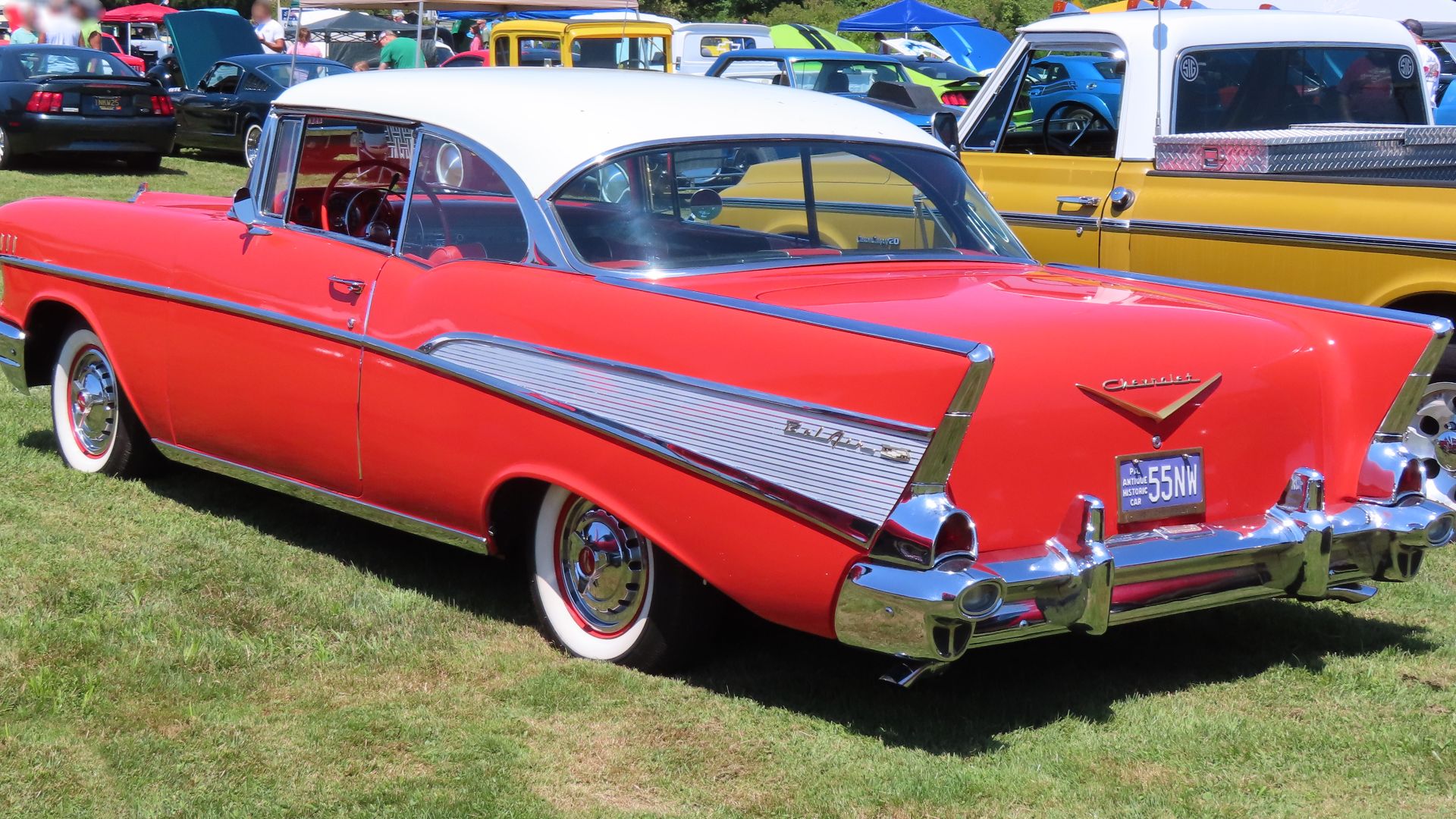
1957 Chevrolet Bel Air
The 1957 Chevrolet Bel Air became one of the most recognizable American cars ever built. Its rear fins were not especially tall, but their sharp shape worked perfectly with the chrome side trim, broad grille, and available two-tone paint. Chevrolet proved that flamboyant styling could reach ordinary buyers rather than remaining limited to expensive luxury cars.
 MercurySable99, Wikimedia Commons
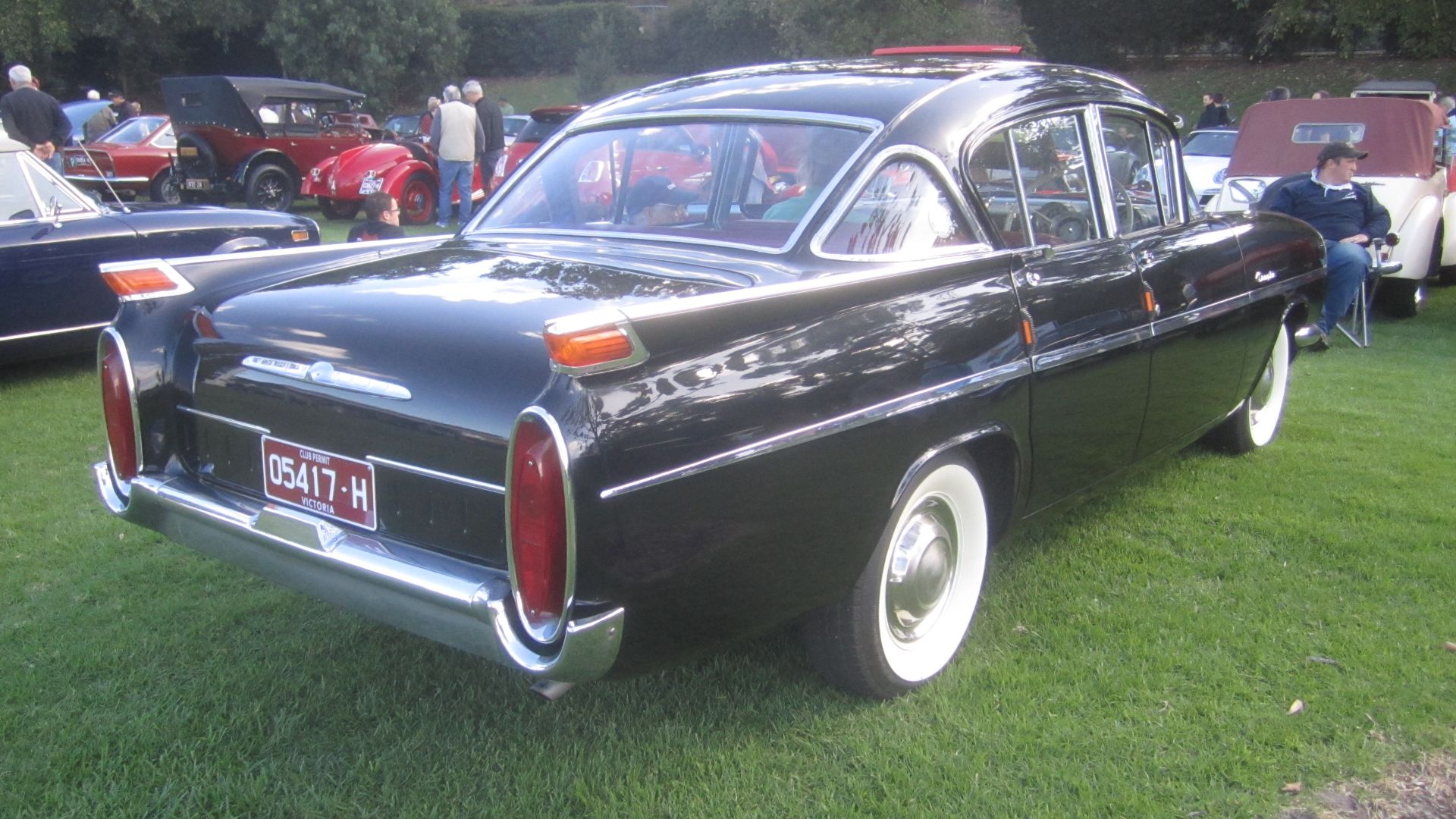
1957 Vauxhall Cresta
The Vauxhall Cresta PA looked astonishingly extravagant beside the restrained cars filling British roads. Its panoramic windshield, pastel paint, abundant chrome, and prominent rear fins borrowed heavily from the styling of Vauxhall’s American parent company, General Motors. It was essentially a smaller slice of Detroit created for drivers navigating much narrower streets.
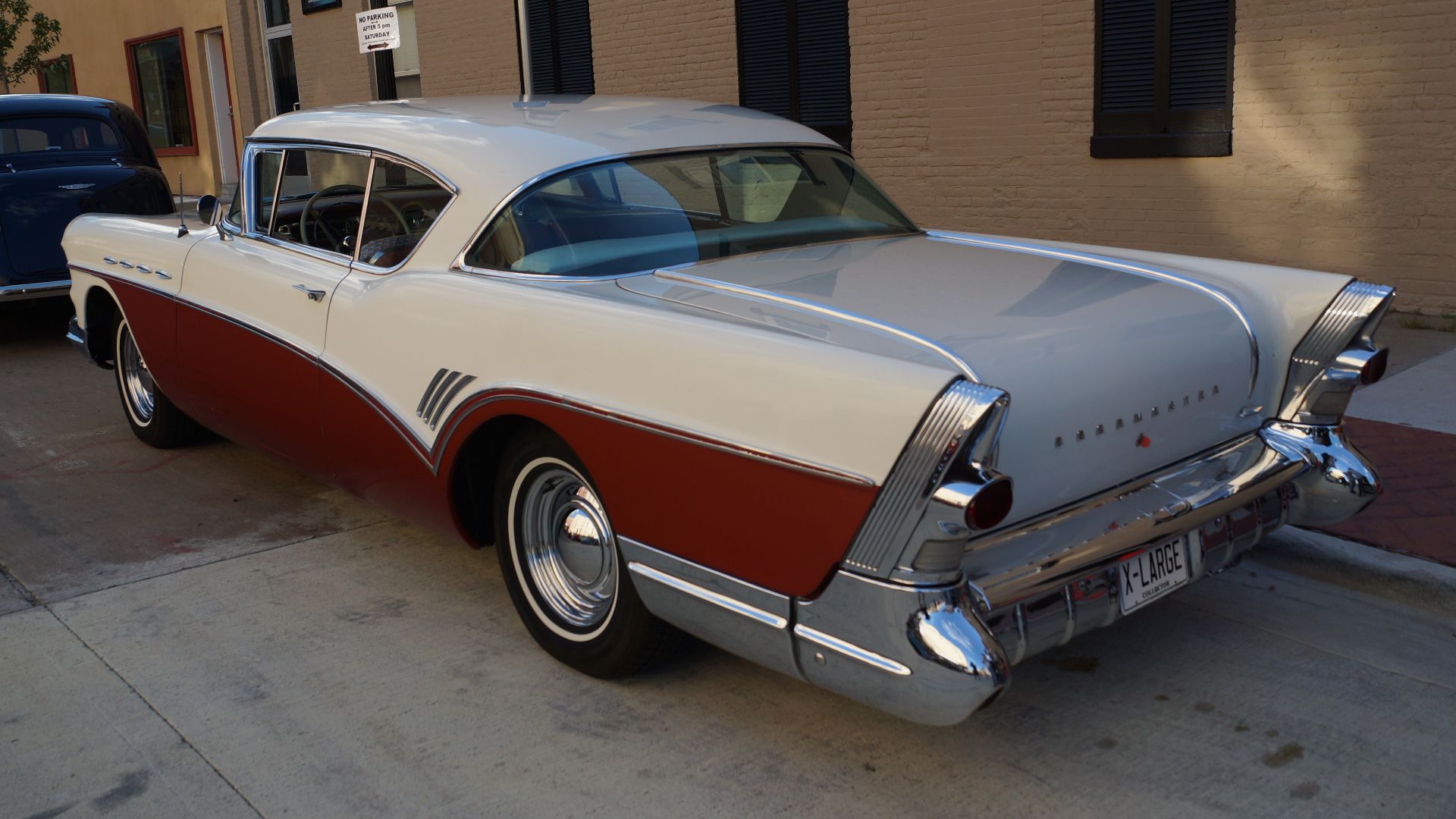
1957 Buick Roadmaster
Buick made the 1957 Roadmaster longer, lower, and considerably more dramatic than its predecessor. The rear fins rose above chromed panels that ran along the back fenders, making the car appear even wider. Combined with its wraparound glass and substantial front bumper ornaments, the Roadmaster represented Detroit excess before the trend had even reached its peak.
 Greg Gjerdingen from Willmar, USA, Wikimedia Commons
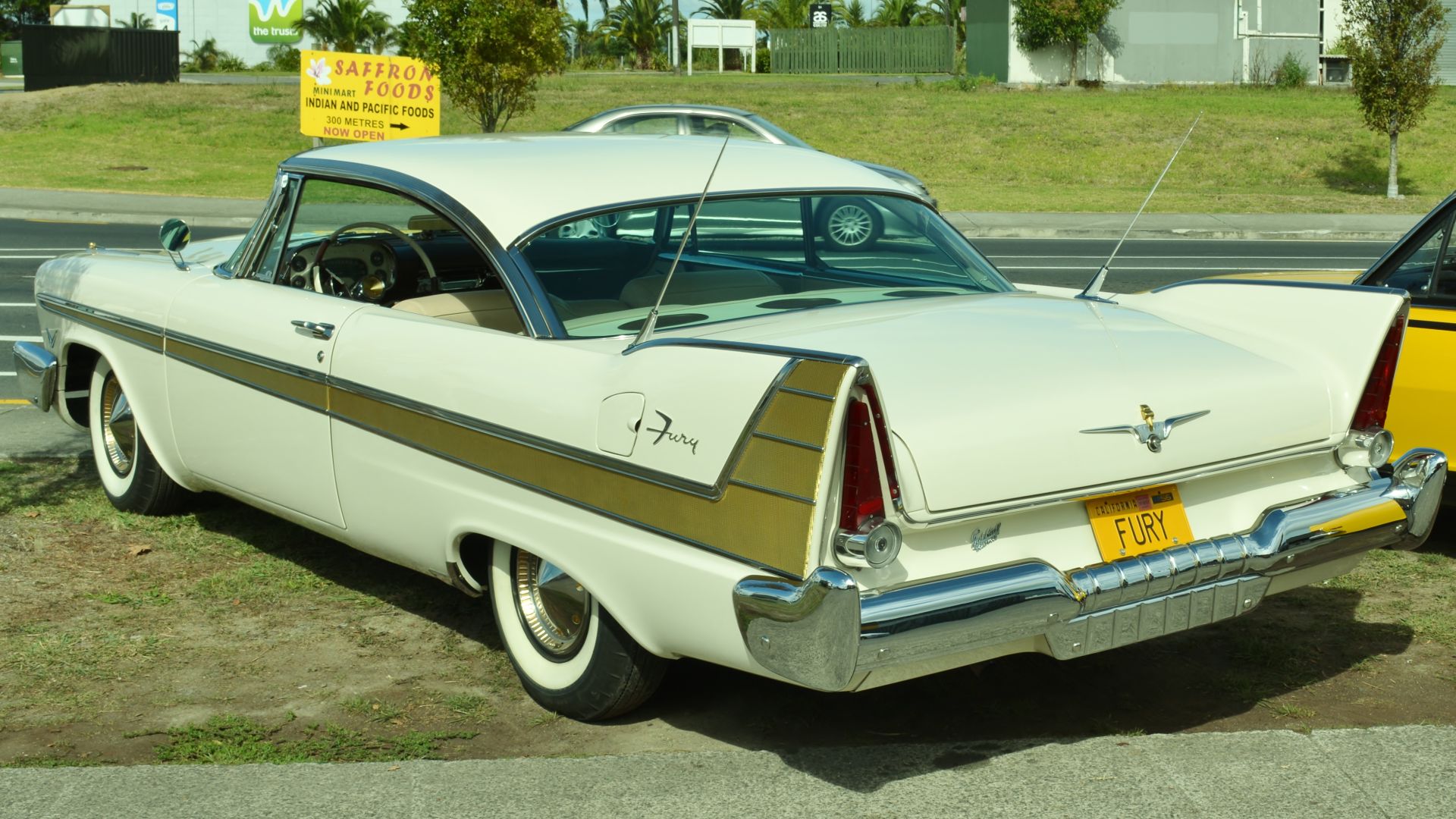
1957 Plymouth Fury
Plymouth’s 1957 lineup introduced lower bodies, enormous windshields, and long fins that seemed to flow out of the rear quarters. The Fury added performance and upscale trim to that striking Forward Look shape. Buyers responded strongly, helping Plymouth climb past Buick into third place in American sales.
 GPS 56 from New Zealand, Wikimedia Commons
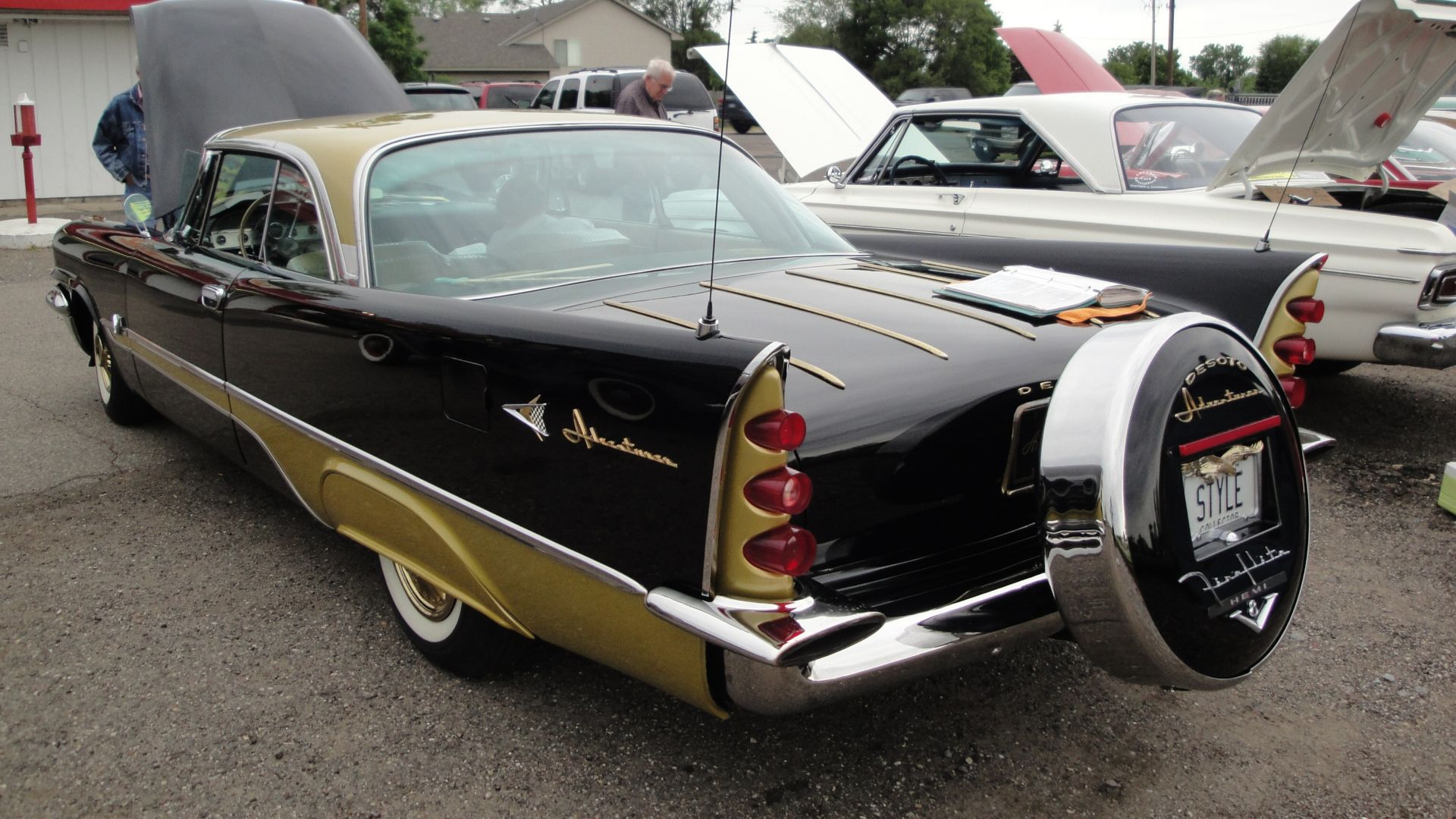
1957 DeSoto Adventurer
The DeSoto Adventurer combined towering fins with one of the boldest factory color schemes of the era. Buyers could choose black or white paint accented by a sweeping gold side panel and matching gold-colored wheel covers. Its 345-cubic-inch V8 produced a claimed 345 horsepower, giving the flamboyant styling serious performance to match.
 Greg Gjerdingen from Willmar, USA, Wikimedia Commons
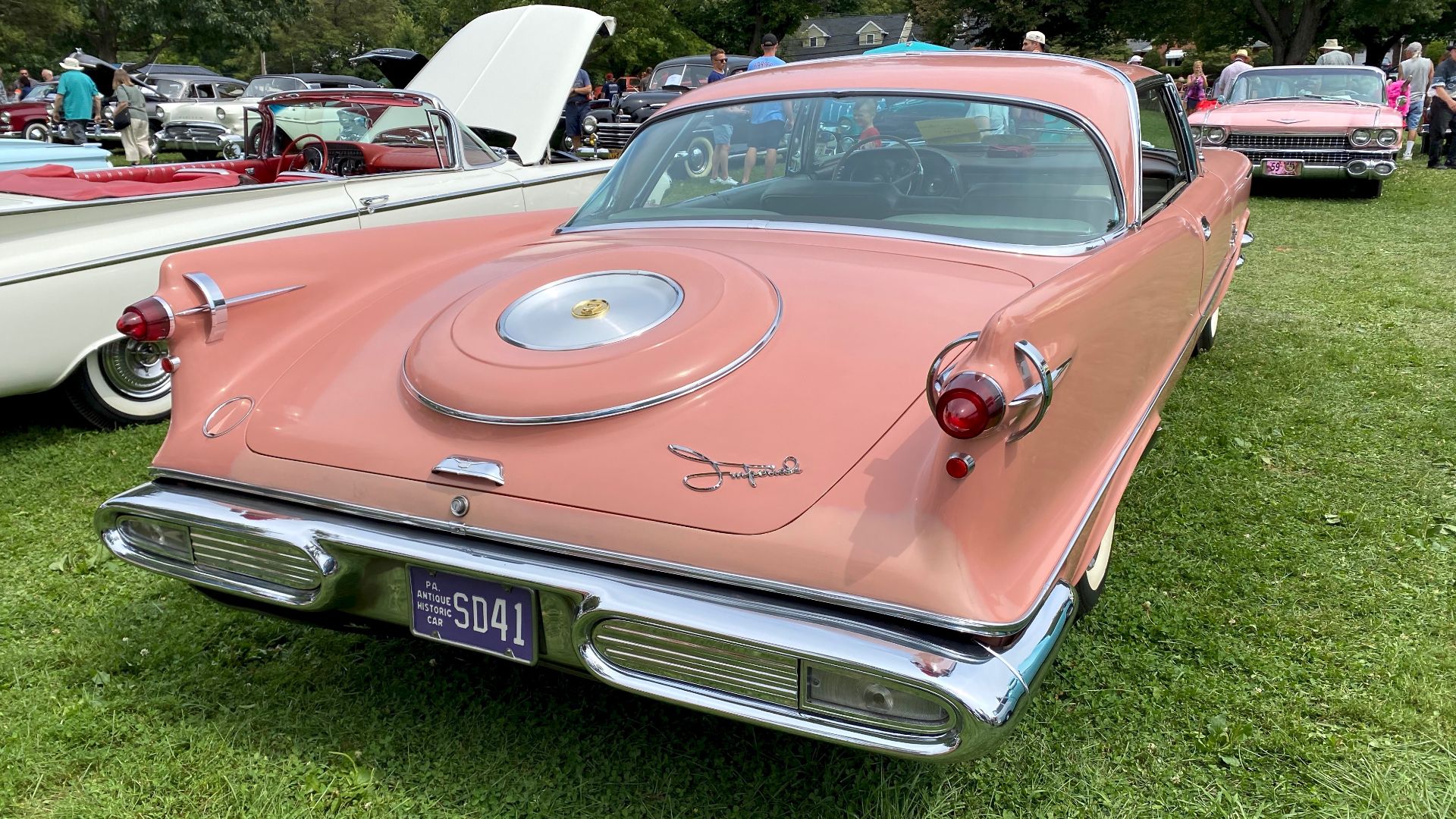
1957 Chrysler Imperial
The Imperial was Chrysler’s attempt to compete directly with Cadillac and Lincoln. Its soaring fins ended in distinctive freestanding taillights that became known as gunsights, making the car look dramatic from nearly any angle. The styling was outrageous, but 1957 became Imperial’s strongest sales year. (Hagerty)
 CZmarlin — Christopher Ziemnowicz, Wikimedia Commons
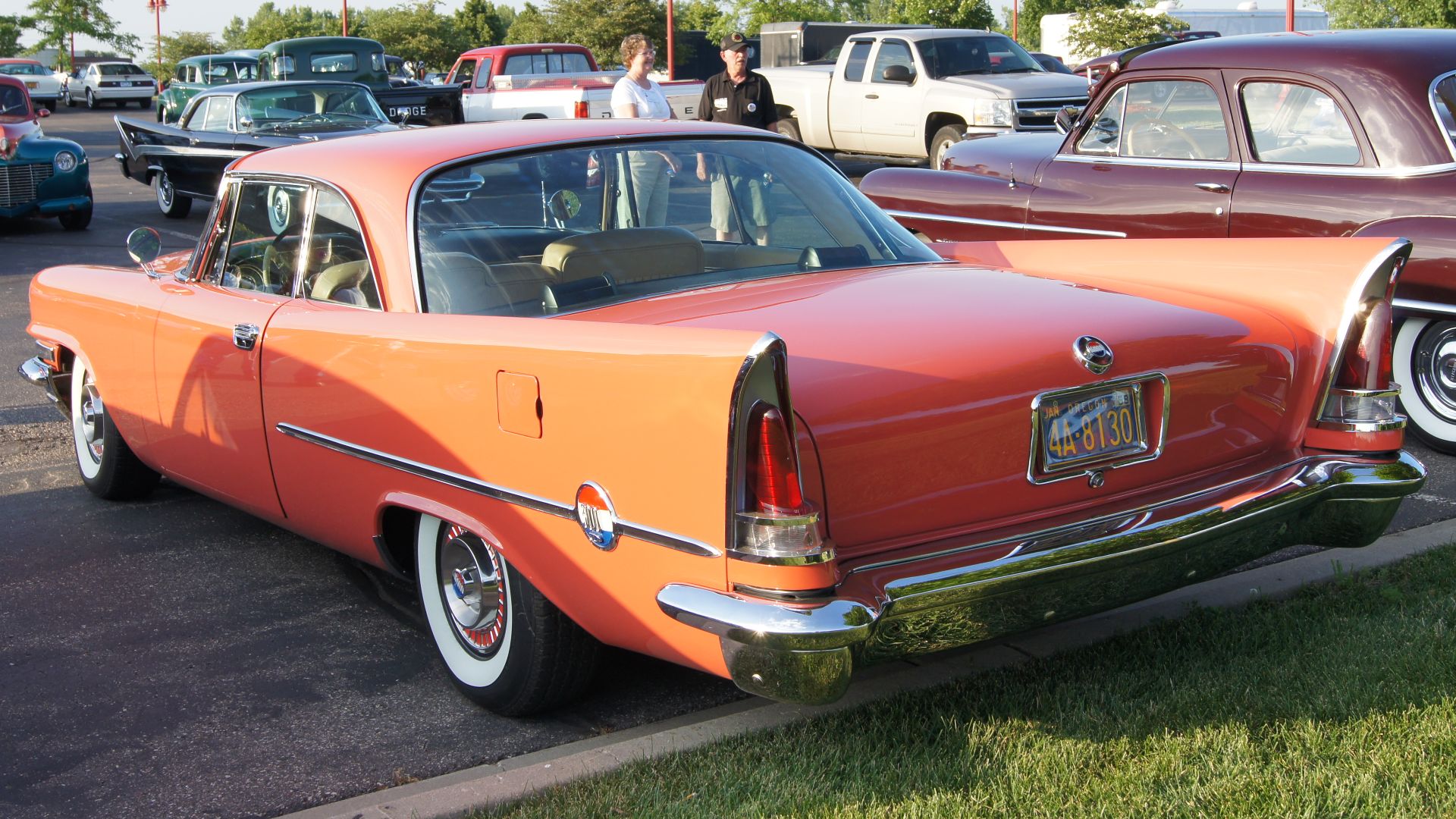
1958 Chrysler 300D
The Chrysler 300D proved that a heavily decorated finned car could also deliver legitimate high-speed performance. Its 392-cubic-inch FirePower V8 produced 375 horsepower in standard form, while a rare fuel-injected version was briefly offered. A specially prepared 300D later exceeded 156 mph at the Bonneville Salt Flats.
 Greg Gjerdingen from Willmar, USA, Wikimedia Commons
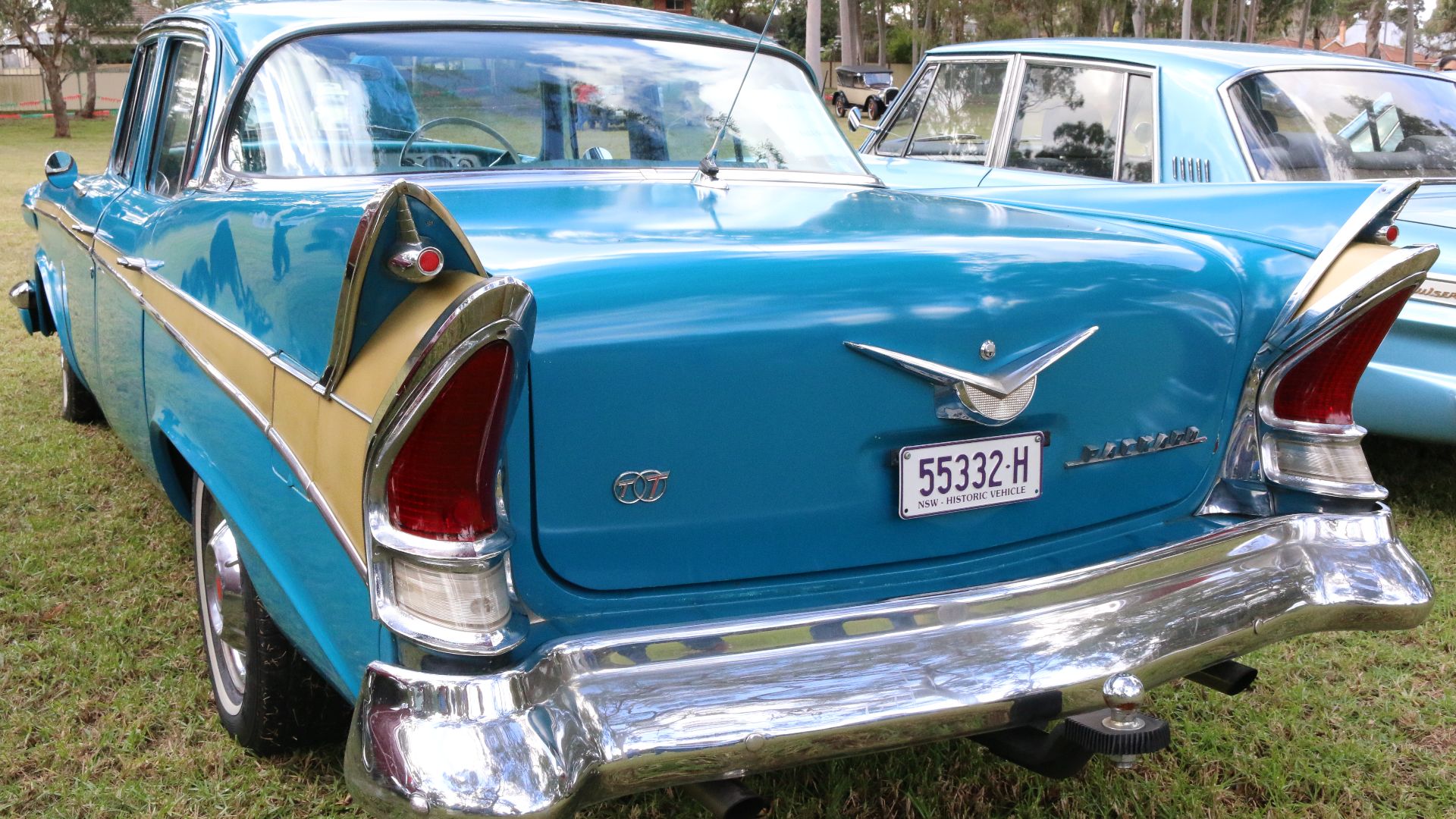
1958 Packard
Packard’s final full model year produced cars with stacked lights, heavy chrome, and sharply extended rear fins. The styling was based on Studebaker bodies following the merger of the two companies, which made the finished cars look dramatically different from traditional Packards. It was an unmistakable last attempt to attract attention before Packard automobile production ended.
 Jeremy from Sydney, Australia, Wikimedia Commons
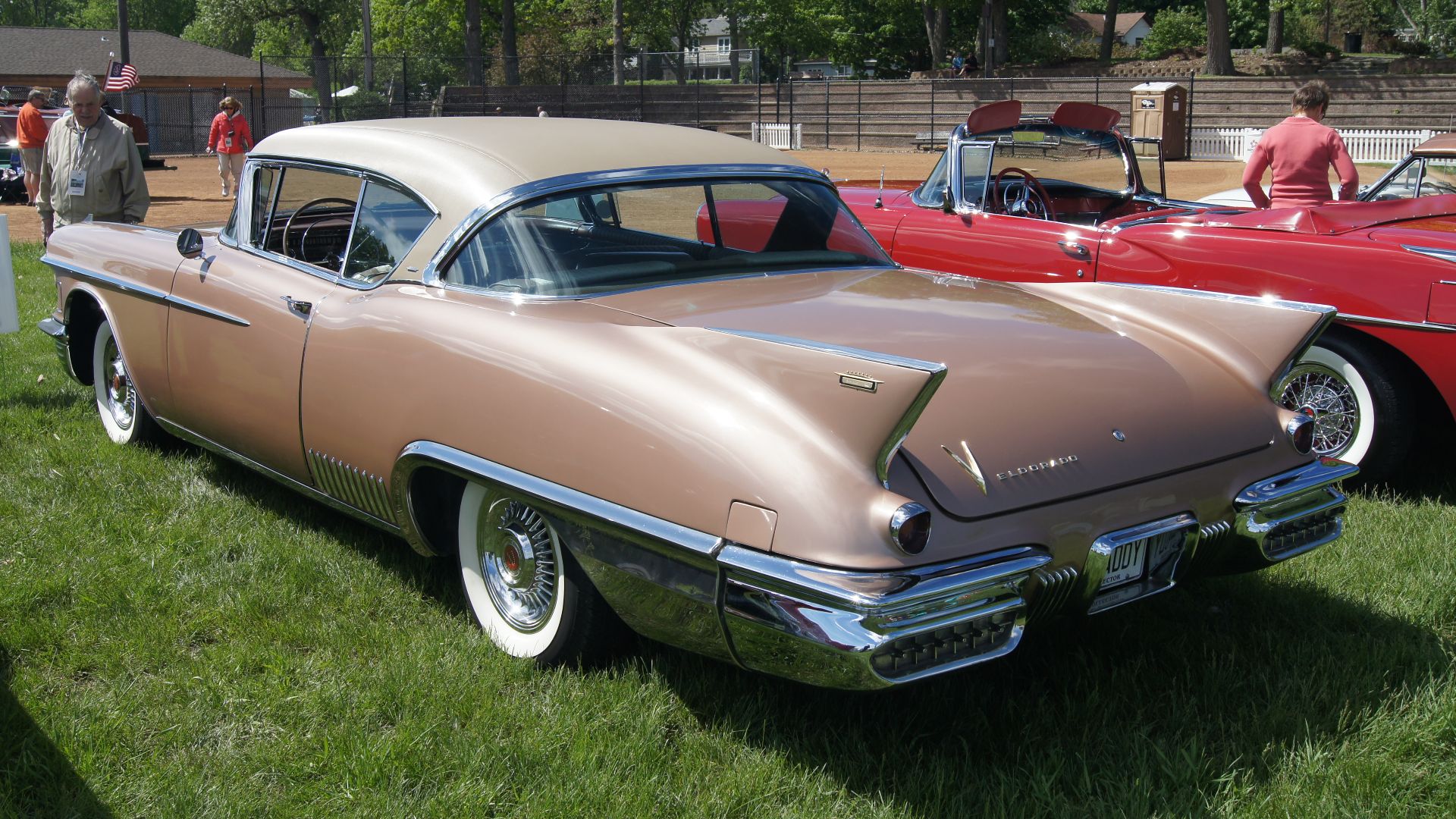
1958 Cadillac Eldorado
Cadillac’s Eldorado had already been growing more elaborate throughout the middle of the decade. The 1958 version featured broad rear quarters, increasingly prominent fins, and extensive chrome decoration that covered much of the car. Even so, Cadillac was still holding something much more outrageous in reserve for the following year.
 Greg Gjerdingen from Willmar, USA, Wikimedia Commons
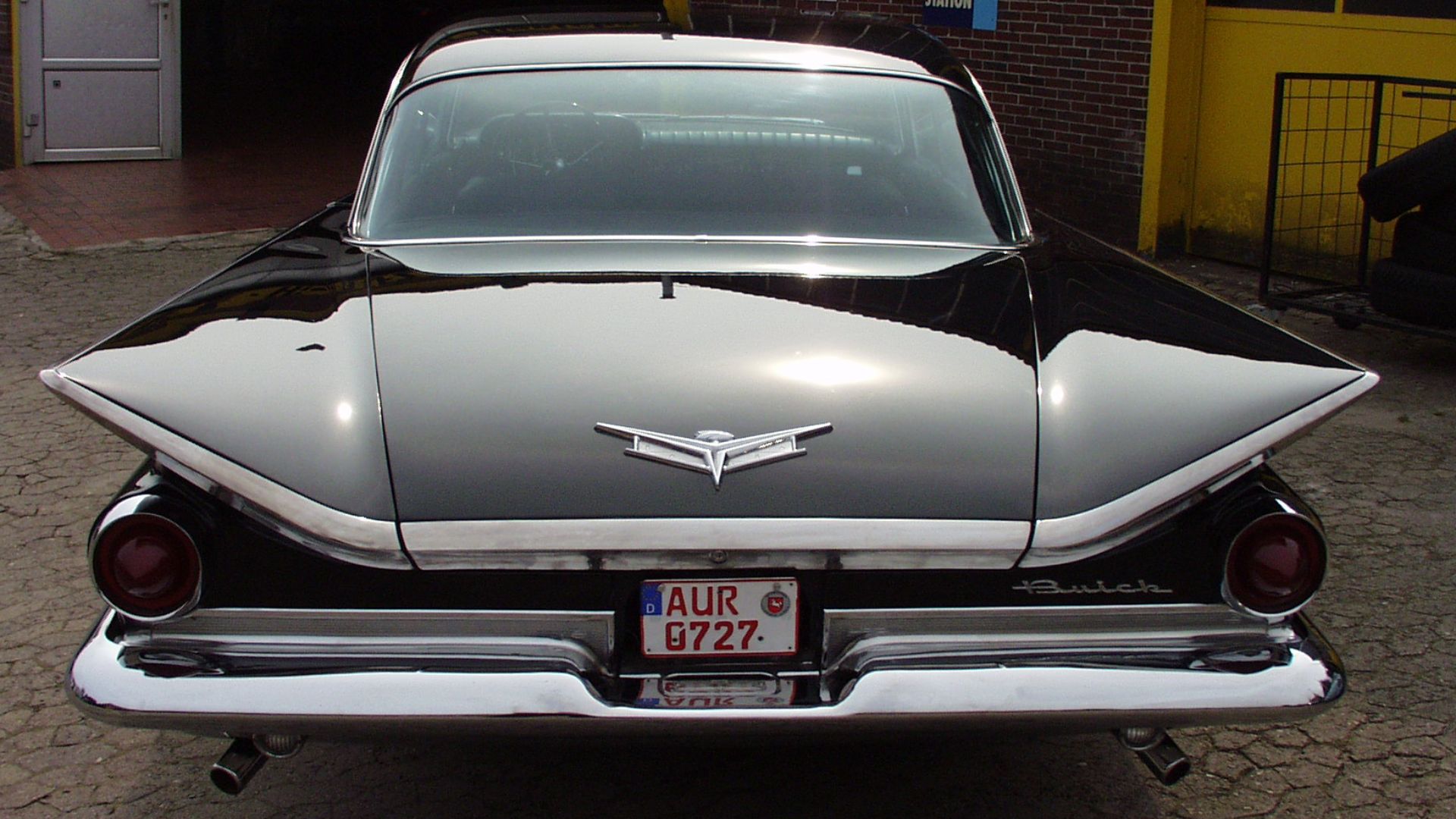
1959 Buick Electra
Buick rejected the simple upright fin and created something stranger for 1959. The Electra’s sharply angled rear bodywork projected outward, making the car appear almost as though it had wings. Combined with slanted headlights, large expanses of glass, and deeply sculpted sides, the design made the previous year’s Buick look remarkably conservative.
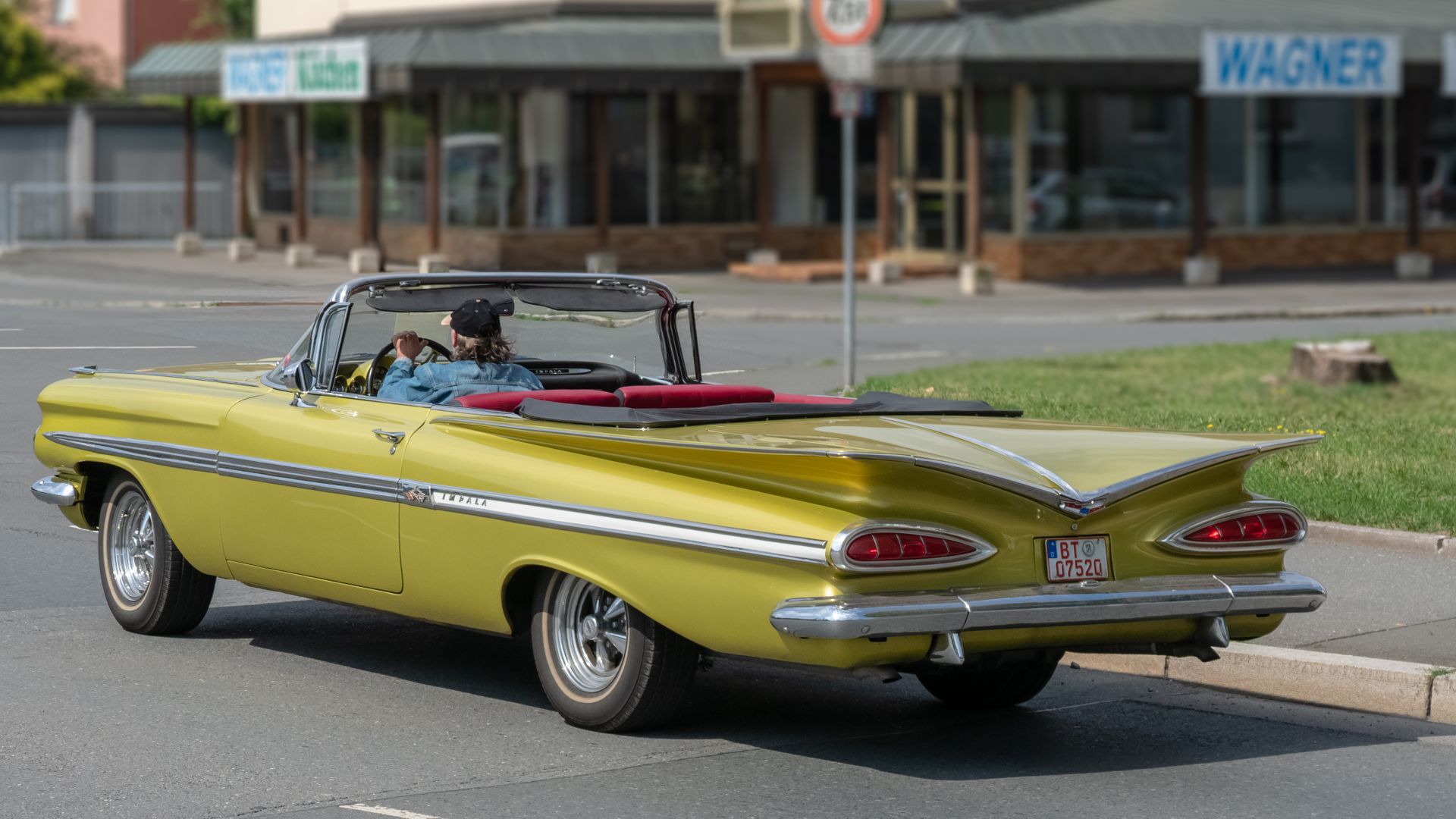
1959 Chevrolet Impala
Chevrolet’s 1959 Impala took a completely different approach from Cadillac’s vertical fins. Its rear bodywork spread horizontally into broad, gullwing-like shapes framing a pair of cat-eye taillights. The fins were lower than those on many rivals, but their width made the Impala’s rear end one of the decade’s most memorable designs.
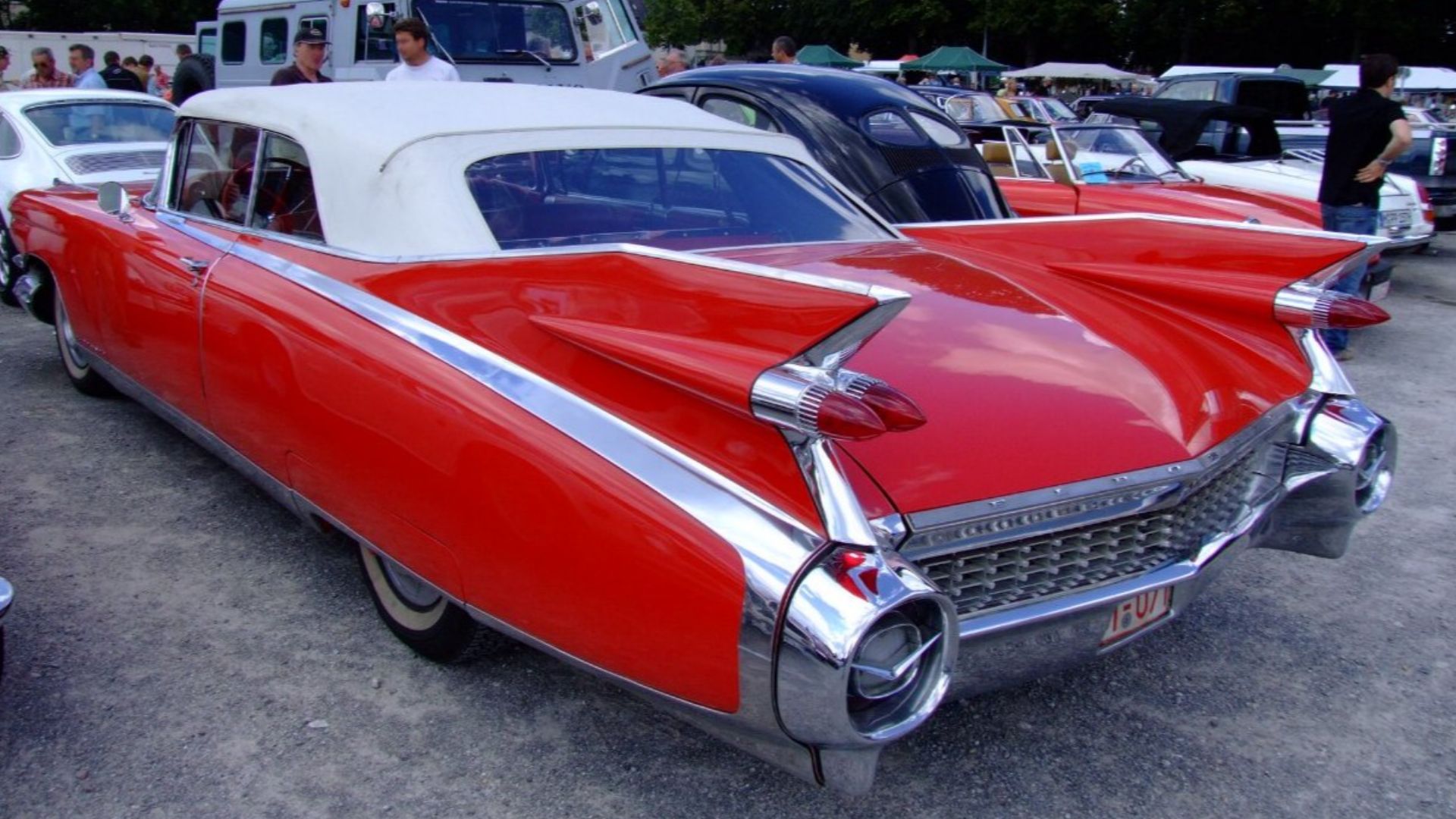
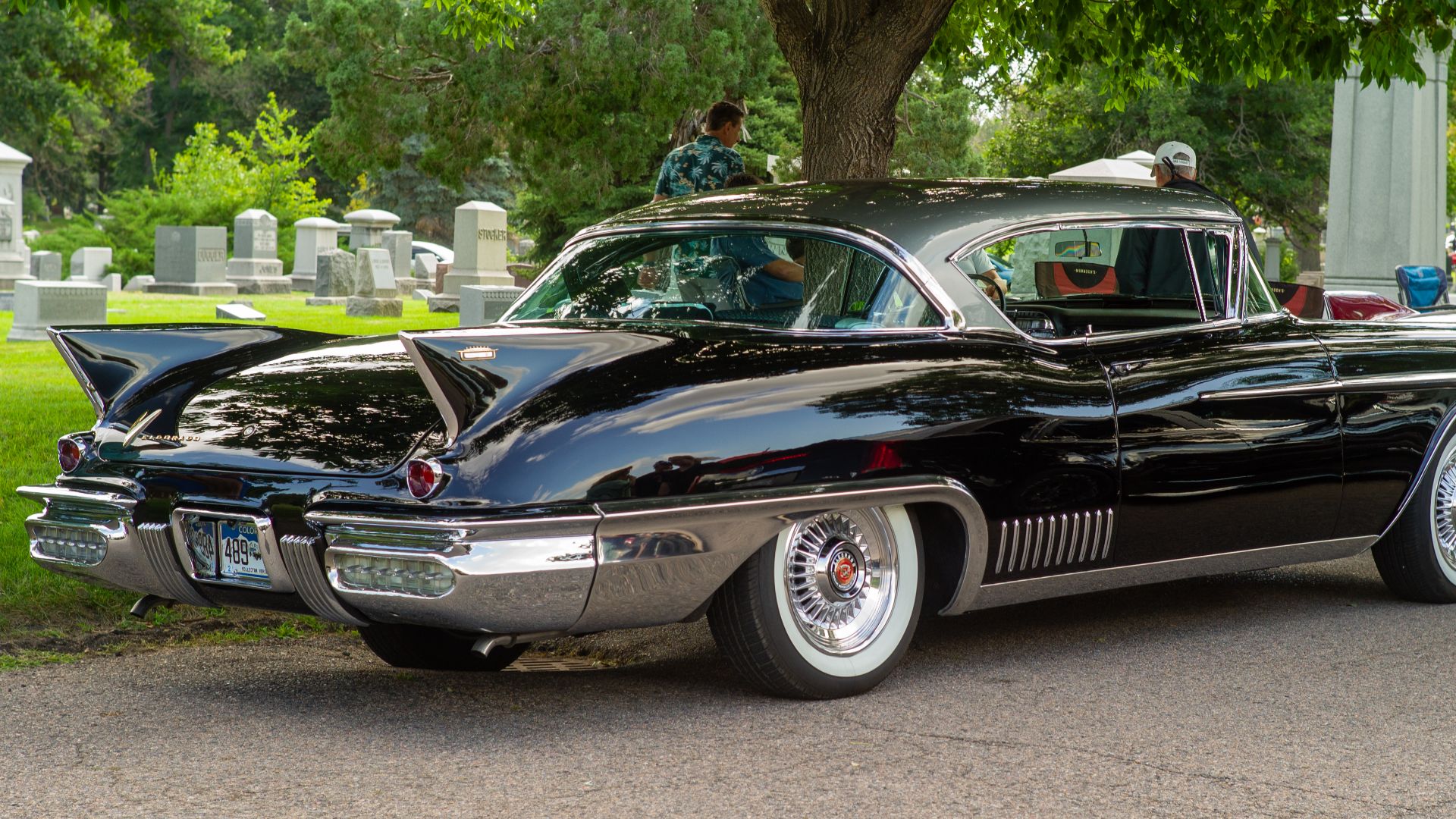
1959 Cadillac Eldorado
No production car symbolizes tailfin excess more completely than the 1959 Cadillac Eldorado. Its towering fins rose nearly to roof height and contained two bullet-shaped taillights on each side. Measuring more than 18 feet long and dripping with chrome, the Eldorado became the ultimate expression of Detroit’s belief that more styling was always better.
 ChiemseeMan at German Wikipedia, Wikimedia Commons
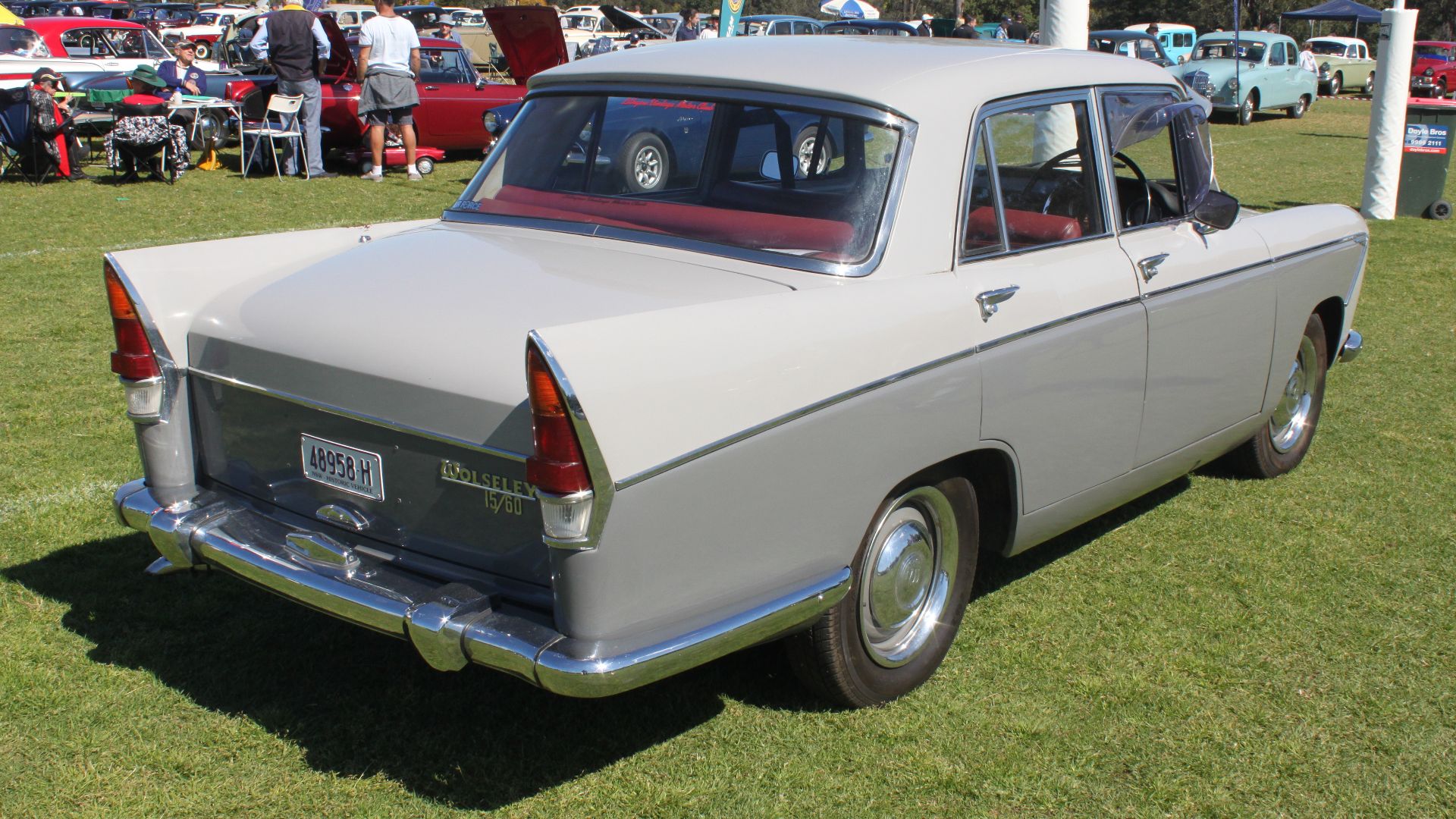
1959 Wolseley 15/60
Wolseley was associated with respectable British sedans rather than automotive flamboyance. That changed when Pinin Farina styled the 15/60 with a cleaner profile, prominent rear fins, and distinctly Italian lines. Beneath the dramatic bodywork remained conventional British mechanical components, creating an amusing contrast between appearance and performance.
 Jeremy from Sydney, Australia, Wikimedia Commons
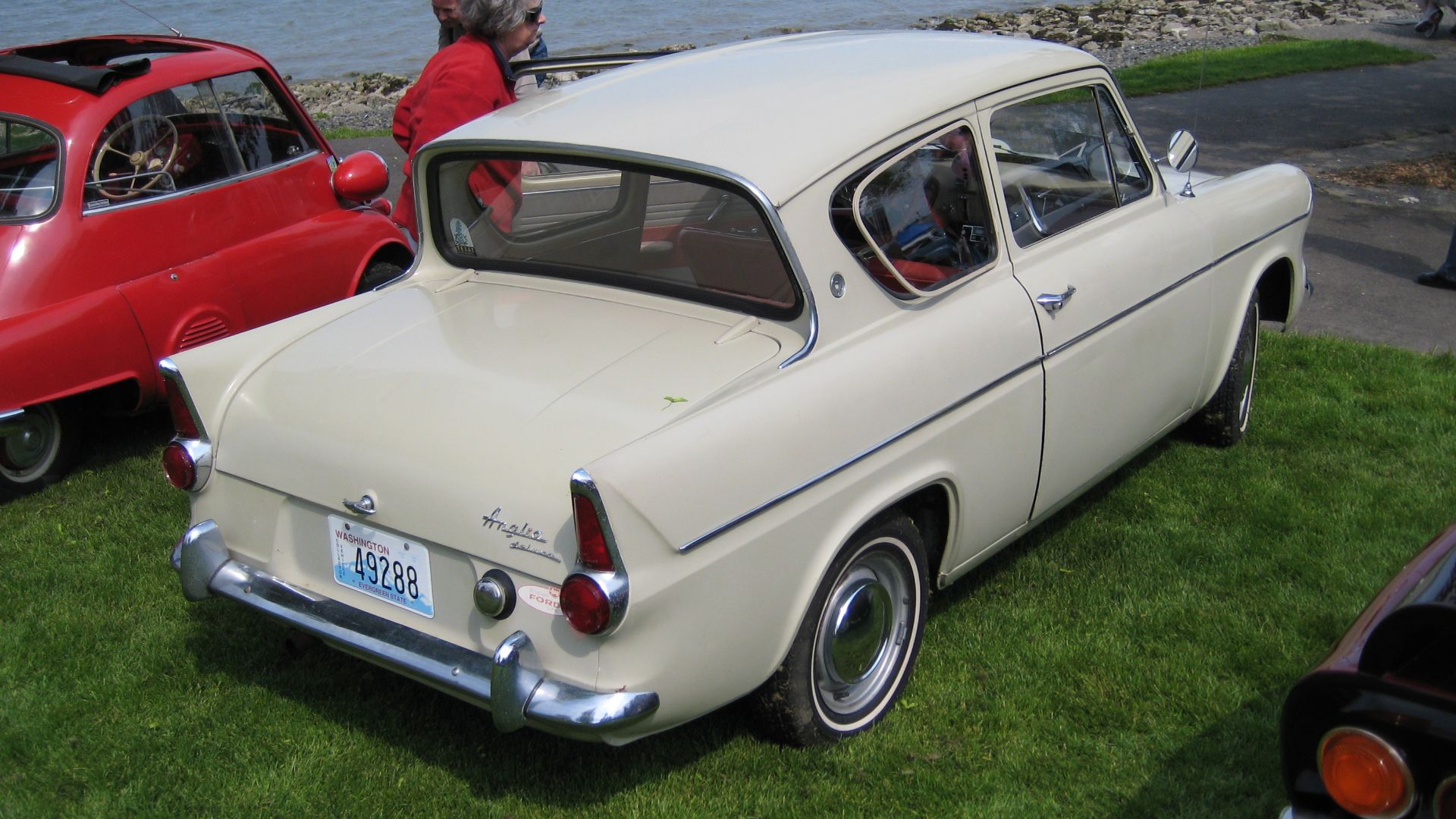
1959 Ford Anglia
The Ford Anglia 105E applied Detroit-inspired styling to a tiny British economy car. It featured modest fins, a reverse-slanted rear window, and a sharply sloping front end developed with help from Ford’s American design operation. The result looked like a futuristic American sedan that had somehow been compressed to fit British roads.
 JOHN LLOYD from Concrete, Washington, United States, Wikimedia Commons
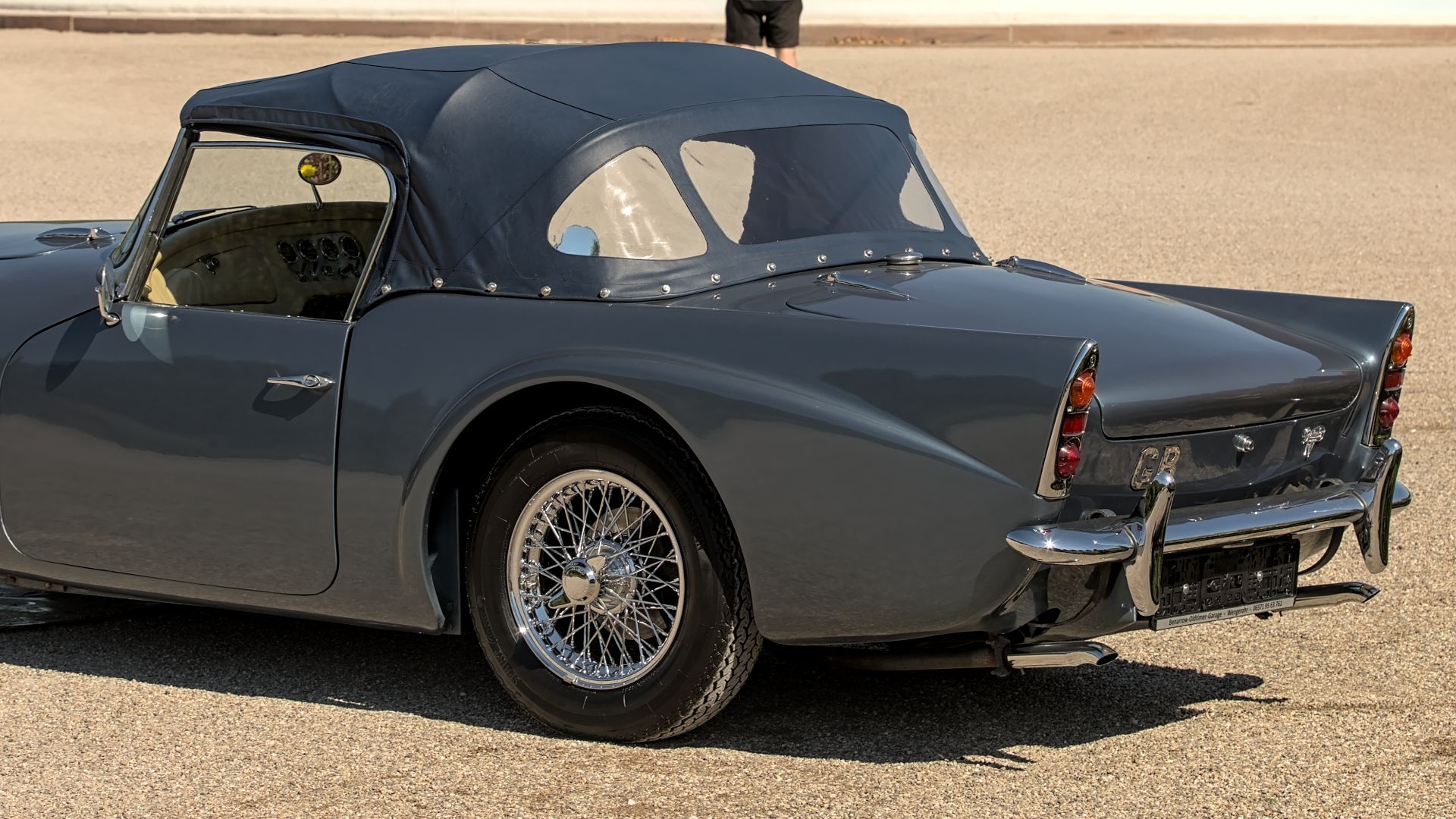
1959 Daimler SP250
The Daimler SP250 combined a small V8 engine with a fiberglass body and surprisingly prominent tailfins. Daimler expected much of the car’s demand to come from the United States, which helps explain the strong American influence. Its unusual grille and dramatic rear end made it one of the strangest-looking British sports cars of its era.
 Alexander Migl, Wikimedia Commons
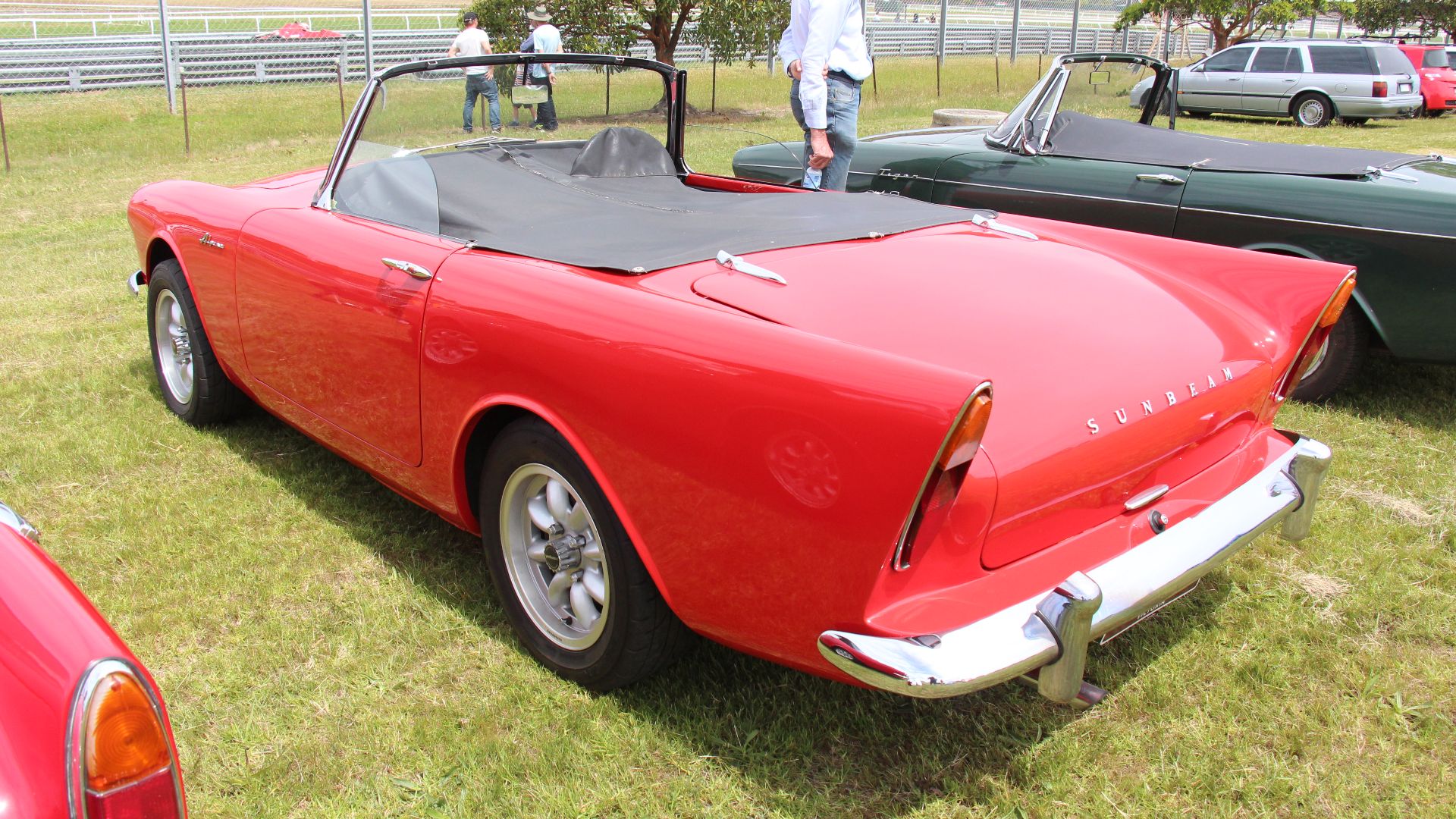
1959 Sunbeam Alpine
The first Series Sunbeam Alpine arrived with neat, sharply pointed fins integrated into its rear fenders. Designer Kenneth Howes had previously worked with the American-based Raymond Loewy organization, and the Alpine was created partly with export sales in mind. Its fins gave the small roadster considerably more visual drama than its practical Hillman-derived components suggested.
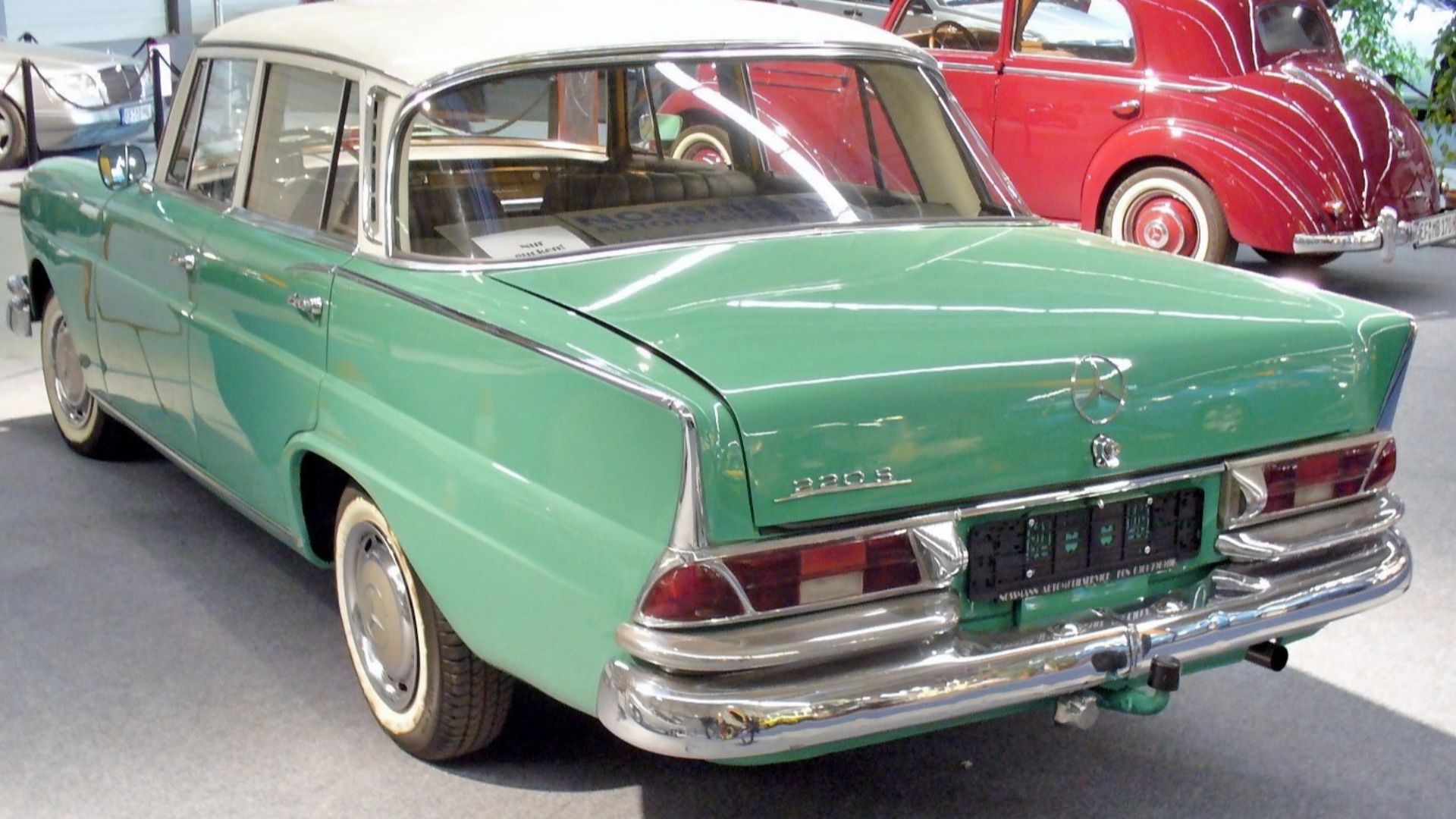
1959 Mercedes-Benz W111
Mercedes-Benz joined the trend with the W111 sedan, quickly nicknamed the Heckflosse, or Fintail. Its rear fins were much more restrained than those found on American cars and helped drivers judge the corners of the vehicle while reversing. The car also introduced important safety engineering, including front and rear crumple zones, proving that fins could accompany serious innovation.
 Thomas doerfer, Wikimedia Commons
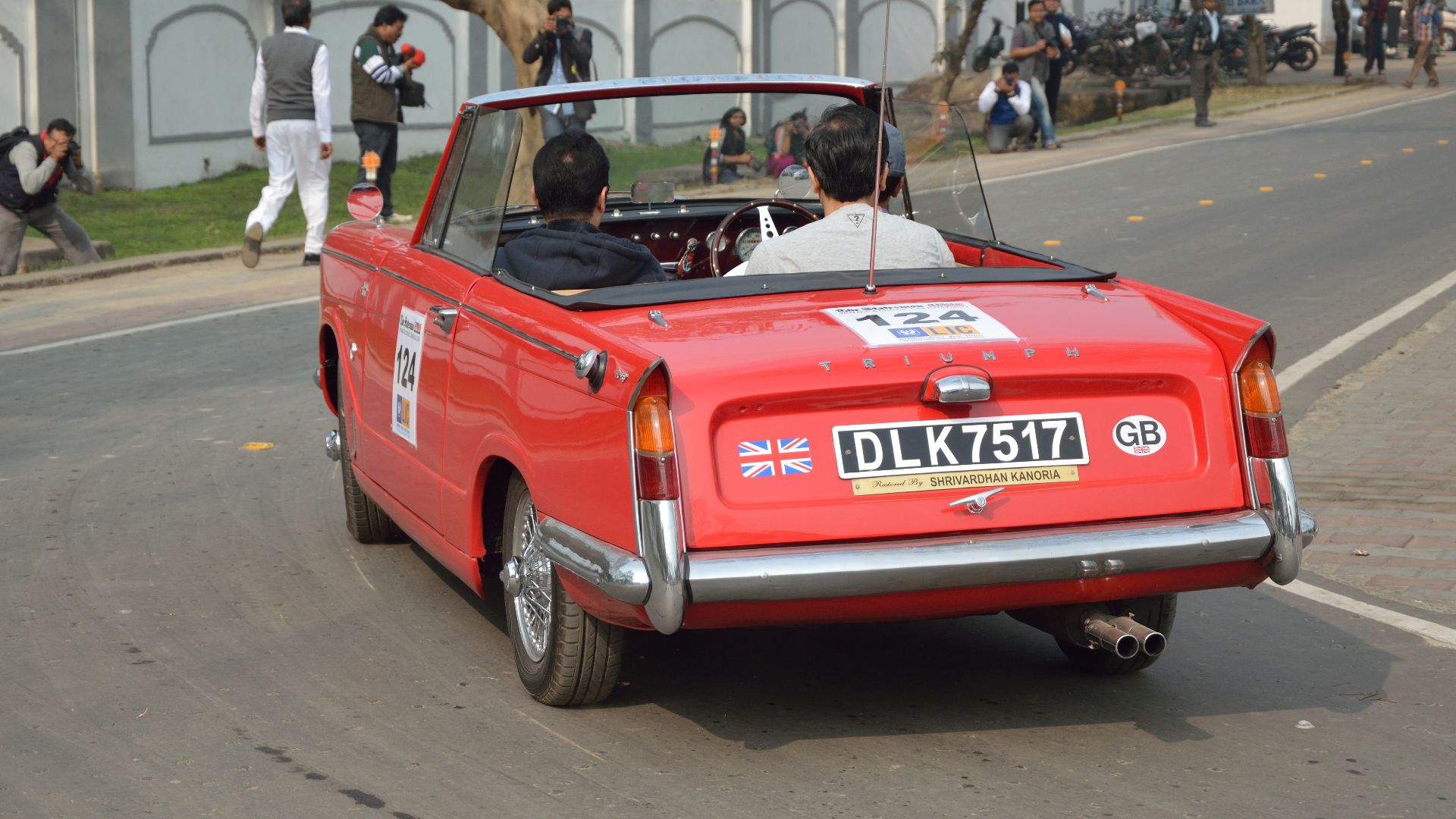
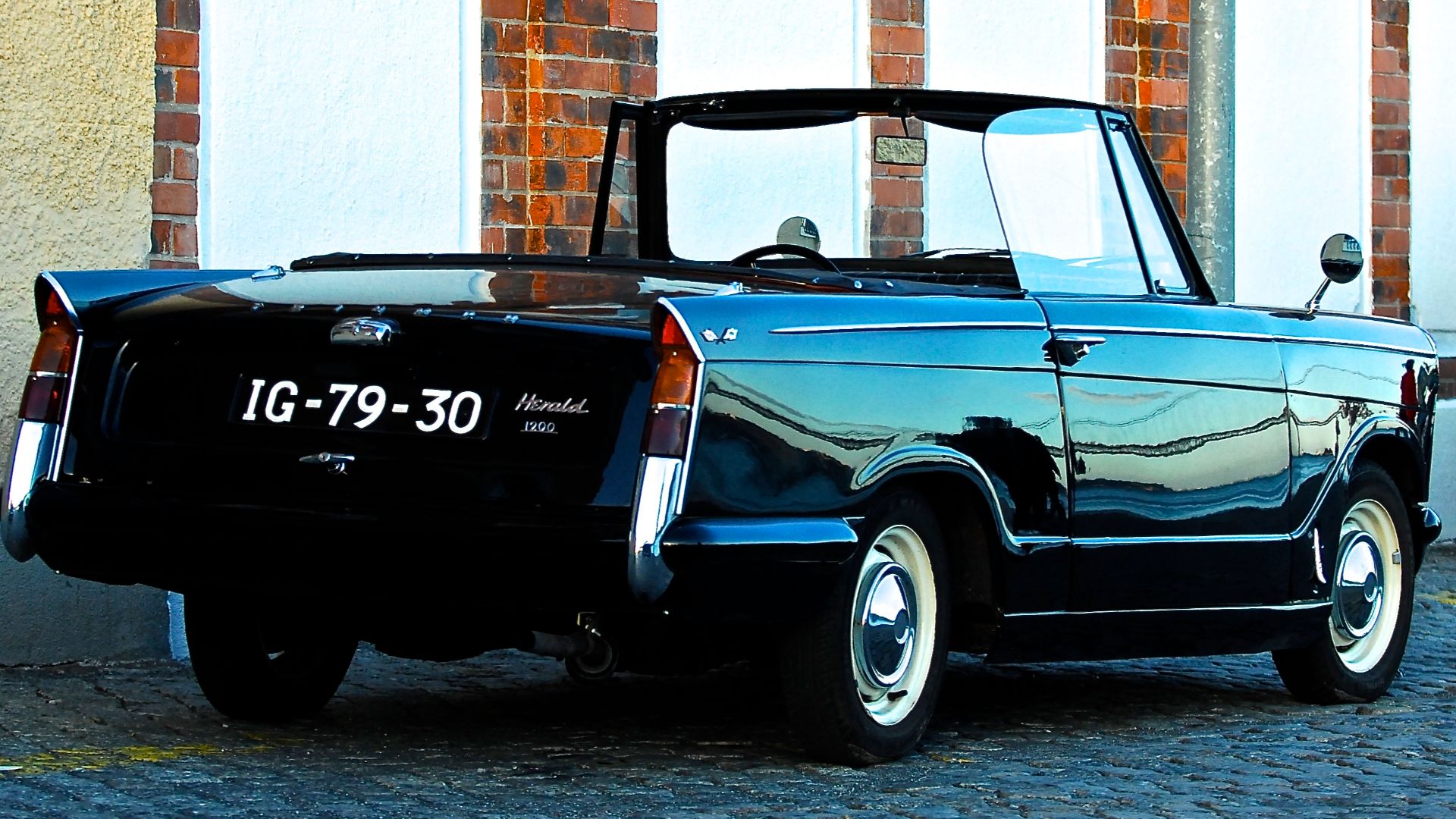
1959 Triumph Herald
Italian designer Giovanni Michelotti gave the Triumph Herald crisp body lines and small but unmistakable rear fins. Its styling looked much more modern than the Standard models it replaced, despite the car’s modest engine and separate chassis. The Herald showed how thoroughly the fin craze had spread, reaching even affordable European family transportation.
 Biswarup Ganguly, Wikimedia Commons
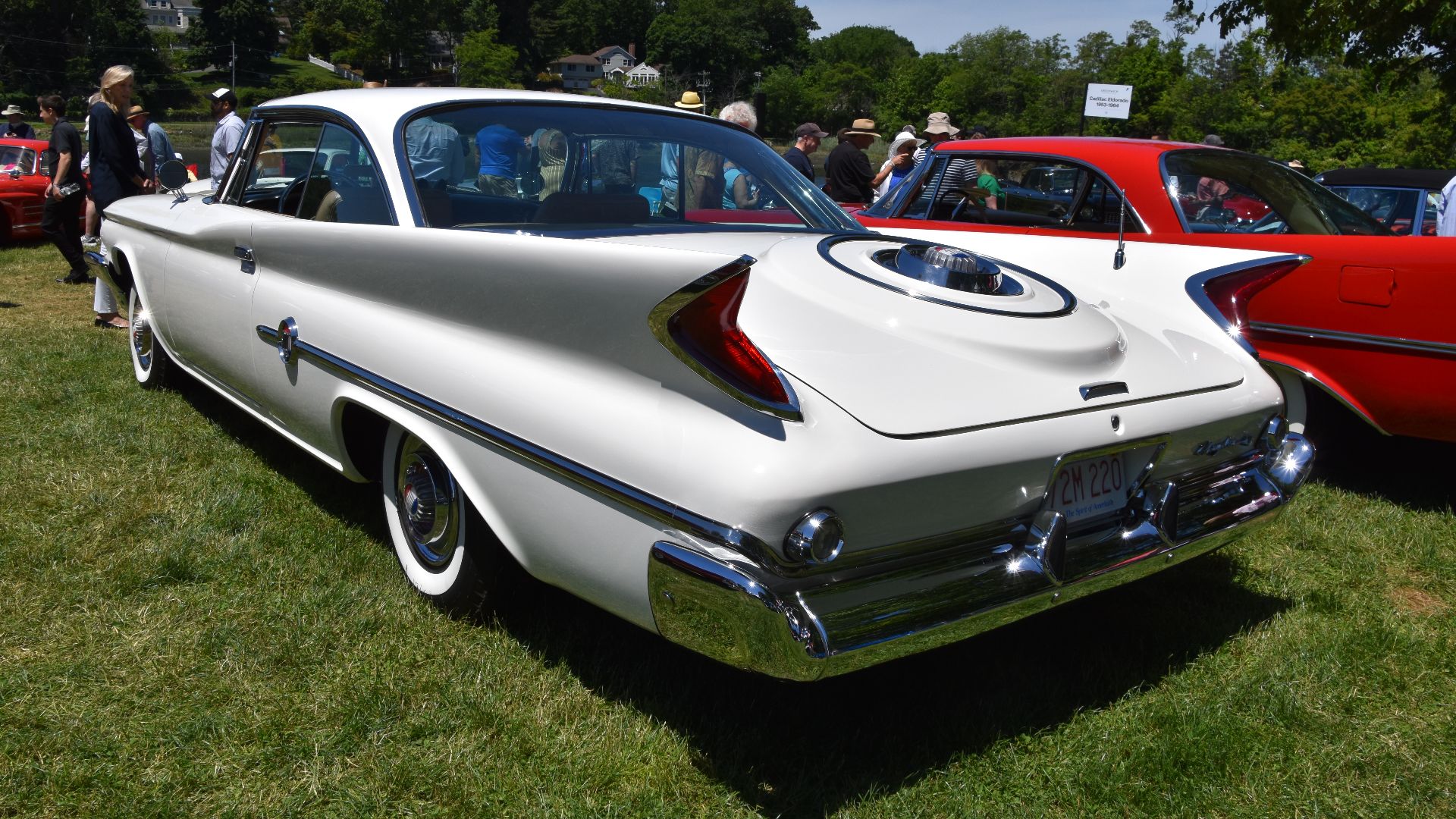
1960 Chrysler 300F
By 1960, many manufacturers were already beginning to reduce their fins. Chrysler moved in the opposite direction with the 300F, whose rear fins tilted dramatically outward from the body. The car also introduced unibody construction and retained the strong performance expected from Chrysler’s letter-series models.
 Charles from Port Chester, New York, Wikimedia Commons
The Craze Collapsed Almost Overnight
Once fins had reached their most extreme forms, designers had few places left to take them. Changing tastes favored cleaner, more restrained bodies, and many brands reduced or removed their fins during the early 1960s. Cars that had appeared futuristic only a few years earlier suddenly looked excessive and dated.
 Pedro Ribeiro Simoes from Lisboa, Portugal, Wikimedia Commons
Tailfins Made The 1950s Unforgettable
Tailfins rarely improved practicality, efficiency, or performance, but that was never their primary purpose. They made cars look faster, newer, and more exciting during an era captivated by aircraft, rockets, and visions of the future. Whether elegant or absurd, the most extreme finned cars remain impossible to mistake for products of any other decade.
You May Also Like:
Ken Miles Helped Ford Beat Ferrari—But Never Lived To See His Greatest Legacy
Inside Rock Legend Eric Clapton's Incredible Ferrari Collection
Sources: 1, 2, 3, 4, 5, 6, 7, 8, 9, 10, 11, 12, 13, 14, 15, 16, 17, 18, 19






.jpg)
_(50337150038).jpg)
.jpg)