
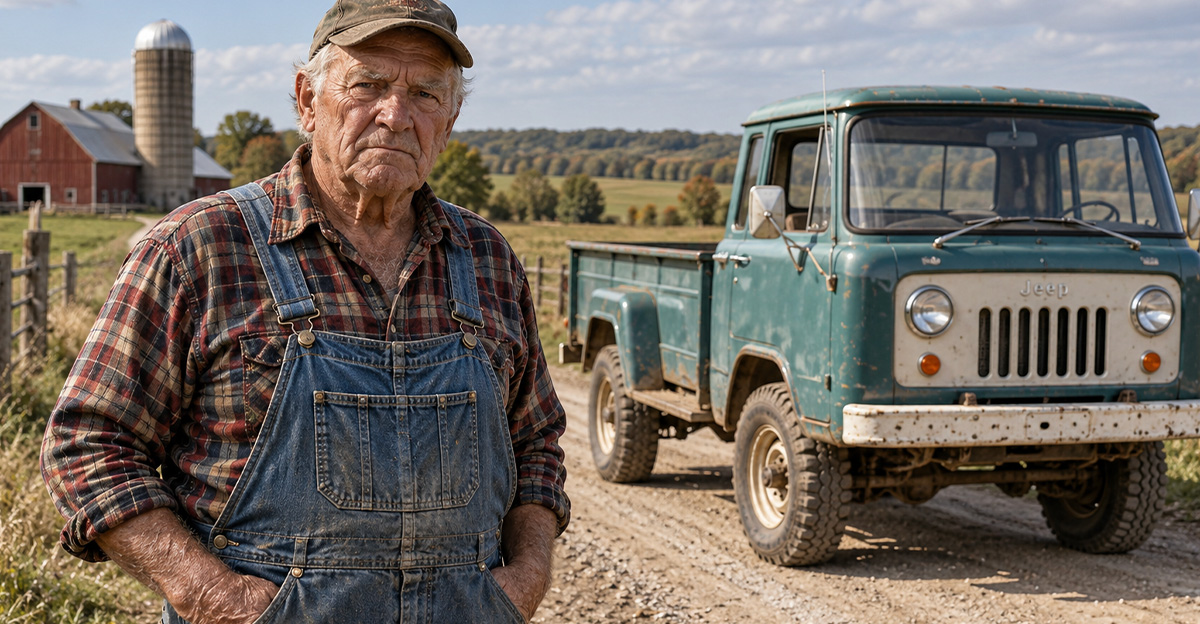
Before Pickups Became Family Vehicles
Today, a pickup can have heated leather seats, panoramic roofs, giant touchscreens, and enough rear-seat room for a family vacation. Sixty years ago, the formula was much simpler. Trucks hauled feed, tools, lumber, machinery, and workers—and some of the machines doing that work looked downright bizarre by modern standards.
Trucks Were Tools First
Most early-1960s pickups weren't pretending to be luxury cars. Rubber flooring, vinyl bench seats, manual transmissions, and sparse dashboards were perfectly normal. Four doors were unusual, air conditioning was hardly expected, and nobody wondered whether the kids would have enough USB ports. The truck was there to earn its keep.
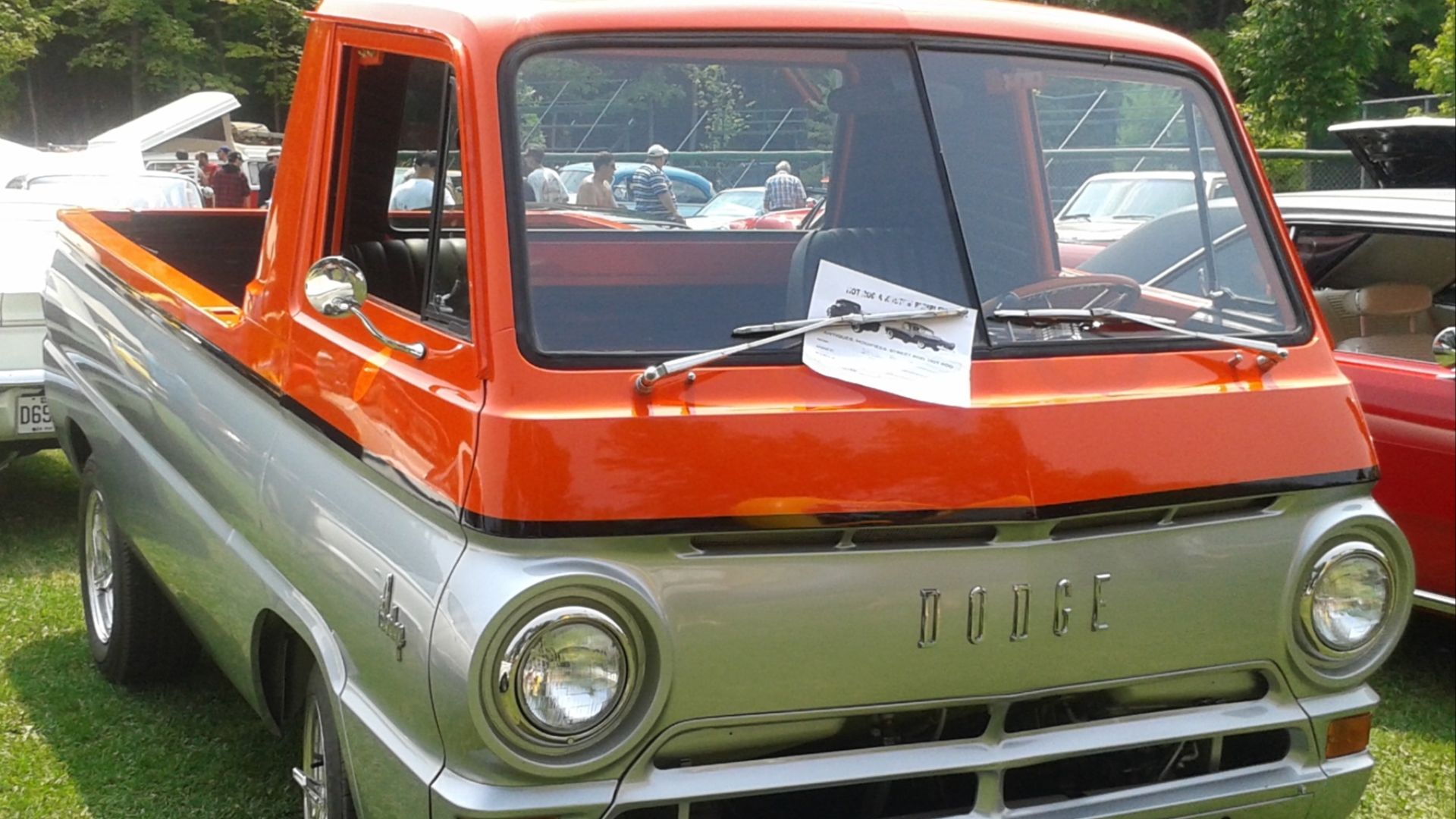
Jeep FC-150 Looked Like It Was Driving Backward
The Jeep FC-150 must have looked like something from a science-fiction movie. Its cab sat above the engine, leaving practically no hood at all. Built on the CJ-5's 81-inch wheelbase, this compact four-wheel-drive workhorse packed an impressive amount of cargo room into remarkably little road space.
 MercurySable99, Wikimedia Commons
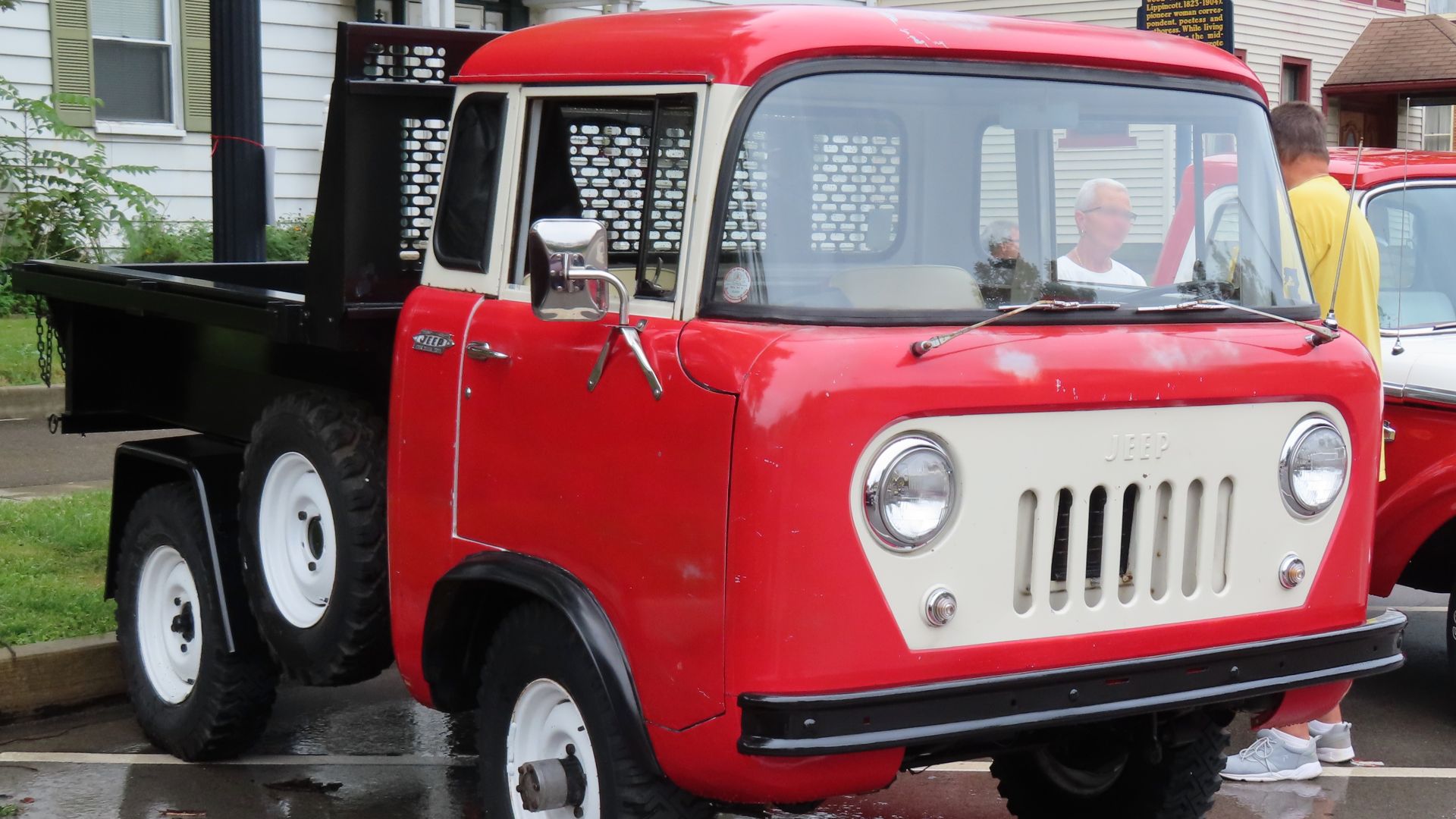
The FC-170 Was Its Bigger Brother
Need more truck? Jeep offered the FC-170 with a 103.5-inch wheelbase, six-cylinder power, and versions ranging from pickups to stake beds and heavy-duty models. It was the sort of vehicle a utility crew or farmer understood immediately, even if today's parking-lot crowd might wonder where the hood went.
 Eric Friedebach, Wikimedia Commons
Chevrolet's Corvair Rampside Was Sideways Genius
Chevrolet took the rear-engined Corvair idea and somehow turned it into a pickup. The Corvair 95 Rampside featured a hinged panel in the passenger side of the bed that folded down into a loading ramp. Heavy cargo could simply be rolled aboard instead of hoisted over a conventional tailgate.
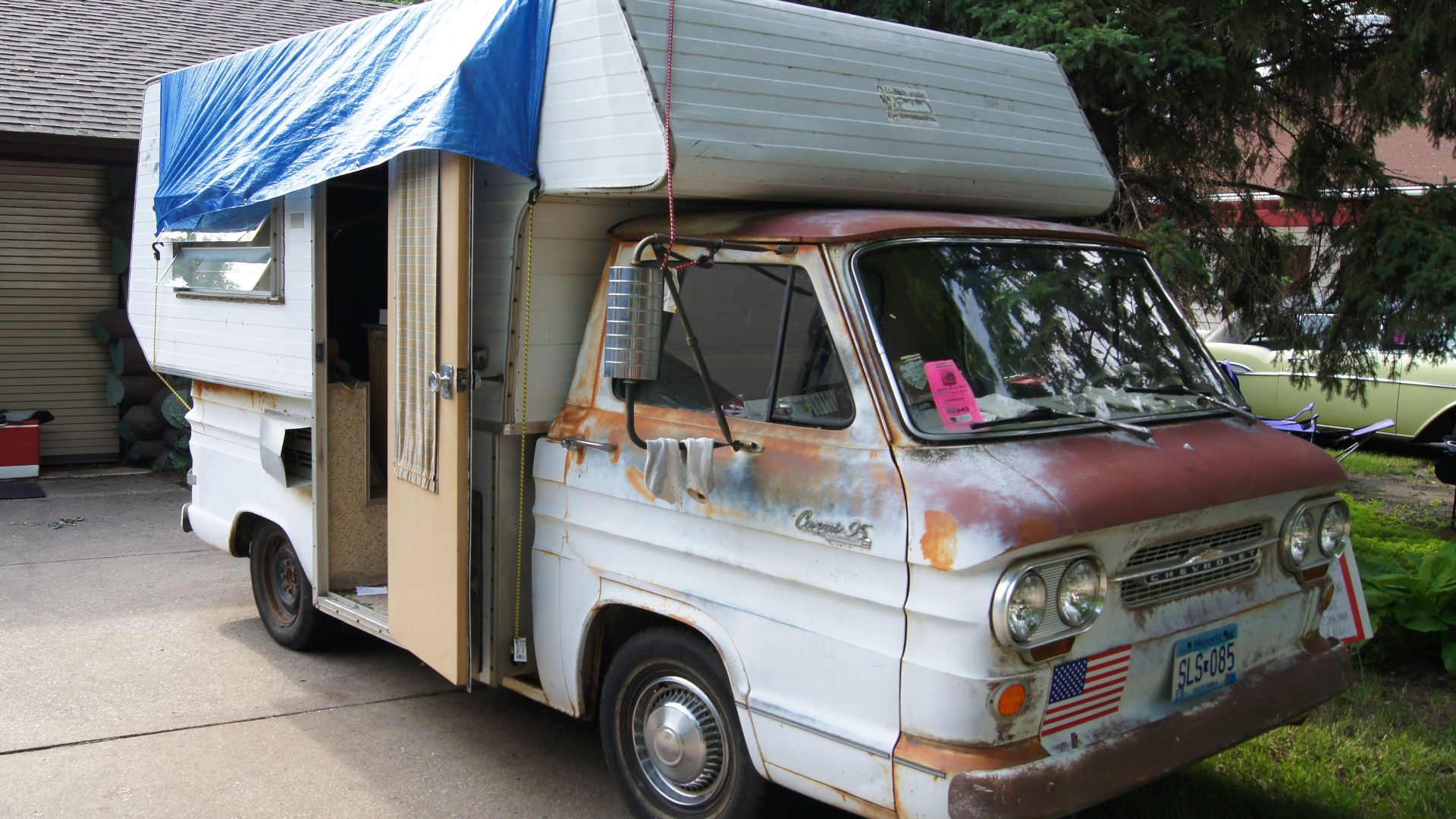 Greg Gjerdingen, CC BY 2.0, Wikimedia Commons
The Corvair Loadside Was Even Stranger
There was also a Loadside version without the famous ramp. Unfortunately, the rear-mounted air-cooled engine forced a raised section into the cargo floor, making the bed considerably less convenient than a conventional pickup's. The market noticed. The Loadside disappeared after only a brief production run.
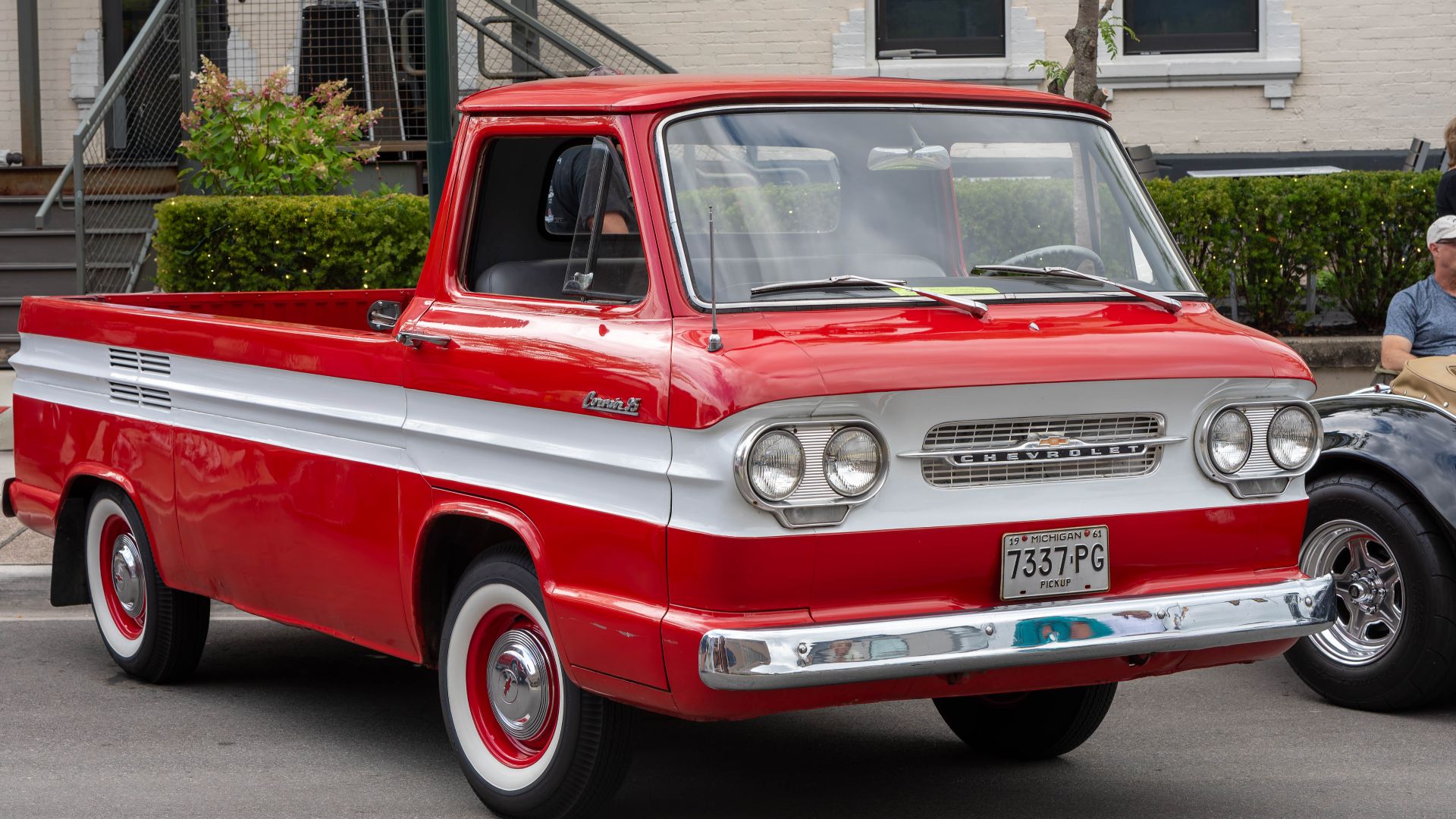 Mustang Joe, Wikimedia Commons
Ford's Econoline Pickup Put You Over The Axle
The original Econoline wasn't the big van Boomers later remember from highways and campgrounds. Introduced for 1961, it was a compact Falcon-based forward-control machine available as a van or pickup. With the driver positioned far forward, the stubby Econoline pickup looked almost like somebody had misplaced its front end.
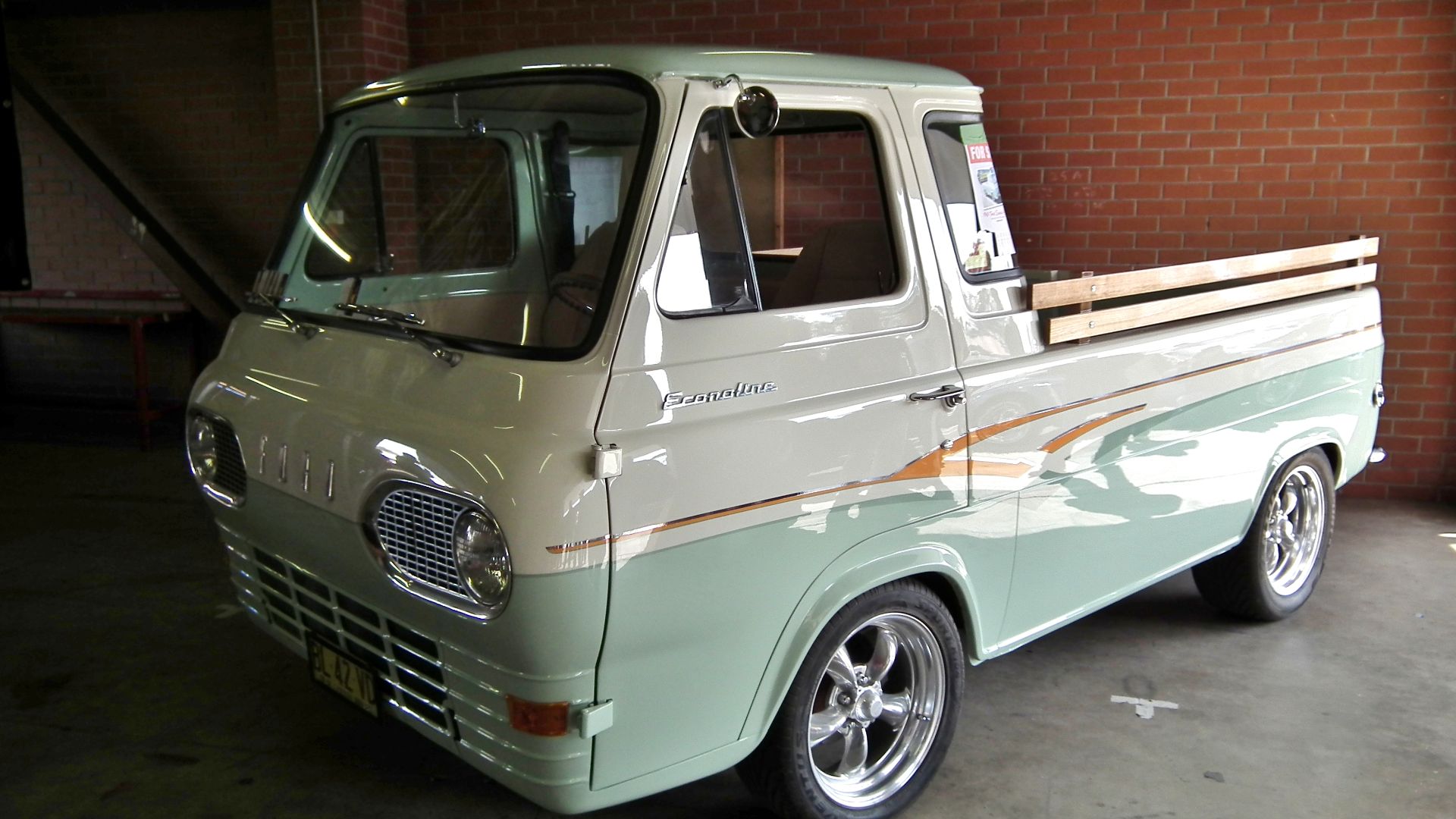
The Engine Practically Shared The Cab
Early Econolines put their inline-six close to the passenger compartment rather than safely several feet ahead under a long hood. That packaging saved enormous space, but it made the driving experience very different from today's pickups. You sat upright, close to the front axle, with machinery practically beside you.
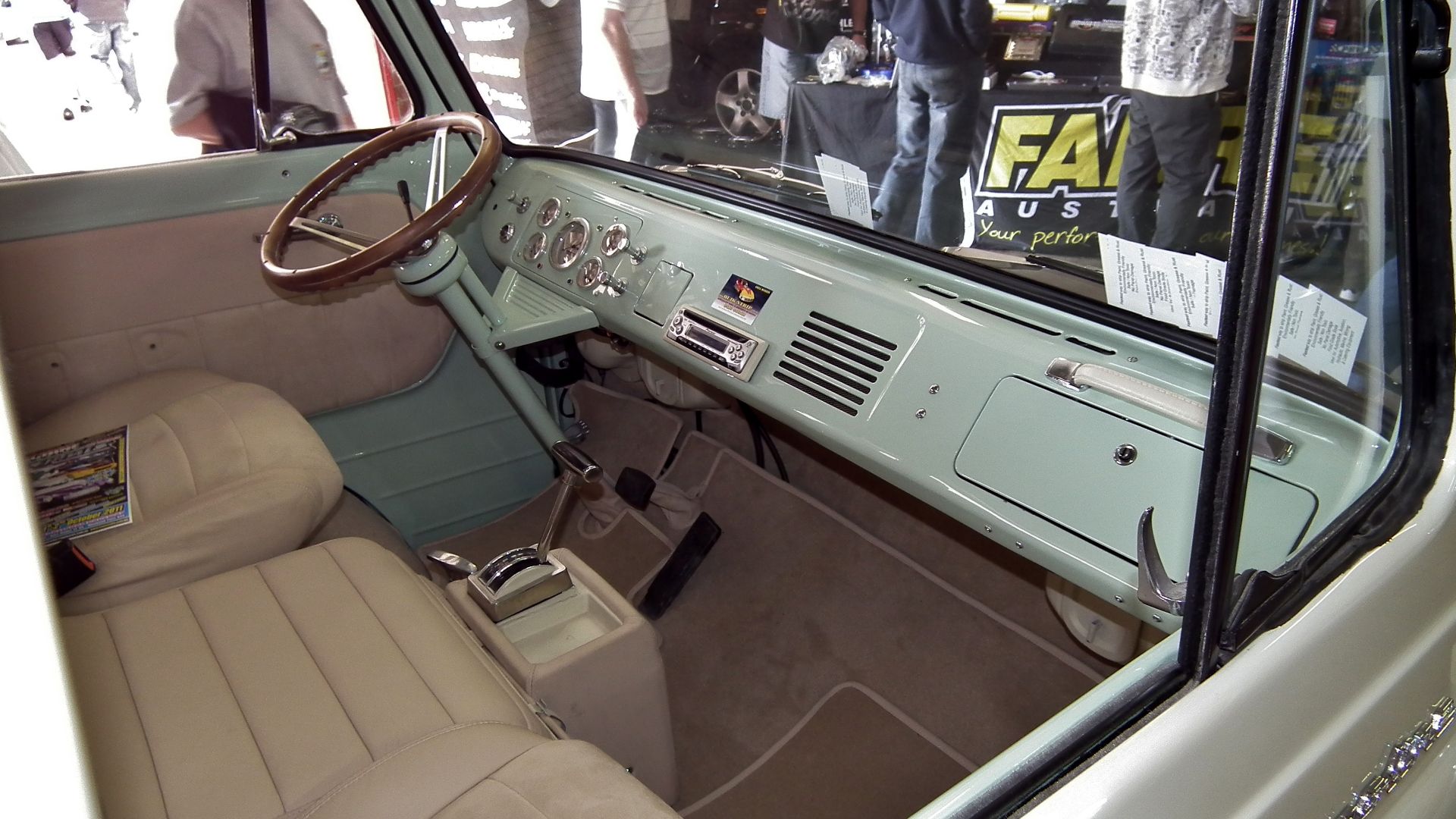
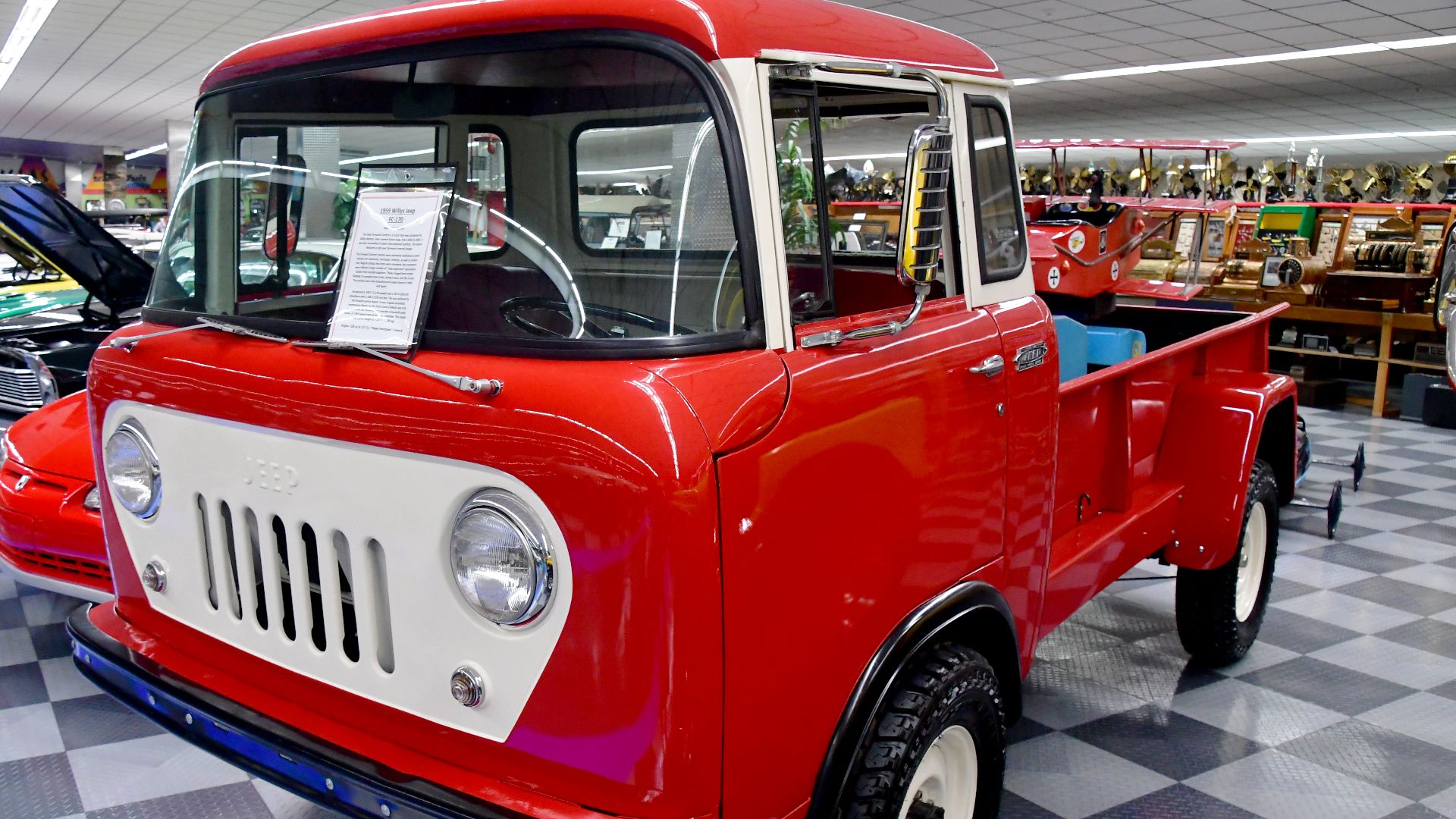
Dodge Answered With The A100
Dodge joined the forward-control movement with the A100 in 1964. The short-wheelbase pickup put its cab ahead of the engine and offered Slant Six power, with V8 power arriving afterward. It was compact, useful, and visually unlike almost anything currently sold with a pickup bed.
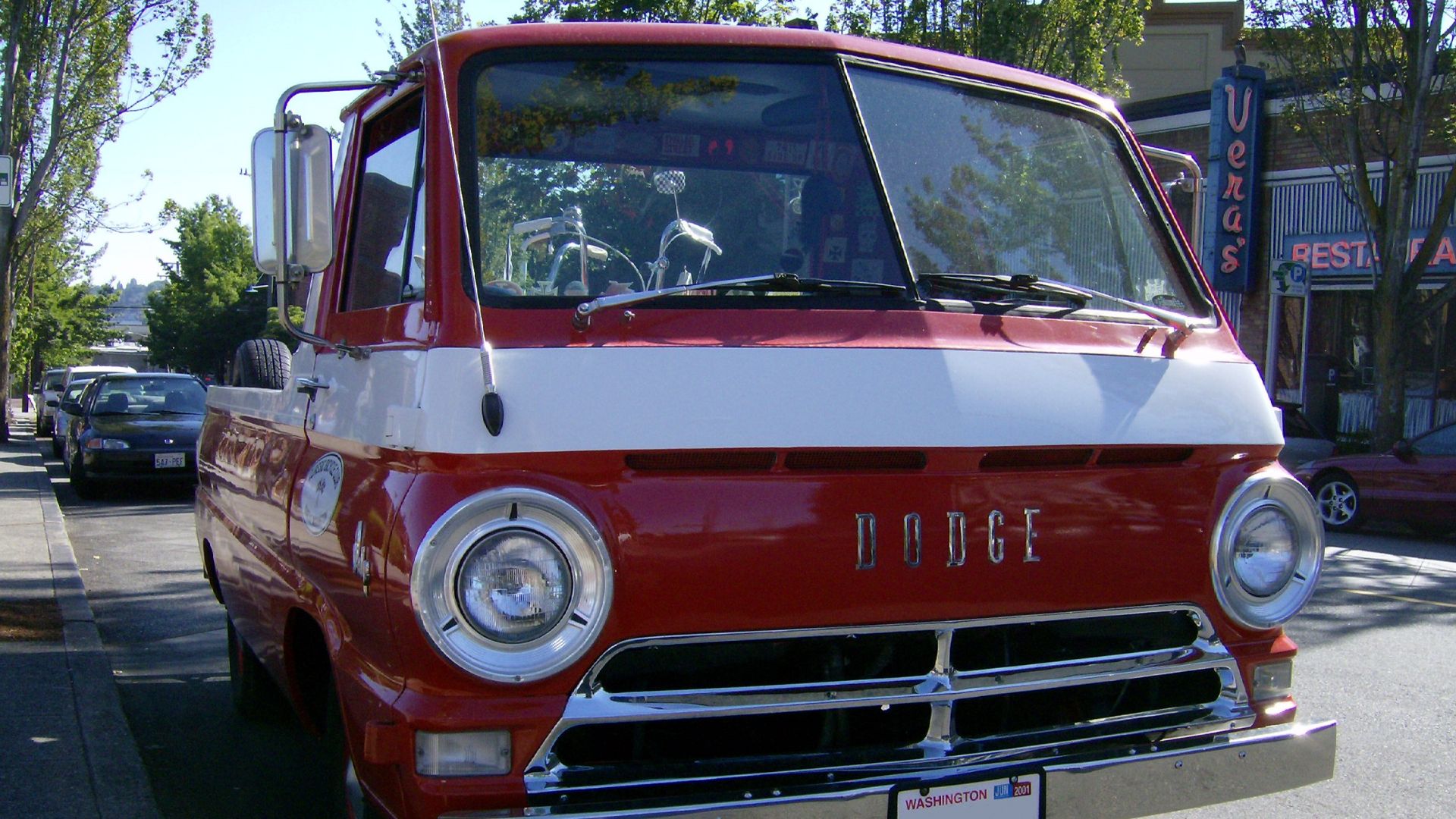 Beorn Fahey, (Sofar No. 2), Wikimedia Commons
The A100 Became A Custom-Culture Star
The A100's odd proportions also made it irresistible to customizers. Its most famous relative was the wild Dodge Deora show truck, while the Little Red Wagon helped make cab-forward Dodge pickups familiar to drag-racing fans. Suddenly, a delivery-truck silhouette could become something genuinely cool.
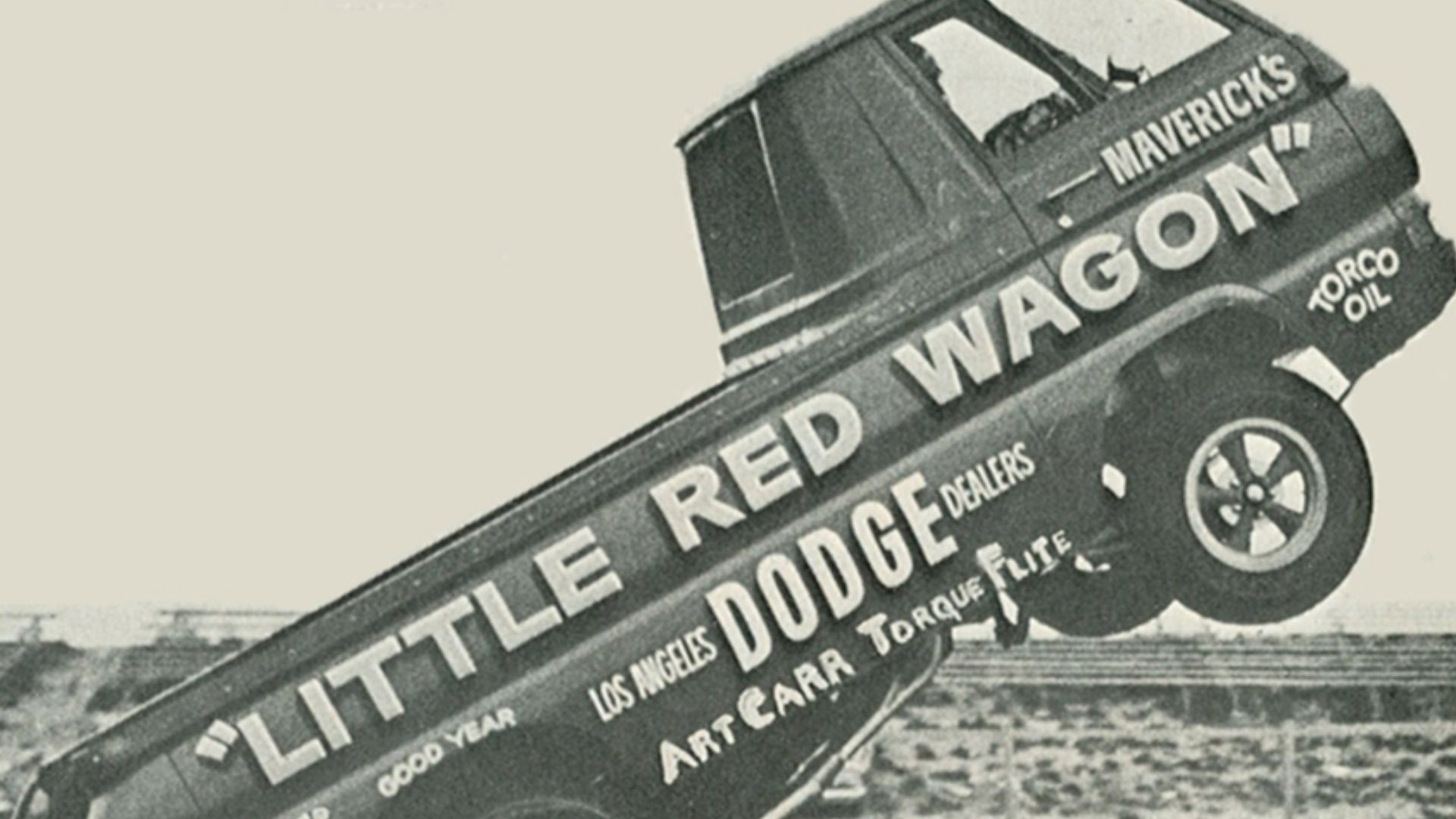 Insomnia Cured Here, Wikimedia Commons
Studebaker's Champ Was Parts-Bin Ingenuity
Studebaker lacked Detroit's enormous development budgets, so the Champ combined existing engineering in clever ways. Introduced for 1960, it borrowed heavily from Studebaker's passenger-car thinking while trying to modernize an aging truck line. The result looked surprisingly civilized beside many hard-edged working pickups.
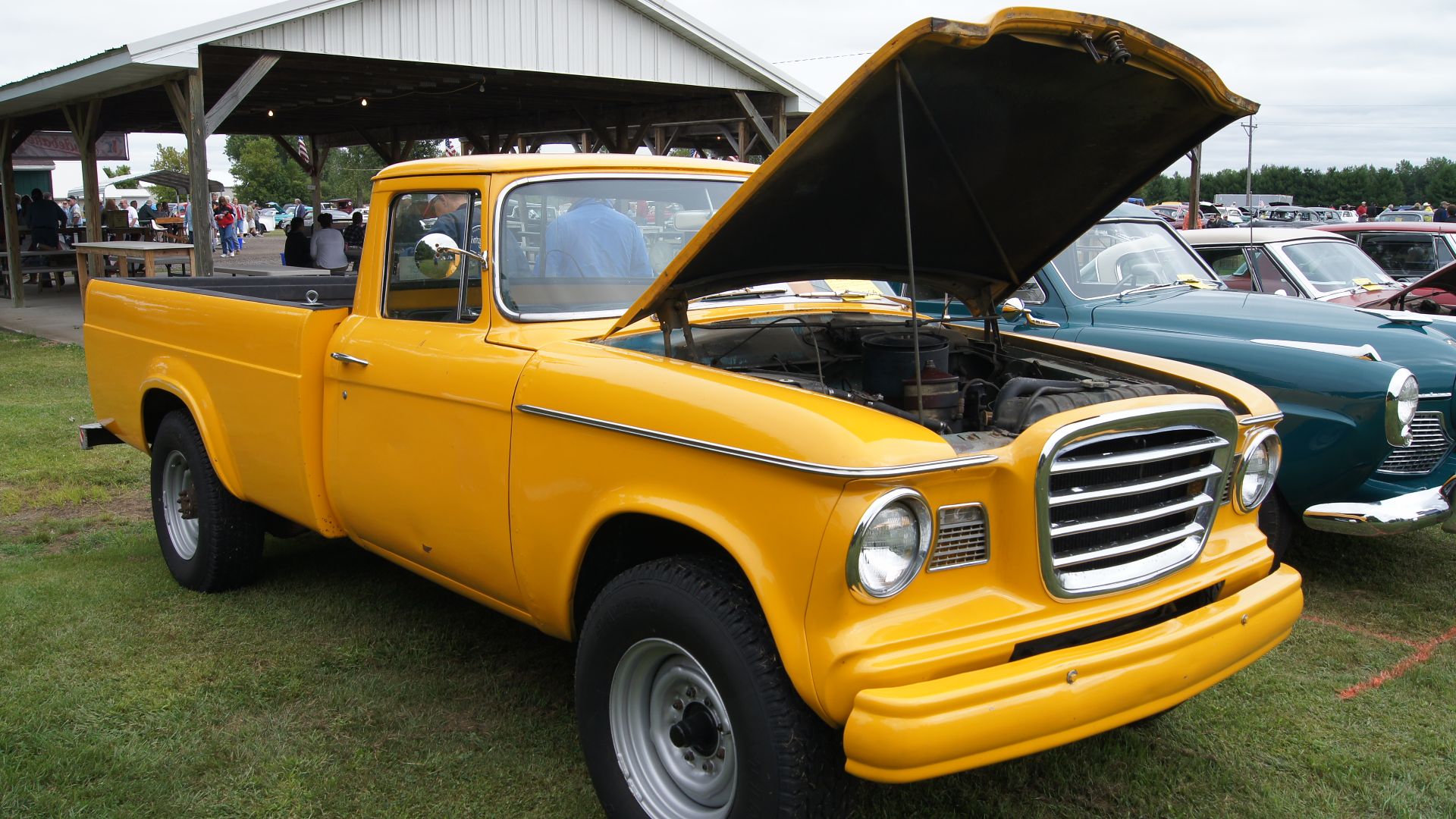 Greg Gjerdingen, CC BY 2.0, Wikimedia Commons
The Champ Became Studebaker's Last Stand
The Champ never became a serious threat to Ford, Chevrolet, or Dodge. Studebaker ended civilian truck production in late 1963 as the company's automotive troubles deepened. Today, surviving Champs attract attention precisely because so many drivers—even truck enthusiasts—have never seen one outside a collector-car event.
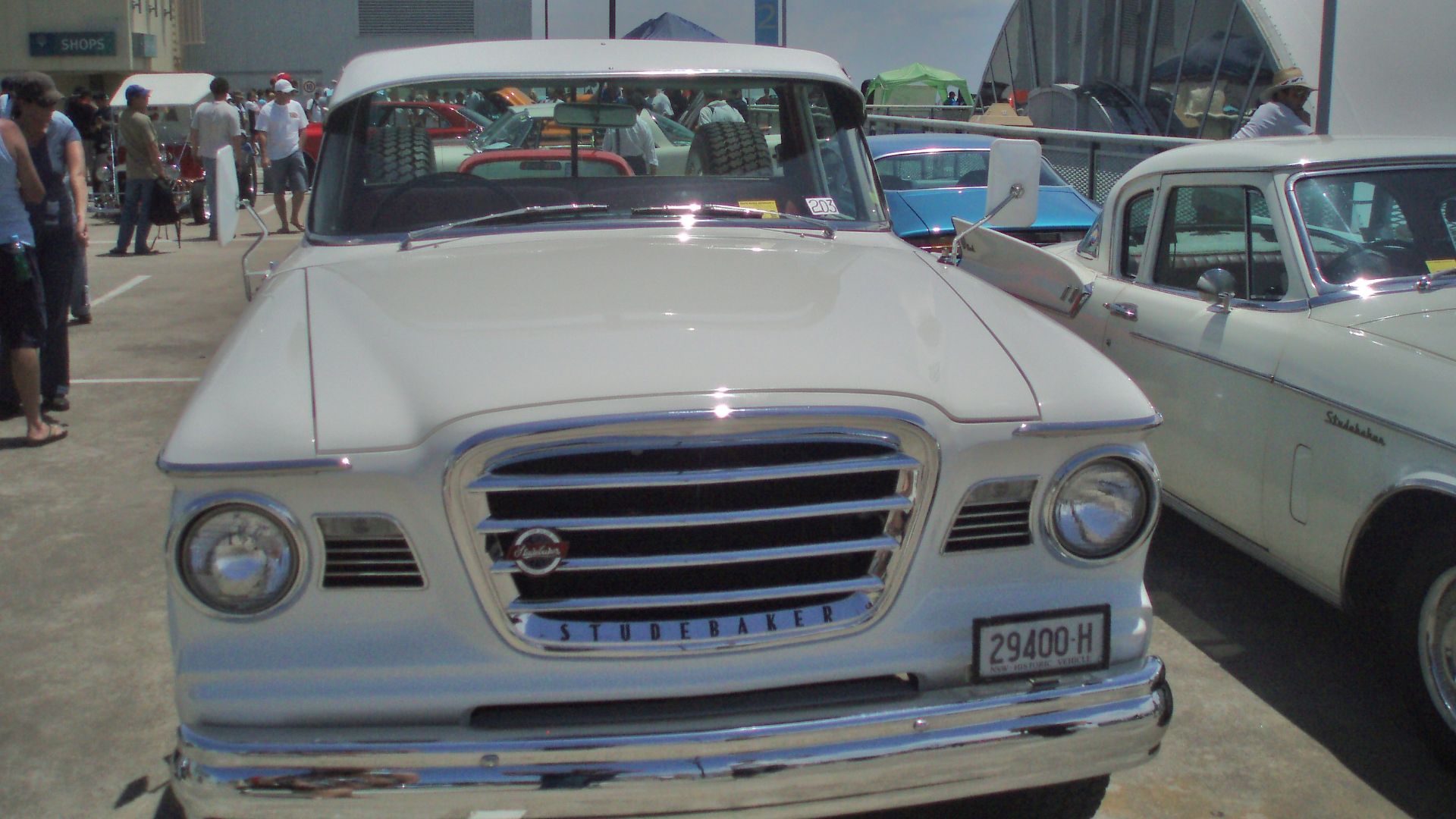
International Travelette Put Six In The Cab
Long before today's crew-cab pickups filled suburban driveways, International Harvester was putting two rows of seats into working trucks. The Travelette had already appeared during the 1950s, and by 1961 International offered a proper four-door version capable of carrying a crew while leaving the bed available for equipment.
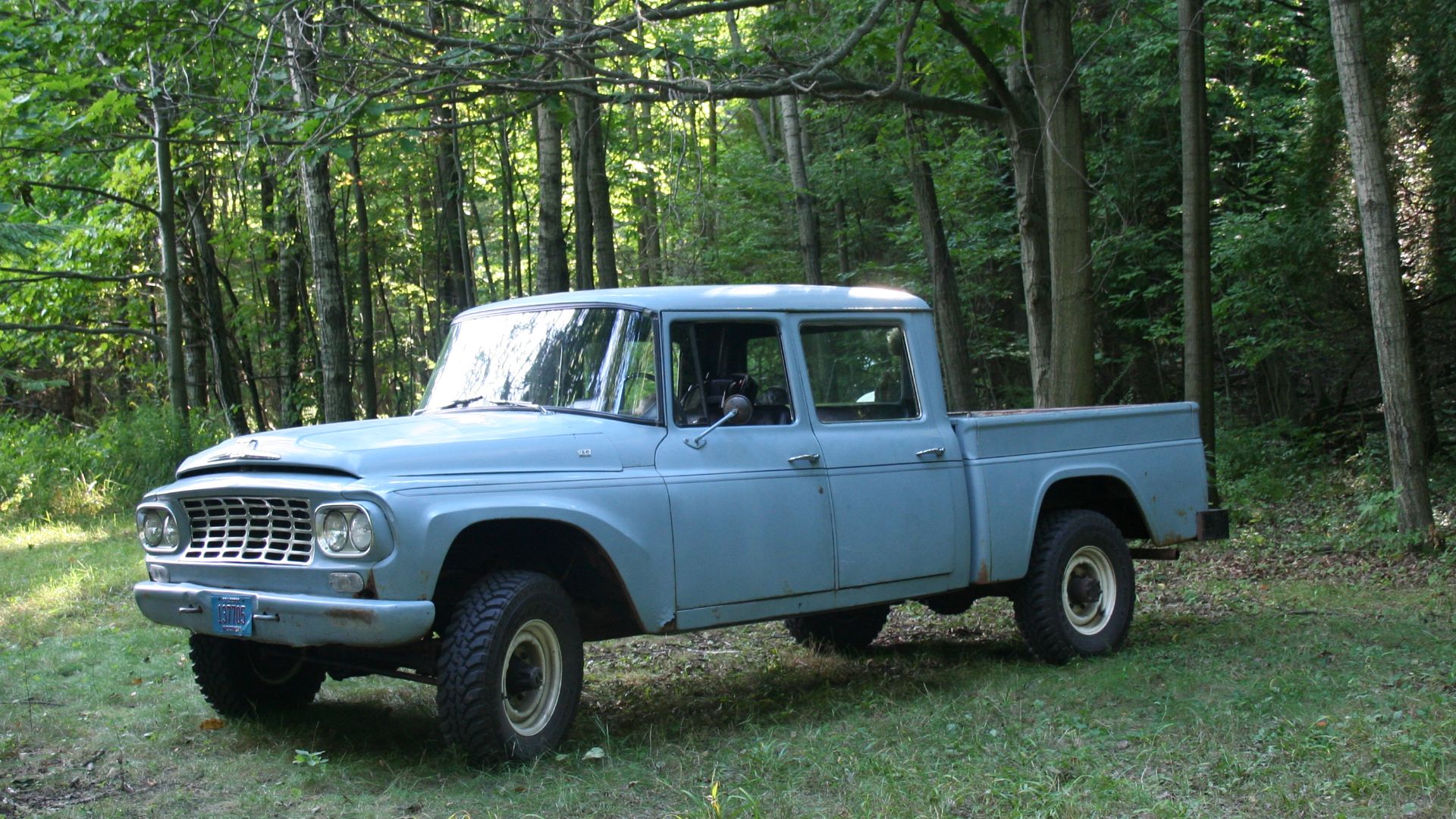 Ssadams7700, Wikimedia Commons
Four Doors Didn't Mean Soccer Practice
The important difference was purpose. International's roomy Travelette wasn't originally conceived as a luxury family hauler. It was useful for farmers, contractors, camper owners, and work crews who actually needed several adults in one vehicle. The modern crew-cab formula existed—but the lifestyle surrounding it was completely different.
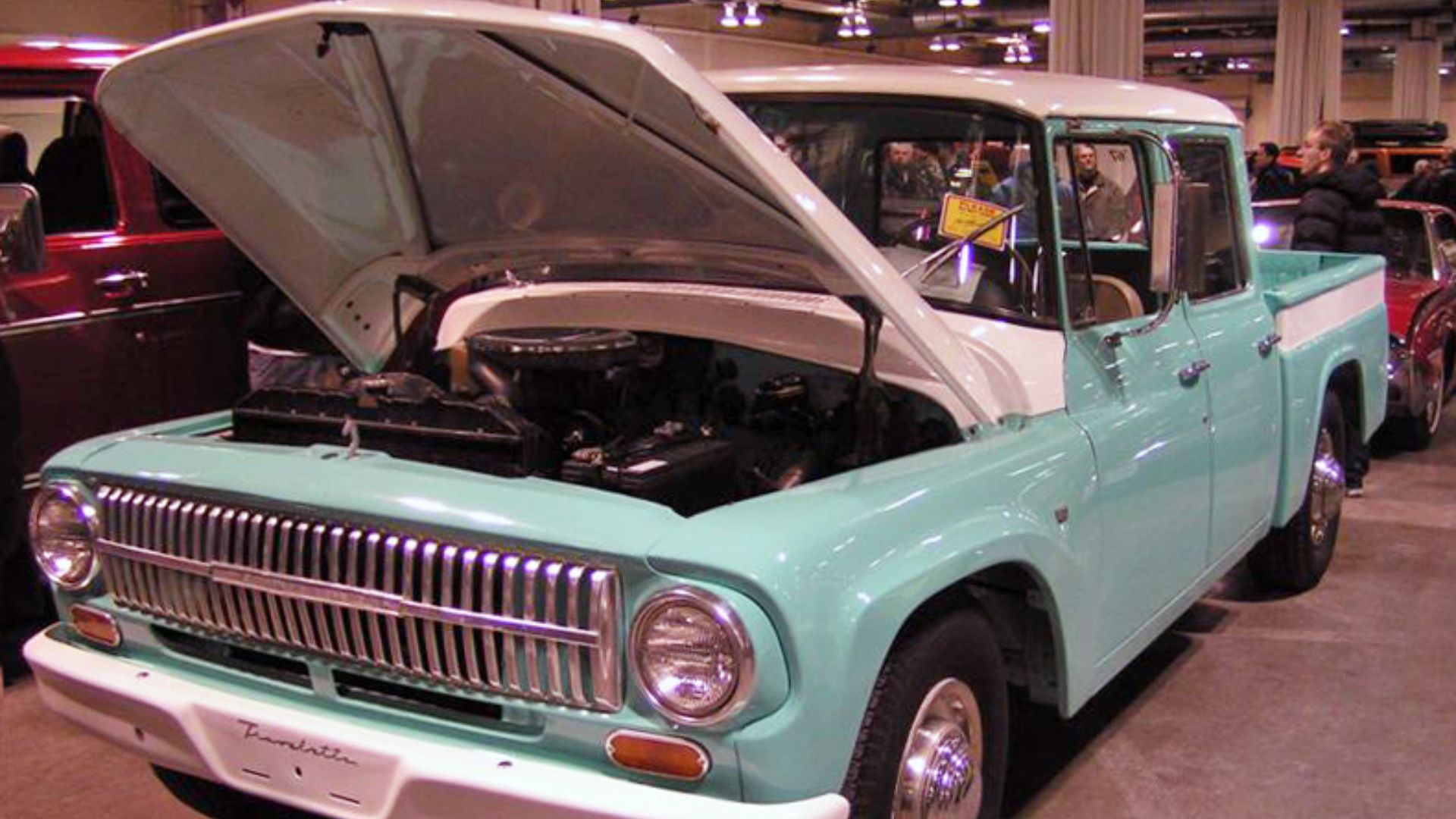 dave_7 from Lethbridge, Canada, Wikimedia Commons
International's C-Series Meant Business
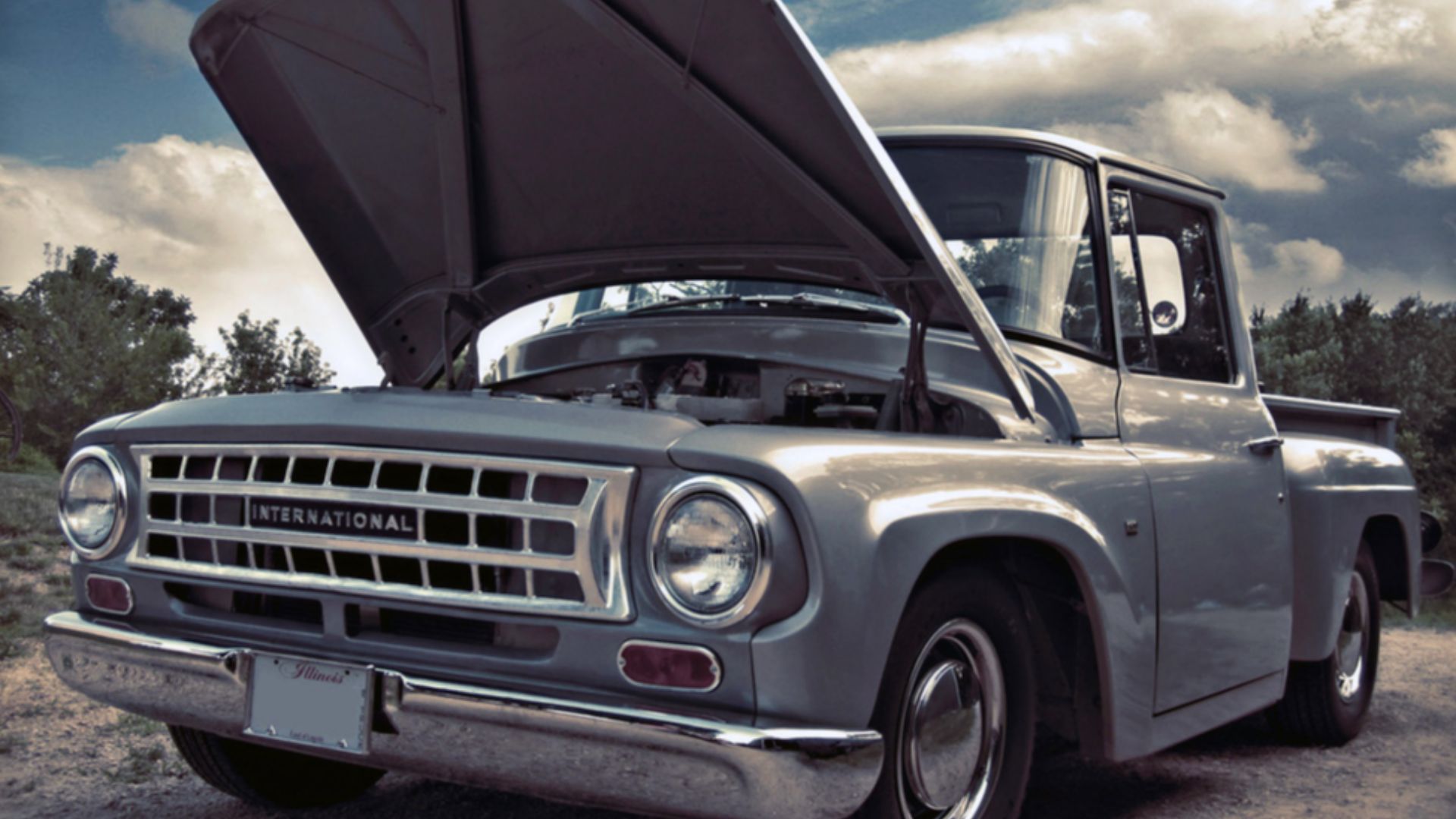
International Harvester's C-Series pickups arrived for 1961 with a lower cab and independent front suspension. They weren't trying to imitate fashionable sedans. They came from a company steeped in farm machinery and commercial trucks, and that work-first personality was part of their appeal.
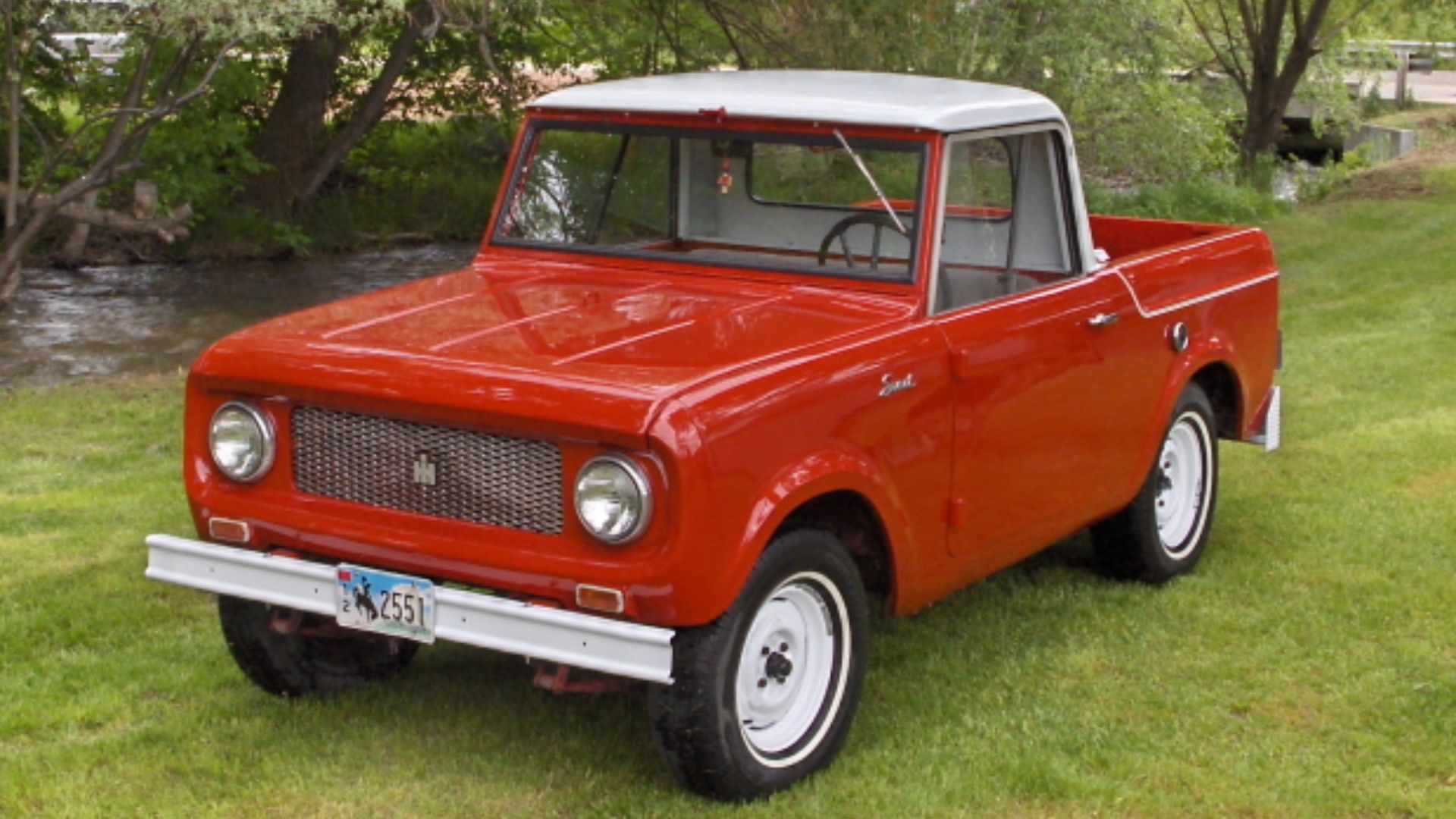
The Scout 80 Could Become A Tiny Pickup
The original International Scout was conceived partly as a compact utility truck. Buyers could order a Cab-Top that turned it into a small pickup with roughly a five-foot bed. Early Scouts were wonderfully basic: even the heater was optional, which tells you plenty about expectations in 1961.
Dodge's Sweptline Looked Low And Lean
Dodge thoroughly redesigned its pickups for 1961, introducing the angular Sweptline generation. Slant Six engines, an alternator, longer wheelbases, and crisp bodywork made these trucks quite different from their rounded predecessors. Even so, the emphasis remained squarely on durability and utility rather than turning the pickup into a rolling living room.
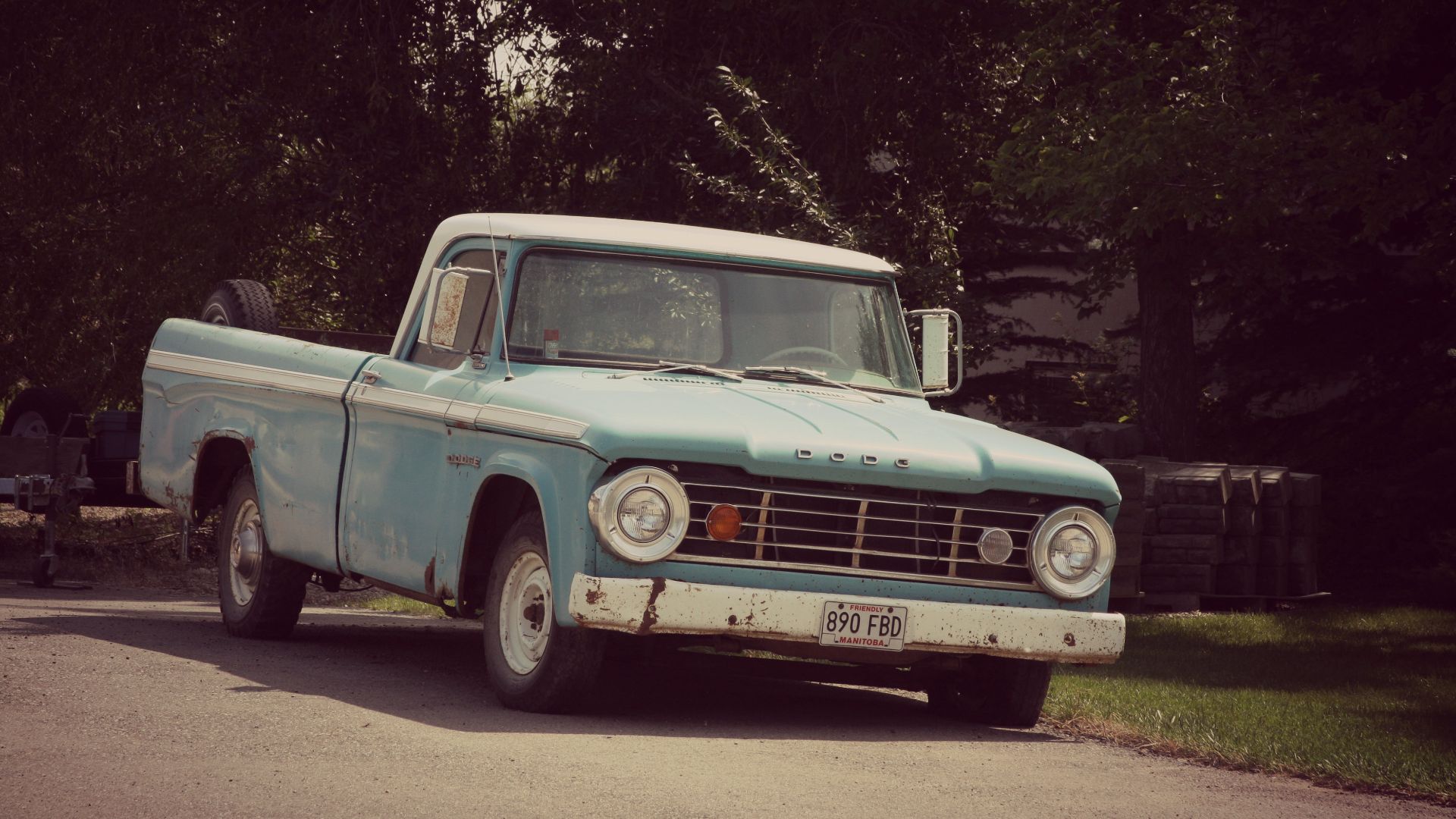 dave_7 from Lethbridge, Canada, Wikimedia Commons
The Old Power Wagon Refused To Modernize
At the opposite extreme sat Dodge's original-style Power Wagon. Its military ancestry remained obvious decades after World War II, with towering bodywork, serious four-wheel-drive hardware, and little interest in looking fashionable. Production stretched deep into the 1960s, making it a true mechanical time capsule.
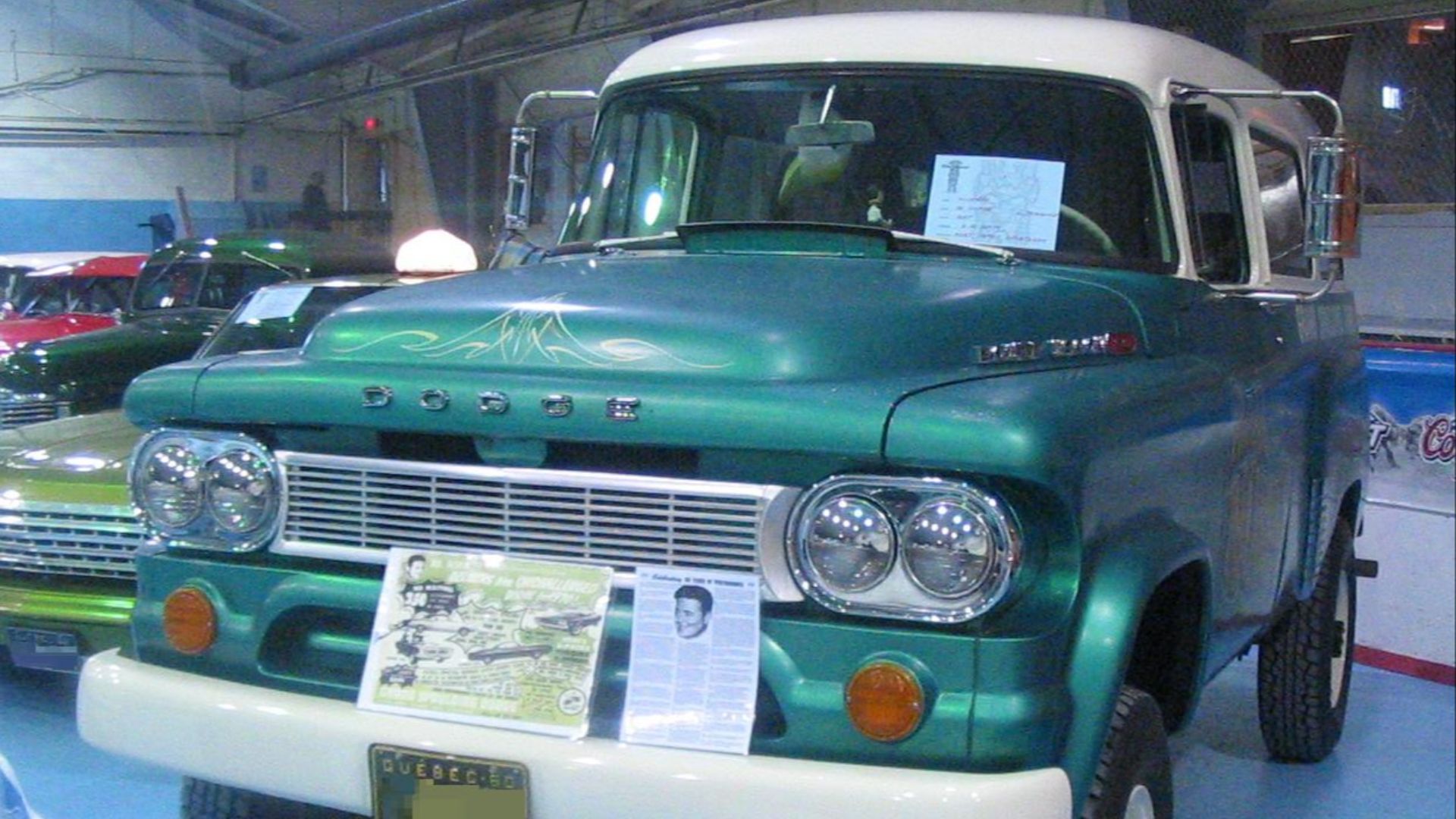 Bull-Doser at English Wikipedia, Wikimedia Commons
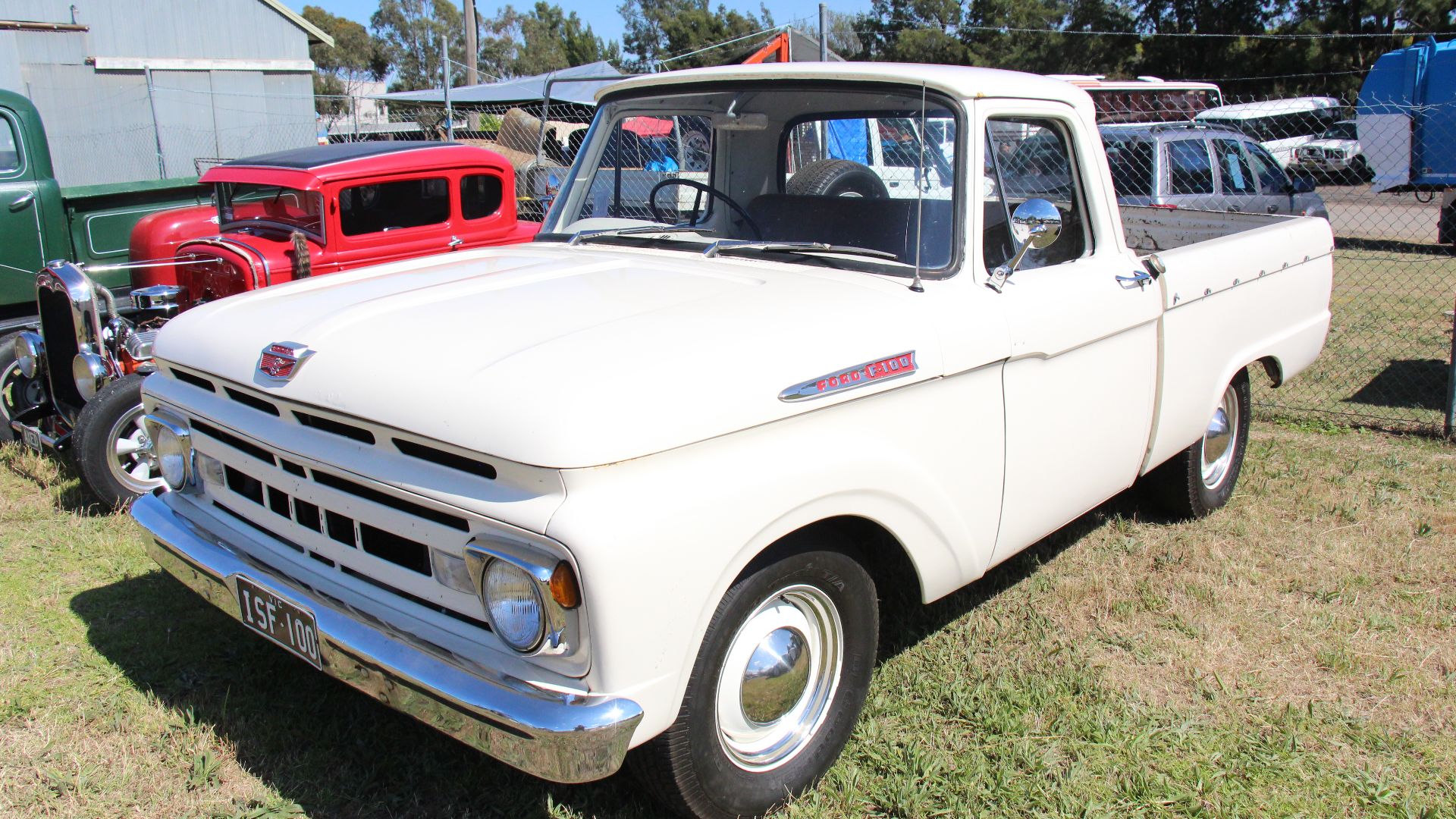
Ford's So-Called Unibody Was An Odd Experiment
From 1961 through 1963, some Ford Styleside pickups used an integrated cab-and-bed design commonly nicknamed the "unibody." Instead of the familiar visual gap separating cab and box, the body sides flowed together. Ford eventually returned to the conventional separate-box arrangement, making these trucks instantly recognizable to knowledgeable collectors today.
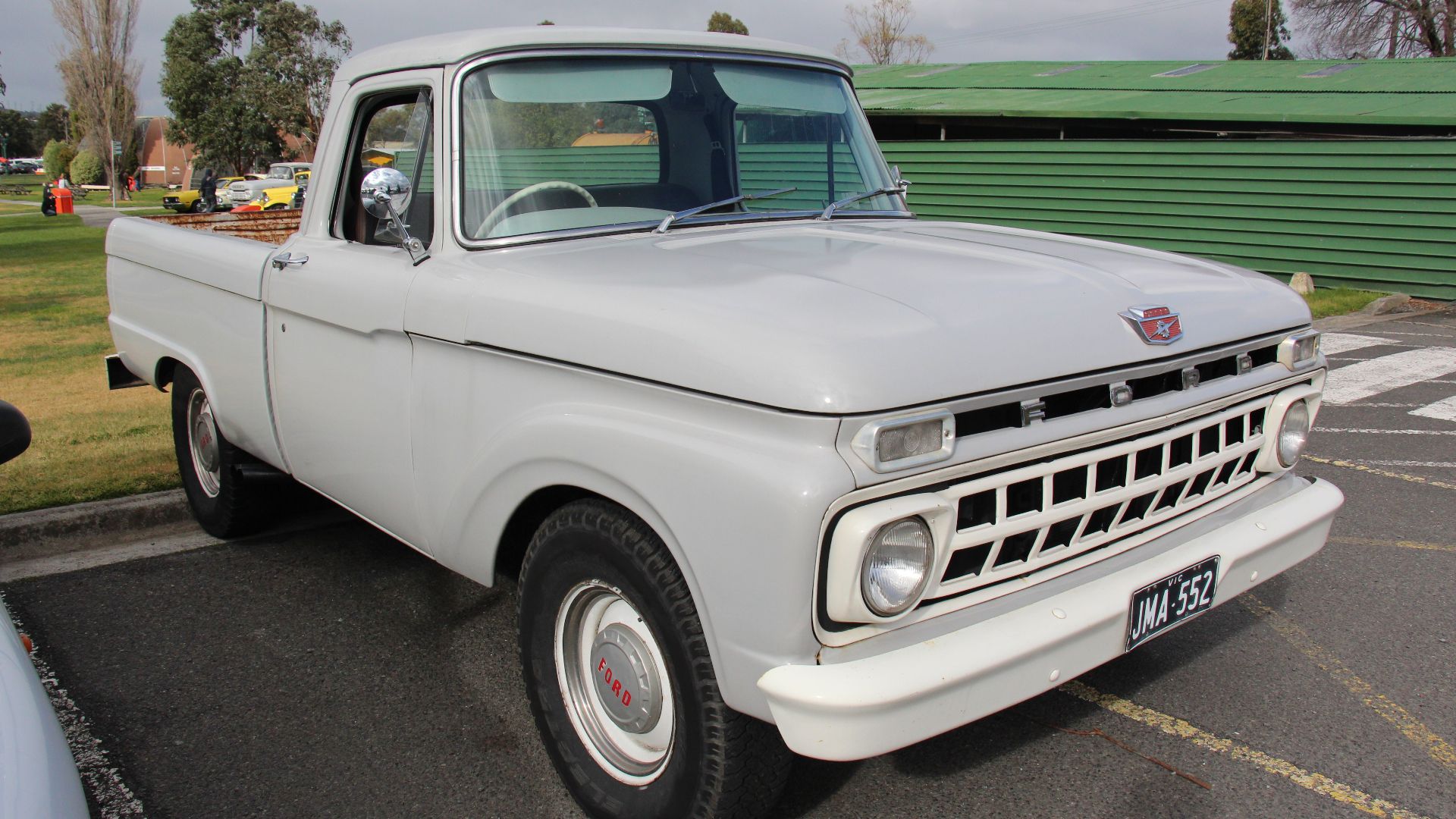
Ford Slowly Chased Passenger-Car Comfort
By mid-decade, Ford could see where the market was heading. The 1965 F-Series brought Twin I-Beam front suspension and the Ranger trim package, helping pickups feel friendlier to ordinary motorists. Trucks were still expected to work, but manufacturers were learning that the driver didn't necessarily need to suffer while doing it.
Chevrolet Changed How Pickups Rode
Chevrolet's 1960s C/K generation also pushed pickups toward a more comfortable future. Two-wheel-drive models used independent front suspension, while coil springs appeared prominently in the chassis design. The engineering helped separate Chevrolet from the stiff, agricultural feel traditionally associated with working trucks.
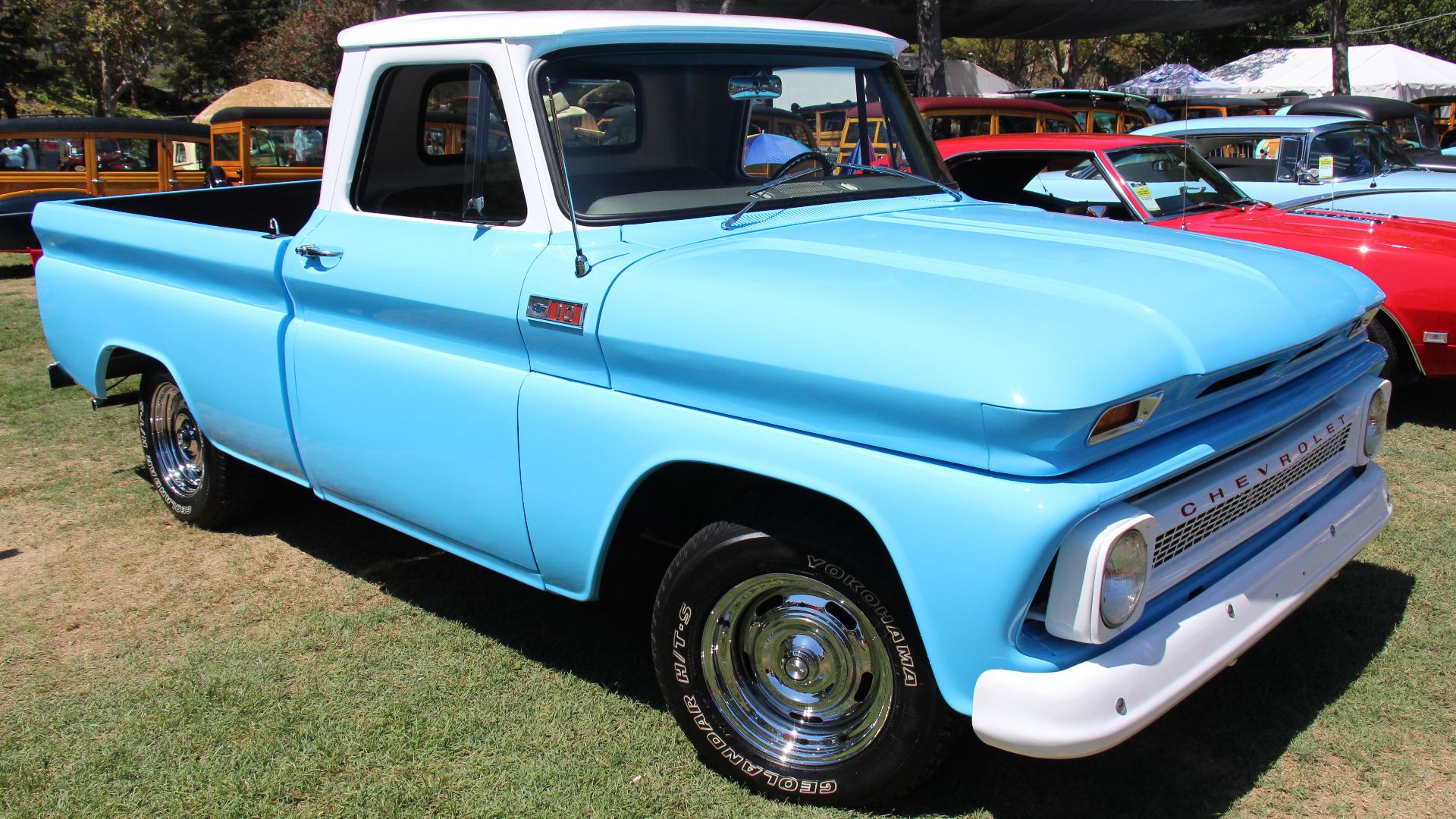
Yet The C10 Was Still A Work Truck
Don't confuse better suspension with modern luxury. A typical C10 remained a straightforward machine with a bench seat, big steering wheel, simple instrumentation, and plenty of painted metal inside. Comfort was improving, but nobody was disguising the fact that you were sitting in something designed to haul a load.
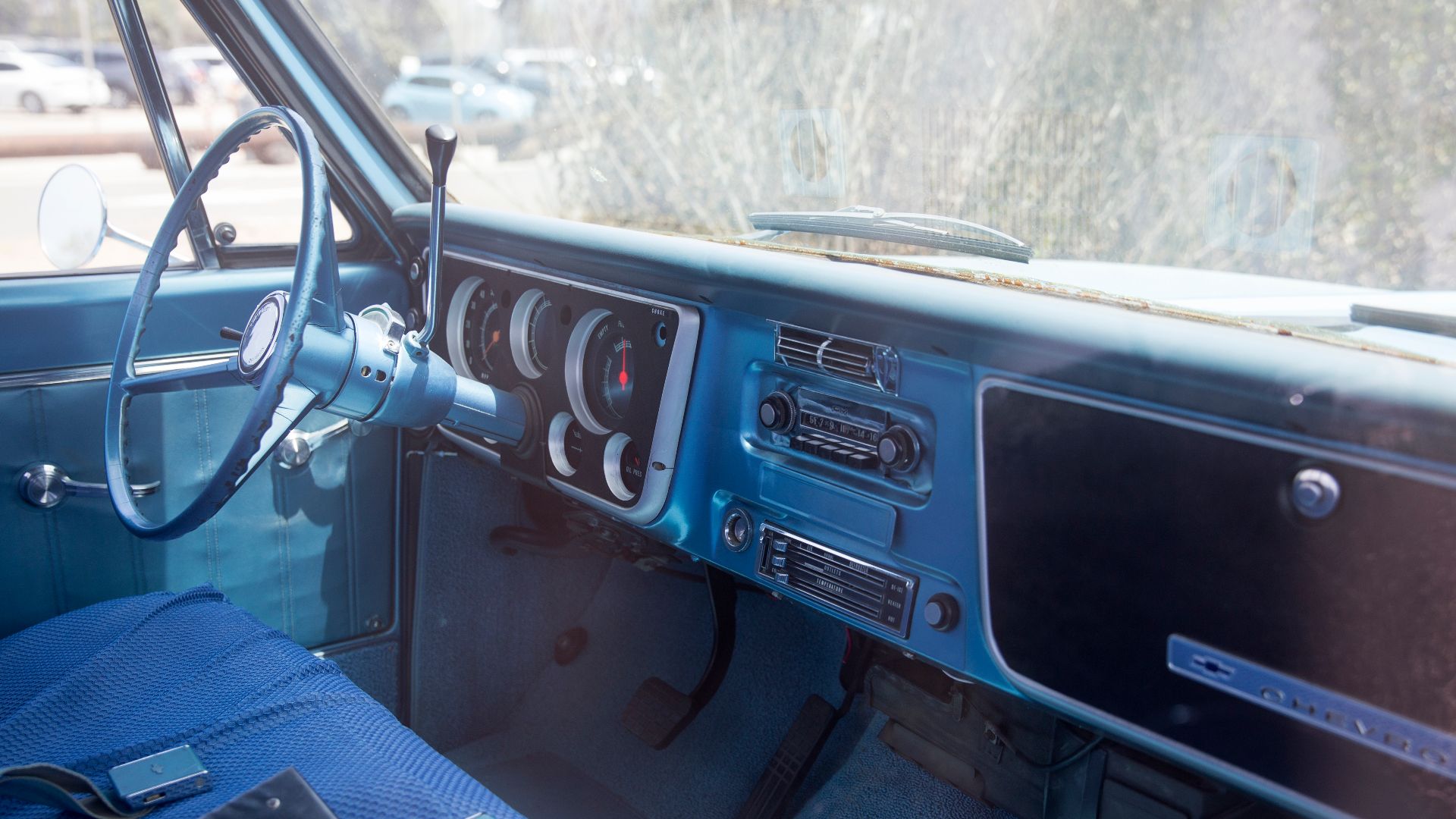 Mr.choppers, Wikimedia Commons
Jeep Gladiator Mixed Wagon And Pickup DNA
The original Jeep Gladiator arrived for 1963 sharing its platform, styling, and powertrain with the Wagoneer. Buyers could choose narrow or wide pickup boxes, chassis-cab versions, stake beds, wreckers, and even specialized camper configurations. It was remarkably versatile, though most motorists today associate the Gladiator name with something entirely different.
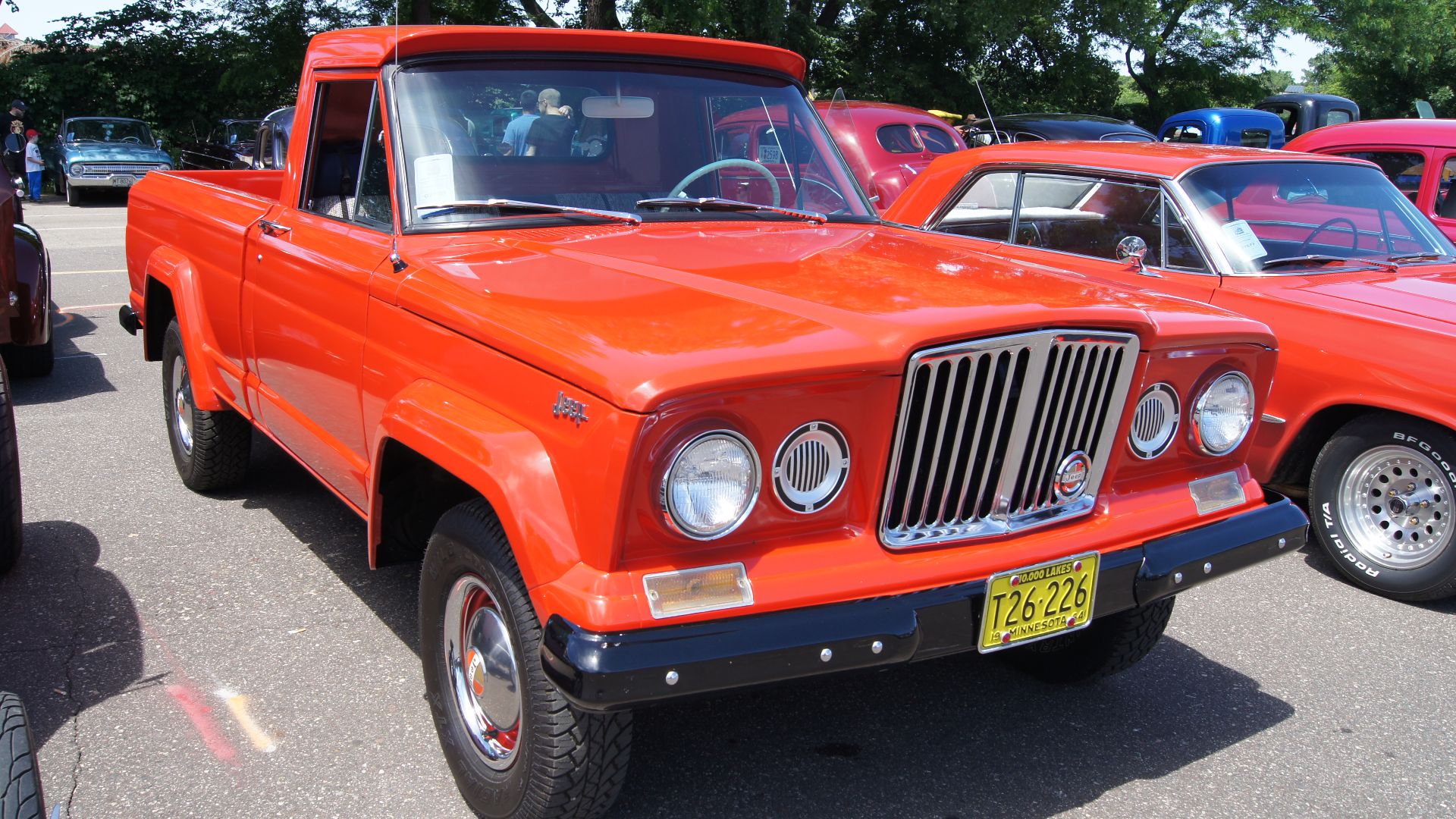 Greg Gjerdingen from Willmar, USA, Wikimedia Commons
The M715 Took The Gladiator To War
Jeep's M715 looked like somebody had fed a Gladiator a steady diet of military hardware. Produced from 1967 to 1969, the 1¼-ton tactical truck adapted civilian Gladiator components for military use, adding heavy axles, low gearing, and specialized bodies. Top speed was hardly the point.
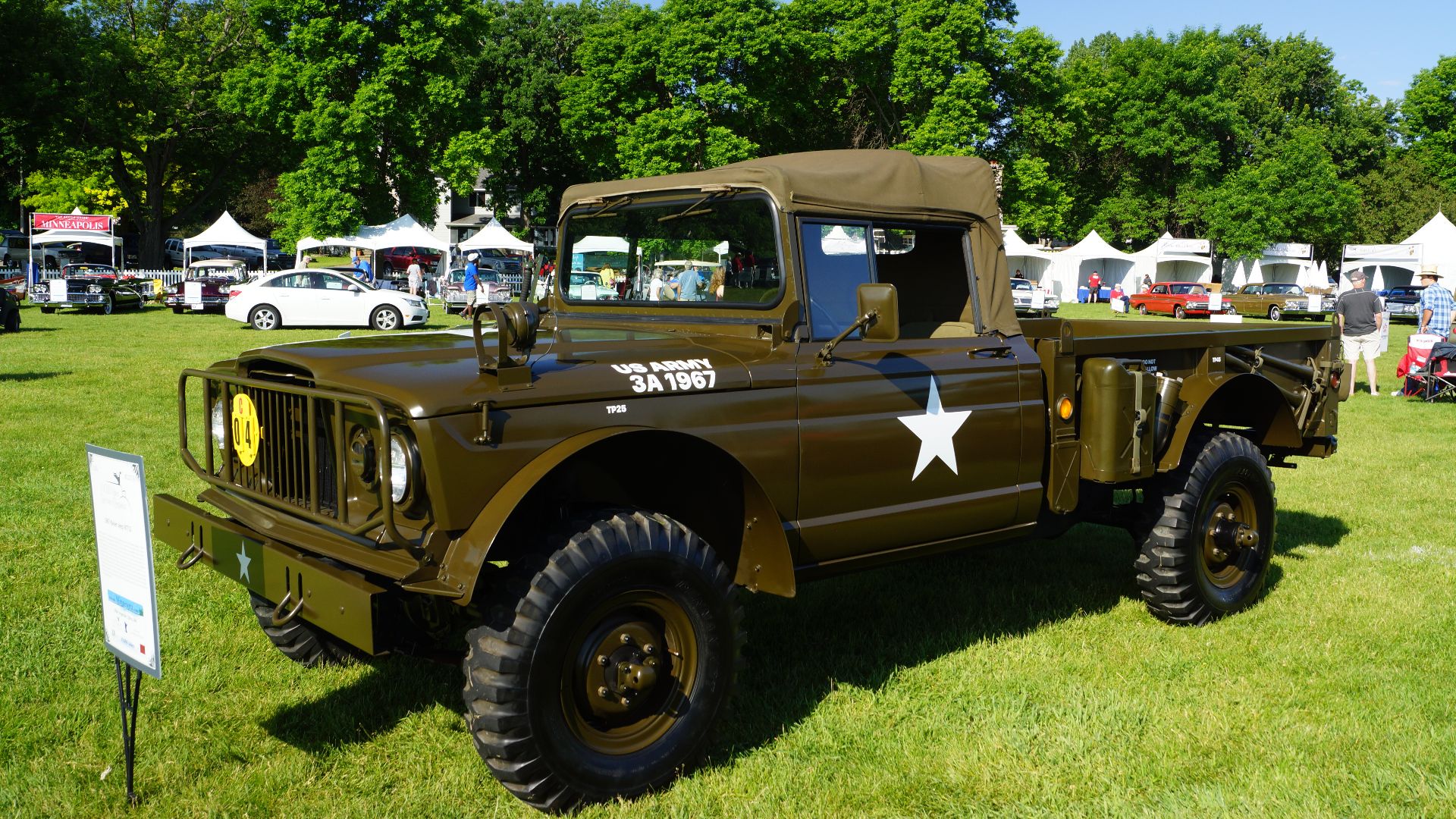 Greg Gjerdingen from Willmar, USA, Wikimedia Commons
The Jeepster Commando Could Be A Pickup Too
The Jeepster Commando arrived in 1967 in several forms, including a compact pickup. With a removable-top, recreational personality and available V6 power, it helped blur the line between truck and leisure vehicle. In hindsight, it pointed toward the increasingly personal nature of four-wheel-drive vehicles.
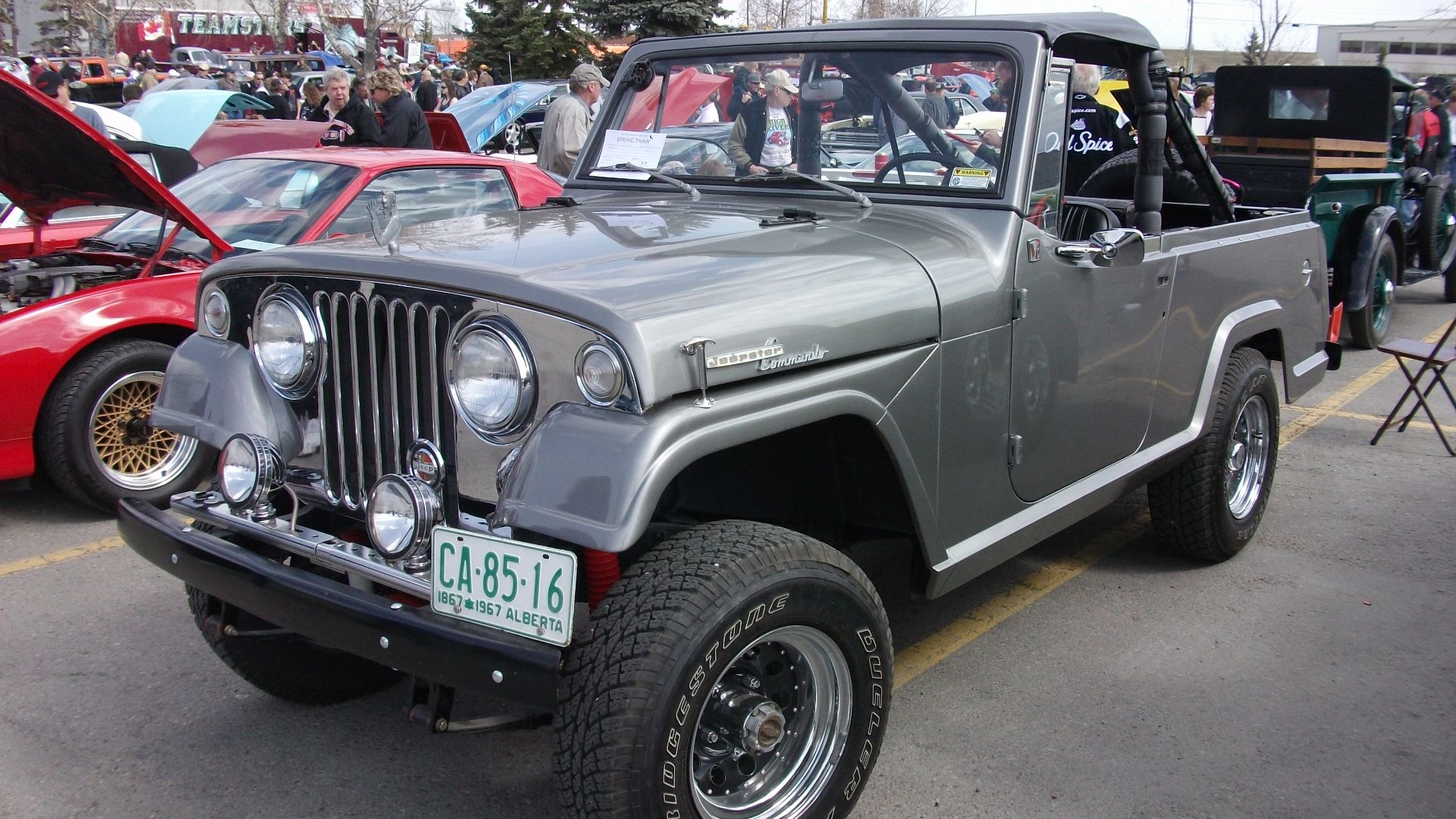 dave_7 from Lethbridge, Canada, Wikimedia Commons
Luxury Pickups Were Just Beginning To Appear
By the later 1960s, manufacturers were discovering that truck buyers appreciated nicer seats, radios, automatic transmissions, power steering, carpeting, and decorative trim. The change wasn't instantaneous. Instead, working trucks slowly absorbed passenger-car comforts until owning a pickup without regularly hauling anything became perfectly normal.
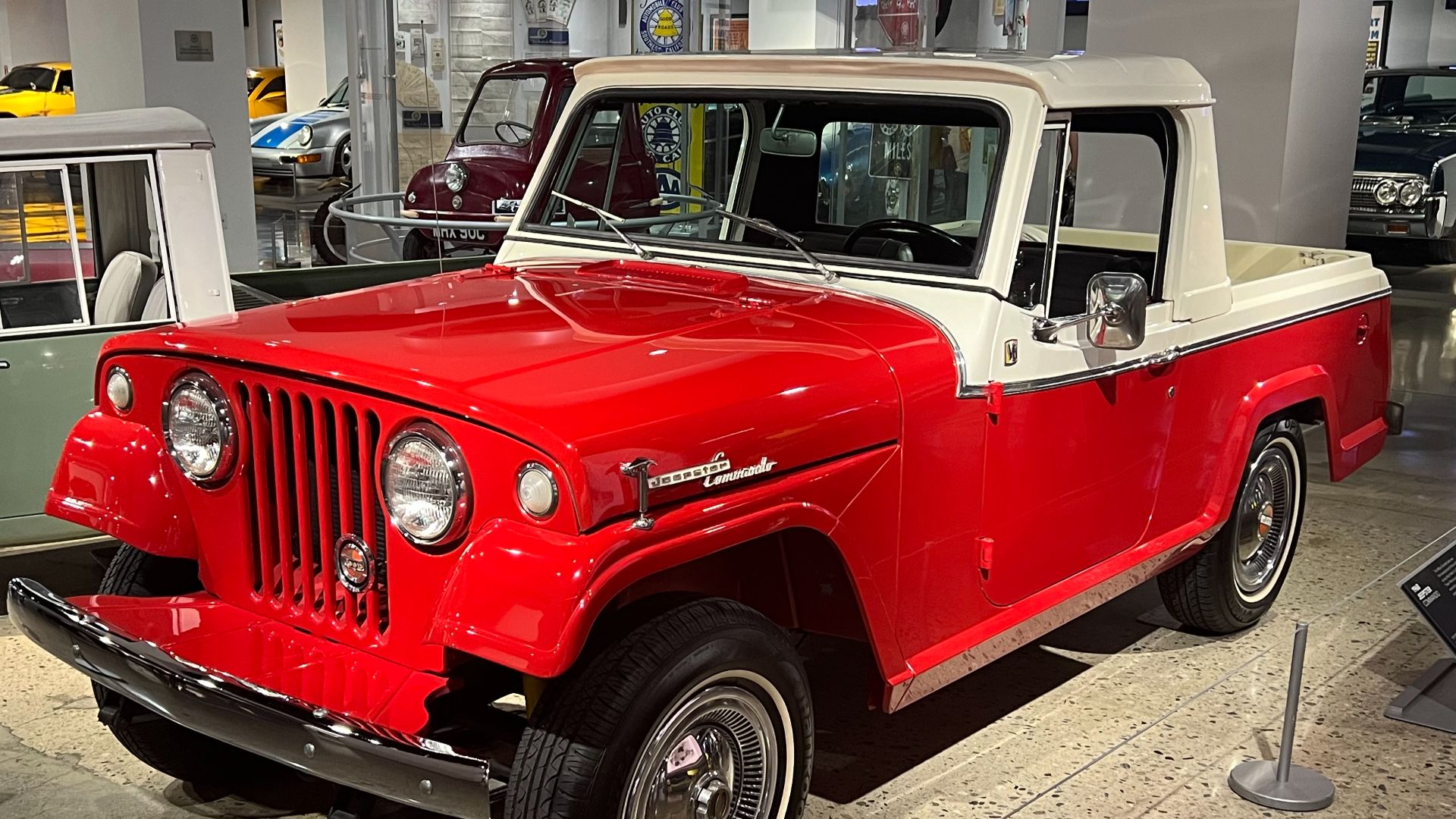 TaurusEmerald, Wikimedia Commons
When A Pickup Wasn't The Family Room
Look back at a Rampside, FC-170, A100, Champ, Scout Cab-Top, or Travelette and the 1960s suddenly seem wonderfully experimental. Manufacturers hadn't settled on what an American pickup had to be. Before four doors, giant consoles, and luxury interiors became routine, trucks were unapologetic tools—and sometimes gloriously strange ones.
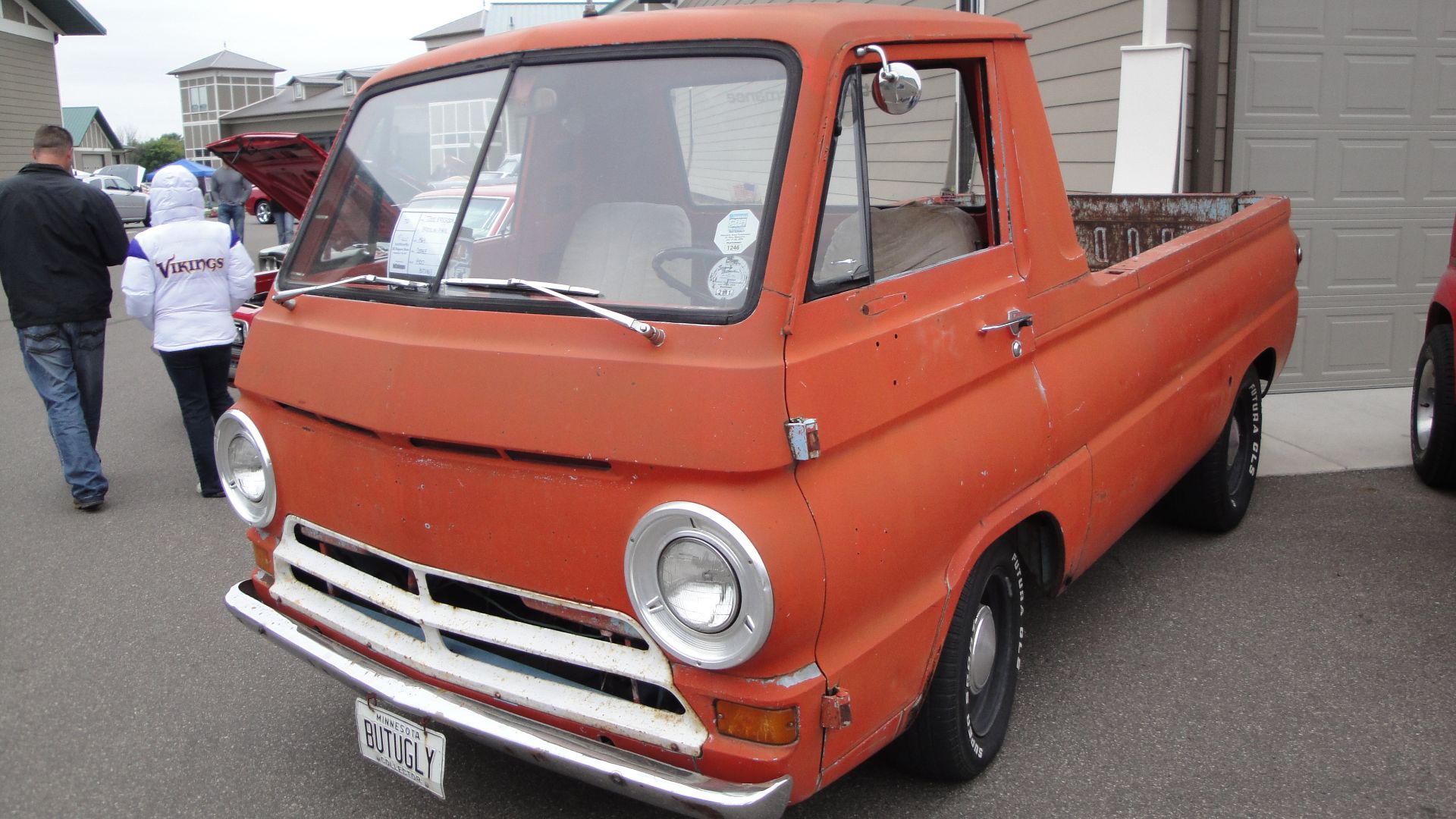 Greg Gjerdingen, CC BY 2.0, Wikimedia Commons
You May Also Like:
Modern Car Repairs That Shock Owners Because They Used To Be Simple




.jpg)
.jpg)
.jpg)
.jpg)