Wait, Where Did The AM Button Go?
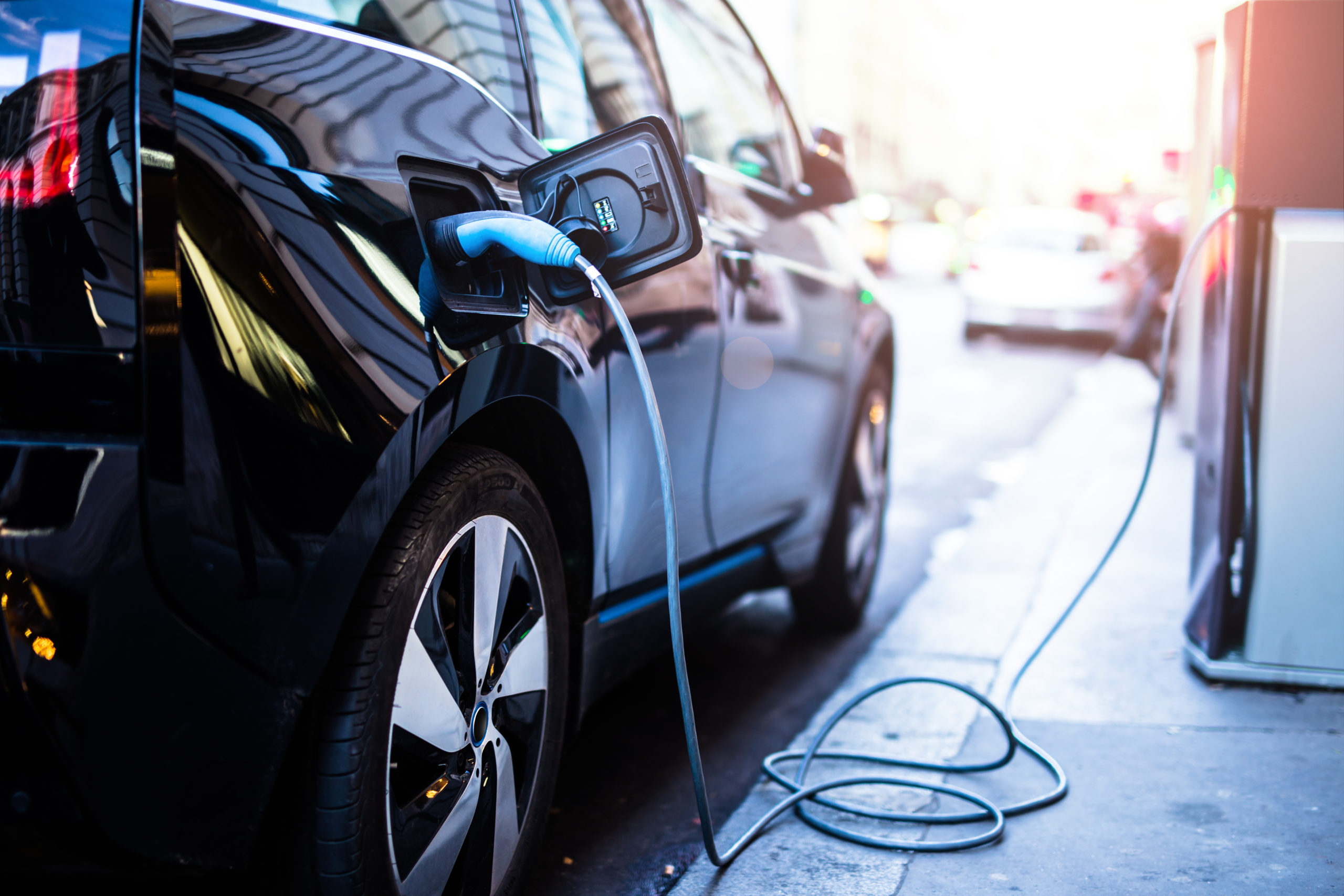
You spend hours comparing engines, safety features, screens, and financing, then weeks later reach for AM radio and discover it simply is not there. It sounds like the kind of basic feature nobody would think to check. Yet AM radio really has disappeared from some newer vehicles, especially electric models.
 Louis-Paul Photo, Adobe Stock Images
No, You Did Not Imagine It
Some automakers have removed AM reception from certain vehicles rather than simply hiding it deep inside the infotainment system. The trend has been especially noticeable among electric vehicles. That means a feature drivers took for granted for generations can now genuinely be absent from a brand-new car.
Electric Vehicles Created A Technical Problem
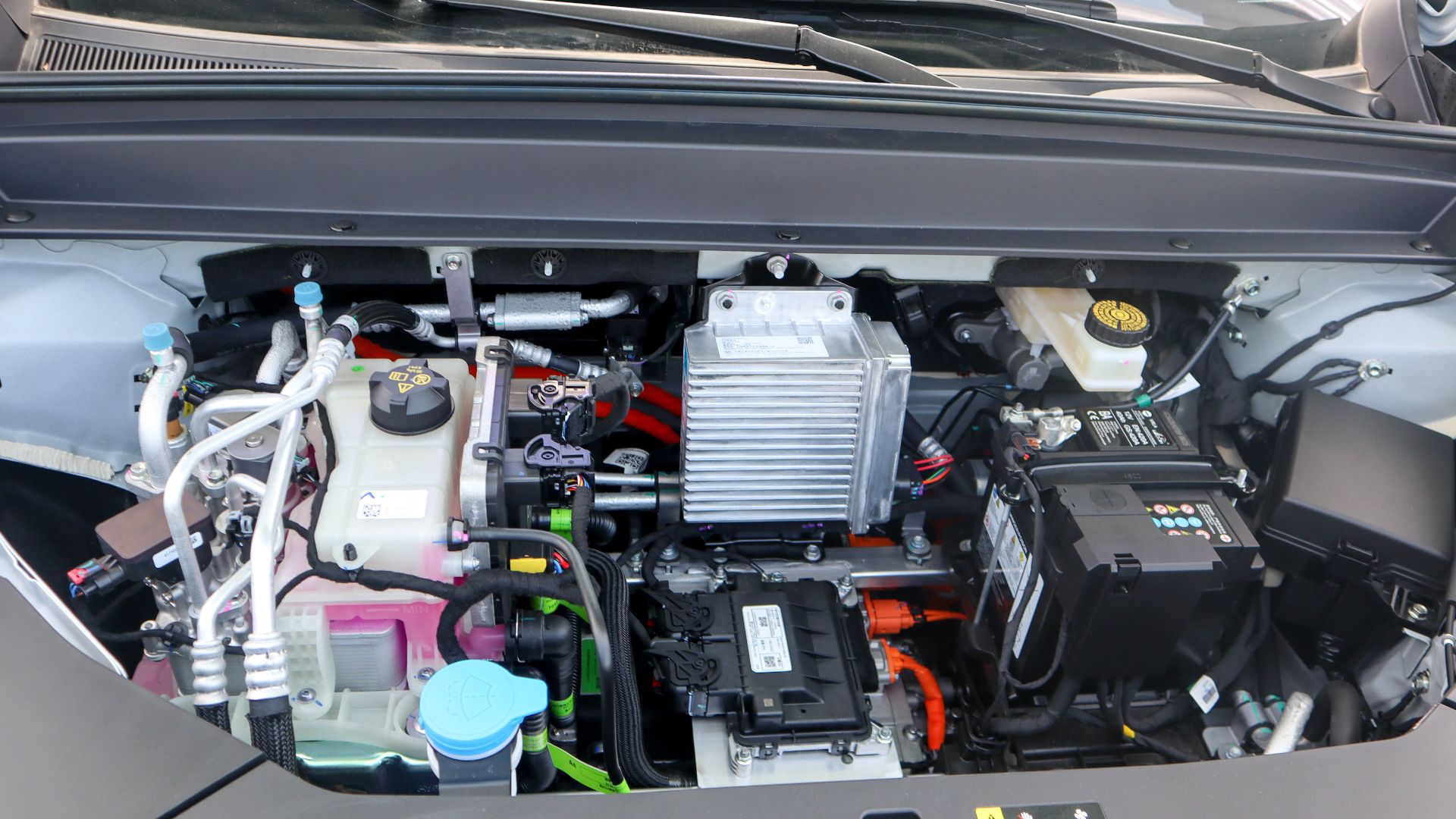
One reason involves electromagnetic interference. Electric motors, high-voltage systems, and other components can create noise that interferes with AM reception. US auto-industry and congressional discussions have repeatedly cited that interference as one reason some manufacturers removed AM from certain electric vehicles.
Fixing The Static Is Not Always Simple
Manufacturers can use shielding, filtering, component placement, and other engineering techniques to reduce interference. Automakers and industry groups have argued that those fixes can add cost and design complexity. Some manufacturers decided removing AM was simpler than redesigning parts of the vehicle around better reception.
Gas Cars Were Not Completely Immune
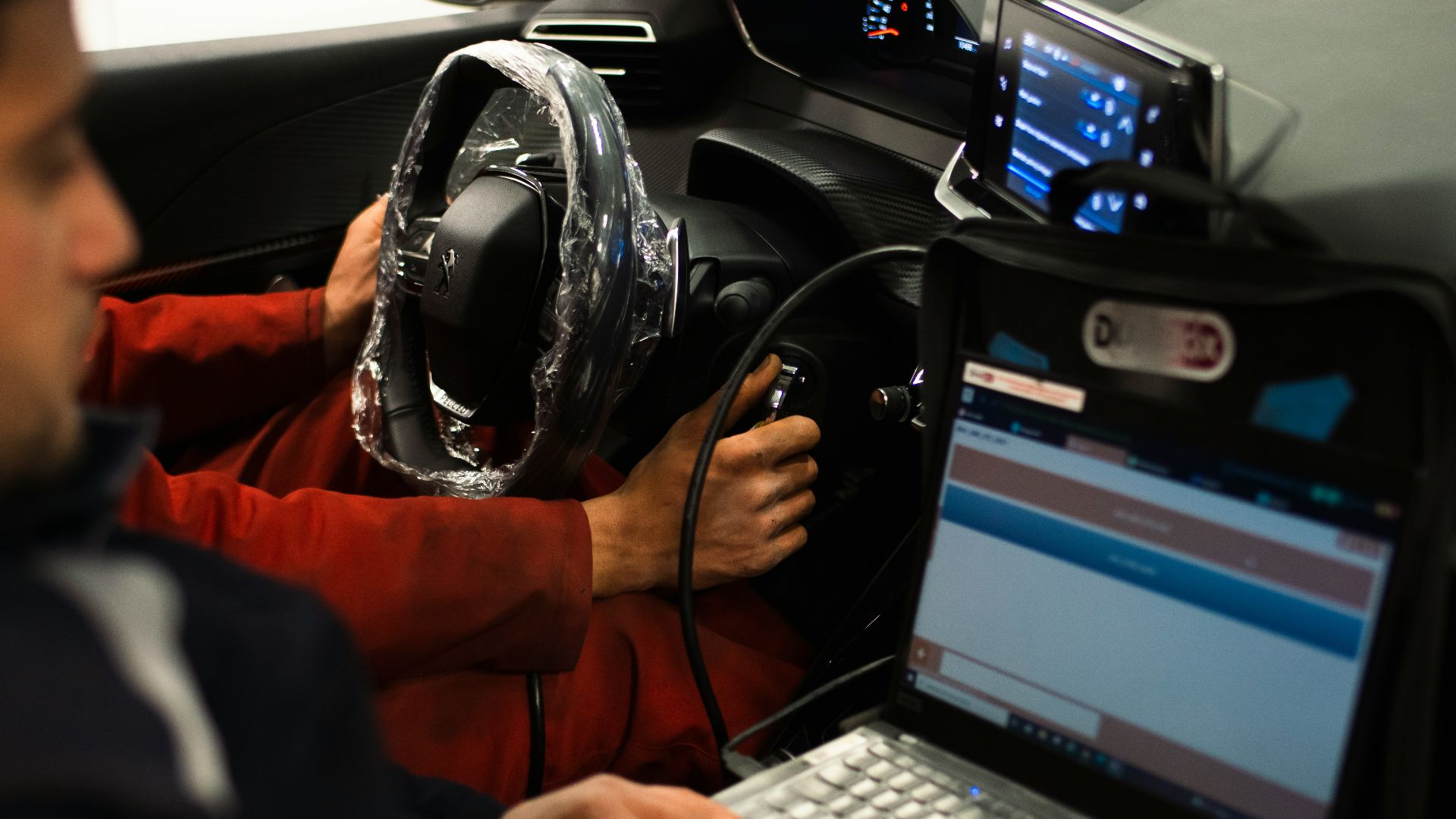
The issue briefly spread beyond electric vehicles. Ford announced in 2023 that it planned to eliminate AM from some future vehicles, including gas-powered models, before reversing course after criticism from customers and lawmakers. That episode showed AM removal was becoming more than an electric-car problem.
AM Still Has An American Audience
Streaming may dominate the conversation, but AM has not disappeared from American life. Talk radio, sports, local news, religious programming, foreign-language broadcasts, and rural stations remain heavily represented on the band. For someone who listens every morning, opening an app may not feel like an equivalent replacement.

Emergency Information Is The Bigger Argument
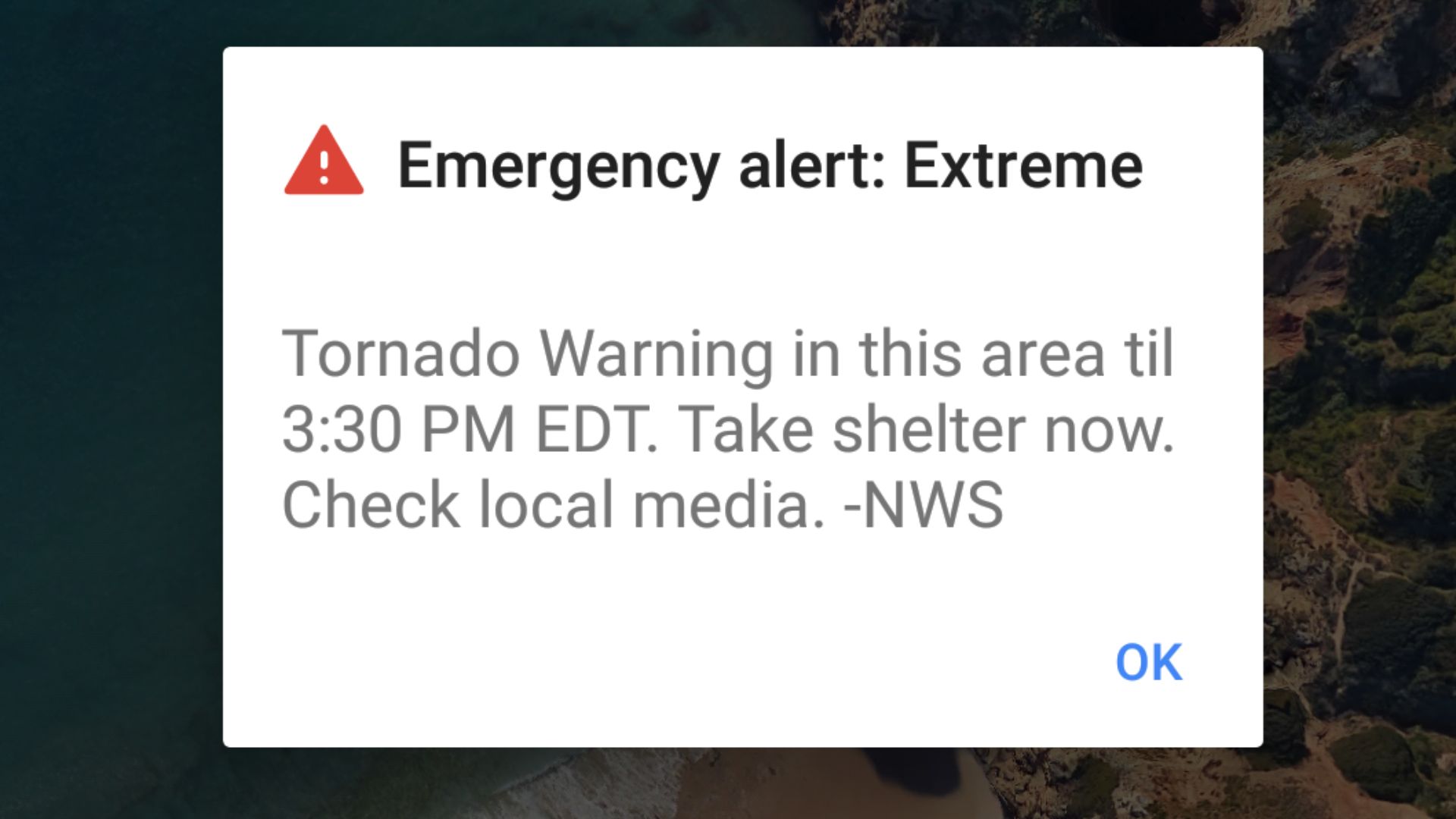
The strongest argument for keeping AM in new cars is public safety. AM stations participate in the nation's emergency-alert infrastructure and can cover large geographic areas. Supporters say that matters during hurricanes, tornadoes, wildfires, power outages, and other emergencies when internet or cellular service may be unreliable.

Phones Provide Another Safety Net
Automakers opposed to an AM requirement point out that Americans now receive alerts through several channels. Wireless Emergency Alerts can reach compatible cell phones, while connected vehicles may offer navigation warnings and other services. Those alternatives are valuable, although they rely on different networks and technologies.
Washington Has Stepped Into The Debate
On September 15, 2026, the US House passed the AM Radio for Every Vehicle Act. The bill would direct federal regulators to require access to AM broadcasts in new passenger vehicles without an extra fee. As of September 21, the measure had not yet completed the Senate process or become federal law.
 United States House of Representatives or Office of the Speaker of the House, Wikimedia Commons
So Your Car May Still Be Perfectly Legal
If your new vehicle lacks AM today, that does not automatically mean the manufacturer violated US law. The proposed federal requirement has not yet completed the legislative process. For current buyers, that makes checking the actual equipment list important instead of assuming AM reception is standard.

Streaming Is Becoming The Default Answer
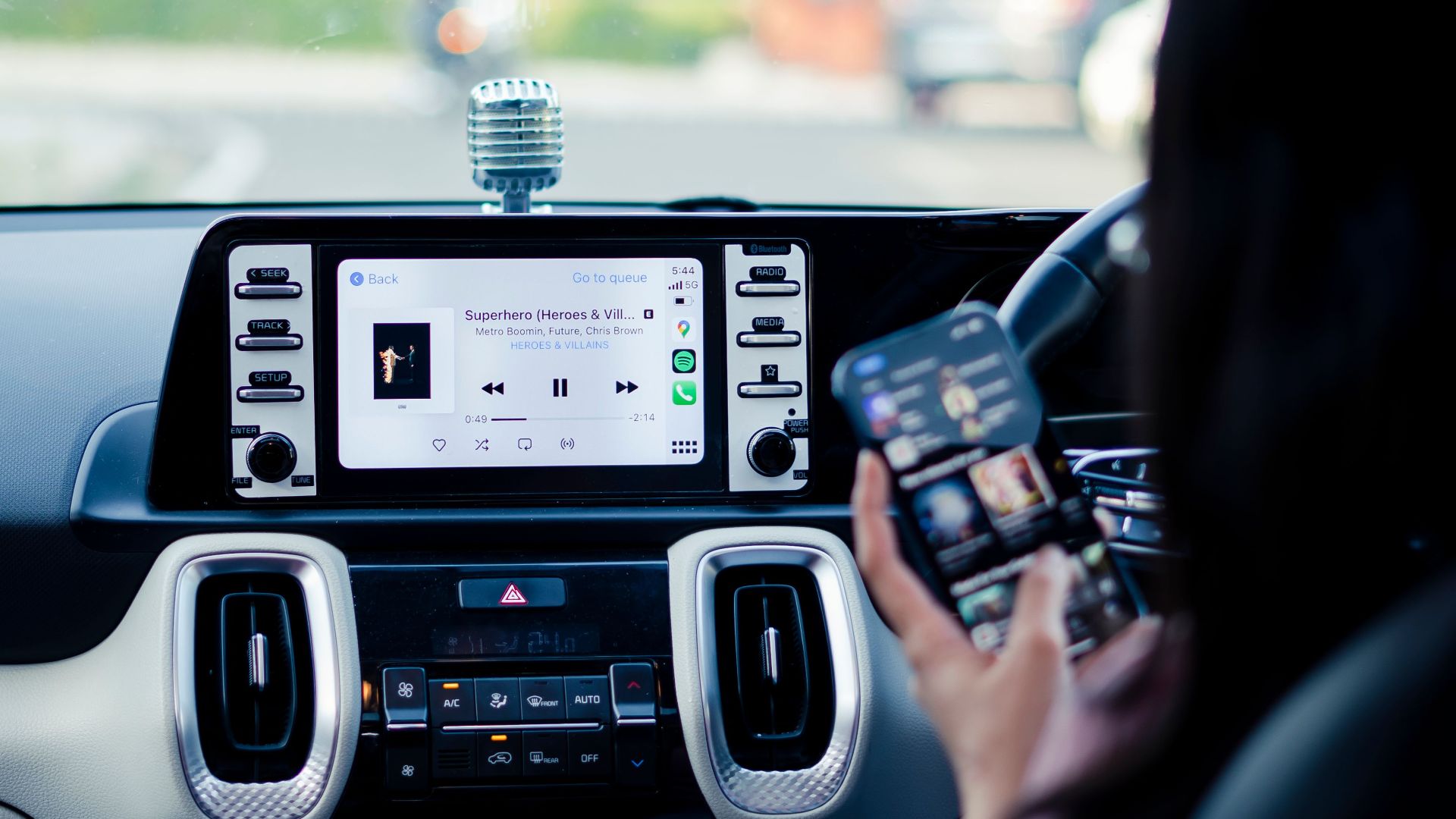
Automakers increasingly expect drivers to use smartphone apps, built-in streaming services, satellite radio, or internet-based stations. Those options can recreate much of the content once reached through a tuner. The catch is that streaming may require cell coverage, data, an account, or a subscription that traditional radio never needed.
Sometimes Your Station Is Still Available
Losing an AM tuner does not necessarily mean losing your favorite station. Many broadcasters stream online, operate their own apps, or appear through services such as smartphone integration. Before giving up, search for the station through your vehicle's apps.
The Missing Spare Tire Is Another Example
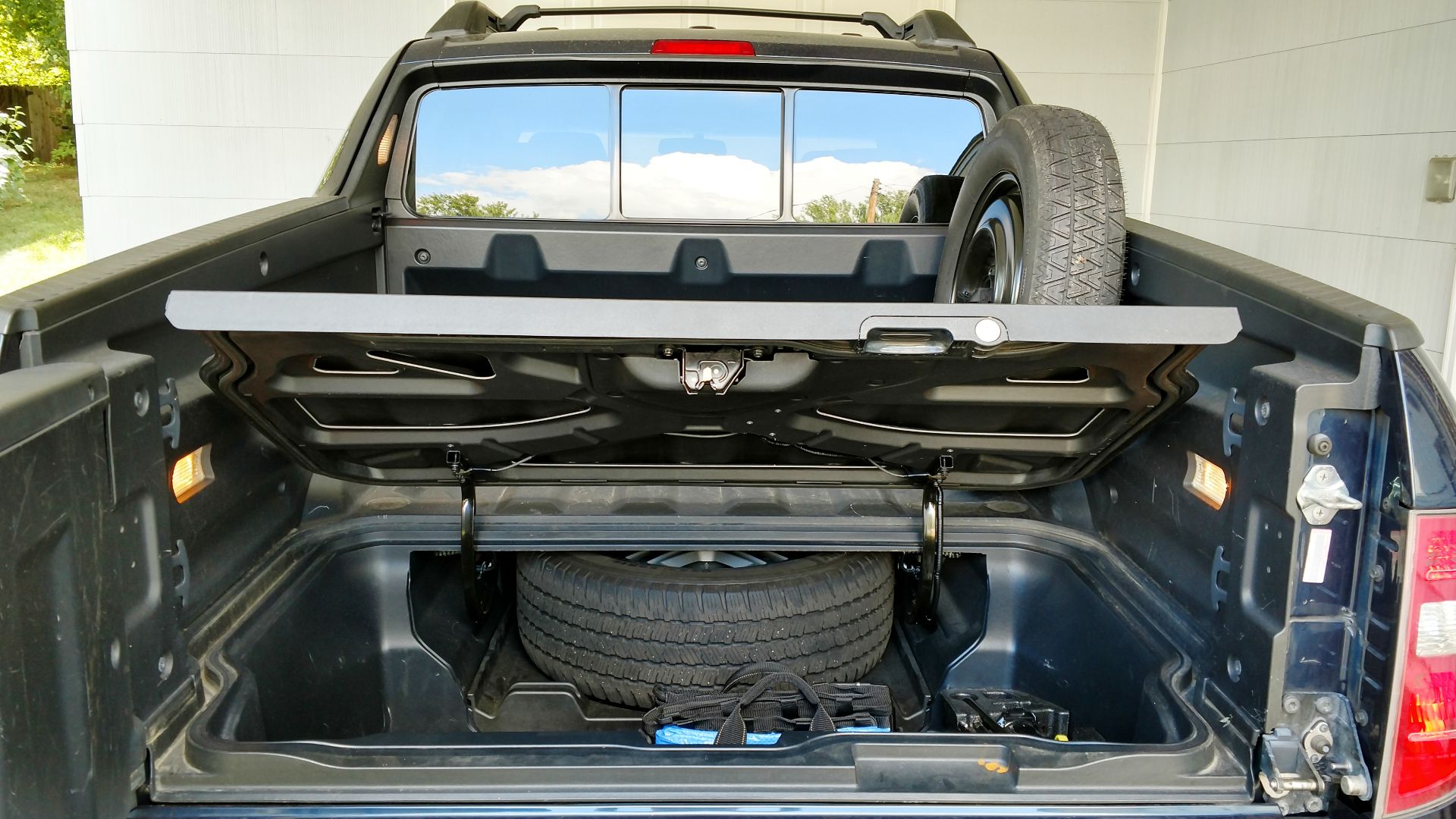
AM radio is hardly the first familiar feature to quietly disappear. Spare tires have vanished from many American vehicles too. AAA and Consumer Reports have documented the trend, with manufacturers increasingly using inflator kits or run-flat tires instead to save space, weight, and manufacturing cost.
 User:McChizzle, Wikimedia Commons
Physical Buttons Are Disappearing Too
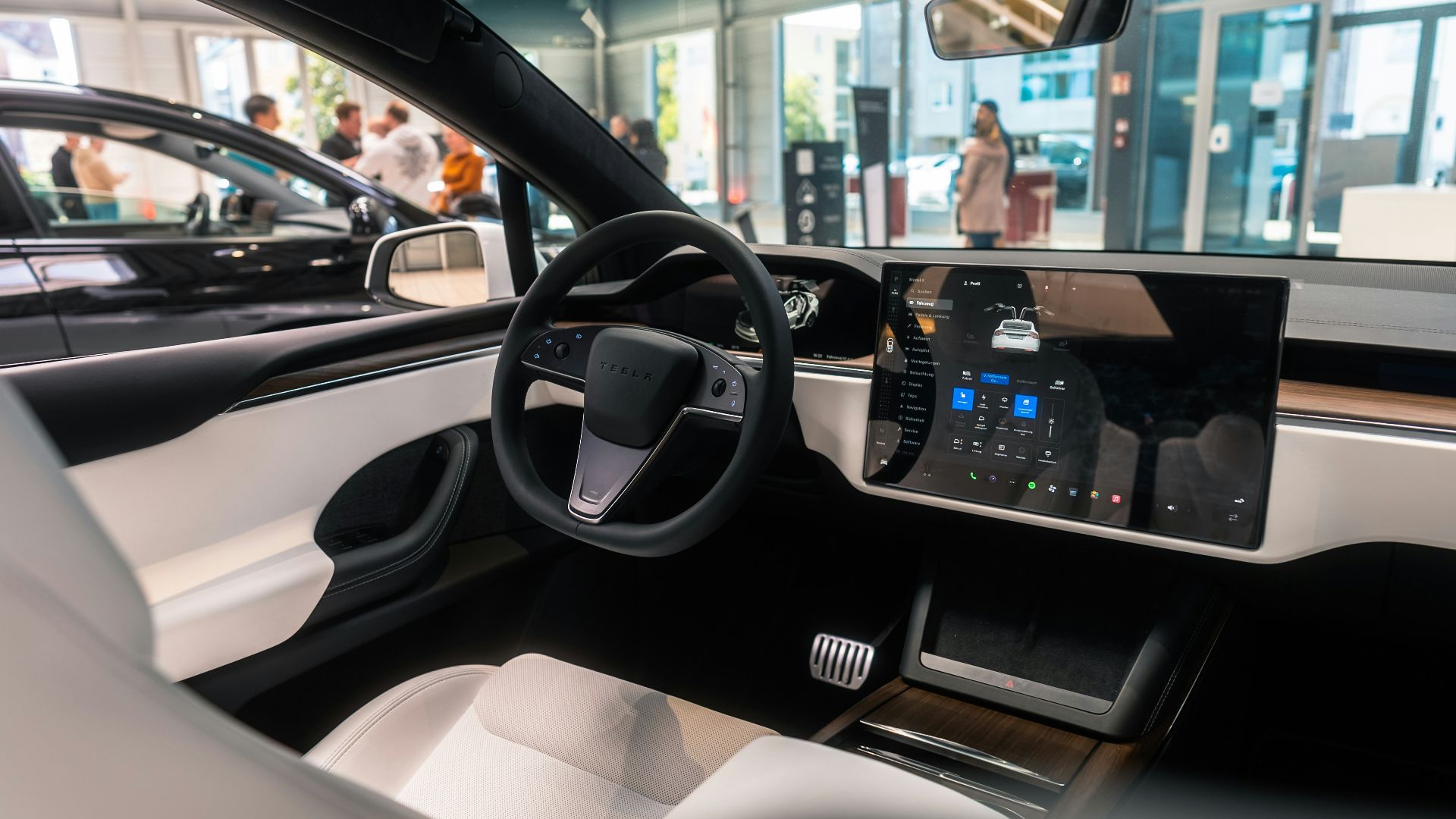
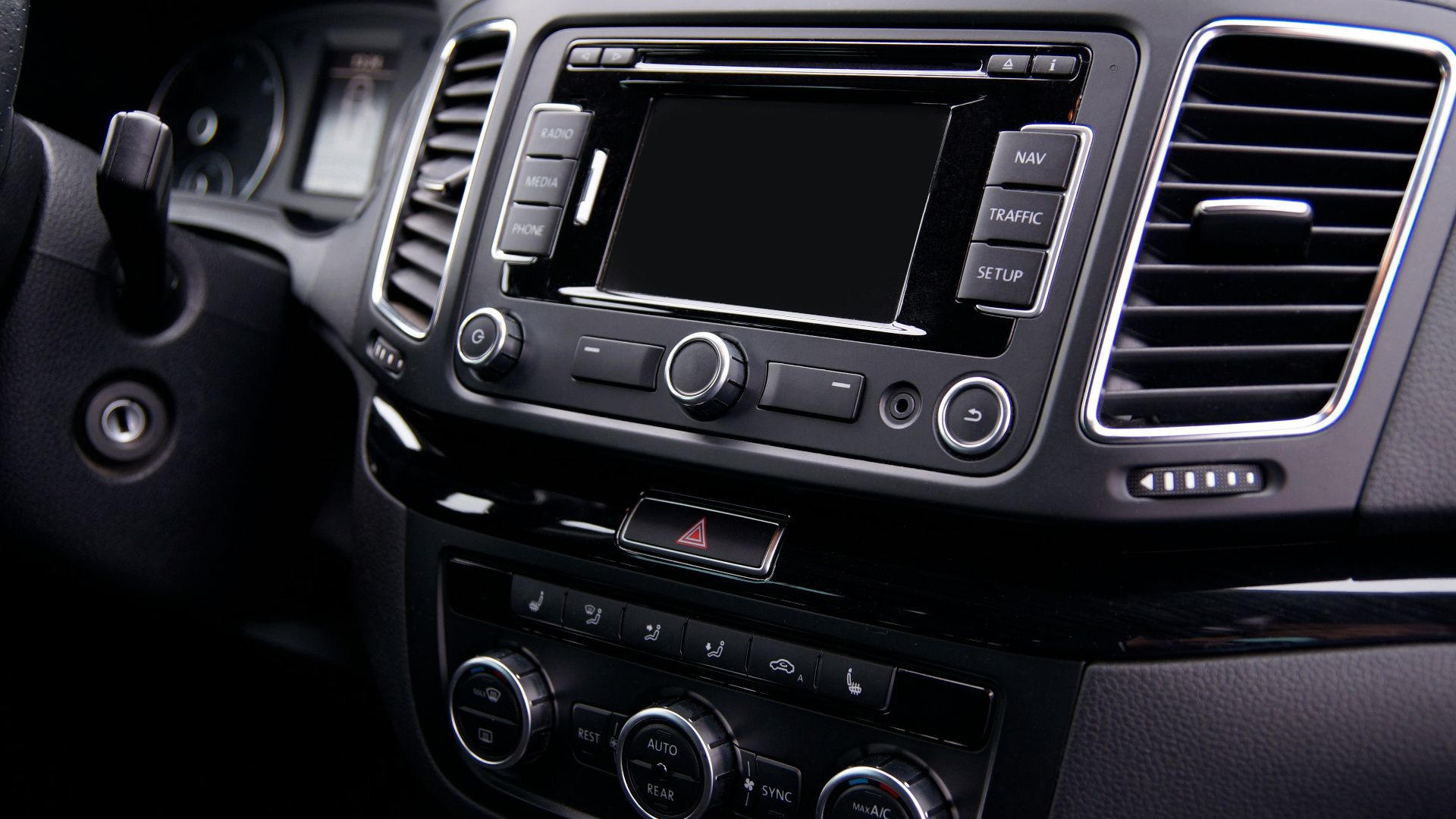
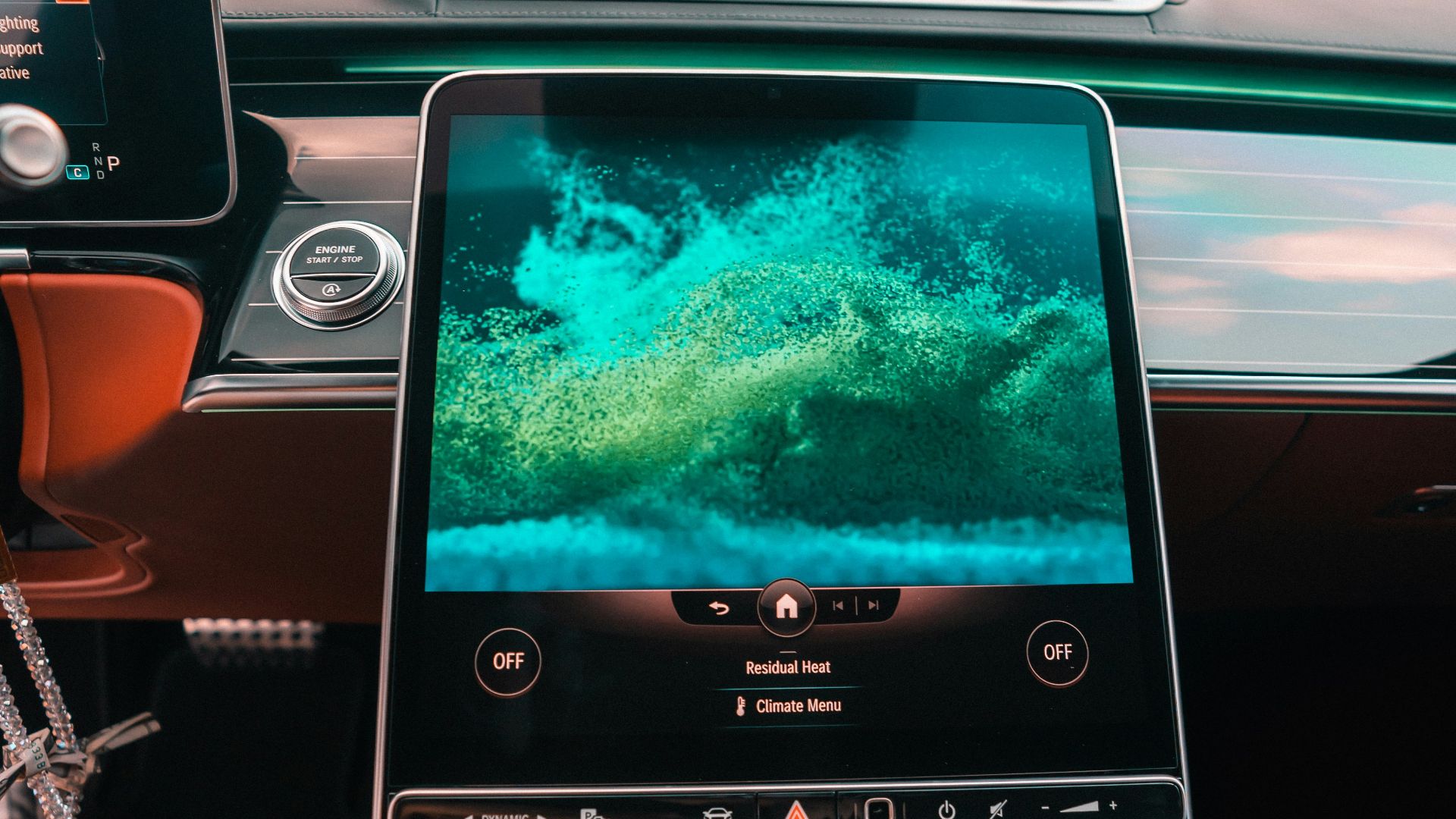
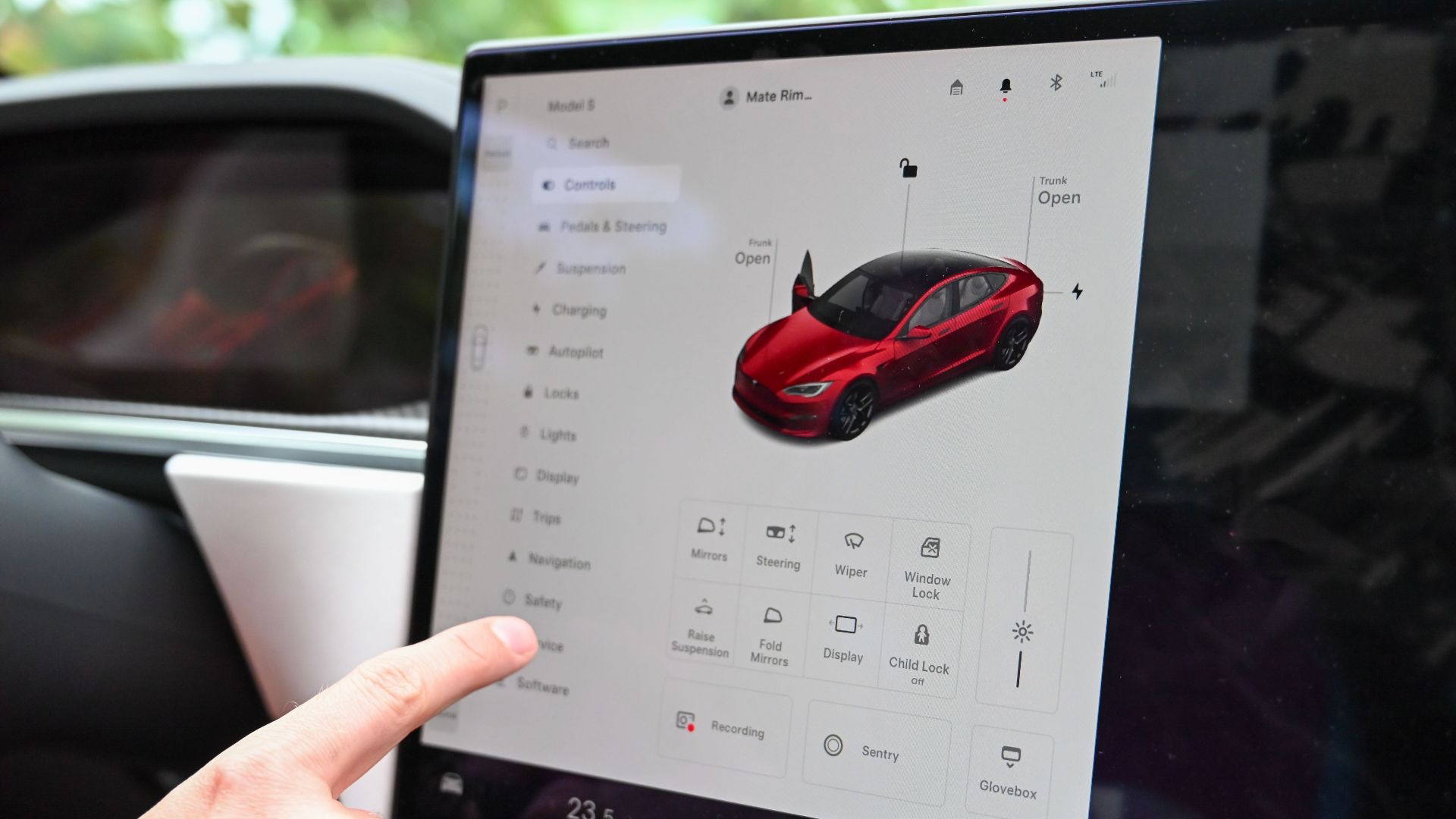
Another change is staring drivers right in the face. Climate controls, radio tuning, heated seats, and other functions that once had dedicated buttons can now live inside touchscreens. Consumer Reports has criticized designs that bury frequently used controls in menus because they can demand more attention while driving.
The Old CD Player Is Nearly History
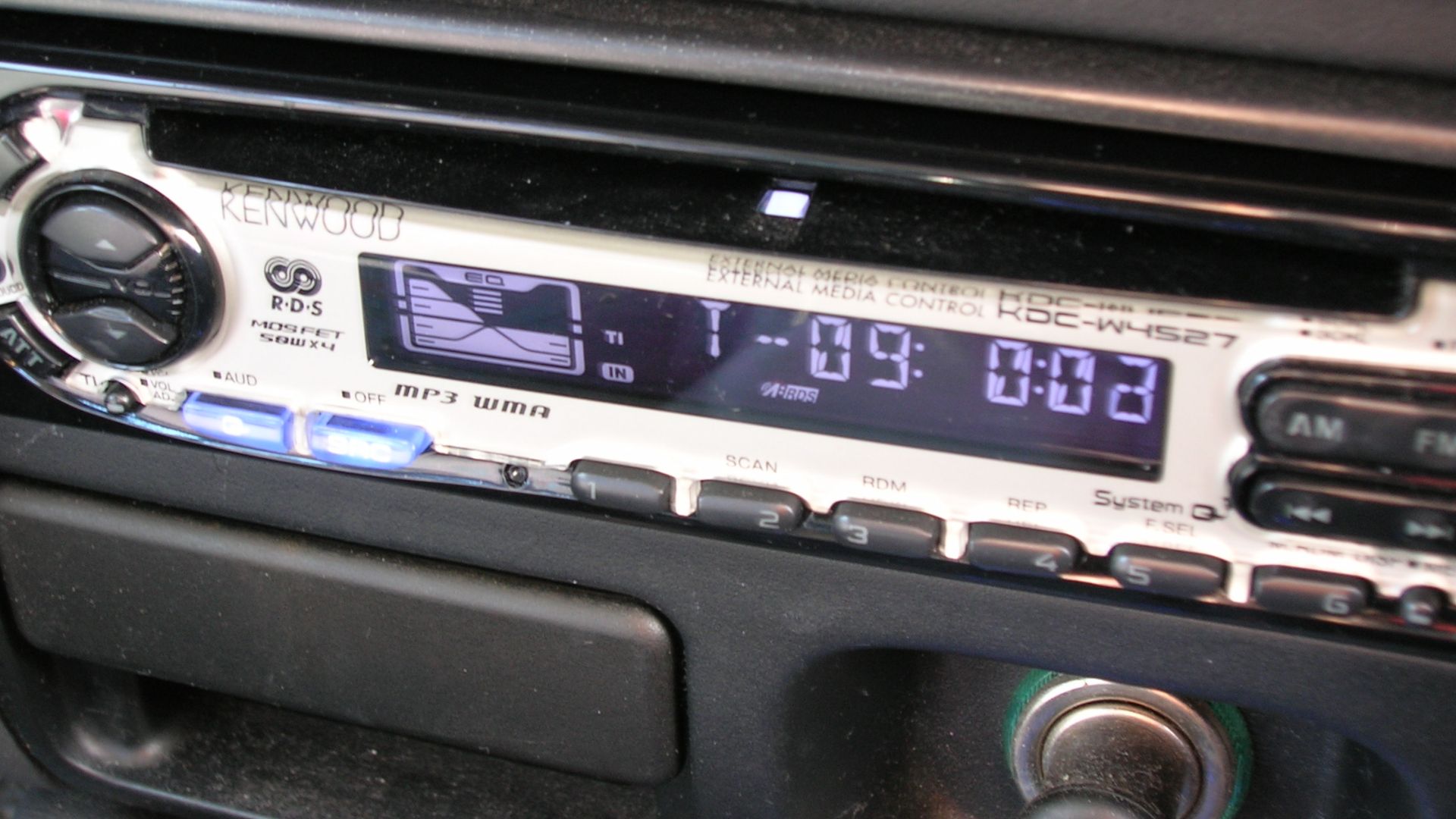
American drivers once expected a CD slot alongside the radio. Today it can be surprisingly difficult to find one in a new vehicle. Bluetooth, USB connections, smartphone integration, satellite radio, and streaming largely took its place. Automakers follow consumer habits, even when longtime owners would prefer to keep both options.
Even The Key Has Changed
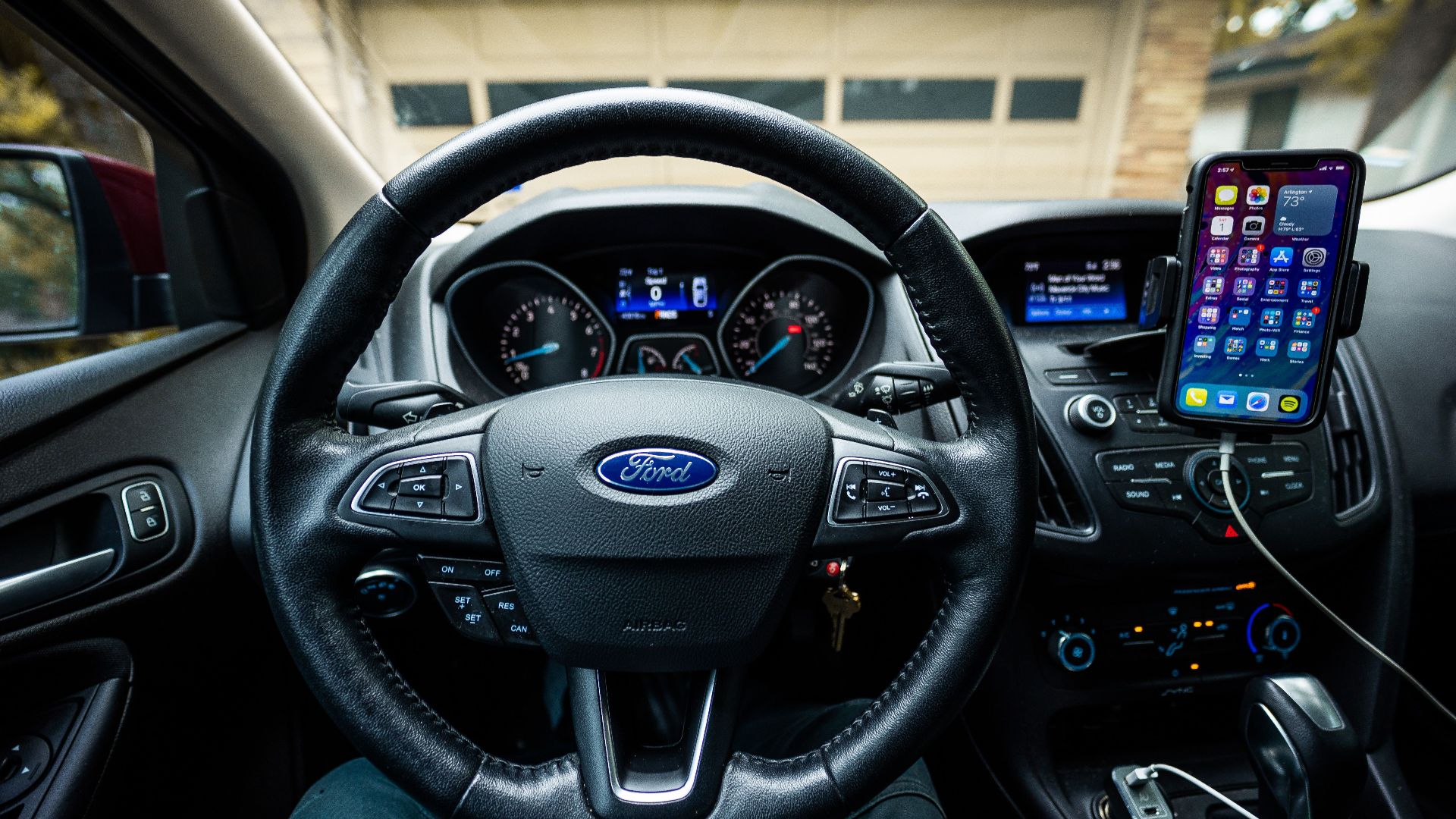
Physical ignition keys have largely given way to proximity fobs, push-button starting, phone-based keys, and digital access systems. These features can be convenient, but they illustrate the broader trend. Modern cars often replace straightforward mechanical features with electronic ones buyers may not fully investigate during a test drive.
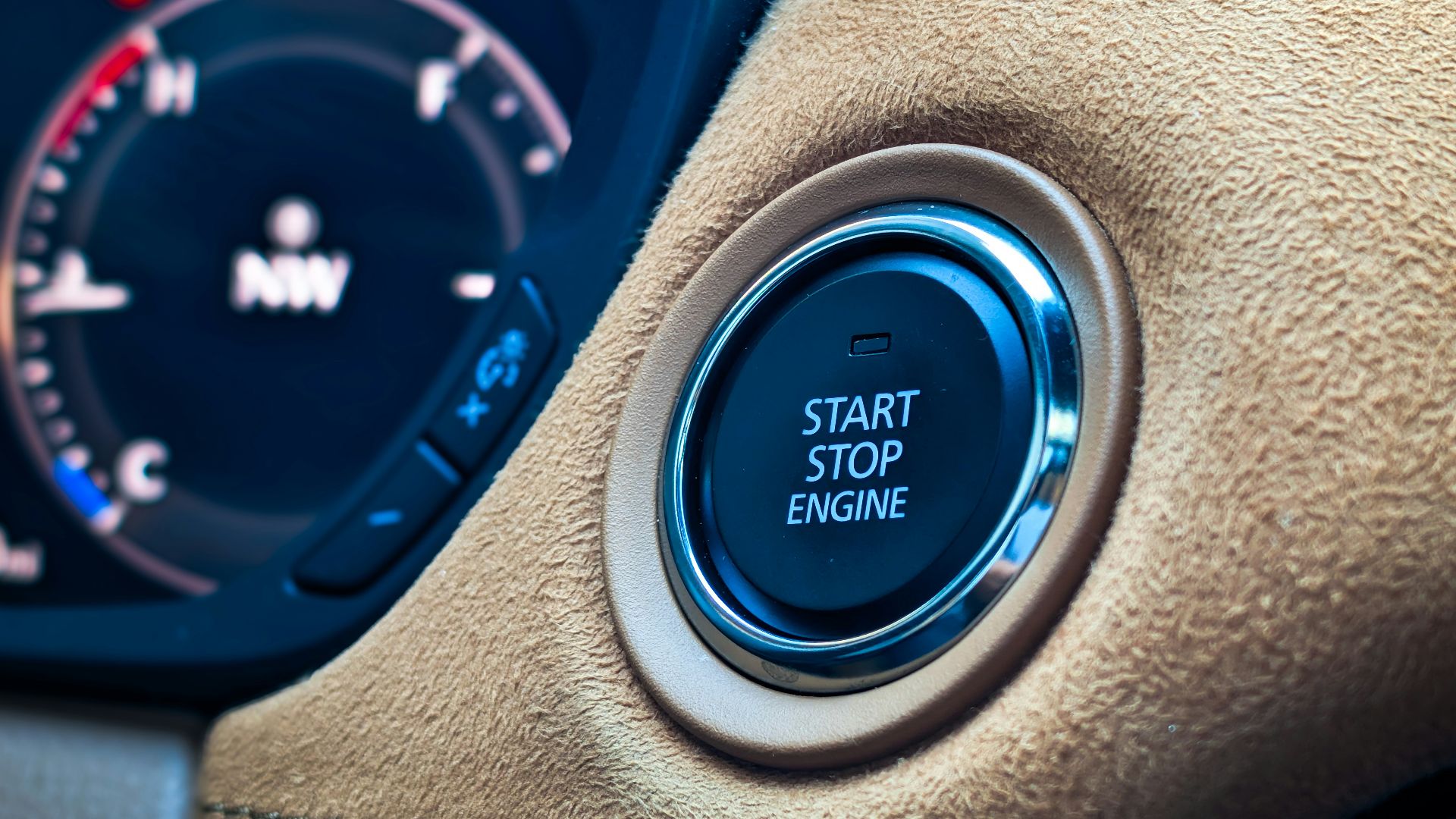
“Standard Equipment” Does Not Mean What You Remember
The risky assumption is that anything your last few cars included must still come with the next one. A new vehicle may offer cameras and sophisticated safety technology while deleting AM radio, a spare tire, an auxiliary audio jack, or familiar physical controls. Old expectations are becoming less reliable.

More Technology Can Mean Fewer Familiar Features
This creates an odd contradiction. New cars often have more equipment than ever, yet they can feel like they are missing things. Huge screens, connected services, cameras, and driver assistance are being added while standalone controls and familiar hardware disappear. Progress does not always mean getting everything you had before.
Do A “Boring Features” Check Before Buying
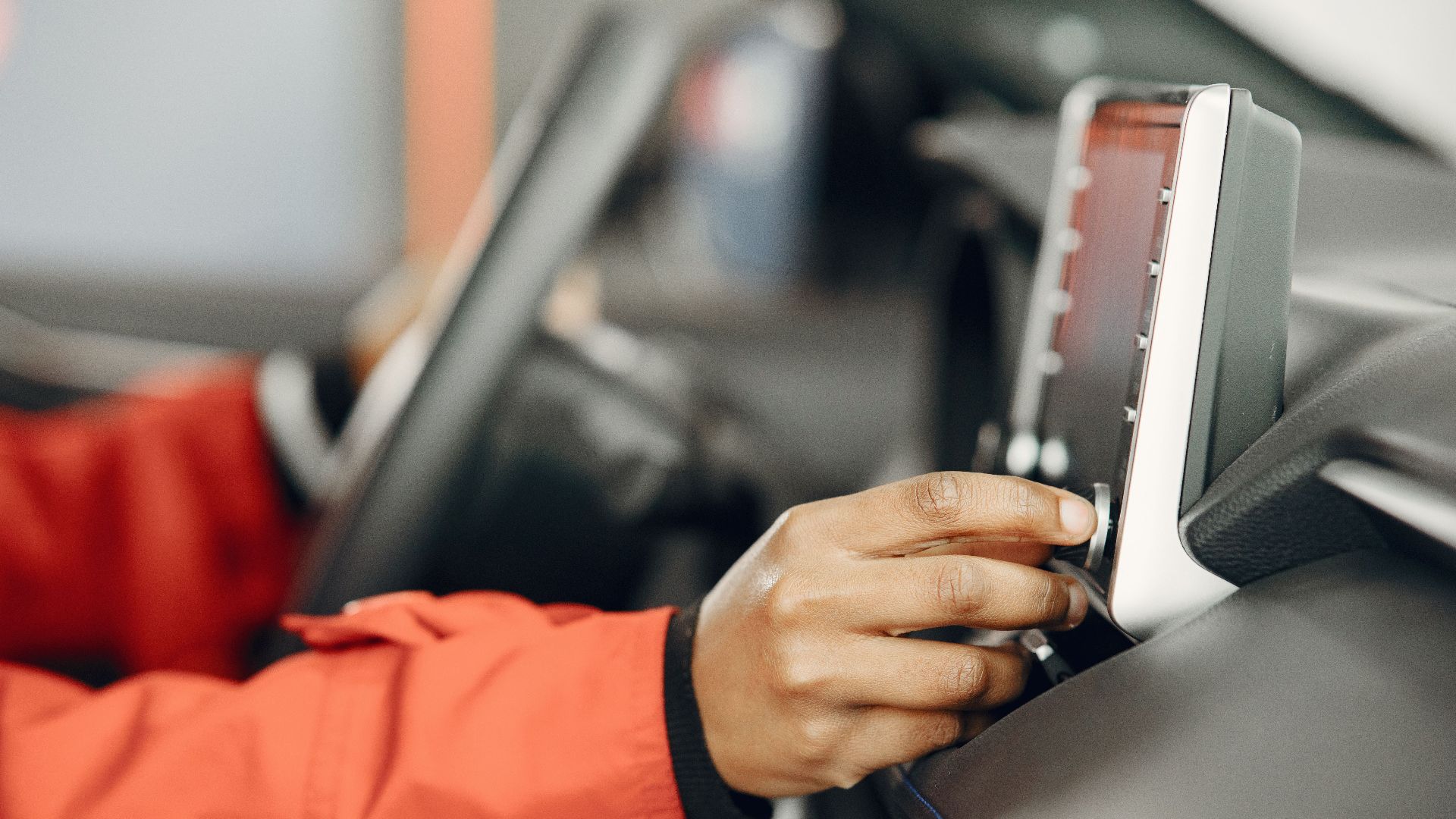
A test drive should include more than acceleration and seat comfort. Try the AM and FM radio. Look under the cargo floor for a spare. Adjust the climate controls. Connect your phone. Check the USB ports and physical buttons. The boring checklist can prevent surprisingly annoying discoveries after the paperwork is signed.
Check The Actual Vehicle, Not Just The Brochure
Equipment can change by trim, model year, powertrain, or production date. A feature shown in an online review or included in a gas model may be absent from the electric version sitting beside it. Sit in the exact vehicle you plan to buy and confirm the equipment rather than assuming another trim represents yours.
Make The Salesperson Demonstrate It
If a feature matters to you, ask where it is and have the salesperson show you. Do not settle for “I'm pretty sure it has that". AM reception, smartphone compatibility, spare tires, heated features, and driver-assistance equipment should all be confirmed before you sign the purchase or lease agreement.

Moving Forward
Automakers really are removing some features American drivers once considered basic, although the reasons range from engineering and packaging to cost and changing consumer habits. AM radio is an unusual example because its disappearance has triggered a federal debate. The lesson for buyers is simple: never assume yesterday's standard feature is still standard today.

You May Also Like:
The Five Fastest Cars In The World
Quick Guide To the Costs Of Car Ownership
My extended warranty won’t cover a known defect. Isn’t that what extended warranties are for?